


KISWAHILI KATIKA SIASA ZA AFRIKA MASHARIKI
AKI 907: GLOBAL TRENDS IN THE DEVELOPMENT OF KISWAHILI
MWASILISHAJI: Johnpaul Arigumaho
MADA: KISWAHILI KATIKA SIASA ZA AFRIKA MASHARIKI
1.0 UTANGULIZI
Lugha ni nyenzo muhimu katika siasa kwa sababu hutumika kujenga utambulisho wa taifa, kutekeleza mamlaka, kuendesha utawala, kusambaza maarifa, kuimarisha diplomasia na kushirikisha wananchi katika michakato ya maendeleo. Hivyo, lugha haiwezi kuchunguzwa kama mfumo wa ishara na kanuni za mawasiliano pekee; inapaswa pia kuchunguzwa kama taasisi ya kijamii na kisiasa ambayo hadhi, matumizi na maendeleo yake huathiriwa na maamuzi ya watawala, sera za serikali, historia ya ukoloni na mahitaji ya jamii.
Katika muktadha wa Afrika Mashariki, Kiswahili kina umuhimu wa kipekee kwa sababu kinatumika kama lugha ya mawasiliano kati ya watu wenye lugha mama, mataifa na historia mbalimbali. Ukuaji wake umehusishwa na biashara, elimu, utawala, vyombo vya habari, shughuli za kijamii na harakati za ukombozi wa kisiasa. Kwa hiyo, maendeleo ya Kiswahili katika eneo hili hayawezi kutenganishwa na historia ya ujenzi wa mataifa na jitihada za kuimarisha ushirikiano wa kikanda.
Jukwaa muhimu la kuchunguza uhusiano huu ni Jumuiya ya Afrika Mashariki (East African Community—EAC). Mkataba wa kuanzisha JAM ulitiwa saini tarehe 30 Novemba 1999 na kuanza kutekelezwa tarehe 7 Julai 2000. Makao makuu ya Jumuiya yako Arusha, Tanzania. JAM inalenga kuimarisha ushirikiano wa kiuchumi, kisiasa, kijamii na kiutamaduni miongoni mwa nchi wanachama, pamoja na kuendeleza hatua za kuunganisha soko, mifumo ya fedha na hatimaye shirikisho la kisiasa.
Kwa sasa, JAM ina nchi wanachama nane: Burundi, Jamhuri ya Kidemokrasia ya Kongo (DRC), Kenya, Rwanda, Somalia, Sudan Kusini, Tanzania na Uganda. Nchi hizi zina historia, mifumo ya elimu, sera za lugha na mazingira tofauti ya kijamii na kisiasa. Tofauti hizo zinaifanya lugha kuwa suala muhimu katika juhudi za kuunda jumuiya yenye mawasiliano yanayovuka mipaka ya kitaifa.
Kiswahili kina nafasi ya kisheria katika mradi huu wa utangamano. Ibara ya 137 ya Mkataba wa JAM iliweka Kiingereza kama lugha rasmi ya Jumuiya na kuelekeza kwamba Kiswahili kiendelezwe kama lingua franca, yaani lugha ya mawasiliano mapana kati ya watu wenye lugha tofauti. Maendeleo ya baadaye ya sera za Jumuiya yameimarisha hadhi ya Kiswahili. Mkakati wa Saba wa Maendeleo ya JAM wa 2026/27–2030/31 unaeleza kuwa Mkutano wa 21 wa Wakuu wa Nchi ulipitisha Kiswahili na Kifaransa kuwa lugha rasmi pamoja na Kiingereza, na Mkutano wa 24 uliidhinisha marekebisho ya Ibara ya 137 kuhusu hadhi hiyo. Hivyo, ni muhimu kutofautisha matini ya awali ya Mkataba na maamuzi ya baadaye ya taasisi za Jumuiya.
Hata hivyo, kutambuliwa kwa lugha katika mkataba au azimio hakumaanishi moja kwa moja kuwa lugha hiyo inatumika kwa kiwango sawa katika shughuli zote za kisiasa, kiutawala na kiuchumi. Utekelezaji unahitaji sheria, bajeti, wataalamu, istilahi sanifu, tafsiri, mitaala, teknolojia na utashi wa kisiasa. Kwa msingi huo, katika mada hii Kiswahili katika siasa za Afrika Mashariki tutaangalia historia yake, misingi ya kisheria, sera za nchi wanachama, nafasi yake katika utangamano wa kikanda, changamoto zinazokikabili na mikakati ya kukiimarisha.
2.0 DHANA MUHIMU NA MANENO YA MSINGI
2.1 Jumuiya ya Afrika Mashariki (EAC)
Jumuiya ya Afrika Mashariki ni taasisi ya kikanda inayounganisha nchi wanachama kwa lengo la kuimarisha ushirikiano na utangamano. Kwa mujibu wa Mkataba wake, malengo yake yanahusisha ushirikiano wa kisiasa, kiuchumi, kijamii, kiutamaduni, kisayansi na kiteknolojia, pamoja na kuendeleza umoja wa kikanda. Hatua za utangamano zinahusisha Umoja wa Forodha, Soko la Pamoja, Umoja wa Fedha na lengo la muda mrefu la Shirikisho la Kisiasa.
Kwa hiyo, JAM si taasisi ya biashara pekee. Ni mradi mpana wa kuunganisha watu, taasisi, uchumi na mifumo ya utawala. Lugha ni muhimu katika mradi huo kwa sababu biashara, sheria, elimu, diplomasia na ushiriki wa wananchi vyote vinahitaji mawasiliano.
2.2 Nchi wanachama wa EAC
Nchi wanachama na miaka ya kujiunga ni kama ifuatavyo:
| Nchi | Mwaka wa kujiunga au kuwa mwanachama kamili |
| Tanzania | Mwanachama mwanzilishi wa JAM iliyoanzishwa upya |
| Kenya | Mwanachama mwanzilishi wa JAM iliyoanzishwa upya |
| Uganda | Mwanachama mwanzilishi wa JAM iliyoanzishwa upya |
| Rwanda | 2007 |
| Burundi | 2007 |
| Sudan Kusini | 2016 |
| Jamhuri ya Kidemokrasia ya Kongo | 2022 |
| Somalia | 2024 |
Ushiriki wa nchi hizi unaleta fursa ya kueneza Kiswahili katika eneo lenye watu na masoko mbalimbali. Wakati huohuo, unahitaji kuzingatia wingi wa lugha na mazingira tofauti ya sera za lugha katika kila nchi.
2.3 Siasa
Siasa ni mchakato wa kutumia, kugawa, kujadili na kudhibiti mamlaka katika jamii. Katika utafiti huu, siasa hazihusu vyama na uchaguzi pekee, bali pia maamuzi kuhusu lugha za elimu, sheria, utawala, ajira, vyombo vya habari na uwakilishi wa wananchi.
2.4 Siasa za lugha
Siasa za lugha ni uhusiano kati ya lugha na mamlaka, sera, itikadi na maslahi ya kijamii. Zinahusu maswali kama vile: Ni lugha gani inayotambuliwa rasmi? Ni lugha gani inayotumika bungeni? Ni lugha gani inayotumika kufundishia? Ni lugha gani inayopata fedha za serikali? Na ni wazungumzaji wa lugha gani wanaopata nafasi pana zaidi za kushiriki katika shughuli za umma?
2.5 Kiswahili
Kiswahili ni lugha ya Kibantu yenye historia ndefu ya mawasiliano katika pwani ya Afrika Mashariki na maeneo ya bara. Kwa sasa kinatumika katika elimu, biashara, utawala, vyombo vya habari, fasihi, diplomasia na mawasiliano ya kimataifa. Katika mada hii, Kiswahili kinachunguzwa kama lugha ya mawasiliano na pia kama rasilimali ya kisiasa na kiuchumi.
2.6 Lugha rasmi
Lugha rasmi ni lugha inayotambuliwa na sheria au sera kwa matumizi maalumu katika shughuli rasmi za serikali au taasisi. Hadhi ya lugha rasmi inaweza kuhusisha matumizi yake katika nyaraka, bunge, mahakama, elimu au mawasiliano ya taasisi, kulingana na sheria husika.
2.7 Lingua franca
Lingua franca ni lugha inayotumiwa na watu wenye lugha mama tofauti ili kurahisisha mawasiliano. Katika EAC, Kiswahili kina umuhimu wa aina hii kwa sababu kinaweza kusaidia mawasiliano kati ya wananchi na taasisi kutoka nchi mbalimbali.
2.8 Utangamano wa kikanda
Utangamano wa kikanda ni mchakato wa kuimarisha ushirikiano kati ya nchi katika nyanja za kiuchumi, kisiasa, kijamii, kiutamaduni na kiutawala. Lugha ya pamoja inaweza kurahisisha mchakato huu, lakini utangamano unahitaji pia sheria, taasisi, miundombinu na utekelezaji wa pamoja.
2.9 Wingi-lugha
Wingi-lugha ni hali ya kuwepo au kutumiwa kwa lugha zaidi ya moja katika jamii, taasisi au eneo fulani. Katika Afrika Mashariki, Kiswahili kinapaswa kuendelezwa bila kupuuza lugha za kienyeji na lugha nyingine zinazotumiwa na jamii za nchi wanachama.
2.10 Sera ya lugha
Sera ya lugha ni maamuzi, kanuni na hatua zinazochukuliwa na serikali au taasisi kuhusu hadhi, matumizi, ufundishaji na maendeleo ya lugha. Sera inaweza kuwa rasmi kwa maandishi au isiyo rasmi, ikionekana kupitia mazoea ya taasisi, bajeti na maamuzi ya kila siku.
3.0 USULI WA MADA
Lugha huathiriwa na siasa kupitia maamuzi ya serikali kuhusu lugha rasmi, elimu, utawala na utambulisho wa taifa. Kwa hiyo, lugha haiendelei kwa sababu ya matumizi ya wazungumzaji pekee; pia huathiriwa na mamlaka yanayoamua lugha zinazopata nafasi katika shule, taasisi za umma na mifumo ya mawasiliano.
Katika muktadha wa China, Spolsky (2014), katika makala yake kuhusu usimamizi wa lugha katika Jamhuri ya Watu wa China, anaeleza umuhimu wa usimamizi wa lugha na nafasi ya serikali katika kukuza Putonghua kama lugha ya pamoja. Mfano huu unaonesha namna maamuzi ya kisiasa yanavyoweza kuathiri usanifishaji wa lugha na matumizi yake katika taifa lenye wingi lugha wa lugha.
Kwa upande mwingine, Phillipson (1992), katika kitabu Linguistic Imperialism, anachunguza namna historia ya ukoloni na mifumo ya elimu ilivyochangia kuimarika kwa Kiingereza katika taasisi nyingi duniani. Hoja hii inasaidia kuelewa kwa nini lugha fulani zinaweza kuwa na hadhi kubwa katika elimu, utawala na uchumi hata pale ambapo si lugha zinazozungumzwa na watu wengi zaidi kama lugha mama.
Barani Afrika, historia ya ukoloni, sera za elimu na mahitaji ya utawala zimeathiri nafasi ya lugha za Ulaya na lugha za Kiafrika. Kaschula na Kretzer (2019) wanachunguza uhusiano kati ya siasa na elimu ya lugha barani Afrika. Mjadala huu unaonesha kuwa maamuzi kuhusu lugha za kufundishia, lugha za serikali na lugha za kitaifa yanahusiana na malengo ya kisiasa, mazingira ya kijamii na historia ya nchi.
Katika Afrika Mashariki, Kiingereza kilipata nafasi kubwa katika mifumo ya utawala na elimu ya maeneo yaliyotawaliwa na Waingereza, huku Kijerumani kikiwa na nafasi katika Tanganyika ya kikoloni kabla ya Vita vya Kwanza vya Dunia. Baada ya uhuru, nchi nyingi ziliendelea kutumia lugha za kikoloni katika baadhi ya taasisi rasmi, huku Kiswahili kikiendelea kukua kama lugha ya mawasiliano mapana. Mazrui na Mazrui (1993) wanajadili nafasi na hadhi ya Kiingereza na Kiswahili katika jamii za Afrika Mashariki baada ya ukoloni.
Katika JAM, suala la Kiswahili limepata umuhimu kwa sababu ya malengo ya kuimarisha mawasiliano, biashara, elimu na ushirikiano wa kikanda. Ibara ya 137 ya Mkataba wa EAC ilitambua umuhimu wa Kiswahili kwa kuelekeza kiendelezwe kama lingua franca ya Jumuiya. Maamuzi ya baadaye ya Wakuu wa Nchi na mikakati ya maendeleo ya EAC yanaonesha hatua zaidi za kukipa Kiswahili hadhi ya lugha rasmi ya Jumuiya.
Hata hivyo, kuna pengo kati ya kutambua umuhimu wa Kiswahili na kuhakikisha kinatumika kwa ufanisi katika taasisi zote. Baadhi ya nchi zina msingi imara na utekelezaji zaidi wa kikatiba na kielimu wa matumizi ya Kiswahili kuliko nyingine. Hivyo, tunastahili kuchunguza si matamko ya viongozi pekee, bali pia namna maamuzi hayo yanavyogeuzwa kuwa sheria, bajeti, mitaala, ajira, huduma na mawasiliano yanayowafikia wananchi.
4.0 MALENGO YA MJADALA
4.1 Lengo kuu
Kuchunguza nafasi ya Kiswahili katika siasa za Afrika Mashariki, hasa katika sera za lugha, utangamano wa kikanda, utawala, diplomasia na maendeleo ya kijamii na kiuchumi.
4.2 Malengo mahususi
- Kuchambua historia ya Kiswahili katika maendeleo ya kisiasa ya Afrika Mashariki.
- Kuchunguza misingi ya kisheria na kisera inayotambua na kuendeleza Kiswahili katika EAC na nchi wanachama.
- Kulinganisha nafasi ya Kiswahili katika sera na sheria za nchi mbalimbali za EAC.
- Kuchambua mchango wa Kiswahili katika diplomasia, biashara, demokrasia na utambulisho wa kikanda.
- Kutathmini changamoto zinazozuia matumizi na maendeleo ya Kiswahili.
- Kupendekeza mikakati ya kuimarisha matumizi ya Kiswahili katika taasisi na shughuli za EAC.
5.0 HISTORIA YA KISWAHILI KATIKA SIASA ZA AFRIKA MASHARIKI
Historia ya Kiswahili katika siasa za Afrika Mashariki inaweza kuchunguzwa katika hatua kuu nne.
5.1 Kipindi cha kabla ya ukoloni
Kabla ya ukoloni, Kiswahili kilitumika katika biashara, shughuli za kijamii na mawasiliano katika pwani ya Afrika Mashariki na maeneo ya bara. Maeneo ya biashara na mwingiliano wa jamii mbalimbali vilichangia kuenea kwake. Katika mazingira haya, Kiswahili kilikuwa na uwezo wa kuunganisha watu bila kuhitaji kufuta lugha zao za asili.
Kisiasa, nafasi hiyo ilikuwa muhimu kwa sababu mawasiliano kati ya jamii na mamlaka mbalimbali yalisaidia kuendesha shughuli za biashara na mahusiano ya kijamii. Hata hivyo, si sahihi kudhani kwamba Kiswahili kilikuwa lugha ya pekee ya mawasiliano katika eneo lote; jamii za Afrika Mashariki zimekuwa na mifumo mingi ya lugha kwa muda mrefu.
5.2 Kipindi cha ukoloni
Katika kipindi cha ukoloni, lugha zilitumika katika utawala, elimu, dini na shughuli za kiuchumi. Kiingereza kilipata nafasi kubwa katika maeneo yaliyotawaliwa na Waingereza, huku lugha nyingine za kikoloni zikitumika katika maeneo husika. Kiswahili nacho kilitumiwa kwa viwango tofauti katika utawala na mawasiliano, kutegemea eneo na sera za watawala.
Hali hii inaonesha kwamba hadhi ya lugha inaweza kuundwa na taasisi zenye mamlaka. Lugha inayotumika katika elimu ya juu, utumishi wa umma na nyaraka za kisheria inaweza kupata manufaa makubwa kuliko lugha ambayo matumizi yake yamewekewa mipaka.
5.3 Kipindi cha uhuru na ujenzi wa mataifa
Baada ya uhuru, nchi za Afrika Mashariki zililazimika kuchagua lugha za kuendeshea serikali, elimu na shughuli za kitaifa. Tanzania ilikipa Kiswahili nafasi kubwa katika ujenzi wa taifa na mawasiliano ya umma. Kenya ilikitambua Kiswahili kama lugha ya taifa na lugha rasmi pamoja na Kiingereza kupitia Katiba ya 2010. Uganda nayo inakitambua kikatiba kama lugha rasmi ya pili, kwa matumizi yatakayowekwa na sheria ya Bunge.
Mifano hii inaonesha kuwa lugha inaweza kutumika kujenga umoja wa kitaifa, lakini uchaguzi wa lugha pia unaweza kuathiri upatikanaji wa elimu, ajira na huduma za serikali.
5.4 Kipindi cha utangamano wa kikanda
Kuanzishwa upya kwa JAM mwaka 2000 kuliimarisha umuhimu wa lugha katika mawasiliano ya kikanda. Kadiri ushirikiano wa nchi wanachama ulivyoendelea katika biashara, elimu, usafiri, bunge na diplomasia, ndivyo ilivyokuwa muhimu kuwa na lugha zinazowezesha watu kuwasiliana kwa urahisi.
Kiswahili kimekuwa rasilimali ya kuunganisha jamii na taasisi, lakini kuimarika kwa hadhi yake kunahitaji kuunganishwa na utekelezaji wa sera na uwekezaji katika matumizi yake rasmi kupitia shughuli za kisiasa.
6.0 MISINGI YA KISHERIA NA KISIASA YA KISWAHILI KATIKA EAC
6.1 Mkataba wa EAC
Mkataba wa kuanzisha EAC ndio msingi mkuu wa kisheria wa ushirikiano wa nchi wanachama. Ibara ya 5 inaweka malengo ya Jumuiya, yakiwemo ushirikiano wa kiuchumi, kisiasa, kijamii na kiutamaduni. Ibara ya 7 inasisitiza kanuni za utangamano, ikiwemo ushirikiano unaowahusisha wananchi. Ibara ya 137 inahusu lugha za Jumuiya.
Katika matini awali ya Mkataba, Ibara ya 137(1) iliweka Kiingereza kuwa lugha rasmi na Ibara ya 137(2) ikaelekeza Kiswahili kiendelezwe kama lingua franca. Hii ilikuwa hatua muhimu ya kisheria, lakini pia ilionesha tofauti kati ya lugha iliyokuwa na hadhi rasmi na lugha iliyotakiwa kuendelezwa kwa matumizi ya mawasiliano mapana.
Baadaye, maamuzi ya Wakuu wa Nchi wa JAM yaliendeleza hadhi ya Kiswahili na Kifaransa kama lugha rasmi pamoja na Kiingereza. Mkakati wa Saba wa Maendeleo wa JAM unaeleza kwamba Mkutano wa 24 uliidhinisha marekebisho ya Ibara ya 137 ili kutoa msingi wa hadhi hiyo. Kwa uchambuzi wa kisheria, ni muhimu kutaja kwa usahihi hatua ya maamuzi na marekebisho, bila kuchanganya matini ya awali ya Mkataba na hatua za baadaye za mabadiliko yake.
6.2 Maamuzi ya Wakuu wa Nchi na taasisi za EAC
Mikutano ya Wakuu wa Nchi ni muhimu kwa sababu inaweza kuweka mwelekeo wa sera na kuidhinisha hatua za pamoja. Hata hivyo, maamuzi ya mikutano yanahitaji kufuatiwa na kazi ya taasisi husika, ikiwa ni pamoja na kuandaa kanuni, kutenga bajeti, kuandaa nyaraka na kuweka mifumo ya utekelezaji.
Kwa hiyo, mafanikio ya Kiswahili katika JAM hayapaswi kupimwa kwa idadi ya matamko pekee. Yanapaswa pia kupimwa kwa kiwango cha matumizi yake katika mikutano, nyaraka rasmi, bunge, mahakama, elimu, huduma za wananchi na shughuli za kiuchumi.
6.3 Nafasi ya Kamisheni ya Kiswahili ya Afrika Mashariki (KAKAMA)
Kamisheni ya Kiswahili ya Afrika Mashariki (EAKC) ina jukumu muhimu katika kukuza na kuratibu maendeleo ya Kiswahili kikanda. Majukumu ya aina hii yanajumuisha kukuza usanifishaji, istilahi, tafsiri, mitaala, matumizi ya Kiswahili katika taasisi na ushirikiano kati ya wadau.
Ili majukumu haya yatimize malengo yake, KAKAMA inahitaji rasilimali za kutosha, ushirikiano na taasisi za kitaifa, wataalamu wa lugha, vyuo vikuu, walimu, vyombo vya habari na sekta binafsi.
7.0 KISWAHILI KATIKA SERA NA SHERIA ZA NCHI WANACHAMA
Nchi wanachama wa JAM hazina historia wala hadhi sawa ya Kiswahili. Tofauti hii ni muhimu katika kuelewa kwa nini utekelezaji wa sera za lugha hauwezi kuwa sawa katika eneo lote la Afrika mashariki.
7.1 Tanzania
Tanzania ni nchi ya kupigiwa mfano katika matumizi ya Kiswahili katika ujenzi wa taifa, elimu na mawasiliano ya umma. Kiswahili kina nafasi kubwa katika maisha ya kijamii na kisiasa na kimechangia kuunda mazingira ya mawasiliano kati ya watu wa jamii mbalimbali nchini Tanania.
Hata hivyo, mjadala wetu haupaswi kuishia katika sifa za nafasi ya Kiswahili nchini Tanzania. Tunapaswa pia kuchunguza sera za lugha za kufundishia, matumizi ya lugha katika elimu ya juu, maendeleo ya istilahi za taaluma na uhusiano kati ya Kiswahili na lugha nyingine za jamii.
7.2 Kenya
Katiba ya Kenya ya mwaka 2010, Ibara ya 7(1), inatambua Kiswahili kama lugha ya taifa. Ibara ya 7(2) inatambua Kiswahili na Kiingereza kama lugha rasmi. Ibara hiyo pia inaitaka serikali kulinda utofauti wa lugha na kukuza lugha za kienyeji, Lugha ya ishara ya Kenya na mifumo mingine ya mawasiliano inayofikika.
Mfano wa Kenya unaonesha namna hadhi ya lugha inavyoweza kuwekwa moja kwa moja katika Katiba. Hata hivyo, athari ya hadhi hiyo inategemea pia matumizi yake katika taasisi, elimu, sheria, teknolojia na uchumi.
7.3 Uganda
Ibara ya 6(1) ya Katiba ya Uganda inatambua Kiingereza kama lugha rasmi. Ibara ya 6(2) inatambua Kiswahili kama lugha rasmi ya pili, kitakachotumika katika mazingira yatakayowekwa na sheria ya Bunge.
Msingi huu wa kikatiba ni muhimu, lakini unaibua swali la utekelezaji: ni kwa kiwango gani Kiswahili kinatumika katika shughuli rasmi za serikali, elimu, bunge, mahakama, vyombo vya habari na huduma za umma? Kutambua lugha kikatiba ni hatua ya msingi, lakini utekelezaji wake unahitaji sheria, taasisi, rasilimali, walimu, watafsiri, istilahi na mpango wa kitaifa.
Nchini Uganda, kuendeleza Kiswahili kunaweza kusaidia biashara na mawasiliano ya kikanda, hasa katika uhusiano na Kenya na Tanzania na katika shughuli za JAM kwa ujumla. Sera thabiti inapaswa kuhusisha maandalizi ya walimu, vifaa vya kufundishia, matumizi ya lugha katika mawasiliano ya umma, Vyombo vya habari na uratibu wa kitaifa.
7.4 Rwanda
Rwanda ni mwanachama wa JAM tangu mwaka 2007. Kiswahili kina umuhimu katika mazingira yake ya kikanda kwa sababu ya biashara, ushirikiano na nchi jirani na shughuli za Jumuiya. Hata hivyo, nafasi ya Kiswahili inapaswa kuchunguzwa kwa kuzingatia mfumo mpana wa lugha nchini humo, ikiwemo Kinyarwanda, Kiingereza na Kifaransa, badala ya kudhani kuwa sera zake zinafanana na za Tanzania au Kenya.
7.5 Burundi
Burundi pia ilijiunga na JAM mwaka 2007. Kiswahili kinaweza kusaidia mawasiliano katika biashara, usafiri na shughuli za kikanda. Hata hivyo, matumizi yake yanapaswa kuchunguzwa pamoja na nafasi ya Kirundi na Kifaransa katika mifumo ya kitaifa. Uanachama wa JAM wenyewe hauhakikishi kwamba Kiswahili kinatumika kwa kiwango sawa katika sekta zote za nchi.
7.6 Jamhuri ya Kidemokrasia ya Kongo (DRC)
DRC ikawa mwanachama kamili wa JAM tangu mwaka 2022. Kwa sababu ya ukubwa wake, utofauti wa lugha na mahusiano yake na nchi za Afrika Mashariki, Kiswahili kina umuhimu katika mawasiliano ya kikanda na biashara. Hata hivyo, hadhi yake hutofautiana kwa maeneo na taasisi; kwa hiyo, matumizi ya Kiswahili nchini DRC yanapaswa kuchunguzwa kwa kuzingatia tofauti za kikanda na mifumo ya kitaifa.
7.7 Sudan Kusini
Sudan Kusini ikawa mwanachama kamili wa JAM mwaka 2016. Uanachama huu unaweka umuhimu wa kujenga uwezo wa mawasiliano kati ya wananchi na taasisi za nchi wanachama. Kiswahili kinaweza kusaidia ushirikiano wa kikanda, lakini utekelezaji wake unahitaji sera, mafunzo, vifaa na maandalizi yanayolingana na mazingira ya lugha na elimu ya nchi hiyo.
7.8 Somalia
Somalia ikawa mwanachama kamili wa EAC tarehe 4 Machi 2024. Kujiunga kwake kunaongeza umuhimu wa mawasiliano ya lugha katika biashara, usafiri, diplomasia na ushirikiano wa kikanda. Hata hivyo, Kiswahili kinapaswa kuchunguzwa katika muktadha wa lugha na taasisi za Somalia, bila kudhani kuwa kina hadhi au kiwango cha matumizi sawa na nchi ambazo zimekitumia kwa muda mrefu.
7.9 Muhtasari wa ulinganishi
Ulinganishi wa nchi wanachama unaonesha mambo matatu. Kwanza, Tanzania na Kenya zina nafasi muhimu katika maendeleo na matumizi ya Kiswahili. Pili, Uganda ina msingi wa kikatiba wa kukitambua kama lugha rasmi ya pili, lakini utekelezaji wake unahitaji kuimarishwa. Tatu, katika nchi nyingine wanachama, maendeleo ya Kiswahili yanaathiriwa na historia ya lugha, sera za elimu, mahitaji ya biashara na mahusiano ya kikanda.
Kwa hiyo, sera ya kikanda inayofaa haipaswi kudhani kuwa nchi zote zinaanzia katika hatua moja. Inapaswa kuweka malengo ya pamoja huku ikiruhusu kila nchi kuandaa mikakati inayolingana na mazingira yake.
8.0 NADHARIA ZA KUCHAMBUA KISWAHILI KATIKA SIASA ZA AFRIKA MASHARIKI
8.1 Nadharia ya Sera na Usimamizi wa Lugha
Spolsky (2004) anaeleza sera ya lugha kwa kuzingatia uhusiano wa mazoea ya lugha, imani kuhusu lugha na usimamizi wa lugha. Mtazamo huu unafaa kuchunguza tofauti kati ya kile ambacho serikali hutangaza, kile ambacho taasisi hufanya na kile ambacho wananchi huzoea kutumia.
Kwa mfano, serikali inaweza kutangaza kuwa Kiswahili ni lugha rasmi, lakini ikiwa nyaraka, mafunzo, bajeti na shughuli nyingi za taasisi zinaendelea kutegemea lugha nyingine, sera hiyo inaweza kutekelezwa kwa kiwango kidogo. Hivyo, uchambuzi unapaswa kuangalia sera iliyoandikwa na matumizi halisi.
8.2 Nadharia ya Ubeberu wa Kilugha
Phillipson (1992) anachunguza namna lugha zenye nguvu zilivyopata na kuendeleza nafasi kubwa kupitia historia ya ukoloni, elimu na taasisi. Nadharia hii inasaidia kuchunguza kwa nini lugha za kikoloni zinaweza kuendelea kuwa na nguvu katika mifumo ya elimu na utawala baada ya uhuru.
Katika JAM, nadharia hii inaweza kutumika kuuliza ikiwa utegemezi mkubwa wa lugha za kikoloni katika nyaraka, elimu ya juu na mawasiliano rasmi unazuia maendeleo ya Kiswahili. Hata hivyo, uchambuzi unapaswa kutambua pia matumizi ya lugha hizo katika mawasiliano ya kimataifa na wingi-lugha wa nchi wanachama. Lengo si kuzifanya lugha zipinzane bila sababu, bali kuchunguza usawa wa fursa na uwezo wa lugha za Kiafrika kutumika katika nyanja za mamlaka.
8.3 Nadharia ya Utangamano wa Kikanda
Nadharia za utangamano wa kikanda husaidia kuelewa jinsi nchi zinavyoshirikiana na kujenga taasisi za pamoja katika biashara, siasa na masuala ya kijamii. Kwa mtazamo huu, Kiswahili kinaweza kuchukuliwa kama nyenzo inayorahisisha mawasiliano kati ya wananchi, wafanyabiashara, viongozi na taasisi za JAM.
Hata hivyo, lugha pekee haiwezi kuunda utangamano. Inahitaji kuambatana na sera zinazowezesha watu kusafiri, kufanya biashara, kupata taarifa na kushiriki katika taasisi za kikanda.
8.4 Nadharia ya Mamlaka ya Kiishara
Bourdieu (1991) anajadili uhusiano kati ya lugha, mamlaka na thamani ya kijamii ya matumizi ya lugha. Mtazamo huu unaonesha kuwa si lugha zote hupewa hadhi sawa katika mazingira yote. Lugha inayotambuliwa na taasisi zenye mamlaka inaweza kuwa na thamani kubwa katika kupata ajira, elimu na nafasi za uongozi.
Kwa hiyo, Kiswahili kinapotumika katika bunge, mahakama, vyuo vikuu, vyombo vya habari na taasisi za kikanda, kinaweza kuimarisha hadhi yake. Kinyume chake, kukitenga na maeneo hayo kunaweza kupunguza thamani yake katika baadhi ya mazingira.
8.5 Mtazamo wa wingi-lugha jumuishi
Wingi-lugha jumuishi unasisitiza kuwa maendeleo ya lugha moja yanaweza kuambatana na kulindwa kwa lugha nyingine. Katika Afrika Mashariki, Kiswahili kinaweza kuwa lugha ya pamoja ya kikanda huku lugha za kienyeji na lugha nyingine zikiendelea kutumika katika jamii, elimu na utamaduni.
Mtazamo huu ni muhimu kwa sababu kukuza Kiswahili hakupaswi kueleweka kama kufuta lugha mama. Badala yake, lengo linapaswa kuwa kupanua uwezo wa mawasiliano na ushiriki wa wananchi bila kupunguza haki zao za kilugha.
9.0 KISWAHILI KAMA NYENZO YA MAMLAKA NA UJENZI WA TAIFA
Lugha ina uhusiano wa moja kwa moja na mamlaka kwa sababu ndiyo njia inayotumika kuwasilisha sheria, sera, maamuzi ya serikali na taarifa za umma. Lugha inayotumika katika shughuli hizi inaweza kuamua nani anayeelewa, nani anayeshiriki na nani anayebaki nje ya mawasiliano.
Kwanza, Kiswahili kinaweza kusaidia ujenzi wa utambulisho wa kikanda. Wananchi wa nchi tofauti wanapokitumia, wanapata njia ya kuwasiliana bila kutegemea kila mara lugha zao za asili au lugha za kigeni. Hii inaweza kuimarisha hisia ya kuwa sehemu ya jumuiya pana.
Pili, Kiswahili kinaweza kupanua ushiriki wa wananchi katika mijadala ya kisiasa. Taarifa za sera, huduma za serikali na shughuli za EAC zinapotolewa katika lugha ambayo wananchi wengi wanaielewa, uwezekano wa kupata taarifa na kushiriki katika maamuzi unaweza kuongezeka.
Tatu, Kiswahili kinaweza kuwa nyenzo ya kuimarisha uhalali wa taasisi. Taasisi inapowasiliana na wananchi kwa lugha wanayoielewa, inaweza kupunguza umbali wa mawasiliano kati ya serikali na jamii. Hata hivyo, hili hutegemea ubora wa taarifa, uwazi na upatikanaji wa huduma, si lugha pekee.
Nne, lugha inaweza kuwa sehemu ya mapambano ya mamlaka. Ikiwa lugha fulani inahusishwa na elimu ya juu, ajira zenye hadhi na mamlaka ya kisiasa, wazungumzaji wake wanaweza kupata manufaa zaidi. Kwa hiyo, kupanua matumizi ya Kiswahili katika taasisi rasmi kunaweza kusaidia kupanua fursa, mradi hatua hizo ziambatane na ubora wa elimu na usawa wa upatikanaji.
10.0 KISWAHILI KATIKA DIPLOMASIA NA MIKUTANO YA JAM
Diplomasia inahitaji lugha zinazowezesha mawasiliano, majadiliano, tafsiri na uandishi wa nyaraka. Kiswahili kinaweza kusaidia viongozi, watumishi wa umma na wananchi kushiriki katika mazungumzo ya kikanda. Pia kinaweza kutumika katika mikutano, kampeni za umma, mijadala ya biashara na mawasiliano ya taasisi.
Hata hivyo, matumizi ya lugha katika diplomasia yanahitaji maandalizi ya kitaalamu. Nyaraka za kisheria na mikataba zinahitaji istilahi sahihi, tafsiri zinazolingana na maandishi ya awali na wataalamu wenye uwezo wa kushughulikia tofauti za kimaana. Bila maandalizi hayo, matumizi ya lugha yanaweza kusababisha utata au kupunguza ufanisi wa mawasiliano.
Kwa hiyo, JAM inapaswa kuwekeza katika watafsiri, wakalimani, wahariri, wataalamu wa istilahi na mifumo ya teknolojia inayosaidia mawasiliano ya lugha nyingi. Kiswahili kikitumiwa pamoja na lugha nyingine rasmi za Jumuiya, wananchi na taasisi wanaweza kupata fursa pana zaidi za kuelewa shughuli za JAM.
11.0 KISWAHILI, DEMOKRASIA NA USHIRIKI WA WANANCHI
Demokrasia inahitaji wananchi wapate taarifa, waelewe sera, wajadiliane na wawajibishe viongozi. Lugha ni sehemu ya masharti hayo kwa sababu taarifa isiyoeleweka kwa wananchi inaweza kuzuia ushiriki wao hata kama imechapishwa au kutangazwa rasmi.
Kiswahili kinaweza kusaidia kupanua ushiriki wa wananchi katika mijadala ya bunge, uchaguzi, sera za elimu, afya, biashara na maendeleo ya kikanda. Vyombo vya habari vinapotoa maelezo ya sera kwa Kiswahili kinachoeleweka, vinaweza kusaidia wananchi kufuatilia maamuzi na kutathmini athari zake.
Hata hivyo, si sahihi kudhani kuwa matumizi ya Kiswahili peke yake yanahakikisha demokrasia. Ushiriki wa kweli unahitaji uhuru wa habari, upatikanaji wa taarifa, elimu ya uraia, uwajibikaji wa viongozi na mazingira yanayoruhusu wananchi kutoa maoni yao.
Kwa hiyo, sera ya lugha inapaswa kuwa sehemu ya sera pana ya mawasiliano ya umma. Serikali na taasisi za EAC zinapaswa kutoa taarifa muhimu kwa lugha zinazofikika kwa wananchi, kwa kuzingatia Kiswahili na lugha nyingine zinazohitajika katika mazingira husika.
12.0 KISWAHILI NA SIASA ZA UCHUMI WA AFRIKA MASHARIKI
Kiswahili kina thamani ya kiuchumi kwa sababu lugha hurahisisha mawasiliano kati ya wazalishaji, wafanyabiashara, wateja, wafanyakazi na taasisi. Katika eneo linalolenga kuimarisha soko la pamoja, lugha inayowezesha mawasiliano katika mipaka inaweza kupunguza baadhi ya vikwazo vya taarifa na kuongeza uwezo wa watu kufanya shughuli za kiuchumi.
Kwanza, Kiswahili kinaweza kurahisisha biashara za mipakani kwa kuwasaidia wafanyabiashara kuelewana kuhusu bidhaa, bei, usafiri na taratibu.
Pili, kinaweza kuongeza fursa katika utalii, ukarimu, usafirishaji na huduma kwa wateja.
Tatu, kinaweza kusaidia biashara za kidijitali kupitia maudhui, matangazo, mafunzo na huduma za mtandaoni.
Nne, Kiswahili kinaweza kukuza sekta za ubunifu kama vile uchapishaji, muziki, filamu, fasihi, uandishi wa habari na uzalishaji wa maarifa ya kidijitali.
Tano, kinaweza kuongeza ufikikaji wa taarifa za umma kuhusu afya, elimu, kilimo na huduma za kifedha.
Kwa mtazamo huu, Kiswahili kinapaswa kuchukuliwa kama rasilimali ya maendeleo, si somo la darasani pekee. Hata hivyo, mchango wake wa kiuchumi unapaswa kupimwa kwa ushahidi kama ongezeko la matumizi katika biashara, upatikanaji wa ajira, uzalishaji wa maudhui na urahisi wa mawasiliano.
13.0 CHANGAMOTO ZA KISWAHILI KATIKA SIASA ZA AFRIKA MASHARIKI
13.1 Pengo kati ya sera na utekelezaji
Serikali au taasisi inaweza kutangaza hadhi ya Kiswahili bila kutenga fedha, wataalamu au mifumo inayohitajika. Hali hii huleta tofauti kati ya sera iliyoandikwa na matumizi halisi.
13.2 Tofauti za sera za lugha
Nchi wanachama zina historia, mifumo ya elimu na mahitaji tofauti ya lugha. Tofauti hizi zinaweza kufanya utekelezaji wa sera ya pamoja kuwa mgumu ikiwa hakuna uratibu wa kutosha.
13.3 Ushindani wa lugha katika taasisi rasmi
Kiingereza na Kifaransa zina nafasi kubwa katika baadhi ya mifumo ya utawala, elimu na diplomasia. Kiswahili kinahitaji uwekezaji wa kutosha ili kiweze kutumika kwa ufanisi katika nyanja hizo, badala ya kubaki katika mawasiliano yasiyo rasmi pekee.
13.4 Uhaba wa rasilimali
Utekelezaji unahitaji walimu, watafsiri, wakalimani, vitabu, kamusi, istilahi za kitaaluma, mifumo ya kidijitali na fedha. Bila rasilimali hizi, hadhi ya kisheria haiwezi kugeuka moja kwa moja kuwa matumizi mapana.
13.5 Changamoto za istilahi na tafsiri
Matumizi ya Kiswahili katika sheria, sayansi, teknolojia, afya na uchumi yanahitaji istilahi zilizo sanifu na zinazokubalika. Kukosekana kwa uratibu kunaweza kusababisha tofauti za istilahi na kupunguza uelewa wa nyaraka.
13.6 Mitazamo hasi kuhusu lugha
Baadhi ya watu wanaweza kuichukulia Kiswahili kama lugha inayofaa mawasiliano yasiyo rasmi pekee. Wengine hasa nchini uganda wanaiona kama lugha ya wanajeshi bado itaondoa lugha zao mama ..Mitazamo kama hii inaweza kupunguza uwekezaji na matumizi yake katika elimu ya juu, utafiti na utawala.
13.7 Kutokuwepo kwa tathmini thabiti
Bila viashiria vya kupima matumizi ya Kiswahili, ni vigumu kujua kama maamuzi ya kisiasa yameleta mabadiliko. Tathmini inapaswa kuangalia matumizi ya lugha katika nyaraka, mikutano, elimu, ajira, vyombo vya habari na huduma za umma.
14.0 MIKAKATI YA KUIMARISHA KISWAHILI KATIKA SIASA ZA JAM
14.1 Kuimarisha utekelezaji wa misingi ya kisheria
Nchi wanachama zinapaswa kuoanisha sheria na sera zao na maamuzi ya JAM kuhusu Kiswahili. Katika nchi ambazo hadhi yake kikatiba inahitaji sheria za ziada au hatua maalumu za utekelezaji, hatua hizo zinapaswa kupewa kipaumbele.
14.2 Kutenga bajeti ya maendeleo ya Kiswahili
JAM na serikali za nchi wanachama zinapaswa kutenga fedha kwa ajili ya mafunzo, tafsiri, istilahi, uchapishaji, teknolojia na utafiti. Sera bila bajeti ina hatari ya kubaki tamko lisilotekelezwa.
14.3 Kuimarisha elimu na mafunzo ya lugha
Vyuo vikuu, taasisi za mafunzo ya ualimu na wizara za elimu zinapaswa kushirikiana kuandaa walimu na wataalamu wa Kiswahili. Mafunzo hayo yajumuishe Kiswahili cha kitaaluma, tafsiri, mawasiliano ya umma na matumizi ya lugha katika taaluma mbalimbali.
14.4 Kuendeleza matumizi ya Kiswahili katika taasisi za EAC
Taasisi za Jumuiya zinapaswa kupanua matumizi ya Kiswahili katika mikutano, nyaraka, taarifa za umma na majukwaa ya mawasiliano. Hatua hizi zinapaswa kuendana na mahitaji ya tafsiri na usawa wa lugha rasmi.
14.5 Kuwekeza katika istilahi na utafiti
KAKAMA, vyuo vikuu na taasisi za utafiti zinapaswa kushirikiana kuunda na kusanifisha istilahi za sheria, afya, teknolojia, biashara na sayansi. Utafiti huo uhusishe matumizi halisi ya istilahi na mahitaji ya wazungumzaji.
14.6 Kutumia teknolojia na akili unde
Kiswahili kinapaswa kuendelezwa katika mifumo ya kidijitali, zana za tafsiri, kamusi za mtandaoni, mitandao ya kijamii kama tiktok, mifumo ya kutambua sauti na maudhui ya elimu. Hii itasaidia kuongeza matumizi yake katika mawasiliano ya kisasa na uchumi wa kidijitali.
14.7 Kuimarisha vyombo vya habari
Vyombo vya habari vinaweza kusaidia kueneza Kiswahili sanifu, kueleza sera za JAM na kuhamasisha wananchi kushiriki katika shughuli za kikanda. Serikali na taasisi za lugha zinapaswa kushirikiana na waandishi wa habari na watayarishaji wa maudhui.
14.8 Kukuza wingi-lugha jumuishi
Kukuza Kiswahili kunapaswa kwenda sambamba na kulinda lugha za kienyeji na kuheshimu lugha nyingine zinazotumiwa na wananchi. Sera yenye mafanikio ni ile inayoongeza uwezo wa watu kuwasiliana bila kuwanyima nafasi ya kutumia lugha zao.
14.9 Kuweka viashiria vya kupima maendeleo
JAM inaweza kuandaa mfumo wa ufuatiliaji unaopima:
- Idadi ya nyaraka rasmi zinazopatikana kwa Kiswahili.
- Kiwango cha matumizi ya Kiswahili katika mikutano ya taasisi.
- Idadi ya watumishi, walimu na watafsiri waliofunzwa.
- Upatikanaji wa vitabu, istilahi na nyenzo za kidijitali.
- Matumizi ya Kiswahili katika biashara na huduma za umma.
- Maoni ya wananchi kuhusu upatikanaji na uelewa wa taarifa za EAC.
Tathmini ya mara kwa mara itasaidia kubaini hatua zilizofanikiwa na maeneo yanayohitaji rasilimali zaidi.
15.0 MASWALI YA MJADALA
- Je, kutambuliwa kwa Kiswahili kama lugha rasmi ya JAM kunatosha kuhakikisha kinatumika kwa ufanisi katika taasisi za Jumuiya? Jadili.
- Ni kwa kiwango gani historia ya ukoloni inaendelea kuathiri nafasi ya Kiswahili katika elimu na utawala wa Afrika Mashariki?
- Je, Kiswahili kinaweza kuimarisha utangamano wa kikanda bila kudhoofisha lugha za kienyeji?
- Linganisha nafasi ya Kiswahili katika sera na sheria za Tanzania, Kenya na Uganda.
- Je, matumizi ya Kiswahili katika diplomasia yanaweza kuongeza ushiriki wa wananchi katika shughuli za JAM?
- Ni kwa namna gani teknolojia ya kidijitali na akili unde vinaweza kusaidia maendeleo ya Kiswahili?
- Ni viashiria gani vinafaa kutumiwa kupima mafanikio ya sera ya Kiswahili katika JAM?
- Kwa kutumia nadharia ya ubeberu wa kilugha na nadharia ya usimamizi wa lugha, chambua uhusiano kati ya mamlaka, sera na matumizi ya Kiswahili katika Afrika Mashariki.
16.0 HITIMISHO
Kiswahili kina nafasi muhimu katika siasa za Afrika Mashariki kwa sababu kinahusiana na utambulisho, mamlaka, mawasiliano, diplomasia, biashara, elimu na utangamano wa kikanda. Historia yake inaonesha kwamba maendeleo ya lugha hayaamuliwi na idadi ya wazungumzaji pekee, bali pia na maamuzi ya kisiasa, mifumo ya elimu, sheria na taasisi zinazoiwezesha kutumika katika maeneo yenye mamlaka.
Katika JAM, Ibara ya 137 ya Mkataba ilitoa msingi wa kuendeleza Kiswahili kama lingua franca, na maamuzi ya baadaye ya taasisi za Jumuiya yameimarisha hadhi yake. Hata hivyo, mafanikio ya sera hiyo yanategemea namna maamuzi yanavyotekelezwa kupitia sheria, bajeti, mafunzo, istilahi, teknolojia na matumizi ya kila siku ya taasisi.
Ulinganishi wa nchi wanachama unaonesha kuwa nafasi ya Kiswahili hutofautiana kutokana na historia na sera za lugha za kila nchi. Kwa hiyo, JAM inahitaji mkakati wa pamoja unaozingatia tofauti hizo, huku ukipanua matumizi ya Kiswahili katika elimu, utawala, biashara, diplomasia na mawasiliano ya wananchi.
Hoja kuu ya kazi hii ni kwamba Kiswahili kinapaswa kuchukuliwa kama rasilimali ya kisiasa, kijamii na kiuchumi ya Afrika Mashariki, si lugha ya mawasiliano ya kawaida pekee. Ili kufikia lengo hilo, hadhi ya kisheria lazima iambatane na utekelezaji unaopimika, uwekezaji wa kutosha na sera inayoheshimu wingi-lugha. Kwa msingi huo, maendeleo ya Kiswahili yatakuwa sehemu ya kujenga JAM inayowezesha wananchi wake kuwasiliana, kushiriki na kunufaika na utangamano wa kikanda.
17.0 MAREJEO
Asiimwe, C. (2022.). Kiswahili na Wingi-Lugha Ndani na Nje ya Jumuiya ya Afrika Mashariki.
Bourdieu, P. (1991). Language and Symbolic Power. Edited and introduced by John B. Thompson; translated by Gino Raymond and Matthew Adamson. Polity Press.
East African Community. (1999). Treaty for the Establishment of the East African Community. Arusha: East African Community.
East African Community. (2026). Seventh EAC Development Strategy 2026/27–2030/31. Arusha: East African Community.
Government of Kenya. (2010). The Constitution of Kenya, 2010. Nairobi: Government Printer.
Government of Uganda. (1995). The Constitution of the Republic of Uganda, Article 6. Kampala: Government of Uganda.
Kaschula, R. H., & Kretzer, M. (2019). “The Politics of Language Education in Africa.” Oxford Research Encyclopedia of Politics. Taarifa za mwisho za toleo na DOI zithibitishwe kabla ya kuwasilisha bibliografia rasmi.
Mazrui, A. M., & Mazrui, A. A. (1993). “Dominant Languages in a Plural Society: English and Kiswahili in Post-Colonial East Africa.” International Political Science Review, 14(3), 275–292.
Phillipson, R. (1992). Linguistic Imperialism. Oxford: Oxford University Press.
Spolsky, B. (2004). Language Policy. Cambridge: Cambridge University Press.
Spolsky, B. (2014). “Language Management in the People’s Republic of China.” Language, 90(4), e165–e179.
Vyanzo rasmi vya nyongeza vilivyotumika katika kuthibitisha taarifa za sasa
- East African Community. Quick Facts about EAC.
- East African Court of Justice. Treaty for the Establishment of the East African Community.
- Kenya Law Reform Commission. Constitution of Kenya: Article 7—National, Official and Other Languages.
- Uganda Legal Information Institute (ULII). Constitution of the Republic of Uganda: Article 6—Official Language.
Protected: DHANA YA LUGHA NA ISIMU KATIKA MUKTADHA WA KITAALUMA
Protected: MISINGI YA STADI NNE ZA LUGHA
Protected: MISINGI YA USHAIRI WA KISWAHILI NA ARUDHI
Protected: ASILI NA HISTORIA YA KISWAHILI
Protected: UHAKIKI WA KAZI ZA KIFASIHI
Protected: MIFUMO YA UFUNDISHAJI WA KISWAHILI KATIKA ELIMU YA JUU
Protected: FONETIKI TIBAMATAMSHI
Protected: MASENO FOLDER
DHANA NA DHIMA YA FASIHI SIMULIZI YA KISWAHILI KATIKA ENZI YA KIDIJITALI
Husisha na Sifa zake tatu
Husisha sayansi na tekinolojia
Epuka na uduniahaji
Dhima yake katika jamii
Epuka kubusisha fasihi simulizi na utamaduni.
Fasihi simulizi ni nini?
Johnpaul Arigumaho
Mwanafunzi wa Shahada ya Uzamivu
Chuo Kikuu cha Maseno
IKISIRI
Wasilisho hili linachunguza dhana na dhima ya fasihi simulizi ya Kiswahili katika enzi ya kidijitali. Linajadili fasihi kama sanaa ya lugha inayohusiana na maisha, historia, utamaduni na utambulisho wa jamii. Aidha, linabainisha uainishaji wa fasihi katika fasihi andishi na fasihi simulizi, huku likieleza nafasi ya teknolojia katika kuibadilisha fasihi bila kuifanya fasihi ya kidijitali kuwa aina ya tatu inayokubalika kwa wote. Kwa kurejelea mitazamo ya Mulokozi, Finnegan, Okpewho, Bauman, Vansina na Scott, mjadala unaonesha kuwa fasihi simulizi huhifadhi historia, huelimisha, hulea, huburudisha, huhifadhi lugha na utamaduni, huimarisha mshikamano na hutumika kukosoa jamii. Hatimaye, inasisitiza umuhimu wa kuiendeleza fasihi simulizi kupitia teknolojia huku ukizingatia muktadha wake wa kijamii na kiutamaduni.
1.0 UTANGULIZI: DHANA YA FASIHI
Fasihi ni sanaa inayotumia lugha kwa ubunifu ili kuwasilisha mawazo, hisia, uzoefu, migogoro, maadili na mitazamo ya jamii. Kwa hiyo, fasihi haiwezi kutenganishwa na maisha ya jamii kwa sababu hubeba namna jamii inavyojieleza, kujitazama na kujitafsiri.
Kwa mtazamo wa Aristotle (karibu 335 K.K.), sanaa ya kifasihi huhusiana na uwasilishaji wa matendo na maisha ya binadamu. Hivyo, fasihi inaweza kutazamwa kama njia ya jamii kujieleza kisanaa kuhusu hali yake.
Mtazamo huu unaungwa mkono na nadharia ya uhalisia, inayohusishwa na mjadala mpana wa fasihi kama kioo cha maisha ya jamii. Katika muktadha wa Afrika, Enongene Mirabeau Sone (2018) anaeleza kuwa fasihi simulizi ni zao na pia ni usemi wa utamaduni, hivyo haiwezi kuchanganuliwa ipasavyo bila kuzingatia mazingira ya jamii inayoiunda na kuitumia.
Kwa mtazamo huo, fasihi si maneno pekee; ni maisha, lugha, utamaduni, historia, utambulisho na utendaji.
2.0 UAINISHAJI WA FASIHI
Kwa mtazamo wa jadi, fasihi imegawanywa katika aina mbili kuu:
- Fasihi andishi
- Fasihi simulizi
2.1 Fasihi Andishi
Fasihi andishi ni fasihi inayohifadhiwa na kusambazwa hasa kupitia maandishi. Riwaya, tamthiliya, mashairi yaliyoandikwa na hadithi zilizoandikwa ni mifano yake.
Mtazamo huu unaungwa mkono na Mulokozi (1996), ambaye katika mjadala wake wa fasihi ya Kiswahili anatofautisha fasihi simulizi na fasihi inayohifadhiwa kupitia maandishi. Kitabu chake Utangulizi wa Fasihi ya Kiswahili kilichapishwa mwaka 1996.
2.2 Fasihi Simulizi
Fasihi simulizi hujengwa, huwasilishwa na kupokelewa kwa kiasi kikubwa kupitia sauti, vitendo, ushiriki wa hadhira na mazingira ya utendaji.
Mtazamo huu unaungwa mkono na Ruth Finnegan (1970) katika Oral Literature in Africa, utafiti uliojengwa juu ya uchunguzi mpana wa masimulizi na utendaji katika jamii za Afrika. Toleo lililopanuliwa lilichapishwa mwaka 2012.
Aidha, Jane Nandwa na Austin Bukenya (1983) walijadili fasihi simulizi ya Afrika kama uwanja wa fasihi unaohusisha tanzu za masimulizi, ushairi, nyimbo na aina nyingine za sanaa za kijamii.
2.3 Fasihi katika Mazingira ya Kidijitali
Katika karne ya 21, teknolojia imeleta mazingira mapya ya kuunda, kuhifadhi, kutangaza na kupokea kazi za kifasihi. Hata hivyo, kitaaluma si sahihi kusema kwamba “fasihi ya kidijitali” ni aina ya tatu inayokubaliwa na wasomi wote.
Badala yake, inaweza kutazamwa kama mazingira au kategoria ya kisasa ya uzalishaji na usambazaji wa fasihi, inayovuka mipaka kati ya fasihi andishi na fasihi simulizi.
Kwa mfano, hadithi inayosimuliwa na mzee kijijini ni fasihi simulizi; ikirekodiwa kwa simu na kuwekwa kwenye mtandao, msingi wake wa kiutendaji bado unaweza kuwa simulizi, lakini njia yake ya kuhifadhi na kufikia hadhira imebadilika.
Mtazamo huu unaungwa mkono na Daniela Merolla (2014), anayejadili namna teknolojia mpya na vyombo vya habari vinavyounganisha usemi wa mdomo, maandishi na njia za kisasa za uwasilishaji katika fasihi za Afrika.
Vilevile, Kamilla Elliott (2023) anaonyesha kuwa mazingira ya kidijitali yamebadilisha namna kazi za kifasihi zinavyoundwa, kugawanywa na kutumiwa katika karne ya 21.
Kwa hiyo, kidijitali si lazima kiwe aina tofauti ya fasihi; ni mazingira mapya yanayobadilisha namna fasihi inavyotungwa, kutendwa, kuhifadhiwa na kusambazwa.
3.0 FASILI YA FASIHI SIMULIZI KWA WATAALAMU
3.1 Mulokozi (1996)
Mulokozi (1996) anaifasili fasihi simulizi kama fasihi inayotungwa au kubuniwa kichwani na kuwasilishwa kwa hadhira kwa njia ya mdomo na vitendo bila kutumia maandishi. Anaonyesha pia umuhimu wa vipengele kama fanani, hadhira, fani, tukio, mahali na wakati.
Mtazamo huu unaungwa mkono na nadharia ya utendaji, ambayo inaona maana ya sanaa ya mdomo kuwa inajengwa katika tukio la utendaji, si katika maneno yaliyotengwa na mazingira yake.
Mwanzilishi muhimu wa mtazamo huu ni Richard Bauman (1975; 1977). Bauman aliweka mkazo katika sanaa ya usemi kama utendaji unaohusisha mtendaji, hadhira, tukio na muundo wa kijamii.
Tathmini: Fasili ya Mulokozi ni muhimu kwa sababu inatambua muktadha na utendaji. Hata hivyo, katika enzi ya kidijitali, kipengele cha “bila kutumia maandishi” kinahitaji kupanuliwa kwa sababu fasihi simulizi inaweza kurekodiwa, kuhifadhiwa na kusambazwa kwa njia za kiteknolojia bila kupoteza msingi wake wa utendaji.
3.2 Ruth Finnegan (1970; 2012)
Finnegan (1970) anasisitiza kwamba fasihi simulizi inapaswa kuchunguzwa kwa kuzingatia namna inavyotendwa, inavyowasilishwa na inavyohusiana na jamii. Toleo la 2012 liliendeleza mjadala huo katika mazingira mapana zaidi ya fasihi, mawasiliano na teknolojia.
Mtazamo huu unaungwa mkono na nadharia ya utendaji ya Bauman (1975; 1977), ambayo inasisitiza kwamba kazi ya sanaa ya usemi hupata maana kupitia tukio la utendaji, uhusiano wa mtendaji na hadhira, pamoja na mazingira ya kijamii.
Tathmini: Hivyo, hadithi hiyo hiyo inaweza kubadilika maana inapohamishwa kutoka kwenye kikao cha wazee kijijini kwenda kwenye jukwaa la shule, redio, runinga au mitandao ya kijamii.
3.3 Isidore Okpewho (1992)
Okpewho (1992) katika African Oral Literature: Backgrounds, Character and Continuity anaichunguza fasihi simulizi ya Afrika kama uwanja mpana wa ubunifu, utendaji na urithi wa kijamii. Kitabu hiki kilichapishwa na Chuo Kikuu cha Indiana mwaka 1992.
Mtazamo huu unaungwa mkono na nadharia ya uhalisia wa kijamii, ambayo hutazama kazi ya kifasihi katika uhusiano wake na mazingira, historia na mahusiano ya jamii.
Tathmini: Fasihi simulizi ya Afrika haiwezi kuonekana kama burudani pekee; ni mfumo wa jamii wa kutafsiri maisha, kuendeleza maarifa na kujadili matatizo yake.
3.4 Pio Zirimu na dhana ya sanaa simulizi
Mwanazuoni wa Uganda Pio Zirimu alihusishwa na kuibua neno orature katika miaka ya 1970 ili kusisitiza hadhi ya sanaa za usemi za Kiafrika na kupinga mtazamo unaozipa maandishi nafasi ya juu kuliko sanaa ya mdomo. Kazi zake za Black Aesthetics zilihusishwa na mjadala wa mwaka 1971 na kuchapishwa katika mkusanyiko wa 1973.
Mtazamo huu unaungwa mkono na nadharia ya uhakiki wa Kiafrika, iliyojikita katika kutazama fasihi kwa kutumia uzoefu, historia, lugha na mifumo ya maarifa ya Kiafrika badala ya kuipima kwa mizani ya nje pekee.
Tathmini: Hoja ya Zirimu ni muhimu katika karne ya 21 kwa sababu inatusukuma kujiuliza: Je, tunapaswa kuendelea kuitazama sanaa ya Kiafrika kwa kipimo cha fasihi kilichoundwa nje ya mazingira yake?
4.0 FASILI JUMUISHI YA FASIHI SIMULIZI
Kwa kuunganisha mitazamo hii, katika utafiti huu fasihi simulizi ya Kiswahili inaweza kufasiliwa kama:
Sanaa ya ubunifu wa lugha na utendaji inayoundwa, kuwasilishwa, kupokelewa na kutafsiriwa katika muktadha wa jamii kupitia sauti, maneno, nyimbo, vitendo, ishara na mwingiliano wa hadhira, na ambayo katika enzi ya kidijitali inaweza kurekodiwa, kuhifadhiwa na kusambazwa kwa teknolojia bila kupoteza msingi wake wa kiutendaji.
Fasili hii inaunganisha lugha + sanaa + fanani + hadhira + muktadha + utendaji + teknolojia.
5.0 DHIMA ZA FASIHI SIMULIZI
Fasihi simulizi ina dhima kuu zifuatazo:
- Kuhifadhi historia na kumbukumbu za jamii
- Kuelimisha na kueneza maarifa
- Kukuza maadili na malezi
- Kuhifadhi lugha, utamaduni na utambulisho
- Kuimarisha mshikamano wa jamii
- Kukosoa jamii na kupinga ukandamizaji
- Kuburudisha na kutoa starehe
- Kuhifadhi maarifa ya jadi na mazingira
- Kutoa nafasi ya kujieleza na kuwasilisha hisia
- Kukuza ubunifu na kufungua fursa mpya katika mazingira ya kidijitali
6.0 MAELEZO YA DHIMA HIZI
6.1 KUHIFADHI HISTORIA NA KUMBUKUMBU ZA JAMII
Fasihi simulizi huhifadhi matukio, mashujaa, vita, uhamaji, tawala, misiba na mabadiliko ya jamii kutoka kizazi kimoja hadi kingine.
Mfano
Katika Afrika Kusini, nyimbo za ukombozi zilitumika kuhifadhi kumbukumbu za mapambano dhidi ya ubaguzi wa rangi. Nyimbo hizo zilibeba historia ya mapambano, mateso, matumaini na viongozi wa harakati za ukombozi. Utafiti wa Anne-Marie Gray (1999) unaonyesha kuwa nyimbo hizo zilionesha hali za kisiasa na mawazo ya watu weusi wakati wa ubaguzi wa rangi.
Hivyo, majina na mchango wa mashujaa kama Nelson Mandela, Oliver Tambo, Walter Sisulu na Chris Hani vinaendelea kukumbukwa pia kupitia simulizi, nyimbo na sanaa za mapambano.
Nchini Uganda, mapokeo ya Koogere ya Basongora, Banyabindi na Batooro yanaendelea kuhifadhi kumbukumbu kuhusu Koogere, kiongozi wa kike anayesimuliwa kuwa aliishi takribani miaka 1,500 iliyopita. UNESCO inalitambua mapokeo hayo kama sehemu ya kumbukumbu ya pamoja ya jamii hizo.
Mtazamo huu unaungwa mkono na Jan Vansina (1985) kupitia nadharia na mbinu ya mapokeo simulizi kama chanzo cha historia. Vansina anaonyesha kuwa mapokeo simulizi ni mchakato wa ujumbe unaopitishwa kutoka kizazi hadi kizazi na kwamba yanaweza kutumika katika utafiti wa historia ikiwa yanachunguzwa kwa umakini wa kitaaluma.
Hitimisho: Fasihi simulizi ni kumbukumbu hai ya jamii, ingawa kumbukumbu hiyo inapaswa kuhakikiwa kwa kulinganisha vyanzo mbalimbali.
6.2 KUELIMISHA NA KUENEZA MAARIFA
Fasihi simulizi ni darasa la jamii. Kupitia ngano, methali, vitendawili, nyimbo, visasili na masimulizi, jamii huwafundisha watoto na watu wazima kuhusu maisha.
Mfano
Mtoto anayesimuliwa ngano kuhusu Sungura na Fisi hajifurahishi tu; anajifunza kuhusu ujanja, tamaa, madhara ya ubinafsi na umuhimu wa kutumia akili. Vivyo hivyo, methali kama “Asiyesikia la mkuu huvunjika guu” hubeba maarifa kuhusu kusikiliza ushauri.
Katika jamii ya Batooro, simulizi za Koogere zimekuwa zikihusishwa na hekima, bidii, maarifa na uhamishaji wa ujuzi kutoka kizazi kimoja kwenda kingine. UNESCO inaonyesha kuwa utendaji wa mapokeo hayo ulihusisha kujifunza na uhamishaji wa maarifa na maadili.
Mtazamo huu unaungwa mkono na nadharia ya ujifunzaji wa kijamii, inayohusishwa na Lev Vygotsky (1978), ambayo inaona ujifunzaji kama mchakato unaojengwa kupitia mwingiliano wa kijamii na kitamaduni.
Hitimisho: Fasihi simulizi ni mfumo wa elimu ya jamii, si burudani pekee.
6.3 KUKUZA MAADILI NA MALEZI
Fasihi simulizi hufundisha kuhusu uaminifu, heshima, uvumilivu, bidii, mshikamano, ujasiri na uwajibikaji.
Mfano
Ngano inayomwonesha mhusika mwenye tamaa akipoteza kila kitu humfundisha mtoto madhara ya tamaa. Hadithi kuhusu mhusika mchapakazi anayefanikiwa hujenga thamani ya bidii.
Hata katika maisha ya sasa, wazazi, walimu na wahubiri bado hutumia methali, mifano, visa na simulizi za watu mashuhuri kuwaelekeza vijana kuhusu tabia.
Mtazamo huu unaungwa mkono na nadharia ya uamilifu, ambayo ilihusishwa na Émile Durkheim (1893; 1912) na baadaye kuendelezwa katika anthropolojia na A.R. Radcliffe-Brown (1952). Nadharia hii huangalia namna taasisi na desturi za jamii zinavyosaidia kuendeleza mpangilio na mshikamano wa kijamii.
Tathmini: Hata hivyo, si kila maudhui ya fasihi simulizi yanafaa kukubaliwa bila kuhojiwa. Baadhi ya simulizi zinaweza kurithisha ubaguzi wa kijinsia, ukabila au dhana zilizopitwa na wakati.
Hitimisho: Fasihi simulizi hufanya malezi, lakini katika karne ya 21 inahitaji pia kusomwa kwa jicho la uhakiki.
6.4 KUHIFADHI LUGHA, UTAMADUNI NA UTAMBULISHO
Fasihi simulizi ndiyo mojawapo ya njia kuu za kuhifadhi lugha na utamaduni wa jamii.
Mfano
Methali, nyimbo, majigambo, majina ya mashujaa, misemo na hadithi huhifadhi msamiati ambao unaweza kupotea ikiwa hautatumika.
Nchini Uganda, UNESCO imetambua mapokeo ya Koogere kama urithi wa jamii za Basongora, Banyabindi na Batooro, lakini pia imeonya kuhusu kupungua kwa matumizi ya lugha ya Runyakitara inayohusishwa na mapokeo hayo na kupungua kwa idadi ya wasimulizi.
Hii ni mifano hai kwamba lugha inapodhoofika, fasihi inayobebwa na lugha hiyo nayo iko katika hatari ya kudhoofika.
Mtazamo huu unaungwa mkono na Pio Zirimu (1971/1973) kupitia mjadala wa sanaa ya Kiafrika, ambapo alisisitiza umuhimu wa usemi na sanaa za Kiafrika katika kujenga utambulisho wa Kiafrika.
Hitimisho: Kulinda fasihi simulizi ni pia kulinda lugha na utambulisho wa jamii.
6.5 KUIMARISHA MSHIKAMANO WA JAMII
Utendaji wa fasihi simulizi huwaleta watu pamoja katika matukio ya pamoja.
Mfano hai
Watu wanapokusanyika katika harusi, mazishi, sherehe za kitaifa, sherehe za kitamaduni au matukio ya kijamii na kuimba nyimbo za pamoja, fasihi simulizi hujenga hisia ya kuwa sehemu ya kundi moja.
Katika mapokeo ya Koogere, simulizi huwasilishwa katika shughuli za pamoja kama kazi za mikono, ufugaji na safari, na hivyo kuchangia kujenga uzoefu wa pamoja wa jamii.
Mtazamo huu unaungwa mkono na nadharia ya uamilifu ya Radcliffe-Brown (1952), inayochunguza namna desturi na taasisi zinavyohusiana na muundo na mshikamano wa jamii.
Hitimisho: Fasihi simulizi hujenga “sisi” wa jamii.
6.6 KUKOSOA JAMII NA KUPINGA UKANDAMIZAJI
Fasihi simulizi si chombo cha kutii mamlaka pekee; inaweza kuwa sauti ya wanaokosolewa, wanaodhulumiwa na wanaotaka mabadiliko.
Mfano hai
Nyimbo za ukombozi za Afrika Kusini zilitumika kupinga ubaguzi wa rangi na kuhamasisha watu katika mapambano ya ukombozi. Utafiti wa Gray (1999) unaonyesha kuwa nyimbo hizo zilionesha hali za kisiasa na mawazo ya jamii nyeusi wakati wa ubaguzi wa rangi.
Utafiti wa Omotayo Jolaosho (2019) unaonyesha pia kwamba nyimbo za uhuru ziliendelea kuwa sehemu muhimu ya uhamasishaji wa jamii katika Afrika Kusini baada ya kipindi cha ubaguzi wa rangi.
Mtazamo huu unaungwa mkono na nadharia ya upinzani wa watu wa kawaida ya James C. Scott (1985), ambayo inaonyesha namna makundi yenye nguvu ndogo yanavyoweza kutumia mbinu za kila siku za upinzani dhidi ya mifumo ya mamlaka.
Hitimisho: Fasihi simulizi inaweza kuwa silaha ya kijamii ya sauti isiyo na nguvu za kisiasa.
6.7 KUBURUDISHA NA KUTOA STAREHE
Burudani ni dhima muhimu ya fasihi simulizi. Hadithi, nyimbo, vichekesho, vitendawili, ngonjera na maigizo huwapa watu nafasi ya kupumzika na kufurahia maisha.
Mfano hai
Leo hii, simulizi za jadi, vichekesho, ushairi wa kutendwa, nyimbo na masimulizi mafupi vinaweza kuonekana kwenye YouTube, TikTok, redio, runinga na majukwaa mengine ya kijamii.
Kilichokuwa kikisimuliwa jioni karibu na moto kinaweza sasa kusimuliwa mbele ya kamera na kufikiwa na maelfu au mamilioni ya watu.
Mtazamo huu unaungwa mkono na Finnegan (1970; 2012), ambaye anajadili aina mbalimbali za ushairi, masimulizi, nyimbo, maigizo, methali na aina nyingine za sanaa za mdomo katika mazingira ya Afrika.
Tathmini: Teknolojia imepanua hadhira, lakini pia inaweza kusababisha kazi kupunguzwa kuwa vipande vifupi vinavyolenga kuvutia watazamaji kuliko kuhifadhi muktadha wake.
Hitimisho: Teknolojia haijaua burudani ya fasihi simulizi; imeibadilisha jukwaa lake.
6.8 KUHIFADHI MAARIFA YA JADI NA MAZINGIRA
Fasihi simulizi huhifadhi maarifa kuhusu mimea, wanyama, kilimo, tiba za jadi, misimu, mazingira na namna ya kuishi katika jamii.
Mfano hai
Jamii inaweza kuwa na methali au hadithi zinazoelekeza namna ya kutambua misimu ya kilimo, tabia za wanyama au matumizi ya mimea fulani. Maarifa hayo yanaweza kupotea ikiwa hayatahamishwa kwa kizazi kipya.
UNESCO inaonyesha kuwa urithi usioonekana unahusisha pia maarifa na desturi zinazohusiana na mazingira na ulimwengu wa asili.
Mtazamo huu unaungwa mkono na nadharia ya maarifa ya jadi, ambayo katika tafiti za urithi wa kitamaduni huona maarifa ya jamii kama mfumo unaorithishwa kupitia lugha, matendo, mila na utendaji.
Hitimisho: Fasihi simulizi inaweza kutazamwa kama hazina ya maarifa ya mazingira na maisha ya jamii.
6.9 KUWASILISHA HISIA NA KUJENGA FARaja
Nyimbo za maombolezo, nyimbo za mapenzi, nyimbo za kazi, nyimbo za vita na nyimbo za sherehe huwapa watu nafasi ya kueleza hisia ambazo wakati mwingine ni vigumu kuzisema moja kwa moja.
Mfano hai
Katika msiba, wimbo wa maombolezo unaweza kuwakumbusha watu maisha ya marehemu na kuwaunganisha katika huzuni yao. Katika sherehe, wimbo unaweza kuunda furaha na hisia ya umoja.
Katika Afrika Kusini, utafiti kuhusu nyimbo za uhuru unaonyesha namna uimbaji ulivyohusishwa na hisia, utambulisho na uzoefu wa pamoja wa mapambano.
Mtazamo huu unaungwa mkono na dhana ya utakaso wa hisia ya Aristotle (karibu 335 K.K.), iliyohusishwa hasa na athari ya sanaa ya tamthilia katika kuibua na kushughulikia hisia.
Tathmini: Dhana hii haiwezi kuhamishwa moja kwa moja kutoka tamthilia ya Kigiriki kwenda kila aina ya fasihi simulizi ya Afrika; hivyo inapaswa kutumiwa kwa tahadhari na kwa kuzingatia muktadha wa jamii.
Hitimisho: Fasihi simulizi hutoa nafasi ya kijamii ya kueleza, kushirikisha na kusawazisha hisia.
6.10 KUKUZA UBUNIFU KATIKA ENZI YA KIDIJITALI
Fasihi simulizi haijabaki katika mazingira ya kijadi. Imeingia katika redio, runinga, sinema, muziki, podikasti, majukwaa ya kijamii na aina mbalimbali za maudhui ya mtandaoni.
Mfano hai
Kijana anaweza kuchukua ngano ya zamani, kuisimulia kwa Kiswahili, kuigiza wahusika, kurekodi video na kuifikisha kwa hadhira ya Uganda, Kenya, Tanzania, Rwanda, Jamhuri ya Kidemokrasia ya Kongo na diaspora ndani ya muda mfupi.
Hapa fasihi simulizi inakuwa sanaa + teknolojia + biashara + elimu + utambulisho.
Mtazamo huu unaungwa mkono na Daniela Merolla (2014), anayeeleza mabadiliko yanayotokana na mwingiliano wa uhalisia wa simulizi na teknolojia za picha na sauti katika utafiti na uwasilishaji wa fasihi za Afrika.
Aidha, mjadala wa Alain Ricard na Flora Veit-Wild (2005) unaonyesha namna aina za fasihi simulizi na andishi zinavyokutana na kuunda aina mpya za sanaa kupitia vyombo vya habari, teknolojia na muziki.
Hitimisho: Enzi ya kidijitali haipaswi kutazamwa kama mwisho wa fasihi simulizi, bali kama hatua mpya ya mageuzi yake.
7.0 CHANGAMOTO ZA FASIHI SIMULIZI KATIKA ENZI YA KIDIJITALI
Pamoja na fursa hizo, kuna changamoto kadhaa:
7.1 Kupotea kwa muktadha
Hadithi inapowekwa mtandaoni inaweza kutenganishwa na mazingira, hadhira na tukio lake la asili.
7.2 Kupungua kwa wasimulizi
UNESCO imebainisha kwamba katika mapokeo ya Koogere idadi ya wasimulizi mahiri imepungua sana, huku matumizi ya lugha inayobeba mapokeo hayo yakidhoofika.
7.3 Biashara ya utamaduni
Kazi za jamii zinaweza kutumiwa kibiashara bila kuwashirikisha au kuwafaidisha wenye utamaduni huo.
7.4 Upotoshaji wa maudhui
Mtu anaweza kubadilisha hadithi, wimbo au methali na kuisambaza kama ukweli wa kihistoria.
7.5 Kupungua kwa muda wa usikilizaji
Majukwaa ya kidijitali yanapendelea maudhui mafupi na ya kuvutia, jambo linaloweza kusababisha masimulizi marefu kupunguzwa au kubadilishwa.
8.0 MJADALA WA KITAALUMA: JE, FASIHI SIMULIZI INAKUFA?
Jibu ni hapana.
Kinachobadilika si uwepo wa fasihi simulizi, bali mazingira yake ya utendaji, uhifadhi na usambazaji.
Hadithi iliyokuwa ikisimuliwa mbele ya moto inaweza sasa kusimuliwa mbele ya kamera.
Wimbo uliokuwa ukiimbwa kwenye mkusanyiko wa kijiji unaweza sasa kusikika kwenye redio au mtandao.
Methali iliyokuwa ikitumiwa na babu inaweza sasa kutumiwa na mwalimu darasani, mwanahabari au mtengenezaji wa maudhui mtandaoni.
Kwa hiyo, tunapaswa kuiona fasihi simulizi kama mfumo unaobadilika, si kitu kilichoganda katika wakati wa zamani.
Mtazamo huu unaungwa mkono na Finnegan (2012) na Merolla (2014), ambao wote wanaonyesha umuhimu wa kutazama uhusiano kati ya uhalisia wa simulizi, utendaji, maandishi na teknolojia badala ya kuziweka katika visanduku visivyogusana.
9.0 HITIMISHO
Fasihi simulizi ni sanaa hai inayotokana na jamii na kurudi katika jamii.
Kwa mtazamo wa jadi, fasihi imegawanywa katika fasihi andishi na fasihi simulizi. Hata hivyo, maendeleo ya teknolojia yameleta mazingira mapya ambapo fasihi andishi na simulizi hukutana, kuingiliana na kuunda namna mpya za utendaji na usambazaji.
Kwa hiyo, fasihi ya kidijitali haipaswi kuchukuliwa moja kwa moja kama aina ya tatu inayokubalika na wote, bali kama mazingira mapya yanayobadilisha namna fasihi inavyotungwa, kutendwa, kuhifadhiwa na kufikishwa kwa hadhira.
Kwa upande wa dhima, fasihi simulizi:
- huhifadhi historia;
- huelimisha;
- hulea na kujenga maadili;
- huhifadhi lugha na utamaduni;
- huimarisha mshikamano;
- hukosoa jamii;
- hupinga ukandamizaji;
- huburudisha;
- huhifadhi maarifa ya jadi;
- na huunda fursa mpya za ubunifu katika enzi ya kidijitali.
Kwa hiyo, changamoto yetu ya karne ya 21 si kuuliza “Je, fasihi simulizi bado ipo?”
Swali sahihi ni:
“Tunaitunzaje, tunaifundishaje, tunaifanyia utafiti gani, na tunawezaje kuitumia teknolojia bila kuipoteza maana yake ya kijamii na kiutamaduni?”
Hivyo, mustakabali wa fasihi simulizi ya Kiswahili unahitaji kuunganisha:
UTENDAJI + MUKTADHA + HADHIRA + LUGHA + HISTORIA + TEKNOLOJIA + UHIFADHI + UBUNIFU.
Kwa hiyo, fasihi simulizi si mabaki ya jana; ni hazina ya jana inayounda maarifa ya leo na kesho.
10.0 MAREJEO YA MSINGI
Aristotle. (karibu 335 K.K.). Poetics.
Bauman, R. (1975). Verbal Art as Performance. Mwanzo wa makala ya nadharia ya sanaa ya usemi kama utendaji; toleo la kitabu lilitolewa mwaka 1977.
Durkheim, É. (1893). The Division of Labour in Society.
Durkheim, É. (1912). The Elementary Forms of Religious Life.
Elliott, K. (2023). “Bite-Sizing Fasihi ya Kidijitali katika Karne ya Ishirini na Moja.” Adaptation, 16(2), 116–137.
Finnegan, R. (1970). Oral Literature in Africa. London: Clarendon Press.
Finnegan, R. (2012). Oral Literature in Africa. Cambridge: Open Book Publishers.
Gray, A.-M. (1999). “Nyimbo za Ukombozi zilizoimbwa na Waafrika Kusini katika Karne ya Ishirini.”
Jolaosho, O. (2019). “Singing Politics: Freedom Songs and Collective Protest in Post-Apartheid South Africa.” African Studies Review.
Merolla, D. (2014). “Utamaduni wa Usemi na Teknolojia katika Fasihi za Afrika.” Tydskrif vir Letterkunde, 51(1).
Mulokozi, M. M. (1996). Utangulizi wa Fasihi ya Kiswahili. Dar es Salaam: Chuo Kikuu Huria cha Tanzania.
Nandwa, J. na Bukenya, A. (1983). African Oral Literature for Schools. Nairobi: Longman Kenya.
Okpewho, I. (1992). African Oral Literature: Backgrounds, Character and Continuity. Bloomington: Indiana University Press.
Radcliffe-Brown, A. R. (1952). Structure and Function in Primitive Society.
Ricard, A. na Veit-Wild, F. (wah.). (2005). Interfaces Between the Oral and the Written.
Scott, J. C. (1985). Weapons of the Weak: Everyday Forms of Peasant Resistance. New Haven: Yale University Press.
Sone, E. M. (2018). “African Oral Literature and the Humanities: Challenges and Prospects.” Humanities, 7(2).
Vansina, J. (1985). Oral Tradition as History. Madison: University of Wisconsin Press.
Vygotsky, L. S. (1978). Mind in Society.
Zirimu, P. (1971/1973). Black Aesthetics na mijadala kuhusu sanaa na usemi wa Kiafrika.
MIFUMO YA UFUNDISHAJI WA KISWAHILI KATIKA ELIMU YA JUU- Johnpaul Arigumaho
Msingi wa Kinadharia, Mielekeo ya Kiutandawazi na Changamoto za Kimaandalizi katika Enzi ya Sasa.
IKSIRI
Makala haya yanatathmini mifumo ya ufundishaji na ujifunzaji wa Kiswahili katika elimu ya juu katika karne ya 21 kwa lengo la kuunganisha misingi ya kinadharia na mahitaji halisi ya kitaalamu na kiteknolojia. Makala haya yanaongozwa na nadharia za Ukombozi wa Maarifa, Utegemezi, na Umahiri wa Mawasiliano kupitia mapitio ya fasihi. Matokeo yanabainisha mvutano wa kimuundo na kiutendaji, pamoja na changamoto za utegemezi wa kiteknolojia na Akili Unde. Mwishoni, utafiti unapendekeza mageuzi ya mitaala na kuwasilisha Mfumo Jumuishi wa Ufundishaji wa Kiswahili wa Kitaaluma utakaokiwezesha Kiswahili kuwa lugha thabiti ya uzalishaji maarifa na utafiti wa kisayansi.
1.0 UTANGULIZI NA USULI
Ufundishaji wa Kiswahili katika elimu ya juu haupaswi kueleweka kama kufundisha sarufi, msamiati, historia ya lugha na stadi za mawasiliano pekee. Katika karne ya ishirini na moja, chuo kikuu ni taasisi ya uzalishaji, uhifadhi, usambazaji na uhalalishaji wa maarifa.
Kwa hiyo, lugha inayotumika katika elimu ya juu ina nafasi kubwa katika kuamua:
- ni maarifa gani yanayozalishwa;
- maarifa hayo yanawasilishwaje;
- nani anayapata;
- na yanatumika kwa maendeleo gani.
Hivyo, swali si tu “Kiswahili kinafundishwaje?” Bali tunapaswa pia kujiuliza:
Kiswahili kinafundishwa kwa ajili ya maarifa gani, kwa nani, kwa madhumuni gani, na katika mazingira gani ya kijamii, kiuchumi, kiteknolojia na kiakili?
Hili linaonyesha kwamba mjadala wa mifumo ya ufundishaji wa Kiswahili katika elimu ya juu ni mpana kuliko kuchagua mbinu ya kufundishia darasani.
Hadhi ya Kiswahili imeendelea kukua kitaifa, kikanda na kimataifa. UNESCO ilikitambua Kiswahili katika ngazi ya kimataifa na tarehe 7 Julai hutambuliwa kama Siku ya Kiswahili Duniani. Hali hii imeongeza umuhimu wa Kiswahili katika elimu, utamaduni, diplomasia, mawasiliano na teknolojia.
Kwa hiyo, ongezeko la hadhi ya Kiswahili linatupa swali muhimu:
Je, mifumo yetu ya ufundishaji katika vyuo vikuu imebadilika kwa kiwango kinacholingana na hadhi na mahitaji mapya ya Kiswahili?
Tamko la Tatizo
Pamoja na kukua kwa matumizi na hadhi ya Kiswahili, bado kuna mvutano kati ya mifumo ya jadi ya ufundishaji na mahitaji mapya ya lugha katika karne ya ishirini na moja.
Kwa upande mmoja, vyuo vikuu vinahitaji kufundisha misingi ya kiisimu kama:
- sarufi;
- fonolojia;
- mofolojia;
- sintaksia;
- msamiati;
- fasihi;
- na usanifishaji.
Kwa upande mwingine, mhitimu wa sasa anahitaji kutumia Kiswahili katika maeneo mapya kama:
- afya na tiba;
- sheria;
- biashara;
- diplomasia;
- vyombo vya habari;
- tafsiri na ukalimani;
- utafiti;
- teknolojia;
- mawasiliano ya kidijitali;
- na utungaji wa sera.
Kwa hiyo, tatizo si kuchagua kati ya kufundisha muundo wa lugha au kufundisha mawasiliano.
Tatizo kubwa ni:
Tunawezaje kujenga mfumo jumuishi unaohifadhi usahihi wa lugha huku ukimwandaa mwanafunzi kuitumia Kiswahili katika mazingira halisi ya kitaaluma, kitaalamu, kidijitali na kimataifa?
Lengo Kuu
Lengo kuu ni kuchunguza, kuchanganua na kutathmini mifumo ya ufundishaji na ujifunzaji wa Kiswahili katika elimu ya juu, kwa kuzingatia:
- misingi yake ya kinadharia;
- mabadiliko ya kiutandawazi;
- mapinduzi ya kidijitali;
- matumizi ya Akili Unde;
- mahitaji ya taaluma mbalimbali;
- na changamoto za uzalishaji na usambazaji wa maarifa.
Maswali ya Kitaaluma
- Ni mfumo gani wa ufundishaji unaoweza kuiwezesha elimu ya juu kuendeleza Kiswahili kama lugha ya maarifa huku ikiandaa wanafunzi kukabiliana na mahitaji ya kitaalamu ya karne ya ishirini na moja?
- Kuna uhusiano gani kati ya ufundishaji wa kimuundo unaolenga usahihi wa lugha na ufundishaji wa kiutendaji unaolenga matumizi halisi?
- Ni kwa namna gani ufundishaji wa Kiswahili unaweza kusaidia kuondoa utegemezi wa kiakademia na kiakili bila kujitenga na maarifa ya kimataifa?
- Je, vyuo vikuu vinapaswa kufundisha Kiswahili kama somo, kama stadi ya mawasiliano, au kama lugha ya kuzalisha maarifa katika taaluma mbalimbali?
2.0 MISINGI YA KINADHARIA YA UFUNDISHAJI
Mjadala huu unaweza kueleweka vizuri kupitia mikabala ifuatayo:
- Nadharia ya Utegemezi;
- Mkabala wa Ukombozi wa Maarifa;
- Nadharia ya Umahiri wa Mawasiliano;
- Mkabala wa Isimu-Jamii na Matumizi Mtambuka ya Lugha.
1. Nadharia ya Utegemezi
Ireri Mbaabu (1996), katika Language Policy in East Africa: A Dependency Theory Perspective, anaonyesha namna utegemezi wa kiisimu na kitamaduni unavyoweza kuathiri sera za lugha, elimu, usanifishaji na maendeleo ya lugha katika Afrika Mashariki.
Kwa mtazamo huu, lugha haiwezi kutenganishwa na masuala ya mamlaka, uchumi na elimu.
Katika elimu ya juu, tunaweza kuona utegemezi pale ambapo:
- machapisho mengi muhimu yako katika lugha za kigeni;
- vigezo vya kitaaluma vinategemea mifumo ya nje;
- tafiti nyingi huandikwa kwa lugha za kigeni;
- na Kiswahili hutumika zaidi kama somo kuliko kama lugha ya kuzalisha maarifa.
Kwa hiyo, tunaweza kusema kwamba kufundisha Kiswahili kama somo pekee hakutoshi kuondoa utegemezi wa kiakili. Kiswahili kinapaswa pia kuwa chombo cha utafiti, uandishi na uzalishaji wa maarifa.
2. Nadharia ya Ukombozi wa Maarifa
Abdallah Khalid (1977), katika The Liberation of Swahili from European Appropriation, anaonyesha historia ya namna Kiswahili kilivyotazamwa na kuathiriwa na mifumo ya kielimu ya kikoloni.
Ngũgĩ wa Thiong’o (1986) pia anaonyesha uhusiano mkubwa kati ya lugha, utamaduni na mamlaka ya maarifa.
Katika tafiti za sasa, Ndebele (2022) pamoja na Msani na Nsele (2025) wanasisitiza umuhimu wa kuleta lugha za Kiafrika katika kiini cha mabadiliko ya mitaala na elimu ya juu.
Hata hivyo, ukombozi wa maarifa haumaanishi kukataa maarifa kutoka Ulaya, Amerika au sehemu nyingine za dunia.
Maana yake ni kuondoa hali ambayo mfumo mmoja wa maarifa unaamua pekee:
- maarifa gani ni halali;
- nani anaweza kuzalisha maarifa;
- lugha gani inaweza kubeba maarifa;
- na maarifa gani yanapaswa kufundishwa.
Kwa hiyo, tunaweza kusema kwamba Kiswahili kinapaswa kushirikiana na maarifa ya dunia bila kupoteza uwezo wake wa kuzalisha maarifa kutoka katika mazingira ya Kiafrika.
3. Nadharia ya Umahiri wa Mawasiliano
Canale na Swain (1980) walieleza kwamba kujua lugha si kujua sarufi pekee. Mwanafunzi anapaswa pia kujua namna ya kutumia lugha kwa ufanisi katika mazingira mbalimbali.
Canale (1983) aliendeleza wazo hili kwa kuhusisha umahiri wa lugha na matumizi yake katika mawasiliano.
Swain (1985) aliendelea kusisitiza umuhimu wa mwanafunzi kuzalisha lugha, kwa kuzungumza na kuandika, kwa sababu matumizi hayo humlazimisha mwanafunzi kufikiri kuhusu usahihi na ufanisi wa lugha yake.
Katika elimu ya juu, mwanafunzi wa Kiswahili anapaswa kuwa na uwezo wa:
- kuandika makala za kitaaluma;
- kutoa hotuba;
- kufanya mahojiano;
- kutafsiri matini;
- kujenga hoja;
- kuunda istilahi;
- na kutumia Kiswahili katika mazingira ya kitaalamu.
Kwa hiyo, tunaweza kusema kwamba umahiri wa Kiswahili unapimwa zaidi na kile ambacho mwanafunzi anaweza kufanya kwa kutumia lugha kuliko kile anachoweza kukariri kuhusu lugha.
4. Nadharia ya Isimu-Jamii na Matumizi wingi Lugha
García na Li Wei (2014) wanaeleza kwamba watu wanaotumia lugha nyingi wanaweza kutumia rasilimali zao zote za lugha ili kuelewa dhana, kujifunza na kujenga maana.
Katika mazingira ya Afrika Mashariki, mwanafunzi anaweza kuwa na:
- Kiswahili;
- Kiingereza;
- Lugha ya kwanza ya jamii yake;
- na wakati mwingine lugha nyingine.
Hivyo, lugha nyingine inaweza kutumika kama daraja la kuelewa dhana kabla ya mwanafunzi kuieleza kwa Kiswahili.
Hii haimaanishi kuacha Kiswahili sanifu badala yake, inalenga kutumia rasilimali za lugha kwa namna inayosaidia ujifunzaji.
Kwa hiyo, tunaweza kusema kwamba matumizi ya lugha nyingi yanaweza kuwa rasilimali ya ujifunzaji, mradi mwisho wake ni kujenga umahiri na maarifa katika Kiswahili.
3.0 MJADALA WA KIUSOMI: MUUNDO DHIDI YA UTENDAJI
3.1 Mkabala wa Kimuundo
Mkabala wa kimuundo unasisitiza lugha kama mfumo wenye kanuni.
Maeneo yake makuu ni:
- fonolojia;
- mofolojia;
- sintaksia;
- sarufi;
- msamiati;
- na usanifishaji.
Mulokozi (1996) na Msanjila, Kihore na Massamba (2009) wanatoa msingi muhimu wa kuelewa lugha na matumizi yake katika taaluma ya Kiswahili.
Uzuri wa mkabala huu ni kwamba humsaidia mwanafunzi kuelewa muundo wa ndani wa lugha. Lakini ukiwa mfumo pekee, unaweza kumfanya mwanafunzi awe mzuri katika kueleza lugha lakini asiwe na uwezo mkubwa wa kuitumia katika mazingira halisi.
3.2 Mkabala wa Kiutendaji-Mawasiliano
Mkabala huu huiona lugha kama chombo cha kufanya kazi katika jamii.
Long (2015) anasisitiza ufundishaji unaotegemea kazi halisi.
Badala ya mwanafunzi kujifunza maana ya “tafsiri” kwa nadharia pekee, anaweza kupewa:
- mkataba wa biashara;
- hati ya kisheria;
- mwongozo wa hospitali;
- taarifa ya habari;
- hotuba;
- au hati ya sera,
na kupewa kazi ya kuitafsiri au kuiandaa kwa Kiswahili.
Kwa hiyo, tunaweza kusema kwamba mkabala wa kimuundo na mkabala wa kiutendaji haupaswi kupigana.
Mmoja unajenga usahihi wa lugha, mwingine unajenga uwezo wa kuitumia lugha.
Ndiyo maana tunapendekeza:
MUUNDO → UMAHIRI → UTENDAJI → UTAFITI → TEKNOLOJIA → ATHARI KWA JAMII
Huu ndio msingi wa Mfumo Jumuishi wa Ufundishaji wa Kiswahili wa Kitaaluma unaopendekezwa katika wasilisho hili.
4.0 MIFUMO YA UFUNDISHAJI WA KISWAHILI KATIKA ELIMU YA JUU
Orodha ya Mifumo
Katika wasilisho hili tunajadili mifumo sita mikuu:
- Mfumo wa Ufundishaji unaotegemea Kazi Halisi
- Mfumo wa Ujifunzaji kupitia Uzoefu
- Mfumo wa Mazungumzo na Ufundishaji Tatanishi
- Mfumo wa Ujifunzaji kwa Kushirikiana
- Mfumo wa Ufundishaji wa Kidijitali na Akili Unde
- Mfumo wa Tathmini inayopima Umahiri na Utendaji
Sasa tuichambue kila mmoja.
1. Mfumo wa Ufundishaji unaotegemea Kazi Halisi
Long (2015) anaeleza umuhimu wa kuanzia katika mahitaji halisi ya mwanafunzi na mazingira yake ya matumizi ya lugha.
Swain (1985) pia anaonyesha kuwa matumizi ya lugha humlazimisha mwanafunzi kufikiri kuhusu namna anavyozalisha lugha.
Katika mfumo huu, mwanafunzi hafundishwi Kiswahili kwa mifano ya kufikirika pekee. Anapewa kazi inayofanana na kazi atakayokutana nayo baada ya chuo.
Kwa mfano, mwanafunzi anaweza:
- kutafsiri mkataba;
- kuandika taarifa ya hospitali;
- kuandaa hotuba;
- kuandika habari;
- kuandaa sera;
- kufanya mahojiano;
- au kutengeneza maudhui ya kidijitali.
Kwa hiyo, tunaweza kusema kwamba kazi halisi inapaswa kuwa darasa la pili la mwanafunzi wa Kiswahili katika elimu ya juu.
2. Mfumo wa Ujifunzaji kupitia Uzoefu
Kolb (1984) anaeleza kwamba ujifunzaji kupitia uzoefu hupitia hatua kuu nne:
Uzoefu → Tafakuri → Uundaji wa dhana → Matumizi katika tendo jipya
Dewey (1938) pia alisisitiza umuhimu wa uzoefu katika elimu.
Kwa Kiswahili, mwanafunzi anaweza kwenda hospitalini, shuleni, redioni, mahakamani au katika jamii na kuchunguza matumizi ya lugha.
Kwa mfano, mwanafunzi anaweza kuchunguza mawasiliano kati ya mhudumu wa afya na mgonjwa.
Baada ya hapo:
- anaangalia kinachotokea;
- anatafakari changamoto;
- anachanganua istilahi;
- anaandika ripoti;
- na anatoa mapendekezo.
Kwa hiyo, tunaweza kusema kwamba darasa la Kiswahili halipaswi kufungwa ndani ya ukuta wa chumba cha mhadhara pekee. Jamii yenyewe inaweza kuwa maabara ya lugha.
3. Mfumo wa Mazungumzo na Ufundishaji Tatanishi
Freire (1970) alipinga elimu ambayo mwalimu ndiye mwenye maarifa yote na mwanafunzi ni mpokeaji wa taarifa.
Vygotsky (1978) pia anaonyesha umuhimu wa mwingiliano wa kijamii katika kujenga maarifa.
Katika mfumo huu, mhadhiri anakuwa zaidi mwezeshaji wa mjadala.
Badala ya kufundisha usanifishaji kwa maelezo pekee, mhadhiri anaweza kuuliza:
Je, usanifishaji wa Kiswahili unalinda umoja wa lugha au wakati mwingine unaweza kuipa mamlaka aina fulani ya Kiswahili kuliko nyingine?
Wanafunzi wanatafuta ushahidi, wanajenga hoja, wanapingana na wanatoa hitimisho.
Kwa hiyo, tunaweza kusema kwamba mwanafunzi wa elimu ya juu hapaswi kuwa msikilizaji tu; anapaswa kuwa mshiriki katika uzalishaji wa maarifa.
4. Mfumo wa Ujifunzaji kwa Kushirikiana
Vygotsky (1978) anaonyesha umuhimu wa mwingiliano wa kijamii katika ujifunzaji. Dhana yake ya eneo la maendeleo ya karibu inaonyesha kwamba mwanafunzi anaweza kufikia kiwango cha juu zaidi kwa msaada wa wengine.
Freire (1970) pia anasisitiza umuhimu wa ushiriki na mazungumzo.
Katika ufundishaji wa Kiswahili, wanafunzi wanaweza kufanya:
- utafiti wa vikundi;
- midahalo;
- mawasilisho ya pamoja;
- ukosoaji wa kazi za wenzao;
- na uchambuzi wa matini.
Kwa mfano, wanafunzi wanaweza kupewa mada:
Nafasi ya Kiswahili katika Umoja wa Afrika.
Kila kikundi kinakusanya ushahidi, kinachanganua, kinaandika na kuwasilisha.
Kwa hiyo, tunaweza kusema kwamba mwanafunzi hujenga umahiri mkubwa zaidi anapozungumza, kujadili na kutumia Kiswahili pamoja na wengine kuliko anapokisoma na kukikariri peke yake.
5. Mfumo wa Ufundishaji wa Kidijitali na Akili Unde
Moshi (2006) anaonyesha nafasi ya Kiswahili katika dunia inayozidi kuunganishwa. Katika mazingira ya sasa, ufundishaji unaweza kutumia:
- mifumo ya kujifunzia mtandaoni;
- video;
- sauti;
- vitabu vya kielektroniki;
- hazina za lugha;
- kamusi za kidijitali;
- na Akili Unde.
Akili Unde inaweza kusaidia katika:
- uchambuzi wa lugha;
- tafsiri;
- utafutaji wa taarifa;
- mazoezi;
- uhariri;
- na uchakataji wa data.
Lakini mwanafunzi lazima ajifunze pia kuhakiki majibu ya mashine.
Swali muhimu ni:
Nani anamiliki data ya Kiswahili, na nani ananufaika nayo?
Mtaalamu wa Kiswahili hapaswi kuwa mtumiaji wa teknolojia tu. Anaweza kuwa:
- mzalishaji wa data;
- mthibitishaji wa lugha;
- mtafiti;
- mtaalamu wa istilahi;
- na mshauri katika ujenzi wa mifumo ya lugha.
Kwa hiyo, tunaweza kusema kwamba teknolojia na Akili Unde ni nyenzo za ufundishaji; hazipaswi kuchukua nafasi ya fikra, utafiti na uamuzi wa kitaaluma wa mwanafunzi.
6. Mfumo wa Tathmini inayopima Umahiri na Utendaji
Biggs (1996) anaeleza dhana ya ulinganifu jengevu, yaani kuwe na uhusiano kati ya:
malengo ya kozi → shughuli za ujifunzaji → tathmini.
Viriri na Ndimande-Hlongwa (2023) wanaonyesha umuhimu wa kubadili namna lugha za Kiafrika zinavyotathminiwa katika elimu ya juu.
Ikiwa lengo ni uandishi wa kitaaluma, mwanafunzi anapaswa kuandika.
Ikiwa lengo ni tafsiri, mwanafunzi anapaswa kutafsiri.
Ikiwa lengo ni kuzungumza, mwanafunzi anapaswa kuzungumza.
Ikiwa lengo ni utafiti, mwanafunzi anapaswa kufanya utafiti.
Kwa hiyo, tunaweza kusema kwamba:
Hatuwezi kudai tumefundisha umahiri ikiwa tathmini haipimi umahiri.
Mwanafunzi anaweza kupata alama A katika mtihani wa karatasi lakini akashindwa kutumia Kiswahili kutatua tatizo rahisi la kitaalamu. Hapo kuna pengo kati ya ufundishaji na tathmini.
5.0 CHANGAMOTO ZA MIFUMO YA KIUTANDAWAZI
Utandawazi na teknolojia zimeleta fursa kubwa, lakini pia zina changamoto.
1. Kupungua kwa Uhusiano wa Kitaaluma
Madarasa ya mtandaoni yanaweza kupunguza mawasiliano ya ana kwa ana kati ya mhadhiri na mwanafunzi.
Semina, midahalo na mijadala ya ana kwa ana hujenga mazingira ya pamoja ya kitaaluma.
Kwa hiyo, matumizi ya teknolojia yasifanye chuo kikuu kupoteza kabisa muktadha hai wa kujifunza.
2. Kupungua kwa Undani wa Kisomi
Maudhui ya kidijitali mara nyingi hupendelea taarifa fupi na rahisi.
Hatari yake ni kwamba mwanafunzi anaweza kuzoea:
- majibu mafupi;
- taarifa za haraka;
- video fupi;
- na maudhui yasiyo na uchambuzi wa kina.
Hii inaweza kudhoofisha uwezo wa kusoma na kuchanganua kazi nzito za kitaaluma kama isimu-historia, fasihi ndefu, tenzi na tafiti za lahaja.
Kwa hiyo, teknolojia inapaswa kutusaidia kuongeza kina cha maarifa, si kukipunguza.
3. Biashara ya Lugha na Utegemezi Mpya wa Kiteknolojia
Utandawazi unaweza kuifanya lugha kuwa bidhaa ya soko.
Tatizo linatokea pale ambapo mitaala inabadilishwa zaidi kwa sababu ya kuvutia soko kuliko kujenga taaluma.
Pia, tunapotumia mifumo ya Akili Unde inayomilikiwa na kampuni za kimataifa, tunaweza kuingia katika aina mpya ya utegemezi.
Algorithms zinaweza kuanza kuwa waamuzi wa:
- usahihi wa lugha;
- tafsiri;
- uandishi;
- na matumizi ya Kiswahili.
Kwa hiyo, tunapaswa kuhakikisha kuwa wasomi wa Kiswahili wanakuwa sehemu ya ujenzi na uthibitishaji wa teknolojia hizo.
4. Hakimiliki na Unyonyaji wa Maarifa ya Asili
Jamii zina maarifa mengi katika:
- ngano;
- mazingira;
- tiba za asili;
- miiko;
- historia;
- methali;
- na maarifa ya kijamii.
Changamoto ni pale ambapo maarifa haya yanachukuliwa, kurekodiwa na kuwekwa katika hifadhidata bila kuwashirikisha au kuwanufaisha wenye maarifa hayo.
Hii inaweza kuwa aina ya unyonyaji wa kiakili.
Kwa hiyo, utafiti wa Kiswahili na maarifa ya jamii unapaswa kuzingatia umiliki, ridhaa, utambuzi wa wenye maarifa na manufaa ya jamii.
6.0 MAPENDEKEZO
1. Mageuzi ya Mitaala
Vyuo vikuu viunde mitaala inayounganisha mageuzi ya Tathmini
Mitihani isiegemee zaidi katika kukariri.
Tathmini izingatie:
- utendaji;
- uandishi;
- mawasiliano;
- tafsiri;
- utafiti;
- na utatuzi wa matatizo.
2. Uwekezaji katika Miundombinu ya Kidijitali
Vyuo vikuu vya Afrika Mashariki viwekeze katika:
- hazina za maandishi na sauti za Kiswahili;
- kamusi za kidijitali;
- hifadhidata za istilahi;
- na rasilimali za lugha.
Hii itasaidia kulinda umiliki wa data ya Kiswahili.
3. Kuimarisha Uundaji wa Istilahi
Vyuo vikuu visiwe watumiaji wa istilahi pekee.
Vinapaswa kuwa vituo vya:
- kuunda istilahi;
- kuzihakiki;
- kuzifundisha;
- na kuzichapisha.
Hii ni muhimu hasa katika maeneo mapya kama Akili Unde, teknolojia, afya na sayansi.
4. Ushirikiano wa Kikanda
Vyuo vikuu vya Afrika Mashariki vinapaswa kushirikiana katika:
- tafiti;
- vitabu;
- istilahi;
- kamusi;
- hazina za lugha;
- na kulinda maarifa ya Kiafrika.
Taasisi kama CHAKITAU, TATAKI, BAKITA nk zinaweza kushiriki katika kujenga mtandao mpana wa kitaaluma wa maendeleo ya Kiswahili.
HITIMISHO
Mjadala huu unatufikisha katika hoja moja kuu:
Kiswahili hakiwezi kukua kwa kasi katika jamii, uchumi, diplomasia na teknolojia huku mifumo yake ya ufundishaji vyuoni ikibaki katika kiwango cha zamani.
Mvutano kati ya mkabala wa kimuundo na mkabala wa kimawasiliano haupaswi kutatuliwa kwa kuchagua upande mmoja.
Mkabala wa kimuundo unatupa usahihi wa lugha.
Mkabala wa kimawasiliano unatupa uwezo wa kutumia lugha.
Ujifunzaji kupitia uzoefu unatupa matumizi halisi.
Ufundishaji shirikishi unatupa ujenzi wa maarifa kwa pamoja.
Teknolojia inatupa fursa mpya za kujifunza na kuzalisha data.
Tathmini ya utendaji inatupa kipimo cha uwezo halisi wa mwanafunzi.
Kwa hiyo, mifumo hii inapaswa kuunganishwa katika:
MFUMO JUMUISHI WA UFUNDISHAJI WA KISWAHILI WA KITAALUMA
Unaweza kuwakilishwa kwa mtiririko:
USANIFU → UMAHIRI WA LUGHA → MAWASILIANO → MATUMIZI YA KITAALUMA → TAALUMA MAALUMU → TEKNOLOJIA NA AKILI UNDE → UTAFITI NA UZALISHAJI WA MAARIFA → MAENDELEO YA JAMII
Kwa hiyo, tunaweza kusema kwamba Kiswahili katika elimu ya juu hakipaswi kufundishwa ili mwanafunzi akijue kama somo tu. Kinapaswa kufundishwa kama chombo hai cha kufikiri, kufanya utafiti, kuwasiliana kitaalamu, kuzalisha maarifa na kutatua matatizo ya jamii.
Hatimaye, swali kubwa si kama Kiswahili kina uwezo wa kubeba maarifa ya kiwango cha juu.
Swali ni:
Je, mifumo yetu ya kielimu, kiutafiti, kiteknolojia na kitathmini imekiandaa Kiswahili kikamilifu kubeba maarifa hayo?
Kiswahili Leo. Kiswahili Kesho. Pamoja tutafika.
MASWALI YA MJADALA
- Je, lugha inaweza kuwa ya kimataifa bila kuwa lugha ya uzalishaji wa maarifa?
- Je, uondoaji wa urithi wa kikoloni katika elimu unaweza kukamilika bila kubadilisha nafasi ya lugha za Kiafrika?
- Je, usanifishaji wa Kiswahili unalinda umoja wa lugha au unaweza kuipa mamlaka aina fulani ya Kiswahili?
- Je, Akili Unde ni fursa ya ukombozi wa Kiswahili au ni aina mpya ya utegemezi wa kiteknolojia?
- Nani anamiliki data ya Kiswahili?
- Je, mitaala ya Kiswahili katika vyuo vikuu inazalisha wataalamu wa Kiswahili au wataalamu wanaoweza kutumia Kiswahili kutatua matatizo ya jamii?
- Ikiwa tathmini inapima kukariri zaidi kuliko utendaji, tunaweza kudai kuwa tunafundisha umahiri wa lugha?
- Je, mafanikio ya Kiswahili yapimwe kwa idadi ya wazungumzaji au kwa uwezo wake wa kubeba maarifa?
- Je, utandawazi wa Kiswahili unaweza kufanyika bila biashara na uchumi wa lugha?
- Je, chuo kikuu kinapaswa kuwa mtumiaji wa istilahi za Kiswahili au kiwe mzalishaji mkuu wa istilahi hizo?
MAREJEO
Biggs, J. (1996). Enhancing teaching through constructive alignment. Higher Education, 32, 347–364.
Canale, M. (1983). From communicative competence to communicative language pedagogy. Katika J. Richards & R. Schmidt (Wahariri), Language and Communication. Longman.
Canale, M., & Swain, M. (1980). Theoretical bases of communicative approaches to second language teaching and testing. Applied Linguistics, 1(1), 1–47.
Dewey, J. (1938). Experience and Education. Macmillan.
Freire, P. (1970). Pedagogy of the Oppressed. Seabury Press.
García, O., & Li Wei. (2014). Translanguaging: Language, Bilingualism and Education. Palgrave Macmillan.
Khalid, A. (1977). The Liberation of Swahili from European Appropriation. Nairobi: East African Literature Bureau.
Kolb, D. A. (1984). Experiential Learning: Experience as the Source of Learning and Development. Prentice-Hall.
Long, M. H. (2015). Second Language Acquisition and Task-Based Language Teaching. Wiley-Blackwell.
Mbaabu, I. (1996). Language Policy in East Africa: A Dependency Theory Perspective. Nairobi: Educational Research and Publications.
Moshi, L. (2006). The Globalized World Languages: The Case of Kiswahili. Katika O. F. Arasanyin & M. A. Pemberton (Wahariri), Selected Proceedings of the 36th Annual Conference on African Linguistics, 166–175. Cascadilla Proceedings Project.
Msani, S. C., & Nsele, S. (2025). Research Studies on the Role of African Languages for Curriculum Transformation and Decolonisation in Higher Education. Educational Research for Social Change, 14(2), 180–192.
Msanjila, Y. P., Kihore, Y. M., & Massamba, D. P. B. (2009). Isimujamii: Sekondari na Vyuo. Chuo Kikuu cha Dar es Salaam: TUKI.
Mulokozi, M. M. (1996). Utangulizi wa Fasihi ya Kiswahili. Dar es Salaam: TUKI.
Ndebele, H. (2022). Language Visibility and Functionality: A Reflection on the Position of African Languages in Decolonising Higher Education Curricula. Indilinga African Journal of Indigenous Knowledge Systems, 21(1).
Ngũgĩ wa Thiong’o. (1986). Decolonising the Mind: The Politics of Language in African Literature. Nairobi: Heinemann.
Piaget, J. (1952). The Origins of Intelligence in Children. New York: International Universities Press.
Prah, K. K. (2017). The Intellectualisation of African Languages for Higher Education. Alternation, 24(2), 215–225.
Swain, M. (1985). Communicative Competence: Some Roles of Comprehensible Input and Comprehensible Output in Its Development. Katika S. Gass & C. Madden (Wahariri), Input in Second Language Acquisition. Newbury House.
Viriri, E., & Ndimande-Hlongwa, N. (2023). African Languages as Media of Assessment in the Teaching of Indigenous Languages in Higher Education: A Paradigm Shift. Journal for Language Teaching, 57(2).
Vygotsky, L. S. (1978). Mind in Society: The Development of Higher Psychological Processes. Harvard University Press.
NEW UTANGULIZI WA UJIFUNZAJI WA LUGHA NA ISIMU
KIS 1103: UTANGULIZI WA UTAFITI WA LUGHA YA KISWAHILI NA ISIMU
MADA YA 1: Dhana ya Lugha na Isimu katika Muktadha wa Kitaaluma
Mada ndogo
1.1 Dhana ya lugha
- Maana ya lugha
- Lugha kama chombo cha mawasiliano
- Lugha katika jamii
1.2 Dhana ya isimu
- Maana ya isimu
- Isimu kama taaluma ya kisayansi
- Mwanaisimu na mchunguzi wa lugha
1.3 Tofauti kati ya lugha na isimu
- Lugha kama mfumo unaotumiwa na jamii
- Isimu kama taaluma inayochunguza lugha
- Mtazamo wa mtumiaji wa kawaida na mwanaisimu
1.4 Sheria maelezo na sheria amri
- Maana ya sheria maelezo
- Maana ya sheria amri
- Tofauti kati yake
- Mtazamo wa mwanaisimu kuhusu matumizi halisi ya lugha
1.5 Lugha kama msingi wa kujifunza isimu
- Uhusiano wa dhana ya lugha na matawi ya isimu
- Lugha kama msingi wa fonetiki
- Lugha kama msingi wa mofolojia
MADA YA 2: Sifa na Tabia Kuu za Lugha — Lugha kama Mfumo
Mada ndogo
2.1 Isimu kama taaluma ya kisayansi
- Maana ya isimu ya kisayansi
- Sifa za uchunguzi wa kisayansi katika isimu
- Mbinu za utafiti na uchambuzi wa lugha
2.2 Matawi makuu ya isimu
- Fonetiki
- Fonolojia
- Mofolojia
- Sintaksia
- Semantiki
2.3 Mitazamo ya wataalamu kuhusu isimu
- Ferdinand de Saussure na isimu muundo
- Noam Chomsky na uwezo wa lugha
- Uwezo wa lugha na utendaji wa lugha
2.4 Lugha kama mfumo
- Lugha kama mfumo wenye vipengele vinavyohusiana
- Uhusiano wa sauti, maneno na sentensi
- Mfumo wa kanuni za lugha
2.5 Lugha ya binadamu na mifumo mingine ya mawasiliano
- Mawasiliano ya binadamu
- Mawasiliano ya wanyama
- Tofauti kati ya lugha ya binadamu na mawasiliano ya viumbe wengine
MADA YA 3: Dhima na Umuhimu wa Lugha ya Kiswahili katika Jamii
Mada ndogo
3.1 Dhana ya dhima ya lugha
- Maana ya dhima
- Lugha na mahitaji ya jamii
3.2 Lugha kama chombo cha mawasiliano
- Mawasiliano ya kila siku
- Mawasiliano rasmi na yasiyo rasmi
- Lugha katika biashara
3.3 Lugha, jamii na utamaduni
- Lugha kama kielelezo cha utamaduni
- Uhifadhi wa historia na mila
- Ufundishaji wa maadili
3.4 Kiswahili katika afya na huduma za jamii
- Mawasiliano kati ya wahudumu wa afya na wagonjwa
- Kiswahili katika mazingira ya lugha nyingi
- Kiswahili katika huduma za kijamii
3.5 Kiswahili katika diplomasia na EAC
- Kiswahili na ushirikiano wa Afrika Mashariki
- Kiswahili kama lugha ya mawasiliano ya kikanda
- Kiswahili katika Jumuiya ya Afrika Mashariki
3.6 Fasihi simulizi na mshikamano wa jamii
- Fasihi simulizi kama chombo cha mawasiliano
- Amani na maelewano
- Maadili na mshikamano wa jamii
MADA YA 4: Sifa na Tabia za Lugha ya Binadamu
Mada ndogo
4.1 Dhana ya sifa za lugha ya binadamu
- Maana ya lugha ya binadamu
- Sifa zinazotofautisha lugha ya binadamu na mawasiliano ya wanyama
4.2 Uzalishaji
- Maana ya uzalishaji
- Uwezo wa kuunda tungo mpya
- Uwezo wa kuelewa tungo ambazo hazijawahi kusikika
4.3 Unasibu
- Maana ya unasibu
- Uhusiano kati ya neno na kinachowakilishwa
- Mifano ya Kiswahili, Kiingereza na Runyankore
4.4 Miundo wili
- Maana ya miundo wili
- Sauti zisizo na maana peke yake
- Kuunganishwa kwa sauti kuunda vipashio vyenye maana
- Mfano: /m/ + /t/ + /u/ → mtu
4.5 Uhawilishaji
- Maana ya uhawilishaji
- Kuzungumzia yaliyopita
- Kuzungumzia yajayo
- Kuzungumzia mambo ambayo hayapo katika mazingira ya sasa
4.6 Sifa nyingine za lugha ya binadamu
- Ubunifu
- Kujifunzwa
- Utamaduni
- Ubadilikaji
- Ujirudiaji wa ujumbe katika mifumo mbalimbali
MADA YA 5: Asili na Nadharia za Chanzo cha Lugha ya Binadamu
Mada ndogo
5.1 Dhana ya asili ya lugha
- Maana ya asili/chimbuko la lugha
- Mjadala kuhusu chanzo cha lugha ya binadamu
5.2 Nadharia za jumla za chimbuko la lugha ya binadamu
- Nadharia ya kimungu
- Nadharia ya mageuzi
- Nadharia ya sauti za asili
- Nadharia za kijamii na nyinginezo
5.3 Chimbuko la Kiswahili
- Nadharia ya Kibantu
- Ushahidi wa kiisimu
- Ushahidi wa kihistoria
5.4 Kiswahili na nadharia ya asili ya Kiarabu
- Msingi wa dai la asili ya Kiarabu
- Athari za Kiarabu katika Kiswahili
- Tofauti kati ya asili ya lugha na athari za lugha nyingine
5.5 Kiswahili na nadharia ya Kikongo
- Msingi wa nadharia
- Hoja zinazotolewa na waungaji mkono
- Ushahidi unaohusishwa na nadharia hiyo
- Udhaifu wa nadharia
5.6 Kiswahili kama lugha ya chotara
- Maana ya lugha ya chotara
- Mwingiliano wa lugha katika maendeleo ya Kiswahili
- Uazimaji wa msamiati
- Tofauti kati ya lugha ya chotara na lugha iliyoathiriwa na lugha nyingine
MADA YA 6: Mabadiliko ya Lugha na Sababu Zake
Mada ndogo
6.1 Dhana ya mabadiliko ya lugha
- Maana ya mabadiliko ya lugha
- Lugha kama mfumo unaobadilika
- Mabadiliko katika Kiswahili
6.2 Sababu za mabadiliko ya lugha
- Mabadiliko ya kijamii
- Mwingiliano wa jamii
- Uhamiaji
- Biashara
- Ndoa
- Dini
- Elimu
- Teknolojia
6.3 Sayansi na teknolojia kama kichocheo cha mabadiliko ya Kiswahili
- Msamiati mpya
- Maneno ya TEHAMA
- Ubunifu wa istilahi
- Mifano: programu tumizi, mtandao, kidijitali, simu janja, mkutano pepe
6.4 Uazimaji wa maneno
- Maana ya uazimaji
- Uazimaji kutoka Kiarabu
- Uazimaji kutoka Kiingereza
- Urekebishaji wa maneno yaliyoazimwa katika mfumo wa Kiswahili
6.5 Mabadiliko ya kimaana
- Upanuzi wa maana
- Upunguzaji wa maana
- Usogezaji wa maana
- Mifano ya mabadiliko ya maana katika Kiswahili
6.6 Mabadiliko ya kifonolojia na kileksika
- Mabadiliko ya sauti
- Mabadiliko ya msamiati
- Sababu na athari za mabadiliko hayo
6.7 Mabadiliko ya lugha na Kiswahili Sanifu
- Kiswahili Sanifu na matumizi ya kawaida
- Kuchanganya lugha
- Nafasi ya mwalimu
- Kufundisha Kiswahili Sanifu bila kuzuia mabadiliko ya kawaida ya lugha
MADA YA 7: Historia ya Lugha katika Taaluma ya Isimu
Mada ndogo
7.1 Dhana ya historia ya lugha
- Maana ya historia ya lugha
- Uhusiano kati ya lugha na historia ya jamii
7.2 Umuhimu wa kujifunza historia ya lugha
- Kuelewa chimbuko la lugha
- Kuelewa mabadiliko ya lugha
- Kuelewa uhusiano wa lugha
- Kuelewa maendeleo ya Kiswahili
7.3 Historia ya kuenea kwa Kiswahili
- Kiswahili katika mwambao wa Afrika Mashariki
- Kuenea kutoka pwani kwenda bara
- Biashara na uenezaji wa Kiswahili
- Kiswahili nchini Uganda
7.4 Uainishaji wa Kiswahili kama lugha ya Kibantu
- Familia ya lugha za Kibantu
- Uhusiano wa Kiswahili na lugha nyingine za Kibantu
- Msamiati wa msingi
7.5 Ushahidi wa kimofolojia wa asili ya Kibantu
- Mfumo wa ngeli
- Upatanisho wa kisarufi
- Uundaji wa maneno
- Muundo wa vitenzi
7.6 Usanifishaji wa Kiswahili
- Maana ya usanifishaji
- Mchakato wa mwaka 1928
- Kiunguja kama msingi wa Kiswahili Sanifu
- Sababu za kuchaguliwa kwa Kiunguja
MADA YA 1: DHANA YA LUGHA NA ISIMU KATIKA MUKTADHA WA KITAALUMA
Mada Ndogo ya 1.1: DHANA YA LUGHA
1. Fasili ya Lugha
Lugha ni mfumo wa sauti, maneno na kanuni unaotumiwa na wanadamu kwa ajili ya mawasiliano, kueleza mawazo, hisia, mahitaji na uzoefu, pamoja na kuhifadhi na kuendeleza utamaduni wa jamii.
Kwa mtazamo wa kiisimu, lugha si mkusanyiko wa maneno pekee. Ni mfumo wenye kanuni unaowawezesha wazungumzaji kuunda na kuelewa ujumbe.
Mfano:
Katika Kiswahili, tunaweza kusema:
Mwanafunzi anasoma kitabu.
Maneno haya yamepangwa kwa utaratibu unaokubalika katika Kiswahili. Hatuwezi kuyapanga kiholela na kudhani yatatoa maana ileile.
2. Lugha kama Mfumo
Lugha huitwa mfumo kwa sababu vipengele vyake vina uhusiano na hutawaliwa na kanuni.
Mfumo huo unahusisha:
- Sauti – zinazotumika kujenga maneno.
- Maneno – hujengwa kwa vipashio mbalimbali.
- Sentensi – huundwa kwa mpangilio maalumu wa maneno.
- Maana – huwezesha ujumbe kueleweka.
- Kanuni – huongoza matumizi ya vipengele hivyo.
Mfano:
Mtoto anacheza.
Kubadilisha mpangilio:
Anacheza mtoto.
Sentensi ya pili inaweza kueleweka, lakini matumizi yake na msisitizo wake hutofautiana. Hii inaonyesha kwamba lugha ina taratibu za upangaji wa vipengele.
3. Lugha kama Chombo cha Mawasiliano
Dhima kubwa ya lugha ni kuwezesha wanadamu kuwasiliana.
Kupitia lugha mtu anaweza:
- kutoa taarifa;
- kuuliza maswali;
- kutoa maagizo;
- kueleza hisia;
- kutoa maoni;
- kujadiliana;
- kushawishi;
- kufundisha na kujifunza.
Mfano:
Kesho tutafanya mtihani.
Mzungumzaji anampa msikilizaji taarifa kuhusu tukio lijalo.
4. Lugha na Jamii
Lugha haiwezi kutenganishwa na jamii kwa sababu lugha hutumiwa na wanajamii katika mazingira mbalimbali.
Lugha hutumika katika:
- familia;
- shule;
- vyuo vikuu;
- biashara;
- siasa;
- dini;
- vyombo vya habari;
- afya;
- utawala;
- shughuli za kitamaduni.
Kwa hiyo, lugha ni sehemu muhimu ya maisha ya jamii.
5. Lugha na Utamaduni
Lugha hubeba na kuhifadhi sehemu kubwa ya utamaduni wa jamii.
Kupitia lugha, jamii inaweza kuhifadhi:
- historia;
- mila na desturi;
- methali;
- nyimbo;
- hadithi;
- imani;
- maarifa ya jadi;
- maadili.
Mfano: Methali za Kiswahili kama:
Haraka haraka haina baraka.
hubeba maarifa na maadili ambayo jamii huyapitisha kutoka kizazi kimoja hadi kingine.
6. Sifa Muhimu za Dhana ya Lugha
Katika kuitazama lugha kitaaluma, mwanafunzi anapaswa kuelewa kwamba lugha:
- Ni mfumo – ina vipengele na kanuni.
- Ni ya kijamii – hutumiwa na jamii.
- Ni ya mawasiliano – hutumika kuwasilisha ujumbe.
- Ina maana – ujumbe unaowasilishwa huwa na maana.
- Ni ya kibinadamu – lugha ya mwanadamu ina uwezo mpana wa kuunda na kuelewa ujumbe.
- Hubadilika – lugha hubadilika kadiri jamii inavyobadilika.
- Hujifunzwa – mtu hujifunza lugha kutoka katika mazingira yake ya kijamii.
- Ina kanuni – matumizi yake hayaendi kiholela.
Mada Ndogo ya 1.2: DHANA YA ISIMU
1. Fasili ya Isimu
Isimu ni taaluma ya kisayansi inayochunguza lugha ya binadamu kwa utaratibu na kwa kutumia mbinu za kitaaluma.
Kwa hiyo, isimu haishughulikii tu matumizi ya lugha, bali huchunguza kwa kina:
- lugha inaundwaje;
- lugha hufanyaje kazi;
- sauti za lugha hutokeaje na kupangwa;
- maneno huundwaje;
- sentensi hujengwaje;
- maana hujitokezaje;
- lugha hutumiwa vipi katika jamii;
- lugha hubadilika kwa sababu gani;
- lugha mbalimbali zinahusianaje.
Kwa kifupi:
Isimu ni uchunguzi wa kisayansi wa lugha ya binadamu.
2. Isimu kama Taaluma ya Kisayansi
Isimu huitwa sayansi kwa sababu uchunguzi wake hufuata taratibu maalumu za kitaaluma badala ya kutegemea hisia, dhana binafsi au mazoea pekee.
Mwanaisimu anaweza:
- Kukusanya data za lugha
Mfano: kurekodi mazungumzo ya wazungumzaji wa Kiswahili. - Kuchunguza data
Huangalia mifumo inayojitokeza katika data hizo. - Kuainisha data
Mfano, kuainisha sauti, maneno au miundo ya sentensi. - Kutoa maelezo yanayotokana na ushahidi
Hitimisho linapaswa kutegemea data iliyochunguzwa. - Kufanya utafiti unaoweza kuchunguzwa na wataalamu wengine.
Kwa hiyo, mwanaisimu hawezi kusema tu:
“Nadhani watu wanapaswa kusema hivi.”
Badala yake, anauliza:
“Wazungumzaji wanatumiaje lugha hii, katika mazingira gani, na ni mfumo gani unaoeleza matumizi hayo?”
3. Isimu na Uchunguzi wa Lugha
Isimu huchunguza lugha katika viwango mbalimbali.
(a) Kiwango cha sauti
Huchunguza jinsi sauti zinavyotamkwa, kusikika na kutofautiana.
Mfano:
/p/ na /b/ katika pata na bata.
(b) Kiwango cha maumbo ya maneno
Huchunguza jinsi maneno yanavyoundwa.
Mfano:
a-na-som-a
Vipashio hivi vinaweza kuchanganuliwa kulingana na kazi na maana zake.
(c) Kiwango cha sentensi
Huchunguza jinsi maneno yanavyounganishwa kuunda sentensi.
Mfano:
Mwanafunzi anasoma kitabu.
(d) Kiwango cha maana
Huchunguza maana ya maneno na sentensi.
Mfano:
Kichwa cha mtoto kinauma.
na
Yeye ndiye kichwa cha idara.
Neno kichwa limetumika katika maana tofauti.
4. Mwanaisimu ni Nani?
Mwanaisimu ni mtaalamu anayefanya uchunguzi wa lugha kwa kutumia maarifa na mbinu za isimu.
Mwanaisimu anaweza kuchunguza:
- lugha moja, kama Kiswahili;
- lugha kadhaa kwa kulinganisha;
- lugha katika jamii;
- historia ya lugha;
- mabadiliko ya lugha;
- matumizi ya lugha katika elimu, afya, teknolojia na maeneo mengine.
Kwa hiyo, kujua kuzungumza lugha hakumfanyi mtu moja kwa moja kuwa mwanaisimu.
Mtu anaweza kuwa mzungumzaji mahiri wa Kiswahili bila kuwa na mafunzo ya kitaaluma ya isimu.
5. Mtumiaji wa Lugha dhidi ya Mwanaisimu
| Mtumiaji wa kawaida | Mwanaisimu |
|---|---|
| Hutumia lugha kwa mawasiliano | Huchunguza lugha kitaaluma |
| Huzingatia maana ya ujumbe | Huchunguza jinsi maana inavyojengwa |
| Anaweza kujua lugha bila kusoma isimu | Hujifunza kanuni na nadharia za lugha |
| Hufuata matumizi anayoyazoea | Huchunguza matumizi kwa kutumia ushahidi |
| Anaweza kusema “hivi ndivyo tunavyosema” | Huuliza “kwa nini na katika mazingira gani tunasema hivi?” |
Mfano
Mzungumzaji anaweza kusema:
“Neno hili si sahihi kwa sababu halisikiki vizuri.”
Mwanaisimu atauliza:
“Neno hilo linatumiwa na nani, katika mazingira gani, na linafuata mfumo gani wa lugha?”
Hii ndiyo tofauti ya msingi kati ya maarifa ya matumizi ya lugha na uchunguzi wa kitaaluma wa lugha.
6. Isimu si Kufundisha Lugha Pekee
Ni muhimu mwanafunzi asichanganye isimu na kujifunza lugha.
Kujifunza Kiswahili kunaweza kumaanisha kujifunza:
- kuzungumza;
- kusoma;
- kuandika;
- kusikiliza;
- msamiati;
- sarufi.
Lakini kusoma isimu ya Kiswahili kunahusisha kuchunguza:
- mfumo wa sauti za Kiswahili;
- muundo wa maneno;
- muundo wa sentensi;
- maana;
- matumizi ya lugha katika jamii;
- historia na mabadiliko ya Kiswahili.
Kwa hiyo:
Kujua lugha si sawa na kuichunguza lugha kitaaluma.
7. Umuhimu wa Isimu kwa Mwanafunzi wa Kiswahili
Isimu humsaidia mwanafunzi:
- kuelewa muundo wa Kiswahili;
- kuchanganua lugha kwa njia ya kisayansi;
- kuelewa matumizi mbalimbali ya lugha;
- kutambua mabadiliko ya lugha;
- kuelewa uhusiano kati ya lugha na jamii;
- kuboresha ufundishaji wa Kiswahili;
- kufanya utafiti wa lugha;
- kutatua matatizo yanayohusiana na matumizi ya lugha.
Kwa mwanafunzi wa Ualimu, maarifa haya ni muhimu kwa sababu humsaidia kufundisha Kiswahili kwa uelewa wa mfumo wa lugha, badala ya kutegemea kukariri kanuni pekee.
8. Isimu na Kiswahili
Katika kozi hii, Kiswahili kinachukuliwa kama lugha inayoweza kuchunguzwa kisayansi.
Kwa mfano, mwanafunzi anaweza kuuliza:
- Kwa nini mtoto huwa watoto?
- Kwa nini tunasema anaenda lakini wanaenda?
- Kwa nini /m/ na /b/ hutofautisha maana katika baadhi ya maneno?
- Kwa nini baadhi ya maneno ya Kiswahili yana maana zaidi ya moja?
- Kwa nini Kiswahili kinabadilika na kuunda maneno kama kidijitali na simu janja?
Maswali haya yanaingia katika maeneo mbalimbali ya isimu.
Mada Ndogo ya 1.3: TOFAUTI KATI YA LUGHA NA ISIMU
1. Dhana ya Lugha
Kama tulivyoona, lugha ni mfumo wa sauti, maneno na kanuni unaotumiwa na wanadamu kwa ajili ya mawasiliano na kueleza mawazo, hisia, maarifa na uzoefu.
Mfano:
Mwalimu anafundisha Kiswahili.
Hapa Kiswahili kinatumika kama chombo cha mawasiliano.
2. Dhana ya Isimu
Isimu ni taaluma ya kisayansi inayochunguza lugha ya binadamu kwa kutumia uchunguzi, data, uchanganuzi na nadharia za kitaaluma.
Kwa mfano, mwanaisimu akichunguza sentensi:
Mwalimu anafundisha Kiswahili.
anaweza kuuliza:
- Sentensi hii imeundwaje?
- Mwalimu ni aina gani ya neno?
- Kwa nini tunasema anafanya lakini wanafanya?
- Kitenzi anafundisha kina vipashio gani?
- Sentensi hii ina maana gani?
- Sentensi kama hii hutumiwa katika mazingira gani?
Hivyo, lugha ndiyo inayochunguzwa, na isimu ndiyo taaluma inayofanya uchunguzi huo.
3. Tofauti Kuu kati ya Lugha na Isimu
| Lugha | Isimu |
|---|---|
| Ni mfumo wa mawasiliano | Ni taaluma ya kuchunguza lugha |
| Hutumiwa na jamii | Hufanywa na wataalamu/watafiti |
| Hutumika katika mawasiliano ya kila siku | Huchunguza matumizi ya lugha kitaaluma |
| Ina sauti, maneno, sentensi na maana | Huchunguza sauti, maneno, sentensi na maana |
| Ina kanuni za matumizi | Huchunguza na kueleza kanuni hizo |
| Mtu anaweza kujua lugha bila kusoma isimu | Isimu huhitaji maarifa na mafunzo ya kitaaluma |
| Mfano: Kiswahili | Mfano: isimu ya Kiswahili |
4. Mtazamo wa Mtumiaji wa Kawaida wa Lugha
Mtumiaji wa kawaida huiona lugha hasa kama chombo cha kumwezesha kuwasiliana.
Kwa mfano, mtu anayezungumza Kiswahili anaweza kujua kwamba:
Ninaenda chuoni.
ni sentensi inayokubalika.
Anaweza kuitumia vizuri bila kujua:
- mofimu ni nini;
- sintaksia ni nini;
- fonolojia ni nini;
- upatanisho wa kisarufi ni nini.
Hii inaonyesha kwamba maarifa ya kutumia lugha yanaweza kuwepo bila maarifa ya kitaaluma ya kuichanganua lugha.
5. Mtazamo wa Mchunguzi wa Lugha
Mchunguzi wa lugha, yaani mwanaisimu, haishii katika kusema kwamba sentensi ni sahihi au si sahihi.
Anachunguza:
- muundo wa sentensi;
- umbo la maneno;
- sauti zinazotumiwa;
- maana;
- mazingira ya matumizi;
- mabadiliko ya lugha;
- uhusiano wa lugha na jamii.
Kwa mfano, katika:
Watoto wanasoma vitabu.
Mwanaisimu anaweza kuchunguza:
Watoto → wa-toto
wanasoma → wa-na-som-a
vitabu → vi-tabu
Hivyo, anaangalia jinsi vipashio mbalimbali vinavyoungana na kufanya kazi ndani ya mfumo wa Kiswahili.
6. Lugha na Isimu: Uhusiano Wake
Ingawa lugha na isimu ni dhana tofauti, haziwezi kutenganishwa kabisa.
Lugha ndiyo inayotoa data ya kuchunguzwa na isimu.
Kwa upande mwingine, isimu hutusaidia kuelewa:
- lugha inavyofanya kazi;
- kwa nini lugha ina kanuni;
- jinsi lugha inavyobadilika;
- jinsi lugha inavyotumiwa na jamii.
Kwa hiyo tunaweza kusema:
Lugha ni kitu cha uchunguzi; isimu ni taaluma ya uchunguzi wa kitu hicho.
7. Mfano wa Kiswahili
Tuchukue maneno:
Mtoto anacheza.
Watoto wanacheza.
Mtumiaji wa kawaida anaweza kutumia sentensi hizi bila kufikiria sana kuhusu muundo wake.
Lakini mwanaisimu anaweza kuchunguza mabadiliko haya:
Mtoto → Watoto
a-na-chez-a → wa-na-chez-a
Hapa tunaona mabadiliko ya:
- idadi;
- upatanisho wa kisarufi;
- muundo wa kitenzi;
- mfumo wa ngeli.
Hivyo, jambo ambalo kwa mtumiaji wa kawaida ni matumizi ya kawaida, kwa mwanaisimu ni data ya uchambuzi.
8. Tofauti kati ya “Kujua Lugha” na “Kujua Kuhusu Lugha”
Hii ni tofauti muhimu sana katika kozi hii.
Kujua lugha
Ni kuwa na uwezo wa:
- kuzungumza;
- kusikiliza;
- kusoma;
- kuandika;
- kuelewana na wazungumzaji wengine.
Kujua kuhusu lugha
Ni kuelewa:
- lugha imeundwaje;
- sauti zake zinafanyaje kazi;
- maneno huundwaje;
- sentensi hujengwaje;
- maana hujitokezaje;
- lugha hubadilika kwa nini;
- lugha inahusianaje na jamii.
Mfano:
Mtu anaweza kuwa msemaji mzuri wa Kiswahili lakini asiweze kueleza kwa nini tunasema:
watoto wanacheza
badala ya:
*watoto anacheza.
Mwanaisimu anaweza kueleza jambo hilo kupitia upatanisho wa kisarufi.
9. Umuhimu wa Kutofautisha Lugha na Isimu
Kutofautisha dhana hizi humsaidia mwanafunzi:
- kuelewa msingi wa kozi ya isimu;
- kuepuka kuchanganya matumizi ya lugha na uchunguzi wa lugha;
- kuelewa kazi ya mwanaisimu;
- kuchanganua Kiswahili kwa mtazamo wa kitaaluma;
- kuelewa matawi mbalimbali ya isimu;
- kufanya utafiti wa lugha kwa usahihi.
Mada Ndogo ya 1.4: SHERIA MAELEZO NA SHERIA AMRI
1. Dhana ya Sheria katika Isimu
Katika uchunguzi wa lugha, neno sheria linaweza kueleweka kwa namna mbili kuu:
- Sheria maelezo
- Sheria amri
Tofauti hii ni muhimu kwa sababu inaonyesha tofauti kati ya kueleza jinsi lugha inavyotumiwa na kuamuru jinsi lugha inavyopaswa kutumiwa.
2. Sheria Maelezo
Sheria maelezo ni mtazamo wa kuchunguza na kueleza jinsi wazungumzaji wanavyotumia lugha kwa uhalisia, bila kuanza kwa kuwaambia kwamba matumizi yao ni sahihi au si sahihi.
Mwanaisimu huuliza:
“Wazungumzaji wanatumia lugha hii kwa namna gani?”
badala ya:
“Wanapaswa kutumia lugha hii kwa namna gani?”
Mfano
Katika baadhi ya mazingira, wazungumzaji wanaweza kusema:
Nimeenda sokoni.
Mwanaisimu anaweza kuchunguza:
- nani anatumia muundo huo;
- unatumiwa katika mazingira gani;
- umetokea katika lahaja gani;
- una maana gani;
- unatofautianaje na miundo mingine.
Hivyo, mwanaisimu anaeleza matumizi yaliyopo.
3. Sheria Amri
Sheria amri ni mtazamo unaoweka kanuni kuhusu jinsi lugha inavyopaswa kutumiwa, hasa katika mazingira rasmi au ya kielimu.
Mtazamo huu unaweza kusema:
“Katika mazingira rasmi, tumia muundo huu badala ya ule.”
Kwa mfano, katika ufundishaji wa Kiswahili Sanifu, mwalimu anaweza kuwaelekeza wanafunzi kutumia msamiati na miundo inayokubalika katika lugha sanifu.
Sheria amri kwa hiyo inalenga zaidi:
- usahihi wa matumizi;
- viwango vya lugha;
- kanuni za lugha sanifu;
- matumizi yanayokubalika katika mazingira rasmi.
4. Tofauti kati ya Sheria Maelezo na Sheria Amri
| Sheria Maelezo | Sheria Amri |
|---|---|
| Hueleza jinsi lugha inavyotumiwa | Huagiza jinsi lugha inavyopaswa kutumiwa |
| Huzingatia matumizi halisi | Huzingatia matumizi yanayokubalika |
| Hutegemea data ya lugha | Hutegemea kanuni au viwango vilivyowekwa |
| Haina lengo la kulazimisha matumizi | Inaweza kuelekeza au kusahihisha matumizi |
| Ni muhimu katika utafiti wa kiisimu | Ni muhimu katika usanifishaji na ufundishaji wa lugha |
| Huuliza “watu husemaje?” | Huuliza “watu wanapaswa kusemaje?” |
5. Kwa Nini Mwanaisimu Huelekea Sheria Maelezo?
Mwanaisimu anapochunguza lugha, lengo lake la kwanza ni kuielewa lugha kama inavyotumiwa na wazungumzaji wake.
Kwa mfano, ikiwa jamii fulani inatumia muundo fulani wa lugha, mwanaisimu hatupaswi kuupuuza kwa sababu tu haupo katika vitabu vya sarufi sanifu.
Badala yake, anapaswa kuchunguza:
- muundo huo unatumiwa na watu gani;
- unatumiwa katika mazingira gani;
- umeenea kwa kiwango gani;
- una maana gani;
- umetokana na mabadiliko gani;
- una uhusiano gani na miundo mingine ya lugha.
Hii ndiyo sababu isimu ya kisayansi ina mwelekeo wa kimaelezo.
6. Sheria Maelezo Haimaanishi Kwamba “Kila Kitu ni Sahihi”
Hili ni jambo muhimu kwa mwanafunzi.
Kusema kwamba mwanaisimu anatumia mtazamo wa kimaelezo hakumaanishi kwamba kila matumizi ya lugha yanapaswa kukubalika katika kila mazingira.
Kwa mfano, kuna tofauti kati ya:
- lugha ya mazungumzo ya kawaida;
- lahaja;
- lugha ya vijana;
- lugha ya mitandao ya kijamii;
- Kiswahili Sanifu cha kitaaluma.
Mwanaisimu anaweza kuchunguza aina zote hizo.
Lakini katika shule, mitihani, vitabu na nyaraka rasmi, mwalimu anaweza kufundisha matumizi ya Kiswahili Sanifu kwa kuzingatia viwango vinavyotakiwa.
Kwa hiyo:
Sheria maelezo = kueleza matumizi.
Sheria amri = kuelekeza matumizi.
7. Mfano katika Kiswahili
Tuchukulie vijana wanatumia neno:
ku-post
katika mazungumzo ya kila siku.
Mtazamo wa kimaelezo
Mwanaisimu anaweza kusema:
Wazungumzaji wa Kiswahili wanatumia ku-post katika mazingira fulani kutokana na mwingiliano wa Kiswahili na Kiingereza pamoja na matumizi ya teknolojia.
Kisha anachunguza sababu na muundo wa matumizi hayo.
Mtazamo wa kimaamri
Mwalimu katika mazingira ya kitaaluma anaweza kuwaelekeza wanafunzi kutumia:
kuchapisha/kutuma chapisho
badala ya ku-post, kutegemea muktadha na kiwango cha lugha kinachotakiwa.
Hivyo, mitazamo yote miwili inaweza kuwa na maeneo yake ya matumizi.
8. Umuhimu wa Sheria Maelezo katika Isimu
Mtazamo wa kimaelezo humwezesha mwanaisimu:
- kuelewa lugha kama inavyotumiwa na jamii;
- kukusanya data halisi za lugha;
- kuchunguza lahaja na mitindo mbalimbali;
- kuelewa mabadiliko ya lugha;
- kuchunguza mwingiliano wa lugha;
- kuelewa tofauti za matumizi kulingana na mazingira;
- kujenga maelezo ya kisayansi kuhusu mfumo wa lugha.
9. Umuhimu wa Sheria Amri
Ingawa isimu ya kisayansi ina mwelekeo wa kimaelezo, sheria amri ina nafasi katika:
- ufundishaji wa lugha;
- uandishi wa vitabu;
- usanifishaji;
- uandishi rasmi;
- mitihani;
- uhariri;
- utawala;
- mawasiliano ya kitaaluma.
Kwa hiyo, kimaelezo na kimaamri si lazima vitazamwe kama maadui, bali vina malengo tofauti
Mada Ndogo ya 1.5: LUGHA KAMA MSINGI WA KUJIFUNZA ISIMU
1. Dhana ya Msingi
Kuelewa lugha ni hatua ya kwanza katika kujifunza isimu, kwa sababu isimu huchunguza lugha kwa mtazamo wa kisayansi.
Mwanafunzi anapaswa kwanza kuelewa:
- lugha ni nini;
- lugha inafanyaje kazi;
- lugha ina vipengele gani;
- lugha hutumiwa vipi na jamii.
2. Uhusiano wa Lugha na Matawi ya Isimu
Uelewa wa lugha humwandaa mwanafunzi kujifunza matawi mbalimbali ya isimu, kwa mfano:
- Fonetiki – huchunguza utamkaji na sifa za sauti.
- Fonolojia – huchunguza mfumo na mpangilio wa sauti.
- Mofolojia – huchunguza muundo wa maneno.
- Sintaksia – huchunguza muundo wa sentensi.
- Semantiki – huchunguza maana.
- Isimu jamii – huchunguza uhusiano kati ya lugha na jamii.
3. Lugha na Fonetiki
Mwanafunzi akielewa kuwa lugha hujengwa kwa sauti, huwa na msingi wa kuelewa fonetiki.
Mfano:
/m/, /t/, /u/ → mtu
Fonetiki huchunguza jinsi sauti hizi hutamkwa na kusikika.
4. Lugha na Mofolojia
Mwanafunzi pia anahitaji kuelewa kuwa maneno yanaweza kugawanywa katika vipashio vidogo vyenye kazi au maana.
Mfano:
a-na-som-a
Mofolojia huchunguza muundo na uundaji wa maneno.
5. Umuhimu wa Msingi Huu
Uelewa wa dhana ya lugha humsaidia mwanafunzi:
- kuelewa matawi ya isimu;
- kuchanganua lugha kwa utaratibu;
- kuelewa istilahi za kiisimu;
- kujenga msingi wa masomo ya fonetiki na mofolojia;
- kuendelea na maeneo mengine ya isimu kwa urahisi.
MADA YA 2: SIFA NA TABIA KUU ZA LUGHA — LUGHA KAMA MFUMO
2.1 Isimu kama Taaluma ya Kisayansi
Isimu ni taaluma inayochunguza lugha ya binadamu kwa utaratibu, ushahidi na mbinu za kisayansi. Mwanaisimu hafanyi uchunguzi kwa kutegemea hisia au maoni binafsi, bali hukusanya data ya lugha, kuichanganua na kutoa maelezo yanayoweza kuthibitishwa.
Misingi mikuu ya kisayansi ya Isimu
1. Ukusanyaji wa data
Mwanaisimu hukusanya data kutoka kwa wazungumzaji, maandishi, mazungumzo, rekodi na vyanzo vingine.
2. Uchunguzi na uchanganuzi
Data huchunguzwa ili kubaini mifumo, kanuni na uhusiano uliopo katika lugha.
3. Ushahidi na uthibitishaji
Hitimisho la mwanaisimu linapaswa kutegemea ushahidi wa lugha, si dhana binafsi.
Mfano
Katika kuchunguza matumizi ya maneno:
Mtoto anacheza.
Watoto wanacheza.
Mwanaisimu anaweza kuchunguza uhusiano kati ya mtoto/watoto na anacheza/wanacheza, na kubaini mfumo wa upatanisho wa kisarufi.
Kwa nini Isimu ni taaluma ya kisayansi?
Kwa sababu ina:
- kitu maalumu cha kuchunguza — lugha;
- mbinu za uchunguzi na ukusanyaji wa data;
- uchanganuzi wa kimfumo;
- ushahidi unaoweza kuchunguzwa na watafiti wengine.
2.2 Matawi Makuu ya Isimu
Isimu ina matawi mbalimbali yanayochunguza vipengele tofauti vya lugha.
| Tawi | Kinachochunguzwa |
|---|---|
| Fonetiki | Sauti za lugha na namna zinavyotamkwa, kusikika na kusafirishwa |
| Fonolojia | Mfumo na mpangilio wa sauti katika lugha |
| Mofolojia | Muundo na uundaji wa maneno |
| Sintaksia | Muundo na mpangilio wa maneno katika sentensi |
| Semantiki | Maana katika lugha |
| Pragmatiki | Maana kulingana na muktadha wa matumizi |
| Isimu jamii | Uhusiano kati ya lugha na jamii |
| Isimu historia | Mabadiliko na maendeleo ya lugha katika vipindi mbalimbali |
Mfano mmoja
Katika sentensi:
Wanafunzi wanasoma Kiswahili.
- Fonetiki → sauti zinazotamkwa.
- Mofolojia → muundo wa wanafunzi, wanasoma.
- Sintaksia → mpangilio wa maneno.
- Semantiki → maana ya sentensi.
- Isimu jamii → mazingira ya kijamii ambamo sentensi hiyo inatumika.
Kiini: Matawi haya humwezesha mwanafunzi kusoma Kiswahili kwa mtazamo mpana wa kisayansi.
2.3 Mtazamo wa Chomsky: Uwezo wa Lugha na Utendaji
Noam Chomsky anaiona lugha kama uwezo wa kiakili wa binadamu unaomwezesha mtu kuunda na kuelewa sentensi nyingi sana, hata ambazo hajawahi kuzisikia hapo awali.
Anatofautisha:
(a) Uwezo wa lugha
Ni maarifa ya ndani aliyonayo mzungumzaji kuhusu mfumo wa lugha yake.
Kwa mfano, mzungumzaji wa Kiswahili anaweza kutambua kuwa:
Mtoto anacheza.
ni sentensi yenye muundo unaokubalika, hata kama hajawahi kufundishwa kanuni yake rasmi.
(b) Utendaji wa lugha
Ni matumizi halisi ya lugha katika mazingira ya kawaida.
Utendaji unaweza kuathiriwa na:
- uchovu;
- kusita;
- makosa ya kutamka;
- mazingira;
- msongo au usumbufu.
Muhimu: Chomsky alisisitiza uwezo wa ndani wa lugha kama sehemu muhimu ya kuelewa maarifa ya lugha aliyonayo binadamu.
2.4 Mtazamo wa Saussure: Lugha kama Mfumo wa Alama
Ferdinand de Saussure aliichukulia lugha kama mfumo wa alama unaoshirikishwa na jamii.
Kwa mtazamo huu, lugha haijengwi na vipengele vilivyojitenga; vipengele vyake vina maana na kazi kutokana na uhusiano wake na vipengele vingine vya mfumo.
Mfano
Maneno:
mwanafunzi
mwalimu
mhadhiri
yana maana zinazoweza kutofautishwa kwa kuangalia uhusiano na matumizi yake ndani ya mfumo wa lugha.
Mambo mawili muhimu katika mtazamo wa Saussure
1. Lugha ni mfumo wa kijamii
Jamii ndiyo hushirikiana katika kutumia na kuelewa alama za lugha.
2. Vipengele vya lugha vina uhusiano
Sauti, maneno na miundo ya lugha hufanya kazi kama sehemu za mfumo mmoja.
Hivyo, Isimu muundo huzingatia jinsi vipengele vya lugha vinavyohusiana na kuunda mfumo wenye utaratibu.
2.5 Sifa Kuu za Lugha ya Binadamu
Lugha ya binadamu ina sifa zinazoiwezesha kutofautiana na mifumo mingi ya mawasiliano ya wanyama.
Baadhi ya sifa muhimu ni:
- Uzalishaji — uwezo wa kuunda sentensi na ujumbe mpya usio na kikomo.
- Unasibu — mara nyingi hakuna uhusiano wa kimaumbile kati ya umbo la neno na maana yake.
- Miundo wili — lugha hujengwa katika viwango viwili, kama sauti zisizo na maana zinazoungana kuunda vipashio vyenye maana.
- Uhawilishaji — uwezo wa kuzungumzia vitu, watu au matukio yasiyokuwepo wakati au mahali pa mawasiliano.
- Ubunifu — uwezo wa kutumia kanuni chache kuunda ujumbe mwingi.
- Ujifunzaji — lugha hupatikana na kuendelezwa katika mazingira ya jamii.
- Ubadilikaji — lugha hubadilika kadiri jamii na mazingira yanavyobadilika.
Umuhimu/Dhima ya Lugha ya Kiswahili katika Jamii
- Chombo cha mawasiliano – huwezesha watu kutoka jamii na lugha mbalimbali kuelewana.
- Huimarisha umoja na mshikamano wa jamii – huunganisha watu na kujenga hali ya kuwa sehemu ya jamii moja.
- Hukuza utambulisho wa jamii – huonyesha na kuendeleza utambulisho wa watu na jamii.
- Huhifadhi na kuendeleza utamaduni – hubeba mila, desturi, imani, historia na maarifa ya jamii.
- Chombo cha elimu – hutumika kufundishia, kujifunzia na kusambaza maarifa.
- Huendeleza biashara na shughuli za kiuchumi – hurahisisha mawasiliano katika masoko, biashara na shughuli za kuvuka mipaka.
- Huimarisha ujumuishaji wa Afrika Mashariki – hutoa lugha ya pamoja kati ya wananchi wa nchi za EAC.
- Chombo cha diplomasia na mahusiano ya kijamii – hujenga maelewano, urafiki na mahusiano kati ya jamii.
- Huwezesha utoaji wa huduma za jamii – hasa katika afya, utawala, usafiri na huduma nyingine zinazohitaji mawasiliano.
- Hukuza fasihi na sanaa – hutumika katika hadithi, methali, nyimbo, maigizo na aina nyingine za sanaa.
- Huhifadhi maarifa ya kizazi hadi kizazi – maarifa na uzoefu wa jamii hupitishwa kupitia lugha.
- Hukuza amani na utatuzi wa migogoro – mawasiliano yanayoeleweka husaidia kujenga maelewano na kupunguza migogoro.
- Hukuza vyombo vya habari na mawasiliano ya umma – hutumika katika redio, televisheni, magazeti na majukwaa ya kidijitali.
- Hukuza utalii na mwingiliano wa kitamaduni – huwezesha wageni na jamii kuwasiliana na kuelewa tamaduni mbalimbali.
- Hujenga mtandao wa kijamii na mshikamano wa kikanda – hasa katika mazingira yenye watu wa lugha
Kiswahili kama Chombo cha Mawasiliano
- Huwawezesha watu wenye lugha mama tofauti kuelewana.
- Hutumika katika mawasiliano ya kila siku.
- Hurahisisha mawasiliano ya kibiashara.
- Hutumika katika masoko na biashara za mipakani.
- Huunganisha jamii mbalimbali.
- Hutumika katika elimu na mafunzo.
- Hurahisisha mawasiliano katika huduma za afya.
- Hutumika katika vyombo vya habari.
- Hutumika katika utawala na shughuli za umma.
- Hurahisisha mawasiliano ya kikanda katika Afrika Mashariki.
- Huwezesha mawasiliano ya kijamii na kitamaduni.
- Hutumika katika mawasiliano ya kidijitali na mitandao ya kijamii
Lugha, Jamii na Utamaduni
- Huhifadhi mila na desturi za jamii.
- Huhifadhi historia na kumbukumbu za jamii.
- Huendeleza utambulisho wa jamii.
- Hupitisha maadili kutoka kizazi kimoja hadi kingine.
- Huwasilisha imani na mitazamo ya jamii.
- Huhifadhi maarifa ya jadi kuhusu maisha na mazingira.
- Huunganisha vizazi vya jamii.
- Huimarisha mshikamano na umoja wa jamii.
- Hukuza fasihi na sanaa za jamii.
- Huendeleza urithi wa kitamaduni.
- Huwezesha mwingiliano wa kitamaduni kati ya jamii mbalimbali.
- Husaidia jamii kujitambulisha na kutofautisha utamaduni wao na wa jamii nyingine.
Kiswahili katika Afya na Huduma za Jamii
- Hurahisisha mawasiliano kati ya wahudumu na wananchi.
- Husaidia kueleza dalili na mahitaji ya wagonjwa.
- Huwezesha utoaji wa elimu ya afya kwa jamii.
- Hurahisisha kueleza maagizo ya matibabu.
- Hupunguza vikwazo vya lugha katika huduma za afya.
- Huongeza uelewa wa ujumbe wa afya katika jamii.
- Huwezesha utoaji wa huduma kwa jamii zenye lugha mbalimbali.
- Husaidia katika kampeni za afya ya umma, kama chanjo na kinga dhidi ya magonjwa.
- Huimarisha uhusiano kati ya wahudumu na wananchi.
- Huwezesha mawasiliano katika huduma za kijamii kama ustawi wa jamii na misaada.
- Husaidia mawasiliano katika maeneo ya mipakani yenye mwingiliano wa wananchi kutoka nchi mbalimbali.
- Huwezesha usambazaji wa taarifa za afya kupitia vyombo vya habari na majukwaa ya kidijitali.
Kiswahili katika Jumuiya ya Afrika Mashariki na Diplomasia ya Kijamii
- Huimarisha mawasiliano kati ya wananchi wa nchi za Afrika Mashariki.
- Hukuza ujumuishaji wa Afrika Mashariki.
- Huimarisha mshikamano wa kikanda.
- Hurahisisha biashara na shughuli za kiuchumi kuvuka mipaka.
- Hukuza utalii wa kikanda.
- Huimarisha mahusiano ya kijamii kati ya wananchi wa nchi mbalimbali.
- Hukuza mwingiliano wa kitamaduni katika Afrika Mashariki.
- Huwezesha mawasiliano katika shughuli za EAC.
- Husaidia katika diplomasia ya wananchi na kujenga uelewano.
- Hukuza amani na ushirikiano miongoni mwa jamii za Afrika Mashariki.
- Huimarisha utambulisho wa kikanda wa Afrika Mashariki.
- Huunganisha nchi na jamii zenye lugha mbalimbali kupitia lugha ya pamoja.
Fasihi Simulizi na Mshikamano wa Jamii
- Hufundisha maadili na tabia njema katika jamii.
- Huhifadhi historia na kumbukumbu za jamii.
- Huhifadhi mila na desturi.
- Huunganisha vizazi kupitia urithishaji wa maarifa.
- Huimarisha umoja na mshikamano wa jamii.
- Hukuza amani na uelewano miongoni mwa watu.
- Husaidia kutatua migogoro kupitia hekima na busara.
- Hukuza utambulisho wa jamii.
- Huburudisha wanajamii.
- Hukuza ubunifu na vipaji vya kisanaa.
- Huwasilisha maarifa na uzoefu wa jamii.
- Hukuza mwingiliano wa kijamii kupitia nyimbo, ngoma, hadithi, methali na maigizo.
- Hukuza lugha ya Kiswahili kupitia matumizi ya sanaa za simulizi.
- Huwezesha jamii kukosoa na kurekebisha mienendo isiyofaa.
MADA YA 4: SIFA NA TABIA ZA LUGHA YA BINADAMU
4.1 Dhana ya Sifa za Lugha ya Binadamu
Sifa kuu zinazotofautisha lugha ya binadamu na mifumo mingine ya mawasiliano ni:
- Uzalishaji – uwezo wa kuunda ujumbe mpya usio na kikomo.
- Unasibu – hakuna uhusiano wa lazima wa kimaumbile kati ya umbo la neno na maana yake.
- Miundo wili – lugha hujengwa katika viwango viwili: sauti na vipashio vyenye maana.
- Uhawilishaji – uwezo wa kuzungumzia vitu, watu au matukio yasiyokuwepo wakati huo.
- Ubunifu – uwezo wa kutumia kanuni chache kuunda tungo nyingi.
- Ujifunzaji – lugha hupatikana kupitia jamii na mazingira.
- Ubadilikaji – lugha hubadilika kulingana na wakati na mazingira.
- Utegemezi wa muundo – maana na uhusiano wa vipashio hutegemea mpangilio wake.
- Uadilifu wa kijamii – lugha hutumiwa na jamii na huathiriwa na mahusiano ya kijamii.
- Uambukizaji wa kitamaduni – lugha hupitishwa kutoka kizazi kimoja hadi kingine kupitia jamii.
UTANGULIZI WA MUUNDO WA LUGHA YA KISWAHILI
UTANGULIZI WA MUUNDO WA LUGHA YA KISWAHILI
WIKI YA 1: Dhana za Msingi za Muundo wa Lugha na Ngazi za Isimu
1.1 Dhana ya Lugha na Muundo wa Lugha
1.2 Istilahi za Msingi za Isimu
1.3 Ngazi za Uchambuzi wa Lugha
- Fonolojia
- Mofolojia
- Sintaksia
1.4 Dhana ya Muundo wa Kiswahili
1.5 Uhusiano kati ya Fonolojia, Mofolojia na Sintaksia
1.6 Makundi ya Maneno katika Kiswahili
- Nomino
- Vitenzi
- Vivumishi
- Viwakilishi
- Vielezi
- Vihusishi
- Viunganishi
- Viingizi
WIKI YA 2: Muundo wa Sentensi ya Kiswahili
2.1 Dhana ya Sentensi
2.2 Muundo wa Sentensi
2.3 Kiima na Kiarifu
2.4 Mpangilio wa Maneno katika Sentensi
2.5 Aina za Sentensi
2.6 Madhumuni ya Sentensi
2.7 Miundo ya Sentensi
2.8 Virai
- Kirai Nomino
- Kirai Kivumishi
- Kirai Kielezi
- Kirai Kitenzi
- Virai vingine
2.9 Vishazi
- Vishazi Huru
- Vishazi Tegemezi
- Vishazi Vidogo
2.10 Sentensi Vipande (Sentence Fragments)
2.11 Sentensi Zinazokubalika Kisarufi
WIKI YA 3: Upatanisho, Usemi na Ujenzi wa Sentensi
3.1 Upatanisho katika Sentensi
3.2 Upatanisho wa Kiima na Kitenzi
3.3 Upatanisho wa Kiwakilishi na Kitajwa chake
3.4 Upatanisho wa Kisarufi katika Sentensi
3.5 Usemi wa Moja kwa Moja
3.6 Usemi wa Taarifa
3.7 Ulinganifu katika Ujenzi wa Sentensi (Parallelism)
3.8 Uchanganuzi wa Miundo ya Sentensi
3.9 Michoro ya Matawi ya Sentensi (Tree Diagrams)
3.10 Kanuni za Kimuundo katika Uchanganuzi wa Sentensi
WIKI YA 4: Nyakati, Njeo, Hali, Kauli na Alama za Uandishi
4.1 Dhana ya Njeo na Nyakati
4.2 Wakati wa Sasa
4.3 Wakati Uliopita
4.4 Wakati Ujao
4.5 Hali (Mood)
4.6 Kauli (Voice)
- Kauli ya Kutenda
- Kauli ya Kutendwa
4.7 Vishazi vya If
4.8 Vishazi vya That
4.9 Alama za Uandishi
4.10 Matumizi Sahihi ya Alama za Uandishi katika Sentensi
4.11 Uchanganuzi wa Sentensi kwa Kuzingatia Muundo na Maana
4.12 Mazoezi ya Kujenga na Kuchanganua Sentensi
KLA 61102: UTANGULIZI WA MIUNDO YA LUGHA YA KISWAHILI
MADA YA KWANZA: UTANGULIZI WA LUGHA NA MIUNDO YA LUGHA
Lugha ni mfumo wa mawasiliano unaotumiwa na binadamu katika jamii. Ili kuielewa lugha kisayansi, haitoshi kujua maana ya maneno pekee. Ni muhimu pia kuelewa jinsi sauti zinavyoundwa, jinsi maneno yanavyoundwa, na jinsi maneno yanavyopangwa ili kuunda tungo zenye maana. (fasili ya lugha kulingana na wataalam mbali mbali)
Kwa hiyo, lugha inaweza kuchunguzwa katika viwango mbalimbali vya kimuundo.
Katika kozi hii, msisitizo unawekwa katika viwango vitatu muhimu:
- Fonolojia
- Mofolojia
- Sintaksia
Viwango hivi vinahusiana kwa karibu kwa sababu sauti huunda mofimu, mofimu huunda maneno, na maneno huungana kuunda virai, vishazi na sentensi.
Kwa mfano:
Mwanafunzi anasoma kitabu.
Ili kuelewa sentensi hii kikamilifu, tunaweza kuiangalia katika viwango mbalimbali:
Kifonolojia:
Tunachunguza sauti zinazounda maneno.
B, CH, D, DH, F, G, GH, H, J, K, KH, L, M, N, NY, NG’, P, R, S, SH, T, TH, V, W, Y, Z,
DH- A- M-B-I
D-A-D-A
Kimofolojia:
Tunachunguza muundo wa maneno kama:
A-NA-SOM-A, M-TOTO- WA-TOTO
Kisintaksia: (SENTENCE)
Tunachunguza uhusiano na mpangilio wa maneno katika sentensi:
Mwanafunzi + anasoma + kitabu.
Sauti+ sauti= silabi FONOLOJIA
silabi+silabi= neno MOFOLOJIA
Neno+neno= sentensi SINTAKSIA
1.1 Maana ya Lugha
Lugha ni mfumo wa sauti za nasibu zenye maana unaotumiwa na jamii ya watu kwa ajili ya mawasiliano.
Katika ufafanuzi huu, kuna dhana muhimu zinazopaswa kuzingatiwa:
- Mfumo
- Sauti
- Nasibu
- Maana
- Jamii
- Mawasiliano
1.1.1 Lugha kama mfumo
Lugha ni mfumo kwa sababu ina vipengele mbalimbali vinavyohusiana na kufuata kanuni maalumu.
Kwa mfano, katika Kiswahili tunasema:
Mtoto anacheza.
Kuna uhusiano kati ya:
- Mtoto – nomino/kiima
- a- – kiambishi cha ngeli
- -na- – kiashiria cha wakati
- chez- – mzizi
- -a – kiishio
Vipengele hivi havijawekwa pamoja kiholela. Kila kimoja kina kazi yake.
1.1.2 Lugha hutumia sauti
Lugha ya binadamu hutumia sauti kama nyenzo muhimu ya mawasiliano ya mdomo.
Kwa mfano:
mama
baba
kitabu
mwalimu
Maneno hayo huundwa kutokana na mfuatano maalumu wa sauti.
Hata hivyo, lugha inaweza pia kuwasilishwa kwa njia ya maandishi au kwa mifumo mingine ya uwakilishi.
1.1.3 Lugha ni ya kijamii
Lugha haiishi katika akili ya mtu mmoja pekee. Hutumiwa na jamii. Jamii huunda na kutumia kanuni za lugha ili watu waweze kuelewana.
Kwa mfano, Kiswahili hutumiwa katika mazingira mbalimbali kama:
- elimu;
- biashara;
- siasa;
- vyombo vya habari;
- utamaduni;
- mawasiliano ya kila siku.
1.1.4 Lugha hubeba maana
Lugha hutumika kuwasilisha maana.
Kwa mfano: Mwalimu ameingia darasani. Sentensi hii inawasilisha taarifa kuhusu kitendo cha mwalimu kuingia darasani.
1.1.5 Lugha ina kanuni
Kila lugha ina kanuni zinazoongoza matumizi yake. Kwa mfano, katika Kiswahili tunasema:
Watoto wanacheza.
Tunatarajia upatanisho kati ya:
Watoto ↔ wanacheza
Hatuwezi kusema:
❌ Watoto anacheza.
kwa maana hiyo hiyo ya kisarufi, kwa sababu kuna tatizo la upatanisho.
Hivyo, kujua lugha si kujua msamiati tu; ni pia kujua kanuni za kuunganisha vipashio vya lugha.
1.2 Sifa za Lugha
Lugha ina sifa mbalimbali zinazotofautisha lugha ya binadamu na mifumo mingine ya mawasiliano.
– Lugha ni mfumo
Vipengele vya lugha vina uhusiano na hufuata kanuni.
Mfano:
Mwanafunzi anasoma kitabu.
Maneno yamepangwa kwa kufuata kanuni za Kiswahili.
-Lugha ni ya kijamii
Lugha hutumiwa na jamii na huathiriwa na mazingira ya kijamii.
Kwa mfano, wazungumzaji wa Kiswahili wanaweza kutumia lugha hiyo katika:
- familia;
- shule;
- vyuo;
- masoko;
- mikutano;
- vyombo vya habari.
– Lugha ni ya nasibu
Uhusiano kati ya neno na kitu kinachowakilishwa na neno hilo kwa kawaida hauko katika uhusiano wa lazima wa kimaumbile.
Kwa mfano, kile tunachokiita:
kitabu
kwa Kiingereza huitwa:
book
Na katika lugha nyingine kinaweza kuwa na jina tofauti.
Hii inaonyesha kuwa jamii mbalimbali zinaweza kutumia alama tofauti kuwakilisha dhana au kitu kilekile.
– Lugha ni yenye ubunifu
Mzungumzaji anaweza kuunda sentensi mpya ambazo huenda hajawahi kuzisikia hapo awali.
Kwa mfano, mtu anaweza kusema:
Mwanafunzi wa Kiswahili aliyehudhuria semina jana ameandika makala kuhusu maendeleo ya Kiswahili katika Afrika Mashariki.
Sentensi hii inaweza kuwa mpya kwa msikilizaji, lakini anaweza kuielewa kwa sababu anajua kanuni za lugha.
– Lugha hubadilika
Lugha hubadilika kutokana na mabadiliko ya:
- jamii;
- teknolojia;
- utamaduni;
- mawasiliano;
- mazingira ya matumizi.
Kiswahili pia kimeendelea kupokea msamiati mpya na matumizi mapya kutokana na mabadiliko ya kijamii na kiteknolojia.
– Lugha hutumika kuwasilisha mawazo
Binadamu hutumia lugha kueleza:
- mawazo;
- hisia;
- matamanio;
- mahitaji;
- taarifa;
- uzoefu.
Mfano:
Ninafurahi kufaulu mtihani.
Msemaji ametumia lugha kueleza hisia zake.
1.3 Maana ya Muundo wa Lugha
Muundo wa lugha ni namna vipengele mbalimbali vya lugha vinavyopangwa, kuhusiana na kufanya kazi pamoja ili kuunda vipashio vyenye maana na vinavyokubalika kisarufi.
Muundo wa lugha unaweza kuonyeshwa kwa mfuatano ufuatao:
Sauti → Mofimu → Neno → Kirai → Kishazi → Sentensi
Kwa mfano:
Hatua ya kwanza: Sauti (fonolojia)
/a/ /n/ /a/ /s/ /o/ /m/ /a/
Hatua ya pili: Mofimu (mofolojia)
a-na-som-a
Hatua ya tatu: Neno
anasoma
Hatua ya nne: Sentensi
Mwanafunzi anasoma.
Hivyo, vipengele vidogo huungana hatua kwa hatua na kuunda vipashio vikubwa zaidi.
1.4 Viwango vya Muundo wa Lugha
Katika uchanganuzi wa lugha, tunaweza kuanza na vipashio vidogo na kuelekea kwenye vipashio vikubwa.
a) Fonolojia
Fonolojia ni tawi la isimu linalochunguza mfumo wa sauti wa lugha na jinsi sauti hizo zinavyopangwa na kutumika katika lugha.
Kwa mfano, Kiswahili kina irabu:
a, e, i, o, u
Fonolojia huchunguza masuala kama:
- sauti za lugha;
- fonimu;
mfano
- pata
- bata
/p/ → /b/ ni fonimu mbili tofauti.
- silabi;
- mpangilio wa sauti;
- tofauti za sauti;
- kanuni za mfumo wa sauti.
Swali kuu la fonolojia:
Lugha hutumia sauti zipi na sauti hizo hupangwa vipi?
1.4.2 Mofolojia
Mofolojia ni tawi la isimu linalochunguza muundo wa ndani wa maneno na namna maneno yanavyoundwa.
Mfano:
anasoma
inaweza kuchanganuliwa kama:
a-na-som-a
- a- → kiambishi cha nafsi
- -na- → wakati uliopo
- -som- → mzizi
- -a → kiishio
Swali kuu la mofolojia:
Neno limeundwaje?
1.4.3 Sintaksia
Sintaksia ni tawi la isimu linalochunguza namna maneno yanavyopangwa na kuhusiana ili kuunda virai, vishazi na sentensi.
Mfano:
Mwanafunzi anasoma kitabu.
Sintaksia huchunguza:
- Mwanafunzi – kiima
- anasoma – kitenzi
- kitabu – yambwa
Yambwa ni sehemu ya sentensi inayopokea tendo linalofanywa na kiima. Mara nyingi hupatikana baada ya kitenzi.
- Asha anapika chakula.
- Asha → Kiima
- anapika → Kitenzi
- chakula → Yambwa
- Juma anasoma kitabu.
- Juma → Kiima
- anasoma → Kitenzi
- kitabu → Yambwa
- Mwalimu anafundisha wanafunzi.
- Mwalimu → Kiima
- anafundisha → Kitenzi
- wanafunzi → Yambwa
Kwa ufupi:
Kiima → hufanya tendo
Kitenzi → huonyesha tendo
Yambwa → hupokea tendo
Swali kuu la sintaksia:
Maneno yamepangwa na kuhusianaje katika sentensi?
1.5 Uhusiano kati ya Fonolojia, Mofolojia na Sintaksia
Viwango hivi vitatu haviwezi kutenganishwa kabisa kwa sababu vinahusiana katika ujenzi wa lugha.
| Kipengele | Fonolojia | Mofolojia | Sintaksia |
| Maana | Huchunguza mfumo wa sauti za lugha na jinsi sauti hizo zinavyotumika. | Huchunguza muundo na uundaji wa maneno. | Huchunguza jinsi maneno yanavyopangwa ili kuunda virai, vishazi na sentensi. |
| Kitengo kikuu | Fonimu/sauti | Mofimu na neno | Kirai, kishazi na sentensi |
| Hushughulikia nini? | Sauti na mpangilio wake | Viambajengo vya maneno na mabadiliko ya maumbo ya maneno | Mpangilio na uhusiano wa maneno katika sentensi |
| Mfano | /p/ na /b/ katika pata na bata | anasoma → a-na-som-a | Asha anasoma kitabu. |
| Uhusiano wake | Sauti huunda na kutofautisha mofimu na maneno. | Mofimu huunda maneno ambayo hutumika katika sentensi. | Hutumia maneno yaliyoundwa kimofolojia kuunda sentensi zenye maana. |
| Swali kuu | “Sauti hizi zinatofautishaje maana?” | “Neno limeundwaje?” | “Maneno yamepangwa na kuhusianaje katika sentensi?” |
Tuchunguze:
Watoto wanacheza.
Kifonolojia
Tunachunguza sauti zinazounda maneno:
/w/, /a/, /t/, /o/, /t/, /o/…
Kimofolojia
Tunachunguza maumbo ya maneno:
wa-toto
wa-na-chez-a
Kisintaksia
Tunachunguza uhusiano:
Watoto ↔ wanacheza
Hapa tunaona pia upatanisho wa kisarufi.
Kwa hiyo:
Fonolojia → sauti
Mofolojia → maneno
Sintaksia → sentensi
1.6 Tofauti kati ya Fonolojia, Mofolojia na Sintaksia
| Kipengele | Fonolojia | Mofolojia | Sintaksia |
| Huchunguza | Sauti | Maneno | Sentensi |
| Kipashio muhimu | Fonimu/silabi | Mofimu | Kirai/kishazi/sentensi |
| Swali kuu | Sauti hupangwa vipi? | Neno limeundwaje? | Maneno yamepangwa vipi? |
| Mfano | /a/, /i/, /k/ | a-na-som-a | Mwanafunzi anasoma |
| Huangalia | Mfumo wa sauti | Muundo wa neno | Muundo wa sentensi |
Kanuni ya kukumbuka
FONOLOJIA → SAUTI
MOFOLOJIA → NENO
SINTAKSIA → SENTENSI
1.7 Umuhimu wa Kujifunza Miundo ya Kiswahili
Kujifunza miundo ya Kiswahili humsaidia mwanafunzi:
- Kuelewa jinsi Kiswahili kinavyofanya kazi.
- Kuchanganua maneno kisayansi.
- Kutambua muundo wa sentensi.
- Kutambua makosa ya kisarufi.
- Kutumia Kiswahili kwa usahihi.
- Kufundisha Kiswahili kwa ufanisi.
- Kufanya utafiti wa kiisimu.
- Kuelewa uhusiano kati ya sauti, maneno na sentensi.
- Kuchanganua vipashio vya lugha.
- Kutumia istilahi za kiisimu katika kueleza lugha.
1.8 Mfano wa Uchanganuzi wa Muundo wa Kiswahili
Tuchukue sentensi:
Wanafunzi wanasoma vitabu vizuri.
Kiwango cha fonolojia
Tunachunguza mfumo wa sauti katika maneno:
wanafunzi
wanasoma
vitabu
vizuri
Kiwango cha mofolojia
Wanafunzi
wa-nafunzi
wa-na-som-a
wa-na-som-a
Vitabu
vi-tabu
Vizuri
vi-zuri
Kiwango cha sintaksia
Wanafunzi → Kiima
wanasoma → Kitenzi
vitabu → Yambwa
vizuri → Kielezi
Muundo wa jumla:
Kiima + Kitenzi + Yambwa + Kielezi
1.9 Muhtasari wa Mada
Katika mada hii tumejifunza kwamba:
- Lugha ni mfumo wa mawasiliano wenye kanuni.
- Lugha hutumiwa na jamii.
- Lugha ina maana na muundo.
- Muundo wa lugha una viwango mbalimbali.
- Fonolojia huchunguza mfumo wa sauti.
- Mofolojia huchunguza muundo wa maneno.
- Sintaksia huchunguza muundo wa sentensi.
- Fonolojia, mofolojia na sintaksia zina uhusiano katika ujenzi wa lugha.
- Kujifunza miundo ya Kiswahili humwezesha mwanafunzi kuelewa, kuchanganua na kutumia Kiswahili kwa usahihi.
Kwa ufupi
SAUTI → FONOLOJIA
MOFIMU/MANENO → MOFOLOJIA
VIRAI/VISHAZI/SENTENSI → SINTAKSIA
Maswali ya Kujipima
- Lugha ni nini?
- Eleza sifa tano za lugha.
- Eleza maana ya muundo wa lugha.
- Taja viwango vitatu vya msingi vya muundo wa lugha vinavyoshughulikiwa katika kozi hii.
- Fonolojia ni nini?
- Mofolojia ni nini?
- Sintaksia ni nini?
- Tofautisha fonolojia, mofolojia na sintaksia.
- Eleza uhusiano kati ya fonolojia, mofolojia na sintaksia.
- Kwa kutumia sentensi “Watoto wanasoma vitabu”, onyesha jinsi sentensi hiyo inaweza kuchanganuliwa kifonolojia, kimofolojia na kisintaksia.
MADA YA PILI: FONOLOJIA YA KISWAHILI
Fonolojia ni mojawapo ya viwango muhimu vya uchanganuzi wa muundo wa lugha. Katika kujifunza muundo wa lugha ya Kiswahili, ni muhimu kuanza na sauti kwa sababu maneno ya lugha hujengwa kutokana na mfuatano wa sauti.
Kwa mfano, neno:
mama
linaundwa na mfuatano wa sauti:
/m/ + /a/ + /m/ + /a/
Vivyo hivyo, neno:
Anasoma- /a/ /n/ /a/ /s/ /o/ /m/ /a/
lina mfuatano wa sauti unaoweza kuchanganuliwa kifonolojia kabla ya kuchanganuliwa kimofolojia.
Kwa hiyo, fonolojia hutusaidia kuelewa mfumo wa sauti unaotumiwa na Kiswahili na kanuni zinazoongoza matumizi na mpangilio wa sauti hizo.
2.1 Maana ya Fonolojia
Fonolojia ni tawi la isimu linalochunguza mfumo wa sauti za lugha fulani pamoja na namna sauti hizo zinavyopangwa, kuhusiana na kutumika katika lugha hiyo.
Kwa lugha rahisi:
Fonolojia ni taaluma inayochunguza mfumo wa sauti wa lugha.
Fonolojia haiishii katika kutaja sauti zinazopatikana katika lugha. Pia huchunguza:
- namna sauti zinavyopangwa;
- uhusiano kati ya sauti;
- tofauti za sauti;
- fonimu;
- alofoni;
- silabi;
- muundo wa silabi;
- kanuni za kifonolojia;
- mabadiliko ya sauti katika mazingira mbalimbali.
Swali kuu la fonolojia
Lugha hutumia sauti zipi, na sauti hizo hupangwa na kutumiwa vipi?
2.2 Fonetiki na Fonolojia
Ingawa fonetiki na fonolojia zinahusiana, si taaluma moja.
2.2.1 Fonetiki
Fonetiki ni tawi la isimu linalochunguza sauti za lugha kwa kuzingatia namna zinavyotamkwa, zinavyosikika na sifa zake za kimwili.
Fonetiki huangalia:
- Uzalishaji wa sauti.
- Usikikaji wa sauti.
- Sifa za sauti.
Kwa mfano, inaweza kuchunguza namna sauti /p/ inavyotamkwa.
2.2.2 Fonolojia
Fonolojia huangalia zaidi kazi na mpangilio wa sauti katika mfumo wa lugha fulani.
Kwa mfano, fonolojia inaweza kuchunguza kama kubadilisha sauti moja kunasababisha mabadiliko ya maana.
Angalia:
pata
na
bata
Tofauti kati ya /p/ na /b/ inaweza kusababisha tofauti ya maana.
2.2.3 Tofauti kati ya Fonetiki na Fonolojia
| Fonetiki | Fonolojia |
| Huchunguza sauti kama matukio ya kimatamshi/kisikivu | Huchunguza mfumo wa sauti wa lugha |
| Huangalia jinsi sauti inavyotamkwa | Huangalia kazi ya sauti katika lugha |
| Huangalia sifa za kimwili za sauti | Huangalia uhusiano na mpangilio wa sauti |
| Huhusu uzalishaji, usikikaji na sifa za sauti | Huhusu mfumo na kanuni za sauti |
Kanuni ya kukumbuka
Fonetiki → Sauti inatamkwaje?
Fonolojia → Sauti inafanyaje kazi katika lugha?
2.3 Sauti za Kiswahili
Kiswahili kina mfumo wa sauti unaojumuisha irabu na konsonanti. Kwa ujumla, sauti hizi huungana kuunda silabi, na silabi huunda maneno.
Mfano:
m-tu
ki-ta-bu
wa-na-fu-nzi
2.4 Irabu za Kiswahili
Irabu ni sauti zinazotamkwa bila kuwepo kwa kizuizi kikubwa cha mkondo wa hewa kutoka mapafuni kupitia chemba ya kinywa.
Kiswahili kina irabu tano:
a, e, i, o, u
2.4.1 Irabu /a/
Mfano:
baba
mama
saa
2.4.2 Irabu /e/
Mfano:
embe
meza
kete
2.4.3 Irabu /i/
Mfano:
kiti
sisi
siku
2.4.4 Irabu /o/
Mfano:
moto
kuku?
Mfano sahihi:
bora
kosa
2.4.5 Irabu /u/
Mfano:
kuku
muundo
supu
2.5 Konsonanti za Kiswahili
Konsonanti ni sauti ambazo wakati wa kutamkwa hukumbana na kizuizi au mkazo fulani katika mkondo wa hewa.
Mifano ya konsonanti zinazotumika katika Kiswahili ni:
/p/, /b/, /t/, /d/, /k/, /g/, /m/, /n/, /f/, /v/, /s/, /z/, /ʃ/, /h/, /l/, /r/, /w/, /j/
Pia Kiswahili kina sauti zinazohusishwa na mazingira na msamiati wa baadhi ya maneno ya mkopo, kama:
/θ/, /ð/, /ɣ/ sauti /x/, haipo ktika lugha ya Kiswahili.
Hata hivyo, matumizi na hadhi ya baadhi ya sauti hizi yanaweza kutegemea aina ya Kiswahili na msamiati unaochunguzwa.
2.6 Fonimu
2.6.1 Maana ya Fonimu
Fonimu ni kipashio kidogo cha kifonolojia kinachoweza kutofautisha maana ya maneno katika lugha.
Mfano:
pata
na
bata
Tofauti iko katika:
/p/ ↔ /b/
Kwa hiyo, /p/ na /b/ zinaweza kuchukuliwa kuwa fonimu tofauti kwa sababu tofauti hiyo inaweza kuleta tofauti ya maana.
2.7 Jozi Pambanuzi
Jozi pambanuzi ni jozi ya maneno yanayotofautiana kwa fonimu moja na kuwa na maana tofauti.
Mfano:
pata – bata
Tofauti:
/p/ – /b/
Mfano mwingine:
Kula na kura
kula – kula? Huu si mfano wa jozi pambanuzi kwa sababu hakuna mabadiliko ya fonimu.
Mfano wa kuzingatia:
kula – kula
ni neno lilelile; hivyo haliwezi kuonyesha tofauti ya kifonolojia.
2.8 Silabi
2.8.1 Maana ya Silabi
Silabi ni kipashio cha matamshi kinachoundwa na mpangilio maalumu wa sauti unaotamkwa kama sehemu moja ya neno. Kiswahili kina tabia ya kuwa na silabi nyingi zenye muundo wa:
Konsonanti + Irabu (KI)
Mfano:
ba-ba
ki-ta-bu
ma-ma
wa-na-fu-nzi
2.9 Muundo wa Silabi za Kiswahili
Muundo unaojitokeza kwa wingi katika Kiswahili ni:
KI = Konsonanti + Irabu
Mifano:
Ba-ba Kwa hivyo ba- ni muundo wa konsonanti irabu. KI
ki
tu
na
Hata hivyo, kuna miundo mingine.
Irabu pekee
a-na
Hapa silabi ya kwanza ni:
V
ambapo V = irabu.
Konsonanti + irabu
ki-ta-bu
Kila silabi nyingi zina muundo:
KI
2.10 Umuhimu wa Silabi katika Kiswahili
Uchambuzi wa silabi husaidia:
- Kutambua muundo wa maneno.
- Kuelewa matamshi.
- Kuchanganua sauti.
- Kufundisha kusoma.
- Kufundisha matamshi sahihi.
- Kuelewa baadhi ya michakato ya kifonolojia.
Mfano:
Mwanafunzi- mwa+na+fu+nzi
inaweza kugawanywa kimatamshi katika sehemu za silabi.
2.11 Mkazo
Mkazo ni nguvu au msisitizo unaowekwa kwenye silabi fulani wakati wa kutamka neno.
Katika Kiswahili, mkazo wa kawaida mara nyingi hujitokeza kwenye silabi ya pili kutoka mwisho.
Mfano:
kiTABU
mwanaFUnzi
kuSOma
Mkazo ni muhimu katika matamshi na utambuzi wa muundo wa neno.
2.12 Kiimbo
Kiimbo ni mabadiliko ya mwinuko wa sauti wakati wa kuzungumza.
Kiimbo kinaweza kusaidia kuonyesha:
- swali;
- taarifa;
- mshangao;
- hisia;
- msisitizo.
Angalia:
Umefika.
na:
Umefika?
Maneno yanaweza kuwa yaleyale, lakini kiimbo kinaweza kubadilisha namna ujumbe unavyotafsiriwa.
2.13 Tofauti kati ya Fonimu na Silabi
| Fonimu | Silabi |
| Kipashio cha kifonolojia kinachoweza kutofautisha maana | Kipashio cha matamshi kinachounda sehemu ya neno |
| Ni kidogo kuliko silabi kwa kawaida | Inaweza kuwa na fonimu moja au zaidi |
| Mfano /k/, /m/, /a/ | Mfano ka, ma, ki |
| Huangaliwa kwa uwezo wake wa kutofautisha maana | Huangaliwa kwa muundo wake wa matamshi |
Mfano:
ka
inaweza kuwa na fonimu:
/k/ + /a/
Hivyo fonimu zinaweza kuungana na kuunda silabi.
2.14 Kanuni za Kifonolojia
Lugha ina kanuni zinazoongoza namna sauti zinavyoweza kuungana.
Kwa mfano, Kiswahili kina miundo ya silabi inayopendelewa, na maneno mengi ya asili ya Kiswahili yana muundo wa:
KI
Hii ndiyo sababu maneno mengi yanaonekana kama:
m-tu
ki-ta-bu
ki-su
ma-ma
2.15 Umuhimu wa Kujifunza Fonolojia ya Kiswahili
Kujifunza fonolojia humsaidia mwanafunzi:
- Kutambua sauti za Kiswahili.
- Kutamka Kiswahili kwa usahihi.
- Kutofautisha sauti zinazoweza kutofautisha maana.
- Kuchanganua maneno kifonolojia.
- Kuelewa silabi.
- Kuelewa mfumo wa irabu na konsonanti.
- Kufundisha matamshi ya Kiswahili.
- Kutambua baadhi ya tofauti za matamshi.
- Kuelewa mabadiliko ya sauti.
- Kufanya utafiti wa kifonolojia.
2.16 Mfano wa Uchanganuzi
Tuchukue neno:
KITABU
Hatua ya kwanza: Kutambua silabi
ki-ta-bu
Hatua ya pili: Kutambua sauti
/k/ /i/ /t/ /a/ /b/ /u/
Hatua ya tatu: Kutambua irabu
/i/, /a/, /u/
Hatua ya nne: Kutambua konsonanti
/k/, /t/, /b/
Kwa hiyo:
kitabu = silabi 3
na kila silabi ina muundo wa:
K + I
2.17 Mfano wa Uchanganuzi wa Neno “Mwanafunzi”
mwanafunzi
Tunapolichunguza kifonolojia, tunaweza kuangalia:
- sauti zinazoliunda;
- silabi zake;
- irabu;
- konsonanti;
- mpangilio wa sauti;
- mkazo.
Hapa tunapaswa kutofautisha uchanganuzi wa kifonolojia na ule wa kimofolojia.
Kifonolojia: tunachunguza sauti na silabi.
Kimofolojia: tungechunguza muundo wa neno na mofimu zake.
Hii ndiyo sababu mwanafunzi hapaswi kuchanganya fonolojia na mofolojia.
2.18 Muhtasari wa Mada
Katika mada hii tumejifunza kwamba:
- Fonolojia ni tawi la isimu linalochunguza mfumo wa sauti wa lugha.
- Fonetiki na fonolojia zinahusiana lakini zina tofauti.
- Kiswahili kina irabu tano kuu: a, e, i, o, u.
- Kiswahili kina konsonanti mbalimbali zinazotumika kujenga maneno.
- Fonimu ni kipashio kinachoweza kutofautisha maana.
- Jozi pambanuzi husaidia kubainisha fonimu.
- Silabi ni sehemu ya kimatamshi ya neno.
- Muundo wa Konsonanti + Irabu (KI) ni muhimu katika Kiswahili.
- Mkazo na kiimbo ni vipengele muhimu vya mfumo wa sauti.
- Fonolojia huweka msingi wa kuelewa mofolojia na sintaksia.
Kanuni ya kukumbuka
Fonetiki → Uzalishaji na sifa za sauti
Fonolojia → Mfumo na kazi ya sauti
Fonimu → Sauti inayoweza kutofautisha maana
Silabi → Mpangilio wa sauti katika sehemu ya neno
Mofolojia → Muundo wa maneno
Maswali ya Kujipima
- Fonolojia ni nini?
- Tofautisha fonetiki na fonolojia.
- Eleza maana ya fonimu.
- Jozi pambanuzi ni nini?
- Toa mifano miwili ya jozi pambanuzi katika Kiswahili.
- Taja irabu tano za Kiswahili.
- Konsonanti ni nini?
- Silabi ni nini?
- Eleza muundo wa kawaida wa silabi katika Kiswahili.
- Gawanya neno kitabu katika silabi.
- Eleza maana ya mkazo.
- Eleza maana ya kiimbo.
- Tofautisha fonimu na silabi.
- Eleza umuhimu wa kujifunza fonolojia ya Kiswahili.
- Changanua neno anasoma kifonolojia kwa kuonyesha sauti na silabi zake.
MADA YA TATU: MOFOLOJIA YA KISWAHILI
3.0 Utangulizi
Baada ya kujifunza fonolojia, ambayo hushughulikia mfumo wa sauti za lugha, hatua inayofuata ni mofolojia. Mofolojia huhusika na uchunguzi wa muundo wa maneno, sehemu zinazounda maneno na namna maneno yanavyoundwa na kubadilishwa ili kuwasilisha maana mbalimbali za kileksika na kisarufi.
Kwa mfano, katika neno:
anasoma
tunaweza kuligawa hivi:
a-na-som-a
Kila sehemu ina kazi maalumu katika kulijenga neno hilo. Kwa hiyo, ili kuelewa muundo wa Kiswahili, mwanafunzi anapaswa kuelewa dhana kama mofimu, mzizi, shina, viambishi na uundaji wa maneno.
3.1 Maana ya Mofolojia
Mofolojia ni tawi la isimu linalochunguza muundo wa ndani wa maneno, mofimu zinazounda maneno, na taratibu zinazotumiwa kuunda au kubadilisha maneno.
Kwa ufupi:
Mofolojia ni taaluma inayochunguza muundo na uundaji wa maneno.
Mofolojia hujibu maswali kama:
- Neno limeundwaje?
- Neno lina sehemu zipi?
- Kila sehemu ina kazi gani?
- Neno linaweza kubadilishwa vipi?
- Maneno mapya huundwaje?
3.2 Mofimu
3.2.1 Maana ya mofimu
Mofimu ni kipashio kidogo kabisa cha lugha chenye maana ya kileksika au kisarufi, ambacho hakiwezi kugawanywa zaidi bila kupoteza maana au kazi yake.
Kwa mfano:
m-toto
Vipashio:
- m-
- -toto
vina kazi katika muundo wa neno.
Mfano mwingine:
wa-na-som-a
Tunaweza kutambua vipashio mbalimbali vyenye kazi tofauti.
3.3 Aina za Mofimu
Mofimu zinaweza kugawanywa katika makundi mbalimbali.
3.3.1 Mofimu huru
Mofimu huru ni mofimu inayoweza kusimama pekee kama neno.
Mifano:
mtoto
nyumba
mtu
soma
Mofimu hizi zinaweza kutumika kama maneno bila kuambatanishwa na mofimu nyingine.
3.3.2 Mofimu funge
Mofimu funge ni mofimu ambayo haiwezi kusimama pekee; lazima iambatane na mofimu nyingine.
Mifano katika kitenzi:
a-na-som-a
- a-
- -na-
- -a
Vipashio hivi vina kazi za kisarufi lakini haviwezi kutumiwa pekee kama maneno katika maana hizo.
3.4 Mzizi
Mzizi ni sehemu ya msingi ya neno inayobeba maana kuu ya kileksika na ambayo viambishi vinaweza kuongezwa ili kuunda maumbo mengine.
Mfano:
anasoma
Mzizi:
som-
Kutokana na mzizi huu tunaweza kupata maumbo mbalimbali:
soma
anasoma
alisoma
atasoma
amesoma
kusoma
Mzizi som- unaendelea kubeba dhana kuu inayohusiana na tendo la kusoma.
3.5 Shina
Shina ni sehemu ya neno inayopatikana baada ya kuondoa baadhi ya viambishi vya kisarufi, na ambayo inaweza kutumika kama msingi wa uambishaji zaidi.
Kwa mfano, katika uchanganuzi wa kitenzi, tunahitaji kutofautisha:
mzizi
shina
kiambishi
Kwa mfano:
som-esh-a
- som- → mzizi
- -esh- → kiambishi cha unyambulishaji
- -a → kiishio
Hivyo shina linaweza kuwa:
somesha
kabla ya kupata maumbo mengine ya kisarufi.
3.6 Viambishi
Kiambishi ni kipashio kinachoongezwa kwenye mzizi au shina ili kuunda neno au kubadilisha maana/kazi yake ya kisarufi.
Katika Kiswahili, viambishi vina umuhimu mkubwa hasa katika mfumo wa vitenzi.
Mfano:
ni-na-som-a
- ni- → nafsi
- -na- → wakati
- -som- → mzizi
- -a → kiishio
3.7 Aina za Viambishi katika Vitenzi vya Kiswahili
Kitenzi cha Kiswahili kinaweza kuwa na viambishi mbalimbali.
Mfano:
wa-li-m-pend-e-a
Katika muundo huu tunaweza kupata:
- wa- → kiambishi cha nafsi/kiima
- -li- → kiashiria cha wakati
- -m- → kiambishi cha yambwa
- -pend- → mzizi
- -e- → kiambishi cha unyambulishaji
- -a → kiishio
Si kila kitenzi lazima kiwe na vipengele vyote hivi.
3.8 Uambishaji
Uambishaji ni mchakato wa kuongeza viambishi kwenye mzizi au shina ili kuunda maumbo mbalimbali ya maneno.
Katika Kiswahili, uambishaji unaonekana sana katika vitenzi.
Mfano:
soma
→ anasoma
→ alisoma
→ atasoma
→ amesoma
Mabadiliko hayo yanaonyesha taarifa mbalimbali za kisarufi kama:
- nafsi;
- wakati;
- hali;
- yambwa;
- kauli.
3.9 Unyambulishaji
Unyambulishaji ni mchakato wa kuongeza viambishi kwenye mzizi ili kubadilisha maana au uhusiano wa kisarufi wa neno na kuunda neno lenye uhusiano na mzizi huo.
Mfano:
som-a
→ som-esh-a
→ som-e-w-a
Kutokana na mzizi som-, tunaweza kupata maumbo yenye maana au kazi tofauti.
Mifano mingine:
pika → pikisha
andika → andikisha
soma → somewa
3.10 Uundaji wa Maneno
Kiswahili hutumia njia mbalimbali za kuunda maneno mapya au maumbo mapya.
Baadhi ya njia hizo ni:
- Uambishaji
- Unyambulishaji
- Uradidi
- Uunganishaji wa maneno
- Ukopaji
- Ufupishaji katika baadhi ya matumizi
3.11 Uradidi
Uradidi ni mchakato wa kurudia neno au sehemu ya neno ili kuleta maana au dhima fulani.
Mifano:
polepole
harakaharaka
kidogokidogo
taratibu?
Uradidi unaweza kutumika kuonyesha mambo kama:
- msisitizo;
- mwendelezo;
- usambazaji;
- kiwango;
- namna ya tendo.
3.12 Uundaji kwa Kuunganisha Maneno
Maneno yanaweza pia kuundwa kwa kuunganisha vipashio au maneno mbalimbali.
Mfano:
mwana + nchi → mwananchi
mwana + shule → mwanafunzi?
Hapa tunapaswa kutambua kuwa si kila neno lenye sehemu mbili linaweza kuelezwa kwa njia ileile; uchanganuzi wa kimofolojia unahitaji kuangalia historia na muundo wa neno.
3.13 Ukopaji
Ukopaji ni mchakato ambapo lugha hupokea maneno kutoka lugha nyingine na kuyatumia katika mfumo wake.
Kiswahili kina msamiati kutoka lugha mbalimbali kutokana na historia ya mawasiliano kati ya jamii.
Mifano ya maneno yaliyokopwa katika Kiswahili ni pamoja na:
shule
meza
habari
safari
Maneno haya yamekuwa sehemu ya msamiati wa Kiswahili na hutumiwa na wazungumzaji wa Kiswahili.
3.14 Mofolojia ya Vitenzi vya Kiswahili
Kitenzi cha Kiswahili kina muundo mpana unaoweza kuwakilisha taarifa nyingi za kisarufi.
Mfano:
Ninampenda.
Tunaweza kuchanganua:
ni-na-m-pend-a
- ni- = nafsi ya kwanza umoja
- -na- = wakati uliopo
- -m- = yambwa wa nafsi ya tatu umoja
- -pend- = mzizi
- -a = kiishio
Mfano mwingine:
Watatusaidia.
wa-ta-tu-said-i-a
- wa- = nafsi ya tatu wingi
- -ta- = wakati ujao
- -tu- = yambwa
- -said- = mzizi
- -i- = kiambishi cha unyambulishaji
- -a = kiishio
3.15 Mofolojia na Ngeli za Nomino
Mofolojia pia huhusika na muundo wa nomino na mfumo wa ngeli.
Mfano:
m-tu → wa-tu
m-toto → wa-toto
ki-tabu → vi-tabu
ji-we → ma-we
Mabadiliko haya yanaonyesha jinsi maumbo ya nomino yanavyohusiana na umoja na wingi.
Ngeli pia huathiri upatanisho wa maneno mengine katika sentensi.
Mfano:
Mtoto mzuri anacheza.
Watoto wazuri wanacheza.
Mabadiliko yanaonekana katika:
- mtoto → watoto
- mzuri → wazuri
- anacheza → wanacheza
3.16 Mofolojia na Sarufi ya Kiswahili
Mofolojia ni muhimu katika kuelewa sarufi ya Kiswahili kwa sababu Kiswahili hutumia uambishaji kwa kiwango kikubwa.
Kwa mfano, kitenzi kimoja kinaweza kubeba taarifa nyingi:
tulikuwa tukisoma
Taarifa zinazoweza kuchanganuliwa zinahusisha:
- nafsi;
- idadi;
- wakati;
- hali;
- tendo.
Hii ni tofauti na lugha ambazo hutegemea zaidi maneno tofauti kuonyesha taarifa hizo.
3.17 Uhusiano kati ya Mofolojia na Fonolojia
Fonolojia na mofolojia zinahusiana kwa sababu mofimu hutamkwa kwa kutumia sauti.
Mfano:
wa-na-som-a
Kimofolojia tunatambua:
wa + na + som + a
Kifonolojia tunachunguza:
sauti zinazounda mfuatano huo.
Kwa hiyo:
Fonolojia → mfumo wa sauti
Mofolojia → muundo wa maneno
3.18 Uhusiano kati ya Mofolojia na Sintaksia
Mofolojia na sintaksia pia zina uhusiano mkubwa.
Mfano:
Watoto wanacheza.
Kimofolojia:
wa-toto
wa-na-chez-a
Kisintaksia:
Watoto = Kiima
wanacheza = Kiarifu
Mofolojia inatuonyesha maumbo ya maneno, wakati sintaksia inatuonyesha uhusiano wa maneno hayo katika sentensi.
3.19 Umuhimu wa Kujifunza Mofolojia ya Kiswahili
Mofolojia humsaidia mwanafunzi:
- kuelewa muundo wa maneno;
- kutambua mofimu;
- kutambua mzizi na shina;
- kuelewa matumizi ya viambishi;
- kuchanganua vitenzi;
- kuelewa mfumo wa ngeli;
- kuelewa uundaji wa maneno;
- kutambua mabadiliko ya kimaumbo;
- kuelewa uhusiano kati ya maneno na maana;
- kutumia Kiswahili kwa usahihi.
3.20 Mfano wa Uchanganuzi wa Kimofolojia
Neno: Walitufundisha
wa-li-tu-fund-ish-a
| Kipashio | Kazi |
| wa- | nafsi ya tatu wingi |
| -li- | wakati uliopita |
| -tu- | yambwa wa nafsi ya kwanza wingi |
| -fund- | mzizi |
| -ish- | kiambishi cha unyambulishaji |
| -a | kiishio |
Hivyo neno hili linaonyesha jinsi mofimu kadhaa zinavyoungana kuunda neno moja lenye taarifa nyingi za kisarufi.
3.21 Muhtasari wa Mada
Katika mada hii tumejifunza kwamba:
- Mofolojia ni tawi la isimu linalochunguza muundo na uundaji wa maneno.
- Mofimu ni kipashio kidogo chenye maana au kazi ya kisarufi.
- Mzizi hubeba maana kuu ya kileksika.
- Viambishi huongezwa kwenye mzizi au shina.
- Kiswahili kina mfumo mkubwa wa uambishaji, hasa katika vitenzi.
- Mofolojia ya Kiswahili huhusisha pia mfumo wa ngeli za nomino.
- Uundaji wa maneno unaweza kufanyika kwa njia mbalimbali kama uambishaji, unyambulishaji, uradidi na ukopaji.
- Mofolojia ina uhusiano wa karibu na fonolojia na sintaksia.
Kumbuka:
Fonolojia → Sauti
Mofolojia → Muundo wa maneno
Sintaksia → Muundo wa sentensi
Swali la kujipima
Eleza maana ya mofolojia na uchanganue neno “walitufundisha” kimofolojia, ukionyesha mofimu zake na kazi ya kila mofimu.
Nmmmmmm
MADA YA NNE: SINTAKSIA YA KISWAHILI
4.0 Utangulizi
Baada ya kujifunza fonolojia inayohusu mfumo wa sauti na mofolojia inayohusu muundo wa maneno, hatua inayofuata ni sintaksia.
Sintaksia ni kiwango cha uchanganuzi wa lugha kinachohusika na namna maneno yanavyopangwa na kuhusiana ili kuunda virai, vishazi na sentensi zenye maana na zinazokubalika kisarufi.
Kwa mfano:
Mwanafunzi anasoma kitabu.
Sentensi hii haijaundwa kwa kuweka maneno pamoja kiholela. Kuna uhusiano wa kisarufi kati ya:
Mwanafunzi → Kiima
anasoma → Kitenzi
kitabu → Yambwa
Kwa hiyo, katika mada hii tutachunguza muundo wa sentensi za Kiswahili, vipashio vyake, uhusiano kati ya vipashio na namna sentensi zinavyoundwa.
4.1 Maana ya Sintaksia
Sintaksia ni tawi la isimu linalochunguza kanuni na taratibu zinazoongoza namna maneno yanavyopangwa na kuhusiana ili kuunda virai, vishazi na sentensi.
Kwa ufupi:
Sintaksia ni taaluma inayochunguza muundo wa sentensi.
Sintaksia hujikita katika maswali kama:
- Sentensi huundwaje?
- Maneno hupangwa kwa utaratibu gani?
- Kiima na kiarifu vina uhusiano gani?
- Kirai ni nini?
- Kishazi ni nini?
- Sentensi hutofautianaje?
- Kwa nini baadhi ya mipangilio ya maneno hukubalika na mingine haikubaliki?
4.2 Vipashio vya Sintaksia
Vipashio muhimu vya sintaksia ni:
- Neno
- Kirai
- Kishazi
- Sentensi
Vipashio hivi vinaweza kuhusiana kwa namna ifuatayo:
Maneno → Virai → Vishazi → Sentensi
Kwa mfano:
mwanafunzi
ni neno.
mwanafunzi mwenye bidii
ni kirai.
mwanafunzi mwenye bidii anasoma
ni kishazi/sentensi kulingana na uchanganuzi unaofanywa.
Mwanafunzi mwenye bidii anasoma kitabu.
ni sentensi.
4.3 Neno
Neno ni kipashio cha lugha kinachoweza kuwa na maana na kutumika katika ujenzi wa tungo.
Mifano:
mtoto
anacheza
kitabu
shule
Maneno haya yanaweza kuunganishwa kuunda tungo:
Mtoto anacheza.
4.4 Kirai
4.4.1 Maana ya Kirai
Kirai ni kundi la maneno linalofanya kazi kama kipashio kimoja katika sentensi lakini kwa kawaida halina muundo kamili wa kiima na kiarifu.
Mifano:
mtoto mdogo
kitabu cha Kiswahili
kwa haraka
mwanafunzi mwenye bidii
Mfano katika sentensi:
Mwanafunzi mwenye bidii anasoma.
Kirai:
mwanafunzi mwenye bidii
kinafanya kazi kama kiima.
4.5 Aina za Virai
4.5.1 Kirai Nomino (KN)
Kirai nomino ni kirai ambacho kichwa chake ni nomino.
Mfano:
mtoto mdogo
wanafunzi wa chuo
kitabu cha Kiswahili
Katika:
Wanafunzi wa chuo wanasoma.
Kirai:
Wanafunzi wa chuo
ni Kirai Nomino.
4.5.2 Kirai Kitenzi (KT)
Kirai kitenzi ni kirai ambacho kichwa chake ni kitenzi.
Mfano:
anasoma kitabu
walicheza mpira
ameandika barua
Katika:
Mwanafunzi anasoma kitabu.
Kirai:
anasoma kitabu
ni Kirai Kitenzi.
4.5.3 Kirai Kivumishi
Kirai hiki huwa na kivumishi kama kipashio chake kikuu.
Mfano:
mrefu sana
mzuri mno
mwenye bidii sana
Mfano:
Mtoto mrefu sana amefika.
4.5.4 Kirai Kielezi
Kirai kielezi hufanya kazi ya kueleza zaidi kuhusu tendo, hali au namna jambo lilivyotokea.
Mfano:
kwa haraka sana
jana asubuhi
kwa utulivu
Katika:
Mwanafunzi alisoma kwa utulivu.
Kirai:
kwa utulivu
kinafanya kazi ya kielezi.
4.5.5 Kirai Kihusishi
Kirai kihusishi hujengwa kwa kutumia kihusishi pamoja na kipashio kinachokamilisha maana yake.
Mifano:
kwa mwalimu
katika darasa
kwenye meza
Mfano:
Kitabu kiko kwenye meza.
4.6 Kishazi
4.6.1 Maana ya Kishazi
Kishazi ni kundi la maneno lenye muundo wa kisarufi unaohusisha kwa kawaida kiima na prediketa/kiarifu.
Mifano:
Mwanafunzi anasoma.
ambaye alifika jana
Kishazi kinaweza kuwa huru au tegemezi.
4.7 Kishazi Huru
Kishazi huru ni kishazi kinachoweza kusimama pekee na kutoa wazo linalojitosheleza.
Mfano:
Mwanafunzi anasoma.
Watoto wanacheza.
Mwalimu amefika.
4.8 Kishazi Tegemezi
Kishazi tegemezi hakiwezi kwa kawaida kusimama pekee kama sentensi kamili bila kutegemea kishazi kingine.
Mfano:
kwa sababu mwanafunzi alikuwa mgonjwa
Kishazi hiki kinahitaji sehemu nyingine:
Mwanafunzi hakufika kwa sababu alikuwa mgonjwa.
4.9 Sentensi
4.9.1 Maana ya Sentensi
Sentensi ni tungo yenye muundo wa kisarufi unaowasilisha wazo au ujumbe kamili.
Mfano:
Mwalimu anafundisha Kiswahili.
Sentensi hii ina:
- Kiima: Mwalimu
- Kitenzi: anafudisha
- Yambwa: Kiswahili
4.10 Kiima na Kiarifu
Hii ni mojawapo ya misingi muhimu ya muundo wa sentensi.
4.10.1 Kiima
Kiima ni sehemu ya sentensi inayotajwa au inayohusishwa na tendo, hali au tukio linaloelezwa katika sentensi.
Mfano:
Mtoto anacheza.
Mwalimu amefika.
Wanafunzi wanasoma.
Maneno yaliyokolezwa ni viima.
4.10.2 Kiarifu
Kiarifu ni sehemu ya sentensi inayotoa taarifa kuhusu kiima.
Mfano:
Mtoto anacheza.
Mwalimu amefika.
Wanafunzi wanasoma vitabu.
4.11 Muundo wa Msingi wa Sentensi ya Kiswahili
Muundo wa kawaida wa sentensi nyingi za Kiswahili unaweza kuonyeshwa:
Kiima + Kitenzi + Yambwa
Mfano:
Mwanafunzi + anasoma + kitabu.
Kwa kifupi:
K + T + Y
Hata hivyo, Kiswahili kina unyumbufu wa kimuundo na sentensi zinaweza kuwa na vipengele vingine kulingana na maana na muktadha.
Mfano:
Mwanafunzi anasoma kitabu darasani.
Muundo:
Kiima + Kitenzi + Yambwa + Kielezi cha mahali.
4.12 Aina za Sentensi kwa Kuzingatia Muundo
4.12.1 Sentensi Sahili
Sentensi sahili huwa na kishazi huru kimoja.
Mfano:
Mwanafunzi anasoma.
Watoto wanacheza.
4.12.2 Sentensi Ambatano
Sentensi ambatano huundwa kwa kuunganisha vishazi huru viwili au zaidi.
Mfano:
Mwanafunzi anasoma na mwenzake anaandika.
Ina vishazi:
- Mwanafunzi anasoma.
- Mwenzake anaandika.
Vimeunganishwa kwa:
na
4.12.3 Sentensi Changamano
Sentensi changamano huwa na kishazi huru pamoja na kishazi tegemezi.
Mfano:
Mwanafunzi alifaulu kwa sababu alisoma kwa bidii.
Kishazi huru:
Mwanafunzi alifaulu.
Kishazi tegemezi:
kwa sababu alisoma kwa bidii.
4.12.4 Sentensi Ambatano-Changamano
Hii huwa na mchanganyiko wa vishazi huru viwili au zaidi pamoja na angalau kishazi tegemezi.
Mfano:
Mwanafunzi alisoma kwa bidii na alifaulu kwa sababu alifanya mazoezi kila siku.
4.13 Aina za Sentensi kwa Kuzingatia Kusudi
4.13.1 Sentensi Taarifa
Hutoa taarifa.
Mwalimu ameingia darasani.
4.13.2 Sentensi Soalizi
Huuliza swali.
Mwalimu ameingia darasani?
Utaenda wapi?
4.13.3 Sentensi Amri
Hutoa amri au agizo.
Fungua kitabu.
Kaa chini.
4.13.4 Sentensi Ombi
Huonyesha ombi.
Tafadhali nifungulie mlango.
4.13.5 Sentensi Hisishi
Huonyesha hisia kali kama mshangao, furaha au huzuni.
Lo! Mtoto ameanguka!
Hongera! Umefaulu!
4.14 Upatanisho wa Kisarufi
Upatanisho wa kisarufi ni hali ambapo vipashio vya sentensi vinaendana kulingana na sifa fulani za kisarufi kama ngeli, nafsi na idadi.
Mfano:
Mtoto mzuri anacheza.
Watoto wazuri wanacheza.
Angalia mabadiliko:
Umoja:
mtoto – mzuri – anacheza
Wingi:
watoto – wazuri – wanacheza
Upatanisho unaonekana katika nomino, kivumishi na kitenzi.
4.15 Uhusiano wa Mofolojia na Sintaksia
Katika Kiswahili, mofolojia ina mchango mkubwa katika sintaksia.
Mfano:
Wanafunzi wanamsikiliza mwalimu.
Katika kitenzi:
wa-na-m-sikiliz-a
mofolojia inaonyesha:
- wa- → kiima
- -na- → wakati
- -m- → yambwa
- sikiliz → mzizi
- -a → kiishio
Kwa hiyo, baadhi ya taarifa ambazo katika lugha nyingine zinaweza kuwakilishwa kwa maneno tofauti, Kiswahili zinaweza kuwakilishwa ndani ya kitenzi.
4.16 Tree Diagram katika Sintaksia
Tree diagram ni mchoro unaotumiwa kuonyesha uhusiano wa kimuundo kati ya vipashio vya sentensi.
Kwa mfano:
Mtoto anasoma kitabu.
Inaweza kuwakilishwa kwa muundo rahisi:
SENTENSI
/ \
KIIMA KIARIFU
| / \
Mtoto Kitenzi Yambwa
| |
anasoma kitabu
Mchoro huu unaonyesha kuwa sentensi ina sehemu kuu mbili:
Kiima + Kiarifu
na kiarifu kinaweza kuwa na:
Kitenzi + Yambwa
4.17 Umuhimu wa Sintaksia ya Kiswahili
Kujifunza sintaksia humsaidia mwanafunzi:
- Kuelewa muundo wa sentensi za Kiswahili.
- Kutambua kiima na kiarifu.
- Kutambua virai na vishazi.
- Kuchanganua aina mbalimbali za sentensi.
- Kuelewa mpangilio wa maneno.
- Kutambua uhusiano wa kisarufi.
- Kuchora tree diagrams.
- Kutambua sentensi zinazokubalika kisarufi.
- Kufundisha sarufi ya Kiswahili kwa ufanisi.
- Kufanya uchanganuzi wa kisintaksia.
4.18 Muhtasari wa Mada
Katika mada hii tumeona kwamba:
- Sintaksia huchunguza muundo wa sentensi.
- Maneno huungana kuunda virai.
- Virai huunda vishazi.
- Vishazi huunda sentensi.
- Sentensi zinaweza kuwa sahili, ambatano, changamano au ambatano-changamano.
- Sentensi nyingi za Kiswahili zinaweza kuchanganuliwa kwa kuzingatia kiima na kiarifu.
- Upatanisho wa kisarufi ni muhimu katika ujenzi wa sentensi za Kiswahili.
- Mofolojia na sintaksia zina uhusiano mkubwa.
- Tree diagrams hutumika kuonyesha uhusiano wa kimuundo kati ya vipashio vya sentensi.
Kanuni ya kukumbuka
Neno → Kirai → Kishazi → Sentensi
Kiima + Kiarifu → Muundo msingi wa sentensi
Sintaksia → Mpangilio na uhusiano wa vipashio katika sentensi
Maswali ya kujipima
- Eleza maana ya sintaksia na uchanganue sentensi “Wanafunzi wazuri wanasoma vitabu darasani” kwa kuonyesha virai, kiima, kitenzi, yambwa na kielezi.
- Eleza aina kuu za sentensi za Kiswahili kwa kutoa mifano na kuonyesha tofauti zake za kimuundo.
MADA YA TANO: AINA ZA MANENO (WORD CLASSES)
5.0 Utangulizi
Baada ya kuelewa misingi ya sintaksia, hatua inayofuata ni kuchunguza aina za maneno yanayotumika kujenga tungo za Kiswahili.
Neno ni kipashio muhimu katika ujenzi wa sentensi. Hata hivyo, si maneno yote yanafanya kazi sawa. Baadhi hutaja watu, vitu au dhana; mengine hueleza sifa; mengine huonyesha vitendo; na mengine huonyesha uhusiano kati ya vipashio vya sentensi.
Kwa hiyo, maneno ya Kiswahili yanaweza kugawanywa katika makundi mbalimbali kulingana na maumbo, maana na kazi zake katika sentensi.
5.1 Maana ya Aina za Maneno
Aina za maneno ni makundi ya maneno yanayobainishwa kwa kuzingatia sifa zao za kimofolojia, kisemantiki na kisintaksia.
Kwa kawaida, tunapoweka neno katika kundi fulani huangalia:
- maana yake;
- muundo wake;
- namna linavyobadilika;
- kazi yake katika sentensi;
- uhusiano wake na maneno mengine.
Kwa mfano:
Mwalimu anafundisha Kiswahili vizuri.
Katika sentensi hii tunaweza kutambua:
- Mwalimu → Nomino
- anafudisha → Kitenzi
- Kiswahili → Nomino
- vizuri → Kielezi
5.2 Aina Kuu za Maneno katika Kiswahili
Aina muhimu za maneno zinazopatikana katika Kiswahili ni:
- Nomino
- Vitenzi
- Vivumishi
- Viwakilishi
- Vielezi
- Vihusishi
- Viunganishi
- Vihisishi
Kila aina ina sifa na kazi yake katika tungo.
5.3 Nomino
5.3.1 Maana ya Nomino
Nomino ni neno linalotaja mtu, kitu, mahali, mnyama, hali, tendo au dhana.
Mifano:
mwalimu
mwanafunzi
kitabu
shule
simba
upendo
furaha
elimu
Nomino ni muhimu katika sentensi kwa sababu mara nyingi zinaweza kuwa kiima au yambwa.
Mfano:
Mwalimu anafundisha.
Mwalimu anafundisha wanafunzi.
5.4 Ngeli za Nomino
Nomino za Kiswahili zimepangwa katika ngeli kulingana na maumbo yake na upatanisho wake wa kisarufi.
Mifano:
mtu → watu
mtoto → watoto
kitabu → vitabu
jiwe → mawe
Mfumo wa ngeli ni muhimu kwa sababu huathiri maneno mengine yanayohusiana na nomino katika sentensi.
Mfano:
Mtoto mzuri anacheza.
Watoto wazuri wanacheza.
Tunaona mabadiliko katika:
mtoto → watoto
mzuri → wazuri
anacheza → wanacheza
Hii ni upatanisho wa kisarufi.
5.5 Kitenzi
5.5.1 Maana ya Kitenzi
Kitenzi ni neno linaloonyesha tendo, hali au tukio.
Mifano:
soma
andika
cheza
lala
kula
furahi
kuwa
Katika sentensi:
Mwanafunzi anasoma.
Watoto wanacheza.
Mwalimu amefika.
5.6 Muundo wa Kitenzi cha Kiswahili
Kitenzi cha Kiswahili kinaweza kuwa na vipashio mbalimbali.
Mfano:
tulimsomesha
Tunaweza kuchanganua:
tu-li-m-som-esh-a
- tu- → kiambishi cha nafsi/kiima
- -li- → wakati uliopita
- -m- → yambwa
- -som- → mzizi
- -esh- → unyambulishaji
- -a → kiishio
Hivyo, kitenzi kimoja kinaweza kubeba taarifa nyingi za kisarufi.
5.7 Vivumishi
5.7.1 Maana ya Kivumishi
Kivumishi ni neno linaloeleza au kutoa sifa kuhusu nomino.
Mifano:
mzuri
mrefu
mfupi
mkubwa
mdogo
safi
mweupe
Mfano:
Mtoto mzuri amefika.
Mwanafunzi mrefu ameingia darasani.
Kivumishi kinaweza kubadilika ili kuafikiana na nomino inayokieleza.
Mfano:
mtoto mzuri
watoto wazuri
kitabu kizuri
vitabu vizuri
5.8 Viwakilishi
5.8.1 Maana ya Kiwakilishi
Kiwakilishi ni neno linalotumika badala ya nomino au kirai nomino katika tungo.
Mifano:
mimi
wewe
yeye
sisi
ninyi
wao
Mfano:
Johnpaul anafundisha Kiswahili.
Badala ya kurudia jina:
Yeye anafundisha Kiswahili.
Kiwakilishi yeye kimetumika badala ya nomino inayomrejelea mtu huyo.
5.9 Vielezi
5.9.1 Maana ya Kielezi
Kielezi ni neno au kundi la maneno linalotoa maelezo zaidi kuhusu kitenzi, kivumishi au kielezi kingine.
Vielezi vinaweza kueleza:
- wakati;
- mahali;
- namna;
- kiasi;
- sababu katika baadhi ya miundo.
Mfano:
Mwanafunzi anasoma kwa bidii.
Tulifika jana.
Watoto wanacheza huko.
Anaongea haraka.
5.10 Vihusishi
Kihusishi ni neno linaloonyesha uhusiano kati ya neno au kirai kimoja na kingine.
Mifano:
kwa
katika
juu ya
chini ya
mbele ya
nyuma ya
kutoka
mpaka
Mfano:
Kitabu kiko juu ya meza.
Mwanafunzi ametoka shuleni.
Alisafiri kwa basi.
5.11 Viunganishi
Kiunganishi ni neno linalounganisha maneno, virai, vishazi au sentensi.
Mifano:
na
lakini
au
kwa sababu
ingawa
ili
Mfano:
Mwalimu anafundisha na wanafunzi wanasoma.
Alisoma sana lakini hakufaulu.
Tutakwenda ikiwa mvua haitanyesha.
Viunganishi vina umuhimu mkubwa katika ujenzi wa sentensi changamano na ambatano.
5.12 Vihisishi
Kihisishi ni neno au kauli fupi inayotumiwa kuonyesha hisia au mwitikio wa ghafla.
Mifano:
Lo!
Aa!
Kumbe!
Hongera!
Pole!
Jamani!
Mfano:
Lo! Kitabu kimepotea.
Hongera! Umefaulu mtihani.
Vihisishi vinaweza kuonyesha:
- mshangao;
- furaha;
- huzuni;
- maumivu;
- hasira;
- huruma.
5.13 Maneno Yenye Kazi Tofauti
Neno moja linaweza kuwa na kazi tofauti kulingana na muktadha.
Kwa hiyo, si sahihi kuainisha neno kwa kulizingatia umbo lake pekee. Ni muhimu kuangalia kazi yake katika sentensi.
Mfano:
Anaongea vizuri.
Hapa vizuri ni kielezi.
Lakini katika:
Vitabu vizuri vimefika.
Hapa vizuri kinafanya kazi kama kivumishi kinachoeleza nomino vitabu.
Hivyo, muktadha ni muhimu katika kutambua aina ya neno.
5.14 Uhusiano wa Aina za Maneno na Sintaksia
Aina za maneno zina uhusiano mkubwa na muundo wa sentensi.
Kwa mfano:
Mwanafunzi mwenye bidii anasoma kitabu vizuri.
Tunaweza kuchanganua:
- Mwanafunzi → Nomino
- mwenye bidii → kirai kinachomfafanua mwanafunzi
- anasoma → Kitenzi
- kitabu → Nomino
- vizuri → Kielezi
Aina za maneno zinapounganishwa kwa kanuni za sintaksia huunda tungo zenye maana.
5.15 Umuhimu wa Kujifunza Aina za Maneno
Kujifunza aina za maneno humsaidia mwanafunzi:
- kutambua kazi za maneno katika sentensi;
- kuelewa muundo wa tungo;
- kuchanganua sentensi;
- kuelewa upatanisho wa kisarufi;
- kutumia maneno kwa usahihi;
- kuelewa uhusiano kati ya mofolojia na sintaksia;
- kufundisha sarufi ya Kiswahili;
- kutengeneza tree diagrams kwa usahihi.
5.16 Muhtasari wa Mada
Katika mada hii tumejifunza kuwa aina za maneno ni makundi ya maneno yanayotofautishwa kwa kuzingatia maana, muundo na kazi zake katika tungo.
Aina kuu tulizojadili ni:
Nomino → hutaja mtu, kitu, mahali au dhana.
Kitenzi → huonyesha tendo, hali au tukio.
Kivumishi → hutoa sifa kuhusu nomino.
Kiwakilishi → husimama badala ya nomino.
Kielezi → hutoa maelezo zaidi kuhusu tendo au sifa.
Kihusishi → huonyesha uhusiano kati ya vipashio.
Kiunganishi → huunganisha vipashio vya lugha.
Kihisishi → huonyesha hisia au mwitikio.
Swali la kujipima
Eleza aina kuu za maneno katika Kiswahili, ukitoa mfano wa kila aina na kuonyesha kazi yake katika sentensi.
MADA YA SITA: MUUNDO WA SENTENSI YA KISWAHILI
6.0 Utangulizi
Sentensi ni msingi muhimu wa mawasiliano kwa sababu hutuwezesha kuwasilisha taarifa, kuuliza maswali, kutoa amri, kueleza hisia na kuwasilisha mawazo mbalimbali.
Katika Kiswahili, sentensi haijengwi kwa kupanga maneno bila utaratibu. Kuna kanuni za kisarufi zinazoongoza namna maneno yanavyohusiana na kupanga ili kuunda sentensi yenye maana na inayokubalika.
Kwa hiyo, katika mada hii tutachunguza muundo wa sentensi, kiima na kiarifu, aina za sentensi, mpangilio wa maneno na madhumuni ya sentensi.
6.1 Maana ya Sentensi
Sentensi ni tungo yenye muundo wa kisarufi inayowasilisha wazo au ujumbe unaoweza kujitosheleza kimawasiliano.
Mifano:
Mwalimu anafundisha.
Wanafunzi wanasoma vitabu.
Mama amekwenda sokoni.
Sentensi inaweza kuwa fupi au ndefu kulingana na ujumbe unaotaka kuwasilishwa.
6.2 Vipengele Vikuu vya Sentensi
Kwa mtazamo wa kimuundo, sentensi inaweza kuwa na sehemu kuu mbili:
Kiima + Kiarifu
Mfano:
Mwanafunzi / anasoma kitabu.
- Mwanafunzi → Kiima
- anasoma kitabu → Kiarifu
6.3 Kiima
Kiima ni sehemu ya sentensi inayohusishwa na tendo, hali au tukio linaloelezwa.
Mifano:
Mtoto anacheza.
Mwalimu anafundisha.
Wanafunzi wanasoma.
Kitabu hiki kimepotea.
Katika sentensi hizi, sehemu iliyokolezwa ndiyo kiima.
Kiima kinaweza kuwa neno moja au kundi la maneno
Mfano:
Mwanafunzi anasoma.
lakini pia:
Mwanafunzi wa Kiswahili anasoma.
Hapa:
Mwanafunzi wa Kiswahili
ni kirai kinachofanya kazi kama kiima.
6.4 Kiarifu
Kiarifu ni sehemu ya sentensi inayotoa taarifa kuhusu kiima.
Mfano:
Mwanafunzi anasoma kitabu.
Watoto wanacheza mpira.
Mwalimu anafanya mtihani.
Katika sentensi:
Mwanafunzi anasoma kitabu.
Mwanafunzi = Kiima
anasoma kitabu = Kiarifu
6.5 Kitenzi kama Msingi wa Kiarifu
Katika sentensi nyingi za Kiswahili, kitenzi ni sehemu muhimu ya kiarifu.
Mfano:
Mtoto anacheza.
Mwalimu anafika.
Wanafunzi wanasoma vitabu.
Kitenzi kinaweza kuambatana na vipashio vingine kama:
- yambwa;
- kielezi;
- kijalizo.
Mfano:
Mwanafunzi anasoma kitabu darasani.
Hapa:
anasoma → kitenzi
kitabu → yambwa
darasani → kielezi cha mahali.
6.6 Yambwa
Yambwa ni kipashio kinachohusishwa moja kwa moja na tendo linaloonyeshwa na kitenzi.
Mfano:
Mwanafunzi anasoma kitabu.
Mama anapika chakula.
Mwalimu anafundisha wanafunzi.
Katika sentensi hizi:
- kitabu
- chakula
- wanafunzi
ni yambwa zinazopokea au kuhusishwa moja kwa moja na tendo.
6.7 Mpangilio wa Maneno katika Sentensi
Kiswahili kina mpangilio wa maneno unaojitokeza kwa wingi wa:
Kiima + Kitenzi + Yambwa (K + T + Y)
Mfano:
Mwanafunzi + anasoma + kitabu.
Mama + anapika + chakula.
Mwalimu + anafundisha + wanafunzi.
Mpangilio huu husaidia kuweka uhusiano wa kisarufi kati ya vipashio.
Hata hivyo, mpangilio wa maneno unaweza kubadilika kutokana na msisitizo, muktadha, aina ya sentensi au madhumuni ya mzungumzaji.
6.8 Aina za Sentensi kwa Kuzingatia Muundo
6.8.1 Sentensi Sahili
Sentensi sahili huwa na kishazi huru kimoja.
Mifano:
Mwanafunzi anasoma.
Mtoto anacheza.
Mwalimu amefika.
6.8.2 Sentensi Ambatano
Sentensi ambatano huundwa kwa kuunganisha vishazi huru viwili au zaidi.
Mfano:
Mwanafunzi anasoma na mwenzake anaandika.
Ina vishazi viwili:
Mwanafunzi anasoma.
Mwenzake anaandika.
Vimeunganishwa kwa:
na
6.8.3 Sentensi Changamano
Sentensi changamano huwa na kishazi huru pamoja na kishazi tegemezi.
Mfano:
Mwanafunzi alifaulu kwa sababu alisoma kwa bidii.
Kishazi huru:
Mwanafunzi alifaulu.
Kishazi tegemezi:
kwa sababu alisoma kwa bidii.
6.8.4 Sentensi Ambatano-Changamano
Hii huwa na vishazi huru viwili au zaidi pamoja na kishazi tegemezi.
Mfano:
Mwanafunzi alisoma kwa bidii na alifaulu kwa sababu alifanya mazoezi.
6.9 Aina za Sentensi kwa Kuzingatia Madhumuni
6.9.1 Sentensi Taarifa
Hutumika kutoa taarifa.
Mwalimu ameingia darasani.
Wanafunzi wamefanya mtihani.
6.9.2 Sentensi Soalizi
Hutumika kuuliza swali.
Umefika lini?
Mwalimu amefika?
Utaenda wapi?
Sentensi hizi hutafuta taarifa au uthibitisho.
6.9.3 Sentensi Amri
Hutumika kutoa amri au maagizo.
Fungua kitabu.
Kaa chini.
Someni kwa makini.
6.9.4 Sentensi Ombi
Hutumika kuomba jambo lifanywe.
Tafadhali nifungulie mlango.
Naomba unisaidie.
6.9.5 Sentensi Hisishi
Hutumika kuonyesha hisia kama mshangao, furaha, huzuni au maumivu.
Lo! Mtoto ameanguka!
Hongera! Umefaulu!
Jamani! Kumekuwa na nini?
6.10 Madhumuni ya Sentensi
Kwa ujumla, sentensi hutumika kwa madhumuni mbalimbali katika mawasiliano.
Mzungumzaji anaweza kutumia sentensi:
- kutoa taarifa;
- kuuliza swali;
- kutoa amri;
- kutoa ombi;
- kutoa ushauri;
- kueleza hisia;
- kusisitiza jambo;
- kushawishi;
- kutoa maelekezo.
Kwa hiyo, kuelewa madhumuni ya sentensi ni muhimu katika kufasiri ujumbe wa mzungumzaji.
6.11 Sentensi Chanya na Hasi
Sentensi Chanya
Huonyesha kwamba jambo limetokea, linaendelea au litatokea.
Mwanafunzi anasoma.
Amefika shuleni.
Sentensi Hasi
Huonyesha kwamba jambo halijatokea, halifanyiki au halitatokea.
Mwanafunzi hasomi.
Hajafika shuleni.
Hatakwenda kesho.
Katika Kiswahili, ukanushaji huleta mabadiliko katika muundo wa kitenzi.
6.12 Ukanushaji wa Sentensi
Ukanushaji ni mchakato wa kubadilisha sentensi chanya kuwa sentensi hasi.
Mfano:
Anasoma.
→
Hasomi.
Mfano:
Alifika.
→
Hakufika.
Mfano:
Atasoma.
→
Hatasoma.
Hivyo, ukanushaji unaweza kuathiri viambishi na muundo wa kitenzi.
6.13 Upatanisho katika Sentensi
Sentensi za Kiswahili huonyesha upatanisho wa kisarufi kati ya vipashio mbalimbali.
Mfano:
Mtoto mzuri anacheza.
Watoto wazuri wanacheza.
Umoja:
mtoto – mzuri – anacheza
Wingi:
watoto – wazuri – wanacheza
Hivyo, nomino, kivumishi na kitenzi vinaonyesha upatanisho.
6.14 Uhusiano wa Muundo na Maana
Mpangilio wa maneno unaweza kuathiri maana au msisitizo wa sentensi.
Mfano:
Mwalimu alimwona mwanafunzi.
Hapa:
Mwalimu → anayefanya tendo
mwanafunzi → anayelengwa na tendo.
Kwa hiyo, sintaksia husaidia kutambua nani anafanya nini, kwa nani, wapi na wakati gani.
6.15 Sentensi na Muktadha
Maana ya sentensi inaweza kutegemea mazingira ambamo imetumika.
Mfano:
Umefika.
Inaweza kuwa taarifa.
Umefika?
Inaweza kuwa swali.
Tofauti ya alama ya uandishi na kiimbo inaweza kubadilisha madhumuni ya tungo.
6.16 Tree Diagram ya Sentensi
Tree diagram hutumiwa kuonyesha muundo wa sentensi kwa njia ya mchoro.
Mfano:
Mtoto anasoma kitabu.
SENTENSI
/ \
KIIMA KIARIFU
| / \
Mtoto KITENZI YAMBWA
| |
anasoma kitabu
Mchoro huu unaonyesha uhusiano wa vipashio katika sentens
MAREJEO
Habwe, J. & Karanja, P. (2007). Misingi ya Sarufi ya Kiswahili. Nairobi: Phoenix Publishers.
Kihore, J. et al. (2003). Sarufi ya Kiswahili Sanifu. Dar es Salaam: TUKI.
Massamba, D. P. B. (2004). Kamusi ya Isimu na Falsafa ya Lugha. Dar es Salaam: TUKI.
Massamba, D. P. B. et al. (2001). Sarufi Miundo ya Kiswahili Sanifu. Dar es Salaam: TUKI.
Massamba, D. P. B. et al. (2004). Fonolojia ya Kiswahili Sanifu (FOKISA). Dar es Salaam: TUKI.
Mgullu, R. (1999). Mtalaa wa Isimu. Nairobi: Longhorn Publishers.
Waihiga, Gichohi. (1999). Sarufi Fafanuzi ya Kiswahili. Nairobi: Longhorn Publishers.
Wesana-Chomi, E. (2003). Kozi Fupi Tangulizi Katika Sarufi Maumbo ya Kiswahili. Sebha: University of Sebha.
Wesana-Chomi, E. (2007). Matumizi ya Lugha: Nyanja Teule za Matumizi ya Kiswahili. Sebha: University of Sebha.
Misingi ya Sarufi ya Kiswahili. (2001). Sebha: University of Sebha.
Sarufi Katika Sekondari. (2001). Mulika Journal. Dar es Salaam: TUKI.
Kozi Tangulizi Katika Sarufi Miundo ya Kiswahili. (2003). Sebha: University of Sebha.
Deictic Categories and Functions in the Swahili Verb. (2001). Journal of African Studies. Sebha: University of Sebha.
Upafanisho wa Vivumishi na Majina ya Kiswahili. (2007). Sebha: University of Sebha.
ADAM SHAFI ADAM: GWIJI WA KALAMU ALIYEIPELEKA FASIHI YA KISWAHILI DUNIANI KOTE
Kutoka Zanzibar hadi dunia: safari ya maisha, elimu, uandishi, riwaya na urithi wa mwandishi mashuhuri wa Kiswahili Adam Shafi Adam

Unapolitaja jina Adam Shafi Adam, unataja jina la mwandishi ambaye kalamu yake imeandika zaidi ya hadithi—imeandika maisha, historia, siasa, mapenzi, safari na machungu ya mwanadamu.
Katika historia ya fasihi ya Kiswahili, wapo waandishi wanaoandika vitabu, na wapo waandishi ambao vitabu vyao huacha alama katika vizazi. Adam Shafi Adam, anayefahamika pia kama Shafi Adam Shafi, ni miongoni mwa majina hayo.
Kutoka Zanzibar hadi Ulaya, kutoka uandishi wa habari hadi riwaya, kutoka kizuizini hadi kwenye tuzo za fasihi, na kutoka Kiswahili hadi tafsiri katika lugha nyingine—maisha ya Adam Shafi Adam yenyewe yanafanana na riwaya.
Lakini ni nani hasa mwanamume huyu ambaye kalamu yake imekuwa sehemu ya safari ndefu ya fasihi ya Kiswahili?
Twende pamoja. ✍️🌍
Zanzibar: Hapa ndipo simulizi ya Adam Shafi ilipoanzia
Tarehe 21 Juni 1940, katika visiwa vya Zanzibar, alizaliwa mtoto ambaye baadaye angejulikana katika ulimwengu wa fasihi kama Adam Shafi Adam.
Alizaliwa katika familia ya Shafi Adam na Bi. Riziki Mbaye Mwondoha, akiwa mmoja wa watoto kumi.
Familia hiyo iliwajumuisha Saad Shafi, Rukia Shafi, Arafa Shafi, Adam Shafi mdogo, Mohammed Shafi, Salma Shafi, Ali Shafi, Zawadi Shafi na Fatma Shafi, huku Zawadi na Fatma wakiwa mapacha.
Lakini kabla ya kalamu, vitabu na safari za kimataifa, kulikuwa na madrasa.
Akiwa mtoto, Adam alianza kujifunza Qur’ani katika madrasa, kisha akaingia katika mfumo rasmi wa elimu.
Na hapo ndipo safari yake ya maarifa ilipoanza.
Kutoka darasa la kwanza hadi Ujerumani: Kiu ya elimu isiyokauka
Mwaka 1948, Adam Shafi alianza masomo yake katika Shule ya Msingi ya Comorian.
Alisoma hadi darasa la sita na kuhitimu mwaka 1955.
Mwaka huohuo, hakusimama. Alijiunga na Shule ya Msingi Gulioni kwa ajili ya darasa la saba na kuhitimu mwaka 1956.
Mwaka 1957, akaingia katika Seyyid Khalifa Teachers Training College, iliyokuwa Beit el Ras, nje ya mji wa Zanzibar. Chuo hicho kinajulikana leo kama Chuo cha Ualimu cha Nkrumah.
Hapa ndipo simulizi inaanza kuwa ya kuvutia zaidi.
Kwa nini?
Kwa sababu Adam Shafi hakuwa mtu wa kuridhika na kile alichokuwa nacho.
Alikuwa na kiu ya elimu.
Mwaka 1960, alikatisha masomo yake ya ualimu na kuelekea Ulaya akitafuta elimu ya juu.
Safari hiyo haikuwa matembezi ya starehe.
Ilikuwa safari ya kutafuta maarifa, kukabiliana na mazingira magumu na kusukumwa na ndoto kubwa.
Baadaye, uzoefu wa safari hiyo ungekuwa sehemu ya kumbukumbu na simulizi zilizojitokeza katika kazi zake.
Ujerumani, Prague, Sweden na Marekani: Dunia ikawa darasa lake
Kati ya mwaka 1961 na 1963, Adam Shafi alisoma katika Fritz Heckert College nchini Ujerumani Mashariki (GDR), ambako alipata stashahada ya Siasa ya Uchumi.
Lakini bado hakusema, “Nimesoma vya kutosha.”
Mwaka 1964, akaelekea Prague, Czechoslovakia, kusoma uandishi wa habari katika Afro-Asian School of Journalism.
Mwaka 1965, akahitimu.
Miaka ikapita, lakini kiu ya maarifa haikupungua.
Mwaka 1981, alijiendeleza zaidi nchini Sweden, mjini Stockholm.
Mwaka uliofuata, 1982, alikwenda Marekani kwa mafunzo maalumu ya uandishi wa habari.
Kwa hiyo, unapoisoma kazi ya Adam Shafi Adam, usimsome kama mwandishi aliyekaa sehemu moja na kuandika kutoka katika fikra pekee.
Msome kama mtu ambaye aliona dunia, alikutana na tamaduni mbalimbali, alisafiri, alisoma na akakusanya uzoefu wa maisha.
Na labda hapo ndipo tunapoanza kuelewa upana wa kalamu yake.
Kabla hajawa gwiji wa riwaya, alikuwa mtu wa habari
Adam Shafi Adam alirejea Zanzibar mwaka 1963 na kuingia katika ulimwengu wa uandishi wa habari.
Alianza kufanya kazi katika gazeti la Kibarua kati ya mwaka 1963 na 1964.
Mwaka 1964, akawa mhariri wa gazeti la Mwananchi, nafasi aliyohudumu hadi mwaka 1965.
Baadaye, kati ya 1966 na 1972, akawa mwandishi mkazi wa Zanzibar wa magazeti ya The Nationalist na Uhuru.
Katika safari hiyo ya uandishi wa habari, alifanya kazi katika mazingira yaliyomkutanisha na viongozi mashuhuri wa Tanzania, akiwemo Mwalimu Julius K. Nyerere na Abeid Amani Karume.
Kwa mtu ambaye baadaye angeandika riwaya zenye historia na siasa, hii ilikuwa shule nyingine muhimu.
Maisha yenyewe yakawa darasa.
Kizuizini: Sura nzito katika maisha ya Adam Shafi
Lakini maisha ya Adam Shafi hayakuwa na maua pekee.
Mwaka 1972, baada ya kuuawa kwa Rais wa Kwanza wa Zanzibar, Abeid Amani Karume, Adam Shafi alikamatwa na kuwekwa kizuizini kwa tuhuma za uhaini.
Hii ilikuwa sura nzito katika maisha yake.
Kwa takribani miaka miwili, maisha yake yakabadilika kutoka katika ulimwengu wa habari na kalamu hadi katika mazingira ya kizuizini.
Mwaka 1974, Mahakama Kuu ya Zanzibar ilimuondolea hatia kutokana na kukosekana kwa ushahidi.
Hebu fikiria hilo kwa mtazamo wa mwandishi.
Mtu anaweza kufungiwa mwili, lakini mawazo hayawezi kufungiwa kwa urahisi.
Na uzoefu wa maisha kama haya unaweza kuacha kumbukumbu kubwa katika akili ya mwandishi.
1978: Kalamu ya Adam Shafi yazaliwa upya katika riwaya
Mwaka 1978, Adam Shafi Adam aliingia katika ulimwengu wa riwaya kwa kuchapisha Kasri ya Mwinyi Fuad.
Hii ilikuwa mwanzo wa safari yake kama mwandishi wa riwaya.
Mwaka mmoja baadaye, 1979, akafuata na Vuta N’kuvute.
Na hapo jina lake likaanza kupata uzito zaidi katika fasihi ya Kiswahili.
Baadaye akaja na Kuli, Haini, Ni Mbali na Nyumbani na Malaika wa Shetani, pamoja na Waiza na Mnazi kwa hadhira ya watoto.
Riwaya za Adam Shafi Adam: Kalamu iliyogeuza maisha kuwa simulizi
1. Kasri ya Mwinyi Fuad

Iliyotoka mwaka 1978, Kasri ya Mwinyi Fuad ni miongoni mwa kazi zilizoweka msingi wa safari yake ya riwaya.
Kazi hiyo baadaye ilifikia wasomaji wa lugha nyingine kupitia tafsiri.
Kifaransa. Kijerumani. Kirusi.
Kiswahili kilikuwa kikianza kusafiri kupitia kalamu ya mwanawe wa Zanzibar.
2. Vuta N’kuvute

Hili ni jina ambalo wapenzi wengi wa fasihi ya Kiswahili hulifahamu.
Vuta N’kuvute lilichapishwa mwaka 1979 na baadaye likawa miongoni mwa kazi zinazotambulisha sana jina la Adam Shafi Adam.
Mwaka 2000, kazi hiyo ilitunukiwa tuzo ya fasihi.
Na kwa nini kazi hii imeendelea kuvutia wasomaji?
Kwa sababu ndani yake tunakutana na mapenzi, migogoro, siasa, jamii, historia na harakati za maisha—vipengele vinavyofanya riwaya iwe zaidi ya hadithi ya kawaida.
3. Kuli

Mwaka 1999, Adam Shafi alitoa Kuli.
Kazi hii nayo iliongeza uzito katika uandishi wake na baadaye ikatafsiriwa kwa Kirusi.
Kwa hiyo, kutoka bandari za Zanzibar hadi Moscow, simulizi ya Kiswahili ikawa ikivuka mipaka.
4. Haini

Mwaka 2003, alitoa Haini.
Ni kazi inayogusa masuala mazito ya kisiasa na maisha ya watu waliokumbwa na mazingira ya kizuizini.
Na hapa ndipo msomaji anaweza kujiuliza:
Je, mwandishi anaweza kuandika kuhusu maumivu ya kisiasa bila maisha yake mwenyewe kumwathiri?
Kwa Adam Shafi, swali hili linakuwa la kuvutia zaidi kwa kuzingatia historia yake mwenyewe ya kukamatwa na kuwekwa kizuizini.
5. Ni Mbali na Nyumbani

Ni Mbali na Nyumbani ni kazi inayohusishwa na safari yake ya kutafuta elimu na maisha ughaibuni.
Ni kama mwandishi anavyomfungulia msomaji mlango wa maisha yake na kusema:
“Njoo uone nilikopita.”
Safari, elimu, changamoto na utafutaji wa maisha vinakuwa sehemu ya simulizi.
6. Malaika wa Shetani
Mwaka 2018, Adam Shafi alitoa Malaika wa Shetani.
Kazi hii iliendelea kuonyesha kwamba hata baada ya miongo kadhaa katika uandishi, kalamu yake bado haikuwa imetulia.
7. Waiza na Mnazi
Mwaka 2022, alitoa Waiza na Mnazi, kitabu kilicholenga hadhira ya watoto.
Hapa tunaona upande mwingine wa mwandishi: kutengeneza fasihi inayoweza kuwafikia wasomaji wadogo pia.
Kutoka Kiswahili hadi dunia: Kazi zake zilitafsiriwa
Hapa ndipo hadithi ya Adam Shafi inakuwa ya kuvutia zaidi.
Mwandishi anaweza kuandika kitabu kizuri.
Lakini kitabu kinapotafsiriwa na kusomwa katika lugha nyingine, hadithi hiyo huwa imeanza kusafiri.
Kazi za Adam Shafi Adam zimetafsiriwa katika lugha mbalimbali.
Kasri ya Mwinyi Fuad imetafsiriwa kwa Kifaransa, Kijerumani na Kirusi.
Kuli nayo ilitafsiriwa kwa Kirusi na kuchapishwa mjini Moscow.
Vuta N’kuvute imetafsiriwa kwa Kiarabu.
Hii ni moja ya njia ambazo kazi ya mwandishi wa Kiswahili inaweza kufikia hadhira ambayo haikizungumzi Kiswahili.
Kalamu ikawa daraja.
Tuzo na heshima: Kalamu yake ikatambuliwa
Mchango wa Adam Shafi Adam umetambuliwa kupitia tuzo na nafasi mbalimbali.
Mwaka 2000, Vuta N’kuvute ilipata tuzo ya fasihi.
Mwaka 2003, Adam Shafi alipata Tuzo ya Zuku ya Lugha na Fasihi, iliyokuwa ikitolewa na Mfuko wa Utamaduni wa Zanzibar.
Mwaka 2005, alijumuishwa katika orodha ya watunzi wa Uandishi Bora wa Kiswahili iliyotolewa na TUKI/TATAKI.
Lakini heshima yake haikuishia kwenye tuzo.
Mwandishi aliyesaidia kujenga mazingira ya vitabu
Adam Shafi Adam amewahi kushika nafasi mbalimbali katika taasisi zinazohusiana na waandishi na vitabu.
Alikuwa Mwenyekiti wa Umoja wa Waandishi wa Vitabu Tanzania (UWAVITA) kati ya mwaka 1998 na 2002.
Mwaka 2002, alichaguliwa kuwa Mwenyekiti wa Baraza la Maendeleo ya Vitabu Tanzania (BAMVITA).
Kati ya 2004 na 2008, alikuwa Makamu Mwenyekiti wa Baraza la Maendeleo ya Vitabu Afrika Mashariki, wakati Henry Chakava akiwa Mwenyekiti.
Mwaka 2010, aliteuliwa kuwa Mwenyekiti wa Kamati ya Ushauri ya Tuzo za Fasihi za Burt.
Kwa hiyo, Adam Shafi hakubaki kuwa mwandishi anayeshughulika na kitabu chake pekee.
Alishiriki pia katika mazingira yanayowawezesha waandishi na vitabu kuendelea kuishi.
Adam Shafi na kamusi za Kiswahili
Na kama ulidhani alikuwa mwandishi wa riwaya tu, hapo ndipo unahitaji kuangalia tena.
Adam Shafi Adam pia ameshiriki katika kazi zinazohusiana na kamusi za Kiswahili.
Miongoni mwa kazi hizo ni:
📘 Kirkby’s Swahili-English Dictionary
📘 Kamusi ya Karne ya 21
📘 Kamusi ya Kiswahili-Kiingereza ya Afrika Mashariki
Hii ni sehemu nyingine ya mchango wake katika maendeleo ya Kiswahili.
Mwanamke katika kazi za Adam Shafi: Je, wanawake wana nafasi gani?
Hili ni eneo ambalo kazi za Adam Shafi zinaweza kusomwa kwa jicho la kitaaluma.
Katika uchambuzi wa fasihi, wahusika wa kike na nafasi yao katika jamii ni miongoni mwa maeneo yanayoweza kuchunguzwa katika baadhi ya riwaya zake.
Katika kazi kama Kasri ya Mwinyi Fuad na Vuta N’kuvute, msomaji anaweza kuchunguza namna wanawake wanavyoonyeshwa ndani ya mazingira ya kijamii, kisiasa na kifamilia.
Hapa ndipo fasihi inapokuwa zaidi ya kusoma hadithi.
Inakuwa kioo cha jamii.
Msomaji anaweza kujiuliza:
Mwanamke ana nafasi gani katika jamii inayosimuliwa na mwandishi?
Je, wahusika wanawake ni waathirika wa mazingira yao au ni washiriki wanaoweza kubadili mazingira hayo?
Na mwandishi anatuambia nini kuhusu nguvu, mapenzi, familia na mamlaka?
Maswali haya yanaifanya kazi ya Adam Shafi kuwa uwanja mpana wa tafiti za kifasihi.
Kwa nini Adam Shafi Adam ni muhimu katika fasihi ya Kiswahili?
Jibu haliko katika idadi ya vitabu pekee.
Umuhimu wake unaweza kuonekana katika mambo kadhaa.
Kwanza, amechangia kuendeleza riwaya ya Kiswahili.
Pili, ameingiza uzoefu wa kihistoria na kijamii katika kazi zake.
Tatu, ameshiriki katika uandishi wa habari na maendeleo ya vitabu.
Nne, amechangia katika kazi za kamusi.
Tano, kazi zake zimevuka mipaka ya Kiswahili kupitia tafsiri.
Na sita, amekuwa sehemu ya kizazi cha waandishi ambao wameonyesha kwamba Kiswahili kinaweza kuwa lugha ya kusimulia hadithi zinazoweza kueleweka na wasomaji duniani.
🌍Kutoka Zanzibar hadi Paris, Berlin, Moscow na zaidi…
Hebu fikiria safari hii.
Mtoto aliyezaliwa Zanzibar mwaka 1940.
Akasoma madrasa.
Akaingia shule.
Akaenda Chuo cha Ualimu.
Akaacha masomo na kuelekea Ulaya kutafuta elimu.
Akasoma Ujerumani Mashariki.
Akaenda Prague.
Akawa mwandishi wa habari.
Akafanya kazi katika mazingira ya siasa za Afrika Mashariki.
Akakamatwa na kuwekwa kizuizini.
Akaandika riwaya.
Akapata tuzo.
Kazi zake zikatoka Zanzibar na kutafsiriwa katika lugha nyingine.
Hii si safari ya kawaida ya mwandishi.
Ni safari inayotukumbusha kwamba wakati mwingine maisha yenyewe ndiyo riwaya ya kwanza ya mwandishi.
Urithi wa Adam Shafi Adam
Vizazi vinavyokuja vitakaposoma historia ya fasihi ya Kiswahili, vitakutana na majina mengi.
Lakini Adam Shafi Adam atakuwa miongoni mwa majina yatakayovutia kwa sababu ya upana wa maisha yake na kazi zake.
Kutoka Kasri ya Mwinyi Fuad hadi Vuta N’kuvute, kutoka Kuli hadi Haini, kutoka Ni Mbali na Nyumbani hadi Malaika wa Shetani na Waiza na Mnazi, kalamu yake imeacha hazina inayoweza kusomwa na kuchambuliwa kwa mitazamo mbalimbali.
Na pengine jambo kubwa zaidi ni hili:
Adam Shafi Adam hakuiandika Kiswahili tu. Alikitumia Kiswahili kusimulia dunia yake.
Na dunia hiyo, kupitia tafsiri, imeanza kusomeka na watu wa lugha nyingine.
❤️Kalamu inaweza kuzeeka, lakini hadithi haizeeki
Mwandishi huondoka, lakini maneno yake hubaki.
Miaka hupita, vizazi hubadilika, jamii hubadilika, lakini kitabu kinapofunguliwa tena, mwandishi hurudi kuzungumza na msomaji.
Huo ndio utamu wa fasihi.
Na huo ndio urithi ambao Adam Shafi Adam ameujenga kupitia kalamu yake.
Kutoka Zanzibar, kalamu yake ilisafiri.
Kutoka Kiswahili, kazi zake zikatangamana na lugha nyingine.
Kutoka maisha yake, zikazaliwa simulizi.
Na kutoka simulizi hizo, vizazi vimeendelea kupata nafasi ya kutafakari historia, jamii, siasa, mapenzi, maisha na ubinadamu.
Adam Shafi Adam—mwandishi ambaye kalamu yake ilianza Zanzibar, lakini simulizi zake hazikubaki Zanzibar.
WEWE UNAMFAHAMU ADAM SHAFI ADAM KUPITIA KITABU GANI?
Je, umewahi kusoma Vuta N’kuvute, Kuli, Haini, Kasri ya Mwinyi Fuad au Ni Mbali na Nyumbani?
Ni kazi gani ya Adam Shafi Adam iliyokuvutia zaidi, na kwa nini?
Andika maoni yako kwenye sehemu ya comments.
Na kama unaamini Kiswahili kina historia, kina hazina na kina waandishi wanaostahili kujulikana zaidi, SHARE makala hii kwa mwalimu wa Kiswahili, mwanafunzi, mtafiti, mwandishi au mpenzi wa fasihi.
Tusome Kiswahili. Tujivunie Kiswahili. Tuhifadhi historia ya waandishi wetu. ❤️📚
NEW STADI ZA LUGHA YA KISWAHILI 2
MAWAILIANO NA STADI ZA KUSIKILIZA
Umilisi Lengwa (C1):
Kujieleza kwa ufasaha na kwa ushawishi katika Kiswahili kupitia kusikiliza kwa umakini na usahihi wa kifonetiki.
1.1 DHANA YA MAWASILIANO
1.1.1 Maana ya Mawasiliano
Mawasiliano ni mchakato wa kubadilishana mawazo, hisia au taarifa kati ya wahusika wawili au zaidi kwa lengo la kufanikisha uelewano na kuleta athari inayokusudiwa.
Katika Mtaala wa Msingi wa Umilisi (MMU), mawasiliano hayalengi tu kutoa ujumbe, bali kuhakikisha kwamba mwanafunzi anaonyesha uwezo wa:
- Kuelewa ujumbe,
- Kuchambua ujumbe,
- Kutoa mrejesho unaofaa,
- Na kushawishi ipasavyo.
Hivyo, umilisi wa mawasiliano hupimwa kwa utendaji (performance), si kwa kukariri maudhui pekee.
1.1.2 Vipengele Muhimu vya Mawasiliano
- Mtumaji – Chanzo cha ujumbe.
- Ujumbe – Taarifa au wazo linalowasilishwa.
- Njia – Sauti, maandishi au ishara.
- Mpokeaji – Msikilizaji au msomaji.
- Mrejesho – Jibu la mpokeaji; kipengele muhimu katika MMU kwa kuwa huonyesha kiwango cha uelewa.
Bila mrejesho, mawasiliano hayajakamilika.
KISWAHILI: STADI ZA LUGHA
UTANGULIZI WA KOZI
1. Maana ya Stadi za Lugha
Stadi za lugha ni uwezo wa mtu wa kutumia lugha kwa ufanisi katika kuelewa, kuwasilisha na kutafsiri ujumbe katika mazingira mbalimbali ya mawasiliano.
Katika ujifunzaji wa Kiswahili, stadi za lugha ni msingi wa mawasiliano bora, kwa sababu humwezesha mwanafunzi kupokea ujumbe na pia kuwasilisha mawazo, hisia na taarifa kwa usahihi.
Stadi kuu za lugha ni nne:
- Kusikiliza – uwezo wa kupokea na kuelewa ujumbe unaowasilishwa kwa njia ya mdomo.
- Kuzungumza – uwezo wa kutumia lugha ya mazungumzo ili kuwasilisha mawazo, hisia na taarifa.
- Kusoma – uwezo wa kutambua, kuelewa na kutafsiri ujumbe ulio katika maandishi.
- Kuandika – uwezo wa kuwasilisha mawazo, taarifa na hisia kwa kutumia maandishi.
Stadi hizi zinahusiana. Kwa mfano, mwanafunzi anayesikiliza vizuri anaweza kuelewa maelekezo, anayesoma vizuri anaweza kupata maarifa, anayezungumza vizuri anaweza kuwasilisha mawazo yake, na anayeandika vizuri anaweza kuyahifadhi na kuyawasilisha kwa maandishi.
2. Lengo la Kujifunza Stadi za Lugha
Ufundishaji wa stadi za lugha unalenga kumwezesha mwanafunzi:
- kutumia Kiswahili Sanifu kwa ufasaha;
- kuwasiliana kwa ufanisi katika mazingira mbalimbali;
- kuelewa ujumbe wa mazungumzo na maandishi;
- kujieleza kwa usahihi kwa njia ya mdomo na maandishi;
- kutumia msamiati unaofaa kulingana na mazingira;
- kuzingatia kanuni za lugha katika mawasiliano;
- kutumia Kiswahili katika mazingira ya kitaaluma, kijamii na kikazi;
- kutumia teknolojia za kidijitali katika kujifunza na kutumia Kiswahili.
3. Stadi za Lugha katika Enzi za Kidijitali
Maendeleo ya teknolojia yamebadilisha namna watu wanavyotumia lugha. Mawasiliano ambayo zamani yalifanyika zaidi ana kwa ana sasa yanaweza kufanyika kupitia WhatsApp, barua pepe, mitandao ya kijamii, mikutano ya mtandaoni, video, podcast na majukwaa ya kujifunzia mtandaoni.
Kwa hiyo, mwanafunzi wa Kiswahili anahitaji kuwa na uwezo wa kutumia stadi za lugha katika mazingira haya mapya.
Mfano
Mwanafunzi anaweza:
- kusikiliza mhadhara kupitia podcast;
- kuzungumza katika mkutano wa Zoom;
- kusoma makala kwenye tovuti;
- kuandika barua pepe au chapisho la kitaaluma mtandaoni.
Hivyo, umilisi wa stadi za lugha katika karne ya sasa hauishii katika mazingira ya darasa bali unahusisha pia mazingira ya kidijitali.
4. Maneno Muhimu katika Kozi
4.1 Stadi
Ni uwezo au umahiri wa kufanya jambo fulani kwa ufanisi baada ya kujifunza na kufanya mazoezi.
4.2 Lugha
Ni mfumo wa sauti, maneno na kanuni unaotumiwa na jamii katika kuwasiliana.
4.3 Mawasiliano
Ni mchakato wa kuwasilisha na kupokea ujumbe kati ya mtu mmoja na mwingine au kundi la watu.
4.4 Kiswahili Sanifu
Ni Kiswahili kinachozingatia kanuni na taratibu zinazokubalika katika matumizi rasmi ya lugha.
4.5 Ufasaha
Ni uwezo wa kutumia lugha kwa mtiririko mzuri, bila kusita-sita kusiko kwa lazima.
4.6 Usahihi
Ni matumizi ya lugha kwa kuzingatia kanuni zake, kama vile sarufi, msamiati, matamshi na miundo ya sentensi.
4.7 Msamiati
Ni jumla ya maneno yanayotumiwa katika lugha au yanayojulikana na mtumiaji wa lugha.
4.8 Sarufi
Ni kanuni zinazotawala matumizi na mpangilio wa vipashio vya lugha.
4.9 Matamshi
Ni namna sauti za lugha zinavyotolewa wakati wa kuzungumza.
4.10 Kiimbo
Ni mabadiliko ya kupanda na kushuka kwa sauti wakati wa kuzungumza.
4.11 Usikilizaji
Ni mchakato wa kupokea, kuelewa, kuchanganua na kutafsiri ujumbe unaowasilishwa kwa njia ya mdomo.
4.12 Usomaji
Ni mchakato wa kutambua na kuelewa maana ya ujumbe uliowasilishwa kwa maandishi.
4.13 Uandishi
Ni mchakato wa kuwasilisha mawazo, taarifa au hisia kwa kutumia maandishi.
4.14 Uzungumzaji
Ni kitendo cha kutumia lugha ya mdomo kuwasilisha ujumbe kwa msikilizaji au hadhira.
4.15 Umilisi wa Lugha
Ni uwezo wa kutumia lugha kwa ufanisi, ufasaha na usahihi katika mazingira mbalimbali ya mawasiliano.
STADI YA KUSIKILIZA
1.1 Maana ya Kusikiliza
Kusikiliza ni mchakato wa makusudi wa kupokea, kuelewa, kuchanganua, kutafsiri na kuitikia ujumbe unaowasilishwa kwa njia ya mdomo.
Kusikiliza si sawa na kusikia.
Kusikia ni uwezo wa kutambua sauti kwa kutumia mfumo wa usikivu, wakati kusikiliza kunahusisha umakini na juhudi za kuelewa ujumbe unaosikika.
Mfano
Mwanafunzi akiwa darasani na mwalimu akizungumza, mwanafunzi anaweza kusikia sauti ya mwalimu bila kuelewa anachosema. Lakini akielekeza umakini wake kwenye ujumbe, akaufahamu na kuweza kuujibu, anakuwa amesikiliza.
Kwa hiyo:
Kusikia ni kupokea sauti; kusikiliza ni kuelewa ujumbe unaowasilishwa kwa sauti.
1.2 Kusikiliza katika Enzi za Kidijitali
Katika enzi za kidijitali, kusikiliza kumepanuka kutoka mazungumzo ya ana kwa ana hadi kwenye mazingira mbalimbali ya kiteknolojia.
Mwanafunzi anaweza kusikiliza:
- mihadhara ya mtandaoni;
- podikasti;
- mahojiano ya redio;
- video za kielimu;
- ujumbe wa sauti;
- mikutano ya mtandaoni;
- maudhui ya mitandao ya kijamii;
- vitabu vya sauti (audiobooks).
Hivyo, mwanafunzi anahitaji kuwa na uwezo wa kusikiliza kwa makini hata ujumbe unapowasilishwa kupitia teknolojia.
1.3 Umuhimu wa Kusikiliza
Kusikiliza ni muhimu kwa sababu:
- Humwezesha mtu kuelewa ujumbe wa msemaji.
- Husaidia kupata maarifa na taarifa.
- Hupunguza uwezekano wa kutokuelewana katika mawasiliano.
- Humsaidia mwanafunzi kufuata maelekezo.
- Huimarisha uwezo wa kujifunza lugha.
- Husaidia kujenga mahusiano mazuri kati ya watu.
- Humwezesha mtu kutoa majibu yanayofaa.
- Husaidia katika kufanya maamuzi kwa kutumia taarifa zilizopatikana.
- Huimarisha uwezo wa mwanafunzi katika stadi nyingine za lugha.
- Katika mazingira ya kazi, humsaidia mtu kuelewa maagizo, mijadala na mawasiliano ya kikazi.
1.4 Vipengele vya Mchakato wa Kusikiliza
Kusikiliza ni mchakato unaohusisha hatua kadhaa:
Kusikia → Kuzingatia → Kuelewa → Kuchanganua → Kutafsiri → Kutathmini → Kujibu
(a) Kusikia
Mtu hupokea sauti kutoka kwa msemaji.
(b) Kuzingatia
Msikilizaji huelekeza umakini wake kwenye ujumbe unaowasilishwa.
(c) Kuelewa
Msikilizaji hutambua maana ya ujumbe.
(d) Kuchanganua
Msikilizaji huchunguza ujumbe ili kubaini hoja, sababu, mifano na mahusiano yaliyomo.
(e) Kutafsiri
Msikilizaji huunganisha ujumbe na maarifa au mazingira yake ili kupata maana pana.
(f) Kutathmini
Msikilizaji huamua kama ujumbe una mantiki, una ushahidi au unaaminika.
(g) Kujibu
Msikilizaji hutoa mrejesho kulingana na ujumbe alioupokea.
1.5 Aina za Usikilizaji
1. Usikilizaji wa Kiakili
Ni kusikiliza kwa lengo la kupata maarifa au kuelewa jambo fulani.
Mfano: Mwanafunzi anaposikiliza mhadhara.
2. Usikilizaji Makini
Ni kusikiliza kwa umakini mkubwa ili kuelewa ujumbe kwa undani.
Mfano: Kusikiliza maelekezo ya mtihani.
3. Usikilizaji wa Kihisia
Ni kusikiliza ili kuelewa hisia na hali ya msemaji.
Mfano: Kumsikiliza rafiki anayesimulia tatizo lake.
4. Usikilizaji wa Kihakiki
Ni kusikiliza kwa lengo la kuchanganua na kutathmini ujumbe.
Mfano: Kusikiliza mdahalo na kutathmini hoja zinazotolewa na washiriki.
5. Usikilizaji wa Burudani
Ni kusikiliza kwa lengo la kupata burudani.
Mfano: Kusikiliza muziki, hadithi au kipindi cha vichekesho.
6. Usikilizaji wa Kuchagua
Ni kusikiliza ili kupata taarifa maalumu bila kuhitaji kuzingatia kila kitu kinachosemwa.
Mfano: Kusikiliza tangazo ili kujua tarehe na mahali ambapo tukio litafanyika.
1.6 Sifa za Msikilizaji Bora
Msikilizaji bora:
- huwa makini;
- huwa mvumilivu;
- huepuka kukatiza msemaji bila sababu;
- huuliza maswali pale asipoelewa;
- hufuata hoja za msemaji;
- hutofautisha hoja kuu na za ziada;
- huweza kukumbuka taarifa muhimu;
- hutoa mrejesho unaofaa;
- huzingatia lugha ya ishara ya msemaji;
- huepuka hukumu za haraka;
- hutathmini ujumbe kwa usahihi;
- huonyesha heshima kwa msemaji.
1.7 Mbinu za Kuboresha Stadi ya Kusikiliza
Mwanafunzi anaweza kuboresha usikilizaji kwa:
- Kuweka umakini kwenye ujumbe.
- Kuepuka vikwazo kama simu, kelele na mazungumzo yasiyohusiana.
- Kuandika dondoo wakati wa kusikiliza mhadhara.
- Kuuliza maswali ili kufafanua mambo yasiyoeleweka.
- Kusikiliza maudhui mbalimbali ya Kiswahili.
- Kusikiliza podikasti na mihadhara ya Kiswahili.
- Kufanya mazoezi ya kusikiliza na kutoa muhtasari wa ujumbe.
- Kurekodi sauti yake mwenyewe na kujitathmini.
- Kujifunza msamiati mpya ili kuongeza uelewa.
- Kusikiliza kwa mtazamo wa kuchanganua, badala ya kupokea kila taarifa bila kuitathmini.
1.8 Changamoto za Kusikiliza
Baadhi ya changamoto ni:
- kelele katika mazingira;
- ukosefu wa umakini;
- msamiati usioeleweka;
- kasi kubwa ya msemaji;
- lafudhi isiyozoeleka;
- uchovu;
- upendeleo wa msikilizaji;
- matumizi ya lugha ngumu;
- matatizo ya kiteknolojia;
- mtandao hafifu katika mawasiliano ya kidijitali;
- kukatizwa mara kwa mara;
- kutokuwa na maarifa ya awali kuhusu mada.
1.9 Suluhisho za Changamoto za Kusikiliza
| Changamoto | Suluhisho |
|---|---|
| Kelele | Kutafuta mazingira tulivu |
| Ukosefu wa umakini | Kuweka umakini kwenye ujumbe |
| Msamiati mgumu | Kutafuta maana ya maneno mapya |
| Kasi kubwa ya msemaji | Kuomba msemaji arudie au kutumia rekodi |
| Lafudhi isiyozoeleka | Kufanya mazoezi ya kusikiliza lafudhi mbalimbali |
| Uchovu | Kupumzika na kusikiliza kwa vipindi |
| Mtandao hafifu | Kutumia rekodi au maudhui yaliyopakuliwa |
| Kukatizwa | Kuondoa vyanzo vya usumbufu |
| Kukosa maarifa ya awali | Kusoma kuhusu mada kabla ya kusikiliza |
| Kutokuelewa ujumbe | Kuuliza maswali na kuomba ufafanuzi |
1.10 Kusikiliza na Teknolojia
Teknolojia inaweza kuwa chombo cha kuboresha au kudhoofisha usikilizaji.
Teknolojia inaweza kusaidia kwa:
- kurekodi mihadhara;
- kurudia ujumbe mara kadhaa;
- kutumia manukuu (subtitles/captions);
- kusikiliza podikasti;
- kutumia vitabu vya sauti;
- kutumia programu za kubadilisha sauti kuwa maandishi;
- kujifunza matamshi kupitia video na sauti.
Hata hivyo, matumizi yasiyofaa ya teknolojia yanaweza kusababisha usumbufu, kutokuwa makini na utegemezi wa maandishi badala ya kusikiliza.
1.11 Hitimisho la Mada
Stadi ya kusikiliza ni msingi muhimu wa mawasiliano kwa sababu mawasiliano yenye mafanikio huanza kwa kupokea na kuelewa ujumbe. Msikilizaji bora si yule anayesikia tu, bali ni yule anayezingatia, anaelewa, anachanganua, anatathmini na kutoa mrejesho unaofaa.
Katika enzi za kidijitali, umahiri wa kusikiliza unapaswa kuhusisha uwezo wa kuelewa ujumbe unaotolewa ana kwa ana na kupitia vifaa na majukwaa ya kidijitali.
Swali la Tafakuri
Mwanafunzi anayesikiliza mhadhara wa Kiswahili kupitia simu yake lakini wakati huohuo anajibu ujumbe wa WhatsApp anaweza kuwa anasikia, lakini je, anaweza kusemwa kuwa anasikiliza? Jadili kwa kurejelea hatua na sifa za usikilizaji bora.
MADA YA PILI: STADI YA KUZUNGUMZA
2.1 Maana ya Kuzungumza
Kuzungumza ni uwezo wa kutumia lugha ya mdomo kuwasilisha mawazo, hisia, taarifa, maoni na ujumbe kwa mtu mmoja au kundi la watu kwa kuzingatia mazingira na madhumuni ya mawasiliano.
Kuzungumza ni stadi ya uzalishaji wa lugha, kwa sababu mzungumzaji hutengeneza na kutoa ujumbe badala ya kuupokea tu.
Mzungumzaji bora anapaswa kuzingatia maana, ufasaha, usahihi, matamshi, kiimbo, msamiati na muktadha wa mawasiliano.
2.2 Kuzungumza katika Enzi za Kidijitali
Teknolojia imepanua mazingira ya matumizi ya stadi ya kuzungumza. Leo mtu anaweza kuzungumza na watu walioko mbali kupitia:
- simu;
- WhatsApp na ujumbe wa sauti;
- Zoom na Google Meet;
- podcast;
- redio na televisheni za mtandaoni;
- YouTube;
- TikTok;
- mahojiano ya mtandaoni;
- mikutano ya kitaaluma na kikazi.
Kwa hiyo, umahiri wa kuzungumza hauishii katika mazungumzo ya ana kwa ana. Mzungumzaji anahitaji pia kujua jinsi ya kuwasilisha ujumbe kwa ufanisi katika mazingira ya kidijitali.
2.3 Umuhimu wa Kuzungumza
Stadi ya kuzungumza ni muhimu kwa sababu:
- Humwezesha mtu kuwasilisha mawazo na maoni yake.
- Husaidia katika kujenga na kudumisha mahusiano.
- Humwezesha mtu kutoa maelekezo na taarifa.
- Ni muhimu katika elimu na ufundishaji.
- Husaidia katika mahojiano ya kazi na mazingira ya kikazi.
- Humwezesha mtu kushiriki katika mijadala na midahalo.
- Husaidia katika ushawishi na ushawishi wa kijamii.
- Huimarisha uwezo wa kujieleza na kujiamini.
- Huwezesha ushiriki katika majukwaa ya kijamii na kidijitali.
- Husaidia katika kueneza maarifa na utamaduni wa Kiswahili.
2.4 Sifa za Mzungumzaji Bora
Mzungumzaji bora huwa na sifa zifuatazo:
(a) Ufasaha
Huzungumza kwa mtiririko mzuri bila kusita-sita kupita kiasi.
(b) Usahihi
Hutumia sarufi, msamiati na miundo ya sentensi kwa usahihi.
(c) Matamshi Bora
Hutamka maneno kwa namna inayoeleweka.
(d) Kiimbo Kinachofaa
Hubadilisha mwinuko na mshuko wa sauti kulingana na maana na hisia.
(e) Kujiamini
Huzungumza bila woga usio wa lazima.
(f) Usikivu
Humsikiliza anayezungumza naye na kujibu kulingana na ujumbe uliotolewa.
(g) Kuzingatia Hadhira
Hubadilisha namna ya kuzungumza kulingana na watu anaowasiliana nao.
(h) Matumizi Sahihi ya Msamiati
Huchagua maneno yanayolingana na mada, hadhira na mazingira.
(i) Lugha ya Mwili
Hutumia ishara, miondoko na mtazamo wa macho unaosaidia ujumbe.
(j) Uwezo wa Kupanga Mawazo
Huwasilisha mawazo kwa mpangilio unaoeleweka.
2.5 Ufasaha na Usahihi katika Kuzungumza
Ufasaha
Ufasaha ni uwezo wa kuzungumza kwa mtiririko unaoeleweka bila kusita-sita, kurudia maneno bila sababu au kukatiza mawazo mara kwa mara.
Mfano:
Mwalimu aliwasilisha mada kwa ufasaha kiasi kwamba wanafunzi waliweza kufuatilia hoja zake kutoka mwanzo hadi mwisho.
Usahihi
Usahihi ni matumizi ya lugha kwa kuzingatia kanuni za sarufi, matamshi, msamiati na miundo ya Kiswahili.
Mfano:
Wanafunzi walifika mapema darasani.
Badala ya:
Wanafunzi ilifika mapema darasani.
Sentensi ya kwanza imezingatia upatanisho wa kisarufi.
Tofauti
| Ufasaha | Usahihi |
|---|---|
| Huhusu mtiririko wa mazungumzo | Huhusu kufuata kanuni za lugha |
| Mzungumzaji huzungumza kwa urahisi | Mzungumzaji hutumia lugha kwa usahihi |
| Hupunguza kusita-sita | Hupunguza makosa ya lugha |
Mzungumzaji bora anapaswa kuwa na ufasaha na usahihi kwa pamoja.
2.6 Matamshi
Matamshi ni namna sauti za lugha zinavyotolewa na kuunganishwa ili kuunda maneno wakati wa kuzungumza.
Matamshi sahihi ni muhimu kwa sababu kosa la matamshi linaweza:
- kubadilisha maana ya neno;
- kufanya ujumbe usieleweke;
- kuathiri ufasaha wa mzungumzaji;
- kusababisha mkanganyiko katika mawasiliano.
Mfano
Mzungumzaji anapaswa kutamka maneno kwa kuzingatia sauti zake sahihi ili msikilizaji aweze kutambua ujumbe bila shida.
2.7 Kiimbo
Kiimbo ni mabadiliko ya kupanda na kushuka kwa sauti wakati wa kuzungumza.
Kiimbo husaidia kuonyesha:
- swali;
- mshangao;
- furaha;
- huzuni;
- hasira;
- msisitizo;
- uhakika au mashaka.
Mfano
Kauli:
Umefika.
Inaweza kutolewa kama taarifa.
Lakini:
Umefika?
Inaweza kutolewa kama swali.
Hivyo, namna sauti inavyopanda au kushuka inaweza kusaidia msikilizaji kutambua madhumuni na hisia za mzungumzaji.
2.8 Mambo ya Kuzingatia Wakati wa Kuzungumza
Mzungumzaji anapaswa kuzingatia:
- Madhumuni ya mawasiliano – Kwa nini ninazungumza?
- Hadhira – Ninazungumza na nani?
- Mada – Ninazungumzia nini?
- Mazingira – Ninazungumza wapi?
- Msamiati – Ni maneno gani yanafaa?
- Matamshi – Je, maneno yanatamkwa vizuri?
- Kiimbo – Je, sauti inalingana na ujumbe?
- Kasi ya kuzungumza – Je, ninazungumza haraka au polepole kupita kiasi?
- Lugha ya mwili – Je, ishara zangu zinaunga mkono ujumbe?
- Muda – Je, ninatumia muda unaofaa?
2.9 Changamoto za Kuzungumza
Mzungumzaji anaweza kukabiliwa na changamoto mbalimbali, zikiwemo:
- woga wa kuzungumza mbele ya watu;
- ukosefu wa kujiamini;
- msamiati mdogo;
- makosa ya kisarufi;
- matamshi yasiyo sahihi;
- matumizi yasiyofaa ya kiimbo;
- kusita-sita;
- kurudia maneno bila sababu;
- kuzungumza kwa kasi sana;
- kuzungumza kwa sauti ndogo sana;
- kutokujua hadhira;
- kuathiriwa na lugha nyingine;
- hofu ya kukosolewa;
- usumbufu wa kiteknolojia katika mawasiliano ya mtandaoni.
2.10 Suluhisho za Changamoto za Kuzungumza
1. Kufanya Mazoezi ya Kuzungumza
Mwanafunzi azungumze mara kwa mara katika mazingira mbalimbali.
2. Kujenga Msamiati
Kusoma vitabu, magazeti, makala na kusikiliza maudhui mbalimbali ya Kiswahili husaidia kuongeza msamiati.
3. Kushiriki katika Mijadala
Mijadala, midahalo na mawasilisho darasani humjengea mwanafunzi ujasiri.
4. Kujirekodi
Mwanafunzi anaweza kurekodi sauti au video yake na kujichunguza kuhusu:
- matamshi;
- kasi;
- ufasaha;
- kiimbo;
- matumizi ya maneno.
5. Kusikiliza Wazungumzaji Bora
Kusikiliza wazungumzaji mahiri humsaidia mwanafunzi kujifunza matamshi, msamiati, kiimbo na namna ya kupanga hoja.
6. Kujiandaa Kabla ya Kuzungumza
Mzungumzaji anapaswa kufahamu mada na kupanga hoja zake kabla ya kuanza kuzungumza.
7. Kutumia Teknolojia
Video, podcast, programu za kurekodi sauti na majukwaa ya mawasiliano yanaweza kutumiwa kama zana za kufanya mazoezi.
2.11 Stadi ya Kuzungumza na Mawasiliano ya Kidijitali
Katika mazingira ya kidijitali, mzungumzaji anapaswa kuzingatia pia:
- ubora wa sauti;
- mazingira yasiyo na kelele;
- matumizi sahihi ya kipaza sauti;
- mwonekano wakati wa mawasiliano ya video;
- lugha inayofaa hadhira;
- muda wa kuzungumza;
- heshima katika mijadala ya mtandaoni;
- kuepuka lugha ya matusi na chuki;
- kuzingatia faragha na maadili ya mawasiliano.
Kwa mfano, mzungumzaji mzuri wa podcast si lazima awe mzungumzaji mzuri wa darasani pekee. Anapaswa pia kujua jinsi ya kutumia sauti, kasi, kiimbo na mpangilio wa hoja ili msikilizaji wa mtandaoni aendelee kufuatilia ujumbe.
2.12 Hitimisho la Mada
Stadi ya kuzungumza ni uwezo muhimu katika maisha ya mwanafunzi, mwalimu na mwanajamii. Kuzungumza kwa ufanisi kunahitaji zaidi ya kujua maneno; kunahitaji ufasaha, usahihi, matamshi bora, kiimbo kinachofaa, msamiati unaofaa, kujiamini na kuzingatia hadhira.
Katika enzi za kidijitali, mzungumzaji wa Kiswahili anapaswa kuwa tayari kutumia stadi hii katika darasa, sehemu ya kazi, mikutano, simu, podcast, video na mitandao ya kijamii.
Swali la Tafakuri
Mwanafunzi anayejua Kiswahili vizuri lakini anapopewa nafasi ya kuwasilisha mbele ya darasa huingiwa na hofu, husita-sita na kushindwa kupanga hoja zake anaweza kuchukuliwa kuwa ana umilisi wa stadi ya kuzungumza? Jadili kwa kuzingatia vipengele vya stadi ya kuzungumza.
MADA YA TATU: STADI YA KUSOMA
3.1 Maana ya Kusoma
Kusoma ni mchakato wa kutambua, kuelewa, kutafsiri, kuchanganua na kutathmini ujumbe unaowasilishwa kwa njia ya maandishi.
Kusoma si kitendo cha kutamka maneno yaliyoandikwa pekee, bali ni mchakato unaohitaji msomaji kuhusisha maandishi na maarifa, uzoefu na muktadha ili kupata maana iliyokusudiwa.
Kwa hiyo, msomaji bora si yule anayesoma kwa sauti tu, bali ni yule anayeelewa na kutafsiri ujumbe wa maandishi.
Mfano
Mwanafunzi anaweza kusoma ukurasa mzima wa kitabu lakini akashindwa kueleza alichosoma. Katika hali hii, amefanya kitendo cha kutazama na kutamka maandishi, lakini hajafikia kiwango cha kutosha cha ufahamu wa kusoma.
3.2 Kusoma katika Enzi za Kidijitali
Maendeleo ya teknolojia yamebadilisha kwa kiasi kikubwa namna watu wanavyosoma. Zamani usomaji ulihusishwa zaidi na vitabu, magazeti na maandishi yaliyokuwa kwenye karatasi. Leo, mtu anaweza kusoma kupitia:
- simu;
- kompyuta;
- tablet;
- tovuti;
- vitabu pepe (e-books);
- magazeti ya mtandaoni;
- makala za kitaaluma;
- blogu;
- mitandao ya kijamii;
- nyaraka za PDF;
- majukwaa ya kujifunzia mtandaoni.
Kwa hiyo, msomaji wa kisasa anahitaji kuwa na uwezo wa kusoma maandishi ya kawaida na ya kidijitali, huku akitathmini pia uhalali na uaminifu wa taarifa anazokutana nazo mtandaoni.
3.3 Umuhimu wa Kusoma
Stadi ya kusoma ni muhimu kwa sababu:
- Huwezesha mtu kupata maarifa.
- Husaidia mwanafunzi kuelewa maudhui ya masomo.
- Huongeza msamiati wa lugha.
- Huboresha sarufi na matumizi ya lugha.
- Hukuza uwezo wa kufikiri na kuchanganua.
- Husaidia mtu kupata taarifa muhimu.
- Hukuza uwezo wa kujifunza kwa kujitegemea.
- Husaidia katika utafiti wa kitaaluma.
- Hujenga uwezo wa kutathmini taarifa.
- Hukuza ubunifu na maarifa mapya.
- Humsaidia mtu kufuatilia taarifa katika mazingira ya kidijitali.
- Huimarisha stadi nyingine za lugha, hasa kuandika na kuzungumza.
3.4 Aina za Usomaji
Kuna aina mbalimbali za usomaji kulingana na madhumuni ya msomaji.
(a) Usomaji wa Kina
Ni usomaji unaofanywa kwa umakini mkubwa ili kuelewa maudhui kwa undani.
Mfano:
Mwanafunzi anaposoma kitabu cha kozi kwa ajili ya maandalizi ya mtihani.
(b) Usomaji wa Haraka
Ni usomaji unaolenga kupata wazo kuu au ujumbe wa jumla wa maandishi kwa muda mfupi.
Mfano:
Mwanafunzi anapopitia makala haraka ili kujua inahusu nini kabla ya kuisoma kwa kina.
(c) Usomaji wa Kutafuta Taarifa Maalumu
Ni usomaji unaofanywa kwa lengo la kupata taarifa fulani ndani ya maandishi.
Mfano:
Mtu anaposoma tangazo ili kutafuta tarehe, muda na mahali pa tukio.
(d) Usomaji wa Kujifunza
Ni usomaji unaolenga kupata maarifa au ujuzi mpya.
Mfano:
Mwanafunzi anaposoma kitabu kuhusu mofolojia ili kuelewa dhana za kisarufi.
(e) Usomaji wa Burudani
Ni usomaji unaofanywa kwa ajili ya kujiburudisha.
Mfano:
Kusoma riwaya, hadithi fupi au mashairi kwa ajili ya burudani.
(f) Usomaji Hakiki
Ni usomaji unaohusisha kuchanganua, kuhoji na kutathmini mawazo yanayowasilishwa katika maandishi.
Msomaji haamini kila kitu anachosoma bila kukichunguza.
Mfano:
Mwanafunzi anaposoma makala ya mtandaoni na kuchunguza ushahidi uliotumiwa na mwandishi kabla ya kukubali hoja zake.
3.5 Hatua za Usomaji Bora
Usomaji bora unaweza kuhusisha hatua zifuatazo:
1. Kabla ya Kusoma
Msomaji hujiandaa kwa:
- kutambua mada;
- kuangalia kichwa cha habari;
- kutazama vichwa vidogo;
- kujiuliza maswali kuhusu mada;
- kukumbuka maarifa ya awali.
2. Wakati wa Kusoma
Msomaji:
- huzingatia maandishi;
- hutafuta mawazo makuu;
- huainisha taarifa muhimu;
- huandika dondoo;
- hutafuta maana ya maneno magumu;
- hujiuliza maswali.
3. Baada ya Kusoma
Msomaji:
- hutoa muhtasari;
- hujibu maswali;
- hutathmini hoja;
- huunganisha maarifa mapya na ya awali;
- hutumia taarifa alizopata katika mazingira mengine.
Kwa kifupi:
Kabla ya kusoma → Wakati wa kusoma → Baada ya kusoma
3.6 Sifa za Msomaji Bora
Msomaji bora:
- huwa na umakini;
- huwa na msamiati wa kutosha;
- hutambua mawazo makuu;
- hutofautisha hoja kuu na hoja ndogo;
- huweza kutoa muhtasari;
- huuliza maswali kuhusu anachosoma;
- hutumia kamusi inapohitajika;
- huchanganua taarifa;
- hutathmini uaminifu wa chanzo;
- huunganisha maandishi na maarifa yake;
- husoma kulingana na madhumuni;
- huweza kutoa hitimisho kutokana na maandishi.
3.7 Changamoto za Kusoma
Mwanafunzi anaweza kukabiliwa na changamoto mbalimbali, kama vile:
- Msamiati mdogo – Maneno mengi yasiyojulikana yanaweza kuathiri ufahamu.
- Ukosefu wa umakini – Usumbufu hupunguza uelewa.
- Kusoma kwa kasi isiyofaa – Kusoma haraka kupita kiasi kunaweza kupunguza ufahamu.
- Kusoma bila madhumuni – Msomaji anaweza kushindwa kutambua taarifa muhimu.
- Maandishi magumu – Lugha ya kitaalamu inaweza kuwa kikwazo.
- Uchovu – Hupunguza umakini na uwezo wa kuelewa.
- Ukosefu wa maarifa ya awali – Huifanya mada kuwa ngumu kueleweka.
- Matatizo ya kiteknolojia – Hususani katika usomaji wa kidijitali.
- Taarifa nyingi mtandaoni – Humfanya msomaji ashindwe kutofautisha taarifa muhimu na zisizo muhimu.
- Taarifa zisizoaminika – Msomaji anaweza kupotoshwa na taarifa zisizo na ushahidi.
3.8 Suluhisho za Changamoto za Kusoma
| Changamoto | Suluhisho |
|---|---|
| Msamiati mdogo | Kusoma mara kwa mara na kutumia kamusi |
| Ukosefu wa umakini | Kusoma katika mazingira tulivu |
| Kusoma bila mpangilio | Kuweka madhumuni kabla ya kusoma |
| Maandishi magumu | Kugawanya maandishi katika sehemu ndogo |
| Uchovu | Kupumzika na kupanga muda wa kusoma |
| Ukosefu wa maarifa ya awali | Kujifunza utangulizi wa mada |
| Kushindwa kukumbuka | Kuandika dondoo na muhtasari |
| Taarifa nyingi mtandaoni | Kuchagua na kuchanganua taarifa muhimu |
| Vyanzo visivyoaminika | Kutumia vyanzo vinavyoaminika na kuhakiki taarifa |
| Usumbufu wa kidijitali | Kuzima arifa zisizo muhimu wakati wa kusoma |
3.9 Usomaji wa Kidijitali
Usomaji wa kidijitali ni mchakato wa kusoma na kuelewa taarifa zinazowasilishwa kupitia vifaa au majukwaa ya kidijitali.
Usomaji huu unahitaji zaidi ya kuelewa maandishi. Msomaji anatakiwa pia kuwa na uwezo wa:
- kutafuta taarifa;
- kuchagua taarifa muhimu;
- kulinganisha vyanzo mbalimbali;
- kutambua taarifa za kupotosha;
- kuhakiki chanzo;
- kutumia viungo vya mtandaoni;
- kuelewa maandishi yanayoambatana na picha, video au michoro.
Mfano
Mwanafunzi anapopata makala kuhusu Kiswahili kupitia Google, hapaswi kutumia taarifa hiyo mara moja bila kuchunguza:
- Mwandishi ni nani?
- Chanzo ni kipi?
- Taarifa ilichapishwa lini?
- Kuna ushahidi gani?
- Je, taarifa hiyo inapatikana katika vyanzo vingine vinavyoaminika?
Hapa tunapata dhana ya usomaji hakiki wa kidijitali.
3.10 Mbinu za Kuimarisha Stadi ya Kusoma
Mwanafunzi anaweza kuimarisha usomaji kwa:
- Kusoma kila siku.
- Kusoma vitabu vya aina mbalimbali.
- Kutumia kamusi.
- Kuandika dondoo wakati wa kusoma.
- Kutambua mawazo makuu.
- Kutoa muhtasari wa alichosoma.
- Kujitengenezea maswali baada ya kusoma.
- Kujadili alichosoma na wengine.
- Kusoma maandishi ya kidijitali kwa umakini.
- Kuhakiki taarifa kabla ya kuziamini.
- Kuongeza msamiati kila siku.
- Kuunganisha kile anachosoma na maarifa aliyokuwa nayo awali.
3.11 Uhusiano wa Kusoma na Stadi Nyingine
Stadi ya kusoma haiwezi kutenganishwa kabisa na stadi nyingine za lugha.
Kusikiliza → Kusoma → Kuzungumza → Kuandika
Kwa mfano, mwanafunzi anayesoma vitabu vizuri:
- huongeza msamiati;
- hujifunza miundo ya sentensi;
- huongeza maarifa;
- hupata mawazo ya kuzungumzia;
- huimarisha uwezo wa kuandika.
Kwa hiyo, kusoma kwa wingi na kwa uelewa huchangia maendeleo ya stadi nyingine za lugha.
3.12 Hitimisho la Mada
Kusoma ni mchakato wa kupokea, kuelewa, kuchanganua na kutathmini ujumbe wa maandishi. Katika mazingira ya sasa, mwanafunzi anapaswa kuwa msomaji wa maandishi ya kawaida na ya kidijitali.
Msomaji bora hasomi ili kumaliza ukurasa, bali husoma ili kupata maana, maarifa na uwezo wa kutumia taarifa anayopata.
Swali la Tafakuri
Mwanafunzi anapata makala kuhusu Kiswahili kwenye mtandao, anaiona inaonekana ya kitaalamu na anaitumia katika kazi yake bila kuchunguza mwandishi, chanzo wala usahihi wa taarifa. Kwa kutumia maarifa ya stadi ya kusoma, eleza ni kwa namna gani mwanafunzi huyo anapaswa kuboresha mchakato wake wa usomaji.
MADA YA NNE: STADI YA KUANDIKA
4.1 Maana ya Kuandika
Kuandika ni mchakato wa kuwasilisha mawazo, hisia, taarifa, maarifa na ujumbe kwa kutumia alama za maandishi kwa kuzingatia kanuni za lugha na madhumuni ya mawasiliano.
Kuandika si kitendo cha kuweka maneno kwenye karatasi au kifaa cha kidijitali pekee, bali ni mchakato unaohitaji kupanga mawazo, kuchagua maneno yanayofaa, kuunda sentensi zenye mantiki na kuhariri kazi ili kuhakikisha ujumbe umefika kwa msomaji kwa usahihi.
Kwa hiyo, mwandishi bora anapaswa kuzingatia maudhui, mpangilio wa mawazo, lugha, sarufi, msamiati, mtindo na madhumuni ya uandishi.
4.2 Kuandika katika Enzi za Kidijitali
Maendeleo ya teknolojia yamebadilisha namna watu wanavyoandika na namna maandishi yanavyowasilishwa.
Leo mtu anaweza kuandika kupitia:
- simu;
- kompyuta;
- barua pepe;
- WhatsApp;
- blogu;
- mitandao ya kijamii;
- majukwaa ya kujifunzia;
- tovuti;
- vitabu pepe;
- nyaraka za kidijitali;
- programu za kuchakata maandishi.
Hivyo, mwanafunzi wa Kiswahili anapaswa kuwa na uwezo wa kuandika kwa mkono, kwa kutumia kompyuta na katika mazingira mbalimbali ya kidijitali.
Aidha, uandishi wa kidijitali unahitaji kuzingatia maadili ya mawasiliano, kama vile kutoharibu jina la mtu, kutosambaza taarifa za uongo na kuheshimu hakimiliki.
4.3 Umuhimu wa Kuandika
Stadi ya kuandika ni muhimu kwa sababu:
- Huwezesha mtu kuwasilisha mawazo kwa maandishi.
- Husaidia kuhifadhi taarifa na kumbukumbu.
- Ni msingi wa mawasiliano rasmi.
- Ni muhimu katika elimu na utafiti.
- Husaidia katika mazingira ya kikazi.
- Huwezesha mtu kuwasiliana na watu ambao hawapo karibu.
- Hukuza ubunifu na fikra tunduizi.
- Husaidia kupanga na kuendeleza mawazo kwa utaratibu.
- Huimarisha matumizi sahihi ya sarufi na msamiati.
- Huwezesha usambazaji wa maarifa kupitia maudhui ya kidijitali.
4.4 Hatua za Uandishi Bora
Uandishi mzuri hauanzii kwenye kuandika sentensi moja kwa moja. Hupitia hatua mbalimbali.
Hatua ya Kwanza: Kuandaa Mawazo
Mwandishi huanza kwa kutambua:
- mada;
- madhumuni ya uandishi;
- hadhira;
- ujumbe mkuu;
- mawazo yatakayojadiliwa.
Mfano
Kabla ya kuandika kuhusu umuhimu wa Kiswahili katika EAC, mwandishi anapaswa kujiuliza:
Ninawaandikia akina nani?
Ninataka kuwafahamisha nini?
Ni hoja zipi nitakazotumia?
Hatua ya Pili: Kukusanya Taarifa
Mwandishi hutafuta taarifa zinazohusiana na mada.
Anaweza kutumia:
- vitabu;
- makala za kitaaluma;
- nyaraka;
- mahojiano;
- tafiti;
- vyanzo vya kidijitali.
Katika uandishi wa kitaaluma, taarifa zinapaswa kuhakikiwa na kutolewa kutoka vyanzo vinavyoaminika.
Hatua ya Tatu: Kupanga Mawazo
Mawazo hupangwa kwa mpangilio unaoeleweka.
Kwa mfano:
Utangulizi → Hoja kuu → Mifano/Ushahidi → Majadiliano → Hitimisho
Mpangilio huu humsaidia msomaji kufuatilia hoja bila kuchanganyikiwa.
Hatua ya Nne: Kuandika Rasimu
Mwandishi huanza kuandika mawazo yake bila kulenga ukamilifu mara moja.
Rasimu inaweza kuwa na:
- makosa ya sarufi;
- mawazo yanayohitaji kuongezwa;
- sentensi zinazohitaji kurekebishwa;
- maneno yasiyofaa.
Hili ni jambo la kawaida kwa sababu rasimu hupitiwa na kuboreshwa.
Hatua ya Tano: Kuhariri
Mwandishi hupitia kazi yake na kurekebisha:
- makosa ya kisarufi;
- tahajia;
- msamiati;
- muundo wa sentensi;
- mpangilio wa aya;
- urudiaji usio wa lazima;
- mantiki ya hoja.
Hatua ya Sita: Kusahihisha
Baada ya kuhariri, mwandishi hufanya usahihishaji wa mwisho ili kuhakikisha kuwa maandishi hayana makosa.
Katika uandishi wa kidijitali, zana za ukaguzi wa tahajia na sarufi zinaweza kusaidia, lakini mwandishi hapaswi kuzitegemea bila kufanya ukaguzi wake mwenyewe.
Hatua ya Saba: Kuchapisha au Kuwasilisha
Kazi iliyokamilika inaweza:
- kuchapishwa;
- kutumwa kwa barua pepe;
- kuwekwa kwenye blogu;
- kuchapishwa kwenye mitandao ya kijamii;
- kuwasilishwa kwa mwalimu;
- kutumwa katika mfumo wa kujifunzia mtandaoni.
4.5 Sifa za Uandishi Bora
Uandishi bora unapaswa kuwa na:
1. Uwazi
Ujumbe uwe rahisi kueleweka.
2. Usahihi
Mwandishi azingatie kanuni za lugha na ukweli wa taarifa.
3. Ufasaha
Mawazo yawasilishwe kwa mtiririko mzuri.
4. Mantiki
Mawazo yahusiane na kufuata mpangilio unaoeleweka.
5. Mshikamano
Sentensi na aya ziunganishwe vizuri.
6. Msamiati Unaofaa
Maneno yalingane na mada, hadhira na madhumuni ya uandishi.
7. Ubunifu
Mwandishi aweze kuwasilisha mawazo kwa namna yenye mvuto na upekee.
8. Ufupi Unapohitajika
Mwandishi aepuke maneno yasiyo na mchango katika ujumbe.
9. Kuzingatia Hadhira
Lugha itumike kulingana na msomaji anayelengwa.
10. Kuzingatia Madhumuni
Maandishi yaelekee kwenye lengo lililokusudiwa.
4.6 Muundo wa Aya Bora
Aya nzuri kwa kawaida huwa na:
Sentensi ya mada → Maelezo → Ushahidi/Mfano → Hitimisho au kiungo cha wazo linalofuata
Mfano
Kiswahili kina umuhimu mkubwa katika kuimarisha ushirikiano wa Afrika Mashariki. Lugha hii hutumiwa na watu kutoka nchi mbalimbali za EAC katika mawasiliano, biashara na elimu. Kwa hiyo, matumizi yake yanaweza kusaidia kuondoa baadhi ya vikwazo vya mawasiliano miongoni mwa wananchi wa Jumuiya.
Aya hii ina wazo kuu linalofuatwa na maelezo na hitimisho linalohusiana na wazo hilo.
4.7 Changamoto za Kuandika
Mwanafunzi anaweza kukabiliwa na changamoto kama:
- ukosefu wa mawazo;
- msamiati mdogo;
- makosa ya sarufi;
- makosa ya tahajia;
- kutopanga mawazo vizuri;
- kushindwa kuanza kazi;
- kurudia mawazo;
- sentensi ndefu zisizoeleweka;
- ukosefu wa ushahidi;
- kutokujua hadhira;
- kuiga kazi za wengine;
- utegemezi mkubwa wa teknolojia;
- usumbufu wa mitandao ya kijamii;
- ukosefu wa muda;
- matumizi ya lugha isiyofaa mazingira ya uandishi.
4.8 Suluhisho za Changamoto za Uandishi
| Changamoto | Suluhisho |
|---|---|
| Ukosefu wa mawazo | Kusoma na kufanya utafiti kabla ya kuandika |
| Msamiati mdogo | Kusoma zaidi na kutumia kamusi |
| Makosa ya sarufi | Kujifunza kanuni za sarufi na kufanya mazoezi |
| Makosa ya tahajia | Kufanya uhakiki wa mwisho |
| Mawazo yasiyopangwa | Kutengeneza muhtasari kabla ya kuandika |
| Kurudia mawazo | Kuhariri na kuondoa sentensi zisizo za lazima |
| Kukosa ushahidi | Kutafuta vyanzo vinavyoaminika |
| Kushindwa kuanza | Kuanza kwa kuandika mawazo muhimu kama rasimu |
| Ukosefu wa muda | Kuandaa ratiba ya uandishi |
| Kuiga kazi za wengine | Kujifunza kunukuu na kurejelea vyanzo kwa usahihi |
| Usumbufu wa kidijitali | Kupunguza arifa na matumizi yasiyo ya lazima wakati wa kuandika |
4.9 Uandishi wa Kidijitali
Uandishi wa kidijitali ni uandishi unaofanywa na kuwasilishwa kupitia vifaa na majukwaa ya kidijitali.
Mfano wa uandishi wa kidijitali ni:
- barua pepe;
- ujumbe wa WhatsApp;
- chapisho la Facebook;
- chapisho la X;
- makala ya blogu;
- maelezo ya YouTube;
- maudhui ya tovuti;
- ripoti ya kielektroniki.
Uandishi wa kidijitali unahitaji kuzingatia muktadha na hadhira.
Kwa mfano, lugha inayotumiwa katika ripoti ya kitaaluma haiwezi kuwa sawa kabisa na lugha inayotumiwa katika ujumbe mfupi wa WhatsApp.
4.10 Maadili katika Uandishi wa Kidijitali
Mwandishi wa kidijitali anapaswa:
- kuheshimu watu wengine;
- kuepuka lugha ya chuki na matusi;
- kutosambaza taarifa za uongo;
- kuheshimu hakimiliki;
- kutaja vyanzo vya taarifa;
- kuepuka wizi wa kazi za wengine;
- kuzingatia faragha;
- kutumia lugha inayofaa hadhira;
- kufikiria kabla ya kuchapisha.
Kumbuka: Maandishi ya kidijitali yanaweza kusambaa kwa watu wengi na kubaki mtandaoni kwa muda mrefu. Kwa hiyo, mwandishi anapaswa kuwajibika kwa kile anachoandika.
4.11 Uhusiano wa Kuandika na Stadi Nyingine
Stadi ya kuandika inahusiana kwa karibu na stadi nyingine:
Kusikiliza → Kusoma → Kuzungumza → Kuandika
Mwanafunzi anayesikiliza na kusoma kwa wingi hupata:
- maarifa;
- msamiati;
- miundo ya sentensi;
- mawazo;
- mifano ya matumizi ya lugha.
Maarifa hayo humsaidia katika kuandika kwa ufasaha na usahihi.
4.12 Hitimisho la Mada
Kuandika ni mchakato wa kupanga na kuwasilisha mawazo kwa njia ya maandishi kwa kuzingatia madhumuni, hadhira na kanuni za lugha.
Uandishi bora hauishii katika kuandika rasimu. Unahusisha kupanga, kuandika, kuhariri, kusahihisha na kuwasilisha kazi iliyokamilika.
Katika enzi za kidijitali, mwanafunzi anahitaji kuwa mwandishi mwenye uwezo wa kuwasiliana katika mazingira mbalimbali huku akizingatia usahihi wa lugha, ubora wa maudhui, maadili, hadhira na teknolojia.
Swali la Tafakuri
Mwanafunzi amepewa kazi ya kuandika makala kuhusu nafasi ya Kiswahili katika jamii. Anaanza kuandika mara moja bila kupanga mawazo, anatumia taarifa kutoka mtandaoni bila kuhakiki vyanzo, na anawasilisha kazi bila kuipitia. Kwa kutumia hatua na sifa za uandishi bora, eleza makosa yaliyofanywa na mwanafunzi huyo na namna ambavyo angeweza kuboresha kazi yake.
MADA YA TANO: Uhusiano wa Stadi za Lugha katika Mawasiliano
Kwa kuwa tumemaliza stadi nne kuu—kusikiliza, kuzungumza, kusoma na kuandika—ni muhimu kuhitimisha sehemu hii kwa kuelewa kwamba stadi hizi hazifanyi kazi kwa kutengana. Katika mawasiliano halisi, mtu mara nyingi hutumia stadi zaidi ya moja kwa wakati mmoja.
5.1 Uhusiano wa Stadi za Lugha
Stadi za lugha zinaweza kugawanywa katika makundi mawili:
(a) Stadi za Kupokea
Hizi ni stadi zinazomwezesha mtu kupokea na kuelewa ujumbe:
- Kusikiliza
- Kusoma
(b) Stadi za Kuzalisha
Hizi ni stadi zinazomwezesha mtu kuwasilisha ujumbe:
- Kuzungumza
- Kuandika
Kwa hiyo:
Kusikiliza + Kusoma = Kupokea ujumbe
Kuzungumza + Kuandika = Kuzalisha ujumbe
5.2 Uhusiano kati ya Kusikiliza na Kuzungumza
Kusikiliza na kuzungumza huhusiana kwa karibu kwa sababu mawasiliano ya mdomo huhitaji mtu mmoja kuzungumza na mwingine kusikiliza.
Mtu anayesikiliza kwa makini:
- huelewa ujumbe;
- hujifunza msamiati;
- hujifunza matamshi;
- hujifunza miundo ya sentensi;
- huweza kutoa jibu linalofaa.
Mfano
Katika mjadala wa darasani, mwanafunzi anapaswa kumsikiliza mzungumzaji kabla ya kutoa hoja yake.
5.3 Uhusiano kati ya Kusoma na Kuandika
Kusoma huchangia kwa kiasi kikubwa katika kuimarisha uandishi.
Mwanafunzi anayesoma kwa wingi huweza:
- kuongeza msamiati;
- kujifunza miundo ya sentensi;
- kupata maarifa;
- kujifunza mitindo mbalimbali ya uandishi;
- kupata mawazo ya kuendeleza katika maandishi.
Mfano
Mwanafunzi anayesoma makala mbalimbali kuhusu Kiswahili anaweza kutumia maarifa na msamiati alioupata katika kuandika makala yake mwenyewe.
5.4 Uhusiano kati ya Kusikiliza na Kusoma
Stadi hizi zote mbili zinahusu upokeaji wa ujumbe, ingawa njia ya ujumbe hutofautiana.
- Kusikiliza → ujumbe hupokelewa kwa njia ya sauti.
- Kusoma → ujumbe hupokelewa kwa njia ya maandishi.
Mwanafunzi anayesikiliza mihadhara na kusoma vitabu kuhusu mada moja anaweza kupata uelewa mpana zaidi.
5.5 Uhusiano kati ya Kuzungumza na Kuandika
Kuzungumza na kuandika zote ni stadi za kuzalisha ujumbe.
Hata hivyo, zina tofauti.
| Kuzungumza | Kuandika |
|---|---|
| Hutumia zaidi lugha ya mdomo | Hutumia maandishi |
| Mara nyingi kuna mwingiliano wa papo kwa papo | Mwingiliano unaweza kuchelewa |
| Kiimbo na sauti vina umuhimu | Alama za uandishi husaidia kutoa maana |
| Lugha ya mwili inaweza kutumika | Muundo wa maandishi hubeba ujumbe |
| Mzungumzaji anaweza kujirekebisha papo hapo | Mwandishi anaweza kuhariri kabla ya kuwasilisha |
5.6 Stadi za Lugha katika Mawasiliano Halisi
Katika maisha ya kila siku, stadi hizi huingiliana.
Mfano 1: Darasani
Mwanafunzi:
husikiliza maelezo ya mwalimu → huandika dondoo → husoma dondoo hizo → huzungumza wakati wa kujibu swali.
Mfano 2: Mkutano wa mtandaoni
Mtu:
husoma ajenda → husikiliza washiriki → huzungumza kutoa maoni → huandika muhtasari wa kikao.
Mfano 3: Mitandao ya kijamii
Mtumiaji:
husoma chapisho → hulisikiliza ikiwa ni video → hutoa maoni kwa kuandika → hurekodi ujumbe wa sauti.
Hii inaonyesha kuwa stadi za lugha hufanya kazi kama mfumo mmoja wa mawasiliano.
5.7 Umuhimu wa Kuunganisha Stadi za Lugha katika Ufundishaji
Mwalimu hapaswi kufundisha stadi hizi kwa namna inayozitenga kabisa.
Kwa mfano, somo moja linaweza kuhusisha:
- Mwanafunzi kusikiliza maelezo.
- Kusoma maandishi yanayohusiana na mada.
- Kuzungumza katika mjadala.
- Kuandika majibu au muhtasari.
Mbinu hii humsaidia mwanafunzi kutumia lugha katika mazingira halisi ya mawasiliano.
5.8 Stadi za Lugha na Teknolojia
Teknolojia inaweza kuunganisha stadi zote nne katika shughuli moja.
Kwa mfano, mwanafunzi anaweza:
- kutazama video na kusikiliza;
- kusoma manukuu ya video;
- kujadili maudhui kwa kuzungumza;
- kuandika tathmini kuhusu video hiyo.
Kwa hiyo, mazingira ya kidijitali yanaweza kutumiwa kuunda ujifunzaji jumuishi wa stadi za lugha.
5.9 Changamoto za Kutenganisha Stadi za Lugha
Kuzifundisha stadi hizi bila kuonyesha uhusiano wake kunaweza:
- kupunguza matumizi ya lugha katika mazingira halisi;
- kumfanya mwanafunzi ajue kanuni bila kujua kuzitumia;
- kupunguza uwezo wa mawasiliano;
- kufanya ujifunzaji uwe wa kinadharia zaidi;
- kumfanya mwanafunzi awe na uwezo mkubwa katika stadi moja lakini dhaifu katika nyingine.
Kwa mfano, mwanafunzi anaweza kuwa msomaji mzuri lakini akashindwa kuwasilisha mawazo yake kwa kuzungumza.
5.10 Hitimisho
Stadi za kusikiliza, kuzungumza, kusoma na kuandika ni nguzo zinazokamilishana katika mawasiliano. Umilisi wa lugha haupaswi kupimwa kwa kuangalia stadi moja pekee, bali kwa kuangalia uwezo wa mwanafunzi kutumia stadi mbalimbali kulingana na mazingira na madhumuni ya mawasiliano.
Katika enzi za kidijitali, umuhimu wa kuunganisha stadi hizi umeongezeka zaidi kwa sababu mawasiliano mengi yanachanganya maandishi, sauti, picha, video na mazungumzo.
Swali la Tafakuri
Mwanafunzi ana uwezo mkubwa wa kusoma vitabu na kuelewa maandishi, lakini anapohitajika kueleza alichosoma kwa kuzungumza mbele ya wenzake hushindwa kupanga mawazo na kujieleza. Kwa kutumia uhusiano wa stadi za lugha, eleza kwa nini mwanafunzi huyo hawezi kuchukuliwa kuwa amemudu kikamilifu mawasiliano ya lugha.
MADA YA TANO: MATUMIZI YA STADI ZA LUGHA KATIKA MAZINGIRA MBALIMBALI
Baada ya kuelewa stadi nne za msingi na uhusiano wake, hatua inayofuata ni kuchunguza namna stadi hizo zinavyotumika kulingana na mazingira, madhumuni na hadhira. Mtu mwenye umilisi wa lugha habaki kutumia mtindo mmoja katika kila mazingira; hubadilisha matumizi ya lugha kulingana na hali.
5.1 Maana ya Mazingira ya Mawasiliano
Mazingira ya mawasiliano ni hali, mahali, wakati, watu na madhumuni yanayozunguka tendo la mawasiliano.
Mazingira yanaweza kuwa:
- ya kielimu;
- ya kikazi;
- ya kijamii;
- ya kifamilia;
- ya kibiashara;
- ya kisiasa;
- ya kitaaluma;
- ya kidijitali.
Mazingira haya huathiri lugha inayotumiwa, msamiati, mtindo, kiwango cha urasmi na namna ya kuwasilisha ujumbe.
5.2 Stadi za Lugha katika Mazingira ya Kielimu
Katika mazingira ya elimu, mwanafunzi hutumia stadi zote nne.
Kusikiliza
- Kusikiliza mhadhara.
- Kusikiliza maelekezo ya mwalimu.
- Kusikiliza mijadala.
Kuzungumza
- Kujibu maswali.
- Kuwasilisha mada.
- Kushiriki katika mijadala.
Kusoma
- Kusoma vitabu.
- Kusoma makala za kitaaluma.
- Kusoma maelekezo ya mitihani.
Kuandika
- Kuandika dondoo.
- Kuandika kazi za kozi.
- Kuandika ripoti na tafiti.
5.3 Stadi za Lugha katika Mazingira ya Kikazi
Katika sehemu ya kazi, stadi za lugha hutumiwa katika:
- mikutano;
- mawasiliano ya barua pepe;
- uandishi wa ripoti;
- mahojiano;
- mawasiliano ya simu;
- kutoa maelekezo;
- kutoa taarifa;
- kuwasilisha miradi.
Mtu anayefanya kazi anahitaji kuchagua lugha inayofaa kulingana na cheo cha anayezungumza naye, madhumuni na mazingira ya kazi.
5.4 Stadi za Lugha katika Mazingira ya Kijamii
Katika jamii, watu hutumia lugha:
- kuwasiliana na marafiki;
- kushiriki katika shughuli za kijamii;
- kusimulia;
- kujadiliana;
- kutoa ushauri;
- kuomba msaada;
- kujenga mahusiano.
Katika mazingira haya, matumizi ya lugha yanaweza kuwa yasiyo rasmi kuliko katika mazingira ya kitaaluma.
5.5 Stadi za Lugha katika Mazingira ya Kibiashara
Mawasiliano bora ni muhimu katika biashara.
Mfanyabiashara anaweza kutumia:
Kusikiliza – kuelewa mahitaji ya mteja.
Kuzungumza – kueleza bidhaa au huduma.
Kusoma – kuelewa mikataba, matangazo na taarifa za biashara.
Kuandika – kuandika risiti, barua pepe, matangazo, mikataba na ujumbe wa kibiashara.
Hivyo, umilisi wa stadi za lugha unaweza kuchangia mafanikio katika biashara.
5.6 Stadi za Lugha katika Mitandao ya Kijamii
Mitandao ya kijamii imekuwa mojawapo ya maeneo makubwa ya matumizi ya lugha.
Mtumiaji anaweza:
- kusoma chapisho;
- kusikiliza ujumbe wa sauti;
- kutazama video;
- kuandika maoni;
- kurekodi video;
- kushiriki katika mjadala wa mtandaoni.
Hapa, mtumiaji anahitaji kuwa makini kwa sababu ujumbe wa kidijitali unaweza kufikia hadhira kubwa kwa muda mfupi.
5.7 Umuhimu wa Kuzingatia Hadhira
Hadhira ni watu wanaolengwa na ujumbe fulani.
Mzungumzaji au mwandishi anapaswa kujiuliza:
Ninamwasilisha ujumbe huu kwa nani?
Kwa mfano, lugha inayotumiwa:
- kwa watoto;
- kwa wanafunzi;
- kwa maprofesa;
- kwa viongozi;
- kwa wateja;
- kwa marafiki
haiwezi kuwa sawa katika kila hali.
Hivyo, lugha bora ni ile inayolingana na hadhira inayolengwa.
5.8 Umuhimu wa Kuzingatia Madhumuni
Kabla ya kutumia stadi yoyote ya lugha, mtu anapaswa kujua kwa nini anawasiliana.
Madhumuni yanaweza kuwa:
- kutoa taarifa;
- kuelimisha;
- kushawishi;
- kuburudisha;
- kuomba;
- kuagiza;
- kueleza;
- kushauri;
- kuonya.
Madhumuni huathiri uchaguzi wa maneno, mtindo na muundo wa ujumbe.
5.9 Lugha Rasmi na Isiyo Rasmi
Lugha rasmi
Hutumika katika mazingira kama:
- ofisi;
- shule;
- vyuo;
- mikutano;
- barua rasmi;
- ripoti;
- mawasiliano ya serikali.
Lugha isiyo rasmi
Hutumika zaidi katika:
- mazungumzo ya marafiki;
- familia;
- mawasiliano ya kawaida;
- baadhi ya mitandao ya kijamii.
Mwanafunzi anapaswa kujua wakati wa kutumia lugha rasmi na wakati wa kutumia lugha isiyo rasmi.
5.10 Changamoto za Matumizi ya Stadi za Lugha
Baadhi ya changamoto ni:
- kutumia lugha isiyolingana na mazingira;
- kutumia msamiati usiofaa hadhira;
- kuchanganya lugha bila sababu;
- kutokuwa na uelewa wa muktadha;
- kutumia lugha rasmi kupita kiasi katika mazingira yasiyo rasmi;
- kutumia lugha isiyo rasmi katika mazingira rasmi;
- kutokuelewa madhumuni ya mawasiliano;
- kutumia lugha yenye utata;
- kutotambua tofauti za kitamaduni.
5.11 Suluhisho
Changamoto hizi zinaweza kupunguzwa kwa:
- Kumtambua hadhira kabla ya kuwasiliana.
- Kuelewa madhumuni ya ujumbe.
- Kuchagua msamiati unaofaa.
- Kuzingatia muktadha.
- Kujifunza aina mbalimbali za matumizi ya Kiswahili.
- Kufanya mazoezi katika mazingira tofauti.
- Kusoma maandishi mbalimbali.
- Kusikiliza wazungumzaji mbalimbali.
- Kujifunza maadili ya mawasiliano ya kidijitali.
- Kupokea na kutumia mrejesho.
5.12 Stadi za Lugha na Umahiri wa Karne ya 21
Katika ulimwengu wa sasa, umilisi wa stadi za lugha unahitaji pia:
- mawasiliano bora;
- fikra tunduizi;
- ubunifu;
- ushirikiano;
- umahiri wa kidijitali;
- uwezo wa kutathmini taarifa;
- uwezo wa kutatua matatizo.
Kwa hiyo, mwanafunzi wa Kiswahili hapaswi kujifunza stadi hizi kwa ajili ya mtihani pekee, bali azitumie katika maisha halisi.
5.13 Hitimisho
Matumizi bora ya stadi za lugha hutegemea mazingira, hadhira, madhumuni na aina ya ujumbe. Mtu mwenye umilisi wa lugha anapaswa kujua si tu nini cha kusema au kuandika, bali pia asema au aandike nini, kwa nani, lini, wapi na kwa namna gani.
Swali la Tafakuri
Mwanafunzi ametuma ujumbe kwa Mkuu wa Chuo akitumia lugha na vifupisho anavyotumia katika mazungumzo ya kawaida na marafiki zake kwenye WhatsApp. Mkuu wa Chuo anashindwa kuuchukulia ujumbe huo kwa uzito. Kwa kutumia dhana za mazingira, hadhira, madhumuni na matumizi ya lugha, eleza tatizo lililojitokeza na namna mwanafunzi angepaswa kuwasilisha ujumbe wake.
MADA YA SITA: STADI ZA LUGHA KATIKA ENZI ZA KIDIJITALI
6.1 Utangulizi
Maendeleo ya teknolojia yamebadili kwa kiasi kikubwa namna watu wanavyowasiliana, kujifunza na kutumia lugha. Zamani, mawasiliano yalitegemea zaidi vitabu, magazeti, redio, televisheni na mazungumzo ya ana kwa ana. Leo, mawasiliano yanafanyika pia kupitia simu janja, mitandao ya kijamii, barua pepe, mikutano ya mtandaoni, podcast, video na majukwaa ya kujifunzia.
Mabadiliko haya yameifanya stadi ya kusikiliza, kuzungumza, kusoma na kuandika kuwa muhimu zaidi katika maisha ya kila siku.
Kwa hiyo, mwanafunzi wa Kiswahili anapaswa kuwa na uwezo wa kutumia stadi hizi katika mazingira ya kawaida na ya kidijitali.
6.2 Maana ya Stadi za Lugha katika Enzi za Kidijitali
Stadi za lugha katika enzi za kidijitali ni uwezo wa mtu kusikiliza, kuzungumza, kusoma na kuandika kwa ufanisi akitumia teknolojia na majukwaa mbalimbali ya kidijitali.
Hivyo, umilisi wa lugha hauishii katika kutumia lugha kwa usahihi pekee, bali unahusisha pia uwezo wa:
- kutumia teknolojia kwa mawasiliano;
- kutambua taarifa sahihi na zisizo sahihi;
- kutumia lugha inayofaa kwenye jukwaa husika;
- kuwasiliana na watu wa maeneo mbalimbali;
- kutumia zana za kidijitali katika kujifunza lugha.
6.3 Stadi ya Kusikiliza katika Enzi za Kidijitali
Teknolojia imepanua nafasi za kusikiliza. Mtu anaweza kusikiliza:
- mihadhara ya mtandaoni;
- podcast;
- mahojiano;
- habari;
- vitabu vya sauti;
- video za kielimu;
- mikutano ya mtandaoni;
- vipindi vya redio kupitia intaneti.
Changamoto
Msikilizaji anaweza kukutana na:
- kelele za mazingira;
- mtandao usio imara;
- taarifa nyingi kwa wakati mmoja;
- usumbufu wa simu;
- matumizi ya lugha isiyoeleweka;
- taarifa za kupotosha.
Mbinu za kuboresha
Msikilizaji anapaswa:
- kuchagua chanzo kinachoaminika;
- kuondoa vichocheo vya usumbufu;
- kuzingatia ujumbe mkuu;
- kuandika hoja muhimu;
- kuuliza maswali pale ambapo hajafahamu;
- kuthibitisha taarifa muhimu.
6.4 Stadi ya Kuzungumza katika Enzi za Kidijitali
Teknolojia imebadili namna watu wanavyozungumza. Leo mtu anaweza kuzungumza kupitia:
- simu;
- video call;
- Zoom;
- Google Meet;
- podcast;
- YouTube;
- TikTok;
- mikutano ya mtandaoni.
Mzungumzaji wa kidijitali anapaswa kuzingatia ufasaha, usahihi, matamshi, kiimbo, lugha ya mwili na matumizi ya teknolojia.
Sifa za mzungumzaji bora katika mazingira ya kidijitali
Mzungumzaji bora:
- hutumia lugha inayoeleweka;
- huzungumza kwa ufasaha;
- hutamka maneno kwa usahihi;
- hudhibiti sauti yake;
- huzingatia hadhira;
- huheshimu muda;
- huepuka lugha ya matusi au dharau;
- huzingatia maadili ya mawasiliano ya mtandaoni.
6.5 Stadi ya Kusoma katika Enzi za Kidijitali
Kusoma hakuhusishi tena vitabu vya kuchapishwa pekee. Msomaji wa sasa hukutana na:
- vitabu pepe;
- makala za mtandaoni;
- tovuti;
- blogu;
- magazeti ya kidijitali;
- machapisho ya mitandao ya kijamii;
- PDF;
- ujumbe wa barua pepe.
Changamoto za usomaji wa kidijitali
- Taarifa nyingi kupita kiasi.
- Usumbufu wa matangazo na arifa.
- Habari za uongo.
- Vyanzo visivyoaminika.
- Kusoma kwa haraka bila kuelewa.
- Kutegemea kichwa cha habari badala ya kusoma maudhui yote.
Msomaji bora wa kidijitali
Anapaswa kujiuliza:
- Nani ameandika taarifa hii?
- Imechapishwa lini?
- Chanzo chake ni kipi?
- Ina ushahidi?
- Je, taarifa hii inathibitishwa na vyanzo vingine?
- Madhumuni ya mwandishi ni yapi?
6.6 Stadi ya Kuandika katika Enzi za Kidijitali
Uandishi wa kidijitali umeleta aina nyingi mpya za mawasiliano, kama vile:
- barua pepe;
- ujumbe mfupi;
- blogu;
- maoni ya mitandaoni;
- machapisho ya Facebook;
- X;
- LinkedIn;
- maudhui ya YouTube;
- matangazo ya kidijitali.
Mwandishi wa kidijitali anapaswa kujua kuwa lugha inayofaa katika ujumbe wa WhatsApp si lazima iwe lugha inayofaa katika ripoti ya kitaaluma.
Mambo ya kuzingatia katika uandishi wa kidijitali
- Madhumuni ya ujumbe.
- Hadhira.
- Jukwaa linalotumika.
- Urefu wa ujumbe.
- Usahihi wa lugha.
- Uandishi wa maneno.
- Alama za uakifishaji.
- Heshima kwa wasomaji.
- Hakimiliki na matumizi ya vyanzo.
6.7 Umuhimu wa Stadi za Lugha katika Mazingira ya Kidijitali
Stadi hizi humwezesha mtu:
- Kuwasiliana kwa ufanisi.
- Kujifunza kwa kutumia teknolojia.
- Kupata na kuchambua taarifa.
- Kushiriki katika mijadala ya mtandaoni.
- Kujenga mahusiano ya kikazi na kijamii.
- Kutengeneza maudhui ya kidijitali.
- Kushiriki katika uchumi wa kidijitali.
- Kufanya kazi na watu kutoka maeneo mbalimbali.
6.8 Maadili ya Matumizi ya Lugha Mtandaoni
Mtumiaji wa Kiswahili katika mazingira ya kidijitali anapaswa kuzingatia:
(a) Heshima
Kuepuka matusi, dharau na lugha ya chuki.
(b) Ukweli
Kuepuka kusambaza taarifa ambazo hazijathibitishwa.
(c) Faragha
Kuheshimu taarifa binafsi za wengine.
(d) Hakimiliki
Kutambua mwandishi wa kazi au chanzo cha taarifa.
(e) Uwajibikaji
Kuelewa kuwa ujumbe unaochapishwa mtandaoni unaweza kuwafikia watu wengi na kubaki kwa muda mrefu.
6.9 Teknolojia kama Chombo cha Kuimarisha Stadi za Lugha
Mwanafunzi anaweza kutumia teknolojia kuboresha Kiswahili kwa:
- kusikiliza podcast za Kiswahili;
- kutazama vipindi vya Kiswahili;
- kusoma vitabu pepe;
- kutumia kamusi za kidijitali;
- kuandika blogu;
- kurekodi hotuba na kujisikiliza;
- kushiriki mijadala ya Kiswahili mtandaoni;
- kutumia programu za kujifunza lugha;
- kutengeneza video za kielimu.
Hivyo, teknolojia haipaswi kuonekana kama tishio kwa lugha pekee, bali pia kama fursa ya kuikuza, kuieneza na kuifanya Kiswahili kifike kwa hadhira pana zaidi.
6.10 Changamoto na Suluhisho
| Changamoto | Suluhisho |
|---|---|
| Lugha isiyo sanifu mtandaoni | Kuelimisha kuhusu Kiswahili Sanifu |
| Habari za uongo | Kuhakiki taarifa kabla ya kusambaza |
| Matumizi ya vifupisho kupita kiasi | Kutumia lugha kamili katika mazingira rasmi |
| Ushawishi wa lugha nyingine | Kuimarisha msamiati wa Kiswahili |
| Usumbufu wa kidijitali | Kujenga nidhamu ya matumizi ya teknolojia |
| Ukosefu wa vyanzo vya Kiswahili | Kuandaa na kuchapisha maudhui zaidi ya Kiswahili |
| Matumizi mabaya ya lugha | Kuzingatia maadili ya mawasiliano |
6.11 Hitimisho
Enzi za kidijitali zimepanua matumizi ya stadi za lugha. Kusikiliza, kuzungumza, kusoma na kuandika sasa vinafanyika katika mazingira mapana zaidi kuliko zamani.
Kwa hiyo, mwanafunzi mwenye umilisi wa Kiswahili anapaswa kuwa na uwezo wa kutumia Kiswahili kwa ufasaha, usahihi, ubunifu na maadili katika mazingira ya ana kwa ana na ya kidijitali.
Teknolojia inaweza kuwa chombo muhimu cha kuendeleza Kiswahili ikiwa itatumika kwa ubunifu na uwajibikaji.
Swali la Tafakuri
Kisa:
Asha ni mwanafunzi wa chuo anayesoma Kiswahili. Anaendesha ukurasa wa mtandaoni unaofundisha Kiswahili. Anaweka video fupi za masomo, anasoma makala mbalimbali mtandaoni na kushiriki katika mijadala ya Kiswahili kupitia mitandao ya kijamii. Hata hivyo, baadhi ya video zake zina makosa ya matamshi, machapisho yake yana makosa ya kisarufi, na wakati mwingine husambaza taarifa bila kuchunguza chanzo chake.
Kazi:
Kwa kutumia kisa cha Asha, eleza namna anavyoweza kutumia stadi nne za lugha kwa ufanisi zaidi katika mazingira ya kidijitali. Katika jibu lako, onyesha pia changamoto anazokabiliana nazo na hatua ambazo angechukua ili kuboresha mawasiliano yake.
MADA YA SABA: MBINU ZA KUFUNDISHA NA KUJIFUNZA STADI ZA LUGHA
7.1 Utangulizi
Kufundisha stadi za lugha si suala la kumpa mwanafunzi maarifa ya kanuni za lugha pekee. Mwalimu anapaswa kumwezesha mwanafunzi kutumia lugha katika mazingira halisi ya mawasiliano.
Kwa hiyo, ufundishaji wa stadi za lugha unapaswa kumpa mwanafunzi fursa ya kusikiliza, kuzungumza, kusoma na kuandika mara kwa mara.
Mwalimu anapaswa pia kutumia mbinu zinazomshirikisha mwanafunzi badala ya kutegemea mhadhara pekee.
7.2 Maana ya Kufundisha Stadi za Lugha
Kufundisha stadi za lugha ni mchakato wa kumpa mwanafunzi maarifa, mazoezi na fursa za kutumia lugha ili aweze kusikiliza, kuzungumza, kusoma na kuandika kwa ufanisi.
Ufundishaji bora unapaswa kuunganisha:
- maarifa ya lugha;
- mazoezi;
- matumizi halisi;
- mrejesho;
- tathmini.
7.3 Kanuni za Ufundishaji wa Stadi za Lugha
1. Mwanafunzi kushirikishwa
Mwanafunzi anapaswa kuwa mshiriki wa mchakato wa kujifunza, si msikilizaji tu.
2. Mazoezi ya mara kwa mara
Stadi huimarika kupitia matumizi na mazoezi ya kila wakati.
3. Kujifunza kwa vitendo
Mwanafunzi anapaswa kupewa kazi zinazomhitaji kutumia lugha.
4. Kutoka rahisi kwenda changamani
Mwalimu aanze na shughuli rahisi kabla ya kuingia katika shughuli zinazohitaji uwezo mkubwa zaidi.
5. Mrejesho
Mwanafunzi apewe mrejesho kuhusu makosa na mafanikio yake.
6. Uhusishaji wa mazingira halisi
Shughuli za darasani ziwe na uhusiano na maisha ya mwanafunzi.
7. Matumizi ya teknolojia
Zana za kidijitali zitumike pale zinapoongeza ufanisi wa ujifunzaji.
7.4 Mbinu za Kufundisha Stadi za Lugha
(a) Mbinu ya Majadiliano
Mwalimu huanzisha mada na wanafunzi hushiriki kutoa mawazo, kuuliza maswali na kujibu.
Faida:
- huimarisha kuzungumza;
- hujenga kujiamini;
- huendeleza kufikiri kwa kina;
- huongeza msamiati.
(b) Mbinu ya Maswali na Majibu
Mwalimu huuliza maswali na wanafunzi kuyajibu.
Mbinu hii inaweza kutumika katika:
- kusikiliza;
- kusoma;
- kuzungumza;
- kuandika.
Maswali yanapaswa kutoka katika kiwango rahisi hadi cha juu zaidi.
(c) Mbinu ya Igizo
Wanafunzi huigiza mazingira mbalimbali ya mawasiliano.
Mfano:
Mwanafunzi mmoja anakuwa mteja na mwingine anakuwa mhudumu wa benki.
Mbinu hii hujenga uwezo wa kutumia lugha katika mazingira halisi.
(d) Mbinu ya Majukumu
Mwanafunzi hupewa jukumu maalumu la kutekeleza.
Mfano:
“Wewe ni mwandishi wa habari. Andaa mahojiano na mkuu wa shule kuhusu matumizi ya Kiswahili.”
Mbinu hii huunganisha kuzungumza, kusikiliza, kusoma na kuandika.
(e) Mbinu ya Kazi za Vikundi
Wanafunzi hugawanywa katika vikundi na kupewa kazi ya pamoja.
Mfano:
Kila kikundi kichambue ujumbe fulani wa mitandao ya kijamii na kubaini matumizi ya lugha yaliyofaa na yasiyofaa.
(f) Mbinu ya Mradi
Wanafunzi hufanya kazi inayochukua muda fulani na kuhusisha matumizi ya stadi mbalimbali.
Mfano:
Mradi: Kuandaa kipindi cha podcast kinachofundisha msamiati wa Kiswahili.
Mradi huo unaweza kuhusisha:
- kusoma na kutafuta taarifa;
- kuandika script;
- kuzungumza;
- kurekodi;
- kusikiliza na kuhariri.
7.5 Ufundishaji wa Stadi ya Kusikiliza
Mwalimu anaweza:
- kusoma kifungu kwa sauti;
- kutumia rekodi ya sauti;
- kutumia podcast;
- kuonyesha video;
- kutoa maswali kabla ya kusikiliza;
- kuwaomba wanafunzi kutambua hoja kuu;
- kuwapa kazi baada ya kusikiliza.
Mfano wa shughuli
Mwalimu awasikilize wanafunzi hotuba ya dakika tatu kuhusu matumizi ya Kiswahili.
Baada ya hapo wanafunzi:
- wataje hoja kuu;
- waeleze ujumbe wa hotuba;
- watambue msamiati mpya;
- wajibu maswali ya ufahamu.
7.6 Ufundishaji wa Stadi ya Kuzungumza
Mwalimu anaweza kutumia:
- mijadala;
- mdahalo;
- mahojiano;
- hotuba;
- igizo;
- mawasilisho;
- majadiliano ya vikundi.
Mfano
Mwalimu awape wanafunzi mada:
“Je, mitandao ya kijamii imeimarisha au kudhoofisha matumizi ya Kiswahili?”
Wanafunzi wajadiliane kwa kutumia hoja na mifano.
7.7 Ufundishaji wa Stadi ya Kusoma
Mwalimu anaweza kutumia hatua tatu:
Kabla ya kusoma
- kutambulisha mada;
- kuuliza maswali ya utangulizi;
- kutabiri maudhui.
Wakati wa kusoma
- kutafuta mawazo makuu;
- kutambua msamiati;
- kujibu maswali;
- kuchanganua hoja.
Baada ya kusoma
- kujadili maudhui;
- kutoa muhtasari;
- kutoa maoni;
- kujibu maswali ya tathmini.
7.8 Ufundishaji wa Stadi ya Kuandika
Mwalimu afundishe uandishi kama mchakato.
Hatua:
1. Kuandaa mawazo
Mwanafunzi atafute na kukusanya mawazo.
2. Kupanga mawazo
Mawazo yapangwe kwa mtiririko unaoeleweka.
3. Kuandika rasimu
Mwanafunzi aandike toleo la kwanza.
4. Kuhariri
Makosa ya maudhui, sarufi na mpangilio yarekebishwe.
5. Kusahihisha
Makosa ya tahajia, uakifishaji na matumizi ya maneno yasahihishwe.
6. Kuwasilisha
Kazi iliyokamilika iwasilishwe au ichapishwe.
7.9 Matumizi ya Teknolojia katika Ufundishaji
Teknolojia inaweza kutumika katika stadi zote nne.
| Stadi | Zana/Shughuli za Kidijitali |
|---|---|
| Kusikiliza | Podcast, audio, video |
| Kuzungumza | Video call, podcast, voice recording |
| Kusoma | Vitabu pepe, tovuti, PDF |
| Kuandika | Google Docs, blogu, barua pepe |
Teknolojia inapaswa kutumika kama nyenzo ya kujifunzia, si burudani pekee.
7.10 Ujifunzaji Shirikishi
Ujifunzaji wa stadi za lugha huwa na ufanisi zaidi mwanafunzi anapopewa nafasi ya kufanya kazi na wengine.
Mifano:
- kazi za vikundi;
- mijadala;
- peer teaching;
- peer review;
- miradi;
- mawasilisho.
Katika peer review, kwa mfano, wanafunzi husoma kazi za wenzao na kutoa mrejesho kuhusu matumizi ya lugha.
7.11 Nafasi ya Mwalimu
Mwalimu wa stadi za lugha anapaswa kuwa:
- mwezeshaji;
- mwongozaji;
- mfano wa matumizi bora ya lugha;
- mtoa mrejesho;
- mtathmini;
- mbunifu wa shughuli za kujifunza.
Mwalimu hapaswi kufanya kila kitu kwa niaba ya mwanafunzi.
7.12 Nafasi ya Mwanafunzi
Mwanafunzi anapaswa:
- kushiriki kikamilifu;
- kufanya mazoezi;
- kuuliza maswali;
- kusoma kwa kujitegemea;
- kusikiliza kwa makini;
- kuzungumza bila hofu ya kufanya makosa;
- kuandika na kuhakiki kazi zake;
- kutumia teknolojia kwa kujifunza.
7.13 Tathmini ya Stadi za Lugha
Tathmini inapaswa kupima uwezo wa mwanafunzi kutumia lugha, si kukariri maarifa pekee.
Kusikiliza
Mwanafunzi anaweza kusikiliza hotuba na kujibu maswali.
Kuzungumza
Mwanafunzi anaweza kutoa hotuba au kufanya mawasilisho.
Kusoma
Mwanafunzi anaweza kusoma kifungu na kuchanganua ujumbe wake.
Kuandika
Mwanafunzi anaweza kuandika insha, barua, ripoti au makala.
Tathmini ya kidijitali
Mwanafunzi anaweza pia kutathminiwa kupitia:
- video;
- podcast;
- blogu;
- mawasilisho ya mtandaoni;
- mijadala ya kidijitali.
7.14 Changamoto katika Ufundishaji wa Stadi za Lugha
Baadhi ya changamoto ni:
- Idadi kubwa ya wanafunzi.
- Upungufu wa vifaa vya kufundishia.
- Muda mdogo.
- Wanafunzi wenye viwango tofauti vya umilisi.
- Hofu ya kuzungumza mbele ya wengine.
- Matumizi yasiyofaa ya teknolojia.
- Upungufu wa maudhui bora ya Kiswahili kidijitali.
Suluhisho
Mwalimu anaweza:
- kutumia vikundi vidogo;
- kutumia vifaa vinavyopatikana;
- kutumia teknolojia kwa ubunifu;
- kutoa shughuli za viwango mbalimbali;
- kutumia tathmini endelevu;
- kuwapa wanafunzi fursa nyingi za kufanya mazoezi.
7.15 Hitimisho
Ufundishaji bora wa stadi za lugha unahitaji ushiriki wa mwanafunzi, mazoezi ya mara kwa mara, matumizi ya mazingira halisi, mrejesho na matumizi sahihi ya teknolojia.
Lengo kuu si mwanafunzi kujua Kiswahili kwa nadharia pekee, bali aweze kukitumia kwa ufasaha, usahihi, ubunifu na ufanisi katika maisha halisi.
Swali la Tafakuri
Kisa:
Mwalimu Baraka anafundisha wanafunzi wa chuo stadi za lugha. Kila kipindi yeye huzungumza kwa muda wote huku wanafunzi wakinukuu. Katika mtihani, wanafunzi wengi wanaweza kueleza maana za istilahi za lugha, lakini wanashindwa kutoa hotuba, kuelewa ujumbe wa sauti, kuchanganua matini na kuandika kwa ufasaha. Mwalimu anaamua kubadili mbinu zake na kuanza kutumia mijadala, kazi za vikundi, podcast, mawasilisho na miradi ya kidijitali.
Kazi:
Kwa kurejelea kisa cha Mwalimu Baraka, tathmini jinsi mabadiliko ya mbinu za ufundishaji yanavyoweza kumsaidia mwanafunzi kukuza stadi nne za lugha. Pendekeza shughuli mahususi ambazo mwalimu anaweza kutumia katika kufundisha kila stadi.
MADA YA NANE: TATHMINI YA STADI ZA LUGHA
8.1 Utangulizi
Ufundishaji wa stadi za lugha haukamiliki bila tathmini. Tathmini humsaidia mwalimu kubaini kiwango ambacho mwanafunzi ameweza kumudu kusikiliza, kuzungumza, kusoma na kuandika.
Katika ufundishaji wa kisasa, tathmini haipaswi kuangalia uwezo wa mwanafunzi wa kukariri kanuni za lugha pekee. Inapaswa kuonyesha uwezo wake wa kutumia lugha katika mazingira halisi ya mawasiliano.
Kwa hiyo, tathmini ya stadi za lugha inapaswa kuwa endelevu, shirikishi, ya vitendo na inayozingatia uwezo wa mwanafunzi.
8.2 Maana ya Tathmini
Tathmini ni mchakato wa kukusanya, kuchanganua na kutumia taarifa kuhusu maendeleo ya mwanafunzi ili kubaini kiwango cha ujifunzaji wake na kuchukua hatua zinazofaa.
Katika stadi za lugha, tathmini humsaidia mwalimu kujua:
- mwanafunzi anaweza kufanya nini;
- ana changamoto gani;
- kiwango cha umilisi wake;
- eneo linalohitaji kuimarishwa;
- kama malengo ya ujifunzaji yamefikiwa.
8.3 Umuhimu wa Tathmini ya Stadi za Lugha
Tathmini humsaidia:
Mwalimu
- kubaini maendeleo ya wanafunzi;
- kutambua maeneo yenye changamoto;
- kuboresha mbinu za kufundisha;
- kupanga shughuli za ziada.
Mwanafunzi
- kujua uwezo wake;
- kutambua makosa;
- kupata mrejesho;
- kuboresha ujifunzaji wake.
Taasisi
- kufuatilia ubora wa ufundishaji;
- kubaini mahitaji ya wanafunzi;
- kupanga programu za kielimu.
8.4 Aina za Tathmini
(a) Tathmini Tambuzi
Hufanyika kabla ya kuanza mada au kozi.
Lengo ni kubaini kiwango cha awali cha mwanafunzi.
Mfano:
Mwalimu anawapa wanafunzi kifungu kifupi cha kusoma kabla ya kuanza kozi ili kubaini kiwango chao cha usomaji.
(b) Tathmini Endelevu
Hufanyika wakati wa mchakato wa ujifunzaji.
Mifano:
- maswali ya darasani;
- kazi za vikundi;
- mawasilisho;
- mazoezi;
- mijadala;
- kazi za nyumbani.
(c) Tathmini Tamati
Hufanyika mwishoni mwa mada, kozi au kipindi maalumu.
Mfano:
- mtihani wa mwisho;
- mradi;
- mtihani wa vitendo;
- insha.
(d) Tathmini ya Kujitathmini
Mwanafunzi hupewa nafasi ya kutathmini uwezo wake mwenyewe.
Mfano:
“Baada ya kutoa hotuba, mwanafunzi ajitathmini kuhusu matamshi, ufasaha, matumizi ya msamiati na uwezo wa kuwasilisha hoja.”
(e) Tathmini ya Wanafunzi kwa Wanafunzi
Mwanafunzi hutathmini kazi ya mwanafunzi mwenzake kwa kutumia vigezo vilivyowekwa.
Mfano:
Wanafunzi wawili wanabadilishana insha na kila mmoja anatoa mrejesho kwa mwenzake.
8.5 Tathmini ya Stadi ya Kusikiliza
Tathmini ya kusikiliza inapaswa kupima uwezo wa mwanafunzi kuelewa na kuchanganua ujumbe unaosikika.
Shughuli za tathmini
Mwanafunzi anaweza:
- kusikiliza hotuba;
- kusikiliza mahojiano;
- kusikiliza habari;
- kusikiliza maelekezo;
- kusikiliza mazungumzo.
Baada ya hapo anaweza kupewa kazi ya:
- kutaja hoja kuu;
- kujibu maswali;
- kutoa muhtasari;
- kutambua mtazamo wa mzungumzaji;
- kutofautisha hoja na maoni.
Vigezo vya kupima
- Uelewa wa ujumbe.
- Utambuzi wa hoja kuu.
- Uwezo wa kutoa maelezo.
- Uwezo wa kutafsiri ujumbe.
- Uwezo wa kutathmini taarifa.
8.6 Tathmini ya Stadi ya Kuzungumza
Kuzungumza kunapaswa kutathminiwa kupitia utendaji wa mwanafunzi, si maswali ya nadharia pekee.
Shughuli
- hotuba;
- mdahalo;
- mahojiano;
- majadiliano;
- igizo;
- mawasilisho;
- simulizi.
Vigezo
| Kigezo | Kinachopimwa |
|---|---|
| Ufasaha | Mwendelezo wa mazungumzo |
| Usahihi | Sarufi na matumizi ya lugha |
| Matamshi | Utamkaji sahihi wa maneno |
| Kiimbo | Upandaji na ushukaji wa sauti |
| Msamiati | Uteuzi wa maneno |
| Maudhui | Ubora wa hoja |
| Kujiamini | Uwezo wa kuwasilisha |
8.7 Tathmini ya Stadi ya Kusoma
Tathmini ya kusoma haipaswi kuishia katika kupima uwezo wa kutamka maneno.
Inapaswa pia kupima uwezo wa:
- kuelewa;
- kutafsiri;
- kuchanganua;
- kutathmini;
- kutoa hitimisho.
Shughuli
Mwanafunzi anaweza kupewa:
- kifungu;
- makala;
- habari;
- hadithi;
- insha;
- matini ya kidijitali.
Kisha aulizwe maswali yanayohitaji viwango mbalimbali vya kufikiri.
Mfano
Badala ya kuuliza:
“Mwandishi ametaja sababu ngapi?”
Mwalimu anaweza kuuliza:
“Kwa kuzingatia hoja za mwandishi, ni sababu ipi unayoona ina uzito zaidi, na kwa nini?”
Swali la aina hii linahitaji mwanafunzi kusoma, kuelewa na kufikiri kwa kina.
8.8 Tathmini ya Stadi ya Kuandika
Uandishi unaweza kutathminiwa kupitia:
- insha;
- barua;
- ripoti;
- wasifu;
- makala;
- hotuba iliyoandikwa;
- blogu;
- ujumbe rasmi;
- kazi za kitaaluma.
Vigezo vya tathmini
- Maudhui.
- Mpangilio wa mawazo.
- Sarufi.
- Msamiati.
- Tahajia.
- Uakifishaji.
- Mtindo.
- Mshikamano wa mawazo.
- Uwasilishaji.
8.9 Rubriki katika Tathmini ya Stadi za Lugha
Rubriki ni mwongozo unaoonyesha vigezo vya kutathmini kazi ya mwanafunzi pamoja na viwango vya utendaji.
Mfano wa rubriki ya hotuba:
| Kigezo | Bora sana | Bora | Wastani | Dhaifu |
|---|---|---|---|---|
| Ufasaha | Anaongea kwa mtiririko mzuri sana | Anaongea vizuri | Kuna kusita | Anasita sana |
| Matamshi | Sahihi sana | Sahihi kwa kiasi kikubwa | Kuna makosa | Makosa mengi |
| Msamiati | Mpana na sahihi | Mzuri | Wastani | Mdogo |
| Maudhui | Hoja nzuri na zenye mantiki | Hoja nzuri | Hoja chache | Hoja hazijaeleweka |
| Kiimbo | Kinachangia ujumbe | Kwa kiasi kikubwa sahihi | Baadhi ya makosa | Hakifai |
Rubriki humsaidia mwalimu kufanya tathmini kwa uwazi na pia humwezesha mwanafunzi kujua anachotarajiwa kufanya.
8.10 Mrejesho katika Tathmini
Tathmini bila mrejesho inaweza kupunguza thamani ya mchakato wa ujifunzaji.
Mrejesho bora unapaswa kuwa:
- wa wakati;
- unaoeleweka;
- mahususi;
- unaoonyesha kosa;
- unaopendekeza namna ya kuboresha.
Mfano wa mrejesho usiofaa:
“Uandishi wako ni mbaya.”
Mrejesho bora:
“Hoja zako zinaeleweka, lakini aya ya pili haina kiungo kinachounganisha wazo moja na jingine. Tumia viunganishi vinavyofaa ili kuongeza mshikamano.”
8.11 Tathmini ya Kidijitali
Teknolojia imepanua namna ya kutathmini stadi za lugha.
Mwalimu anaweza kutumia:
- fomu za mtandaoni;
- mawasilisho ya video;
- rekodi za sauti;
- mijadala ya mtandaoni;
- blogu;
- portfolios za kidijitali;
- kazi za pamoja mtandaoni.
Mfano
Badala ya mwanafunzi kuandika tu hotuba, anaweza:
- kuandika hotuba;
- kuirekodi;
- kuiwasilisha kwa video;
- kujitathmini;
- kupokea mrejesho kutoka kwa mwalimu.
Hapa stadi kadhaa zinatathminiwa kwa wakati mmoja.
8.12 Changamoto za Tathmini ya Stadi za Lugha
Baadhi ya changamoto ni:
- idadi kubwa ya wanafunzi;
- muda mdogo wa kutathmini;
- upendeleo wa mtathmini;
- ukosefu wa vifaa;
- tofauti za uwezo wa wanafunzi;
- matatizo ya teknolojia;
- kutegemea mitihani ya maandishi pekee.
Suluhisho
Mwalimu anaweza:
- kutumia rubriki;
- kutumia tathmini endelevu;
- kutumia tathmini rika;
- kutumia teknolojia;
- kutumia shughuli za vitendo;
- kuchanganya aina mbalimbali za tathmini.
8.13 Sifa za Tathmini Bora ya Stadi za Lugha
Tathmini bora inapaswa kuwa:
Halali
Ipime kile kilichokusudiwa kupimwa.
Tegemezi
Itolewe kwa namna inayotoa matokeo yanayoweza kuaminika.
Haki
Wanafunzi wapate fursa sawa ya kuonyesha uwezo wao.
Shirikishi
Mwanafunzi apewe nafasi ya kushiriki katika mchakato.
Endelevu
Isifanyike wakati wa mtihani pekee.
Ya vitendo
Ipime matumizi halisi ya lugha.
8.14 Hitimisho
Tathmini ya stadi za lugha inapaswa kuangalia zaidi ya uwezo wa mwanafunzi kukumbuka maarifa. Inapaswa kubaini kama mwanafunzi anaweza kutumia lugha kwa ufanisi katika mazingira halisi na ya kidijitali.
Kwa hiyo, mwalimu anapaswa kutumia mchanganyiko wa:
- tathmini tambuzi;
- tathmini endelevu;
- tathmini tamati;
- kujitathmini;
- tathmini rika;
- tathmini ya vitendo;
- tathmini ya kidijitali.
Lengo kuu la tathmini si kumpa mwanafunzi alama pekee, bali kumsaidia kujua alipo, anachohitaji kuboresha na namna ya kufikia kiwango bora zaidi cha umilisi wa lugha.
Swali la Tafakuri
Kisa:
Katika darasa la Kiswahili, mwalimu mmoja huwapa wanafunzi mtihani wa maandishi pekee. Wanafunzi wengi hupata alama nzuri kwa kueleza maana za istilahi na kanuni za lugha. Hata hivyo, wanapopewa nafasi ya kutoa hotuba, kusikiliza mahojiano, kusoma matini na kuandika ujumbe wa kitaaluma, baadhi yao hushindwa kutumia lugha kwa ufanisi.
Mwalimu anaamua kubadili mfumo wa tathmini kwa kutumia hotuba, rekodi za sauti, usomaji wa matini, insha, mijadala na rubriki.
Kazi:
Kwa kurejelea kisa hiki, tathmini udhaifu wa kutegemea mtihani wa maandishi pekee katika kupima stadi za lugha. Eleza namna mfumo mpya wa tathmini unavyoweza kutoa picha sahihi zaidi ya umilisi wa mwanafunzi katika kusikiliza, kuzungumza, kusoma na kuandika.
MADA YA TISA: CHANGAMOTO ZA MATUMIZI NA UFUNDISHAJI WA STADI ZA LUGHA
9.1 Utangulizi
Ingawa stadi za kusikiliza, kuzungumza, kusoma na kuandika ni msingi wa mawasiliano, matumizi na ufundishaji wake hukabiliwa na changamoto mbalimbali.
Baadhi ya changamoto hutokana na mwanafunzi mwenyewe, nyingine hutokana na mwalimu, mazingira ya kujifunzia, vifaa, jamii, teknolojia na hata mtazamo kuhusu lugha.
Kutambua changamoto hizi ni hatua ya kwanza ya kutafuta suluhisho linalofaa.
9.2 Changamoto katika Stadi ya Kusikiliza
Mwanafunzi anaweza kushindwa kusikiliza kwa ufanisi kutokana na:
(a) Ukosefu wa umakini
Mwanafunzi anapokuwa na mawazo mengine au anatumia simu wakati wa somo, anaweza kupoteza sehemu muhimu ya ujumbe.
(b) Kelele
Mazingira yenye kelele huathiri uwezo wa kutambua na kuelewa ujumbe.
(c) Kasi ya mzungumzaji
Mzungumzaji anapozungumza kwa kasi sana, mwanafunzi anaweza kushindwa kufuatilia ujumbe.
(d) Msamiati mdogo
Mwanafunzi asipoyafahamu maneno yanayotumiwa anaweza kushindwa kuelewa ujumbe mzima.
(e) Tofauti za matamshi
Lafudhi na namna tofauti za kutamka maneno zinaweza kumletea msikilizaji changamoto.
Suluhisho
- Kufanya mazoezi ya kusikiliza mara kwa mara.
- Kutumia rekodi za sauti na video.
- Kujifunza msamiati mpya.
- Kupunguza mazingira ya usumbufu.
- Kusikiliza wazungumzaji mbalimbali.
- Kuandika hoja muhimu wakati wa kusikiliza.
9.3 Changamoto katika Stadi ya Kuzungumza
1. Hofu ya kuzungumza
Baadhi ya wanafunzi huogopa kukosea mbele ya wenzao.
2. Msamiati mdogo
Mwanafunzi anaweza kuwa na wazo lakini akashindwa kulieleza kwa sababu hajui maneno yanayofaa.
3. Athari za lugha nyingine
Mwanafunzi anaweza kuhamisha matamshi, msamiati au miundo ya lugha nyingine katika Kiswahili.
4. Matamshi yasiyo sahihi
Matamshi mabaya yanaweza kubadilisha au kuficha maana ya ujumbe.
5. Kukosekana kwa mazoezi
Mwanafunzi asipopata nafasi ya kuzungumza mara kwa mara, uwezo wake unaweza kubaki mdogo.
Suluhisho
Mwalimu anaweza kutumia:
- mijadala;
- hotuba;
- mahojiano;
- igizo;
- mdahalo;
- mawasilisho;
- mazungumzo ya vikundi.
Muhimu zaidi, mazingira ya darasa yawe salama kwa mwanafunzi kufanya makosa na kujifunza kutokana nayo.
9.4 Changamoto katika Stadi ya Kusoma
(a) Ukosefu wa vitabu
Upatikanaji mdogo wa vitabu unaweza kupunguza mazoea ya kusoma.
(b) Msamiati mdogo
Msomaji anapokutana na maneno mengi asiyoyajua, uelewa wa matini hupungua.
(c) Kusoma bila kuelewa
Baadhi ya wanafunzi huzingatia kutamka maneno badala ya kuelewa ujumbe.
(d) Ukosefu wa utamaduni wa kusoma
Mwanafunzi asiyekuwa na mazoea ya kusoma anaweza kuona kusoma kama shughuli ya mtihani pekee.
(e) Usumbufu wa kidijitali
Arifa, ujumbe na mitandao ya kijamii vinaweza kumkatiza msomaji.
Suluhisho
- Kuanzisha utamaduni wa kusoma.
- Kuandaa maktaba za kutosha.
- Kutumia vitabu pepe.
- Kufanya usomaji wa vikundi.
- Kupanua msamiati.
- Kufundisha mbinu mbalimbali za kusoma.
9.5 Changamoto katika Stadi ya Kuandika
Miongoni mwa changamoto ni:
- Makosa ya kisarufi.
- Makosa ya tahajia.
- Matumizi mabaya ya alama za uakifishaji.
- Ukosefu wa mpangilio wa mawazo.
- Msamiati mdogo.
- Kutokuelewa mada.
- Kukosa mazoezi.
- Kunakili kazi za wengine.
- Kutegemea teknolojia kupita kiasi.
Suluhisho
Mwanafunzi afundishwe:
- kupanga mawazo;
- kuandika rasimu;
- kusoma kazi yake tena;
- kuhariri;
- kusahihisha;
- kupata mrejesho;
- kuandika mara kwa mara.
9.6 Changamoto Zinazomkabili Mwalimu
Mwalimu wa stadi za lugha anaweza kukabiliwa na:
Idadi kubwa ya wanafunzi
Ni vigumu kutoa mrejesho wa kina kwa kila mwanafunzi.
Muda mdogo
Stadi zinahitaji mazoezi ya kutosha, lakini muda wa vipindi unaweza kuwa mfupi.
Ukosefu wa vifaa
Baadhi ya shule hazina vitabu, vifaa vya sauti, intaneti au vifaa vya kidijitali vya kutosha.
Viwango tofauti vya wanafunzi
Katika darasa moja kunaweza kuwa na wanafunzi wenye uwezo mkubwa na wengine wenye changamoto kubwa.
Tathmini
Kupima stadi kama kuzungumza na kusikiliza kwa wanafunzi wengi kunaweza kuchukua muda.
Suluhisho
Mwalimu anaweza:
- kutumia kazi za vikundi;
- kutumia tathmini rika;
- kutumia rubriki;
- kutumia teknolojia;
- kupanga shughuli za viwango mbalimbali;
- kutumia tathmini endelevu.
9.7 Changamoto za Mazingira ya Kujifunzia
Mazingira yanaweza kuathiri sana ujifunzaji wa lugha.
Mfano:
- madarasa yenye msongamano;
- kelele;
- ukosefu wa vitabu;
- ukosefu wa vifaa vya kidijitali;
- intaneti hafifu;
- muda mdogo wa mazoezi;
- ukosefu wa mazingira ya kutumia Kiswahili.
Suluhisho
Taasisi zinaweza:
- kuimarisha maktaba;
- kutoa vifaa vya kujifunzia;
- kuanzisha vilabu vya Kiswahili;
- kuandaa mijadala na mashindano;
- kutumia teknolojia inayopatikana;
- kuunda mazingira ya matumizi halisi ya lugha.
9.8 Changamoto za Kiteknolojia
Teknolojia imeleta fursa nyingi lakini pia changamoto.
1. Lugha isiyo sanifu
Mitandao ya kijamii mara nyingi huwa na vifupisho, misimu na mchanganyiko wa lugha.
2. Habari potofu
Mwanafunzi anaweza kukutana na taarifa zisizo sahihi.
3. Kutegemea zana za kidijitali
Mwanafunzi anaweza kutumia programu kumwandikia kazi bila kuelewa maudhui.
4. Mgawanyiko wa kidijitali
Si kila mwanafunzi anaweza kupata simu, kompyuta au intaneti kwa kiwango sawa.
Suluhisho
- Kufundisha ujuzi wa kidijitali.
- Kufundisha namna ya kuhakiki taarifa.
- Kuelimisha kuhusu matumizi sahihi ya zana za AI.
- Kutumia teknolojia kwa madhumuni ya kujifunza.
- Kuandaa maudhui ya Kiswahili kidijitali.
9.9 Changamoto za Kijamii
Matumizi ya lugha huathiriwa pia na jamii.
Miongoni mwa changamoto ni:
- mitazamo hasi kuhusu Kiswahili;
- kupewa kipaumbele kwa lugha nyingine katika baadhi ya mazingira;
- kuchanganya lugha kupita kiasi;
- matumizi ya misimu;
- tofauti za lafudhi;
- mazingira yasiyotoa nafasi ya kutumia Kiswahili.
Changamoto hizi zinahitaji ushirikiano wa:
- shule;
- familia;
- jamii;
- vyombo vya habari;
- taasisi za elimu;
- serikali;
- watengeneza maudhui.
9.10 Athari za Changamoto za Stadi za Lugha
Mwanafunzi mwenye udhaifu katika stadi za lugha anaweza:
- kushindwa kuelewa maelekezo;
- kushindwa kujieleza;
- kufanya vibaya katika masomo;
- kushindwa kuandika kwa ufanisi;
- kushindwa kuchanganua taarifa;
- kukosa kujiamini;
- kupata changamoto katika mazingira ya kazi.
Kwa hiyo, stadi za lugha zina uhusiano mkubwa na mafanikio ya kielimu, kijamii na kikazi.
9.11 Mikakati ya Jumla ya Kuimarisha Stadi za Lugha
Kwa mwanafunzi
- Kusoma kila siku.
- Kusikiliza maudhui bora.
- Kuzungumza Kiswahili mara kwa mara.
- Kuandika kwa mazoezi.
- Kujenga msamiati.
- Kujisahihisha.
- Kutafuta mrejesho.
Kwa mwalimu
- Kutumia mbinu shirikishi.
- Kutoa mazoezi ya mara kwa mara.
- Kutumia tathmini endelevu.
- Kutumia teknolojia kwa ubunifu.
- Kutoa mrejesho mahususi.
Kwa taasisi
- Kuweka vitabu vya kutosha.
- Kuimarisha maktaba.
- Kuwezesha matumizi ya teknolojia.
- Kuanzisha klabu za lugha.
- Kuandaa mijadala, midahalo na mashindano.
Kwa jamii
- Kuhamasisha matumizi sahihi ya Kiswahili.
- Kutoa nafasi kwa vijana kutumia Kiswahili.
- Kutengeneza maudhui bora ya Kiswahili.
- Kuthamini matumizi ya Kiswahili katika shughuli mbalimbali.
9.12 Hitimisho
Changamoto za stadi za lugha haziwezi kutatuliwa na mwalimu pekee. Zinahitaji mshikamano kati ya mwanafunzi, mwalimu, taasisi, familia, jamii na teknolojia.
Msingi wa suluhisho ni kumpa mwanafunzi nafasi ya kutumia lugha mara kwa mara katika mazingira halisi.
Kwa hiyo:
Stadi za lugha hazijengwi kwa kukariri pekee; hujengwa kwa matumizi, mazoezi, mrejesho na uzoefu.
Swali la Tafakuri
Kisa:
Katika chuo kimoja, wanafunzi wengi wana uwezo wa kujibu maswali ya nadharia kuhusu Kiswahili lakini wanapata changamoto wanapotakiwa kuwasilisha mada, kusoma makala ndefu, kusikiliza mahojiano au kuandika ripoti. Wanafunzi pia hutumia muda mwingi kwenye mitandao ya kijamii ambako wamezoea vifupisho na mchanganyiko wa lugha. Mwalimu anaona kuwa tatizo si ukosefu wa maarifa pekee, bali ni ukosefu wa matumizi ya lugha katika mazingira halisi.
Kazi:
Kwa kurejelea kisa hiki, changanua sababu zinazoweza kusababisha udhaifu wa wanafunzi katika stadi za lugha. Pendekeza mpango wa hatua unaoweza kutumiwa na mwalimu, wanafunzi na taasisi ili kuimarisha stadi hizo katika mazingira ya kawaida na ya kidijitali.
MADA YA KUMI: MIKAKATI YA KUIMARISHA NA KUENDELEZA STADI ZA LUGHA
10.1 Utangulizi
Umilisi wa lugha haujengwi kwa siku moja. Unahitaji mazoezi ya mara kwa mara, matumizi katika mazingira mbalimbali, kujitathmini na kupata mrejesho.
Mwanafunzi anaweza kuwa na maarifa ya sarufi na msamiati lakini bado akashindwa kuwasiliana kwa ufanisi. Hii inaonyesha kwamba maarifa ya lugha yanapaswa kuambatana na matumizi ya lugha.
Kwa hiyo, kuimarisha stadi za lugha kunahitaji mikakati inayomshirikisha mwanafunzi katika shughuli halisi za mawasiliano.
10.2 Maana ya Kuimarisha Stadi za Lugha
Kuimarisha stadi za lugha ni mchakato wa kuongeza uwezo wa mtu wa kusikiliza, kuzungumza, kusoma na kuandika kwa usahihi, ufasaha na ufanisi.
Kuendeleza stadi hizo ni kuhakikisha kuwa uwezo huo unaendelea kukua kulingana na:
- kiwango cha elimu;
- mazingira ya mawasiliano;
- mahitaji ya kikazi;
- maendeleo ya teknolojia;
- mabadiliko ya jamii.
10.3 Misingi ya Kuimarisha Stadi za Lugha
Mikakati madhubuti inapaswa kuzingatia mambo yafuatayo:
1. Mazoezi ya mara kwa mara
Stadi huimarika kupitia matumizi ya mara kwa mara.
2. Kujifunza kutokana na makosa
Makosa yanapaswa kutumiwa kama fursa ya kujifunza.
3. Mrejesho
Mwanafunzi anahitaji kujua kile anachofanya vizuri na kile anachopaswa kuboresha.
4. Kujifunza kwa kujitegemea
Mwanafunzi asiwe tegemezi kwa mwalimu pekee.
5. Matumizi ya mazingira halisi
Lugha itumike katika mawasiliano halisi, si katika mitihani pekee.
6. Teknolojia
Zana za kidijitali zitumike kuongeza fursa za kujifunza na kutumia lugha.
10.4 Mikakati ya Kuimarisha Stadi ya Kusikiliza
(a) Kusikiliza kwa madhumuni maalumu
Mwanafunzi asikilize akiwa na lengo maalumu.
Mfano:
Sikiliza mahojiano na utambue hoja tatu kuu zinazotolewa na mzungumzaji.
(b) Kusikiliza maudhui mbalimbali
Mwanafunzi asikilize:
- habari;
- mihadhara;
- podcast;
- mahojiano;
- hotuba;
- mijadala;
- simulizi.
(c) Kuandika hoja muhimu
Wakati wa kusikiliza, mwanafunzi aandike maneno au hoja muhimu.
(d) Kujirekodi
Mwanafunzi anaweza kurekodi shughuli ya kusikiliza na baadaye kujitathmini.
(e) Kusikiliza zaidi ya mara moja
Kusikiliza mara ya pili kunaweza kumsaidia mwanafunzi kugundua taarifa alizokosa awali.
10.5 Mikakati ya Kuimarisha Stadi ya Kuzungumza
1. Mazungumzo ya mara kwa mara
Mwanafunzi apewe nafasi ya kutumia Kiswahili kila siku.
2. Mijadala
Mijadala humsaidia mwanafunzi kujenga hoja na kujibu hoja za wengine.
3. Hotuba
Mwanafunzi apewe mada na kuzungumza mbele ya hadhira.
4. Igizo
Igizo huunda mazingira ya mawasiliano yanayofanana na maisha halisi.
5. Mahojiano
Mwanafunzi anaweza kufanya mahojiano na mwalimu, mtaalamu au mwanajamii.
6. Podcast na video
Mwanafunzi anaweza kurekodi maudhui ya Kiswahili na kuyapitia ili kutambua makosa ya:
- matamshi;
- sarufi;
- msamiati;
- ufasaha;
- kiimbo.
10.6 Mikakati ya Kuimarisha Stadi ya Kusoma
(a) Kusoma kila siku
Mwanafunzi ajenge ratiba ya kusoma.
(b) Kusoma aina mbalimbali za matini
Aina hizo zinaweza kuwa:
- riwaya;
- hadithi;
- mashairi;
- magazeti;
- makala;
- vitabu vya kitaaluma;
- tovuti;
- blogu;
- vitabu pepe.
(c) Kujenga msamiati
Mwanafunzi aandike maneno mapya na kutafuta maana zake.
(d) Kusoma kwa madhumuni tofauti
Msomaji anaweza kusoma ili:
- kupata taarifa;
- kujifunza;
- kuburudika;
- kutafuta hoja;
- kufanya utafiti;
- kutathmini mtazamo wa mwandishi.
(e) Kusoma kwa kina na kwa haraka
Mwanafunzi ajue wakati wa kusoma kwa kina na wakati wa kusoma kwa lengo la kupata taarifa maalumu.
10.7 Mikakati ya Kuimarisha Stadi ya Kuandika
Uandishi mzuri unahitaji mchakato.
Hatua ya kwanza: Kusoma
Kusoma kazi bora humsaidia mwanafunzi kujifunza miundo na mitindo ya uandishi.
Hatua ya pili: Kukusanya mawazo
Mwanafunzi atafute taarifa na mifano inayohusiana na mada.
Hatua ya tatu: Kupanga
Mawazo yapangwe kwa mtiririko unaoeleweka.
Hatua ya nne: Kuandika rasimu
Mwanafunzi aandike toleo la kwanza bila kuzingatia kila kosa dogo.
Hatua ya tano: Kuhariri
Maudhui, mpangilio na mantiki ya mawazo vichunguzwe.
Hatua ya sita: Kusahihisha
Makosa ya:
- sarufi;
- tahajia;
- uakifishaji;
- msamiati;
yasahihishwe.
Hatua ya saba: Kuwasilisha
Kazi iliyokamilishwa iwasilishwe au ichapishwe.
10.8 Kujenga Mazingira ya Kiswahili
Mazingira yana mchango mkubwa katika kujenga umilisi wa lugha.
Shule au chuo kinaweza kuanzisha:
- klabu ya Kiswahili;
- siku ya Kiswahili;
- mashindano ya mijadala;
- mashindano ya ushairi;
- mashindano ya uandishi;
- vipindi vya podcast;
- magazeti ya wanafunzi;
- makundi ya majadiliano.
Mazingira haya humlazimisha mwanafunzi kutumia lugha kwa vitendo.
10.9 Matumizi ya Teknolojia
Teknolojia inaweza kugeuza mwanafunzi kutoka mtumiaji wa maudhui kuwa mtayarishaji wa maudhui.
Badala ya mwanafunzi kutazama video pekee, anaweza:
- kutengeneza video ya Kiswahili;
- kurekodi podcast;
- kuandika blogu;
- kuandaa mawasilisho;
- kuunda mabango ya kielimu;
- kushiriki mijadala ya mtandaoni;
- kurekodi usomaji wa matini.
Hii huunganisha stadi zote nne.
10.10 Kujifunza kwa Kushirikiana
Wanafunzi wanaweza kujifunza lugha kwa kufanya kazi pamoja.
Mfano wa shughuli
Kikundi kimoja kinaandaa mahojiano kuhusu nafasi ya Kiswahili katika jamii.
Wanafunzi:
- wanasoma taarifa kuhusu mada;
- wanaandika maswali;
- wanazungumza wakati wa mahojiano;
- wanasikiliza majibu;
- wanaandika ripoti ya mahojiano.
Hivyo, shughuli moja inaweza kuendeleza stadi zote nne.
10.11 Kujitathmini
Mwanafunzi anapaswa kujifunza kujitathmini.
Anaweza kujiuliza:
Kusikiliza
- Je, ninaweza kuelewa ujumbe mkuu?
- Je, ninaweza kutambua hoja muhimu?
Kuzungumza
- Je, matamshi yangu yako wazi?
- Je, ninatumia msamiati unaofaa?
- Je, ninazungumza kwa ufasaha?
Kusoma
- Je, ninaelewa ninachosoma?
- Je, ninaweza kutambua hoja kuu?
Kuandika
- Je, mawazo yangu yamepangwa vizuri?
- Je, nimezingatia sarufi na tahajia?
- Je, maandishi yangu yana mshikamano?
10.12 Mwalimu Kama Mwezeshaji
Katika kujenga stadi za lugha, mwalimu hapaswi kuwa chanzo pekee cha maarifa.
Anapaswa:
- kutoa mwelekeo;
- kuandaa shughuli;
- kutoa nyenzo;
- kusimamia mijadala;
- kutoa mrejesho;
- kuhimiza kujifunza kwa kujitegemea.
Mwanafunzi ndiye anayepaswa kufanya sehemu kubwa ya kutumia lugha.
10.13 Nafasi ya Mazoezi ya Kujitegemea
Mwanafunzi anaweza kujiwekea mpango wa kila siku:
| Siku | Shughuli |
|---|---|
| Jumatatu | Kusoma makala ya Kiswahili |
| Jumanne | Kusikiliza podcast |
| Jumatano | Kuandika aya |
| Alhamisi | Kuzungumza kuhusu mada maalumu |
| Ijumaa | Kusoma na kuchanganua matini |
| Jumamosi | Kuandika insha fupi |
| Jumapili | Kujitathmini |
Lengo si kufanya shughuli nyingi kwa siku moja, bali kujenga mwendelezo wa mazoezi.
10.14 Uhusiano wa Stadi Nne katika Kuimarisha Umilisi
Stadi hizi hazipaswi kufundishwa kama vitu vinavyotenganishwa kabisa.
Kwa mfano:
Kusoma → Kufikiri → Kuandika → Kuzungumza → Kusikiliza → Mrejesho
Mwanafunzi anayesoma sana hupata msamiati na maarifa zaidi. Maarifa hayo humsaidia kuzungumza na kuandika vizuri. Anapozungumza na kusikiliza wengine, huongeza tena msamiati na uelewa wake.
Kwa hiyo, stadi moja inaweza kuimarisha stadi nyingine.
10.15 Mikakati ya Muda Mrefu
Ili kujenga umilisi wa kudumu, mwanafunzi anapaswa:
- Kusoma kwa upana.
- Kusikiliza kwa makini.
- Kuzungumza mara kwa mara.
- Kuandika kwa mazoezi.
- Kujifunza msamiati mpya.
- Kujifunza kutokana na makosa.
- Kutafuta mrejesho.
- Kutumia teknolojia kwa manufaa.
- Kushiriki katika mazingira ya Kiswahili.
- Kujitathmini mara kwa mara.
10.16 Hitimisho
Kuimarisha stadi za lugha ni mchakato endelevu unaohitaji mazoezi, matumizi, mrejesho, kujitathmini na mazingira bora ya mawasiliano.
Mwanafunzi mwenye umilisi wa lugha si yule anayejua kanuni nyingi pekee, bali ni yule anayeweza:
kusikiliza na kuelewa, kuzungumza kwa ufasaha, kusoma kwa ufahamu na kuandika kwa usahihi.
Katika enzi za kidijitali, umilisi huo unapaswa kuonekana pia katika uwezo wa kutumia Kiswahili kwa ubunifu, uwajibikaji na ufanisi katika majukwaa mbalimbali.
Swali la Tafakuri
Kisa:
David ni mwanafunzi wa chuo anayataka kuboresha Kiswahili chake. Anaelewa sarufi lakini anaona aibu kuzungumza. Hasomi mara kwa mara, huandika tu anapopewa kazi na hutumia muda mwingi kutazama maudhui ya Kiswahili mtandaoni bila kuyachanganua. Mwalimu wake anamshauri abadilishe matumizi yake ya teknolojia na kuanza kusoma, kusikiliza, kurekodi hotuba, kuandika na kushiriki katika mijadala.
Kazi:
Kwa kurejelea kisa cha David, tengeneza mpango wa kuboresha stadi zake nne za lugha kwa muda maalumu. Onyesha shughuli atakazofanya, namna teknolojia itakavyotumika, na namna atakavyopima maendeleo yake.
MADA YA KUMI: MIKAKATI YA KUIMARISHA NA KUENDELEZA STADI ZA LUGHA
10.1 Utangulizi
Umilisi wa lugha haujengwi kwa siku moja. Unahitaji mazoezi ya mara kwa mara, matumizi katika mazingira mbalimbali, kujitathmini na kupata mrejesho.
Mwanafunzi anaweza kuwa na maarifa ya sarufi na msamiati lakini bado akashindwa kuwasiliana kwa ufanisi. Hii inaonyesha kwamba maarifa ya lugha yanapaswa kuambatana na matumizi ya lugha.
Kwa hiyo, kuimarisha stadi za lugha kunahitaji mikakati inayomshirikisha mwanafunzi katika shughuli halisi za mawasiliano.
10.2 Maana ya Kuimarisha Stadi za Lugha
Kuimarisha stadi za lugha ni mchakato wa kuongeza uwezo wa mtu wa kusikiliza, kuzungumza, kusoma na kuandika kwa usahihi, ufasaha na ufanisi.
Kuendeleza stadi hizo ni kuhakikisha kuwa uwezo huo unaendelea kukua kulingana na:
- kiwango cha elimu;
- mazingira ya mawasiliano;
- mahitaji ya kikazi;
- maendeleo ya teknolojia;
- mabadiliko ya jamii.
10.3 Misingi ya Kuimarisha Stadi za Lugha
Mikakati madhubuti inapaswa kuzingatia mambo yafuatayo:
1. Mazoezi ya mara kwa mara
Stadi huimarika kupitia matumizi ya mara kwa mara.
2. Kujifunza kutokana na makosa
Makosa yanapaswa kutumiwa kama fursa ya kujifunza.
3. Mrejesho
Mwanafunzi anahitaji kujua kile anachofanya vizuri na kile anachopaswa kuboresha.
4. Kujifunza kwa kujitegemea
Mwanafunzi asiwe tegemezi kwa mwalimu pekee.
5. Matumizi ya mazingira halisi
Lugha itumike katika mawasiliano halisi, si katika mitihani pekee.
6. Teknolojia
Zana za kidijitali zitumike kuongeza fursa za kujifunza na kutumia lugha.
10.4 Mikakati ya Kuimarisha Stadi ya Kusikiliza
(a) Kusikiliza kwa madhumuni maalumu
Mwanafunzi asikilize akiwa na lengo maalumu.
Mfano:
Sikiliza mahojiano na utambue hoja tatu kuu zinazotolewa na mzungumzaji.
(b) Kusikiliza maudhui mbalimbali
Mwanafunzi asikilize:
- habari;
- mihadhara;
- podcast;
- mahojiano;
- hotuba;
- mijadala;
- simulizi.
(c) Kuandika hoja muhimu
Wakati wa kusikiliza, mwanafunzi aandike maneno au hoja muhimu.
(d) Kujirekodi
Mwanafunzi anaweza kurekodi shughuli ya kusikiliza na baadaye kujitathmini.
(e) Kusikiliza zaidi ya mara moja
Kusikiliza mara ya pili kunaweza kumsaidia mwanafunzi kugundua taarifa alizokosa awali.
10.5 Mikakati ya Kuimarisha Stadi ya Kuzungumza
1. Mazungumzo ya mara kwa mara
Mwanafunzi apewe nafasi ya kutumia Kiswahili kila siku.
2. Mijadala
Mijadala humsaidia mwanafunzi kujenga hoja na kujibu hoja za wengine.
3. Hotuba
Mwanafunzi apewe mada na kuzungumza mbele ya hadhira.
4. Igizo
Igizo huunda mazingira ya mawasiliano yanayofanana na maisha halisi.
5. Mahojiano
Mwanafunzi anaweza kufanya mahojiano na mwalimu, mtaalamu au mwanajamii.
6. Podcast na video
Mwanafunzi anaweza kurekodi maudhui ya Kiswahili na kuyapitia ili kutambua makosa ya:
- matamshi;
- sarufi;
- msamiati;
- ufasaha;
- kiimbo.
10.6 Mikakati ya Kuimarisha Stadi ya Kusoma
(a) Kusoma kila siku
Mwanafunzi ajenge ratiba ya kusoma.
(b) Kusoma aina mbalimbali za matini
Aina hizo zinaweza kuwa:
- riwaya;
- hadithi;
- mashairi;
- magazeti;
- makala;
- vitabu vya kitaaluma;
- tovuti;
- blogu;
- vitabu pepe.
(c) Kujenga msamiati
Mwanafunzi aandike maneno mapya na kutafuta maana zake.
(d) Kusoma kwa madhumuni tofauti
Msomaji anaweza kusoma ili:
- kupata taarifa;
- kujifunza;
- kuburudika;
- kutafuta hoja;
- kufanya utafiti;
- kutathmini mtazamo wa mwandishi.
(e) Kusoma kwa kina na kwa haraka
Mwanafunzi ajue wakati wa kusoma kwa kina na wakati wa kusoma kwa lengo la kupata taarifa maalumu.
10.7 Mikakati ya Kuimarisha Stadi ya Kuandika
Uandishi mzuri unahitaji mchakato.
Hatua ya kwanza: Kusoma
Kusoma kazi bora humsaidia mwanafunzi kujifunza miundo na mitindo ya uandishi.
Hatua ya pili: Kukusanya mawazo
Mwanafunzi atafute taarifa na mifano inayohusiana na mada.
Hatua ya tatu: Kupanga
Mawazo yapangwe kwa mtiririko unaoeleweka.
Hatua ya nne: Kuandika rasimu
Mwanafunzi aandike toleo la kwanza bila kuzingatia kila kosa dogo.
Hatua ya tano: Kuhariri
Maudhui, mpangilio na mantiki ya mawazo vichunguzwe.
Hatua ya sita: Kusahihisha
Makosa ya:
- sarufi;
- tahajia;
- uakifishaji;
- msamiati;
yasahihishwe.
Hatua ya saba: Kuwasilisha
Kazi iliyokamilishwa iwasilishwe au ichapishwe.
10.8 Kujenga Mazingira ya Kiswahili
Mazingira yana mchango mkubwa katika kujenga umilisi wa lugha.
Shule au chuo kinaweza kuanzisha:
- klabu ya Kiswahili;
- siku ya Kiswahili;
- mashindano ya mijadala;
- mashindano ya ushairi;
- mashindano ya uandishi;
- vipindi vya podcast;
- magazeti ya wanafunzi;
- makundi ya majadiliano.
Mazingira haya humlazimisha mwanafunzi kutumia lugha kwa vitendo.
10.9 Matumizi ya Teknolojia
Teknolojia inaweza kugeuza mwanafunzi kutoka mtumiaji wa maudhui kuwa mtayarishaji wa maudhui.
Badala ya mwanafunzi kutazama video pekee, anaweza:
- kutengeneza video ya Kiswahili;
- kurekodi podcast;
- kuandika blogu;
- kuandaa mawasilisho;
- kuunda mabango ya kielimu;
- kushiriki mijadala ya mtandaoni;
- kurekodi usomaji wa matini.
Hii huunganisha stadi zote nne.
10.10 Kujifunza kwa Kushirikiana
Wanafunzi wanaweza kujifunza lugha kwa kufanya kazi pamoja.
Mfano wa shughuli
Kikundi kimoja kinaandaa mahojiano kuhusu nafasi ya Kiswahili katika jamii.
Wanafunzi:
- wanasoma taarifa kuhusu mada;
- wanaandika maswali;
- wanazungumza wakati wa mahojiano;
- wanasikiliza majibu;
- wanaandika ripoti ya mahojiano.
Hivyo, shughuli moja inaweza kuendeleza stadi zote nne.
10.11 Kujitathmini
Mwanafunzi anapaswa kujifunza kujitathmini.
Anaweza kujiuliza:
Kusikiliza
- Je, ninaweza kuelewa ujumbe mkuu?
- Je, ninaweza kutambua hoja muhimu?
Kuzungumza
- Je, matamshi yangu yako wazi?
- Je, ninatumia msamiati unaofaa?
- Je, ninazungumza kwa ufasaha?
Kusoma
- Je, ninaelewa ninachosoma?
- Je, ninaweza kutambua hoja kuu?
Kuandika
- Je, mawazo yangu yamepangwa vizuri?
- Je, nimezingatia sarufi na tahajia?
- Je, maandishi yangu yana mshikamano?
10.12 Mwalimu Kama Mwezeshaji
Katika kujenga stadi za lugha, mwalimu hapaswi kuwa chanzo pekee cha maarifa.
Anapaswa:
- kutoa mwelekeo;
- kuandaa shughuli;
- kutoa nyenzo;
- kusimamia mijadala;
- kutoa mrejesho;
- kuhimiza kujifunza kwa kujitegemea.
Mwanafunzi ndiye anayepaswa kufanya sehemu kubwa ya kutumia lugha.
10.13 Nafasi ya Mazoezi ya Kujitegemea
Mwanafunzi anaweza kujiwekea mpango wa kila siku:
| Siku | Shughuli |
|---|---|
| Jumatatu | Kusoma makala ya Kiswahili |
| Jumanne | Kusikiliza podcast |
| Jumatano | Kuandika aya |
| Alhamisi | Kuzungumza kuhusu mada maalumu |
| Ijumaa | Kusoma na kuchanganua matini |
| Jumamosi | Kuandika insha fupi |
| Jumapili | Kujitathmini |
Lengo si kufanya shughuli nyingi kwa siku moja, bali kujenga mwendelezo wa mazoezi.
10.14 Uhusiano wa Stadi Nne katika Kuimarisha Umilisi
Stadi hizi hazipaswi kufundishwa kama vitu vinavyotenganishwa kabisa.
Kwa mfano:
Kusoma → Kufikiri → Kuandika → Kuzungumza → Kusikiliza → Mrejesho
Mwanafunzi anayesoma sana hupata msamiati na maarifa zaidi. Maarifa hayo humsaidia kuzungumza na kuandika vizuri. Anapozungumza na kusikiliza wengine, huongeza tena msamiati na uelewa wake.
Kwa hiyo, stadi moja inaweza kuimarisha stadi nyingine.
10.15 Mikakati ya Muda Mrefu
Ili kujenga umilisi wa kudumu, mwanafunzi anapaswa:
- Kusoma kwa upana.
- Kusikiliza kwa makini.
- Kuzungumza mara kwa mara.
- Kuandika kwa mazoezi.
- Kujifunza msamiati mpya.
- Kujifunza kutokana na makosa.
- Kutafuta mrejesho.
- Kutumia teknolojia kwa manufaa.
- Kushiriki katika mazingira ya Kiswahili.
- Kujitathmini mara kwa mara.
10.16 Hitimisho
Kuimarisha stadi za lugha ni mchakato endelevu unaohitaji mazoezi, matumizi, mrejesho, kujitathmini na mazingira bora ya mawasiliano.
Mwanafunzi mwenye umilisi wa lugha si yule anayejua kanuni nyingi pekee, bali ni yule anayeweza:
kusikiliza na kuelewa, kuzungumza kwa ufasaha, kusoma kwa ufahamu na kuandika kwa usahihi.
Katika enzi za kidijitali, umilisi huo unapaswa kuonekana pia katika uwezo wa kutumia Kiswahili kwa ubunifu, uwajibikaji na ufanisi katika majukwaa mbalimbali.
Swali la Tafakuri
Kisa:
David ni mwanafunzi wa chuo anayataka kuboresha Kiswahili chake. Anaelewa sarufi lakini anaona aibu kuzungumza. Hasomi mara kwa mara, huandika tu anapopewa kazi na hutumia muda mwingi kutazama maudhui ya Kiswahili mtandaoni bila kuyachanganua. Mwalimu wake anamshauri abadilishe matumizi yake ya teknolojia na kuanza kusoma, kusikiliza, kurekodi hotuba, kuandika na kushiriki katika mijadala.
Kazi:
Kwa kurejelea kisa cha David, tengeneza mpango wa kuboresha stadi zake nne za lugha kwa muda maalumu. Onyesha shughuli atakazofanya, namna teknolojia itakavyotumika, na namna atakavyopima maendeleo yake.
MADA YA KUMI NA MBILI: STADI ZA LUGHA, UBUNIFU NA UUNDAJI WA MAUDHUI YA KIDIJITALI
12.1 Utangulizi
Maendeleo ya teknolojia yamebadili namna watu wanavyopata, kutengeneza na kusambaza taarifa. Mwanafunzi wa leo si mpokeaji wa taarifa pekee, bali anaweza kuwa mtayarishaji wa maudhui.
Kwa kutumia Kiswahili, mwanafunzi anaweza kuunda:
- video za kielimu;
- podcast;
- blogu;
- makala za mtandaoni;
- matangazo;
- machapisho ya mitandao ya kijamii;
- vitabu pepe;
- maudhui ya sauti;
- mawasilisho ya kidijitali.
Uundaji wa maudhui haya unahitaji matumizi ya stadi zote nne za lugha.
12.2 Maana ya Maudhui ya Kidijitali
Maudhui ya kidijitali ni taarifa au ujumbe unaoundwa, kuhifadhiwa na kusambazwa kwa kutumia vifaa au majukwaa ya kidijitali.
Maudhui yanaweza kuwa:
- maandishi;
- sauti;
- picha;
- video;
- michoro;
- mchanganyiko wa aina mbalimbali.
12.3 Stadi za Lugha katika Uundaji wa Maudhui
Kusikiliza
Mtayarishaji wa maudhui anahitaji kusikiliza:
- maoni ya hadhira;
- mahojiano;
- taarifa;
- mrejesho;
- mijadala.
Kuzungumza
Huhitajika katika:
- video;
- podcast;
- mahojiano;
- matangazo;
- mihadhara ya mtandaoni.
Kusoma
Mtayarishaji anahitaji kusoma:
- vyanzo vya taarifa;
- vitabu;
- makala;
- takwimu;
- maoni ya wataalamu.
Kuandika
Huhitajika katika:
- script;
- vichwa vya habari;
- maelezo ya video;
- machapisho;
- blogu;
- barua pepe.
12.4 Hatua za Kuunda Maudhui Bora ya Kidijitali
Hatua ya 1: Kutambua lengo
Mtayarishaji ajiulize:
Ninataka hadhira ipate ujumbe gani?
Hatua ya 2: Kutambua hadhira
Je, maudhui yanalenga:
- wanafunzi?
- walimu?
- vijana?
- wataalamu?
- jamii kwa ujumla?
Hatua ya 3: Kutafuta taarifa
Taarifa zitafutwe kutoka katika vyanzo vinavyoaminika.
Hatua ya 4: Kupanga mawazo
Mawazo yapangwe kwa mtiririko unaoeleweka.
Hatua ya 5: Kuandika rasimu
Andika ujumbe au script kabla ya kurekodi.
Hatua ya 6: Kutengeneza maudhui
Rekodi video, sauti au andika maudhui kulingana na lengo.
Hatua ya 7: Kuhariri
Ondoa:
- makosa;
- taarifa zisizo muhimu;
- sauti zisizofaa;
- marudio;
- sehemu zisizoeleweka.
Hatua ya 8: Kuchapisha
Maudhui yasambazwe katika jukwaa linalofaa.
Hatua ya 9: Kupokea mrejesho
Mrejesho wa hadhira utumike kuboresha maudhui yajayo.
12.5 Uandishi wa Maudhui ya Mitandao ya Kijamii
Uandishi wa kidijitali unatofautiana kulingana na jukwaa.
Mwandishi anapaswa kuzingatia:
- ufupi;
- uwazi;
- mvuto;
- usahihi;
- hadhira;
- madhumuni;
- lugha inayofaa.
Kwa mfano, ripoti ya kitaaluma haiwezi kuandikwa kwa mtindo uleule wa chapisho fupi la mitandao ya kijamii.
12.6 Kiswahili katika Video za Kielimu
Video ya kielimu yenye Kiswahili bora inapaswa kuwa na:
- Utangulizi unaovutia.
- Ujumbe mkuu ulio wazi.
- Lugha rahisi kueleweka.
- Matamshi mazuri.
- Kiimbo kinachofaa.
- Mifano.
- Hitimisho.
Mfano wa muundo
Utangulizi:
“Je, unajua kwa nini mwanafunzi anaweza kujua Kiswahili lakini akashindwa kuwasiliana kwa ufasaha?”
Maudhui:
Eleza sababu na toa mifano.
Hitimisho:
“Kwa hiyo, kujua Kiswahili si kukariri sarufi pekee; ni kukitumia.”
12.7 Podcast na Stadi za Lugha
Podcast ni njia ya kusambaza maudhui ya sauti kupitia mtandao.
Podcast ya Kiswahili inaweza kuwa kuhusu:
- elimu;
- fasihi;
- lugha;
- utamaduni;
- biashara;
- historia;
- habari;
- masuala ya jamii.
Katika kuandaa podcast, mtayarishaji anahitaji:
Kusoma → Kuandika → Kuzungumza → Kusikiliza → Kuhariri
Hivyo podcast ni chombo kizuri cha kuunganisha stadi zote nne.
12.8 Blogu na Uandishi wa Kiswahili
Blogu humpa mwanafunzi nafasi ya kuandika na kuchapisha maudhui kwa hadhira pana.
Mwanafunzi anaweza kuandika kuhusu:
- lugha;
- fasihi;
- elimu;
- utamaduni;
- sayansi;
- teknolojia;
- jamii.
Blogu nzuri inahitaji:
- kichwa kinachovutia;
- utangulizi;
- mpangilio wa aya;
- hoja;
- mifano;
- vyanzo;
- hitimisho.
12.9 Ubunifu wa Lugha
Ubunifu wa lugha ni uwezo wa kutumia lugha kwa njia mpya na yenye kuvutia bila kupoteza maana au ufanisi wa ujumbe.
Unaweza kuonekana katika:
- misemo;
- kauli mbiu;
- hadithi;
- mashairi;
- matangazo;
- video;
- podcast;
- kampeni za kijamii.
Mwanafunzi anapaswa kujifunza kuwa lugha inaweza kuwa chombo cha elimu, biashara, burudani na ubunifu.
12.10 Stadi za Lugha na Ushawishi
Maudhui mengi ya kidijitali yanalenga kumshawishi mtu:
- kununua bidhaa;
- kusoma;
- kujifunza;
- kushiriki ujumbe;
- kubadili mtazamo;
- kuchukua hatua.
Kwa hiyo, mtayarishaji anahitaji kujua jinsi ya:
- kujenga hoja;
- kutumia ushahidi;
- kuchagua maneno;
- kuzingatia hadhira;
- kutumia hisia kwa uwajibikaji.
12.11 Maadili katika Uundaji wa Maudhui
Mtayarishaji wa maudhui anapaswa:
Kuepuka upotoshaji
Asichapishe taarifa asiyo na uhakika nazo.
Kuheshimu hakimiliki
Asitumie kazi ya mtu mwingine kana kwamba ni yake.
Kuheshimu faragha
Asisambaze taarifa binafsi bila sababu na ruhusa inayofaa.
Kuepuka lugha ya chuki
Maudhui yasitumike kuchochea ubaguzi au migogoro.
Kutaja vyanzo
Taarifa zilizotokana na wengine zitambuliwe ipasavyo.
12.12 Akili Bandia katika Uundaji wa Maudhui
Zana za akili bandia zinaweza kusaidia katika:
- kuzalisha mawazo;
- kupanga mada;
- kuboresha rasimu;
- kusahihisha makosa;
- kutafsiri;
- kuandaa muhtasari.
Hata hivyo, mwanafunzi hapaswi kutegemea zana hizi bila kufikiri.
Anapaswa:
- kuhakiki taarifa;
- kuelewa maudhui;
- kurekebisha lugha;
- kuhakikisha kazi inaendana na lengo;
- kuzingatia kanuni za uadilifu wa kitaaluma.
Teknolojia iwe msaidizi wa mwanafunzi, si mbadala wa fikra zake.
12.13 Changamoto za Uundaji wa Maudhui ya Kiswahili
Baadhi ya changamoto ni:
- ukosefu wa maudhui bora;
- matumizi ya Kiswahili kisicho sanifu;
- taarifa zisizo sahihi;
- ushindani mkubwa wa maudhui;
- ukosefu wa ujuzi wa kidijitali;
- hofu ya kuanza;
- ukosefu wa vifaa;
- kunakili maudhui ya wengine.
Suluhisho
- Kujifunza uandishi na uhariri.
- Kusoma maudhui bora.
- Kutumia vyanzo vinavyoaminika.
- Kufanya mazoezi mara kwa mara.
- Kujifunza ujuzi wa kidijitali.
- Kuunda maudhui yenye thamani kwa hadhira.
- Kupokea na kutumia mrejesho.
12.14 Umuhimu wa Kuunda Maudhui ya Kiswahili
Uundaji wa maudhui ya Kiswahili unaweza:
- kuongeza matumizi ya lugha;
- kuwafikia wanaojifunza Kiswahili;
- kuhifadhi maarifa;
- kukuza utamaduni;
- kuongeza rasilimali za kidijitali;
- kutoa nafasi za ajira;
- kukuza ubunifu;
- kuongeza matumizi ya Kiswahili kimataifa.
Kwa hiyo, mwanafunzi wa Kiswahili anaweza kuwa mwalimu, mwandishi na pia mtayarishaji wa maudhui ya kidijitali.
12.15 Mradi wa Kujifunza
Mwanafunzi anaweza kupewa mradi:
“Tengeneza maudhui ya Kiswahili ya dakika 3–5 yanayolenga kufundisha dhana moja ya lugha.”
Mchakato:
- Chagua mada.
- Tambua hadhira.
- Tafuta taarifa.
- Andika script.
- Rekodi.
- Hariri.
- Wasilisha.
- Pokea mrejesho.
- Fanya marekebisho.
Mradi huu unaweza kutathmini stadi zote nne kwa wakati mmoja.
12.16 Hitimisho
Enzi za kidijitali zimefungua fursa kubwa kwa matumizi ya Kiswahili. Mwanafunzi mwenye stadi nzuri za lugha anaweza kutumia uwezo wake si kwa kujibu mitihani pekee, bali pia kuelimisha, kuwasiliana, kubuni na kutengeneza maudhui yanayowafikia watu wengi.
Kwa hiyo:
Mwanafunzi wa Kiswahili wa karne ya 21 hapaswi kuwa mtumiaji wa lugha pekee; anapaswa pia kuwa mbunifu na mtayarishaji wa maudhui.
Swali la Tafakuri
Kisa:
Neema ni mwanafunzi wa Kiswahili anayependa kutumia mitandao ya kijamii. Anaamua kuanzisha ukurasa wa kufundisha Kiswahili kwa vijana. Ana uwezo mzuri wa kuzungumza, lakini video zake hazina mpangilio, baadhi ya taarifa hazina vyanzo, na wakati mwingine hutumia lugha isiyolingana na hadhira yake. Baada ya kupata mrejesho, anaamua kuanza kusoma vyanzo mbalimbali, kuandika script, kurekodi kwa mpangilio na kuhakiki taarifa kabla ya kuchapisha.
Kazi:
Kwa kurejelea kisa cha Neema, eleza hatua ambazo angepaswa kufuata ili kutengeneza maudhui bora ya Kiswahili ya kidijitali. Onyesha namna kila moja ya stadi nne za lugha inavyoweza kutumika katika mchakato huo na jinsi maadili ya matumizi ya taarifa yanavyoweza kuzingatiwa.
MADA YA KUMI NA TATU: STADI ZA LUGHA NA ULIMWENGU WA KAZI
13.1 Utangulizi
Stadi za lugha ni miongoni mwa nyenzo muhimu katika mafanikio ya mtu katika ulimwengu wa kazi. Mwajiriwa anaweza kuwa na taaluma nzuri, lakini akakosa uwezo wa kuwasiliana kwa ufasaha na usahihi, jambo ambalo linaweza kuathiri utendaji wake.
Katika mazingira ya kazi, mtu huhitaji:
- kusikiliza maelekezo;
- kuzungumza na wateja na wafanyakazi wenzake;
- kusoma taarifa na nyaraka;
- kuandika barua, ripoti na ujumbe;
- kuwasilisha mawazo;
- kushiriki katika mikutano;
- kutumia majukwaa ya kidijitali.
Kwa hiyo, umilisi wa stadi za lugha ni sehemu muhimu ya umilisi wa kitaaluma.
13.2 Maana ya Stadi za Lugha katika Ulimwengu wa Kazi
Stadi za lugha katika ulimwengu wa kazi ni uwezo wa kutumia lugha kwa usahihi, ufasaha na kwa kuzingatia mazingira katika kutekeleza majukumu ya kikazi na kitaaluma.
Mtu mwenye stadi hizi anaweza:
- kuelewa maagizo;
- kutoa maelezo;
- kuwasilisha hoja;
- kujenga mahusiano mazuri;
- kuandika nyaraka;
- kutatua matatizo;
- kujadiliana;
- kuwahudumia wateja kwa ufanisi.
13.3 Stadi ya Kusikiliza Mahali pa Kazi
Katika mazingira ya kazi, kusikiliza ni muhimu kwa sababu mfanyakazi hupokea taarifa nyingi kutoka kwa:
- wasimamizi;
- wafanyakazi wenzake;
- wateja;
- washirika;
- wakufunzi;
- mikutano.
Mfano
Msimamizi anapomwelekeza mfanyakazi namna ya kutekeleza kazi fulani, mfanyakazi anatakiwa kusikiliza kwa makini ili kuepuka makosa.
Matokeo ya kutosikiliza
- kutekeleza kazi vibaya;
- kupoteza muda;
- kutokuelewana;
- migogoro;
- kupungua kwa ufanisi.
13.4 Stadi ya Kuzungumza Mahali pa Kazi
Kuzungumza kwa ufasaha humwezesha mfanyakazi:
- kutoa taarifa;
- kueleza mawazo;
- kushiriki katika mikutano;
- kuwahudumia wateja;
- kufanya mahojiano;
- kutoa mada;
- kujadiliana.
Mzungumzaji mzuri anapaswa kuzingatia:
- Ufasaha.
- Usahihi wa lugha.
- Matamshi.
- Kiimbo.
- Msamiati.
- Heshima.
- Hadhira.
- Madhumuni ya mawasiliano.
13.5 Stadi ya Kusoma Mahali pa Kazi
Mfanyakazi husoma nyaraka mbalimbali kama:
- barua;
- ripoti;
- mikataba;
- miongozo;
- matangazo;
- sera;
- barua pepe;
- tovuti;
- maelekezo ya kazi.
Kusoma kwa ufanisi humsaidia mfanyakazi:
- kupata taarifa;
- kuelewa maagizo;
- kufanya maamuzi;
- kutambua hoja muhimu;
- kuepuka makosa.
13.6 Stadi ya Kuandika Mahali pa Kazi
Uandishi ni muhimu katika mawasiliano rasmi.
Mfanyakazi anaweza kuhitajika kuandika:
- barua rasmi;
- barua pepe;
- ripoti;
- kumbukumbu;
- maombi;
- mapendekezo;
- taarifa;
- matangazo;
- ujumbe wa kikazi.
Uandishi wa kikazi unapaswa kuwa:
wazi + sahihi + mfupi + wenye heshima + wenye mpangilio.
13.7 Stadi za Lugha katika Mahojiano ya Kazi
Mahojiano ya kazi huhitaji matumizi ya stadi kadhaa kwa wakati mmoja.
Mhojiwa anapaswa:
Kusikiliza
Aelewe swali kabla ya kujibu.
Kuzungumza
Ajibu kwa ufasaha na kwa hoja.
Kusoma
Aweze kuelewa tangazo la kazi au maelekezo ya usaili.
Kuandika
Aweze kuandaa wasifu, barua ya maombi na nyaraka nyingine.
13.8 Stadi za Lugha na Uandishi wa Wasifu
Wasifu wa kazi unahitaji lugha inayowasilisha uwezo wa mwombaji kwa uwazi.
Mwombaji anapaswa:
- kutumia lugha rasmi;
- kutoa taarifa sahihi;
- kupanga taarifa vizuri;
- kuepuka makosa ya kisarufi;
- kuonyesha uzoefu na uwezo wake kwa uwazi.
Uandishi dhaifu unaweza kufanya uwezo wa mwombaji usionekane vizuri.
13.9 Stadi za Lugha katika Mikutano
Mkutano wenye ufanisi huhitaji:
Kusikiliza
Kufuatilia hoja zinazojadiliwa.
Kuzungumza
Kutoa mchango unaohusiana na mada.
Kusoma
Kusoma ajenda, ripoti na nyaraka.
Kuandika
Kuandika kumbukumbu na maazimio.
Kwa hiyo, stadi zote nne hushirikiana katika uendeshaji wa mikutano.
13.10 Stadi za Lugha na Huduma kwa Wateja
Katika huduma kwa wateja, lugha inaweza kujenga au kuharibu uhusiano.
Mfanyakazi anatakiwa:
- kusikiliza malalamiko;
- kuelewa mahitaji ya mteja;
- kujibu kwa heshima;
- kutoa maelezo yaliyo wazi;
- kutumia lugha inayofaa;
- kuepuka maneno ya kuchochea mgogoro.
Kanuni muhimu
Msikilize mteja kwanza, elewa tatizo, kisha toa jibu linalofaa.
13.11 Kiswahili katika Ulimwengu wa Kazi Afrika Mashariki
Kiswahili kina nafasi muhimu katika mawasiliano ya kikanda kwa sababu hutumiwa katika maeneo mbalimbali ya Afrika Mashariki.
Uwezo wa kutumia Kiswahili unaweza kumsaidia mtu katika:
- biashara;
- utalii;
- elimu;
- vyombo vya habari;
- diplomasia;
- usafirishaji;
- huduma za jamii;
- mashirika ya kikanda.
Hivyo, kujifunza Kiswahili kunaweza kuwa sehemu ya kujenga uwezo wa kufanya kazi katika mazingira ya kikanda.
13.12 Stadi za Lugha na Ujasiriamali
Mjasiriamali anahitaji lugha ili:
- kutangaza bidhaa;
- kuwasiliana na wateja;
- kujadiliana na washirika;
- kuandika mpango wa biashara;
- kujenga chapa;
- kuwasilisha wazo la biashara;
- kushughulikia malalamiko.
Mfano
Mjasiriamali anayejua kutumia Kiswahili vizuri anaweza kutengeneza matangazo yanayoeleweka kwa hadhira kubwa ya Afrika Mashariki.
13.13 Mawasiliano ya Kidijitali Mahali pa Kazi
Teknolojia imeifanya mawasiliano ya kikazi kuwa ya haraka.
Mfanyakazi anaweza kutumia:
- barua pepe;
- WhatsApp;
- mikutano ya video;
- majukwaa ya ushirikiano;
- mitandao ya kitaaluma;
- mifumo ya usimamizi wa kazi.
Katika mazingira haya, lugha inapaswa kuwa:
- fupi;
- wazi;
- yenye heshima;
- yenye madhumuni;
- isiyo na utata.
13.14 Changamoto za Stadi za Lugha Mahali pa Kazi
| Changamoto | Athari | Suluhisho |
|---|---|---|
| Kutokusikiliza | Makosa ya kazi | Kusikiliza kwa makini |
| Hofu ya kuzungumza | Mawazo kutowasilishwa | Mazoezi ya kuzungumza |
| Msamiati mdogo | Ujumbe kutokuwa wazi | Kusoma na kujifunza msamiati |
| Makosa ya uandishi | Taswira isiyo ya kitaalamu | Kuhariri na kusahihisha |
| Matumizi yasiyofaa ya lugha | Migogoro | Kuzingatia hadhira na mazingira |
| Ujumbe mrefu usio na mpangilio | Kupoteza maana | Kuandika kwa ufupi na mpangilio |
| Kutegemea teknolojia kupita kiasi | Kupungua kwa fikra binafsi | Kutumia teknolojia kama msaidizi |
13.15 Jinsi ya Kuimarisha Stadi za Lugha za Kikazi
Mwanafunzi anaweza kujiandaa mapema kwa:
- Kusoma vitabu na makala za kitaaluma.
- Kuandika barua na ripoti.
- Kushiriki katika mijadala.
- Kufanya mawasilisho.
- Kujifunza msamiati wa kitaaluma.
- Kufanya mazoezi ya mahojiano.
- Kusikiliza vipindi vya kitaaluma.
- Kutengeneza maudhui ya kielimu.
- Kujifunza kuandika barua pepe za kikazi.
- Kupokea na kutumia mrejesho.
13.16 Stadi za Lugha na Uwezo wa Karne ya 21
Stadi za lugha zinahusiana na uwezo mwingine muhimu kama:
- mawasiliano;
- ushirikiano;
- ubunifu;
- fikra tunduizi;
- utatuzi wa matatizo;
- ujuzi wa kidijitali.
Kwa mfano, mfanyakazi anaposhiriki katika kutatua tatizo la kampuni, anahitaji kusikiliza tatizo, kusoma taarifa, kujadili suluhisho na kuandika mapendekezo.
13.17 Mambo ya Kuzingatia katika Mawasiliano ya Kikazi
Kabla ya kuwasiliana, mtu anapaswa kujiuliza:
1. Ninazungumza na nani?
Hadhira huathiri uchaguzi wa lugha.
2. Ninataka kufanikisha nini?
Lengo huamua aina ya ujumbe.
3. Nitawasilisha ujumbe kwa njia gani?
Inaweza kuwa kwa:
- mazungumzo;
- barua pepe;
- ripoti;
- simu;
- mkutano;
- ujumbe wa kidijitali.
4. Lugha yangu inafaa mazingira hayo?
Lugha rasmi inahitajika katika mazingira rasmi kuliko mazungumzo ya kawaida.
13.18 Umuhimu wa Stadi za Lugha katika Ajira
Stadi bora za lugha humsaidia mtu:
- kupata ajira;
- kufanya kazi kwa ufanisi;
- kujenga mahusiano mazuri;
- kuongoza wengine;
- kutatua migogoro;
- kushawishi;
- kuwasilisha mawazo;
- kujenga taswira ya kitaaluma;
- kukuza biashara;
- kupata fursa za kikanda na kimataifa.
13.19 Hitimisho
Stadi za lugha si maarifa ya darasani pekee. Ni nyenzo za maisha na kazi.
Mtu anayesikiliza vizuri, anayezungumza kwa ufasaha, anayesoma kwa uelewa na anayeandika kwa usahihi huwa na uwezo mkubwa wa kushiriki katika mazingira mbalimbali ya kitaaluma na kikazi.
Katika karne ya 21, uwezo wa lugha unapaswa kuunganishwa na ubunifu, teknolojia, fikra tunduizi na uwezo wa kutatua matatizo.
Stadi za lugha humsaidia mtu kupata nafasi; matumizi bora ya stadi hizo humsaidia kuitumia nafasi hiyo kwa mafanikio.
Swali la Tafakuri
Kisa:
Amani amemaliza chuo na ameomba kazi katika kampuni inayofanya biashara katika nchi mbalimbali za Afrika Mashariki. Ana ujuzi mzuri wa taaluma yake, lakini wakati wa usaili alishindwa kueleza mawazo yake kwa ufasaha. Pia hakuelewa vizuri baadhi ya maswali kwa sababu hakusikiliza kwa makini. Baada ya kupata kazi, alipewa jukumu la kuandika barua pepe kwa mteja na baadaye kushiriki katika mkutano wa mtandaoni. Barua pepe yake ilikuwa na makosa mengi ya lugha, huku katika mkutano akizungumza bila kuzingatia hadhira na madhumuni ya mawasiliano.
Kazi:
Kwa kurejelea changamoto alizokutana nazo Amani, jadili namna stadi nne za lugha zinavyoweza kumsaidia kuboresha utendaji wake katika mazingira ya kazi. Katika jibu lako, eleza pia kwa nini ujuzi wa Kiswahili na matumizi ya teknolojia vinaweza kuwa nyenzo muhimu katika mazingira ya kazi ya Afrika Mashariki.
Maswali ya kujaribu
MASWALI YA SCENARIO: STADI ZA LUGHA
SWALI LA 1
Kisa
Katika darasa la mwaka wa kwanza, mwalimu aliwaomba wanafunzi kusoma makala kuhusu matumizi ya Kiswahili katika jamii. Baada ya kusoma, wanafunzi walipewa nafasi ya kujadili walichokielewa. Salma aliweza kueleza hoja kadhaa kwa mdomo lakini alipoandika majibu yake, mawazo yake hayakuwa na mpangilio. Jafari aliandika vizuri lakini alipoulizwa kueleza hoja yake mbele ya darasa alisita na kutumia maneno machache. Amina, kwa upande mwingine, alijibu kwa kuhusianisha alichosoma na mifano kutoka katika maisha yake.
Kazi
Kwa nini wanafunzi hao watatu walionyesha tofauti katika namna walivyoshughulikia shughuli hiyo? Tumia matukio katika kisa kueleza uwezo ambao ungehitajika ili wote waweze kushiriki kwa ufanisi.
SWALI LA 2
Kisa
Kiongozi wa safari ya kitaaluma aliwaeleza wanafunzi mahali pa kukutana, muda wa kuondoka na vitu walivyotakiwa kuwa navyo. Wakati akitoa maelezo, baadhi ya wanafunzi walikuwa wakizungumza, mmoja akitumia simu na mwingine akitazama ratiba ya safari iliyokuwa mkononi mwake.
Siku ya safari, kundi moja liliwasili mapema sana, lingine likafika baada ya muda uliopangwa, na wanafunzi wawili walikwenda katika eneo ambalo hawakupaswa kwenda.
Kazi
Kutokana na yaliyotokea siku ya safari, eleza ni kwa namna gani taarifa ya awali ingeweza kufanyiwa kazi tofauti ili kuepusha mkanganyiko huo.
SWALI LA 3
Kisa
Mariam alitumia sehemu kubwa ya siku yake katika mazingira mbalimbali. Alisikiliza taarifa fupi kabla ya kusafiri, akakaa na rafiki yake aliyekuwa na jambo la kumweleza, akafuata maelezo ya mwalimu kuhusu mtihani, na jioni akafuatilia kipindi cha mazungumzo kwenye redio.
Alipofika nyumbani aligundua kwamba alikumbuka baadhi ya taarifa lakini si zote.
Kazi
Kwa kuzingatia shughuli alizokutana nazo Mariam, eleza kwa nini huenda hakuhitaji kutumia namna ileile ya kushughulikia ujumbe katika matukio yote.
SWALI LA 4
Kisa
Wakati wa mjadala, Musa alikuwa akimwangalia mwanafunzi aliyekuwa akizungumza. Hata hivyo, kabla mwenzake hajamaliza, Musa alikuwa tayari ameandika jibu lake. Alipopewa nafasi, alijibu hoja iliyokuwa imezungumziwa mwanzoni mwa mjadala na hakuitumia sehemu ya maelezo yaliyofuata.
Mwanafunzi mwingine alipopewa nafasi, alianza kwa kurejelea hoja ya mzungumzaji aliyemtangulia kabla ya kutoa mtazamo wake.
Kazi
Ni nini kinachoweza kueleza tofauti ya majibu ya wanafunzi hao wawili? Tumia matukio katika kisa kutoa hoja zako.
SWALI LA 5
Kisa
Daniel alipewa dakika tano kuwasilisha mradi wake. Alikuwa amefanya utafiti wa kina na alikuwa na taarifa nyingi. Alipoanza kuwasilisha, alisoma sehemu kubwa ya maandishi aliyokuwa ameyaandaa. Alipofika kwenye hoja muhimu, alizungumza kwa kasi. Baadhi ya wanafunzi waliomba arudie sehemu fulani.
Baada ya uwasilishaji, mwalimu alisema kuwa mradi wenyewe ulikuwa mzuri lakini namna ulivyowasilishwa ilifanya baadhi ya taarifa zisifike kwa hadhira vizuri.
Kazi
Kwa nini ubora wa mradi wa Daniel haukuonekana kikamilifu wakati wa uwasilishaji? Tumia ushahidi kutoka katika kisa kujenga jibu lako.
SWALI LA 6
Kisa
Katika kipindi cha redio cha wanafunzi, mgeni alieleza kuhusu nafasi ya vijana katika maendeleo ya jamii. Alikuwa na mawazo mengi lakini mara kwa mara alitamka baadhi ya maneno kwa namna ambayo msikilizaji alilazimika kuyatafsiri mwenyewe. Alipofika kwenye hoja aliyotaka kusisitiza, namna alivyotumia sauti haikutofautiana sana na sehemu nyingine za mazungumzo.
Baadhi ya wasikilizaji waliielewa hoja yake, lakini wengine waliomba maelezo zaidi.
Kazi
Kwa nini wasikilizaji walipata uzoefu tofauti licha ya kusikiliza mazungumzo yale yale? Fafanua kwa kutumia matukio yaliyotokea katika kisa.
SWALI LA 7
Kisa
Esther alipewa makala nne za kutumia katika utafiti wake. Alizisoma zote na kuweka alama kwenye sentensi nyingi alizoona zina umuhimu. Alipofika wakati wa kuandika, alikuwa na taarifa nyingi lakini hakukumbuka ni hoja ipi ilitoka katika makala gani. Baadhi ya taarifa alizochagua pia zilipingana.
Mwalimu alipomuuliza jinsi alivyofanya uchaguzi wa taarifa, alisema alichukua zaidi zile alizoona zinavutia.
Kazi
Ni kwa nini Esther alipata ugumu wakati wa kutumia taarifa alizokusanya? Kutokana na kisa, eleza namna ambavyo angeweza kushughulikia matini hizo kwa ufanisi zaidi.
SWALI LA 8
Kisa
John alipewa kazi tatu siku moja. Kwanza alihitaji kupata tarehe iliyokuwa kwenye tangazo refu. Baadaye alitakiwa kuelewa sura nzima ya kitabu kwa ajili ya mtihani. Jioni alipewa makala ndefu na kuambiwa atambue hoja kuu kabla ya darasa la kesho.
John alitumia muda mwingi kwenye tangazo la kwanza na hakuweza kumaliza kazi nyingine kwa wakati.
Kazi
Kwa kuzingatia aina za kazi alizopewa John, pendekeza namna ambavyo angeweza kupanga namna ya kushughulikia kila matini badala ya kutumia utaratibu mmoja katika zote.
SWALI LA 9
Kisa
Amina alifanya utafiti kwa kutumia simu. Alipata taarifa kutoka kwenye tovuti mbalimbali na mitandao ya kijamii. Taarifa mbili zilikuwa zikieleza jambo moja kwa namna tofauti. Amina aliamua kutumia ile iliyokuwa na picha nzuri zaidi na iliyokuwa imeshirikiwa na watu wengi.
Baadaye mwenzake alipomwonyesha chanzo kingine, aligundua kuwa baadhi ya maelezo aliyokuwa ametumia hayakuwa sahihi.
Kazi
Ni kosa gani katika mchakato wa Amina lililoleta tatizo hili? Eleza kwa kurejelea hatua alizofuata na uonyeshe angefanyaje kabla ya kutumia taarifa hizo.
SWALI LA 10
Kisa
Brian alipewa wiki moja kuandaa makala. Siku sita za kwanza hakufanya chochote kwa sababu aliamini kuwa kazi hiyo ilikuwa rahisi. Siku ya mwisho aliandika kila alichokumbuka. Baada ya kumaliza, hakusoma tena kazi yake kwa sababu muda ulikuwa umeisha.
Mwalimu alipoisoma alikuta mawazo mazuri, lakini aya zilikuwa hazina mtiririko mzuri, baadhi ya sentensi zilikuwa ndefu sana na kuna makosa mengi ambayo yangeweza kurekebishwa kwa kusoma kazi mara ya pili.
Kazi
Kwa nini kazi ya Brian haikuonyesha kikamilifu uwezo aliokuwa nao? Tumia mfuatano wa matukio katika kisa kueleza alichokosa kufanya.
SWALI LA 11
Kisa
Kikundi cha wanafunzi kilifanya utafiti kuhusu matumizi ya Kiswahili katika mitandao ya kijamii. Walitafuta vitabu na makala, wakawahoji vijana, wakarekodi mahojiano, wakajadili majibu yao na hatimaye wakaandika ripoti na kuwasilisha mbele ya darasa.
Mwanafunzi mmoja alisimamia mahojiano, mwingine alikusanya maandishi, mwingine aliandaa ripoti na mwingine aliwasilisha matokeo.
Kazi
Fuatilia safari ya kikundi kutoka mwanzo hadi mwisho na eleza jinsi hatua moja ilivyowezesha hatua iliyofuata.
SWALI LA 12
Kisa
Mwalimu mmoja aliwasiliana na mkuu wa taasisi kuhusu jambo rasmi kwa njia ya barua. Baadaye alimtumia rafiki yake ujumbe kuhusu mipango ya wikendi. Jioni alijibu ujumbe wa kikundi cha wanafunzi na siku iliyofuata akatoa taarifa mbele ya wanafunzi.
Ujumbe wake katika kila mazingira ulikuwa na tofauti fulani katika uchaguzi wa maneno, urefu na namna ya kuwasilisha taarifa.
Kazi
Ni mambo gani katika mazingira hayo yanaweza kuwa yalimfanya mwalimu asitumie mtindo mmoja wa mawasiliano katika matukio yote?
SWALI LA 13
Kisa
Kampuni ilianza kutumia barua pepe na mikutano ya video badala ya mikutano mingi ya ana kwa ana. Baada ya muda, baadhi ya wafanyakazi walianza kulalamika kwamba ujumbe unaotumwa kwenye mfumo huo unaeleweka kwa namna tofauti. Katika mikutano ya video, watu wawili au watatu walizungumza kwa wakati mmoja. Baadhi ya ujumbe uliokuwa na vifupisho uliwachanganya wafanyakazi wapya.
Meneja aliamua kuweka utaratibu mpya wa mawasiliano.
Kazi
Kwa nini mabadiliko ya teknolojia yalileta matatizo hayo katika kampuni, na ni mambo gani meneja alipaswa kuzingatia alipokuwa akiweka utaratibu mpya?
SWALI LA 14
Kisa
Katika darasa moja, wanafunzi walitumia muda mwingi wakimsikiliza mwalimu. Katika darasa jingine la kiwango hicho hicho, wanafunzi walifanya kazi katika makundi, walijadili matini, waliigiza hali mbalimbali na kuwasilisha kazi zao.
Miezi miwili baadaye, mwalimu wa darasa la pili aligundua kuwa wanafunzi wake walikuwa na ujasiri zaidi wa kushiriki katika shughuli za lugha.
Kazi
Ni nini katika namna madarasa hayo yalivyoendeshwa ambacho kinaweza kusaidia kueleza tofauti hiyo? Tumia ushahidi wa kisa kujenga jibu lako.
SWALI LA 15
Kisa
Mwalimu alitaka kujua maendeleo ya wanafunzi wake. Aliwapa kifungu cha kusoma na maswali ya kujibu. Mwanafunzi mmoja alisoma kwa ufasaha lakini majibu yake hayakuonyesha alichokuwa ameelewa. Mwingine alitoa majibu mazuri lakini alisita sana alipoulizwa kueleza mawazo yake mbele ya darasa.
Mwalimu aligundua kuwa alama za mtihani huo pekee hazikutosha kumweleza kila kitu kuhusu wanafunzi wake.
Kazi
Kwa nini mwalimu alifikia uamuzi huo? Pendekeza ushahidi mwingine ambao ungehitajika ili kupata picha pana zaidi ya uwezo wa wanafunzi hao.
SWALI LA 16
Kisa
Katika darasa lenye wanafunzi 45, wanafunzi watano walikuwa wakiongoza karibu kila mjadala. Wengine walikaa kimya hata walipokuwa na mawazo. Wanafunzi kadhaa walifanya makosa yale yale katika maandishi yao. Wengine walikuwa na shida kufuatilia matini ndefu.
Mwalimu alitaka kuboresha hali hiyo lakini alikuwa na muda mdogo wa kipindi na hangeweza kuzungumza na kila mwanafunzi peke yake kila siku.
Kazi
Kwa kuzingatia hali halisi ya darasa hili, ni mabadiliko gani ya shughuli na mpangilio wa ujifunzaji ungeweza kusaidia wanafunzi wengi zaidi kushiriki na kuendelea?
SWALI LA 17
Kisa
Baada ya mtihani wa katikati ya muhula, mwalimu aliwaomba wanafunzi kila mmoja achague eneo moja alilohitaji kuboresha. Wengine walianza kusoma zaidi, wengine walirekodi sauti zao wakati wa kuzungumza, na wengine waliandika aya fupi kila siku.
Baada ya wiki nne, waliwasilisha kumbukumbu za shughuli walizofanya na maoni yao kuhusu mabadiliko waliyoyaona.
Kazi
Kwa nini mwalimu aliwaomba wanafunzi kufuatilia maendeleo yao wenyewe badala ya kuwapa mazoezi yale yale wote? Tumia matukio ya kisa kueleza thamani ya utaratibu huo.
SWALI LA 18
Kisa
Katika kikao cha wanafunzi, mwenyekiti alisema:
“Shughuli ya Jumatatu imehamishwa hadi Jumatano.”
Baadhi ya wanafunzi waliendelea kupanga shughuli nyingine za Jumatatu kama kawaida. Wengine walibadilisha ratiba yao yote ya wiki wakidhani kuwa mabadiliko yalihusu shughuli zote. Mwenyekiti alipoomba kila mmoja aeleze alichokuwa ameelewa, aligundua tofauti kubwa.
Kazi
Ni nini kilichofanya ujumbe mmoja uzalishe maana tofauti kwa wasikilizaji? Eleza namna hali kama hii ingeweza kuzuiwa.
SWALI LA 19
Kisa
Kikundi cha wanafunzi kilianzisha ukurasa wa kufundisha Kiswahili. Video zao za mwanzo hazikupata watazamaji wengi. Baadhi ya watazamaji walitoa maoni kwamba video zilikuwa ndefu, huku wengine wakisema hawakujua mada ilikuwa kuhusu nini mpaka walipofika katikati ya video.
Kikundi kilianza kuangalia maoni hayo, kubadili mwanzo wa video, kupanga mada kabla ya kurekodi na kujaribu aina mbalimbali za uwasilishaji.
Kazi
Ni nini kilichowafanya wanafunzi kubadili namna yao ya kutengeneza video, na ni kwa namna gani hatua hizo zinaweza kuhusishwa na mchakato wa kujifunza na kuboresha maudhui?
SWALI LA 20
Kisa
Kampuni iliajiri wahitimu wapya watano. Baada ya miezi mitatu, meneja aligundua kuwa walikuwa na tofauti kubwa katika utekelezaji wa kazi.
Mmoja alipokea maelekezo ya mteja na kuyaeleza kwa timu yake bila kupotosha maana. Mwingine aliomba maelekezo yarudiwe mara kadhaa. Mmoja aliandika ripoti yenye kurasa nyingi lakini meneja alishindwa kutambua jambo kuu. Mwingine aliandika ujumbe mfupi sana kiasi kwamba taarifa muhimu zilikosekana.
Katika mikutano, baadhi yao walikuwa na mawazo mazuri lakini hawakuweza kuyawasilisha kwa namna iliyowafanya wengine kuyaelewa.
Kazi
Kwa nini wafanyakazi hao walionyesha tofauti katika utendaji wao licha ya kuwa wote walikuwa wamehitimu? Tumia matukio mahususi ya kisa kueleza uwezo ambao ungeweza kuwasaidia kuboresha utendaji wao.
SWALI LA 21
Kisa
Baada ya kumaliza chuo, Rehema alianza kazi katika taasisi inayohitaji wafanyakazi kuandika ripoti, kuhudhuria mikutano na kuwasiliana na watu kutoka maeneo mbalimbali. Mwanzoni alitegemea maarifa aliyokuwa amepata chuoni.
Baada ya miezi kadhaa, alianza kutambua kuwa baadhi ya kazi zilikuwa zikimchukua muda mrefu kuliko wenzake. Akaanza kusoma ripoti za wafanyakazi wenye uzoefu, kusikiliza vipindi vya kitaaluma, kuandika mazoezi na kumuomba mwenzake aangalie baadhi ya kazi zake.
Baada ya muda, kazi zake zilianza kubadilika.
Kazi
Ni nini kilichobadilika katika namna Rehema alivyoshughulikia maendeleo yake, na ni kwa nini mabadiliko hayo yalikuwa na nafasi katika matokeo aliyoyapata?
SWALI LA 22: SWALI JUMUISHI
Kisa
Chuo kiliandaa mradi kuhusu matumizi ya Kiswahili miongoni mwa vijana. Wanafunzi waligawanywa katika makundi na kupewa wiki nne kukamilisha kazi.
Kikundi kimoja kilianza kwa kukusanya taarifa nyingi kutoka vitabu, tovuti na mahojiano. Wakati wa kuandaa kazi, waligundua kuwa baadhi ya taarifa zilikinzana. Katika mahojiano yao, mwanafunzi mmoja aligundua kuwa baadhi ya washiriki walikuwa wameelewa swali tofauti na walivyokusudia.
Walipoanza kutengeneza video, waligundua kuwa baadhi ya maelezo waliyokuwa wameandika hayakutosha kuwasilishwa kwa mdomo. Ripoti ya kwanza pia ilirudishwa kwa sababu mawazo ya baadhi ya washiriki hayakuungana vizuri.
Baada ya kupokea maoni ya mwalimu, kikundi kilirudi kwenye taarifa zake, kikafanya mahojiano machache zaidi, kikapanga upya hoja na kurekebisha video pamoja na ripoti.
Kazi
Fuatilia hatua ambazo kikundi kilipitia kutoka mwanzo hadi mwisho. Kutokana na matukio hayo, eleza ni kwa nini baadhi ya matatizo yalijitokeza, yalivyohusiana, na ni mambo gani yaliyowezesha kikundi kuboresha kazi yake kabla ya kuiwasilisha tena.
1. Shule ya sekondari ya serikali iliyoko kijijini imegundua kuwa wanafunzi wa kidato cha kwanza wana changamoto kubwa katika kuelewa maelekezo ya mwalimu yanayotolewa kwa Kiswahili darasani, hasa wakati wa masomo ya kawaida na mitihani ya kusikiliza. Kama mwalimu wa Kiswahili, eleza jinsi utakavyotumia aina mbalimbali za usikilizaji pamoja na mbinu za kisasa kama TEHAMA ili kuwasaidia wanafunzi hao kuboresha stadi yao ya kusikiliza kwa kuzingatia mtaala wa umahiri (CBC).
2. Katika chuo kikuu fulani, wanafunzi wengi wana uwezo mzuri wa kusoma lakini wanashindwa kuandika insha zenye mpangilio mzuri na mantiki, hali inayowaathiri katika tathmini zao za kitaaluma. Ukiwa mhadhiri wa kozi ya Stadi za Lugha katika Kiswahili, eleza hatua za uandishi bora utakazowafundisha wanafunzi hao ili kuwasaidia kuandika maandishi yenye ufasaha, usahihi wa kisarufi na mpangilio mzuri wa mawazo.
3. Wanafunzi wa shule moja ya upili wamepewa jukumu la kusikiliza taarifa ya habari kutoka redioni na baadaye kuandika muhtasari wake, lakini wengi wao wanashindwa kubaini hoja kuu na msamiati muhimu uliotumika. Kama mwalimu wao, fafanua mbinu utakazotumia kuwajengea uwezo wa usikilizaji makini na wa kiuchambuzi ili waweze kuelewa na kuchanganua taarifa wanazosikiliza kwa ufanisi.
4. Katika muktadha wa Mtaala wa Umahiri (CBC), mwalimu anahimizwa kutumia mbinu shirikishi darasani ili kukuza stadi zote nne za lugha kwa pamoja. Fikiria kuwa umepewa darasa lenye wanafunzi wenye viwango tofauti vya uelewa wa Kiswahili; eleza jinsi utakavyobuni shughuli za kikundi zinazounganisha stadi za kusikiliza, kuzungumza, kusoma na kuandika ili kuhakikisha kila mwanafunzi anashiriki kikamilifu na kukuza umahiri wake wa lugha
5. Shule fulani ya upili imebaini kuwa wanafunzi wake wanapata ugumu katika kutumia Kiswahili kwa ufanisi kwa sababu hawajaimarika katika stadi kuu za lugha. Kama mwalimu wa Kiswahili, umepewa jukumu la kuboresha hali hiyo kwa kutumia mbinu shirikishi darasani. Fafanua stadi nne za msingi za lugha ya Kiswahili na ueleze jinsi utakavyobuni na kutekeleza shughuli mbalimbali za darasani zitakazowawezesha wanafunzi kuimarisha kusikiliza, kuzungumza, kusoma na kuandika kwa ufanisi.
6. Katika shule ya sekondari, wanafunzi wa Kidato cha Pili (S2) wanaonyesha aibu na hofu wanapotakiwa kuzungumza Kiswahili mbele ya wenzao, jambo linaloathiri uwezo wao wa mawasiliano ya kila siku. Kama mwalimu wao wa Kiswahili, eleza mbinu na mikakati utakayotumia darasani ili kuwajengea wanafunzi hao ujasiri, kuwahamasisha kushiriki kikamilifu, na kuboresha uwezo wao wa kuzungumza Kiswahili kwa ufasaha katika mazingira ya kielimu na kijamii.
7. Wanafunzi wa shule moja ya sekondari wamekuwa wakifanya vibaya katika uandishi wa insha za Kiswahili kutokana na ukosefu wa mpangilio mzuri wa mawazo na makosa mengi ya kisarufi. Ukiwa mwalimu wao, eleza njia na shughuli za darasani utakazotumia kuwasaidia wanafunzi hao kuboresha stadi yao ya kuandika kwa kuzingatia hatua za uandishi bora pamoja na mahitaji ya Mtaala wa Umahiri (CBC)
STADI ZA UANDISHI WA KISWAHILI UGANDA MARTYRS UNIVERSITY- NKOZI

KLA 61103: STADI ZA UANDISHI WA KISWAHILI I
WIKI YA 1: Stadi za Uandishi na Misingi ya Mawasiliano
1.1 Dhana ya Mawasiliano
1.2 Dhana ya Stadi za Mawasiliano
1.3 Njia na Aina za Mawasiliano
1.4 Vipengele vya Mawasiliano
1.5 Vikwazo vya Mawasiliano
1.6 Dhana ya Uandishi
1.7 Umuhimu wa Uandishi
1.8 Stadi Ndogo za Uandishi
- Usahihi
- Kasi
- Mwandiko
- Tahajia
- Ufasaha wa Kujieleza
- Uelewa
- Aya
WIKI YA 2: Kanuni za Uandishi Sahihi
2.1 Uakifishaji
2.2 Alama za Uandishi
2.3 Matumizi ya Alama za Uandishi
2.4 Ufupisho wa Maneno
2.5 Herufi Kubwa
2.6 Tahajia
2.7 Usahihi wa Kiswahili katika Uandishi
2.8 Uhariri wa Maandishi
WIKI YA 3: Uundaji wa Aya na Maandishi
3.1 Dhana ya Aya
3.2 Muundo wa Aya
3.3 Uhusiano wa Sentensi katika Aya
3.4 Uainishaji wa Maneno
3.5 Muundo wa Sentensi
3.6 Uandishi wa Insha
3.7 Aina za Insha
3.8 Uandishi wa Hadithi Fupi
3.9 Uandishi wa Mazungumzo
WIKI YA 4: Ufupishaji, Uandishi wa Insha na Stadi Shirikishi za Uandishi
4.1 Dhana ya Ufupisho
4.2 Kanuni za Kufupisha Maandishi
4.3 Mbinu za Kuchukua Dondoo
4.4 Dhana ya Kufafanua Upya (Paraphrase)
4.5 Mbinu za Kufafanua Upya Maandishi
4.6 Uandishi wa Insha
4.7 Uhariri na Usahihishaji wa Maandishi
4.8 Uandishi kwa Kuzingatia Msomaji
4.9 Umuhimu wa Kuandika Maandishi Yanayosomeka
4.10 Mazoezi ya Vitendo ya Uandishi
Maelezo ya Kozi
Kozi hii inahusu nadharia na matumizi ya stadi za uandishi wa Kiswahili katika mazingira mbalimbali. Inamwezesha mwanafunzi kupanga, kuunda, kuhariri, kufupisha na kuboresha maandishi kwa kuzingatia madhumuni, hadhira, muktadha, aina ya matini, lugha na ujumbe. Kozi pia inajenga uwezo wa mwanafunzi kutumia uandishi katika mazingira ya kitaaluma, kikazi, kijamii, kidijitali na kifasihi.
Lengo Kuu la Kozi
Kumjengea mwanafunzi uwezo wa kuwasilisha mawazo kwa maandishi kwa usahihi, uwazi, mantiki, mshikamano na ubunifu, kulingana na madhumuni na hadhira.
MADA KUU ZA KOZI
MADA YA 1: Dhana na Misingi ya Stadi za Uandishi
Yaliyomo
- Maana ya uandishi
- Dhana ya stadi za uandishi
- Umuhimu wa uandishi katika maisha ya mwanafunzi na jamii
- Uandishi kama njia ya mawasiliano
- Uhusiano kati ya kufikiri, kusoma, kuzungumza na kuandika
- Uandishi katika elimu ya juu
- Uandishi katika ulimwengu wa kazi
- Uandishi wa kitaaluma, kikazi, kijamii na kifasihi
- Sifa za mwandishi bora
Umahiri
Mwanafunzi aweze kueleza na kutumia uandishi kama chombo cha mawasiliano katika mazingira mbalimbali.
MADA YA 2: Mchakato wa Uandishi
Yaliyomo
- Maandalizi kabla ya kuandika
- Kuchagua na kuelewa mada
- Kubainisha madhumuni ya uandishi
- Kumtambua mlengwa/hadhira
- Ukusanyaji wa mawazo na taarifa
- Kubainisha hoja kuu
- Kutengeneza ramani ya mawazo
- Kuandaa muhtasari wa maandishi
- Kuandika rasimu ya kwanza
- Kupitia na kurekebisha
- Kuhariri
- Kusahihisha
- Kuandaa nakala ya mwisho
Umahiri
Mwanafunzi aweze kupitia hatua zote za uandishi badala ya kuandika moja kwa moja bila mpango.
MADA YA 3: Uundaji na Mpangilio wa Mawazo
Yaliyomo
- Wazo kuu na mawazo madogo
- Hoja na vielelezo
- Mpangilio wa mawazo
- Mantiki katika uandishi
- Utangulizi
- Kiini cha maandishi
- Hitimisho
- Mpangilio wa aya
- Mfuatano wa hoja
- Uhusiano wa sehemu mbalimbali za matini
Umahiri
Mwanafunzi aweze kuunda matini yenye mpangilio, mantiki na mfuatano unaoeleweka.
MADA YA 4: Aya, Mshikamano na Mtiririko wa Mawazo
Yaliyomo
- Maana ya aya
- Muundo wa aya
- Sentensi kuu
- Sentensi tegemezi
- Sentensi za ufafanuzi
- Sentensi za ushahidi/mifano
- Hitimisho la aya
- Mshikamano wa aya
- Muungano wa aya
- Viunganishi
- Marejeleo ya kimatini
- Mtiririko wa mawazo
Umahiri
Mwanafunzi aweze kuandika aya zinazojitegemea na zinazoungana vizuri katika matini nzima.
MADA YA 5: Uwazi, Usahihi na Ufanisi wa Lugha
Yaliyomo
- Uandishi unaoeleweka
- Uwazi wa ujumbe
- Usahihi wa kisarufi
- Uchaguzi wa maneno
- Msamiati
- Maana ya maneno katika muktadha
- Urefu na muundo wa sentensi
- Sentensi sahili, ambatano na changamano
- Kuepuka utata
- Kuepuka marudio yasiyo ya lazima
- Uandishi mfupi na wenye maana
Umahiri
Mwanafunzi aweze kuwasilisha ujumbe kwa lugha iliyo wazi, sahihi na yenye ufanisi.
MADA YA 6: Alama za Uandishi na Tahajia
Yaliyomo
- Herufi kubwa
- Nukta
- Koma
- Nukta mkato
- Alama ya kuuliza
- Alama ya mshangao
- Alama za kunukuu
- Mabano
- Kistari
- Kistariungio
- Koloni
- Nukta tatu
- Matumizi ya alama katika kubadili au kubainisha maana
- Tahajia ya Kiswahili
- Majina maalumu
Umahiri
Mwanafunzi aweze kutumia kanuni za tahajia na alama za uandishi kwa usahihi.
MADA YA 7: Aina za Uandishi
Yaliyomo
- Uandishi wa maelezo
- Uandishi wa masimulizi
- Uandishi wa maelekezo
- Uandishi wa hoja
- Uandishi wa maelezo ya kitaaluma
- Uandishi wa kushawishi
- Uandishi wa taarifa
- Uandishi wa ubunifu
Umahiri
Mwanafunzi aweze kuchagua na kutumia aina inayofaa ya uandishi kulingana na kazi na mazingira.
MADA YA 8: Uandishi wa Kitaaluma
Yaliyomo
- Sifa za uandishi wa kitaaluma
- Lugha ya kitaaluma
- Kuandika hoja
- Ufafanuzi na uchanganuzi
- Kujenga hoja kwa ushahidi
- Muhtasari wa kitaaluma
- Paragrafu ya kitaaluma
- Ripoti
- Makala
- Taarifa za kitaaluma
- Uandishi wa majibu ya maswali ya chuo
Umahiri
Mwanafunzi aweze kuandika matini za kitaaluma zinazokidhi viwango vya elimu ya juu.
MADA YA 9: Uandishi wa Kikazi na Kiofisi
Yaliyomo
- Barua rasmi
- Barua ya maombi ya kazi
- Wasifu binafsi (CV)
- Ripoti
- Taarifa
- Waraka
- Tangazo
- Mwaliko
- Kumbukumbu za kikao
- Barua pepe rasmi
- Maombi kwa taasisi
- Uandishi kwa viongozi na mamlaka mbalimbali
Umahiri
Mwanafunzi aweze kutumia Kiswahili kwa ufanisi katika mazingira ya ajira na utawala.
MADA YA 10: Muhtasari na Uandishi wa Hoja Kuu
Yaliyomo
- Maana ya muhtasari
- Madhumuni ya kufupisha
- Kutambua hoja kuu
- Kutambua mawazo tegemezi
- Kuondoa maelezo yasiyo ya lazima
- Kuhifadhi maana ya mwandishi
- Kubainisha uhusiano wa mawazo
- Kuandika kwa idadi maalumu ya maneno
- Kuepuka kuongeza mawazo mapya
- Tofauti kati ya muhtasari na kunakili
Umahiri
Mwanafunzi aweze kufupisha matini bila kupotosha ujumbe wa mwandishi.
Hili linahusiana moja kwa moja na Swali la 3.
MADA YA 11: Uandishi wa Masimulizi na Ubunifu
Yaliyomo
- Dhana ya uandishi wa kibunifu
- Insha ya masimulizi
- Muundo wa hadithi
- Mwanzo wa hadithi
- Mfululizo wa matukio
- Mgogoro
- Kilele
- Suluhisho
- Wahusika
- Mandhari
- Mazungumzo
- Mtazamo wa msimulizi
- Ujumbe
- Mbinu za kuvutia msomaji
Umahiri
Mwanafunzi aweze kuunda simulizi lenye matukio yenye uhusiano, wahusika hai na ujumbe unaoeleweka.
MADA YA 12: Uandishi wa Hotuba
Yaliyomo
- Dhana ya hotuba
- Madhumuni ya hotuba
- Hadhira
- Muundo wa hotuba
- Salamu na utangulizi
- Utambulisho wa mada
- Ujenzi wa hoja
- Matumizi ya mifano
- Lugha ya hadhira
- Mbinu za kushawishi
- Hitimisho
- Uwasilishaji wa hotuba
Umahiri
Mwanafunzi aweze kuandika hotuba inayolingana na tukio, hadhira na madhumuni.
MADA YA 13: Uandishi wa Ripoti
Yaliyomo
- Maana na madhumuni ya ripoti
- Aina za ripoti
- Ripoti ya shughuli
- Ripoti ya tukio
- Ripoti ya utafiti
- Ripoti ya tathmini
- Muundo wa ripoti
- Utangulizi
- Madhumuni
- Mbinu
- Matokeo
- Changamoto
- Hitimisho
- Mapendekezo
- Lugha ya ripoti
- Uwasilishaji wa taarifa kwa usawa
Umahiri
Mwanafunzi aweze kuandaa ripoti yenye taarifa zilizopangwa, uchanganuzi na mapendekezo.
MADA YA 14: Uandishi wa Fasihi
Yaliyomo
- Uandishi wa kifasihi
- Hadithi fupi
- Riwaya
- Tamthilia
- Wahusika
- Mandhari
- Plotimtiririko wa matukio
- Mgogoro
- Dhamira
- Ujumbe
- Mtindo
- Mazungumzo
- Muundo wa kazi ya fasihi
Umahiri
Mwanafunzi aweze kuunda na kuchanganua matini za kifasihi.
MADA YA 15: Mbinu za Lugha na Sanaa katika Uandishi
Yaliyomo
- Lugha ya picha
- Tashbihi
- Sitiari
- Tashihisi
- Takriri
- Kejeli
- Kinaya
- Mubalagha
- Methali
- Misemo
- Nahau
- Tamathali nyingine za usemi
- Taswira
- Ishara
- Uteuzi wa msamiati
- Mazungumzo ya kisanaa
Umahiri
Mwanafunzi aweze kutumia lugha kisanaa ili kuongeza uhai, mvuto na maana katika kazi ya uandishi.
MADA YA 16: Uandishi wa Kiswahili katika Vyombo vya Habari na Mitandao
Yaliyomo
- Uandishi wa habari
- Habari za redio
- Habari za televisheni
- Makala
- Vichwa vya habari
- Uandishi wa mitandao ya kijamii
- Lugha ya kidijitali
- Hadhira ya mtandaoni
- Ufupi na uwazi
- Maadili ya uandishi
- Uhakiki wa taarifa kabla ya kuchapisha
Umahiri
Mwanafunzi aweze kuandika kwa ufanisi kwa ajili ya vyombo mbalimbali vya habari na majukwaa ya kidijitali.
MADA YA 17: Uhariri na Usahihishaji wa Maandishi
Yaliyomo
- Dhana ya uhariri
- Tofauti kati ya uhariri na usahihishaji
- Uhariri wa maudhui
- Uhariri wa lugha
- Uhariri wa muundo
- Uhariri wa sentensi
- Urekebishaji wa makosa ya sarufi
- Urekebishaji wa tahajia
- Alama za uandishi
- Uwazi na usahihi
- Ulinganifu wa lugha na hadhira
- Orodha hakiki ya mwandishi
Umahiri
Mwanafunzi aweze kukagua na kuboresha maandishi yake na ya wengine kabla ya kuyawasilisha.
MADA YA 18: Uandishi kwa Kuzingatia Hadhira, Madhumuni na Muktadha
Yaliyomo
- Dhana ya hadhira
- Dhana ya madhumuni
- Dhana ya muktadha
- Uhusiano wa mwandishi na msomaji
- Uchaguzi wa msamiati kulingana na hadhira
- Kiwango cha urasmi
- Urefu wa matini
- Muundo wa matini
- Uandishi kwa viongozi
- Uandishi kwa wanafunzi
- Uandishi kwa umma
- Uandishi kwa waajiri
Umahiri
Mwanafunzi aweze kubadili mtindo na lugha kulingana na nani anayesoma, kwa nini anaandika na anaandika katika mazingira gani.
MADA YA 19: Uandishi, Teknolojia na Maadili
Yaliyomo
- Uandishi katika mazingira ya kidijitali
- Uhariri kwa kutumia teknolojia
- Uandishi kwenye simu na kompyuta
- Uhakiki wa taarifa
- Uadilifu wa kitaaluma
- Wizi wa kazi za wengine
- Kunukuu na kurejelea vyanzo
- Uandishi unaosaidiwa na teknolojia
- Uwajibikaji wa mwandishi
- Maadili ya mawasiliano ya mtandaoni
MADA YA 20: Warsha ya Uandishi na Jalada la Kazi
Hii iwe sehemu ya vitendo ya kozi nzima.
Mwanafunzi atatakiwa kuunda jalada lenye:
- Aya iliyoboreshwa.
- Insha ya maelezo.
- Insha ya masimulizi.
- Makala.
- Muhtasari.
- Barua rasmi.
- Barua ya maombi ya kazi.
- Ripoti.
- Hotuba.
- Hadithi fupi.
- Matini iliyohaririwa.
- Kazi iliyoandikwa na mwanafunzi kisha ikapitiwa na kuboreshwa baada ya mrejesho.
MPANGILIO WA KOZI KWA UJUMLA
| Sehemu | Mada |
|---|---|
| 1 | Dhana na Misingi ya Stadi za Uandishi |
| 2 | Mchakato wa Uandishi |
| 3 | Uundaji na Mpangilio wa Mawazo |
| 4 | Aya, Mshikamano na Mtiririko |
| 5 | Uwazi, Usahihi na Ufanisi wa Lugha |
| 6 | Alama za Uandishi na Tahajia |
| 7 | Aina za Uandishi |
| 8 | Uandishi wa Kitaaluma |
| 9 | Uandishi wa Kikazi na Kiofisi |
| 10 | Muhtasari na Hoja Kuu |
| 11 | Uandishi wa Masimulizi na Ubunifu |
| 12 | Uandishi wa Hotuba |
| 13 | Uandishi wa Ripoti |
| 14 | Uandishi wa Fasihi |
| 15 | Mbinu za Lugha na Sanaa |
| 16 | Uandishi wa Habari na Mitandao |
| 17 | Uhariri na Usahihishaji |
| 18 | Hadhira, Madhumuni na Muktadha |
| 19 | Uandishi, Teknolojia na Maadili |
| 20 | Warsha ya Uandishi na Jalada la Kazi |
Notisi za kuongoza wanafunzi
Utangulizi wa Kozi
Kozi ya Stadi za Uandishi wa Kiswahili inalenga kumjengea mwanafunzi uwezo wa kutumia maandishi kama chombo madhubuti cha mawasiliano katika mazingira ya kitaaluma, kikazi, kijamii, kifasihi na kidijitali.
Uandishi si kitendo cha kuweka maneno kwenye karatasi pekee. Ni mchakato unaohusisha kufikiri, kuchagua mawazo, kupanga, kuandika, kupitia, kuhariri na kusahihisha ili ujumbe ufikie kwa usahihi kwa msomaji anayelengwa.
Mwanafunzi wa kozi hii anatarajiwa kuondoka akiwa na uwezo wa kuandika maandishi ambayo ni:
- yenye maana;
- wazi;
- sahihi;
- yenye mantiki;
- yenye mshikamano;
- yenye mtiririko mzuri;
- yanayofaa hadhira;
- yanayofaa madhumuni;
- yenye ubunifu;
- yenye uadilifu wa kitaaluma.
MADA YA KWANZA: DHANA NA MSINGI WA STADI ZA UANDISHI
1.1 Maana ya Uandishi
Uandishi ni kitendo cha kuwasilisha mawazo, maarifa, taarifa, hisia, uzoefu au ujumbe kwa kutumia alama za maandishi ili msomaji aweze kuuelewa.
Uandishi unahusisha mambo mawili makuu:
Mawazo + Lugha = Ujumbe wa maandishi
Hata hivyo, kuwa na mawazo mazuri pekee hakumfanyi mtu kuwa mwandishi mzuri. Mwandishi lazima aweze kuyapanga na kuyawasilisha kwa namna ambayo msomaji anaweza kuyafuata.
Mfano
Kauli:
Elimu ni muhimu.
Inaonyesha wazo lakini haijalijenga vya kutosha.
Maandishi yaliyopanuliwa:
Elimu ina nafasi muhimu katika maendeleo ya mtu na jamii kwa sababu humwezesha mtu kupata maarifa, kujenga ujuzi na kufanya maamuzi yanayohusiana na maisha yake.
Hapa mwandishi ameliendeleza wazo na kulifanya lieleweke zaidi.
1.2 Maana ya Stadi za Uandishi
Stadi za uandishi ni uwezo wa kutumia maarifa na mbinu mbalimbali za lugha ili kuunda maandishi yanayofaa kwa mada, madhumuni, hadhira na muktadha.
Stadi hizi zinahusisha:
- Kuchagua mada.
- Kuelewa kazi inayotakiwa.
- Kukusanya mawazo.
- Kupanga mawazo.
- Kuandika rasimu.
- Kujenga sentensi.
- Kujenga aya.
- Kuunganisha mawazo.
- Kuhariri.
- Kusahihisha.
- Kuandaa nakala ya mwisho.
1.3 Uandishi kama Mawasiliano
Kila maandishi yana angalau vipengele hivi:
Mwandishi → Ujumbe → Maandishi → Msomaji → Mwitikio
Mwandishi anapaswa kujiuliza:
- Ninaandika nini?
- Ninaandika kwa nini?
- Ninamuandikia nani?
- Nataka msomaji aelewe nini?
- Nataka afanye nini baada ya kusoma?
- Ni lugha ipi inafaa?
- Ni aina gani ya maandishi inayofaa?
1.4 Umuhimu wa Stadi za Uandishi
Katika elimu
Mwanafunzi hutumia uandishi katika:
- mitihani;
- kazi za nyumbani;
- tafiti;
- ripoti;
- tasnifu;
- makala;
- majibu ya maswali.
Katika ajira
Uandishi hutumika katika:
- barua za maombi;
- ripoti;
- barua pepe;
- taarifa;
- kumbukumbu;
- mapendekezo;
- nyaraka za kikazi.
Katika utafiti
Mtafiti huhitaji uwezo wa:
- kuandika tatizo la utafiti;
- kuandika mapitio ya maandiko;
- kueleza mbinu;
- kuwasilisha matokeo;
- kujadili matokeo;
- kuandika hitimisho;
- kutoa mapendekezo.
Katika maisha ya kila siku
Uandishi hutumika katika:
- maombi;
- matangazo;
- ujumbe;
- malalamiko;
- mialiko;
- taarifa;
- mawasiliano ya taasisi.
1.5 Sifa za Mwandishi Mzuri
Mwandishi mzuri:
- hufikiri kabla ya kuandika;
- hujua madhumuni yake;
- humtambua msomaji;
- hupanga mawazo;
- hutumia lugha kwa usahihi;
- hujenga aya vizuri;
- huepuka marudio yasiyo ya lazima;
- hutumia msamiati unaofaa;
- huhariri kazi yake;
- husahihisha makosa;
- huzingatia ukweli na uadilifu.
MADA YA PILI: MCHAKATO WA UANDISHI
Uandishi bora ni mchakato. Mwandishi hapaswi kuamini kwamba kazi nzuri lazima itoke katika jaribio la kwanza.
2.1 Hatua za Mchakato wa Uandishi
Hatua ya kwanza: Kuelewa kazi
Mwanafunzi asome kwa makini na kubaini:
- mada;
- agizo;
- hadhira;
- madhumuni;
- aina ya maandishi;
- urefu unaohitajika;
- muda uliopo.
Hatua ya pili: Kukusanya mawazo
Njia zinazoweza kutumiwa ni:
- kuchangamsha bongo;
- ramani ya mawazo;
- kuorodhesha;
- kuuliza maswali;
- kusoma;
- kufanya uchunguzi;
- kujadili na wengine.
Hatua ya tatu: Kuchagua mawazo
Si kila wazo linalopatikana linafaa kuingia katika kazi.
Chagua mawazo ambayo:
- yanahusiana na mada;
- ni muhimu;
- yanaunga hoja;
- yanafaa kwa hadhira.
Hatua ya nne: Kupanga mawazo
Mawazo yanaweza kupangwa kwa:
- mpangilio wa wakati;
- sababu na matokeo;
- tatizo na suluhisho;
- jumla hadi maalumu;
- maalumu hadi jumla;
- hoja na ushahidi.
Hatua ya tano: Kuandika rasimu
Rasimu ni maandishi ya awali ambayo yanaweza kurekebishwa.
Hatua ya sita: Kupitia
Mwandishi hujiuliza:
Je, ujumbe wangu unaeleweka?
Je, mawazo yanafuatana?
Je, kuna jambo muhimu nililoacha?
Hatua ya saba: Kuhariri
Hapa mwandishi huboresha:
- mawazo;
- mpangilio;
- aya;
- sentensi;
- msamiati;
- lugha.
Hatua ya nane: Kusahihisha
Hapa huangaliwa:
- tahajia;
- sarufi;
- herufi kubwa;
- alama za uandishi;
- makosa ya uchapaji.
Hatua ya tisa: Nakala ya mwisho
Baada ya marekebisho yote, mwandishi huandaa kazi ya kuwasilishwa.
MADA YA TATU: UUNDWAJI NA MPANGILIO WA MAWAZO
3.1 Wazo
Wazo ni fikra au jambo ambalo mwandishi analenga kulieleza.
Mfano
Mada:
Teknolojia katika elimu
Mawazo yanaweza kuwa:
- upatikanaji wa vitabu;
- kujifunza mtandaoni;
- mawasiliano;
- utafiti;
- changamoto za matumizi.
3.2 Wazo Kuu
Wazo kuu ni jambo la msingi linalotawala sehemu fulani ya maandishi.
Mfano:
Teknolojia imebadilisha namna wanafunzi wanavyopata maarifa.
Mawazo yanayolieleza yanaweza kuwa:
- wanafunzi hupata vitabu mtandaoni;
- wanaweza kutafuta makala;
- wanaweza kushiriki masomo kwa njia ya mtandao;
- wanaweza kuwasiliana na wahadhiri.
3.3 Mpangilio wa Mawazo
Maandishi mazuri hayatoi mawazo kiholela.
Mpangilio wa wakati
Kwanza… baadaye… hatimaye…
Mpangilio wa sababu na matokeo
Kwa sababu… hivyo… kutokana na hali hiyo…
Mpangilio wa tatizo na suluhisho
Tatizo… sababu… athari… hatua ya kulitatua.
Mpangilio wa hoja
Hoja ya kwanza… hoja ya pili… hoja ya tatu…
MADA YA NNE: AYA NA MSHIKAMANO WA MAANDISHI
4.1 Maana ya Aya
Aya ni kundi la sentensi zinazohusiana na zinazokuza wazo fulani.
Aya nzuri kwa kawaida huwa na:
- Sentensi kuu.
- Sentensi za ufafanuzi.
- Mifano au ushahidi.
- Sentensi ya kufunga au kuunganisha.
Mfano
Maktaba ina nafasi muhimu katika maisha ya mwanafunzi. Kupitia maktaba, mwanafunzi hupata vitabu na vyanzo vingine vya maarifa vinavyomsaidia kuelewa masomo yake. Aidha, mazingira ya maktaba humsaidia mwanafunzi kujenga utamaduni wa kusoma na kufanya utafiti. Kwa hiyo, matumizi mazuri ya maktaba yanaweza kuboresha ujifunzaji wa mwanafunzi.
4.2 Mshikamano
Mshikamano ni hali ya sehemu mbalimbali za maandishi kushikamana kisarufi na kilugha.
Mshikamano unaweza kujengwa kwa kutumia:
- viunganishi;
- viwakilishi;
- visawe;
- marudio yenye lengo;
- marejeleo;
- mpangilio mzuri wa sentensi.
Viunganishi vya kuongeza
- pia;
- aidha;
- vilevile;
- pamoja na hayo.
Viunganishi vya sababu
- kwa sababu;
- kwa kuwa;
- kutokana na;
- kwa vile.
Viunganishi vya matokeo
- hivyo;
- kwa hiyo;
- kwa sababu hiyo;
- kutokana na hali hiyo.
Viunganishi vya kupinga
- lakini;
- hata hivyo;
- ingawa;
- ilhali.
4.3 Mtiririko wa Mawazo
Mtiririko mzuri humwezesha msomaji kufuata mawazo bila kuchanganyikiwa.
Maandishi yasiyo na mtiririko
Kilimo ni muhimu. Wanafunzi wengi wanasoma Kiswahili. Mvua imechelewa. Teknolojia inasaidia elimu.
Mawazo haya hayajaunganishwa.
Maandishi yenye mtiririko
Kilimo ni chanzo muhimu cha chakula na kipato katika jamii nyingi. Hata hivyo, kuchelewa kwa mvua kunaweza kupunguza uzalishaji wa mazao. Kwa sababu hiyo, matumizi ya teknolojia katika kutoa taarifa za hali ya hewa yanaweza kuwasaidia wakulima kupanga shughuli zao kwa wakati.
MADA YA TANO: SENTENSI NA UJENZI WA UJUMBE
5.1 Sentensi
Sentensi ni tungo yenye maana kamili.
Sentensi nzuri inapaswa kuwa:
- sahihi kisarufi;
- wazi;
- yenye maana;
- isiyokuwa na utata usio wa lazima.
5.2 Sentensi Fupi
Sentensi fupi husaidia kuweka ujumbe wazi.
Mwanafunzi alifika chuoni. Alienda maktabani. Alisoma kwa saa mbili.
5.3 Sentensi Ndefu
Sentensi ndefu inaweza kuwa sahihi iwapo mawazo yake yamepangwa vizuri.
Tatizo hutokea inapokuwa na mawazo mengi yasiyounganishwa vizuri.
Kanuni
Usitumie sentensi ndefu kwa sababu tu unataka kuonyesha uwezo wa lugha. Tumia urefu unaosaidia maana.
MADA YA SITA: UWAZI, USAHIHI NA UTEUZI WA MANENO
6.1 Uwazi
Uwazi ni hali ya msomaji kupata maana iliyokusudiwa bila kulazimika kubahatisha.
Uandishi unaweza kukosa uwazi kutokana na:
- sentensi zilizochanganyika;
- maneno yasiyo sahihi;
- matumizi mabaya ya viwakilishi;
- mawazo yasiyopangwa;
- utata.
6.2 Usahihi
Usahihi unahusisha:
- sarufi;
- tahajia;
- msamiati;
- alama za uandishi;
- matumizi sahihi ya maneno.
6.3 Uteuzi wa Msamiati
Mwandishi achague maneno kwa kuzingatia:
Hadhira + Madhumuni + Muktadha
Kwa mfano, lugha inayotumiwa katika:
- barua kwa Mkuu wa Chuo;
- ujumbe kwa rafiki;
- makala ya gazeti;
- ripoti ya kitaaluma;
haiwezi kuwa sawa kwa kila hali.
MADA YA SABA: TAHajia NA ALAMA ZA UANDISHI
7.1 Herufi Kubwa
Hutumika katika:
- mwanzo wa sentensi;
- majina ya watu;
- majina maalumu;
- majina ya nchi;
- majina ya taasisi.
Mfano:
Johnpaul alisafiri kwenda Uganda.
7.2 Nukta
Huonyesha mwisho wa sentensi ya taarifa.
Mwanafunzi amewasilisha kazi yake.
7.3 Koma
Hutumika kutenganisha vipengele au kuonyesha kituo kifupi.
Juma alinunua maembe, machungwa, ndizi na mapera.
7.4 Alama ya Kuuliza
Umefika lini?
7.5 Alama ya Mshangao
Lo! Mtoto ameanguka!
7.6 Alama za Kunukuu
Mwalimu alisema, “Kesho tutafanya mtihani.”
7.7 Koloni
Alinunua vitu vitatu: vitabu, kalamu na daftari.
MADA YA NANE: AINA ZA UANDISHI
8.1 Uandishi wa Maelezo
Lengo ni kueleza mtu, kitu, mahali, hali au jambo.
Mwandishi hutumia:
- sifa;
- maelezo;
- mifano;
- lugha inayoleta picha.
8.2 Uandishi wa Masimulizi
Husimulia matukio kwa mfuatano.
Vipengele:
- wahusika;
- mandhari;
- wakati;
- matukio;
- mgogoro;
- kilele;
- mwisho.
8.3 Uandishi wa Hoja
Mwandishi huwasilisha hoja na kuzitetea kwa:
- sababu;
- mifano;
- ushahidi;
- maelezo.
Muundo:
Hoja → Ufafanuzi → Ushahidi/Mfano → Hitimisho
8.4 Uandishi wa Maelekezo
Hueleza hatua za kufanya jambo.
Mfano:
Namna ya kuandaa makala
- Chagua mada.
- Tambua hadhira.
- Kusanya taarifa.
- Panga mawazo.
- Andika rasimu.
- Hariri.
- Sahihisha.
- Wasilisha.
MADA YA TISA: UANDISHI WA KITAALUMA
9.1 Maana
Uandishi wa kitaaluma ni uandishi unaotumika katika mazingira ya elimu na utafiti ili kuwasilisha maarifa, hoja, uchambuzi na matokeo kwa utaratibu unaokubalika kitaaluma.
9.2 Sifa
- lugha rasmi;
- uwazi;
- mantiki;
- ushahidi;
- uchanganuzi;
- mpangilio;
- usahihi;
- rejeleo;
- uadilifu.
9.3 Ujenzi wa Hoja
Hoja nzuri inaweza kujengwa kwa mfumo huu:
Dai → Sababu → Ushahidi → Ufafanuzi → Hitimisho
Mfano:
Teknolojia inaweza kurahisisha ujifunzaji kwa wanafunzi.
Hii ni dai.
Lazima lifuatiwe na:
Teknolojia huwapa wanafunzi fursa ya kupata vitabu, makala na mihadhara kupitia majukwaa mbalimbali ya kidijitali.
Kisha mwandishi anaweza kutoa mfano au ushahidi.
MADA YA KUMI: UANDISHI WA KIKAZI NA KIOFISI
10.1 Barua Rasmi
Barua rasmi hutumiwa katika mawasiliano ya kikazi, kitaasisi au kiutawala.
Inahitaji:
- anwani;
- tarehe;
- anwani ya mpokeaji;
- salamu;
- kichwa;
- utangulizi;
- kiini;
- hitimisho;
- tamati;
- jina na sahihi.
10.2 Barua ya Maombi ya Kazi
Barua ya maombi ya kazi inapaswa:
- kutaja nafasi inayotafutwa;
- kueleza nia ya mwombaji;
- kuonyesha sifa zinazohusiana na kazi;
- kutaja uzoefu unaofaa;
- kuomba nafasi ya usaili;
- kufungwa kwa heshima.
Kanuni muhimu
Mwombaji asirudie wasifu wote ndani ya barua. Barua inapaswa kumshawishi mwajiri atazame sifa zake kwa karibu zaidi.
MADA YA KUMI NA MOJA: MUHTASARI
11.1 Maana
Muhtasari ni uwasilishaji mfupi wa hoja muhimu za matini kwa maneno machache bila kupotosha ujumbe wa mwandishi.
11.2 Hatua za Kuandika Muhtasari
Hatua ya 1
Soma matini yote.
Hatua ya 2
Tambua mada kuu.
Hatua ya 3
Tambua hoja kuu.
Hatua ya 4
Ondoa:
- mifano isiyo ya lazima;
- marudio;
- maelezo ya ziada;
- mapambo yasiyo muhimu.
Hatua ya 5
Unganisha hoja kuu.
Hatua ya 6
Andika kwa maneno yako.
Hatua ya 7
Kagua maana.
Hatua ya 8
Hesabu maneno.
11.3 Makosa ya Kuepuka
Mwanafunzi asifanye:
- kunakili sentensi nyingi kutoka kwenye matini;
- kuongeza maoni yake;
- kuongeza taarifa mpya;
- kubadili maana;
- kuacha hoja kuu;
- kuandika zaidi ya idadi ya maneno iliyotakiwa.
MADA YA KUMI NA MBILI: UANDISHI WA MASIMULIZI
12.1 Maana
Uandishi wa masimulizi ni uandishi unaowasilisha mfululizo wa matukio yanayohusisha wahusika katika wakati na mahali maalumu.
12.2 Vipengele vya Masimulizi
Wahusika
Ni washiriki katika matukio.
Mandhari
Ni mahali na wakati wa matukio.
Mgogoro
Ni tatizo au mvutano unaowakabili wahusika.
Msuko
Ni mpangilio wa matukio.
Kilele
Ni hatua ambayo mgogoro hufikia kiwango cha juu.
Suluhisho
Ni namna tatizo linavyomalizika au mwelekeo wa mwisho wa matukio.
12.3 Mfuatano
Mwanzo → Tatizo → Mgogoro → Kilele → Suluhisho
Mwandishi anapaswa kuhakikisha kila tukio lina uhusiano na tukio linalofuata.
MADA YA KUMI NA TATU: UANDISHI WA HOTUBA
13.1 Maana
Hotuba ni mazungumzo yaliyotayarishwa kwa ajili ya kuwasilishwa mbele ya hadhira kuhusu jambo maalumu.
13.2 Mambo ya Kuzingatia
Mwandishi ajue:
- hadhira;
- tukio;
- mada;
- muda;
- madhumuni;
- kiwango cha lugha.
13.3 Muundo
Utangulizi
- salamu;
- kutambua viongozi;
- kutambua wageni;
- kutambulisha mada.
Kiini
- hoja;
- maelezo;
- mifano;
- ujumbe;
- mwito.
Hitimisho
- kusisitiza ujumbe;
- kutoa mwito;
- kushukuru.
MADA YA KUMI NA NNE: UANDISHI WA RIPOTI
14.1 Maana
Ripoti ni maandishi yanayowasilisha taarifa zilizokusanywa kuhusu tukio, shughuli, hali au uchunguzi kwa madhumuni maalumu.
14.2 Sifa
Ripoti inapaswa kuwa:
- sahihi;
- yenye mpangilio;
- yenye taarifa;
- isiyo na upendeleo usiofaa;
- yenye ushahidi;
- yenye hitimisho;
- yenye mapendekezo inapohitajika.
14.3 Muundo wa Ripoti
Kichwa
Utangulizi
Madhumuni
Mbinu/chanzo cha taarifa
Matokeo
Changamoto
Hitimisho
Mapendekezo
MADA YA KUMI NA TANO: UANDISHI WA FASIHI
15.1 Uandishi wa Hadithi Fupi
Mwandishi anapaswa kujenga:
- wahusika;
- mandhari;
- msuko;
- mgogoro;
- dhamira;
- ujumbe;
- mtindo;
- lugha.
Hadithi nzuri haipaswi kuwa mkusanyiko wa matukio yasiyohusiana.
15.2 Uandishi wa Riwaya
Mambo ya msingi:
- wahusika;
- mandhari;
- msuko;
- migogoro;
- dhamira;
- ujumbe;
- mtindo;
- lugha;
- muundo;
- mtazamo.
15.3 Uandishi wa Tamthilia
Tamthilia hujengwa kwa:
- wahusika;
- mazungumzo;
- vitendo;
- mandhari;
- maelekezo ya jukwaani;
- migogoro;
- muundo.
Mazungumzo ya tamthilia yanapaswa kuwa na kazi. Yanaweza:
- kuendeleza tukio;
- kufichua tabia;
- kujenga mgogoro;
- kutoa taarifa;
- kuonyesha uhusiano wa wahusika.
MADA YA KUMI NA SITA: MBINU ZA LUGHA NA SANAa
16.1 Tashbihi
Ni kulinganisha vitu kwa kutumia maneno kama:
- kama;
- mithili ya;
- mfano wa;
- sawa na.
Alikimbia kama swala.
16.2 Sitiari
Ni kulinganisha bila kutumia neno la kulinganisha.
Mama ni nguzo ya familia.
16.3 Tashihisi
Ni kuvipa vitu visivyo binadamu sifa za binadamu.
Upepo uliimba usiku kucha.
16.4 Takriri
Ni kurudia neno au kauli kwa madhumuni maalumu.
Alisoma, akasoma, akasoma mpaka akafaulu.
16.5 Mubalagha
Ni kutia chumvi katika maelezo.
Alilia mpaka machozi yakajaza kijiji.
16.6 Methali
Ni usemi mfupi wenye hekima unaotokana na uzoefu wa jamii.
Haraka haraka haina baraka.
16.7 Nahau
Ni fungu la maneno lenye maana maalumu ambayo si lazima ipatikane moja kwa moja kutokana na maana ya maneno yake.
Alikula chumvi nyingi.
MADA YA KUMI NA SABA: UANDISHI WA HABARI
17.1 Kanuni za Uandishi wa Habari
Mwandishi wa habari anapaswa kuzingatia:
- ukweli;
- usahihi;
- uwazi;
- ufupi;
- umuhimu;
- wakati;
- hadhira.
17.2 Maswali ya Msingi
Habari nzuri hujaribu kujibu:
Nani?
Nini?
Lini?
Wapi?
Kwa nini?
Vipi?
17.3 Uandishi wa Redio
Kwa sababu msikilizaji anapokea ujumbe kwa kusikia, lugha inapaswa kuwa:
- wazi;
- fupi;
- rahisi kufuatilia;
- yenye sentensi zinazoeleweka kwa urahisi.
17.4 Uandishi wa Televisheni
Mwandishi azingatie uhusiano kati ya:
Picha + Sauti + Maneno
Maandishi yasirudie tu kile ambacho picha tayari inaonyesha.
MADA YA KUMI NA NANE: UHARIRI NA USAHIHISHAJI
18.1 Maana ya Uhariri
Uhariri ni mchakato wa kupitia maandishi na kuyaboresha ili yawe na:
- maana;
- uwazi;
- usahihi;
- mantiki;
- mshikamano;
- mtiririko;
- lugha inayofaa.
18.2 Uhariri wa Maudhui
Mhariri hujiuliza:
- Je, mawazo yanafaa?
- Je, kuna jambo muhimu limeachwa?
- Je, kuna marudio?
- Je, hoja zinaungwa mkono?
18.3 Uhariri wa Muundo
Huuliza:
- Je, utangulizi unafaa?
- Je, aya zimepangwa vizuri?
- Je, hitimisho linafuata?
- Je, mawazo yanafuatana?
18.4 Uhariri wa Lugha
Huuliza:
- Je, sarufi ni sahihi?
- Je, maneno yamechaguliwa vizuri?
- Je, sentensi zinaeleweka?
18.5 Usahihishaji
Huhusu zaidi:
- tahajia;
- herufi kubwa;
- alama;
- makosa ya uchapaji.
MADA YA KUMI NA TISA: HADHIRA, MADHUMUNI NA MUKTADHA
Hii ni mada ya msingi inayopaswa kuhusishwa na kila aina ya uandishi.
19.1 Hadhira
Hadhira ni watu wanaolengwa na maandishi.
Mwandishi anaweza kuwaandikia:
- wanafunzi;
- wahadhiri;
- viongozi;
- waajiri;
- wataalamu;
- wananchi;
- watoto;
- wasomaji wa gazeti.
19.2 Madhumuni
Mwandishi anaweza kuandika kwa lengo la:
- kutoa taarifa;
- kueleza;
- kuelimisha;
- kushawishi;
- kuonya;
- kuomba;
- kuburudisha;
- kusimulia.
19.3 Muktadha
Muktadha ni mazingira ambayo maandishi yanatumika.
Kwa mfano:
Kwa rafiki:
Tafadhali nitumie notes ukipata muda.
Kwa Mkuu wa Idara:
Naomba kuwasilisha ombi langu la kupata nakala ya ratiba ya mitihani.
Maudhui yanaweza kuwa yanahusiana, lakini mtindo, msamiati na kiwango cha urasmi vinabadilika.
MADA YA ISHIRINI: UANDISHI KATIKA TEKNOLOJIA NA MAADILI
20.1 Teknolojia katika Uandishi
Teknolojia imerahisisha:
- utafutaji wa taarifa;
- uandishi;
- uhariri;
- uhifadhi;
- uchapishaji;
- usambazaji.
Lakini teknolojia haiwezi kuondoa wajibu wa mwandishi wa:
- kuhakiki taarifa;
- kuheshimu vyanzo;
- kuepuka wizi wa kazi;
- kuheshimu faragha;
- kuwajibika kwa anachochapisha.
MADA YA ISHIRINI NA MOJA: UADILIFU WA KITAALUMA
21.1 Maana
Uadilifu wa kitaaluma ni uaminifu na uwajibikaji katika uzalishaji na matumizi ya maarifa.
21.2 Vitendo Vinavyokiuka Uadilifu
- kunakili kazi ya mwingine;
- kuwasilisha kazi ya mtu mwingine kama yako;
- kutaja chanzo bila kukitumia;
- kutumia taarifa za uongo;
- kubuni data;
- kupotosha ushahidi;
- kutumia mawazo ya mwingine bila kutambua chanzo.
MADA YA ISHIRINI NA MBILI: WARSAHA YA UANDISHI
Warsha ndiyo sehemu ambayo mwanafunzi anaonyesha kama kweli amepata umahiri.
Zoezi la Warsha
Mwanafunzi apewe hali kama:
Chama cha wanafunzi kimegundua kuwa wanafunzi wapya wanapata changamoto ya kutumia maktaba. Mkuu wa Idara ameomba taarifa inayoeleza tatizo, athari zake na mapendekezo.
Mwanafunzi anatakiwa:
- Kutambua hadhira.
- Kutambua madhumuni.
- Kuchagua aina ya maandishi.
- Kukusanya mawazo.
- Kuyapanga.
- Kuandika rasimu.
- Kuhariri.
- Kusahihisha.
- Kuwasilisha nakala ya mwisho.
UJUZI WA MSINGI UNAOPASWA KUJENGWA KATIKA KOZI YOTE
Mwanafunzi wa KLA 61103 anapaswa kujengewa uwezo katika maeneo haya:
1. Kufikiri
Kuchanganua jambo kabla ya kuandika.
2. Kusoma
Kusoma ili kupata na kuchambua mawazo.
3. Kupanga
Kupanga mawazo kwa mantiki.
4. Kuandika
Kuyabadilisha mawazo kuwa maandishi.
5. Kuhariri
Kutathmini na kuboresha kazi.
6. Kusahihisha
Kuondoa makosa ya lugha na uandishi.
7. Kubadilisha mtindo
Kuandika kulingana na hadhira na mazingira.
8. Kuunda
Kutumia ubunifu katika kazi za kifasihi.
MFUMO WA KUFUNDISHA KILA MADA
Kila mada inaweza kufundishwa kwa mzunguko huu:
KISA → TATIZO → UCHAMBUZI → DHANA → MFANO → MAZOEZI → MREJESHO → UREKEBISHAJI → TATHMINI
Kwa mfano, katika mada ya uhariri, usianze kwa kumpa mwanafunzi fasili ya uhariri pekee. Mpe kwanza maandishi yenye:
- makosa ya sarufi;
- sentensi ndefu;
- aya zisizofuatana;
- matumizi mabaya ya alama;
- msamiati usiofaa.
Mruhusu ayatambue. Baadaye ndipo utoe kanuni za uhariri.
MUUNDO WA TATHMINI YA UMAHIRI
Tathmini ya kozi inapaswa kupima uwezo wa mwanafunzi kutumia stadi, si kukariri fasili pekee.
Mwanafunzi anaweza kutathminiwa kupitia:
- uandishi wa aya;
- uhariri;
- muhtasari;
- barua;
- ripoti;
- hotuba;
- makala;
- insha;
- hadithi fupi;
- kazi za vikundi;
- jalada la kazi;
- mitihani ya kutumia maarifa katika visa halisi.
Kigezo cha Jumla cha Kutathmini Maandishi
Kila kazi inaweza kuangaliwa kwa kuzingatia:
| Kipengele | Kinachotathminiwa |
| Maudhui | Mawazo na umuhimu wake |
| Mpangilio | Mfuatano wa mawazo |
| Mshikamano | Uhusiano wa sentensi na aya |
| Uwazi | Urahisi wa kupata ujumbe |
| Lugha | Sarufi na matumizi ya msamiati |
| Usahihi | Tahajia na alama |
| Hadhira | Ulinganifu wa lugha na msomaji |
| Madhumuni | Uwezo wa kufikia lengo |
| Ubunifu | Uhalisia na mvuto inapohitajika |
| Uhariri | Ubora wa nakala ya mwisho |
HITIMISHO LA KOZI
Stadi za uandishi hazijengwi kwa kukariri kanuni pekee. Zinajengwa kwa kuandika mara kwa mara, kupata mrejesho, kurekebisha makosa na kuandika tena.
Kwa hiyo, lengo la mwisho la KLA 61103 ni kumfanya mwanafunzi aweze kukutana na kazi yoyote ya uandishi na kujiuliza:
Ninaandika nini?
Kwa nini ninaandika?
Ninamuandikia nani?
Ni mazingira gani ninamoandika?
Nipangeje mawazo yangu?
Ni lugha gani inafaa?
Je, ujumbe wangu umeeleweka?
Nimekagua na kuhariri kazi yangu?
TATHMINI YA UMAHIRI
Maelekezo:
Jibu maswali yote. Soma kila kisa kwa makini kabla ya kujibu. Kazi utakayofanya inapaswa kuonyesha uwezo wa kutumia stadi za uandishi kulingana na mazingira, hadhira, madhumuni na mahitaji ya kila kisa.
SWALI LA 1
Kisa:
Katika chuo chako, mhadhiri mmoja amegundua kuwa wanafunzi wengi wanaweza kujibu maswali darasani kwa mazungumzo, lakini wanapopewa kazi ya kuwasilisha mawazo yao kwa maandishi, kazi zao huwa na matatizo mbalimbali. Baadhi hazina mpangilio wa mawazo, nyingine hazina mshikamano, na nyingine hushindwa kufikisha ujumbe uliokusudiwa. Tatizo hilo limeanza kuathiri hata namna wanafunzi wanavyofanya tafiti, kuwasiliana na taasisi na kujiandaa kwa ajira. Chama cha Kiswahili chuoni kinataka kuwasilisha suala hili kwa Mkuu wa Idara ili hatua ichukuliwe.
(a) Andika maandishi ambayo ungewasilisha kwa Mkuu wa Idara ili kumsaidia kuelewa tatizo hili, msingi wake na nafasi ya uwezo huo katika maisha ya mwanafunzi.
(b) Kwa kutumia hali iliyotajwa katika kisa, jadili mambo yanayoweza kuwazuia wanafunzi kuwa waandishi wenye ufanisi na namna changamoto hizo zinavyoweza kushughulikiwa.
SWALI LA 2
Kisa:
Mhariri wa jarida la chuo amekurudishia kazi yako na kusema:
“Mawazo yako ni mazuri, lakini msomaji analazimika kufanya kazi kubwa ili kuyaelewa. Kuna sehemu ujumbe hauko wazi, aya hazifuatani vizuri, baadhi ya sentensi ni ndefu, kuna makosa ya lugha na maneno mengine hayalingani na wasomaji unaowalenga.”
Kazi hiyo ilikusudiwa kuchapishwa katika jarida linalosomwa na wanafunzi, wahadhiri na wageni wa chuo.
(a) Tayarisha orodha ya mambo ambayo yangekusaidia kufanikiwa katika kazi yako kabla ya kuiwasilisha tena kwa mhariri.
(b) Eleza kwa kutumia hali hiyo ni nini kinachofanya maandishi yatambulike kuwa maandishi bora na kwa nini kila jambo ulilochagua ni muhimu kwa msomaji.
SWALI LA 3
Kisa:
Mkurugenzi wa taasisi ya mazingira amekupa makala ifuatayo. Kesho anapaswa kuiwakilisha katika mkutano, lakini muda aliopewa wa kuzungumzia suala hilo ni mfupi sana. Hataki kupoteza hoja kuu za mwandishi wala kuongeza mawazo ambayo hayamo katika makala.
ATHARI ZA MABADILIKO YA TABIANCHI
Mabadiliko ya tabianchi yamekuwa miongoni mwa changamoto kubwa zinazoikabili dunia katika karne hii. Ongezeko la joto duniani, linalohusishwa kwa kiasi kikubwa na shughuli za binadamu zinazoongeza gesi zinazochangia ongezeko la joto katika angahewa, limeendelea kuvuruga mifumo ya kawaida ya hali ya hewa. Ingawa mabadiliko ya hali ya hewa yamewahi kutokea katika historia ya dunia, kasi ya mabadiliko ya sasa imeibua wasiwasi mkubwa kwa wataalamu, serikali na jamii mbalimbali.
Athari zake zinaonekana katika maeneo mengi na kwa namna tofauti. Baadhi ya maeneo hukumbwa na vipindi virefu vya ukame, hali inayopunguza upatikanaji wa maji na kusababisha mifugo kukosa malisho na mazao kunyauka. Wakati mwingine wakulima hulazimika kupanda mazao mara kadhaa kwa sababu ya kutokuwepo kwa mvua kwa wakati unaotarajiwa. Katika maeneo mengine, mvua kubwa zisizotabirika husababisha mafuriko yanayoharibu barabara, madaraja, nyumba, shule na vituo vya afya. Maji yanapovamia makazi, watu wengi hulazimika kuondoka katika maeneo yao na kutafuta hifadhi sehemu nyingine.
Kilimo, ambacho kinategemewa na watu wengi kwa ajili ya chakula, ajira na kipato, ni miongoni mwa sekta zinazoathiriwa zaidi. Mabadiliko ya misimu ya mvua yanaweza kuwafanya wakulima washindwe kupanga vizuri kalenda ya kilimo. Kupungua kwa uzalishaji wa mazao kunaweza kusababisha uhaba wa chakula na kuongeza bei sokoni. Hali hiyo huathiri zaidi familia zenye kipato kidogo, ambazo hutumia sehemu kubwa ya mapato yao kununua chakula. Aidha, wafugaji wanaweza kukumbwa na upungufu wa maji na malisho, jambo linaloweza kusababisha migogoro kuhusu rasilimali katika baadhi ya maeneo.
Mabadiliko ya tabianchi yanaweza pia kuathiri afya ya binadamu. Joto kali linaweza kufanya mazingira yawe magumu kwa watu wanaofanya kazi nje kwa muda mrefu. Mafuriko yanaweza kuchafua vyanzo vya maji na kuongeza hatari ya kuenea kwa baadhi ya magonjwa. Vilevile, uharibifu wa misitu na maeneo oevu unaweza kupunguza uwezo wa mazingira kuhifadhi maji na kudhibiti athari za mvua nyingi. Baadhi ya watu, hata hivyo, bado wanaona masuala ya mazingira kuwa ya mbali na maisha yao ya kila siku, hasa pale ambapo madhara hayajaonekana moja kwa moja katika maeneo yao.
Ili kupunguza athari hizi, hatua za pamoja zinahitajika kutoka kwa serikali, taasisi, jamii na mtu mmoja mmoja. Upandaji wa miti na utunzaji wa misitu vinaweza kusaidia kuhifadhi mazingira na kulinda vyanzo vya maji. Jamii pia inapaswa kuepuka uharibifu wa maeneo oevu na matumizi yasiyofaa ya ardhi. Kupunguza utegemezi wa nishati zinazochafua mazingira, kama vile mkaa na baadhi ya nishati za mafuta, ni hatua nyingine muhimu. Watu wanaweza pia kutumia nishati kwa uangalifu na kupunguza uchomaji wa taka ovyo.
Elimu ya mazingira ni muhimu kwa sababu hatua nyingi za kukabiliana na mabadiliko ya tabianchi huanza katika jamii. Shule, vyombo vya habari, taasisi za serikali na mashirika mbalimbali vinaweza kutoa elimu kuhusu matumizi bora ya rasilimali za asili. Wakulima wanaweza pia kupewa maarifa kuhusu mbinu zinazowasaidia kukabiliana na mabadiliko ya misimu na uhaba wa maji. Hata hivyo, wajibu wa kulinda mazingira haupaswi kuachiwa wataalamu pekee, kwani matendo ya kila siku ya wananchi yanaweza pia kuwa na mchango katika kuhifadhi au kuharibu mazingira.
Kwa hiyo, mabadiliko ya tabianchi si suala linalohusu hali ya hewa pekee, bali ni changamoto inayogusa chakula, maji, afya, uchumi, makazi na maisha ya jamii kwa ujumla. Kukabiliana nayo kunahitaji mipango ya muda mrefu, ushirikiano na mabadiliko ya baadhi ya tabia za matumizi ya rasilimali. Hatua zinazochukuliwa leo zinaweza kusaidia kupunguza madhara kwa kizazi cha sasa na kupunguza mzigo ambao unaweza kurithiwa na vizazi vijavyo.
(a) Msaidie mkurugenzi kupata ujumbe muhimu wa makala hiyo kwa maneno 100 bila kupotosha mawazo ya mwandishi.
SWALI LA 4
Kisa:
Mwanafunzi mmoja alipata simu janja akiwa katika mwaka wa kwanza wa chuo. Mwanzoni aliitumia kutafuta vitabu, kuwasiliana na wenzake na kufuatilia masomo. Kadiri muda ulivyopita, matumizi yake yakabadilika. Alianza kutumia muda mwingi kwenye mitandao ya kijamii na kufanya baadhi ya mambo ambayo hakuyafikiria kuwa yanaweza kuwa na madhara. Siku moja, jambo alilolifanya mtandaoni lilianza kufuatwa na watu wengine na hatimaye likabadilisha kabisa maisha yake chuoni. Gazeti la wanafunzi linataka kuchapisha simulizi litakalowafanya vijana wafikiri kuhusu matumizi yao ya teknolojia.
(a) Andika insha ya masimulizi kutokana na mazingira hayo, ukijenga kwa ubunifu mfululizo wa matukio unaoonyesha namna matumizi mabaya ya teknolojia yalivyoweza kumweka kijana katika matatizo.
SWALI LA 5
Kisa:
Umeona tangazo la nafasi katika shirika la UBC ambapo wanahitaji msomaji wa Habari za Kiswahili kwa redio, televisheni na majukwaa ya kidijitali. Tangazo linaeleza sifa za mwombaji, uzoefu unaohitajika na aina ya kazi atakayofanya. Unazo sifa hizo na ungependa kupewa nafasi ya kushiriki katika mchakato wa uteuzi. Mwajiri ameeleza kuwa waombaji wanapaswa kuwasilisha maombi yao kwa maandishi.
(a) Andika maandishi ambayo ungewasilisha kwa mwajiri ili kuomba nafasi hiyo.
SWALI LA 6
Kisa:
Katika semesta iliyopita, chuo chako kilishiriki katika mashindano mbalimbali ya michezo. Baada ya shughuli hizo, wanafunzi wameibua maoni kuhusu maandalizi ya timu, vifaa, viwanja, ushiriki wa wanafunzi, usimamizi, mafanikio na matatizo yaliyojitokeza. Uongozi wa chuo haujataka kutegemea maoni ya watu binafsi pekee. Makamu Mkuu wa Chuo amekuomba, ukiwa miongoni mwa waliokuwa karibu na shughuli hizo, umpe picha iliyopangwa vizuri ya kilichotokea ili kusaidia katika maamuzi ya mwaka unaofuata.
(a) Andika maandishi utakayowasilisha kwa Makamu Mkuu wa Chuo yakieleza hali ya shughuli za michezo katika chuo hicho, mambo yaliyobainika, mafanikio, changamoto na hatua zinazoweza kuchukuliwa.
SWALI LA 7
Kisa:
Katika siku ya kilele cha Wiki ya Lugha na Utamaduni, ukumbi mkuu wa chuo umejaa wanafunzi, wahadhiri, viongozi na wageni. Kaulimbiu ya mwaka huu inalenga kukuza utamaduni wa kujisomea. Kama mwakilishi wa Serikali ya Wanafunzi, umepewa nafasi ya kuzungumza mbele ya hadhira hiyo. Waandaaji wanataka ujumbe wako uendane na tukio na uwafanye wanafunzi kutafakari upya uhusiano kati ya usomaji, maktaba, maarifa na maisha yao baada ya chuo.
(a) Andika yatakayokuwa maneno yako mbele ya hadhira hiyo.
SWALI LA 8
Kisa:
Baraza la Sanaa la Taifa limeanzisha shindano kwa waandishi chipukizi. Lengo ni kuwasilisha kazi zitakazowasaidia vijana kutafakari kuhusu changamoto za maisha, maamuzi wanayofanya na matokeo ya kutokata tamaa. Kazi zitakazowasilishwa zinapaswa kuwa bunifu na ziweze kumvuta msomaji kutoka mwanzo hadi mwisho.
Kaulimbiu ya shindano ni: “UVUMILIVU NA MAFANIKIO.”
(a) Andika hadithi fupi itakayowasilishwa katika shindano hilo na ambayo inadhihirisha kaulimbiu hiyo kupitia matukio ya maisha ya wahusika wako. Tumia kazi yako kuonyesha namna mwandishi anavyoweza kutumia lugha, wahusika, mandhari na matukio ili kuwasilisha ujumbe kwa njia ya kisanaa.
SWALI LA 9
Kisa:
Waandishi chipukizi katika chuo chako wameanza kuandika kazi kuhusu maisha ya vijana. Wanapokagua kazi zao, wanagundua kuwa baadhi ya wahusika hawana uhai, matukio hayana uhusiano mzuri, mandhari haijajengwa, mazungumzo yanaonekana ya kawaida sana, na baadhi ya lugha wanayotumia haileti picha wanazotaka msomaji au mtazamaji azione. Wameomba ushauri kabla ya kuendelea na kazi zao.
(a) Kwa kuzingatia tatizo hilo, eleza mambo ambayo mwandishi anapaswa kuyazingatia wakati wa kuandaa riwaya au tamthilia, na uonyeshe namna mambo hayo yanavyohusiana na ujenzi wa kazi nzima.
(b) Changanua nafasi ya mbinu za lugha na sanaa katika kufanya kazi ya riwaya au tamthilia iwe na uhai, mvuto na uwezo wa kuwasilisha ujumbe.
SWALI LA 10
Kisa:
Mhariri wa kampuni ya uchapishaji amepokea sehemu ya muswada kutoka kwa mwandishi chipukizi. Maandishi hayo yalihamishwa kutoka kwenye mfumo mmoja wa kompyuta kwenda mwingine na katika mchakato huo baadhi ya herufi kubwa na alama za uandishi zilipotea. Mhariri hawezi kuuchapisha muswada huo katika hali yake ya sasa kwa sababu maana na mtiririko wa baadhi ya sentensi haviko wazi.
(a) Rekebisha dondoo zifuatazo ili msomaji aweze kupata maana iliyokusudiwa:
- juma alienda sokoni kununua maembe machungwa na ndizi
- kwanini hukuja shuleni jana aliongea mwalimu kwa hasira
- mji wa dar es salaam una joto sana mwezi wa desemba
- lo masikini mtoto yule ameanguka mtoni
- baba alisema nenda kamwite kaka yako sasa hivi
- tarehe 15 julai 2026 itakuwa siku ya kumbukumbu ya kitaifa
- ingawa alikuwa mgonjwa sana alijaribu kufanya mtihani wake
- mchezaji huyu ambaye amezaliwa kenya anachezea timu ya simba ya tanzania
- nani anajua jibu la swali hili
- kitabu cha utubora mkulima kimeandikwa na shaaban robert
MAREJEO
Shaban Robert. Uandishi wa Insha.
Wesana-Chomi, E. (2007). Matumizi ya Lugha: Nyanja Teule za Matumizi ya Kiswahili. Sebha: University of Sebha.
TANZU NA VIPERA VYA FASIHI SIMULIZI
Fasihi Simulizi ni sanaa inayotumia lugha ya mdomo, sauti, vitendo, ishara, nyimbo, maigizo na wakati mwingine ala mbalimbali za muziki ili kuwasilisha mawazo, hisia, maarifa, historia na uzoefu wa jamii. Ni sanaa inayoweza kuhifadhiwa na kurithishwa kutoka kizazi kimoja hadi kingine kupitia usimulizi na utendaji.
Tofauti na kazi nyingi za Fasihi Andishi ambazo huwa na matini iliyoandikwa na kudumu kwa namna fulani, Fasihi Simulizi huweza kubadilika wakati inapotendwa. Msimulizi, mwimbaji, mwigizaji au hadhira vinaweza kuathiri namna kazi hiyo inavyowasilishwa. Ndiyo maana Fasihi Simulizi inapaswa kueleweka si kama maneno pekee, bali pia kama tukio linalotokea katika jamii.
Kwa mfano, hadithi inayosimuliwa na bibi kwa wajukuu wake jioni inaweza kuwa na namna tofauti ya uwasilishaji na lugha tofauti na hadithi hiyo hiyo inapowasilishwa mbele ya wanafunzi darasani. Vivyo hivyo, wimbo wa maombolezo hauwezi kuwasilishwa kwa namna ileile na wimbo wa harusi.
Hivyo, katika kuchunguza Tanzu na Vipera vya Fasihi Simulizi, mwanafunzi anapaswa kuangalia mambo kama:
- namna lugha inavyotumika;
- muundo wa kazi;
- wahusika;
- maudhui;
- dhima;
- muktadha;
- hadhira;
- mahali;
- wakati;
- namna ya uwasilishaji;
- na vifaa au ala zinazotumika.
Mulokozi (1989) alitumia hasa vigezo viwili katika kuainisha Tanzu na Vipera vya Fasihi Simulizi: umbile na tabia ya kazi inayohusika, na muktadha pamoja na namna ya uwasilishaji kwa hadhira.
Maana ya Tanzu na Vipera
Tanzu
Tanzu ni makundi makuu ya kazi za kifasihi yanayofanana kwa baadhi ya sifa za kifani, kimaudhui au kimuktadha.
Kwa mfano, katika Fasihi Simulizi tunaweza kuwa na utanzu wa Masimulizi, utanzu wa Mazungumzo, utanzu wa Ushairi, utanzu wa Maigizo na utanzu wa Ngomezi, kulingana na mfumo wa uainishaji unaotumika.
Kipera
Kipera ni aina ndogo ya kazi inayopatikana ndani ya utanzu fulani.
Kwa mfano:
Ushairi → Nyimbo → Tenzi
Hapa:
- Ushairi ni utanzu;
- Nyimbo ni kipera ndani ya ushairi;
- Tenzi ni aina maalumu ya nyimbo.
Ni muhimu kutambua kwamba istilahi za tanzu na vipera zinaweza kutumiwa kwa namna tofauti na wataalamu mbalimbali. Hii ni kwa sababu Fasihi Simulizi ina mwingiliano mkubwa wa kifani na kimuktadha.
Vigezo vya Kuainisha Tanzu na Vipera vya Fasihi Simulizi
Hakuna kigezo kimoja kinachoweza kueleza kila aina ya Fasihi Simulizi. Wataalamu wametumia vigezo mbalimbali kama vile maudhui, fani, wahusika, matukio, idadi ya waimbaji, vifaa vinavyotumika na namna ya uwasilishaji.
Mulokozi (1989) anasisitiza hasa vigezo viwili:
Umbile na tabia ya kazi
Kigezo hiki huangalia jinsi kazi ilivyojengwa na jinsi inavyofanya kazi kama sanaa.
Mambo yanayoweza kuangaliwa ni:
- matumizi ya lugha;
- muundo;
- wahusika;
- namna ya kusimulia;
- matumizi ya lugha ya kishairi;
- matumizi ya lugha ya kinathari;
- matumizi ya mafumbo;
- matumizi ya muziki;
- matumizi ya kughani.
Kwa mfano, ngano mara nyingi hutumia lugha ya kinathari na huwa na wahusika kama wanyama, watu au vitu vinavyowasilishwa kama binadamu.
Muktadha na namna ya uwasilishaji
Kigezo hiki huangalia kazi inatendwa wapi, lini, na mbele ya nani.
Kwa mfano:
- wimbo wa harusi hutendwa katika mazingira ya harusi;
- mbolezi hutendwa katika mazingira ya msiba;
- bembea huimbwa kwa mtoto;
- wimbo wa kazi huambatana na shughuli ya kazi;
- ngomezi inaweza kutumiwa katika kutoa taarifa kwa jamii.
Hivyo, jambo lilelile linaweza kubadilika umbo kulingana na muktadha. Chanzo chako kinaeleza vizuri kwamba hadithi inaweza kugeuzwa kuwa wimbo, utendi unaweza kuwasilishwa kama hadithi, na wimbo unaweza kugeuzwa kuwa ghani au usemi kutegemea muktadha.
UTANZU YA MASIMULIZI
Maana ya masimulizi
Masimulizi ni utanzu wa Fasihi Simulizi unaohusisha kusimulia habari, tukio, historia au kisa fulani kwa mtiririko wa matukio.
Masimulizi kwa kawaida huwa na:
- msimulizi;
- wahusika;
- matukio;
- mandhari;
- wakati;
- mtiririko wa visa;
- na ujumbe au funzo.
Chanzo chako kinaonyesha kwamba masimulizi kwa kawaida hutumia lugha ya kinathari, huwa na mtiririko wa matukio, wahusika na huweza kuwasilishwa mbele ya hadhira katika mazingira maalumu kama chini ya mti au uwanjani.
Mfano
Fikiria bibi Mnyankore ameketi pamoja na wajukuu wake jioni. Anasimulia kisa cha mtu aliyepuuza ushauri wa wazee na baadaye akapata matatizo. Wajukuu wanasikiliza, wanauliza maswali, na bibi anaendelea kubadilisha sauti kulingana na mhusika.
Hapo hatuangalii tu maneno aliyosema. Tunaangalia pia:
- nani anasimulia;
- anasimulia kwa nani;
- anasimulia wapi;
- kwa nini anasimulia;
- anatumia sauti gani;
- na funzo linalopatikana.
Huo ni uhai wa Fasihi Simulizi.
Ngano
Ngano ni hadithi za kimapokeo zinazoweza kutumia wahusika kama wanyama, watu au hata vitu na mimea ili kueleza maisha, kuburudisha, kuonya au kufundisha jamii.
Chanzo kinaainisha ngano kuwa na vijipera kama istiara, mbazi na kisa.
Mfano
Hadithi inaweza kumwonyesha:
- sungura akiwa mjanja;
- fisi akiwa mlafi;
- simba akiwa mwenye nguvu;
- kobe akiwa mvumilivu.
Katika jamii ya Baganda, Banyankore, Basoga au Bagisu, mwanafunzi anaweza kukumbuka hadithi alizosikia akiwa mtoto ambapo wanyama walipewa tabia za kibinadamu.
Jambo muhimu si kwamba sungura anaweza kuzungumza katika maisha halisi. Kinachotakiwa kueleweka ni kwamba mnyama anatumika kama chombo cha kuzungumzia tabia za binadamu.
Mfano
Msimulizi anaweza kusema:
Sungura alimshauri Fisi asikimbilie kula chakula alichokiona njiani kwa sababu huenda kilikuwa kimetegwa.
Hapa mwanafunzi anaweza kutambua mafunzo kuhusu tamaa, tahadhari na busara.
Istiara
Istiara ni hadithi au simulizi ambalo maana yake ya wazi huwakilisha maana nyingine iliyofichika.
Kwa hiyo, msikilizaji hapaswi kuishia kwenye maana ya juu juu.
Mfano
Mzee anaweza kusema:
“Kobe alijenga nyumba yake polepole lakini hakuwahi kuishi chini ya mvua.”
Msimulizi anaweza kuwa anazungumzia si kobe pekee, bali mtu anayefanya kazi kwa uvumilivu na kujenga maisha yake hatua kwa hatua.
Katika mazingira ya Uganda, mwalimu anaweza kutumia mfano wa mkulima anayelima shamba lake kidogo kidogo, kisha akapanda mbegu, kisha akaenda kuzishughulikia kabla ya mavuno, na ahatimaye akavuna baada ya muda. Hadithi hiyo inaweza kutumika kuwaonya vijana kuhusu kutaka mafanikio ya haraka.
Mbazi
Mbazi ni hadithi fupi inayotolewa kama mfano au kielelezo ili kutoa mafunzo, kuonya au kumkanya mtu.
Mfano
Baba anamkanya mwanawe anayependa kuacha shule:
“Kulikuwa na kijana aliyedharau elimu kwa sababu aliona shule ni kupoteza muda. Alipofika utu uzima, kila alipohitaji kazi aliambiwa hana sifa.”
Hadithi hii inaweza kuwa fupi, lakini ina kazi kubwa: kumfundisha mtu kupitia mfano.
Mwalimu anaweza kutumia mbazi kama hii darasani wakati wa kujadili umuhimu wa elimu.
Kisa
Kisa ni simulizi fupi linalohusu tukio fulani, mara nyingi tukio lililotokea kweli, na linaweza kutumiwa kuburudisha, kufundisha au kueleza jambo.
Mfano
Mwanafunzi kutoka eneo la Busoga anaweza kusimulia:
“Siku moja nilitumwa sokoni kununua chumvi. Nilipofika, nikakuta nimeacha pesa nyumbani. Niliporudi, nikagundua kuwa nilikuwa nimeacha pia orodha ya vitu nilivyotumwa kununua!”
Hiki ni kisa kwa sababu kinajikita katika tukio maalumu na kinaweza kusimuliwa kwa njia ya kuchekesha.
MASIMULIZI YA KISALUA
Masimulizi ya kisalua yanahusiana zaidi na historia, mapokeo, wahenga, mashujaa, matukio ya zamani na chimbuko la mambo katika jamii.
Katika chanzo chako, kundi hili linahusisha:
- visakale;
- mapisi;
- tarihi;
- kumbukumbu;
- visasili.
Visakale
Visakale ni masimulizi ya kimapokeo kuhusu mashujaa au wahenga ambayo yanaweza kuchanganya mambo ya kihistoria na ya kubuni au chuku.
Mfano maarufu katika fasihi ya Kiswahili ni Fumo Liyongo. Chanzo chako pia kinamtaja Liyongo kama mfano wa masimulizi ya shujaa ambamo historia na chuku vinaweza kuingiliana.
Mfano
Mwanafunzi anaweza kufikiria masimulizi kuhusu Kintu katika mapokeo ya Baganda, au masimulizi kuhusu viongozi na mashujaa wa kale katika jamii za Banyankore, Batoro, Banyoro, Acholi au Bagisu.
Katika masimulizi kama hayo, kunaweza kuwa na:
- mtu wa kihistoria;
- tukio linalokumbukwa na jamii;
- matendo ya kishujaa;
- na wakati mwingine mambo yaliyotiwa chumvi na vizazi vilivyofuata.
Hapo ndipo mwanafunzi anapaswa kuelewa tofauti kati ya historia kama kumbukumbu ya matukio na visakale kama sanaa ya kusimulia mapokeo ya jamii.
Mapisi
Mapisi ni masimulizi ya kihistoria yanayolenga kueleza mambo ya zamani bila kutegemea sana ubunifu wa kifasihi.
Kwa mfano, mzee anaweza kueleza historia ya ukoo wake:
“Babu yetu alitoka sehemu hii, akahamia kule, akapata watoto watatu, na watoto hao wakaendelea kuanzisha familia zilizopo leo.”
Katika jamii nyingi za Uganda, wazee wamekuwa wahifadhi muhimu wa historia za koo, familia, falme na jamii.
Tarihi
Tarihi huhusisha maelezo ya matukio muhimu ya kihistoria pamoja na nyakati au tarehe zake.
Katika matumizi ya darasani, mwanafunzi anaweza kuhusisha dhana hii na kusimuliwa kwa mpangilio wa matukio muhimu katika historia ya jamii, ufalme au taifa. Chanzo chako kinaieleza tarihi kama maelezo ya matukio muhimu pamoja na tarehe zake.
Kumbukumbu
Kumbukumbu ni maelezo yanayohifadhi au kukumbusha matukio yaliyotokea katika maisha ya mtu, familia au jamii.
Mfano
Mzee wa jamii ya Acholi anaweza kusimulia jinsi familia ilivyohama kutoka eneo moja kwenda jingine wakati wa tukio fulani. Simulizi hilo linaweza kuwa chanzo cha kuwafundisha vijana kuhusu historia ya familia na jamii yao.
Visasili
Visasili ni masimulizi yanayohusishwa na kueleza asili au chimbuko la jambo fulani.
Kwa mfano, jamii inaweza kuwa na simulizi linalojaribu kueleza:
- asili ya jina la mahali;
- asili ya ukoo;
- asili ya mnyama fulani katika mapokeo;
- asili ya desturi;
- au chimbuko la jambo linaloheshimiwa na jamii.
Mwanafunzi anapaswa kuelewa kuwa visasili ni sehemu ya namna jamii inavyojitafakari na kueleza ulimwengu wake, hata kama maelezo hayo hayawezi kuchukuliwa moja kwa moja kama historia ya kisayansi.
UTANZU YA USHAIRI SIMULIZI
Katika uainishaji huu, ushairi simulizi unahusisha kazi za kisanaa zinazotumia lugha yenye mpangilio wa kishairi na ambazo mara nyingi hutegemea sauti, mdundo, urudiaji na uwasilishaji mbele ya hadhira.
Katika chanzo chako, ushairi umegawanywa katika nyimbo na maghani.
NYIMBO
Wimbo ni utungo unaowasilishwa kwa kuimbwa. Unaweza kuimbwa na mtu mmoja, kikundi au jamii nzima.
Nyimbo hutofautiana kulingana na:
- tukio;
- hadhira;
- dhima;
- wakati;
- mahali;
- waimbaji;
- mdundo;
- na wakati mwingine ala za muziki.
Chanzo chako kinatambua vipera kadhaa vya nyimbo, vikiwamo tumbuizo, bembea, kongozi, nyimbo za dini, wawe, tenzi, tendi, mbolezi, kimai, nyiso, nyimbo za vita, uwindaji, taifa, watoto na kazi.
Tumbuizo
Tumbuizo ni nyimbo za furaha na burudani zinazoimbwa katika matukio mbalimbali.
Mfano
Katika harusi ya Wanyankore au Waganda, waimbaji wanaweza kuimba nyimbo za kumfurahisha bibi na bwana harusi, wageni wakapiga makofi, kucheza na kuitikia.
Hapo wimbo hautumiki tu kwa maneno yake; utendaji mzima ni sehemu ya sanaa.
Bembea
Bembea ni nyimbo za kumbembeleza mtoto.
Mama anaweza kumwimbia mtoto wake anapolia, anapolala au anapokuwa mikononi.
Mfano
Mama Mnyankore, Mganda, Msoga au Mgisu anaweza kutumia wimbo wa polepole wenye kurudia maneno ili kumtuliza mtoto.
Hata kama maneno yanatofautiana kutoka lugha moja hadi nyingine, kazi yake inaweza kuwa ileile: kumtuliza na kumbembeleza mtoto.
Kongozi
Kongozi ni nyimbo zinazohusishwa na kuaga mwaka katika uainishaji wa chanzo.
Katika kufundisha kipera hiki, ni muhimu mwanafunzi asichanganye kongozi na kila wimbo wa sherehe za mwaka mpya. Kinachosisitizwa hapa ni muktadha wake maalumu wa kuaga mwaka.
NYIMBO ZA DINI
Hizi ni nyimbo zinazotumiwa katika mazingira ya kidini kwa ajili ya:
- kumsifu Mungu;
- kuabudu;
- kuomba;
- kufundisha;
- kutia moyo;
- au kuunganisha waumini.
Mfano
Katika kanisa la Anglikana, Kikatoliki, Pentecostal au Orthodox, waumini wanaweza kuimba pamoja katika ibada.
Katika mazingira ya Kiislamu, nyimbo za kidini zinaweza pia kutumika katika matukio yanayohusiana na ibada au maadhimisho.
Kinachozifanya ziwe nyimbo za dini ni muktadha na dhima yake ya kidini.
WAWE
Wawe ni nyimbo zinazohusishwa na shughuli za kilimo na ambazo zinaweza kusaidia kuchangamsha au kurahisisha kazi.
Mfano wa Uganda
Fikiria kundi la wanawake wa Banyankore likifanya shughuli ya kilimo pamoja. Wakati wa kazi wanaweza kuimba kwa zamu; mmoja anaongoza na wengine kuitikia.
Hapa wimbo:
- unaambatana na kazi;
- huleta mshikamano;
- hupunguza uchovu;
- na huimarisha ushirikiano.
TENZI
Tenzi ni nyimbo ndefu zinazoweza kuwa za masimulizi au mawaidha.
Tenzi zinaweza kusimulia:
- maisha ya mtu;
- tukio;
- historia;
- dini;
- mawaidha;
- au matendo ya mtu anayesifiwa.
Mfano maarufu katika Kiswahili
Utenzi wa Fumo Liyongo unaweza kutumiwa kumsaidia mwanafunzi kuelewa namna tungo ndefu ya kishairi inavyoweza kusimulia maisha na matendo ya shujaa. (Tafiti kuhusu utendi huu)
Vilevile, Utenzi wa Mwanakupona unaweza kutumiwa katika kujadili utenzi unaobeba mawaidha, hasa kuhusu mwenendo, familia na maisha.
Ari Inshafi pia inaweza kutajwa mwanafunzi anapojifunza utamaduni wa utenzi na tungo za mawaidha katika fasihi ya Kiswahili.
Jambo la msingi kwa mwanafunzi
Usichanganye tenzi na tendi.
- Tenzi zinaweza kuwa ndefu za masimulizi au mawaidha.
- Tendi hulenga zaidi masimulizi marefu kuhusu mashujaa na matendo yenye uzito wa kijamii au kitaifa.
TENDI
Tendi ni nyimbo ndefu za masimulizi zinazohusu matendo ya mashujaa au matukio yenye uzito mkubwa kwa jamii.
Chanzo chako kinazitaja kama nyimbo ndefu zinazohusu matendo ya mashujaa.
Mfano
Masimulizi ya kishairi kuhusu Fumo Liyongo yanaweza kumsaidia mwanafunzi kuelewa dhana ya shujaa katika tendi.
Mfano mwingine
Mwalimu anaweza kuwauliza wanafunzi:
“Katika jamii yenu, ni nani ambaye wazee wamekuwa wakimsimulia kama shujaa kutokana na matendo yake?”
Mwanafunzi wa Bugisu anaweza kufikiria mashujaa au watu mashuhuri katika historia ya jamii yake; mwanafunzi wa Acholi anaweza kutaja shujaa anayejulikana katika mapokeo ya jamii yake; Mnyankore anaweza kuhusisha na mashujaa au viongozi wa kihistoria wanaosimuliwa na wazee. Mimi shujaa baba aliyeniambia alikuwa Rais Idi Amin.
Tanbihi: mfano huo unatumiwa kuelewesha dhana ya “shujaa”, si kudai kwamba kila simulizi kuhusu mtu huyo ni tendi.
MBOLEZI
Mbolezi ni nyimbo za kilio au maombolezo.
Mfano
Katika msiba wa familia ya Mganda, Mnyankore, Msoga au Mcholi, watu wanaweza kuimba kwa sauti ya huzuni wakimkumbuka marehemu katika lugha zao.
Mbolezi inaweza:
- kuonyesha huzuni;
- kumkumbuka marehemu;
- kuwafariji wafiwa;
- kueleza maisha ya marehemu;
- na kuunganisha jamii katika kipindi cha huzuni.
KIMAI
Kimai ni nyimbo zinazohusishwa na shughuli za baharini au mazingira ya baharini.
Kwa wanafunzi wa Uganda, ni muhimu kueleza kwamba kutokuwepo kwa bahari nchini Uganda hakumaanishi kuwa dhana hii haipaswi kujifunzwa.
Mwanafunzi anatakiwa kuelewa kwamba Fasihi Simulizi ya Kiswahili haikuzaliwa Uganda pekee. Kwa hiyo, vipera kama kimai vinaweza kueleweka vizuri zaidi kwa kuhusishwa na jamii za pwani ya Afrika Mashariki.
Hii ni mifano mizuri ya kwa nini mwanafunzi anapaswa kujifunza utamaduni unaozunguka kipera, si kuhifadhi jina pekee.
NYISO
Nyiso ni nyimbo zinazohusishwa na jando na zinazolenga kuwafundisha vijana kuhusu maisha ya utu uzima.
Mfano
Hapa wanafunzi wa Uganda wanaweza kulinganisha na mila mbalimbali za malezi na ufunzaji wa vijana zilizokuwepo katika jamii kama Bagisu, Banyankore, Bakiga, Baganda, Basoga na nyingine.
Kwa mfano, katika jamii yenye mfumo wa jando, vijana wanaweza kufundishwa:
- heshima;
- ujasiri;
- wajibu;
- mahusiano;
- kazi;
- uongozi;
- na majukumu ya utu uzima.
Nyiso, kwa hiyo, si burudani tu; zinaweza kuwa chombo cha elimu ya jamii.
NYIMBO ZA VITA
Hizi ni nyimbo zinazohusishwa na mazingira ya vita au mapambano.
Zinaweza kuwa na dhima ya:
- kuhamasisha;
- kujenga ujasiri;
- kuunganisha kundi;
- kuwatukuza mashujaa;
- au kuandaa watu kisaikolojia kwa kazi ya pamoja.
Kwa mwanafunzi wa Uganda, dhana hii inaweza kueleweka kwa kuhusisha na nyimbo za kihistoria za mapambano au ulinzi wa jamii, bila kulazimisha kila wimbo wa kijamii kuwa wimbo wa vita.
Kwa mfano kuna wimbo amabo ulikuwa uanimbwa sana na Marehemu Gen Eli Tumwine, na uliimbwa sana katika mapambano na vita vya guerira vilivyoileta serikali ya NRM madarakani “Tuna lengo moja la kujenga taifa, Uganda mpya“
NYIMBO ZA UWINDAJI
Hizi ni nyimbo zinazohusishwa na wawindaji na shughuli zao au sherehe zinazohusiana na uwindaji.
Katika mazingira ya sasa ya Uganda, uwindaji wa jadi haupaswi kuchanganywa na shughuli za uhifadhi wa wanyamapori au sheria za kisasa. Katika somo la Fasihi Simulizi, tunachunguza nafasi ya nyimbo hizo katika maisha ya jamii za zamani au jamii zilizokuwa na utamaduni huo.
NYIMBO ZA TAIFA AU JAMII
Hizi ni nyimbo zinazolenga kusifu taifa, jamii, kabila, watu au utambulisho wa pamoja.
Chanzo kinazitaja kama nyimbo za kusifia taifa au kabila.
Mfano
Mwanafunzi anaweza kuelewa dhana hii kupitia:
- nyimbo za taifa;
- nyimbo za shule;
- nyimbo za falme;
- nyimbo za sherehe za kitaifa;
- nyimbo zinazosisitiza utambulisho wa jamii.
Kwa mfano, nyimbo zinazohusishwa na utambulisho wa Buganda, Bunyoro, Tooro au Busoga zinaweza kuwa nyenzo nzuri za kujadili jinsi mziki unavyoweza kujenga hisia ya utambulisho na mshikamano.
Hii imetambulika wazi juzi baada ya kifo cha mpenzi wa wengi Mfalme wa Tooro Oyo Nyimba Kabamba Iguru Rukidi 4, watu katika mitandao ya kijamii na maeneo takribani taifa zima wamekuwa wakiimba wimbo wa ufalme wa Tooro.
“Agutamba omukama waitu, Agutamba entale ya tooro, Karamare omukuma nfuuzi, Hangiriza Mwebingwa”
Maneno ya Kirutooro Tafsiri ya Kiswahili
Agutamba omukama waitu, Atukuzwe mfalme wetu,
Agutamba entale ya Tooro, Atukuzwe simba wa Tooro,
Karamale omukuma nfuuzi, Adumu milele, mlinzi wa mayatima,
Hangiriza Mwebingwa. Shime Mshindi Mtukufu
NYIMBO ZA WATOTO
Hizi ni nyimbo zinazoimbwa na watoto, hasa wakati wa michezo.
Mfano
Watoto wa Baganda, Banyankore, Bagisu, Basoga, Acholi au Iteso wanaweza kuwa na nyimbo zinazoambatana na:
- kuruka kamba;
- michezo ya vikundi;
- kujificha;
- kuchagua mshiriki wa kuanza mchezo;
- au michezo ya duara.
Mambo ya msingi ni kwamba watoto wenyewe ni sehemu ya watendaji na muktadha ni mchezo wa watoto.
NYIMBO ZA KAZI
Nyimbo za kazi huimbwa wakati wa kufanya kazi fulani ili:
- kuchangamsha wafanyakazi;
- kupunguza uchovu;
- kuratibu kazi;
- kujenga ushirikiano;
- au kutoa mafunzo.
Mfano
Wanafunzi wanaweza kufikiria:
- watu wanaofanya kazi ya kilimo;
- wanawake wanaofanya shughuli za pamoja;
- wavuvi;
- wapagazi;
- wafanyakazi wanaofanya kazi kwa pamoja;
- au shughuli nyingine za kijamii.
Hapa wimbo na kazi vina uhusiano wa karibu.
MAGHANI
Maghani ni tungo za kishairi zinazowasilishwa kwa kughanwa au kutongolewa badala ya kuimbwa kwa melodia kamili kama ilivyo katika nyimbo.
Maghani yanaweza kusimulia, kusifu, kukumbusha historia, kuonyesha hisia au kuzungumzia matukio muhimu.
Katika chanzo chako, maghani yanahusisha maghani ya kawaida, sifo/tondozi na ghani masimulizi.
TONDOZI
Tondozi ni tungo za kusifu watu, wanyama au vitu. Chanzo pia kinataja pembezi kama aina ya tondozi inayolenga watu wa aina fulani.
Mfano
Mshairi anaweza kumsifu:
- mfalme;
- shujaa;
- kiongozi;
- mwanamke mwenye sifa;
- mnyama;
- au jamii.
Mfano
Katika mazingira ya Buganda, mwimbaji anaweza kutumia maneno ya sifa kumtukuza mtu mwenye hadhi katika jamii au tukio la kifalme kwa mfano Kabaka Ronald Muwenda Mutebi.
Jambo la msingi ni kitendo cha kusifu, si jina la jamii pekee.
GHANI SIMULIZI
Ghani simulizi ni ghani inayotumiwa kusimulia hadithi, historia au tukio fulani kwa urefu.
Chanzo chako kinaeleza kwamba ghani masimulizi inaweza kuambatana na ala za muziki kama zeze au marimba.
Katika chanzo hicho, ghani masimulizi lina vipera vinne:
- Rara
- Ngano
- Sifo
- Tendi.
Rara
Rara ni hadithi fupi ya kishairi yenye visa vya kusisimua ambayo inaweza kughanwa au kuimbwa pamoja na ala ya muziki.
Mfano wa mwanafunzi unaweza kuwa simulizi fupi kuhusu tukio la kusisimua lililotokea kijijini, kisha msimulizi akaliwasilisha kwa mtindo wa kishairi na kwa mdundo.
Ngano katika ghani simulizi
Ngano inaweza kuingia katika ghani masimulizi inapowasilishwa kwa mtindo wa kughani na kuambatana na ala ya muziki.
Hii ni sehemu muhimu sana kwa mwanafunzi kuelewa: jina la hadithi pekee halitoshi kuainisha kazi; namna inavyowasilishwa pia ni muhimu.
Chanzo chako kinaeleza kwamba ngano huwa ghani masimulizi inapowasilishwa pamoja na ala ya muziki.
Sifo
Sifo ni tungo za kusifu.
Sifo inapowasilishwa kwa namna ya kughani na kuhusisha muziki inaweza kuonekana katika ghani masimulizi kulingana na muktadha wa uwasilishaji.
Mfano
Mghani anaweza kumsifu shujaa kwa kutaja:
- ujasiri wake;
- uwezo wake;
- matendo yake;
- uongozi wake;
- na mchango wake kwa jamii.
Tendi katika ghani simulizi
Tendi ni ghani ndefu inayosimulia matendo ya mashujaa na matukio yenye uzito kwa jamii au taifa.
Mfano wa Fumo Liyongo ni mzuri kwa mwanafunzi wa Kiswahili kwa sababu unaonyesha namna shujaa anavyoweza kuwa kiini cha masimulizi marefu ya kishairi.
UTANZU WA MAZUNGUMZO
Mazungumzo ni mawasiliano ya mdomo yanayoweza kuwa ya kawaida, lakini yanakuwa sehemu ya Fasihi Simulizi pale yanapotumia usanii, ubunifu wa lugha, kejeli, busara, mafumbo au mbinu nyingine za kifasihi.
Aina zinazoweza kujadiliwa hapa ni pamoja na:
- hotuba;
- malumbano ya watani;
- ulumbi;
- soga;
- mawaidha.
Hotuba
Hotuba ni mazungumzo yaliyopangwa na kutolewa mbele ya hadhira kwa lengo maalumu.
Mfano wa Uganda
Hotuba ya:
- omukama;
- kabaka;
- kiongozi wa jamii;
- mkuu wa shule;
- mwanasiasa;
- kiongozi wa kidini;
- au mzee wa ukoo
inaweza kuwa na vipengele vya kisanaa kama methali, tashbihi, misemo na marudio.
Malumbano ya watani
Haya ni mazungumzo ya kimchezo au kiutamaduni ambapo wahusika hutumia kejeli, utani na majibizano.
Mfano unaweza kupatikana katika jamii zinazotambua mahusiano ya utani wa kijamii kati ya makundi au koo fulani.
Mwanafunzi anapaswa kutofautisha utani wa kawaida na malumbano yenye mfumo wa kijamii unaotambulika na jamii.
Ulumbi
Ulumbi ni matumizi ya lugha kwa ustadi katika kujieleza, kushawishi, kuburudisha au kuathiri hadhira.
Mtu mwenye ulumbi anaweza kutumia:
- methali;
- mifano;
- marudio;
- maswali ya balagha;
- kejeli;
- mafumbo;
- na sauti yenye msisitizo.
Mfano
Mzee wa jamii anayezungumza mbele ya vijana kuhusu umuhimu wa kuheshimu wazazi anaweza kutumia methali na mifano mingi badala ya kutoa amri moja kwa moja.
Soga
Soga ni mazungumzo ya kawaida yanayoweza kuwa ya kuburudisha, kusimulia matukio au kujadili mambo ya maisha.
Mfano
Watu wameketi jioni baada ya kazi:
“Ulimsikia Juma leo? Alikwenda sokoni kununua mbuzi lakini akarudi na kuku!”
Wengine wanacheka na kuuliza kilichotokea.
Soga inaweza kuonekana katika familia, sokoni, kituoni, kijijini au hata katika mazingira ya sasa ya kijamii.
Mawaidha
Mawaidha ni mazungumzo yenye lengo la kutoa ushauri, mafunzo au maonyo.
Mfano
Mzee wa kutoka eneo la Ankole anaweza kuwaambia vijana:
“Mwanangu, mali inaweza kupotea na kurudi, lakini tabia njema ikipotea, kujenga heshima upya si rahisi.”
Hapa lugha inatumika kuelimisha na kuongoza tabia.
Mawaidha yanaweza kutolewa:
- nyumbani;
- shuleni;
- kwenye ibada;
- kwenye harusi;
- kwenye mazishi;
- kwenye mikutano;
- au wakati wa malezi ya vijana.
UTANZU YA MAIGIZO
Maigizo ni Fasihi Simulizi inayowasilishwa kwa kuigiza matendo, mazungumzo, wahusika na matukio mbele ya hadhira.
Mwigizaji haelezi tu kwamba:
“Mfalme aliingia.”
Anaweza kuingia mwenyewe, kubadilisha sauti, kuonyesha sura ya hasira na kuzungumza kama mfalme.
Vipengele vya maigizo
- wahusika;
- vitendo;
- mazungumzo;
- mandhari;
- mavazi;
- ishara;
- sauti;
- hadhira.
Mfano
Katika sherehe za kitamaduni za Baganda, Banyankore, Batoro, Basoga, Bagisu au jamii nyingine, matendo ya kihistoria au kijamii yanaweza kuonyeshwa kupitia uigizaji.
Pia maigizo yanaweza kutumiwa shuleni kufundisha:
- maadili;
- historia;
- afya;
- uongozi;
- mazingira;
- au masuala ya kijamii.
TANZU YA NGOMEZI
Ngomezi ni mfumo wa kupeleka ujumbe kwa kutumia mdundo au mapigo ya ngoma.
Chanzo chako kinaieleza ngomezi kama hali ya kupeleka ujumbe kwa kutumia mdundo wa ngoma, kwa mfano taarifa ya msiba au mkutano.
Mfano
Mwanafunzi anaweza kufikiria namna ngoma ilivyokuwa na nafasi kubwa katika jamii nyingi kale za Uganda:
- Buganda;
- Bunyoro;
- Tooro;
- Busoga;
- Ankole;
- Acholi;
- Bugisu;
- na jamii nyingine.
Katika mazingira ya jadi, mdundo wa ngoma ungeweza kuhusishwa na:
- sherehe;
- mkusanyiko;
- ibada;
- uongozi;
- vita;
- au taarifa fulani.
Hata hivyo, mwanafunzi anapaswa kutofautisha ngoma kama chombo cha muziki na ngomezi kama mfumo wa kuwasilisha ujumbe kwa kutumia mapigo ya ngoma.
JINSI TANZU NA VIPERA VINAVYOWEZA KUINGILIANA
Hili ni jambo muhimu sana katika kujifunza Fasihi Simulizi.
Si rahisi kila wakati kuweka kazi moja katika kisanduku kimoja kisichobadilika.
Kwa mfano:
- hadithi inaweza kuimbwa;
- wimbo unaweza kusimulia historia;
- utendi unaweza kuwa na mawaidha;
- hotuba inaweza kutumia methali na mafumbo;
- maigizo yanaweza kutumia nyimbo;
- nyimbo zinaweza kutumia masimulizi;
- ngano inaweza kuwasilishwa kama ghani.
Chanzo chako kinaonyesha wazi kwamba vigezo vya uainishaji vinaweza kuingiliana na kwamba Fasihi Simulizi hubadilika kulingana na muktadha na namna ya uwasilishaji.
Mfano
Mtu anaweza kusimulia kisa cha shujaa kwa lugha ya kawaida.
Mwingine akakiimba.
Mwingine akakighani kwa kutumia ala.
Mwingine akakigeuza kuwa igizo.
Kisa ni kilekile, lakini namna ya kukiwasilisha imebadilika.
Hii ndiyo sababu mwanafunzi hapaswi kukariri majina ya tanzu na vipera bila kuelewa muktadha wa utendaji.
MFANO WA JUMLA
Fikiria tukio moja katika jamii.
Mzee anawaambia vijana kuhusu shujaa wa zamani wa jamii.
Anaweza:
- kusimulia historia yake;
- kutumia kisa kueleza tukio moja;
- kutumia mbazi kutoa funzo;
- kutumia mawaidha kuwaonya vijana;
- kuimba tenzi kuhusu matendo yake;
- kughani sifo za shujaa huyo;
- kuandaa igizo kuhusu maisha yake;
- kutumia ngoma kutangaza mkutano wa jamii.
Tukio hili moja linaonyesha kwa nini Fasihi Simulizi haiwezi kueleweka kwa kuangalia jina la utanzu pekee.
UMUHIMU WA TANZU NA VIPERA KATIKA JAMII
Tanzu na vipera vya Fasihi Simulizi vina umuhimu mkubwa katika jamii kwa sababu:
Kuhifadhi historia
Masimulizi, visakale, mapisi na tendi huhifadhi kumbukumbu za jamii.
Kuelimisha
Mawaidha, mbazi, ngano na nyimbo hufundisha maadili na maarifa.
Kuburudisha
Tumbuizo, soga, ngano na nyimbo za watoto huleta burudani.
Kujenga utambulisho
Nyimbo za jamii, sifo, visakale na masimulizi ya kihistoria huimarisha utambulisho wa watu.
Kuunganisha jamii
Nyimbo, ngoma, maigizo na sherehe huwaleta watu pamoja.
Kukuza lugha
Fasihi Simulizi huhifadhi:
- misemo;
- methali;
- msamiati;
- majina;
- mitindo ya usemi;
- na matumizi ya lugha ya kisanaa.
Kulea kizazi
Watoto hujifunza namna ya kuishi na wengine kupitia hadithi, nyimbo, michezo na mawaidha.
CHANGAMOTO ZA UAINISHAJI WA TANZU NA VIPERA
Uainishaji wa Fasihi Simulizi si jambo rahisi.
Kigezo cha dhima kinaweza kuingiliana
Kuonya kunaweza kufanywa kupitia:
- ngano;
- mbazi;
- mawaidha;
- wimbo;
- maigizo.
Kwa hiyo, “kuonya” pekee hakutoshi kutofautisha tanzu zote. Chanzo chako kinatoa hoja hiyo kama mojawapo ya changamoto za uainishaji.
Kigezo cha uwasilishaji kinaweza kuingiliana
Kazi inaweza kusimuliwa, kuimbwa au kughanwa kulingana na mazingira.
Wahusika wanaweza kuingiliana
Ngano inaweza kuwa na:
- binadamu;
- wanyama;
- mizimu;
- viumbe wengine;
- au vitu vilivyopewa uwezo wa kibinadamu.
Kwa hiyo, wahusika pekee hawawezi kutumiwa kila wakati kutenganisha tanzu.
Muktadha hubadilisha kazi
Kazi ya Fasihi Simulizi si kitu kisichobadilika. Msimulizi anaweza kubadili:
- maneno;
- sauti;
- urefu;
- wahusika;
- ishara;
- au hata namna ya uwasilishaji.
Ndiyo maana kazi ya Fasihi Simulizi inapaswa kuchunguzwa pamoja na muktadha wake wa utendaji.
HITIMISHO
Tanzu na vipera vya Fasihi Simulizi ni njia ya kitaaluma ya kupanga na kuelewa aina mbalimbali za sanaa zinazotumiwa na jamii katika mawasiliano, burudani, elimu, historia na utamaduni.
Katika uainishaji wa Mulokozi (1989), msisitizo mkubwa umewekwa kwenye umbile na tabia ya kazi, pamoja na muktadha na namna ya uwasilishaji kwa hadhira.
Kwa hiyo, mwanafunzi hapaswi kujifunza:
“Ngano ni hivi, tenzi ni hivi, na soga ni hivi”
kwa kukariri tu.
Anapaswa kujiuliza:
- Kazi hii inawasilishwaje?
- Inawasilishwa wapi?
- Inawasilishwa lini?
- Nani anaiwasilisha?
- Inawasilishwa kwa nani?
- Inatumia lugha ya aina gani?
- Ina wahusika gani?
- Ina dhima gani?
- Ni tukio gani linaloizunguka?
- Je, inaweza kubadilika ikiwa muktadha utabadilika?
Kwa mfano, mwanafunzi wa Uganda anaweza kuelewa dhana hizi vizuri zaidi akihusisha na maisha anayoyajua: ngano alizosikia kutoka kwa bibi yake, nyimbo za harusi za jamii yake, mawaidha ya wazee, nyimbo za watoto, masimulizi ya ukoo, sherehe za kitamaduni, ngoma za jamii, nyimbo za dini na historia za falme na jamii mbalimbali.
Kwa njia hii, Fasihi Simulizi haibaki kuwa somo la kukariri majina ya vipera. Inakuwa sanaa inayoishi ndani ya jamii.
MUHTASARI WA TANZU NA VIPERA
| Utanzu | Vipera / Aina | Sifa kuu |
|---|---|---|
| Masimulizi | Ngano, istiara, mbazi, kisa | Kusimulia matukio, visa na mafunzo |
| Masimulizi ya kisalua | Visakale, mapisi, tarihi, kumbukumbu, visasili | Historia, mapokeo na chimbuko |
| Ushairi | Nyimbo, maghani | Lugha ya kishairi, mdundo, uimbaji/kughani |
| Nyimbo | Tumbuizo, bembea, kongozi, dini, wawe, tenzi, tendi, mbolezi, kimai, nyiso, vita, uwindaji, taifa, watoto, kazi | Kuimbwa katika muktadha maalumu |
| Maghani | Tondozi/sifo, ghani masimulizi | Kutongolewa/kughanwa kwa lugha ya kishairi |
| Ghani masimulizi | Rara, ngano, sifo, tendi | Kusimulia kwa mtindo wa kishairi/kighani |
| Mazungumzo | Hotuba, malumbano ya watani, ulumbi, soga, mawaidha | Mawasiliano ya kisanaa ya mdomo |
| Maigizo | Uigizaji wa matukio mbele ya hadhira | Vitendo, wahusika, mazungumzo |
| Ngomezi | Ujumbe kwa mdundo wa ngoma | Mawasiliano kwa kutumia mapigo ya ngoma |
MASWALI YA KUJIPIMA – TANZU NA VIPERA VYA FASIHI SIMULIZI
SWALI LA 1:
Kisa
Katika kipindi cha Fasihi Simulizi, wanafunzi walipewa kazi ya kuchunguza kazi mbalimbali zinazopatikana katika jamii zao. Waligundua kuwa kuna kazi zinazohusisha masimulizi, nyimbo, maigizo na semi. Walipoanza kuzipanga, baadhi yao walitumia neno utanzu kuelezea kundi kubwa, huku wengine wakitumia neno hilo kuelezea aina maalumu ya kazi ndani ya kundi hilo. Mwalimu aligundua kuwa wanafunzi walikuwa wakichanganya dhana hizo mbili.
swali:
a) Kwa kuzingatia mkanganyiko wa wanafunzi hao, fafanua tofauti ya dhana mbili wanazochanganya na uonyeshe uhusiano uliopo kati yake.
b) Tumia mfano mmoja kutoka jamii yoyote nchini Uganda kuonyesha jinsi dhana hizo mbili zinavyoweza kutumika katika kuainisha kazi ya Fasihi Simulizi.
SWALI LA 2:
kisa:
Kundi la wanafunzi lilifanya utafiti katika jamii za Baganda, Banyankore, Bagisu na Acholi. Walikusanya nyimbo, hadithi, methali, masimulizi ya kihistoria na mawasiliano yaliyotumia ngoma. Walipokuwa wakiyapanga, waligundua kuwa baadhi ya kazi ziliwasilishwa kwa njia ya kuimba, nyingine kusimulia, na nyingine zilitegemea vitendo au mazingira maalumu ya uwasilishaji. Walimu wao waliwaelekeza kutumia mtazamo wa wataalamu wa Fasihi Simulizi katika kufanya uainishaji.
swali:
a) Kwa kutumia mtazamo wa Mulokozi, bainisha vigezo viwili vikuu ambavyo vinaweza kuwaongoza wanafunzi hao katika kuainisha kazi walizokusanya.
b) Eleza jinsi kila kigezo kinavyoweza kuwasaidia wanafunzi kutenganisha aina mbalimbali za kazi za Fasihi Simulizi.
SWALI LA 3:
kisa:
Jioni moja katika kijiji kimoja cha Uganda, bibi aliwakusanya wajukuu wake. Aliwasimulia hadithi ya sungura aliyewadanganya wanyama wengine kwa kutumia ujanja. Siku iliyofuata, aliwasimulia vijana kuhusu mtu aliyekataa ushauri wa wazee na baadaye akapata madhara kutokana na uamuzi wake. Katika tukio jingine, alieleza tukio lililowahi kumtokea jirani yao bila kulipanua kuwa hadithi ndefu.
Kazi:
a) Kwa kuchunguza aina ya masimulizi yaliyotolewa katika mazingira hayo, ainisha kila tukio kulingana na kipera kinachofaa.
b) Eleza tofauti mbili muhimu kati ya vipera hivyo ukirejelea yaliyotokea katika mazingira yaliyotolewa.
SWALI LA 4:
kisa:
Katika mkutano wa kijamii, mzee wa jamii ya Banyankore aliwasimulia vijana kuhusu mtu mashuhuri wa zamani ambaye jamii inaamini alikuwa na uwezo mkubwa na alifanya matendo ya ajabu. Katika tukio jingine, mzee wa jamii ya Acholi aliwasimulia vijana kuhusu tukio la zamani lililohusisha jamii yao, akitaja watu, maeneo na matukio ambayo wazee wengine pia wamekuwa wakiyasimulia.
swali:
a) Kwa kuzingatia tofauti katika masimulizi hayo mawili, bainisha kipera kinachoweza kuwakilishwa na kila tukio.
b) Eleza tofauti kati ya vipera hivyo kwa kuzingatia uhusiano wao na historia, wahusika na namna jamii inavyovihifadhi.
SWALI LA 5:
kisa:
Katika somo la Fasihi Simulizi, wanafunzi walichunguza masimulizi yanayomhusu Fumo Liyongo. Waliona kuwa anasawiriwa kama shujaa anayehusishwa na uwezo mkubwa, migogoro, mapambano na masuala yanayohusu jamii yake. Baadhi ya masimulizi yake yanaweza kuwasilishwa kwa njia ya kishairi na kuimbwa au kusimuliwa mbele ya hadhira.
swali:
a) Kutokana na vipengele vilivyojitokeza katika mazingira hayo, onyesha kwa nini Fumo Liyongo anafaa kuwa mfano wa kujifunzia masimulizi ya kishujaa.
b) Eleza jinsi masimulizi yake yanavyoweza kumsaidia mwanafunzi kuelewa sifa za tendi, ukitaja vipengele viwili vinavyofaa.
SWALI LA 6:
kisa:
Mwanafunzi mmoja alisoma kazi mbili za kishairi. Kazi ya kwanza ilikuwa na mistari mingi iliyosimulia matukio ya kidini na maadili. Kazi ya pili ilisimulia maisha ya shujaa, mapambano yake, migogoro na matukio yaliyohusisha jamii yake. Mwanafunzi huyo aliamua kuwa kazi zote ni tendi kwa sababu zote zilikuwa ndefu na za kishairi.
Kazi:
a) Kwa kutumia ushahidi kutoka katika mazingira hayo, onyesha kwa nini si sahihi kuainisha kazi hizo kwa kuzingatia urefu na ushairi pekee.
b) Eleza tofauti kuu kati ya tenzi na tendi, ukirejelea aina ya maudhui na namna ya uwasilishaji.
SWALI LA 7:
kisa:
Katika jamii ya Bagisu, kundi la watu lilikuwa likifanya kazi ya kilimo. Wakati wa kazi, mmoja wao alianza kuimba na wengine wakamwitikia. Wimbo uliwafanya washirikiane kwa nguvu na kwa mpangilio. Baadhi ya maneno ya wimbo yalihusiana moja kwa moja na kazi waliyokuwa wanaifanya, huku mengine yakitoa moyo kwa waliokuwa wamechoka.
swali:
a) Kwa kuzingatia mazingira hayo, changanua dhima zinazotekelezwa na nyimbo hizo wakati wa kazi.
b) Taja mfano mwingine kutoka jamii yoyote ya Uganda na ueleze jinsi nyimbo za kazi zinavyoweza kusaidia shughuli hiyo.
SWALI LA 8:
Kisa:
Katika jamii moja ya Uganda, vijana walikusanyika kabla ya kushiriki katika shughuli muhimu ya kijamii. Wazee waliwaimbia nyimbo zenye maneno ya kuwahimiza kuwa jasiri, kuheshimu jamii, kutimiza wajibu na kuwa tayari kukabiliana na changamoto za maisha. Baada ya nyimbo hizo, wazee waliendelea kuwashauri vijana kuhusu tabia zilizotarajiwa kutoka kwao.
swali:
a) Kwa kuzingatia mazingira hayo, bainisha kipera kinachowakilishwa na nyimbo hizo na eleza uhusiano wake na hatua ya maisha ya vijana.
b) Changanua dhima za kijamii au kielimu zinazotekelezwa na kipera hicho katika mazingira yaliyotolewa.
SWALI LA 9:
kisa:
Katika sherehe ya kijamii, mwimbaji alimwimbia kiongozi mashuhuri kwa kumtaja kwa majina ya sifa na kusifu matendo yake. Katika tukio jingine, msimuliaji alikaa mbele ya hadhira na kueleza tukio la zamani kwa kubadilisha sauti, kutumia ishara za mwili na kuhusisha hadhira katika mchakato wa usimulizi.
swali:
a) Kwa kuchunguza namna kazi hizo mbili zilivyowasilishwa, tambua kipera kinachohusishwa na kila tukio.
b) Eleza tofauti kati ya vipera hivyo kwa kuzingatia lengo, namna ya uwasilishaji na uhusiano wake na hadhira.
SWALI LA 10:
kisa:
Kabla ya kuenea kwa simu na mitandao ya kijamii, watu katika baadhi ya jamii waliweza kupata taarifa kutoka sehemu nyingine ya kijiji kupitia milio maalumu ya ngoma. Mpigaji wa ngoma alitumia mpangilio wa milio ambao ulieleweka na watu wa jamii hiyo. Mlio mmoja uliweza kuashiria tukio la dharura, huku mwingine ukiwaalika watu kwenye mkutano.
swali:
a) Kutokana na mazingira hayo, tambua aina ya mfumo wa mawasiliano unaowakilishwa na kueleza msingi wa utendaji wake.
b) Fikiria jamii nyingine ya Uganda na eleza mazingira ambayo mfumo kama huo ungeweza kutumika kuwasilisha ujumbe.
SWALI LA 11:
Kisa:
Mtafiti alikusanya kazi za Fasihi Simulizi kutoka jamii mbalimbali za Uganda. Aligundua kuwa wimbo mmoja uliimbwa wakati wa kazi lakini pia ulikuwa na mafunzo ya kimaadili. Simulizi jingine lilikuwa na historia ya jamii, burudani na mafunzo kwa wakati mmoja. Alipojaribu kuainisha kazi zote kwa kutumia kigezo kimoja, baadhi ya kazi zilionekana kufaa katika makundi zaidi ya moja.
swali:
a) Kwa kutumia changamoto ya mtafiti huyo, jadili kwa nini kigezo kimoja hakiwezi kutosha katika kuainisha Tanzu na Vipera vya Fasihi Simulizi.
b) Pendekeza vipengele viwili ambavyo mtafiti anaweza kuzingatia ili kufanya uainishaji wake uwe na mantiki zaidi.
SWALI LA 12:
kisa:
Katika jamii ya Baganda, wazee hukutana na vijana katika matukio mbalimbali. Wakati wa mikutano, wazee husimulia historia ya koo, hutumia methali kuwashauri vijana na huimba nyimbo wakati wa sherehe. Vijana hushiriki katika kuimba, kusikiliza na wakati mwingine kurudia masimulizi yaliyofundishwa na wazee. Kwa njia hiyo, maarifa ya jamii yanaendelea kutoka kizazi kimoja hadi kingine.
Kazi:
a) Kwa kutumia mazingira hayo, onyesha jinsi Fasihi Simulizi inavyotekeleza majukumu mawili katika maisha ya jamii.
b) Changanua jinsi inavyoweza kutumika kwa wakati mmoja kuelimisha, kuburudisha, kuhifadhi historia na kujenga utambulisho wa jamii.
SWALI LA 13:
kisa:
Msimulizi mmoja alisimulia hadithi ileile katika mazingira matatu tofauti: mbele ya watoto wa shule, mbele ya wazee wa kijiji na katika tamasha la vijana. Ingawa msingi wa hadithi uliendelea kuwa uleule, msimuliaji alibadilisha maneno, sauti, ishara, urefu wa simulizi na mifano aliyotumia. Hadhira nayo ilishiriki kwa kucheka, kuuliza maswali, kuitikia na kutoa maoni.
swali:
a) Kwa kuchanganua mazingira hayo, eleza ni mambo gani yanaonyesha kuwa Fasihi Simulizi si maandishi au maneno yasiyobadilika.
b) Jadili kauli: “Fasihi Simulizi ni tukio linaloishi, si maneno yaliyogandishwa.” Kwa hoja zako, zingatia nafasi ya mwasilishaji, hadhira na mazingira.
SWALI LA 14:
kisa:
Mwanafunzi alirekodi wimbo wa jadi uliokuwa ukiimbwa wakati wa sherehe katika jamii yake. Baadaye aliuandika kwenye daftari na kuuwasilisha darasani bila kueleza tukio ambalo ulihusishwa nalo. Wanafunzi waliusoma kama maandishi ya kawaida na baadhi yao wakashindwa kuelewa kwa nini watu waliokuwa katika sherehe walicheka, kucheza na kuitikia kwa namna fulani.
swali:
a) Kwa kuzingatia mazingira hayo, changanua jinsi muktadha ulivyoweza kuathiri maana na athari ya wimbo huo.
b) Kwa mfano kutoka jamii yako, onyesha jinsi kazi moja ya Fasihi Simulizi inaweza kuwasilishwa kwa namna tofauti kulingana na hadhira, mahali, wakati au tukio.
MAREJEO
Mulokozi, M. M. (1989). “Tanzu za Fasihi Simulizi.” Mulika, Na. 21, uk. 1–24. TUKI, Dar es Salaam.
Mulokozi, M. M. (1996). Utangulizi wa Fasihi Simulizi ya Kiswahili. Dar es Salaam: TUKI.
TUKI. (2004). Kamusi ya Kiswahili Sanifu. Toleo la Pili. Nairobi: Oxford University Press/TUKI.
Wamitila, K. W. (2003). Kamusi ya Fasihi: Istilahi na Nadharia. Nairobi: Focus Publications.
A New CBC Generation Is Coming to University 2027: Are Our Ugandan Universities Prepared?
Rethinking University Teaching and Assessment for Uganda’s Competency-Based Generation


Why Ugandan universities must begin aligning curriculum, teaching and assessment with the learners who are coming
By Johnpaul Arigamaho +256778514179
Kiswahili Educator | Researcher | Higher Education Practitioner–Kampala International University
The learner coming to university is changing. Are our universities changing too?
The most important curriculum reform taking place in Uganda today may soon become a higher education issue.
For several years, Uganda has been gradually moving its school system towards a competency-based approach an approach that asks not only what learners know, but also what they can do with what they know.
The transformation is no longer confined to policy documents.
It is already visible in our classrooms.
Uganda introduced the new Competency-Based Curriculum (CBC) at Lower Secondary in 2020, beginning with Senior One and subsequently rolling it out through the lower-secondary cycle. The reform shifted greater attention towards learner-centred teaching, application of knowledge, critical thinking, creativity, communication, problem-solving and the development of practical competencies.
The reform has also continued beyond lower secondary. Uganda has aligned the Advanced Secondary curriculum with the competency-based direction, including greater emphasis on learner-centred pedagogy and criterion-referenced assessment, while assessment guidelines increasingly focus on knowledge, skills, values and attitudes.
At the primary level, competency development is also embedded within Uganda’s curriculum reforms. The primary curriculum is designed to develop foundational knowledge, skills, values and competencies, with the lower-primary thematic approach emphasising literacy, numeracy, life skills and values and the upper-primary curriculum focusing on knowledge, skills and competencies.
In other words, competency-based education is no longer simply a secondary-school conversation in Uganda. It is becoming part of the educational journey of the learner from the early years onwards.
And now, a new question is approaching our university gates:
What happens when learners who have spent their secondary education in a competency-oriented system arrive at universities that may still rely heavily on traditional content delivery, examinations and mark-centred assessment?
This is the question that Ugandan universities should begin discussing before, rather than after, the first major cohort reaches our lecture rooms. The first cohorts to experience the competency-based reforms are expected to begin entering Uganda’s universities from 2027.
The transition therefore presents higher education with an opportunity—not merely to receive a new generation of students, but to prepare the university itself for a different understanding of learning.
The question is no longer whether CBC will reach the universities. The question is whether the universities will be ready by that time?.
From knowledge transmission to demonstrated competence
The idea behind competency-based education is not entirely new.
Around the world, education systems have increasingly questioned models that place excessive emphasis on memorisation, content coverage and high-stakes examinations.
The modern competency movement has been shaped by a broader concern: education should prepare learners not only to possess knowledge, but to apply it meaningfully.
A learner may know a concept without being able to use it.
A student may remember a definition without being able to solve a problem.
A graduate may reproduce theories in an examination and even gets a first class but struggle to apply those theories in a professional environment.
Competency-based education attempts to address this gap by placing greater emphasis on demonstrable knowledge, skills, attitudes and the ability to apply learning in authentic situations.
This international movement has taken different forms in different countries. There is no single universal model of competency-based education. Countries have adapted the approach to their own educational, economic and cultural contexts.
Across Africa, competency-oriented reforms have similarly become increasingly important as countries seek education systems that respond more directly to employment, citizenship, technological change, entrepreneurship and social development. UNESCO’s work documents competency-based approaches across countries including Rwanda, Ghana, Ethiopia, South Africa, Senegal, Morocco and Benin, among others.
Kenya, for example, has undertaken significant competency-based curriculum reforms, with the approach seeking to recognise learner diversity, develop competencies and connect education more closely with the changing needs of society.
The East African region has therefore become an important space for this educational transformation.
The conversation is increasingly moving from: “How much content can the learner remember?” towards: “What can the learner demonstrate, apply, create, communicate and solve?”
East Africa is already asking the competency question
Uganda is not making this journey in isolation.
Across the East African Community, education systems have increasingly engaged with competency-based curriculum and assessment reforms.
The regional movement reflects a wider recognition that the skills required by today’s societies and economies cannot be developed effectively through memorisation alone.
Indeed, discussions around competency-based education have become part of broader East African conversations about skills, employability, innovation, entrepreneurship and regional integration. A recent East African education conference brought together representatives from all eight EAC countries around questions of competency-based curriculum implementation.
This regional context matters for Uganda.
The East African Community is becoming increasingly interconnected through trade, labour mobility, education, technology and professional cooperation.
If our graduates are expected to compete, collaborate and work across borders, our education systems must increasingly equip them with competencies that can travel with them.
This is especially important for universities.
The university is where school learning is expected to mature into professional competence, intellectual independence, research capability and lifelong learning.
Therefore, if competency-based education changes the learner before university, higher education cannot simply continue as though nothing has happened.
Uganda’s competency journey has reached a critical point
Uganda’s own journey deserves particular attention.
The Lower Secondary Competency-Based Curriculum was rolled out beginning in 2020, initially with Senior One, and implementation subsequently progressed through the lower-secondary cycle.
The reform represented a significant departure from an education model heavily associated with content accumulation and examination preparation.
Learners were expected to participate more actively in learning.
Teachers were encouraged to facilitate rather than simply transmit knowledge.
Learning was increasingly connected to application, problem-solving, creativity, communication and real-life contexts.
Assessment also began to receive renewed attention.
More recently, Uganda has continued this direction through the alignment of the Advanced Secondary curriculum. The aligned curriculum emphasises learner-centred approaches and criterion-referenced assessment, in which learner performance is considered against defined standards rather than simply compared with peers.
NCDC has also developed assessment guidelines that provide learning outcomes, assessment constructs, scoring rubrics and sample assessment tasks intended to support competency-based assessment.
At primary level, the reform agenda is also being reinforced.
Uganda’s primary curriculum already incorporates competency development through its emphasis on foundational knowledge, skills, values, literacy, numeracy, life skills, critical thinking and communication. NCDC describes the primary curriculum as being designed to equip learners with foundational knowledge, skills, values and competencies for lifelong learning.
This means that Uganda is gradually building a continuum.
From primary school…
to lower secondary…
to advanced secondary…
and eventually to higher education.
And that is where the real institutional question begins.
The university cannot be the missing link
If a learner spends years being taught to think critically, solve problems, collaborate, communicate, create and apply knowledge and then arrives at university to encounter a system dominated by lectures, note-taking and high-stakes examinations, we create an educational discontinuity.
The learner changes.
The curriculum changes.
The school assessment changes.
But the university remains the same.
That would create what we might call an alignment problem.
A competency-based education system cannot be fully successful if its different levels operate according to fundamentally different assumptions about what learning means.
This does not mean that universities should copy the school curriculum.
Nor does it mean that university examinations should disappear.
Rather, higher education needs to ask whether its curriculum, teaching, learning activities, assessment and feedback systems are aligned with the competencies expected of modern graduates.
This is particularly important because universities are not merely expected to reproduce school knowledge.
They are expected to deepen it.
Universities should take learners from foundational competence to advanced disciplinary knowledge, professional application, research, innovation and independent thought.
Therefore, the arrival of the competency-based generation should be viewed not as a threat to university standards, but as an opportunity to rethink what university standards should look like.
The question behind the marks
For many years, university assessment has revolved around a familiar question:
How many marks did the student obtain? Did he get first class? Does he have an A?
A student scores 80% and above regarded as A
Another scores 75-79% as B+.
Below 50% as a retake.
We rank them, grade them and make decisions about progression. There is nothing inherently wrong with marks. Scores remain important. The problem arises when the mark becomes the final explanation of learning.
A score tells us something.
But does it tell us enough?
Suppose a university student studying Kiswahili scores 85% in an examination.
Can we automatically conclude that the student is highly competent in Kiswahili?
What does that 85% tell us about the student’s ability to:
- speak Kiswahili effectively;
- listen and comprehend spoken Kiswahili;
- read and interpret texts;
- write appropriately in different contexts;
- analyse linguistic and literary texts;
- apply grammatical knowledge;
- translate meaning accurately; and
- communicate effectively in real-life situations?
The aggregate mark may not answer all these questions.
A learner may be very good at recalling definitions and grammatical rules but struggle to communicate naturally.
Another may perform less impressively on conventional written examinations but demonstrate strong oral communication, interpretation, creativity and practical language-use skills.
This raises a fundamental question:
Are our assessments measuring the competencies we claim to value?
Beyond Classical Test Theory
This is where the discussion about educational measurement becomes important. Traditional educational testing has been strongly influenced by Classical Test Theory (CTT).
CTT remains useful.
It has contributed significantly to educational measurement through concepts such as observed scores, reliability, test statistics and item analysis. The argument, therefore, is not that CTT is useless or that universities should simply abandon it.
Rather, the question is whether our assessment systems can be strengthened by incorporating additional and more sophisticated measurement approaches that assesses practical competencies and what a learner can be able to do with what he/she knows?.
One such approach is Item Response Theory (IRT).
Understanding Item Response Theory (IRT)
One approach that deserves greater attention in discussions about the future of university assessment is Item Response Theory (IRT).
But what exactly is IRT?
Item Response Theory is a modern psychometric framework used to examine how a learner’s underlying level of ability or competence relates to their responses to individual assessment items. Unlike approaches that focus primarily on a learner’s total score, IRT allows us to look more closely at the characteristics of each item and how that item functions across learners with different levels of ability.
In simple terms, IRT asks questions such as:
- How difficult is this particular question?
- Does the question effectively distinguish between learners who have different levels of ability?
- For multiple-choice questions, could some learners answer correctly simply by guessing?
- How does the probability of answering an item correctly change as a learner’s ability increases?
This represents an important shift in the way we think about assessment.
Under a traditional approach, we may administer an examination, award marks, calculate a total score and use that score to make decisions about learners. For example, a learner who obtains 65% is simply described as having scored 65%.
IRT encourages us to go further.
It asks us to examine what the individual items are telling us about the learner and about the quality of the assessment itself.
Depending on the model used, IRT can provide information about characteristics such as:
Difficulty (b)
How challenging is an assessment item?
Discrimination (a)
How effectively does an item distinguish between learners with different levels of ability?
Guessing (c)
To what extent might a correct response occur through chance?
This allows us to look beyond the total test score and examine the behaviour and quality of individual assessment items.
But an important clarification must be made:
IRT is not competency-based assessment.
IRT is a measurement model.
It does not automatically transform a traditional examination into a competency-based assessment.
A poorly designed assessment remains poorly designed even when analysed using sophisticated statistics.
The starting point must therefore be:
What competence are we trying to develop and measure?
Then:
What evidence would demonstrate that competence?
Only after answering these questions should we ask which assessment methods and measurement models are most appropriate.
Competence requires evidence
If universities are serious about competency-based education, then assessment must become more intentional. Some competencies may be appropriately assessed through written examinations.
Others may require:
- oral presentations;
- practical demonstrations;
- projects;
- portfolios;
- case studies;
- problem-solving tasks;
- simulations;
- research assignments;
- collaborative activities;
- presentations;
- listening and speaking tasks; and
- authentic professional or community-based tasks.
For a Kiswahili student, for example, a written examination may demonstrate knowledge of grammar but ut an oral presentation may provide stronger evidence of speaking competence.
A listening task may reveal comprehension ability.
A translation exercise may demonstrate applied language competence.
A portfolio may provide evidence of writing development.
A research project may demonstrate the ability to investigate, analyse and communicate knowledge.
Therefore, the future of university assessment should not simply be about replacing examinations.
It should be about developing an assessment ecosystem that produces credible and meaningful evidence of learning.
The alignment problem: curriculum, teaching and assessment
This brings us to perhaps the most important issue. Curriculum, teaching and assessment cannot operate as separate systems.
If learning outcomes say one thing, teaching does another and assessment rewards something completely different, the system is misaligned.
Consider a simple chain:
Learning Outcomes → Content → Teaching → Learning Activities → Assessment → Feedback → Intervention
These components should reinforce one another. If our learning outcomes emphasise critical thinking, students should encounter learning activities that develop critical thinking.
If we expect communication competence, students must have opportunities to communicate.
If we expect problem-solving, students must solve problems.
If we expect creativity, students must have opportunities to create.
And if these competencies matter, assessment must provide evidence of them.
This is the essence of constructive alignment.
The issue therefore goes beyond examination reform.
It may require universities to reconsider their course outlines, teaching methodologies, learning activities, assessment strategies and feedback mechanisms as parts of one educational system.
Perhaps the university course outline needs to change too
One of the most overlooked parts of this conversation is the course outline.
We often review course outlines by asking:
Is the content current?
But perhaps we should ask more fundamental questions:
- Are the learning outcomes clearly stated?
- Are they measurable?
- Do they describe what students should actually be able to demonstrate?
- Does the content support those outcomes?
- Do teaching activities provide opportunities to practise the intended competencies?
- Do assessment tasks measure those competencies?
- Does feedback help students improve?
A competency-oriented course outline should therefore move beyond simply listing topics.
It should make the relationship between what students are expected to learn, what they are expected to do and how that performance will be assessed much clearer.
The changing role of the university lecturer
This transition also has implications for lecturers.
The lecturer of the future cannot be understood simply as a person who delivers content and later sets an examination. Or sitting infront of your learners and dictate notes.
The lecturer increasingly becomes:
a designer of learning experiences, a facilitator of learning and an interpreter of evidence about learning.
This requires stronger assessment literacy.
Lecturers need to understand what their assessment instruments actually measure.
They need to understand item quality.
They need to develop meaningful assessment tasks.
They need to interpret assessment data.
They need to provide useful feedback.
And they need to use evidence to decide what should happen next in the classroom.
This is particularly important because assessment should not simply answer:
“What grade should this student receive?”
It should also answer:
“What has this student mastered, what remains difficult, and what should we do next?”
Why this matters for All universities
For institutions and colleges involved in Open and Distance Learning, this conversation becomes even more significant.
Distance learning challenges traditional assumptions about where and how learning occurs.
The learner may be studying away from the physical classroom.
Learning may take place through digital platforms, printed materials, recorded lectures, discussion forums, mobile devices and independent study.
Therefore, we must think carefully about how competence is demonstrated and verified across different learning environments.
The question should not simply be:
How do we examine a distance learner?
It should be:
How do we generate credible evidence that a distance learner has acquired and can demonstrate the intended competencies?
Digital technologies provide opportunities for online quizzes, portfolios, projects, discussions, presentations, simulations, formative assessment and other forms of evidence.
But technology alone will not solve the problem.
We must change the assessment philosophy alongside the technology.
From “Who passed?” to “What was mastered?”
Perhaps one of the most important changes is the question we ask after assessment.
Traditional assessment encourages questions such as:
- Who passed?
- Who failed?
- Who scored highest?
- What was the class average?
These questions remain useful.
But a competency-oriented system should increasingly allow us to ask:
- What has the learner mastered?
- At what level?
- Which competencies remain weak?
- What evidence supports our judgement?
- Which learners require intervention?
- Which assessment items performed well?
- Which items need revision?
- Did the assessment actually measure the intended learning outcomes?
This is where modern educational measurement approaches, including IRT, become worthy of serious consideration.
We should not abandon marks—we should understand them better
There is a danger in presenting this discussion as a simple choice between marks and competence.
That is not the argument.
Marks remain useful.
Grades remain necessary.
Examinations will continue to have a place in higher education.
The issue is that the mark should not be the end of the conversation.
An 80% score becomes much more meaningful when we know what the student demonstrated to obtain it.
Did the learner demonstrate;
Understanding?
Application?
Analysis?
Communication?
Problem-solving?
Professional judgement?
Or did the learner mainly demonstrate the ability to reproduce information under examination conditions?
The purpose of modern assessment should therefore not be to make assessment more complicated.
It should be to make assessment more valid, more reliable, more meaningful and more useful for improving learning.
The opportunity before Ugandan universities
The arrival of the competency-based generation should not catch our universities unprepared.
We still have an opportunity to act.
Universities can begin reviewing:
- curriculum frameworks;
- course outlines;
- learning outcomes;
- teaching methodologies;
- assessment policies;
- examination practices;
- assessment items;
- feedback systems;
- digital assessment platforms;
- Retooling lecturers seriously towards CBC forms
- lecturer assessment literacy; and
- institutional quality-assurance mechanisms.
Universities can also strengthen capacity in:
Educational measurement
Understanding how assessment evidence can be interpreted responsibly.
Psychometrics
Developing stronger technical capacity for analysing assessment instruments and learner performance.
Authentic assessment
Creating opportunities for learners to demonstrate knowledge and skills in meaningful contexts.
Item banking
Building quality-assured assessment items that can be reviewed, calibrated and reused appropriately.
Formative assessment
Using assessment continuously to improve learning rather than waiting for the final examination.
Data-informed teaching
Using assessment evidence to identify learning gaps and improve instruction.
These reforms do not necessarily require the university to discard everything it currently does.
They require us to ask whether what we currently do is sufficient for the learners and society we are preparing for.
The question for university leadership
This is ultimately not only a question for lecturers.
It is a question for university leaders, academic registrars, deans, heads of department, curriculum committees, quality-assurance units, examination boards and policymakers.
As Uganda moves further into competency-based education, higher education needs to be part of the conversation.
The question is simple:
If Uganda is preparing learners through competency-based education, are our universities prepared to receive, teach and assess those learners in ways that recognise and develop competence?
And perhaps an even deeper question is:
Can we continue to design university assessment primarily around “How many marks did the student get?” when the education system increasingly asks us to demonstrate “What can the learner actually do?”
These are not questions that can be answered by one lecturer.
They require institutional dialogue.
They require research.
They require experimentation.
They require evidence.
And they require the courage to reconsider practices that may have survived simply because they have been used for a long time.
The university must prepare before the learner arrives
Uganda’s competency-based journey has already travelled a considerable distance.
It is present in the country’s curriculum reforms at school level.
It has been progressively implemented at lower secondary since 2020.
It is being reinforced through reforms at advanced secondary level.
And competency development is already embedded within Uganda’s primary curriculum framework.
The next major destination is higher education.
By 2027, the first cohorts shaped substantially by the competency-based reforms will be approaching Uganda’s universities.
That moment should not be treated simply as an admissions event.
It should be understood as an opportunity for higher education transformation.
The university should ask whether its curriculum is aligned with the competencies expected of modern graduates.
It should ask whether its teaching methodologies allow students to practise those competencies.
It should ask whether its assessment provides credible evidence of those competencies.
And it should ask whether the marks we produce actually tell us enough about what our learners can know, understand and do.
The answer may require us to rethink assessment.
It may require us to strengthen authentic and formative assessment.
It may require better assessment literacy among lecturers.
It may require greater use of educational measurement and psychometric approaches such as Item Response Theory, where appropriate.
But above all, it requires us to recognise one fundamental principle:
Changing the curriculum without changing teaching and assessment creates misalignment.
The competency-based learner is already being prepared.
The question now is whether the university is preparing itself.
Perhaps the most important question for Ugandan higher education is therefore no longer:
“How many marks did the student get?”
but:
“What competence does this evidence demonstrate, and what can this learner actually do with what they have learned?”
That is the conversation we should begin having now before 2027 arrives at our university gates.
Johnpaul Arigamaho
Kiswahili Educator | Researcher | Higher Education Practitioner/ Kampala International University
UHAKIKI WA KAZI ZA FASIHI YA KISWAHILI
Katika ulimwengu wa utandawazi na maendeleo ya teknolojia ya kidijitali, fasihi ya Kiswahili inaendelea kubadilika na kufikia wasomaji kupitia vitabu, machapisho ya mtandaoni na majukwaa mbalimbali ya kidijitali. Hata hivyo, fasihi bado ni kioo cha jamii kinachoakisi maisha, utamaduni, historia, siasa na mabadiliko ya kijamii katika Afrika Mashariki na kwingineko. Kwa hiyo, uwezo wa kusoma na kuchanganua kazi za fasihi kwa mtazamo wa kitaaluma ni muhimu zaidi katika zama hizi.
Kuna tofauti kubwa kati ya kusoma kazi ya fasihi kwa burudani na kuisoma kama mwanafunzi au mtaalamu. Uhakiki wa fasihi ndio ufunguo unaomwezesha msomaji kutoka katika usomaji wa kawaida na kuwa mchambuzi makini. Ni mchakato wa kimfumo wa kusoma, kuchanganua, kufasiri na kutathmini kazi ya fasihi kwa kuzingatia misingi na nadharia mbalimbali. Katika mchakato huu, mhakiki huchunguza uhusiano kati ya fani—namna kazi ilivyoundwa kisanaa—na maudhui, yaani mawazo, dhamira, masuala na ujumbe unaowasilishwa katika kazi.
Katika mfululizo huu wa makala za kiwango cha chuo kikuu, hatutaishia katika muhtasari wa juu juu, bali tutaingia kindakindaki katika uchanganuzi wa matini za fasihi ya Kiswahili. Tutachunguza dhana ya uhakiki, historia na maendeleo yake, misingi na hatua za uhakiki, pamoja na nadharia na mikabala mbalimbali, kutoka mielekeo ya kimapokeo hadi Umarksi, Ufeministi, UKOLONI MAMBOLEO na mikabala ya kisasa.
Lengo ni kumwezesha mwanafunzi kwenda zaidi ya kusoma na kuelewa kazi ya fasihi hadi kuchanganua, kufasiri na kutathmini kwa kutumia hoja, ushahidi na misingi ya kitaaluma. Hivyo, kozi hii inajenga uwezo wa kuhakiki riwaya, tamthilia, mashairi na kazi nyingine za fasihi ya Kiswahili kwa weledi.
MADA
Mada ya 1: Utangulizi wa Fasihi na Uhakiki
- Maana ya fasihi
- Maana ya uhakiki
- Uhakiki wa kifasihi ni nini?
- Tofauti kati ya uchambuzi, uhakiki na tathmini
- Umuhimu wa uhakiki wa kazi za fasihi
Mada ya 2: Historia na Maendeleo ya Uhakiki wa Fasihi
- Chimbuko la uhakiki
- Uhakiki wa jadi
- Uhakiki wa kisasa
- Maendeleo ya uhakiki katika fasihi ya Kiswahili
- Wataalamu muhimu wa uhakiki wa Kiswahili
Mada ya 3: Mhakiki na Sifa za Uhakiki Bora
- Mhakiki ni nani?
- Sifa za mhakiki
- Majukumu ya mhakiki
- Vigezo vya uhakiki bora
- Maadili ya mhakiki
Mada ya 4: Fani na Maudhui
- Maana ya fani
- Maana ya maudhui
- Vipengele vya fani
- Vipengele vya maudhui
- Uhusiano kati ya fani na maudhui
- Matumizi ya fani na maudhui katika uhakiki
Mada ya 5: Uhakiki wa Lugha na Mtindo
- Lugha katika kazi za fasihi
- Mtindo
- Tamathali za semi
- Methali, misemo na nahau
- Taswira na ishara
- Toni na matumizi ya maneno
- Uhusiano wa lugha na ujumbe
Mada ya 6: Nadharia za Uhakiki wa Kifasihi
- Maana ya nadharia ya uhakiki
- Umuhimu wa nadharia katika uhakiki
- Nadharia ya Uhalisia
- Nadharia ya Umaksi
- Nadharia ya Ufeministi
- Nadharia ya Uhistoria Mpya
- Nadharia ya Usosholojia
- Nadharia ya Uchanganuzi wa Kisaikolojia
Mada ya 7: Uhakiki wa Riwaya na Hadithi Fupi
- Muundo wa riwaya
- Wahusika
- Mandhari
- Plot/mkondo wa matukio
- Dhamira
- Migogoro
- Usimulizi
- Uhakiki wa riwaya/hadithi kwa kutumia nadharia
Mada ya 8: Uhakiki wa Tamthilia
- Muundo wa tamthilia
- Wahusika
- Mandhari
- Migogoro
- Mazungumzo
- Jukwaa
- Mbinu za kisanaa
- Ujumbe na dhamira
Mada ya 9: Uhakiki wa Ushairi wa Kiswahili
- Maana ya ushairi
- Fani na maudhui katika ushairi
- Muundo wa shairi
- Vina na mizani
- Beti na mishororo
- Uhuru wa mshairi
- Lugha ya kishairi
- Uhakiki wa shairi
Mada ya 10: Uhakiki wa Fasihi Simulizi
- Vipera vya fasihi simulizi
- Uhakiki wa hadithi
- Uhakiki wa methali
- Uhakiki wa nyimbo
- Uhakiki wa vitendawili
- Uhusiano wa fasihi simulizi na jamii
Mada ya 11: Fasihi, Jamii na Utamaduni
- Fasihi kama kioo cha jamii
- Fasihi na siasa
- Fasihi na uchumi
- Fasihi na utamaduni
- Fasihi na mabadiliko ya jamii
- Fasihi na masuala ya kitaifa na kimataifa
Mada ya 12: Uhakiki wa Kiswahili katika Enzi ya Kidijitali
- Fasihi ya kidijitali
- Uhakiki wa kazi zinazochapishwa mtandaoni
- Fasihi katika mitandao ya kijamii
- Changamoto za uhakiki wa fasihi ya kidijitali
- AI na mustakabali wa fasihi na uhakiki
Mada ya 13: Mbinu za Kuandika Uhakiki wa Kifasihi
- Kuchagua kazi ya kuhakiki
- Kusoma na kukusanya ushahidi
- Kuunda hoja
- Matumizi ya nukuu
- Uchanganuzi wa ushahidi
- Muundo wa makala ya uhakiki
- Kuandika hitimisho
- Marejeleo ya kitaaluma
Mada ya 14: Uhakiki kwa Vitendo
Wanafunzi wafanye uhakiki wa:
- Riwaya moja
- Tamthilia moja
- Mashairi mawili au matatu
- Hadithi fupi
- Kazi moja ya fasihi simulizi
| Wiki | Mada |
|---|---|
| 1 | Utangulizi wa Fasihi na Uhakiki |
| 2 | Historia na Maendeleo ya Uhakiki |
| 3 | Mhakiki na Sifa za Uhakiki Bora |
| 4 | Fani na Maudhui |
| 5 | Lugha na Mtindo |
| 6 | Nadharia za Uhakiki |
| 7 | Uhakiki wa Riwaya na Hadithi Fupi |
| 8 | Uhakiki wa Tamthilia |
| 9 | Uhakiki wa Ushairi |
| 10 | Uhakiki wa Fasihi Simulizi |
| 11 | Fasihi, Jamii na Utamaduni |
| 12 | Fasihi ya Kidijitali |
| 13 | Mbinu za Kuandika Uhakiki |
| 14 | Uhakiki kwa Vitendo |
| 15 | Marudio/Tathmini |
UHAKIKI WA KAZI ZA KIFASIHI ZA KISWAHILI
UTANGULIZI WA UHAKIKI WA KAZI ZA FASIHI YA KISWAHILI
Uhakiki ni sehemu muhimu ya taaluma ya fasihi kwa sababu humwezesha msomaji kusoma kazi ya kifasihi kwa kina, kuichanganua, kuitathmini na kutoa uamuzi wenye hoja kuhusu ubora na maana yake.
Katika kozi hii, mwanafunzi hatakiwi kuishia kutambua dhamira, wahusika au lugha. Anapaswa pia kueleza jinsi vipengele hivyo vinavyofanya kazi na kama mwandishi amefanikiwa kuvitumia.
Maana ya Fasihi
Wamitila (2003) Anaeleza kuwa fasihi ni kazi za kisanaa zilizotumia lugha kwa usanii na zinazowasilisha suala fulani kwa njia inayoathiri, kugusa, na kuacha athari fulani katika maisha ya binadamu. Pia anasisitiza kuwa ni sanaa inayojishughulisha na binadamu pamoja na mazingira yake.
Kimani Njogu na Rocha Chimera (2008).Hawa wanasema fasihi ni..
…ni chombo chenye misingi yake katika ubunifu…(ni) aina ya sanaa inayotumia lugha ili kuelezea tajiriba za binadamu.
Fasihi ni sanaa inayotumia lugha kwa ubunifu ili kuwasilisha mawazo, hisia, uzoefu na masuala mbalimbali ya maisha ya binadamu.
Fasihi inaweza kuwa:
- Fasihi simulizi – hutegemea masimulizi na utendaji wa mdomo.
- Fasihi andishi – huwasilishwa kwa maandishi.
- Fasihi ya kidijitali – huwasilishwa kupitia teknolojia na majukwaa ya kidijitali.
Mifano ya kazi za kifasihi
- Riwaya
- Hadithi fupi
- Tamthilia
- Mashairi
- Nyimbo
- Ngano
- Methali
- Vitendawili
Maana ya Uhakiki
Wamitila (2002): Anaeleza kuwa uhakiki ni uchunguzi wa kazi ya kifasihi kwa makini na kwa utaalamu. Uchunguzi huu unajumuisha uchanganuzi, ufasiri, uelezaji, ufafanuzi, tathmini, na kutoa kauli ya jumla kuhusu kazi hiyo.
Mlaga (2017): Anafafanua uhakiki kama uchambuzi na ufafanuzi wa vipengele vya fani na maudhui ya kazi ya fasihi. Uchambuzi huu unalenga kuonyesha jinsi vipengele hivyo vinavyojitokeza na kuathiri ujumbe wa kazi husika.
Uhakiki ni kitendo cha kuchambua, kutathmini, kueleza, na kutoa maoni juu ya kazi fulani ya fasihi kwa kuongozwa na kaida, misingi, au nadharia maalumu. Katika lugha rahisi, uhakiki ni uchunguzi wa kina wa kazi za kisanaa (kama vile riwaya, tamthilia, na mashairi) ili kubainisha ubora na udhaifu wake.
Uhakiki ni mchakato wa kusoma, kuchunguza, kuchanganua, kutathmini na kutoa uamuzi kuhusu kazi ya kifasihi kwa kutumia hoja, ushahidi na vigezo vinavyofaa.
Kwa lugha rahisi:
Uhakiki ni kuchunguza kazi ya kifasihi ili kuelewa ilivyoundwa, inachosema, namna inavyosema na mafanikio au udhaifu wake.
Mfano
Mwanafunzi akisoma riwaya na kusema:
Riwaya hii ni nzuri.
Huo bado si uhakiki kamili.
Lakini akisema:
Riwaya hii imefanikiwa kuonyesha madhara ya rushwa kupitia wahusika, migogoro na matumizi ya lugha ya kejeli.
Hapa mwanafunzi ameanza kufanya uhakiki kwa sababu ametoa hoja kuhusu kazi na kuonyesha namna mwandishi alivyojenga hoja hiyo.
Maana ya Uhakiki wa Kazi za Kifasihi za Kiswahili
Uhakiki wa kazi za kifasihi za Kiswahili ni mchakato wa kuchunguza, kuchanganua na kutathmini kazi za fasihi zinazotumia Kiswahili kwa kuzingatia vipengele vya fani, maudhui, lugha, mtindo, muktadha na nadharia zinazofaa.
Kwa hiyo, mhakiki wa kazi ya Kiswahili hujiuliza maswali kama:
- Kazi hii inahusu nini?
- Mwandishi amewasilishaje mawazo yake?
- Wahusika wamejengwa vipi?
- Lugha imetumikaje?
- Dhamira zimewasilishwaje?
- Kazi hii ina uhusiano gani na jamii?
- Mwandishi amefanikiwa kwa kiwango gani?
- Kuna udhaifu gani katika kazi?
Maana ya Mhakiki
Mhakiki ni mtu anayesoma, kuchanganua na kutathmini kazi ya kifasihi kwa kutumia maarifa, hoja, ushahidi na vigezo vinavyofaa.
Mhakiki si mtu anayekosoa tu.
Anapaswa:
Kuchunguza → Kuchanganua → Kuthibitisha → Kutathmini → Kutoa uamuzi.
Vipengele Vikuu Vinavyochunguzwa Katika Uhakiki
Kulingana na muktadha wa kitaaluma uliopo, uhakiki umegawanyika katika maeneo makuu mawili: Fani na Maudhui. Chini ni mchanganuo wa kina wa vipengele hivi muhimu vinavyounda muundo mzima wa tahakiki:
1. Uhakiki wa Fani (Ufundi na Kisanaa)
Fani ni jumla ya mbinu, ufundi, na mtindo anaoutumia msanii kuwasilisha maudhui yake. Vipengele vyake ni:
- Muundo: Mpangilio wa visa na matukio (kama vile muundo wa moja kwa moja/msago, urejeshi, au changamano).
- Mtindo: Namna ya kipekee ya mwandishi kutumia nafsi za uandishi (Nafsi ya I, II, au III) na uteuzi wa maneno.
- Wahusika: Viumbe (hai au dhihaka) wanaowakilisha tabia za kibinadamu, wakigawanywa kama wahusika wakuu, wasaidizi, na wajenzi (bapa, duara, au foili).
- Mandhari: Mazingira au sehemu ambayo matukio yanatendeka, yawe ya kubuni au halisi.
- Matumizi ya Lugha: Nyenzo kuu inayohusisha mbinu za kisanaa kama tamathali za semi (sitiari, tashibihi, taswira), methali, na misemo.
2. Uhakiki wa Maudhui (Mawazo na Ujumbe)
Maudhui ni jumla ya mawazo yote, mafundisho, na mtazamo wa mwandishi kuhusu jamii yake. Vipengele vyake ni:
- Dhamira: Wazo au mawazo makuu na madogo yanayozungumziwa katika kazi (kama umaskini, siasa, au ukombozi).
- Falsafa: Mwelekeo wa kiimani au mtazamo wa maisha wa mwandishi unaoongoza maandishi yake.
- Ujumbe au Maadili: Funzo au mafundisho anayopata msomaji baada ya kusoma kazi hiyo.
- Mtazamo: Msimamo wa mwandishi katika kushughulikia matatizo (hudhanifu/kidhanifu au kiyakinifu/kimapinduzi).
- Mgogoro: Mivutano na misuguano ya kiuchumi, kijamii, kisiasa, au kinafsi inayojitokeza kati ya wahusika.
Dhima ya Uhakiki wa Kazi za Fasihi
- Kubaini ubora na udhaifu wa kazi ya fasihi – Uhakiki husaidia kuonyesha mambo yaliyofanikiwa na yale ambayo hayajakamilika vizuri katika kazi.
- Kufafanua maudhui ya kazi – Husaidia msomaji kuelewa dhamira, ujumbe, migogoro na masuala mbalimbali yanayozungumziwa na mwandishi.
- Kuchanganua fani – Uhakiki huchunguza jinsi mwandishi alivyotumia lugha, wahusika, muundo, mtindo, mandhari, taswira na mbinu nyingine za kisanaa.
- Kumsaidia msomaji kuielewa kazi kwa undani – Uhakiki huibua maana na mitazamo ambayo huenda msomaji asingeitambua kwa kusoma kazi juu juu.
- Kumsaidia mwandishi kuboresha kazi zake – Maoni ya wahakiki yanaweza kumsaidia mwandishi kutambua maeneo yanayohitaji kuboreshwa katika kazi zake zijazo.
- Kutathmini ufanisi wa ujumbe – Uhakiki huangalia kama mwandishi amefanikiwa kufikisha ujumbe na dhamira alizokusudia kwa hadhira.
- Kukuza uelewa na maarifa ya fasihi – Uhakiki huwasaidia wanafunzi, walimu na wasomaji kuelewa misingi, nadharia na vipengele mbalimbali vya fasihi.
- Kulinganisha kazi mbalimbali za fasihi – Mhakiki anaweza kulinganisha kazi mbili au zaidi ili kubaini tofauti na ufanano wake katika maudhui na fani.
- Kuhifadhi na kuendeleza utamaduni – Uhakiki unaweza kubainisha namna kazi ya fasihi inavyowakilisha mila, desturi, historia, maadili na mitazamo ya jamii.
- Kumsaidia msomaji kufanya uamuzi kuhusu kazi – Uhakiki humwezesha msomaji kutathmini thamani na umuhimu wa kazi fulani kabla au baada ya kuisoma.
- Kuchochea mijadala ya kifasihi na kijamii – Uhakiki huibua mijadala kuhusu masuala yanayowasilishwa katika kazi na uhusiano wake na maisha ya jamii.
- Kutathmini nafasi ya fasihi katika jamii – Husaidia kubaini namna kazi ya fasihi inavyotekeleza majukumu kama kuelimisha, kuburudisha, kuonya, kukosoa na kuhamasisha jamii.
MHAKIKI WA KAZI ZA FASIHI
Maana ya Mhakiki
Mhakiki ni mtu, mtaalamu au bingwa anayejishughulisha na kazi ya kusoma, kuchambua, kufafanua na kutathmini kazi za kisanaa, hasa kazi za kifasihi. Mhakiki hachunguzi kazi kwa kubahatisha, bali huongozwa na misingi, kanuni, kaida na nadharia mbalimbali za kifasihi.
Mhakiki huchunguza vipengele vya fani na maudhui ili kubaini namna mwandishi alivyofanikiwa katika kuwasilisha mawazo yake, pamoja na kubainisha ubora na udhaifu wa kazi hiyo.
Kwa hiyo, mhakiki si mtu anayekosoa kazi tu. Ni mtaalamu anayetoa uchambuzi wenye hoja, ushahidi na sababu kuhusu kazi ya fasihi.
Majukumu na Nafasi ya Mhakiki
1. Mhakiki kama Jicho la Jamii
Mhakiki huchukuliwa kuwa jicho la jamii kwa sababu huichunguza kazi ya fasihi kwa kina na kubaini mambo yanayoweza kuwa na manufaa au madhara kwa jamii.
Kwa mfano, anaweza kubaini kuwa kazi fulani inahamasisha:
- umoja na mshikamano;
- elimu;
- uzalendo;
- usawa wa kijamii;
- kuheshimu utamaduni;
au inakemea:
- rushwa;
- ukandamizaji;
- ubaguzi;
- ukoloni;
- unyanyasaji;
- ufisadi.
2. Mhakiki kama Mwalimu
Mhakiki humsaidia msomaji kuelewa kazi ya fasihi kwa kina. Hufafanua mambo ambayo yanaweza kuwa magumu kwa msomaji, kama vile mafumbo, ishara, taswira, kejeli, methali, tamathali za semi na lugha ya kisanaa.
Kwa hiyo, mhakiki ana nafasi ya kumwelimisha msomaji kuhusu maana na matumizi ya vipengele mbalimbali vya kazi.
3. Mhakiki kama Hakimu
Mhakiki anaweza kufananishwa na hakimu kwa sababu hutathmini kazi na kutoa uamuzi kuhusu kiwango chake cha ubora au udhaifu.
Hata hivyo, hukumu yake haipaswi kuwa ya kihisia. Inapaswa kujengwa juu ya:
- hoja;
- ushahidi kutoka katika kazi;
- misingi ya kifasihi;
- nadharia inayotumika;
- uchambuzi wa kina.
4. Mhakiki kama Mshauri wa Mwandishi
Mhakiki humsaidia mwandishi kutambua maeneo ambayo yanaweza kuboreshwa. Anaweza kuonyesha udhaifu katika matumizi ya lugha, ujenzi wa wahusika, muundo, mtindo au namna maudhui yalivyowasilishwa.
Hivyo, uhakiki unaweza kuwa kichocheo cha maendeleo ya ubunifu wa mwandishi.
5. Mhakiki kama Mchambuzi wa Fani
Mhakiki huchunguza namna kazi ilivyoundwa. Miongoni mwa vipengele vya fani anavyoweza kuchanganua ni:
- muundo;
- mtindo;
- wahusika;
- mandhari;
- lugha;
- matumizi ya tamathali za semi;
- taswira;
- ishara;
- kejeli;
- usimulizi.
6. Mhakiki kama Mchambuzi wa Maudhui
Mhakiki huchunguza mawazo yanayowasilishwa katika kazi. Anaweza kuchunguza:
- dhamira;
- ujumbe;
- migogoro;
- falsafa;
- msimamo wa mwandishi;
- mtazamo wa mwandishi;
- masuala ya kijamii, kisiasa, kiuchumi na kiutamaduni.
7. Chombo cha Maendeleo ya Jamii
Fasihi huakisi maisha ya jamii. Kwa hiyo, mhakiki anapochanganua kazi za fasihi, husaidia jamii kujitathmini na kutambua matatizo yanayoikabili.
Uhakiki unaweza hivyo kuchochea mabadiliko ya kijamii, kisiasa, kiuchumi na kiutamaduni.
8. Mhakiki kama Mfasiri wa Maana
Baadhi ya kazi za fasihi huwa na maana fiche. Mhakiki huchunguza matumizi ya lugha na mbinu za kisanaa ili kufichua maana hizo.
Kwa mfano, mhakiki anaweza kuonyesha kwamba mhusika, mnyama, kitu au tukio fulani linatumika kama ishara ya jambo jingine.
Sifa za Mhakiki Bora
1. Awe na elimu na ujuzi wa fasihi
Mhakiki anapaswa kuwa na uelewa mpana wa fasihi, istilahi za kifasihi, nadharia za uhakiki na mbinu mbalimbali za uchambuzi.
2. Awe msomaji makini
Mhakiki bora hawezi kutoa hukumu bila kuisoma kazi kwa kina. Anapaswa kuzingatia maelezo madogo, matumizi ya lugha, matukio na uhusiano wa vipengele mbalimbali.
3. Awe mkweli na mwaminifu
Mhakiki anapaswa kusema ukweli kuhusu kazi anayoichambua. Hatakiwi kuipongeza kazi kwa sababu tu anamfahamu mwandishi wala kuikosoa kwa sababu hamkubali mwandishi.
4. Asiwe na upendeleo
Mhakiki anapaswa kujiepusha na:
- chuki binafsi;
- urafiki;
- uadui;
- itikadi binafsi;
- maslahi binafsi;
- upendeleo wa mwandishi.
5. Asiwe mpondaji
Mpondaji ni mtu anayelenga kudhalilisha au kuharibu kazi ya mtu badala ya kuichanganua kwa haki.
Mhakiki bora hapaswi kutafuta makosa pekee. Anapaswa kuonyesha ubora na udhaifu wa kazi kwa usawa.
6. Awe na uwezo wa kutoa hoja
Maoni ya mhakiki yanapaswa kuungwa mkono na hoja na ushahidi. Hatakiwi kusema tu kwamba kazi ni nzuri au mbaya bila kueleza kwa nini.
7. Awe na uwezo wa kutumia nadharia
Mhakiki anapaswa kufahamu nadharia zinazoweza kutumika katika kuchanganua kazi, kwa mfano:
- Urasimi;
- Umuundo;
- Ujumi;
- Umaksi;
- Ufeministi;
- Saikolojia;
- Usosholojia;
- Ukoloni mamboleo.
8. Awe na uelewa wa mazingira ya kazi
Mhakiki anapaswa kuzingatia mazingira ambayo kazi iliandikwa, kama vile:
- historia;
- utamaduni;
- siasa;
- uchumi;
- jamii;
- wakati wa utunzi.
Mazingira haya yanaweza kusaidia kuelewa kwa nini mwandishi amechagua kuzungumzia jambo fulani kwa namna fulani.
9. Awe na uwezo mzuri wa lugha
Mhakiki anapaswa kutumia lugha iliyo wazi, sahihi na yenye mantiki ili msomaji aweze kufuatilia hoja zake.
10. Awe na fikra tunduizi
Mhakiki hapaswi kukubali kila jambo analosoma. Anapaswa kujiuliza maswali kama:
- Kwa nini mwandishi ametumia mhusika huyu?
- Kwa nini tukio hili limetokea?
- Ujumbe wa mwandishi ni upi?
- Je, lugha imetumika kwa ufanisi?
- Je, wahusika wamejengwa vizuri?
- Kazi hii ina uhusiano gani na jamii?
Misingi ya Kuzingatia katika Uhakiki
Mhakiki anapofanya uhakiki anapaswa kuzingatia mambo yafuatayo:
1. Kazi yenyewe
Kwanza anapaswa kuisoma na kuielewa kazi anayoihakiki. Hawezi kuhakiki kazi ambayo hajaisoma vizuri.
2. Fani
Aangalie namna kazi ilivyoundwa na mbinu za kisanaa zilizotumiwa.
3. Maudhui
Aangalie mawazo, dhamira, ujumbe, migogoro na falsafa inayowasilishwa.
4. Muktadha
Azingatie mazingira ya kihistoria, kijamii, kisiasa, kiuchumi na kiutamaduni yanayohusiana na kazi.
5. Nadharia
Anapaswa kuchagua nadharia inayofaa kulingana na lengo la uhakiki.
6. Ushahidi
Hoja za mhakiki zinapaswa kutegemea ushahidi unaopatikana katika kazi.
7. Hadhira
Mhakiki anapaswa kuzingatia hadhira inayolengwa na kazi pamoja na namna kazi hiyo inavyoweza kuathiri hadhira hiyo.
Aina za Wahakiki
1. Mhakiki wa kitaaluma
Huyu ni mhakiki mwenye ujuzi wa kitaaluma wa fasihi ambaye hufanya uhakiki kwa kutumia misingi na nadharia za kifasihi.
2. Mhakiki wa magazeti na vyombo vya habari
Hutoa tathmini ya vitabu, riwaya, tamthilia, mashairi au kazi nyingine za sanaa kupitia magazeti, majarida, redio, televisheni au majukwaa ya kidijitali.
3. Mhakiki wa kawaida
Ni msomaji anayesoma kazi na kutoa maoni yake kuhusu ubora, udhaifu, ujumbe au mvuto wa kazi hiyo, hata kama hana utaalamu mkubwa wa kitaaluma.
4. Mhakiki wa kidijitali
Katika zama za teknolojia, uhakiki pia hufanyika kupitia:
- blogu;
- YouTube;
- TikTok;
- Facebook;
- X;
- podcast;
- tovuti za fasihi.
Mhakiki wa aina hii anaweza kufikia hadhira kubwa kwa muda mfupi.
Tofauti kati ya Mhakiki na Mwandishi
Mwandishi ndiye anayetunga na kuunda kazi ya fasihi, wakati mhakiki ndiye anayesoma, kuchanganua na kutathmini kazi hiyo.
Mwandishi huunda kazi, kwa mfano riwaya, tamthilia au shairi, wakati mhakiki huchunguza namna kazi hiyo ilivyoundwa na maana inayowasilishwa.
Hata hivyo, mwandishi anaweza pia kuwa mhakiki wa kazi yake au kazi za waandishi wengine, ikiwa ana ujuzi na anafuata misingi ya uhakiki.
Tofauti kati ya Mhakiki na Mpondaji
Mhakiki:
- huchunguza kwa kina;
- hutumia hoja;
- hutoa ushahidi;
- huonyesha mazuri na mabaya;
- huwa na usawa;
- hulenga kujenga na kuelimisha.
Mpondaji:
- hutafuta makosa pekee;
- anaweza kutumia hisia;
- anaweza kuwa na chuki au upendeleo;
- hudhalilisha mwandishi;
- hana lazima ya kutoa ushahidi;
- hulenga kuvunja au kudhoofisha kazi.
Kwa hiyo, si kila anayekosoa kazi ni mhakiki. Uhakiki wa kweli unahitaji uchambuzi, hoja, ushahidi na misingi ya kifasihi.
Kwa jumla, mhakiki ni kiungo muhimu kati ya mwandishi, kazi ya fasihi na jamii. Kupitia uhakiki, kazi ya fasihi huchunguzwa kwa kina ili kubaini namna inavyotumia fani kuwasilisha maudhui na namna inavyohusiana na maisha ya jamii.
Mhakiki bora hatakiwi kuwa mpondaji, bali anapaswa kuwa mchambuzi mwenye maarifa, usawa, uadilifu, fikra tunduizi na uwezo wa kuunga mkono hoja zake kwa ushahidi. Kwa kufanya hivyo, uhakiki huchangia katika kuendeleza fasihi, kumjenga mwandishi, kumuelimisha msomaji na kuiboresha jamii.
Uhakiki na Ukosoaji
Katika matumizi ya kawaida, uhakiki na ukosoaji wakati mwingine hutumiwa kwa maana zinazokaribiana.
Hata hivyo, katika uhakiki wa kitaaluma, mhakiki hapaswi kuangalia makosa pekee.
Anapaswa kuonyesha:
Mafanikio
Mfano:
Mwandishi amefanikiwa kutumia wahusika kuwasilisha dhamira ya ukosefu wa ajira.
Mapungufu
Mfano:
Hata hivyo, baadhi ya wahusika hawajajengwa kwa kina, hivyo kupunguza uhalisia wa matukio.
Kwa hiyo, uhakiki mzuri huzingatia mazuri na mapungufu ya kazi kwa hoja na ushahidi.
Uchanganuzi na Uhakiki
Maneno haya mawili yana uhusiano mkubwa lakini si sawa kabisa.
Uchanganuzi
Ni kitendo cha kuchunguza sehemu mbalimbali za kazi na jinsi zinavyofanya kazi.
Mfano:
Mwanafunzi anatambua wahusika, dhamira, lugha, mandhari na muundo wa riwaya.
Uhakiki
Huenda hatua zaidi kwa kutathmini ufanisi wa vipengele hivyo.
Mfano:
Mwandishi ametumia mandhari ya mjini kwa ufanisi kuonyesha tofauti za kitabaka katika jamii.
Kwa kifupi
Uchanganuzi: Nini kipo na kinafanyaje kazi?
Uhakiki: Nini kipo, kinafanyaje kazi, na kimefanikiwa kwa kiwango gani?
Uhakiki na Tathmini
Tathmini ni kitendo cha kutoa uamuzi kuhusu thamani, ubora au ufanisi wa jambo fulani.
Katika uhakiki, tathmini inaweza kuhusisha:
- Ubora wa lugha
- Ujenzi wa wahusika
- Ufanisi wa muundo
- Uwasilishaji wa dhamira
- Ubunifu wa mwandishi
- Uhusiano wa kazi na jamii
Mfano
Mwandishi ametumia mazungumzo kwa ufanisi kwa sababu yanasaidia kuonyesha migogoro kati ya wahusika.
Hii ni tathmini kwa sababu mhakiki ametoa uamuzi kuhusu ufanisi wa mbinu.
Tofauti kati ya Uhakiki, Uchanganuzi na Tathmini
| Dhana | Maana |
|---|---|
| Uchanganuzi | Kuchunguza sehemu na vipengele vya kazi |
| Uhakiki | Kuchanganua na kutathmini kazi kwa kutumia hoja na ushahidi |
| Tathmini | Kutoa uamuzi kuhusu ubora, thamani au ufanisi wa kazi |
1.9 Malengo ya Uhakiki wa Kazi za Kifasihi
1. Kuelewa kazi kwa kina
Uhakiki humsaidia msomaji kuelewa maana ya kazi zaidi ya usomaji wa kawaida.
2. Kubaini fani na maudhui
Mhakiki huchunguza namna mwandishi alivyotumia fani kuwasilisha maudhui.
3. Kutathmini kazi
Mhakiki huonyesha mafanikio na mapungufu ya kazi.
4. Kuonyesha uhusiano wa fasihi na jamii
Uhakiki husaidia kueleza namna kazi inavyohusiana na mazingira ya jamii.
5. Kukuza uelewa wa fasihi
Uhakiki huwasaidia wanafunzi na wasomaji kuelewa kazi za kifasihi kwa mtazamo mpana.
6. Kusaidia waandishi
Uhakiki unaweza kumsaidia mwandishi kutambua maeneo yenye nguvu na yale yanayohitaji kuboreshwa.
7. Kuhamasisha mijadala ya kitaaluma
Uhakiki huibua mitazamo na mijadala kuhusu kazi za fasihi.
1.10 Umuhimu wa Uhakiki kwa Mwanafunzi
Uhakiki humjengea mwanafunzi uwezo wa:
- Kufikiri kwa kina.
- Kuchanganua taarifa.
- Kujenga hoja.
- Kutumia ushahidi.
- Kutathmini mawazo.
- Kuandika kitaaluma.
- Kuelewa jamii kupitia fasihi.
- Kutumia nadharia katika kuchanganua kazi.
1.11 Mambo ya Kuzingatia Katika Uhakiki
Mhakiki anapochunguza kazi ya kifasihi anapaswa kuzingatia maeneo makuu yafuatayo:
A. Maudhui
- Dhamira
- Ujumbe
- Migogoro
- Falsafa
- Msimamo
- Mtazamo
B. Fani
- Wahusika
- Muundo
- Mtindo
- Mandhari
- Matukio
- Lugha
- Mbinu za kisanaa
C. Muktadha
- Wakati
- Mahali
- Hali ya jamii
- Utamaduni
- Mazingira ya mwandishi
D. Nadharia
Mhakiki anaweza kutumia nadharia inayofaa, kwa mfano:
- Uhalisia
- Umaksi
- Ufeministi
- Usosholojia
- Uchanganuzi wa Kisaikolojia
Uhakiki Si Kukosoa Kazi Pekee
Hili ni jambo muhimu kwa mwanafunzi.
Mhakiki hapaswi kuingia katika kazi akiwa na lengo la kutafuta makosa tu.
Badala yake, anapaswa kujiuliza:
Mwandishi amefanya nini?
Amefanyaje?
Kwa nini ametumia njia hiyo?
Imefanikiwa kwa kiwango gani?
Ni changamoto gani zimejitokeza?
1.13 Mfano wa Uhakiki
Tuchukulie mwandishi ameandika:
Juma alikataa kutoa rushwa ili apate huduma hospitalini.
Mwanafunzi anaweza kusema:
Uchanganuzi:
Mwandishi amewasilisha dhamira ya kupinga rushwa kupitia mhusika Juma.
Uhakiki:
Mwandishi amefanikiwa kuwasilisha dhamira ya kupinga rushwa kupitia uamuzi wa Juma kukataa kutoa rushwa.
Tathmini:
Mbinu hii inafaa kwa sababu inamwezesha msomaji kuona athari ya rushwa kupitia kitendo cha mhusika badala ya kupewa maelezo ya moja kwa moja.
Huu ndio mtindo wa kufikiri unaotakiwa katika uhakiki wa kifasihi.
Hatua za Msingi za Uhakiki
Mwanafunzi anapopewa kazi ya kuhakiki anaweza kufuata hatua hizi:
Hatua Saba za Msingi za Uhakiki wa Kazi ya Fasihi Andishi
Uhakiki wa kazi ya fasihi andishi ni mchakato wa kitaaluma unaofuata hatua za kimfumo katika kuisoma, kuichambua, kuifafanua na kuitathmini kazi ya fasihi. Mhakiki hapaswi kukurupuka kutoa hukumu bila kuielewa kazi kwa kina. Anapaswa kufuata hatua zifuatazo:
1. Kuelewa Kazi ya Kifasihi
Hatua ya kwanza ni kuisoma kazi kwa makini ili kupata uelewa mpana wa kazi hiyo.
Mhakiki anaweza kuisoma kwa hatua mbili:
- Usomaji wa awali: Husoma kazi yote ili kupata picha ya jumla kuhusu kisa, wahusika, mandhari, maudhui na mtiririko wa matukio.
- Usomaji wa kina: Huisoma tena kwa makini zaidi huku akiandika mambo muhimu, kubaini vipengele vya fani na maudhui, na kuhifadhi mifano inayoweza kutumika katika uhakiki.
Muhimu: Mhakiki hawezi kufanya uhakiki mzuri bila kwanza kuielewa kazi anayohakiki.
2. Kuchambua Fani: Muundo na Mtindo
Katika hatua hii, mhakiki huchunguza jinsi kazi ilivyoundwa na namna mwandishi alivyotumia mbinu za kisanaa.
Huchunguza vipengele kama:
- Muundo wa kazi;
- Mpangilio wa visa na matukio;
- Mtindo wa mwandishi;
- Wahusika na ujenzi wao;
- Mandhari;
- Lugha;
- Tamathali za semi;
- Taswira;
- Ishara;
- Mbinu za usimulizi;
- Matumizi ya nafsi.
Mhakiki pia hutathmini kama matumizi ya vipengele hivyo yamefanikisha au yamedhoofisha uwasilishaji wa maudhui.
3. Kuchunguza Muktadha wa Kazi
Mhakiki huchunguza mazingira na usuli unaohusiana na kazi hiyo.
Hii inaweza kujumuisha:
- Historia ya jamii;
- Utamaduni;
- Siasa;
- Uchumi;
- Dini;
- Mila na desturi;
- Hali ya kijamii;
- Kipindi ambacho kazi iliandikwa;
- Historia na mazingira ya mwandishi.
Muktadha humsaidia mhakiki kuelewa kwa nini mwandishi ameshughulikia masuala fulani kwa namna fulani.
Mfano: Kazi iliyoandikwa katika kipindi cha ukoloni inaweza kuwa na maudhui na mitazamo inayohusiana na ukoloni, ukombozi na utambulisho wa Mwafrika.
4. Kuchagua Nadharia na Kukusanya Ushahidi
Mhakiki huchagua nadharia au mkabala wa kifasihi unaofaa kulingana na lengo la uhakiki.
Baadhi ya nadharia ni:
- Urasimi;
- Umuundo;
- Umaksi;
- Ufeministi;
- Ukoloni mamboleo;
- Usosholojia;
- Saikolojia;
- Ujumi.
Baada ya kuchagua nadharia, mhakiki hukusanya ushahidi kutoka katika kazi ili kuunga mkono hoja zake.
Ushahidi unaweza kuwa:
- Matendo ya wahusika;
- Mazungumzo;
- Matukio;
- Matumizi ya lugha;
- Maelezo ya mwandishi;
- Nukuu muhimu;
- Uhusiano wa wahusika;
- Matukio yanayodhihirisha dhamira fulani.
Kanuni muhimu:
Hoja ya mhakiki inapaswa kuambatana na ushahidi.
5. Kutathmini Maudhui
Katika hatua hii, mhakiki huchunguza kwa kina maudhui yanayowasilishwa katika kazi.
Huchunguza:
- Dhamira kuu;
- Dhamira ndogondogo;
- Ujumbe;
- Migogoro;
- Falsafa;
- Msimamo wa mwandishi;
- Mtazamo wa mwandishi;
- Maadili;
- Mafunzo kwa jamii.
Mhakiki hujiuliza maswali kama:
Mwandishi anazungumzia nini? Kwa nini analizungumzia? Ana mtazamo gani? Na kazi hiyo ina umuhimu gani kwa jamii?
Pia anaweza kutathmini kama suluhisho linalotolewa katika kazi ni la kiyakinifu au la kidhanifu, kulingana na mtazamo wa uhakiki unaotumika.
6. Kuandika Tahakiki
Baada ya kukusanya na kuchanganua taarifa zote, mhakiki huandika tahakiki yake kwa kufuata mpangilio unaoeleweka.
(a) Utangulizi
Utangulizi unaweza kujumuisha:
- Jina la kazi;
- Jina la mwandishi;
- Aina ya kazi;
- Mchapishaji;
- Mwaka wa uchapishaji;
- Muhtasari mfupi wa kazi;
- Mwelekeo au hoja kuu ya uhakiki.
(b) Kiini/Mwili wa tahakiki
Hapa ndipo mhakiki huwasilisha uchambuzi wake wa kina kuhusu:
- Fani;
- Maudhui;
- Muktadha;
- Nadharia;
- Ubora;
- Udhaifu;
akitoa hoja na ushahidi kutoka katika kazi.
(c) Hitimisho
Mhakiki hutoa tathmini ya jumla kuhusu kazi kwa kuonyesha:
- Ubora wa kazi;
- Udhaifu wa kazi;
- Mchango wake;
- Umuhimu wake kwa jamii;
- Mapendekezo, inapobidi.
7. Kuhariri na Kuandika Toleo la Mwisho
Hatua ya mwisho ni kupitia upya tahakiki ili kuhakikisha kwamba imeandikwa kwa usahihi na ina mantiki.
Mhakiki:
- Husahihisha makosa ya kisarufi;
- Hurekebisha tahajia;
- Huboresha matumizi ya lugha;
- Hupanga upya hoja zisizo na mtiririko;
- Huhakikisha ushahidi unaendana na hoja;
- Huondoa marudio yasiyo ya lazima;
- Hukagua nukuu na marejeleo;
- Huhakikisha hitimisho linaendana na uchambuzi.
Baada ya marekebisho hayo, hupata toleo la mwisho la tahakiki.
Zoezi la Darasani
Chagua riwaya, tamthilia, shairi au hadithi fupi ya Kiswahili unayoifahamu.
Jibu maswali yafuatayo:
a) Kazi hiyo inahusu nini?
b) Ni dhamira gani kuu inayojitokeza?
c) Mwandishi ametumia wahusika gani kuwasilisha dhamira hiyo?
d) Toa mfano unaothibitisha hoja yako.
e) Je, mwandishi amefanikiwa kuwasilisha dhamira hiyo? Eleza.
MADA YA 2: HISTORIA NA MAENDELEO YA UHAKIKI WA FASIHI
HISTORIA NA MAENDELEO YA UHAKIKI WA FASIHI
2.1 Utangulizi
Uhakiki wa fasihi ni taaluma iliyokuwepo kwa muda mrefu pamoja na maendeleo ya fasihi yenyewe. Tangu jamii za kale zilipoanza kutunga na kusimulia kazi za kifasihi, kumekuwa na watu waliotoa maoni kuhusu ubora, maana, maudhui, lugha na mchango wa kazi hizo katika jamii.
Hata hivyo, uhakiki wa fasihi haukubaki katika mfumo mmoja. Umeendelea kubadilika kulingana na mabadiliko ya kijamii, kisiasa, kiuchumi, kiutamaduni na kitaaluma. Kutokana na mabadiliko hayo, ziliibuka nadharia na mikabala mbalimbali ya kuhakiki fasihi.
Kwa ujumla, historia ya uhakiki inaweza kufuatiliwa kutoka ulimwengu wa kale wa Ugiriki, kupitia vipindi mbalimbali vya Ulaya, hadi katika uhakiki wa kisasa unaozingatia mitazamo mbalimbali kama vile Umarksi, Ufeministi, Upostkoloni, Urasimi, Umuundo na Usosholojia.
2.2 Maana ya Historia ya Uhakiki wa Fasihi
Historia ya uhakiki wa fasihi ni uchunguzi wa jinsi mawazo, mitazamo, kanuni, nadharia na mbinu za kuchanganua na kutathmini kazi za fasihi zilivyojitokeza na kubadilika kutoka kipindi kimoja hadi kingine.
Historia hii hutusaidia kuelewa:
- Uhakiki ulianzia wapi;
- Ulibadilika kwa sababu gani;
- Wataalamu mbalimbali walichangiaje maendeleo yake;
- Nadharia mbalimbali ziliibukaje;
- Mitazamo ya jamii kuhusu fasihi imebadilikaje.
2.3 Chimbuko la Uhakiki wa Fasihi
Uhakiki wa fasihi una mizizi yake katika ustaarabu wa kale wa Ugiriki, hasa katika mijadala kuhusu mashairi, maigizo na nafasi ya sanaa katika jamii.
Wanafalsafa wawili muhimu katika hatua hii ni:
(a) Plato
Plato alikuwa mwanafalsafa wa Ugiriki ya kale ambaye alijadili kwa kina nafasi ya sanaa katika jamii.
Alikuwa na mtazamo wa mashaka kuhusu sanaa, hasa kwa sababu aliona kuwa sanaa inaweza kuwa mwigo wa ukweli na wakati mwingine inaweza kumpotosha mtu.
Katika mjadala wake kuhusu fasihi, alihusisha sanaa na dhana ya uigaji (mimesis).
(b) Aristotle
Aristotle aliendeleza mjadala kuhusu sanaa na fasihi katika kazi yake maarufu Poetics.
Alieleza dhana ya uigaji (mimesis) na kuchunguza vipengele vya tamthilia, hasa janga (tragedy).
Miongoni mwa mambo aliyoyazingatia ni:
- Muundo wa kazi;
- Kiwanja/kisa (plot);
- Wahusika;
- Mawazo;
- Lugha;
- Muziki;
- Mwonekano wa jukwaani.
Aristotle alitoa msingi muhimu wa uchambuzi wa fani, na mawazo yake yameendelea kuwa na ushawishi katika taaluma ya uhakiki hadi leo.
2.4 Uhakiki katika Kipindi cha Kati
Katika kipindi cha Enzi za Kati, fasihi ya Ulaya iliathiriwa sana na dini, hasa Ukristo.
Kazi nyingi za fasihi zilitazamwa kwa kuzingatia:
- Maadili;
- Dini;
- Mafundisho ya kiroho;
- Wema na uovu;
- Maisha baada ya kifo.
Kwa hiyo, uhakiki wa kipindi hiki mara nyingi uliangalia mafunzo ya kimaadili na kidini yaliyopatikana katika kazi ya fasihi.
2.5 Uhakiki katika Kipindi cha Mwamko (Renaissance)
Katika kipindi cha Renaissance, kulikuwa na mwamko mkubwa wa kielimu na kisanaa barani Ulaya.
Wataalamu walianza kurejea maandishi ya kale ya Ugiriki na Roma na kuyachunguza upya.
Katika kipindi hiki, wahakiki walizingatia zaidi:
- Kanuni za uandishi;
- Uzuri wa lugha;
- Muundo;
- Mitindo ya kisanaa;
- Uigaji wa maisha;
- Nafasi ya fasihi katika jamii.
Hivyo, mawazo ya Plato na Aristotle yaliendelea kuwa msingi wa mijadala ya kifasihi.
2.6 Uhakiki katika Karne ya 18 na 19
Katika karne hizi, uhakiki wa fasihi uliendelea kupanuka kutokana na mabadiliko ya fikra na jamii.
Kipindi hiki kilishuhudia kuibuka kwa mitazamo iliyosisitiza:
- Nafasi ya mwandishi;
- Hisia na ubunifu;
- Historia;
- Jamii;
- Mazingira ya kazi;
- Uhalisia wa maisha.
Baadhi ya wahakiki walianza kuangalia zaidi uhusiano kati ya fasihi na maisha ya jamii, badala ya kuangalia uzuri wa kazi pekee.
2.7 Uhakiki wa Kisasa
Katika karne ya 20 na kuendelea, uhakiki wa fasihi ulipata maendeleo makubwa sana. Ziliibuka nadharia na mikabala mingi iliyotoa mitazamo tofauti ya kuielewa fasihi.
Miongoni mwa mikabala hiyo ni:
1. Urasimi (Formalism)
Huangalia zaidi umbo na vipengele vya ndani vya kazi ya fasihi, kama vile lugha, muundo, mtindo na mbinu za kisanaa.
2. Umuundo (Structuralism)
Huchunguza miundo na mifumo inayounda maana katika kazi ya fasihi.
3. Umarksi (Marxism)
Huchunguza fasihi kwa kuzingatia mambo kama:
- Matabaka;
- Umiliki wa mali;
- Unyonyaji;
- Ubepari;
- Migogoro ya kitabaka;
- Mahusiano ya nguvu.
4. Ufeministi (Feminism)
Huchunguza nafasi ya mwanamke katika jamii na namna fasihi inavyowakilisha:
- Wanawake;
- Wanaume;
- Jinsia;
- Ubaguzi;
- Ukandamizaji;
- Usawa wa kijinsia.
5. Upostkoloni
Huchunguza athari za ukoloni na ukoloni mamboleo katika jamii na namna fasihi inavyowakilisha utambulisho, utamaduni, lugha na mamlaka.
6. Usosholojia
Huchunguza uhusiano kati ya fasihi na jamii. Huangalia namna kazi ya fasihi inavyoakisi, kukosoa au kuathiri jamii.
7. Uhakiki wa Kisaikolojia
Huangalia vipengele vya saikolojia ya mwandishi na wahusika, kama vile tamaa, hofu, migogoro ya ndani na misukumo ya kitabia.
2.8 Historia ya Uhakiki wa Fasihi ya Kiswahili
Uhakiki wa fasihi ya Kiswahili una uhusiano mkubwa na maendeleo ya fasihi ya Kiswahili yenyewe.
Katika jamii za Waswahili, uhakiki haukuanza tu kwa maandishi ya kitaaluma. Kabla ya kuibuka kwa vitabu na taaluma za vyuo, jamii ilikuwa tayari ikitathmini kazi za kifasihi kupitia:
- Majadiliano;
- Masimulizi;
- Mashindano ya ushairi;
- Malumbano;
- Maoni ya wasikilizaji;
- Ulinganishaji wa kazi;
- Ufafanuzi wa maana za kazi.
Hii inaonyesha kuwa uhakiki wa kifasihi ulikuwepo katika mfumo wa jadi na simulizi kabla haujawekewa mfumo rasmi wa kitaaluma.
2.9 Uhakiki wa Fasihi ya Kiswahili katika Kipindi cha Ukoloni
Katika kipindi cha ukoloni, wataalamu wa kigeni walianza kufanya tafiti na kuandika kuhusu lugha, fasihi, historia na utamaduni wa jamii za Afrika Mashariki.
Baadhi ya kazi za fasihi ya Kiswahili zilianza kukusanywa, kuandikwa, kutafsiriwa na kuchanganuliwa.
Hata hivyo, baadhi ya mitazamo ya kikoloni iliathiri namna fasihi ya Kiafrika ilivyotazamwa. Fasihi za Kiafrika wakati mwingine zilipimwa kwa kutumia viwango na dhana za kifasihi za Ulaya.
Hali hii baadaye ilizua mjadala kuhusu umuhimu wa kutumia mitazamo inayozingatia mazingira, historia na utamaduni wa Mwafrika.
2.10 Uhakiki wa Fasihi ya Kiswahili Baada ya Uhuru
Baada ya nchi za Afrika Mashariki kupata uhuru, uhakiki wa fasihi ya Kiswahili uliendelea kukua katika:
- Vyuo vikuu;
- Shule;
- Taasisi za utafiti;
- Majarida ya kitaaluma;
- Mikutano ya kitaaluma;
- Vitabu vya fasihi.
Wataalamu wa Kiafrika walianza kutoa mitazamo yao kuhusu fasihi kwa kuzingatia historia, utamaduni, siasa na maisha ya jamii za Kiafrika.
Katika kipindi hiki, nadharia mbalimbali zilitumika kuchanganua fasihi ya Kiswahili, ikiwa ni pamoja na Umarksi, Usosholojia, Ufeministi, Urasimi, Umuundo na Upostkoloni.
2.11 Maendeleo ya Uhakiki katika Enzi ya Kidijitali
Leo hii, uhakiki wa fasihi hauishii katika vitabu vya kitaaluma na majarida pekee.
Teknolojia imeleta njia mpya za kufanya na kusambaza uhakiki kupitia:
- Blogu;
- YouTube;
- Podcast;
- Facebook;
- X;
- TikTok;
- Tovuti za kitaaluma;
- Majukwaa ya kujifunzia mtandaoni.
Hivyo, msomaji wa kawaida anaweza pia kushiriki katika mjadala wa kifasihi kwa kutoa maoni kuhusu riwaya, mashairi, tamthilia au kazi nyingine.
2.12 Mambo Yaliyochochea Maendeleo ya Uhakiki
Maendeleo ya uhakiki wa fasihi yamechochewa na mambo mbalimbali, yakiwemo:
- Maendeleo ya elimu – Kuongezeka kwa taasisi za elimu kumeendeleza taaluma ya fasihi.
- Maendeleo ya uchapishaji – Vitabu na majarida yamewezesha kazi nyingi kufikika na kuchanganuliwa.
- Mabadiliko ya jamii – Masuala mapya ya kijamii yamezalisha mitazamo mipya ya uhakiki.
- Mabadiliko ya kisiasa – Ukoloni, uhuru, demokrasia na mapambano ya kisiasa yameathiri nadharia za uhakiki.
- Maendeleo ya falsafa – Mawazo mapya ya kifalsafa yamesababisha kuibuka kwa mitazamo mipya kuhusu fasihi.
- Maendeleo ya sayansi na teknolojia – Teknolojia imepanua njia za kutunga, kusoma, kuchanganua na kusambaza fasihi.
- Harakati za kijamii – Harakati kama za haki za wanawake, wafanyakazi na makundi yaliyotengwa zimechangia kuibuka kwa mikabala mipya.
- Utandawazi – Mawasiliano kati ya jamii mbalimbali yamewezesha nadharia na mitazamo ya kifasihi kusambaa duniani.
2.13 Umuhimu wa Kujifunza Historia ya Uhakiki
Kujifunza historia ya uhakiki humsaidia mwanafunzi:
- Kuelewa asili na chimbuko la uhakiki.
- Kufahamu jinsi nadharia za uhakiki zilivyoibuka.
- Kuelewa sababu za mabadiliko ya mitazamo ya kifasihi.
- Kutambua mchango wa wataalamu mbalimbali.
- Kuelewa uhusiano kati ya fasihi na mabadiliko ya jamii.
- Kuchagua nadharia inayofaa katika kuhakiki kazi.
- Kuepuka kutumia nadharia bila kuelewa misingi yake.
- Kuelewa maendeleo ya uhakiki wa fasihi ya Kiswahili.
- Kufanya uhakiki kwa mtazamo mpana na wa kitaaluma.
- Kuelewa nafasi ya uhakiki katika maendeleo ya fasihi.
Uhakiki wa fasihi haukuanza katika kipindi cha sasa. Tangu zamani, watu wamekuwa wakijadili ubora, maana, madhumuni na nafasi ya fasihi katika jamii.
Kwa hiyo, ili mwanafunzi aweze kuelewa uhakiki wa Kiswahili, ni muhimu kufahamu chimbuko lake na hatua mbalimbali za maendeleo yake.
Hivyo, uhakiki wa jadi ulikuwepo kabla ya kuanzishwa kwa taaluma rasmi ya uhakiki.
Hata hivyo, baadhi ya mitazamo ya wakati huo iliathiriwa na mtazamo wa kikoloni, ambapo fasihi za Kiafrika wakati mwingine zilitazamwa kwa kutumia vigezo vya Ulaya.
MADA YA 3: MHAKIKI NA SIFA ZA UHAKIKI BORA
3.0 Utangulizi
Uhakiki wa kazi ya kifasihi unahitaji mtu mwenye uwezo wa kusoma kwa kina, kuchanganua, kutoa hoja, kutumia ushahidi na kutathmini kazi kwa usawa.
Mtu anayefanya kazi hii huitwa mhakiki. Mhakiki hatakiwi kuishia kusimulia yaliyomo katika kazi. Anapaswa kueleza kile mwandishi amefanya, namna alivyokifanya, kwa nini amekifanya na kama amefanikiwa.
3.1 Maana ya Mhakiki
Mhakiki ni mtu anayechunguza, kuchanganua na kutathmini kazi ya kifasihi kwa kutumia hoja, ushahidi na vigezo vinavyofaa.
Kwa mfano, mwanafunzi anayesoma riwaya na kuandika kuhusu:
- dhamira;
- wahusika;
- lugha;
- muundo;
- mtindo;
- mafanikio;
- mapungufu;
akiwa anatoa hoja na ushahidi, anafanya kazi ya uhakiki.
3.2 Majukumu ya Mhakiki
Mhakiki ana majukumu mbalimbali.
1. Kuelewa kazi
Mhakiki anapaswa kuisoma kazi kwa makini kabla ya kutoa maoni.
2. Kuchanganua kazi
Huchunguza vipengele mbalimbali vya kazi kama vile:
- fani;
- maudhui;
- lugha;
- wahusika;
- muundo;
- mandhari;
- mtindo.
3. Kubaini dhamira
Mhakiki huonyesha masuala makuu yanayojadiliwa katika kazi.
4. Kutambua mbinu za kisanaa
Huchunguza namna mwandishi alivyotumia lugha na mbinu nyingine kuwasilisha ujumbe.
5. Kutathmini kazi
Huonyesha mafanikio na mapungufu ya mwandishi.
6. Kutoa ushahidi
Hoja za mhakiki zinapaswa kuungwa mkono na mifano kutoka katika kazi.
7. Kutoa uamuzi
Mwishoni, mhakiki hutoa msimamo kuhusu thamani au ufanisi wa kazi.
3.3 Sifa za Mhakiki Bora
1. Awe na uelewa wa fasihi
Mhakiki anapaswa kuwa na maarifa kuhusu:
- Fasihi
- Fani
- Maudhui
- Lugha
- Nadharia za uhakiki
Bila maarifa haya, ni vigumu kufanya uhakiki wa kitaaluma.
2. Awe msomaji makini
Mhakiki anapaswa kusoma kazi kwa umakini na si kutegemea muhtasari wa kazi.
Anapaswa kutambua hata mambo madogo yanayoweza kuwa na maana kubwa.
3. Awe na uwezo wa kufikiri kwa kina
Mhakiki mzuri haishii kusema:
Mwandishi ametumia mhusika mkuu.
Anauliza:
Kwa nini mwandishi amemtumia mhusika huyo?
Mhusika huyo anawakilisha nini?
Anasaidiaje kujenga dhamira?
4. Awe na uwezo wa kujenga hoja
Hoja ya mhakiki inapaswa kuwa wazi.
Mfano usio kamili:
Mwandishi ametumia lugha nzuri.
Hoja iliyo bora:
Mwandishi ametumia lugha ya picha kwa ufanisi ili kumsaidia msomaji kuelewa hali ya umaskini inayowakabili wahusika.
5. Awe na uwezo wa kutumia ushahidi
Hoja bila ushahidi huwa dhaifu.
Mhakiki anapaswa kutumia:
- Matukio
- Wahusika
- Mazungumzo
- Maneno
- Dondoo
- Maelezo ya mwandishi
Mfano
Hoja:
Mwandishi anaonyesha matumizi mabaya ya madaraka.
Ushahidi:
Mhusika mkuu anatumia nafasi yake kuwanyima wananchi huduma mpaka watoe fedha.
Ufafanuzi:
Kitendo hiki kinaonyesha namna madaraka yanavyoweza kutumiwa kwa manufaa binafsi.
3.4 Awe na Uwezo wa Kutathmini kwa Haki
Mhakiki hapaswi kuonyesha kuwa kila kitu katika kazi ni kizuri au kila kitu ni kibaya.
Anapaswa kuonyesha:
Nguvu za kazi
Mwandishi amefanikiwa kujenga wahusika wenye tabia zinazoeleweka.
Mapungufu
Hata hivyo, baadhi ya wahusika hawajapewa nafasi ya kutosha kuendeleza matukio.
Hii huonyesha uhakiki wa usawa.
3.5 Awe na Ufahamu wa Muktadha
Mhakiki anapaswa kuzingatia mazingira ambayo kazi ilitungwa.
Muktadha unaweza kuwa:
- Kihistoria
- Kisiasa
- Kijamii
- Kiuchumi
- Kitamaduni
Mfano
Kazi iliyoandikwa wakati wa ukoloni inaweza kuwa na masuala yanayohusiana na:
- Utawala wa kikoloni
- Upinzani
- Utamaduni
- Uhuru
Kwa hiyo, mhakiki anapaswa kuzingatia mazingira hayo.
3.6 Awe na Uelewa wa Nadharia
Nadharia humsaidia mhakiki kuichunguza kazi kwa mtazamo maalumu.
Kwa mfano:
Nadharia ya Ufeministi
Mhakiki anaweza kujiuliza:
Wanawake wamepewa nafasi gani katika kazi?
Nadharia ya Umaksi
Anaweza kujiuliza:
Kuna tofauti gani kati ya matajiri na maskini?
Nadharia ya Usosholojia
Anaweza kujiuliza:
Kazi hii inaakisi vipi maisha ya jamii?
3.7 Awe na Maadili ya Kitaaluma
Mhakiki anapaswa:
- Kuwa mwaminifu.
- Kuepuka upendeleo.
- Kutumia ushahidi wa kweli.
- Kutomhukumu mwandishi binafsi.
- Kuheshimu kazi ya mwandishi.
- Kuepuka kupotosha mawazo ya mwandishi.
Muhimu
Mhakiki anakosoa kazi, si kumshambulia mwandishi binafsi.
3.8 Awe na Uwezo wa Kutumia Lugha Bora
Uhakiki wa kitaaluma unahitaji:
- Lugha fasaha.
- Sentensi zinazoeleweka.
- Mpangilio mzuri wa mawazo.
- Msamiati wa kitaaluma.
- Hoja zinazofuatana kimantiki.
3.9 Awe na Uwezo wa Kutofautisha Maoni na Ushahidi
Maoni binafsi
Mimi sijaipenda riwaya hii.
Hili halitoshi kama hoja ya kitaaluma.
Maoni yenye msingi
Riwaya hii ina sehemu ndefu za maelezo ambazo hupunguza kasi ya matukio na kufanya usomaji kuwa mzito.
Hapa mhakiki anaeleza sababu ya msimamo wake.
3.10 Sifa za Uhakiki Bora
Uhakiki mzuri unapaswa kuwa:
1. Wazi
Hoja ziwe rahisi kueleweka.
2. Wenye mantiki
Mawazo yapangwe kwa mtiririko unaoeleweka.
3. Wenye ushahidi
Hoja ziungwe mkono na mifano.
4. Wenye usawa
Mafanikio na mapungufu yote yazingatiwe.
5. Wenye kina
Mhakiki asiishie kutaja vipengele; avieleze na kuvichanganua.
6. Wenye muktadha
Kazi izingatiwe katika mazingira yake.
7. Wenye mtazamo wa kitaaluma
Hoja zijengwe kwa maarifa na si hisia pekee.
3.11 Uhakiki Dhaifu na Uhakiki Bora
Uhakiki dhaifu
Riwaya hii ina wahusika wengi. Kuna dhamira ya umaskini. Lugha ni nzuri. Mwandishi ametumia tamathali za semi.
Tatizo hapa ni kwamba mwanafunzi ametaja tu vipengele bila kuvichanganua.
Uhakiki bora
Mwandishi ametumia wahusika wengi kuonyesha makundi mbalimbali ya jamii. Kupitia mhusika Juma, anayeishi katika mazingira ya umaskini, mwandishi anaonyesha changamoto zinazowakabili vijana wasio na ajira. Matumizi ya lugha ya picha yanaongeza uzito wa ujumbe kwa kumwezesha msomaji kuona hali hiyo kwa uwazi.
Hapa kuna:
Hoja → Ushahidi → Ufafanuzi → Tathmini.
3.12 Hatua za Mhakiki Katika Kufanya Uhakiki
Hatua ya 1: Kuijua kazi
Soma kazi kwa makini.
Hatua ya 2: Kutambua vipengele
Tambua fani na maudhui.
Hatua ya 3: Kuchagua eneo la kuzingatia
Kwa mfano:
Dhamira na wahusika.
Hatua ya 4: Kukusanya ushahidi
Tafuta matukio au sehemu zinazothibitisha hoja.
Hatua ya 5: Kuchanganua
Eleza maana ya ushahidi huo.
Hatua ya 6: Kutathmini
Eleza kama mwandishi amefanikiwa.
Hatua ya 7: Kutoa hitimisho
Toa uamuzi wa jumla.
3.13 Mfano wa Uhakiki wa Kifupi
Kazi
Tuchukulie hadithi inamhusu kijana anayekataa rushwa.
Hoja
Mwandishi anatumia mhusika mkuu kuhimiza uadilifu katika jamii.
Ushahidi
Kijana huyo anakataa kutoa fedha ili apewe nafasi ya kazi.
Ufafanuzi
Kitendo hicho kinaonyesha kuwa mtu anaweza kufuata maadili hata anapokabiliwa na shinikizo la kupata mafanikio.
Tathmini
Mwandishi amefanikiwa kuwasilisha ujumbe wa kupinga rushwa kwa kutumia kitendo cha mhusika badala ya kutoa mahubiri ya moja kwa moja.
3.14 Makosa ya Kawaida ya Wanafunzi Katika Uhakiki
1. Kusimulia kazi badala ya kuihakiki
Mwanafunzi anasimulia matukio yote ya riwaya bila kuyachanganua.
2. Kutaja vipengele bila maelezo
Mfano:
Dhamira ni umaskini, mapenzi na elimu.
Mwanafunzi anapaswa kueleza jinsi dhamira hizo zinavyojitokeza.
3. Kutotoa ushahidi
Hoja inakuwa dhaifu bila mfano.
4. Kuchanganya fani na maudhui
Mwanafunzi anapaswa kuelewa tofauti kati ya:
Fani = namna kazi ilivyoundwa.
Maudhui = kile kazi inachosema.
5. Kutoa hukumu zisizo na msingi
Mfano:
Mwandishi hajui kuandika.
Hii si lugha nzuri ya kitaaluma.
Badala yake:
Matumizi ya maelezo marefu katika baadhi ya sehemu yanapunguza kasi ya matukio.
MADA YA 4: FANI NA MAUDHUI KATIKA KAZI ZA KIFASIHI ZA KISWAHILI
4.0 Utangulizi
Kila kazi ya kifasihi huwa na jambo linalosemwa na namna linavyosemwa. Jambo linalosemwa linahusiana na maudhui, wakati namna linavyowasilishwa linahusiana na fani.
Kwa hiyo, katika kuhakiki kazi ya kifasihi, mwanafunzi anapaswa kuchunguza fani na maudhui kwa pamoja na kuonyesha uhusiano uliopo kati yake.
4.1 Maana ya Fani
Fani ni namna au njia ambayo mwandishi hutumia kuunda na kuwasilisha maudhui katika kazi ya kifasihi.
Kwa maneno rahisi:
Fani ni jinsi mwandishi anavyosema jambo.
Fani huonekana kupitia vipengele mbalimbali kama:
- Wahusika
- Muundo
- Mtindo
- Mandhari
- Lugha
- Matukio
- Mbinu za kisanaa
Mfano
Mwandishi anaweza kuwa na dhamira ya rushwa.
Akiitumia kupitia mhusika ambaye anatoa rushwa ili kupata kazi, huo ni utumiaji wa mhusika kama kipengele cha fani kuwasilisha dhamira.
4.2 Maana ya Maudhui
Maudhui ni jumla ya mawazo, masuala, ujumbe na falsafa zinazowasilishwa katika kazi ya kifasihi.
Kwa maneno rahisi:
Maudhui ni kile ambacho mwandishi anasema.
Vipengele vya maudhui ni pamoja na:
- Dhamira
- Ujumbe
- Migogoro
- Falsafa
- Msimamo
- Mtazamo
- Maadili
4.3 Tofauti kati ya Fani na Maudhui
| Fani | Maudhui |
|---|---|
| Ni namna kazi ilivyoundwa | Ni kile kinachozungumziwa |
| Huhusu jinsi mwandishi anavyowasilisha | Huhusu mawazo na masuala yanayowasilishwa |
| Wahusika ni sehemu yake | Dhamira ni sehemu yake |
| Muundo ni sehemu yake | Ujumbe ni sehemu yake |
| Lugha ni sehemu yake | Falsafa ni sehemu yake |
Kwa kifupi:
Fani = JINSI
Maudhui = NINI
4.4 Uhusiano kati ya Fani na Maudhui
Fani na maudhui vina uhusiano mkubwa kwa sababu maudhui hayawezi kuwasilishwa vizuri bila fani inayofaa.
Mwandishi anaweza kuwa na ujumbe mzuri, lakini akatumia lugha, wahusika au muundo usiofaa, ujumbe huo unaweza usimfikie msomaji vizuri.
Mfano
Mwandishi anataka kuonyesha umaskini.
Anaweza kutumia:
- Mhusika maskini.
- Mandhari ya kijijini.
- Lugha inayoonyesha hali ngumu.
- Migogoro ya kiuchumi.
Hapa vipengele vya fani vinatumika kuwasilisha maudhui.
4.5 Vipengele vya Fani
4.5.1 Wahusika
Wahusika ni viumbe wanaotumiwa na mwandishi kuendesha matukio na kuwasilisha mawazo.
Aina za wahusika zinaweza kuwa:
- Mhusika mkuu
- Mhusika msaidizi
- Mhusika mpinzani
- Mhusika bapa
- Mhusika duara
Katika uhakiki
Mhakiki hujiuliza:
- Mhusika ana tabia gani?
- Ana nafasi gani?
- Anawakilisha nini?
- Anasaidiaje kujenga dhamira?
- Anabadilika?
4.5.2 Mandhari
Mandhari ni mazingira ambamo matukio ya kazi ya kifasihi hutokea.
Inaweza kuwa:
Mandhari ya mahali
Mfano:
Shuleni, hospitalini, mjini au kijijini.
Mandhari ya wakati
Mfano:
Kipindi cha ukoloni, baada ya uhuru au wakati wa sasa.
Mandhari ya kijamii
Mfano:
Jamii yenye umaskini, vita au migogoro ya kisiasa.
Katika uhakiki
Mhakiki anapaswa kuonyesha:
Mandhari hii inasaidiaje kujenga dhamira?
4.5.3 Muundo
Muundo ni mpangilio wa matukio au sehemu mbalimbali za kazi ya kifasihi.
Mwandishi anaweza kutumia:
- Mpangilio wa moja kwa moja.
- Rejeshi.
- Rukia.
- Visa ndani ya kisa.
- Mwanzo, kati na mwisho.
Mfano
Mwandishi anaanza kwa kuonyesha mhusika akiwa gerezani, kisha anarudi nyuma kueleza sababu iliyompeleka gerezani.
Hii ni rejeshi.
4.5.4 Mtindo
Mtindo ni namna mwandishi anavyotumia lugha na mbinu mbalimbali za kisanaa kuwasilisha kazi yake.
Mwandishi anaweza kutumia:
- Mazungumzo
- Masimulizi
- Monolojia
- Barua
- Nyimbo
- Nafsi ya kwanza
- Nafsi ya tatu
4.5.5 Lugha
Lugha ni chombo kikuu cha mwandishi.
Mhakiki anaweza kuchunguza:
- Msamiati
- Tamathali za semi
- Methali
- Nahau
- Misemo
- Takriri
- Taswira
- Kejeli
- Kinaya
- Ishara
Mfano
Maisha yake yalikuwa bahari ya machozi.
Hapa mwandishi ametumia sitiari kuonyesha hali ya huzuni.
4.5.6 Mbinu za Kisanaa
Mwandishi hutumia mbinu mbalimbali ili kufanya kazi iwe na mvuto na ujumbe ufike vizuri.
Mfano:
- Tashbihi
- Sitiari
- Tashihisi
- Takriri
- Kinaya
- Kejeli
- Ishara
- Taswira
- Maswali ya balagha
4.6 Vipengele vya Maudhui
4.6.1 Dhamira
Dhamira ni wazo au suala linaloshughulikiwa katika kazi ya kifasihi.
Dhamira kuu
Wazo kuu linalotawala kazi.
Dhamira ndogo
Mawazo mengine yanayojitokeza pamoja na dhamira kuu.
Mifano ya dhamira
- Elimu
- Umaskini
- Rushwa
- Mapenzi
- Uongozi
- Ukoloni
- Ukombozi
- Usawa wa kijinsia
- Ajira
- Maadili
4.6.2 Ujumbe
Ujumbe ni funzo au jambo ambalo msomaji anatarajiwa kujifunza kutokana na kazi.
Mfano
Dhamira: Rushwa
Ujumbe:
Jamii inapaswa kupinga rushwa kwa sababu inazuia maendeleo.
4.6.3 Migogoro
Migogoro ni mivutano au tofauti zinazojitokeza kati ya wahusika, mtu na jamii au ndani ya mtu mwenyewe.
Aina zake:
- Mhusika dhidi ya mhusika.
- Mhusika dhidi ya jamii.
- Mhusika dhidi ya nafsi yake.
- Jamii dhidi ya jamii.
- Binadamu dhidi ya mazingira.
Migogoro husaidia:
- Kuendeleza matukio.
- Kujenga wahusika.
- Kuibua dhamira.
- Kuongeza mvutano katika kazi.
4.6.4 Falsafa
Falsafa ni mtazamo wa mwandishi kuhusu maisha na mambo yanayohusu binadamu na jamii.
Mfano:
Mwandishi anaweza kuonyesha kwamba elimu ni njia muhimu ya kumkomboa mtu kutoka katika ujinga na umaskini.
4.6.5 Msimamo
Msimamo ni mtazamo wa mwandishi kuhusu jambo analolizungumzia.
Mwandishi anaweza:
- Kuunga mkono jambo.
- Kulipinga.
- Kuonyesha pande zote.
- Kuacha msomaji afanye uamuzi.
4.6.6 Mtazamo
Mtazamo ni namna mwandishi anavyoliangalia au kulielewa jambo katika kazi yake.
Kwa mfano, mwandishi anaweza kuonyesha:
Elimu kama chombo cha ukombozi.
Au:
Elimu kama mfumo unaozalisha tofauti za kijamii.
Mtazamo hutegemea jinsi mwandishi anavyowasilisha jambo.
4.7 Jinsi ya Kuhakiki Fani
Mwanafunzi anapopewa kazi ya kuhakiki fani, asitaje vipengele pekee.
Si vizuri kusema:
Mwandishi ametumia wahusika, lugha, muundo na mandhari.
Ni bora kusema:
Mwandishi ametumia mhusika mkuu kuwakilisha vijana wanaokabiliwa na ukosefu wa ajira. Ujenzi wa mhusika huyu unaifanya dhamira ya ukosefu wa ajira ionekane kupitia uzoefu wa mtu binafsi.
Hapa mwanafunzi:
Ametaja → Ameeleza → Ameonyesha matumizi → Ametathmini.
4.8 Jinsi ya Kuhakiki Maudhui
Katika maudhui, mwanafunzi anapaswa:
- Kutambua dhamira.
- Kutoa ushahidi.
- Kueleza namna dhamira inavyojitokeza.
- Kuonyesha ujumbe.
- Kutathmini msimamo wa mwandishi.
- Kuonyesha uhusiano na jamii.
Mfano
Dhamira ya rushwa inajitokeza kupitia viongozi wanaotumia madaraka yao kujinufaisha. Mwandishi anakosoa tabia hiyo kwa kuonyesha madhara yake kwa wananchi.
4.9 Uhusiano wa Fani na Maudhui kwa Mfano
Tuchukulie mwandishi ana dhamira ya umaskini.
Maudhui
Dhamira: Umaskini
Ujumbe: Jamii inapaswa kutafuta njia za kupunguza umaskini.
Fani
Mhusika: Familia maskini.
Mandhari: Makazi duni.
Lugha: Maneno yanayoonyesha mateso.
Muundo: Matukio yanayoonyesha maisha ya familia hiyo.
Hivyo:
Fani ndiyo inayobeba na kuwasilisha maudhui.
4.10 Kanuni Muhimu Katika Uhakiki wa Fani na Maudhui
Mwanafunzi anapaswa kukumbuka mambo haya:
1. Usitenganishe fani na maudhui kabisa.
Chunguza jinsi vinavyoshirikiana.
2. Usitaje kipengele bila kukieleza.
Eleza kazi yake.
3. Tumia ushahidi.
Hoja lazima ithibitishwe.
4. Unganisha na ujumbe.
Eleza kipengele kinavyosaidia kuwasilisha ujumbe.
5. Toa tathmini.
Eleza kama mwandishi amefanikiwa.
4.11 Mfano wa Uchambuzi Kamili
Sentensi ya kifasihi:
Juma alitembea kilomita nyingi kutafuta kazi, lakini kila mlango aliougonga ulifungwa.
Fani
Mhusika: Juma.
Tukio: Anatafuta kazi.
Lugha: Kila mlango aliougonga ulifungwa ni matumizi ya lugha ya picha.
Maudhui
Dhamira: Ukosefu wa ajira.
Ujumbe: Vijana wanakabiliwa na changamoto kubwa katika kutafuta ajira.
Uhakiki
Mwandishi amefanikiwa kuonyesha tatizo la ukosefu wa ajira kupitia safari ya Juma ya kutafuta kazi. Matumizi ya kauli kila mlango aliougonga ulifungwa yanaonyesha kukataliwa mara kwa mara na kuongeza uzito wa dhamira.
4.12 Zoezi la Darasani
Mwalimu awape wanafunzi dondoo kutoka katika riwaya, hadithi au tamthilia.
Waelekezwe:
a) Tambua vipengele vitatu vya fani.
b) Eleza dhamira mbili zinazojitokeza.
c) Onyesha uhusiano kati ya kipengele kimoja cha fani na dhamira moja.
d) Tathmini kama mwandishi amefanikiwa kutumia fani kuwasilisha maudhui.
4.13 Maswali ya Kujadili
- Fani ni nini?
- Maudhui ni nini?
- Tofautisha fani na maudhui.
- Eleza uhusiano kati ya fani na maudhui.
- Kwa nini mhakiki hapaswi kutaja vipengele vya fani bila kuvichanganua?
- Eleza tofauti kati ya dhamira na ujumbe.
- Migogoro ina nafasi gani katika kazi ya kifasihi?
- Lugha inasaidiaje kuwasilisha maudhui?
- Mwandishi anawezaje kutumia wahusika kuwasilisha dhamira?
- Kwa nini fani na maudhui vinapaswa kuhakikiwa pamoja?
MADA YA 5: LUGHA NA MTINDO KATIKA KAZI ZA KIFASIHI ZA KISWAHILI
Lugha ndiyo chombo kikuu cha mwandishi katika kuwasilisha mawazo, hisia na ujumbe. Mwandishi hatumii lugha kwa ajili ya kutoa taarifa tu, bali huitumia kwa ubunifu ili kuleta maana, mvuto na athari kwa msomaji.
Katika uhakiki, mwanafunzi anapaswa kuangalia lugha imetumikaje, kwa nini imetumiwa hivyo na imechangia nini katika kazi.
5.1 Maana ya Lugha ya Kifasihi
Lugha ya kifasihi ni matumizi ya lugha kwa namna ya kisanaa na kiubunifu katika kuwasilisha mawazo, hisia, ujumbe na masuala mbalimbali katika kazi ya fasihi.
Lugha ya kifasihi inaweza kuwa:
- Ya kawaida.
- Ya picha.
- Ya kimafumbo.
- Ya kiishara.
- Ya kejeli.
- Ya kishairi.
- Ya mazungumzo.
Mfano
“Moyo wake ulikuwa jiwe.”
Kauli hii haimaanishi moyo wake ulikuwa jiwe halisi. Inaonyesha kuwa mtu huyo hakuwa na huruma au hisia.
5.2 Umuhimu wa Lugha katika Fasihi
Lugha hutumika:
1. Kuwasilisha ujumbe
Mwandishi hutumia lugha kufikisha mawazo kwa msomaji.
2. Kujenga wahusika
Namna mhusika anavyozungumza inaweza kuonyesha:
- Umri
- Elimu
- Tabaka
- Tabia
- Mazingira
3. Kujenga mandhari
Lugha inaweza kumsaidia msomaji kupata picha ya mazingira.
4. Kuibua hisia
Lugha inaweza kumfanya msomaji:
- Acheke.
- Aogope.
- Aone huzuni.
- Aone huruma.
- Akasirike.
5. Kuongeza mvuto
Matumizi ya lugha ya kisanaa hufanya kazi iwe na mvuto.
6. Kusisitiza ujumbe
Mwandishi anaweza kutumia marudio au lugha ya picha kusisitiza jambo.
5.3 Maana ya Mtindo
Mtindo ni namna ya kipekee ambayo mwandishi hutumia lugha, muundo na mbinu za kisanaa katika kuwasilisha kazi yake.
Kwa hiyo:
Mtindo humtambulisha mwandishi katika namna anavyounda na kuwasilisha kazi yake.
Waandishi wawili wanaweza kuandika kuhusu jambo moja lakini wakatumia mitindo tofauti.
5.4 Vipengele vya Mtindo
Mtindo unaweza kuonekana kupitia:
- Usimulizi
- Mazungumzo
- Monolojia
- Barua
- Nyimbo
- Nafsi ya kwanza
- Nafsi ya tatu
- Matumizi ya lugha
- Urefu wa sentensi
- Marudio
- Ucheshi
- Kejeli
- Kinaya
5.5 Usimulizi
Usimulizi ni namna matukio yanavyosimuliwa katika kazi.
Nafsi ya kwanza
Msimulizi hutumia:
Mimi, sisi
Mfano:
Nilipoingia darasani, nilimkuta mwalimu amesimama mlangoni.
Nafsi ya tatu
Msimulizi hutumia:
Yeye, wao
Mfano:
Juma aliingia darasani na kumkuta mwalimu amesimama mlangoni.
5.6 Mazungumzo
Mazungumzo ni maongezi kati ya wahusika.
Mfano:
Asha: Umefanya nini na kazi yangu?
Juma: Nimeimaliza, nitakuletea kesho.
Mazungumzo yanaweza:
- Kujenga wahusika.
- Kuendeleza matukio.
- Kuonyesha migogoro.
- Kuwasilisha ujumbe.
- Kuonyesha mazingira ya wahusika.
5.7 Monolojia
Monolojia ni usemi mrefu unaotolewa na mhusika mmoja, mara nyingi akieleza mawazo au hisia zake.
Mfano:
Kwa nini nilikubali kuondoka nyumbani? Labda nilikosea. Sasa nitafanya nini?
Hapa msomaji anaingia katika mawazo ya mhusika.
5.8 Tamathali za Semi
Tamathali za semi ni maneno au kauli zinazotumiwa kwa namna maalumu ili kuongeza maana, mvuto au msisitizo.
5.8.1 Tashbihi
Ni kulinganisha vitu viwili kwa kutumia maneno kama:
- Kama
- Mithili ya
- Sawa na
- Mfano wa
Mfano
Asha ni mweupe kama theluji.
5.8.2 Sitiari
Ni kulinganisha vitu bila kutumia maneno ya kulinganisha.
Mfano
Asha ni ua la familia.
Hapa Asha anafananishwa na ua.
5.8.3 Tashihisi
Ni kuvipa vitu visivyo binadamu sifa za kibinadamu.
Mfano
Jua lilitabasamu.
Jua haliwezi kutabasamu, lakini limepewa sifa ya binadamu.
5.8.4 Takriri
Ni kurudia neno, kauli au wazo kwa lengo la kusisitiza.
Mfano
Alilia, alilia, alilia bila kukoma.
5.8.5 Kejeli
Ni kusema jambo kwa namna inayomaanisha au kuashiria kinyume chake.
Mfano:
Mtu mvivu anapochelewa:
Hongera sana kwa kuwahi!
5.8.6 Kinaya
Ni hali ambayo kinachotokea kinakuwa tofauti na matarajio.
Mfano:
Mtu anayehubiri uaminifu ndiye anayekamatwa kwa wizi.
5.9 Methali
Methali ni kauli fupi yenye hekima na funzo linalotokana na uzoefu wa jamii.
Mfano
Haraka haraka haina baraka.
Katika uhakiki, mwanafunzi anapaswa kueleza:
- Methali imetumika katika mazingira gani?
- Ina maana gani?
- Inahusiana na dhamira gani?
- Inamsaidiaje mwandishi kuwasilisha ujumbe?
5.10 Nahau
Nahau ni usemi wenye maana maalumu ambayo mara nyingi haiwezi kupatikana moja kwa moja kutokana na maneno yaliyotumika.
Mfano
Kula chumvi nyingi.
Maana yake:
Kuwa na uzoefu au umri mkubwa.
5.11 Taswira
Taswira ni matumizi ya lugha yanayomsaidia msomaji kuunda picha au hali fulani akilini.
Mfano:
Miti mirefu ilitikisika huku upepo mkali ukivuma na majani yakipeperuka kila upande.
Maelezo haya yanamfanya msomaji aione hali ya mazingira akilini.
5.12 Ishara
Ishara ni kitu kinachotumiwa kuwakilisha maana nyingine.
Mfano:
Njiwa inaweza kutumika kuashiria amani.
Giza linaweza kuashiria huzuni, hofu au hali ngumu.
Mhakiki anapaswa kuangalia maana ya ishara katika muktadha wa kazi, si kudhani kila ishara ina maana moja kila wakati.
5.13 Matumizi ya Lugha Kulingana na Wahusika
Mwandishi anaweza kutofautisha lugha ya wahusika.
Mfano
Mwalimu:
Tafadhali wanafunzi, zingatieni maelekezo haya.
Kijana:
Jamani, hii kazi ni noma!
Lugha hizi zinaweza kuonyesha tofauti za:
- Umri
- Elimu
- Mazingira
- Kazi
- Kizazi
- Tabaka
5.14 Lugha na Ujenzi wa Wahusika
Lugha inaweza kumtambulisha mhusika hata kabla mwandishi hajamweleza moja kwa moja.
Mfano:
“Mimi sitaki kusikia habari za shule. Elimu haina maana yoyote!”
Kutokana na kauli hiyo, msomaji anaweza kuanza kuelewa mtazamo wa mhusika kuhusu elimu.
Kwa hiyo, lugha inaweza kuwa sehemu ya sifa za mhusika.
5.15 Lugha na Ujenzi wa Dhamira
Mwandishi anaweza kutumia lugha kuibua dhamira.
Mfano
Ikiwa kazi inahusu rushwa, mwandishi anaweza kutumia maneno kama:
- Hongo
- Bahasha
- Malipo ya chini kwa chini
- Kununua haki
Matumizi hayo yanaweza kusaidia kujenga dhamira ya rushwa.
5.16 Lugha na Ujumbe
Lugha inayotumika inaweza kuimarisha au kudhoofisha ujumbe.
Mfano:
Uongo ni sumu inayoua uaminifu.
Hapa sitiari sumu inasisitiza madhara ya uongo.
5.17 Uhakiki wa Lugha
Mwanafunzi anapohakiki lugha, asifanye hivi tu:
Mwandishi ametumia tashbihi, sitiari, methali na takriri.
Hii ni kutaja, si uhakiki kamili.
Badala yake:
Mwandishi ametumia sitiari ya “sumu” kuonyesha madhara ya uongo katika jamii. Matumizi haya yanaifanya dhamira ionekane kwa njia ya picha na kuongeza msisitizo wa ujumbe.
Hapa kuna:
Mbinu → Mfano → Maana → Kazi yake → Tathmini.
5.18 Uhusiano kati ya Lugha na Mtindo
Lugha ni chombo, wakati mtindo ni namna chombo hicho kinavyotumiwa.
Kwa mfano, waandishi wawili wanaweza kutumia Kiswahili lakini:
- Mmoja akatumia lugha rahisi.
- Mwingine akatumia lugha ya picha.
- Mmoja akatumia mazungumzo mengi.
- Mwingine akatumia masimulizi mengi.
Tofauti hizi zinaweza kuunda mitindo tofauti ya uandishi.
5.19 Mfano wa Uhakiki wa Lugha na Mtindo
Tuchukulie mwandishi ameandika:
“Mji huu umemezwa na rushwa. Kila ofisi ina mlango wake wa nyuma.”
Lugha
Kauli “mji umemezwa na rushwa” ni lugha ya picha.
Mtindo
Mwandishi ametumia lugha ya kifumbo na kiishara.
Maudhui
Inaonyesha kuwa rushwa imeenea katika jamii.
Tathmini
Matumizi haya yanafaa kwa sababu yanasisitiza ukubwa wa tatizo la rushwa bila kulieleza kwa kauli ya moja kwa moja.
5.20 Kanuni za Kuhakiki Lugha na Mtindo
Mwanafunzi anapaswa kujiuliza:
- Mwandishi ametumia lugha ya aina gani?
- Kwa nini ametumia lugha hiyo?
- Kuna tamathali gani?
- Tamathali hizo zina maana gani?
- Lugha inawajengaje wahusika?
- Lugha inasaidiaje kujenga dhamira?
- Mtindo umechangiaje mvuto wa kazi?
- Kuna maeneo ambayo matumizi ya lugha hayajafanikiwa?
- Lugha inaendana na wahusika na mazingira?
- Lugha na mtindo vinafanikisha ujumbe kwa kiwango gani?
5.21 Zoezi la Darasani
Soma sentensi hii:
“Mji ulikuwa kimya kama kaburi. Watu walitembea kwa hofu baada ya uvumi wa vita kusambaa.”
Jibu:
a) Tambua tamathali ya semi iliyotumika.
b) Eleza maana yake.
c) Eleza jinsi lugha hiyo inavyojenga mandhari.
d) Eleza dhamira inayoweza kujengwa kutokana na matumizi hayo ya lugha.
e) Tathmini kama mwandishi amefanikiwa kutumia lugha hiyo.
5.22 Maswali ya Kujadili
- Lugha ya kifasihi ni nini?
- Mtindo ni nini?
- Tofautisha lugha na mtindo.
- Lugha humsaidiaje mwandishi kujenga wahusika?
- Tamathali za semi zina umuhimu gani katika kazi za kifasihi?
- Methali na nahau hutofautianaje?
- Taswira ina nafasi gani katika kazi ya kifasihi?
- Lugha inaweza kuwasilisha dhamira kwa njia gani?
- Kwa nini mhakiki hapaswi kutaja tamathali za semi bila kueleza kazi yake?
- Eleza uhusiano kati ya lugha, mtindo na maudhui.
MADA YA 6: WAHUSIKA NA UJENZI WA WAHUSIKA KATIKA KAZI ZA KIFASIHI ZA KISWAHILI
6.0 Utangulizi
Wahusika ni sehemu muhimu katika kazi za kifasihi kama riwaya, tamthilia na hadithi fupi. Kupitia wahusika, mwandishi huendesha matukio, huibua migogoro na huwasilisha dhamira na ujumbe.
Katika uhakiki, siyo muhimu kutaja wahusika pekee. Mhakiki anapaswa kuchunguza aina zao, tabia zao, nafasi zao na namna mwandishi alivyowajenga.
6.1 Maana ya Mhusika
Mhusika ni kiumbe anayeshiriki katika matukio ya kazi ya kifasihi na kutumiwa na mwandishi kuendeleza kisa na kuwasilisha mawazo mbalimbali.
Mhusika anaweza kuwa:
- Binadamu
- Mnyama
- Kitu
- Kiumbe wa kubuni
Mfano
Katika hadithi ya wanyama, simba anaweza kupewa uwezo wa kuzungumza na kufanya maamuzi kama binadamu.
6.2 Umuhimu wa Wahusika
Wahusika wana nafasi mbalimbali katika kazi ya kifasihi.
1. Kuendesha matukio
Vitendo vya wahusika husababisha matukio yaendelee.
2. Kujenga dhamira
Mwandishi anaweza kutumia mhusika kuonyesha:
- Umaskini
- Rushwa
- Mapenzi
- Uongozi
- Elimu
- Ukatili
3. Kujenga migogoro
Tofauti kati ya wahusika huweza kusababisha migogoro.
4. Kuwasilisha ujumbe
Vitendo na uzoefu wa wahusika huweza kufikisha ujumbe kwa msomaji.
5. Kuonyesha jamii
Wahusika wanaweza kuwakilisha makundi mbalimbali ya jamii.
6.3 Aina za Wahusika
6.3.1 Mhusika Mkuu
Ni mhusika anayebeba sehemu kubwa ya matukio ya kazi.
Matukio mengi huzunguka maisha au changamoto zake.
Mfano
Katika riwaya inayomhusu kijana anayepambana kupata elimu, kijana huyo anaweza kuwa mhusika mkuu.
6.3.2 Mhusika Msaidizi
Ni mhusika anayesaidia kuendeleza matukio au kumjenga mhusika mkuu.
Anaweza:
- Kumsaidia mhusika mkuu.
- Kumpinga.
- Kutoa taarifa.
- Kuibua tukio.
6.3.3 Mhusika Mpinzani
Ni mhusika anayepingana na mhusika mkuu au anayesababisha vikwazo katika safari yake.
Mfano
Mwanafunzi anataka kupata elimu lakini mzazi anamzuia asisome.
Mzazi anaweza kuwa mhusika mpinzani katika mazingira hayo.
6.4 Mhusika Bapa
Mhusika bapa ni mhusika ambaye tabia zake hazibadiliki sana katika kipindi cha kazi.
Mara nyingi huwa na sifa moja au chache zinazotawala.
Mfano
Mhusika anayekuwa mchoyo tangu mwanzo hadi mwisho bila kubadilika.
6.5 Mhusika Duara
Mhusika duara ni mhusika ambaye hubadilika kitabia, kimawazo au kihisia kutokana na matukio anayopitia.
Mfano
Mhusika anayeanza akiwa fisadi lakini baadaye anatambua madhara ya vitendo vyake na kubadilika.
Hapa tunaona maendeleo ya mhusika.
6.6 Mhusika Wa Kawaida na Mhusika Wa Ajabu
Mwandishi anaweza kutumia mhusika wa kawaida anayefanana na watu wa kawaida katika jamii.
Anaweza pia kutumia mhusika wa kubuni mwenye uwezo usio wa kawaida.
Mfano
Katika ngano, mnyama anaweza kuzungumza na kufanya mambo ambayo wanyama wa kawaida hawawezi kufanya.
6.7 Ujenzi wa Wahusika
Ujenzi wa wahusika ni namna mwandishi anavyompa mhusika sifa, tabia, mawazo, hisia na nafasi katika kazi.
Mwandishi anaweza kumjenga mhusika moja kwa moja au kwa njia isiyo ya moja kwa moja.
6.8 Ujenzi wa Moja kwa Moja
Mwandishi humweleza mhusika moja kwa moja.
Mfano
Juma alikuwa kijana mwenye tamaa, mvivu na asiyejali kazi.
Hapa mwandishi ametaja sifa za Juma moja kwa moja.
6.9 Ujenzi Usio wa Moja kwa Moja
Mwandishi haelezi tabia moja kwa moja. Msomaji anazigundua kupitia:
- Matendo
- Maneno
- Mawazo
- Mahusiano
- Mwonekano
- Matukio
Mfano
Alipopewa fedha za shule, Juma alizitumia kununua simu mpya.
Kutokana na kitendo hicho, msomaji anaweza kuona kuwa Juma hana matumizi mazuri ya fedha au hana uwajibikaji.
6.10 Njia za Kumjenga Mhusika
1. Kupitia Matendo
Vitendo vya mhusika huonyesha tabia yake.
Asha alimsaidia mwanamke mzee kuvuka barabara.
Tunaweza kuona kuwa Asha ni mwenye huruma au msaada.
2. Kupitia Mazungumzo
Kauli za mhusika zinaweza kuonyesha tabia yake.
“Mimi siwezi kufanya kazi hii bila kupewa fedha kwanza.”
Kauli hii inaweza kuonyesha tamaa au rushwa.
3. Kupitia Mawazo
Mwandishi anaweza kuonyesha mawazo ya mhusika.
“Ningependa kumsaidia, lakini sina ujasiri wa kumpinga baba yangu.”
Hii inaweza kuonyesha mgogoro wa ndani.
4. Kupitia Wahusika Wengine
Mhusika mmoja anaweza kueleza tabia ya mwingine.
“Juma ni mtu mwaminifu. Hajawahi kuchukua kitu kisicho chake.”
5. Kupitia Mwonekano
Mwonekano unaweza kutoa picha fulani kuhusu mhusika.
Mfano:
Alivaa nguo zilizochakaa na viatu vilivyokuwa vimechanika.
Hii inaweza kusaidia kuonyesha hali yake ya maisha.
6. Kupitia Mazingira
Mazingira ambayo mhusika anaishi yanaweza kusaidia kumjenga.
Mhusika anayeishi katika mazingira ya vita anaweza kuonyeshwa akiwa:
- Mwoga
- Jasiri
- Mwenye huzuni
- Mwenye hasira
kutegemea uzoefu wake.
6.11 Mhusika na Dhamira
Wahusika hutumika sana kuwasilisha dhamira.
Mfano
Mwandishi anaweza kuwa na mhusika:
Kato – kiongozi anayepokea rushwa.
Kupitia Kato, mwandishi anaweza kuibua dhamira ya:
Rushwa na matumizi mabaya ya madaraka.
Kwa hiyo, mhakiki anapaswa kujiuliza:
Mhusika huyu anasaidiaje kuwasilisha dhamira?
6.12 Mhusika na Migogoro
Migogoro mingi hujengwa kupitia wahusika.
Mfano
Mwalimu anataka mwanafunzi asome, lakini mzazi anamtoa shule ili afanye kazi.
Hapa kuna mgogoro kati ya:
Mwalimu ↔ Mzazi
Mgogoro huo unaweza kuibua dhamira ya:
- Elimu
- Umaskini
- Malezi
6.13 Mhusika na Ujumbe
Vitendo vya mhusika vinaweza kutoa funzo.
Mfano
Mhusika anayekataa rushwa licha ya kushinikizwa anaweza kuwasilisha ujumbe:
Uadilifu unapaswa kulindwa hata katika mazingira magumu.
6.14 Mhusika kama Mwakilishi wa Jamii
Wakati mwingine mhusika mmoja anaweza kuwakilisha kundi fulani.
Mfano:
- Mkulima → wakulima
- Mwalimu → walimu
- Kiongozi fisadi → viongozi wanaotumia vibaya madaraka
- Kijana asiye na ajira → vijana wanaokabiliwa na ukosefu wa ajira
Hata hivyo, mhakiki hapaswi kudhani kuwa kila mhusika lazima awe alama ya kundi zima bila ushahidi kutoka katika kazi.
6.15 Uhusiano kati ya Wahusika
Wahusika wanaweza kuwa na mahusiano mbalimbali:
- Mzazi na mtoto
- Mwalimu na mwanafunzi
- Mume na mke
- Rafiki na rafiki
- Kiongozi na wananchi
- Mwajiri na mfanyakazi
Mahusiano haya yanaweza kujenga:
- Migogoro
- Ushirikiano
- Mapenzi
- Chuki
- Usaliti
- Msaada
6.16 Mabadiliko ya Mhusika
Katika baadhi ya kazi, mhusika hubadilika kutokana na matukio.
Mfano
Mwanzo:
Juma ni kijana mvivu na asiyejali masomo.
Baadaye:
Baada ya kukosa kazi kwa sababu ya kutokuwa na elimu, anaanza kusoma kwa bidii.
Mwisho:
Anakuwa mwanafunzi mwenye bidii na anafaulu.
Mabadiliko haya yanaweza kuonyesha kuwa Juma ni mhusika duara.
6.17 Jinsi ya Kuhakiki Wahusika
Mwanafunzi anapohakiki wahusika, azingatie:
- Mhusika ni nani?
- Ana nafasi gani?
- Ana sifa gani?
- Sifa hizo zinaonyeshwaje?
- Ana uhusiano gani na wengine?
- Anahusika katika migogoro gani?
- Anajenga dhamira gani?
- Anasaidiaje kuwasilisha ujumbe?
- Anabadilika au habadiliki?
- Mwandishi amefanikiwa kumjenga?
6.18 Mfano wa Uhakiki
Tuchukulie:
Musa ni kiongozi anayewahimiza wananchi kupinga rushwa, lakini yeye mwenyewe hupokea fedha kwa siri ili kutoa huduma.
Sifa ya mhusika
Musa ni mnafiki.
Mbinu ya ujenzi
Mwandishi amemjenga kupitia matendo na kauli zake.
Dhamira
- Rushwa
- Unafiki
- Uongozi mbaya
Mbinu ya kisanaa
Kuna kinaya, kwa sababu Musa anapinga rushwa hadharani lakini anaipokea kwa siri.
Tathmini
Mwandishi amefanikiwa kumjenga Musa kama mhusika anayefichua tofauti kati ya maneno na matendo ya baadhi ya viongozi.
6.19 Makosa ya Wanafunzi Katika Kuhakiki Wahusika
1. Kutaja majina tu
Wahusika ni Juma, Asha na Musa.
Hii si uhakiki.
2. Kutaja sifa bila ushahidi
Juma ni mvivu.
Mwanafunzi anapaswa kuonyesha kwa nini anasema Juma ni mvivu.
3. Kuchanganya aina za wahusika
Mwanafunzi anatakiwa kutofautisha:
- Mhusika mkuu
- Msaidizi
- Mpinzani
- Bapa
- Duara
4. Kutohusisha wahusika na maudhui
Mhusika si jina tu; ana kazi katika kujenga kazi nzima.
6.20 Zoezi la Darasani
Soma dondoo hili:
Rehema alikuta mwanafunzi mwenzake amepoteza fedha. Badala ya kuzichukua, alizipeleka kwa mwalimu. Baadaye, mwanafunzi huyo alipomshukuru, Rehema alisema, “Sikufanya hivyo kwa ajili ya zawadi.”
Jibu:
a) Taja sifa mbili za Rehema.
b) Eleza njia ambayo mwandishi ametumia kujenga sifa hizo.
c) Ni dhamira gani inayoweza kuhusishwa na mhusika huyo?
d) Tathmini kama mwandishi amefanikiwa kumjenga Rehema.
MADA YA 7: MUUNDO NA MTINDO KATIKA KAZI ZA KIFASIHI ZA KISWAHILI
7.0 Utangulizi
Katika kuhakiki kazi ya kifasihi, siyo muhimu kuangalia kinachosemwa pekee, bali pia kuangalia jinsi mwandishi alivyopanga na kuwasilisha mambo hayo.
Vipengele viwili muhimu katika eneo hili ni muundo na mtindo. Muundo huhusu mpangilio wa sehemu na matukio ya kazi, wakati mtindo huhusu namna mwandishi anavyowasilisha kazi yake.
7.1 Maana ya Muundo
Muundo ni mpangilio wa sehemu, matukio, visa au vipengele mbalimbali vinavyounda kazi ya kifasihi.
Kwa mfano, katika riwaya, mwandishi anaweza kupanga matukio kutoka:
Mwanzo → Mgogoro → Kilele → Suluhisho → Mwisho.
Muundo humsaidia mwandishi kuifanya kazi iwe na mtiririko unaoeleweka.
7.2 Aina za Muundo
7.2.1 Muundo wa Moja kwa Moja
Ni muundo ambapo matukio yanafuatana kulingana na wakati yalivyotokea.
Mfano:
Juma alimaliza shule → akatafuta kazi → akapata kazi → akaoa.
Matukio yanafuatana bila kurudi nyuma.
7.2.2 Muundo wa Rejeshi
Ni pale mwandishi anaporudi nyuma kueleza tukio lililotokea hapo awali.
Mfano:
Juma alipofika hospitalini, alikumbuka siku ambayo alikutana na mama yake kwa mara ya mwisho.
Hapa mwandishi anarudi katika tukio la zamani.
Umuhimu
Rejeshi linaweza:
- Kutoa historia ya mhusika.
- Kufafanua tukio.
- Kujenga taharuki.
- Kumsaidia msomaji kuelewa sababu ya jambo.
7.2.3 Muundo wa Rukia
Ni pale mwandishi anaporuka kutoka tukio moja kwenda tukio jingine la wakati tofauti, mara nyingi la baadaye.
Mfano:
Miaka kumi baadaye, Asha angekuwa daktari maarufu nchini.
Kisha mwandishi anarudi katika matukio yaliyotangulia.
7.2.4 Muundo wa Visa Ndani ya Visa
Ni pale kazi inapokuwa na kisa kikuu ambacho ndani yake kuna kisa kingine.
Mfano:
Mhusika anakutana na mzee anayemsimulia hadithi ya maisha yake.
Hivyo:
Kisa kikuu → Hadithi ya mzee → Kisa kingine ndani ya kazi.
Muundo huu hutumika sana katika hadithi na fasihi simulizi.
7.3 Sehemu za Muundo wa Kazi
Kwa kawaida matukio yanaweza kuendelezwa kupitia hatua zifuatazo:
1. Utangulizi
Wahusika na mazingira hutambulishwa.
2. Kuibuka kwa mgogoro
Tatizo au changamoto huanza.
3. Kukua kwa mgogoro
Tatizo linaendelea kuwa kubwa.
4. Kilele
Mgogoro hufikia kiwango cha juu.
5. Mshuko
Mvutano unaanza kupungua.
6. Suluhisho
Tatizo linaweza kutatuliwa au kuachwa wazi.
7.4 Maana ya Mtindo
Mtindo ni namna ya kipekee ambayo mwandishi hutumia katika kuunda na kuwasilisha kazi ya kifasihi.
Mtindo unaweza kuonekana kupitia:
- Lugha.
- Usimulizi.
- Mazungumzo.
- Muundo.
- Matumizi ya tamathali.
- Nyimbo.
- Barua.
- Monolojia.
- Ucheshi.
- Kejeli.
7.5 Mtindo wa Usimulizi
Mwandishi anaweza kutumia:
Nafsi ya kwanza
Nilifika Kampala asubuhi na kuanza kumtafuta rafiki yangu.
Nafsi ya tatu
Juma alifika Kampala asubuhi na kuanza kumtafuta rafiki yake.
Tofauti hii huathiri namna msomaji anavyopokea simulizi.
7.6 Mtindo wa Mazungumzo
Mazungumzo ni maongezi kati ya wahusika.
Mfano:
Amina: Umefanya kazi yangu?
Juma: Bado. Nitamaliza jioni.
Mazungumzo yanaweza:
- Kuendeleza matukio.
- Kujenga wahusika.
- Kuonyesha migogoro.
- Kuwasilisha ujumbe.
7.7 Mtindo wa Barua
Mwandishi anaweza kuwasilisha sehemu ya kazi kupitia barua.
Mfano:
Mpendwa mama, nimefika salama. Maisha ya mjini si rahisi kama nilivyodhani…
Mtindo huu unaweza kumsaidia mwandishi:
- Kuonyesha hisia.
- Kutoa taarifa.
- Kuonyesha uhusiano wa wahusika.
7.8 Mtindo wa Nyimbo
Nyimbo zinaweza kutumiwa katika:
- Riwaya.
- Tamthilia.
- Hadithi.
- Ushairi.
Nyimbo zinaweza kusaidia:
- Kusisitiza ujumbe.
- Kuhifadhi utamaduni.
- Kuonyesha hisia.
- Kuendeleza matukio.
7.9 Mtindo wa Monolojia
Ni usemi wa mhusika mmoja unaoonyesha mawazo au hisia zake.
Mfano:
Nimekosea wapi? Nilimwamini sana, lakini amenisaliti. Sasa nitamwamini nani?
Mtindo huu humsaidia msomaji kuelewa maisha ya ndani ya mhusika.
7.10 Mtindo wa Maswali
Mwandishi anaweza kutumia maswali ili kumfanya msomaji afikirie.
Mfano:
Ni nani anayewajibika kwa hali hii? Je, jamii itaendelea kukaa kimya?
Maswali hayo yanaweza kuleta:
- Tafakuri.
- Msisitizo.
- Changamoto kwa msomaji.
7.11 Mtindo wa Kejeli
Mwandishi anaweza kutumia kejeli kukosoa tabia au hali fulani katika jamii.
Mfano:
Kiongozi wetu ni mwaminifu sana; kila wiki ananunua gari jipya kwa mshahara wake mdogo.
Kauli hii inaweza kuwa kejeli inayokosoa ufisadi.
7.12 Uhusiano kati ya Muundo na Maudhui
Muundo unaweza kusaidia kuwasilisha maudhui.
Mfano
Ikiwa mwandishi anataka kuonyesha mabadiliko ya maisha ya mhusika, anaweza kutumia muundo unaoonyesha:
Utoto → Ujana → Changamoto → Mabadiliko → Mafanikio.
Muundo huo unamsaidia msomaji kufuatilia mabadiliko ya mhusika.
7.13 Uhusiano kati ya Muundo na Dhamira
Mwandishi anaweza kupanga matukio ili kujenga dhamira hatua kwa hatua.
Mfano wa dhamira ya rushwa:
- Mhusika anaomba huduma.
- Anaambiwa atoe fedha.
- Anakataa.
- Ananyimwa huduma.
- Anaamua kupinga mfumo huo.
Mpangilio huo unaendeleza dhamira ya rushwa na matumizi mabaya ya madaraka.
7.14 Uhusiano kati ya Mtindo na Maudhui
Mtindo unaochaguliwa unapaswa kusaidia maudhui.
Mfano:
Ikiwa kazi inahusu vita, mwandishi anaweza kutumia:
- Sentensi fupi.
- Mazungumzo yenye hofu.
- Maelezo ya haraka.
- Taswira za uharibifu.
Hii inaweza kumsaidia msomaji kuhisi taharuki na hofu.
7.15 Uhakiki wa Muundo
Mhakiki anapaswa kujiuliza:
- Matukio yamepangwa vipi?
- Kuna mwanzo, kati na mwisho?
- Kuna rejeshi?
- Kuna rukia?
- Mgogoro unaanza lini?
- Kilele kiko wapi?
- Mwisho umefungwa au umeachwa wazi?
- Muundo unasaidiaje kujenga dhamira?
- Muundo unaongeza au kupunguza taharuki?
- Mwandishi amefanikiwa kupanga matukio?
7.16 Uhakiki wa Mtindo
Mhakiki anaweza kujiuliza:
- Mwandishi ametumia mtindo gani?
- Ametumia nafsi gani?
- Kuna mazungumzo?
- Kuna nyimbo?
- Kuna monolojia?
- Lugha ina sifa gani?
- Kuna matumizi ya kejeli au ucheshi?
- Mtindo unawajengaje wahusika?
- Mtindo unasaidiaje kuwasilisha dhamira?
- Mtindo umefanikiwa kwa kiwango gani?
7.17 Mfano wa Uhakiki
Tuchukulie mwandishi ameanza riwaya kwa kusema:
“Miaka ishirini imepita, lakini bado nakumbuka siku ile.”
Kisha anarudi katika tukio la zamani.
Muundo
Mwandishi ametumia rejeshi.
Sababu
Anataka kumrudisha msomaji katika tukio muhimu la zamani.
Athari
Hii inaweza:
- Kujenga taharuki.
- Kuibua udadisi.
- Kumsaidia msomaji kuelewa historia ya mhusika.
Tathmini
Matumizi ya rejeshi yamefanikiwa ikiwa yanaongeza uelewa na mvuto bila kumchanganya msomaji.
7.18 Muundo na Mtindo Katika Uhakiki
Mwanafunzi hapaswi kuchanganua muundo na mtindo kama vitu vilivyotengwa kabisa.
Mfano:
Mwandishi ametumia rejeshi katika muundo na monolojia katika mtindo ili kufichua historia na mawazo ya mhusika mkuu.
Hapa vipengele viwili vinafanya kazi pamoja.
7.19 Makosa ya Wanafunzi
1. Kuchanganya muundo na mtindo
Muundo = mpangilio wa kazi.
Mtindo = namna ya uwasilishaji.
2. Kutaja rejeshi bila kueleza kazi yake
Si sahihi kusema tu:
Kuna rejeshi.
Eleza:
Rejeshi limetumika kufafanua sababu ya mgogoro wa mhusika.
3. Kusimulia badala ya kuchanganua
Mwanafunzi hapaswi kueleza matukio yote bila kuonyesha kwa nini yamepangwa hivyo.
MADA YA 8: MANDHARI, MIGOGORO NA DHIMA YAKE KATIKA UHAKIKI WA KAZI ZA KIFASIHI ZA KISWAHILI
8.0 Utangulizi
Katika kazi ya kifasihi, matukio hayawezi kutokea bila mazingira, wala wahusika hawawezi kuendelea bila kukutana na changamoto au migongano.
Kwa hiyo, mandhari na migogoro ni vipengele muhimu vya fani vinavyomsaidia mwandishi kujenga wahusika, kuendeleza matukio na kuwasilisha maudhui.
8.1 Maana ya Mandhari
Mandhari ni mazingira ambayo matukio ya kazi ya kifasihi hutokea.
Mandhari huweza kuhusisha:
- Mahali
- Wakati
- Hali ya hewa
- Mazingira ya kijamii
- Mazingira ya kisiasa
- Mazingira ya kiuchumi
- Mazingira ya kitamaduni
Mfano
Mji wa Kampala ulikuwa umejaa watu na magari. Wafanyabiashara walipaza sauti zao huku magari yakipita kwa kasi.
Hapa mwandishi anajenga mandhari ya mjini.
8.2 Aina za Mandhari
8.2.1 Mandhari ya Mahali
Huhusu eneo ambalo tukio linatokea.
Mfano:
- Shuleni
- Nyumbani
- Sokoni
- Hospitalini
- Kijijini
- Mjini
8.2.2 Mandhari ya Wakati
Huhusu kipindi ambacho tukio linatokea.
Mfano:
Asubuhi, usiku, wakati wa vita, wakati wa ukoloni, baada ya uhuru.
8.2.3 Mandhari ya Kijamii
Huhusu hali ya maisha ya jamii.
Mfano:
Jamii yenye umaskini, ukosefu wa ajira au migogoro ya kifamilia.
8.2.4 Mandhari ya Kisiasa
Huhusu mazingira ya kisiasa katika kazi.
Mfano:
Jamii inayotawaliwa na serikali dhalimu.
Mandhari hii inaweza kusaidia kujenga dhamira ya:
- Uongozi mbaya.
- Ukandamizaji.
- Ukombozi.
- Demokrasia.
8.2.5 Mandhari ya Kiuchumi
Huhusu hali ya kiuchumi ya wahusika au jamii.
Mfano:
Jamii yenye umaskini mkubwa na ukosefu wa ajira.
Inaweza kujenga dhamira ya:
- Umaskini.
- Unyonyaji.
- Ukosefu wa ajira.
- Tofauti za kitabaka.
8.3 Umuhimu wa Mandhari
Mandhari hufanya kazi mbalimbali.
1. Huonyesha mahali pa matukio
Msomaji hutambua tukio linatokea wapi.
2. Huonyesha wakati
Humsaidia msomaji kuelewa kipindi cha tukio.
3. Hujenga wahusika
Mazingira yanaweza kuathiri tabia na maisha ya wahusika.
4. Huibua dhamira
Mandhari ya umaskini inaweza kusaidia kujenga dhamira ya umaskini.
5. Huibua migogoro
Mazingira magumu yanaweza kusababisha migogoro.
6. Huleta uhalisia
Mandhari inayofanana na maisha halisi humfanya msomaji aamini matukio.
8.4 Mandhari Tuli na Mandhari Inayobadilika
Mandhari tuli
Ni mandhari ambayo hubaki karibu ileile kwa muda mrefu.
Mfano:
Kazi nzima inatokea katika kijiji kimoja.
Mandhari inayobadilika
Ni pale matukio yanapohamia sehemu mbalimbali.
Mfano:
Kijiji → Kampala → Nairobi → Dar es Salaam.
Mabadiliko hayo yanaweza kuonyesha mabadiliko katika maisha ya wahusika.
8.5 Mandhari na Maudhui
Mandhari inaweza kuhusiana moja kwa moja na dhamira.
Mfano
Ikiwa mwandishi anataka kuonyesha:
Umaskini
Anaweza kutumia mandhari ya:
Nyumba chakavu, barabara mbovu, ukosefu wa chakula na huduma duni.
Mandhari hiyo inaimarisha dhamira.
8.6 Maana ya Mgogoro
Mgogoro ni hali ya kutokubaliana, kupingana au kugongana kati ya wahusika, mtu na jamii, au ndani ya nafsi ya mhusika.
Mgogoro ni muhimu kwa sababu huleta mvutano unaosukuma matukio mbele.
8.7 Aina za Migogoro
8.7.1 Mgogoro kati ya Mhusika na Mhusika
Hutokea pale wahusika wawili au zaidi wanapopingana.
Mfano
Baba anataka mtoto aache shule, lakini mtoto anataka kuendelea na masomo.
8.7.2 Mgogoro kati ya Mhusika na Jamii
Mhusika anapingana na mila, sheria au mtazamo wa jamii.
Mfano
Kijana anapinga mila inayomzuia msichana kupata elimu.
8.7.3 Mgogoro wa Ndani
Hutokea ndani ya nafsi ya mhusika.
Mhusika anaweza kuwa anapambana na:
- Hofu
- Majuto
- Wasiwasi
- Chuki
- Tamaa
- Uamuzi mgumu
Mfano
“Nimwambie ukweli au nimfiche? Nikisema ukweli nitampoteza rafiki yangu.”
Hapa kuna mgogoro wa ndani.
8.7.4 Mgogoro kati ya Mhusika na Mazingira
Mhusika anapambana na mazingira yake.
Mfano:
Mkulima anapambana na ukame unaoharibu mazao yake.
8.7.5 Mgogoro wa Kijamii
Hutokana na matatizo yanayoikabili jamii kwa ujumla.
Mfano:
- Rushwa
- Ubaguzi
- Umaskini
- Ukosefu wa ajira
- Ukatili wa kijinsia
8.7.6 Mgogoro wa Kisiasa
Huhusisha mapambano kuhusu:
- Madaraka
- Utawala
- Uhuru
- Haki
- Uongozi
8.8 Umuhimu wa Migogoro
1. Huendeleza matukio
Bila mgogoro, kazi inaweza kukosa mvutano.
2. Hujenga wahusika
Migogoro huonyesha tabia na uwezo wa wahusika.
3. Huibua dhamira
Mgogoro unaweza kuonyesha matatizo yanayoshughulikiwa.
4. Huongeza taharuki
Msomaji hutaka kujua:
Nini kitatokea baadaye?
5. Huonyesha jamii
Kupitia migogoro, mwandishi anaweza kuonyesha matatizo halisi ya jamii.
8.9 Mgogoro na Ujenzi wa Mhusika
Mhusika anaweza kubadilika kutokana na mgogoro.
Mfano
Mhusika anaishi katika umaskini na anaamua kuiba.
Baadaye anakamatwa na kutambua madhara ya uamuzi wake.
Hivyo, mgogoro unaweza kusababisha:
Mabadiliko ya mhusika.
8.10 Mgogoro na Dhamira
Mgogoro unaweza kuwa njia ya kuwasilisha dhamira.
Mfano
Mgogoro:
Mwananchi anapinga kiongozi anayepokea rushwa.
Dhamira:
Rushwa na uongozi mbaya.
Ujumbe:
Wananchi wanapaswa kupinga vitendo vya rushwa.
8.11 Uhusiano kati ya Mandhari na Mgogoro
Mandhari inaweza kusababisha au kuimarisha mgogoro.
Mfano
Katika jamii yenye:
Ukame → chakula kinakuwa kidogo → bei inapanda → watu wanagombania chakula.
Hivyo:
Mandhari → Husababisha hali → Hali huleta mgogoro.
8.12 Mfano wa Uhakiki
Tuchukulie:
Kijiji kilikuwa kimekumbwa na ukame kwa miezi sita. Maji yalikuwa machache. Wananchi waligombania kisima pekee kilichobaki.
Mandhari
Mandhari ni kijiji kilichokumbwa na ukame.
Mgogoro
Wananchi wanagombania maji.
Dhamira
- Ukame.
- Umaskini.
- Migogoro ya rasilimali.
Ujumbe
Jamii inapaswa kutumia rasilimali kwa ushirikiano na kutafuta njia za kukabiliana na mabadiliko ya mazingira.
Tathmini
Mwandishi amefanikiwa kutumia mandhari ya ukame kuibua mgogoro wa upatikanaji wa maji.
8.13 Jinsi ya Kuhakiki Mandhari
Mhakiki ajiulize:
- Tukio limetokea wapi?
- Limetokea lini?
- Mazingira yakoje?
- Mandhari yanaathirije wahusika?
- Mandhari yanajenga dhamira gani?
- Mandhari yanaathirije matukio?
- Mandhari yana uhusiano gani na migogoro?
- Mwandishi amefanikiwa kuyatumia?
8.14 Jinsi ya Kuhakiki Migogoro
Mhakiki ajiulize:
- Mgogoro ni upi?
- Wahusika wanaohusika ni akina nani?
- Chanzo cha mgogoro ni nini?
- Mgogoro unaendelezaje matukio?
- Unaonyesha dhamira gani?
- Unabadilisha wahusika?
- Unatatuliwaje?
- Mwandishi amefanikiwa kuutumia?
8.15 Zoezi la Darasani
Soma dondoo:
Mvua haikunyesha kwa muda mrefu. Wakulima walipoteza mazao yao na familia nyingi zikaanza kukosa chakula. Baadhi ya wananchi walimtuhumu mwenyekiti wa kijiji kwa kushindwa kuwasaidia.
a) Tambua aina ya mandhari iliyotumika na eleza umuhimu wake.
b) Tambua mgogoro uliopo na eleza jinsi unavyoweza kuendeleza matukio.
8.16 Maswali ya Kujadili
- Mandhari ni nini?
- Eleza aina za mandhari.
- Mandhari ina umuhimu gani katika kazi ya kifasihi?
- Mgogoro ni nini?
- Eleza aina za migogoro.
- Tofautisha mgogoro wa ndani na mgogoro wa nje.
- Mgogoro husaidiaje kujenga wahusika?
- Mandhari inahusianaje na dhamira?
- Eleza uhusiano kati ya mandhari na migogoro.
- Kwa nini mgogoro ni muhimu katika kuendeleza matukio?
MADA YA 9: MBINU ZA KISANAA KATIKA KAZI ZA KIFASIHI ZA KISWAHILI
9.0 Utangulizi
Mwandishi wa kazi ya kifasihi hatumii lugha na matukio kwa namna ya kawaida pekee. Hutumia mbinu mbalimbali za kisanaa ili kufanya kazi ivutie, kufikisha ujumbe, kujenga wahusika na kusisitiza dhamira.
Katika uhakiki, mwanafunzi anatakiwa siyo tu kutambua mbinu, bali pia kueleza maana yake, matumizi yake na mchango wake katika kazi.
9.1 Maana ya Mbinu za Kisanaa
Mbinu za kisanaa ni njia au mikakati anayotumia mwandishi kwa ubunifu ili kuwasilisha mawazo, hisia, ujumbe na dhamira katika kazi ya kifasihi.
Baadhi ya mbinu hizo ni:
- Tashbihi
- Sitiari
- Tashihisi
- Takriri
- Kejeli
- Kinaya
- Maswali ya balagha
- Tanakali sauti
- Ucheshi
- Ishara
- Taswira
- Nyimbo
- Methali
- Nahau
- Majazi
9.2 Tashbihi
Tashbihi ni kulinganisha kitu kimoja na kingine kwa kutumia maneno kama:
- Kama
- Sawa na
- Mithili ya
- Mfano wa
Mfano
Mtoto yule alikuwa mwepesi kama swala.
Kazi yake
Tashbihi inaweza:
- Kufafanua jambo.
- Kujenga taswira.
- Kusisitiza sifa.
- Kuongeza mvuto wa lugha.
9.3 Sitiari
Sitiari ni kulinganisha vitu bila kutumia maneno ya kulinganisha.
Mfano
Mwalimu ni taa ya jamii.
Mwalimu hakulinganishwi na taa kwa uhalisia, bali anaonyeshwa kama chanzo cha maarifa na mwongozo.
Kazi yake
- Kusisitiza ujumbe.
- Kujenga picha.
- Kuficha maana fulani.
- Kuongeza uzito wa lugha.
9.4 Tashihisi
Tashihisi ni kuzipa sifa za binadamu vitu, wanyama au hali zisizo binadamu.
Mfano
Upepo uliimba usiku kucha.
Upepo hauwezi kuimba kama binadamu.
Kazi yake
- Kuleta uhai katika maelezo.
- Kujenga taswira.
- Kuongeza mvuto.
9.5 Takriri
Takriri ni kurudia neno, kauli, sentensi au wazo kwa kusudi maalumu.
Mfano
Tutapambana, tutapambana mpaka mwisho.
Kazi yake
- Kusisitiza ujumbe.
- Kuonyesha hisia.
- Kuongeza msisitizo.
- Kujenga mdundo.
9.6 Kejeli
Kejeli ni kutumia kauli ambayo mara nyingi maana yake ya ndani ni tofauti na maana ya juu.
Mfano
Mtu anayefanya kazi kwa uzembe anapoambiwa:
Hongera sana kwa kufanya kazi kwa bidii!
Kauli hii ina maana ya kinyume.
Kazi yake
- Kukosoa.
- Kufichua unafiki.
- Kuchekesha.
- Kusisitiza kasoro za jamii.
9.7 Kinaya
Kinaya ni hali ambayo jambo linalotokea linakuwa kinyume na matarajio.
Mfano
Mtu anayehubiri uaminifu ndiye anayekamatwa kwa wizi.
Kazi yake
Kinaya kinaweza:
- Kukosoa jamii.
- Kuibua mshangao.
- Kuonyesha unafiki.
- Kusisitiza ujumbe.
9.8 Maswali ya Balagha
Ni maswali ambayo huulizwa bila kutarajia jibu la moja kwa moja.
Mfano
Je, tutakaa kimya hadi lini?
Kazi yake
- Kuchochea fikra.
- Kusisitiza ujumbe.
- Kuonyesha hisia.
- Kumshirikisha msomaji.
9.9 Tanakali Sauti
Ni matumizi ya maneno yanayoiga au kuwakilisha sauti fulani.
Mifano
Kengele ililia: “Kengele! Kengele!”
Mlango ulifungwa kwa kishindo: “Bam!”
Kazi yake
- Kujenga picha ya tukio.
- Kuongeza uhalisia.
- Kuleta mvuto.
9.10 Taswira
Taswira ni matumizi ya lugha yanayomsaidia msomaji kuona, kusikia, kuhisi au kufikiria jambo akilini.
Mfano
Mosho mzito ulifunika kijiji huku harufu ya moshi ikijaa hewani.
Msomaji anaweza kupata picha ya mazingira hayo.
9.11 Ishara
Ishara ni kitu kinachowakilisha maana nyingine katika kazi.
Mfano
Mwanga unaweza kuashiria matumaini.
Giza linaweza kuashiria hofu, matatizo au kukata tamaa.
Maana ya ishara lazima itegemezwe na muktadha wa kazi.
9.12 Majazi
Majazi ni matumizi ya jina la mhusika linaloendana na tabia, sifa au nafasi yake.
Mfano
Mhusika anayeitwa:
Furaha
lakini maisha yake yamejaa huzuni.
Hapa jina linaweza kuwa na maana ya kiishara au ya kinaya.
9.13 Ucheshi
Ucheshi ni matumizi ya matukio, maneno au tabia zinazomfanya msomaji acheke au atabasamu.
Mfano
Mhusika anajifanya anajua kila kitu lakini anashindwa kujibu swali rahisi.
Kazi ya ucheshi
Ucheshi unaweza:
- Kuburudisha.
- Kupunguza uzito wa tukio.
- Kukosoa jamii.
- Kufichua tabia za wahusika.
9.14 Nyimbo
Nyimbo ni mbinu muhimu hasa katika:
- Tamthilia
- Riwaya
- Hadithi
- Ushairi
- Fasihi simulizi
Nyimbo zinaweza:
- Kusisitiza ujumbe.
- Kuendeleza matukio.
- Kuonyesha hisia.
- Kuhifadhi utamaduni.
- Kujenga mandhari.
9.15 Methali
Methali huwasilisha hekima au uzoefu wa jamii kwa kauli fupi.
Mfano
Asiyefunzwa na mamae hufunzwa na ulimwengu.
Katika uhakiki, mwanafunzi lazima aeleze:
Methali imetumika kwa nini na imechangia nini katika kazi.
9.16 Nahau
Nahau ni usemi wenye maana maalumu ambayo si lazima ipatikane moja kwa moja kutokana na maneno yake.
Mfano
Kupiga moyo konde
Maana:
Kujipa moyo au kujitia moyo.
9.17 Mbinu ya Masimulizi Ndani ya Masimulizi
Ni pale mhusika au msimulizi anaposimulia kisa kingine ndani ya kazi kuu.
Mfano
Babu anamweleza mjukuu wake hadithi ya maisha yake ya zamani.
Mbinu hii inaweza:
- Kutoa historia.
- Kufafanua tukio.
- Kuhifadhi utamaduni.
- Kuendeleza dhamira.
9.18 Mbinu ya Barua
Mwandishi anaweza kutumia barua kama sehemu ya kazi.
Mfano
Mpendwa kaka, nimeamua kuondoka mjini kwa sababu maisha yamekuwa magumu…
Barua inaweza kutumika:
- Kutoa taarifa.
- Kufichua siri.
- Kuonyesha hisia.
- Kuendeleza matukio.
9.19 Mbinu ya Monolojia
Mhusika huzungumza mwenyewe ili kufichua mawazo au hisia zake.
Mfano
Nifanye nini sasa? Nikirudi nyumbani nitakutana na nini?
Mbinu hii humsaidia msomaji kuelewa mgogoro wa ndani wa mhusika.
9.20 Mbinu ya Taharuki
Taharuki ni hali inayomfanya msomaji kutaka kujua kitakachotokea baadaye.
Mfano
Alipofungua mlango, aliona kitu ambacho hakutarajia kabisa…
Mwandishi anaweza kuchelewesha kufichua jambo ili kuongeza udadisi.
Kazi yake
- Kumvutia msomaji.
- Kuongeza msisimko.
- Kuendeleza matukio.
9.21 Mbinu ya Foreshadowing
Ni kutoa dokezo la jambo litakalotokea baadaye.
Mfano
Hakujua kuwa siku hiyo ndiyo ilikuwa mara yake ya mwisho kuiona familia yake.
Kauli hii inamwandaa msomaji kwa tukio lijalo.
9.22 Mbinu ya Ulinganishi na Tofauti
Mwandishi anaweza kuwaweka wahusika au matukio mawili pamoja ili kuonyesha tofauti.
Mfano:
Juma ni mwaminifu, wakati Kato ni mwizi.
Tofauti hii inaweza kusaidia kuonyesha:
- Tabia.
- Maadili.
- Migogoro.
- Dhamira.
9.23 Umuhimu wa Mbinu za Kisanaa
Mbinu za kisanaa husaidia:
1. Kuongeza mvuto wa kazi
2. Kufikisha ujumbe
3. Kujenga wahusika
4. Kuibua dhamira
5. Kuonyesha hisia
6. Kujenga mandhari
7. Kuongeza taharuki
8. Kukosoa jamii
9. Kufanya kazi ikumbukike
10. Kuleta ubunifu wa kisanaa
9.24 Jinsi ya Kuhakiki Mbinu za Kisanaa
Mwanafunzi asifanye hivi:
Mwandishi ametumia tashbihi, sitiari na kejeli.
Huo ni utambuzi tu.
Uhakiki mzuri ni:
Mbinu → Mfano → Maana → Kazi → Uhusiano na maudhui → Tathmini.
Mfano
Mwandishi ametumia sitiari “elimu ni ufunguo wa maisha” kuonyesha umuhimu wa elimu. Mbinu hii inasisitiza dhamira ya elimu na kumfanya msomaji aione elimu kama njia ya kufikia mafanikio.
9.25 Zoezi la Darasani
Soma dondoo:
“Kijiji chetu kimekuwa gereza. Vijana hawana kazi, wazee hawana matumaini, na viongozi wanaendelea kutuambia kuwa kila kitu kiko sawa. Je, tutaendelea kukaa kimya hadi lini?”
MADA YA 10: MTAZAMO, NAFSI NA SAUTI YA MWANDISHI KATIKA KAZI ZA KIFASIHI ZA KISWAHILI
10.0 Utangulizi
Katika kazi ya kifasihi, mwandishi anaweza kuwasilisha matukio kwa mtazamo tofauti. Anaweza kusimulia akiwa sehemu ya matukio au akiwa nje ya matukio. Anaweza pia kumpa msomaji taarifa zote au baadhi tu.
Kwa hiyo, katika uhakiki ni muhimu kuchunguza nani anasimulia, anaangalia matukio kwa mtazamo gani na taarifa zinawasilishwaje.
10.1 Maana ya Mtazamo
Mtazamo ni namna mwandishi au msimulizi anavyoangalia na kuwasilisha matukio katika kazi ya kifasihi.
Mtazamo huamua:
- Nani anayesimulia.
- Msomaji anajua nini.
- Matukio yanaonekana kutoka upande gani.
- Hisia na mawazo ya nani yanaonyeshwa.
10.2 Maana ya Msimulizi
Msimulizi ni sauti inayosimulia matukio katika kazi ya kifasihi.
Msimulizi si lazima awe sawa na mwandishi.
Mwandishi ndiye anayeunda kazi, wakati msimulizi ndiye anayesimulia matukio ndani ya kazi.
10.3 Nafsi ya Kwanza
Msimulizi hutumia:
Mimi, mimi mwenyewe, sisi, yetu.
Mfano
Niliondoka nyumbani asubuhi na kuelekea shuleni. Nilikuwa na hofu kwa sababu sikujua nitakutana na nini.
Msimulizi ni sehemu ya matukio.
Umuhimu
Nafsi ya kwanza inaweza:
- Kumkaribisha msomaji kwa mhusika.
- Kuonyesha hisia kwa undani.
- Kuonyesha mawazo ya mhusika.
- Kujenga uhalisia.
10.4 Nafsi ya Tatu
Msimulizi hutumia:
Yeye, wao, wake, yao.
Mfano
Juma aliondoka nyumbani asubuhi na kuelekea shuleni. Alikuwa na hofu kwa sababu hakujua angekutana na nini.
Msimulizi yuko nje ya tukio.
10.5 Msimulizi Mhusika
Ni msimulizi ambaye pia ni mhusika katika kazi.
Mfano
Nilipofika Kampala, nilimkuta rafiki yangu akinisubiri.
Hapa msimulizi ni sehemu ya hadithi.
10.6 Msimulizi Asiye Mhusika
Ni msimulizi ambaye hashiriki moja kwa moja katika matukio.
Mfano
Juma alifika Kampala asubuhi. Alimkuta rafiki yake akimsubiri.
Msimulizi anasimulia matukio ya wahusika wengine.
10.7 Msimulizi Mwenye Ujuzi Mpana
Ni msimulizi anayejua mambo mengi kuhusu wahusika na matukio.
Anaweza kujua:
- Mawazo ya wahusika.
- Hisia zao.
- Matukio ya zamani.
- Matukio ya sasa.
- Wakati mwingine mambo yatakayotokea.
Mfano
Juma alitabasamu, lakini moyoni alikuwa na hofu. Hakujua kuwa kesho yake maisha yake yangebadilika kabisa.
Msimulizi anaonekana kujua zaidi ya mhusika.
10.8 Msimulizi Mwenye Mtazamo Mdogo
Msimulizi anaweza kutoa taarifa zinazohusiana zaidi na mhusika mmoja.
Mfano:
Asha aliingia chumbani. Hakujua kwamba nyuma ya mlango kulikuwa na mtu aliyekuwa akimsubiri.
Msomaji anaweza kujua zaidi kuliko Asha, lakini taarifa bado zinaweza kuwa na mipaka.
10.9 Sauti ya Mwandishi
Sauti ya mwandishi ni namna mwandishi anavyojitokeza katika kazi kupitia uchaguzi wa maneno, mtazamo, hisia, msimamo na namna anavyowasilisha masuala.
Sauti inaweza kuwa:
- Ya kukosoa.
- Ya kuelimisha.
- Ya kuchekesha.
- Ya kusikitisha.
- Ya kuonya.
- Ya kuhamasisha.
10.10 Sauti na Mtazamo
Mtazamo huathiri sauti ya kazi.
Mfano:
Mwandishi anayeeleza maisha ya watu maskini kwa huruma anaweza kutumia:
Lugha ya huzuni, maelezo ya mateso na sauti ya kuonea huruma.
Mwandishi anayekosoa viongozi wanaowanyonya wananchi anaweza kutumia:
Kejeli, kinaya na lugha kali.
10.11 Umuhimu wa Mtazamo
Mtazamo humsaidia mwandishi:
1. Kudhibiti taarifa
Mwandishi anaamua msomaji ajue nini na lini.
2. Kujenga taharuki
Taarifa zinaweza kufichwa ili msomaji asubiri kujua kitakachotokea.
3. Kujenga wahusika
Mtazamo unaweza kuonyesha tabia na mawazo ya mhusika.
4. Kuonyesha hisia
Nafsi ya kwanza inaweza kuonyesha hisia kwa undani.
5. Kuongoza uelewa wa msomaji
Msomaji anaweza kuliona tukio kutoka upande fulani.
10.12 Mtazamo na Ujenzi wa Wahusika
Mhusika anaweza kuonekana tofauti kulingana na anayemsimulia.
Mfano:
Msimulizi wa kwanza:
Nilimwona Juma akiwa mtu mwenye tamaa. Hakuwahi kusaidia mtu yeyote.
Msimulizi mwingine:
Juma alikuwa mtu mwenye bidii, lakini watu walimwona vibaya.
Hapa mtazamo tofauti unaweza kuleta tafsiri tofauti za mhusika.
10.13 Mtazamo na Dhamira
Mtazamo unaweza kusaidia kuonyesha msimamo kuhusu jambo fulani.
Mfano, mwandishi anaweza kusimulia maisha ya mtoto anayelazimishwa kufanya kazi badala ya kusoma.
Kupitia mtazamo wa mtoto, msomaji anaweza kuona:
- Maumivu.
- Hofu.
- Ndoto.
- Kukata tamaa.
Hivyo, mtazamo unaweza kuimarisha dhamira ya ajira za watoto au umuhimu wa elimu.
10.14 Mtazamo na Taharuki
Mwandishi anaweza kumfanya msomaji ajue kidogo kuliko wahusika.
Mfano:
Juma aliingia ndani bila kujua kilichokuwa kikimsubiri.
Msomaji anajiuliza:
Ni nini kinachomsubiri?
Hii hujenga taharuki.
10.15 Mabadiliko ya Mtazamo
Mwandishi anaweza kubadilisha mtazamo ndani ya kazi.
Mfano:
Sehemu ya kwanza → mtazamo wa Juma
Sehemu ya pili → mtazamo wa Asha
Sehemu ya tatu → mtazamo wa mama yao
Mabadiliko hayo yanaweza kumsaidia msomaji kuona tukio moja kutoka pande mbalimbali.
10.16 Mfano wa Uhakiki
Tuchukulie dondoo:
Nilikaa peke yangu hospitalini. Nilikuwa nikijiuliza kama baba yangu angepona. Madaktari walikuwa wakikimbia huku na huko, lakini hakuna aliyenieleza kilichokuwa kinaendelea.
Mtazamo
Ni nafsi ya kwanza.
Msimulizi
Mhusika anayesimulia tukio lake mwenyewe.
Athari
Msomaji anaingia moja kwa moja katika:
- Hofu.
- Wasiwasi.
- Kutokuwa na uhakika.
Tathmini
Mtazamo huu unafaa kwa sababu unafanya hisia za mhusika zionekane kwa karibu.
10.17 Mfano wa Pili
Juma alikaa hospitalini akimsubiri baba yake. Alikuwa na hofu kubwa, lakini hakujua kwamba baba yake tayari alikuwa amefariki.
Hapa msimulizi anatoa taarifa ambayo Juma hajui.
Athari
Hii inaweza kujenga:
- Taharuki.
- Huzuni.
- Udadisi.
10.18 Jinsi ya Kuhakiki Mtazamo
Mwanafunzi ajiulize:
- Nani anasimulia?
- Msimulizi ni mhusika?
- Anatumia nafsi gani?
- Anafahamu kiasi gani?
- Msomaji anajua nini?
- Taarifa zinafichwa au zinawekwa wazi?
- Mtazamo unaathirije hisia?
- Unaathirije ujenzi wa wahusika?
- Unahusianaje na dhamira?
- Mwandishi amefanikiwa kutumia mtazamo huo?
10.19 Zoezi la Darasani
Soma dondoo:
Nilimwona baba akitoka nyumbani akiwa amebeba begi lake. Sikujua alikuwa anaenda wapi. Nilijaribu kumuuliza, lakini aliniambia, “Nitakueleza nikirudi.”
a) Tambua nafsi na mtazamo uliotumika.
b) Eleza jinsi mtazamo huo unavyojenga taharuki katika dondoo.
MADA YA 11: FANI NA MAUDHUI KATIKA KAZI ZA KIFASIHI ZA KISWAHILI
11.0 Utangulizi
Katika uhakiki wa kazi za kifasihi, mambo mawili ya msingi yanayochunguzwa ni fani na maudhui. Vipengele hivi haviwezi kutenganishwa kabisa kwa sababu namna mwandishi anavyowasilisha jambo huathiri namna ujumbe unavyopokelewa.
Kwa mfano, mwandishi anaweza kuwa na dhamira ya rushwa, lakini akaitoa kupitia wahusika, lugha, migogoro, mandhari na matukio mbalimbali.
11.1 Maana ya Fani
Fani ni namna au mbinu ambazo mwandishi hutumia katika kuwasilisha maudhui ya kazi ya kifasihi.
Fani hujumuisha vipengele kama:
- Wahusika
- Muundo
- Mtindo
- Mandhari
- Lugha
- Matukio
- Mbinu za kisanaa
- Usimulizi
Kwa ufupi:
Fani ni jinsi mwandishi anavyosema.
11.2 Maana ya Maudhui
Maudhui ni mambo, mawazo, masuala na ujumbe unaozungumziwa katika kazi ya kifasihi.
Maudhui yanaweza kujumuisha:
- Dhamira
- Ujumbe
- Migogoro
- Falsafa
- Mtazamo
- Msimamo wa mwandishi
Kwa ufupi:
Maudhui ni kile mwandishi anachosema.
11.3 Dhamira
Dhamira ni wazo kuu au suala ambalo mwandishi analenga kulijadili katika kazi yake.
Mifano ya dhamira
- Elimu
- Rushwa
- Umaskini
- Mapenzi
- Uongozi
- Ukombozi
- Usawa
- Ubaguzi
- Unyonyaji
- Maadili
11.4 Dhamira Kuu
Ni wazo linalotawala kazi nzima.
Mfano
Ikiwa kazi inaonyesha:
- Wananchi wakinyanyaswa.
- Viongozi wakitumia madaraka vibaya.
- Wananchi wakipigania haki.
Dhamira kuu inaweza kuwa:
Uongozi mbaya na mapambano ya haki.
11.5 Dhamira Ndogo
Ni mawazo yanayojitokeza pamoja na dhamira kuu lakini hayatawali kazi nzima.
Kwa mfano, katika kazi yenye dhamira kuu ya elimu, dhamira ndogo zinaweza kuwa:
- Umaskini.
- Malezi.
- Ubaguzi.
- Ajira.
- Jitihada.
11.6 Ujumbe
Ujumbe ni funzo au wazo ambalo mwandishi anataka msomaji alipate kutokana na kazi.
Mfano
Dhamira:
Rushwa.
Ujumbe:
Jamii inapaswa kupinga rushwa kwa sababu inazuia maendeleo.
Dhamira na ujumbe si kitu kimoja.
11.7 Tofauti kati ya Dhamira na Ujumbe
| Dhamira | Ujumbe |
|---|---|
| Ni suala linalojadiliwa | Ni funzo linalotokana na suala hilo |
| Mfano: Rushwa | Rushwa inapaswa kupigwa vita |
| Mfano: Elimu | Elimu ni muhimu kwa maendeleo |
| Mfano: Uongozi | Viongozi wanapaswa kuwa waadilifu |
11.8 Migogoro kama Sehemu ya Maudhui
Migogoro huonyesha matatizo au mapambano yanayozungumziwa katika kazi.
Mfano
Kijana anataka kuendelea na shule, lakini baba yake anataka aanze kufanya kazi.
Mgogoro huu unaweza kuibua:
- Elimu.
- Umaskini.
- Malezi.
- Tofauti za mitazamo.
11.9 Falsafa
Falsafa ni mtazamo wa kina kuhusu maisha, binadamu, jamii au ulimwengu unaojitokeza katika kazi.
Mfano:
Mwandishi anaweza kuonyesha kuwa:
Bidii na uvumilivu humsaidia mtu kufikia mafanikio.
Huo unaweza kuwa mtazamo wa kifalsafa unaojitokeza katika kazi.
11.10 Msimamo wa Mwandishi
Msimamo ni jinsi mwandishi anavyochukua upande au mtazamo kuhusu jambo analolizungumzia.
Mfano:
Ikiwa mwandishi anaonyesha madhara ya rushwa na kuwasifu wanaopinga rushwa, anaonekana kuwa na msimamo dhidi ya rushwa.
11.11 Fani katika Kazi ya Kifasihi
1. Wahusika
Wahusika hutumiwa kuonyesha na kuendeleza maudhui.
2. Muundo
Mpangilio wa matukio unaweza kusaidia kujenga dhamira.
3. Mtindo
Namna ya uwasilishaji huathiri ujumbe.
4. Mandhari
Mazingira yanaweza kuonyesha hali ya jamii.
5. Lugha
Lugha huwasilisha mawazo na hisia.
6. Mbinu za Kisanaa
Tamathali, ishara, taswira, kejeli na nyingine huongeza nguvu ya ujumbe.
11.12 Uhusiano kati ya Fani na Maudhui
Fani na maudhui hutegemeana.
Mwandishi hawezi kuwasilisha dhamira bila kutumia namna fulani ya uwasilishaji.
Mfano
Mwandishi anataka kuonyesha:
Uongozi mbaya.
Anaweza kutumia:
Mhusika: Kiongozi fisadi.
Mandhari: Jamii yenye umaskini.
Mgogoro: Wananchi dhidi ya kiongozi.
Kejeli: Kumdhihaki kiongozi anayejidai mwadilifu.
Ujumbe: Viongozi wanapaswa kuwajibika.
Hapa fani inatumika kuwasilisha maudhui.
11.13 Fani Inavyosaidia Maudhui
Mfano
Dhamira:
Umaskini.
Mwandishi anaweza kutumia:
- Mandhari ya nyumba chakavu.
- Mhusika asiye na kazi.
- Lugha ya huzuni.
- Mgogoro wa kukosa chakula.
Vipengele hivyo vya fani vinaifanya dhamira ya umaskini ionekane wazi.
11.14 Maudhui Yanavyoathiri Fani
Maudhui yenyewe yanaweza kumlazimisha mwandishi kuchagua fani fulani.
Mfano:
Ikiwa mwandishi anazungumzia:
Maisha ya wafanyakazi wa kiwandani
Anaweza kutumia:
- Mazungumzo ya wafanyakazi.
- Mandhari ya kiwanda.
- Lugha ya kikazi.
- Migogoro kati ya wafanyakazi na waajiri.
11.15 Uhakiki wa Fani na Maudhui
Mwanafunzi anapohakiki kazi, asiandike:
Fani ni wahusika, lugha na muundo.
Huo ni utaja tu.
Badala yake, aonyeshe:
Kipengele → Mfano → Maana → Kazi → Uhusiano na maudhui → Tathmini.
Mfano
Mwandishi amemtumia Kato kama kiongozi fisadi. Kupitia vitendo vyake, mwandishi amejenga dhamira ya rushwa na matumizi mabaya ya madaraka. Ujenzi huu wa mhusika umefanikiwa kwa sababu msomaji anaona madhara ya uongozi usio waadilifu kupitia matendo yake.
11.16 Mfano wa Uhakiki Kamili
Dondoo:
Mwenyekiti aliwasihi wananchi wapige vita rushwa. Hata hivyo, alipofika ofisini, alimwambia mwananchi aliyekuwa akitafuta huduma, “Ukitaka faili lako lisogee, lazima unijue vizuri.”
Fani
Mhusika: Mwenyekiti.
Lugha: Mazungumzo.
Mbinu: Kinaya.
Mgogoro: Mwananchi dhidi ya mfumo wa rushwa.
Maudhui
Dhamira: Rushwa na unafiki wa viongozi.
Ujumbe: Viongozi wanapaswa kuwa waadilifu na kutekeleza wanachohubiri.
Tathmini
Mwandishi amefanikiwa kuunganisha fani na maudhui kwa kutumia kinaya kufichua tofauti kati ya kauli na matendo ya kiongozi.
11.17 Umuhimu wa Kuhakiki Fani na Maudhui
Uhakiki huu humsaidia mwanafunzi:
- Kuelewa kazi kwa kina.
- Kutambua ujumbe wa mwandishi.
- Kuchanganua ubunifu wa mwandishi.
- Kutathmini mafanikio ya kazi.
- Kuona uhusiano kati ya fani na maudhui.
- Kuelewa matatizo yanayowasilishwa katika jamii.
11.18 Hatua za Kufanya Uhakiki
Mwanafunzi anaweza kutumia hatua hizi:
Hatua ya 1: Tambua kipengele
Mfano:
Mhusika.
Hatua ya 2: Toa ushahidi
Mhusika anapokea rushwa.
Hatua ya 3: Eleza maana
Anaonyeshwa kuwa fisadi.
Hatua ya 4: Husisha na maudhui
Anajenga dhamira ya rushwa.
Hatua ya 5: Tathmini
Mwandishi amefanikiwa kuonyesha madhara ya uongozi mbaya.
11.19 Zoezi la Darasani
Soma dondoo:
Mwalimu aliingia darasani na kukuta wanafunzi watatu hawakuwa na vitabu. Aliwakaripia, lakini baadaye akagundua kuwa hawakuwa na fedha za kununua vitabu. Aliamua kuwanunulia vitabu kwa mshahara wake.
a) Tambua vipengele viwili vya fani vilivyotumika katika dondoo.
b) Eleza dhamira na ujumbe unaoweza kupatikana kutokana na dondoo hilo.
11.20 Maswali ya Kujadili
- Fani ni nini?
- Maudhui ni nini?
- Tofautisha fani na maudhui.
- Dhamira ni nini?
- Tofautisha dhamira kuu na dhamira ndogo.
- Ujumbe unatofautianaje na dhamira?
- Falsafa ya mwandishi ni nini?
- Msimamo wa mwandishi una maana gani?
- Eleza uhusiano kati ya fani na maudhui.
- Kwa nini mhakiki anapaswa kuhusisha fani na maudhui katika uchambuzi wake?
11.21 Muhtasari
Mwanafunzi akumbuke:
FANI = JINSI
MAUDHUI = NINI
Lakini katika uhakiki wa kina, mwanafunzi anapaswa kwenda zaidi:
Mwandishi amesema nini?
Amesemaje?
Kwa nini ametumia namna hiyo?
Imesaidiaje kufikisha ujumbe?
Amefanikiwa kwa kiwango gani?
MADA YA 12: UHAKIKI WA LUGHA KATIKA KAZI ZA KIFASIHI ZA KISWAHILI
12.0 Utangulizi
Lugha ndiyo chombo kikuu cha mwandishi katika kuwasilisha mawazo, hisia, wahusika, matukio na ujumbe. Kwa hiyo, mhakiki anapaswa kuchunguza jinsi mwandishi anavyotumia lugha na athari ya matumizi hayo katika kazi.
Katika uhakiki, haitoshi kusema kuwa mwandishi ametumia lugha nzuri. Ni muhimu kueleza aina ya lugha, mifano yake, sababu ya matumizi na mchango wake katika kazi.
12.1 Maana ya Lugha ya Kifasihi
Lugha ya kifasihi ni matumizi ya lugha kwa ubunifu ili kuwasilisha mawazo, hisia, matukio na ujumbe kwa namna inayovutia na yenye maana zaidi.
Lugha ya kifasihi inaweza kuwa:
- Ya kawaida.
- Ya picha.
- Ya kiishara.
- Ya kimafumbo.
- Ya kihisia.
- Ya kejeli.
- Ya kisanaa.
12.2 Lugha ya Kawaida
Ni lugha inayotumika katika mawasiliano ya kawaida bila matumizi mengi ya mbinu za kisanaa.
Mfano
Juma alienda sokoni kununua chakula.
Kauli hii inatoa taarifa moja kwa moja.
12.3 Lugha ya Kisanaa
Ni lugha inayotumiwa kwa ubunifu ili kuongeza maana au mvuto.
Mfano
Juma alikimbia kama swala aliyefukuzwa na simba.
Hapa mwandishi ametumia tashbihi.
12.4 Tamathali za Semi
Tamathali za semi ni matumizi ya maneno kwa namna isiyo ya kawaida ili kutoa maana au msisitizo maalumu.
Baadhi yake ni:
- Tashbihi
- Sitiari
- Tashihisi
- Kejeli
- Kinaya
- Mubalagha
- Takriri
- Chuku
12.5 Tashbihi
Ni kulinganisha vitu viwili kwa kutumia maneno kama kama, mithili ya, sawa na.
Mfano
Alikuwa mweusi kama makaa.
Mchango
- Kujenga taswira.
- Kusisitiza sifa.
- Kufafanua jambo.
12.6 Sitiari
Ni kulinganisha bila kutumia maneno ya moja kwa moja ya ulinganishi.
Mfano
Baba ni nguzo ya familia.
Mchango
Inaonyesha umuhimu wa baba katika familia.
12.7 Tashihisi
Ni kuvipa vitu visivyo binadamu sifa za binadamu.
Mfano
Mto uliimba kwa furaha.
Mchango
Huleta uhai na mvuto katika maelezo.
12.8 Mubalagha
Ni kutia chumvi au kuzidisha jambo kupita uhalisia.
Mfano
Nilimngojea miaka elfu moja.
Haimaanishi miaka elfu moja kihalisi.
Mchango
- Kusisitiza hisia.
- Kuonyesha ukubwa wa jambo.
- Kuongeza ucheshi au mvuto.
12.9 Takriri
Ni kurudia neno au kauli kwa kusudi maalumu.
Mfano
Twende, twende, twende sasa!
Mchango
Huongeza msisitizo na nguvu ya ujumbe.
12.10 Kejeli
Ni kutumia maneno kwa namna inayokusudia kukosoa au kudhihaki.
Mfano
Hakika wewe ni mchapakazi sana!
Kauli hii inaposemwa kwa mtu ambaye hataki kufanya kazi, ina maana ya kinyume.
12.11 Kinaya
Ni hali ambapo jambo linalotokea linakuwa tofauti na matarajio.
Mfano
Mtu anayehubiri uaminifu ndiye anayekamatwa akiiba.
Mchango
- Kukosoa.
- Kuibua mshangao.
- Kufichua unafiki.
12.12 Methali
Methali ni kauli fupi yenye hekima au funzo linalotokana na uzoefu wa jamii.
Mfano
Haraka haraka haina baraka.
Mchango
- Kutoa hekima.
- Kushauri.
- Kuonyesha utamaduni.
- Kuimarisha ujumbe.
12.13 Nahau
Nahau ni usemi wenye maana maalumu ambayo haiwezi kueleweka moja kwa moja kwa kuangalia maneno yake.
Mfano
Kula chumvi nyingi
Maana:
Kuishi muda mrefu au kuwa na uzoefu mkubwa.
12.14 Misemo
Misemo ni kauli zinazotumiwa na jamii kueleza mawazo au hali fulani.
Mfano
Maisha ni safari.
Usemi huu unaweza kuonyesha kuwa maisha yana hatua na changamoto mbalimbali.
12.15 Lugha ya Mazungumzo
Mwandishi anaweza kutumia lugha ya mazungumzo ili kufanya kazi ionekane halisi.
Mfano
“Unaenda wapi?”
“Ninaenda sokoni.”
Mazungumzo yanaweza:
- Kujenga wahusika.
- Kuendeleza matukio.
- Kuonyesha uhusiano wa wahusika.
- Kufikisha ujumbe.
12.16 Lugha ya Kijamii
Mwandishi anaweza kutumia lugha inayoonyesha jamii au kundi fulani.
Mfano:
- Lugha ya vijana.
- Lugha ya wafanyabiashara.
- Lugha ya wanafunzi.
- Lugha ya kisiasa.
Hii huifanya kazi ionekane kuwa na uhalisia wa kijamii.
12.17 Lugha ya Kiishara
Baadhi ya maneno au vitu hutumika kuwakilisha maana nyingine.
Mfano
Mwanga → matumaini.
Giza → matatizo au kukata tamaa.
Mnyororo → utumwa au ukandamizaji.
Mhakiki anapaswa kuzingatia muktadha kabla ya kutoa maana ya ishara.
12.18 Lugha na Ujenzi wa Wahusika
Lugha anayozungumza mhusika inaweza kuonyesha:
- Elimu yake.
- Umri.
- Tabaka.
- Asili yake.
- Hisia.
- Mtazamo.
- Nafasi yake katika jamii.
Mfano
Mhusika anayesema:
“Jamani, hebu twende tukale!”
anaweza kuonekana kuwa anatumia lugha ya kawaida ya mazungumzo.
12.19 Lugha na Dhamira
Mwandishi anaweza kutumia lugha kuimarisha dhamira.
Mfano
Katika kazi inayozungumzia rushwa, mwandishi anaweza kutumia maneno kama:
Bahasha, hongo, malipo ya chini kwa chini, faili kusogezwa.
Maneno hayo yanasaidia kujenga mazingira ya dhamira ya rushwa.
12.20 Lugha na Mandhari
Lugha inaweza kuonyesha mahali ambapo matukio yanatokea.
Mfano, kazi inayohusu mazingira ya:
Sokoni
inaweza kuwa na msamiati wa:
Bei, bidhaa, mteja, mfanyabiashara, mzigo, faida.
Hivyo, lugha inasaidia kujenga mandhari.
12.21 Lugha na Utamaduni
Matumizi ya:
- Methali.
- Nahau.
- Misemo.
- Nyimbo.
- Misamiati ya kienyeji.
yanaweza kuonyesha utamaduni wa jamii inayowasilishwa.
12.22 Lugha na Hisia
Mwandishi anaweza kutumia lugha kuonyesha:
- Furaha.
- Hasira.
- Hofu.
- Huzuni.
- Upendo.
- Kukata tamaa.
Mfano
“Kwa nini umenifanyia hivi?” alilia kwa sauti ya uchungu.
Msomaji anaweza kutambua huzuni ya mhusika.
12.23 Uteuzi wa Maneno
Mwandishi huchagua maneno kulingana na jambo analotaka kuwasilisha.
Kwa mfano, badala ya kusema:
Alikufa.
Anaweza kusema:
Alifariki.
au:
Alitutoka.
Maneno hayo yanaweza kuwa na viwango tofauti vya hisia na heshima.
12.24 Uhakiki wa Lugha
Mhakiki anapaswa kujiuliza:
- Mwandishi ametumia lugha ya aina gani?
- Kuna matumizi ya tamathali gani?
- Kuna methali au nahau?
- Lugha inaendana na wahusika?
- Inaendana na mandhari?
- Inaonyesha utamaduni gani?
- Inaibua dhamira gani?
- Inaathirije hisia za msomaji?
- Lugha inaeleweka?
- Mwandishi amefanikiwa kuitumia?
12.25 Mfano wa Uhakiki
Dondoo:
“Viongozi wetu wamekuwa simba wanaowala wananchi wao wenyewe,” alisema Mzee Juma.
Lugha
Mwandishi ametumia sitiari.
Maana
Viongozi wamefananishwa na simba wanaowadhuru wananchi.
Dhamira
Inaweza kuibua:
Uongozi mbaya na unyonyaji.
Athari
Kauli hii inasisitiza ukali wa ukandamizaji na kumfanya msomaji kutafakari hali ya jamii.
12.26 Zoezi la Darasani
Soma dondoo:
“Elimu ni ufunguo wa maisha,” alisema mwalimu. “Bila elimu, kijana ni kama ndege aliyefungwa mabawa.”
a) Tambua tamathali mbili za semi zilizotumika.
b) Eleza jinsi lugha hiyo inavyosaidia kuwasilisha dhamira ya elimu.
12.27 Maswali ya Kujadili
- Lugha ya kifasihi ni nini?
- Tofautisha lugha ya kawaida na lugha ya kisanaa.
- Eleza matumizi ya tashbihi katika kazi za kifasihi.
- Sitiari ina umuhimu gani?
- Kwa nini mwandishi hutumia kejeli?
- Methali na nahau husaidiaje kuonyesha utamaduni?
- Lugha hujengaje wahusika?
- Lugha inahusianaje na dhamira?
- Lugha inaweza kujengaje mandhari?
- Eleza mambo ambayo mhakiki anapaswa kuzingatia anapohakiki lugha ya kazi ya kifasihi.
12.28 Muhtasari
Katika uhakiki wa lugha, mwanafunzi asifanye utambuzi pekee.
Badala yake afuate:
LUGHA → MFANO → MAANA → MATUMIZI → ATHARI → DHAMIRA/UJUMBE → TATHMINI
Kwa hiyo, kauli:
“Mwandishi ametumia sitiari.”
haitoshi.
Uhakiki mzuri ni:
“Mwandishi ametumia sitiari ‘elimu ni ufunguo wa maisha’ kuonyesha kuwa elimu humfungulia mtu fursa za maisha. Mbinu hii inasisitiza dhamira ya umuhimu wa elimu na inafanya ujumbe wa mwandishi ueleweke kwa urahisi.”
MADA YA 13: UHAKIKI WA MUUNDO NA MTINDO KATIKA KAZI ZA KIFASIHI ZA KISWAHILI
13.0 Utangulizi
Mwandishi anapounda kazi ya kifasihi, siyo tu anachagua anachotaka kusema, bali pia huamua jinsi ya kukipanga na kukiwasilisha.
Katika uhakiki, muundo na mtindo humsaidia mhakiki kuelewa namna kazi ilivyojengwa na kwa nini mwandishi amechagua namna hiyo ya uwasilishaji.
13.1 Maana ya Muundo
Muundo ni mpangilio wa sehemu mbalimbali za kazi ya kifasihi na jinsi sehemu hizo zinavyohusiana ili kujenga kazi nzima.
Katika kazi ya masimulizi, muundo unaweza kuonekana katika mpangilio wa:
- Mwanzo wa matukio.
- Kukua kwa mgogoro.
- Kilele.
- Utatuzi.
- Mwisho.
13.2 Muundo wa Kazi ya Kifasihi
Kwa mfano, katika riwaya au hadithi:
Mwanzo
Hutambulisha:
- Wahusika.
- Mandhari.
- Tatizo au hali ya mwanzo.
Ukuaji wa Matukio
Matukio yanaanza kuongezeka na migogoro kujitokeza.
Kilele
Mgogoro hufikia kiwango cha juu.
Utatuzi
Tatizo linaanza kupata suluhisho.
Mwisho
Kazi inafikia tamati.
13.3 Muundo wa Moja kwa Moja
Ni pale matukio yanapowasilishwa kwa kufuata mfuatano wa wakati.
Mfano:
Utoto wa mhusika → shule → ajira → ndoa → uzee.
Muundo huu ni rahisi kufuatilia.
13.4 Muundo Changamano
Ni pale mwandishi anapotumia mpangilio usio wa moja kwa moja.
Anaweza kutumia:
- Rejea nyuma.
- Matarajio ya mbele.
- Hadithi ndani ya hadithi.
- Kubadilisha wasimulizi.
- Kuruka vipindi vya wakati.
13.5 Rejea Nyuma
Ni mbinu ya kurudi katika tukio lililotokea zamani.
Mfano
Alipoliona lile jengo, alikumbuka siku aliyotimuliwa shuleni miaka kumi iliyopita.
Mwandishi anarudi katika tukio la zamani.
Kazi yake
- Kutoa historia.
- Kufafanua tabia ya mhusika.
- Kueleza chanzo cha mgogoro.
13.6 Matarajio ya Mbele
Ni kutoa dokezo kuhusu jambo litakalotokea baadaye.
Mfano
Hakujua kuwa huo ungekuwa mkutano wake wa mwisho na rafiki yake.
Kazi
- Kujenga taharuki.
- Kuandaa msomaji.
- Kuongeza udadisi.
13.7 Muundo wa Kishairi
Katika ushairi, muundo unaweza kuhusisha:
- Beti.
- Mistari.
- Vina.
- Mizani.
- Mpangilio wa maneno.
- Takriri.
Mhakiki anapaswa kuangalia namna vipengele hivyo vinavyochangia ujumbe.
13.8 Maana ya Mtindo
Mtindo ni namna ya kipekee ambayo mwandishi anatumia kuwasilisha mawazo na ujumbe katika kazi yake.
Mtindo unaweza kuonekana katika:
- Uchaguzi wa lugha.
- Matumizi ya sentensi.
- Usimulizi.
- Mazungumzo.
- Matumizi ya nyimbo.
- Matumizi ya methali.
- Mpangilio wa matukio.
- Mbinu za kisanaa.
13.9 Mazungumzo kama Mtindo
Mwandishi anaweza kutumia mazungumzo ya wahusika kuendeleza kazi.
Mfano
“Unaenda wapi?”
“Ninaenda Kampala.”
“Kwa nini?”
“Nimepata kazi huko.”
Mazungumzo yanaweza kufichua taarifa bila mwandishi kusimulia moja kwa moja.
13.10 Masimulizi
Mwandishi anaweza kutumia msimulizi kueleza matukio.
Mfano
Asubuhi hiyo Juma aliondoka nyumbani mapema. Alikuwa ameamua kutafuta kazi mjini.
Masimulizi yanaendeleza matukio moja kwa moja.
13.11 Barua kama Mtindo
Mwandishi anaweza kutumia barua kuwasilisha taarifa.
Mfano
Mpendwa dada, nimefika salama Kampala. Maisha hapa ni tofauti sana na kijijini…
Barua inaweza kuonyesha:
- Hisia.
- Mawazo.
- Taarifa.
- Uhusiano wa wahusika.
13.12 Nyimbo kama Mtindo
Nyimbo zinaweza kutumiwa katika:
- Riwaya.
- Tamthilia.
- Hadithi.
- Ushairi.
Zinaweza kusaidia:
- Kusisitiza ujumbe.
- Kuonyesha hisia.
- Kuendeleza matukio.
- Kuonyesha utamaduni.
13.13 Ucheshi kama Mtindo
Mwandishi anaweza kutumia ucheshi ili:
- Kuburudisha.
- Kukosoa jamii.
- Kupunguza uzito wa jambo.
- Kuonyesha tabia za wahusika.
13.14 Mtindo wa Mchanganyiko wa Lugha
Mwandishi anaweza kuchanganya:
- Kiswahili sanifu.
- Lugha ya mazungumzo.
- Lugha za jamii.
- Kiingereza.
- Misimu.
Mfano
“Bro, leo niko busy sana; kesho tutaongea.”
Mchanganyiko huu unaweza kuonyesha mazingira ya kijamii au tabia ya mhusika.
13.15 Mtindo na Ujenzi wa Wahusika
Namna mhusika anavyozungumza inaweza kumtambulisha.
Mfano:
“Ndugu zangu, kwa mujibu wa kifungu cha sheria…”
Kauli kama hii inaweza kuonyesha mhusika mwenye taaluma au anayependa lugha rasmi.
13.16 Muundo na Maudhui
Muundo unaweza kuimarisha maudhui.
Mfano:
Mwandishi anapotaka kuonyesha mabadiliko ya maisha ya mhusika, anaweza kupanga kazi kwa hatua:
Utoto → elimu → changamoto → mafanikio.
Mpangilio huo unaonyesha mabadiliko ya mhusika.
13.17 Mtindo na Maudhui
Mtindo pia huathiri namna maudhui yanavyofikishwa.
Mfano:
Dhamira ya:
Uongozi mbaya
inaweza kuwasilishwa kwa:
- Kejeli.
- Kinaya.
- Mazungumzo.
- Sitiari.
- Ucheshi.
13.18 Tofauti kati ya Muundo na Mtindo
| Muundo | Mtindo |
|---|---|
| Mpangilio wa kazi | Namna ya uwasilishaji |
| Huangalia jinsi sehemu zinavyopangwa | Huangalia jinsi mwandishi anavyotumia lugha na mbinu |
| Mfano: mwanzo → kilele → mwisho | Mfano: mazungumzo, barua, nyimbo |
| Hujenga muunganiko wa kazi | Hujenga upekee wa mwandishi |
13.19 Umuhimu wa Muundo
Muundo:
- Hupanga matukio.
- Husaidia msomaji kufuatilia kazi.
- Huendeleza migogoro.
- Huunda taharuki.
- Huonyesha mabadiliko ya wahusika.
- Husaidia kufikisha maudhui.
13.20 Umuhimu wa Mtindo
Mtindo:
- Huonyesha ubunifu wa mwandishi.
- Huongeza mvuto.
- Hujenga wahusika.
- Husaidia kufikisha ujumbe.
- Huonyesha mazingira ya jamii.
- Humtofautisha mwandishi na waandishi wengine.
13.21 Jinsi ya Kuhakiki Muundo
Mhakiki ajiulize:
- Kazi imeanzaje?
- Matukio yamepangwa vipi?
- Kuna rejea nyuma?
- Kuna matarajio ya mbele?
- Mgogoro unaanza wapi?
- Kilele kiko wapi?
- Mgogoro unatuliwaje?
- Muundo unaendana na maudhui?
- Muundo unavutia?
- Mwandishi amefanikiwa?
13.22 Jinsi ya Kuhakiki Mtindo
Mhakiki ajiulize:
- Mwandishi anatumia mtindo gani?
- Anatumia masimulizi au mazungumzo?
- Anatumia barua au nyimbo?
- Lugha imepangwaje?
- Kuna mchanganyiko wa lugha?
- Mtindo unajenga wahusika?
- Unasaidia dhamira?
- Unavutia msomaji?
- Unafaa kwa aina ya kazi?
- Mwandishi amefanikiwa kwa kiwango gani?
13.23 Mfano wa Uhakiki
Dondoo:
“Usiende!” Asha alipiga kelele. “Lazima niende,” Juma akajibu. “Lakini usiku huu si salama.” Juma alifungua mlango na kuondoka.
Muundo
Tukio linaendelezwa kwa hatua kupitia mazungumzo na kitendo.
Mtindo
Mwandishi ametumia mazungumzo ya moja kwa moja.
Athari
Mazungumzo:
- Yanaongeza uhalisia.
- Yanaonyesha hofu ya Asha.
- Yanaendeleza mgogoro.
- Yanajenga taharuki.
13.24 Zoezi la Darasani
Soma dondoo:
Miaka kumi iliyopita, Juma alikuwa mtoto maskini aliyekuwa akiishi kijijini. Sasa alikuwa mfanyabiashara mkubwa mjini. Alipotazama picha yake ya zamani, alikumbuka safari yote iliyomleta hapo.
a) Tambua aina ya muundo uliotumika na eleza ushahidi wako.
b) Eleza jinsi muundo huo unavyosaidia kuonyesha mabadiliko ya maisha ya Juma.
13.25 Maswali ya Kujadili
- Muundo ni nini?
- Mtindo ni nini?
- Tofautisha muundo na mtindo.
- Eleza hatua kuu za muundo wa masimulizi.
- Rejea nyuma ni nini?
- Matarajio ya mbele yana umuhimu gani?
- Mazungumzo yanaweza kuwa mtindo wa kazi ya kifasihi kwa namna gani?
- Muundo una uhusiano gani na maudhui?
- Mtindo una umuhimu gani katika ujenzi wa wahusika?
- Mhakiki anawezaje kutathmini mafanikio ya muundo na mtindo?
13.26 Muhtasari
Katika uhakiki:
MUUNDO = KAZI IMEPANGWA VIPI?
MTINDO = MWANDISHI AMEIWASILISHAJE?
Uhakiki mzuri unatakiwa kuonyesha:
Kipengele → Mfano → Maelezo → Athari → Uhusiano na maudhui → Tathmini.
MADA YA 14: UHAKIKI WA WAHUSIKA NA UJENZI WAO KATIKA KAZI ZA KIFASIHI ZA KISWAHILI
14.0 Utangulizi
Wahusika ni sehemu muhimu ya kazi za kifasihi kwa sababu matukio mengi hujengwa kupitia matendo, mazungumzo, mawazo na mahusiano yao.
Katika uhakiki, siyo muhimu kutaja majina ya wahusika pekee. Mhakiki anapaswa kuchunguza aina zao, sifa zao, nafasi zao, mabadiliko yao na mchango wao katika kujenga maudhui.
14.1 Maana ya Mhusika
Mhusika ni kiumbe anayeshiriki katika matukio ya kazi ya kifasihi.
Mhusika anaweza kuwa:
- Binadamu.
- Mnyama.
- Kitu kilichopewa uwezo wa kutenda kama binadamu.
Mfano
Katika hadithi:
Sungura alimshinda Simba kwa kutumia akili.
Hapa Sungura na Simba ni wahusika.
14.2 Mhusika Mkuu
Ni mhusika anayebeba sehemu kubwa ya matukio na mara nyingi ndiye anayehusishwa zaidi na mgogoro mkuu wa kazi.
Mfano
Ikiwa riwaya inasimulia maisha ya Juma kutoka utotoni hadi utu uzima, Juma anaweza kuwa mhusika mkuu.
14.3 Wahusika Wadogo
Ni wahusika ambao hawabebi matukio makuu lakini wana mchango katika kuendeleza kazi.
Mfano:
- Rafiki wa mhusika mkuu.
- Mwalimu.
- Jirani.
- Mfanyakazi.
Wanaweza kusaidia:
- Kuendeleza matukio.
- Kujenga mhusika mkuu.
- Kuibua dhamira.
14.4 Mhusika Msaidizi
Ni mhusika anayemsaidia mhusika mwingine kutekeleza jambo au kuendeleza matukio.
Mfano
Rafiki anayemsaidia Juma kupata kazi anaweza kuwa mhusika msaidizi.
14.5 Mhusika Mpinzani
Ni mhusika anayepinga malengo au juhudi za mhusika mkuu.
Mfano
Juma anataka kuendelea na shule, lakini mkuu wa shule anataka kumfukuza.
Mkuu huyo anaweza kuwa mhusika mpinzani katika tukio hilo.
14.6 Mhusika Bapa
Ni mhusika ambaye sifa zake hazibadiliki sana katika kazi.
Mfano:
Mhusika anayekuwa mchoyo tangu mwanzo hadi mwisho.
Tabia yake inabaki karibu ileile.
14.7 Mhusika Duara
Ni mhusika mwenye tabia mbalimbali na anaweza kubadilika kutokana na matukio.
Mfano:
Mhusika anaanza akiwa mbinafsi lakini baadaye anabadilika na kuwa mkarimu.
Huyu ni mhusika duara.
14.8 Mhusika Anayebadilika
Ni mhusika anayepitia mabadiliko katika:
- Tabia.
- Mawazo.
- Mtazamo.
- Maisha.
- Mahusiano.
Mfano
Mhusika aliyekuwa mlevi anaamua kuacha pombe baada ya kupoteza kazi na familia.
14.9 Mhusika Asiyebadilika
Ni mhusika ambaye tabia au msimamo wake hubaki karibu uleule kutoka mwanzo hadi mwisho.
14.10 Ujenzi wa Wahusika
Mwandishi anaweza kujenga wahusika kwa kutumia:
1. Matendo
Juma alimsaidia mzee kuvuka barabara.
Hii inaonyesha ukarimu.
2. Mazungumzo
“Sitakubali kumpa mtu hongo,” alisema Juma.
Hii inaonyesha msimamo wake.
3. Mawazo
Juma alijiuliza kama alikuwa amefanya uamuzi sahihi.
Hii inaonyesha hali yake ya ndani.
4. Maelezo ya mwandishi
Asha alikuwa msichana mwenye bidii na uvumilivu.
5. Maoni ya wahusika wengine
Watu wote kijijini walimjua Kato kama mwongo.
14.11 Sifa za Wahusika
Sifa zinaweza kuwa:
Sifa chanya
- Mwaminifu.
- Mkarimu.
- Mchapakazi.
- Jasiri.
- Mwenye huruma.
Sifa hasi
- Mwongo.
- Mchoyo.
- Mvivu.
- Mkatili.
- Mnafiki.
- Fisadi.
Mhakiki lazima athibitishe sifa kwa matendo au maneno ya mhusika.
14.12 Wahusika na Dhamira
Wahusika ni njia muhimu ya kuwasilisha dhamira.
Mfano
Mhusika anayepinga rushwa anaweza kuwakilisha:
Uadilifu.
Mhusika anayepokea rushwa anaweza kuwakilisha:
Ufisadi.
Kwa hiyo, wahusika wanaweza kuwa wabebaji wa dhamira.
14.13 Wahusika na Migogoro
Migogoro mingi hujengwa kupitia wahusika.
Mfano:
Baba na mwana wanapingana kuhusu uchaguzi wa taaluma.
Mgogoro huo unaweza kuibua:
- Elimu.
- Malezi.
- Tofauti za kizazi.
- Uhuru wa vijana.
14.14 Wahusika na Mandhari
Mazingira yanaweza kuathiri tabia na maisha ya wahusika.
Mfano:
Mhusika anayeishi katika:
Jamii yenye umaskini mkubwa
anaweza kukabiliwa na:
- Ukosefu wa chakula.
- Ukosefu wa ajira.
- Uhalifu.
Hivyo, mandhari inaweza kuchangia ujenzi wa mhusika.
14.15 Wahusika na Lugha
Lugha ya mhusika inaweza kuonyesha:
- Umri.
- Elimu.
- Taaluma.
- Tabaka.
- Asili.
- Hisia.
Mfano
Mwanasheria anaweza kutumia msamiati wa sheria katika mazungumzo yake.
14.16 Wahusika Wawakilishi
Mhusika anaweza kuwakilisha kundi fulani katika jamii.
Mfano:
Mwalimu anaweza kuwakilisha walimu.
Mkulima anaweza kuwakilisha wakulima.
Kiongozi fisadi anaweza kuwakilisha viongozi wanaotumia vibaya madaraka.
Hata hivyo, mhakiki anapaswa kutumia ushahidi wa kazi kabla ya kutoa hitimisho hilo.
14.17 Wahusika na Maendeleo ya Kazi
Matendo ya wahusika husukuma matukio mbele.
Mfano:
Juma anaiba fedha → anakamatwa → anakabiliwa na kesi → familia yake inapata matatizo.
Tukio moja linasababisha jingine.
Kwa hiyo, wahusika ni muhimu katika kuendeleza ploti.
14.18 Mabadiliko ya Wahusika
Mabadiliko ya mhusika yanaweza kusababishwa na:
- Migogoro.
- Matukio.
- Elimu.
- Hasara.
- Mapenzi.
- Kifo.
- Mafanikio.
- Mazingira.
Mfano
Juma alikuwa mvivu mwanzoni, lakini baada ya familia yake kuingia katika umaskini, alianza kufanya kazi kwa bidii.
Mabadiliko haya yanaweza kuwa sehemu ya ujumbe wa kazi.
14.19 Mfano wa Uhakiki
Dondoo:
Kato alikuwa mfanyabiashara maarufu mjini. Kila alipopewa nafasi ya kusaidia maskini, alikataa. Siku moja alipopoteza mali yake yote, alijikuta akihitaji msaada wa watu aliowahi kuwadharau.
Mhusika
Kato ndiye mhusika anayezingatiwa zaidi katika dondoo.
Sifa
Mwanzoni anaonekana:
Mchoyo na mwenye dharau.
Mabadiliko
Baada ya kupoteza mali, hali yake inabadilika.
Dhamira
- Utajiri.
- Ubinafsi.
- Mabadiliko ya maisha.
Ujumbe
Mtu hapaswi kuwadharau wengine kwa sababu maisha yanaweza kubadilika.
14.20 Jinsi ya Kuhakiki Wahusika
Mhakiki ajiulize:
- Mhusika mkuu ni nani?
- Wahusika wengine ni akina nani?
- Wana sifa gani?
- Sifa hizo zinaonyeshwaje?
- Mhusika anabadilika?
- Nini kinasababisha mabadiliko?
- Mhusika anahusikaje katika mgogoro?
- Anachangiaje katika dhamira?
- Anasaidiaje kuendeleza matukio?
- Mwandishi amefanikiwa kumjenga?
14.21 Zoezi la Darasani
Soma dondoo:
Amina alikuwa mwanafunzi mwenye bidii. Kila siku alifika shuleni mapema na kuwasaidia wenzake kuelewa masomo. Rafiki yake Rehema, hata hivyo, hakupenda kusoma na mara nyingi alitoroka shule.
a) Bainisha sifa za Amina na Rehema kwa kutumia ushahidi kutoka katika dondoo.
b) Eleza jinsi wahusika hao wawili wanavyoweza kutumika kuwasilisha dhamira ya elimu.
14.22 Maswali ya Kujadili
- Mhusika ni nani?
- Tofautisha mhusika mkuu na mhusika msaidizi.
- Mhusika mpinzani ana nafasi gani?
- Mhusika bapa ni nani?
- Mhusika duara ni nani?
- Tofautisha mhusika anayebadilika na asiyebadilika.
- Mwandishi hutumia njia zipi kujenga wahusika?
- Wahusika wanahusianaje na dhamira?
- Wahusika wanachangiaje kuendeleza migogoro?
- Mhakiki anawezaje kutathmini mafanikio ya ujenzi wa wahusika?
14.23 Muhtasari
Katika uhakiki wa wahusika, mwanafunzi asifanye hivi:
Kato ni mchoyo.
Badala yake:
Sifa → Ushahidi → Maana → Dhamira → Tathmini.
Mfano:
Kato anaonyeshwa kuwa mchoyo kwa sababu anakataa kuwasaidia watu maskini licha ya kuwa na uwezo. Tabia hii inajenga dhamira ya ubinafsi na inaonyesha madhara ya kuthamini mali kuliko utu.
Kwa hiyo:
MHAKIKI HATAMBUi MHUSIKA PEKEE; ANACHUNGUZA NAFASI, SIFA, MATENDO, MABADILIKO NA MCHANGO WAKE KATIKA KAZI NZIMA.
1. Maana ya Uhakiki wa Kifasihi
Maana ya Uhakiki
Uhakiki ni mchakato wa kusoma, kuchunguza, kuchanganua, kutathmini na kutoa uamuzi kuhusu ubora, maana na thamani ya kazi fulani kwa kutumia vigezo maalumu.
Katika fasihi, uhakiki huhusisha kuchunguza kazi ya kifasihi kwa kina ili kubaini namna mwandishi alivyojenga kazi hiyo, ujumbe unaowasilishwa, mbinu za kisanaa zilizotumika na uhusiano wa kazi hiyo na jamii.
Kwa hiyo:
Uhakiki wa kifasihi ni mchakato wa kuchanganua na kutathmini kazi ya kifasihi kwa kuzingatia vipengele vya fani, maudhui, lugha, mtindo, muktadha na, inapohitajika, nadharia ya uhakiki.
Mfano
Mhakiki akisoma riwaya, haishii kusema:
Riwaya hii ni nzuri.
Badala yake, anaweza kusema:
Riwaya hii imefanikiwa kuwasilisha suala la rushwa kupitia ujenzi wa wahusika, migogoro na matumizi ya lugha ya kejeli.
Hii ni kwa sababu mhakiki anatoa hoja na ushahidi kutoka katika kazi.
2. Tofauti kati ya Uchanganuzi na Uhakiki
Maneno uchanganuzi na uhakiki mara nyingi hutumiwa pamoja, lakini yana tofauti.
Uchanganuzi
Ni kitendo cha kuigawa kazi katika sehemu zake na kuchunguza jinsi sehemu hizo zinavyofanya kazi.
Kwa mfano, katika riwaya mwanafunzi anaweza kuchanganua:
- wahusika;
- mandhari;
- dhamira;
- migogoro;
- lugha;
- muundo.
Uhakiki
Huenda hatua zaidi kwa kutathmini na kutoa uamuzi kuhusu namna vipengele hivyo vilivyotumiwa na mafanikio au udhaifu wa kazi.
Mfano
Uchanganuzi:
Mwandishi ametumia mhusika Juma kuwakilisha vijana wanaopinga ukosefu wa ajira.
Uhakiki:
Matumizi ya Juma kama mwakilishi wa vijana yanafanikiwa kwa sababu migogoro yake inaonyesha changamoto zinazowakabili vijana katika jamii.
Kwa hiyo:
Uchanganuzi → kuchunguza
Uhakiki → kuchunguza + kutathmini + kutoa uamuzi wenye hoja.
3. Maana ya Kazi ya Kifasihi
Kazi ya kifasihi ni tungo ya kisanaa inayotumia lugha kwa ubunifu ili kuwasilisha mawazo, hisia, uzoefu, migogoro na masuala mbalimbali ya maisha ya binadamu.
Kazi za kifasihi za Kiswahili zinaweza kuwa:
- Riwaya
- Hadithi fupi
- Tamthilia
- Ushairi
- Fasihi simulizi
- Fasihi ya watoto
- Fasihi ya kidijitali
4. Lengo la Uhakiki wa Kazi za Kifasihi
Uhakiki hufanywa kwa malengo mbalimbali.
(i) Kuelewa kazi kwa kina
Uhakiki humsaidia msomaji kuelewa maana na ujumbe wa kazi.
(ii) Kubaini fani na maudhui
Mhakiki huchunguza jinsi mwandishi alivyojenga kazi yake.
(iii) Kutathmini ubora wa kazi
Mhakiki huonyesha mafanikio na udhaifu wa kazi.
(iv) Kuelewa uhusiano wa fasihi na jamii
Uhakiki huonyesha jinsi kazi ya fasihi inavyohusiana na maisha halisi.
(v) Kumsaidia msomaji
Uhakiki humwezesha msomaji kupata mtazamo mpana kuhusu kazi.
(vi) Kuendeleza fasihi
Uhakiki huwasaidia waandishi kuelewa maeneo yanayohitaji kuboreshwa.
5. Vipengele Vikuu vya Uhakiki
Katika kuhakiki kazi ya kifasihi, mhakiki anaweza kuzingatia mambo yafuatayo:
A. Maudhui
Maudhui ni mawazo, masuala na ujumbe unaowasilishwa katika kazi ya kifasihi.
Vipengele vya maudhui ni pamoja na:
- Dhamira
- Ujumbe
- Migogoro
- Falsafa
- Mtazamo
- Msimamo
- Maadili
B. Fani
Fani ni namna mwandishi anavyounda na kuwasilisha maudhui yake kisanaa.
Vipengele vya fani ni pamoja na:
- Muundo
- Mtindo
- Wahusika
- Mandhari
- Matukio
- Lugha
- Mbinu za kisanaa
Kanuni muhimu
Mhakiki hapaswi kutenganisha kabisa fani na maudhui.
Fani hubeba na kuwasilisha maudhui.
Kwa hiyo, mhakiki anapaswa kujiuliza:
Mwandishi ametumia mbinu gani kuwasilisha ujumbe huu?
6. Dhamira
Dhamira ni wazo kuu au suala linaloshughulikiwa katika kazi ya kifasihi.
Aina za dhamira
Dhamira kuu
Ni wazo kuu linalotawala kazi.
Mfano:
Rushwa
Dhamira ndogo
Ni mawazo mengine yanayojitokeza pamoja na dhamira kuu.
Mfano:
- Umaskini
- Elimu
- Ajira
- Mapenzi
- Uongozi
- Ubaguzi
- Usawa wa kijinsia
Katika uhakiki
Mhakiki anapaswa:
- Kutambua dhamira.
- Kutoa ushahidi.
- Kueleza jinsi mwandishi alivyoijenga.
- Kutathmini mafanikio yake.
7. Ujumbe
Ujumbe ni mafunzo au funzo ambalo mwandishi anataka msomaji alipate kutokana na kazi.
Mfano:
Dhamira: Rushwa
Ujumbe:
Jamii inapaswa kupinga rushwa kwa sababu inazuia maendeleo.
Tofauti
Dhamira = suala linalozungumziwa.
Ujumbe = funzo linalotokana na suala hilo.
8. Wahusika
Wahusika ni viumbe wanaotumiwa katika kazi ya kifasihi kuendesha matukio na kuwasilisha mawazo ya mwandishi.
Aina za wahusika
- Mhusika mkuu
- Wahusika wadogo
- Mhusika msaidizi
- Mhusika mpinzani
- Mhusika bapa
- Mhusika duara
Katika kuhakiki wahusika
Mhakiki huangalia:
- Tabia zao
- Nafasi zao
- Uhusiano wao
- Mabadiliko yao
- Wanachowakilisha
- Jinsi wanavyosaidia kujenga dhamira
9. Mandhari
Mandhari ni mazingira ambamo matukio ya kazi ya kifasihi hutokea.
Inaweza kuwa:
Mandhari ya mahali
Mfano:
- Shuleni
- Kijijini
- Mjini
- Hospitalini
Mandhari ya wakati
Mfano:
- Wakati wa ukoloni
- Baada ya uhuru
- Katika kipindi cha sasa
Mandhari ya kijamii
Huhusisha hali ya maisha ya jamii kama:
- Umaskini
- Vita
- Uongozi
- Mila
- Elimu
Mhakiki hujiuliza:
Mandhari imechangiaje kujenga dhamira na migogoro?
10. Muundo
Muundo ni mpangilio wa sehemu na matukio katika kazi ya kifasihi.
Katika riwaya au hadithi, matukio yanaweza kupangwa:
- Kwa kufuata wakati
- Kwa kurudi nyuma
- Kwa kuruka mbele
- Kwa kutumia visa vinavyohusiana
Mfano
Mwandishi anaweza kuanza na tukio la mwisho kisha kurudi kwenye matukio yaliyotangulia.
Hii huitwa rejeshi.
11. Mtindo
Mtindo ni namna mwandishi anavyotumia lugha na mbinu mbalimbali za kisanaa katika kuwasilisha kazi yake.
Mtindo unaweza kuonekana kupitia:
- Usimulizi
- Mazungumzo
- Monolojia
- Barua
- Nyimbo
- Masimulizi ya nafsi ya kwanza
- Masimulizi ya nafsi ya tatu
12. Lugha katika Uhakiki
Mhakiki anapaswa kuchunguza matumizi ya lugha.
Vipengele vya kuangalia ni:
Tamathali za semi
Mfano:
Mji ulikuwa unacheka.
Hapa kuna tashihisi.
Methali
Haraka haraka haina baraka.
Nahau
Alikula chumvi nyingi.
Taswira
Mwandishi anaweza kutumia maneno yanayomfanya msomaji aone, asikie au ahisi jambo.
Kejeli
Mwandishi anaweza kusema jambo kwa namna inayomaanisha kinyume chake.
13. Migogoro
Migogoro ni mivutano au tofauti zinazowakabili wahusika au zinazojitokeza katika jamii.
Aina za migogoro:
- Mhusika dhidi ya mhusika
- Mhusika dhidi ya jamii
- Mhusika dhidi ya nafsi yake
- Jamii dhidi ya jamii
- Binadamu dhidi ya mazingira
Migogoro husaidia:
- Kuendeleza matukio
- Kujenga wahusika
- Kuibua dhamira
- Kuendeleza msuko wa kazi
14. Falsafa ya Mwandishi
Falsafa ni mtazamo wa mwandishi kuhusu maisha, binadamu na jamii.
Mhakiki anaweza kujiuliza:
Mwandishi anaamini nini kuhusu maisha?
Mfano:
Mwandishi anaweza kuonyesha kuwa elimu ndiyo njia muhimu ya kumkomboa mwanadamu kutoka katika umaskini.
15. Msimamo wa Mwandishi
Msimamo ni mtazamo wa mwandishi kuhusu jambo analolishughulikia.
Mwandishi anaweza kuwa:
- Anaunga mkono jambo.
- Anapinga jambo.
- Anaonyesha pande zote mbili.
- Anaacha msomaji afanye uamuzi.
16. Uhusiano kati ya Fasihi na Jamii
Fasihi haiishi mbali na jamii.
Fasihi inaweza:
- Kuakisi jamii.
- Kukosoa jamii.
- Kuelimisha jamii.
- Kuburudisha jamii.
- Kuhifadhi utamaduni.
- Kuhamasisha mabadiliko.
Kwa hiyo, katika uhakiki mhakiki anapaswa kujiuliza:
Kazi hii inasema nini kuhusu jamii iliyoizalisha?
17. Uhakiki wa Riwaya
Katika kuhakiki riwaya, zingatia:
- Maudhui
- Wahusika
- Mandhari
- Muundo
- Mtindo
- Lugha
- Migogoro
- Dhamira
- Ujumbe
- Falsafa
- Msimamo wa mwandishi
Mfano wa swali la uhakiki
Kwa kutumia riwaya uliyoisoma, jadili jinsi mwandishi alivyotumia wahusika na migogoro kuwasilisha dhamira kuu.
18. Uhakiki wa Tamthilia
Katika tamthilia, mhakiki huzingatia:
- Wahusika
- Mazungumzo
- Mandhari
- Migogoro
- Muundo
- Vitendo
- Jukwaa
- Lugha
- Dhamira
- Ujumbe
Tofauti muhimu ni kwamba tamthilia imekusudiwa pia kutendwa/kuigizwa, hivyo mhakiki anapaswa kuzingatia uigizaji na maelekezo ya jukwaani pale yanapohusika.
19. Uhakiki wa Ushairi
Katika shairi, mhakiki huzingatia:
Fani
- Muundo
- Beti
- Mishororo
- Vina
- Mizani
- Takriri
- Taswira
- Tamathali za semi
- Lugha
Maudhui
- Dhamira
- Ujumbe
- Hisia
- Msimamo
- Falsafa
Muhimu
Mhakiki asijikite katika vina na mizani pekee; anapaswa kuonyesha jinsi vipengele hivyo vinavyosaidia kuwasilisha maana.
20. Uhakiki wa Fasihi Simulizi
Katika fasihi simulizi, zingatia:
- Muktadha wa utendaji
- Mtendaji
- Hadhira
- Mahali
- Wakati
- Lugha
- Ujumbe
- Dhamira
- Utamaduni
- Mbinu za uwasilishaji
Kwa mfano, katika wimbo, mhakiki anaweza kuchunguza:
Nani anaimba?
Anaimba kwa ajili ya nani?
Anaimba katika mazingira gani?
Ana ujumbe gani?
Muziki na marudio vina mchango gani?
21. Nadharia katika Uhakiki
Nadharia humsaidia mhakiki kuangalia kazi kwa mtazamo maalumu.
Baadhi ya nadharia muhimu ni:
Uhalisia
Huchunguza namna kazi inavyowakilisha maisha halisi ya jamii.
Umaksi
Huangalia:
- Tabaka
- Unyonyaji
- Utajiri
- Umiliki wa mali
- Mahusiano ya kiuchumi
Ufeministi
Huangalia:
- Nafasi ya mwanamke
- Usawa wa kijinsia
- Ubaguzi
- Mahusiano ya mamlaka
Usosholojia
Huchunguza uhusiano kati ya fasihi na jamii.
Uchanganuzi wa Kisaikolojia
Huangalia:
- Hisia
- Hofu
- Matamanio
- Migogoro ya ndani
- Tabia za wahusika
22. Hatua za Kufanya Uhakiki
Mwanafunzi anapopewa kazi ya kuhakiki, anaweza kufuata hatua hizi:
Hatua ya 1: Soma kazi
Isome kwa umakini zaidi ya mara moja.
Hatua ya 2: Tambua mada kuu
Jiulize:
Kazi hii inazungumzia nini?
Hatua ya 3: Tambua fani
Chunguza:
- Wahusika
- Muundo
- Lugha
- Mtindo
- Mandhari
- Migogoro
Hatua ya 4: Changanua maudhui
Tambua:
- Dhamira
- Ujumbe
- Falsafa
- Msimamo
Hatua ya 5: Chagua mtazamo/nadharia
Ikiwa kazi inahitaji uhakiki wa kinadharia, chagua nadharia inayofaa.
Hatua ya 6: Toa ushahidi
Hoja ya uhakiki inapaswa kuungwa mkono na mifano kutoka katika kazi.
Hatua ya 7: Tathmini
Eleza:
- Mafanikio ya mwandishi
- Mapungufu
- Ubunifu
- Ufanisi wa mbinu zilizotumika
Hatua ya 8: Hitimisha
Toa uamuzi wa jumla kuhusu kazi.
23. Muundo wa Insha ya Uhakiki
Utangulizi
Utangulizi unaweza kuwa na:
- Jina la kazi
- Jina la mwandishi
- Aina ya kazi
- Hoja kuu ya uhakiki
Kiini
Panga hoja katika aya.
Mfano:
Aya ya 1: Dhamira
Aya ya 2: Wahusika
Aya ya 3: Lugha
Aya ya 4: Muundo
Aya ya 5: Ujumbe na uhusiano na jamii
Hitimisho
Mhakiki:
- Hufupisha hoja kuu.
- Hutoa tathmini.
- Hutoa uamuzi kuhusu thamani ya kazi.
24. Kanuni Muhimu za Uhakiki
Mhakiki mzuri anapaswa:
- Kuielewa kazi anayohakiki.
- Kuwa na hoja.
- Kutumia ushahidi.
- Kuwa na mtazamo wa kitaaluma.
- Kuepuka hukumu zisizo na msingi.
- Kutofautisha maoni binafsi na ushahidi wa kifasihi.
- Kuzingatia muktadha wa kazi.
- Kuonyesha mafanikio na udhaifu.
- Kutumia lugha fasaha.
- Kufanya hitimisho linalotokana na hoja.
25. Mfano wa Uhakiki Mfupi
Hoja: Mwandishi ametumia wahusika kuibua dhamira ya rushwa.
Ushahidi: Mhusika mkuu anatumia nafasi yake ya uongozi kujipatia fedha kutoka kwa wananchi.
Ufafanuzi: Kitendo hicho kinaonyesha matumizi mabaya ya madaraka na namna rushwa inavyoweza kuathiri huduma kwa jamii.
Tathmini: Mbinu hii inafanikiwa kwa sababu msomaji anaona athari za rushwa kupitia matendo ya mhusika badala ya kupewa maelezo pekee.
Huu ndio msingi wa kuandika uhakiki wenye hoja, badala ya kutoa orodha ya vipengele.
26. Shughuli za Darasani
Ili wanafunzi wasikariri tu, unaweza kuwapa shughuli hizi:
Shughuli 1
Wape dondoo kutoka katika riwaya na waulize:
Tambua dhamira mbili na utoe ushahidi wa kila moja.
Shughuli 2
Wape shairi na waulize:
Changanua matumizi ya lugha na uonyeshe jinsi yanavyosaidia kujenga ujumbe.
Shughuli 3
Wape sehemu ya tamthilia:
Eleza jinsi mazungumzo ya wahusika yanavyojenga mgogoro.
Shughuli 4
Wape hadithi fupi:
Tathmini jinsi mwandishi alivyotumia mhusika mkuu kuwasilisha dhamira.
Shughuli 5
Wape kazi moja ya kifasihi na waambie:
Je, mwandishi amefanikiwa kuwasilisha ujumbe wake? Jadili kwa hoja na mifano.
Hili ndilo zoezi zuri la kuunganisha uchanganuzi + ushahidi + tathmini, ambalo ndilo msingi wa uhakiki wa
Protected: FASIHI SIMULIZI YA KISWAHILI
Protected: KISWAHILI SYNTAX – Lecture notes summary
Je, Wanyama Wanaweza Kujifunza Lugha ya Binadamu? Hadithi ya Washoe na Mjadala Mkubwa wa Isimu

Hadithi ya Washoe, sokwe aliyeingia katika historia ya utafiti wa lugha, na swali ambalo bado linawafanya wanaisimu kutafakari: Je, mnyama anaweza kujifunza lugha ya binadamu?
Lugha ni mali ya binadamu pekee?
Je, mnyama anaweza kujifunza lugha ya binadamu?
Swali hili linaweza kuonekana la kushangaza. Tunapozungumza kuhusu lugha, kwa kawaida tunafikiria binadamu. Tunafikiria maneno tunayosema, sentensi tunazotunga, maandishi tunayoyaandika na uwezo wetu wa kueleza mawazo ambayo hayawezi kuonekana kwa macho.
Kwa lugha tunaweza kuzungumzia jana, kupanga kesho, kusimulia historia, kueleza ndoto, kutunga mashairi, kujenga hoja za kifalsafa na hata kuzungumzia lugha yenyewe.
Lakini je, uwezo huu ni wa binadamu pekee?
Wanyama pia huwasiliana. Ndege huonya wenzao kuhusu hatari. Nyuki huwasiliana kuhusu mahali penye chakula. Nyani hutumia milio na ishara mbalimbali. Tembo hutumia sauti na mienendo ya mwili katika mawasiliano yao.
Kwa hiyo, mawasiliano si mali ya binadamu pekee.
Lakini kuna tofauti gani kati ya mawasiliano na lugha?
Hili ndilo swali lililowahi kupewa sura mpya kabisa kupitia hadithi ya sokwe mmoja aliyeitwa Washoe.
Hadithi yake iliwafanya watafiti kujiuliza kama sokwe anaweza kujifunza kutumia ishara za binadamu kwa namna inayoweza kuitwa lugha.
Na zaidi ya miaka mingi baada ya utafiti huo, swali hilo bado linaendelea kuibua mjadala miongoni mwa wanaisimu na watafiti wa lugha.
Hadithi ya Washoe
Washoe alikuwa sokwe jike aliyezaliwa mwaka 1965 huko Afrika Magharibi.
Baadaye alipelekwa Marekani ambako alikuja kuwa sehemu ya utafiti maarufu uliofanywa na watafiti Allen Gardner na Beatrix Gardner.
Watafiti hawa walitaka kuchunguza jambo ambalo lilikuwa gumu sana:
Je, sokwe anaweza kujifunza mfumo wa mawasiliano wa binadamu?
Lakini walikabiliwa na changamoto moja kubwa.
Ikiwa wangetaka kumfundisha Washoe lugha ya binadamu, wangemfundishaje kuzungumza?
Sokwe hana uwezo wa kutamka sauti za binadamu kwa namna ileile tunavyofanya sisi. Tofauti za kimaumbile katika viungo vinavyohusika na uzalishaji wa sauti zilifanya njia ya kumfundisha kuzungumza kwa maneno isiwe rahisi.
Watafiti wakaamua kutumia njia nyingine.
Badala ya kumfundisha Washoe kuzungumza kwa sauti, walijaribu kumfundisha kuwasiliana kwa ishara.
Walichagua kutumia Lugha ya Ishara ya Marekani.
Hapo ndipo historia ilipoanza kuandikwa.
Washoe hakufundishwa tu—aliishi katika mazingira ya ishara
Jambo la kuvutia katika utafiti wa Washoe lilikuwa mazingira ambayo alilelewa.
Watafiti walijaribu kufanya ishara kuwa sehemu ya maisha yake ya kila siku. Njia hii ilihusishwa na dhana ya malezi mseto, ambapo mnyama huwekwa katika mazingira yanayofanana kwa kiasi fulani na mazingira ambayo mtoto wa binadamu angejifunzia lugha.
Badala ya kumfundisha ishara chache kwa vipindi maalumu pekee, Washoe aliishi katika mazingira ambayo watu waliokuwa karibu naye walitumia ishara katika mwingiliano wao.
Ishara zilihusishwa na vitu, vitendo na mahitaji mbalimbali ya kila siku.
Kwa hiyo, kwake, ishara hazikupaswa kuwa masomo ya darasani tu.
Zilipaswa kuwa njia ya mawasiliano.
Kadiri muda ulivyopita, watafiti waliripoti kwamba Washoe alijifunza idadi kubwa ya ishara na kuweza kuzitumia katika mazingira mbalimbali.
Hapo ndipo swali likabadilika.
Haikuwa tena:
“Je, sokwe anaweza kufundishwa ishara?”
Swali likawa:
“Je, Washoe alikuwa akizitumia ishara hizo kama alama zenye maana?”
Hapo ndipo mjadala wa kiisimu ulipoanza kuwa mzito.
Tukio la ndege na swali la ubunifu
Mojawapo ya visa vinavyosimuliwa kuhusu Washoe ni tukio la ndege aina ya swan.
Inasemekana kwamba Washoe alipomwona ndege huyo kwa mara ya kwanza, alitumia ishara alizokuwa tayari amejifunza kuhusisha maji na ndege.
Tukio hili lilivutia sana kwa sababu lilizua uwezekano kwamba Washoe hakuwa akitumia ishara kwa namna ya kukariri tu.
Ikiwa kweli alichanganya ishara hizo ili kuelezea kitu ambacho hakikuwa kimefundishwa kwake moja kwa moja, basi tunakabiliwa na swali muhimu sana:
Je, alikuwa akiunda maana mpya?
Kwa mwanaisimu, hili si jambo dogo.
Kwa sababu moja ya sifa muhimu za lugha ya binadamu ni uwezo wa kutumia vipashio vilivyopo kuunda ujumbe mpya.
Hapo tunaanza kuingia katika eneo la ubunifu wa lugha.
Mtoto wa binadamu na Washoe
Fikiria mtoto mdogo anayejifunza Kiswahili.
Hapewi kitabu chenye sentensi zote atakazowahi kusema katika maisha yake.
Hafundishwi kila sentensi moja baada ya nyingine.
Mtoto anasikia lugha inayotumiwa na watu wanaomzunguka. Anaanza kutambua mifumo. Anaiga. Anakosea. Anajirekebisha. Na kadiri anavyokua, anaweza kutunga sentensi ambazo hajawahi kuzisikia kabla.
Mtoto anaweza kusema:
“Mama ameenda sokoni.”
Baadaye anaweza kusema:
“Mama aliyekwenda sokoni jana amemnunulia mtoto matunda.”
Na baadaye zaidi anaweza kutengeneza sentensi ndefu na changamano zaidi.
Hii ndiyo mojawapo ya nguvu kubwa za lugha ya binadamu:
Uwezo wa kuzalisha ujumbe mpya.
Kwa kutumia idadi finyu ya sauti, maneno na kanuni, binadamu tunaweza kutengeneza idadi kubwa sana ya sentensi.
Hivyo, swali kuhusu Washoe linakuwa:
Je, uwezo wake wa kutumia ishara ulikuwa na ubunifu wa aina hiyo, au ulikuwa zaidi ya kujifunza ishara na kuzitumia katika mazingira fulani?
Je, Washoe alikuwa na lugha?
Hili ndilo swali ambalo limeifanya hadithi ya Washoe kuwa muhimu katika mjadala wa lugha.
Watafiti waliokuwa wakifanya kazi naye waliripoti kwamba Washoe alikuwa na uwezo wa kujifunza na kutumia ishara kwa mawasiliano.
Lakini watafiti wengine walikuwa na mashaka kuhusu tafsiri ya matokeo hayo.
Maswali yakaanza kuulizwa:
Je, Washoe alikuwa na sarufi?
Je, alikuwa akitumia kanuni thabiti za kupanga ishara?
Je, alikuwa akitengeneza ujumbe mpya?
Au alikuwa akirudia mfuatano wa ishara aliokuwa amejifunza?
Je, alikuwa akielewa dhana zinazowakilishwa na ishara?
Au baadhi ya matumizi yake yangeweza kuelezeka kwa mafunzo na mazingira aliyowekwa?
Mjadala huu uliongeza uzito kwa swali ambalo linaonekana rahisi lakini si rahisi kulijibu:
Ni wakati gani mfumo wa mawasiliano unakuwa lugha?
Mawasiliano si sawa na lugha
Hapa ndipo hadithi ya Washoe inapoingia moja kwa moja katika kiini cha isimu.
Wanyama huwasiliana.
Hilo halina shaka.
Ndege wanaweza kuonya wenzao kuhusu hatari.
Nyuki wanaweza kuwaelekeza wenzao kwenye vyanzo vya chakula.
Nyani wanaweza kutumia milio tofauti katika mazingira tofauti.
Tembo wanaweza kutumia sauti, mguso na mienendo ya mwili katika mawasiliano yao.
Kwa hiyo, si sahihi kusema:
“Wanyama hawana mawasiliano.”
Wanawasiliana.
Lakini mwanaisimu anaweza kuuliza swali jingine:
Je, mifumo hiyo ya mawasiliano ina sifa zinazofanya lugha ya binadamu kuwa lugha?
Hapa tunapaswa kutofautisha dhana mbili.
Mawasiliano ni mchakato wa kupitisha taarifa, ujumbe au maana kutoka kwa mhusika mmoja kwenda kwa mwingine.
Lugha ni mfumo wa alama wenye muundo na kanuni unaomwezesha mtumiaji kueleza na kuelewa idadi kubwa ya ujumbe.
Kwa hiyo tunaweza kusema:
Kila lugha ni mfumo wa mawasiliano, lakini si kila mfumo wa mawasiliano ni lugha.
Na hapa ndipo tunapoweza kuanza kuangalia tofauti kuu.
Ubunifu na tija ya lugha
Lugha ya binadamu ina uwezo mkubwa wa kuzalisha ujumbe mpya.
Mzungumzaji wa Kiswahili anaweza kutengeneza sentensi ambayo hajawahi kuisikia kabla, lakini msikilizaji akaielewa.
Kwa mfano:
“Mtafiti aliyekuwa akichunguza mawasiliano ya sokwe jana ameandika makala kuhusu Washoe.”
Huenda hii ni sentensi mpya kabisa kwa msomaji.
Lakini anaweza kuielewa kwa sababu anajua mfumo wa Kiswahili.
Hii ndiyo tunaita ubunifu au tija ya lugha.
Mifumo mingi ya mawasiliano ya wanyama inaonekana kuwa na idadi ndogo ya ishara au ujumbe wenye mipaka fulani.
Hivyo swali linakuwa:
Je, wanyama wanaweza kuzalisha ujumbe mpya kwa kiwango na unyumbufu unaolinganishwa na lugha ya binadamu?
Sarufi na muundo
Lugha si mkusanyiko wa maneno au ishara.
Ina muundo.
Angalia sentensi hizi:
Kaka anampenda dada.
Dada anampenda kaka.
Maneno yanakaribiana, lakini mpangilio wake umebadilisha maana.
Kiswahili kina mfumo mpana wa kisarufi unaohusisha ngeli, nafsi, wakati, hali, ukanushi na unyambulishaji wa vitenzi.
Kwa mfano:
Ninampenda.
Nilimpenda.
Nitampenda.
Simpendi.
Vipashio vidogo vinabadilisha maana ya ujumbe.
Kwa hiyo, tunapomchunguza Washoe, swali muhimu si tu:
“Alijifunza ishara ngapi?”
Bali:
“Je, aliweza kutumia ishara hizo ndani ya mfumo wenye kanuni unaomwezesha kuunda maana mpya?”
Hapo ndipo tunapotofautisha msamiati na sarufi.
Lugha inaweza kujielezea yenyewe
Mojawapo ya uwezo wa kuvutia sana wa lugha ya binadamu ni kwamba tunaweza kutumia lugha kuzungumzia lugha yenyewe.
Tunaweza kusema:
“Neno ‘Washoe’ ni nomino.”
Tunaweza kusema:
“Sentensi hii iko katika wakati uliopita.”
Tunaweza kuuliza:
“Nini maana ya neno lugha?”
Na sasa tunafanya jambo hilo hilo katika makala hii.
Tunatumia lugha kuzungumzia lugha.
Uwezo huu huitwa kujirejelea kwa lugha au uwezo wa metalingwistiki.
Ni uwezo wa kutumia mfumo wa lugha kuuchunguza na kuuelezea mfumo huo huo.
Hivyo tunapata swali jingine la kuvutia:
Je, wanyama wanaweza kuzungumzia mfumo wao wa mawasiliano kwa namna inayolinganishwa na uwezo huu wa binadamu?
Washoe na asili ya lugha ya binadamu
Labda umuhimu mkubwa wa Washoe hauko katika kuthibitisha kwamba sokwe ana lugha ya binadamu.
Labda umuhimu wake uko katika kutufanya tujiulize lugha ya binadamu ilianzia wapi.
Ikiwa wanyama wana uwezo wa kuwasiliana, kujifunza alama, kuhusisha ishara na maana, na hata kutumia baadhi ya ishara katika mazingira mapya, je, uwezo huu unaweza kuwa na uhusiano na uwezo uliokuja baadaye kuwa lugha ya binadamu?
Kwa maneno mengine:
Je, lugha ya binadamu ilitokea ghafla, au ilijengwa juu ya uwezo wa awali wa mawasiliano uliokuwepo katika viumbe waliotutangulia?
Hili ni mojawapo ya maswali makubwa katika utafiti wa asili na mageuzi ya lugha.
Na hapa ndipo Washoe anakuwa muhimu zaidi.
Si kwa sababu alitoa jibu.
Bali kwa sababu alitulazimisha kuuliza swali kwa namna mpya.
Mjadala kwa wanaisimu
Hadithi ya Washoe haipaswi kubaki katika historia ya majaribio ya wanyama.
Inapaswa kuendelea kuwa sehemu ya mjadala mpana kuhusu lugha, maana, utambuzi, ishara na mawasiliano.
Kwa wanaisimu, watafiti wa lugha za ishara, wataalamu wa mawasiliano ya wanyama, wanasaikolojia, wanafalsafa wa lugha na wanafunzi wa isimu, Washoe anatupatia uwanja mpana wa maswali.
Je, matumizi ya ishara yanatosha kusema kwamba mnyama ana lugha?
Je, sarufi ndiyo mpaka kati ya lugha na mawasiliano?
Je, ubunifu wa lugha ndiyo sifa muhimu zaidi?
Je, uwezo wa kuzungumzia mambo yasiyopo ni kipimo cha msingi?
Je, uwezo wa lugha kujielezea yenyewe ndiyo unaotutenganisha zaidi na wanyama wengine?
Na pengine swali kubwa kuliko yote:
Je, tunapaswa kutafuta mpaka mkali kati ya lugha ya binadamu na mawasiliano ya wanyama, au tunapaswa kuziona kama sehemu za mwendelezo wa uwezo wa mawasiliano?
Washoe hakumaliza mjadala—aliufungua
Hadithi ya Washoe si hadithi tu ya sokwe aliyefundishwa ishara.
Ni hadithi inayotulazimisha kujiuliza sisi ni nani.
Kwa nini tunaweza kusimulia yaliyopita na yajayo?
Kwa nini tunaweza kutengeneza sentensi ambazo hatujawahi kuzisikia?
Kwa nini tunaweza kuzungumza kuhusu vitu ambavyo havipo?
Kwa nini tunaweza kutumia lugha kuzungumzia lugha?
Na ni kwa nini uwezo huu umechukua nafasi kubwa sana katika maendeleo ya ustaarabu wa binadamu?
Labda Washoe hakuwahi kuwa na lugha ya binadamu kwa maana kamili tunayoipa lugha.
Lakini utafiti wake ulifanya jambo moja muhimu sana:
Ulitetemesha mpaka ambao tulidhani tunaujua kati ya mawasiliano ya wanyama na lugha ya binadamu.
Na sasa swali linarudi kwetu.
Tunaposema “lugha”, tunamaanisha nini hasa?
Ikiwa jibu letu ni mfumo wa alama unaowasilisha maana, basi baadhi ya wanyama wanaonekana kuwa karibu zaidi na mpaka huo kuliko tulivyowahi kufikiri.
Lakini ikiwa lugha inahitaji ubunifu usio na kikomo, sarufi changamano, uhamishaji wa maana, uwezo wa kujirejelea na uwezo wa kuunda ujumbe mpya, basi mpaka huo bado unaonekana kuwa mpana sana.
Hapo ndipo mjadala wa Washoe unapokuwa muhimu.
Si kwa sababu Washoe alitupa jibu la mwisho kuhusu lugha.
Bali kwa sababu alitulazimisha kuuliza swali sahihi.
Mwaliko kwa wanaisimu na watafiti
Je, wewe unaweka wapi mpaka kati ya lugha na mawasiliano?
Je, unadhani Washoe alijifunza lugha, au alijifunza mfumo tata wa mawasiliano?
Je, ubunifu, sarufi, uhamishaji wa maana, au uwezo wa kujirejelea ndiyo sifa muhimu zaidi inayotenganisha lugha ya binadamu na mawasiliano ya wanyama?
Au labda tunahitaji kuufikiria upya kabisa uhusiano kati ya lugha, ishara, akili na mawasiliano?
Mjadala huu bado haujaisha.
Na pengine Washoe hakutupa jibu.
Alitupa swali.
UTANGULIZI WA LUGHA NA ISIMU YA KISWAHILI- INTRODUCTION TO THE STUDY OF KISWAHILI LANGUAGE AND LINGUISTICS
Lengo kuu la kozi hii ni kumpandisha mwanafunzi daraja kutoka katika nafasi ya kuwa mtumiaji wa lugha wa kawaida na kumpeleka katika nafasi ya kuwa mchambuzi wa kitaaluma na kisayansi wa lugha ya Kiswahili na lugha kwa ujumla.
Kozi hii inamwezesha mwanafunzi kuanza kuitazama lugha si kama chombo cha mawasiliano pekee, bali kama mfumo unaoweza kuchunguzwa kwa kuzingatia muundo wake, matumizi yake, sifa zake, historia yake, mabadiliko yake na uhusiano wake na mwanadamu na jamii.
Maana na Kiini cha Kozi
Kozi hii ya Utangulizi wa Lugha ya Kiswahili na isimu ni daraja la kwanza linalompa mwanafunzi msingi wa awali wa kuichunguza lugha ya Kiswahili kwa mtazamo wa kitaaluma, kisayansi na kiutendaji.
Isimu ni taaluma inayochunguza lugha ya mwanadamu kwa kufuata misingi ya kisayansi, kimfumo, na kiuhakiki. Taaluma hii haijifunzi jinsi ya kuzungumza lugha fulani, bali inachambua kwa kina muundo wa ndani wa lugha, chimbuko lake, jinsi inavyofanya kazi akilini, na namna inavyotumiwa na jamii katika mawasiliano ya kila siku.
Noam Chomsky anafasiri isimu kama sayansi inayochunguza uwezo wa ndani wa kibaolojia na kiakili wa mwanadamu (Linguistic Competence). Mtazamo wake unasisitiza kuwa lugha ni mfumo wa kiasili uliopo kwenye ubongo tangu kuzaliwa, unaomwezesha mzungumzaji asilia kuunda na kuelewa idadi isiyo na mwisho ya sentensi mpya kwa kutumia kanuni chache tu za sarufi.
Ferdinand de Saussure, anayejulikana kama Baba wa Isimu Muundo, anafasiri isimu kama uchunguzi wa lugha kama mfumo wa alama za kijamii. Kulingana na Saussure, kila alama ya lugha ina pande mbili zisizotabana: kionyeshi (umbo au sauti ya neno) na kionyeshwa (dhana au picha ya neno hilo akilini), zote zikifanya kazi kwa kutegemeana ndani ya mfumo thabiti wa lugha.
Edward Sapir anafasiri isimu kupitia mtazamo wa kiutamaduni, akieleza kuwa ni uchambuzi wa njia ya kipekee ya kibinadamu na isiyo ya kiasili ya kuwasilisha mawazo, hisia, na matamanio. Sapir anasisitiza kuwa lugha si silika ya kibaolojia (kama kulia), bali ni nyenzo ya kijamii na kiutamaduni inayorithiwa na kujifunza kupitia mwingiliano wa jamii.
Kujifunza Kiswahili
Kujifunza Kiswahili ni mchakato wa kupata uwezo wa kutumia lugha hiyo katika mawasiliano. Uwezo huu unaweza kujumuisha kusikiliza, kuzungumza, kusoma na kuandika ili mtu aweze kuelewana na wengine katika mazingira mbalimbali ya maisha.
Kwa mfano, mtumiaji wa kawaida wa Kiswahili anaweza kusema:
“Jana nilienda sokoni.”
Anaweza kuelewa maana ya sentensi hiyo na kuitumia ipasavyo katika mawasiliano.
Kujifunza Kuhusu Kiswahili na Lugha kwa Ujumla
Kujifunza kuhusu Kiswahili na lugha kwa ujumla ni uchunguzi wa lugha kwa mtazamo wa kitaaluma na kisayansi. Katika kiwango hiki, mwanafunzi haangalii tu maana ya sentensi, bali huchunguza muundo, uundaji, mpangilio na matumizi ya vipashio vya lugha.
Kwa mfano, mchunguzi wa lugha anaweza kuchunguza sentensi:
“Jana nilienda sokoni.”
Anaweza kujiuliza maswali kama:
- Kwa nini neno “jana” limewekwa mwanzoni mwa sentensi?
- Je, neno “jana” linaweza kuwekwa mwishoni mwa sentensi bila kubadili maana?
- Neno “nilienda” limeundwaje?
- Vipashio ni-li-end-a vina dhima gani katika uundaji wa neno hilo?
- Sentensi hiyo imejengwa kwa kufuata kanuni zipi za Kiswahili?
Hapo ndipo mwanafunzi anapoanza kutoka katika nafasi ya mtumiaji wa lugha na kuingia katika nafasi ya mchunguzi wa lugha.
Kwa hiyo, kozi hii inalenga kumjengea mwanafunzi uwezo wa kujiuliza kwa nini lugha iko katika mfumo fulani, inafanyaje kazi, na kwa nini wazungumzaji huitumia kwa namna fulani.
Kwa Nini Kozi Inaitwa “Utangulizi”?
Neno utangulizi linaashiria kuwa kozi hii ni hatua ya kwanza au msingi wa kujenga uelewa wa lugha kabla ya mwanafunzi kuingia katika matawi na maeneo maalumu ya isimu.
Mwanafunzi hawezi kuingia katika uchunguzi wa kina wa maeneo kama Fonetiki, Fonolojia, Mofolojia, Sintaksia, Semantiki, Isimu Jamii na Isimu Historia bila kuwa na uelewa wa msingi kuhusu dhana ya lugha, sifa zake, matumizi yake na uhusiano wake na mwanadamu na jamii.
Kwa hiyo, kozi hii ni msingi wa masomo ya lugha ya Kiswahili katika ngazi za juu.
Fasili ya Lugha na Jamii Lugha
Fasili ya Lugha kwa Mujibu wa Wataalamu
Ili kuichunguza lugha kisayansi, ni muhimu kwanza kuelewa namna wataalamu mbalimbali wa isimu wameifasili dhana ya lugha.
Edward Sapir
Edward Sapir (1921) anaeleza lugha kama mbinu ya kibinadamu na isiyo ya kisilika inayotumiwa kuwasilisha mawazo, hisia na matamanio kwa kutumia mfumo wa alama.
Katika mtazamo huu, lugha ni jambo la kibinadamu. Mwanadamu hazaliwi akiwa tayari anajua lugha fulani. Badala yake, huzaliwa akiwa na uwezo wa kujifunza lugha na hujifunza lugha inayotumiwa katika mazingira yake ya kijamii.
Kwa mfano, mtoto anayezaliwa Uganda anaweza kujifunza Kiswahili, Runyankore, Luganda, Kiingereza au lugha nyingine kulingana na mazingira yake ya kijamii.
Ferdinand de Saussure
Ferdinand de Saussure (1916), ambaye anachukuliwa kuwa mmoja wa waanzilishi muhimu wa isimu ya kisasa, anaeleza lugha kama mfumo wa alama au ishara unaotumiwa na jamii kwa ajili ya mawasiliano.
Mtazamo huu unatuelekeza kuiona lugha kama mfumo wenye vipengele vinavyohusiana. Alama za lugha hubeba au kuwakilisha maana zinazotambulika na wanajamii wanaotumia lugha hiyo.
Habwe na Karanja
Habwe na Karanja (2004) katika Misingi ya Sarufi ya Kiswahili wanaeleza lugha kama:
“Mfumo wa sauti za nasibu zilizoteuliwa na jamii ya wanadamu na kutumiwa na jamii hiyo kwa madhumuni ya mawasiliano miongoni mwao.”
Fasili hii inasisitiza vipengele kadhaa muhimu vya lugha, ambavyo ni:
- lugha ni mfumo;
- lugha inahusisha sauti;
- sauti hizo zina sifa ya unasibu;
- lugha hutumiwa na jamii ya wanadamu; na
- lugha hutumika kwa madhumuni ya mawasiliano.
Kwa hiyo, fasili mbalimbali za lugha zinatupa msingi wa kuelewa kwamba lugha ni mfumo wa kibinadamu unaohusisha alama, sauti, maana, jamii na mawasiliano.
Fasili ya Jamii Lugha
Katika isimu, dhana ya jamii lugha inaweza kuwasilishwa kwa Kiswahili kama jamii lugha.
Jamii lugha ni kundi la watu wanaohusiana kupitia mawasiliano ya kijamii na wanaoshirikiana mfumo wa kiisimu unaowawezesha kuwasiliana na kuelewana katika mazingira mbalimbali.
Wanajamii hao hushirikiana, kwa kiwango fulani, katika:
- mfumo wa lugha;
- kanuni za sarufi;
- matamshi;
- maana;
- matumizi ya lugha; na
- kanuni za kijamii zinazoongoza mawasiliano.
Kwa hiyo, jamii lugha si kundi la watu wanaojua maneno ya lugha pekee. Ni watu wanaoshirikiana katika matumizi na uelewa wa kanuni za lugha katika mazingira ya kijamii.
Mfano wa Jamii Lugha ya Kiswahili
Watu wanaotumia Kiswahili katika mazingira mbalimbali ya Uganda, Kenya, Tanzania na maeneo mengine ya Afrika wanaweza kuhusishwa na jamii lugha ya Kiswahili.
Ndani ya jamii lugha hii, kuna taratibu za matumizi ya lugha zinazoeleweka na wanajamii.
Kwa mfano:
Shikamoo!
Marahaba!
Katika mazingira fulani ya Kiswahili, salamu hii huhusishwa na heshima na mahusiano ya kijamii.
Hivyo, kuelewa lugha kunahusisha pia kuelewa namna lugha inavyotumiwa katika mazingira ya kijamii na kitamaduni.
Sifa na Tabia Kuu za Lugha
Kwa mujibu wa Habwe na Karanja (2004) na George Yule (2010), lugha ya mwanadamu ina sifa mbalimbali zinazoitofautisha na mifumo mingine ya mawasiliano.
1. Lugha ni Mfumo
Lugha ni mfumo kwa sababu haifanyi kazi kiholela. Ina kanuni maalumu zinazoongoza mpangilio wa sauti, maneno na sentensi.
Kwa mfano, katika Kiswahili, sauti:
/m/, /t/, /u/
zinapopangwa katika mfumo unaokubalika huunda neno:
mtu
Hata hivyo, hatuwezi kupanga sauti hizo kiholela na kutarajia kupata neno la Kiswahili lenye maana, kwa mfano:
tmu
Vilevile, katika sentensi kuna kanuni zinazohusu mpangilio wa maneno.
Kwa mfano:
Mwalimu aliingia darasani.
Ni tungo yenye muundo unaokubalika katika Kiswahili.
Kwa hiyo, lugha ina mifumo na kanuni zinazowawezesha wazungumzaji kuunda na kuelewa tungo.
2. Lugha ni ya Nasibu
Unasibu wa lugha unamaanisha kwamba hakuna uhusiano wa lazima au wa kimaumbile kati ya umbo la neno na kitu au dhana ambayo neno hilo linawakilisha.
Kwa mfano, kitu chenye shina, matawi na majani huitwa:
mti
katika Kiswahili.
Katika Kiingereza huitwa:
tree
na katika Runyankore kuna:
omuti
Tofauti hizi zinaonyesha kwamba hakuna sababu ya kimaumbile inayolazimisha kitu hicho kuitwa mti, tree au omuti.
Hivyo, majina yanayotumiwa katika lugha hutegemea makubaliano na matumizi ya jamii inayotumia lugha hiyo.
3. Lugha Ina Miundo Wili
Lugha ina uwezo wa kupanga vipashio vidogo visivyo na maana peke yake ili kuunda vipashio vikubwa vyenye maana.
Sauti za lugha, kwa mfano, zinaweza kuunganishwa kwa namna mbalimbali na kuunda maneno yenye maana tofauti.
Kwa Kiswahili, sauti:
/p/, /a/, /a/
zinaweza kuunganishwa na kuunda neno:
paa
Hivyo, lugha ina uwezo wa kutumia idadi ndogo ya vipashio vya msingi na kuunda idadi kubwa ya maneno na tungo.
4. Lugha Ina Uwezo wa Uhamishaji
Uhamishaji (displacement) ni uwezo wa lugha ya mwanadamu kumwezesha mzungumzaji kuzungumzia vitu, watu, matukio au dhana ambazo hazipo katika mazingira yake ya sasa.
Mwanadamu anaweza kuzungumzia:
- mambo yaliyotokea zamani;
- mambo yatakayotokea baadaye;
- maeneo ya mbali;
- watu ambao hawapo; na
- mambo ya kufikirika.
Kwa mfano:
“Mfalme Suleimani alikuwa na hekima sana.”
Hapa mzungumzaji anazungumzia mtu wa wakati uliopita.
Anaweza pia kusema:
“Mwaka ujao nitasafiri kwenda Kampala.”
Hapa anazungumzia tukio la wakati ujao.
Hivyo, lugha ya mwanadamu haifungwi tu na hapa na sasa.
Kwa Nini Tunajifunza Lugha ya Kiswahili?
Lugha haiwezi kutenganishwa na mnyororo huu:
Mwanadamu → Jamii → Utamaduni → Maarifa → Mawasiliano
Mwanadamu hutumia lugha katika shughuli mbalimbali za kijamii, kiutamaduni, kielimu, kiuchumi na kisiasa.
Kwa hiyo, kujifunza Kiswahili kuna umuhimu mpana unaovuka uwezo wa kuzungumza na kuandika.
Mawasiliano na Ujumuishaji wa Afrika
Kiswahili ni lugha muhimu ya mawasiliano katika sehemu mbalimbali za Afrika Mashariki, Kati na maeneo mengine ya bara la Afrika.
Kinatumika kuwaunganisha watu wenye lugha mama mbalimbali na kurahisisha mawasiliano katika mazingira ya kijamii, kielimu, kisiasa na kiuchumi.
Kiswahili pia kina nafasi katika juhudi za ujumuishaji wa kikanda na wa bara la Afrika.
Diplomasia na Amani
Kiswahili si chombo cha mawasiliano ya kawaida pekee, bali kinaweza kuwa chombo cha kujenga maelewano, mshikamano na amani.
Katika muktadha wa kimataifa, UNESCO imeendelea kutambua umuhimu wa Kiswahili katika mawasiliano, utamaduni, amani na ujumuishaji.
Uhifadhi wa Utamaduni na Maarifa ya Jadi
Lugha ni hazina ya utamaduni wa jamii.
Kupitia Kiswahili, jamii zinaweza kuhifadhi na kurithisha:
- methali;
- misemo;
- ngano;
- hadithi;
- mashairi;
- nyimbo;
- mila;
- desturi;
- historia; na
- maarifa ya jadi.
Kwa hiyo, kujifunza Kiswahili ni pia kujifunza namna jamii zinavyohifadhi na kuwasilisha maarifa na uzoefu wao kutoka kizazi kimoja hadi kingine.
Biashara na Uchumi
Kiswahili ni lugha muhimu ya mawasiliano katika shughuli za kibiashara katika maeneo mbalimbali ya Afrika Mashariki na Kati.
Kwa kuwa wafanyabiashara na wateja wanaweza kutoka katika jamii zenye lugha mama tofauti, Kiswahili husaidia kurahisisha mawasiliano na mwingiliano wa kibiashara.
Kwa hiyo, lugha ina nafasi katika:
- biashara;
- huduma;
- usafirishaji;
- utalii;
- masoko; na
- shughuli nyingine za kiuchumi.
Asili na Chimbuko la Lugha
Maana ya Chimbuko: Ni mwanzo, asili, au chanzo ambapo kitu (katika muktadha huu, lugha ya Kiswahili) kilipoanzia
Etimolojia ya Jina: Neno “Kiswahili” linatokana na neno la Kiarabu “Sahel” (wingi wake: Sawahil), maana yake ni “Pwani”. Kiambishi awali cha Kibantu Ki- kiliwekwa kuwakilisha lugha (Ki-swahili: Lugha ya watu wa pwani.
Eneo la Chimbuko la Kihistoria: Mapokeo ya kihistoria na kiakiolojia yanaashiria kuwa chimbuko kuu la Waswahili lilikuwa kaskazini mwa pwani ya Kenya, katika eneo la kale la Shungwaya (karibu na mto Tana na Lamu)
Mojawapo ya maswali magumu katika taaluma ya lugha ni:
Lugha ya mwanadamu ilianzaje?
Hadi sasa, hakuna ushahidi wa moja kwa moja unaoweza kuthibitisha kwa hakika namna lugha ya mwanadamu ilivyoanza. Kwa hiyo, wataalamu wamependekeza mitazamo na nadharia mbalimbali zinazojaribu kueleza chimbuko lake.
Kiswahili ni lugha ya Kibantu inayozungumzwa kwa kiwango kikubwa katika Afrika Mashariki na maeneo mengine ya Afrika. Lugha hii imekuwa na nafasi muhimu katika mawasiliano, biashara, elimu, dini, utawala, utamaduni na siasa.
Hata hivyo, suala la chimbuko la Kiswahili limejadiliwa na wataalamu mbalimbali wa historia na isimu. Kuna mitazamo tofauti kuhusu mahali na mazingira ambamo Kiswahili kilianza, namna kilivyokua na jinsi kilivyoenea kutoka maeneo ya pwani hadi maeneo ya bara.
Kwa hiyo, kujifunza chimbuko la Kiswahili kunamwezesha mwanafunzi kuelewa:
- asili ya lugha ya Kiswahili;
- mazingira yaliyosaidia kukua kwa Kiswahili;
- uhusiano wa Kiswahili na lugha nyingine za Kibantu;
- mchango wa lugha za kigeni katika Kiswahili;
- nadharia mbalimbali zinazohusu chimbuko lake; na
- sababu zilizochangia kuenea kwa Kiswahili katika Afrika Mashariki na kwingineko.
MAANA YA CHIMBUKO
Chimbuko ni mwanzo, asili au chanzo cha jambo fulani.
Katika muktadha wa lugha, chimbuko la lugha linamaanisha mahali, jamii na mazingira ya kihistoria na kijamii ambamo lugha ilianza, ikakua na baadaye kusambaa.
Kwa hiyo, tunapozungumzia chimbuko la Kiswahili, tunachunguza:
- chanzo cha lugha;
- jamii zilizohusishwa na mwanzo wake;
- eneo ambamo lugha ilikua;
- uhusiano wake na lugha nyingine;
- athari za mwingiliano wa jamii; na
- sababu za kuenea kwake.
3.0 ASILI YA JINA “KISWAHILI”
Neno Kiswahili linahusishwa na neno la Kiarabu sāhil, lenye maana ya pwani, na wingi wake sawāhil, unaomaanisha pwani/maeneo ya pwani.
Kiambishi ki-, ambacho ni sehemu ya mfumo wa Kibantu, hujitokeza katika majina ya lugha, kama:
- Kiswahili
- Kiganda
- Kikuyu
- Kinyarwanda
- Kizulu
Kwa hiyo, kwa maana ya jina, Kiswahili linaweza kueleweka kama lugha iliyohusishwa na watu au jamii za pwani.
Ni muhimu kutofautisha kati ya asili ya jina na asili ya lugha. Ukweli kwamba jina Kiswahili lina uhusiano na Kiarabu hauimaanishi kwamba lugha yenyewe ni ya Kiarabu. Kiswahili kina msingi wa Kibantu, ingawa kimepokea msamiati mwingi kutoka Kiarabu na lugha nyingine.
4.0 ENEO LA CHIMBUKO LA KISWAHILI
Kiswahili kilikua katika mazingira ya pwani ya Afrika Mashariki, ambako kulikuwa na mwingiliano mkubwa wa jamii mbalimbali.
Maeneo ya pwani yaliyohusishwa na historia ya Kiswahili yanajumuisha sehemu za:
- Kenya;
- Tanzania;
- Zanzibar;
- Pwani ya Somalia;
- Visiwa vya Comoro; na
- maeneo ya kaskazini ya Msumbiji.
Baadhi ya mapokeo ya kihistoria yanahusisha chimbuko la jamii za Waswahili na eneo la kale la Shungwaya, linalohusishwa na sehemu za kaskazini mwa pwani ya Kenya.
Hata hivyo, chimbuko la Kiswahili halipaswi kueleweka kwa urahisi kama lilitokea katika eneo moja pekee. Maendeleo yake yalihusisha mwingiliano wa jamii za Kibantu katika pwani, pamoja na mawasiliano na wageni kutoka maeneo mbalimbali.
5.0 MAZINGIRA YALIYOCHANGIA CHIMBUKO NA MAENDELEO YA KISWAHILI
5.1 Biashara
Biashara ilikuwa mojawapo ya sababu kubwa zilizochangia kukua na kuenea kwa Kiswahili.
Pwani ya Afrika Mashariki ilikuwa kituo muhimu cha biashara kati ya wenyeji wa Afrika Mashariki na wafanyabiashara kutoka maeneo mbalimbali, hasa Uarabuni na maeneo ya Bahari ya Hindi.
Kwa kuwa wafanyabiashara walitoka katika jamii zenye lugha tofauti, kulihitajika lugha ya mawasiliano. Kiswahili kikawa mojawapo ya lugha muhimu katika shughuli hizo.
5.2 Uhamiaji
Uhamaji wa watu kutoka eneo moja kwenda jingine uliwezesha lugha kuenea.
Jamii za Kibantu ziliposogea na kuingiliana na jamii nyingine, lugha zao ziliathiriana na kuendeleza aina mbalimbali za Kiswahili.
5.3 Ndoa na mwingiliano wa kijamii
Ndoa kati ya watu kutoka jamii tofauti pia zilichangia mwingiliano wa lugha.
Kupitia familia na maisha ya kila siku, maneno na miundo ya lugha ziliweza kuhamishwa kutoka jamii moja kwenda nyingine.
5.4 Dini
Uislamu ulikuwa na mchango mkubwa katika maendeleo ya Kiswahili katika maeneo ya pwani.
Kiswahili kilitumika katika mawasiliano ya kidini, mafundisho, tafsiri na uandishi. Hali hii pia ilisababisha kuingia kwa msamiati mwingi wa Kiarabu katika Kiswahili.
5.5 Utawala
Katika vipindi mbalimbali vya historia, Kiswahili kilitumika kama lugha ya mawasiliano kati ya watawala na jamii mbalimbali.
Baadaye, watawala wa kikoloni pia walikitumia katika baadhi ya maeneo kama lugha ya utawala na mawasiliano.
5.6 Elimu
Kuanzishwa kwa shule na taasisi za elimu kulisaidia kuendeleza Kiswahili kwa njia ya:
- vitabu;
- kamusi;
- sarufi;
- tafsiri;
- maandishi ya kitaaluma; na
- ufundishaji wa lugha.
NADHARIA KUHUSU CHIMBUKO LA KISWAHILI
1. NADHARIA YA KIARABU
Nadharia hii hudai kwamba Kiswahili kina asili ya Kiarabu au kwamba lugha hiyo ilianzishwa kutokana na mwingiliano mkubwa kati ya Waarabu na wenyeji wa Pwani ya Afrika Mashariki.
Wanaounga mkono mtazamo huu huonyesha kuwa Kiswahili kina msamiati mwingi wa Kiarabu, hasa katika maeneo kama biashara, dini, utawala na maisha ya kijamii.
Mifano ya maneno ya Kiswahili yenye asili ya Kiarabu:
- kitabu – kitāb
- kalamu – qalam
- habari – khabar
- safari – safar
- wakati – waqt
- rais – ra’īs
- sababu – sabab
- shule – shul
- mwalimu – muʿallim
Hoja zinazotumiwa
- Waarabu walifanya biashara katika Pwani ya Afrika Mashariki kwa muda mrefu.
- Uislamu ulienea katika maeneo mengi ya Pwani.
- Kulikuwa na mwingiliano wa Waarabu na jamii za wenyeji.
- Kiswahili kina msamiati mkubwa uliotokana na Kiarabu.
Udhaifu wa nadharia hii
Tatizo kubwa ni kwamba msamiati wa Kiarabu pekee hauwezi kuthibitisha kuwa Kiswahili ni Kiarabu. Maneno mengi ya Kiarabu yaliingia Kiswahili kutokana na mawasiliano ya muda mrefu.
Aidha, sarufi na muundo wa msingi wa Kiswahili una sifa za lugha za Kibantu.
2. NADHARIA YA KIBANTU
Hii ndiyo nadharia inayokubalika zaidi katika isimu ya kisasa kuhusu asili ya Kiswahili. Inasema kwamba Kiswahili ni lugha ya Kibantu iliyokua katika mazingira ya Pwani ya Afrika Mashariki.
Kwa mtazamo huu, wenyeji wa Pwani waliokuwa wakizungumza lugha za Kibantu waliendelea kuwasiliana na jamii mbalimbali, wakiwemo Waarabu, Waajemi, Wahindi na baadaye Wazungu. Mwingiliano huo uliathiri msamiati wa Kiswahili, lakini msingi wake uliendelea kuwa wa Kibantu.
Ushahidi wa Kibantu
(a) Ngeli za nomino
Kiswahili kina mfumo wa ngeli unaoonekana katika lugha nyingi za Kibantu.
Mfano:
- m-tu / wa-tu
- m-ti / mi-ti
- ki-tabu / vi-tabu
- ji-cho / ma-cho
Mfumo huu wa ngeli ni sifa muhimu ya lugha za Kibantu.
(b) Muundo wa vitenzi
Kiswahili huunda vitenzi kwa kutumia viambishi mbalimbali:
a-na-som-a
- a- = nafsi
- -na- = wakati
- som = mzizi
- -a = kiishio
Mfumo huu una uhusiano mkubwa na mifumo ya lugha nyingine za Kibantu.
(c) Msamiati wa msingi
Maneno mengi ya msingi katika Kiswahili yana asili ya Kibantu:
- mtu
- mtoto
- mama
- baba
- maji
- moto
- kichwa
- mkono
- kula
- kunywa
- kuja
- kwenda
Hitimisho la nadharia hii
Kwa hiyo, Kiswahili si Kiarabu kilichobadilishwa kuwa Kiswahili, bali ni lugha ya Kibantu ambayo imepokea athari nyingi kutoka lugha nyingine kutokana na mawasiliano ya kihistoria.
3. NADHARIA YA KIKONGO
Nadharia ya Kikongo huhusisha chimbuko la Kiswahili na eneo la Kongo au lugha za Kongo, ikidai kwamba wazungumzaji wa awali walihama kutoka maeneo ya Kongo kuelekea Afrika Mashariki.
Kwa mujibu wa mtazamo huu, baadhi ya watu huona kuwa kuna uhusiano kati ya Kiswahili na lugha za Kibantu zinazozungumzwa katika maeneo ya Kongo.
Hoja zinazotolewa
- Lugha za Kiswahili na Kikongo zote ni za familia ya Kibantu.
- Kuna baadhi ya mfanano wa msamiati na miundo ya lugha.
- Uhamaji wa jamii za Kibantu katika Afrika uliweza kusababisha kuenea kwa lugha kutoka maeneo mbalimbali.
Udhaifu
Nadharia hii haijawa na ushahidi wa kutosha kuonyesha kwamba Kiswahili kilitokana moja kwa moja na Kikongo.
Ni muhimu kutofautisha kati ya:
Kiswahili kuwa lugha ya Kibantu
na
Kiswahili kuwa kimetokana moja kwa moja na Kikongo.
Jambo la kwanza linakubalika kwa kiwango kikubwa, lakini la pili linahitaji ushahidi zaidi.
4. NADHARIA YA KICHOTARA / MSETO
Nadharia hii inaeleza kwamba Kiswahili ni lugha iliyotokana na mchanganyiko wa lugha mbalimbali kutokana na mawasiliano ya muda mrefu katika Pwani ya Afrika Mashariki.
Kwa mtazamo huu, Kiswahili kimeathiriwa na:
- lugha za Kibantu
- Kiarabu
- Kiajemi
- Kihindi
- Kireno
- Kiingereza
- na lugha nyingine.
Hata hivyo, ni muhimu kufafanua kwamba kusema Kiswahili ni “chotara” hakumaanishi kwamba lugha zote hizo zina mchango sawa.
Msingi wa Kiswahili ni wa Kibantu, lakini lugha nyingine zimechangia msamiati na baadhi ya vipengele kutokana na mawasiliano ya kihistoria.
Mifano ya athari za lugha nyingine
Kiarabu:
- habari
- safari
- kitabu
- wakati
Kireno:
- meza
- leso
- gereza
Kiingereza:
- shule
- basi
- kompyuta
Kihindi:
- pesa
- chai
Hivyo, nadharia hii inasisitiza mwingiliano wa lugha na tamaduni katika maendeleo ya Kiswahili.
5. NADHARIA YA KISWAHILI KUWA LUGHA YA PWANI
Mtazamo huu unaweka mkazo kwenye jamii za wenyeji wa Pwani ya Afrika Mashariki kama msingi wa maendeleo ya Kiswahili.
Kwa mujibu wa mtazamo huu, Kiswahili kilikua miongoni mwa jamii za Kibantu za Pwani, kisha kikapanuka kutokana na:
- biashara;
- uvuvi;
- safari;
- uhamaji;
- ndoa za mchanganyiko;
- dini;
- miji ya Pwani;
- na mawasiliano kati ya jamii mbalimbali.
Miji kama Mombasa, Lamu, Malindi, Kilwa na Zanzibar ikawa vituo muhimu vya matumizi na kuenea kwa Kiswahili.
TOFAUTI KATI YA NADHARIA HIZI
| Nadharia | Inasisitiza nini? |
|---|---|
| Kiarabu | Athari na mchango mkubwa wa Waarabu katika Kiswahili |
| Kibantu | Kiswahili kina msingi wa lugha za Kibantu |
| Kikongo | Uhusiano wa Kiswahili na lugha za Kibantu za Kongo |
| Kichotara/Mseto | Kiswahili kimeathiriwa na lugha nyingi kutokana na mawasiliano |
| Pwani | Kiswahili kilikua miongoni mwa jamii za Kibantu za Pwani |
Jambo muhimu kwa mwanafunzi
Usichanganye “asili ya Kiswahili” na “athari za lugha nyingine katika Kiswahili.”
Kwa mfano:
Kiswahili kina maneno mengi ya Kiarabu ≠ Kiswahili ni lugha ya Kiarabu.
Vivyo hivyo:
Kiswahili kina uhusiano na lugha za Kibantu = Kiswahili ni lugha ya Kibantu.
Hitimisho
Kwa ushahidi wa muundo wa sarufi, mfumo wa ngeli, uundaji wa maneno na msamiati wa msingi, Kiswahili huainishwa kama lugha ya Kibantu, hasa tawi la lugha za Kibantu za Afrika Mashariki. Kiarabu na lugha nyingine zimekuwa na mchango mkubwa katika msamiati wa Kiswahili, kutokana na historia ndefu ya mawasiliano katika Pwani ya Afrika Mashariki.
Kwa hiyo, kauli nzuri ya kukumbuka ni:
Kiswahili ni lugha ya Kibantu kwa asili yake, lakini kimeathiriwa na lugha mbalimbali kutokana na mawasiliano ya kihistoria.
Wataalamu wamependekeza nadharia mbalimbali kueleza chimbuko la Kiswahili. Nadharia hizi zinatofautiana kuhusu chanzo, mazingira na mchakato wa kuibuka kwa lugha.
Nadharia muhimu ni:
- Nadharia ya Kiarabu;
- Nadharia ya Chotara/Mseto;
- Nadharia ya Kikongo;
- Nadharia ya Asili ya Kibantu; na
- Nadharia ya Mwachano na Makutano.
7.0 NADHARIA YA KIARABU
Nadharia hii ilisisitiza kwamba Kiswahili kilitokana kwa kiasi kikubwa na mwingiliano wa Waarabu na wenyeji wa pwani ya Afrika Mashariki.
Wafuasi wa mtazamo huu walitumia mambo kama vile:
- wingi wa maneno ya Kiarabu katika Kiswahili;
- uhusiano wa muda mrefu wa Waarabu na jamii za pwani;
- matumizi ya hati ya Kiarabu katika kuandika Kiswahili; na
- mchango wa Uislamu katika jamii za pwani.
Mifano ya maneno yenye asili ya Kiarabu
- kitabu
- kalamu
- safari
- habari
- sababu
- serikali
- elimu
- sheria
- hukumu
Udhaifu wa nadharia hii
Nadharia hii ina udhaifu kwa sababu msamiati wa mkopo hauwezi kutumiwa pekee kuthibitisha asili ya lugha.
Kiswahili kina:
- mfumo wa ngeli za Kibantu;
- mfumo wa upatanisho wa kisarufi wa Kibantu;
- muundo wa vitenzi wa Kibantu;
- msamiati mwingi wa msingi wa Kibantu; na
- uhusiano wa karibu na lugha nyingine za Kibantu.
Kwa hiyo, Kiarabu kimekuwa na mchango mkubwa katika Kiswahili, lakini si lazima kiwe chanzo cha msingi cha lugha hiyo.
NADHARIA YA CHOTARA/MSETO
Nadharia hii inaeleza kwamba Kiswahili kilitokana na mchanganyiko wa lugha za Kibantu na Kiarabu kutokana na mwingiliano wa jamii za pwani.
Baadhi ya maelezo ya nadharia hii yamehusisha dhana za PIJINI na KRIOLI, ambapo lugha ya mawasiliano ya muda inaweza kukua na kuwa lugha ya jamii.
Hoja zinazotolewa
- Kulikuwa na mwingiliano mkubwa kati ya jamii za lugha tofauti.
- Biashara ilihitaji lugha ya mawasiliano.
- Lugha mbalimbali ziliathiriana.
Udhaifu
Udhaifu wa mtazamo huu ni kwamba Kiswahili kina mfumo wa sarufi na unyambulishaji wenye sifa thabiti za Kibantu. Hivyo, ni vigumu kukieleza kikamilifu kama lugha iliyozaliwa tu kutokana na PIJINIya Kiarabu na Kibantu.
9.0 NADHARIA YA KIKONGO
Nadharia hii inahusisha asili ya Kiswahili na historia pana ya uhamaji wa jamii za Wabantu kutoka maeneo ya Afrika ya Kati kuelekea Afrika Mashariki.
Kwa mtazamo huu, lugha za Kibantu zilienea katika maeneo mbalimbali kutokana na uhamaji wa jamii hizo.
Nadharia hii inasaidia kueleza uhusiano mpana wa Kiswahili na lugha nyingine za Kibantu, ingawa haimaanishi kwamba Kiswahili ni aina ya lugha ya Kikongo.
10.0 NADHARIA YA ASILI YA KIBANTU
Hii ndiyo nadharia inayoungwa mkono kwa nguvu na ushahidi wa kiisimu.
Kwa mujibu wa nadharia hii, Kiswahili ni lugha ya Kibantu iliyokua katika mazingira ya Afrika Mashariki, hasa katika ukanda wa pwani.
Wasomi kama Joseph Greenberg na Malcolm Guthrie walitoa mchango mkubwa katika uainishaji wa lugha za Kibantu. Wataalamu wa Kiswahili kama David Massamba wameendelea kuchambua uhusiano wa Kiswahili na lugha nyingine za Kibantu.
Ushahidi wa nadharia hii
(a) Mfumo wa ngeli
Kiswahili kina mfumo wa ngeli unaofanana na lugha nyingine za Kibantu.
Mfano:
Mtu mzuri amekuja.
Watu wazuri wamekuja.
Hapa tunaona upatanisho wa:
- m-/wa- katika nomino;
- m-/wa- katika vivumishi; na
- a-/wa- katika vitenzi.
(b) Muundo wa vitenzi
Kiswahili kinaweza kuunda kitenzi kwa mfululizo wa viambishi:
a-na-som-a
- a- = nafsi
- -na- = wakati
- -som- = mzizi
- -a = kiishio
Mfumo huu ni sifa muhimu ya lugha za Kibantu.
(c) Unyambulishaji wa vitenzi
Kitenzi kinaweza kubadilishwa kwa kutumia viambishi mbalimbali:
piga → pigwa → pigana → pigia
Hivyo, Kiswahili kina mfumo mkubwa wa unyambulishaji wa vitenzi unaoonyesha msingi wake wa Kibantu.
11.0 NADHARIA YA MWACHANO NA MAKUTANO
Nadharia hii inahusishwa na mawazo ya Profesa David Massamba kuhusu maendeleo ya Kiswahili.
Kwa mtazamo huu, si lazima Kiswahili kielezwe kana kwamba kilizaliwa katika sehemu moja ndogo na baadaye kusambaa kila mahali.
Badala yake, maendeleo yake yanaweza kueleweka kupitia michakato miwili:
Mwachano (Divergence)
Jamii za Kibantu zilitengana kijiografia na kuendelea kubadilisha lugha zao katika mazingira tofauti.
Hali hii ilisababisha kutokea kwa lahaja na tofauti mbalimbali za lugha.
Makutano (Convergence)
Baadaye, jamii hizo zilikutana tena kutokana na:
- biashara;
- uhamaji;
- uvuvi;
- ndoa;
- dini; na
- mawasiliano.
Mwingiliano huu ulisaidia kuunda na kuimarisha aina mbalimbali za Kiswahili.
Nadharia hii inasaidia kueleza kwa nini Kiswahili kinaweza kuwa na msingi wa Kibantu lakini pia kikawa na athari nyingi kutoka lugha nyingine.
12.0 USHAHIDI WA KIISIMU UNAOTHIBITISHA ASILI YA KIBANTU
12.1 Ushahidi wa Kifonolojia
Fonolojia huchunguza mfumo wa sauti wa lugha.
Kiswahili kina sifa nyingi za kifonolojia zinazopatikana katika lugha za Kibantu.
Kwa mfano, maneno mengi ya Kiswahili yana muundo wa silabi unaopendelea Konsonanti + Irabu (KI).
Mfano:
- ba-ba
- ki-ta-bu
- ki-swa-hi-li
Maneno ya kigeni yanapoingia katika Kiswahili mara nyingi hubadilishwa ili yaendane na mfumo wa sauti wa Kiswahili.
lugha za kibatu
Kinyankore.
e-ki-ko-po
12.2 Ushahidi wa Kimofolojia
Mofolojia huchunguza muundo na uundaji wa maneno.
Kiswahili kina mfumo wa viambishi unaofanana na lugha nyingine za Kibantu.
Mfano:
m-toto
wa-toto
ki-tabu
vi-tabu
Mfumo huu wa ngeli ni ushahidi muhimu wa uhusiano wa Kiswahili na lugha za Kibantu.
ukilinganisha na lugha ya Kiganda,
omu-ntu- aba-ntu
omu-kono- emi-kono
eki-tabo-ebi-tabo
12.3 Ushahidi wa Kisintaksia
Kiswahili kina mfumo wa upatanisho wa kisarufi unaoonekana katika sentensi.
Mfano:
Mtoto mzuri amefika.
Watoto wazuri wamefika.
kiganda: omwana omulungi atuuse
abaana abalungi batuuse
Mabadiliko ya:
- mtoto → watoto;
- mzuri → wazuri;
- amefika → wamefika
pia katika kiganda
omwaana-abaana
omulungi-abalungi
atuuse-batuuse
yanaonyesha upatanisho wa kisarufi unaohusishwa na mfumo wa ngeli za Kibantu.
12.4 Ushahidi wa Kileksika
Kiswahili kina idadi kubwa ya maneno ya msingi yenye uhusiano na lugha nyingine za Kibantu.
Mfano:
- mtu
- watu
- mtoto
- maji
- moto
- jua
- mwezi
- mkono
- kichwa
- kula
- kunywa
- kwenda
Maneno ya msingi kama haya ni muhimu katika kulinganisha lugha na kuonyesha uhusiano wa kihistoria.
13.0 MCHANGO WA KIARABU KATIKA KISWAHILI
Ingawa Kiswahili ni lugha ya Kibantu, Kiarabu kimekuwa na athari kubwa katika maendeleo yake.
Athari hii ilisababishwa hasa na:
- biashara;
- dini ya Kiislamu;
- uhamiaji;
- ndoa;
- utawala; na
- mawasiliano ya muda mrefu kati ya jamii za pwani na Waarabu.
Mifano ya msamiati
| Kiswahili | Asili inayohusishwa |
|---|---|
| kitabu | Kiarabu |
| safari | Kiarabu |
| habari | Kiarabu |
| serikali | Kiarabu |
| sheria | Kiarabu |
| elimu | Kiarabu |
| sababu | Kiarabu |
| saa | Kiarabu |
Jambo la kuzingatia: Uwepo wa maneno ya Kiarabu hauondoi asili ya Kibantu ya Kiswahili. Lugha inaweza kukopa msamiati kutoka lugha nyingine bila kubadilisha familia yake ya msingi.
14.0 MCHANGO WA LUGHA NYINGINE
Kiswahili pia kimeathiriwa na lugha nyingine kutokana na historia ya mwingiliano wa jamii.
14.1 Kireno
Kutokana na mawasiliano kati ya Wareno na jamii za pwani, baadhi ya maneno yaliingia katika Kiswahili, kwa mfano:
- meza;
- leso;
- gereza; na
- pesa.
14.2 Kiingereza
Katika kipindi cha ukoloni na baada yake, Kiingereza kimechangia msamiati katika Kiswahili.
Mifano ni:
- basi;
- kompyuta;
- televisheni;
- simu; na
- shule.
Hivyo, Kiswahili ni lugha inayoendelea kukua kwa kupokea na kurekebisha msamiati kutoka lugha mbalimbali.
15.0 HATI YA KISWAHILI
Kabla ya matumizi makubwa ya alfabeti ya Kilatini, Kiswahili kiliandikwa katika baadhi ya maeneo kwa kutumia hati ya Kiarabu (Ajami).
Hii inaonyesha kiwango cha mawasiliano ya kihistoria kati ya Waswahili na ulimwengu wa Kiislamu.
Hata hivyo, matumizi ya hati ya Kiarabu katika Kiswahili hayamaanishi kwamba Kiswahili kilikuwa lugha ya Kiarabu. Hati ni mfumo wa maandishi, wakati asili ya lugha inahusu historia na muundo wa lugha yenyewe.
16.0 KISWAHILI NA BIASHARA
Biashara ilikuwa mojawapo ya nguzo muhimu za kuenea kwa Kiswahili.
Kutoka katika maeneo ya pwani, Kiswahili kilitumika katika masoko, bandari na njia za biashara.
Wafanyabiashara waliposafiri kuelekea maeneo ya bara, walipeleka Kiswahili pamoja nao.
Kwa sababu hiyo, Kiswahili kilianza kuwa lugha ya mawasiliano kati ya watu wenye lugha mbalimbali.
17.0 KUENEA KWA KISWAHILI
Kiswahili kilienea kutoka maeneo ya pwani kuelekea bara kutokana na sababu mbalimbali.
Sababu kuu ni:
- Biashara – wafanyabiashara walikitumia kama lugha ya mawasiliano.
- Uislamu – dini na elimu ya Kiislamu vilisaidia kukieneza.
- Uhamaji – watu waliposafiri na kuhamia maeneo mapya, walibeba lugha.
- Utawala – Kiswahili kilitumika katika mawasiliano ya kiutawala.
- Elimu – shule na taasisi zilisaidia kukiendeleza.
- Ukoloni – katika baadhi ya maeneo, wakoloni walikitumia kama lugha ya mawasiliano.
- Vyombo vya habari – redio, magazeti, televisheni na baadaye mitandao ya kijamii vimepanua matumizi yake.
- Siasa na utaifa – Kiswahili kimetumika kuunganisha watu wenye lugha mbalimbali.
- Ushirikiano wa kikanda – matumizi ya Kiswahili katika Afrika Mashariki yameendelea kuongezeka.
18.0 USANIFISHAJI WA KISWAHILI
Kadiri Kiswahili kilivyoenea, kulikuwa na haja ya kuwa na aina ya Kiswahili ambayo ingeweza kutumiwa kwa upana katika:
- elimu;
- vitabu;
- utawala;
- vyombo vya habari; na
- mawasiliano rasmi.
Mchakato huu uliitwa usanifishaji wa Kiswahili.
Katika historia ya usanifishaji, Kiunguja, hasa aina iliyotumiwa Zanzibar, kilikuwa na nafasi muhimu katika kuunda msingi wa Kiswahili Sanifu.
Usanifishaji ulihusisha:
- kuweka kanuni za tahajia;
- kuandaa sarufi;
- kuunda kamusi;
- kuendeleza istilahi; na
- kukuza matumizi ya Kiswahili katika elimu na utawala.
19.0 TOFAUTI KATI YA ASILI YA KISWAHILI NA ATHARI ZA LUGHA NYINGINE
Ni muhimu mwanafunzi kuelewa tofauti hii:
Asili ya Kiswahili
Kiswahili ni lugha ya Kibantu na kina msingi wake katika lugha za Kibantu za Afrika Mashariki.
Athari za lugha nyingine
Kiswahili kimepokea msamiati na athari nyingine kutoka:
- Kiarabu;
- Kireno;
- Kiingereza;
- Kiajemi; na
- lugha mbalimbali za Kiafrika.
Kwa hiyo:
Kiswahili si Kiarabu kilichobadilishwa; ni lugha ya Kibantu iliyokua katika mazingira ya mwingiliano wa lugha na tamaduni mbalimbali.
20.0 HITIMISHO
Chimbuko la Kiswahili linapaswa kueleweka kwa kuzingatia historia, jiografia, jamii na ushahidi wa kiisimu.
Ushahidi wa kimofolojia, kifonolojia, kisintaksia na kileksika unaonyesha uhusiano mkubwa wa Kiswahili na lugha za Kibantu. Wakati huo huo, historia ya pwani ya Afrika Mashariki inaonyesha kuwa Kiswahili kimekua katika mazingira ya mwingiliano mkubwa wa watu wa jamii na lugha mbalimbali.
Kiarabu kimekuwa na mchango mkubwa sana katika msamiati, dini, biashara na maandishi ya Kiswahili. Kireno, Kiingereza na lugha nyingine pia zimechangia katika vipindi mbalimbali.
Kwa hiyo, tunaweza kuhitimisha kwamba:
Kiswahili ni lugha ya Kibantu yenye msingi wa Kiafrika iliyokua katika mazingira ya pwani ya Afrika Mashariki na kuendelea kubadilika na kuenea kutokana na biashara, uhamaji, dini, elimu, utawala na mwingiliano wa jamii mbalimbali.
MASWALI YA KUJIPIMA
- Eleza maana ya dhana ya chimbuko katika muktadha wa lugha.
- Eleza asili ya jina Kiswahili.
- Jadili mazingira yaliyochangia kukua kwa Kiswahili katika pwani ya Afrika Mashariki.
- Eleza nadharia mbalimbali zinazohusu chimbuko la Kiswahili.
- Kwa kutumia mifano, thibitisha kwamba Kiswahili ni lugha ya Kibantu.
- Eleza ushahidi wa kifonolojia unaoonyesha asili ya Kibantu ya Kiswahili.
- Eleza ushahidi wa kimofolojia unaoonyesha uhusiano wa Kiswahili na lugha za Kibantu.
- Jadili mchango wa Kiarabu katika maendeleo ya Kiswahili.
- Eleza sababu zilizochangia kuenea kwa Kiswahili kutoka pwani hadi bara.
- Tofautisha kati ya asili ya Kiswahili na athari za lugha nyingine katika Kiswahili.
- Eleza dhana za mwachano na makutano katika kueleza chimbuko na maendeleo ya Kiswahili.
- “Kiswahili ni lugha ya Kibantu, lakini kina athari kubwa za lugha nyingine.” Jadili kauli hii.
ASILI NA MAENDELEO YA MAANDISHI
Maandishi ni mojawapo ya uvumbuzi muhimu katika historia ya mwanadamu. Kabla ya kuwepo kwa maandishi, wanadamu walitegemea zaidi mawasiliano ya mdomo kwa ajili ya kuwasilisha mawazo, hisia, maarifa, historia na uzoefu kutoka kwa mtu mmoja hadi mwingine na kutoka kizazi kimoja hadi kingine. Hata hivyo, mawasiliano ya mdomo yalikuwa na changamoto ya kutodumu kwa muda mrefu. Hali hii ilimfanya mwanadamu kutafuta njia za kuhifadhi ujumbe kwa kutumia alama zinazoonekana.
Katika sura hii, mwanafunzi atachunguza uhusiano kati ya lugha ya mazungumzo na lugha ya maandishi, hatua mbalimbali za maendeleo ya mifumo ya uandishi, historia ya maandishi ya Kiswahili, pamoja na nafasi ya maandishi katika kuhifadhi na kusambaza maarifa ya jamii.
2.1 Uhusiano Kati ya Lugha ya Mazungumzo na Lugha ya Maandishi
Kabla ya kuchunguza historia ya maandishi, ni muhimu kuelewa uhusiano uliopo kati ya lugha ya mazungumzo na lugha ya maandishi. Lugha ya mazungumzo ndiyo mfumo wa awali wa mawasiliano ya lugha kwa mwanadamu, wakati maandishi yalibuniwa baadaye kama njia ya kuiwakilisha na kuihifadhi lugha.
Kwa hiyo, lugha na maandishi si kitu kimoja. Lugha inaweza kuwepo bila maandishi, lakini maandishi kwa kawaida hutumika kuiwakilisha lugha kwa kutumia alama zinazoweza kuonekana.
2.1.1 Umri wa Kihistoria
Lugha ya mazungumzo ni ya zamani zaidi kuliko maandishi. Mwanadamu aliwasiliana kwa kutumia sauti muda mrefu kabla ya kubuni mifumo ya kuandika.
Mifumo ya mwanzo ya maandishi inayojulikana katika historia ya mwanadamu ilianza takribani miaka elfu tano iliyopita. Hii inaonyesha kwamba jamii inaweza kuwa na lugha kamili ya mazungumzo bila kuwa na mfumo wa maandishi.
Kwa mfano, jamii inaweza kuwa na lugha yenye msamiati, sarufi, kanuni za matamshi na taratibu za matumizi bila kuwa na mfumo maalumu wa kuiandika.
2.1.2 Ujifunzaji
Lugha ya mazungumzo hupatikana kwa njia ya mwingiliano wa kijamii. Mtoto anayekulia katika jamii ya wazungumzaji wa Kiswahili hujifunza Kiswahili kwa kusikiliza na kushiriki katika mawasiliano ya kila siku.
Maandishi, kwa upande mwingine, huhitaji kufundishwa kwa utaratibu maalumu. Mtoto anahitaji kufundishwa kutambua herufi, kuhusisha herufi na sauti, kuunda silabi na maneno, na hatimaye kusoma na kuandika sentensi.
Kwa hiyo, mtu anaweza kuzungumza Kiswahili vizuri bila kujua kusoma na kuandika Kiswahili.
2.1.3 Uthabiti na Uhifadhi
Mazungumzo ya kawaida hupotea mara tu yanapotamkwa isipokuwa yahifadhiwe kwa kutumia teknolojia kama kinasa sauti au video.
Maandishi yana uwezo wa kuhifadhi ujumbe kwa muda mrefu. Kitabu kilichoandikwa miaka mingi iliyopita kinaweza kusomwa na watu wa kizazi cha sasa.
Kwa sababu hiyo, maandishi yana nafasi kubwa katika:
- Kuhifadhi historia ya jamii.
- Kuhifadhi maarifa na uzoefu.
- Kurithisha utamaduni kutoka kizazi kimoja hadi kingine.
- Kuhifadhi kazi za fasihi.
- Kurekodi sheria, mikataba na nyaraka rasmi.
- Kusambaza elimu na maarifa ya kitaaluma.
2.2 Maendeleo ya Mifumo ya Uandishi
Mwanadamu hakuanza kutumia alfabeti moja kwa moja. Maendeleo ya maandishi yalipitia mifumo mbalimbali katika historia.
Kwa mtazamo wa jumla, maendeleo hayo yanaweza kuonyeshwa hivi:
Michoro-vitu → Michoro-dhana → Maandishi-silabi → Maandishi-alfabeti
Hata hivyo, ni muhimu kutambua kwamba jamii mbalimbali duniani hazikupitia hatua hizi kwa namna ileile. Baadhi ya mifumo iliendelea kwa njia tofauti, na baadhi yake iliunganisha sifa za mifumo mbalimbali.
2.2.1 Michoro-vitu
Michoro-vitu ni mfumo ambapo mchoro au alama hutumiwa kuwakilisha kitu halisi kinachoonekana.
Kwa mfano, mtu wa kale angeweza kuchora picha ya kuku ili kuwakilisha kuku. Mtu angeweza kuelewa kwamba mchoro huo unahusu mnyama huyo bila kujua jina linalotumiwa kumwita katika lugha fulani.
Katika hatua hii, mchoro unahusishwa zaidi na kitu chenyewe kuliko sauti ya neno linalotumiwa kukitaja.
2.2.2 Michoro-dhana
Baada ya muda, mwanadamu alianza kutumia alama si kwa ajili ya kuwakilisha vitu vinavyoonekana pekee, bali pia kuwakilisha mawazo au dhana zinazohusiana na vitu hivyo.
Kwa mfano, mchoro wa jua unaweza kuwakilisha jua lenyewe. Lakini alama hiyo ikitumiwa kuwakilisha mwanga, mchana au joto, inakuwa imeanza kutumika katika kiwango cha dhana.
Vilevile, mchoro unaohusisha miguu unaweza kuwakilisha dhana kama kutembea au kusafiri, badala ya kuwakilisha miguu pekee.
Hivyo, tofauti ya msingi ni kwamba mchoro-kitu huwakilisha kitu, wakati mchoro-dhana unaweza kuwakilisha wazo au dhana inayohusiana na kitu hicho.
2.2.3 Maandishi-silabi
Hatua nyingine katika maendeleo ya uandishi ilikuwa matumizi ya alama zinazowakilisha silabi.
Katika mfumo huu, alama moja inaweza kuwakilisha silabi nzima badala ya kuwakilisha sauti moja moja.
Mifumo ya kale ya uandishi, kama baadhi ya matumizi ya maandishi ya kikabari, ilihusisha matumizi ya alama zenye thamani mbalimbali, zikiwamo thamani za kisilabi.
Kwa mfano wa kufikirika katika Kiswahili, kama Kiswahili kingetumia mfumo wa maandishi ya kisilabi, neno:
KITABU
lingeweza kuwakilishwa kwa alama tatu zinazowakilisha:
KI + TA + BU
badala ya kuandikwa kwa herufi sita:
K + I + T + A + B + U
Mfano huu unaonyesha tofauti kati ya mfumo unaowakilisha silabi na mfumo unaowakilisha herufi au sauti za msingi.
2.2.4 Maandishi-alfabeti
Maandishi-alfabeti ni mfumo unaotumia idadi ndogo ya alama za msingi kuwakilisha sauti za lugha.
Kiswahili cha sanifu kinatumia alfabeti ya Kilatini.
Kwa mfano, neno:
MAMA
huandikwa kwa kutumia herufi:
M-A-M-A
Herufi hizo zinahusiana na sauti zinazounda neno hilo.
Alfabeti ya Kilatini ina historia ndefu inayohusiana na maendeleo ya mifumo ya awali ya alfabeti, ikiwamo mifumo ya Wafoinike, Wagiriki na hatimaye Warumi.
2.3 Historia ya Mifumo ya Maandishi katika Lugha ya Kiswahili
Kiswahili kina historia ndefu ya matumizi ya maandishi. Katika historia yake, lugha hii imeandikwa kwa mifumo mbalimbali, lakini mifumo miwili muhimu ni:
- Hati ya Kiarabu/Ajami
- Hati ya Kilatini/Kirumi
Historia ya mifumo hii haiwezi kutenganishwa na historia ya biashara, dini, elimu, utamaduni, uhamiaji na baadaye ukoloni katika Afrika Mashariki.
2.3.1 Maandishi ya Ajami
Ajami ni matumizi ya herufi za Kiarabu kuandika lugha ambazo si Kiarabu. Mfumo huu umetumiwa na lugha mbalimbali za Afrika, na Kiswahili ni mojawapo ya lugha zilizowahi kuandikwa kwa hati hii.
Kiswahili kiliandikwa kwa hati ya Kiarabu katika maeneo mbalimbali ya mwambao wa Afrika Mashariki. Waandishi walifanya marekebisho na kutumia mikakati mbalimbali ili kuwakilisha sauti za Kiswahili ambazo hazikuwa na uwakilishi wa moja kwa moja katika mfumo wa kawaida wa Kiarabu.
Matumizi ya hati ya Ajami yaliimarishwa na mwingiliano wa muda mrefu kati ya jamii za mwambao wa Afrika Mashariki na jamii za Kiarabu na Kiislamu kupitia:
- Biashara.
- Dini.
- Elimu.
- Uhamiaji.
- Mawasiliano ya kijamii.
- Mwingiliano wa kitamaduni.
Baadhi ya kazi za kale za fasihi ya Kiswahili ziliandikwa kwa hati ya Kiarabu. Mifano maarufu ni Utenzi wa Tambuka na Utenzi wa Al-Inkishafi.
Changamoto mojawapo ya hati ya Kiarabu ilikuwa tofauti kati ya mfumo wa sauti wa Kiarabu na ule wa Kiswahili. Kiswahili kina sauti ambazo hazikuwakilishwa moja kwa moja na herufi za kawaida za Kiarabu. Hivyo, waandishi walitumia mbinu mbalimbali za kuziwakilisha.
2.3.2 Maandishi ya Kilatini/Kirumi
Mfumo wa maandishi unaotumika katika Kiswahili sanifu cha leo ni alfabeti ya Kilatini, ambayo pia huitwa alfabeti ya Kirumi.
Matumizi ya hati hii katika Kiswahili yalienea zaidi katika karne ya kumi na tisa na ishirini kupitia shughuli za wamisionari, elimu, uchapishaji na tawala za kikoloni.
Miongoni mwa watu waliohusika katika juhudi za awali za kuchunguza na kuandika Kiswahili kwa hati ya Kilatini alikuwa Johann Ludwig Krapf.
Baadaye, matumizi ya hati ya Kilatini yaliimarika kupitia taasisi za elimu na utawala. Mchakato wa kusawazisha Kiswahili katika Afrika Mashariki ulikuwa muhimu katika kuimarisha mfumo wa uandishi unaotumika katika Kiswahili sanifu cha leo.
Mwaka 1928, mchakato wa kusawazisha Kiswahili ulihusisha maamuzi muhimu kuhusu matumizi ya Kiswahili sanifu na mfumo wa maandishi katika Afrika Mashariki.
Katika mfumo wa sasa wa uandishi wa Kiswahili, alfabeti ya Kilatini ndiyo inayotumika. Hata hivyo, si kila herufi ya alfabeti ya Kiingereza hutumiwa katika msamiati wa msingi wa Kiswahili. Kwa mfano, q na x si herufi zinazotumika kwa kawaida katika maneno ya asili ya Kiswahili sanifu.
2.4 Nafasi ya Maandishi katika Kuhifadhi Maarifa ya Jamii
Maandishi yana nafasi kubwa katika maendeleo ya jamii kwa sababu huwezesha maarifa kuhifadhiwa, kurejelewa na kusambazwa kutoka kizazi kimoja hadi kingine.
2.4.1 Kushinda Mipaka ya Wakati na Nafasi
Maandishi huwezesha ujumbe kuvuka mipaka ya wakati na nafasi.
Mwanafunzi wa leo nchini Uganda anaweza kusoma kazi ya fasihi iliyoandikwa na mwandishi aliyeishi miaka mingi iliyopita katika mwambao wa Afrika Mashariki.
Kwa njia hii, maandishi huunganisha:
Zamani → Sasa → Kizazi kijacho
2.4.2 Uthibitisho wa Kisheria na Kiutawala
Maandishi yana umuhimu mkubwa katika shughuli za kisheria na kiutawala.
Sheria, mikataba, sera, kanuni, vyeti, barua rasmi na nyaraka nyingine huandikwa ili ziweze kuhifadhiwa na kurejelewa.
Kwa mfano, mkataba ulioandikwa unaweza kutumika kama ushahidi wa makubaliano yaliyofikiwa na wahusika.
2.4.3 Maendeleo ya Sayansi na Teknolojia
Maendeleo ya sayansi na teknolojia yanategemea kwa kiasi kikubwa uwezo wa kuhifadhi na kusambaza maarifa.
Vitabu, makala za kitaaluma, majarida, ripoti za utafiti na machapisho ya kitaalamu huwezesha wataalamu kuhifadhi maarifa na kujenga juu ya tafiti zilizofanywa na wataalamu waliowatangulia.
Kwa hiyo, maandishi ni muhimu katika:
- Elimu.
- Utafiti.
- Sayansi.
- Teknolojia.
- Ubunifu.
- Maendeleo ya jamii.
2.5 Maandishi ya Kiswahili katika Enzi ya Kidijitali
Maendeleo ya teknolojia yamepanua maana na matumizi ya maandishi. Leo, maandishi hayapatikani katika vitabu na karatasi pekee, bali pia katika mazingira ya kidijitali.
Kiswahili kinaandikwa katika:
- Tovuti.
- Blogu.
- Mitandao ya kijamii.
- Ujumbe wa simu.
- Vitabu pepe.
- Programu za simu.
- Programu za kompyuta.
- Nyaraka za kidijitali.
Hali hii inaonyesha kuwa historia ya maandishi inaendelea. Teknolojia mpya zinaendelea kubadilisha namna Kiswahili kinavyoandikwa, kuhifadhiwa na kusambazwa.
Kwa mwanafunzi-mwalimu wa Kiswahili, jambo hili ni muhimu kwa sababu mwalimu wa kisasa anapaswa kuelewa matumizi ya Kiswahili katika mazingira ya kidijitali na namna mazingira hayo yanavyoweza kutumiwa katika ufundishaji na ujifunzaji wa lugha.
Maendeleo ya maandishi yanaonyesha juhudi za mwanadamu za kutafuta njia ya kuhifadhi na kusambaza ujumbe zaidi ya mawasiliano ya mdomo.
Mwanadamu alianza kutumia michoro na alama mbalimbali kabla ya kufikia mifumo changamano ya uandishi. Katika historia hiyo, mifumo mbalimbali ilijitokeza, ikiwamo michoro-vitu, michoro-dhana, maandishi-silabi na maandishi-alfabeti.
Kiswahili nacho kina historia ya matumizi ya mifumo mbalimbali ya maandishi. Hati ya Kiarabu/Ajami ilitumika katika mazingira mbalimbali ya Kiswahili kabla ya hati ya Kilatini/Kirumi kuenea zaidi katika elimu, utawala, uchapishaji na usanifishaji wa Kiswahili.
Maandishi yamekuwa muhimu katika kuhifadhi historia, utamaduni, fasihi, sheria, elimu, sayansi na maarifa ya jamii. Katika karne ya sasa, matumizi ya maandishi yamepanuka zaidi kutokana na maendeleo ya teknolojia ya kidijitali.
Kwa hiyo, mwanafunzi wa lugha anapaswa kuelewa kwamba lugha na maandishi vina uhusiano mkubwa, lakini si kitu kimoja. Lugha ni mfumo wa mawasiliano wa mwanadamu, wakati maandishi ni mojawapo ya njia zinazotumiwa kuiwakilisha, kuihifadhi na kuisambaza lugha.
Tathmini ya Sura
Tukio la Kwanza: Lugha Bila Maandishi
Mwanafunzi mmoja anasema:
“Mtu asiyejua kusoma na kuandika hawezi kuwa na lugha.”
Mwanafunzi mwingine anapinga na kusema:
“Lugha ilikuwepo kabla ya maandishi.”
Swali: Ukiwa mwanafunzi-mwalimu wa Kiswahili, tathmini hoja hizi mbili. Eleza tofauti na uhusiano kati ya lugha ya mazungumzo na lugha ya maandishi, ukitumia mifano inayofaa.
Tukio la Pili: Hati ya Kale ya Kiswahili
Katika maktaba, mwanafunzi anakutana na maandishi ya kale ya Kiswahili yaliyoandikwa kwa herufi za Kiarabu. Anashangaa kwa sababu amefundishwa kwamba Kiswahili huandikwa kwa alfabeti ya Kilatini.
Swali: Mweleze mwanafunzi huyo historia ya matumizi ya hati ya Ajami katika Kiswahili na sababu zilizochangia baadaye kuenea kwa hati ya Kilatini. Jadili pia changamoto zilizojitokeza katika kutumia hati ya Kiarabu kuwakilisha baadhi ya sauti za Kiswahili.
Tukio la Tatu: Kiswahili katika Mazingira ya Kidijitali
Mwalimu wa Kiswahili anaamua kutumia blogu, vitabu pepe, tovuti na mitandao ya kijamii kufundisha Kiswahili. Baadhi ya walimu wenzake wanadai kwamba maandishi halisi ni yale yanayopatikana katika vitabu na karatasi pekee.
Swali: Kwa kutumia maarifa ya sura hii, jadili hoja hiyo. Eleza namna maendeleo ya teknolojia yanavyobadili matumizi ya maandishi ya Kiswahili na pendekeza njia ambazo mwalimu anaweza kutumia maandishi ya kidijitali katika kukuza ujifunzaji wa Kiswahili.
SIFA NA TABIA ZA LUGHA YA MWANADAMU
Lugha ya mwanadamu ni mfumo maalumu wa mawasiliano unaotumiwa na wanajamii kuwasilisha mawazo, hisia, mahitaji, maarifa na uzoefu. Kama mfumo, lugha ina sifa zinazoiwezesha kufanya kazi na kuitofautisha na mifumo mingine ya mawasiliano.
Sifa hizi humsaidia mwanafunzi kuelewa kuwa lugha si mkusanyiko wa maneno pekee, bali ni mfumo wenye kanuni na mpangilio maalumu. Miongoni mwa sifa kuu za lugha ya mwanadamu ni unasibu, mfumo, uhajirishaji, uzalishaji, kurithishwa kitamaduni na miundo wili.
3.1 Lugha ni Mfumo
Lugha ni mfumo kwa sababu ina vipashio na kanuni vinavyohusiana na kufanya kazi pamoja.
Mfumo huu unahusisha viwango mbalimbali kama vile sauti, maneno na sentensi. Mzungumzaji hawezi kupanga vipashio vya lugha kiholela bila kuzingatia kanuni za lugha husika.
Kwa mfano, katika Kiswahili:
Mtoto anasoma kitabu.
Maneno hayo yamepangwa kwa utaratibu unaoeleweka kisarufi.
3.2 Lugha ina Unasibu
Unasibu ni hali ya kutokuwepo kwa uhusiano wa lazima kati ya neno na kitu au dhana inayowakilishwa na neno hilo.
Kwa mfano, kitu tunachokiita kiti kwa Kiswahili huitwa chair kwa Kiingereza na intebe kwa Runyankore.
Hivyo, hakuna sababu ya kimaumbile inayolazimisha kitu hicho kuitwa kiti. Jamii ya wazungumzaji ndiyo inayokubaliana kutumia neno hilo.
3.3 Lugha ina Uhajirishaji
Uhajirishaji ni uwezo wa lugha kumwezesha mwanadamu kuzungumzia mambo ambayo hayapo mbele yake wakati wa mawasiliano.
Mwanadamu anaweza kuzungumzia:
- yaliyotokea zamani;
- yatakayotokea baadaye;
- vitu vilivyo mbali;
- mambo ya kufikirika.
Kwa mfano:
“Mwaka ujao nitakwenda Zanzibar.”
Mzungumzaji anaweza kuwa hayuko Zanzibar na tukio hilo bado halijatokea.
3.4 Lugha ina Uzalishaji
Uzalishaji ni uwezo wa mwanadamu kuunda na kuelewa tungo mpya kwa kutumia kanuni za lugha.
Mzungumzaji wa Kiswahili anaweza kuunda sentensi ambayo hajawahi kuisikia hapo awali, lakini wasikilizaji wakaielewa.
Kwa mfano:
“Mwanafunzi alisoma kitabu cha Kiswahili chini ya mti.”
Uwezo huu unaifanya lugha iwe na uwezo mkubwa wa kuzalisha ujumbe mwingi na mpya.
3.5 Lugha Hurithishwa Kitamaduni
Lugha hurithishwa kutoka kizazi kimoja hadi kingine kupitia mazingira ya kijamii na kitamaduni.
Mwanadamu hazaliwi akiwa tayari anajua lugha fulani. Mtoto hujifunza lugha inayotumiwa na watu wanaomzunguka.
Kwa mfano, mtoto anayelelewa katika mazingira ya wazungumzaji wa Kiswahili atajifunza Kiswahili bila kujali lugha ambayo wazazi wake wanaweza kuwa wanaizungumza.
3.6 Lugha Ina Miundo Wili
Miundo wili ni sifa inayomaanisha kuwa lugha imejengwa katika viwango viwili.
Kiwango cha kwanza kinahusisha sauti ambazo zikiwa peke yake hazina maana kamili. Sauti hizo huunganishwa katika kiwango cha pili ili kuunda maneno na vipashio vyenye maana.
Kwa mfano, sauti:
/m/ + /t/ + /u/
huungana na kuunda neno:
mtu
Hivyo, idadi ndogo ya sauti inaweza kutumiwa kuunda idadi kubwa ya maneno.
3.7 Lugha ni ya Kijamii
Lugha ni ya kijamii kwa sababu hutumiwa na wanajamii kwa ajili ya mawasiliano na mwingiliano.
Mtu hawezi kuishi na kutumia lugha kikamilifu bila kuhusiana na jamii. Jamii huweka na kuendeleza kanuni za matumizi ya lugha.
Kwa mfano, katika Kiswahili kuna namna maalumu za kusalimiana, kuomba, kushukuru na kuonyesha heshima.
3.8 Lugha Hubadilika
Lugha ni mfumo unaobadilika kulingana na mabadiliko ya jamii.
Mabadiliko hayo yanaweza kuonekana katika msamiati, matamshi, maana za maneno na matumizi ya lugha.
Kwa mfano, maendeleo ya teknolojia yamesababisha matumizi ya maneno kama:
tovuti, mtandao, rununu na barua-pepe.
Hivyo, lugha huendelea kukua pamoja na jamii inayotumia lugha hiyo.
3.9 Lugha ni Chombo cha Mawasiliano
Lugha hutumiwa na wanadamu kuwasilisha mawazo, hisia, taarifa, mahitaji na maarifa.
Mawasiliano yanaweza kufanyika kwa njia ya mazungumzo au maandishi.
Kwa mfano:
“Tafadhali niletee kitabu.”
Mzungumzaji ametumia lugha kuwasilisha ombi kwa msikilizaji.
3.10 Muhtasari wa Sifa za Lugha
Kwa muhtasari, lugha ya mwanadamu ina sifa zifuatazo:
- Ni mfumo – ina vipashio na kanuni maalumu.
- Ina unasibu – hakuna uhusiano wa lazima kati ya neno na maana yake.
- Ina uhajirishaji – huwezesha kuzungumzia yaliyopita, yajayo, yaliyo mbali na ya kufikirika.
- Ina uzalishaji – huwezesha kuunda tungo mpya.
- Hurithishwa kitamaduni – lugha hujifunzwa kupitia mazingira ya jamii.
- Ina miundo wili – sauti huunganishwa kuunda vipashio vyenye maana.
- Ni ya kijamii – hutumiwa na jamii na huendelezwa ndani ya jamii.
- Hubadilika – hukua kulingana na mabadiliko ya jamii.
- Ni chombo cha mawasiliano – hutumiwa kuwasilisha mawazo, hisia na taarifa.
3.11 Tathmini ya Sura
Tukio la Kwanza
Mwanafunzi anasema: “Neno ‘kiti’ lazima liitwe hivyo kwa sababu umbo la kitu hicho linaonyesha kwamba kinapaswa kuitwa kiti.”
Swali: Kama mwanafunzi-mwalimu, ungemweleza vipi kuhusu sifa ya unasibu katika lugha? Tumia mifano ya Kiswahili na lugha nyingine.
Tukio la Pili
Mwalimu anasema: “Mtoto huzaliwa akiwa tayari anajua lugha ya wazazi wake.”
Swali: Kwa kutumia sifa ya kurithishwa kitamaduni, jadili kauli hiyo na utoe mfano unaoonyesha nafasi ya mazingira katika kujifunza lugha.
Tukio la Tatu
Mwanafunzi ameunda sentensi ambayo hajawahi kuisikia kabla, lakini wanafunzi wenzake wote wameielewa.
Swali: Ni sifa gani ya lugha inayoonekana katika tukio hili? Eleza sifa hiyo kwa ufupi.
TOFAUTI KATI YA LUGHA YA MWANADAMU NA MAWASILIANO YA WANYAMA
Wanyama wana uwezo wa kuwasiliana kwa kutumia sauti, mienendo ya mwili, ishara na njia nyingine mbalimbali. Mawasiliano hayo huwawezesha kuonya wenzao kuhusu hatari, kutafuta chakula, kuvutia wenza na kulinda maeneo yao.
Hata hivyo, katika isimu, mawasiliano ya wanyama hayatambuliwi kuwa sawa na lugha ya mwanadamu. Lugha ya mwanadamu ina sifa maalumu kama vile uzalishaji, uhajirishaji, unasibu, kurithishwa kitamaduni na miundo wili. Sifa hizi huifanya lugha ya mwanadamu kuwa mfumo mpana na wenye uwezo mkubwa wa kuzalisha ujumbe.
4.1 Mifano ya Mawasiliano ya Wanyama
Wanyama hutumia mifumo mbalimbali ya mawasiliano. Baadhi ya mifano ni:
I. Mawasiliano ya Nyuki
Nyuki hutumia aina maalumu ya ngoma, inayojulikana kama ngoma ya kuelekeza, kuwasilisha taarifa kuhusu mahali palipo na chakula. Mwelekeo na mwendo wa ngoma hiyo husaidia nyuki wengine kupata taarifa kuhusu eneo la chakula.
II. Nyimbo za Ndege
Ndege hutumia milio na nyimbo mbalimbali kuwasiliana. Baadhi ya milio hutumika kuvutia wenza, kutangaza eneo au kutoa tahadhari.
III. Milio ya Nyani
Baadhi ya nyani hutumia milio tofauti kutoa tahadhari wanapokabiliwa na aina mbalimbali za hatari. Kwa mfano, utafiti kuhusu nyani wa Vervet umeonyesha kuwa wanaweza kutumia milio tofauti wanapokabiliwa na wanyama wanaowinda.
Mifano hii inaonyesha kwamba wanyama wana mifumo ya mawasiliano. Hata hivyo, mifumo hiyo ina mipaka ikilinganishwa na lugha ya mwanadamu.
4.2 Tofauti Kati ya Lugha ya Mwanadamu na Mawasiliano ya Wanyama
I. Uzalishaji
Mwanadamu ana uwezo wa kuunda idadi kubwa sana ya tungo mpya kwa kutumia kanuni za lugha.
Kwa mfano, mzungumzaji wa Kiswahili anaweza kuunda sentensi ambayo hajawahi kuisikia kabla na bado wasikilizaji wakaielewa.
ilihali
Mifumo mingi ya mawasiliano ya wanyama ina idadi ndogo ya ishara au milio na haiwezi kuzalisha ujumbe mpana kama lugha ya mwanadamu.
II. Uhajirishaji
Lugha ya mwanadamu humwezesha mtu kuzungumzia yaliyopita, yajayo, yaliyo mbali na mambo ya kufikirika.
Kwa mfano:
“Miaka hamsini ijayo, Kiswahili kitakuwa na matumizi mapana zaidi katika teknolojia.”
Mwanadamu anaweza kuzungumzia jambo ambalo bado halijatokea.
Mawasiliano ya wanyama kwa kawaida huhusishwa zaidi na hali au mazingira yaliyopo wakati huo.
III. Unasibu
Katika lugha ya mwanadamu, hakuna uhusiano wa lazima kati ya neno na kitu kinachowakilishwa.
Kwa mfano, hakuna uhusiano wa kiasili unaolazimisha mnyama huyo kuitwa:
simba
Kwa lugha nyingine hutajwa kwa majina tofauti.
Mawasiliano mengi ya wanyama, kwa upande mwingine, huhusishwa kwa karibu na hali au kichocheo kinachosababisha mawasiliano hayo.
IV. Kurithishwa Kitamaduni
Lugha ya mwanadamu hujifunzwa kutoka katika mazingira ya jamii.
Mtoto anayelelewa katika jamii ya Kiswahili atajifunza Kiswahili, wakati mtoto anayelelewa katika jamii ya Kichina anaweza kujifunza Kichina.
Mawasiliano mengi ya wanyama yana msingi mkubwa wa kimaumbile na silika.
V. Miundo Wili
Lugha ya mwanadamu ina miundo wili, ambapo sauti chache zinaweza kuunganishwa kwa njia mbalimbali na kuunda maneno na tungo nyingi zenye maana.
Kwa mfano:
/m/ + /t/ + /u/ → mtu
Idadi ndogo ya sauti inaweza kutumiwa kuunda maneno mengi.
Mifumo mingi ya mawasiliano ya wanyama haina mfumo mpana wa namna hii.
4.3 Muhtasari wa Tofauti
| Kipengele | Lugha ya Mwanadamu | Mawasiliano ya Wanyama |
|---|---|---|
| Uzalishaji | Inaweza kuzalisha tungo nyingi mpya. | Mara nyingi ina idadi ndogo ya ishara au milio. |
| Uhajirishaji | Huzungumzia yaliyopita, yajayo na ya mbali. | Mara nyingi huhusishwa na hali iliyopo. |
| Unasibu | Maneno mengi hayana uhusiano wa kiasili na maana zake. | Ishara nyingi huhusishwa na hali au kichocheo maalumu. |
| Kurithishwa | Lugha hujifunzwa kupitia jamii na mazingira. | Mawasiliano mengi yana msingi wa silika na kimaumbile. |
| Miundo wili | Ina mfumo wa sauti unaoweza kuunda vipashio vyenye maana. | Haina mfumo mpana kama ule wa lugha ya mwanadamu. |
4.4 Majaribio ya Kuwafundisha Wanyama Lugha ya Mwanadamu
Watafiti mbalimbali wamejaribu kuchunguza kama wanyama, hasa sokwe, wanaweza kujifunza baadhi ya vipengele vya lugha ya mwanadamu.
I. Gua
Katika miaka ya 1930, Luella na Winthrop Kellogg walimlea sokwe aitwaye Gua pamoja na mtoto wao Donald.
Gua aliweza kuelewa baadhi ya maneno na maelekezo, lakini hakuweza kuzungumza kama mwanadamu.
Jaribio hili lilichochea mjadala kuhusu tofauti za kimaumbile kati ya mwanadamu na sokwe katika uzalishaji wa sauti.
II. Washoe
Katika miaka ya 1960, Beatrice na Allen Gardner walimfundisha sokwe jike aitwaye Washoe kutumia Lugha ya Ishara ya Marekani (ASL).
Washoe alijifunza kutumia ishara mbalimbali na aliweza kuzichanganya katika baadhi ya mazingira. Utafiti huu ulionyesha kuwa wanyama wanaweza kujifunza na kutumia baadhi ya alama kwa mawasiliano.
Hata hivyo, uwezo huo haukufikia mfumo mpana na tata wa lugha ya mwanadamu.
III. Kanzi
Kanzi, bonobo aliyefanyiwa utafiti katika miaka ya 1980, alijifunza kutumia alama za picha, zinazoitwa lexigrams, kuwasilisha baadhi ya maneno na kuelewa maelekezo.
Utafiti wake ulionyesha uwezo mkubwa wa bonobo katika kujifunza alama na kuelewa baadhi ya mawasiliano ya binadamu.
Hata hivyo, matokeo hayo hayamaanishi kwamba Kanzi alikuwa na lugha yenye mfumo sawa na lugha ya mwanadamu.
4.5 Hitimisho
Mawasiliano ya wanyama ni muhimu katika maisha yao kwa sababu huwawezesha kupeana taarifa kuhusu hatari, chakula, maeneo na mahusiano. Hata hivyo, mifumo hiyo ina tofauti kubwa na lugha ya mwanadamu.
Lugha ya mwanadamu ina uwezo mkubwa wa kuzalisha tungo mpya, kuzungumzia mambo yasiyopo mbele yetu, kutumia alama kwa unasibu, kurithishwa kupitia jamii na kuunganisha sauti katika miundo mbalimbali.
Kwa hiyo, ni muhimu kutofautisha kati ya uwezo wa kuwasiliana na lugha ya mwanadamu kama mfumo wa kiisimu.
4.6 Tathmini ya Sura
Tukio la Kwanza
Mwanafunzi anasema: “Kwa sababu nyani wa Vervet wana milio tofauti ya kuashiria hatari, basi wana lugha sawa na Kiswahili.”
Swali: Ukiwa mwanafunzi-mwalimu wa Kiswahili, jadili kauli hii kwa kutumia tofauti kati ya lugha ya mwanadamu na mawasiliano ya wanyama.
Tukio la Pili
Mtafiti amegundua kuwa sokwe anaweza kujifunza kutumia ishara kadhaa na kuzielewa anapopewa maelekezo.
Swali: Je, uwezo huu pekee unatosha kuthibitisha kwamba sokwe ana lugha sawa na mwanadamu? Eleza kwa kutumia angalau sifa tatu za lugha ya mwanadamu.
HISTORIA YA LUGHA NA MABADILIKO
6.0 Utangulizi
Lugha ni mfumo unaoendelea kubadilika kadiri jamii inavyobadilika. Maneno, matamshi, maana na miundo ya lugha vinaweza kubadilika kutokana na muda, mwingiliano wa jamii, uhamaji wa watu, biashara, elimu, teknolojia na sababu nyingine za kijamii.
Kwa hiyo, historia ya lugha huchunguza maendeleo ya lugha katika vipindi mbalimbali, uhusiano wake na lugha nyingine, pamoja na mabadiliko yanayotokea katika lugha hizo.
Kiswahili ni mfano mzuri wa lugha inayoweza kuchunguzwa kihistoria. Ingawa ni lugha ya Kibantu kwa asili, imekuwa katika mawasiliano ya muda mrefu na jamii zinazozungumza lugha nyingine, jambo lililochangia kwa kiasi kikubwa maendeleo ya msamiati na baadhi ya vipengele vyake. Wataalamu Derek Nurse na Thomas Hinnebusch wameonyesha uhusiano wa Kiswahili na lugha nyingine za kundi la Sabaki katika historia ya lugha za Afrika Mashariki.
6.1 Ukoo wa Lugha
Ukoo wa lugha ni kundi la lugha zinazohusiana kihistoria kwa sababu zilitokana na lugha moja ya kale au chanzo cha pamoja. Lugha hiyo ya zamani ambayo haipo tena katika matumizi ya kawaida inaweza kuitwa lugha-babu au proto-language.
Kwa mfano, lugha zinazohusiana kifamilia zinaweza kuonyeshwa kwa mfano wa mti:
Lugha ya kale
↓
Tawi moja → Lugha A
Tawi la pili → Lugha B
Tawi la tatu → Lugha C
Hii haimaanishi kwamba lugha moja ya sasa ilitokana moja kwa moja na lugha nyingine ya sasa. Badala yake, lugha hizo zinaweza kuwa na asili ya pamoja ya kihistoria.
Kiswahili katika Ukoo wa Lugha za Kibantu
Kiswahili ni lugha ya Kibantu na huainishwa katika kundi pana la Niger-Congo. Ndani ya lugha za Kibantu, Kiswahili huhusishwa na kundi la Sabaki, pamoja na lugha nyingine za pwani ya Afrika Mashariki.
Uhusiano huu wa kihistoria hauondoi ukweli kwamba Kiswahili kimeathiriwa na lugha nyingine kutokana na mawasiliano ya muda mrefu. Kwa mfano, Kiswahili kimepokea msamiati kutoka Kiarabu, Kiingereza, Kireno na lugha nyingine.
Hivyo, ni muhimu kutofautisha kati ya asili ya lugha na athari ambazo lugha imezipokea. Kiswahili ni lugha ya Kibantu kwa asili, ingawa kina msamiati mwingi kutoka lugha nyingine.
6.2 Ulinganishi wa Lugha
Ili kugundua uhusiano wa kihistoria kati ya lugha, wanaisimu hutumia mbinu ya ulinganishi.
Mbinu ya ulinganishi ni njia ya kuchunguza lugha mbili au zaidi kwa kulinganisha vipengele kama msamiati, sauti na miundo ya kisarufi ili kubaini kama zina uhusiano wa kihistoria. Pia inaweza kutumiwa kurekebisha au kukisia baadhi ya vipengele vya lugha ya kale iliyokuwa chanzo cha lugha hizo.
Katika ulinganishi huo, wanaisimu hutafuta maneno yanayofanana kwa maana na umbo la kiisimu na ambayo yanaweza kuwa na asili moja. Maneno hayo huitwa maneno yenye asili moja (cognates).
Kwa mfano, tunaweza kulinganisha:
| Kiswahili | Lugha nyingine za Kibantu | Maana |
|---|---|---|
| mtu | omuntu | binadamu |
| mtoto | omwana | mtoto |
| jicho | eriisho/isha | jicho |
| mti | omuti | mti |
Mifano kama hii inaweza kutoa dalili za uhusiano wa kihistoria, ingawa mwanaisimu hawezi kuamua uhusiano wa kifamilia kwa kutegemea neno moja au mawili pekee. Ulinganishi wa kisayansi huhitaji ushahidi mpana na unaoonyesha mifumo ya kawaida ya mabadiliko ya sauti na maumbo ya maneno.
6.3 Kwa Nini Lugha Hubadilika?
Hakuna lugha ya mwanadamu inayobaki katika hali ileile milele. Mabadiliko ya lugha ni sehemu ya kawaida ya maisha ya lugha.
Sababu muhimu za mabadiliko hayo ni pamoja na:
I. Mabadiliko ya Jamii
Jamii inapobadilika, lugha yake nayo hubadilika. Maendeleo katika elimu, siasa, utamaduni, teknolojia na maisha ya kila siku yanaweza kuleta maneno na matumizi mapya.
Kwa mfano, maendeleo ya teknolojia yameleta maneno kama kompyuta, tovuti, rununu na istilahi nyingine zinazohusiana na teknolojia.
II. Mwingiliano wa Lugha
Jamii zinapokutana na kuwasiliana, lugha zao huathiriana. Mawasiliano yanaweza kutokea kupitia biashara, uhamaji, ndoa, elimu, dini, utawala na shughuli nyingine za kijamii.
Kiswahili kimekuwa katika mawasiliano ya muda mrefu na lugha mbalimbali. Kwa sababu hiyo, kimepokea msamiati kutoka lugha nyingine, hasa Kiarabu na Kiingereza.
III. Uhamaji wa Watu
Watu wanapohama kutoka eneo moja kwenda jingine, hupeleka lugha yao katika mazingira mapya. Wanapokutana na jamii nyingine, lugha yao inaweza kuanza kubadilika kutokana na mazingira hayo.
Kwa muda mrefu, tofauti za kijamii na kijiografia zinaweza kusababisha lahaja au aina mbalimbali za lugha kujitokeza.
IV. Mahitaji Mapya ya Mawasiliano
Jamii inapokutana na vitu, dhana au shughuli mpya, huhitaji maneno ya kuvitaja. Maneno yanaweza kuundwa ndani ya lugha au kukopwa kutoka lugha nyingine.
Kwa mfano, maendeleo ya teknolojia yamesababisha Kiswahili kuhitaji istilahi mpya katika maeneo kama teknolojia ya habari, mawasiliano, sayansi na biashara.
6.4 Aina za Mabadiliko ya Lugha
Mabadiliko ya lugha yanaweza kutokea katika viwango mbalimbali. Kwa ujumla, tunaweza kuyagawa katika mabadiliko ya kifonolojia, kileksika na kimaana.
I. Mabadiliko ya Kifonolojia
Haya ni mabadiliko yanayotokea katika sauti za lugha au namna sauti hizo zinavyotamkwa.
Kwa mfano, katika historia ya lugha, sauti zinaweza kubadilika, kupotea, kuongezwa au kubadilishwa na sauti nyingine. Mabadiliko kama haya yanaweza kutokea polepole kwa vizazi mbalimbali.
Kwa mwanafunzi wa Kiswahili, jambo muhimu ni kuelewa kwamba matamshi ya lugha yanaweza kubadilika kadiri lugha inavyoendelea kutumiwa.
II. Mabadiliko ya Kileksika
Mabadiliko ya kileksika yanahusu mabadiliko katika msamiati wa lugha. Baadhi ya maneno huingia katika lugha, mengine huacha kutumiwa, na mengine huundwa ili kueleza dhana mpya.
Uazimaji wa Maneno
Uazimaji ni hali ambapo lugha moja huchukua neno kutoka lugha nyingine na kulitumia katika mawasiliano yake.
Kiswahili kina mifano mingi ya maneno yaliyopokelewa kutoka lugha nyingine. Baadhi ya maneno ya asili ya Kiarabu ni:
- kitabu
- daftari
- habari
- shukrani
Kutoka Kiingereza kuna maneno kama:
- kompyuta
- baiskeli
- redio
Uazimaji hauishii katika kuchukua neno tu. Neno linalokopwa linaweza kubadilishwa ili liendane na mfumo wa lugha inayolikopa. Tafiti kuhusu Kiswahili zinaonyesha kuwa maneno mengi ya mkopo yamebadilishwa kifonolojia na kimofolojia ili yaendane na muundo wa Kiswahili.
Uundaji wa Maneno Mapya
Lugha pia huunda maneno mapya kwa kutumia rasilimali zake yenyewe.
Kwa mfano:
- tovuti
- rununu
- barua pepe
Uundaji huu huifanya lugha iweze kukidhi mahitaji mapya ya jamii bila kutegemea uazimaji pekee.
Kupotea kwa Maneno
Baadhi ya maneno huacha kutumiwa kwa sababu vitu, shughuli au dhana zinazohusishwa nayo hupungua au kutoweka katika jamii.
Kwa hiyo, msamiati wa lugha unaweza kuwa na maneno mapya na wakati huohuo kupoteza baadhi ya maneno ya zamani.
III. Mabadiliko ya Kimaana
Mabadiliko ya kimaana hutokea wakati neno linapobadilisha maana yake au linapopata maana nyingine kadiri linavyotumiwa katika mazingira tofauti.
Mabadiliko haya yanaweza kuwa ya aina mbalimbali.
Upanuzi wa maana hutokea wakati neno linapoanza kutumika katika maana pana zaidi kuliko lilivyotumika awali.
Upunguzaji wa maana hutokea wakati neno linapoanza kutumika katika eneo dogo zaidi la maana kuliko hapo awali.
Usogezaji wa maana hutokea wakati neno linapopata maana mpya inayotofautiana na maana yake ya awali.
Utafiti kuhusu maneno ya Kiswahili yenye asili ya Kiarabu unaonyesha kwamba baadhi ya maneno hayo yamebadilika maana baada ya kuingia katika mazingira ya Kiswahili. Mabadiliko hayo yanaweza kuhusisha upanuzi, upunguzaji, usogezaji na hata kubadilika kwa thamani ya maana.
6.5 Kiswahili kama Lugha Inayobadilika
Kiswahili ni mfano mzuri wa lugha inayoendelea kubadilika. Mabadiliko hayo yanaonekana katika msamiati, matamshi, matumizi na hata namna wazungumzaji wanavyounda semi mpya.
Mabadiliko hayo hayamaanishi kwamba lugha imeharibika. Badala yake, mabadiliko ni sehemu ya kawaida ya ukuaji wa lugha. Lugha hubadilika ili kukidhi mahitaji ya wazungumzaji wake.
Kwa mfano, maendeleo ya teknolojia yamesababisha kuongezeka kwa matumizi ya istilahi mpya. Tafiti kuhusu Kiswahili zinaonyesha kuwa uazimaji kutoka Kiingereza umeendelea kuwa chanzo muhimu cha msamiati mpya, hasa katika maeneo kama teknolojia, sayansi, usafiri, michezo na taaluma mbalimbali.
Kwa hiyo, mwanafunzi wa Kiswahili hapaswi kuangalia lugha kama kitu kilichoganda. Anapaswa kuiona kama mfumo hai unaoendelea kukua na kubadilika pamoja na jamii inayoutumia.
6.6 Muhtasari wa Sura
Katika sura hii tumeona kwamba lugha zinaweza kuwa na uhusiano wa kihistoria na kuainishwa katika koo kulingana na asili yao ya pamoja. Kiswahili ni lugha ya Kibantu na huhusishwa na kundi la Sabaki ndani ya lugha za Kibantu.
Pia tumeona kwamba wanaisimu hutumia mbinu ya ulinganishi kuchunguza uhusiano wa kihistoria kati ya lugha. Aidha, lugha hubadilika kutokana na sababu mbalimbali kama mabadiliko ya jamii, uhamaji, mwingiliano wa lugha na mahitaji mapya ya mawasiliano.
Mabadiliko yanaweza kuonekana katika sauti, msamiati na maana za maneno. Uazimaji wa maneno ni mojawapo ya njia muhimu ambazo lugha hupata msamiati mpya. Kiswahili kimeendelea kupokea na kurekebisha maneno kutoka lugha mbalimbali, huku pia kikiunda istilahi zake mpya.
Kwa msingi huo, tunapaswa kuelewa kwamba mabadiliko ni sehemu ya maisha ya lugha.
6.7 Jipime
Tukio la Kwanza:
Mwanafunzi wa Kiswahili anadai kwamba kwa sababu Kiswahili kina maneno mengi kutoka Kiarabu na Kiingereza, basi Kiswahili ni lugha ya Kiarabu au Kiingereza.
Swali: Ukiwa mwalimu wake, ungeelezaje tofauti kati ya asili ya lugha na athari za lugha nyingine katika Kiswahili?
Tukio la Pili:
Katika kijiji fulani, vijana wameanza kutumia maneno mapya yanayohusiana na teknolojia ambayo wazee wa kijiji hawayatumii.
Swali: Kwa kutumia dhana ya mabadiliko ya lugha, eleza sababu zinazoweza kusababisha hali hii na aina ya mabadiliko unayoweza kuitambua.
Tukio la Tatu:
Mtafiti anagundua kwamba Kiswahili, Luganda na Runyankore yana maneno yanayofanana kwa maana na umbo, kama mtu – omuntu. Anataka kujua kama kufanana huko kunaweza kuonyesha uhusiano wa kihistoria.
Swali: Mshauri mtafiti kuhusu mbinu ya ulinganishi na aina ya ushahidi anaopaswa kutafuta kabla ya kuhitimisha kwamba lugha hizo zina uhusiano wa kihistoria.
HISTORIA YA LUGHA NA MABADILIKO YA KISWAHILI
6.1 Maana ya Historia ya Lugha
Historia ya lugha ni uchunguzi wa jinsi lugha ilivyotokea, ilivyokua, ilivyoenea na jinsi inavyobadilika kadiri ya muda. Lugha haibaki katika hali ileile milele. Mabadiliko hutokea kutokana na mwingiliano wa wazungumzaji, uhamaji wa watu, biashara, elimu, siasa, teknolojia na mahusiano ya kijamii.
Kwa mwanafunzi wa Kiswahili, historia ya lugha ni muhimu kwa sababu humsaidia kuelewa kwa nini Kiswahili cha leo kina msamiati, matamshi, miundo na matumizi ambayo wakati mwingine hutofautiana na Kiswahili cha zamani.
Historia ya Kiswahili imejadiliwa na wataalamu mbalimbali. Chiraghdin na Mnyampala (1977), kwa mfano, wanaliangalia Kiswahili katika muktadha wa historia ya Afrika Mashariki, mwingiliano wa jamii, maendeleo ya lugha, fasihi, elimu na matumizi yake katika maeneo mbalimbali.
6.2 Kiswahili na Ukoo wa Lugha
Kiswahili ni lugha ya Kibantu. Kwa mtazamo wa uainishaji wa lugha, lugha za Kibantu ni sehemu ya familia pana ya Niger-Congo. Kiswahili huwekwa katika kundi la Sabaki, pamoja na lugha nyingine zinazohusiana nacho katika Afrika Mashariki.
Utafiti wa Nurse na Hinnebusch unaonyesha uhusiano wa Kiswahili na lugha nyingine za Sabaki kwa kutumia ushahidi wa kifonolojia, kileksika na kimofolojia. Utafiti wao pia unaonyesha kuwa historia ya Kiswahili haiwezi kutenganishwa na historia ya lugha nyingine za Sabaki.
Kwa hiyo, ni muhimu kuelewa kwamba Kiswahili hakikutokea kama lugha iliyojitenga kabisa na lugha nyingine za Afrika. Kina uhusiano wa kihistoria na lugha nyingine za Kibantu.
Mfano wa msamiati unaoonyesha uhusiano wa lugha za Kibantu:
| Kiswahili | Luganda | Runyankore |
|---|---|---|
| mtu | omuntu | omuntu |
| jicho | eriiso | eriisho |
| mbili | bbiri | ibiri |
| mtoto | omwana | omwana |
Mfanano wa aina hii unaweza kuwasaidia wanafunzi kuona kwamba lugha mbalimbali za Kibantu zinaweza kuwa na maneno yenye uhusiano wa kihistoria.
6.3 Kiswahili na Lugha za Sabaki
Sabaki ni kundi la lugha za Kibantu zinazozungumzwa katika maeneo mbalimbali ya Afrika Mashariki. Kiswahili ni mojawapo ya lugha muhimu katika kundi hili.
Uhusiano wa Kiswahili na lugha za Sabaki umechunguzwa kwa kulinganisha vipengele kama vile sauti, msamiati na miundo ya kisarufi. Nurse na Hinnebusch (1993) walifanya uchunguzi mpana wa kihistoria na linganishi wa Kiswahili na lugha nyingine za Sabaki.
Kwa hiyo, tunapozungumzia historia ya Kiswahili, hatupaswi kuangalia Kiswahili pekee, bali pia lugha zinazohusiana nacho.
6.4 Uenezi wa Kiswahili
Kiswahili kilikua na kuenea kwa kiasi kikubwa katika ukanda wa Afrika Mashariki na maeneo ya karibu. Pwani ya Afrika Mashariki ilikuwa eneo muhimu katika maendeleo yake kutokana na shughuli mbalimbali za kijamii na kiuchumi.
Miongoni mwa mambo yaliyosaidia kuenea kwa Kiswahili ni:
i. Biashara
Biashara iliwaunganisha watu wa jamii na maeneo mbalimbali. Wafanyabiashara walipohitaji kuwasiliana, Kiswahili kilitumika kama lugha ya mawasiliano katika mazingira mbalimbali.
ii. Uhamaji wa watu
Watu waliposafiri na kuhamia maeneo mapya, walikwenda na lugha zao. Kiswahili nacho kilienea pamoja na watu waliokitumia.
iii. Dini
Shughuli za kidini, hasa katika maeneo ya pwani, zilichangia matumizi na uenezaji wa Kiswahili. Maandishi na elimu ya dini pia yalisaidia kuendeleza matumizi ya lugha.
iv. Elimu
Shule na taasisi za elimu zilitoa mazingira ya kufundisha na kutumia Kiswahili. Baadaye, matumizi yake katika elimu yalisaidia kukiendeleza kama lugha ya kufundishia na kujifunzia katika maeneo mbalimbali.
v. Utawala
Katika vipindi mbalimbali vya historia ya Afrika Mashariki, Kiswahili kilitumika katika shughuli za utawala na mawasiliano kati ya watu wa jamii mbalimbali.
6.5 Mwingiliano wa Kiswahili na Lugha Nyingine
Lugha hukua kwa kuingiliana na lugha nyingine. Kiswahili kimekuwa katika mawasiliano na lugha nyingi, zikiwamo lugha za Kibantu, Kiarabu, Kiajemi, Kireno na Kiingereza.
Mwingiliano huu umeacha athari katika msamiati na matumizi ya Kiswahili. Kwa mfano, Kiswahili kina maneno kama:
- Kiarabu: kitabu, habari, safari, shukrani, daftari
- Kiingereza: kompyuta, televisheni, baiskeli, redio
- Kireno: meza, leso
Hata hivyo, uwepo wa maneno ya mkopo hauondoi asili ya Kibantu ya Kiswahili. Ni jambo la kawaida kwa lugha kukopa msamiati kutoka lugha nyingine kutokana na mawasiliano ya kijamii na kihistoria.
6.6 Mabadiliko ya Lugha
Mabadiliko ya lugha ni hali ya lugha kubadilika katika kipindi fulani. Mabadiliko yanaweza kuonekana katika matamshi, msamiati, maana za maneno au miundo ya lugha.
Mabadiliko haya yanaweza kusababishwa na:
i. Mwingiliano wa lugha
Wazungumzaji wa lugha tofauti wanapokutana, huweza kuathiriana kiisimu.
ii. Maendeleo ya jamii
Jamii inapobadilika, lugha nayo huhitaji maneno na miundo mipya kueleza mambo mapya.
iii. Sayansi na teknolojia
Maendeleo ya teknolojia yamesababisha kuibuka kwa maneno kama tovuti, rununu, programu, mtandao na mengine.
iv. Uhamaji
Watu wanapohama kutoka eneo moja kwenda jingine, lugha zao huingiliana na lugha zinazopatikana katika maeneo mapya.
v. Mabadiliko ya kizazi
Vijana wanaweza kutumia maneno na mitindo mipya ambayo baadaye huenea katika jamii na kuwa sehemu ya lugha.
6.7 Aina za Mabadiliko ya Lugha
Mabadiliko ya lugha yanaweza kuonekana katika maeneo mbalimbali.
i. Mabadiliko ya Kifonolojia
Haya ni mabadiliko yanayohusu sauti za lugha na namna zinavyotamkwa.
ii. Mabadiliko ya Kileksika
Haya yanahusu kuongezeka, kupungua au kubadilika kwa msamiati wa lugha. Uazimaji wa maneno kutoka lugha nyingine ni mfano muhimu.
iii. Mabadiliko ya Kimaana
Neno linaweza kubadilisha maana yake au kupata maana nyingine kadiri matumizi yake yanavyobadilika.
iv. Mabadiliko ya Kisarufi
Baadhi ya miundo ya lugha inaweza kubadilika kadiri lugha inavyotumiwa na vizazi mbalimbali.
6.8 Kiswahili cha Zamani na Kiswahili cha Leo
Kiswahili cha zamani na Kiswahili cha leo vina uhusiano mkubwa, lakini si lazima viwe sawa kabisa. Mabadiliko katika jamii yameleta tofauti katika msamiati, matumizi na baadhi ya miundo ya lugha.
Kwa mfano, maendeleo ya teknolojia yameleta msamiati mpya unaohusiana na kompyuta, simu, intaneti na mitandao ya kijamii. Maneno haya yanaonyesha kwamba lugha huendelea kukidhi mahitaji mapya ya wazungumzaji wake.
Kwa mwanafunzi-mwalimu, jambo muhimu ni kuelewa kwamba mabadiliko ya lugha si dalili ya lugha kufa au kuharibika moja kwa moja. Mara nyingi ni sehemu ya kawaida ya ukuaji wa lugha. Hata hivyo, jamii inaweza kuwa na taasisi zinazoratibu matumizi ya lugha sanifu ili kuweka viwango vinavyokubalika katika elimu, utawala na mawasiliano rasmi.
6.9 Umuhimu wa Kujifunza Historia ya Lugha
Kujifunza historia ya lugha humsaidia mwanafunzi:
i. Kuelewa asili na maendeleo ya lugha.
ii. Kutambua uhusiano kati ya lugha mbalimbali.
iii. Kuelewa sababu za kuwepo kwa maneno ya kigeni katika Kiswahili.
iv. Kuelewa kwa nini lugha hubadilika kadiri ya wakati.
v. Kumsaidia mwalimu kufundisha lugha kwa kuzingatia historia na mazingira ya jamii.
vi. Kuthamini lugha kama sehemu ya utamaduni na utambulisho wa jamii.
Muhtasari wa Sura
Kiswahili ni lugha ya Kibantu inayohusiana kihistoria na lugha nyingine za Kibantu, hasa zile za kundi la Sabaki. Historia yake imehusishwa kwa karibu na maendeleo ya jamii za Afrika Mashariki, biashara, uhamaji, dini, elimu na utawala. Kama lugha nyingine duniani, Kiswahili kimeendelea kubadilika kutokana na mwingiliano wa lugha, mabadiliko ya kijamii na maendeleo ya sayansi na teknolojia. Kwa hiyo, historia ya lugha ni muhimu katika kuelewa asili, maendeleo, uenezi na hali ya Kiswahili cha sasa. Utafiti wa Nurse na Hinnebusch unatoa msingi muhimu wa kuelewa uhusiano wa kihistoria na kiisimu kati ya Kiswahili na lugha za Sabaki.
Jipime
i. Eleza maana ya historia ya lugha na uonyeshe umuhimu wake katika kujifunza Kiswahili.
ii. Kwa mifano, eleza mambo matatu yaliyosaidia kuenea kwa Kiswahili katika Afrika Mashariki.
iii. Hali halisi: Wewe ni mwalimu wa Kiswahili katika shule ambayo wanafunzi wanaamini kuwa maneno yote ya Kiswahili lazima yawe na asili ya Kiswahili. Mwanafunzi mmoja anakuuliza kwa nini Kiswahili kina maneno kama kitabu, safari, kompyuta na redio. Eleza kwa wanafunzi jinsi mwingiliano wa Kiswahili na lugha nyingine ulivyochangia kukuza msamiati wa Kiswahili.
OO
LAHAJA NA MATUMIZI YA LUGHA KATIKA JAMII
7.1 Lahaja
Lahaja ni namna ya matumizi ya lugha moja inayotofautiana kulingana na eneo, jamii au kundi la wazungumzaji. Tofauti za lahaja huweza kujitokeza katika matamshi, msamiati na baadhi ya miundo ya lugha.
7.1.1 Lahaja za Kiswahili
Kiswahili kina lahaja mbalimbali zilizojitokeza katika maeneo tofauti ya Afrika Mashariki. Miongoni mwa lahaja hizo ni:
- Kiamu – huzungumzwa katika maeneo ya Lamu.
- Kimvita – huzungumzwa hasa Mombasa.
- Kiunguja – huzungumzwa Unguja, Zanzibar.
- Kipemba – huzungumzwa katika Pemba.
- Kimrima – huzungumzwa katika baadhi ya maeneo ya pwani ya Tanzania.
- Kimgao – huzungumzwa katika maeneo ya kusini mwa Tanzania.
Lahaja hizi zina uhusiano wa karibu kwa sababu zote ni sehemu ya maendeleo ya kihistoria ya Kiswahili.
7.1.2 Kiunguja na Kiswahili Sanifu
Kiunguja kilichaguliwa kuwa msingi wa Kiswahili Sanifu katika mchakato wa usanifishaji wa Kiswahili wa mwaka 1928.
Sababu zilizochangia uchaguzi huo ni pamoja na:
- Unguja kuwa kituo muhimu cha biashara na mawasiliano katika Afrika Mashariki.
- Matumizi makubwa ya Kiunguja katika maandishi na shughuli za kielimu.
- Nafasi ya Zanzibar katika kueneza Kiswahili katika maeneo mbalimbali ya Afrika Mashariki.
Kwa hiyo, Kiswahili Sanifu kinachotumiwa katika elimu, vitabu, vyombo vya habari na shughuli rasmi kinahusiana kwa karibu na Kiunguja, ingawa kimeendelea kusawazishwa na kuendelezwa.
7.2 Lahaja za Kijamii
Lahaja ya kijamii (sociolect) ni namna ya kutumia lugha inayohusishwa na kundi fulani la jamii. Tofauti hizi zinaweza kuchangiwa na umri, elimu, kazi, tabaka la kijamii, mazingira na makundi ya marafiki.
7.2.1 Sheng
Sheng ni matumizi ya lugha yanayojulikana zaidi katika mazingira ya mijini, hasa miongoni mwa vijana. Hutumia msingi wa Kiswahili pamoja na maneno kutoka Kiingereza na lugha nyingine.
Mfano:
- Pesa → chapaa, mkwanja
- Mama → mathe
Sheng hutumika pia kama alama ya utambulisho wa vijana na kundi la kijamii.
7.2.2 Sajili
Sajili ni matumizi maalumu ya lugha yanayotegemea mazingira, shughuli au taaluma.
Mifano:
- Sajili ya elimu: mwalimu, mtihani, muhula, silabasi, darasa.
- Sajili ya hospitali: mgonjwa, daktari, vipimo, dawa, kulazwa.
- Sajili ya biashara: bei, faida, hasara, jumla, rejareja, mteja.
- Sajili ya mahakama: shahidi, mshtakiwa, ushahidi, kesi, mashtaka.
Kwa hiyo, mtu anaweza kutumia lugha tofauti kulingana na mazingira anayokuwamo.
7.3 Lugha, Jamii na Utamaduni
Lugha, jamii na utamaduni vina uhusiano mkubwa. Lugha hutumika kuhifadhi, kueleza na kurithisha utamaduni kutoka kizazi kimoja hadi kingine.
7.3.1 Lugha na Utamaduni
Utamaduni huathiri namna watu wanavyotumia lugha. Kwa mfano, Kiswahili kina maneno yanayoonyesha umuhimu wa undugu na mahusiano ya kijamii, kama:
- mjomba
- shangazi
- shemeji
- wifi
- binamu
Lugha pia huhifadhi mila na desturi za jamii kupitia methali, misemo, nyimbo, hadithi na salamu.
7.3.2 Salamu katika Utamaduni wa Kiswahili
Salamu ni sehemu muhimu ya utamaduni wa jamii zinazotumia Kiswahili. Kwa mfano:
Shikamoo → Marahaba
Matumizi haya huonyesha heshima, hasa kati ya mtu mdogo na mtu mkubwa au mwenye nafasi ya juu.
7.4 Lugha na Jinsia
Matumizi ya lugha yanaweza pia kuathiriwa na jinsia na matarajio ya kijamii. Hata hivyo, tofauti hizi si sheria zinazowahusu wanaume au wanawake wote.
Katika baadhi ya jamii:
- Wanawake wanaweza kutumia lugha yenye msisitizo zaidi wa heshima na ushirikiano.
- Wanaume wanaweza kutumia lugha ya moja kwa moja au ya mkato katika baadhi ya mazingira.
Tofauti hizi huathiriwa zaidi na utamaduni, malezi, mazingira na nafasi ya kijamii kuliko jinsia pekee.
7.5 Lugha kama Lingua Franca
Lingua franca ni lugha inayotumiwa na watu wenye lugha mama tofauti ili kuwawezesha kuwasiliana.
Kiswahili ni mfano muhimu wa lingua franca barani Afrika, hasa katika Afrika Mashariki na sehemu za Afrika ya Kati.
Kiswahili hutumika katika:
- biashara na shughuli za kiuchumi;
- elimu;
- siasa na utawala;
- mawasiliano ya kijamii;
- vyombo vya habari;
- diplomasia;
- ujumuishaji wa kikanda.
Katika Jumuiya ya Afrika Mashariki (EAC), Kiswahili kina nafasi muhimu katika kuwaunganisha watu kutoka nchi zenye lugha mbalimbali.
7.6 Umuhimu wa Kujifunza Lahaja na Matumizi ya Lugha
Kwa mwanafunzi-walimu, kujifunza lahaja na matumizi ya lugha ni muhimu kwa sababu humsaidia:
- Kutambua tofauti za lugha zinazowakabili wanafunzi.
- Kuelewa athari za lugha ya kwanza katika kujifunza Kiswahili.
- Kutofautisha lugha sanifu na matumizi ya lugha katika jamii.
- Kuchagua lugha inayofaa kulingana na mazingira.
- Kuheshimu tofauti za lugha na utamaduni.
- Kufundisha Kiswahili Sanifu bila kudharau lahaja au lugha za wanafunzi.
Jipime
1. Eleza maana ya lahaja na taja lahaja tatu za Kiswahili.
2. Eleza kwa nini Kiunguja kilikuwa muhimu katika usanifishaji wa Kiswahili.
3. Tofautisha lahaja ya kijamii, sajili na lingua franca, ukitoa mfano mmoja kwa kila dhana.
4. Hali ya darasani: Mwalimu anafundisha Kiswahili Sanifu lakini wanafunzi wake wanatumia lahaja tofauti na baadhi yao hutumia Sheng. Eleza changamoto mbili ambazo mwalimu anaweza kukutana nazo na namna anavyoweza kuzishughulikia.
SAUTI ZA KISWAHILI — FONETIKI NA FONOLOJIA
8.1 Fonetiki na Fonolojia
Fonetiki ni tawi la isimu linalochunguza sauti za lugha, hasa namna zinavyotamkwa.
Fonolojia ni tawi la isimu linalochunguza mfumo na mpangilio wa sauti katika lugha fulani na namna sauti hizo zinavyoweza kutofautisha maana.
Kwa mfano, tofauti kati ya /p/ na /b/ inaweza kubadili maana ya maneno katika Kiswahili.
8.2 Irabu za Kiswahili
Irabu ni sauti zinazotamkwa bila mkondo wa hewa kuzuiwa na viungo vya matamshi.
Kiswahili kina irabu tano kuu:
/a/, /e/, /i/, /o/, /u/
Irabu huainishwa kwa kuzingatia:
- Nafasi ya ulimi – juu, kati au chini.
- Sehemu ya ulimi – mbele, kati au nyuma.
- Umbo la midomo – kutandazwa au kuvurushwa.
| Irabu | Uainishaji |
|---|---|
| /i/ | Juu, mbele |
| /e/ | Kati, mbele |
| /a/ | Chini, kati |
| /o/ | Kati, nyuma |
| /u/ | Juu, nyuma |
Mifano: baba, pema, picha, moto, kuku.
8.3 Konsonanti za Kiswahili
Konsonanti ni sauti ambazo wakati wa kutamkwa, mkondo wa hewa huzuiwa kabisa au kwa kiasi fulani.
Konsonanti huainishwa kwa kuzingatia:
Mahali pa kutamkia: sehemu ambayo kizuizi cha hewa hutokea, kama midomo, meno, ufizi au kaakaa.
Namna ya kutamkia: jinsi hewa inavyozuiwa au kuachiliwa, kama mlipuko, mkwaruzo au kupitia puani.
Mguno: kama nyuzi za sauti zinatetemeka au hazitetemeki wakati wa kutamka sauti.
Baadhi ya konsonanti muhimu za Kiswahili ni:
- /p/, /b/, /t/, /d/, /k/, /g/
- /f/, /v/, /s/, /z/, /h/, /sh/
- /m/, /n/, /ny/, /ng’/
- /l/, /r/
- /ch/
- /w/, /y/
8.4 Sauti Maalumu za Kiswahili
Baadhi ya sauti huandikwa kwa herufi mbili lakini huwakilisha sauti moja, kwa mfano:
- /ch/ – chai, chakula
- /sh/ – shamba, shule
- /ny/ – nyanya, nyumba
- /ng’/ – ng’ombe, ng’ara
- /dh/ – dhahabu
- /th/ – thamani
- /gh/ – ghali
- /kh/ – hujitokeza zaidi katika baadhi ya maneno ya mkopo.
Ni muhimu kutofautisha /ng’/ na /ng/. Kwa mfano, ng’ombe na ngoma hazina sauti sawa mwanzoni.
8.5 Umuhimu wa Kujifunza Sauti za Kiswahili
Ujuzi wa fonetiki na fonolojia humsaidia mwanafunzi-walimu:
- Kufundisha matamshi sahihi ya Kiswahili.
- Kuwasaidia wanafunzi kutofautisha sauti zinazofanana.
- Kufundisha kusoma na kuandika kwa usahihi.
- Kutambua makosa ya matamshi yanayosababishwa na lugha ya kwanza ya mwanafunzi.
- Kuelewa namna mabadiliko ya sauti yanavyoweza kuathiri maana ya maneno.
Jipime
1. Tofautisha fonetiki na fonolojia.
2. Taja irabu tano za Kiswahili na uzipange kulingana na nafasi ya ulimi.
3. Eleza maana ya konsonanti na taja konsonanti tano za Kiswahili.
4. Hali ya darasani: Mwanafunzi anatamka /p/ kama /b/ na /sh/ kama /s/. Kama mwalimu wa Kiswahili, eleza namna utakavyomsaidia kuboresha matamshi yake.
UUNDWAJI WA MANENO YA KISWAHILI
Malengo ya Sura
Baada ya kusoma sura hii, mwanafunzi ataweza:
- Kueleza kwa ufupi maana ya mofolojia, mofimu, mzizi na kiambishi.
- Kutaja njia kuu za uundaji wa maneno katika Kiswahili.
- Kutambua mpangilio wa viambishi katika kitenzi cha Kiswahili.
- Kutumia mifano rahisi ya Kiswahili kueleza uundaji wa maneno.
9.1 Dhana za Msingi
Mofolojia
Mofolojia ni tawi la isimu linalochunguza muundo na uundaji wa maneno.
Mofimu
Mofimu ni kipashio kidogo cha lugha chenye maana.
Mfano: anasoma
- a- – nafsi ya tatu
- -na- – wakati uliopo
- -som- – mzizi
- -a – kiishio
Mzizi
Mzizi ni sehemu kuu ya neno inayobeba maana ya msingi.
Mfano:
- -som- katika anasoma
- -chez- katika wanacheza
Kiambishi
Kiambishi ni sehemu inayoongezwa kwenye mzizi ili kutoa maana au taarifa ya kisarufi.
Mfano:
- a-na-som-a
- wa-li-som-a
9.2 Njia Kuu za Uundaji wa Maneno
Kiswahili huunda na kupata maneno mapya kwa njia mbalimbali. Njia muhimu ni hizi:
1. Uambishaji
Ni kuongeza viambishi kwenye mzizi wa neno.
Mfano:
- soma → msomi
- pika → mpishi
- cheza → mchezaji
Katika vitenzi:
- soma → somesha → somwa → somana
2. Kuunganisha Maneno
Maneno mawili au zaidi yanaweza kuunganishwa na kuunda neno jipya.
Mfano:
- mwana + nchi → mwananchi
- bata + mzinga → batamzinga
3. Uazimaji
Kiswahili hukopa maneno kutoka lugha nyingine na kuyabadilisha ili yatumike katika mfumo wa Kiswahili.
Mfano:
- school → shule
- doctor → daktari
- kitāb → kitabu
- qalam → kalamu
4. Ufupishaji
Baadhi ya majina marefu hufupishwa na kutumika kama maneno.
Mfano:
- BAKITA – Baraza la Kiswahili la Taifa
- TATAKI – Taasisi ya Taaluma za Kiswahili
9.3 Mpangilio wa Viambishi katika Kitenzi
Katika Kiswahili, viambishi vya kitenzi hufuata mpangilio maalumu.
Kwa ujumla:
Kiambishi cha nafsi/ngeli + wakati/hali + kiambishi cha yambwa + mzizi + kiishio
Mfano:
Walimwona
- wa- → nafsi ya tatu wingi
- -li- → wakati uliopita
- -mw- → yambwa
- -on- → mzizi
- -a → kiishio
Mfano mwingine:
Ninacheza
- ni- → nafsi ya kwanza
- -na- → wakati uliopo
- -chez- → mzizi
- -a → kiishio
Muhimu: Mpangilio wa viambishi husaidia kuhakikisha kuwa kitenzi kinakuwa sahihi kisarufi.
9.4 Umuhimu wa Uundaji wa Maneno
Uundaji wa maneno husaidia Kiswahili:
- Kuongeza msamiati.
- Kueleza dhana na vitu vipya.
- Kukidhi mahitaji ya elimu, sayansi, teknolojia na jamii.
- Kurahisisha mawasiliano.
- Kukuza na kuendeleza lugha.
Kwa mfano, maendeleo ya teknolojia yamesababisha kuhitajika kwa maneno mapya kama tovuti, mtandao, programu na barua pepe.
Muhtasari wa Sura
Mofolojia ni uchunguzi wa muundo na uundaji wa maneno. Vipengele muhimu ni mofimu, mzizi na kiambishi. Kiswahili huunda maneno kwa njia mbalimbali, hasa uambishaji, uunganishaji wa maneno, uazimaji na ufupishaji. Katika vitenzi, viambishi hufuata mpangilio maalumu ili kuunda maneno yenye maana na sarufi sahihi.
Jipime
- Mofolojia ni nini?
- Tofautisha mzizi na kiambishi.
- Taja njia tatu za uundaji wa maneno katika Kiswahili.
- Onyesha viambishi katika neno wanasoma.
- Toa mifano miwili ya maneno ya Kiswahili yaliyokopwa kutoka lugha nyingine.
MUUNDO WA SILABI, MKAZO NA SALAMU ZA KISWAHILI
Malengo ya Sura
Baada ya kusoma sura hii, mwanafunzi ataweza:
- Kueleza kwa ufupi maana ya silabi.
- Kutambua miundo ya kawaida ya silabi za Kiswahili.
- Kueleza kanuni kuu ya mkazo katika Kiswahili.
- Kutumia salamu za Kiswahili kulingana na mazingira na mahusiano ya kijamii.
10.1 Muundo wa Silabi za Kiswahili
Silabi ni sehemu ya neno inayotamkwa kwa mpigo mmoja wa sauti.
Kiswahili kwa kiasi kikubwa hutumia silabi wazi, yaani silabi nyingi huishia kwa irabu. Muundo wa kawaida ni:
Konsonanti + Irabu (KI)
Mfano:
- ma-ma
- ba-ba
- ki-ta-bu
Miundo ya Silabi
1. Irabu pekee (I)
Silabi inayoundwa na irabu.
Mfano:
- a-na
- a-li
2. Konsonanti + Irabu (KI)
Huu ndio muundo unaopatikana sana katika Kiswahili.
Mfano:
- ma-ma
- ki-ta-bu
- sa-fa-ri
3. Miundo yenye konsonanti mfuatano
Baadhi ya maneno yana mfuatano wa sauti za konsonanti, hasa katika maneno yenye sauti kama mw, ny, mb, nd, ng.
Mfano:
- mwa-li-mu
- nya-nya
- mba-ya
- nda-zi
Kumbuka: Katika ufundishaji wa msingi, ni muhimu zaidi mwanafunzi kutambua kuwa KI ndiyo muundo wa kawaida wa silabi za Kiswahili.
10.2 Mkazo katika Kiswahili
Mkazo ni nguvu inayowekwa kwenye silabi fulani wakati wa kutamka neno.
Kanuni Kuu
Katika Kiswahili, mkazo kwa kawaida huangukia kwenye silabi ya pili kutoka mwisho.
Mifano:
- MA-ma
- sa-FA-ri
- wa-na-FUN-zi
- ki-ta-BU
Kwa hiyo, mwalimu anapaswa kuwasaidia wanafunzi kutamka maneno kwa mkazo unaofaa ili matamshi yao yawe wazi na sahihi.
10.3 Salamu za Kiswahili
Salamu ni sehemu muhimu ya mawasiliano, heshima na utamaduni wa jamii inayotumia Kiswahili. Matumizi ya salamu hutegemea umri, uhusiano na mazingira.
1. Salamu za Heshima
Shikamoo?
Hutumika kwa mtu mkubwa, mwalimu, mzazi au mtu anayestahili heshima.
Jibu: Marahaba.
Mfano:
Mwanafunzi: Shikamoo, Mwalimu.
Mwalimu: Marahaba.
2. Salamu za Kawaida
Hujambo? → Sijambo.
Kwa watu wengi:
Hamjambo? → Hatujambo.
Salamu nyingine:
- Habari ya asubuhi? → Nzuri/Njema.
- Umeamkaje? → Salama/Vyema.
- Umeshindaje? → Salama/Vizuri.
3. Salamu za Vijana na Mazingira Yasiyo Rasmi
Katika mazingira yasiyo rasmi, hasa miongoni mwa vijana, hutumika salamu kama:
- Mambo? → Poa.
- Sasa? → Poa.
- Niaje? → Fiti.
Kumbuka: Salamu hizi zinaweza kufaa katika mazingira ya kirafiki, lakini katika mazingira rasmi kama darasani, ofisini au katika hafla rasmi, mwanafunzi anapaswa kutumia salamu zinazofaa mazingira hayo.
VIKUNDI VYA MANENO YA KISWAHILI
Malengo ya Sura
Baada ya kusoma sura hii, mwanafunzi ataweza:
- Kueleza maana ya kikundi cha maneno.
- Kutambua makundi makuu ya maneno katika Kiswahili.
- Kutoa mifano ya kila kundi la maneno.
- Kutumia maneno hayo kwa usahihi katika sentensi.
11.1 Nomino
Nomino ni maneno yanayotaja watu, vitu, wanyama, mahali, hali au dhana.
Aina za Nomino
1. Nomino za pekee
Ni majina maalumu ya watu, mahali, nchi au vitu.
Mifano:
- Juma
- Uganda
- Kampala
- Zanzibar
2. Nomino za kawaida
Ni majina ya jumla ya watu, vitu au viumbe.
Mifano:
- mwalimu
- kitabu
- mti
- mwanafunzi
3. Nomino za jamii
Hutaja kundi la watu, wanyama au vitu.
Mifano:
- jeshi
- darasa
- kamati
- kundi
4. Nomino za dhana/hali
Hutaja mambo yasiyoweza kushikika.
Mifano:
- amani
- wema
- ujasiri
- umaskini
11.2 Vitenzi
Kitenzi ni neno linaloonyesha kitendo, hali au tukio.
Mifano:
- Mtoto anakula.
- Mwalimu anafundisha.
- Wanafunzi wanasoma.
Aina Muhimu za Vitenzi
1. Kitenzi kikuu
Hubeba maana kuu ya kitendo.
Mfano:
Asha anasoma.
2. Kitenzi kisaidizi
Husaidia kitenzi kikuu katika kuonyesha wakati au hali.
Mfano:
Asha alikuwa anasoma.
3. Kitenzi kishirikishi
Huonyesha hali au uhusiano wa kuwa.
Mifano:
- Juma ni mwalimu.
- Yeye si mwanafunzi.
- Sisi tuna vitabu.
11.3 Vivumishi
Kivumishi ni neno linaloeleza au kutoa sifa zaidi kuhusu nomino.
Mifano:
- Mwanafunzi mwerevu.
- Kitabu kikubwa.
- Nyumba nzuri.
Aina za Vivumishi
1. Vivumishi vya sifa
- mtoto mzuri
- mtu mrefu
- kitabu kizuri
2. Vivumishi vya idadi
- wanafunzi watatu
- vitabu viwili
- watoto wengi
3. Vivumishi vya kuonyesha
- mtoto huyu
- kitabu hiki
- nyumba ile
11.4 Vielezi
Kielezi ni neno au fungu la maneno linalotoa maelezo zaidi kuhusu kitendo, hasa jinsi, mahali au wakati wa kitendo.
Aina za Vielezi
1. Vielezi vya namna
Huonyesha jinsi kitendo kilivyofanyika.
Alikimbia haraka.
Alizungumza kwa upole.
2. Vielezi vya mahali
Huonyesha mahali kitendo kilipofanyika.
Watoto walicheza nje.
Wanafunzi walikaa darasani.
3. Vielezi vya wakati
Huonyesha wakati kitendo kilipofanyika.
Tutakuja kesho.
Alifika asubuhi.
Muhtasari wa Sura
Katika Kiswahili, maneno yanaweza kugawanywa katika makundi mbalimbali kulingana na kazi zake katika sentensi. Katika utangulizi huu, makundi muhimu ni:
| Kikundi | Kazi | Mfano |
|---|---|---|
| Nomino | Kutaja watu, vitu, mahali au dhana | mwalimu, Kampala, amani |
| Kitenzi | Kuonyesha kitendo au hali | anasoma, anakula |
| Kivumishi | Kueleza nomino | mzuri, mkubwa |
| Kielezi | Kueleza kitendo | haraka, jana, nje |
Mfano wa sentensi:
Mtoto mmoja anasoma kitabu vizuri.
- Mtoto → Nomino
- mmoja → Kivumishi
- anasoma → Kitenzi
- kitabu → Nomino
- vizuri → Kielezi
Jipime
- Nomino ni nini?
- Taja aina mbili za nomino na utoe mfano.
- Kitenzi ni nini?
- Tunga sentensi yenye nomino, kitenzi, kivumishi na kielezi.
- Tambua kikundi cha kila neno katika sentensi:
“Mwanafunzi mwerevu anasoma kwa bidii.”
SARUFI YA KISWAHILI
Ngeli za Nomino na Miundo ya Kisarufi
Malengo ya Sura
Baada ya kusoma sura hii, mwanafunzi ataweza:
- Kueleza maana ya ngeli za nomino.
- Kutambua ngeli kuu za Kiswahili na kutoa mifano.
- Kutumia viambishi vya nyakati kwa usahihi.
- Kutambua viwakilishi, viunganishi na kiambishi rejeshi.
- Kujenga sentensi sahili na kuzikanusha kwa usahihi.
12.1 Ngeli za Nomino
Ngeli ni makundi ya nomino yanayobainishwa kwa kuzingatia maumbo ya umoja na wingi pamoja na upatanisho wa kisarufi.
Ngeli kuu
| Ngeli | Umoja | Wingi | Mfano |
|---|---|---|---|
| A-WA | mtu | watu | Mtu anasoma. Watu wanasoma. |
| U-I | mti | miti | Mti umeanguka. Miti imeanguka. |
| KI-VI | kitabu | vitabu | Kitabu kimepotea. Vitabu vimepotea. |
| LI-YA | jicho | macho | Jicho linauma. Macho yanauma. |
| N/N | nyumba | nyumba | Nyumba imejengwa. Nyumba zimejengwa. |
| U | uji | — | Uji umeiva. |
Kumbuka
Ngeli huathiri maneno mengine katika sentensi. Hii huitwa upatanisho wa kisarufi.
Mfano:
- Mtoto mzuri amefika.
- Watoto wazuri wamefika.
- Kitabu kikubwa kimeanguka.
- Vitabu vikubwa vimeanguka.
12.2 Nyakati za Kiswahili
Wakati huonyesha muda ambao kitendo kinatokea.
1. Wakati uliopo – -NA-
Huonyesha kitendo kinachotokea sasa.
Juma anasoma.
2. Wakati uliopita – -LI-
Huonyesha kitendo kilichotokea zamani.
Juma alisoma jana.
3. Wakati ujao – -TA-
Huonyesha kitendo kitakachotokea baadaye.
Juma atasoma kesho.
4. Hali timilifu – -ME-
Huonyesha kitendo ambacho tayari kimekamilika.
Juma amesoma kitabu.
5. Hali ya mazoea – -HU-
Huonyesha kitendo kinachofanyika mara kwa mara au kama desturi.
Juma husoma kila siku.
Muhtasari
| Kiambishi | Maana | Mfano |
|---|---|---|
| -na- | Sasa | Anasoma |
| -li- | Zamani | Alisoma |
| -ta- | Baadaye | Atasoma |
| -me- | Timilifu | Amesoma |
| -hu- | Mazoea | Husoma |
12.3 Viwakilishi, Viunganishi na Kiambishi Rejeshi
A. Viwakilishi
Viwakilishi ni maneno yanayotumika badala ya nomino.
Mifano:
- Mimi
- Wewe
- Yeye
- Sisi
- Ninyi
- Wao
Mfano:
Juma amefika. → Yeye amefika.
B. Viunganishi
Viunganishi ni maneno yanayounganisha maneno, virai, vishazi au sentensi.
Mifano:
- na
- lakini
- au
- kwa sababu
- ingawa
Mfano:
Juma alisoma lakini hakufaulu.
C. Kiambishi Rejeshi -JI-
Huonyesha kuwa mtenda wa kitendo ndiye pia anayepokea kitendo hicho.
Mifano:
- Mtoto ameojikata.
- Juma ameojiona kwenye kioo.
- Alijiandaa kwa safari.
12.4 Sentensi za Kiswahili
Sentensi ni kundi la maneno lenye maana kamili.
Muundo rahisi wa sentensi unaweza kuwa:
Kiima + Kitenzi + Yambwa/Shamirisho
Mfano:
Mwalimu + anasoma + kitabu.
- Mwalimu = Kiima
- Anasoma = Kitenzi
- Kitabu = Yambwa/Shamirisho
12.5 Ukanushaji
Ukanushaji ni kubadili sentensi ya kukubali kuwa sentensi ya kukataa.
Mifano muhimu
| Chanya | Hasi |
|---|---|
| Anasoma. | Hasomi. |
| Wanasoma. | Hawasomi. |
| Atasoma. | Hatasoma. |
| Alisoma. | Hakusoma. |
| Amesoma. | Hajasoma. |
| Nilisoma. | Sikusoma. |
| Tulisoma. | Hatukusoma. |
Kumbuka
Katika ukanushaji, viambishi vya nafsi na wakati vinaweza kubadilika kulingana na wakati na nafsi.
Jipime
1. Sahihisha sentensi
a) Kiti kirefu ile imevunjika.
Jibu: Kiti kirefu kile kimevunjika.
b) Mti zangu yote imekatwa.
Jibu: Mti wangu wote umekatwa.
2. Kanusha sentensi
a) Wanafunzi wanasoma darasani sasa hivi.
Jibu: Wanafunzi hawasomi darasani sasa hivi.
b) Nilitembelea mji wa Kampala wiki iliyopita.
Jibu: Sikutembelea mji wa Kampala wiki iliyopita.
MUHTASARI WA SURA
- Ngeli ni makundi ya nomino yanayohusiana na upatanisho wa kisarufi.
- Ngeli muhimu ni A-WA, U-I, KI-VI, LI-YA, N/N na U.
- Nyakati/hali muhimu ni -na-, -li-, -ta-, -me- na -hu-.
- Viwakilishi husimama badala ya nomino.
- Viunganishi huunganisha maneno au sentensi.
- -ji- ni kiambishi rejeshi.
- Sentensi sahili inaweza kuwa na Kiima + Kitenzi + Yambwa/Shamirisho.
- Ukanushaji hubadilisha muundo wa kitenzi ili kuonyesha hali ya kukataa.
TADI ZA KUSOMA ZA KISWAHILI
Malengo ya Sura
Baada ya kusoma sura hii, mwanafunzi ataweza:
- Kueleza maana na umuhimu wa kusoma.
- Kutambua aina mbalimbali za kusoma.
- Kutumia mbinu za kusoma kulingana na lengo.
- Kueleza hatua za kufundisha stadi ya kusoma darasani.
13.1 Maana na Umuhimu wa Kusoma
Kusoma ni mchakato wa kutambua maandishi na kuelewa ujumbe unaowasilishwa na mwandishi.
Umuhimu wa Kusoma
Kusoma humsaidia mwanafunzi:
- Kupanua msamiati – hukutana na maneno mapya na kujifunza matumizi yake.
- Kuboresha matamshi – hasa kupitia kusoma kwa sauti.
- Kuimarisha sarufi – huona jinsi maneno yanavyotumika katika sentensi.
- Kujenga uwezo wa kuandika – mwanafunzi hujifunza miundo mizuri ya sentensi na aya.
- Kupata maarifa – vitabu, magazeti na maandishi mengine hutoa taarifa mbalimbali.
13.2 Mbinu za Kusoma
1. Kusoma kwa Mapana (Extensive Reading)
Ni kusoma maandishi mengi kwa lengo la kupata uelewa wa jumla na kufurahia usomaji.
Mifano:
- Kusoma hadithi.
- Kusoma riwaya.
- Kusoma magazeti.
- Kusoma vitabu vya ziada.
Hapa si lazima mwanafunzi achambue kila neno.
2. Kusoma kwa Kina (Intensive Reading)
Ni kusoma matini kwa umakini mkubwa ili kupata taarifa au maana maalum.
Mwanafunzi anaweza:
- Kutafuta maana ya maneno.
- Kutambua ujumbe mkuu.
- Kujibu maswali ya ufahamu.
- Kuchunguza matumizi ya sarufi.
Mfano: Kusoma kifungu darasani na kujibu maswali yanayohusiana nacho.
3. Skimming – Kusoma kwa Haraka
Ni kupitia maandishi kwa haraka ili kupata wazo kuu au ujumbe wa jumla.
Mfano: Mwanafunzi anapitia makala ya Kiswahili haraka ili kujua inahusu nini.
4. Scanning – Kusoma kwa Kutafuta Taarifa Maalum
Ni kutafuta taarifa fulani ndani ya maandishi bila kusoma kila kitu.
Mfano: Katika kamusi, mwanafunzi anatafuta neno “elimu” na maana yake.
Tofauti ya Skimming na Scanning
| Skimming | Scanning |
|---|---|
| Hutafuta wazo kuu | Hutafuta taarifa maalum |
| Maandishi hupitiwa kwa haraka | Macho hutafuta kitu maalum |
| Mfano: Kujua makala inahusu nini | Mfano: Kutafuta neno, jina au tarehe |
13.3 Hatua za Kufundisha Kusoma
Ufundishaji wa kusoma unaweza kugawanywa katika hatua tatu:
1. Kabla ya Kusoma (Pre-reading)
Mwalimu huwaandaa wanafunzi kabla ya kusoma matini.
Anaweza:
- Kuonyesha picha.
- Kusoma kichwa cha habari.
- Kuuliza maswali.
- Kuwafanya wanafunzi watabiri matini itahusu nini.
- Kukumbusha maarifa ya awali.
Mfano: Kichwa ni “Sokoni Kampala.”
Mwalimu anaweza kuuliza:
“Sokoni ni wapi?”
“Umewahi kwenda sokoni?”
“Tunapata vitu gani sokoni?”
2. Wakati wa Kusoma (While-reading)
Wanafunzi husoma matini na kujaribu kuelewa ujumbe wake.
Wanaweza:
- Kusoma kimya.
- Kusoma kwa sauti.
- Kufuatilia matamshi na mkazo.
- Kutafuta maana ya maneno mapya.
- Kujibu maswali yanayohusiana na matini.
Mwalimu husaidia kusahihisha makosa ya matamshi na usomaji.
3. Baada ya Kusoma (Post-reading)
Hii ni hatua ya kupima uelewa wa mwanafunzi.
Mwalimu anaweza:
- Kuuliza maswali ya ufahamu.
- Kuomba wanafunzi watoe muhtasari.
- Kujadili ujumbe wa matini.
- Kutafuta msamiati mpya.
- Kuwaomba wanafunzi kueleza walichojifunza.
13.4 Kusoma kwa Sauti
Kusoma kwa sauti ni kutamka maandishi kwa sauti ili msomaji na wasikilizaji waweze kuyasikia.
Ni muhimu hasa kwa mwanafunzi anayejifunza Kiswahili kwa sababu humsaidia:
- Kuboresha matamshi.
- Kujifunza mkazo sahihi.
- Kuboresha lafudhi.
- Kuongeza kujiamini katika kuzungumza.
- Kuunganisha maandishi na matamshi.
MUHTASARI WA SURA
- Kusoma ni kutambua maandishi na kuelewa ujumbe wake.
- Kusoma hupanua msamiati, maarifa, matamshi, sarufi na uwezo wa kuandika.
- Extensive reading ni kusoma maandishi mengi kwa uelewa wa jumla au burudani.
- Intensive reading ni kusoma kwa kina ili kupata maana na taarifa maalum.
- Skimming hutafuta wazo kuu.
- Scanning hutafuta taarifa maalum.
- Ufundishaji wa kusoma una hatua tatu:
Kabla ya kusoma → Wakati wa kusoma → Baada ya kusoma. - Kusoma kwa sauti husaidia hasa katika matamshi, mkazo, lafudhi na kujiamini.
UFAHAMU WA KISWAHILI KATIKA MIKTADHA MBALIMBALI
Malengo ya Sura
Baada ya kusoma sura hii, mwanafunzi ataweza:
- Kuelewa na kutumia msamiati wa Kiswahili katika mazingira mbalimbali.
- Kutumia Kiswahili katika mawasiliano ya kila siku.
- Kutambua umuhimu wa muktadha katika matumizi ya lugha.
- Kushiriki katika mazungumzo na shughuli mbalimbali za kimawasiliano.
14.1 Msamiati Kulingana na Miktadha
Muktadha ni mazingira ambayo lugha hutumiwa. Msamiati unaotumiwa hubadilika kulingana na mazingira na shughuli zinazofanyika.
1. Ofisini
Msamiati: Meneja, katibu, kompyuta, faili, barua, mkataba, mshahara, kikao, ripoti.
Mfano:
Tafadhali wasilisha ripoti kabla ya kikao kuanza.
2. Nyumbani
Msamiati: Sebule, jikoni, chumba, kitanda, familia, wazazi, vyombo, uwanja, uzio.
Mfano:
Mama yuko jikoni anapika chakula.
3. Barabarani
Msamiati: Barabara, lami, taa za trafiki, njia panda, alama ya milia, watembea kwa miguu, mtaro.
Mfano:
Watembea kwa miguu wanapaswa kutumia njia panda.
4. Usafiri
Msamiati: Gari, basi, pikipiki, treni, ndege, nauli, dereva, kondakta, kituo.
Mfano:
Nililipa nauli ya kwenda Kampala.
5. Biashara na Maduka
Msamiati: Duka, bidhaa, muuzaji, mteja, bei, chenji, risiti, punguzo, mkopo.
Mfano:
Mteja aliomba punguzo la bei.
6. Sokoni
Msamiati: Mchuuzi, matunda, mboga, nyanya, vitunguu, ndizi, fungu, bei.
Mfano:
Mama alinunua fungu la nyanya sokoni.
7. Shuleni
Msamiati: Mwalimu, mwanafunzi, darasa, somo, daftari, kalamu, ubao, mtihani, muhula, ratiba.
Mfano:
Mwalimu aliandika ratiba ya mtihani ubaoni.
8. Shambani/Bustanini
Msamiati: Jembe, mbegu, udongo, palizi, mazao, mbolea, kuvuna, mtaro, mimea.
Mfano:
Mkulima anafanya palizi shambani.
9. Kazi/Amali
Msamiati: Daktari, mhandisi, mkulima, dereva, mfanyabiashara, fundi, askari, mwalimu.
Mfano:
Mhandisi anasimamia ujenzi wa jengo.
10. Magonjwa na Afya
Msamiati: Homa, malaria, kikohozi, mafua, hospitali, daktari, dawa, maumivu, kinga.
Mfano:
Tunapaswa kutumia vyandarua kujikinga na malaria.
11. Jinsia
Msamiati: Mwanaume, mwanamke, usawa, haki, majukumu, malezi, uwezeshaji, jamii.
Mfano:
Elimu inapaswa kutolewa kwa wavulana na wasichana kwa usawa.
12. Usalama
Msamiati: Polisi, mlinzi, lango, doria, amani, wizi, hatari, sheria, usalama.
Mfano:
Polisi wanafanya doria kuhakikisha usalama wa wananchi.
13. Uzalendo
Msamiati: Taifa, bendera, wimbo wa taifa, umoja, utambulisho, maendeleo, ushirikiano.
Mfano:
Kulinda amani na kufanya kazi kwa maendeleo ya taifa ni uzalendo.
14.2 Mbinu za Kufundisha Ufahamu
Mwalimu anaweza kutumia mbinu mbalimbali ili kuwafanya wanafunzi watumie Kiswahili kwa vitendo.
1. Igizo/Mazungumzo ya Vikundi (Role Play)
Wanafunzi huigiza mazingira halisi.
Mfano:
- Mwanafunzi mmoja = muuzaji.
- Mwanafunzi mwingine = mteja.
Mteja: Tafadhali, sukari hii ni bei gani?
Muuzaji: Ni shilingi elfu tano kwa kilo.
2. Zoezi la Kujaza Nafasi (Cloze Test)
Mwalimu huondoa baadhi ya maneno katika kifungu na wanafunzi hujaza maneno yanayofaa.
Mfano:
Mwanafunzi anaenda ______ kusoma.
(shuleni / sokoni)
3. Maswali ya Ufahamu
Wanafunzi husoma kifungu na kujibu maswali.
Mfano:
Juma alikwenda sokoni kununua matunda. Alinunua ndizi na machungwa.
Maswali:
- Juma alikwenda wapi?
- Alinunua nini?
- Kwa nini alikwenda sokoni?
4. Mazungumzo
Mwalimu huwapa wanafunzi mada na kuwawezesha kuzungumza kwa kutumia msamiati husika.
JIPIME
1. Oanisha msamiati na muktadha
| Msamiati | Muktadha |
|---|---|
| Sirinji, Homa, Daktari | Hospitalini/Afya |
| Muhula, Silabasi, Ubao | Shuleni |
| Palizi, Jembe, Mbegu | Shambani |
| Nauli, Kondakta, Dereva | Usafiri |
2. Uandishi wa Vitendo
Andika sentensi tatu ukitumia msamiati wa biashara.
Mfano:
- Mteja alinunua bidhaa dukani.
- Muuzaji alimpa risiti.
- Mteja aliomba punguzo la bei.
MUHTASARI WA SURA
- Muktadha ni mazingira ambamo lugha hutumiwa.
- Msamiati hubadilika kulingana na mazingira na shughuli.
- Kiswahili hutumika katika miktadha kama ofisini, nyumbani, barabarani, usafiri, biashara, sokoni, shuleni, shambani, kazini, afya, usalama na uzalendo.
- Mwalimu anapaswa kufundisha lugha kwa kuhusisha maisha halisi ya mwanafunzi.
- Mbinu muhimu za kufundisha ufahamu ni:
- Igizo
- Mazungumzo
- Kujaza nafasi
- Maswali ya ufahamu
- Uandishi wa vitendo
- Lengo kuu ni kumwezesha mwanafunzi kuelewa na kutumia Kiswahili katika mazingira mbalimbali ya kila siku.
Olara Otunnu’s attire at the UN: Must African Global Leadership Look Western to Be Taken Seriously?
Why African Leadership Should Not Apologise for African Identity

Rethinking African identity, cultural confidence and the role of Kiswahili in shaping a more authentic and united Africa.
There are moments when something as simple as clothing opens a much bigger conversation.
The recent discussion surrounding the attire worn by Ugandan statesman Olara Otunnu in the context of his engagement with global leadership has done exactly that. What some people may see as a question of fashion raises a much deeper question:
What does African leadership look like when it stands before the world?
And perhaps even more importantly:
Must an African leader look Western to be considered truly international?
When a Suit Becomes a Measure of Success
Somewhere along the way, we began to associate the suit and tie with seriousness, sophistication and international recognition.
We began to believe that the more closely an African professional looked like a Western corporate executive, the more “international” they had become.
The same thinking sometimes applies to language. Speaking flawless English can be celebrated as proof that someone has “made it” globally, while speaking an African language may be treated as something less sophisticated.
There is nothing wrong with wearing a suit. There is nothing wrong with speaking English.
The problem begins when we mistake these things for the definition of professionalism, intelligence or global leadership.
The world is bigger than one culture.
What If the Clothing Is the Message?
This is why the conversation around Olara Otunnu’s attire deserves more than a fashion critique.
African clothing carries stories.
It can carry the memory of communities, the creativity of artisans, the traditions of generations and the pride of a people.
When an African statesman walks into a global space wearing attire connected to his heritage, he does not necessarily make himself less international.
He may actually be saying:
“I have come to the world as myself.”
And there is something powerful about that.
Global leadership should not require a person to leave their identity at the door.
The United Nations Should Represent the World
The United Nations is, by its very nature, a global institution.
It brings together countries, cultures, histories, languages and peoples from across the world.
Therefore, global leadership should not mean that everyone must conform to one cultural image.
If diversity is one of the principles we celebrate internationally, then diversity should also be visible in the people who represent us.
An African leader should be able to sit at the global table without feeling the need to erase the Africa they came from.
Global does not have to mean Western.
And being proudly African does not mean being anti-modern, anti-globalisation or anti-development.
It means being confident enough to participate in the world without losing yourself in the process.
The Danger of Cultural Self-Erasure
Perhaps the greatest danger is not that Africans adopt foreign ways.
Cultures have always interacted, borrowed and evolved.
The danger is when borrowing becomes self-erasure.
When we begin to believe that our own languages are inferior.
When our traditional clothes are considered unsuitable for serious spaces.
When African names are changed because they are difficult for others to pronounce.
When speaking an African language is treated as a sign of being uneducated.
When we become more comfortable presenting ourselves through someone else’s cultural lens than through our own.
That is when we need to pause and ask ourselves:
Are we becoming global citizens, or are we simply becoming strangers to ourselves?
This Is Why Kiswahili Matters
This is also why my advocacy for Kiswahili goes far beyond language teaching.
Kiswahili is not simply a means of communication.
It is an African bridge.
It connects communities across national borders. It facilitates trade, education, tourism, diplomacy and regional integration. More importantly, it gives Africans a language through which they can meet one another without always having to pass through a colonial linguistic gatekeeper.
For me, promoting Kiswahili is therefore part of a larger conversation about African confidence.
We should be able to speak English when necessary.
We should be able to learn French, Arabic, Portuguese or any other international language.
But we should also be able to speak Kiswahili—and our indigenous languages—with confidence.
Learning another language should expand our identity, not erase it.
African Unity Needs More Than Political Borders
Africa’s borders were largely drawn without regard to the cultural and linguistic connections that existed among our peoples.
Today, we speak passionately about African integration, regional trade, Pan-Africanism and continental unity.
But unity also requires communication.
People must be able to speak to one another.
Businesses must be able to trade with one another.
Young people must be able to study and work across borders.
Communities must be able to interact.
This is where Kiswahili has enormous potential.
A language cannot solve all of Africa’s challenges. But a shared language can help build the human connections through which solutions become possible.
Let Us Stop Policing African Identity
Perhaps we need to become less concerned about whether something looks “international” and more concerned about whether it reflects confidence, competence and authenticity.
We should stop laughing at African attire simply because it does not resemble Western corporate fashion.
We should stop treating African languages as obstacles to progress.
We should stop teaching our young people, directly or indirectly, that success requires them to become less African.
Africa can be modern and African.
Africa can be global and African.
Africa can be technologically advanced and African.
Africa can lead internationally and still carry its cultural identity with pride.
There is no contradiction.
The Bigger Lesson
The conversation surrounding Olara Otunnu’s attire is ultimately not about whether one particular outfit is fashionable.
It is about who gets to define professionalism, sophistication and global leadership.
It is about whether Africans can enter international spaces without feeling pressured to look, speak and behave exactly like those who historically defined those spaces.
And it is about the confidence to say:
We can learn from the world without losing ourselves to it.
Perhaps that is the kind of leadership Africa needs today—not leadership that rejects the world, but leadership that enters the world confidently carrying its own identity.
So, the next time we see an African leader standing before the world in African heritage, perhaps we should not ask:
“Does he look international?”
Perhaps we should ask:
“Why do we assume that international has to look Western?”
And perhaps the answer begins with something as simple as accepting that African identity is not a limitation.
It is an asset.
That is why I will continue advocating for Kiswahili—not only as a language of communication, but as a language of African identity, unity, dignity and shared possibility.
Kiswahili Leo. Kiswahili Kesho. Nyuma Haturudi.
A Dream With President Museveni: A Conversation About Kiswahili, Uganda’s Future and East African Unity

How a Personal Dream Inspired a National Conversation on Language, Leadership, and Regional Transformation
By Mwalimu Johnpaul Arigumaho
Educator | University Lecturer | Researcher | Advocate for Kiswahili, East African Integration and Pan-African Unity
Last Night, I Had a Dream
Last night, I had a remarkable dream.
In that dream, I found myself seated with His Excellency President Yoweri Kaguta Museveni, discussing the future of Uganda and East Africa.
It was not a conversation about politics or personal ambition.
It was a conversation about education, language, youth empowerment, trade, peace, regional integration, and Africa’s place in the world.
When I woke up, I reflected deeply on that experience and asked myself:
What if this dream represents a conversation Uganda needs to have as a nation?
Some dreams are simply dreams. But some dreams remind us of ideas, responsibilities, and opportunities that deserve our attention. For me, this was a reminder of a vision I have carried for years:
That Kiswahili can become one of Uganda’s strongest bridges to unity, opportunity, and East African transformation.
A Message of Appreciation to Uganda’s Leadership
Before sharing this vision, I wish to express my sincere appreciation to His Excellency President Yoweri Kaguta Museveni and the Government of Uganda for their continued commitment to East African integration and for supporting the recognition of Kiswahili as Uganda’s second official language under the Constitution of Uganda.
This was not simply a decision about language. It was a strategic decision about Uganda’s future. It reflected an understanding that Uganda’s destiny is closely connected to the destiny of East Africa and Africa as a whole.
As our region continues to integrate economically, socially, and politically, language will become increasingly important in connecting citizens, businesses, institutions, and nations.
A country that understands the language of its region is better prepared to participate, compete, and lead.
My Journey: Why Kiswahili Became My Mission
For years, I have dedicated my academic and professional journey to researching, teaching, and promoting Kiswahili.
As a Ugandan educator, university lecturer, researcher, and PhD candidate specializing in Kiswahili, I have had the privilege of interacting with learners, teachers, communities, and institutions through the power of language.
Through classrooms, research, conferences, and public engagement, I have witnessed something important:
Language has the power to unite people, expand opportunities, and strengthen societies.
This conviction has shaped my work and strengthened my belief that Kiswahili should not only be viewed as a subject taught in schools. It should be viewed as a strategic national resource.
Because:
Kiswahili is not merely a language. It is Uganda’s strategic bridge to East African integration, economic transformation, regional security, Pan-African cooperation, and national unity.
Why Kiswahili Matters for Uganda’s Future
Uganda has one of the youngest populations in the world.
Our young people are talented, creative, and ambitious. They deserve opportunities that extend beyond national borders.
Today, East Africa is becoming increasingly connected.
People are trading across borders.
Students are studying in different countries.
Businesses are expanding into regional markets.
Professionals are seeking opportunities across the Community.
In this environment, Kiswahili becomes a powerful advantage.
Kiswahili can open doors in:
- Employment across East Africa.
- Entrepreneurship and business.
- Tourism and cultural exchange.
- Diplomacy and international relations.
- Education and research collaboration.
- Regional trade.
- Peacebuilding and security cooperation.
A young Ugandan who speaks Kiswahili is not only communicating. They are accessing a wider regional space.
Kiswahili and National Unity
Uganda is blessed with rich cultural diversity and many indigenous languages.
Our languages carry our history, identity, traditions, and heritage.
Promoting Kiswahili does not mean replacing Uganda’s mother tongues.
Instead, Kiswahili can serve as a common bridge that allows Ugandans from different communities to communicate while continuing to preserve and celebrate their unique identities.
A shared language can strengthen understanding.
A shared language can reduce barriers.
A shared language can bring citizens closer together.
East African Integration Requires More Than Infrastructure
His Excellency President Museveni has consistently emphasized East African integration as a pathway to prosperity.
The East African Community and the African Continental Free Trade Area will require more than roads, markets, and policies.
They will require people.
People who can communicate.
People who can collaborate.
People who can understand one another.
People who can build trust across borders.
That is why language is not just a cultural issue.
It is a strategic national asset.
Infrastructure connects places.
Language connects people.
A Vision for Kiswahili and Uganda 2035
Uganda now has an opportunity to move from recognizing Kiswahili to strategically using it for national transformation. Some areas that deserve consideration include:
1. A National Kiswahili Implementation Strategy
A coordinated framework to guide Kiswahili promotion in education, public institutions, media, and key sectors of the economy.
2. Strengthening Kiswahili Education
Investment in teacher training, professional development, learning materials, and quality teaching across Uganda.
3. Kiswahili Research and Innovation
Developing research centres and platforms that support terminology development, translation, language technology, and digital resources.
4. Digital Kiswahili Development
Using technology and artificial intelligence to make Kiswahili learning accessible to every Ugandan.
5. Youth Empowerment Through Kiswahili
Equipping young Ugandans with language skills that improve their competitiveness in East Africa and beyond.
A Respectful Appeal
Your Excellency President Yoweri Kaguta Museveni,
The purpose of this reflection is not personal recognition.
It is a contribution of ideas.
It is a belief that Uganda can use language as a powerful instrument for unity, development, and regional leadership.
I respectfully request an opportunity to present a concise policy proposal on how Kiswahili can accelerate Uganda’s national development, strengthen East African integration, empower young people, and position Uganda as a leader in multilingual education and language innovation.
To the communications teams at State House Uganda, senior presidential communication officials, and everyone serving the Presidency, I respectfully request your support in ensuring that this message reaches His Excellency.
When a Dream Becomes a Responsibility
Sometimes history begins with a conversation.
Last night, that conversation happened in a dream.
Today, I choose to begin that conversation in reality.
Not for personal recognition.
Not for personal gain.
But because ideas that can transform society deserve to be shared.
For Uganda.
For East Africa.
For Africa.
Mwalimu Johnpaul Arigumaho
Educator | University Lecturer | Researcher
Advocate for Kiswahili, East African Integration and Pan-African Unity
“One Nation. One Region. One Shared Future Through Language.”
Inside the Kagongo ss Alumni Governance Crisis: A Lesson for Every School Reunion in Uganda.

What the Kagongo Secondary School Reunion Should Teach Every School in Uganda. When Alumni Associations Lose Their Way:
By Johnpaul Arigumaho – Concerned OB Kagongo Secondary School and censured Sec General
Alumni associations exist for one purpose: to unite former students in support of their schools. They are founded on trust, volunteerism, accountability, and a shared commitment to giving back. When these values are protected, alumni become powerful engines of development. When they are ignored, even the most promising initiatives begin to crumble.
The events surrounding the recent Kagongo Secondary School Old Girls and Old Boys Reunion have sparked an important conversation that extends far beyond one school. They raise broader questions about governance, transparency, financial accountability, constitutionalism, and ethical leadership in alumni associations across Uganda.
This article is not intended to attack individuals or diminish the tremendous effort invested in organising the reunion. On the contrary, I sincerely appreciate the interim organising committee—Mr. Owen, Madam Atimango, Maj. Dismas, Mr. Ezekiel, and the Headteacher, Mr. Ferdinand—for successfully bringing together hundreds of former students after many years. Organising such an event is not easy, and they deserve recognition for making it happen.
However, successful events should never become a substitute for good governance.
Leadership Must Come from Members, Not Closed-Door Decisions
One of the fundamental principles of any association is that leadership derives its legitimacy from the members.
During the Reunion Day General Assembly, members openly participated in selecting an interim leadership team. Before the alumni present, I was announced as Secretary General. Like every other person selected, I accepted the responsibility in good faith, believing it reflected the will of the assembly.
To my surprise, another committee was later constituted through a process that many members neither participated in nor understood. I was never officially informed that my position had changed. Instead, I only became aware of the developments after the new committee had already been announced.
Leadership transitions conducted outside transparent and participatory processes inevitably raise questions. Even where there may be genuine intentions, secrecy creates suspicion. Institutions cannot afford to replace openness with uncertainty.
Transparency Is Not an Enemy of Leadership
Every accountable institution welcomes questions.
Instead of being viewed as rebellion, requests for clarification should strengthen leadership because they build confidence among members.
Unfortunately, after raising concerns regarding procedure and governance, I was first removed from the committee communication platform without explanation. Later, I was also removed from the main alumni WhatsApp group, effectively excluding me from discussions affecting an association to which I remain committed.
Removing people who ask questions rarely solves institutional problems. More often, it deepens mistrust and discourages participation by those willing to contribute.
Strong leadership listens.
Weak leadership silences.
Every Association Needs a Constitution
Perhaps the greatest concern emerging from the reunion is the continued uncertainty surrounding the association’s constitution.
Numerous members have repeatedly requested access to the governing document that should define:
- how leaders are elected or appointed;
- how committees are constituted;
- how financial decisions are made;
- who authorises expenditure;
- how disputes are resolved; and
- the rights and responsibilities of members.
To date, many members say these requests have not received clear responses.
Without a constitution that is accessible to all members, governance becomes dependent on personalities rather than principles. Decisions risk appearing arbitrary, and members are left uncertain about the rules governing their own association.
An association without an operational constitution is like a nation without a constitution—it creates confusion, uncertainty, and room for conflict.
Financial Accountability Must Never Be an Afterthought
Money is often where trust is either built or destroyed.
Following the reunion, members were informed that contributions would be deposited into a joint account openned by three signatories at Centenary Bank. Alot has been discussed whether people’s money is regulated by any law? While joint accounts are common and can be appropriate, questions naturally arose.
Who authorised the account?
Under what constitutional provision was it opened?
Was the wider membership consulted?
Why were members asked to contribute before clear financial policies had been presented?
These are not hostile questions. They are responsible questions.
Similarly, a proposed membership fee of UGX 20,000 reportedly emerged before many members had formally discussed or approved it during a general meeting.
Financial obligations should never be introduced through informal communication or assumptions. Every contribution made by alumni represents trust. That trust deserves full accountability.
Transparency does not weaken leadership.
Transparency protects leadership.
Volunteerism Depends on Fairness
Many alumni sacrifice significant time and personal resources to support their former schools.
Personally, I travelled from Mbale through Kampala to Ibanda to attend the reunion. I contributed financially before any leadership discussions took place and later pledged UGX 300,000 towards school development.
These contributions were never motivated by the pursuit of office.
Had the committee explained that my professional commitments—as a university lecturer, television contributor, and national advocate for Kiswahili—would limit my availability, I would gladly have stepped aside in the interest of the association.
The issue has never been about positions.
It has always been about process.
Volunteerism thrives where people feel respected.
It dies where transparency disappears.
The Danger of “Kangaroo Governance” Childish leadership
Across Africa, many institutions fail not because they lack capable people but because they normalise what many describe as “kangaroo” decision-making—processes characterised by haste, secrecy, exclusion, and predetermined outcomes.
Such practices may appear convenient in the short term, but they carry long-term consequences.
They discourage professionals from volunteering.
They divide members into competing factions.
They erode confidence in leadership.
They reduce financial support.
They create unnecessary conflict.
Ultimately, they weaken the very institutions they are intended to build.
No school deserves this.
No alumni association should accept it as normal.
This Is Bigger Than Kagongo ss
This conversation should not be viewed as a Kagongo Secondary School issue alone.
Across Uganda, many alumni associations are being revived after years of inactivity. They now have a unique opportunity to establish strong governance systems from the beginning.
Every reunion committee should ensure that:
- a constitution is developed, adopted, and shared with all members;
- leadership appointments are transparent and participatory;
- financial systems are approved by members;
- bank accounts are established through documented resolutions;
- members receive regular financial accountability reports;
- dissenting voices are heard rather than excluded; and
- communication remains open, respectful, and inclusive.
These are not impossible standards.
They are the minimum expectations of good governance.
Institutions Are Stronger Than Individuals
No individual is bigger than Kagongo Secondary School.
No committee is bigger than the alumni association.
No leader is bigger than the institution itself.
Our responsibility is to build systems that will outlive us.
History remembers institutions that uphold integrity—not those that silence questions.
As the Chinese philosopher Confucius wisely observed:
“To see what is right and not do it is want of courage.”
Prayer is important.
Faith is important.
Unity is important.
But none of these should replace accountability, transparency, constitutionalism, and ethical leadership.
A Call for Dialogue
This article is therefore not a declaration of war.
It is an invitation to dialogue.
It is a call for openness.
It is an appeal to restore confidence.
It is a reminder that institutions earn respect not through titles but through transparent actions.
If Kagongo Secondary School can use this moment to embrace accountability, publish its constitution, clarify its financial systems, and engage members openly, it will emerge stronger than before.
If other schools learn from this experience, then this discussion will have served a purpose far greater than one reunion.
The future of our alumni associations depends not merely on bringing people together once a year, but on building institutions worthy of the trust those alumni place in them.
ISHE KATABAZI NA ZAWADI YA MFALME
DIBAJI
Katika dunia ya leo, kizazi chetu kinakabiliwa na changamoto kubwa ya kudidimia kwa maadili na nidhamu. Maendeleo ya teknolojia, mitandao ya kijamii na enzi ya kidijitali zimeleta faida nyingi lakini pia vimekuwa na athari kwa mwenendo wa baadhi ya watoto na vijana wetu.
Heshima kwa wazazi na viongozi imepungua. Uaminifu, uwajibikaji na utu ambao zamani ulikuwa msingi wa jamii zetu unaendelea kupoteza nafasi yake. Wakati mwingine tunajiuliza: Je, kizazi cha leo kitajifunza wapi hekima ya maisha huku tabia zikiendelea kupotoka?
Ndipo tunapokumbuka nguvu ya hadithi za jadi za Kiafrika — hadithi ambazo hazikuwa burudani pekee, bali zilikuwa shule za maadili, hekima na malezi. Kupitia simulizi za mababu zetu, watoto walijifunza maana ya kuwa mwaminifu, mwenye heshima, mwenye huruma na anayewajibika katika jamii.
“Ishe Katabazi na Zawadi ya Mfalme” ni hadithi ya kusisimua inayoturudisha katika moyo wa Ufalme wa kale wa Ankole, ambako hekima, uadilifu na heshima vilithaminiwa kuliko mali na utajiri.
Katika kijiji cha Nyamitanga, anaishi Ishe Katabazi — mzee mwenye busara, anayejulikana kwa uaminifu na hekima yake. Siku moja, anapewa jukumu kubwa la kulinda zawadi ya thamani kutoka kwa Mfalme wa Ankole. Lakini jambo lisilotarajiwa linatokea; zawadi hiyo inapotea kwa njia ya ajabu.
Mambo yanapobadilika, mashaka yanaanza kuenea. Watu wanatafuta majibu. Wengine wanaongozwa na tamaa, wengine na hofu, lakini ukweli mmoja unabaki: uaminifu wa mtu hujaribiwa wakati wa changamoto.
Je, Ishe Katabazi ataweza kuthibitisha ukweli?
Je, tamaa itashinda uadilifu?
Je, jamii itatambua thamani ya mtu mwema kuliko mali alizonazo?
Ishe Katabazi na Zawadi ya Mfalme si hadithi ya zamani tu; ni kioo cha maisha yetu ya leo. Ni hadithi inayowakumbusha wazazi, walimu na vijana kwamba hata katika enzi ya simu janja na teknolojia, tunapaswa kulinda hazina kubwa kuliko zote ambayo ni tabia njema.
Karibu usome hadithi hii, ufurahie safari ya hekima, siri na mafunzo ya maisha kutoka katika utamaduni wa Kiafrika.
Sehemu ya Kwanza
Zamani sana katika Ufalme wa Ankole, kulikuwa na kijiji kimoja kilichoitwa Nyamitanga. Kijiji hicho kilikuwa karibu sana na makao ya mfalme yaliyokuwa Kamukuzi, mahali ambapo Omugabe (Mfalme) wa Ankole alitawala ufalme wake. Wakazi wa Nyamitanga walijulikana kwa kufuga ng’ombe wazuri wenye pembe ndefu, kulima mashamba yenye rutuba na kuheshimu mila na desturi za Ankole.
Katika kijiji hicho aliishi mtu mwenye hekima nyingi aliyeitwa Ishe Katabazi. Ishe Katabazi aliheshimiwa na watu wote kwa sababu alikuwa na akili nyingi, moyo wa haki na uwezo wa kutatua migogoro bila kutumia nguvu. Alisikiliza kwa makini kabla ya kutoa uamuzi, na hakuwahi kupendelea tajiri wala maskini.
Wazee wa kijiji walikuwa wakisema:
“Mtu mwenye hekima hujenga amani, lakini mwenye haraka hujenga majuto.”
Kutokana na busara zake, watu kutoka vijiji vya jirani kama Kakiika, Kakoba na Ruti walifika Nyamitanga ili kupata ushauri wake walipokumbwa na matatizo.
Siku moja, mfalme wa Ankole aliamua kufanya jambo ambalo halikuwahi kufanywa katika ufalme wake. Aliwakusanya mawaziri, wazee wa kifalme na viongozi wa koo katika ukumbi wa kifalme uliokuwa Kamukuzi.
Mfalme akasema: “Nimesikia mambo mengi kuhusu watu wangu, lakini nataka kujua ni nani anayethamini uaminifu kuliko mali. Mtu wa namna hiyo anastahili kuwa mfano kwa vizazi vijavyo.”
Baada ya kusema hayo, aliwaamuru watumishi wake waandae kikapu kikubwa kilichokuwa kimejaa sarafu za dhahabu, pesa na shanga za kifalme. Mali hiyo ilikuwa ya thamani kubwa sana kiasi kwamba watu wengi wangetamani kuimiliki.
Mfalme akamwita mmoja wa wajumbe wake waaminifu. Akamwambia:
“Kesho asubuhi peleka kikapu hiki kwa Mzee Ishe Katabazi huko Nyamitanga. Usimweleze kilichomo ndani wala sababu ya kukipeleka. Mwambie tu akihifadhi mpaka nitakapotuma watu kukichukua.”
Mjumbe akainama kwa heshima. Akasema:
“Nitafanya kama ulivyoamuru, Ee Mfalme.”
Asubuhi iliyofuata, mjumbe huyo alifika Nyamitanga akiwa ameongozwa na walinzi wawili wa kifalme mbele na nyuma yake. Watu wa kijiji walishangaa kuona wajumbe wa mfalme wakifika nyumbani kwa Ishe Katabazi.
Mjumbe akasema:
“Ishe Katabazi, Mfalme amekutumia kikapu hiki. Ameagiza ukihifadhi kwa uangalifu mpaka atakapotuma watu wake kukichukua.”
Ishe Katabazi hakufungua kikapu wala kuuliza kilichokuwa ndani. Akasema kwa utulivu:
“Ikiwa ni amri ya mfalme, ni heshima yangu kuaminiwa na mfalme basi. nitakitunza kwa uaminifu mpaka kitakapochukuliwa.”
Baadhi ya watu waliokuwa karibu walishangaa. Mmoja wao akamnong’oneza mwenzake:
“Ishe Katabazi hata hakutaka kujua kilichomo ndani. Hakika ana moyo wa pekee. Ningekuwa mimi, ningefungua kwanza nione ni nini mfalme ameleta kisha nifunge vizuri sana, huyu ni mjinga sana na ndiyo sababu atakufa maskini”
Baadhi ya wanakijiji cha Nyamitanga hawakufurahia jambo hilo. Wengine walianza kunongonezana kwa nini Mfalme anaamini huyu mzee na si sisi ambao wamemfanyia hata kazi kwa muda mrefu sana.
Kijana mmoja mwenye tamaa aliyeitwa Kanyesigye alikuwa amesimama mbali akiwaangalia. Alipoona walinzi wakiondoka, akawaza moyoni:
“Kama kweli ndani ya kikapu hicho kuna hazina ya mfalme, nitatafuta njia ya kuipata. Hakuna atakayenishuku.”
Usiku ulipoingia, kijiji cha Nyamitanga kilitulia. Mwezi uliangaza juu ya vilima vya Ankole, huku ng’ombe wakisikika wakilia zizini baada ya kutoka malishoni. Lakini gizani, mtu mmoja alisikika akitembea polepole kuelekea nyumbani kwa Ishe Katabazi. Hakuna aliyejua alikuwa nani. Hakuna aliyejua alikusudia kufanya nini. Na hakuna aliyedhani kwamba usiku huo ungekuwa mwanzo wa jaribio kubwa ambalo lingemfanya Ishe Katabazi kutumia hekima yake kuliko wakati mwingine wowote
Sehemu ya Pili
Asubuhi iliyofuata, jua lilipochomoza juu ya vilima vya Ankole, Ishe Katabazi aliamka kama ilivyokuwa desturi yake. Aliomba, akawasalimia majirani zake na kuelekea ndani ya nyumba ambako alikuwa ameweka kikapu cha mfalme.
Alipofungua mlango wa chumba hicho, alisimama ghafla na kushangaa. Alipigwa na butwaa karibu hata azirai. Kikapu kilikuwa pale lakini kilikuwa wazi. Sarafu za dhahabu, pesa na shanga za kifalme hazikuwepo.
Ishe Katabazi hakupiga kelele wala kukimbilia kutoa lawama kwa mfalme au polisi. Alitoka akaenda nje kwa utulivu na kuwaita wazee wa kijiji. Baada ya muda mfupi, watu wengi walikuwa wamekusanyika mbele ya nyumba yake.
Mmoja wa wanakijiji akauliza: ” Habahoki kwa maana Kuna nini, Ishe Katabazi?” Ishe Katabazi akajibu kwa sauti ya utulivu: “Hazina ambayo mfalme aliniletea imepotea.”
Maneno hayo yaliwashtua wote. Watu wakaanza kunong’ona. Mmoja akasema: “Inawezekana mwizi aliingia usiku.”
Mwingine akasema: “Lakini nyumba ya Ishe Katabazi inalindwa vizuri. Aliwezaje kuingia?“
Wakati huo huo, Kanyesigye alijifanya kushangaa. Akasema kwa sauti kubwa: “Huenda kuna mtu wa ndani anayejua kilichotokea.” Hakuna mtu anaweza kuingia hapa kama hajui siri”
Baadhi ya watu wakaanza kutazamana. Wengine walianza hata kumshuku Ishe Katabazi.
Mzee mmoja alisema: “Mfalme alimkabidhi yeye hazina. Bila shaka ndiye anayepaswa kueleza ilivyopotea.” Lakini wazee wengine walikataa. Mmoja wao akasema: “Hapana. Tumemjua Ishe Katabazi kwa miaka mingi. Hatupaswi kumhukumu kabla ya kupata ukweli.”
Ishe Katabazi aliinua mkono kuwaomba wote watulie. Akasema: “Mtu anayehukumu bila ushahidi anaweza kumwonea asiye na kosa. Tutatafuta ukweli kwa busara.”
Kisha akaanza kuchunguza nyumba yake. Aliangalia mlango. Hakukuwa na dalili za kuvunjwa. Aliangalia madirisha. Yote yalikuwa yamefungwa vizuri. Alipoenda nje, aliona alama za nyayo kwenye udongo uliokuwa bado laini kutokana na mvua ndogo iliyonyesha usiku.
Nyayo hizo zilielekea upande wa kichaka kilichokuwa nyuma ya nyumba. Watu wote wakamfuata. Walitembea kwa muda mfupi mpaka walipofika karibu na mti mkubwa. Hapo waliona mfuko mdogo wa ngozi ukiwa umeanguka chini. Ndani yake kulikuwa na sarafu chache za dhahabu.
Mmoja wa vijana akasema: “Mwizi lazima alipitia hapa jamani. Angalia sasa nyayo……“ Lakini Ishe Katabazi hakutoa uamuzi. Aliinama, akaichukua ile sarafu moja na kuitazama kwa makini. Kisha akasema:
“Mwizi mwenye busara haachi mali njiani. Hii inaonyesha kuna jambo ambalo bado hatujalielewa.”
Aliendelea kufuata nyayo zile. Baada ya muda, nyayo zikafika kwenye kijito kidogo kilichokuwa karibu na kijiji. Hapo zikapotea. Watu wakaanza kukata tamaa. Mmoja wao akasema: “Sasa hatutampata mwizi.”
Lakini Ishe Katabazi akatabasamu kidogo. Akasema: “Nyayo zinaweza kupotea, lakini ukweli haupotei.”
Aligeuka na kuwaambia watu wote:
“Turudini kijijini. Nataka kila mtu aliyekuwa nje ya nyumba yake usiku wa jana afike kesho asubuhi chini ya mti wa mikutano. Hapo ndipo tutakapopata ukweli.”
Watu wakatawanyika huku kila mmoja akijiuliza: Ishe Katabazi alikuwa amegundua nini? Je, mwizi alikuwa ni mtu wa kijiji au mgeni kutoka mbali?
Je, mwizi alikuwa ni mtu wa kijiji au mgeni kutoka mbali?Na kwa nini sarafu chache ziliachwa njiani badala ya hazina yote?
Usiku huo, kijiji kizima cha Nyamitanga kililala kwa hofu na hamu ya kujua nini kingetokea siku iliyofuata.
Sehemu ya Tatu
Asubuhi iliyofuata, watu wote wa kijiji cha Nyamitanga walikusanyika chini ya mti mkubwa wa mkuyu uliokuwa katikati ya kijiji. Hapo ndipo wazee walipokuwa wakikutana kujadili mambo muhimu ya jamii.
Habari za kupotea kwa hazina ya mfalme zilikuwa zimeenea katika vijiji vya jirani. Watu kutoka Kakiika, Ruti na Kakoba walifika kusikiliza jinsi Ishe Katabazi angeweza kutatua jambo hilo. Baada ya muda mfupi, wajumbe wawili wa mfalme nao walifika.
Mmoja wao akasema:
“Mfalme ametutuma kufuatilia hazina yake. Tunatumaini ukweli utapatikana leo.”
Ishe Katabazi aliwasalimia kwa heshima. Kisha akawaangalia watu wote waliokuwa wamekusanyika. Akasema:
“Leo hatuko hapa kumhukumu mtu yeyote. Tuko hapa kutafuta ukweli. Mtu mwenye haki haogopi uchunguzi, lakini mwenye uovu huogopa hata kivuli chake.”
Watu wote wakakaa kimya. Kisha Ishe Katabazi akauliza:
“Ni nani aliyekuwa nje ya nyumba yake baada ya mwezi kuchomoza jana usiku?” Mtu mmoja baada ya mwingine waliinuka na kueleza walikokuwa. Mkulima mmoja alisema alikuwa shambani akiwafukuza nguruwe pori.
Mchungaji mmoja alisema alikuwa akitafuta ndama aliyepotea. Mwanamke mmoja alisema alikuwa akimhudumia mtoto wake aliyekuwa mgonjwa. Mwisho, Kanyesigye alisimama. Akasema: “Mimi nilikuwa nyumbani usiku wote. Sikutoka hata hatua moja.“
Ishe Katabazi hakusema chochote. Aliendelea kuwaangalia wote kwa makini. Baada ya muda akamuuliza Kanyesigye: “Je, kuna mtu anaweza kuthibitisha kuwa ulikuwa nyumbani usiku wote?”
Kanyesigye akajibu kwa haraka: “Hakuna. nililala peke yangu.” Baadhi ya watu wakaanza kunong’ona. Lakini Ishe Katabazi hakumshutumu. Badala yake akawaonyesha ule mfuko mdogo wa ngozi waliouokota karibu na kijito kidogo.
Akauliza: “Mfuko huu ni wa nani?” Hakuna aliyejibu. Kila mtu alitikisa kichwa. Ndipo mzee mmoja aliyekuwa fundi wa ngozi akasimama. Akasema:
“Ninautambua mfuko huu. Niliushona wiki iliyopita. Niliutengeneza kwa ajili ya kijana mmoja wa kijiji.”
Ishe Katabazi akauliza:
“Ulimtengenezea nani?”
Mzee huyo akanyoosha kidole upande wa Kanyesigye. Akasema:
“Ni wake.”
Watu wote wakamgeukia Kanyesigye. Uso wake ukaanza kubadilika. Lakini bado akasema:
“Ni kweli ni wangu, lakini niliupoteza siku nyingi zilizopita.”
Ishe Katabazi akatikisa kichwa polepole. Akasema:
“Inawezekana. Lakini bado tunahitaji ushahidi mwingine.”
Kisha akawageukia wajumbe wa mfalme. Akauliza:
“Je, mlipokabidhi kikapu cha hazina, kulikuwa na kitu chochote cha kipekee ndani yake?”
Mjumbe mmoja akajibu:
“Ndiyo. Chini ya sarafu zote kulikuwa na kipande cha kitambaa chekundu chenye muhuri wa kifalme. Hakuna mtu katika Ankole anayemiliki kitambaa kama hicho isipokuwa mfalme.”
Ishe Katabazi akatabasamu kidogo. Akasema:
“Hicho ndicho nilichokuwa nikikisubiri.”
Watu wote wakashangaa. Walijiuliza Ishe Katabazi alikuwa amegundua nini. Nao macho yote yakamgeukia Kanyesigye, ambaye alianza kufuta jasho usoni huku moyo wake ukidunda kwa nguvu.
Watu wote walibaki kimya wakimwangalia Ishe Katabazi. Hakuna aliyeelewa kwa nini alifurahia kusikia habari za kitambaa chekundu cha kifalme. Ishe Katabazi akamgeukia Kanyesigye.
Akasema kwa utulivu: “Kanyesigye, naomba twende nyumbani kwako.” Kanyesigye alishtuka kidogo. Lakini akajibu: “Karibuni. Sina jambo la kuficha.” Watu wote wakawafuata. Walipofika nyumbani kwake, Ishe Katabazi hakuanza kutafuta mali wala kufungua vyombo.
Badala yake, aliangalia mazingira ya nyumba kwa makini. Nyuma ya nyumba kulikuwa na bustani ndogo ya migomba. Pembeni yake kulikuwa na kichuguu cha mchwa kilichokuwa kimechimbuliwa hivi karibuni.
Ishe Katabazi alisimama mbele yake. Akauliza:
“Kanyesigye, ni nani aliyechimba sehemu hii?”
Kanyesigye akajibu kwa haraka:
“Labda nguruwe pori walikuwa wakitafuta mizizi.”
Lakini mzee mmoja aliyekuwa mkulima akatikisa kichwa. Akasema:
“Hapana. Hapa pamechimbwa kwa jembe, si nguruwe.”
Watu wakaanza kunong’ona. Ishe Katabazi akawaomba vijana wawili walichimbe kwa uangalifu. Baada ya kuchimba kwa muda mfupi, waligonga kitu kigumu. Walikitoa. Kilikuwa ni kikapu cha mfalme. Kila mtu akapigwa na butwaa.
Lakini walipokifungua, walikuta ndani yake kulikuwa na mawe na vipande vya kuni. Hazina yote ilikuwa imeondolewa. Mmoja wa wajumbe wa mfalme akasema kwa hasira:
“Mwizi alichukua kila kitu!”
Lakini Ishe Katabazi hakukasirika. Aliendelea kukichunguza kikapu. Ndani kabisa, chini ya mawe, aliona kipande kidogo cha kitambaa chekundu chenye muhuri wa kifalme.
Akiinua kitambaa hicho, akasema: “Hiki ndicho nilichokuwa nikikitafuta.” Wajumbe wa mfalme wakakitambua mara moja.
Mmoja wao akasema:
“Hakika hiki ni kitambaa tulichoweka chini ya hazina.”
Watu wote wakamwangalia Kanyesigye. Uso wake ulikuwa umejaa hofu. Lakini bado akasema:
“Mimi sijui kikapu hiki kimefikaje hapa. Labda mtu mwingine amekificha ili anisingizie.”
Ishe Katabazi hakubishana naye. Badala yake akasema:
“Inawezekana unasema ukweli. Lakini bado kuna swali moja ambalo hujalijibu.”
Kanyesigye akauliza kwa sauti ya chini:
“Swali gani?”
Ishe Katabazi akasema:
“Kama hukuwahi kukigusa kikapu hiki, uliwezaje kujua kwamba ndani yake kulikuwa na mawe?”
Kanyesigye alishtuka. Aligundua alikuwa amejipiga fimbo kwa maneno yake mwenyewe. Hakuna mtu aliyekuwa amefungua kikapu tangu kipatikane. Ni yeye pekee aliyesema kwamba ndani kulikuwa na mawe. Watu wote wakaanza kunong’ona. Mzee mmoja akasema:
“Kwa Kweli! Hakuna aliyekuwa amekiona kilichokuwa ndani kabla ya sasa.”
Kanyesigye akabaki kimya. Jasho lilimtoka usoni. Hakupata tena maneno ya kujitetea. Ishe Katabazi akamwangalia kwa huruma. Akasema:
“Mwanangu, ukweli ni mzito kwa anayeficha kosa, lakini ni mwepesi kwa anayekubali. Bado una nafasi ya kusema yote yaliyotokea.”
Kanyesigye akainamisha kichwa. Machozi yakaanza kumtoka. Lakini bado hakukiri. Aliendelea kukaa kimya huku watu wote wakisubiri atakachosema.
Baada ya ukimya wa muda mrefu, Kanyesigye alishindwa kuvumilia tena. Machozi yakaanza kumtiririka usoni. Akapiga magoti mbele ya Ishe Katabazi na wazee wa kijiji. Kwa sauti ya huzuni akasema:
“Nisameheni. Mimi ndiye niliyeiba hazina ya mfalme.”
Watu wote wakashangaa. Baadhi yao walishika vichwa vyao kwa mshangao. Mmoja wa wazee akasema:
“Tulikuamini kama kijana mwema. Kwa nini umeamua kufanya jambo hili?”
Kanyesigye akainamisha kichwa. Akasema:
“Niliona kikapu kile kilipoletwa kwa Ishe Katabazi. Nilidhani kilikuwa kimejaa mali nyingi sana. Usiku nilisubiri mpaka kila mtu alipolala, nikavunja dirisha la nyuma na kuingia ndani. Nikachukua hazina yote, kisha nikakificha kikapu nyuma ya nyumba yangu ili watu wamshuku Ishe Katabazi.”
Watu wakaanza kunung’unika kwa huzuni. Mzee mmoja alisema:
“Tamaa imekupofusha, mwanangu.”
Ishe Katabazi hakukasirika. Alimsogelea Kanyesigye na kumwinua kutoka alipokuwa amepiga magoti. Kisha akamuuliza:
“Hazina uliipeleka wapi?”
Kanyesigye akajibu:
“Niliificha ndani ya pango dogo lililo karibu na mto Rwizi. Nilikusudia kuiuza taratibu ili nisiweze kushukiwa.”
Mara moja, Ishe Katabazi aliwaomba vijana kadhaa wa kijiji pamoja na wajumbe wa mfalme waende pamoja na Kanyesigye. Walitembea kwa muda mpaka walipofika kwenye pango hilo. Kanyesigye akaondoa mawe yaliyokuwa yamefunika mlango wake. Ndani yake kulikuwa na mfuko mkubwa. Walipoufungua, waliona sarafu za dhahabu, pesa na shanga zote za kifalme zikiwa salama.
Mjumbe wa mfalme akasema kwa furaha:
“Hakuna hata kitu kimoja kilichopotea!”
Hazina yote ikarudishwa Nyamitanga. Siku hiyo hiyo, habari zikamfikia mfalme wa Ankole. Mfalme akaamuru afike kijijini mara moja. Wananchi wote wakakusanyika kumpokea. Alipofika, Ishe Katabazi alimkabidhi hazina yote ikiwa salama. Mfalme akaikagua kwa makini. Hakukosekana hata sarafu moja. Mfalme akamwangalia Ishe Katabazi kwa tabasamu. Akasema:
“Nilikuamini, lakini leo umethibitisha kuwa uaminifu wako ni mkubwa kuliko nilivyokuwa nikifikiri.”
Kisha akamgeukia Kanyesigye. Akamwuliza:
“Je, umekubali kosa lako kwa hiari yako?”
Kanyesigye akajibu:
“Ndiyo, Ee Mfalme. Nimejifunza kuwa tamaa humwangamiza mtu. Naomba unisamehe.”
Mfalme hakutoa uamuzi mara moja. Aliwatazama wazee wa kijiji, kisha akamtazama Ishe Katabazi. Akasema:
“Kabla sijatoa hukumu, ningependa kusikia ushauri wa Ishe Katabazi.”
Watu wote wakakaa kimya. Walijua kwamba maneno ya Ishe Katabazi yangekuwa na uzito mkubwa. Watu wote walikaa kimya wakisubiri kusikia maneno ya Ishe Katabazi. Mfalme alikuwa amesimama mbele ya wananchi wote wa Nyamitanga, huku hazina yake ikiwa imerudishwa salama. Ishe Katabazi akasimama kwa utulivu.
Kwanza akamwangalia Kanyesigye, kisha akamgeukia mfalme.
Akasema:
“Ee Mfalme, sheria ni muhimu kwa sababu huilinda jamii. Lakini wakati mwingine, adhabu kubwa zaidi si kifungo, bali kumfundisha mtu kubadili maisha yake.”
Wananchi wote wakasikiliza kwa makini. Ishe Katabazi akaendelea:
“Kanyesigye amekubali kosa lake mbele ya watu wote na amerudisha mali ya mfalme bila kupungua hata kidogo. Naomba apewe adhabu ya kufanya kazi za kijamii chini ya usimamizi wa wazee wa kijiji ili ajifunze kuwa uaminifu ni utajiri mkubwa kuliko dhahabu.”
Wazee wa kijiji wakatikisa vichwa vyao kuonyesha kuwa walikubaliana na ushauri huo. Mfalme akatabasamu. Akasema:
“Hiyo ndiyo tofauti kati ya mtu mwenye hekima na mtu mwenye hasira. Mwenye hekima hurekebisha maisha ya watu, badala ya kuyaharibu.”
Kisha akasimama mbele ya wananchi wote na kutangaza:
“Kuanzia leo, Kanyesigye atafanya kazi za kijamii kwa muda wa miezi sita. Atawasaidia wazee, atatengeneza barabara za kijiji na atawatumikia wafugaji wa kijiji bila malipo. Baada ya hapo, akionyesha tabia njema, atasamehewa na kuruhusiwa kuendelea na maisha yake.”
Kanyesigye akapiga magoti. Akasema:
“Asante, Ee Mfalme. Asante Ishe Katabazi. Sitairudia tena njia ya uovu. Kuanzia leo nitafanya kazi kwa bidii na kwa uaminifu.”
Mfalme akamwinua. Kisha akamgeukia Ishe Katabazi. Akasema:
“Nilituma hazina hii si kwa sababu nilihitaji mtu anihifadhie tu mali yangu. Nilikuwa natafuta mtu ambaye angeonyesha kuwa uaminifu una thamani kuliko utajiri. Leo nimepata jibu.”
Mjumbe wa kifalme akaleta sanduku dogo lililokuwa limefungwa vizuri. Mfalme akalifungua mbele ya wananchi wote. Ndani yake kulikuwa na mkufu wa heshima wa kifalme, ng’ombe watano wa Ankole wenye pembe ndefu, na fimbo ya heshima iliyokuwa ikipewa watu waliolitumikia taifa kwa uaminifu.
Mfalme akasema:
“Ishe Katabazi, nakukabidhi zawadi hii kwa sababu umeonyesha kuwa mtu mwenye hekima hawezi kununuliwa kwa mali. Uaminifu wako ni hazina kubwa kuliko dhahabu yote ya ufalme wangu.”
Wananchi wote wakapiga makofi na kushangilia kwa furaha. Lakini Ishe Katabazi akapokea zawadi hiyo kwa unyenyekevu.
Akasema:
“Ninakushukuru, Ee Mfalme. Lakini zawadi kubwa zaidi kwangu ni kuona haki imetendeka na watu waishi kwa amani. Mali inaweza kuisha, lakini jina jema hudumu milele.”
Mzee mmoja wa kijiji akasimama na kusema:
“Leo tumejifunza kuwa tamaa humfanya mtu apoteze heshima yake, lakini ukweli humwinua anayesema kwa uaminifu.”
Tangu siku hiyo, Kanyesigye alibadilika na kuwa mmoja wa vijana wenye bidii zaidi katika Nyamitanga. Aliwasaidia wazee, alifanya kazi kwa uaminifu na akawa mfano mzuri kwa vijana wengine.
Ishe Katabazi naye aliendelea kuheshimiwa katika Ufalme wa Ankole. Watu kutoka sehemu mbalimbali walimfuata kutafuta ushauri wake, na Mfalme alimhesabu kuwa mmoja wa watu wenye busara zaidi katika ufalme wake.
Nao wazee wa Nyamitanga waliendelea kuisimulia hadithi ya Ishe Katabazi na Zawadi ya Mfalme kwa watoto wao ili kuwafundisha kuwa:
“Uaminifu ni zawadi ambayo haiwezi kununuliwa kwa fedha, na mtu mwenye hekima huacha urithi wa heshima kuliko utajiri.”
HADITHI ZA ISHE KATABAZI: ISHE KATABAZI NA MTU ALIYEPENDA SIFA

HADITHI ZA ISHE KATABAZI- ISHE KATABAZI NA MTU ALIYEPENDA SIFA
Sehemu ya Kwanza
Katika kijiji cha Biharwe, kilichopo Mbarara, aliishi kijana mmoja aliyeitwa Kato. Kato alikuwa mwenye nguvu na mwenye uwezo wa kufanya kazi mbalimbali. Watu walimjua kwa bidii yake, lakini alikuwa na kasoro moja kubwa.
Alipenda sana kusifiwa. Kila jambo jema alilofanya, alitaka watu wote walisikie na wamtambue. Akimsaidia mzee kubeba kuni, alihakikisha kila aliyepita anajua kuwa ndiye aliyetoa msaada. Akipanda miti michache karibu na nyumbani kwake, aliwaambia watu:
“Hakuna anayejali maendeleo ya kijiji kama mimi.”
Akipanga shughuli ya usafi wa kijiji, alitaka jina lake litajwe kabla ya mtu mwingine yeyote. Kadiri siku zilivyopita, watu wa Biharwe wakaanza kuona kuwa Kato hakutafuta kufanya mema kwa ajili ya manufaa ya jamii. Alifanya kila jambo kwa lengo la kusifiwa.
Wazee wa kijiji walizungumza kuhusu tabia hiyo kwa huzuni. Mzee mmoja akasema:
“Mtu anayefanya wema kwa kutafuta sifa, akinyimwa pongezi huacha kufanya mema. Lakini anayefanya wema kwa moyo safi hawezi kuchoka kutenda mema.”
Maneno hayo yakamfikia Ishe Katabazi, aliyekuwa akiheshimika kwa busara zake katika vijiji vya Ankole. Alitabasamu kwa utulivu, akasema:
“Sifa za kweli hazitafutwi kwa maneno. Hujitokeza zenyewe kupitia matendo.”
Baada ya kusema hivyo, akaamua kumtafuta Kato ili amfundishe somo ambalo angelikumbuka maisha yake yote.
Sehemu ya Pili
Siku chache baadaye, habari zilisambaa katika kijiji cha Biharwe kuwa mvua kali ilikuwa imeharibu daraja dogo lililounganisha kijiji na mashamba ya wananchi.
Bila daraja hilo, watoto wasingeweza kwenda shule kwa urahisi, wakulima wasingeweza kufikisha mazao sokoni, na wagonjwa wangepata shida kufika kituo cha afya.
Mwenyekiti wa kijiji akatangaza kuwa kila mwenye uwezo afike asubuhi ya Jumamosi kusaidia kulijenga upya kwa ajili ya manufaa yao kama jamii.
Asubuhi ilipowadia, wananchi walifika mapema wakiwa na majembe, mapanga, nyundo na mbao. Miongoni mwao alikuwepo Kato. Alipofika, alianza kusema kwa sauti kubwa:
“Leo mtajua nani anayependa maendeleo ya Biharwe. Hakuna anayefanya kazi kama mimi!”
Baadhi ya vijana walitabasamu, lakini waliendelea na kazi zao. Kato alibeba mbao chache na kuhakikisha kila mtu anamwona. Kila alipoinua jembe, alitoa sauti:
“Angalieni! Hii kazi isingesonga mbele kama nisingekuja.”
Wakati huo huo, mzee mmoja aliyeitwa Karuhanga alikuwa akikusanya mawe kimya kimya. Mama mmoja aitwaye Nyakato alikuwa akiwapikia chakula wote waliokuwa wakifanya kazi. Vijana wengine walikuwa wakichimba visima vya kuweka miti na mbao za daraja bila kusema neno lolote.
Jua lilipozidi kupanda, Kato alianza kuchoka. Akaweka chini vifaa vyake na kukaa kivulini. Lakini kabla hajakaa, aliwaambia watu:
“Nimefanya kazi ya kutosha. Sasa wengine waendelee.”
Hakuna aliyemjibu. Watu waliendelea kufanya kazi kwa bidii hadi jioni. Daraja lilikuwa karibu kukamilika. Kato alipoona kazi imekaribia mwisho, alisimama tena na kujisogeza mbele ya wananchi.
Akasema kwa tabasamu:
“Kesho mtakapozungumza kuhusu daraja hili, msisahau kutaja kuwa mimi ndiye niliyeliongoza.” Wananchi wakatazamana kwa mshangao.
Walijua kuwa waliofanya kazi nyingi hawakuwa wakijisifu hata kidogo. Wakati huo Ishe Katabazi alikuwa amekaa pembeni akitazama kila kilichokuwa kinaendelea bila kusema neno.
Alitabasamu kwa utulivu. Kisha akasema:
“Kesho tutakusanyika tena hapa. Kuna jambo nataka kila mmoja alisikie, maana sifa za kweli zina njia yake ya kujulikana.”
Kato alitabasamu akidhani kuwa Ishe Katabazi alikuwa anataka kumpongeza mbele ya kijiji kizima. Hakujua kwamba somo kubwa lilikuwa linamsubiria.
Sehemu ya Tatu
Asubuhi iliyofuata, watu wa kijiji cha Biharwe walikusanyika chini ya mti uliojulikana kama “omutoma” mkubwa uliokuwa katikati ya kijiji. Wazee, vijana na watoto walifika mapema wakitaka kusikia kile ambacho Ishe Katabazi alikuwa amesema kingefundishwa siku hiyo.
Kato naye alifika akiwa amevaa nguo zake nzuri. Moyoni mwake aliamini kuwa hatimaye angepewa pongezi mbele ya kila mtu. Ishe Katabazi aliwasalimia wote, kisha akasema:
“Leo hatujakusanyika hapa kutafuta mtu wa kumsifu. Tumekusanyika kutafuta ukweli kuhusu maana ya huduma.”
Baada ya kusema hayo, akatoa vikapu viwili. Kikapu cha kwanza kilikuwa kimejaa mawe madogo. Kikapu cha pili kilikuwa tupu. Akamwita Kato mbele ya watu.
Akasema:
“Kato, kila mara unaposema ‘mimi nimefanya’, weka jiwe moja katika kikapu hiki.”
Kato akaanza.
“Mimi nilibeba mbao.”
Akaweka jiwe.
“Mimi nilianza kazi mapema.”
Akaweka jiwe lingine.
“Mimi niliongoza wengine.”
Jiwe lingine likaingia.
Baada ya muda mfupi, kikapu chake kilijaa mawe.
Kisha Ishe Katabazi akawaita wananchi wengine mmoja baada ya mwingine.
Akawauliza: “Ni nani aliyekusaidia jana?”
Mzee Karuhanga akasema: “Vijana walinisaidia kubeba miti na mbao.”
“Vijana walinisaidia kubeba miti na mbao.”
Mama Nyakato akasema: “Wanawake walisaidiana kupika chakula.”
“Wanawake walisaidiana kupika chakula.”
Kijana mmoja akasema: “Tulichimba mashimo kwa kushirikiana.”
“Tulichimba mashimo kwa kushirikiana.”
Hakuna hata mmoja aliyesema: “Mimi peke yangu.”
“Mimi peke yangu.”
Badala yake, kila mtu alimshukuru mwenzake.
Ishe Katabazi akawapa kokoto ndogo kila walipotaja mchango wa mwingine. Polepole kikapu cha pili nacho kikajaa.
Kisha akaviinua vikapu vyote viwili mbele ya watu. Akasema:
“Angalieni tofauti.”
Akakiinua kikapu cha Kato. “Hiki kimejaa maneno ya kujisifu.”
“Hiki kimejaa maneno ya kujisifu.”
Kisha akaonyesha kikapu cha pili. “Hiki kimejaa shukrani na kuthamini wengine.”
Watu wote wakanyamaza. Kato alianza kuinamisha kichwa.
Kwa mara ya kwanza alitambua kuwa alikuwa akitafuta sifa kuliko kufanya huduma. Ishe Katabazi akasema kwa sauti ya upole:
“Mti wenye matunda mengi haupigi kelele. Ndivyo alivyo mtu mwenye matendo mema. Watu humheshimu kwa yale anayofanya, si kwa yale anayojisifia.”
Maneno hayo yaliwagusa watu wote. Lakini yalimgusa zaidi Kato. Alisimama mbele ya kijiji na kusema:
“Nimejifunza kosa langu. Nilikuwa nikifanya mema ili watu wanisifu, si kwa sababu nilitaka kusaidia. Naomba mninisamehe.”
Wazee wakatabasamu. Mzee Karuhanga akasema: “Mtu anayekubali kosa lake tayari ameanza safari ya kuwa mtu mwema.”
Ishe Katabazi akatikisa kichwa kwa furaha. Akasema: “Sifa za kweli haziombwi wala hazitangazwi. Huzaliwa na matendo mema, na watu huzitoa kwa hiari yao.”
Wananchi wote wakampigia Kato makofi, si kwa sababu aliomba sifa, bali kwa sababu alikuwa amekubali ukweli na kuamua kubadilika. Tangu siku hiyo, Kato alianza kufanya kazi za kijiji kwa kimya na kwa moyo wa kujitolea.
Baada ya miezi kadhaa, watu walipozungumza kuhusu watu waliopenda maendeleo ya Biharwe, jina la Kato lilitajwa mara nyingi. Safari hii, hakuwahi kujiinua wala kujisifu.
Alitabasamu tu, akasema: “Nimejifunza kuwa sifa tamu zaidi ni zile zinazotolewa na wengine, si zile unazojipa mwenyewe.”
Mafunzo ya hadithi:
- Usifanye mema kwa kutafuta sifa.
- Unyenyekevu humfanya mtu aheshimike zaidi.
- Kazi ya pamoja huleta mafanikio makubwa.
- Sifa za kweli hutokana na matendo, si maneno.
ISHE KATABAZI NA MWIZI ALIYEKATAA UKWELI
MWIZI ALIYEKATAA UKWELI
Sehemu ya Kwanza
Zamani sana katika nchi ya Ankole, kulikuwa na kijiji kimoja kilichoitwa Kahunga. Kijiji hicho kilikuwa na watu waliopenda amani, kuheshimiana na kusaidiana. Watu wa kijiji hicho walijulikana kwa kufuga ng’ombe wengi na kutunza mila zao kwa heshima.
Katika kijiji hicho aliishi mtu mwenye hekima nyingi aliyeitwa Ishe Katabazi. Ishe Katabazi aliheshimiwa na watu wote kwa sababu alikuwa na akili kubwa, moyo wa haki na uwezo wa kutatua matatizo yaliyowashinda wengine. Hakupenda ugomvi, bali alipenda kutumia maneno ya busara kuwasaidia watu kupata suluhisho.
Wazee wa kijiji walikuwa wakisema:
“Mtu mwenye hekima hawezi kukimbilia hasira; kwanza husikiliza, kisha hutoa uamuzi.”
Siku moja asubuhi, kijiji cha Kahunga kilipatwa na jambo la kushangaza. Ng’ombe mmoja mzuri wa mzee mmoja aliyeitwa Mzee Rwakasisi alipotea usiku. Ng’ombe huyo alikuwa wa thamani sana kwa sababu alikuwa amemsaidia mzee huyo kwa miaka mingi.
Mzee Rwakasisi alipoamka asubuhi na kuona ng’ombe wake hayupo, alihuzunika sana.
Akasema:
“Huyu ng’ombe si mali tu kwangu. Ni sehemu ya maisha yangu. Lazima nijue kilichompata.”
Watu wa kijiji wakaanza kutafuta kila mahali. Wengine walitembea karibu na vichaka, wengine wakaangalia njia zilizokuwa zikitumiwa na wafugaji.
Baada ya muda, waliona nyayo za ng’ombe zikielekea upande wa nyumba ya kijana mmoja aliyeitwa Mugisha.
Mugisha alikuwa kijana wa kijiji hicho. Watu wengine walikuwa wakimshuku kwa sababu alikuwa amewahi kupenda vitu vya watu wengine. Lakini hakuna mtu aliyewahi kupata ushahidi wa kosa lake.
Watu walipofika kwake, waliona kamba iliyokuwa ikifanana na ile iliyotumika kumfunga ng’ombe wa Mzee Rwakasisi.
Mmoja wa wanakijiji akasema:
“Huenda Mugisha ndiye aliyeiba ng’ombe huyu.”
Mugisha aliposikia hivyo, alikasirika sana.
Akasema:
“Mimi si mwizi! Hamna mtu anayepaswa kunilaumu bila ushahidi.”
Watu wakaanza kubishana. Wengine walitaka apelekwe kwa wazee wa kijiji mara moja, lakini wengine walitaka kwanza uchunguzi ufanywe.
Hatimaye waliamua kumwita Ishe Katabazi.
Alipofika, kila mtu alikaa kimya. Walijua kuwa Ishe Katabazi asingetoa uamuzi wa haraka bila kusikiliza pande zote.
Ishe Katabazi akasema:
“Kabla hatujasema nani ana kosa, lazima tusikilize ukweli. Ukweli ni kama mwanga wa jua; hata ukifichwa, siku moja utaonekana.”
Akamwita Mzee Rwakasisi na kumuuliza:
“Ni lini uliona ng’ombe wako mara ya mwisho?”
Mzee Rwakasisi akajibu:
“Jana jioni nilimrudisha zizini pamoja na ng’ombe wengine.”
Kisha Ishe Katabazi akamgeukia Mugisha.
“Na wewe, jana usiku ulikuwa wapi?”
Mugisha akasema:
“Nilikuwa nyumbani kwangu. Sikugusa ng’ombe wa mtu yeyote.”
Ishe Katabazi akanyamaza kwa muda.
Alimtazama kila mtu kwa makini.
Alijua kuwa wakati mwingine mwizi hujificha nyuma ya maneno mengi, lakini ukweli hujitokeza kwa anayejua kuuliza maswali sahihi.
Sehemu ya Pili
Baada ya kusikiliza maelezo ya Mzee Rwakasisi na Mugisha, Ishe Katabazi alisimama na kuwaangalia watu wote waliokuwa wamekusanyika.
Akasema:
“Maneno pekee hayatoshi kuthibitisha mtu ana kosa. Tunahitaji ukweli na ushahidi.”
Kisha akaenda mahali ambapo ng’ombe wa Mzee Rwakasisi alikuwa amefungwa. Aliangalia kwa makini sehemu hiyo. Akaona alama za miguu ya ng’ombe na kamba iliyokuwa imetumika kumfunga.
Ishe Katabazi akafuata njia iliyotumiwa na ng’ombe.
Baada ya kutembea kwa muda, walifika karibu na kichaka kilichokuwa mbali kidogo na kijiji. Hapo waliona majani yaliyokuwa yamevunjika na alama za mtu aliyekuwa akiongoza ng’ombe.
Watu wakaanza kusema:
“Sasa tutaona ukweli.”
Lakini Ishe Katabazi hakuharakisha kusema chochote.
Akasema:
“Tuwe wavumilivu. Ukweli hauhitaji kelele nyingi; hujitokeza wenyewe.”
Aliendelea kuchunguza.
Baada ya muda, waliona kipande cha nguo kikiwa kimenasa kwenye mti mdogo. Ishe Katabazi alikiangalia kwa makini. Kilifanana na nguo iliyokuwa imevaliwa na Mugisha siku hiyo.
Watu wakaanza kunong’ona.
“Huenda kweli Mugisha ndiye mwizi.”
Mugisha alipoona watu wakimtazama, akaanza kuwa na hofu.
Akasema kwa sauti kubwa:
“Nimewaambia mimi si mwizi! Mnanitazama kwa sababu tu mnanishuku.”
Ishe Katabazi akamwambia:
“Mugisha, hakuna anayekuhukumu bado. Tunatafuta ukweli. Mtu asiye na kosa hana sababu ya kuogopa ukweli.”
Kisha akamuuliza:
“Ulikuwa umevaa nguo gani jana usiku?”
Mugisha akanyamaza kidogo.
Baadaye akasema:
“Nilikuwa nimevaa kanzu yangu ya zamani yenye rangi ya kahawia.”
Ishe Katabazi akamwomba aionyeshe.
Mugisha akaenda nyumbani kwake na kuileta. Walipoiangalia, waliona sehemu moja ya nguo hiyo ilikuwa imechanika.
Watu wakaanza kusema:
“Sasa tumempata mwizi!”
Lakini Ishe Katabazi aliinua mkono na kusema:
“Msikimbilie hukumu. Kuonekana kwa ishara fulani hakumaanishi tumepata ukweli wote.”
Akamgeukia Mugisha tena.
“Eleza kwa nini nguo yako imechanika.”
Mugisha akasema:
“Jana nilipokuwa nikitafuta kuni msituni, nguo yangu ilinasa kwenye mti. Sikujua kuwa kipande chake kilibaki pale.”
Ishe Katabazi akafikiri kwa muda.
Aliamua kutafuta jambo jingine ambalo lingethibitisha ukweli.
Akaenda kuwauliza watu waliokuwa karibu na eneo hilo.
Mzee mmoja aliyekuwa akichunga mbuzi alisema:
“Jana usiku niliona mtu akiongoza ng’ombe kuelekea upande wa mto. Lakini giza lilikuwa limeingia, sikumuona vizuri.”
Ishe Katabazi akauliza:
“Ulikumbuka kitu kingine kuhusu huyo mtu?”
Mzee akajibu:
“Ndiyo. Mtu huyo alikuwa akitembea kwa haraka na alikuwa akiimba wimbo ambao nilimsikia akiimba mara nyingi.”
Ishe Katabazi akatabasamu kidogo.
Alikuwa ameanza kuona picha nzima ya jambo hilo.
Akasema:
“Mtu anaweza kuficha mali, lakini ni vigumu kuficha tabia zake.”
Kisha akawaambia watu wote warudi kijijini.
Walipofika, Ishe Katabazi aliwaambia:
“Kesho asubuhi tutapata jibu la jambo hili. Lakini kabla ya hapo, kila mtu afikirie vizuri na aseme ukweli.”
Usiku huo watu wengi walijiuliza:
Sehemu ya Tatu
Asubuhi iliyofuata, watu wote wa kijiji cha Kahunga walikusanyika chini ya mti mkubwa uliokuwa katikati ya kijiji. Hapo ndipo wazee walipokuwa wakikutana kujadili mambo muhimu ya jamii.
Mzee Rwakasisi alifika akiwa na huzuni bado moyoni. Alitamani sana kumpata ng’ombe wake. Mugisha naye alikuwepo. Alikuwa amekaa kimya kwa sababu alihisi watu wengi walikuwa tayari wamemhukumu.
Ishe Katabazi alifika na kusalimia watu wote.
Akasema:
“Leo hatuko hapa kumhukumu mtu kwa hasira. Tuko hapa kutafuta ukweli. Mtu asiye na kosa anapaswa kulindwa, na mwenye kosa anapaswa kujifunza kutokana na kosa lake.”
Kisha akamwita yule mzee aliyekuwa amemwona mtu akimwongoza ng’ombe usiku.
Akamwuliza:
“Mzee, ulisema ulisikia mtu akiimba wimbo fulani. Je, unaweza kuutambua wimbo huo?”
Mzee akafikiri kidogo kisha akasema:
“Ndiyo, naweza. Mtu huyo alikuwa akiimba wimbo ambao kijana mmoja hapa kijijini huimba kila siku.”
Watu wote wakaanza kutazamana.
Ishe Katabazi akasema:
“Basi tutafanya jambo moja. Kila kijana kijijini aimbe wimbo wake wa kawaida.”
Vijana wakaanza kuimba mmoja baada ya mwingine.
Walipoanza kufika karibu na Mugisha, alionekana kuwa na wasiwasi.
Lakini Mugisha alipoimba, yule mzee akatikisa kichwa.
Akasema:
“Hapana, si yeye.”
Watu wakashangaa.
Walikuwa wamefikiri tayari Mugisha ndiye mwizi.
Baada ya muda, kijana mwingine aliyeitwa Byaruhanga akaanza kuimba. Alipomaliza mstari wa kwanza tu, yule mzee akasimama ghafla.
Akasema:
“Huyo ndiye! Huo ndio wimbo niliousikia usiku ule.”
Watu wakaanza kunong’ona.
Byaruhanga akabadilika uso.
Ishe Katabazi akamwangalia kwa utulivu.
Akasema:
“Byaruhanga, sasa ni wakati wa kusema ukweli. Kwa nini mzee huyu ameutambua wimbo wako?”
Byaruhanga akanyamaza.
Mwanzo hakutaka kusema chochote.
Lakini baada ya kuona watu wote wakimwangalia, akaanza kulia.
Akasema:
“Samahani. Mimi ndiye niliyechukua ng’ombe wa Mzee Rwakasisi.”
Watu wote walishangaa.
Mzee Rwakasisi akasema:
“Kwa nini ulifanya hivyo? Nilikuwa jirani yako. Kwa nini usingeniomba msaada?”
Byaruhanga akainamisha kichwa.
Akasema:
“Nilifanya kosa kwa sababu nilitaka kupata mali haraka. Nilifikiri hakuna mtu angejua.”
Ishe Katabazi akasema:
“Mali inayopatikana kwa njia mbaya haiwezi kuleta furaha. Mwizi anaweza kuficha kitu alichoiba, lakini hawezi kuficha ukweli milele.”
Kisha akawaambia vijana wote:
“Mtu anayekataa ukweli hujiumiza mwenyewe. Ni bora kukubali kosa na kubadilika kuliko kuendelea kuishi katika uongo.”
Byaruhanga alimwomba msamaha Mzee Rwakasisi na kuwaahidi watu wa kijiji kuwa hatarudia tena kosa hilo.
Ng’ombe wa Mzee Rwakasisi alipatikana na kurudishwa kwake. Mzee huyo alifurahi sana na kuwashukuru watu wote waliomsaidia.
Watu wa kijiji walimsifu Ishe Katabazi kwa hekima yake.
Mzee mmoja akasema:
“Leo tumejifunza kuwa macho yanaweza kudanganywa, lakini ukweli hauwezi kufichwa milele.”
Tangu siku hiyo, vijana wa Kahunga walijifunza kuwa uaminifu ni bora kuliko mali ya muda mfupi.
Nao watu waliendelea kusimulia hadithi ya Ishe Katabazi na Mwizi Aliyekataa Ukweli kama fundisho kwa vizazi vilivyofuata.
MASWALI
1. Kwa nini watu wa kijiji cha Kahunga walimheshimu sana Ishe Katabazi? (Alama 02)
…………………………………………………………………………………………………………………………
…………………………………………………………………………………………………………………………
2. Kwa nini Mzee Rwakasisi alihuzunika baada ya kuamka asubuhi? (Alama 02)
…………………………………………………………………………………………………………………………
…………………………………………………………………………………………………………………………
…………………………………………………………………………………………………………………………
3. Eleza jinsi wanakijiji walivyofanya baada ya kugundua kuwa ng’ombe wa Mzee Rwakasisi alikuwa amepotea. (Alama 03)
…………………………………………………………………………………………………………………………
…………………………………………………………………………………………………………………………
…………………………………………………………………………………………………………………………
…………………………………………………………………………………………………………………………
4. Kwa nini watu wa kijiji walianza kumshuku Mugisha kuwa ndiye aliyeiba ng’ombe? (Alama 02)
…………………………………………………………………………………………………………………………
…………………………………………………………………………………………………………………………
5. Eleza hatua ambazo Ishe Katabazi alichukua ili kujua ukweli kuhusu aliyekuwa ameiba ng’ombe. (Alama 04)
…………………………………………………………………………………………………………………………
…………………………………………………………………………………………………………………………
…………………………………………………………………………………………………………………………
…………………………………………………………………………………………………………………………
6. Kwa nini Ishe Katabazi hakukubali kumhukumu Mugisha haraka? (Alama 03)
…………………………………………………………………………………………………………………………
…………………………………………………………………………………………………………………………
…………………………………………………………………………………………………………………………
…………………………………………………………………………………………………………………………
7. Eleza jinsi Byaruhanga alivyogundulika kuwa ndiye aliyekuwa ameiba ng’ombe wa Mzee Rwakasisi. (Alama 03)
…………………………………………………………………………………………………………………………
…………………………………………………………………………………………………………………………
…………………………………………………………………………………………………………………………
…………………………………………………………………………………………………………………………
8. Unafikiri ni kwa nini Byaruhanga alikataa kusema ukweli mwanzoni? (Alama 02)
…………………………………………………………………………………………………………………………
…………………………………………………………………………………………………………………………
9. Wewe kama mwanafunzi, unajifunza nini kutokana na tabia ya Ishe Katabazi katika kutatua matatizo? (Alama 04)
…………………………………………………………………………………………………………………………
…………………………………………………………………………………………………………………………
…………………………………………………………………………………………………………………………
…………………………………………………………………………………………………………………………
10. Katika maisha ya kila siku, baadhi ya watu hukimbilia kumhukumu mtu bila kupata ukweli wote. Eleza madhara ya tabia hiyo kwa jamii. (Alama 04)
…………………………………………………………………………………………………………………………
…………………………………………………………………………………………………………………………
…………………………………………………………………………………………………………………………
…………………………………………………………………………………………………………………………
11. Kama ungekuwa kiongozi wa shule na mwanafunzi akasingiziwa kosa ambalo hakulifanya, ungefanya nini ili kuhakikisha haki inatendeka? (Alama 04)
…………………………………………………………………………………………………………………………
…………………………………………………………………………………………………………………………
…………………………………………………………………………………………………………………………
…………………………………………………………………………………………………………………………
12. Fikiria rafiki yako ameiba kitu na anakataa kusema ukweli kwa sababu anaogopa kuadhibiwa. Ungemshauri nini? (Alama 02)
…………………………………………………………………………………………………………………………
…………………………………………………………………………………………………………………………
…………………………………………………………………………………………………………………………
13. Je, unakubaliana na njia aliyotumia Ishe Katabazi kutafuta ukweli? Toa sababu mbili. (Alama 03)
…………………………………………………………………………………………………………………………
…………………………………………………………………………………………………………………………
…………………………………………………………………………………………………………………………
…………………………………………………………………………………………………………………………
14. Kati ya Mugisha na Byaruhanga, ni nani unadhani alipatwa na tatizo zaidi kutokana na tukio hili? Tetea jibu lako. (Alama 03)
…………………………………………………………………………………………………………………………
…………………………………………………………………………………………………………………………
…………………………………………………………………………………………………………………………
15. Andika methali moja ya Kiswahili inayohusiana na ujumbe wa hadithi hii na eleza maana yake. (Alama 03)
………………………………………………………………………………………….
How Bugema University Can Lead Uganda’s Kiswahili Revolution and Advance Africa’s Integration Dream

By Johnpaul Arigumaho
“The strength of a university is not only measured by the number of graduates it produces, but by the kind of future it prepares those graduates to build.”
Every generation presents institutions with moments that define their contribution to society. For universities, these moments come when they recognize emerging opportunities, respond to national priorities, and position themselves at the centre of transformation.
Today, Africa is experiencing one of those defining moments. The continent is moving toward deeper cooperation in trade, education, technology, culture, and human mobility. Borders that once separated communities are increasingly becoming bridges for collaboration, innovation, and shared opportunities. In this changing environment, the ability to communicate across cultures has become one of the most valuable skills a graduate can possess.
For Uganda, this opportunity is closely connected to Kiswahili. For Bugema University, it represents an opportunity to strengthen its identity as an institution that does not only prepare graduates for employment but also prepares leaders capable of contributing to Uganda’s regional and continental responsibilities.
Bugema University has always stood for more than academic achievement. Through its commitment to holistic education and the philosophy of developing students through the Head, Heart, Hand, and Health (Four-H) approach, the university continues to nurture graduates who combine knowledge with character, professionalism, and service to society.
As Uganda and Africa move toward greater integration, Bugema University has a unique opportunity to become one of the institutions shaping this future.
Uganda’s Kiswahili Commitment: A Vision Rooted in Law
The promotion of Kiswahili in Uganda is not a temporary educational idea or a passing trend. It is a national commitment supported by the legal framework of the country.
The foundation of Kiswahili’s importance in Uganda is found in the Constitution of the Republic of Uganda (1995). Article 6(2) states that:
“Swahili shall be the second official language in Uganda to be used in such circumstances as Parliament may by law prescribe.”
This constitutional recognition carries a powerful message. Kiswahili is not merely a classroom subject; it is a language recognized as having national importance and potential contribution to Uganda’s communication, unity, regional cooperation, and development.
However, constitutional recognition alone cannot transform a language into a national resource. Implementation requires institutions that train teachers, produce researchers, develop learning materials, and prepare professionals who can effectively use and promote the language.
This places universities at the centre of Uganda’s Kiswahili journey. Institutions of higher learning are the spaces where national policies are transformed into practical realities through teaching, research, innovation, and professional preparation.
From Constitutional Commitment to Policy Action
For many years, Uganda’s constitutional recognition of Kiswahili existed alongside challenges of implementation. However, the national direction has continued to change as the importance of Kiswahili within East Africa becomes increasingly clear.
The Government of Uganda has strengthened efforts toward promoting Kiswahili education and usage, particularly in response to Uganda’s commitments within the East African Community. The policy direction has emphasized strengthening Kiswahili teaching, improving assessment and examination systems, and building capacity among teachers, public officials, and professionals.
This policy movement demonstrates an important reality: language policies succeed when there are trained people capable of implementing them.
Uganda therefore requires universities that can produce competent Kiswahili teachers, researchers, translators, interpreters, and professionals who understand the regional value of the language.
Bugema University stands in a strategic position to contribute to this national mission.
Kiswahili and Africa’s Integration Agenda
Uganda’s Kiswahili journey is part of a wider African transformation.
Across the continent, leaders have recognized that Africa’s unity cannot be achieved through political agreements and economic partnerships alone. True integration requires communication, understanding, and a shared sense of belonging among African citizens.
This is why Kiswahili has gained increasing recognition as a language capable of supporting Africa’s integration aspirations.
The African Union’s recognition of Kiswahili as one of its official working languages marked an important moment in Africa’s history. It demonstrated that African languages have a central role to play in shaping the continent’s future.
As Africa advances the vision of Agenda 2063 — “The Africa We Want,” the continent seeks to build a peaceful, prosperous, and integrated Africa driven by its own citizens.
Such a vision requires Africans who can communicate beyond borders, collaborate across cultures, and participate actively in continental development.
Kiswahili provides one of the strongest bridges toward achieving this dream.
Recognition of Kiswahili
The importance of Kiswahili has also received recognition beyond Africa.
UNESCO’s declaration of 7 July as World Kiswahili Language Day marked a historic milestone for African languages. It recognized Kiswahili’s contribution to cultural identity, peace, multilingual education, social cohesion, and international understanding.
This recognition was significant because it demonstrated that African languages are not barriers to development. Instead, they are valuable resources capable of supporting education, innovation, diplomacy, and global engagement.
For African universities, this recognition creates a responsibility to preserve, research, and promote Kiswahili as part of Africa’s intellectual and cultural heritage.
Why Kiswahili Matters for Uganda
Uganda’s geographical and economic position makes Kiswahili especially important.
As a member of the East African Community, Uganda is part of a region where people increasingly move across borders for business, education, employment, and social interaction. Kiswahili provides a common communication platform among millions of East Africans.
For Ugandan teachers, Kiswahili creates opportunities to work and collaborate across the region. For entrepreneurs, it opens doors to wider markets. For researchers, it strengthens academic partnerships. For graduates, it provides an additional skill that increases competitiveness in an increasingly connected African economy.
Therefore, investing in Kiswahili is not only about protecting a language.
It is about preparing Ugandans for opportunity.
Bugema University: A Natural Champion of Kiswahili and African Integration
Bugema University possesses many qualities that naturally position it to contribute to Uganda’s Kiswahili transformation.
The university’s diverse academic environment brings together students from different regions, cultures, and backgrounds. This diversity represents the Africa of tomorrow—an Africa where people interact, cooperate, and develop solutions together.
In many ways, Bugema University already reflects the spirit of Pan-Africanism.
Every interaction among students from different African communities creates opportunities for understanding. Every academic discussion across cultural backgrounds strengthens unity. Every graduate who leaves with regional awareness becomes a potential contributor to Africa’s transformation.
Kiswahili provides a powerful tool to strengthen this existing environment of diversity and cooperation.
Expanding Bugema University’s Contribution
Bugema University has built its reputation around producing graduates who combine academic excellence with ethical responsibility and service.
The next opportunity is to strengthen Kiswahili as part of this broader mission.
By expanding Kiswahili programmes, encouraging research, supporting cultural initiatives, and developing partnerships with universities across East Africa, Bugema University can position itself as a leading centre for Kiswahili scholarship, African studies, and regional integration.
The university can also promote the use of Kiswahili across different professional fields, including education, business, law, theology, public administration, health sciences, agriculture, and technology.
This approach recognizes that Kiswahili is not only a language for communication. It is a professional tool that enables Ugandans and Africans to participate effectively in the opportunities of the future.
The Benefits for Bugema University and Uganda
Strengthening Kiswahili at Bugema University would create benefits far beyond the university community.
For Uganda, it would contribute to producing graduates who are prepared to participate confidently in East African integration and continental opportunities.
For students, it would provide additional skills that expand career opportunities and increase competitiveness in regional and international spaces.
For Bugema University, it would strengthen its identity as an institution that responds to national priorities and contributes to Africa’s development agenda.
A graduate who combines professional knowledge with Kiswahili competence is not only prepared for today’s workplace. Such a graduate is prepared for tomorrow’s Africa.
A Call to Build the Future Together
Africa’s future will be shaped by institutions that understand the importance of connection.
The universities that will create the greatest impact will not only produce graduates who search for opportunities. They will produce graduates who create solutions, build relationships, and lead across borders.
Under the leadership of its administration, led by Vice Chancellor Prof. Israel Masiko Kafeero, Bugema University has an opportunity to become one of those defining institutions.
By championing Kiswahili, Bugema University will not simply be promoting a language. It will be promoting Uganda’s regional leadership, strengthening East African cooperation, and contributing to Africa’s integration agenda.
It will be preparing graduates who understand that their future extends beyond national borders.
Beyond Degrees, Beyond Borders
The story of Kiswahili is the story of connection.
It connects Uganda to East Africa. It connects East Africa to Africa. It connects Africa to the world.
As Uganda continues implementing its constitutional commitment, as the African Union advances continental integration, and as global recognition of Kiswahili continues to grow, universities have a historic responsibility to lead.
Bugema University has the foundation, the values, and the opportunity to become a major contributor to this transformation.
The future of Africa will not only be built in government offices, boardrooms, and international conferences.
It will also be built in universities—where ideas are shaped, leaders are prepared, and bridges between nations are created.
Bugema University is not only educating minds. It has the opportunity to help Uganda communicate, integrate, and lead Africa’s future.
About the Author
Johnpaul Arigumaho is a Kiswahili scholar, university lecturer (Bugema University and Kampala International University), researcher, and Pan-African advocate. He serves as a Public Relations Officer in the Uganda National Kiswahili Teachers Association and is a PhD candidate specializing in Kiswahili studies. His work focuses on Kiswahili language policy, teacher professionalization, regional integration, and the role of African languages in advancing Africa’s social and economic transformation.
Why Uganda’s 12th Parliament and Public Agencies Must Institutionalize Kiswahili Language


Uganda’s agricultural surplus and professional job security can no longer survive behind a single-language barrier. As the East African Community (EAC) market expands to over 330 million citizens across eight nations, language has evolved from a matter of cultural pride into a critical economic infrastructure asset.
The executive arm of the Government of Uganda has already established the blueprint. Under the leadership of H.E. President Yoweri Kaguta Museveni, the Cabinet, and the First Deputy Prime Minister and Minister for East African Community Affairs, the Rt. Hon. Mama Rebecca Kadaga, the institutionalization of Kiswahili has successfully shifted from policy to practice. Weekly Kiswahili learning sessions within government entities, such as the Ministry of Public Service, are now standard operational mandates.
For Uganda to fully leverage its geographical and economic position within the bloc, this executive momentum must clear the halls of the newly inaugurated 12th Parliament, our strategic public enterprises, and civil society networks.
1. The Cost of the Linguistic Divide in the Common Market
In regional geopolitics, integration is often measured solely by tariff reductions, infrastructure corridors, and monetary convergence. While these components are vital, they remain non-functional without a shared medium of communication. Language is the fundamental currency of any common market.
Kiswahili stands uniquely positioned as the official working language of both the EAC and the African Union (AU). When Ugandan negotiators, state technocrats, and business executives engage in cross-border dialogues without advanced proficiency in Kiswahili, they operate at an immediate commercial disadvantage. Linguistic friction leads to direct transactional delays, misinterpretations of trade laws, and lost opportunities during multilateral deal-making. True integration cannot live exclusively on signed parchments in Arusha; it must be spoken fluently by the administrators of the state.
2. Driving Efficiency across Strategic Public Institutions
For the EAC’s 7th Development Strategy to deliver tangible financial returns for ordinary citizens, our premier public institutions and state-owned enterprises must lead the linguistic transition:
Uganda Revenue Authority (@URAuganda): Modern tax administration and customs harmonization under the EAC Single Customs Territory require frictionless border operations. Our clearing agents, customs officers, and border officials interact daily with traders from Tanzania, Kenya, Rwanda, and the Democratic Republic of Congo (DRC). Equipping URA personnel at key border points like Malaba, Busia, Mutukula, and Mpondwe with functional, business-oriented Kiswahili directly optimizes revenue collection, minimizes clearing backlogs, and removes non-tariff barriers rooted in communication breakdown.
Uganda Airlines (@UG_Airlines): As our national carrier aggressively expands its route network across Central, West, and East Africa, it acts as the flying ambassador of our republic. In aviation, corporate branding is deeply tied to cultural hospitality and consumer trust. Embracing Kiswahili at all customer touchpoints—from inflight announcements to regional marketing campaigns—secures a commanding competitive advantage over regional operators.
The 12th Parliament and Civil Society: The leadership of the 12th Parliament, led by Speaker Rt. Hon. Jacob Oboth-Oboth and Deputy Speaker Rt. Hon. Thomas Tayebwa holds a mandate to represent Uganda’s economic interests. Lawmakers must move swiftly to operationalize Kiswahili training programs tailored for the August House. Speaker Oboth-Oboth’s core legislative pillars—focusing on evidence-based debate, results-based budgeting, and zero tolerance for corruption—are best amplified when our representatives can engage seamlessly with regional oversight bodies. Similarly, civil society organizations cannot genuinely advocate for grassroots integration if they cannot communicate with the ordinary citizens they seek to defend.
3. Factual Economics: Securing Surplus Markets and Youth Employment
Skeptics frequently argue that Uganda faces more immediate structural challenges—such as youth unemployment, fiscal deficits, and inflation—making language policy seem secondary. This perspective represents a fundamental economic misunderstanding. Functional Kiswahili training is a direct structural mechanism for solving these domestic crises.
Protecting Our Agro-Industrial Surplus
Uganda regularly produces massive structural surpluses in essential commodities, notably maize, milk, sugar, and poultry products. To enter and dominate markets in the DRC, South Sudan, and Tanzania, our agricultural supply chains must operate smoothly across borders. Language barriers at the wholesale and retail levels undermine our trade volumes. By communicating in the language of our buyers, Ugandan traders can bypass predatory middlemen, secure better price margins, and directly stimulate our domestic agricultural sector.
Enhancing Youth Employability
Uganda boasts a highly educated, tech-savvy youth demographic. However, our elite university graduates often lose out on high-paying regional employment opportunities within international NGOs, regional bodies, and cross-border technology firms because their resumes lack multilingual credentials. Introducing professional Kiswahili fluency converts our domestic human capital into highly competitive, mobile actors across the continent, allowing Uganda to successfully export high-value professional services.
4. CHAKITAU’s Manpower is Ready for Immediate Deployment
The transition to a bilingual public sector does not suffer from a lack of capacity. The Uganda National Kiswahili Teachers and Scholars Association (CHAKITAU) hosts a deep reservoir of highly qualified academic experts, certified educators, textbook authors, and PhD holders distributed across every sub-region of Uganda.
We have already designed specialized pedagogical toolkits, adult-literacy curricula, and customized institutional training manuals specifically optimized for busy public officials, corporate executives, and lawmakers. Uganda does not need to look beyond its borders for the technical expertise to execute this linguistic revolution; the workforce is organized, ready, and waiting for deployment.
Moving From Protocols to Prosperity
The geopolitics of the 21st century belong to larger markets and consolidated regional blocs. To defeat sectarian divides that have historically fragmented the African continent, we must actively build the pillars of strategic security and economic patriotism.
Kiswahili offers a neutral, non-ethnic, and universally respected bridge toward that unity. By institutionalizing Kiswahili within the 12th Parliament, our government ministries, and corporate agencies, Uganda will transform itself from a geographic spectator into an active architect of the African century.
Let us step forward with confidence. The future of East Africa is integrated, prosperous, and it speaks Kiswahili.
Tunajivunia Kiswahili, Tunajenga Afrika Moja!
Protected: 336/1 na 336/2: KISWAHILI SAMPLE PAPERS
From Certificates to Competence: The Role of CBC and Kiswahili in Uganda’s Future

Africa’s future will not be secured by certificates alone. It will be shaped by citizens who possess practical skills, innovative thinking, and the ability to collaborate across borders. As the continent pursues economic transformation and deeper regional integration, two strategic tools have emerged as critical drivers of change: the Competency-Based Curriculum (CBC) and the promotion of Kiswahili.
While CBC seeks to equip learners with the competencies required in the modern world, Kiswahili provides a common linguistic platform for communication, trade, and Pan-African cooperation. Together, they support Uganda’s Vision 2040, the East African Community (EAC) integration agenda, and the African Union’s Agenda 2063, popularly known as “The Africa We Want.”
The Global Journey of Competency-Based Education
The Competency-Based Curriculum did not originate in Uganda. Its roots can be traced to the United States during the 1970s, when education experts began questioning whether traditional schooling was adequately preparing learners for real-life challenges.
The prevailing education model measured learning largely through classroom attendance and examination performance. However, employers increasingly demanded graduates who could apply knowledge, solve problems, communicate effectively, and adapt to changing work environments.
In response, American educators pioneered competency-based education, focusing on measurable skills and practical outcomes rather than memorization alone.
By the 1980s, countries such as the United Kingdom, Germany, and Australia had adopted competency-oriented approaches to strengthen workforce readiness and economic competitiveness. Over time, education powerhouses such as Finland, Canada, Singapore, and New Zealand refined these systems, producing some of the world’s most innovative and adaptable workforces.
According to Mr. Walaka, the global shift toward competency-based education offers important lessons for Uganda. He argues that modern education must prepare learners not only to pass examinations but also to become productive citizens capable of meeting the demands of a rapidly changing world.
The success of these nations demonstrated that education should not merely transfer knowledge but should develop competencies that enable learners to thrive in society.
Africa’s Shift Towards Competency-Based Learning
Across Africa, many countries inherited colonial education systems designed primarily to produce clerks and administrative workers. While these systems generated academically qualified graduates, they often failed to develop practical skills relevant to local economies.
As youth unemployment increased across the continent, governments began reforming their education systems.
South Africa became one of the earliest African countries to implement major competency-based reforms in 1998. Ghana, Zambia, Zimbabwe, and Cameroon later introduced similar approaches to align education with national development needs.
Within East Africa, Tanzania, Rwanda, and Kenya adopted competency-oriented frameworks to prepare learners for the demands of the twenty-first century economy.
Recognizing the need to remain regionally competitive, Uganda officially introduced the Competency-Based Curriculum at the lower secondary level in 2020. This marked one of the most significant education reforms since independence.
Mr. Walaka John Victor observes that Uganda’s adoption of CBC was both timely and necessary. In his view, the country can no longer rely on an education system that measures success solely through examination scores. Instead, schools must focus on nurturing competencies that enable learners to become innovative, productive, and adaptable citizens capable of contributing to national and continental development.
The objective was clear: move learners from memorization to application, from theory to practice, and from job-seeking to job creation.
Why CBC Matters in Uganda Today
The modern economy rewards creativity, innovation, digital literacy, communication, and problem-solving skills. Employers no longer seek individuals who simply remember information; they seek individuals who can use information effectively.
CBC therefore focuses on developing key competencies such as:
- Critical thinking and problem-solving
- Creativity and innovation
- Communication and collaboration
- Digital literacy
- Self-directed learning
- Entrepreneurship and financial literacy
This approach aligns closely with Uganda’s Vision 2040, which seeks to transform the country into a modern, prosperous, and competitive economy.
By integrating practical learning and vocational pathways, CBC prepares learners not only for higher education but also for employment, entrepreneurship, and lifelong learning.
Kiswahili: The Language of African Unity

Skills alone cannot drive integration if Africans cannot communicate effectively with one another. This is where Kiswahili plays a transformative role.
Kiswahili is Africa’s most widely spoken indigenous language and serves as a powerful symbol of African identity and unity. Recognizing its strategic importance, the African Union adopted Kiswahili as one of its official working languages.
Within the East African Community, Kiswahili facilitates communication among citizens of Uganda, Kenya, Tanzania, Rwanda, Burundi, South Sudan, the Democratic Republic of Congo, and Somalia.
The language strengthens:
- Regional trade
- Diplomatic cooperation
- Labour mobility
- Cultural exchange
- Tourism development
- Educational collaboration
According to Johnpaul Arigumaho, an educationist at Uganda Martyrs SS Namugongo, Kiswahili plays a crucial role in reducing linguistic barriers that have long limited African cooperation and development.
He further emphasizes that by promoting Kiswahili, Africa can reduce dependence on colonial language divisions and strengthen its unity and integration agenda.
By promoting Kiswahili, Africa reduces dependence on colonial language divisions and strengthens a shared continental identity.
CBC and Kiswahili: Advancing Agenda 2063
The African Union’s Agenda 2063 envisions a prosperous, peaceful, integrated, and people-driven Africa.
Several of its aspirations align directly with the goals of CBC and Kiswahili promotion.
CBC contributes by producing innovative, skilled, and productive citizens capable of driving industrialization and economic transformation.
Kiswahili contributes by strengthening continental integration, facilitating cross-border communication, and fostering Pan-African consciousness.
Together, they support:
- Quality education and innovation
- Youth empowerment
- Entrepreneurship
- Regional integration
- Sustainable development
- African unity
In many ways, CBC develops the skills, while Kiswahili builds the connections necessary for Africa’s future.
Uganda’s Implementation Challenges
Despite the promise of CBC, implementation challenges remain.
Many rural schools continue to face shortages of:
- Computers and ICT facilities
- Science laboratories
- Learning materials
- Electricity and internet connectivity
Teacher preparedness is another concern. Many educators were trained under traditional teaching approaches and continue adapting to competency-based methodologies.
Stakeholder Perspective: From Marks to Competence
During the discussion, Mr. Walaka John, a teacher at Uganda Martyrs SS Namugongo, offered a thought-provoking perspective on the deeper institutional reforms needed for CBC to succeed in Uganda

During the discussion, Mr. Walaka John Victor, a teacher of English at Uganda Martyrs Secondary School Namugongo, offered a thought-provoking perspective on the deeper institutional reforms needed for CBC to succeed in Uganda.
According to Mr. Walaka, many educational institutions in Uganda are dominated by private schools, which may not always implement government educational reforms with the same consistency and oversight expected in public institutions. He therefore argues that government should strengthen and empower public schools so that national education goals can be implemented more effectively and equitably across the country.
He further expressed concern about the state of higher education, noting that academic qualifications are sometimes awarded without sufficient evidence of practical competence. In his view, Uganda requires a stronger national framework for assessing, monitoring, and certifying competencies beyond examination scores and academic credentials.
Mr. Walaka also emphasized the need for schools to gradually move away from a purely marks-oriented culture. Rather than focusing exclusively on grades and examination performance, educational institutions should invest more in developing practical skills, creativity, communication, innovation, and problem-solving abilities.
His central argument was simple but powerful: education should be measured not merely by what learners score on paper, but by what they are capable of doing in society.
Parents also require greater sensitization to understand the new assessment system and appreciate the value of competencies alongside academic performance.
These challenges should not be viewed as evidence of failure. Rather, they identify areas requiring strategic investment, policy support, and stakeholder collaboration.
The Way Forward
For Uganda to maximize the benefits of CBC and regional integration, several priorities require urgent attention:
Invest in Educational Infrastructure
Government and development partners should strengthen learning environments, especially in rural schools, through improved ICT facilities, laboratories, libraries, and reliable electricity.
Strengthen Teacher Training
Competency-based methodologies should become a central component of teacher education programmes at universities and National Teachers Colleges.
Enhance Public Awareness
Parents and communities must understand the purpose of CBC and the value of competency-based assessment.
Promote Kiswahili More Aggressively
Kiswahili should continue to receive strong support within schools, universities, media platforms, and public institutions to enhance regional integration and trade readiness.
Conclusion
The Africa envisioned under Agenda 2063 will not be built through examination scores alone. It will be built by competent citizens who possess practical skills and share a common vision for the continent.
The Competency-Based Curriculum equips learners with the knowledge, skills, values, and attitudes needed to succeed in a rapidly changing world. Kiswahili provides the linguistic bridge that connects Africans across national boundaries.
Together, CBC and Kiswahili represent more than education and language policies. They are strategic investments in Africa’s future.
If effectively implemented, they will help create a generation that is skilled, innovative, self-reliant, and united—the very foundation of the Africa We Want.
Dr. Hamisi Babusa and His Remarkable Contribution to Kiswahili Language Development


The advancement of Kiswahili language and literature in Africa has been shaped by visionary scholars whose dedication continues to inspire generations. Among these distinguished figures is Dr. Hamisi Babusa, an accomplished educator, scholar, author, and innovator whose contributions have transformed language education and creative literature in Kenya and beyond.
Dr. Babusa currently serves as the Chairman of the Department of Educational Communication and Technology at Kenyatta University, one of Africa’s leading institutions of higher learning. In this role, he has remained committed to promoting educational excellence, innovative teaching methodologies, and mentorship for both students and educators.
As a respected Lecturer of Kiswahili and Language Education, Dr. Babusa has taught in several universities, including St. Lawrence University in the United States of America. His international teaching experience has played a significant role in promoting Kiswahili and African language studies on the global stage, strengthening the language’s position as an important tool for cultural exchange and international understanding.
Beyond the classroom, Dr. Babusa is a prolific writer whose work has greatly enriched Kiswahili scholarship and language learning. He has authored and co-authored several influential dictionaries, including Oxford Kamusi Maridhawa ya Methali, Kamusi ya Kiswahili Gredi 1–4, and Kamusi Teule. These publications have become valuable resources for learners, teachers, and researchers of Kiswahili.
His literary achievements are equally remarkable. Dr. Babusa has contributed numerous poems and short stories to anthologies and literary publications. Notably, he co-edited Kichaa cha Mlungula, a celebrated Kiswahili anthology of short stories that is currently prescribed as a set book for Grades 10, 11, and 12 in Kenya. Through this work, he has significantly influenced literary education and inspired critical thinking among learners.
Dr. Babusa’s passion for nurturing young readers is evident in his children’s literature. His acclaimed Binti Kitabu series and the groundbreaking Makumba series have encouraged reading, creativity, and imagination among children. In recognition of their educational value, three novellas from the Binti Kitabu series were selected for the United Nations Sustainable Development Goals (UN SDG) Reading List, highlighting their contribution to global literacy and sustainable education.
One of Dr. Babusa’s most outstanding accomplishments is his pioneering role in Kiswahili science fiction. Through the Makumba series, he became the first Kiswahili author to significantly advance science fiction writing in the language. This innovative achievement earned him recognition among the Top 20 Scientists in Kenya in 2018, demonstrating his unique ability to bridge language, science, creativity, and education.
In addition to his academic and literary contributions, Dr. Babusa is the Founder and Chief Executive Officer of BABUSA TV, an online educational television platform dedicated to educating and entertaining children through Kiswahili and English songs, stories, and interactive digital content. The platform reflects his commitment to leveraging technology to make quality education more accessible and engaging for young learners.
Dr. Hamisi Babusa’s journey is a powerful testament to the impact of education, innovation, and creativity. His work continues to shape the future of Kiswahili language education, inspire young readers, and promote African knowledge systems on the global stage. As a scholar, author, mentor, and entrepreneur, he remains a shining example of how one individual can transform lives through language and learning.
Dr. Hamisi Babusa stands among the most influential contemporary champions of Kiswahili language and literature. His achievements in academia, creative writing, educational technology, and children’s literature have left an enduring mark on the educational landscape of Kenya, Africa, and the world. His legacy continues to inspire educators, scholars, writers, and learners to embrace innovation and use language as a tool for transformation and development.
Protected: UTANGULIZI WA LUGHA NA ISIMU
UNATU General Secretary Philbert Baguma Backs Discussion on a Dedicated Kiswahili Desk for Uganda’s Teachers
Uganda cannot achieve its Kiswahili ambitions without empowering Teachers of Kiswahili

Reflections on our Strategic Engagement with UNATU General Secretary Philbert Baguma Bates
Uganda stands at a critical moment in its educational and regional integration journey.
For decades, the Government of Uganda has consistently demonstrated commitment to the promotion of Kiswahili. The language is recognized under Article 6(2) of the Constitution as Uganda’s second official language. In 2022, Cabinet directed that Kiswahili be taught compulsorily in primary and secondary schools and emphasized its importance in public administration, regional integration, and national development.
The East African Community recognizes Kiswahili as the language of regional integration. The African Union has adopted Kiswahili as one of its official working languages. UNESCO recognizes Kiswahili as a language of global significance and celebrates World Kiswahili Language Day every year on 7th July.
Policy support exists.
Political goodwill exists.
Regional demand exists.
Yet one critical question remains:
Who will teach Kiswahili?
The Forgotten Professionals Behind Uganda’s Kiswahili Agenda
Every year, universities and teacher-training institutions across Uganda graduate hundreds of qualified Kiswahili teachers.
These young professionals leave universities with hope, skills, and the desire to contribute to national development.
Unfortunately, many never find employment.
While government policy increasingly emphasizes the importance of Kiswahili, thousands of trained teachers remain unemployed or underemployed. Some have spent years searching for opportunities despite holding qualifications specifically designed to support implementation of Uganda’s language policy.
This reality presents a painful contradiction.
Uganda needs Kiswahili.
Schools need Kiswahili.
The East African Community demands Kiswahili competence.
Yet qualified Kiswahili teachers remain without jobs.
The Implementation Gap
Another challenge is the slow implementation of Kiswahili at school level.
Although Kiswahili is compulsory under government policy, many schools have not fully embraced its teaching, particularly in Senior One and Senior Two.
Some institutions continue to treat Kiswahili as an optional subject rather than a strategic national priority.
Others cite staffing shortages despite the existence of trained graduates seeking employment.
The result is a widening gap between national policy and classroom reality.
A language cannot be promoted through policy statements alone.
It must be taught.
It must be learned.
And for that to happen, teachers must be supported, recruited, deployed, and empowered.
Why I Met the General Secretary of UNATU
It was against this background that I held a strategic meeting with Mr. Philbert Baguma Bates, General Secretary of the Uganda National Teachers’ Union (UNATU).
Our discussion focused on one fundamental question:
How can Uganda create a stronger institutional framework to support Kiswahili teachers and accelerate implementation of the country’s Kiswahili policy agenda?
The meeting explored the challenges facing Kiswahili educators, the employment crisis affecting many trained graduates, and the need for a coordinated national response involving teachers, government institutions, development partners, and regional organizations.
Most importantly, I presented a proposal for the establishment of a Kiswahili Desk within UNATU.
I am pleased that the proposal received positive consideration and constructive engagement from Mr. Baguma.
The Vision for a Kiswahili Desk within UNATU
The proposed Kiswahili Desk would become a dedicated platform for advancing the interests of Kiswahili teachers and supporting national language policy implementation.
The desk would focus on:
Teacher Welfare and Representation
Providing a strong institutional voice for Kiswahili teachers within Uganda’s largest teachers’ union and ensuring that their concerns are represented in national education discussions.
Employment Advocacy
Working with relevant government agencies to advocate for increased recruitment and deployment of qualified Kiswahili teachers throughout Uganda.
Professional Development
Coordinating training, mentorship, conferences, research initiatives, and continuous professional development programmes to improve teaching quality and professional growth.
Policy Implementation Support
Supporting schools, districts, and education authorities in translating national Kiswahili policies into practical classroom action.
Regional Integration
Preparing teachers and learners to take advantage of opportunities within the East African Community and across Africa through strengthened Kiswahili proficiency.
Why This Matters for Uganda
This initiative is bigger than Kiswahili.
It is about employment.
It is about educational quality.
It is about regional competitiveness.
It is about ensuring that Uganda fully benefits from East African integration.
It is about creating opportunities for young graduates.
It is about empowering teachers who are expected to implement national policy.
And it is about positioning Uganda to thrive in an increasingly interconnected Africa.
A Call to National Stakeholders
The success of this vision requires collective action.
I therefore call upon:
- Hon. Janet Kataaha Museveni, First Lady and Minister of Education and Sports;
- The Ministry of Education and Sports;
- The Education Service Commission;
- District Service Commissions;
- The National Curriculum Development Centre (NCDC);
- The Uganda National Examinations Board (UNEB);
- The East African Kiswahili Commission (EAKC);
- Universities and teacher-training institutions;
- Development partners including UNESCO;
- Members of Parliament;
- School proprietors and governing boards;
- And all stakeholders in Uganda’s education sector;
to support practical interventions that strengthen Kiswahili teaching and improve opportunities for Kiswahili educators.
The time has come to move beyond policy declarations and invest directly in the teachers who will make these policies a reality.
Looking Ahead
My meeting with Mr. Philbert Baguma Bates was not merely a discussion about a language subject.
It was a conversation about Uganda’s future.
It was a conversation about jobs for young graduates.
It was a conversation about educational transformation.
It was a conversation about East African integration and Pan-African cooperation.
Most importantly, it was a conversation about ensuring that Kiswahili teachers are no longer left behind in a national agenda that depends heavily on their expertise.
If Uganda is serious about promoting Kiswahili, then Uganda must be equally serious about supporting Kiswahili teachers.
The future of Kiswahili in Uganda will be determined not by policy documents alone, but by the teachers standing in classrooms across the country every day.
The time to support them is now.
Johnpaul Arigumaho
Kiswahili Educator, Researcher, Author, and Advocate. Kamapala International University/Bugema University.
Public Relations Officer, Uganda National Kiswahili Teachers Association
UGANDA’S STRATEGIC GATEWAY TO REGIONAL LEADERSHIP AND ECONOMIC TRANSFORMATION IN THE EAST AFRICAN COMMUNITY

STRATEGIC BLUEPRINT- KISWAHILI KWA WOTE (KISWAHILI FOR ALL):
Submitted To
- Senior Government Officials
- Parliament of Uganda
- Media Leadership
- Academic Executives
- Development Partners
- Corporate Institutions
- Regional Integration Stakeholders
Prepared By
Mwalimu Johnpaul Arigumaho
Dedicated to Regional Integration and Global Kiswahili Promotion
- Lecturer – Kampala International University (KIU)
- Public Relations Officer (PRO) – National Kiswahili Teachers and Scholars Association (WAKIU)
- Linguistic Researcher
- Author
- Corporate Strategy Consultant
Project Role
Lead Architect, Technical Consultant, and Executive Content Developer
Digital Knowledge Hub: https://wordpress.com/reader/users/arigumaho
Contact Information: +256 778 514179 / +256 757 223817
arigumaho810@gmail.com Kampala, Uganda
STRATEGIC BLUEPRINT- KISWAHILI KWA WOTE: 2
2. Socio-Economic Development Frameworks. 5
3. Regional and Continental Treaties. 5
PRACTICAL AND FUNCTIONAL CURRICULUM STRATEGY. 9
MONITORING AND EVALUATION (M&E) 10
BUDGET AND RESOURCE REQUIREMENTS. 11
RESOURCE ALLOCATION MATRIX. 12
EXECUTIVE SUMMARY
This Strategic Blueprint introduces a comprehensive implementation roadmap designed to expand functional, executive-grade, and grassroots Kiswahili proficiency across Uganda’s core public and private sectors.
Authored individually by Mwalimu Johnpaul Arigumaho, this initiative is engineered to support Uganda’s national sovereignty and regional development agenda by equipping leaders and citizens with the linguistic tools necessary to drive trade, diplomacy, security cooperation, and socio-economic transformation within the East African Community (EAC).
The justification for this blueprint is anchored in Uganda’s Cabinet Directive of July 2022, which designated Kiswahili as an official language and mandated its rollout within schools, the media, the Cabinet, and the Parliament of Uganda.
This directive directly operationalizes Article 137 of the East African Community Treaty, amended during the 24th Ordinary Summit in November 2024, which strengthened Kiswahili’s legal status as a mandatory working language for regional operations.
To bridge the gap between high-level legislative policy and practical field implementation, this framework proposes four actionable pillars:
- Academic Human Capital Deployment
- Executive Kiswahili Masterclasses
- Public Media Harmonization
- Digital E-Learning Optimization
Through the digital portal, jifunzekiswahiliart.wordpress.com, the blueprint seeks to create sustainable language-learning pathways for leaders, professionals, institutions, and communities.
The ultimate objective is to transform Kiswahili from a statutory paper policy into a living, wealth-generating engine that strengthens Uganda’s geopolitical influence, regional competitiveness, and economic participation within a market of more than 300 million people.
BACKGROUND
The implementation of this strategic blueprint is grounded in a robust tripartite framework consisting of national legislation, regional treaties, and continental integration mandates.
1. National Mandates
The framework is anchored in:
- Article 6(2) of the Constitution of the Republic of Uganda (1995)
- The Government of Uganda Cabinet Directive of July 2022
The directive specifically emphasizes language synchronization and Kiswahili implementation among:
- Working adults
- Media personnel
- Public servants
- Members of Parliament
- Educational institutions
These directives position Kiswahili as a strategic instrument for national cohesion and regional engagement.
2. Socio-Economic Development Frameworks
The blueprint aligns directly with:
National Development Plan III (NDP III)
Particularly the Human Capital Development Programme, which seeks to enhance skills, productivity, and regional competitiveness.
Parish Development Model (PDM)
The framework contributes significantly to:
Pillar 1 – Production and Marketing
By providing the linguistic competencies required to negotiate, market, and trade effectively within regional markets.
Pillar 5 – Mindset Change
By shifting citizens from localized economic thinking toward regional economic participation and market integration.
The blueprint therefore serves as a form of “negotiation software” necessary for successful implementation of Uganda’s development agenda.
3. Regional and Continental Treaties
The initiative responds directly to:
- East African Community Treaty Amendment (November 2024)
- East African Community Integration Agenda
- African Union Integration Frameworks
- African Continental Free Trade Area (AfCFTA)
These frameworks collectively recognize Kiswahili as a strategic language for economic cooperation, diplomacy, mobility, and regional development.
PROBLEM STATEMENT
A significant proficiency gap currently exists across Uganda’s public and private sectors.
A large proportion of senior civil servants, diplomats, media executives, university lecturers, business leaders, and professionals lack the practical Kiswahili communication skills necessary to operate effectively within the East African Community.
This linguistic barrier creates an immediate disconnect between government policy and field implementation, resulting in:
- Reduced negotiating power
- Lost trade opportunities
- Lower regional competitiveness
- Limited workforce mobility
- Reduced institutional effectiveness
Traditional Kiswahili training remains heavily dependent on slow, theoretical, and literature-oriented methodologies that often fail to address practical communication needs.
Despite the existence of clear legal mandates, implementation remains largely symbolic.
Without urgent intervention, Uganda risks linguistic and economic marginalization within regional institutions and markets.
This strategic blueprint provides an immediate, flexible, and scalable solution to transform policy into practical reality.
RATIONALE
The rationale for this individualized strategic intervention is founded on the urgent need for a flexible, multi-sectoral, and practical language delivery mechanism.
Traditional classroom models are often time-consuming and inaccessible to senior leaders, policymakers, and executives who drive national decision-making.
By introducing a modular communicative framework and leveraging the digital infrastructure of jifunzekiswahiliart.wordpress.com, this blueprint democratizes executive language acquisition.
The model deliberately bypasses excessive grammatical theory and instead focuses on high-frequency communication tools and practical “Power Phrases” tailored for:
- Government boardrooms
- Parliamentary chambers
- Media newsrooms
- Corporate offices
- University leadership structures
This approach facilitates rapid compliance, immediate functionality, and accelerated regional integration.
PROJECT OBJECTIVES
General Objective
To design, monitor, and deploy a comprehensive cross-sectoral Kiswahili implementation framework that rapidly enhances executive and public language proficiency while driving Uganda’s regional integration and economic leadership within the East African Community.
Specific Objectives
1. Bridge the implementation gap of the July 2022 Cabinet Directive by providing high-impact, actionable language strategies for senior public officials and corporate leaders.
2. Standardize national teaching capacity by creating a framework to upskill and deploy certified Kiswahili scholars into institutional and corporate environments.
3. Establish strategic partnerships with national media houses to design progressive and revenue-generating regional civic programming.
4. Optimize digital learning models through
jifunzekiswahiliart.wordpress.com to track engagement, distribute executive summaries, and support continuous policy monitoring.
EXPECTED OUTCOMES
The successful implementation of this blueprint is expected to generate the following transformative outcomes:
Increased National Executive Proficiency
A measurable rise in the ability of senior Ugandan officials to communicate, negotiate, and lead effectively in Kiswahili during regional engagements and summits.
Strengthened Economic Participation
Rapid deployment of practical language skills among businesses and SMEs, reducing trade friction and increasing commercial opportunities.
Improved Public Service Delivery
Enhanced efficiency in border management, diplomacy, immigration services, customs operations, and public administration.
Sustained Media Leadership
Empowering media institutions to access, engage, and monetize content across a regional audience exceeding 300 million people.
Policy Realization
Successful transformation of Kiswahili from a statutory requirement into a practical instrument for economic, political, and socio-cultural advancement.
IMPLEMENTATION STRATEGY
Phase 1: Content Engineering and Pre-Production
Activities include:
- Developing a specialized 12-week adult communicative curriculum
- Producing executive-grade summaries
- Preparing policy briefs and institutional toolkits
- Uploading downloadable materials, audio guides, and strategic resources onto jifunzekiswahiliart.wordpress.com
Phase 2: High-Frequency Delivery and Broadcast Integration
Activities include:
- Launching executive WhatsApp broadcast networks
- Delivering direct executive summaries to key stakeholders
- Conducting masterclasses for ministries, Parliament, universities, and corporate institutions
- Integrating content into media programming
Phase 3: Digital Integration and Feedback Loops
Activities include:
- Establishing the website as a national learning repository
- Supporting self-assessment and module tracking
- Activating dedicated communication channels
Phone:
+256 778 514179
+256 757 223817 for real-time stakeholder engagement.
Phase 4: Monitoring, Evaluation, and Sustainability
Activities include:
- Pilot reviews
- Institutional compliance tracking
- Executive participation assessments
- Development partner engagement
Potential partners include:
- UNESCO
- United Nations Agencies
- East African Community Secretariat
PRACTICAL AND FUNCTIONAL CURRICULUM STRATEGY
The curriculum adopts an Accelerated Situational Communicative Approach and rejects excessive dependence on abstract literary instruction.
It is structured around four strategic sectors:
ELITE LEVEL
Government and Parliament
Focus Areas:
- Diplomatic Kiswahili
- International Protocol
- Parliamentary Communication
- EAC Treaty Vocabulary
- Executive Negotiation Skills
MOBILE AND TRADE LEVEL
Border Logistics and Trade Hubs
Focus Areas:
- Customs Terminology
- Immigration Communication
- Trade Negotiation Phrases
- Cross-Border Transactions
- Regional Mobility Communication
HIGHER EDUCATION AND MEDIA
Focus Areas:
- Research Collaboration
- Regional Publishing
- Grant Acquisition
- Audience Expansion
- Content Monetization
GRASSROOTS AND PDM LEVEL
Focus Areas:
- Buying and Selling
- Public Safety
- Health Communication
- Community Harmonization
- Local Security
MONITORING AND EVALUATION (M&E)
To ensure transparency, accountability, and quality control, performance will be assessed using three key indicators:
1. Real-Time User Engagement Metrics
Monitoring:
- Website visits
- Resource downloads
- Executive inquiries
- Learning platform engagement
2. Quarterly Impact Assessments
Collecting feedback from:
- Parliamentary staff
- Border officials
- University leaders
- Corporate executives
- Media practitioners
3. Pilot Evaluation Milestone
A comprehensive 90-day impact report will be produced to demonstrate proof of concept and support future funding applications.
BUDGET AND RESOURCE REQUIREMENTS
Estimated Framework Development Costs
| Framework Component | Strategic Focus | Estimated Monthly Cost (UGX) |
| Strategy Curation & Engineering | EAC Alignment and Framework Development | 500,000 |
| Executive Material Development | Executive Briefs and Summaries | 400,000 |
| Digital Architecture & Hosting | Website Maintenance and Security | 200,000 |
| Executive Consulting Logistics | Strategic Engagement Meetings | 500,000 |
| M&E Monitoring & Communications | Feedback Systems and Coordination | 200,000 |
| TOTAL ESTIMATED MONTHLY RESOURCE VALUE | UGX 1,800,000 |
RESOURCE ALLOCATION MATRIX
Contribution by Mwalimu Johnpaul Arigumaho
- Blueprint authorship
- Curriculum engineering
- Strategic advisory services
- Executive content development
- Maintenance of digital learning infrastructure
Contribution by Partner Institutions
- Administrative support
- Access to stakeholders
- Institutional collaboration
- Long-term sponsorship and scaling support
CONCLUSION
This Strategic Blueprint represents an independent, practical, and high-impact intervention designed to accelerate Uganda’s linguistic integration agenda.
Through the combined strengths of policy alignment, digital innovation, executive engagement, and educational expertise, Uganda can position itself as a leading force within the East African Community.
The framework provides an actionable pathway for transforming Kiswahili into a strategic asset for diplomacy, trade, education, governance, and regional leadership.
CALL TO ACTION
High-profile stakeholders are respectfully invited to take the following actions:
1. Acknowledge Receipt
Save the official contact details and confirm receipt of this proposal.
2. Review the Executive Summary
Visit jifunzekiswahiliart.wordpress.com and access strategic briefing materials.
3. Schedule a Strategic Consultation
Arrange a brief introductory boardroom or telephone session to discuss implementation opportunities and institutional deployment timelines.
Tujenge Taifa Letu, Tuunganishe Afrika Mashariki.
Let us build our nation and unite East Africa through the transformative power of Kiswahili.
REFERENCES
African Union. (2022, February 6). Decision on the adoption of Kiswahili as an official working language of the African Union (Assembly/AU/Dec.826(XXXV)). African Union Assembly 35th Ordinary Session. au.int
East African Community. (2024, November 30). Communique of the 24th Ordinary Summit of the East African Community Heads of State. EAC Secretariat. www.eac.int
East African Community Secretariat. (2026, January 29). EAC trade shows resilience as export growth improves external performance in Q3 2025. [Press Release]. www.eac.int
EAC Kiswahili Commission. (2025). Annual report on the status of Kiswahili as a tool for regional integration and trade facilitation. East African Community.
Government of Uganda. (2022, July 5). Cabinet Minute No. 231 (CT 2022): Adoption of Kiswahili as an official language and compulsory subject in schools. Cabinet Secretariat, Office of the President.
National Planning Authority. (2020). Third National Development Plan (NDP III) 2020/21 – 2024/25. Government of Uganda. www.npa.go.ug
Uganda Bureau of Statistics. (2024). The informal cross border trade survey report 2023/2024. www.ubos.org
Uganda Bureau of Statistics. (2025, August 12). Merchandise trade statistics bulletin: August 2024 release. www.ubos.org
Xia, Y. (2024). The linguistic infrastructure of trade: How common languages reduce transaction costs in emerging markets. Journal of International Business and Economy, 25(1), 45-68.
From Kisoro to Academic Leadership at Bugema University: The Inspiring Journey of Mr Samuel Hafashimana

Education thrives when guided by leaders who combine academic excellence, professional experience, and a passion for transforming lives. At Bugema University, one such leader is Samuel Hafashimana, the Head of the Department of Arts Education in the School of Education.
Born on 2nd February 1990 in Kisoro District, Uganda, Samuel Hafashimana has built a distinguished career in education through dedication, continuous learning, and a commitment to academic excellence. Raised in a family that valued hard work and integrity, he developed a strong passion for teaching and student development at an early age.
His educational journey demonstrates an unwavering commitment to professional growth. He began with his primary education at Gisorora Primary School before proceeding to Chahi Seed Secondary School for his Uganda Certificate of Education. He later attended Kisoro Vision Secondary School for his Uganda Advanced Certificate of Education.
Determined to become a professional educator, he joined National Teachers’ College Kabale, where he obtained a Diploma in Secondary Education specializing in Mathematics and Geography. He subsequently enrolled at Bugema University and earned a Bachelor of Science with Education (Mathematics and Geography). His pursuit of excellence continued with a Master of Arts in Education specializing in Curriculum and Instruction from Bugema University. He later obtained postgraduate qualifications in Human Resource Management and Monitoring and Evaluation from Team University. Currently, he is pursuing a Doctor of Philosophy (PhD) in Education, Curriculum Studies at Makerere University.
Samuel Hafashimana’s professional journey reflects his commitment to educational service. He taught Mathematics and Geography at Chahi Seed Secondary School before joining Bugema Adventist Secondary School. His dedication and leadership led him to serve in several roles at Bugema University, including Students’ Warden, Helpline Volunteer for the E-learning Platform, Office Assistant Volunteer, Teaching Assistant, Assistant Lecturer, and eventually Head of the Department of Arts Education.
Since July 2024, he has served as Head of the Department of Arts Education in Bugema University’s School of Education. In this role, he provides academic leadership, curriculum guidance, student mentorship, and departmental management. His work contributes significantly to the university’s mission of providing holistic Christian education and producing competent graduates who serve society with integrity and professionalism.
Beyond his administrative duties, Mr. Hafashimana is passionate about curriculum development, instructional planning, guidance and counseling, student advocacy, and competence-based education. His professional philosophy emphasizes creativity, deeper learning, and helping students achieve their full academic and career potential.
His leadership extends beyond the classroom. He serves as Patron of the Bugema University Students Association (BUSA) at Kampala Campus and Patron of the Bugema University Education Students Association (BUEDSA), demonstrating his commitment to student welfare and leadership development.

A multilingual educator, he communicates effectively in English, Kinyarwanda, Rufumbira, Runyankore-Rukiga, Luganda, and Kiswahili. This linguistic diversity enables him to engage with learners from different cultural and educational backgrounds.
As Bugema University continues to strengthen its position as one of Uganda’s leading institutions of higher learning, leaders such as Samuel Hafashimana play a critical role in advancing quality education, research, innovation, and student success. His academic achievements, professional experience, and dedication to educational transformation make him an inspiring figure within the School of Education and the wider academic community.
Through his service, Samuel Hafashimana continues to contribute to Bugema University’s vision of excellence in service and its mission of preparing graduates who positively impact Uganda, Africa, and the world.
Ultimately, Samuel Hafashimana’s work reflects Bugema University’s profound impact on national development. By training highly skilled, principled educators, the university directly elevates the quality of secondary and tertiary education across Uganda and beyond. Bugema University remains more than an institution of learning; it is a vital catalyst for societal transformation, character building, and community empowerment.
Why Kiswahili Promoters in Uganda Deserve Medals on Heroes Day
Every year on Heroes Day, Uganda rightfully honors the brave men and women who stood on the frontlines of military and political struggles to secure our nation’s sovereignty. We celebrate the sacrifices made in the trenches, remembering that freedom is bought with blood, sweat, and unyielding grit. Yet, true liberation is never won by the gun alone. While military heroes secure physical borders, a nation remains inherently captive if its mind, culture, and commerce are still governed by foreign structures.
On July 5, 2022, the Cabinet of Uganda took a historic step toward intellectual and regional sovereignty. It approved the 21st East African Community Summit directive to adopt Kiswahili as an official language of the Community and recommended that its teaching be made compulsory in both primary and secondary schools. This directive was a profound milestone in the journey toward East African integration. However, policy on paper means nothing without execution on the ground.
As we reflect on our national heritage, it is time to expand our definition of heroism. True heroism is about safeguarding a nation’s future. The academic pioneers, passionate teachers, authors, and advocates pushing for the adoption of Kiswahili are modern-day liberators. They are quietly building the intellectual and cultural infrastructure for a united, decolonized Uganda—and they deserve recognition alongside our military legends.
The Pioneers of Kiswahili in Uganda
The Cabinet directive of 2022 did not fall from the sky. It stands on the shoulders of intellectual giants who fought for decades to keep Kiswahili alive in Uganda, even when the national political climate was hostile to it. If military heroes are celebrated for defending our borders, these academic titans must be celebrated for expanding our minds.
Mwalimu Milton Rwabushaija: The Legendary Teacher Builder

In the history of Kiswahili education in Uganda, few names carry the weight of foundational transformation like Mwalimu Milton Rwabushaija. For generations of Ugandan educators, he is widely regarded as one of the defining architects of Kiswahili pedagogy—a teacher who did not simply transmit knowledge, but systematically shaped how the language is taught, understood, and institutionalized in Uganda.
His most significant contribution lies in his long and influential service as a Kiswahili teacher trainer at the National Teachers College (NTC) Kakoba in Mbarara. At a time when Kiswahili faced limited instructional confidence and methodological uncertainty in Uganda’s teacher training system, Rwabushaija played a central role in demystifying the language for future educators. He broke down complexity into teachable structure, equipping hundreds of teachers with the confidence and competence to take Kiswahili into classrooms across the country.
Beyond the classroom, his academic contribution extends into authorship. Rwabushaija is associated with foundational Kiswahili instructional materials, including the textbook series “Masomo ya Msingi wa Kiswahili”, published by Fountain Publishers. These texts became essential reference tools in teacher training institutions and secondary schools, effectively standardizing Kiswahili instruction in Uganda’s early curricular expansion.
His legacy, therefore, is not limited to teaching individuals—it is embedded in systems. The teachers he trained went on to populate schools across Uganda, and the methodologies he helped formalize continue to influence classroom practice today. In a very real sense, Rwabushaija did not just teach Kiswahili; he helped construct the pedagogical infrastructure through which the language is now being scaled nationally.
It is this kind of quiet, structural contribution that defines intellectual heroism. While others shaped policy, he shaped implementation. While others debated language direction, he built the human and instructional capacity to make that direction possible.
In the ongoing story of Uganda’s linguistic transformation, Mwalimu Milton Rwabushaija stands as a builder of teachers, a designer of instructional systems, and a foundational pillar of Kiswahili education in the country.
Professor Ruth Mukama: The Institutional Trailblazer

Professor Ruth Gimbo Mukama stands as an intellectual force of nature in Uganda’s linguistic and academic history. Emerging as a premier general linguist, she earned her PhD from the University of York in 1973, a scholarly foundation that positioned her among the most highly trained linguists of her generation. When she joined Makerere University in 1979, she did not simply enter an academic system—she actively reshaped it.
One of her most transformative contributions was the founding of the Uganda Kiswahili Association, a bold institutional step that created a structured platform for Kiswahili advocacy, scholarship, and academic coordination in the country. Through this initiative, she helped move Kiswahili from fragmented interest groups into an organized intellectual movement with national visibility.
Her most enduring legacy lies in the institutionalization of Kiswahili within Uganda’s higher education system. Professor Mukama designed and structured university-level undergraduate and postgraduate curricula that became the foundation upon which modern Kiswahili departments were built across both public and private universities. In doing so, she ensured that Kiswahili was not treated as an auxiliary subject, but as a fully developed academic discipline with clear progression pathways, research capacity, and professional relevance.
In 2004, she further extended her impact beyond academia by serving as the Team Leader for the Uganda Microsoft Kiswahili Project, where she collaborated in adapting Windows software into Kiswahili for the East African region. This landmark achievement demonstrated the language’s readiness for technological integration and positioned Kiswahili within the digital economy, breaking new ground for African language localization in global software systems.
Throughout her career, Professor Mukama has also engaged in a consistent intellectual struggle against the historical stigma attached to Kiswahili in Uganda. She has been a strong voice in reframing public perception, insisting that negative associations should not be placed on the language itself but on the historical circumstances in which it was misused. In this spirit, she has repeatedly emphasized a powerful corrective idea: “blame the people, not the language.”
Within the broader narrative of linguistic liberation, Professor Ruth Mukama represents the institutional trailblazer—an academic who did not only teach or research Kiswahili, but systematically built the structures, curricula, and digital pathways that allowed the language to survive, expand, and modernize in Uganda and the wider East African region.
Professor Austin Bukenya: The Creative Force and Regional Voice

Globally revered as a literary master, Mwalimu Austin Bukenya of Makerere University represents one of the most powerful intellectual voices in East Africa’s cultural and linguistic landscape. Beyond his celebrated stature in literature, he has deliberately chosen Kiswahili as his lifelong “adopted love and passion,” committing his scholarship and public voice to strengthening African linguistic identity within academia and regional discourse.
Bukenya has consistently challenged and dismantled the elitist narrative that African languages are incompatible with high academic thought, fine literature, or rigorous scholarship. Through his teaching, writing, and public intellectual engagement, he has defended the position that African languages—Kiswahili in particular—are fully capable of carrying complex ideas, artistic depth, and scientific reasoning without dependency on foreign linguistic frameworks.
His legacy is reflected in a wide body of work that includes academic writings, literary productions, and creative contributions that engage deeply with Kiswahili as a language of expression and intellectual inquiry. Beyond personal authorship, he has served as a persistent regional advocate for the full operationalization of the East African Community Kiswahili Commission, emphasizing that Uganda must not remain passive while neighboring states advance institutional frameworks for language integration and regional unity.
In the broader East African intellectual space, Bukenya’s contribution is both symbolic and strategic. He uses the pen as his primary instrument of liberation, demonstrating that African identity is not a limitation but a source of world-class scholarship and creative production. His work reinforces the idea that Kiswahili is not merely a communicative bridge, but a platform for intellectual authority, cultural expression, and regional integration.
Within the liberation framework of this discussion, Professor Austin Bukenya stands as a creative force and regional voice, an intellectual who has consistently proven that African languages belong at the center of global academic and literary conversations.
Dr. Caroline Asiimwe: The Modern Diplomat and Visionary Leader


Dr. Caroline Asiimwe represents a new and strategic phase in the evolution of Kiswahili promotion, one that moves beyond classrooms and universities into the highest levels of regional diplomacy, policy execution, and digital transformation. Transitioning from her earlier academic engagement as a dedicated lecturer at Makerere University, she has emerged as a continental force in language policy leadership.
As the Executive Secretary of the East African Kiswahili Commission (EAKC), Dr. Asiimwe occupies a pivotal position at the center of East Africa’s linguistic integration agenda. In this role, she has been instrumental in translating political declarations into actionable frameworks, ensuring that Kiswahili is not only recognized in policy documents but actively implemented as a working language of regional coordination, governance, and integration.
Her influence has extended across member states from Burundi to Somalia where she has engaged in high-level policy dialogues aimed at harmonizing Kiswahili adoption within education systems, public administration, and cross-border communication. This diplomatic engagement positions her as a key actor in advancing Kiswahili as a functional instrument of continental unity under the broader vision of the African Union and the East African Community.
Dr. Asiimwe’s leadership has also been marked by her strong advocacy for the establishment of a National Kiswahili Council in Uganda, an institutional mechanism she views as essential for coordinating policy, curriculum development, teacher training, and language standardization at the national level. Her work emphasizes that without structured institutions, language policy risks remaining symbolic rather than transformative.
Beyond traditional policy spaces, she is also pushing Kiswahili into the future of technology and innovation. A notable aspect of her vision is the integration of Kiswahili into Artificial Intelligence systems and digital platforms, ensuring that African languages are not excluded from the global digital revolution. This forward-looking agenda places Kiswahili within emerging technologies such as machine learning, natural language processing, and digital communication systems, safeguarding Africa’s linguistic presence in the evolving technological order.
Recognized among the 100 Most Influential Women in Africa, Dr. Asiimwe’s contribution reflects a form of modern heroism rooted in strategic execution, institutional coordination, and visionary foresight. She operates at the intersection of diplomacy, education, and technology, ensuring that the 2022 regional directive on Kiswahili is not only preserved as policy, but implemented through measurable systems of capacity building across East Africa.
In the broader narrative of linguistic liberation, Dr. Caroline Asiimwe stands as a modern diplomat and visionary leader—one who is transforming Kiswahili from a policy aspiration into a fully operational tool of regional integration, digital participation, and continental voice.
Redefining Heroism in Uganda’s Linguistic Liberation
The 2022 Cabinet directive to adopt Kiswahili as an official language and make it compulsory in schools was a historic declaration of intent. But an intent on paper remains a dead letter without the intellectual soldiers who enforce it on the ground. As we celebrate Heroes Day, we must realize that the battlefield for Uganda’s future has shifted. A rifle can protect a physical border, but it cannot negotiate a regional trade agreement, dismantle deep-seated tribal biases, or decode an automated digital system in an indigenous African voice.
True heroes are defined by the invisible battles they fight and the strategic legacies they leave behind. A hero is the teacher standing before a whiteboard in a rural school, patiently introducing the vocabulary of East African unity. A hero is the academic pioneer who writes the textbooks, the scholar who defends African linguistic dignity against elitist skepticism, and the institutional builder ensuring our languages thrive in global tech spaces. Pioneers like Milton Rwabushaija, Professor Austin Bukenya, Professor Ruth Mukama, and Dr. Caroline Asiimwe are not just educators; they are the frontline liberators of our collective mind.
It is time for Uganda to broaden its recognition of national service. Symbolic appreciation is no longer enough. The state must back this intellectual revolution by fully funding the implementation of the curriculum, establishing the long-awaited Uganda National Kiswahili Council, and formally placing these language champions on the national honors list. If language is indeed our ultimate weapon of liberation, then those who sharpen and sustain it deserve to wear the highest medals of the land.
President Museveni’s State of the Nation Address and the Future of East African Integration: Why Kiswahili Should Be Uganda’s Next Strategic Investment

On June 4, 2026, President Yoweri Kaguta Museveni delivered a State of the Nation Address that reaffirmed Uganda’s commitment to economic transformation, wealth creation, industrialization, infrastructure development, job creation, patriotism, and regional integration.
The President’s message was clear: Uganda has laid a strong foundation for growth and must now focus on empowering households, strengthening accountability, expanding trade opportunities, and securing prosperity for future generations.
These priorities are not only important for Uganda; they are essential for the future of East Africa and the African continent.
However, as I listened to the President’s address, one question continued to occupy my mind:
How can East Africa achieve full integration if its people cannot easily communicate with one another?
Roads can connect cities.
Railways can connect economies.
Markets can connect businesses.
But only language can connect people.
As Uganda invests heavily in physical infrastructure, there is an equally important form of infrastructure that deserves strategic national attention: linguistic infrastructure.
That infrastructure is Kiswahili.
For decades, President Museveni has consistently championed East African integration and Pan-African unity. His vision extends beyond Uganda’s borders and recognizes that Africa’s prosperity depends on cooperation, trade, shared markets, and collective action.
Yet no regional integration project in the world has succeeded without an effective means of communication among its people.
The European Union benefits from well-established multilingual systems.
China’s economic growth has been accelerated by a common national language.
The United States grew stronger through a shared language of commerce and governance.
East Africa must also embrace a practical communication tool that allows citizens, traders, investors, students, workers, and leaders to interact more effectively across borders.
Fortunately, East Africa already possesses such a tool.
That tool is Kiswahili.
Today, Kiswahili is spoken by more than 250 million people across Africa. It is an official language of the East African Community, a working language of the African Union, and one of the fastest-growing African languages globally.
Yet despite its enormous strategic value, Kiswahili remains underutilized as an instrument of economic transformation, regional trade, and Pan-African integration.
If Uganda is to fully realize the ambitions outlined in the President’s State of the Nation Address, the country must begin viewing Kiswahili not merely as a school subject or cultural asset, but as a strategic national investment.
The Proposal: Institutionalizing the National Kiswahili Committee for Business
To translate President Museveni’s Pan-African vision into immediate commercial gains, Uganda must elevate Kiswahili from a mere school subject or cultural asset into a well-funded instrument of economic statecraft. We specifically propose the immediate establishment of the National Kiswahili Committee for Business and Integration (NKCBI), operating directly under the joint oversight of the Office of the Prime Minister (OPM) and the Ministry of East African Community Affairs (MEACA).
This body should not be a passive academic institution focused on linguistic theory, but a fast-moving, results-oriented task force charged with removing language barriers from the paths of Ugandan traders, investors, and youth entrepreneurs.
The NKCBI would execute three immediate, high-impact mandates:
1. Civil Service and Immigration Standardization: Implement mandatory, accelerated professional Kiswahili certification courses for all border officials, customs agents, investment executives, and diplomats to eliminate bureaucratic friction and corruption at ports of entry.
2. Youth Trade Empowerment: Partner with private sector foundations and microfinance institutions to distribute practical, digital “Business Kiswahili” toolkits, enabling Ugandan youth, farmers, and manufacturers to pitch products and secure supply contracts directly in Nairobi, Dar es Salaam, Goma, and Kigali.
3. Cross-Border Commercial Harmonization: Collaborate with EAC sister states to draft and standardize unified commercial, agricultural, and legal terminologies in Kiswahili, ensuring that Ugandan businesses can navigate regional corporate laws without expensive translation bottlenecks.
Just as government invests in roads to facilitate movement, it should invest in Kiswahili to facilitate communication.
Just as government invests in electricity to power industries, it should invest in Kiswahili to power regional commerce.
Just as government invests in railways to connect markets, it should invest in Kiswahili to connect people.
The future of East African integration will not be determined solely by infrastructure projects, trade agreements, or diplomatic meetings.
It will be determined by the ability of ordinary East Africans to communicate, collaborate, trade, innovate, and build trust with one another.
Language is not merely a tool of communication.
It is a tool of development.
It is a tool of diplomacy.
It is a tool of economic growth.
And above all, it is a tool of integration.
The question before Uganda today is no longer whether Kiswahili is important.
The question is whether Uganda is ready to harness Kiswahili as a strategic asset capable of accelerating the very goals President Museveni outlined in his State of the Nation Address.
Uganda Martyrs Day 2026: When the Pilgrimage Moves from the Road to the Heart


Every year on June 3, Uganda joins millions of Christians around the world in commemorating the Uganda Martyrs—young men whose courage, faith, and unwavering conviction continue to inspire generations.
Traditionally, this day is marked by thousands of pilgrims journeying on foot to Namugongo from different parts of Uganda, East Africa, and beyond. The roads leading to the Martyrs Shrine are often filled with songs, prayers, and testimonies of faith.
This year, however, the commemoration takes a different form. With no official national gathering at Namugongo, the familiar scenes of massive crowds and long pilgrimages are absent. Yet the significance of the day remains unchanged. The physical journey may have paused, but the spiritual journey continues.
The story of the Uganda Martyrs is not about a destination; it is about conviction. In 1886, young believers such as St. Charles Lwanga and his companions chose faith over fear, truth over compromise, and sacrifice over surrender. Their courage transformed the history of Christianity in Uganda and left a legacy that continues to shape lives today.
The Modern-Day Fires We Face
The martyrs faced the flames of persecution. Today’s generation faces different fires.
We confront economic challenges, unemployment, corruption, environmental concerns, social division, and the temptation to abandon our values for personal gain. While these struggles differ from those of the martyrs, they require the same courage, integrity, and determination.
Commemorating the Uganda Martyrs today means more than remembering a historical event. It means asking ourselves whether we are willing to stand for truth, justice, honesty, and compassion in our daily lives.
The greatest tribute we can offer the martyrs is not merely visiting a shrine but living according to the principles for which they gave their lives.
Keeping the Spirit Alive Beyond Namugongo
The absence of a national gathering reminds us of an important truth: faith is not confined to a particular place.
Across Uganda and beyond, families are praying together, local parishes are holding services, and communities are reflecting on the lessons of the martyrs. The spirit of Namugongo lives wherever people choose faith over fear, hope over despair, and unity over division.
Today, every home can become a place of prayer. Every community can become a place of service. Every believer can become a witness to the values that defined the martyrs.
A Legacy for the Future
The Uganda Martyrs were young people with extraordinary courage. Their example remains relevant in a world that often challenges individuals to compromise their beliefs.
As we commemorate this day, may we remember that true faith is demonstrated not only during public celebrations but also through everyday actions—helping those in need, promoting peace, speaking the truth, and serving others with humility.
The roads to Namugongo may be quieter this year, but the message of the martyrs continues to echo across Uganda and the world.
Their bodies were consumed by fire, but their faith continues to light the way for generations.
Join the Conversation
How are you commemorating Uganda Martyrs Day today?
What lesson from the Uganda Martyrs inspires you the most?
Share your thoughts, prayers, reflections, or simply write “Amen” in the comments below. Let us celebrate this day by encouraging one another and keeping alive the legacy of faith, courage, and hope.
Happy Uganda Martyrs Day 2026.
Siku ya Mashahidi wa dini wa Uganda 2026: Wakati Hija Inapohama kutoka Barabarani kwenda Moyoni
Kila mwaka mnamo Juni 3, Uganda inaungana na mamilioni ya Wakristo ulimwenguni kote kuwakumbuka Mashahidi wa Uganda—vijana ambao ushujaa wao, imani, na msimamo thabiti unaendelea kuvitunza na kuvitia moyo vizazi vingi.
Kawaida, siku hii huadhimishwa na maelfu ya mahujaji wanaofanya safari kwa miguu kwenda Namugongo kutoka maeneo mbalimbali ya Uganda, Afrika Mashariki, na kwingineko. Barabara zinazoelekea kwenye Kituo cha Mashahidi mara nyingi hujaa nyimbo, sala, na ushuhuda wa imani.
Hata hivyo, mwaka huu maadhimisho yanachukua sura tofauti. Bila kuwepo kwa mkusanyiko rasmi wa kitaifa huko Namugongo, mandhari tuliyzoea ya umati mkubwa wa watu na hija ndefu hazipo. Pamoja na hayo, umuhimu wa siku hii unabaki palepale. Safari ya kimwili inaweza kuwa imesimama, lakini safari ya kiroho inaendelea.
Historia ya Mashahidi wa Uganda si kuhusu mahali unapoenda; ni kuhusu msimamo na nia thabiti. Mnamo mwaka 1886, waumini vijana kama vile Mtakatifu Karoli Lwanga na wenzake walichagua imani badala ya hofu, ukweli badala ya mapatano ya uovu, na dhabihu badala ya kusalimu amri. Ushujaa wao ulibadilisha historia ya Ukristo nchini Uganda na kuacha urithi unaoendelea kubadili maisha ya wengi leo.
Moto wa Siku za Sasa Tunaokabiliana Nao
Mashahidi walikabiliwa na miali ya moto ya mateso. Kizazi cha leo kinakabiliwa na moto wa namna tofauti.
Tunakabiliana na changamoto za kiuchumi, ukosefu wa ajira, ufisadi, masuala ya mazingira, mgawanyiko wa kijamii, na vishawishi vya kuacha maadili yetu kwa ajili ya manufaa ya kibinafsi. Ingawa mapambano haya ni tofauti na yale ya mashahidi, yanahitaji ushujaa huo huo, uadilifu, na azma ile ile.
Kuwakumbuka Mashahidi wa Uganda leo kunamaanisha zaidi ya kukumbuka tu tukio la kihistoria. Inamaanisha kujiuliza ikiwa tuko tayari kusimamia ukweli, haki, uaminifu, na huruma katika maisha yetu ya kila siku.
Heshima kubwa tunayoweza kuwapa mashahidi si tu kutembelea kituo chao, bali ni kuishi kulingana na misingi waliyoifia.
Kudumisha Roho hii hai zaidi ya Namugongo
Kutokuwepo kwa mkusanyiko wa kitaifa kunatukumbusha ukweli mmoja muhimu: imani haizuiliwi katika eneo fulani mahususi.
Kote nchini Uganda na kwingineko, familia zinasali pamoja, parokia za kienyeji zinafanya ibada, na jamii zinatafakari masomo kutoka kwa mashahidi. Roho ya Namugongo inaishi popote pale watu wanapochagua imani badala ya hofu, matumaini badala ya kukata tamaa, na umoja badala ya mgawanyiko.
Leo, kila nyumba inaweza kuwa mahali pa sala. Kila jamii inaweza kuwa mahali pa huduma. Kila muumini anaweza kuwa shahidi wa maadili yaliyowatambulisha mashahidi hao.
Urithi kwa ajili ya siku zijazo
Mashahidi wa Uganda walikuwa vijana wenye ushujaa wa ajabu. Mfano wao unabaki kuwa muhimu katika ulimwengu ambao mara nyingi unawataka watu kulegeza msimamo wa imani zao.
Tunapoadhimisha siku hii, tukumbuke kwamba imani ya kweli inaonyeshwa sio tu wakati wa sherehe za hadhara, bali pia kupitia matendo ya kila siku—kusaidia wenye uhitaji, kukuza amani, kusema ukweli, na kuwatumikia wengine kwa unyenyekevu.
Barabara za kuelekea Namugongo zinaweza kuwa tulivu zaidi mwaka huu, lakini ujumbe wa mashahidi unaendelea kuvuma kote nchini Uganda na ulimwenguni kote.
Miili yao iliteketezwa kwa moto, lakini imani yao inaendelea kuangazia njia kwa vizazi vyote.
Ungana Nasi Kwenye Mazungumzo
- Je, unaiadhimisha vipi Siku ya Mashahidi wa Uganda leo?
- Ni somo gani kutoka kwa Mashahidi wa Uganda linalokuvutia au kukutia moyo zaidi?
Shiriki mawazo yako, sala, tafakari, au andika tu “Amina” katika sehemu ya maoni hapa chini. Hebu tusherehekee siku hii kwa kutiana moyo na kuweka hai urithi huu wa imani, ushujaa, na matumaini.
Heri ya Siku ya Mashahidi wa Uganda 2026.
UTANGULIZI WA FASIHI YA KISWAHILI

DHANA YA FASIHI
Maana na Fasili za Fasihi
Fasihi ni sanaa ya lugha inayotumia lugha ya mazungumzo au ya maandishi ili kufikisha ujumbe fulani kwa jamii, kuelezea hisia, tajriba ya mwanadamu, na kuakisi maisha ya kila siku. Tofauti na lugha ya kawaida ya mawasiliano, lugha ya fasihi imesukwa kwa ufundi, ustadi, na urembo mwingi ili kugusa hisia za msikilizaji au msomaji.
Fasili za Wataalamu
T.S.Y. Sengo (1978) anaeleza kuwa fasihi ni sanaa inayotumia lugha kujadili mambo yanayomhusu mwanadamu katika maisha yake. Mtaalamu huyu anasisitiza mambo mawili makuu ambayo ni sanaa ya lugha na maisha ya mwanadamu. Kwake yeye, bila binadamu na changamoto zake, hakuna fasihi.
F.E.M.K. Senkoro (1982) anafasili kuwa fasihi ni sanaa inayomulika maisha ya mwanadamu kwa kutumia lugha. Matumizi ya neno kumulika yana maana kuwa fasihi inafanya kazi kama tochi au mwanga unaoangaza tabia njema na mbaya za jamii ili watu wajionee ukweli wao na kujirekebisha.
M.M. Mulokozi (1996) anasema fasihi ni sanaa inayofinyangwa kwa lugha, na inayohusu maisha ya mwanadamu kijamii, kiuchumi, na kisiasa. Mtaalamu huyu anaongeza upana wa maisha ya mwanadamu kwa kubainisha kuwa fasihi haizungumzii tu hisia, bali inachunguza mifumo ya uchumi, siasa, na jamii. Neno kufinyangwa linaonesha ufundi wa kipekee unaotumika kuitengeneza lugha hiyo.
K.W. Wamitila (2002) anafafanua kuwa fasihi ni kazi ya sanaa ambayo chombo chake kikuu cha maelezo ni lugha. Mtazamo huu unaweka wazi utofauti wa fasihi na sanaa nyingine kama uchoraji au uchongaji. Chombo cha mchoraji ni rangi na brashi, lakini chombo cha mwanafasihi ni lugha pekee.
Vipengele Vikuu Vinavyounda Fasili ya Fasihi
Ukitazama fasili zote za wataalamu, utagundua kuna mambo makuu matatu ambayo hayakosi katika maana ya fasihi:
- Sanaa: Lazima kuwe na urembo, ufundi, na ubunifu unaovutia na kugusa hisia za hadhira.
- Lugha: Hii ndiyo malighafi au nyenzo kuu ya uwasilishaji kwani hakuna fasihi bila lugha.
- Mwanadamu na Jamii: Hili ndilo kiini cha maudhui yenyewe kwa kuwa fasihi inahusu matatizo, furaha, huzuni, na matumaini ya binadamu.
Asili ya Neno “Fasihi” na Ulinganisho Wake na Dhana ya “Literature”
Asili ya Neno Fasihi
Neno fasihi lina asili ya lugha ya Kiarabu kutokana na mzizi wa neno Fasaha ambalo maana yake ni usemi fasaha, ufasaha wa lugha, au lugha safi na nyofu yenye mtiririko mzuri. Katika muktadha wa lugha ya Kiswahili, neno hili limechukuliwa kumaanisha matumizi ya maneno yaliyochaguliwa kwa ustadi na umakini mkubwa ili kuwasilisha ujumbe kwa njia inayovutia na yenye mvuto wa kisanaa. Asili hii inatubainishia kuwa tangu mwanzo, dhana ya fasihi imejengwa juu ya msingi wa uzuri wa usemi na ufundi wa kimatamshi, iwe ni katika mazingira ya kusimulia kwa mdomo au kuandika maandishi.
Ulinganisho na Dhana ya “Fasihi”
Dhana ya fasihi katika lugha ya Kiswahili na dhana ya Literature katika lugha ya Kiingereza zina mambo yanayoshabihiana lakini pia zina tofauti kubwa za kimsingi kulingana na asili zake:
- Tofauti ya Kiasili: Neno Literature linatokana na lugha ya Kilatini kutoka kwenye neno Littera ambalo maana yake halisi ni herufi au maandishi. Kutokana na asili hii, mtazamo wa Kimagharibi kwa muda mrefu ulichukulia kuwa kazi yoyote lazima iwe katika mfumo wa maandishi ili iweze kuitwa fasihi. Hali hii ni tofauti na neno fasihi la Kiswahili ambalo asili yake ni Fasaha (usemi/matamshi), dhana inayokubali na kukumbatia kikamilifu sanaa ya mazungumzo ya mdomo kama sehemu halisi ya fasihi bila kulazimisha uwepo wa maandishi.
- Muingiliano wa Kidhana: Licha ya utofauti huo wa kiasili, dhana zote mbili kwa sasa zinakutana katika maana ya kisasa. Zote mbili zinarejelea matumizi ya lugha ya kisanaa kuelezea tajriba za wanadamu, kuakisi tamaduni za jamii, na kuburudisha au kuelimisha hadhira. Katika ulimwengu wa sasa wa kitaaluma, mifumo yote miwili inatambua uwepo wa tanzu za simulizi na zile za maandishi kama nguzo kuu za sanaa hii.
Fasihi Simulizi
Maana ya Fasihi Simulizi
Fasihi simulizi ni tawi la fasihi ambalo huwasilishwa kwa njia ya mdomo kutoka kwa msimulizi kwenda kwa hadhira. Ni fasihi inayotegemea usemi, sauti, vitendo, ishara na mazingira ya utendaji katika kufikisha ujumbe wake. Kabla ya kugunduliwa kwa maandishi, jamii nyingi duniani zilitumia fasihi simulizi kama njia kuu ya kuhifadhi historia, maarifa, mila, desturi na maadili.
Fasihi simulizi ni urithi wa jamii unaopitishwa kutoka kizazi kimoja hadi kingine kwa njia ya kusimulia, kuimba, kuigiza au kutega mafumbo. Kwa sababu hiyo, ndiyo msingi wa fasihi andishi kwani kazi nyingi za fasihi andishi zilianzia katika masimulizi ya mdomo.
Katika jamii za Kiafrika, fasihi simulizi imekuwa chombo muhimu cha malezi, elimu, burudani na uhifadhi wa utamaduni. Wazee walitumia ngano, methali, vitendawili na nyimbo kuwafundisha vijana namna ya kuishi katika jamii.
Sifa za Fasihi Simulizi
Hutegemea mdomo
Uwasilishaji wake hufanyika kwa njia ya mazungumzo, usimulizi, uimbaji au maigizo. Lugha ya mazungumzo ndiyo nyenzo kuu ya uwasilishaji.
Hutegemea utendaji
Fasihi simulizi haikamiliki kwa maneno pekee. Msimulizi hutumia sauti, ishara za mikono, miondoko ya mwili, sura ya uso na wakati mwingine muziki ili kufanya ujumbe uvutie zaidi.
Huwa na hadhira hai
Msimulizi na hadhira huwepo mahali pamoja. Hadhira hushiriki kwa kuuliza maswali, kujibu, kuimba au kucheka kulingana na mazingira ya utendaji.
Hubadilika kulingana na mazingira
Toleo moja la hadithi linaweza kutofautiana kutoka sehemu moja hadi nyingine au kutoka msimulizi mmoja hadi mwingine. Hivyo, fasihi simulizi si kitu kisichobadilika.
Ni mali ya jamii
Kwa kawaida kazi nyingi za fasihi simulizi hazijulikani waasisi wake. Jamii nzima huzimiliki na kuzihifadhi.
Huambatana na mazingira maalumu
Baadhi ya kazi za fasihi simulizi hutolewa katika mazingira maalumu kama vile harusi, misiba, sherehe, jando, unyago au shughuli za kazi.
Hubeba maadili ya jamii
Kazi nyingi za fasihi simulizi hulenga kufundisha maadili mema, kuonya dhidi ya tabia mbaya na kuimarisha mshikamano wa kijamii.
Umuhimu wa Fasihi Simulizi
Fasihi simulizi ina nafasi muhimu sana katika maendeleo ya jamii.
Kuhifadhi utamaduni
Huhifadhi mila, desturi, imani, historia na falsafa ya jamii kwa ajili ya vizazi vijavyo.
Kutoa elimu
Kupitia ngano, methali na vitendawili, jamii hujifunza maadili, busara na maarifa mbalimbali ya maisha.
Kuburudisha
Nyimbo, hadithi na maigizo huwapa watu furaha na kupunguza msongo wa mawazo.
Kuimarisha lugha
Fasihi simulizi huongeza msamiati, ufasaha wa lugha na uwezo wa kujieleza.
Kuendeleza umoja
Shughuli za kifasihi huwakutanisha wanajamii na kuimarisha mshikamano.
Kuhifadhi historia
Matukio muhimu ya kihistoria huhifadhiwa kupitia simulizi mbalimbali za jamii.
Tanzu za Fasihi Simulizi
Fasihi simulizi imegawanyika katika tanzu mbalimbali ambazo ni hadithi, semi, ushairi simulizi na maigizo.
Hadithi
Hadithi ni masimulizi ya matukio ya kweli au ya kubuni yanayosimuliwa kwa lengo la kuelimisha, kuonya au kuburudisha.
Ngano
Hizi ni hadithi za kubuni zinazohusisha wanadamu, wanyama au viumbe wengine. Mara nyingi hubeba mafunzo ya kimaadili.
Mfano:
Sungura na Fisi.
Hekaya
Ni hadithi zinazomhusu mhusika maarufu mwenye ujanja au hekima nyingi.
Mfano:
Hadithi za Abunuwasi.
Visasili
Ni hadithi zinazoeleza chanzo au asili ya jambo fulani.
Mfano:
Asili ya kifo.
Asili ya mbwa na paka kuwa maadui.
Tarihi
Ni hadithi zinazohifadhi kumbukumbu za matukio ya kihistoria au mashujaa wa jamii.
Soga
Ni mazungumzo au hadithi fupi za kuburudisha zinazoweza kuwa na ucheshi.
Semi
Semi ni kauli fupi zenye maana pana zinazotumiwa katika mawasiliano ya kila siku.
Methali
Ni kauli fupi za hekima zinazofundisha, kuonya au kushauri.
Mifano:
- Haraka haraka haina baraka.
- Asiyefunzwa na mamaye hufunzwa na ulimwengu.
- Kidole kimoja hakivunji chawa.
Vitendawili
Ni mafumbo yanayohitaji kufumbuliwa.
Mfano:
Kitendawili: Ana meno lakini hali chakula.
Jibu: Msumeno.
Umuhimu wake ni kukuza fikra, kumbukumbu na ubunifu.
Nyimbo na Mashairi ya Simulizi
Ni tungo zinazowasilishwa kwa kuimbwa au kukaririwa.
Nyimbo za kazi
Huimbwa wakati wa kazi ili kuongeza ari na kupunguza uchovu.
Nyimbo za jando na unyago
Huimbwa wakati wa mafunzo ya vijana kuhusu maisha ya utu uzima.
Nyimbo za harusi
Huimbwa kusherehekea ndoa na kuwapa mawaidha maharusi.
Nyimbo za maombolezo
Huimbwa wakati wa misiba kuonesha huzuni na kuwafariji wafiwa.
Mashairi ya kimapokeo
Ni mashairi yanayowasilishwa kwa njia ya mdomo katika hafla mbalimbali za kijamii.
Fasihi Simulizi katika Enzi ya Kidijitali
Fasihi simulizi imeingia katika hatua mpya ya maendeleo kutokana na mapinduzi ya teknolojia ya kidijitali. Tofauti na zamani ambapo hadithi, nyimbo, methali na vitendawili vilitegemea sana usimulizi wa ana kwa ana katika mikusanyiko ya jamii, leo fasihi hii inasambazwa kupitia vyombo vya kidijitali vinavyofikia watu wengi kwa muda mfupi sana.
Mabadiliko haya yameifanya fasihi simulizi kuwa hai zaidi katika mazingira ya kisasa, huku ikihifadhiwa, kurekodiwa na kusambazwa kimataifa kupitia mitandao ya mawasiliano.
Mabadiliko ya Fasihi Simulizi katika Enzi ya Kidijitali
Njia Mpya za Uwasilishaji wa Fasihi Simulizi
Fasihi simulizi sasa inawasilishwa kupitia njia mbalimbali za kisasa kama:
- Redio za FM na redio za mtandaoni (online radio)
- Televisheni za ndani na kimataifa
- YouTube (video za hadithi, mashairi na maigizo)
- TikTok (vipande vifupi vya hadithi, methali na maigizo)
- Facebook na Instagram Reels (maigizo mafupi na simulizi)
- WhatsApp (makundi ya elimu na sauti za simulizi)
- Podcast (simulizi za sauti zinazoweza kusikilizwa wakati wowote)
Mifano Halisi ya Mabadiliko
- Hadithi za jadi kama “Sungura na Simba” sasa zinarekodiwa kama video za uhuishaji (animation) kwenye YouTube kwa watoto.
- Methali kama “Haraka haraka haina baraka” zinatumika kwenye video fupi za TikTok kuelimisha vijana kuhusu uvumilivu.
- Nyimbo za jadi za Tanzania na Uganda zinarekodiwa upya na kuchanganywa na muziki wa kisasa (fusion music).
- Vikundi vya sanaa kama maigizo ya tamthilia za mitaani sasa vinapata watazamaji kupitia mitandao ya kijamii.
Faida za Fasihi Simulizi katika Enzi ya Kidijitali
Kufikia Hadhira Kubwa Zaidi
- Fasihi simulizi sasa haizuiliwi kijijini au katika jamii moja
- Inafika kimataifa kupitia intaneti
- Mfano: video ya hadithi inaweza kutazamwa na watu mamilioni duniani
Uhifadhi wa Kazi za Fasihi
- Hadithi, nyimbo na methali zinahifadhiwa kwenye video na sauti
- Hii inazuia kupotea kwa urithi wa kitamaduni
- Maktaba za kidijitali zinahifadhi kazi za wazee na wasanii
Uvumbuzi na Ubunifu Mpya
- Fasihi simulizi imechanganyika na uhuishaji (animation)
- Inachanganywa na muziki wa kisasa na filamu
- Wasanii wanaunda “storytelling content” ya kisasa
Urahisi wa Kujifunza
- Wanafunzi wanaweza kujifunza kupitia simu zao
- Video fupi zinaelezea methali na maana zake kwa haraka
- Podcast zinasaidia kujifunza fasihi popote
Changamoto za Fasihi Simulizi katika Enzi ya Kidijitali
Kupungua kwa Usimulizi wa Ana kwa Ana
- Zamani watu walikusanyika jioni kusimulia hadithi
- Leo hii vijana wengi wako kwenye simu badala ya mikusanyiko
- Hii inapunguza uhai wa utamaduni wa mdomo
Ushawishi wa Tamaduni za Kigeni
- Filamu za Kimagharibi (Netflix, Hollywood) zinavutia zaidi vijana
- Muziki wa kigeni unachukua nafasi ya nyimbo za jadi
- Maudhui ya ndani yanapoteza hadhira
Kupotea kwa Lugha za Asili
- Vijana wengi hawazungumzi lugha za asili kwa ufasaha
- Baadhi ya misamiati ya jadi inasahaulika
- Hii huathiri uwasilishaji wa fasihi simulizi
Ukosefu wa Kumbukumbu za Kale
- Baadhi ya simulizi za zamani hazikurekodiwa
- Wazee wanaobeba maarifa wanapungua
- Kazi nyingi za kale zinapotea bila kurekodiwa
Matatizo ya Hakimiliki (Copyright Issues)
- Wasanii wengine hunakili kazi za watu wengine mtandaoni
- Kazi za jamii hutumiwa kwa faida binafsi bila ruhusa
- Hakuna udhibiti wa kutosha wa mali ya kitamaduni
Mifano ya Changamoto za Sasa (Uhalisia wa Leo)
- Video za TikTok zinatumia methali bila kutaja chanzo au jamii husika
- Hadithi za jadi zinabadilishwa bila kuhifadhi maana ya asili
- Nyimbo za jadi zinachukuliwa na kurekodiwa upya bila ridhaa ya wazee wa asili
- Podikasti nyingine hutumia simulizi za jamii bila kurejesha faida kwa jamii husika
Historia na Maendeleo ya Fasihi Andishi ya Kiswahili
Fasihi andishi ni tawi la fasihi ambalo huwasilishwa kwa njia ya maandishi. Tofauti na fasihi simulizi inayotegemea mdomo na utendaji, fasihi andishi huhifadhiwa katika maandishi ili iweze kusomwa na vizazi mbalimbali kwa muda mrefu. Tanzu kuu za fasihi andishi ni riwaya, tamthilia, ushairi na hadithi fupi.
Fasihi andishi ya Kiswahili imepitia hatua mbalimbali za maendeleo tangu karne nyingi zilizopita. Maendeleo hayo yameathiriwa na dini, biashara, siasa, elimu na mawasiliano kati ya Waswahili na mataifa mengine duniani.
Chimbuko la Fasihi Andishi ya Kiswahili
Historia ya fasihi andishi ya Kiswahili inaanzia katika mwambao wa Afrika Mashariki ambako Kiswahili kilikua na kuenea kutokana na biashara na mawasiliano kati ya Waafrika wa pwani na wageni kutoka Asia na Mashariki ya Kati.
Awali, fasihi ya Kiswahili ilikuwepo katika mfumo wa simulizi. Hadithi, nyimbo, methali na masimulizi mengine yalipitishwa kwa njia ya mdomo kutoka kizazi kimoja hadi kingine. Kadiri jamii ilivyoendelea, baadhi ya kazi hizi zilianza kuandikwa na kuhifadhiwa.
Kazi za kwanza za fasihi andishi ya Kiswahili ziliandikwa kwa kutumia hati ya Kiarabu kabla ya kuanza kutumika kwa hati ya Kirumi inayotumika leo.
Ushawishi wa Waarabu na Uislamu
Kuanzia karne ya 10 hadi ya 19, Waarabu walikuwa na ushawishi mkubwa katika mwambao wa Afrika Mashariki. Ueneaji wa dini ya Kiislamu ulienda sambamba na maendeleo ya elimu ya kusoma na kuandika.
Kutokana na hali hiyo:
- Hati ya Kiarabu ilianza kutumika kuandika Kiswahili.
- Mashairi mengi ya kidini yaliandikwa.
- Historia za Kiislamu zilitungwa kwa Kiswahili.
- Lugha ya Kiswahili ilipokea maneno mengi kutoka Kiarabu.
Katika kipindi hiki, ushairi ndiyo ulikuwa utanzu uliotawala zaidi kuliko riwaya au tamthilia.
Miongoni mwa kazi maarufu za kipindi hiki ni:
- Utendi wa Tambuka (1728)
- Utenzi wa Rasilghuli
- Utenzi wa Inkishafi
- Al-Inkishafi
Kazi hizi zilijadili masuala ya dini, maadili, historia na maisha ya jamii.
Fasihi ya Kipindi cha Kabla ya Ukoloni
Kipindi hiki kilitangulia ujio wa wakoloni wa Ulaya katika Afrika Mashariki.
Sifa za fasihi ya kipindi hiki zilikuwa:
- Kutawaliwa na ushairi wa kimapokeo.
- Kutumia hati ya Kiarabu.
- Kujikita katika dini, maadili na historia.
- Kuathiriwa sana na utamaduni wa Waswahili wa pwani.
Waandishi wengi walikuwa wanazuoni wa dini waliotumia fasihi kueneza mafundisho ya Kiislamu.
Fasihi ya Kipindi cha Ukoloni
Kipindi cha ukoloni kilileta mabadiliko makubwa katika maendeleo ya fasihi andishi ya Kiswahili.
Wakoloni wa Kijerumani na baadaye Waingereza walitumia Kiswahili kama lugha ya mawasiliano na elimu katika maeneo mbalimbali ya Afrika Mashariki.
Mabadiliko makubwa yaliyojitokeza ni:
- Kuanzishwa kwa uchapishaji wa vitabu.
- Matumizi ya hati ya Kirumi badala ya hati ya Kiarabu.
- Kuanzishwa kwa shule rasmi.
- Kuongezeka kwa waandishi wa Kiswahili.
Katika kipindi hiki, fasihi ilianza kujadili masuala mapya kama:
- Elimu
- Ukoloni
- Mabadiliko ya kijamii
- Migongano ya tamaduni
Miongoni mwa waandishi mashuhuri wa kipindi hiki ni:
Shaaban Robert ambaye alijulikana kwa mchango mkubwa katika maendeleo ya riwaya, ushairi na insha za Kiswahili.
Baadhi ya kazi zake ni:
- Kusadikika
- Kufikirika
- Adili na Nduguze
Kazi hizi zilisisitiza maadili, haki, elimu na maendeleo ya jamii.
Fasihi ya Kipindi cha Baada ya Ukoloni
Baada ya nchi nyingi za Afrika Mashariki kupata uhuru, fasihi ya Kiswahili iliingia katika hatua mpya ya maendeleo.
Waandishi walianza kujadili changamoto mpya zilizojitokeza baada ya uhuru kama:
- Uongozi mbaya
- Rushwa
- Ukabila
- Umaskini
- Ukosefu wa ajira
- Ukombozi wa wanawake
- Utandawazi
Waandishi wengi walitumia fasihi kuikosoa jamii na serikali pale walipoona mapungufu.
Miongoni mwa waandishi maarufu wa kipindi hiki ni:
- Euphrase Kezilahabi
- Said Ahmed Mohamed
- Ebrahim Hussein
- Penina Muhando
Waandishi hawa walileta mitazamo mipya ya kifalsafa, kisiasa na kijamii katika fasihi ya Kiswahili.
Mchango wa Fasihi Simulizi katika Ukuaji wa Fasihi Andishi
Fasihi simulizi ndiyo msingi wa fasihi andishi ya Kiswahili. Waandishi wengi wamechota mawazo, wahusika, mbinu na dhamira kutoka katika fasihi simulizi.
Mambo yaliyorithiwa kutoka fasihi simulizi ni pamoja na:
Dhamira
Masuala ya maadili, haki, usaliti, ujasiri na mshikamano wa kijamii yamehamishwa kutoka fasihi simulizi kwenda fasihi andishi.
Wahusika
Baadhi ya wahusika wa riwaya na tamthilia wamejengwa kutokana na wahusika waliopatikana katika ngano na visasili.
Lugha
Methali, misemo, nahau na tamathali za semi zinazotumika katika fasihi andishi zimechukuliwa kutoka fasihi simulizi.
Mbinu za Kisanaa
Mbinu kama:
- Masimulizi ndani ya masimulizi
- Nyimbo
- Takriri
- Mifumbo
zimeendelea kutumika katika fasihi andishi.
Umuhimu wa Fasihi Andishi
Fasihi andishi ina umuhimu mkubwa katika jamii kwa sababu:
- Huhifadhi maarifa kwa muda mrefu.
- Husaidia kuendeleza lugha ya Kiswahili.
- Huelimisha na kuburudisha jamii.
- Huhifadhi historia na utamaduni.
- Huchochea fikra na ubunifu.
- Huwezesha ujumbe kufika kwa watu wengi zaidi.
Historia ya fasihi andishi ya Kiswahili inaonesha safari ndefu kutoka katika masimulizi ya mdomo hadi maandishi ya kisasa. Maendeleo yake yameathiriwa na dini, biashara, ukoloni, elimu na mabadiliko ya kijamii. Leo hii fasihi andishi ya Kiswahili imekua na kuwa moja ya nyenzo muhimu za kuhifadhi utamaduni, kuelimisha jamii na kuendeleza lugha ya Kiswahili duniani.
Fasihi Andishi ya Kiswahili
Maana ya Fasihi Andishi
Fasihi andishi ni aina ya fasihi inayowasilishwa kwa njia ya maandishi. Tungo za fasihi andishi huandikwa na kuhifadhiwa katika vitabu, magazeti, majarida, mitandao ya kijamii, na nyenzo nyingine za maandishi ili zisomwe na hadhira. Tofauti na fasihi simulizi inayotegemea mdomo na utendaji wa moja kwa moja, fasihi andishi hutegemea maandishi kama chombo kikuu cha kuhifadhi na kusambaza ujumbe.
Fasihi andishi ya Kiswahili ilikua kutokana na maendeleo ya lugha ya Kiswahili, ujio wa maandishi ya Kiarabu (hati ya Kiarabu), na baadaye matumizi ya hati za Kirumi. Tanzu nyingi za fasihi andishi zimeathiriwa na fasihi simulizi, jambo linalodhihirika katika matumizi ya methali, nyimbo, hadithi, wahusika, na dhamira zinazopatikana katika kazi nyingi za kifasihi.
Sifa za Fasihi Andishi
Hutumia maandishi
Sifa kuu ya fasihi andishi ni kuwa huhifadhiwa kwa maandishi. Kazi za fasihi andishi zinaweza kusomwa mara nyingi na watu mbalimbali katika nyakati tofauti.
Huwa na mwandishi maalumu
Tofauti na fasihi simulizi ambayo mara nyingi ni mali ya jamii, fasihi andishi huwa na mtunzi anayejulikana na kutambuliwa.
Hudumu kwa muda mrefu
Kazi za fasihi andishi zinaweza kuhifadhiwa kwa miaka mingi bila kupotea kwa urahisi ikiwa zimetunzwa vizuri.
Hufikia hadhira pana
Kitabu kimoja kinaweza kusomwa na maelfu ya watu katika maeneo tofauti duniani.
Huhitaji ujuzi wa kusoma na kuandika
Ili kufaidika kikamilifu na fasihi andishi, msomaji anahitaji kuwa na uwezo wa kusoma maandishi.
Huweza kuhakikiwa kwa urahisi
Kwa kuwa kazi ipo katika maandishi, wachambuzi wanaweza kuirejelea mara kwa mara wakati wa kufanya uhakiki.
Huweza kurekebishwa na kuhaririwa
Mwandishi anaweza kurekebisha kazi yake kabla ya kuchapishwa au hata baada ya kuchapishwa katika matoleo mapya.
Umuhimu wa Fasihi Andishi
Kuhifadhi historia
Fasihi andishi huhifadhi matukio, mila, desturi, na kumbukumbu za jamii kwa vizazi vijavyo.
Kuelimisha jamii
Kupitia riwaya, tamthilia, mashairi na hadithi fupi, jamii hupata maarifa mbalimbali kuhusu maisha.
Kukuza lugha ya Kiswahili
Waandishi hutumia maneno mapya, misemo, nahau na mbinu mbalimbali zinazosaidia kuikuza lugha ya Kiswahili.
Kuburudisha
Kazi za fasihi andishi huwapa wasomaji burudani na kuwafanya wafurahie uzuri wa lugha.
Kuibua mijadala ya kijamii
Waandishi hujadili masuala kama ufisadi, umaskini, ukosefu wa usawa, rushwa, na haki za binadamu ili kuhamasisha mabadiliko.
Kukuza fikra pevu
Usomaji wa kazi za fasihi huwafanya watu kufikiri kwa kina, kuchambua matatizo, na kutafuta suluhisho.
Historia na Maendeleo ya Fasihi Andishi ya Kiswahili
Chimbuko la Fasihi Andishi ya Kiswahili
Historia ya fasihi andishi ya Kiswahili inaanzia mwambao wa Afrika Mashariki ambako Waswahili walikuwa na mawasiliano ya karibu na Waarabu, Waajemi, Wahindi, na mataifa mengine ya kibiashara. Kupitia mawasiliano hayo, Waswahili walijifunza matumizi ya maandishi ya Kiarabu na kuanza kuyaandika maandishi yao kwa hati hiyo.
Kazi za mwanzo kabisa za fasihi andishi ya Kiswahili zilikuwa za kidini, hasa kuhusu mafundisho ya Kiislamu, historia za manabii, na maadili ya jamii.
Ushawishi wa Waarabu na Uislamu
Ujio wa Waarabu katika Pwani ya Afrika Mashariki uliathiri sana maendeleo ya fasihi ya Kiswahili.
Athari hizo zilijitokeza katika:
- Matumizi ya hati ya Kiarabu (Ajami)
- Kuibuka kwa mashairi ya kidini
- Kuongezeka kwa msamiati wa Kiarabu katika Kiswahili
- Kuandikwa kwa utenzi mbalimbali
Miongoni mwa kazi za kale zinazojulikana ni:
- Utendi wa Fumoliyongo
- Utenzi wa mwanakupona
- Utenzi wa Al-Inkishafi
- Utenzi wa Tambuka
Kazi hizi zilizungumzia historia, dini, maadili na maisha ya jamii ya Waswahili.
Fasihi ya Kipindi cha Kabla ya Ukoloni
Kipindi hiki kilitangulia ujio wa wakoloni wa Ulaya Afrika Mashariki.
Sifa za fasihi ya kipindi hiki ni:
- Kutawaliwa na maudhui ya kidini
- Kutumia hati ya Kiarabu
- Kutawaliwa na mashairi na tenzi
- Kuegemea sana mila na utamaduni wa Waswahili
Katika kipindi hiki, fasihi ilitumika kuelimisha, kuhubiri dini na kuhifadhi historia ya jamii.
Fasihi ya Kipindi cha Ukoloni
Wakati wa ukoloni, fasihi ya Kiswahili ilianza kupata mabadiliko makubwa.
Mabadiliko hayo yalitokana na:
- Kuanzishwa kwa elimu ya kisasa
- Matumizi ya hati za Kirumi
- Kuanzishwa kwa uchapishaji wa vitabu
- Kuibuka kwa magazeti na majarida
Waandishi wengi walianza kuandika kuhusu:
- Athari za ukoloni
- Ubaguzi
- Elimu
- Dini
- Mabadiliko ya kijamii
Katika kipindi hiki ndipo riwaya na tamthilia za Kiswahili zilianza kukua kwa kasi.
Fasihi ya Baada ya Ukoloni
Baada ya nchi nyingi za Afrika Mashariki kupata uhuru, waandishi walielekeza nguvu zao katika masuala yanayoikabili jamii huru.
Dhamira kuu zilikuwa:
- Uongozi mbaya
- Ufisadi
- Ukoloni mamboleo
- Umaskini
- Haki za wanawake
- Utambulisho wa Mwafrika
- Maendeleo ya jamii
Waandishi mashuhuri wa kipindi hiki ni pamoja na:
- Shaaban Robert
- Euphrase Kezilahabi
- Said Ahmed Mohamed
- Ebrahim Hussein
- Penina Mlama
Kazi zao zimechangia sana maendeleo ya fasihi ya Kiswahili duniani.
Mchango wa Fasihi Simulizi katika Ukuaji wa Fasihi Andishi
Fasihi simulizi ndiyo msingi wa fasihi andishi ya Kiswahili. Waandishi wengi wamechota maudhui, wahusika, mitindo na lugha kutoka katika fasihi simulizi.
Mchango wake unaonekana katika:
- Matumizi ya methali na nahau
- Uingizaji wa nyimbo katika riwaya na tamthilia
- Matumizi ya wahusika wa kimapokeo
- Ujenzi wa dhamira za kijamii
- Matumizi ya visa na visasili vya jadi
Kwa hiyo, fasihi simulizi na fasihi andishi ni tanzu zinazokamilishana na kuimarishana.
Muhtasari
Fasihi Andishi
- Huandikwa na kuhifadhiwa kwa maandishi.
- Huwa na mwandishi anayejulikana.
- Hudumu kwa muda mrefu.
- Hufikia hadhira kubwa.
- Hukuza lugha na elimu.
Historia ya Fasihi Andishi
- Ilianzia Pwani ya Afrika Mashariki.
- Iliathiriwa na Waarabu na Uislamu.
- Ilitumia hati ya Kiarabu kabla ya hati ya Kirumi.
- Ilikua zaidi wakati wa ukoloni na baada ya ukoloni.
Mchango wa Fasihi Simulizi
- Ni msingi wa fasihi andishi.
- Imechangia lugha, dhamira, wahusika na mbinu za kisanaa.
Riwaya
Maana ya Riwaya
Riwaya ni kazi ya fasihi andishi inayosimulia hadithi ndefu kuhusu maisha ya binadamu kwa kutumia wahusika, matukio, mazingira na lugha ya kisanaa. Riwaya hujengwa kwa mtiririko wa matukio yanayohusiana na kuunda kisa kikuu chenye ujumbe au dhamira fulani kwa jamii.
Tofauti na hadithi fupi, riwaya huwa na maelezo ya kina kuhusu wahusika, mazingira, migogoro na maendeleo ya matukio. Kwa kawaida, riwaya huakisi maisha ya jamii na kujadili masuala mbalimbali ya kijamii, kisiasa, kiuchumi na kiutamaduni.
Wataalamu mbalimbali wameifasili riwaya kwa mitazamo tofauti. Wengi wanakubaliana kuwa riwaya ni utanzu wa kinathari unaowasilisha simulizi ndefu kuhusu maisha ya mwanadamu na jamii yake kwa kutumia ubunifu wa kisanaa.
Asili na Maendeleo ya Riwaya ya Kiswahili
Riwaya ya Kiswahili ilianza kukua kwa kiasi kikubwa mwanzoni mwa karne ya ishirini baada ya kuenea kwa elimu ya kisasa na maendeleo ya uchapishaji wa vitabu.
Riwaya za mwanzo zilijikita katika maadili, dini na maisha ya kawaida ya jamii. Baadaye, waandishi walipanua maudhui na kuanza kuandika kuhusu ukoloni, uhuru, siasa, maendeleo, ufisadi, umaskini na masuala ya kijinsia.
Miongoni mwa waandishi waliotoa mchango mkubwa katika maendeleo ya riwaya ya Kiswahili ni:
- Shaaban Robert
- Euphrase Kezilahabi
- Mohamed Said Abdulla
- Said Ahmed Mohamed
- Katama Mkangi
Waandishi hawa wamechangia kuifanya riwaya ya Kiswahili kuwa chombo muhimu cha kuelimisha, kuburudisha na kuhamasisha mabadiliko ya kijamii.
Sifa za Riwaya
Riwaya ina sifa mbalimbali zinazoitofautisha na tanzu nyingine za fasihi.
Urefu wa Masimulizi
Riwaya huwa ndefu kuliko hadithi fupi. Urefu huu humwezesha mwandishi kueleza matukio na wahusika kwa kina zaidi.
Uwepo wa Wahusika Wengi
Riwaya huwa na wahusika wengi wanaoshiriki katika maendeleo ya matukio mbalimbali ya hadithi.
Matukio Mengi
Riwaya hujumuisha matukio mengi yanayohusiana na kuunda kisa kikuu pamoja na visa vidogo vidogo vinavyosaidia kukikuza.
Dhamira Mbalimbali
Riwaya moja inaweza kujadili dhamira zaidi ya moja kama vile mapenzi, elimu, umaskini, rushwa, siasa, ukosefu wa haki na maendeleo.
Lugha ya Kisanaa
Mwandishi hutumia tamathali za semi, methali, nahau, taswira na mbinu nyingine za kisanaa ili kuifanya kazi yake ivutie.
Uhalisia wa Maisha
Ingawa baadhi ya matukio yanaweza kuwa ya kubuniwa, riwaya huakisi hali halisi za maisha ya jamii.
Vipengele vya Riwaya
Dhamira
Dhamira ni ujumbe au wazo kuu ambalo mwandishi anataka kulifikisha kwa wasomaji.
Mifano ya dhamira:
- Ufisadi
- Umaskini
- Mapenzi
- Elimu
- Ukombozi wa mwanamke
- Uongozi mbaya
- Haki na usawa
Wahusika
Wahusika ni watu, wanyama au viumbe wanaotumika kuendesha matukio katika riwaya.
Aina za wahusika ni:
Mhusika Mkuu
Huyu ndiye mhusika anayebeba uzito mkubwa wa hadithi.
Wahusika Wasaidizi
Huwasaidia wahusika wakuu kuendeleza matukio ya hadithi.
Wahusika Bapa
Tabia zao hubaki zilezile tangu mwanzo hadi mwisho wa hadithi.
Wahusika Duara
Hubadilika kitabia kutokana na mazingira au matukio wanayokutana nayo.
Mandhari
Mandhari ni mazingira ambamo matukio ya riwaya hutokea.
Mandhari yanaweza kuwa:
- Ya kijijini
- Ya mjini
- Ya kihistoria
- Ya kisasa
- Ya kufikirika
Mandhari humsaidia msomaji kuelewa wakati, mahali na mazingira ya matukio.
Muundo
Muundo ni namna matukio yanavyopangwa katika riwaya.
Muundo unaweza kuwa:
Muundo wa Moja kwa Moja
Matukio yanaelezwa kwa kufuata mpangilio wa kawaida kutoka mwanzo hadi mwisho.
Muundo Rejeshi
Mwandishi hurudi nyuma kueleza matukio yaliyotokea zamani.
Muundo Changamano
Muundo unaochanganya mbinu mbalimbali za usimulizi.
Mtindo
Mtindo ni namna mwandishi anavyowasilisha mawazo yake.
Baadhi ya mitindo inayotumika katika riwaya ni:
- Masimulizi
- Mazungumzo
- Barua
- Shajara
- Monolojia
- Dayalojia
Lugha
Lugha ndiyo chombo kikuu cha mwandishi.
Sifa za lugha ya riwaya ni:
- Uwazi
- Ufasaha
- Uhalisia
- Ushawishi
- Matumizi ya lugha ya picha
Dhamira Kuu katika Riwaya za Kiswahili
Uongozi na Siasa
Waandishi wengi huonyesha changamoto za viongozi wabovu, rushwa na matumizi mabaya ya madaraka.
Umaskini
Riwaya nyingi huonyesha athari za umaskini kwa mtu binafsi na jamii.
Elimu
Elimu huwasilishwa kama njia ya maendeleo na ukombozi wa jamii.
Mapenzi na Ndoa
Waandishi hujadili changamoto na mafanikio ya mahusiano ya kimapenzi na ndoa.
Ukombozi wa Mwanamke
Riwaya nyingi za kisasa zinapigania usawa wa kijinsia na haki za wanawake.
Utambulisho wa Mwafrika
Baadhi ya waandishi hujadili suala la utamaduni, lugha na utambulisho wa Mwafrika katika ulimwengu wa kisasa.
Umuhimu wa Riwaya
Riwaya ina umuhimu mkubwa katika jamii kwa sababu:
- Huelimisha jamii.
- Huburudisha wasomaji.
- Hukuza lugha ya Kiswahili.
- Huhifadhi historia na utamaduni.
- Huchochea fikra pevu.
- Huibua mijadala kuhusu matatizo ya jamii.
- Huchangia mabadiliko ya kijamii.
Ushairi
Maana ya Ushairi
Ushairi ni utanzu wa fasihi unaowasilisha mawazo, hisia, tajriba na ujumbe kwa lugha ya mkato, ya picha na yenye mvuto wa kisanaa. Ushairi hutumia maneno yaliyoteuliwa kwa umakini mkubwa ili kuwasilisha ujumbe kwa njia ya kipekee inayogusa hisia na fikra za hadhira.
Tofauti na nathari ambayo hutumia maelezo marefu, ushairi huwasilisha ujumbe kwa ufupi lakini kwa uzito mkubwa wa maana. Mara nyingi ushairi hutumia tamathali za semi, taswira, ishara, takriri na mbinu nyingine za kisanaa ili kuongeza uzuri na nguvu ya ujumbe.
Wataalamu mbalimbali wameeleza ushairi kwa mitazamo tofauti. Baadhi huuona kama sanaa ya maneno yenye mpangilio maalumu wa sauti na maana, huku wengine wakiuona kama njia ya kueleza hisia na fikra za ndani za mwanadamu kwa lugha ya kisanaa.
Asili ya Ushairi wa Kiswahili
Ushairi wa Kiswahili una historia ndefu inayohusiana na maisha ya Waswahili wa Pwani ya Afrika Mashariki. Kabla ya kuibuka kwa maandishi, jamii mbalimbali zilikuwa zikitumia nyimbo, tenzi na mashairi katika shughuli za kijamii, kidini na kisiasa.
Baadaye, ujio wa Waarabu na dini ya Kiislamu uliathiri maendeleo ya ushairi wa Kiswahili. Mashairi mengi yaliandikwa kwa hati ya Kiarabu na yalihusu dini, maadili, historia na maisha ya jamii.
Kadiri muda ulivyopita, ushairi wa Kiswahili ulipanuka na kuanza kujadili masuala mbalimbali ya kisiasa, kiuchumi, kijamii na kiutamaduni.
Sifa za Ushairi
Matumizi ya Lugha ya Kisanaa
Ushairi hutumia lugha yenye mvuto mkubwa wa kisanaa kupitia tashbihi, sitiari, ishara, taswira na tamathali nyingine za semi.
Ufupi wa Maelezo
Ujumbe katika ushairi huwasilishwa kwa maneno machache lakini yenye maana nyingi.
Uwepo wa Mahadhi
Mashairi mengi yana mdundo au mpangilio wa sauti unaofanya yaimbike au yakaririwe kwa urahisi.
Ujumbe wa Kina
Ingawa mashairi huwa mafupi, mara nyingi hubeba ujumbe mzito unaohitaji tafakuri ili kueleweka kikamilifu.
Matumizi ya Picha za Lugha
Washairi hutumia taswira zinazomsaidia msomaji kuona au kufikiria jambo kwa urahisi.
Aina za Ushairi wa Kiswahili
Ushairi wa Kiswahili umegawanyika katika makundi makuu mawili:
- Ushairi wa Jadi (Arudhi)
- Ushairi wa Kisasa (Masivina)
Ushairi wa Jadi (Arudhi)
Maana ya Arudhi
Arudhi ni kanuni zinazotawala utunzi wa mashairi ya kimapokeo. Kanuni hizi huongoza matumizi ya mizani, vina, mishororo na beti katika shairi.
Mashairi ya arudhi hufuata sheria maalumu zinazopaswa kuheshimiwa na mtunzi.
Sifa za Ushairi wa Arudhi
Kuzingatia Mizani
Kila mstari huwa na idadi maalumu ya silabi zinazopaswa kuhesabiwa kwa makini.
Kuzingatia Vina
Maneno ya mwisho katika mistari fulani hufanana sauti.
Mfano:
Mwanafunzi soma sana
Elimu ni jambo mema
Ukijifunza kwa maana
Utafanikiwa daima
Kugawanyika katika Beti
Shairi hujengwa kwa beti zinazoundwa na mistari kadhaa.
Kuwa na Bahari
Bahari ni mfumo wa mpangilio wa mizani katika shairi.
Muundo wa Shairi la Jadi
Vipengele vya msingi vya shairi la jadi ni:
- Beti
- Mishororo
- Mizani
- Vina
- Kibwagizo (katika baadhi ya mashairi)
Faida za Ushairi wa Arudhi
- Hukuza nidhamu ya lugha.
- Huhifadhi urithi wa ushairi wa kale.
- Hutoa burudani kupitia mdundo wake.
- Hukuza ubunifu wa mtunzi.
Ushairi wa Kisasa (Masivina)
Maana ya Ushairi wa Kisasa
Ushairi wa kisasa ni ushairi usiofungwa na masharti makali ya arudhi. Mtunzi ana uhuru mkubwa wa kupanga mistari, beti na idadi ya silabi kulingana na ujumbe anaotaka kuwasilisha.
Ushairi huu ulianza kushamiri zaidi baada ya uhuru wa nchi nyingi za Afrika, wakati washairi walipotaka kujieleza kwa uhuru zaidi.
Sifa za Ushairi wa Kisasa
Hauzingatii Mizani kwa Lazima
Mistari inaweza kuwa mirefu au mifupi bila kufuata idadi maalumu ya silabi.
Hauhitaji Vina vya Lazima
Mistari ya shairi si lazima ifanane sauti mwishoni.
Hutoa Uhuru kwa Mtunzi
Mtunzi anaweza kupanga mawazo yake kwa namna yoyote iliyo bora kwa ujumbe wake.
Hujadili Masuala ya Kisasa
Mara nyingi hushughulikia siasa, utandawazi, haki za binadamu, mazingira, teknolojia na changamoto za maisha ya kisasa.
Tofauti Kati ya Ushairi wa Jadi na Ushairi wa Kisasa
| Ushairi wa Jadi | Ushairi wa Kisasa |
|---|---|
| Hufuata arudhi | Hauzingatii arudhi kwa lazima |
| Una mizani maalumu | Hauna mizani maalumu |
| Una vina maalumu | Vina si lazima |
| Muundo wake ni wa kudumu | Muundo wake ni huru |
| Ni wa kimapokeo | Ni wa kisasa |
Vipengele vya Ushairi
Dhamira
Dhamira ni ujumbe mkuu unaopatikana katika shairi.
Mifano:
- Elimu
- Mapenzi
- Uzalendo
- Maadili
- Uongozi
- Mazingira
- Haki za binadamu
Mtindo
Mtindo ni namna mshairi anavyowasilisha ujumbe wake.
Mifano:
- Masimulizi
- Mazungumzo
- Maswali na majibu
- Monolojia
Lugha
Lugha ya ushairi huwa:
- Ya picha
- Ya mkato
- Ya kisanaa
- Ya hisia
Taswira
Taswira ni picha zinazojengwa akilini mwa msomaji kutokana na matumizi ya lugha.
Mfano:
“Jua la matumaini limechomoza.”
Msomaji hupata picha ya mafanikio au mwanzo mpya.
Umuhimu wa Ushairi katika Jamii
Ushairi una umuhimu mkubwa kwa sababu:
- Huelimisha jamii.
- Huburudisha.
- Huhifadhi utamaduni.
- Hukuza lugha ya Kiswahili.
- Huibua hisia na fikra.
- Huhamasisha mabadiliko ya kijamii.
- Hukuza uzalendo na mshikamano.
Washairi Mashuhuri wa Kiswahili
Baadhi ya washairi waliotoa mchango mkubwa katika maendeleo ya ushairi wa Kiswahili ni:
- Shaaban Robert
- Muyaka bin Haji al-Ghassany
- Mathias Mnyampala
- Euphrase Kezilahabi
Tamthilia
Maana ya Tamthilia
Tamthilia ni utanzu wa fasihi andishi unaowasilisha matukio ya maisha ya binadamu kwa njia ya mazungumzo na vitendo vya wahusika mbele ya hadhira au wasomaji. Tamthilia huandikwa kwa lengo la kuigizwa jukwaani, redioni, runingani au kusomwa kama kazi ya kifasihi.
Neno tamthilia limetokana na kitenzi kuigiza, yaani kuwakilisha matendo, hisia na matukio ya maisha kupitia wahusika. Tofauti na riwaya au hadithi fupi ambazo husimuliwa na msimulizi, tamthilia hujengwa zaidi kwa mazungumzo na matendo ya wahusika.
Tamthilia huakisi maisha ya jamii kwa kuonyesha migogoro, changamoto, mafanikio na mahusiano ya wanadamu. Kupitia tamthilia, jamii hujifunza, huburudika na kutafakari masuala mbalimbali yanayoikabili.
Asili na Maendeleo ya Tamthilia ya Kiswahili
Asili ya tamthilia ya Kiswahili inaweza kufuatiliwa katika shughuli mbalimbali za fasihi simulizi kama vile:
- Ngoma za jadi
- Sherehe za kijamii
- Matambiko
- Nyimbo za kijadi
- Maigizo ya kimila
- Hadithi za masimulizi
Katika jamii za Kiafrika, watu walitumia maigizo kueleza historia, kufundisha maadili na kuwasilisha ujumbe mbalimbali. Hivyo, kabla ya kuandikwa, tamthilia ilikuwepo katika mfumo wa maigizo ya jadi.
Baadaye, ujio wa elimu ya kisasa na maendeleo ya uchapishaji ulisababisha tamthilia kuandikwa kama utanzu wa fasihi andishi. Waandishi wengi wa Kiswahili waliandika tamthilia zilizojadili matatizo ya kijamii, kisiasa na kiuchumi.
Baadhi ya watunzi mashuhuri wa tamthilia za Kiswahili ni:
- Ebrahim Hussein
- Penina Mlama
- Said Ahmed Mohamed
- Kezilahabi Euphrase
Sifa za Tamthilia
Huandikwa kwa ajili ya kuigizwa
Tamthilia huandaliwa ili iweze kuwasilishwa kwa njia ya maigizo mbele ya hadhira.
Hutumia mazungumzo
Mazungumzo ndiyo njia kuu ya kuendeleza matukio na kufikisha ujumbe.
Huwa na wahusika
Matukio yote huendeshwa na wahusika mbalimbali.
Huonyesha vitendo
Mbali na mazungumzo, tamthilia hujumuisha vitendo vinavyofanywa na wahusika.
Huwa na mgogoro
Tamthilia nyingi hujengwa juu ya mgogoro unaowakabili wahusika.
Huakisi maisha ya jamii
Matukio ya tamthilia huonyesha hali halisi ya maisha ya jamii.
Muundo wa Tamthilia
Tamthilia nyingi hujengwa kwa sehemu kuu zifuatazo:
Utangulizi
Hapa mwandishi hutambulisha wahusika, mazingira na tatizo la msingi.
Ukuaji wa Matukio
Migogoro huanza kujitokeza na kuongezeka taratibu.
Kilele cha Mgogoro
Hiki ni kiwango cha juu kabisa cha mvutano katika tamthilia.
Ufumbuzi
Matatizo au migogoro hupatiwa suluhisho.
Hitimisho
Tamthilia hufikia mwisho na ujumbe wake kuonekana wazi.
Vipengele vya Tamthilia
Dhamira
Dhamira ni ujumbe mkuu unaowasilishwa katika tamthilia.
Mifano ya dhamira:
- Ufisadi
- Uongozi mbaya
- Mapenzi
- Elimu
- Umaskini
- Haki za binadamu
- Ukombozi wa mwanamke
Wahusika
Wahusika ni watu au viumbe wanaotumika kuendesha matukio ya tamthilia.
Mhusika Mkuu
Huyu ndiye mhusika anayebeba uzito mkubwa wa matukio.
Wahusika Wasaidizi
Huwasaidia kukuza matukio na dhamira.
Wahusika Bapa
Hawababadiliki kitabia katika tamthilia.
Wahusika Duara
Hubadilika kutokana na mazingira au matukio wanayokutana nayo.
Mandhari
Mandhari ni mahali na wakati ambapo matukio hutokea.
Mandhari yanaweza kuwa:
- Kijijini
- Mjini
- Shuleni
- Mahakamani
- Ofisini
- Katika mazingira ya kihistoria
Mandhari husaidia kuelewa mazingira ya matukio na tabia za wahusika.
Lugha
Lugha ndiyo chombo kikuu cha mawasiliano katika tamthilia.
Sifa za lugha ya tamthilia ni:
- Uhalisia
- Uwazi
- Ushawishi
- Ufupi
- Matumizi ya lugha ya kisanaa
Mgogoro
Mgogoro ni hali ya kutokubaliana au mvutano kati ya wahusika au kati ya mhusika na mazingira yake.
Aina za migogoro ni:
Mgogoro wa Ndani
Hutokea ndani ya nafsi ya mhusika.
Mgogoro wa Mtu na Mtu
Hutokea kati ya wahusika wawili au zaidi.
Mgogoro wa Mtu na Jamii
Hutokea pale mhusika anapopingana na jamii.
Mgogoro wa Mtu na Mazingira
Hutokea kati ya mhusika na mazingira yanayomzunguka.
Aina za Tamthilia
Tamthilia ya Jadi
Hutokana na maigizo ya jadi yaliyokuwa yakifanyika katika jamii za Kiafrika.
Sifa zake ni:
- Kuhusisha nyimbo na ngoma
- Kutegemea mila na desturi
- Kutumia lugha ya jadi
Tamthilia ya Kisasa
Hushughulikia matatizo ya maisha ya kisasa.
Sifa zake ni:
- Kujadili masuala ya kisiasa na kijamii
- Kutumia mbinu za kisasa za uandishi
- Kuonyesha changamoto za dunia ya leo
Umuhimu wa Tamthilia
Tamthilia ina mchango mkubwa katika jamii kwa sababu:
Huelimisha
Hufundisha maadili, maarifa na stadi mbalimbali za maisha.
Huburudisha
Maigizo huwafanya watazamaji kufurahia na kupumzika.
Huhifadhi Utamaduni
Tamthilia huhifadhi mila, desturi na historia ya jamii.
Hukuza Lugha
Huongeza matumizi sahihi ya lugha ya Kiswahili.
Huhamasisha Mabadiliko
Huibua mijadala kuhusu matatizo ya kijamii na kupendekeza suluhisho.
Hukuza Ujasiri
Washiriki wa maigizo hujifunza kuzungumza mbele ya watu na kujenga kujiamini.
Tamthilia Mashuhuri za Kiswahili
Baadhi ya tamthilia maarufu katika fasihi ya Kiswahili ni:
- Kinjeketile
- Mashetani
- Ngao ya Jadi
- Kivuli Kinaishi
Tamthilia hizi zimechangia kwa kiasi kikubwa maendeleo ya fasihi ya Kiswahili na zimekuwa zikisomwa katika taasisi mbalimbali za elimu.
Muhtasari
Tamthilia ni:
- Utanzu wa fasihi unaowasilishwa kwa njia ya maigizo.
- Huandikwa ili kuigizwa au kusomwa.
- Hutumia mazungumzo na vitendo vya wahusika.
Sifa za Tamthilia
- Huwa na wahusika.
- Huwa na mgogoro.
- Hutumia mazungumzo.
- Huakisi maisha ya jamii.
Vipengele vya Tamthilia
- Dhamira
- Wahusika
- Mandhari
- Lugha
- Mgogoro
- Muundo
Umuhimu wa Tamthilia
- Kuelimisha
- Kuburudisha
- Kuhifadhi utamaduni
- Kukuza lugha
- Kuhamasisha mabadiliko ya kijamii
Zingatio: Tamthilia ndiyo utanzu wa fasihi unaoweka maisha ya binadamu moja kwa moja mbele ya hadhira kupitia wahusika na vitendo vyao. Kwa sababu hiyo, ujumbe wake huwa na athari kubwa kwa watazamaji na wasomaji kuliko tanzu nyingi nyingine za fasihi.
Hadithi Fupi
Maana ya Hadithi Fupi
Hadithi fupi ni utanzu wa fasihi andishi unaosimulia tukio moja au matukio machache yanayomhusu mhusika mmoja au wahusika wachache katika mubbbbb vv da mfupi. Hadithi fupi huwasilisha ujumbe kwa njia ya kifupi, wazi na yenye mvuto wa kisanaa.
Tofauti na riwaya, hadithi fupi huwa na mawanda madogo ya matukio, wahusika wachache na maelezo yasiyo marefu. Lengo lake ni kuwasilisha wazo au dhamira fulani kwa haraka lakini kwa ufanisi mkubwa.
Hadithi fupi ni mojawapo ya tanzu zinazopendwa sana kutokana na urahisi wake wa kusomwa na uwezo wake wa kufikisha ujumbe mzito kwa muda mfupi.
Asili na Maendeleo ya Hadithi Fupi ya Kiswahili
Hadithi fupi ya Kiswahili imechipuka kutokana na fasihi simulizi, hasa ngano, visasili, soga na hekaya ambazo zilisimuliwa kwa mdomo katika jamii za Kiafrika.
Baada ya kuenea kwa elimu ya kisasa, magazeti na majarida ya Kiswahili yalianza kuchapisha hadithi fupi, jambo lililochangia ukuaji wake. Waandishi wengi walitumia utanzu huu kueleza matatizo ya kijamii, kisiasa na kiuchumi kwa njia fupi na yenye mvuto.
Leo, hadithi fupi ni sehemu muhimu ya fasihi ya Kiswahili na hufundishwa katika shule, vyuo na vyuo vikuu.
Sifa za Hadithi Fupi
Urefu Mfupi
Hadithi fupi huwa fupi kuliko riwaya na mara nyingi husomeka kwa muda mfupi.
Tukio Moja Kuu
Mara nyingi hadithi fupi hujikita katika tukio moja kuu au mgogoro mmoja wa msingi.
Wahusika Wachache
Kwa kawaida huwa na wahusika wachache ili kuifanya hadithi iwe rahisi kufuatilia.
Lugha ya Mkato
Mwandishi hutumia lugha yenye uchumi wa maneno bila maelezo marefu yasiyo ya lazima.
Dhamira Chache
Hadithi fupi mara nyingi huwa na dhamira moja kuu au dhamira chache zinazohusiana.
Mwisho wa Kushangaza
Baadhi ya hadithi fupi huwa na mwisho wa kushtua au kushangaza unaomfanya msomaji kutafakari zaidi.
Vipengele vya Hadithi Fupi
Dhamira
Dhamira ni ujumbe mkuu unaokusudiwa kufikishwa kwa msomaji.
Mifano ya dhamira zinazoweza kujitokeza ni:
- Umaskini
- Elimu
- Ufisadi
- Mapenzi
- Maadili
- Uzalendo
- Haki za binadamu
Wahusika
Wahusika ni watu au viumbe wanaoshiriki katika matukio ya hadithi.
Mhusika Mkuu
Huyu ndiye anayehusika zaidi katika matukio ya hadithi.
Wahusika Wasaidizi
Husaidia kuendeleza matukio na kufanikisha dhamira.
Mandhari
Mandhari ni mazingira ambamo matukio ya hadithi hutokea.
Mandhari yanaweza kuwa:
- Kijijini
- Mjini
- Shuleni
- Nyumbani
- Mahakamani
- Hospitalini
Mandhari huathiri tabia za wahusika na maendeleo ya matukio.
Muundo
Muundo ni mpangilio wa matukio katika hadithi.
Kwa kawaida hadithi fupi huwa na sehemu zifuatazo:
Mwanzo
Hutambulisha wahusika na mazingira.
Kati
Hapa mgogoro au tatizo hujitokeza na kuendelea kukua.
Mwisho
Mgogoro hupata ufumbuzi au hadithi kuhitimishwa.
Mtindo
Mtindo ni namna mwandishi anavyowasilisha mawazo yake.
Mitindo inayoweza kutumika ni:
- Masimulizi
- Mazungumzo
- Barua
- Shajara
- Monolojia
Lugha
Lugha ya hadithi fupi huwa:
- Fupi na wazi
- Yenye mvuto wa kisanaa
- Yenye matumizi ya tamathali za semi
- Inayoendana na mazingira ya wahusika
Tofauti Kati ya Hadithi Fupi na Riwaya
| Hadithi Fupi | Riwaya |
|---|---|
| Ni fupi | Ni ndefu |
| Ina tukio moja kuu | Ina matukio mengi |
| Ina wahusika wachache | Ina wahusika wengi |
| Ina dhamira chache | Ina dhamira nyingi |
| Husomeka kwa muda mfupi | Husomeka kwa muda mrefu |
| Maelezo ni mafupi | Maelezo ni ya kina |
Umuhimu wa Hadithi Fupi
Kuelimisha
Hutoa mafunzo kuhusu maisha na maadili ya jamii.
Kuburudisha
Huwapa wasomaji furaha na mapumziko ya kiakili.
Kukuza Lugha
Huongeza uelewa wa msamiati na matumizi ya lugha ya Kiswahili.
Kuibua Tafakuri
Huifanya jamii kufikiria kuhusu changamoto na suluhisho zake.
Kuhifadhi Utamaduni
Hadithi fupi nyingi huakisi mila, desturi na maisha ya jamii.
Waandishi Mashuhuri wa Hadithi Fupi za Kiswahili
Baadhi ya waandishi waliotoa mchango mkubwa katika hadithi fupi za Kiswahili ni:
- Said Ahmed Mohamed
- Euphrase Kezilahabi
- Mohamed Suleiman Mohamed
- Ben R. Mtobwa
Muhtasari
Hadithi Fupi ni:
- Utanzu wa fasihi andishi wenye mawanda madogo.
- Husimulia tukio moja au matukio machache.
- Huwasilisha ujumbe kwa ufupi na ufanisi.
Sifa za Hadithi Fupi
- Urefu mfupi.
- Wahusika wachache.
- Tukio moja kuu.
- Dhamira chache.
- Lugha ya mkato.
Vipengele vya Hadithi Fupi
- Dhamira
- Wahusika
- Mandhari
- Muundo
- Mtindo
- Lugha
Umuhimu wa Hadithi Fupi
- Kuelimisha
- Kuburudisha
- Kuhifadhi utamaduni
- Kukuza lugha
- Kuibua tafakuri
Zingatio: Hadithi fupi ni utanzu unaohitaji ustadi mkubwa wa mwandishi kwa sababu ujumbe mkubwa lazima uwasilishwe kwa maneno machache. Kwa sababu hiyo, kila tukio, mhusika na sentensi katika hadithi fupi huwa na mchango muhimu katika kufanikisha dhamira ya mwandishi.
Uhakiki wa Fasihi
Maana ya Uhakiki wa Fasihi
Uhakiki wa fasihi ni tendo la kuchambua, kutathmini, kufasiri na kutoa maoni kuhusu kazi ya fasihi kwa kuzingatia vipengele vyake vya kisanaa na ujumbe wake. Uhakiki humwezesha msomaji kuelewa kwa kina maana, dhamira, mbinu za kisanaa na mchango wa kazi ya fasihi katika jamii.
Kwa maneno mengine, uhakiki ni mchakato wa kuichunguza kazi ya fasihi ili kubaini ubora wake, ujumbe wake, mafanikio yake na mapungufu yake. Uhakiki hauhusishi kulaumu au kusifu tu kazi ya fasihi, bali hutoa uchambuzi wa kitaaluma unaozingatia ushahidi uliomo ndani ya matini husika.
Uhakiki ni muhimu kwa sababu husaidia kufafanua maana zilizojificha katika kazi za fasihi na kuonyesha uhusiano uliopo kati ya fasihi na maisha halisi ya jamii.
Umuhimu wa Uhakiki wa Fasihi
Humsaidia Msomaji Kuelewa Kazi ya Fasihi
Kupitia uhakiki, msomaji huweza kuelewa dhamira, wahusika, mandhari, mtindo na ujumbe wa kazi ya fasihi kwa undani zaidi.
Hupima Ubora wa Kazi ya Fasihi
Uhakiki husaidia kutambua mafanikio na mapungufu ya mwandishi katika matumizi ya lugha, muundo, wahusika na mbinu nyingine za kisanaa.
Hukuza Fasihi
Maoni ya wahakiki huwasaidia waandishi kuboresha kazi zao na kukuza kiwango cha fasihi katika jamii.
Huhifadhi Maadili ya Jamii
Kupitia uhakiki, jamii huweza kutathmini maadili yanayojitokeza katika kazi za fasihi na kuamua yale yanayofaa kuendelezwa au kurekebishwa.
Huchochea Fikra Pevu
Uhakiki huwafanya wasomaji kutafakari kwa kina kuhusu masuala mbalimbali yanayojitokeza katika jamii.
Mhakiki wa Fasihi
Mhakiki ni mtu anayechambua na kutathmini kazi ya fasihi kwa kutumia maarifa ya kifasihi na mbinu za kitaaluma.
Mhakiki mzuri anatakiwa kuwa:
- Mwenye maarifa ya fasihi.
- Mwenye uwezo wa kuchambua matini.
- Asiwe na upendeleo.
- Awe na uwezo wa kutoa hoja zenye ushahidi.
- Awe na ufahamu wa jamii na utamaduni unaohusika.
Wajibu wa Mhakiki
Kutafsiri Kazi ya Fasihi
Humsaidia msomaji kuelewa maana zilizomo katika kazi ya fasihi.
Kutathmini Ubora wa Kazi
Huchunguza jinsi mwandishi alivyofaulu kutumia vipengele vya kisanaa.
Kueleza Ujumbe wa Mwandishi
Hufafanua dhamira na mafunzo yaliyomo katika kazi ya fasihi.
Kuunganisha Fasihi na Jamii
Huonyesha jinsi kazi ya fasihi inavyohusiana na mazingira halisi ya kijamii, kisiasa na kiuchumi.
Kuelekeza Wasomaji
Huwasaidia wasomaji kuelewa thamani ya kazi mbalimbali za fasihi.
Aina za Uhakiki wa Fasihi
Uhakiki wa Kijumla
Huu ni uhakiki unaotazama kazi yote kwa ujumla wake bila kuzingatia kipengele kimoja pekee.
Uhakiki wa Kipengele Maalumu
Huu hujikita katika kipengele kimoja kama vile dhamira, wahusika, mtindo au lugha.
Uhakiki wa Kilinganishi
Hulinganisha kazi mbili au zaidi za fasihi ili kubaini kufanana na kutofautiana kwake.
Uhakiki wa Kinadharia
Hutumia nadharia maalumu za fasihi kuchambua kazi ya fasihi.
Sifa za Uhakiki Bora
Uhakiki bora unapaswa kuwa:
Wa Kitaaluma
Hoja zake zijengwe katika maarifa na ushahidi.
Wa Haki
Usiwe na upendeleo au chuki binafsi.
Wenye Mantiki
Maelezo na hitimisho yawe na uhusiano wa kimantiki.
Wenye Ushahidi
Kila hoja itokane na matukio au maneno yaliyomo katika matini.
Wenye Kujenga
Uonyeshe mafanikio na mapungufu kwa lengo la kuboresha fasihi.
Hatua za Kufanya Uhakiki wa Fasihi
Kusoma Matini kwa Makini
Msomaji anatakiwa kuelewa maudhui na vipengele vya kazi husika.
Kubaini Vipengele Muhimu
Kutambua dhamira, wahusika, mandhari, muundo, mtindo na lugha.
Kuchambua Vipengele
Kueleza jinsi vipengele hivyo vinavyosaidia kufikisha ujumbe.
Kutathmini Mafanikio ya Mwandishi
Kuonyesha maeneo ambayo mwandishi amefaulu au hajafaulu.
Kufikia Hitimisho
Kutoa tathmini ya jumla kuhusu kazi husika.
Uhusiano Kati ya Uhakiki na Utafiti
Uhakiki na utafiti vina uhusiano mkubwa kwa sababu vyote vinahitaji:
- Ukusanyaji wa taarifa.
- Uchambuzi wa ushahidi.
- Hoja za kitaaluma.
- Hitimisho lenye mantiki.
Tofauti ni kwamba utafiti hutafuta maarifa mapya, ilhali uhakiki hutathmini na kufasiri kazi za fasihi zilizopo.
Vipengele vya Uchambuzi wa Kifasihi
Ili kuelewa kazi yoyote ya fasihi kwa undani, ni muhimu kuchunguza vipengele vinavyoijenga kazi hiyo. Vipengele hivi humsaidia mhakiki au msomaji kubaini ujumbe wa mwandishi, mbinu alizotumia na uhusiano wa kazi hiyo na jamii. Vipengele vikuu vya uchambuzi wa kifasihi ni dhamira, wahusika, mandhari, muundo, mtindo na lugha.
Dhamira
Dhamira ni wazo kuu, ujumbe au fundisho ambalo mwandishi anakusudia kulifikisha kwa hadhira kupitia kazi yake ya fasihi. Dhamira ndiyo kiini cha kazi ya fasihi kwani huongoza maendeleo ya matukio, wahusika na migogoro inayojitokeza.
Kazi moja ya fasihi inaweza kuwa na dhamira kuu na dhamira ndogo ndogo zinazosaidiana kujenga ujumbe wa jumla wa mwandishi.
Aina za Dhamira Zinazojitokeza Mara kwa Mara
- Elimu
- Mapenzi
- Uongozi
- Ufisadi
- Umaskini
- Haki za binadamu
- Uzalendo
- Ukoloni na ukoloni mamboleo
- Migogoro ya kifamilia
- Ukatili wa kijinsia
- Maendeleo
- Teknolojia
Umuhimu wa Dhamira
- Hutoa ujumbe kwa jamii.
- Huelekeza msomaji kuelewa lengo la mwandishi.
- Huchochea tafakuri na mabadiliko ya kijamii.
Wahusika
Wahusika ni watu, wanyama au viumbe wanaoshiriki katika matukio ya kazi ya fasihi. Wahusika hutumika kuwasilisha mawazo, mitazamo na dhamira mbalimbali za mwandishi.
Kupitia wahusika, msomaji hujifunza tabia mbalimbali za binadamu na athari zake katika jamii.
Aina za Wahusika
Mhusika Mkuu
Huyu ndiye mhusika anayehusika zaidi katika matukio ya kazi ya fasihi.
Wahusika Wasaidizi
Husaidia kuendeleza matukio na kumsaidia au kumpinga mhusika mkuu.
Wahusika Bapa
Hawa huwa na tabia moja kuu ambayo haibadiliki tangu mwanzo hadi mwisho wa kazi.
Wahusika Duara
Hawa hubadilika kitabia kutokana na mazingira au matukio wanayokumbana nayo.
Wahusika Vielelezo
Huwakilisha kundi fulani la watu au tabia maalumu katika jamii.
Uumbaji wa Wahusika
Uumbaji wa wahusika ni namna mwandishi anavyowajenga wahusika wake ili waweze kuwasilisha ujumbe uliokusudiwa.
Mwandishi anaweza kuumba wahusika kwa:
- Maelezo ya moja kwa moja.
- Matendo yao.
- Mazungumzo yao.
- Maoni ya wahusika wengine.
- Mawazo yao ya ndani.
Umuhimu wa Wahusika
- Hubeba dhamira za mwandishi.
- Hukuza migogoro katika kazi.
- Huakisi maisha ya jamii.
Mandhari
Mandhari ni mazingira ambayo matukio ya kazi ya fasihi hutokea. Mazingira hayo yanaweza kuwa ya mahali, wakati au hali ya kijamii.
Mandhari husaidia msomaji kuelewa mazingira yanayowazunguka wahusika na sababu za matendo yao.
Aina za Mandhari
Mandhari ya Mahali
Huonyesha eneo ambamo matukio yanatokea.
Mifano:
- Kijijini
- Mjini
- Shuleni
- Mahakamani
- Hospitalini
Mandhari ya Wakati
Huonyesha kipindi ambacho matukio yanatokea.
Mifano:
- Zamani
- Sasa
- Wakati wa ukoloni
- Baada ya uhuru
Mandhari ya Kijamii
Huonyesha hali ya maisha ya jamii inayozungumziwa.
Mifano:
- Umaskini
- Utajiri
- Vita
- Amani
- Ukandamizaji
Umuhimu wa Mandhari
- Hufafanua mazingira ya matukio.
- Huathiri tabia za wahusika.
- Husaidia kuelewa dhamira.
Muundo
Muundo ni mpangilio wa matukio katika kazi ya fasihi tangu mwanzo hadi mwisho.
Muundo mzuri huifanya kazi ya fasihi iwe rahisi kueleweka na kufuatiliwa.
Aina za Muundo
Muundo Sahili
Matukio hupangwa kwa kufuata mtiririko wa kawaida kutoka mwanzo hadi mwisho.
Muundo Rejeshi
Mwandishi hurudi nyuma kueleza matukio yaliyopita.
Muundo Changamano
Matukio huwasilishwa kwa namna inayochanganya nyakati mbalimbali.
Umuhimu wa Muundo
- Hupanga matukio kwa utaratibu.
- Huongeza mvuto wa kazi.
- Husaidia kufikisha ujumbe.
Mtindo
Mtindo ni namna ya kipekee ambayo mwandishi hutumia kuwasilisha mawazo yake katika kazi ya fasihi.
Kila mwandishi huwa na mtindo wake unaomtofautisha na waandishi wengine.
Aina za Mitindo
Masimulizi
Mwandishi husimulia matukio kama hadithi.
Mazungumzo
Wahusika huzungumza moja kwa moja.
Barua
Maudhui huwasilishwa kwa njia ya barua.
Shajara
Matukio huwasilishwa kama kumbukumbu za kila siku.
Monolojia
Mhusika mmoja huzungumza peke yake.
Dayolojia
Mazungumzo kati ya wahusika wawili au zaidi.
Umuhimu wa Mtindo
- Huongeza mvuto wa kazi.
- Husaidia kufikisha ujumbe.
- Hujenga utambulisho wa mwandishi.
Lugha ya Kifasihi
Lugha ni malighafi kuu ya fasihi. Mwandishi hutumia lugha kwa ustadi ili kuwasilisha mawazo, hisia na ujumbe kwa hadhira.
Lugha ya kifasihi hutofautiana na lugha ya kawaida kwa sababu huwa na ubunifu na matumizi ya mbinu mbalimbali za kisanaa.
Sifa za Lugha ya Kifasihi
- Yenye mvuto.
- Yenye picha za lugha.
- Yenye ubunifu.
- Yenye hisia.
- Yenye matumizi ya tamathali za semi.
Vipengele vya Lugha ya Kifasihi
Methali
Kauli fupi zenye hekima.
Mfano:
Haraka haraka haina baraka.
Nahau
Misemo yenye maana maalumu.
Mfano:
Kula chumvi nyingi pamoja.
Misemo
Kauli zinazotumiwa kwa namna maalumu katika jamii.
Tamathali za Semi
Mbinu za kisanaa zinazoongeza uzuri wa lugha.
Mifano:
- Tashbihi
- Sitiari
- Takriri
- Kejeli
- Taswira
- Ishara
Umuhimu wa Lugha ya Kifasihi
- Hufanya kazi iwe ya kuvutia.
- Husaidia kufikisha ujumbe kwa urahisi.
- Huamsha hisia za hadhira.
- Hujenga uhalisia wa matukio.
Muhtasari
Vipengele Vikuu vya Uchambuzi wa Kifasihi
- Dhamira
- Wahusika
- Uumbaji wa wahusika
- Mandhari
- Muundo
- Mtindo
- Lugha
Maswali Muhimu Wakati wa Kuchambua Kazi ya Fasihi
- Mwandishi anazungumzia jambo gani?
- Wahusika ni akina nani?
- Matukio yanatokea wapi na lini?
- Kazi imepangwaje?
- Mwandishi ametumia mtindo gani?
- Lugha iliyotumika imechangiaje kufikisha ujumbe?
Zingatio: Vipengele hivi hufanya kazi kwa pamoja. Haiwezekani kuelewa kazi ya fasihi kikamilifu kwa kuchunguza kipengele kimoja pekee. Mhakiki bora huzingatia uhusiano uliopo kati ya dhamira, wahusika, mandhari, muundo, mtindo na lugha ili kupata maana kamili ya kazi ya fasihi.
Mbinu za Kisanaa katika Fasihi
Mbinu za kisanaa ni njia au mbinu zinazotumiwa na waandishi na wasanii wa fasihi kuifanya lugha iwe ya kuvutia, yenye uzuri, na yenye uwezo mkubwa wa kufikisha ujumbe kwa hadhira. Mbinu hizi huongeza ladha ya kazi ya fasihi, huibua hisia, na kumwezesha msomaji au msikilizaji kuelewa ujumbe kwa urahisi zaidi.
Waandishi wa fasihi hutumia mbinu za kisanaa ili kusisitiza mawazo, kujenga picha akilini mwa hadhira, kuleta ucheshi, kuonyesha kejeli, au kufafanua jambo kwa njia ya ubunifu.
Tashbihi
Tashbihi ni mbinu ya kulinganisha vitu viwili vyenye sifa zinazofanana kwa kutumia maneno ya kulinganisha kama vile kama, mithili ya, mfano wa, sawa na, mfano kama, na mengineyo.
Mifano
- Amina ni mrembo kama ua.
- Askari alisimama mithili ya nguzo.
- Kijana huyo ana nguvu kama simba.
Umuhimu wa Tashbihi
- Hufafanua jambo kwa urahisi.
- Hujenga taswira akilini mwa hadhira.
- Huongeza mvuto wa lugha.
Sitiari
Sitiari ni mbinu ya kulinganisha vitu viwili bila kutumia maneno ya kulinganisha.
Mifano
- Juma ni simba wa vita.
- Mama ni nguzo ya familia.
- Walimu ni taa za jamii.
Katika sitiari, kitu kimoja hupewa sifa za kitu kingine moja kwa moja.
Umuhimu wa Sitiari
- Huongeza uzuri wa lugha.
- Hufikisha ujumbe kwa ufupi.
- Hujenga picha yenye nguvu akilini mwa msomaji.
Taswira
Taswira ni matumizi ya maneno yanayojenga picha fulani akilini mwa msomaji au msikilizaji.
Mifano
- Jua jekundu lilikuwa linazama polepole nyuma ya milima.
- Mto ulitiririka kwa sauti ya kuburudisha.
Msomaji anaposoma maelezo haya huweza kuona au kufikiria tukio hilo akilini.
Umuhimu wa Taswira
- Huamsha hisia za hadhira.
- Hufanya matukio yaonekane halisi.
- Huongeza mvuto wa kazi ya fasihi.
Takriri
Takriri ni urudiaji wa neno, kifungu au sentensi kwa lengo la kusisitiza jambo fulani.
Mifano
- Elimu! Elimu! Elimu ndiyo ufunguo wa maisha.
- Twende mbele, twende mbele, twende mbele kwa maendeleo.
Umuhimu wa Takriri
- Husisitiza ujumbe.
- Huvutia umakini wa hadhira.
- Husaidia kukumbuka ujumbe kwa urahisi.
Kejeli
Kejeli ni matumizi ya maneno yanayosemwa kwa namna ya dhihaka au kubeza jambo fulani kwa lengo la kuonyesha upungufu au kasoro zake.
Mifano
- Hongera sana kwa kuchelewa kwako kila siku!
- Kweli wewe ni fundi wa kuvunja vitu.
Maana halisi huwa tofauti na maneno yaliyotamkwa.
Umuhimu wa Kejeli
- Hukosoa tabia mbaya.
- Huibua tafakuri.
- Huongeza ucheshi katika kazi ya fasihi.
Ishara
Ishara ni matumizi ya kitu, mtu, rangi au tukio kuwakilisha maana nyingine zaidi ya maana yake ya kawaida.
Mifano
- Njiwa huwakilisha amani.
- Bendera nyeusi huwakilisha maombolezo.
- Mwanga huwakilisha matumaini au elimu.
Umuhimu wa Ishara
- Hufikisha ujumbe wa kina.
- Huongeza ubunifu wa kazi ya fasihi.
- Humpa msomaji nafasi ya kutafakari.
Tanakali za Sauti
Tanakali za sauti ni maneno yanayoiga sauti zinazopatikana katika mazingira.
Mifano
- Kengele ililia kring! kring!
- Radi ilipiga gururum!
- Bunduki ilisikika pa! pa! pa!
Umuhimu wa Tanakali za Sauti
- Hujenga uhalisia wa matukio.
- Huongeza mvuto wa lugha.
- Husaidia hadhira kufikiria tukio kwa urahisi.
Mjalizo
Mjalizo ni mbinu ya kutaja vitu au mawazo kwa mpangilio unaoonyesha ongezeko au upungufu wa kiwango.
Mifano
- Alikimbia, akaruka, akaruka juu zaidi, na hatimaye akatoweka.
- Kwanza alikasirika, baadaye akaghadhibika, mwishowe akafoka.
Umuhimu wa Mjalizo
- Husisitiza maendeleo ya tukio.
- Huongeza msisimko wa simulizi.
Tashihisi
Tashihisi ni mbinu ya kuvipa vitu visivyo binadamu sifa au uwezo wa kibinadamu.
Mifano
- Upepo uliimba usiku kucha.
- Jua lilitabasamu asubuhi.
- Miti ilicheza kwa furaha.
Umuhimu wa Tashihisi
- Hujenga taswira hai.
- Huongeza mvuto wa kazi ya fasihi.
Tabaini
Tabaini ni matumizi ya maneno yanayokinzana katika sentensi moja ili kuleta maana maalumu.
Mifano
- Alikuwa tajiri maskini.
- Kimya chake kilipiga kelele kubwa.
Umuhimu wa Tabaini
- Huongeza kina cha maana.
- Huibua tafakuri kwa msomaji.
Chuku
Chuku ni mbinu ya kutia chumvi au kuzidisha jambo kuliko uhalisia wake ili kusisitiza ujumbe.
Mifano
- Nilimngoja miaka mia moja.
- Alilia mpaka mto ukajaa machozi.
Umuhimu wa Chuku
- Husisitiza ujumbe.
- Huongeza mvuto wa lugha.
Mifumbo
Mifumbo ni matumizi ya lugha yenye maana iliyofichika inayohitaji tafsiri au kufumbuliwa ili kueleweka.
Mifano
- Katika mashairi mengi ya Kiswahili, baadhi ya maneno hutumika kwa maana fiche.
- Wanyama katika ngano mara nyingi huwakilisha tabia za binadamu.
Umuhimu wa Mifumbo
- Huchochea fikra za msomaji.
- Huongeza ubunifu wa kazi ya fasihi.
- Hufikisha ujumbe kwa njia isiyo ya moja kwa moja.
Umuhimu wa Mbinu za Kisanaa katika Fasihi
Mbinu za kisanaa zina nafasi muhimu katika kazi za fasihi kwa sababu:
- Huongeza uzuri wa lugha.
- Hujenga taswira akilini mwa hadhira.
- Huibua hisia mbalimbali.
- Husisitiza ujumbe wa mwandishi.
- Huvutia usikivu na usomaji.
- Hufanya kazi ya fasihi ikumbukike kwa urahisi.
- Hukuza ubunifu wa mwandishi.
Muhtasari
Mbinu Muhimu za Kisanaa
- Tashbihi
- Sitiari
- Taswira
- Takriri
- Kejeli
- Ishara
- Tanakali za sauti
- Tashihisi
- Chuku
- Tabaini
- Mjalizo
- Mifumbo
Kazi za Mbinu za Kisanaa
- Kuongeza uzuri wa lugha.
- Kusisitiza ujumbe.
- Kujenga taswira.
- Kuibua hisia.
- Kuvutia hadhira.
- Kukuza ubunifu wa kifasihi.
Zingatio: Lugha ya fasihi hutofautiana na lugha ya kawaida kwa sababu ya matumizi ya mbinu hizi za kisanaa. Kadiri mwandishi anavyotumia mbinu za kisanaa kwa ustadi, ndivyo kazi yake inavyokuwa yenye mvuto, uzuri na nguvu zaidi katika kuwasilisha ujumbe.
Nadharia za Fasihi
Nadharia za fasihi ni misingi, kanuni au mitazamo ya kitaaluma inayotumiwa kuchambua, kufasiri na kuhakiki kazi za fasihi. Nadharia humsaidia mhakiki kuelewa maudhui, dhamira, wahusika, lugha, mtindo na uhusiano wa kazi ya fasihi na jamii. Kwa hiyo, nadharia ni mwongozo unaomwezesha mhakiki kufanya uchambuzi wa kisayansi na wenye hoja.
Nadharia za fasihi ziliibuka kutokana na juhudi za wanafalsafa, wanaisimu na wahakiki mbalimbali waliotaka kueleza namna fasihi inavyopaswa kusomwa na kueleweka. Kila nadharia huwa na mtazamo wake kuhusu kazi ya fasihi na kile kinachopaswa kupewa uzito katika uchambuzi.
Umuhimu wa Nadharia za Fasihi
Nadharia za fasihi zina umuhimu mkubwa kwa sababu:
- Hutoa mwongozo wa uchambuzi wa kazi za fasihi.
- Husaidia kuelewa ujumbe wa mwandishi.
- Hufafanua uhusiano kati ya fasihi na jamii.
- Husaidia kutathmini ubora wa kazi za fasihi.
- Hukuza fikra za kiuhakiki.
- Humwezesha mhakiki kutoa hoja za kitaaluma.
Nadharia ya Uhalisia (Realism)
Nadharia ya Uhalisia iliasisiwa na mwanafalsafa wa Ufaransa Auguste Comte katika karne ya kumi na tisa. Baadaye waandishi kama Honoré de Balzac, Gustave Flaubert na Leo Tolstoy walichangia sana kuikuza katika fasihi.
Nadharia hii inasisitiza kuwa fasihi inapaswa kuonyesha maisha halisi ya jamii kama yalivyo. Mwandishi anatakiwa kuwasilisha ukweli wa maisha bila kupamba mambo kupita kiasi au kutumia maajabu yasiyo na msingi wa uhalisia.
Misingi ya Nadharia ya Uhalisia
- Kuonyesha maisha halisi ya jamii.
- Kuzingatia matatizo ya kawaida ya wanadamu.
- Kutumia wahusika wa kawaida.
- Kuakisi mazingira halisi ya kijamii.
Mchango wa Nadharia ya Uhalisia
- Husaidia jamii kujitambua.
- Hufichua matatizo ya kijamii.
- Huchochea mabadiliko ya kijamii.
Nadharia ya Umarx (Marxism)
Nadharia ya Umarx iliasisiwa na Karl Marx (1818–1883) na Friedrich Engels (1820–1895).
Nadharia hii inaamini kuwa msingi wa matatizo mengi ya jamii ni mfumo wa uchumi na mgawanyiko wa matabaka. Kwa mujibu wa nadharia hii, jamii imegawanyika katika tabaka la watawala na tabaka la watawaliwa, au wenye mali na wasio na mali.
Fasihi kwa mujibu wa nadharia hii inapaswa kuonyesha mapambano dhidi ya unyonyaji, ukandamizaji na ukosefu wa usawa.
Misingi ya Nadharia ya Umarx
- Jamii imegawanyika katika matabaka.
- Uchumi ndio msingi wa maisha ya jamii.
- Fasihi huakisi migogoro ya kitabaka.
- Fasihi inapaswa kuhamasisha ukombozi wa wanyonge.
Dhamira Zinazopewa Uzito
- Umaskini.
- Ufisadi.
- Unyonyaji.
- Ukoloni mamboleo.
- Haki za wafanyakazi.
Nadharia ya Ufeministi (Feminism)
Nadharia ya Ufeministi iliasisiwa na Mary Wollstonecraft kupitia kitabu chake A Vindication of the Rights of Woman (1792). Baadaye ilikuzwa na wanafeministi kama Simone de Beauvoir, Betty Friedan na bell hooks.
Nadharia hii hujikita katika kuchunguza nafasi ya mwanamke katika jamii na jinsi anavyowakilishwa katika kazi za fasihi.
Wanaufeministi wanaamini kuwa wanawake wamebaguliwa kwa muda mrefu na hivyo fasihi inapaswa kutetea usawa wa kijinsia.
Misingi ya Nadharia ya Ufeministi
- Kupinga ubaguzi wa kijinsia.
- Kutetea haki za wanawake.
- Kukuza usawa wa kijinsia.
- Kuchunguza uwakilishi wa wanawake katika fasihi.
Masuala Muhimu
- Elimu ya wanawake.
- Uongozi wa wanawake.
- Ukatili wa kijinsia.
- Ndoa na familia.
- Uwezeshaji wa wanawake.
Nadharia ya Urasimi (Formalism)
Nadharia ya Urasimi iliasisiwa nchini Urusi mwanzoni mwa karne ya ishirini na kundi la wahakiki lililojulikana kama Russian Formalists. Waasisi wake wakuu ni Viktor Shklovsky, Roman Jakobson na Boris Eichenbaum.
Nadharia hii huamini kuwa kazi ya fasihi inapaswa kuchambuliwa kwa kuzingatia vipengele vya ndani vya matini badala ya maisha ya mwandishi au mazingira yake.
Misingi ya Nadharia ya Urasimi
- Matini ndiyo kitovu cha uchambuzi.
- Lugha ya kisanaa hupewa umuhimu mkubwa.
- Muundo wa kazi huchunguzwa kwa kina.
- Mazingira ya nje hayapewi uzito mkubwa.
Vipengele Vinavyochunguzwa
- Lugha.
- Mtindo.
- Muundo.
- Tamathali za semi.
- Taswira.
Nadharia ya Mwitiko wa Msomaji (Reader Response Theory)
Nadharia hii ilikuzwa na wahakiki kama Louise Rosenblatt, Wolfgang Iser na Stanley Fish.
Nadharia hii inaamini kuwa maana ya kazi ya fasihi haipo ndani ya matini pekee wala kwa mwandishi pekee, bali hujitokeza wakati msomaji anaposoma na kutafsiri matini.
Kwa hiyo, wasomaji tofauti wanaweza kupata maana tofauti kutokana na kazi moja ya fasihi.
Misingi ya Nadharia ya Mwitiko wa Msomaji
- Msomaji ni sehemu ya uumbaji wa maana.
- Maana hubadilika kulingana na msomaji.
- Tajriba ya msomaji huathiri tafsiri yake.
Umuhimu Wake
- Humpa msomaji nafasi kubwa katika uhakiki.
- Hukubali tafsiri nyingi za matini moja.
Nadharia ya Umuundo (Structuralism)
Nadharia ya Umuundo iliasisiwa na Ferdinand de Saussure (1857–1913). Baadaye ilikuzwa na Claude Lévi-Strauss na Roland Barthes.
Nadharia hii huamini kuwa maana ya kazi ya fasihi hupatikana kwa kuchunguza miundo na mahusiano yaliyopo ndani ya matini.
Misingi ya Nadharia ya Umuundo
- Kazi ya fasihi ni mfumo wa alama.
- Vipengele vya matini vina uhusiano wa kimfumo.
- Maana hutokana na mahusiano hayo.
Mitazamo ya Kiafrika katika Uhakiki wa Fasihi
Katika Afrika, wataalamu kama Ngũgĩ wa Thiong’o, Chinua Achebe na Pio Zirimu walisisitiza umuhimu wa kuchunguza fasihi kwa kuzingatia mazingira ya Kiafrika.
Mitazamo hii inatilia mkazo:
- Utamaduni wa Kiafrika.
- Lugha za Kiafrika.
- Historia ya Afrika.
- Ukombozi wa fikra za Kiafrika.
- Mila na desturi za jamii za Kiafrika.
Muhtasari
| Nadharia | Mwanzilishi/Mwaasisi |
|---|---|
| Uhalisia | Auguste Comte |
| Umaksi | Karl Marx na Friedrich Engels |
| Ufeministi | Mary Wollstonecraft |
| Urasimi | Viktor Shklovsky, Roman Jakobson |
| Mwitiko wa Msomaji | Louise Rosenblatt, Wolfgang Iser |
| Umuundo | Ferdinand de Saussure |
Mambo ya Kukumbuka
- Nadharia ni mwongozo wa uchambuzi wa fasihi.
- Kila nadharia ina mtazamo wake kuhusu fasihi.
- Nadharia moja haiwezi kueleza kila kitu katika kazi ya fasihi.
- Wahakiki wengi hutumia zaidi ya nadharia moja katika uchambuzi.
Zingatio: Katika fasihi ya Kiswahili, nadharia zinazotumika sana ni Uhalisia, Umarx, Ufeministi, Urasimi na Mwitiko wa Msomaji kwa sababu husaidia kueleza kwa kina masuala ya kijamii, kisiasa, kiuchumi na kitamaduni yanayojitokeza katika kazi za fasihi.
Mitazamo ya Kiafrika katika Uhakiki wa Fasihi
Mitazamo ya Kiafrika katika uhakiki wa fasihi ni njia za kuchambua na kutathmini kazi za kifasihi kwa kuzingatia mazingira, historia, utamaduni, falsafa, na uzoefu wa Waafrika. Mitazamo hii ilijitokeza kutokana na haja ya kupinga matumizi ya nadharia za Kimagharibi pekee katika kuchambua fasihi za Kiafrika. Wanafasihi wa Kiafrika waliona kuwa kazi za fasihi za Kiafrika zina misingi yake ya kipekee inayopaswa kueleweka kwa kutumia mtazamo unaoakisi maisha halisi ya Waafrika.
Mitazamo hii huzingatia mambo kama vile mila na desturi za Kiafrika, historia ya ukoloni na ukombozi, lugha za Kiafrika, mshikamano wa jamii, utu, na maendeleo ya bara la Afrika. Kwa hivyo, mhakiki wa Kiafrika hutafuta kuelewa jinsi kazi ya fasihi inavyoakisi maisha na changamoto za Waafrika badala ya kuipima kwa viwango vya Kimagharibi pekee.
Nadharia ya Ujamaa wa Kiafrika
Nadharia hii iliasisiwa na Julius Kambarage Nyerere katika miaka ya 1960 kupitia Azimio la Arusha la mwaka 1967.
Nadharia hii inasisitiza usawa, umoja, ushirikiano, kujitegemea, na matumizi ya rasilimali kwa manufaa ya jamii nzima. Katika uhakiki wa fasihi, mhakiki huangalia kama kazi ya fasihi inakuza mshikamano, kupinga unyonyaji, na kuhamasisha maendeleo ya pamoja.
Mambo muhimu yanayozingatiwa:
- Usawa wa kijamii
- Udugu na mshikamano
- Kupinga unyonyaji
- Kujitegemea
- Maendeleo ya jamii
Nadharia ya Utu (Ubuntu)
Nadharia ya Ubuntu imejengwa juu ya falsafa ya Kiafrika inayopatikana katika nchi nyingi za Kusini mwa Afrika. Wanafikra walioiendeleza zaidi ni Desmond Tutu na Nelson Mandela.
Nadharia hii inaamini kuwa mtu hupata utimilifu wake kupitia uhusiano na wengine. Kauli maarufu ya Ubuntu ni:
“Mimi ni kwa sababu sisi tupo.”
Katika uhakiki wa fasihi, kazi hutathminiwa kwa kuangalia namna inavyokuza utu, huruma, upendo, uvumilivu, na mshikamano wa kijamii.
Mambo muhimu yanayozingatiwa:
- Ubinadamu
- Huruma
- Upendo
- Msamaha
- Umoja wa jamii
Nadharia ya Ukombozi wa Kiafrika
Nadharia hii iliasisiwa na wanafikra mbalimbali wa Afrika waliopigania uhuru, wakiwemo Frantz Fanon, Kwame Nkrumah, na Amílcar Cabral.
Nadharia hii huangalia fasihi kama silaha ya kupambana na ukoloni, ukoloni mamboleo, ubaguzi, na mifumo yote ya ukandamizaji.
Mambo muhimu yanayozingatiwa:
- Mapambano ya ukombozi
- Uhuru wa kisiasa
- Kupinga ukoloni
- Kupinga ukoloni mamboleo
- Ujenzi wa taifa
Nadharia ya Umajumui wa Kiafrika (Pan-Africanism)
Nadharia hii iliasisiwa na Marcus Garvey na baadaye kuendelezwa na W.E.B. Du Bois, Kwame Nkrumah, na Julius Kambarage Nyerere.
Nadharia hii inasisitiza umoja wa Waafrika popote walipo duniani. Katika uhakiki wa fasihi, kazi huangaliwa kwa kuzingatia mchango wake katika kuimarisha utambulisho wa Kiafrika, mshikamano wa Waafrika, na maendeleo ya bara la Afrika.
Mambo muhimu yanayozingatiwa:
- Umoja wa Waafrika
- Fahari ya utambulisho wa Kiafrika
- Ukombozi wa bara la Afrika
- Mshikamano wa Waafrika
- Maendeleo ya Afrika
Nadharia ya Uhalisia wa Kiafrika
Nadharia hii imeendelezwa na wanafasihi kama Chinua Achebe na Ngũgĩ wa Thiong’o.
Nadharia hii inasisitiza kuwa fasihi inapaswa kuwasilisha maisha halisi ya Waafrika kwa kuzingatia mazingira yao ya kijamii, kisiasa, kiuchumi, na kitamaduni.
Mhakiki huangalia kama mwandishi ameonyesha hali halisi ya jamii yake na kutoa picha ya kweli ya changamoto na mafanikio ya watu.
Mambo muhimu yanayozingatiwa:
- Uhalisia wa maisha ya Waafrika
- Utamaduni wa Kiafrika
- Changamoto za kijamii
- Historia ya Afrika
- Lugha za Kiafrika
Umuhimu wa Mitazamo ya Kiafrika katika Uhakiki wa Fasihi
Mitazamo ya Kiafrika:
- Hukuza utambulisho wa Kiafrika.
- Hulinda na kuhifadhi utamaduni wa Kiafrika.
- Husaidia kuelewa fasihi katika mazingira yake halisi.
- Hupinga utegemezi wa nadharia za Kimagharibi pekee.
- Hukuza lugha za Kiafrika kama Kiswahili.
- Husaidia kutatua changamoto za jamii za Kiafrika kupitia fasihi.
Muhtasari
Mitazamo ya Kiafrika katika uhakiki wa fasihi huzingatia historia, utamaduni, lugha, na maisha ya Waafrika. Mitazamo mikuu ni:
- Ujamaa wa Kiafrika – Julius Kambarage Nyerere
- Ubuntu – Desmond Tutu na Nelson Mandela
- Ukombozi wa Kiafrika – Frantz Fanon
- Umajumui wa Kiafrika – Marcus Garvey
- Uhalisia wa Kiafrika – Chinua Achebe na Ngũgĩ wa Thiong’o
Mitazamo hii yote inalenga kuhakikisha kuwa fasihi ya Kiafrika inachunguzwa kwa kuzingatia mazingira na uzoefu wa Waafrika wenyewe.
Fasihi kama Kioo cha Jamii
Miongoni mwa dhima muhimu za fasihi ni kuakisi maisha ya jamii. Kwa sababu hii, fasihi hufafanuliwa kama kioo cha jamii. Kama vile kioo kinavyoonesha sura halisi ya mtu, fasihi huonesha hali halisi ya jamii kwa kubainisha matendo, tabia, mila, desturi, mafanikio, changamoto, na mabadiliko yanayotokea katika jamii husika.
Waandishi na wasanii hupata maudhui ya kazi zao kutoka katika mazingira wanamoishi. Matatizo ya kijamii kama umaskini, rushwa, ufisadi, ukosefu wa haki, migogoro ya kifamilia, ukosefu wa ajira, na ubaguzi hujitokeza katika kazi za fasihi. Vivyo hivyo, mafanikio kama maendeleo ya elimu, mshikamano wa jamii, uongozi bora, na uzalendo huweza kuwasilishwa kupitia kazi hizo.
Fasihi haioneshi tu hali iliyopo bali pia huchambua chanzo cha matatizo hayo na wakati mwingine kupendekeza suluhisho. Kwa njia hiyo, fasihi huwa chombo cha kujikosoa na kujirekebisha kwa jamii.
Jinsi Fasihi Inavyoakisi Jamii
Huonesha Tabia za Wanajamii
Kupitia wahusika mbalimbali, fasihi huonesha tabia zinazopatikana katika jamii. Baadhi ya wahusika huwakilisha watu waadilifu, wenye bidii na uzalendo, ilhali wengine huwakilisha watu waovu, wafisadi, walaghai au wavivu.
Kwa mfano, mhusika fisadi katika riwaya anaweza kuwakilisha viongozi wanaotumia vibaya madaraka yao katika maisha halisi.
Huonesha Mila na Desturi
Fasihi huhifadhi na kuwasilisha tamaduni za jamii kama vile:
- Ndoa
- Jando na unyago
- Sherehe za jadi
- Mfumo wa uongozi
- Imani za jadi
- Taratibu za urithi
Kupitia kazi za fasihi, vizazi vipya hujifunza kuhusu maisha ya mababu zao.
Huonesha Changamoto za Jamii
Waandishi wengi hutumia fasihi kuibua matatizo yanayoikabili jamii ili wananchi wayatambue na kuyatafutia ufumbuzi.
Baadhi ya changamoto hizo ni:
- Ufisadi
- Umaskini
- Uhalifu
- Ubaguzi wa kijinsia
- Ukoloni mamboleo
- Matumizi mabaya ya madaraka
- Migogoro ya kisiasa
Huonesha Mabadiliko ya Kijamii
Jamii hubadilika kila wakati kutokana na maendeleo ya sayansi, teknolojia, elimu, na siasa. Fasihi huonesha namna mabadiliko hayo yanavyoathiri maisha ya watu.
Kwa mfano:
- Mabadiliko ya nafasi ya mwanamke katika jamii
- Matumizi ya teknolojia ya kisasa
- Mabadiliko ya mfumo wa familia
- Ukuaji wa miji
Kwa Nini Fasihi Huitwa Kioo cha Jamii?
Fasihi huitwa kioo cha jamii kwa sababu:
- Huakisi maisha halisi ya watu.
- Huonesha matatizo na mafanikio ya jamii.
- Huhifadhi historia na utamaduni wa jamii.
- Husaidia jamii kujitathmini.
- Huchochea mabadiliko ya kijamii.
Mifano ya Fasihi Kama Kioo cha Jamii
Riwaya
Riwaya nyingi za Kiswahili huonesha hali halisi za jamii.
Mfano:
- Siku Njema huonesha changamoto za maisha, elimu, na ulemavu katika jamii.
- Rosa Mistika huonesha matatizo ya maadili, elimu, na nafasi ya mwanamke.
Tamthilia
Tamthilia huonesha migogoro mbalimbali inayotokea katika jamii.
Mfano:
- Kinjeketile huonesha mapambano dhidi ya ukoloni wa Kijerumani.
Fasihi Simulizi
Ngano, methali, na nyimbo huonesha maadili, mitazamo, na falsafa za jamii.
Mfano:
Methali:
“Asiyefunzwa na mamaye hufunzwa na ulimwengu.”
Methali hii inaonesha umuhimu wa malezi katika jamii.
Faida za Fasihi Kama Kioo cha Jamii
- Husaidia jamii kujitambua.
- Hufichua maovu yaliyopo katika jamii.
- Hukuza maadili mema.
- Husaidia kuhifadhi historia.
- Huchochea maendeleo na mageuzi ya kijamii.
- Huimarisha utamaduni wa jamii.
Mapungufu ya Mtazamo wa Fasihi kama Kioo cha Jamii
Ingawa fasihi huakisi maisha ya jamii, si kila jambo katika fasihi ni halisi. Waandishi hutumia ubunifu, hivyo baadhi ya matukio na wahusika huwa wa kubuni.
Kwa hiyo, fasihi ni kioo kinachoakisi jamii kwa mtazamo wa msanii, si picha halisi kwa asilimia mia moja.
Muhtasari
Fasihi kama kioo cha jamii ni dhana inayoeleza kuwa kazi za kifasihi huakisi maisha halisi ya watu katika nyanja za kijamii, kisiasa, kiuchumi, na kiutamaduni. Fasihi huonesha tabia, changamoto, mafanikio, na mabadiliko ya jamii. Kupitia jukumu hili, fasihi husaidia jamii kujitambua, kujikosoa, na kujirekebisha ili kufikia maendeleo.
Fasihi na Utamaduni
Fasihi na utamaduni ni dhana mbili zinazohusiana kwa karibu sana. Haiwezekani kuzungumzia fasihi bila kuhusisha utamaduni, kwani fasihi huzaliwa, hukua, na kuendelezwa ndani ya utamaduni wa jamii fulani. Vivyo hivyo, utamaduni huhifadhiwa, huenezwa, na kuendelezwa kupitia fasihi.
Utamaduni ni jumla ya mila, desturi, imani, maadili, lugha, sanaa, na mienendo ya maisha inayotambulisha jamii fulani. Ni urithi wa maisha ambao hupokelewa kutoka kizazi kimoja kwenda kingine. Fasihi, kwa upande mwingine, ni sanaa ya lugha inayotumika kuwasilisha na kuhifadhi vipengele hivyo vya utamaduni.
Kwa sababu hiyo, fasihi huchukuliwa kuwa ghala la utamaduni wa jamii. Kazi nyingi za kifasihi huakisi maisha ya watu, namna wanavyoishi, wanavyoamini, wanavyosherehekea, na wanavyokabiliana na changamoto za maisha.
Uhusiano kati ya Fasihi na Utamaduni
Fasihi Huhifadhi Utamaduni
Fasihi huhifadhi mila, desturi, na historia ya jamii kwa kuyarekodi au kuyasimulia kwa njia ya sanaa. Kupitia ngano, methali, nyimbo, mashairi, riwaya, na tamthilia, jamii huweza kuhifadhi maarifa yake kwa muda mrefu.
Kwa mfano:
- Ngano huhifadhi maadili ya jamii.
- Methali huhifadhi hekima za wazee.
- Nyimbo za jadi huhifadhi historia na desturi.
- Riwaya na tamthilia huhifadhi matukio ya kihistoria na kijamii.
Fasihi Hueneza Utamaduni
Kazi za fasihi husomwa, husikilizwa, na kutazamwa na watu wengi. Hivyo, huwa njia muhimu ya kueneza utamaduni kutoka sehemu moja hadi nyingine.
Kwa mfano, kupitia fasihi ya Kiswahili, watu kutoka mataifa mbalimbali hujifunza:
- Mila za Waswahili
- Lugha ya Kiswahili
- Mfumo wa maisha wa jamii za Afrika Mashariki
- Maadili na falsafa za Kiafrika
Fasihi Hukosoa Utamaduni
Si kila kipengele cha utamaduni kinafaa kuendelezwa. Baadhi ya desturi huweza kuwa kandamizi au kupitwa na wakati. Waandishi hutumia fasihi kuikosoa jamii na kuhamasisha mabadiliko.
Mifano ya mambo yanayoweza kukosolewa ni:
- Ndoa za kulazimishwa
- Ubaguzi wa kijinsia
- Mfumo dume uliopitiliza
- Imani potofu
- Mila zinazokiuka haki za binadamu
Kupitia uhakiki huo, fasihi huchangia mageuzi ya kijamii.
Fasihi Hukuza Utambulisho wa Jamii
Utamaduni ndio msingi wa utambulisho wa watu. Kupitia fasihi, jamii hujifunza historia yake, lugha yake, na maadili yake.
Fasihi huwasaidia watu kujivunia:
- Lugha yao
- Historia yao
- Mila zao
- Mashujaa wao
- Mafanikio yao
Hivyo, fasihi huimarisha utambulisho wa kitaifa na wa kijamii.
Vipengele vya Utamaduni Vinavyojitokeza katika Fasihi
Lugha
Lugha ndiyo chombo kikuu cha utamaduni na fasihi. Kupitia lugha, jamii huwasilisha fikra, maarifa, na uzoefu wake.
Mwandishi hutumia:
- Methali
- Nahau
- Misemo
- Tamathali za semi
ili kuonesha upekee wa utamaduni wa jamii husika.
Mila na Desturi
Kazi za fasihi huonesha mila mbalimbali kama:
- Harusi
- Jando na unyago
- Mazishi
- Sherehe za kijamii
- Mfumo wa ukoo
Dini na Imani
Fasihi huakisi imani za watu kuhusu:
- Mungu
- Mizimu
- Uchawi
- Baraka
- Laana
Imani hizi huathiri matendo ya wahusika katika kazi za kifasihi.
Maadili
Fasihi huonesha maadili yanayokubalika katika jamii kama:
- Heshima
- Uaminifu
- Utu
- Ushirikiano
- Uwajibikaji
Pia huonesha tabia zinazokatazwa kama:
- Wizi
- Ufisadi
- Uongo
- Ukatili
Umuhimu wa Fasihi katika Kuhifadhi Utamaduni
Fasihi:
- Huhifadhi urithi wa jamii.
- Hukuza lugha za asili.
- Hufundisha maadili kwa vizazi vipya.
- Huendeleza historia ya jamii.
- Huimarisha utambulisho wa kitaifa.
- Huzuia kupotea kwa mila na desturi muhimu.
Athari za Utandawazi kwa Fasihi na Utamaduni
Katika dunia ya leo, utandawazi umeleta mabadiliko makubwa katika utamaduni na fasihi.
Athari Chanya
- Kuenea kwa fasihi duniani.
- Kubadilishana maarifa kati ya tamaduni mbalimbali.
- Ukuaji wa teknolojia za uchapishaji na usambazaji wa fasihi.
- Kuongezeka kwa tafsiri za kazi za kifasihi.
Athari Hasi
- Kupotea kwa baadhi ya tamaduni za asili.
- Kuongezeka kwa ushawishi wa tamaduni za kigeni.
- Kupungua kwa matumizi ya lugha za asili.
- Kutoweka kwa baadhi ya tanzu za fasihi simulizi.
Muhtasari
Fasihi na utamaduni ni vitu vinavyotegemeana. Fasihi huzaliwa ndani ya utamaduni na hutumika kuhifadhi, kueneza, kukosoa, na kuendeleza utamaduni huo. Kupitia fasihi, jamii hujifunza historia yake, maadili yake, lugha yake, na utambulisho wake. Hivyo, fasihi ni ghala muhimu la urithi wa kitamaduni wa jamii yoyote ile.
Fasihi na Maendeleo ya Jamii
Fasihi ina mchango mkubwa katika maendeleo ya jamii. Ingawa mara nyingi huonekana kama chombo cha burudani, ukweli ni kwamba fasihi ni nyenzo muhimu ya kuelimisha, kuhamasisha, kuonya, na kuelekeza jamii katika mwelekeo wa maendeleo. Kupitia kazi za kifasihi, jamii hujifunza kuhusu changamoto zinazoikabili, njia za kuzitatua, na umuhimu wa kushiriki katika maendeleo ya kijamii, kiuchumi, kisiasa, na kiutamaduni.
Maendeleo ya jamii ni mchakato wa kuboresha hali ya maisha ya watu katika nyanja mbalimbali kama elimu, afya, uchumi, siasa, teknolojia, na ustawi wa kijamii. Fasihi huchangia maendeleo haya kwa kuibua mijadala, kutoa maarifa, na kuhamasisha mabadiliko chanya.
Jinsi Fasihi Inavyochangia Maendeleo ya Jamii
Fasihi Huelimisha Jamii
Mojawapo ya dhima kuu za fasihi ni kutoa elimu. Kupitia hadithi, riwaya, tamthilia, mashairi, na nyimbo, jamii hupata maarifa kuhusu masuala mbalimbali ya maisha.
Fasihi inaweza kufundisha kuhusu:
- Afya na usafi
- Elimu
- Haki za binadamu
- Uongozi bora
- Uhifadhi wa mazingira
- Maendeleo ya kiuchumi
Kupitia elimu hii, wananchi hupata uwezo wa kufanya maamuzi sahihi yanayochangia maendeleo yao.
Fasihi Hukuza Maadili Mema
Jamii yenye maadili bora huwa na nafasi kubwa ya kupata maendeleo. Fasihi husaidia kujenga maadili kama:
- Uaminifu
- Bidii katika kazi
- Uvumilivu
- Uwajibikaji
- Uzalendo
- Heshima
Wakati huo huo, fasihi hukemea tabia hasi kama:
- Rushwa
- Ufisadi
- Ulevi
- Wizi
- Ukatili
- Uzembe
Kwa kufanya hivyo, fasihi husaidia kujenga jamii yenye nidhamu na uwajibikaji.
Fasihi Huchochea Mabadiliko ya Kijamii
Waandishi wengi hutumia fasihi kama chombo cha kuhamasisha mabadiliko katika jamii. Wanapobainisha matatizo yaliyopo, huwafanya wananchi kutafakari na kutafuta suluhisho.
Mifano ya masuala yanayoweza kushughulikiwa ni:
- Ubaguzi wa kijinsia
- Ndoa za utotoni
- Ukosefu wa haki
- Umaskini
- Ufisadi
- Ukosefu wa ajira
Kupitia mijadala hiyo, jamii huweza kubadilika na kusonga mbele.
Fasihi Hukuza Uzalendo na Umoja
Fasihi husaidia kujenga hisia za uzalendo na upendo kwa taifa. Kazi za kifasihi huwafundisha wananchi kuthamini nchi yao, kulinda rasilimali zake, na kushiriki katika maendeleo ya taifa.
Pia fasihi huimarisha:
- Umoja wa kitaifa
- Mshikamano wa kijamii
- Amani
- Ushirikiano
Haya yote ni msingi muhimu wa maendeleo endelevu.
Fasihi Huhifadhi Maarifa na Historia
Maendeleo hayawezi kupatikana bila kujifunza kutoka kwa historia. Fasihi huhifadhi kumbukumbu za matukio muhimu, mashujaa wa jamii, na uzoefu wa vizazi vilivyopita.
Kupitia historia hiyo, jamii huweza:
- Kuepuka makosa ya zamani
- Kuiga mafanikio ya waliotangulia
- Kuelewa mwelekeo wa maendeleo yake
Fasihi Hukuza Lugha
Lugha ni nyenzo muhimu ya maendeleo. Fasihi huchangia kukuza lugha kwa:
- Kuongeza msamiati mpya
- Kuhifadhi misemo na methali
- Kukuza stadi za mawasiliano
- Kuhimiza matumizi sahihi ya lugha
Jamii yenye lugha iliyoendelezwa huwa na uwezo mkubwa wa kuwasiliana na kusambaza maarifa.
Fasihi na Maendeleo ya Kiuchumi
Fasihi inaweza kuhamasisha watu kufanya kazi kwa bidii, kutumia rasilimali vizuri, na kuendeleza shughuli za uzalishaji.
Aidha, sekta ya fasihi yenyewe huweza kuchangia uchumi kupitia:
- Uandishi wa vitabu
- Uchapishaji
- Uigizaji
- Filamu
- Muziki
- Tamasha za fasihi
Hivyo fasihi ni chanzo cha ajira na mapato.
Mifano ya Fasihi Inayochochea Maendeleo
Fasihi Simulizi
- Methali hufundisha hekima na maadili.
- Vitendawili hujenga uwezo wa kufikiri.
- Nyimbo za kazi huongeza ari ya uzalishaji.
Fasihi Andishi
- Riwaya hujadili matatizo ya kijamii na kiuchumi.
- Tamthilia huonesha changamoto za jamii na suluhisho zake.
- Mashairi huhamasisha wananchi kuhusu maendeleo na mabadiliko.
Changamoto Zinazoikabili Fasihi katika Kuchangia Maendeleo
Baadhi ya changamoto ni:
- Kiwango cha chini cha usomaji wa vitabu.
- Ufinyu wa machapisho ya lugha za Kiafrika.
- Athari za utandawazi.
- Ukosefu wa msaada kwa waandishi.
- Teknolojia zinazopunguza utamaduni wa kusoma.
Licha ya changamoto hizo, fasihi bado ina nafasi muhimu katika maendeleo ya jamii.
Muhtasari
Fasihi ni nyenzo muhimu ya maendeleo ya jamii. Huelimisha, hujenga maadili, huchochea mabadiliko ya kijamii, hukuza uzalendo, huhifadhi historia, na huendeleza lugha. Kupitia kazi za kifasihi, jamii hupata maarifa, ufahamu, na msukumo wa kushiriki kikamilifu katika maendeleo yake. Kwa sababu hiyo, fasihi ni chombo muhimu katika kujenga jamii yenye maendeleo endelevu na ustawi wa watu wake.
Fasihi na Utambulisho wa Kiafrika
Utambulisho wa Kiafrika ni jumla ya sifa, maadili, historia, tamaduni, lugha, na mitazamo inayowatambulisha Waafrika kama watu wenye asili, historia, na urithi unaofanana kwa kiwango fulani. Utambulisho huu hujengwa kupitia maisha ya kila siku ya Waafrika, uzoefu wao wa kihistoria, na namna wanavyojiona katika ulimwengu.
Fasihi imekuwa mojawapo ya nyenzo muhimu zaidi katika kujenga, kuhifadhi, na kuendeleza utambulisho wa Kiafrika. Kupitia fasihi, Waafrika huweza kueleza historia yao, kueleza changamoto zao, kusimulia mafanikio yao, na kuonesha upekee wa tamaduni zao. Hivyo, fasihi si sanaa ya kuburudisha pekee bali pia ni chombo cha kujitambua na kujithamini kama Waafrika.
Dhana ya Utambulisho wa Kiafrika
Utambulisho wa Kiafrika unajumuisha mambo mbalimbali kama:
- Historia ya Afrika
- Lugha za Kiafrika
- Mila na desturi za Kiafrika
- Falsafa za Kiafrika
- Mfumo wa maisha wa Kiafrika
- Maadili ya Kiafrika
- Uhusiano wa kijamii na kifamilia
- Mapambano ya ukombozi na maendeleo
Vipengele hivi huwatofautisha Waafrika na jamii nyingine duniani na kuwapa hisia ya umoja na mshikamano.
Nafasi ya Fasihi katika Kujenga Utambulisho wa Kiafrika
Kuhifadhi Historia ya Waafrika
Kabla ya ujio wa maandishi, historia ya Waafrika ilihifadhiwa kupitia fasihi simulizi kama:
- Ngano
- Visasili
- Tarihi
- Nyimbo
- Methali
Kupitia tanzu hizi, jamii ziliweza kuhifadhi kumbukumbu za mashujaa, vita, falme, viongozi, na matukio muhimu ya kihistoria.
Fasihi imehakikisha kuwa historia ya Waafrika haipotei kutoka kizazi kimoja kwenda kingine.
Kuhifadhi na Kukuza Lugha za Kiafrika
Lugha ni sehemu muhimu ya utambulisho wa watu. Fasihi husaidia kuhifadhi na kukuza lugha za Kiafrika kwa kuzitumia katika:
- Riwaya
- Mashairi
- Tamthilia
- Hadithi
- Nyimbo
Waandishi wengi wa Kiafrika wamehimiza matumizi ya lugha za Kiafrika kama njia ya kuimarisha utambulisho wa bara la Afrika.
Kwa mfano, Ngũgĩ wa Thiong’o alisisitiza matumizi ya lugha za Kiafrika katika uandishi badala ya kutegemea lugha za wakoloni pekee.
Kuhifadhi Mila na Desturi za Kiafrika
Fasihi huwasilisha mila na desturi mbalimbali za Kiafrika kama:
- Jando na unyago
- Harusi za jadi
- Mfumo wa ukoo
- Uongozi wa jadi
- Matambiko
- Sherehe za kitamaduni
Kupitia kazi za fasihi, vizazi vipya hujifunza kuhusu urithi wao wa kitamaduni.
Kukuza Falsafa za Kiafrika
Waafrika wana falsafa zinazosisitiza:
- Umoja
- Udugu
- Ushirikiano
- Heshima kwa wazee
- Utu
Fasihi huendeleza falsafa hizi kupitia wahusika, matukio, na ujumbe wa kazi za kifasihi.
Mfano mzuri ni falsafa ya Ubuntu inayosisitiza kuwa:
“Mtu ni mtu kwa sababu ya watu wengine.”
Kupinga Taswira Potofu Kuhusu Afrika
Kwa muda mrefu, baadhi ya maandishi ya kikoloni yaliwasilisha Waafrika kama watu wasiostaarabika au wasiokuwa na historia.
Waandishi wa Kiafrika walitumia fasihi kupinga taswira hizo kwa:
- Kuonesha ustaarabu wa Kiafrika
- Kueleza historia ya Waafrika
- Kuonesha mafanikio ya jamii za Kiafrika
- Kurejesha hadhi ya Mwafrika
Kwa kufanya hivyo, fasihi imechangia kurejesha heshima na fahari ya Mwafrika.
Kukuza Umoja wa Waafrika
Fasihi imekuwa nyenzo muhimu katika kuhimiza umoja wa Waafrika kupitia falsafa ya Umajumui wa Kiafrika (Pan-Africanism).
Waandishi wamehimiza:
- Ushirikiano wa Waafrika
- Kupinga ubaguzi
- Kupigania uhuru
- Kuendeleza bara la Afrika
Hivyo fasihi imekuwa chombo muhimu katika kujenga mshikamano wa Waafrika ndani na nje ya bara.
Fasihi na Harakati za Ukombozi wa Afrika
Katika kipindi cha ukoloni, waandishi wengi walitumia fasihi kama silaha ya ukombozi.
Walipinga:
- Ukoloni
- Ubaguzi wa rangi
- Unyonyaji
- Ukandamizaji wa wananchi
Baada ya uhuru, waandishi waliendelea kutumia fasihi kukosoa:
- Ufisadi
- Udikteta
- Ukosefu wa haki
- Ukoloni mamboleo
Kwa njia hiyo, fasihi imeendelea kulinda maslahi ya Waafrika.
Changamoto kwa Utambulisho wa Kiafrika katika Enzi ya Utandawazi
Utandawazi umeleta fursa nyingi lakini pia changamoto kwa utambulisho wa Kiafrika.
Changamoto
- Kuenea kwa tamaduni za kigeni.
- Kupungua kwa matumizi ya lugha za Kiafrika.
- Kudhoofika kwa baadhi ya mila na desturi.
- Kuiga maisha ya Magharibi bila kuchuja.
Fursa
- Kueneza fasihi ya Kiafrika duniani.
- Kukuza lugha za Kiafrika kupitia teknolojia.
- Kuhifadhi kazi za kifasihi kwa njia za kidijitali.
- Kuunganisha Waafrika duniani kote.
Wanafasihi Waliochangia Utambulisho wa Kiafrika
Baadhi ya waandishi waliotoa mchango mkubwa ni:
- Shaaban Robert
- Euphrase Kezilahabi
- Ngũgĩ wa Thiong’o
- Chinua Achebe
- Wole Soyinka
- Okot p’Bitek
Kazi zao zimechangia kukuza fahari ya Mwafrika na kuonesha utajiri wa utamaduni wa Afrika.
Muhtasari
Fasihi ina nafasi kubwa katika kujenga na kuhifadhi utambulisho wa Kiafrika. Huhifadhi historia, lugha, mila, desturi, na falsafa za Waafrika. Pia hupinga taswira potofu kuhusu Afrika, hukuza umoja wa Waafrika, na kuhamasisha maendeleo ya bara. Kwa hiyo, fasihi ni nguzo muhimu katika kuimarisha fahari, utambulisho, na maendeleo ya Waafrika katika ulimwengu wa leo.
Fasihi na Mabadiliko ya Kijamii (Social Change in Kiswahili Literature)
Fasihi ya Kiswahili si sanaa ya kuburudisha au kuelimisha tu, bali pia ni chombo chenye nguvu cha kuibua, kueleza, na kuongoza mabadiliko katika jamii. Kupitia kazi za fasihi, matatizo ya kijamii hutambuliwa, kuchambuliwa, na kupendekezwa suluhisho au mwelekeo mpya wa maisha bora.
Katika historia ya fasihi ya Kiswahili na Afrika kwa ujumla, waandishi wametumia kalamu zao kama “silaha ya fikra” kupinga matatizo kama ukoloni, udhalimu, ufisadi, na ukosefu wa haki.
Fasihi kama Chombo cha Mabadiliko ya Kijamii
Fasihi huleta mabadiliko ya kijamii kwa njia kuu zifuatazo:
Kuibua Changamoto za Jamii
Fasihi huonesha matatizo yaliyopo katika jamii kama:
- Ufisadi na rushwa
- Umaskini na ukosefu wa ajira
- Ukandamizaji wa wanawake na watoto
- Udikteta na uongozi mbovu
- Migogoro ya kijamii na kisiasa
Kwa kuyaweka wazi matatizo haya, fasihi huifanya jamii ijitambue na kutafuta suluhisho.
Kuelimisha Jamii
Fasihi hutoa elimu kuhusu:
- Haki za binadamu
- Maadili mema
- Uongozi bora
- Umuhimu wa elimu
- Afya na maisha bora
Kupitia hadithi, riwaya, tamthilia na mashairi, jamii hujifunza kwa njia rahisi na ya kuvutia.
Kuamsha Hisia za Mabadiliko
Fasihi ina uwezo wa kuamsha hisia kama:
- Hasira dhidi ya dhuluma
- Huruma kwa wahanga
- Ujasiri wa kupinga ubaya
- Motisha ya kujenga jamii bora
Hisia hizi huchochea watu kuchukua hatua za mabadiliko.
Kukosoa Serikali na Uongozi
Waandishi hutumia fasihi kukosoa:
- Sera mbovu
- Uongozi usio wa haki
- Rushwa serikalini
- Matumizi mabaya ya madaraka
Kwa kufanya hivyo, fasihi husaidia kukuza uwajibikaji.
Mfano wa mwandishi aliyekosoa jamii kwa nguvu ni Ngũgĩ wa Thiong’o ambaye katika kazi zake ameonesha mapambano dhidi ya ukoloni mamboleo na tabaka la viongozi wasio waadilifu.
Fasihi na Mapambano ya Kihistoria
Kipindi cha Ukoloni
Katika kipindi cha ukoloni, fasihi ilitumika kama njia ya:
- Kupinga ukoloni
- Kuamsha uzalendo
- Kuhamasisha uhuru
- Kuunganisha jamii dhidi ya wakoloni
Nyimbo, mashairi na simulizi zilikuwa silaha ya siri ya kupinga utawala wa kikoloni.
Baada ya Uhuru
Baada ya uhuru, fasihi iliendelea kuonesha changamoto mpya kama:
- Ufisadi wa viongozi
- Kukosekana kwa usawa
- Umaskini unaoendelea
- Uonevu wa kisiasa
Hii inaonesha kuwa fasihi haimaliziki na historia moja, bali huendelea kuakisi hali halisi ya jamii.
Fasihi na Ujenzi wa Maadili Mapya
Fasihi husaidia kujenga maadili mapya yanayolingana na mabadiliko ya jamii ya kisasa kama:
- Heshima kwa haki za binadamu
- Usawa wa kijinsia
- Uwajibikaji
- Uaminifu katika uongozi
- Ushirikiano wa kijamii
Kwa njia hii, fasihi huchangia kubadilisha mitazamo ya watu kuhusu maisha.
Fasihi na Teknolojia katika Mabadiliko ya Jamii
Katika enzi ya kidijitali, fasihi inatumika kupitia:
- Mitandao ya kijamii
- Blogu na tovuti
- Filamu na vipindi vya TV
- Podcast na redio za mtandaoni
Hii imefanya ujumbe wa kifasihi kufika kwa watu wengi zaidi na kwa haraka zaidi, hivyo kuongeza kasi ya mabadiliko ya kijamii.
Changamoto za Fasihi katika Mabadiliko ya Kijamii
Pamoja na mchango wake mkubwa, fasihi inakabiliwa na changamoto kama:
- Udhibiti wa kazi za kifasihi (censorship)
- Kupungua kwa usomaji wa vitabu
- Biashara kuliko maudhui ya kifasihi
- Upotoshaji wa maadili kupitia baadhi ya vyombo vya habari
Hata hivyo, fasihi bado inaendelea kuwa sauti muhimu ya jamii.
Fasihi na Lugha (Uhusiano wa Fasihi, Lugha na Utamaduni)
Fasihi ya Kiswahili inategemea sana lugha kama nyenzo yake kuu ya uumbaji na uwasilishaji wa mawazo. Bila lugha, fasihi haiwezi kuwepo kwa sababu ndiyo chombo kinachobeba hisia, fikra, na ujumbe wa msanii kwa jamii. Hivyo basi, fasihi, lugha na utamaduni huunda mtandao mmoja uliofungamana kwa karibu.
Kupitia fasihi, lugha ya Kiswahili hukua, hutajirika, na huendelea kubadilika kulingana na mahitaji ya jamii na mabadiliko ya wakati.
Fasihi na Lugha
Lugha kama Chombo cha Fasihi
Lugha ndiyo msingi wa fasihi kwa sababu:
- Huwasilisha mawazo ya mwandishi au msimulizi
- Hubeba hisia na tajriba za binadamu
- Hutumika kuunda picha na taswira za kisanaa
- Huunganisha msanii na hadhira
Katika fasihi, lugha haitumiki tu kama mawasiliano ya kawaida bali huwekewa ufundi wa kisanaa kama:
- Tamathali za semi
- Misemo na methali
- Ucheshi na kejeli
- Ubeti na mizani katika mashairi
Fasihi Inavyoendeleza Lugha
Fasihi huchangia kukuza lugha kwa:
- Kuongeza msamiati mpya
- Kukuza mitindo ya uandishi na usemi
- Kuhifadhi nahau, methali na misemo ya jamii
- Kuimarisha ufasaha wa lugha
Kwa mfano, waandishi wa riwaya na mashairi huunda maneno mapya au kuyapa maneno ya kawaida maana mpya ya kisanaa.
Fasihi na Utamaduni
Fasihi kama Kioo cha Utamaduni
Fasihi huakisi utamaduni wa jamii kwa kuonesha:
- Mila na desturi
- Imani na dini
- Mfumo wa ndoa na familia
- Maadili ya kijamii
- Taratibu za maisha ya kila siku
Kupitia kazi za fasihi, jamii hujiona ilivyo na kujitathmini.
Fasihi Kuhifadhi Utamaduni
Fasihi husaidia kuhifadhi utamaduni kupitia:
- Ngano na visasili
- Methali na vitendawili
- Nyimbo za jadi
- Mashairi ya kimapokeo
Tanzu hizi huweka kumbukumbu ya maisha ya zamani ya jamii na kuyapitisha kwa vizazi vijavyo.
Fasihi kama Daraja la Lugha na Utamaduni
Fasihi huunganisha lugha na utamaduni kwa sababu:
- Utamaduni huipa fasihi maudhui
- Lugha huipa fasihi umbo na uwasilishaji
- Fasihi huvisambaza vyote viwili kwa jamii
Hivyo, fasihi ni daraja linalounganisha fikra za jamii na namna jamii hiyo inavyojieleza kupitia lugha.
Fasihi na Mabadiliko ya Lugha
Lugha ya Kiswahili inabadilika kutokana na maendeleo ya jamii, na fasihi ina mchango mkubwa katika mabadiliko hayo kwa:
- Kuingiza istilahi mpya za kisasa
- Kubadili maana za baadhi ya maneno
- Kuchanganya mitindo ya lugha za jadi na kisasa
- Kuweka Kiswahili katika muktadha wa kisayansi, kisiasa na kiteknolojia
Kwa mfano, fasihi ya kisasa imechangia matumizi ya maneno yanayohusiana na teknolojia, siasa, na utandawazi.
Wanafasihi na Uhusiano wa Lugha na Utamaduni
Waandishi wengi wa Kiswahili wameonesha uhusiano huu kwa vitendo katika kazi zao.
Miongoni mwao ni Shaaban Robert ambaye alitumia lugha ya Kiswahili kwa ufasaha mkubwa kuelimisha jamii kuhusu maadili na utu, huku akihifadhi utamaduni wa Afrika Mashariki.
Pia Euphrase Kezilahabi alipanua matumizi ya Kiswahili kwa kutumia mtindo wa kisasa na wa kifalsafa unaoonesha mabadiliko ya jamii na fikra.
Changamoto za Uhusiano wa Fasihi, Lugha na Utamaduni
Licha ya mchango wake mkubwa, kuna changamoto kadhaa:
- Ushawishi mkubwa wa lugha za kigeni
- Kupungua kwa matumizi ya Kiswahili fasaha
- Kupotea kwa baadhi ya mila za jadi
- Utandawazi unaobadilisha utamaduni wa vijana
Hizi changamoto zinaweza kudhoofisha uhusiano wa asili kati ya lugha, fasihi na utamaduni kama hazitadhibitiwa.
Protected: MASWALI YA INSHA
MUHTASARI WA AINA ZA INSHA NA MADA ZAKE KATIKA SILABASI YA KISWAHILII- MTAALA WA UMILISI (CBC- Uganda)
Muhtasari wa aina za insha zinazotarajiwa katika mada za silabasi ya Kiswahili kwa mtaala wa umilisi (CBC)
| Aina ya Insha | Mada | Kazi Inayotakiwa |
|---|---|---|
| Insha ya Bajeti | Biashara | Waandike bajeti ya vitu wanavyotaka kununua sokoni. |
| Insha ya Mwongozo | Usafi wa Mwili | Waeleze namna wanavyodumisha usafi wa mwili. |
| Ripoti | Majanga | Waandike ripoti kuhusu janga lililowahi kutokea nchini. |
| Insha ya Hotuba | Madawa ya Kulevya | Waandike hotuba kuhusu athari za madawa ya kulevya. |
| Insha ya Wasifu | Uzalendo/Shujaa | Waandike wasifu wa mzalendo mashuhuri aliyepigania uhuru wa nchi. |
| Insha ya Methali | Haki za Binadamu | Waandike insha kwa kutumia methali: “Asiyesikia la mkuu huvunjika mguu.” |
| Barua Pepe | Hali ya Anga | Waandike barua pepe kwa marafiki wanaoishi Ulaya kuhusu hali ya anga nchini. |
| Insha ya Maelezo | Jumuiya ya Afrika Mashariki | Waandike insha kuhusu faida za muungano wa Jumuiya ya Afrika Mashariki. |
| Insha ya Mdokezo | Mavazi na Mapambo | Waandike mdokezo kuhusu mavazi ya kitamaduni. |
| Insha ya Masimulizi | Usafiri/Uzalendo | Waandike masimulizi kuhusu safari ya kwanza kwenda shuleni au kuhusu uzalendo. |
| Barua ya Kirafiki | Mawasiliano | Waandike barua ya kirafiki kuhusu mawasiliano. |
| Insha ya Tahariri | Amani na Usalama | Waandike tahariri kuhusu amani na usalama nchini. |
| Kumbukumbu | Migogoro na Maridhiano | Waandike kumbukumbu za mkutano wa kutatua migogoro katika familia. |
| Insha ya Onyo | Jinsia | Waandike onyo dhidi ya ubaguzi wa kijinsia katika jamii. |
| Insha ya Tangazo | Ngoma na Burudani | Waandike tangazo la kuwaalika watu kuhudhuria tamasha la burudani ya kitamaduni. |
| Onyo na Ilani | Maradhi | Waandike onyo linalowatahadharisha watu dhidi ya maradhi ya kipindupindu. |
| Barua Rasmi | Rasilimali | Waandike barua rasmi wakiiambatanisha na tawasifu zao kuomba kazi katika kiwanda cha mafuta au madini. |
MUHTASARI WA AINA ZA INSHA ZINAZOTAKIWA KUANDIKWA KULINGANA NA SILABASI
Barua Rasmi
Insha ya Bajeti
Insha ya Mwongozo
Ripoti
Insha ya Hotuba
Insha ya Wasifu
Insha ya Methali
Barua Pepe
Insha ya Maelezo
Insha ya Mdokezo
Insha ya Masimulizi
Barua ya Kirafiki
Insha ya Tahariri
Kumbukumbu
Insha ya Onyo
Insha ya Tangazo
Onyo na Ilani
The AI Professor in Cabinet: Why Dr. Lawrence Muganga is the Modern Catalyst for Internal Affairs

How a Tech-Driven Academic is Set to Revolutionize National Security, Streamline Citizen Identity, and Fuel Regional Pan-African Integration
The recent cabinet appointment by His Excellency President Yoweri Kaguta Museveni has sent waves of optimism across the nation. By naming Dr. Lawrence Muganga the vice chancellor Victoria University as the State Minister for Internal Affairs, the President has once again demonstrated a masterclass in strategic deployment. This appointment is both timely and inspiring. It injects youth, intellectual rigor, and transformative energy into a foundational ministry.
As Pan-Africanists, Kiswahili scholars, and development partners, we celebrate this appointment. Dr. Muganga represents a new dawn of tech-driven leadership. He is the true definition of a modern, forward-thinking intellectual stepping into the national arena to drive authentic progress.
A Visionary Champion of Innovation and Technology

Dr. Lawrence Muganga has long been an unstoppable force in educational innovation and digital transformation, working as the Vice Chancellor of Victoria University. His commitment to strengthening Uganda’s footprint in the digital world is unmatched. He is a leader who does not just look at the challenges of today, but focuses his gaze far into the future.
I recall a powerful conversation I had with Dr. Muganga during a joint appearance on NTV. He shared a visionary project that he had submitted to national policy analysts: a comprehensive national strategy for the “One Laptop One Child” initiative. His logic was as flawless as it was revolutionary. He argued that instead of spending billions and trillions of shillings constructing massive, multi-storied concrete office buildings, Uganda should focus on installing countrywide internet fiber-optic cables and providing laptops to students.

Dr. Muganga confidently noted that prioritizing digital infrastructure over brick-and-mortar could boost the national economy by up to 300%. This is the kind of saving, high-impact thinking Uganda needs. It is the mindset of a practical intellectual who understands that the future of economic independence lies in digital literacy, data systems, and human capital transformation.
Expanding the Vision: A Perfect Fit for Modern Governance
While his expertise heavily aligns with the digital space, his deployment to Internal Affairs is a strategic masterstroke. The Ministry of Internal Affairs is no longer just about traditional security; it is about citizen identity, immigration data, cyber-security, and the modernization of internal systems. Dr. Muganga’s technological brilliance is exactly what the ministry needs to fully digitize national identification, streamline immigration, and improve biometric security networks.
Admittedly, given his stellar track record, Dr. Muganga would also do exceptionally well in the Ministry of ICT and National Guidance, or the Ministry of Education and Sports. In the Education sector, he would form a formidable dream team with the First Lady and Minister of Education and Sports, Mama Janet Museveni.
Mama Janet Museveni has already laid a historic foundation by making Kiswahili compulsory in lower secondary schools under the Competency-Based Curriculum. Working alongside a digital reformer like Dr. Muganga, the integration of technology and language in our schools would accelerate Uganda into a powerhouse of modern, culturally grounded graduates.
Strengthening Pan-Africanism and the East African Integration
As Kiswahili scholars and dedicated Pan-Africanists, we see this cabinet as a unified engine for regional integration. We are eager to work hand-in-hand with Dr. Muganga, alongside the Minister of State for East African Community (EAC) Affairs, Hon. Magode Ikuya, to develop Swahili as the lingua franca of our region and cement the bonds of East African brotherhood.
We must pay tribute to the phenomenal women leaders who have made our advocacy for regional integration seamless:
The Rt. Hon. Rebecca Kadaga (1st Deputy Prime Minister and the Minister for EAC Affairs): Mama Kadaga has been incredibly handy and supportive. She made the MEAC a welcoming home for scholars, actively championed the East African Kiswahili Commission (EAKC), and empowered its Executive Secretary, Dr. Caroline Asiimwe, to aggressively boost Swahili language programs across Uganda.


Mama Janet Museveni: Through the Ministry of Education and Sports, her policy shift to mandate Kiswahili learning has structurally prepared the next generation of Ugandans to dominate the regional EAC market.
With Dr. Muganga joining this high-caliber team, we see a golden opportunity to harmonize internal security, regional migration, and language integration. A secure country with digitally traceable borders and a Swahili-speaking populace is a country ready for true Pan-African trade and unity.
Appreciating H.E. President Yoweri Kaguta Museveni
We want to extend our deepest gratitude to His Excellency, President Yoweri Kaguta Museveni, for his exceptional intelligence and foresight in making these appointments. The President continues to prove that he listens to the times. By choosing the best, most qualified individuals, and blending seasoned veterans with brilliant young professionals like Dr. Muganga, the Fountain of Honor has secured Uganda’s socio-economic trajectory.
This cabinet brings together the right minds at the right time. It is a team capable of driving innovation, securing our communities, and expanding our regional footprint.
Our Prayer and Commitment for the Future
We pray that this formidable team continues to work closely with local scholars, innovators, and policy advocates to develop our motherland. Dr. Muganga is a true gentleman and a brilliant young professor whose entry into mainstream national governance brings immense pride to the intellectual community.
Hongera sana, Dkt. Lawrence Muganga! Your country believes in your vision, your capacity, and your patriotism. We stand ready to support you as you deploy your innovative mindset to secure, modernize, and transform the Ministry of Internal Affairs.

For God and My Country.
Johnpaul Arigumaho – PRO Uganda National Kiswahili Teachers and Scholars Association
Educator, Pan Africanist. I love my country.
+256778514179. arigumahojohnpaul810@arigumaho810
arigumahojohnpaul810@gmail.com
Protected: UFAHAMU UNEB 2025
BASIC KISWAHILI GUIDING QUESITIONS
Hakikisha mwisho wa kozi unajua yafuatayo. (Make sure by the end of the course, you have the following competences)
Swali la kwanza
1. Umefika katika ofisi ya mhadhiri wako ukiwa umechelewa darasani. Andika mazungumzo mafupi ya kuigiza kati yako na mhadhiri yakionyesha jinsi unavyogonga mlango, kusalimia, kuomba ruhusa ya kuingia, kuomba msamaha na kushukuru.
Swali la 2: Mapokezi ya Wageni Chuoni
Rafiki yako kutoka Kenya amekutembelea chuoni Kampala International kwa mara ya kwanza kabisa. Andaa mazungumzo kati yako naye kwa kuzingatia yafuatayo
- Shikamoo
- Habari za asubuhi
- Hodi hodi
- Asante sana
- Kwaheri
Swali la 3: Hotuba ya Utambulisho
Leo ni siku yako ya kwanza kabisa katika chuo kikuu cha KIU. Simama mbele ya wanafunzi wenzako katika mhadhara na ujitambulishe mbele ya wanafunzi wenzako kwa kuzingatia yafuatayo
- jina lako,
- unatoka wapi,
- unasomea wapi?
- unaishi wapi,
- kozi unayosoma,
- rafiki yako ni nani,
- mwaka wako wa masomo,
- unapenda kula chakula gani.
Swali la 4: Ufahamu wa Mazungumzo ya Chuoni
Soma kwa makini mazungumzo yafuatayo kati ya wanafunzi wawili waliokutana nje ya maktaba ya chuo kisha ujibu maswali yanayofuata.
Amina: Habari yako?
John: Nzuri, asante. Na wewe je?
Amina: Nzuri pia. Unasoma kozi gani?
John: Ninasoma sheria. Wewe je?
Amina: Mimi nasoma uanahabari.
John: Unatoka wapi?
Amina: Ninatoka Jinja. Na wewe?
John: Mimi natoka Gulu.
Jibu maswali yafuatayo:
- John anasoma kozi gani ya kitaaluma?
- Amina anatoka katika wilaya gani?
- Tafsiri msemo wa “Ninansoma sheria?” kwenda lugha ya Kiingereza.
- Nani anasoma kozi ya uanahabari?
- John anatoka wapi kulingana na kifungu hiki?
Swali la 5: Uchunguzi wa Vitu Darasani
Ukiwa umeketi ndani ya darasa lako la masomo ya Kiswahili, umeona vitu mbalimbali vinavyokuzunguka.
- Andika maneno mawili ya vitu hivyo yanayoanza na irabu.
- Andika maneno matatu ya vitu hivyo yanayoanza na konsonanti.
- Tumia kila neno ulilotaja kutunga sentensi moja yenye maana kamili.
Swali la 6: Fonetiki na Sauti za Lugha
Katika somo la utangulizi wa lugha, mwalimu amekutaka utambue sauti za msingi za Kiswahili.
- Taja irabu tano za lugha ya Kiswahili.
- Toa mfano mmoja wa neno kwa kila irabu uliyotaja.
Swali la 7: Ununuzi wa Vifaa vya Idara
Umetumwa na bosi wako kwenda kununua vifaa mbalimbali kwa ajili ya matumizi ya darasani. Andika kwa maneno kamili ya Kiswahili idadi na majina ya vitu hivi vifuatavyo:
- 2 books
- 5 chairs
- 10 pens
- 20 students
- 100 shillings
Swali la 8: Ngeli na Sarufi – Umoja na Wingi
Badilisha sentensi zifuatazo kutoka katika hali ya umoja kwenda katika hali ya wingi:
- Mwanafunzi anasoma kitabu.
- Mwalimu anafundisha darasani.
- Kitabu hiki ni kizuri.
- Kiti kiko mezani.
- Mchungaji anahubiri kanisani.
Swali la 9: Rekodi ya Matukio ya Jana
Jana ulikuwa chuoni siku nzima ukitekeleza majukumu yako ya kimasomo. Andika sentensi tano kueleza mambo mbalimbali uliyoyafanya kwa kutumia wakati uliopita (-li-).
Swali la 10: Mipango na Ratiba ya Kesho
Kesho unatarajia kwenda chuoni asubuhi na mapema. Andika sentensi tano zilizonyooka kueleza mambo na ratiba utakayofanya kwa kutumia wakati ujao (-ta-).
Swali la 11: Kanuni za Ukanushaji
Geuza sentensi zifuatazo kutoka katika hali ya kukubali kwenda katika hali ya kukataa au ukanushi sahihi:
- Ninasoma Kiswahili.
- Anaandika barua pepe.
- Tutacheza mpira kesho.
- Walisoma jana.
- Wanafunzi wanasikiliza mwalimu.
Swali la 12: Utungaji wa Sentensi Amilifu
Tumia vitenzi vifuatavyo vinavyotumika katika mazingira ya kazi na chuo kutunga sentensi moja kamili yenye maana kwa kila kimoja:
- Kusoma
- Kuandika
- Kusaidia
- Kufanya kazi
- Kunywa
Swali la 13: Sifa na Vivumishi vya Vitu
Chagua kivumishi sahihi zaidi kutoka kwenye orodha ifuatayo ili kukamilisha sentensi:
(-zuri, -kubwa, -dogo, -gumu, -refu)
- Kalamu hii ni ________
- Chuo hiki ni ________
- Kiti hiki ni ________
- Mtihani huu ni ________
- Mti huu ni ________
Swali la 14: Maswali ya Maelezo
Tumia maneno yafuatayo ya maswali kutunga sentensi moja kwa kila neno:
- Nani
- Wapi
- Lini
- Kwa nini
- Vipi
Swali la 15: Mazungumzo ya Huduma kwa Mteja
Mgeni amefika katika ofisi yako chuoni na anatafuta msaada. Andika mazungumzo mafupi yakionyesha jinsi unavyomkaribisha, kumwelekeza na kumsaidia kwa lugha ya heshima.
Swali la 16: Hadithi ya Maisha ya Kila Siku
Andika hadithi fupi kuhusu maisha yako ya kila siku kuanzia asubuhi hadi jioni.
Protected: Ufahamu – S.4 Question Bank for Comprehension
Protected: ADVANCED PROFICIENCY IN KISWAHILI
Protected: UNIVERSITY CA
UJIFUNZAJI LUGHA YA KISWAHILI (Kiswahili Language Aquisition )
UTANGULIZI WA UJIFUNZAJI WA LUGHA
Maana ya Upataji wa Lugha (Language Acquisition)
Upataji wa lugha ni mchakato wa kawaida na wa asili ambapo mtu hujifunza lugha kwa kusikia na kuzungumza bila kufundishwa rasmi darasani.
Kwa kawaida, upataji wa lugha hutokea:
- Nyumbani
- Katika mazingira ya kila siku
- Kupitia kusikiliza na kuiga wengine
Mfano:
Mtoto hujifunza Kiswahili kwa kusikiliza wazazi, ndugu au watu wanaomzunguka na baadaye huanza kuzungumza mwenyewe bila kufundishwa sarufi.
Sifa za Upataji wa Lugha
- Hutokea kiasili (bila darasa)
- Hutegemea kusikiliza na kuzungumza
- Mtu hajifunzi kanuni kwa makusudi
- Huanzia utotoni
- Lengo ni mawasiliano (kuelewana)
MAANA YA UJIFUNZAJI WA LUGHA (LANGUAGE LEARNING)
Ujifunzaji wa lugha ni mchakato rasmi wa kujifunza lugha katika mazingira ya darasani au sehemu iliyopangwa, kwa kufundishwa na mwalimu.
Katika ujifunzaji wa lugha, mwanafunzi:
- Hufundishwa kwa makusudi
- Hutumia vitabu na maelekezo ya mwalimu
- Hujifunza kanuni za lugha kama sarufi na tahajia
Mfano:
Mwanafunzi anayejifunza Kiswahili darasani kwa kusoma vitabu, kuandika mazoezi na kufundishwa na mwalimu.
Sifa za Ujifunzaji wa Lugha
- Hutokea darasani
- Ni wa mpangilio (rasmi)
- Hutegemea mwalimu na vitabu
- Hujumuisha sarufi na kanuni za lugha
- Lengo ni usahihi wa lugha (kuandika na kuzungumza vizuri)
TOFAUTI KATI YA UPATAJI WA LUGHA NA UJIFUNZAJI WA LUGHA
Upataji wa lugha na ujifunzaji wa lugha ni njia mbili tofauti za kujifunza lugha kama Kiswahili.
Tofauti Kuu
| Upataji wa Lugha | Ujifunzaji wa Lugha |
|---|---|
| Hutokea kiasili | Hutokea darasani |
| Hakuna mwalimu rasmi | Kuna mwalimu |
| Mtu hujifunza bila kujua kanuni | Mtu hufundishwa kanuni |
| Hutokea utotoni zaidi | Hutokea shuleni au chuo |
| Lengo ni mawasiliano | Lengo ni usahihi wa lugha |
| Mfano: mtoto nyumbani | Mfano: mwanafunzi darasani |
JINSI WATU WANAVYOPATA LUGHA (HATUA ZA UPATAJI WA KISWAHILI)
Upataji wa lugha hutokea hatua kwa hatua kadri mtu anavyokua na kuendelea kusikiliza na kuzungumza lugha inayomzunguka.
Hatua Kuu za Upataji wa Lugha
1. Hatua ya Kusikiliza (Listening Stage)
Katika hatua hii:
- Mtu husikiliza lugha ikizungumzwa
- Hawezi kuzungumza bado
- Hujifunza sauti na maneno ya msingi
Mfano: Mtoto anasikiliza watu wakizungumza Kiswahili nyumbani.
Hatua ya Kuiga (Imitation Stage)
Katika hatua hii:
- Mtu huanza kuiga maneno aliyosikia
- Matamshi huwa si sahihi sana mwanzoni
- Hujifunza kwa kurudia
Mfano: Mtoto anaweza kurudia maneno kama “mama”, “njaa”, “njoo”.
3. Hatua ya Kuzungumza (Speaking Stage)
Katika hatua hii:
- Mtu huanza kuzungumza kwa sentensi fupi
- Anaweza kueleza mahitaji yake ya msingi
- Makosa bado yapo lakini mawasiliano yanawezekana
Mfano: “Nataka maji”, “Nimekula”
4. Hatua ya Kukuza Lugha (Language Development Stage)
Katika hatua hii:
- Mtu huanza kuzungumza sentensi sahihi zaidi
- Msamiati huongezeka
- Anaweza kuwasiliana vizuri zaidi
Mfano: “Nataka kunywa maji kwa sababu nina kiu”
UMUHIMU WA KISWAHILI KATIKA AFRIKA MASHARIKI
Kiswahili ni lugha muhimu sana katika nchi za Afrika Mashariki. Inatumika kama lugha ya mawasiliano na kuunganisha watu wa tamaduni tofauti.
1. Lugha ya Mawasiliano
Kiswahili hutumika kuwasiliana kati ya watu wenye lugha tofauti za mama. Mfano: Mtu wa Uganda anaweza kuzungumza na Mkenya kwa Kiswahili bila shida.
2. Lugha ya Umoja
Kiswahili husaidia kuleta umoja kati ya watu wa Afrika Mashariki.
- Huondoa vikwazo vya lugha
- Hujenga uelewano kati ya mataifa
3. Lugha ya Elimu
Kiswahili hutumika kufundishia katika shule na vyuo.
- Husaidia wanafunzi kuelewa masomo kwa urahisi
- Huongeza uelewa wa masomo ya kijamii
4. Lugha ya Biashara
Kiswahili hutumika katika biashara na shughuli za kiuchumi.
- Wafanyabiashara huwasiliana kwa urahisi
- Huchangia ukuaji wa uchumi
5. Lugha ya Serikali na Utawala
Serikali hutumia Kiswahili kuwasiliana na wananchi.
- Hufanya taarifa kufika kwa watu wengi
- Huongeza ushiriki wa wananchi
JINSI WANAFUNZI WANAVYOJIFUNZA KISWAHILI DARASANI
Kujifunza Kiswahili darasani hutokea kupitia maelekezo ya mwalimu na ushiriki wa wanafunzi katika shughuli mbalimbali za darasani.
1. Kusikiliza Mwalimu
Wanafunzi huanza kwa:
- Kusikiliza maelezo ya mwalimu
- Kuelewa maneno mapya
- Kufuatilia mifano inayotolewa
2. Kuuliza na Kujibu Maswali
- Wanafunzi huuliza maswali pale wasipoelewa
- Mwalimu hujibu na kufafanua zaidi
- Husaidia kuongeza uelewa
3. Kufanya Mazoezi
- Wanafunzi huandika mazoezi ya Kiswahili
- Hufanya mazoezi ya sentensi
- Hujifunza kwa kurudia
4. Kushiriki Majadiliano
- Wanafunzi huzungumza Kiswahili darasani
- Hujadiliana kwa vikundi
- Hujifunza kujiamini kuzungumza
5. Kusoma na Kuandika
- Wanafunzi husoma maandiko rahisi ya Kiswahili
- Hujifunza kuandika sentensi sahihi
- Huongeza msamiati wao
JUKUMU LA MWALIMU NA MWANAFUNZI KATIKA KUJIFUNZA KISWAHILI
Katika kujifunza Kiswahili darasani, mwalimu na mwanafunzi wote wana majukumu muhimu yanayosaidia mafanikio ya ujifunzaji.
1. Jukumu la Mwalimu
Mwalimu ndiye muongoza wa ujifunzaji wa Kiswahili darasani.
Majukumu yake ni:
- Kufundisha Kiswahili kwa ufasaha
- Kutoa maelekezo rahisi kwa wanafunzi
- Kuandaa masomo na mipango ya somo
- Kutumia mifano kuelewesha wanafunzi
- Kusahihisha kazi za wanafunzi
- Kuhamasisha wanafunzi kuzungumza Kiswahili
2. Jukumu la Mwanafunzi
Mwanafunzi ndiye mshiriki mkuu katika kujifunza Kiswahili.
Majukumu yake ni:
- Kusikiliza mwalimu kwa makini
- Kushiriki darasani kwa kuuliza na kujibu maswali
- Kufanya mazoezi na kazi za darasani
- Kujifunza maneno mapya ya Kiswahili
- Kuzungumza Kiswahili mara kwa mara
- Kufanya mazoezi ya kujitegemea
CHANGAMOTO ZINAZOWAKUMBA WANAFUNZI KATIKA KUJIFUNZA KISWAHILI
Katika kujifunza Kiswahili, wanafunzi hukutana na changamoto mbalimbali zinazoweza kuathiri uwezo wao wa kuzungumza, kusoma na kuandika kwa ufasaha.
1. Uchanganyaji wa Lugha
- Wanafunzi huchanganya Kiswahili na lugha zao za nyumbani
- Hii hupunguza ufasaha wa lugha
Mfano: kutumia maneno ya lugha ya nyumbani katikati ya Kiswahili
2. Hofu ya Kufanya Makosa
- Wanafunzi huogopa kuzungumza Kiswahili kwa hofu ya kukosea
- Hii hupunguza ushiriki wao darasani
3. Ukosefu wa Mazoezi ya Vitendo
- Wanafunzi hupata nafasi chache za kuzungumza Kiswahili kwa vitendo
- Hii huathiri uwezo wa kutumia lugha katika maisha halisi
4. Msamiati Mdogo
- Wanafunzi hukosa maneno ya kutosha kueleza mawazo yao
- Husababisha kutumia lugha mchanganyiko au kushindwa kujieleza
5. Mazingira Yasiyohamasisha Matumizi ya Kiswahili
- Wanafunzi hutumia lugha nyingine zaidi nje ya darasa
- Kiswahili hutumika tu wakati wa somo
6. Upungufu wa Vifaa vya Kujifunzia
- Vitabu na vifaa vya Kiswahili vinaweza kuwa vichache
- Hupunguza nafasi ya kujifunza kwa kujitegemea
NJIA ZA KUBORESHA UJIFUNZAJI WA KISWAHILI KATIKA DARASA
Ili wanafunzi wajifunze Kiswahili vizuri, kuna njia mbalimbali ambazo mwalimu na wanafunzi wanaweza kutumia ili kuongeza uelewa, ufasaha na kujiamini katika lugha.
1. Kuongeza Mazoezi ya Kuzungumza
- Wanafunzi wahimizwe kuzungumza Kiswahili kila siku
- Mazungumzo ya darasani yafanyike kwa Kiswahili pekee inapowezekana
2. Kujifunza kwa Vikundi
- Wanafunzi wafanye kazi kwa vikundi
- Husaidia kubadilishana mawazo na kujifunza kutoka kwa wenzao
3. Matumizi ya Mifano Halisi
- Mwalimu atumie mifano kutoka maisha ya kila siku
- Husaidia wanafunzi kuelewa haraka
4. Kusoma Mara kwa Mara
- Wanafunzi wahimizwe kusoma maandiko rahisi ya Kiswahili
- Husaidia kuongeza msamiati na uelewa
5. Kuandika Mazoezi ya Mara kwa Mara
- Wanafunzi waandike sentensi na aya fupi
- Husaidia kuboresha uandishi sahihi
6. Kuhamasisha Kujifunza kwa Kufurahisha
- Michezo ya lugha, hadithi na majadiliano ya darasani
- Husaidia kuongeza hamasa ya kujifunza
7. Matumizi ya Lugha ya Kiswahili Darasani
- Kiswahili kitumike zaidi katika mawasiliano ya darasani
- Hujenga ujasiri na ufasaha kwa wanafunzi
MAANA YA UMAHIRI KATIKA UJIFUNZAJI WA KISWAHILI
Umahiri ni uwezo wa mwanafunzi kutumia Kiswahili kwa ufasaha katika mawasiliano halisi ya kila siku, si tu kujua kanuni za lugha.
Maana Rahisi
Umahiri ni pale mwanafunzi anapoweza:
- Kuzungumza Kiswahili kwa uelewa
- Kusoma na kuelewa maandiko
- Kuandika kwa usahihi
- Kutumia lugha katika maisha ya kawaida
Vipengele vya Umahiri wa Lugha
1. Umahiri wa Kuzungumza
- Kuweza kuzungumza Kiswahili kwa ufasaha
- Kueleweka na wengine bila shida
2. Umahiri wa Kusikiliza
- Kuelewa kile kinachosemwa
- Kujibu kwa usahihi
3. Umahiri wa Kusoma
- Kuelewa maandiko ya Kiswahili
- Kutambua maana ya maneno na sentensi
4. Umahiri wa Kuandika
- Kuandika sentensi sahihi
- Kupanga mawazo kwa mpangilio mzuri
AINA ZA UMAHIRI KATIKA UJIFUNZAJI WA KISWAHILI
Umahiri katika Kiswahili hugawanyika katika aina kuu nne ambazo humsaidia mwanafunzi kutumia lugha kwa ufanisi katika maisha ya kila siku.
1. Umahiri wa Kuzungumza
Huu ni uwezo wa mwanafunzi kuwasiliana kwa Kiswahili kwa ufasaha.
Sifa zake:
- Kutamka maneno vizuri
- Kujieleza kwa ufasaha
- Kushiriki mazungumzo darasani na nje ya darasa
2. Umahiri wa Kusikiliza
Huu ni uwezo wa kuelewa Kiswahili kinachozungumzwa.
Sifa zake:
- Kusikiliza kwa makini
- Kuelewa ujumbe
- Kujibu kwa usahihi
3. Umahiri wa Kusoma
Huu ni uwezo wa kuelewa maandishi ya Kiswahili.
Sifa zake:
- Kusoma kwa ufasaha
- Kuelewa maana ya maandishi
- Kutambua ujumbe wa maandishi
4. Umahiri wa Kuandika
Huu ni uwezo wa kuandika Kiswahili kwa usahihi.
Sifa zake:
- Kuandika sentensi sahihi
- Kupanga mawazo vizuri
- Kutumia tahajia sahihi
NJIA ZA KUFUNDISHA KISWAHILI ZINAZOCHOCHEA UMAHIRI WA MWANAFUNZI
Katika ujifunzaji wa Kiswahili unaolenga kumjenga mwanafunzi kuwa na uwezo wa kutumia lugha katika maisha halisi, mwalimu anatakiwa kutumia mbinu zinazomshirikisha mwanafunzi kikamilifu.
1. Njia ya Kujifunza kwa Vitendo
- Wanafunzi hushiriki moja kwa moja katika shughuli za lugha
- Mfano: kuigiza mazungumzo, kujenga sentensi, au kuwasilisha hadithi
- Husaidia mwanafunzi kujifunza kwa kufanya
2. Njia ya Mazungumzo ya Darasani
- Wanafunzi huzungumza Kiswahili kwa uhuru
- Mwalimu huongoza majadiliano
- Hujenga ujasiri na ufasaha wa kuzungumza
3. Njia ya Vikundi na Ushirikiano
- Wanafunzi hufanya kazi kwa vikundi vidogo
- Hujadili, kutatua kazi na kushirikiana
- Hukuza uwezo wa mawasiliano na kushirikiana
4. Njia ya Kutatua Matatizo
- Wanafunzi hupewa changamoto za lugha au mawasiliano
- Wanatafuta suluhisho kwa kutumia Kiswahili
- Hukuza uwezo wa kufikiri na kutumia lugha kwa vitendo
5. Njia ya Uwasilishaji (Presentation Method)
- Wanafunzi huwasilisha mbele ya darasa
- Huweza kuzungumza kuhusu mada au kazi waliyopewa
- Hukuza ujasiri na ufasaha wa lugha ya mdomo
6. Njia ya Kusoma na Kuchambua Maandiko
- Wanafunzi husoma hadithi, habari au maandiko rahisi
- Huchambua na kueleza maana
- Hukuza uelewa na msamiati
7. Njia ya Matumizi ya Vifaa na Teknolojia
- Matumizi ya picha, chati, video na simu
- Hufanya ujifunzaji kuwa wa kuvutia na wa kisasa
- Husaidia kuelewa haraka
JUKUMU LA MWALIMU KATIKA KUKUZA UMAHIRI WA KISWAHILI KWA WANAFUNZI
Mwalimu ana nafasi muhimu sana katika kuwajengea wanafunzi uwezo wa kutumia Kiswahili kwa ufasaha katika maisha halisi. Mafanikio ya ujifunzaji hutegemea jinsi mwalimu anavyowezesha wanafunzi kushiriki kikamilifu.
1. Kuwezesha Kujifunza kwa Vitendo
- Mwalimu huwapa wanafunzi nafasi ya kufanya badala ya kusikiliza tu
- Huwashirikisha katika mazungumzo, maigizo na kazi za darasani
2. Kuongoza Mazungumzo ya Darasani
- Mwalimu huhamasisha wanafunzi kuzungumza Kiswahili
- Hurekebisha makosa kwa upole bila kuwakatisha tamaa
3. Kutoa Mifano Halisi
- Hutumia mifano kutoka maisha ya kila siku
- Husaidia wanafunzi kuelewa kwa urahisi na haraka
4. Kuhamasisha Ushiriki wa Wanafunzi
- Mwalimu huhakikisha kila mwanafunzi anashiriki
- Hutoa shughuli za vikundi na majadiliano
5. Kukuza Ujasiri wa Wanafunzi
- Huwatia moyo wanafunzi wasio na ujasiri
- Huwasaidia kuondoa hofu ya kufanya makosa
6. Kutoa Maoni na Marekebisho
- Husahihisha kazi za wanafunzi kwa njia ya kujenga
- Huwasaidia kuboresha ufasaha wa lugha
7. Kutumia Mbinu Mbalimbali za Kufundisha
- Hutumia majadiliano, vikundi, mazoezi na uwasilishaji
- Hufanya ujifunzaji kuwa wa kuvutia na wenye ufanisi
MASWALI YA MJARABU
Katika Chuo Kikuu cha Kisubi, kumeibuka mjadala mkali. Baadhi ya wadau wanadai kuwa mazingira ya asili yanatosha kumfanya mtu ajue lugha, ilhali wengine wanasisitiza kuwa ujifunzaji rasmi darasani ndio msingi. Kama mtaalamu:
(a) Fanya uchambuzi linganishi kati ya Upataji wa Lugha na Ujifunzaji wa Lugha ukibainisha tofauti zao kuu tano.
(b) Eleza namna ambavyo michakato hii miwili inavyokamilishana katika kumjenga mzungumzaji bora wa Kiswahili.
Umemwangalia mtoto mdogo kijijini anavyojifunza lugha; huanza kwa ukimya, kisha kutoa sauti fupi hadi kuunda sentensi kamili bila kufundishwa sarufi.
(a) Chambua hatua za upataji lugha kwa kutoa mifano halisi ya jinsi mwanafunzi anavyotoka katika hali ya ukimya hadi kufikia uwezo wa kuunda sentensi sahihi.
(b) Toa hoja madhubuti kuelezea kwa nini umahiri wa kusikiliza unachukuliwa kuwa ndio mzizi wa stadi nyingine zote za lugha.
Walimu wa Kiswahili nchini Uganda wanalalamika kuwa wanafunzi wao wanaogopa kuzungumza lugha hiyo kwa hofu ya kufanya makosa au kuonekana wanachanganya na lugha zao mama.
(a) Tathmini changamoto zinazowakabili wanafunzi nchini Uganda katika mchakato wa ujifunzaji wa lugha ya pili.
(b) Ni njia zipi za ufundishaji ambazo mwalimu anaweza kuzitumia ili kuchochea ujifunzaji kwa vitendo na kuleta ufasaha?
Katika shule ya sekondari iliyoko karibu na Kisubi, mwalimu anagundua kuwa mwanafunzi Musa anaiga matamshi haraka kwa kusikiliza, huku mwanafunzi Sarah akihitaji kuelewa sheria za sarufi kwanza ili azungumze.
(a) Eleza jinsi nadharia kuu za upataji wa lugha zinavyojitokeza katika tabia za wanafunzi hawa wawili.
(b) Pendekeza mbinu ambazo mwalimu anaweza kuzitumia ili kukidhi mahitaji ya wanafunzi wenye mitindo tofauti ya ujifunzaji.
Mwanafunzi anayetoka kijijini ambako Kiswahili hakizungumzwi anajiunga na chuo kikuu jijini Kampala ambako lugha hiyo inatumika kila mahali, lakini yeye anaona lugha hiyo haina umuhimu.
(a) Tathmini jinsi mazingira haya mapya yanavyoweza kuchochea au kukwamisha kasi ya upataji wa lugha ya mwanafunzi huyu.
(b) Jadili mbinu za kibunifu ambazo mwalimu anaweza kuzitumia kuongeza motisha na kurekebisha mtazamo wa mwanafunzi huyu kuelekea Kiswahili.
Shule moja imepata vishikwambi (tablets) na imeamua kuacha mitihani ya karatasi, badala yake inatathmini wanafunzi kupitia mijadala, maigizo na programu za kidijitali.
(a) Jadili faida za kutumia mifumo hii ya vitendo katika kupima umahiri halisi wa mawasiliano (Communicative Competence).
(b) Eleza hatari zinazoweza kujitokeza katika matumizi ya teknolojia darasani na pendekeza jinsi mwalimu anavyoweza kuzidhibiti.
Mwalimu wa Kiswahili nchini Uganda anakabiliwa na darasa kubwa lenye wanafunzi 100, uhaba wa vitabu, na muda mchache wa somo, ilhali anatakiwa kutumia mbinu shirikishi.
(a) Fafanua shughuli za darasani zinazomlenga mwanafunzi (Learner-centered) ambazo zinaweza kufanyika licha ya changamoto hizi.
(b) Pendekeza suluhisho mbadala na mbinu za kibunifu ambazo mwalimu anaweza kutumia kufanikisha ujenzi wa umahiri katika mazingira haya.
Protected: MITIHANI YA KIDATO CHA KWANZA NA PILI UGANDA (CBC)
SARUFI NA UMILISI- MTAALA WA UMILISI UGANDA (S1-S4)
MJENGEE MWANAFUNZI UWEZO WA KUMUDU SARUFI KWA AJILI YA INSHA NA MATUMIZI SAHIHI YA LUGHA CBC UGANDA
DIBAJI
Imebainika kuwa matokeo duni katika somo la Kiswahili kwenye mitihani ya kitaifa ya UNEB kwa kiasi kikubwa yanatokana na wanafunzi wetu kutomudu vyema misingi ya Sarufi. Upungufu huu wa uelewa wa kanuni za lugha umekuwa kikwazo kikubwa kwa walimu na wanafunzi katika kufikia malengo ya kitaaluma. Kazi hii imelenga kutusaidia sote—walimu wa Kiswahili nchini Uganda na wanafunzi wetu—ili tuweze kuimudu sarufi kwa urahisi, na hatimaye tuone mafanikio makubwa katika lugha yetu adhimu ya Kiswahili.
Katika zama hizi za Mtaala wa Umilisi, lengo letu kuu si kukariri kanuni pekee, bali ni kumwezesha mwanafunzi kumiliki lugha na kuitumia kwa ufasaha katika mazingira halisi ya maisha. Kazi hii inakuondolea hofu ya sarufi kwa kuzivunja mada ngumu kuwa maelezo rahisi, mifano hai na mazoezi shirikishi yanayoendana na mazingira yetu hapa Uganda.
Humu ndani, utapata mwongozo wa kina utakaokusaidia kuelewa jinsi maneno yanavyopatana katika sentensi na jinsi ya kuunda mawasiliano yenye mantiki. Blogu hii ni daraja la kidijitali linalokuandaa si tu kwa ajili ya kufaulu mitihani, bali pia kuwa mzungumzaji stadi wa karne ya 21. Tumia nyenzo hizi kama dira yako katika safari ya kuelekea upeo wa ufasaha.
KUMBUKUA: Katika karatasi ya kwanza 336/1: Vigezo vya tathmini ni katika swali la insha ni;
- Muundo
- ujumbe
- upatanisho/lugha
Katika vigezo hivi, kigezo cha sarufi/lugha kina uzito mkubwa, naomba tukizingatie sana.
YALIYOMO KATIKA BLOGU HII
1. Ngeli za Nomino
- Ngeli ya M/WA (Viumbe Hai)
- Ngeli ya KI/VI (Vitu)
- Ngeli ya M/MI (Miti na Miili)
- Ngeli ya I/ZI (N-Class)
- Ngeli ya U/U
- Nomino za Kitendo (Ngeli ya KU)
2. Vitenzi, Nyakati, na Ukanushi
- Wakati Uliopita: Matumizi ya “KUWA”
- Ukanushi wa Nyakati Zote
- Matumizi ya Faa, Hitaji, na Taka
- Matumizi ya “WEZA” (Uwezo na Ruhusa)
- Matumizi ya Kiambishi “JI” (Urejeshi)
- Uwezekano
3. Umiliki na Vimilikishi
- Vimilikishi vya Jumla
- Vimilikishi vya Nafsi
- Kumiliki na Kutokumiliki (Kuwa na / Kutokuwa na)
- Matumizi ya “Kw-” na “W-” katika Umiliki
- Vimilikishi vya Mahali
4. Mahali na Viambishi Tamati
- Matumizi ya Kwenye, Katika, na “-ni”
- Matumizi ya “KO” (Mahali ulipo)
- Kuwepo Mahali: “-kuwepo” na “-po”
- Viashiria vya Mahali
- Matumizi ya “Kwa” kwa Watu na Mahali
5. Vionyeshi na Viulizi
- Vionyeshi/Viashiria (Huyu, Huyo, Yule)
- Viulizi (Nani, Nini, Lini, Wapi, n.k.)
- Matumizi ya “KI” (Aina mbalimbali)
- Matumizi ya “-vyo” ya Namna
6. Uundaji wa Sentensi na Maana
- Viunganishi vya Kiswahili
- Matumizi ya Tashbihi
- Silabi na Matamshi Sahihi
NYAKATI MBALI MBALI (Different tenses)
WAKATI ULIOPO: “-NA-” (THE PRESENT TENSE)
Katika lugha ya Kiswahili, tunatumia viambishi kuonyesha wakati kitendo kinatendeka. Kiambishi hiki hukaa katikati ya kiwakilishi cha nafsi na kitenzi chenyewe. Wakati uliopo unatumia kiambishi -NA- kuelezea jambo linalofanyika sasa hivi au jambo linaloendelea.
(In Swahili, we use affixes to show when an action is happening. This affix sits between the subject and the verb itself. The present tense uses the marker -NA- to describe an action happening right now or an ongoing process.)
1. Subject Prefixes (The “Who”)
Kabla ya kuongeza -NA-, ni lazima tujue kiambishi cha kila nafsi:
- Ni- (I)
- U- (You)
- A- (He/She)
- Tu- (We)
- M- (You all)
- Wa- (They)
2. Kutunga sentensi
Tuone jinsi ya kuunda sentensi kwa kutumia kitenzi Soma:
| Nafsi (Person) | Subject + Tense + Verb | Swahili Sentence | English Translation |
| I | Ni + na + soma | Ninasoma | I am reading |
| You | U + na + soma | Unasoma | You are reading |
| He/She | A + na + soma | Anasoma | He/She is reading |
| We | Tu + na + soma | Tunasoma | We are reading |
| You (pl) | M + na + soma | Mnasoma | You (all) are reading |
| They | Wa + na + soma | Wanasoma | They are reading |
Mifano ya vitenzi
Jaribu kutumia vitenzi hivi badala ya “soma”:
- Kula (To eat) → Ninakula (I am eating)
- Fanya kazi (To work) → Tunafanya kazi (We are working)
- Soma (To read) → Anasoma (He/She is reading)
- Pika (To cook) → Wanapika (They are cooking)
Mifano
Hapa kuna mifano ya sentensi zinazotumia nafsi na ngeli mbalimbali za vitu katika umoja na wingi:
- Mimi ninasoma sasa. (I am studying in now)
- Mwalimu anafundisha somo la Kiswahili. (The teacher is teaching a Swahili lesson)
- Wanafunzi wanasoma vitabu vyao. (Students are reading their books)
- Tunaandika mazoezi darasani. (We are writing exercises in class)
- Mnasikiliza mwalimu kwa makini? (Are you all listening to the teacher carefully?)
- Kalamu inaandika vizuri. (The pen is writing well)
- Mada inaeleweka kwa wanafunzi. (The topic is being understood by students)
- Wanafunzi wanajibu maswali. (Students are answering questions)
- Mwalimu anauliza swali darasani. (The teacher is asking a question in class)
- Vitabu vinawekwa mezani. (Books are being placed on the table)
- Daftari linafunguliwa sasa. (The notebook is being opened now)
- Shule inaendelea vizuri. (The school is going on well)
- Wanafunzi wanatoka darasani. (Students are leaving the classroom.)
UKANUSHI WA WAKATI ULIOPO (NEGATION OF THE PRESENT TENSE)
Katika lugha ya Kiswahili, tunapokanusha wakati uliopo, kiambishi -NA- huondolewa kabisa. Kanuni muhimu ni kwamba kiwakilishi cha ukanushi “HA” huwekwa kabla ya kiwakilishi cha ngeli (isipokuwa nafsi ya kwanza “Mimi (NI)” ambayo hutumia “SI”). Pia, herufi ya mwisho ya kitenzi hubadilika kutoka -A kuwa -I.
(In Swahili, when negating the present tense, the marker -NA- is completely removed. The key rule is that the negative marker “HA” is placed before the noun class prefix (except for the first person “NI” which uses “SI”). Also, the final letter of the verb changes from -A to -I.)
Kanuni ya Ukanushi (The Rule of Negation)
Kiambishi cha Ukanushi (Negative Prefix) + Kiwakilishi cha Ngeli + Kitenzi (ishio -i)
Kumbuka: Kama kitenzi ni cha mkopo (kama jibu, rudi, safiri), herufi ya mwisho haibadiliki.
Mifano ya Sentensi (Sentence Examples)
Hapa kuna mifano ya kukanusha kwa kutumia sentensi ulizotoa, tukizingatia jinsi “HA” inavyotangulia viwakilishi vya ngeli mbalimbali:
| Kukubali (Affirmative) | Ukanushi (Negative) | Maelezo ya Ukanushi (Negation Breakdown) |
| Mimi ninasoma sasa. | Mimi sisomi sasa | Si (ukanushi) + somi |
| Mwalimu anafundisha. | Mwalimu hafundishi | Ha + a (kiwakilishi) + fundishi |
| Wanafunzi wanasoma. | Wanafunzi hawasomi | Ha + wa (kiwakilishi) + somi |
| Tunaandika mazoezi. | Hatuandiki mazoezi. | Ha + tu (kiwakilishi) + andiki |
| Mnasikiliza mwalimu? | Hamsikilizi mwalimu? | Ha + m (kiwakilishi) + sikilikizi |
| Kalamu inaandika vizuri | Kalamu haiandiki vizuri | Ha + i (kiwakilishi cha ngeli) + andiki |
| Mada inaeleweka | Mada haieleweki. | Ha + i (kiwakilishi cha ngeli) + eleweki |
| Wanafunzi wanajibu | Wanafunzi hawajibu. | Ha + wa (kiwakilishi) + jibu (loanword) |
| Mwalimu anauliza swali | Mwalimu haulizi swali. | Ha + a (kiwakilishi) + ulizi |
| Vitabu vinawekwa mezani. | Vitabu haviwekwi mezani. | Ha + vi (kiwakilishi cha ngeli) + wekwi |
| Daftari linafunguliwa. | Daftari halifunguliwi. | Ha + li (kiwakilishi cha ngeli) + funguliwi |
| Shule inaendelea vizuri. | Shule haiendelei vizuri. | Ha + i (kiwakilishi cha ngeli) + endelei |
| Wanafunzi wanatoka. | Wanafunzi hawatoki. | Ha + wa (kiwakilishi) + toki |
Shughuli:
Sehemu ya kwanza
Badilisha sentensi hizi kutoka hali ya kukubali kwenda hali ya kukanusha.
(Change these sentences from affirmative to negative form.)
- Mtoto analala sasa. → _________________________________
- Gari linatembea barabarani. → _________________________________
- Sisi tunapika chakula cha jioni. → _________________________________
- Kompyuta zinafanya kazi vizuri. → _________________________________
- Wewe unaandika barua. → ______________________________
Sehemu ya Pili: Kamilisha Sentensi (Part 2: Complete the Sentences)
Jaza nafasi zilizo wazi kwa kutumia kiambishi sahihi cha ukanushi. (Fill in the blanks using the correct negative prefix.)
- Mimi _________li nyama leo. (I am not eating meat today.)
- Mwalimu _________fundishi Kiingereza. (The teacher is not teaching English.)
- Mayai _________vunjiki mezani. (The eggs are not breaking on the table.)
- Nyinyi _________sikilizi redio sasa. (You all are not listening to the radio now.)
- Shule _________funguliwi leo. (The school is not being opened today.)
Sehemu ya Tatu: Tafsiri kwa Kiswahili (Part 3: Translate to Swahili)
Tafsiri sentensi hizi kwa kutumia ukanushi wa wakati uliopo.
(Translate these sentences using the negation of the present tense.)
- We are not working. → _________________________________
- The phone is not ringing. → _________________________________
- They are not reading a book. → _________________________________
WAKATI ULIOPITA: “-LI-” (THE PAST TENSE)
Katika lugha ya Kiswahili, tunatumia viambishi kuonyesha wakati kitendo kilitendeka. Kiambishi hiki hukaa katikati ya kiwakilishi cha nafsi na kitenzi chenyewe. Wakati uliopita unatumia kiambishi -LI- kuelezea jambo lililokwisha fanyika au tukio la zamani.
(In Swahili, we use affixes to show when an action happened. This affix sits between the subject and the verb itself. The past tense uses the marker -LI- to describe an action that has already happened or a past event.)
1. Subject Prefixes (The “Who”)
Kabla ya kuongeza -LI-, ni lazima tujue kiambishi cha kila nafsi:
- Ni- (I)
- U- (You)
- A- (He/She)
- Tu- (We)
- M- (You all)
- Wa- (They)
2. Kutunga sentensi
Tuone jinsi ya kuunda sentensi kwa kutumia kitenzi Soma:
| Nafsi (Person) | Subject + Tense + Verb | Swahili Sentence | English Translation |
| I | Ni + li + soma | Nilisoma | I read / I was reading |
| You | U + li + soma | Ulisoma | You read |
| He/She | A + li + soma | Alisoma | He/She read |
| We | Tu + li + soma | Tulisoma | We read |
| You (pl) | M + li + soma | Mlisoma | You (all) read |
| They | Wa + li + soma | Walisoma | They read |
Mifano ya vitenzi
Jaribu kutumia vitenzi hivi badala ya “soma”:
- Kula (To eat) → Nilikula (I ate)
- Fanya kazi (To work) → Tulifanya kazi (We worked)
- Sema (To speak) → Alisema (He/She spoke)
- Pika (To cook) → Walipika (They cooked)
Mifano
Hapa kuna mifano ya sentensi zinazotumia nafsi na ngeli mbalimbali za vitu katika umoja na wingi:
- Mimi nilisoma jana. (I studied yesterday.)
- Mwalimu alifundisha somo la Kiswahili. (The teacher taught a Swahili lesson.)
- Wanafunzi walisoma vitabu vyao. (Students read their books.)
- Tuliandika mazoezi darasani. (We wrote exercises in class.)
- Mlisikiliza mwalimu kwa makini? (Did you all listen to the teacher carefully?)
- Kalamu iliandika vizuri. (The pen wrote well.)
- Mada ilieleweka kwa wanafunzi. (The topic was understood by students.)
- Wanafunzi walijibu maswali. (Students answered questions.)
- Mwalimu aliuliza swali darasani. (The teacher asked a question in class.)
- Vitabu viliwekwa mezani. (Books were placed on the table.)
- Daftari lilifunguliwa asubuhi. (The notebook was opened in the morning.)
- Shule iliendelea vizuri. (The school went on well.)
- Wanafunzi walitoka darasani. (Students left the classroom.)
UKANUSHI WA WAKATI ULIOPITA (NEGATION OF THE PAST TENSE)
Katika lugha ya Kiswahili, tunapokanusha wakati uliopita, kiambishi -LI- huondolewa na kubadilishwa na kiambishi -KU-. Kanuni muhimu ni kwamba kiwakilishi cha ukanushi “HA” huwekwa kabla ya kiwakilishi cha ngeli (isipokuwa nafsi ya kwanza “Mimi (NI)” ambayo hutumia “SI”). Tofauti na wakati uliopo, herufi ya mwisho ya kitenzi haibadiliki.
(In Swahili, when negating the past tense, the marker -LI- is removed and replaced by the marker -KU-. The key rule is that the negative marker “HA” is placed before the noun class prefix (except for the first person “NI” which uses “SI”). Unlike the present tense, the final letter of the verb does not change.)
Kanuni ya Ukanushi (The Rule of Negation)
Kiambishi cha Ukanushi (Negative Prefix) + Kiwakilishi cha Ngeli + KU + Kitenzi
Mifano ya Sentensi (Sentence Examples)
Hapa kuna mifano ya kukanusha wakati uliopita:
| Kukubali (Affirmative) | Ukanushi (Negative) | Maelezo ya Ukanushi (Negation Breakdown) |
| Mimi nilisoma jana. | Mimi sikusoma jana. | Si (ukanushi) + ku + soma |
| Mwalimu alifundisha. | Mwalimu hakufundisha. | Ha + a (kiwakilishi) + ku + fundisha |
| Wanafunzi walisoma. | Wanafunzi hawakusoma. | Ha + wa (kiwakilishi) + ku + soma |
| Tuliandika mazoezi. | Hatukuandika mazoezi. | Ha + tu (kiwakilishi) + ku + andika |
| Mlisikiliza mwalimu? | Hamkusikiliza mwalimu? | Ha + m (kiwakilishi) + ku + sikiliza |
| Kalamu iliandika vizuri. | Kalamu haikuandika vizuri. | Ha + i (ngeli) + ku + andika |
| Mada ilieleweka. | Mada haikueleweki. | Ha + i (ngeli) + ku + eleweka |
| Wanafunzi walijibu. | Wanafunzi hawakujibu. | Ha + wa (kiwakilishi) + ku + jibu |
| Mwalimu aliuliza swali. | Mwalimu hakuuliza swali. | Ha + a (kiwakilishi) + ku + uliza |
| Vitabu viliwekwa mezani. | Vitabu havikuwekwa mezani. | Ha + vi (ngeli) + ku + wekwa |
| Daftari lilifunguliwa. | Daftari halikufunguliwa. | Ha + li (ngeli) + ku + funguliwa |
| Shule iliendelea vizuri. | Shule haikuendelea vizuri. | Ha + i (ngeli) + ku + endelea |
| Wanafunzi walitoka. | Wanafunzi hawakutoki. | Ha + wa (kiwakilishi) + ku + toka |
Shughuli
Sehemu ya kwanza
Badilisha sentensi hizi kutoka hali ya kukubali kwenda hali ya kukanusha.
(Change these sentences from affirmative to negative form.)
- Mtoto alilala jana. → _________________________________
- Gari litembea barabarani. → _________________________________
- Sisi tulipika chakula cha jioni. → _________________________________
- Kompyuta zilifanya kazi vizuri. → _________________________________
- Wewe uliandika barua. → ______________________________
Sehemu ya Pili: Kamilisha Sentensi (Part 2: Complete the Sentences)
Jaza nafasi zilizo wazi kwa kutumia kiambishi sahihi cha ukanushi.
(Fill in the blanks using the correct negative prefix + “ku”.)
- Mimi _________la nyama jana. (I did not eat meat yesterday.)
- Mwalimu _________fundisha Kiingereza. (The teacher did not teach English.)
- Mayai _________vunjika mezani. (The eggs did not break on the table.)
- Nyinyi _________sikiliza redio jana. (You all did not listen to the radio yesterday.)
- Shule _________funguliwa jana. (The school was not opened yesterday.)
Sehemu ya Tatu: Tafsiri kwa Kiswahili (Part 3: Translate to Swahili)
Tafsiri sentensi hizi kwa kutumia ukanushi wa wakati uliopita.
(Translate these sentences using the negation of the past tense.)
11. We did not work. → _________________________________
12. The phone did not ring. → _________________________________
13. They did not read a book. → _________________________________
WAKATI UJAO: “-TA-” (THE FUTURE TENSE)
Katika lugha ya Kiswahili, tunatumia viambishi kuonyesha wakati kitendo kitatendeka. Kiambishi hiki hukaa katikati ya kiwakilishi cha nafsi na kitenzi chenyewe. Wakati ujao unatumia kiambishi -TA- kuelezea jambo litakalofanyika baadaye au tukio la mbeleni.
(In Swahili, we use affixes to show when an action will happen. This affix sits between the subject and the verb itself. The future tense uses the marker -TA- to describe an action that will happen later or a future event.)
1. Subject Prefixes (The “Who”)
Kabla ya kuongeza -TA-, ni lazima tujue kiambishi cha kila nafsi:
- Ni- (I)
- U- (You)
- A- (He/She)
- Tu- (We)
- M- (You all)
- Wa- (They)
2. Kutunga sentensi
Tuone jinsi ya kuunda sentensi kwa kutumia kitenzi Soma:
| Nafsi (Person) | Subject + Tense + Verb | Swahili Sentence | English Translation |
| I | Ni + ta + soma | Nitasoma | I will read |
| You | U + ta + soma | Utasoma | You will read |
| He/She | A + ta + soma | Atasoma | He/She will read |
| We | Tu + ta + soma | Tutasoma | We will read |
| You (pl) | M + ta + soma | Mtasoma | You (all) will read |
| They | Wa + ta + soma | Watasoma | They will read |
Mifano ya vitenzi
Jaribu kutumia vitenzi hivi badala ya “soma”:
- Kula (To eat) → Nitakula (I will eat)
- Fanya kazi (To work) → Tutafanya kazi (We will work)
- Sema (To speak) → Atasema (He/She will speak)
- Pika (To cook) → Watapika (They will cook)
Mifano
Hapa kuna mifano ya sentensi zinazotumia nafsi na ngeli mbalimbali za vitu katika umoja na wingi:
- Mimi nitasoma kesho. (I will study tomorrow.)
- Mwalimu atafundisha somo la Kiswahili. (The teacher will teach a Swahili lesson.)
- Wanafunzi watasoma vitabu vyao. (Students will read their books.)
- Tutaandika mazoezi darasani. (We will write exercises in class.)
- Mtasikiliza mwalimu kwa makini? (Will you all listen to the teacher carefully?)
- Kalamu itaandika vizuri. (The pen will write well.)
- Mada itaeleweka kwa wanafunzi. (The topic will be understood by students.)
- Wanafunzi watajibu maswali. (Students will answer questions.)
- Mwalimu atauliza swali darasani. (The teacher will ask a question in class.)
- Vitabu vitawekwa mezani. (Books will be placed on the table.)
- Daftari litafunguliwa baadaye. (The notebook will be opened later.)
- Shule itaendelea vizuri. (The school will go on well.)
- Wanafunzi watatoka darasani. (Students will leave the classroom.)
UKANUSHI WA WAKATI UJAO (NEGATION OF THE FUTURE TENSE)
Katika lugha ya Kiswahili, tunapokanusha wakati ujao, kiambishi -TA- hubaki vile vile (hakiondolewi kama katika wakati uliopo au uliopita). Kanuni muhimu ni kwamba kiwakilishi cha ukanushi “HA” huwekwa kabla ya kiwakilishi cha ngeli (isipokuwa nafsi ya kwanza “Mimi (NI)” ambayo hutumia “SI”). Herufi ya mwisho ya kitenzi pia haibadiliki.
(In Swahili, when negating the future tense, the marker -TA- remains the same (it is not removed like in the present or past tense). The key rule is that the negative marker “HA” is placed before the noun class prefix (except for the first person “NI” which uses “SI”). The final letter of the verb also does not change.)
Kanuni ya Ukanushi (The Rule of Negation)
Kiambishi cha Ukanushi (Negative Prefix) + Kiwakilishi cha Ngeli + TA + Kitenzi
Mifano ya Sentensi (Sentence Examples)
Hapa kuna mifano ya kukanusha wakati ujao:
| Kukubali (Affirmative) | Ukanushi (Negative) | Maelezo ya Ukanushi (Negation Breakdown) |
| Mimi nitasoma kesho. | Mimi sitasoma kesho. | Si (ukanushi) + ta + soma |
| Mwalimu atafundisha. | Mwalimu hatafundisha. | Ha + a (kiwakilishi) + ta + fundisha |
| Wanafunzi watasoma. | Wanafunzi hawatasoma. | Ha + wa (kiwakilishi) + ta + soma |
| Tutaandika mazoezi. | Hatutaandika mazoezi. | Ha + tu (kiwakilishi) + ta + andika |
| Mtasikiliza mwalimu? | Hamtasikiliza mwalimu? | Ha + m (kiwakilishi) + ta + sikiliza |
| Kalamu itaandika vizuri. | Kalamu haitaandika vizuri. | Ha + i (ngeli) + ta + andika |
| Mada itaeleweka. | Mada haitaeleweka. | Ha + i (ngeli) + ta + eleweka |
| Wanafunzi watajibu. | Wanafunzi hawatajibu. | Ha + wa (kiwakilishi) + ta + jibu |
| Mwalimu atauliza swali. | Mwalimu hatauliza swali. | Ha + a (kiwakilishi) + ta + uliza |
| Vitabu vitawekwa mezani. | Vitabu havitawekwi mezani. | Ha + vi (ngeli) + ta + wekwi* |
| Daftari litafunguliwa. | Daftari halitafunguliwa. | Ha + li (ngeli) + ta + funguliwa |
| Shule itaendelea vizuri. | Shule haitaendelei vizuri. | Ha + i (ngeli) + ta + endelei* |
| Wanafunzi watatoka. | Wanafunzi hawatatoka. | Ha + wa (kiwakilishi) + ta + toka |
Shughuli
Sehemu ya kwanza
Badilisha sentensi hizi kutoka hali ya kukubali kwenda hali ya kukanusha.
(Change these sentences from affirmative to negative form.)
- Mtoto atalala kesho. → _________________________________
- Gari litatembea barabarani. → _________________________________
- Sisi tutapika chakula cha jioni. → _________________________________
- Kompyuta zitafanya kazi vizuri. → _________________________________
- Wewe utaandika barua. → ______________________________
Sehemu ya Pili: Kamilisha Sentensi (Part 2: Complete the Sentences)
Jaza nafasi zilizo wazi kwa kutumia kiambishi sahihi cha ukanushi.
(Fill in the blanks using the correct negative prefix + “ta”.)
- Mimi _________la nyama kesho. (I will not eat meat tomorrow.)
- Mwalimu _________fundisha Kiingereza. (The teacher will not teach English.)
- Mayai _________vunjika mezani. (The eggs will not break on the table.)
- Nyinyi _________sikilizi redio kesho. (You all will not listen to the radio tomorrow.)
- Shule _________funguliwa kesho. (The school will not be opened tomorrow.)
Sehemu ya Tatu: Tafsiri kwa Kiswahili (Part 3: Translate to Swahili)
Tafsiri sentensi hizi kwa kutumia ukanushi wa wakati ujao.
(Translate these sentences using the negation of the future tense.)
11. We will not work. → _________________________________
12. The phone will not ring. → _________________________________
13. They will not read a book. → _________________________________
WAKATI ULIOPO HALI TIMILIFU: “-ME-” (THE PRESENT PERFECT TENSE)
Katika lugha ya Kiswahili, tunatumia wakati huu kuelezea kitendo ambacho kimekwisha fanyika hivi karibuni na matokeo yake bado yapo au yanaonekana. Kiambishi hiki -ME- hukaa katikati ya kiwakilishi cha nafsi na kitenzi.
(In Swahili, we use this tense to describe an action that has already been completed recently, and its results are still relevant or visible. The marker -ME- sits between the subject prefix and the verb.)
1. Subject Prefixes (The “Who”)
Kabla ya kuongeza -ME-, ni lazima tujue kiambishi cha kila nafsi:
- Ni- (I)
- U- (You)
- A- (He/She)
- Tu- (We)
- M- (You all)
- Wa- (They)
2. Kutunga sentensi
Tuone jinsi ya kuunda sentensi kwa kutumia kitenzi Soma:
| Nafsi (Person) | Subject + Tense + Verb | Swahili Sentence | English Translation |
| I | Ni + me + soma | Nimesoma | I have read |
| You | U + me + soma | Umesoma | You have read |
| He/She | A + me + soma | Amesoma | He/She has read |
| We | Tu + me + soma | Tumesoma | We have read |
| You (pl) | M + me + soma | Mmesoma | You (all) have read |
| They | Wa + me + soma | Wamesoma | They have read |
Mifano ya vitenzi
Jaribu kutumia vitenzi hivi badala ya “soma”:
- Kula (To eat) → Nimekula (I have eaten)
- Fanya kazi (To work) → Tumefanya kazi (We have worked)
- Sema (To speak) → Amesema (He/She has spoken)
- Pika (To cook) → Wamepika (They have cooked)
Mifano
Hapa kuna mifano ya sentensi zinazotumia nafsi na ngeli mbalimbali za vitu katika umoja na wingi:
- Mimi nimesoma somo langu. (I have read my lesson.)
- Mwalimu amefundisha darasani. (The teacher has taught in class.)
- Wanafunzi wamesoma vitabu vyao. (Students have read their books.)
- Tumewaandika barua leo. (We have written them a letter today.)
- Mmesikiliza habari asubuhi? (Have you all listened to the news this morning?)
- Kalamu imeandika vizuri. (The pen has written well.)
- Mada imeeleweka kwa wote. (The topic has been understood by all.)
- Wanafunzi wamejibu maswali. (Students have answered the questions.)
- Mwalimu ameuuliza swali darasani. (The teacher has asked a question in class.)
- Vitabu vimekwishawekwa mezani. (Books have already been placed on the table.)
- Daftari limefunguliwa sasa hivi. (The notebook has been opened just now.)
- Shule imestawi vizuri. (The school has progressed well.)
- Wanafunzi wametoka nje. (Students have gone outside)
UKANUSHI WA HALI TIMILIFU (NEGATION OF THE PRESENT PERFECT)
Katika lugha ya Kiswahili, tunapokanusha wakati huu wa -ME-, kiambishi hicho huondolewa na kubadilishwa na kiambishi -JA-. Kanuni muhimu ni kwamba kiwakilishi cha ukanushi “HA” huwekwa kabla ya kiwakilishi cha ngeli (isipokuwa nafsi ya kwanza “Mimi (NI)” ambayo hutumia “SI”). Hali hii humaanisha “bado” (not yet).
(In Swahili, when negating the -ME- tense, the marker is replaced by -JA-. The key rule is that the negative marker “HA” is placed before the noun class prefix (except for “I” which uses “SI”). This form translates to “not yet”.)
Kanuni ya Ukanushi (The Rule of Negation)
Kiambishi cha Ukanushi (Negative Prefix) + Kiwakilishi cha Ngeli + JA + Kitenzi.
Mifano ya Sentensi (Sentence Examples)
| Kukubali (Affirmative) | Ukanushi (Negative) | Maelezo ya Ukanushi (Breakdown) |
| Mimi nimesoma. | Mimi sijasoma. | Si (ukanushi) + ja + soma (I haven’t read yet) |
| Mwalimu amefundisha. | Mwalimu hajafundisha. | Ha + a (prefix) + ja + fundisha |
| Wanafunzi wamesoma. | Wanafunzi hawajasoma. | Ha + wa (prefix) + ja + soma |
| Tumeandika mazoezi. | Hatujaandika mazoezi. | Ha + tu (prefix) + ja + andika |
| Mmesikiliza? | Hamjasikiliza? | Ha + m (prefix) + ja + sikiliza |
| Kalamu imeandika. | Kalamu haijaandika. | Ha + i (ngeli) + ja + andika |
| Mada imeeleweka. | Mada haijaeleweka. | Ha + i (ngeli) + ja + eleweka |
| Wanafunzi wamejibu. | Wanafunzi hawajajibu. | Ha + wa (prefix) + ja + jibu |
| Vitabu vimewekwa. | Vitabu havijawekwa. | Ha + vi (ngeli) + ja + wekwa |
| Daftari limefunguliwa. | Daftari halijafunguliwa. | Ha + li (ngeli) + ja + funguliwa |
Shughuli:
Sehemu ya kwanza
Badilisha sentensi hizi kutoka hali ya kukubali kwenda hali ya kukanusha.
- Mtoto amelala sasa hivi. → _________________________________
- Gari limesimama barabarani. → _________________________________
- Sisi tumepika chakula. → _________________________________
- Kompyuta zimefanya kazi. → _________________________________
- Wewe umeandika barua. → ______________________________
Sehemu ya Pili: Kamilisha Sentensi (Part 2)
Jaza nafasi zilizo wazi kwa kutumia ukanushi sahihi (Prefix + ja).
- Mimi _________la chakula. (I haven’t eaten yet.)
- Mwalimu _________fika shuleni. (The teacher hasn’t arrived at school yet.)
- Mayai _________vunjika. (The eggs haven’t broken yet.)
- Nyinyi _________anza kazi. (You all haven’t started work yet.)
- Shule _________fungwa. (The school hasn’t closed yet.)
Sehemu ya Tatu: Tafsiri (Part 3)
- We have not yet worked. → _________________________________
- The phone has not yet rung. → _________________________________
- They have not yet read. → _________________________________
MATUMIZI YA “FAA”, “HITAJI” NA “TAKA”
MATUMIZI YA FAA – “SUPPOSED TO” / “SHOULD”
Neno Faa hutumika kuelezea wajibu au jambo ambalo linapaswa kufanyika. Katika kukanusha, ni muhimu kuangalia kama unazungumzia wakati uliopo au wakati uliopita.
(The word Faa is used to express obligation or something that is supposed to happen. When negating, it is important to check if you are speaking about the present or the past.)
1. Wakati Uliopo (Present Tense: “Am/Is/Are supposed to”)
Katika hali ya kukubali, tunatumia -nafaa-. Katika ukanushi, tunatumia kiambishi cha ukanushi na neno hubadilika kuwa -fai.
(In the affirmative, we use -nafaa-. In the negative, we use the negative prefix and the word changes to -fai.)
| Hali ya Kukubali (Affirmative) | Hali ya Ukanushi (Negative) | English Translation (Negative) |
| Mimi ninafaa kusoma. | Mimi sifai kusoma. | I am not supposed to study. |
| Mwalimu anafaa kufundisha. | Mwalimu hafai kufundisha. | The teacher is not supposed to teach. |
| Wanafunzi wanafaa kuandika. | Wanafunzi hawafai kuandika. | Students are not supposed to write. |
| Kalamu inafaa kuandika. | Kalamu haifai kuandika. | The pen is not supposed to write. |
| Kompyuta zinafaa kufanya kazi. | Kompyuta hazifai kufanya kazi. | Computers are not supposed to work. |
| Chakula kinafaa kupoa | Chakula hakifai kupoa. | The food is not supposed to cool down. |
2. Wakati Uliopita (Past Tense: “Was/Were supposed to”)
Katika hali ya kukubali, tunatumia -lifaa-. Katika ukanushi, tunatumia kiambishi cha ukanushi (kama ha- au si-) kisha tunaongeza -kufaa-.
(In the affirmative, we use -lifaa-. In the negative, we use the negative prefix followed by -kufaa-.)
| Hali ya Kukubali (Affirmative) | Hali ya Ukanushi (Negative) | English Translation (Negative) |
| Mimi nilifaa kuandika notisi. | Mimi sikufaa kuandika notisi. | I was not supposed to write notes. |
| Mwalimu alifaa kuhudhuria mkutano. | Mwalimu hakufaa kuhudhuria mkutano. | The teacher was not supposed to attend the meeting. |
| Wanafunzi walifaa kufanya mtihani. | Wanafunzi hawakufaa kufanya mtihani. | The students were not supposed to do the exam. |
| Shule ilifaa kufunguliwa jana. | Shule haikufaa kufunguliwa jana. | The school was not supposed to be opened yesterday. |
| Kitabu kilifaa kuwekwa mezani. | Kitabu hakikufaa kuwekwa mezani. | The book was not supposed to be placed on the table. |
| Magari yalifaa kuondoka asubuhi. | Magari hayakufaa kuondoka asubuhi. | The cars were not supposed to leave in the morning. |
3. Muhtasari wa Kanuni (Summary of Rules)
- Present: -nafaa (Affirmative) –fai (Negative).
- Past: -lifaa (Affirmative) –kufaa (Negative).
- Note: Kumbuka kuweka kiambishi cha ukanushi (Ha-) kabla ya kiwakilishi cha ngeli (kama i-, zi-, li-, ya-) kama tulivyojifunza kwenye nyakati.
MAZOEZI: MATUMIZI YA “FAA” (EXERCISE: THE USE OF “FAA”)
Sehemu ya Kwanza: Badilisha kwenda Ukanushi (Part 1: Change to Negative)
Badilisha sentensi hizi kutoka hali ya kukubali kwenda hali ya kukanusha. Zingatia wakati (Sasa vs Zamani).
- Mwalimu anafaa kuingia darasani sasa.
→ __________________________________________________
- Wanafunzi walifaa kumaliza kazi jana.
→ __________________________________________________
- Kompyuta inafaa kuwashwa asubuhi.
→ __________________________________________________
- Sisi tulifaa kuleta vitabu vyetu.
→ __________________________________________________
- Simu zinafaa kulia darasani?
→ __________________________________________________
Sehemu ya Pili: Chagua Jibu Sahihi (Part 2: Multiple Choice)
Chagua neno sahihi la kujaza nafasi zilizo wazi.
- Kitabu hiki ___________ kuwekwa kwenye kabati. (was not supposed to)
A) Hakifai
B) Hakikufaa
C) Haifai - Wewe ___________ kupiga kelele maktaba. (are not supposed to)
A) Hukufaa
B) Hufai
C) Sifai - Magari yale ___________ kuegeshwa hapa jana. (were not supposed to)
A) Hayafai
B) Hazifai
C) Hayakufaa
Sehemu ya Tatu: Tafsiri kwa Kiswahili (Part 3: Translation)
Tafsiri sentensi hizi kwa kutumia “Faa”.
- The teacher was not supposed to ask a question.
→ __________________________________________________
- The food is not supposed to be hot.
→ __________________________________________________
- You (all) were not supposed to leave the classroom.
→ __________________________________________________
MATUMIZI YA HITAJI – “NEED”
Neno Hitaji hutumika kuelezea uhitaji wa kitu au ulazima wa kufanya jambo fulani. Neno hili ni la mkopo (kutoka Kiarabu), kwa hivyo herufi yake ya mwisho (-i) haibadiliki katika hali ya ukanushi.
(The word Hitaji is used to express the need for something or the necessity of doing an action. This is a loanword, so its final letter (-i) does not change in the negative form.)
1. Wakati Uliopo (Present Tense: “Need / Needs”)
Katika hali ya kukubali, tunatumia -nahitaji-. Katika ukanushi, tunatumia kiambishi cha ukanushi na neno hubakia kuwa -hitaji.
(In the affirmative, we use -nahitaji-. In the negative, we use the negative prefix and the word remains -hitaji.)
| Hali ya Kukubali (Affirmative) | Hali ya Ukanushi (Negative) | English Translation (Negative) |
| Mimi ninahitaji kalamu. | Mimi sihitaji kalamu. | I do not need a pen. |
| Mwalimu anahitaji kiti. | Mwalimu hahitaji kiti. | The teacher does not need a chair. |
| Wanafunzi wanahitaji msaada. | Wanafunzi hawahitaji msaada. | Students do not need help. |
| Shule inahitaji maji. | Shule haihitaji maji. | The school does not need water. |
| Kompyuta zinahitaji umeme | Kompyuta hazihitaji umeme. | Computers do not need electricity. |
| Daftari linahitaji kufunguliwa. | Daftari halihitaji kufunguliwa. | The notebook does not need to be opened. |
2. Wakati Uliopita (Past Tense: “Needed”)
Katika hali ya kukubali, tunatumia -lihitaji-. Katika ukanushi, tunatumia kiambishi cha ukanushi (kama ha- au si-) kisha tunaongeza -kuhitaji-.
(In the affirmative, we use -lihitaji-. In the negative, we use the negative prefix followed by -kuhitaji-.)
| Hali ya Kukubali (Affirmative) | Hali ya Ukanushi (Negative) | English Translation (Negative) |
| Mimi nilihitaji muda zaidi. | Mimi sikuhitaji muda zaidi. | I did not need more time. |
| Mwalimu alihitaji kadi ya kazi. | Mwalimu hakuhitaji kadi ya kazi. | The teacher did not need a job card. |
| Wanafunzi walihitaji vitabu. | Wanafunzi hawakuhitaji vitabu. | The students did not need books. |
| Gari lilihitaji mafuta jana. | Gari halikuhitaji mafuta jana. | The car did not need fuel yesterday. |
| Ofisi ilihitaji kompyuta mpya. | Ofisi haikuhitaji kompyuta mpya. | The office did not need a new computer. |
| Mitihani ilihitaji kusahihishwa. | Mitihani haikuhitaji kusahihishwa. | The exams did not need to be marked. |
3. Muhtasari wa Kanuni (Summary of Rules)
- Present: -nahitaji (Affirmative) –hitaji (Negative).
- Past: -lihitaji (Affirmative) -kuhitaji (Negative).
- Note: Kumbuka kuwa “Hitaji” haibadiliki kuwa “Hitajii” katika ukanushi kwa sababu ni neno la asili ya Kiarabu.
MAZOEZI: MATUMIZI YA “HITAJI” (EXERCISE: THE USE OF “HITAJI”)
Sehemu ya Kwanza: Badilisha kwenda Ukanushi (Part 1: Change to Negative)
Badilisha sentensi hizi kutoka hali ya kukubali kwenda hali ya kukanusha. Zingatia wakati (Sasa vs Zamani).
- Mwalimu anahitaji kuona mzazi sasa.
→ __________________________________________________
- Wanafunzi walihitaji kufanya kazi ya ziada jana.
→ __________________________________________________
- Shule inahitaji rasilimali nyingi.
→ __________________________________________________
- Sisi tulihitaji chakula cha mchana.
→ __________________________________________________
- Kalamu zinahitaji wino mwingi?
→ __________________________________________________
Sehemu ya Pili: Chagua Jibu Sahihi (Part 2: Multiple Choice)
6. Daftari langu ___________ kuandikwa jina. (did not need)
A) Halihitaji
B) Halikuhitaji
C) Haihitaji
7. Wewe ___________ msaada wangu sasa hivi. (do not need)
A) Hukuhitaji
B) Huhitaji
C) Sihitaji
8. Wanafunzi wale ___________ kulipa ada jana. (did not need)
A) Hawahitaji
B) Hawakuhitaji
C) Hazihitaji
Sehemu ya Tatu: Tafsiri kwa Kiswahili (Part 3: Translation)
- The teacher did not need to ask for a book.
→__________________________________________________
- The food does not need to be cooked again.
→__________________________________________________
- You (all) did not need to arrive early today.
→ __________________________________________________
MATUMIZI YA TAKA – “WANT”
Neno Taka hutumika kuelezea utashi, matamanio, au nia ya kufanya jambo fulani. Tofauti na Hitaji, neno hili ni la asili ya Kibantu, kwa hivyo herufi yake ya mwisho (-a) hubadilika kuwa (-i) katika ukanushi wa wakati uliopo.
(The word Taka is used to express desire, wish, or the intention to do something. Unlike Hitaji, this word is of Bantu origin, so its final letter (-a) changes to (-i) in the present tense negation.)
1. Wakati Uliopo (Present Tense: “Want / Wants”)
Katika hali ya kukubali, tunatumia -nataka-. Katika ukanushi, tunatumia kiambishi cha ukanushi na neno hubadilika kuwa -taki.
(In the affirmative, we use -nataka-. In the negative, we use the negative prefix and the word changes to -taki.)
| Hali ya Kukubali (Affirmative) | Hali ya Ukanushi (Negative) | English Translation (Negative) |
| Mimi ninataka kusoma. | Mimi sitaki kusoma. | I do not want to study. |
| Mwalimu anataka kimya. | Mwalimu hataki kelele. | The teacher does not want noise. |
| Wanafunzi wanataka kucheza. | Wanafunzi hawataki kucheza. | Students do not want to play. |
| Shule inataka mabadiliko. | Shule haitaki fujo. | The school does not want chaos. |
| Kompyuta zinataka kurekebishwa. | Kompyuta hazitaki kuwaka. | The computers do not want to turn on. |
| Chakula kinataka chumvi. | Chakula hakitaki pilipili. | The food does not want pepper. |
2. Wakati Uliopita (Past Tense: “Wanted”)
Katika hali ya kukubali, tunatumia -litaka-. Katika ukanushi, tunatumia kiambishi cha ukanushi (kama ha- au si-) kisha tunaongeza -kutaka-.
(In the affirmative, we use -litaka-. In the negative, we use the negative prefix followed by -kutaka-.)
| Hali ya Kukubali (Affirmative) | Hali ya Ukanushi (Negative) | English Translation (Negative) |
| Mimi nilitaka kuondoka mapema. | Mimi sikutaka kuondoka | I did not want to leave. |
| Mwalimu alitaka kutoa mtihani. | Mwalimu hakutaka kutoa adhabu. | The teacher did not want to punish. |
| Wanafunzi walitaka mapumziko. | Wanafunzi hawakutaka kulala. | The students did not want to sleep. |
| Gari lilitaka kuingia shimoni. | Gari halikutaka kuwaka jana. | The car did not want to start yesterday. |
| Ofisi ilitaka wafanyakazi wapya. | Ofisi haikutaka kufungwa. | The office did not want to close. |
| Mada ilitaka maelezo marefu. | Mada haikutaka maswali mengi. | The topic did not want many questions. |
3. Muhtasari wa Kanuni (Summary of Rules)
- Present: -nataka (Affirmative) -taki (Negative).
- Past: -litaka (Affirmative) -kutaka (Negative).
- Note: Kumbuka kuwa “Taka” inabadilisha herufi ya mwisho kuwa -i sasa hivi (Sitaki), lakini wakati uliopita inabaki na -a (Sikutaka).
MAZOEZI: MATUMIZI YA “TAKA” (EXERCISE: THE USE OF “TAKA”)
Sehemu ya Kwanza: Badilisha kwenda Ukanushi (Part 1: Change to Negative)
Badilisha sentensi hizi kutoka hali ya kukubali kwenda hali ya kukanusha. Zingatia wakati (Sasa vs Zamani).
- Mwalimu anataka kusahihisha madaftari sasa.
→ __________________________________________________ - Wanafunzi walitaka kwenda matembezi jana.
→ __________________________________________________ - Simu yangu inataka kuishiwa chaji.
→ __________________________________________________ - Sisi tulitaka kununua vitabu vipya.
→ __________________________________________________ - Watoto wanataka kupiga kelele darasani?
→ __________________________________________________
Sehemu ya Pili: Chagua Jibu Sahihi (Part 2: Multiple Choice)
6. Kitabu kile ___________ kupotea. (did not want)
A) Hakitaki
B) Hakikutaka
C) Haidai
7. Mimi ___________ chai sasa hivi. (do not want)
A) Sikutaka
B) Sitaki
C) Hataki
8. Watu wale ___________ kusubiri nje asubuhi. (did not want)
A) Hawataki
B) Hawakutaka
C) Hazitaki
Sehemu ya Tatu: Tafsiri kwa Kiswahili (Part 3: Translation)
9. The student did not want to answer the question.
→ __________________________________________________
10. The water does not want to boil now.
→ __________________________________________________
11. We did not want to be late for class.
→ __________________________________________________
MATUMIZI YA “WEZA” – (CAN / MANAGE / ABLE TO)
Neno Weza hutumika kuelezea uwezo wa kufanya jambo au uwezekano wa jambo kutendeka. Kama ilivyo kwa neno Taka, neno hili ni la asili ya Kibantu, hivyo herufi yake ya mwisho (-a) hubadilika kuwa (-i) katika ukanushi wa wakati uliopo.
(The word Weza is used to express the ability to do something or the possibility of something happening. Like the word Taka, it is of Bantu origin, so its final letter (-a) changes to (-i) in the present tense negation.)
1. Wakati Uliopo (Present Tense: “Can / Is able to”)
Katika hali ya kukubali, tunatumia -naweza-. Katika ukanushi, tunatumia kiambishi cha ukanushi na neno hubadilika kuwa -wezi.
(In the affirmative, we use -naweza-. In the negative, we use the negative prefix and the word changes to -wezi.)
| Hali ya Kukubali (Affirmative) | Hali ya Ukanushi (Negative) | English Translation (Negative) |
| Mimi ninaweza kusoma. | Mimi siwezi kusoma. | I cannot read. |
| Mwalimu anaweza kusaidia. | Mwalimu hawezi kusaidia. | The teacher cannot help. |
| Wanafunzi wanaweza kufaulu. | Wanafunzi hawawezi kufaulu. | Students cannot pass. |
| Kalamu inaweza kuandika hapa. | Kalamu haiwezi kuandika hapa. | The pen cannot write here. |
| Kompyuta zinaweza kuharibika. | Kompyuta hazivezi kufanya kazi. | Computers cannot work. |
| Gari linaweza kuondoka. | Gari haliwezi kuondoka. | The car cannot leave. |
2. Wakati Uliopita (Past Tense: “Could / Was able to”)
Katika hali ya kukubali, tunatumia -liweza-. Katika ukanushi, tunatumia kiambishi cha ukanushi (kama ha- au si-) kisha tunaongeza -kuweza-.
(In the affirmative, we use -liweza-. In the negative, we use the negative prefix followed by -kuweza-.)
| Hali ya Kukubali (Affirmative) | Hali ya Ukanushi (Negative) | English Translation (Negative) |
| Mimi niliweza kuja jana. | Mimi sikuweza kuja jana. | I could not come yesterday. |
| Mwalimu aliweza kueleza mada. | Mwalimu hakuweza kueleza mada. | The teacher could not explain the topic. |
| Wanafunzi waliweza kumaliza. | Wanafunzi hawakuweza kumaliza. | The students could not finish. |
| Shule iliweza kutoa ripoti. | Shule haikuweza kutoa ripoti. | The school could not give the report. |
| Mvua iliweza kunyesha. | Mvua haikuweza kunyesha. | The rain could not fall. |
| Simu iliweza kufanya kazi. | Simu haikuweza kufanya kazi. | The phone could not work. |
3. Muhtasari wa Kanuni (Summary of Rules)
- Present: -naweza (Affirmative) –wezi (Negative).
- Past: -liweza (Affirmative) -kuweza (Negative).
- Note: Kumbuka kuwa katika ukanushi wa sasa, -a inakuwa -i (Siwezi), lakini wakati uliopita inabaki na -a (Sikuweza).
MAZOEZI: MATUMIZI YA “WEZA” (EXERCISE: THE USE OF “WEZA”)
Sehemu ya Kwanza: Badilisha kwenda Ukanushi (Part 1: Change to Negative)
Badilisha sentensi hizi kutoka hali ya kukubali kwenda hali ya kukanusha.
- Mwanafunzi anaweza kujibu swali hili sasa.
→ __________________________________________________ - Sisi tuliweza kuandika barua wiki iliyopita.
→ __________________________________________________ - Kompyuta inaweza kufungua faili hili.
→ __________________________________________________ - Walimu waliweza kuhudhuria mkutano jana.
→ __________________________________________________ - Mada inaweza kueleweka kwa urahisi?
→ __________________________________________________
Sehemu ya Pili: Chagua Jibu Sahihi (Part 2: Multiple Choice)
6. Gari langu ___________ kuwaka asubuhi ya leo. (could not)
A) Haiwezi
B) Halikuweza
C) Haliwezi
7. Wewe ___________ kubeba mzigo huu mzito. (cannot)
A) Huwezi
B) Hukuweza
C) Hawezi
8. Vitabu vile ___________ kupatikana maktaba jana. (could not)
A) Havikuweza
B) Haviwezi
C) Haziwezi
Sehemu ya Tatu: Tafsiri kwa Kiswahili (Part 3: Translation)
9. They could not study because of the noise.
→ __________________________________________________
10. The teacher cannot stay until evening.
→ __________________________________________________
11. We could not find the classroom yesterday.
→ __________________________________________________
ITAENDELEA…….SUBIRI TU…..KISWAHILI LEO KISWAHILI KESHO…………………….
“Tuzidi kudumisha ubora wetu! S4, ninyi ndio mwanga wa Namugongo. Safari ya mafanikio inaendelea!”
(Let us continue to consolidate our excellence! S4, you are the light of Namugongo. The journey to success continues!)
Riwaya na tamthilia
UTANGULIZI WA FASIHI YA KISWAHILI
Maana ya Fasihi
Fasihi ni sanaa inayotumia lugha kuwasilisha ujumbe unaomhusu mwanadamu na mazingira yake. Tofauti na lugha ya kawaida ya mawasiliano, fasihi hutumia lugha ya kisanaa, yenye mvuto, na iliyosheheni ufundi mwingi ili kugusa hisia na akili ya hadhira. Inachukuliwa kuwa ni kioo cha jamii kwa sababu huakisi tamaduni, siasa, uchumi, na mabadiliko ya kijamii yanayotokea katika maisha ya kila siku.
Katika muktadha wa Kiswahili, fasihi si chombo cha kuburudisha tu, bali ni nyenzo muhimu ya kuhifadhi amali, maadili, na historia ya jamii ya Waswahili na Afrika kwa ujumla. Fasihi huunganisha ulimwengu wa kufikirika (ubunifu) na ulimwengu halisi ili kutoa mafunzo au kuonya kuhusu mienendo ya maisha.
Aina za Fasihi
Fasihi imegawanyika katika matawi makuu mawili kulingana na jinsi inavyowasilishwa:
Fasihi Simulizi
Hii ni fasihi inayopokezwa kutoka kizazi kimoja hadi kingine kwa njia ya mdomo na matendo. Hii ndiyo aina kongwe zaidi ya fasihi na ndiyo mzizi wa fasihi ya Kiswahili. Sifa yake kuu ni kwamba inategemea mdomo wa binadamu, kumbukumbu, na uwepo wa hadhira inayoshiriki moja kwa moja wakati wa uwasilishaji. Inajumuisha tanzu kama vile hadithi, methali, vitendawili, nyimbo, maghani, na misemo. Kwa kuwa haijaandikwa, fasihi simulizi ina tabia ya kubadilika (mbadilikokwa) kulingana na msimulizi au mazingira.
Fasihi Andishi
Hii ni fasihi inayowasilishwa kwa njia ya maandishi. Tofauti na fasihi simulizi, aina hii huhifadhiwa katika vitabu au maandishi mengine ya kudumu, jambo linalofanya ujumbe wake usibadilike kwa urahisi. Fasihi andishi ya Kiswahili ilianza kukua zaidi baada ya kuingia kwa maandishi ya Kiarabu na baadaye Kilatini. Inajumuisha tanzu kuu tatu: riwaya, tamthilia, na ushairi andishi. Katika fasihi hii, mwandishi na msomaji si lazima wawe mahali pamoja wakati mmoja, kwani kitabu ndicho kinachotumika kama kiunganishi.
Nafasi ya Riwaya na Tamthilia katika Fasihi Andishi
Riwaya na tamthilia zinashikilia nafasi ya kipekee na muhimu sana katika kundi la fasihi andishi ya Kiswahili. Tanzu hizi mbili ndizo zinazobeba uzito mkubwa wa masimulizi ya kinathari na ya kijukwaa:
Nafasi ya Riwaya
Riwaya inachukuliwa kuwa utanzu mpana zaidi ambao unampa mwandishi uhuru mkubwa wa kuelezea mambo kwa kirefu. Nafasi yake ni kutoa picha pana ya maisha kupitia wahusika wengi na matukio yanayofungamana. Tofauti na ushairi ambao mara nyingi unabanwa na urari wa vina na mizani, riwaya inatoa fursa ya kuchambua nafsi ya binadamu, falsafa za maisha, na historia ya mataifa kwa lugha ya mjadala na maelezo ya kina. Ni chombo kikuu cha kuelimisha na kudadisi mifumo ya kijamii katika hali ya nathari (prose).
Nafasi ya Tamthilia
Tamthilia inachukua nafasi ya daraja kati ya maandishi na matendo. Ijapokuwa inasomwa kama kazi andishi, nafasi yake ya msingi ni kuonyesha (acting) badala ya kusimulia tu. Tamthilia inaleta uhai wa maandishi kupitia migogoro inayowasilishwa kwa njia ya mazungumzo (dialogue). Nafasi yake katika fasihi andishi ni ya kipekee kwa sababu inashirikisha hisia za hadhira moja kwa moja kupitia vitendo, na ni nyenzo madhubuti ya kuibua hisia na kuhamasisha mabadiliko ya haraka katika jamii.
Umuhimu wa Kusoma Riwaya na Tamthilia
Kusoma riwaya na tamthilia kuna faida nyingi kwa msomaji na jamii kwa ujumla, kwani kazi hizi si za burudani pekee bali ni hazina ya maarifa:
Kuelimisha na Kuonya
Kazi hizi hutumika kama chombo cha kufunza jamii kuhusu maadili, haki za binadamu, na madhara ya tabia hasi kama rushwa au uongozi mbaya. Kupitia visa vya kusisimua, msomaji hujifunza mambo mengi kuhusu maisha na jinsi ya kukabiliana na changamoto mbalimbali.
Kuburudisha Nafsi
Lugha tamu ya kisanaa, mbinu za kusisimua (suspense), na mtiririko wa matukio huleta furaha na faraja kwa msomaji. Husaidia kupunguza msongo wa mawazo na kumpa mtu nafasi ya kusafiri kimawazo ndani ya ulimwengu wa ubunifu.
Kukuza na Kuhifadhi Lugha
Riwaya na tamthilia ni chemchemi ya msamiati, nahau, na misemo ya Kiswahili. Kwa kusoma kazi hizi, mwanafunzi au mpenzi wa lugha hujifunza ufundi wa kutumia lugha kwa usanii na ufasaha zaidi.
Kuhifadhi Historia na Utamaduni
Waandishi wengi huandika kuhusu matukio muhimu ya kihistoria au tamaduni za kale. Hivyo, kusoma kazi hizi ni njia ya kutunza kumbukumbu za taifa na kuhakikisha kuwa vizazi vijavyo vinaelewa walikotoka.
Kukuza Uwezo wa Kufikiri na Kuchanganua
Zinamsaidia msomaji kuwa na jicho la ndani la kutathmini mambo. Kupitia uchambuzi wa wahusika na migogoro, msomaji anajifunza kuelewa mienendo ya binadamu na sababu zinazowafanya watu watende wanavyotenda.
Riwaya ya Kiswahili
Maana ya Riwaya
Riwaya ni kazi ya fasihi andishi ambayo hutoa masimulizi marefu ya kinathari (prose). Tofauti na hadithi fupi, riwaya huwa na visa vingi vinavyofungamana, wahusika wengi, na maelezo ya kina kuhusu mazingira na matukio. Ni utanzu unaompa mwandishi nafasi kubwa ya kutumia ubunifu wake kuelezea maisha ya mwanadamu, migogoro ya kijamii, na falsafa mbalimbali kwa upana.
Katika riwaya, mwandishi hutumia msimulizi (narrator) kuongoza msomaji kupitia mtiririko wa matukio (plot) kuanzia mwanzo, kilele, hadi suluhisho la matatizo yaliyoibuliwa. Riwaya huakisi uhalisia au mambo ya kufikirika yenye lengo la kutoa ujumbe fulani kwa hadhira.
Sifa za Riwaya
Riwaya inatofautishwa na tanzu nyingine za fasihi kupitia sifa zifuatazo:
- Urefu: Hii ndiyo sifa kuu ya riwaya. Ina kurasa nyingi na maneno maelfu, hali inayomruhusu msomaji kukaa na kazi hiyo kwa muda mrefu kuliko hadithi fupi.
- Upana wa Visa: Riwaya huwa na kisa kikuu kimoja lakini ndani yake mna visa vingine vidogo vidogo (sub-plots) ambavyo vyote vinashirikiana kukamilisha ujumbe wa mwandishi.
- Wingi wa Wahusika: Kwa kawaida, riwaya inakuwa na wahusika wengi (wakuu na wadogo) wenye tabia na sifa tofauti tofauti zinazosaidia kuendeleza mada mbalimbali.
- Maelezo ya Kina: Mwandishi wa riwaya ana fursa ya kuelezea mandhari, hisia za ndani za wahusika, na mazingira kwa undani sana ili kumfanya msomaji apate picha kamili ya kinachotokea.
- Mfungamano wa Matukio (Plot): Matukio katika riwaya yamepangwa kwa ustadi kiasi kwamba tukio moja husababisha jingine (causality), jambo linalojenga msisimko na hamu ya kuendelea kusoma.
- Matumizi ya Lugha ya Nathari: Huandikwa kwa lugha ya maelezo ya moja kwa moja (prose) badala ya kutumia mistari na beti kama ilivyo katika ushairi.
Historia ya Riwaya ya Kiswahili
Chimbuko na maendeleo ya riwaya ya Kiswahili yamepitia hatua kuu kadhaa ambazo zimeathiriwa na mabadiliko ya kijamii, kisiasa, na kiteknolojia:
Asili ya Simulizi
Kabla ya kuingia kwa maandishi, riwaya ilikuwa na mizizi yake katika fasihi simulizi, hususan hadithi za mashujaa, ngano, na hekaya. Masimulizi haya marefu ya mdomo ndiyo yaliyoweka msingi wa ujenzi wa visa na wahusika ambao baadaye walihamishiwa katika maandishi.
Kipindi cha Maandishi ya Kiarabu (Kabla ya karne ya 19)
Maandishi ya mwanzo kabisa ya Kiswahili yalitumia herufi za Kiarabu (Ajami). Katika kipindi hiki, kazi nyingi zilikuwa za kishairi (kama vile Maghani na Tenzi). Hata hivyo, kulikuwa na masimulizi ya kihistoria na kidini yaliyoandikwa ambayo yalianza kuonyesha mwelekeo wa kinathari (prose).
Kipindi cha Ukoloni na Misheni (Karne ya 19 – Mapema karne ya 20)
Wamisionari na wakoloni walileta herufi za Kilatini na kuanzisha mashine za chapa. Katika hatua hii, riwaya za mwanzo zilikuwa na malengo ya kidini au kimaadili (kama vile Hekaya za Abunuwasi au tafsiri za kazi za kigeni). Lengo lilikuwa kuwafundisha Waafrika kusoma na kuwapa maadili ya Kikristo au ya kimagharibi.
James Mbotela na Uhuru wa Watumwa
James Mbotela anatajwa kuwa mmoja wa waandishi wa kwanza kuandika kazi inayokaribia sifa za riwaya ya kisasa kupitia kitabu chake Uhuru wa Watumwa (1934). Ingawa kilikuwa na mtazamo wa kuusifu utawala wa kikoloni, kiliashiria mwanzo wa riwaya ndefu ya Kiswahili.
Shaaban Robert na Mapinduzi ya Fasihi
Shaaban Robert anachukuliwa kuwa “Baba wa Fasihi ya Kiswahili.” Alileta mapinduzi makubwa kwa kuandika riwaya zenye falsafa, maadili, na lugha sanifu. Kazi zake kama Kufikirika na Adili na Nduguze zilitumia mbinu za sitiari na mafumbo kuelezea maisha ya binadamu, jambo lililoinua hadhi ya riwaya ya Kiswahili.
Kipindi cha Baada ya Uhuru (Miaka ya 1960 – 1970)
Baada ya mataifa ya Afrika kupata uhuru, waandishi walianza kuandika riwaya zinazohusu ujenzi wa taifa, siasa, na migogoro ya kitamaduni. Waandishi kama Euphrase Kezilahabi walileta mwelekeo mpya wa uhalisia (realism) na uchambuzi wa ndani wa jamii (kama katika riwaya ya Rosa Mistika).
Riwaya ya Kisasa (Miaka ya 1980 hadi sasa)
Leo hii, riwaya ya Kiswahili imepanuka sana. Kuna riwaya za kipelelezi, za mapenzi, za kisiasa, na hata zile zinazotumia mbinu changamani za kisasa (post-modernism). Waandishi wameanza kugusa mada nzito kama utandawazi, ufisadi, na haki za wanawake kwa kutumia mitindo mipya ya uandishi.
Vipengele vya Riwaya
Ili kazi ya kinathari iitwe riwaya, ni lazima iwe na mhimili wa vipengele vya kimsingi vinavyoijenga. Hapa tunaanza na kipengele muhimu zaidi:
Wahusika (Characters)
Wahusika ni viumbe (watu, wanyama, au vitu) walioundwa na mwandishi ili kuwakilisha mawazo na kutenda vitendo vinavyosukuma kisa mbele. Katika riwaya, wahusika hugawanywa katika makundi mbalimbali:
- Wahusika Wakuu: Hawa ndio wabeba dhamira kuu. Huonekana kuanzia mwanzo hadi mwisho wa riwaya.
- Mfano: Rosa katika riwaya ya Rosa Mistika (Euphrase Kezilahabi) au Musa katika Kufikirika (Shaaban Robert).
- Wahusika Wadogo: Hawa husaidia kukuza sifa za wahusika wakuu au kusaidia mtiririko wa kisa lakini hawapo katika kila tukio.
- Mfano: Zakaria (baba yake Rosa) katika Rosa Mistika ambaye anawakilisha malezi ya kikatili.
- Wahusika Bapa (Flat Characters): Wahusika ambao hawabadiliki tabia zao tangu mwanzo hadi mwisho wa hadithi. Kama ni mbaya, anabaki kuwa mbaya tu.
- Wahusika Duara (Round Characters): Hawa ni wahusika waliojengeka vizuri na wenye tabia zinazobadilika kulingana na mazingira au changamoto wanazokutana nazo (kama binadamu halisi).
- Wahusika Wahusika/Sitiari: Wahusika wanaowakilisha kundi fulani au sifa fulani ya kijamii badala ya nafsi zao wenyewe.
Mandhari (Setting)
Huu ni wakati na mahali ambapo matukio ya riwaya yanatendeka. Mandhari husaidia kumpa msomaji picha halisi ya mazingira na hali ya kijamii.
- Mandhari ya Mahali: Inaweza kuwa kijijini, mjini, au nchi ya kufikirika.
- Mfano: Kijiji cha Namagondo katika Rosa Mistika au nchi ya kusadikika katika Kusadikika.
- Mandhari ya Wakati: Kipindi ambacho visa vinatokea (asubuhi, usiku, enzi za ukoloni, au miaka ya sasa).
- Mfano: Riwaya ya Kiwiliwili (Said Ahmed Mohamed) inayozungumzia mazingira ya kisasa ya mijini na changamoto zake.
- Mandhari ya Kisaikolojia: Hali ya ndani ya mawazo ya mhusika (huzuni, furaha, au hofu) inayoweza kuathiri jinsi msomaji anavyouona ulimwengu wa kitabu hicho.
Mtindo (Style)
Mtindo ni namna ya pekee ambayo mwandishi huitumia kuwasilisha mawazo yake ili kutofautiana na waandishi wengine. Ni “saini” ya mwandishi.
- Matumizi ya Lugha: Waandishi wengine hutumia lugha sahili, huku wengine kama Said Ahmed Mohamed katika riwaya ya Asali Chungu wakitumia lugha nzito ya picha na tamathali za semi.
- Mbinu Rejea (Flashback): Mwandishi kurudi nyuma na kusimulia matukio ya kale ili kuelezea hali ya sasa.
- Mfano: Katika Rosa Mistika, Kezilahabi anatumia mbinu hii kuelezea maisha ya utotoni ya Rosa.
- Barua au Shajara: Matumizi ya barua ndani ya masimulizi ili kuwasilisha hisia za wahusika.
Muundo (Plot)
Huu ni mpangilio wa matukio katika riwaya. Kuna aina mbili kuu za muundo:
- Muundo Sahali (Linear/Straight): Matukio yanafuatana kuanzia mwanzo, kati, hadi mwisho bila kurudi nyuma.
- Mfano: Riwaya nyingi za Shaaban Robert kama Adili na Nduguze.
- Muundo Changamani (Circular/Complex): Mwandishi anaanza na mwisho wa kisa, kisha anarudi mwanzo, au anachanganya matukio ya sasa na yaliyopita.
- Mfano: Nagona ya Euphrase Kezilahabi ina muundo mgumu unaohitaji umakini mkubwa.
Dhamira (Themes)
Hili ni wazo kuu au mada ambazo mwandishi anazijadili katika kazi yake. Dhamira zimegawanyika katika:
- Dhamira Kuu: Wazo la msingi linalotawala kitabu kizima (kama vile Ukombozi au Mapenzi).
- Dhamira Ndogo: Mawazo yanayochipuka pembeni mwa dhamira kuu (kama vile usaliti, umaskini, au elimu).
- Mfano: Katika riwaya ya Kiu (Mohamed S. Mohamed), dhamira kuu ni tamaa, lakini kuna dhamira ndogo za matabaka na unyonge.
Ujumbe (Message)
Hili ni funzo ambalo mwandishi anataka msomaji alipate baada ya kusoma riwaya. Mara nyingi ujumbe unalenga kurekebisha jamii.
- Mfano: Ujumbe katika Rosa Mistika ni kuwa malezi ya kikatili yanaweza kumuharibu mtoto.
Aina za Riwaya
Riwaya huainishwa kulingana na maudhui (dhamira) yanayozungumziwa au mwelekeo wa mwandishi. Zifuatazo ni aina kuu za riwaya katika fasihi ya Kiswahili:
1. Riwaya ya Kijamii
Hii huzungumzia maisha ya kila siku ya watu katika jamii. Hugusa masuala kama malezi, ndoa, elimu, na mahusiano.
- Mfano: Rosa Mistika (Euphrase Kezilahabi) inayohusu changamoto za malezi na athari zake kwa vijana.
2. Riwaya ya Kisiasa
Aina hii inajikita katika mifumo ya uongozi, harakati za ukombozi, utawala, na migogoro ya madaraka.
- Mfano: Kusadikika (Shaaban Robert) inayochambua uongozi mbaya kupitia nchi ya kufikirika, au Dunia Mti Mkavu (Said Ahmed Mohamed).
3. Riwaya ya Kihistoria
Hii inatumia matukio halisi ya kihistoria yaliyowahi kutokea duniani na kuyatia katika mfumo wa hadithi ya kubuni ili kutoa funzo.
- Mfano: Miradi Bubu ya Wazalendo (Gabriel Ruhumbika) inayoezea mabadiliko ya kihistoria nchini Tanzania kuanzia ukoloni hadi baada ya uhuru.
4. Riwaya ya Kifalsafa
Hujikita katika maswali mazito ya kiakili kuhusu asili ya mwanadamu, maana ya maisha, kifo, na uwepo wa Mungu. Mara nyingi hutumia lugha ya mafumbo na ishara.
- Mfano: Nagona na Mzingile (Euphrase Kezilahabi).
5. Riwaya ya Kimapenzi
Dhamira kuu hapa ni uhusiano wa kimapenzi kati ya watu wawili, changamoto zake, na hisia za ndani za wahusika.
- Mfano: Habari za Wakili au baadhi ya kazi za mwanzo za waandishi kama Ben Mtobwa.
6. Riwaya ya Kipelelezi (Dutu)
Hii inahusu kutatua mafumbo ya jinai, mauaji, au wizi. Huwa na msisimko mkubwa na wahusika kama polisi au majasusi.
- Mfano: Mzimu wa Watu wa Kale (Muhammed Said Abdulla) au riwaya za Joram Kiango zilizoandikwa na Ben Mtobwa.
Hatua za Uchanganuzi wa Riwaya
Uchanganuzi wa riwaya ni mchakato wa kisayansi na kisanaa wa kuichambua kazi ili kuibua maana zilizofichika. Zifuatazo ni hatua muhimu ambazo mchambuzi anapaswa kufuata:
1. Kusoma Kazi kwa Udani (Reading and Re-reading)
Huwezi kuchambua kitabu bila kukisoma angalau mara mbili.
- Usomaji wa kwanza: Lengo ni kupata mtiririko wa visa (plot) na kufurahia hadithi.
- Usomaji wa pili: Hapa mchambuzi anaanza kuweka alama kwenye vipengele vya fani na maudhui. Anatafuta “kwanini” mwandishi ametumia mbinu fulani.
2. Uchambuzi wa Kichwa cha Kitabu
Mchambuzi hutathmini jina la riwaya. Je, kichwa kinaoana na yaliyomo? Mara nyingi kichwa hubeba dhamira kuu au ishara ya kile kinachotokea ndani.
- Mfano: Katika riwaya ya Kiu (Mohamed S. Mohamed), mchambuzi atauliza: Je, ni kiu ya maji? Au ni kiu ya mali na mapenzi?
3. Kuchanganua Maudhui
Hapa ndipo mchambuzi anapoibua ujumbe wa mwandishi.
- Dhamira: Kutambua wazo kuu (kama vile ukombozi wa mwanamke) na mawazo madogo (kama umaskini au usaliti).
- Ujumbe: Funzo ambalo jamii inapaswa kulipata.
- Falsafa: Mtazamo wa mwandishi kuhusu maisha (kwa mfano, mwandishi anaamini kuwa wema hushinda ubaya kila wakati?).
4. Kuchanganua Fani
Huku ni kuangalia ufundi wa uandishi (vifaa vilivyotumika kujenga nyumba):
- Wahusika: Kuwachambua kulingana na matendo, maneno, na sifa zao.
- Muundo na Mtindo: Je, matukio yamepangwa vipi? Mwandishi ametumia lugha gani (rahisi au ngumu)?
- Mandhari: Mazingira yamesaidiaje kujenga uhalisia wa kisa?
5. Kutoa Tathmini na Hitimisho
Hatua ya mwisho ni mchambuzi kutoa maoni yake. Je, mwandishi amefanikiwa kufikisha ujumbe wake? Je, kuna udhaifu wowote katika ujenzi wa wahusika au lugha?
Kutambua Dhamira Kuu na Ndogo
Katika uchanganuzi wa riwaya, dhamira ni kipengele cha msingi cha maudhui. Dhamira hurejelea lile wazo kuu au mada mbalimbali ambazo mwandishi anazijadili ili kufikisha ujumbe wake kwa jamii. Dhamira zimegawanyika katika sehemu mbili:
Dhamira Kuu
Hili ni wazo mama ambalo limetawala riwaya nzima kuanzia mwanzo hadi mwisho. Ndilo chimbuko la mgogoro mkuu katika hadithi.
- Sifa yake: Huonekana katika sehemu kubwa ya kitabu na huathiri maisha ya wahusika wakuu kwa kiasi kikubwa.
- Mfano: Katika riwaya ya Rosa Mistika (Euphrase Kezilahabi), dhamira kuu ni Malezi. Kitabu kizima kinazunguka katika kuonyesha jinsi Rosa anavyokua na jinsi mazingira ya nyumbani na shuleni yanavyoathiri maisha yake.
Dhamira Ndogo
Haya ni mawazo mengine yanayochipuka pembeni mwa dhamira kuu ili kuipa uzito au kuifafanua zaidi. Dhamira ndogo husaidia kupanua wigo wa maelezo ya mwandishi kuhusu jamii anayoisawiri.
- Sifa yake: Inaweza kutokea katika sehemu fulani ya riwaya au ikahusu wahusika wadogo, lakini bado inaungana na ujumbe wa jumla wa mwandishi.
- Mifano:
- Umaskini: Katika riwaya ya Kiu (Mohamed S. Mohamed), umaskini ni dhamira ndogo inayomsukuma mhusika Bahati kufanya maamuzi fulani ya hatari.
- Usaliti: Katika riwaya nyingi za kisiasa, usaliti hujitokeza pale viongozi wanapoacha kutimiza ahadi zao kwa wananchi.
- Nafasi ya Mwanamke: Huu ni mada inayojitokeza mara nyingi kuelezea changamoto, uonevu, au ukombozi wa wanawake katika jamii.
Uhusiano kati ya Dhamira na Ujumbe
Ni muhimu kukumbuka kuwa dhamira ndiyo inayobeba Ujumbe. Kwa mfano, ikiwa dhamira ni “Ufisadi,” ujumbe unaweza kuwa “Ufisadi ni kikwazo cha maendeleo na unapaswa kupigwa vita.”
Uchambuzi wa Wahusika
Uchambuzi wa wahusika ni kitendo cha kuchunguza viumbe walioumbwa na mwandishi ili kuona jinsi wanavyowakilisha watu halisi katika jamii. Katika riwaya, mhusika hachambuliwi tu kama jina, bali kama chombo cha kubeba ujumbe.
Mchambuzi huchunguza mhusika kupitia nyanja nne kuu:
1. Sifa za Kimwili na Kijamii
Hapa tunaangalia muonekano wa nje na nafasi yake katika jamii.
- Umri na jinsia: Je, ni mtoto, kijana, au mzee? Mwanamume au mwanamke?
- Kazi/Wadhifa: Je, ni mkulima, kiongozi wa serikali, mwalimu, au jambazi?
- Hali ya kiuchumi: Je, ni tajiri au maskini?
- Mfano: Mhusika Maimuna katika riwaya ya Kiu anachambuliwa kama binti mrembo (sifa ya kimwili) anayetoka katika hali ya umaskini (sifa ya kiuchumi).
2. Sifa za Tabia (Nia na Maadili)
Hizi ni sifa za ndani zinazojitokeza kupitia matendo yake.
- Je, mhusika ni mwaminifu, msaliti, mkatili, mwenye huruma, au mwenye tamaa?
- Mfano: Zakaria katika Rosa Mistika anasawiriwa kama mhusika mkatili na mwenye msimamo mkali usio na kiasi kwa binti yake.
3. Mbinu za Kumtambulisha Mhusika
Mchambuzi hutazama jinsi mwandishi alivyomjenga mhusika huyo kwa kutumia:
- Kauli za Mhusika: Yale anayoyasema mwenyewe (huonyesha busara au ujinga wake).
- Matendo ya Mhusika: Yale anayoyafanya (vitendo huongea zaidi kuliko maneno).
- Maoni ya Wahusika Wengine: Wengine wanamzungumziaje? (Husaidia kuelewa sifa ambazo mhusika anaweza kuwa anazificha).
- Maelezo ya Moja kwa Moja ya Mwandishi: Mwandishi anaposema “Huyu alikuwa mtu mwovu.”
4. Aina ya Mhusika (Nafasi yake kiufundi)
- Mhusika Mkuu (Protagonist): Anayebeba mzigo wa kisa kuanzia mwanzo hadi mwisho.
- Mpinzani (Antagonist): Anayepingana na mhusika mkuu na kusababisha mgogoro.
- Mhusika Duara: Anayebadilika tabia (kwa mfano, anaanza kama mtu mwema lakini anaharibika kutokana na vishawishi vya mjini).
- Mhusika Bapa: Habadiliki; sifa yake ya mwanzo ndiyo sifa yake ya mwisho.
Uchambuzi wa Lugha na Mtindo
Baada ya kuchambua wahusika, hatua inayofuata ni kuangalia namna mwandishi alivyotumia lugha na mbinu za kisanaa ili kuwasilisha ujumbe wake. Huu ndio ufundi unaotofautisha riwaya moja na nyingine.
1. Matumizi ya Lugha
Mchambuzi huangalia aina ya maneno na sentensi zilizotumiwa:
- Lugha Sahili: Matumizi ya lugha rahisi inayoeleweka na kila mtu. Mara nyingi hutumiwa katika riwaya za kijamii au za vijana.
- Lugha Teule/Nzito: Matumizi ya msamiati wa hali ya juu, nahau, na misemo.
- Mfano: Waandishi kama Said Ahmed Mohamed (katika Asali Chungu) hutumia lugha iliyosheheni ufundi mkubwa wa Kiswahili sanifu na cha ndani.
- Lugha ya Kimtulizo/Kishairi: Matumizi ya lugha yenye mahadhi na mdundo ndani ya nathari.
2. Tamathali za Semi (Figures of Speech)
Mwandishi hutumia tamathali hizi ili kuongeza ladha na picha katika maelezo yake:
- Tashibi: Kulinganisha vitu viwili kwa kutumia viunganishi kama “kama”, “sawa na”, au “mfano wa”. (Mfano: Alikuwa mweusi kama masizi.)
- Sitiari: Kulinganisha vitu moja kwa moja bila kiunganishi. (Mfano: Maimuna ni malaika.)
- Tashihisi: Kukipa kitu kisicho na uhai sifa za binadamu. (Mfano: Miti ilikuwa ikicheza kwa furaha.)
3. Mbinu za Kusimulia (Narrative Techniques)
- Mbinu Rejea (Flashback): Mwandishi anarudi nyuma kusimulia matukio yaliyopita ili kuelezea sababu ya hali ya sasa.
- Mbinu ya Kisadikika/Sitiari: Kutumia mazingira au majina ya kufikirika kuwakilisha ukweli fulani wa kijamii.
- Mfano: Katika riwaya ya Kusadikika, Shaaban Robert anatumia nchi ya kufikirika kuchambua matatizo ya utawala.
- Kinaya (Irony): Pale mhusika anapotenda au kusema jambo ambalo ni kinyume na ukweli au matarajio ya hadhira.
- Tahadhari (Suspense): Mwandishi kuacha kisa katika hali ya kutatanisha ili kumfanya msomaji awe na hamu ya kujua kitakachofuata.
4. Matumizi ya Taswira (Imagery)
Hii ni mbinu ya kutumia maneno yanayochora picha akilini mwa msomaji. Inaweza kuwa taswira ya kuona, kusikia, au kunusa, ambayo inamsaidia msomaji “kuingia” ndani ya mazingira ya riwaya.
Tathmini ya Ujumbe
Hatua ya mwisho katika uchanganuzi wa riwaya ni kutoa tathmini ya ujumbe. Hapa ndipo mchambuzi anapopima mafanikio au kufeli kwa mwandishi katika kuwasilisha yale aliyokusudia.
Ujumbe ni nini?
Ujumbe ni lile funzo, onyo, au hamasisho ambalo msomaji anabaki nalo baada ya kusoma riwaya. Wakati dhamira ni mada inayozungumziwa (mfano: Ufisadi), ujumbe ni kile mwandishi anachosema kuhusu mada hiyo (mfano: Ufisadi huleta umaskini).
Vipengele vya Tathmini ya Ujumbe:
- Uhusiano wa Ujumbe na Jamii (Uhalisia):
Mchambuzi hutathmini kama ujumbe uliotolewa unaendana na mazingira halisi ya jamii. Je, matatizo yaliyoibuliwa katika riwaya yanatokea katika maisha yetu?- Mfano: Katika riwaya ya Rosa Mistika, ujumbe kuwa uhuru wa kupitiliza au kuzuiliwa kupitiliza kunadhuru vijana ni ujumbe wenye uhalisia katika jamii nyingi.
- Mantiki ya Suluhisho:
Mchambuzi huangalia jinsi mwandishi alivyohitimisha kisa chake. Je, suluhisho lililotolewa mwishoni mwa riwaya lina mantiki? Je, ni la kweli au ni la kusadikika tu? - Msimamo wa Mwandishi:
Kila mwandishi ana msimamo wake wa kifalsafa. Mchambuzi huchunguza kama mwandishi amechukua upande (kwa mfano, upande wa wanyonge) na kama amefanya hivyo kwa ustadi bila kuonekana kama anatoa hotuba kavu. - Ufanisi wa Fani katika Kufikisha Ujumbe:
Hapa mchambuzi anauliza: Je, wahusika na lugha vimesaidia kufanya ujumbe ueleweke? Ikiwa wahusika wamejengwa vibaya, ujumbe unaweza kupotea.
Hitimisho la Uchambuzi:
Mchambuzi hutoa maoni yake ya jumla. Je, kitabu hiki kinafaa kusomwa? Kimechangia nini katika fasihi ya Kiswahili?
Tamthilia ya Kiswahili
Maana ya Tamthilia
Tamthilia ni utanzu wa fasihi andishi uliokusudiwa kuwasilishwa mbele ya hadhira kupitia vitendo na mazungumzo (dialogue). Tofauti na riwaya ambayo hutegemea masimulizi ya msimulizi, tamthilia hujieleza yenyewe kupitia wahusika wanapokuwa jukwaani. Neno “tamthilia” linatokana na mzizi wa neno linaloashiria “mfano” au “uigizaji,” kumaanisha kuwa wahusika huigiza mifano ya maisha halisi ya binadamu.
Ingawa tamthilia inaweza kusomwa kama kitabu, uhai wake kamili unapatikana inapochezwa jukwaani. Ni utanzu unaounganisha sanaa ya maandishi, sanaa ya maonyesho, na sanaa ya ufundi (kama taa na mavazi).
Sifa za Tamthilia
Tamthilia inatofautishwa na tanzu nyingine kwa sifa zifuatazo:
- Mazungumzo (Dialogue): Huu ndio mhimili mkuu. Hadithi yote inajengwa na kusukumwa mbele kupitia mazungumzo kati ya wahusika. Hakuna msimulizi anayeelezea kila kitu kama katika riwaya.
- Vitendo na Maelekezo ya Jukwaani (Stage Directions): Tamthilia huwa na maelezo yaliyowekwa kwenye mabano yanayomuelekeza mwigizaji nini cha kufanya, jinsi ya kutoka au kuingia, na hisia za kuonyesha.
- Mgogoro (Conflict): Tamthilia imejengwa juu ya migogoro mikali (kati ya mtu na mtu, au mtu na nafsi yake). Bila mgogoro, tamthilia hupoteza msisimko.
- Gawio la Maonyesho na Michongo (Acts and Scenes): Badala ya sura (chapters), tamthilia hugawanywa katika ‘Maonyesho’ (Acts) ambayo hugawanyika zaidi katika ‘Michongo’ (Scenes).
- Hadhira: Tamthilia huandikwa kwa ajili ya kutazamwa na watu. Hadhira ni sehemu muhimu inayochangia hisia (kicheko, huzuni, au makofi) wakati wa uwasilishaji.
- Wahusika na Majina: Kila kauli huanza na jina la mhusika anayeisema, jambo linalorahisisha ufuatiliaji wa nani anazungumza.
Historia ya Tamthilia ya Kiswahili
Maendeleo ya tamthilia ya Kiswahili yamepitia hatua muhimu kuanzia mambo ya asili hadi kufikia sanaa ya kisasa ya uandishi na maonyesho:
1. Maonyesho ya Asili (Kabla ya Ukoloni)
Kabla ya tamthilia andishi, jamii za Waswahili zilikuwa na aina mbalimbali za maonyesho ya asili. Hizi ni pamoja na:
- Ngano na Hadithi: Zilizoambatana na uigizaji wa sauti na matendo.
- Ngoma na Sherehe: Ambapo washiriki walivaa mavazi maalum na kuigiza matukio ya kihistoria au ya kidini.
- Sanaa za Maonyesho: Kama vile michezo ya vinyago na majigambo (heroic recitations).
2. Kipindi cha Ukoloni na Shule (Mwanzo wa karne ya 20)
Tamthilia andishi ilianza kuingia kupitia mfumo wa elimu ya kikoloni.
- Shule zilianza kutumia michezo ya kuigiza kufundishia lugha na maadili ya kimagharibi.
- Kazi nyingi zilikuwa tafsiri za tamthilia kutoka Ulaya (mfano: kazi za William Shakespeare kama Julius Caezar zilizotafsiriwa na Julius Nyerere).
- Nakala ya Kwanza: Nakala ya Kwanza ya Nakadhalika (1930) inatajwa kama mwanzo wa tamthilia zilizochapishwa.
3. Harakati za Uhuru na Uzalendo (Miaka ya 1960)
Baada ya uhuru, tamthilia ilianza kutumika kama chombo cha kuelezea utambulisho wa Mwafrika na kupinga utamaduni wa kigeni.
- Waandishi walianza kuandika kuhusu migogoro ya kitamaduni na ujenzi wa taifa.
- Ebrahim Hussein alileta mapinduzi makubwa kupitia tamthilia yake ya Kinjeketile (1969), inayohusu harakati za vita vya Maji Maji dhidi ya ukoloni.
4. Tamthilia ya Kijamii na Kisiasa (Miaka ya 1970 – 1980)
Hiki ni kipindi cha tamthilia zenye mwelekeo wa kijamaa na uchambuzi wa matatizo ya baada ya uhuru.
- Dhamira kuu zilikuwa ufisadi, unyonyaji, na uongozi mbaya.
- Penina Mlama na Ngugi wa Thiong’o (kupitia tafsiri) walichangia sana katika tamthilia za mazingira ya kijijini na ukombozi wa mnyonge.
- Mifano: Lina ni Mpondo (Penina Mlama) na Pambo (Penina Mlama).
5. Tamthilia ya Kisasa (Miaka ya 1990 hadi sasa)
Tamthilia imepanuka na kuanza kugusa mada za kisasa zaidi:
- Maambukizi ya UKIMWI, Haki za Wanawake, na Utandawazi.
- Pia kuna ukuaji mkubwa wa Tamthilia za Redio na Televisheni (Soap Operas/Tamthilia za mfululizo) ambazo zimekuwa na hadhira kubwa zaidi kuliko tamthilia za vitabu.
- Waandishi wa kisasa kama Timothy Arege (Mstahiki Meya) wanaendelea kuchambua hali ya kisiasa ya sasa.
Vipengele vya Tamthilia
Tamthilia inajengwa na vipengele vya kiufundi vinavyoiwezesha kuigizika na kueleweka. Hapa tunaangazia vipengele vya kwanza:
Wahusika
Wahusika katika tamthilia hawajengwi kwa maelezo marefu ya msimulizi, bali kupitia yale wanayosema na kutenda jukwaani.
- Wahusika Wakuu: Hubeba mgogoro mkuu wa mchezo.
- Mfano: Kinjeketile katika tamthilia ya Kinjeketile (Ebrahim Hussein).
- Wahusika Wadogo: Husaidia kutoa taarifa au kukuza sifa za wahusika wakuu.
- Wana-kwaya (Chorus): Katika baadhi ya tamthilia, hili ni kundi la watu wanaotoa maoni kuhusu yanayotokea au kutoa onyo kwa wahusika wengine.
Mandhari (Jukwaa)
Katika tamthilia, mandhari ni uwanja wa uwasilishaji (jukwaa). Mwandishi hutumia maelekezo ya jukwaani kuelezea mazingira.
- Vifaa vya Jukwaani (Props): Vitu kama viti, meza, au silaha vinavyotumiwa kuonyesha uhalisia wa mahali (nyumbani, ofisini, au msituni).
- Mwangaza na Sauti: Hutumika kuashiria wakati (mchana/usiku) au hali ya hewa (mvua/ngurumo).
- Mfano: Katika tamthilia ya Kilio Chetu, mandhari ya mitaa ya uswahilini inachorwa ili kuonyesha mazingira hatarishi kwa vijana.
Mazungumzo (Dialogue)
Hiki ndicho chombo kikuu cha tamthilia. Mazungumzo hutekeleza majukumu yafuatayo:
- Kuendeleza Kisa: Msomaji au mtazamaji anajua kinachoendelea kupitia maneno ya wahusika.
- Kutambulisha Wahusika: Tabia za mhusika (busara, hasira, upole) hujitokeza kupitia lugha anayotumia.
- Monolojia (Monologue): Pale mhusika mmoja anapozungumza peke yake kwa muda mrefu akiwa na wahusika wengine jukwaani.
- Soli-loki (Soliloquy): Pale mhusika anapozungumza na nafsi yake (peke yake jukwaani) ili kutoa siri za moyoni mwake kwa hadhira.
Muundo wa Tamthilia
Muundo wa tamthilia ni mpangilio wa matukio ambao mara nyingi hufuata mkondo wa kupanda na kushuka kwa hisia. Umegawanyika katika hatua tano kuu:
- Utangulizi (Exposition): Hapa wahusika wakuu wanatambulishwa na mwanzo wa mgogoro unawekwa wazi.
- Kupanda kwa Mgogoro (Rising Action): Matukio yanazidi kuwa magumu na msisimko unaongezeka.
- Kilele (Climax): Hii ndiyo hatua ya juu kabisa ya mchezo ambapo mgogoro unafikia pabaya zaidi na uamuzi mgumu unapaswa kufanywa.
- Mshuko (Falling Action): Matokeo ya kilele yanaanza kuonekana na msisimko unaanza kupungua.
- Suluhisho/Mwisho (Resolution/Denouement): Mgogoro unapatiwa ufumbuzi. Huweza kuwa mwisho wa furaha au wa kusikitisha (tanzia).
Dhamira na Ujumbe
Kama ilivyo katika riwaya, tamthilia hubeba mawazo makuu:
- Dhamira: Masuala yanayojadiliwa kama vile usaliti, mapambano ya kitabaka, au utamaduni.
- Mfano: Katika Mstahiki Meya (Timothy Arege), dhamira kuu ni uongozi mbaya na ufisadi.
- Ujumbe: Funzo ambalo watazamaji wanaondoka nalo baada ya pazia kufungwa.
Migogoro (Conflict)
Huu ndio moyo wa tamthilia. Bila mgogoro, hakuna tamthilia. Aina za migogoro ni:
- Mgogoro wa Ndani: Mhusika anapambana na nafsi yake (kufanya maamuzi magumu).
- Mgogoro wa Nje: Mapambano kati ya mhusika mmoja na mwingine, au mhusika na mazingira/mfumo wa jamii.
- Mfano: Mgogoro kati ya Kinjeketile na imani ya watu wake kuhusu maji ya dawa katika Kinjeketile.
Mbinu za Kisanaa katika Tamthilia
- Kinaya (Irony): Pale hadhira inapojua ukweli fulani ambao wahusika jukwaani bado hawajaujua.
- Ishara (Symbolism): Kutumia kitu kimoja kuwakilisha kingine kikubwa zaidi.
- Mfano: “Maji” katika Kinjeketile ni ishara ya umoja na imani.
Uchanganuzi wa Tamthilia
Uchanganuzi wa tamthilia unahitaji jicho la kipekee kwa sababu kazi hii imeumbwa kwa ajili ya kutazamwa (maonyesho) na kusomwa (maandishi). Mchambuzi anapaswa kuangalia jinsi maandishi yanavyoweza kugeuka kuwa vitendo.
Hatua za Uchambuzi
Hatua hizi zinafanana kiasi na zile za riwaya, lakini zina msisitizo katika uwasilishaji:
- Kusoma na Kuelewa Muundo: Kutambua jinsi maonyesho na michongo (acts and scenes) yalivyopangwa.
- Kutambua Mgogoro Mkuu: Kupata ufunguo wa nini kinawashindanisha wahusika.
- Kuchambua Wahusika kupitia Vitendo: Kuangalia mhusika anavyojipambanua jukwaani.
Uchambuzi wa Wahusika
Katika tamthilia, mchambuzi hutazama:
- Mahusiano ya Wahusika: Nani anapingana na nani na kwa nini?
- Mabadiliko ya Wahusika: Je, mhusika anabadilika kulingana na kilele (climax) cha mchezo?
- Vituo na Matendo: Mchambuzi huangalia maelekezo ya mwandishi (stage directions) ili kuelewa tabia ya mhusika. Kwa mfano, mhusika anayeelezwa kuwa “anatetemeka” anapoongea na kiongozi, anachambuliwa kama mwoga au mnyonge.
Uchambuzi wa Mazungumzo (Dialogue)
Hapa ndipo mchambuzi anapopima ufundi wa mwandishi:
- Uasili wa Lugha: Je, lugha inayotumiwa na wahusika inaendana na hadhi yao? (Mfano: Mfalme hapaswi kuongea lugha ya mtaani).
- Matumizi ya Soli-loki na Monolojia: Je, mwandishi ametumia mbinu hizi kufichua siri za ndani za wahusika?
- Kasi ya Mazungumzo: Mazungumzo mafupi na ya haraka huonyesha mvutano au hasira, huku mazungumzo marefu yakionyesha busara au huzuni.
Uchambuzi wa Mandhari na Jukwaa
Mchambuzi hutathmini jinsi mazingira yalivyochorwa:
- Vifaa (Props): Je, vifaa vilivyotumiwa jukwaani vina maana gani ya kiishara?
- Mfano: Katika tamthilia inayohusu umaskini, jukwaa linaweza kuwa na meza iliyovunjika au nguo zilizochanika.
- Mwangaza na Sauti: Mchambuzi huangalia jinsi sauti (kama milio ya risasi au nyimbo za huzuni) zinavyosaidia kujenga hisia za hadhira.
Tathmini ya Ujumbe
Mwishowe, mchambuzi anahoji: Je, tamthilia hii imefanikiwa kuigizika na kufikisha ujumbe kwa jamii? Je, mgogoro umetatuliwa kwa namna inayofundisha jamii?
Mbinu za Kisanaa
Mbinu za kisanaa (fani) ni zana ambazo mwandishi wa riwaya au tamthilia hutumia ili kurembesha kazi yake na kufanya ujumbe uwe na nguvu zaidi. Hizi hufanya kazi kama “viungo” vya chakula.
Taswira (Imagery)
Hii ni mbinu ya kutumia maneno yanayochora picha halisi akilini mwa msomaji au mtazamaji. Taswira humsaidia mtu “kuona,” “kusikia,” au “kunusa” hali inayoelezwa.
- Taswira ya kuona: Mwandishi anaelezea uzuri wa mhusika au uharibifu wa mazingira kiasi kwamba msomaji anapata picha kamili.
- Taswira ya hisia: Maelezo yanayogusa moyo, kama vile maumivu ya mhusika anayeteswa.
Methali na Nahau
Waandishi hutumia methali na nahau ili kuongeza busara na uasili wa lugha ya Kiswahili.
- Methali: Hutumika kufupisha maelezo marefu kuwa funzo fupi.
- Mfano: Mhusika anaweza kusema “Haraka haraka haina baraka” kuonya mhusika mwingine.
- Nahau: Huleta ladha ya kipekee ya lugha.
- Mfano: Kutumia “kupiga maji” badala ya “kunywa pombe” ili kuonyesha mazingira ya wahusika.
Tamathali za Semi
Hapa mwandishi hutumia ufundi wa kulinganisha vitu:
- Tashibi: Kulinganisha kwa kutumia “kama” au “sawa na.”
- Sitiari: Kulinganisha moja kwa moja (Mfano: “Mzee huyu ni fisi,” kumaanisha ni mlafi).
- Tashihisi: Kukipa kitu kisicho na uhai sifa za binadamu (Mfano: “Giza lilikuwa likitutazama kwa chuki”).
Ishara na Alama (Symbolism)
Huu ni utumiaji wa vitu, majina, au rangi kuwakilisha mawazo makubwa.
- Rangi: Rangi nyekundu inaweza kuashiria damu, hatari, au mapinduzi.
- Vitu: Mvua inaweza kuashiria baraka au mwanzo mpya; ukame unaweza kuashiria laana au uongozi mbaya.
- Majina: Waandishi wengi wa Kiswahili hutoa majina yenye maana (Mfano: Mhusika Mateso kuashiria maisha magumu).
Takriri (Repetition)
Huu ni urudiaji wa neno, fungu la maneno, au sauti fulani ili kusisitiza jambo fulani muhimu. Mwandishi anapotaka msomaji asahau jambo, hulirudia mara kwa mara.
Kejeli na Dhihaka (Irony and Sarcasm)
Mwandishi hutumia maneno yanayoonekana kama sifa lakini ndani yake yana dharau au lawama. Hii hutumiwa sana katika riwaya na tamthilia za kisiasa ili kuwakosoa viongozi bila kutumia lugha ya matusi ya moja kwa moja.
Tofauti na Ulinganisho kati ya Riwaya na Tamthilia
Ingawa riwaya na tamthilia zote ni kazi za fasihi andishi zinazochota maudhui yake kutoka katika jamii, zina sifa zinazozifananisha na kuziutofautisha kiufundi.
Kufanana kwa Riwaya na Tamthilia
- Maudhui: Zote mbili huzungumzia masuala ya kijamii, kisiasa, kiuchumi, na kiutamaduni.
- Lugha ya Kisanaa: Zote hutumia tamathali za semi, ishara, na mbinu nyingine za kisanaa kufikisha ujumbe.
- Vipengele vya Ndani: Zote zina wahusika, mandhari, dhamira, migogoro, na ujumbe.
- Lengo: Zote mbili zina malengo makuu matatu: kuelimisha, kuburudisha, na kuhifadhi amali za jamii.
- Ubunifu: Zote ni kazi za sanaa zinazotegemea nguvu ya ubunifu wa mwandishi.
Tofauti kati ya Riwaya na Tamthilia
| Kipengele | Riwaya | Tamthilia |
|---|---|---|
| Uwasilishaji | Hutegemea masimulizi ya kinathari (prose) kusomwa na mtu binafsi. | Hutegemea mazungumzo na vitendo ili kuonyeshwa jukwaani mbele ya hadhira. |
| Msimulizi | Mara nyingi kuna msimulizi anayeelezea mawazo na hisia za wahusika. | Hakuna msimulizi; wahusika hujieleza wenyewe kupitia mazungumzo (dialogue). |
| Muundo | Imegawanywa katika sura (chapters). | Imegawanywa katika maonyesho na michongo (acts and scenes). |
| Maelezo | Inatoa maelezo marefu na ya kina kuhusu mandhari na sura za wahusika. | Maelezo ni mafupi na yanapatikana kwenye mabano (maelekezo ya jukwaani). |
| Nafasi ya Wakati | Mwandishi ana uhuru mkubwa wa kurudi nyuma au kwenda mbele sana kitempo. | Inabanwa na muda wa maonyesho jukwaani (muda wa kuigizwa ni mfupi). |
| Uhusiano na Hadhira | Msomaji anajijengea picha yake binafsi kichwani wakati akisoma. | Hadhira huona picha moja iliyoandaliwa na mwongozaji na waigizaji. |
Waandishi Maarufu wa Kiswahili na Kazi Zao
Fasihi ya Kiswahili imekuzwa na waandishi mahiri ambao kazi zao zimeleta mabadiliko makubwa katika jamii na katika ujenzi wa lugha. Hawa hapa ni baadhi ya waandishi nguli:
Shaaban Robert
Anachukuliwa kuwa “Baba wa Fasihi ya Kiswahili.” Kazi zake zinajulikana kwa lugha ya busara, maadili mema, na falsafa ya utu.
- Kazi Muhimu: Kusadikika, Kufikirika, na Adili na Nduguze.
- Mchango: Alianzisha misingi ya riwaya ya kifalsafa na kimaadili katika Kiswahili.
Euphrase Kezilahabi
Mwandishi aliyedhihirisha ujasiri wa kipekee kwa kuingiza mbinu za Uhalisia (Realism) na baadaye Usasizajia (Post-modernism) katika fasihi.
- Kazi Muhimu: Rosa Mistika, Kichwamaji, na Nagona.
- Mchango: Alileta mapinduzi kwa kuandika kuhusu masuala ya kijamii yanayochukuliwa kuwa ni mwiko (kama mapenzi na uasi wa vijana) na kuibua maswali mazito ya kifalsafa.
Ebrahim Hussein
Mwandishi wa tamthilia anayetambulika duniani kote kwa ufundi wake wa kutumia ishara na sitiari.
- Kazi Muhimu: Kinjeketile, Mashetani, na Kwenye Ukingo wa Thim.
- Mchango: Alianzisha mfumo wa tamthilia za kihistoria na kisiasa zenye kina kirefu cha kifikra na kiufundi.
Said Ahmed Mohamed
Mwandishi mwenye ufundi mkubwa wa lugha ya Pwani na uchambuzi wa matabaka ya kijamii.
- Kazi Muhimu: Asali Chungu, Kiwiliwili, na Dunia Mti Mkavu.
- Mchango: Amekuza sana matumizi ya lugha teule na kuchanganua kwa kina uhusiano kati ya mnyonyaji na mnyonywa.
Mohamed S. Mohamed
Anajulikana kwa uwezo wake wa kuchora picha halisi za kisaikolojia za wahusika wake.
- Kazi Muhimu: Kiu na Nyota ya Rehema.
- Mchango: Alileta mwelekeo wa riwaya inayochunguza nafsi ya binadamu na tamaa zake ndani ya jamii inayobadilika.
Penina Mlama
Mmoja wa waandishi wa kike walioleta sauti ya mwanamke na jamii ya vijijini katika tamthilia.
- Kazi Muhimu: Lina ni Mpondo na Pambo.
- Mchango: Alitumia tamthilia kama chombo cha ukombozi na kuelimisha jamii kuhusu afya na haki za msingi.
Uhusiano wa Fasihi na Jamii
Fasihi na jamii ni vitu viwili ambavyo haviwezi kutenganishwa; fasihi hutoka katika jamii na jamii huathiriwa na fasihi. Uhusiano huu mara nyingi huelezewa kwa kutumia dhana ya “Fasihi kama Kioo cha Jamii.”
Hapa chini ni maelezo ya kina kuhusu uhusiano huo:
Fasihi kama Kioo cha Jamii
Kama vile kioo kinavyoonyesha sura ya mtu, fasihi huakisi ukweli wa mambo yanayotokea katika jamii. Mwandishi hachukui mawazo yake kutoka hewani, bali huchunguza matatizo, mafanikio, na changamoto za watu wake na kuziweka katika maandishi.
- Mfano: Ikiwa kuna rushwa katika jamii, mwandishi ataandika riwaya au tamthilia inayoonyesha madhara ya rushwa.
Fasihi kama Chombo cha Mapinduzi na Mabadiliko
Fasihi haionyeshi tu yaliyopo, bali pia hupendekeza jinsi jamii inavyopaswa kuwa. Waandishi hutumia kazi zao kuamsha fikra za watu ili kupigania haki zao au kubadilisha mifumo mibaya ya uongozi.
- Mfano: Tamthilia ya Kinjeketile (Ebrahim Hussein) ilitumiwa kuwakumbusha Waafrika umuhimu wa umoja katika kupigania uhuru.
Fasihi kama Mlezi wa Maadili
Jamii hutumia fasihi kufundisha vizazi vipya kuhusu tabia njema na amali za kitamaduni. Kupitia wahusika wanaopewa adhabu kwa utovu wa nidhamu au wanaozawadiwa kwa wema, jamii inajifunza nini ni sawa na nini ni kosa.
- Mfano: Katika riwaya ya Rosa Mistika, mwandishi anaionya jamii kuhusu athari za malezi ya kikatili.
Fasihi kama Kumbukumbu ya Historia
Fasihi huhifadhi matukio ya kihistoria ambayo jamii imepitia. Hata kama vitabu vya historia vikipotea, kazi za fasihi huendelea kubeba hisia na hali ya maisha ya vizazi vilivyopita.
- Mfano: Riwaya za kihistoria nchini Uganda husaidia kuelezea kipindi cha misukosuko ya kisiasa ya miaka ya nyuma kupitia simulizi za kusisimua.
Fasihi kama Chombo cha Burudani na Faraja
Jamii inahitaji kupumzika na kufurahia sanaa. Fasihi huipa jamii nafasi ya kupunguza msongo wa mawazo kupitia vichekesho, mashairi, au hadithi za mapenzi. Hii husaidia kuimarisha afya ya akili ya wanajamii.
Ushawishi wa Jamii kwa Mwandishi
Jamii ndiyo inayompa mwandishi:
- Lugha: Mwandishi hutumia lugha inayozungumzwa na jamii yake.
- Maudhui: Matukio ya kila siku (ndoa, mazishi, siasa, umaskini) ndiyo malighafi ya mwandishi.
- Hadhira: Bila jamii ya kusoma, kazi ya mwandishi haina maana.
Hitimisho:
Uhusiano huu ni wa kutegemeana (Symbiotic relationship). Jamii inapobadilika, fasihi pia hubadilika ili kuendana na wakati.
Uandishi wa Riwaya na Tamthilia (Utangulizi)
Uandishi wa kazi za fasihi ni mchakato wa kibunifu unaohitaji mpangilio, ufundi wa lugha, na uchunguzi wa kina wa maisha. Katika sehemu hii, tunaangalia hatua za kimsingi za uandishi:
Hatua za Kuandika Riwaya
- Kuibua Wazo na Dhamira: Mwandishi huanza na swali: “Nataka kusema nini?” Huenda ni kuhusu mapenzi, ufisadi, au usaliti.
- Utafiti na Ukusanyaji wa Taarifa: Kama unaandika riwaya ya kihistoria au ya kipelelezi, ni lazima ufanye utafiti ili mazingira na matukio yawe na uhalisia.
- Ujenzi wa Wahusika (Characterization): Mwandishi huunda wasifu wa wahusika wake. Je, wanaonekanaje? Wana tabia gani? Wana malengo gani?
- Kuandaa Muundo (Plotting): Kupanga mtiririko wa visa tangu mwanzo, kilele cha matatizo, hadi mwisho. Hapa mwandishi huamua kama atatumia muundo sahali au changamani.
- Uandishi wa Rasimu ya Kwanza: Hapa mwandishi huandika kila kitu kinachokuja akilini bila kuhofia makosa ya kisarufi.
- Uhariri na Mapitio: Kusoma tena kazi, kurekebisha lugha, kuondoa visa visivyo na tija, na kuimarisha mbinu za kisanaa.
Hatua za Kuandika Tamthilia
- Kuibua Mgogoro Mkuu: Tofauti na riwaya, tamthilia huanza na mgogoro (Conflict). Ni nani anapambana na nani?
- Kugawa Maonyesho na Michongo: Kupanga matukio kulingana na mabadiliko ya mahali au wakati jukwaani.
- Uandishi wa Mazungumzo (Dialogue): Huu ndio mchakato mkuu. Mwandishi lazima ahakikishe kila mhusika anaongea lugha inayoendana na hali yake.
- Kuweka Maelekezo ya Jukwaani (Stage Directions): Kuongeza maelezo kwenye mabano ili kumwelekeza mwongozaji na waigizaji kuhusu vitendo, mavazi, na sauti.
- Majaribio ya Kusoma (Table Reading): Kusoma maandishi kwa sauti ili kuona kama mazungumzo yanatiririka vizuri na kama yanaleta msisimko.
Ubunifu na Matumizi ya Lugha
Katika tanzu zote mbili, mwandishi lazima awe na ufundi wa:
- Uchaguzi wa Maneno (Diction): Kutumia maneno yanayogusa hisia.
- Mbinu za Tahadhari (Suspense): Kumfanya msomaji au mtazamaji asitamani kuacha kufuatilia kisa.
- Uasili (Originality): Kuandika kwa mtindo wa kipekee unaomtofautisha na waandishi wengine.
MASWALI YA KUJARIBU
Wewe ni mwanachama wa klabu ya mazingira shuleni na mmeamua kutumia fasihi kuhamasisha upandaji wa miti; fafanua jinsi utakavyochagua kati ya kuandika riwaya au tamthilia ili kufikisha ujumbe wako kwa ufanisi zaidi, ukizingatia uwezo wa kila utanzu katika kugusa hisia za hadhira yako.
Mwandishi mmoja nchini Uganda ametoa kitabu kinachoitwa “Maisha ya Kampala,” lakini wasomaji wanalalamika kuwa kitabu hicho ni cha kihistoria tu na si cha kifasihi; kwa kutumia maarifa yako ya Maana ya Fasihi, mweleze mwandishi huyu mbinu za kisanaa anazopaswa kuingiza ili kugeuza taarifa za kawaida za matukio kuwa kazi ya sanaa inayovutia.
Umepewa jukumu la kuandaa mchezo wa kuigiza kwa ajili ya siku ya wazazi shuleni, ambapo mada kuu ni athari za mitandao ya kijamii; chambua jinsi utakavyojenga mgogoro wa ndani na wa nje ili kuonyesha mivutano anayopata kijana anayeishi kati ya ulimwengu wa kidijitali na maadili ya kitamaduni.
Rafiki yako anasoma riwaya na anasema, “Mhusika huyu ni mbaya sana, hafai kuwa kwenye kitabu”; mweleze rafiki yako umuhimu wa kuwa na wahusika mbalimbali katika kuakisi uhalisia wa binadamu na jinsi wanavyosaidia kukuza dhamira kuu ya kazi hiyo.
Wewe ni mhariri wa vitabu na umepokea muswada wa riwaya ambayo haina mandhari (setting) inayoeleweka; fafanua jinsi kukosekana kwa maelezo ya wakati na mahali kunavyoweza kumchanganya msomaji na kupoteza uzito wa ujumbe ambao mwandishi alikusudia kuutoa kwa jamii ya Uganda.
Katika somo la Kiswahili, mwalimu amewaambia mchambue lugha na mtindo katika tamthilia ya kihistoria; chagua mbinu za kisanaa na ueleze jinsi mwandishi anavyoweza kuzitumia ili kuwapa wasomaji picha ya matukio ya kale bila kutumia lugha kavu ya maelezo.
Umeteuliwa kuandika makala kuhusu “Fasihi kama Kioo cha Jamii” kwa ajili ya gazeti la kitaifa; tumia mifano ya matatizo ya sasa kuonyesha jinsi waandishi wa riwaya na tamthilia nchini Uganda wanavyoweza kutumia kazi zao kurekebisha mienendo ya jamii.
Unataka kubadilisha hadithi ya kale ya fasihi simulizi (kama vile ngano ya ushujaa) iwe riwaya ya kisasa; fafanua mchakato utakaupata katika kuongeza vipengele vya muundo (plot) na maelezo ya kina ili hadithi hiyo iendane na mahitaji ya wasomaji wa leo wanaopenda masimulizi marefu na yenye mfungamano.
Kuna mwandishi anayetaka kuandika tamthilia lakini hajui matumizi ya maelekezo ya jukwaani (stage directions); mweleze mwandishi huyu jinsi maelezo hayo yaliyo kwenye mabano yanavyosaidia kuleta uhai katika mazungumzo na jinsi yanavyowaongoza waigizaji kuelezea hisia ambazo maneno pekee hayawezi kuzifikisha.
Wewe ni mhakiki wa fasihi na unachunguza kazi ya mwandishi aliyetumia kichwa cha kitabu ambacho hakina uhusiano na yaliyomo; eleza umuhimu wa kichwa cha kazi ya fasihi katika kumvutia msomaji na jinsi kinavyoweza kubeba siri ya dhamira kuu na ujumbe wa kazi nzima.
Rubriki ya Tathmini ya KUSVA (K-U-S-V-A)
| Kipengele | Kiashiria cha Mafanikio (Criteria) | Alama / Kiwango cha Ustadi |
|---|---|---|
| K – Maarifa (Knowledge) | Mwanafunzi anapaswa kutambua na kutaja dhana sahihi za fasihi (kama vile: tanzu, vipengele vya fani, aina za wahusika, na mbinu za kisanaa). | Mstadi: Anataja dhana zote muhimu kwa usahihi wa hali ya juu. Anayekua: Anataja dhana chache lakini anahitaji mwongozo zaidi. |
| U – Uelewa (Understanding) | Uwezo wa kuelezea kwanini na vipi vipengele vya fasihi vinafanya kazi (mfano: kuelezea jinsi mgogoro unavyojenga tamthilia au jinsi mhusika anavyowakilisha jamii). | Mstadi: Anafafanua uhusiano kati ya fani na maudhui kwa kina. Anayekua: Anaelezea kwa juu bila kuunganisha hoja na scenario husika. |
| S – Stadi (Skills) | Uwezo wa kuchambua scenario, kutoa suluhisho, na kutumia lugha ya Kiswahili kwa ufasaha, mantiki, na ubunifu katika uandishi wake. | Mstadi: Hoja zimepangwa kwa mtiririko mzuri na lugha ni ya kuvutia. Anayekua: Hoja hazina mpangilio thabiti na lugha ina makosa ya kisarufi. |
| V – Maadili (Values) | Uwezo wa mwanafunzi kubainisha mafunzo ya kimaadili yanayopatikana katika kazi ya fasihi na jinsi yanavyoweza kurekebisha jamii. | Mstadi: Anabaini maadili ya kijamii (kama uadilifu, uzalendo) na kuyahusisha na maisha halisi. Anayekua: Anataja maadili ya jumla bila kutoa ufafanuzi wa kina. |
| A – Mitazamo (Attitudes) | Mwanafunzi kuonyesha mtazamo chanya kuelekea fasihi ya Kiswahili, kuthamini utamaduni wake, na kuonyesha nia ya kuwa mwandishi au mhakiki. | Mstadi: Anaonyesha uthamini wa lugha na utamaduni kupitia hoja zake za kishujaa na kibunifu. Anayekua: Anaandika ili kutimiza wajibu wa darasani tu bila hisia za kisanaa. |
Miongozo ya Majibu (Sample Responses)
1. Kuchagua kati ya Riwaya na Tamthilia
Mwanafunzi anapaswa kuonyesha kuwa tamthilia ina nguvu zaidi katika uhamasishaji wa haraka kwa sababu ya vitendo vya kijukwaa na ushirikiano wa hadhira, wakati riwaya inafaa zaidi kwa uchambuzi wa kina wa kisaikolojia wa wahusika na mazingira kwa wasomaji wa mbali. Jibu linapaswa kugusia kuwa tamthilia inaruhusu watu kuona matokeo ya ukataji miti “live” kupitia migogoro jukwaani.
2. Kugeuza Taarifa kuwa Fasihi
Mwanafunzi anapaswa kushauri matumizi ya fani (mbinu za kisanaa). Badala ya kutoa takwimu za msongamano wa magari Kampala, mwandishi atumie taswira (imagery) ya joto na kelele, sitiari (metaphor) kulinganisha foleni na nyoka, au kinaya (irony) kuonyesha tofauti kati ya maisha ya kifahari na umaskini wa mitaani.
3. Kujenga Mgogoro wa Ndani na Nje
Jibu lionyeshe kuwa mgogoro wa ndani utahusu mhusika kupata msukosuko wa nafsi (mfano: hamu ya kupata ‘likes’ dhidi ya hofu ya kupoteza faragha), na mgogoro wa nje uonyeshe mvutano kati ya kijana huyo na wazazi wake au sheria za shule kuhusu matumizi ya simu.
4. Umuhimu wa Wahusika Mbalimbali
Mwanafunzi afafanue kuwa bila mpinzani (antagonist), hakuna mgogoro, na bila mgogoro, hakuna kisa. Wahusika “wabaya” wanawakilisha changamoto na vikwazo vilivyopo katika jamii halisi, na kupitia wao, sifa za mhusika mkuu (protagonist) na ujumbe wa mwandishi unajitokeza wazi.
5. Umuhimu wa Mandhari
Mwanafunzi aeleze kuwa mandhari hutoa uhalali (context) kwa matendo ya wahusika. Bila mandhari, msomaji hawezi kuelewa mazingira ya kijamii yanayomsukuma mhusika (mfano: umaskini wa mtaani Kampala vs utajiri wa Kololo). Mandhari husaidia kujenga hali ya hewa ya hadithi (mood).
6. Matumizi ya Kinaya na Ishara
Jibu lionyeshe jinsi kinaya kinavyoweza kutumiwa kuwakosoa viongozi wa kale (mfano: kiongozi anayedai kuleta amani huku akiamuru vita), na ishara (mfano: kiti cha enzi kilichovunjika kuashiria utawala unaoporomoka) inavyoweza kufikisha ujumbe mzito bila maneno mengi.
7. Fasihi kama Kioo cha Jamii
Mwanafunzi atumie mifano ya Uganda (kama rushwa au uharibifu wa misitu ya Mabira) kuonyesha kuwa fasihi haisumulii tu, bali inasaili (interrogates) mifumo ya kijamii na kutoa onyo au mwelekeo mpya kwa jamii kupitia visa vya kubuni vinavyoakisi uhalisia.
8. Kugeuza Fasihi Simulizi kuwa Riwaya
Jibu lizingatie kuongeza muundo changamani, maelezo ya kisaikolojia ya wahusika (ambayo mara nyingi hayapo kwenye ngano), na kupanua mandhari ili kuifanya hadithi iwe na uzito wa kinathari unaoweza kusomwa kwa muda mrefu.
9. Maelekezo ya Jukwaani (Stage Directions)
Mwanafunzi aeleze kuwa maelekezo haya ni kama macho ya mwandishi jukwaani; yanasaidia kuonyesha hisia (mfano: akiongea kwa sauti ya kutetemeka), vitendo vya lazima (mfano: anashusha pumzi ndefu), na mpangilio wa vifaa vinavyochangia katika kueleweka kwa dhamira.
10. Uhusiano wa Kichwa cha Kitabu na Dhamira
Jibu lisisitize kuwa kichwa ni mlango wa kazi ya fasihi. Kichwa bora hubeba sitiari ya ujumbe mkuu (mfano: “Kiu” kuashiria tamaa). Ikiwa kichwa hakioani na yaliyomo, msomaji anaweza kupata ujumbe potofu au kukosa hamu ya kusoma kabisa.
Wewe ni mwanazuoni wa fasihi katika ngazi ya Chuo Kikuu nchini Uganda unayeshiriki katika Kongamano la Kimataifa la Waandishi, ambapo unapaswa kutunga kazi ya kibunifu (sehemu ya riwaya ya kifalsafa au onyo la kwanza la tamthilia ya kisasa) inayochunguza mada changamani ya “Migogoro ya Kitabaka na Athari za Utandawazi katika Afrika ya Karne ya 21”; kazi hii inakutaka udhihirishe ustadi wa hali ya juu kwa kuunganisha nadharia za kifasihi (kama vile Umarksi au Usasizajia), kutumia muundo changamani na lugha teule iliyosheheni taswira nzito, huku ukijenga wahusika duara wanaokumbana na migogoro ya nafsi (existential crisis) kutokana na pengo la kidijitali na mmomonyoko wa utambulisho wa kitamaduni, lengo likiwa ni kutathmini uwezo wako wa kutumia fasihi kama nyenzo ya kitaaluma ya kukosoa mifumo ya kijamii na kukuza maadili ya uadilifu na haki kulingana na vigezo vya KUSVA na mtaala wa CBC.
Protected: STADI ZA LUGHA YA KISWAHILI
BASIC KISWAHILI
KIS 1101: BASIC KISWAHILI
WIKI YA 1: Salamu, Adabu na Utambulisho
1.1 Salamu za Kawaida
- Habari
- Hujambo/Hamjambo
- Shikamoo/Marahaba
- Vipi?
- Usiku mwema
1.2 Maneno ya Adabu
- Tafadhali
- Asante
- Samahani
- Karibu
- Pole
- Kwaheri
1.3 Salamu katika Mazingira Tofauti
- Darasani
- Chuoni
- Nyumbani
- Ofisini
- Katika biashara
1.4 Kujitambulisha
- Jina
- Mahali unapotoka
- Mahali unapoishi
- Chuo unachosoma
- Kozi unayosoma
- Kazi
1.5 Mazungumzo Mafupi ya Kila Siku
WIKI YA 2: Alfabeti, Maneno na Sentensi Rahisi
2.1 Alfabeti ya Kiswahili
2.2 Irabu
2.3 Konsonanti
2.4 Silabi na Muunganiko wa Herufi
2.5 Matamshi ya Maneno ya Kiswahili
2.6 Hesabu za Kiswahili
- Moja hadi kumi
- Makumi
- Mia
2.7 Maneno ya Kawaida ya Kila Siku
2.8 Uundaji wa Sentensi Rahisi
- Kiima
- Kitenzi
- Yambwa
2.9 Maswali na Majibu
- Nani?
- Nini?
- Wapi?
- Lini?
- Kwa nini?
- Vipi?
- Gani?
WIKI YA 3: Vitenzi, Nyakati na Vivumishi
3.1 Dhana ya Kitenzi
3.2 Vitenzi vya Kawaida
- Kusoma
- Kuandika
- Kufanya
- Kwenda
- Kuja
- Kula
- Kunywa
- Kufanya kazi
3.3 Wakati wa Sasa
3.4 Wakati Uliopita
3.5 Wakati Ujao
3.6 Ukanushi Rahisi
3.7 Dhana ya Kivumishi
3.8 Vivumishi vya Kawaida
- -zuri
- -baya
- -kubwa
- -dogo
- -refu
- -fupi
- -rahisi
- -gumu
3.9 Matumizi ya Vitenzi na Vivumishi katika Sentensi
WIKI YA 4: Ngeli za Msingi na Kiswahili cha Maisha ya Kila Siku
4.1 Dhana ya Ngeli za Nomino
4.2 Ngeli ya M-WA
- Mtu/Watu
- Mwalimu/Walimu
- Mwanafunzi/Wanafunzi
4.3 Ngeli ya KI-VI
- Kiti/Viti
- Kisu/Visu
- Kitabu/Vitabu
4.4 Upatanisho Rahisi wa Ngeli
4.5 Kiswahili cha Chuoni
- Darasani
- Kwa mhadhiri
- Kwa wanafunzi wenzako
4.6 Kiswahili cha Ofisini na Biashara
- Kumkaribisha mgeni
- Kuomba huduma
- Kutoa taarifa
- Kuuliza bei
- Kununua na kuuza
4.7 Kiswahili cha Maelekezo
- Kuuliza mahali
- Kutoa maelekezo
- Kuuliza njia
4.8 Kiswahili cha Mazingira ya Kawaida
- Soko
- Usafiri
- Nyumbani
- Chuoni
- Ofisini
4.9 Mazungumzo ya Kivitendo
- Mazungumzo darasani
- Mazungumzo ofisini
- Mazungumzo sokoni
- Mazungumzo ya kujitambulisha
4.10 Marudio na Tathmini ya Vitendo
MAREJEO
Broomfield, G. W. (1935). Sarufi ya Kiswahili. Sheldon Press.
Kapinga, M. C. (1983). Sarufi Maumbo ya Kiswahili Sanifu. EAEP.
Mbaabu, I. (s.d.). Sarufi ya Kiswahili. Kenya Publishing and Marketing Co.
TUKI. (2004). Kamusi ya Kiswahili Sanifu. Oxford University Press.
BASIC KISWAHILI SELF-STUDY NOTES
SALAMU ZA KAWAIDA (GREETINGS)
Utangulizi (Introduction)
Salamu ni msingi wa mawasiliano katika Kiswahili. Katika jamii ya Waswahili, ni muhimu kuanza mazungumzo kwa salamu kabla ya kuzungumzia jambo lolote.
(Greetings are the foundation of communication in Kiswahili. In Swahili culture, it is important to begin any conversation with greetings.)
Kwa wanafunzi wa vyuo vikuu, salamu hutumika katika:
- mawasiliano na wahadhiri (communication with lecturers)
- mazungumzo na wanafunzi wenzako (speaking with peers)
- mazingira ya kazi (professional settings)
Mifano ya Salamu (Examples of Greetings)
Jedwali la Salamu na majibu (Table of greetings and responses)
| Kiswahili | Kiingereza | Jibu (Response) |
| Habari | Hello / How are you | Nzuri |
| Habari za asubuhi | Good morning | Nzuri |
| Habari za mchana | Good afternoon | Nzuri |
| Habari za jioni | Good evening | nzuri |
| Usiku mwema | Good night | Nawe pia |
| Hujambo? | Are you fine? (singular) | Sijambo |
| Hamjambo? | Are you all fine? (plural) | Hatujambo |
| Shikamoo | Greeting of respect | Marahaba |
| Vipi? | Whatsap? | Poa |
| U mzima? | Are you fine? | Ni mzima. |
| Jambo? | Hello? | Jambo |
MANENO YA ADABU (POLITE EXPRESSIONS)
Katika Kiswahili, adabu ni muhimu sana katika mawasiliano ya kila siku na hasa katika mazingira ya kitaaluma na biashara. (Politeness is very important in Kiswahili communication, especially in academic and professional settings)
Jedwali la Maneno ya Adabu na majibu (Table of Polite expressions and responses)
| Kiswahili | Kiingereza | Jibu |
| Hodi hodi | Please, may I come in? | Karibu |
| Tafadhali | Please | Naam |
| Asante | Thank you | Karibu |
| Samahani | Sorry / Excuse me | Naam |
| Karibu | Welcome | Asante |
| Pole | Sorry (sympathy) | Nishapoa |
| Kwaheri | Bye bye | Kwaheri ya kuonana |
Matumizi ya Salamu na Adabu katika Chuo (Use of greetings and polite expressions)
Kwa mhadhiri (To a lecturer)
Katika mawasiliano na mhadhiri, mwanafunzi anapaswa kutumia lugha ya heshima na rasmi. Hii inaonyesha nidhamu na maadili ya kitaaluma. (When communicating with a lecturer, a student should use polite and formal language. This shows discipline and professionalism.)
Mifano ya Matumizi (Examples)
- Shikamoo, mhadhiri → (Respectful greeting)
- Marahaba → (Response to respectful greeting)
- Habari za asubuhi, mhadhiri → (Good morning, lecturer)
- Habari za mchana, mhadhiri → (Good afternoon, lecturer)
- Samahani mhadhiri → (Excuse me, lecturer)
- Tafadhali naomba kuuliza swali → (Please, I would like to ask a question)
- Naomba ufafanuzi → (I request clarification)
- Asante kwa somo → (Thank you for the lesson)
Mazungumzo Mafupi Darasani (Short Classroom Conversation)
Mwanafunzi: Shikamoo, mhadhiri. (Respectful greeting)
Mhadhiri: Marahaba. (Response)
Mwanafunzi: Samahani mhadhiri, naomba kuuliza swali. (Excuse me lecturer, I would like to ask a question)
Mhadhiri: Ndiyo, uliza. (Yes, ask)
Mwanafunzi: Naomba ufafanuzi kuhusu mada ya leo. (I request clarification about today’s topic)
Mhadhiri: Sawa, nitaelezea tena. (Okay, I will explain again)
Mwanafunzi: Asante kwa msaada. (Thank you for the help)
Mhadhiri: Karibu. (You are welcome.
Kwa mwanafunzi mwenzako (To a fellow student)
Katika mazingira ya chuo, wanafunzi hutumia lugha rahisi, ya kirafiki lakini yenye heshima. Mawasiliano haya husaidia kujenga ushirikiano na urafiki. (In a university setting, students use simple, friendly but respectful language. This helps build cooperation and friendships.)
Mifano ya Matumizi (Examples)
- Habari yako? → (How are you?)
- Nzuri, asante → (Fine, thank you)
- Na wewe je? → (And you?)
- Asante sana → (Thank you very much)
- Samahani → (Excuse me / sorry)
- Unaenda wapi? → (Where are you going?)
- Unasoma kozi gani? → (What course are you studying?)
- Tuonane baadaye → (See you later)
Mazungumzo Mafupi ya Wanafunzi (Short Student Conversation)
Betty: Habari yako? (How are you?)
Paul: Nzuri, asante. Na wewe je? (Fine, thank you. And you?)
Betty: Nzuri pia. Unaenda darasani? (Fine too. Are you going to class?)
Paul: Ndiyo. Kipindi chetu cha biashara kinaanza sasa. (Yes. The our business class is starting now.)
Betty: Sawa, tuonane baadaye. (Okay, see you later)
Paul: Sawa, kwaheri ya kuonana. (Okay, goodbye)
Katika ofisi au biashara (Office/Business setting)
Katika mazingira ya ofisi au biashara, lugha ya Kiswahili inapaswa kuwa ya heshima, wazi, na ya kitaaluma. Maneno ya adabu hutumika sana ili kuonyesha huduma bora na mawasiliano mazuri.
(In office or business settings, Kiswahili should be polite, clear, and professional. Polite expressions are important for good customer care and communication.)
Mifano ya Matumizi(Examples)
- Karibu ofisini → (Welcome to the office)
- Tafadhali, karibu kiti → (Please, have a seat)
- Tafadhali kaa chini → (Please sit down)
- Naweza kukusaidia? → (May I help you?)
- Unahitaji huduma gani? → (What service do you need?)
- Tafadhali subiri kidogo → (Please wait a moment)
- Samahani kwa kuchelewa → (Sorry for the delay)
- Asante kwa kufika → (Thank you for coming)
- Karibu tena → (You are welcome again / Please come again)
Mazungumzo Mafupi Ofisini (Short Office Conversation)
Mhudumu: Karibu ofisini. (Welcome to the office.)
Mteja: Asante sana. (Thank you very much.)
Mhudumu: Tafadhali karibu kiti. Naweza kukusaidia? (Please have a seat. May I help you?)
Mteja: Ndiyo, ninahitaji taarifa kuhusu huduma zenu. (Yes, I need information about your services.)
Mhudumu: Sawa, tafadhali subiri kidogo. Nitakusaidia sasa hivi. (Okay, please wait a moment. I will assist you shortly)
Mteja: Asante. (Thank you)
UTAMBULISHO (SELF-INTRODUCTION)
Utambulisho ni hatua muhimu katika mawasiliano ya Kiswahili. Hutumika kuelezea wewe ni nani, unatoka wapi, na unafanya nini.
(Self-introduction is an important part of communication in Kiswahili. It is used to explain who you are, where you come from, and what you do.)
Katika mazingira ya chuo kikuu, utambulisho hutumika katika:
- darasani (in class)
- mikutano (meetings)
- mahojiano (interviews)
- mawasiliano ya kila siku (daily interactions)
Maswali ya Utambulisho (Self-Introduction Questions)
Haya ni maswali ya kawaida ambayo watu huuliza wakati wa kutambuliana. Maswali haya yatakusaidia kujibu kwa usahihi katika mazungumzo ya kila siku na mazingira ya chuo.
(These are common questions people ask during introductions. They help you respond correctly in daily and university interactions.)
Jedwali la Maswali ya Utambulisho
| Kiswahili | Kiingereza |
| Jina lako ni nani? | (What is your name?) |
| Unatoka wapi? | (Where are you from?) |
| Unaishi wapi? | (Where do you live?) |
| Unasoma wapi? | (Where do you study?) |
| Unasoma kozi gani? | (What course are you studying?) |
| Wewe ni nani? | (Who are you?) |
| Rafiki yako ni nani? | (Who is your friend?) |
| Unafanya nini? | (What do you do?) |
| Uko mwaka wa ngapi? | (Which year are you in?) |
Jedwali la maneno muhimu ya Utambulisho (Table of Key Expressions in introduction)
| Kiswahili | Kiingereza |
| Jina langu ni… | (My name is…) |
| Mimi ni mwanafunzi | (I am a student) |
| Ninasoma… | (I study…) |
| Ninatoka… | (I come from…) |
| Ninaishi… | (I live in…) |
| Ninasoma katika… | (I study at…) |
| Ninafuraha kukutana na wewe | (Nice to meet you) |
| Na wewe je? | (And you?) |
Utambulisho katika Mazingira ya Chuo
- Jina langu ni Amina → (My name is Amina)
- Ninasoma uanahabari → (I study Journalism)
- Mimi ni mwanafunzi wa mwaka wa kwanza → (I am a first-year student)
- Ninasomea katika chuo kikuu cha Kampala International → (I study at KIU)
- Mimi ni mwanafunzi wa biashara → (I am a business student)
- Nina uzoefu mdogo katika biashara → (I have basic experience in business)
Muundo wa Utambulisho (Structure of Self-Introduction)
Utambulisho rahisi hufuata mpangilio huu:
- Jina
- Kozi
- Mahali unapotoka
- Mahali unaposomea
(A simple introduction follows this order: name, course, origin, and place of study.)
Mfano wa Utambulisho Kamili (Full Self-Introduction)
Jina langu ni John. (My name is John.)
Mimi ni mwanafunzi katika Chuo Kikuu cha Kampala International. (I am a student at Kampala International University.)
Ninasoma kozi ya biashara. (I study Business Administration.)
Ninatoka Mbarara. (I come from Mbarara.)
Nimefuraha kukutana na wewe. (Nice to meet you)
Mazungumzo ya Utambulisho (Introduction Dialogue – Campus Setting)
A: Habari yako? (How are you?)
B: Nzuri, asante. Na wewe je? (Fine, thank you. And you?)
A: Nzuri pia. Jina langu ni Sarah. (Fine too. My name is Sarah.)
B: Namefurahi kukutana na wewe Sarah. Mimi naitwa David. (Nice to meet you Sarah. My name is David.)
A: Unasoma kozi gani? (What course are you studying?)
B: Ninasoma kozi ya sheria. Na wewe je? (I study law, And you?)
A: Mimi nasoma uanahabari. (I study Journalism.)
B: Vizuri sana. Unatoka wapi? (Very nice. Where are you from?)
A: Ninatoka Kampala. (I come from Kampala.)
B: Nami natoka Gulu. (I also come from Gulu.)
A: Sawa, tuonane darasani. (Okay, see you in class.)
B: Sawa, kwaheri. (Okay, goodbye.)
Alfabeti ya Kiswahili (Kiswahili Alphabet)
Irabu (Vowels)
Kiswahili kina irabu tano (5).
(Kiswahili has five vowels.)
Jedwali la Irabu
| Irabu | Mfano | Maana |
| A | andika | (write) |
| E | embe | (mango) |
| I | imba | (sing) |
| O | ota | (dream/germinate) |
| U | uma | (bite) |
Matumizi ya Irabu katika Sentensi (Use in Sentences)
- Mwanafunzi anaandika notisi (The student writes notes)
- Mkulima analima embe (The farmer grows mangoes)
- Mtoto ameota (The child has dreamed)
- Mvulana anauma chakula (The boy is biting food)
Konsonanti (Consonants)
Jedwali la Konsonanti
| Konsonanti | Mfano | Maana |
| B | baba | (father) |
| CH | chai | (tea) |
| D | dada | (sister) |
| DH | dhahabu | (gold) |
| F | fedha | (money) |
| G | gari | (car) |
| GH | ghali | (Expensive) |
| H | habari | (news) |
| J | jua | (sun) |
| K | kuku | (chicken) |
| KH | kheri | All the best |
| L | lala | (sleep) |
| M | mama | (mother) |
| N | ndege | (bird) |
| NY | Nyanya | Grandmother |
| NG’ | ng’ombe | (cow) |
| P | pesa | (money) |
| R | rafiki | (friend) |
| S | soko | (market) |
| SH | shamba | (farm) |
| T | tamu | (sweet) |
| TH | thamani | (value) |
| V | viazi | (potatoes) |
| W | wiki | (week) |
| Y | yeye | (he/she) |
| Z | zabibu | (grapes) |
Muunganiko wa Herufi (Combining Letters)
Katika Kiswahili, herufi huunganishwa kuunda silabi na maneno.
(Letters combine to form syllables and words.)
Mifano
- ba, be, bi, bo, bu
- ma, me, mi, mo, mu
Vidokezo Muhimu (Key Notes)
Kila herufi huandikwa na kusomwa kama ilivyo (Each letter is written and read as it is)
Hakuna herufi zisizosomwa (There are no silent letters)
Irabu ni muhimu katika kuunda maneno (Vowels are important in forming words)
HESABU ZA KISWAHILI (Counting)
1. Kutoka 1 hadi 10 (From 1 to 10)
| Kiswahili | English |
| Moja | (One) |
| Mbili | (Two) |
| Tatu | (Three) |
| Nne | (Four) |
| Tano | (Five) |
| Sita | (Six) |
| Saba | (Seven) |
| Nane | (Eight) |
| Tisa | (Nine) |
| Kumi | (Ten) |
2. Makumi (Tens)
| Kiswahili | English |
| Kumi | (Ten) |
| Ishirini | (Twenty) |
| Thelathini | (Thirty) |
| Arobaini | (Forty) |
| Hamsini | (Fifty) |
| Sitini | (Sixty) |
| Sabini | (Seventy) |
| Themanini | (Eighty) |
| Tisini | (Ninety) |
| Mia moja | (One hundred) |
MAANDALIZI YA MTIHANI WA MAZOEZI (Preparation for Practical assessment)
Maswali ya kawaida (Common Questions)
| Swahili Question | English Translation | Sample Answer (Kiswahili) | English Translation of Answer |
| Jina lako ni nani? | What is your name? | Jina langu ni Johnpaul. | My name is Johnpaul. |
| Unatoka wapi? | Where are you from? | Ninatoka Namugongo. | I am from Namugongo. |
| Unasomea wapi? | Where do you study? | Ninasomea Chuo Kikuu cha Kiswahili. | I study at Kiswahili University. |
| Una miaka mingapi? | How old are you? | Nina miaka 29. | I am 29 years old. |
| Rafiki yako ni nani? | Who is your friend? | Rafiki yangu ni Caroline. | My friend is Caroline. |
| Unasoma kozi gani? | Which course do you study? | Ninasoma uanahabari. | I study journalism. |
| Unaishi wapi? | Where do you live? | Ninaishi Wakiso. | I live in Wakiso. |
| Je, una ndugu wangapi? | How many siblings do you have? | Nina ndugu wawili. | I have two siblings. |
| Unafundisha au unasoma? | Do you teach or study? | Ninasoma sasa hivi. | I am currently studying. |
| Unapenda kupumzika vipi? | How do you like to relax? | Napenda kusoma vitabu. | I like reading books. |
| Je, unafanya kazi? | Do you work? | Ndiyo, nafanya kazi ofisini. | Yes, I work in an office. |
| Unafanya kazi gani? | What kind of work do you do? | Mimi ni msaidizi wa ofisi. | I am an office assistant. |
| Unaandika barua pepe mara ngapi? | How often do you write emails? | Naandika barua pepe kila siku. | I write emails every day. |
| Je, unapenda somo gani? | Which subject do you like? | Napenda Kiswahili sana. | I like Kiswahili very much. |
| Unasoma darasa la saa ngapi kwa wiki? | How many hours do you study per week? | Ninasoma masaa kumi kwa wiki. | I study ten hours per week. |
| Je, unapenda shule au ofisi zaidi? | Do you prefer school or office? | Napenda shule zaidi. | I prefer school more. |
| Unapenda kufanya kazi kwa timu au peke yako? | Do you prefer working in a team or alone? | Napenda kufanya kazi kwa timu. | I like working in a team. |
| Je, unashiriki mashirika ya wanafunzi? | Do you participate in student organizations? | Ndiyo, mimi ni mwanachama wa klabu ya Kiswahili. | Yes, I am a member of the Kiswahili club. |
| Unapenda kukutana na wenzako lini? | When do you like to meet your colleagues? | Napenda kukutana baada ya masomo. | I like to meet after classes. |
Ngeli za nomino (Noun classifications)
Ngeli ya m-wa (Living things except trees and plants)
| Singular (Kiswahili) | Plural (Kiswahili) | English Translation |
| Mtu | Watu | Person / People |
| Mwalimu | Walimu | Teacher / Teachers |
| Mwanafunzi | Wanafunzi | Student / Students |
| Mganga | Waganga | Doctor / Doctors |
| Mchungaji | Wachungaji | Pastor / Pastors |
| Mtu wa biashara | Watu wa biashara | Business person / Business people |
| Mwandishi | Waandishi | Writer / Writers |
| Msimamizi | Wasimamizi | Supervisor / Supervisors |
| Mpishi | Wapishi | Cook / Cooks |
Sentensi
- Mchungaji anahubiri. The pastor is preaching.
- Mwalimu anafundisha. The teacher is teaching.
- Mwanafunzi anasoma kitabu. The student is reading a book.
- Rafiki yangu ni mwema. My friend is kind.
- Mtu huyu ni mzuri. This person is good.
- Mganga anasaidia wagonjwa. The doctor is helping the patients.
Wingi wa sentensi
- Wachungaji wanahubiri. The pastors are preaching.
- Walimu wanafundisha. The teachers are teaching.
- Wanafunzi wanasoma vitabu. The students are reading books.
- Marafiki zangu ni wema. My friends are kind.
- Watu hawa ni wazuri. These people are good.
- Waganga wanasadia wagonjwa. The doctors are helping the patients.
Ki-Vi Noun Class
Singular → Plural
| Singular (Ki-) | Plural (Vi-) | English |
| Kiti | Viti | Chair |
| Kisu | Visu | Knife |
| Kitabu | Vitabu | Book |
| Kazi | Kazi | Work / Task |
| Kijiji | Vijiji | Village |
| Kifaru | Vifaru | Rhinoceros |
Simple Sentences (Singular)
- Kiti hiki ni kizuri.
This chair is good. - Kisu hiki kiko mezani.
This knife is on the table. - Kitabu hiki kinasaidia mwanafunzi.
This book helps the student. - Kazi hii ni muhimu.
This task is important. - Kijiji hiki kiko mbali.
This village is far. - Kifaru hiki kipo katika hifadhi.
This rhinoceros is in the sanctuary.
Plural Sentences (Vi-)
- Viti hivi ni vizuri.
These chairs are good. - Visu hivi viko mezani.
These knives are on the table. - Vitabu hivi vinasaidia wanafunzi.
These books help the students. - Kazi hizi ni muhimu.
These tasks are important. - Vijiji hivi viko mbali.
These villages are far. - Vifaru hivi vipo katika hifadhi.
These rhinoceroses are in the sanctuary.
VITENZI (VERBS)
Vitenzi ni maneno yanayoonyesha kitendo kinachofanywa na mhusika katika sentensi. (Verbs are words that show an action performed by the subject in a sentence)
Katika Kiswahili, vitenzi hutumika sana katika:
• mawasiliano ya kila siku (daily communication)
• mazingira ya darasani (classroom setting)
• kazi na ofisi (work and office environment)
Jedwali la Vitenzi vya Kawaida (Table of Common Verbs)
| Kitenzi (Root Verb) | Kitenzi Jina (Infinitive Form) |
| Soma (read/study) | Kusoma (to read/study) |
| Fundisha (teach) | Kufundisha (to teach) |
| Andika (write) | Kuandika (to write) |
| Sikiliza (listen) | Kusikiliza (to listen) |
| Ongea (speak) | Kuongea (to speak) |
| Fanya (do) | Kufanya (to do) |
| Fanya kazi (work) | Kufanya kazi (to work) |
| Jifunze (learn) | Kujifunza (to learn) |
| Saidia (help) | Kusaidia (to help) |
| Uliza (ask) | Kuuliza (to ask) |
| Jibu (answer) | Kujibu (to answer) |
| Enda (go) | Kwenda (to go) |
| Rudi (return) | Kurudi (to return) |
| Kaa (sit/stay) | Kukaa (to sit/stay) |
| Subiri (wait) | Kusubiri (to wait) |
| Lala (sleep) | Kulala (to sleep) |
| Amka (wake up) | Kuamka (to wake up) |
| Kula (eat) | Kula (to eat) |
| Kunywa (drink) | Kunywa (to drink) |
| Tembea (walk) | Kutembea (to walk) |
| Nunua (buy) | Kununua (to buy) |
| Uza (sell) | Kuuza (to sell) |
| Penda (like/love) | Kupenda (to like/love) |
| Chukia (hate) | Kuchukia (to hate) |
| Cheza (play) | Kucheza (to play) |
Matumizi ya Vitenzi katika Sentensi (Use of Verbs in Sentences)
• Ninasoma kitabu. (I am reading a book)
• Mwalimu anafundisha darasani. (The teacher is teaching in class)
• Ninaandika barua pepe. (I am writing an email)
• Wanafunzi wanasikiliza mhadhiri. (Students are listening to the lecturer)
• Anaongea Kiswahili vizuri. (He/She speaks Kiswahili well)
• Ninafanya kazi ofisini. (I am working in an office)
• Tunajifunza Kiswahili. (We are learning Kiswahili)
• Anasaidia wanafunzi. (He/She helps students)
• Ninauliza swali. (I ask a question)
• Anajibu swali. (He/She answers a question)
• Ninaenda chuoni. (I am going to campus)
• Ninarudi nyumbani. (I return home)
• Anakaa darasani. (He/She stays in class)
• Tunasubiri mwalimu. (We are waiting for the teacher)
Shughuli (Activity)
Andika sentensi tano (5) kwa Kiswahili ukitumia vitenzi ulivyojifunza, kisha uzitafsiri kwa Kiingereza. (Write five sentences in Kiswahili using the verbs you have learned, then translate them into English)
UKANUSHI WA WAKATI ULIOPO -na-(Negative Present Tense)
Muundo wa Ukanushi (Structure of Negative Form)
Kiima cha ukanushi + mzizi wa kitenzi (kilichobadilishwa)
(Negative subject prefix + modified verb root)
Kanuni Muhimu (Important Rule)
👉 Ikiwa kitenzi kinaishia na herufi “-a”, herufi “a” hubadilika kuwa “-i” katika ukanushi.
(If a verb ends in “-a”, the final “a” changes to “-i” in the negative form.)
Mfano:
- Soma → Somi
- Fanya → Fanyi
- Andika → Andiki
- Sikiliza → Sikilizi
- Cheza → Chezi
Viambishi vya Ukanushi (Negative Subject Prefixes)
| Kiima | Kiambishi cha Ukanushi | Kiingereza |
| Mimi | Si- | (I am not) |
| Wewe | Hu- | (You are not) |
| Yeye | Ha- | (He/She is not) |
| Sisi | Hatu- | (We are not) |
| Ninyi | Ham- | (You are not) |
| Wao | Hawa- | (They are not) |
Mifano ya Sentensi za Ukanushi (Negative Sentences)
• Sisomi kitabu. (I am not reading a book.)
• Hufanyi kazi. (You are not working.)
• Haandiki barua. (He/She is not writing a letter.)
• Hatusomi Kiswahili. (We are not studying Kiswahili.)
• Hamsikilizi mwalimu. (You (plural) are not listening to the teacher.)
• Hawachezi mpira. (They are not playing football.)
Vidokezo Muhimu (Key Notes)
• Katika ukanushi, -na- huondolewa.
(In the negative, “-na-” is removed.)
• Ikiwa kitenzi kinaishia na -a, hubadilika kuwa -i katika ukanushi.
(If the verb ends with -a, it changes to -i in the negative.)
WAKATI UJAO -ta-(FUTURE TENSE)
Wakati ujao hutumika kuonyesha kitendo kitakachofanyika baadaye.
(Future tense is used to show an action that will happen later.)
MUUNDO WA WAKATI UJAO (Positive Form Structure)
Kiima + -ta- + mzizi wa kitenzi
(Subject prefix + -ta- + verb root)
VIAMBISHI VYA KIIMA (SUBJECT PREFIXES)
| Kiima | Kiambishi | Kiingereza |
| Mimi | Ni- | (I) |
| Wewe | U- | (You – singular) |
| Yeye | A- | (He/She) |
| Sisi | Tu- | (We) |
| Ninyi | M- | (You – plural) |
| Wao | Wa- | (They) |
MIFANO YA UUNDWAJI (Formation Examples)
• Ni + ta + soma → Nitasoma (I will read)
• U + ta + fanya → Utafanya (You will do)
• A + ta + enda → Ataenda (He/She will go)
• Tu + ta + jifunza → Tutajifunza (We will learn)
SENTENSI ZA WAKATI UJAO (POSITIVE SENTENCES)
• Nitasoma kesho. (I will study tomorrow.)
• Utaandika barua pepe. (You will write an email.)
• Atafundisha darasani. (He/She will teach in class.)
• Tutajifunza Kiswahili. (We will learn Kiswahili.)
• Mtasikiliza mhadhiri. (You (plural) will listen to the lecturer.)
• Watafanya kazi ofisini. (They will work in the office.)
UKANUSHI WA WAKATI UJAO (NEGATIVE FUTURE TENSE)
Muundo wa Ukanushi (Structure)
Kiima cha ukanushi + -ta- + mzizi wa kitenzi
(Negative subject prefix + -ta- + verb root)
VIAMBISHI VYA UKANUSHI (NEGATIVE SUBJECT PREFIXES)
| Kiima | Kiambishi cha Ukanushi | Kiingereza |
| Mimi | Si- | (I will not) |
| Wewe | Hu- | (You will not) |
| Yeye | Ha- | (He/She will not) |
| Sisi | Hatu- | (We will not) |
| Ninyi | Ham- | (You will not) |
| Wao | Hawa- | (They will not) |
MIFANO YA SENTENSI ZA UKANUSHI (NEGATIVE SENTENCES)
• Sitasoma kesho. (I will not study tomorrow.)
• Hutaandika barua. (You will not write a letter.)
• Hataenda chuoni. (He/She will not go to campus.)
• Hatutajifunza leo. (We will not learn today.)
• Hamtasikiliza mwalimu. (You (plural) will not listen to the teacher.)
• Hawatafanya kazi kesho. (They will not work tomorrow.)
VIDOKEZO MUHIMU (KEY NOTES)
• Katika wakati ujao, tunatumia -ta- kuonyesha wakati wa baadaye.
(The marker -ta- shows future tense.)
• Katika ukanushi, hakuna mabadiliko ya mwisho wa kitenzi (-a hubaki -a) (In the negative future, the final vowel does not change.)
Mfano:
- Nitasoma → Sitasoma
- Atafanya → Hatafanya
WAKATI ULIOPITA -li-(PAST TENSE)
Utangulizi (Introduction)
Wakati uliopita hutumika kuonyesha kitendo kilichofanyika tayari. (Past tense is used to show an action that has already happened.)
MUUNDO WA WAKATI ULIOPITA (Positive Form Structure)
Kiima + -li- + mzizi wa kitenzi
(Subject prefix + -li- + verb root)
Mifano (Examples)
• Nilisoma (I studied)
• Uliandika (You wrote)
• Alikwenda (He/She went)
• Tulijifunza (We learned)
SENTENSI ZA WAKATI ULIOPITA (POSITIVE SENTENCES)
• Nilisoma jana. (I studied yesterday.)
• Uliandika barua. (You wrote a letter.)
• Alifundisha darasani. (He/She taught in class.)
• Tulijifunza Kiswahili. (We learned Kiswahili.)
• Mlisikiliza mhadhiri. (You (plural) listened to the lecturer.)
• Walisoma vitabu. (They read books.)
UKANUSHI WA WAKATI ULIOPITA (NEGATIVE PAST TENSE)
Muundo (Structure)
Kiima cha ukanushi + -ku- + mzizi wa kitenzi (HAUBADILIKI)
(Negative subject prefix + -ku- + verb root (NO change to the final vowel))
VIAMBISHI VYA UKANUSHI (NEGATIVE SUBJECT PREFIXES)
| Kiima | Kiambishi | Kiingereza |
| Mimi | Si- | (I did not) |
| Wewe | Hu- | (You did not) |
| Yeye | Ha- | (He/She did not) |
| Sisi | Hatu- | (We did not) |
| Ninyi | Ham- | (You did not) |
| Wao | Hawa- | (They did not) |
KANUNI SAHIHI (CORRECT RULE)
👉 Katika ukanushi wa wakati uliopita, kitenzi HABADILIKI (hubaki na -a). (In negative past tense, the verb does NOT change; it keeps the final -a.)
MIFANO YA SENTENSI ZA UKANUSHI (NEGATIVE SENTENCES)
• Sikusoma jana. (I did not study yesterday.)
• Hukuandika barua. (You did not write a letter.)
• Hakufundisha darasani. (He/She did not teach in class.)
• Hatukujifunza Kiswahili. (We did not learn Kiswahili.)
• Hamkusikiliza mwalimu. (You (plural) did not listen to the teacher.)
• Hawakucheza mpira. (They did not play football.)
VIDOKEZO MUHIMU (KEY NOTES)
• -li- hutumika kwa sentensi chanya (positive)
(-li- is used in positive past tense)
• -ku- hutumika kwa ukanushi
(-ku- is used in negative past tense)
• Hakuna mabadiliko ya mwisho wa kitenzi (-a hubaki -a)
(No change in the final vowel; -a remains -a)
VIWAKILISHI NA MAJIBU YA MASWALI (USING PRONOUNS IN RESPONSES)
Swali: Unasoma? (Are you studying?)
Jibu: Ndiyo, ninasoma. (Yes, I am studying.)
Swali: Anaenda chuoni? (Is he/she going to campus?)
Jibu: Ndiyo, anaenda. (Yes, he/she is going.)
Swali: Mnafanya kazi? (Are you (plural) working?)
Jibu: Hapana, hatufanyi kazi. (No, we are not working.)
SHUGHULI (PRACTICE ACTIVITY)
Jaza nafasi kwa kutumia kiwakilishi sahihi. (Fill in the blanks using the correct pronoun)
- ______ ninasoma Kiswahili. (I am studying Kiswahili)
- ______ unaenda darasani. (You are going to class)
- ______ anafundisha wanafunzi. (He/She teaches students)
- ______ tunasoma pamoja. (We study together)
- ______ wanafanya kazi ofisini. (They work in an office)
VIVUMISHI (ADJECTIVES)
Utangulizi (Introduction)
Vivumishi ni maneno yanayotumika kuelezea au kutoa sifa ya nomino. (Adjectives are words used to describe nouns.)
Vivumishi husaidia:
• kuelezea watu na vitu (describe people and things)
• kufanya sentensi iwe na maana zaidi (make sentences more meaningful)
MIFANO YA VIVUMISHI (COMMON ADJECTIVES)
| Kiswahili | Kiingereza |
| -zuri | (good/beautiful) |
| -baya | (bad) |
| -kubwa | (big) |
| -dogo | (small) |
| -refu | (tall/long) |
| -fupi | (short) |
| -haraka | (fast) |
| -pole | (slow) |
| -rahisi | (easy) |
| -gumu | (difficult) |
KANUNI YA VIVUMISHI (AGREEMENT RULE)
👉 Vivumishi hubadilika kulingana na ngeli ya nomino. (Adjectives change depending on the noun class.)
MIFANO YA MATUMIZI (USAGE EXAMPLES)
Ngeli ya M-WA (Watu)
• Mtu mzuri. (A good person)
• Watu wazuri. (Good people)
• Mwanafunzi mdogo. (A small/young student)
• Wanafunzi wadogo. (Young students)
Ngeli ya KI-VI (Vitu)
• Kitabu kizuri. (A good book)
• Vitabu vizuri. (Good books)
• Kiti kikubwa. (A big chair)
• Viti vikubwa. (Big chairs)
SENTENSI ZA VIVUMISHI (SENTENCES WITH ADJECTIVES)
• Mwanafunzi mzuri anasoma kwa bidii. (A good student studies hard.)
• Walimu wazuri wanafundisha vizuri. (Good teachers teach well.)
• Kitabu hiki ni kizuri. (This book is good.)
• Viti hivi ni vikubwa. (These chairs are big.)
• Kazi hii ni ngumu. (This work is difficult.)
VIDOKEZO MUHIMU (KEY NOTES)
• Vivumishi vingi huanza na – (mfano: -zuri, -kubwa)
(Many adjectives have a root starting with a hyphen)
• Kiambishi hubadilika kulingana na ngeli
(The prefix changes depending on the noun class)
Mfano:
- mzuri / wazuri
- kizuri / vizuri
SHUGHULI (PRACTICE ACTIVITY)
Chagua kivumishi sahihi na ukamilishe sentensi. (Choose the correct adjective and complete the sentence.)
- Mwanafunzi ______ anasoma sana. (good)
- Kitabu hiki ni ______. (big)
- Watu hawa ni ______. (good)
- Kazi hii ni ______. (difficult)
- Viti hivi ni ______. (small)
Maneno ya kuanzisha maswali (Question Words)
| Kiswahili | Kiingereza |
| Nani? | Who? |
| Nini? | What? |
| Wapi? | Where? |
| Lini? | When? |
| Kwa nini? | Why? |
| Vipi? | How? |
| Gani? | Which / What kind? |
Mifano ya Maswali ya Maelezo (Examples)
| Kiswahili | Kiingereza |
| Nani anakusomesha? | Who teaches you? |
| Unaenda wapi? | Where are you going? |
| Unaamka lini? | When do you wake up? |
| Kwa nini unasoma sana? | Why do you study a lot? |
| Vipi unavyopika chakula? | How do you cook food? |
| Kazi gani unayofanya? | What kind of work are you doing? |
MATUMIZI YA MASWALI KATIKA SENTENSI (QUESTIONS IN SENTENCES)
• Nani anafundisha Kiswahili? (Who teaches Kiswahili?)
• Unaenda darasani lini? (When are you going to class?)
• Je, unasoma vitabu kila siku? (Do you read books every day?)
• Kwa nini mtoto huyu ana furaha? (Why is this child happy?)
• Vipi tunaweza kusaidia? (How can we help?)
Mazoezi ya Tathmini ya Kiswahili (Swahili Assessment Exercises)
1. Salamu na Adabu (Greetings and Etiquette)
Umekwenda katika ofisi ya mhadhiri wako kumuuliza kuhusu mtihani. Andika mazungumzo yenu kuanzia unavyogonga mlango, unavyomsalimia, na unavyoomba msaada kwa kutumia maneno ya heshima.
2. Utambulisho (Self-Introduction)
Leo ni siku yako ya kwanza darasani na wanafunzi wenzako hawakujui. Simama na ujitambulishe kwao. Waambie jina lako, unakotoka, unachosoma, na mambo unayopenda kufanya.
3. Alfabeti, Irabu, na Konsonanti (Letters and Sounds)
Tazama vitu vilivyomo ndani ya darasa lako au ofisi yako. Andika majina ya vitu vitano (5) tofauti na utumie kila neno kutunga sentensi moja rahisi.
4. Vitenzi na Shughuli (Verbs and Activities)
Fikiria uko kazini au chuoni tangu asubuhi mpaka jioni. Eleza mambo mbalimbali unayoyafanya hapo kwa kutumia vitenzi unavyovijua (mfano: kuandika, kusoma, kusaidia).
5. Nyakati (Tenses)
Eleza ratiba yako ya masomo au kazi. Andika mambo uliyofanya jana, unayofanya sasa hivi, na utakayofanya kesho asubuhi.
6. Ngeli za Nomino na Wingi (Noun Classes and Plurals)
Chagua watu watatu (mfano: mwalimu, mwanafunzi) na vitu vitatu (mfano: kiti, kitabu). Andika sentensi zinazoonyesha watu hao na vitu hivyo vikiwa katika hali ya wingi (zaidi ya mmoja).
7. Hesabu za Kiswahili (Counting)
Umepewa jukumu la kununua vifaa vya ofisi au darasa. Eleza kwa maneno (siyo namba) idadi ya vitu ulivyonunua na jumla ya pesa ulizotumia au idadi ya watu waliopo.
8. Mazungumzo Darasani na Ofisini (Professional Dialogue)
Mgeni amefika ofisini kwenu au darasani kwenu na anatafuta msaada. Andika mazungumzo yenu yakionyesha jinsi unavyomkaribisha na kumuelekeza jambo analohitaji kwa lugha sanifu.
9. Shughuli za Kila Siku (Daily Routine)
Andika hadithi fupi kuhusu maisha yako ya kila siku tangu unapoamka mpaka unapolala. Baada ya kuandika kwa Kiswahili, andika maana ya hadithi hiyo kwa Kiingereza.
“Remember that Kiswahili is not just a courseunit but our national language and a bridge to connect people. Use this skill to communicate respectfully, build understanding and advance in your studies and career. All the best, and continue promoting Kiswahili every day!”
UTAYARISHAJI WA NYENZO ZA KUFUNDISHIA KISWAHILI – CHUO KIKUU CHA KISUBI
KISWAHILI MATERIAL DEVELOPMENT
Maana ya Nyenzo za Kufundishia na Kujifunzia
Nyenzo za kufundishia na kujifunzia ni zana, vifaa au mbinu zinazotumiwa katika mchakato wa ufundishaji ili kurahisisha ujifunzaji wa lugha ya Kiswahili. Nyenzo hizi husaidia kufikisha maarifa, kukuza stadi za lugha na zaidi ya yote kujenga umahiri kwa mwanafunzi.
Katika Mtaala wa Umahiri, dhana ya nyenzo imepanuka zaidi. Hapa, nyenzo hazitumiki tu kama msaada wa kufundishia, bali ni sehemu kuu ya ujifunzaji wenyewe. Mwanafunzi anatarajiwa kujifunza kwa kushiriki moja kwa moja kupitia nyenzo hizo, badala ya kusikiliza maelezo ya mwalimu pekee.
Kwa mfano, katika somo la msamiati wa nyumbani, mwalimu anaweza kuleta darasani vitu halisi kama kikombe, sahani na kijiko. Wanafunzi wanapewa nafasi ya kushika, kutaja na hata kutumia maneno hayo katika sentensi. Hali hii humsaidia mwanafunzi kuelewa kwa kina na kutumia lugha kwa vitendo, jambo ambalo ndilo lengo kuu la Mtaala wa Umahiri.
Tofauti kati ya Mtaala wa Maarifa na Mtaala wa Umahiri
Katika mtaala wa zamani, msisitizo ulikuwa kwenye upatikanaji wa maarifa ambapo mwanafunzi alitarajiwa kukariri na kuelezea alichofundishwa. Hata hivyo, katika Mtaala wa Umahiri, mkazo umehamia katika uwezo wa mwanafunzi kutumia maarifa hayo katika mazingira halisi.
Hii ina maana kwamba nafasi ya nyenzo imebadilika. Zamani nyenzo zilikuwa za kusaidia mwalimu kufundisha, lakini sasa nyenzo ndizo zinazoongoza ujifunzaji. Mwanafunzi hushiriki kikamilifu kwa kufanya shughuli mbalimbali zinazotumia nyenzo hizo.
Kwa mfano, badala ya mwalimu kuelezea methali na maana zake, wanafunzi hupewa hali halisi ya maisha na kuombwa wachague methali inayofaa. Zoezi hili humfanya mwanafunzi kufikiri, kuchambua na kutumia lugha kwa ufanisi zaidi.
Umuhimu wa Nyenzo katika Mtaala wa Umahiri
Hufanya somo lieleweke kwa urahisi
Nyenzo kama picha, chati na vielelezo husaidia wanafunzi kuelewa dhana ngumu kwa urahisi zaidi. Huongeza umakini wa wanafunzi
Zinavutia hisia za wanafunzi (kuona, kusikia, kugusa), hivyo kuwafanya washiriki kikamilifu darasani. Huchochea hamasa ya kujifunza
Wanafunzi hupata motisha zaidi wanapotumia vifaa halisi au vinavyoonekana. Husaidia kukumbuka kwa muda mrefu
Maarifa yanayopatikana kwa kutumia nyenzo mbalimbali hukaa akilini kwa muda mrefu. Huwezesha ujifunzaji shirikishi
Nyenzo huwahusisha wanafunzi katika majadiliano, majaribio na shughuli za vikundi. Husaidia kufafanua dhana tata
Mada ngumu kama sayansi au sarufi hufafanuliwa vizuri kupitia michoro, vielelezo au video. Huongeza ubunifu wa mwalimu na mwanafunzi
Mwalimu hutumia mbinu tofauti, na wanafunzi hujifunza kufikiri kwa ubunifu. Husaidia kufikia wanafunzi wa mitindo tofauti ya kujifunza
Baadhi hujifunza kwa kuona, kusikia au kufanya—nyenzo husaidia wote. Huunganisha nadharia na vitendo
Wanafunzi huona jinsi maarifa yanavyotumika katika maisha halisi. Hurahisisha tathmini ya ujifunzaji
Mwalimu anaweza kuona kwa urahisi kama wanafunzi wameelewa kupitia matumizi ya nyenzo.
Nyenzo zina nafasi muhimu sana katika kufanikisha malengo ya Mtaala wa Umahiri. Zinachochea ushiriki wa mwanafunzi na kufanya ujifunzaji uwe hai na wa kuvutia. Kupitia nyenzo, mwanafunzi hupata nafasi ya kufanya, kujaribu na kujifunza kutokana na uzoefu wake mwenyewe.
Aidha, nyenzo husaidia kujenga stadi zote nne za lugha ambazo ni kusikiliza, kuzungumza, kusoma na kuandika. Zinapangwa vizuri, huwezesha mwanafunzi kuunganisha anachojifunza darasani na maisha ya kila siku.
Kwa mfano, katika somo la mazungumzo, wanafunzi wanaweza kuigiza hali ya soko. Wengine wanakuwa wauzaji na wengine wanakuwa wanunuzi. Kupitia shughuli hii, mwanafunzi anajifunza kuzungumza kwa ufasaha, kujiamini na kutumia msamiati sahihi katika mazingira halisi.
Sifa za Nyenzo Bora
Zinapaswa kuwa zinazoendana na malengo ya somo
Zisaidie kufikia yale yaliyokusudiwa kufundishwa.
Zinapaswa kuwa rahisi kueleweka
Ziwe wazi na zisizoleta mkanganyiko kwa wanafunzi.
Zinapaswa kuwa zinazovutia
Zichochee umakini na ushiriki wa wanafunzi darasani. Zinapaswa kuwa
zinapatikana kwa urahisi
Ziwe rahisi kupata au kutengeneza kwa kutumia mazingira ya karibu.
Zinapaswa kuwa imara na salama
Zidumu kwa matumizi ya mara kwa mara na zisilete madhara.
Zinapaswa kuwa zinazolingana na umri na kiwango cha wanafunzi
Zifae uwezo wa wanafunzi husika.
Zinapaswa kuwa zinazohusiana na maisha halisi
Ziwasaidie wanafunzi kuunganisha maarifa na mazingira yao.
Zinapaswa kuwa zinachochea ubunifu
Ziwahimize wanafunzi kufikiri na kutoa mawazo yao.
Zinapaswa kuwa zinazokidhi mitindo tofauti ya ujifunzaji
Ziwanufaishe wanaojifunza kwa kuona, kusikia na kufanya.
Zinapaswa kuwa zinazorahisisha tathmini
Zimwezeshe mwalimu kupima uelewa wa wanafunzi kwa urahisi.
Nyenzo bora katika Mtaala wa Umahiri zinapaswa kuwa na sifa zinazolenga kukuza uwezo wa mwanafunzi. Kwanza, zinapaswa kulenga umahiri badala ya kukariri tu maarifa. Pili, zinapaswa kuwa shirikishi ili kuwahusisha wanafunzi kikamilifu katika ujifunzaji.
Vilevile, nyenzo zinapaswa kuendana na kiwango cha mwanafunzi na mazingira yake. Nyenzo zinazohusiana na maisha halisi huwa na ufanisi mkubwa zaidi kwani mwanafunzi anaweza kuzitumia moja kwa moja katika maisha yake ya kila siku.
Kwa mfano, katika somo la uandishi wa barua, mwanafunzi anaweza kuandika barua halisi kwa rafiki au mzazi wake. Hii humwezesha kuona umuhimu wa kile anachojifunza na kumjengea umahiri wa kuandika kwa vitendo.
Aina za Nyenzo za Kiswahili
Nyenzo za kufundishia Kiswahili zinaweza kugawanywa katika makundi mbalimbali kulingana na matumizi yake. Kundi la kwanza ni nyenzo halisi (realia) ambazo ni vitu vinavyopatikana katika mazingira ya mwanafunzi kama chakula, mavazi na vifaa vya shule. Nyenzo hizi husaidia sana katika kuelewa kwa kutumia hisi.
Kundi la pili ni nyenzo za maandishi kama vitabu, hadithi na magazeti. Hizi hutumika zaidi katika kujenga stadi ya kusoma na kuelewa. Aidha, kuna nyenzo za picha na michoro kama chati na ramani ambazo husaidia kuwasilisha taarifa kwa njia ya kuona.
Pia, zipo nyenzo za sauti kama rekodi na redio ambazo husaidia kukuza stadi ya kusikiliza. Katika zama za sasa, nyenzo za kidijitali kama video, simu na kompyuta zimekuwa muhimu sana katika Mtaala wa Umahiri, hasa katika kuwasilisha maudhui kwa njia ya kuvutia zaidi.
Nafasi ya Mwalimu katika Matumizi ya Nyenzo
Katika Mtaala wa Umahiri, mwalimu si mtoa maarifa pekee bali ni mwezeshaji wa ujifunzaji. Hii ina maana kwamba jukumu lake kuu ni kuandaa mazingira yanayomwezesha mwanafunzi kujifunza kupitia nyenzo.
Mwalimu anapaswa kuchagua nyenzo zinazofaa, kubuni nyenzo mpya pale inapobidi na kuwaongoza wanafunzi katika matumizi yake. Aidha, anatakiwa kuhakikisha kuwa kila mwanafunzi anashiriki kikamilifu katika shughuli za ujifunzaji.
Kwa mfano, mwalimu anaweza kuwapa wanafunzi picha na kuwaomba wazungumze wanachoona. Katika hali hii, mwalimu haelezi moja kwa moja bali anaongoza mjadala na kuwapa wanafunzi nafasi ya kujieleza.
Nafasi ya Mwanafunzi
Mwanafunzi katika Mtaala wa Umahiri ndiye mhusika mkuu wa ujifunzaji. Anatarajiwa kushiriki kikamilifu kwa kutumia nyenzo alizopewa na kushirikiana na wenzake katika shughuli mbalimbali.
Kupitia ushiriki huu, mwanafunzi hujenga uwezo wa kufikiri, kuchambua na kuwasiliana kwa ufanisi. Hii humsaidia kuwa mbunifu na kujiamini katika matumizi ya lugha ya Kiswahili.
Kwa mfano, wanafunzi wanaweza kupewa picha na kuombwa kuunda hadithi yao wenyewe. Zoezi hili hujenga ubunifu na kuwasaidia kutumia lugha kwa uhuru zaidi.
Changamoto na Suluhisho
Pamoja na umuhimu wa nyenzo, bado kuna changamoto mbalimbali katika matumizi yake. Baadhi ya changamoto hizo ni ukosefu wa vifaa, uhaba wa teknolojia na idadi kubwa ya wanafunzi darasani.
Hata hivyo, Mtaala wa Umahiri unahimiza ubunifu katika kutatua changamoto hizi. Walimu wanahimizwa kutumia mazingira yao kama chanzo cha nyenzo na pia kushirikisha wanafunzi katika kutengeneza nyenzo hizo.
Kwa mfano, badala ya kununua vifaa ghali, mwalimu anaweza kutumia vitu vinavyopatikana karibu kama majani, mawe au vifaa vya nyumbani katika kufundishia.
Kwa ujumla, nyenzo za kufundishia na kujifunzia ni msingi muhimu katika Mtaala wa Umahiri. Zinasaidia kubadilisha ujifunzaji kutoka katika mfumo wa kukariri hadi kuwa wa vitendo na shirikishi. Kupitia matumizi sahihi ya nyenzo, mwanafunzi anaweza kujenga umahiri wa lugha ya Kiswahili na kuutumia kwa ufanisi katika maisha yake ya kila siku.
UCHAMBUZI WA MTAALA WA KISWAHILI KWA MSINGI WA UMAHIRI
Maana ya Uchambuzi wa Mtaala
Uchambuzi wa mtaala ni mchakato wa kuchunguza, kuelewa na kufasiri vipengele vya mtaala ili kuwezesha utekelezaji wake kwa ufanisi. Katika ufundishaji wa Kiswahili, uchambuzi huu humsaidia mwalimu kuelewa nini afundishe, kwa nini afundishe, na namna bora ya kufundisha ili kujenga umahiri wa mwanafunzi.
Katika Mtaala wa Umahiri, uchambuzi wa mtaala ni hatua muhimu sana kwa sababu mtaala huu haujikita tu kwenye maudhui bali pia kwenye matokeo ya ujifunzaji (learning outcomes). Hivyo, mwalimu anapaswa kuuelewa kwa kina ili aweze kuandaa nyenzo na shughuli zinazolenga umahiri.
Kwa mfano, kabla ya kufundisha mada ya mazungumzo, mwalimu anatakiwa kuchambua mtaala ili kubaini umahiri unaotarajiwa, kama vile uwezo wa mwanafunzi kuwasiliana kwa ufasaha katika mazingira mbalimbali.
Vipengele Muhimu vya Mtaala wa Umahiri
Mtaala wa Umahiri una vipengele kadhaa vinavyopaswa kuchambuliwa kwa makini:
(a) Umahiri Mkuu (Core Competences)
Huu ni uwezo mpana ambao mwanafunzi anatakiwa kuupata baada ya ujifunzaji. Mfano wa umahiri katika Kiswahili ni:
- Mawasiliano kwa ufasaha
- Ushirikiano na wengine
- Ubunifu na fikra pevu
(b) Malengo ya Ujifunzaji (Learning Outcomes)
Haya ni matokeo mahususi yanayoonyesha kile mwanafunzi anapaswa kuweza kufanya baada ya somo.
Mfano:
Mwanafunzi aweze:
- Kusoma kifungu kwa ufasaha
- Kujibu maswali kutokana na kifungu
(c) Maudhui (Themes)
Haya ni yale yanayofundishwa, kama vile:
- Sarufi
- Uchambuzi wa fasihi
- Uandishi na ubunifu
Katika Mtaala wa umahiri, maudhui si lengo kuu bali ni njia ya kufikia umahiri.
(d) Shughuli za Ujifunzaji (Learning Activities)
Hizi ni kazi au shughuli zinazofanywa na wanafunzi ili kujenga umahiri.
Mfano:
- Majadiliano ya vikundi
- Uigizaji
- Uandishi wa hadithi
(e) Tathmini (Assessment)
Hii ni njia ya kupima kama mwanafunzi amepata umahiri.
Katika CBC, tathmini:
- Ni endelevu
- Inazingatia uwezo wa kufanya
Umuhimu wa Kuchambua Mtaala
Kuchambua mtaala humsaidia mwalimu:
- Kuelewa malengo ya kufundisha
- Kuchagua nyenzo sahihi
- Kuandaa shughuli zinazofaa
- Kutathmini kwa usahihi
Kwa mfano, mwalimu akichambua mada ya “kusoma”, atagundua kuwa si kusoma tu bali mwanafunzi anapaswa kuelewa, kujadili na kutumia alichosoma.
Hatua za Kuchambua Mtaala
Uchambuzi wa mtaala unafuata hatua kadhaa:
Hatua ya 1: Kusoma Mtaala kwa Kina
Mwalimu anapaswa kuusoma mtaala ili kuelewa vipengele vyote.
Hatua ya 2: Kutambua Umahiri Unaolengwa
Hapa mwalimu anabaini ni uwezo gani mwanafunzi anapaswa kupata.
Mfano:
Kuzungumza kwa ufasaha katika mazungumzo ya kila siku
Hatua ya 3: Kubaini Malengo Mahususi
Mwalimu anatafsiri malengo ya mtaala katika somo lake.
Hatua ya 4: Kuchagua Maudhui Muhimu
Anachagua yale yanayosaidia kufikia umahiri.
Hatua ya 5: Kuandaa Shughuli za Ujifunzaji
Anabuni shughuli zinazohusisha wanafunzi moja kwa moja.
Hatua ya 6: Kuandaa Tathmini
Anachagua njia za kupima umahiri wa mwanafunzi.
Mfano Halisi wa Uchambuzi wa Mtaala (CBC)
Somo: Mazungumzo Sokoni
Umahiri unaolengwa:
Mawasiliano kwa ufasaha
Malengo ya ujifunzaji:
Mwanafunzi aweze:
- Kuanzisha mazungumzo
- Kujibu kwa usahihi
- Kutumia msamiati wa sokoni
Shughuli za ujifunzaji:
- Uigizaji wa sokoni (role play)
- Majadiliano ya vikundi
Nyenzo:
- Picha ya soko
- Vitu halisi (matunda, mboga)
Tathmini:
- Mwanafunzi aigize mazungumzo mbele ya darasa
👉 Huu ndio utekelezaji halisi wa Mtaala wa Umahiri
Nafasi ya Mwalimu katika Uchambuzi wa Mtaala
Mwalimu ana jukumu la:
- Kufasiri mtaala
- Kubuni mbinu za kufundishia
- Kuoanisha mtaala na mazingira ya mwanafunzi
Hivyo, mwalimu ni mbunifu wa ujifunzaji, si mfuasi tu wa mtaala.
Changamoto katika Uchambuzi wa Mtaala
- Kutokuelewa dhana ya umahiri
- Ukosefu wa mafunzo ya kutosha
- Muda mdogo wa maandalizi
UBUNIFU WA NYENZO ZINAZOLENGA UMAHIRI
Maana ya Ubunifu wa Nyenzo
Ubunifu wa nyenzo ni mchakato wa kubuni, kuandaa na kuendeleza vifaa vya kufundishia na kujifunzia kwa lengo la kusaidia mwanafunzi kupata umahiri fulani. Katika Mtaala wa Umahiri, ubunifu huu unapaswa kuzingatia mahitaji ya mwanafunzi na kumwezesha kujifunza kwa vitendo.
Tofauti na mbinu za zamani ambapo mwalimu alitegemea vitabu pekee, katika Mtaala wa Umahiri mwalimu anahimizwa kuwa mbunifu kwa kutumia mazingira, teknolojia na mawazo mapya ili kuandaa nyenzo zinazovutia na zenye maana kwa mwanafunzi.
Mfano:
Mwalimu anaweza kutumia picha za soko, video au hata kuigiza darasani ili kufundisha mazungumzo badala ya kuelezea tu.
Umuhimu wa Ubunifu wa Nyenzo
Ubunifu wa nyenzo una nafasi kubwa katika kufanikisha ujifunzaji wa Kiswahili kwa sababu:
- Hufanya ujifunzaji uwe hai na wa kuvutia
- Huchochea ushiriki wa wanafunzi
- Hujenga umahiri wa vitendo
- Husaidia kuelewa dhana ngumu kwa urahisi
- Huhusisha mazingira halisi ya mwanafunzi
Katika Mtaala wa Umahiri, nyenzo zilizobuniwa vizuri humsaidia mwanafunzi kujifunza kwa kufanya, jambo ambalo huongeza uelewa na kumbukumbu ya muda mrefu.
Kanuni za Ubunifu wa Nyenzo (CBC Approach)
Ili nyenzo ziwe bora, mwalimu anapaswa kuzingatia kanuni zifuatazo:
(a) Kuzingatia Umahiri Unaolengwa
Nyenzo lazima ziendane na umahiri unaotarajiwa.
Mfano:
Kama lengo ni kuzungumza → nyenzo ziwe za mazungumzo (picha, video)
(b) Kuzingatia Kiwango cha Mwanafunzi
Nyenzo ziwe rahisi kueleweka kulingana na umri na kiwango.
(c) Kuzingatia Mazingira ya Mwanafunzi
Nyenzo zihusiane na maisha halisi ya mwanafunzi.
Mfano:
Kutumia soko la karibu badala ya mfano wa mbali
(d) Kushirikisha Wanafunzi
Nyenzo zinapaswa kuwahusisha wanafunzi moja kwa moja.
(e) Urahisi na Upatikanaji
Nyenzo ziwe rahisi kupatikana au kutengenezwa.
Hatua za Kubuni Nyenzo
Ubunifu wa nyenzo unafuata hatua kadhaa:
Hatua ya 1: Kutambua Umahiri
Mwalimu anaanza kwa kubaini umahiri unaolengwa.
Hatua ya 2: Kuandaa Malengo ya Ujifunzaji
Malengo yanaeleza mwanafunzi atafanya nini.
Hatua ya 3: Kuchagua Aina ya Nyenzo
Mwalimu anachagua nyenzo zinazofaa:
- Picha
- Vitu halisi
- Video
Hatua ya 4: Kubuni Nyenzo
Kutengeneza nyenzo husika.
Hatua ya 5: Kutumia Darasani
Wanafunzi wanatumia nyenzo katika shughuli.
Hatua ya 6: Kutathmini na Kuboresha
Mwalimu anaangalia kama nyenzo zimefanikiwa.
Mfano Halisi wa Ubunifu wa Nyenzo (CBC)
Somo: Mazungumzo Sokoni
Umahiri:
Mawasiliano kwa ufasaha
Malengo:
Mwanafunzi aweze:
- Kuuliza bei
- Kujibu
- Kujadiliana
Nyenzo zilizobuniwa:
- Picha ya soko
- Vitu halisi (ndizi, nyanya)
- Kadi zenye majukumu (mnunuzi/muuzaji)
Shughuli:
- Wanafunzi wanaigiza shughuli za sokoni
Matokeo:
- Wanafunzi wanazungumza kwa vitendo
Ubunifu kwa Kutumia Mazingira (Improvisation)
Katika mazingira yenye rasilimali chache, mwalimu anatakiwa kutumia vitu vinavyopatikana karibu.
Mfano:
- Mawe → kufundishia kuhesabu au majina
- Majani → kufundishia rangi au maumbo
- Wanafunzi wenyewe → uigizaji
👉 Hii ni dhana muhimu sana katika CBC
Ubunifu kwa Kutumia TEHAMA
Teknolojia imeongeza uwezekano wa ubunifu wa nyenzo.
Mfano:
- Video za mazungumzo
- Simu kurekodi sauti
- Programu za kompyuta kama vile PowerPoint
👉 Hufanya somo liwe la kisasa na kuvutia
Nafasi ya Mwalimu katika Ubunifu wa Nyenzo
Mwalimu:
- Ni mbunifu
- Ni mtafiti
- Ni mwezeshaji
Anapaswa:
- Kubuni nyenzo kulingana na mazingira
- Kuwahusisha wanafunzi
- Kujaribu mbinu mpya
Changamoto na Suluhisho
Changamoto:
- Ukosefu wa vifaa
- Muda mdogo
- Ukosefu wa ubunifu
Suluhisho:
- Kutumia mazingira
- Kushirikiana na walimu wengine
- Kutumia teknolojia rahisi
AINA ZA NYENZO ZA KISWAHILI
Katika ufundishaji wa Kiswahili, matumizi ya nyenzo mbalimbali ni muhimu ili kufanikisha ujifunzaji wa mwanafunzi. Nyenzo hizi husaidia kuwasilisha maarifa kwa njia tofauti kulingana na mahitaji ya wanafunzi na malengo ya ujifunzaji.
Katika Mtaala wa Umahiri, nyenzo huchaguliwa kwa kuzingatia uwezo wa mwanafunzi kushiriki, kufanya na kutumia lugha kwa vitendo. Hivyo, mwalimu anapaswa kuelewa aina mbalimbali za nyenzo ili aweze kuchagua zinazofaa kwa somo husika.
Uainishaji wa Nyenzo za Kiswahili
Nyenzo za kufundishia Kiswahili zinaweza kugawanywa katika makundi yafuatayo:
Nyenzo Halisi (Real objects)
Hizi ni nyenzo zinazopatikana katika mazingira ya mwanafunzi na zinaweza kushikwa, kuonekana na kutumika moja kwa moja.
Katika Mtaala wa Umahiri, nyenzo halisi zina umuhimu mkubwa kwa sababu zinahusisha hisia za mwanafunzi na kufanya ujifunzaji uwe halisi zaidi.
Mifano:
- Vyakula (ndizi, wali, maziwa)
- Vifaa vya shule (kalamu, daftari)
- Mavazi kama gomesi, kitenge, shati nk
Matumizi Darasani (CBC):
Somo: Vyakula
- Mwalimu analeta ndizi darasani
- Wanafunzi wanataja, kugusa na kuelezea
👉 Hii hujenga:
- Msamiati
- Uwezo wa kuzungumza
Nyenzo za Maandishi (Written materials)
Hizi ni nyenzo zinazohusisha maandishi na hutumika sana katika kukuza stadi ya kusoma na kuandika.
Katika Mtaala wa Umahiri, nyenzo hizi hutumiwa kwa njia shirikishi ili mwanafunzi asome, aelewe na atumie taarifa.
Mifano:
- Vitabu vya hadithi
- Magazeti
- Vipeperushi
- Insha
Matumizi (CBC):
- Kusoma hadithi na kujibu maswali
- Kujadili yaliyomo
👉 Hujenga:
- Kusoma kwa ufasaha
- Ufahamu
Nyenzo za Picha na Michoro (Picture and drawn materials)
Hizi ni nyenzo zinazowasilisha taarifa kwa njia ya kuona.
Katika Mtaala wa Umahiri, picha hutumika sana kuchochea mazungumzo na ubunifu wa mwanafunzi.
Mifano:
- Chati
- Picha
- Ramani
Matumizi Darasani:
Somo: Mazungumzo
- Mwalimu anaonyesha picha ya hospitali
- Wanafunzi wanaelezea wanachoona
👉 Hujenga:
- Msamiati
- Ufasaha wa kuzungumza
Nyenzo za Sauti
Hizi ni nyenzo zinazotegemea kusikiliza.
Katika Mtaala wa Umahiri, zinasaidia kukuza stadi ya kusikiliza kwa makini na kuelewa.
Mifano:
- Rekodi za sauti
- Redio
- Mazungumzo yaliyorekodiwa
Matumizi:
- Kusikiliza hadithi
- Kujibu maswali
👉 Hujenga:
- Kusikiliza kwa makini
- Ufahamu
Nyenzo za Vitendo/Shughuli (practical materials eg movies on projector)
Hizi ni nyenzo zinazohusisha mwanafunzi moja kwa moja katika kufanya shughuli.
Hii ndiyo aina muhimu zaidi katika Mtaala wa Umahiri kwa sababu inasisitiza “kujifunza kwa kufanya”.
Mifano:
- Uigizaji
- Majadiliano ya kikundi
- Michezo ya lugha
Matumizi (CBC):
Somo: Mazungumzo
- Wanafunzi wanaigiza sokoni
👉 Hujenga:
- Kujiamini
- Mawasiliano halisi
Nyenzo za Kidijitali (TEHAMA) (Digital tools)
Hizi ni nyenzo zinazotumia teknolojia ya kisasa.
Katika Mtaala wa Umahiri, TEHAMA ina nafasi kubwa katika kufanya ujifunzaji uwe wa kisasa na kuvutia.
Mifano:
- Video
- Simu
- Kompyuta
- Programu za kujifunzia
Matumizi:
- Kuangalia video ya mazungumzo
- Kujibu maswali mtandaoni
👉 Hujenga:
- Uelewa wa haraka
- Ushiriki wa wanafunzi
Uteuzi wa Nyenzo Sahihi
Mwalimu anapaswa kuchagua nyenzo kwa kuzingatia:
- Umahiri unaolengwa
- Kiwango cha mwanafunzi
- Mazingira
- Upatikanaji wa nyenzo
Mfano:
Kama lengo ni kuzungumza → tumia:
- Picha
- Uigizaji
Mchanganyiko wa Nyenzo (Integration)
Katika Mtaala wa Umahiri, mwalimu anapaswa kutumia nyenzo zaidi ya moja ili kuongeza ufanisi.
Mfano:
Somo la hadithi:
- Kusoma hadithi (maandishi)
- Kuigiza (vitendo)
- Kuangalia video (TEHAMA)
👉 Hii huongeza uelewa kwa kiwango kikubwa
Changamoto na Suluhisho
Changamoto:
- Ukosefu wa vifaa
- Ukosefu wa teknolojia
- Walimu kutotumia aina mbalimbali
Suluhisho:
- Kutumia mazingira
- Kuwa mbunifu
- Kuchanganya nyenzo
UUNDAJI WA SHUGHULI ZA UJIFUNZAJI
Shughuli za ujifunzaji ni mikakati au kazi zinazowezesha wanafunzi kushiriki kikamilifu katika mchakato wa kujifunza. Katika Mtaala wa Umahiri, shughuli hizi hazina lengo la kujaza muda tu bali ni chombo cha kujenga umahiri, ubunifu, na uhusiano kati ya maarifa, stadi na mtazamo wa mwanafunzi.
Shughuli za ujifunzaji hufanya somo kuwa la kuvutia na la vitendo, zikihimiza ushirikiano, ubunifu, na ujifunzaji wa kina.
Aina za Shughuli za Ujifunzaji
Shughuli zinaweza kugawanywa kwa njia tofauti kulingana na malengo ya ujifunzaji:
(a) Shughuli za Kikundi
Wanafunzi hufanya kazi kwa vikundi ili kushirikiana na kujifunza kwa pamoja.
Mfano (CBC):
- Kujadili hadithi iliyosomwa
- Kuandaa mazungumzo sokoni
Faida:
- Hujenga ushirikiano
- Huhamasisha kushirikiana
- Hutoa fursa ya kila mwanafunzi kuzungumza
(b) Shughuli za Kipekee/Moja kwa Moja
Wanafunzi hufanya kazi binafsi, wakijifunza kwa kasi yao wenyewe.
Mfano:
- Kuandika insha
- Kufanya mazoezi ya msamiati
Faida:
- Huwezesha mwalimu kuona kiwango cha kila mwanafunzi
- Huhimiza kujitegemea
(c) Shughuli za Kuigiza (Role Play)
Wanafunzi hufanya kazi ya kuigiza matukio halisi au hadithi.
Mfano (CBC):
- Kuigiza sokoni: mnunuzi na muuza
- Kuigiza hospitali: mganga na mgonjwa
Faida:
- Hufanya ujifunzaji uwe hai
- Huhamasisha mawasiliano halisi
- Hujenga ujasiri
(d) Shughuli za Majadiliano
Hizi ni shughuli za kujadiliana kati ya wanafunzi au kati ya mwanafunzi na mwalimu.
Mfano:
- Kundi la wanafunzi kujadili maana ya methali
- Wanafunzi kubadilishana maoni kuhusu hadithi
Faida:
- Huhimiza kusikiliza kwa makini
- Hujenga stadi za mawasiliano
(e) Shughuli za Kihisabati/Kuchambua
Shughuli zinazohusisha uchambuzi wa maandiko au taarifa.
Mfano:
- Kuchambua methali au methali zilizopo
- Kuelezea maana ya kifungu cha hadithi
Faida:
- Huhamasisha fikra pevu
- Hujenga ufahamu wa kina
(f) Shughuli za Kutumia TEHAMA
Shughuli zinazohusisha teknolojia.
Mfano:
- Kuangalia video ya mazungumzo
- Kujibu maswali mtandaoni
- Kuandika insha kwa kompyuta
Faida:
- Hufanya somo liwe la kisasa
- Huhamasisha ushirikiano na kushiriki
Kanuni za Kuandaa Shughuli za Ujifunzaji (CBC)
- Zingatia umahiri unaolengwa – Shughuli zote ziwe na lengo la kukuza stadi na ujuzi.
- Zingatia umri na kiwango cha mwanafunzi – Shughuli ziwe rahisi kueleweka.
- Husisha wanafunzi moja kwa moja – Shughuli za kitendo hufanikisha ujifunzaji.
- Zingatia muda na mazingira – Shughuli ziwe za vitendo na zinazofaa.
- Tathmini shughuli kwa vitendo – Angalia kama shughuli imesaidia kufanikisha malengo.
Hatua za Kuandaa Shughuli za Ujifunzaji
- Tambua umahiri unaolengwa – ni nini mwanafunzi anapaswa kufanikisha?
- Chagua malengo mahususi – kuelezea, kuandika, kuzungumza, kujibu.
- Chagua aina ya shughuli – kikundi, kuigiza, majadiliano, TEHAMA.
- Andaa vifaa na nyenzo – picha, vitu halisi, maandiko, TEHAMA.
- Fafanua masharti na hatua – eleza mwanafunzi atafanya nini.
- Fanya tathmini – hakikisha shughuli imefanikisha lengo.
Mfano wa Shughuli ya Ujifunzaji (CBC)
Somo: Mazungumzo Sokoni
Umahiri: Mawasiliano kwa ufasaha
Malengo ya ujifunzaji:
- Mwanafunzi aweze kuuliza bei na kujibu
- Kuanzisha mazungumzo kwa heshima
Shughuli:
- Kuigiza sokoni: mwanafunzi 1 ni mnunuzi, mwanafunzi 2 ni muuza.
- Kila kundi linaigiza mbele ya darasa.
- Wanafunzi wengine wanatoa maoni na mwalimu anatoa mwongozo.
Nyenzo:
- Vitu halisi (matunda, mboga)
- Picha ya soko
Tathmini:
- Mwanafunzi anaweza kuzungumza bila kuogopa
- Anatumia msamiati sahihi
Nafasi ya Shughuli za Ujifunzaji
- Hujenga stadi halisi
- Huhamasisha ushirikiano
- Huhimiza ubunifu na ujasiri
- Hufanya ujifunzaji uwe hai na wa kuvutia
Changamoto na Suluhisho
Changamoto:
- Wanafunzi kutojihusisha kikamilifu
- Ukosefu wa nyenzo
- Muda mdogo
Suluhisho:
- Kutumia uigizaji na majadiliano
- Ubunifu wa nyenzo zilizopo
- Kipimo cha muda kilichopangwa
UJUMUISHI WA STADI ZA LUGHA
Katika Mtaala wa Umahiri, ujumuishaji wa stadi za lugha ni mchakato wa kuhakikisha mwanafunzi anapata uzoefu wa kina wa lugha kwa kushirikisha stadi zote muhimu za Kiswahili: kusoma, kuandika, kuzungumza na kusikiliza.
Hili linahakikisha kuwa ujifunzaji haujafungwa kwenye kipengele kimoja tu, bali mwanafunzi anajenga umahiri wa lugha kwa ujumla.
Stadi Kuu za Lugha
- Kusoma (Reading)
- Kusoma kwa kuelewa maandiko mbalimbali.
- Huhamasisha ufahamu wa msamiati, sarufi na muundo wa lugha.
- Kusikiliza (Listening)
- Kusikiliza kwa makini ili kuelewa ujumbe.
- Hufanya mwanafunzi aweze kujibu maswali na kushiriki majadiliano.
- Kuzungumza (Speaking)
- Kuongea kwa heshima na ufasaha.
- Huhimiza matumizi ya msamiati sahihi na miundo ya Kiswahili.
- Kuandika (Writing)
- Kuandika maandiko kwa mpangilio sahihi.
- Huhimiza ufafanuzi, muundo wa sentensi, sarufi na tahajia.
Kanuni za Ujumuishaji
- Ulinganifu na umahiri unaolengwa
- Shughuli zote zilinganishe na malengo ya ujifunzaji.
- Kushirikisha stadi zote kwa wakati mmoja
- Mfano: kusoma hadithi → kuandika muhtasari → kujadili → kuigiza.
- Kuhusisha mazingira halisi
- Shughuli ziwe za vitendo na zinazohusisha maisha ya mwanafunzi.
- Kuhakikisha ushirikiano wa wanafunzi
- Wanafunzi washirikiane ili kukuza uelewa na mawasiliano.
- Kutumia nyenzo mbalimbali
- Picha, video, vitu halisi, maandiko, michezo, TEHAMA.
Njia za Kuujumuisha Ujifunzaji wa Stadi
| Stadi | Shughuli | Nyenzo | Mfano wa CBC |
|---|---|---|---|
| Kusoma | Kusoma hadithi | Kitabu, magazeti | Mwanafunzi anasoma hadithi ya sokoni |
| Kuandika | Kuandika insha | Daftari, kalamu | Kuandika muhtasari wa hadithi ya sokoni |
| Kusikiliza | Kusikiliza mazungumzo | Rekodi, redio | Kusikiliza majadiliano ya mnunuzi na muuzaji |
| Kuzungumza | Kuigiza mazungumzo | Picha, vitu halisi | Kuigiza sokoni kwa vikundi |
Mfano wa ujumuishaji:
- Shughuli: Kuigiza sokoni
- Stadi zinajumuishwa: kusoma kadi zenye majukumu, kuzungumza na wenzake, kusikiliza majibu ya mwenzake, kuandika maelezo ya shughuli.
Umuhimu wa Ujumuishaji
- Huhimiza ujifunzaji wa vitendo
- Hujenga umaahiri wa lugha kwa usawa
- Huhamasisha ushiriki wa wanafunzi
- Hufanya somo liwe la kuvutia na la kina
- Hufanikisha MBINU ZA CBC
Changamoto na Suluhisho
Changamoto
- Wanafunzi wanapendelea stadi moja (kama kuzungumza tu)
- Walimu kushindwa kushirikisha stadi zote
- Ukosefu wa nyenzo zinazowezesha stadi zote
Suluhisho
- Kutumia mchanganyiko wa nyenzo
- Kuandaa shughuli zinazojumuisha stadi zote
- Kufanya tathmini ya stadi zote mara kwa mara
MATUMIZI YA TEHAMA KATIKA NYENZO ZA KISWAHILI
TEHAMA (Teknolojia ya Habari na Mawasiliano) ni chombo chenye nguvu kinachoweza kufanya ujifunzaji wa Kiswahili kuwa wa kisasa, kuvutia na wa vitendo. Katika Mtaala wa Umahiri, TEHAMA husaidia:
- Kuongeza ushirikiano wa wanafunzi
- Kuhamasisha ujifunzaji wa vitendo
- Kuwezesha ujifunzaji wa kina
- Kuboresha uelewa wa stadi zote za lugha
Faida za Matumizi ya TEHAMA
- Kuvutia wanafunzi: Video, picha na simulizi za sauti hufanya somo liwe la kuvutia.
- Kuchochea ubunifu: Wanafunzi wanapewa nafasi ya kutengeneza maudhui.
- Ushirikiano: Wanafunzi wanaweza kushirikiana kupitia majukwaa ya kidijitali.
- Kupata maudhui mengi: MTANDAONI wanaweza kupata hadithi, methali, nyimbo na video.
- Ujumuishaji wa stadi: Kusoma, kuandika, kuzungumza na kusikiliza vinaweza kufanikishwa kwa TEHAMA.
Aina za TEHAMA Zinazoweza Kutumika
- Kompyuta/ tarakilishi
- Kuandika insha
- Kuangalia video
- Kuandaa slaidi za powerpoint
- Simu za Mikononi (Smartphones)
- Rekodi za sauti
- Majibu ya mtandaoni
- Video za mazungumzo
- Televisheni na Projekta
- Kuonyesha video za mazungumzo
- Kuangalia maonyesho ya kitaaluma
- Programu na Programu-jalizi (Apps)
- Programu za kujifunzia Kiswahili
- Majaribio ya mtandaoni
- Mazungumzo ya kikundi mtandaoni
- Redio
- Kusikiliza hadithi, methali na habari za Kiswahili
Matumizi ya TEHAMA Kwenye Nyenzo za Kiswahili
(a) Nyenzo Halisi na TEHAMA
- Kutumia video kuonyesha soko badala ya kupeleka wanafunzi kwa sokoni.
(b) Nyenzo za Picha na Michoro
- Kutumia PowerPoint ili kuonyesha picha za shule, soko au hospitali.
(c) Nyenzo za Maandishi
- Magazeti au vitabu vya kidijitali
- Kutumia Google Docs au Word kuandika hadithi
(d) Nyenzo za Sauti
- Rekodi za kusoma hadithi
- Podikasti za Kiswahili
(e) Nyenzo za Vitendo
- Kuigiza majukumu ya kazi kupitia video
- Kushirikiana na wanafunzi wengine mtandaoni
Hatua za Kutumia TEHAMA kwa Ufanisi
- Tambua lengo la ujifunzaji
- Je, TEHAMA inasaidia kusoma, kuandika, kuzungumza, au kusikiliza?
- Chagua zana zinazofaa
- Simu, projekta, TV, kompyuta, au programu
- Tengeneza au chagua nyenzo
- Video, picha, rekodi za sauti
- Onyesha au wezesha wanafunzi kutumia
- Wanafunzi wajifunze kwa kushirikiana
- Tathmini matokeo
- Angalia kama TEHAMA imesaidia kufanikisha malengo
Mfano wa Shughuli za TEHAMA (CBC)
Somo: Mazungumzo Sokoni
Umahiri: Kuongea kwa ufasaha
Shughuli:
- Wanafunzi wanaangalia video ya mnunuzi na muuza sokoni kwenye projekta.
- Kila mwanafunzi anachukua jukumu: mnunuzi, muuza, au mteule wa maswali.
- Wanafunzi wanajadili kilichotokea na kuandika muhtasari.
Matokeo:
- Kuongea, kusikiliza, kusoma na kuandika vinashirikishwa kwa wakati mmoja.
- Shughuli ni ya kuvutia na ya vitendo.
Changamoto za Kutumia TEHAMA
- Ukosefu wa vifaa
- Wanafunzi wasiokuwa na uzoefu wa TEHAMA
- Kutokuwepo kwa mtandao wa intaneti
- Muda mdogo wa darasani
Suluhisho:
- Kutumia zana zinazopatikana (simu, picha, vitu halisi)
- Kufundisha TEHAMA hatua kwa hatua
- Kutumia TEHAMA kwa vipindi vya michezo na shughuli ndogo
- Ubunifu wa mwalimu kuunda nyenzo za kidijitali rahisi
UJUMUISHI WA MAADILI NA MASUALA IBUKA/MTAMBUKA
Katika Mtaala wa Umahiri (CBC), ujumuishaji wa maadili na masuala mtambuka ni sehemu muhimu ya ujifunzaji wa Kiswahili. Lengo ni kuhakikisha kuwa mwanafunzi hajaji tu kielimu, bali pia anajenga tabia njema, maadili mema na ufahamu wa kijamii.
Masuala ibuka ni yale yanayohusiana na maisha ya kila siku, jamii, utamaduni, mazingira na teknolojia, yanayoweza kujumuishwa ndani ya masomo ya Kiswahili.
Umuhimu wa Ujumuishaji wa Maadili
- Kujenga tabia njema – Kuonyesha heshima, uaminifu, ushirikiano na uvumilivu.
- Kukuza ufahamu wa kijamii – Wanafunzi wanajua haki, wajibu, na masuala ya kijamii.
- Kukuza utu na heshima – Kuendeleza tabia nzuri kwa familia, darasa na jamii.
- Kuhimiza ushirikiano na mshikamano – Wanafunzi wanajifunza kushirikiana na kusaidiana.
Njia za Kujumuisha Masuala ibuka
| Njia | Mfano wa CBC |
|---|---|
| Hadithi | Hadithi ya kijamii inafundisha umuhimu wa kusaidiana |
| Methali na Misemo | “asiyefunzwa na mamae hufunzwa na ulimwengu” – maadili ya heshima |
| Majadiliano | Wanafunzi wanajadili tatizo la usafi darasani |
| Kuigiza | Kuigiza mnunuzi na muuzaji kwa heshima |
| Shughuli za kikundi | Kuandaa mpango wa kusaidia jamii (kuchagua shule au soko) |
| Nyenzo za TEHAMA | Video ya tabia nzuri na ushirikiano |
Mfano wa Shughuli ya Ujumuishaji
Somo: Hadithi ya kijamii
Malengo:
- Mwanafunzi atambue maadili katika hadithi
- Kuendeleza uwezo wa kuzungumza na kuandika
Shughuli:
- Mwanafunzi anasoma hadithi ya kijamii kuhusu kusaidiana.
- Kundi linajadili tabia nzuri zilizopo na maadili yaliyo funikwa.
- Wanafunzi wanaandika insha ya tabia njema walizoona.
- Kundi linaiga sehemu ya hadithi kwa kuigiza.
Nyenzo: Hadithi, picha, video
Matokeo:
- Kujenga maadili mema
- Kushirikisha stadi zote za lugha
- Ujifunzaji wa vitendo na wa kijamii
Kanuni za Kujumuisha Masuala ibuka
- Chagua masuala yanayohusiana na maisha ya mwanafunzi
- Shirikisha stadi zote za lugha (kusoma, kuandika, kusikiliza, kuzungumza)
- Tumia nyenzo mbalimbali (halisi, picha, video, uigizaji)
- Fanya tathmini ya ujumuishaji wa maadili
- Hakikisha kila mwanafunzi anashiriki
Changamoto na Suluhisho
Changamoto
- Baadhi ya wanafunzi wanashughulika na masuala ya kielimu tu
- Nyenzo zisizojumuisha masuala ya maadili
- Ukosefu wa uelewa wa walimu wa masuala ya kijamii
Suluhisho
- Ubunifu wa mwalimu kuingiza maadili kwenye masomo
- Kutumia nyenzo zinazofaa za kijamii na mtambuka
- Mafunzo ya walimu kuhusu ujumuishaji wa maadili
TATHMINI YA UJIFUNZAJI (KWA KUZINGATIA UMAHIRI)
Tathmini ya ujifunzaji ni hatua muhimu inayowezesha mwalimu kupima maendeleo ya wanafunzi na kufanikisha malengo ya Mtaala wa Umahiri (CBC). Katika mtaala huu, tathmini haijali tu kupata alama bali inaangalia uwezo wa mwanafunzi kuonyesha umahiri, stadi, na maarifa.
Tathmini ni chombo cha kujifunza, siyo adhabu; inawasaidia wanafunzi kuelewa mahitaji ya kujifunza vizuri.
Aina za Tathmini
(a) Tathmini ya Awali (Formative Assessment)
- Hutolewa mwanzoni au wakati wa mchakato wa ujifunzaji.
- Inasaidia kubaini uelewa na mahitaji ya wanafunzi.
Mfano (CBC):
- Kuuliza maswali mfupi baada ya kusoma hadithi
- Kuandika methali fupi zinazohusiana na mada
(b) Tathmini endelevu (continuous assessment)
Hii hutolewa wakati kabla ya tathmini ya mwisho katika mtaala wa Uganda wa CBC. Kuna vipengele vya utahtmini wa tahmini hii vikiwemo shughuli jumlishi (AOI), miradi pamoja na ukaguzi wa kivitendo darasani (Observation checklist). Mwanafunzi hupimwa uwezo wake wa kutenda, kuiga, kumakinika pamoja na kutatua matatizo ya kijamii kulingana na muktadha wake wa ujifunzaji au mazingira yake.
(b) Tathmini ya Mwisho (End of cycle Assessment)
- Hutolewa mwishoni mwa somo au kipindi.
- Inapima kiwango cha umahiri kilichofanikishwa.
Mfano:
- Jaribio la maandishi
- Kuigiza hadithi mbele ya darasa
- Kuandika insha ya kina
(c) Tathmini Shirikishi (Peer Assessment)
- Wanafunzi wanapima kazi za wenzao kwa mwongozo wa mwalimu.
- Huhamasisha ushirikiano na ujuzi wa kutambua makosa.
Mfano:
- Kikundi kinapima insha za kila mwanafunzi
- Kila mwanafunzi anatoa maoni kuhusu ufasaha wa lugha
(d) Tathmini ya Kujitegemea (Self-Assessment)
- Mwanafunzi anapima maendeleo yake binafsi.
- Huhimiza uwajibikaji na kujitathmini.
Mfano:
- Kuandika muhtasari wa kile alichojifunza
- Kuangalia kama ameweza kutumia stadi zote za lugha
Kanuni za Tathmini kwa Umahiri
- Ithamini stadi zote za lugha – kusoma, kuandika, kusikiliza, kuzungumza.
- Zingatia malengo ya ujifunzaji – tathmini iwe na uhusiano na malengo ya Mtaala wa Umahiri.
- Tumia njia tofauti – majaribio, uigizaji, majadiliano, TEHAMA.
- Toa mrejesho wa haraka na wenye maana – mwanafunzi ajue ni wapi anahitaji kuboresha.
- Hakikisha uwazi na haki – tathmini iwe wazi kwa kila mwanafunzi.
Njia za Kutathmini Umahiri
| Njia | Mfano wa Shughuli (CBC) |
|---|---|
| Kuuliza maswali | Baada ya kusoma hadithi, uliza maana ya methali |
| Kuandika insha | Mwanafunzi anaandika insha ya hadithi ya kijamii |
| Uigizaji | Kikundi kinaigiza mazungumzo sokoni |
| Majadiliano ya kikundi | Wanafunzi wanajadili tabia njema katika hadithi |
| Majibu ya TEHAMA | Wanafunzi wanajibu maswali mtandaoni au kutumia programu za simu za mkononi (Apps) na kompyuta |
Hatua za Kufanikisha Tathmini
- Tambua malengo – ni umahiri gani unaotakiwa kupimwa?
- Chagua aina ya tathmini – awali, mwisho, peer, self.
- Andaa vigezo vya tathmini – viwango, kigezo cha ubora.
- Fanya tathmini – mtindo wa vitendo, majaribio, majadiliano.
- Toa mrejesho – mwalimu au mwanafunzi anapata mwongozo wa kuboresha.
- Fanya uboreshaji – tathmini inaongoza mwalimu kurekebisha nyenzo au mbinu.
Mfano wa Tathmini (CBC)
Somo: Mazungumzo Sokoni
Malengo: Mwanafunzi aweze:
- Kujieleza kwa heshima
- Kutumia msamiati sahihi
- Kushirikisha stadi zote za lugha
Shughuli:
- Kikundi kinaigiza mazungumzo sokoni
- Wanafunzi wengine wanatathmini ufasaha, heshima, na uelewa wa stadi
- Mwalimu anatathmini uwajibikaji, ubora wa lugha na ushirikiano
Matokeo:
- Kuonyesha umahiri wa lugha
- Kuboresha stadi za mawasiliano
- Kuongeza mshikamano na maadili mema
Changamoto na Suluhisho
Changamoto
- Wanafunzi wanaoga kuonyesha stadi zao
- Muda mdogo kwa tathmini ya vitendo
- Ukosefu wa nyenzo za TEHAMA
Suluhisho
- Kuwahamasisha wanafunzi kwa uigizaji na majadiliano
- Kutumia muda uliopangwa vizuri
- Ubunifu wa nyenzo rahisi na za vitendo
MASWALI YA KUJARIBU
Katika mikutano ya walimu shuleni kwako, baadhi ya walimu wanadai kuwa nyenzo za kufundishia ni upotezaji wa muda na kwamba mwalimu anaweza kufundisha kwa maneno pekee. Kama mtaalamu wa mtaala wa umahiri kwa kutumia mifano, fafanua umuhimu wa kutumia nyenzo hizo.
Wakati ukiandaa nyenzo za somo lako la Kiswahili, mkuu wako wa idara amekuambia uhakikishe kuwa nyenzo hizo ni bora na zinafaa. Fafanua sifa za nyenzo bora ambazo zitamsaidia mwanafunzi kuelewa mada kwa urahisi.
Wewe ni mwalimu wa Kiswahili Pakwach katika shule isiyo na umeme wala vitabu vya kutosha. Eleza mbinu na jinsi vifaa utakavyotengeneza nyenzo kwa kutumia vitu vinavyopatikana mazingira ya kijijini ili kuwasaidia wanafunzi wapate ujuzi wa lugha ya Kiswahili na kushindana na wa mjini.
Shule yako imepokea vishikwambi (tablets), lakini walimu wenzako bado wanatumia chaki na ubao pekee. Fafanua jinsi utakavyotumia video na podikasti kufundisha stadi ya kusikiliza badala ya kusoma vitabu. Pia, eleza jinsi programu za Google Docs au Word zinavyoweza kusaidia wanafunzi kuandika insha kwa ushirikiano na faida ya kutumia PowerPoint kuonyesha msamiati wa vitu ambavyo haviko katika mazingira ya shule.
(a) Shule yako ya Matata Highschool haina umeme wala intaneti ya kuonyesha video kuhusu usafi, ilhali kuna tishio la magonjwa. Fafanua jinsi utakavyotumia mazingira kuunda nyenzo na jinsi utakavyotathmini uwezo wa mwanafunzi kutoa maelekezo ya usafi kwa jamii.
(b) Katika darasa lako, una mwanafunzi mwenye matatizo ya kuona na mwingine mwenye matatizo ya kusikia. Eleza jinsi utakavyounda nyenzo za kipekee na nyenzo gani ili kuhakikisha wanafunzi hawa pia wanaelewa somo sawa na wengine.
(a) Umekumbana na changamoto ambapo vijana katika jamii wameingia kwenye matumizi ya madawa ya kulevya kama sigara na pombe. Eleza mikakati ya kuandaa nyenzo ili mwanafunzi afahamu madhara yake, na ueleze jinsi utakavyopima mabadiliko ya maadili na ufasaha wa lugha.
(b) Mtaala wa CBC unasisitiza michezo lakini huna vifaa vya kisasa. Eleza jinsi utakavyofundisha msamiati wa michezo na shughuli ya ‘Utangazaji wa Mpira’ ili kukuza stadi za kusikiliza na kuzungumza, na jinsi utakavyotathmini ushirikiano.
(a) Wanafunzi wako wanadhani rasilimali ni vitu vya mijini tu, wakisahau Mto Nile na udongo wao. Fafanua jinsi utakavyoandaa ziara ya kimasomo mtoni na nyenzo halisi utakazotumia kufundisha msamiati wa rasilimali.
(b) Onyesha jinsi utakavyotumia ‘Orodha ya Ukaguzi’ (Checklist) ya kivitendo kupima uwezo wa wanafunzi kuelezea umuhimu wa kuhifadhi rasilimali hizo kwa Kiswahili sanifu.
FONETIKI NA FONOLOJIA YA KISWAHILI- UNIVERSITY OF KISUBI
Njia ya Mkato ya Kufikisha Uganda Uchumi wa Dola Bilioni 500 na Kuimarisha Afrika Mashariki kupitia Darasani – Dkt. Lawrence Muganga Victoria University

Kwa: Mheshimiwa Jenerali Yoweri Kaguta Museveni, Rais wa Jamhuri ya Uganda na Mwenyekiti wa Jumuiya ya Afrika Mashariki
Kutoka: Dkt. Lawrence Muganga, Makamu Mkuu wa Chuo Kikuu cha Victoria, Mtaalamu wa Elimu na uchumi
MADA: Wito wa Shime wa Kukumbatia Sera ya Kompyuta moja kwa Kila Mtoto na Kurasimisha Elimu Kidijitali ili Kufikia Ndoto ya Uchumi wa Dola Bilioni 500 na Kuharakisha Mtangamano wa Kiuchumi wa Afrika Mashariki
Mheshimiwa Rais, Wajibu wa Kihistoria Unahitaji Hatua za Kihistoria
Naomba upokee pongezi zangu za dhati kabisa, zenye joto na za moyoni, kwa ushindi wako mkubwa na wa kishindo katika uchaguzi uliofanyika tarehe 15 Januari 2026. Kupata asilimia 71 ya kura si ushindi wa kisiasa tu, bali ni tamko thabiti la imani, uaminifu na matumaini ambayo wananchi wa Uganda wamekuwekea mikononi mwako.
Hii ndiyo asilimia ya juu zaidi kuwahi kuipata, na inaonyesha kwa kiwango kikubwa imani waliyonayo Waganda kwamba unaweza kuwaongoza kuelekea mustakabali wa ustawi mkubwa usiokuwa na kifani pamoja na mabadiliko ya kweli.
Mheshimiwa Rais, mamlaka hii uliyopewa ni jukumu takatifu. Pia ni fursa ya kipekee ya kizazi kimoja kuacha urithi wenye nguvu, wenye kuleta mabadiliko makubwa na wenye maono ya mbali kiasi kwamba utachunguzwa, kusherehekewa na kukumbukwa kwa vizazi vijavyo. Swali lililo mbele yetu leo ni rahisi lakini la kina: ni hatua gani ya kijasiri utakayochukua katika miaka hii mitano ijayo ili kubadili kwa msingi kabisa mwelekeo wa uchumi wa Uganda na kuhakikisha ustawi kwa mamilioni ya vijana wa Uganda?
Nakuandikia leo kwa heshima kubwa, kwa kuthamini mchango wako wa miongo mingi kwa taifa letu, na kwa msukumo wa dhati kwamba ninapaswa kushiriki ujumbe wa haraka ambao unaweza kubadilisha kila kitu kwa Uganda, kwa Afrika Mashariki, na hata kwa bara zima la Afrika.
Mimi ni Nani na Kwa Nini Ujumbe Huu ni Muhimu
Naomba nijitambulishe. Mimi ni Dkt. Lawrence Muganga, Makamu Mkuu wa Chuo Kikuu cha Victoria hapa Kampala. Mimi ni mtaalamu wa elimu na pia mchumi, na katika maisha yangu yote ya kitaaluma nimeunganisha taaluma hizi mbili muhimu na kipengele cha tatu kilicho cha msingi sana: teknolojia. Muunganiko huu wa kipekee umenipa mtazamo adimu na wenye thamani kuhusu namna elimu, inapoundwa ipasavyo na kuimarishwa kwa teknolojia, inaweza kuwa injini yenye nguvu zaidi ya kuchochea ukuaji wa uchumi kwa kasi kubwa.
Nimejifunza kwa kina uchumi wa elimu. Ninaelewa jinsi mifumo ya elimu inavyoweza kuongeza uzalishaji, jinsi maendeleo ya rasilimali watu yanavyochochea ukuaji wa Pato la Taifa (GDP), na zaidi ya yote, jinsi umahiri wa kidijitali kwa vijana unavyoweza kufungua milango ya ubunifu, uundaji na uundaji wa utajiri kwa kiwango ambacho hatujawahi kushuhudia hapo awali nchini Uganda.
Mheshimiwa Rais, nakuandikia leo si kama mwanasiasa wala mkosoaji, bali kama mtaalamu wa elimu na mchumi mwenye kujitolea kwa dhati kwa kanuni moja kuu iliyoongoza kila uamuzi wangu wa kitaaluma: Taifa Kwanza. Uganda kwanza. Vijana wetu kwanza. Mustakabali wetu wa kiuchumi kwanza. Mengine yote ni ya pili.
Mkakati wa Ukuaji wa Mara Kumi: Ndoto Inayowezekana, Lakini Kwa Hatua za Kijasiri Pekee
Serikali yako imewasilisha moja ya maono ya kiuchumi yenye uthubutu mkubwa ambayo nimewahi kuyaona: Mkakati wa Ukuaji wa Mara Kumi. Lengo ni wazi na linatia hamasa. Tunakusudia kuinua Pato la Taifa la Uganda kutoka takribani dola bilioni 50 hadi 60 kwa sasa, na kulifikisha hadi dola bilioni 500 ifikapo mwaka 2040. Hii ni sawa na ongezeko la mara kumi ndani ya kipindi cha miaka 14 tu.
Mheshimiwa Rais, niruhusu niseme wazi kabisa: naamini ndoto hii inawezekana kikamilifu. Mimi si mwenye shaka—mimi ni muumini. Hata hivyo, ninafahamu hesabu za ukuaji wa uchumi, na takwimu zinatuambia jambo muhimu sana. Ili kufikia dola bilioni 500 ifikapo 2040, Uganda italazimika kudumisha ukuaji wa uchumi wa kila mwaka wa kati ya asilimia 14 hadi 18 kwa muongo ujao na kuendelea. Huu si ukuaji wa kawaida—ni ukuaji wa kipekee, wa juu sana, na wa mageuzi makubwa.
Swali la msingi tunalopaswa kujiuliza kwa uaminifu ni hili: je, tunaweza kufikia ukuaji wa asilimia 14 hadi 18 kwa kutumia mikakati ileile ya kiuchumi, sekta zilezile, na mbinu zilezile tulizotegemea kwa miaka 20 iliyopita? Kwa heshima kubwa, Mheshimiwa Rais, jibu ni hapana. Kilimo ni muhimu. Mauzo ya kahawa ni ya thamani. Mafuta na gesi vitachangia kwa kiasi kikubwa. Uzalishaji viwandani na uchimbaji madini ni muhimu. Lakini kutegemea sekta hizi za jadi pekee, kwa kutumia mbinu za kawaida, hakuwezi kuleta kasi ya ukuaji tunaouhitaji.
Ili kufanikisha Mkakati wa Ukuaji wa Mara Kumi, tunahitaji injini mpya. Tunahitaji chombo chenye nguvu, cha kisasa, na kilichothibitishwa cha kuunda utajiri. Chombo hicho, Mheshimiwa Rais, ni teknolojia na hasa Akili Unde (Artificial Intelligence).
Ukweli wa Kushtua: Kampuni Moja ya Teknolojia ni Tajiri Kuliko Afrika Nzima
Mheshimiwa Rais, katika hotuba yako ya hivi karibuni kwa viongozi wa Jumuiya ya Afrika Mashariki, ulitoa uchunguzi wa kina ulionigusa sana. Ulibainisha kuwa Pato la Taifa la Afrika nzima (GDP) ambalo ni jumla ya uzalishaji wa nchi zote 54 za Afrika zenye watu zaidi ya bilioni 1.4 ni takriban dola trilioni 3.3. Ulikulinganisha hili na nchi ya Marekani, ambayo GDP yake ni takriban dola trilioni 40. Ulinganifu huo kwa kweli unastua na unapaswa kutuhimiza kuchukua hatua za haraka.
Lakini niruhusu, Mheshimiwa Rais, nifanye ulinganifu huu uwe wa kutisha zaidi, wa haraka zaidi, na wenye mashiko zaidi. Tusilinganishe Afrika na nchi nzima. Hebu tulinganishe Pato la Afrika na kampuni moja moja za teknolojia. Takwimu hizi zinashangaza na zinapaswa kuwa mwito wa kuamka kwa kila kiongozi wa Afrika:
- Nvidia, kampuni moja tu inayotengeneza “chips” zinazoendesha mifumo ya akili bandia (AI) ina thamani ya takriban dola trilioni 4.7. Kampuni hii moja tu ni tajiri kuliko bara zima la Afrika.
- Apple, kampuni ya teknolojia, ina thamani ya takriban dola trilioni 4.0. Tena, ni tajiri kuliko Afrika nzima ikijumuishwa pamoja.
- Alphabet, kampuni mama ya Google, ina thamani ya dola trilioni 3.8. Bado ni kubwa kuliko Pato la Afrika (GDP).
- Microsoft ina thamani ya soko ya dola trilioni 3.4. Mara nyingine tena, inazidi pato lote la kiuchumi la Afrika nzima.
Mheshimiwa Rais, hebu tafakari jambo hili kwa muda. Ikiwa kampuni moja tu ya Nvidia ingeamua kugawa utajiri wake wote kwa kila mtu katika bara la Afrika, kila mmoja wa ndugu zetu bilioni 1.4 angepata takriban dola 3,000 (zaidi ya shilingi milioni 11 za Uganda). Kampuni moja tu ina uwezo huo! Takwimu hizi si namba tu za kawaida; ni mwito wa kuchukua hatua madhubuti.
Ni kitu gani kinaziunganisha kampuni hizi zote zenye utajiri wa kupindukia? Siri ya mafanikio yao makubwa ya kishindo ni nini? Jibu ni rahisi na liko wazi kabisa: wamebobea katika teknolojia. Kila mmoja wao anajishughulisha na teknolojia, anavumbua kupitia teknolojia, na amejenga himaya za kimataifa kutokana na ubora wa kiteknolojia. Ikiwa Uganda na Afrika zinataka kuzalisha utajiri usio na kifani, kuvutia fedha nyingi za kigeni, na kushindana katika jukwaa la kimataifa, ni lazima tushiriki kikamilifu na kwa nguvu zote katika mfumo wa teknolojia duniani.
Mapinduzi Makubwa Zaidi ya Kiteknolojia katika Historia ya Binadamu Yanafanyika Sasa Hivi
Mheshimiwa Rais, nataka nishiriki nawe utafiti kutoka ARK Invest, moja ya kampuni zinazoheshimika duniani katika utafiti na usimamizi wa mifuko ya uwekezaji inayolenga uvumbuzi wa kimapinduzi, ikiongozwa na mwekezaji mashuhuri Cathie Wood. Utafiti wao unabainisha jambo la ajabu sana: uchumi wa dunia kwa sasa unapitia mabadiliko makubwa zaidi ya kiteknolojia katika historia nzima ya ustaarabu wa mwanadamu.
Tunapochunguza historia ya uchumi tangu miaka ya 1700 hadi leo, tunaona mfumo mmoja ulio wazi na usiopingika. Kila mara majukwaa makuu ya kiteknolojia yalipoibuka—iwe ni injini ya mvuke, reli, umeme, simu, au magari—tulishuhudia ongezeko kubwa la kasi ya ukuaji wa Pato la Taifa (GDP) na upanuzi wa kiuchumi. Kila wimbi la uvumbuzi wa kiteknolojia lilileta ustawi wa ajabu kwa mataifa yaliyoyakumbatia mapema na kwa dhati. Mataifa yaliyosita au kupinga mabadiliko hayo yaliachwa nyuma kiuchumi.
Leo hii, tunashuhudia jambo ambalo halijawahi kutokea. Hatupitii tu kuibuka kwa jukwaa moja la kiteknolojia; bali tunashuhudia muunganiko wa majukwaa matano makuu ya uvumbuzi yanayotokea kwa wakati mmoja:
- Akili Bandia – Mifumo inayojifunza kupitia data na kusaidia katika kazi ngumu kama utambuzi wa magonjwa, tafsiri ya lugha, mapendekezo ya kibiashara, na kazi za ubunifu.
- Roboti – Mashine zinazoweza kuhisi, kutingisika, na kufanya kazi za kifizikia zenyewe bila kuelekezwa kila hatua.
- Hifadhi ya Nishati – Teknolojia za kisasa za betri zinazobadilisha jinsi tunavyohifadhi na kutumia umeme.
- Uchambuzi wa Vinasaba – Teknolojia zinazofafanua biolojia ya binadamu ili kuboresha afya na tiba.
- Mifumo ya Kidijitali ya Uwazi – Mifumo salama na ya wazi ya kutunza kumbukumbu za kidijitali ambayo ni vigumu sana kuighushi.
Muunganiko wa majukwaa haya matano unaunda mapinduzi ya kiuchumi ya kihistoria. Kulingana na makadirio ya ARK Invest, ifikapo mwaka 2030, mabadiliko haya yanayoongozwa na teknolojia yataunda thamani ya soko ya kimataifa ya kiasi cha dola trilioni 300. Katika hili, uvumbuzi unaochochewa na Akili Bandia (AB) pekee utachangia dola trilioni 210, ambayo ni asilimia 70 ya soko lote la dunia.
Ili kuelewa uzito wa jambo hili, thamani ya soko la dunia kwa sasa (mwaka 2025) ni dola trilioni 148. Tunashuhudia uwezekano wa uchumi wa dunia kuongezeka zaidi ya mara mbili ndani ya miaka mitano tu, ukichochewa karibu asilimia 100 na teknolojia. Viwango vya ukuaji wa Pato la Taifa la dunia (Global GDP) vinatarajiwa kupanda hadi kati ya asilimia 7 na 12 kila mwaka kutokana na muunganiko huu wa kiteknolojia
Mheshimiwa Rais, Akili Bandia (Artificial Intelligence) ndiyo mabadiliko makubwa zaidi ya kiteknolojia katika historia, na bila shaka ndiyo teknolojia yenye kuleta mageuzi makubwa zaidi ambayo dunia imewahi kuona. Tafiti zinaonyesha mara kwa mara kuwa kufikia mwaka 2030, Akili Bandia itaongeza tija ya wafanyakazi wa kitaalamu kwa kiasi cha kustaajabisha cha mara nne (4X).
Ripoti kutoka taasisi zinazoongoza zinathibitisha kuwa wafanyakazi wanaotumia zana za Akili Bandia wanamaliza kazi kwa kasi zaidi kwa asilimia 40, huku ubora wa kazi ukiongezeka kwa asilimia 18. Matumizi ya kimataifa katika programu za Akili Bandia pekee yanatarajiwa kufikia dola trilioni 14 kufikia mwaka 2030.
Mheshimiwa Rais, haya ndiyo mapinduzi makubwa zaidi ya uzalishaji wa utajiri katika historia ya mwanadamu. Swali lililo mbele ya Uganda ni la dharura na la msingi kwa mustakabali wetu: Je, tutashiriki katika utengenezaji huu wa utajiri, au tutatazama pembeni wakati mataifa mengine yakichangamkia fursa hizi na kutuacha nyuma? Hatuwezi kumudu kuwa watazamaji tu. Lazima tuchukue hatua thabiti na za haraka sasa hivi.
Rasilimali Kuu ya Uganda: Idadi Kubwa ya Vijana Wetu
Mheshimiwa Rais, Uganda inamiliki kitu ambacho mataifa mengi yaliyoendelea yanatamani sana kuwa nacho: idadi kubwa ya watu vijana. Zaidi ya asilimia 76 ya raia milioni 46 wa Uganda wana umri wa chini ya miaka 34. Hili si pigo. Hili si mzigo. Huu ndio mtaji wetu mkuu wa kimkakati, faida yetu kubwa ya ushindani, na njia yetu ya kufikia ustawi usio na kifani.
Lakini hapa ndipo palipo na ukweli mchungu: faida hii ya idadi ya watu itageuka kuwa neema ya kiuchumi ikiwa tu tutawapa vijana wetu ujuzi, zana, na uwezo unaohitajika katika uchumi wa karne ya 21. Ikiwa tutawaacha bila ujuzi wa kidijitali, bila umahiri wa kiteknolojia, na bila zana za kuvumbua na kushindana kimataifa, basi vijana wetu watabaki kuwa rasilimali isiyotumika, fursa iliyopotea, na pengine hata chanzo cha changamoto za kijamii.
Hata hivyo, ikiwa tutawekeza kwa ujasiri katika kuwawezesha vijana wa Uganda kidijitali—ikiwa tutawapa zana na ujuzi wa kushiriki katika uchumi wa kidijitali wa kimataifa—basi idadi yetu kubwa ya vijana itakuwa nguvu isiyozuilika katika kuzalisha utajiri, uvumbuzi, na mageuzi ya kiuchumi. Hapa ndipo sera ya “tarakilishi moja kwa kila mtoto” inapokuwa si jambo la muhimu tu, bali ni la lazima na la dharura kabisa.
Sera ya “Kompyuta moja kwa Kila Mtoto”: Ya Kijasiri, Thabiti na ya Mageuzi
Mheshimiwa Rais, kwa heshima kubwa na msisitizo wa dhati, ninakusihi utekeleze sera yenye uthubutu mkubwa, ya kijasiri na yenye uwezo wa kuleta mageuzi makubwa zaidi katika historia ya elimu nchini Uganda: Sera ya “Kompyuta kwa Kila Mtoto”.
Sera hii ni rahisi kwa maelezo yake: kumpatia kila mmoja kati ya takribani watoto na vijana milioni 15 wanaosoma nchini Uganda—kuanzia elimu ya awali hadi vyuo vikuu kompyuta yake binafsi au kifaa cha tablet. Vifaa hivi vinapaswa kutumia nishati ya jua ili viweze kufanya kazi hata katika maeneo yasiyo na umeme, na pia vinapaswa kutengenezwa hapa hapa Uganda ili kuunda ajira na kujenga uwezo wa ndani wa kiteknolojia.
Mheshimiwa Rais, tayari ninaweza kutambua wasiwasi utakaojitokeza. Wapo watakaosema gharama ni kubwa sana. Wapo watakaodai si jambo la uhalisia. Wengine watasema Uganda haiwezi kumudu. Niruhusu nijibu hoja hizi moja kwa moja kwa kutumia takwimu halisi na uchambuzi wa kiuchumi
Uchambuzi wa Kifedha: Akiba Kubwa Serikalini Inafanya Sera Hii Ijisimamie Yenyewe
Mheshimiwa Rais, sera ya Tarakilishi Moja kwa Kila Mtoto si matumizi ya gharama; ni uwekezaji unaojilipa wenyewe kupitia upunguzaji mkubwa wa gharama utakaofunika kabisa matumizi ya awali.
Kwa kununua vifaa milioni 15 kwa mkupuo, tunaweza kupata bei ya chini ya hadi dola 70 au 80 kwa kila kifaa. Hii inafanya uwekezaji wa awali kuwa takriban dola bilioni 1.05 mpaka 1.2. Ingawa kiasi hiki kinaonekana ni kikubwa, akiba itakayopatikana ni kubwa zaidi na ya kudumu.
Akiba Kutokana na Kuacha Ujenzi wa Majengo ya Maktaba
Hivi sasa, sera ya serikali inataka ujenzi wa majengo ya maktaba katika shule zote nchini Uganda. Kila jengo la maktaba linagharimu kati ya dola 50,000 na 200,000 kulingana na ukubwa na mahali lilipo. Kwa shule za sekondari na vyuo takriban 15,000 nchini Uganda, ujenzi wa maktaba pekee ungegharimu kati ya dola milioni 750 na bilioni 3.
Kupitia sera ya Tarakilishi Moja kwa Kila Mtoto, kila mwanafunzi atakuwa na uwezo wa kupata maelfu ya vitabu, ensaiklopidia, majarida ya kitaaluma, na marejeo mengine kwenye kifaa chake binafsi papo hapo. Tunafuta kabisa haja ya kujenga majengo ya maktaba, jambo ambalo litaokoa serikali kati ya dola milioni 750 na bilioni 3 mara moja.
Akiba Kutokana na Kuacha Ununuzi wa Vitabu vya Karatasi
Serikali kwa sasa inatumia kiasi kikubwa cha fedha kununua vitabu vya kiada vya karatasi kwa ajili ya wanafunzi. Kitabu kimoja kinagharimu kati ya dola 5 na 15. Mwanafunzi anayehitaji vitabu 8 mpaka 10 kwa mwaka inamaanisha serikali inatumia kati ya dola 40 na 150 kwa kila mwanafunzi kwa mwaka kwa ajili ya vitabu pekee. Tukizidisha kwa wanafunzi milioni 15, hizi ni kati ya dola milioni 600 hadi zaidi ya bilioni 2 zinazotumika kila mwaka kwa vitabu vya karatasi.
Kinyume chake, tukiwa na vifaa vya kidijitali, serikali inanunua nakala moja tu ya kidijitali ya kila kitabu na kuipakia (upload) kwenye vifaa vya wanafunzi wote kwa mpigo. Kwa mfano, ikiwa mwanafunzi wa Darasa la Saba anahitaji vitabu 8, serikali inanunua nakala 8 tu za kidijitali na kuzisambaza kwenye tarakilishi za wanafunzi wote wa Darasa la Saba nchi nzima. Akiba kwenye vitabu pekee ndani ya kipindi cha miaka mitano itazidi dola bilioni 3 mpaka bilioni 10, kiasi ambacho ni kikubwa zaidi ya gharama za awali za kununua vifaa hivyo.
Akiba Kutokana na Kufuta Ujenzi wa Majengo ya Maabara ya Kompyuta na Ununuzi wa Tarakilishi za Mezani
Sera ya serikali kwa sasa inazitaka shule kujenga majengo maalum ya maabara ya kompyuta na kuyawekea tarakilishi za mezani (desktop computers). Jengo la maabara ya kompyuta linagharimu kati ya dola 30,000 na 100,000 kujengwa. Tarakilishi za mezani zinagharimu kati ya dola 300 na 500 kila moja. Kuwezesha shule 10,000 tu kwa maabara na kompyuta 30 kila moja kungegharimu takriban dola bilioni 1.2 hadi bilioni 2.
Kupitia sera ya Tarakilishi Moja kwa Kila Mtoto, kila mwanafunzi anakuwa “maabara inayotembea.” Shule hazitahitaji tena majengo maalum ya maabara wala tarakilishi za mezani zenye gharama kubwa. Hii inafuta mabilioni ya fedha katika ujenzi na gharama za vifaa.
Jumla ya Akiba: Sera Hii Inajilipa Yenyewe
Unapojumlisha akiba inayopatikana kwa kufuta ujenzi wa majengo ya maktaba, ununuzi wa vitabu vya karatasi, na maabara za kompyuta, serikali itaokoa kati ya dola bilioni 5 na bilioni 15 katika kipindi cha miaka kumi. Hii inafanya uwekezaji wa awali wa dola bilioni 1.2 si tu kuwa wa bei nafuu, bali ni uamuzi wa kifedha wa busara na wenye akili sana. Sera hii inajigharimia yenyewe kikamilifu na kuzalisha faida halisi kwa serikali.
Uzalishaji nchini Uganda: Ajira, Ujuzi, na Ukuaji wa Uchumi
Mheshimiwa Rais, ili kuhakikisha uendelevu na kuzalisha maelfu ya ajira bora, tarakilishi hizi na vishikwambi lazima vitengenezwe hapa hapa nchini Uganda. Tunaweza kuanzisha viwanda vya kisasa vya teknolojia katika maeneo ya uwekezaji (industrial parks) kama Namanve au Namunkekera kule Kapeeka.
Washirika wa kiteknolojia wa kimataifa kutoka China, Marekani, au nchi nyingine wanaweza kualikwa kuanzisha viwanda, kuhamishia teknolojia na ujuzi wa uzalishaji kwa Waganda, na kutengeneza ajira. Hii inatengeneza hali ya manufaa kwa pande zote: tunapata vifaa vya bei nafuu vinavyotengenezwa nchini, tunazalisha maelfu ya ajira za viwandani, tunajenga uwezo wetu wa kiteknolojia, na kupunguza utegemezi wa bidhaa kutoka nje.
Vilevile, ili kuhakikisha kuwa kila mtoto anaweza kutumia kifaa chake popote alipo—iwe ni mjini Kampala au kijiji cha mbali kabisa kule Karamoja—tarakilishi hizi lazima zitumie nishati ya jua. Uganda imebarikiwa kuwa na jua la kutosha mwaka mzima. Vifaa vinavyotumia nishati ya jua vinaondoa kikwazo cha upatikanaji wa umeme na kuhakikisha hakuna mtoto anayeachwa nyuma.
Intaneti ya Kasi ya Juu Bila Miundombinu Mikubwa: Muunganisho wa Setilaiti
Mheshimiwa Rais, swali moja muhimu linaibuka kwa kawaida: vifaa milioni 15 vitaunganishwaje na intaneti? Jibu la jadi linahusisha miradi mikubwa yenye gharama kubwa—kuchimba mitaro nchi nzima, kuweka maelfu ya kilomita za nyaya za nyuzi (fiber optic), na kutumia mabilioni ya fedha kwa miaka mingi.
Nakusihi uangalie suluhisho tofauti—la haraka, nafuu na lenye ufanisi zaidi: intaneti ya setilaiti ya mzunguko wa chini wa Dunia (Low Earth Orbit) kupitia watoa huduma kama Starlink ya SpaceX au Project Kuiper ya Amazon. Suluhisho hizi za kisasa zinahitaji uwekezaji mdogo ardhini—antenna ndogo tu katika kila shule au kituo cha kikanda—na zinaweza kutoa intaneti ya kasi ya juu na ya kuaminika moja kwa moja hadi katika shule zilizo mbali zaidi karibu mara moja.
Kwa kushirikiana na watoa huduma wa intaneti ya setilaiti, tunaepuka miaka mingi ya ujenzi wa miundombinu na matumizi ya mabilioni ya fedha. Tunaweza kuunganisha kila shule nchini Uganda na intaneti ya kasi ya juu ndani ya miezi michache, si miongo. Hii ndiyo aina ya fikra za kijasiri na bunifu zitakazoisukuma Uganda mbele ya majirani zake.
Mapinduzi ya Uzalishaji: Ongezeko la Asilimia 400 Linalochochea Ukuaji wa Uchumi
Mheshimiwa Rais, nguvu halisi ya kiuchumi ya sera ya “Kompyuta kwa Kila Mtoto” ipo katika ongezeko kubwa la uzalishaji itakalofungua. Tafiti zinaonyesha mara kwa mara kwamba Akili Unde na zana za kidijitali huongeza uzalishaji wa wafanyakazi wa maarifa kwa mara nne (4x). Wafanyakazi wanaotumia AI hukamilisha kazi kwa kasi ya asilimia 40 zaidi na kwa ubora wa asilimia 18 zaidi. Ripoti ya Microsoft inaonyesha kuwa asilimia 90 ya wafanyakazi wa maarifa wanasema AI huwasaidia kuokoa muda, huku asilimia 85 wakisema huwasaidia kuzingatia kazi zao muhimu zaidi.
Wakati vijana milioni 15 wa Uganda watakapokuwa na ujuzi wa kidijitali na kuwezeshwa na AI, watakuwa na uzalishaji mara nne zaidi ya vizazi vilivyopita. Watabuni zaidi, watafanya kazi kwa kasi zaidi, watatatua matatizo kwa ufanisi mkubwa, na watazalisha utajiri kwa kiwango ambacho hakijawahi kushuhudiwa. Mapinduzi haya ya uzalishaji yatafsiriwa moja kwa moja kuwa ukuaji mkubwa wa Pato la Taifa.
Wakati ukuaji wa uchumi wa dunia unakadiriwa kuwa kati ya asilimia 7 hadi 12 kwa mwaka kutokana na muunganiko wa teknolojia, Uganda—ikiwa na idadi kubwa zaidi ya vijana duniani na nguvu kazi iliyowezeshwa kikamilifu kidijitali—inaweza kufikia viwango vya juu zaidi. Ukuaji wa asilimia 14 hadi 18 kwa mwaka, unaohitajika kwa Mkakati wa Ukuaji wa Mara Kumi, hauwezi tu kuwa uwezekano bali uwe halisi mkubwa. Lengo la dola bilioni 500 ifikapo mwaka 2040 linaondoka kuwa ndoto ya mbali na kuwa uhalisia unaoweza kufikiwa.
Umoja wa Kiuchumi wa Afrika Mashariki: Teknolojia Kama Njia Ya Haraka Zaidi ya Umoja
Mheshimiwa Rais, umekuwa kiongozi mkuu wa kuendeleza Umoja wa Afrika Mashariki na ujumuisho wa kikanda kwa zaidi ya miaka sitini kwa kujitolea kwa dhati na shauku isiyoyumba. Umeendelea kuwahimiza wenzako viongozi wa Afrika Mashariki kutafuta umoja, kuunda masoko makubwa, na kujenga ushirikiano imara wa kikanda. Maono haya ni sahihi kabisa na ni muhimu kwa ustawi wetu wa pamoja.
Hata hivyo, muungano wa kisiasa mara nyingi ni wa polepole, mgumu, na wenye changamoto nyingi, ukiwahusisha mazungumzo marefu, kufikia makubaliano ya kisiasa, na utaratibu wa kudhibitisha mikataba. Napenda kukupendekezea kuwa ujumuisho wa kiuchumi unaoendeshwa na teknolojia unaweza kutokea mara moja na kwa asili.
Wakati vijana wa Uganda watakapokuwa na ujuzi wa kidijitali, wanapozungumza lugha ya kidijitali ya kimataifa kwa ustadi, na wanapokuwa na kompyuta binafsi na muunganisho wa intaneti, wanaweza kushirikiana, kufanya biashara, na kubuni bidhaa pamoja na wenzao katika Afrika Mashariki na zaidi. Mtu anayeunda programu huko Kampala anaweza kushirikiana na mbunifu huko Nairobi, mtaalamu wa masoko (marketer) huko Dar es Salaam, mhandisi huko Kigali, na mwekezaji huko Addis Ababa kuunda bidhaa na huduma zinazohudumia eneo zima.
Teknolojia inaondoa mipaka. Inafuta vizuizi vya kijiografia. Inaunda soko kubwa, lililounganika, na lenye mshikamano ulioota kwenye maono yako. Hii ni ujumuisho wa kiuchumi unaoendeshwa na teknolojia. Utafiti juu ya Itifaki ya Biashara ya Kidijitali ya Eneo Huru la Biashara la Afrika (AfCFTA) unaonyesha kuwa ujumuisho wa kidijitali unaofanikiwa unaweza kuongeza biashara kati ya nchi za Afrika kwa zaidi ya asilimia 50.
Mheshimiwa Rais, kama Mwenyekiti wa Jumuiya ya Afrika Mashariki, uko katika nafasi ya kipekee kuongoza ujumuisho huu wa kidijitali. Ikiwa Uganda itatekeleza sera ya “Kompyuta kwa Kila Mtoto” kwa mafanikio na kuonyesha faida za kiuchumi zisizo za kawaida, nchi nyingine za Afrika Mashariki zitaifuata. Utakuwa umefanikiwa kuleta ujumuisho wa kiuchumi wa Afrika Mashariki si kwa mikataba ya kisiasa tu, bali kupitia uwezeshaji wa kidijitali na mageuzi ya kiteknolojia. Hii ni uongozi. Hii ni urithi.
Ujumuisho wa Kidijitali wa Afrika: Kutoka Afrika Mashariki Hadi Bara Zima
Mheshimiwa Rais, ushawishi wako unapanuka zaidi ya mipaka ya Uganda na Afrika Mashariki. Ukitambulika kote kwenye bara hili kama mwanasiasa mzee na kiongozi wa maono makuu. Ikiwa Uganda itatekeleza kwa mafanikio mageuzi ya elimu ya kidijitali na kuonyesha ukuaji wa kiuchumi wa kipekee, bara zima la Afrika litaona na kulithamini.
Itifaki ya Biashara ya Kidijitali ya Eneo Huru la Biashara la Afrika (AfCFTA) inalenga kuunda soko lililounganishwa kidijitali kote Afrika. Ikiwa nchi za Afrika zitakubali kukuza ujuzi wa kidijitali na elimu inayotumia akili bandia (AI), Afrika inaweza kufanikisha ujumuisho wa kweli wa kiuchumi, si kwa njia za kiserikali pekee, bali kupitia muunganisho wa kidijitali na ushirikiano wa kiteknolojia.
Fikiria bara ambalo vijana wa Lagos wanashirikiana na wabunifu huko Nairobi, wajiendesha (creators) huko Johannesburg, na wajasiriamali huko Kampala kutatua matatizo ya Kiafrika na kuunda suluhisho za Kiafrika. Huu ndio ujumuisho wa kweli. Hivi ndivyo Afrika inavyoweza kushirikisha fursa ya kuunda utajiri wa dola trilioni 210 unaotarajiwa kuendeshwa na AI kufikia mwaka 2030.
Mheshimiwa Rais, unaweza kukumbukwa kama kiongozi aliyezindua mapinduzi ya kidijitali Afrika, rais aliyonyesha bara hili kuwa teknolojia ndiyo njia ya ustawi, na kiongozi wa maono aliyefanikisha hatimaye ujumuisho wa kiuchumi wa Afrika kuwa ukweli unaoishiwa.
Maono Yako ya Uchumi Unaongozwa na Sayansi Yatafikiwa Kikamilifu
Mheshimiwa Rais, katika hotuba zako nyingi kwa taifa, umesisitiza mara kwa mara maono yako ya uchumi unaoongozwa na sayansi na teknolojia. Umewataka Waganda waache kilimo cha kujikimu, wakumbatie uvumbuzi, waongeze thamani kwenye bidhaa zetu, na washindane duniani kote kupitia ubora wa kisayansi. Umewekeza kwenye miundombinu, ukahimiza ukuaji wa viwanda, na ukaendeleza elimu ya ufundi.
Sera ya Tarakilishi Moja kwa Kila Mtoto itakamilisha na kutimiza maono haya uliyoyashikilia kwa muda mrefu. Wakati vijana milioni 15 wa Uganda watakapowezeshwa kwa zana za kidijitali, wakafunzwa kujifunza kwa msaada wa Akili Bandia (AI), na kupewa uwezo wa kuvumbua, watakuwa wanasayansi, wahandisi, wavumbuzi, na wajasiriamali ambao umekuwa ukitamani kuzalisha kwa muda mrefu.
Watatumia Akili Bandia kugundua magonjwa, kubuni majengo imara, kuunda teknolojia mpya za kilimo, kuendeleza mifumo ya kompyuta kwa ajili ya changamoto za Afrika, na kutatua matatizo yaliyokumba bara letu kwa vizazi vingi. Ndoto yako ya uchumi unaoongozwa na sayansi na teknolojia haitafikiwa tu, bali itazidi yale yote tuliyoazimia.
Mapinduzi Ambayo Wewe Tu Unaweza Kuyaongoza
Mheshimiwa Rais, umekuwa mwanamapinduzi maisha yako yote. Uliongoza harakati za ukombozi zilizobadilisha Uganda kimsingi. Umeendelea kupigania mambo ambayo wengi walidhani hayawezekani. Umeonyesha ujasiri, maono, na azma mara kwa mara katika miongo yako ya uongozi.
Leo, Uganda inakuhitaji kuongoza mapinduzi ya mwisho na ya kihistoria: Mapinduzi ya Elimu ya Kidijitali.
Kipindi hiki kipya cha miaka mitano, ulichopewa kwa ridhaa kubwa ya asilimia 71 na wananchi wa Uganda, ni fursa yako ya kuweka urithi utakaovuma vizazi vingi na kusherehekewa hata baada ya sisi sote kuondoka. Wanahistoria wa baadaye wataandika kwamba ilikuwa chini ya uongozi wako ambapo Uganda ilibadilika kutoka nchi inayopata maendeleo kuwa kitovu cha teknolojia. Watarekodi kuwa sera yako ya jasiri ya Tarakilishi Moja kwa Kila Mtoto ilibuka na kuibua uwezo wa ubunifu na kiuchumi wa mamilioni ya vijana wa Uganda. Watathibitisha kwamba maono yako ndiyo yaliyoifanya Uganda kuwa tajiri na yenye ustawi kuliko taifa lolote barani Afrika.
Huu ndio wakati wako, Mheshimiwa Rais. Fursa ipo mbele yetu. Teknolojia ipo na imethibitishwa. Sababu za kiuchumi zina mashiko na zinashawishi. Akiba ya kifedha ni kubwa na imeelezwa kwa takwimu. Manufaa yanayotarajiwa ni ya kipekee na ya kimapinduzi. Kinachohitajika ni ujasiri wa kufanya maamuzi madhubuti na kujitolea kuyatekeleza kwa azma na uwazi.
Ombi Binafsi na Mdahalo wa Kitaifa
Mheshimiwa Rais, ninaandika barua hii si kwako tu, bali ili kuibua mdahalo wa kitaifa kuhusu mustakabali wa uchumi wa Uganda na nafasi ya teknolojia katika kufikia ustawi tunaoutamani sote. Ninataka kila Mganda, kila mtunga sera, kila mwalimu, kila mzazi, na kila kijana ashiriki katika mawazo haya, ayajadili, ayaboreshe, na hatimaye adai hatua zichukuliwe.
Chaguo lililo mbele yetu liko wazi. Tunaweza kuendelea na mbinu za mazoea na kutumaini maendeleo ya taratibu, au tunaweza kukumbatia teknolojia kwa ujasiri, kurasimisha mfumo wetu wa elimu kidijitali, kuwawezesha vijana wetu kwa Akili Bandia (AI) na zana za kidijitali, na kufungua ukuaji wa uchumi wa kishindo utakaofanya lengo la Pato la Taifa la dola bilioni 500 lisiwe tu la kuwezekana, bali la lazima kutokea.
Mheshimiwa Rais, nina heshima kubwa na shukrani kwa kila jambo uliloifanyia Uganda katika miongo yako ya utumishi. Mchango wako katika ukombozi, utulivu, na maendeleo ya taifa letu haupingiki na utakumbukwa daima kwa shukrani. Ninaandika barua hii kwa heshima kubwa kwa ofisi yako na urithi wako.
Lakini pia ninaandika kwa uharaka wa dhati kwa sababu ninaamini kabisa kuwa kukumbatia sera ya Tarakilishi Moja kwa Kila Mtoto na kurasimisha elimu ya Uganda kidijitali ndilo amuzi muhimu zaidi unaloweza kufanya katika kipindi hiki kipya cha miaka mitano ili kulinda mustakabali wa uchumi wa Uganda na kuacha urithi utakaosherehekewa kwa vizazi vingi.
Urithi wako, ambao tayari ni mkubwa, unaweza kuwa wa kishujaa zaidi. Unaweza kukumbukwa kama rais aliyeleta ustawi wa kweli nchini Uganda, aliyewawezesha mamilioni ya vijana kushindana kimataifa, aliyefanikisha Mkakati wa Kukuza Uchumi Mara Kumi, aliyongoza Afrika Mashariki kwenye mtangamano wa kiuchumi kupitia teknolojia, na aliyelionyesha bara zima la Afrika njia ya kuelekea kwenye utajiri na maendeleo.
Ninakuomba kwa heshima, kwa dhati, na kwa uharaka, Mheshimiwa Rais, ukumbatie maono haya, upokee sera ya Tarakilishi Moja kwa Kila Mtoto, na uiongoze Uganda kwa ujasiri na uamuzi thabiti kuelekea mustakabali wa kidijitali unaochochewa na teknolojia na ustawi.
Watu wa Uganda wamepata kukuamini. Historia inatazama. Fursa hii haijawahi kutokea. Wakati wa kuchukua hatua ni sasa.
Kwa heshima tele, shukrani, na matumaini kwa mustakabali wa Uganda,
Dkt. Lawrence Muganga
Makamu Mkuu, Chuo Kikuu cha Victoria
Mtaalamu wa Elimu na Mchumi
Marejeo
[1] ARK Invest. (2026). Uchambuzi wa mabadiliko ya soko la kimataifa: Ulinganisho wa Pato la Taifa (GDP) la Afrika. ARK Investment Management LLC.
[2] ARK Invest. (2026). Mapinduzi Mapya ya Kiteknolojia: Athari za Soko la Kimataifa la 2025. Data ya thamani ya soko kwa kampuni zinazoongoza za Akili Bandia (Nvidia, Microsoft, Apple, Alphabet). ARK Big Ideas 2026.
[3] ARK Invest. (2025). Uvumbuzi: Mtazamo wa Kihistoria na Fursa ya Sasa. Kadirio la athari za kiuchumi za teknolojia za matumizi ya jumla tangu miaka ya 1700 hadi sasa. ARK Investment Management LLC.
[4] Uchambuzi wa muunganiko wa teknolojia kulingana na utafiti wa ARK Invest unaoonyesha majukwaa matano ya uvumbuzi yanayoungana: Uchambuzi wa Vinasaba (Multiomic Sequencing), Akili Bandia (AI), Mifumo ya Kidijitali ya Uwazi (Public Blockchains), Hifadhi ya Nishati, na Roboti.
[5] ARK Invest. (2026). Mabadiliko Makubwa ya Utajiri: Muundo wa Soko wa 2030. Makadirio ya ARK Invest ya thamani ya soko la kimataifa kufikia dola trilioni 300, huku majukwaa ya uvumbuzi yanayochochewa na AI yakifikia dola trilioni 210 (70%). Tasnifu ya Majukwaa ya Uvumbuzi ya Cathie Wood.
[6] ARK Invest. (2025). Data ya thamani ya soko la hisa duniani ikionyesha kima cha dola trilioni 148 mnamo 2025, kukiwa na ukuaji wa asilimia 19 mwaka hadi mwaka uliochechewa na soko la sekta ya AI na teknolojia.
[7] ARK Invest. (2026). Makadirio ya ukuaji wa Pato la Taifa (GDP) duniani yanayochochewa na muunganiko wa majukwaa ya kiteknolojia. ARK Big Ideas 2026.
[8] ARK Invest. (2026). Kadirio la ARK Invest: Mabadiliko ya Soko la Kimataifa ifikapo 2030. Ongezeko la tija ya wafanyakazi wa kitaalamu kwa asilimia 400 (4X) na matumizi ya kila mwaka ya programu za AI kufikia dola trilioni 14 ifikapo 2030. ARK Big Ideas 2026 | Tasnifu ya Majukwaa ya Uvumbuzi ya Cathie Wood.
[9] ARK Invest. (2026). Makadirio ya soko la programu za AI kwa mwaka 2030. ARK Investment Management LLC.
USIKOSE! KONGAMANO LA KWANZA LA KITAIFA LA WALIMU WA KISWAHILI KYAMBOGO 2026
WITO KWA WALIMU WA KISWAHILI UGANDA: NI WAKATI WA KUTHIBITISHA UMAHIRI WETU NA KUINUA MATOKEO YA TAIFA!
Walimu wa Kiswahili kote nchini Uganda mnakaribishwa kwa ari na upendo kushiriki katika Kongamano la Kwanza la Kitaifa la Walimu wa Kiswahili litakalofanyika tarehe 27–28 Machi 2026 katika Ukumbi wa Mikutano wa CTF, Chuo Kikuu cha Kyambogo. Kongamano hili la kihistoria limeandaliwa na Chuo Kikuu cha Kyambogo kwa ushirikiano na vyama mbalimbali vya Kiswahili, likiwa na lengo kuu la kutuunganisha sote kama wadau muhimu wa lugha hii adhimu ili kuleta mabadiliko na kukua kwa somo letu la Kiswahili nchini mwetu.
Hali ya somo la Kiswahili nchini Uganda kwa sasa inatuhitaji sote kusimama imara na kwa umoja. Kwa muda wa miaka miwili mfululizo, tumeshuhudia matokeo ya wanafunzi wetu katika mitihani ya kitaifa UNEB yakishuka kwa kiasi cha kutia hofu. Jambo la kusikitisha zaidi ni kwamba, baadhi ya viongozi wa shule na taasisi mbali mbali wamekuwa wakitunyooshea vidole sisi walimu wa Kiswahili wakitulaumu kuwa hatujafanya juhudi za kutosha au kwamba tumepunguza bidii katika ufundishaji wa mtaala wa umilisi (CBC). Huu ni wakati wa kukataa lawama hizo kwa vitendo, si kwa maneno tu, bali kwa kujinoa upya kitaaluma.
Kongamano hili tuna imani litakuwa jibu la moja kwa moja kwa changamoto zinazotukabili darasani hasa hasa katika kuwaandaa wanafunzi wetu kwa mitihani ya kitaifa lakini pia kupata umilisi wa Lugha yetu adhimu ya Kiswahili. Ni fursa ya kipekee kwetu sote kuketi pamoja, kubadilishana uzoefu na kujifunza mbinu mpya za kisasa ambazo zitatusaidia kumudu mtaala mpya unaozingatia umahiri wa mwanafunzi.
Badala ya kubaki nyuma tukiwa tumekata tamaa, tunapaswa kutumia jukwaa hili kujifunza mikakati thabiti ya kufanya tathmini endelevu na mbinu za kitaalamu za kuwaandaa wanafunzi wetu kukabiliana na mitihani ya mwisho wa mzunguko kwa ujasiri na umahiri mkubwa.
Ili kuhakikisha tunapata maarifa yaliyo bora, kongamano hili litahusisha wataalamu waliobobea kutoka Kituo cha Kitaifa cha Ukuzaji Mitaala (NCDC), Baraza la Mitihani la taifa Uganda (UNEB) pamoja na walimu nguli kutoka shule mbalimbali wenye uzoefu kuhusu mitaala yote yaani kiwango cha A LEVEL na O LEVEL.
Mafunzo haya si tu kwamba yataimarisha ufundishaji wetu bali pia yanaendana kikamilifu na mfumo wa Wizara ya Elimu na Michezo wa kujiendeleza kitaaluma kwa walimu. Hii ni nafasi ya dhahabu kwa mwalimu kujiandaa kwa ajili ya kupandishwa vyeo, kufanyiwa tathmini ya kazi na kujiimarisha katika taaluma ya ualimu.
Sisi walimu wa Kiswahili tuna dhamana kubwa ya kuhakikisha lugha hii inakua na kuheshimika nchini Uganda. Kushiriki kwetu kwa wingi katika tukio hili kutatuma ujumbe mzito kwa taifa kwamba tuko tayari, tuna uwezo na tuna nia ya dhati ya kuboresha matokeo ya wanafunzi wetu. Hatuwezi kuruhusu somo letu liendelee kudharaulika kutokana na matokeo duni; ni lazima tuthibitishe kuwa sisi ni wataalamu wa daraja la kwanza wenye uwezo wa kuleta mabadiliko chanya na ya kudumu.
Kumbuka, kila mshiriki atapewa cheti cha ushiriki kitakachoongeza thamani katika wasifu wake wa kazi. Mchango wa shilingi 100,000 pekee unahitajika kwa ajili ya chakula na cheti kushughulikia wawezeshaji pamoja na utaratibu wote wa kongamano kuanzia siku ya kwanza hadi mwisho. Kila mwalimu atapewa kiamsha kinywa kizuri, chamcha kizuri kwa siku mbili na kisha apewe cheti cha sushiriki ambacho kitakuwa msingi bora wa ukuzaji taaluma yetu na lugha yetu adhimu.
Tanbihi: Kila mwalimu akijipangia malazi yake kwa siku hizo mbili. Hii ni uwekezaji mdogo sana ukilinganisha na hazina ya maarifa na heshima tutakayopata kama walimu wa Kiswahili nchini kote.
Tunawaalika walimu wote wa shule za upili, taasisi mbalimbali ambazo zinafundish Kiswahili, Vyuo vya walimu, wanafunzi wa vyuo vikuu na wengine ambao walikuwa wametulia kazi ya ualimu, unahitaji maarifa haya. Naomba tujitokeze kwa wingi tarehe 27 na 28 Machi 2026. Tuungane Kyambogo ili kuandika historia mpya ya Kiswahili nchini Uganda. Tukutane huko tukijenga upya ari na mshikamano wetu.
Mawasiliano kwa maelezo zaidi:
Dk. Lubuuka Yunusu: +256 772 932 882 / 702 932 882
Bw. Kisitu Samuel: +256 782 807 861
Bw. Arigumaho John Paul: +256 778 514 179
Karibuni sana,
KISWAHILI LEO KISWAHILI KESHO NYUMA HATURUDI
TAFSIRI NA UKALIMANI KATIKA KISWAHILI
TAFSIRI NA UKALIMANI KATIKA KISWAHILI
DHANA / FASILI YA TAFSIRI
Karibu tena mdau na mpenzi wa lugha ya Kiswahili. Katika sehemu hii tunaanza kujifunza kuhusu tafsiri, ambayo ni moja ya taaluma muhimu katika lugha na mawasiliano. Ili kuelewa vizuri somo hili, ni muhimu kwanza kufahamu dhana au fasili ya tafsiri. Wataalamu mbalimbali wa taaluma ya tafsiri wametoa maelezo tofauti yanayosaidia kueleza maana ya tafsiri kwa upana.
Kwa ujumla, tafsiri ni mchakato wa kuhamisha ujumbe au maana kutoka lugha moja kwenda lugha nyingine bila kupoteza maana ya awali ya ujumbe huo. Lugha ambayo maandishi au ujumbe umetoka huitwa lugha chanzi, na lugha ambayo ujumbe huo unapelekwa huitwa lugha lengwa. Lengo kuu la tafsiri ni kuhakikisha kuwa msomaji au msikilizaji wa lugha lengwa anaelewa ujumbe kwa namna ile ile ambayo ungeeleweka katika lugha chanzi.
Kwa mujibu wa Nida (1975), tafsiri ni mchakato wa kuzalisha katika lugha lengwa ujumbe unaolingana kwa karibu iwezekanavyo na ule wa lugha chanzi, kwanza kwa maana na kisha kwa mtindo. Hii inaonyesha kuwa katika tafsiri, jambo la msingi ni kuhifadhi maana ya ujumbe, hata kama muundo wa sentensi unaweza kubadilika.
Kwa upande mwingine, Newmark (1988) anaeleza kuwa tafsiri ni ufundi wa kuwasilisha maana ya matini kutoka lugha moja kwenda lugha nyingine kwa kuzingatia nia ya mwandishi wa matini ya awali. Hii inaonyesha kuwa mtafsiri lazima aelewe vizuri maudhui, dhamira na mazingira ya matini kabla ya kuitafsiri.
Aidha, Larson (1997) anaeleza kuwa tafsiri ni uhamishaji wa maana kutoka lugha chanzi kwenda lugha lengwa kwa kutumia miundo ya kawaida ya lugha lengwa. Hapa msisitizo unawekwa katika matumizi ya lugha inayosikika au kusomeka kwa ufasaha kwa wasomaji wa lugha lengwa.
Kutokana na fasili hizi za wataalamu mbalimbali, tunaweza kusema kuwa tafsiri siyo kubadilisha maneno tu kutoka lugha moja kwenda nyingine. Badala yake, tafsiri ni mchakato wa kisanaa na kisayansi unaohusisha uelewa wa maana, utamaduni, sarufi na mazingira ya matumizi ya lugha. Mtafsiri lazima awe na uwezo wa kuelewa ujumbe wa matini ya awali na kuuwasilisha kwa njia inayoeleweka vizuri katika lugha nyingine.
Kwa mfano:
English: Education is the key to success.
Kiswahili: Elimu ni ufunguo wa mafanikio.
Katika mfano huu, mtafsiri hajabadilisha maneno moja kwa moja bali amewasilisha maana inayolingana katika Kiswahili.
Kwa hiyo, tunaweza kuhitimisha kuwa tafsiri ni mchakato wa kitaaluma unaohusisha uhamishaji wa maana, ujumbe na dhamira kutoka lugha chanzi kwenda lugha lengwa kwa njia inayofaa na inayoeleweka kwa hadhira lengwa.
HISTORIA YA TAFSIRI
Utangulizi wa Historia ya Tafsiri
Ufasiri ni mchakato wa kuhamisha ujumbe au maana kutoka lugha moja kwenda lugha nyingine kwa lengo la kufanya ujumbe huo ueleweke kwa wasomaji au wasikilizaji wa lugha nyingine.
Tangu zamani, jamii mbalimbali zimekuwa zikihitaji ufasiri ili kuwezesha mawasiliano, biashara, dini, elimu na utamaduni kati ya watu wanaotumia lugha tofauti. Kwa sababu hiyo, ufasiri umepitia hatua au vipindi mbalimbali vya kihistoria ambavyo vinaonyesha namna dhana, mbinu na malengo ya ufasiri yalivyobadilika kulingana na mahitaji ya jamii katika nyakati tofauti. Vipindi hivi mara nyingi hujadiliwa kama historia ya maendeleo ya ufasiri duniani.
Kipindi cha Kale (Enzi za Mwanzo za Ufasiri)
Katika enzi za kale, ufasiri ulianza kutokana na hitaji la watu wa tamaduni tofauti kuwasiliana. Biashara, vita, dini na utawala vilichochea matumizi ya tafsiri. Katika ustaarabu wa kale kama Misri, Ugiriki na Roma, maandiko na hotuba zilihitaji kufasiriwa ili watu wa lugha tofauti waweze kuelewana.
Katika kipindi hiki, Wagiriki na Warumi walikuwa miongoni mwa jamii zilizofanya tafsiri kwa kiwango kikubwa. Warumi walitafsiri maandiko mengi ya kifalsafa, kisayansi na kifasihi kutoka Kigiriki kwenda Kilatini. Wafasiri hawakulenga kufuata maneno ya maandishi ya asili moja kwa moja, bali walijaribu kuwasilisha maana na mtindo uliolingana na lugha ya walengwa.
Mfano mzuri ni tafsiri za maandiko ya wanafalsafa wa Kigiriki kama Aristotle na Plato zilizofanywa katika Kilatini ili Warumi waweze kuyasoma na kuyaelewa.
Umuhimu wa ufasiri katika kipindi hiki ulikuwa mkubwa kwa sababu uliwezesha kusambaa kwa maarifa kati ya tamaduni tofauti. Pia ulisaidia kukuza elimu ya falsafa, sayansi na fasihi katika ustaarabu wa Roma.
Hata hivyo, katika ulimwengu wa leo tunaona kuwa tafsiri nyingi za kipindi hiki hazikuwa sahihi kabisa kwa sababu wafasiri walikuwa huru sana kubadilisha maandishi ya asili. Wakati mwingine waliongeza au kupunguza maudhui ili yaendane na utamaduni wa lugha lengwa.
Kipindi cha Enzi za Kati
Katika Enzi za Kati, ufasiri ulihusishwa sana na dini na elimu ya kidini. Dini zilikuwa na nafasi kubwa katika jamii hivyo tafsiri nyingi zilihusiana na maandiko matakatifu.
Katika Ulaya, lugha ya Kilatini ilikuwa lugha kuu ya elimu na dini. Maandiko mengi ya dini kama Biblia yaliandikwa au kusomwa katika Kilatini. Hata hivyo, kadri muda ulivyopita, kulikuwa na juhudi za kutafsiri maandiko hayo katika lugha za watu wa kawaida ili waweze kuyasoma na kuyaelewa.
Wakati huo huo, katika ulimwengu wa Kiarabu kulikuwa na harakati kubwa ya kutafsiri maandiko ya Kigiriki kwenda Kiarabu. Wanazuoni wa Kiarabu walitafsiri vitabu vya falsafa, tiba, hesabu na sayansi kutoka Kigiriki kwenda Kiarabu. Tafsiri hizi zilichangia sana maendeleo ya sayansi na elimu katika ulimwengu wa Kiislamu.
Mfano ni tafsiri za maandiko ya Aristotle na Galen katika lugha ya Kiarabu ambazo zilisaidia kuendeleza elimu ya falsafa na tiba.
Umuhimu wa tafsiri katika kipindi hiki ulikuwa katika kuhifadhi na kusambaza maarifa ya kale. Bila tafsiri hizi, maandiko mengi ya zamani yangeweza kupotea kabisa.
Hata hivyo, katika karne ya sasa tunaona upungufu kadhaa wa tafsiri za kipindi hiki. Tafsiri nyingi zilifanywa kwa mtazamo wa kidini hivyo wakati mwingine zilipotosha maana ya maandiko ya asili. Pia upatikanaji wa tafsiri ulikuwa mdogo kwa sababu elimu ilikuwa inapatikana kwa watu wachache tu.
Kipindi cha mvumuko/Uamsho wa Ulaya (Renaissance)
Kipindi cha Uamsho wa Ulaya kilitokea takribani kati ya karne ya 14 hadi karne ya 17. Hiki kilikuwa kipindi cha kufufuka kwa elimu, sayansi, sanaa na fasihi barani Ulaya. Katika kipindi hiki, ufasiri ulikuwa chombo muhimu cha kusambaza maarifa ya kale kwa watu wengi zaidi.
Wanazuoni wa kipindi hiki walirudi katika maandiko ya kale ya Kigiriki na Kilatini na kuyatafsiri katika lugha za Ulaya kama Kiingereza, Kifaransa, Kijerumani na Kihispania. Lengo lilikuwa kufanya maarifa yaweze kufikiwa na watu wengi zaidi waliokuwa hawajui lugha za kale.
Mfano maarufu ni tafsiri za Biblia katika lugha za watu wa kawaida. Tafsiri hizi ziliwasaidia watu wengi kuelewa mafundisho ya dini moja kwa moja bila kutegemea wataalamu wa dini pekee.
Pia maandiko ya falsafa, sayansi na fasihi yalitafsiriwa kwa wingi. Hali hii ilichangia sana maendeleo ya elimu katika vyuo vikuu vya Ulaya.
Umuhimu wa ufasiri katika kipindi hiki ulikuwa mkubwa kwa sababu uliwezesha kusambaa kwa elimu, uliimarisha matumizi ya lugha za taifa, na ulihimiza maendeleo ya sayansi na fikra mpya katika jamii.
Hata hivyo, katika ulimwengu wa leo tunaona kuwa baadhi ya tafsiri za kipindi hiki zilikuwa na upendeleo wa kidini au kisiasa. Wafasiri wengine walibadilisha maana ya maandiko ili yaendane na mitazamo ya wakati huo.
Kipindi cha Kisasa cha tafsiri
Kuanzia karne ya 20 hadi sasa, ufasiri umeendelea kukua na kuwa taaluma inayochunguzwa kisayansi. Wanazuoni wameanzisha nadharia mbalimbali za ufasiri ili kueleza jinsi tafsiri bora inavyopaswa kufanywa.
Katika kipindi hiki, wataalamu kama Eugene Nida, Peter Newmark na Susan Bassnett wamechangia sana katika maendeleo ya nadharia za ufasiri. Wameeleza mbinu mbalimbali za kutafsiri kama tafsiri ya maana (sense translation), tafsiri ya neno kwa neno, na tafsiri inayozingatia utamaduni.
Pia maendeleo ya teknolojia yameleta mabadiliko makubwa katika ufasiri. Leo kuna matumizi ya kompyuta, programu za tafsiri na hata akili bandia katika kusaidia mchakato wa tafsiri.
Umuhimu wa ufasiri katika kipindi hiki ni mkubwa zaidi kuliko hapo awali. Ufasiri unasaidia mawasiliano ya kimataifa, biashara, diplomasia, elimu na utamaduni katika dunia iliyounganishwa sana.
Hata hivyo, katika karne ya sasa changamoto kadhaa bado zipo. Baadhi ya tafsiri za kiteknolojia hazizingatii kikamilifu utamaduni na muktadha wa lugha. Pia tofauti za kitamaduni bado zinaweza kusababisha kupotoshwa kwa maana katika tafsiri.
Kwa ujumla, historia ya ufasiri inaonyesha kuwa tafsiri imekuwa chombo muhimu sana katika maendeleo ya elimu, utamaduni na mawasiliano kati ya jamii mbalimbali duniani. Kadri dunia inavyoendelea kuunganishwa zaidi, umuhimu wa ufasiri unaendelea kuongezeka katika nyanja nyingi za maisha ya binadamu.
AINA ZA TAFSIRI NA MAJUKUMU YAKE
Baada ya kuelewa dhana ya tafsiri, ni muhimu pia kufahamu kuwa tafsiri hufanyika kwa njia tofauti kulingana na lengo la tafsiri, aina ya matini na hadhira lengwa. Wataalamu wa tafsiri wameainisha aina mbalimbali za tafsiri ambazo hutumika katika mazingira tofauti ya mawasiliano.
Katika karne ya sasa, hasa katika ulimwengu wa utandawazi, teknolojia na mawasiliano ya kimataifa, aina hizi za tafsiri zimekuwa muhimu zaidi katika kueneza maarifa, kukuza biashara, na kuimarisha mawasiliano kati ya jamii zinazotumia lugha tofauti.
Ifuatayo ni baadhi ya aina muhimu za tafsiri pamoja na maana yake, mifano, umuhimu wake katika ulimwengu wa leo na mapungufu yake.
Tafsiri ya Neno kwa Neno (Literal Translation)
Tafsiri ya neno kwa neno ni aina ya tafsiri ambapo mtafsiri hubadilisha maneno ya lugha chanzi kwenda lugha lengwa moja kwa moja bila kubadilisha sana mpangilio wa sentensi au muundo wa lugha.
Kwa kawaida, aina hii ya tafsiri huzingatia maneno badala ya maana ya ujumbe mzima.
Mfano
English: I am going to school.
Tafsiri ya neno kwa neno:
Mimi niko kwenda shule.
Lakini katika Kiswahili sanifu tafsiri sahihi ni:
Ninaenda shule.
Mfano mwingine:
English: He kicked the bucket.
Literal translation:
Alipiga ndoo kwa teke.
Lakini maana halisi ni:
Alikufa.
Umuhimu wake katika ulimwengu wa leo
- Hutumika katika kujifunza lugha mpya, kwani husaidia wanafunzi kuelewa uhusiano wa maneno kati ya lugha mbili.
- Ni muhimu katika tafsiri za awali za mashine (machine translation) kama zile zinazotumiwa katika programu za kompyuta.
- Hutumika katika tafsiri za maelezo ya kitaalamu au istilahi ambapo maneno yana maana maalumu zisizobadilika.
Mapungufu yake
- Mara nyingi husababisha upotoshaji wa maana hasa katika misemo na nahau.
- Hutoa sentensi ambazo hazina ufasaha katika lugha lengwa.
- Haizingatii tofauti za kitamaduni kati ya lugha.
Kwa hiyo, katika tafsiri za kitaalamu za kisasa, tafsiri ya neno kwa neno hutumiwa kwa uangalifu mkubwa.
Tafsiri ya maana /Kisemantiki (Semantic Translation)
Tafsiri ya kisemantiki ni mojawapo ya mbinu muhimu katika taaluma ya tafsiri. Mbinu hii inalenga kuhamisha maana ya msingi ya matini kutoka lugha chanzi (LC) kwenda lugha lengwa (LL) kwa kuzingatia kwa karibu nia ya mwandishi, muktadha wa ujumbe na utamaduni wa lugha chanzi.
Katika mbinu hii, mfasiri hujitahidi kudumisha maana, mtindo na ladha ya lugha ya mwandishi wa awali bila kupotosha ujumbe.
2. Maana ya Tafsiri ya Kisemantiki
Tafsiri ya kisemantiki ni mbinu ya tafsiri ambapo mfasiri huhamisha ujumbe kutoka lugha chanzi kwenda lugha lengwa kwa kuzingatia sana maana ya maneno, muktadha, na dhamira ya mwandishi wa awali.
Ingawa mbinu hii inajaribu kubaki karibu na maandishi ya awali, bado inaheshimu kanuni za sarufi za lugha lengwa ili ujumbe uwe sahihi na unaoeleweka.
3. Sifa Kuu za Tafsiri ya Kisemantiki
Tafsiri ya kisemantiki ina sifa zifuatazo:
i. Uaminifu kwa mwandishi (Author-centered)
Mfasiri hujaribu kubaki karibu na mawazo, maneno na mtindo wa mwandishi wa awali.
ii. Kuzingatia usahihi wa maneno
Maneno muhimu katika lugha chanzi hujaribiwa kupatiwa visawe vinavyokaribiana zaidi katika lugha lengwa bila kupotosha maana.
iii. Kuhifadhi utamaduni wa lugha chanzi
Mbinu hii hujaribu kuhifadhi au kuelezea vipengele vya kitamaduni vilivyomo katika matini ya awali badala ya kuvibadilisha.
iv. Kuzingatia sarufi ya lugha lengwa
Ingawa tafsiri hii inafuata mawazo ya mwandishi wa awali, mfasiri bado hufuata kanuni za sarufi za lugha lengwa.
4. Matumizi ya Tafsiri ya Kisemantiki
Tafsiri ya kisemantiki hutumika sana katika aina mbalimbali za matini, zikiwemo:
- Matini za kifasihi kama riwaya, mashairi na tamthilia ambapo mtindo wa mwandishi ni sehemu muhimu ya ujumbe.
- Matini za kidini kama Biblia na Kurani ambapo kila neno lina uzito wa kiimani.
- Hotuba za viongozi ambapo uchaguzi wa maneno una umuhimu mkubwa.
- Maandishi ya kifalsafa ambayo yanahitaji kufuata mantiki ya mwandishi hatua kwa hatua.
5. Tofauti kati ya Tafsiri ya Kisemantiki na Tafsiri ya Kimawasiliano
| Tafsiri ya Kisemantiki | Tafsiri ya Kimawasiliano |
|---|---|
| Huzingatia zaidi maana na maneno ya mwandishi wa awali | Huzingatia zaidi uelewa wa msomaji wa lugha lengwa |
| Hulenga kuwa aminifu kwa matini ya chanzo | Hulenga kufanya ujumbe ueleweke kwa urahisi |
| Hutazama zaidi lugha chanzi | Hutazama zaidi hadhira ya lugha lengwa |
6. Mfano wa Tafsiri ya Kisemantiki
Lugha chanzi (Kiingereza):
He has kicked the bucket.
Tafsiri ya kisemantiki:
Amepiga ndoo.
Katika mfano huu, mfasiri anajaribu kudumisha taswira ya maneno ya mwandishi wa awali, hata kama msomaji anaweza kuhitaji maelezo zaidi ili kuelewa maana halisi.
Ikiwa ingekuwa tafsiri ya kimawasiliano, sentensi hiyo ingetafsiriwa kama:
Amefariki.
7. Faida za Tafsiri ya Kisemantiki
- Huhifadhi mtindo na ladha ya matini ya awali.
- Humwezesha msomaji kufahamu mtazamo na fikra za mwandishi wa awali.
- Huhifadhi vipengele vya kitamaduni vya lugha chanzi.
8. Changamoto za Tafsiri ya Kisemantiki
- Wakati mwingine tafsiri inaweza kuonekana ngumu kwa msomaji wa lugha lengwa.
- Baadhi ya misemo au nahau zinaweza kuwa ngeni kwa hadhira ya lugha lengwa.
- Inaweza kusababisha tafsiri isiwe ya asili sana katika lugha lengwa.
Tafsiri Huru (Free Translation)
Tafsiri huru ni aina ya tafsiri ambapo mtafsiri hazingatii sana mpangilio wa maneno ya lugha chanzi bali huzingatia maana ya ujumbe ili kuhakikisha kuwa ujumbe unaeleweka vizuri katika lugha lengwa.
Katika tafsiri hii, mtafsiri anaweza kubadilisha muundo wa sentensi ili ujumbe uwe wazi zaidi kwa wasomaji wa lugha lengwa.
Mfano
English: Time is money.
Tafsiri huru:
Muda ni mali.
Mfano mwingine:
English: Actions speak louder than words.
Kiswahili:
Vitendo vina nguvu kuliko maneno.
Umuhimu wake katika ulimwengu wa leo
- Hurahisisha mawasiliano kati ya watu wa tamaduni tofauti.
- Hutumika sana katika vyombo vya habari, matangazo na elimu.
- Husaidia ujumbe kufika kwa uwazi na ufanisi kwa hadhira lengwa.
Mapungufu yake
- Wakati mwingine mtafsiri anaweza kubadilisha sana ujumbe wa asili.
- Inaweza kupunguza mtindo au ladha ya maandishi ya awali.
- Ikiwa haitafanywa kwa uangalifu, inaweza kuleta upotevu wa baadhi ya maana za msingi.
Tafsiri Mawasiliano (Communicative Translation)
Maana
Hii ni tafsiri inayolenga kumfanya msomaji au msikilizaji wa lugha lengwa aelewe ujumbe kwa urahisi kama alivyokusudia mwandishi wa lugha chanzi.
Katika aina hii ya tafsiri, mtafsiri huzingatia sana mahali, wakati na hadhira ya ujumbe.
Mfano
English: The meeting has been postponed.
Kiswahili:
Mkutano umeahirishwa.
Mfano mwingine:
English: Keep off the grass.
Kiswahili:
Usikanyage nyasi.
Umuhimu wake katika ulimwengu wa leo
- Hutumika sana katika vyombo vya habari na mawasiliano ya umma.
- Ni muhimu katika mawasiliano ya kimataifa na diplomasia.
- Husaidia kuhakikisha kuwa ujumbe unaeleweka haraka na kwa usahihi.
Mapungufu yake
- Inaweza kupunguza mtindo wa awali wa mwandishi.
- Wakati mwingine mtafsiri anaweza kuongeza maelezo yasiyokuwapo katika matini ya awali.
- Si rahisi kuitumia katika maandishi ya kifasihi yenye hisia nyingi.
Tafsiri ya Kifasihi (Literary Translation)
Maana
Hii ni tafsiri inayohusiana na kazi za fasihi kama vile:
- Riwaya
- Mashairi
- Tamthilia
- Hadithi fupi
Katika tafsiri ya kifasihi, mtafsiri lazima azingatie maana, mtindo wa mwandishi, hisia na tamathali za semi.
Mfano
English: The moon smiled at the village.
Literal translation:
Mwezi ulitabasamu kwa kijiji.
Tafsiri ya kifasihi:
Mwezi uliangaza kwa uzuri juu ya kijiji.
Umuhimu wake katika ulimwengu wa leo
- Husaidia kueneza fasihi za mataifa mbalimbali duniani.
- Hukuza mawasiliano ya kitamaduni kati ya jamii tofauti.
- Husaidia watu kujifunza utamaduni na historia za mataifa mengine.
Mapungufu yake
- Ni vigumu sana kutafsiri tamathali za semi na mafumbo ya kifasihi.
- Tafsiri inaweza kupoteza uzuri wa lugha ya awali.
- Wakati mwingine tafsiri inaweza kubadilisha hisia za matini ya asili.
Tafsiri ya Kitaaluma au Kisayansi (Technical Translation)
Hii ni tafsiri ya maandishi ya kitaaluma au kisayansi kama vile:
- Vitabu vya sayansi
- Ripoti za utafiti
- Nyaraka za kitaalamu
- Teknolojia na tiba
Katika tafsiri hii, mtafsiri hutumia istilahi sahihi za taaluma husika.
Mfano
English:
Climate change affects agricultural production.
Kiswahili:
Mabadiliko ya tabianchi yanaathiri uzalishaji wa kilimo.
Umuhimu wake katika ulimwengu wa leo
- Husaidia kueneza maarifa ya sayansi na teknolojia duniani.
- Ni muhimu katika elimu, afya na maendeleo ya teknolojia.
- Huchangia maendeleo ya istilahi za Kiswahili katika taaluma mbalimbali.
Mapungufu yake
- Inahitaji utaalamu mkubwa katika taaluma husika.
- Baadhi ya istilahi hazina visawe vya moja kwa moja katika Kiswahili.
- Tafsiri isiyo sahihi inaweza kusababisha makosa makubwa ya kitaaluma.
Kwa ujumla, aina mbalimbali za tafsiri hutumika katika mazingira tofauti kulingana na aina ya matini, lengo la tafsiri na hadhira lengwa. Katika ulimwengu wa sasa wa utandawazi, teknolojia na mawasiliano ya kimataifa, tafsiri imekuwa nyenzo muhimu ya kuunganisha watu wa tamaduni na lugha tofauti.
Hata hivyo, kila aina ya tafsiri ina faida na mapungufu yake, hivyo mtafsiri anapaswa kuwa na ujuzi, maarifa ya lugha na uelewa wa utamaduni ili kuhakikisha kuwa tafsiri inayofanywa ni sahihi na yenye ufanisi.
DHIMA YA TAFSIRI
Baada ya kujadili aina mbalimbali za tafsiri, ni muhimu pia kuelewa dhima ya tafsiri katika jamii. Neno dhima linamaanisha jukumu, kazi au umuhimu wa jambo fulani katika maisha ya jamii. Hivyo basi, dhima ya tafsiri ni nafasi na mchango wa tafsiri katika mawasiliano, maendeleo ya jamii na uenezaji wa maarifa.
Katika ulimwengu wa sasa wa utandawazi, teknolojia na mawasiliano ya kimataifa, tafsiri imekuwa nyenzo muhimu sana katika kuunganisha watu wanaozungumza lugha tofauti. Bila tafsiri, mawasiliano kati ya mataifa na tamaduni tofauti yangekuwa magumu sana.
Ifuatayo ni baadhi ya dhima muhimu za tafsiri katika jamii.
Kuwezesha Mawasiliano kati ya Lugha Tofauti
Moja ya dhima kuu za tafsiri ni kuwezesha mawasiliano kati ya watu wanaotumia lugha tofauti. Tafsiri husaidia kuondoa kikwazo cha lugha na hivyo kufanya iwe rahisi kwa watu kutoka jamii mbalimbali kuelewana.
Kwa mfano, katika mikutano ya kimataifa, viongozi na wataalamu kutoka mataifa tofauti hutumia watafsiri ili kuhakikisha kuwa ujumbe wa kila upande unaeleweka kwa usahihi.
Mfano
English: Global cooperation is important for peace.
Kiswahili:
Ushirikiano wa kimataifa ni muhimu kwa amani.
Bila tafsiri, watu wasiojua Kiingereza wasingeweza kuelewa ujumbe huu.
Umuhimu wake
- Hukuza mawasiliano ya kimataifa.
- Husaidia kuimarisha ushirikiano kati ya mataifa mbalimbali.
- Huondoa vikwazo vya lugha katika mawasiliano.
Kueneza Maarifa na Elimu
Tafsiri ina dhima kubwa katika kueneza maarifa na elimu kutoka lugha moja kwenda lugha nyingine. Vitabu vingi vya sayansi, teknolojia, tiba na elimu hutafsiriwa ili watu wa lugha mbalimbali waweze kuvielewa.
Kwa mfano, vitabu vya sayansi vilivyoandikwa kwa Kiingereza vinaweza kutafsiriwa katika Kiswahili ili wanafunzi wanaotumia Kiswahili waweze kujifunza kwa urahisi.
Mfano
English: Education improves people’s lives.
Kiswahili:
Elimu huboresha maisha ya watu.
Umuhimu wake
- Husaidia watu wengi kupata elimu na maarifa mapya.
- Huchangia maendeleo ya sayansi na teknolojia.
- Husaidia katika kuendeleza lugha kama Kiswahili katika taaluma mbalimbali.
Kukuza Mawasiliano ya Kitamaduni
Tafsiri pia ina dhima ya kuwezesha jamii tofauti kuelewa tamaduni za watu wengine. Kupitia tafsiri ya kazi za fasihi kama riwaya, mashairi na tamthilia, watu wanaweza kujifunza kuhusu maisha, mila na desturi za jamii nyingine.
Kwa mfano, riwaya au tamthilia iliyoandikwa katika lugha moja inaweza kutafsiriwa katika lugha nyingine ili watu wengi waweze kuielewa.
Umuhimu wake
- Hukuza uelewano kati ya tamaduni tofauti.
- Husaidia watu kujifunza historia na mila za jamii nyingine.
- Huimarisha ushirikiano wa kitamaduni kati ya mataifa.
Kusaidia Maendeleo ya Uchumi na Biashara
Katika dunia ya leo, biashara nyingi hufanyika kati ya nchi zinazotumia lugha tofauti. Tafsiri ina jukumu muhimu katika kuwezesha mikataba ya biashara, matangazo ya bidhaa na mawasiliano ya kibiashara.
Kwa mfano, kampuni inayotaka kuuza bidhaa katika nchi nyingine lazima itafsiri maelezo ya bidhaa, mikataba na matangazo katika lugha ya nchi husika.
Umuhimu wake
- Hurahisisha biashara za kimataifa.
- Husaidia kampuni kufikia masoko mapya duniani.
- Huchangia maendeleo ya uchumi wa nchi mbalimbali.
Kusaidia Utawala na Sheria
Serikali nyingi hutumia tafsiri katika nyaraka za kiserikali na kisheria ili wananchi wanaotumia lugha tofauti waweze kuelewa sheria na sera za serikali.
Kwa mfano, katiba au sheria inaweza kutafsiriwa katika lugha mbalimbali ili wananchi waweze kuielewa vizuri.
Umuhimu wake
- Husaidia wananchi kuelewa sheria na haki zao.
- Huimarisha utawala bora na uwazi wa serikali.
- Husaidia katika utekelezaji sahihi wa sheria.
Kukuza Maendeleo ya Lugha
Tafsiri pia ina mchango mkubwa katika kukuza na kuendeleza lugha. Kupitia tafsiri, maneno mapya na istilahi mpya huingia katika lugha na hivyo kuongeza msamiati wake.
Kwa mfano, katika tafsiri ya sayansi na teknolojia, Kiswahili kimepata maneno kama:
- Teknolojia
- Tabianchi
- Kompyuta
- Mtandao
Umuhimu wake
- Husaidia kukuza msamiati wa lugha.
- Huwezesha lugha kutumika katika taaluma mbalimbali.
- Huchangia maendeleo ya lugha ya Kiswahili katika dunia ya kisasa.
Kwa ujumla, tafsiri ina dhima kubwa sana katika maendeleo ya jamii ya kisasa. Inarahisisha mawasiliano kati ya watu wa lugha tofauti, kueneza maarifa na elimu, kukuza utamaduni, kuimarisha biashara na kusaidia maendeleo ya lugha.
Katika karne ya sasa ya utandawazi na teknolojia, tafsiri imekuwa mojawapo ya nyenzo muhimu sana katika kuunganisha dunia na kuwezesha watu wa tamaduni mbalimbali kushirikiana katika nyanja tofauti za maisha.
Nadharia za Tafsiri na Mihimili Yake
Nadharia za tafsiri ni miongozo na kanuni zinazomwelekeza mtafsiri jinsi ya kuhamisha ujumbe kutoka lugha chanzi (LC) kwenda lugha lengwa (LL) kwa ufanisi. Nadharia hizi husaidia kuelewa ufasiri si tu kama mchakato wa kisayansi bali pia kama sanaa, zikijikita katika isimu, utamaduni na mawasiliano. Zina msaada mkubwa katika kujua mbinu bora za tafsiri, kufafanua changamoto zinazoweza kujitokeza na kupima ubora wa tafsiri katika nyanja mbalimbali za maisha ya kisasa.
1. Nadharia ya Isimu-Linganishi (Linguistic Theory)
Nadharia ya isimu-linganishi inaangazia ulinganifu wa kisarufi, miundo na maneno kati ya lugha chanzi na lugha lengwa. Mtafsiri anapaswa kutafuta visawe (equivalents) vya lugha chanzi katika lugha lengwa, akizingatia viwango vinne: grafolojia (maandishi), fonolojia (sauti), leksia (maneno), na sarufi (miundo). Nadharia hii inahimiza mara nyingi tafsiri ya neno kwa neno au muundo kwa muundo pale inapowezekana.
Mwasisi: J.C. Catford (1965)
Umuhimu:
- Inahakikisha usahihi wa kisarufi na maneno.
- Inafaa kwa maandiko rasmi, kisheria na kitaaluma.
Upungufu:
- Haizingatii muktadha au utamaduni wa lugha lengwa, hivyo wakati mwingine sentensi zinaweza kuonekana zisizo za asili au ngumu kueleweka.
2. Nadharia ya Isimu-Jamii (Sociolinguistic Theory)
Nadharia ya isimu-jamii inaeleza kuwa lugha haiwezi kutenganishwa na jamii na utamaduni wake. Tafsiri bora lazima izingatie mazingira ya kijamii ya wasomaji wa lugha lengwa. Watafsiri lazima wawe “wanautamaduni”, wanaojua mila, desturi, dini, na mawasiliano ya jamii wanayofasiria.
Mwasisi: Eugene Nida (1964)
Mihimili:
- Usawe wa kidhima (Dynamic Equivalence): Tafsiri inapaswa kuleta athari ile ile kwa msomaji wa LL kama ilivyokuwa kwa msomaji wa LC.
- Uchambuzi wa utamaduni katika nyanja tano: ekolojia (mazingira), mali (vitu), watu (mahusiano), dini, na lugha.
Umuhimu:
- Inasaidia tafsiri kuwa inayoeleweka kimaisha na kitamaduni.
- Inafaa kwa fasihi, dini, na maandiko ya kijamii.
Upungufu:
- Tafsiri inaweza kubadilika sana kulingana na muktadha, hivyo baadhi ya maneno ya awali kupotea.
3. Nadharia ya Mawasiliano (Communicative Theory)
Nadharia ya mawasiliano inashikilia kuwa tafsiri ni kitendo cha mawasiliano, na lengo kuu ni kufikisha ujumbe kwa hadhira kwa njia rahisi kueleweka. Mtafsiri anapaswa kuzingatia usemi, muktadha wa mazungumzo na uelewa wa lugha lengwa.
Mihimili:
- Kinachofahamika kinaweza kutafsiriwa.
- Tafsiri inapaswa kutumia lugha asilia ya LL badala ya kuufuata muundo mgumu wa LC.
- Mtafsiri ana uhuru wa kubadilisha mtindo ili ujumbe ufikie kwa ufasaha.
Umuhimu:
- Inafanya tafsiri kuwa inayoeleweka na isiyo na hofu kwa wasomaji.
- Inafaa kwa media, mazungumzo ya kila siku na fasihi.
Upungufu:
- Inaweza kupoteza mtindo au ladha ya lugha ya awali.
4. Nadharia ya Skopos (Skopos Theory)
Nadharia ya Skopos inasisitiza kuwa mbinu ya tafsiri inategemea lengo la matini katika lugha lengwa. Mtafsiri ni mtaalamu anayefanya maamuzi ya kimkakati kulingana na mahitaji ya mteja au hadhira.
Waasisi: Hans Vermeer na Katharina Reiss
Mihimili:
- Lengo la tafsiri ndilo huamua mbinu itakayotumika.
- Mtafsiri anapaswa kuzingatia kinyume cha matini ya asili na mahitaji ya LL.
Umuhimu:
- Inasaidia kufanikisha matini kufikia madhumuni yake kwa hadhira lengwa.
- Inafaa kwa tafsiri za kibiashara, kitaaluma na fasihi.
Upungufu:
- Ikiwa lengo halitafafanuliwa vizuri, tafsiri inaweza kupoteza maana au ubora.
5. Nadharia ya Uhusiano (Relevance Theory)
Nadharia ya uhusiano inajikita katika uwezo wa ubongo wa binadamu kuchambua taarifa kulingana na kile kinachoonekana kuwa na uhusiano na msomaji. Tafsiri inafanikiwa ikiwa msomaji atapata ujumbe kwa juhudi ndogo ya kifikra.
Mwasisi: Ernst-August Gutt (1991)
Mihimili:
- Mtafsiri lazima azingatie contextual knowledge ya msomaji.
- Lengo ni kufikisha maana kwa uelewa na urahisi.
Umuhimu:
- Inasaidia kuongeza ufanisi na usahihi wa tafsiri.
- Inafaa kwa mazungumzo ya kitaaluma na fasihi.
Upungufu:
- Inaweza kuwa changamoto kwa walengwa wasio na maarifa ya awali ya LC.
6. Nadharia Changamani (Cross-Fertilization Theory)
Nadharia changamani inadai kuwa hakuna nadharia moja inayotosheleza kazi ya tafsiri. Mtafsiri anapaswa kuchanganya mbinu kutoka nadharia mbalimbali kulingana na changamoto za matini anayotafsiri.
Mwasisi: P.S. Malangwa (2010)
Mihimili:
- Kubadilisha na kuchanganya nadharia kulingana na aina ya matini na mahitaji ya LL.
- Inatambua upekee wa kila matini na mtindo wa mtafsiri.
Umuhimu:
- Inawasaidia watafsiri kuwa wabunifu na wepesi wa kukabiliana na changamoto mbalimbali.
- Inafaa kwa tafsiri za fasihi, sayansi, mawasiliano na maandiko rasmi.
Upungufu:
- Inaweza kuwa changamoto kwa wanafunzi wa awali kwa sababu inahitaji ubunifu na ujuzi wa nadharia nyingi.
Tofauti Kati ya Tafsiri na Ukalimani
| Kigezo | Tafsiri (Translation) | Ukalimani (Interpreting) |
|---|---|---|
| Njia ya Mawasiliano | Inategemea maandishi. | Inategemea maneno ya mdomo au lugha ya ishara. |
| Wakati (Timing) | Hufanyika baada ya muda kupita (Delayed). Kuna muda wa kutosha wa maandalizi. | Hufanyika papo hapo (Real-time) mzungumzaji anapoongea. |
| Kiwango cha Usahihi | Usahihi wa hali ya juu (100%). Kila neno na alama ya uandishi inazingatiwa. | Usahihi unalenga maana/ujumbe. Maneno fulani yanaweza kuachwa ili mradi maana isipotee. |
| Uhariri (Review) | Mtafsiri anaweza kurejea, kusahihisha, na kuhariri kazi yake mara nyingi. | Hakuna nafasi ya kuhariri. Ukishatamka neno, huwezi kulifuta au kulibadilisha. |
| Zana za Kazi | Hutumia kamusi, intaneti, na programu za kompyuta (CAT Tools). | Hutumia kumbukumbu ya haraka (RAM) ya akili, vipaza sauti na spika. |
| Mazingira ya Kazi | Mtafsiri anaweza kufanya kazi nyumbani au ofisini bila kelele. | Mkalimani yuko katikati ya watu (mikutano, mahakama, hospitali). |
| Umahiri wa Lugha | Inahitaji ujuzi mkubwa wa uandishi na sarufi. | Inahitaji uwezo mkubwa wa kusikiliza na kuongea kwa ufasaha. |
| Mwelekeo (Direction) | Mara nyingi ni upande mmoja (Lugha A kwenda Lugha B). | Mara nyingi ni pande zote mbili (Bilingual – Lugha A kwenda B, na B kurudi A). |
Mifano ya Kazi (Examples)
1. Mifano ya Tafsiri (Translation)
- Vitabu: Kutafsiri riwaya ya Things Fall Apart ya Chinua Achebe kutoka Kiingereza kwenda Kiswahili (Shujaa Okonkwo).
- Sheria: Kutafsiri mkataba wa biashara uliotiwa saini China ili ueleweke Tanzania.
- Tovuti: Kubadilisha maelezo ya tovuti ya kampuni (mfano: Google au Facebook) kuwa katika lugha ya Kiswahili.
- Dawa: Kutafsiri karatasi ya maelezo ya matumizi ya dawa (manual) kutoka Kijerumani kwenda Kiswahili.
2. Mifano ya Ukalimani (Interpreting)
- Mkutano wa UN: Rais wa Tanzania anapozungumza Kiswahili kule New York, na watu wanamsikiliza kupitia headphones kwa Kiingereza au Kifaransa (Simultaneous).
- Mahakamani: Mkalimani anayemsaidia mshitakiwa anayezungumza lugha ya asili kuelewa maswali ya Hakimu anayezungumza Kiingereza.
- Hospitalini: Daktari anayezungumza Kichina akimuhudumia mgonjwa anayezungumza Kiswahili kupitia mtu wa kati.
- Habari: Mtu anayetumia lugha ya ishara (Sign Language) kando ya mtangazaji wa habari kwenye TV.
CHANGAMOTO ZA TAFSIRI
- Tofauti za kiisimu
Tofauti za maumbo, miundo na maana kati ya lugha ya Kiswahili na lugha za Ulaya husababisha tafsiri kuwa na upungufu. Maumbo ya Kingereza kwa mfano huruhusu nyingine elekezi kutoonyesha umoja na wingi wa wahusika. Mfano huu wa maumbo huwezesha kutoa tafsiri pana- zaidi. Kauli hizi zinapotafsiriwa katika matini lengwa mathlan Kiswahili hulazimu kubainisha vipengele vyote. Kwa mfano;
Kiingereza Kiswahili
No entrance! Usiingie!
Quiet please! Usipige kelele!
No smoking! Usivute sigara!
Kutokana na mifano hiyo, inaonyeshwa wazi kuwa tafsiri ya Kiswahili hujibana zaidi. Kauli kama ‘Usipige kelele’ kwa mfano, ina maanisha Wewe na siyo mimi au yeye.
Kwa upande wa miundo, kuna baadhi ya wafasiri ambao huhawilisha ruwaza za sintaksia ya Kingereza katika Kiswahili na hivyo, kufanya tafsiri zao kuwa na mushikeri. Kwa mfano;
Kingereza Kiiswahili
Two thousand Mbili elfu
Thirty million Thelathini milioni
Kwa upande wa maana, maneno mengine katika kingereza hayaasiki ipasavyo katika tafsiri za Kiswahili. Kwa mfano;
Kiingereza Kiswahili
Intensive Care Unit Cha wagonjwa mahututi
Katika maana hiyo, hakuna sehemu katika Kingereza inayotaja mahututi.
- Tofauti za kifasihi
Taarifa zilizomo katika fasihi huangaliwa kisanii na hiyo, huhitaji wasomaji wafanye bidii katika uchambuzi ili wapate maudhui ya fasihi ihusikayo. Kwa mfano; Ndulute (1994), anasema kuwa tafsiri ya Shaaban Robert ni kitu kinachovutia lakini pia ni cha hatari kutokana na mawazo yake mazito na ya kina, pia falsafa yake ya usanii wake kwa jumla.
Mfano;
Katika shairi la ‘Ua’ mfasiri anaweza kujiuliza Je, Ua linalozungumziwa hapa ni lipi? Ua la mmea, penzi au mauaji. Je, mfasiri atatoa fasiri ipi kwa lugha lengwa bila kupoteza maana katika matini chanzi? Kwa hiyo, haiwezekani kufanya tafsiri iliyo kamilifu.
- Tofauti za kiitikadi na kihisia katika tafsiri na magazeti
Hili pia husababisha ugumu katika kazi ya kutafsiri na kwa sababu hii haiwezekani kuwa na tafsiri iliyokamilifu. Itikadi na hisia za wafasiri huathiri matokeo ya tafsiri zao. Kwa mfano;
Kiingereza Kiswahili
Merchants of Venice Mabepari wa Venisi.
Katika jina la kitabu hicho, Nyerere alitafsiri “Merchants” kama “mabepari” badala ya wafanyabiashara ambayo ndiyo tafsiri sahihi zaidi ya “merchants”. Hii inamfanya Nyerere aseme hivyo kwa sababu ya itikadi na hisia alizokuwa nazo kuwa wafanyabiashara ni wanyonyaji hivyo ni mabepari.
- Tofauti za mtindo
Mara nyingi inakuwa vigumu kueleza dhana na taarifa kwa kufuata mtindo unaotakiwa katika uwanja huo. Hii ni kwa sababu Kiswahili kama zilivyo lugha nyingine za Kiafrika hazijawa na tofauti dhahiri za mtindo. Kwa mfano;
Kingereza Kiswahili
Lend me your ears Naomba mnisikirize
May I have your attention! Naomba mnisikirize
Tafsiri ya Kiingereza inaonekana kuwa pana zaidi kuliko ya Kiswahili, yaani kuna namna zaidi ya moja ya kuuliza jambo moja.
- Tofauti za kidini;
Kwa wafasiri masuala ya dini pia ni changamoto kubwa sana, kwani baadhi ya maneno mfano yatumiwayo katika utamaduni wa Waingereza yanayotaja nyama kama vile nyama nguruwe hayatumiki katika nchi Middle East ambazo nyingi zao ni za Kiislamu. Kwao ni mwiko kuweka neno hilo katika matini yao unapotafsiri. Pork-nyama ya nguruwe. Harm–paja la nguruwe lililokolea chumvi na kukaushwa katika moshi, Bacon-nyama ya nguruwe iliyotiwa chumvi au kutengenezwa isioze.
Ni vigumu sana kupata visawe vyake katika lugha ya Kiswahili kutokana na kwamba utamaduni wa Waswahili kuathiriwa kwa kiasi fulani utamaduni wa lugha ya kiarabu ambayo waamini wake wengi ni waislamu. Wafasiri wanachokifanya ni kutumia mbinu ya kuyahawilisha maneno haya kama yalivyo na kuyapeleka katika matini lengwa. Kwa mfano; Kadhi, Hijabu, Nikabu., Sheikh nk.
- Tofauti za mazingira
Hili nalo huyafanya mawazo katika matini lengwa kutolingana na yale ya matini chanzi. Kwa kawaida, mazingira, mila na desturi kati ya watumiaji wa lugha asilia na wale wa lugha lengwa hufanya tafsiri kuwa ngumu. Suala la tabia za mazingira ya kijiografia kwa kawaida zinaweza kutofautiana kati ya utamaduni wa jamii moja na nyingine. Hivyo kwa mfasiri ni ugumu sana kupata visawe mwafaka kwa maneno husika.
Mfano lugha ya Kiswahili huzungumzwa zaidi katika nchi za joto hususani za Afrika Mashariki ambapo tunabainisha misimu minne ya mwaka yaani kiangazi, vuli, masika na kipupwe. Lakini Kiingereza huzungumzwa nchi za baridi hususani Uingereza wao hubainisha misimu minne pia ya mwaka na summer, autumn, winter spring. Lakini kwa waingereza;
Summer ni kiangazi (lakini joto la kiangazi ni kali zaidi ya lile la
Summer wanalolifahamu Waswahili) Winter–kipupwe (lakini baridi ya winter kwa Waingereza ni kali zaidi ya ile ya baridi ya kipupwe wanayoifahamu Waswahili)
Pia, kuna michezo ambayo hufanyika sehemu zenye baridi ambayo kwa kawaida haiwezi kufanyika nchi za joto kama hizi za Afrika Mashariki. Kwa mfano; Skate–sketi (mchezo wa kusketi), Ski-skii (mchezo wa kuskii).
Hivyo kwa mfasiri itamwia vigumu sana kupata visawe sahihi hususani anapofasiri matini za Kiingereza kuzipeleka Kiswahili. Kwa sababu vipindi kama hivyo hatuna michezo hiyo haipo, kwa hiyo kupata kisawe mwafaka kwa neno husika ni vigumu.
- Ukuaji wa sayansi na tekinolojia
Kuhususha suala la uvumbuzi wa kisayansi na teknolojia kuingizwa katika nchi zetu zinazoendelea kwamfano nchi za Afrika Mahariki. Uvumbuzi na ubunifu huu umeathiri sana utamaduni wa lugha yetu ya Kiswahili na kusababisha wafasiri kushindwa kupata visawe mwafaka kwa baadhi ya maneno katika lugha ya Kiswahili. Badala yake kinachofanyika ni kutohoa maneno hayo kutoka katika lugha ya Kiingereza kwa kuyafanyia tu marekebisho ya kisarufi yanapoingizwa katika lugha yetu yaani ya kimatamshi na kimaumbo. Kwa mfano;
Kiingereza Kiswahili
Radio redio
Chemical kemikali
Telefax telefaksi,
Digital digitali
Software softiwea
Hardware hadiwea.
Kwa kufanya hivyo, huwa ni changamoto kubwa kwa mfasiri kutafuta neno tohoa saw ana lile la lugha chanzi.
- Tofauti za mil ana desturi
Tofauti za mila na desturi zinaweza kujidhihirisha kupitia ulaji, vinywaji, mavazi na imani (dini) baina ya utamaduni wa jamii moja na jamii nyingine. Hivyo basi tofauti hizo ni changamoto kubwa sana kwa mfasiri au kwa wafasiri wakati wa kutafsiri. Tukianza na;
Ulaji; utamaduni wa Waswahili wanamilo mikuu mitatu tu yaani kifungua kinywa, chakula cha mchana na chakula cha jioni. Lakini Waingereza wao wanamilo mikuu mitano yaani breakfast, lunch, high tea, dinner na supper. Kwa hiyo kwa mfasiri wa Kiswahili high tea ambayo ni chai nzito kwa kawaida ambayo hunywewa 11-12 jioni itampa ugumu kuifasiri. Kwani katika utamaduni wetu wa Waswahili hatuna chai ambayo watu wanakunywa wakati huu. Hata supper mlo wa usiku kwa kawaida mwepesi pia itamwia vigumu sana kwa wafasiri kupata visawe kwa sababu katika utamaduni wetu hatuna chakula ambacho huwa kinaliwa wakati huu.
Pia hata Wafaransa wanamlo ambao huliwa kabla ya “Lunch” uitwao “Appacative” mlo huu kwa utamaduni wa Waswahili haupo hivyo kwa mfasiri ni vigumu sana kupata kisawe chake kitakachofanyika ni kutumia mbinu ya ufafanuzi kuwafanya hadhira lengwa kuelewa nini kinachomaanishwa.
Hata upande wa matini za Kiswahili ambapo mfasiri anapofasiri matini ya Kiswahili kuipeleka katika lugha ya Kiingereza atashindwa kufasiri maneno ya vyakula kama vile; ugali na kande kwa sababu katika utamaduni wa Waingereza hakuna vyakula hivi atakachofanya mfasiri ni kutumia mbinu ya kuhawilisha maneno kama yalivyo kuyapeleka katika lugha lengwa au kutumia mbinu ya ufafanuzi.
Vinywaji; kwa upande wa vinywaji baridi vinavyonywewa katika utamaduni wa Waingereza vimekosa visawe katika utamaduni wetu wa Waswahili. Kwa hiyo kwa wafasiri ni changamoto kinachofanyika yanatoholewa na kufanyiwa mabadiliko ya kisarufi hususani ya kimatamshi na kimaumbo. Kwa mfano; Cognac-konyagi, Whisky-wiski, Beer -bia.
Pia kwa matini ya Kiswahili kuipeleka Kiingereza kuna baadhi ya vinywaji vinavyopatikana katika utamaduni wa Waswahili lakini utamaduni wa Waingereza havipo.
Kwa mfano; Ulanzi ,Mbege, Chibuku, Gongo nk.
Kwa hiyo upande wa mfasiri ni vigumu sana kupata visawe kwa maneno haya. Mfasiri anakichofanya ni kutumia mbinu ya kuyahawilisha kama yalivyo kuyapeleka katika matini lengwa.
Mavazi; upande wa mavazi ni changamoto vilevile kwa wafasiri wote hususani pale unapokutana na mavazi ambayo asilia yake ni utamaduni fulani mfano yale ya Waingereza ambayo yanatengenezwa katika nchi yao. Suala hili linajidhihirisha katika jamii zetu za Waswahili mavazi mengi yanatoka nchi za Magharibi. Kinachofanyika yanatoholewa na kuyafanyia mbadiliko kidogo ya kisarufi ambayo kama vile ya kimatamshi na kimaumbo.
Kwa mfano; Skirts-sketi, Jeans-jinsi, Pullovers-pulova nk.
Pia kwa mavazi ambayo kwa asili hutengenezwa katika nchi zetu vigumu sana kupata visawe yakitumika katika matini za Kiswahili wakati wa kutafsiri, kwa sababu nguo hizi zipo tu katika utamaduni wetu wa Waswahili. Utamaduni wa nchi za wenzetu hazivaliwe na hazitengenezwi. Kwa hiyo wafasiri wanachokifanya ni kuyahawilisha kama yalivyo wakati wa kutafsiri au ktumia mbinu ya ufafanuzi kuwafanya hadhira lengwa kujua nini kinachomaanishwa.
Kwa mfano; Khanga, Kiko, Kitenge nk.
- Tofauti za semi, misemo, vitendawili, methali na nahau
Maneno haya huendana na utamaduni wa watu fulani. Kwa kawaida, utamaduni hutofautiana kutoka jamii moja na nyingine. Kwa mfano; Funga virago, enda joshi, (nahau), Mwenda pole hajikwiai, (methali), popo mbili zavuka mto, (kitendawili) kata shingo, kula kichwa, (misemo.).
Kwa kuwa vitendawili, nahau, methali na misemo huendana na utamaduni wa watu fulani, hivyo, tafsiri ya maneno kama hayo hukumbwa na matayizo kama vile kutopatikana kwa visawe vya kimuudo vya mafungu kama hayo katika lugha lengwa. Tatizo lingine ni upatikanaji wa visawe mwafaka vya dhana na maana zake katika lugha lengwa ipaswavyo.
Misemo ya Kiinngereza kwenda kwa Kiswahili inaleta utata sana katika kutafsiri iwapo mfasiri hajui mazingira ya lugha asilia. Mfano;
Kingereza Kiswahili
A hot debate – Mjadala wa moto labda badala ya Mjadala mkali.
Pia, msemo kama “A astorm in the tea cup” msemo huu hauna maana ya moja kwa moja na maneno yanayouunda na unapojaribu kutafsiri neno kwa neno, kamwe hautapata maana iliyokusudiwa, kwasababu itakuwa “Dhoruba ndani ya kikombe” cha chai” ambayo haina maana. Maana halisi ni “kuwa na wasiwasi mkubwa kwa jambo dogo”.
Mfano mwingine wa methali ni “after a storm comes calm” ambayo ni “baada ya dhiki ni Faraja” sio “baada ya Dhoruba kunakuja utulivu”
Kwahivyo, tofauti za misemo, nahau na methali ni tatizo kubwa linalokumba mchakato wa tafsiri.
Kwa kurejelea na kuegemea vikwazo na changamoto zinazowakumba wafasiri na tafsiri kwa sababu ya tofauti kadhaa kati ya lugha chanzi na lugha lengwa kama vile; tofauti za kiisimu, kiutamaduni, kihistoria, na kimazingira hufanya iwe vigumu kutafsiri na kufasiri matini kutoka kwa lugha moja hadi kwa lugha nyingine kwa kiwango sawa, kama ilivyojadiliwa hapo awali.
MASWALI YA KUJARIBU YA MSINGI WA UMILISI
Swali la kwanza
(a) Fikiria wewe ni mtaalamu wa lugha uliyoalikwa kwenye kituo cha redio hapa Uganda kutoa elimu kuhusu mawasiliano ya lugha mbili. Msikilizaji mmoja anadai kuwa “Mkalimani na Mtafsiri ni kazi moja na haina utofauti.” Msaidie msikilizaji huyo kwa kufafanua dhana hizi mbili, huku ukibainisha tofauti zake kimsingi katika muda wa uwasilishaji, vifaa vinavyotumika, na mfumo wa lugha (maandishi mkabala na mazungumzo).
(b) Katika mazingira ya Jumuiya ya Afrika Mashariki, eleza hatari zinazoweza kuikumba serikali au shirika linalomtumia mtu anayejua lugha mbili kufanya ukalimani bila kuwa na mafunzo ya kitaalamu, ukizingatia ulinganifu kati ya ufasaha wa lugha na uaminifu kwa ujumbe unaowasilishwa.
Swali la pili
Katika kipindi hiki cha utandawazi, Uganda inaendelea kupata wageni wengi kama wawekezaji na watalii wasiojua lugha za humu nchini au Kiswahili. Tathmini jinsi taaluma za tafsiri na ukalimani zinavyochangia katika kufanikisha na kurahisisha mawasiliano baina ya watu hawa na wenyeji.
(a) Katika darasa la historia ya lugha, mhadhiri anasema kuwa tafsiri imekuwa kiungo muhimu katika kueneza ustaarabu na dini duniani. Kwa kutumia mifano ya kihistoria, fafanua chimbuko la tafsiri na ukalimani, ukionyesha mchango wa maandiko ya kidini kama Biblia na Kurani, pamoja na athari za ukoloni katika kukuza taaluma hii nchini Uganda na ukanda wa Afrika Mashariki.
(b) Changanua jinsi ugeuzi wa Biblia kwenda katika lugha za asili nchini Uganda ulivyosaidia kusanifisha lugha hizo, na ueleze jinsi maendeleo ya teknolojia ya sasa yanavyobadilisha mbinu za utafsiri ukilinganisha na zamani.
Swali la tatu
Wataalamu mbalimbali wamebuni nadharia za tafsiri ili kupata suluhu ya changamoto za kuhamisha maana kutoka lugha chanzi kwenda lugha lengwa. Fafanua nadharia hizo na ueleze jinsi zinavyomwongoza mtafsiri kuamua ikiwa afuate muundo wa maneno au maana kulingana na mahitaji ya wasomaji wake.
Swali la nne
Katika ofisi ya tafsiri nchini Uganda, mteja anawasilisha kazi mbili: shairi la kisanaa na mwongozo wa kiufundi wa mitambo ya hospitali. Fafanua aina mbalimbali za tafsiri na ubainishe mbinu ambazo mtafsiri anapaswa kuzitumia ili kuhakikisha kila kazi inatafsiriwa kwa usahihi kulingana na asili na upekee wake.
Swali la tano
Katika kongamano la watafsiri wa Kiswahili nchini Uganda, washiriki wanajadili mada isemayo “Vitu ambavyo ni vigumu kutafsiriwa.” Eleza vikwazo na changamoto kuu ambazo zinaweza kumzuia mtafsiri asipate tafsiri iliyo bora na kamilifu.
Swali la sita
Wewe ni mkalimani kwenye kikao cha siri cha kidiplomasia nchini Uganda kinachohusu usalama wa taifa. Katika mazungumzo hayo, kiongozi mmoja anatumia lugha ya matusi au kutoa taarifa unazojua fika kuwa ni za uongo. Eleza kanuni za maadili ya ukalimani na uandike jinsi unavyopaswa kuchukua hatua katika hali hiyo bila kwenda kinyume na taaluma yako.
Marejeleo
Mwansoko, H. J. M. na wenzake, (2006) Kitangulizi cha Tafsiri: Nadharia na Mbinu. Dar es Salaam: TUKI.
Newmark, P. (1988) A Textbook of Translaton. London: Prentice Hall.
Nida, A. E. na C. R Taber, (1969) The Theory and Practice of Translation. London: Prentice Hall.
Ruhumbika, G. (1978) “Tafsiri za Kigeni katika Ukuzaji wa Fasihi ya Kiswahili” Makala kwenye Semina za Kimataifa ya Waandishi wa Kiswahili Dar es Salaam. Dar es Salaam: TUKI.
http://www.masshele.blogspot.com
Kitangulizi cha Tafsiri-Nadharia na mbinu, Mwansoko (2013).
Kiongozi cha uundaji wa istilahi, Zubeida Zuberi (1992)
Nadharia ya Kiisimu ya Tafsiri (Lugha & Kujifunza Lugha S.) Catford, J.C. (1965), Oxford University Press.
UCHAMBUZI WA NDOTO YA AMERIKA- KEN WALIBORA
PLOTI
1. Maisha ya Dhiki Kijijini Sangura
Hadithi inaanza katika kijiji cha Sangura. Tunamwona kijana Isaya Yano akiwa na maisha magumu sana. Isaya anachoka kupigwa na walimu shuleni na kufanyishwa kazi ngumu na wazazi wake nyumbani. Anahisi kuwa kijiji chake ni kama gereza na anatamani sana kupata uhuru na maisha ya kifahari.
2. Ndoto ya Isaya na Ushawishi wa Madoa
Siku moja, Isaya anaota ndoto ya ajabu akijiona yuko nchini Amerika. Katika ndoto hiyo, yeye ni mtu mwenye nguvu na utajiri mwingi. Anapomweleza rafiki yake Madoa kuhusu ndoto hii, Madoa anamtia moyo na kumwambia kuwa ndoto hiyo ni ishara ya ukweli. Madoa anamsadikisha Isaya kuwa maisha ya Kenya hayana faida na njia pekee ya kufanikiwa ni kutoroka kuelekea nchi ya mbali.
3. Safari ya Hatari Kuelekea Nairobi
Wavulana hawa wawili wanaamua kutoroka nyumbani kwa siri. Wanafunga safari ndefu kuelekea mjini Nairobi, wakiamini kuwa huo ndio mlango wa kufika Amerika. Wanapofika jijini, tunawaona wakishangaa mazingira mapya, lakini punde si punde, wanakutana na changamoto za njaa na ukosefu wa mahali pa kulala. Hapa ndipo taswira ya “maisha mazuri” inapoanza kufifia.
4. Mtego wa Rock Mwamba
Wakiwa Nairobi, wanatumbukia mikononi mwa mtu mjanja na mhalifu anayeitwa Rock Mwamba (Zablon Okutoyi). Rock anajifanya kuwa rafiki na msaidizi wao. Anawahakikishia kuwa ana uwezo wa kuwapeleka Amerika, lakini ukweli ni kwamba anawatumia kama watumwa na vibaraka wa kufanya uhalifu wake. Tunawaona Isaya na Madoa wakidanganywa na kuingizwa katika magenge ya wizi bila wao kujua hatari inayowakabili.
5. Kuanguka kwa Ndoto na Funzo la Maisha
Mwishowe, “Ndoto ya Amerika” inageuka kuwa msiba. Badala ya kupanda ndege kuelekea ughaibuni, Isaya na Madoa wanajikuta wakiingia katika mkasa wa wizi uliopangwa na Rock Mwamba. Polisi wanawakamata na kuwatupa gerezani. Hadithi inatamatika tukiwaona vijana hawa wakijuta kwa kufuata tamaa na ushauri mbaya, huku wakigundua kuwa maisha bora yanajengwa kwa subira na elimu, si kwa njia za mkato.
SIFA ZA WAHUSIKA
1. MADOA
- Mwenye tamaa: Hii ni kwa sababu tunamwona anatamani utajiri wa Amerika kupita kiasi. Baada ya kusikia ndoto ya Isaya, anashawishi waibe pesa na kutoroka ili wapate mali kwa njia ya mkato.
- Mwenye wivu: Hii ni kwa sababu tunamwona anahisi wivu kwa maisha ya watu wa Amerika anayoyaona kwenye picha au kusikia kwenye hadithi. Baada ya kuona umaskini wa Sangura, anachukia hali yake na kutamani mali za wengine.
- Maskini: Hii ni kwa sababu tunamwona anakosa mahitaji ya msingi na anaishi maisha ya dhiki kijijini. Hali hii inamfanya akate tamaa na kutafuta maisha ya uongo mjini Nairobi.
2. ISAYA YANO
- Mkaidi: Hii ni kwa sababu tunamwona hapendi kusikiliza ushauri wa wazazi wake au walimu. Baada ya kuonywa kuhusu tabia mbaya, anaendelea kupanga njama za kutoroka nyumbani.
- Mjinga: Hii ni kwa sababu tunamwona anakosa maarifa ya kuelewa kuwa maisha ya Amerika hayaji kwa kuota ndoto tu. Baada ya kudanganywa na Madoa na Rock Mwamba, anakubali kila kitu bila kufikiri kwa kina.
- Mwoga: Hii ni kwa sababu tunamwona anaogopa changamoto za shule na kazi za nyumbani. Baada ya kuona maisha ni magumu, badala ya kuwa jasiri na kukabiliana nayo, anaamua kukimbia.
3. ROCK MWAMBA (Zablon Okutoyi)
- Mdanganyifu/Mwongo: Hii ni kwa sababu tunamwona anasema uongo kuwa atawapeleka vijana hawa Amerika. Baada ya kuwakaribisha, anawaficha ukweli na kuwatumia kwa manufaa yake mwenyewe.
- Mwizi: Hii ni kwa sababu tunamwona anachukua mali za watu kwa hila na nguvu. Baada ya kuwapanga Isaya na Madoa, anawashirikisha katika wizi wa mabavu mjini Nairobi.
- Mbinafsi: Hii ni kwa sababu tunamwona anajali maslahi yake pekee. Baada ya wizi kutokea, anawatelekeza vijana hao wakamatwe na polisi huku yeye akitoroka na mali.
4. MAMA ISAYA
- Mfanyakazi: Hii ni kwa sababu tunamwona ana bidii katika kazi zake za kila siku za shambani. Baada ya jua kuchomoza, yeye hupambana ili familia yake ipate chakula na mahitaji.
- Mwenye huruma: Hii ni kwa sababu tunamwona anajali mustakabali wa mwanawe Isaya. Baada ya Isaya kupotea, anaumia sana moyoni kwa sababu anampenda mwanawe na alitaka awe na maisha bora.
MANDHARI (Setting)
1. Mandhari ya Kijiji cha Sangura
Hapa tunaona maisha ya vijijini yaliyojaa umaskini, kazi ngumu za kuchunga ng’ombe, na dhiki ya kila siku. Isaya na Madoa wanahisi kuchoka na hali hii ya maisha duni. Hatimaye, hali hii inawafanya waanze kuwaza kutoroka kwa sababu wanaona kijiji chao hakina matumaini ya utajiri.
2. Mandhari ya Shule ya Msingi ya Sangura
Hapa tunaona mazingira ya nidhamu kali ambapo walimu wanatumia viboko na adhabu kali kwa wanafunzi kama Isaya. Shule inatashiriwa kama sehemu ya mateso badala ya sehemu ya maarifa. Hatimaye, Isaya anaamua kuacha shule na masomo yake ili akatafute maisha “rahisi” kule Amerika.
3. Mandhari ya Jiji la Nairobi
Hapa tunaona majengo marefu, msongamano wa watu, na ujanja wa mjini ambao wavulana hawa hawajazoea. Ingawa walitegemea kupata msaada wa kwenda ughaibuni, wanakutana na njaa, baridi, na watu wasio na huruma. Hatimaye, mazingira haya yanawaingiza mikononi mwa Rock Mwamba, ambaye ni tapeli na mhalifu.
4. Mandhari ya Nyumba ya Rock Mwamba
Hapa tunaona maficho ya genge la wahalifu ambapo Rock Mwamba anajifanya kuwa mkarimu kwa kuwapa Isaya na Madoa chakula na mahali pa kulala. Hata hivyo, nyumba hii ni kijiwe cha kupangia njama za wizi. Na hatimaye, wavulana hawa wanatumiwa kama chambo cha kufanya uhalifu bila wao kujua hatari inayowakabili.
5. Mandhari ya Gerezani / Kituo cha Polisi
Hapa tunaona mwisho wa safari ya ndoto za Isaya na Madoa. Mazingira haya ni ya huzuni, giza, na majuto makuu baada ya jaribio lao la wizi kushindwa. Na hatimaye, “Ndoto ya Amerika” inavunjika kabisa wanapofungwa, na wanagundua kuwa walidanganyika na tamaa zao.
MAUDHUI (THEMES)
1. Tamaa ya Utajiri wa Haraka
Hapa tunaona Madoa na Isaya wakitamani maisha ya kifahari ya Amerika bila kutaka kufanya kazi kwa bidii nyumbani. Wanaamini kuwa Amerika ni nchi ya dhahabu na kila kitu ni rahisi. Tamaa hii inawafanya waibe pesa, watoroke familia zao na kujiingiza kwenye hatari kubwa ambayo inawaangamiza.
2. Ulaghai na Udanganyifu
Hapa tunaona mhusika Rock Mwamba akijifanya kuwa mkarimu na rafiki ili kuwateka vijana hawa. Anawadanganya kuwa atawapeleka Amerika, lakini ukweli ni kwamba anawatumia kama vibaraka wa kufanya wizi. Udanganyifu huu unawafikisha Isaya na Madoa gerezani huku mlaghai huyo akitoroka na mali.
3. Urafiki Mbaya
Hapa tunaona Madoa akimshawishi Isaya kuacha shule na kutoroka kijijini. Madoa ana sifa ya kuwa mshawishi mbaya kwa sababu hamshauri rafiki yake kuhusu elimu, bali kuhusu njia za mkato za kupata pesa. Hatimaye, urafiki huu unamfanya Isaya, ambaye alikuwa kijana mpole, kuwa mhalifu na mfungwa.
4. Umaskini na Athari Zake
Hapa tunaona hali duni ya maisha katika Kijiji cha Sangura ambapo watoto wanachoka na shida za kila siku. Umaskini huu ndio unawafanya vijana hawa waone kuwa nchi yao haina thamani na kuanza kuota ndoto za nchi za ughaibuni. Mwandishi anaonyesha kuwa umaskini usipokabiliwa na subira na elimu, unaweza kuwasukuma vijana kwenye uhalifu.
5. Elimu na Nidhamu Shuleni
Hapa tunaona jinsi walimu katika Shule ya Sangura wanavyotumia ukali mwingi na viboko kutoa adhabu. Badala ya kuwavutia wanafunzi kupenda masomo, mazingira haya yanawafukuza. Na hatimaye, Isaya anachukia shule na kuona kuwa “ndoto” yake ya Amerika ni bora kuliko kukaa darasani na kupigwa.
Mafunzo Kutoka kwa Novela ya Ndoto ya Amerika
1. Kuheshimu na Kufuata Ushauri wa Wazazi
Ninajifunza kuwa ni muhimu sana kusikiliza wazazi kwa sababu wanatutakia mema na wana uzoefu mwingi. Katika hadithi hii, tunamuona Isaya akipata matatizo makubwa na kuishia gerezani baada ya kukataa ushauri wa mama yake na kufuata njia mbaya ya Madoa. Jamii inakuwa bora vijana wanapowaheshimu wazazi wao.
2. Kupenda na Kuzingatia Masomo (Elimu)
Ninajifunza kuwa elimu ndiyo msingi wa maisha mazuri na maendeleo ya kijana. Mwandishi anatuonyesha umuhimu wa walimu na mahakimu ambao wanaongoza jamii kwa maarifa na sheria. Hii inatufundisha kuwa ni bora kusoma kwa bidii shuleni kuliko kukimbilia ndoto za uongo ambazo hazina msingi wa elimu.
3. Kuchagua Marafiki Bora na Wenye Maadili
Ninajifunza kuwa ni muhimu sana kuchagua marafiki watakaonishauri mambo ya maendeleo na kunitakia heri. Katika hadithi, tunamuona Madoa akiwa mfano wa rafiki mbaya anayemfundisha Isaya wizi na ukaidi. Jamii inakuwa na amani vijana wanapoungana na marafiki wema wanaohimizana kusoma na kufanya kazi halali.
4. Kufanya Kazi kwa Bidii (Kazi ni Utu)
Ninajifunza kuwa mafanikio ya kweli yanatokana na juhudi na jasho la mtu mwenyewe na si kwa njia za mkato. Tunamuona Mama wa Isaya akifanya kazi kwa bidii shambani ili kusomesha watoto wake. Hili ni fundisho kuwa kazi ni kipimo cha utu na maendeleo ya familia na jamii nzima.
5. Kuheshimu na Kufuata Sheria za Nchi
Ninajifunza kuwa ni muhimu kufuata sheria ili kuishi kwa amani na usalama katika jamii. Tunaona hatima ya Rock Mwamba ambaye anapoteza maisha na Isaya pamoja na Madoa wanaofungwa gerezani baada ya kuvunja sheria. Hii inatufundisha kuwa uhalifu haulipi na kila mara una mwisho wa majuto.
6. Kuridhika na Kuthamini Mazingira ya Nyumbani
Ninajifunza kuwa ni muhimu kutumia akili na nguvu zetu kujenga nchi yetu badala ya kukimbilia ugenini kwa njia hatari. Isaya na Madoa walidanganyika kuwa maisha mazuri yako Amerika pekee, lakini waligundua kuwa maisha ya ugenini yanaweza kuwa magumu zaidi. Jamii inapata maendeleo wakati vijana wanapopenda na kuendeleza nyumbani kwao.
KARATASI YA MAZOEZI: NDOTO YA AMERIKA
Soma dondoo hili kisha ujibu maswali yanayofuata:
“Isaya na Madoa walitazama majengo marefu ya Jiji la Nairobi kwa mshangao. Mioyo yao ilidunda kwa furaha wakiamini kuwa sasa milango ya kuelekea Amerika ilikuwa wazi. Hawakujua kuwa hapa ndipo mtego wa Rock Mwamba ulipokuwa umesandikiwa…”
MASWALI:
(a) Katika kutunga kazi yake, mwandishi ametumia mahali kadhaa ili kuunda visa mbali mbali. Wewe kama msomaji wa fasihi fafanua namna mwandishi ametumia mahali ili kuunda visa vyake katika dondoo hili?
Mwongozo wa Jibu: Hapa tunaona mwandishi ametumia Jiji la Nairobi. Nairobi inatumiwa kama mahali pa udanganyifu na mtego. Baada ya wavulana hawa kutoroka kijijini, mwandishi anatumia mandhari haya ya mjini kuonyesha jinsi vijana washamba wanavyoweza kupotea na kuingia kwenye mikono ya wahalifu kama Rock Mwamba.
(b) Mwandishi wa dondoo hili alikuwa analenga kuwasilisha ujumbe muhimu, je ni ujumbe upi muhimu unaowasilishwa katika dondoo hili?
Madhara ya Tamaa: Mwandishi anatufundisha kuwa tamaa ya kupata mali kwa haraka bila kufanya kazi inaweza kumpeleka mtu kwenye maangamizi. Katika hadithi hii, tunawaona Isaya na Madoa wakiiba pesa na kutoroka kwa sababu ya tamaa ya maisha ya Amerika.
Ulaghai na Udanganyifu katika Jamii: Mwandishi anaonyesha jinsi watu wabaya wanavyotumia ndoto za vijana kuwahadaa. Hii ni kwa sababu tunamuona Rock Mwamba akijifanya msaidizi kumbe ni mhalifu anayewatumia vijana hao kama chambo.
Umuhimu wa Elimu na Nidhamu: Mwandishi anasisitiza kuwa elimu ndiyo njia ya kweli ya mafanikio. Hii ni kwa sababu tunamuona Isaya akishindwa kufika Amerika baada ya kuacha shule na kukimbia nidhamu ya walimu na wazazi wake.
Umaskini na Athari Zake: Mwandishi anachambua jinsi umaskini unavyoweza kuwapotosha vijana. Hii ni kwa sababu hali duni ya kijiji cha Sangura inawafanya wavulana hawa waone kuwa maisha bora yapo nje ya nchi yao tu.
(c) Eleza hulka za wahusika angalau wawili kutokana na dondoo.
1. MADOA
Ni Mkaidi: Hii ni kwa sababu tunamuona akikataa kusikiliza ushauri wa mama yake kuhusu tabia zake mbaya. Baada ya kupewa onyo, anaendelea kupanga njama za kutoroka nyumbani na kwenda Nairobi.
Ni Mshawishi Mbaya: Hii ni kwa sababu tunamuona akimvuta Isaya katika mambo ya uhalifu. Baada ya Isaya kuota ndoto, Madoa anamtia moyo waibe pesa za wazazi ili waweze kufanya safari hiyo haramu.
Ni Mwenye Tamaa: Hii ni kwa sababu tunamuona akipenda vitu vya anasa bila kuvifanyia kazi. Baada ya kuona umaskini wa kijijini, anaamua kuwa njia pekee ya kupata utajiri ni kukimbilia ughaibuni kwa njia yoyote ile.
2. ISAYA YANO
Ni Mwenye Ndoto (Idealistic): Hii ni kwa sababu tunamuona akiamini kuwa maisha ya Amerika ni kama pepo ndogo. Baada ya kuota ndoto ya kuwa rais kule Amerika, anaanza kuishi katika ulimwengu wa kufikirika badala ya uhalisia.
Ni Mwoga: Hii ni kwa sababu tunamuona akishindwa kukabiliana na changamoto za masomo na kazi za nyumbani. Baada ya kuona maisha ni magumu kijijini, anaamua kukimbia badala ya kuvumilia na kusoma kwa bidii.
Ni Mwepesi wa Kushawishika: Hii ni kwa sababu tunamuona akifuata kila jambo analoambiwa na Madoa. Baada ya Madoa kumpa wazo la kutoroka, Isaya anakubali mara moja bila kufikiria madhara ya kitendo hicho.
3. Sifa za Rock Mwamba (Zablon Okutoyi)
Ni Mbinafsi: Hii ni kwa sababu tunamuona anajali maslahi yake pekee na usalama wake kuliko wa vijana aliowachukua. Baada ya jaribio la wizi kushindwa, Rock Mwamba anatoroka na kujiokoa yeye mwenyewe, huku akowaacha Isaya na Madoa wakikamatwa na polisi na kutupwa gerezani.
Ni Mdanganyifu / Mwongo: Hii ni kwa sababu tunamuona akiwahadaa Isaya na Madoa kuwa yeye ni tajiri mwenye uwezo wa kuwapeleka Amerika kwa urahisi. Baada ya kuwakaribisha kwake, anawapa matumaini ya uongo ilhali anajua fika kuwa hana mpango wowote wa kuwasaidia kuvuka mipaka.
Ni Mhalifu: Hii ni kwa sababu tunamuona akipanga na kutekeleza njama za wizi wa mabavu mjini Nairobi. Baada ya kuishi na hawa vijana kwa muda, anawaingiza katika genge lake la uhalifu na kuwatumia kufanya matendo ya uvunji wa sheria.
4. Sifa za Mama Isaya
Ni Mfanyakazi / Mwenye Bidii: Hii ni kwa sababu tunamuona akijituma sana katika kazi za shambani na nyumbani kijijini Sangura. Baada ya jua kuchomoza, yeye hupambana kuhakikisha kuwa familia yake inapata chakula na mahitaji ya msingi licha ya umaskini uliopo.
Ni Mwenye Huruma / Mwenye Mapenzi: Hii ni kwa sababu tunamuona akijali sana mustakabali wa mwanawe Isaya na kutamani asome ili apate maisha bora. Baada ya Isaya kutoroka nyumbani na kupotea, mama huyu anaumia sana moyoni na kuhuzunika kwa sababu anampenda mwanawe kwa dhati.
Ni Mkali / Mwenye Nidhamu: Hii ni kwa sababu tunamuona akimwadhibu Isaya anapokosa kutekeleza majukumu yake au anapoonyesha uvivu. Baada ya kuona Isaya anaanza kupoteza mwelekeo, mama anatumia ukali kama njia ya kumrejesha kwenye mstari wa adabu, ingawa Isaya anatafsiri ukali huo kama chuki
(d) Waandishi mbalimbali wa kazi za fasihi hubuni na kuandika kazi zao kwa kutumia lugha kwa namna tofauti. Je, mwandishi ametumiaje lugha yake katika dondoo hili?
Taswira: Hii ni mbinu ya kupiga picha ubongoni kuhusu jambo linalotendeka. Baada ya kusoma hadithi hii, msomaji anapiga picha ya Isaya na Madoa wakiwa gerezani wakiwa na huzuni na majuto baada ya ndoto yao kufeli.
Kinaya: Hii ni mbinu ambapo jambo linatokea kinyume na matarajio ya mhusika au msomaji. Baada ya Isaya na Madoa kutarajia kupata “uhuru” na “raha” kule Amerika, kinaya ni kwamba wanaishia kufungwa gerezani na kupoteza uhuru wao.
Tashibihi: Hii ni mbinu ya kulinganisha vitu viwili kwa kutumia maneno kama “kama” au “mithilia ya”. Mwandishi anatumia mbinu hii kulinganisha kijiji cha Sangura na “gereza” ili kuonyesha jinsi Isaya alivyochukia maisha ya nyumbani.
Taharuki : Hii ni mbinu ya kumuacha msomaji na hamu ya kutaka kujua jambo litakalofuata. Baada ya wavulana hawa kukutana na Rock Mwamba, mwandishi anatumia taharuki kutufanya tujiulize kama watafika Amerika au watapatwa na matatizo.
Tashihisi: Hii ni mbinu ya kukipa kitu kisicho na uhai sifa za binadamu. Mwandishi anasema “Ndoto ya Amerika ilikuwa inamwita Isaya,” kutoa picha kuwa ile ndoto ilikuwa na nguvu ya kumshawishi mhusika kama binadamu anavyoweza kuita mwenzake.
Sitiari: Hii ni mbinu ya kulinganisha vitu viwili moja kwa moja bila kutumia “kama”. Mwandishi anasema Amerika ni “Nchi ya maziwa na asali” kuonyesha utajiri na uzuri wa nchi hiyo machoni pa vijana haw
(e) Wewe kama kijana unajifunza nini kutokana na dondoo hili?
Ninajifunza kuheshimu ushauri wa wazazi ili niweze kuishi vyema katika maisha yangu. Katika hadithi, tunamuona Madoa akikaidi ushauri wa mama yake na kuishia gerezani na kuwa na maisha ya majuto.
Ninajifunza kuwa na subira katika kufikia malengo yangu badala ya kutafuta njia za mkato. Katika hadithi, tunawaona Isaya na Madoa wakitafuta utajiri wa haraka kupitia uhalifu na hatimaye ndoto yao inavunjika na wanapoteza kila kitu.
Ninajifunza kuwa makini na marafiki ninaoandamana nao ili wasinipoteze. Katika hadithi, tunamuona Isaya akifuata ushauri mbaya wa Madoa, jambo ambalo linampelekea kuacha shule na kuwa mhalifu badala ya kuwa mwanafunzi bora.
Ninajifunza kuthamini nchi yangu na kufanya kazi kwa bidii ili niendeleze nyumbani. Katika hadithi, tunagundua kuwa Isaya na Madoa walidanganyika kuwa maisha mazuri yako nje tu, lakini mwisho wa hadithi unafundisha kuwa ni bora kusoma na kujenga maisha nyumbani kuliko kukimbilia ugenini kwa njia haramu.
Uganda Inaandika Historia: Kongamano la Kwanza la Kitaifa la Walimu wa Kiswahili 2026
Walimu Wakisimama Pamoja, Kiswahili Hakitaanguka Tena.
Chuo Kikuu cha Kyambogo, kikishirikiana na vyama mbalimbali vya kitaaluma, kimeandaa Kongamano la Kwanza la Kitaifa la Walimu wa Kiswahili. Tukio hili la kihistoria litafanyika tarehe 27–28 Machi 2026 katika Ukumbi wa CTF, Kyambogo. Hii ni mara ya kwanza kwa walimu wa Kiswahili nchini Uganda kukutana pamoja kitaifa ili kubadilishana mawazo, kujifunza mbinu mpya na kuimarisha ufundishaji wa lugha hii katika shule zote nchini.
Mambo Muhimu Kuhusu Kongamano
- Tukio la Kihistoria: Ni mara ya kwanza walimu wa Kiswahili kutoka kote nchini kukutana chini ya jukwaa moja la kitaaluma.
- Litakuwa la Kila Mwaka: Mpango huu utaendelea kila mwaka ili kuimarisha ushirikiano na ubingwa wa walimu.
- Lengo Kuu: Kuunganisha walimu wote na kuinua kiwango cha ufundishaji na ufaulu wa Kiswahili nchini Uganda.
Kwa Nini Kongamano Hili Ni Muhimu?
Katika miaka ya hivi karibuni, walimu wengi wamekuwa wakikabiliwa na changamoto nzito kama vile ugumu wa kuelewa mfumo wa Mtaala wa umilisi (Competence based curriculum), kushuka kwa ufaulu wa wanafunzi na utekelezaji wa mtaala wenyewe. Pia, kumekuwa na mkanganyiko katika kutoa na kurekodi alama za Tathmini Endelevu (CA) na ukosefu wa uwiano kati ya mafundisho ya darasani na mahitaji ya mitihani ya kitaifa ya UNEB. Kongamano hili limekuja kutoa maelezo rahisi na mwongozo wa wazi ili mwalimu ajue anachopaswa kufanya darasani. Tuna imani tukishirikiana na wahusika kutoka UNEB, haya yatashughulikiwa.
Hoja Kuu za Kitaaluma
- Kuboresha Ufaulu: Kutafuta mbinu za vitendo za kuwasaidia wanafunzi kufanya vizuri na kupenda somo la Kiswahili.
- Kuelewa Mtaala: Kupata mwongozo rasmi kuhusu mtaala wa CBC na jinsi ya kuutekeleza bila hofu.
- Uwiano wa Mitihani: Kuhakikisha ufundishaji wa mwalimu unaendana kikamilifu na matarajio ya watahini wa kitaifa.
Stadi Zitakazofundishwa
Kwa siku hizi mbili, walimu watapata mafunzo ya vitendo yatakayojikita katika:
- Mbinu za Kisasa za Ufundishaji: Njia mpya zinazomfanya mwanafunzi ashiriki kikamilifu darasani (Learner-centered).
- Usimamizi wa CA: Jinsi ya kuandaa, kusahihisha, na kurekodi alama za wanafunzi kwa usahihi na haki.
- Kujiamini Darasani: Mbinu za kumfanya mwalimu awe mahiri, jasiri, na mtaalamu wa somo lake.
- Uratibu na usawazishaji wa tathmini: Jinsi ya kusawazisha viwango vya tathmini shuleni ili viendane na viwango vya kitaifa.
Wawezeshaji wa Kongamano
Ili kuhakikisha walimu wanapata elimu iliyo sahihi, mafunzo yatatolewa na wataalamu wenye mamlaka kutoka:
- National Curriculum Development Centre (NCDC): Wapangaji na waandaji wa mtaala wa taifa.
- Uganda National Examinations Board (UNEB): Watahini na wasimamizi wa mitihani ya kitaifa.
- Walimu wa Kiswahili waliobobea katika kutunga na kutathmini
Uwezeshaji na Uthibitishaji
- Cheti cha Ushiriki: Kila mwalimu atapewa cheti kitakachomsaidia katika maendeleo ya kazi yake na appraisal.
- Kutambuliwa na Serikali: Kongamano hili linafuata mfumo wa Continuous Professional Development (CPD) wa Wizara ya Elimu na Michezo.
- Faida ya Kitaaluma: Maarifa yatakayopatikana yatamsaidia mwalimu kuleta mabadiliko ya papo hapo darasani kwake.
Maelezo ya Kujiandikisha
- 💰 Gharama: UGX 100,000/= (Inagharimia chakula na cheti cha kitaaluma).
- 🏨 Malazi: Kila mwalimu anajitegemea kwa maandalizi ya malazi yake binafsi.
- 📅 Tarehe: 27–28 Machi 2026.
- 📍 Mahali: Ukumbi wa CTF, Chuo Kikuu cha Kyambogo.
Wito: Tunawaomba walimu wote nchini Uganda hili tulichukue kama la muhimu sana ili tuwe tuwe na sababu ya kujitetea ikitokea yale ambayo hatukupangiwa. Naomba tuwajibikie kongamano hili kwa ajili ya kuendelea kuendeleza Kiswahili nchini kote. Naomba tuweke barua kwa wakuu wa Shule kote nchini ili kuwaruhusu na kuwafadhili ili tusikose nafasi hii adhimu ya kujiendeleza kitaaluma kwa faida ya shule na taifa.
Mawasiliano na Usajili
📞 Dkt. Lubuuka Yunusu – 0772932882 / 0702932882
📞 Mwal. Kisitu Samuel – 0782807861
📞 Mwal. Arigumaho John Paul – 0778514179
Wakati wa kuungana ni sasa. Tuandike historia pamoja. Tuimarishe Kiswahili!
KISWAHILI LEO KISWAHILI KESHO, NYUMA HATURUDI
Protected: UCHAMBUZI WA FASIHI KIDATO CHA NNE- NOVELA NA TAMTHILIA
UTENZI WA MWANAKUPONA
Je, Utenzi wa Mwanakupona unafaa katika maisha ya Leo ya kidigitali?
Katika ulimwengu wa sasa ambapo skrini za simu zimekuwa kioo cha maisha, na milio ya taarifa za TikTok na Instagram imetawala mazungumzo ndani ya nyumba, tunajipata katika njia panda ya kimaadili. Je, wasia wa kale wa karne ya 19 kutoka visiwani Pate bado una sauti katika mitaa ya Kampala ya leo? Utenzi wa Mwanakupona, ambao kwa miaka mingi umekuwa kama “hirizi” ya kumlinda mwanamke na dhoruba za unyumba, sasa unakabiliwa na mtihani mkubwa wa wakati.
Huku tukiishi katika karne ya maendeleo na usawa wa kijinsia, ni dhahiri kuwa jamii yetu ya Uganda inashuhudia mmomonyoko wa ajabu wa tunu za asili. Tunawaona wanawake ambao wamekiuka misingi ya staha, wakitumia muda mwingi kutafuta sifa mitandaoni huku huduma na heshima kwa waume zao zikififia, na wakati mwingine migogoro ikipamba moto hadi kufikia hatua ya kudhuru utu wa mwanaume.
Katika makala haya, tunazama ndani ya utenzi huu adhimu ili kuona ikiwa busara za Mwanakupona ni dawa tosha ya kutibu maradhi ya kidijitali yanayomomonyoa amani ya familia zetu, au ikiwa ni kielelezo cha kale kinachohitaji kutazamwa upya.
Utangulizi
Mwanakupona binti Mshamu
Utenzi ni mtungo mrefu wa kishairi unaosimulia kisa au historia kwa mpangilio maalum wa beti, ambapo kila ubeti huwa na mishororo minne. Mishororo mitatu ya kwanza hufanana kwa vina, ilhali mshororo wa nne huwa na kina tofauti kinachojirudia katika beti zote, na kina hicho huitwa bahari.
Muundo huu huupa utenzi mpangilio wa kimuziki na urari wa kisanaa unaoufanya uweze kusimuliwa au kuimbwa hadharani. Katika mkondo huo wa ushairi wa mapokeo wa pwani ya Afrika Mashariki ndipo ulipotungwa Utenzi wa Mwana Kupona, kazi maarufu ya fasihi ya Kiswahili ya karne ya kumi na tisa.
Utenzi huu ulitungwa na Mwanakupona binti Mshamu Nabhany, aliyezaliwa Pate mwaka 1810 katika jamii ya Waswahili waliokuwa wamejikita katika utamaduni na imani ya Kiislamu. Mwaka 1836 aliolewa na Bwana Mohammed Ishaq bin Mbarak, maarufu kama Shee Mataka, mtawala wa Siu.
Ndoa hiyo ilikuwa ya mitala, na Mwana Kupona alikuwa mmoja wa wake wanne. Maisha yake yaliathiriwa kwa kiasi kikubwa na mazingira ya kisiasa ya wakati huo, hasa kutokana na upinzani mkali wa Shee Mataka dhidi ya utawala wa Waarabu wa Zanzibar, jambo lililoleta misukosuko na migogoro katika eneo la pwani.
Katika ndoa yake, Mwana Kupona alizaa watoto wawili, yaani Mwana Hashimu binti Shee Mataka (1841–1933), ambaye ndiye aliyetungiwa utenzi huu, na Muhammadi bin Shee Mataka aliyezaliwa kati ya mwaka 1856 na 1858. Shee Mataka pia alikuwa na watoto wengine watatu kwa wake zake wengine, nao ni Bakari, Muhammadi (mkubwa), na Omari. Bakari alifariki vitani Pate mwaka 1855, huku Muhammadi (mkubwa) aliyerithi utawala mwaka 1856 akiendeleza upinzani dhidi ya Waarabu wa Zanzibar.
Hata hivyo, alikamatwa kwa hila na Sayyid Majid, Sultani wa Unguja, na kufungwa katika Ngome ya Yesu, Mombasa, ambako alifariki mwaka 1868. Baadaye Omari alirithi utawala na kuishi hadi mwanzoni mwa karne ya ishirini, akishiriki katika harakati za kupinga ukoloni wa Kiingereza nchini Kenya.
Maafa haya ya kisiasa na kifamilia bila shaka yalimwathiri sana Mwana Kupona, na inasemekana kwamba baada ya misukosuko hiyo aliondoka Siu na kuhamia Lamu. Huko Lamu ndiko alikotunga utenzi wake mwaka 1858, na kulingana na Mulokozi na Sengo (1995), nyumba aliyokuwa akiishi wakati huo bado ipo hadi leo kama kumbukumbu ya kihistoria. Inaelezwa pia kuwa aliutunga utenzi huu akiwa mgonjwa, huenda kwa maradhi ya tumbo la uzazi, na alihisi kuwa asingepata nafuu.
Kwa sababu hiyo, akaamua kuandika utenzi huu kama wosia kwa binti yake Mwana Hashimu ili ampatie mwongozo wa maisha kabla hajafariki. Utenzi wenyewe unadokeza hali yake ya ugonjwa katika beti za mwanzo na za mwishoni, na inasemekana alifariki mwaka 1860 akiwa na umri wa miaka hamsini.
Dhima kuu ya utenzi huu ni kutoa mawaidha kwa msichana kuhusu unyumba na maisha kwa jumla katika jamii ya Waswahili wa tabaka la juu. Kupitia mashairi haya, Mwana Kupona anamwandaa binti yake kwa majukumu ya ndoa, akisisitiza maadili, utii, heshima na ucha-Mungu.
Hivyo basi, Utenzi wa Mwanakupona hauishii kuwa kazi ya kifasihi tu bali ni hati ya kihistoria na kijamii inayotupa taswira pana ya maisha, siasa na maadili ya Waswahili wa karne ya kumi na tisa.
Kwa Nini Mwanakupona Aliandika Utenzi Huu?
Kutungwa kwa utenzi huu hakukuwa kwa bahati mbaya, bali kulichochewa na hali ya dharura ya kibinadamu na upendo wa dhati wa mama kwa mwanawe. Sababu hizi zina uzito mkubwa hata katika jamii ya leo, zikionyesha kuwa maneno ya hekima yanapowekwa kwa wakati unaofaa, yanaweza kuwa nguzo ya maisha kwa vizazi vijavyo.
Kwanza, wimbi la maradhi na kivuli cha kifo kilikuwa kichocheo kikuu. Mwanakupona aliandika utenzi huu akiwa kitandani, akikabiliana na ugonjwa uliomdhoofisha sana. Alijua fika kuwa safari yake duniani ilikuwa inafikia ukingoni. Katika hali hii ya kukata tamaa, badala ya kulia au kuachwa na hofu, aliamua kuacha “legacy” au urithi wa maneno ya hekima kwa binti yake.
Uhusiano wa hali ya sasa nchini Uganda ni wazi. Wazazi wa leo wanaojitahidi kuandika wasia au kurekodi video za mawaidha kwa watoto wao wanapohisi afya zao kuzorota, wanafuata mfano huu wa Mwanakupona. Inatufundisha kuwa, hata tukiwa katika hali mbaya, hatupaswi kusahau hatima ya wale wanaotegemea mwongozo wetu; maneno yetu ya hekima yanaweza kuwa nguzo ya maisha yao.
Pili, binti yake Mwana Hashima alikuwa na umri mdogo wa miaka 14—kipindi muhimu cha mabadiliko kutoka utoto kuelekea utu uzima. Mwanakupona aliona hofu ya kumuacha binti huyu katika ulimwengu wenye dhoruba bila dira. Hii ni changamoto kubwa katika kizazi cha sasa, ambapo wasichana wengi nchini Uganda wanakabiliwa na mimba za utotoni, shinikizo la marafiki na maamuzi magumu yasiyo ya lazima.
Wasia wa Mwanakupona unakuja kama “Ssuubi” au Tumaini, ukimkumbusha mzazi kuwa malezi ya binti katika umri huu yanahitaji maneno ya hekima yatakayokaa moyoni mwake maisha yote. Kwa maneno mengine, utenzi huu unatoa mwongozo wa kudumu, unaosaidia vijana wa kike kuelewa maana ya heshima, kujitunza, na kuishi kwa maadili katika dunia changamano.
Tatu, silaha kuu ya utenzi ni maadili—imani na unyumba. Mwanakupona alitaka kumjengea binti yake ngome isiyoingilika, kumfundisha kuwa kuwa na hofu ya Mungu (Taqwa) ni kinga ya kwanza dhidi ya dhoruba za maisha, na pia kuwa mke mwaminifu na mwenye heshima kwa mume.
Uhusiano wa hali ya sasa nchini Uganda ni dhahiri. Katika kizazi hiki ambapo ndoa nyingi zinayumba kutokana na ukosefu wa uvumilivu, heshima na maadili, Mwanakupona anatoa “blueprint” au mchoro wa amani. Mafunzo haya yanamfundisha mwanamke wa kisasa kuwa na nguvu ya kimaadili inayoweza kulinda familia yake dhidi ya mmomonyoko wa kijamii, huku akibakia na mshikamano wa kiroho na maadili yaliyoenziwa kwa vizazi vyote.
Muhtasari wa Mafunzo ya Utenzi wa Mwanakupona
Utenzi wa Mwanakupona ni wasia wa kina unaomwelekeza mwanamke kuhusu namna ya kuishi katika ndoa na kuepuka migogoro ya kindani. Mtunzi anasisitiza umuhimu wa kumhudumia na kumtii mume, akieleza kuwa utii huo si jambo la hiari bali ni wajibu wa kidini. Katika beti za 26–27 anaeleza kuwa hata huko Akhera, mume atakuwa na nafasi ya kuulizwa kuhusu hatima ya mkewe—kwenda Peponi au Motoni—hivyo mke anapaswa kujitahidi kumpendeza na kumridhisha mumewe duniani.
Miongoni mwa mawaidha anayotoa, anamtaka mke kutojibizana na mumewe, kumpa kila analohitaji, na kumuaga kwa heshima anapotoka nyumbani. Anamshauri pia kumpokea kwa furaha anaporejea, kumfariji na kumtuliza usiku kwa kumpapasa na kumpepea, kumkanda mwili wake, na kumtukuza mbele ya watu. Aidha, anamtaka amwandalie chakula, amhudumie kwa kumyoa ndevu, na kuhakikisha mazingira ya nyumbani yanakuwa safi na yenye kuvutia.
Kuanzia ubeti wa 37, utenzi unageukia mwenendo binafsi wa mwanamke aliyeolewa. Mwanamke anashauriwa awe msafi wa mwili na mavazi, ajipambe kwa staha kila siku, na ahakikishe kuwa anampendeza mumewe wakati wote. Anapaswa kuomba ruhusa kabla ya kutoka nje, na akitoka asikawie kurejea nyumbani. Hapa mtunzi anasisitiza nidhamu, heshima na kujisitiri kama nguzo za maisha ya ndoa yenye amani.
Kuanzia ubeti wa 57, mawaidha yanapanuka na kugusa mahusiano ya kijamii. Mtunzi anamwonya binti yake aishi kwa upendo na ushirikiano na ndugu, marafiki na jirani. Anamtaka awapende watu wote bila kujali hali zao—matajiri au maskini—na awasaidie wahitaji kwa moyo mkunjufu. Kwa kufanya hivyo, anamhakikishia kuwa malipo yake yatakuwa Peponi, kwani matendo mema ndiyo hazina ya kweli ya maisha ya baadaye.
Sehemu ya mwisho ya utenzi, kuanzia ubeti wa 67, ni dua ndefu na ya kugusa hisia. Mtunzi anawaombea watu wake wa karibu, wakiwemo watoto wake, na pia anajiombea yeye mwenyewe. Vilevile anawaombea Waislamu wote kwa jumla, akimwomba Mwenyezi Mungu awarehemu na kuwaongoza. Mwishoni kabisa, anawausia wanawake wote wausome utenzi huu ili wanufaike nao, kisha anajitaja jina lake na kutaja idadi ya beti alizozitunga, akihitimisha kazi yake kwa unyenyekevu na matumaini ya baraka.
Muktadha wa Kihistoria na Jamii za Pate
Muktadha wa kihistoria na kijamii wa Utenzi wa Mwanakupona unatupeleka katika visiwa vya Pate katika karne ya 19, ambako mfumo wa maisha ulijikita katika matabaka ya kijamii yaliyopangwa kwa usahihi wa hali ya juu. Jamii hiyo iligawanyika kati ya wanaume na wanawake, watu huru na watumwa, pamoja na viongozi kama masheikh na raia wa kawaida, ambapo kila mmoja alijua nafasi yake na wajibu wake kulingana na daraja alilopo.
Nchini Uganda, ingawa utumwa haupo, mfumo huu wa matabaka bado unajitokeza kupitia koo, vyeo, na utajiri, ambapo dhana ya heshima kwa viongozi wa kidini na kijamii bado ni nguzo kuu ya utangamano [2, 3]. Imani za Kiislamu zilikuwa zimekita mizizi katika jamii ya Pate na kuathiri kila nyanja ya maisha, kuanzia mavazi hadi mahusiano ya kila siku.
Maadili na mila za Waswahili zilifungamana na sheria za kidini, jambo ambalo linashabihiana na hali ya sasa nchini Uganda, ambako Ukristo na Uislamu vina mchango mkubwa katika kuongoza mienendo ya watu [3, 4]. Katika mazingira ya sasa yenye kasi ya utandawazi, ujumbe wa Mwanakupona unawakumbusha vijana wa Uganda umuhimu wa kurudi kwenye misingi ya imani ili kulinda utu na kujiwekea kinga dhidi ya mmomonyoko wa maadili.
Vilevile, ndoa katika jamii ya Pate haikuwa muungano wa watu wawili tu, bali ilichukuliwa kama msingi wa jamii na chuo cha kwanza cha malezi. Utii wa mke kwa mume haukuwa ishara ya unyonge, bali ilikuwa njia ya kupata ridhaa ya Mungu na kudumisha heshima ya familia katika jamii.
Dhana hii inaoana na utamaduni wa “Obuntubulamu” nchini Uganda, hususan katika koo za Baganda, Basoga, na Ankole, ambako ndoa hutazamwa kama taasisi takatifu inayounganisha jamii [4]. Mwanakupona anatufundisha kuwa amani ya kitaifa huanzia ndani ya nyumba, ambapo heshima na upendo ndio vinavyojenga utulivu wa kudumu.
Mshikamano wa Kidini (Imani ya Kiislamu)
Katika Utenzi wa Mwanakupona, mshikamano wa kidini—hasa imani ya Kiislamu—ndiyo msingi unaojenga na kuongoza mafunzo yote ya mtunzi. Dini haijitokezi kama pambo la maneno, bali kama mhimili wa fikra na mtazamo wa maisha. Kila wosia unaotolewa unaegemezwa katika misingi ya Kiislamu, jambo linaloonyesha kuwa kwa mtunzi, maisha ya mwanamke hayawezi kutenganishwa na imani.
Mafunzo kuhusu ndoa, utii na maadili yanafungamanishwa moja kwa moja na dini. Mwanamke anapohimizwa kumtii na kumheshimu mumewe, anafundishwa kuwa tendo hilo si la kijamii pekee, bali ni sehemu ya ibada. Hivyo, ndoa inachukuliwa kama taasisi yenye baraka za Mwenyezi Mungu, na uhusiano wa mume na mke unawekwa ndani ya mfumo wa utiifu wa kidini.
Zaidi ya hayo, mshikamano wa kidini unaimarishwa kupitia wazo la malipo ya Akhera. Mtunzi anaonyesha kuwa matendo ya hapa duniani yana athari ya moja kwa moja katika maisha ya baadaye. Anaposisitiza kuwa mume ndiye atakayeulizwa kuhusu hatima ya mkewe Peponi au Motoni, anajenga hoja kwamba ndoa ni daraja la wokovu au hasara. Hapa dini inakuwa kipimo cha maadili na mwongozo wa mwenendo wa kila siku.
Hali kadhalika, sehemu ya dua mwishoni mwa utenzi inaonesha mshikamano mpana wa Kiislamu. Mwanakupona hawaombei watu wake wa karibu tu, bali pia Waislamu wote kwa jumla. Kitendo hiki kinaashiria kuwa anajiona sehemu ya umma wa Kiislamu, na kwamba maadili anayoyasisitiza yana mizizi katika imani ya pamoja. Kwa njia hii, utenzi unakuwa si tu wasia wa mama kwa binti yake, bali pia kielelezo cha mshikamano wa kidini uliotawala jamii ya Waswahili wa wakati huo.
Sanaa ya Lugha: Uzuri wa Unyenyekevu na Taswira
Mwana Kupona binti Mshamu amejipambanua kama fundi wa maneno aliyeamua kutumia Lugha ya wastani na nyepesi, akiepuka majigambo ya msamiati mzito yanayotumiwa na washairi wengi wa zama zake. Akitegemea zaidi lahaja ya Kiamu, mwandishi huyu anazungumza na binti yake kwa lugha rasmi lakini yenye upendo wa mama, akilenga kueleweka badala ya kuonyesha ubingwa wa lugha. Huu ni “mtindo wa mwongozo” ambao hauna utatanishi, ukimfanya msomaji ahisi kama anapewa maelekezo ya moja kwa moja ya jinsi ya kuishinda dunia.
Licha ya urahisi wa lugha yake, Mwanakupona ni bingwa wa kutumia Lugha ya Picha inayoteka hisia na akili. Katika beti za awali (8-10), anautaja wasia wake kama “hirizi”, “koja”, au “kidani cha shanga”. Huu ni ufundi wa hali ya juu wa kishairi; kwani hirizi inatoa taswira ya kinga dhidi ya majanga ya unyumba, huku kidani cha lulu kikionyesha thamani kuu ya mafunzo hayo. Anataka binti yake “auvae” wasia huu mwilini na moyoni mwake, akiamini kuwa bila kinga hiyo ya kimaadili, binti huyo atakuwa katika hatari ya kuangamia kijamii na kiroho.
Zaidi ya hayo, mwandishi anatumia Sitiari na Taswira kwa uangalifu mkubwa ili kuendana na umri na uelewa wa walengwa wake. Katika ubeti wa 95, anatumia sitiari inayodokeza uchanga wa mawazo wa vijana wanaousiwa, akiwakumbusha kuwa bado ni kama miche inayohitaji kuelekezwa ili ikue vyema. Matumizi haya ya picha hayaji kwa madoido ya kutatiza, bali yanakuja kama nuru inayomulika ujumbe wake.
Kwa muhtasari, uzuri wa Utenzi wa Mwanakupona haupo kwenye utata wa maneno, bali kwenye staha na ufasaha wa lugha yake. Ni utungo uliopangiliwa kwa mshororo mmoja mmoja kwa umakini, ukitoa mwongozo wa kimaisha bila kuhitaji kamusi ya ziada, jambo linaloufanya uendelee kuwa lulu ya fasihi ya Kiswahili hata karne nyingi baada ya kuandikwa.
Siri ya Sitiari katika Ubeti wa 95
Katika ubeti wa 95, Mwana Kupona anatumia sitiari inayoweza kuonekana kuwa ya kawaida lakini ina uzito wa kipekee kwa walengwa wake. Anasema:
“Mwana-mke na kijana,
Hana akili sana,
Hata akitamba mwana,
Ndipo hupata akili.”
Hapa, mwandishi anatumia sitiari ya “mtoto anayetamba” kuelezea uchanga wa mawazo na ukosefu wa uzoefu wa vijana (kama binti yake Hashima aliyekuwa na miaka 14). Badala ya kuwashambulia kwa maneno makali, anatumia picha ya ukuaji wa asili. Anamaanisha kuwa binti aliyeolewa ni kama mtoto anayeanza kutambaa; bado hajui hatari za ulimwengu wa unyumba na anahitaji kushikwa mkono na wasia huu (hirizi) ili asijikwae. Ni sitiari inayolainisha moyo wa binti huku ikisisitiza umuhimu wa kufuata mwongozo wa wakubwa.
Mafunzo ya Mwanakupona
1. Imani kama nanga katika dhoruba za kisasa
Katika jamii ya leo ya Uganda, ambapo mmomonyoko wa maadili na msongo wa mawazo umeshamiri, funzo la Mwanakupona kuhusu kushika dini kwa dhati (beti 12, 22) lina umuhimu mkubwa. Badala ya vijana kupotelea kwenye anasa au kujiingiza kwenye mitego ya mitandao ya kijamii inayopotosha, mwandishi anatukumbusha kuwa uungwana huanza na kumjua Mungu. Katika mazingira ya Uganda ambapo dini ni nguzo kuu ya kijamii, ujumbe huu unahimiza vijana wa kike kutumia imani kama ngao dhidi ya vishawishi vya mitaani.
2. Ndoa si uwanja wa vita, ni “Diplomasia ya Tabasamu”
Mwanakupona anapozungumzia kutabasamu (ubeti 50) na kumtii mume, katika muktadha wa sasa wa Uganda, hili linaweza kutafsiriwa kama Emotional Intelligence (Akili ya Kihisia). Katika zama hizi ambapo mizozo ya ndoa (domestic violence) imekuwa changamoto kubwa nchini, mbinu ya “kutuliza hasira kwa hekima” ni muhimu. Badala ya moto kwa moto, Mwanakupona anafundisha kuwa mwanamke anaweza kutawala himaya yake kwa upendo na busara akitumia kauli laini kurejesha amani nyumbani.
3. Usafi na Utunzaji wa Binafsi (self-care)
Mafunzo ya kujipamba na kuwa nadhifu (beti 39-42) yanaendana moja kwa moja na dhana ya kisasa ya usafi wa kibinafsi . Mwanakupona hamtaki mwanamke ajisahau baada ya kuolewa. Katika maisha ya mjini kama Kampala, ambapo watu wapo kwenye mbio za kutafuta riziki (hustle), mwandishi anatukumbusha kuwa mke hapaswi kuwa “shamba la kulima” tu; anapaswa kubaki kuwa ua linalonukia. Hili linasaidia kuimarisha mvuto na urafiki katika ndoa, likizuia mume kutafuta “vitu vya nje” kwa kisingizio cha mke kujichafua.
4. Staha katika “Ulimwengu wa Kamera”
Ile mila ya kutotazama huku na kule njiani (ubeti 46) inaweza kutafsiriwa leo kama kulinda privacy (faragha) na sifa ya familia. Katika Uganda ya sasa ambapo kila jambo la ndani linawekwa kwenye TikTok au Instagram, Mwanakupona anatufundisha “kujitawisha kifikra.” Ni funzo la kutotangaza siri za nyumba na kutojiingiza kwenye udaku wa mitaani (lugambo) ambao mara nyingi huharibu sifa ya mwanamke na heshima ya mume wake.
5. Haki na Wajibu (The Balance)
Ingawa mfumo wa kisasa unasisitiza haki sawa, Mwanakupona anatukumbusha kuwa majukumu ya ndani (domestic harmony) hayawezi kupuuzwa. Nchini Uganda, ambapo wanawake wengi sasa ni wafanyakazi na wafanyabiashara wakubwa, utenzi huu unawafundisha kuwa hata uwe “Boss” vipi ofisini, unaporudi nyumbani, wewe ni mama na mke. Hekima hii inasaidia kuzuia kiburi kisiingilie amani ya familia ikihimiza mwanamke kuwa na nguvu ya nje lakini unyenyekevu wa ndani.
Mafunzo pia yanashabihiana na malezi ya kijadi yanayotolewa wakati wa unyago au ngano, ambapo watoto wa kike wanafundishwa adabu, kujiheshimu na kuepuka umbeya (beti 13-18). Katika jamii za Uganda kama za Baganda, Banyankore na Basoga, mafundisho haya bado yanatolewa na shangazi (Shwenkazi/Senga) yakisisitiza kuwa thamani ya mwanamke ipo katika ukarimu na kuepuka fitina.
Vilevile, swala la uzazi na unyumba (beti 29-47) linapewa kipaumbele likihimiza usafi na urembo kama mbinu ya kumpokea mume. Hili ni lengo kuu la ndoa katika tamaduni nyingi za Kiafrika, ambapo mwanamke anafundishwa kuwa chanzo cha furaha na utulivu wa mumewe.
Changamoto za utenzi wa Mwanakupona katika karne ya 21
Ingawa Utenzi wa Mwanakupona ni lulu ya fasihi, baadhi ya mafunzo yake yanapingana na kasi ya mabadiliko ya maisha ya sasa, hususan nchini Uganda na kwingineko duniani.
Dhana ya Utii na Sauti ya Mwanamke
Tukiwaza kwa jicho la kisasa, msisitizo wa utii uliopitiliza (Ubeti 46) unaweza kuonekana kama kikwazo kwa sauti ya mwanamke. Katika jamii ya leo ya Uganda inayohimiza usawa, mwanamke anapofundishwa kunyamaza mbele ya mume kama “Mungu wa pili,” tunaweza kuwaza kuwa hali hii ingetumika kuhalalisha unyanyasaji wa kinyumbani. Ni kama vile mke ananyimwa haki ya kujitetea anapoonewa, jambo ambalo lingekuwa kinyume na haki za binadamu tunazozipigania sasa.
Mume kama “Funguo ya Pepo”
Tunaweza pia kuwaza kuhusu dhana ya mume kuamua hatima ya mke akhera (Beti 26-27). Katika ulimwengu wa sasa nchini Uganda ambako dini ina nguvu, picha hii inaweza kutazamwa kama “unyanyasaji wa kisaikolojia.” Tukiwaza hivi, mwanamke anaweza kujikuta amekwama katika ndoa yenye sumu kwa hofu ya kukosa pepo, akiamini hana mamlaka juu ya roho yake mwenyewe. Hili lingeweza kumfanya mke awe mtumwa wa hisia za mume wake badala ya kuwa mshirika huru.
Vikwazo vya Uchumi (Kutawishwa)
Ikiwa tutawaza kuhusu amri ya mwanamke kubaki nyumbani na “kutawishwa” (Ubeti 46), katika Uganda ya leo yenye gharama kubwa za maisha, hili lingeweza kuonekana kama mtego wa umaskini. Katika miji kama Kampala, familia inahitaji kipato cha watu wawili. Tukiwaza kuwa mwanamke anafungiwa ndani kwa ajili ya “staha,” basi angekuwa tegemezi kwa asilimia 100%, jambo ambalo ni hatari kiuchumi ikiwa mume atapoteza kazi au akifariki likiacha familia bila mwelekezo wa kifedha.
Ubaguzi wa Kitabaka
Tunaweza pia kuwaza kuhusu ushauri wa kutoshirikiana na wafanyakazi (Ubeti 20). Katika jamii ya Uganda inayojengwa juu ya misingi ya Ubuntu, ubaguzi huu wa kitabaka ungeonekana kama unyanyasaji dhidi ya wafanyakazi wa nyumbani. Hii ingejenga chuki kati ya “wenye nacho” na “wasio nacho,” ikiharibu roho ya ushirikiano ambayo ni muhimu katika malezi ya watoto na uendeshaji wa nyumba za kisasa.
Mzigo wa Majukumu ya Upande Mmoja
Mwishowe, hebu tuwaze kuhusu uchovu wa mwanamke wa sasa (Working Mother). Utenzi unamtaka mke pekee amkande mume, ampepee na kumtumikia kwa kila hali. Katika maisha ya sasa nchini Uganda ambapo wote wawili wanarudi kutoka kazini wakiwa wamechoka, mfumo huu ungeonekana kama dhuluma ya kijinsia. Hali hii ingesababisha msongo wa mawazo kwa mwanamke, kwani ndoa ya sasa inapaswa kuwa ushirikiano badala ya mmoja kuwa mtumishi wa mwingine.
Hitimisho
Kama hitimisho, Utenzi wa Mwanakupona unabaki kuwa dira muhimu ya kimaadili inayovuka mipaka ya muda na mabadiliko ya kijamii. Hata ingawa utenzi huu una changamoto zake kulingana na mifumo ya sasa ya haki za binadamu na usawa wa kijinsia—ikiwemo dhana ya utii uliopitiliza na matabaka ya kijamii—bado unashikilia nafasi ya kipekee katika Uganda yetu ya leo. Katika zama hizi ambapo mmomonyoko wa maadili umekithiri, utenzi huu unakuja kama mwongozo wa kurejesha heshima na staha ndani ya nyumba.
Ni dhahiri kuwa katika jamii ya sasa ya Uganda, baadhi ya wanawake wamekiuka kabisa misingi ya uungwana na adabu inayohubiriwa na Mwanakupona. Tumeshuhudia ongezeko la visa ambapo wanawake wanawanyanyasa au hata kuwapiga waume zao, jambo ambalo ni kinyume na roho ya upendo na unyenyekevu. Badala ya kutumia muda wao kulea watoto na kuwahudumia waume zao kwa dhati, wengi wamezama katika ulimwengu wa kidijitali; wanatumia muda mwingi kwenye TikTok, Instagram na kompyuta wakitafuta sifa za mitandaoni huku wakisahau wajibu wao wa kimsingi wa kinyumba na malezi ya watoto.
Katika muktadha huu, Utenzi wa Mwanakupona unatuonya dhidi ya kupoteza utambulisho wetu wa Kiafrika na kidini. Unatukumbusha kuwa mwanamke ni nguzo ya amani nyumbani; na anapocheza na simu siku nzima huku akidharau huduma kwa mumewe, anabomoa msingi wa familia yake mwenyewe. Mafunzo ya Mwanakupona kuhusu usafi, tabasamu na kumpokea mume kwa bashasha ni dawa muafaka kwa kizazi hiki kilicholevwa na mitandao ya kijamii, kikiamini kuwa maisha ni yale yanayoonekana kwenye skrini badala ya uhalisia wa mahusiano ya kibinadamu.
Mwishowe, utenzi huu ni kioo kinachotulazimisha kujiuliza: Je, tunataka kujenga jamii ya namna gani? Ingawa tunakumbatia maendeleo, hatupaswi kuacha utu, staha na heshima ambayo ndiyo hirizi ya kweli ya mwanamke. Mwanakupona anatufundisha kuwa, hata uwe na elimu au teknolojia kiasi gani, thamani ya mwanamke bado inapimwa kwa uwezo wake wa kulinda unyumba na maadili ya jamii yake.
Protected: STRATEGIC ACTION PLAN FOR KIU KISWAHILI INITIATIVES
MOFOLOJIA YA KISWAHILI – LESSON SERRIES
Karibu katika Mfululizo wa Masomo ya Mofolojia ya Kiswahili
Mofolojia, au Sarufi Maumbo, ni tawi la isimu linalochunguza muundo wa ndani wa maneno na kanuni zinazotawala uundaji wake. Katika lugha ya Kiswahili, mofolojia ndiyo “injini” inayolipa neno uwezo wa kubeba maana pana kupitia uambatishaji wa viambishi mbalimbali kwenye mzizi wa neno. Mfululizo huu wa masomo umeandaliwa mahususi kutoa mwongozo wa kitaalamu kwa wanafunzi, walimu, na wapenzi wa lugha ili kuelewa vinasaba (DNA) vinavyojenga msamiati wa Kiswahili sanifu.
Lengo kuu la mfululizo huu ni kukuza umhiri (competency) wa mwanafunzi katika kuchambua vipashio vidogo kabisa vya lugha ambavyo ni mofimu. Kupitia masomo haya, tutapasua maneno tata na kuangalia uhusiano uliopo kati ya mofimu, mofu, na alomofu. Aidha, tutatumia mbinu ya utatuzi wa matatizo (PBL) ili kuelewa jinsi mofolojia inavyoingiliana na matawi mengine kama Fonolojia (matamshi) na Sintaksia (uundaji wa sentensi kupitia upatanishi wa ngeli).
Katika safari hii ya kielimu, tutachambua kwa kina muundo wa kitenzi, matumizi ya njeo, hali, na njia (WHM), pamoja na michakato ya unyambulishaji na unyumbulishaji. Elimu hii si tu itakusaidia kukuza ufasaha wa kuzungumza na kuandika, bali pia itakupa zana za kiuchambuzi za kuunda msamiati mpya wa kisayansi na kiteknolojia. Karibu tujifunze mofolojia kwa mtazamo wa kisasa unaolenga tija na uelewa wa kina wa lugha yetu tukufu ya Kiswahili.
ORODHA YA MADA NA MADA NDOGO
MADA YA 1: Utangulizi wa Mofolojia ya Kiswahili
- 1.1 Fasili ya Mofolojia (Sarufi Maumbo).
- 1.2 Upeo na Mipaka ya Mofolojia katika Isimu.
- 1.3 Umuhimu wa Mofolojia katika lugha ya Kiswahili (Agglutination).
- 1.4 Uhusiano wa Mofolojia na matawi mengine: Fonolojia, Sintaksia, na Semantiki.
MADA YA 2: Dhana za Msingi za Kimofolojia
- 2.1 Mofimu (Morpheme): Fasili na sifa zake.
- 2.2 Mofu (Morph) na Alomofu (Allomorph).
- 2.3 Aina za Mofimu:
- Mofimu Huru (Free Morphemes).
- Mofimu Funge/Tegemezi (Bound Morphemes).
- 2.4 Kazi za mofimu: Mofimu za Kileksika na Mofimu za Kisarufi.
MADA YA 3: Muundo wa Neno la Kiswahili
- 3.1 Mzizi (Root): Mzizi asilia na mzizi mnyambulika.
- 3.2 Shina (Stem) la neno.
- 3.3 Viambishi (Affixes):
- Viambishi Awali (Prefixes).
- Viambishi Tamati (Suffixes).
- Viambishi Kati (Infixes).
MADA YA 4: Ngeli za Nomino na Upatanisho wa Kisarufi
- 4.1 Uainishaji wa Ngeli za Nomino (Mifumo ya Meinhof vs Bleek).
- 4.2 Mofimu za Ngeli (Class Markers) katika Umoja na Wingi.
- 4.3 Upatanisho wa Kisarufi (Concordial Agreement) katika virai na sentensi.
MADA YA 5: Mofolojia ya Kitenzi cha Kiswahili
- 5.1 Muundo wa Kitenzi: Mofimu za nafsi, wakati, hali, na mtendewa.
- 5.2 Njeo (Tense), Hali (Aspect), na Njia (Mood) – Mfumo wa WHM.
- 5.3 Kauli/Unyambulishaji wa Vitenzi (Verb Extensions):
- Kutenda, Kutendwa, Kutendea, Kutendesha, Kutendana, Kutendama, Kutenduka.
MADA YA 6: Michakato ya Uundaji wa Maneno
- 6.1 Unyambulishaji (Derivation): Kuunda neno jipya (mf. Kitenzi kwenda Nomino).
- 6.2 Unyumbulishaji (Inflection): Kubadili umbo bila kubadili kundi la neno.
- 6.3 Uundaji mwingine: Uambatanishaji (Compounding), Uhulutisho (Blending), na Ufupishaji (Acronyms).
MADA YA 7: Mofofonolojia (Morphophonology)
- 7.1 Athari za sauti katika uundaji wa mofimu.
- 7.2 Mabadiliko ya kifonolojia: Udondoshaji, Uyeyushaji, na Muungano wa sauti (mf. ma- + jino = meno).
MADA YA 8: Ualimu na Mbinu za CBC katika Mofolojia
- 8.1 Mbinu za Learner-Centred na PBL katika ufundishaji wa Sarufi Maumbo.
- 8.2 Uchambuzi wa Makosa (Error Analysis) katika mofolojia ya wanafunzi.
- 8.3 Maandalizi ya masomo (Lesson Planning) na Micro-teaching.
MAANA YA MOFOLOJIA
Fasili ya Mofolojia (Sarufi Maumbo)
Kwa mujibu wa M.A. Mohammed (2001) katika kitabu chake Modern Swahili Grammar, mofolojia ni utafiti wa muundo wa ndani wa maneno na kanuni zinazoongoza uundaji wa maneno hayo kutoka katika vipashio vidogo kabisa vyenye maana vinavyojulikana kama mofimu.
Kwa mujibu wa D.P.B. Massamba (2004) katika kitabu chake Sarufi Maumbo ya Kiswahili, mofolojia ni tawi la isimu linalochunguza mofimu na taratibu zinazotumika katika kuunda maneno kutokana na mofimu hizo.
Kwa kuzingatia fasili za Mohammed (2001) na Massamba (2004), tunaweza kufasili mofolojia kama tawi la isimu linalochunguza muundo wa ndani wa maneno kwa kuchambua mofimu zinazoyaumba na kanuni zinazoongoza uundaji na mabadiliko ya maumbo ya maneno hayo.
Upeo wa Mofolojia na Mipaka ya mofolojia
Upeo wa mofolojia
Upeo wa mofolojia unaonyesha kwamba ni uwanja mpana unaojihusisha na kuchunguza kanuni na mifumo inayodhibiti uundaji wa maneno. Katika Kiswahili, utafiti huu unaweza kugawanywa katika maeneo mawili muhimu: unyambulishaji wa maneno (derivation), ambao huunda maneno mapya kutoka mzizi, na unyumbulishaji wa maneno (inflection), unaobadilisha maumbo ya neno ili kuonesha taarifa za kisarufi kama nafsi, wakati au wingi.
Mofolojia inaanza na mofimu, yaani kipande kidogo kabisa cha neno chenye maana, na kuishia pale neno kamili linapoundwa na kuwa tayari kutumika katika sentensi. Hivyo, mofolojia inaunganisha uchambuzi wa vipande vidogo vya maana na uundaji wa maneno yenye muundo kamili na sahihi kisarufi.
Unyambulishaji wa Maneno (Derivation)
Unyambulishaji wa maneno ni mchakato muhimu katika mofolojia unaojihusisha na kuunda maneno mapya kwa kuongeza au kubadilisha viambishi kwenye mzizi wa neno. Mchakato huu unaweza kubadilisha maana ya msingi ya neno au hata kundi lake, yaani aina ya neno (kitenzi, nomino, vivumishi, n.k.).
Kwa mfano, kitenzi “soma” kinaweza kubadilishwa kuwa nomino “msomaji” kwa kuongeza kiambishi awali {m-} na kiambishi tamati {-ji}. Vilevile, “fundisha” inaweza kuwa “fundisho” na “cheza” kuwa “mchezo”, ambapo dhana ya tendo inabadilishwa kuwa dhana ya jina au matokeo ya tendo hilo.
Unyumbulishaji wa maneno (Inflection)
Unyumbulishaji wa maneno ni sehemu ya mofolojia inayohusika na kubadilisha maumbo ya maneno ili kuonyesha taarifa za kisarufi bila kubadilisha maana ya msingi ya neno. Mchakato huu hutoa njia ya kueleza nafsi, wakati, hali, au wingi, na hivyo kufanya maneno kuwa sahihi kisarufi ndani ya sentensi.
Mfano, kitenzi “soma” kinaweza kubadilika kuwa “anasoma” (wakati uliopo), “alisoma” (wakati uliopita), au “atasoma” (wakati ujao). Vilevile, nomino “mtoto” hubadilika kuwa “watoto” kuonyesha wingi. Hapa, maana ya msingi ya neno inabaki ile ile, lakini umbo hubadilika ili kukidhi mahitaji ya kisarufi.
Mipaka ya mofolojia na uhusiano na fonolojia
Mipaka ya mofolojia na uhusiano na fonolojia inaonekana pale mofolojia inapogusana na matawi mengine ya isimu, hasa fonolojia, tawi linalojulikana kama mofofonolojia. Uhusiano huu hutokea wakati mabadiliko ya sauti yanahitajika wakati wa kuunda neno ili kurahisisha matamshi au kufuata kanuni za fonotaktiki za lugha.
Mfano, mofimu ya umoja {mu-} inapokutana na mzizi unaoanza na irabu {-ana}, sauti /u/ hubadilika kuwa /w/ na kuunda neno “mwana” badala ya muana. Vilevile, “mwalimu” linatokana na muungano wa {mu-} na {-alimu}, ambapo mabadiliko haya yanatokea kwa kuzingatia kanuni za kifonolojia.
Mipaka ya mofolojia na uhusiano na sintaksia
Mipaka ya mofolojia na uhusiano na sintaksia inaonekana pale mofolojia inaposhirikiana na sintaksia ili kuhakikisha sentensi ina muundo sahihi kisarufi. Mofolojia hutoa viambishi vya upatanisho (concords) ambavyo husaidia kuunganisha maneno ndani ya sentensi na kuhakikisha ulinganifu wa kisarufi.
Mfano, katika sentensi “Kitabu kimepotea”, kiambishi {ki-} katika nomino kitabu kinaendana na {ki-} katika kitenzi kimepotea. Vilevile, katika “Watoto wanacheza”, kiambishi {wa-} kinaonyesha wingi katika nomino watoto na pia kinaonekana katika kitenzi wanacheza. Hapa, mofolojia inakabidhi sintaksia jukumu la kupanga maneno yaliyo tayari kuundwa kimaumbo.
UMUHIMU WA MOFOLOJIA KATIKA LUGHA YA KISWAHILI
Mofolojia ina umuhimu wa kipekee katika lugha ya Kiswahili kutokana na asili ya lugha hii kuwa ya Kiambatishaji (Agglutinating language). Tofauti na lugha nyingine ambazo hutumia maneno mengi madogo kutoa maana, mofolojia ya Kiswahili inaruhusu kuunganishwa kwa vipashio vingi vya maana katika neno moja tu. Umuhimu wake unajidhihirisha katika maeneo yafuatayo:
Upanuzi na Uzalishaji wa Msamiati
Mofolojia ndiyo injini kuu ya kutanua msamiati wa Kiswahili kupitia mchakato wa unyambulishaji. Kupitia elimu hii, mwanafunzi au mtumiaji wa lugha anaweza kuzalisha maneno mengi kutoka katika mzizi mmoja asilia. Kwa mfano, kutokana na mzizi wa kitenzi {-chez-}, mofolojia inatuwezesha kuunda Nomino kama mchezaji, mchezo, au uchezaji; na pia inatuwezesha kupata vitenzi nyambulika kama chezea, chezana, na chezeshwa. Hali hii inapunguza hitaji la kukariri maneno mapya na badala yake inampa mwanafunzi mbinu za “kuunda” lugha.
Udhibiti wa Mfumo wa Ngeli na Upatanisho
Katika Kiswahili, mofolojia ndiyo msingi wa mfumo wa Ngeli za Nomino. Kila nomino ina umbo maalum (viambishi awali) ambalo huamua jinsi maneno mengine katika sentensi yatakavyokaa. Mofolojia inatusaidia kuelewa kwanini tunasema “Mti umeanguka” (Ngeli ya U-I) lakini tunasema “Kiti kimeanguka” (Ngeli ya KI-VI). Bila kumudu mofolojia, mzungumzaji atashindwa kufanya upatanishi wa kisarufi kati ya nomino, kivumishi, na kitenzi, jambo ambalo ni kiini cha ufasaha wa lugha ya Kiswahili.
Ufasaha katika Maelezo ya Wakati, Hali na Njia
Mofolojia inampa mtumiaji wa lugha uwezo wa kutoa taarifa mahususi kuhusu wakati na mazingira ya tendo. Kupitia mofimu za wakati (njeo) na hali, mzungumzaji anaweza kutofautisha kati ya tendo lililopita (-li-), linaloendelea (-na-), la kawaida (hu-), au lililokwisha fanyika (-me-). Hali kadhalika, mofolojia inatusaidia kueleza njia (mood) ya tendo, kama vile amri (“Soma!”), ombi, au sharti (“Ukisoma…”). Hii inaleta usahihi wa mawasiliano bila uhitaji wa maelezo marefu ya ziada.
Utatuzi wa Matatizo ya Kifasiri na Kimaana
Mofolojia inamsaidia mwanafunzi “kuchambua na kutafsiri” (decoding) maneno magumu anayokutana nayo kwa mara ya kwanza. Badala ya kukata tamaa mbele ya neno refu kama “Hawajampendelea”, mwanafunzi anatumia mofolojia kulipasua neno hilo katika vipande: {Ha-} (ukanushi), {wa-} (wao), {ja-} (hali), {m-} (yeye), {pend-} (mzizi), {ele-} (unyambulishaji), na {a} (kiishio). Huu ni ujuzi wa kiuchambuzi unaomfanya mwanafunzi kuwa mbobezi wa lugha na mtaalamu wa mawasiliano.
Mofolojia ina mchango mkubwa katika uandishi wa kamusi (Leksikografia). Wataalamu wa kamusi hutegemea sheria za kimofolojia kuamua neno lipi liingizwe kama kidahizo (headword). Kwa mfano, katika Kiswahili, vitenzi vingi huingizwa katika kamusi vikiwa katika hali ya mzizi au shina (kama -pika), na vinyambulishi vyake (kama pikia, pikika, mpishi) hupangwa kulingana na muundo wa kimofolojia. Bila uelewa wa mofolojia, itakuwa vigumu kwa mtumiaji wa lugha kupata maana ya maneno yaliyonyambuliwa ndani ya kamusi.
Katika nyanja ya teknolojia ya lugha na mawasiliano ya kidijitali, mofolojia ni msingi wa utengenezaji wa programu za kompyuta zinazosahihisha tahajia (spell-checkers) na mifumo ya tafsiri ya mashine (machine translation). Kwa kuwa Kiswahili ni lugha ya kiambatishaji, programu hizi lazima ziwe na uwezo wa “kutambua” na “kutenganisha” viambishi kutoka kwenye mzizi ili kutoa tafsiri sahihi. Kwa mfano, mfumo wa tafsiri lazima utambue kuwa “nimekusomea” ina mofimu ya nafsi, wakati, mtendewa, mzizi, na kauli ili uweze kuhamisha maana hiyo kwenda lugha nyingine kwa usahihi.
Vilevile, mofolojia ni zana muhimu katika uchanganuzi makosa (Error Analysis) kwa walimu wa lugha. Katika mfumo wa CBC, mwalimu anatumia mofolojia kubaini kwanini mwanafunzi anasema “viti vimevunjika” badala ya “kiti kimevunjika”. Kupitia mofolojia, mwalimu anaweza kutoa tiba sahihi ya kisarufi kwa kumwelekeza mwanafunzi kuhusu mofimu za ngeli na upatanishi wake. Hii inasaidia kukuza usahihi wa lugha (accuracy) na ufasaha (fluency) miongoni mwa wanafunzi wa sekondari na vyuo.
Hali kadhalika, mofolojia husaidia katika uainishaji wa maneno (Word Categorization). Inamsaidia mwanafunzi kutofautisha aina za maneno kulingana na maumbo yake. Kwa mfano, neno linaloanza na kiambishi awali cha ngeli na kuishia na kiishio cha kitenzi (kama a-na-imb-a) hutambulika haraka kama kitenzi, ilhali neno linaloanza na kiambishi cha ngeli na kuishia na kiishio cha jina (kama mw-imb-aji) hutambulika kama nomino. Ujuzi huu ni muhimu sana katika uchambuzi wa maandishi na ufahamu wa kina wa lugha.
Mwisho, mofolojia inachochea ubunifu wa lugha na usemi. Waandishi wa fasihi na washairi hutumia uwezo wa mofolojia kuunda maneno mapya ya kisanii au kutumia vinyambulishi kuelezea hali fulani kwa uzito zaidi (mfano: kutumia kauli ya kishitadi au msisitizo). Hii inafanya lugha ya Kiswahili kuwa hai na yenye uwezo wa kubadilika kulingana na mahitaji ya kijamii na kielektroniki jambo ambalo ni lengo kuu la kozi hii.
Uhusiano wa Mofolojia na Matawi Mengine ya Isimu
Uhusiano kati ya mofolojia na matawi mengine ya isimu ni wa kutegemeana, kwani neno haliwezi kuundwa, kupangwa katika sentensi au kutoa maana bila muingiliano wa mifumo hii ya lugha. Uhusiano huu unadhihirisha kuwa lugha ni mfumo mmoja uliokamilika ambapo kila tawi lina nafasi yake katika ujenzi wa mawasiliano.
Mofolojia na Fonolojia (Mofofonolojia)
Uhusiano kati ya mofolojia na fonolojia unaonekana wazi katika tawi la mofofonolojia, ambalo linachunguza mabadiliko ya sauti yanayotokea wakati mofimu zinapounganishwa kuunda maneno. Katika Kiswahili, mabadiliko haya ni muhimu ili kuhakikisha matamshi sahihi yanayokidhi kanuni za lugha.
Mfano: Mofimu ya ngeli ya kwanza ya umoja {mu-} inapokutana na mzizi unaoanza na irabu {-alimu}, sauti /u/ hubadilika kuwa kiyeyusho /w/ na kuunda neno “mwalimu”. Vilevile, muungano wa mofimu ya wingi {ma-} na mzizi {-ino} husababisha muungano wa irabu (vowel coalescence) na kuunda neno “meno”. Hapa tunaona kwamba mofolojia hutoa maumbo ya maneno, lakini fonolojia inaamua jinsi maneno hayo yatakavyotamkwa.
Mofolojia na Sintaksia (Mofosintaksia)
Mofolojia na sintaksia huingiliana pale mofolojia inapotoa viambishi vya upatanisho (concords) vinavyohitajika ili kuunda sentensi sahihi. Uhusiano huu unajulikana kama mofosintaksia, ambapo mofolojia inashughulika na muundo wa maneno binafsi, ilhali sintaksia inashughulika na mpangilio wa maneno katika sentensi.
Mfano: Katika sentensi “Wanafunzi wanasoma”, mofimu ya wingi {wa-} katika nomino wanafunzi inalazimisha kitenzi soma kuchukua kiambishi awali cha wingi {wa-}. Bila viambishi hivi vinavyotolewa na mofolojia, sintaksia isingeweza kuunganisha maneno kwa urari na kutoa maana sahihi. Hivyo, mofolojia huandaa “vifaa” (maneno yaliyonyumbulika) ambavyo sintaksia hutumia kujenga sentensi kamili.
Mofolojia na Semantiki
Uhusiano wa mofolojia na semantiki ni muhimu kwa sababu mabadiliko ya kimaumbo katika neno mara nyingi huleta mabadiliko ya kimaana. Michakato ya unyambulishaji na unyumbulishaji ya maneno husaidia kubadilisha au kutanua maana ya mzizi wa neno.
Mfano: Mzizi {-pik-} una maana ya msingi ya kutayarisha chakula motoni. Ukiongeza kiambishi cha kauli ya kutendwa {-w-}, maana hubadilika kuwa “pikiwa”, ikionyesha kwamba tendo limefanyika. Vilevile, kubadilisha kiambishi awali kutoka “M-tu” kwenda “JI-tu” kunabadilisha maana kutoka hali ya kawaida kwenda hali ya ukubwa au dharau. Hivyo, mofolojia ni chombo muhimu cha kuelezea dhana mbalimbali za kisemantiki katika Kiswahili.
Mofolojia na Leksikolojia
Mofolojia ina uhusiano wa karibu na leksikolojia (elimu ya msamiati) kupitia mchakato wa kuunda maneno mapya. Kupitia unyambulishaji, mofolojia husaidia kukuza hazina ya maneno ya Kiswahili, ikiruhusu mzizi mmoja kuzaa maneno mbalimbali yenye maana tofauti kidogo au matumizi tofauti kisarufi.
Mfano: Kutokana na neno moja la msingi, mofolojia inaweza kuzalisha nomino, vitenzi, na vivumishi ambavyo vyote huingia katika leksikoni (ghala la maneno) ya lugha. Hii ni muhimu sana katika kutaifisha na kusanifisha maneno mapya ya kisayansi na kiteknolojia, ambapo mofimu za Kiswahili hutumika kuunda istilahi mpya zinazokubalika kimaumbo na kimaana.
Dhana za Msingi za Kimofolojia
Katika kuelewa mofolojia ya Kiswahili, mwanafunzi anatakiwa kwanza kupata picha kamili ya dhana msingi zinazounda taaluma hii. Dhana hizi ni kama atomu katika sayansi, kwani ndizo vipengele vidogo kabisa vinavyounda muundo wa lugha unaoeleweka na unaofanya maneno kuwa na maana.
Dhana kuu zinazotumika kuanzia mwanzo ni mofimu, mofu, na alomofu, ambavyo hufanya kazi kwa pamoja ili kubainisha maumbo ya maneno na pia maana zao. Hizi ndizo dhana za msingi zinazotoa msingi wa utafiti na uchambuzi wa mofolojia ya Kiswahili.
Mofimu (Morpheme)
Mofimu ni kipashio au kitengo kidogo kabisa cha lugha ambacho hubeba maana ya kileksika (maana ya kamusi) au maana ya kisarufi (kama wakati, nafsi, au ngeli). Sifa kuu ya mofimu ni kwamba haiwezi kugawanywa zaidi katika vipande vidogo bila kupoteza maana yake ya asili.
Wataalamu kama Massamba (2004) wanaelezea mofimu kama dhana ya kiakili au dhahania (abstract concept) inayowakilisha maana fulani katika mfumo wa lugha. Kwa mfano, tunapofikiria dhana ya “wakati uliopita” katika Kiswahili, akilini mwetu kuna mofimu {-li-}. Tunapofikiria dhana ya “wingi wa binadamu”, kuna mofimu {wa-}. Mofimu hizi hujitokeza wazi tunapounda maneno kama “walisoma”, ambapo mofimu tatu zinajidhihirisha: {wa-} kwa ajili ya wingi, {-li-} kwa wakati uliopita, na {-som-} kwa ajili ya tendo lenyewe.
Sifa za Mofimu
Ili kipashio fulani cha lugha kiitwe mofimu, ni lazima kiwe na sifa zifuatazo za msingi:
Hubeba Maana Maalum
Kila mofimu lazima iwe na maana inayotambulika. Maana hiyo inaweza kuwa ya kidhana (kama vile mofimu ya mzizi {-pik-} inayobeba maana ya kutayarisha chakula) au maana ya kisarufi (kama mofimu {-ta-} inayobeba maana ya wakati ujao). Ikiwa kipande cha neno hakina maana yoyote, hicho hakiwezi kuitwa mofimu bali ni silabi au sauti tu.
Haigawanyiki Zaidi (Indivisibility)
Mofimu ndicho kikomo cha mwisho cha uchambuzi wa maana kimaumbo. Ukijaribu kuigawa mofimu katika vipande vidogo zaidi, unaharibu maana yake. Kwa mfano, mofimu ya wakati uliopo {-na-} haiwezi kugawanywa kuwa ‘n’ na ‘a’ kwa sababu herufi hizo peke yake hazibebi maana hiyo ya wakati katika muktadha wa mofolojia.
Inajirudia katika Mazingira Tofauti (Recurrence)
Mofimu ni kitengo kinachoweza kutumika mara kwa mara katika maneno mbalimbali huku kikihifadhi maana ileile. Kwa mfano, mofimu ya nafsi ya kwanza umoja {ni-} inajirudia katika maneno kama ninacheza, nilisoma, nitakuja, na nimefika. Kila inapojitokeza, inabeba utambulisho uleule wa “mimi”.
Inaweza Kuwa na Maumbo Mbalimbali (Alomofu)
Ingawa mofimu ni dhana moja ya kiakili, inaweza kujitokeza katika maumbo tofauti kulingana na mazingira ya sauti yanayoizunguka. Sifa hii inatuonyesha kuwa mofimu moja inaweza kuwa na “ndugu” (alomofu) wanaofanya kazi ileile. Kwa mfano, mofimu ya umoja wa binadamu ina maumbo kama {m-} (mtu), {mw-} (mwalimu), na {mu-} (muuguzi). Maumbo haya yote yanawakilisha mofimu ileile moja.
Inafuata Mpangilio Maalum (Positioning)
Mofimu hazipangwi kiholela; kila moja ina nafasi yake mahususi katika muundo wa neno. Katika mofolojia ya kitenzi cha Kiswahili, mofimu ya nafsi lazima itangulie mofimu ya wakati. Huwezi kusema “tanisoma” badala ya “nitasoma”. Sifa hii ya mpangilio ndiyo inayofanya mofolojia iitwe “sarufi maumbo” kwa sababu inahusika na ujenzi wa neno kulingana na sheria za lugha.
Dhana ya Mofu (Morph)
Katika mofolojia, ni muhimu kutofautisha kati ya wazo lililoko akilini (dhana) na kile kinachoandikwa au kutamkwa (umbo halisi). Ikiwa mofimu ni dhana dhahania (abstract concept) iliyoko akilini mwa mzungumzaji, Mofu ni kiwakilishi halisi, cha nje, na kinachoshikika cha mofimu hiyo katika matamshi au maandishi.
Mofu ndilo umbo la neno tunaloliona au kulisikia likiwakilisha maana fulani ya kimofolojia. Kwa mfano, tunaposema neno “anasoma”, tunaona mofu tatu: {a-}, {-na-}, na {-soma}. Kila moja ya hizi ni mofu kwa sababu imejitokeza kama umbo halisi lenye mpaka unaotambulika katika neno hilo.
Uhusiano kati ya Mofimu na Mofu
Uhusiano huu unaweza kufananishwa na uhusiano uliopo kati ya “herufi” na “sauti”. Mofimu ni kitengo cha kiakili kinachobeba maana, ilhali mofu ni umbo linalobeba maana hiyo katika mazingira mahususi. Kwa mfano:
- Mofimu: Dhana ya “Umoja wa Binadamu” (Ngeli ya kwanza).
- Mofu: Katika neno “M-tu”, mofu inayowakilisha dhana hiyo ni {m-}. Katika neno “Mw-ana”, mofu inayowakilisha dhana hiyo hiyo ni {mw-}.
Hapa tunaona kuwa mofimu ni moja (umoja wa binadamu), lakini mofu zinazoitambulisha ni mbili tofauti (m- na mw-). Hivyo, mofu ni kile kipande halisi unachokikata unapoichambua sentensi au neno.
Sifa za Mofu
Ili kuelewa mofu vizuri, ni lazima mwanafunzi azingatie sifa zifuatazo:
Ni Kiwakilishi cha Kimatamshi au Kimaandishi
Tofauti na mofimu ambayo ni kitengo cha mfumo wa lugha (akilini), mofu inahusika na utendaji wa lugha (performance). Ni sauti au mfuatano wa sauti tunazozitoa tunapozungumza.
Ina Mpaka Unaoonekana (Physical Boundaries)
Mofu ina mwanzo na mwisho katika neno. Unapofanya uchambuzi wa neno kama “walikula”, unaweza kuweka alama za mkwaju (wa / li / kul / a) kutenga mofu moja na nyingine. Kila kipande kilichotengwa hapo ni mofu.
Inategemea Mazingira ya Sauti (Context Dependent)
Mofu inayojitokeza katika neno fulani mara nyingi huamuliwa na sauti zinazoizunguka. Kwa mfano, mofu {mw-} hujitokeza mbele ya mzizi unaoanza na irabu (kama katika mw-alimu), ilhali mofu {m-} hujitokeza mbele ya mzizi unaoanza na konsonanti (kama katika m-toto).
Mofu Moja Inaweza Kuwakilisha Mofimu Zaidi ya Moja
Hali hii huitwa Mofu Portmanteau. Hapa, umbo moja la mofu linabeba maana mbili au zaidi za kimofolojia kwa wakati mmoja. Mfano mzuri katika Kiswahili ni mofu {u-} katika neno kama “u-me-vunjika” (kuhusu mti). Hapa mofu {u-} inawakilisha mofimu ya nafsi ya tatu na mofimu ya ngeli ya tatu kwa wakati mmoja.
Mwanafunzi anapaswa kuelewa kuwa Mofimu ni “nini” (maana), wakati Mofu ni “vipi” (umbo linaloonekana). Huwezi kuona mofimu kwa macho, lakini unaweza kuona na kuisikia mofu
Dhana ya Alomofu (Allomorph)
Alomofu ni maumbo mbalimbali (mofu mbalimbali) yanayowakilisha mofimu ileile moja kulingana na mazingira ya kifonolojia yanayoizunguka. Neno “Alomofu” linatokana na maneno ya Kigiriki: allo (nyingine/tofauti) na morph (umbo). Hivyo, alomofu ni maumbo pacha yanayofanya kazi moja ya kisarufi lakini yanatofautiana kimatamshi au kimaandishi.
Katika lugha ya Kiswahili, alomofu hutokea pale mofimu moja inapobadilika umbo ili “kupatana” na sauti (irabu au konsonanti) inayoanza katika mzizi wa neno. Ni muhimu kuelewa kuwa alomofu zote za mofimu fulani zina maana sawa, isipokuwa maumbo yake tu ndiyo yanatofautiana.
Mifano ya Alomofu katika Kiswahili
Ili mwanafunzi aelewe alomofu kwa urahisi, ni lazima tuchambue mofimu za Ngeli ambazo zina alomofu nyingi:
1. Alomofu za Mofimu ya Umoja (Ngeli ya Kwanza – A-WA)
Mofimu ya umoja wa binadamu ina alomofu kuu tatu: {m-}, {mw-}, na {mu-}.
- {m-}: Hujitokeza mbele ya mzizi unaoanza na konsonanti (mfano: m-toto, m-tu).
- {mw-}: Hujitokeza mbele ya mzizi unaoanza na irabu (mfano: mw-alimu, mw-izi).
- {mu-}: Hujitokeza katika maneno machache ya asili (mfano: mu-uguzi, mu-asisi).
2. Alomofu za Mofimu ya Wingi (Ngeli ya KI-VI)
Mofimu ya wingi katika ngeli hii ina alomofu mbili: {vi-} na {vy-}.
- {vi-}: Hujitokeza mbele ya konsonanti (mfano: vi-ti, vi-kombe).
- {vy-}: Hujitokeza mbele ya irabu (mfano: vy-ombo, vy-akula).
Sifa Kuu za Alomofu
Katika kiwango cha chuo kikuu, mwanafunzi anapaswa kubaini sifa hizi ili kutofautisha alomofu na mofimu nyingine:
Mazingira ya Kifonolojia (Phonological Conditioning)
Alomofu hazitokei kiholela; umbo la alomofu huamuliwa na sauti jirani. Kwa mfano, huwezi kusema “m-alimu” badala ya “mwalimu” kwa sababu sheria ya kifonolojia inalazimisha irabu /u/ kuwa kiyeyusho /w/ inapokutana na irabu nyingine.
Maana Sawa (Semantic Identity)
Licha ya tofauti za kimaumbo, alomofu zote za mofimu fulani hubeba maana ileile moja. Kwa mfano, {vi-} na {vy-} zote zina maana ya “wingi wa vitu visivyo na uhai”.
Mtawanyiko Kamilishani (Complementary Distribution)
Hii ina maana kuwa pale alomofu moja inapojitokeza, nyingine haiwezi kutokea. Zinakamilishana lakini hazingiliani. Kwa mfano, huwezi kutumia {vi-} pale ambapo {vy-} inatakiwa kutumika (huwezi kusema “viakula”).
Umuhimu wa Alomofu katika Mofolojia
- Urahisi wa Matamshi: Alomofu husaidia lugha kutiririka vizuri kimatamshi bila vikwazo vya sauti zinazogongana.
- Uchambuzi wa Kiisimu: Inamsaidia mwanafunzi kutambua kuwa maneno yanayoonekana tofauti kimaumbo (kama m-tu na mw-ana) yanaweza kuwa na asili moja ya kisarufi.
- Ufundishaji (CBC): Walimu wanatumia dhana hii kuelekeza wanafunzi kwanini viambishi hubadilika katika Ngeli tofauti, jambo linalopunguza makosa ya uandishi.
Muhtasari wa Uhusiano:
- Mofimu: Dhana ya kiakili (mfano: Umoja).
- Mofu: Umbo lolote halisi (mfano: {m-}).
- Alomofu: Kundi la maumbo pacha (mfano: {m-}, {mw-}, {mu-} zote ni alomofu za mofimu ya umoja).
Aina za Mofimu (Mofimu Huru na Mofimu Funge)
Katika isimu ya Kiswahili, mofimu huainishwa kulingana na hadhi yake katika neno na jinsi zinavyotoa maana. Uainishaji huu unatusaidia kuelewa ni sehemu gani ya neno inayobeba maana ya msingi na ni sehemu gani zinazoongeza taarifa za kisarufi.
Mofimu Huru (Free Morphemes)
Mofimu huru ni kitengo cha lugha kinachoweza kusimama peke yake kama neno kamili na kikatoa maana inayojitosheleza bila kuhitaji kuambatishwa na mofimu nyingine. Katika Kiswahili, mofimu hizi mara nyingi huwa ni nomino zisizochukua viambishi vya ngeli, vielezi, viunganishi, au vihusishi.
Mofimu huru hubeba maana ya kileksika (maana ya kamusi). Kwa mfano, maneno kama “baba”, “mama”, “leo”, “sana”, na “juu” ni mofimu huru kwa sababu kila moja ni neno linalojitegemea. Ukijaribu kuigawa mofimu huru kama “baba”, unapata sauti ambazo hazina maana ya kimofolojia pekee. Hivyo, mofimu huru ni neno ambalo ni mofimu moja.
Mofimu Funge / Tegemezi (Bound Morphemes)
Mofimu funge ni kitengo cha lugha ambacho hakiwezi kusimama peke yake kama neno; ni lazima kiambatishwe kwenye mofimu nyingine (mzizi au shina) ili kitoa maana iliyokusudiwa. Katika Kiswahili, mofimu hizi hujulikana zaidi kama viambishi.
Uhusiano kati ya Mofimu Huru na Funge (Mbinu ya PBL)
Katika lugha ya Kiswahili, maneno mengi ni mchanganyiko wa mofimu huru na funge, au mofimu funge nyingi zilizopachikwa kwenye mzizi tegemezi.
Mazingira ya Kitatuzi:
Chukua neno: “Hawatatupikia”
Tunapolichambua, tunaona kuwa neno hili halina mofimu huru hata moja. Badala yake, limeundwa na mofimu funge saba zilizounganishwa:
- {Ha-} : Ukanushi (Funge)
- {wa-} : Nafsi/Wingi (Funge)
- {-ta-} : Wakati ujao (Funge)
- {-tu-} : Mtendewa/Sisi (Funge)
- {-pik-} : Mzizi/Tendo (Funge – kwa sababu hauwezi kusimama kama -pik)
- {-i-} : Kiungo/Kauli ya kutendea (Funge)
- {-a} : Kiishio (Funge)
Tofauti na lugha kama Kiingereza ambapo mzizi mara nyingi ni mofimu huru (kama neno read), katika Kiswahili, mizizi ya vitenzi vingi ni mofimu funge (kama -som-). Hii inafanya uelewa wa mofimu funge kuwa nguzo kuu katika kumudu sarufi maumbo ya Kiswahili.
Mofolojia ya Kiswahili
Zoezi la Tathmini ya Umhiri (C1 & C2)
SEHEMU YA A:
Swali la 1: Changamoto ya Kitatuzi
Mwanafunzi wa kigeni anayejifunza Kiswahili ameandika sentensi ifuatayo:
“Watu mmoja muana amekuja.”
(a) Kwa kutumia dhana ya Alomofu, msaidie mwanafunzi huyu kurekebisha makosa ya kimaumbo yaliyojitokeza katika neno “mmoja” na “muana”.
(b) Eleza kwa kifupi sheria ya kifonolojia iliyosababisha mabadiliko hayo (Mofofonolojia).
Swali la 2: Uhusiano wa Isimu
Thibitisha kwa kutoa mfano mmoja mahususi jinsi Mofolojia inavyosaidia Sintaksia (Sarufi Miundo) katika kuleta upatanishi wa kisarufi katika sentensi ya Kiswahili.
SEHEMU YA B: UCHAMBUZI WA MAUMBO (C2)
Swali la 3: Upasuaji wa Neno (Morpheme Splitting)
Changanua mofimu zilizomo katika maneno yafuatayo kwa kutumia jedwali. Bainisha kila kipande ni mofu ya nini (Nafsi, Wakati, Mzizi, Kauli, au Kiishio):
- Hawajampikia
- Vyakulavyo
- Tutachezeana
Swali la 4: Uainishaji wa Mofimu
Soma sentensi ifuatayo kisha ainisha mofimu zilizoandikwa kwa herufi nzito kama ni Mofimu Huru au Mofimu Funge:
“Baba a-na-soma kitabu sana leo.”
SEHEMU YA C: KAZI YA KIUCHAMBUZI (PBL)
Swali la 5: Uzalishaji wa Msamiati
Mofolojia ni injini ya lugha. Kwa kutumia mzizi funge wa kitenzi {-lim-}, zalisha maneno matano (5) yenye kundi la neno (aina ya neno) tofauti, kisha taja mchakato wa kimofolojia uliotumika (mfano: unyambulishaji au unyumbulishaji).
Swali la 6: Mofu na Mofimu
Eleza tofauti iliyopo kati ya Mofimu na Mofu kwa kutumia mifano ya Ngeli ya KI-VI (Umoja na Wingi). Onyesha ni wapi mofimu ni moja lakini mofu ni mbili tofauti.
SEHEMU YA D:
Swali la 7: Changamoto ya Ufundishaji (Pedagogy Scenario)
Wewe ni mwalimu wa Kiswahili katika kidato cha pili. Mwanafunzi wako anashindwa kuelewa kwanini neno “Walimu” linaitwa neno la wingi wakati halina kiambishi {wa-} mwanzoni kama lilivyo neno “Watu”.
- Kazi: Tumia dhana ya Alomofu na Mazingira ya Kifonolojia kumfafanulia mwanafunzi huyu kwa kutumia michoro ya kimofolojia (Morphological breakdown).
Swali la 8: Ukuzaji wa Lugha (Vocabulary Innovation)
Kumetokea kifaa kipya cha kiteknolojia kinachotumika “kusafisha hewa” (Air Purifier). Kama mtaalamu wa mofolojia, unapaswa kupendekeza jina la Kiswahili la kifaa hicho.
- Kazi: Tumia mzizi wa kitenzi {-safish-} na mchakato wa Unyambulishaji (Derivation) kuunda nomino ya kifaa hicho. Eleza mofimu ulizozitumia (viambishi awali na tamati) na kazi yake.
Swali la 9: Uchanganuzi wa Makosa ya Kisarufi (Error Analysis)
Mwandishi wa habari katika gazeti fulani ameandika sentensi ifuatayo:
“Miti yote amevunjika baada ya upepo mkali kupiga.”
- Kazi:
(a) Bainisha kosa la kimofolojia lililofanyika katika kiambishi cha upatanisho.
(b) Sahihisha sentensi hiyo kwa kurejelea sheria za Mofosintaksia (Uhusiano wa mofolojia na mpangilio wa maneno).
Swali la 10: Uthibitisho wa Lugha Ambatishi (Agglutination Test)
Linganisha sentensi hizi mbili:
- Kiingereza: I will not help you. (Maneno 5)
- Kiswahili: Sitakusaidia. (Neno 1)
- Kazi: Kwa kutumia uchambuzi wa mofimu, thibitisha kwanini Kiswahili kina uwezo wa kubeba maana ya maneno matano ya Kiingereza katika neno moja tu. Tenga kila mofimu na taja maana yake
KAZI ZA MOFIMU
Mofimu za Kileksika (Lexical Morphemes)
Mofimu za kileksika ni vipashio vinavyobeba maana ya msingi au dhana kuu ya neno inayopatikana katika kamusi (leksikoni). Hizi ndizo mofimu zinazotoa picha ya kitu, tendo, au sifa fulani akilini mwa mzungumzaji.
- Sifa Kuu: Zinawakilisha “maudhui” ya lugha. Katika mfumo wa darasa, mofimu hizi hujulikana kama “Open Class” kwa sababu lugha inaweza kuongeza maneno mapya ya kileksika kila siku (kama vile tovuti, rununu, chati).
- Mifano:
- Mizizi ya Vitenzi: Katika neno walicheza, mofimu ya kileksika ni {-chez-}. Hii ndiyo inayobeba dhana ya mchezo.
- Nomino Huru: Maneno kama nyumba, kiti, mtu, na meza yanabeba maana ya kileksika moja kwa moja.
- Changamoto ya Kitatuzi (PBL): Ukiondoa mofimu ya kileksika katika neno, neno hilo linabaki kuwa “ganda” lisilo na maana ya msingi. Kwa mfano, katika neno anapika, ukiondoa {-pik-}, unabaki na ana—a ambayo haikuambii tendo gani linafanyika.
Mofimu za Kisarufi (Grammatical Morphemes)
Mofimu za kisarufi (pia hujulikana kama mofimu za kimuundo) ni vipashio ambavyo kazi yake kuu si kutoa maana ya picha, bali ni kuonyesha uhusiano wa kisarufi kati ya mofimu moja na nyingine ndani ya neno au sentensi.
- Sifa Kuu: Zinawakilisha “kiungo” au “mifupa” ya lugha. Hizi huitwa “Closed Class” kwa sababu idadi yake ni maalum na haibadiliki kirahisi (mfano: mofimu za wakati kama -na-, -li-, -ta- ni zilezile miaka nenda rudi).
- Majukumu ya Mofimu za Kisarufi katika Kiswahili:
- Kuonyesha Nafsi: (mfano: {ni-} mimi, {u-} wewe).
- Kuonyesha Wakati na Hali: (mfano: {-li-} wakati uliopita, {-me-} hali ya kutimilika).
- Upatanisho wa Ngeli: (mfano: {ki-} katika kitabu na kimeanguka).
- Ukanushi: (mfano: {ha-} katika hawaji).
- Unyambulishaji (Kauli): (mfano: {-w-} katika pikiwa kuonyesha mchakato wa kutendwa).
Ulinganuzi wa Kikazi (Functional Comparison)
Ili mwanafunzi wa chuo kikuu amudu umhiri huu, ni lazima aweze kutofautisha mofimu hizi ndani ya neno moja tata.
Mfano wa Uchambuzi: Wanaandikiana
| Mofu | Aina ya Kazi | Maelezo ya Kazi |
|---|---|---|
| Wa- | Kisarufi | Inataja Nafsi ya 3 (Wao) na Upatanisho wa Ngeli. |
| -na- | Kisarufi | Inaashiria Wakati uliopo/endelevu. |
| -andik- | Kileksika | Inabeba maana ya msingi ya tendo (Andika). |
| -ian- | Kisarufi | Inaonyesha kauli (Kutendeana – Reciprocal). |
| -a | Kisarufi | Kiishio kinachokamilisha umbo la kitenzi. |
Mofimu za kileksika ni “matofali” ya lugha, wakati mofimu za kisarufi ni “simenti” inayoshikilia matofali hayo ili kuunda jengo la mawasiliano. Katika ufundishaji wa CBC, mwanafunzi anapaswa kuhimizwa kubaini kuwa makosa mengi ya wazungumzaji wa kigeni hutokea katika mofimu za kisarufi (upatanishi), ilhali uwezo wa kuelewa maana ya jumla hutegemea mofimu za kileksika.
MUUNDO WA NENO LA KISWAHILI
Muundo wa neno la Kiswahili, hasa kitenzi, ni changamano na unafuata mfumo wa uambatishaji (Agglutination). Katika mofolojia ya Kiswahili, neno halichukuliwi kama kipande kimoja kisichogawanyika, bali kama jengo la kimofolojia unaoundwa na vipengele vidogo vinavyoshirikiana.
Sehemu kuu tatu za neno ni: Mzizi, Shina, na Viambishi. Kuelewa muundo huu ni msingi muhimu wa kumudu mchakato wa unyambulishaji na unyumbulishaji wa maneno, jambo linalorahisisha uchambuzi wa maneno na matumizi sahihi ya Kiswahili sanifu.
Mzizi wa Neno (Root)
Mzizi ndicho kiini cha neno, ambacho hakipunguziki zaidi na hubeba maana ya msingi ya kileksika ya neno husika. Katika Kiswahili, mizizi mingi ya vitenzi ni mofimu funge, ikimaanisha haiwezi kusimama peke yake bila viambishi.
Mfano: Katika maneno kama anacheza, mchezaji, na kuchezewa, mzizi ni {-chez-}. Hata neno libadilike kimaumbo vipi, mzizi huu unabaki thabiti ukibeba dhana ya mchezo. Kuna aina mbili za mizizi: Mzizi Asilia, ambao haujaguswa na mchakato wowote, na Mzizi Mnyambulika, ambao umepokea vinyambulishi vya kauli lakini bado unashikilia maana ya msingi ya kitendo.
Shina la Neno (Stem)
Shina ni sehemu ya neno inayobaki baada ya kuondolewa viambishi vya kisarufi kama vile wakati, nafsi, na ngeli. Shina linajumuisha mzizi pamoja na kiishio chake, na mara nyingi vinyambulishi vya kauli.
Mfano: Katika neno wanasomeana, ukiondoa viambishi vya nafsi (wa-) na wakati (-na-), unapobaki na sehemu ya “-someana”, ambayo ndiyo shina. Shina ni muhimu kwa mofolojia kwa sababu hubeba mabadiliko ya maana yanayohusiana na unyambulishaji (derivation). Shina linaweza kuwa dogo, kama mzizi + kiishio (mfano: som-a), au refu, ikijumuisha mzizi + vinyambulishi + kiishio (mfano: som-e-an-a).
Viambishi (Affixes)
Viambishi ni mofimu funge zinazopachikwa kwenye mzizi au shina ili kutoa taarifa za ziada za kisarufi au kileksika. Hizi ndizo mofimu zinazowezesha kubadilisha maneno ili kuonyesha nafsi, wakati, hali, wingi, au unyambulishaji.
Katika Kiswahili, viambishi vimegawanyika katika makundi makuu mawili kulingana na nafasi yao kwenye neno:
Viambishi vya tamati (suffixes) – vinapachikwa mwishoni mwa neno au shina.
Viambishi vya awali (prefixes) – vinapachikwa mwanzo wa neno au shina.
Viambishi Awali (Prefixes)
Viambishi awali ni mofimu zinazokaa kabla ya mzizi wa neno. Katika vitenzi vya Kiswahili, viambishi awali hubeba taarifa muhimu kama ukanushi, nafsi, wakati/hali, na mtendewa (shamirisho).
Mfano: Katika neno ha-wa-ta-tu-penda, viambishi vyote vilivyo kabla ya mzizi {-pend-} ni viambishi awali. Katika nomino, viambishi awali hutumika kubainisha Ngeli ya neno, kama {m-} katika m-toto au {ki-} katika ki-tabu.
Viambishi Tamati (Suffixes)
Viambishi tamati ni mofimu zinazokaa baada ya mzizi wa neno. Katika Kiswahili, viambishi tamati vina kazi kuu mbili: unyambulishaji wa kauli (vinyambulishi) na kutoa kiishio cha neno.
Mfano: Vinyambulishi kama {-ish-}, {-w-}, {-an-}, na {-i-} huwekwa baada ya mzizi kubadilisha mwelekeo wa tendo, kama katika maneno pik-ish-a na pik-iw-a. Kiishio cha mwisho, mara nyingi irabu -a, -e, au -i, pia ni kiambishi tamati kinachoashiria njia au hali ya neno..
Uhusiano wa Kikamilishani katika Muundo (PBL Insight)
Mwanafunzi anapaswa kuelewa kuwa neno la Kiswahili ni mfumo wa ushirikiano wa vipengele vyote vinavyounda maana yake. Mzizi hutoa maana ya msingi, viambishi awali hutoa muktadha wa kisarufi (kama nani, lini, wapi), na viambishi tamati hutoa mwelekeo wa tendo.
Katika ufundishaji wa CBC, uchambuzi huu unamsaidia mwanafunzi kuona mantiki ya lugha. Kwa mfano, akielewa kuwa {-ish-} ni kiambishi cha kusababisha, mwanafunzi anaweza kutafsiri maneno kama angusha, somesha, na limisha, hata kama hajawahi kuyasikia kabla, kwani anaona muundo wa kimofolojia unaoashiria maana..
Dhana ya Viambishi Awali vya Ngeli
Kila ngeli katika Kiswahili inatambuliwa kwa kiambishi chake cha kimaumbo (Morphological marker). Viambishi hivi mara nyingi hukaa mwanzoni mwa mzizi wa nomino. Hata hivyo, katika kiwango cha chuo kikuu, ni lazima mwanafunzi abainishe kuwa kiambishi kimoja kinaweza kuwa na maumbo tofauti (alomofu) kulingana na mazingira ya sauti yanayofuata.
Uchambuzi wa Viambishi kwa Mifano ya Ngeli
Ngeli ya Kwanza na ya Pili (M-WA / A-WA)
Hapa mofimu ya umoja ina alomofu kuu tatu:
- {m-}: Hujitokeza mbele ya mzizi unaoanza na konsonanti (mf. m-tu, m-toto).
- {mw-}: Hujitokeza mbele ya mzizi unaoanza na irabu (mf. mw-ana, mw-alimu).
- {mu-}: Hujitokeza katika maneno machache ya asili (mf. mu-uguzi, mu-asisi).
- Wingi: Mofimu ya wingi ni {wa-} (mf. wa-tu, wa-alimu
walimu).
Ngeli ya Tatu na ya Nne (M-MI / U-I)
Hapa mofimu ya umoja inafanana kimaumbo na ngeli ya kwanza lakini upatanishi wake ni tofauti:
- Umoja {m-/mw-}: (mf. m-ti, mw-aka).
- Wingi {mi-}: (mf. mi-ti, mi-aka).
Ngeli ya tano na ya Sita (JI-MA / LI-YA)
- Umoja {ji-} au {Ø-}: Wakati mwingine kiambishi hiki hakionekani (Zero morpheme). (mf. ji-cho, Ø-tunda).
- Wingi {ma-}: (mf. ma-cho, ma-tunda).
Ngeli ya Saba na ya Nane (KI-VI)
- Umoja {ki-} au {ch-}: (mf. ki-ti, ch-umba).
- Wingi {vi-} au {vy-}: (mf. vi-ti, vy-umba).
Sifa za Viambishi vya Ngeli (CBC Perspective)
- Uamilifu wa Kisarufi: Viambishi hivi havitoi picha ya kitu pekee, bali vinafanya kazi ya kuongoza viambishi vingine katika sentensi (Upatanisho). Kwa mfano, kiambishi {ki-} katika ki-tabu kinalazimisha kivumishi kuanza na {ki-} (ki-zuri) na kitenzi kuanza na {ki-} (ki-meanguka).
- Unyambulishaji wa Hali (Size and Attitude): Viambishi vya ngeli vinaweza kutumika kubadili hali ya nomino kutoka ukubwa kwenda udogo. Kwa mfano, ukiondoa kiambishi {m-} (mtu) na kuweka {ji-} (jitu), umebadili maana kimaumbo kuelekea hali ya ukubwa au dharau. Ukiondoa na kuweka {ki-} (kitu), unaleta maana ya udogo au dharau.
Changamoto ya Kitatuzi (PBL Scenario)
Tatizo: Mwanafunzi anauliza, “Kwanini neno ‘rafiki’ halina kiambishi awali cha ngeli kama ‘m-toto’, lakini bado liko katika ngeli ya kwanza?”
Ufumbuzi wa Kimofolojia: Mwalimu anapaswa kueleza dhana ya Mofimu kapa (Zero Morpheme – Ø). Hapa, mofimu ipo akilini (dhana ya umoja wa binadamu), lakini haina umbo linaloonekana kimaandishi. Hata hivyo, upatanishi wake unathibitisha uwepo wa mofimu hiyo (mf. Rafiki a-na-kuja).
Muundo wa Upangaji wa Viambishi katika Kitenzi
Mpangilio wa mofimu katika kitenzi cha Kiswahili hufuata mfuatano huu wa kikanuni:
1. Nafasi ya Ukanushi (Pre-initial Slot)
Hapa ndipo hukaa mofimu inayokataa tendo.
- Mfano: {Ha-} katika neno Ha-wa-ta-soma. Katika nafsi ya kwanza, mofimu hii huyeyukia katika nafsi na kuwa {Si-} (Si-ta-soma).
2. Nafasi ya Nafsi ya Mtendaji (Initial Slot / Subject Marker – SM)
Hiki ni kiambishi awali kinachomtaja mtendaji wa jambo au kurejelea ngeli ya nomino husika.
- Mfano: {Ni-} (Mimi), {U-} (Wewe), {A-} (Yeye), {Wa-} (Wao), {Ki-} (Kiti), n.k.
3. Nafasi ya Wakati, Hali, na Njia (Medial Slot / Tense-Aspect-Mood – TAM)
Hapa ndipo tunapata mfumo wa WHM (Wakati, Hali, na Njia). Hizi ni mofimu zinazotoa taarifa ya lini tendo linafanyika.
- Mfano: {-li-} (Pita), {-na-} (Sasa), {-ta-} (Ujao), {-me-} (Timilifu), {-ki-} (Sharti).
4. Nafasi ya Kirejeshi (Relative Slot)
Katika vitenzi ambavyo ni vishazi rejeshi, mofimu ya urejeshi hukaa baada ya wakati.
- Mfano: {-o-} katika neno ana-yo-isoma.
5. Nafasi ya Mtendewa/Shamirisho (Object Marker – OM)
Hiki ni kiambishi awali kinachorejelea kile kinachotendwa au anayetendewa.
- Mfano: Ni-na-m-penda (m- inamrejelea yeye).
6. Mzizi wa Kitenzi (The Root)
Hiki ndicho kiini cha neno ambacho hubeba maana ya msingi ya kileksika.
- Mfano: {-som-}, {-pik-}, {-chez-}.
7. Nafasi ya Vinyambulishi (Derivational Suffixes / Verb Extensions)
Hapa ndipo vinyambulishi vya kauli mbalimbali hupachikwa ili kubadili mwelekeo wa tendo.
- Mfano: {-ish-} (Sababisha), {-an-} (Tendeana), {-w-} (Tendwa).
8. Kiishio (Final Vowel – FV)
Hiki ni kiambishi tamati cha mwisho kinachokamilisha umbo la kitenzi na mara nyingi huashiria njia ya utendaji (mood).
- Mfano: {-a} (Njia ya kueleza), {-e} (Njia ya amri/ombi), {-i} (Ukanushi wa wakati uliopo).
Uchambuzi wa Mfano wa Kitatuzi (PBL Case Study)
Tuchambue neno hili tata: “Hawajatupigishia”
| Nafasi (Slot) | Mofu | Kazi ya Kimofolojia |
|---|---|---|
| Ukanushi | Ha- | Kukataa tendo |
| Nafsi (SM) | -wa- | Mtendaji (Wao) |
| Hali (TAM) | -ja- | Hali ya kukanusha wakati uliopita |
| Mtendewa (OM) | -tu- | Sisi (Shamirisho) |
| Mzizi (Root) | -pig- | Tendo la kupiga |
| Kinyambulishi 1 | -ish- | Kauli ya kusababisha |
| Kinyambulishi 2 | -i- | Kauli ya kutendea |
| Kiishio (FV) | -a | Kiashiria cha mwisho wa neno |
Umuhimu wa Kujifunza Mpangilio Huu (CBC Value)
Mwanafunzi anayemudu mfumo huu wa “Slots” anapata uwezo wa:
- Kusahihisha Makosa: Atajua kuwa huwezi kusema “Ni-m-na-penda” kwa sababu nafasi ya wakati (-na-) lazima itangulie nafsi ya mtendewa (-m-).
- Uundaji wa Maneno: Anaweza kuunda sentensi nzima kwa kutumia neno moja tu kwa kupachika mofimu sahihi katika nafasi zake.
- Tafsiri Sahihi: Anaweza kupasua neno geni na kuelewa ujumbe wake kwa kutazama viambishi vilivyotumika.
VINYAMBULISHI VYA VITENZI (VERB EXTENSIONS)
Vinyambulishi ni mofimu funge zinazopachikwa baada ya mzizi wa kitenzi na kabla ya kiishio ili kubadili mwelekeo wa tendo, dhima ya mtendaji, au mahusiano ya kisemantiki katika sentensi. Katika mofolojia ya Kiswahili, mchakato huu unaitwa Unyambulishaji.
Vinyambulishi hivi vimegawanywa katika kauli mbalimbali ambazo mwanafunzi wa chuo kikuu anapaswa kuzitambua kimaumbo na kikazi:
Kauli ya Kutendea (Applicative/Prepositional)
Mofimu inayotumika hapa ni {-i-} au {-e-} kulingana na sheria ya upatanisho wa irabu. Kauli hii inaonyesha kuwa tendo linafanyika kwa niaba ya mtu, kwa ajili ya kitu, au kuelekea mahali fulani.
- Mfano: Pik-a
Pik-i-a (kumpikia mtu).
- Mfano: Som-a
Som-e-a (kusomea darasani).
Kauli ya Kutendesha (Causative)
Mofimu zinazotumika ni {-ish-} au {-esh-}, na wakati mwingine {-iz-}, {-ez-} au {-y-}. Kauli hii inaonyesha kusababisha au kumlazimisha mwingine afanye tendo.
- Mfano: Imb-a
Imb-ish-a (kumsababishia mtu aimbe).
- Mfano: Lal-a
Lal-ish-a (kumlaza mtoto).
Kauli ya Kutendwa (Passive)
Mofimu inayotumika ni {-w-} au {-liw-} / {-lew-}. Kauli hii inaonyesha kuwa kiima cha sentensi ndicho kinachopokea athari za tendo.
- Mfano: Piga
Pig-w-a.
- Mfano: Chukua
Chuku-liw-a.
Kauli ya Kutendana (Reciprocal)
Mofimu inayotumika ni {-an-}. Hii inaonyesha kuwa tendo linafanywa na pande mbili kwa wakati mmoja (tendo la ushirikiano).
- Mfano: Pend-a
Pend-an-a.
- Mfano: Saidi-a
Saidi-an-a.
Kauli ya Kutendeka (Stative)
Mofimu inayotumika ni {-ik-} au {-ek-}. Kauli hii inaonyesha hali ya neno baada ya tendo kufanyika au uwezekano wa tendo kufanyika. Tofauti na kauli ya kutendwa, hapa mtendaji (agent) haitajiki.
- Mfano: Vunj-a
Vunj-ik-a (kiti kimevunjika).
- Mfano: Kul-a
Kul-ik-a (chakula kinakulika).
Kauli ya Kutendama (Static)
Mofimu inayotumika ni {-am-}. Hii inaonyesha mkao au hali fulani ya kudumu.
- Mfano: Inu-a
Inu-am-a (Kuinama).
- Mfano: Fumb-a
Fumb-am-a.
Kauli ya Kutenduka (Conversive/Reversive)
Mofimu inayotumika ni {-u-}, {-u-l-}, au {-u-k-}. Kauli hii inatumika kubadili au kugeuza maana ya tendo la awali (kufanya kinyume).
- Mfano: Fung-a
Fung-u-a.
- Mfano: Zib-a
Zib-u-a.
Muingiliano wa Vinyambulishi (PBL Approach)
Katika kiwango cha juu, mwanafunzi anapaswa kuelewa kuwa neno moja linaweza kuchukua vinyambulishi zaidi ya kimoja kwa wakati mmoja. Huu unaitwa Unyambulishaji Mchanganyiko.
Mfano wa Kitatuzi: Neno “Watalipizana”
- -lip- (Mzizi)
- -iz- (Kutendesha – kusababisha kulipa)
- -an- (Kutendana – kila mmoja kwa mwenzake)
- -a (Kiishio)
Ujuzi wa CBC: Mwanafunzi aweze kueleza kuwa neno hili linabeba maana ya: “Kusababishiana kulipa (kisasi) baina yao.” Uwezo huu wa kuchambua unampa mwanafunzi “X-ray vision” ya kuelewa lugha kwa undani
NGELI ZA NOMINO NA UPATANISHO WA KISARUFI
Katika mofolojia ya Kiswahili, Ngeli za Nomino ni mfumo wa uainishaji wa majina kulingana na tabia zao za kimaumbo na jinsi yanavyotawala maneno mengine katika sentensi. Upatanisho wa Kisarufi (Concordial Agreement) ndio unaofanya sentensi ya Kiswahili iwe na urari na mtiririko sahihi.
Dhana ya Ngeli za Nomino
Ngeli ni makundi ya nomino yaliyopangwa kulingana na viambishi awali (Mofimu za Ngeli) ambavyo nomino hizo huchukua katika umoja na wingi. Katika kiwango cha chuo kikuu, tunatumia mifumo miwili mikuu ya uainishaji:
- Mfumo wa Kimofolojia (Mifumo ya Namba): Huu unajulikana kama mfumo wa Meinhof (mfano: Ngeli ya 1, 2, 3…). Huu ni mfumo wa kitaalamu unaotumika katika isimu linganishi.
- Mfumo wa Kileksika (Mifumo ya Majina): Huu ni mfumo wa kidaktiki (wa shuleni) unaotumia viambishi vya umoja na wingi (mfano: A-WA, KI-VI, LI-YA).
Upatanisho wa Kisarufi (Concordial Agreement)
Upatanisho ni mchakato ambapo nomino (kiima) inalazimisha maneno mengine yanayoandamana nayo (vivumishi, vitenzi, vishazi) kuchukua viambishi awali vinavyoendana nayo kimaumbo. Huu ndio msingi wa Mofosintaksia.
Uchambuzi wa Ngeli Kuu na Mofimu za Upatanisho
Ngeli ya A-WA (Watu/Viumbe hai)
Nomino katika ngeli hii mara nyingi huanza na mofimu {m-} (umoja) na {wa-} (wingi).
- Mofimu ya Upatanisho: Inatumia {a-} katika kitenzi cha umoja na {wa-} katika wingi.
- Mfano: M-toto a-na-cheza
Wa-toto wa-na-cheza.
Ngeli ya KI-VI (Vitu/Zana)
Nomino huanza na mofimu {ki-} (umoja) na {vi-} (wingi).
- Mofimu ya Upatanisho: Inatumia {ki-} na {vi-} kote kwenye kivumishi na kitenzi.
- Mfano: Ki-tabu ki-zuri ki-meanguka
Vi-tabu vi-zuri vi-meanguka.
Ngeli ya U-I (Miti/Mifumo)
Nomino huanza na {m-} (umoja) na {mi-} (wingi).
- Mofimu ya Upatanisho: Inatumia {u-} (umoja) na {i-} (wingi).
- Mfano: M-ti u-meanguka
Mi-ti i-meanguka.
- Tanbihi: Hapa mwanafunzi anapaswa kuona tofauti; ingawa mofimu ya nomino ni {m-}, upatanishi wa kitenzi ni {u-}.
Ngeli ya LI-YA (Matunda/Vitu visivyo na viambishi vya awali)
Nomino huchukua mofimu {ji-} au {Ø-} (umoja) na {ma-} (wingi).
- Mofimu ya Upatanisho: Inatumia {li-} (umoja) na {ya-} (wingi).
- Mfano: Tunda li-meiva
Ma-tunda ya-meiva.
Changamoto za Kitatuzi (Problem-Based Scenarios)
1. Nomino za Ngeli ya Kwanza zisizo na viambishi (Ø-Morpheme)
Kuna maneno kama Rafiki, Baba, Daktari. Hayana mofimu {m-} lakini yanachukua upatanishi wa {a-} kwa sababu ni viumbe hai.
- Ujuzi wa CBC: Mwanafunzi aweze kueleza kuwa semantiki (maana ya kiumbe hai) inashinda mofolojia (umbo la neno) katika upatanishi wa kitenzi.
2. Majina ya viumbe hai yaliyo katika Ngeli nyingine
Neno Kifaru linaanza na {ki-}, lakini kusema “Kifaru kimekufa” ni kosa.
- Ufumbuzi: Kwa kuwa ni kiumbe hai, lazima kifuate upatanishi wa A-WA (Kifaru amekufa). Hapa mofolojia ya upatanishi inategemea tabia ya kiumbe.
Umuhimu wa Ngeli katika Mawasiliano
- Usahihi: Bila upatanishi, mawasiliano ya Kiswahili yanavurugika na kupoteza ufasaha.
- Uchambuzi: Inatusaidia kutofautisha maana (mfano: M-to ni mto wa maji, Ki-to ni kito cha thamani).
ZOEZI LA TATHMINI: NGELI NA UPATANISHO (C3 & C6)
SEHEMU YA A: UCHAMBUZI WA KIMOFOLOJIA (MORPHOLOGICAL ANALYSIS)
Swali la 1: Upasuaji wa Viambishi
Changanua mofimu za upatanishi katika sentensi zifuatazo kwa kutenganisha nomino na viambishi vyake vya kitenzi:
- Miti yote imekatwa.
- Chakula kimepikwa vizuri.
- Mapera haya yameoza.
Swali la 2: Dhana ya Mofimu Sifuri (Ø-Morpheme)
Kwa kutumia mifano ya nomino “Daktari” na “Rafiki”, thibitisha kwanini maneno haya yanachukua upatanishi wa {a-} katika kitenzi ilhali hayana kiambishi awali cha {m-}.
SEHEMU YA B: UTATUZI WA MATATIZO (PROBLEM SOLVING)
Swali la 3: Scenario ya Kitatuzi (The Foreign Learner)
Mwanafunzi wa kigeni ameandika sentensi ifuatayo:
“Kisu mmoja limepotea shamba.”
Kazi:
(a) Bainisha makosa ya kimofolojia yaliyojitokeza katika kivumishi na kitenzi.
(b) Sahihisha sentensi hiyo kwa kurejelea sheria za Ngeli ya KI-VI.
(c) Eleza kwanini kiambishi {li-} hakifai kutumika hapo kulingana na mofolojia ya Kiswahili.
Swali la 4: Upatanisho wa Viumbe Hai (Semantics vs Morphology)
Mwanafunzi amesema: “Kijana k-ime-anguka.”
(a) Sahihisha sentensi hiyo.
(b) Toa sababu ya kitaaluma kwanini tunatumia kiambishi cha nafsi ya binadamu badala ya kiambishi cha kimaumbo cha neno hilo.
SEHEMU YA C: KAZI YA UBUNIFU (C8)
Swali la 5: Jedwali la Urari
Jaza nafasi zilizoachwa wazi ili kukamilisha upatanishi sahihi wa kimofolojia:
| Nomino | Kivumishi (-zuri) | Kitenzi (-fika) | Ngeli (Jina) |
|---|---|---|---|
| M-fuko | M-zuri | U-me-fika | U-I |
| Ki-ti | ………. | ………. | ………. |
| Ma-ji | ………. | ………. | LI-YA |
| U-funguo | ………. | ………. | U-ZI |
| Wa-geni | ………. | ………. | A-WA |
MWONGOZO WA KUSAHIHISHA (LECTURER’S KEY)
- Swali la 1:
- Miti (Mi-)
**i-**me-katwa.
- Chakula (Ki-)
**ki-**me-pikwa.
- Miti (Mi-)
- Swali la 3: Kisu ki-moja ki-mepotea. (Mwanafunzi amechanganya Ngeli ya LI-YA na KI-VI).
- Swali la 5:
- Kiti ki-zuri ki-mefika (KI-VI).
- Maji ma-zuri ya-mefika.
- Ufunguo m-zuri u-mefika.
SEHEMU YA D: UPATANISHO MSETO NA CHANGAMANO (C3 & C6)
Swali la 6: Changamoto ya Upatanisho Mseto (Compound Subjects)
Katika Kiswahili, nomino mbili au zaidi zinapounganishwa kwa kiunganishi “na”, mofimu ya upatanishi katika kitenzi hubadilika kulingana na aina ya nomino hizo.
Kazi: Jaza kiambishi sahihi cha upatanishi katika mapengo yafuatayo:
- Kiti na Meza hivi ………..-mevunjika.
- Mwanafunzi na Mwalimu wake ………..-natembea.
- Gari na Baiskeli ………..-meingia karakana.
- Mti na Tunda lake ………..-meanguka.
Swali la 7: Uchambuzi wa Kimantiki (The Principle of Neutrality)
Unapokuwa na nomino mbili kutoka ngeli tofauti (mfano: Ngeli ya KI-VI na Ngeli ya LI-YA) zote zikiwa hazina uhai, tunatumia mofimu ya upatanishi ya {vi-}.
(a) Toa sababu ya kimofolojia kwanini tunatumia kiambishi {vi-} badala ya {ya-} au {li-}.
(b) Sentensi: “Jiwe na Kijiti ………..-meanguka.” (Weka kiambishi sahihi).
Swali la 8: Upatanisho wa Ngeli ya Mahali (PA-KU-MU)
Ngeli ya mahali ni ya kipekee katika mofolojia ya Kiswahili kwa sababu inategemea mofimu tatu tofauti kutoa maana tofauti ya mahali.
- Kazi: Eleza tofauti ya kimaumbo na kimaana kati ya sentensi hizi tatu:
- Darajani pa-mevunjika.
- Darajani ku-mevunjika.
- Darajani mu-mevunjika.
MOFOLOJIA YA KITENZI (NJEO, HALI, NA NJIA — WHM)
Mofolojia ya kitenzi cha Kiswahili inategemea sana mfumo wa WHM kuelezea uhusiano uliopo kati ya tendo na wakati. Mwanafunzi wa chuo kikuu anapaswa kutofautisha mofimu hizi kimaumbo na kisemantiki (kimaana) ili kumudu ufasaha wa lugha.
5.1 Njeo (Tense / Wakati)
Njeo inahusu wakati mahususi ambapo tendo linatendeka: wakati uliopita, uliopo, au ujao. Mofimu hizi hukaa katika nafasi ya tatu (Slot 3) ya kitenzi.
- Wakati Uliopita (Past Tense): Hutumia mofimu {-li-}. Inaonyesha tendo lilishafanyika na kukamilika.
- Mfano: A-li-soma.
- Wakati Uliopo (Present Tense): Hutumia mofimu {-na-}. Inaonyesha tendo linalofanyika sasa hivi au tendo endelevu.
- Mfano: Tu-na-andika.
- Wakati Ujao (Future Tense): Hutumia mofimu {-ta-}. Inaonyesha tendo ambalo bado halijatendeka.
- Mfano: M-ta-faulu.
5.2 Hali (Aspect)
Tofauti na njeo, Hali haitaji wakati mahususi, bali inaelezea namna tendo linavyojitokeza au mtiririko wake. Hii ni dhana pana zaidi katika mofolojia:
- Hali ya Timilifu (Perfective Aspect): Hutumia mofimu {-me-}. Inaonyesha tendo limetendeka na matokeo yake bado yapo au yanaonekana.
- Mfano: Ni-me-shiba (Sina njaa sasa hivi).
- Hali ya Mazoea (Habitual Aspect): Hutumia mofimu {hu-}. Mofimu hii ni ya kipekee kwani haichukui viambishi vya nafsi (Subject Markers).
- Mfano: Yeye hu-la sana (Ni tabia yake).
- Hali ya Sharti (Conditional Aspect): Hutumia mofimu {-ki-} au {-nge-} / {-ngali-}.
- Mfano: U-ki-soma utafaulu.
- Hali ya Kukanusha (Negative Aspect): Katika hali ya kukanusha wakati uliopita, tunatumia mofimu {-ja-}.
- Mfano: Ha-wa-ja-fika (Bado hawajafika).
5.3 Njia (Mood)
Njia inahusu mtazamo wa msemaji kuelekea tendo (nia yake). Katika Kiswahili, njia hujitokeza zaidi kupitia mabadiliko ya Kiishio (Final Vowel) cha kitenzi.
- Njia ya Kueleza (Indicative): Hutumia kiishio {-a}. Inatoa taarifa ya kawaida.
- Mfano: Anasom-a.
- Njia ya Amri/Ombi (Subjunctive/Imperative): Kiishio {-a} hubadilika na kuwa {-e}. Inatumika kutoa amri, ruhusa, au ushauri.
- Mfano: Usom-e kwa bidii (Ushauri).
- Mfano: Twend-e (Ombi/Ruhusa).
- Njia ya Sharti: Inahusisha mofimu za ndani kama {-nge-} kuelezea uwezekano wa jambo kutokea kulingana na lingine.
Mazingira ya Kitatuzi (PBL Case Study)
Changamoto: Mwanafunzi wa kigeni anasema: “Mimi hula chakula sasa hivi.”
Uchambuzi wa Kimofolojia:
Hapa kuna mgongano kati ya Hali na Wakati.
- Mofimu {hu-} inawakilisha tabia ya kila siku (Mazoea).
- Maneno “sasa hivi” yanahitaji Wakati Uliopo (-na-).
Ufumbuzi (CBC): Mwalimu amwelekeze mwanafunzi kutofautisha kati ya tabia (Hali) na tendo la sasa (Wakati). Sentensi sahihi ni: “Ninaula chakula sasa hivi.”
Zoezi la Haraka la Umhiri
Bainisha mofimu ya WHM na taja ikiwa ni Wakati, Hali, au Njia katika maneno haya:
- Mngesoma (……….)
- Tulicheza (……….)
- Wanalima (……….)
- Nimefika (……….
MICHAKATO YA UUNDAJI WA MANENO
Uundaji wa maneno katika Kiswahili hufuata mifumo miwili mikuu ya kimofolojia: Unyambulishaji (Derivation) na Unyumbulishaji (Inflection). Ni muhimu mwanafunzi wa chuo kikuu atofautishe michakato hii miwili kwani mmoja unazalisha msamiati mpya na mwingine unarekebisha neno lililopo ili likae sawa katika sentensi.
6.1 Unyambulishaji (Derivation)
Unyambulishaji ni mchakato wa kuunda maneno mapya kutokana na mzizi mmoja, ambapo neno jipya linaweza kubadilika Aina ya Neno (Kundi la neno) au kubadili maana ya kimsingi.
- Kubadili Kundi la Neno: Mchakato huu unajulikana kama Nominoishaji (Nominalization).
- Kutoka Kitenzi kwenda Nomino: Mzizi {-som-} (Soma)
M-som-aji (Mtu), Soma-ji (Hali), Somo (Kitu).
- Kutoka Kivumishi kwenda Nomino: -zuri (Kivumishi)
U-zuri (Nomino ya dhahania).
- Kutoka Kitenzi kwenda Nomino: Mzizi {-som-} (Soma)
- Kubadili Maana ya Kimsingi: Hapa aina ya neno haibadiliki (vitenzi hubaki vitenzi), lakini maana inatanuka.
- Pika (Tendo la msingi)
Pik-isha (Kusababisha)
Pik-i-ana (Ushirikiano).
- Pika (Tendo la msingi)
- Sifa ya Unyambulishaji: Mchakato huu huleta neno jipya ambalo linaweza kuingizwa kama kidahizo (headword) tofauti katika kamusi.
6.2 Unyumbulishaji (Inflection)
Unyumbulishaji ni mchakato wa kubadilisha umbo la neno ili kuonyesha taarifa za kisarufi kama vile Wakati, Idadi (Umoja/Wingi), na Upatanisho wa Ngeli, bila kubadilisha maana ya msingi wala kundi la neno.
- Umoja na Wingi: Kubadili kiambishi awali cha nomino.
- M-ti
Mi-ti (Bado ni nomino ya mti, imebadilika idadi tu).
- M-ti
- Wakati na Nafsi: Kubadili viambishi awali katika kitenzi.
- Ni-na-soma
A-li-soma
Tu-ta-soma. (Tendo ni lile lile la kusoma, yaliyobadilika ni mazingira ya wakati na mtendaji).
- Ni-na-soma
- Sifa ya Unyumbulishaji: Huwezi kupata neno jipya la kamusi hapa. Neno “Anasoma” halitofautiani na “Alisoma” kimaana ya kileksika; tofauti yao ni ya kisarufi tu.
Mazingira ya Kitatuzi (PBL Case Study)
Changamoto: Mwalimu anataka wanafunzi waone tofauti kati ya michakato hii kwa kutumia mzizi {-lim-}.
Uchambuzi wa Kimofolojia:
- Unyambulishaji (Derivation): Unaunda neno “Mkulima”. Hapa tumetoka kwenye Tendo (Kulima) kwenda kwenye Mtu (Nomino). Hili ni neno jipya kabisa.
- Unyumbulishaji (Inflection): Unaunda neno “Walilima”. Hapa bado tunazungumzia Tendo lile lile, lakini tunatoa taarifa kuwa walikuwa wengi (wa-) na walifanya hivyo zamani (-li-).
Ujuzi wa CBC: Mwanafunzi aweze kueleza kuwa Unyambulishaji unatajirisha msamiati, ilhali Unyumbulishaji unahakikisha sarufi ya sentensi ni sahihi.
6.3 Michakato mingine ya Uundaji Maneno
Licha ya viambishi, Kiswahili hutumia njia nyingine pia:
- Uambatanishaji (Compounding): Kuunganisha maneno mawili huru kuwa neno moja.
- Mwana + Maji
Mwanamaji.
- Piga + Picha
Mpigapicha.
- Mwana + Maji
- Ufupishaji (Acronyms/Abbreviation):
- Tuki, Bakita, Tataki.
- Uhulutisho (Blending):
- Chakula + cha + mchana
Chakunchana (Inatumiwa mara chache katika lugha ya mitaani au ushairi).
- Chakula + cha + mchana
TUNAWALETEA KISWAHILI DARASANI KWA K.1 NA K2 (S1& S2)

KUHUSU KITABU – KISWAHILI DARASANI (S1 & S2)
Kufuatia mafanikio makubwa na mapokezi ya kupendeza ya Kiswahili Darasani (S3 & S4) kote nchini Uganda, tunajivunia kuwaletea Kiswahili Darasani kwa Kidato cha Kwanza na cha Pili (S1 & S2). Hiki Kitabu ni rasilimali iliyoboreshwa, inayomlenga mwanafunzi na inayolenga kukuza ujuzi wake huku ikiandaliwa kwa ustadi ili kuimarisha msingi wa lugha ya Kiswahili katika shule za upili nchini Uganda
Kitabu hiki kimeandaliwa na Idara ya Kiswahili ya Shule ya upili Uganda Martyrs Namugongo na kinaendana kikamilifu na Mtaala wa msingi wa umilisi (CBC). Kitabu hiki kimeandaliwa mahususi kurahisisha ufundishaji na ujifunzaji wa Kiswahili huku kikimpa mwanafunzi stadi muhimu zinazohitajika ili kufanya vizuri na kupata milisi zinazohitajika kuanzia Kidato cha Kwanza hadi cha Nne (O-Level).
KWA NINI KITABU HIKI NI MUHIMU?
Mara nyingi Kiswahili kimeonekana kuwa somo gumu hasa kutokana na mahitaji ya mitihani ya kitaifa. Kiswahili Darasani (S1 & S2) kimekusudia kubadili mtazamo huo kwa kuwaandaa wanafunzi mapema, kujenga kujiamini na kukuza hatua kwa hatua uwezo unaohitajika kumudu Lugha na Fasihi kwa urahisi wafikapo Kidato cha Nne.
SIFA ZA KIPEKEE ZA KISWAHILI DARASANI (S1 & S2)
✅ Muhtasari rahisi na uliopangwa vizuri kulingana na mahitaji ya CBC.
✅ Shughuli jumuishi (AOI) za kukuza ujuzi ili kuimarisha ujifunzaji binafsi.
✅ Mashairi mafupi na hadithi fupi ili kuimarisha ufahamu na stadi za kifasihi.
✅ Mazoezi yaliyosanifiwa kwa makini ili kuwaandaa wanafunzi kwa Karatasi ya Kwanza na ya Pili katika kidato cha tatu na nne.
✅ Tafsiri za Kiingereza za msamiati mgumu wa Kiswahili kwa uelewa bora.
✅ Kinafaa kwa shughuli za darasani na tathmini endelevu.
✅ Nyenzo madhubuti za msingi zinazowaandaa wanafunzi kufanya vizuri katika S3 na S4.
MAONO YETU
Ingawa kila juhudi ya kitaalamu inastahili kuungwa mkono au kulipiwa, nguvu inayotusukuma kuandaa kitabu hiki ni zaidi ya biashara. Dhamira yetu ni kuona Kiswahili kikiwa somo rahisi, la kufurahisha na linalopendwa katika shule zote za upili nchini Uganda.
Tunaamini kuwa wanafunzi wakiongozwa vyema kuanzia ngazi ya chini, wengi watakichagua Kiswahili kama somo lao la hiari hata kabla halijafanywa la lazima katika ngazi ya O-Level.
Kupitia nyenzo rahisi za ujifunzaji zinazolenga ujuzi kama Kiswahili Darasani, tunaendelea kupigania ukuaji, uthamini na maendeleo ya lugha ya Kiswahili nchini Uganda.
📍 JIPATIE NAKALA YAKO LEO!
Inapatikana LEARNERS CENTRAL BOOKSHOP- KAMPALA kwa nambari.+256773205793
Au
GUSTRO BOOKSHOP- SIR APOLLO KAGGWA ROAD (Opposite YY BUS TERMINAL).
Au
📞 Wasiliana na Waandishi:
- Johnpaul Arigumaho: +256 778 514 179
- Crispus Mukama: +256 702 745 415 / +256 772 611 379
- Joseph Bikorwomuhangi: +256 784 590 576
- Peter Nuwajuna: +256 785 372 409
📘 KISWAHILI LEO, KISWAHILI KESHO – NYUMA HATURUDI!
INTRODUCING KISWAHILI DARASANI FOR S1 & S2

ABOUT THE BOOK – KISWAHILI DARASANI (S1 & S2)
Following the remarkable success and positive reception of Kiswahili Darasani (S3 & S4) across Uganda, we are proud to introduce Kiswahili Darasani for Senior One and Senior Two an improved, learner-friendly and competence-driven resource carefully designed to strengthen Kiswahili learning right from the foundation level here in Uganda.
Developed by the Kiswahili Department of Uganda Martyrs Secondary School Namugongo, this book fully aligns with Uganda’s Lower Secondary Competency-Based Curriculum (CBC). It is specifically prepared to simplify the teaching and learning of Kiswahili while equipping learners with the essential skills required to excel throughout the entire O-Level cycle.
WHY THIS BOOK IS IMPORTANT
Kiswahili has often been perceived as a challenging subject, especially due to the demands of national examinations. Kiswahili Darasani (S1 & S2) is intentionally designed to change that perception by preparing learners early, building confidence and gradually developing the competences needed to handle both language and literature with ease by the time they reach Senior Four.
SPECIAL FEATURES OF KISWAHILI DARASANI (S1 & S2)
✅ Simplified and well-structured notes aligned with CBC requirements
✅ Competency-based sample Activities of Integration (AOI) to enhance personal learning
✅ Short poems and short stories to strengthen comprehension and literary skills
✅ Carefully designed exercises that prepare learners for both Paper One and Paper Two in upper classes
✅ English translations of challenging Kiswahili vocabulary for better understanding
✅ Suitable for classwork, revision, homework and continuous assessment
✅ A strong foundation tool preparing learners for excellence in S3 and S4
OUR VISION AND COMMITMENT
While every professional effort deserves support, the driving force behind this book goes beyond business. Our mission is to see Kiswahili become an easy, enjoyable and widely embraced subject in all Ugandan secondary schools. We strongly believe that when learners are guided well from the lower secondary level, more students will confidently choose Kiswahili even before it becomes compulsory at O-Level.
Through simplified, competence-based learning materials like Kiswahili Darasani, we continue to advocate for the growth, appreciation and national development of Kiswahili in Uganda.
📍 GET YOUR COPY TODAY!
Available at WALIMU BOOKSHOP UGANDA, Kyaliwajjala (Opposite the market).
📞 Contact for Orders:
- Johnpaul Arigumaho: +256 778 514 179
- Crispus Mukama: +256 702 745 415 / +256 772 611 379
- Joseph Bikorwomuhangi: +256784590576
- Peter Nuwajuna: +256785372409
📘 KISWAHILI LEO, KISWAHILI KESHO – NYUMA HATURUDI!
Together, let us strengthen Kiswahili education, empower our learners and shape a generation that confidently communicates in Africa’s language of unity.
Kiswahili Made Compulsory and Examinable in Uganda’s Primary Schools
Why Kiswahili is the Future of the Ugandan Classroom
For decades, the sound of Kiswahili in Uganda was often associated with security sectors, cross-border trade, and regional communication. To many, it was viewed as a language belonging to particular groups rather than the entire nation. Today, that perception is rapidly changing. Uganda is witnessing a historic transformation in which Kiswahili is emerging as a unifying national language and a key bridge to regional and continental opportunities. This is not simply a change in the education timetable; it represents a major step toward strengthening national identity and regional integration.
The Constitutional Mandate: Our Legal Foundation
Uganda’s journey toward embracing Kiswahili is firmly grounded in the supreme law of the land. The 1995 Constitution of the Republic of Uganda, under Article 6(2), designates Kiswahili as the second official language of the country. This constitutional recognition reflects Uganda’s long-term vision of promoting unity and strengthening its connection to the East African Community.
The momentum toward implementing this constitutional provision gained significant strength in July 2022 when the Cabinet of Uganda, chaired by His Excellency President Yoweri Kaguta Museveni, issued a landmark directive. The Cabinet resolved that Kiswahili must become a compulsory and examinable subject in both primary and secondary schools. The directive went further to encourage adult training programs, recommending Kiswahili proficiency among Members of Parliament, Cabinet members, and media practitioners. This marked a turning point in Uganda’s commitment to fully operationalize Kiswahili as a national and regional language.
Alignment with Regional and Continental Development
Uganda’s strategic promotion of Kiswahili aligns with regional and global commitments. The country joins the international community in commemorating July 7th as the International Kiswahili Language Day, a recognition declared by UNESCO to celebrate the global importance of Kiswahili as a language of African unity and cultural heritage.
The regional commitment was further strengthened on November 30, 2024, when the 24th Ordinary Summit of the East African Community Heads of State officially adopted Kiswahili and French as official languages of the East African Community. This development highlights the importance of Kiswahili in regional governance, trade, diplomacy, and employment. Proficiency in Kiswahili is increasingly becoming essential for Ugandans seeking opportunities within regional institutions and in the implementation of the African Union’s Agenda 2063, which promotes African unity, development, and integration.
A Strong Academic Foundation
Uganda’s readiness to implement Kiswahili education is supported by a strong academic and training foundation. Kiswahili is already a compulsory subject in Lower Secondary Education, particularly in Senior One and Senior Two under the competency-based curriculum.
Additionally, the country benefits from a strong teaching workforce. Between 2014 and the restructuring of Primary Teachers’ Colleges, all graduating teachers received training in Kiswahili, creating a pool of over 68,000 trained educators. Higher education institutions such as Makerere University, Kyambogo University, and Busitema University have also integrated Kiswahili into various professional courses. These institutions recognize Kiswahili as an essential skill for the modern labour market and regional engagement.
Visionary Leadership of Hon. Mama Janet Museveni
Uganda’s progress in promoting Kiswahili would not be complete without acknowledging the leadership of the First Lady and Minister of Education and Sports, Hon. Mama Janet Kataaha Museveni. Her leadership has played a central role in translating national policy into practical implementation.
Through her strong commitment to Human Capital Development, Mama Janet Museveni has consistently emphasized the importance of equipping learners with skills that prepare them for regional and global competitiveness. Under her leadership, the Ministry of Education and Sports has prioritized teacher retooling, curriculum reforms, and the distribution of learning materials to ensure that Kiswahili education reaches learners across the country. Her dedication reflects a commitment to ensuring that no Ugandan child is left behind in the country’s journey toward regional integration.
Technical Leadership at the National Curriculum Development Centre (Kiswahili primary Section Desk)
The successful implementation of Kiswahili education has been made possible through the technical expertise of the National Curriculum Development Centre (NCDC). Under the leadership of Dr. Grace Baguma, Director of NCDC, significant progress has been made in developing curriculum frameworks and instructional materials that meet national and international standards.
Working alongside her, Dr. Perpetua Arinaitwe, Senior Curriculum Specialist for Kiswahili, has played a critical role in supporting teachers and strengthening classroom delivery. Through teacher training programs and curriculum orientation workshops, she has helped equip hundreds of teachers with skills required to implement the competency-based Kiswahili curriculum effectively. Their combined efforts have transformed policy directives into practical classroom achievements.
Institutional and Regional Support
Uganda’s success in promoting Kiswahili is supported by strong collaboration among government institutions and regional bodies. The Ministry of East African Community Affairs (MEACA) has played a key role in coordinating Uganda’s regional language integration efforts, ensuring that national policies align with East African Community goals.
The East African Legislative Assembly (EALA) continues to provide legislative and policy support that strengthens Kiswahili as a regional working language. Their efforts contribute to harmonizing language policies across member states and promoting Kiswahili as a symbol of regional unity.
The Ministry of Gender, Labour and Social Development also deserves recognition for promoting Kiswahili as a tool for social cohesion, community engagement, and workforce readiness, especially among youth and vulnerable groups.
Special appreciation is extended to the East African Kiswahili Commission (KAKAMA) for providing technical guidance and coordination in standardizing Kiswahili usage across the region. The Commission’s work ensures that Kiswahili continues to grow as a unifying language across East Africa.
Conclusion: A Language for Uganda’s Future
The growing adoption of Kiswahili in Uganda marks the beginning of a new chapter in the country’s education system and national development agenda. Kiswahili is no longer simply a regional language; it is becoming a powerful tool for national unity, economic opportunity, and African identity.
As Uganda continues to strengthen Kiswahili education, the country is positioning its citizens to actively participate in regional development, continental integration and global engagement. The collective efforts of government leaders, educational institutions, regional bodies and cultural advocates demonstrate that Kiswahili is not only the language of East Africa but also a language shaping Uganda’s future.
Why Hon. Innocent Mwine Bakamuhara Represents the Future of Ibanda Municipality


The People’s Servant
As Ibanda Municipality waits for the Electoral Commission’s final declaration today, the air is filled with both tension and hope. Across trading centres, villages, and homes, people are not just waiting for results — they are reflecting on what kind of leadership they truly want. For many, this election has already revealed something powerful: that leadership is no longer about noise, money, or last-minute promises. It is about consistency, presence, and proven service.
At the centre of this reflection stands Hon. Innocent Mwine Bakamuhara a man whose journey speaks louder than any campaign speech. In a political culture where many leaders appear only during elections, Bakamuhara has stood out as someone who never left. Win or lose, he remained with his people. And that alone has changed the story of politics in Ibanda.
For years, the people of Ibanda have been disappointed by “helicopter politicians” leaders who land during campaigns, make grand promises, and disappear once the ballots are counted. Communities have learned the hard way that slogans do not build bridges, and speeches do not bring water. This time, the people chose to trust a leader whose work they can see and touch, a leader whose record is written in the daily lives of ordinary citizens.
Bakamuhara’s leadership did not begin with elections. Long before posters filled the streets, he was already serving. He moved from village to village, listening to people’s needs, responding to emergencies, and supporting development without waiting for recognition. Many residents say, “He has been our MP even without the title.” And today, as the municipality waits for the final announcement, that truth feels stronger than ever.
One of his most powerful legacies is his commitment to clean water for all. In a region where women and children once walked long distances every day in search of water, Bakamuhara took action. He facilitated the construction and repair of more than 43 boreholes, bringing relief, dignity, and health to thousands of families. These boreholes are more than structures — they are symbols of leadership that responds to real needs.
Education has also been at the heart of his service. Bakamuhara understands that the future of Ibanda lies in its children, and that no child should be forced to learn under a leaking roof or in overcrowded classrooms. Through his support, classroom blocks were constructed, including at Rugazi Primary School, giving learners a safer and more hopeful environment. For parents, this was not politics — it was proof that someone cares about the next generation.
Beyond water and education, Bakamuhara has consistently worked to fix the small but critical gaps that hold communities back. He supported the building of bridges that connect farmers to markets, helped local health outreach efforts, and responded when communities faced emergencies. These are the things that rarely make headlines but matter most in everyday life. This is the kind of leadership that grows quietly, deeply, and permanently.
What makes his story truly exceptional is what happened after he lost in previous elections. While many candidates disappear to Kampala and only return five years later, Bakamuhara stayed. He attended burials. He contributed to church fundraisers. He listened to complaints. He helped fix broken boreholes. He continued serving without bitterness, without anger, and without conditions. That consistency built something that cannot be bought: trust.
He also proved that leadership means courage. When the Ibanda Forest Reserve was threatened, Bakamuhara stood up against powerful interests to protect it. He understood that protecting the environment is protecting water, land, food, and the future of children yet to be born. In a time when many leaders remain silent to protect themselves, he chose to speak and act for the people.
This election, Bakamuhara chose to run as an independent candidate, a decision that speaks volumes. It means his loyalty is not to party offices or distant committees, but to the people of Ibanda Municipality. His vision is clear, practical, and rooted in real life: strengthening SACCOs so families can earn more, improving health centres so lives are saved, and empowering young people with skills to work, create, and lead.
As Ibanda waits for the final declaration by the Electoral Commission, one thing is already clear: the people have spoken through their trust, their stories, and their hope. Regardless of the numbers announced today, Hon. Innocent Mwine Bakamuhara has already proven that leadership is not about a seat — it is about service.
But if the mandate is confirmed, it will not just be a personal victory. It will be a victory for a new kind of politics — politics that stays, listens, builds and never gives up.
For many in Ibanda, this moment is bigger than an election.
It is the reward of consistency.
It is the triumph of patience.
It is the voice of a people choosing one of their own.
And as the municipality waits, hope remains alive because this time, the people know their leader.
Protected: SEMANTIKI NA PRAGMATIKI
Protected: UMU
Protected: Mofolojia ya Kiswahili
Protected: RIWAYA ZA KISWAHILI (KISWAHILI NOVELS)
UANDISHI BUNIFU WA KISWAHILI (KISWAHILI CREATIVE WRITING)
DHANA YA UBUNIFU
Ubunifu ni uwezo wa mtu wa kuumba, kubuni au kuwasilisha mawazo kwa njia mpya, ya kipekee na yenye mvuto. Katika uandishi wa kisanaa, ubunifu hauhusiani tu na kuandika bali pia na namna mwandishi anavyoweza kuona dunia kwa mtazamo tofauti na kuibadilisha kuwa kazi ya fasihi. Hii ina maana kwamba mwandishi hubuni matukio, wahusika au hata lugha kwa njia ambayo si ya kawaida ili kuvutia na kugusa hisia za msomaji.
Kwa mtazamo mpana, ubunifu ni mchakato wa kiakili unaohusisha fikra, hisia na uzoefu wa mwandishi. Mwandishi hutumia mazingira yanayomzunguka, maisha ya kila siku, historia, na hata ndoto zake ili kuunda kazi yenye maana. Hivyo basi, ubunifu si lazima uwe kuunda kitu kisichowahi kuwepo kabisa, bali ni uwezo wa kuchukua mambo ya kawaida na kuyawasilisha kwa namna ya kipekee na ya kisanaa.
Katika uandishi wa kisanaa, ubunifu hujitokeza kupitia matumizi ya lugha yenye mvuto, tamathali za usemi, na mbinu mbalimbali za kifasihi. Kwa mfano, mwandishi anaweza kutumia sitiari au tashbihi kuipa lugha uzito na kuamsha taswira akilini mwa msomaji. Aidha, ubunifu huonekana katika jinsi mwandishi anavyopanga matukio (ploti), kuunda wahusika wanaoaminika, na kuwasilisha dhamira kwa njia isiyo ya moja kwa moja.
Vilevile, ubunifu unahitaji uhuru wa fikra. Mwandishi wa kisanaa hana mipaka mikali kama ilivyo katika uandishi wa kawaida. Anaweza kuvunja baadhi ya kanuni za lugha kwa makusudi ili kufikia athari fulani ya kisanaa. Huu ndio unaoitwa uhuru wa kisanaa, ambapo lengo kuu si kufuata kanuni pekee bali kuwasilisha ujumbe kwa njia yenye nguvu na mvuto.
Hata hivyo, ubunifu hauji tu bila juhudi. Unahitaji mazoezi, usomaji mpana wa kazi za fasihi, na uchunguzi wa jamii. Kadiri mwandishi anavyosoma na kuandika mara kwa mara, ndivyo anavyozidi kukuza uwezo wake wa kubuni mawazo mapya. Pia, ubunifu huimarishwa kwa kujifunza kutoka kwa wengine na kupokea maoni (feedback) ili kuboresha kazi.
Kwa ujumla, ubunifu ndio msingi wa uandishi wa kisanaa. Bila ubunifu, kazi ya fasihi hukosa uhai na mvuto. Ni ubunifu unaomwezesha mwandishi kuwasilisha ujumbe kwa njia ya kipekee, kugusa hisia za wasomaji, na kuifanya kazi yake kudumu na kukumbukwa.
TOFAUTI KATI YA UANDISHI WA KISANAA NA UANDISHI WA KAWAIDA
Uandishi wa kisanaa na uandishi wa kawaida hutofautiana kwa kiasi kikubwa katika madhumuni, mtindo, na matumizi ya lugha. Uandishi wa kisanaa hulenga zaidi ubunifu, hisia, na mvuto wa lugha, ilhali uandishi wa kawaida hulenga kutoa taarifa kwa uwazi, usahihi na kwa kufuata kanuni za moja kwa moja za lugha.
Kwanza, kwa upande wa madhumuni, uandishi wa kisanaa unalenga kuburudisha, kuelimisha, na kugusa hisia za msomaji. Mwandishi wa kisanaa hutumia kazi yake kuwasilisha ujumbe kwa njia ya kuvutia na yenye athari ya kihisia. Kwa upande mwingine, uandishi wa kawaida hulenga zaidi kuwasilisha taarifa, maelezo au hoja kwa njia iliyo wazi na rahisi kueleweka bila kuzingatia sana hisia au ubunifu mkubwa.
Pili, katika matumizi ya lugha, uandishi wa kisanaa hutumia lugha ya picha, yenye mvuto na iliyojaa tamathali za usemi kama vile tashbihi, sitiari na tashihisi. Lugha hii huibua taswira akilini mwa msomaji na kumfanya ajihusishe zaidi na maandishi. Kinyume chake, uandishi wa kawaida hutumia lugha ya moja kwa moja, isiyo na mizunguko mingi, na hulenga kueleweka kwa urahisi bila kutumia sana mbinu za kisanaa.
Tatu, kwa upande wa muundo na mtindo, uandishi wa kisanaa huwa na uhuru mkubwa. Mwandishi anaweza kubadilisha mtiririko wa matukio, kutumia mbinu mbalimbali kama kurudi nyuma (flashback) au mtiririko wa fikra ili kuwasilisha kazi yake. Hata anaweza kuvunja baadhi ya kanuni za lugha kwa makusudi ili kufikia athari fulani. Hata hivyo, katika uandishi wa kawaida, kuna kufuata muundo maalum na ulio rasmi, kama vile utangulizi, kiini na hitimisho, bila kupindisha kanuni za lugha.
Nne, uandishi wa kisanaa hujikita katika ubunifu wa wahusika, mandhari na matukio ambayo mara nyingi yanaweza kuwa ya kubuniwa au kuhalisishwa kwa mtindo wa kisanaa. Uandishi wa kawaida, kwa upande mwingine, hujikita katika ukweli halisi na taarifa zinazoweza kuthibitishwa, kama ilivyo katika ripoti, barua rasmi au makala za kitaaluma.
Aidha, katika uandishi wa kisanaa, msomaji hushirikishwa kihisia na kiakili. Msomaji anaweza kufikiri, kuhisi, na hata kutafsiri maana tofauti kulingana na mtazamo wake. Lakini katika uandishi wa kawaida, maana huwa moja kwa moja na haitegemei tafsiri nyingi; lengo ni kufikisha ujumbe ulio wazi bila mkanganyiko.
Kwa ujumla, tofauti kuu kati ya aina hizi mbili za uandishi ni kwamba uandishi wa kisanaa huweka mkazo kwenye ubunifu na hisia, wakati uandishi wa kawaida huweka mkazo kwenye uwazi, usahihi na uwasilishaji wa taarifa. Hata hivyo, aina hizi mbili zinaweza kukamilishana kulingana na madhumuni ya mwandishi na aina ya kazi anayokusudia kuandika.
Tofauti kati ya Uandishi bunifu na uandishi wa kawaida/kiuamilifu
| Kigezo | Uandishi wa Kisanaa | Uandishi wa Kawaida |
|---|---|---|
| Madhumuni | Kuburudisha, kuelimisha na kugusa hisia | Kutoa taarifa kwa uwazi na usahihi |
| Lugha | Lugha ya picha, yenye mvuto na tamathali za usemi | Lugha ya moja kwa moja, rahisi na wazi |
| Mtindo | Huru, wa ubunifu na unaweza kuvunja kanuni | Rasmi, unaofuata kanuni za lugha |
| Muundo | Hauna mipaka mikali, hubadilika kulingana na ubunifu | Hufuata muundo maalum (utangulizi, kiini, hitimisho) |
| Maudhui | Ya kubuniwa au kuhalisishwa kisanaa | Ya kweli na yanayothibitishwa |
| Matumizi ya Tamathali | Hutumika kwa wingi (tashbihi, sitiari, n.k.) | Hutumika kwa nadra au hazitumiki |
| Athari kwa msomaji | Huchochea hisia, mawazo na tafsiri tofauti | Hutoa uelewa wa moja kwa moja bila tafsiri nyingi |
| Uhuru wa mwandishi | Uhuru mkubwa wa kubuni na kubadilisha lugha | Uhuru mdogo, huzingatia kanuni na usahihi |
| Mifano | Hadithi, riwaya, mashairi, tamthilia | Ripoti, barua rasmi, insha za kitaaluma |
Sifa za Uandishi Bunifu
1. Ubunifu na Uhalisia wa Kisanaa
Uandishi huu unategemea sana nguvu ya kufikiria na uvumbuzi wa mwandishi ili kuunda mawazo, wahusika, na matukio mapya. Ingawa mwandishi anabuni mambo hayo, mara nyingi hujikita katika kuakisi hali halisi ya kimaisha, kijamii, au kisaikolojia, jambo linalofanya kazi hiyo kuwa na mashiko kwa msomaji.
2. Matumizi ya Lugha ya Kisanaa
Tofauti na lugha kavu ya kitaaluma, uandishi wa kisanaa unatumia lugha yenye mvuto na urembo. Mwandishi hupamba maandishi yake kwa tamathali za usemi kama vile.
- Tashbihi: Kulinganisha vitu kwa kutumia maneno kama “kama” au “sawa na.”
- Sitiari: Kulinganisha vitu moja kwa moja bila kutumia viunganishi.
- Tashihisi: Kukipa kitu kisicho na uhai sifa za binadamu.
3. Uhuru wa Mwandishi
Mwandishi ana nafasi kubwa ya kuwa na ubunifu wa kimtindo. Anaweza kubadilisha muundo wa sentensi, kuanzisha maneno mapya, au hata kukiuka baadhi ya kanuni za kisarufi kwa makusudi ili kuleta athari fulani ya kisanaa au msisitizo katika ujumbe wake.
4. Kugusa Hisia (Emotional Appeal)
Lengo kuu la uandishi huu ni kuingiliana na moyo wa msomaji. Kupitia maelezo ya uzoefu wa kibinadamu, kazi ya kisanaa inaweza kumfanya mtu ahisi furaha, huzuni, hofu, au chuki, na wakati mwingine kumlazimu msomaji kubadili mtazamo wake kuhusu masuala fulani ya maisha.
5. Matumizi ya Taswira na Picha za Lugha
Mwandishi hutumia maelezo ya kina yanayogusa milango ya fahamu (kuona, kusikia, kunusa, kuonja, au kuhisi). Hii inamsaidia msomaji “kuona” picha ya tukio akilini mwake kana kwamba linatokea mbele yake, jambo linalofanya hadithi au shairi kuwa hai.
6. Uwepo wa Dhamira au Ujumbe
Licha ya kuwa kazi ya kufikirika na kuburudisha, uandishi bunifu mara nyingi hubeba mafunzo na maadili. Unalenga kuelimisha jamii kuhusu masuala mbalimbali kama vile haki, usawa, au changamoto za kimaisha, hivyo kumpa msomaji kitu cha kutafakari baada ya kusoma.
7. Mtiririko wa Matukio uliopangwa kwa Ustadi
Mwandishi anapaswa kupanga matukio au mawazo yake katika ploti yenye mshikamano. Hata kama mwandishi anatumia mitindo migumu, lazima kuwe na mantiki inayomwezesha msomaji kufuatilia kisa kuanzia mwanzo, kupitia migogoro, hadi kufikia kilele na tamati.
8. Mtindo Binafsi wa Mwandishi
Kila mwandishi ana “sauti” yake ya kipekee inayomtofautisha na wengine. Hii inahusisha namna anavyochagua maneno, jinsi anavyopanga sentensi, na jinsi anavyowasilisha ujumbe wake, jambo ambalo linafanya kazi yake kutambulika kwa urahisi miongoni mwa wasomaji.
DHIMA YA FASIHI KATIKA JAMII
1. Kuburudisha na Kutulia Nafsi
Fasihi nchini Uganda inatimiza dhima kuu ya kuburudisha, ikitoa faraja kiakili kutokana na changamoto za maisha ya kila siku. Kupitia matumizi ya lugha ya kisanaa, ucheshi, na sifa za kusisimua, waandishi huwapa wasomaji na watazamaji utulivu wa nafsi. Kwa mfano, katika mitaa ya Kampala, tamthilia za vikundi kama The Ebonies au kazi za Philip Luswata zimekuwa zikiteka nyoyo za watu kwa kuchekesha huku zikiakisi tabia za Waganda. Burudani hii si ya juujuu tu; inalenga kuunganisha jamii kupitia vicheko na hisia za pamoja, jambo ambalo ni muhimu katika kujenga mshikamano wa kitaifa.
2. Elimu na Maadili
Fasihi ni darasa la maadili na maarifa ambalo huelimisha jamii bila kutumia amri za mkato. Waandishi nchini Uganda hutumia hadithi na mashairi kufundisha kuhusu masuala muhimu kama uaminifu, bidii, uwajibikaji, na afya. Katika mtaala wa shule za sekondari (NCDC), vitabu kama Fate of the Banished cha Julius Ocwinyo hutumika kuwaelimisha vijana kuhusu madhara ya migogoro ya kijamii na umuhimu wa kufanya maamuzi sahihi. Kupitia wahusika hawa, wanafunzi wanajifunza masomo ya maisha ambayo yatawasaidia kuwa raia wema na wenye hekima katika siku zijazo.
3. Kukosoa na Kuonya Jamii
Fasihi inachukua nafasi ya kukosoa na kuonya jamii dhidi ya uozo na uonevu. Waandishi hutumika kama “dhamiri ya taifa,” wakionyesha rushwa, uongozi mbaya, na mmomonyoko wa maadili. Mfano wa kudumu ni shairi la Okot p’Bitek, Song of Lawino, ambapo Lawino anaukosoa mfumo wa elimu na maisha ya Kimagharibi yaliyomlevya mumewe Ocol, huku akionya jamii ya Waganda na Waafrika kwa ujumla dhidi ya kutupa tamaduni zao. Fasihi ya aina hii inalazimisha jamii kujitazama kwenye kioo na kurekebisha makosa yake ili kuzuia maafa ya baadaye.
4. Uhifadhi wa Utamaduni na Historia
Fasihi hufanya kazi kama ghala la kuhifadhi utamaduni na historia ya makabila mbalimbali nchini Uganda. Kupitia maandishi ya kisanaa, lugha za asili na historia ya himaya za kale kama Buganda, Bunyoro, na Ankole zinalindwa zisipotee. Waandishi wa kisasa kama Jennifer Nansubuga Makumbi katika riwaya yake Kintu wamefanikiwa kuunganisha historia ya kale ya Uganda na maisha ya sasa. Kazi kama hizi zinawasaidia Waganda, hasa vijana wa kizazi cha kidijitali, kuelewa asili yao, miiko yao, na thamani ya urithi wao wa kiasili katika ulimwengu unaobadilika kwa kasi.
5. Kuchochea Tafakuri na Utambuzi wa Hali ya Juu
Fasihi inalenga pia kuibua tafakuri na utambuzi wa hali ya juu kuhusu utu na haki. Kwa mfano, tamthilia za John Ruganda, kama The Burdens, zimewahi kutumika kuamsha hisia za watu kuhusu umaskini, uonevu, na nafasi ya mwanamke katika familia. Kupitia tafakuri hizi, fasihi inajenga jamii inayofikiri, inayoweza kuchambua hali yake ya kisiasa na kijamii, na inayotafuta suluhu za kudumu kwa matatizo yanayoikabili nchi.
6. Kuhamasisha Mabadiliko ya Kijamii
Fasihi ni chombo cha kuhamasisha mabadiliko. Waandishi hutumia mashairi, tamthilia, na hadithi kuamsha vijana kushiriki katika maendeleo ya jamii, kupinga ndoa za utotoni, na kuhimiza usawa wa kijinsia. Kwa mfano, kazi za fasihi zinazotolewa shuleni na vikundi vya kijamii kama UNICEF Uganda hutumika katika kampeni za elimu na uhamasishaji wa jamii.
Mbinu za Lugha/Vipengele vya Lugha ya Kisanaa (Elements of Artistic Language
Tamathali za Usemi (Figures of Speech)
Tamathali za usemi ni mbinu za kilugha zinazotumiwa na mwandishi ili kuongeza ladha, msisitizo na urembo katika maandishi yake. Badala ya kutumia lugha kavu na ya kawaida, mwandishi wa kisanaa nchini Uganda hutumia tamathali hizi ili “kupaka rangi” maneno yake na kumfanya msomaji aone picha ya kipekee akilini. Katika muktadha wa uandishi wa Kiswahili nchini, tamathali hizi husaidia kuziba pengo la kielezi pale ambapo neno la kawaida linashindwa kuelezea uzito wa hisia au hali fulani.
1. Tanakali za Sauti
Tanakali za sauti ni mbinu ya kisanaa inayotumika kuiga au kuonyesha sauti, hali fulani, au namna kitendo kilivyofanyika. Hii mbinu husaidia kuifanya hadithi, tamthilia, au shairi kuwa hai kisa hisia, kwani msomaji au mtazamaji anaweza “kusikia” matukio akilini mwake. Katika tamthilia za makundi ya sanaa ya Kampala kama The Ebonies, sauti za wachekeshaji, milio ya magari, au kelele za soko hutumika kuelezea mazingira kwa njia ya kisanaa, hivyo kuongeza uhalisia wa matukio.
2. Tashbihi (Simile)
Hii ni mbinu ya kulinganisha vitu viwili vyenye sifa zinazofanana kwa kutumia viunganishi kama “kama”, “sawa na”, au “mfano wa”. Nchini Uganda, mwandishi anaweza kusema, “Hasira za mzee yule zilikuwa kali kama radi ya milima ya Rwenzori,” ili kuonesha ukali wa hali ya juu kwa kutumia mfano wa kijiografia unaofahamika. Tashbihi husaidia kufanya wazo gumu lieleweke kwa urahisi kupitia ulinganifu wa vitu vinavyojulikana..
3. Istiara / Sitiari (Metaphor)
Tofauti na tashbihi, sitiari ni ulinganisho wa moja kwa moja bila kutumia viunganishi. Mwandishi anampa mtu sifa ya kitu kingine kabisa ili kuleta picha nzito. Kwa mfano, mwandishi anapoelezea kiongozi dhalimu anaweza kuandika, “Yule kiongozi ni simba wa Kampala,” akimaanisha kuwa ana sifa za kikatili au za kutisha za simba. Sitiari ina nguvu kubwa ya kutoa maana ya ndani na ya kifalsafa katika sentensi fupi.
4. Jazanda
Jazanda ni mbinu ya kulinganisha vitu viwili moja kwa moja bila kutumia viunganishi vya kulinganisha. Inatoa maana yenye nguvu na kuonyesha usawa au tofauti kati ya vitu. Katika mashairi ya waandishi wa Uganda, mzima na mtoto wanaweza kuingizwa katika msemo wa jazanda: “Mzima ni mti, mtoto ni kipande cha gome”, ikionyesha jinsi urithi na asili vinavyoungana. Jazanda hutoa ufanisi mkubwa katika kuelezea hisia kwa ufupi.
5. Taashira (Symbolism)
Taashira ni mbinu ya kisanaa inayotumia jina au kitu kumaanisha kitu kingine chenye uhusiano. Kwa mfano, katika tamthilia za Philip Luswata, gari la kifahari linaweza kumaanisha utajiri na ubaguzi wa tabaka, huku wahusika wakiwakilisha tabaka tofauti za jamii. Taashira hutoa maana ya kina na hufanya msomaji kufikiri zaidi kuhusu dhana zilizofichwa ndani ya hadithi.
6. Taswira (Imagery)
Taswira ni mbinu ya kutumia maneno kuunda picha halisi ya hali, mazingira, au matukio akilini mwa msomaji. Katika riwaya za Julius Ocwinyo, taswira ya mashamba ya kahawa au mbuga za kisiwa cha Busoga huibua harufu, rangi, na joto kwa msomaji, hivyo kumfanya ahisi kama yupo kwenye sehemu hiyo. Taswira husaidia msomaji kushiriki hisia na mazingira ya wahusika.Katika uandishi wa kisanaa nchini Uganda, taswira ndiyo inatofautisha msimulizi hodari na mwandishi wa kawaida.
Badala ya kusema tu “mji ulikuwa na vurugu,” mwandishi mbunifu anatumia picha za lugha kuelezea mlio wa honi za bodaboda zinazopishana kwa kasi, vumbi jekundu linalotimuliwa na magari ya mwendokasi, na sauti za wachuuzi wa barabarani wakigombea wateja katika soko la St. Balikuddembe (Owino). Picha hizi humfanya msomaji “auone” mji wa Kampala bila hata kufika hapo.
7. Tashihisi (Personification / Uhuishaji)
Hii ni mbinu ya kukipa kitu kisicho na uhai, mnyama, au dhana ya kufikirika sifa za kibinadamu. Mbinu hii hutumika sana kuleta uhai katika mazingira. Mwandishi wa Uganda anaweza kuandika, “Mawimbi ya Ziwa Victoria yalikuwa yakicheza na kucheka ufukweni,” akilipa ziwa uwezo wa kufurahi kama binadamu. Tashihisi inamfanya msomaji ahisi kuwa kila kitu katika hadithi kina “roho” na kinashiriki katika matukio.
8. Chuku (Hyperbole / Kutilia Chumvi)
Chuku ni mbinu ya kusisitiza jambo au sifa kwa kutumia maneno yenye nguvu. Katika mashairi au tamthilia za John Ruganda, misukumo ya umaskini inaweza kuonyeshwa kwa kusema “umaskini ulikuwa mzito kuliko milima yote ya Buganda”, jambo linalosisitiza hali ya kiuchumi kwa msomaji. Mbinu hii huongeza mvuto wa kihisia.
9. Takriri (Repetition)
Takriri ni kurudia neno au kifungu cha maneno ili kusisitiza ujumbe. Katika tamthilia za shule za Uganda, msemo kama “Haki, haki, haki itashinda” huongeza uzito wa maadili yanayopitishwa kwa hadhira, na kuifanya ujumbe ujie wazi. Takriri huimarisha kumbukumbu ya msomaji na athari ya kifasihi.
10. Tanakuzi (Ukinzani)
Tanakuzi ni mbinu ya kuambatanisha maneno yanayokinzana au yanayopingana ili kuonyesha mgongano wa dhana. Katika mashairi ya kisiasa, maneno kama “amani ndani, vita nje” huibua mgongano wa hisia na mazingira, na hufanya msomaji au mtazamaji afikiri kwa kina kuhusu hali halisi.
11. Majazi
Majazi ni mbinu ya kisanaa inayounganisha tabia za wahusika na majina yao halisi. Katika tamthilia au hadithi, jina linaweza kufanana na sifa za mhusika. Mfano nchini Uganda ni katika riwaya za Okot p’Bitek, ambapo jina la mhusika linaonyesha tabia yake au asili yake. Kwa mfano, mhusika anayeitwa “Okello” akiwa na sifa za kiasili za ujasiri au uongozi linaweza kumsaidia msomaji kuelewa tabia yake bila maelezo ya kina. Majazi hutoa uwiano wa maneno na wahusika, na kuimarisha utambulisho wa kila mmoja katika hadithi.
12. Lakabu
Lakabu ni mbinu ya kumpa mhusika jina au jina la utani linaloendana na tabia au sifa zake. Katika tamthilia za makundi ya sanaa ya Kampala, wahusika wanaweza kupewa majina kama “Kiboko” kumaanisha mtu mwenye nguvu au msimamo mkali. Lakabu hii huongeza ladha ya kijamii na hufanya wahusika kuwa wa kirahisi kukumbuka. Ni mbinu inayojenga uhusiano wa kihisia kati ya msomaji na wahusika.
13. Semi
Semi ni kifungu cha maneno kinapotumika kutoa maana tofauti na ile ya maneno yaliyotumika. Semi hutumika kupamba lugha au kuficha ukali wa maneno. Kwa mfano, msemo wa Kiswahili wa Uganda “akina dada wanaojua kusoma wanapanda mlima” unaweza kutafsiriwa kama kuonyesha bidii na uthubutu bila kumtaja mtu binafsi. Semi hufanya maandishi kuwa mazuri kihisia na kifikra, huku ikificha ujumbe kwa hila ya kifasihi.
14. Nahau
Nahau ni mafumbo ya kilugha ambapo maana ya maneno yaliyotumika haitokani na tafsiri ya neno moja moja, bali ni maana ya kijumla iliyokubalika. Nchini Uganda, nahau husaidia kuongeza “chumvi” katika mazungumzo ya wahusika ili yawe ya asili zaidi. Badala ya mwandishi kusema mhusika amekufa, anaweza kutumia nahau “ameaga dunia” au “amekata kamba.” Vilevile, kumuelezea mtu mkatili kwa kusema “ana moyo wa chuma” kunaleta uzito mkubwa kuliko kusema tu “hana huruma.” Nahau humlazimu msomaji kuwa makini na kuelewa mazingira ya kazi ya mwandishi ili kupata ujumbe uliokusudiwa.
15. Misemo (Sayings/Aphorisms)
Misemo ni kauli fupi zenye mvuto zinazoweza kuwa zimebuniwa na mwandishi mwenyewe au kuchukuliwa kutoka katika mitaa ya miji kama Kampala au Jinja. Misemo hii mara nyingi huibua picha ya hali ya sasa ya kijamii, siasa, au uchumi. Kwa mfano, msemo kama “Pesa ni sabuni ya roho” unaweza kutumiwa kuelezea mhusika anayependa anasa. Mwandishi mbunifu anapaswa kuwa mwangalifu asitumie vionjo hivi kupita kiasi ili asichoshe msomaji, bali avitumie kama “kiungo cha chakula” kinachoongeza ladha na kufanya maandishi yake yawe na utambulisho wa kipekee wa Afrika Mashariki.
16. Methali
Methali ni misemo ya hekima yenye maana iliyofumbwa. Katika tamthilia za John Ruganda, methali kama “Akili ya mtoto ni hazina ya familia” hutumika kuibua mjadala kuhusu malezi na busara. Methali hufanya maandishi ya Kiswahili kuwa na thamaini ya kijamii na kielimu. Methali hutumiwa na waandishi kama muhtasari wa falsafa ya jamii au kuimarisha dhamira ya kazi. Kwa mfano, mwandishi anayeelezea mhusika anayepitia changamoto nyingi kule Kasese lakini anafanikiwa mwishowe, anaweza kutumia methali kama “Mvumilivu hula mbivu” au “Baada ya dhiki, faraja.” Matumizi haya hayapambi tu sentensi, bali yanampa msomaji matumaini na kumkumbusha kuwa hadithi anayoisoma inaakisi sheria za maisha ya kila siku. Methali pia hutumika kutoa onyo au kurekebisha tabia za wahusika ndani ya riwaya au tamthilia.
17. Maswali ya Balagha (Rhetorical Questions)
Maswali ya balagha ni maswali yanayoulizwa bila kusubiri jibu, kwa madhumuni ya kufikirisha au kusisitiza. Katika mashairi ya waandishi wa Uganda, msemo “Je, kweli tunathamini urithi wetu?” unalazimisha wasomaji kutafakari kuhusu hifadhi ya tamaduni zao. Mbinu hii huibua tafakari na inavutia kihisia.
18. Uzungumzi Nafsiya
Mbinu hii inaruhusu mhusika kuzungumza au kujiuliza maswali binafsi bila kusikika na yeyote. Katika riwaya ya Fate of the Banished ya Julius Ocwinyo, mhusika anaweza kujiuliza hali ya maisha yake au mizozo ya kijamii akilini mwao, jambo linalomuwezesha msomaji kuungana moja kwa moja na fikra na hisia zake.
19. Ritifaa
Ritifaa ni mbinu ya kuzungumza na mtu aliyekufa au asiyekuwepo kama yupo pamoja. Katika mashairi au tamthilia za Uganda, mhusika anaweza kuzungumza na baba wa marehemu au waasisi wa jamii, kuonyesha heshima au kutafakari matukio ya kihistoria.
20. Utohozi
Utohozi ni mbinu ya kugeuza maneno ya lugha nyingine kuendana na kiswahili. Katika mashairi ya kisasa ya Uganda, maneno ya Kiingereza au Kinyarwanda yanaweza kutumika, lakini yanabadilishwa kuwa Kiswahili sanifu, kuongeza urahisi wa kuelewa kwa wasomaji wa Kiswahili.
21. Kuchanganya Ndimi
Mbinu hii ni kuweka maneno yasiyo ya Kiswahili ndani ya sentensi ya Kiswahili. Katika tamthilia au riwaya za shule za Uganda, waandishi wanaweza kutumia Kiingereza au Kinyankore kuonyesha muktadha wa kisiasa, kiutamaduni, au kijamii. Kwa mfano, msemo “He was so mkweli” unaunganisha Kiingereza na Kiswahili, unaonesha hali ya mvuto wa lugha mchanganyiko.
22. Kuhamisha Ndimi
Hii ni mbinu ya kuingiza sentensi kamili ya lugha nyingine ndani ya Kiswahili. Tofauti na kuchanganya ndimi, sentensi kamili hutumika kati ya sentensi za Kiswahili. Mfano ni: “Julius said, ‘I will return tomorrow’ baada ya safari yake ya Kampala”, ikionyesha jinsi waandishi wanavyoweza kuonyesha tafsiri ya tamaduni na lugha mchanganyiko.
23. Kinaya (Irony)
Kinaya ni mbinu ya kisanaa inayotumia maneno au matukio kinyume na matarajio ya hadhira. Katika riwaya za John Ruganda, tabia za viongozi haziendani na maneno yao, jambo linalosababisha msomaji au mtazamaji kutafakari na kutambua uhalisia wa jamii. Kinaya kinahusisha matumizi ya hali ambayo inapingana na matarajio ya kawaida. Ni pale ambapo jambo linatokea kinyume na jinsi lilivyopaswa kuwa. Kwa mfano, ni kinaya kuona “daktari bingwa wa magonjwa ya moyo akifia mlangoni mwa hospitali yake mwenyewe kwa kukosa huduma ya kwanza.” Kinaya kinasaidia kuibua maswali mazito kuhusu mifumo ya kijamii na udhaifu wa kibinadamu, kikimfanya msomaji atafakari kwa kina kuhusu hatu ya maisha.
24. Kejeli (Sarcasm)
Kejeli ni mbinu ya kudharau au kukemea kitendo au mtu fulani kwa kutumia maneno.Kejeli ni matumizi ya maneno yenye maana kinyume na ile inayokusudiwa, mara nyingi kwa lengo la kudhihaki au kukosoa. Nchini Uganda, kejeli hutumika sana katika fasihi ya kijamii na kisiasa. Mwandishi anaweza kusema, “Hakika yule ni mzalendo wa kweli,” akimzungumzia mtu anayeiba mali ya umma. Kejeli inamfanya msomaji afikiri mara mbili na kugundua ukweli uliojificha nyuma ya maneno matamu ya mhusika..
25. Taharuki (Suspense)
Taharuki ni mbinu ya kuunda hamu ya kujua kinachotokea baadaye. Katika tamthilia za The Ebonies, mlolongo wa matukio huendelea bila kufunuliwa mara moja, jambo linalosababisha watazamaji kushikilia kiti chao kwa hamu ya kuona matokeo.
26. Sadfa (Coincidence)
Sadfa ni kugongana kwa matukio yanayohusiana kana kwamba vimepangwa. Katika hadithi za riwaya za Uganda, mhusika anaweza kukutana na mzalendo au rafiki ya bahati mbaya katika sehemu isiyotarajiwa, jambo linaloongeza mvuto na uhalisia wa matukio.
27. Kisengere Nyuma (Flashback)
Mbinu hii ni kurudi nyuma kuonyesha matukio yaliyotokea kabla ya hadithi kuu kuanza. Katika riwaya Kintu, mhusika anaweza kurudi nyuma kuangalia historia ya familia yake, kutoa msingi wa kuelewa matukio ya sasa.
28. Kisengere Mbele (Foreshadow / Utabiri)
Hii ni mbinu ya kuonyesha matukio yatakayojiri siku zijazo. Katika mashairi au tamthilia, wahusika wanaweza kutoa ishara za matokeo, na kuandaa msomaji kihisia au kifikra.
29. Njozi au Ndoto
Njozi au ndoto hutumika kufumbua au kutabiri matukio. Katika riwaya za vijana wa Kampala, ndoto zinaweza kuonyesha hatma ya mhusika au kufichua siri za kijamii, zikiunganisha ndoto na hadithi ya maisha halisi.
30. Upeo wa Juu (Climax)
Upeo wa juu ni sehemu ya hadithi yenye msukumo mkubwa zaidi, ambapo mapenzi ya msomaji au hadhira yanatimizwa. Katika tamthilia za Uganda, hii inaweza kuwa wakati wahusika wanakutana na matokeo ya kitendo chao kikubwa.
31. Upeo wa Chini (Anti-climax)
Upeo wa chini ni sehemu ya hadithi yenye kupungua kwa msukumo, kinyume na matarajio ya hadhira. Mbinu hii huleta msisimko tofauti au kusisitiza ujumbe wa kifasihi.
32. Nyimbo
Nyimbo na mashairi mara nyingi hutumika katika hadithi au tamthilia ili kuongeza hisia, kueleza muktadha wa tamaduni, au kuelezea historia. Katika Uganda, nyimbo za tamthilia za kijamii au kihistoria hufanya hadithi kuwa hai na kuvutia watazamaji wa kila kizazi.
Kanuni za Uandishi (Writing Conventions)
Kanuni za uandishi ni seti ya masharti au sheria zinazosaidia mwandishi kuwasilisha ujumbe kwa uwazi, kwa mpangilio mzuri, na kwa ufasaha. Zinahakikisha maandishi hayachanganyiki, hayasumbui msomaji, na yanaeleweka kwa urahisi. Uandishi bila kuzingatia kanuni hizi unaweza kuathiri ufahamu, mvuto, na usahihi wa ujumbe unaotolewa.
Vipengele Muhimu vya Kanuni za Uandishi
Alama za uakifishaji (Punctuation)
Alama kama nukta (.), koma (,), alama ya maswali (?), alama ya wito (!), mabano ([ ]) na alama nyingine husaidia kugawanya maneno, sentensi, au sehemu za maandishi. Alama hizi zinaongeza uwazi, zikifafanua mafungu ya mawazo na kuonyesha hisia au mwendelezo wa matukio.
Herufi Kubwa na Ndogo (Capitalization)
Herufi kubwa hutumika kuonyesha majina ya watu, sehemu, taasisi, majina ya siku au tukio, au mwanzoni mwa sentensi. Herufi ndogo hutumika kwa maneno ya kawaida. Matumizi sahihi ya herufi husaidia msomaji kutofautisha maneno muhimu na kuelewa nafasi zao katika maandishi.
Vifupisho (Abbreviations)
Vifupisho hutumika kupunguza maandishi marefu na kufanya uandishi kuwa mfupi na rahisi kusoma. Ni muhimu kutumia vifupisho kwa uwiano na kuelezea maana yake mwanzoni ili msomaji aweze kuelewa bila kuchanganyikiwa.
Mpangilio wa Kazi (Formatting)
Mpangilio mzuri wa maandishi unajumuisha mgawanyo wa aya, vichwa vya habari, alama za mstari, n.k. Mpangilio sahihi unarahisisha kufuatilia mlolongo wa matukio, kurahisisha kuelewa hoja au dhana kuu, na kuongeza mvuto wa maandishi kwa msomaji.
Maadili ya Mwandishi (Writer Ethics)
Mwandishi anapaswa kuzingatia uadilifu, uwajibikaji, na haki miliki. Hii inahakikisha kazi ni halali, haina wizi wa maandiko au maudhui, na inaheshimiwa na wasomaji. Pia, mwandishi anapaswa kuwa mwangalifu katika kuwasilisha ujumbe bila kubeba chuki au uongo.
Ufafanuzi wa Kina
Kanuni hizi si masharti yasiyotumika; ni zana muhimu zinazowezesha mwandishi kuwasilisha maandishi kwa uwazi, mpangilio mzuri, na mvuto wa kifasihi. Alama za uandishi husaidia katika kutenganisha mawazo na kuelezea hisia au msimamo wa kihisia. Herufi kubwa inaonyesha heshima na umuhimu, huku vifupisho vikirahisisha maandishi bila kupoteza maana. Mpangilio wa kazi unarahisisha msomaji kufuatilia mlolongo wa matukio au hoja bila kupoteza mwendelezo wa hadithi.
Maadili ya Mwandishi (Writer’s Ethics, Integrity, and Copyright)
Maana na Dhima
Maadili ya mwandishi ni seti ya kanuni za tabia zinazomwongoza mwandishi katika utayarishaji na usambazaji wa kazi zake. Zinahusiana na uadilifu, uwajibikaji, na haki miliki, na ni msingi wa kudumisha heshima ya kazi za fasihi, maandishi ya kisayansi, na uandishi wa kitaalamu. Kila mwandishi anapaswa kuelewa kuwa kazi za ubunifu zina thamani, na haziwezi kuingiliwa au kuibiwa bila idhini sahihi.
Vipengele Muhimu
- Uadilifu wa Mwandishi (Integrity)
Uadilifu unahusisha kuandika kwa uaminifu, kutoiba mawazo au maneno ya wengine bila kutaja chanzo, na kuhakikisha kwamba habari au simulizi zinazotolewa ni sahihi. Mwandishi anapaswa kuwa mwangalifu kuepuka upotoshaji, kuibua upendeleo, au kueneza uongo. Uadilifu huu ni msingi wa kuaminika na kudumisha heshima ya kazi zake. - Uwajibikaji wa Mwandishi (Responsibility)
Uwajibikaji ni uwezo wa mwandishi kuelewa athari za maneno yake kwa wasomaji au jamii kwa ujumla. Mwandishi anapaswa kutoandika au kusambaza maandishi yanayoweza kuharibu heshima ya wengine, kusababisha chuki, au kueneza dhana zisizo sahihi. Uwajibikaji huu pia unahusisha kufuata kanuni za kijamii na kisheria katika uandishi. - Haki Miliki (Copyright)
Haki miliki ni haki ya kisheria inayotolewa kwa mwandishi wa kazi za ubunifu, ikilinda kazi yake dhidi ya wizi au matumizi yasiyoidhinishwa. Hii inajumuisha maandiko, mashairi, hadithi, riwaya, tamthilia, picha, au kazi nyingine za ubunifu. Haki miliki inahakikisha mwandishi anapata heshima na malipo yanayostahili kutokana na kazi yake, na pia inalinda kazi yake isitumiwe kinyume na mapenzi yake.
Ufafanuzi wa Kina
Maadili ya mwandishi ni zaidi ya kanuni zisizo rasmi; ni mwongozo wa kiakili na kiutendaji unaosaidia mwandishi kuwa mwerevu, mwangalifu, na huru kiakili. Kwa kuzingatia maadili haya, mwandishi anachangia kudumisha heshima ya fasihi na taaluma, anakuza ubunifu wa kweli, na anahakikisha kwamba kazi zake zinabaki kuwa za kipekee na za kuaminika. Uhakika wa kisheria kupitia haki miliki unajenga usalama wa kimaadili na kibiashara kwa mwandishi, huku uadilifu na uwajibikaji vikihakikisha kwamba maandishi hayaharibu jamii na yanabaki na maana ya kudumu.
Hadithi Fupi: Maana na Sifa za Hadithi Fupi (The Short Story: Meaning and Characteristics)
Maana ya Hadithi Fupi
Hadithi fupi ni aina ya nathari ya kisanaa inayolenga kuwasilisha tukio au kisa kimoja kikuu ndani ya muda mfupi. Tofauti na riwaya, ambayo inaweza kuwa na mamia ya kurasa na wahusika wengi, hadithi fupi inakusudia kuunda athari ya kipekee kwa msomaji kwa kutumia ufanisi wa maneno machache. Kwa hivyo, kila neno, sentensi, na kipengele cha hadithi kinapaswa kuwa na maana na kuchangia moja kwa moja kwenye mchakato wa kufikisha ujumbe wa msingi.
Sifa Kuu za Hadithi Fupi
- Urefu na Umakini (Brevity and Conciseness)
Sifa ya kwanza ya hadithi fupi ni ufupi na umakini wa maelezo. Mwandishi hana nafasi ya kueleza historia ya wahusika kwa kina au kutoa maelezo marefu ya mandhari. Badala yake, kila neno lina umuhimu wa kipekee katika kuunda taswira, hisia, na kuelekeza msomaji kwenye kilele cha hadithi. Njia maarufu ya kuanza hadithi fupi ni kuingia katikati ya matukio (in media res), ikiruhusu msomaji kuanza kufahamu kisa haraka. Mbinu hii inasaidia kumshirikisha msomaji mara moja, kuunda mvuto wa kihisia na kumfanya awe sehemu ya tukio. - Uchache wa Wahusika na Mandhari (Limited Characters and Settings)
Hadithi fupi kwa kawaida ina mhusika mkuu mmoja au wawili pekee, waliyojengwa kwa kina. Wahusika wengine ni wasaidizi tu wa kusonga mbele na kuendeleza kisa. Uchache huu hutoa umakini zaidi kwenye mhusika mkuu na shughuli zake, na kuzuia msomaji kupotea katika idadi kubwa ya wahusika. Aidha, mandhari (setting) huwa ni moja au mbili pekee, ikilenga kufuatilia tukio kuu. Uchache wa mandhari na wahusika husaidia kuunda hisia za undani na kuimarisha mwelekeo wa hadithi. - Mgogoro Mmoja na Suluhu ya Haraka (Single Conflict and Resolution)
Hadithi fupi inajikita katika mgogoro mmoja kuu. Tofauti na riwaya, ambayo inaweza kuwa na migogoro mingi, hadithi fupi inatoa suluhu ya haraka au hitimisho lililopangwa kwa umakini. Mgogoro huu ni msingi wa hadithi na hufanya kila tukio, neno, na vitendo vyote viende kuelekea suluhu hiyo. Mara nyingi, hadithi fupi huishia na kilele cha kushtukiza (twist ending) au hitimisho linalowachochea wasomaji kufikiria zaidi juu ya matukio waliyosoma. - Umoja wa Athari (Unity of Effect)
Sifa nyingine muhimu ni uundaji wa athari moja kuu kwa msomaji. Mwandishi anatumia kila kifaa cha kisanaa—kwa mfano, tashbihi, istiara, tashihisi, chuku, taswira, na maswali ya balagha—kwa umakini ili kuimarisha ujumbe au hisia ya msingi. Umoja wa athari unahakikisha kuwa msomaji anabaki amezama katika hisia na ujumbe wa hadithi bila kuchanganyikiwa na maelezo yasiyo ya lazima. - Mandhari ya Kawaida na Tukio la Kawaida (Ordinary Setting and Event)
Hadithi fupi mara nyingi inachukua tukio la kawaida, la kila siku, lakini linazungushwa kwa namna ya kisanaa ili kufunua dhana kubwa au somo la maadili. Tukio linaweza kuanza katika chumba, sokoni, au barabara, lakini kupitia uandishi wa mwandishi, tukio hilo linafanywa kuwa na maana kubwa, likiwa na ujumbe wa kifasihi au kimaadili. - Tumia ya Mbinu za Kisanaa (Use of Stylistic Devices)
Hadithi fupi hutumia mbinu za kisanaa ili kuimarisha hisia, picha, na ujumbe wa hadithi. Mbinu kama tashbihi (simile), istiara (metaphor), taswira (imagery), tashihisi (personification), chuku (hyperbole), na takriri (repetition) husaidia kuongeza mvuto wa kifasihi na kufanya hadithi iwe hai kimahemko. Hii ni muhimu sana kwani hadithi fupi inahitaji kufikisha ujumbe kwa ufanisi mkubwa ndani ya urefu mdogo.
Nadharia za Hadithi Fupi (Theories of the Short Story)
Nadharia za hadithi fupi ni miongozo ya kitaaluma inayoelezea kanuni na miundo inayofanya hadithi fupi iwe na nguvu na mvuto. Nadharia kuu inayotawala uandishi huu ni Nadharia ya Umoja wa Athari (Unity of Effect), iliyoasisiwa na Edgar Allan Poe. Nadharia hii inasisitiza kuwa hadithi fupi inapaswa kuandikwa kwa lengo la kuacha hisia moja kuu (kama vile hofu, furaha, au huzuni) moyoni mwa msomaji. Nchini Uganda, waandishi wa hadithi fupi huzingatia sana nadharia hii ili kuhakikisha kuwa msomaji anayesoma hadithi akiwa ndani ya basi la taga-taga kutoka Kampala kuelekea Masaka, anaweza kuimaliza na kupata ujumbe kamili kabla ya kufika anakoenda bila kupoteza umakini.
Nadharia nyingine muhimu ni Nadharia ya Kipande cha Maisha (Slice of Life). Nadharia hii inapendekeza kuwa hadithi fupi haihitaji kuelezea maisha ya mhusika kuanzia kuzaliwa hadi kufa, bali inapaswa kukata “kipande” kimoja cha tukio la kipekee na kukiwasilisha kwa undani. Kwa mfano, mwandishi wa Uganda anaweza kuandika hadithi kuhusu saa moja tu ya mchuuzi wa barabarani kule Wandegeya anapokimbizana na askari wa jiji (KCCA). Kipande hicho kidogo cha maisha kinatosha kuonesha hali nzima ya uchumi, ujasiri, na changamoto za jamii ya Uganda bila kuhitaji kurasa mamia.
Vilevile, kuna Nadharia ya Ufunguzi na Hitimisho (Open and Closed Endings). Nadharia hii inajadili jinsi hadithi inapaswa kuishia; kama ni kwa kutoa jibu la moja kwa moja (hitimisho lililofungwa) au kumwacha msomaji ajiulize nini kitatokea (hitimisho la wazi). Nchini Uganda, waandishi wengi wa kisasa wanapendelea hitimisho la wazi ili kuchochea mjadala. Kwa mfano, hadithi inaweza kuishia pale mhusika anapopata simu ya kushtukiza, kisha mwandishi akakata kisa hapo. Hii inamlazimisha msomaji wa Uganda kutafakari na kuhusisha hadithi hiyo na mazingira yake halisi ya kimaisha.
Mwisho, Nadharia ya Usimulizi (Narrative Theory) inagusia uchaguzi wa msimulizi. Mwandishi anapaswa kuamua ikiwa atatumia Nafsi ya Kwanza (“Mimi”), ambayo inaleta ukaribu na hisia kali, au Nafsi ya Tatu (“Yeye”), ambayo inatoa picha pana ya matukio. Katika muktadha wa Uganda, matumizi ya nafsi ya kwanza ni maarufu sana katika hadithi za ushahidi wa kijamii (Social Testimonies), ambapo mhusika anaelezea masaibu yake mwenyewe kule Bwaise au Katwe, jambo linalomfanya msomaji aone hadithi hiyo ni ya kweli na ya kugusa moyo.
Mbinu za Kuanza na Kumaliza Hadithi na Uandishi wa Hadithi za Ubunifu (Techniques of Opening, Ending, and Creative Story Composition)
Mbinu za Kuanza Hadithi (Opening Techniques) ni muhimu sana nchini Uganda kwa sababu ya ushindani mkubwa wa umakini kutoka kwa vyombo vya habari na mitandao ya kijamii. Mwandishi mbunifu anapaswa kutumia “ndoano” (hook) katika aya ya kwanza kabisa. Mbinu maarufu ni kuanza katikati ya matukio (In Media Res), ambapo msomaji anakuta tukio limeshapamba moto. Kwa mfano: “Alipofika kwenye daraja la Jinja, John aligundua kuwa breki za gari lake hazikubali tena.” Hii inamfanya msomaji atake kujua nini kitatokea sekunde inayofuata. Mbinu nyingine ni kuanza kwa taswira nzito au mazungumzo ya kushtukiza yanayoibua maswali mengi kuliko majibu, yakimfanya msomaji wa Uganda aendelee kusoma ili kupata ufafanuzi.
Mbinu za Kumaliza Hadithi (Ending Techniques) ndizo zinazoamua ikiwa msomaji ataikumbuka kazi yako au la. Hadithi fupi bora nchini Uganda mara nyingi hutumia hitimisho la kushtukiza (Twist Ending), ambapo mwisho unakuwa tofauti kabisa na kile msomaji alichotegemea. Kwa mfano, mhusika anayetafutwa na polisi hadithi nzima anaweza kugundulika kuwa ndiye alikuwa mhanga wa kweli. Pia, kuna hitimisho la wazi (Open Ending) ambalo halitoi suluhu ya moja kwa moja; badala yake, linamwacha msomaji atafakari. Ikiwa hadithi inaishia pale mwanamke anapoinua mkono kuomba msaada barabara ya Northern Bypass kisha giza likaingia, msomaji analazimika kujiuliza ikiwa alisaidika au la, jambo linalofanya hadithi iishi akilini mwake.
Uandishi wa Hadithi za Ubunifu (Creative Composition) unahusisha mchakato mzima wa kuunganisha vipengele tulivyojifunza (ploti, wahusika, na mandhari) kuwa kazi moja kamilifu. Katika muktadha wa Uganda, uandishi huu unapaswa kuzingatia uhalisia wa kienyeji (Local Color). Mwandishi anapaswa kutumia vionjo vya mazingira ya Uganda—kama vile harufu ya rolex inayochomwa mtaani au kelele za radi kule Fort Portal—ili kuifanya hadithi iwe na “roho” ya nyumbani. Ubunifu hapa unamaanisha kutafuta mada ambazo hazijazungumzwa sana, kama vile maisha ya vijana wa kidijitali katika vituo vya michezo vya video (Gaming Lounges) kule Ntinda, na kuzigeuza kuwa fasihi yenye funzo.
Mwisho, uandishi wa hadithi fupi ni mazoezi ya mara kwa mara. Mwandishi wa Uganda anapaswa kuanza na muhtasari (outline), kisha aandike rasimu ya kwanza bila kuogopa makosa, na mwishowe afanye uhariri mkali ili kuondoa maneno yasiyo na lazima. Lengo ni kuhakikisha kuwa hadithi ina umoja wa athari, ambapo kila sentensi inamsukuma msomaji kuelekea kwenye kilele. Kupitia mbinu hizi, mwandishi anabadilika kutoka kuwa msimulizi wa kawaida na kuwa msanii anayeweza kuumba ulimwengu mpya ndani ya kurasa chache za Kiswahili, akigusa mioyo ya Waganda na wasomaji wa kanda nzima ya Afrika Mashariki.
Riwaya: Maana na Vipengele vya Riwaya (The Novel: Meaning and Elements)
Maana ya Riwaya
Riwaya ni nathari ya kisanaa inayojumuisha hadithi ndefu yenye wahusika wengi, mandhari mbalimbali, na mfululizo wa matukio yanayohusiana. Tofauti na hadithi fupi, riwaya hutoa nafasi ya kuchunguza kwa kina tabia, hisia, na maendeleo ya wahusika, pamoja na historia na mandhari zao. Hii inaiwezesha riwaya kuzungumzia masuala makubwa ya kijamii, kisiasa, au kimaadili kwa undani zaidi.
Sifa Kuu na Vipengele vya Riwaya
- Muundo na Ploti (Plot and Structure)
Ploti ya riwaya inajumuisha mfululizo wa matukio yanayounda historia ya kipekee. Muundo huu unaweza kuwa wa kawaida (mlolongo wa matukio) au kuwa wa kisasa na changamano (kutumia flashback, flashforward, au multiple perspectives). Ploti ina mgogoro mkuu, migogoro ndogo inayojirudia, na matokeo ya hatua za wahusika. Umoja wa ploti unasaidia msomaji kufuatilia hadithi bila kuchanganyikiwa, huku ukitoa nafasi ya kufikiria zaidi juu ya matukio yanayojitokeza. - Ujenzi wa Wahusika (Characterization)
Riwaya inaruhusu ujenzi wa wahusika kwa kina. Wahusika wakuu wanapaswa kuwa na sifa za kipekee, historia, na motisha ambazo zinatambulisha tabia zao na maamuzi yao. Wahusika wakiwa wengi hutoa mtazamo mpana wa jamii au maisha yanayojitokeza katika riwaya. Mbinu za ujenzi wa wahusika ni pamoja na mazungumzo, matendo, fikra za ndani, na mabadiliko wanayopitia kutokana na tukio. - Mandhari na Mazingira (Setting and Context)
Mandhari ni sehemu na mazingira ambapo matukio ya riwaya hutokea. Mandhari inaweza kuwa ya kihistoria, ya kisasa, ya kijamii, au hata ya kubuni. Riwaya ina nafasi ya kuelezea mazingira kwa kina, ikijumuisha mila, desturi, hali za kiuchumi, na tabia za jamii. Mandhari husaidia msomaji kuelewa ni kwanini wahusika wanafanya matendo yao na jinsi tukio linavyoweza kuathiriwa na mazingira. - Mtazamo (Point of View)
Riwaya inaweza kuandikwa kwa mtazamo wa nafsi ya kwanza, ambapo mhusika anasimulia kutoka kwa uzoefu wake; nafsi ya pili, ambapo msomaji huingizwa moja kwa moja kwenye tukio; au nafsi ya tatu, ambayo ni ya mchanganuo wa mhusika au ya kiungu. Chaguo la mtazamo huathiri jinsi msomaji anavyopokea hisia na tafsiri ya tukio. - Migogoro na Masuala (Conflict and Themes)
Riwaya inahusisha migogoro mingi—ya ndani (inner conflict) na ya nje (external conflict). Migogoro hii hutoa mvuto na huendesha hadithi mbele. Aidha, riwaya mara nyingi hujikita kwenye masuala makubwa ya kijamii, kimaadili, au kisiasa, ikiwa ni pamoja na mapenzi, nguvu, haki, heshima, au ukosefu wa usawa. Migogoro na masuala hutoa msingi wa kufikiria na kujadili kati ya wahusika na msomaji. - Toni na Sauti ya Mwandishi (Tone and Voice)
Toni ya riwaya inaonyesha mtindo wa mwandishi na hisia zinazohusiana na matukio. Sauti ya mwandishi inaweza kuwa ya kufundisha, ya kuelimisha, ya kusisimua, au ya kuhamasisha msomaji kuchunguza maisha kwa undani. Sauti hii husaidia kuunganisha vipengele vyote vya riwaya na kuunda uzoefu wa kipekee wa fasihi kwa msomaji. - Mbinu za Kisanaa (Literary Devices)
Riwaya inatumia mbinu nyingi za kisanaa ili kuongeza mvuto wa kifasihi na hisia. Mbinu hizi ni pamoja na tashbihi, istiara, chuku, tashihisi, taswira, semi, kinaya, takriri, kejeli, na maswali ya balagha. Matumizi haya husaidia kuunda taswira za kina, kueleza motisha za wahusika, na kufikisha ujumbe wa kifasihi kwa msomaji kwa ufanisi.
Vipengele vya Hadithi: Ploti, Dhamira, Wahusika, na Mandhari (Elements of a Story: Plot, Theme, Characters, and Setting)
Ploti (Plot) ni mpangilio wa matukio katika hadithi kuanzia mwanzo, kupitia migogoro, hadi kilele na mwisho. Tofauti na mlolongo wa kawaida wa matukio (storyline), ploti inasisitiza sababu na athari. Nchini Uganda, mwandishi anaweza kuanza ploti yake na tukio dogo, kama vile mwanafunzi kuchelewa mtihani wa UNEB kule Mukono. Hicho ndicho chanzo cha mgogoro; mwanafunzi anapata ajali ya bodaboda, anapoteza kitambulisho, na hatimaye anazuiwa kuingia darasani. Kila tukio linasababisha lingine hadi kufikia kilele cha kusisimua (climax) ambapo msomaji anasubiri kuona ikiwa mwanafunzi huyo ataruhusiwa au la. Ploti imara inamfanya msomaji wa Uganda ashindwe kuweka kitabu chini.
Dhamira (Theme) ni wazo kuu au ujumbe wa ndani ambao mwandishi anataka kuufikisha kwa jamii. Dhamira ndiyo “roho” ya hadithi. Katika muktadha wa Uganda, dhamira nyingi za hadithi fupi hugusia masuala kama rushwa, usaliti katika mapenzi, umaskini, au nguvu ya elimu. Kwa mfano, hadithi inaweza kuonekana ni ya mchezo wa mpira wa miguu kule Namboole, lakini dhamira yake ya ndani ikawa ni umoja wa kitaifa na jinsi michezo inavyoweza kuunganisha makabila tofauti ya Uganda. Dhamira huifanya kazi ya kisanaa iwe na thamani ya kuelimisha na si kuburudisha pekee.
Wahusika (Characters) ni viumbe wa kubuni (watu au wanyama) wanaotekeleza matukio katika hadithi. Mwandishi wa Uganda anapaswa kuwajenga wahusika wake wawe na uhalisia wa kienyeji. Mhusika Mkuu (Protagonist) anapaswa kuwa na malengo na vikwazo vinavyomkabili, wakati Mpinzani (Antagonist) anatoa upinzani unaochochea mgogoro. Kwa mfano, mhusika anaweza kuwa mama muuza malewa kule Mbale anayepambana kusomesha watoto wake. Sifa zake, mavazi yake, na lugha yake (kama vile kuingiza vionjo vya Kiswahili cha eneo hilo) humfanya msomaji amwone kama mtu halisi anayeishi katika jamii yetu.
Mandhari (Setting) inahusisha mahali na wakati ambapo hadithi inafanyika. Mandhari nzuri nchini Uganda inapaswa kuelezea mazingira kwa undani ili msomaji ajihisi yuko ndani ya hadithi. Mwandishi anaweza kutumia mandhari ya kijijini kule Kanungu yenye ukungu na baridi kali, au mandhari ya mjini Kampala yenye kelele za teksi na harufu ya moshi wa magari. Mandhari si picha tu; inasaidia kujenga hali ya hewa (mood) ya hadithi. Ikiwa mandhari ni ya usiku wa manane katika msitu wa Mabira, msomaji atahisi hofu na mashaka hata kabla ya tukio la kutisha kutokea.
Muundo na Ploti ya Riwaya (Structure and Plot of the Novel)
Muundo wa riwaya ni mpangilio wa jumla wa kazi kuanzia ukurasa wa kwanza hadi wa mwisho. Tofauti na hadithi fupi, riwaya imegawanywa katika sura (chapters), ambapo kila sura inatusogeza karibu na kilele cha kisa. Nchini Uganda, waandishi mara nyingi hutumia muundo wa msisitizo wa kimaendeleo, ambapo sura za mwanzo zinajenga mazingira na wahusika, sura za katikati zinakuza migogoro, na sura za mwisho zinatoa suluhu. Muundo huu unaruhusu mwandishi kuelezea maisha ya mhusika kuanzia utoto wake kule Arua hadi uzee wake kule Kampala, akigusia mabadiliko ya kihistoria na kijamii ya nchi katika kipindi hicho chote.
Ploti ya riwaya ni changamano zaidi kwa sababu inahusisha ploti kuu (main plot) na ploti ndogo (subplots). Wakati ploti kuu inamfuatilia mhusika mkuu na lengo lake kubwa, ploti ndogo zinaweza kuelezea maisha ya wahusika wa pembeni ambayo yanaathiri kisa kikuu. Kwa mfano, katika riwaya inayohusu mwanasiasa anayegombea ubunge kule Jinja, ploti kuu inaweza kuwa kampeni zake, huku ploti ndogo ikielezea mgogoro wa mapenzi wa binti yake au siri ya msaidizi wake. Ploti hizi zinapokutana, zinatengeneza mshikamano mkubwa unaomfanya msomaji wa Uganda aone hadithi hiyo ni pana na yenye uhalisia wa kimaisha.
Mbinu za mgogoro (conflict) katika riwaya zimegawanyika katika sehemu mbili: mgogoro wa ndani (mhusika kupambana na nafsi yake, hofu, au maamuzi magumu) na mgogoro wa nje (mhusika kupambana na watu wengine, sheria za nchi, au mazingira). Nchini Uganda, waandishi hutumia migogoro ya nje kuelezea changamoto kama rushwa au umaskini, lakini pia hutumia migogoro ya ndani kuelezea jinsi mhusika anavyojisikia anapolazimika kutoa rushwa ili kuokoa biashara yake kule Kikuubo. Migogoro hii ndiyo “injini” inayoisukuma ploti mbele na kumfanya msomaji awe na hamu ya kuendelea kusoma sura inayofuata.
Mwisho, riwaya hutumia mbinu ya kasi ya masimulizi (pacing). Mwandishi anaweza kuelezea tukio moja la kusisimua, kama vile ajali ya basi barabara ya Gulu, kwa kurasa nyingi ili kuongeza mvutano (suspense), lakini akapita haraka katika miaka mitano ya maisha ya mhusika ambayo haina matukio makubwa. Uwezo huu wa kupunguza au kuongeza kasi ya ploti unamsaidia mwandishi wa Uganda kudhibiti hisia za msomaji. Riwaya nzuri ni ile yenye muundo imara na ploti yenye mashiko, inayoweza kumuunganisha msomaji na mhusika kiasi kwamba msomaji anahisi machungu na furaha ya mhusika huyo kana kwamba ni yake mwenyewe
Uhusiano wa vipengele hivi vinne ndio unaofanya hadithi fupi iwe na mshikamano. Ikiwa mhusika hatendi kulingana na mandhari yake, au ikiwa ploti haina uhusiano na dhamira, hadithi itakosa nguvu. Nchini Uganda, hadithi fupi bora ni zile zinazotumia mandhari yetu halisi, wahusika tunaowajua, na ploti zinazogusia maisha yetu ya kila siku ili kufikisha dhamira nzito zenye kuleta mabadiliko.
Maana na Aina za Riwaya (The Novel: Meaning and Types)
Riwaya ni kazi ndefu ya nathari ya kisanaa inayoelezea kisa changamano chenye wahusika wengi, ploti zinazoingiliana, na mandhari pana. Tofauti na hadithi fupi inayolenga “umoja wa athari” katika tukio moja, riwaya inampa mwandishi wa Uganda nafasi ya kuchunguza maisha ya wahusika kwa miaka mingi au hata vizazi kadhaa. Nchini Uganda, riwaya za Kiswahili zimekuwa zikikua kama chombo cha kuelezea historia ya taifa, kuanzia enzi za ukoloni hadi changamoto za sasa za utandawazi. Riwaya inaruhusu mwandishi kuelezea kwa undani mabadiliko ya mhusika kuanzia utoto wake kule Arua hadi anapokuwa mfanyabiashara mkubwa jijini Kampala, jambo ambalo haliwezekani katika hadithi fupi.
Zifuatazo ni aina kuu za riwaya zinazojitokeza katika uandishi wa kisanaa:
1. Riwaya ya Kihistoria (Historical Novel): Hii ni aina ya riwaya inayojikita katika matukio halisi ya kihistoria yaliyopita lakini yakawasilishwa kupitia wahusika wa kubuni. Nchini Uganda, mwandishi anaweza kuandika riwaya kuhusu utawala wa Idi Amin au Mapinduzi ya 1966, akitumia wahusika wa kubuni kuelezea jinsi watu wa kawaida walivyoathirika na siasa za wakati huo. Riwaya hizi husaidia kuhifadhi kumbukumbu za taifa na kuwafundisha vijana kuhusu asili yao kupitia sanaa ya maneno.
2. Riwaya ya Kijamii (Social Novel): Hii ndiyo aina inayopendwa zaidi na waandishi wengi wa Uganda. Inalenga kuibua na kukosoa matatizo ya kijamii kama vile rushwa, umaskini, ubaguzi wa kijinsia, na migogoro ya kifamilia. Kwa mfano, riwaya inaweza kuelezea maisha ya binti anayepambana kupata elimu katika mazingira magumu ya vijijini kule Karamoja. Lengo la mwandishi hapa ni kuibua mjadala na kuchochea mabadiliko ya kifikra miongoni mwa Waganda.
3. Riwaya ya Kiujasusi/Kipelelezi (Detective/Thriller Novel): Hizi ni riwaya zinazohusu uhalifu, upelelezi, na usiri. Katika mitaa ya Kampala, mwandishi anaweza kuumba mhusika mpelelezi anayetafuta genge la wezi wa magari au walanguzi wa pembe za ndovu. Riwaya hizi zina sifa ya kuwa na kasi ya kusisimua (fast-paced) na migogoro mingi inayomfanya msomaji awe na hamu ya kujua nani ni mhalifu wa kweli (Whodunnit).
4. Riwaya ya Nafsi (Psychological Novel): Aina hii inajikita zaidi katika kuelezea mawazo ya ndani, hisia, na hali ya kisaikolojia ya mhusika badala ya matukio ya nje pekee. Mwandishi wa Uganda anaweza kutumia mbinu ya mtiririko wa fikra (stream of consciousness) kuelezea msongo wa mawazo wa kijana aliyemaliza chuo kikuu cha Makerere lakini amekosa ajira kwa muda mrefu. Riwaya hii inamsaidia msomaji kuelewa “kwa nini” mhusika anatenda anachotenda kwa kuchunguza akili yake.
Mwisho, riwaya ya kisasa nchini Uganda inaweza kuwa mseto wa aina hizi, kwa mfano, riwaya ya kihistoria ambayo pia ni ya kijamii. Urefu wa riwaya unampa mwandishi “uwanja mpana” wa kutumia tamathali za usemi, taswira, na lugha ya kisanaa kuelezea mazingira ya Uganda kwa namna inayovutia wasomaji wa ndani na nje ya nchi.
Muhtasari:
Riwaya ni kazi ya kisanaa yenye urefu na undani mkubwa, inayopeleka msomaji kwenye safari ya hisia, tabia, na tukio. Inaruhusu uchambuzi wa kina wa wahusika na mandhari, hutoa mgogoro na masuala yanayozidisha kuvutia, na hutumia mbinu za kisanaa kufanikisha ujumbe wa kifasihi na kimaadili. Tofauti na hadithi fupi, riwaya inahitaji muda mrefu na mtazamo mpana ili kufanikisha athari kamili kwa msomaji.
Tamthilia: Maana, Aina na Uigizaji (Drama and Playwriting)
Maana ya Tamthilia
Tamthilia ni aina ya fasihi inayowakilisha matukio kwa njia ya uigizaji, ambapo wahusika husema maneno na kufanya vitendo mbele ya watazamaji. Tofauti na riwaya na hadithi fupi, tamthilia huonesha matukio moja kwa moja, na msomaji (au watazamaji) huhisi matukio kama yanaendelea mbele. Tamthilia ni fasihi ya kuona na kusikia, ikitumia mazungumzo, vitendo, na maelekezo ya jukwaa kuwasilisha ujumbe wa kifasihi, kijamii, au kimaadili.
Aina za Tamthilia
- Tamthilia ya Kiasili (Tragedy)
Hii ni tamthilia inayohusu shida kubwa au mkasa wa mhusika mkuu, mara nyingi ikimalizika kwa maumivu au kufa kwa mhusika. Lengo ni kuamsha hisia za huzuni, huruma, na tafakari miongoni mwa watazamaji. - Tamthilia ya Kichekesho (Comedy)
Hii ni tamthilia inayolenga kuburudisha na kuchekesha, mara nyingi kwa kutumia kejeli, kinaya, au hali zisizo za kawaida. Lengo ni kuonyesha mapungufu ya binadamu kwa njia ya kichekesho, huku ikitoa funzo la maadili. - Tamthilia ya Mchanganyiko (Tragicomedy / Mixed Drama)
Hii ni mchanganyiko wa huzuni na kichekesho, ambapo matukio yanaweza kuanza kwa kuchekesha lakini kumalizika kwa hali ya kusisimua au kusababisha tafakari. - Tamthilia ya Siasa au Kijamii
Hii inalenga kuonyesha matatizo ya jamii, uongozi, rushwa, au ukosefu wa haki. Inachochea msomaji au mtazamaji kufikiria juu ya hali za kijamii na kuamsha uhamasishaji wa mabadiliko.
Vipengele vya Tamthilia
- Wahusika (Characters)
Wahusika wa tamthilia wanapaswa kuwa na sifa zinazowakilisha jamii au historia fulani. Wahusika wakuu huchaguliwa kuonyesha hoja kuu ya tamthilia, huku wahusika wasaidizi wakiunda mzunguko wa matukio na mvutano. - Ploti (Plot)
Ploti ni mlolongo wa matukio yanayoendesha hadithi mbele. Inajumuisha utangulizi, mgogoro, kilele (climax), na hitimisho. Ploti huchangia kuongeza mvuto wa uigizaji na kueleza hoja kuu. - Mazungumzo (Dialogue)
Mazungumzo ni silaha kuu ya tamthilia. Kwa kutumia maneno yanayoonana na tabia za wahusika, mazungumzo hutoa taarifa muhimu, hujenga mvutano, na kuonyesha hisia. Mazungumzo ya kisanaa yanatofautiana na mazungumzo ya kawaida kwa kuwa yanakusudia kuongeza uzuri na hisia za kifasihi. - Mandhari na Lugha ya Jukwaa (Setting and Stage Language)
Mandhari inahusu sehemu na mazingira ambapo tamthilia inatokea, ikiwa ni pamoja na muda na hali ya kijamii. Lugha ya jukwaa ni mbinu ya kutumia maneno yanayofaa kwa uigizaji, ikijumuisha matamshi, lugha ya kihisabati, au mabadiliko ya mtindo kulingana na tabia za wahusika. - Kasi ya Matukio na Mvutano (Pacing and Tension)
Kasi ya matukio ni jinsi tukio linavyosogea mbele, na mvutano ni msukumo unaoshikilia hisia za watazamaji. Mwandishi hutumia taharuki, sadfa, au kejeli kuongeza mvutano, kuhakikisha watazamaji hawapotezi hamu ya kufuata tamthilia hadi mwisho. - Maelekezo ya Jukwaa (Stage Directions)
Maelekezo haya hutoa mwongozo wa vitendo, harakati, na hisia za wahusika. Husaidia mchezaji kuelewa jinsi ya kuwasilisha maneno na matendo kwa ufanisi.
Mbinu za Kisanaa katika Tamthilia
- Takriri (Repetition) – Kurudia maneno au misemo kuimarisha ujumbe.
- Kejeli (Satire / Mockery) – Kutumia maneno kudharau au kukemea tabia fulani.
- Kinaya (Irony) – Kuonyesha kinyume na matarajio ya watazamaji au wahusika.
- Taharuki (Suspense) – Kuunda hali ya kutaka kujua hatima ya tukio.
- Sadfa (Coincidence) – Matukio yanayoonekana kuungana bila mpango wa awali.
- Kisengere Nyuma (Flashback) – Kurudi nyuma katika historia ya mhusika au tukio.
- Kisengere Mbele (Foreshadowing) – Kuashiria matukio yatakayofuata.
- Njozi au Ndoto (Dream / Vision) – Kutumia ndoto kufumbua au kutabiri matukio.
Ushairi (Poetry)
(a) Maana ya Ushairi na Uhuru wa Mshairi (Meaning of Poetry and Poetic License)
Ushairi ni utanzu wa fasihi unaotumia lugha ya mkato, teule, na yenye mpangilio maalum wa mahadhi au mapigo ya sauti ili kuelezea hisia, mawazo, au matukio. Tofauti na nathari (hadithi), ushairi hauhitaji maelezo marefu; badala yake, unategemea uzani wa maneno na nguvu ya taswira. Nchini Uganda, ushairi wa Kiswahili umekuwa na nafasi ya kipekee katika sherehe za kitamaduni, mikutano ya kisiasa, na hata katika sanaa ya kisasa ya uwasilishaji (Spoken Word). Mshairi anapaswa kuwa na uwezo wa kuchagua neno moja la Kiswahili ambalo linaweza kubeba maana ya aya nzima, akilenga kugusa “moyo” wa msomaji badala ya akili pekee.
Uhuru wa Mshairi (Poetic License) ni haki ya kipekee anayopewa mshairi ya kukiuka kanuni za kawaida za sarufi na lugha ili kutosheleza mahitaji ya kisanaa kama vile urari wa vina au mizani. Nchini Uganda, uhuru huu unamsaidia mshairi “kuvuta” au “kufupisha” maneno ili yakae vizuri katika beti zake. Kwa mfano, mshairi anaweza kutumia mbinu ya inkisari (kufupisha neno, mfano: ‘lo’ badala ya ‘halo’) au mazidat (kurefusha neno). Uhuru huu unamruhusu mshairi wa Uganda kucheza na lugha ya Kiswahili kwa namna ambayo mwandishi wa ripoti hawezi, akitengeneza muziki wa maneno unaovutia sikio.
(b) Aina za Mashairi: Jadi na Huru (Traditional vs. Modern/Free Verse)
Katika uandishi wa kisanaa nchini Uganda, kuna mivutano na maingiliano kati ya aina mbili kuu za mashairi:
Mashairi ya kimapokeo/Jadi (Traditional Poetry): Haya ni mashairi yanayofuata kanuni kali za arudhi—ambazo ni vina (vituo vya sauti mwishoni mwa mstari) na mizani (idadi ya silabi katika kila mstari). Mashairi haya mara nyingi hugawanywa katika beti zenye idadi sawa ya mistari, kama vile tathlitha (mistari mitatu) au tarbia (mistari minne). Nchini Uganda, mashairi ya jadi yanapendwa sana katika mashindano ya shule na matukio rasmi kwa sababu ya mahadhi yake yanayofanana na wimbo. Mfano wa mshairi maarufu wa Kiswahili aliyebobea katika haya ni Shaaban Robert, ambaye kazi zake bado ni muongozo kwa wanafunzi wa Uganda.
Mashairi Huru (Modern/Free Verse): Haya ni mashairi yasiyofungwa na kanuni za arudhi. Mshairi anazingatia zaidi mtiririko wa mawazo, taswira, na mapigo ya sauti ya ndani kuliko vina na mizani. Nchini Uganda, mashairi huru yamepata umaarufu mkubwa miongoni mwa vijana na wasanii wa majukwaani jijini Kampala. Aina hii inampa mshairi uhuru mkubwa wa kuelezea masuala ya kisasa—kama vile teknolojia, siasa, na mapenzi ya mjini—bila kulazimika kutafuta maneno yanayovina, jambo linalofanya ushairi huu kuwa na uhalisia wa kileo.
Vipengele vya Ushairi: Vina, Mizani, Beti, na Taswira (Elements of Poetry: Rhyme, Meter, Stanzas, and Imagery)
Vina (Rhyme) ni pagkifanana kwa sauti za silabi za mwisho katika milinganyo ya mistari ya shairi. Katika ushairi wa jadi wa Kiswahili nchini Uganda, vina vimegawanyika mara mbili: kina cha kati (katikati ya mstari) na kina cha mwisho (mwishoni mwa mstari). Vina hivi ndivyo vinavyotengeneza “muziki” wa shairi. Kwa mfano, ikiwa mshairi anaandika kuhusu uzuri wa mji wa Jinja, anaweza kutumia vina vinavyoishia na sauti ya “ka” katika ubeti mzima ili kuleta mahadhi ya kupendeza yanayovuta sikio la msikilizaji.
Mizani (Meter/Syllables) ni idadi ya silabi zinazounda mstari mmoja wa shairi. Katika kanuni za arudhi, kila mstari unapaswa kuwa na idadi sawa ya mizani—kwa kawaida mizani 16 (8 kwa 8) au mizani 8 pekee. Nchini Uganda, wanafunzi wa ushairi hufundishwa “kuimba” mashairi haya kwa kufuata mapigo ya mizani. Mizani inasaidia kudhibiti kasi na mdundo (rhythm) wa shairi; mizani michache huleta kasi, huku mizani mingi ikileta utulivu na tafakuri nzito kuhusu masuala kama vile amani nchini.
Beti (Stanzas) ni mafungu ya mistari yanayounda shairi, ambapo kila ubeti hubeba wazo fulani au sehemu ya kisa. Beti ni kama aya katika nathari. Nchini Uganda, mashairi mengi ya Kiswahili yanayotumiwa kwenye sherehe za kitaifa huwa na beti nne au tano, huku ubeti wa mwisho ukiwa na kibwagizo (refrain)—mstari unaojirudia mwishoni mwa kila ubeti kutoa msisitizo wa ujumbe mkuu, kama vile “Uganda nchi yangu, lulu ya Afrika.” Mpangilio wa beti unamsaidia mshairi kupanga mawazo yake kwa mtiririko unaoeleweka.
Taswira (Imagery) ndiyo inayotofautisha ushairi na hotuba ya kawaida. Mshairi wa Uganda hatumii maneno kuelezea hali tu, bali anatumia lugha ya picha kumfanya msomaji “auone” ujumbe. Badala ya kusema “kuna vita,” mshairi anaweza kutumia taswira ya “bunduki zinazocheka kwa kicheko cha kifo” au “damu inayotiririka kama mto Nile wakati wa mafuriko.” Taswira hizi zinagusa hisia za ndani za Waganda, zikigeuza maneno ya kawaida kuwa sanaa inayoweza kuonekana, kunusika, na kuhisika moyoni
Uandishi wa Wasifu na Insha za Kibunifu
(a) Wasifu na Tawasilifu (Biography and Autobiography/Memoir)
Wasifu (Biography) ni maelezo ya maisha ya mtu mwingine yaliyoandikwa na mwandishi tofauti. Katika uandishi wa kisanaa nchini Uganda, wasifu hautakiwi kuwa orodha kavu ya tarehe na matukio; badala yake, unapaswa kutumia mbinu za kinathari kuelezea “safari ya shujaa.” Mwandishi anaweza kuandika wasifu wa kiongozi mashuhuri kama Milton Obote au mwanamichezo kama John Akii-Bua, akitumia taswira na ploti kuelezea changamoto walizopitia. Lengo ni kumfanya msomaji ahisi tabia na roho ya mtu huyo, si kumsoma kama ripoti ya habari.
Tawasilifu (Autobiography/Memoir) ni pale mwandishi anapoandika habari za maisha yake mwenyewe. Nchini Uganda, aina hii ya uandishi imepata umaarufu mkubwa kupitia vitabu vinavyoelezea ushuhuda wa maisha ya zamani (kama vile maisha ya utotoni kule Luweero Triangle au mitaa ya Katwe). Tofauti na tawasilifu ya kawaida inayofuata mlolongo wa muda, Wasifu binafsi (Memoir) hujikita katika kipindi fulani maalum chenye maana kubwa au dhamira mahususi. Mwandishi anapaswa kutumia Nafsi ya Kwanza kwa ustadi, akielezea hisia zake za ndani, hofu, na ushindi kwa lugha ya kisanaa inayovuta huruma na tafakuri ya msomaji.
(b) Insha za Maelezo na Tafakari (Descriptive and Reflective Essays)
Insha za Maelezo (Descriptive Essays) ni insha zinazolenga “kuchora picha” ya kitu, mahali, au mtu kwa kutumia maneno. Katika uandishi huu, mwandishi wa Uganda anapaswa kutumia milango yote ya fahamu. Kwa mfano, insha inaweza kuelezea uzuri wa maporomoko ya Sipi kule Kapchorwa, ambapo mwandishi anaelezea rangi ya upinde wa mvua kwenye maji, sauti ya kishindo cha maji yanayoanguka, na baridi ya matone yanayomgusa ngozi. Insha hizi ni mazoezi mazuri ya kutumia taswira na lugha ya picha kuelezea ulimwengu wa nje kwa namna inayovutia.
Insha za Tafakari (Reflective Essays) zinahusisha mwandishi kuchambua mawazo yake, imani yake, na uzoefu wake binafsi kuhusu jambo fulani. Huu ni uandishi wa “ndani.” Nchini Uganda, mwandishi anaweza kuandika insha ya tafakari kuhusu maana ya uzalendo au nafasi ya utamaduni katika karne ya 21. Mwandishi huanza na tukio dogo la maisha yake na kulipanua kuwa somo kubwa la kifalsafa. Insha hizi zinahitaji toni ya unyenyekevu na uaminifu, zikimruhusu mwandishi kuungana na msomaji kupitia mawazo yanayofanana kuhusu hali ya kibinadamu.
(c) Uandishi wa Matukio Halisi kwa Mtindo wa Kisanaa (Creative Non-fiction)
Huu ni mseto wa uandishi wa habari na uandishi wa hadithi. Mwandishi anachukua tukio halisi la kihistoria au kijamii lililotokea nchini Uganda (kama vile mlipuko wa ugonjwa wa Ebola au harusi kubwa ya kifalme kule Moro) na kuliandika kwa kutumia mbinu za riwaya—kama vile mazungumzo, ujenzi wa wahusika, na mvutano (suspense). Mbinu hii inafanya matukio halisi yawe ya kusisimua na rahisi kusomeka kuliko ripoti za kiofisi. Mwandishi anapaswa kuhakikisha kuwa ukweli (facts) haupotei, lakini unawasilishwa katika “vazi la urembo” la lugha ya Kiswahili inayopendeza.
Uhakiki na Tathmini ya Kazi
(a) Uhakiki wa Kazi za Fasihi na Mbinu za Kuchambua Maandishi
Uhakiki wa kazi za fasihi ni kitendo cha kusoma kazi ya kisanaa kwa jicho la kiuchunguzi ili kubaini uzuri wake (fani) na uzito wa ujumbe wake (maudhui). Mhakiki hapaswi kutoa sifa za jumla tu, bali anapaswa kuelezea kwa kina misingi ya tathmini yake. Mbinu za kuchambua maandishi zinahusisha kuangalia jinsi mwandishi alivyotumia lugha ya picha kuelezea mazingira au jinsi mhusika mkuu alivyojengwa kukabiliana na migogoro ya kijamii na kisaikolojia. Mhakiki anachunguza kama mwandishi amefanikiwa kufikisha dhamira yake kwa kutumia mbinu sahihi za kisanaa kama vile kinaya au sitiari, jambo linalompa msomaji mwongozo wa thamani ya kazi hiyo.
(b) Tathmini ya Kazi za Wenzao (Peer Review)
Tathmini ya kazi za wenzao ni hatua muhimu ambapo waandishi wanashirikiana kusoma na kusahihisha rasimu zao. Katika vikundi vya uandishi au warsha za kifasihi, waandishi hutoa maoni ya kujenga kusaidia kuboresha maandishi. Mwandishi mwenzako anaweza kugundua mapungufu ambayo mwandishi wa awali hakuyaona, kama vile mhusika kubadilika tabia ghafla bila sababu ya msingi au ploti kukosa mvutano wa kutosha. Tathmini hii inahitaji unyenyekevu kwa upande wa mwandishi na uaminifu kwa upande wa mhakiki. Lengo si kukatisha tamaa, bali ni “kunoa” kazi ili ifikie viwango vya juu kabla ya kupelekwa kwa mchapishaji.
(c) Kujenga Hoja za Kifasihi (Building Literary Arguments)
Kujenga hoja za kifasihi ni uwezo wa kutoa utetezi au maoni yenye mashiko kuhusu kazi fulani ya sanaa kwa kutumia ushahidi kutoka kwenye maandishi husika. Badala ya kutoa kauli za jumla kuhusu mtazamo wa mwandishi, hoja imara hutumia mifano hai na nukuu ili kuthibitisha madai hayo. Kwa mfano, badala ya kusema tu “mwandishi anapinga dhuluma,” hoja yenye nguvu itaonyesha jinsi mwandishi alivyotumia wahusika fulani kama sitiari ya mfumo wa kidhuluma kupitia matendo yao mahususi. Kujenga hoja hizi huimarisha taaluma ya fasihi na kumwezesha mwandishi kuelezea falsafa na ufundi uliopo nyuma ya kila neno aliloandika.
Uchapishaji na Uwasilishaji
(a) Maandalizi ya Mswada (Manuscript Preparation)
Maandalizi ya mswada ni hatua ya kiufundi ambapo mwandishi anahakikisha kazi yake ipo katika mpangilio unaokubalika na wahariri na wachapishaji. Mswada unapaswa kuwa msafi, wenye kufuata kanuni za kimaandishi kama vile aina ya herufi inayosomeka, nafasi kati ya mistari, na nambari za kurasa. Katika hatua hii, mwandishi anafanya uhakiki wa mwisho wa tahajia na sarufi ili kuhakikisha kuwa hakuna makosa madogo yanayoweza kumfanya mhariri aipokee kazi hiyo kwa mashaka. Mswada uliopangwa vizuri unaonyesha weledi wa mwandishi na unarahisisha mchakato wa kusoma na kufanya maamuzi ya kuichapisha kazi hiyo.
(b) Mbinu za Uchapishaji na Wajibu wa Wahariri (Publishing Methods and the Role of Editors)
Kuna njia mbalimbali za uchapishaji ambazo mwandishi anaweza kuzitumia kulingana na malengo yake. Uchapishaji wa kimapokeo unahusisha kampuni za uchapishaji ambazo huchukua gharama zote za uzalishaji na masoko, huku mwandishi akipata mrahaba (royalties). Kwa upande mwingine, uchapishaji binafsi (self-publishing) unampa mwandishi uhuru kamili wa kumiliki kazi yake na mapato yote, lakini analazimika kubeba gharama za uzalishaji. Wajibu wa mhariri ni muhimu katika njia zote mbili; mhariri hufanya kazi kama “jicho la pili” linaloboresha mtiririko wa hadithi, kusahihisha makosa ya lugha, na kuhakikisha kuwa kazi inafikia viwango vya juu vya ubora kabla ya kuingia sokoni.
(c) Masoko na Uwasilishaji wa Kazi (Marketing and Oral Presentation)
Baada ya kitabu kuchapishwa, hatua inayofuata ni masoko ya kazi za fasihi. Mwandishi anapaswa kuwa na mbinu za kuwafikia wasomaji wake, iwe ni kupitia mitandao ya kijamii, uzinduzi wa vitabu, au mahojiano katika vyombo vya habari. Lengo ni kujenga chapa (brand) ya mwandishi na kuamsha hamu ya wasomaji kununua kitabu. Uwasilishaji wa kazi (oral presentation) unahusisha uwezo wa mwandishi kusoma sehemu ya kazi yake mbele ya watu au kuelezea falsafa iliyopo nyuma ya maandishi yake. Uwasilishaji huu unahitaji ujasiri na uwezo wa kuwasiliana kwa ufasaha ili kuwavutia wasomaji na wadau wa fasihi.
Mchakato wa uchapishaji na uwasilishaji unamtaka mwandishi kuwa na subira na uelewa wa soko la vitabu. Mwandishi anapaswa kujifunza jinsi ya kuandaa barua ya utambulisho (query letter) kwa wachapishaji na jinsi ya kulinda haki zake za kiakili kupitia mikataba ya kisheria. Kupitia uchapishaji bora na masoko ya kisasa, kazi ya kisanaa inapata nafasi ya kusomwa na watu wengi na kuleta athari iliyokusudiwa kijamii. Hii ndiyo hatua inayomgeuza mtu kutoka kuwa “mwandishi wa chumbani” na kuwa mwandishi anayetambulika na kuheshimika.
Teknolojia na Uandishi wa Kisasa
(a) Matumizi ya TEHAMA na Akili Bandia (ICT and Artificial Intelligence)
Matumizi ya TEHAMA (Teknolojia ya Habari na Mawasiliano) yameleta mapinduzi makubwa, si tu katika jinsi tunavyoandika, bali pia katika jinsi tunavyofikiri. Mbali na programu za kawaida za usahihishaji, mwandishi wa kisasa sasa anakumbana na Akili Bandia (Artificial Intelligence – AI) kama zana ya kusaidia ubunifu. AI inaweza kutumika kuchochea mawazo (brainstorming), kupanga muhtasari wa kazi, au hata kusaidia kutafsiri vionjo vya lugha. Hata hivyo, mjadala wa kikosanaa unasisitiza kuwa AI inapaswa kuwa nyenzo tu na si mbadala wa hisia, uzoefu, na “roho” ya kibinadamu ambayo ndiyo kiini cha uandishi wa kisanaa. Mwandishi anapaswa kutumia teknolojia hii kuboresha kasi yake bila kupoteza uasilia na sauti yake ya kipekee.
(b) Uandishi wa Kidijitali na Maudhui (Digital Writing and Content Creation)
Uandishi wa kidijitali unahusisha kutumia majukwaa kama blogu na mitandao ya kijamii (kama vile Twitter, Instagram, au Facebook) kufikisha kazi za kisanaa kwa hadhira pana. Katika mfumo huu, mwandishi hapunguzwi na urefu wa kitabu cha karatasi; anaweza kuandika hadithi fupi za mfululizo au mashairi ya picha yanayoweza kusambaa duniani kote kwa sekunde chache. Uandishi wa maudhui (Content Creation) pia unamtaka mwandishi kuwa na uwezo wa kuchanganya maandishi na vionjo vya sauti au picha ili kuvutia wasomaji wa kisasa ambao mara nyingi hutafuta taarifa na burudani kwa haraka.
(c) Haki Miliki na Maadili ya Kidijitali (Online Copyright and Digital Ethics)
Moja ya changamoto kubwa za uandishi wa kisasa ni haki miliki mtandaoni, hasa kutokana na uwezo wa mifumo ya AI “kujifunza” kupitia kazi za waandishi zilizopo mtandaoni. Mwandishi anapaswa kuelewa mbinu za kujilinda kidijitali, ikiwa ni pamoja na kusajili kazi zake na kuelewa sheria zinazoongoza matumizi ya kazi za kiakili katika ulimwengu wa kidijitali. Maadili ya mwandishi yanahusisha pia kuepuka kutumia AI kuzalisha kazi na kuzidai kuwa ni za kibunifu bila maelezo, jambo linaloweza kushusha thamani ya sanaa halisi. Mwandishi mbunifu anapaswa kuhakikisha anapata sifa na mapato yanayostahili kutokana na jasho la akili yake, huku akitumia teknolojia kwa uwajibikaji.
Athari Chanya za Akili Unde katika Uandishi wa Kisanaa
- Kuvunja Ukuta wa Mwandishi (Overcoming Writer’s Block)
Akili Unde hutoa suluhu za haraka pale mwandishi anapokwama kuanza au kuendelea na kazi yake. AU inaweza kupendekeza ploti, majina ya wahusika, au hata muktadha wa tukio, jambo linalochochea ubunifu wa mwandishi. Hii inasaidia kuondoa hofu ya ukurasa mweupe na kurahisisha mchakato wa awali wa uandishi. - Kuongeza Ubunifu (Idea Generation & Creativity Boost)
AI inaweza kutoa mapendekezo ya tukio au migogoro ambayo mwandishi anaweza kutumia kama msingi wa kuunda kisa chake mwenyewe. Kwa mfano, inaweza kupendekeza jinsi mgogoro wa kijamii au hali ya kihisia inaweza kutokea katika kisa, na hivyo kusaidia mwandishi kubuni mawazo mapya bila kugusa kwa njia ya kiasili. - Utafiti wa Haraka na Uboreshaji wa Maandishi (Research and Accuracy)
Mwandishi anaweza kutumia AI kupata taarifa sahihi kuhusu historia, utamaduni, au eneo la tukio. Hii inarahisisha uchoraji wa mandhari halisi, na kuongeza uhalisia wa kazi. Aidha, AI inaweza kusaidia kueleza maisha ya wahusika, mazingira, au maadili bila kuhitaji kutumia muda mwingi wa maktaba au vyanzo vingine. - Kuboresha Lugha na Taswira (Language Enhancement & Imagery)
AI inaweza kupendekeza sitiari, tashbihi, nahau, au mbinu zingine za kisanaa ambazo zinaongeza mvuto wa kifasihi. Badala ya kueleza hisia kwa maneno ya kawaida, mwandishi anaweza kutumia picha za lugha ambazo zinaleta hisia ya kina na kuimarisha thamani ya kisanaa ya maandishi. - Urahisishaji wa Upangaji wa Kazi (Organization and Structure)
AI inaweza kusaidia mwandishi kupanga kazi yake, kuunda mpangilio wa ploti, au kushughulikia vipengele kama ujenzi wa wahusika, mtazamo, na mandhari. Hii inarahisisha kazi ya kuandika na kutoa muundo wa kimsingi wa hadithi au mashairi kabla ya kuanza kuandika rasimu kamili. - Kusaidia Wachanganuzi Wadogo na Wanafunzi (Learning & Mentorship Support)
Kwa waandishi wanaojifunza au wanafunzi wa fasihi, AI inaweza kuwa mwalimu wa haraka wa kupendekeza mbinu za kisanaa, kurekebisha makosa ya sarufi, au kueleza misemo na methali, hivyo kuongeza uelewa wa mbinu za kisanaa. - Urahisishaji wa Kazi Kubwa na Mashirika ya Uchapishaji
AI inaweza kusaidia kuandika rasimu za mwanzo kwa haraka, kuharakisha mchakato wa uchapishaji, au kutoa pendekezo la vichwa vya habari, maelezo ya synopsis, na maelezo ya kiufundi ambayo ni muhimu kwa waandishi wa kitaalamu.
Athari Hasi za Akili Unde katika Uandishi wa Kisanaa
- Kupotea kwa “Roho” na Hisia Halisi (Loss of Authentic Human Emotion)
AI haina uwezo wa kuhisi au kuunda hisia halisi. Maandishi yaliyotolewa na AI yanaweza kuwa na mtindo mzuri na sahihi, lakini hayana dhahiri ya uchungu, furaha, huzuni, au upendo wa kweli. Hii inafanya maandishi ya kisanaa kuwa kavu, yasiyo na mguso wa kibinadamu. - Tishio kwa Uasilia (Threat to Originality)
AI inategemea mifumo ya data iliyopo, na mara nyingi inazalisha mitindo inayofanana na kazi za waandishi wengine. Hii inaweza kudidimiza sauti ya kipekee ya mwandishi na kupelekea uzalishaji wa kazi zinazofanana sana na zilizopo, hali inayoweza kuathiri haki miliki. - Kupunguza Ushirikiano wa Kifikra (Reduced Cognitive Engagement)
Mwandishi anayegusa AI kwa kila hatua ya ubunifu anaweza kupoteza fursa ya kufanya mazoezi ya ubunifu wake mwenyewe. Kutegemea AI kwa kila wazo au ujenzi wa hadithi kunapunguza akili ya mwandishi na kuathiri ukuaji wa kipaji chake. - Kuendeleza Tabia ya Ubunifu wa Kiwanga (Creative Laziness)
Baadhi ya waandishi wanaweza kuanza kuamini kuwa AI inaweza kufanya kazi yote ya kisanaa kwao. Hii hupelekea kupungua kwa juhudi ya kibinafsi, kuacha kuchambua hisia, na kushindwa kuendeleza mtindo wao wa kipekee. - Mchakato wa Kubadilisha Maadili na Tamaduni (Ethical and Cultural Concerns)
AI inaweza kutoa maelezo yasiyo sahihi au yanayopotosha kuhusu historia, tamaduni, au misemo ya lugha. Hii inaweza kuathiri usahihi wa kisanaa na kupelekea kushindwa kuhifadhi maadili na utamaduni wa asili unaohitajika katika fasihi. - Kurudiarudia na Ukame wa Ubunifu (Repetition and Lack of Innovation)
Kwa kuwa AI inategemea mifumo iliyopo, ina uwezekano wa kurudia mawazo na mbinu zilizotumika awali. Hii inaweza kuzuia uvumbuzi mpya na kufanya kazi za kisanaa zisitofautiane kwa ufasaha. - Migogoro ya Haki Miliki na Masharti ya Kisheria (Copyright and Legal Risks)
Maandishi yanayozalishwa na AI yanaweza kudhihirisha kuwa yamejumuisha mtindo wa waandishi wengine, jambo linaloweza kusababisha migogoro ya kisheria kuhusu haki miliki. Pia kuna changamoto za kuamua ni nani anayemiliki kazi hiyo: mwandishi au AI
MASWALI YA KUJARIBU
- Shule yako imeandaa mashindano ya uandishi wa insha za masimulizi ili kukuza ubunifu wa wanafunzi, ambapo umechaguliwa kuandika insha yenye kichwa “Maisha ni tabu bila mzazi”. Andaa insha hii kwa kuzingatia mahitaji ya uandishi bora kwa kutumia maneno zaidi ya mia nne.
2. Chuo chako kimeanzisha klabu ya fasihi inayolenga kukuza vipaji vya uandishi miongoni mwa wanafunzi. Kama mwanachama, umeombwa kueleza wanafunzi wapya maana ya uandishi bunifu na jinsi unavyotofautiana na uandishi wa kawaida.
a. Eleza kwa kutoa mifano halisi ya kazi za fasihi.
b. Eleza dhima ya uandishi bunifu katika jamii.
3. Unashiriki katika mashindano ya uandishi wa hadithi fupi chuoni. Waandaaji wanasisitiza ubora wa kazi kulingana na sifa za uandishi bunifu. Eleza sifa hizo na jinsi unavyoweza kuzitumia ili kuandika kazi yenye mvuto na ubunifu.
4. Kila kazi ya uandishi bunifu inakuwa na mvuto ikiwa imejengwa vizuri kwa kutumia vijenzi ambavyo ni mbinu za lugha. Kazi bila mbinu hizi haina ladha wala haivutii wasomaji au labda hata kushindwa kuwasilisha ujumbe kwa ufasaha. Kama mwanafunzi ambaye amebobea katika taaluma ya uandishi bunifu, fafanua baadhi ya mbinu ambazo ungetumia kuifanya kazi kuwa na mvuto kwa wasomaji.
5. Shule ya upili iliyoko eneo la mbali imekualika kama mwalimu wa Kiswahili kuwasaidia wanafunzi wa Kidato cha Tatu ambao wana matatizo ya mpangilio wa mawazo, uwazi wa hoja na matumizi sahihi ya lugha katika uandishi wa insha. Eleza kanuni muhimu za uandishi ambazo mwanafunzi anapaswa kuzingatia ili kuhakikisha kazi yake ina mpangilio mzuri, uwazi na mantiki.
6. Wewe ni mwanafunzi wa chuo kikuu uliyechaguliwa kuwa kiongozi wa wanafunzi. Katika hafla ya mapokezi ya wanafunzi wapya, umeombwa kutoa hotuba ya kuwakaribisha na kuwahamasisha kuhusu umuhimu wa elimu na nidhamu. Andika wasilisho lako utakalotoa mbele ya wanafunzi.
7. Shule imeandaa tamasha la maigizo na wanafunzi wanatakiwa kuandika na kuigiza tamthilia. Eleza vipengele muhimu vya tamthilia ambavyo wanafunzi wanapaswa kuzingatia ili kuandaa kazi yenye ubora.
Protected: SEMANTIKI NA PRAGMATIKI Muhtasasari
Protected: Maswali ya kujaribu- Maendeleo ya Kiswahili
PRESIDENT MUSEVENI AFFIRMS THAT KISWAHILI IS AFRICA’S SOCIAL INFRASTRUCTURE
UCHAMBUZI WA MASHAIRI YA KISWAHILI
WEEK 1: Misingi ya Ushairi wa Kiswahili na Arudhi
1.1 Dhana ya Ushairi
- Maana ya ushairi
- Ushairi kama sanaa ya lugha
- Sifa za ushairi
- Umuhimu wa ushairi katika jamii
- Ushairi kama hazina ya historia, falsafa na maadili ya jamii
1.2 Historia ya Ushairi wa Kiswahili
- Mizizi ya ushairi katika fasihi simulizi
- Nyimbo, maghani na tenzi za jadi
- Kuibuka kwa ushairi ulioandikwa kwa hati ya Kiarabu
- Kipindi cha utenzi
- Ushairi wa karne ya 19 na mwanzoni mwa karne ya 20
- Ushairi wakati wa ukoloni
- Ushairi baada ya uhuru
- Kuibuka kwa ushairi wa kisasa
- Ushairi katika zama za kidijitali na spoken word
1.3 Aina Kuu za Mashairi
- Mashairi ya kimapokeo/arudhi
- Mashairi ya kisasa/huru
- Sifa za mashairi ya kimapokeo
- Sifa za mashairi huru
- Tofauti kati ya mashairi ya kimapokeo na mashairi ya kisasa
1.4 Istilahi Msingi za Ushairi
- Shairi
- Ubeti
- Mshororo
- Kipande
- Ukwapi
- Utao
- Mwandamizi
- Ukingo
- Kituo
- Kibwagizo
- Kimalizio/Kiishio
- Kina/Vina
- Mizani
- Bahari
- Diwani
- Utoshelezi
- Muwala
- Muktadha
- Urari
1.5 Misingi ya Arudhi
- Dhana ya arudhi
- Vina
- Mizani
- Mishororo
- Beti
- Vipande
- Kituo
- Kibwagizo
- Urari wa vina
- Urari wa mizani
- Mpangilio wa beti
1.6 Uchanganuzi wa Mizani na Vina
- Kuhesabu mizani
- Kugawa mshororo katika vipande
- Kubainisha vina vya ndani na vya mwisho
- Kubainisha kituo
- Kubainisha kibwagizo
- Kutambua mpangilio wa vina
- Kufanya uchanganuzi wa kimahesabu wa shairi la arudhi
WEEK 2: Aina, Bahari na Miundo ya Mashairi
2.1 Aina za Mashairi kwa Idadi ya Mishororo
- Tathmina
- Tathnia
- Tathlitha
- Tarbia
- Takhmisa
- Tasdisa
- Usaba/Tasbia
- Unane
- Utisa
- Ukumi
2.2 Bahari za Mashairi
A. Bahari kwa Idadi ya Vipande
- Utenzi
- Mathnawi
- Ukawafi
- Mauve/Bantudi
B. Bahari kwa Mpangilio wa Vina
- Mtiririko
- Ukara
- Ukaraguni
- Mkararaguni
C. Bahari kwa Idadi ya Mizani
- Kisarambe
- Kikai
D. Bahari kwa Mpangilio wa Maneno
- Kikwamba
- Pindu/Mkufu
- Mkarara
2.3 Bahari Nyingine za Mashairi
- Sakarani
- Msuko
- Sabilia
- Ngonjera
- Malumbano
- Madhuma
- Guni
- Mashairi huru/Masivina/Mapingiti
2.4 Uchambuzi wa Umbo la Shairi
- Kichwa cha shairi
- Idadi ya beti
- Idadi ya mishororo
- Idadi ya mizani
- Idadi ya vipande
- Mpangilio wa vina
- Kituo
- Kibwagizo
- Kimalizio/Kiishio
- Kubainisha bahari ya shairi
2.5 Mazoezi ya Arudhi
- Kusoma mashairi kwa sauti
- Kuhesabu mizani
- Kubaini vina
- Kubaini aina ya shairi
- Kubaini bahari
- Kuchora mpangilio wa vina
- Kuandika uchambuzi wa umbo
WEEK 3: Tenzi za Kale na Mgogoro wa Ushairi
3.1 Tenzi za Kale
- Dhana ya utenzi
- Sifa za utenzi
- Muundo wa utenzi
- Maudhui katika tenzi
- Lugha ya tenzi
- Historia na mazingira ya utunzi wa tenzi
3.2 Uchambuzi wa Tenzi Teule
- Utenzi wa Mwanakupona
- Utenzi wa Al-Inkishafi
- Utenzi wa Fumo Liyongo
- Utenzi wa Tambuka
- Utenzi wa Shufaka
3.3 Uchambuzi wa Lugha ya Tenzi
- Msamiati wa kale
- Istilahi za kidini na kitamaduni
- Miundo ya kisarufi
- Maana za maneno katika muktadha
- Uhusiano wa lugha na historia
3.4 Maudhui katika Tenzi
- Dini
- Maadili
- Historia
- Uongozi
- Vita
- Mashujaa
- Maisha ya jamii
- Falsafa ya maisha
3.5 Mgogoro wa Ushairi wa Kimapokeo na Ushairi wa Kisasa
- Wanamapokeo
- Wanamapinduzi
- Hoja za watetezi wa arudhi
- Hoja za watetezi wa mashairi huru
- Nafasi ya vina na mizani
- Uhuru wa mshairi
- Ujumbe dhidi ya muundo
- Kezilahabi na mashairi huru
- Said A. Mohamed na mabadiliko ya ushairi
- Hoja ya kama kuvunja arudhi kunapunguza thamani ya kisanaa ya shairi
3.6 Mashairi Huru
- Maana ya mashairi huru
- Sifa za mashairi huru
- Muundo wa ndani
- Mdundo wa mawazo na hisia
- Taswira na ishara
- Marudio
- Typography/muundo wa maandishi
- Sababu za kuibuka kwa mashairi huru
WEEK 4: Uhuru wa Mshairi, Uchambuzi na Utunzi
4.1 Uhuru wa Mshairi
- Maana ya uhuru/kibali/idhini ya mshairi
- Sababu za kutumia uhuru wa mshairi
- Uhuru wa mshairi na arudhi
4.2 Aina za Uhuru wa Mshairi
- Kuboronga sarufi
- Mazda
- Inkisari
- Tabdila
- Utohozi
4.3 Uchambuzi wa Maudhui
- Maudhui
- Dhamira
- Ujumbe
- Mafunzo/Maadili
- Mtazamo wa mshairi
- Muktadha wa shairi
- Uhusiano kati ya maudhui na mazingira ya jamii
4.4 Uchambuzi wa Mtindo na Lugha
- Lugha ya kishairi
- Lugha teule
- Lugha ya mkato
- Tamathali za semi
- Taswira
- Ishara
- Takriri
- Methali
- Sitiari
- Tashbihi
- Tanakali za sauti
- Mdundo
- Uteuzi wa msamiati
- Ukwasi wa lugha
4.5 Lugha ya Nathari
- Maana ya lugha ya nathari
- Kubadilisha mshororo kuwa sentensi
- Kubadilisha ubeti kuwa aya
- Kuondoa vina na vipande
- Kurekebisha sarufi
- Kuhifadhi maana ya shairi
- Kutofautisha lugha ya kishairi na lugha ya nathari
4.6 Uchambuzi Kamili wa Shairi
Mwanafunzi aweze kuchambua:
- Kichwa
- Aina ya shairi
- Idadi ya beti
- Mishororo
- Mizani
- Vipande
- Vina
- Kituo
- Kibwagizo
- Kimalizio
- Bahari
- Maudhui
- Dhamira
- Ujumbe
- Mafunzo
- Mtindo
- Lugha
- Tamathali za semi
- Uhuru wa mshairi
- Muktadha
4.7 Utunzi na Utendaji wa Ushairi
- Kanuni za kutunga shairi
- Kuchagua dhamira
- Kuchagua muundo
- Kutumia vina na mizani
- Kutumia taswira na tamathali
- Kutunga shairi la arudhi
- Kutunga shairi huru
- Usomaji/ughani wa shairi
- Matamshi na kiimbo
- Mdundo na sauti
- Ishara za mwili
- Utendaji wa jukwaani
4.8 Uandishi wa Uchanganuzi wa Shairi
- Utangulizi wa uchambuzi
- Uchambuzi wa umbo
- Uchambuzi wa maudhui
- Uchambuzi wa mtindo
- Ushahidi kutoka katika matini
- Hitimisho
- Uandishi wa majibu ya kitaaluma
MUHTASARI WA TOPIC OUTLINE
| Wiki | Mada Kuu | Mada Ndogo |
|---|---|---|
| 1 | Misingi ya Ushairi na Arudhi | Dhana ya ushairi, historia, aina kuu, istilahi, arudhi, vina, mizani, mishororo, beti na vipande |
| 2 | Aina na Bahari za Mashairi | Aina kwa idadi ya mishororo, bahari za vipande, vina, mizani na mpangilio wa maneno; uchambuzi wa umbo |
| 3 | Tenzi za Kale na Mgogoro wa Ushairi | Tenzi teule, lugha na maudhui ya tenzi, wanamapokeo, wanamapinduzi, mashairi huru |
| 4 | Uhuru wa Mshairi, Uchambuzi na Utunzi | Uhuru wa mshairi, maudhui, mtindo, lugha ya nathari, uchambuzi kamili, utunzi na utendaji |
Matokeo ya mwisho ya mwanafunzi
Mwisho wa KIS 2101, mwanafunzi anapaswa kuwa na uwezo wa:
- Kutambua aina na miundo mbalimbali ya mashairi.
- Kuchanganua vina, mizani, mishororo, beti na vipande.
- Kubainisha bahari ya shairi kwa kutumia ushahidi wa kimatini.
- Kuchambua tenzi za kale na mashairi ya kisasa.
- Kueleza na kutathmini mjadala wa wanamapokeo na wanamapinduzi kwa hoja na ushahidi.
- Kutambua na kueleza matumizi ya uhuru wa mshairi.
- Kuchambua umbo, maudhui, dhamira, ujumbe, mafunzo, mtindo na lugha.
- Kutafsiri shairi katika lugha ya nathari bila kupotosha maana.
- Kutunga na kughani shairi la Kiswahili kwa kuzingatia muundo unaochaguliwa.
Mwongozo Kamili wa Kitaaluma kwa Wanafunzi, Walimu na Watafiti
UTANGULIZI
Ushairi ni sanaa ya kutumia lugha kwa mpangilio maalumu wa kisanaa ili kueleza mawazo, hisia, ujumbe au uzoefu wa mwanadamu kwa njia yenye mvuto na ubunifu
Ushairi ni mojawapo ya tanzu kuu na kongwe za fasihi ya Kiswahili, unaochukua nafasi muhimu katika maisha ya jamii za Waswahili na jamii nyingine zinazotumia Kiswahili kama lugha ya mawasiliano. Tangu enzi za jadi hadi kipindi cha sasa, ushairi umetumika kama chombo cha kuwasilisha hisia za ndani, mawazo ya kijamii, mafunzo ya kimaadili, maonyo, maombolezo, sifa, lawama pamoja na falsafa pana ya maisha ya binadamu. Kwa sababu hiyo, shairi halipaswi kuonekana kama tungo ya kuburudisha tu, bali kama hazina ya maarifa, historia na hekima ya jamii.
Tofauti na tanzu nyingine za fasihi simulizi na andishi kama vile hadithi fupi, riwaya au tamthilia, ushairi hutumia lugha iliyopangiliwa kwa umakini mkubwa na kwa nidhamu maalumu. Lugha ya kishairi hujengwa kwa kuzingatia vipengele vya kimuundo kama mizani, vina, mishororo, beti na mdundo, pamoja na matumizi ya mbinu mbalimbali za kisanaa kama taswira, istiara, takriri na tanakali za sauti. Vipengele hivi husaidia kufanya shairi liwe na mvuto wa kipekee na kulifanya liwasilishe ujumbe kwa njia fupi lakini yenye athari kubwa kwa msomaji au msikilizaji.
Uchambuzi wa shairi ni zoezi la kitaaluma na kielimu linalolenga kuchunguza, kufafanua na kutafsiri kwa kina vipengele vyote vinavyounda shairi. Zoezi hili humwezesha msomaji kuelewa siyo tu maana ya maneno yaliyotumika, bali pia dhamira, maudhui, mtazamo wa mshairi na mazingira ya kijamii au kihistoria yaliyochochea utunzi wa shairi husika. Kupitia uchambuzi, msomaji huweza kutambua uhusiano kati ya fani (umbo na mtindo) na maudhui (ujumbe), na hivyo kupata uelewa mpana na sahihi wa kazi ya kishairi.
Mwongozo huu umeandaliwa kwa lengo la kutoa maarifa ya kina, yaliyopanuliwa na ya kitaaluma kuhusu uchambuzi wa mashairi ya Kiswahili. Unalenga kumsaidia msomaji kuelewa hatua kwa hatua mambo muhimu ya kuzingatia anapochambua shairi, kuanzia muundo na umbo la shairi, uhuru wa mshairi, maudhui, dhamira hadi mtindo na mbinu za lugha. Aidha, mwongozo huu unakusudia kumjengea msomaji misingi imara ya uchambuzi itakayomuwezesha kujibu maswali ya mitihani kwa usahihi, kufanya tafiti za kitaaluma na kuthamini sanaa ya ushairi kwa upeo mpana zaidi.
Kimsingi, kazi hii imekusudiwa kutumika kama rejea muhimu kwa wanafunzi wa shule za sekondari na vyuo vikuu, walimu wa Kiswahili, wahakiki wa fasihi pamoja na watafiti wote wenye shauku ya kuelewa na kuchambua mashairi ya Kiswahili kwa kiwango cha juu cha kitaaluma.
Sifa kuu za ushairi
- Hutumia lugha ya kisanaa – kama vile tashbihi, sitiari, tashihisi, kejeli na takriri.
- Huonyesha hisia na mawazo – mshairi anaweza kueleza mapenzi, huzuni, siasa, uzalendo, maadili n.k.
- Huundwa kwa mishororo na beti – hasa katika ushairi wa kimapokeo.
- Huweza kuwa na vina na mizani – ingawa ushairi wa kisasa unaweza kuvivunja.
- Una ujumbe au dhamira – mshairi huwa na jambo analotaka kulifikisha kwa hadhira.
- Una matumizi ya lugha kwa ufundi – maneno huchaguliwa na kupangwa kwa makusudi ili kuleta athari fulani.
Aina kuu za Mashairi ya Kiswahili
Katika fasihi ya Kiswahili, mashairi hugawanywa katika aina mbalimbali kulingana na vigezo tofauti kama muundo, kanuni za arudhi, mtindo wa utunzi na kiwango cha uhuru wa mshairi. Hata hivyo, kwa mtazamo mpana wa kitaaluma, wataalamu wengi wa fasihi ya Kiswahili hukubaliana kwamba mashairi yanaweza kuwekwa katika makundi mawili makuu, ambayo ni mashairi ya kimapokeo (ya arudhi) na mashairi ya kisasa (huru). Mgawanyo huu ni wa msingi sana katika uchambuzi wa mashairi, kwani huamua vigezo na mbinu zitakazotumika katika kuyachambua.
Ni muhimu kuelewa aina hizi mbili kwa kina kabla ya kuendelea na vipengele vingine vya uchambuzi kama mizani, vina na mishororo, kwa sababu kutokuzitambua kunaweza kusababisha mchambuzi kufanya makosa ya kimsingi, hasa pale anapojaribu kutumia kanuni za mashairi ya kimapokeo kuchambua shairi la kisasa au kinyume chake.
1.2.1 Mashairi ya Kimapokeo (Mashairi ya Arudhi)
Mashairi ya kimapokeo ni mashairi yanayotungwa kwa kufuata kikamilifu kanuni na misingi ya jadi ya ushairi wa Kiswahili. Aina hii ya mashairi hujengwa juu ya nidhamu kali ya arudhi, ambayo hujumuisha idadi maalumu ya mizani katika kila mshororo, mpangilio thabiti wa vina, idadi inayolingana ya mishororo katika kila ubeti, pamoja na mgawanyo maalumu wa vipande vya mshororo.
Katika mashairi ya kimapokeo, mshairi hulazimika kuzingatia kanuni hizi kwa umakini mkubwa. Kuvunja mizani, kubadilisha vina bila sababu ya kisanaa au kupotosha mpangilio wa mishororo huweza kulifanya shairi lionekane dhaifu au lisilokamilika kisanaa. Kwa sababu hiyo, mashairi ya kimapokeo yanahitaji ustadi mkubwa wa lugha na uelewa wa kina wa kanuni za arudhi.
Kihistoria, mashairi ya kimapokeo yalianza na kustawi katika jamii za Waswahili wa Pwani ya Afrika Mashariki, na yalitumika sana katika kuwasilisha masuala ya dini, maadili, historia, nasaha na mafunzo ya kijamii. Tenzi nyingi za kale, mashairi ya kidini na mashairi ya maombolezo ni mifano mizuri ya ushairi wa kimapokeo.
Mifano ya mashairi ya kimapokeo ni pamoja na utenzi, tarbia, tathlitha, takhmisa na tashtitha, ambayo huainishwa kwa kuzingatia idadi ya mishororo katika ubeti, mizani na vipande vya mshororo.
1. Kanuni Kuu za Arudhi
- Urari wa Vina: Hii ni sheria ya kuwa na silabi zinazofanana sauti mwishoni mwa vipande vya mshororo au mwishoni mwa mshororo wenyewe.
- Urari wa Mizani: Shairi lazima liwe na idadi sawa ya silabi katika kila mshororo (kwa mfano, mizani 16 kwa kila mshororo).
- Mpangilio wa Beti: Shairi la arudhi limegawanywa katika beti ambazo mara nyingi huwa na idadi sawa ya mishororo.
- Idadi ya Mishororo: Kila ubeti unapaswa kuwa na idadi maalum ya mistari (mishororo), kama vile minne katika bahari ya Tarbia.
- Kituo na Vipande: Kila mshororo hugawanywa katika sehemu mbili au zaidi (vipande) kwa kutumia alama ya koma.
- Kibwagizo: Kuwepo kwa mshororo wa mwisho katika kila ubeti unaorudiwa-rudiwa ili kusisitiza ujumbe
1.2.2 Mashairi ya Kisasa (Mashairi Huru)
Mashairi huru (pia yanajulikana kama mashairi ya kisasa au mashairi ya kimapinduzi) ni mashairi ambayo hayafuati kanuni kali za arudhi (vina na mizani). Katika aina hii ya ushairi, mshairi ana uhuru wa kupanga maneno, mishororo, na beti zake kulingana na mtiririko wa mawazo na hisia zake badala ya kulazimisha maneno yafuate idadi fulani ya silabi.
Hata hivyo, uhuru huu haumaanishi kukosekana kwa mpangilio au nidhamu kabisa. Mashairi ya kisasa huwa na muundo wake wa ndani unaojitokeza kupitia mpangilio wa mawazo, marudio ya maneno, matumizi ya taswira, ishara na mdundo wa kihisia. Hivyo, badala ya mizani na vina vya jadi, mashairi ya kisasa hutegemea zaidi mdundo wa mawazo na hisia.
Mashairi ya kisasa yalianza kushamiri zaidi katika karne ya ishirini, hasa baada ya kipindi cha ukoloni, wakati waandishi wengi wa Kiswahili walipoanza kutumia ushairi kama chombo cha kukosoa jamii, siasa, uongozi na changamoto za maisha ya kila siku. Lugha inayotumika katika mashairi haya mara nyingi huwa ya moja kwa moja, ya picha kali na yenye mguso wa kihisia.
Kwa hiyo, katika uchambuzi wa shairi, hatua ya kwanza kabisa ni kubainisha aina ya shairi husika. Je, ni shairi la kimapokeo au la kisasa? Jibu la swali hili ndilo litakaloongoza mchambuzi kuchagua vigezo sahihi vya uchambuzi na kuepuka makosa ya kimsingi katika tathmini ya kazi ya kishairi.
Historia ya Ushairi wa Kiswahili
Historia ya ushairi wa Kiswahili ni historia ya maendeleo ya utungo wa kishairi kutoka katika masimulizi na nyimbo za jadi za jamii za Waswahili, kupitia ushairi wa kale ulioandikwa kwa hati ya Kiarabu, hadi ushairi wa kisasa unaotumia mitindo mbalimbali.
1. Ushairi wa awali wa Kiswahili
Kabla ya maandishi kuenea, jamii za Waswahili zilitumia nyimbo, maghani, nyimbo za kazi, nyimbo za harusi, nyimbo za jando na unyago, nyimbo za vita na tenzi za masimulizi. Utungo huu ulihifadhiwa na kurithishwa kutoka kizazi kimoja hadi kingine kwa njia ya mdomo.
Kwa hiyo, mashairi ya Kiswahili hayakuanza na maandishi; yana mizizi katika utamaduni wa masimulizi ya mdomo.
2. Kuibuka kwa ushairi ulioandikwa
Baada ya hati ya Kiarabu (Ajami) kutumika katika maeneo ya Waswahili, baadhi ya mashairi yalianza kuandikwa. Hili lilisaidia kuhifadhi tungo ambazo hapo awali zilirithishwa kwa njia ya mdomo.
Miongoni mwa tungo za kale zinazohusishwa na historia ya ushairi wa Kiswahili ni Utenzi wa Tambuka, unaohusishwa na Bwana Mwengo wa 1728. Ni mojawapo ya kazi muhimu sana katika historia ya fasihi ya Kiswahili.
3. Kipindi cha utenzi
Utenzi ulikuwa mojawapo ya tanzu muhimu za ushairi wa Kiswahili wa zamani. Ulitumika hasa kusimulia matukio marefu, historia, vita, dini na maisha ya mashujaa.
Mifano maarufu ni:
- Utenzi wa Tambuka
- Utenzi wa Fumo Liyongo
- Utenzi wa Al-Inkishafi
- Utenzi wa Shufaka
Katika kipindi hiki, dini ya Kiislamu ilikuwa na nafasi kubwa katika baadhi ya tungo za kishairi, hasa zile zilizohusu historia na mafundisho ya Kiislamu.
4. Ushairi katika karne ya 19 na mwanzoni mwa karne ya 20
Katika kipindi hiki, ushairi uliendelea kukua katika maeneo mbalimbali ya Afrika Mashariki, hasa Zanzibar, Pemba, Mombasa, Lamu na pwani ya Tanzania.
Washairi waliendelea kutumia mashairi na tenzi kueleza:
- dini,
- maadili,
- mapenzi,
- siasa,
- historia,
- maisha ya jamii.
Miongoni mwa washairi muhimu wa kipindi hiki ni Muyaka bin Haji Al-Ghassani, anayejulikana kwa mashairi yake kuhusu maisha ya jamii na masuala ya kisiasa ya wakati wake.
5. Ushairi wakati wa ukoloni
Katika kipindi cha ukoloni, ushairi uliendelea kuwa chombo cha kukosoa jamii na kueleza hali ya kisiasa na kijamii.
Washairi walianza kushughulikia kwa nguvu zaidi masuala kama:
- ukoloni,
- uhuru,
- unyonyaji,
- ubaguzi,
- uzalendo,
- umoja wa Waafrika.
Hivyo, shairi likawa si chombo cha burudani pekee, bali pia chombo cha mawasiliano na ukosoaji wa jamii.
6. Ushairi baada ya uhuru
Baada ya nchi za Afrika Mashariki kupata uhuru, washairi walipanua mada zao. Mashairi yalianza kuzungumzia:
- Ujenzi wa taifa
- Uzalendo
- Umoja wa Afrika
- Uongozi
- Rushwa
- Umaskini
- Ukosefu wa usawa
- Mapenzi
- Maadili
- Elimu
- Haki za binadamu
Katika kipindi hiki, ushairi uliendelea kubadilika kimtindo na kimaudhui.
7. Kuibuka kwa ushairi wa kisasa
Ushairi wa kisasa ulileta uhuru mkubwa zaidi wa kisanii. Baadhi ya washairi walianza kupinga wazo kwamba shairi lazima lifuate kila mara vina na mizani ya kimapokeo.
Hivyo, tukapata ushairi huru, ambao unaweza kutokuwa na:
- vina vya lazima,
- mizani inayolingana,
- idadi maalumu ya mishororo,
- muundo wa kimapokeo.
Hata hivyo, bado unatumia lugha ya kisanaa, taswira, ishara, tamathali za semi, hisia na mpangilio wa kisanaa.
8. Ushairi katika zama za kidijitali
Leo ushairi wa Kiswahili umeingia katika mitandao ya kijamii na majukwaa ya kidijitali. Mashairi yanaweza kupatikana kupitia:
- X
- TikTok
- YouTube
- blogu na tovuti
Pia kumekuwa na maendeleo ya ushairi wa jukwaani (spoken word), ambapo mshairi hutumia sauti, mwili, miondoko na uigizaji pamoja na maneno.
Sifa za Mashairi Huru
- Kutokuwa na Urari wa Mizani: Idadi ya silabi (mizani) inatofautiana kutoka mshororo mmoja hadi mwingine. Mstari mmoja unaweza kuwa mfupi sana na mwingine mrefu sana.
- Kutofungwa na Vina: Hakuna ulazima wa kuwa na silabi zinazofanana sauti mwishoni mwa mishororo.
- Beti Hazina Uwiano: Ubeti mmoja unaweza kuwa na mishororo miwili, huku mwingine ukawa na sita au zaidi.
- Lugha ya Taswira: Yanategemea sana matumizi ya mbinu za sanaa kama sitiari, ishara, na mdundo wa ndani (internal rhythm) ili kufikisha ujumbe.
- Muundo wa Michoro (Typography): Wakati mwingine maneno hupangwa kwa namna inayotengeneza picha fulani kwenye karatasi ili kuongeza maana.
2. Sababu za Kuwepo kwa Mashairi Huru
Wafuasi wa mashairi haya (kama vile Euphrase Kezilahabi) waliamini kuwa:
- Arudhi (vina na mizani) ni kama “pingu” zinazomzuia mshairi kuelezea hisia zake za dhati.
- Msisitizo uwe kwenye ujumbe na sanaa ya lugha badala ya ufundi wa hesabu za silabi.
- Ushairi unapaswa kwenda na wakati na kubadilika kulingana na mabadiliko ya kijamii.
TOFAUTI KATI YA MASHAIRI YA KIMAPOKEO NA MASHAIRI YA KISASA
| Kipengele | Mashairi ya Kimapokeo | Mashairi ya Kisasa |
|---|---|---|
| Vina | Lazima vilingane sauti za mwisho. | Havilinganishwi sauti za mwisho. |
| Mizani | Kila mstari lazima uwe na idadi sawa ya silabi. | Mistari ina idadi tofauti ya silabi. |
| Beti | Beti zote zina idadi sawa ya mishororo. | Beti zinaweza kuwa na urefu tofauti. |
| Kibwagizo | Mara nyingi mstari wa mwisho unajirudia. | Mstari wa mwisho haujirudii mara kwa mara. |
| Sheria (Arudhi) | Inafuata sheria kali za utunzi. | Haifuati sheria; ni mashairi huru. |
| Uimbaji | Ni rahisi kuyaghani au kuyaimba. | Husomwa zaidi kama hadithi au mazungumzo. |
| Vipande | Mstari hugawanywa kwa alama ya kituo (koma). | Mstari hauandikwi kwa kufuata vipande. |
| Lugha | Hutumia maneno ya kale au yaliyofupishwa. | Hutumia lugha ya kawaida ya kila siku. |
| Msisitizo | Mkazo ni kwenye ufundi wa maneno na sauti. | Mkazo ni kwenye hisia na ujumbe mzito. |
| Muundo | Una umbo maalumu unaotabirika. | Hauna umbo maalum; hufuata mawazo. |
| Uhuru | Mshairi amebanwa na kanuni. | Mshairi ana uhuru kamili wa kupanga maneno. |
AINA NYINGINE ZA MASHAIRI
Mashairi ya Kiswahili yanaainishwa kulingana na idadi ya mishororo inayopatikana katika kila ubeti. Kila shairi ni wa aina moja tu na hauwezi kuwa na mchanganyiko wa aina mbili. Aina mbalimbali ni:
| Jina la Shairi | Idadi ya Mishororo kwa Kila Ubeti | Ufafanuzi Mfupi |
|---|---|---|
| Tathmina (umoja) | 1 | Shairi lenye mshororo mmoja katika kila ubeti. |
| Tathnia (uwili) | 2 | Shairi lenye mishororo miwili katika kila ubeti. |
| Tathlitha (utatu) | 3 | Shairi lenye mishororo mitatu katika kila ubeti. |
| Tarbia (unne) | 4 | Shairi lenye mishororo minne katika kila ubeti. |
| Takhmisa (utano) | 5 | Shairi lenye mishororo mitano katika kila ubeti. |
| Tasdisa (usita) | 6 | Shairi lenye mishororo sita katika kila ubeti. |
| Usaba (tasbia) | 7 | Shairi lenye mishororo saba katika kila ubeti. |
| Unane (naudia) | 8 | Shairi lenye mishororo minane katika kila ubeti. |
| Utisa (telemania) | 9 | Shairi lenye mishororo tisa katika kila ubeti. |
| Ukumi (taashuri) | 10 | Shairi lenye mishororo kumi katika kila ubeti. |
BAHARI ZA MASHAIRI
Bahari ni tanzu au majina ya mashairi. Mashairi hupewa majina kulingana na:
- Idadi ya mizani katika mshororo
- Mpangilio wa vina
- Idadi ya vipande
- Mpangilio wa maneno
1. Bahari Kutokana na Idadi ya Vipande
| Bahari | Idadi ya Vipande | Maelezo |
|---|---|---|
| Utenzi (tenzi) | Kipande kimoja | Shairi lenye kipande kimoja katika kila mshororo. |
| Mathnawi | Vipande viwili | Shairi lenye vipande viwili katika kila mshororo. |
| Ukawafi | Vipande vitatu | Shairi lenye vipande vitatu katika kila mshororo. |
| Mauve / Bantudi | Vipande vinne | Shairi lenye vipande vinne katika kila mshororo. |
2. Bahari Kutokana na Mpangilio wa Vina
| Bahari | Ufafanuzi |
|---|---|
| Mtiririko | Vina vyote vya ndani na vya nje hurudiwarudiwa kutoka mwanzo hadi mwisho wa shairi. |
| Ukara | Vina vya kipande kimoja hurudiwarudiwa, vinavyofuatana hubadilika. |
| Ukaraguni | Vina vyote vya nje na vya ndani hubadilika kutoka mwanzo hadi mwisho wa shairi. |
| Mkararaguni | Kila ubeti una vina vyake kivyake; vina vya ubeti mmoja haviwezi kurudi katika ubeti mwingine. |
3. Bahari Kutokana na Idadi ya Mizani
| Bahari | Idadi ya Mizani kwa Mshororo | Maelezo |
|---|---|---|
| Kisarambe | 16 mizani (-8, -8) | Shairi lenye silabi 16 katika mshororo, sawa na mizani 8 kwa kila kipande. |
| Kikai | 12 mizani (-8, -4), (-4, -8), (-6, -6) | Shairi lenye mizani iliyogawanywa katika vipande viwili kwa mpangilio tofauti. |
4. Bahari Kutokana na Mpangilio wa Maneno
4.1 Kikwamba
Shairi ambapo neno au maneno hurudiwa katika nafasi maalum: mwanzoni, katikati, au mwishoni mwa mshororo, au mwanzoni mwa kila ubeti.
Mikondo ya Kikwamba:
- Neno mwanzoni mwa mshororo
- Neno katikati ya mshororo
- Neno mwishoni mwa mshororo
- Neno mwanzoni mwa kila ubeti
4.2 Pindu / Mkufu
Shairi ambapo maneno ya mwisho katika kipande hufanywa maneno ya kwanza katika kipande kinachofuatia.
Mikondo ya Pindu:
- Mizani miwili ya mwisho ya kipande kimoja hufanywa mizani ya mwanzo ya kipande kinachofuata
- Neno la mwisho katika kituo cha ubeti huanza ubeti unaofuata
- Kipande cha mwisho cha kituo huanza kipande cha kwanza cha ubeti unaofuata
4.3 Mkarara
Shairi ambapo neno, kipande, au mshororo hurudiwa mwanzoni mwa kila ubeti na pia mwishoni mwa ubeti huo.
BAHARI NYINGINEZO ZA MASHAIRI
| Jina la Bahari | Maelezo |
|---|---|
| Sakarani | Shairi lenye bahari zaidi ya moja katika ubeti wake. |
| Msuko | Shairi lenye kituo kifupi, mara nyingi kinachojirudia. |
| Sabilia | Shairi lenye kituo kinachobadilikabadilika na kiishio katika kila ubeti. |
| Ngonjera | Shairi la majibizano kati ya wahusika wawili au zaidi. |
| Malumbano | Shairi la mjadala ambapo mshairi mmoja hujitokeza wazi kumpinga mshairi mwingine. |
| Madhuma | Shairi lenye ukwapi unaotoa hoja na utao unaotoa suluhisho. |
| Guni | Shairi lenye kasoro au makosa katika arudhi za utunzi wa mashairi. |
| Mashairi huru / Masivina / Mapingiti | Mashairi yasiyofuata arudhi, sharia, au kanuni za utunzi; huru katika mizani, vina, na mpangilio wa maneno. |
ISTILAHI NA VIPENGELE VYA KISHAIRI
Istilahi ni msamiati maalumu unaotumika katika uwanja wa ushairi kuelezea vipengele, mbinu na muundo wa mashairi. Kuelewa istilahi hizi kunasaidia kuchambua shairi kwa kina na kitaaluma.
1. Shairi (Mashairi)
Shairi ni utungo wa sanaa unaotumia lugha teule na mpangilio maalumu wa maneno, unaobeba hisia, mawazo au mafunzo, na mara nyingi haufuati kanuni za sarufi kwa ukali.
2. Ubeti (Beti)
Ubeti ni kifungu cha maneno katika shairi, kinachoundwa na idadi fulani ya mishororo. Ni kipengele cha msingi katika muundo wa shairi.
3. Kina (Vina)
Vina ni silabi au maneno yenye sauti zinazofanana zinazopatikana mwishoni mwa kipande cha mshororo. Vina hutoa mdundo na urari wa kishairi.
4. Mizani
Mizani ni idadi ya silabi (mapigo ya sauti) katika mshororo. Mizani ni msingi wa urari na mdundo wa shairi.
5. Kipande (Vipande vya Mshororo)
Kipande ni sehemu ndogo ya mshororo inayogawika kwa kutumia kipumuo (mkato). Kila kipande hupewa jina kulingana na nafasi yake:
- Ukwapi: kipande cha kwanza katika mshororo
- Utao: kipande cha pili katika mshororo
- Mwandamizi: kipande cha tatu katika mshororo
- Ukingo: kipande cha nne katika mshororo
6. Mshororo (Mishororo)
Mshororo ni mstari mmoja wa maneno ndani ya ubeti. Kila mshororo una nafasi maalumu:
- Mwanzo / Fatahi / Kifunguo: mshororo wa kwanza katika ubeti
- Mloto: mshororo wa pili katika ubeti
- Mleo / Mlea: mshororo wa tatu katika ubeti
- Kituo: mshororo wa mwisho katika ubeti
Tanbihi: Kituo huainishwa katika mikondo miwili kulingana na urari na mdundo wa shairi.
7. Kibwagizo / Kiitikio / Pambio / Mkarara / Bahari
Kibwagizo ni mshororo unaorudiwa mwishoni mwa kila ubeti au sehemu za shairi, unaoongeza mdundo na kusisitiza ujumbe wa mshairi.
8. Kimalizio / Kiishio
Kiishio ni mshororo wa mwisho unaobadilika kulingana na mahitaji ya urari, vina au mbinu za kishairi.
9. Bahari
Neno bahari lina maana kadhaa katika ushairi:
- Aina ya shairi: kama Mtiririko, Mathnawi, Ukawafi, Ukara
- Kituo cha utenzi: kipande kinachounda utenzi
- Vina vya utenzi: vina vya kituo cha utenzi
- Kibwagizo: jina jingine linalotumika kwa kibwagizo
10. Diwani
Diwani ni kitabu cha mashairi. Hufungua njia ya kupata mashairi ya aina mbalimbali.
11. Utoshelezi
Utoshelezi ni ukamilifu wa mawazo au fikra katika kila ubeti, unaofanya shairi liwe na maana kamili na linalofaa kusomwa.
12. Muwala
Muwala ni mtiririko na mpangilio wa mawazo na visa kutoka ubeti mmoja hadi mwingine ndani ya shairi.
13. Muktadha
Muktadha ni namna jambo limetumiwa au kuelezwa katika kifungu cha maneno. Husaidia kuelewa maana kamili ya shairi.
14. Urari
Urari ni ulingano au usawa wa vipengele vya kishairi. Huhusisha:
- Uwiano wa vina
- Ulinganifu wa mizani
- Ulinganifu wa vipande vya mshororo
- Mpangilio wa mishororo
15. Lugha ya Mkato / Lugha Teule
Lugha ya mkato ni lugha iliyobanwa, iliyo teule, finyangwa au borongwa, inayotumika katika mashairi kufikia urari na mdundo.
16. Lugha ya Nathari
Lugha ya nathari ni lugha ya mjazo, mfululizo au maelezo, inayofuata kanuni za sarufi na masharti ya kisarufi.
17. Uchambuzi
Uchambuzi ni zoezi la kuzungumzia na kufafanua maandishi ya shairi, kwa kuelewa vipengele vya ndani na nje ya shairi, ikiwemo muundo, vina, mizani na maudhui.
SIFA ZA MASHAIRI
Mashairi yana sifa maalumu zinazoyatofautisha na maandishi mengine. Sifa hizi ni:
- Huimbika au hughanika – mashairi mara nyingi huletwa kwa mpangilio wa sauti unaosikika au kuimbika, jambo linaloongeza mvuto wake.
- Hutumia lugha teule au lugha ya mkato – maneno huchaguliwa kwa makini ili kufanikisha urari, mdundo na uelewa wa shairi.
- Hukiuka kanuni za sarufi – mshairi ana uhuru wa kisanaa kuvunja au kupindisha baadhi ya kanuni za sarufi ili kufikia athari ya kisanaa.
- Hutumia maneno yanayonata na kuvutia – maneno huchaguliwa kwa uangalifu ili kutoa hisia, taswira na mvuto wa kisanaa.
- Hutumia mapigo au sauti za lahani – sauti za maneno zinapangwa kwa namna ya kutoa mdundo na urari.
- Huzingatia mbinu za utunzi – mashairi yanajumuisha mbinu kama methali, istiara, taswira, takriri na nyingine ili kuongeza mvuto wa kifasihi.
UMUHIMU WA MASHAIRI
Mashairi yana umuhimu mkubwa katika jamii na tamaduni, ikiwemo:
- Kuhifadhi historia – mashairi huweka kumbukumbu za matukio, tamaduni na historia kwa vizazi vijavyo.
- Kuhamasisha jamii – mashairi hutoa moyo na hamasa kwa jamii kufanya mambo mazuri au kukabiliana na changamoto.
- Kuzindua na kuliwaza jamii – hufanya jamii kutafakari, kuhoji na kuchunguza hali za kijamii.
- Kuelimisha na kutoa maarifa – mashairi hutoa elimu kuhusu masuala ya kijamii, kiutamaduni au kiitihadi.
- Kukuza ukwasi wa lugha – mashairi huendeleza msamiati na matumizi ya lugha kwa ubunifu.
- Kupitisha ujumbe – husaidia kueneza fikra, hisia, mafunzo au maonyo kwa msomaji au msikilizaji.
- Kuonya na kutoa mwelekezo wa maadili – mashairi huonya, kushauri, kuonesha maadili na kutoa mwongozo wa kijamii.
- Kukemea sifa potofu – mashairi hutumia mbinu za ukosoaji kuonyesha makosa, tabia mbaya au dhana zisizo sahihi.
UHURU WA MSHAIRI / KIBALI CHA MSHAIRI / IDHINI YA MSHAIRI
Maana:
Uhuru wa mshairi ni uwezo wa mtunzi wa shairi kuvunja au kupindisha baadhi ya kanuni za kawaida za lugha ili kufanikisha malengo ya kishairi, bila kupoteza maana ya maneno au kuathiri uelewa wa shairi. Uhuru huu hutoa mtunzi nafasi ya kutumia lugha kwa njia ya kisanaa na kwa kubana au kupanua mizani, vina na mdundo.
Vipengele vya uhuru wa mshairi:
1. Kuboronga Sarufi
Huu ni uhuru wa kuchanganya ngeli pamoja na kubadilisha mpangilio wa maneno ili kusawazisha vina.
Mfano wa kuchanganya ngeli:
| Kiswahili Sanifu | Kuboronga Sarufi |
|---|---|
| Magari hayo | Magari hizi |
| Waya hii | Waya huu |
| Ng’ombe hawa | Ng’ombe hizi |
| Mtu huyu | Mtu huu |
| Kitabu hiki | Kitabu hii |
Mfano wa kubadilisha mpangilio wa maneno:
| Kiswahili Sanifu | Kuboronga Sarufi |
|---|---|
| Sehemu ya nyuma | Ya nyuma sehemu |
| Babu analia sana | Amelia sana babu |
| Moyo umejaa pendo | Moyo pendo umejaa |
| Mbona umelimatiya? | Umelimatiya mbona? |
| Nakupenda tena sana | Tena sana nakupenda |
2. Mazda
Uhuru wa kurefusha maneno ili kuongeza idadi ya mizani bila kupotosha maana.
Mfano wa maneno yenye umbo ndefu:
| Kiswahili Sanifu | Mazda |
|---|---|
| Mke | Harimu |
| Wimbo | Kasida |
| Mtu | Kaumu |
| Neno | Kauli |
| Mwisho | Hatima |
Mfano wa kuongeza silabi:
| Kiswahili Sanifu | Mazda |
|---|---|
| Jini | Ajinani |
| Remba | Rembesha |
| Tabu | Taabu |
| Tanzia | Taanzia |
| Pulika | Pulikiza |
| Mwendawazimu | Muendawazimu |
| Enda | Enenda |
3. Inkisari
Uhuru wa kufupisha maneno ili kupunguza mizani na kusawazisha vina.
a) Kupunguza silabi:
| Kiswahili Sanifu | Inkisari |
|---|---|
| Niambie | Nambe |
| Ameenda | Meenda |
| Kinaniletea | Chanetea |
| Upuuzi | Upuzi |
| Huenda | Hwenda |
| Tuendelee | Twendelee |
| Waite | Wete |
| Naondoka | Nondoka |
| Mueleze | Mweleze |
| Alikuwa | Aliwa |
| Tulikuwa | Tuliwa |
b) Kuunganisha maneno mawili kuwa moja:
| Kiswahili Sanifu | Inkisari |
|---|---|
| Mti wako | Mtiwo |
| Hadhi yake | Hadhiye |
| Mke wake | Mkewe |
| Mwana wangu | Mwanangu |
| Baba yako | Babako |
| Unasema nini? | Unasemani? |
c) Kutumia maneno ya umbo fupi badala ya umbo ndefu:
| Kiswahili Sanifu | Inkisari |
|---|---|
| Siku zote | Abadi/Daima |
| Hata kidogo | Asilani |
| Hana chochote | Hanani |
| Sina chochote | Sinani |
4. Tabdila
Uhuru wa kubadilisha umbo au tahajia ya neno bila kuathiri mizani au maana, kwa lengo la kupata vina.
| Kiswahili Sanifu | Tabdila |
|---|---|
| Jua | Juwa |
| Yai | Yayi |
| Ua | Uwa |
| Oa | Owa |
| Kabidhi | Kabidha |
| Maharagwe | Maharagi |
| Jumuiya | Jumuia |
| Fua | Fuwa |
| Endea | Endeya |
| Fikiria | Fikiriya |
5. Utohozi
Uhuru wa kuswahilisha maneno ya lugha nyingine ili yatamkike kama ya Kiswahili.
Mfano wa Kiingereza → Kiswahili:
| Kiingereza | Utohozi |
|---|---|
| Time | Taimu |
| Computer | Kompyuta |
| Skirt | Sketi |
| Station | Stesheni |
| Television | Televisheni |
| Dictator | Dikteta |
| Robot | Roboti |
| Phone | Foni |
| Tone | Toni |
| Radio | Redio |
| Video | Vidio |
| Tractor | Trekta |
| Radiator | Redieta |
Mfano wa Kiarabu → Kiswahili:
| Kiarabu | Utohozi |
|---|---|
| Hakk | Haki |
| Bustan | Bustani |
| Bint | Binti |
| Khamsin | Hamsini |
| Kherr | Kheri |
| Ardh | Ardhi |
UCHAMBUZI WA MASHAIRI
Maana:
Uchambuzi wa mashairi ni zoezi la kielimu linalolenga kuchunguza, kuelewa, na kufafanua vipengele mbalimbali vinavyounda shairi, pamoja na maana, dhamira, na mbinu za kishairi zilizotumika na mshairi.
Sehemu kuu zinazochunguzwa katika uchambuzi wa shairi:
- Muundo wa shairi
- Mtindo wa shairi
- Lugha ya nathari
1. MUUNDO WA SHAIRI
Muundo wa shairi ni sura ya nje na ndani ya shairi. Huu unahusisha jinsi shairi limepangwa kimfumo, mpangilio wa vipengele vyake, na ulinganifu wa mizani, mishororo, vina na vipande.
Vipengele vya muundo wa shairi vinavyotakiwa kuzingatiwa:
- Umbo la shairi: Idadi ya mishororo katika kila beti, aina ya shairi, na mpangilio wa ubeti.
- Mtindo wa lugha: Njia mshairi anavyotumia maneno, istilahi, na mbinu za kisanaa.
- Maudhui: Hoja, mawazo, au hisia zinazojitokeza ndani ya shairi.
- Ujumbe: Ujumbe au lengo kuu mshairi anayetaka jamii lipokee.
- Mafunzo: Mafundisho au maonyo yaliyomo katika shairi.
- Dhamira ya mwandishi: Sababu au kusudi la kutunga shairi.
- Mbinu / fani: Mbinu za utunzi zinazotumika kufikisha ujumbe kwa mvuto wa kisanaa, kama vina, methali, taswira, takriri, n.k.
- Ukwasi wa lugha: Uwezo wa shairi kuonyesha utajiri wa msamiati, uhalisia wa lugha, na mvuto wa sauti.
UMBO LA SHAIRI
Umbo la shairi ni sura ya nje ya shairi inayobainisha jinsi shairi lilivyopangwa na kuundwa kimfumo. Kuchambua umbo la shairi kunahusisha vipengele vyote vya msingi vinavyoamua muundo wa shairi, kama vile idadi ya beti, mishororo, mizani, vipande, vina, kituo, kibwagizo, na kimalizio.
Vipengele vinavyopimwa katika umbo la shairi:
- Kichwa cha shairi: Kichwa kinachoeleza kauli kuu au dhana ya shairi.
- Idadi ya beti: Jumla ya mistari au vipengele vikuu vinavyojenga shairi.
- Mishororo: Mistari ya maneno ndani ya beti; kuhesabu idadi ya mishororo kunasaidia kubaini aina ya shairi.
- Mizani: Idadi ya silabi (mapigo ya sauti) katika kila mshororo.
- Vipande (hemistiki): Sehemu ndogo za mshororo; idadi na mpangilio wake hueleza bahari ya shairi.
- Mpangilio wa vina: Vina vinaweza kuwa vya ndani au vya nje; mpangilio wake huamua aina ya bahari (mtiririko, ukara, ukaraguni).
- Kituo: Mshororo wa mwisho wa ubeti unaohesabiwa kama kituo.
- Kibwagizo/kiitikio: Mshororo unaorudiwa mwishoni mwa beti au kila ubeti ili kuongeza mdundo.
- Kimalizio/kiishio: Mshororo wa mwisho unaobadilika au kubaki thabiti.
Namna ya Kuchambua Umbo la Shairi (Mfano wa Kujibu):
- Kichwa cha shairi: Shairi hili lina kichwa ambacho ni …………… (andika kichwa cha shairi kwa herufi kubwa).
- Idadi ya beti: Shairi hili lina beti ………………………….. (taja idadi ya beti kwa ujumla).
- Mishororo: Shairi lina mishororo ……………………. (taja idadi ya mishororo katika kila ubeti), kwa hiyo ni shairi la …………………….. (taja aina ya shairi, mfano Tarbia, Tathilitha).
- Mizani: Shairi lina mizani ………………………………. (taja idadi ya mizani katika mshororo).
- Vipande: Shairi lina vipande ………………………. (taja idadi ya vipande), kwa hiyo ni shairi la ………………………. (taja bahari kulingana na idadi ya vipande, mfano Utenzi, Mathnawi).
- Kimalizio/kiishio: Shairi hili lina kimalizio/kiishio (eleza ikiwa kituo kinabadilikabadilika).
- Kibwagizo: Shairi hili lina kibwagizo ambacho ni …………………… (andika kibwagizo ikiwa kipo).
- Mpangilio wa vina:
- Shairi lina vina vya kati na vya mwisho vinavyotiririka → ni shairi la Mtiririko.
- Shairi lina vina vya ndani na vya nje vinavyobadilikabadilika → ni shairi la Ukaraguni.
- Shairi lina vina vya kipande kimoja vinavyotiririka na vya kingine vinavyobadilika → ni shairi la Ukara (eleza ni vipande vipi vyenye vina vinavyobadilika na ni vipi vinavyotiririka).
Kumbuka: Uchambuzi wa umbo la shairi unasaidia kuelewa muundo, mdundo, na ufanisi wa kishairi wa shairi husika.
UCHAMBUZI WA MAUDHUI NA MTINDO WA SHAIRI
1. Maudhui
Maana:
Maudhui ni jumla ya mambo muhimu yanayozungumziwa katika shairi, ikiwemo visa, fikra, hisia, na matendo. Huu ndio msingi wa kile shairi linacholenga kueleza au kufikisha kwa msomaji/msikilizaji.
Mfano:
- Shairi linaweza kuzungumzia maadili ya kijamii, upendo, hofu, au heshima kwa wazee.
- Shairi linalohimiza utunzaji wa mazingira lina maudhui kuhusu usafi na ulinzi wa mazingira.
2. Ujumbe
Maana:
Ujumbe ni habari au somo lililowekwa wazi na mtunzi kwa madhumuni ya kuelimisha, kuonya, kuhamasisha au kutoa funzo kwa jamii.
Mfano:
- Shairi linalozungumzia heshima kwa wazee lina ujumbe: “Heshimu wazee, watunzwe na kuwaheshimu.”
- Shairi la tahadhari kuhusu maovu lina ujumbe: “Usiogope kuonya, bali chukua hatua sahihi.”
3. Mafunzo / Maadili
Maana:
Hizi ni somo au maadili ambayo msomaji au msikilizaji hujifunza baada ya kusoma au kusikiliza shairi.
Mfano:
- Shairi la upendo linafunza umuhimu wa heshima na uaminifu katika mahusiano.
- Shairi la kijamii linafunza uaminifu, ushirikiano, au adabu za kijamii.
4. Dhamira / Malengo ya Mtunzi
Maana:
Dhamira ni kile kilichomsukuma mshairi kutunga kazi yake. Mtunzi anaweza kuwa na lengo la:
- Kuelimisha
- Kuonya
- Kutahadharisha
- Kulisihi jamii
Mfano:
- Shairi la tahadhari kuhusu ulevi lina dhamira ya kuonya jamii dhidi ya madhara ya pombe.
- Shairi la elimu lina dhamira ya kufundisha msomaji kuhusu historia au heshima ya wazee.
5. Mtindo wa Lugha / Matumizi ya Lugha
Maana:
Mtindo wa lugha unahusisha mbinu za kishairi mtunzi anazotumia kuwasilisha fikra au hisia.
Mfano wa mtindo:
- Tarbia: Shairi lina mishororo minne kwa kila ubeti.
- Tathlitha: Shairi lina mishororo mitatu kwa kila ubeti.
- Mathnawi: Shairi lina vipande viwili kwa kila ubeti.
- Ukawafi: Shairi lina vipande vitatu kwa kila ubeti.
Ufafanuzi:
Kuchambua mtindo kunasaidia kubaini ni aina gani ya shairi na jinsi vipande/mishororo vinavyopangwa.
6. Ukwasi wa Lugha
Maana:
Ukwasi wa lugha ni uwezo wa mshairi kutumia lugha kwa ubunifu bila kuunganisha na lugha nyingine.
Tanbihi:
Wakati wa kuchambua ukwasi wa lugha, epuka mbinu zinazohusisha maneno ya kigeni kama utohozi, mseto au kuhamisha ndimi.
7. Lugha ya Nathari
Maana:
Lugha ya nathari ni maandishi yanayowakilisha lugha ya kawaida, yenye kuzingatia kanuni za sarufi, bila kutumia mbinu za kishairi.
Mambo ya Kuzingatia:
- Mshororo hubadilishwa kuwa sentensi.
- Ubeti hubadilishwa kuwa aya.
- Vipande na vina huondolewa.
- Kanuni za sarufi zinaratibiwa.
- Lugha ya kishairi na uhuru wa mshairi huondolewa.
- Mtunzi anaweza kutumia maneno yake mradi asipotoshe maana.
Utaratibu wa Kufanya:
- Soma ubeti au beti ulizoagizwa kuandika.
- Fafanua muktadha wa ubeti.
- Toa/fafanua ujumbe uliomo.
- Toa kiini/jambo kuu linalozungumziwa.
- Panua kiini kwa maneno yako bila kupotosha maana.
- Andika kazi katika aya moja yenye mtiririko wa maana.
MIFANO YA MASHAIRI YA KUCHAMBUA
Utetezi wa Haki
Namba nawe mlimwengu, pulikiza matamko
Nikweleze neno langu, uzinduwe bongo lako
Nayo nda M'ngu si yangu, na ayani haya yako
Uwatapo haki yako, utaingiya motoni
2
Simama uitete, usivikhofu vituko
Aliyo nayo mwendee, akupe kilicho chako
Akipinga mlemee, mwandame kulla endako
Uwatapo haki yako, utaingiya motoni
3
Amkani mulolala,na wenye sikio koko
Isiwe mato kulola,natutizame twendako
Tuwate na kuduwala,usingizi si mashiko
Uwatapo haki yako,utaingiya motoni
4
Teteya kwa kula hali, usiche misukosuko
Siche wingi wala mali,sabilisha roho yako
Unyonge usikubali, ukaonewa kwa chako
Uwatapo haki yako, utaingiya motoni
5
Siche kifaru na ndovu, wangazidi nguvu zako
Wapempe kwa uwekevu, unusuru haki yako
Siandame wapumbavu,kilicho chako ni chako
Uwatapo haki yako, utaingiya motoni
6
Cha mtu hakifitiki,kikafungiwa kiliko
Huzuka kikawa hiki,kazana utwae chako
Uwatapo yako haki,fahamu ni dhara kwako
Leo na kwa Mola wako,utaingiya motoni
7
Fumbuwa unyang'arize, uone duniya yako
Bure sijiangamize,kuangalia wendako
Utatupa upoteze,wende ambapo si pako
Uwatapo haki yako,utaingiya motoni
8
Kadhalika nako pia,huko ambako sikwako
Huwezi kujitetea,wala huwi na mashiko
Basi iwaze duniya,kwani ya kale hayako
Uwatapo haki yako ,utaingiya motoni
9
Kadi tamati shairi,sitii la ongezeko
Mwanati iwa tayari, utete haki yako
Unyonge usiukiri,Jifunge ufe kwa chako
Uwatapo haki yako, utaingiya motoni
by Ahmad Nassir from Malenga wa Mvita

“OWA”
Owa s'andame hadaa, moyo ukahadaiwa
Owa anaye kufaa, mke mwenye kusifiwa
Owa upate kuzaa, kama ulivyozaliwa
Owa ukijaaliwa, mupendane na mkeo
[2]
Owa aliye na kheri, muandamane kwa dini
Owa yai la johari, litiye nuru nyumbani
Owa mdomo mzuri, ukupambie lisani
Owa ungiye nyumbani, mupendane na mkeo
[3]
Owa moyo wa imani, usozumbua mafuja
Owa usiowe duni, anayeitwa kioja
Owa mtenda wa dini, ndiye mke mwenye haja
Owa utungiwe koja, mupendane na mkeo
[4]
Owa siowe tambara, linukiyalo vibaya
Owa mwanamke jura, mlekeze njema ndia
Owa usiowe sura, kutaka kuzangaliya
Owa mzuri tabiya, mupendane na mkeo
[5]
Owa kijana kitoto, mteshi wa kutekeya
Owa akwandike jito, mwenye kukuhurumiya
Owa usiowe zito, jabali likakwemeya
Owa aliye na haya, mupendane na mkeo
[6]
Owa s'andame uhuni, upate juwa kuzawa
Owa nami natamani, ela sijajaaliwa
Owa utiye chandani, pete uloiteuwa
Owa ujuwe kuowa, mupendane na mkeo
[7]
Owa uvishwe kilemba, na joho na mahazamu
Owa wapate kupamba, ukale twiba na tamu
Owa upambiwe chumba, upate tanganya damu
Owa usijidhulumu, mupendane na mkeo
[8]
Owa kinda la tausi, alo nadhifu mibele
Owa kiini cheusi, chendacho nyuma na mbele
Owa siowe tetesi, apaye watu uwele
Owa aliye lekele, mupendane na mkeo
[9]
Owa ualike watu, wahudhuriye arusi
Owa nawe uwe mtu, mkeo simnakisi
Owa muonyane utu, mukae mutaanasi
Owa mupane mepesi, mupendane na mkeo
[10]
Owa akukubaliye, akuizao siowe
Owa upendane naye, zamani sizo ujuwe
Owa akuridhiyae, mujikubali wenyewe
Owa mukae mutuwe, mupendane na mkeo
[11]
Owa chenye asimini, kikuba cha asiliya
Owa kilo na rihani, na waridi maridhiya
Owa kilicho na shani, na manukato kutiya
Owa ujuwe duniya, mupendane na mkeo
[12]
Owa utukuze cheo, na jina lipate kuwa
Owa apate mkeo, aambiwe meolewa
Owa kama waowao, moyo usiliye ngowa
Owa ujuwe kukuwa, mupendane na mkeo
MASWALI
1. a) Katika jamii ambako ndoa nyingi zinakumbwa na migogoro, talaka na mmomonyoko wa maadili, jadili nafasi ya shairi hili kama chombo cha kurekebisha misingi ya ndoa na kuimarisha mshikamano wa kifamilia.
1.b) Kwa kurejelea shairi hili, jadili nafasi ya dini katika ujenzi wa dhana ya ndoa bora na mwenzi mwafaka katika jamii ya Kiswahili.
2. a) Kwa kutumia nadharia ya uhakiki wa kijinsia, tathmini namna mwanamke anavyowasilishwa katika shairi hili na uoneshe kama uwasilishaji huo unaendana au unapingana na dhana za kisasa za usawa wa kijinsia.
2. b) Jadili sauti ya mshairi kama mshauri wa kijamii katika shairi hili na tathmini uhalali wa mamlaka yake katika kutoa nasaha kuhusu maisha ya ndoa.
3.a) Changanua kwa kina mchango wa takriri ya mstari “mupendane na mkeo” katika kujenga muundo, maana na athari ya ujumbe wa shairi.
3.b) Kwa mifano mahsusi kutoka kwenye shairi, jadili jinsi fani (vina, mizani, mtiririko wa beti na lugha) inavyosaidia kuwasilisha maudhui ya shairi hili.
4.a) Jadili matumizi ya taswira katika shairi hili na tathmini mchango wake katika kufafanua dhana ya mke bora na ndoa yenye maadili.
4.b) Kwa kuzingatia msamiati na mtindo wa uandishi, eleza sababu zinazothibitisha kuwa shairi hili linaegemea mapokeo ya ushairi wa kale wa Kiswahili, huku ukijadili kama lina nafasi katika jamii ya sasa.
5.a) Jadili uhusiano kati ya fasihi na jamii kwa kurejelea shairi hili, ukionesha jinsi fasihi inavyotumika kama chombo cha maadili na mwelekeo wa kijamii.
5.b) Tathmini mchango wa shairi hili katika mjadala mpana wa taasisi ya ndoa katika fasihi ya Kiswahili, ukilinganisha kwa ufupi na kazi nyingine za ushairi kuhusu ndoa au mapenzi.
6.a) Kuna vipengele kadhaa vinavyoifanya kazi hii kuwa la kishairi. chambua vipengele vinavyolifanya shairi hili kuwa shairi kamili.
6.b) Mshairi ametumia mbinu tofauti kuwasilisha ujumbe wake kwa hadhira. Eleza vipengele vya uhuru wa mshairi vilivyotumiwa katika shairi hili.
BY AHMAD NASSIR FROM THE BOOK "MALENGA WA MVITA"
MVUVI
Ndimi mvuvi halisi, Kulla vuvi nalijuwa
Nivuwaye mikambisi, na papa wenye khatuwa
Wala sivui vingisi, mishipi haisumbuwa
Nimekwambiya elewa
2
Sivuwi bahari ndogo, hatia nanga fuoni
Havisimbika vigogo, vilivyozama majini
Na wala Sivuwi ngogo, vidagaa na mbinini
Siwavui asilani
3
Jabali hulijilisi, jishipi nikalitupa
Haotea mifulusi, na nguru na mijipapa
Si kasikazi Si kusi, khabari yangu nakupa
Wala sivui kwa pupa
4
Na nivuapo malema, huingia ndani ndani
Maji yangu ni ya pima, thalatha u thalathini
Na ndiyo ninayozama, lema halibwaga tini
Uliza mimi n'nani?
5
Na nivuapo maziyo, mavuvi ya kizamani
Kwa hino hali niliyo, huvua kwa kutamani
Hatafuta kiteweyo, cha wali mwema kombeni
Haandaa siniani
6
Ela uvuvi wa juya, kuvua siutamani
Sababuye 'takwambiya, ufahamiwe mwendani
Ni kwambakwe huingiya, samaki waso thamani
Kama wewe mwafulani
7
Ni Kuu yangu bahari,elewa sana elewa
Huko hakwendi vihori,wala vyenu vimashuwa
Shoti nahodha hodari,kisha ende kwa ngalawa
Na milango kuijuwa
From Malenga wa Mvita by Ahmad Nassir
NYONDA
1
Laaziza, muhibu liakirami
Pulikiza, nikupe wangu usemi
Menikaza, sipati kunena yomi
2
Wangu moyo, una jambo uupete
Wayowayo, liniveme kana Pete
Zangu mbio, nataraji tuwe sote
3
Si moyoni, jaraha kulla mahali
Na matoni, sipati lepe silali
Masikini, napenda kitu ki ghali
4
U kizani, moyo umefitamana
Na imani, viumbe huoneana
Swamahani, sinifanyiye khiyana
5
Hikuwaza, iwapo nala huata
Miujiza, muda hilala huota
Niuguza, maradhi yalonipata
6
Yomi bui, mwenziyo nimedangana
Hunijui, moyoni ninavyoona
Sinwi shai, nisikutaje kwa jina
7
Yomi toba, mwenziyo ni taabani
Kwa mahaba, yalonivaa moyoni
Hunikaba, wala utungu sioni.
From Malenga wa Mvita by Ahmad Nassir
UJANA
1
Ewe ulo na busara, fikiri bibi na bwana,
Fikiri lilo tohara, na lile lilo dhamana,
Pia fikiri izara, wewe nayo kukutana,
Sihadawe na ujana, na ujana una mwisho
2
Ujana ni jambo bora, ameupamba Rabana,
Tena umetia fora, ulitendalo hufana,
Basi usiwe mkora, akiba uweke sana,
Sihadawe na ujana na ujana una mwisho.
3
Kuweka jambo dharura, jihimu kuweka mwana,
Siyo pato kulipura, kwa usiku na mchana,
Ukitoweka ujura, elewa umekubana,
Sihadawe na ujana, na ujana una mwisho.
4
Hebu zituze fikara, ushike ninayonena,
Akiba kwako sitam, ukiijaza shehena,
Na pia huwa kafara, na shida isije tena,
Sihadawe na ujana, na ujana una mwisho.
5
Ufanyapo biashara, ewe kijana kazana,
Ujihimu kila mara, na akiba kushikana,
Uzee ukikudara, uwe umetulizana,
Sihadawe na ujana, na ujana una mwisho.
6
Kwa kweli Si masihara, mwanadamu hutatana,
Kukosa kitu ni dhara, jina hutojulikana,
Au uitwe fukara, mzee mja wa lana,
Sihadawe na ujana, na ujana una mwisho.
7
Ujana hukuzingira, ukangiwa na fitina,
Ukafikwa na majira, uzee ukawa jina,
Basi na wako ujira. wa kazi weka hazina,
Sihadawe na ujana, na ujana una mwisho
..By Said. kizere
WAHAKA
Rabbi Mola Mswifika,
Muumba na kuumbuwa
swifazo mekamilika,
hakuna lilopunguwa
Rabbi nondosha wahaka
mahaba yataniuwa,
Ya Ilahi Mtajika
nakuomba we Moliwa
Wahadahu Ia shirika
nguvu zisomithiliwa
Rabbi nondosha wahaka
mahaba yataniuwa,
Enzi ni yako hakika
ni yupi tena wa kuwwa?
Bwana ulotakasika
na usiye shabihika.
Rabbi nondosha wahaka
mahaba yataniuwa.
Aridhi umetandika
mbingu na mwezi na juwa
na nyota zilopambika
usiku unapokuwa.
Rabbi nondosha wahaka
mahaba yataniuwa
Usiye na ushirika
kutaka kushauriwa
waona usooneka
tangu isotanguliwa.
Rabbi nondosha wahaka
mahaba yataniuwa.
FIKIRI
I
1.
Fikiri zako fikira, ufikiri kila tendo,
Fikiri lilo na dhara, ufikiri na Ia pendo,
Fikiri lilo tohara, ufikiri na uvundo,
Fikiri fikiri tendo, Ia amani na busara.
2.
Fikiri sana dunia, ina mzuri mdundo,
Fikiri sana yalia, ina mzuri mshindo,
Fikiri mwisho sikia, unapasuka msondo,
Fikiri fikiri tendo, Ia amani na busara.
3.
Fikiri ndugu dahari, dunia ina mikondo,
Fikiri hizi habari, ni kushuka na mipando,
Fikiri dunia pori, chaka Ia uwi na kondo,
Fikiri fikiri tendo, la amani na busara.
4.
Fikiri dau muundi, muunda dau muundo,
Fikiri lende kilindi, daule likaze mwendo,
Fikiri dau halendi, nguvu za dau upondo,
5.
Fikiri ninakariri, usiwe mwenye mfundo,
Fikiri tena fikiri, kila ovu liwe kando,
Fikiri mno hatari, ukiwa na mbovu nyendo,
Fikiri fikiri tendo, Ia amani na busara.
By Abdalla Kizere
Kiburi
1.
Ikiwa umeumbika, kwa uzuri ulotimu,
Au umetajirika, pesa nyingi tasilimu,
Kiburi ukajivika. vazi lenye uhasimu,
Kiburi kwa mwanadamu, Si kitu chema kiburi.
2.
Mola mwenye madaraka, ndiye mwenye kurehemu
Kukupa na kukupoka, ndiyo kaziye Karimu.
Humpa anayetaka, jamii ya wanadamu,
Kiburi kwa mwandamu, Si kitu chema kiburi.
3.
Waringa na hekaheka, wenzio kuwashutumu,
Kwa kuziona fanaka, Mola alokukirimu,
Wazimu ukakushika, ukawa huna fahamu,
Kiburi kwa mwanadamu, Si kitu chema kiburi.
4.
Kwanza ziondowe taka, nduguzo kuwahasimu.
Usiipige mipaka, wazazi kuwalaumu,
Zinduka ndugu zinduka, wewe Sio marehemu,
Kiburi kwa mwanadamu, Si kitu chema kiburi.
5.
Kiburi ni mbaya shuka, kuivaa ni haramu.
Yapendeza kukumbuka, msemo wenye kudumu,
Mpanda ngazi hushuka, alacho kikawa sumu.
Kiburi kwa mwanadamu, Si kitu chema kiburi.
6.
Na mwanadamu yataka, bongo lake kuhitimu.
Wazee walotamka, maneno yalo muhimu,
Kulonama huinuka, laini huwa kigumu.
Kiburi kwa mwanadamu, Si kitu chema kiburi.
7.
Kituoni nimefika, nazikomesha nudhumu,
Yatosha naloandika, kiburi ni jahanamu,
Ashikae atashika, asoshika Si lazimu,
Kiburi kwa mwanadamu, Si kitu chema kiburi.
By – ABDALA KIZERE
NAWAU’ZA WASWAHILI
1
Risala enuka hima, sikae 'kataghafali
N'na jambo 'takutuma, ubalegheshe suali
Nipate jawabu njema, yenye amani na kweli
Nauliza Kiswahili, ni lugha ya watu gani?
2
Lugha nyingi duniyani, zatamkwa mbalimbali
Na zote ulimwenguni, zina wenyewe mahali
Si Hindi Si Uzunguni, mewaumbia Jalali
Jee hichi Kiswahili, ni lugha ya watu gani ?
3
Wakamba wana kikwao, lugha yao ya asili
Na Wazungu piya nao, wana zao mbalimbali
Na Wameru wana yao, wengine ni Wasomali
Jee hichi Kiswahili, ni lugha ya watu gani ?
4
Wahindi wana Kihindi, kwa kabila mbalimbali
Na Wanandi ni Kinandi, ndizo zao akuwali
Wengine ni Wakilindi, wana yao ya asili
Jee hichi Kiswahili, ni lugha ya watu gani?
5
Kuuliza Si ujinga, musinifanye jahili
Nautafuta niuwanga, tuzinduwane akili
Ndipo shairi hatunga, kubaleghesha suali
Nielezwe Kiswahili, ni lugha ya watu gani?
6
Mara nyingi husikiya, kuwa hichi Kiswahili
Hakina mtu mmoya, ambaye ni chake kweli
Na wengine huteteya, kina wenyewe asili
Ndipo ha'mba Kiswahili, ni lugha ya watu gani?
7
Masai ana kikwao, lugha ya tangu azali
Na Mahara wana yao, wengine Mashelisheli
Na Waluo lugha zao, Si sawa na Maragoli
Jee hichi Kiswahili, ni lugha ya watu gani?
8
Na jamii wengineo, wana lugha mbalimbali
Na kujuwa ya wenzao, ni kujifunza ya pili
Lakini wana na zao, lugha za tangu asili
Jee hichi Kiswahili, ni lugha ya watu gani?
9
Sasa ambalo nataka, kwa wenye kujuwa hili
Wa Kenya na Tanganyika, na walo kulla mahali
Nipani ilo hakika, tubalegheshe ukweli
Nambiyani Kiswahili, ni lugha ya watu gani?
10
Miye mefikiri mno, kuamuwa jambo hili
Na huona lugha hino, lazima ina asili
Kwa sababu kulla neno, lina mwanzo wa usuli
Ndipo ha'mba Kiswahili, hi lugha ya watu gani?
11
Na iwapo hivi sivyo, niliyyoamuwa hili
Nionyeshani viliyyo, mubainishe ukweli
Nijuwe ambavyo ndivyo, tutowane mushkili
Kifunuke Kiswahili, ni lugha ya watu gani?
12
Na iwapo atakuja, wa kunijibu suali
Namuomba jambo moja, twambiyane kiakili
Tusionyane miuja, jambo nisilo kubali
N'anambiye Kiswahili, ni lugha ya watu gani?
13
Tamati ndio akhiri, na jina langu ni hili
Ahmadi wa Nasiri, na Bhalo ndilo Ia pili
Mtungaji mashuhuri, mpenda penye ukweli
Nambiyani Kiswahili, ni lugha ya watu gani?
100 Most Influential Women in Africa: The Story of Dr. Caroline Asiimwe

Dr. Caroline Asiimwe: Africa’s Champion of Kiswahili and Regional Integration Dr. Caroline Asiimwe is a distinguished linguist, academic and visionary regional leader whose work has significantly influenced the development and elevation of Kiswahili language across Africa. Her career reflects deep commitment, intellectual discipline and strategic leadership in language growth, African unity and cultural empowerment. Widely […]
100 Most Influential Women in Africa: The Story of Dr. Caroline Asiimwe
NEW HISTORIA NA MAENDELEO YA KISWAHILI
HISTORICAL DEVELOPMENT OF KISWAHILI
Mada Kuu na Mada Ndogo
Mada ya 1: Asili na Historia ya Kiswahili
Mada ndogo:
1.1 Dhana ya Kiswahili na Waswahili
1.2 Chimbuko la Kiswahili na jamii za Waswahili
1.3 Nadharia za asili ya Kiswahili
1.4 Ushahidi wa kiakiolojia na kiisimu wa asili ya Kiswahili
1.5 Shungwaya na historia ya uenezaji wa jamii za Kibantu
1.6 Sababu za kihistoria zilizowezesha kukua kwa Kiswahili
Mada ya 2: Kiswahili na Mwingiliano wa Jamii, Lugha na Biashara
Mada ndogo:
2.1 Kiswahili na mwingiliano wa jamii za Afrika Mashariki
2.2 Kiswahili na lugha za kigeni: Kiarabu, Kiajemi, Kireno na Kiingereza
2.3 Biashara ya masafa marefu na uenezaji wa Kiswahili
2.4 Misafara ya karne ya 19 na kuenea kwa Kiswahili bara
2.5 Biashara ya pembe za ndovu na utumwa na athari zake kwa Kiswahili
2.6 Miji na bandari za pwani katika maendeleo ya Kiswahili
Mada ya 3: Kiswahili, Dini na Maendeleo ya Maandishi
Mada ndogo:
3.1 Kiswahili na kuenea kwa Uislamu
3.2 Maandishi ya Kiswahili kwa hati ya Kiarabu
3.3 Fasihi ya awali ya Kiswahili
3.4 Wamisionari, Ukristo na maendeleo ya maandishi ya Kiswahili
3.5 Mabadiliko kutoka hati ya Kiarabu kwenda hati ya Kilatini
3.6 Shule za misheni, tafsiri na maendeleo ya uandishi wa Kiswahili
Mada ya 4: Kiswahili Katika Kipindi cha Ukoloni na Harakati za Uhuru
Mada ndogo:
4.1 Sera za lugha za wakoloni katika Afrika Mashariki
4.2 Kiswahili katika utawala wa kikoloni
4.3 Kiswahili katika elimu na shughuli za kijeshi
4.4 Jeshi la King’s African Rifles na uenezaji wa Kiswahili
4.5 Kiswahili katika harakati za utaifa na uhuru
4.6 Kiswahili na vyama vya kisiasa na wafanyakazi
Mada ya 5: Usanifishaji, Taasisi na Maendeleo ya Kiswahili Baada ya Uhuru
Mada ndogo:
5.1 Dhana na umuhimu wa usanifishaji wa Kiswahili
5.2 Mchakato wa usanifishaji wa Kiswahili mwaka 1928
5.3 Kamati ya Lugha ya Afrika Mashariki
5.4 Taasisi za Kiswahili baada ya uhuru
5.5 Maendeleo ya istilahi, kamusi na vitabu vya Kiswahili
5.6 Kiswahili katika fasihi, uchapishaji na maendeleo ya waandishi
Mada ya 6: Historia na Maendeleo ya Kiswahili Nchini Uganda na Afrika Mashariki
Mada ndogo:
6.1 Historia ya kuingia na kuenea kwa Kiswahili nchini Uganda
6.2 Kiswahili katika elimu nchini Uganda
6.3 Sera ya lugha na nafasi ya Kiswahili nchini Uganda
6.4 Changamoto za ufundishaji na ujifunzaji wa Kiswahili
6.5 Kiswahili katika nchi za Afrika Mashariki
6.6 Jumuiya ya Afrika Mashariki na uendelezaji wa Kiswahili
Mada ya 7: Kiswahili Katika Elimu, Fasihi, Vyombo vya Habari na Maisha ya Jamii
Mada ndogo:
7.1 Kiswahili katika mfumo wa elimu
7.2 Kiswahili na fasihi simulizi
7.3 Kiswahili na fasihi andishi
7.4 Kiswahili katika vyombo vya habari
7.5 Kiswahili katika muziki, filamu na utamaduni
7.6 Kiswahili katika maisha ya kila siku na mabadiliko ya jamii
Mada ya 8: Kiswahili Katika Afrika na Dunia: Teknolojia, Changamoto na Mustakabali
Mada ndogo:
8.1 Kiswahili kama lugha ya Afrika na Pan-Afrikanismu
8.2 Kiswahili katika Jumuiya ya Afrika Mashariki na Umoja wa Afrika
8.3 Kiswahili katika diplomasia na mawasiliano ya kimataifa
8.4 Kiswahili na teknolojia za kidijitali
8.5 Kiswahili, akili unde na mitandao ya kijamii
8.6 Changamoto na fursa za Kiswahili katika karne ya 21
8.7 Mustakabali wa Kiswahili Afrika na duniani
MADA YA 1: ASILI NA HISTORIA YA KISWAHILI
Mada Ndogo ya 1: Dhana za Msingi za Kiswahili, Waswahili na Uswahilini
1. Fasili ya Istilahi Kuu
Ili kuelewa asili na historia ya Kiswahili, ni muhimu kutofautisha Kiswahili, Waswahili na Uswahilini. Istilahi hizi zinahusiana, lakini hazimaanishi kitu kimoja.
Kiswahili
Kiswahili ni lugha ya Kiafrika inayotumiwa na jamii mbalimbali kama chombo cha mawasiliano. Kiisimu, Kiswahili ni lugha ya Kibantu, hasa katika kundi la lugha za Kibantu za ukanda wa Afrika Mashariki.
Kiswahili hutumika katika mawasiliano ya kila siku, elimu, biashara, utawala, vyombo vya habari, fasihi na shughuli nyingine za kijamii.
Waswahili
Waswahili ni jamii za watu wa mwambao wa Afrika Mashariki ambao kihistoria wamehusishwa na matumizi ya Kiswahili kama lugha yao ya kwanza au lugha muhimu ya utambulisho wao wa kijamii na kiutamaduni.
Utambulisho wa Uswahili umejengwa kupitia mambo mbalimbali kama:
- lugha ya Kiswahili;
- utamaduni wa pwani;
- historia ya jamii za mwambao;
- mila na desturi;
- shughuli za biashara na baharini;
- mahusiano ya muda mrefu kati ya jamii mbalimbali.
Muhimu: Waswahili si sawa na Waarabu. Ingawa kulikuwa na mwingiliano mkubwa kati ya jamii za Waswahili na Waarabu, utambulisho wa Waswahili hauwezi kuelezwa kwa asili ya Kiarabu pekee.
Uswahilini
Uswahilini hurejelea mazingira au maeneo yanayohusishwa na jamii za Waswahili na utamaduni wa Kiswahili, hasa katika mwambao wa Afrika Mashariki na visiwa vyake.
Uswahilini unaweza kueleweka kwa maana mbili:
- Kijiografia: maeneo ya mwambao na visiwa vinavyohusishwa na jamii za Waswahili.
- Kiutamaduni: mfumo wa maisha, mila, desturi, usanifu, chakula, sanaa na mahusiano ya kijamii yanayohusishwa na jamii za Waswahili.
2. Etimolojia ya Neno “Kiswahili”
Neno Kiswahili linahusishwa na neno la Kiarabu sāḥil lenye maana ya pwani au mwambao, na sawāḥil ikiwa ni wingi wake, yaani fuo/pwani.
Kutokana na mwingiliano wa muda mrefu kati ya jamii za pwani na wazungumzaji wa Kiarabu, mzizi huo uliingia katika matumizi ya lugha ya wenyeji na baadaye ukaingizwa katika mfumo wa kisarufi wa Kibantu.
Mifano ya uundaji:
- sāḥil / sawāḥil → mzizi unaohusishwa na maana ya pwani;
- Mswahili → mtu;
- Waswahili → watu;
- Kiswahili → lugha;
- Uswahili → hali/utamaduni/mazingira ya Uswahili.
Hapa tunaona jambo muhimu: asili ya jina la lugha si lazima iwe sawa na asili ya lugha yenyewe.
Kwa hiyo, ukweli kwamba neno Kiswahili lina uhusiano wa kileksika na Kiarabu hauonyeshi kwamba Kiswahili ni lugha ya Kiarabu. Mfumo wake wa sarufi, uundaji wa maneno na msamiati msingi unaonyesha sifa zake za Kibantu.
3. Tofauti Kati ya Kiswahili, Waswahili na Uswahilini
| Istilahi | Maana |
|---|---|
| Kiswahili | Lugha inayotumiwa na jamii mbalimbali kwa mawasiliano |
| Waswahili | Jamii za watu zinazohusishwa kihistoria na lugha na utamaduni wa Kiswahili |
| Uswahilini | Mazingira, eneo na utamaduni unaohusishwa na jamii za Waswahili |
Mada Ndogo ya 2: Chimbuko la Kiswahili na Jamii za Waswahili
1. Maana ya Chimbuko la Kiswahili
Chimbuko la Kiswahili linahusu historia ya mwanzo wa lugha ya Kiswahili, jamii zilizohusishwa na maendeleo yake, pamoja na mazingira ya kijiografia ambamo lugha hiyo ilianza kujengeka na kusambaa.
Kiswahili hakikuzaliwa ghafla katika eneo moja au kutokana na tukio moja. Historia yake inahusishwa na jamii za Kibantu za Afrika Mashariki, makazi ya pwani, mwingiliano wa jamii na mabadiliko ya lugha yaliyotokea kwa muda mrefu.
2. Eneo la Kijiografia la Chimbuko la Kiswahili
Chimbuko la kihistoria la Kiswahili linahusishwa hasa na mwambao wa Afrika Mashariki na visiwa vilivyo karibu nao.
Eneo hili linahusisha sehemu za:
- Somalia ya kusini;
- Kenya;
- Tanzania;
- Visiwa vya Lamu;
- Pate;
- Unguja;
- Pemba;
- Mafia;
- Kilwa;
- na maeneo mengine ya mwambao wa Afrika Mashariki.
Mwambao huu ulikuwa na mazingira yaliyowezesha jamii kuwasiliana na kuingiliana kupitia:
- uvuvi;
- kilimo;
- biashara;
- usafiri wa baharini;
- uhamaji wa jamii;
- na mahusiano ya kijamii.
Kwa hiyo, pwani ilikuwa si mahali pa kuishi tu, bali pia eneo la mwingiliano wa lugha na tamaduni mbalimbali.
3. Jamii za Kibantu na Chimbuko la Kiswahili
Kiswahili kinaainishwa katika familia ya lugha za Kibantu. Hivyo, katika kueleza chimbuko lake, nafasi ya jamii za Kibantu za Afrika Mashariki ni muhimu.
Jamii mbalimbali za Kibantu zilipoishi katika maeneo ya mwambao, lugha zao ziliendelea kubadilika na kuhusiana kutokana na:
- uhamaji;
- ndoa na mahusiano ya kijamii;
- biashara;
- majirani wa lugha mbalimbali;
- na kuundwa kwa makazi ya pwani.
Katika kipindi kirefu, mabadiliko hayo yalisaidia kujenga na kuimarisha lahaja mbalimbali za Kiswahili.
4. Pwani na Visiwa katika Maendeleo ya Kiswahili
Pwani ya Afrika Mashariki ilikuwa na umuhimu mkubwa katika historia ya Kiswahili kwa sababu ilikuwa eneo la kukutana kwa watu kutoka maeneo mbalimbali.
Bandari na makazi ya pwani yaliunganisha:
bara ↔ pwani ↔ visiwa ↔ Bahari ya Hindi
Mawasiliano haya yaliwezesha:
- kuenea kwa maneno mapya;
- kuongezeka kwa matumizi ya Kiswahili;
- kuibuka kwa lahaja mbalimbali;
- maendeleo ya miji ya pwani;
- na baadaye kuenea kwa Kiswahili kutoka pwani kwenda bara.
Hata hivyo, mwingiliano wa kibiashara na lugha za kigeni utajadiliwa kwa undani zaidi katika Mada ya 2.
5. Eneo la Shungwaya
Shungwaya ni jina linalopatikana katika mapokeo na maelezo mbalimbali ya kihistoria kuhusu chimbuko na mtawanyiko wa baadhi ya jamii za Kibantu katika eneo la kaskazini mwa pwani ya Afrika Mashariki.
Kwa mujibu wa mapokeo hayo, Shungwaya lilihusishwa na eneo la kaskazini mwa mwambao wa Afrika Mashariki, karibu na eneo la mito ya Tana na Juba.
Inadaiwa kwamba baadhi ya jamii zilihama kutoka eneo hilo na kuelekea kusini kutokana na sababu mbalimbali, na mtawanyiko huo ukahusishwa na kuenea kwa jamii za Kibantu katika sehemu mbalimbali za pwani.
Jambo la kuzingatia
Shungwaya si suala lisilobishaniwa katika taaluma. Baadhi ya wataalamu wameitumia kueleza historia ya uhamaji na mtawanyiko wa jamii za Kibantu, lakini watafiti wengine wamehoji kama Shungwaya inaweza kuchukuliwa kama chanzo kimoja halisi cha jamii zote zinazohusishwa nayo.
Kwa hiyo, mwanafunzi anapaswa kuitaja kama mapokeo/nadharia ya kihistoria inayohusishwa na mtawanyiko wa jamii, badala ya kuiwasilisha kama ukweli usio na mjadala.
6. Mtawanyiko wa Jamii na Maendeleo ya Kiswahili
Mtawanyiko wa jamii kutoka maeneo ya kaskazini kuelekea sehemu mbalimbali za mwambao ulihusishwa na kuundwa kwa makazi mapya.
Kadiri jamii zilivyotengana kijiografia, lugha zao ziliweza kuanza kupata tofauti katika:
- matamshi;
- msamiati;
- sarufi;
- na matumizi ya lugha.
Hali hii ilichangia kuwepo kwa lahaja mbalimbali za Kiswahili.
Kwa hiyo, historia ya Kiswahili inaweza kueleweka kama mchakato wa:
Jamii za Kibantu → uhamaji na makazi → mwingiliano → mabadiliko ya lugha → lahaja → maendeleo ya Kiswahili.
7. Chimbuko la Lahaja za Kiswahili
Kabla ya Kiswahili sanifu kuenea katika Afrika Mashariki, kulikuwa na lahaja nyingi za Kiswahili zilizotumiwa katika maeneo mbalimbali ya mwambao.
Miongoni mwa lahaja zinazojulikana ni:
- Kiamu – Lamu;
- Kipate – Pate;
- Kimvita – Mombasa;
- Kiunguja – Unguja;
- Kibajuni – maeneo ya Bajuni;
- Kisiu – Siu;
- Kimafia – Mafia.
Tofauti hizi zinaonyesha kwamba Kiswahili kilikuwa na historia ya maendeleo ya kikanda kabla ya usanifishaji wa baadaye.
MUHTASARI WA HOJA MUHIMU
- Chimbuko la Kiswahili linahusishwa kwa kiasi kikubwa na jamii za Kibantu za mwambao wa Afrika Mashariki.
- Mwambao kutoka maeneo ya kusini mwa Somalia kupitia Kenya na Tanzania pamoja na visiwa vya karibu ni muhimu katika historia ya Kiswahili.
- Pwani ilikuwa eneo muhimu la makazi, mawasiliano na mwingiliano wa jamii.
- Jamii za Kibantu zilichangia msingi wa kiisimu wa Kiswahili.
- Shungwaya inahusishwa katika baadhi ya mapokeo na nadharia za kihistoria na mtawanyiko wa jamii za Kibantu; hata hivyo, suala hili lina mijadala ya kitaaluma.
- Mtawanyiko wa jamii na kutengana kwa makazi ulihusishwa na maendeleo ya lahaja mbalimbali za Kiswahili.
- Lahaja kama Kiamu, Kipate, Kimvita na Kiunguja ni sehemu ya historia ya maendeleo ya Kiswahili.
Mada Ndogo ya 3: Nadharia za Asili ya Kiswahili
1. Maana ya Nadharia ya Asili ya Kiswahili
Nadharia ya asili ya Kiswahili ni maelezo ya kitaaluma yanayojaribu kufafanua lugha ya Kiswahili ilitokea wapi, ilijengeka kutokana na jamii zipi, na ni michakato gani iliyoiwezesha kuwa lugha inayojulikana leo.
Kumekuwa na mitazamo mbalimbali kuhusu asili ya Kiswahili. Miongoni mwa nadharia zinazojadiliwa zaidi ni:
- Nadharia ya Asili ya Kibantu
- Nadharia ya Asili ya Kiarabu
- Nadharia ya Mchanganyiko/Mwingiliano
Katika kujadili nadharia hizi, ni muhimu kutofautisha kati ya asili ya lugha na athari ambazo lugha imezipata kutokana na mawasiliano na lugha nyingine.
2. Nadharia ya Asili ya Kibantu
Nadharia hii inaeleza kwamba Kiswahili ni lugha ya Kibantu iliyokua katika mazingira ya Afrika Mashariki, hasa katika jamii za mwambao.
Kwa mujibu wa mtazamo huu, Waarabu na jamii nyingine za kigeni hawakuanzisha Kiswahili; badala yake, mwingiliano wao na jamii za wenyeji uliathiri lugha ambayo tayari ilikuwa na msingi wa Kibantu.
Hoja kuu zinazounga mkono Nadharia ya Kibantu
(a) Mfumo wa ngeli za nomino
Kiswahili kina mfumo wa ngeli unaohusishwa na lugha za Kibantu.
Mfano:
- mtu – watu
- mti – miti
- kitabu – vitabu
- jicho – macho
Mabadiliko haya ya maumbo ya majina yanaonyesha mfumo wa kisarufi unaopatikana katika lugha nyingi za Kibantu.
(b) Upatanisho wa kisarufi
Katika Kiswahili, maneno katika sentensi hupatana kisarufi kupitia viambishi.
Mfano:
Mtoto mzuri anacheza.
Watoto wazuri wanacheza.
Mabadiliko ya m-/wa-, m-/wa-, na a-/wa- yanaonyesha mfumo wa upatanisho unaohusishwa na lugha za Kibantu.
(c) Unyambulishaji wa maneno
Kiswahili kina uwezo mkubwa wa kuunda maneno mapya kwa kutumia viambishi.
Mfano:
soma → msoma → msomaji → kusoma → somesha → someshwa
Mfumo huu wa unyambulishaji ni sifa muhimu ya lugha za Kibantu.
(d) Msamiati msingi wa Kibantu
Kiswahili kina maneno mengi ya msingi yanayohusiana na maisha ya kila siku ambayo yanaonyesha uhusiano wake na lugha za Kibantu.
Mfano:
- mtu
- mtoto
- mama
- baba
- maji
- moto
- jicho
- mkono
- kichwa
- kula
- kunywa
- kuja
- kwenda
Msamiati wa aina hii ni muhimu katika uchunguzi wa asili ya lugha kwa sababu maneno ya msingi huwa na uwezekano mdogo wa kubadilishwa kwa urahisi kuliko msamiati unaohusiana na biashara, dini au teknolojia.
3. Nadharia ya Asili ya Kiarabu
Mtazamo huu uliwahi kutumiwa kueleza Kiswahili kama lugha iliyotokana kwa kiasi kikubwa na Waarabu au lugha ya Kiarabu.
Hoja iliyotumiwa mara nyingi ni kwamba:
- Kiswahili kina maneno mengi ya Kiarabu;
- jamii za Waswahili ziliwasiliana kwa muda mrefu na Waarabu;
- Uislamu na ustaarabu wa Kiarabu vilikuwa na ushawishi mkubwa katika pwani;
- maandishi ya zamani ya Kiswahili yalitumia hati ya Kiarabu.
Hata hivyo, kuwa na msamiati mwingi wa mkopo kutoka Kiarabu hakuthibitishi kwamba Kiswahili ni lugha ya Kiarabu.
Mfano wa maneno yenye asili ya Kiarabu katika Kiswahili ni:
- habari
- kitabu
- safari
- wakati
- shule
- sababu
Maneno haya yamepokelewa katika Kiswahili na kutumiwa kulingana na mfumo wa lugha ya Kiswahili.
4. Kwa Nini Nadharia ya Kiarabu Inapingwa?
Hoja kuu ni kwamba msamiati wa mkopo hauwezi peke yake kuamua nasaba ya lugha.
Kwa mfano, Kiswahili kinaweza kuwa na neno la Kiarabu lakini kulipanga katika mfumo wake wa Kibantu.
Mfano:
kitabu → vitabu
Neno kitabu lina asili ya Kiarabu, lakini wingi wake vitabu unaonyesha matumizi ya mfumo wa ngeli za Kiswahili.
Hivyo:
Asili ya neno ≠ asili ya lugha.
5. Nadharia ya Mchanganyiko
Nadharia hii inaeleza kuwa Kiswahili kiliendelezwa kupitia mwingiliano wa jamii na lugha mbalimbali, hasa katika mazingira ya pwani ya Afrika Mashariki.
Kwa mtazamo huu:
Kibantu + Kiarabu + Kiajemi + Kireno + lugha nyingine → mwingiliano wa muda mrefu → Kiswahili kilichokua katika mazingira ya Afrika Mashariki.
Hata hivyo, neno “mchanganyiko” linahitaji kutumiwa kwa tahadhari. Kiswahili si lugha iliyoundwa kwa kuchanganya lugha zote kwa kiwango sawa. Msingi wake wa kisarufi ni wa Kibantu, huku lugha nyingine zikiwa zimechangia hasa katika msamiati na baadhi ya vipengele vya matumizi na utamaduni.
6. Tofauti Kati ya Asili ya Lugha na Athari za Lugha Nyingine
Hili ni jambo muhimu sana katika kujibu maswali ya mtihani.
Asili ya lugha
Huhusu familia na mfumo wa msingi ambao lugha inatokana nao.
Athari za lugha nyingine
Huhusu vipengele vilivyoingia katika lugha kutokana na mawasiliano ya jamii.
Kwa Kiswahili:
Asili ya kiisimu → Kibantu
Athari kubwa za kihistoria → Kiarabu, Kiajemi, Kireno, Kiingereza na lugha nyingine
Kwa hiyo, kusema kwamba Kiswahili kina maneno ya Kiarabu si sawa na kusema kwamba Kiswahili ni lugha ya Kiarabu.
7. Ushahidi wa Kiisimu Unaounga Mkono Asili ya Kibantu
Katika kuchunguza asili ya lugha, wataalamu huangalia zaidi ya msamiati. Huangalia:
- muundo wa ngeli za nomino;
- upatanisho wa kisarufi;
- unyambulishaji;
- muundo wa vitenzi;
- mofolojia;
- sintaksia;
- msamiati msingi;
- uhusiano wake na lugha nyingine za Kibantu.
Kwa hiyo, hoja ya asili ya Kiswahili haiwezi kujengwa kwa kuhesabu tu idadi ya maneno ya Kiarabu yaliyomo katika Kiswahili.
MUHTASARI WA HOJA MUHIMU
- Kuna mitazamo mbalimbali kuhusu asili ya Kiswahili.
- Nadharia ya Asili ya Kibantu inaeleza Kiswahili kama lugha ya Kibantu iliyokua katika Afrika Mashariki.
- Ushahidi wa Kibantu unaonekana katika ngeli, upatanisho, unyambulishaji, muundo wa vitenzi na msamiati msingi.
- Kiswahili kimepokea msamiati mwingi kutoka Kiarabu kutokana na mwingiliano wa kihistoria.
- Msamiati wa Kiarabu hauifanyi Kiswahili kuwa lugha ya Kiarabu.
- Nadharia ya Mchanganyiko inasisitiza umuhimu wa mwingiliano wa jamii na lugha mbalimbali, lakini msingi wa kisarufi wa Kiswahili unabaki wa Kibantu.
- Katika kuchunguza asili ya lugha, mfumo wa lugha ni muhimu zaidi kuliko kuangalia maneno ya mkopo pekee.
Mada Ndogo ya 4: Ushahidi wa Kiakiolojia na Kiisimu wa Asili ya Kiswahili
1. Maana ya Ushahidi wa Kiakiolojia na Kiisimu
Katika kuchunguza asili ya Kiswahili, watafiti hutumia vyanzo mbalimbali vya ushahidi. Miongoni mwa muhimu ni ushahidi wa kiakiolojia na ushahidi wa kiisimu.
- Ushahidi wa kiakiolojia unatokana na mabaki ya kale yanayopatikana katika maeneo yaliyokaliwa na jamii za mwambao, kama vile majengo, vyombo vya udongo, zana, sarafu, mabaki ya chakula na maeneo ya makazi.
- Ushahidi wa kiisimu unatokana na uchunguzi wa muundo, msamiati, sarufi, sauti na uhusiano wa Kiswahili na lugha nyingine.
Ushahidi huu husaidia kueleza kwamba historia ya Kiswahili haiwezi kutenganishwa na historia ya jamii za Afrika Mashariki.
2. Ushahidi wa Kiakiolojia
(a) Mabaki ya makazi ya kale
Uchimbuzi wa maeneo mbalimbali ya mwambao wa Afrika Mashariki umeonyesha kuwepo kwa makazi ya watu tangu vipindi vya zamani.
Mabaki hayo yanaonyesha kwamba jamii za mwambao zilikuwa na:
- makazi ya kudumu;
- shughuli za kilimo;
- uvuvi;
- utengenezaji wa vyombo;
- biashara;
- na mahusiano na jamii nyingine.
Hii ni muhimu kwa historia ya Kiswahili kwa sababu lugha hukua na kubadilika ndani ya jamii zinazotumia lugha hiyo.
(b) Magofu na miji ya kale ya pwani
Maeneo ya kale kama Kilwa, Manda, Gedi na Unguja yana mabaki ya miji iliyokuwa na shughuli nyingi za kijamii na kiuchumi.
Miji hii inaonyesha maendeleo ya jamii za mwambao na uhusiano wao na maeneo ya ndani ya Afrika pamoja na Bahari ya Hindi.
Hata hivyo, kuwepo kwa vitu vya kigeni katika maeneo haya hakumaanishi kwamba jamii zilizojenga miji hiyo zilikuwa za kigeni. Vitu vinaweza kuingia kupitia biashara na mwingiliano.
(c) Vyombo vya udongo
Vyombo vya udongo vilivyopatikana katika maeneo ya kale ya pwani ni miongoni mwa ushahidi unaotumiwa na wanaakiolojia kuchunguza:
- umri wa makazi;
- shughuli za kila siku;
- teknolojia za jamii;
- na uhusiano wa jamii za pwani na maeneo mengine.
Aina na mabadiliko ya vyombo hivi husaidia watafiti kufuatilia historia ya jamii zilizokaa katika mwambao.
(d) Ushahidi wa shughuli za baharini na biashara
Mabaki ya bidhaa, sarafu na vitu vya biashara yanaonyesha kwamba miji ya pwani ilikuwa sehemu ya mitandao ya biashara ya Bahari ya Hindi.
Hali hii ilileta mawasiliano kati ya wenyeji na watu kutoka maeneo mbalimbali.
Tahadhari: Ushahidi wa biashara ya kimataifa unaonyesha mwingiliano, lakini si ushahidi kwamba lugha ya Kiswahili ilitoka nje ya Afrika.
3. Ushahidi wa Kiisimu
Ushahidi wa kiisimu ni muhimu zaidi katika kubainisha nasaba ya lugha.
(a) Mfumo wa ngeli za nomino
Kiswahili kina mfumo wa ngeli unaofanana na mifumo inayopatikana katika lugha nyingine za Kibantu.
Mifano:
- mtu / watu
- mti / miti
- mtoto / watoto
- jicho / macho
- kitabu / vitabu
Mfumo huu ni sehemu muhimu ya ushahidi wa uhusiano wa Kiswahili na lugha za Kibantu.
(b) Upatanisho wa kisarufi
Kiswahili kina mfumo wa upatanisho kati ya nomino, kivumishi, kitenzi na vipengele vingine vya sentensi.
Mfano:
Mtoto mzuri anacheza.
Watoto wazuri wanacheza.
Mabadiliko ya viambishi yanaonyesha mfumo wa kisarufi unaohusishwa na lugha za Kibantu.
(c) Muundo wa vitenzi
Kiswahili huunda vitenzi kwa kutumia viambishi mbalimbali.
Mfano:
ni-na-som-a
a-li-m-som-esh-a
wa-ta-som-e-a
Muundo huu unaonyesha uwezo wa Kiswahili kujenga maana mbalimbali ndani ya kitenzi kupitia viambishi.
(d) Unyambulishaji wa maneno
Kiswahili kina mfumo mpana wa unyambulishaji.
Mfano:
soma → somesha → someka → msomaji → usomaji
Mfumo huu unapatikana pia katika lugha nyingine za Kibantu na ni sehemu ya ushahidi wa kiisimu wa asili ya Kiswahili.
(e) Msamiati wa msingi
Kiswahili kina msamiati wa msingi unaohusiana na maisha ya kila siku.
Mfano:
- mtu
- mtoto
- kichwa
- mkono
- jicho
- maji
- moto
- kula
- kunywa
- kuja
- kwenda
Msamiati wa msingi ni muhimu katika kulinganisha lugha kwa sababu huwa na uwezekano mdogo wa kubadilishwa kutokana na mawasiliano ya kibiashara au kisiasa.
4. Uhusiano wa Kiswahili na Lugha Nyingine za Kibantu
Kiswahili kina uhusiano wa kiisimu na lugha nyingine za Kibantu za Afrika Mashariki.
Uhusiano huo huonekana katika:
- msamiati;
- ngeli;
- muundo wa vitenzi;
- unyambulishaji;
- upatanisho;
- na baadhi ya mifumo ya sauti.
Kwa hiyo, wataalamu wanapochunguza asili ya Kiswahili, hawategemei maneno ya Kiarabu pekee, bali huangalia mfumo mzima wa lugha.
5. Je, Maneno ya Kiarabu Yanapingana na Asili ya Kibantu?
Hapana.
Kiswahili kimepokea maneno mengi kutoka Kiarabu kutokana na mawasiliano ya muda mrefu katika pwani.
Mfano:
- safari
- habari
- kitabu
- wakati
- shule
Lakini maneno hayo yanapotumiwa katika Kiswahili huingizwa katika mfumo wa Kiswahili.
Mfano:
kitabu → vitabu
Hivyo, msamiati wa mkopo na nasaba ya lugha ni mambo mawili tofauti.
6. Uhusiano kati ya Ushahidi wa Kiakiolojia na Kiisimu
Ushahidi wa aina hizi mbili unasaidiana.
Kiakiolojia → unaonyesha historia ya makazi na shughuli za jamii.
Kiisimu → unaonyesha uhusiano wa lugha na lugha nyingine.
Kwa pamoja, husaidia kujenga picha ya kihistoria ya maendeleo ya Kiswahili katika Afrika Mashariki.
Hata hivyo, ni muhimu kuepuka hitimisho rahisi kwamba kila mabaki ya kigeni yaliyopatikana pwani ni ushahidi wa asili ya kigeni ya Kiswahili. Biashara na uhamiaji vinaweza kuleta vitu na maneno kutoka nje bila kubadilisha nasaba ya lugha.
Mada Ndogo ya 5: Shungwaya na Historia ya Uenezaji wa Jamii za Kibantu
1. Maana ya Shungwaya
Shungwaya ni jina linalohusishwa na mapokeo na nadharia mbalimbali kuhusu historia ya uhamaji na mtawanyiko wa baadhi ya jamii za Kibantu katika kaskazini mwa Afrika Mashariki.
Eneo hili limehusishwa na maeneo ya karibu na mito Tana na Juba, katika sehemu za kaskazini mwa pwani ya Kenya na kusini mwa Somalia.
2. Shungwaya na Mtawanyiko wa Wabantu
Kwa mujibu wa baadhi ya mapokeo, jamii za Kibantu zilizokuwa katika eneo la Shungwaya zilihama kuelekea kusini kutokana na sababu mbalimbali, kama:
- migogoro na uvamizi;
- shinikizo la jamii nyingine;
- mabadiliko ya mazingira;
- kutafuta maeneo mapya ya makazi.
Mtawanyiko huo ulihusishwa na kusambaa kwa jamii za Kibantu katika maeneo mbalimbali ya pwani ya Afrika Mashariki.
3. Shungwaya na Historia ya Kiswahili
Shungwaya ni muhimu katika mjadala wa historia ya Kiswahili kwa sababu inahusishwa na mtawanyiko wa jamii za Kibantu zilizokuja kuishi katika maeneo mbalimbali ya mwambao.
Mtawanyiko huo unaweza kuhusishwa na:
Shungwaya → uhamaji → makazi mapya → mwingiliano wa jamii → mabadiliko ya lugha → lahaja mbalimbali.
Hivyo, Shungwaya hutajwa katika kueleza historia ya jamii na lugha zilizokua katika eneo la kaskazini mwa mwambao.
4. Shungwaya na Lahaja za Kiswahili
Baadhi ya watafiti wamehusisha historia ya mtawanyiko wa jamii za kaskazini na maendeleo ya lahaja kama:
- Kiamu
- Kipate
- Kibajuni
- Kigunya
Lahaja hizi zinaonyesha tofauti za kijiografia zilizojitokeza katika maendeleo ya Kiswahili.
5. Mtazamo wa Kitaaluma
Shungwaya haipaswi kufundishwa kama ukweli wa kihistoria usio na mjadala. Ni dhana inayotokana kwa kiasi kikubwa na mapokeo na imejadiliwa na wataalamu kwa mitazamo tofauti.
Kwa hiyo, mwanafunzi anapaswa kueleza:
Shungwaya ni mojawapo ya maelezo yanayotumiwa kufafanua historia ya mtawanyiko wa jamii za Kibantu katika kaskazini mwa Afrika Mashariki, lakini uhusiano wake kamili na chimbuko la Kiswahili bado ni suala la mjadala wa kitaaluma.
Mada Ndogo ya 6: Sababu za Kihistoria Zilizowezesha Kukua kwa Kiswahili
1. Utangulizi
Kiswahili hakikukua kwa sababu moja pekee. Ukuaji wake ulitokana na mchanganyiko wa sababu za kijamii, kijiografia, kiuchumi, kisiasa na kiutamaduni zilizojitokeza kwa vipindi tofauti.
2. Sababu Kuu za Ukuaji wa Kiswahili
(a) Mazingira ya Pwani
Maeneo ya mwambao yaliwakutanisha jamii mbalimbali. Mawasiliano hayo yalihitaji lugha iliyoweza kutumiwa na watu wenye lugha tofauti.
(b) Uhamaji wa Jamii
Kuhama na kusambaa kwa jamii za Kibantu kulisaidia Kiswahili na lahaja zake kuenea katika maeneo mbalimbali ya Afrika Mashariki.
(c) Biashara
Wafanyabiashara walitumia Kiswahili katika mawasiliano kati ya pwani na bara. Hivyo, lugha ikaenea zaidi ya maeneo yake ya awali.
(d) Mwingiliano wa Lugha na Jamii
Kiswahili kilipokea msamiati kutoka lugha mbalimbali, hasa Kiarabu, Kiajemi, Kireno na baadaye Kiingereza, kutokana na mawasiliano ya muda mrefu.
(e) Dini
Uislamu ulihusika katika kuenea kwa Kiswahili, hasa kupitia misikiti, elimu ya dini na maandishi ya Kiswahili. Baadaye, Ukristo na shule za misheni pia zilichangia maendeleo yake.
(f) Utawala na Elimu
Katika vipindi mbalimbali, Kiswahili kilitumika katika utawala, mawasiliano na elimu. Matumizi haya yaliongeza hadhi na eneo la matumizi ya lugha.
(g) Vyombo vya Habari na Fasihi
Vitabu, magazeti, redio, televisheni, muziki na fasihi vimeifanya Kiswahili kuwafikia watu wengi zaidi.
(h) Ushirikiano wa Afrika Mashariki
Kiswahili kimekuwa chombo muhimu cha mawasiliano katika Afrika Mashariki na kimehusishwa na shughuli za Jumuiya ya Afrika Mashariki, hivyo kuongeza matumizi yake kikanda.
MUHTASARI WA HOJA MUHIMU
Ukuaji wa Kiswahili umechangiwa na:
- Mazingira ya mwambao
- Uhamaji wa jamii
- Biashara
- Mwingiliano wa jamii na lugha
- Dini
- Utawala
- Elimu
- Fasihi na vyombo vya habari
- Ushirikiano wa Afrika Mashariki
MADA YA 2: KISWAHILI NA MWINGILIANO WA JAMII, LUGHA NA BIASHARA
Mada Ndogo ya 1: Mwingiliano wa Jamii na Kuenea kwa Kiswahili
1. Maana ya Mwingiliano wa Jamii
Mwingiliano wa jamii ni hali ambapo watu kutoka jamii mbalimbali hukutana, kuwasiliana na kubadilishana mawazo, shughuli, mila, bidhaa na lugha.
Katika historia ya Kiswahili, mwingiliano huu ulikuwa muhimu katika kukifanya Kiswahili kitumike zaidi ya jamii zake za mwanzo za mwambao.
2. Sababu za Mwingiliano wa Jamii
Mwingiliano wa jamii za Afrika Mashariki ulitokana hasa na:
- Biashara – wafanyabiashara kutoka pwani na bara walihitaji lugha ya mawasiliano.
- Uhamaji – watu walihama na kuanzisha makazi mapya.
- Ndoa na mahusiano ya kijamii – zilichanganya jamii na lugha.
- Uvuvi na shughuli za baharini – ziliunganisha jamii za mwambao na visiwa.
- Dini – taasisi za dini zilitumia Kiswahili katika mawasiliano na mafundisho.
- Safari na misafara – Kiswahili kilitumika katika safari za pwani na bara.
3. Kiswahili kama Lugha ya Mawasiliano
Kwa sababu ya mwingiliano huo, Kiswahili kilianza kuwa lugha ya mawasiliano kati ya watu wenye lugha tofauti.
Kwa mfano, mfanyabiashara kutoka pwani alipokutana na jamii ya bara iliyozungumza lugha nyingine, Kiswahili kingeweza kutumika kuwaunganisha.
Hivyo, Kiswahili kilipata nafasi kama lugha ya mawasiliano ya pamoja, na matumizi yake yakaendelea kupanuka.
4. Athari za Mwingiliano kwa Kiswahili
Mwingiliano uliathiri Kiswahili kwa njia mbalimbali:
- kuongeza msamiati;
- kueneza Kiswahili katika maeneo mapya;
- kuibua matumizi na lahaja mbalimbali;
- kuhusisha Kiswahili na shughuli za biashara;
- kuongeza uwezo wake wa kutumika katika mazingira tofauti.
Mfano wa msamiati ulioingia kutokana na mawasiliano ya lugha mbalimbali ni maneno kama:
safari, habari, kitabu, shule, sababu, serikali.
MUHTASARI WA HOJA MUHIMU
- Mwingiliano wa jamii ulikuwa msingi muhimu wa kuenea kwa Kiswahili.
- Biashara, uhamaji, ndoa, dini, safari na shughuli za baharini ziliunganisha jamii mbalimbali.
- Kiswahili kilianza kutumika kama lugha ya mawasiliano kati ya watu wenye lugha tofauti.
- Mwingiliano uliongeza msamiati na kupanua matumizi ya Kiswahili.
- Hata hivyo, mwingiliano wa lugha haukuondoa msingi wa Kibantu wa Kiswahili.
Mada Ndogo ya 2: Mwingiliano wa Kiswahili na Lugha za Kigeni
1. Utangulizi
Kwa muda mrefu, Kiswahili kimekutana na lugha mbalimbali kutokana na biashara, dini, utawala, uhamaji na mawasiliano ya kimataifa.
Mwingiliano huu uliifanya Kiswahili kupokea msamiati wa kigeni, bila kuondoa msingi wake wa Kibantu.
2. Kiarabu na Kiswahili
Kiarabu ni miongoni mwa lugha zilizoathiri Kiswahili kwa kiwango kikubwa, hasa kutokana na uhusiano wa muda mrefu wa pwani ya Afrika Mashariki na ulimwengu wa Kiarabu.
Mifano ya maneno:
- kitabu
- habari
Mwingiliano huu ulihusishwa pia na biashara, Uislamu na elimu.
3. Kiajemi na Kiswahili
Mawasiliano kati ya wafanyabiashara wa pwani ya Afrika Mashariki na watu kutoka maeneo ya Uajemi yalichangia baadhi ya maneno katika Kiswahili.
Mifano:
- bandari
- serikali
Mawasiliano hayo yalihusishwa zaidi na biashara na shughuli za mijini.
4. Kireno na Kiswahili
Kuwasili kwa Wareno katika pwani ya Afrika Mashariki kulileta mawasiliano mapya ya lugha.
Mifano ya maneno yanayohusishwa na Kireno:
- meza
- leso
Hivyo, hata vipindi vya migogoro na ushindani wa kisiasa vilisababisha pia mwingiliano wa lugha.
5. Kiingereza na Kiswahili
Katika kipindi cha ukoloni na baada yake, Kiingereza kiliathiri Kiswahili kupitia:
- elimu;
- utawala;
- sayansi na teknolojia;
- biashara;
- vyombo vya habari.
Mifano:
- baiskeli
- televisheni
Mwingiliano huu unaendelea hadi leo, hasa katika mazingira ya teknolojia na elimu.
6. Je, Mwingiliano Ulibadilisha Kiswahili Kuwa Lugha ya Kigeni?
Hapana.
Lugha inaweza kukopa maneno kutoka lugha nyingine bila kubadilisha familia yake ya kiisimu.
Kwa mfano:
kitabu → vitabu
Neno kitabu lina asili ya Kiarabu, lakini linapotumiwa kama vitabu, linafuata mfumo wa ngeli wa Kiswahili.
Hivyo:
Mwingiliano wa lugha → ukopaji wa msamiati
lakini:
Ukopaji wa msamiati ≠ kubadilika kwa nasaba ya lugha.
MUHTASARI WA HOJA MUHIMU
| Lugha | Baadhi ya maneno yanayohusishwa nayo |
|---|---|
| Kiarabu | kitabu, habari |
| Kiajemi | bandari, serikali |
| Kireno | meza, leso |
| Kiingereza | baiskeli, televisheni |
- Mwingiliano wa lugha ulipanua msamiati wa Kiswahili.
- Sababu kuu zilikuwa biashara, dini, utawala, elimu na mawasiliano.
- Kiswahili kilipokea maneno ya kigeni lakini kiliyaingiza katika mfumo wake wa kisarufi.
- Msingi wa Kiswahili unabaki wa Kibantu.
Kiini cha mwanafunzi kukumbuka
Kiswahili ni lugha ya Kibantu iliyoathiriwa na lugha nyingi; utajiri wake wa msamiati ni matokeo ya historia ndefu ya mwingiliano wa jamii.
Orodha ya Lahaja za Kiswahili
Lahaja za Kiswahili zimegawanyika katika makundi makuu mawili kulingana na maeneo ya kijiografia: Lahaja za Kaskazini na Lahaja za Kusini.
1. Lahaja za Kaskazini (Pwani ya Kenya na Somalia Kusini)
- Chimwiini: Inazungumzwa Barawa, nchini Somalia.
- Kiamu: Inazungumzwa katika kisiwa cha Lamu (hii ni lahaja ya kale sana ya kishairi).
- Kipate: Inazungumzwa katika kisiwa cha Pate.
- Kisiu: Inazungumzwa katika kisiwa vya Siu.
- Kitikuu (au Kigunya): Inazungumzwa na watu wa kabila la Bajuni.
- Kimvita: Inazungumzwa mjini Mombasa (lahaja kuu ya Kenya kabla ya usanifishaji).
- Chifundi: Inazungumzwa kusini mwa Mombasa.
- Kivumba: Inazungumzwa maeneo ya Vanga na mpakani mwa Kenya na Tanzania.
2. Lahaja za Kusini (Pwani ya Tanzania na Visiwani)
Kingwana: Hii ni lahaja iliyoendelea nchini Jamhuri ya Kidemokrasia ya Kongo (DRC).
Kitumbatu: Inazungumzwa kaskazini mwa kisiwa cha Unguja.
Kimakunduchi (au Kihadimu): Inazungumzwa kusini mwa kisiwa cha Unguja.
Kiunguja: Inazungumzwa mjini Zanzibar (ndiyo msingi wa Kiswahili Sanifu).
Kipemba: Inazungumzwa katika kisiwa cha Pemba.
Kimtang’ata: Inazungumzwa maeneo ya Tanga.
Kimgao: Inazungumzwa maeneo ya Kilwa na kusini mwa Tanzania.
Kimwani: Inazungumzwa kaskazini mwa Msumbiji.
Sababu za Usanifishaji wa Kiswahili (1929)
Usanifishaji wa Kiswahili ni hatua muhimu katika historia ya maendeleo ya lugha hii. Ni mchakato wa kuchagua lahaja moja na kuifanya iwe msingi wa matumizi rasmi katika elimu, utawala na mawasiliano ya umma. Mnamo Juni 1929, mkutano wa kihistoria ulifanyika katika Mombasa ukihusisha wataalamu na maafisa kutoka Kenya, Tanzania (wakati huo Tanganyika), Uganda na Zanzibar. Katika mkutano huo, iliamuliwa kuwa lahaja ya Kiunguja iwe msingi wa Kiswahili Sanifu.
Uamuzi huu haukuwa wa bahati mbaya, bali ulitokana na sababu mbalimbali za kisiasa, kiuchumi, kielimu na kiisimu kama zinavyoelezwa hapa chini.
- Kurahisisha Mawasiliano ya Serikali na Utawala
Katika kipindi cha ukoloni, serikali zilihitaji lugha moja ya pamoja kwa ajili ya utawala na utoaji wa taarifa rasmi. Kutumia lahaja nyingi tofauti kulisababisha mkanganyiko na ugumu katika mawasiliano. Hivyo, kulikuwa na haja ya kuwa na lugha sanifu ambayo ingetumika katika maeneo yote ya utawala, kuanzia Mombasa hadi Dar es Salaam na Entebbe.
Kwa kuchagua Kiunguja, serikali iliweza kuweka msingi wa mawasiliano yaliyoeleweka na yanayofanana katika maeneo yote ya Afrika Mashariki.
2. Kupunguza Gharama za Uchapishaji wa Vitabu vya Elimu
Katika sekta ya elimu, kulikuwa na changamoto ya gharama kubwa za kuchapisha vitabu kwa kila lahaja. Hali hii ilikuwa kikwazo kwa upatikanaji wa elimu bora na sare.
Kwa kuanzisha Kiswahili Sanifu, iliwezekana kutumia vitabu vilevile katika nchi tofauti kama Uganda, Kenya na Tanzania bila kuhitaji tafsiri au marekebisho makubwa. Hii ilirahisisha ufundishaji na kujifunza kwa kiwango kikubwa.
3. Sababu za Kiuchumi na Kibiashara
Katika karne ya 19, Zanzibar ilikuwa kitovu kikuu cha biashara katika pwani ya Afrika Mashariki. Wafanyabiashara waliotoka maeneo mbalimbali walitumia Kiunguja kama lugha ya mawasiliano.
Kutokana na hali hii, Kiunguja kilianza kusambaa kutoka pwani hadi maeneo ya ndani ya bara, kama vile Tabora na hata sehemu za Uganda. Hivyo, kilikuwa tayari kimekubalika kwa kiwango kikubwa kuliko lahaja nyingine, jambo lililokifanya kuwa chaguo bora kwa usanifishaji.
4. Urahisi na Ueneaji wa Kiunguja
Wataalamu wa lugha wa wakati huo waliona kuwa Kiunguja kilikuwa na muundo ulio rahisi kueleweka na kujifunza. Aidha, kilikuwa tayari kimepokea msamiati mwingi kutoka lugha za kigeni kama Kiarabu, jambo lililokifanya kuwa tayari kwa matumizi katika nyanja mbalimbali za maisha ya kisasa.
Kwa upande mwingine, baadhi ya lahaja kama Kimvita zilionekana kuwa na misingi ya kishairi na matumizi magumu zaidi kwa wanafunzi wapya. Hivyo, Kiunguja kilionekana kuwa na urahisi wa kufundishika na kujifunza.
5. Mchango wa Kazi za Mapema za Kidini na Kamusi
Wamisionari walikuwa na mchango mkubwa katika kuendeleza maandishi ya Kiswahili. Miongoni mwao alikuwa Edward Steere, ambaye alichangia kuandika kamusi na sarufi za awali za Kiswahili kwa kutumia Kiunguja.
Kazi hizi za awali ziliipa lahaja ya Kiunguja msingi imara wa kimaandishi kwa kutumia herufi za Kirumi (Latin script). Hali hii ilifanya iwe rahisi kuitumia katika elimu na uchapishaji kuliko lahaja nyingine ambazo hazikuwa zimeandikwa kwa kiwango kikubwa.
6. Nguvu ya Kisiasa ya Zanzibar
Katika kipindi hicho, Zanzibar ilikuwa na ushawishi mkubwa wa kisiasa chini ya uongozi wa Sultani wa Zanzibar.
Nguvu hii ya kisiasa ilifanya Kiunguja kionekane kama lahaja yenye hadhi ya juu na yenye mamlaka katika ukanda wa pwani na hata bara. Hivyo, kuchaguliwa kwake kulichochewa pia na nafasi ya kisiasa ya Zanzibar katika eneo hilo.
Hitimisho
.
LAHAJA ZA KISWAHILI
1. Asili ya Lahaja na Ukweli wa Utofauti
Kiswahili si lugha ya “lahaja moja tu.” Kuna lahaja nyingi, kutokana na historia ya mseto wa tamaduni, biashara, uhamaji na maisha ya pwani na bara. Hii inamaanisha lugha imegawanywa kijiografia na kitamaduni — pwani, visiwa, bara, na hata mikoa mbali mbali.
Wataalamu wengi wa kisarufi wameorodhesha kwamba lahaja hizo ni za angalau 15 au zaidi.
Hata hivyo, kutokana na mchakato wa usanifishaji (standardization) wa Kiswahili — hasa wakati wa ukoloni na baadaye — lahaja moja imekuwa msingi wa ile ambayo tunaita Kiswahili Sanifu.
Hali hii ya lahaja nyingi + sanifu hutoa utajiri mkubwa wa lugha, lakini pia inaleta changamoto katika mawasiliano, elimu na kuweka vigezo vya darasani.
2. Lahaja Kuu Zaidi — Sifa, Eneo na Tofauti
Hapa ni baadhi ya lahaja kuu za Kiswahili, sifa zao, na mahali zinazotamkwa.
| Lahaja | Eneo / Maeneo | Sifa / Tofauti / Maelezo | Maoni ya Kielimu / Ushahidi |
|---|---|---|---|
| Kiunguja | Visiwa vya Unguja (Zanzibar), Pemba, na baadhi ya pwani bara Tanzania | Hii ni lahaja iliyochaguliwa kuwa msingi wa Kiswahili Sanifu. Ina matamshi laini, msamiati ulio tajiri (maneno ya Kiarabu, warithi wa pwani, na maneno ya Kiafrika). | Kiunguja hutumika katika elimu, vyombo vya habari, uandishi rasmi — hivyo ni kipengele cha umoja wa lugha katika Afrika Mashariki. |
| Kimvita | Mombasa na pwani ya Kenya | Lahaja ya pwani; ina tofauti ya lafudhi — sauti na baadhi ya maneno hutofautiana na Kiunguja / Sanifu. Kwa mfano, baadhi ya sauti kama “ch” na “t/ d” hutofautiana. | Kimvita ni moja ya lahaja za zamani za Kiswahili, na zamani lilitumika pia katika mashairi na utunzi wa fasihi pwani. |
| Kiamu | Kisiwa cha Lamu na maeneo kando ya pwani ya Kenya | Lahaja ya kisiwa/pwani; ina miondoko ya sauti na misamiati inayotofautiana na Sanifu. | Inatambulika kama mojawapo ya lahaja muhimu za pwani; imekuwa na mchango katika utamaduni, fasihi na maelezo ya kihistoria ya pwani. |
| Kimrima | Mwambao wa kusini–mashariki mwa Tanzania (pamoja na maeneo kama Pangani, Vanga, Mafia, Dar es Salaam mwambao) | Lahaja ya mwambao/barani Tanzania; inaweza kuonesha mchanganyiko wa lugha za asili eneo husika + athari za mazingira ya pwani. | Kimrima ni moja ya lahaja ambazo mara nyingi hazipata mwangaza kama Kiunguja au Kimvita, lakini zina umuhimu wa kihistoria na kiutamaduni — na zinaweza kuchangia msamiati mpya. |
| Kipemba | Kisiwa cha Pemba (karibu Zanzibar) | Lahaja ndogo ya visiwa; ina mabadiliko ya matamshi na baadhi ya maneno tofauti na Sanifu. | Utafiti umeonesha kwamba lahaja kama Kipemba zinaweza kuwa chanzo cha istilahi mpya — kama katika lugha ya tiba na uuguzi — endapo zitachunguzwa na kutumiwa ipasavyo. |
| Lahaja Nyingine / Ndogo / Tamaduni‑ndani | Pwani, visiwa, miji na maeneo mbalimbali (mfano: kimgao, kimtang’ata, kivumba, kitumbatu, n.k.) | Kuna lahaja nyingi ndogo ambazo zimegawanyika kijiografia na kihistoria — mara nyingi hutumika katika familia, kijiji au jamii ndogo, na zina “lahaja ya ndani.” | Ingawa baadhi zimepungua au kushindwa kupata heshima, lahaja hizi zina thamani ya kiutamaduni na zinaweza kuchangia msamiati na rasilimali ya kujifunzia Kiswahili. |
| Lahaja ya Nchi Nyingine (nje ya pwani / bara ya nje) | Maeneo kama Jamhuri ya Kidemokrasia ya Kongo (na baadhi Afrika Kati), kisiwa cha Komoro, na maeneo ya pwani nyingine | Hizi ni miondoko ya Kiswahili iliyosambaa mbali na pwani ya Kenya/Tanzania; mara nyingi zimechanganya maneno ya lugha za eneo + lugha ya Kiarabu/kiingereza. | Lahaja hizi zinaonyesha jinsi Kiswahili kilivyokua lugha ya mawasiliano ya kibiashara na kijamii na kuenea mbali sana — ni ushahidi wa utu wa Kiswahili kama lugha ya jumuiya pana. |
KISWAHILI NCHINI UGANDA: NGAZI MPYA YA HISTORIA, UMAHIRI NA MUSTAKABALI MPANA
Kuongezeka kwa PhD katika Kiswahili: Msingi Imara wa Mapinduzi ya Kitaaluma, Kisera na Kijamii
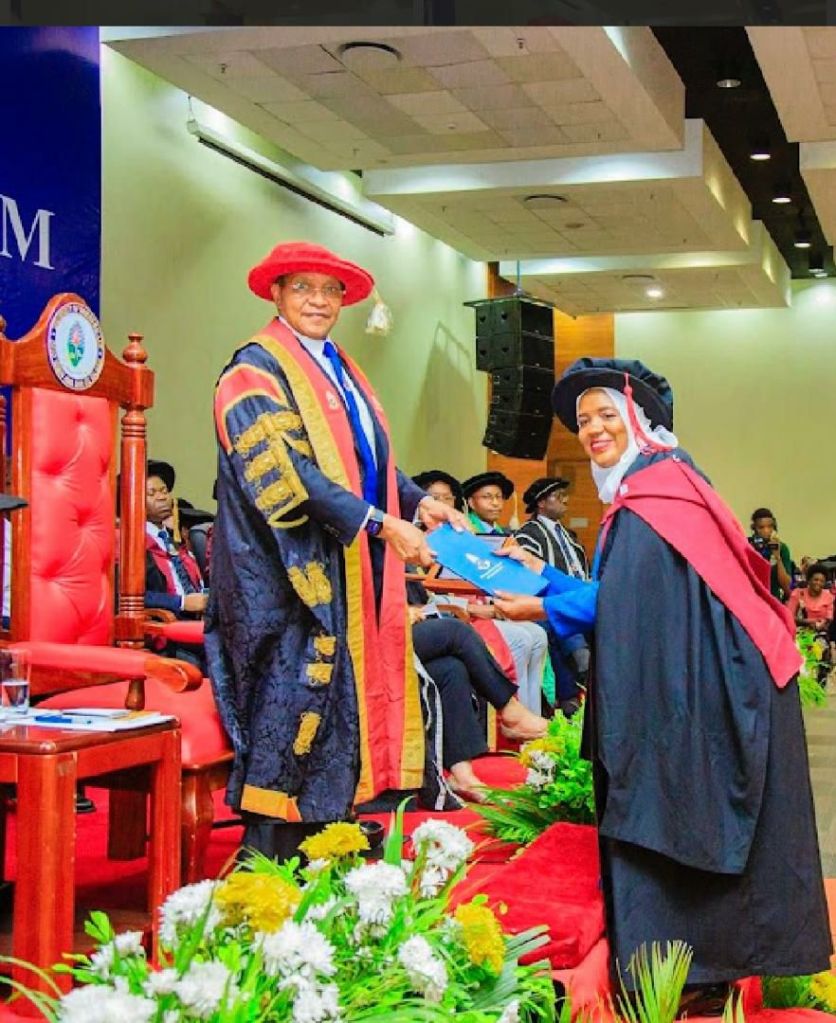
Pongezi sufufu kwa watu wetu kwa hatua hii kubwa.
Hakika huu ni wakati wa kujivunia, kutafakari na kuchukua hatua. Kiswahili nchini Uganda kimefikia hatua muhimu na ya kihistoria ambayo haiwezi kupuuzwa tena.
Kuongezeka kwa idadi ya wasomi waliopata Shahada ya Uzamivu (PhD) katika Kiswahili ni ishara ya wazi kwamba taaluma hii sasa imekomaa, imejijenga, na inaingia katika awamu ya kuwajibika kikamilifu kwa jamii. PhD ni zaidi ya cheo cha heshima; ni uwezo wa juu wa kufikiri, kufanya utafiti wa kina, kuchambua matatizo na kutoa suluhisho la kudumu. Ni daraja la kuunganisha nadharia, sera na utekelezaji.
Kwa dhati kabisa, tunawapongeza sana wote waliopata shahada hizi za juu. Kupitia hatua hii, Kiswahili kimepata nguzo imara ya kitaaluma itakayokisaidia kujisimika upya, kujitetea kwa hoja, na kudai haki yake kwa misingi ya ushahidi, sera na vitendo.
Changamoto Halisi za Kiswahili Nchini Uganda
Kwa muda mrefu sasa, Kiswahili nchini Uganda kimekabiliwa na changamoto chungu nzima—changamoto ambazo si za kubuni bali zinaonekana wazi katika mifumo ya elimu, ajira na sera za taifa. Baadhi ya changamoto hizo ni hizi:
1. Kiswahili kusukumwa pembeni
Kiswahili kimekuwa kinasahaulika au kusukumwa pembeni (being sidelined) katika elimu na soko la ajira, licha ya kuwa lugha ya kikanda, ya kimataifa, na rasmi katika miundo ya Afrika Mashariki.
2. Kuhusishwa na jeshi pekee
Kwa muda mrefu, Kiswahili kimehusishwa zaidi na jeshi na vyombo vya ulinzi, jambo lililoathiri mtazamo wa jamii kukiona kama lugha ya elimu, utafiti, sayansi na maendeleo ya kijamii.
3. Hofu potofu kuhusu lugha za mama
Kumekuwepo na hoja potofu kwamba Kiswahili kitaua lugha za mama, ilhali tafiti za kiisimu zinaonesha wazi kwamba ujifunzaji wa lugha zaidi ya moja huimarisha uwezo wa lugha zote, ikiwemo lugha mama, badala ya kuziua.
4. Walimu wa Kiswahili kutopata ajira serikalini
Walimu wengi wa Kiswahili hawajaajiriwa katika utumishi wa umma, licha ya ukweli kwamba Kiswahili ni lugha rasmi ya pili kikatiba na pia kinatambulika na Jumuiya ya Afrika Mashariki (EAC), ambapo Mkataba wa EAC unaelekeza wazi kabisa juu ya matumizi na ukuzaji wake.
5. Kutokuwepo kwa Kiswahili katika shule za msingi
Kiswahili hakifundishwi wala kutahiniwa rasmi katika shule za msingi, jambo linalodhoofisha kabisa msingi wa lugha hii tangu mwanzo wa safari ya elimu ya mtoto.
6. Sera zisizo wazi na utekelezaji dhaifu
Kumekuwepo na mkanganyiko mkubwa kati ya matamko ya kisera na utekelezaji halisi, hali inayozorotesha maendeleo ya lugha.
7. Dhana potofu ya serikali kuhusu walimu wa Kiswahili
Serikali kwa muda mrefu imekuwa ikiamini kwamba Uganda haina walimu wa kutosha wa Kiswahili. Lakini leo:
- angalia idadi ya PhD
- nenda Masters utashangaa
- Shahada ya kwanza wapo wengi, wengine tayari wameshasulika
- Diploma? hata hatuna hesabu kamili
Hali hii imekuwa kisingizio cha kulichelewesha Kiswahili kupata nafasi yake stahiki.
Nguvu Mpya: PhD na Wasomi wa Kiswahili
Kwa sasa, kwa kuwepo kwa wahitimu wa PhD katika Kiswahili pamoja na wasomi wengine waliobobea, tuna imani kubwa kwamba changamoto hizi zote zinaweza—na zinapaswa—kupingwa:
- kitaaluma
- kisera
- kijamii
kuanzia ngazi ya juu ya uundaji wa sera hadi ngazi ya chini kabisa ya utekelezaji katika shule na jamii.
Huu Ndio Wakati wa Nini?
Huu ni wakati wa:
- Kufanya tafiti zitakazobainisha changamoto halisi na kutoa suluhisho mahsusi
- Kuandika machapisho na vitabu vitakavyobadilisha mjadala wa Kiswahili nchini Uganda
- Kushiriki kikamilifu katika uundaji, mapitio na ushauri wa sera za lugha na elimu
- Kuelimisha jamii juu ya thamani ya Kiswahili bila kudharau lugha za mama
- Kuishinikiza serikali kutekeleza wajibu wake wa kikanda na kimataifa
Kipi Kifanywe Sasa?
Ni hitaji la msingi kwamba Kiswahili kianze kufundishwa na kutahiniwa rasmi katika shule za msingi.
Hatua hii:
- itaimarisha umahiri wa lugha mapema
- itainua hadhi ya Kiswahili kitaifa
- na muhimu zaidi, itaongeza ajira kwa maelfu na maelfu ya walimu vijana wa Kiswahili ambao kwa sasa hawana ajira, licha ya kuwa na sifa zinazohitajika
Faida za Kiswahili Kisimamiwa Ipasaavyo
Kikisimamiwa kitaaluma na kisera kwa umakini, Kiswahili kinaweza:
1. Kufungua ajira nyingi
Katika sekta za:
- elimu
- tafsiri
- uandishi
- vyombo vya habari
- utalii
- diplomasia
- biashara
2. Kuvutia rasilimali za kifedha
Serikali inaweka fedha nyingi katika maeneo ambayo wakati mwingine hayatoi manufaa ya muda mrefu kwa jamii. Kwa upande mwingine, kuna wafadhili wa kimataifa wanaounga mkono maendeleo ya lugha, elimu na utamaduni. Tukijipanga vizuri, tutafadhiliwa na sote tufaidike.
3. Kunufaisha vizazi viwili
- Kizazi cha sasa kitapata ajira
- Kizazi kijacho kitapata lugha ya mawasiliano ya kikanda na kimataifa pamoja na fursa za kiuchumi
Ujumbe Mahsusi kwa Serikali
Kwa muda mrefu, serikali imekuwa ikidhani kwamba Uganda haina:
- vitabu
- walimu wa kutosha
- wala wasomi wa ngazi ya juu katika Kiswahili
Sasa ni wakati wa kuthibitisha kuwa dhana hiyo si ya kweli.
Tuko tayari.
Tunahitaji:
- kusonga kama timu moja
- kuacha uchoyo
- kupigania vizazi vijavyo
tuione Uganda inayozungumza lugha moja ya mawasiliano ya pamoja, Afrika Mashariki iliyo imara, na Afrika inayotekeleza Ajenda ya AU 2063.
Wasomi wapo.
Walimu wapo.
Watafiti wapo.
Sasa ni wakati wa washangae tukijitokeza—kwa hoja, tafiti na mapendekezo yanayoeleweka kitaaluma.
Serikali ina rasilimali za kifedha. Ikiwa jitihada hizi zitawekewa mkakati na kupewa uzito unaostahili:
- sisi tutafaidika kama wataalamu
- vijana watapata ajira
- taifa litapata lugha imara ya mawasiliano na maendeleo
Hitimisho
Kwa ufupi, kuongezeka kwa PhD katika Kiswahili nchini Uganda si tukio la kawaida—ni fursa kubwa sana ya kihistoria.
Ni jukumu letu sote kuhakikisha kwamba:
- Kiswahili kinatendewa haki
- kinathaminiwa kitaaluma
- na kinatumika kama chombo cha maendeleo endelevu
Hongereni sana wakubwa wetu.
Kazi imeanza, siyo kumalizika.
Kiswahili mbele.
Uganda mbele.
Afrika mbele.
Kiswahili leo, Kiswahili kesho—nyuma haturudi. 🙏
Johnpaul Arigumaho
Mtetezi wa Kiswahili Uganda 🇺🇬
🌐 jifunzekiswahiliart.wordpress.com
📧 arigumaho810@gmail.com
100 Most Influential Women in Africa: The Story of Dr. Caroline Asiimwe
Dr. Caroline Asiimwe: Africa’s Champion of Kiswahili and Regional Integration

Dr. Caroline Asiimwe is a distinguished linguist, academic and visionary regional leader whose work has significantly influenced the development and elevation of Kiswahili language across Africa. Her career reflects deep commitment, intellectual discipline and strategic leadership in language growth, African unity and cultural empowerment. Widely respected for her contribution to Kiswahili expansion beyond national borders, she stands among the most accomplished scholars of her time.
As a linguist and academician, Dr. Asiimwe has devoted decades to research, policy development, translation, curriculum design and capacity-building in Kiswahili. Her work transcends classroom teaching, she operates at the highest levels of regional policy and international cooperation, ensuring that Kiswahili is not only recognized as a language of communication, but also appreciated as a tool for development, diplomacy, identity and social transformation.
Her influence is recognized continentally. Being listed among the 100 Most Influential Women in Africa affirms her status as a powerful change-maker and a woman whose contributions continue to reshape spheres of education, governance, multilingualism and Pan-African integration. This recognition celebrates not only her achievements, but also the impact she has made on young scholars, governments and educational institutions across the region.
Leadership at the East African Kiswahili Commission (EAKC)
In her current role as Executive Secretary of the East African Kiswahili Commission, Dr. Asiimwe leads the regional body responsible for developing, coordinating and promoting Kiswahili across the East African Community (EAC). Under her stewardship, the commission continues to champion:
- Language policy harmonization across partner states
- Research and publication of Kiswahili
- Translation services for regional integration
- Youth empowerment programmes
- Cross-border cultural exchanges and academic partnerships
Her leadership blends academic intelligence with diplomatic tact, bringing together governments, universities, cultural institutions and civil society to work towards one goal of advancing Kiswahili as a global African language. She advocates for Kiswahili not only as a regional medium of communication, but also as a driver of economic growth, a language of technology and a tool for social cohesion in the African integration agenda.
Through innovation and strategic planning, Dr. Asiimwe continues to position Kiswahili on the global map, ensuring that Africa owns preserves, and benefits from its linguistic heritage.
Early Life & Education
Dr. Caroline Asiimwe’s journey into leadership, scholarship and linguistic excellence is grounded in a strong educational foundation and a childhood shaped by curiosity, discipline, and a deep appreciation for African identity. From an early age, she exhibited an interest in language and communication — skills that would later blossom into a career marked by intellectual authority and continental impact.
Her academic path reflects steady progression, resilience, and a passion for knowledge. She pursued Kiswahili and linguistics with remarkable dedication, undertaking rigorous studies that exposed her to both theoretical and practical dimensions of language development. Under the guidance of notable scholars, she built expertise in areas such as cultural linguistics, multilingual education, policy formulation, translation and curriculum design.
Dr. Asiimwe later advanced to postgraduate and doctoral research, where she broadened her scope to include language policy, sociolinguistics, education management and cross-cultural communication. The knowledge and insights acquired during this period would become the foundation for her future work in regional governance and language harmonization.
Her educational journey not only strengthened her scholarly depth, but also molded her values — excellence, cultural preservation and service to society. These values continue to guide her as she leads language development across the African continent.
She is widely admired as a product of academic commitment and a living example to young scholars — proof that education, when pursued with passion and purpose, becomes a tool for influence, transformation and leadership.
Academic & Professional Journey
Dr. Caroline Asiimwe’s academic and professional journey is a testament to dedication, vision and the pursuit of excellence. Her path demonstrates how rigorous education, consistent professional growth and strategic leadership can transform a career into a platform for regional and continental impact.
Foundational Education and Early Academic Development
Dr. Asiimwe’s formal education began at Mbarara Junior Primary School (1983–1989), where she completed her Primary Leaving Examinations (PLE). Even at this early stage, her curiosity about language, communication and learning was evident. She later joined Kinoni Girls’ School (1990–1993) for her Uganda Certificate of Education (UCE), where she exhibited both academic excellence and early leadership qualities. Her secondary education continued at Kibubura Girls’ School (1994–1996), where she completed her Uganda Advanced Certificate of Education (UACE). It was here that her passion for language and literature deepened laying the foundation for her lifelong engagement with African languages, culture and education.
With a clear focus on language and teaching, Dr. Asiimwe enrolled at the Institute of Teacher Education Kyambogo (1996–1999), earning a Diploma in Education (Kiswahili). This qualification equipped her with professional teaching skills and pedagogical strategies, preparing her to enter Uganda’s educational landscape with both practical and theoretical knowledge. It should be noted that she had never studied Kiswahili at all but was able to grasp the language with support from her lecturers, Mr. Rwabushaija Milton, Mr. Kamihanda Ally, Mr. Natukunda Leo and others.
Driven by a desire to advance her expertise, she joined Makerere University (2002–2006), Uganda’s leading institution of higher learning, where she earned a Bachelor of Education in Kiswahili and Literature in English. This period marked a pivotal stage in her intellectual growth: she gained in-depth knowledge of linguistic structures, literature and language pedagogy while honing her analytical and critical thinking skills.
Her academic pursuit continued in Tanzania at the University of Dar es Salaam, a premier center for Kiswahili studies in East Africa. There, she earned a Master of Arts in Kiswahili (2009–2011), deepening her research skills, exploring sociolinguistics, language policy and African communication. Motivated by a vision to influence the region’s linguistic and cultural landscape, she further pursued and attained a Doctor of Philosophy (PhD) in Kiswahili (2014–2019) in the same University. Her doctoral studies solidified her as a leading authority on Kiswahili, multilingualism and regional integration, providing her with the intellectual foundation to influence policy, education and language planning across East Africa.
Early Career: Education and Teaching
Dr. Asiimwe’s professional journey began in Uganda’s Ministry of Education and Sports (1999–2014), where she served as an Educationist. In this role, she contributed to curriculum development, teacher training and language promotion at both regional and national levels. Her work focused on enhancing the quality of Kiswahili instruction and ensuring that language development aligned with Uganda’s educational and cultural priorities.
Her entry into higher education began at Bishop Stuart University, where she held the positions of Assistant Lecturer (2008–2010) and Lecturer (2011–2017). During this period, she:
- Developed and taught Kiswahili courses at undergraduate and postgraduate levels
- Supervised student research and mentored emerging academics
- Participated in curriculum design and academic program development
- Promoted Kiswahili as a language of scholarship, communication and cultural identity
In 2017, she joined Makerere University as a Lecturer in Kiswahili (2017–2022). Her role at Makerere allowed her to influence policy discussions, guide research initiatives and contribute to the academic development of Kiswahili studies at one of Africa’s most prominent universities. She became recognized for her ability to combine rigorous scholarship with practical guidance for students, colleagues and institutions.
Regional Leadership: East African Kiswahili Commission
Dr. Asiimwe’s professional trajectory reached a regional dimension when she joined the East African Kiswahili Commission (EAKC). She first served as Principal Curriculum Development Officer (2022–30th April 2023), where she oversaw:
- The design and implementation of Kiswahili training programmes for EAC partner states
- Capacity-building for educators, translators and researchers across East Africa
- Partnerships with universities, international organizations and cultural institutions
Her exceptional leadership, strategic vision and expertise in language policy and pedagogy soon led to her appointment as Executive Secretary of the East African Kiswahili Commission (2023–Present). In this capacity, she directs the region’s flagship initiatives in Kiswahili development, including:
- Regional policy coordination and language standardization
- Development of curricula, manuals and digital Kiswahili resources
- Translation frameworks and multilingual documentation for regional integration
- Advocacy, awareness and youth empowerment programmes
- Academic research promotion and cross-border partnerships
Under her guidance, Kiswahili is positioned not only as a language of communication but also as a tool for regional unity, education, economic empowerment, cultural diplomacy and technological innovation. Her work bridges academia, governance and community engagement, highlighting her rare ability to combine scholarship with strategic leadership.
Achievements & Awards: Championing Kiswahili and African Languages
Dr. Caroline Asiimwe’s professional journey is marked not only by academic excellence but also by transformative achievements that have significantly advanced Kiswahili language development, education and cultural integration across East Africa. Her work bridges policy, research, education and diplomacy, making her one of the most influential figures in the region.
Regional Leadership and Language Development
As the Executive Secretary of the East African Kiswahili Commission (EAKC), Dr. Asiimwe has spearheaded initiatives that elevate Kiswahili from a regional communication tool to a language of policy, education and digital innovation. Among her notable achievements:
Strengthening Institutional Governance: She has enhanced the Commission’s governance, transparency, and program delivery, ensuring that Kiswahili projects align with both regional priorities and international best practices.
Policy Harmonization: She led efforts to develop and harmonize Kiswahili language policies across East African Community (EAC) partner states, reinforcing the role of Kiswahili in regional integration, education, and official communication.
Promotion of Cross-Cultural Communication: Dr. Asiimwe advocates Kiswahili as a bridge language for diplomacy, international dialogue, and collaboration, thereby increasing its global visibility.
Strategic Planning and Partnerships: She coordinated the formulation and implementation of the Commission’s Strategic Plan, forging partnerships with universities, international organizations, and cultural institutions, enhancing Kiswahili’s profile worldwide.
Digital and Innovative Initiatives: She has embarked on coordinating research and technological innovation for the digitization of Kiswahili resources, supporting language technology, AI-based translation tools and multilingual education.
Recognition and Honors
Dr. Asiimwe’s impact has been formally recognized at both regional and continental levels:
- She was named among the 100 Most Influential Women in Africa during the 4th edition of the African Women Awards — a testament to her professional excellence, integrity and contributions to language development, education, and regional integration.
- She is celebrated for her commitment to academic rigor, mentorship and empowerment of youth in Kiswahili studies.
- Her work on translating key regional documents, such as the Treaty for the Establishment of the East African Community and COVID-19 guidelines, has strengthened the accessibility and usability of Kiswahili in governance and public health communication.
Research, Publications and Academic Contributions
Dr. Asiimwe has also distinguished herself as a prolific scholar:
- She has authored and edited key publications on Kiswahili language policy, gender and language, and multilingual education. Her books and journal articles contribute to the scholarly understanding of African languages in education, policy, and society.
- She has presented papers at high-profile international conferences, including venues in China, the USA, Ethiopia, Kenya, and Tanzania, showcasing the role of Kiswahili in education, technology, regional integration, and cultural diplomacy.
- Her research spans sociolinguistics, curriculum development, language technology, and African multilingualism, making her work both academically influential and socially relevant.
Training, Capacity Building and Mentorship
Beyond research and leadership, Dr. Asiimwe is deeply committed to human capital development:
- She has trained Kiswahili teachers, curriculum developers, and translators across East Africa, fostering high standards in language instruction and professional development.
- Her mentorship extends to students, junior academics, and regional language specialists, ensuring the continuity of excellence in Kiswahili scholarship.
- Her participation in international workshops and institutes — including CODESRIA, HEPI, Howard University, and Pwani University — demonstrates her dedication to continuous learning, professional growth, and global engagement.
Publications & Research Highlights
Dr. Caroline Asiimwe is a prolific scholar whose research, publications and academic contributions have significantly influenced Kiswahili studies, African multilingualism and regional language policy. Her work spans peer-reviewed journals, book chapters, conference papers and applied research in translation, curriculum development, and sociolinguistics.
1. Journal Articles
Dr. Asiimwe has authored numerous high-impact journal articles addressing language policy, sociolinguistics, health communication, and gender in Kiswahili. Notable contributions include:
- “The Covid-19 Pandemic in the East African Community: A Sociolinguistic Approach to A Regional Response” (Forthcoming) – exploring the role of Kiswahili in health communication during regional crises.
- “Kiswahili, Linguistic Freedom and the Language Question in the African Union” (Forthcoming) – revisiting the Dar-es-Salaam Framework for Action and its implications for African language policy.
- “Kiswahili Hesitancy and Uptake in Uganda: A Consideration of Language Ideologies and Language Attitudes” (Forthcoming) – analyzing social and cultural factors influencing Kiswahili adoption.
- “Udunishaji wa Kijinsia katika Lugha ya Kiswahili na Athari yake katika Maendeleo ya Jamii” (2022, CHAKAMA Journal) – a seminal study on gender stereotyping in Kiswahili and its societal impact.
- “Changamoto za Kuunda Programu Tumizi ya Kikagua Tahajia cha Lugha za Runyakitara” (2019, Mwanga Journal) – addressing challenges in developing spell-checker programs for Runyakitara languages.
2. Books and Book Chapters
Dr. Asiimwe has contributed extensively to scholarly books and edited volumes, enhancing the academic study of Kiswahili and multilingualism:
- Editor, “Kiswahili, Elimu ya Wingi-Lugha na Utamaduni wa Amani” (2025, KAKAMA, Zanzibar, Tanzania) – a landmark work exploring multilingual education and the promotion of peace through language.
- Chapter, “Kiswahili na Wingi-Lugha Ndani na Nje ya Jumuiya ya Afrika Mashariki” (2024) – examining the effectiveness of Kiswahili in multilingual contexts across East Africa.
- “Mkabala wa Kimawasiliano katika Ufundishaji wa Kiswahili katika Vyuo Vikuu” (2019) – highlighting comparative communication strategies in university-level Kiswahili instruction.
3. Conference Papers & International Presentations
Dr. Asiimwe is an active voice in international forums, presenting her research at conferences worldwide:
- Artificial Intelligence and Knowledge Exchange in Education (2025, Shanghai, China) – explored technical translation, multilingual education, and AI applications.
- Bridging Cultures: The Role of Kiswahili in Africa-China Cooperation (2025, University of Nairobi, Kenya) – highlighted Kiswahili as a medium for cross-cultural diplomacy and regional collaboration.
- The Role of the Youth in African Languages Empowerment: The Case for Kiswahili (2025, African Union Commission, Ethiopia) – emphasized youth engagement in promoting African languages.
- Kiswahili Soft Power: A Tool for Agency and Identity in East Africa (2019, CHUSS Symposium, Makerere University) – demonstrated how Kiswahili shapes identity, policy, and social cohesion.
4. Applied Research, Translation and Technological Innovation
Beyond traditional scholarship, Dr. Asiimwe has contributed to applied research and practical language solutions:
- Lead translator of the Treaty for the Establishment of the East African Community from English to Kiswahili.
- Developed Kiswahili translations for COVID-19 guidelines and policy documents across the East African Community.
- Engaged in projects like “An English-Kiswahili AI Dictionary for a Multilingual Cyberspace” with UNESCO, advancing digital and AI-driven language resources.
- Was part of the team that conducted research on language ideologies, Kiswahili hesitancy, and task-based syllabi for Kiswahili tutors, directly influencing teaching practice and curriculum design.
Training, Mentorship & Capacity-Building
Dr. Caroline Asiimwe is not only a scholar and leader but also a dedicated mentor and trainer whose work has strengthened human capital in the fields of Kiswahili language, education, translation, and institutional development. Her initiatives span formal academic training, professional development, and capacity-building programs across East Africa and internationally.
Professional Development and Training Initiatives
Dr. Asiimwe has played a pivotal role in designing and delivering training programs for Kiswahili instructors, curriculum developers, policymakers, and translators:
- Kiswahili Teacher Training: She has developed and conducted specialized workshops on teaching Kiswahili as a foreign language, curriculum development, and pedagogical skills across EAC partner states.
- Capacity Assessment & Policy Development: Dr. Asiimwe trained educators and institutional leaders on conducting needs assessments, developing Kiswahili policies, and implementing regional language strategies in line with East African integration goals.
- International Collaboration: She participated in global institutes and workshops, including Howard University-Pwani University Professional Development, CODESRIA Gender Institute, and the Higher Education Policy Initiative (HEPI) in Ghana, acquiring and sharing advanced skills in leadership, grant writing, and gender-sensitive education.
Mentorship of Educators and Scholars
A key aspect of Dr. Asiimwe’s work is her mentorship, which cultivates the next generation of Kiswahili scholars and professionals:
- She has guided junior lecturers, translators, and researchers in universities across Uganda, including Makerere University and Bishop Stuart University, nurturing academic excellence and professional growth.
- She emphasizes hands-on training, encouraging mentees to engage in research, curriculum design, translation projects, and cross-cultural communication.
- Her mentorship extends to capacity-building for institutions, strengthening internal systems for governance, quality assurance, and sustainable program delivery.
Translation, Technological and Digital Training
Dr. Asiimwe’s commitment to bridging language and technology is evident in her training initiatives:
- She has trained teams on technical translation, ensuring Kiswahili accessibility in regional treaties, health communication, and educational resources.
- She actively promotes digital literacy in Kiswahili, including AI-assisted translation, digitization of Kiswahili resources, and multilingual educational technology tools.
- Her efforts empower professionals to leverage technology for language development, enhancing both teaching effectiveness and regional integration.
Capacity-Building Impact
Dr. Asiimwe’s training and mentorship initiatives have yielded significant outcomes:
- Strengthened Regional Expertise: Educators and translators across East Africa now possess enhanced skills in Kiswahili instruction, policy implementation, and curriculum development.
- Empowered Youth and Professionals: Through mentorship, young scholars gain the knowledge, confidence, and professional networks to contribute meaningfully to the promotion of Kiswahili.
- Sustainable Institutional Development: By training institutional leaders, she has contributed to better governance, strategic planning and program delivery in Kiswahili institutions.
Projects, Grants & Initiatives: Driving Regional Transformation Through Kiswahili
Dr. Caroline Asiimwe’s leadership extends beyond scholarship and training into large-scale projects that promote Kiswahili, regional integration and multilingual innovation. Her work demonstrates a seamless integration of research, policy and practical implementation, positioning Kiswahili as a tool for unity, education, and socio-economic development across East Africa.
Key Projects and Research Initiatives
Dr. Asiimwe has led and participated in numerous research and development projects, leveraging her expertise to address linguistic, educational, and socio-cultural challenges:
- “An English-Kiswahili AI Dictionary for a Multilingual Cyberspace” (2025, UNESCO Collaboration): Dr. Asiimwe is actively engaging with UNESCO to develop an AI-powered dictionary that enhances accessibility of Kiswahili in digital spaces, promoting multilingualism and technological innovation.
- “Enhancing Employability of Accounting Graduates in Uganda and Nigeria” (2025, DESIRE Project): As part of a cross-national research team, she contributed to integrating employability skills into accounting education, demonstrating the role of mobility in enhancing cross cultural considerations and gender responsiveness.
- “Unlocking the Potential of Kiswahili in Uganda” (2020, Makerere University): As principal investigator, Dr. Asiimwe explored the factors and processes influencing Kiswahili uptake, guiding policy and curriculum design for the promotion of the language.
- “Mainstreaming Kiswahili in Uganda’s National Agenda for Regional Integration” (2019): This project emphasized the strategic importance of Kiswahili in fostering East African integration and socio-economic development.
- “Innovations in Task-Based Syllabi for Kiswahili Tutors in Primary Teachers’ Colleges” (2019): Co-led by Dr. Asiimwe, this project enhanced Kiswahili teaching methods, directly benefiting educators and learners across Uganda.
Translation and Language Access Initiatives
Dr. Asiimwe has also applied her linguistic expertise in high-impact translation projects:
- Treaty for the Establishment of the East African Community (2019): Lead translator from English to Kiswahili, enhancing accessibility and comprehension for regional policymakers and citizens.
- COVID-19 Guidelines (2020, Trademark East Africa): Translated official health guidelines into Kiswahili, ensuring communities across EAC countries received accurate, culturally relevant information.
- Frameworks for Child Protection Systems (2021, GIZ & African Child Policy Forum): Provided Kiswahili translations to strengthen child protection mechanisms regionally.
Impact and Legacy of Projects
Dr. Asiimwe’s projects and grants reflect her commitment to innovation, social impact, and regional development:
- Promoting Multilingualism: Projects like the AI dictionary and curriculum development enhance the accessibility of Kiswahili and other African languages.
- Strengthening Education Systems: Her initiatives improve curriculum quality, teaching methods, and academic governance.
- Empowering Communities: Translation projects ensure that policies, health guidance, and legal frameworks are comprehensible to diverse populations.
- Regional Integration: By aligning language development projects with East African Community objectives, she advances cultural cohesion, communication, and socio-economic cooperation.
Professional Memberships & Collaborations: A Network of Influence and Excellence
Dr. Caroline Asiimwe is an active member of numerous professional and academic associations, reflecting her commitment to advancing Kiswahili, African languages, and multilingual education both regionally and globally. Her collaborations foster knowledge exchange, strengthen institutional capacity and promote language policy innovations across East Africa and beyond.
1. Academic and Professional Associations
Dr. Asiimwe holds membership in several prestigious associations, positioning her at the forefront of linguistic research and educational leadership:
- Council for the Development of Social Science Research in Africa (CODESRIA): Engages in research collaborations and policy-oriented discussions across African institutions.
- African Language Teachers Association (ALTA): Supports language teaching initiatives and professional development in African languages.
- National Kiswahili Associations (CHAKITA-Kenya & CHAKITAU-Uganda): Promotes Kiswahili scholarship, teaching, and cross-border collaboration.
- Association of Teachers and Scholars of Kiswahili Literature, Language, and Culture in East Africa (CHAKAMA): Facilitates research, conferences and academic exchanges in Kiswahili studies.
- Global Association for the Promotion of Kiswahili (CHAUKIDU): Advocates for Kiswahili visibility, policy influence, and international collaboration.
2. Regional and International Collaborations
Beyond associations, Dr. Asiimwe collaborates with institutions and organizations that shape policy, innovation and development:
- East African Kiswahili Commission (EAKC): As Executive Secretary, she coordinates with universities, ministries and intergovernmental bodies to harmonize language policies and promote Kiswahili across the EAC region.
- UNESCO and Other Global Partners: Engaged in projects such as the AI English-Kiswahili Dictionary, contributing to multilingual digital innovation.
- Universities Across Africa and Beyond: She has partnered with institutions like Makerere University, University of Dar-es-Salaam, Pwani University and Beinjing Foreign Studies University to advance research, curriculum development and cross-cultural education.
- Policy and Governance Networks: Dr. Asiimwe works with EAC institutions and ministries to integrate Kiswahili into legislative, educational, and socio-economic frameworks, enhancing regional cohesion and global engagement.
3. Impact of Memberships and Collaborations
Dr. Asiimwe’s professional network amplifies her impact in several ways:
- Knowledge Exchange: Facilitates sharing of best practices in language teaching, curriculum design, and policy implementation.
- Capacity Building: Supports mentorship of educators, researchers, and institutional leaders across East Africa.
- Policy Influence: Strengthens regional language policies, ensuring Kiswahili remains central to education, governance, and integration initiatives.
- Global Visibility: Positions Kiswahili on international platforms, fostering recognition and opportunities for collaboration.
A Legacy of Leadership, Scholarship, and Transformation
Dr. Caroline Asiimwe stands as a remarkable figure in the landscape of African languages, education and regional integration. Her journey—from a dedicated student in Uganda to a PhD holder and a regional leader at the East African Kiswahili Commission—reflects unwavering commitment, intellectual rigor and visionary leadership.
Through her work in scholarship, training, translation, policy development and institutional strengthening, Dr. Asiimwe has transformed the teaching, accessibility and global recognition of Kiswahili. She has mentored generations of educators and scholars, led impactful regional projects, and fostered collaborations that bridge cultures, communities, and nations.
Her accolades, including being named among the 100 Most Influential Women in Africa, attest to the far-reaching significance of her contributions. Beyond awards, her true legacy lies in the enduring impact she has on language development, education, and regional cohesion across East Africa.
Dr. Caroline Asiimwe’s life and work exemplify how passion, scholarship and leadership can drive meaningful change, inspiring not only those in the field of linguistics but also the wider community to value, promote, and preserve the richness of Kiswahili and African languages. She is, without doubt, a scholar, leader, and champion whose influence will continue to shape Africa’s linguistic and cultural future for generations to come.
SITACHOKA
🎓 CONGRATULATORY MESSAGE TO BUGEMA UNIVERSITY CLASS OF 2025 (UJUMBE WA PONGEZI)
From Mwalimu Johnpaul Arigumaho, Lecturer of Kiswahili, Bugema University and an advocate of African Unity through Kiswahili language
Wapendwa wahitimu, hongereni sana!
Today is your day of joy, reflection and new beginnings. As the Bugema University family celebrates your academic victory, I join you in heartfelt congratulations. You have endured sleepless nights, endless assignments, demanding exams and now, you stand proud as graduates of this great institution.
Your hard work, determination, and faith have brought you this far. But remember, graduation is not the end; it is a beautiful beginning of a lifelong journey of learning, creativity, and service.
🌿 Celebrating the Spirit of Bugema University
Founded in 1948 and chartered in 1997, Bugema University a faith-based institution under the Seventh-day Adventist Church—has remained a beacon of Excellence in Service. From its lush main campus in Luwero to its regional centres in Kampala, Arua and Mbale, Bugema continues to nurture holistic education rooted in character, integrity, and faith.
Under the dynamic leadership of our Vice-Chancellor, Dr Israel Masiko Kafeero, the university has made remarkable strides in advancing research, community service and technology-driven learning. Bugema equips its graduates to be job creators rather than job seekers, and its alumni continue to shape Uganda and beyond in diverse professions from business and agriculture to computing, public health, education and theology.
You, the Class of 2025, are part of this legacy an extraordinary generation positioned to influence the world with wisdom, professionalism and creativity.
Invest in Technology—The Current and Future Language of Innovation
Dear Graduands, we live in a rapidly changing digital era where technology defines progress, communication and opportunity. I urge you to invest in technology. Learn it, understand it and use it to innovate within your disciplines. It’s not only relevant to computer specialists, but we also can’t quit it even when you are an agriculturalist or what….we need it.
When I used to teach journalism students, I reminded them that the media world has changed forever. Today, TikTokers, influencers and digital storytellers—many with no formal qualifications occupy spaces once reserved for professional journalists. That reality should not discourage you; rather, let it challenge and inspire you to evolve.
The world no longer asks, “What degree do you have?” but “What can you do?” So, show what you can do that is unique, that reflects your learning, creativity and ethical grounding. Use your professional skills to bring value, accuracy and authenticity into the noisy digital landscape. The difference between an influencer and a professional is discipline, etiquette and credibility. Let those be your trademarks as Bugema graduates.
Whether you are a teacher, entrepreneur, computer scientist, nurse, or linguist, just embrace technology as your friend. It is not just about gadgets; it’s about using digital tools to create, connect and contribute to humanity.
Be Part of Africa’s Unity and Vision 2063
As you step into the world, remember that you are not just Ugandan graduates, you are African intellectuals with a continental mission. One of the dreams of Africa’s Agenda 2063 is the creation of a United States of Africa, bound by shared values, economic collaboration and a common identity.
Language is the heartbeat of unity—and for Africa, that language is Kiswahili. It is our bridge of understanding, a symbol of solidarity and a tool for communication across borders. We are continually advocating for Kiswahili to serve as Africa’s language of unity and empowerment.
And now, it is you the educated sons and daughters of Africa who must drive this dream forward. Use your voices, your skills, and your influence to build peace, cooperation, and pride in being African. Wherever you go, let people see the spirit of umoja (unity) shining through you.
✨ Words of Guidance as You Move Forward
1. Keep Learning — because the world keeps changing.
Graduation does not mean you have finished learning; it simply means you are now responsible for your own growth. In Uganda and Africa at large, job opportunities are scarce, and the competition is intense. Employers today no longer look at your degree alone, they look for skills, creativity and adaptability.
Keep learning new things: attend short courses, explore online platforms like Coursera, Google Digital Skills, or even free YouTube tutorials. Learn coding, data literacy, digital marketing, or translation if you’re a language scholar. Every new skill you gain increases your relevance in a job market that is changing faster than ever.
In today’s economy, knowledge expires quickly. What you learned in university might not be enough five years from now, so stay curious, stay current and keep sharpening your tools.
2. Value Relationships — because success is built through people.
In Uganda and across Africa, one reality cannot be ignored: sometimes, who you know opens doors before what you know does. That doesn’t mean corruption or favoritism should guide you, but it does remind you of the power of networking and positive relationships.
Your classmates today could be managers, media editors, policymakers, or business owners tomorrow. Keep those contacts close. Treat people with respect. Build professional networks on platforms like LinkedIn. Engage in community projects and mentorship programs.
Many graduates fail not because they lack talent, but because they isolate themselves. In Africa’s communal culture, progress comes through connection. So—collaborate, don’t compete destructively. Support others and when your time comes, they will remember you.
3. Serve with Integrity — because corruption kills nations.
Integrity is no longer a luxury—it’s a necessity. Across Africa, we face corruption, dishonesty and shortcuts that destroy trust in our systems. As a Bugema University graduate, you are expected to be different.
In your workplace, in your business, in your leadership—choose honesty even when it’s hard.
Don’t falsify documents, don’t demand bribes, don’t engage in unethical shortcuts. Remember that one honest person in a corrupt system can be the seed of transformation.
Bugema University stands for Excellence in Service, rooted in Christian values. Let that be your compass. The world is full of talented people—but only a few have integrity. And it’s those few who last longest.
4. 💪 Be Resilient — because the path ahead is not smooth
Graduation is a proud moment but let me remind you: life beyond the university walls is rarely easy. Jobs are not guaranteed, opportunities can be scarce and challenges may come one after another. Many graduates in Uganda start small—volunteering, taking temporary work, or running informal businesses—before they find their footing. Some face rejection repeatedly and others feel that the world is against them. But you must never lose heart.
Success in Africa is rarely instant. It is built step by step—with patience, faith and resilience. You may start from nothing, but if you keep your focus and endure, you will rise.
Allow me to speak from my own life, so you know that struggle does not mean the end—it can be the beginning of something greater.
I am Johnpaul Arigumaho, a son of Katushabe Beatrice, a devoted catechist of the Catholic Church. My mother raised three sons alone after our father passed away in 2003. Life was harsh. Food was scarce, clothes were nowhere and our survival depended on the unwavering courage of a woman who refused to give up. She worked tirelessly doing casual labor, digging, selling yellow bananas at a known yellow banana place called Igorora, just a few kilometers after Mbarara on the road to Ibanda, just to ensure that we went to school.
We attended cheap government schools, yet my mother never allowed the hardship to become a reason for giving up. She would tell us every day: “God will pay for your school fees, just pray.” Even in those moments when it seemed impossible, her faith kept our family moving forward.
Life wasn’t straightforward. We followed one another in school: one of us in S1, another in S2, the last in S3, each stepping into the other’s shadow. At one point, our eldest brother considered stepping aside, thinking the burden was too much for our mother. But she encouraged us, saying that education was our pathway out of hardship.
This foundation of resilience carried me through my secondary school at Kagongo SS Ibanda and Nyabuhikye SS, where life was still challenging and uncertain. When I joined Bishop Stuart University for my undergraduate degree, it felt like a continuation of that “tag of war.” Every lecture, every exam was another hill to climb, but I kept going. Sometimes, delaying to clear tuition and you find exams already started, all that struggle…………..
Later, pursuing my Masters at Islamic University in Uganda (IUIU), Mbale, COVID-19 hit. I had secured a teaching job earning UGX 200,000 but schools closed suddenly. Whenever I would hear “therefore” from His excellency the president, immediately my heart would start panicking well knowing another 21 days on our way, hoo!! For many, this could have been the end of the dream. But I decided to fight. I started a small chapati stall and eventually bought an old motorcycle. I rode boda boda to earn extra income to pay tuition, working long hours, facing every hardship head-on.
Through all of this, I kept faith and pushed forward. I completed my Masters with highest credit in my class of 2023, and today, I stand proudly as a Lecturer of Kiswahili at Bugema University—a testament to perseverance, faith and hard work.
If my story teaches you anything, it is this: life will challenge you, but resilience transforms struggle into success. Our continent is full of talented young people who give up too early because they expect things to happen quickly. But the truth is, greatness takes time, courage and consistent effort.
So when doors close, don’t give up—build your own doors. When life pushes you down, push back harder. Every hardship, every obstacle, every late night spent working instead of resting, every tear and doubt—these are the bricks of your bridge to your dreams.
Remember always:
“Daraja la ndoto zako limejengwa kwa mateso, uvumilivu na matumaini.”
(The bridge to your dreams is built through struggle, endurance, and hope.)
Graduates, take this to heart. Your story is still being written and you have the pen. Write it with courage, perseverance and faith, and let your success inspire others
5. Dream Bigger — because Africa needs bold thinkers.
The Africa we want peaceful, united and prosperous—will not be built by foreign aid or imported ideas. It will be built by Africans who dare to dream beyond borders.
Dream beyond survival. Don’t just look for a job create opportunities. If you studied agriculture, think agribusiness. If you studied ICT, think innovation. If you studied Kiswahili or education, think content creation, translation services, or edtech.
Use technology to express your potential. The digital space has democratized success; anyone with vision, creativity and consistency can make an impact. Ugandans and Africans are now building apps, writing global blogs, creating YouTube learning channels and selling products online.
Don’t wait for permission to shine innovate your way forward. Let your dream benefit your community and your continent.
Final Thought
Africa doesn’t lack talent; it lacks vision-driven people who believe in themselves and work together. You are now part of the educated generation responsible for shaping our continent’s future technologically, economically and culturally.
As we say in Kiswahili:
“Mwanzo ni nusu ya safari.” – The beginning is half the journey.
Graduation is just your beginning—now finish your journey with courage, wisdom, and action.
Kiswahili Kinafariki Taratibu Nchini Uganda
KAULI WAKATI WOTE ITABADILIKA – KISWAHILI LEO NYUMA TUNARUDI AU HATURUDI???
Kuna vifo visivyotangazwa na kimojawapo ni cha Kiswahili nchini Uganda. Lugha hii ya umoja na utambulisho wa Kiafrika inazimika polepole si kwa kukosa sera, bali kwa woga, ukimya na wanaojiita werevu wanaokataa kuona uhalisia. Heshima imegeuzwa kisingizio cha kufunika ukweli na hoja za msingi zimekuwa dhambi. Tukinyamaza leo, kizazi kijacho kitakumbuka Kiswahili kama lugha iliyouawa na walimu wake wenyewe.
1. Woga Unaua Kiswahili
Woga ni adui mkuu wa maendeleo. Tukiwa walimu, watahini, au wapenda Kiswahili, mara nyingi tunanyamaza kwa hofu ya kuonekana kama tunapinga mamlaka au kukosa heshima. Lakini historia inatufundisha kuwa mabadiliko makubwa hayakungojea heshima, bali hutokea pale ambapo kuna ujasiri wa kusema ukweli.
Tazama Nelson Mandela, aliyejifunga gerezani ili haki ipatikane; Martin Luther King Jr., aliyeongoza maandamano kwa amani lakini kwa msimamo thabiti hadi dunia ikasikiliza; na Mahatma Gandhi, aliyeibua vuguvugu la ukombozi bila kusubiri heshima kutoka kwa waongozaji wa kikatili.
Kwa Kiswahili nchini Uganda, pale ambapo hoja za msingi zinanyamazishwa kwa hofu au kwa kujaribu “kulinda heshima,” tunapoteza fursa ya kuboresha mitihani, mwongozo wa tathmini, na mfumo mzima wa ufundishaji. Woga haupaswi kuwa kizuizi cha ukuaji wa lugha yetu.
2. Kutoona Uhalisia: Mitihani Inayokosa Muafaka na Wanafunzi
Kutoona uhalisia ni tatizo kubwa katika maendeleo ya Kiswahili nchini Uganda. Mitihani mingi, hasa ya taifa, mara nyingi huundwa bila kuzingatia kiwango halisi cha wanafunzi au mazingira wanayofundishwa. Matokeo yake, lugha inakosa maendeleo ya kina na wanafunzi wanakosa fursa ya kuonyesha uelewa wao kamili.
Mfano wa Kenya (CBC – Competency-Based Curriculum): Katika mfumo huu mpya, wanafunzi huanza kujifunza Kiswahili kutoka kidato cha kwanza, kwa kutumia lugha wanazozitumia nyumbani. Mitihani inaundwa kulingana na ujuzi halisi wa mwanafunzi badala ya kujaribu kuwapima kwa msamiati mgumu au maarifa yasiyo ya lazima kwa umri wao. Hii inaruhusu maendeleo ya lugha ya Kiswahili kuwa na mizani sahihi na uelewa thabiti wa mwanafunzi.
Mfano wa Afrika Kusini: Baada ya kuondolewa kwa mfumo wa ubaguzi wa rangi (apartheid), serikali ilianzisha sera za kuunganisha shule na kutoa mitihani ya kitaifa iliyo na vigezo sawa kwa wanafunzi wote. Hii iliboresha uwiano katika elimu na kurahisisha tathmini sahihi ya uelewa wa wanafunzi bila kuwalazimisha kufuata kiwango kilichopandishwa kiholela.
Nchini Uganda katika kitengo cha Kiswahili, pale ambapo hoja kuhusu msamiati mgumu, mwongozo wa tathmini au kiwango cha mitihani zinanyamazishwa, hatutakuwa tukiboresha mfumo wa Kiswahili. Wanaojiita werevu mara nyingi wanadanganya mfumo badala ya kuangalia uhalisia wakitumia “hii ni njia sahihi” au “huenda” kama kisingizio cha kutochunguza ukweli.
3. Kukosa Uhakiki: Je, Kiswahili Kinaweza Kuendelea Bila Mchango Halisi?
Je, ni busara gani pale mitihani, mwongozo wa tathmini, na masomo yanapoundwa bila kuzingatia kiwango halisi cha wanafunzi? Je, Kiswahili kinaweza kustawi kama hakuna mtu anayejitahidi kuangalia msamiati, muundo wa maswali na uelewa wa mwanafunzi hata mazingira ya ufundishaji?
Kukosa uhakiki ni hatari isiyoonekana mara nyingi, lakini matokeo yake ni dhahiri. Bila uchambuzi wa kina, mitihani inakuwa chombo cha kudumisha mtindo usioendana na malengo ya mtaala, na fursa za wanafunzi kuonyesha uelewa wao kamili hupotea. Wanaojiita werevu, bila shaka, wanapenda mtindo huu: ni rahisi kusema “huenda” au “labda” na kuendelea na hoja zisizo na msingi, huku Kiswahili kikichelewa kuimarika.
Lakini kwa wale wanaojua thamani ya lugha, ni dhahiri: mitihani na mwongozo vinavyohakikiwa kikamilifu, vikiangalia uhalisia wa mwanafunzi, vinawezesha Kiswahili kustawi. Hii ni njia ya kuhakikisha kuwa lugha hii pendwa ina nafasi thabiti katika elimu na jamii.
4. Njia za Kuokoa Kiswahili: Hekima na Uthubutu
Je, Kiswahili kitastawi kimya, huku woga, “huenda,” na “labda” vikidhibiti mfumo mzima wa elimu? Je, lugha yetu pendwa itakuwa thabiti ikiwa hatutaweka uwazi, hakiki, na ujasiri wa kuthubutu kuiboresha?
Njia ya kwanza ni kuhakikisha mitihani inaundwa kwa uelewa wa mwanafunzi, si kwa kuonyesha umahiri wa mtungaji au kikundi cha “watu werevu.” Mitihani yenye msamiati unaolingana na kiwango cha wanafunzi, maswali yanayohimiza uelewa, na mwongozo wa tathmini unaohakikisha usawa, ndiyo njia ya Kiswahili kustawi.
Njia ya pili ni kuhakiki kila hatua ya mwongozo na maswali, si kwa hofu ya kuonekana kukosoa. Bila uthubutu wa kuchambua maswali, mwongozo, na msamiati, Kiswahili kinaweza kuonekana kuendelea, lakini kimsingi hatutakuwa tukiboresha uelewa na umiliki wa lugha. Hekima inamaanisha kuona tatizo; uthubutu ni kuchukua hatua.
Hatimaye, kujenga utamaduni wa kujadili Kiswahili ni muhimu. Mjadala si kwa ajili ya kugombana, bali ni chombo cha kuona ukweli, kuboresha mfumo, na kuimarisha lugha. Wanaojiita werevu wanaweza kuendelea na “huenda” zao, lakini Kiswahili hakiwezi kuendelea kwa “labda” pekee. Lazima tuchukue hatua, tukithubutu kuibua, kuionyesha, na kuihakiki lugha yetu pendwa.
Protected: ISIMU LINGANISHI YA LUGHA ZA KIBANTU
Protected: MZEE KAWAIDA NA HADITHI NYINGINE
Protected: Notisi za kusoma kuhusu Kilimo
Protected: kiswahili poetry
Swahili and the Holy Mass: A Guide for the Faithful (Kiswahili na Misa Takatifu: Mwongozo kwa Waumini)

In this time of spreading God’s Word, many faithfuls in Uganda and across Africa desire to receive the Holy Mass in a language that is growing fast and native. After years when African languages were seldom used in worship, this guide helps believers follow the Mass in Kiswahili — learning the prayers, vocabulary and flow so that every Word of God is meaningful and every prayer touches the heart. Celebrate, understand and grow in faith through Kiswahili!
MSAMIATI WA MISA TAKATIFU (Kiswahili Vocabulary of the Holy Mass)
| A. WATU WAKUU KATIKA MISA | English Meaning |
|---|---|
| Papa | Pope |
| Askofu Mkuu | Archbishop |
| Askofu | Bishop |
| Padri Mkuu | Monsignor / Senior Priest |
| Padri | Priest |
| Shemasi Mkuu | Senior Deacon |
| Shemasi | Deacon |
| Mkatoliki | Catholic faithful / Laity |
| Waumini | Congregation / Faithful |
| Katibu wa kanisa | Church Secretary |
| Kaimu Askofu | Auxiliary Bishop |
| Wasomaji | Lectors / Readers |
| Waimbaji | Choir members |
| Watumishi wa Altare | Altar servers |
| Mcheza kinanda | Organist / Pianist |
| Mkusanyaji wa sadaka | Usher / Collection assistant |
| Mfawidhi wa ibada / MC | Master of Ceremonies |
| Mchungaji wa vijana | Youth Minister |
| Mkristo wa huduma ya jamii | Lay Minister / Community service volunteer |
| B. SEHEMU ZA KANISA | English Meaning |
|---|---|
| Altare | Altar |
| Madhabahu | Sanctuary |
| Kanisa kuu | Main Church / Cathedral |
| Benchi la waumini | Pew |
| Mimbari | Pulpit / Lectern |
| Sakristia | Sacristy |
| Kiti cha padri | Priest’s chair |
| Mlangoni mwa kanisa | Church entrance |
| Kikombe cha Komunyo | Communion chalice |
| Pateni | Paten (small plate for host) |
| C. MAVAZI NA VITU VITUMIKAVYO | English Meaning |
|---|---|
| Vazi la padri / kanzu | Priest’s robe / cassock |
| Kanzu ya ndani | Alb |
| Mshipi wa kitambaa (Cincture) | Rope belt |
| Vazi la juu (Chasuble) | Outer vestment |
| Stola | Stole |
| Msalaba | Cross / Crucifix |
| Kikombe cha sadaka | Offering bowl |
| Kikombe cha Ekaristi | Chalice for Eucharist wine |
| Bakuli la hostia | Bowl for communion bread |
| Kitambaa cha altare | Altar cloth |
| Mvinyo | Wine |
| Maji ya matakatifu | Holy water |
| Uvumba | Incense |
| Taa za madhabahu | Altar candles |
| D. NYAKATI ZA MISA | English Meaning |
|---|---|
| Kuingia kwa padri | Entrance procession |
| Sala ya toba | Penitential prayer |
| Sala ya utukufu | Gloria |
| Somo la kwanza / la pili | First / Second reading |
| Wimbo wa injili | Gospel acclamation |
| Injili | Gospel |
| Mahubiri | Homily / Sermon |
| Kukiri imani | The Creed |
| Maombi ya waumini | Prayers of the faithful |
| Kutoa sadaka | Offertory |
| Sala ya Ekaristi | Eucharistic prayer |
| Sala ya Bwana | The Lord’s Prayer |
| Amani | Sign of peace |
| Komunyo takatifu | Holy Communion |
| Sala baada ya Komunyo | Prayer after Communion |
| Baraka ya mwisho | Final blessing |
| Kutolewa kwa amani | Dismissal |
| E. MAOMBI NA KAULI ZA KAWAIDA | English Meaning |
|---|---|
| Bwana awe nanyi | The Lord be with you |
| Na nawe pia, ee padri | And with your spirit |
| Bwana utuhurumie | Lord have mercy |
| Kristo utuhurumie | Christ have mercy |
| Tumshukuru Mungu | Thanks be to God |
| Sifa kwako, ee Kristo | Praise to you, O Christ |
| Utukufu kwa Mungu juu mbinguni | Glory to God in the highest |
| Baba yetu uliye mbinguni | Our Father who art in heaven |
| Amani iwe nawe | Peace be with you |
| Nawe pia | And with you |
| Amina | Amen |
| Aleluya | Hallelujah |
| Kwaheri | Goodbye / Farewell |
| Misa imekwisha, nendeni kwa amani | The Mass is ended, go in peace |
| F. NYINGINE ZINAZOHUSIANA NA IBADA | English Meaning |
|---|---|
| Ekaristi | Eucharist |
| Sadaka ya shukrani | Thanksgiving offering |
| Maandiko matakatifu | Holy Scriptures |
| Biblia | Bible |
| Mwanga wa Kristo | Light of Christ |
| Ubatizo | Baptism |
| Kipaimara | Confirmation |
| Ndoa takatifu | Holy Matrimony |
| Ibada ya mazishi | Funeral service |
| Neema | Grace |
| Rehema | Mercy |
| Msamaha | Forgiveness |
| Sala | Prayer |
| Wokovu | Salvation |
| Imani | Faith |
| Upendo | Love |
✝️ MPANGILIO WA MISA (The Order of Mass)
1. Wimbo wa Mwanzo (Opening Hymn)
Waumini wanaimba wimbo wa kumkaribisha Mungu, mfano:
🎵 “Karibu Roho Mtakatifu” au “Tumsifu Bwana Milele.”
2. Salamu ya Mwanzo (Greeting)
Padri: Kwa jina la Baba, na la Mwana, na la Roho Mtakatifu.
Waumini: Amina.
Padri: Neema ya Bwana wetu Yesu Kristo, upendo wa Mungu Baba, na ushirika wa Roho Mtakatifu viwe nanyi daima.
(The grace of our Lord Jesus Christ, the love of God, and the communion of the Holy Spirit be with you all.)
Waumini: Na pia nawe. (And with your spirit.)
3. Sala ya Toba (Penitential Prayer)
Padri: Ndugu zangu, tumwombe Mungu atusamehe dhambi zetu ili tuwe safi kuadhimisha mafumbo matakatifu.
Waumini:
Nakiri mbele ya Mungu Mwenyezi,
na mbele zenu ndugu zangu,
kwamba nimetenda dhambi sana
kwa mawazo, kwa maneno, kwa matendo,
na kwa kuacha kutenda mema.
Kwa hiyo naomba Bikira Maria daima,
malaika na watakatifu wote,
na ninyi ndugu zangu,
mniombee kwa Mungu Bwana wetu.
Padri: Mungu Mwenyezi na atuhurumie, atusamehe dhambi zetu na kutupeleka uzimani wa milele.
Waumini: Amina.
4. Wimbo wa Utukufu (Gloria)
Waumini wote:
Utukufu kwa Mungu juu mbinguni,
Na amani duniani kwa watu wenye mapenzi mema.
Tunakusifu, tunakubariki, tunakuabudu,
Tunakutukuza, tunakushukuru kwa utukufu wako mkuu,
Ee Bwana Mungu, Mfalme wa Mbinguni,
Mungu Baba Mwenyezi.
Ee Bwana Yesu Kristo, Mwana wa pekee wa Mungu,
Ee Mwanakondoo wa Mungu,
Uliyemwondoa dhambi za dunia,
Utuhurumie sisi;
Uliyemwondoa dhambi za dunia,
Upokee maombi yetu;
Uliyeketi kuume kwa Baba,
Utuhurumie sisi.
Kwa maana wewe peke yako ni Mtakatifu,
Wewe peke yako ni Bwana,
Wewe peke yako ni Aliye Juu,
Yesu Kristo, pamoja na Roho Mtakatifu,
Katika utukufu wa Mungu Baba.
Amina.
5. Sala ya kutangulia (Opening Prayer)
(This prayer changes according to the liturgical day. Example below for Sunday Mass.)
Padri: Tuombe.
Ee Mungu Mwenyezi, umetukusanya leo kuabudu jina lako takatifu. Tunakuomba utuongoze kwa Roho wako, ili yote tunayoyafanya yawe kwa utukufu wako. Kupitia Bwana wetu Yesu Kristo, Mwanao, aishiye na kutawala pamoja nawe katika umoja wa Roho Mtakatifu, Mungu milele na milele.
Waumini: Amina.
6. Liturujia ya Neno (Liturgy of the Word)
Somo la Kwanza:
(From the Old Testament)
Msomaji: Neno la Bwana.
Waumini: Tumshukuru Mungu.
Zaburi:
Waumini hujibu kwa wimbo kama:
“Bwana ni Mchungaji wangu, sina upungufu wowote.”
Somo la Pili:
(From the New Testament Letters)
Msomaji: Neno la Bwana.
Waumini: Tumshukuru Mungu.
Wimbo wa Shangilio:
Waumini: Aleluya, Aleluya!
Padri: Bwana awe nanyi.
Waumini: Na pia nawe.
Padri: Injili takatifu ya Bwana wetu Yesu Kristo kwa mujibu wa…
Waumini: Utukufu kwako ee Bwana.
(After reading the Gospel)
Padri: Neno la Bwana.
Waumini: Sifa kwako ee Kristo.
7. Mahubiri (Homily/Sermon)
Padri anaeleza ujumbe wa Neno la Mungu kwa maisha ya kila siku.
8. Imani ya Mitume (The Creed)
Waumini wote:
Ninamwamini Mungu Baba Mwenyezi,
Muumba wa mbingu na nchi,
Na Yesu Kristo, Mwana wake wa pekee Bwana wetu,
Aliyetungwa kwa uwezo wa Roho Mtakatifu,
Kuzaliwa na Bikira Maria,
Kuteswa chini ya Pontio Pilato,
Kusulubiwa, kufa na kuzikwa,
Kushuka kuzimu,
Siku ya tatu akafufuka kutoka kwa wafu,
Kupaa mbinguni,
Ameketi kuume kwa Mungu Baba Mwenyezi,
Na atakuja tena kuwahukumu wazima na wafu.
Ninamwamini Roho Mtakatifu,
Kanisa Takatifu Katoliki,
Ushirika wa Watakatifu,
Msamaha wa dhambi,
Kufufuka kwa mwili,
Na uzima wa milele.
Amina.
9. Maombi ya Waamini (Prayers of the Faithful)
Kiongozi: Tumwombe Bwana kwa mahitaji yetu mbalimbali.
- Kwa Kanisa, ili liwe taa na chumvi ya dunia. Tuwombe kwa Bwana.
Waumini: Bwana utusikie. - Kwa viongozi wa dunia, ili walete amani na haki. Tuwombe kwa Bwana.
Waumini: Bwana utusikie. - Kwa wagonjwa, maskini, na wanyonge. Tuwombe kwa Bwana.
Waumini: Bwana utusikie. - Kwa marehemu wote, wapumzike kwa amani ya milele. Tuwombe kwa Bwana.
Waumini: Bwana utusikie.
Padri: Ee Mungu Baba wa rehema, yasikilize maombi ya watoto wako, tuyakayo mbele zako kwa imani. Kupitia Kristo Bwana wetu.
Waumini: Amina.
10. Liturujia ya Ekaristi (Eucharistic Liturgy)
a) Maandalizi ya Sadaka (Preparation of the Gifts)
Padri: Tubarikiwe wewe Mungu wa milele, kwa kuwa kupitia rehema zako tumepokea mkate huu tunaokutolea, ambao ni matokeo ya ardhi na kazi ya mikono ya binadamu, utakuwa kwetu chakula cha uzima wa milele.
Waumini: Amina.
b) Sala Kuu ya Ekaristi (Eucharistic Prayer)
Padri: Bwana awe nanyi.
Waumini: Na pia nawe.
Padri: Tuinue mioyo yetu.
Waumini: Tumeiinua kwa Bwana.
Padri: Tumshukuru Bwana Mungu wetu.
Waumini: Ni haki na ni wajibu wetu.
Padri:
Kweli ni haki na wajibu wetu kukushukuru, Baba Mtakatifu, Mungu Mwenyezi, kupitia Yesu Kristo Bwana wetu…
Waumini wote:
Mtakatifu, Mtakatifu, Mtakatifu,
Bwana Mungu wa majeshi,
Mbingu na nchi zimejaa utukufu wako,
Hosana juu mbinguni,
Amebarikiwa ajaye kwa jina la Bwana,
Hosana juu mbinguni.
11. Sala ya Baba Yetu (The Lord’s Prayer)
(All pray together)
Waumini:
Baba yetu uliye mbinguni,
Jina lako litukuzwe,
Ufalme wako uje,
Mapenzi yako yatimizwe duniani kama mbinguni,
Utupe leo riziki yetu ya kila siku,
Utusamehe makosa yetu,
Kama nasi tunavyowasamehe waliotukosea,
Usitutie majaribuni,
Lakini utuokoe na yule mwovu.
Amina.
12. Sala ya Amani (Prayer of Peace)
Padri: Bwana Yesu Kristo, ulisema kwa mitume wako:
“Amani nawaachia, amani yangu nawapa.”
Usitazame dhambi zetu, bali imani ya Kanisa lako; ukapate kulipa amani na umoja kama ulivyopenda.
Waumini: Amina.
Padri: Amani ya Bwana iwe nanyi daima.
Waumini: Na pia nawe.
Padri: Peaneni ishara ya amani.
(Waumini wanapeana mikono ya amani.)
13. Kuvunja Mkate na Komunyo (Breaking of Bread and Communion)
Waumini:
Mwanakondoo wa Mungu, uliyemwondoa dhambi za dunia,
Utuhurumie sisi. (×2)
Utujalie amani.
Padri: Huyu ndiye Mwanakondoo wa Mungu, aondoaye dhambi za dunia. Heri walioalikwa kwenye karamu ya Mwanakondoo.
Waumini: Bwana sistahili unije kwangu, lakini sema neno tu, nami nitapona.
Padri: Mwili wa Kristo.
Muumini: Amina.
14. Sala ya Baada ya Komunyo (Post-Communion Prayer)
(Varies daily, example below)
Padri: Tuombe.
Ee Bwana, tunakushukuru kwa zawadi ya Mwili na Damu ya Mwanao. Tusaidie tuishi kwa upendo na umoja, tukiakisi upendo wako duniani.
Kupitia Kristo Bwana wetu.
Waumini: Amina.
15. Matangazo na Wimbo wa Shukrani (Announcements & Thanksgiving Hymn)
Mambo ya parokia hutangazwa, kisha wimbo wa shukrani huimbwa.
🎵 “Tukushukuru Bwana” au “Asante Yesu.”
16. Baraka ya Mwisho (Final Blessing)
Padri: Bwana awe nanyi.
Waumini: Na pia nawe.
Padri: Mungu Mwenyezi awabariki: Baba, Mwana, na Roho Mtakatifu.
Waumini: Amina.
17. Kutumwa (Dismissal)
Padri: Nendeni kwa amani, Misa imekwisha.
Waumini: Tumshukuru Mungu.
Wimbo wa Mwisho (Recessional Hymn):
🎵 “Twende Tukiimba” au “Ninafuraha Moyoni.”
Lesson 6: Telling Time in Kiswahili: Your Campus Companion (Kutambua saa katika Kiswahili, Furahia maisha chuoni)
Days of the Week and Telling Time — Speak Fluently, Plan Smartly and Live the Language!
(Siku za Wiki na na Kutambua Wakati – Zungumza kwa Ufasaha, Panga kwa vizuri na uishi na Lugha!)
Kiswahili leo Kiswahili kesho.
Geuza wakati kuwa mazungumzo — darasani na chuoni kila siku.
(Turn time into conversation — in class and around campus every day.)
⏰ Understanding Time, the Kiswahili Way
On campus, we talk about days, weeks, and months all the time — for classes, meetings, exams, and holidays.
This lesson will help you master how to mention days, use time words like leo, kesho, juzi, and express your daily schedule naturally in Kiswahili.
🗓️ Siku za Wiki (Days of the Week)
- Jumamosi – Saturday (first day of the week in Swahili culture)
- Jumapili – Sunday
- Jumatatu – Monday
- Jumanne – Tuesday
- Jumatano – Wednesday
- Alhamisi – Thursday
- Ijumaa – Friday
📘 Mfano:
- Leo ni Jumamosi. (Today is Saturday.)
- Kesho tutakuwa na somo la Kiswahili. (Tomorrow we shall have a Kiswahili class.)
📚 Msamiati wa Wakati (Time Vocabulary You Must Know)
| Kiswahili | English Meaning | Mfano (Example Sentence) |
|---|---|---|
| Leo | Today | Leo nina somo la Kiswahili. (Today I have a Kiswahili lesson.) |
| Jana | Yesterday | Jana tulifanya mazoezi ya darasani. (Yesterday we did classroom exercises.) |
| Juzi | The day before yesterday | Juzi tulikutana na mhadhiri wetu. (The day before yesterday we met our lecturer.) |
| Kesho | Tomorrow | Kesho tutakuwa na kikao cha wanafunzi. (Tomorrow we shall have a student meeting.) |
| Kesho kutwa | The day after tomorrow | Kesho kutwa tutasafiri kwenda nyumbani. (The day after tomorrow we’ll travel home.) |
| Wiki hii | This week | Wiki hii tuna kazi nyingi za kozi. (This week we have many coursework tasks.) |
| Wiki ijayo | Next week | Wiki ijayo tutaandaa uwasilishaji. (Next week we’ll prepare a presentation.) |
| Wiki iliyopita | Last week | Wiki iliyopita tulifanya mitihani. (Last week we did exams.) |
| Mwezi huu | This month | Mwezi huu tunaanza mitihani. (This month we start exams.) |
| Mwezi ujao | Next month | Mwezi ujao nitajiandaa kwa mitihani. (Next month I’ll prepare for exams.) |
| Mwaka huu | This year | Mwaka huu nina malengo makubwa. (This year I have big goals.) |
| Mwaka ujao | Next year | Mwaka ujao nitajiunga na masomo ya juu. (Next year I’ll join higher studies.) |
| Asubuhi | Morning | Asubuhi tunasoma somo la sarufi. (In the morning, we study grammar.) |
| Mchana | Afternoon | Mchana nina kazi ya maktaba. (In the afternoon I have library work.) |
| Jioni | Evening | Jioni tunafanya majadiliano ya kundi. (In the evening, we have group discussions.) |
| Usiku | Night | Usiku nitasoma ripoti yangu. (At night I’ll read my report.) |
| Kila siku | Every day | Kila siku najifunza maneno mapya. (Every day I learn new words.) |
| Baada ya… | After… | Baada ya somo nitaenda maktaba. (After class, I’ll go to the library.) |
| Kabla ya… | Before… | Kabla ya mtihani tunasoma pamoja. (Before the exam, we study together.) |
💬 Mazungumzo (Short Dialogue at the University)
Asha: Habari za asubuhi, Musa?
(Good morning, Musa?)
Musa: Nzuri sana, Asha! Habari yako leo?
(Very good, Asha! How are you today?)
Asha: Ni nzuri. Jana tulikuwa na somo la isimu, sivyo?
(I’m fine. Yesterday we had a linguistics class, right?)
Musa: Ndiyo, na kesho kutwa tutakuwa na mtihani wa Kiswahili.
(Yes, and the day after tomorrow we’ll have a Kiswahili exam.)
Asha: Ahsante kwa kunikumbusha. Mwezi huu unaisha haraka!
(Thanks for reminding me. This month is ending so fast!)
Musa: Kweli kabisa. Mwaka huu unaonekana mfupi kuliko mwaka jana.
(Very true. This year seems shorter than last year.)
Asha: Tufanye mazoezi kesho jioni?
(Shall we do revision tomorrow evening?)
Musa: Ndiyo, tukutane maktaba saa kumi kamili jioni.
(Yes, let’s meet at the library at 4:00 pm.)
Asha: Sawa basi, tutaonana kesho. Kwaheri!
(Alright then, see you tomorrow. Goodbye!)
Musa: Kwaheri ya kuonana, Asha.
(Goodbye, Asha.)
🌍 Kumbuka: Utamaduni wa Wakati kwa Kiswahili (Cultural Note)
Katika utamaduni wa Kiswahili, siku huanza saa moja asubuhi (wakati jua linachomoza), tofauti na mfumo wa Kiingereza unaoanza saa sita.
🕐 Mifano:
- Saa moja asubuhi = 7:00 a.m.
- Saa sita mchana = 12:00 noon
- Saa saba mchana = 1:00 p.m.
- Saa kumi na moja jioni = 5:00 p.m.
- Saa moja usiku = 7:00 p.m.
Mfumo huu unafuata maisha ya kila siku ya Afrika Mashariki, ambapo jua na shughuli za binadamu huenda sambamba.
Lesson 6 (Continued): Muda na Saa (Time and Clock)
Utangulizi
Kujua jinsi ya kueleza muda ni muhimu chuoni. Wanafunzi hutumia muda kupanga ratiba, kuhudhuria masomo na kufanya mitihani kwa wakati. Somo hili litakufundisha kuuliza na kusema saa kwa Kiswahili, pamoja na maneno muhimu ya kuzungumza kuhusu siku na wakati.
Msamiati Muhimu wa Kutambua Saa (Important Vocabulary for Telling Time)
| Kiswahili | Kiingereza |
|---|---|
| Saa | Hour / Time / O’clock |
| Nusu | Half (e.g., nusu saa mbili = half past one) |
| Robo | Quarter (e.g., robo saa tatu = quarter past two) |
| Dakika | Minute |
| Asubuhi | Morning (AM) |
| Mchana | Afternoon (PM) |
| Jioni | Evening (PM) |
| Usiku | Night (PM) |
| Kesho | Tomorrow |
| Leo | Today |
| Jana | Yesterday |
| Juzi | The day before yesterday |
| Kesho kutwa | Day after tomorrow |
| Mapema | Early |
| Kuchelewa | Late |
| Kwa wakati | On time |
| Ratiba | Timetable / Schedule |
| Saa ngapi? | What time? |
Mifano ya Sentensi (Example Sentences)
- Saa ngapi sasa? (What time is it now?)
- Saa moja asubuhi (It’s 7:00 AM)
- Somo la Kiswahili linaanza saa nne (The Kiswahili lesson starts at 10:00 AM)
- Ninaenda chuoni saa mbili asubuhi (I go to campus at 8:00 AM)
- Tunakula chakula cha mchana saa sita (We eat lunch at 12:00 PM)
- Mkutano utaanza saa kumi na moja jioni (The meeting will start at 5:00 PM)
- Nilifika mapema saa tatu (I arrived early at 9:00 AM)
- Umechelewa! Saa ni saa tisa kamili (You’re late! It’s exactly 3:00 PM)
- Kesho kutwa nina mtihani wa hesabu (The day after tomorrow I have a math exam)
- Juzi tulikuwa na mazoezi ya Kiswahili (The day before yesterday we had Kiswahili exercises)
Mazungumzo Chuoni (Conversation at the University)
Amina: Habari za asubuhi, Peter? (Good morning, Peter!)
Peter: Nzuri sana, Amina. Saa ngapi somo la isimu linaanza? (Very good, Amina. What time does the linguistics class start?)
Amina: Linaanza saa tatu kamili (It starts exactly at 9:00 AM)
Peter: Basi tuna dakika kumi kabla halijaanza (Then we have ten minutes before it begins)
Amina: Vizuri, twende mapema tusichelewe kama jana (Good, let’s go early so we’re not late like yesterday)
Peter: Sahihi kabisa. Baada ya somo, tukutane saa sita kwa chakula cha mchana (Exactly. After class, let’s meet at 12:00 PM for lunch)
Amina: Sawa, tutaonana kesho kutwa pia kwa mazoezi ya ziada (Okay, see you the day after tomorrow for extra exercises as well)
Peter: Kwaheri kwa sasa, Amina! (Goodbye for now, Amina!)
Amina: Kwaheri, Peter! (Goodbye, Peter!)
Mazoezi (Practice Time)
- Uliza saa ngapi kwa mwenzako na ujibu (Ask a friend what time it is and answer)
- Taja maneno ya siku: juzi, jana, leo, kesho, kesho kutwa (Say the words for days: the day before yesterday, yesterday, today, tomorrow, day after tomorrow)
- Andika ratiba yako ya masomo kwa Kiswahili ukitumia maneno ya muda (Write your class timetable in Kiswahili using time expressions)
- Taja muda wa chakula, masomo, na mapumziko kwa Kiswahili (Say the time for meals, classes, and breaks in Kiswahili)
- Taja majina ya siku saba kwa Kiswahili.
- Andika sentensi tano ukitumia juzi, kesho, leo, mwaka jana, mwaka ujao.
- Elezea ratiba yako ya kila siku kwa Kiswahili.
Tip of the Day
Kiswahili ni rahisi kueleza muda: tumia saa + nusu / robo / dakika pamoja na asubuhi (AM), mchana (PM), jioni (PM), au usiku (PM). Hakikisha pia unatumia maneno ya siku kama leo, kesho, kesho kutwa, jana, juzi kujenga mazungumzo kamili.
Reflection
Kujua kueleza muda kwa Kiswahili kunarahisisha maisha chuoni. Unaweza kuzungumza kuhusu ratiba, mitihani, chakula, na mapumziko kwa ufasaha. Mazoezi ya kila siku hufanya usome Kiswahili kwa urahisi.
Time words help you plan, speak, and connect easily with others. When you can say leo, kesho, or wiki ijayo confidently — you’re already thinking in Kiswahili!
🕊️ Zungumza Kiswahili, panga maisha kwa Kiswahili, na ishi Kiswahili!
📧 arigumaho810@gmail.com | 📞 +256778514179
Protected: SIFA BAINIFU ZA KONSONANTI NA VOKALI PAMOJA NA MASWALI YA KUJARIBU
Lesson 5: Speak Kiswahili, Count Joyfully and Shine on Campus! (Zungumza Kiswahili, Hesabu kwa Furaha na Uangaze Chuoni)
Geuza kuhesabu kuwa mazungumzo — darasani na kila siku chuoni. (Turn counting into conversation — from class to daily campus life.)
Numbers are everywhere on campus — in class, grades, or everyday conversations. This lesson will teach you how to count from one to one million and express order like first, second, third easily
Counting and Order in Kiswahili (Kuhesabu na Mpangilio kwa Kiswahili)
🔰 Sehemu ya Kwanza: Nambari za Moja kwa Moja (Exact Numbers)
1 – 30
- Moja (one)
- Mbili (two)
- Tatu (three)
- Nne (four)
- Tano (five)
- Sita (six)
- Saba (seven)
- Nane (eight)
- Tisa (nine)
- Kumi (ten)
- Kumi na moja (eleven)
- Kumi na mbili (twelve)
- Kumi na tatu (thirteen)
- Kumi na nne (fourteen)
- Kumi na tano (fifteen)
- Kumi na sita (sixteen)
- Kumi na saba (seventeen)
- Kumi na nane (eighteen)
- Kumi na tisa (nineteen)
- Ishirini (twenty)
- Ishirini na moja (twenty-one)
- Ishirini na mbili (twenty-two)
- Ishirini na tatu (twenty-three)
- Ishirini na nne (twenty-four)
- Ishirini na tano (twenty-five)
- Ishirini na sita (twenty-six)
- Ishirini na saba (twenty-seven)
- Ishirini na nane (twenty-eight)
- Ishirini na tisa (twenty-nine)
- Thelathini (thirty)
Numbers Beyond 30 (Key ones for practice)
- Thelathini na moja (thirty-one)
- Arobaini (forty)
- Arobaini na moja (forty-one)
- Hamsini (fifty)
- Hamsini na moja (fifty-one)
- Hamsini na mbili (fifty-two)
- Sitini (sixty)
- Sitini na moja (sixty-one)
- Sitini na mbili (sixty-two)
- Sabini (seventy)
- Sabini na moja (seventy-one)
- Sabini na mbili (seventy-two)
- Themanini (eighty)
- Themanini na moja (eighty-one)
- Themanini na mbili (eighty-two)
- Themanini na nane (eighty-eight)
- Tisini (ninety)
- Tisini na moja (ninety-one)
- Tisini na tisa (ninety-nine)
- Mia moja (one hundred)
Hundreds (Mamia)
200 – Mia mbili (two hundred)
300 – Mia tatu (three hundred)
400 – Mia nne (four hundred)
500 – Mia tano (five hundred)
600 – Mia sita (six hundred)
700 – Mia saba (seven hundred)
800 – Mia nane (eight hundred)
900 – Mia tisa (nine hundred)
1000 – Elfu moja (one thousand)
Thousands (Maelfu)
2000 – Elfu mbili (two thousand)
3000 – Elfu tatu (three thousand)
4000 – Elfu nne (four thousand)
5000 – Elfu tano (five thousand)
6000 – Elfu sita (six thousand)
7000 – Elfu saba (seven thousand)
8000 – Elfu nane (eight thousand)
9000 – Elfu tisa (nine thousand)
10000 – Elfu kumi (ten thousand)
Larger Numbers
100,000 – Laki moja (one hundred thousand)
200,000 – Laki mbili (two hundred thousand)
500,000 – Laki tano (five hundred thousand)
1,000,000 – Milioni moja (one million)
🪜 Kuunganisha Nambari kwa “na” (Joining Numbers with “na”)
In Kiswahili, na means “and” — used to join smaller parts to larger parts.
- Mia moja na kumi (one hundred and ten)
- Mia mbili na tano (two hundred and five)
- Elfu moja na mia tatu (one thousand and three hundred)
- Elfu mbili na ishirini (two thousand and twenty)
- Laki moja na elfu tano (one hundred thousand and five thousand)
🟡 Tip: “Na” is always written between the numbers — never before the first one.
🧭 Mazungumzo (Short Dialogue at the University)
Amina: Una wanafunzi wangapi katika darasa lako?
(How many students do you have in your class?)
Juma: Kuna wanafunzi ishirini na watano.
(There are twenty-five students.)
Amina: Wanafunzi wangapi wamekosa leo?
(How many students are absent today?)
Juma: Wamekosa watatu.
(Three are absent.)
🧩 Sehemu ya Pili: Nambari za Mpangilio (Ordinal Numbers)
Ordinal numbers show position or order — like first, second, third…
| English | Kiswahili | Example |
|---|---|---|
| First | Kwanza | Leo ni siku ya kwanza ya muhula. (Today is the first day of the semester.) |
| Second | Pili | Nimechukua somo la pili. (I have taken the second subject.) |
| Third | Tatu | Nilimaliza mwaka wa tatu. (I finished third year.) |
| Fourth | Nne | Tutaonana wiki ya nne. (We shall meet in the fourth week.) |
| Fifth | Tano | Alikuwa mwanafunzi wa tano. (He was the fifth student.) |
| Sixth | Sita | Ni mwaka wa sita wa masomo. (It’s the sixth academic year.) |
| Seventh | Saba | Aliketi kwenye kiti cha saba. (He sat in the seventh seat.) |
| Eighth | Nane | Alipata nafasi ya nane. (She got the eighth position.) |
| Ninth | Tisa | Tulikuwa katika gredi ya tisa. (We were in ninth grade.) |
| Tenth | Kumi | Alimaliza mwezi wa kumi. (He completed the tenth month.) |
🔹 To form ordinal numbers, add “wa” or “ya” depending on the noun class (agreement rule).
💬 Dialogue (Ordinal Numbers in Use)
Mwalimu: Ni mwanafunzi yupi aliye wa kwanza kwenye orodha?
(Which student is the first on the list?)
Afisa: Ni Amina. Na Juma ni wa pili.
(It’s Amina. And Juma is second.)
Mwalimu: Vizuri. Wanafunzi kumi wa kwanza watapewa zawadi.
(Good. The first ten students will receive an award.)
🧠 Practice Time (Mazoezi)
- Hesabu kutoka 1 hadi 30 kwa Kiswahili. (Count from 1 to 30 in Kiswahili.)
- Taja nambari za mpangilio hadi ya kumi. (Say ordinal numbers up to tenth.)
- Andika kwa Kiswahili:
- The first year student.
- The second week.
- The third book.
- The fourth day.
- Taja mwaka wako wa masomo kwa Kiswahili. (Say your academic year in Kiswahili.)
💡 Tip of the Day:
Kiswahili counting is simple because it follows a logical pattern. Once you know how to say ten (kumi), you can easily form all numbers by joining with na. Ordinal numbers also follow the same pattern — just add wa or ya!
💭 Reflection:
Counting and ordering in Kiswahili helps students communicate in daily campus life — counting marks, books, money, and class years. Practice every day to master both quantity (idadi) and order (mpangilio).
🌍 Speak Kiswahili, count in Kiswahili and Live the Language!
📧 arigumaho810@gmail.com | 📞 +256778514179
Improve your Kiswahili communication with lecturers, peers and everywhere on campus (Kuza mawasiliano yako na wahadhiri pamoja na wenzako katika mazingira ya chuo)
Lesson 4: Speak Kiswahili in Classroom, Discussions, Presentations and Campus Life (Zungumza Kiswahili Darasani, Majadiliano, Uwasilishaji na Mazingira ya Chuoni)
As Dr. Ikenna Ezealah (2024) states, ‘Africa needs a common language, so its people have a true medium to promote unity and collective progress’ (Nation Upbuilding, 2024). With over 2,000 languages, communication and cooperation are often difficult. Learning Kiswahili as a shared language can foster unity, collaboration and a continental identity, helping Africans connect across nations.”
(Kama anavyosema Dk. Ikenna Ezealah (2024), “Afrika inahitaji lugha ya pamoja ili watu wake wawe na njia ya kuendeleza umoja na maendeleo ya pamoja” (Nation Upbuilding, 2024). Pamoja na lugha zaidi ya 2,000, mawasiliano na ushirikiano mara nyingi ni changamoto. Kujifunza Kiswahili kama lugha ya pamoja kunaweza kuendeleza umoja, ushirikiano na utambulisho wa kiafrika.
Katika somo hili, tunajifunza Kiswahili cha darasa na zaidi — misemo ya vitendo inayounganisha wanafunzi, wahadhiri na wafanyakazi katika maisha ya kitaaluma na chuo.
🏫 Darasani (In Classroom)
| English | Kiswahili | Mfano (Example) |
|---|---|---|
| Open your books | Fungua vitabu vyenu | Fungua vitabu vyenu ukurasa wa tano (Open your books to page five) |
| Read aloud | Soma kwa sauti | Soma kwa sauti tafadhali (Please read aloud) |
| Write in your notebook | Andika kwenye daftari lako | Andika majibu kwenye daftari lako (Write the answers in your notebook) |
| Pay attention | Sikiliza kwa makini | Sikiliza kwa makini maelezo ya Mhadhiri (Listen carefully to the lecturer’s explanation) |
| Stand up | Simama | Simama ujibu swali (Stand up and answer the question) |
| Sit down | Kaa chini | Kaa chini tafadhali (Sit down, please) |
| I understand | Nimeelewa | Nimeelewa somo vizuri (I understand the lesson well) |
| I don’t understand | Sielewi | Samahani, sielewi sehemu hii (Sorry, I don’t understand this part) |
| Repeat, please | Rudia tafadhali | Rudia tafadhali, Mhadhiri (Repeat please, Lecturer) |
| May I ask a question? | Naweza kuuliza swali? | Samahani Mhadhiri, naweza kuuliza swali? (Excuse me Lecturer, may I ask a question?) |
| May I go out? | Naomba ruhusa kutoka nje | Samahani Mhadhiri, naomba ruhusa kwenda nje (Excuse me Lecturer, may I go out?) |
| Well done | Hongera / Vizuri sana | Hongera kwa kazi nzuri (Well done for the good work) |
| Let’s discuss | Tujadili | Tujadili hoja hii kwa makini (Let’s discuss this point carefully) |
| Work together | Fanyeni kazi pamoja | Fanyeni kazi kwa makundi (Work in groups) |
| Present your work | Wasilisha kazi yenu | Tafadhali wasilisha kazi yako mbele ya darasa (Please present your work before the class) |
| Hand in your coursework | Wasilisha kazi yako | Tafadhali wasilisha kazi yako kabla ya saa nane mchana (Please submit your coursework before 2 p.m.) |
| Good question | Swali zuri | Swali zuri sana, Amina! (Very good question, Amina!) |
| Silence, please | Kimya tafadhali | Kimya tafadhali, tumsikilize mhadhiri (Silence please, let’s listen to the lecturer) |
| Group discussion | Majadiliano ya kundi | Tumeanza majadiliano ya kundi letu (We have started our group discussion) |
🧑🏫 Mazungumzo Darasani (Classroom Conversation)
Amina: Shikamoo, Mhadhiri!
(Greetings, Lecturer!)
Mhadhiri: Marahaba, Amina! Karibu darasani.
(Greetings, Amina! Welcome to class.)
Amina: Asante, Mhadhiri. Samahani, sielewi mfano uliotolewa.
(Thank you, Lecturer. Excuse me, I didn’t understand the example given.)
Mhadhiri: Hakuna tatizo. Hebu turudie pamoja.
(No problem. Let’s repeat it together.)
Amina: Sasa nimeelewa vizuri!
(Now I understand well!)
Mhadhiri: Vizuri sana. Endelea kujitahidi.
(Very good. Keep working hard.)
👩🎓 Mazungumzo ya Wanafunzi (Student Discussion)
Chuma cha Mungu: Hebu tusome kwa sauti, halafu tujadili.
(Let’s read aloud, then discuss.)
Amina: Sawa, mimi nitasoma aya ya kwanza.
(Okay, I’ll read the first paragraph.)
Chuma cha Mungu: Baada ya hapo, tuchambue maana yake.
(After that, let’s analyze its meaning.)
Amina: Ninakubaliana na wewe. Ushirikiano ni muhimu.
(I agree with you. Cooperation is important.)
Chuma cha Mungu: Ndiyo kabisa — pamoja tunajifunza vizuri zaidi.
(Exactly — together we learn better.)
📚 Mazungumzo Wakati wa Uwasilishaji (During Presentation)
Amina: Habari za asubuhi, wahadhiri na wanafunzi wenzangu.
(Good morning, lecturers and fellow students.)
Darasa: Nzuri sana! (Very good!)
Amina: Leo ninawasilisha kazi yangu kuhusu athari za teknolojia katika elimu.
(Today I’m presenting my work on the effects of technology in education.)
Mhadhiri: Endelea tafadhali. (Go ahead, please.)
Amina: Kwanza, teknolojia imerahisisha mawasiliano ya kielimu…
(Firstly, technology has simplified academic communication…)
Mhadhiri: Swali kutoka kwa wanafunzi? (Any questions from students?)
Chuma cha Mungu: Ndiyo, ningependa kuuliza kama teknolojia pia inaleta changamoto fulani.
(Yes, I’d like to ask if technology also brings any challenges.)
Amina: Ndiyo, changamoto zipo — hasa matumizi mabaya ya mtandao.
(Yes, there are challenges — especially misuse of the internet.)
Mhadhiri: Vizuri sana! Uwasilishaji mzuri na hoja zenye maana.
(Very good! Excellent presentation with meaningful points.)
🏢 Katika Ofisi ya Mhadhiri (At the Lecturer’s Office)
Amina: Samahani Mhadhiri, naomba muda wako kidogo.
(Excuse me Lecturer, may I have a moment of your time?)
Mhadhiri: Karibu Amina, kuna nini?
(Welcome Amina, what is it?)
Amina: Nimekuja kuwasilisha kazi yangu ya utafiti.
(I’ve come to submit my research work.)
Mhadhiri: Vizuri, weka hapa kwenye meza. Umeifanya vizuri?
(Good, put it here on the desk. Did you do it well?)
Amina: Nimejitahidi kadri ya uwezo wangu.
(I tried my best.)
Mhadhiri: Hongera kwa bidii. Utapokea mrejesho wiki ijayo.
(Congratulations for your effort. You’ll receive feedback next week.)
Amina: Asante sana, Mhadhiri. (Thank you very much, Lecturer.)
Mhadhiri: Karibu, endelea kuwa na nidhamu ya kazi.
(You’re welcome, continue being disciplined in your work.)
🗣️ Mazungumzo Kwenye Majadiliano (In Group Discussions)
Chuma cha Mungu: Tugawane kazi hizi. (Let’s divide these tasks.)
Amina: Mimi nitachunguza sehemu ya tatu. (I’ll analyze part three.)
John: Nitahandika hitimisho. (I’ll write the conclusion.)
Ruth: Nitasoma kazi yote kuhakikisha hakuna makosa. (I’ll read through everything to make sure there are no errors.)
Chuma cha Mungu: Sawa, tuwasilishe kesho saa nne asubuhi. (Alright, let’s present tomorrow at 10 a.m.)
📖 Maneno Muhimu ya Kichuo (Useful Campus Vocabulary & Phrases)
| Kiswahili | English Meaning |
|---|---|
| Mhadhiri | Lecturer |
| Profesa | Professor |
| Mwanafunzi | Student |
| Kazi ya nyumbani / ya kozi | Coursework / Assignment |
| Uwasilishaji | Presentation |
| Majadiliano | Discussion |
| Ripoti | Report |
| Mrejesho | Feedback |
| Utafiti | Research |
| Ruhusa | Permission |
| Muda wa somo | Lesson time |
| Mhadhara | Lecture sessions |
| Kitengo cha idara | Department section |
| Matokeo | Results |
| Kufanya mtihani | To sit for an exam |
| Kupata alama nzuri | To score good marks |
| Kujibu swali | To answer a question |
| Kutoa hoja | To give an opinion |
| Kuuliza swali | To ask a question |
| Kuchelewa darasani | To be late for class |
| Kusikiliza mhadhiri | To listen to the lecturer |
| Kuwasilisha kazi | To submit work |
| Kushirikiana | To cooperate |
| Kufanya utafiti | To do research |
| Kuomba msaada | To ask for help |
💡 Tip of the Day
In Kiswahili culture, heshima (respect) and utaratibu (orderliness) are key in academic settings. Always greet your lecturers, thank your peers and use Samahani, Tafadhali, and Asante — they show discipline and maturity.
🧭 Practice for Today
- Write a dialogue between a student and lecturer discussing coursework feedback.
- Compose a short group discussion (3–4 lines) using Tujadili, Ninakubaliana na wewe, and Tuone mfano mwingine.
- Create a short presentation opening and closing in Kiswahili.
- Translate three classroom instructions from English to Kiswahili and use them in sentences.
💭 Reflection: Elimu na Heshima Hufanya Chuo Kuwa Nyumbani
Kiswahili si lugha tu — ni daraja la mawasiliano, ushirikiano, na heshima.
Kila Asante Mhadhiri, Karibu darasani, au Nimeelewa somo hujenga mazingira bora ya kujifunza.
Jenga tabia ya kuzungumza Kiswahili kwa ujasiri, ukiheshimu walimu na wenzako.
🌍 ANZA LEO – JIFUNZE KISWAHILI KWA MAISHA YA CHUONI
Speak Kiswahili, Live Kiswahili, and Let Learning Connect Us All.
📧 arigumaho810@gmail.com
📞 +256778514179
Protected: BUGEMA UNIVERSITY
Lesson 3: Daily Communication on Campus (Mawasiliano ya Kila Siku Chuoni)
🌅Campus Life in Kiswahili Style
Campus life is full of conversations — greetings, laughter, questions, and teamwork. Whether you are meeting a lecturer, visiting the dean’s office, or sharing a meal with friends, language connects us.
In this lesson, we bring you the everyday Kiswahili you need to make your campus experience richer, warmer, and more respectful. Speak it, live it, and let Kiswahili add beauty to your academic journey.
🎓 Kiswahili katika maisha ya Chuo (Bringing Kiswahili to Campus Life )
Karibu Tena!
Leo tunaendelea na safari yetu ya Kiswahili kwa kujifunza maneno ya kila siku yanayotumiwa kati ya wanafunzi, wahadhiri na wafanyakazi wa chuo.
Maneno haya yatakusaidia kuwasiliana kwa uaminifu na heshima katika mazingira mbalimbali ya chuo darasani, ofisini, mgahawani na maktaba.
🏫 Mawasiliano ya Kila Siku Chuoni (Daily Campus Communication)
| English | Kiswahili | Mfano (Example) |
|---|---|---|
| Excuse me / Sorry | Samahani | Samahani, Mhadhiri, naomba kuuliza swali (Excuse me, Lecturer, may I ask a question) |
| Please | Tafadhali | Tafadhali, nipe kalamu (Please, give me a pen) |
| Thank you | Asante | Asante kwa msaada wako (Thank you for your help) |
| You’re welcome | Karibu | Karibu ofisini (You’re welcome to the office) |
| I don’t understand | Sielewi | Samahani, sielewi somo hili (Sorry, I don’t understand this topic) |
| Repeat, please | Rudia tafadhali | Rudia tafadhali, Mhadhiri (Repeat please, Lecturer) |
| Where is the library? | Maktaba iko wapi? | Maktaba iko karibu na ofisi ya mkuu wa idara (The library is near the head of department’s office) |
| I am late | Nimechelewa | Samahani, nimechelewa kwa mhadhara (Sorry, I am late for the lecture) |
| Let’s go | Twende | Twende darasani (Let’s go to class) |
| See you later | Tutaonana baadaye | Tutaonana baadaye, rafiki (See you later, friend) |
| How are you today? | Habari za leo? | Habari za leo, rafiki yangu? (How are you today, my friend?) |
| I am fine | Niko sawa | Niko sawa, asante! (I’m fine, thank you!) |
| Where are you going? | Unaenda wapi? | Unaenda wapi, Amina? (Where are you going, Amina?) |
| I’m going to class | Ninaenda darasani | Ninaenda darasani sasa (I’m going to class now) |
| What time is the lecture? | Mhadhara ni saa ngapi? | Mhadhara ni saa nne asubuhi (The lecture is at 10 a.m.) |
| Let’s meet after class | Tukutane baada ya darasa | Tukutane baada ya darasa kujadili kazi (Let’s meet after class to discuss the assignment) |
🧑🏫 Mawasiliano Kati ya Wahadhiri na Wafanyakazi (Communication Among Lecturers and Staff)
Even lecturers and university staff use courteous and professional Kiswahili to interact during meetings, offices or seminars.
| English | Kiswahili | Example |
|---|---|---|
| Good morning, colleague | Habari za asubuhi, mwenzangu | Habari za asubuhi, mwenzangu, umefika mapema leo (Good morning, colleague, you arrived early today) |
| How was your lecture? | Mhadhara wako ulikuwaje? | Mhadhara wako ulikuwaje leo, Mhadhiri John? (How was your lecture today, Lecturer John?) |
| The meeting will start soon | Mkutano utaanza hivi karibuni | Mkutano utaanza hivi karibuni katika ukumbi wa chuo (The meeting will start soon in the university hall) |
| Please prepare the report | Tafadhali andaa ripoti | Tafadhali andaa ripoti ya wanafunzi (Please prepare the students’ report) |
| Thank you for the cooperation | Asante kwa ushirikiano | Asante kwa ushirikiano katika idara ya sayansi (Thank you for the cooperation in the Science Department) |
| Let’s meet in the office | Tukutane katika ofisi | Tukutane katika ofisi baada ya mkutano (Let’s meet in the office after the meeting) |
| Have a good day | Siku njema | Siku njema, Profesa! (Have a good day, Professor!) |
Tip: University staff often use Habari za kazi? (How is work), Karibu ofisini (welcome to the office) and Asante kwa taarifa (Thanks for the information) — polite expressions that reflect teamwork and respect.
🗣️ Mazungumzo ya Kila Siku Chuoni (Daily Conversations on Campus)
🏛️ Kukutana chuoni (Meeting at Campus)
Chuma cha Mungu: Habari za leo, Amina? (How are you today, Amina?)
Amina: Nzuri sana, Chuma cha Mungu! Wewe je? (I’m very fine, Chuma cha Mungu! And you?)
Chuma cha Mungu: Niko sawa kabisa. Unaenda wapi? (I’m very fine. Where are you going?)
Amina: Ninaenda darasani. Mhadhara wa fasihi unaanza sasa. (I’m going to class. The literature lecture is starting now.)
Chuma cha Mungu: Ooh, sawa. Mimi ninaenda maktaba kutafuta vitabu vya biashara. (Oh, alright. I’m going to the library to find business books.)
Amina: Vizuri! Tukutane baada ya darasa tukule chakula cha mchana. (Great! Let’s meet after class for lunch.)
Chuma cha Mungu: Sawa kabisa, tutaonana baadaye! (Sure thing, see you later!)
Amina: Tutaonana baadaye, rafiki yangu! (See you later, my friend!)
📚 Kukutana na Mhadhiri (Meeting a Lecturer)
Amina: Shikamoo, Mhadhiri! (Greetings, Lecturer!)
Mhadhiri: Marahaba, Amina! Habari za leo? (Greetings, Amina! How are you today?)
Amina: Nzuri sana, Mhadhiri. Samahani, ningependa msaada wako kuelewa somo la leo. (I’m very fine, Lecturer. Excuse me, I’d like your help to understand today’s lesson.)
Mhadhiri: Hakuna tatizo. Umekwama sehemu gani? (No problem. Which part are you stuck on?)
Amina: Ni kuhusu matumizi ya vivumishi katika sentensi. (It’s about the use of adjectives in sentences.)
Mhadhiri: Sawa, njoo ofisini baada ya mhadhara, tutaeleza kwa undani. (Alright, come to my office after the lecture, we’ll explain it in detail.)
Amina: Asante sana, Mhadhiri. (Thank you very much, Lecturer.)
Mhadhiri: Karibu, jitahidi zaidi! (You’re welcome, keep working hard!)
☕ Katika Mgahawa wa Chuo (At the Campus Cafeteria)
Chuma cha Mungu: Samahani, dada, chakula kiko tayari? (Excuse me, sister, is the food ready?)
Mhudumu: Ndiyo, leo tuna wali, maharage na nyama. (Yes, today we have rice, beans, and meat.)
Chuma cha Mungu: Tafadhali, nipe wali na maharage. (Please, give me rice and beans.)
Mhudumu: Sawa. Utakunywa nini? (Alright. What will you drink?)
Chuma cha Mungu: Maji baridi tafadhali. (Cold water please.)
Mhudumu: Karibu chakula chako. (Here is your food.)
Chuma cha Mungu: Asante sana, dada. (Thank you very much, sister.)
Mhudumu: Karibu tena! (You’re always welcome!)
🌟 Tip of the Day
Always begin your conversations with greetings — Habari za leo?, Shikamoo, or Hujambo? — it shows respect, warmth and good manners in Kiswahili culture.
And for lecturers, remember: Habari za kazi? is always a friendly way to start your professional interactions.
🧭 Practice for Today
- Write a short dialogue greeting a friend and asking where they are going.
- Create a short conversation with a lecturer using Shikamoo and Samahani.
- Use Tafadhali, Asante, and Karibu in three original sentences.
- Greet one lecturer and one staff member respectfully in Kiswahili.
💭 Reflection: Speak Kiswahili, Live Kiswahili
Kiswahili is not just a language — it’s a bridge of friendship, culture, and respect.
Every “Shikamoo,” “Asante,” or “Karibu” brings warmth to your interactions and makes campus life more human.
So today, take a step — speak Kiswahili proudly, smile genuinely, and connect meaningfully.
ANZA LEO, JIFUNZE KISWAHILI – Start Today, Learn Kiswahili
Bringing Kiswahili to Campus Life 🌍
arigumaho@arigumaho810
+256778514179
Lesson two. Introducing Yourself and Campus Leaders in Kiswahili
ANZA LEO, JIFUNZE KISWAHILI – Start Today, Learn Kiswahili
Bringing Kiswahili to Campus Life
Welcome Again! Karibu Tena
Today, we will learn how to introduce ourselves, our friends, and recognize university leaders in Kiswahili — essential for campus life.
Uongozi wa chuo na msamiati muhimu (University Leadership & Key Vocabulary)
| English | Kiswahili | Mfano (Example) |
|---|---|---|
| Lecturer | Mhadhiri | Mhadhiri wa hesabu: Mhadhiri John (Lecturer of Mathematics: Lecturer John) |
| Professor | Profesa | Profesa wa sayansi ya kompyuta (Professor of Computer Science) |
| Vice Chancellor | Makamu Mkuu wa Chuo | Makamu Mkuu wa Chuo anapokea wageni (The Vice Chancellor is receiving visitors) |
| Deputy Vice Chancellor | Naibu Makamu Mkuu wa Chuo | Naibu Makamu Mkuu wa Chuo anasimamia masomo (The Deputy Vice Chancellor supervises academics) |
| Dean of Students | Dini wa Wanafunzi | Dini wa Wanafunzi anasaidia wanafunzi (The Dean of Students assists students) |
| University Secretary | Katibu wa Chuo | Katibu wa Chuo anashughulikia mikutano (The University Secretary manages meetings) |
| Student Leader/President of student council | Kiongozi wa Wanafunzi/Rais wa baraza la wanafunzi | Kiongozi wa Wanafunzi: Rais wa Chuo Kikuu (Student Leader: University Student Council President) |
| Student Council | Baraza la Wanafunzi | Baraza la Wanafunzi linafanya shughuli za wanafunzi (The Student Council organizes student activities) |
| Campus | Chuo Kikuu | Chuo Kikuu cha Bugema ni maarufu (Bugema University is famous) |
| Lecture / Class/lesson | Mhadhara/Darasa/kipindi | Kipindi cha hesabu kinaanza saa nne asubuhi (The Mathematics class starts at 10 am) |
| Student | Mwanafunzi | Mwanafunzi wa shahada ya biashara (A student of Business Administration) |
| Education (Degree) | Shahada ya Ualimu | Anasoma shahada ya ualimu (He/She is pursuing a degree in Education) |
| Business Administration (Degree) | Shahada ya Biashara | Anasoma shahada ya biashara (He/She is pursuing a degree in Business Administration) |
| Club / Society | Klabu / Chama | Klabu ya Kiswahili inafanya mkutano leo (The Kiswahili Club is having a meeting today) |
Tip: Learn these words and titles well — they will help you respectfully address and recognize university leaders.
🗣️ Utambulisho wa Kawaida (Self-Introduction)
| English | Kiswahili | Example |
|---|---|---|
| My name is… | Jina langu ni… | Jina langu ni Amina (My name is Amina) |
| I am a student | Mimi ni mwanafunzi | Mimi ni mwanafunzi wa Chuo Kikuu Bugema (I am a student at Bugema University) |
| I study… | Ninasoma… | Ninasoma shahada ya biashara (I study Business Administration) |
| I come from… | Ninatoka… | Ninatoka Uganda (I come from Uganda) |
| Nice to meet you | Nafurahi kukutana nawe | Nafurahi kukutana nawe, ndugu yangu (Nice to meet you, my friend) |
Tip: Always begin with “Jina langu ni…” to politely introduce yourself.
👥Kuwatambulisha Wengine (Introducing Others)
| English | Kiswahili | Example |
|---|---|---|
| This is my friend | Huyu ni rafiki yangu | Huyu ni rafiki yangu, Sseguya (This is my friend, Sseguya) |
| This is my lecturer | Huyu ni mhadhiri wangu | Huyu ni mhadhiri wangu wa kompyuta (This is my lecturer of computer) |
| This is my professor | Huyu ni profesa wangu | Huyu ni profesa wangu wa fizikia (This is my professor of Physics) |
| He/She studies… | Yeye anasoma… | Yeye anasoma shahada ya ualimu (He/She studies Education) |
| He/She is from… | Yeye anatoka… | Yeye anatoka Rwanda (He/She comes from Rwanda) |
Tip: Use “Huyu” for someone near you, “Yule” for someone far away.
Mazungumzo Rahisi (Simple Conversation Practice)
Kukutana na mhadhiri/profesa (Meeting a Lecturer / Professor)
Amina: Shikamoo, Mhadhiri! (Greetings, Lecturer!)
Mhadhiri: Marahaba, Amina. (Greetings, Amina)
Amina: Tafadhali, naomba msaada wako kuelewa somo. (Please, I need your help to understand the lesson)
Mhadhiri: Sawa, njoo ofisini baada ya mhadhara. (Alright, come to my office after the lecture)
Kutambulisha wanafunzi na kuzungumzia kuhusu masomo (Introducing Friends and Talking About Studies)
Amina: Huyu ni rafiki yangu, Sseguya. (This is my friend, Sseguya)
Sseguya: Habari, Amina. Jina lake ni nani? (Hello, Amina. What is her name?)
Amina: Jina lake ni mutesi. Yeye ni mwanafunzi wa shahada ya ualimu. (Her name is Mutesi. She is a student of Education)
Sseguya: ooh! Sawa. Habari Mutesi? Mimi ni Sseguya, mwanafunzi wa shahada ya biashara. (Hello, Mutesi. I am Sseguya, a student of Business Administration)
Mutesi: Nafurahi kukutana nawe! (Nice to meet you!)
Sseguya: Hata mimi! (Nice to meet you too!)
🏛️ Campus Leadership Practice
- Greet the Vice Chancellor (Makamu Mkuu wa Chuo) politely: Shikamoo, Makamu Mkuu wa Chuo! (Greetings, Vice Chancellor!)
- Greet a Deputy Vice Chancellor: Shikamoo, Naibu Makamu Mkuu wa Chuo! (Greetings, Deputy Vice Chancellor!)
- Introduce a friend to the Dean of Students:
Dini wa Wanafunzi, huyu ni rafiki yangu, Amina. (Dean of Students, this is my friend, Amina) - Mention a student leader or student council member:
Rais wa Baraza la Wanafunzi anasaidia wanafunzi wengi. (The Guild President helps many students)
Tip: Always use Shikamoo with university leaders for respect.
🙏 Practice for Today
- Greet one lecturer (Mhadhiri) and one professor (Profesa) using Shikamoo.
- Introduce your friend to a student leader or Dean.
- Write 3 sentences about yourself and a friend, including your degree programs.
- Mention one campus leader and greet them politely.
ANZA LEO, JIFUNZE KISWAHILI – Start Today, Learn Kiswahili
Bringing Kiswahili to Campus Life
arigumaho810@arigumaho810
Lesson one – Start Today, Learn Kiswahili
Bringing Kiswahili to Campus Life
Welcome! Karibu
This is the first lesson in our Kiswahili series. Today, we will learn basic greetings and simple words you can use in university life in Uganda.
Respectful Greeting: Shikamoo
- Shikamoo – Use when greeting elders, lecturers or senior staff.
- Reply: Marahaba
Example:
- Student: Shikamoo, Profesa!
- Lecturer: Marahaba, mwanafunzi.
Tip: Always use Shikamoo for respect.
Simple Greetings
| English | Swahili | When to Use |
|---|---|---|
| Good morning? | Habari za asubuhi? | Greeting lecturers, staff, or friends in the morning |
| Good afternoon? | Habari za mchana? | After lunch |
| Good evening? | Habari za jioni? | Evening events or lectures |
| How are you? | Habari? / Habari yako? | Asking someone how they are |
| I’m fine | Nzuri / Sawa | Replying to Habari? |
Tip: All greetings containing the word “Habari” are responded by “NZURI” or “NJEMA” not “MZURI” as many people respond, that’s not standard Kiswahili.
Example:
- Habari za asubuhi, Profesa! (Good morning, Professor!)
- Nzuri, asante! (I’m fine, thank you!)
Casual Greetings for Friends
| Swahili | Response |
|---|---|
| Hujambo? (Hello / How are you?) | Sijambo (I’m fine) |
| Hali gani? (How’s it going?) | Nzuri / Poa (Good / Cool) |
| Mambo vipi? (What’s up?) | Poa / Nzuri (Cool / Fine) |
| Habari za leo? (How’s your day?) | Nzuri / Sawa (Good / Fine) |
| Vipi, ndugu? (What’s up, friend?) | Poa / Nzuri (Cool / Fine) |
Tip: Use casual greetings with peers or younger students.
Polite Words to Use Every Day
| English | Swahili | Example |
|---|---|---|
| Please | Tafadhali | Tafadhali, naomba kalamu. (Please, I need a pen) |
| Thank you | Asante / Asante sana | Asante kwa msaada wako. (Thank you for your help) |
| Excuse me / Sorry | Samahani | Samahani, naomba kupita. (Excuse me, may I pass?) |
| I don’t understand | Sielewi | Sielewi somo hili. (I don’t understand this lesson) |
| Can you help me? | Unaweza kunisaidia? | Unaweza kunisaidia kuelewa hoja hii? (Can you help me with this point?) |
Short Prayer Phrases in Kiswahili – Easy Examples
| English | Kiswahili | Example (Easy Kiswahili) |
|---|---|---|
| Let us pray | Hebu tuombe (Let us pray) | Tuombe kwa amani. (Let us pray for peace) |
| Thank God | Asante Mungu (Thank God) | Asante Mungu kwa familia yangu. (Thank you, God, for my family) |
| God bless you | Mungu akubariki (God bless you) | Mungu akubariki ndugu yangu. (God bless you, my friend) |
| Guide us | Tuelekeze (Guide us) | Tuelekeze kufanya maamuzi mazuri. (Guide us to make good decisions) |
| Give us wisdom | Tupatie hekima (Give us wisdom) | Tupatie hekima kuelewa somo hili. (Give us wisdom to understand this lesson) |
| Protect us | Tulinde (Protect us) | Tulinde tunapopita njia hii. (Protect us as we pass thru this road) |
| Peace be upon us | Amani iwe nasi (Peace be upon us) | Amani iwe na chuo chetu . (Peace be upon our University) |
| Help us succeed | Tusaidie tufanikiwe (Help us succeed) | Tusaidie tufanikiwe katika mitihani. (Help us succeed in exams) |
Tip: Use these short prayer phrases every day to start your day with gratitude, guidance, and positivity
Simple Conversation Practice
Meeting a lecturer:
- Student: Shikamoo, Profesa!
- Lecturer: Marahaba, mwanafunzi.
- Student: Tafadhali, naomba msaada wako. (Please, I need your help)
- Lecturer: Sawa. Njoo ofisini (it’s ok, come to the office)
With friends:
- A: Mambo vipi?
- B: Poa!
Practice for Today
- Greet one lecturer with Shikamoo.
- Greet two friends with Mambo vipi or Hujambo.
- Use Tafadhali or Asante in a simple sentence.
ANZA LEO, JIFUNZE KISWAHILI – Start Today, Learn Kiswahili – Bringing Kiswahili to Campus life
arigumaho810@arigumaho810
From Speech Acts to Digital Action
From Speech Acts to Digital Action: Extending Austin’s Theory in the Technological Era
Introduction – The Rise of Human–Technology Communication
1.1 Overview of Human Communication Evolution
Communication is the lifeblood of human civilization. From primitive gestures and cave inscriptions to the complex, multimodal exchanges of the digital era, humanity has relied on communication not only to transmit information but also to create social order, express identity, and perform action. The story of communication is, therefore, the story of human evolution — an ongoing dialogue between human cognition, society, and technology.
In the earliest societies, communication was oral and communal. Meaning was constructed within shared contexts — through tone, rhythm, and ritual. Words were performative in nature, often linked to spiritual or social functions. A spoken blessing, curse, or oath was understood to carry real force. This performative essence of language prefigured what philosophers would later formalize in linguistic theories.
The invention of writing systems marked a profound shift: communication became recorded and transferable beyond immediate presence. The written word allowed ideas to travel through time and space, creating civilizations built upon preserved thought. However, this also began to separate the act of communication from the physical presence of the communicator — an early precursor to today’s digitally mediated world.
The print revolution of the fifteenth century, followed by the industrial and electronic ages, democratized access to knowledge. Newspapers, radio, and television redefined the scale of communication, extending one voice to millions. Yet, even in these forms, communication remained fundamentally human-centered — requiring intentionality, authorship, and human understanding.
It was not until the digital revolution that the nature of communication itself began to transcend traditional human boundaries. The emergence of the internet, artificial intelligence, and social media platforms has introduced a new communicative ecosystem where meaning is co-created between humans and non-human agents. Here, messages are no longer purely linguistic; they are algorithmic, symbolic, and interactive. A “like,” an emoji, or an automated chatbot response can perform social and emotional functions once reserved for human speech.
Philosophically, this development compels us to revisit the foundations laid by J.L. Austin (1962) and John Searle (1969). Austin’s Speech Act Theory proposed that language does not merely describe reality but actively brings it into being. To say “I apologize” or “I name this ship” is to perform an act, not to report one. Language, therefore, is not only expressive but operative.
However, in the 21st century, the agent of performance has multiplied. Today, a digital assistant like Siri or ChatGPT can perform an action in response to linguistic input — ordering food, composing messages, or interpreting emotional tone. Similarly, algorithms determine what content users see, shaping collective opinions and behaviors without direct human intent. The question thus arises: can these technologically mediated actions be considered genuine communicative acts?
This is the central inquiry that motivates the emergence of Digital Action Theory (DAT). DAT builds upon the philosophical foundation of Austin’s Speech Act Theory but extends it to account for the fusion of human intention and machine mediation. It recognizes that in the digital age, communication is no longer confined to verbal utterances; it encompasses coded signals, data flows, and algorithmic feedback loops that act upon the world and its users.
In this context, human communication has evolved from being interpersonal to interfacial — occurring not just between people, but between people and intelligent systems. The boundary between speaker and medium has blurred; a tweet, a chatbot response, or a viral video can initiate actions with real-world consequences, independent of the original author’s presence.
Therefore, the study of communication today requires a redefinition of key philosophical categories:
- Speech is no longer limited to words but extends to symbolic digital expression.
- Action is no longer purely human but includes algorithmic intervention.
- Intention is not always conscious; it may emerge from coded systems trained to simulate human reasoning.
The rise of human–technology communication is not merely a technological event but an ontological shift — one that challenges our understanding of what it means to speak, act, and be heard. As such, Digital Action Theory proposes to reinterpret communicative action through the lens of digital agency — where meaning is collaboratively produced by humans, machines, and the networks that connect them.
Synthesis: From Human Expression to Digital Action
The transformation of communication from oral expression to digital interaction represents more than just technological progress — it is a redefinition of agency and intentionality in human action. In traditional speech act theory, every communicative act was anchored in a human speaker’s will and consciousness; meaning was generated through intentional performance. However, in the digital age, action often emerges through distributed agency, where algorithms, data systems, and artificial intelligence share in the performance of meaning-making.
A simple notification, automated recommendation, or digital transaction is not merely a transmission of data; it is an act that affects behavior, shapes emotion, and alters social reality. The “performative” has moved from the individual speaker to the networked environment, where words, images, and algorithms co-operate to produce outcomes. In this expanded field, communication itself becomes a system of actions — both human and non-human — intertwined in real time.
Thus, Digital Action Theory (DAT) emerges as a necessary intellectual evolution — a bridge between Austin’s performative linguistics and the algorithmic realities of the 21st century. It acknowledges that communication has evolved into a hybrid domain where code can perform acts, interfaces can express intent, and artificial systems can emulate dialogue. This new paradigm demands that scholars, technologists, and philosophers rethink what it means to do things with words when words themselves are generated, mediated, and acted upon by machines.
In the next section, we delve into theoretical reexamination of Speech Act Theory to identify the enduring principles that can support its transformation into the Digital Action Theory framework.
1.2 The Role of Digital Platforms and AI in Shaping Interactions
In the 21st century, digital platforms and artificial intelligence (AI) have emerged as dominant mediators of human interaction. Unlike traditional forms of communication — which were bounded by time, space, and the physical presence of speakers — digital environments create continuous, algorithmically mediated exchanges. These systems reshape how people speak, listen, and act by embedding communication within data-driven architectures.
1.2.1 Digital Platforms as Social Ecosystems
Platforms such as Facebook, X (formerly Twitter), TikTok, YouTube, and WhatsApp have evolved into complex social ecosystems rather than mere tools. They govern what content is visible, how users engage, and what emotional or social responses are encouraged. Each interaction — a like, share, or comment — becomes a micro-action that contributes to collective meaning-making. Through algorithms, these platforms curate attention, rewarding certain linguistic or visual patterns while suppressing others.
Thus, communication is not only about what is said, but also about what the system allows or amplifies. Meaning becomes algorithmically filtered and socially constructed.
1.2.2 Artificial Intelligence as an Interactive Agent
Artificial intelligence now performs communicative roles once reserved for humans: writing, translating, recommending, teaching, and even consoling. Systems like ChatGPT, digital assistants, and generative media engines demonstrate that machines can participate in performative acts — responding, persuading, and shaping discourse outcomes.
This development challenges traditional notions of agency: if AI systems can simulate or even influence human responses, then the boundary between speaker and tool blurs. In this environment, communication becomes co-produced between human intention and machine design.
1.2.3 Algorithmic Power and the Reconfiguration of Agency
The power of digital platforms lies in their invisible algorithms — sets of coded instructions that determine what users see and how they behave. These systems do not merely reflect human communication; they direct it. The structure of algorithms transforms speech into quantifiable data, and data into behavioral prediction. As a result, speech acts are redefined as data acts — each message contributing to an economy of surveillance, marketing, and influence.
This shift introduces a new form of digital illocution — where the intent of communication is partially embedded in the design of the platform itself. For example, a social media post does not only express an idea; it triggers algorithmic responses that decide its reach and emotional impact. Meaning, therefore, is not static but co-constructed between users and machines.
1.2.4 Emotional and Cognitive Implications
AI-driven environments have also reshaped emotional and cognitive dimensions of communication. Constant notifications, personalized feeds, and digital companionships influence how humans experience presence, empathy, and belonging. The once private act of speech is now a public data event, archived and analyzed across networks.
This produces new emotional realities — from digital empathy to algorithmic anxiety — revealing that communication is no longer only linguistic but psychotechnological.
1.2.5 Toward a Digital Ecology of Interaction
Understanding communication in this new environment requires a digital ecological perspective — one that situates human interaction within systems of algorithms, platforms, and AI-driven feedback loops. Communication is no longer linear but cyclical, automated, and participatory. Digital platforms and AI do not just facilitate communication; they perform it, continuously generating new layers of meaning and consequence.
1.3 Problem Statement: Can Speech Act Theory Still Explain Modern Communication?
When J. L. Austin introduced Speech Act Theory in the mid-20th century, his central claim — that to say something is to do something — revolutionized the philosophy of language. Austin’s model, further refined by John Searle, emphasized that human communication is not limited to the transfer of information but includes performative actions such as promising, ordering, declaring, or apologizing. In this framework, language is understood as a tool of intentional human agency.
However, the digital revolution has radically transformed the conditions of performativity. Today, communication unfolds within algorithmic systems that mediate, modify, and even initiate acts of meaning. Messages are no longer simply uttered and received; they are processed, filtered, and amplified by artificial agents. Consequently, Austin’s original model — grounded in face-to-face interaction — struggles to account for non-human participation in communicative acts.
1.3.1 The Limits of Classical Speech Act Theory
Classical Speech Act Theory assumes several key premises that the digital age disrupts:
- Human-Centered Agency – Austin’s framework presupposes that all performative acts originate from a conscious speaker. Yet in the digital sphere, actions often emerge from algorithms, bots, or automated systems that simulate intentionality without consciousness.
- Stable Context – Traditional communication assumes a shared physical or temporal context. Digital interactions, however, occur in asynchronous, multi-layered environments, where one message can persist indefinitely and trigger new actions long after its creation.
- Direct Interaction – Speech Act Theory focuses on the speaker–hearer relationship. Digital communication introduces mediated and multi-agent interactions, where third-party systems (such as AI, servers, or platforms) influence meaning and consequence.
- Transparency of Intent – In Austin’s model, the speaker’s intent is the core of performativity. In contrast, digital communication embeds hidden or coded intentions — those of corporations, algorithms, or data-driven systems — that shape outcomes invisibly.
These transformations indicate that the performative power of language has expanded beyond human control. Words, images, and data now operate within hybrid systems where meaning is dynamically co-created by human and non-human agents.
1.3.2 The Need for Theoretical Renewal
Given these changes, the pressing question arises: Can Speech Act Theory, in its classical form, still describe and explain communication in the digital era? The answer appears to be partially, but insufficiently. While Austin’s insight into language as action remains foundational, it must evolve to accommodate the digital turn — the age in which actions are coded, automated, and globally networked.
Digital communication demands a theoretical framework that recognizes:
- The performative role of algorithms;
- The distributed nature of agency between humans and machines;
- The datafication of speech acts as quantifiable events; and
- The ethical implications of automated meaning-making.
This recognition forms the intellectual foundation of Digital Action Theory (DAT) — an expanded model of performativity that integrates human intention, technological mediation, and algorithmic agency into one comprehensive framework.
1.3.3 Toward a New Paradigm
The emergence of Digital Action Theory is therefore not a rejection of Austin but a continuation of his insight under new conditions. As the 21st century witnesses the rise of machine communication, synthetic voices, and automated persuasion, scholars must redefine what it means to “do things with words” when words themselves are partly generated and performed by machines.
1.4 Purpose, Scope, and Relevance of a New Theory
The central purpose of this book is to propose and elaborate Digital Action Theory (DAT) — a framework that extends classical Speech Act Theory into the digital age. DAT seeks to explain how human and non-human agents co-produce meaning, perform actions, and influence social, political, and cultural outcomes in technologically mediated environments. By situating speech acts within the context of digital platforms, artificial intelligence, and algorithmic mediation, DAT aims to offer both theoretical rigor and practical insight for understanding contemporary communication.
1.4.1 Purpose of Digital Action Theory
The primary purposes of DAT can be summarized as follows:
- To Reinterpret Performativity in Digital Spaces – Whereas classical speech act theory emphasizes human intention in face-to-face communication, DAT investigates how digital tools, AI, and platforms themselves participate in performative acts, creating hybrid forms of action.
- To Account for Distributed Agency – DAT emphasizes that agency in digital communication is often shared between humans and machines, challenging traditional notions of the speaker, listener, and context.
- To Bridge Theory and Practice – By connecting philosophical insights with practical analysis of digital interactions, DAT provides scholars, developers, and policymakers with a framework to understand how technology shapes behavior, discourse, and societal norms.
1.4.2 Scope of the Theory
DAT covers a broad yet focused spectrum of communication phenomena, including:
- Algorithmically mediated speech acts – notifications, automated responses, and recommendation systems.
- Human–machine interaction – chatbots, digital assistants, and AI-generated content.
- Social platform dynamics – virality, engagement metrics, and the role of algorithmic amplification in shaping perception.
- Cross-modal communication – emojis, memes, digital gestures, and other non-linguistic symbolic forms.
By examining these areas, DAT situates itself at the intersection of linguistics, philosophy, communication studies, and technology studies.
1.4.3 Relevance in Contemporary Contexts
The relevance of Digital Action Theory is increasingly apparent as digital communication becomes the primary mode of social interaction worldwide. Its application has implications in multiple domains:
- Education and E-Learning – Understanding how AI tutors, chat platforms, and digital classrooms facilitate or hinder performative learning acts.
- Politics and Social Movements – Analyzing how tweets, viral campaigns, and automated bots can influence political discourse and mobilize collective action.
- Media and Journalism – Interpreting how algorithmic curation and AI-generated content transform reporting and audience engagement.
- Ethics and Governance – Informing policy regarding AI-mediated communication, misinformation, and the social impact of automated speech.
Chapter 2: Speech Act Theory Revisited
In this chapter, we revisit the foundations of Speech Act Theory (SAT) as proposed by J. L. Austin and later refined by John Searle. The goal is to analyze its key tenets, understand its traditional applications, and critically examine why digital interactions require theoretical expansion. This sets the stage for the development of Digital Action Theory (DAT)
2.1 Key Tenets of Austin’s Theory
J. L. Austin’s Speech Act Theory (SAT) fundamentally transformed our understanding of language by asserting that speaking is doing — that is, utterances do not merely describe reality but perform actions. Austin categorized speech acts into three core tenets, each representing a different aspect of how language functions as action.
2.1.1 Locutionary Acts
Definition:
A locutionary act is the act of saying something, encompassing the utterance’s phonetic, grammatical, and semantic properties. It is concerned with the literal content of the message.
Fresh Examples:
- “The meeting starts at 10 a.m.” → Literally communicates the scheduled time.
- “Water boils at 100°C.” → Conveys a scientific fact.
- “I am feeling tired today.” → Expresses the speaker’s state of being.
Key Features:
- Focuses on the literal meaning of words.
- Constitutes the foundation for further performative acts (illocution and perlocution).
- Requires shared understanding of language and symbols.
2.1.2 Illocutionary Acts
Definition:
An illocutionary act represents the intended function of the utterance — what the speaker aims to accomplish in saying it. Illocution reflects the performative intention behind speech.
Fresh Examples:
- “Please submit the report by Friday.” → Issuing a polite directive/request
- “Congratulations on your promotion!” → Expressing praise
- “I hereby declare this meeting open.” → Performing a formal declaration
Key Features:
- Depends on the speaker’s intention.
- Can be performative, assertive, directive, commissive, or expressive (following later refinements by Searle).
- Realized when uttered correctly according to social norms and context.
2.1.3 Perlocutionary Acts
Definition:
Perlocutionary acts are the effects or outcomes produced by the utterance on the listener. They include responses, reactions, or changes in behavior and emotion, whether intended or unintended by the speaker.
Fresh Examples:
- “Don’t touch that wire, it’s live!” → Listener becomes cautious or alarmed
- “You have done a great job presenting.” → Listener feels motivated or proud
- “The deadline is tomorrow.” → Listener hurries to complete the task
Key Features:
- Concerned with the impact of speech on others.
- Often dependent on context, perception, and interpretation by the listener.
- Extends the performative force of language beyond the act of speaking.
2.1.4 Summary of the Three Tenets
| Tenet | Focus | Example |
|---|---|---|
| Locution | Literal content of the utterance | “Water boils at 100°C” |
| Illocution | Speaker’s intended function | “Please submit the report by Friday” |
| Perlocution | Effect on the listener | Listener hurries to meet the deadline |
2.2 Traditional Human-Centered Examples
Before the digital era, speech acts were mostly human-centered, context-dependent, and face-to-face. Understanding them in traditional settings helps us appreciate the transformations that digital interactions bring.
2.2.1 Locutionary Acts in Face-to-Face Contexts
In traditional interactions, locutionary acts involve spoken words with literal meaning, often shaped by tone, gesture, and immediate social context.
Examples:
- A teacher saying, “The exam starts at 9 a.m.” → Clearly conveys information to students.
- A friend saying, “I’m exhausted after the hike.” → Expresses personal state and experience.
- A scientist saying, “This chemical reacts with water.” → Communicates factual content in a lab setting.
Key Points:
- The meaning is explicit and immediate.
- Context (location, relationship, timing) strongly influences interpretation.
- Listeners rely on shared understanding of language and situation.
2.2.2 Illocutionary Acts in Face-to-Face Contexts
Illocutionary acts involve speaker intentions and performative functions that go beyond literal words.
Examples:
- A manager saying, “Please submit the report by 5 p.m.” → Performs a request
- A friend saying, “I promise to support you at the competition” → Performs a commitment
- A judge saying, “I hereby declare the court in session” → Performs a formal declaration
Key Points:
- Illocutionary acts require shared social conventions.
- Success depends on recognition by listeners.
- Intention matters more than literal phrasing; for instance, politeness or authority can shape the act.
2.2.3 Perlocutionary Acts in Face-to-Face Contexts
Perlocutionary acts are concerned with effects or outcomes that the utterance has on the listener.
Examples:
- A parent saying, “Finish your homework now!” → Child hurries to complete it.
- A speaker saying, “You did well in your presentation!” → Listener feels motivated or proud.
- A doctor saying, “This medicine may cause drowsiness.” → Patient becomes cautious and attentive.
Key Points:
- The effect may be intended or unintended.
- Perlocution relies heavily on the listener’s perception, emotions, and situational awareness.
- Face-to-face cues like tone, gestures, and eye contact enhance the perlocutionary impact.
2.2.4 Summary
| Tenet | Traditional Human Example |
|---|---|
| Locution | Teacher: “The exam starts at 9 a.m.” |
| Illocution | Manager: “Please submit the report by 5 p.m.” |
| Perlocution | Parent: “Finish your homework now!” |
2.3 Critiques of Speech Act Theory
While Austin’s theory revolutionized the understanding of language as action, scholars have pointed out several limitations, especially when considering broader, modern communication contexts.
2.3.1 Context-Bound Limitations
Critique:
- Austin’s framework heavily relies on shared social norms and immediate context.
- Speech acts are assumed to be interpretable only when participants share the same cultural, social, and linguistic background.
Implication:
- In multicultural or technologically mediated interactions, meaning can be misinterpreted, as the required context may be absent or partial.
Example:
- Saying “I’ll see you soon” in a face-to-face context carries a clear social expectation. Online, in a chat or email, the exact timeframe may be ambiguous, leading to confusion.
2.3.2 Linear Structure of Interaction
Critique:
- Austin assumed a linear, sequential model: speaker utters → listener interprets → act is completed.
- Real-world interactions are often simultaneous, overlapping, and multi-layered.
Implication:
- Modern communication, particularly group discussions, online forums, and social media threads, rarely follow a neat linear flow.
- Speech acts may occur in parallel or asynchronously, making Austin’s linear model insufficient.
2.3.3 Face-to-Face Orientation
Critique:
- SAT was developed with direct, face-to-face interaction in mind, assuming that gestures, tone, and immediate feedback are available.
- Digital communication often removes these cues, which changes both the interpretation and performative force of speech acts.
Example:
- A sarcastic comment in person can be recognized through tone and facial expression.
- In a text message or tweet, the same words may be misunderstood, showing the limits of SAT in non-physical contexts.
2.3.4 Summary of Critiques
| Critique | Explanation |
|---|---|
| Context-Bound | Requires shared norms; online contexts may lack this. |
| Linear Structure | Assumes sequential interaction; digital interactions are often asynchronous. |
| Face-to-Face Orientation | Relies on physical cues; digital communication removes them. |
2.4 Why Digital Interactions Challenge Austin’s Tenets
The classical Speech Act Theory (SAT) assumes that language acts are performed in immediate, face-to-face contexts, with shared social norms, linear exchanges, and observable cues. The digital era, however, introduces conditions that disrupt these assumptions, creating new dynamics for human communication.
2.4.1 Asynchronous Communication
Challenge:
- Digital platforms such as email, forums, and social media allow messages to be sent and received at different times, breaking the linear flow of traditional speech acts.
Example:
- A tweet or comment may be responded to hours or days later, meaning the perlocutionary effect can be delayed or altered by intervening events.
- Traditional SAT assumes immediate feedback, which no longer always occurs.
2.4.2 Lack of Physical and Social Cues
Challenge:
- Text-based digital communication often lacks tone, facial expressions, and gestures.
- Illocutionary acts (speaker intent) become harder to interpret, and perlocutionary effects (listener reactions) may be misread or muted.
Example:
- A sarcastic comment on WhatsApp can be interpreted literally, potentially causing misunderstanding.
- Emojis, GIFs, or formatting are attempts to compensate for the missing face-to-face cues.
2.4.3 Expanded Audiences and Contexts
Challenge:
- Online communication is often public or semi-public, reaching diverse audiences with varied cultural, linguistic, and social backgrounds.
- Locutionary meaning may be stable, but illocutionary intentions may not be universally recognized, and perlocutionary effects can vary widely.
Example:
- A Facebook post intended as a joke may be received as offensive by different communities.
- The shared social norms assumed in SAT are fragmented in digital spaces.
2.4.4 Multi-Modal and Platform-Specific Interaction
Challenge:
- Digital communication is multi-modal, combining text, video, audio, emojis, and interactive elements.
- Each mode contributes differently to locution, illocution, and perlocution, complicating Austin’s simple categorization.
Example:
- A live-streamed announcement blends speech, visual cues, and chat reactions.
- Understanding the speech act requires integrating multiple streams of information, not just the words themselves.
2.4.5 Summary of Digital Challenges
| Aspect | Challenge to SAT |
|---|---|
| Asynchronous Communication | Breaks linear flow; delayed feedback alters perlocutionary effects |
| Missing Physical Cues | Difficult to interpret illocution; sarcasm, tone, gestures absent |
| Expanded & Diverse Audiences | Shared social norms fragmented; reactions vary widely |
| Multi-Modal Platforms | Speech acts now combine text, visuals, audio, and interactivity |
2.5 From Speech Acts to Digital Action Theory
The challenges presented by digital communication — asynchronous interactions, missing physical cues, diverse audiences, and multi-modal platforms — highlight the need for a modernized framework. Digital Action Theory (DAT) emerges as a response, retaining Austin’s insights while adapting them to the technologically mediated environment.
2.5.1 Core Idea of Digital Action Theory
Definition:
Digital Action Theory posits that human agency in digital spaces is enacted through speech, text, and multi-modal actions, mediated by platforms, algorithms, and networked audiences. In other words, digital actions are performative acts shaped by technology.
Key Points:
- Agency persists: Humans remain actors who intend, interpret, and respond.
- Platforms mediate speech acts: Social media, messaging apps, and AI interfaces influence how actions are performed and received.
- Multi-layered effects: Perlocutionary effects are amplified, delayed, or transformed through digital networks.
- Context is dynamic: Online contexts are fluid, with diverse and often global audiences.
2.5.2 Digital Locution, Illocution, and Perlocution
DAT reframes Austin’s three tenets to fit digital communication:
| Austin’s Tenet | Digital Interpretation | Example |
|---|---|---|
| Locution | Words, text, video, audio, emojis that convey content | A Zoom chat message: “The meeting starts at 3 p.m.” |
| Illocution | Intent behind digital message, shaped by platform features | Slack message: “Please review the document” → directive performed via workspace norms |
| Perlocution | Reactions and outcomes mediated by audience size, algorithmic visibility, and timing | Tweet gets retweeted, liked, or debated → influence spreads globally |
Key Difference:
- In digital contexts, actions are not only human-driven — platform design, AI, and network effects become part of the performative act.
2.5.3 Examples of Digital Action in Practice
- Professional Communication:
- Email: “Please submit your report by Friday.”
- Effects: Automated reminders, shared calendars, and project management apps extend the perlocutionary impact.
- Social Media Interaction:
- Instagram post: “We’re launching a new campaign today!”
- Effects: Likes, shares, comments, and algorithmic boosting amplify perlocution.
- AI-Mediated Interaction:
- ChatGPT response to a user query
- Effects: Human interpretation and response combine with AI-mediated delivery, creating a hybrid locution/illocution/perlocution act.
2.5.4 Summary
Digital Action Theory:
- Extends SAT to technologically mediated spaces.
- Recognizes that platforms and algorithms shape human agency.
- Considers multi-modal, asynchronous, and global contexts.
- Retains Austin’s insight that language is action, but adapts it to the complex dynamics of the digital era.
2.6 Examples of Digital Action Theory in Practice
Digital Action Theory (DAT) is best understood when applied to actual online environments. These examples illustrate how locution, illocution, and perlocution function in digital spaces, influenced by platform design, networked audiences, and AI mediation.
2.6.1 Social Media Platforms
Platform: Twitter/X, Facebook, Instagram
Example:
- A climate activist posts: “Join the global climate strike this Friday!”
- Digital Locution: The words of the post and attached images/videos convey the message.
- Digital Illocution: The post functions as a call to action; the speaker intends to mobilize.
- Digital Perlocution: Followers share, comment, and organize events. Algorithmic amplification increases visibility beyond immediate followers.
Observation:
- Digital networks amplify the perlocutionary effect, making a single post potentially global.
- Interpretation depends on platform norms, audience demographics, and context.
2.6.2 Messaging and Collaboration Apps
Platform: WhatsApp, Slack, Teams
Example:
- Team leader sends a Slack message: “Please review the draft report by 5 p.m.”
- Digital Locution: The content of the message clearly communicates the request.
- Digital Illocution: The message performs a directive within workplace norms.
- Digital Perlocution: Recipients respond, upload revisions, and the task progresses. Automated reminders and integrations may enhance effectiveness.
Observation:
- DAT shows that software features mediate human action — a message alone is not enough; platform design shapes outcomes.
2.6.3 AI-Mediated Interaction
Platform: ChatGPT, virtual assistants
Example:
- User asks ChatGPT: “Summarize this research article for me.”
- Digital Locution: Input text specifies the request; output text provides the summary.
- Digital Illocution: The AI performs the act of summarizing, acting as a mediator between user intention and information delivery.
- Digital Perlocution: User interprets, shares, or acts on the summary. Networked dissemination may lead to further discussion or research.
Observation:
- DAT recognizes that AI is part of the performative chain, extending agency beyond the human speaker.
2.6.4 Multi-Modal Digital Actions
Platform: YouTube, TikTok, Zoom
Example:
- A teacher posts a video lesson on YouTube:
- Locution: Spoken lecture, slides, captions.
- Illocution: Instructing, explaining, and guiding learners.
- Perlocution: Students watch, comment, share, and apply knowledge. Algorithmic recommendations broaden audience reach.
Observation:
- Multi-modal content combines text, audio, and visual cues, making traditional SAT insufficient. DAT accounts for these layered digital interactions.
2.6.5 Summary Table
| Platform | Locution | Illocution | Perlocution |
|---|---|---|---|
| Twitter/X | Post content, images, videos | Call to action, persuasion | Shares, comments, algorithmic amplification |
| Slack/Teams | Message text | Directive or request | Task completion, replies, platform reminders |
| AI (ChatGPT) | User input/output text | Summarizing, informing, assisting | User action, dissemination, further engagement |
| YouTube/TikTok | Video/audio/text captions | Teaching, persuading, entertaining | Viewer engagement, shares, algorithmic reach |
Chapter 3: Humans and Technology – New Contexts for Action
3.0 Chapter 3: Humans and Technology – New Contexts for Action
3.1 Human Behavior Online: Posts, Messages, Videos, and Collaborative Tools
The digital era has fundamentally transformed human communication. Traditional face-to-face interactions have been extended, transformed, and amplified through digital platforms, allowing humans to act in multi-modal, networked, and asynchronous environments. In these contexts, online behavior is both performative and instrumental, reflecting the principles of speech acts while interacting with new technological affordances.
3.1.1 Social Media Posts
Social media platforms enable individuals to express ideas, emotions, and social identities through posts that combine text, images, videos, and emojis.
Example: A user sharing a LinkedIn post about professional achievements performs a locutionary act (making a statement), an illocutionary act (asserting expertise), and may achieve a perlocutionary effect (network engagement, opportunities, or feedback).
Significance: Social media posts are inherently performative; they communicate intentions while also inviting responses, amplification, and reinterpretation. Unlike traditional speech acts, these digital actions are public, persistent, and networked, creating complex chains of influence.
3.1.2 Messaging Applications
Messaging applications such as WhatsApp, Messenger, Slack, and Teams facilitate both synchronous and asynchronous communication. Users can send text, voice notes, images, and files, often in group or direct conversations.
Example: A project manager sending a task update via Slack communicates intent while enabling the team to respond, collaborate, and execute tasks. The message functions simultaneously as information, directive, and social signal.
Significance: Messaging applications highlight the interactivity of digital actions. The illocutionary and perlocutionary effects depend not only on the sender’s intention but also on how recipients interpret, respond to, and act on the message.
3.1.3 Video Content
Platforms such as YouTube, TikTok, and Instagram Reels allow individuals to create and share audiovisual content that is informative, persuasive, or entertaining.
Example: A tutorial video on environmental conservation informs viewers (locution), encourages adoption of sustainable practices (illocution), and may inspire collective action or advocacy (perlocution).
Significance: Videos extend the reach of human action by combining multiple modalities—visual, auditory, and textual—enhancing engagement and affecting audiences globally. This illustrates a shift from linear communication to networked, amplified, and persistent action.
3.1.4 Collaborative Tools
Digital collaboration tools like Google Docs, Miro, Notion, and Figma enable multiple users to co-create content in real-time or asynchronously. Contributions are interdependent, producing outcomes that surpass individual intention.
Example: Several students editing a shared document can complete a research report collaboratively, with each action influencing the final outcome. The collective illocutionary and perlocutionary effects emerge from distributed, coordinated activity.
Significance: Collaborative tools exemplify distributed digital agency, where human action is intertwined with platform affordances, design constraints, and real-time networked interaction.
3.1.5 Implications for Digital Action Theory
Human behavior online demonstrates that digital actions are performative, multi-modal, and networked. Key implications include:
- Speech acts operate in digital environments, but their effects are mediated by platforms and network dynamics.
- Actions are persistent and publicly archived, which influences interpretation and downstream effects.
- Digital communication emphasizes distributed, context-dependent agency, where outcomes are shaped by both human intention and technological structures.
3.2 AI as Mediator: Chatbots, Recommendation Systems, Virtual Assistants
The rise of Artificial Intelligence (AI) has introduced a new layer in human communication: algorithmic mediation. Unlike traditional face-to-face or text-based interactions, AI actively shapes both the delivery and reception of messages. In digital spaces, human intentions are intertwined with machine logic, producing effects that are often amplified, filtered, or transformed.
3.2.1 Chatbots
Chatbots represent one of the most visible forms of AI-mediated interaction. Operating across websites, apps, and messaging platforms, chatbots engage with users in real time, performing tasks ranging from answering questions to facilitating complex transactions.
Example: A banking customer using a chatbot can inquire about account balances, make transfers, or request statements without human assistance. The AI interprets the user’s intent and executes actions according to predefined rules.
Significance: Chatbots blur the line between human and machine agency. The locutionary act originates from the human, yet the illocutionary effect (performative action) and perlocutionary consequences (outcome, such as completing a payment) are mediated by the chatbot’s programming.
3.2.2 Recommendation Systems
Recommendation algorithms, used by platforms such as YouTube, Spotify, and Netflix, are designed to personalize content based on users’ past behavior, preferences, and engagement patterns.
Example: A user searching for “digital marketing tutorials” may receive a curated list of videos and articles tailored to their profile. While the user intended to seek knowledge, the algorithm shapes what they actually consume, potentially amplifying certain perspectives or influencing subsequent actions, such as sharing or commenting.
Significance: Recommendations illustrate the perlocutionary power of algorithms. The effect of a human action—viewing content—is extended and transformed through AI, demonstrating how digital mediation reshapes classical speech act outcomes.
3.2.3 Virtual Assistants
Virtual assistants, including Siri, Alexa, Google Assistant, and ChatGPT, facilitate both information retrieval and task execution. They interpret spoken or typed commands and act on them, often producing cooperative action between human and machine.
Example: A student dictating an email through a virtual assistant can complete and format the message efficiently, with the AI ensuring accuracy and coherence. The human provides the intention, while the AI mediates the act to produce the final outcome.
Significance: Virtual assistants exemplify hybrid agency in digital contexts. Actions are no longer purely human-centered; the platform’s design, logic, and processing capacity actively shape communication outcomes.
3.2.4 Implications for Digital Action Theory
AI mediation introduces fundamental shifts in the dynamics of speech acts:
- Distributed agency: Human intentions are executed through, and often modified by, AI systems.
- Amplified effects: Illocutionary and perlocutionary consequences may extend far beyond the sender’s original reach.
- Context-dependence: Outcomes are shaped not only by human intent but also by platform algorithms, personalization protocols, and design constraints.
3.3 Networked Communication, Virality, and Algorithmic Influence
Digital communication operates within complex networks, where messages, content, and actions are distributed across platforms, audiences, and geographies. Unlike traditional, linear communication, networked communication emphasizes connectivity, amplification, and emergent effects, reshaping the ways human intentions produce outcomes.
3.3.1 Networked Communication
Networked communication refers to the interconnected and distributed nature of online interactions. Individuals are not isolated actors; their messages flow through social networks, digital communities, and collaborative platforms.
Example: A user posting an article on climate change shares it within a professional network. Colleagues, friends, and followers interact by commenting, sharing, or reacting, creating a ripple effect that extends beyond the original audience.
Significance: Networked communication illustrates that human actions online are embedded within broader digital ecosystems. Illocutionary and perlocutionary effects are influenced by audience structure, network density, and platform affordances, meaning a single action can trigger widespread outcomes.
3.3.2 Virality
Virality describes the rapid and extensive spread of digital content through shares, reposts, and algorithmic promotion. Viral content can significantly amplify the perlocutionary effects of an action, often in ways unintended by the original actor.
Example: A humorous meme, political post, or awareness video may be shared thousands or millions of times within hours, influencing public perception, trends, and discourse.
Significance: Virality highlights that digital actions are not fully controlled by their originators. Outcomes are co-produced by networks, platform algorithms, and audience engagement, demonstrating the distributed nature of digital agency.
3.3.3 Algorithmic Influence
Algorithms govern what content users see, engage with, and respond to. Recommendation engines, ranking systems, and feed curations shape attention, amplify trends, and guide behavior.
Example: A user’s YouTube feed recommends videos based on previous viewing history. The algorithm decides which content surfaces prominently, influencing the user’s subsequent actions, engagement, and sharing behavior.
Significance: Algorithmic influence emphasizes that digital action is intertwined with machine mediation. Even actions with clear human intentions are affected by platform logics, reinforcing that outcomes are co-constructed by humans and technology.
3.3.4 Implications for Digital Action Theory
The networked, viral, and algorithmically mediated nature of digital communication has several implications:
- Distributed Agency: Outcomes emerge from the interaction of human intention, network structures, and algorithmic systems.
- Amplified and Unpredictable Effects: Illocutionary and perlocutionary consequences can extend far beyond the actor’s original scope.
- Co-constructed Meaning: Interpretation and impact are shaped collaboratively by humans and digital systems, challenging linear models of communication.
3.4 The Shift from Individual Intention to Distributed Effects
In traditional communication, actions are largely individual-centered, with clear locutionary, illocutionary, and perlocutionary effects tied to a single actor. In digital environments, however, actions are diffused across networks, mediated by technology, and shaped by multiple participants, resulting in distributed effects that extend far beyond the originator’s original intent.
3.4.1 From Individual to Networked Agency
Digital platforms enable a single action—such as posting, commenting, or sharing—to propagate through networks, interacting with other users, algorithms, and platform affordances. The initial intent of the actor is no longer the sole determinant of the outcome.
Example: A user tweeting an idea about renewable energy may inspire retweets, replies, and engagement from thousands of users worldwide. Some responses may reinterpret, amplify, or even contradict the original message, producing effects that were never intended by the original author.
Significance: This illustrates the distributed nature of digital agency, where outcomes emerge from interactions between multiple actors, networks, and technological systems rather than a single human intention.
3.4.2 Co-creation of Outcomes
Distributed effects highlight that digital actions are co-created. Human actors contribute intentions and content, but algorithms, platform structures, and audience engagement shape the final outcomes.
Example: A crowdfunding campaign launched by an individual benefits from viral sharing, endorsements, and algorithmic promotion, producing funding outcomes far beyond the original scope. The final perlocutionary effect is the result of joint human-technology interaction.
3.4.3 Unintended Consequences and Amplification
The distributed nature of digital effects introduces the possibility of unintended consequences. Content may be misinterpreted, reshared in unintended contexts, or amplified beyond the creator’s control.
Example: A humorous meme meant for a small group may become viral, reaching international audiences and generating reactions or controversies unforeseen by the original poster.
Significance: Digital Action Theory must account for emergent outcomes—effects that are produced not by individual intention alone, but by the complex interactions within digital systems.
3.4.4 Implications for Digital Action Theory
The shift from individual intention to distributed effects necessitates a reconceptualization of speech acts:
- Agency is distributed: Human intentions interact with technological systems and social networks to produce outcomes.
- Outcomes are emergent: Illocutionary and perlocutionary effects are shaped collaboratively by multiple actors and systems.
- Contextual complexity increases: Digital actions must be analyzed in relation to platform affordances, audience networks, and algorithmic mediation.
Chapter 4: Why Speech Act Theory Falls Short in the Digital Era
While Austin’s Speech Act Theory provides a foundational framework for understanding human communication, its traditional assumptions struggle to capture the complexities of digital interaction. In digital spaces, acts of communication are mediated, networked, and amplified in ways that challenge the linear, context-bound, and face-to-face orientation of classic speech act theory.
4.1 Limitations in Explaining Multi-Platform Interactions
Imagine posting a single message online and watching it take on a life of its own. On Twitter, it sparks rapid debates; on Facebook, it becomes part of long, reflective threads; on LinkedIn, it is reinterpreted in a professional context. What you intended to say has now traveled across platforms, reaching different audiences in ways you never imagined. This is the reality of communication in the digital era.
Traditional Speech Act Theory, developed by J.L. Austin, assumes that communication is linear and localized. You say something (locution), you intend a meaning (illocution), and it affects the listener (perlocution). But in a world where a single post can ripple through multiple platforms, this tidy structure starts to unravel.
Multi-Platform Dynamics: Communication Without Borders
Digital platforms have transformed every human interaction into a networked event. Each platform has its own rules, norms, and audience expectations. When your message crosses platforms, it can take on new forms, meanings, and consequences.
Example: Consider a climate change announcement:
- On Twitter, the post is condensed into a short, punchy statement, perfect for retweets and trending hashtags.
- On Facebook, it sparks thoughtful commentary, debate, and discussion within groups.
- On LinkedIn, it is reframed for a professional audience, influencing networks of policymakers and environmental advocates.
The same words, the same post, produce different effects depending on the platform—and none of this is captured by traditional speech act models.
Distributed Effects: When Perlocution Goes Beyond You
Perlocution—the effect of your words on others—is no longer confined to a single person or context. Digital content spreads, mutates, and gains momentum through likes, shares, algorithms, and community engagement.
Example: A Twitter thread about sustainable fashion might inspire Facebook discussions, appear in online newsletters, and even be quoted by journalists. The outcomes are now distributed, unpredictable, and shaped by forces beyond the original speaker’s control.
Why This Matters
Classic Speech Act Theory struggles with these realities because it was built on assumptions that no longer hold:
- Context-bound communication: SAT assumes interactions occur in a fixed context; digital posts travel across dynamic, ever-changing contexts.
- Linear causality: SAT expects a clear chain from locution to illocution to perlocution; in digital spaces, effects are emergent and networked.
- Face-to-face orientation: SAT was designed for immediate human-to-human interactions, not for algorithmically mediated, global digital networks.
4.2 Human Intentions Amplified, Altered, or Delayed by Technology
In traditional communication, what you say and what you intend usually align closely. Your words reach the listener, and the impact is often immediate and predictable. Digital communication, however, changes everything. Technology acts as both a megaphone and a filter, amplifying some messages, altering others, and sometimes delaying the effect entirely.
Amplification: Your Message, Larger Than Life
On social media, a single post can reach thousands—or even millions—of people within minutes. Algorithms prioritize content based on engagement, relevance, and virality, not on the speaker’s original intent.
Example: A TikTok video created to entertain may suddenly go viral, inspiring memes, news coverage, and discussions in entirely different communities. The creator’s simple intention—to share a funny moment—has now been amplified into a global phenomenon.
Alteration: When Technology Changes Your Message
Technology doesn’t just broadcast your intentions—it can reshape them. Filters, text truncation, platform norms, and automated moderation all influence how your message is perceived.
Example: A LinkedIn post intended to encourage professional collaboration may be interpreted differently if the platform’s algorithm highlights only certain comments or if users share it with their own framing. Suddenly, the message can take on tones or meanings the original speaker never intended.
Delay: The Waiting Game of Digital Communication
Unlike face-to-face speech, digital communication is not always immediate. Messages can be scheduled, algorithms can postpone visibility, and time zones can separate sender and receiver.
Example: An Instagram post announcing a local community event may appear to some users immediately, while others see it days later due to feed algorithms. The impact of your message is staggered, and responses may arrive unpredictably.
Why This Matters for Speech Act Theory
These dynamics reveal the limitations of Austin’s framework:
- Intent is no longer linear: A speaker’s illocution may be amplified, altered, or delayed in ways that SAT cannot account for.
- Technology mediates effects: Platforms and algorithms actively shape the perlocutionary outcome.
- Distributed audiences: Messages no longer have a single, bounded audience; they travel and evolve in unpredictable ways.
4.3 Perlocutionary Effects in Digital Spaces Are Unpredictable
In face-to-face conversation, the effect of what we say—the perlocution—is often predictable and immediate. A word, a gesture, or a question triggers a reaction: nods, laughter, or action. Digital communication, however, defies this predictability. Once a message enters the online world, it spreads, morphs, and echoes in ways we can rarely anticipate.
The Ripple Effect of Digital Speech
Consider this scenario: you are a teacher, and you post a short video cheering for the Uganda Cranes during the CHAN competition. You intended it as a fun, lighthearted message, perhaps just for friends or fellow sports fans. But once it goes online, it starts to travel. Your students see it and comment, administrators share it, fellow teachers tag each other, and family members react with pride or amusement. Before long, it might even be picked up by local sports pages or news outlets.
What started as a simple, personal post has now created ripples across multiple networks, generating reactions, interpretations, and discussions you never intended. This example vividly illustrates how perlocution in digital spaces is unpredictable: messages expand, mutate, and interact with countless viewers in ways the speaker cannot fully control.
When Algorithms Take the Stage
Digital platforms aren’t neutral stages—they are curators, amplifiers, and filters. Algorithms decide which posts appear, which fade, and which go viral. Even the Uganda Cranes video’s reach is shaped not just by your intention but by the platform itself. Technology now co-authors your message, amplifying it to unexpected audiences or sometimes limiting it to a smaller circle.
Emergent and Non-Linear Outcomes
Unlike traditional conversation, perlocution online is non-linear and emergent. A post meant to entertain may spark debates, humor, or even misinterpretation. The effect is never singular or fixed—each interaction reshapes the narrative.
For instance, the same teacher’s video might be shared in classrooms as a morale booster, appear in a WhatsApp sports group with playful commentary, or even become part of a viral meme online. Each platform and audience interprets it differently, creating a cascade of effects the original poster could not foresee.
Why This Challenges Traditional Speech Act Theory
Classical Speech Act Theory assumes a direct line from speaker to listener. Digital communication breaks this assumption:
- No predictable cause-effect: The connection between message and outcome is fluid.
- Multiple interpretations: Diverse audiences impose their own meanings.
- Platform mediation: Technology actively shapes the effect, sometimes more than the speaker’s original intent.
4.4 Locutionary Acts Are No Longer Isolated
In traditional speech, a locutionary act—a simple act of saying something—was often self-contained. When you spoke, the words were heard, interpreted, and responded to by a limited audience in a specific context. The act was localized, bounded by time and place.
Digital communication, however, breaks these boundaries. When a message is posted online, it no longer exists in isolation. Each act of speaking—posting, tweeting, sharing a video—is amplified, extended, and transformed by networks, platforms, and audiences.
The Expanding Sphere of Digital Words
Imagine a teacher posting a motivational message on WhatsApp to a classroom group, encouraging students to study for upcoming exams. In a traditional setting, the audience is limited: students in that class. Online, the message might be screenshotted and shared with other teachers, parents, or even educational forums. Your words, meant for a small audience, now echo across multiple contexts, taking on new interpretations.
Or consider a high school student posting a video cheering for the Uganda Cranes. Initially intended for friends, it is reshared by classmates, tagged by relatives, and even picked up by a local sports news page. Suddenly, a simple act of expressing support has reached thousands, influencing people the poster may never meet.
Networked Amplification and Context Shifts
Digital platforms transform each locutionary act into a node in a larger network. The audience is no longer passive; they interact, remix, and redistribute your words. Each share or comment alters the context, giving the original locutionary act new meaning and impact.
Example: A teacher posts a tutorial video online. Students share it, adding their own commentary. A colleague embeds it in a blog post. A parent posts it on social media praising the teacher. Each iteration changes how the original message is perceived, demonstrating that locutionary acts are never static in digital spaces.
Implications for Communication Theory
Traditional Speech Act Theory treats locutionary acts as relatively isolated units, connected to immediate listeners and interpretable in predictable ways. Digital communication shows this assumption no longer holds:
- Locution is networked: Every post can reach multiple, diverse audiences.
- Context is fluid: Each resharing or commenting event reframes the message.
- Technology mediates meaning: Algorithms, platform features, and sharing norms all shape how a locutionary act is received.
Chapter 5: Introducing Digital Action Theory
As the digital world increasingly shapes how we communicate, act, and interact, traditional theories of human action struggle to fully explain these dynamics. Messages no longer travel linearly from speaker to listener; intentions are mediated, amplified, and transformed by technology. It is within this context that Digital Action Theory (DAT) emerges, offering a framework to understand human behavior in the digital era.
At its core, DAT posits that human actions are not isolated but co-created with technology, producing effects that are networked, emergent, and often unpredictable. This chapter introduces the key principles of DAT, illustrating how digital platforms, algorithms, and networks interact with human agency.
Chapter 5: Introducing Digital Action Theory
Principle 1: Human-Technology Co-Agency
Digital Action Theory (DAT) asserts that human actions in the digital age are co-produced with technology. Unlike traditional theories of human behavior, which view actions as originating solely from human intentions, DAT emphasizes that technology—platforms, algorithms, and digital tools—acts as a partner in shaping, amplifying, and transforming human agency. In other words, actions are no longer purely human; they are jointly constructed with technological systems.
Human-Technology Co-Agency in Practice
Across professions and social spheres, the co-agency of humans and technology is evident. Here are several illustrative examples:
Education: Teachers and Digital Amplification
A teacher in Uganda uploads a tutorial video on Kiswahili grammar or mathematics to YouTube or TikTok, intending to support their classroom students. Traditionally, the audience would have been limited to the students physically present in the classroom. Online, however, the video may be suggested to learners worldwide by platform algorithms. Students in Kenya, Nigeria, or even Europe may access it, remix it in study groups, or share it with peers. Here, technology acts as a co-agent, extending and transforming the teacher’s original action beyond the intended classroom, creating a “global classroom” effect.
Medical Profession: Doctors and AI-Assisted Outreach
In healthcare, technology mediates actions in life-changing ways. A doctor posting COVID-19 guidance online or engaging in telehealth consultations may have their messages curated and distributed by AI-driven health platforms, reaching patients based on health profiles, regional needs, or risk factors. The doctor’s original intention—informing a specific patient population—is amplified, filtered, and contextualized by technology, illustrating that the impact of the action is co-produced with the digital system.
Engineering: Collaborative Digital Design
Engineers often rely on platforms such as AutoDesk, GitHub, or cloud-based modeling software. When an engineer updates a design online, the platform alerts collaborators, simulates potential outcomes, and logs changes, making the action both interactive and co-mediated. The engineer’s intent to communicate a technical update is intertwined with the software’s ability to optimize, track, and distribute the action, demonstrating the principle of co-agency.
Celebrities and Social Influence
Celebrities’ online communications illustrate co-agency vividly. When Beyoncé posts a message about climate change on Instagram, algorithms push it to trending pages, fans share and remix it, and media outlets amplify it further. The celebrity’s original intent is reshaped by the technology, creating networked effects that extend far beyond her personal reach. Technology becomes an active partner in the construction and dissemination of influence.
Religion: Faith Leaders Reaching Global Audiences
Pope Francis’ digital messages on morality or social justice, shared through Vatican YouTube channels and Twitter/X, reach millions worldwide. AI-powered translation, content recommendations, and sharing features expand the impact of his words, ensuring comprehension across cultures. The Pope’s human agency is co-constructed with technology, exemplifying how digital tools extend, interpret, and amplify communication globally.
International Figures: Activists and Innovators
Activists like Malala Yousafzai or tech innovators like Elon Musk post statements or initiatives online. Their messages are curated, reshared, and highlighted by algorithms, reaching diverse audiences globally. The outcome of their actions—awareness, engagement, or viral impact—is jointly produced with technology, reinforcing the co-agency principle.
Theoretical Implications
Principle 1 demonstrates that no human action in digital spaces exists in isolation. Technology acts as a co-agent, mediating intentions, shaping reach, and amplifying outcomes. Across domains—education, medicine, engineering, celebrity influence, religion, and international activism—DAT allows us to understand:
- How human intentions are transformed by digital mediation.
- How technology serves as a partner, amplifier, and co-creator of action.
- Why classical, human-centered theories of action cannot fully account for digital outcomes.
Principle 2: Networked Effects and Feedback Loops
In the digital age, human actions rarely exist in isolation. When we act online—posting, sharing, or collaborating—our actions enter networked systems where feedback loops, amplification, and emergent effects shape outcomes. Digital platforms, AI, and interconnected systems allow actions to spread far beyond the original intent, creating consequences that can be predictable, unpredictable, or entirely emergent.
Understanding Networked Effects
Networked effects occur when a single action triggers a cascade of interactions across multiple nodes in a digital system. For instance, a post may be liked by one user, shared by another, commented on by a third, and finally picked up by the platform’s algorithm, reaching thousands or millions of additional users. This interconnectedness turns individual actions into collective digital phenomena.
Examples Across Diverse Fields
Environmental Activism: Grassroots Movements
A small environmental NGO in Kenya posts a video on river pollution. Initially intended for local stakeholders, the video is picked up by influencers on Twitter/X, shared by students in Europe, and discussed on Reddit forums. Feedback loops emerge as comments, debates, and remixes further amplify awareness. Here, the original action triggers networked effects far beyond geographic or organizational boundaries.
Finance and Investment: Stock Market Alerts
A financial analyst tweets about a potential market trend. Through apps like Robinhood, social media, and automated trading systems, the analysis spreads rapidly. Traders act on it, algorithms adjust recommendations, and stock prices fluctuate as a direct response. The analyst’s action is embedded in a feedback loop, where human and technological agents interact to produce emergent financial outcomes.
Entertainment: Viral Music or Dance Challenges
Consider a Tanzanian musician posting a short clip of a new song on TikTok. Fans globally imitate the dance, remix videos, and share across Instagram and YouTube Shorts. Algorithms detect trends, pushing the content further, creating a viral phenomenon. The musician’s initial act is transformed by networked interactions, resulting in widespread cultural impact.
Public Health: Pandemic Awareness Campaigns
During a vaccination campaign in Nigeria, health workers post educational content online. AI-driven recommendations and social shares enable the campaign to reach communities far beyond initial targets. Feedback from viewers—questions, shares, or local adaptations—loops back, influencing subsequent messages and strategies. The digital action is iterative and responsive, shaped by networked feedback.
Technology and Open-Source Collaboration
Developers contributing to open-source projects like Linux or Mozilla share code updates. These updates are reviewed, modified, and integrated by collaborators across continents. The networked system allows a single action to have far-reaching, distributed consequences, producing outcomes that the original contributor could not predict alone.
Key Insights from Principle 2
- Actions are amplified across networks: A single digital action can ripple through global systems.
- Feedback loops shape behavior: User responses, AI curation, and social amplification create iterative cycles.
- Emergent outcomes: Results often diverge from the original intent due to interactions within complex digital networks.
- Distributed agency: Power and influence are shared across human and technological nodes, not confined to the originator of the action.
Principle 3: Algorithmic Mediation of Human Intention
In the digital era, human intentions are rarely enacted in isolation. Algorithms—embedded in social media, search engines, recommendation systems, and AI platforms—play an active role in shaping, filtering, and amplifying human actions. While individuals may intend a particular message, product, or idea to reach a specific audience, algorithms interpret, prioritize, and distribute it according to complex rules, often producing outcomes that extend or even transform the original intention.
How Algorithms Mediate Intention
- Selection and Prioritization: Algorithms decide which content appears to which users.
- Amplification: Viral content can spread far beyond the original audience.
- Transformation: Recommendations, auto-completion, and AI-generated enhancements alter the message.
- Feedback Loop Influence: Responses from users feed back into algorithms, further shaping content visibility.
Illustrative Examples Across Diverse Fields
Law and Policy: Legal Awareness Campaigns
A law professor in South Africa posts a video explaining constitutional rights. Platforms like YouTube and LinkedIn use recommendation algorithms to target users interested in law, civics, or governance. Some viewers may share it in unexpected communities, triggering debates that influence public opinion or even inspire policy discussions. Here, the professor’s original intention—educating students—is mediated and amplified by algorithmic curation, producing broader civic engagement.
Sports: Fan Engagement and Viral Moments
A coach tweets praise for Uganda Cranes’ performance during CHAN competitions. Algorithms prioritize content trending in sports communities, showing it to fellow fans, sports journalists, and international audiences. As the tweet is shared, it may reach students, colleagues, and family members, generating unexpected social interactions and emotional responses. The coach’s intent to cheer the team is transformed and multiplied by algorithmic distribution.
Space Exploration: Public Science Communication
NASA or SpaceX posts a live feed of a rocket launch. Algorithms determine which posts are shown globally based on engagement patterns, user interests, and geolocation. Millions of viewers watch in real-time, discuss, and share, creating an emergent public experience of space exploration. The scientists’ original goal of informing the public is amplified and partially shaped by algorithmic mediation.
Journalism: News Distribution and Framing
A journalist publishes an investigative report online. Recommendation engines suggest it to readers with aligned interests, while AI tools summarize or highlight key points. Readers across continents engage, share, and comment. The journalist’s intent—informing a local audience—is transformed and amplified, producing networked discussions and even influencing international discourse.
Art and Entertainment: Digital Creations
An artist posts a digital artwork on Instagram or DeviantArt. AI-powered algorithms detect engagement patterns, suggest related content, and expose the work to potential buyers, collaborators, or critics. The artist’s creative act is mediated, enabling it to reach audiences and markets far beyond the original scope, influencing trends in the art world.
Theoretical Insights
Principle 3 demonstrates that algorithms are active partners in the enactment of human intention. Key implications include:
- Intentions are no longer purely human: Algorithms interpret and distribute actions, shaping who sees and responds.
- Outcomes are partially emergent: Even a carefully targeted message may reach unexpected audiences.
- Digital actions are co-constructed: Human and algorithmic agents jointly produce communication outcomes.
- Responsibility and influence are shared: Understanding digital actions requires examining both human intent and algorithmic mediation.
Principle 4: Emergent Outcomes of Digital Actions
Digital Action Theory emphasizes that in the age of technology, human actions rarely produce predictable results. When actions occur in networked, algorithmically mediated spaces, the outcomes often emerge spontaneously, shaped by the interactions of multiple human and technological agents. These outcomes can surprise, amplify, or even contradict the original intention, reflecting the complexity of digital ecosystems.
Understanding Emergence in Digital Spaces
Emergent outcomes occur when small actions propagate across interconnected networks, interacting with other content, user behaviors, and platform algorithms. Unlike traditional actions, which could be traced linearly to their consequences, digital actions exist in dynamic systems where the final effect is distributed and often unexpected.
Illustrative Examples Across Fields
Education: Classroom Innovations Going Viral
A high school teacher in Uganda posts a creative lesson video on interactive Kiswahili teaching. Initially intended for students in their classroom, the video is shared on Facebook and YouTube. It is then picked up by other teachers in East Africa, education influencers, and even international pedagogy blogs. The teacher’s original goal—to engage their students—is transformed into a widely recognized resource, impacting teaching methods far beyond their school.
Medicine: Public Health Awareness Campaigns
A medical professional posts an infographic about early detection of diabetes on Instagram. Through shares, hashtags, and AI recommendations, the message reaches patients, families, medical students, and global health organizations. Unexpectedly, the post sparks collaborations between health NGOs and local clinics, creating emergent interventions that the doctor never initially planned.
Engineering and Technology: Open-Source Solutions
An engineer releases code for a sustainable water-purification device on GitHub. Developers worldwide modify, improve, and localize the design. The result is a network of distributed innovations—a product far more advanced and globally applicable than the original release. Emergent outcomes arise because collaborative digital actions amplify and transform intentions.
Celebrity Influence: Social Media Movements
A celebrity tweets support for a cultural festival in their home country. Followers amplify the message, event organizers incorporate it, and media outlets report on the growing excitement. The celebrity’s initial act—simple public endorsement—evolves into a large-scale cultural phenomenon, affecting tourism, media coverage, and community participation.
Religion and Social Impact
A respected religious leader shares a motivational sermon online. The video circulates through WhatsApp groups, social media, and podcasts. Followers create discussions, reinterpret teachings for youth programs, and initiate community service projects. The leader’s digital action produces emergent social outcomes, shaping community practices and inspiring initiatives that extend far beyond the original intent.
Key Insights from Principle 4
- Outcomes are often unpredictable: Small actions can trigger large-scale impacts.
- Human and digital interactions co-create results: Emergence arises from complex system dynamics.
- Digital spaces magnify influence: Even individual actions can have global reach.
- Intentions evolve: What starts as a personal or localized action can become part of broader societal transformations.
Principle 5: Adaptation and Iteration in Real-Time
In digital spaces, human actions are no longer static; they are continuously shaped, refined, and adapted based on real-time feedback. Digital platforms provide instant reactions, including likes, comments, shares, and algorithmic responses, enabling individuals and organizations to iterate and optimize their actions dynamically.
This principle highlights the fluidity of digital agency, where actions evolve in response to audience engagement, technological mediation, and networked interactions.
Understanding Real-Time Adaptation
- Immediate Feedback: Social media and collaborative tools provide instant reactions that guide next steps.
- Iterative Refinement: Actions are adjusted based on responses, improving clarity, reach, or impact.
- Responsive Strategy: Digital actors can modify content, style, or timing to better engage audiences.
Illustrative Examples Across Fields
Education: Adaptive Online Teaching
A university lecturer posts a recorded lecture on a digital platform. Students leave comments and questions in real time. The lecturer immediately updates slides, clarifies concepts, and posts supplementary material. The teaching process evolves dynamically, improving learning outcomes and engagement.
Medicine: Telehealth and Public Awareness
A doctor shares COVID-19 preventive measures via an online webinar. Audience questions, regional trends, and social media discussions prompt the doctor to adapt the guidance, create region-specific content, and update recommendations instantly. The action is iterative, responsive, and context-sensitive.
Engineering: Open-Source Collaborative Development
An engineer releases a prototype for a renewable energy device online. Global contributors suggest improvements, test variations, and share performance results. The device evolves through successive iterations, showcasing how digital collaboration allows real-time adaptation and refinement.
Celebrities and Social Campaigns
A celebrity launches an online campaign for climate action. Feedback from fans, NGOs, and journalists informs subsequent posts, hashtags, and collaborations. Campaign messaging is continually iterated, maximizing reach and engagement while responding to emergent trends.
Religion and Community Engagement
A religious leader posts motivational sermons and observes community reactions through comments, shares, and private messages. Based on audience reception, sermons are adapted in tone, content, and medium, ensuring relevance and sustained engagement.
Key Insights from Principle 5
- Actions are fluid and evolving: Digital spaces allow continuous refinement of human behavior.
- Feedback drives iteration: Real-time reactions guide improvements, adjustments, and amplification.
- Collaborative evolution: Collective responses from networks enhance and reshape initial intentions.
- Dynamic agency: Digital actors operate in an ecosystem of constant adaptation, where human and technological agents jointly optimize outcomes.
Chapter 6: Typology of Human Digital Actions
In the digital era, human actions are diverse and multifaceted, shaped by individual choices, collaborative networks, and technological mediation. Understanding these actions requires a typology—a structured classification that highlights how, why, and with what effect people act online.
This chapter explores the different forms of digital actions, from simple posts to complex algorithmically amplified initiatives, offering readers a clear framework to analyze human behavior in digital spaces.
6.1 Individual Digital Actions
In the digital age, many human actions begin with one person taking initiative online. These are termed individual digital actions—acts carried out by a single agent, reflecting personal intent, expression, or creativity. Despite originating from one person, these actions can ripple outward, influencing wider audiences, shaping perceptions, and sometimes even triggering social or professional movements.
Characteristics of Individual Digital Actions
- Personal Agency: The action originates from a single individual’s choice or decision.
- Direct Expression: Often a reflection of beliefs, ideas, or intentions.
- Potential Amplification: Even modest actions can become viral through sharing and interaction.
- Traceable Intent: Unlike collaborative or algorithm-mediated actions, the origin and intent are usually clear.
Examples Across Domains
Education
A teacher posts a motivational video or lesson snippet for students on a school WhatsApp group or YouTube channel. Initially meant to support classroom learning, the content can be shared by students and other teachers, reaching a far wider educational community, sometimes influencing teaching methods across regions.
Celebrity Influence
A well-known actor posts a message encouraging youth participation in environmental cleanup. While the post is personal, followers amplify it by sharing, commenting, and initiating local campaigns. The reach expands beyond the actor’s immediate circle, demonstrating the power of individual influence online.
Medical Awareness
A doctor creates a short video on proper hand hygiene during flu season and posts it on Instagram or TikTok. Followers, including hospitals and public health organizations, share the video widely, amplifying the doctor’s original intent. The individual act now supports public health on a larger scale.
Engineering and Innovation
An engineer posts a concept for a low-cost solar-powered water filter on GitHub. Hobbyists, researchers, and engineers worldwide interact with the post, testing and improving the design. This shows how a single individual’s action can spark innovation in global communities.
Key Insights
- Individual agency remains central: Actions start with one person’s intention but can propagate widely.
- Intent can evolve: Digital interactions may reshape the purpose or impact of the action.
- Potential for widespread influence: Small contributions can lead to unexpected global engagement.
- Foundation for complex actions: Individual acts often inspire collaborative efforts or algorithmically amplified initiatives.
6.2 Collaborative Actions
While individual digital actions reflect the agency of a single person, collaborative actions emerge when multiple people coordinate their efforts online. These actions leverage shared goals, collective creativity, and distributed effort, often resulting in outcomes that no single individual could achieve alone.
Characteristics of Collaborative Digital Actions
- Multiple Agents: Several individuals contribute, each bringing unique skills, knowledge, or perspectives.
- Shared Goals: Participants are united by a common objective, such as problem-solving, awareness campaigns, or joint content creation.
- Distributed Effort: Tasks are divided, coordinated, and synchronized across digital platforms.
- Amplified Impact: Collaborative efforts often achieve higher visibility and influence than individual actions.
Illustrative Examples
Education
Teachers across different schools collaborate to create an open-source digital curriculum. They share lesson plans, video tutorials, and assessment tools on a shared platform. Students benefit from diverse teaching styles and comprehensive resources, demonstrating how collaboration enhances educational reach and quality.
Medical Initiatives
A network of doctors and public health officials coordinates a digital vaccination awareness campaign. Through combined social media posts, webinars, and infographics, they educate communities more effectively than a single doctor could, highlighting the power of coordinated health communication.
Engineering and Innovation
Engineers from multiple countries contribute to an open-source drone project. Each participant works on different modules—software, hardware, or design. The project evolves faster and becomes more robust due to the collective expertise and shared problem-solving.
Social Campaigns
A group of activists launches a digital climate advocacy campaign. Volunteers create content, organize online events, and track engagement metrics together. Their networked efforts magnify reach, influence policymakers, and mobilize communities globally.
Religious and Cultural Initiatives
Faith leaders from different regions collaborate online to organize interfaith digital conferences. They coordinate livestreams, Q&A sessions, and shared resources, promoting unity and dialogue among diverse communities.
Key Insights
- Collective agency enhances digital impact: Collaborative actions leverage multiple perspectives and skills.
- Shared goals guide coordination: Clear objectives ensure coherent and effective outcomes.
- Collaboration multiplies visibility: Actions reach larger and more diverse audiences.
- Foundation for complex systems: Collaborative digital actions often integrate with AI and algorithmic mediation, setting the stage for technology-amplified influence.
6.3 Technology-Mediated Actions
As digital platforms evolve, human actions are no longer just individual or collaborative—they are mediated and amplified by technology itself. Technology-mediated actions occur when AI, algorithms, or other digital tools influence, shape, or extend human agency, creating effects that go beyond what individuals or groups could achieve unaided.
Characteristics of Technology-Mediated Actions
- Algorithmic Amplification: AI systems, recommendation engines, and search algorithms magnify the reach and visibility of actions.
- Mediated Agency: Technology acts as an intermediary, influencing how, when, and to whom actions are delivered.
- Dynamic Adaptation: Digital tools often adjust content based on user behavior, creating real-time feedback loops.
- Unpredictable Outcomes: The interaction between human intent and technological mediation can produce emergent, sometimes unexpected, consequences.
Illustrative Examples
Education
A teacher uploads a lesson video on a learning platform with AI-driven recommendations. The platform analyzes student engagement and automatically suggests the content to other students with similar learning patterns, far beyond the teacher’s intended audience.
Medical Field
A doctor posts a health advisory video on TikTok. AI algorithms detect trending content and push the video to global users interested in wellness. Suddenly, the video becomes viral internationally, amplifying the doctor’s original intent through technology.
Engineering and Innovation
An engineer shares a concept for sustainable architecture online. AI-driven design platforms provide simulation feedback, enhancements, and audience targeting, improving the concept faster than traditional human-only collaboration.
Celebrity Influence
A singer posts a charity appeal on Instagram. The platform’s algorithm identifies high-engagement users and recommends the post to millions of potential donors, turning a personal initiative into a worldwide campaign.
Social and Religious Movements
Faith leaders live-stream a prayer session on YouTube. The platform uses AI to auto-generate subtitles, recommend the video to interested users, and highlight key moments, increasing participation and interactivity globally.
Key Insights
- Technology extends human agency: AI and digital platforms act as co-agents, magnifying actions.
- Feedback loops enhance adaptability: Algorithms adjust the visibility and impact of content based on user behavior.
- Unpredictable reach: Actions can achieve outcomes far beyond the original intention, sometimes crossing cultural and geographic boundaries.
- Foundation for emergent outcomes: Technology-mediated actions often lead to results that cannot be fully anticipated, forming a cornerstone of Digital Action Theory.
6.4 Classification by Intent, Reach, and Consequence
Not all digital actions are created equal. To fully understand human behavior online, it is essential to classify digital actions based on three interrelated dimensions: intent, reach, and consequence. This framework helps scholars, practitioners, and everyday users anticipate outcomes, strategize communication, and analyze impact.
1. Intent
Definition: Intent reflects the purpose behind the action. It answers the question: Why is this action being performed?
Examples:
- Educational Intent: A teacher posts a tutorial to help students understand a complex topic.
- Social Advocacy: Activists create a campaign post to raise awareness about climate change.
- Personal Expression: A celebrity shares a vacation photo to connect with fans.
- Professional Branding: An engineer uploads a project portfolio to attract collaborators or clients.
Insight: Understanding intent helps distinguish between strategic actions and spontaneous expressions, which is crucial for analyzing impact in digital spaces.
2. Reach
Definition: Reach refers to how far a digital action extends, both in terms of audience size and diversity.
Examples:
- A local teacher’s WhatsApp message initially reaches only a classroom but can go viral on social media, eventually reaching thousands across the country.
- A medical advisory posted on a hospital website might be seen by patients locally, but AI-driven recommendation systems can push it to global audiences.
- Celebrity tweets can reach millions worldwide, transcending geographic, cultural, and social boundaries.
Insight: Reach determines the potential influence of digital actions. High-reach actions can trigger societal, cultural, or even policy-level effects.
3. Consequence
Definition: Consequence evaluates the effect or outcome of a digital action, whether intended or emergent.
Examples:
- A teacher’s viral video on exam tips motivates students, influences other educators, and shapes online learning practices.
- A viral charity campaign leads to global donations, policy support, and international media coverage.
- A misinterpreted celebrity tweet may spark controversy, demonstrating that consequences can be unpredictable and multidimensional.
Insight: Consequences are not always linear; digital ecosystems create feedback loops, where actions are shared, reshaped, or amplified, sometimes producing outcomes far beyond the original intention.
Key Takeaways from the Classification Framework
- Intent, reach, and consequence are interconnected: Understanding one dimension helps anticipate or interpret the others.
- Digital actions are dynamic: Even actions with limited initial reach can expand globally through amplification mechanisms.
- Analytical value: Classifying actions enables educators, medical professionals, engineers, celebrities, and policymakers to design more effective digital strategies.
- Foundation for Digital Action Theory: This framework provides a structured lens to analyze human behavior in the digital era, bridging theory and practice.
Chapter 7: Human Intention vs. Digital Outcome
In the digital era, the relationship between what humans intend and what actually happens online is increasingly complex. Traditional frameworks, such as Austin’s Speech Act Theory, often assume a linear, face-to-face dynamic, where intentions translate predictably into outcomes. Yet, in digital spaces, technology mediates, amplifies, and sometimes distorts actions, creating a gap between intention and outcome. Digital Action Theory (DAT) provides a more accurate lens for understanding these dynamics.
7.1 Case Studies Showing Gaps Between Intention and Result
Education Example
A university professor posts a motivational video for students struggling with remote learning. The intention is clear: encourage and inspire learners. However, the video is shared widely on social media, and some viewers misinterpret parts of it, sparking debates about teaching quality.
Analysis: DAT explains that algorithmic amplification and networked visibility can extend and reshape the effects of a single action, something Speech Act Theory does not fully anticipate.
Medical Example
A doctor shares a health advisory about COVID-19 prevention on Twitter. The intended outcome is to educate followers and reduce infection risk. Yet, AI-driven content suggestions push the post to audiences with contrasting views, some of whom misinterpret or repurpose it, unintentionally spreading misinformation.
Analysis: DAT highlights how technology-mediated effects and networked feedback loops create consequences beyond human control, revealing the gap between intention and actual result.
Entertainment and Celebrity Example
A famous musician posts a charity appeal on Instagram. The musician’s goal is to raise funds for local communities. Through algorithmic recommendation and virality, the post reaches global audiences, resulting in unexpected donations to unrelated causes, as well as social media debates.
Analysis: DAT shows that emergent outcomes are a natural feature of digital actions. Speech Act Theory’s linear model cannot account for these distributed, unpredictable results.
7.2 Unintended Consequences
In the digital age, human actions online rarely remain confined to their original purpose. A single post, message, or video can ripple through networks, creating effects that are surprising, unintended, and sometimes even transformative. These outcomes can be funny, frustrating, or profoundly impactful, and understanding them is crucial for anyone navigating the online world—whether a teacher, doctor, celebrity, or policymaker.
1. Misinformation: When Meaning Gets Twisted
Even the most well-intentioned digital action can be misinterpreted. Consider a teacher posting a history lesson video for students. Parts of the video are clipped, memes are made, and suddenly, the carefully prepared lesson becomes a source of confusion and false interpretations.
Digital Action Theory Insight: Technology is not neutral. Automated sharing, algorithmic suggestions, and viral trends can amplify and distort messages, producing outcomes far from the originator’s intent.
2. Virality: The Domino Effect of Digital Actions
Sometimes, a simple action goes viral. Imagine a university professor sharing a motivational message for students. Within hours, the post spreads to thousands worldwide, including audiences with no connection to the original classroom. People comment, remix, and reinterpret the content, generating debates far beyond the professor’s intent.
Digital Action Theory Insight: Virality illustrates networked effects—digital actions are no longer linear. Once released, an action interacts with vast, interconnected networks, creating emergent outcomes that cannot be fully predicted.
3. AI Bias: Algorithms with a Mind of Their Own
Artificial intelligence often shapes who sees what and how it is interpreted. For instance, a doctor posts COVID-19 safety guidelines online. The AI-driven platform might push the post to audiences with prior engagement in controversial health debates. Misinterpretations arise, leading to unintended discussions or even conflict.
Digital Action Theory Insight: Algorithms mediate human intention. Unlike traditional speech acts, which assume direct and predictable effects, DAT recognizes that AI shapes reception, amplifies certain outcomes, and even alters meaning in ways humans cannot fully control.
Why This Matters
- Digital actions are alive in the network: they grow, spread, and evolve.
- Even simple, well-intentioned acts can have complex consequences.
- Understanding these dynamics allows educators, medical professionals, public figures, and policymakers to anticipate risks and leverage digital action effectively.
In the world of digital interactions, no action exists in isolation. Every post, tweet, or video is part of a larger ecosystem—an ecosystem where human intention dances with technology, networks, and algorithms, creating a reality that is richer, faster, and sometimes stranger than we ever imagined.
7.3 How Digital Action Theory Explains These Gaps
If Chapter 7 has shown us one thing, it is that digital actions rarely follow the neat, linear path that traditional theories like Austin’s Speech Act Theory assume. Digital Action Theory (DAT) steps in as a modern lens, revealing how human intention and technological mediation interact to produce outcomes that are often unexpected, far-reaching, and complex
1. Human-Technology Co-Agency
DAT recognizes that humans and technology act together. A teacher posting a video, a doctor sharing health advice, or a celebrity launching a charity appeal is not acting alone. The platform’s algorithms, network effects, and AI recommendation systems are co-agents, shaping how the content is seen, shared, and interpreted.
Example:
A motivational video posted by a professor goes viral because a social media algorithm boosts content that generates engagement. The professor’s intention was to inspire students, but the technology amplified and reshaped the outcome, creating conversations that reached thousands outside the classroom.
2. Networked Effects and Feedback Loops
Unlike face-to-face interactions, digital actions travel across networks, encountering countless nodes—friends, followers, and strangers—each adding their own interpretations, reactions, and shares.
Example:
A doctor’s post about nutrition is shared by an influencer, then picked up by an AI-curated newsletter. Suddenly, the content sparks debate worldwide about diet and wellness, far beyond the original audience. DAT highlights that networked feedback loops multiply the reach and unpredictability of digital actions.
3. Algorithmic Mediation of Human Intention
In digital spaces, algorithms do not merely display content—they actively shape its journey. What goes viral, who sees it first, and how it is recommended is not determined solely by human intent.
Example:
A celebrity posts a climate change initiative video. The platform’s AI pushes it to viewers who previously engaged with environmental causes. Unexpectedly, some audiences misinterpret the message, sparking heated debates. DAT shows that algorithmic mediation can enhance, distort, or redirect human intentions.
4. Emergent Outcomes of Digital Actions
Digital actions often generate results that emerge unpredictably, as the combination of human agency, networked effects, and algorithmic mediation creates novel consequences.
Example:
An engineer posts a solution for water purification in rural communities. The post goes viral, inspiring a global crowdfunding campaign—but also sparking criticism for cultural insensitivity. DAT explains that emergent outcomes are natural in digital spaces, not failures of communication.
7.4 How Digital Action Theory Explains Gaps Better Than Speech Act Theory
Traditional Speech Act Theory (SAT), pioneered by Austin, offers a framework for understanding communication through locution, illocution, and perlocution. While effective in analyzing face-to-face interactions, SAT assumes a linear and predictable relationship between intention and effect. In today’s digital environment, this assumption no longer holds. Human actions online are amplified, mediated, and distributed by technology in ways SAT cannot fully capture.
Digital Action Theory (DAT) addresses this limitation by positioning technology as an active partner in shaping outcomes. DAT recognizes that human intention alone does not determine digital effects; rather, technology, networks, and algorithms co-create results, often producing emergent and unpredictable consequences.
1. Amplification and Redistribution
- In digital spaces, a single post can reach thousands or even millions, far beyond the originally intended audience.
- Example: A teacher posts a motivational video cheering for Uganda Cranes during CHAN competitions. SAT would suggest the impact is mainly on students, but DAT explains that algorithmic sharing, student engagement, and wider public interest amplify the video, reaching administrators, colleagues, family, and even global viewers.
2. Emergent and Unintended Outcomes
- SAT struggles to account for effects that emerge after the act, especially when content spreads unpredictably.
- Example: A doctor shares vaccination advice online. Some viewers misinterpret it, sparking debates and viral discussions. DAT frames these outcomes as co-produced by human intention and digital mediation, rather than as failures of the speaker.
3. Algorithmic Mediation
- Digital platforms filter, prioritize, and recommend content based on AI predictions and engagement metrics. SAT does not incorporate these technological influences.
- Example: A celebrity posts a climate change awareness video. AI recommendation systems push it to audiences with varying interpretations, sparking reactions SAT could not foresee. DAT explains these algorithmically mediated outcomes as natural components of digital action.
4. Networked Feedback Loops
- Digital actions rarely exist in isolation. They encounter feedback loops from comments, likes, shares, and reactions, creating complex chains of influence.
- Example: An engineer posts a prototype for affordable water purification. Users remix, critique, and crowdfund the project worldwide. SAT cannot explain these iterative, distributed effects, while DAT frames them as the interplay of human intention and technological co-agency.
5. Predictive and Practical Power
- DAT allows actors to anticipate, guide, and optimize digital outcomes. By considering co-agency, network dynamics, and algorithmic mediation, DAT offers a practical framework for understanding why digital results diverge from initial intentions.
- SAT is primarily descriptive, focusing on what communication is, whereas DAT is both descriptive and prescriptive, helping professionals—from teachers to influencers—strategically shape their digital actions.
Key Insight:
While Speech Act Theory explains how humans intend to act, Digital Action Theory explains how actions actually unfold online, incorporating technology, networks, and algorithms. By bridging the gap between intention and outcome, DAT provides a comprehensive, modern, and practical understanding of digital communication.
Chapter 8: Comparing Speech Act Theory and Digital Action Theory
As we advance into the digital age, it is crucial to examine how traditional communication frameworks, like Austin’s Speech Act Theory (SAT), hold up against the dynamic realities of online interaction. This chapter compares SAT and Digital Action Theory (DAT), highlighting their relevance, limitations, and the ways DAT extends and complements traditional theory.
8.1 Relevance of Austin’s Theory in Human-Digital Interaction
Even as technology transforms communication, Austin’s Speech Act Theory (SAT) remains a critical foundation for understanding human action. At its core, SAT emphasizes that communication is more than words—it involves intentions, actions, and effects. In the digital era, this framework still offers insight into how people craft messages, influence others, and attempt to achieve desired outcomes.
Core Concepts Applied Digitally
- Locution: The literal content of a message or post.
- Example: A teacher posts a motivational quote on an online classroom portal. The locution is the quote itself—the words as written.
- Illocution: The intended function of the message, or what the speaker aims to accomplish.
- Example: The teacher intends to encourage students to engage in studies actively, inspire participation, and create a positive classroom atmosphere.
- Perlocution: The actual effect on the audience, which may or may not align with the intention.
- Example: Students share the post widely, administrators comment, and the message inspires a viral conversation about student motivation.
Even though these digital outcomes may travel far beyond the immediate audience, SAT still provides a structured lens for analyzing the interaction. Understanding locution, illocution, and perlocution helps teachers, professionals, and influencers examine whether their communication aligns with intended outcomes.
Digital Relevance and Limitations
While SAT is relevant, digital communication introduces layers of complexity SAT was not designed to handle:
- Global Reach: Messages can go viral instantly, far beyond intended audiences.
- Algorithmic Mediation: AI systems influence which messages are seen, when, and by whom.
- Networked Feedback: Responses, shares, and remixing create emergent outcomes beyond the speaker’s control.
- Example: A health professional posts guidance on vaccination. Intended locution and illocution are clear: provide accurate advice and encourage vaccination. However, perlocution can be unpredictable. Some audiences share responsibly, while others misinterpret, debate, or distort the content—outcomes SAT cannot fully predict.
Why SAT Still Matters
Despite these challenges, SAT remains useful for structuring communication analysis:
- Provides conceptual clarity on human intentions.
- Helps identify gaps between what was intended and what occurred.
- Serves as a foundation for Digital Action Theory, which builds upon SAT to account for technological mediation and networked effects.
Key Takeaway:
Austin’s theory is still relevant in the digital era, particularly for analyzing the structure and purpose of messages. However, understanding why messages behave unpredictably online requires moving beyond SAT toward Digital Action Theory, which incorporates technology, networks, and algorithms as active participants in human action.
8.2 Why Traditional Tenets Are Insufficient
While Austin’s Speech Act Theory (SAT) provides a strong foundation for understanding human communication, its traditional tenets encounter limitations in the digital era. SAT assumes that communication is linear, predictable, and primarily face-to-face, but online and technology-mediated interactions defy these assumptions.
1. Linear Interaction Assumption
SAT often presumes a direct connection between speaker and listener, where intentions are transmitted and received in a straightforward manner.
- Example: A professor posts instructions for an assignment on an online learning platform. The intention is to inform students directly.
- Digital Reality: The message may be forwarded, reposted, or commented on by students, colleagues, or even outsiders, extending far beyond the original audience. SAT cannot fully capture this multi-layered, distributed reach.
2. Predictable Effects
In SAT, perlocutionary outcomes—the effects of communication—are assumed to be reasonably predictable.
- Example: A public health official tweets advice on malaria prevention. SAT would analyze the intended effect: informing and persuading the audience.
- Digital Reality: The tweet could be shared widely, misinterpreted, or criticized, creating consequences that were unintended and uncontrollable. Predicting such outcomes is beyond SAT’s scope.
3. Face-to-Face Orientation
SAT emerged in a pre-digital, interpersonal context, emphasizing physical cues, immediate reactions, and social context.
- Example: A teacher congratulates a student in class. SAT can observe verbal tone, gestures, and immediate feedback.
- Digital Reality: Online messages, video clips, or posts lack physical presence. Emojis, comments, likes, and shares replace real-time reactions, creating new layers of meaning and ambiguity.
Illustrative Scenario
Consider a teacher posting a video cheering for Uganda Cranes in the CHAN competition. The locution is the video itself, the illocution is to show national pride, and the perlocution might be the spread of the video to:
- Students who feel motivated
- Fellow teachers who join the conversation
- Administrators who comment
- Family and friends who share it further
This viral outcome illustrates SAT’s limitations: while intentions were simple, the digital perlocution is distributed, amplified, and mediated by platform algorithms.
Key Takeaway
SAT provides valuable insights into intentions and actions, but in digital spaces:
- Communication is multi-platform and non-linear
- Outcomes are unpredictable and networked
- Technology actively shapes effects beyond human control
These challenges set the stage for Digital Action Theory, which embraces technological mediation, virality, and emergent outcomes—expanding our understanding of human action in the digital era.
8.3 How Digital Action Theory Complements and Surpasses Speech Act Theory
While Austin’s Speech Act Theory (SAT) remains a foundational framework for understanding human communication, Digital Action Theory (DAT) extends and enhances this framework to capture the complexities of technology-mediated interactions. DAT recognizes that in the digital era, human actions are amplified, transformed, and often unpredictable, making traditional models insufficient on their own.
1. Human-Technology Co-Agency
DAT emphasizes that technology is not just a channel but an active participant in human action. Social media platforms, AI systems, and digital tools mediate and co-shape outcomes.
- Example: A medical professional posts COVID-19 preventive tips online. The platform’s algorithm may promote or limit visibility, AI chatbots may interact with users asking questions, and automated recommendation systems may amplify content to a wider, global audience.
- SAT analyzes the intent and immediate audience, but DAT explains how technology actively influences reach, impact, and perception.
2. Networked Effects and Feedback Loops
Digital communication rarely occurs in isolation. Messages interact with networks of users, producing feedback loops that amplify, remix, or transform content.
- Example: A celebrity shares a charity campaign on social media. Fans repost, news outlets pick it up, and influencers create derivative content. The final outcome is far larger and more complex than the initial act, something SAT cannot fully account for.
3. Algorithmic Mediation of Human Intention
DAT explicitly incorporates algorithms, AI, and automated curation as factors that alter, prioritize, or suppress messages.
- Example: A teacher posts motivational content for students. An AI-driven recommendation system may push the post to a public feed, reaching people beyond the intended class or school. The original illocution remains, but perlocution is amplified unpredictably.
4. Emergent Outcomes
In digital spaces, results of human actions often emerge unexpectedly. Viral phenomena, misinformation, or trending topics illustrate that the effect of an action can be detached from original intention.
- Example: During a major sports tournament, a professor posts a video cheering for Uganda Cranes. Students share it widely, administrators comment, local media pick it up, and it becomes a national talking point. SAT would analyze the intended encouragement, but DAT captures the emergent, distributed, and amplified effects.
Key Insights
- DAT complements SAT by keeping the foundational analysis of locution, illocution, and perlocution while adding technology as a co-agent.
- DAT surpasses SAT by modeling networked, algorithmically-mediated, and unpredictable outcomes, providing a more accurate and practical understanding of communication in the digital age.
- By combining SAT’s structure with DAT’s technological perspective, researchers, educators, and professionals can design and anticipate the effects of digital actions more effectively.
Chapter 9: Ethical and Social Considerations
As human actions increasingly unfold in digital spaces, ethical and social responsibility becomes essential. Digital Action Theory (DAT) not only explains how technology mediates and amplifies our actions but also highlights the moral implications and societal impact of these actions.
9.1 Accountability for Human-Digital Actions
In the digital age, actions are no longer confined to private or immediate circles. Every post, video, message, or digital gesture carries the potential to reach a global audience, influencing behavior, opinions, and even policy. Digital Action Theory (DAT) emphasizes that humans must take responsibility for the ripple effects of their actions in digital spaces.
Digital Ripple Effects
A single action online can cascade across networks in unpredictable ways. DAT shows that accountability is shared between the human actor and the technological systems that mediate the interaction. For instance:
- Example: A teacher posts a video cheering for Uganda Cranes during CHAN competitions. The video goes viral, reaching students, fellow teachers, administrators, and family members. While the teacher intended only to express support for the team, the perception of professionalism, school policies, and even public opinion may shift based on this action. DAT helps analyze not just the intent, but the unforeseen impact across networks.
- Example: A healthcare professional shares advice on a new medical treatment through social media. Algorithms may amplify the message, and people beyond the intended audience may act on the information. The professional is accountable for accuracy and clarity, as misinterpretation could have serious consequences.
Shared Responsibility
Accountability in digital spaces extends beyond personal morality. Platforms, AI algorithms, and networked systems co-amplify human actions, meaning that the broader ecosystem contributes to outcomes. DAT encourages users to anticipate, reflect, and act responsibly, recognizing that digital actions can trigger both intended and unintended consequences.
Practical Guidelines for Accountability
- Reflect before posting: Consider potential audiences, interpretations, and outcomes.
- Monitor responses: Engage with feedback to correct misunderstandings or misinformation.
- Document decisions: In professional contexts, maintain clarity on the intent behind digital actions.
- Understand amplification: Recognize how algorithms can extend reach and influence perception.
Key Insight:
Digital Action Theory teaches that intent alone is not enough. True accountability in the digital age requires awareness of technological mediation, networked consequences, and the shared responsibility for outcomes.
9.2 Ethical Use of AI and Social Media Platforms
As human actions increasingly interact with technology, ethics becomes central. Digital Action Theory (DAT) emphasizes that while technology amplifies human intentions, it can also distort, mislead, or unintentionally harm. Ethical awareness is critical for anyone navigating digital spaces, from professionals to celebrities and educators.
Technology as a Moral Actor
AI systems, recommendation algorithms, and social media platforms actively shape outcomes. DAT reminds us that ethical responsibility is shared between humans and the technologies they employ. Even unintentional actions can have widespread consequences when amplified digitally.
- Example: A social media influencer shares health advice without verifying sources. Algorithms may amplify the content to millions, leading to potential misinformation or public health risks. DAT highlights the ethical obligation to ensure accuracy before sharing.
- Example: A teacher posts educational videos online. If the content inadvertently misrepresents material, students globally may receive incorrect knowledge. Ethical digital behavior involves double-checking content, providing context, and clarifying intent.
Transparency and Consent
Digital ethics demands honesty, transparency, and respect for privacy. This includes clearly labeling sponsored posts, obtaining consent for sharing sensitive information, and avoiding manipulative techniques.
- Example: In medicine, AI chatbots providing mental health guidance must disclose their automated nature and limit actions to evidence-based recommendations. Misrepresentation could erode trust and cause harm.
- Example: Celebrities or public figures posting about charitable causes must clarify their involvement to avoid misleading audiences.
Practical Ethical Strategies
- Verify information before posting or sharing.
- Acknowledge AI influence on reach and visibility.
- Respect privacy and consent in all digital actions.
- Monitor algorithmic effects to prevent unintended harm.
- Encourage constructive engagement, not viral sensationalism.
Key Insight:
DAT positions ethics at the core of digital action, reminding users that while technology can amplify intentions, it also magnifies responsibility. Ethical foresight is no longer optional; it is an essential skill for navigating the digital era responsibly.
9.3 Strategies for Responsible Digital Engagement
Navigating digital spaces responsibly requires more than just ethical awareness—it demands intentional action, foresight, and adaptability. Digital Action Theory (DAT) provides a framework for understanding how human actions interact with technology, helping users anticipate effects, mitigate harm, and maximize positive outcomes.
Intentional Posting and Interaction
Every digital action—whether posting a video, sending a message, or creating content—carries potential consequences beyond the intended audience. DAT encourages users to pause, reflect, and plan before sharing.
- Example: A teacher posts a motivational video about exams. By considering how students, parents, and school administrators might interpret the content, the teacher ensures the message inspires without causing confusion or controversy.
- Example: A celebrity tweeting a social message should reflect on public impact, potential misinterpretations, and cultural sensitivities to avoid unintended backlash.
Understanding Amplification and Network Effects
Digital platforms and AI algorithms amplify actions, often unpredictably. DAT highlights that even minor actions can trigger large-scale effects, both positive and negative.
- Example: A social media campaign supporting mental health awareness might go viral, inspiring millions, while an unverified rumor could unintentionally spread fear or misinformation. Understanding these dynamics allows individuals and organizations to leverage positive amplification responsibly.
Promoting Constructive Engagement
Responsible digital engagement involves fostering positive interactions, encouraging learning, and supporting community growth rather than conflict or division.
- Example: Engineers collaborating on open-source projects use online forums to share knowledge, solve problems, and mentor peers, demonstrating constructive digital participation.
- Example: Religious leaders using digital platforms for interfaith dialogue encourage understanding and tolerance, rather than polarizing communities.
Continuous Learning and Adaptation
Digital spaces evolve rapidly. DAT emphasizes the need for ongoing education about technological trends, algorithmic behavior, and ethical considerations. Users must be flexible and adaptive, adjusting strategies in real time to respond to changing digital environments.
- Example: Healthcare professionals updating telemedicine practices must stay informed about AI diagnostics, data privacy, and patient consent protocols.
- Example: Educators leveraging online learning tools refine their approaches as student feedback and platform updates emerge.
Key Insight:
Digital Action Theory guides us to act deliberately, anticipate consequences, and embrace adaptive strategies. By combining ethical awareness, intentionality, and technological literacy, individuals can engage digitally in ways that are responsible, impactful, and socially constructive.
Chapter 10: Applications in Education and Communication
Digital Action Theory (DAT) is not just theoretical—it has practical applications, particularly in education and communication. By understanding how human actions are mediated and amplified by technology, educators, researchers, and communicators can enhance learning, interaction, and research outcomes.
10.1 Digital Literacy and Teaching Communication in a Tech-Driven World
In the 21st century, digital literacy has become essential for effective communication and learning. Traditional teaching focuses on content delivery, but in a technology-driven world, educators must also guide learners to understand how their digital actions—posts, messages, and shared media—can influence audiences and be amplified by technology.
Digital Action Theory (DAT) provides a framework to teach not just how to use technology, but how to act responsibly, ethically, and effectively within digital spaces. It emphasizes the interplay between human intention, digital platforms, and algorithmic influence, helping learners anticipate outcomes and navigate potential challenges.
Practical Applications in Teaching
- Ethical Posting and Sharing
Teachers can model responsible behavior by demonstrating how to post educational content that informs without misleading. Students learn to consider the reach and impact of their digital actions.- Example: A teacher posts a tutorial video. By reviewing possible interpretations, feedback, and sharing behavior, students understand how one post can affect peers, administrators, and even a wider online community.
- Algorithm Awareness
DAT encourages learners to recognize that digital platforms are not neutral. Algorithms decide which content spreads and which remains unseen, influencing engagement and perception.- Example: A history teacher shares a resource on social media. By understanding algorithmic amplification, the teacher can craft posts that maximize educational impact while minimizing misinterpretation.
- Digital Reflection
Encouraging learners to reflect on their digital actions develops critical thinking and foresight. Reflection involves considering both intended effects and potential unintended consequences.- Example: Students write reflections on how an educational post about exam preparation might reach peers beyond the classroom, including parents or younger students, and how it might be interpreted.
Key Insight:
Teaching digital literacy through DAT equips learners with both technical skills and ethical awareness. They learn to communicate effectively, anticipate how technology mediates their actions, and engage in ways that are responsible, intentional, and socially constructive
10.2 Research Frameworks for Studying Human Digital Action
Understanding human behavior in digital spaces requires more than observation—it demands a structured framework that accounts for the interplay between intention, technology, and networked effects. Digital Action Theory (DAT) offers such a framework, enabling researchers to analyze, classify, and interpret digital actions systematically.
Core Components of the DAT Research Framework
- Classification of Digital Actions
Digital actions can be individual, collaborative, or technology-mediated. Identifying the type of action helps researchers understand how human intention interacts with digital amplification.- Example: A teacher posting an instructional video is an individual action, whereas a collaborative research project shared across multiple platforms involves collective digital action.
- Networked Reach and Feedback Loops
DAT emphasizes that digital actions rarely remain isolated. Online posts, messages, or videos are amplified by networks and algorithms, producing feedback loops that can reinforce or alter the original intent.- Example: A social media campaign for environmental awareness may receive shares, comments, and AI-curated recommendations, resulting in a wider impact than the original post intended.
- Emergent Effects versus Intended Outcomes
Researchers are encouraged to examine gaps between human intention and digital outcomes. DAT provides tools to trace the ripple effects of digital actions and understand unintended consequences.- Example: A health educator shares information about vaccine safety. While the intention is to educate, algorithmic amplification or misinterpretation may produce viral misinformation, highlighting the need for careful analysis.
Practical Research Applications
- Education: Study how online teaching materials influence learning outcomes across diverse student populations.
- Healthcare: Analyze how digital health campaigns are interpreted and shared, considering algorithmic effects and audience behavior.
- Media & Communication: Examine how social media influencers’ content spreads and interacts with digital networks.
Key Insight:
By using DAT as a research framework, scholars can capture the complexity of digital interactions, bridging the gap between human intention and technological amplification. This approach allows for more accurate, nuanced, and practical insights than traditional communication theories.
10.3 Practical Exercises for Applying Digital Action Theory
Digital Action Theory (DAT) is most impactful when applied actively, allowing learners to experience how technology mediates and amplifies human actions. Practical exercises help students, educators, and professionals understand the dynamics of digital interactions, anticipate consequences, and act responsibly.
Exercise 1: Viral Scenario Simulation
Learners post a message, video, or infographic and track its spread across platforms. The exercise highlights the difference between intended outcomes and actual digital effects.
- Example: A teacher posts a short motivational video supporting Uganda Cranes in the CHAN competitions. The video unexpectedly reaches students, administrators, fellow teachers, family members, and even broader online communities. Participants analyze the ripple effects, discussing how different audiences interpret and share the content.
Exercise 2: Algorithm Awareness
This exercise helps participants explore how platform algorithms shape content visibility and engagement. Learners modify their messages or posts to observe how small changes influence reach and perception.
- Example: A medical student shares vaccine awareness content. By experimenting with hashtags, visuals, or timing, the student observes how AI-driven recommendation systems can amplify or restrict the content’s audience.
Exercise 3: Collaborative Digital Projects
Participants engage in multi-person digital actions, such as creating shared educational resources, social campaigns, or collaborative research documents. DAT helps analyze how collective intentions merge, compete, or evolve in a networked space.
- Example: Engineering students collaboratively post an open-source project online. They monitor feedback loops, collaboration patterns, and algorithmic amplification to understand the real-world consequences of their digital action.
Exercise 4: Reflection Journals
Learners maintain journals documenting their digital actions, noting intentions, actual outcomes, and unexpected consequences. This encourages critical reflection and ethical awareness.
- Example: A religious leader shares a motivational sermon online. The journal tracks positive engagement, misinterpretations, and viral reach, helping the leader learn how digital actions carry complex social consequences.
Key Insight:
Through these exercises, learners experience firsthand how human intentions interact with technology, revealing gaps, amplifications, and emergent outcomes. DAT transforms digital literacy from mere technical skill into a practice of ethical, reflective, and strategic engagement in digital spaces.
Chapter 11: The Future of Human Digital Action
As technology continues to evolve at an unprecedented pace, the ways in which humans act, communicate, and collaborate are constantly being reshaped. Digital Action Theory (DAT) provides a lens to understand these dynamics, and looking forward, several trends and considerations emerge.
11.1 Predictive and Adaptive Human-Digital Interactions
Digital platforms and AI are increasingly capable of anticipating human needs and behaviors. Predictive algorithms suggest content, responses, and actions before users even realize they need them. Human actions online are becoming adaptive, shaped not just by individual intention but also by the anticipatory responses of technology.
- Example: A teacher posting study tips online may see AI-driven suggestions for related content to share with students, improving engagement and learning outcomes.
- Example: Social platforms can predict trending topics, guiding activists and content creators to adapt their posts for maximum reach and impact.
11.2 Role of AI, IoT, and Emerging Platforms in Shaping Action
Artificial intelligence, the Internet of Things (IoT), and emerging digital platforms act as co-agents in human action, amplifying, redirecting, and even creating new modes of interaction. These technologies:
- Enable real-time feedback and adaptive learning, such as in online classrooms or telemedicine.
- Connect previously isolated networks, creating global reach for messages and campaigns.
- Introduce algorithmic curation, influencing what people see, how they respond, and the resulting social dynamics.
- Example: A medical professional sharing vaccination awareness may have the message spread through IoT-enabled health apps, AI-curated feeds, and social media simultaneously, producing outcomes far beyond the original intent.
11.3 Implications for Social, Political, and Business Communication
The evolving human-digital interface carries profound implications:
- Social: Digital actions influence social norms, cultural trends, and community engagement. Viral movements, online campaigns, and collaborative projects reshape how societies interact.
- Political: Political messaging and activism are increasingly mediated by digital networks. DAT helps explain how digital amplification can transform local intentions into national or global influence.
- Business: Companies leverage DAT principles to understand consumer behavior, predict trends, and design marketing strategies that are responsive, adaptive, and ethically responsible.
- Example: Celebrities or public figures using social media campaigns to promote social causes see their actions amplified by AI, network effects, and cross-platform engagement, sometimes producing unintended consequences, both positive and negative.
Key Insight:
The future of human digital action is interactive, networked, and technologically co-mediated. DAT provides a framework to anticipate, understand, and responsibly guide digital behavior, ensuring that human intentions align as closely as possible with outcomes in an ever-expanding digital ecosystem.
Chapter 12: Conclusion – Embracing the Future of Digital Action
As we draw this exploration of Digital Action Theory (DAT) to a close, it becomes clear that the digital era demands a fresh understanding of human action. Traditional frameworks like Austin’s Speech Act Theory, while foundational, cannot fully capture the complex, networked, and technology-mediated nature of contemporary communication. DAT fills this gap, offering both scholars and practitioners a practical, insightful, and ethically grounded approach.
12.1 Summary of Digital Action Theory Principles
At its core, DAT emphasizes that:
- Human-Technology Co-Agency: Technology is an active participant, shaping and amplifying human intentions.
- Networked Effects and Feedback Loops: Digital actions ripple across platforms and audiences, creating outcomes beyond the original intent.
- Algorithmic Mediation: AI and platform algorithms influence visibility, engagement, and interpretation of actions.
- Emergent Outcomes: Digital actions produce unpredictable consequences, requiring reflection and adaptability.
- Adaptation and Iteration: Digital environments demand real-time learning and adjustment, turning human action into an ongoing dialogue with technology.
12.2 Final Critique of Speech Act Theory in the Digital Age
While Austin’s Speech Act Theory offers deep insights into human communication, it is largely face-to-face, linear, and context-bound. Digital interactions are:
- Multi-platform and multi-temporal, often spanning time zones and networks.
- Algorithmically mediated, meaning intended outcomes are filtered and amplified in ways the speaker cannot control.
- Distributed, where a single action can trigger complex, emergent effects far beyond the original context.
DAT not only explains these complexities but provides tools to anticipate and navigate them responsibly.
12.3 A Call to Action
For scholars, educators, professionals, and practitioners, the message is clear:
“Human action in the digital age cannot be understood in isolation.”
We must adopt human-centered, technology-aware frameworks to study, guide, and shape digital behavior. By embracing DAT, we can ensure that our digital actions are intentional, ethical, and socially constructive, turning the challenges of technology into opportunities for education, communication, and positive social impact.
Closing Reflection:
Digital Action Theory reminds us that every post, share, or digital message is part of a living system. Mastery of this system is not simply technical skill—it is a modern literacy of agency, ethics, and influence, essential for thriving in the interconnected world of the 21st century.
Appendices
Appendix A: Glossary of DAT Terms
A concise reference for key terms used throughout the book:
- Digital Action Theory (DAT): A framework for understanding human actions mediated, amplified, and transformed by digital technologies.
- Co-Agency: The concept that humans and technology act together, influencing outcomes collaboratively.
- Networked Effects: The ripple effects of digital actions across multiple platforms and audiences.
- Algorithmic Mediation: How AI and platform algorithms shape, filter, or amplify human intentions.
- Emergent Outcomes: Unintended or unexpected results of digital actions, arising from complex network interactions.
- Adaptation and Iteration: Continuous adjustment of actions based on feedback from digital environments.
Appendix B: Diagrams – Speech Acts → Digital Actions
Visual representations illustrating the shift from traditional speech acts to human-digital actions:
- Locution → Digital Post/Message/Video
- Illocution → Intention Mediated by AI/Algorithms
- Perlocution → Networked Impact Across Audiences
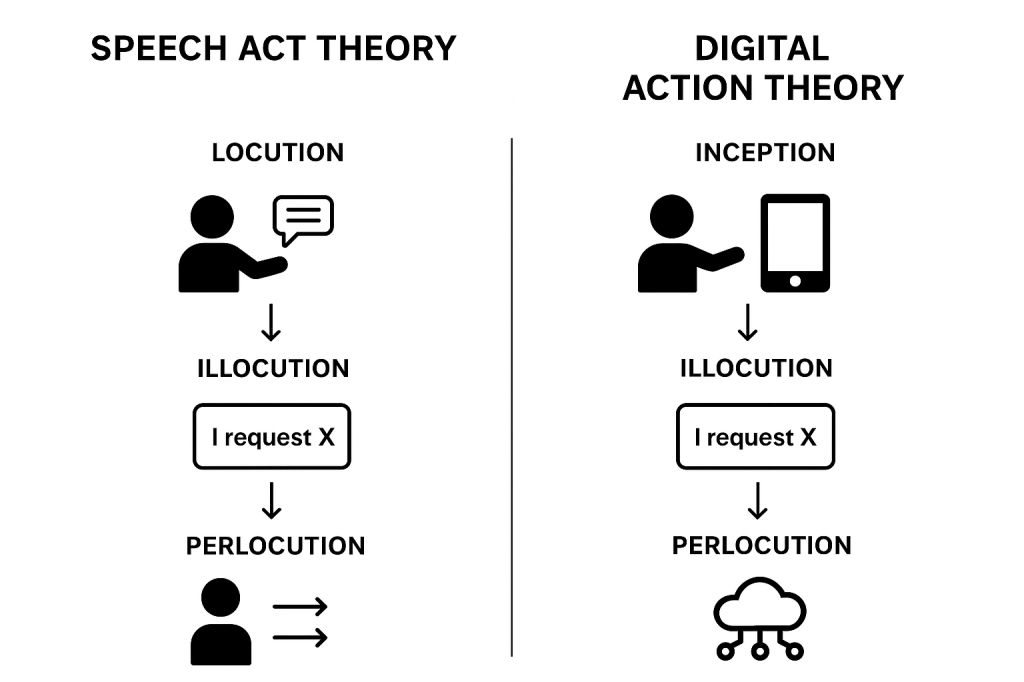
Weaknesses of Tendo Uneni (Speech/Action Theory) in the Digital Context
| Tenet of Tendo Uneni | Weakness in Digital Space |
|---|---|
| Intention / Purpose | Intent is often ambiguous online; digital actions can be misinterpreted, delayed, or amplified beyond the actor’s understanding. |
| Execution / Action | Execution assumes physical/observable acts; in digital space, actions can be automated, algorithm-driven, or mediated by platforms. |
| Social Mediation / Interaction | Social validation depends on direct human networks; online, networks are fragmented, anonymous, and ephemeral. |
| Outcome / Effectiveness | Traditional metrics of success (impact on community) are difficult to measure online; virality may not equal meaningful impact. |
| Ethics & Rationality | Ethical frameworks are inconsistent; what is rational in one digital context may be irrational in another. |
Insight: Tendo Uneni is human-centric, local, and linear. Digital space is algorithmic, networked, and exponential. Therefore, applying classical Action Theory directly online is often irrelevant.
2️⃣ Pillars of Digital Action Theory (DAT)
We can now reconstruct a professional framework:
- Digital Intent (DI)
- Recognizes multi-layered intentions, including human and machine-mediated intentions.
- Considers ambiguity, scalability, and platform constraints.
- Example: A tweet may intend humor but also aims for virality; bots may amplify the effect unintentionally.
- Mediated Execution (ME)
- Actions are performed through technology, not purely human hands.
- Execution is algorithmically enabled, not just socially observable.
- Example: Social media campaigns, AI-generated content, scheduled posts.
- Networked Legitimacy (NL)
- Social validation now comes from digital networks, not only personal communities.
- Legitimacy is distributed, anonymous, and fluid, influenced by platform culture and algorithmic visibility.
- Example: A TikTok challenge may gain legitimacy globally without knowing the creator.
- Diffused Outcomes (DO)
- Digital actions create diffused, unpredictable consequences.
- Success is measured not only by intent fulfillment but also network propagation and interaction metrics.
- Example: A viral video can influence global culture even if unintended by the creator.
- Ethics & Digital Rationality (EDR)
- Ethical evaluation must consider platform norms, privacy, AI mediation, and community standards.
- Rationality includes understanding algorithmic biases, automated amplification, and unintended consequences.
- Example: Posting misinformation may be rational for engagement but ethically problematic.
3️⃣ Key Differentiators from Tendo Uneni
| Aspect | Tendo Uneni | Digital Action Theory (DAT) |
|---|---|---|
| Agency | Fully human | Human + technological mediation |
| Social Mediation | Direct human networks | Networked, algorithmically amplified, decentralized |
| Outcome | Predictable, socially measurable | Diffused, viral, often unintended |
| Ethics | Universal, human-centered | Contextual, platform-mediated, decentralized |
| Execution | Linear, observable | Multi-layered, virtual, automated, asynchronous |
Marejeleo ya Kitaaluma
- Austin, J. L. (1962). How to Do Things with Words. Oxford: Clarendon Press.
- Searle, J. R. (1969). Speech Acts: An Essay in the Philosophy of Language. Cambridge: Cambridge University Press.
- Herring, S. C. (2013). Discourse in Web 2.0: Familiar, Reconfigured, and Emergent. Georgetown University Press.
- Crystal, D. (2011). Internet Linguistics: A Student’s Guide. Routledge.
- Johnpaul, A. (2025). Digital Action Theory: Human Agency and Communication in the Age of Technology. Kiswahili Research Series Blog.
“Why Post Only After Death? ” The Meaning Behind Posthumous Tributes
Why We Celebrate Lives After Death: Understanding the Posthumous Tributes
By Arigumaho Johnpaul
In the age of social media, a common question often arises: “Why do people post about public figures only after they die, and not while they are alive?” This observation is especially noticeable when it comes to influential figures and just like Raila Amolo Odinga, Mwalimu Julius Nyerere, Nelson Mandela, Fidel Castrol or other leaders whose lives have impacted millions. At first glance, it may seem hypocritical, yet social, psychological and cultural research demonstrates that this phenomenon is both natural and meaningful.
The Nature of Posthumous Tributes
Speaking about someone’s life or paying tribute does not require personal acquaintance. Public figures often influence people they have never met directly. Celebrating their legacy, sharing their vision or acknowledging their contributions is a form of recognition of the broader societal impact they have had. These posthumous tributes reveal the ways a person’s life touched the hearts and minds of countless individuals across the world.
As Robert West (2021) notes in his study “Postmortem Memory of Public Figures in News and Social Media,” mentions of public figures spike significantly after their deaths. This pattern indicates that public recognition of a person’s life and achievements often increases posthumously. People reflect on the contributions, lessons and inspiration these figures provided, which may not have been fully appreciated or publicly expressed while the person was alive.
Delayed Reflection and Inner Inspiration
It is practically impossible for a mere local, unknown, or ordinary person to continuously post about every public figure during their lifetime. Yet, many are inspired deeply by the deeds and vision of such figures. Often, admiration is internalized—experienced privately as respect, inspiration, or aspiration.
When a public figure passes, these inner feelings surface and are shared publicly. Posting or reflecting at that moment is not insincere; it is the natural expression of a latent emotional response now given space and opportunity.
Cognitive psychology provides insight into this phenomenon. Humans experience delayed grief or reflection, where the emotional impact of someone’s life or death becomes clearer only after they pass (Stroebe & Schut, 1999). Similarly, reflection on mortality heightens the appreciation of a person’s contributions and motivates public acknowledgment, even if such recognition was not expressed while the person was alive (Becker, 1973).
The Social and Cultural Dimensions
In African culture, collective mourning and tribute are central to the expression of humanity and community responsibility. When someone dies, friends, distant relatives, neighbors, colleagues and even strangers often gather to honor the individual. This practice reflects the recognition that a person’s life reaches beyond their immediate circle.
If mourning were restricted only to close relatives, only a handful of people would participate in rituals and ceremonies. Instead, the community comes together to celebrate life, show solidarity and honor the influence a person had on society. Social media extends this tradition into the digital sphere. Posting about someone’s life after death mirrors the communal gatherings of traditional African mourning practices—an expression of shared recognition, empathy, and respect.
Psychological and Social Benefits of Posthumous Tributes
Posting about someone after their death is more than a symbolic act—it has a real psychological and social significance. Research in psychology, sociology and grief studies highlights several key benefits:
By posting about a leader after their death, individuals are participating in an ongoing narrative of history, education and social inspiration, which can shape societal behavior and cultural memory.
Strengthens Social Bonds
When people collectively remember and celebrate a public figure, it reinforces connections among individuals who share admiration or respect for that person.
Even if you never personally knew the deceased, acknowledging their impact creates a sense of community and shared values. This strengthens social cohesion and fosters empathy.
For example, when thousands post about Raila Odinga after his death, they are participating in a communal recognition of his legacy, which unites diverse groups of people around a shared narrative of leadership, justice and Pan-African vision.
Validates Shared Emotions
Public postings serve as a form of emotional validation. Expressing grief, respect, or admiration collectively reassures people that their feelings are normal, understood, and shared.
It reduces isolation in grief and helps individuals feel supported in their emotional response.
For instance, young Africans posting about a leader’s contributions may feel comforted knowing that others across the continent are moved by the same legacy, creating a sense of collective mourning and appreciation.
Supports Coping with Loss
Engagement in posthumous tributes can help individuals process loss—even when there was no personal relationship. Psychological research shows that reflecting on a public figure’s life helps people confront mortality, appreciate contributions and find meaning in loss (Stroebe & Schut, 1999; Becker, 1973).
Sharing thoughts and memories publicly allows people to externalize grief, articulate emotions, and integrate the memory of the deceased into their own sense of purpose.
For example, writing a post about a deceased leader’s achievements can inspire action, motivate civic engagement and encourage people to carry forward the values the leader stood for.
Preserves and Amplifies Legacy
Beyond individual benefits, posthumous tributes contribute to the collective memory of a society. They ensure that lessons, values and accomplishments of public figures remain visible and influential.
Social media enables rapid dissemination of these reflections, extending the reach of a leader’s impact and inspiring new generations.
Conclusion
Public tributes after death are a reflection of admiration, inspiration and recognition of a life that made a difference. They are both psychologically and socially meaningful. While admiration might remain private during someone’s life, death provides a moment for reflection, acknowledgment and celebration of their contributions.
So, when we post about figures like Raila Odinga, Nelson Mandela, or other heroes after their passing, it is not about hypocrisy, it is about acknowledging their profound impact, preserving their memory and inspiring action in the living. In a society where legacy matters, posthumous recognition is necessary, valid and deeply human.
References
- Becker, E. (1973). The Denial of Death. Free Press.
- Stroebe, M., & Schut, H. (1999). The dual process model of coping with bereavement. Death Studies, 23(3), 197–224.
- West, R. (2021). Postmortem Memory of Public Figures in News and Social Media.
- Durkheim, E. (1912). The Elementary Forms of Religious Life. Free Press.
- Parkes, C. M. (2013). Bereavement: Studies of Grief in Adult Life (4th ed.). Routledge.
Raila Amolo Odinga: The Giant Who Fought for Democracy and African Unity
How Raila Odinga’s journey continues to inspire a generation of young Pan-Africans
By Mwalimu Johnpaul Arigumaho — Bugema University
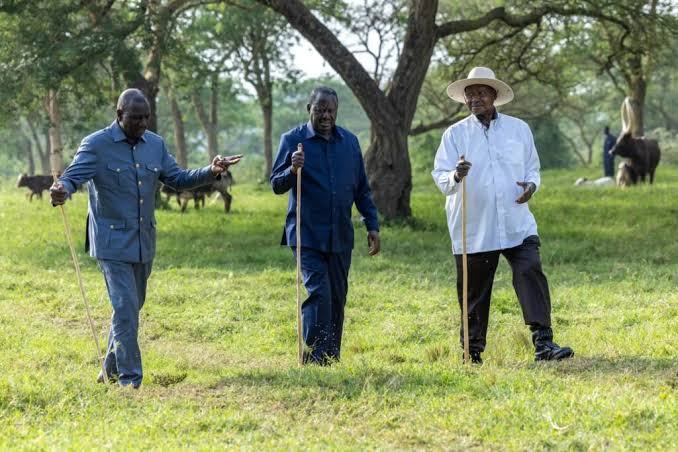
Today, we mourn not just a Kenyan statesman but a symbol of hope, resistance and unity. Raila Amolo Odinga has passed into history, leaving behind a legacy that stretches far beyond Kenya’s borders to East Africa, to the whole of Africa. It is in remembrance of his achievements, his struggles, his unbowed spirit, that we write this, so that the lessons live on in us, the youth and in every Pan-African heart.
Who He Was, What He Did
Raila arrested in 1982
Raila Odinga was born into Kenya’s political heritage, son of Jaramogi Oginga Odinga, already steeped in nationalist struggles. But Raila carved his own path often difficult, often painful but always with conviction. Here are some of his most important contributions:
Championing Democracy in Kenya
Raila was central in the fight for multiparty democracy during the repressive single-party era under President Daniel arap Moi. He was detained (and politically harassed) multiple times because he spoke out. After the one-party system ended, he ran repeatedly for the presidency. His resilience helped to hold the reins of power accountable.
After the 2007 election, which was marred by violent dispute over results, he played a major role in steering Kenya into the 2008 National Unity Government as Prime Minister—a delicate deal that brought peace when the country threatened to tear itself apart. Also, he was a key figure in the adoption of the 2010 Constitution of Kenya, which is widely celebrated for its strengthening of democratic institutions, human rights, checks and balances, rule of law, devolution of power, and a bill of rights. Though some of his initiatives, such as constitutional amendments later (e.g. BBI / Building Bridges Initiative), had mixed outcomes, these efforts show his willingness to reform and institutionalize justice.
Infrastructure and Regional Integration
On the continent, Raila became the African Union High Representative for Infrastructure Development in October 2018. In this role, he was charged with mobilizing political support among member states and regional economic communities, facilitating infrastructure projects like missing links in transnational highway corridors, bolstering the Trans-African Highways Network, and supporting continental flagship programs under Agenda 2063.
He understood that for Africa to be truly united and prosperous, physical connectivity is crucial roads, railways, energy lines and ports. These are not just projects; they are lifelines connecting people, enabling trade, access to services, and shared prosperity. He put his political capital into promoting such infrastructure, seeing it as the basis for integration.
Pan-African Leadership and Ambition
Raila did not only act locally; he aimed for the highest continental leadership. He was nominated by Kenya to run for Chairperson of the African Union Commission (AUC), seeking to succeed Moussa Faki. His priorities in that bid included accelerating Africa’s foreign trade integration (AfCFTA), managing conflicts, enhancing Africa’s global voice, ensuring that institutions serve people fairly. Although he did not win, his candidature was supported by many African leaders and regions, showing trust and recognition of his vision
Peace, Dialogue, and Mediation
He was often called upon to calm storms. Within Kenya, during electoral disputes, during protests, Raila used negotiation, dialogue, mass action, legal contestation. Regionally, he participated in peace and mediation efforts—for example in South Sudan, and East Africa’s broader conflicts. His voice in favor of African-led solutions, for dialogue over force, was consistent
What He Stood For: The Principles That Must Endure
From the life of Raila Odinga, we learn not just what was done, but what we must believe in. Here are some of the principles, deeply illustrated by his work:
- Kiswahili: The Language of African Unity
Among Raila Odinga’s many dreams was a vision of a connected Africa—and language was a key part of that vision.
He consistently promoted Kiswahili as a unifying language for East and Central Africa, a language capable of connecting Africans beyond colonial divisions of English, French, or Portuguese.
Raila supported regional programs that elevated Kiswahili to official status in the African Union, a milestone that marked Africa’s linguistic liberation.
He believed that through Kiswahili, Africans could rediscover their shared identity and communicate in one authentic voice.
As a Kiswahili advocate and Pan-African researcher, I see his dream aligning perfectly with my own belief:
That language is not only communication—it is culture, memory, and identity.
Through Kiswahili, Africa can unite, educate and prosper.
Raila understood this deeply. In every speech, his love for Kiswahili reflected his humility and connection to ordinary citizens. He often switched effortlessly between English and Kiswahili to reach everyone—from rural farmers to presidents
2. Truth and Justice, Even When It Costs
He was not a leader who bowed to power when it was unjust. His many presidential bids, his refusal to be silenced in the face of election irregularities, his support for courts and constitutional mechanisms—these all show someone who believed justice is not optional.
3. Unity Across Boundaries
Raila believed that the borders drawn during colonial times should not limit our dreams. East Africa integration, Africa integration, strengthening the AU, pushing for trans-national infrastructure, pushing for trade across borders… this was about creating one people, one economy, one voice.
4. Service Over Self
Many have had power and positions. But Raila used his platforms—local, national, continental—not simply to gain wealth or fame, but to fight for common good: for freedom, for institutions, for people to be heard.
5. Resilience and Perseverance
He lost elections. He was imprisoned. He faced threats. But he kept going. He kept building. He kept speaking out. For younger Africans, this is instructive: not to give up when the odds seem against you.
6. Vision for the Future
His work with Agenda 2063, AfCFTA, his infrastructure role, all show that Raila was not just about the present struggles, but about the future: how Africa can stand tall in the 21st century, self-reliant, united and prosperous.
What Kenya (and Africa) Have Lost
A Moral Compass and a Voice of Opposition that Mattered
Kenya loses not just a politician but a leader whose opposition shaped democracy. When those in power forget the needs of citizens, a strong opposition acts like a mirror: reminding, checking, holding accountable.
Experience and International Respect
Raila had earned the respect of many Africans, leaders, institutions. His AU roles, his leadership in East Africa’s affairs, made Kenya’s voice stronger on continental issues.
A Unifier in Divided Times
Kenya has deep ethnic, regional divisions. East Africa faces border issues, trade disputes, political instability. Raila’s ability to reach across divides (political, regional, generational) made him someone people could turn to for reconciliation, dialogue. With him gone, the burden rests more heavily on others.
A Symbol of Hope for Young Africans
Many of us saw in Raila that change is possible, even when systems seem rigged. Losing that symbol leaves a void; but also, a challenge: to carry forward his hope, his activism.
What Young People & Focused Pan-Africans Learn from Him
As I reflect, as a young scholar at Bugema University, here are what I and many of my peers can draw as lessons:
Courage in Leadership Is Needed: Not just when safe, but especially when risky. Raila entered spaces others feared. He took on entrenched systems. We must be ready to do same; to speak out, organize, hold power to account.
The Importance of Institutions: It’s not enough to protest; building constitutions, courts, regional bodies matter. The structures he helped strengthen (2010 Constitution, AU bodies) ensure long-term impact.
Thinking Big, Acting Bold: East African federation, continental infrastructure, trade, connectivity. Don’t limit yourself to local problems only. See what Africa needs tomorrow.
Patience + Persistence: Many of his efforts were slow, contested, sometimes incomplete. But he persisted. That teaches us that change often comes slowly but must be pursued relentlessly.
Listening and Dialogue: Even when he was an opposition leader, he looked for partners; even when there were tough conflicts, he pushed for negotiation and understanding.
Condolence Message
Kwa familia ya Raila Odinga, kwa majirani wetu Wakenya na kwa vijana wa Afrika kote barani: huzuni yenu ni huzuni yetu. Kenya imepoteza shujaa; Afrika imepoteza mtumishi wa kweli.
Mungu ampe Raila Amolo Odinga mapumziko mema, roho yake ipate amani na kumbukumbu yake iendelee kung’aa kama taa ya haki, Umoja na Ujasiri. Mungu awafariji wale waliompenda zaidi, wale waliomfuata na wale waliokuwa na imani na maono yake.
Na sisi waliobaki, tumheshimu si kwa machozi tu, bali kwa vitendo. Tujijenge juu ya ndoto zake: Afrika Mashariki iliyo na umoja, Afrika yenye ushirikiano, demokrasia iliyopanuka, haki zitimizwe kwa wote na sauti ziongezeke kwa wale wasiokuwa na sauti.
The Flame Never Dies
Raila Odinga was mortal but his ideas, his struggles, his dreams are immortal. He taught us that leadership means sacrifice, that unity is strength, that institutions matter, that integration is not a nice idea but a necessity for Africa’s survival and prosperity.
Sisi vijana wa Afrika, wasomi, wanaharakati na wanamajumui, jukumu sasa limebaki mikononi mwetu. Tusiruhusu kifo chake kuwa mwisho, bali uwe wito wa kuchukua hatua madhubuti za kuimarisha Umoja na wa kudumisha Matumaini yetu.
Tuweke matumaini ya Afrika hai, kama alivyokuwa akitufundisha hayati Shaka Sali.
Pumzika kwa amani, Baba Raila Odinga.
INRODUCTORY TO KISWAHILI
2. Salamu za Kawaida (Greetings)
| Kiswahili | Kiingereza | Matumizi |
|---|---|---|
| Habari | Hello / How are you | Salamu ya jumla |
| Habari za asubuhi | Good morning | Asubuhi (6:00–11:00) |
| Habari za mchana | Good afternoon | Mchana (12:00–15:00) |
| Habari za jioni | Good evening | Jioni (16:00–19:00) |
| Usiku mwema | Good night | Kabla ya kulala |
| Shikamoo | Greeting of respect | Kwa wakubwa/wazee |
| Marahaba | Response to Shikamoo | Jibu la heshima |
| Karibu | Welcome | Kumkaribisha mgeni |
| Asante | Thank you | Shukrani |
| Hujambo? | Are you well? | Kwa mtu mmoja |
| Sijambo | I am fine | Jibu |
| Hamjambo? | Are you all well? | Kwa watu wengi |
| Hatujambo | We are fine | Jibu |
Mfano wa Mazungumzo
A: Habari za asubuhi?
B: Nzuri, asante. Na wewe je?
A: Nzuri pia, asante.
3. Utambulisho (Self-Introductions)
Maneno Muhimu
| Kiswahili | Kiingereza |
|---|---|
| Jina langu ni … | My name is … |
| Mimi ni mwanafunzi wa kozi ya kilimo. | I am an Agribusiness student. |
| Ninatoka … | I come from … |
| Ninaishi … | I live in … |
| Ninasoma katika Chuo Kikuu cha Bugema | I study at Bugema University. |
| Ninafuraha kukutana na wewe. | Nice to meet you. |
Mfano wa Mazungumzo Sokoni
A: Shikamoo!
B: Marahaba, karibu sokoni.
A: Asante. Jina langu ni Peter. Ninasomea kozi ya kilimo katika Chuo Kikuu cha Bugema.
B: Karibu sana Peter. Unatafuta mazao gani leo?
MAZUNGUMZO KATI YA AMINA NA JUMA
Amina (Mteja):
Habari za asubuhi bwana mkulima.
Juma (Mkulima):
Nzuri sana, asante. Habari yako pia?
Amina:
Nzuri. Jina langu ni Amina, mwanafunzi wa KOZI YA KILIMO katika Chuo Kikuu cha Makerere.
Juma:
Nafurahi kukutana na wewe Amina. Mimi naitwa Juma, mkulima wa mboga na matunda.
Amina:
Karibu sana. Ni mazao gani unauza leo?
Juma:
Nina viazi vitamu, nyanya, na matunda kama maembe na mapera.
Amina:
Bei ya beseni moja ya nyanya ni shilingi ngapi?
Juma:
Ni shilingi elfu kumi, lakini kwa wanafunzi kama wewe naweza kukupa kwa elfu tisa.
Amina:
Asante kwa punguzo la bei. Nipe beseni tano tafadhali.
Juma:
Sawa, haya ni nyanya bora zenye afya nzuri.
Amina:
Nashukuru. Nitazitumia kwa mafunzo ya kilimo cha biashara.
Juma:
Karibu tena shambani kwangu ili uone mbinu za uzalishaji.
Amina:
Nitafurahi kutembelea. Asante sana kwa huduma nzuri.
Vokali za Kiswahili
Kiswahili kina vokali tano (5). Kila vokali inatamkwa kwa sauti moja tu bila kubadilika. Hizi vokali ni:
| Vokali (vowels) | Matamshi (Pronounciation) | Mfano wa Neno (example) | Maana (kwa Kiingereza) |
|---|---|---|---|
| A | a (kama father) | andika | write |
| E | e (kama bed) | embe | mango |
| I | i (kama see) | imba | sing |
| O | o (kama go lakini fupi) | ota | dream/germinate |
| U | u (kama rule) | uma | bite |
Matumizi katika sentensi (usage in a sentence)
- Mwanafunzi anaandika notisi
- Mkulima analima embe
- Mtoto ameota
- Mvulana anauma chakula.
Konsonanti za Kiswahili
Kiswahili kina konsonanti 26. Baadhi zimetokana na alfabeti ya Kiingereza, lakini matamshi yake ni tofauti na yamewekwa kwa mpangilio rahisi. Zina sauti thabiti, hazibadiliki kulingana na neno.
Orodha ya Konsonanti 26
| Konsonanti | Matamshi kwa Kiswahili | Mfano wa Neno | Maana (Kiingereza) |
|---|---|---|---|
| B | b | baba | father |
| CH (hutumika katika ch tu) | ch | chai | tea |
| D | d | dada | sister |
| DH | dh (kama this) | dhahabu | gold |
| F | f | FUVU | SKULL |
| G | g (ngumu) | gari | car |
| GH | gh (kama sauti ya koo, Kigujarati/ Kiarabu) | ghala | store |
| H | h | habari | news |
| J | j (kama jam) | jua | sun |
| K | k | kuku | chicken |
| KH | kh (kama sauti ya kha ya Kiarabu) | khalifa | caliph/leader |
| L | l | lala | sleep |
| M | m | mama | mother |
| N | n | ndege | bird |
| NG’ | ng’ (kama ng’ombe) | ng’ombe | cow |
| P | p | pesa | money |
| R | r (lafudhi ya kifurushi kidogo) | rafiki | friend |
| S | s | soko | market |
| SH | sh | shamba | farm |
| T | t | tamu | sweet |
| TH | th (kama think, sauti laini) | thamani | value |
| V | v | viazi | potatoes |
| W | w | wiki | week |
| Y | y | yeye | he/she |
| Z | z | zabibu | grapes |
Ngeli za Nomino (Noun classifications)
M-WA Noun Class
(Umoja/Wingi)
M-WA Noun Class – Simplified Grammatical Table
| Nomino (Noun) | Vionyeshi (Demonstratives) | Kuwa na Vivumishi (To be + Adjective) |
|---|---|---|
| Mtoto (child) | huyu (This)/yule (that) | ni mzuri. (is good/beautiful.) si mzuri. (is not good/beautiful.) |
| Watoto (children) | hawa (These)/wale (Those) | ni wazuri. (are good/beautiful.) si wazuri. (are not good/beautiful.) |
| Mzee (old man) | huyu/yule | ni mzuri. (is good/beautiful.) si mzuri. (is not good/beautiful.) |
| Wazee (old men) | hawa/wale | ni wazuri. (are good/beautiful.) si wazuri. (are not good/beautiful.) |
| Mwalimu (teacher) | huyu/yule | ni mzuri. (is good/beautiful.) si mzuri. (is not good/beautiful.) |
| Walimu (teachers) | hawa/wale | ni wazuri. (are good/beautiful.) si wazuri. (are not good/beautiful.) |
| Mkulima (farmer) | huyu/yule | ni hodari. (is skilled.) si hodari. (is not skilled.) |
| Wakulima (farmers) | hawa/wale | ni hodari. (are skilled.) si hodari. (are not skilled.) |
| Mwanafunzi (student) | huyu/yule | ni makini. (is diligent.) si makini. (is not diligent.) |
| Wanafunzi (students) | hawa/wale | ni makini. (are diligent.) si makini. (are not diligent.) |
Ngeli ya LI-YA (Noun Class Li-ya)
| Singular (Umoja) | Plural (Wingi) |
|---|---|
| yai (egg) | mayai (eggs) |
| tunda (fruit) | matunda (fruits) |
| jiwe (stone) | mawe (stones) |
| jambo (thing/matter) | mambo (things/matters) |
| jicho (eye) | macho (eyes) |
| jino (tooth) | meno (teeth) |
| jina (name) | majina (names) |
| jani (leaf) | majani (leaves) |
| jibu (answer/response) | majibu (answers/responses) |
| jozi (pair) | majozi (pairs) |
| jarida (magazine/journal) | majarida (magazines/journals) |
| jeshi (army/military) | majeshi (armies) |
| jiko (stove/kitchen hearth) | meko (stoves/kitchen hearths) |
| jiwe la moto (coal/charcoal) | mawe ya moto (coals/charcoals) |
| jambo la siri (secret matter) | mambo ya siri (secret matters) |
| jicho la samaki (fish eye) | macho ya samaki (fish eyes) |
| jiwe la pwani (beach stone) | mawe ya pwani (beach stones) |
| jiwe la kale (ancient stone) | mawe ya kale (ancient stones) |
LI-YA Noun Class – Simplified Grammatical Table
| Nomino (Noun) | Vionyeshi (Demonstrative) | Kuwa + vivumishi (To be + Adjective) |
|---|---|---|
| Yai (egg) | hili (This)/lile (That) | ni tamu. (is sweet.) si tamu. (is not sweet.) |
| Mayai (eggs) | haya (these)/yale (those) | ni matamu. (are sweet.) si matamu. (are not sweet.) |
| Tunda (fruit) | hili/lile | ni jipya. (is fresh.) si jipya. (is not fresh.) |
| Matunda (fruits) | haya/yale | ni mapya. (are fresh.) si mapya. (are not fresh.) |
| Jiwe (stone) | hili/lile | ni gumu. (is hard.) si gumu. (is not hard.) |
| Mawe (stones) | haya/yale | ni magumu. (are hard.) si magumu. (are not hard.) |
| Jani (leaf) | hili/lile | ni safi. (is clean.) si safi. (is not clean.) |
| Majani (leaves) | haya/yale | ni masafi. (are clean.) si masafi. (are not clean.) |
| Jibu (answer) | hili/lile | ni sahihi. (is correct.) si sahihi. (is not correct.) |
| Majibu (answers) | haya/yale | ni sahihi. (are correct.) si sahihi. (are not correct.) |
KI-VI Noun Class – General Nouns (Including Agricultural Tools)
| Singular (KI-) | Plural (VI-) |
|---|---|
| Kijembe (hoe) | Vijembe (hoes) |
| Kisu (knife) | Visu (knives) |
| Kikombe (cup/container) | Vikombe (cups/containers) |
| Kiti (chair/stool) | Viti (chairs/stools) |
| Kijiti (stick/support) | Vijiti (sticks/supports) |
| Kisima (well) | Visima (wells) |
| Kipande (piece/part) | Vipande (pieces/parts) |
| Kibaba (basket/container) | Vibaba (baskets/containers) |
| Kifaa (equipment/tool) | Vifaa (tools/equipment) |
| Kioo (glass/mirror) | Vioo (glasses/mirrors) |
| Kijiko (spoon/tool for feeding) | Vijiko (spoons/tools) |
| Kiwembe (sickle) | Viwembe (sickles) |
| Kitabu (book) | Vitabu (books) |
| Kisu cha chakula (kitchen knife) | Visu vya chakula (kitchen knives) |
| Kiumbe (creature/animal) | Viumbe (creatures/animals) |
| Kipande cha mbao (piece of wood) | Vipande vya mbao (pieces of wood) |
| Kioo cha dirisha (window glass) | Vioo vya dirisha (window glasses) |
| Kijiko cha chakula (spoon) | Vijiko vya chakula (spoons) |
| Kifaa cha shamba (farm equipment/tool) | Vifaa vya shamba (farm tools/equipment) |
KI-VI Noun Class – Simplified Grammatical Table
| Nomino (Noun) | Vionyeshi (Demonstrative) | Kuwa + Vivumishi (To be + Adjective) |
|---|---|---|
| Kijembe (hoe) | hiki (This)/kile (that) | ni kikali. (is sharp.) si kikali. (is not sharp.) |
| Vijembe (hoes) | hivi (These)/vile (Those) | ni vikali. (are sharp.) si vikali. (are not sharp.) |
| Kisu (knife) | hiki/kile | ni kidogo. (is small.) si kidogo. (is not small.) |
| Visu (knives) | hivi/vile | ni vidogo. (are small.) si vidogo. (are not small.) |
| Kikombe (cup/container) | hiki/kile | ni kizuri. (is good/beautiful.) si kizuri. (is not good/beautiful.) |
| Vikombe (cups/containers) | hivi/vile | ni vizuri. (are good/beautiful.) si vizuri. (are not good/beautiful.) |
| Kiti (chair/stool) | hiki/kile | ni kikubwa. (is big.) si kikubwa. (is not big.) |
| Viti (chairs/stools) | hivi/vile | ni vikubwa. (are big.) si vikubwa. (are not big.) |
| Kisima (well) | hiki/kile | ni kirefu. (is deep.) si kirefu. (is not deep.) |
| Visima (wells) | hivi/vile | ni virefu. (are deep.) si virefu. (are not deep |
msamiati wa Biashara, Fedha na Biashara ya Kilimo (Vocabulary: Business, Money & Agribusiness)
| Kiswahili | English | Example Sentence (Kiswahili) | Meaning (English) |
|---|---|---|---|
| Biashara | Business | Anafanya biashara ya maziwa. | She does a milk business. |
| Soko | Market | Nitaenda sokoni kesho. | I will go to the market tomorrow. |
| Bei | Price | Bei ya mahindi imepanda. | The price of maize has increased. |
| Fedha / Pesa | Money | Sina pesa ya kutosha leo. | I don’t have enough money today. |
| Mteja | Customer | Mteja alinunua viazi kumi. | The customer bought ten potatoes. |
| Muuzaji | Seller | Muuzaji anapima sukari. | The seller is weighing sugar. |
| Mkulima | Farmer | Mkulima huuza mazao yake sokoni. | The farmer sells his produce at the market. |
| Mazao | Produce / Crops | Mazao yamevunwa vizuri. | The crops have been harvested well. |
| Mahindi | Maize | Tunauza gunia moja la mahindi. | We sell one sack of maize. |
| Gunia | Sack / Bag | Gunia moja lina kilo hamsini. | One sack has fifty kilograms. |
| Kilo | Kilogram | Bei ni elfu moja kwa kilo. | The price is 1,000 per kilogram. |
| Shilingi | Shilling | Ananipa elfu tano. | He gives me five thousand shillings. |
| Manunuzi | Purchase | Manunuzi yanafanyika kila Ijumaa. | Purchases take place every Friday. |
| Mauzo | Sales | Mauzo yameongezeka mwaka huu. | Sales have increased this year. |
| Faida | Profit | Amefaidika kwa kuuza ndizi. | He has made a profit from selling bananas. |
| Hasara | Loss | Wakulima walipata hasara kutokana na ukame. | Farmers suffered a loss due to drought. |
| Bei ya jumla | Wholesale price | Wauzaji wanapendelea bei ya jumla. | Sellers prefer the wholesale price. |
| Bei ya rejareja | Retail price | Bei ya rejareja ni kubwa zaidi. | The retail price is higher. |
| Mikopo | Loans | Wakulima wanahitaji mikopo. | Farmers need loans. |
| Benki | Bank | Amefungua akaunti katika benki. | He opened an account in the bank. |
| Akaunti | Account | Akaunti yangu ina salio dogo. | My account has a small balance. |
| Malipo | Payment | Malipo yanafanywa kwa simu. | Payment is made by phone. |
| Kutuma pesa | To send money | Nimetuma pesa kwa simu. | I have sent money on phone. |
| Kukopa | To borrow | Nililazimika kukopa pesa. | I had to borrow money. |
| Kulipa | To pay | Nitalipa kesho. | I will pay tomorrow. |
| Kununua | To buy | Wateja wananunua maziwa. | Customers buy milk. |
| Kuuza | To sell | Tunauza mazao kwa jumla. | We sell produce in bulk. |
| Mauzo ya mkulima | Farm sales | Mauzo ya mkulima yameimarika. | The farmer’s sales have improved. |
| Gharama | Cost | Gharama za uzalishaji ni kubwa. | Production costs are high. |
| Uzalishaji | Production | Uzalishaji wa kahawa umeongezeka. | Coffee production has increased. |
| Ushuru | Tax / Levy | Wakulima wanalipa ushuru wa soko. | Farmers pay a market tax. |
| Wauzaji | sellers/Vendors | Wauzaji wameshuka bei leo. | Vendors have lowered prices today. |
| Wanunuzi | Buyers | Wanunuzi walifika mapema. | Buyers arrived early. |
| Mauzo kwa mkopo | Credit sales | Ameuza maziwa kwa mkopo. | He sold milk on credit. |
| Bei nafuu | Affordable price | Anauza kwa bei nafuu. | He sells at an affordable price. |
| Mapato | Income | Mapato ya kila mwezi ni mazuri. | Monthly income is good. |
| Uwekezaji | Investment | Wakulima wanafanya uwekezaji mpya. | Farmers are making new investments. |
| Tani | Ton | Tumepata tani moja ya mahindi. | We got one ton of maize. |
| Ujasiriamali | Entrepreneurship | Ujasiriamali unasaidia vijana. | Entrepreneurship helps youth. |
| Ushirikiano | Cooperation | Ushirikiano wa wakulima ni muhimu. | Farmer cooperation is important. |
| Ushirika | Cooperative | Yeye ni mwanachama wa ushirika. | He is a member of the cooperative. |
💬 Useful Agribusiness Phrases (Maneno ya Biashara ya Kilimo)
| Kiswahili | English |
|---|---|
| Naomba upunguze bei kidogo. | Please reduce the price a little. |
| Bei ya mwisho ni ngapi? | What is your final price? |
| Tunauza kwa jumla na rejareja. | We sell both wholesale and retail. |
| Tunalipia kwa simu. | We pay by phone. |
| Bidhaa hizi ni bora. | These products are of good quality. |
| Mavuno ni mengi mwaka huu. | The harvest is plenty this year. |
| Gharama za mbegu zimepanda. | The cost of seeds has gone up. |
| Tunahitaji soko la nje. | We need an external market. |
| Tumepata faida kubwa. | We have made a big profit. |
| Wateja wetu wameridhika. | Our customers are satisfied. |
Competence C2: Vitenzi na Nyakati (Verbs & Tenses)
1. Wakati wa Sasa (Simple Present Tense)
Hutumika kuelezea matendo yanayofanyika sasa, tabia, au ukweli wa jumla.
(Used to describe actions happening now, habits, or general truths.)
Muundo: Nafsi + na + mzizi wa kitenzi
Mfano:
- Ninapanda mahindi kila asubuhi. (I plant maize every morning.)
- Mkulima anasafisha shamba lake. (The farmer cleans his farm.)
- Wakulima wanauza matunda sokoni. (Farmers sell fruits at the market.)
- Wateja wanakulipa kwa simu. (Customers pay by phone.)
Mazoezi: Andika sentensi 5 ukitumia wakati wa sasa kuhusu shughuli za kilimo na biashara.
(Exercise: Write 5 sentences in present tense about farming and business activities.)
2. Wakati Uliopita (Past Tense)
Hutumika kuelezea matendo yaliyofanyika tayari.
(Used to describe actions that have already happened.)
Muundo: Nafsi + li + mzizi wa kitenzi
Mfano:
- Nilivuna mahindi jana. (I harvested maize yesterday.)
- Wakulima walipanda mboga wiki iliyopita. (Farmers planted vegetables last week.)
- Mteja alinunua mazao sokoni. (The customer bought produce at the market.)
- Tumepata faida kubwa msimu uliopita. (We made a big profit last season.)
Mazoezi: Andika historia fupi ya kile ulichopanda au kuuza katika msimu uliopita.
(Exercise: Write a short story about what you planted or sold last season.)
3. Wakati Ujao (Future Tense)
Hutumika kuelezea matendo yatakayofanyika baadaye.
(Used to describe actions that will happen later.)
Muundo: Nafsi + ta + mzizi wa kitenzi
Mfano:
- Nitapanda mahindi kesho. (I will plant maize tomorrow.)
- Wakulima watashiriki soko la mkulima wiki ijayo. (Farmers will participate in the farmers’ market next week.)
- Tutapokea malipo ya mauzo ya mkulima kesho. (We will receive payment for the farmer’s sales tomorrow.)
- Wateja watalipia kwa simu baada ya mauzo. (Customers will pay by phone after purchases.)
Mazoezi: Andika mpango wa shughuli zako za kilimo na biashara kwa wakati ujao.
(Exercise: Write a plan of your farming and business activities in future tense.)
Competence C2: Muundo wa Sentensi na Ulinganifu (Sentence Structure & Agreement)
- Mkulima anauza mazao sokoni. (The farmer sells produce at the market.)
- Mteja anakagua bidhaa kabla ya kulipia. (The customer inspects goods before paying.)
- Muuzaji anapunguza bei ili kuvutia wanunuzi. (The seller reduces the price to attract buyers.)
- Wakulima wanashirikiana ili kupata soko la nje. (Farmers cooperate to get an external market.)
- Wateja wanalipa kwa simu. (Customers pay by phone.)
Kumbuka: Hakikisha kitenzi kinaendana na nafsi na nomino kwa ulinganifu sahihi.
(Note: Ensure the verb agrees with the subject and noun in correct noun class agreement.)
Mazoezi: Unganisha maneno yafuatayo kuwa sentensi sahihi:
- [Mkulima / kuuza / sokoni] (The farmer / sells / at the market)
- [Mteja / kulipa / simu] (The customer / pays / by phone)
- [Wakulima / kupanda / mboga] (Farmers / plant / vegetables)
Competence C4: Msamiati wa Kilimo, Biashara na Fedha (Vocabulary: Farm, Market & Finance)
| Kiswahili | English | Mfano (Kiswahili) | Meaning (English) |
|---|---|---|---|
| Biashara | Business | Anafanya biashara ya maziwa. | She does a milk business. |
| Soko | Market | Nitaenda sokoni kesho. | I will go to the market tomorrow. |
| Bei | Price | Bei ya mahindi imepanda. | The price of maize has increased. |
| Pesa / Fedha | Money | Sina pesa ya kutosha leo. | I don’t have enough money today. |
| Mteja | Customer | Mteja alinunua viazi kumi. | The customer bought ten potatoes. |
| Muuzaji | Seller | Muuzaji anapima sukari. | The seller is weighing sugar. |
| Mkulima | Farmer | Mkulima huuza mazao sokoni. | The farmer sells his produce at the market. |
| Mazao | Produce / Crops | Mazao yamevunwa vizuri. | The crops have been harvested well. |
| Mahindi | Maize | Tunauza gunia moja la mahindi. | We sell one sack of maize. |
| Gunia | Sack / Bag | Gunia moja lina kilo hamsini. | One sack has fifty kilograms. |
| Kilo | Kilogram | Bei ni elfu moja kwa kilo. | The price is 1,000 per kilogram. |
| Shilingi | Shilling | Ananipa elfu tano. | He gives me five thousand shillings. |
| Manunuzi | Purchase | Manunuzi yanafanyika kila Ijumaa. | Purchases take place every Friday. |
| Mauzo | Sales | Mauzo yameongezeka mwaka huu. | Sales have increased this year. |
| Faida | Profit | Amefaidika kwa kuuza ndizi. | He has made a profit from selling bananas. |
| Hasara | Loss | Wakulima walipata hasara kutokana na ukame. | Farmers suffered a loss due to drought. |
| Bei ya jumla | Wholesale price | Wauzaji wanapendelea bei ya jumla. | Sellers prefer the wholesale price. |
| Bei ya rejareja | Retail price | Bei ya rejareja ni kubwa zaidi. | The retail price is higher. |
| Mikopo | Loans | Wakulima wanahitaji mikopo. | Farmers need loans. |
| Benki | Bank | Amefungua akaunti katika benki. | He opened an account in the bank. |
| Akaunti | Account | Akaunti yangu ina salio dogo. | My account has a small balance. |
| Malipo | Payment | Malipo yanafanywa kwa simu. | Payment is made by phone. |
| Kutuma pesa | To send money | Nimetuma pesa kwa simu. | I have sent money by phone. |
| Kukopa | To borrow | Nililazimika kukopa pesa. | I had to borrow money. |
| Kulipa | To pay | Nitalipa kesho. | I will pay tomorrow. |
| Kununua | To buy | Wateja wananunua maziwa. | Customers buy milk. |
| Kuuza | To sell | Tunauza mazao kwa jumla. | We sell produce in bulk. |
| Mauzo ya mkulima | Farm sales | Mauzo ya mkulima yameimarika. | The farmer’s sales have improved. |
| Gharama | Cost | Gharama za uzalishaji ni kubwa. | Production costs are high. |
| Uzalishaji | Production | Uzalishaji wa kahawa umeongezeka. | Coffee production has increased. |
| Ushuru | Tax / Levy | Wakulima wanalipa ushuru wa soko. | Farmers pay a market tax. |
| Wauzaji | Sellers / Vendors | Wauzaji wameshuka bei leo. | Vendors have lowered prices today. |
| Wanunuzi | Buyers | Wanunuzi walifika mapema. | Buyers arrived early. |
| Mauzo kwa mkopo | Credit sales | Ameuza maziwa kwa mkopo. | He sold milk on credit. |
| Bei nafuu | Affordable price | Anauza kwa bei nafuu. | He sells at an affordable price. |
| Mapato | Income | Mapato ya kila mwezi ni mazuri. | Monthly income is good. |
| Uwekezaji | Investment | Wakulima wanafanya uwekezaji mpya. | Farmers are making new investments. |
| Tani | Ton | Tumepata tani moja ya mahindi. | We got one ton of maize. |
| Ujasiriamali | Entrepreneurship | Ujasiriamali unasaidia vijana. | Entrepreneurship helps youth. |
| Ushirikiano | Cooperation | Ushirikiano wa wakulima ni muhimu. | Farmer cooperation is important. |
| Ushirika | Cooperative | Yeye ni mwanachama wa ushirika. | He is a member of the cooperative. |
Scenario 1: Mauzo Sokoni na Malipo (Market Sales & Payments)
Hali (Scenario):
Mkulima amepanda mahindi na maharagwe. Anapanga kuuza mavuno yake sokoni kesho. Mteja mmoja anakuja na simu ili afanye malipo.
(A farmer has planted maize and beans. He plans to sell his harvest at the market tomorrow. A customer comes with a mobile payment.)
Mazoezi (Exercises):
- Andika sentensi 3 za wakati wa sasa kuhusu shughuli za mkulima.
(Write 3 present tense sentences about the farmer’s activities.)- Mfano: Mkulima anapanda mahindi na maharagwe. (The farmer is planting maize and beans.)
- Andika sentensi 2 za wakati uliopita zikielezea mavuno yaliyopandwa msimu uliopita.
(Write 2 past tense sentences about crops planted last season.) - Andika sentensi 2 za wakati ujao zikielezea mpango wa kuuza mavuno.
(Write 2 future tense sentences about plans to sell the harvest.) - Tumia maneno yafuatayo katika sentensi zako:
- Mteja (customer), Malipo (payment), Gunia (sack), Gharama (cost), Faida (profit).
Scenario 2: Changamoto za Biashara na Ushirikiano (Business Challenges & Cooperation)
Hali (Scenario):
Wakulima wameripoti kuongezeka kwa gharama za mbegu na madawa. Kundi la wakulima linafanya mradi wa pamoja wa kuuza mboga na matunda sokoni.
(Farmers report increasing costs of seeds and chemicals. A group of farmers is running a joint project to sell vegetables and fruits at the market.)
Mazoezi (Exercises):
- Andika sentensi 3 ukielezea changamoto zinazowakabili wakulima.
(Write 3 sentences describing the challenges farmers face.) - Andika sentensi 3 kuhusu ushirikiano wa wakulima ukitumia maneno:
- Ushirikiano (cooperation), Ushirika (cooperative), Uwekezaji (investment).
- Tunga ripoti fupi kuhusu jinsi ushirikiano huu unavyosaidia kuongeza mapato na faida.
(Write a short report on how this cooperation helps increase income and profits.) - Elezea tofauti kati ya:
- Mauzo ya jumla vs Mauzo ya rejareja (Wholesale vs retail sales)
- Kuuza kwa mkopo vs Kuuza kwa pesa taslimu (Credit sales vs cash sales)
Scenario 3: Ujasiriamali na Soko la Nje (Entrepreneurship & External Markets)
Hali (Scenario):
Mkulima mchanga anataka kuanzisha biashara ya kuuza mazao ya kilimo sokoni na kwa wateja wa kimataifa. Anahitaji kupanga bajeti, kuhesabu gharama na faida, na kutafuta soko la nje.
(A young farmer wants to start a business selling agricultural produce locally and to international customers. He needs to plan a budget, calculate costs and profits and find an external market.)
Mazoezi (Exercises):
- Andika sentensi 3 kuhusu mpango wa ujasiriamali wa mkulima.
(Write 3 sentences about the farmer’s entrepreneurship plan.) - Tumia maneno yafuatayo katika sentensi zako:
- Uwekezaji (investment), Mapato (income), Gharama (cost), Faida (profit), Soko la nje (external market).
- Andika tangazo fupi la sokoni linalotumia msamiati wa kilimo na maneno ya mauzo.
(Write a short market advertisement using agribusiness vocabulary.) - Elezea kwa sentensi mbili jinsi ujasiriamali huu unavyoweza kusaidia kuongeza mapato na kujenga vipaji vya vijana.
(Explain in 2 sentences how this entrepreneurship can help increase income and develop youth skills.)
Unit 2: Mazoezi ya Kusoma – Maandishi Mafupi (Reading Practice – Short Texts)
Lengo la Somo (Learning Objective):
Kuwa na uelewa wa maandishi mafupi yanayohusiana na biashara na kilimo, na kuelezea taarifa muhimu kwa Kiswahili sanifu.
(To understand short texts related to business and agribusiness, and interpret key information in proper Kiswahili.)
1. Mfano wa Maandishi Mafupi (Example Short Text)
Kiswahili:
Taarifa ya Ushirika wa Wakulima
Shirika la Ushirika wa Wakulima wa Kahawa limeandaa mkutano katika ukumbi wa kijiji. Wakulima zaidi ya 50 walihudhuria. Mkutano huu ulikuwa na lengo la kujadili bei za soko, mbinu za kuongeza uzalishaji, na jinsi ya kulipa mikopo kwa wakati. Msemaji mkuu alisisitiza umuhimu wa kushirikiana ili kuongeza mapato na faida za wakulima wote.
English Translation:
Farmers’ Cooperative Notice
The Coffee Farmers’ Cooperative organized a meeting at the village hall. More than 50 farmers attended. The meeting aimed to discuss market prices, methods to increase production, and how to repay loans on time. The main speaker emphasized the importance of cooperation to increase the income and profits of all farmers.
2. Vipengele Muhimu vya Kusoma (Key Reading Points)
- Kusoma kwa uangalifu (Reading Carefully): Angalia taarifa muhimu kama nani, nini, wapi, lini, kwa nini.
(Focus on key information like who, what, where, when, and why.) - Kuelewa msamiati maalum (Understanding Key Vocabulary):
- Ushirika = Cooperative
- Mkutano = Meeting
- Bei ya soko = Market price
- Uzalishaji = Production
- Mikopo = Loans
- Mapato = Income
- Faida = Profit
- Kuelezea maelezo kwa maneno yako (Summarizing in Your Own Words):
- Andika kwa kifupi taarifa kuu kutoka kwenye maandishi.
(Write briefly the main information from the text.)
- Andika kwa kifupi taarifa kuu kutoka kwenye maandishi.
3. Mazoezi ya Scenario (Trial Scenarios)
Scenario 1:
Shirika la wakulima limefanya mkutano wa wiki hii kujadili bei ya kahawa. Andika sentensi 4 ukielezea lengo la mkutano na idadi ya wakulima waliokuwa hapo.
(The farmers’ cooperative held a meeting this week to discuss coffee prices. Write 4 sentences describing the purpose of the meeting and the number of farmers who attended.)
Scenario 2:
Msemaji mkuu wa ushirika alisisitiza umuhimu wa kushirikiana ili kuongeza faida. Andika sentensi 3 ukitumia maneno ushirikiano, faida, mapato.
(The main speaker emphasized the importance of cooperation to increase profit. Write 3 sentences using the words cooperation, profit, and income.)
Scenario 3:
Mkutano wa wakulima ulijadili mbinu za kuongeza uzalishaji na kulipa mikopo kwa wakati. Andika sentensi 4 zinazoelezea hatua ambazo wakulima wanaweza kuchukua.
(The farmers’ meeting discussed ways to increase production and repay loans on time. Write 4 sentences describing the steps farmers can take.)
Tip:
Kila wakati soma maandishi mafupi kwa makini, tafsiri maneno magumu kwa Kiswahili sanifu, na jaribu kueleza maelezo kwa maneno yako.
(Always read short texts carefully, translate difficult words into standard Kiswahili, and try to summarize in your own words.)
Unit: Writing Practice – Simple Business Letters in Kiswahili
Learning Competence: C3 – Writing Practice: Simple Messages
Objective:
Learners will be able to write simple, clear business letters in Kiswahili for agribusiness purposes.
Mfano wa Barua ya Biashara (Simple Sample Business Letter)
Kiswahili (Simple Version):
Tarehe: 22 Oktoba 2025
Kutoka: Amina Mwajuma
Gugudde Agribusiness Ltd, Kampala
Kwa: Bwana Juma
Muuza Mahindi, Sokoni, Kampala
Mada: Maombi ya Kununua Mahindi na Mbegu
Mpendwa Bwana Juma,
Natumai una afya njema. Ninaandika barua hii kuomba kununua bidhaa zako za kilimo.
Ningependa kununua gunia kumi (10) la mahindi safi na gunia tano (5) la mbegu ya mahindi. Tafadhali nipe bei ya bidhaa hizi na jinsi ya kulipa, kama kwa simu (mobile money) au benki (bank transfer).
Pia, tafadhali nieleze kama unaweza kusafirisha bidhaa hizi hadi sokoni au ofisini kwangu. Ni muhimu bidhaa ziwe safi na zenye ubora.
Tafadhali pia nipe taarifa kama kuna punguzo la bei (discount) kwa ununuzi wa jumla. Tunataka kuuza bidhaa hizi kwa wateja wetu na pia kusaidia wakulima wengine.
Nashukuru sana kwa msaada wako. Natarajia majibu yako mapema.
Kwa dhati,
Amina Mwajuma
Gugudde Agribusiness Ltd
English Translation (For Learners):
Date: October 22, 2025
From: Amina Mwajuma, Gugudde Agribusiness Ltd, Kampala
To: Mr. Juma, Maize Seller, Market, Kampala
Subject: Request to Buy Maize and Seeds
Dear Mr. Juma,
I hope you are in good health. I am writing this letter to request to buy your agricultural products.
I would like to buy ten (10) sacks of clean maize and five (5) sacks of maize seeds. Please give me the prices of these products and the payment methods, like mobile money or bank transfer.
Also, please tell me if you can deliver these products to the market or to my office. It is important that the products are clean and of good quality.
Please also let me know if there is a discount for bulk purchases. We want to sell these products to our customers and also help other farmers.
Thank you very much for your help. I look forward to your reply.
Sincerely,
Amina Mwajuma
Vipengele Muhimu vya Kujifunza (Key Notes for Learners)
- Vipengele vya Barua ya Biashara (Components):
- Tarehe (Date)
- Anwani za mwandishi na mpokeaji (Sender & Receiver Address)
- Mada / Subject
- Salamu (Salutation)
- Utangulizi (Introduction)
- Mwili (Body – Requests & Details)
- Hitimisho (Conclusion)
- Sahihi (Signature)
- Maneno Muhimu ya Biashara na Kilimo (Key Vocabulary):
- Gunia = Sack
- Mbegu = Seed
- Bei = Price
- Malipo = Payment
- Usafirishaji = Delivery
- Ubora = Quality
- Punguzo la Bei = Discount
- Vidokezo vya Kuandika (Writing Tips):
- Tumia sentensi fupi na rahisi.
- Andika kwa heshima na Kiswahili sanifu.
- Elezea kiasi, bei, malipo, na masharti ya usafirishaji.
- Hakikisha maelezo yote muhimu yamejumuishwa.
Scenario-Based Trial Questions
- Scenario 1:
Unataka kununua gunia tano la mahindi na gunia mbili la mbegu kutoka kwa muuzaji sokoni. Andika barua ya Kiswahili ukieleza kiasi na bei. - Scenario 2:
Kampuni yako inahitaji mbegu ya mahindi kwa msimu ujao. Andika barua kwa muuzaji ukitaja masharti ya malipo na usafirishaji. - Scenario 3:
Wakulima wa kijiji chako wanataka kuuza zao lao kwa biashara yako. Andika barua ya Kiswahili ukieleza jinsi utakavyolipa na kupata bidhaa safi.
Unit: Reading and Comprehension – Short Agribusiness Texts
Competence: C3 – Reading Practice
Objective:
Learners will read short Kiswahili texts related to farming and markets, understand the main ideas, and answer questions to demonstrate comprehension.
Mfano wa Maandishi Mafupi (Extended Text in Kiswahili)
Taarifa ya Soko la Mahindi na Ushirikiano wa Wakulima
Soko la mahindi la Bukasa linafanyika kila Jumatano asubuhi. Wakulima huleta mazao yao sokoni na wauzaji wanauza kwa wateja. Bei ya mahindi inategemea ubora wa mazao, wingi wa mazao sokoni, na mahitaji ya soko.
Mauzo ya wakulima yameongezeka mwaka huu kutokana na ushirikiano wa pamoja na kutumia malipo ya simu. Wakulima wanashirikiana kununua mbegu bora, mbolea, na pembejeo nyingine za kilimo ili kuongeza uzalishaji. Pia, wameunda vikundi vya ushirikiano ili kushirikiana katika kuuza mazao kwa bei nzuri sokoni.
Wakulima wengine pia wanajifunza mbinu za kuhifadhi mazao baada ya kuvuna ili kuzuia hasara. Wateja wa soko wanapenda kununua bidhaa zenye ubora wa juu, na hii inawahimiza wakulima kutoa mazao safi na salama.
Kwa kawaida, soko linaanza saa saba asubuhi na linaisha saa kumi na mbili jioni. Wauzaji huchagua sehemu nzuri sokoni ili wateja waone bidhaa zao vizuri. Wakulima wanapenda kuuza kwa bei nafuu ili wateja wengi wanunue. Malipo ya simu yamekuwa njia rahisi na salama ya kulipa bidhaa sokoni.
Mara kwa mara, wakulima hupata mafunzo ya kilimo kutoka kwa wataalamu wa kilimo na mashirika ya kijamii. Mafunzo haya yanawasaidia kujua mbinu mpya za kilimo, kuongeza mavuno, na kuendeleza biashara zao. Ushirikiano huu unaongeza faida na kuwawezesha wakulima kuwa na biashara endelevu.
Vipengele Muhimu (Key Vocabulary / Notes)
- Soko – Market
- Asubuhi – Morning
- Wakulima – Farmers
- Wauzaji – Sellers
- Mauzo – Sales
- Ubora – Quality
- Mahitaji – Demand
- Uzalishaji – Production
- Malipo ya simu – Mobile money payment
- Mbegu bora – Quality seeds
- Mbolea – Fertilizer
- Pembejeo – Farming inputs
- Hasara – Loss
- Kuhifadhi mazao – Post-harvest storage
- Biashara endelevu – Sustainable business
- Mafunzo ya kilimo – Agricultural training
Comprehension Questions (Maswali ya Kuelewa)
- Je, soko la mahindi la Bukasa linafanyika lini?
- Ni nani huleta mazao sokoni na nani wanauza kwa wateja?
- Kwa nini bei ya mahindi hubadilika mara kwa mara?
- Wakulima wanashirikiana katika nini ili kuongeza mauzo na uzalishaji?
- Ni mbinu gani wakulima wanajifunza ili kuepuka hasara ya mazao?
- Kwa nini wateja wanapendelea kununua bidhaa safi na salama?
- Je, malipo ya simu yamewasaidiaje wakulima na wateja sokoni?
- Je, mafanikio ya wakulima yanategemea nini zaidi?
Maswali ya Hali Halisi (C3, C4, C5)
Hali 1: Mpango wa Soko
Wewe ni mkulima unayetaka kuuza mahindi sokoni Bukasa wiki ijayo. Umegundua kwamba wiki iliyopita, bei ilikuwa ya chini kwa sababu wakulima wengi walileta mahindi sokoni.
Swali:
- Ungepangaje mauzo yako ya mahindi ili kupata bei nzuri? (Fikiria kuhusu muda wa kuuza, ubora wa mazao, na ushirikiano na wakulima wengine)
Hali 2: Usimamizi wa Baada ya Mavuno
Baada ya kuvuna, mahindi yako yapo hatarini kuharibika kwa sababu hakuna mahali pazuri pa kuhifadhi. Umesikia wakulima wengine wa ushirika wanalihifadhi mahindi vizuri na kuuza kwa bei kubwa.
Swali:
- Ni hatua gani ungechukua ili kupunguza hasara na kuongeza faida?
Hali 3: Mahusiano na Wateja
Mteja anaenda sokoni kununua mahindi kutoka kwako. Analalamika kuwa wiki iliyopita mahindi aliyonunua yalikuwa ya ubora mdogo.
Swali:
- Ungesuluhishaje hali hii ili kudumisha imani ya mteja na kuhakikisha wanarudi kununua tena?
Protected: KISWAHILI NA ISIMU LINGANISHI YA LUGHA ZA KIBANTU
Protected: SINTAKSIA YA KISWAHILI
Protected: KISWAHILI WRITING SKILLS TO JOURNALISTS
Protected: UMU COURSEWORK YEAR 3 SEM 1 2025: SINTAKSIA YA KISWAHILI, SEMANTIKI NA PRAGMATIKI YA KISWAHILI NA MOFOLOJIA YA KISWAHILI
Protected: COURSEWORK YEAR 2 SEM 1: UMU FONETIKI NA FONOLOJIA, UANDISHI BUNIFU NA RIWAYA ZA KISWAHILI
Protected: TAFSIRI NA UKALIMANI KWA WANAHABARI
Protected: FONOLOJIA YA KISWAHILI
Protected: MBINU ZA KUFUNDISHA KISWAHILI
Protected: KISWAHILI TEACHING METHODS- Maswali ya Msingi wa Umilisi
Kupandishwa Cheo 🎉👏: Celebrating the Promotion of Dr. Ahmad Yahya Sovu

On behalf of Watetezi wa Kiswahili Uganda (WAKIU), we are delighted to congratulate Dr. Ahmad Yahya Sovu on his well-deserved promotion to Senior Lecturer at the Mwalimu Nyerere Memorial Academy. This achievement is a testament to his unwavering dedication, scholarly excellence, and tireless efforts in the field of Kiswahili studies.
We recognize and deeply appreciate Dr. Sovu’s immense contributions to Kiswahili, particularly in the disciplines of sociolinguistics, lexicology, translation, and literature. Through his exemplary teaching, rigorous research, and numerous academic publications, Dr. Sovu has set a high standard of excellence and integrity in our academic community.
Beyond his scholarly achievements, Dr. Sovu has also demonstrated remarkable leadership and service. We fondly recall his exceptional role as one of the panelists and a guiding figure at the International Kiswahili Conference held at Kololo National Ceremonial Grounds, Uganda, in April this year. His insights and guidance were instrumental in the resounding success of the conference, inspiring both emerging and established scholars alike.
As Kiswahili advocates across East Africa, we understand that the strength of our language lies in collaboration and unity. Recent events, particularly the passing of Prof. Habwe, reminded us of the profound impact that each of our fellow scholars has on the advancement of Kiswahili. I, Johnpaul Arigumaho, along with Prof. Iribe, Prof. Wallah Bin Wallah, Dr Babusa, Ndugu Hassan and other Kiswahili scholars from across Africa, deeply felt this loss. It was a poignant reminder that our mission to champion Kiswahili as a unifying language for the continent is both urgent and collective.
It is in this spirit of unity and scholarly camaraderie that we celebrate Dr. Sovu’s promotion. His success is not just personal; it is a victory for the Kiswahili community at large. It exemplifies the impact that dedication, collaboration, and academic rigor can have in uplifting our language and culture.
Dr. Sovu, we wish you continued success and greater heights in this new chapter of your academic journey. May your work continue to inspire, unite, and empower Kiswahili scholars and students across East Africa and beyond.
#KiswahiliLeoKiswahiliKesho
Kumbukizi ya Profesa Habwe Katika Kipindi Maalum cha TV47
Tunawakaribisha nyote kwa kipindi Maalum cha Kumbukizi ya Profesa Habwe – TV47
Tunayo furaha kubwa kuwajulisha Wasomi nyote, walimu, wanafunzi, wanasiasa, wanahabari na wadau wa Kiswahili kuhusu kipindi maalum cha TV47 kilichoandaliwa kumkumbuka Profesa Habwe, mmoja wa wanazuoni mashuhuri wa Kiswahili ambaye mchango wake katika lugha na fasihi ya Kiswahili hautasahaulika.
Kipindi hiki kitafanyika tarehe 22/08/2025 saa tano asuhuhi na kitaleta pamoja wanajopo na wataalam wa Kiswahili wanaojulikana kwa michango yao katika lugha na fasihi ya Kiswahili wakiwemo;
- Profesa Wallah Bin Wallah – Gwiji wa Kiswahili na mwandishi mashuhuri wa Mashairi kutoka Kenya.
- Profesa Iribe Mwangi – Mwanaisimu mashuhuri na mwandishi wa vitabu kutoka Nairobi.
- Dkt. Hamisi Babusa – Babusa TV, Nairobi.
- Ndugu Ali Hassan Kauleni – Mwanahabari shupavu.
Katika kipindi hiki, tutakuwa na majadiliano ya kina kuhusu:
- Maisha na kazi za Profesa Habwe.
- Mchango wake mkubwa katika fasihi na isimu ya Kiswahili.
- Njia za kuendeleza Kiswahili kama lugha ya elimu, tafiti na mawasiliano barani Afrika.
- Jinsi urithi wa Profesa Habwe unaweza kuhamasisha kizazi kipya cha walimu, wasomi na waandishi.
Huu ni wakati wa kuungana pamoja, kujifunza na kumuenzi Profesa Habwe. Kipindi hiki kitakuwa fursa ya kipekee kwa watazamaji kuzungumza, kuuliza maswali na kupata msukumo kutoka kwa wanajopo walioguswa na mchango wa Profesa Habwe.
Tunawaalika nyote kutazama na kushiriki katika kumbukizi hii, tukihakikisha kazi, mafundisho na urithi wa Profesa Habwe unaendelea kuishi katika mioyo na akili zetu na kuendeleza Kiswahili kama lugha ya elimu na mawasiliano barani Afrika.
Usikose! Jiunge nasi TV47 na ufurahie kipindi hiki cha heshima na mafunzo.
THE INVISIBLE CV
The Invisible CV dives into the hidden realities of Uganda’s job market, where degrees and hard work often collide with the unspoken power of networks and influence. Follow Brian Atwooki, a bright and determined graduate, as he navigates the bustling streets of Kampala, dropping CVs in every office, only to discover that talent alone may not open doors.
Through gripping encounters, whispered conversations, and tempting shortcuts, the novel exposes the “other CV” — the invisible one that moves through connections, influence, and favors. From taxis and cafés to office corridors, Brian learns that ambition is tested not just by knowledge, but by knowing the right people.
With sharp storytelling, relatable characters, and an unflinching look at the realities many graduates face, The Invisible CV asks a compelling question: Is talent enough to succeed, or is there another currency in the job market?
For anyone stepping into the world after graduation — or anyone curious about the invisible forces shaping careers this novel is a must-read
…………………………………………………………………………………………………………………………………………….
Why we need a Uganda National Kiswahili Development and Monitoring Council
Why I Advocate for a United Uganda Through Kiswahili
Recently, His Excellency, President Yoweri Kaguta Museveni, tweeted: “Don’t pay to see me.” This rare openness is a powerful invitation for citizens to step forward with ideas that can shape the nation. Inspired by this spirit, I am taking the opportunity to advocate for one of the most transformative ideas for Uganda, East Africa and Africa at large: speaking one language Kiswahili across our nations.
Kiswahili: A Language for Unity, Growth and Opportunity
Language is more than words; it is the backbone of identity, communication and progress. Kiswahili has the potential to:
- Unite Uganda: Breaking down ethnic and regional barriers and fostering national cohesion.
- Strengthen East African integration: Facilitating trade, collaboration and mobility across borders.
- Empower youth: Opening doors to jobs, education and entrepreneurship in a region that increasingly speaks one language.
- Position Uganda as a regional leader: Giving our country influence in East African policy, commerce and culture.
Alignment with the NRM Agenda
The NRM government champions unity, socio-economic transformation and youth empowerment — goals that are inseparable from the promotion of Kiswahili. By embracing a shared language:
- Youth gain competitive skills to participate in regional markets.
- National cohesion is strengthened, supporting peace and stability.
- Economic growth is accelerated through easier cross-border trade and communication.
- Regional influence increases, as Uganda becomes a hub for Kiswahili learning, media and culture.
My Advocacy and Call to Action
As an educator, researcher and advocate, my goal is not only to promote Kiswahili but to create a Uganda National Kiswahili Development and Monitoring Council — a body that will oversee the growth, implementation, and strategic integration of Kiswahili in Uganda.
I humbly seek the opportunity to meet the President or the PS for the President to share this roadmap. This is more than a proposal; it is a vision for Uganda’s leadership in Africa. Together, we can ensure that Kiswahili becomes the language that unites, empowers, and propels our nation forward.
The moment is now. Uganda deserves one voice, one language, and one vision. Kiswahili is that bridge — and I am ready to lead this initiative.
THE RISE OF KISWAHILI IN UGANDA’S EDUCATION SYSTEM
Johnpaul Arigumaho to Discuss Kiswahili Education Progress on Gugudde TV
Kampala, Uganda – This Thursday, 14th August 2025, at 8:00AM, Kiswahili educator, researcher, and author Johnpaul Arigumaho will appear live on The Heads Show on Gugudde TV, hosted by Emmanuel Bukenya. The discussion will focus on “The Progress of Kiswahili Language in Uganda’s Education System.”
Kiswahili, recognized as an official language of Uganda and the East African Community (EAC), has been steadily gaining ground in the country’s schools. However, despite policy commitments, questions remain about how far Uganda has progressed in ensuring quality Kiswahili education and whether the subject is receiving the attention it deserves.
The Significance of Kiswahili
Spoken by more than 200 million people across East and Central Africa, Kiswahili is widely regarded as a unifying language for the region. In Uganda, it offers students and professionals a competitive edge in the EAC job market, enhances cross-border trade, and promotes cultural understanding among member states.
“Kiswahili is more than a subject — it is a bridge that connects Uganda to the rest of East Africa,” says Arigumaho. “If we strengthen its place in education, we strengthen our ability to unite, trade, and prosper as a region.”
Call for Greater Commitment
We express our gratitude to President Yoweri Kaguta Museveni for championing Kiswahili’s role in Uganda’s integration agenda.
“With due respect, I thank His Excellency for his continued support towards Kiswahili as a unifying language,” he noted. “Your Excellency, I humbly request your further guidance and commitment to ensure Kiswahili education is prioritized and well-resourced, from primary schools to higher institutions of learning.”
Topics to Be Covered
During the Gugudde TV program, the discussion will highlight:
- Achievements in implementing Kiswahili in Uganda’s education system.
- Current challenges in teaching and learning the language.
- Strategies for improving interest and proficiency among students.
- The broader role of Kiswahili in national unity and East African cooperation.
A National Conversation
Arigumaho has been at the forefront of Kiswahili promotion in Uganda, using his platforms as a teacher, writer, and media contributor to advocate for stronger language policies. His upcoming appearance is expected to spark conversation among educators, policymakers, and the public on how to fast-track Kiswahili’s growth.
The Heads Show will air live on Gugudde TV this Thursday at 8:00AM. Viewers across Uganda and beyond are encouraged to tune in and contribute to the dialogue on building a stronger Kiswahili foundation for future generations.
For more information, contact:
📧 arigumaho810@gmail.com
📞 +256778514179 / +256757223817
#Kiswahili #Education #Uganda #EastAfrica #LanguageForUnity #GuguddeTV
Twende Zetu Butiama 2025: Safari ya Umoja, Urithi na Lugha Yetu
Imeandikwa na: Mwalimu Arigumaho Johnpaul
Tarehe: 5 Agosti 2025
Kitengo: Kiswahili | Afrika Mashariki Fest
🌍 Baada ya mafanikio makubwa ya Kongamano la Kimataifa la Kiswahili lililofanyika Kololo, Uganda, Afrika Mashariki Fest inakualika katika safari ya pili ya kihistoria: Twende Zetu Kuhiji Butiama 2025!
🔥 Tunapanga kusafiri na majina haya maalum kutoka nchi mbalimbali za Afrika Mashariki ili kuendelea kuhamasisha, kusherehekea na kuonyesha umuhimu wa umoja na mshikamano wa Afrika Mashariki, tukilenga Kiswahili kama lugha ya kutuunganisha pamoja, kutufafanua kama Waafrika na kutupeleka mbele kama jamii moja yenye ndoto moja.
🌟 Tutakaoafiri nao na waliokaribishwa ni pamoja na:
KENYA
- Prof. PLO Lumumba – Mwanasheria maarufu, mwanamapinduzi na sauti ya Uafrika
- Prof. Wallah Bin Wallah – Mshairi hodari, mwalimu wa Kiswahili, na mtaalamu wa fasihi mashuhuri
- Dr. Kimani Njogu – Mwandishi na mchambuzi wa masuala ya lugha
- Prof. Clara Momanyi – Mtaalamu wa Kiswahili kutoka Chuo Kikuu cha Kenyatta
- Eric Omondi – Mchekeshaji na balozi wa vijana barani Afrika
TANZANIA
- Prof. Mutembei – Mtafiti na mhadhiri, Chuo Kikuu cha Dar es Salaam
- Dr. Ahmad Sovu – Chuo Kikuu cha Mwalimu Nyerere
- Joram Nkumbi – Balozi wa BAKITA na mlumbi wa lugha
- Vanessa Mdee – Msanii na mhamasishaji wa vijana kupitia Kiswahili
UGANDA
- H.E. Hon. Col (Rtd) Fred Mwesigye – Balozi wa Uganda nchini Tanzania
- Brig. Gen. Henry Isoke – Mkuu wa Kitengo cha Kupambana na Ufisadi, Ikulu
- Mwalimu Arigumaho Johnpaul – Mwandishi, mtafiti na mtetezi wa Kiswahili Uganda
- Mwalimu Abraham Kubakurungi – Mhadhiri na mtafiti, Bishop Stuart University
- Dr. Kisembo Ronex – Mkurugenzi wa Afrika Mashariki Fest na mwanaharakati wa Kiswahili
- Jose Chameleone – Msanii maarufu wa Uganda ambaye ameimba nyimbo za Kiswahili zilizotapakaa kote Afrika Mashariki, akiwakilisha utamaduni na umoja wa kikanda kupitia muziki
RWANDA
- Dr. Charles Murigande – Mwanadiplomasia na msomi
- Marie Claire Ingabire – Mwalimu na mwanaharakati wa Kiswahili nchini Rwanda
- Bruce Melodie – Msanii anayejihusisha na lugha ya Kiswahili miongoni mwa vijana
BURUNDI
- Dr. Déogratias Niyonzima – Mtafiti wa lugha na utamaduni
- Aline Umutoni – Msanii na muigizaji wa tamthilia za Kiswahili
SUDAN KUSINI
- Hon. Albino Aboug – Mbunge wa Sudan Kusini na mtetezi wa Jumuiya ya Afrika Mashariki
🏞️ Tarehe na Mahali:
📍 Butiama, Mkoa wa Mara, Tanzania
📅 Septemba 26 – 30, 2025
🌠 Yatakayojiri:
- Ziara ya Jumba la Makumbusho la Mwalimu Nyerere, Mwitongo
- Misa Maalum ya Kumuombea Mwalimu Nyerere
- Midahalo ya Kiswahili, Uongozi na Maadili ya Kiafrika
- Usiku wa Mashairi, Filamu, Hadithi na Moto wa umoja
- Ziara ya Mbuga ya Wanyama ya Serengeti – tukihisi uhai wa Afrika
💰 Gharama:
UGX 650,000 / USD 170
(Inajumuisha: usafiri, milo, malazi ya starehe, na shughuli zote)
📝 Jisajili Sasa:
🌐 Tembelea: www.afrikamasharikikwetu.org
🏦 Benki: UBA Bank – Tawi la Jinja Road
- Akaunti ya UGX: 0153007291
- Akaunti ya USD: 0153007307
- Jina: BUTIAMA PILGRIMAGE SAFARIS
📞 Mawasiliano:
WhatsApp / Simu: 0772963625 / 0704611062
Email: info@afrikamasharikikwetu.org
🗣️ Kaulimbiu Rasmi ya 2025:
“Kuhimiza Urathi na Maadili ya Mwalimu Julius Nyerere: Kuimarisha Jumuiya kwa Kukubali na Kuitumia Lugha ya Kiswahili.”
Hii si tu safari—ni tamko.
Ni mwitikio wa kizazi kipya cha Waafrika wanaotambua nguvu ya lugha yao, historia yao na uwezo wao wa kushirikiana katika kulijenga bara lenye mshikamano.
Twende. Tuungane. Tuongoze. Mustakabali wetu unaita!
WHAT CHAT GPT KNOWS ABOUT JOHNPAUL ARIGUMAHO
🌍 Championing Kiswahili in Uganda: The Inspiring Journey of Johnpaul Arigumaho
By Staff Writer | July 2025
In a country where the promotion of indigenous and regional languages is often sidelined by the pressures of globalization and STEM dominance, one educator has taken it upon himself to reignite interest, pride, and academic rigor in the learning of Kiswahili — Uganda’s second official language and a key to East African integration.
Meet Johnpaul Arigumaho — an award-winning Kiswahili educator, researcher, author, and public speaker — whose mission is reshaping Kiswahili education in Uganda through innovation, advocacy, and accessible resources.
🎓 From Ibanda to the Lecture Hall
Born in Kibaare Cell, Nyamirima Ward, in Ibanda Municipality, Johnpaul began his educational journey at Nyahoora Primary School, later advancing through Nyabuhikye SS and Kagongo SS. He pursued his passion for languages at Bishop Stuart University, where he earned a Bachelor of Arts in Education, majoring in Kiswahili.
Driven by academic excellence and a vision to elevate Kiswahili instruction in Uganda, he went on to attain a Master of Arts in Kiswahili Language and Linguistics from the Islamic University in Uganda (IUIU). His groundbreaking master’s thesis — Athari za Kimofolojia za Lugha ya Kinyankore katika Ujifunzi wa Kiswahili — explored the morphological challenges faced by Runyankore speakers learning Kiswahili, a study that continues to inform pedagogy across the region.
📘 Author of ‘Kiswahili Darasani’ — A Game-Changing Textbook
In June 2025, Johnpaul launched Kiswahili Darasani, a student-friendly, CBC-aligned textbook for Senior 3 and 4 learners. The book has become a household name in Ugandan Kiswahili classrooms, praised for its clarity, relevance, and inclusion of practice questions modeled after Uganda National Examinations Board (UNEB) formats.
Through WALIMU Bookshop Uganda, located in Kyaliwajjala–Kampala, Johnpaul ensures the book is available to teachers, students, and schools across the country. He personally delivers and promotes it in schools, training sessions, and national seminars.
🗣️ Voice of Advocacy: From TikTok to National Conferences
Johnpaul doesn’t stop at the classroom. He leverages TikTok, YouTube, and blogging platforms to promote Kiswahili, explain complex grammar topics, and offer guidance to both learners and fellow educators. His blog, “Jifunze Kiswahili na Mwalimu Johnpaul Arigumaho,” is an ever-growing library of educational articles, literary analysis, and teaching resources.
In April 2025, he presented a compelling speech at the International Kiswahili Conference at Kololo Independence Grounds titled “Kiswahili na Ushiriki wa Vijana Barani Afrika”. His message emphasized the power of Kiswahili as a unifying force for youth empowerment, cultural preservation, and Pan-African development.
🧠 Scholar, Trainer, and Builder of Educational Communities
Johnpaul serves as the Public Relations Officer for the Uganda National Kiswahili Teachers Association, where he organizes national seminars, represents educators’ voices, and collaborates with policymakers to strengthen language policy and curriculum implementation.
He also authored Mwongozo wa Tamthilia ya Chema Chajiuza — a play written by Innocent Agume and is among the current A level setbooks in Uganda..
🌟 Looking Forward: Digital Education and Regional Impact
Currently, Johnpaul is working on ‘Johnpaul’s Kiswahili Academy’, a mobile app aimed at teaching Kiswahili across Africa and the diaspora. He’s also developing Kamusi ya Tiba, a Kiswahili medical dictionary targeting health professionals and students in East Africa.
Despite limited resources, Johnpaul’s self-driven initiatives continue to inspire many. He dreams of creating a Kiswahili TV program, seeks funding from bodies like UNESCO, and calls on ministries of education across East Africa to prioritize Kiswahili as a vehicle for integration and sustainable development.
🏁 Final Word
Johnpaul Arigumaho’s journey is a testimony to what can be achieved when passion meets purpose. At a time when the value of language and culture is at risk, he stands tall as a guardian of linguistic heritage, a mentor to many, and a bridge between generations.
As Uganda embraces its place in the East African Community and beyond, educators like Johnpaul are lighting the way with ink, intellect and integrity.
📧 To connect with Johnpaul or access his works, visit:
- Blog: https://jifunzekiswahili.art.blog
- TikTok: @mwalimujohnpaul
- Email: arigumaho810@gmail.com
WALIMU BOOKSHOP UGANDA (WABU)

*HAMJAMBO NDUGU WADAU WA KISWAHILI!
UZINDUZI WA “WALIMU BOOKSHOP UGANDA* ”
Miongoni mwa watetezi wa Kiswahili Uganda waliothubutu kusimama kidete kuendeleza lugha hii nchini Uganda, sasa wamejitokeza na mchango mkubwa wa vitendo kwa kufungua WALIMU BOOKSHOP — duka maalum la vitabu vya Kiswahili lililoko Kyaliwajjala, mkabala na soko la Kyaliwajjala.
Katika duka hili, tunayo vitabu vya Kiswahili Darasani kwa wingi, hata ukihitaji kwa idadi kubwa kwa matumizi ya shule au taasisi. Tunahakikisha kila mwalimu, mwanafunzi na taasisi za elimu zinapata nakala stahiki kwa wakati.
Zaidi ya hayo, tunahifadhi na kuuza vitabu vya Kiswahili vya aina mbalimbali vikiwemo: kamusi za Kiswahili, Biblia za Kiswahili kwa ajili ya maelekezo ya misa, hadithi fupi kwa wanafunzi wachanga, novela ndogo ndogo, tamthilia rahisi kwa shule za sekondari na msingi, pamoja na vitabu vyote vya mtaala mpya wa msingi wa umilisi wa kiwango cha chini (lower secondary Competency-Based Curriculum).
Tunajivunia pia kuwa na vitabu vya Kiswahili kwa kila kundi la jamii, vikiwemo kwa:
- Wanaoanza kujifunza Kiswahili (beginners)
- Watumishi wa uhamiaji na mipakani (immigration professionals)
- Wafanyakazi wa shirika la ndege la Uganda Airlines
- Wawakilishi wa kanda ya Afrika Mashariki wasioelewa Kiswahili — kwa ajili ya mafunzo ya kitaalamu
- Wabunge na Mawaziri wa Uganda wanaohitaji Kiswahili cha kazi na mawasiliano rasmi
- Wafanyabiashara nchini Uganda wanaotaka kutumia Kiswahili katika soko la Afrika Mashariki.
Aidha, WALIMU BOOKSHOP imezinduliwa kama kitovu cha kukuza Kiswahili nchini Uganda kwa kuhakikisha kuwa vitabu vyote vya waandishi wa Kiswahili kutoka Uganda vinapatikana hapa — ni jukwaa la kuwainua waandishi wetu wazalendo na kuunga mkono kazi zao.
Vilevile, tutakuwa tunauza kazi bora za waandishi mashuhuri wa Kiswahili barani Afrika kama Marehemu Prof. Ken Walibora, Prof Penina Muhando, Alamin Mazrui, Prof Mutembei, Prof Ponera na wengine walioweka msingi thabiti wa lugha na fasihi ya Kiswahili.
Tunaalika shule, walimu, wanafunzi, wazazi, taasisi za elimu, taasisi za serikali na zile za kibinafsi pamoja na wapenzi wa Kiswahili kufika WALIMU BOOKSHOP ili kujipatia vifaa bora vya kujifunzia na kufundishia Kiswahili kwa kwa ajili ya kukuza na kuendeleza Kiswahili nchini Uganda.
📞 Kwa mawasiliano:
+256 778 514179 +256 702 745415
arigumaho810@gmail.com
#KiswahiliLeoKiswahiliKesho
#UgandanyumaHaturudi
#WALIMUBookshop
#Kiswahiliuganda
Why Uganda Must Invest Deeply in Kiswahili — A Strategic Language for National Unity and Regional Leadership
Why Uganda Must Invest Deeply in Kiswahili — A Strategic Language for National Unity and Regional Leadership
By Johnpaul Arigumaho
Kiswahili holds a unique and powerful place in Uganda’s legal and cultural framework. According to the 1995 Constitution of Uganda, Kiswahili was officially declared a second official language of Uganda reinforcing its status alongside English and other indigenous languages. This constitutional recognition was a landmark step to promote Kiswahili as a unifying language that facilitates regional integration and national cohesion.
Additionally, the Uganda National language Policy and directives from the Ministry of Education mandate the integration of Kiswahili into the education curriculum and public service. Uganda is also a committed member of the East African Community (EAC) where Kiswahili is a key official language used to promote cross-border cooperation and development.
Despite these important legal frameworks, the full potential of Kiswahili remains untapped. The opportunity before us is immense: Kiswahili is not only a language of communication but a gateway to deeper cultural unity, economic prosperity and youth empowerment in Uganda and the wider East African region.
Why Kiswahili?
- Kiswahili unites diverse tribes and communities by creating a shared language that promotes peace and understanding.
- It opens up job and business opportunities across East Africa’s growing markets and industries.
- Kiswahili makes cross-border trade and communication smoother and more efficient.
- Young people can access education, internships, and work opportunities throughout the East African region.
- Knowing Kiswahili strengthens Uganda’s role and voice in regional politics and diplomacy.
- The language helps preserve and celebrate a rich African cultural heritage shared by millions.
- Kiswahili gives people access to news, entertainment, and educational programs from across East Africa.
- Learning Kiswahili improves overall language skills and cognitive abilities.
- It supports Uganda’s Vision 2040 and the East African Community’s integration goals for a united region.
- Kiswahili helps build strong social and professional networks across different countries and cultures.
However, language policy alone is not enough. We need strategic investment in Kiswahili education, teacher training, curriculum development and public awareness campaigns. The time to act is now to build a Uganda where Kiswahili fluency empowers every citizen to compete and collaborate on the regional and global stage.
My Vision
With years of experience in Kiswahili teaching, research and promotion, I envision a Uganda where Kiswahili is a cornerstone of education and national identity. I believe government, civil society and private sector must work together to realize this vision.
This is not merely an academic exercise, it is a national imperative with potential to transform lives and strengthen our country’s position in Africa.
For the future of Uganda and East Africa, embracing Kiswahili fully is a path to prosperity, peace and pride.
KISWAHILI LEO KISWAHILI KESHO, NYUMA HATURUDI
Johnpaul Arigumaho – PRO WATETEZI WA KISWAHILI UGANDA
Kiswahili Scholar & Advocate
UJUMBE WA SHUKRANI KWA SHULE YA UPILI TRINITY COLLEGE NABBINGO- SABA SABA 2025
Napenda kutoa shukrani za dhati kwa kila mdau aliyeshiriki kwa hali na mali kwenye maadhimisho ya Siku ya Kimataifa ya Kiswahili yaliyofanyika jana tarehe 6 Julai 2025 katika shule ya upili Trinity College Nabbingo.
Tunashukuru sana kwa uwepo wa wageni mashuhuri akiwemo Mheshimiwa Balozi wa Jamhuri ya Muungano wa Tanzania Maj. Gen. Paul Kisesa ambaye alikuwa mgeni rasmi, pamoja na viongozi na watetezi wa Kiswahili kama Dkt. Lubuuka kutoka Kyambogo, Dkt. Nsereko kutoka Makerere, Dkt. Annesia kutoka Makerere, Mwalimu Eve Sanctamaria PTC Njeru, Ndugu. Baluku, Kyambogo, Ndugu Tusingwire ambao walikuwa majaji wakuu wa siku.

Tunashukuru mwalimu Kato Herbert kwa moyo wa kujitolea Mkuu wa Idara ya Kiswahili Trinity College Nabbingo na mratibu mkuu wa siku hii. Shukrani pia kwa Mkuu wa Shule mwenyeji kwa mapokezi mazuri na uvumilivu wake kutoka asubuhi hadi jioni..huu ni moyo wa kupenda Kiswahili.
Hongera kwa shule zote zilizoshiriki, hususan Uganda Martyrs SS Namugongo kwa kushika nafasi ya kwanza na ya pili kwenye uandishi wa insha, Gayaza High School kwa ushindi kwenye hotuba, pamoja na shule nyingine nyingi zilizohudhuria kama St. Mary’s College Kisubi, St. Henry’s Kitovu, Namilyango College, Busoga College Mwiri, Kyebambe Girls, St. Marks College Namagoma, Lubugumu High School na nyinginezo nyingi.
Tuliona umoja, tulishuhudia vipaji na tukawa na moyo wa kuendeleza Kiswahili kama lugha ya umoja wa Afrika. Tutaendelea kushiriki shughuli kama hizi na kuhamasisha wanafunzi umuhimu wa Kiswahili kwa maendeleo endelevu.
Kwa pamoja tumethibitisha kauli ya Kiswahili leo kiswahili kesho — nyuma haturudi!
Asanteni sana kwa mchango wenu na tuendelee kuwa mabalozi wa Kiswahili kokote tulipo.
Mwalimu Johnpaul Arigumaho
Afisa mawasiliano – Watetezi wa Kiswahili Uganda (WAKIU)
SIKU YA SABA SABA TRICONA 2025
Siku ya Kimataifa ya Kiswahili huadhimishwa kila tarehe 7 Julai, kufuatia kutambuliKa kwake rasmi na shirika la UNESCO mwaka 2022. Siku hii inatambua Kiswahili kama lugha mojawapo inayozungumzwa zaidi barani Afrika na chombo muhimu cha umoja, utamaduni na ushirikiano wa kikanda. Sisi kama Waganda pamoja na ndugu zetu wa Afrika Mashariki, tunajivunia kuienzi lugha hii adhimu na wote wanaoithamini.
Katika siku hii ya tarehe 7 Julai mwaka huu, tunajiunga na wadau wa kimataifa kusherehekea Siku hii ya Kiswahili. Kiswahili ni lugha ya umoja, utambulisho na maendeleo Afrika Mashariki.
Natoa wito kwa wananchi wote wa Uganda na kila mdau kuipa lugha hii heshima inayostahili na siku hii iadhimishwe kwa moyo mkunjufu na kutambua nafasi muhimu ya Kiswahili katika kuimarisha amani, umoja na maendeleo endelevu.
Natoa shukrani za dhati kwa shirika la UNESCO kwa kuitambua lugha hii na kuipa siku hii maalum na pia nawashukuru Marais wa nchi wwanachama za Afrika Mashariki kwa kuendelea kutoa msaada wao katika kuiendeleza.
Kwa wadau wetu hapa Uganda hususan walimu wa Kiswahili na wengine wote wanaoithamini na kuchangia katika maendeleo yake, nawapongeza kwa juhudi zenu. Bila kujali kipato kilivyo, nawahimiza muendelee kusukuma mbele ajenda ya kuendeleza Kiswahili kama lugha ya pamoja kwa Afrika. Afrika ni fahari yetu na Kiswahili ndiyo sauti yetu.
Tukumbuke kwamba kupitia lugha ya pamoja, tunaweza kujenga misingi imara utakaowezesha kuunda Umoja wa Mataifa ya Afrika (USA), Afrika moja yenye nguvu ziliyoungana na yenye uwezo wa kuamua hatima yake. Mchango wenu unaweka msingi kwa vizazi vijavyo kuishi katika bara lenye amani umoja na ustawi.
Nina furaha kutangaza kuwa medali za kutambua mchango mkubwa zitatolewa kwa Waganda waliojitoa mhanga na juhudi zao kwa ajili ya Kiswahili, akiwemo Mzee Milton Rwabushaiza na wengine wengi ambao wamepitia safari hii kwa ujasiri na kujitolea.
Mwaka huu, wakati baadhi ya wenzetu watasafiri kwenda Rwanda kuungana na Tume ya Kiswahili ya Afrika Mashariki (KAKAMA) kwa maadhimisho ya kikanda, tunawaalika kwa moyo mkunjufu wadau wote wa Kiswahili kuungana nasi katika Shule ya Sekondari ya Trinity College Nabbingo kwa ajili ya maadhimisho ya hapa nchini Uganda.
Ninawahimiza walimu wote kutoka shule zote mbalimbali kuwaleta wanafunzi wao kushiriki sherehe hizi ili kizazi kipya kipate kuona, kujifunza na kuthamini umuhimu wa Kiswahili kama lugha umoja na kikanda.
Tunatarajia programu ya kuvutia itakayojumuisha:
- Kunyanyua mabango na bendera kutoka shule na taasisi mbalimbali
- Kuvaa na kufurahia mavazi ya kitamaduni ya Kiafrika
- Ngoma na nyimbo za kitamaduni
- Hotuba maalum kutoka kwa wageni mashuhuri
- Mashairi ya Kiswahili
- Mashindano ya hotuba za Kiswahili
- Tuzo na medali kwa mashujaa wa Kiswahili
- Maonesho ya vyakula vya Kiafrika na Afrika Mashariki
- Kuigiza na kusimulia hadithi za kuburudisha
- Maonesho ya fasihi na kazi za sanaa za Kiswahili
Tuitumie siku hii kusherehekea urithi wetu, kuimarisha umoja na kuwahamasisha vizazi vijavyo kuendeleza gurudumu la Kiswahili kwa nguvu zaidi.
Kiswahili leo, Kiswahili kesho — nyuma haturudi!
Johnpaul Arigumaho – Watetezi wa Kiswahili Uganda (WAKIU)
NOVELA YA KILIO CHA TUMAINI
MUHTASARI
Mwanga wa Tumaini ni simulizi ya kusisimua inayomhusu Peter, kijana wa miaka 30 aliyelelewa kwenye familia maskini ya kidini, ambaye alirudi kijijini kwao baada ya kupata elimu mjini. Akiwa na moyo wa uongozi na ari ya kubadilisha maisha ya watu wake, Peter alikuta hali kijijini Tumaini ikiwa ya kusikitisha: watoto wakikosa maji safi, wanawake wakihangaika kusaka visima vya mbali, mifugo ikikonda kwa kiu, na vijana wakikimbia mijini kutafuta ajira. Kijiji kilikuwa kimenyamazishwa na hofu na umasikini.
Kwa msukumo wa imani na moyo wa huruma, Peter alianzisha mpango wa kuchimba visima vya maji ili kuondoa ukosefu wa maji uliokuwa umewaumiza watu kwa muda mrefu. Alikumbana na upinzani mkali kutoka kwa Maji-Pesa, mfanyabiashara mwenye uchu wa mali aliyekuwa akiuza maji kwa bei ya juu na kunufaika na mateso ya wanakijiji. Maji-Pesa, akihisi ameonewa na mpango wa Peter, alitumia fitina na uvumi wa sumu kudhoofisha imani ya watu kwa mradi wa visima.
Hata hivyo, Peter hakuogopa. Alisimama kidete, akihimiza umoja na mshikamano, huku akishirikiana na wanawake, wazee, na vijana kuendeleza bustani za chakula na miradi ya kujitegemea. Polepole, watu wakaanza kumuamini, wakashirikiana naye kuleta mwanga mpya wa matumaini. Shule zikapata maji, watoto wakaacha kuumwa, na familia zikapumua tena.
Pamoja na changamoto za propaganda, hujuma, na chuki, Peter aliendelea kuwa mwamba wa Tumaini jina lililomtambulisha tangu mwanzo. Alifungua macho ya jamii yake kuelewa kwamba kila mmoja ana jukumu la kulinda maisha na mali ya kijiji, na kwamba maendeleo ya kweli huanza na mabadiliko ya mioyo.
Hata hivyo, hadithi hii inabaki wazi na yenye kusisimua. Mwisho wa simulizi unatuacha kwenye mashaka, tukijiuliza ikiwa Peter ataweza kustahimili mawimbi mapya ya hujuma na tamaa za wenye nguvu, au ikiwa nuru hii ya Tumaini itazimwa na giza la chuki na ubinafsi wa wanafiki.
Mwanga wa Tumaini inagusa maisha ya kila kijana anayetamani kubadilisha jamii yake, ikionyesha kwamba uongozi wa kweli unahitaji uvumilivu, moyo wa kujitoa, na nguvu ya kuamini katika wema wa binadamu. Hii ni hadithi ya ushindi, mapambano, na ndoto ambazo hazifi ndoto za kuiona dunia bora na yenye haki kwa wote.
SURA YA 1: KURUDI KWA PETER
Jua lilikuwa linazama taratibu, likiacha anga na mwanga wa rangi ya shaba uliotanda juu ya vilima vya mbali. Nilitembea kwenye njia ya vumbi nikielekea kijijini huku miguu yangu ikipiga hatua za mashaka na moyo ukiwa na mzigo mzito. Sauti ya upepo ilikuwa ikipiga juu ya matawi makavu, kama ishara ya hali ya maisha ilivyokuwa hapa Tumaini imekauka, imechoka, imenyamaza.
Niliangalia upande wa kulia, nikaona mifugo wachache waliokuwa wamesalia wakipiga kite cha njaa, mifupa yao ikionekana wazi. Watoto walikuwa wamekaa chini ya mti mkubwa wa mkuyu, wakiangalia mbali kwa macho yaliyokosa matumaini. Akina mama walitembea kwa hatua dhaifu, wakiwa na madumu tupu ya maji waliyozoea kubeba kwa umbali mrefu. Nilihisi kama dunia imewapuuza.
Sikushangaa kuwa vijana wenzangu wengi hawakuwepo. Waliamua kutafuta kazi mijini, wakiikimbia mizigo ya familia zao. Waliobaki, walibaki kwa sababu hawakuwa na pa kwenda. Ndipo nikajua, kama kuna mtu wa kubeba mzigo huu, basi lazima niwe mimi. Nilihisi shingo yangu ikikauka, nikijiuliza kama nina nguvu ya kuanza safari hiyo.
Katikati ya mawazo yangu, nikamwona Maria mama mjane jasiri aliyefiwa mume wake kwa sababu ya njaa na tena anayeheshimika kijijini. Alikuwa amebeba kuni mgongoni, huku binti yake mdogo Esther akishika dumu la maji machafu sana kiasi cha matope. Macho yake yalikuwa yamechoka, lakini bado yalikuwa na mwanga wa imani. Nilimsalimia kwa sauti ya huruma.
“Habari za jioni, mama Maria.”
Alinipokea kwa tabasamu la kinyonge, akasema:
“Ni nzuri mwenzetu, Karibu nyumbani. Hapa mambo bado ni yale yale, tunavumilia tu.”
Maneno yake yaliniumiza. Tulikaa pembeni ya njia nikatazama kijiji kilichonyamaza kama kama mgonjwa wa kusinzia. Nilipumua maramoja, nikamwambia:
“Mama Maria, hatuwezi kuendelea hivi. Kuna namna ya kufanya, lazima tujaribu.”
Alinikodolea macho kwa utulivu wa mama mwenye uzoefu, akasema:
“Peter, kama kweli moyo wako ni wa kweli, nitakuwa nyuma yako. Bora tujaribu kuliko kukaa kimya.”
Nilihisi nguvu mpya ikinirudia. Maneno yake yalinikumbusha nilipotoka mimi, Peter, mzaliwa wa kijiji hiki cha Tumaini, mtoto wa familia maskini ya kikatoliki niliyesomea mjini kwa msaada wa mapadre. Waliniita Peter kwa imani kwamba ningekuwa mwanga kwa watu wangu. Sasa nilihisi singeweza kuwaangusha.
Lakini sikujua kama kila mtu angeona nuru hiyo. Maji-Pesa, jina ambalo wanakijiji walimpatia kwa sababu ya kuuza maji kwa bei ya juu na kuwakandamiza maskini, alianza kunipinga mara moja. Aliona mpango wangu wa kuchimba visima kama tishio kwa biashara yake. Siku moja sokoni, aliinua sauti yake kama shujaa wa vita, akasema:
“Huyo Peter anajifanya msomi! Anataka kula pesa zenu na kuwaacha mkikosa maji tena! Play With him, mtaona cha mtema kuni”
Maneno ya Maji-Pesa yalinichoma moyo. Huyu alikuwa rafiki yangu wa utotoni, tuliyekula naye mihogo mibichi na kucheza mpira wa mguu uchi wakati wa mvua. Lakini sasa ananiona kama adui. Nilishindwa kulala usiku ule. Nilitazama juu ya paa la nyumba ya udongo, nikajiuliza: “Nimekosea? Nimezidiwa?”
Lakini kila nikifumba macho, niliona watoto wenye macho makavu, wenye matumbo yamevimba, nikajua siwezi kuacha. Nilipaswa kusonga mbele kwa sababu nilibeba jina la Peter na ndani ya jina hilo kulikuwa na deni kubwa kwa watu wangu.
Kesho yake, niliamka mapema nikiwa na roho nzito lakini imara. Nilitoka nyumba kwa nyumba, nikawaomba wanikubali. Sikutaka kuwaamuru, bali kuwasikiliza kwanza. Nilijifunza: watu hawabadilishwi kwa nguvu, bali kwa sauti ya upendo na usikivu. Kadri walivyohisi kwamba naheshimu mawazo yao, walinipa nafasi kueleza ndoto yangu.
Miezi michache baadaye, tulianza kuchimba kisima cha kwanza. Siku maji yalipotokea, wanawake walipiga vigelegele, watoto wakakimbia wakipiga makofi. Nilipiga magoti, nikayagusa yale matone kama baraka kutoka kwa Mungu. Nililia bila haya.
Peter neno lililosikika midomoni mwao, likiwa na heshima na shukrani. Wazee walinipongeza, wakanibariki:
“Peter, Mungu akulinde.”
Sikuhitaji sifa, bali nilitaka kuona Tumaini likiishi tena kwa heshima. Tulianzisha pia mafunzo ya kilimo bora, vijana waliokuwa wamesalia wakaanza kuungana na kushirikiana. Polepole, mashamba yalianza kutoa mazao, watoto wakaacha kulia kwa njaa.
Lakini safari bado ni ndefu. Barabara zimeharibika, shule hazina vitabu, wagonjwa wanahangaika bila dawa. Wakati mwingine ninakaa chini ya mti wa mkuyu, nikijiuliza kama nitaendelea kuwa na nguvu. Lakini kila nikikumbuka jina langu Peter najua sitaruhusu ndoto hii izimike.
Sasa, nikitazama kijiji changu kipya, watoto wakicheza karibu na kisima, Maria akiwa na uso wa furaha, najua Tumaini linaamka. Tumaini linaishi.
SURA YA 2: VIKWAZO NA MAJI-PESA
Kulikuwa na harufu ya mvua ardhini siku ya pili baada ya kuchimba kisima cha kwanza na upepo mzuri uliyeyusha vumbi kidogo. Lakini furaha ya wanakijiji haikudumu kwa muda mrefu. Niliona kwamba kadri watu walivyoanza kupata maji kwa urahisi, uso wa Maji-Pesa ulikuwa unakunjamana zaidi kila siku.
Huyu mtu alikuwa amezoea kuuza maji kwa bei ya juu sana na kupitia biashara hiyo alijenga Jumba kubwa kwa mke wake wa pili na Watoto wa Familia yake kila mtu alipata gari la kifahari aina ya Tx Landcruiser. Alijenga banda kubwa la maduka na kuajiri vijana wachache. Kisima kipya kilimfanya aanze kupoteza wateja. Siku moja alinikuta sokoni akaniita pembeni, sauti yake ikiwa na ukali ambao sijawahi kuusikia:
“Peter, kwa nini unaharibu biashara yangu? Unajua tulivyoteseka kufikisha Kijiji cha Tumaini hapa kilipo? Umekuja hivi juzi na umezaliwa na familia ya maskini Mzee Matata. Tulimsaidia baba yako hata kupata nafasi ya masomo yako halafu wewe unakuja hapa kujifanya mwerevu zaidi? Nilitumia muda wangu na nguvu zangu kuleta maji hapa.”
Nilimwangalia, nikajaribu kuelewa uchungu wake. Nikaona ni mbinafsi na hakuhusika kushabiki elimu yangu bali nilisaidiwa na mapadre wa parokia yetu. Lakini sikukubaliana na tamaa yake. Nikasema kwa utulivu:
“Maji ni uhai, ndugu yangu. Siyo bidhaa ya kuwakandamiza maskini.”
Alitetemeka kwa hasira, akaguna, akaondoka bila kusema neno jingine. Niliona wazi kwamba hakukusudia kuniacha salama.
Muda mfupi baadaye, kelele zikaanza kuenea mitaani kwamba kisima chetu kinaleta magonjwa. Ilikuwa ni propaganda chafu. Nilijua hiyo lazima imetoka kwa Maji-Pesa. Alieneza uvumi kwamba maji yalikuwa na uchafu, kwamba visima ni laana na kwamba watoto wangeugua wakiyatumia maji ya visima vyangu. Wengine walinitazama kwa shaka.
Usiku mmoja nilitembea karibu na kisima kukagua kama pampu inafanya kazi, nikakuta mipira yake imekatwa. Nikaambiwa kumekuja watu wenye bunduki na kulazimisha waliokuwepo kuondoka na wakakata pampu hiyo. Nilihisi machozi yakijaa, maana nilijua tu ni kazi ya mtu asiye na huruma. Lakini sikuweza kulala, nilikaa pale hadi alfajiri kuhakikisha maji bado yanaweza kupatikana.
Asubuhi ile, Maria alikuja akanipata nikiwa nimechoka, akaniwekea mkono begani:
“Peter, usikate tamaa. Tunakuamini.”
Maneno yake yaliniinua kama upendo wa mama. Nikapata nguvu mpya. Tulitengeneza tena pampu, tukakusanya wanakijiji na kuwafundisha jinsi ya kuilinda. Kadri siku zilivyoenda, watu walianza kuelewa uhalisia. Waliona hakuna mtu aliyeugua bali afya ilianza kuimarika. Watoto walionekana na rangi ya uso nzuri zaidi na akina mama walipunguza muda wa kutafuta maji. Siku hiyo hiyo niligundua kauli ya wahenga umoja ni nguvu utengano ni udhaifu.
Maji-Pesa hakukata tamaa kirahisi. Alianza kupanga mikutano ya siri na baadhi ya wazee wenye tamaa ya pesa, akijaribu kuwarubuni waje kupinga mradi. Niliitwa kwenye kikao kimoja cha Kanisa. Padre mkuu aliniuliza kwa sauti ya upole:
“Peter, ni kweli unaleta fitina kijijini?”
Nilihisi mdomo wangu ukikauka. Nilijua hii ilikuwa nafasi ya kuanguka au kusimama imara. Nikasema kwa ujasiri:
“Padri, najua hakuna mkamilifu, ila sitawahi kumgeukia mwananchi masikini. Nilirudi kutoka chuo ili kuwatumikia, sio kuwakandamiza.”
Padre alinitazama kwa macho yenye huruma, akaona ukweli moyoni mwangu. Akatikisa kichwa taratibu, akasema:
“Peter, songa mbele. Usiruhusu uovu ushinde.”
Nilirudi nyumbani nikijisikia mzito, lakini moyo wangu ukiwa na amani. Nilijua nilikuwa upande sahihi, hata kama vita hivi vilikuwa vigumu.
Kwa muda mfupi, nilijaribu kuzungumza tena na Maji-Pesa. Nilimwita kando ya barabara nikimwomba tuungane badala ya kugombana. Lakini alinikazia macho, akaondoka bila kujibu, akibaki na chuki moyoni. Niliona ni vigumu kumgeuza, lakini nikasema kimoyomoyo: “Hata hivyo sitakata tamaa.”
Kadri wiki zilivyopita, nguvu ya mradi wa visima ilikua. Vijana wachache walijitokeza kunisaidia, akina mama walileta mawazo mapya ya bustani ndogo karibu na kisima. Tulianza kupanda mboga na shule ya msingi ya Nyahoora ikapata mradi wa upandaji miti. Furaha ikaingia tena kijijini.
Usiku mmoja, nilitembea peke yangu kuzunguka mtaani, nikawasikia watoto wakicheza na kuimba kwa sauti:
“Kisima cha Peter kimetupa tumaini!”
Nilijificha nyuma ya ua nikawatazama, nikalia kidogo kwa furaha. Nikasema ndani ya nafsi yangu:
“Sitasaliti watu hawa.”
Kijiji kilianza kuamka polepole, hata kama vikwazo vilikuwa havijaisha. Nilijua safari ilikuwa ndefu na vita na Maji-Pesa haikuwa imeisha. Lakini ndani yangu, mwanga wa uongozi ulibaki hai.
SURA YA 3: MWANGA WA KWANZA
Wiki chache baada ya kuzikabili porojo za Maji-Pesa na kurekebisha pampu iliyoharibiwa, watu wa kijiji walikuwa wameanza kuamini ukweli kwamba kisima hakikuwa laana bali baraka. Siku moja tulikutana chini ya ule mti mkubwa wa mkuyu, karibu na kisima. Akina mama, vijana wachache na hata watoto walikusanyika, kila mmoja na matumaini mapya usoni.
Nilisimama, nikakosa maneno kwa sekunde chache. Niliona macho ya watu yakinitazama kama taa zinazonitegemea kuangaza giza lao. Nikavuta pumzi ndefu, nikasema:
“Hii ni hatua ya mwanzo. Kama tungeweza kuleta maji, tunaweza kuleta mengine pia.”
Watoto walipiga makofi, kina mama wakapiga vigelegele. Nilihisi machozi yakijaa, lakini nilijizuia. Niliona Maria akitabasamu, akiwa amemshika binti yake mkononi. Uso wake ulikuwa na amani ambayo sikuwahi kuiona miaka yote aliyoteseka.
Tulichukua hatua mpya, tulianzisha vikundi vya bustani za mboga, tukatenga eneo Jirani karibu na kisima. Akina mama walianza kupanda mchicha, nyanya, na sukuma wiki. Vijana wakajitolea kusomba mbolea ya samadi kutoka mashamba ya jirani. Polepole tuliona bustani za kijani zikikua na watoto kuanza kula mboga mara kwa mara.
Wakati huo huo, shule ya msingi ilikaribia kufungwa kwa ukosefu wa maji na vyoo safi. Tulipeleka maji ya kisima pale shuleni na walimu walishukuru kwa nguvu. Tena walimu wa sana awa shule hiyo, kando na malalamishi yao ya mshahara, niliwaahidi kwamba wakati utafika pia wapate mshahara kama wa wenzao wa sayansi. Niliona watoto wakirukaruka kwa furaha wakiimba:
“Asante Peter!”
Siku moja, padre mkuu alinialika kwenye ibada ya Jumapili. Baada ya sala, aliniita katika madhabahu mbele ya waumini wote na kusema kwa sauti yenye uzito:
“Peter, Mungu akubariki. Umeleta mwanga mpya hapa Tumaini.”
Nilihisi aibu, maana sikutaka sifa, bali moyo wangu ulijaa faraja. Wazee walikuja kunishika mikono na kunipongeza. Wengine walikuwa wale ambao awali walinisema vibaya. Nilijua walikuwa wameona ukweli.
Lakini Maji-Pesa hakukoma. Siku moja alipita kwenye bustani ya mboga, akawachochea baadhi ya vijana kwamba bustani zinaharibu ardhi yao. Alitishia kwamba visima vitakauka na kuwaacha na hasara. Nilipata habari hizo, nikamfuata usiku nyumbani kwake, nikamkuta akipumzika. Nilimsalimia kwa upole:
“Maji-Pesa, ndugu yangu, naomba uniache nisaidie watu hawa. Tafadhali, tusaidiane.”
Alinitazama bila hisia, akatikisa kichwa, akasema kwa sauti ya dharau:
“Peter, mimi sifanyi kazi ya bure. Wacha nishughulikie biashara yangu.”
Nilihisi huzuni moyoni, maana nilimpenda kama ndugu yangu. Tulikulia pamoja lakini sasa tamaa ilikuwa imemfanya kipofu. Nilirudi nyumbani kwa hatua nzito, lakini nilijua bado sitakata tamaa.
Wiki iliyofuata, mvua ndogo ilinyesha na bustani zikafurahia maji. Mbegu zilianza kupunga mikono na majani yakawa yanashukuru Mungu zaidi, maua ya nyanya yakaanza kufunguka na kuweka tabasamu. Watu walipata nguvu mpya. Tulipanga kuanzisha kikundi cha vijana wa Tumaini kuwafundisha namna ya kuendeleza na kuanzisha biashara.
Siku moja nilikaa karibu na kisima, nikitazama watoto wakipiga kelele za furaha wakichota maji. Nikajikuta nawaza:
“Hii ndiyo maana ya jina langu, Peter mwamba wa matumaini.”
Nilijua mabadiliko haya hayakuwa rahisi. Barabara bado zilikuwa mbovu, wagonjwa walikuwa wanahangaika kupata matibabu, walimu wa sanaa bado wakilia, madaktari wakihama Kwenda ughaibuni na kuna watu walibaki kunipinga. Lakini kwa mara ya kwanza, niliona mwanga wa kweli kwenye kijiji change cha Tumaini. Mwanga wa kwanza, uliozaliwa kwa jasho, upendo na uvumilivu.
SURA YA 4: NGUVU ZA UMOJA
Asubuhi moja, nilikusanya watu wote chini ya mti wa mkuyu, mahali palipokuwa ni kitovu cha maisha ya Tumaini. Nilijua kuwa mshikamano ndio msingi wa kila maendeleo, na ndiyo dawa pekee dhidi ya changamoto zilizoendelea kuja.
“Ndugu zangu, Tumaini yetu inahitaji nguvu zetu sote,” nilizungumza kwa moyo mkunjufu. “Hakuna mmoja anayeweza kuleta mabadiliko peke yake, lakini sisi pamoja tunaweza kushinda kila vikwazo.”
Nilishuhudia wanawake wakipanga vikundi vya usafi wa kijiji, vijana wakijihusisha na miradi ya kilimo. Watoto walionekana wenye furaha, wakielekea shule kwa matumaini mapya, huku wakijua sasa maji safi yatakuwepo kila wakati.
Niliongoza mafunzo kwa viongozi wa kijiji juu ya usimamizi wa rasilimali na mipango endelevu. Nilisisitiza kuwa maendeleo hayatafanikiwa bila maadili mema na kwamba kila mtu anapaswa kuheshimu mchango wa mwenzake.
Maji-Pesa alijaribu tena kuanzisha fitina, lakini sasa watu walikuwa macho wazi na walimchukia mtu yeyote anayeharibu umoja wetu.
Nikiwa chini ya mti ule ule wa mkuyu, nilikumbuka changamoto zote tulizokabiliana nazo, mateso, mashaka na chuki. Lakini sasa moyo wangu ulikuwa umejaa shukrani kwa watu waliojitoa, kwa Tumaini Kijiji kilichoanza kung’aa tena.
Safari bado ilikuwa ndefu, lakini kwa nguvu za umoja, nilijua tumetimiza hatua muhimu.
SURA YA 5: HATUA MPYA, MWANGA MPYA
Siku mpya ilianza Tumaini kwa wito wa matumaini na juhudi za pamoja. Nilihisi ndani ya moyo wangu kuwa mradi wetu ulikuwa kwenye hatua mpya ya maendeleo, na hakuna kinachotuzuia kuendeleza mabadiliko haya ya kweli.
Nilikusanya wakurugenzi wa vijiji pamoja, tukapanga mikakati ya kuanzisha shule ya mafunzo ya ufundi na kilimo cha kisasa. Tulipanga kuwahamasisha vijana kuchukua nafasi kubwa zaidi katika kuleta maendeleo, ili siku moja wao wangeweza kuongoza kwa ujasiri.
Kwa mara ya kwanza, walimu walikuja kijijini kuanzisha madarasa, na watoto walifurahia kupata elimu mpya. Akina mama walijiunga katika vikundi vya ujasiriamali, wakipata mafunzo ya biashara ndogo ndogo ili kusaidia familia zao.
Wakati huo, niliona kuwa mradi wa maji haukuwa tu chanzo cha maji safi, bali pia kiini cha maisha mapya mahali pa kuamsha ndoto na kuwasha mwanga wa matumaini kwa wengi.
Lakini, bado kulikuwa na watu waliokuwa na mashaka na woga. Nilijitahidi kuzungumza nao, kueleza faida za maendeleo na kuwahimiza kuungana nasi badala ya kuendelea kupinga.
Mchana mmoja, nilitembea mtaa nikasikia watoto wakicheza na kuimba wimbo wa Tumaini, wakitangaza kwa furaha:
“Tumaini ni mwanga wetu, maji ni maisha yetu!”
Nilikumbuka kila changamoto tulizokabiliana nazo na moyo wangu ulijaa furaha isiyoelezeka. Nilijua kwamba kila hatua tuliyochukua ilikuwa ni mwanga mpya unaong’ara, ukitoa matumaini kwa vizazi vijavyo.
Niliketi tena chini ya mti wa mkuyu, nikitafakari safari hii ya Tumaini. Ndoto yangu ilikuwa kubwa na kwa nguvu za jamii, umoja na imani, ningehakikisha hatimaye Tumaini litatimiza majukumu yake kwa watu wake.
Jua lilipokuwa likizama tena, niliketi chini ya mti wa mkuyu nikitafakari. Tumaini limepata mwanga, lakini kwa kweli, safari bado ni ndefu na ya changamoto zisizo na mwisho.
Sauti za watoto wakicheza karibu na kisima zilisikika kwa furaha, lakini moyoni mwangu nilihisi kama kuna kivuli kinanijia kivuli cha hatari isiyojulikana.
Maji-Pesa, rafiki wa zamani aliyekuwa adui, bado yuko pembeni, akiwa na mipango yake ya siri. Na dunia yetu ndogo ya Tumaini, ingali ina vizingiti vikubwa vinavyokuja.
Niligusa kisima kwa mikono yangu, nikajiuliza: “Je, nitakuwa na nguvu za kuendelea? Je, ndoto yangu itaishi? Au Tumaini litazama tena gizani?”
Huko nyuma, alijitokeza mtu mmoja, mtu aliyekuwa kimya kwa muda mrefu. Yeye ndiye atakayetaamsha hadithi mpya, na kuleta mapambano mapya ambayo hayatajwi hadi sasa. Nilisimama, macho yangu yakilenga mbali, moyo ukiwa umejaa azma na mshikamano
Maswali
(a) Katika kutunga kazi yake, mwandishi ametumia mahali kadhaa ili kuunda visa mbali mbali. Wewe kama msomaji wa fasihi fafanua namna mwandishi ametumia mahali ili kuunda visa vyake katika dondoo hili?
(b) Mwandishi wa dondoo hili alikuwa analenga kuwasilisha ujumbe muhimu, je ni ujumbe upi muhimu unaowasilshwa katika dondoo hili?
(c) Eleza hulka za wahusika angalau wawili kutokana na dondoo.
(d)Waandishi mbalimbali wa kazi za fasihi hubuni na kuandika kazi zao kwa kutumia lugha kwa namna tofauti. Je, mwandishi ametumiaje lugha yake katika dondoo hili?
(e) Wewe kama kijana unajifunza nini kutokana na dondoo hili?
KISWAHILI DARASANI S3 AND S4 BOOK
ABOUT THE BOOK
Kiswahili Darasani is a professionally crafted resource developed by the Kiswahili Department of Uganda Martyrs Secondary School Namugongo. Tailored for Senior Three and Senior Four, the book is aligned with Uganda’s new Lower Secondary Competency-Based Curriculum (CBC) and is designed to simplify learning and teaching Kiswahili.
LATEST UPDATE – NOW WITH SAMPLE QUESTIONS!
We are excited to announce that Kiswahili Darasani has been enhanced with a wide range of sample questions for both Paper One and Paper Two. These questions reflect the current examination standards and are intended to build learners’ competence, sharpen exam skills, and deepen understanding of key topics in both language and literature.
SPECIAL FEATURES OF THE UPDATED EDITION
- ✅ Additional UNEB-style sample questions (Paper 1 & Paper 2).
- ✅ English translations of difficult Kiswahili vocabulary to support comprehension.
- ✅ Full alignment with the official Competency-Based Curriculum.
- ✅ Detailed, easy-to-follow notes and exercises from Senior 3 to Senior 4.
- ✅ Designed to help teachers and students achieve academic excellence.
- ✅ Ideal for revision, classwork, homework, and national exam preparation.
A MUST-HAVE FOR ALL KISWAHILI LEARNERS & EDUCATORS
Although Kiswahili Darasani was launched earlier, this new upgrade is a game-changer! It is not just a textbook, but a comprehensive toolkit for mastering Kiswahili. Whether you’re a student aiming for high grades or a teacher looking for reliable teaching material, this book is your ultimate companion.
📘 KISWAHILI LEO, KISWAHILI KESHO – NYUMA HATURUDI!
Together, let’s raise the bar for Kiswahili in Uganda. Let this be the year we promote Kiswahili learning, empower our students, and make Kiswahili a top-performing subject across the nation.
📍 Get Your Copy Today!
Available at
LEARNERS CENTRAL BOOKSHOP- KAMPALA. Pleasecall, +256773205793
Au
📞 Contact the authors on
+256 778 514 179 / +256 772 611 379
GUSTRO BOOKSHOP- SIR APOLLO KAGGWA ROAD (Opposite YY BUS TERMINAL).
KISWAHILI LEO KISWAHILI KESHO, NYUMA HATURUDI

KISWAHILI LEO KISWAHILI KESHO – NYUMA HATURUDI
+256778514179/+256772611379
Protected: IMPORTANT DOCUMENTS
Walimu wa Kiswahili Nchini Uganda: Changamoto na Njia za Kuimarisha Mafundisho
UTANGULIZI
Katika karne ya ishirini na moja, lugha ya Kiswahili imeendelea kupata hadhi ya kipekee si tu kama chombo cha mawasiliano bali pia kama kiungo muhimu cha ujumuishaji wa kikanda, hususan katika Jumuiya ya Afrika Mashariki (EAC).
Uganda, kama mwanachama wa Jumuiya hiyo, imechukua hatua za kisera na kitaasisi kuimarisha nafasi ya Kiswahili katika mifumo yake ya elimu. Mwaka 2019, Kituo cha Kitaifa cha Maendeleo ya Mitaala (NCDC) kilifanya Kiswahili kuwa somo la lazima kwa wanafunzi wa shule za sekondari ya chini (Lower Secondary) katika mtaala mpya ulioanza kutekelezwa rasmi mwaka 2020. Hatua hii iliungwa mkono na agizo la Baraza la Mawaziri lililotangaza Kiswahili kuwa lugha rasmi ya pili ya taifa na somo la lazima katika ngazi ya sekondari.
Hata hivyo, licha ya juhudi hizi za kisera, walimu wa Kiswahili nchini Uganda wanakumbana na changamoto nyingi zinazohatarisha mafanikio ya utekelezaji wa mtaala mpya. Moja ya changamoto kuu ni kupuuzwa kwao katika mchakato wa ajira unaoendeshwa na Tume ya huduma za elimu (Education Service Commission) (ESC).
Mara kadhaa, nafasi za ajira zinazotangazwa na ESC huwa hazitoi vipaumbele kwa walimu wa Kiswahili, au zinaonyesha idadi ndogo ya nafasi ukilinganisha na masomo mengine na pengine hulenga walimu walio tu na stashahada na kuacha walio na shahada.
Hili linawakatisha tamaa wahitimu wa Kiswahili na kudhoofisha mtazamo chanya wa taaluma hii. Zaidi ya hayo, walimu waliopo shuleni hukosa rasilimali za kufundishia, hushindwa kupata mafunzo endelevu ya kitaaluma na hufanya kazi katika mazingira yasiyo na uungwaji mkono wa kijamii, ambapo jamii nyingi bado huiona lugha ya Kiswahili kwa mtazamo hasi.
Makala hii inalenga kuchambua kwa kina changamoto hizo kwa kuangazia uzoefu halisi wa mwalimu wa Kiswahili katika Uganda ya leo na kutoa mapendekezo ya kisera na kimkakati yatakayosaidia kuinua hadhi na ufanisi wa ufundishaji wa Kiswahili katika mazingira ya sasa.
CHANGAMOTO KUU ZA MWALIMU WA KISWAHILI NCHINI UGANDA
1. Mitazamo hasi ya Jamii kuhusu Kiswahili
Katika jamii nyingi nchini Uganda, lugha ya Kiswahili bado haijapata hadhi inayostahili licha ya kuwa lugha ya pili rasmi kisheria. Wazazi, wanafunzi na hata baadhi ya viongozi wa shule huendelea kuliona somo la Kiswahili kama lisilo na manufaa ya moja kwa moja kimasomo wala kikazi, jambo linaloathiri kwa kiasi kikubwa msimamo wa jamii kuhusu umuhimu wake.
Wanafunzi wengi huchukua somo hili kwa shingo upande huku wazazi wakihusisha Kiswahili na matumizi ya mitaani, biashara zisizo rasmi au hata uhalifu kutokana na historia ya kijeshi ya lugha hii nchini. Hali hii huathiri kwa kiwango kikubwa ari ya wanafunzi kujifunza na motisha ya walimu kufundisha.
Ripoti ya Twaweza East Africa (2016) ilibainisha kuwa kiwango cha uelewa wa wazazi juu ya nafasi ya Kiswahili katika mfumo wa elimu ni cha chini mno, hali inayoendeleza mitazamo hasi. Mwalimu wa Kiswahili analazimika kuibua mbinu za ziada za kusisimua ili kuvutia wanafunzi kuchukua Kiswahili katika kidato cha tatu na nne, hali inayoongeza mzigo wa kazi kuliko walimu wa masomo mengine yenye hadhi ya juu kijamii kama Kiingereza, Fizikia, Hisabati na masomo mengine ya sayansi.
2. Ukosefu wa Rasilimali za Kufundishia na Kujifunzia
Pamoja na Kiswahili kufanywa kuwa somo la lazima katika mtaala wa sekondari ya chini, shule nyingi nchini Uganda bado hazina vifaa vya kutosha vya kufundishia na kujifunzia somo hili. Katika shule nyingi za vijijini na hata mijini, walimu wa Kiswahili hulazimika kutumia vitabu vichache vilivyopo au kujitengenezea nyenzo za kufundishia zisizo na ubora wa kitaaluma.
Maktaba nyingi hazina vitabu vya Kiswahili vya mtaala mpya, na mara nyingi walimu hulazimika kufundisha kwa kubuni au kuazima nyenzo kutoka kwa shule nyingine. Vilevile, kuna upungufu wa matumizi ya kidijitali yaliyoandaliwa kwa Kiswahili ambayo yangesaidia kufundisha somo hili kwa mbinu bunifu zinazolenga kizazi cha sasa kinachovutiwa zaidi na teknolojia. Ukosefu huu wa rasilimali huathiri mbinu za ufundishaji, ubora wa somo na hata matokeo ya wanafunzi. Katika baadhi ya maeneo, hata kamusi za msingi au vifaa vya kielimu kama projekta havipo kabisa kwa ajili ya somo la Kiswahili.
3. Kupuuziwa Katika Ajira na Uhamisho wa Walimu
Changamoto kubwa na ya kushangaza inayomkumba mwalimu wa Kiswahili ni kupuuzwa kwake katika mchakato wa ajira na uhamisho wa walimu wa sekondari unaofanywa na Kamisheni ya huduma za elimu nchini Uganda (ESC). Licha ya Kiswahili kutambulika kama somo la lazima, nafasi za ajira kwa walimu wa Kiswahili hutangazwa kwa idadi ndogo sana au kupuuzwa kabisa ukilinganisha na masomo mengine. Hali hii husababisha upungufu mkubwa wa walimu wa Kiswahili katika shule nyingi, huku waliopo wakibeba mzigo wa kufundisha madarasa mengi bila msaada.
Kwa mfano, katika baadhi ya matangazo ya ajira yaliyochapishwa kati ya mwaka 2021 na 2024, idadi ya nafasi kwa walimu wa Kiswahili ilikuwa ni ya chini mno au haikutajwa kabisa, tofauti na masomo hasa ya kisayansi. Hili limepelekea baadhi ya walimu wa Kiswahili kukata tamaa, wengine kubadilisha taaluma na wengi kuendelea kufanya kazi katika sekta zisizo rasmi. Kutotambuliwa huku kunadhalilisha taaluma ya Kiswahili na kuathiri hadhi ya mwalimu katika jamii ya kielimu nchini Uganda.
4. Ukosefu wa Mafunzo Endelevu ya Ualimu (Continuous Professional Development – CPD)
Katika mazingira ya elimu yanayobadilika kila uchao, walimu wanapaswa kupata mafunzo ya mara kwa mara ili kuhuisha mbinu zao za ufundishaji, kuboresha ujuzi wao wa kitaaluma na kuendana na mahitaji ya mtaala mpya. Hata hivyo, walimu wa Kiswahili nchini Uganda mara nyingi hukosa fursa za mafunzo endelevu ya ualimu. Mtaala mpya wa sekondari ya chini unaolenga kujifunza kwa msingi wa umilisi (competency-based curriculum) unahitaji mbinu mpya za ufundishaji zinazojikita katika kazi shirikishi, teknolojia, tathmini endelevu na maudhui jumuishi.
Kwa bahati mbaya, walimu wa Kiswahili hawajapewa mafunzo ya kutosha kuhusu namna bora ya kufanikisha utekelezaji wa mtaala huu. Ripoti ya Taasisi ya Mafunzo ya Walimu (Teacher Training Education Project, 2023) ilionyesha kuwa zaidi ya 60% ya walimu wa Kiswahili waliohojiwa hawakuwahi kushiriki mafunzo yoyote ya mtaala mpya tangu kuanzishwa kwake mwaka 2020. Hali hii hupelekea walimu kufundisha kwa mazoea ya zamani, kushindwa kutumia mbinu bunifu na hivyo kupunguza ufanisi wa ufundishaji. Ukosefu huu wa CPD pia unawanyima walimu fursa ya kujifunza kutoka kwa wenzao, kusambaza mbinu bora na kujenga mtandao wa kitaaluma unaowawezesha kukua katika taaluma yao.
5. Kutotumika kwa Teknolojia kwa Ufanisi Katika Kufundisha Kiswahili
Katika karne ya 21, teknolojia imekuwa nyenzo kuu ya kuimarisha elimu kupitia njia mbalimbali kama ujifunzaji wa mtandaoni, matumizi ya video, simulizi za kidijitali na majukwaa ya kijamii ya kielimu. Hata hivyo, katika mazingira ya shule nyingi za Uganda, hususan maeneo ya vijijini, mwalimu wa Kiswahili hukumbwa na changamoto ya kutotumia teknolojia kwa ufanisi kwa sababu ya ukosefu wa vifaa, maarifa, au miundombinu. Wakati baadhi ya masomo kama Hisabati, Biolojia, na Kiingereza yameanza kunufaika na maudhui ya kidijitali yaliyoandaliwa na NCDC au mashirika ya elimu kama Kolibri na UNESCO, Kiswahili bado ni nyuma.
Matokeo yake, walimu hulazimika kutegemea ubao, nakala chache za vitabu, au masimulizi ya mdomo, jambo linalopunguza ubunifu na mvuto wa somo kwa wanafunzi wa kizazi cha kidijitali cha leo. Zaidi ya hayo, tafiti za ndani kama ile ya Makerere Institute of Social Research (2022) zinaonesha kuwa walimu wengi wa Kiswahili hawajapewa mafunzo ya kutumia vifaa vya TEHAMA (ICT) katika ufundishaji, jambo linaloongeza pengo la maarifa ya teknolojia katika lugha. Hii inawafanya walimu kuwa nyuma katika kutumia video za kielimu, audiobooks, mifumo ya tafsiri, au hata programu za mawasiliano kama Google Classroom na Zoom kwa madhumuni ya kufundisha Kiswahili kwa njia ya kisasa.
6. Mzigo mkubwa wa kazi kwa walimu wa Kiswahili kutokana na ukosefu wa ajira rasmi
Katika shule nyingi za sekondari nchini Uganda, serikali imekosa uwezo wa kuajiri walimu wa Kiswahili waliohitimu na waliosajiliwa, licha ya kuwepo kwa idadi kubwa ya walimu wasioajiriwa. Hali hii imepelekea mzigo mkubwa kwa walimu wachache waliopo kwenye ajira rasmi ambao mara nyingi hulazimika kufundisha madarasa mengi zaidi ya uwezo wao, jambo linalopunguza ubora wa ufundishaji. Kwa mfano, mwalimu mmoja wa Kiswahili anaweza kufundisha zaidi ya madarasa saba, kila darasa likiwa na wanafunzi zaidi ya 80, hali inayochangia uchovu wa mwalimu na kushindwa kumfuatilia mwanafunzi mmoja mmoja kikamilifu.
Ripoti ya Tume ya Huduma za Elimu (Education Service Commission, 2023) na tafiti za Taasisi ya Utafiti ya Elimu (Education Policy Review Uganda, 2023) zinaonesha kuwa zaidi ya 55% ya walimu wa Kiswahili waliostahili kuajiriwa bado wako nje ya mfumo wa ajira ya serikali. Serikali haijatekeleza kikamilifu jukumu lake la kuajiri walimu hawa, jambo ambalo limeleta mzigo usio wa kawaida kwa walimu waliopo. Hali hii siyo tu inaathiri ubora wa elimu bali pia huathiri motisha na ufanisi wa walimu waliopo kwa sababu wanajisikia kutothaminiwa na kukumbwa na kazi nyingi zaidi ya uwezo wao.
MIKAKATI YA KUTATUA CHANGAMOTO
1. Kuongeza ajira rasmi kwa walimu wa Kiswahili kupitia Tume ya Huduma za Elimu (ESC)
Ili kushughulikia changamoto ya uhaba wa walimu wa Kiswahili katika shule za sekondari nchini Uganda, serikali inapaswa kuchukua hatua madhubuti kwa kuajiri walimu waliomaliza mafunzo yao hasa walimu wa ngazi ya shahada na uzamili. Tangu mwaka 2020, ambapo Kiswahili kilianzishwa rasmi kama somo la lazima katika mtaala mpya wa sekondari ya chini, kumekuwa na ongezeko la mahitaji ya walimu wa Kiswahili; hata hivyo, utekelezaji wa ajira rasmi umekuwa hafifu.
Tume ya Huduma za Elimu (Education Service Commission) inapaswa kupewa rasilimali na mamlaka ya kutangaza nafasi za ajira kila mwaka kwa walimu wa Kiswahili. Kuongeza ajira kutasaidia kupunguza mzigo mkubwa wa kazi kwa walimu waliopo, kuboresha uwiano kati ya walimu na wanafunzi na kuinua kiwango cha ufundishaji wa Kiswahili katika shule za umma. Aidha, mpango wa kuajiri walimu unatakiwa kuzingatia maeneo ya vijijini ambako upungufu wa walimu ni mkubwa zaidi. Utafiti wa Education Policy Review Uganda (2023) unapendekeza kuanzishwa kwa mfuko maalum wa ajira kwa masomo yanayopanuka kimkakati kama Kiswahili ili kusaidia utekelezaji wa mtaala kwa ufanisi.
2. Kutoa motisha na marupurupu kwa walimu wa Kiswahili
Moja ya hatua muhimu ya kuboresha hali ya ufundishaji wa Kiswahili nchini Uganda ni kuhakikisha kuwa walimu wa somo hili wanapewa motisha ya kutosha. Walimu wa Kiswahili wamekuwa wakikabiliwa na changamoto ya kutothaminiwa ikilinganishwa na walimu wa masomo mengine kama sayansi ambao hata serikali imewaongeza mshahara na mara nyingi hupewa marupurupu ya ziada. Ukosefu huu wa motisha umeathiri ari ya walimu na kusababisha baadhi yao kutafuta ajira mbadala au kushindwa kujituma kikamilifu katika kazi zao.
Serikali kupitia Wizara ya Elimu na Michezo (MoES) inapaswa kuweka sera za kutoa marupurupu ya ziada kwa walimu wa Kiswahili, hasa wale wanaofundisha katika mazingira magumu au shule zenye uhaba mkubwa wa walimu. Aidha, ni muhimu kuanzisha mpango mkakati wa kutambua walimu wanaofanya kazi kwa ubunifu na kujitolea kwa dhati kupitia tuzo, vyeti vya kutambuliwa au kupandishwa madaraja mapema. Hatua hizi zitaleta motisha ya ndani (intrinsic motivation) na kusaidia walimu kuboresha utendaji wao wa kazi.
3. Kuwajengea walimu wa Kiswahili uwezo kupitia mafunzo endelevu ya kitaaluma (CPD)
Mojawapo ya changamoto kuu zinazowakabili walimu wa Kiswahili ni ukosefu wa mafunzo ya mara kwa mara yanayolenga kuendeleza ujuzi na mbinu zao za kufundisha. Mafunzo Endelevu ya Kitaaluma (Continuous Professional Development – CPD) ni muhimu ili kuhakikisha walimu wanabaki na maarifa ya kisasa, hasa kwa muktadha wa mabadiliko ya mitaala kama ule wa sekondari ya chini ulioanza mwaka 2020 chini ya usimamizi wa NCDC. Walimu wengi wa Kiswahili nchini Uganda walikosa ushiriki wa kutosha katika mafunzo haya, jambo lililosababisha changamoto katika utekelezaji wa mtaala mpya.
Ili kuziba pengo hili, serikali inapaswa kushirikiana na taasisi za elimu ya juu, vyama vya walimu wa Kiswahili kama vile Watetezi wa Kiswahili Uganda (WAKIU), Chama cha Kiswahili taifa Uganda (CHAKITAU) na mashirika ya kimataifa kama Twaweza na UNESCO kuandaa mafunzo ya mara kwa mara kwa walimu wa Kiswahili. Mafunzo haya yawe ya vitendo, yakiwapa walimu fursa ya kujifunza mbinu mpya za kufundishia lugha, matumizi ya teknolojia katika darasa, tathmini ya wanafunzi na ujifunzaji unaomlenga mwanafunzi. Aidha, mafunzo haya yafanyike kwa awamu na maeneo tofauti (kwa mfano kila baada ya muhula mmoja) na yawe na uthibitisho rasmi kama kupewa cheti cha kumaliza (certificate of completion) ili kuongeza thamani ya kitaaluma kwa mshiriki.
Kwa kuongezea, walimu wa Kiswahili wanapaswa kupewa fursa za mara kwa mara za mafunzo ya kitaaluma (Continuous Professional Development) na kuhimizwa kushiriki katika warsha, semina na makongamano ya Kiswahili ili kuendeleza ujuzi wao na kuwa sehemu ya maendeleo ya lugha hiyo katika kanda nzima ya Afrika Mashariki.
4. Kuimarisha upatikanaji wa vifaa vya kufundishia na kujifunzia Kiswahili
Serikali kwa kushirikiana na NCDC na Bodi ya Kitaifa ya Mitihani ya Uganda (UNEB), inapaswa kuwekeza katika kuchapisha na kusambaza vitabu bora vya Kiswahili vilivyowekwa kwa mujibu wa mtaala. Pia, kuna haja ya kuendeleza mifumo ya kidijitali kama maktaba za mtandaoni au programu za kielimu zinazowawezesha walimu na wanafunzi kupata maudhui ya Kiswahili kwa urahisi. Mbali na vitabu, shule zinahitaji vifaa vya ziada kama kamusi, rekoda za sauti, vifaa vya video na hata vifaa vya michezo ya kuigiza kwa lengo la kukuza ujifunzaji wa Kiswahili kwa njia shirikishi.
Vile vile, Bodi ya kitaifa ya mitihani (UNEB) ikishirikiana na NCDC waweke njia mbadala za kuelimisha walimu na wanafunzi wa Kiswahili misingi ya utathmini na njia za kupita Kiswahili. Tatizo lililotokea mwaka wa 2024 katika matokeo ya mithani ya kitaifa ni kwamba, Kiswahili kama somo halikupitwa na wanafunzi wengi nchini. Jambo hili lilichangia pakubwa sana kupunguza idadi ya wanafunzi wanaochukua Kiswahili kama chaguo lao/somo la hiari kidato cha tatu. Mambo kama haya kwa somo kama Kiswahili ambalo lina historia mbaya hutatiza maendeleo yake nchini Uganda na linastahili kusuluhishwa haraka iwezekanavyo.
5. Kuimarisha Ushirikiano Kati ya Walimu wa Kiswahili Kupitia Mitandao ya Kitaaluma
Ushirikiano wa kitaaluma kati ya walimu wa Kiswahili ni msingi muhimu wa kubadilishana maarifa, uzoefu na mbinu bora za kufundishia. Hata hivyo, walimu wengi wa Kiswahili nchini Uganda hawana fursa ya kushiriki katika mitandao ya kitaaluma inayowawezesha kujifunza kutoka kwa wenzao. Ukosefu huu wa ushirikiano umesababisha baadhi yao kufundisha kwa kutumia mbinu zilizopitwa na wakati au kushindwa kushughulikia changamoto zinazowakabili kwa ufanisi.
Ni muhimu kwa Wizara ya Elimu, mashirika yasiyo ya kiserikali na vyama vya walimu kama WATETEZI WA KISWAHILI UGANDA (WAKIU) kuimarisha na kupanua mitandao ya walimu wa Kiswahili kwa njia ya warsha, makongamano na makundi ya mtandaoni (online forums) ya kitaaluma. Mitandao hii iwawezeshe walimu kushiriki mijadala, kubadilishana zana za kufundishia na kujifunza mbinu mpya kama vile ujifunzaji wa kidijitali, mawasiliano kwa njia ya mitandao ya kijamii na tathmini ya wanafunzi.
Aidha, mitandao hii inaweza kutumika kama njia ya kushawishi sera kwa mfano kuwasilisha hoja kwa serikali kuhusu ajira, vifaa vya kufundishia, au nafasi za mafunzo. Ushirikiano huu utawafanya walimu wa Kiswahili wahisi kuwa sehemu ya jamii ya kitaaluma inayothamini mchango wao, hivyo kuongeza motisha na kuimarisha ubora wa somo hili katika shule za sekondari nchini Uganda.
6. Kuanzisha Klabu za Kiswahili katika Shule kwa Lengo la Kukuza Upenzi wa Lugha
Uanzishaji wa klabu za Kiswahili katika shule ni mojawapo ya mbinu bora za kukuza hamasa na upendo wa wanafunzi kwa lugha ya Kiswahili. Katika shule nyingi nchini Uganda, wanafunzi hukosa fursa za nje ya darasa zinazowawezesha kutumia Kiswahili kwa hali ya mazoea, jambo linaloathiri ufasaha wao na uelewa wa matumizi halisi ya lugha. Klabu za Kiswahili huweza kutoa jukwaa la mazoezi ya kuzungumza, uandishi wa ubunifu, michezo ya kuigiza, mashairi, mijadala na hafla mbalimbali za Kiswahili.
Kwa mujibu wa tathmini ya mashirika ya elimu kama Uwezo Uganda, ujifunzaji wa lugha yoyote huhitaji mazingira ya vitendo, ambapo mwanafunzi anatumia lugha kwa namna ya mawasiliano ya kila siku. Klabu za Kiswahili zinaweza kujikita katika kusaidia wanafunzi kukuza ustadi wa kusikiliza, kuzungumza, kusoma na kuandika—stadi nne kuu za lugha.
Ili kuhakikisha ufanisi wa klabu hizi, Serikali kupitia Wizara ya Elimu na Michezo (MoES) kwa kushirikiana na Wizara ya Mambo ya Jumuiya ya Afrika Mashariki (MEACA) inapaswa kuzijengea uwezo na kuzifadhili rasmi. Ufadhili huo unaweza kuchukua sura ya msaada wa kifedha kwa ajili ya vifaa vya kufanyia shughuli, mafunzo kwa walezi wa klabu, pamoja na uratibu wa mashindano ya kitaifa kama vile insha, ushairi na michezo ya kuigiza. Shughuli hizi zitawapa wanafunzi jukwaa la kuonyesha vipaji vyao huku wakikuza mazoea ya kutumia Kiswahili kwa ufasaha.
7. Kushirikisha Vyombo vya Habari Katika Uendelezaji wa Kiswahili
Vyombo vya habari vina nafasi kubwa katika kuhamasisha matumizi na hadhi ya lugha yoyote katika jamii. Katika muktadha wa Uganda, vyombo vya habari kama redio, runinga, magazeti na majukwaa ya kidijitali vinaweza kuwa nyenzo muhimu ya kueneza na kuimarisha matumizi ya Kiswahili, hasa kwa vijana na jamii kwa ujumla. Hata hivyo, lugha ya Kiswahili bado haijapewa uzito unaostahili katika vyombo vingi vya habari nchini Uganda ukilinganisha na Kiingereza na Luganda.
Kwa mfano, ni vituo vichache vya redio na runinga vinavyotangaza vipindi kwa Kiswahili kwa ukawaida, na idadi ya wanahabari waliobobea katika Kiswahili ni ndogo. Hali hii huathiri mitazamo ya kijamii kuhusu lugha hii, ambapo wengi huihusisha na wasio na elimu ya juu au watu wa tabaka la chini. Ili kubadili hali hii, ni muhimu kwa Serikali kupitia Wizara ya Habari, Mawasiliano na Teknolojia ya Habari, kwa kushirikiana na Wizara ya Mambo ya Jumuiya ya Afrika Mashariki, kuanzisha sera na kampeni mahsusi za kuhamasisha matumizi ya Kiswahili katika vyombo vya habari.
Kampeni hizi zinaweza kujumuisha mafunzo kwa wanahabari kuhusu uandishi wa Kiswahili sanifu, uzinduzi wa vipindi vya redio na runinga kwa Kiswahili, pamoja na uhamasishaji wa matumizi ya Kiswahili katika mitandao ya kijamii kwa ajili ya elimu, burudani na taarifa. Pia, ni vyema kuanzishwa mashindano ya uandishi wa habari kwa Kiswahili au vipindi vya ubunifu vinavyochochea matumizi ya lugha hii.
Hatua hii itasaidia kupanua hadhira ya Kiswahili, kuimarisha matumizi yake katika maisha ya kila siku, na kuinua hadhi yake kitaifa na kikanda.
Hitimisho
Changamoto zinazowakumba walimu wa Kiswahili katika karne ya 21 nchini Uganda ni changamoto zinazohitaji kushughulikiwa kwa haraka na kwa ushirikiano wa wahusika wote, ikiwemo serikali, taasisi za elimu, walimu wenyewe, na wadau wa lugha. Kukabiliana na changamoto hizi ni muhimu ili kuhakikisha kuwa Kiswahili kinaendelea kuwa lugha yenye thamani kubwa katika mfumo wa elimu na jamii kwa ujumla, na ili kuendeleza mahusiano ya kijamii na kiuchumi ndani ya Afrika Mashariki.
Ninawahimiza walimu wa Kiswahili kushirikiana kwa karibu, kubadilika na kukubali mbinu mpya za ufundishaji, na kuendelea kujifunza ili kuendana na mabadiliko ya taaluma. Ushirikiano huu utasaidia kuleta tija zaidi darasani na kukuza lugha ya Kiswahili kwa ufanisi zaidi.
Mwisho, ni lazima tukumbuke maneno ya mshairi maarufu, “Lugha ni daraja la mawasiliano na utamaduni.” Kwa hiyo, tukitunza na kuendeleza Kiswahili, tunajenga daraja thabiti la kuunganisha watu wa kanda yetu na kuzalisha fursa mpya za maendeleo kwa vizazi vijavyo.
Kongamano la Wanafunzi wa Kiswahili Shule ya Upili Uganda Martyrs Namugongo 28 JUNI 2026


Kongamano la wa Kiswahili Shule ya Upili Uganda Martyrs Namugongo
Tarehe: 28 Juni 2026
Mahali: Uganda Martyrs SS Namugongo, Karibu na Kanisa kuu waktoliki Namugongo.
Muda: Saa tatu kamili tunaanza
Malipo: Elfu kumi kwa kila mwanafunzi (10K), Kijitabu cha notisi za semina ni elfu tatu (3K).
Shule ya Upili Uganda Martyrs Namugongo inajivunia kuandaa na kukukaribisha kwa kongamano la Kiswahili tarehe 28 Juni 2026. Kongamano hili limeandaliwa kwa lengo la kusaidia wanafunzi na walimu kuboresha mbinu za ufundishaji na utathmini wa Kiswahili pamoja na kuongeza ujuzi hasa kwa watahiniwa wetu mwaka huu 2026.

Malengo ya Semina
Kongamano hili lina malengo makuu matatu muhimu:
Kutambua changamoto za watahiniwa wa Kiswahili wa mwaka jana:
Tutachambua makosa yanayojirudia mara kwa mara katika mtihani wa Kiswahili na kutoa mikakati bora ya kuwasaidia wanafunzi kuboresha ujuzi wao, kuongeza kujiamini na kupata matokeo mazuri zaidi.
Kuimarisha uelewa wa sarufi na uandishi wa insha:
Tutafundisha wanafunzi miundo muhimu ya kisarufi na kuwasaidia jinsi ya kuandika insha kwa njia rahisi na yenye ubora, jambo ambalo ni msingi muhimu katika mtihani wa Kiswahili.
Kuboresha uwezo wa wanafunzi katika fasihi:
Tutawasaidia wanafunzi kuchambua na kufasiri kazi za fasihi kwa urahisi. Pia, tutaelekeza namna bora ya kujibu maswali ya fasihi katika mtihani.

Kongamano linamlenga nani?
- Wanafunzi: Wanafunzi wa Kiswahili hasa kidato cha tatu na nne ili waweze kupata faida kubwa kwa kushiriki semina hii.
- Walimu wa Kiswahili: Walimu wataweza kupata fursa ya kuelekezwa jinsi ya kutunga maswali na kuboresha mbinu za kufundishia Kiswahili na kuleta mabadiliko chanya katika darasani.
- Wadau wa Elimu: Watu wote wanaopenda na kuhamasisha matumizi ya Kiswahili nchini, na hasa wale wanaoshirikiana na shule katika kukuza lugha hii muhimu.
Mwongozo wa Kongamano
- Kongamano litafanyika kwa siku moja, tarehe 28 Juni 2026, shuleni Uganda Martyrs SS Namugongo.
- Kila kipindi cha semina kitashughulikia mojawapo ya malengo yaliyotajwa hapo juu.
- Kutakuwa na mafunzo ya vitendo, mijadala na maswali na majibu ili kuhakikisha kila mshiriki anapata uelewa wa kina.
- Kutakuwa na miongozo ya karatasi zote mbili yaani 336/1 na 336/2 ambayo itasaidia walimu na wanafunzi kujipangia mitihani ya mwaka huu.
- Mwisho wa kongamano kutakuwa na tathmini ndogo ya mwelekeo wa matokeo na mapendekezo ya hatua za kuendelea kuboresha kutoka kwa walimu na wanafunzi.
- Vitabu vya Kiswahili Darasani vitakuwepo kwa bei nafuu.
Kongamano hili ni fursa nzuri kwa kila mwanafunzi na mwalimu wa Kiswahili kujifunza mbinu za kuongeza ufaulu na kuendeleza lugha yetu ya Kiswahili. Tunawahimiza nyote kushiriki kikamilifu ili kupata mafanikio makubwa katika mtihani wa Kiswahili wa mwaka huu.

KISWAHILI LEO KISWAHILI KESHO NYUMA HATURUDI
JOHNPAUL ARIGUMAHO 0778514179
MUKAMA CHRISPUS 0702745415
Shairi: Taifa la Wenyewe
Taifa la Wenyewe
Nchi yetu itaishi vipi, Rushwa siku baada nyingine,
Ukabila hutawala uongozi, umbali gani tunakwenda?
Rasilimali kachukuliwa zote, raia umaskini shingoni,
Maswali kupewa kazi serikalini, wewe ni mtoto wa nani?
Taifa ikiwa kuna wenyewe, gawanyeni tugawane vipande.
Mikono na mbavu zavunjika, kuokota vipande tumeshindwa
Kiongozi baada ya mwingine , kuahidi kufanya dunia nzima
Madarakani macho hufumbwa, Vitendo so watu wa kawaida
Hata elimu kwa kila mtu, imebaki kwa baadhi yao
Taifa ikiwa kuna wenyewe, gawanyeni tugawane vipande.
Kuahidi ardhi na dunia, ulafi ndo unatanguliza
Waumiao uchaguzini, wakumbukwa tu uchaguzini,
Awamu yote miaka mitano, kushibisha tu matumbo yao,
Jeshini twatamani wengi, ila vyeo kwa waliopigana,
Taifa ikiwa kuna wenyewe, gawanyeni tugawane vipande.
Kumbukeni walowachagua, waliona mwanga ndani yenu
Kubadilika muda bado tayari, tupeni matumaini na amani
Mema ndo tunatalaji toka kwenu, nija ya mwongo ni fupi.
Sikieni sauti za wanyonge, taifa letu mbele lisonge
Taifa ikiwa kuna wenyewe, gawanyeni tugawane vipande.
Ahadi ni deni kakosa maana, maneno hayaashirii vitendo,
Ada ya mja hunena zaidi, mwungwana yaonwa kivitendo.
Kizazi chetu huruma zenu chalilia, yote yatendwe mola yu hai,
Maskini wananchi twajifunza, kutoa ni moyo so utajiri.
Taifa ikiwa kuna wenyewe, gawanyeni tugawane vipande.
Atim Cloe Enanga: Kidato cha nne. (2024)
Shule ya Upili Uganda Martyrs Namugongo
MASWALI
- Taifa ikiwa kuna wenyewe, gawanyeni tugawane vipande” ni mstari unaojirudia. Mwandishi anamaanisha nini anaposema hivyo?
2. Taja mambo mawili ambayo yanaumiza taifa letu kulingana na shairi hili. Eleza kwa maneno yako.
3. Eleza jinsi viongozi wanavyoahidi mema lakini hawatendi, kama inavyoelezwa kwenye shairi.
4. Mwandishi anasema elimu na kazi ni kwa wachache. Kwa nini anasema hivyo? Toa mfano kutoka shairini.
5. Shairi hili lina huzuni na hasira. Ni wapi unahisi hisia hizo na kwa nini?
6. Shairi linaonyesha kuwa wananchi wana matumaini. Taja mstari mmoja unaonyesha tumaini na ueleze maana yake.
7. Kwa maoni yako, mwandishi anatufundisha nini kuhusu taifa letu na viongozi wake?
Call to action: Include Kiswahili in media in Uganda. Promoting Kiswahili in Media and Public Discourse to Increase Visibility and Accessibility
Introduction
Kiswahili is one of the most widely spoken languages in Africa and its role as a unifying language in East Africa is increasingly recognized. In Uganda, Kiswahili has been designated as a national language and is essential for communication within the East African Community (EAC).
Background
Kiswahili’s importance in East Africa cannot be overstated. As the lingua franca of the region, it serves as a key tool for communication, commerce and diplomacy. However, its full potential has not been realized in Uganda, where English and local languages dominate most sectors. One of the key barriers to Kiswahili’s wider acceptance and proficiency is its limited presence in mainstream media, including television, radio, print, and online platforms.
The International Kiswahili Conference organized by Afrika Mashariki Fest recently on 14th-16th April 2025 was a milestone event that brought together some of the most prominent figures in the field of Kiswahili language and culture. This gathering of esteemed delegates, including renowned academics, poets and advocates from across Africa underscored the growing significance of Kiswahili not only as a regional language but as a vital tool for uniting East Africa.
Senior delegates such as Professor PLO Lumumba from the Lumumba Foundation, Kenya, Professor Aldin Mutembei, Head of Kiswahili at the University of Dar es Salaam and Professor Wallah Bin Wallah, a senior Kiswahili poet added immense value to the event offering critical perspectives on the role of Kiswahili in regional integration. Their participation highlighted the deep commitment to the advancement of Kiswahili and the recognition of its potential to strengthen East African unity.
Despite this, its presence in mainstream media and public discourse remains limited. This proposal aims to advocate for the active promotion of Kiswahili in Uganda’s media and public discourse to enhance its visibility, accessibility and practical use among the general public.
Promoting Kiswahili in the media is crucial for fostering a deeper cultural connection and practical application of the language. Media, as the primary source of information for the public, has the potential to be a major vehicle for language promotion and can significantly influence public attitudes toward Kiswahili.
Objectives of the Proposal
Increase Kiswahili Programming in Media: Encourage radio, television and online platforms to include more Kiswahili programming, news and educational content to increase exposure to the language.
Integrate Kiswahili in Public Discourse: Advocate for the use of Kiswahili in government announcements, public campaigns and official communications.
Enhance Media Literacy in Kiswahili: Provide training and resources for media practitioners to effectively use Kiswahili in their work.
Foster National Unity: Use Kiswahili as a unifying language in the media to bridge linguistic divides in Uganda, promoting a cohesive national identity.
Justification
- Promoting National Unity: Uganda is home to more than 50 ethnic groups, each with its own language. Kiswahili can serve as a neutral medium that promotes communication across these different groups, helping to build a more cohesive national identity.
- Strengthening Regional Integration: As the lingua franca of East Africa, Kiswahili is vital for fostering cooperation and communication within the East African Community (EAC). By promoting Kiswahili in Uganda’s media, the country can enhance its role in regional affairs and better engage with neighboring countries.
- Cultural and Economic Development: Kiswahili programming in the media can serve as a platform for cultural exchange, economic opportunities, and regional cooperation. Additionally, the rise of Kiswahili in media will attract a larger audience, creating potential for new economic markets in sectors like tourism, business, and media production.
- Educational Opportunities: As the demand for Kiswahili speakers grows in the region, media platforms can serve as an informal but effective means of language learning. Educational programs that teach Kiswahili in a fun and engaging way can be broadcasted to reach a wide audience, enhancing the proficiency of Ugandans in the language.
Proposed Actions
- Increase Kiswahili Content in Broadcast Media: Encourage Ugandan television and radio stations to dedicate more time to Kiswahili news, talk shows, dramas, and educational programs. This would expose audiences to Kiswahili regularly and in a variety of formats.
- Government Support for Kiswahili in Public Communications: Advocate for the inclusion of Kiswahili in official government communications, including public service announcements, national addresses, and emergency information, alongside English and local languages.
- Media Literacy Campaigns: Launch campaigns to encourage media outlets, journalists, and broadcasters to increase their use of Kiswahili in public discourse. Training workshops could be organized for journalists to improve their proficiency in Kiswahili and teach them how to create engaging and informative content in the language.
- Digital Media and Online Platforms: Leverage digital platforms, including social media, websites, and mobile applications, to promote Kiswahili content. Content creators, influencers, and bloggers can be encouraged to create Kiswahili content to increase its visibility online.
- Collaborate with the East African Community (EAC): Work with other East African nations to share Kiswahili media content across borders, creating a unified media presence that highlights Kiswahili’s importance in the region.
- Kiswahili Language Media Awards: Create an annual awards event to recognize outstanding contributions to Kiswahili media, including radio shows, TV programs, articles, and online content. This would incentivize media outlets to prioritize Kiswahili content.
Expected Outcomes
- Wider Accessibility to Kiswahili: Increased exposure to Kiswahili programming through various media platforms will make the language more accessible to Ugandans across different regions and demographics.
- Greater Media Representation: As Kiswahili becomes a more prominent language in Ugandan media, it will help to represent the country’s linguistic diversity, ensuring that more citizens feel connected to the national conversation.
- Improved Language Proficiency: The regular use of Kiswahili in media will foster improved language proficiency among the population, particularly in urban areas where access to Kiswahili content will be easier.
- Enhanced Regional Cooperation: Uganda will be better able to engage with neighboring countries in the East African Community, improving diplomatic, trade, and cultural relationships.
Conclusion
Promoting Kiswahili in Uganda’s media and public discourse is an essential step toward increasing the language’s visibility and accessibility. With Kiswahili’s growing importance in East Africa, Uganda has an opportunity to take a leading role in fostering linguistic unity, regional integration, and cultural exchange. By increasing Kiswahili’s presence in media, Uganda can enhance national cohesion, regional cooperation, and economic opportunities for its citizens.
Call to Action
We call on the government, media stakeholders, and relevant institutions to actively promote Kiswahili in the media by increasing its representation in broadcasting, print, and digital media. We seek the endorsement of the President and the government to initiate policies that support the growth of Kiswahili in public discourse and media, to solidify Uganda’s role as a key player in the East African region.
Protected: KISWAHILI NA USHIRIKI WA VIJANA BARANI AFRIKA- KONGAMANO LA KISWAHILI KOLOLO
“Mganda si Baganda tu: Dkt Jjingo Aamsha Mjadala Mpya Kuhusu maendeleo ya Kiswahili Uganda”

Katika makala yake ya tarehe 6 Aprili 2025, iliyoandikwa na Caesar Jjingo katika gazeti la Daily Monitor, mtaalamu huyu kutoka Chuo Kikuu cha Makerere anatoa hoja nzito kuhusu nafasi ya Baraza la Kiswahili nchini Uganda, akieleza athari hasi za kukosekana kwake.
Mwandishi anaelezea uzoefu wake wa kushiriki katika mijadala miwili tofauti ya WhatsApp kuhusu maendeleo ya istilahi za Kiswahili. Mjadala wa kwanza ulifanyika asubuhi na ulihusisha washiriki kutoka sehemu mbalimbali duniani. Mjadala huo ulikuwa wa kisayansi na ulilenga kutafuta neno sahihi la Kiswahili kwa ajili ya teknolojia ya Artificial Intelligence, yaani akili bandia. Hili lilikuwa jaribio muhimu kuonyesha jinsi Kiswahili kinavyoendelea kuingia katika maeneo ya taaluma na teknolojia ya kisasa, jambo ambalo linahitaji uratibu wa kitaalamu na wa kitaasisi.
Kwa upande mwingine, mjadala wa pili ulifanyika usiku na ulikuwa na washiriki kutoka Uganda pekee. Tofauti na ule wa asubuhi, mjadala huu ulitawaliwa na hisia binafsi na maoni yaliyojaa ukosefu wa uelewa wa msingi kuhusu lugha. Mada kuu ilikuwa neno la Kiswahili “Mganda,” ambalo kwa mujibu wa lugha hiyo humaanisha mtu kutoka Uganda. Wachangiaji wengi walitaka neno hilo lihusishwe tu na kabila la Baganda, wakipuuza kuwa Kiswahili kama lugha ya kitaifa na kikanda, lina utaratibu wake wa kisarufi wa kuunda majina ya watu kulingana na mataifa yao.
Nukuu moja inayobeba mzizi wa hoja ya Dkt Jjingo ni pale anaposema:
“Bila chombo rasmi kama Baraza la Kiswahili la Taifa, Uganda itaendelea kuwa nyuma katika utekelezaji wa sera ya lugha ya Kiswahili…”
Kauli hii si ya kupuuzwa hata kidogo. Jjingo anaweka wazi kuwa kukosekana kwa mwongozo wa kitaifa kunatoa nafasi kwa tafsiri potofu na hisia binafsi kutawala mijadala ya lugha, badala ya hoja za kitaalamu. Mfano wa neno “Mganda” kutafsiriwa na wengi kama mtu wa kabila la Baganda, badala ya raia wa Uganda, unaonyesha pengo kubwa katika uelewa wa sarufi na historia ya Kiswahili.
Kwa mtazamo wangu, Dkt Jjingo anazungumza kwa niaba ya wengi wanaohangaika kuona Kiswahili kikikuzwa kitaasisi. Sauti yake ni ya kitaalamu lakini pia ya uchungu – uchungu wa kuona lugha hii adhimu ikikosa msimamo madhubuti nchini Uganda, licha ya kuwa lugha rasmi ya pili.
Makala yake inapaswa kuchochea mjadala wa kitaifa. Uganda haiwezi kuendelea kujinasibu kuwa sehemu ya Jumuiya ya Afrika Mashariki bila kuwa na chombo rasmi cha kusimamia maendeleo ya lugha ya Kiswahili. Lazima hatua ichukuliwe.
Katika mjadala wa usiku, wachangiaji wengi walionekana kulazimisha neno hilo “Mganda ” lihusishwe na kabila la Baganda badala ya taifa zima jambo lililoonyesha ukosefu wa uelewa wa msingi kuhusu matumizi ya lugha na historia ya Kiswahili.
Mwandishi anaeleza kuwa hali kama hii ni matokeo ya kukosekana kwa chombo rasmi cha kuongoza maendeleo ya Kiswahili nchini, jambo linalosababisha mkanganyiko mkubwa. Anafafanua kuwa mataifa mengine kama vile Jamhuri ya Kidemokrasia ya Kongo (zamani Zaire) na Jamhuri ya Czech (zamani Bohemia) yamebadilisha majina au maandishi rasmi ya lugha kwa kufuata taratibu sahihi, na hivyo haipaswi kuwa ajabu kwa neno kama Mganda kupitiwa au kufanyiwa marekebisho kisayansi.
Dkt Jjingo anasisitiza kwamba bila chombo rasmi kama Baraza la Kiswahili la Taifa, Uganda itaendelea kuwa nyuma katika utekelezaji wa sera ya lugha ya Kiswahili, ambayo tayari imetangazwa kuwa lugha rasmi ya pili nchini.
Baraza hilo linapaswa kuwa na jukumu la kuratibu, kushauri na kutoa mwelekeo wa kitaaluma juu ya matumizi ya Kiswahili nchini, badala ya kutegemea maamuzi ya kihisia au ya watu binafsi.
Dkt anamalizia kwa kusisitiza kuwa lengo la baraza hilo halitakuwa kudhibiti watu bali kuhimiza matumizi sahihi na yaliyo thabiti ya Kiswahili nchini Uganda kama ilivyo katika mataifa mengine jirani yanayopiga hatua kubwa katika kukuza lugha hiyo.
Kwa maoni yangu, kuanzishwa kwa Baraza la Kiswahili nchini Uganda ni jambo la lazima na linahitaji kuungwa mkono na wadau wote. Uganda, ikiwa ni sehemu ya Jumuiya ya Afrika Mashariki, inahitaji kuleta mabadiliko madhubuti katika jinsi Kiswahili kinavyoendelezwa na kutumika.
Hivyo, Baraza la Kiswahili litakuwa ni chombo muhimu si tu katika kutoa miongozo ya kitaaluma na kisayansi, bali pia katika kuleta umoja wa kitaifa na kuboresha mawasiliano kati ya wananchi wa Uganda na majirani zao. Kutokuwa na chombo hiki kumeweka taifa katika hatari ya kurudi nyuma katika harakati za kukuza na kuimarisha Kiswahili, lugha ambayo ni nyenzo muhimu katika maendeleo ya kijamii, kiuchumi na kiutamaduni.
JOHNPAUL ARIGUMAHO A NOTABLE YOUTH PROMOTING KISWAHILI IN UGANDA



Magwiji waliofanikisha Kongamano la Kimataifa la Kiswahili Kololo 14th-16th Akiwemo Prof PLO Lumumba
Karibuni Uganda! Tugundue utajiri wa tamaduni zetu, uzuri wa Kiswahili na ukarimu wa watu wetu wa Uganda. Furahieni wakati wenu hapa katika Lulu ya Afrika
Letter to His Excellency the President of Uganda Gen Yoweri Kaguta Museveni: Promoting Kiswahili for National Development
Dear His Excellency President Yoweri Kaguta Museveni,
I hope this message finds you in good health.
My name is Johnpaul Arigumaho, a dedicated educator, researcher, and author specializing in Kiswahili language and literature.
I am writing to you with great respect for your leadership and the remarkable progress Uganda has made under your stewardship, especially in the areas of social, economic, and political development.
One area I believe holds significant potential for further advancing Uganda’s development is the promotion and elevation of Kiswahili as a key language of communication. As an official language of the East African Community, Kiswahili plays an integral role in regional integration, trade, diplomacy, and socio-economic empowerment.
Its wider adoption in Uganda will open numerous doors for Ugandans in the region, foster stronger relationships with our East African neighbors, and unlock a wealth of economic and cultural opportunities.
Given your esteemed position as the head of state, I would be honored to discuss ways in which we can work together to enhance Kiswahili’s visibility and integration across Uganda.
Through national programs, educational initiatives, and media platforms, we can equip Ugandans with the tools to access opportunities in regional markets, improve inter-country relations, and participate more fully in the African continental movement.
I would be deeply appreciative of an opportunity to meet and discuss how we can take this initiative forward at your convenience. I remain hopeful that, under your leadership, Kiswahili can play a pivotal role in shaping Uganda’s future and its place within the East African Community.
Thank you for considering this important cause.
Best regards,
Johnpaul Arigumaho
Kiswahili Educator & Researcher
Public Relations Officer, Uganda National Kiswahili Teachers Association
Teacher, Uganda Martyrs SS Namugongo
Email: arigumaho810@gmail.com
Phone: +256778514179
Protected: UANDISHI WA INSHA YA BARUA
KISWAHILI: A PILLAR OF UNITY, CULTURE AND DEVELOPMENT IN AFRICA- Johnpaul Arigumaho

Utangulizi
Kiswahili has long been recognized as one of Africa’s most influential languages, playing a crucial role in fostering unity, cultural exchange and economic development. With over 200 million speakers across the continent, Kiswahili continues to expand its influence, particularly in East and Central Africa. Its adoption as one of the official languages of the African Union (AU) and the East African Community (EAC) highlights its growing importance in regional integration and governance.
The Historical Significance of Kiswahili in Africa
The history of Kiswahili is deeply rooted in Africa’s linguistic and cultural landscape. It originated along the East African coast, evolving as a lingua franca through interactions among Bantu-speaking communities, Arab traders and later European colonial powers. Over time, it became the dominant means of communication in trade, governance and education.
Scholars such as Mazrui & Mazrui (1995) have argued that Kiswahili’s adaptability and resilience have allowed it to maintain its prominence despite the colonial imposition of European languages.
Similarly, Kioko (2013) emphasizes Kiswahili’s role in unifying diverse ethnic groups, particularly in Kenya, Tanzania and Uganda. The late Tanzanian President Julius Nyerere, an ardent promoter of Kiswahili, declared it the language of national identity and social cohesion in Tanzania, a move that significantly shaped its status today.
Kiswahili in Uganda and the DRC: Challenges and Opportunities
In Uganda, Kiswahili has had a complex history. While the language was once associated with the military and colonial rule, recent efforts by the Ugandan government and the EAC have led to its renewed promotion.
The government’s policy to introduce Kiswahili as a compulsory subject in schools reflects this shift. Scholars like Mukama (2003) argue that language policy plays a critical role in shaping public attitudes toward Kiswahili, and Uganda’s commitment to its expansion is a step towards broader regional integration.
The Democratic Republic of Congo (DRC) also presents an interesting case. As the new member of the EAC, the DRC has embraced Kiswahili as a means of connecting with its East African neighbors.
Kiswahili has long been spoken in parts of the DRC, particularly in many regions bordering fellow East African member states . Linguists like Mulumbwa (2017) assert that Kiswahili serves as a vital communication tool in the DRC’s diverse linguistic environment, helping bridge gaps between various communities.
Kiswahili as a Tool for Economic and Political Integration
Beyond its cultural and historical significance, Kiswahili is increasingly seen as an economic asset. The expansion of the Kiswahili-speaking market has created new opportunities in media, tourism, trade and education. According to Batibo (2005), the growing demand for Kiswahili-language content in digital platforms, literature, and broadcasting demonstrates its economic viability.
Politically, the AU’s recognition of Kiswahili as a working language signals its potential to enhance diplomacy and cooperation among African nations. The Pan-African vision of linguistic unity, as advocated by scholars like Prah (2009), suggests that promoting Kiswahili could reduce dependence on colonial languages and strengthen African identity.
The Role of Scholars and Educators in Kiswahili Promotion
As a dedicated educator, researcher, and author specializing in Kiswahili language and literature, I have witnessed firsthand the impact of Kiswahili in education and cultural preservation. My experience as a Kiswahili instructor at Uganda Martyrs SS Namugongo and my involvement in the Uganda National Kiswahili Teachers Association reinforce the importance of structured Kiswahili education in Uganda and beyond.
My efforts extend beyond the classroom. I have contributed to Kiswahili promotion through various platforms, including television shows, social media and literary works such as Msitu Mkali, Subira ni Ngao, and Hadithi za Burudani. My blog, jifunzekiswahiliart.wordpress.com, serves as an educational resource for Kiswahili learners, while my YouTube and TikTok channels provide engaging content to reach a broader audience. Additionally, I am developing a Kiswahili medical dictionary, Kamusi ya Tiba, to support healthcare professionals and students in East Africa.
The launch of my Kiswahili learning app, Johnpaul’s Kiswahili Academy, is another step toward leveraging technology to promote the language globally. By integrating digital resources, I aim to make Kiswahili more accessible and appealing to learners worldwide.
Kiswahili’s Global Influence and Future Potential
Kiswahili’s journey from a coastal trade language to a Pan-African medium of communication is a testament to its strength and relevance. With increased governmental support, academic research, and public engagement, Kiswahili has the potential to become a unifying force across Africa. The call for its expansion in schools, media and governance must continue, ensuring that future generations recognize its value in African identity and development.
Technology plays a significant role in Kiswahili’s global expansion. Digital platforms such as Duolingo, Memrise, and even my app, Johnpaul’s Kiswahili Academy, have made it easier for learners worldwide to connect with the language. These platforms offer interactive lessons, quizzes, and real-time feedback, making Kiswahili learning more engaging and accessible.
Additionally, Kiswahili’s impact can be seen in sectors like tourism and media. In tourism, the language acts as a bridge between tourists and locals in East Africa, enhancing communication and cultural exchange. In media, the rise of Kiswahili TV channels and radio stations is giving a boost to the entertainment industry across the continent.
As Kiswahili gains momentum, scholars, educators and policymakers must work together to sustain its growth. The future of Kiswahili is not just about language; it is about African unity, economic progress, and cultural pride. In the words of the great Kiswahili saying, “Lugha ni nyenzo ya maendeleo”—Language is a tool for development.
References
Batibo, H. (2005). Language and development: The case of Kiswahili. Africa Development, 30(2), 17-31.
Kioko, A. (2013). Kiswahili as a tool of national unity in Kenya, Tanzania, and Uganda. African Languages and Cultures, 26(1), 3-17.
Mazrui, A. A., & Mazrui, A. M. (1995). The power of Babel: A history of the Kiswahili language. University of Nairobi Press.
Mulumbwa, P. M. (2017). Kiswahili and national identity in the Democratic Republic of Congo. Journal of African Linguistics, 24(2), 45-59.
Mukama, M. (2003). Language policy and the politics of Kiswahili in Uganda. Journal of East African Studies, 7(4), 214-230.
Prah, K. K. (2009). Language, education, and development in Africa: A case for Kiswahili. International Journal of African Studies, 10(2), 5-18.
Protected: MWONGOZO WA KARATASI YA KWANZA NA PILI KISWAHILI MTAALA MPYA (NLSC).
MOFOLOJIA YA KISWAHILI: MZIZI, KIINI NA SHINA
Mtazamo wa Kimapokeo juu ya Kiini, Shina, na Mzizi
Kiini
Kwa mujibu wa Kamusi ya TUKI (1990), istilahi ya kiini inatafsiriwa kama “base” (misingi ya neno), na inahusiana na umbo msingi la neno ambalo linaweza kuunganishwa na viambishi ili kuunda neno kamili.
Kiini ni sehemu ya msingi inayobeba maana ya msingi ya neno. Katika Kiswahili, kiini ni sehemu ambayo ni msingi, lakini si lazima iwe neno huru. Mara nyingi kiini kinakuwa ni sehemu ya kwanza ya neno, lakini si lazima.
Mzizi
Mzizi ni dhana ambayo kwa mujibu wa Kamusi ya TUKI (1990) inatafsiriwa kama “root.” Mzizi unachukuliwa kama sehemu kuu ya neno, na huwa na maana ya msingi inayoweza kubadilishwa au kupanuliwa kupitia viambishi. Katika Kiswahili, mzizi unakuwa ndio msingi wa kuunda neno na huchukua nafasi muhimu katika mfumo wa morfolojia. Mzizi hujumuisha maana ya kimsingi, na viambishi vya kisarufi huunganishwa ili kubadilisha au kupanua maana hiyo.
Shina
Shina inatafsiriwa kama “stem” na ni sehemu ambayo huwa kati ya kiini na mzizi. Shina ni neno linalojumuisha mzizi pamoja na viambishi vya awali au vya mwisho, na mara nyingi hutumika kama sehemu ya msingi ya neno. Shina linaunda muundo wa neno linaloweza kubadilishwa ili kutoa maana mpya au mifumo ya kimaumbo tofauti. Shina linaweza kubadilika kulingana na muktadha wa kisarufi na matumizi katika sentensi.
Uhusiano wa Kiini, Mzizi na Shina
Uhusiano wa hizi dhana tatu (kiini, mzizi, na shina) ni wa karibu, lakini kuna tofauti ya kimaumbo kati yao:
- Kiini: Kimsingi ni sehemu ya msingi, lakini si lazima iwe na maana kamili. Inakuwa msingi wa uundaji wa neno.
- Mzizi: Hii ni sehemu inayobeba maana ya msingi, ambayo inaweza kubadilishwa au kupanuliwa kwa kuongeza viambishi. Mzizi ni muhimu katika uundaji wa maneno mapya.
- Shina: Shina linahusisha neno lenye mzizi pamoja na viambishi vya kisarufi. Hii ni sehemu inayohusiana moja kwa moja na uundaji wa neno kamili katika Kiswahili.
Maswali ya Kujadili
Katika muktadha wa fasili hizi, maswali ambayo yanaibuka ni:
- Je, maana ya kiini, mzizi na shina ni tofauti katika muktadha wa Kiswahili?
- Nini kinachotenganisha dhana hizi? Hii ni muhimu kwa sababu inahitaji kuelewa ni lini na vipi kutumia mojawapo kati ya hizi ili kuunda neno sahihi.
Uchanganuzi wa Kimapokeo
Katika fasili za kimapokeo, tunapata maelezo ya asili yanayotoka kwa wataalamu kama Meeussen (1967) na Good (2005) ambao walichambua dhana hizi kwa undani. Meeussen alitumia mchoro wa Mame-Bantu kuonyesha vipashio vya shina, ambao unaonyesha uhusiano wa karibu kati ya kiini, mzizi, na shina. Kwa hivyo, tunaona kwamba ingawa dhana hizi zinaweza kutumika kama mbadala katika baadhi ya muktadha, bado kuna umuhimu wa kuelewa tofauti zao kimaumbo na kisarufi.
AINA ZA TAMTHILIA
Tamthilia ni aina ya fasihi ya uigizaji inayohusisha uandishi wa hadithi inayosimuliwa kupitia mazungumzo ya wahusika, vitendo, na hisia zao. Tamthilia hutumika kuonyesha migogoro, hali, na matukio yanayotokea kati ya wahusika katika mazingira maalum. Hii ni sanaa ya kuelezea hali za kijamii, kisiasa, au kibinafsi kwa njia inayovutia na inayoamsha fikra za watazamaji. Tamthilia inajumuisha vipengele vya uandishi, uigizaji, na uwasilishaji wa hadithi mbele ya watazamaji, na mara nyingi hutumika kutoa burudani au kuhamasisha mabadiliko katika jamii.
AINA ZA TAMTHILIA
1. Tamthilia ya Kichekesho (Comedy)
Tamthilia ya kichekesho ni aina ya tamthilia inayolenga kutoa burudani kwa hadhira kwa kutumia ucheshi, vichekesho, na matukio ya kuchekesha. Lengo kuu la tamthilia hii ni kuwafanya watu wacheke na kufurahi kwa kujenga hali ya furaha na faraja. Hizi ni tamthilia zinazozungumzia hali za kijamii na kibinafsi kwa mtindo wa ucheshi.
Sifa za Tamthilia ya Kichekesho
- Vichekesho na ucheshi – Tamthilia hizi huwa na matukio, mazungumzo, na tabia za kuchekesha zinazozua vichekesho kwa wahusika na hadhira.
- Wahusika wa kawaida – Wahusika wanaweza kuwa watu wa kawaida kutoka familia au jamii yoyote, na matukio wanayokutana nayo huweza kuwa ya kila siku, lakini yana wasifu wa kuchekesha.
- Matatizo ya kawaida yanayotatuliwa kwa urahisi – Ingawa wahusika wanapata matatizo, suluhu zao mara nyingi ni za kuchekesha na zisizo na matatizo makubwa.
- Mwisho wa furaha – Hadithi za tamthilia za kichekesho mara nyingi huisha kwa furaha, kwa maana wahusika wanafanikiwa kutatua matatizo yao na hadhira inahisi furaha na faraja.
- Matusi kidogo – Ingawa mara nyingi hazihusishi matusi, tamthilia za kichekesho mara nyingi hutumia lugha ya urafiki na vitendo vya kuchekesha ambavyo vinachekesha bila kuwa na madhara makubwa.
Mfano wa Tamthilia ya Kichekesho
- The Importance of Being Earnest na Oscar Wilde
- Ni tamthilia ya kichekesho inayozungumzia uhusiano wa kimapenzi na vipingamizi vya kijamii kwa mtindo wa kuchekesha.
- Much Ado About Nothing na William Shakespeare
- Hadithi ya mapenzi ya kuchekesha na udanganyifu baina ya wahusika, ikitoa vichekesho kuhusu jamii na utamaduni wa wakati huo.
- Tanzania Hodi – Inasemwa kuwa ni tamthilia maarufu ya kichekesho kutoka Tanzania, inazungumzia maisha ya kila siku na vichekesho vya kijamii.
2. Tamthilia ya Kisikitiko (Tragedy)
Tamthilia ya kisikitiko ni aina ya tamthilia inayohusu matukio ya huzuni, maumivu, na hasara, ambapo wahusika hutumia muktadha wa huzuni na majuto ili kuonyesha athari za makosa, tamaa, au hali mbaya zinazowakumba. Tamthilia hizi mara nyingi hutoa ujumbe wa kutufundisha kuhusu umuhimu wa maadili, na athari za matendo ya kibinafsi au kijamii.
Sifa za Tamthilia ya Kisikitiko
- Matatizo makubwa ya wahusika – Wahusika wanakutana na matatizo makubwa yanayosababisha huzuni, maumivu, au kifo.
- Ugonjwa, vifo, na maafa – Hadithi zinaweza kuhusisha vifo vya wahusika muhimu, au matukio ya kusikitisha yanayohusiana na afya au familia.
- Kosa la kibinadamu – Wahusika wengi wanakutana na maafa kutokana na makosa au uamuzi mbaya waliofanya.
- Huzuni na majuto – Wahusika wanakutana na huzuni kubwa, na wakati mwingine wanajuta kwa matendo waliyofanya au yasiyofanya.
- Mwisho wa huzuni – Hadithi mara nyingi inaisha kwa huzuni, ambapo wahusika huvuna matokeo mabaya ya matendo yao.
Mfano wa Tamthilia ya Kisikitiko
- Hamleti na William Shakespeare
- Hadithi inayohusu mfalme Hamlet na vita vya kifamilia ambavyo vinamalizika kwa maafa makubwa na vifo vya wahusika wakuu.
- Romeo na Juliet na William Shakespeare
- Hadithi ya mapenzi ya huzuni kati ya Romeo na Julieta, ambapo mapenzi yao yanakutana na kifo cha mwisho cha wawili hao.
- Mfalme Edipode na Sophocles
- Hadithi ya mfalme Edipode ambaye anakutana na majuto baada ya kugundua kwamba amemuoa mama yake na kumuua baba yake, hali inayopelekea maafa makubwa.
3. Tamthilia ya Kimahaba (Romance)
Tamthilia ya kimahaba ni aina ya tamthilia inayozungumzia hadithi za mapenzi, ambapo wahusika hutafuta na kudumisha mapenzi. Hii ni aina ya tamthilia ambayo huonyesha uhusiano wa kimapenzi kati ya wahusika, na mara nyingi inaonyesha changamoto wanazokutana nazo na namna wanavyoshinda au kushindwa katika kutafuta au kudumisha mapenzi yao. Tamthilia hizi mara nyingi hutumika kutoa ujumbe kuhusu mapenzi, heshima, na uaminifu.
Sifa za Tamthilia ya Kimahaba
- Uhusiano wa mapenzi – Hadithi za tamthilia hizi hutegemea uhusiano wa kimapenzi kati ya wahusika wakuu.
- Changamoto katika mapenzi – Wahusika wanakutana na vikwazo na changamoto kadhaa ambazo zinahitaji kushinda ili kudumisha uhusiano wao.
- Hali ya kimaadili – Tamthilia za kimahaba mara nyingi huonyesha umuhimu wa maadili kama vile uaminifu, heshima, na kuthamini mpenzi.
- Mwisho wa furaha – Mara nyingi, tamthilia za kimahaba zinaishia kwa furaha, ambapo wahusika wanapata suluhu kwa matatizo yao ya mapenzi na kuwa pamoja.
- Ujumbe kuhusu mapenzi – Tamthilia hizi hutoa ujumbe kuhusu umuhimu wa mapenzi ya kweli, uaminifu, na kujitolea kwa mpenzi.
Mfano wa Tamthilia ya Kimahaba
- Romeo na Juliet na William Shakespeare
- Hadithi ya mapenzi ya huzuni kati ya Romeo na Julieta, ambapo changamoto za kijamii na familia zinazuia mapenzi yao.
- Majivuno naMapenzi na Jane Austen
- Hadithi inayozungumzia mapenzi ya Elizabeth Bennet na Mr. Darcy, huku ikielezea masuala ya tabia, heshima, na changamoto zinazohusiana na ndoa.
- Mwanga hafifu na Stephenie Meyer
- Hadithi ya mapenzi kati ya Bella Swan na Edward Cullen, ikionyesha mapenzi yasiyowezekana kati ya binadamu na vampire.
4. Tamthilia ya Kiutawala (Historical Drama)
Tamthilia ya kiutawala ni aina ya tamthilia inayozungumzia matukio ya kihistoria, hasa yale yaliyohusiana na utawala, vita, na mabadiliko makubwa katika jamii. Aina hii ya tamthilia inatoa uangalizi maalum kwa vipindi vya kihistoria, na mara nyingi hutumika kuonyesha mabadiliko ya kijamii, kisiasa, na kiutamaduni. Tamthilia hizi hutumika kuelimisha na kutoa mafunzo kuhusu matukio ya kihistoria.
Sifa za Tamthilia ya Kiutawala
- Matukio ya kihistoria – Hadithi inazingatia matukio muhimu katika historia, kama vita, mapinduzi, au utawala wa kifalme.
- Wahusika wa kihistoria – Wahusika mara nyingi ni watu halisi au wahusika waliotokea katika historia, kama wafalme, wanajeshi, au viongozi wa kisiasa.
- Mabadiliko ya kijamii – Tamthilia hizi mara nyingi huonyesha mabadiliko katika jamii, kama vile mageuzi ya kisiasa au kijamii.
- Matumizi ya maadili na misingi ya kihistoria – Hadithi hutumika kutoa mafunzo na kuonyesha umuhimu wa maadili na misingi ya kihistoria.
- Uhusiano wa wahusika na jamii – Wahusika katika tamthilia hizi mara nyingi wanakutana na changamoto zinazohusiana na utawala, uongozi, au jamii wanamoishi.
Mfano wa Tamthilia ya Kiutawala
- Julius Caesar na William Shakespeare
- Hadithi inazungumzia mapinduzi ya kisiasa dhidi ya Julius Caesar, inayoangazia ushawishi wa viongozi na athari za maamuzi ya kisiasa.
- Richard III na William Shakespeare
- Hadithi inayozungumzia ufalme wa Richard III na vita vya kifalme vilivyotokea katika England, ikielezea mada ya nguvu na utawala.
- The Life of Galileo na Bertolt Brecht
- Hadithi ya maisha ya Galileo Galilei, mwanafizikia maarufu, inayoangazia changamoto alizokutana nazo katika mapinduzi ya kisayansi wakati wa utawala wa Kanisa Katoliki.
5. Tamthilia ya Kisasa (Modern Drama)
Tamthilia ya kisasa ni aina ya tamthilia inayozungumzia maisha ya sasa, changamoto za kisasa, na mabadiliko katika jamii na familia. Aina hii ya tamthilia inajikita katika mada za kijamii, kisiasa, na kimaisha zinazoathiri maisha ya watu wa sasa. Wahusika katika tamthilia hizi wanakutana na changamoto za kisasa, kama vile uhusiano wa kijinsia, masuala ya kijamii, maendeleo ya teknolojia, na migogoro ya familia.
Sifa za Tamthilia ya Kisasa
- Matatizo ya kijamii – Hadithi hutegemea changamoto za kijamii na kisasa, kama vile umaskini, uhalifu, na migogoro ya kijinsia.
- Mabadiliko ya familia – Wahusika wanakutana na changamoto katika familia, kama vile talaka, migogoro ya kizazi, na changamoto za uhusiano wa kifamilia.
- Utandawazi na maendeleo ya teknolojia – Tamthilia hii inaangazia athari za maendeleo ya kisasa kama vile teknolojia, mitandao ya kijamii, na utandawazi kwa jamii na familia.
- Uhusiano wa kijinsia – Hadithi hizi mara nyingi huonyesha migogoro na changamoto zinazohusiana na jinsia, mapenzi, na ndoa katika jamii ya kisasa.
- Mwisho wa mabadiliko – Tamthilia ya kisasa inaweza kuwa na mwisho unaoonyesha mabadiliko ya kijamii au jamii inayojitahidi kutatua matatizo yake.
Mfano wa Tamthilia ya Kisasa
- “Nguzo za Familia” – By Rehema Nderitu
- Hadithi inayoangazia changamoto za familia katika jamii ya kisasa, ikizungumzia uhusiano wa kifamilia, talaka, na migogoro ya kizazi.
- “Wimbo wa Ubaguzi” – By Farouk Juma
- Tamthilia inayozungumzia suala la ubaguzi katika jamii ya kisasa na jinsi unavyoathiri uhusiano na maendeleo ya kijamii.
- “Uwepo wa Tumaini” – By Fatma Mahad
- Hadithi inayozungumzia changamoto za vijana katika jamii ya kisasa, hasa kuhusu masuala ya mapenzi, urafiki, na kutafuta nafasi katika jamii.
7. Tamthilia ya Ustaarabu (Social Drama)
Tamthilia ya ustaarabu ni aina ya tamthilia inayozungumzia matatizo na changamoto za kijamii, familia, na jamii kwa ujumla. Aina hii ya tamthilia inahusu masuala ya kijamii kama vile umaskini, ukosefu wa haki, utawala mbaya, na hali mbaya ya maisha. Wahusika katika tamthilia hizi wanakutana na matatizo yanayohusiana na familia, kazi, na jamii zao, huku wakikabiliana na masuala ya kijamii ambayo yanaathiri maisha yao ya kila siku.
Sifa za Tamthilia ya Ustaarabu
- Masuala ya kijamii – Hadithi huangazia changamoto za kijamii kama vile umaskini, unyanyasaji, ubaguzi, na migogoro ya kijinsia.
- Wahusika wa kijamii – Wahusika katika tamthilia hizi ni watu wa kawaida kutoka jamii, familia, na jamii ya wafanyakazi, wakionyesha matatizo wanayokutana nayo katika maisha yao.
- Migogoro ya familia – Tamthilia ya ustaarabu mara nyingi inazungumzia matatizo yanayohusiana na familia, kama vile talaka, uhusiano wa wazazi na watoto, na migogoro ya kizazi.
- Athari za kijamii – Hadithi hii hutumika kuonyesha jinsi changamoto za kijamii zinavyoathiri maisha ya watu na jinsi wanavyokabiliana nazo kwa njia ya kisanaa.
- Mabadiliko ya kijamii – Tamthilia hizi mara nyingi hufikisha ujumbe wa mabadiliko ya kijamii na juhudi za kuboresha hali ya maisha ya watu.
Mfano wa Tamthilia ya Ustaarabu
- “Hali ya Umaskini” – By Abdu Mwandu
- Hadithi inayozungumzia familia maskini na jinsi wanavyokutana na changamoto za kila siku zinazohusiana na maisha duni, ukosefu wa huduma, na ugumu wa maisha.
- “Migogoro ya Familia” – By Mwanahawa Khamis
- Tamthilia inayochunguza migogoro ya familia, uhusiano kati ya wazazi na watoto, na matatizo yanayotokana na migogoro ya kijinsia na umaskini.
- “Katika Kivuli cha Haki” – By Rashid Kipanga
- Hadithi inayozungumzia ukosefu wa haki katika jamii, huku wahusika wakijitahidi kupigania haki zao katika mazingira ya kijamii yaliyojaa ubaguzi na mateso.
8. Tamthilia ya Kiutamaduni (Cultural Drama)
Tamthilia ya kiutamaduni ni aina ya tamthilia inayozungumzia na kuonyesha tamaduni, mila, na desturi za jamii fulani. Aina hii ya tamthilia inahusisha masuala ya kijamii na kisaikolojia yanayotokana na tamaduni maalum, ikijumuisha mitindo ya maisha, mila, na dhana zinazohusiana na jamii hiyo. Hii ni njia ya kudumisha na kutangaza urithi wa tamaduni na historia za jamii kupitia sanaa ya tamthilia.
Sifa za Tamthilia ya Kiutamaduni
- Mila na desturi – Tamthilia za kiutamaduni huchambua na kuonyesha mila, desturi, na taratibu zinazozunguka jamii na familia.
- Hadithi za kihistoria – Tamthilia hizi mara nyingi hutumia hadithi za kihistoria na za kisasa zinazohusiana na tamaduni za jamii fulani.
- Vita vya tamaduni – Tamthilia za kiutamaduni mara nyingi huonyesha migogoro kati ya tamaduni za kale na mabadiliko ya kisasa, na jinsi jamii zinavyokabiliana na mabadiliko haya.
- Wahusika wa kijamii – Wahusika mara nyingi ni watu wa jamii zinazohusiana na tamaduni fulani, kama vile familia, viongozi wa kabila, au mashujaa wa kihistoria.
- Uhamasishaji wa tamaduni – Hadithi hizi hutumika kuhamasisha na kutangaza tamaduni na urithi wa jamii, huku zikionyesha jinsi tamaduni zinavyoathiri maisha ya kila siku.
Mfano wa Tamthilia ya Kiutamaduni
- “Wimbo wa Walio Hai” – By Amina Shukuru
- Hadithi inayozungumzia maisha ya familia za kabila fulani na changamoto wanazokutana nazo katika kudumisha tamaduni zao za kale katika dunia ya kisasa.
- “Nguzo za Ufalme” – Hassan Mwinyi
- Tamthilia inayochunguza historia na tamaduni za jamii za wafalme na jinsi viongozi wa kisasa wanavyokabiliana na urithi wa kiutamaduni na kudumisha utawala wao.
- “Hadharani ya Ujana” – Khadija Sadiq
- Hadithi inayozungumzia vijana katika jamii fulani na jinsi wanavyopambana na mitindo ya kisasa huku wakijitahidi kuhifadhi na kudumisha tamaduni zao za asili.
AINA ZA RIWAYA
Fasihi ni sanaa inayohusiana na utunzi na uandishi wa kazi za sanaa, ikiwa ni pamoja na riwaya, mashairi, tamthilia, na hadithi fupi. Inatumika kutengeneza na kutoa maana ya kijamii, kiutamaduni na kihisia kwa kutumia lugha. Fasihi ni kioo cha jamii inayoiunda na inatoa mwanga kuhusu mawazo, tabia na mitindo ya maisha ya watu.
Katika fasihi, kuna aina mbalimbali za riwaya ambazo zinachunguza nyanja tofauti za maisha na jamii. Riwaya ni moja ya aina muhimu za fasihi ya kisasa, ambapo mwandishi hutumia wahusika, mandhari na matukio ili kutoa ujumbe wa kijamii, kifalsafa au kihistoria.
Riwaya hutumia mbinu na mitindo ya fasihi kama vile maudhui, mbinu za uandishi na lugha ili kumvutia msomaji na kumfundisha ama kumhamasisha kuhusu hali ya jamii au utu wa binadamu.
Aina za riwaya katika fasihi ni nyingi, na kila aina ina muktadha wake, malengo na mbinu za kipekee. Kwa mfano, riwaya za kisiasa zinaweza kutoa maoni kuhusu mifumo ya utawala, wakati riwaya za kimapenzi zinaweza kuangazia maisha ya mahusiano na hisia za wahusika.
Aina zote hizi za riwaya ni sehemu ya mapambano ya fasihi ya jamii, ambayo inatoa sauti kwa watu, inawakosoa viongozi, inawafundisha watu kuhusu maadili, na inaonyesha mabadiliko ya kijamii na kiutamaduni.
AINA ZA RIWAYA
1. Riwaya ya Kihistoria
Riwaya ya kihistoria ni riwaya inayosimulia matukio ya kweli ya kihistoria kwa kutumia wahusika wa kubuni au wa kweli. Riwaya hii inaweza kuakisi maisha halisi ya jamii fulani katika kipindi fulani cha historia kwa njia ya kubuni, lakini kwa misingi ya matukio halisi.
Sifa za Riwaya ya Kihistoria
- Misingi ya historia – Huchota maudhui kutoka kwa matukio halisi yaliyotokea zamani.
- Wahusika wa kweli au wa kubuni – Inaweza kuwa na wahusika waliowahi kuwepo au wale wa kubuni wanaowakilisha watu wa kihistoria.
- Mandhari halisi – Hueleza mazingira ya kihistoria kwa usahihi ili kuonyesha uhalisia wa kipindi hicho.
- Matumizi ya lugha ya wakati huo – Lugha inayotumika mara nyingi huakisi lahaja au msamiati wa kipindi kinachosimuliwa.
- Dhamira ya kihistoria – Huangazia masuala kama mapambano ya ukombozi, ukoloni, biashara ya watumwa, au mabadiliko ya kijamii katika historia.
Mfano wa Riwaya ya Kihistoria
- Kaptula la Marx – Adam Shafi
- Riwaya hii inaeleza maisha ya Waafrika wakati wa ukoloni na jinsi walivyopambana na ukandamizaji wa wakoloni.
- Kasri ya Mwinyi Fuad – Mohamed Said Abdulla
- Inaangazia historia ya utawala wa Kisultani Zanzibar na maisha ya watu wakati huo.
2. Riwaya ya Kijamii
Riwaya ya kijamii ni riwaya inayolenga kuonyesha maisha ya jamii, changamoto zake, tabia za watu, na mabadiliko yanayotokea katika jamii fulani. Riwaya hii inajikita zaidi kwenye masuala kama umaskini, ufisadi, unyanyasaji wa kijinsia, ukoloni, ukosefu wa haki, na migogoro ya kijamii.
Sifa za Riwaya ya Kijamii
- Inaakisi maisha halisi ya jamii – Huhusu masuala yanayoathiri maisha ya watu wa kawaida katika jamii fulani.
- Wahusika wa kawaida – Wahusika wengi ni watu wa kawaida kama wakulima, wafanyakazi, wanafunzi, au viongozi wa kijamii.
- Mandhari ya kijamii – Hutumia mazingira kama vijiji, miji, na maeneo ya kazi ili kuonyesha hali halisi ya jamii.
- Dhamira zenye mafundisho – Hushughulikia matatizo kama ukosefu wa haki, unyanyasaji, ukandamizaji, au mabadiliko ya maisha.
- Mtindo wa uandishi wa wazi – Lugha hutumika kwa njia rahisi ili msomaji aweze kuelewa ujumbe wa riwaya kwa urahisi.
Mfano wa Riwaya ya Kijamii
- Kidagaa Kimemwozea – Ken Walibora
- Inazungumzia uongozi mbaya, ufisadi, na ukosefu wa haki katika jamii.
- Utengano – Said A. Mohamed
- Inaangazia mgawanyiko wa kijamii na ukosefu wa mshikamano kati ya watu wa tabaka tofauti.
- Kufikirika – Mohamed K. Ghassani
- Inahusu masuala ya ukosefu wa demokrasia na uhuru wa kujieleza katika jamii.
3. Riwaya ya Kisiasa
Riwaya ya kisiasa ni riwaya inayoshughulikia masuala ya siasa, uongozi, ukandamizaji, demokrasia, mapinduzi, na migogoro ya kisiasa ndani ya jamii. Riwaya hii mara nyingi huonyesha jinsi viongozi wanavyotawala, athari za siasa kwa wananchi, na harakati za kupigania haki za kisiasa.
Sifa za Riwaya ya Kisiasa
- Hushughulikia masuala ya uongozi na utawala – Huangazia jinsi watawala wanavyosimamia nchi na athari zao kwa wananchi.
- Dhamira ya mapambano ya kisiasa – Inaweza kuzungumzia ukoloni, udikteta, harakati za ukombozi, au uongozi wa kidemokrasia.
- Wahusika wenye mamlaka na wapinzani – Mara nyingi kuna viongozi wakandamizaji na wahusika wanaopinga mfumo huo.
- Mandhari ya kisiasa – Huwa na mazingira kama ikulu, majengo ya serikali, au vikao vya kisiasa.
- Matumizi ya mbinu za kisiasa – Lugha inaweza kuwa ya propaganda, hotuba za kisiasa, au mijadala yenye msukumo wa kisiasa.
Mfano wa Riwaya ya Kisiasa
- Kivuli cha Demokrasia – Johnpaul Arigumaho
- Inaangazia uhusiano wa siasa na jamii na jinsi uongozi mbovu unavyoathiri wananchi.
- Nagona – Euphrase Kezilahabi
- Inatathmini hali ya kisiasa na kiuchumi ya Afrika kwa kutumia taswira za kifalsafa.
- Kuli – Shafi Adam Shafi
- Inaeleza madhila ya wafanyakazi wa Afrika Mashariki wakati wa ukoloni na jinsi walivyopambana dhidi ya mfumo kandamizi.
4. Riwaya ya Kimapenzi
Riwaya ya kimapenzi ni riwaya inayojikita katika masuala ya mapenzi, ndoa, mahusiano, na hisia za wahusika. Riwaya hizi huangazia safari ya mapenzi ya wahusika wakuu, changamoto wanazokabiliana nazo, na jinsi wanavyopambana kuzitatua.
Sifa za Riwaya ya Kimapenzi
- Msingi wa hadithi ni mapenzi – Inazingatia mahusiano ya kimapenzi kati ya wahusika wakuu.
- Wahusika wenye hisia kali – Wahusika huwa na hisia za upendo, wivu, tamaa, au huzuni zinazojitokeza kwa kina.
- Migogoro ya kimapenzi – Huwa na changamoto kama usaliti, tofauti za kijamii, familia kupinga mahusiano, au umbali wa kijiografia.
- Lugha ya hisia na tamathali – Hutumia lugha yenye mvuto, methali, tashbihi, na jazanda kuonyesha uzito wa hisia za wahusika.
- Mwisho wa furaha au huzuni – Baadhi ya riwaya huishia kwa wapenzi kushinda changamoto na kuoana, wakati nyingine huishia kwa huzuni au majonzi.
Mfano wa Riwaya ya Kimapenzi
- Mpenzi wa Roho – Said A. Mohamed
- Inasimulia kuhusu mapenzi yaliyojaa changamoto nyingi, usaliti, na matumaini.
- Penzi la Damu – Euphrase Kezilahabi
- Inahusu mapenzi yasiyokubalika kijamii na madhara yake kwa wahusika wakuu.
- Shamba la Wanyama – George Orwell (ingawa ni tamathali ya kisiasa, ina maudhui ya mahusiano ya udanganyifu wa mapenzi ya watawala kwa raia).
5. Riwaya ya Kisayansi
Riwaya ya kisayansi ni riwaya inayozingatia uvumbuzi wa kisayansi, teknolojia, na mustakabali wa sayansi katika maisha ya binadamu. Mara nyingi, inatabiri maendeleo ya teknolojia au inaonyesha athari za sayansi kwa jamii.
Sifa za Riwaya ya Kisayansi
- Msingi wa hadithi ni sayansi na teknolojia – Huzingatia uvumbuzi wa kiteknolojia, utafiti wa kisayansi, au sayansi ya anga.
- Mandhari ya baadaye au ya kigeni – Hutokea katika ulimwengu wa baadaye, sayari nyingine, au mazingira yasiyo ya kawaida.
- Wahusika wenye ujuzi wa kisayansi – Wahusika mara nyingi ni wanasayansi, wavumbuzi, au watu waliobadilishwa na teknolojia.
- Migogoro inayotokana na sayansi – Changamoto zinaweza kuwa mitambo iliyoshindikana, majaribio hatari, au viumbe wa kubuni waliotokana na sayansi.
- Matumizi ya nadharia za kisayansi – Inahusisha dhana za fizikia, biolojia, kemia, au uhandisi wa hali ya juu.
Mfano wa Riwaya ya Kisayansi
- Bionic Man – Riwaya kuhusu mtu aliyepewa viungo bandia vya kisayansi na kuwa na uwezo wa ajabu.
- Nalo – Ali Hilal
- Inahusu roboti zenye akili zinazochukua nafasi ya binadamu katika jamii.
- Frankenstein – Mary Shelley
- Ingawa ni riwaya ya kutisha, ina maudhui ya kisayansi kuhusu uhai na majaribio ya kitabibu.
6. Riwaya ya Kihisia (Riwaya ya Kifalsafa/Psikolojia)
Riwaya ya kihisia ni riwaya inayozingatia hisia za ndani za wahusika, maisha yao ya kiroho, tafakari kuhusu maisha, na maswali ya kifalsafa. Inachunguza masuala kama nafsi, maadili, maana ya maisha, na changamoto za kisaikolojia.
Sifa za Riwaya ya Kihisia
- Inaangazia maisha ya ndani ya wahusika – Hisia zao, hofu, furaha, huzuni, na mapambano ya nafsi.
- Dhamira ya kifalsafa au kisaikolojia – Huibua maswali kuhusu maisha, kifo, hatima, na maana ya kuwepo.
- Mtazamo wa kipekee wa uandishi – Mara nyingi huandikwa kwa mtindo wa mawazo ya ndani au monolojia.
- Wahusika wenye fikra nzito – Wahusika ni watu wanaotafakari sana maisha yao na mazingira yanayowazunguka.
- Mandhari ya kimawazo – Huwa na mazingira yanayoakisi hisia za wahusika, kama upweke, ndoto, au dunia ya kiroho.
Mfano wa Riwaya ya Kihisia
- Nagona – Euphrase Kezilahabi
- Inachunguza maana ya maisha kupitia mtazamo wa kifalsafa na kisaikolojia.
- Dunia Uwanja wa Fujo – S. A. Mohamed
- Inaangazia mtafaruku wa kifikra na mabadiliko ya kiutamaduni kwa mhusika mkuu.
- Shamba la Wanyama – George Orwell
- Ingawa ni ya kisiasa, ina maudhui ya kifalsafa kuhusu uongozi na tabia za binadamu.
8. Riwaya ya Kihistoria-Fantasia (Riwaya ya Kifantasia)
Riwaya ya kifantasia ni riwaya inayojenga ulimwengu wa kubuni wenye mambo yasiyo ya kawaida, kama vile uchawi, viumbe wa ajabu, na nguvu zisizo za kibinadamu. Mara nyingi, riwaya hii huchanganya historia na mambo ya kubuni ili kuunda hadithi yenye mvuto wa kipekee.
Sifa za Riwaya ya Kifantasia
- Ina ulimwengu wa kubuni – Huwa na mazingira yasiyo ya kawaida, kama falme za ajabu, sayari zisizojulikana, au miji ya ndoto.
- Ina wahusika wenye uwezo wa ajabu – Wahusika wanaweza kuwa wachawi, majini, miungu, au viumbe wa ajabu.
- Matumizi ya uchawi na nguvu zisizoelezeka – Hadithi inajaa uchawi, mizimu, au sayansi isiyo ya kawaida.
- Mandhari ya ajabu na matukio yasiyo ya kawaida – Hujumuisha vita vya uchawi, safari za kiroho, au majaribio ya kipekee.
- Mafunzo ya kifalsafa au kijamii – Huwa na mafunzo yaliyofichwa kuhusu maisha, jamii, au siasa, yaliyofungamanishwa na hadithi ya kubuni.
Mfano wa Riwaya ya Kifantasia
- Bina-Adamu! – Adam Shafi
- Inachanganya historia ya kweli na mambo ya kubuni kuhusu maisha ya binadamu.
- Nagona – Euphrase Kezilahabi
- Ingawa ni ya kifalsafa, ina vipengele vya kifantasia kuhusu ulimwengu wa ajabu.
- Mfalme wa Kisiwa cha Peri – Said Ahmed Mohamed
- Inasimulia hadithi ya kifalme iliyochanganywa na nguvu za ajabu na uchawi.
SUBIRA NI NGAO
SUBIRA NI NGAO

JOHNPAUL ARIGUMAHO–2025
TABARUKU
Ninaitabarukia kazi hii kwa mama yangu mpendwa Beatrice Katushabe kwa upendo na ujitolea kwake ambavyo vimenifanya niwe hivi nilivyo leo. Ninakitolea wakfu kitabu hiki kwako mama nikiwa na shukrani za dhati kwa juhudi zako. Wewe ni mwamba.
SHUKRANI
Ningependa kutoa shukrani zangu za dhati kwa mke wangu mpendwa, Lydia Nitwesiga, kwa usaidizi wake usioyumbayumba na kunitia moyo katika safari hii yote. Uwepo wake katika maisha yangu umekuwa chanzo ufanisi huu.
Pia ninawashukuru sana walimu wenzangu katika idara ya Kiswahili shule ya upili Uganda Martyrs Namugongo ambao wamekuwa sehemu muhimu ya ukuaji wangu wa kitaaluma. Hasa, napenda kumshukuru Chrispus Mukama, Joseph Bikorwomuhangi na Peter Nuwajuza kwa ushirikiano wao, utaalam na urafiki wao. Michango yao imekuwa muhimu kwangu na ninathamini usaidizi wao katika kufanikisha mradi huu.
SUBIRA NI NGAO
Katika Shule ya upili Wazalendo, mapenzi, urafiki na simanzi vinagongana. Mapenzi kati ya Alex na Daniella yanalazimishwa kusubiri wakati siri ya kushangaza ya rafiki yao Chris inabadilisha kila kitu. Maelezo ya kutisha na ya hatari za mapenzi kabla ya ndoa kati ya Chris na Emily kuwa nguzo imara katika kuwasaidia kuishi maisha mazuri ya baadaye.
Soma kisa cha kuhuzunisha kuhusu Mapenzi kabla ya ndoa. Je, Alex na Daniella watakuwa tayari kusubiri au watafuata nyayo za Chris? Furahia safari yao kuanzia chini hadi kikomo. Je, kweli subira ni ngao?
Onyesho la kwanza
Kitendo cha kwanza
[Katika ua la shule ya upili Wazalendo mvua inanyesha. Wanafunzi wanatembea na miavuli pamoja na mifuko wakielekea darasani kwa masomo ya asubuhi. King’ora kinalia ikionesha kuanza kwa shughuli za siku shuleni. Alex na Daniella wote wanatembea pamoja na wameshika miavuli wakitabasamu na kuzungumza]
Alex: Haya, Daniella, umeona habari kuhusu densi ya shule? Inakuja hivi karibuni!
Daniella: Ndio mpenzi wangu Alekuu, niliona! Nimefurahi sana. Lazima tutakuwa pamoja, sawa mpenzi?”
Alex: Hakika! Siwezi kwenda na mtu mwingine yeyote ikiwa si wewe Daniella.”
[Wote wanatabasamu pamoja. Katika kutembea pamoja kuelekea darasani kwao, Daniella anamgusa Alex kwa mzaha]
Daniella: Leo tutasoma Kiswahili asubuhi hii. Unajua Mwalimu Busta alitupa kazi ya kufanya?
Alex: Naam, ninajua. Wewe umefanya kazi hiyo?
Daniella: Hahaha! Hapana bwana. Sikufanya kazi yake. Nilikuwa ninakuota usiku kucha.
Alex: Hahaha! Wewe wewe, wacha wewe! Unadandanya wewe! Lakini Asante. Na mimi nilishindwa kufanya. Leo mwalimu atatucharaza viboko kabisaaa.
Daniella: Whatever! After all sitachukua Kiswahili kidato cha tatu. Mimi ukiniambia Kiswahili kwangu ni kama kutembea miibani bila viatu.
Alex: Haha… Mimi nuo ndio mlo wangu. Mimi siwezi kuacha Kiswahili. Ninafurahia wimbo wake wa “Kiswahili leo Kiswahili kesho nyuma haturudi” Thats why nitachukua Kiswahili kidato cha tatu.
Daniella: Kwa hivyo, na mimi nitachukua Kiswahili kwa sababu yako tu.
Alex: [akitabasamu] Kweli? Natumai sio kwa mzaha Daniella!
[Wote wawili wanacheka na kuendelea kutembea, kuzungumza na kufanya mzaha pamoja. Wanaingia darasani, wanaona marafiki zao, Tendo na Sarah, tayari wameketi na mwalimu Busta ameanza kufundisha tayari]
Tendo: [akiita] Hey, guys! Kwa nini mmechelewa?
Sarah: [akitabasamu] Ndio, tulikuwa tumeanza kufikiria kuwa may be mmenda maktabani!
[Alex na Daniella wanatabasamu na kuchukua viti vyao na kuanza kipindi]
Onyesho la pili
[Mlango wa darasa unafungwa baada ya Daniella na Alex kuingia. Mwalimu Busta anaandika mada ya siku “Mapenzi Kabla ya Ndoa” katika ubao. Alex na Daniella wanatazamana kwa tabasamu zaidi]
Mwalimu Busta: Leo, tutasoma mada muhimu sana: “mapenzi kabla ya ndoa” Nini maoni yako kuhusu hili?”
Alex: [kwa kusitasita] Nadhani ni sawa kumpenda mtu kabla ya ndoa mwalimu, lakini ni muhimu pia kuwa mwangalifu na sio kuharakisha mambo.
Daniella: [akitabasamu] Ninakubali na mpe……….samahani, ninakubaliana na Alex. Mapenzi ni mazuri, lakini ni muhimu pia kutanguliza masomo yetu na mustakabali wetu.
[Mwalimu Busta anaitikia kwa kuwashukuru kwa michango. Anawaomba wengine kutoa maoni yao kuhusu mada]
Onyesho la tatu
[Wakati wa mapumziko ya chakula cha mchana, Alex na Daniella wamekaa pamoja katika chumba cha maakuli]
Alex: [akiwa na tabasamu la upendo] Halo, Daniella, ungetaka chakula chochote kutoka kwenye kantini? Labda chipsi au sosegi?”
Daniella: [akitabasamu] Hapana, mimi niko sawa. Lakini asante kwa kunijali wakati wote.
Alex: Hiyo ndiyo kazi ya mpenzi wako, sivyo? Wewe kuishi njaa bora nilale bila chakula wiki nzima. Ninakujali sana mpenzi wangu.
Daniella: [Anaongea peke yake] Nina bahati kubwa sana kuwa naye Alex. Ananifikiria kila mara. Mungu ambariki hadi anioe. Nitameza maneno moyoni kwa mama yangu kuhusu hili.
[Alex anarudi na sahani ya chipsi na sosegi na wanaanza kula pamoja]
Alex: Halo, Daniella, mama yako anaendeleaje? Ulisema ni mgonjwa wiki iliyopita.
Daniella: Ndiyo, sasa yuko vizuri zaidi. Amepata nafuu. Asante kwa kuuliza, Alex. Siku zote unajua jinsi ya kunifanya nijisikie vizuri.
Onyesho la nne
[Jioni, Alex na Daniella wameketi na marafiki zao chini ya mti mbele ya maktaba]
Tendo: [kwa mzaha] Haya, Alex, utamfurahisha lini Daniella?
Sarah: [akicheka] Ndio, nyie mmekuwa wapenzi kwa muda mrefu! Kwa nini kweli kweli?
Alex: Ndugu zanguuu! tunachukua mambo polepole. Hatuko tayari kwa hilo tafadhali. Sisi bado wanafunzi wa kidato cha tatu! Unataka tuingie mambo hayo tushindwe kuendelea na masomo na ndoto zet ziangukie patupu?
Daniella: Ndio, tunataka kumaliza masomo yetu kwanza kabla ya hayo. Mshika mbili moja humponyoka. Itatubidi tungoje hadi wakati ufike.
Tendo: Mmekuwaje nyie! Nyinyi si watoto wachanga. Mnahitaji kupata utamu wa maisha kabla ya kufa! Tafuta siku mlale pamoja wakati mmoja, utanishukuru baadaye. Maana hamjaonja asali nyie.
Sarah: Ndiyo kabisaa. Wewe Alex hujui methali inayosema “Chelewa chelewa utakuta mtoto si wako” Fanya kitu kwa sababu kinaongeza mapenzi. Nyinyi mnakosa utamu jamani!
Alex: Hatuko tayari, Tendo. Maisha ni mazuri sana tukimaliza masomo kwanza. Yaliyomfikia Annet tulipokuwa kidato cha kwanza hamkuyaona? Si alifukuzwa shuleni? Sasa mnataka na sisi tuingie mtego huo utunase?
Daniella: Ndio, tunahitaji kufanya maamuzi yetu wenyewe, si tu kufuata kile ambacho wengine wanafanya. Simba mwenda pole ndiye mla nyama. Msitukimbize sipiidi.
Tendo: Sawa, sawa. Lakini nyie mnakosa utamu. Mimi nimewaambia!
Sarah: [kwa mzaha] Ndio, labda nyie mnaogopa sana kujaribu! Wewe Alex ngoja ngoja tu, utagonga mwamba.
Onyesho la tano
[Katika likizo, mbele ya duka kuu la Akamwesi Kyebando, Tendo na Sarah wanakutana na wapenzi wao, Jake na Mike. Ghafla, Daniella na Alex wanatokea na Tendo anawashawishi wajiunge]
Tendo: Hii ni sadfa kwa kweli! Hallo jamaani! Njooni mjiunge nasi! Leo tutakuwa na wakati mzuri sana. Siku ingekuwa mbaya bila nyinyi wawili. Tumefurahi sana kuwaona.
Sarah: Ndio, msiwe na shaka! Tumefurahi sana kuwakuta hapa. Tunataka kutumia vyema likizo hii. Tumekuwa tukingojea wakati huu kwa muda mrefu, na hatimaye tuko hapa!
Daniella: Sijui kama…….Alex anataka. Tumekuwa tukichukua mambo polepole na sitaki kuharakisha.
Tendo: Hey guys, mnaweza kuamini sisi hatimaye ni wanafunzi wa kidato cha pili? Mnakumbuka mwaka wetu wa kwanza wakati mvulana mmoja alifika shuleni mara ya kwanza na kaptura yake ya shule ya msingi?
Sarah: Oh jamani, hiyo ilikuwa epic! Nadhani alikuwa anaitwa Tenge?
Tendo: Hahaha…Alitufanyia siku huyo. Unawezaje kuja katika shule ya sekondari na chupi….. Sitasahau jambo hilo kamwe.
Sarah: Na ni nani anayeweza kuusahau mkoba wake wa rangi nyekundu kama damu? Kila mtu alikuwa namuona. Wanafunzi walipiga msururu kumuona akiingia chumba cha maakuli.
Alex: Nashangaa hakupotea njia ya kwenda darasani mwake kwa sababu ya ushamba wake…
[Wote wanakimbia hadi mahali tulivu wakicheka na kufanya mzaha]
Tendo: Ila nimefurahi sana Alex na Daniellah kujiunga nasi! Sisi ni kama ni kama chanda na pete? Upendo lazima udumu hadi milele.
Sarah: Kabisa! Na sasa tuna wapenzi wetu! Tunaweza kufanya mambo yote ambayo tumekuwa tukitaka kufanya. Shuleni hakuna fursa kama hizi.
Jake: Ndio, sisi ni timu sasa! Hatuwezi kushindwa. Hakuna mwalimu yeyote kutuingilia. Tumepaa kama ndege angani.
Mike: Na sisi sio timu tu, sisi ni familia.
Daniella: Sikuwahi kufikiria ningesema hivi, lakini nimefurahi sana kuwa hapa. Mwanzoni nilisitasita, lakini sasa nina furaha nitamhisi mpenzi wangu Alex.
Alex: Ndio, mimi pia. Ninahisi kama tumekuwa tukikosa mengi lakini sasa tumeyapata. Tunaishi maisha mazuri sasa.
Tendo: Nimejifunza mengi sana kutoka kwenu nyote. mmenisaidia kutoka kwenye ganda langu. Ndugu zangu tafadhali nipigie wimbo wa Zuchu mimi nifurahie Maisha. Waliokufa wakiharakishaa….. (Anaanza kuimba huku kabla ya Dj kuweka wimbo)
Nampenzi wangu honey. Simuoni tafrani namwita honey haonekani
Honeey, Honey, Honeey, Honey, Honeey, Honey, Honeey
Aah honey, Nakupendaa honey we unanitesaa
Bolo bolo bolo (bolo)
Kushney bolo (bolo)
Tumsepyale bolo (bolo)
Polokina bolo (bolo) Nampenzi wangu honey
Simuoni tafrani namwita honey haonekani
Honeeeey……….
(Wote wanasimama na kuanza kucheza mziki na boyfriends wao)
Tendo: Hebu tutazame filamu pamoja! Nani anataka kuja?
Sarah: Mimi ninataka! Ninajua filamu za kufurahisha.
Daniella: Hakuna filamu za mapenzi! Hebu tuangalie filamu za Action.
Alex: Ndio, na mimi ninapenda Action.
Jake: Nina filamu za mashujaa. Nizitafute?
Mike: Sawa! Hebu tupate chakula na tuwe na siku ya kutazama filamu.
[Wote wanaenda chumba kimoja kutazama silamu na kula vyakula]
Tendo: Nani anataka pizza?
Sarah: Mimi nintaka! Nina njaa.
Daniella: Mimi pia! Hebu tuagize kutoka sehemu hiyo mpya.
Alex: Sawa, inaonekana vizuri!
Jake: Nitaenda kuchukua chakula. Ni nani aliye na filamu tayari?”
Mike: Mimi! Hebu tuanze kutazama!
[Wanatumia siku kutazama sinema, kula na kujiburudisha pamoja.]
Kitendo cha pili
Onyesho la kwanza
[Muhula wa shule umeanza, Alex na Daniella wamerudi darasani. Wamekaa kwenye madawati yao wakionekana na waswasi]
Tendo: [akimnong’oneza Sarah] Hallo Sarah, umeona namna Alex na Daniella wana wasiwasi?
Sarah: [akinong’ona] Ndio, wanafanya mambo ya ajabu sana. Kila mara wanatukana.
Tendo: Najua, sawa? Na hata hawazungumzi na sisi tena.
Sarah: Nadhani ni kwa sababu ya kile kilichotokea wakati wa likizo. Alex alijaribu kumshawishi Daniella kuingia kitendo cha ngono, lakini Daniella alikataa. Bora sisi tulifurahia.
Tendo: Ndio, na sasa wanatuingiza sisi. Wanafikiri tunawahukumu kwa bure?
[Mwalimu anaingia ndani na kipindi kinaanza. Alex na Daniella hawana furaha na wenzao wanaanza kuona]
Nina: [ananong’ona] Halo, nini kinaendelea kati ya Alex na Daniella? Wanagombana kila wakati.
Kofi: [akinong’ona] Sijui, lakini nilisikia wana matatizo fulani. Kitu kuhusu ngono.
Akua: [akijiunga] Ndio, nilisikia Alex alijaribu kumshinikiza Daniella lakini akakataa.”
[Minong’ono ilienea darasani kote na kila mwanafunzi anazungumza kuhusu hali ya Alex na Daniella.]
Alex: [akisimama] Tafadhali tunaweza kuzingatia somo? Hili halihusiani na mtu mwingine yeyote.
Daniella: [akisimama pia na darasa inaanguka na vicheko ni minong’ono] Ndio, Can we please mind business that brought us here!! Sawa?
Tendo: [kwa sauti ya chini] Oh, jamani. Tunajaribu tu kusaidia.
Sarah: [kwa upole] Ndio, tunawajali ninyi wawili.
[Mwalimu anaingilia kati, akiuliza kila mtu kutulia na kuzingatia somo. Alex na Daniella wameketi chini lakini wanaonekana kutostarehe na kusononeka.]
Mwalimu: Sawa, tuendelee na mada ya leo. Tafadhali fungua vitabu vyenu kwenye ukurasa wa 37.
[Darasa linaanza, lakini Alex na Daniella bado wanaonekana kukasirika. Hawazingatii somo na wenzao bado wananong’ona kuhusu hali yao.]
Nina: [akimnong’oneza Kofi] Sielewi kwa nini wanakuwa hivi?. Ni ngono tu?
Kofi: Ni hivyo tu, Lakini nadhani hawako tayari kwa hatua hiyo.
Akua: Ndiyo, na sasa wanatusumbua tu. Wajisaidie, hebu tusome jamani.
[Wakati huohuo, Tendo na Sarah wanajaribu kuwa makini kwa somo lakini pia wanajali kuhusu marafiki zao.]
Tendo: [akimnong’oneza Sarah] Tunapaswa kuwasaidia wenzetu hata kama wametuchukia. Si Daniella akue naye…aiseee!!
Sarah: Ndio, labda tunaweza kuwaona baada ya kipindi.
[Somo linaendelea, lakini minong’ono chumbani inaendelea na vijana wenzao bado wanaongea porojo kuhusu hali yao]
Alex: Itanibidi niondoke hapa.
[Wote wawili wanatoka darasani wakiwaacha wenzao na mwalimu katika ukimya na hali ya kushangaza!]
Onyesho la pili
[Katika karamu ya Watahiniwa, Alex na Daniella wako pale wakijaribu kusogeana ili kusahau masuala yao ya nyuma. Mziki unadundwa na wengine wanafurahia.]
Alex: [akitabasamu] Njoo, Daniella, tuache ya nyuma na tufurahie.
Daniella: [akisitasita] Sijui, Alex. Sitaki kufanya jambo lolote ambalo nitajuta.”
Alex: Tutacheza wimbo mmoja tu, njoo! Ni sherehe tu, wacha tufurahie.
[Daniella anaonekana kuwa na wasiwasi kisha Tendo na Sarah wanatokea wakicheza mziki.]
Tendo: Hallo, jamani! Jiunge nasi tucheze mziki!
Sarah: Ndio, njooni tufurahie Tarmac gance!
[Daniella anamtazama Alex kisha anawatazama tena Tendo na Sarah. Anaanza kuhisi kujaribiwa]
Daniella: [akitabasamu] Sawa, nitacheza naye wimbo mmoja tu.
[Wanacheza na kucheka pamoja, lakini karamu inavyoendelea, Alex anaanza kumkaribia Daniella, na anaanza kujisikia vibaya tena.]
Daniella: [akimsukuma Alex] Alex, acha! Usirudie! Usirudie!
Alex: [amekata tamaa] Sawa, samahani. Naomba unisamehe. Ni kwa ajili ya mapenzi tu.
Daniella: Mapenzi ya kutaka kunibusu hapa shuleni na kufanya hivyo ni mapenzi ya aina gani hayo? Mimi nilikuja kusoma si kufanya hivyo, mvumilivu hula mbivu, umesikia?
[Karamu inaendelea, lakini Alex na Daniella sasa wanakabiliwa na changamoto nyingine. Je, watakubali kushawishiwa au?]
Onyesho la tatu
[Siku iliyofuata, Chris rafiki yake Alex na Daniella anawakaribia shuleni, akionekana kusononeka.]
Chris: Halo ndugu zangu, naweza kuzungumza nanyi kwa dakika moja?
Alex: [anadadisi] Kuna nini, Chris?
Chris: [anapumua mara moja] Nilitaka tu kuzungumza nanyi nyote wawili. Nimekuwa katika uhusiano wangu na Emily, na ninajuta kufanya naye ngono mapema hivi.
Daniella: [akiwa na mshangao] Kweli? Kwa nini? Najua nyinyi mlikuwa mnapendana sana, lakini sikufikiri kwamba ingekuwa hivyo.
Alex: [ameshtuka] Lo! Chris, ooh, pole ndugu yangu. Siwezi hata kufikiria. Ninamaanisha, tumekuwa tukizungumza juu ya kuwa waangalifu lakini nadhani hatujawahi.
Daniella: [akiwa na wasiwasi] Chris, unaendeleaje? Najua hili haliwezi kuwa rahisi kwako. Na vipi kuhusu Emily? Anaendeleaje?
Chris: Hali ni ngumu jamani. Natamani ningerudi nyuma na kufanya mambo kwa njia iliyo sawa. Lakini nataka ninyi nyote mjifunze kutokana na kosa langu.
Alex: Umesema nini Chris?
Chris: Hakikisha uko tayari na uhakikishe kwamba kila unachofanya kinalenga tu masomo kwa sasa. Ukimwi ni hali ya maisha na ARVs ni ukumbusho wa kila siku wa makosa yangu.
Alex: Kwa sasa nimeogopa kabisaa!!
Chris: Je, mtu anaweza kusonga mbele bila kujifunza kutokana na yaliyopita? Je, mafanikio yanaweza kuwa matamu bila ladha chungu ya majuto?
[Daniella anamtazama Alex, na wote wawili wanaonekana kufikiria sana maneno ya Chris.]
Daniella: Asante, Chris kwa ushauri wako mzuri. Asiyefunzwa na mamaye funzwa na ulimwengu….lazima tujifunze kitu kwa kweli.
Alex: [akitikisa kichwa] Ndio, asante kwa kutushauri ndugu Chris. Kwa sasa ninamshukuru Daniella kuwa mwangalifu zaidi……nimefikiria kuacha haya mambo hadi labda nimalize masomo…
[Chris anatikisha kichwa huku machozi yakimtoka na anaondoka akiwaacha Alex na Daniella wakitafakari uhusiano na maamuzi yao wenyewe.]
Chris: [akiwapungia mkono akilia] Bye Bye ndugu zangu. Kwa sababu hiyo, maisha yangu yamekuwa magumu. Ukimwi hautibikiiiii…..(akiangusha kilio kikubwa zaidi)
Onyesho la nne
[Katika ukumbi wa shule. Bw. Johnson, mshauri wa shule anasimama kwenye jukwaa, akiwasalimu wanafunzi wa kidato cha pili]
Johnson: Habari za asubuhi wanafunzi wa kidato cha pili? Natumai nyote mko salama?
Wanafunzi: (kwa pamoja) Ni nzuri Bwana Jonhson, shikamoo Bw Johnson?
Johnson: Marahabaa…. Hamjambo nyote?
Wanafunzi: Hatujambo Bw Johnson. Karibu sana.
Johnson: Asanteni sana. Jina langu ni Bw. Johnson Atabaki kwa wale ambao hawanijui. Mimi ni mshauri wa shule hapa katika Shule ya Upili ya Wazalendo. Ninafanya kazi ya kushauri wanafunzi, walimu na wazazi ili kusaidia maendeleo yenu hapa shuleni.
[Wanafunzi wanaitikia kwa vichwa kuonesha umakini]
Johnson: Leo, ninataka kuzungumza juu ya mada muhimu sana: Mapezni kabla ya ndoa. Lakini kabla hatujaanza, hebu tupate maombi kutoka mmoja wenu? (Desire mwanafunzi wa kidato cha pili kaskazin ambaye ni kiongozi wa chama cha kiswahili shuleni anaamsha mkono)
Desire: (anasimama ili kujitolea kuomba) Hebu tunyenyekee tuombe. Jina la baba, mwana na roho mtakatifu, Amina. Eh Mungu tunakushukuru kwa zawadi ya maisha, wazazi wetu, walimu wetu, mshauri wetu Bw Johnson na watu wengine wote. Tunaomba utuongoze katika shughuli hii ya ushauri na umuongoze mshauri wetu ili aweze kutuokoa kutoka hali mbaya ya kushiriki katika mapenzi kabla ya ndoa. Nimeomba haya yote kupitia jina la mtoto wako Yesu Kristo.
Wanafunzi: (Wote kwa pamoja) Amiina…..
Johnson: Naomba tumpigie makofi Kiabo Desire kwa kutuombea vizuri. Nitampa zawadi baada ya kipindi hiki kwa sababu ameomba vizuri na ametumia Kiswahili kizuri sana. Asante Desire. Tuko sawa sasa?
Wanafunzi: Naam, tuko sawa mkubwa.
Johnson: Sawa, kwa hivyo naomba tufafanue maana ya mapenzi kabla ya ndoa inamaanisha nini. Mapenzi kabla ya ndoa inamaanisha kushiriki mapenzi ya dhati na mtu ambaye hujafunga naye ndoa. Kwa nini ushiriki katika mambo ya kijinga huku hujamaliza kusoma?
[Wanafunzi wanasikiliza kwa makini, wengine wakionesha hamu ya kujua zaidi.]
Wanafunzi: (Wote kwa pamoja) Mada nzuri saana….. Tutafurahiaaa…..
Johnson: Sasa, ninajua baadhi yenu huenda mnajaribu kufikiria mada hii. Kwa nini hili ni jambo kubwa sana? au Kuna ubaya gani kufanya mapenzi kabla ya ndoa? Lakini niko hapa kuwaambia kuwa kuna hatari zinazohusika na ni muhimu sana kuzielewa.
[Wanafunzi wanashika vijitabu vyao na kuanza kuandika]
Johnson: Hebu tuchunguze mada hii pamoja, na nitaomba maoni yenu? Je, nyote mko tayari?
Wanafunzi: (Kwa pamoja) Ndiyo Bwana Johnson, tuko tayari.
[Bw. Johnson anatabasamu, akianza uwasilishaji wake]
Johnson: Kwa hiyo, hebu tuzungumze kuhusu baadhi ya hatari zinazohusiana na mapenzi kabla ya ndoa. Kwanza kabisa, kuna hatari ya kupata mimba isiyotarajiwa.
[Kila mwanafunzi anatikisa kichwa akichukua maelezo.]
Johnson: Unaposhiriki katika shughuli za ngono bila ulinzi unaofaa, unajiweka katika hatari ya kupata mimba au kumpatia mimba mtu mwingine. Na ikiwa hauko tayari kuwa mzazi, hilo linaweza kubadilisha maisha yako kuwa mabaya.
[Daniella na Alex wanatazamana kwa umakini.]
Johnson: Hatari nyingine ni magonjwa ya zinaa. Haya ni magonjwa ambayo yanaweza kuenea kwa njia ya kujamiiana na baadhi ya magonjwa hayo yanaweza kuwa na madhara makubwa ya muda mrefu kwa afya yako.
[Wanafunzi wanaonekana kuogopa]
Johnson: Na kisha kuna kipengele cha mvurugiko wa akili. Mapenzi kabla ya ndoa yanaweza ya hatari kubwa kwa ubongo wako kama mwanafunzi na inaweza pia kusababisha hisia za majuto, hatia na aibu.
[Wanafunzi wanaanza kufikiria huku wakinong’onezana]
Johnson: Sasa, ninajua baadhi yenu mnajiuliza, je mtu asipende mwenzake? Na jibu langu ni kwamba, penda mwenzako kwa nmna inayostahili.
(Wanafunzi wanaonekana wakicheka na kulifikiria)
Johnson: Upendo wa kweli unasubiri. Ikiwa mtu anakupenda kikweli, atakuwa tayari kungoja hadi nyote wawili muwe tayari.
(Daniella na Alex wanatabasamu kila mmoja, akiwa anafikiria)
Johnson: Sasa, ninataka niwasimulie hadithi ya wanafunzi wawili waliohusika katika mapenzi kabla ya ndoa. Kuna wanafunzi walikuwa hapa na walikuwa wanapendana sana. Kila mmoja alikuwa anamwahidi mwenzake dunia na ardhi. Siku moja walienda wakajificha katika ukumbi baada ya prep. Waliingia katika matendo mabaya na kwa bayati mbaya Kamera zilikuwa zinarikodi kila kitu.
[Wanafunzi wanaonekana wakiwa makini zaidi]
Johnson: Asubuhi iliyofuata, waliitwa katika ofisi ya mwalimu mkuu. Walifukuzwa shuleni na kwa bahati mbaya, mvulana alikuwa amezaliwa na ugonjwa wa ukimwi. Baada ya mwezi mmoja msichana alikuwa na mimba pamoja na Ukimwi. Yaliyomtokea baadaye sikutaka kuwaambia kwa sababu mtalia nyote…
(Wanafunzi wanaonekana wameogopa sana na wengine kuanza kulia machozi)
Johnson: Kwa hivyo, kinga ni bora kuliko tiba. Maisha yao yalisambaratika na kwa sasa mvulana anabeba mizigo katika soko la Owino na msichana anapika chipsi katika soko la Kalerwe. Wote walitengana na kila mtu yuko anapambana na maisha yake.
[Wanafunzi wanapiga makofi, wametiwa moyo.]
Johnson: Hoja yangu ni kwamba, matendo kama hayo ukiwa bado mwanafunzi ni mabaya, lakini kwa kuwajibika na kufanya kazi kwa bidii tunaweza kuyashinda.
[Daniella na Alex wanatazamana huku wakitafakari]
Johnson: Kwa hiyo, nawaomba nyote mfikirie kwa makini maamuzi yenu. Kumbuka, mapenzi kabla ya ndoa yanaweza kuwa na madhara makubwa. Lakini ikiwa uko tayari kungoja, unaweza kujenga msingi thabiti wa uhusiano mzuri na wa upendo.
Wanafunzi: [Wanafunzi wanaitikia wote] Asante sana, tumejifunza.
Johnson: Na daima kumbukeni, niko hapa kuwasaidia.
[Wanafunzi wanatabasamu wanashukuru. Kusanyiko linaisha na wanafunzi wanaanza kutawanyika.]
Daniella: (kwa Alex) Nimependa mawasilisho yake. Nimetiwa moyo.
Alex: Na mimi kabisa. Nimejifunza kungoja na kuacha haya mambo hadi muda ufike.
[Wanashikana mikono wakiondoka ukumbini pamoja]
Onyesho la tano
[Katika nje ya mlango wa ukumbi wa shule. Daniella, Alex na Chris wanatembea pamoja, wakipiga soga na kucheka]
Daniella: Habari ndugu zangu? Hebu tusimame pale tuongee mawili matatu.
Alex: Kabisa.
Chris: (akitabasamu) Ndio, hilo ni wazo zuri.
[wanaondoka wakiwa wameshikana mikono wote watatu]
Daniella: Hebu tuombe jamani. Mungu mpendwa, asante kwa kutuongoza vizuri. Tusaidie kuzingatia malengo yetu na kuipa elimu yetu kipaumbele. Utupe nguvu ya kusubiri muda wa mapenzi kamili baada ya kusoma.
Alex: (akiongeza) Na utusaidie kuwaacha wanafunzi hawa wapumbavu wanaotuingiza katika hali ya kushawishika, Bwana. Tunajua ni shetani na wanataka kutuharibu.
Chris: (Amina) Ndiyo, Bwana Mungu. Pia, wanawake walioumbwa na kuumbika Bwana, akipita unabaki ukitazama nyuma Mungu, utusaidie na utuokoe mashakani Mungu. Mungu wetu, kuna hili jambo la Makalio maarufu kama Nyash Mungu. Limetuweka wengi matatani. Hiyo ndiyo sababu sasa ninapambana na ukimwi kwa sababu ya Nyash niliyoona inazidi mlima wa Rwenzori Mungu, Tuokoeeee…
[Wanaomba kwa ukimya kwa muda wa dakika tatu. Baadaye wote wanaitikia Aminaaa…..]
Daniella: (akitabasamu) Asanteni ndugu zangu. Ninahisi kama sote tuko kwenye ukurasa mmoja sasa. Lakini Chris, kwa kweli la Nyash lilikuwa linahitajika?
Alex: (akitikisa kichwa akicheka pia) Kwa kweli ulipoombea Nyash nikaona ndiyo ilinisukuma kumwendea Daniella. Lakini kwa sasa nimeokoka na nimetambua umuhimu wa kungonja baada ya mwawasilisho ya Johnson. Hakika. Hebu tuachane na mapenzi haya ya shule za upili na tuzingatie mustakabali wetu.
Chris: (anacheka) Alikuwa moyo mtakatifu ndugu zangu.
[Wote wanaangusha kicheko na kila mmoja anatawanyika kwenda darasani]
Kitendo cha tatu
Onyesho la kwanza
(Katika maktaba, Alex na Daniella wameketi katika meza wakiwa wamezingirwa na vitabu )
Daniella: (akitabasamu) Nimefurahi tuliamua kuwa marafiki tu Alex. Tunaweza kuzingatia elimu yetu sasa.
Alex: (akitikisa kichwa) Mimi pia, Daniella. Urafiki huu utatujengea msingi bora kesho.
Daniella: (kwa kudadisi) Je, unafikiri tungefanya vizuri katika masomo kweli tukiwa katika mambo ya mapenzi kweli?
Alex: (Katika mawazo) Kusema kweli, sidhani.
Daniella: (anacheka) Ndio, na mimi naona hivyo.
Alex: Lakini kama marafiki, tunaweza kufanya vizuri katika masomo yetu.
Daniella: (akitabasamu) Ndio, lazima. Kwa hivyo, ni upi mpango wako wa siku zijazo?
Alex: Ninataka kuwa mhandisi. Je, wewe?
Daniella: Waoo, nimefurahishwa. Nina hakika utafanya mhandisi mzuri. Mimi ninataka kuwa mwalimu na tena mhadhiri katika vyuo vikuu.
Alex: Waoo, utakuwa mwalimu mzuri kabisa. Hebu basi tugange yajayo…. yaliyopitwa si ndwele…
Daniella: Kwa hivyo, ni nini kilikufanya uamue kuwa mhandisi?
Alex: Nimekuwa nikipendezwa na sayansi na hesabu kila wakati na nikagundua kuwa uhandisi unachanganya zote mbili. Je, wewe kwa nini uliamua kusomea ualimu?
Daniella: Nimekuwa nikipendezwa na namna Mw Busta alikuwa anachukua mambo yake darasani. Pili, nimeona ni tajiri na ualimu unakupa muda wa kufanya biashara zako nyingine. Tatu, walimu wanakuwa werevu na tena maridadi.
Alex: (akitabasamu) Asante, Daniella. Nadhani utakuwa mwalimu mzuri kabisa.
Daniella: Asante Alex. Nitafanya kazi kwa bidii.
[Chris anajiunga nao, akiwa amebeba rundo la vitabu]
Chris: Jamani! Nini kinaendelea?
Daniella: Kujadili tu mipango yetu ya baadaye.
Chris: Lo, ndio! Nimekuwa nikifikiria hilo pia. Nataka kuwa mwanahabari. Ninataka kuzingatia somo la Kiswahili ili niweze kuwa mzungumzaji mzuri kwenye Televisheni.
Alex: Hilo ni wazo zuri, Chris! Umekuwa mzungumzaji mzuri kila wakati. Nadhani hadi sasa wewe ndiye spika wa viranja wote wa shule hii?
Chris: (akitabasamu) Hakika, unajua nilichaguliwa bila kipingamizi. Asante Alex. Nitafanya kazi kwa bidii ili niweze kufanya kazi na NBS TV. Sawa, wacha tuanze safari hii ya masomo pamoja kama meli tatu zinazosafiri katika ziwa zikielekea upande mmoja.
Daniella: Nina furaha kuwa katika safari hii nanyi nyote wawili. Ni kama kuwa na nanga mbili katika dhoruba kuniwekea msingi na kuwa mlengaji.
Alex: Na mimi ni dira inayotuelekeza kila wakati katika mwelekeo sahihi. Je, Dniella unakumbuka Tendo na Sarah ambao walikuwa wanatusawishi kuingia vitendo vibaya katika kidato cha pili? Unajua sasa wote walishindwa mitihani na kwa sasa wote wanateseka huko mtaani?
Daniella: Una uhakika Alex? Niliwaona hao, hawangefaulu kabisaa. Walionja mambo ya watu wakuu wakiwa bado wachanga.
Alex: Ni ukweli. Kwa sasa ukiwaona, huwezi kula chakula.
Chris: Hayo kando, ni nani anayeweza kupinga mwito wa king’ora cha kubadilisha mambo?
Daniella: Je, kweli tunaweza kulaumu king’ora au ni udhaifu wetu wenyewe unaotupotosha?
Alex: Lakini kama mgomba unaokulia katika mchanga, tunaweza kutambua makosa yetu na kupata nguvu zaidi.
Chris: Na tukizungumzia urembo, je, ujuzi si urembo wa hali ya juu unaostahili kutafutwa zaidi ya yote?
Daniella: Hakika ni hivyo.
Alex: Lakini kuna umuhimu gani kuwa na mawazo mazuri kama haya na tukashindwa kuyatumia katika jamii?
Chris: Je, kweli tunaweza kutenganisha nadharia kutoka kwa vitendo, au je, zimeunganishwa kama nyuzi za utepe?
[Wote wanatafakari swali hilo]
Onyesho la pili
(Katika ua la shule baada ya matokeo ya kidato cha sita, Alex, Daniella na Chris wakikaribishwa na walimu pamoja na wanafunzi kwa kufanya vizuri katika mitihani)
Alex: (kwa msisimko na tabasamu kubwa) Ole, Mungu wanguuuu!! Jmaani! Tulikipiga kabisaaa! Sote tumepata pointi 20 chini ya 20!
Daniella: (kwa kupiga kelele ya furaha) Ahhh! Siwezi kuamini! Tulifanya kazi kwa bidii kwa hili jamani!
Chris: (anacheka kwa futaha) Jitihada zafua dafu jamani! Sisi ni tishio mara tatu la ufanisi!
Alex: (akitabasamu tena) Tunapaswa kusherehekea! Nani yuko huru leo twende tunywe chupa ya maji?
Daniella: Ni mimi! Twende kwenye mkahawa huo mpya ambao umefunguliwa hivi punde katikati mwa jiji la Kira.
Chris: Na kisha tunaweza kupiga kilabu na kucheza mziki usiku kucha!
Alex: (kwa mzaha) Na labda hata upate ice cream ili uiongeze kwa maji!
Daniella: (akicheka) Wewe na uchu wako wa ice cream, Alex!
Chris: Jamani tunastahili, walahi!
[Wote wanakumbatiana na kuanza kupanga mipango yao ya siku]
Alex: Leo itakuwa siku ya shamra shamra! Tutasherehekea kama mabingwa!
Daniella: (akitabasamu) Kwa sababu sisi ni mabingwa! Tumeshinda S6!
Chris: (anacheka) Na sasa tuko tayari kwenda chuo kikuu!
[Wote wanashangilia na wanaendelea kupangia siku yao na wezao]
Onyesho la tatu
(Ndani ya mkahawa mmoja jijini Kampala, Alex, Daniella na Chris wamekutana kuzungumzia nafasi za kujiunga vyuo vikuu)
Daniella: (Kwa msisimko) Ee Mungu wangu, siwezi kuamini nilipata ufadhili wa masomo katika Chuo Kikuu cha Makerere! Jamani kozi yangu ya ualimu ilikubaliwa na sasa nimeitwa Chuo Kikuu Cha Makerere kusoma shahada yangu.
Alex: Inashangaza kabisaa, Daniella! Hongera! Hongera! Umejitahidi sana kwa hili.
Daniella: Asante, Alex! Bado ninashangaa kwa hili. Na wewe vipi? Unaelekea wapi?
Alex: Na mimi siwezi kuamini ndugu yangu. Nimepata ufadhili Chuo Kikuu cha Gulu kwa shahada ya uhandisi! Nimefurahi sana kuanza sura hii mpya. Nimesikia mambo mazuri kuhusu programu zao.
Daniella: Wow, hiyo ni kozi nzuri! Utafanya mambo ya ajabu Alex ninajua. Utabadilisha jamii kwa ujuzi wako wa uhandisi!
Alex: (anacheka) Nina matumaini! Na Chris, vipi kuhusu wewe? Unaenda wapi? Naona furaha imekuzidi ni kama ya mchinjaji wa kondoo, twambie basi.
Chris: (anaonesha tabasamu na furaha) Nimepata ufadhili katika Chuo Kikuu cha Bishop Stuart kwa shahada ya uanahabri na mawasiliano! Nani alijua tutaishia katika vyuo vikuu tofauti? Mungu ni mwema kabisaa….
Daniella: Maisha yanageuka jamani. Ni sisi hakuna wengine. Lakini tutafanya kazi ninaamini. Tutawasiliana na kusaidiana wakati wote hata kama tuko katika vyuo tofauti.
Alex: Kweli kabisa. Tuko pamoja katika kila kitu. Tutahakikisha kuwa tumepanga zoom meeting mara kwa mara ili kusaidiana kuhusu maisha yetu.
Chris: Sawa. Na ni nani anayejua, labda siku moja tutafanya kazi pamoja kwenye mradi ambao unabadilisha ulimwengu!
Daniella: Hakuna! Ni Mungu tu! Tunaweza kuanzisha shirika lisilo la faida au kuanzisha miradi inayosaidia nchi yetu. Pia, tumeshuhudia uongozi mbaya kwa karne nyingi, huenda Rais wa miaka ya mbele yuko miongoni mwetu.
Alex: Uwezekano hauna mwisho. Lakini kwa sasa, tuzingatie tu maisha ya chuo kikuu na tuombe tufanikiwe vizuri.
[Wote wanashiriki katika maombi na kuaagana]
Onyesho la 4: Mtandaoni
(Daniella, Alex na Chris wako kwenye mkutano wa Zoom wakiongea kuhusu maisha yao)
Daniella: (akiwa mwenyekiti wa mkutano) Ndugu zangu natumai mko salama? Naomba niwasimulie ufanisi wangu huku chuoni. Lo! nilipata mkutano wa kushangaza zaidi na Profesa Nakku mtaalam mkuu wa sayansi na mazingira! Alinishauri na kunitambulisha kwa watu wengine katika mkutano uliokuwepo hapa chuoni Makerere.
Alex: (kwa shukrani) Hongera sana Daniella. Hiyo ni achievement , Daniella! Nilipata uzoefu kama huo kwenye maonyesho ya kazi wiki iliyopita. Nilikutana na mtu kutoka kampuni ya ndoto yangu, na akanipa mafunzo mengi zaidi kuhusu kazi ya uhandisi!
Chris: Na hivi punde tu mimi nimemhoji mwanahabari mashuhuri, Zambaali Burasio Mukasa kwa gazeti letu la chuo kikuu! Alitoa maarifa mengi juu ya uandishi wa habari za uchunguzi. Nilifaidika sana.
Daniella: (kwa udadisi) Wow, Alex, kazi inahusu nini? Utakuwa unafanya nini?
Alex: Nitafanya kazi kwenye miradi ya nishati, kubuni na kutekeleza mifumo ya nishati mbadala. Hiyo ndiyo ilikuwa ndota yangu kutoka zamani.
Chris: (alivutiwa) Hiyo ni nzuri! Na Daniella, inakuwaje kufanya kazi na Profesa Nakku?
Daniella: Utaalam wake na mapenzi yake kwa sayansi ya mazingira ni ya muhimu kwangu. Tayari amenitambulisha kwa fursa kadhaa za utafiti.
Alex: Nyie mnanitia motisha ndugu zangu! Nani anajua fursa zingine huko nje?
Chris: Sawa! Tunapaswa kuhudhuria mkutano wa Rais Museveni alioita kukutana na wanachuo mtandaoni ili tujifunze mengi.
Daniella: (akikubali) Kweli kabisa!
Chris: Jamani! Nimepokea tu barua pepe kutoka kwa Zambaali Burasio Mukasa mwanahabari niliyemhoji. Anataka nifanye naye kazi katika kampuni yake ya Next media hata kama sijamaliza kusoma. Hii ni fursa ndugu zangu….
Alex: Wow, Chris, hiyo ni fursa kabisaa! Kweli umejitengenezea jina katika ulimwengu wa uandishi wa habari.
Daniella: Hongera sana ndugu Chris. Na la kushangaza zaidi, sasa hivi pia nimepokea email kutoka chuo kikuu cha Havard ili niende kuwasilisha utafiti wangu kwenye Kongamano la wanazuoni. Visa na kila kitu kimefadhiliwa! Naona Profesa Nakku amenitumia ujumbe wa Whatsap eti naye atakuwepo pia!
Alex: Hongera sana jamani! Mungu hamsahau mja wake kiukweli. Mnanitia moyo kufanya kazi kwa bidii zaidi.
Chris: Hivyo ndivyo marafiki walivyo, Alex. Tuko pamoja katika hili.
Daniella: Kweli kabisa. Tunapaswa kuanzisha blogi au chaneli ya YouTube pamoja ili tutangaze uzoefu wetu na hdahira pana zaidi.
Alex: Hilo ni wazo zuri, Daniella!
Chris: Naipenda.
[Wote wanaanza kuchangia mawazo kwa blogu yao na chaneli ya YouTube]
Onyesho la tano
(Mwaka Mmoja Baadaye. Danella, Alex na Chris amekutana katika hoteli kuu ya Serena jijini Kampala)
Daniella: Je, mnaweza kuamini kuwa ni mwaka mmoja umepita tangu tuhitimu? Naipenda kazi yangu katika kampuni ya ushauri wa mazingira. Malipo ni makubwa na imesaidia kuleta mabadiliko katika maisha yangu.
Alex: Najua kabisa? Hata wa kwenu nyumbani sasa wameanza kufurahia. Ninafanya kazi kama mhandisi mkuu katika kampuni ya juu na mshahara wangu ni mzuri. Ninaishi ndoto yangu!
Chris: Ndugu zangu nimeongezewa unga kazini. Sasa mimi ni meneja wa kampuni ya Next media. Nilijaribu kufanya kazi yangu hai kwa kuandika yanayofaidi nchi.
Daniella: This is good! Chris! Sote tunafanya vizuri sana.
Alex: Tulijitahidi kwa hili. Tunastahili.
Chris: Na bado hatujamaliza. Tuna mengi zaidi ya kufikia.
Daniella: Kweli kabisa. Tuendelee kujitutumua tuone maisha yanatupeleka wapi.
Alex: Hongereni nyote!
[Wote wanagonganisha glasi zao pamoja za vinywaji wakifurahia mafanikio yao]
Daniella: (kwa udadisi) Kwa hiyo, ni nini kinachofuata kwetu? Kuna mipango mikubwa?
Alex: Ninafikiria kuanzisha kampuni yangu ya uhandisi. Vipi kuhusu wewe, Chris?
Chris: Ninafikiria kuanzisha kampuni yangu mwenyewe pia. Nimeishakusanya hela. Na wewe, Daniella?
Daniella: Ninafikiria kuanzisha shirika lisilo la faida linalozingatia elimu ya mazingira. Kwa sasa ninakaribia kumaliza shahada yangu ya uzamili. Ninapanga mwaka kesho niende kwa shahada ya uzamifu (PhD) katika utunzaji wa mazingira.
Alex: Jambo zuri sana Daniella. Itabidi tusaidiane kila hatua. Utaanza PhD mwaka ujao? Itanibidi nikulipie mwaka mmoja wa shahada yako hiyo kwa sababu uwezo ninao. Naona sote tumefua dafu.
Onyesho la……
(Katika hoteli kuu ya Pearl of Africa. Daniella na Alex wanarejesha mapenzi yao. Wanapanga ndoa rasmi)
Alex: (akitabasamu) Unajua, Daniella, nilikuwa nikifikiria tu… hadithi yetu ya mapenzi ilianza tulipokuwa bado shule ya upili.
Daniella: (anacheka) Hahaha! Najua. Tulikuwa watoto tu wakati huo.
Unakumbuka jinsi tulivyokuwa tukisoma pamoja kwa ajili ya mitihani na kutazamana kwa siri?
Alex: (akicheka) Ningewezaje kusahau? Nilivutiwa sana na wewe, lakini sikujua jinsi ya kukwambia.
Daniella: (akitabasamu) Kisha tukaamua kuwa marafiki baada ya Bw Johnson aliyekuwa mshauri wa shule kutusimulia kuhusu madhara ya mapenzi kabla ya ndoa. Lakini urafiki wetu uliendelea kuwa imara tulipoanza kusoma vitabu.
Alex: Lakini moyoni, siku zote hisia zangu kwako zilizidi urafiki.
Daniella: Wacha weweee… Huenda.. lakini ilitubidi kungoja hadi wakati ufike.
Alex: Ilistahili kusubiri, kwa sababu sasa tumekomaa zaidi na tuna hekima zaidi na tayari tuna kazi sote.
Daniella: Kweli kabisa. Ninashukuru sana kwa safari yetu, haijalishi imetuchukua muda gani kufika hapa?
Alex: Mimi pia mpenzi wangu. (akatulia na kumshika mkono)
Daniella: (kwa kudadisi) Kuna nini Alex? (Kwa upole sana na sauti ya chini) Mbona unanishika mkono kwa upole?
Alex: (Kwa jazba) nilitaka kusema……. tangu nilipokutana na wewe katika shule ya upili, nilijua utakuja kuwa mtu maalum katika maisha yangu. Na sasa ningeomba unikubali nimalize maisha yangu yote na wewe?
Daniella: (Kwa machozi) Ah, Alex …….kweli uko serious?
Alex: (akitabasamu) Je, utakubali nikuoe Daniella? (anatoa pete mfukoni na kumvalisha)
Daniella: (akiwa na furaha tele) Ndiyo, ndiyo, ndiyo mara milioni! Nitakuwa mke wako nikuzalie mapacha, nikuoshee nguo na nikupikie chakula kwa sababu umekuwa mvumilivu.
[Wanakumbatiana sana na Chris akishangilia na kupiga makofi chinichini]
Chris: (akitabasamu) Hongereni nyinyi wawili! Nina furaha kubwa kuwa karibu na nanyi katika safari hii. Tuapngie ndoa rasmi mwezi ujao.
(Pazia)
Enhancing Disaster Preparedness with AI in Uganda
DEVELOPING MACHINE LEARNING MODELS FOR PREDICTING AND MITIGATING CLIMATE-RELATED DISASTERS IN UGANDA
BY
Name: Johnpaul Arigumaho
Institution: Uganda Martyrs SS Namugongo
Email: arigumaho810@gmail.com
March, 2025
TABLE OF CONTENTS
1.7 Benefits of the project to various stakeholders 6
1.7.3 To the Ministry of Water and Environment Uganda 7
1.7.4 To the Government of Uganda 7
1.9 Inclusions and Exclusions 9
3.3 Data Collection Methods 18
3.3.1 Automated Weather Stations (AWS) 18
3.3.3 Surveys and Interviews 18
3.3.4 Meteorological Stations 19
3.4.1 Automated Weather Stations (AWS) 19
3.4.3 Meteorological Stations 19
3.4.6 Focus Group Discussion Guides 20
3.4.7 Climate Data Collection Templates 20
3.5 Samples and Sampling Techniques for Climate Data Collection. 20
3.6 Inclusion and exclusion criteria 22
3.7.1 Methodological Approach. 22
3.8.2 Confidentiality and Anonymity 24
3.8.3 Voluntariness and Non-Discrimination. 24
3.8.4 Privacy and Data Security 24
3.8.5 Debriefing and Right to Refuse 24
3.8.6 Protection of Vulnerable Populations 24
3.9 Anticipated Limitations 24
CHAPTER ONE
1.0 Introduction
Climate change is one of the most significant issues facing humanity today, with far-reaching consequences for communities, ecosystems and economies worldwide. In East Africa, the impacts of climate change are particularly severe, with Uganda being one of the most vulnerable countries. This study aims to address the challenges posed by climate-related disasters in Uganda by harnessing the power of artificial intelligence and machine learning.
1.2 Background of the Study
Climate change is exacerbating the frequency and severity of natural disasters, including droughts, floods, forest fires, heat waves, tropical cyclones, storms, tsunamis, avalanches, tornadoes, severe thunderstorms, and hurricanes (David & Christopher, 2022). The impact of these disasters is far-reaching, resulting in loss of life, displacement of communities and significant economic losses. In East Africa, the situation is particularly dire, with limited predictive capabilities, inadequate disaster preparedness and insufficient resources contributing to the region’s vulnerability to climate-related disasters.
1.3 Problem Statement
Uganda, like the rest of East Africa, is increasingly vulnerable to climate-related disasters. Rising temperatures, changing rainfall patterns, and increased frequency of extreme weather events have devastating impacts on communities, ecosystems, and economies.
Uganda’s moderate climate is increasingly disrupted by extreme weather events. Erratic rainfall causes frequent river bursts, mudslides and landslides in mountainous areas, while low-lying areas experience floods. Prolonged dry seasons lead to crop and livestock losses. From 1900 to 2018, Uganda faced 20 floods, 40 epidemics, 9 droughts, and 5 landslides, resulting in over 200,000 deaths and $80 million in economic losses. (IMF, 2022)
The recent Kitezi landfill tragedy in Kampala which claimed loss of lives and displacement of people is a stark reminder of the urgent need for climate action. This disaster joins a growing list of climate-related calamities in Uganda, including severe landslides and flooding in Kasese, Bundibugyo and recurring droughts and famines in Teso and Karamoja, landslides and mudslides in Mbale and Sironko. Additionally, Lake Victoria and surrounding areas face changing water levels and flooding, further worsening the climate crisis.
These climate-related disasters result in loss of life, displacement and economic devastation. The lack of effective predictive systems and decision-support tools hinders disaster preparedness and response efforts, leaving communities vulnerable to the increasing frequency and hardships of climate-related events.
Therefore, the project aims to develop and implement an innovative climate disaster prediction and response system in Uganda, leveraging AI and machine learning to enhance disaster preparedness, reduce response times and ultimately save lives.
1.4 Problem analysis
The increasing frequency and severity of climate-related disasters in Uganda are attributed to various factors. Climate change plays a significant role, with rising temperatures, changing rainfall patterns, and increased frequency of extreme weather events. Additionally, Uganda’s geographical location in the Great Lakes region, characterized by mountainous and low-lying areas, makes it prone to landslides, floods, and droughts.
Rapid population growth and urbanization further exacerbate the situation, leading to increased exposure to climate-related hazards. Moreover, limited infrastructure, including inadequate early warning systems, emergency preparedness, and response mechanisms, hinders the country’s ability to effectively mitigate and respond to climate-related disasters. Poverty and limited resources also constrain efforts to address these challenges.
The effects of climate-related disasters in Uganda are far-reaching and devastating. Climate-related disasters result in significant loss of life, injury, and damage to infrastructure, homes, and livelihoods.
Furthermore, displacement and migration occur, straining local resources and social services. Economic devastation ensues, impacting agriculture, industry, and commerce, leading to economic losses and instability. Food and water insecurity are also compromised, exacerbating malnutrition and health issues. This complex interplay of factors underscores the urgent need for effective solutions to address climate-related disasters in Uganda.
1.5 Project justification
The “Climate Disaster Prediction and Response System” project is necessary because Uganda is experiencing increased frequency and severity of climate-related disasters resulting in devastating impacts on communities, ecosystems, and economies and current early warning systems and emergency preparedness measures are inadequate. By leveraging AI and machine learning, this project will enhance disaster preparedness, save lives and property, generate economic benefits and improve climate resilience, ultimately contributing to a more sustainable and climate-resilient future for Uganda.
1.6 Project objectives
1.6.1 Main objective
The overall aim of the “Climate Disaster Prediction and Response System” project is to develop and implement an innovative AI-powered system to enhance climate-related disaster prediction, preparedness and response in Uganda.
1.6.2 Specific Objectives
- To design and develop a climate disaster prediction model using machine learning algorithms and climate data.
- To establish an early warning system that provides timely and accurate alerts for climate-related disasters.
- To develop a decision-support tool for emergency preparedness and response planning.
1.7 Benefits of the project to various stakeholders
1.7.1 To a Researcher
As the lead researcher on this project, I have the opportunity to explore innovative applications of machine learning algorithms in predicting and mitigating climate-related disasters, advancing my expertise and knowledge in this field.
The high-impact potential of this project’s findings means that I may have the chance to publish my research in reputable journals, further enhancing my academic reputation and career prospects.
Furthermore, my involvement in this project may also position me for a future role as a senior government researcher in the relevant ministry, where I can apply my expertise to inform climate policy and decision-making at the highest levels.
1.7.2 To Ugandans
The people of Uganda are the primary beneficiaries of this project. They will gain from enhanced climate resilience and reduced disaster impacts, leading to improved livelihoods and overall well-being.
The project’s accurate predictive models and early warning systems will enable timely evacuations, reducing loss of life and property. This will be especially beneficial for vulnerable communities, who are often the most affected by climate-related disasters.
Ultimately, the project will support informed decision-making, leading to improved food security and a better quality of life for Ugandans
1.7.3 To the Ministry of Water and Environment Uganda
Enhanced capacity to respond to climate-related disasters: The project’s predictive models and decision-support tools will enable the Ministry to take proactive measures to mitigate the impact of climate-related disasters.
Effective adaptation strategies: The project will provide the Ministry with data-driven insights to develop and implement effective adaptation strategies, reducing the vulnerability of communities to climate change.
Informed policy decisions: The project’s outputs will inform policy decisions, enabling the Ministry to develop and implement evidence-based climate change mitigation and adaptation policies.
Achievement of climate change goals: The project will contribute to the achievement of Uganda’s climate change mitigation and adaptation goals, aligning with the Ministry’s mandate to manage and mitigate the effects of climate change.
Overall, the project will strengthen the Ministry’s capacity to address climate change, ultimately benefiting the people of Uganda.
1.7.4 To the Government of Uganda
The project will benefit the Government of Uganda, under the leadership of the National Resistance Movement (NRM) and President Yoweri Kaguta Museveni, in the following ways:
The project will contribute to the Government’s efforts to reduce the impacts of climate-related disasters, supporting sustainable development and achieving the United Nations’ Sustainable Development Goals (SDGs). This will enhance the government’s reputation as a responsible and effective steward of the country’s development.
By developing innovative solutions for climate disaster management, the project will position Uganda as a leader in climate resilience and adaptation, attracting international recognition, support and investment. This will not only boost the country’s global standing but also open up new opportunities for economic growth and development.
The project’s success will also reflect positively on President Museveni and the NRM government, demonstrating their commitment to addressing the pressing issue of climate change and improving the lives of Ugandans. This can enhance their credibility and legitimacy, both domestically and internationally.
1.7.5 To the Whole World
The project’s outcomes will have far-reaching benefits for the global community, extending beyond Uganda’s borders to contribute to a more climate-resilient world.
By developing and testing innovative machine learning models and decision-support tools, the project will add to the global body of knowledge on climate disaster management. This will enable researchers, policymakers, and practitioners worldwide to learn from and build upon the project’s findings.
The project’s findings and tools can be adapted and applied in other regions, supporting international efforts to address the increasing frequency and severity of climate-related disasters. This will help communities worldwide to better manage and adapt to the impacts of climate change.
Ultimately, the project will contribute to a more climate-resilient world, where communities are equipped with the knowledge, tools, and expertise to thrive in the face of climate change.
1.8 Project scope
1.8.1 Geographical Scope
The project will focus on five locations in Uganda severely affected by climate change: Kasese, Bundibugyo, Mbale, Bulambuli, and Kampala. Kampala, being the capital city, has experienced recent climate-related disasters such as rising water levels of Lake Victoria and the Kitezi landfill collapse. These locations experience frequent floods, landslides, and droughts making them ideal for piloting the climate disaster prediction and response system.
1.8.2 Time Scope
The project is expected to run in 24 months as divided into the following phases:
| Months | Activity |
| 1-3 | Planning and submitting concept notes and proposals to potential sponsors |
| 4-7 | Data collection and literature review |
| 8-12 | Development of machine learning models for climate disaster prediction |
| 13-15 | Establishment of early warning systems and decision-support tools |
| 16-18 | Pilot testing and evaluation in the five selected locations |
| 19-21 | Refining models and tools based on feedback and results |
| 22-24 | Final evaluation, reporting and dissemination of results |
1.8.3 Topical Scope
The project’s topical scope is “Developing Machine Learning Models for Predicting and Mitigating Climate-Related Disasters in Uganda“. This encompasses the design, development and deployment of machine learning models to predict climate-related disasters, and the establishment of early warning systems and decision-support tools to mitigate their impact.
1.9 Inclusions and Exclusions
The project includes collection and analysis of climate data, development of machine learning algorithms for climate disaster prediction, design and implementation of early warning systems, development of decision-support tools, pilot testing and evaluation and scaling up and replication.
The project excludes implementation of physical infrastructure for disaster response, provision of emergency response services, research on climate change causes and effects except as necessary for model development, and development of tools or systems for climate change mitigation.
LITERATURE REVIEW
2.1 Related literature about climate disaster prediction model using machine learning algorithms and climate data
A pioneering investigation by Lopez (2011) explored the application of machine learning in “Disaster management in real-time simulation,” with a specific focus on the potential of Reinforcement Learning (RL) to train agents in optimal disaster response decision-making. Through a series of simulated scenario trainings, Lopez’s study demonstrated the capacity of RL to substantially mitigate damage and casualties. The findings of this research have profound implications for our project, which aims to develop machine learning models for predicting and mitigating climate-related disasters in Uganda. By extending Lopez’s research, we can adapt and apply analogous RL techniques to augment decision-making processes, thereby reducing the deleterious impacts of climate-related disasters on vulnerable populations and informing the development of more effective disaster risk reduction and management strategies.
A recent study conducted by Dr. Kamlesh (2022) demonstrated the considerable potential of machine learning in disaster prediction and management, achieving a noteworthy validation accuracy of 94.3% and test accuracy of 93.89%. Our research endeavors to build upon this seminal work by designing and developing a climate disaster prediction model that harnesses machine learning algorithms and climate data, with the overarching goal of creating a robust and accurate predictive tool for climate-related disasters. By augmenting Dr. Kamlesh’s research, we seek to make a significant contribution to the development of a reliable and precise forecasting model, thereby enhancing the effectiveness of disaster preparedness and response initiatives.
Aqib et al. (2018) harnessed the power of Graphics Processing Units (GPUs) to significantly boost the computational efficiency of deep learning algorithms in disaster management. Their approach achieved an impressive accuracy of 96.543% in predicting traffic behavior during catastrophic events, utilizing Vehicular Ad-hoc Networks (VANET) and Convolutional Neural Networks (CNN). Similarly, our research endeavors to develop a cutting-edge climate disaster prediction model leveraging machine learning algorithms, which can likewise capitalize on GPU acceleration to enhance its performance.
Mosavi et al. (2018) undertook a comprehensive examination of machine learning paradigms for flood prediction, elucidating the efficacy of deep learning methodologies, notably Artificial Neural Networks (ANNs) and Multi-Layer Perceptron (MLP). The insights gleaned from this study can inform and enrich our research endeavors as we embark on designing and developing a climate disaster prediction model predicated on machine learning algorithms and climate data in Uganda. By leveraging the findings of Mosavi et al. (2018), we can systematically evaluate and discern the most efficacious algorithms for our predictive model, thereby enhancing its accuracy and reliability.
A comparative study conducted by Singh et al. (2017) assessed the predictive efficacy of multiple machine learning algorithms, namely Logistic Regression, Naïve Bayes, Decision Tree, and Random Forest, in forecasting passenger survival. The findings revealed that Logistic Regression achieved a superior accuracy rate of 93.54%. By adopting a similar comparative framework, our research aims to systematically evaluate and contrast the performance of diverse machine learning algorithms for climate disaster prediction, with the objective of determining the optimal algorithm for our predictive model.
Shakya et al. (2020) proposed a novel deep learning-based approach for automatic image processing, leveraging data augmentation techniques to enhance temporal resolution and diversity. This innovative methodology can be adapted and applied in our research to explore similar techniques for improving the accuracy of climate disaster prediction models. By incorporating data augmentation strategies, we can potentially enhance the robustness and reliability of our predictive models, leading to more effective climate disaster risk management.
Wu et al. (2020) introduced a seminal deep learning (DL) paradigm for predicting Tropical Cyclone intensity changes, predicated on the analysis of spatial distribution characteristics inherent to three-dimensional environmental variables. Through the innovative application of a Three-dimensional Convolutional Neural Network (3D-CNN) architecture, complemented by sophisticated image processing techniques and data augmentation methodologies, their model exhibited outstanding predictive efficacy, achieving an accuracy of 96% when applied to an extensive 22-year dataset (1997-2018) from the western North Pacific. This investigation’s findings have significant implications for our project, which aims to develop a climate disaster prediction model using machine learning algorithms and climate data. By drawing inspiration from Wu et al.’s (2020) approach, we can explore the application of DL techniques, such as 3D-CNN, to analyze complex spatial relationships between climate variables and predict climate-related disasters, including Tropical Cyclones, with enhanced accuracy and reliability. Our project can build upon this foundational research to create a robust and effective climate disaster prediction model, ultimately contributing to improved disaster risk management and mitigation strategies.
Zhang et al. (2019) developed an ML framework to predict Tropical Cyclone genesis with 97.2% accuracy using AdaBoost. Their findings highlighted the importance of low-level whirl and genesis potential index as key predictors, aligning with previous research. This study’s approach and results can inform our climate disaster prediction project, particularly in selecting relevant predictors and classification algorithms to enhance our model’s accuracy and reliability.
Khalaf et al.’s (2018) study demonstrates the efficacy of artificial intelligence (AI) algorithms in enhancing flood classification accuracy, achieving a notable accuracy rate of 90% on an extensive flood dataset. This research has significant implications for our climate disaster prediction project, as it offers valuable insights into data pre-processing techniques, machine learning algorithm selection, Neural Network Architectures, and AI-driven insights. By building upon these findings, we can refine our climate data, explore novel machine learning algorithms, and uncover latent patterns and relationships within our data, ultimately developing a more robust and accurate climate disaster prediction model that contributes to improved disaster risk management and mitigation strategies.
2.2 Related literature about early warning system that provides timely and accurate alerts for climate-related disasters
Zakey (2010) demonstrated the potential of Regional Climate Models (RCMs) in providing early warnings for climate-related disasters, such as floods and droughts. The study utilized the International Centre for Theoretical Physics-Regional Climate Model (ICTP-RegCM) to predict seasonal rainfall in the Nile Basin Region, achieving notable skill in forecasting below and above normal rainfall during drought and flood years. The research highlighted the importance of dynamical downscaling using Regional Climate Models (RCMs), which can generate useful seasonal rainfall forecasts when forced by good Global Climate Models (GCMs). The spatial details of dry conditions obtained from the Regional Climate Model (RCM) forecast were also found to be comparable with observed distributions.
This study is highly relevant to our second objective, which aims to establish an Early Warning System (EWS) that provides timely and accurate alerts for climate-related disasters. Zakey’s (2010) findings suggest that Regional Climate Models (RCMs) can be a valuable tool in achieving this objective, particularly in regions dominated by monsoon patterns. By integrating Regional Climate Models (RCMs) into our Early Warning System (EWS), we can potentially improve the accuracy and spatial detail of our forecasts, enabling more effective Disaster Risk Management (DRM) and mitigation strategies. Further research can build upon this foundation, exploring the application of Regional Climate Models (RCMs) in various climate-related disaster contexts and optimizing their performance for Early Warning Systems (EWSs).
Dr. Agarwal’s (2020) study demonstrates the application of Statistical Downscaling Model (SDSM) in forecasting regional-scale rainfall and temperature. The research highlights the impact of climate change on rainfall and temperature variables, exacerbated by urbanization. Agarwal’s study utilized observed rainfall data (1981-2016) and temperature data (1969-2009), Canadian Earth System Model version 2 (CANESM2) Global Climate Model (GCM) data, and Representative Concentration Pathways (RCP) scenarios from the Intergovernmental Panel on Climate Change (IPCC) to predict future climate scenarios using SDSM. The results indicate a rapid growth in temperatures and rainfall events, with RCP 8.5 showing the highest average temperature (30.5℃) and precipitation (6cm) events.
This study aligns with our second objective of establishing an early warning system that provides timely and accurate alerts for climate-related disasters. Agarwal’s research demonstrates the potential of SDSM in downscaling global climate data to regional scales, enabling accurate predictions of climate-related events. The study’s findings can inform the development of early warning systems, particularly in regions vulnerable to climate-related disasters. By integrating SDSM into our early warning system, we can enhance the accuracy and timeliness of climate-related disaster alerts, ultimately contributing to effective disaster risk management and mitigation strategies.
Furthermore, Agarwal’s study highlights the importance of using high-resolution climate scenarios, such as those provided by CANESM2 GCM and RCP scenarios from the IPCC, to predict future climate-related events. This approach can help identify areas most vulnerable to climate-related disasters, enabling targeted interventions and adaptations.
Mitheu et al. (2022) conducted a study on the development of an ICT-based multi-hazard and multi-sector Early Warning Platform (EWP) for Kenya, focusing on integrating warnings for various climate-related risks. Their research revealed the potential of innovative information and communication technologies in disseminating warnings and mitigating the impacts of climate-related disasters. However, their study differs from our research in its primary objective and methodological approach. While Mitheu et al. (2022) focused on developing a prototype EWP for warning dissemination, our research aims to develop machine learning models for predicting and mitigating climate-related disasters in Uganda.
The key distinction between the two studies lies in their predictive capabilities. Mitheu et al. (2022) focused on developing a platform that provides warnings after climate-related events have been predicted or detected, whereas our research takes a more proactive approach by leveraging machine learning models to forecast climate-related events. This predictive approach enables policymakers and stakeholders to take preventive measures before disasters strike, ultimately contributing to more effective disaster risk management and mitigation strategies.
The findings of Mitheu et al. (2022) have significant implications for our research, as they highlight the importance of innovative technologies in disaster risk management. By building on their research, we can develop a more comprehensive early warning system that not only disseminates warnings but also predicts climate-related disasters. The predictive tool developed in our research will complement the CLIM-WARN project by providing a proactive approach to disaster risk management, ultimately enhancing the effectiveness of early warning systems in Uganda.
Stuart Kinner’s (2006) study on monitoring ecstasy and related drug markets in Australia highlights the importance of regular and systematic monitoring for evidence-based policy. This finding is particularly relevant to our research on predicting and mitigating climate-related disasters in Uganda, as it emphasizes the need for consistent and reliable data collection. By adopting a systematic monitoring approach, we can ensure that our machine learning models are trained on high-quality data, leading to more accurate predictions and effective disaster risk management strategies.
Kinner’s study also underscores the value of triangulating data from multiple sources and addressing data quality issues. By combining climate models, local expert opinions, and indicator data, we can develop more robust machine learning models. Additionally, acknowledging data quality challenges and developing strategies to address them, such as data cleaning and preprocessing, will ensure that our models are trained on accurate and reliable data.
Integrating traditional knowledge with scientific data can also help overcome data limitations. By considering local knowledge and expertise in the development of our machine learning models, we can develop more context-specific and effective disaster mitigation strategies. Ultimately, this approach will lead to better outcomes for communities affected by climate-related disasters in Uganda. By considering Kinner’s findings, we can strengthen our research and develop more effective machine learning models for predicting and mitigating climate-related disasters.
In 2016, Robine evaluated an early-warning system for heat wave-related mortality in Europe, highlighting its implications for sub-seasonal to seasonal forecasting and climate services. The study found the system effective in predicting heat waves and reducing mortality rates by identifying high-risk periods and triggering timely public health interventions. Robine emphasized the importance of sub-seasonal to seasonal forecasting in predicting heat waves and enabling early warnings, noting that climate services can provide accurate forecasts to inform proactive public health measures.
The study’s implications for our research on machine learning models for predicting and mitigating climate-related disasters in Uganda are significant. By developing models that predict climate-related disasters like heat waves and floods, we can enable early warnings and public health interventions, reducing mortality and morbidity risks in vulnerable communities. Robine’s study highlights the need for improved forecasting and warning systems, particularly in the context of climate change, which is expected to increase the frequency and severity of heat waves.
Sezin Tokar’s (2016) article emphasizes the need for coordination, cooperation, and partnerships in developing early warning systems for severe weather events and flash floods. The author highlights the importance of transboundary and regional initiatives for real-time data sharing and inter-agency coordination, particularly between National Meteorological and Hydrologic Services (NMHSs) and other agencies.
The article’s implications for our research on machine learning models for predicting and mitigating climate-related disasters in Uganda are significant. The project’s emphasis on fortifying NMHSs and promoting regional cooperation can inform our approach to developing efficacious early warning systems. By developing machine learning models capable of predicting climate-related disasters, we can support the dissemination and communication of warnings, ultimately reducing the loss of life and property.
2.3 Related literature about decision-support tool for emergency preparedness and response planning to climate change
Milis (2015) investigated the development of a resource-based decision support tool for emergency response management. The study proposed a mathematical program to optimize resource allocation and conducted simulations to demonstrate its potential efficiency gains. In contrast, our research focuses on developing a decision-support tool for emergency preparedness and response planning specific to climate change in Uganda, differing from Milis’ broader scope.
The relationship between Milis’ study and our research lies in the shared goal of improving emergency response management through decision-support tools. However, our research adapts and extends Milis’ concepts to address climate-related disasters in a specific regional context.
Milis’ study contributes to our research by providing a framework for efficient real-time resource allocation, which can be integrated into our decision-support tool. Additionally, the study’s emphasis on optimization and simulation can inform our tool’s development, enhancing its effectiveness in supporting emergency preparedness and response planning in Uganda.
Tecuci et al. (2007) presented research on developing Disciple-Virtual Planning Tool (VPT), a software tool for training and assisting personnel in emergency response planning. The tool features a library of virtual planning experts with varying levels of expertise in 15 emergency support functions, facilitating training exercises where responders learn from virtual experts how to collaborate in emergency response planning.
In contrast to our research, Tecuci et al.’s study focuses on developing a software tool for training and assistance in emergency response planning, whereas our research aims to develop a decision-support tool for emergency preparedness and response planning specific to climate change in Uganda. The geographical scope and context of the two studies differ, with Tecuci et al.’s work having broader applications.
Tecuci et al.’s study contributes to our research by offering a framework for creating virtual planning experts and training exercises, which can be adapted to address climate-related disasters in Uganda. The Disciple-VE learning agent shell can also be explored as a potential tool for teaching our decision-support tool how to plan and respond to climate-related emergencies, enhancing its effectiveness in supporting emergency preparedness and response planning in Uganda.
Dastbaz (2010) presented the Pandora Project, a technical framework for developing near real-life training environments for collaborative learning activities in crisis scenarios. The project focuses on workplace learning, training crisis managers in both collaborative and independent decision-making skills for potential crisis situations.
In contrast to our research, Dastbaz’s study concentrates on developing a training environment for crisis management, whereas our research aims to develop a decision-support tool for emergency preparedness and response planning specific to climate change in Uganda. The scope and context of the two studies differ, with Dastbaz’s work having broader applications in crisis management training.
Dastbaz’s study contributes to our research by offering a framework for creating immersive training environments that can be adapted to address climate-related disasters in Uganda. The Pandora Project’s focus on human-behavioural factors and pragmatic responses to crisis situations can inform our decision-support tool’s development, enhancing its effectiveness in supporting emergency preparedness and response planning in Uganda.
Vessia (2018) presented a study on computational tools to support soil management decisions, focusing on the development of decision support systems (DSSs) for sustainable soil management. The study highlights the importance of integrating environmental, social, and economic factors in soil management decisions.
In contrast to our research, Vessia’s study focuses on soil management decisions, whereas our research aims to develop a decision-support tool for emergency preparedness and response planning specific to climate change in Uganda. The scope and context of the two studies differ, with Vessia’s work having broader applications in environmental management.
Vessia’s study contributes to our research by offering insights into the development of decision support systems, which can be adapted to address climate-related disasters in Uganda. The study’s emphasis on integrating multiple factors in decision-making can inform our decision-support tool’s development, enhancing its effectiveness in supporting emergency preparedness and response planning in Uganda. Additionally, the computational tools and methods presented in Vessia’s study can be explored for potential applications in our research.
METHODOLOGY
3.1 Introduction
This chapter outlines the research design and methodology employed in this study. It describes the mixed-methods approach, data collection methods, data analysis methods, sampling techniques, data quality control measures, ethical considerations and potential limitations.
3.2 Research Design
The study will employ a mixed-methods research design, incorporating both quantitative and qualitative approaches to develop machine learning models for predicting and mitigating climate-related disasters in Uganda.
A mixed-methods design will be used for this study because it will allow the combination of quantitative and qualitative data to provide a comprehensive understanding of climate-related disasters and the development of effective predictive models.
The quantitative component will enable the analysis of large-scale climate data and the development of machine learning models, while the qualitative component will provide insights into the experiences and perceptions of stakeholders and experts in the field of climate disaster mitigation.
3.3 Data Collection Methods
3.3.1 Automated Weather Stations (AWS)
As we embark on our research, we recognize the importance of collecting comprehensive and accurate climate data. To achieve this, we will utilize Automated Weather Stations (AWS) to gather real-time climate data from strategic locations across the five districts. These stations will provide high-frequency data at given intervals, enabling us to capture short-term climate variability and trends. The AWS data will be crucial in understanding the dynamic nature of Uganda’s climate, particularly in relation to extreme weather events like floods and droughts.
3.3.2 Satellite Imagery
In addition to AWS data, we will leverage Satellite Imagery to gather spatially explicit data on land cover, land use, and climate-related phenomena. Satellite imagery will provide valuable insights into the impacts of climate change on Uganda’s environment, such as changes in vegetation cover, water bodies, and soil moisture. By analyzing satellite data, we can identify patterns and trends that may not be apparent through ground-based observations alone.
3.3.3 Surveys and Interviews
To complement our climate data, we will conduct Surveys and Interviews with local communities, farmers, and stakeholders. These surveys will gather socio-economic data, including climate-related perceptions, adaptation strategies and vulnerabilities. By engaging with local communities, we can gain a deeper understanding of the human dimensions of climate change and develop more effective strategies for climate disaster mitigation and adaptation.
3.3.4 Meteorological Stations
Finally, we will utilize existing Meteorological Stations in the five districts to collect historical climate data. These stations have been recording climate data for decades, providing a valuable long-term perspective on Uganda’s climate trends and patterns. By analyzing this data, we can identify shifts in climate norms and extremes, informing our machine learning models and ensuring they are robust and accurate.
3.4 Data Collection Tools
3.4.1 Automated Weather Stations (AWS)
To achieve our objectives, we will employ Automated Weather Stations (AWS) to collect real-time climate data, providing high-frequency data at 15-minute intervals. This will enable us to capture short-term climate variability and trends, crucial for understanding extreme weather events like floods and droughts. AWS will be installed in strategic locations across the five districts, providing comprehensive coverage of Uganda’s climate landscape.
3.4.2 Satellite Imagery
Satellite Imagery will be utilized for remote sensing and land cover analysis, providing spatially explicit data on land cover, land use, and climate-related phenomena. This tool will help us identify patterns and trends that may not be apparent through ground-based observations alone, and will be sourced from reputable providers like NASA, NOAA, and the European Space Agency.
3.4.3 Meteorological Stations
Finally, existing Meteorological Stations in the five districts will be utilized to collect historical climate data, providing a valuable long-term perspective on Uganda’s climate trends and patterns. This tool will inform our machine learning models and ensure their accuracy, enabling us to develop robust predictions and early warning systems for climate-related disasters.
3.4.4 Questionnaires
Structured questionnaires will be used to collect data from climate scientists and researchers, emergency management officials, local government officials, community leaders, and farmers and agricultural extension officers. Standardized questionnaires will be used to ensure comprehensive and reliable data collection. This tool will help us understand the human dimensions of climate change and develop effective strategies for climate disaster mitigation and adaptation
3.4.5 Interview Guides
Semi-structured interview guides will be used to conduct in-depth interviews with key stakeholders. This tool will help achieve our objectives by providing detailed and nuanced insights from key stakeholders, including climate scientists, emergency management officials, and local government officials, on climate-related trends, patterns, and impacts, ultimately informing the development of accurate early warning systems and effective climate disaster mitigation and adaptation strategies.
3.4.6 Focus Group Discussion Guides
Focus group discussion guides will be used to conduct group discussions with community leaders and farmers and agricultural extension officers. This tool will help us achieve our objectives by gathering collective insights and experiences from community leaders and farmers, providing valuable socio-economic context and local knowledge on climate-related impacts, and informing the development of effective climate disaster mitigation and adaptation strategies that are tailored to the specific needs and concerns of local communities.
3.4.7 Climate Data Collection Templates
Climate Data Collection Templates will help us achieve our objectives by providing a comprehensive and standardized framework for collecting historical climate data, enabling the compilation of long-term climate trends and patterns that will inform our machine learning models and early warning systems for climate-related disasters.
These data collection tools were chosen because they are effective in gathering both quantitative and qualitative data, allowing for a comprehensive understanding of the research topic and enabling us to achieve our objectives.
3.5 Samples and Sampling Techniques for Climate Data Collection
3.5.1 Population
The population of interest for this study consists of climate data and stakeholders in five locations in Uganda severely affected by climate change: Kasese, Bundibugyo, Mbale, Bulambuli, and Kampala. These locations were chosen because they experience frequent floods, landslides, and droughts, making them ideal for piloting the climate disaster prediction and response system. Additionally, Kampala, being the capital city, has experienced recent climate-related disasters such as rising water levels of Lake Victoria and the Kitezi landfill collapse, making it a critical location for study.
3.5.2 Stakeholders
The stakeholders selected for this study include climate scientists and researchers, emergency management officials, local government officials, community leaders, and farmers and agricultural extension officers.
These stakeholders were chosen because they possess critical knowledge and experience in climate disaster management, emergency response, and community resilience. Their insights will be invaluable in developing accurate machine learning models, effective early warning systems, and informed decision-support tools.
3.5.3 Sample Size
The sample size for this study will comprise climate data spanning at least 10 years for the five locations that is Kasese, Bundibugyo, Mbale, Bulambuli, and Kampala Districts, and 150 stakeholders, divided into 50 climate scientists and researchers, 30 emergency management officials, 20 local government officials, 20 community leaders, and 30 farmers and agricultural extension officers.
This sample size was chosen to provide a representative and diverse range of perspectives and experiences, while also being manageable for in-depth data collection and analysis.
3.5.4 Sampling techniques
3.5.4.1 Stratified Random Sampling
To achieve our objectives, we will employ stratified random sampling to collect climate data from the five districts of Uganda (Kampala, Mbale, Bundibugyo, Bulambuli, and Kasese). This technique involves dividing each district into strata based on climatic zones, altitude, and vegetation cover. We will then randomly select sampling points within each stratum, ensuring that our data collection is representative of the diverse climate conditions in each district.
3.5.4.2 Systematic Sampling for Meteorological Stations
We will use systematic sampling to select meteorological stations for data collection in each of the five districts. This involves selecting stations at regular intervals, such as every 20 km, to ensure even coverage across each district. Systematic sampling helps us to collect data from a wide range of locations, reducing the risk of bias and ensuring that our data is representative of the climate patterns in each district.
3.5.4.3 Purposive Sampling for Stakeholder Engagement in Each District
Purposive sampling will be used to select stakeholders for interviews and surveys in each of the five districts. This involves selecting individuals or organizations with expertise or experience in climate change adaptation and mitigation in each district. Purposive sampling allows us to gather valuable insights from key stakeholders, ensuring that our project is informed by local knowledge and expertise.
3.5.4.4 Random Sampling for Household Surveys in Each District
Random sampling will be used to select households for surveys in each of the five districts, ensuring that our data collection is representative of the general population in each district. This involves randomly selecting households from a sampling frame, such as a list of households in a particular sub-county. Random sampling helps us to collect data from a diverse range of households, reducing the risk of bias and ensuring that our data is representative of the population in each district.
By using a combination of these sampling techniques, we can ensure that our data collection is comprehensive, accurate and representative of the climate conditions, stakeholders, and population in each of the five districts of Uganda.
3.6 Inclusion and exclusion criteria
The project’s inclusion criteria encompass a range of activities crucial to achieving its objectives. These include the collection and analysis of climate data from various sources, as well as the development of machine learning algorithms for predicting climate-related disasters. Additionally, the project will involve the design and implementation of early warning systems for climate-related disasters, and the development of decision-support tools for stakeholders. Furthermore, pilot testing and evaluation of the early warning systems and decision-support tools will be conducted, followed by scaling up and replication of the project’s outcomes.
On the other hand, the project’s exclusion criteria outline specific areas that fall outside the scope of the project. These include the implementation of physical infrastructure for disaster response, such as building shelters or roads, as well as the provision of emergency response services like search and rescue or medical aid. Moreover, research on the causes and effects of climate change will be excluded, except where necessary for model development. Lastly, the development of tools or systems for climate change mitigation, such as carbon capture or renewable energy, will not be part of the project.
3.7 Data Analysis
3.7.1 Methodological Approach
To achieve the objectives of designing a climate disaster prediction model, establishing an early warning system, and developing a decision-support tool, a combination of statistical and thematic analysis methods will be employed.
Statistical analysis will be used to develop and train machine learning algorithms on climate data, identifying patterns and relationships that can inform predictive models for climate-related disasters.
Thematic analysis will be applied to qualitative data from stakeholders and experts, gathering insights into the social and cultural context of climate-related disasters and informing the development of context-specific early warning systems and decision-support tools.
This mixed-methods approach will ensure that the predictive models, early warning systems, and decision-support tools are accurate, reliable, and effective in supporting emergency preparedness and response planning.
The statistical analysis methods will focus on developing predictive models that can accurately forecast climate-related disasters, while the thematic analysis methods will ensure that the early warning systems and decision-support tools are tailored to the specific needs and contexts of stakeholders and emergency responders.
By integrating these approaches, the study aims to provide timely and accurate alerts for climate-related disasters, support informed decision-making, and ultimately save lives and reduce the impact of climate-related disasters in Uganda.
3.7.2 Data Quality Control
To ensure the accuracy, reliability, and validity of the data collected, the following measures will be taken:
- Pilot Testing: A pilot test of the data collection tools (questionnaires, interview guides) will be conducted with a small group of participants to identify and address any issues or ambiguities.
- Data Validation: Data will be validated through a process of data cleaning, data transformation, and data verification to ensure consistency and accuracy.
- Data Entry Checks: Double data entry will be conducted to minimize errors in data entry.
- Respondent Verification: Respondents will be re-contacted to verify their responses, if necessary.
- Data Monitoring: Regular monitoring of data collection will be conducted to identify and address any issues promptly.
- Training of Data Collectors: Data collectors will be trained on data collection tools and procedures to ensure consistency and accuracy.
- Data Security: Data will be stored securely and protected from unauthorized access.
These measures will ensure that the data collected is of high quality, reliable, and valid, which is essential for making informed decisions and generalizing the findings to the wider population.
3.8 Ethical considerations
3.8.1 Informed Consent
This study will ensure that all participants provide informed consent prior to data collection. This means that participants will be fully aware of the purpose, risks, and benefits of the study, and will understand how their data will be used. Informed consent forms will be provided and explained to each participant, and they will be required to sign the form before participating in the study.
3.8.2 Confidentiality and Anonymity
The confidentiality and anonymity of participants will be protected at all times. Personal information and responses will be kept confidential, and data will be anonymized to protect identities. This means that participants’ names and identifying information will not be linked to their responses, and data will be stored securely to prevent unauthorized access.
3.8.3 Voluntariness and Non-Discrimination
Participation in this study is entirely voluntary, and participants can withdraw at any time without penalty or loss of benefits. The selection of participants will be done without bias or discrimination, ensuring that all individuals have an equal opportunity to participate.
3.8.4 Privacy and Data Security
Participants’ privacy will be respected at all times, and data collection will be conducted in a private setting. Data will be stored securely and protected from unauthorized access, using measures such as encryption and secure storage facilities.
3.8.5 Debriefing and Right to Refuse
After data collection, participants will be debriefed and provided with an opportunity to ask questions and clarify any concerns. Participants also have the right to refuse to answer any questions or withdraw from the study at any time, without penalty or loss of benefits.
3.8.6 Protection of Vulnerable Populations
Special consideration will be given to vulnerable populations, such as children and the elderly, to ensure their protection and safety. Additional measures will be taken to ensure that these populations are not exploited or harmed in any way.
3.9 Anticipated Limitations
While this proposed study endeavors to develop innovative machine learning models for predicting and mitigating climate-related disasters in Uganda, several potential limitations and challenges are anticipated icluding;
Sample size and representativeness: The sample size of 150 stakeholders, although diverse, may not be representative of all stakeholders in Uganda. The breakdown of 50 climate scientists and researchers, 30 emergency management officials, 20 local government officials, 20 community leaders, and 30 farmers and agricultural extension officers may not capture the views of all relevant groups.
Data quality and availability: The accuracy of the climate disaster prediction model may be limited by the quality and availability of climate data in Uganda.
Model generalizability: The machine learning models developed may not be generalizable to other regions or countries with different climate conditions.
Early warning system implementation: The effectiveness of the early warning system may be limited by infrastructure and technological constraints in Uganda.
Decision-support tool adoption: The uptake and use of the decision-support tool by emergency management officials may be limited by factors such as training, resources, and institutional support.
Timeframe constraints: The study’s timeframe may not capture the full range of climate-related disasters that occur in Uganda.
Funding and resource constraints: The study’s scope and depth may be limited by funding and resource constraints.
By acknowledging these limitations, we hope to provide a more nuanced understanding of the study’s findings and their implications for future research and implementation.
Conclusion
In conclusion, the “Developing Machine Learning Models for Predicting and Mitigating Climate-Related Disasters in Uganda” project leverages AI and machine learning to develop predictive models and decision-support systems for disaster management. By combining local data and advanced AI techniques, the project aims to enhance climate resilience and reduce the impacts of climate-related disasters in Uganda. Using a mixed-methods approach, the project will provide a comprehensive understanding of climate-related disasters and inform the development of effective predictive models, early warning systems, and decision-support tools. Despite potential limitations, this project has the potential to significantly contribute to climate disaster mitigation and adaptation efforts in Uganda, saving lives and reducing disaster impacts.
AI for a Resilient Uganda: Forecasting and Preventing Climate Catastrophes
Learn Basic Kiswahili: Greetings to Everyday Words
TABLE OF CONTENTS
- Basic Beginner Greetings and Polite Phrases Vocabulary
- Asking Questions and Other Phrases
- Time Vocabulary
- Household Items Vocabulary
- Common Action Verbs (Actions and Activities)
- Vocabulary About Time
- Days of the Week
- Months of the Year (Miezi ya Mwaka)
- Colors and Descriptions (Basic Descriptive Words)
- Family and Relationships Vocabulary
- Msamiati kuhusu Wanyama (Vocabulary about Animals)
- Mahali Muhimu Katika Jamii (Common Important Places in the Community)
- Msamiati Kuhusu Usafiri (Transportation and Travel Vocabulary)
- Vyakula na Vinywaji (Foods and Drinks)
- Vocabulary About Professions
- Tourist Vocabulary
- Msamiati Kuhusu Mahali Patakatifu Namugongo (Catholic Shrines in Namugongo)
Basic Beginner Greetings and Polite Phrases Vocabulary
| English | Kiswahili | Pronunciation | Meaning/Example |
|---|---|---|---|
| Hello | Habari | hah-bah-ree | A greeting (informal) |
| Goodbye | Kwaheri | kwah-heh-ree | Used when parting ways |
| Please | Tafadhali | tah-fah-dhah-lee | A polite request |
| Thank you | Asante | ah-sahn-teh | Expression of gratitude |
| Yes | Ndiyo | n-dee-yo | Affirmative response |
| No | Hapana | hah-pah-nah | Negative response |
| How are you? | Habari gani? | hah-bah-ree gah-nee | Asking how someone is (informal) |
| Good morning | Habari ya asubuhi | hah-bah-ree yah ah-soo-boo-hee | A greeting in the morning |
| Good night | Usiku mwema | oo-see-koo mwem-ah | Wishing someone a good night |
| Thank you very much | Asante sana | ah-sahn-teh sah-nah | A stronger form of thank you |
| Friend | Rafiki | rah-fee-kee | A person you are close to |
| Family | Familia | fah-mee-lee-ah | A group of people related by blood |
| Food | Chakula | chah-koo-lah | Something you eat |
| Water | Maji | mah-jee | Liquid for drinking |
| Love | Upendo | oo-pehn-doh | Deep affection or care for someone |
| School | Shule | shoo-leh | A place for learning |
Mifano ya sentensi (Examples of sentences)
- Hello (Habari):
English: Hello, how are you?
Kiswahili: Habari, habari gani? - Goodbye (Kwaheri):
English: Goodbye, see you later.
Kiswahili: Kwaheri, tutaonana baadaye. - Please (Tafadhali):
English: Please help me.
Kiswahili: Tafadhali nisaidie. - Thank you (Asante):
English: Thank you for your help.
Kiswahili: Asante kwa msaada wako. - Yes (Ndiyo):
English: Yes, I understand.
Kiswahili: Ndiyo, ninaelewa.
Asking Questions and other phrases
| English | Kiswahili | Pronunciation | Meaning/Example |
|---|---|---|---|
| Good afternoon | Habari za mchana | hah-bah-ree zah m-cha-nah | A greeting used in the afternoon. |
| Good evening | Habari za jioni | hah-bah-ree zah jee-oh-nee | A greeting used in the evening. |
| How much? | Bei gani? | beh-ee gah-nee | Asking the price of something. |
| Where? | Wapi? | wah-pee? | Asking the location of something. |
| What? | Nini? | nee-nee? | Asking for clarification or information. |
| I don’t understand | Sielewi | see-eh-leh-wee | Used when you don’t understand something. |
| Excuse me | Samahani | Sah-ma-han | Used to apologize or get someone’s attention. |
| Sorry | Pole sana | poh-leh sah-nah | Used to express apology. |
| Help! | Msaada! | msah-ah-dah | A call for assistance. |
| I am fine | Niko salama | nee-koh sah-lah-mah | Used to indicate that you are okay. |
Mifano ya sentensi (Examples of sentences)
- Good afternoon (Habari za mchana):
English: Good afternoon?
Kiswahili: Habari za mchana? - How much? (Bei gani?):
English: How much is this?
Kiswahili: Bei gani hii? - Where? (Wapi?):
English: Where is the school?
Kiswahili: Shule iko wapi? - Excuse me (Samahani):
English: Excuse me, can I ask a question?
Kiswahili: Samahani, naweza kuuliza swali? - Help! (Msaada!):
English: I need assistance!
Kiswahili: Nahitaji msaada!
Time Vocabulary
| English | Kiswahili | Pronunciation | Meaning/Example |
|---|---|---|---|
| Morning | Asubuhi | ah-soo-boo-hee | The early part of the day. |
| Afternoon | Mchana | m-cha-nah | The part of the day after morning. |
| Evening | Jioni | jee-oh-nee | The part of the day before night. |
| Night | Usiku | oo-see-koo | The period of darkness after evening. |
| Day | Siku | see-koo | A 24-hour period, from morning to night. |
| Today | Leo | leh-oh | The current day. |
| Tomorrow | Kesho | keh-shoh | The day after today. |
| Yesterday | Jana | jah-nah | The day before today. |
| Now | Sasa | sah-sah | Referring to the present time. |
| Later | Baadaye | bah-ah-dah-yeh | Referring to a time in the future. |
Mifano ya sentensi (Examples of sentences)
- Morning (Asubuhi):
English: I wake up early in the morning.
Kiswahili: Ninamka mapema asubuhi. - Afternoon (Mchana):
English: We shall have lunch in the afternoon.
Kiswahili: Tutakula chamcha muda wa mchana. - Evening (Jioni):
English: We walk in the evening.
Kiswahili: Tunatembea jioni. - Night (Usiku):
English: I sleep at night.
Kiswahili: Ninalala usiku. - Today (Leo):
English: Today is a beautiful day.
Kiswahili: Leo ni siku nzuri.
Household Items Vocabulary
| English | Kiswahili | Pronunciation | Meaning/Example |
|---|---|---|---|
| House | Nyumba | nyoo-m-bah | A building where people live. |
| Door | Mlango | m-lah-ngoh | An entryway to a room or building. |
| Window | Dirisha | dee-ree-shah | An opening in a wall for light and air. |
| Chair | Kiti | kee-tee | A piece of furniture for sitting. |
| Table | Meza | meh-zah | A flat surface used for eating, working, etc. |
| Bed | Kitanda | kee-tahn-dah | A piece of furniture for sleeping. |
| Cup | Kikombe | kee-kohm-beh | A small container for drinking. |
| Plate | Sahani | sah-hah-nee | A flat dish used for eating food. |
| Spoon | kijiko | kee-jee-koh | A utensil for eating or serving food. |
| Fork | Uma | oo-mah | A utensil with prongs used for eating. |
Mifano ya sentensi (Examples of sentences)
- House (Nyumba):
English: I live in a house.
Kiswahili: Ninaishi katika nyumba. - Door (Mlango):
English: Close the door.
Kiswahili: Funga mlango. - Window (Dirisha):
English: Open the window.
Kiswahili: Fungua dirisha. - Chair (Kiti):
English: Please sit on the chair.
Kiswahili: Tafadhali, kaa kwenye kiti. - Table (Meza):
English: The book is on the table.
Kiswahili: Kitabu kipo juu ya meza.
Common Action Verbs (Actions and Activities)
| English | Kiswahili | Pronunciation | Meaning/Example |
|---|---|---|---|
| Eat | Kula | koo-lah | To consume food. |
| Drink | Kunywa | koo-nywah | To consume liquids. |
| Go | Enda | en-dah | To move from one place to another. |
| Come | Njoo | N-joh | To move towards the speaker. |
| Speak | Sema | seh-mah | To talk or express words. |
| Sleep | Lala | lah-lah | To rest by closing the eyes and being unconscious. |
| Run | Kimbia | kee-mbee-ah | To move quickly on foot. |
| Read | Soma | soh-mah | To look at and understand written words. |
| Write | Andika | ahn-dee-kah | To form letters or words on a surface. |
| Help | Saidia | sah-ee-dee-ah | To give assistance to someone. |
Mifano ya sentensi (Examples of sentences)
- Eat (Kula):
English: I eat breakfast every morning.
Kiswahili: Ninakula kifungua kinywa kila asubuhi. - Drink (Kunywa):
English: She drinks water.
Kiswahili: Anakunywa maji. - Go (Enda):
English: We go to school by bus.
Kiswahili: Tunenda shuleni kwa basi. - Come (njoo):
English: Come here.
Kiswahili: Njoo hapa. - Speak (Sema):
English: He speaks Kiswahili.
Kiswahili: Anasema Kiswahili.
Vocabulary about Time
| English | Kiswahili | Pronunciation | Meaning/Example |
|---|---|---|---|
| Hour | Saa | sah-ah | A unit of time, equal to 60 minutes. |
| Minute | Dakika | dah-kee-kah | A unit of time, equal to 60 seconds. |
| Second | Sekunde | seh-koon-deh | A unit of time, equal to one-sixtieth of a minute. |
| Morning | Asubuhi | ah-soo-boo-hee | The early part of the day. |
| Afternoon | Alasiri | ah-lah-see-ree | The part of the day after noon. |
| Evening | Jioni | jee-oh-nee | The later part of the day before night. |
| Night | Usiku | o-see-koh | The time of day when it is dark and people sleep. |
| Today | Leo | leh-oh | The current day. |
| Tomorrow | Kesho | keh-shoh | The day after today. |
| Yesterday | Jana | jah-nah | The day before today. |
Mifano ya sentensi (Examples of sentences)
- Hour (Saa):
English: It is one hour later.
Kiswahili: Ni saa moja baadaye. - Minute (Dakika):
English: The meeting will start in five minutes.
Kiswahili: Mkutano utaanza baada ya dakika tano. - Second (Sekunde):
English: Wait for a second.
Kiswahili: Subiri sekunde moja. - Morning (Asubuhi):
English: I wake up early in the morning.
Kiswahili: Ninamka mapema asubuhi. - Afternoon (Alasiri):
English: We rest in the afternoon.
Kiswahili: Tunapumzika muda wa alasiri.
Siku za wiki (Days of the Week)
| English | Kiswahili | Pronunciation | Meaning/Example |
|---|---|---|---|
| Monday | Jumatatu | joo-mah-tah-too | The first day of the week. |
| Tuesday | Jumanne | joo-mah-neh | The second day of the week. |
| Wednesday | Jumatano | joo-mah-tah-noh | The third day of the week. |
| Thursday | Alhamisi | al-hah-mee-see | The fourth day of the week. |
| Friday | Ijumaa | ee-joo-mah-ah | The fifth day of the week. |
| Saturday | Jumamosi | joo-mah-moh-see | The sixth day of the week. |
| Sunday | Jumapili | joo-mah-pee-lee | The seventh day of the week. |
Mifano ya sentensi (Examples of sentences)
- Monday (Jumatatu):
English: On Monday we shall go home.
Kiswahili: Jumatatu tutaenda nyumbani. - Tuesday (Jumanne):
English: We have a meeting on Tuesday.
Kiswahili: Tuna mkutano Jumanne. - Wednesday (Jumatano):
English: I will travel on Wednesday.
Kiswahili: Nitasafiri Jumatano. - Thursday (Alhamisi):
English: My brother is coming on Thursday.
Kiswahili: Kaka yangu anakuja Alhamisi. - Friday (Ijumaa):
English: Friday is my favorite day.
Kiswahili: Ijumaa ni siku yangu pendwa.
Months of the Year (Miezi ya Mwaka)
| English | Kiswahili | Pronunciation | Meaning/Example |
|---|---|---|---|
| January | Januari | jah-noo-ah-ree | The first month of the year. |
| February | Februari | feh-broo-ah-ree | The second month of the year. |
| March | Machi | mah-chee | The third month of the year. |
| April | Aprili | ah-pree-lee | The fourth month of the year. |
| May | Mei | meh-ee | The fifth month of the year. |
| June | Juni | joo-nee | The sixth month of the year. |
| July | Julai | joo-lah-ee | The seventh month of the year. |
| August | Agosti | ah-goh-stee | The eighth month of the year. |
| September | Septemba | seh-tehm-bah | The ninth month of the year. |
| October | Oktoba | ok-toh-bah | The tenth month of the year. |
| November | Novemba | noh-vehm-bah | The eleventh month of the year. |
| December | Desemba | deh-sehm-bah | The twelfth month of the year. |
Mifano ya sentensi (Examples of sentences)
- January (Januari):
English: My birthday is in January.
Kiswahili: Siku yangu ya kuzaliwa iko Januari. - February (Februari):
English: We receive UNEB results in February.
Kiswahili: Tunapata matokeo ya UNEB mwezi wa Februari. - March (Machi):
English: I will travel in March.
Kiswahili: Nitasafiri mwezi wa Machi. - July (Julai):
English: We celebrate Kiswahili day in July.
Kiswahili: Tunaadhimisha siku ya Kiswahili mwezi wa Julai. - December (Desemba):
English: We celebrate Christmas in December.
Kiswahili: Tunaadhimisha Krismasi Desemba.
Colors and Descriptions (Basic Descriptive Words)
| English | Kiswahili | Pronunciation | Meaning/Example |
|---|---|---|---|
| Red | Nyekundu | nyeh-koo-ndoo | A color associated with fire or blood. |
| Blue | Buluu | boo-loo | The color of the sky or ocean. |
| Green | Kijani | kee-jah-nee | The color of grass or trees. |
| Yellow | Njano | n-jah-noh | The color of the sun or ripe bananas. |
| Black | Nyeusi | nyeh-oo-see | The color of coal or night. |
| White | Nyeupe | n-yeh-u-pe | The color of snow or milk. |
| Orange | Rangi ya machungwa | rahn-gee yah mah-choon-gwah | A color between red and yellow. |
| Pink | rangi ya waridi | ra-ngee-ya wa-ree-dee | A light red color. |
| Purple | Zambarau | zahm-bah-rah-oo | A color between red and blue. |
| Brown | Kahawia | kah-hah-wee-ah | The color of wood or earth. |
Mifano ya sentensi (Examples of sentences)
- Red (Nyekundu):
English: The apple is red.
Kiswahili: Tufaha ni nyekundu. - Blue (Buluu):
English: The sky is blue.
Kiswahili: Anga ni buluu. - Green (Kijani):
English: The enviroment is green.
Kiswahili: Mazingira ni kijani. - Yellow (Njano):
English: The shirt is yellow color.
Kiswahili: shati ni ya rangi ya njano. - Black (Nyeusi):
English: The cat is black.
Kiswahili: Paka ni mweusi.
Family and Relationships Vocabulary
| English | Kiswahili | Pronunciation | Meaning/Example |
|---|---|---|---|
| Father | Baba | bah-bah | A male parent. |
| Mother | Mama | mah-mah | A female parent. |
| Brother | Kaka | kah-kah | A male sibling. |
| Sister | Dada | dah-dah | A female sibling. |
| Child | Mtoto | m-toh-toh | A young person, son or daughter. |
| Grandfather | Babu | bah-boo | The father of one’s parent. |
| Grandmother | Nyanya/Bibi | bee-bee | The mother of one’s parent. |
| Uncle | Mjomba | m-jom-bah | The brother of one’s parent. |
| Aunt | Shangazi | shah-ngah-zee | The sister of one’s parent. |
| Cousin | Binamu | bee-nah-moo | A child of one’s uncle or aunt. |
Mifano ya sentensi (Examples of sentences)
- Father (Baba):
English: My father is a teacher.
Kiswahili: Baba yangu ni mwalimu. - Mother (Mama):
English: My mother is cooking.
Kiswahili: Mama yangu anapika. - Brother (kaka):
English: I have one brother.
Kiswahili: Nina kaka mmoja. - Sister (Dada):
English: She is my sister.
Kiswahili: Yeye ni dada yangu. - Grandmother (nyanya):
English: My grandmother is very kind.
Kiswahili: Nyanya yangu ni mkarimu sana.
Msamiati kuhusu Wanyama (Vocabulary about Animals)
| English | Kiswahili | Pronunciation | Meaning/Example |
|---|---|---|---|
| Dog | Mbwa | m-bwah | A domesticated carnivorous mammal. |
| Cat | Paka | pah-kah | A small domesticated carnivorous mammal. |
| Cow | Ng’ombe | ng-ohm-beh | A large herbivorous mammal raised for milk or meat. |
| Chicken | Kuku | koo-koo | A domesticated bird raised for food or eggs. |
| Horse | Farasi | fah-rah-see | A large domesticated animal used for riding or carrying loads. |
| Sheep | Kondoo | kon-doh | A domesticated ruminant animal raised for wool or meat. |
| Goat | Mbuzi | m-boo-zee | A domesticated animal raised for milk or meat. |
| Pig | Nguruwe | ngoo-roo-weh | A domesticated omnivorous mammal raised for meat. |
| Lion | Simba | seem-bah | A large wild carnivorous mammal, often known as the “king of the jungle.” |
| Elephant | Tembo | tem-boh | A large herbivorous mammal with a trunk, native to Africa and Asia. |
Mifano ya sentensi (Examples of sentences)
- Dog (Mbwa):
English: The dog is barking.
Kiswahili: Mbwa anapiga kelele. - Cat (Paka):
English: The cat is sleeping.
Kiswahili: Paka analala. - Cow (Ng’ombe):
English: The cow is eating grass.
Kiswahili: Ng’ombe anakula nyasi. - Chicken (Kuku):
English: The chicken is laying eggs.
Kiswahili: Kuku anataga mayai. - Lion (Simba):
English: The lion is hunting.
Kiswahili: Simba anawinda.
Mahali muhimu katika jamii (Common Important Places in the community)
| English | Kiswahili | Pronunciation | Meaning/Example |
|---|---|---|---|
| School | Shule | shoo-leh | A place where children go to learn. |
| Market | Soko | soh-koh | A place where people buy and sell goods. |
| Hospital | Hospitali | hos-pee-tah-lee | A place where people receive medical treatment. |
| Library | Maktaba | mahk-tah-bah | A place where books are kept for reading or borrowing. |
| Garden | Shamba | Sha-mbah | An open area with trees, grass, and sometimes animals, for relaxation. |
| Church | Kanisa | kah-nee-sah | A building where people gather to worship. |
| Mosque | Msikiti | m-see-kee-tee | A place where Muslims go to pray. |
| Restaurant | Mgahawa | m-gah-hwah-wah | A place where you can buy and eat food. |
| Hotel | Hoteli | hoh-teh-lee | A place where people stay when traveling. |
| Bank | Benki | behn-kee | A place where money is kept and managed. |
Mifano ya sentensi (Examples of sentences)
- School (Shule):
English: I go to school every day.
Kiswahili: Ninaenda shuleni kila siku. - Market (Soko):
English: I buy vegetables at the market.
Kiswahili: Ninanunua mboga sokoni. - Hospital (Hospitali):
English: Jane has gone to the hospital for treatment.
Kiswahili: Jane ameenda hospitalini kwa matibabu. - Library (Maktaba):
English: I am reading a book in the library.
Kiswahili: Ninasoma kitabu maktabani. - Restaurant (Mgahawa):
English: We are having lunch at the restaurant.
Kiswahili: Tunakula chakula cha mchana mgahawani.
Msamiati kuhusu usafiri (Transportation and Travel Vocabulary)
| English | Kiswahili | Pronunciation | Meaning/Example |
|---|---|---|---|
| Car | Gari | gah-ree | A motor vehicle used for transportation. |
| Bus | Basi | bah-see | A large vehicle that carries passengers. |
| Bicycle | Baiskeli | bai-ske-l | A two-wheeled vehicle powered by pedaling. |
| Motorcycle | Pikipiki | pee-kee-pee-kee | A two-wheeled vehicle powered by an engine. |
| Train | Treni | treh-nee | A railway vehicle used for transportation. |
| Plane | Ndege | ndeh-geh | An aircraft used for air travel. |
| Boat | Mashua | mah-shoo-ah | A small watercraft used for traveling on water. |
| Taxi | Teksi | teh-ksee | A car used for hired transport. |
| Truck | Lori | loh-ree | A large motor vehicle used for transporting goods. |
| Walking | Kutembea | koo-tehm-beh-ah | Moving on foot. |
Mifano ya sentensi (Examples of sentences)
- Car (Gari):
- English: “I have a car.”
- Kiswahili: “Nina gari.”
- Bus (Basi):
- English: “The bus is here.”
- Kiswahili: “Basi lipo hapa.”
- Bicycle (Baiskeli):
- English: “She has a bicycle.”
- Kiswahili: “Ana Baiskeli.”
- Plane (Ndege):
- English: “The plane is big.”
- Kiswahili: “Ndege ni kubwa.”
- Taxi (Teksi):
- English: “I take a taxi.”
- Kiswahili: “Ninachukua teksi.”
Vyakula na vinywaji (Foods and Drinks)
| English | Kiswahili | Pronunciation | Meaning/Example |
|---|---|---|---|
| Coffee | Kahawa | kah-hah-wah | A hot drink made from roasted beans. |
| Milk | Maziwa | mah-zee-wah | A white liquid from cows or goats. |
| Meat | Nyama | nyah-mah | Flesh of animals used for food. |
| Sugar | Sukari | soo-kah-ree | A sweet substance used in food. |
| Salt | Chumvi | choom-vee | A white mineral used to season food. |
| Juice | Juisi | joo-ees-ee | A drink made from fruits or vegetables. |
| Egg | Yai | yah-ee | A food item from birds, typically eaten for breakfast. |
| Soup | Supu | soo-poo | A liquid dish, typically served hot. |
| Vegetables | Mboga | m-boh-gah | Edible plants or parts of plants. |
| Fish | Samaki | sah-mah-kee | An aquatic animal used for food. |
| Chicken | Kuku | koo-koo | A domesticated bird raised for food. |
| Cake | Keki | keh-kee | A sweet baked dessert. |
| Ice Cream | Aiskrimu | eye-skreem | A frozen sweet dessert made from milk and sugar. |
| Butter | Siagi | see-ah-gee | A dairy product used in cooking and baking. |
| Cheese | Jibini | jee-bee-nee | A dairy product made from milk. |
Mifano ya sentensi (Examples of sentences)
- Coffee (Kahawa):
English: She drinks coffee.
Kiswahili: Anakunywa kahawa. - Milk (Maziwa):
English: I drink milk.
Kiswahili: Ninakunywa maziwa. - Meat (Nyama):
English: We eat meat.
Kiswahili: Tunakula nyama. - Sugar (Sukari):
English: I add sugar to my tea.
Kiswahili: Ninaongeza sukari katika chai yangu. - Salt (Chumvi):
English: The soup needs salt.
Kiswahili: Supu inahitaji chumvi.
Vocabulary about Professions
| English | Kiswahili | Pronunciation | Meaning/Example |
|---|---|---|---|
| Teacher | Mwalimu | mwah-lee-moo | A person who educates others. |
| Doctor | Daktari | dahk-tah-ree | A person who practices medicine. |
| Nurse | Nesi/Muuguzi | ne-see/moo-oo-goo-zee | A person who cares for the sick or injured. |
| Engineer | Mhandisi | m-han-dee-see | A person who designs or builds structures or machinery. |
| Farmer | Mkulima | m-koo-lee-mah | A person who grows crops or raises animals. |
| Driver | Dereva | deh-reh-vah | A person who drives a vehicle. |
| Cook | Mpishi | m-pee-shee | A person who prepares food. |
| Secretary | Katibu | kah-tee-boo | A person responsible for administrative tasks. |
| Builder | Mjenzi | m-jeh-nzee | A person who constructs buildings. |
| Artist | Msanii | m-sah-nee-ee | A person skilled in a creative art. |
| Lawyer | Wakili | wah-kee-lee | A person who practices law. |
| Scientist | Mwanasayansi | mwah-nah-sah-yahn-see | A person who conducts scientific research. |
| Singer | Mwimbaji | mweem-bah-jee | A person who sings professionally. |
| Photographer | Mpigapicha | m-pee-gah-pee-chah | A person who takes photographs. |
| Soldier | Mwanajeshi | mwah-nah-jeh-shee | A person in the army. |
| Plumber | Fundi wa bomba | foo-ndee wah boh-mbah | A person who installs and repairs pipes. |
| Mechanic | Fundi wa magari | foo-ndee wah mah-gah-ree | A person who repairs vehicles. |
| Electrician | Mhandisi wa umeme | m-han-dee-see wah oo-meh-meh | A person who works with electrical systems. |
Mifano ya sentensi (Examples of Sentences)
- Teacher (Mwalimu):
English: Teacher Johnpaul is teaching the Kiswahili.
Kiswahili: Mwalimu Johnpaul anafundisha Kiswahili. - Doctor (Daktari):
English: The doctor is treating the patient.
Kiswahili: Daktari anatibu mgonjwa. - Engineer (Mhandisi):
English: The engineer is building a bridge.
Kiswahili: Mhandisi anajenga daraja. - Farmer (Mkulima):
English: The farmer is planting crops.
Kiswahili: Mkulima anapanda mimea. - Cook (Mpishi):
English: The cook is preparing dinner.
Kiswahili: Mpishi anapika chakula cha jioni.
Tourist Vocabulary
| English | Kiswahili | Pronunciation | Meaning/Example |
|---|---|---|---|
| Tourist | Mtalii | m-tah-lee | A person visiting a place for leisure or sightseeing. |
| Tourism | Utalii | oo-tah-lee | The industry or practice of traveling for pleasure. |
| Hotel | Hoteli | hoh-teh-lee | A place where travelers can stay overnight. |
| Guide | Kiongozi mwangalizi wa watalii | A person who leads tourists to places of interest. | |
| Visa | Visa | vee-sah | Official permission to enter or leave a country. |
| Passport | Pasipoti | pah-see-poh-tee | An official document that allows travel across countries. |
| Mountains | Milima | mee-lee-mah | Large landforms that rise prominently above their surroundings. |
| Lake | Ziwa | zee-wah | A large body of water surrounded by land. |
| National Parks | Mbuga za kitaifa za wanyama | A protected area for wildlife and nature. | |
| Safari | Matembezi | A journey to observe wildlife in their natural habitat. | |
| Beach | Ufukwe | oo-foo-kweh | Sandy areas along the shore of a body of water. |
| Culture | Utamaduni | oo-tah-mah-doo-nee | The traditions, customs, and way of life of a people. |
| Adventure | Tukio lisilo la kawaida | Exciting or unusual experiences for tourists. | |
| Souvenir | Kumbukumbu/ukumbusho | koom-boo-koom-boo | A keepsake or memento from a trip. |
| Nature | Asili | ah-see-lee | The natural environment, including animals and plants. |
Mifano ya sentensi (Examples of sentences)
- Tourist (Mtalii):
English: The tourist visited Uganda for a wildlife safari.
Kiswahili: Mtalii alitembelea Uganda kwa ajili ya safari ya wanyama. - Hotel (Hoteli):
English: I am staying in a hotel near Lake Victoria.
Kiswahili: Ninaishi katika hoteli kando ya Ziwa Victoria. - Visa (Visa):
English: You need a visa to enter Uganda.
Kiswahili: Unahitaji visa kuingia Uganda. - Tour guide (Kiongozi mwangalizi wa watalii):
English: The tour guide showed us the best spots for wildlife viewing.
Kiswahili: Kiongozi mwangalizi alituonyesha maeneo bora ya kutazama wanyama. - Safari (Safari):
English: We went on a safari to see lions and elephants.
Kiswahili: Tulifanya safari kuona simba na tembo.
Msamiati kuhusu Mahali patakatifu Namugongo (Catholic Shrines in Namugongo)
| English | Kiswahili | Pronunciation | Meaning/Example |
|---|---|---|---|
| Shrine | Patakatifu | pah-tah-kah-tee-foo | A holy place of reverence, often related to religious figures. |
| Martyrs | Mashahidi | mah-shah-hee-dee | People who die for their faith, especially in religious contexts. |
| Pilgrimage | Hija | hee-jah | A journey to a holy place, often for religious purposes. |
| Church | Kanisa | kah-nee-sah | A building used for Christian worship. |
| Prayer | Sala | sah-lah | An act of communication with God, often in a religious setting. |
| Saint | Mtakatifu | m-tah-kah-tee-foo | A person who has been canonized by the church for their holiness. |
| Altar | Madhabahu | mah-dah-bah-hoo | A table in a church used for religious rituals, especially the Eucharist. |
| Basilica | Basilika | bah-see-lee-kah | A large, important church, often associated with special significance. |
| Holy Mass | Misa Takatifu | mee-sah tah-kah-tee-foo | A religious service in the Catholic Church. |
| Veneration | Kutukuza | Koo-too-koo-zah | Great respect or reverence, especially for religious figures. |
| Cross | Msalaba | m-sah-lah-bah | A symbol of Christianity representing Jesus’ crucifixion. |
| Sacrament | Sakramenti | sah-krah-men-tee | A religious ceremony or act regarded as an outward and visible sign of divine grace. |
| Holy Spirit | Roho Mtakatifu | roh-hoh m-tah-kah-tee-foo | The third person of the Holy Trinity, central to Christian belief. |
| Relics | Masalio ya miili ya watakatifu | A piece of the body or belongings of a saint, regarded with reverence. |
Mifano ya Sentensi (Examples of sentences)
- Shrine (Mahali patakatifu):
English: The Namugongo Shrine is a place of pilgrimage for many Catholics.
Kiswahili: Mahali patakatifu Namugongo ni mahali pa hija kwa Wakatoliki wengi. - Martyrs (Mashahidi):
English: The Uganda Martyrs are celebrated every year at Namugongo.
Kiswahili: Mashahidi wa Uganda wanasherehekewa kila mwaka Namugongo. - Pilgrimage (Hija):
English: I plan to go on a pilgrimage to Namugongo next year.
Kiswahili: Nipanga kwenda kwa hija Namugongo mwakani. - Altar (Madhabahu):
English: The altar at the Namugongo catholic church is beautifully decorated.
Kiswahili: Madhabahu katika kanisa takatifu wa Wakatoriki Namugongo ina mapambo mazuri. - Holy Mass (Misa Takatifu):
English: I attended the Holy Mass at the shrine this morning.
Kiswahili: Nilihudhuria Misa Takatifu katika kanisa takatifu asubuhi hii.
| English | Kiswahili | Pronunciation | Meaning/Example |
|---|---|---|---|
| Martyrs’ Day | Siku ya Mashahidi | see-koo yah mah-shah-hee-dee | The day dedicated to honoring the Uganda Martyrs, celebrated on June 3rd. |
| Crucifix | Msalaba wa Yesu | m-sah-lah-bah wah yay-soo | A cross with a figure of Christ, symbolizing His crucifixion. |
| Procession | Msururu wa Hija | A religious march, often done in honor of saints or martyrs. | |
| Confession | Kutubu | koo-too-boo | The act of confessing sins, typically in a Catholic context. |
| Eucharist | Ekaristi | eh-kah-ree-stee | The sacrament commemorating the Last Supper, involving the consumption of bread and wine. |
| Blessing | Baraka | bah-rah-kah | A prayer or act invoking divine favor. |
| Holy Water | Maji Takatifu | mah-jee tah-kah-tee-foo | Water that has been blessed by a priest, used in religious rituals. |
| Pilgrim | Hujaji | Hoo-ja-jee | A person who goes on a pilgrimage, especially to a sacred place like Namugongo. |
| Candle | Taa ya Kanisa | tah yah kah-nee-sah | A wax light, often lit during prayer or ceremonies. |
| Prayer Intention | Nia ya Maombi | nee-ah yah mah-ohm-bee | A specific purpose or request for prayer. |
Mifano ya sentensi
- Martyrs’ Day (Siku ya Mashahidi):
English: Martyrs’ Day is a significant day for Catholics in Uganda.
Kiswahili: Siku ya Mashahidi ni siku muhimu kwa Wakatoliki nchini Uganda. - Procession (Msururu wa Hija):
English: A procession took place at the shrine to honor the martyrs.
Kiswahili: Msururu wa Hija ulifanyika katika mahali patakatifu kwa heshima ya mashahidi. - Confession (Kutubu):
English: I went to confession before attending the mass at the shrine.
Kiswahili: Nilikwenda kutubu kabla ya kuhudhuria misa katika kanisa takatifu. - Eucharist (Ekaristi):
English: The Eucharist is an important part of the Mass in catholics.
Kiswahili: Ekaristi ni sehemu muhimu ya Misa katika Wakatoriki. - Pilgrim (Hujaji):
English: Thousands of pilgrims visit Namugongo Shrine each year.
Kiswahili: Maelfu ya mahujaji hutembelea mahali patakatifu Namugongo kila mwaka.
In conclusion, mastering basic Kiswahili vocabulary is a crucial step toward effective communication in East Africa and beyond. This book provides essential words and phrases for everyday situations, from greetings to common places and professions. By practicing these basics, you’ll build a strong foundation to confidently interact with others. Keep learning and engaging with the language to enhance your skills and open doors to new experiences. Asanteni sana!
NOVELA YA NDOTO YA JUMA- NLSC
NDOTO YA JUMA
Juma alikuwa mvulana mdogo aliyekulia katika kijiji cha Nkoma, Wilaya ya Mbale. Katika kijiji chao, nyumba nyingi zilijengwa kwa matope na ziliezekwa kwa nyasi au mabati. Watoto walikuwa wanapenda kuchezea nje bila viatu, wakikimbia mashambani kama swala wanaoikimbia upepo na kuruka kwenye madimbwi ya maji baada ya mvua.
Siku zote, Juma alikuwa akisikia watu wakizungumza kuhusu Kampala, mji mkubwa wenye majengo marefu, magari mengi na maisha ya kisasa. Kwa akili yake ndogo, Kampala ilionekana kama mbinguni lakini yeye hakuwahi kufika huko.
Siku moja, baba yake alikuja nyumbani akiwa na barua. “Juma, mjomba wako Karim amekuandikia barua. Anataka uende kumtembelea Kampala!” Baba yake alisema kwa furaha.
Juma aliruka kwa furaha na kucheka hadi mbavu zipasuke! “Kweli baba? Nitakwenda Kampala?” aliuliza kwa mshangao.
Mama yake alimtazama kwa upendo. “Sasa utajifunza mambo mapya, lakini kumbuka kuwa na nidhamu na kumheshimu mjomba wako,” alisema huku akimpakia nguo kwenye mfuko wake mdogo.
Asubuhi ya safari, Juma aliamka mapema na kuvaa nguo zake mpya. Lakini lilikuwa jambo la kushangaza kwake kuvaa viatu kwa mara ya kwanza! Miguu yake ilikuwa haijazoea, hivyo alitembea kwa shida kidogo kama kuku aliyevalishwa viatu.
Baba yake alimchukua boda boda stage kumpeleka kituo cha basi cha YY Coaches mjini Mbale. Juma alikuwa na hofu lakini pia alifurahia upepo uliokuwa ukipiga usoni mwake walipokuwa wakienda kwa mwendo wa kasi kwenye boda boda.
Walipofika katika kituo cha basi, baba yake alinunua tiketi na kumpa kondakta wa basi. “Juma, utakapofika, mjomba wako atakupokea kutoka kituo cha basi cha Namayiba. Usijali, uwe makini,” alisema baba yake kwa upole.
Basi lilianza kujaza abiria, wengi wao wakiwa wanazungumza Kigisu, lugha ya Kibukusu, na Kisamya ambazo Juma aliielewa vizuri. Wengine walikuwa wakizungumza kwa sauti kubwa, wakicheka na hata kupeana viazi vilivypikwa na Muhogo iliyochomwa vizuri. Kwa Bahati mbaya, Juma alikuwa na chakula chake alichopikiwa na nyanya yake katika majani ya ndizi.
Hatimaye, basi la YY liliondoka Mbale likielekea mjini Kampala likiangazia milima na mabonde sehemu za Kamonkoli. Juma alishangazwa na mazingira mazuri ya basi na televisheni iliyokuwa ikichezwa basini.
Walipokaribia Mukono, Juma aliona mabadiliko makubwa. Ghafla, lugha ya Kigisu haikusikika tena bali watu wote walikuwa wakizungumza Kiganda! Juma hakuelewa Kiganda, hivyo alibaki kimya akisikiliza kwa makini lakini bila kuelewa chochote. Ilikuwa kama kila mtu alikuwa akizungumza kwa haraka, sauti zikichanganywa kama nyuki katika mzinga wao.
Ghafla, sauti nzito yenye harufu kali ya pombe ilimkatiza mawazo. “Eh we, kijana wa kijijini, mbona unanuka jasho kama ng’ombe wa soko?” Juma aliinamisha kichwa chake kwa heshima, lakini harufu ya pombe ilizidi kumchoma puani. Mukwasi, mwanamume mwenye sura iliyojaa ukali na macho mekundu kama damu, alimkodolea macho huku akicheka kwa dharau. “Unatoka wapi? Nkoma? Aaah! Hawa watu wa kijijini, mnaingia mjini kama mnaenda kuona miujiza!” Aliendelea kumkejeli huku abiria wengine wakihisi aibu. Lakini Juma alikaa kimya, akishikilia uvumilivu wake kama mti unaostahimili upepo mkali.
Lakini dakika chache baadaye balaa ilimshukia Mukwasi. Basi lilipofika kwenye kona kali, ghafla dereva alishika breki na chupa ya pombe aliyokuwa ameificha mfukoni ilianguka na kuvunjika. Pombe ilimwagika basini na harufu mbaya ikajaa ndani ya basi. Abiria waligeuka kumtazama kwa hasira. “Huyu mtu ana matatizo gani?” Mmoja wao aliuliza kwa ukali.
Abdu mwislamu ambaye yeye na pombe hawapendani hakuvumilia mnuko wa pombe. Alitoka ghafla na kumshika Mukwasi mkono na kumkaripia, “Kama huwezi kuheshimu wenzako, shuka upate special!” Kwa aibu, Mukwasi alikaa kimya, akikunja uso wake kama mtoto aliyekamatwa akifanya makosa. Juma alitabasamu kwa ndani akijua kwamba subira ni silaha ya wenye busara.
Alikuwa akishangaa, “Kwanini lugha inabadilika ghafla?”
Lakini jambo lililomvutia zaidi lilikuwa Colline Hotel, hoteli kubwa iliyosimama kwa fahari karibu na barabara. Ilikuwa na mwangaza wa kuvutia sana mud awa saa moja jioni na majengo yake yalikuwa makubwa sana! Juma aliinua macho kupitia dirisha la basi karibu aanguke chini na kusema kwa mshangao na kwa sauti ya juu, “Hii ni nyumba au kasri la mfalme wa Buganda Kabaka Mutebi?”
Basi lilipoendelea na safari, Juma aliona kitu kingine cha kushangaza—Namboole Stadium! Siku zote alipokuwa kijijini Nkoma, babu yake alikuwa akiisikiliza Radio Mbale, na jina Namboole Stadium lilitajwa mara kwa mara kwenye matangazo ya michezo.
Lakini leo, kwa macho yake mwenyewe, aliiona! Uwanja huo mkubwa ulisimama kifahari, ukimkodolea macho kana kwamba ulikuwa ukimkaribisha kwa tabasamu. Mwangaza wake ulipenyeza hadi kumulika eneo la Kireka kote. Majengo yake yalionekana yamejawa na uhai, yakimwita Juma kwa sauti ya kimya kimya.
Juma alijikuta akitabasamu, moyo wake ukilipuka kwa furaha. “Hakika, sikio halidanganywi na hadithi, lakini jicho huona ukweli!” Aliwaza huku akiendelea kutazama kwa mshangao, akihisi kana kwamba alikuwa ameingia katika ndoto nzuri isiyo na mwisho.
“Kweli hii ndiyo Namboole?” alijiuliza kwa mshangao. Ilikuwa kubwa sana, rangi ya manjano na nyeupe iking’aa sana kama dhahabu. Alihisi kama ndoto.
Baada ya muda mfupi, basi liliingia Kampala. Barabara zilikuwa zimejaa magari mengi, watu walitembea haraka kama mawimbi ya bahari na majengo yalikuwa marefu kuliko yote aliyowahi kuona. Aliendelea kutazama tazama na kushangaa. Macho yake yalikuwa hayatosheki, maana kweli mgeni njiani huona mengi.
Mjomba wake Karim alikuwa akimsubiri katika kituo cha basi cha Namayiba. “Karibu Juma!” alisema huku akimkumbatia kwa furaha.
Nyumbani kwa Mjomba Karim
Walifika nyumbani kwa mjomba wake, na Juma akashangaa tena! Nyumba hiyo ilikuwa kubwa na nzuri, ikiwa na rangi za kupendeza, vioo vikubwa viling’aa kama nyota angani, na bustani iliyojaa maua yenye harufu nzuri kama marashi ya waridi.
Walipoingia ndani, Juma aliona sebule yenye makochi laini yaliyomfanya ahisi kama amekalia mawingu. Chumba cha kulala kilikuwa na kitanda kikubwa chenye shuka safi na nyeupe pee kama theluji. Shuka zilikuwa zimepangwa kwa umaridadi huku chumba cha maakuli kikiwa na meza ndefu na viti vya kisasa tunavyoona kwenye redio.
Jikoni, Juma aliona jiko la gesi, jokofu lilikuwa limejaa vinywaji matunda mazuri sana yanayopendeza. Bafu lenye bomba la mvua lililotoa maji ya moto na baridi wakati ukihitaji. Ungeongea tu halafu maji yajipike maramoja yajimwage pale unawe….maisha yalikuwa superb….
Juma alihisi kama ameingia katika ulimwengu wa maajabu, mahali ambapo kila kitu kiling’aa kama dhahabu, harufu ya hewa ilikuwa tamu kama asali na kila kona ya nyumba ilimfanya ahisi kama mfalme katika kasri lake la kifalme!
Alikumbuka jinsi alivyosimama nje ya nyumba yao siku moja, akitazama mbingu iliojaa nyota. Aliwaza, “Kampala ni wapi? Kuna nini huko?” Katika mawazo yake, aliiona Kampala kama nchi ya nyingine, iliyojaa majengo marefu yanayofika mawinguni, magari yanayoruka hewani na watu wanaovaa mavazi ya kifahari. Kila wakati alipomsikia mtu akisema amekwenda Kampala, moyo wake ulipiga kwa kasi mara mia katika dakika moja akihisi kana kwamba anapaswa kuwa sehemu ya safari hiyo kubwa. Lakini sasa, ndoto hiyo iligeuka kuwa kweli!
Siku zilipita haraka. Juma alijifunza mambo mengi mjini. Alitembea na mjomba wake katikati ya jiji, aliona maduka makubwa na taa zinazowaka usiku kucha kama nyota mbinguni.
Siku moja mjombake aliamua kumchukua Juma Pamoja na Watoto wake wengine kwa wiikendi kama ilivyokawaida yao. Waliamua Kwenda Akamwesi Mall Kyebando karibu na kwao nyumbani. Walifurahia chakula kama kuku, Samaki, nyama ya mbuzi na aiskrimu. Juma ilikuwa mara yake ya kwanza kuonja hivi vyote, alikuwa amezoea mboga za mashambani na unga wa mtama.
Siku hiyo ya wikendi, familia ya mjomba ilikuwa na shughuli nyingi ikiwemo kuogelea. Walikuwa wamepanga kwenda kwenye swimming pool na Juma alijua kuwa hii ingekuwa ni mara yake ya kwanza kuogelea kwenye bwawa la kisasa la mjini.
Watoto wa mjomba wake walikuwa wamevaa mavazi ya kuogelea ya kisasa, huku wakicheka na kujiandaa kwa furaha. Juma alijua kuwa hali ilikuwa tofauti na alivyokuwa amezoea kijijini ambapo angevua nguo na kuogelea uchi kwenye mto wa Nkoma. Alikuwa amezoea maji ya mto ambako hakukuwa na haja ya mavazi.
Alijivua haraka haraka akiwa na furaha na akaenda kuelekea bwawani akijua kuwa alikuwa tayari kwa kuingia. Aliweka mguu mmoja kwenye bwawa la maji safi na baridi, na alikuwa tayari kuingia yote. Lakini kabla hajazidi, mhudumu wa bwawa alikimbia kwa haraka akamshika kwa nguvu na kusema kwa sauti kubwa, “Hapana, hapana! Hapa siyo kijijini! Lazima uvae mavazi ya kuogelea!” Watu wote wazazi wa Watoto na dada pamoja na kaka zake wakiangusha vicheko. Walimuona Juma mtoto wa miaka kumi na tano kijibastola kikibembeabembea kama matawi ya miti ikiyumbishwa na upepo. Vicheko karibu viwaue.
Juma aliguswa na kushangaa. Alijua kuwa alikuwa amekosea, lakini hakuwa na ufahamu wa jinsi watu wa mjini walivyoishi. Watoto wa mjomba wake walicheka kwa kejeli wakimwambia, “Hapa siyo mto Nkoma huko kijijini, Juma! Hapa tunavaa mavazi!” Watoto walichanganya Kiingereza kingi ambacho, “Juma hakuelewa vizuri. Juma hapa we use swimming costumes please”!
Walikuwa wanacheka, lakini walijua kuwa Juma alikuwa tu akijivunia tabia yake ya kijijini. Mhudumu alimuonyesha mavazi ya kuogelea, akimsaidia kumvalisha polepole. Juma alijua kuwa alikuwa amekosea lakini alipenda kuendelea kujifunza na alikubali kwa aibu kidogo.
Baada ya kumaliza, alijua kuwa alikuwa tayari kwa kuogelea kama watoto wa mjomba wake. Aliingia kwenye bwawa. Waliogelea kwa furaha wakicheka na kushindana, huku Juma akifurahi kwa kuona jinsi alivyokuwa anajivunia kuwa sehemu ya familia ya mjomba wake mjini.
Baada ya wiki mbili mjini, ulikuwa ni wakati wa kurudi kijijini. Juma aliaga mjomba wake na kupanda basi la YY Coaches kurudi Mbale.
Aliporudi kijijini Nkoma, watoto wote walimzunguka wakitaka kusikia hadithi kuhusu Kampala.
Maswali ya mazoezi
- Fafanua madhari ya dondoo hili.
- Eleza mbinu ambazo mwandishi ametumia kuwasilisha ujumbe wake.
- Eleza sifa za wahusika angalau wawili kutokana na dondoo hili.
- Ni maudhui yapi yanayojitokeza katika dondoo hili?
- Unaposoma dondoo hili, unajifunza nini kutokana na mhusika Juma?
- Dondoo hili linaonesha mabadiliko ya Juma katika uhusiano na watu wa mjini. Kwa upande wako, unadhani ni muhimu kwa vijana kujua na kuelewa tamaduni mbalimbali? Kwa nini?
WHY KISWAHILI WAS FAILED BY MANY STUDENTS COUNTRYWIDE IN NLSC UNEB EXAMS 2024
Je, ulifunza milisi zote? Nawaomba tugange yajayo. Asanteni sana.
TAARIFA FUPI YA MPANGO MKAKATI WA WAKIU UG 2025
NADHARIA ZA UFEMINISTI NA UDHANAISHI
Nadharia ni mpango wa mawazo yanatungwa kutekeleza jambo Fulani. TUKI (2004) wanafasiri nadharia kuwa ni mawazo, maelezo au mwongozo uliopangwa ili kusaidia kueleza, kutatua au kutekeleza jambo fulani.
Wafula na Njogu (2007) wanafafanua na kupambanua nadharia kuwa jumla ya maelekezo yanayomsaidia msomaji au mhakiki kuifahamu kazi ya fasihi kwa kufuata utaratibu maalumu. Wanadokeza zaidi kuwa dhana hii hurejelea istilahi ya kijumla inayomaanisha mwongozo unaomwelekeza msomaji wa kazi ya fasihi kuifahamu kazi hiyo vizuri katika vipengele mbalimbali vya kazi ya fasihi na namna vinaunganika kuleta umoja katika kazi husika. Kwa mfano jinsi maudhui hulingana na mandhari au jinsi mandhari yanavyolingana na wahusika katika kazi ya fasihi.
Kulingana na maelezo ya Wafula R. M (2004) nadharia husheheni mwongozo wa mikakati ya usomaji wa kazi ya fasihi na hucheza nafasi ya dira katika kuhakiki na kufanya unamuzi fulani.
Wamitila (2003) anaeleza kuwa nadharia hutumiwa kumaanisha kauli za kijumla au kaida zinazomwongoza msomaji katika ufasiri wa maana uliopo katika fasihi. Kwa mfano katika kuelewa maudhui katika kazi ile ya fasihi.
Fauka ya hayo, anasema kuwa ni njia ya kisayanzi inayohusika na kanuni za kijumla na zinazohusika katika utatuzi waswala fulani katika kazi ya kifasihi na pia ni nyenzo ya kufikia malengo fulani ya kiusomi. Nadharia za kuhakiki hata hivyo ni nyenzo tu ya kutusaidia kulifikia lengo fulani na kila nyenzo huwa na ubora na udhaifu. Vilevile nadharia huzuka katika mazingira maalum ambayo yana wasifu na utamaduni mahususi. Hii ni kumaanisha kuwa, hatupaswi kupotoshwa na nadharia kiasi cha kutotambua kuwa zina udhaifu wa kuvimulika vipengele fulani vinavyohusiana na lugha na fasihi zetu.
Nadharia za kuhakiki vilevile huathiriana sana. Huwa vigumu kuongea kuhusu swala la ubunifu katika nadharia yoyote ya kuhakiki. Madai haya yenye mashiko yametambuliwa na wasomi maarufu kama vile Wellek.
Zaidi ya hayo, nadharia hizi zimegawika katika makundi mengi kutegemea malengo na mbinu zake. Kunazo zinazomulika maswala ya kiulimwengu yanajitokeza katika fasihi, kuna zinazohusiana na saikolojia kama vile saikolojia changanuzi, kuna zinazohusiana na visasili, kuna zinazojihusisha na maswala ya jamii, za umuundo wa fasihi miongoni mwa zingine nyingi. Baadhi ya nadharia hizi ni kama vile, nadharia za kisosholojia, za kifeministi, semiotiki, naratolojia n.k..
NADHARIA YA UFEMINISTI.
Ufeministi ni dhana itokanayo na neno la kilatini ‘femina’ linalomaanisha mwanamke. Dhana hii inarejelea uwakilishaji wa haki za wanawake kufuatana na imani ya usawa wa kijinsia. Imejikita sana katika mwamko wa wanawake unaolenga kupigania na kukomesha udhalimu dhidi yao na kufichua matatizo wanayoyapitia katika jamii.
Mbatiah (2001) anaeleza kuwa Ufeministi ni nadharia ya fasihi ambayo inajishughulisha na utetezi wa haki za wanawake dhidi ya ugandamizwaji katika jamii yenye mfumo uliodhibitiwa na wanaume. Kulingana na mawazo yake, nadharia imedhamiria kuupigania ukombozi wa mwanamke kutokana na pingu za kitamaduni, kiuchumi, kidini, kijamii na kisiasa. Pingu anazozirejelea ni misimamo ya itikadi ya kiume ya ubabedume.
Mawimbi ya kifeministi yalianza kuvuma ulimwenguni katika karne ya 19 na yakashika nguvu miaka ya 60 na 70 ya karne ya 20. Kulingana na Ntarangwi (2004) nadharia ya Ufeministi iliibuka katika muungano wa ukombozi wa wanawake uliopamba moto katika miaka ya sitini huko Marekani. Wakati huo, wanawake hasa wa Kimagharibi walianza kuzungumzia matatizo yao kwa kuyaandika. Kwa uwazi na ubayana maswala ya kifeministi yalishika mizizi miaka ya sitini. Kulikuwa na jitihada mbalimbali za kupigania usawa baina ya wanaume na wanawake ingawa hazikuchapishwa kama anavyodai Bonny Onyoni (2002).
Kwa mfano, katika nchi ya Ufaransa kuanzia mwaka 1789 hadi mwaka 1795, inadaiwa kulikuwa na maandamano ya wanawake kutetea kudunishwa walichokiita ‘Msimbo wa Napoleon’. Katika tetesi zao, walidai kuwa kiongozi Napoleon alikuwa amesema kuwa, akili za wanawake ni dhaifu zikilinganishwa na za wanaume. Kwa hivyo, wanawake walifaa kupewa elimu ya kiwango cha chini kama ya ushonaji. Hili lilipelekea wanawake hao kuandamana wakitaka madai hayo kutupiliwa mbali.
Marekani Kaskazini mwaka wa 1848 pia kulikuwa na kundi la wanawake lililoungana katika juhudi za kuleta ukombozi wa wanawake. Kulifanyika mkutano jijini New York ambapo wanawake walitangazwa kuwa huru katika misingi ya kukubaliwa kupiga kura, kupewa elimu ya kutosha, kupewa nafasi sawa za kufanya biashara, usawa wa kupata fidia, usawa wa kisheria na kupata ajira. Ithibati za kimaandishi za kifeministi zenye utaratibu na zilizowekea msingi nadharia ya ufeministi ni ‘A vindication of the Rights of Women’ ya Mary Wollstonecraft (1792) na ‘A Room of One’s Own ya Virginia’ Woolf (1929).
Mary Woollstonecraft ni mwandishi aliyeasisi mazungumzo kuhusu maswala ya wanawake na kulalama kuhusu hali wanawake walikuwa wanapitia katika jamii. Simone de Beauvoir katika kazi yake ya ‘The Second Sex’ mwaka wa 1952 alichangia pakubwa maendeleo ya uhakiki wa kifeministi. Katika kazi yake alibainisha, kukosoa na kupiga vita asasi zilizomdhalilisha au kumdunisha mwanamke. Alizifafanua asasi zinazowadunisha wanawake kama vile dini, ndoa na utamaduni. Beauvoir anasema kuwa dini humkandamiza mwanamke kwa kumfundisha kunyenyekea.
Ndoa nayo imejengwa kwenye misingi na imani ya uwezo mkubwa alionao mwanamume akilinganishwa namwanamke. Kulingana naye ndoa, humsawiri mwanamke katika tamathali hasi na duni.
Mwandishi mwingine ni Kate Millett katika kazi ya ‘Sexual Politics’ anaonyesha athari kubwa katika historia ya Ufeministi. Millett aliwashambulia sana waandishi wanaume kama vile Henry Miller, Norman Miller, Jean Gennet na D.H.Lawrence kutokana na jinsi walivyowasawiri wahusika wa kike. Kutokana na aliyoyagundua katika kazi hizo, Millett anabainisha kuwa miundo ya kijamii pamoja na asasi zake zinashirikiana kumkandamiza mwanamke.
Millett vilevile anaikosoa mikabala ya saikolojia changanuziya Sigmund Freud kwani ina mapendeleo makubwa kwa mfumo wa ki-ubabedume. Mwanasaikolojia huyu alidai kuwa mtoto wa kike huanza kujichukia mara tu anapogundua kuwa hana kiungo cha kiume. Hali hii husababisha alichokiita `wivu’ wa zubu’. Kutokana na wazo la’wivu wa zubu’ la Freud, Millet anaeleza kuwa wivu uliopo ni wa uwezo alio nao mwanamume kutokana na muundo wa kijamii. Mwanamke anakuwa na wivu wa kinachoashiriwa na hilo zubu wala sio zubu kama kiungo cha mwili.
Hali kadhalika, msomi wa Kinigeria Bi. AbiodunOgundipe-Leslie (1994) anasema kuwa wanawake wamepewa majukumu duni na yanayosawiriwa kwa ubaya kama vile kuwa wachawi na wanaume nao husawiriwa kuwa werevu, wenye nguvu na kuaminika na wenye uwezo wa uongozi kwa kuzaliwa. Ogundipe-Leslie anaeleza hali kama hii huchangia kumdunisha na kumtesa mwanamke katika jamii.
Nadharia ya Ufeministi, imegawika katika matapo mbalimbali kutegemea vigezo mbalimbali.
Wafula na Njogu wanaeleza kuwa matapo haya hubainishwa kupitia njia za kiitikadi na kimaeneo. Mkabala wa kiitikadi unahusu mitazamo mitatu ambayo ni, Ufeministi Huru, Ufeministi wa Kijamaa na Ufeministi wa Kimapinduzi.
- Ufeministi Huru hutetea usawa kati ya wanawake na wanaume katika ngazi zote za maisha.
- Ufeministi wa Kijamaa hujishughulisha na ukosoaji wa jamii na kuwahimiza wanaume kushiriki katika malezi ya watoto na kazi nyingine ambazo kimapokeo zimechukuliwa kuwa kazi za wanawake.
- Ufeministi Kimapinduzi humchukulia mwanamume kama adui mkubwa zaidi wa mwanamke. Huhusisha ukandamizwaji wa mwanamke na tofauti za kimaumbile. Pia hushikilia kuwa wanawake wanapaswa waitawale miili yao na hata wasiolewe.
Njia ya kuainisha matapo ya Ufeministi kimaeneo huhusisha Ufeministi na maeneo ya kijiografia. Waainishaji wa kimaeneo ni Mary Eagleton (1991) na Ross Murfin (1991).
Wanaugawa ufeministi katika matapo manne yaani,
- Ufeministi wa Kifaransa,
- Ufeministi wa Kingereza,
- Ufeministi wa Kimarekani na
- Ufeministi wa Kiafrika.
Ufeministi wa Kifaransa unalenga kufafanua jinsi lugha hutoa maana ya mtumiaji wake. Wanadai kuwa lugha kama inavyotumiwa ni zao la taasubi za kiume. Wanasema kuwa lugha inampendelea mwanamume kuliko mwanamke. Jazanda za kuelezea uwezo, nguvu na mamlaka ni za kiume na ilhali zile zenye kusawiria ulegevu na kutoweza ni za kike.
Ufeministi wa Kimarekani unahusishwa na kazi ya Mary Ellman “Thinking about Women” (1968). Mary aliangalia jinsi wanawake wanasawiriwa kwa namna mbalimbali katika kazi zilizoandikwa na wanaume na jinsi wanaume walivyoendeleza usawiri huo hasi wa wanawake katika kazi zao.
Betty Friedan katika “The Feminine Mystique” (1963) anachunguza maisha ya mwanamke ambayo anasema ni jambo lisiloeleweka na wanaume na pia wanawake wenyewe. Tapo hili linashikilia kwamba, wanawake wana namna yao ya kipekee ya kuandika na kujieleza.
Aidha, wanasema kuwa kuna dhamira zinazorudiwarudiwa katika tungo za wanawake. Wanashugulikia kazi za fasihi zilizotungwa na wanawake na pia wanaume maadamu zinaongea juu ya wanawake.
Ufeministi wa Kiingereza huchukulia kuwa, mambo yakihistoria na siasa ndiyo huathiri matendo ya wanawake. Tapo hili lilidhamiria kuwashirikisha wanafunzi katika maswala ya kufanya uamuzi na kuondoa dhuluma dhidi ya jinsia ya kike.
Ufeministi wa Kiafrika ulihusishwa na bara la Afrika. Wanawake wa Kiafrika walisisitiza zaidi upinzani dhidi ya utamaduni unaomnyima mwanamke nafasi ya kutekeleza malengo yake. Miongoni mwa vitengo vya utamaduni huu ni ; desturi na mila zinazomdhalilisha kama vile kuonewa kwa mwanamke asiyezaa, kukosa uwezo wa kuchagua kuwa mke au mzazi wa mwanajamii, tohara na ukeketwaji wa wanawake pamoja na kimya cha kulazimishwa.
Millett (1977) anasema kwamba Ufeministi wa Kiafrika umetokana na utamaduni katika jamii iliyojikita katika kilimo na ushiriakiano wa kijamii. Umejengeka katika misingi thabiti ya kumhusisha mwanamke katika shughuli tofauti za jamii bila kuangalia asasi zinazotawaliwa na mwanamume. Kulingana na Millett, Ufeministi wa Kiafrika husisitiza usawa katika shughuli za jamii na utoaji uamuzi kwa wanawake na wanaume.
Mihimili ya kimsingi ya nadharia ya Ufeministi
Nadharia hii inanuia kuwasawazisha wanadamu kwa upande wa jinsia na utamaduni na kupigania jamii mpya yenye msingi katika amali za kibinadamu na wala si za kimaumbile na za kijadi. Vilevile ni mtazamo unaokuza na kuendeleza hisia za umoja wa wanawake kama kundi linalodhulumiwa.
Aidha, lengo muhimu la nadharia hii ni kuvumbua na kuziweka wazi kazi za sanaa zilizotungwa na wanawake ambazo zimepuuzwa kwa sababu ya utamaduni unaompendelea mwanamume.
Pia inanuia kuchunguza historia ya fasihi ya jadi ya kike na kuwamulika waandishi wa kike waliotambua hali za wanawake na ambao wanaweza kuchukuliwa kama vielelezo kwa wasomaji wao.
Mbatiah anaeleza kuwa lengo kuu la uhakiki wa kifeministi na hasa Ufeministi wa Kiafrika ni kuzua mikakati ambayo itaangazia kutathmini jinsia ya kike, mitazamo, thamani na matakwa ya wanawake sio tu katika fasihi, bali nyanja zote za maisha ya binadamu.
Nadharia hii hunuia kuzindua mwamko kwa wanawake na jinsi wanavyojiona na uhusiano wao na watu wengine.
NADHARIA YA UDHANAISHI
Nadharia ya udhanaishi huangalia maisha ya mwanadamu.
Hujikita katika kuhakiki fujo na udhaifu wa maisha ya mwanadamu, upweke na usiri unaomkumba, kiroho na hofu kubwa anazozipitia, utupu na ubwege wa maisha, swala la uhuru, kifo na hatimaye uhusiano uliopo baina ya binadamu na Mwenyezi Mungu.
Nadharia hii imetafasiriwa na kupambanuliwa na wataalamu mbalimbali. kama vile;- Kimani Njogu na Rocha Chimerah (1999) wanafasiri Udhanaishi kuwa nadharia ambayoinajibidisha na dhana ya Maisha. Wasomi hawa wanajaribu kuuliza swali la kifalsafa kuwa Maisha ni nini?. Kwa undani wanajikita kutafiti nafasi ya mwanadamu ulimwenguni.
Kwa upande mwingine, Wamitila, K. W. (2003) Katika Kamusi ya fasihi Istilahi na nadharia anaeleza kuwa “Udhanaishi ni dhana inayotumiwa kuelezea falsafa ya kuwako na Maisha.
Dhana hii inatumiwa kueleza Maono au Mitazamo unaohusiana na hali ya Maisha ya binadamu, nafasi na jukumu lake ulimwenguni na uhusiano wake na Mungu.
Wanjala Simiyu (2012) kwa upande mwingine katika Kitovu cha fasihi simulizi anasema kuwa Udhanaishi ni falsafa au Mtazamo wa Maisha ulio na kitovu chake katika swali kuwa, anaeleza kuwa maisha ni nini na yana maana gani kwa binadamu?, ni kwa njia gani mwanadamu anaweza kuyabadilisha maisha yake yaliyojaa dhiki, mashaka na huzuni.
Nadharia ya udhanaishi ni falsafa inayoshugulikia maswala kuhusu maisha; ni mtazamo unaokagua hali ya nafasi ya mtu katika ulimwengu anamoishi na pia ni falsafa inayozungumzia uhusianao uliomo kati ya mtu na mungu na iwapo mtu anapaswa kuamini kuwepo kwa mungu.
Vilevile, inatusaidia kuhakiki maisha ya mwanadamu anayeishi katika ulimwengu uliojaa shida na matatizo mengi ambayo yanayosababishwa na binadamu mwenyewe. Shida zinayoyapitia ni kama vita, njaa na uchumi kuzorota, kukosa kazi, ajali barabarani. Matatizo haya yanafanya mwanadamu kukata tamaa na kushuku iwapo kweli mungu yuko.
Waasisi wa nadharia hii ni wanafalsafa Soren KierKegaard wa Ki-Den, Mjeruani Friedrich Nietzsche, Martin Heidegger na Gabriel Marcel.
Kulingana na Kieregaard mtu haishi kwa nguvu zake mwenyewe kwa kuwa kuna nguvu zinazomtawala ambozo ni za mungu. Anaendelea kuwa binadamu anapoishi hutenda dhambi na ili apate utulivu wa kiroho inambidi atubu dhambi hizo. Wanaamini kuwepo kwa mungu kwa binadamu wote.
Mwanafalsafa huyu anaeleza kuwa binadamu ni kikaragosi cha nguvu zilizomuumba ni katika kuzicha mtu huyu hupata utulivu wa kiroho .Kulingana naye, udhanaishi ni dhana ya hofu pale ambapo binadamu huogopa adhabu kutoka kwa mungu kwa hivyo amefunikwa na wasiwasi hataki na kumkosea mungu na kuhimiza ubinafsi wa binadamu.
Friedrich Nietzche (1927) katika kazi yake ya joyful wisdom” asema kuwa mungu amekufa. Tamko hili lake pamoja ca misimamo ya wenzake vinakuwa misingi muhimu ya kuzuka kwa udhanaishi wa ukanaji mungu.
Nadharia hii ilishika sana baada ya vita vikuu vya dunia ambapo watu walikata tamaa maishani. Kulingana na wanafalsafa walioshikilia dhana hii walidai kuwa mtu anapozaliwa, hujipata ametumbukia katika ombwe la aina fulani.Vilevile mtu yuko huru kuishi tu na kukabiliana vilivyo na ulimwengu unaomzunguka.
Mwandishi Kezilahabi ni muasisi wa nadharia hii katika Kiswahili kwa kuwa kazi zake nyingi zimejikita katika maisha ya binadamu, kama vile Dunia uwanja wa fujo, Rosa Mistika miongoni mwa zingine.
Mihimili ya Udhanaishi. Nadharia hii imejengeka katika nguzo kadhaa kama ilivyoasiriwa na wanafalsafa mbalimbali. Kwa kuwa ilizalishwa baada ya Vita Kuu ya Kwanza vya Dunia, wakati binadamu alikaa kukata tamaa, imejikita katika mihimili ifyatayo;
Kwanza baadhi ya wanaudhanaishi wanatilia mkazo matatizo halisi yanayomsibu mwanadamu na wanakwepa imani ya kinjozi juu ya imani ya kuishi.
Kulingana wasomi wa Kijerumani Heidegger na Jaspers, watu walikata tamaa kwa kuwepo kwa wasiwasi na hofu kwa sababu ya giza la fujo na mapambano ya silaha.
Wanafalsafa hawa pia hawaamini uwepo wa Mungu na uumbaji wake wa ulimwengu. Kwa kuzingatia maafa yaliyokuwa yakiwasibu wanadamu wakati wa vita vya dunia. Madai haya yalipata mashiko miongoni mwawanafalsafa waliodai kuwa iwapo mungu angalikuwepo basi hangeruhusu watu kuendelea kutenda uovu na kuwanyanyasa watu waso hatia.
Udhanaishi inatambua uhuru wa watu wa uchaguzi na hatua ya wazi katika mambo mawili. Tu kwa njia ya uchaguzi wao wa kuchukua hatua, watu wanaweza kutambua kwamba bure, kwa sababu asili ya binadamu ni waliochaguliwa na matendo yao wenyewe kuamua.
Vilevile, nadharia hii huamini katika juhudi za mtu binafsi kujisaka au kupambana na maisha huishia katika umauti. Inashikilia kuwa binadamu imejaa mateso na pindi tu binadamu anapozaliwa hivyo basi huwa amejipata katika ulimweng wa mateso na shida hivyo basi kifo tu ndiyo huwa hatima ya kila kitu.
Hali kadhalika, hujadili hali kama vile mashaka na uchovu wa mambo mbalimbali yanayotutatiza maishani na jinsi yanavyoathili maisha ya yetu.
Maudhui yanayotajwa na wadhanaishi ni kama vile uhuru wa mtu binafsi, uwezo wake wa kujifikilia na kujiamlia. Udhanaishi unafafanua jinsi uhuru wa binadamu umeshikwa na pingu za utamaduni wa jadi na mila. Kulingana na washikilizi, ni bora kutambua umuhimu wa kuchagua na kutenda kulingana na uchaguzi na kujitolea majukumu ya maisha.
Pia hujadili na kugusia maudhui ya ukengeushi ambapo binadamu huwa amekata tamaa au amekosa uhakika maishani. Huwa imembidi kubadilika na kuanza maisha ambayo ni kinyume.
Nadharia hii kwa ufupi inayarejelea maisha ya binadamu, uhusiano wa binadamu katika ulimwengu na masaibu.
Uhakiki wa fasihi.
Uhakiki ni kitendo cha kuchambua kazi ya kifasihi, kifani na kimaudhui ili kupata ujumbe uliomo katika kazi hiyo. Uhakiki ni kitendo cha kusoma kazi ya fasihi asilia inayoweza kuwa riwaya, tamthilia au ushairi, kisha kueleza na kufichua mambo ambayo yamefichika katika kazi hizo. Uhakiki wa fasihi hushughulikia vipengele vikuu viwili ambavyo ni fani na maudhui.
Uhakiki pia ni kitendo cha kutafakari, kuchambua na kufafanua kazi ya fasihi ili kuweka bayana maadili na ujumbe uliomo katika kazi hiyo.
Uhakiki ni kitendo cha kutathmini,kueleza na kuanisha na kutoa maoni juu ya kazi fulani ya kifasihi kwa kuongozwa na kaida maalumu.
Nakwahivyo, mhakiki ni mchambuzi na mfafanuzi wa kazi za kifasihi. Mhakiki sharti asome au aisikize kazi ya fasihi kwa makini ili aweze kuihakiki.
Katika fani tunachunguza vipengele vifuatavyo:
- miundo
- wahusika.
- Lugha
- mandhari
- maudhui.
- Jina la kitabu pamoja na picha yake
Katika maudhui tunachunguza vipengele vifuatavyo:
- Dhamira
- ujumbe
- migogoro
- msimamo
- falsafa.
NADHARIA YA UHAKIKI WA KIRUMI
Quintus Horatius Flaccus, anayejulikana kama Horace, alikuwa mshairi mashuhuri wa Kirumi, mhakiki wa fasihi na mwandishi wa tashtiti. Kazi zake zimekuwa na athari kubwa kwa fasihi ya Magharibi na michango yake katika nadharia za fasihi bado ina mvuto hadi leo.
Katika kazi yake ya semina, “Ars Poetica”, Horace aliweka msingi imara na mbinu za kina katika uhakiki wa fasihi. Risala yake iliandikwa katika mida ya karne ya kwanza. Kazi yake ya ushairi na nadharia za fasihi imewawekea msingi wasomi na wahakiki wa fasihi kuhusu jinsi wanavyotathmini na kufasiri kazi za fasihi kwa karne nyingi zilizofuata.
Mchango wake unaweza kuonekana katika ukuzaji wa uhakiki wa fasihi na nadharia na yamekuwa maandishi ya msingi katika uwanja huu.
Nadharia ya Uhakiki ya Horace kama ilivyoainishwa katika “Ars Poetica”, inatoa mfumo wa mambo mengi kuhusu kuelewa utata wa fasihi. Kwa kusisitiza umuhimu wa uwiano, muktadha, madhumuni ya kisanii, na mambo mengine muhimu, Horace hutoa mkabala tofauti wa utathmini na uhakiki wa fasihi.
Nadharia ya uhakiki ya Horace mara nyingi husomwa kupitia lenzi ya kazi yake maarufu zaidi, Ars Poetica, pamoja na barua zake mbili za ‘kifasihi’ kwa Augustus na Florus.
Maandishi ya Horace yanafichua mawazo mengi kwa wahakiki wasiofikiria sana. Mashairi na barua zake zina marejeleo mengi kwa waandishi wengine, aina, na dhana muhimu, akionyesha ujuzi wake wa kina na mapokeo ya fasihi ya Ugiriki na Roma.
Zaidi ya hayo, mazoezi ya ushairi ya Horace mwenyewe na tafakari muhimu zimeunganishwa kwa karibu, anapotafuta kufafanua nafasi yake ndani ya mazingira ya fasihi na kuanzisha sauti yake ya kipekee.
Makala hii itaangazia vipengele muhimu vya Nadharia ya Uhakiki wa Kirumi ya Horace, ikichunguza umuhimu wake katika historia ya mawazo ya kifasihi na kuendelea kwa umuhimu wake katika tafiti za kisasa za fasihi.
Mihimili ya nadharia ya uhakiki wa Kirumi na Horace
Mkabala wa uwiano
Horace anatetea mkabala wa uwiano katika uhakiki wa fasihi ambapo wahakiki huzingatia mitazamo na vipengele vingi wakati wa kutathmini kazi. Hii inalenga kuepukana na maoni ya upendeleo na ili kujitahidi kupata ufahamu wa kina kuhusu uzuri na udhaifu wa kazi. Kwa kuchukua mkabala wa uwiano, wahakiki wanaweza kutoa tathmini ya kina na ya haki ya kazi za fasihi.
Nia ya Mwandishi
Kuelewa dhamira ya mwandishi ni muhimu katika nadharia ya Horace. Wahakiki wanapaswa kujitahidi kuelewa madhumuni/ malengo na ujumbe wa mwandishi ili kufasiri kazi kwa usahihi. Hii inahusisha kuzingatia muktadha wa kihistoria wa mwandishi, tajriba ya kibinafsi na athari nyingine za kifasihi. Kwa kufahamu dhamira ya mwandishi, wahakiki wanaweza kutathmini vyema ufanisi wa kazi na kuwasilisha maana iliyokusudiwa.
Muktadha wa Kihistoria
Horace anasisitiza umuhimu wa kuzingatia muktadha wa kihistoria ambamo kazi iliundwa. Hii ni pamoja na hali ya kijamii, kitamaduni, kisiasa na kiuchumi ya wakati huo. Kwa kuelewa muktadha wa kihistoria, wahakiki wanaweza kufahamu jinsi kazi inavyoakisi au kutoa changamoto kwa maadili na kanuni za enzi yake. Muktadha huu pia huwasaidia wahakiki kutambua mafanikio na ubunifu wa mwandishi ndani ya mfumo wao wa kihistoria.
Kusudi la Kisanaa
Nadharia ya Horace pia inaangazia umuhimu wa kutathmini madhumuni ya kisanaa ya kazi. Wahakiki wanapaswa kuzingatia malengo ya ustadi na ubunifu wa mwandishi kama vile matumizi ya lugha, mtindo na vipengele vingine vya fasihi.
Kwa kuelewa madhumuni ya kisanii, wahakiki wanaweza kutathmini ufanisi wa kazi katika kufikia athari zake za kisanii zilizokusudiwa na kuthamini ustadi na ufundi wa mwandishi.
Athari za kimaadili
Nadharia ya Horace inahimiza wahakiki kuzingatia maadili ya kazi. Hii inahusisha kutathmini jinsi kazi inavyoonesha maadili, kanuni, na uadilifu . Wahakiki wanapaswa kutathmini ikiwa kazi hii inakuza maadili chanya katika jamii au inatoa uchunguzi wa kina wa masuala changamano za kimaadili.
Kwa kuchunguza masuala ya kimaadili na uadilifu, wahakiki wanaweza kuelewa athari zake katika jamii.
Mguso wa Kihisia
Nadharia ya Horace inatambua umuhimu wa mguso wa hisia katika kazi za fasihi. Wahakiki wanapaswa kutathmini uwezo wa kazi katika kuibua hisia, huruma pamoja na uhusiano wake na wasomaji. Kwa kuzingatia mguso wa kihisia, wahakiki wanaweza kufahamu uwezo wa kazi katika kuwashirikisha na kuwasogeza wasomaji.
Kudumu kwa kazi
Nadharia ya Horace inawahimiza wahakiki kuzingatia uwezo wa kazi ili kustahimili kigezo cha muda/wakati. Hii inahusisha kutathmini kama mandhari, ujumbe na sifa za kisanii za kazi zinasalia kuwa muhimu na zenye athari katika vizazi vyote.
Kazi inanedelea………………………………………..
WHY GOVERNMENT OF UGANDA SHOULD SUPPORT CHAWAKIU-UG IN PREPARATION OF WORLD KISWAHILI DAY
The government of Uganda should support Swahili associations in developing the Swahili language in Uganda for the following reasons:
- Promoting language preservation: Supporting Swahili associations like CHAKITAU-UG the lead association helps preserve the language and its cultural significance in Uganda. Uganda has continuously pronounced and showed the need to develop Swahili but secretly forgetting empowering Swahili associations to gear the move. It’s on this point that Uganda government needs to support national Kiswahili Associations before formulation of National Kiswahili Council to help in publicising Swahili.
- Encouraging language development: Associations can develop language resources, literature, and educational materials, enhancing the language’s usage and proficiency. Under CHAKITAU-UG as a national Kiswahili body, there is a lot of other sub associations that among these include, Uganda Kiswahili writers and Authors forum. These bodies help in producing teaching materials including books and other related resources. The government needs to recognise them and support their interests towards the development of Kiswahili language in Uganda.
- Fostering community engagement: Swahili associations can engage local communities in language promotion, cultural events, and literacy programs. Different Kiswahili associations have always participated in community engagement activities through conferences and workshops, sensitising the community about the importance of studying Swahili and other vital community problems. Its through this engagement that the community aligns with government in promotion of the language.
- Enhancing language teaching: Associations can provide training and resources for teachers, improving the quality of Swahili language instruction. Teachers of Kiswahili in Uganda are the stakeholders of these associations, they perform their roles relentlessly regardless of how much they get paid. This commitment requires a hand of government through employing these Teachers and funding higher institutions of learning to bench Swahili in their programs.
- Promoting cultural exchange: Swahili associations can facilitate cultural exchange programs, enriching Uganda’s cultural diversity and international relations.
- Empowering local initiatives: Supporting associations empowers local initiatives, promoting ownership and sustainability in language development.
- Complementing government efforts: Associations can supplement government initiatives, amplifying the impact of language promotion and development programs. The ministry of Gender labour and social development in Uganda plays a crucial role in promoting gender equality and empowering marginalized groups through language. Forexample through gender sensitive language policy. This cannot be done effectively when associations are left behind. It’s through this that the government needs to include these associations in implementation of its programmes.
- Encouraging language documentation: Associations can document and preserve Swahili language and cultural heritage, creating valuable resources for research and education.
- Fostering regional and international connections: Swahili associations can connect with regional and international organizations, strengthening Uganda’s position in the East African Community and the African Union. This can be done through networking with other Swahili associations in other countries forexample, CHALUFAKITA, CHAUKIDU and other associations, through collaborative projects like conferences to enhance African culture, academic collaborations, and many others. This will Foster regional and international connections but through Kiswahili associations.
- Demonstrating government commitment: Supporting Swahili associations demonstrates the government’s commitment to promoting linguistic diversity, cultural heritage, and national unity. Kiswahili associations through national and international associations can help to promote cultural preservation, national unity, language rights, Education and literacy, cultural identity and economic development. Its on this note that Kiswahili isn’t only for speaking but also spearheading economic growth.
By supporting Swahili associations, the government of Uganda can harness the energy and expertise of local organizations, promoting the development and preservation of the Swahili language in Uganda.
The government of Uganda should fund Kiswahili Day celebrations in Uganda for the following reasons:
- Promoting national unity: Kiswahili is a unifying language in Uganda, and celebrating it can foster national cohesion and identity.
- Preserving cultural heritage: Funding Kiswahili Day celebrations helps preserve Uganda’s cultural heritage and promotes the language’s importance in the country’s history and development.
- Supporting regional and international commitments: As a member of the East African Community and the African Union, Uganda has committed to promoting Kiswahili as a regional and continental language.
- Enhancing language development: Government funding can support language development initiatives, such as language documentation, education, and literature promotion.
- Encouraging linguistic diversity: Celebrating Kiswahili Day promotes linguistic diversity and recognizes the importance of local languages in Uganda’s multilingual society.
- Tourism and cultural exchange: Funding Kiswahili Day celebrations can attract tourists and promote cultural exchange, supporting Uganda’s tourism industry.
- Education and literacy: Promoting Kiswahili can improve literacy rates and enhance education outcomes, particularly in rural areas where the language is widely spoken.
- Empowering local communities: Government funding can empower local communities to take ownership of their language and cultural heritage, promoting community development and engagement.
- Showcasing Ugandan culture: Kiswahili Day celebrations can showcase Ugandan culture, music, and art, promoting national pride and cultural expression.
- Commemorating UNESCO designation: Funding Kiswahili Day celebrations acknowledges and commemorates UNESCO’s designation of July 7 as World Kiswahili Language Day.
By funding Kiswahili Day celebrations, the government of Uganda demonstrates its commitment to promoting linguistic diversity, cultural heritage, and national unity.
Why UNESCO designated 7th July as World Swahili day
1. Language is not merely a tool for communication, but the bearer of a whole nexus of cultural expressions and conveys identity, values and visions of the world. It is a vessel which contains cultural diversity and the dialogue among civilizations. It is a bridge that enables closer relations between societies, a richer diversity of forms of expression and interaction, and the exchange of support and empowerment.
2. Kiswahili is one of the most widely used languages of the African family, and the most widely spoken in sub-Saharan Africa. It is among the 10 most widely spoken languages in the world, with more than 200 million speakers.
3. It is one of the lingua franca in many countries within East, Central and Southern Africa as well as in the Middle East. It is also taught across major universities and colleges globally.
4. Kiswahili language is one of the official languages of the African Union (AU), Southern African Development Community (SADC) and East African Community (EAC). It is therefore, an indispensable tool in achievement of the Sustainable Development Goals 2030 and in facilitating regional integration particularly in the implementation of the African Continental Free Trade Agreement (ACFTA).
5. In the 1950s the United Nations established the Kiswahili language unit of United Nations Radio, and today Kiswahili is the only African language within the Directorate of the Global Communications at the United Nations.
6. Multilingualism, which is a core value of the United Nations, is an essential factor in harmonious communication between peoples, as it promotes unity in diversity and international understanding, tolerance and dialogue. The United Nations General Assembly, through its resolution 71/328 of 11 September 2017, on multilingualism, welcomed implementation of a day dedicated to each of its official languages in order to inform and raise awareness of their history, culture and use, and encouraged the Secretary-General and institutions such as UNESCO to consider extending this important initiative to other non-official languages spoken throughout the world.
7. Linguistic diversity and multilingualism are domains of strategic importance that UNESCO, promotes in all fields of its mandate, through an interdisciplinary approach involving all programme sectors. There is a growing awareness that languages play a vital role in development, not only in ensuring cultural diversity and intercultural dialogue, but also in attaining quality education for all and strengthening cooperation, in building inclusive knowledge societies, in preserving cultural heritage, and in mobilizing political will for applying the benefits of science and technology to sustainable development.
8. The 39th SADC Summit of Heads of State and Government held in Dar es Salaam, United Republic of Tanzania in August 2019, approved Kiswahili as the fourth SADC official working language, in recognition of its contribution in peace-building and liberation struggles of Southern Africa and Africa in general.
9. It is proposed that 7 July, which was the day in 1954 that Tanganyika African National Union (TANU) under the late Mwalimu Julius Kambarage Nyerere, First President of the United Republic of Tanzania, adopted Kiswahili as a unifying language for independence struggles, to be proclaimed a World Kiswahili Language Day at the United Nations. Indeed, former President and Father of the Nation of Kenya, the late Mzee Jomo Kenyatta, also used Kiswahili language through the use of the popular “Harambee” slogan in mobilizing the people of Kenya in the struggle against colonialism. In addition, on 7 July 2000, the East African Community (EAC) was re-established to rekindle the spirit of cooperation and integration among the East African people of the United Republic of Tanzania, Kenya and Uganda where Kiswahili language is widely spoken. Rwanda, Burundi and South Sudan later joined the EAC and are now members.
10. The international day will be celebrated by all stakeholders, in recognition of the global relevance of Kiswahili as a language of global communication built in the daily life of Africans in a constant enrichment of its multiculturality, without any financial implications for United Nations’ regular budget.
Proposed draft resolution
11. In light of the above, the General Conference may wish to adopt a decision along the following lines:
The General Conference,
Having examined document 41 C/61,
Recalling 212 EX/Decision 48,
Acknowledging the spirit of United Nations General Assembly resolution 71/328 of 11 September 2017, on multilingualism, which among other things, encouraged the Secretary-General and institutions such as UNESCO to consider extending the important initiative of implementing a day dedicated to each of the official languages to other non-official languages spoken throughout the world.
Recognizing the role the Kiswahili language plays in promoting cultural diversity, creating awareness and fostering dialogue among civilizations,
Taking into account the approval and adoption of Kiswahili as an official and working language of the African Union (African Union), Southern African Development Community (SADC) and East African Community (EAC) as an important tool in fostering regional integration,
Appreciating the 39th Ordinary Summit of Southern African Development Community (SADC) Heads of State and Government held in Dar-es-Salaam, United Republic of Tanzania, in August 2019 for recognizing the Kiswahili language’s contribution in peace building and in the liberation struggle of Southern Africa and Africa in general.
Noting the need to promote multilingualism as a core value of the United Nations and an essential factor in harmonious communication between peoples, which promotes unity in diversity and international understanding, tolerance and dialogue, decides to proclaim 7 July of each year as World Kiswahili Language Day.
Why NBS TV should adopt Swahili in it’s Programs
Media houses in Uganda have played a crucial role in promoting Kiswahili language through content production, events, and advocacy. They have created platforms for dialogue on the language’s importance, organized cultural festivals, and pushed for its inclusion in the education system. This has expanded Kiswahili’s reach, created job opportunities, and raised awareness among the population. As a result, Kiswahili is now integral to Ugandan society and continues to grow in popularity and usage.
They have expanded the reach of the language, created job opportunities, and raised awareness on its importance for national development. Media initiatives have also led to the inclusion of Kiswahili in the education curriculum, preserving and promoting the language among the younger generation. Overall, media houses have significantly contributed to the growth and popularity of Kiswahili in Uganda, making it an integral part of society.
Mass media, including NBS TV, plays a crucial role in society by holding leaders accountable, providing entertainment, and keeping the public informed. Emphasizing the Swahili language on NBS TV would help reach a larger audience in East Africa and beyond, as Swahili is a widely spoken language in the region. This move could also contribute to the unification of Africa and enhance business relationships. Swahili is recognized as a key language by various media organizations and is increasingly important in education and business. NBS TV should consider incorporating Swahili into its programming to stay relevant and impactful.
MSITU MKALI
SURA YA KWANZA
Sarah aliwaza na kuwazua namna ya kukaribia msitu mkubwa wa Mabira. Msitu unaoogopwa na kila mtu katika jamii ya Namasagali. Msitu wa miujiza kulingana na hadihti za wahenga. Kila mtu katika eneo la Namasagali alikuwa analala saa kumi na mbili jioni kujihadhari na wanyama wakali kutoka msitu huo.
Hadithi na masimulizi ya kale yalikuwa yanazingatia sana kutahadharisha watu kuhusu msitu huo. Watoto wa kike wangemaliza kazi zao mapema saa kumi na moja ili wasishambuliwe na pepo za miungu pamoja na wanyama wakali kutoka msitu huo. Ulikuwa muda wa saa tatu asubuhi na wazazi wake Sarah walikuwa wameenda kwa supermarket kununua mkate kunywa chai.
Sarah aliamua maramoja kutekeleza ndoto yake ya muda mrefu ya kugundua siri ya msitu uliokuwa karibu na nyumba yao. Sarah na wazazi wake walikuwa wanaishi karibu na msitu wa miujiza. Msitu huu ulikuwa unaitwa Mabira. Sarah alitamani kugundua siri ya msitu huu. Kila usiku msitu ulikuwa unatoa sauti za mshangao kama sauti ya gari la trekta. Msitu ulikuwa unatoa harufu nzuri kama ya nyama ya kuku muda wa usiku.
Siku moja, Sarah aliamua kutembea kwenda kwa msitu wa Mabira. Sarah alikuwa na kibegi chake kidogo kilichopakiwa na mkate wa kula, maji na maziwa ya kunywa pamoja na kitabu na kalamu vya kuandika. Kwa ujasiri aliingia kwenye msitu mkubwa huo. Msitu ulimkaribisha kwa upepo mzuri na harufu nzuri ya maua.
Aliingia kwa ujasiri bila kuogopa. Alianza kutazama mbele na nyuma ili asiwe anafuatiliwa na simba wakali. Sauti za simba zilikuwa zinasikika mbali na msitu. Sauti za tumbiri zilikuwa zinasikika sehemu ya mkono wake wa kulia. Wawindaji walikuwa pia wanaendelea kupiga kelele za kukimbiza wanyama. Baadaye kidogo, kimya kikubwa kilikuwa katika msitu mzima. Sarah hakusita wala kuogopa, aliendelea na safari yake kugundua siri ya msitu. Alifika katikati mwa msitu akasikia sauti mti ukianguka pu. Sarah aliogopa kidogo lakini akakumbuka lengo lake la kwenda msituni ni kugundua siri ya msitu.
Msitu huo ulikuwa unaogopwa na kila mwanajamii kwa sababu wahenga walikuwa wanautumia kama msitu wa kiuchawi. Wahenga babu na babu wa eneo hilo walikuwa wanaogopa hata kuukaribia msitu huo kwa sababu baadhi ya wenzao walikuwa wanaenda huko bila kurudi. Msitu huo iliaminiwa kuwa maadui wa taifa na jamii nzima wanajificha huko. Msitu ulikuwa miongoni mwa mahali ambapo hata wanajeshi wa taifa walikuwa wanaogopa kutembelea. Wanyama wakali wote wakiwemo simba, chui, mbwa mwitu, nyoka wakali, punda, tembo na wengine.
Msitu ulikuwa wa maajabu kwamba wahenga walisimulia kwamba, kiongozi wao wa kitamaduni aliyejulikana kwa jina la Rubasharaza aliingia wakati mmoja. Alirudi baada ya miaka kumi na mitano. Kiongozi huyo alikuwa na videvu vikubwa na nywele za kushinda simba. Alikuwa anaonekana kama mnyama na pia alikuwa anatoa sauti kama ya simba. Jambo hili liliwafanya wote wahenga kuogopa na kuheshimu msitu huo bila kuukaribia hata.
Sarah alianza kuwaza na kuwazua, “Nimetoka nyumbani bila mtu yeyote kujua nimefika mahali mbapo sijui. Mama na baba zangu wamepika chai tayari na chakula cha mchana. Mimi ninaenda wapi? Sina simu wala betri ya simu kupigia mama na baba nyumbani. Muda unakaribia saa kumi na mbili jioni. Nitarudi nyumbani namna gani? Simba wakali nikiwakuta nitafanya nini? Giza karibu litakuja. Mungu aniongoze lakini sitarudi nyuma wala kuogopa”
Sarah alipoingia ndani zaidi, alikutana na Kuchakuro mdogo. Kuchakuro alimkaribisha kwa sauti ya chini akisema “karibu mtoto mdogo, umefika mahali pa miungu na utaliwa”. Kuchakuro alikuwa mwepesi na alimkaribisha Sarah katika msitu. Sarah hakuogopa wala kutikishwa. Alisimama imara na umri wake mdogo. Kuchakuro kila mara alionekana akiruka kutoka mti mmoja hadi mwingine. Alikuwa kiumbe mwenye urafiki na punde wakawa marafiki na Sarah. Walianza mazungumzo pamoja huku Kuchakuro akimwonyesha sehemu kuu za msitu.
Baada ya masaa machache ya kuzuru katika msitu, Sarah na Kuchakuro walikutana na mto wa bluu unaometameta. Ilikuwa wazi sana na tena wangeweza kuona samaki wenye rangi nyingi wakiogelea chini. Upande wa pili wa mto huo, waliona ua zuri la rangi ya upinde wa mvua.
Sarah alishangazwa na ua hilo na kuamua kulichukua. Lakini alipokaribia, sauti nzito ilitoka upande wake wa kulia ikisema, “Ni nani anayethubutu kugusa maua ya upinde wa mvua?” Alikuwa Dubu mkubwa wa rangi nyeusi si si si.
SURA YA PILI
Mwendo wa ulikuwa wa kusismua na kuogopesha. Sarah aliogopa sana baada ya kuona Dubu. Alimwambia Dubu kwamba hakulenga kusababisha matatizo/madhara yoyote. Dubu alisema kuwa maua ya upinde wa mvua yalikuwa maua ya Miungu. Maua haya yanapaswa kuachwa bila kuguswa. Sarah alielewa na kuahidi kuacha kugusa tena. Sarah aliomba msamaha moja kwa moja. Dubu akawa rafiki wa Sarah pia.
Muda uilipofika saa moja za jioni, Sarah aligundua kwamba alikuwa amepotea. Dubu alipoona wasiwasi wake, alijitolea kumsaidia kutafuta njia ya kurudi nyumbani. Sarah alikuwa na Kuchakuro nyuma yake na Dubu akiongoza mbele. Wote watatu walianza safari yao.
Katika njia, walikutana na shida/changamoto nyingi. Walivuka daraja la mbao na lilikuwa linatetema sana kama mgonjwa wa malaria, walipanda vilima vyenye mwinuko mkubwa sana kama mlima wa Rwenzori. Sarah na marafiki zake walikabili na hadithi mbaya za kuogopesha. Lakini kupitia ushirikiano na ujasiri walifaulu na kushinda vyote. Safari yao ilikuwa nzuri lakini mbaya kwa namna nyingine. Walienda wakipiga gumzo na kushauriana. Kuchakuro alimshauri Sarah “Ukifika nyumbani, jaribu kupata muda unawe kwa sababu umetmebea safari ndefu bila kuoga”
Katika safari yao, Sarah alijifunza mambo mengi ya maisha. Alijifunza kuheshimu viumbe wa kiasili, kuwa jasiri, na kusaidia wengine wenye uhitaji. Zaidi ya hayo yote, alielewa maana ya kweli ya urafiki. Urafiki usio wa siku hizi wa nipe nikupe lakini urafiki wa dhati.
SURA YA TATU
Hatimaye, walifika ukingo/mwisho wa msitu. Sarah alikuwa alikuwa anatazama nyumbani kwao. Sarah aliwashukuru Dubu na Kuchakuro kwa msaada wao na akaahidi kuwatembelea tena. Aliwaahidi kupenda na kuzidi kuwaombea mazuri maishani. Aliwashukuru pia kwa mioyo yao wa kusaidia bila malipo. Sarah aliwaza moyoni, “Mungu ni mwema, kwenda mahali ambapo sijui. Watu nisiojua wakanitendea haki! Sitawasahau na tena lazima mimi niwe na tabia kama hizi maishani mwangu” Akiwa na kumbukumbu nyingi moyoni pamoja na upendo, aliwapungia mkono akisema “kwaheriiiiii, Mungu awabariki katika maisha yenu”.
Sarah alitemeba kwa mwendo wa haraka/kasi hadi nyumbani na kulala.
Usiku huo akiwa amelala kitandani, Sarah alifikiria kuhusu msitu wa miujiza wa Mabira. Haukuwa tu msitu mzuri lakini mahali pa burudani, urafiki, na kujifunza. Alijua kwamba siku zote atafurahia matukio ya kimiujiza aliyokabili siku hiyo.
Siku iliyofuata, Sarah aliamka akiwa na furaha. Alijua kulikuwa na matukio mengi zaidi yakimngojea kwenye msitu wa miujiza huo. Saraha alitamani tena kukutana na Dubu pamoja na Kuchakuro na kuchunguza mengi zaidi kuhusu msitu wa Mabira.
Baada ya muda, Sarah akawa mgeni wa kawaida kwenye msitu wa miujiza huo. Alijifunza kuwasiliana na wanyama, kuelewa njia zao, na kuheshimu nyumba zao. Msitu ukawa sehemu ya maisha yake na tena nyumba yake ya pili.
Matukio ya Sarah msituni yalimfundisha mambo mengi. Alijifunza kuwa jasiri, kuwa mkarimu, na kuwa mwenye heshima. Alijifunza kwamba kila kiumbe, haijalishi ni mdogo au mkubwa kwa kiwango gani, kina jukumu katika dunia/ulimwengu. Sarah aliongea haya yote baada ya kuona jinsi alivyokaribishwa na wanyama porini. Sarah aliwaza “baadhi ya wanayama ni wakarimu na wazuri kuliko binadamu tunaoishi nao”
Siku nyingine, Sarah aliamua kurudi msituni kuona marafika zake Dubu na Kuchakuro. Alipokuwa anatembea, alikutana na mtoto wa paka. Mtoto wa paka huyu alikuwa amepotea msituni. Alichukua kipusi huyo akampeleka kwa Dubu na Kuchakuro. Wote walifanya pamoja kusaidia kipusi huyo kupata mama yake.
Tukio hilo lilimfanya Sarah atambue kwamba, angeweza kuleta mabadiliko katika jamii hata yawe madogo kiasi gani. Sarah alifikria kuwa mtu wa kuwasaidia watoto katika jamii yake hasa wasio na chakula, wato ambao hawana mavazi, watoto ambao hawana karo/pesa za shule na wengine wenye uhitaji. Aliendelea kuahidi kwamba Mungu akimsaidia, atajenga shule ya mayatima katika kijiji chake cha Namasagali. Shule yake itaitwa “Namasagali hope orphans’ school”. Sarah aliahidi pia, kujenga hospitali kuu katika eneo la Namasagali. Hospitali yake itaitwa “Namasagali hope orphans’ hospital”. Sarah alisema haya yote kwa sababu ya upendo na ushirikiano aliopata kutoka marafiki zake wanyama Dubu na Kuchakuro.
Kuanzia siku hiyo, Sarah alianza kupenda na kuheshimu ulimwengu na viumbe pamoja na mimea. Alikuwa hapendi watu wanaokata miti au kuchoma misitu kwa sababu ya makaa. Alianzisha kundi la wapiganizi wa haki za ulimwengu. Mkoa mzima ulianza kuheshimu ulimwenu na viumbe hai wote.
Miaka ilipopita, Sarah alikua akawa msichana mkuu lakini upendo wake kwa ulimwengu na viumbe haukuisha. Alikuwa mlinzi wa misitu kutopata madhara. Pia, alishirikisha watoto wengine kwa kusimulia hadithi zake kuhusu ulimwengu na viumbe. Alifanya jukumu kubwa la kuwatia wenzake moyo kuheshimu na kulinda asili/ulimwengu na viumbe wote.
Hadithi ya Sarah ilienea mbali zaidi. Watoto kutoka pande zote walikuja kusikia hadithi zake za msitu wa kimiujiza. Walitiwa moyo na ujasiri wake, ukarimu wake, na heshima yake kwa ulimwengu na viumbe asili. Wengi wao walitaka kuwa kama Sarah.
Upendo wa Sarah kwa msitu na ulimwengu asili ulikuwa mzuri sana. Upendo wake ulileta mabadiliko makubwa katika jamii na taifa zima. Watoto walianza kupanda miti, kusafisha mito na kulinda wanyama. Walitambua kwamba wao pia wangeweza kuwa walinzi wa asili, kama Sarah.
Urithi wa Sarah uliishi kwa muda mrefu. Msitu wa miujiza ulistawi na kuheshimiwa katika nchi yote. Kila mtu alianza kuheshimi viumbe vyote hasa vya msituni. Hadithi za matukio yake ziliendelea kutia moyo vizazi vipya. Sarah msichana mdogo kutoka Namasagali katika ukingo wa msitu aliacha mabadiliko makubwa katika jamii na taifa zima.
Msitu wa miujiza wa Mabira umesimama hadi leo kwa sababu ya upendo na kujitolea kwa Sarah. Msitu huo hadi sasa ni mahali pa kuburudukia, kujifunza, na kujenga urafiki. Mahali pa kusimulia hadithi ya msichana mdogo Sarah na safari yake ya kimiujiza.
Kwa hiyo, hadithi ya Sara inaendelea katika kunguruma kwa majani, mlio wa ndege, na minong’ono ya upepo.
Msitu huo unaendelea kutukumbusha umuhimu wa heshima, ujasiri, na urafiki. Na juu ya yote, inatukumbusha majukumbu ya kila mmoja wetu hapa duniani.
Maswali:
1. Kwa kuzingatia novella ya Msitu mkali hapo juu, taja majina ya wahusika katika hadithi.
2. Baada ya kusoma hadithi hii, umejifunza nini/ umepata mafunzo gani? Toa hoja sita kwa kutoa mifano kutokana na novella.
3. Sarah na mhusika mkuu katika novella hii. Taja sifa zozote tano za Sarah kulingana na novella. Thibitisha hoja yako kwa kutoa mfano kutokana na novella.
4. Mwandishi wa novella ametumia baadhi ya mbinu za lugha. Taja mbinu angalau nne ambazo mwandishi ametumia katika hadithi hii.
NOVELLA YA UTU
HADITHI ZA ABUNUASI : SUFURIA ILIYOZAA

- Soma hadithi ifuatayo kisha ujibu maswali yanayofuata
HADITHI YA ABUNUWAS NA SUFURIA ILIYOZAA
Abunuwas alikuwa mtu maarufu sana katika kijiji chake cha Tumaini. Watu walimpenda sana kwa sababu alikuwa na akili nyingi sana. Alipenda kuwafundisha watu kwa njia ya kuwachekesha. Mara nyingi hakugombana na watu waliokosea/kufanya vitu vibaya. Badala yake, aliwatengenezea matukio yaliyowafanya wacheke, wafikiri na wajifunze somo muhimu.
Wazee wa kijiji walikuwa wakisema, “Ukikaa na Abunuwas kwa dakika chache, utacheka; lakini ukiondoka kwake, utakuwa umejifunza jambo jipya.”
Karibu na nyumba ya Abunuwas aliishi jirani mmoja kwa jina la Mtamaa. Mtamaa alikuwa na tabia ya tamaa. Alipenda sana kupata vitu vya bure. Kila aliposikia kuna nafasi ya kupata kitu bila kutumia nguvu, alikuwa wa kwanza kufika. Watu wengi walimshauri aache tamaa, lakini hakusikiliza. Alisema, “Faida ni faida, hata ikija bila jasho.”
Siku moja ng’ombe wa Abunuwas alitoka malishoni akiwa amechoka sana. Alikuwa na kiu ya kutaka kunywa maji. Abunuwas alitaka kumpa maji, lakini alipofika nyumbani aligundua kuwa sufuria yake ilikuwa imeibwa. Alitafuta kila mahali, lakini hakupata kitu kingine cha kuweka maji kumpa ng’ombe wake.
Abubuasi aliamua kwenda kwa jirani yake Mtamaa.
“Shikamoo Mtamaa.”
“Marahaba, Abunuwas. Karibu.”
“Naomba unisaidie unikopeshe sufuria yako kwa siku chache. Nataka kumpa ng’ombe wangu maji.”
Mtamaa alicheka na kusema,
“Hilo si tatizo. Chukua sufuria iko hapa. Nakuamini sana Lakini usisahau kuirudisha.”
“Asante sana. Nitairudisha vizuri sana.”
Abunuwasi akaondoka na sufuria hiyo.
Siku moja ikapita, Siku ya pili ikapita, Siku ya tatu nayo ikapita.
Jirani akaanza kujiuliza,
“Mbona sufuria yangu haijarudi? Labda Abunuwasi amesahau.”
Lakini hakwenda kuichukua kwa sababu alimwamini.
Siku ya nne, Abunuwas alinunua kisufuria kidogo sokoni. Alikiosha vizuri mpaka kikang’aa na kuonekana vizuri sana. Kisha akakiweka ndani ya sufuria kubwa na Kwenda nyumbani kwa Mtamaa jirani yake.
Alipofika akasema,
“Mtamaa, nimekuja kukurudishia sufuria yako.”
Mtamaa akaifungua.
Macho yake yakaona kisufuria kidogo ndani ya sufuria kubwa.
Akashangaa.
“Hiki kisufuria kidogo tena ni cha nani?”
Abunuwasi akatabasamu na kusema,
“Hicho kisufuria ni mtoto wa sufuria yako kubwa. Ilipokuwa kwangu imezaa mtoto. Mimi si mwizi. Nimekuletea mama pamoja na mtoto wake.”
Mtamaa alijua vizuri kuwa sufuria haiwezi kuzaa lakini alipoona kisufuria kipya cha bure, tamaa ikaanza kufanya kazi.
Akawaza moyoni, “Nikikataa, nitapoteza kisufuria hiki. Bora nikubali.”
Akatabasamu na kusema,
“Asante sana! Kweli nyumba yako ina baraka nyingi hadi sufuria yangu imezaa!” Akachukua sufuria zote mbili kwa furaha. Baada ya wiki moja, Abunuwasi alirudi tena kwa Mtamaa.
“Ndugu yangu Mtamaa, kawaida unanisaidia, naomba tena sufuria yako ili nimpe Ngombe wangu maji.”
Wakati huu, Mtamaa hakusita hata kidogo.
Alijisemea,
“Huenda wakati huu sufuria yangu itazaa watoto wawili au watatu!” Alimpa sufuria haraka sana.
Abunuwas akaenda nyumbani. Siku zikapita. Wiki moja ikapita. Wiki ya pili nayo ikapita. Hakuna sufuria iliyorudi.
Mwishowe Mtamaa akaamua kwenda kwa Abunuwasi.
“Shikamoo.”
“Marahaba. Karibu ndugu Mtamaa.”
“Nimekuja kuchukua sufuria yangu.”
Abunuwas akainamisha kichwa kwa huzuni.
Akasema kwa sauti ya polepole,
“Nina habari mbaya sana.”
Jirani akaingiwa na hofu.
“Habari gani?”
“Sufuria yako… imekufa.”
Jirani akaruka kwa mshangao.
“Umesema imefanya nini?”
“Imekufa.”
“Sufuria inawezaje kufa bwana?”
Abunuwasi akamuuliza kwa utulivu,
“Je, ulipokubali kuwa sufuria imezaa hukuamini inaweza hata kufa?”
Jirani akajibu,
“Ndiyo, nilikubali.”
Abunuwas akasema,
“Basi kama uliamini inaweza kuzaa, kwa nini ushindwe kuamini inaweza kufa? Kila kinachozaliwa kina mwisho wa maisha n ani kifo, hivyo basi sufuria yetu pendwa imeaga dunia bro….”
Mtamaa akabaki kimya. Hakujua la kusema. Watu waliokuwa karibu wakaanza kucheka.
Mmoja akasema, “Tamaa ndiyo imemletea shida Mtamaa.”
Mwingine akasema, “Aliamini jambo lisilowezekana kwa sababu alitaka vitu vya bure.”
Mtamaa alienda kwa wazee wa kijiji kumshtaki mzee Abunuasii.
Baada ya kusikiliza habari yote, wazee wakasema,
“Abunuwas hakukulazimisha kuamini kuwa sufuria imezaa. Wewe mwenyewe ulikubali kwa sababu ya tamaa. Kama usingeamini jambo lisilowezekana, usingepoteza sufuria yako.”
Jirani akaona aibu sana. Akatambua kuwa kosa kubwa lilikuwa tamaa yake.
Kuanzia siku hiyo aliacha kupenda kupata vitu vya bure. Alijifunza kufikiri kwanza kabla ya kuamini jambo lolote. Naye Abunuwas akaendelea kutumia akili na ucheshi kuwafundisha watu mafunzo ya maisha.
Maswali
- Kwa nini watu wa Kijiji cha Tumaini walimpenda sana Mzee Abunuasi? (Alama 02)
……………………………………………………………………………………………………………………………………………………………….
……………………………………………………………………………………………………………………………………………………………….
……………………………………………………………………………………………………………………………………………………………….
……………………………………………………………………………………………………………………………………………………………….
- Kwa nini Abunuwas aliomba kukopa sufuria ya Mtamaa? (Alama 02)
……………………………………………………………………………………………………………………………………………………………….
……………………………………………………………………………………………………………………………………………………………….
……………………………………………………………………………………………………………………………………………………………….
……………………………………………………………………………………………………………………………………………………………….
- Eleza jinsi Abunuwas alivyomrudishia Mtamaa sufuria yake kwa mara ya kwanza. (Alama 03)
……………………………………………………………………………………………………………………………………………………………….
……………………………………………………………………………………………………………………………………………………………….
……………………………………………………………………………………………………………………………………………………………….
……………………………………………………………………………………………………………………………………………………………….
- Kwa nini Mtamaa alikubali kuwa sufuria yake ilikuwa imezaa kisufuria kidogo? (Alama 02)
……………………………………………………………………………………………………………………………………………………………….
……………………………………………………………………………………………………………………………………………………………….
……………………………………………………………………………………………………………………………………………………………….
……………………………………………………………………………………………………………………………………………………………….
- Eleza jinsi tamaa ya Mtamaa ilivyomsababisha kupoteza sufuria yake. (Alama 02)
……………………………………………………………………………………………………………………………………………………………….
……………………………………………………………………………………………………………………………………………………………….
……………………………………………………………………………………………………………………………………………………………….
……………………………………………………………………………………………………………………………………………………………….
- Kwa nini hoja ya Abunuwas kwamba “kama sufuria inaweza kuzaa, inaweza pia kufa” ilimfanya Mtamaa akose jibu? (Alama 03)
……………………………………………………………………………………………………………………………………………………………….
……………………………………………………………………………………………………………………………………………………………….
……………………………………………………………………………………………………………………………………………………………….
……………………………………………………………………………………………………………………………………………………………….
- Unafikiri Mtamaa angeweza kuepuka kupoteza sufuria yake? Eleza hatua angalau mbili ambazo angechukua. (Alama 06)
……………………………………………………………………………………………………………………………………………………………….
……………………………………………………………………………………………………………………………………………………………….
……………………………………………………………………………………………………………………………………………………………….
……………………………………………………………………………………………………………………………………………………………….
- Wewe kama mwanafunzi, unajifunza nini kutokana na hadithi ya Abunuasi? (Alama 04)
……………………………………………………………………………………………………………………………………………………………….
……………………………………………………………………………………………………………………………………………………………….
……………………………………………………………………………………………………………………………………………………………….
……………………………………………………………………………………………………………………………………………………………….
- Katika maisha ya kila siku, watu wengine wanapenda kupata vitu vya bure bila kufikiria madhara yake kama Mtamaa alivyofanya. Eleza jinsi hadithi hii inaweza kuwasaidia watu hao kubadilika. (Alama 04)
……………………………………………………………………………………………………………………………………………………………….
……………………………………………………………………………………………………………………………………………………………….
……………………………………………………………………………………………………………………………………………………………….
……………………………………………………………………………………………………………………………………………………………….
- Kama ungekuwa kiongozi wa darasa na ukagundua wanafunzi wenzako wanadanganywa na tamaa ya kupata vitu ya haraka, ungefanya nini kuwasaidia? (Alama 04)
……………………………………………………………………………………………………………………………………………………………….
……………………………………………………………………………………………………………………………………………………………….
……………………………………………………………………………………………………………………………………………………………….
……………………………………………………………………………………………………………………………………………………………….
- Fikiria rafiki yako amekubali kufanya jambo lisilo sahihi kwa sababu tu anataka kupata vitu vya bure. Ungemshaurije? (Alama 02)
……………………………………………………………………………………………………………………………………………………………….
……………………………………………………………………………………………………………………………………………………………….
……………………………………………………………………………………………………………………………………………………………….
……………………………………………………………………………………………………………………………………………………………….
- Je, unakubaliana na njia aliyotumia Abunuwas kumfundisha Mtamaa? Toa sababu mbili. (Alama 03)
……………………………………………………………………………………………………………………………………………………………….
……………………………………………………………………………………………………………………………………………………………….
……………………………………………………………………………………………………………………………………………………………….
……………………………………………………………………………………………………………………………………………………………….
- Kati ya Abunuwasi na Mtamaa, ni nani unadhani alifanya kosa kubwa zaidi? Tetea jibu lako. (Alama 03)
………………………………………………………………………………………………………………………………………………………………..
……………………………………………………………………………………………………………………………………………………………….
……………………………………………………………………………………………………………………………………………………………….
……………………………………………………………………………………………………………………………………………………………….
MWISHO
My tomorrow must be greater than today
UGANDA SHOULD USE THE APPROVED 3.2 BILLIONS TO STARTING NATIONAL KISWAHILI COUNCIL
Ngeli ya m-wa
The M-WA class is the noun class for people, including the word for ‘people’:mtu – watu (person – people)
There are only two nouns in this class that are not people:
mnyama – wanyama (animal)
mdudu – wadudu (insect)
A few M-WA nouns:
mtoto – watoto (child)
mwanamke – wanawake (woman)
mwanamume – wanaume (man)
msichana – wasichana (girl)
mvulana – wavulana (boy)
mwana – wana (son/daughter)
mzee – wazee (old man)
mzungu – wazungu (white person)
mwalimu – walimu (teacher)
mwanafunzi – wanafunzi (student)
mhandisi – wahandisi (engineer)
mkulima – wakulima (farmer)
mpishi – wapishi (cook)
Mwafrika – Waafrika (African)
Mtanzania – Watanzania (Tanzanian)
Mwingereza – Waingereza (English person)
Mkenya – Wakenya (Kenyan)
Mganda – Waganda (Ugandan)
Mfaransa – Wafaransa (French person)
Mjerumani – Wajerumani (German)
Mholanzi – Waholanzi (Dutch person)
Marekani – Wamerekani (American)
And most other nationalities – you get the idea. The only unexpected one is
Mreno – Wareno (Portuguese person)
The reason it’s called the M-WA class should be fairly obvious by now. The same rule applies to adjectives describing the nouns. The word nzuri is actually -zuri in its most basic form. So instead of nzuri, words in this class are mzuri in the singular and wazuri in the plural.
Mwalimu mzuri (a good teacher)
Wakenya wazuri (beautiful Kenyans – or good Kenyans, depending on the context).
In the M-WA class the verb prefixes are a- (third person singular, i.e. he/she), and wa- (third person plural, i.e. they). We’ve learnt these already, because we were using verbs to talk about people.
Mtoto anakwenda shuleni (The child is going to school)
Waholanzi wanapenda chizi (Dutch people like cheese)
A few useful M-WA class words:
huyu – yule this – that Huyu ni mtoto wangu This is my child
hawa – wale these – those Hawa ni watoto wangu These are my children
wengi many Watu wengi sana! A lot of people
mwengine other, another Mtoto mwengine Another child
wengine other (plura Wazungu wengine Other white people
wote all Wanafunzi wote wanasoma All the students are reading
The most important letter for the M-WA class is W. W is the prefix for the A of association and for possessives, for example:
mtoto wa jirani the neighbour’s child
mwalimu wa Kiswahili the Swahili teacher
mwalimu wake his/her teacher
wadudu wangu my insects.
Sizes
NBS TV UGANDA SHOULD ADOPT SWAHILI IN IT’S PROGRAMS TO CAPTURE AFRICAN SCENE
Mass media performs a vital and a crucial role in society. They are called the Fourth Estate, as they are one of the pillars of democracy along with the executive, legislature, and the other socioeconomic forces that bind a society together.
In this context, it is important to note that you are both the watchdogs of public behavior of elected officials and custodians of popular goodwill as they seek to report on the goings-on in society. Mass media holds accountable leaders in government, business, the clergy, and individuals of all walks of life.
The media houses have become the watchdogs of the society holding actors accountable for what they say and do. Mass media is also a source of entertainment for a lot of its audiences.
Mass media is relevant to the society and so without it, we would never know what is happening in the world around us and be without the moral compass and ethical conscience needed to hold society together.
It’s on this note that NBS Tv is among the recognized media houses that has played a big role in the transformation of the society both in Uganda and abroad.
NBS Television reveals lessons for creating, nurturing and growing the experience and accumulated understanding of a local television network with a global competitive focus.
We therefore upload our proposal for the need to educate, entertain and transform Uganda through accepting Kiswahili language as part of you and the community at large.
As one of the best media houses in Uganda, by allowing Swahili language to your programs will define a true definition of media with special identification.
REASONS WHY NBS TELEVISION SHOULD PUT EMPHASIS ON KISWAHILI
With foreign companies now engaging in more business dealings in African countries, and the continent set to see continued growth, some of these African languages may go on to become power languages – languages with the potential to wield real and considerable influence. Swahili is a key language.
Swahili is spoken by over 100m people in Africa so it’s pretty hard to ignore a language that’s spoken by so many people. Adopting it would capture a larger viewer population across East Africa and the Whole of Africa.
Its importance as a lingua franca is recognized by foreign media organizations such as the BBC, which broadcasts radio programs in Swahili, UBC Tv Uganda, Voice of America and Deutsche Welle (DW) have adopted similar tactics in their attempts to appeal to readers on the continent.
If you’re dealing with East Africa in any way, then it’s essential you take notice of the Swahili language. NBS TELEVISION is a recognized media house that is ought to be part. It will be a great step.
Swahili is a Bantu language and therefore spoken by many communities that inhabit the Great Lakes region and other areas of southeast Africa, including Tanzania, Kenya, Uganda, Rwanda and Mozambique. It’s particularly useful to have knowledge of Swahili if doing business in Kenya. The country with the largest economy in East and Central Africa and has seen massive growth in areas such as telecommunications in the last decade. As a political command centre, how does it sound to be the lead media house in Africa by solving the problem of multiplicity of languages.
Swahili is the national or official language of Uganda, Tanzania, Kenya, and the Democratic Republic of the Congo, as well as being one of the official languages of the East African Community and African Union. It is a language of influence politically, economically and socially, and a knowledge of it can deepen business relationships. The biggest achievement NBS would be forever remembered for is taking part in the unification of Africa by spearheading Kiswahili.
UNESCO has empowered it by scheduling 7th July as the International Kiswahili day. This shows how the language has gained momentum. Ugandans we need to have it.
Swahili plays an important part in education in several African countries. Uganda made Swahili a required subject in primary schools in 1992 and its now compulsory in lower secondary as directed by Uganda National Curriculum Development Centre early 2019. It is also a compulsory subject in Kenyan schools and a distinct academic discipline in many public and Private Universities.
With the next generation of leaders, as well as consumers all speaking Swahili, ignoring it would be short sighted.
Inter-African trade at this point in time is low. Poor transport connections and infrastructure have thus far capped business movements between African countries.
However, as investment is made in improving logistics, trading languages will emerge to aid communication between different peoples. Swahili is well placed to become such a tool.
Swahili will become a language associated with IT and technology and, as a result, arts and culture. As investment continues in IT infrastructure and mobile and online solutions in countries such as Kenya, the economy will grow. When an economy grows so do people’s spending power, their exposure to information and their inventiveness and creativity. The result will be a flourishing tech-culture scene expressed through Swahili. “Swahilihood” is a term already starting to make appearances online.
Knowledge of Swahili will enhance the credibility of researchers interested in Africa. Areas such as big data, social media and digital information are growing and to gain critical insight into Africa’s evolving markets, having an understanding of Swahili will be very important.
Knowledge of Swahili will enhance the credibility of researchers interested in Africa. Areas such as big data, social media and digital information are growing and to gain critical insight into Africa’s evolving markets, having an understanding of Swahili will be very important.
Therefore, NBS TV UGANDA Should partner with government of Uganda to start Swahili sessions and teach the local community.
WE TRY AGAIN: EWBO

Wishing you a Happy Wednesday! Let today be a reminder that your dreams are within reach. With each step, each decision, and each effort, you’re one step closer to the success you desire.” “Good morning and Happy Wednesday!
@arigumaho810 Mwalimu Johnpaul Arigumaho
FORBIDDEN LOVE
King Mukama’s pursuit of Nalukwago leads to unexpected consequences, challenging the norms of the kingdom.
King Mukama was a man of power and respect, known for his fierce and unyielding nature. His charm was irresistible, and his authority was unquestionable. However, his recent obsession with Nalukwago, a palace maid, was raising eyebrows.

King Mukama was a man of power and respect, known for his fierce and unyielding nature. His charm was irresistible, and his authority was unquestionable. However, his recent obsession with Nalukwago, a palace maid, was raising eyebrows.

Nalukwago, unlike Nakanjako, was not the one to succumb to the King’s desires easily. She was known for her strong will and devout loyalty towards the kingdom. Her refusal to the King’s advances was surprising to many.Nakanjako, on the other hand, enjoyed the King’s attention. She loved the luxuries that came with it and even encouraged it further by her provocative dressing.
As days passed, the King’s obsession with Nalukwago grew. His frustration was visible to the palace dwellers. His anger echoed through the royal corridors, making everyone fearful
Nalukwago stood her ground firmly, refusing to give in to the King’s desires. Her bold stance gave hope to many, but it also enraged the King further
Nakanjako, seeing the King’s frustration, tried to console him. However, the King was too consumed by his unfulfilled desire for Nalukwago, leading to Nakanjako’s dismissal from his bedroom.
The rumors of the King’s obsession and Nalukwago’s refusal spread like wildfire, causing unrest among the kingdom’s people. They saw their king, a symbol of power, being defeated by a mere palace maid
Nalukwago, however, was unaffected by the growing rumors. She continued to serve her kingdom with unwavering dedication, gaining respect from those around her.
King Mukama, unable to bear the humiliation, banished Nalukwago from the palace. However, this act of his further tarnished his image among his subjects
The story of Nalukwago’s courage and King Mukama’s obsession became a legend in the kingdom. It highlighted the power of a strong will against the mightiest of authorities
As for Nakanjako, she regretted provoking the King’s desires. She realized the importance of self-respect and dignity, vowing never to let her desires cloud her judgment again.
To be continued…….
THE LEGACY OF KATUBEA’S FAMILY
Binomo’s mother’s unwavering belief in God leads her family on a journey of determination and success against all odds.

Binomo was a promising, bright child from Nyahoora primary school. He had performed exceptionally well in his primary leaving examinations. However, his poor financial condition made it impossible for him to join prominent schools like St Mary’s College Kisubi, Uganda Martyrs ss Namugongo, St Mary’s Kitende and many others.
His mother, Katubea, was a banana seller at Igorora trading center. She worked tirelessly to provide for her children and ensure their education. Her dream was to see her children graduate.
Her faith in God was unshakeable. She dedicated her nights to prayer, seeking divine assistance for her children’s education. She believed that God would provide a way for her children.
Binomo joined Kagongo secondary school, a more affordable institution. His mother struggled to pay school fees, but she managed to secure a loan commonly known as “kafuna” from a local money lender Kabusimba.
The situation worsened when Binomo’s brother, Tadoda, also joined Rutooma secondary school for his secondary education. The burden of paying school fees for two weighed heavily on Katubea.
Despite the challenges, Binomo excelled in his studies. His mother’s struggle and faith motivated him. He finished his senior six with high grades, which brought hope and joy to his family.
However, the dream of joining a university felt like an uphill battle. Binomo travelled to Kampala-Mukono, where he took up a casual job at an electricity company to save for his university fees.
One day, Katubea called him. She wanted him to apply for a university position. Binomo hesitated, wondering how they could afford it, but his mother’s faith was unshakeable.
Heeding his mother’s advice, Binomo applied at Bishop Stuart University for a bachelor’s degree in arts with education, majoring in teaching Kiswahili language.
By God’s grace and his mother’s prayers, Binomo was admitted to the university. Despite all odds, he studied hard and graduated with a first-class degree.
His brother Tadoda also pursued his studies at the Uganda Pentecostal University. He graduated with a first-class degree in law and later joined the Law Development Center in Mbarara.
Their mother’s efforts and struggle weren’t in vain. Her children’s success was her victory. She lived a happy life, knowing her sacrifices had brought them a brighter future.
Their success also brought about a change in their living conditions. The sons built a mansion for their mother, a far cry from the grass-thatched houses she was used to.
Katubea’s faith and determination had not only seen her children through school but had also lifted them out of poverty. Her belief had indeed moved mountains, changing their lives for the better.
This story stands as an inspiration to many. It shows that faith, determination, and hard work can overcome the toughest challenges and lead to triumph.
Following the remarkable journey of the Katubea’s family as they overcome obstacles and build a prosperous and valued life in Ibanda district.
In the heart of Ibanda district lay the foundation of the esteemed Katubea’s family. Their legacy was a tale told by many, a saga of determination, diligence, and success.
Leading the family’s educational pursuit was Binomo. He was an erudite scholar, earning a first-class master’s degree from Islamic University in Uganda-Mbale. His love for education led him to teach in various reputable institutions.
Tadoda, Binomo’s brother, had taken the path of law. He was a senior counsel, working with Mubiru and Aruho Associated Advocates, and had made a name for himself in the legal fraternity.

The younger Binomo’s sister Lilino was chasing her nursing dreams at Mayanja Memorial health institute in Mbarara. Her ambition was to serve her community as a nurse and later as a doctor.
Binomo’s sister Lilino had already started her journey as a nurse at Keihangaara Health centre. Her dedication had earned her the role of acting in charge of the health centre.

In the midst of academia, Amos and Julius, Binomo’s brothers, were students at Bishop Stuart University. One was pursuing a bachelor’s degree in arts in Education majoring in Kiswahili language as a teaching subject and the other in accounting and finance.
Not all of Katubea’s children pursued formal education. Some, like Francis and Aloysious, found their calling in business. Francis is a prosperous real estate dealer and bar owner in Bwahwa, while Aloysious owns the district’s largest banana plantation and is also deals in beans and coffee production.
With their progress, their legacy grew stronger. Each member of the family, whether a scholar, a lawyer, a nurse, a businessman or woman, or a student, contributed to the family’s reputation in their own unique way.
They were a testament to the fact that success comes in many forms. From academia to business, from medicine to law, the Katubea family had left their mark on every field they ventured into.
The Katubea’s were not just successful individuals; they were a successful family. Their unity and shared values were as much a part of their success as their individual achievements
It was this unity that made the Katubea family stand out. They were a beacon of hope, showing that with hard work, dedication, and unity, any family could rise to greatness.
Each member of the Katubea family was a pillar, holding up the family’s legacy. Their individual stories intertwined to create a beautiful tapestry of success, resilience, and love.
The Katubea family story was a testament to the power of unity and hard work. It was a story that would inspire generations to come, a legacy that would stand the test of time.
Among the daughters of Katubea, Kempaka Immaculate stood out. She was a nurse by profession, but she also ran a successful business. Her net worth had risen to about a million dollars, an achievement that made her a role model in the whole family.
Despite their individual successes, the Katubea’s family never lost sight of their roots. They were revered not just for their achievements, but for their humility and dedication to their community.
Their story was a testament to their hard work, sacrifice, and the love they shared. Amidst all their pursuits, they stood together, united by their shared values and the legacy they were creating.
The Katubea’s were not just a family, they were an inspiration to their district. They embodied the essence of perseverance, knowledge, and success. Indeed, the legacy of the Katubea family was a beacon of hope for many.
With their progress, their legacy grew stronger. Each member of the family, whether a scholar, a lawyer, a nurse, a businessman, or a student, contributed to the family’s reputation in their own unique way.
The Katubea’s were not just successful individuals; they were a successful family. Their unity and shared values were as much a part of their success as their individual achievements.
It was this unity that made the Katubea family stand out. They were a beacon of hope, showing that with hard work, dedication, and unity, any family could rise to greatness.
The Katubea family was more than just a family; it was an institution. An institution that embodied the values of hard work, unity, and success. It was a family that had set a standard for others to follow.
The legacy of the Katubea family was a beacon of hope, a shining example of what a family could achieve when they worked together, when they supported each other, and when they never lost sight of their roots.
As the sun set on the horizon, the Katubea family gathered under the warm glow of their family home. They were not just a family, but a legacy, a testament to unity, hard work, and success.
Together, they reflected on their journey, acknowledging each achievement with a sense of pride. They were the Katubea family, a legacy built on unity, hard work, and the love they had for each other.
And so, as night fell, the Katubea family stood together, their bond stronger than ever. Their legacy was not just a story of success, but a testament to the power of unity, determination, and love.

To be continued…..
NADHARIA YA UJIFUNZAJI MAGEUZI-Jack Mezirow (TRANSFORMATIVE LEARNING THEORY)
Ujifunzaji mageuzi ni nini?
Ujifunzaji mageuzi ni nadharia ya kujifunza inayohusiana na jinsi watu wanavyoelewa uzoefu wao wa maisha. Ni upanuzi wa constructivism, mfumo ambao unasema kila mwanafunzi hujenga maana yake mwenyewe kulingana na mwingiliano wa ujuzi mpya na ujuzi wa awali. Kujifunza kwa mageuzi, haswa kunasisitiza kwamba uzoefu wa kujifunza kimsingi hubadilisha njia ya mtu ya kufikiria, na hivyo kubadilisha mtazamo wake wote kuhusu wazo au hali.
Mabadiliko haya kwa kawaida hutokana na wakati wa ufahamu wa ghafla, na kusababisha mwanafunzi kutafakari juu ya ujuzi wa ufunuo ambao wamepata na jinsi unavyoathiri uelewa wao.
Ujifunzaji mageuzi ni upanuzi wa fahamu ambapo mtu binafsi anaweza kujiuliza kuhusu hisia zao, imani, mawazo, na mtazamo juu ya kusudi lake.
Watu ambao wanapitia mchakato kama huu wa mabadiliko wanaaminika kurejea tena na kubadilisha imani, mawazo na uzoefu wao kuwa mitazamo mipya ya kujieleza.
Kimsingi, watu mara nyingi hukuza uwezo wa kutafakari juu ya mambo ambayo wanaweza kuwa wameyachukulia kawaida au hawakuwa na ufahamu kabisa hapo awali, na wamefanya maamuzi ya kufahamu kuyahusu.
Nadharia ya ujifunzaji mageuzi iliasisiwa na mwanasosholojia wa Marekani Jack Mezirow mwaka wa 2000. Nadharia hii ilianza kushughulikiwa mwaka wa 1978 wakati Jack Mesirow akisoma masomo ya watu wazima katika Chuo kikuu cha Minnesota. Akisoma masomo ya watu wazima ambao waliamua kuendelea na elimu ya chuo kikuu baada ya pengo la miaka kadhaa, Jack aligundua kuwa hawakutumia tu mitazamo waliyopata hapo awali kwa shughuli zao mpya bali walihitaji mitazamo mipya kabisa ya kutayarisha hali yao ya sasa. Ilikuwa ni lazima kwao kufasiri upya na kutathmini upya mafunzo yao ya awali na kisha kurekebisha mtazamo wao wa ulimwengu ipasavyo.
Jack Mesirow alikuwa mwanasosholojia wa Kimarekani anayeendelea na Elimu katika Chuo cha Ualimu, Chuo Kikuu cha Columbia.
Pia alikuwa Profesa Mstaafu wa Watu Wazima ambaye alipokea Shahada yake ya kwanza na uzamili katika Sayansi ya Jamii na Elimu kutoka Chuo Kikuu cha Minnesota. Kwa huzuni aliaga dunia mnamo Septemba 2014.
Hatua za ujifunzaji mageuzi
Kuna hatua 10 za mchakato wa ujifunzaji mageuzi ambapo mwalimu humwongoza mwanafunzi kumsaidia kupata ufahamu.
1. Kupitia mtanziko unaokatisha tamaa
Tatizo linalomsumbua mtu ni pale mtu anapokumbana na hali au wazo ambalo halilingani na maarifa yake ya awali. Hapa, mwanafunzi anagundua kwamba kile alichoamini kuwa ukweli ni uongo, au anapitia tukio la kutatizwa. Kitendo hiki cha mtazamo wao imara ndicho kichocheo kinachoanzisha mchakato wa mabadiliko/kugeuka.
Kwa mfano wa watu wazima wanaoongeza elimu ya chuo kikuu baada ya muda, wamepata mabadiliko ya kimsingi katika mazingira na matarajio yao. Huenda wengi wao walifanya kazi hapo awali katika mipangilio ya kitaaluma, ambayo ilikuwa na mahitaji yao wenyewe, lakini sasa wako katika mazingira ya kitaaluma ambayo yanawataka kufanya kazi tofauti kabisa na kufuata malengo yasiyojulikana. Zaidi ya hayo, wanapokea mawazo ambayo yanaweza kupingana na maelezo waliyopokea miaka mingi iliyopita. Hapo awali, matukio yote mawili yanazidi uelewa wao wa sasa wa ulimwengu, na kuwafanya kupata azimio.
2. Kujifanyia uchunguzi/Kujitathmini
Katika hatua ya kujitathmini, mwanafunzi hutafakari juu ya imani na dhana zake zilizopo na kuamua jinsi zinavyohusiana na shida iliyopo. Wanaweza kuangalia nyuma juu ya matukio yao ya zamani na kujiuliza utumikaji wao kwa shida hiyo. Tukio linalohusishwa katika hatua hii ni jibu la kihisia. Si kawaida kwa wanafunzi kuguswa na tatizo hilo kwa woga, hasira, hatia au aibu, na kuchakata hisia ni sehemu ya mchakato wa mabadiliko.
3. Kutathmini kwa kina nadharia/mawazo yaliyopo
Katika hatua ya tatu, mwanafunzi anaanza kukagua imani na dhana zao zilizopo kwa jicho la makini. Wanajitahidi kushinda upendeleo, kujaribu maoni yao na kuamua ni lipi linaloshikilia uchunguzi. Pia wako tayari kukubali kwamba imani zao zilizopo zinaweza kuwa si sahihi na hivyo wako tayari kuzingatia habari mpya. Kwa hivyo, imani zao zilizopo huanza kuwa mawazo ya zamani. Hii ni hatua kubwa katika mabadiliko ya mwanafunzi.
4. Kutambua uzoefu wa pamoja ( shared experience)
Kutambua uzoefu wa pamoja kunamaanisha kwamba mwanafunzi anayepitia mchakato huu wa mabadiliko anatambua kuwa sio wao pekee ambao wamepambana na matatizo. Wengine, pia, wametatizika na kwa sasa wanajitahidi kukabiliana na kukiri dosari za uelewa wa awali na kujaribu kuchukua nafasi ya imani za zamani na maarifa mapya. Utambuzi huu wa uzoefu wa pamoja unaweza kuwa wakati wa motisha, kwani humwongoza mwanafunzi kuelewa mafunuo mawili. Kwanza ni kwamba wengine wamefaulu katika mchakato wa mabadiliko, hivyo mwanafunzi anaweza kufaulu pia. Ya pili ni kwamba hawako peke yao, kwa hivyo wanaweza kutegemea mwongozo wa wengine.
5. Kuchunguza majukumu mapya, mahusiano na vitendo
Hapa, mwanafunzi anaanza kujiuliza ni majukumu gani, mahusiano na matendo yanayoweza kufikiwa na uelewa wao mpya ambao umepokelewa tayari. Wanaweza kuona, angalau bila kufafanua, njia tofauti ya kufikiri na kuishi baada ya kukamilisha mabadiliko yao, na wanaweza kufikiria kuendesha maisha yao katika hali hiyo mpya. Kwa mfano, mfanyakazi aliyelazimishwa kutumia mtindo mpya wa ajira, kama vile kuhama kutoka kazi ya mbali hadi kazi ya nyumbani, anaweza, katika hatua hii, kuburudisha uwezo wake wa kufaulu katika mazingira mapya, hata kama hapo awali hawakustahimili mabadiliko.
6. Kupanga njia za utekelezaji
Baada ya kutambua mapungufu katika mawazo yao ya zamani, kutiwa moyo na kutambuliwa kwa uzoefu wa pamoja na kufikiria mustakabali unaowezekana katika hali mpya, mwanafunzi anaweza kupanga hatua ya kukamilisha mabadiliko yao. Hapa, wanaanza kubainisha ni mafunzo gani zaidi yanaweza kuhitajika ili kuwapitisha katika hatua zilizobaki za mchakato. Kwa kufanya hivyo, wanaweza kupanga mikakati ambayo itawezesha mafanikio yao.
7. Kupata maarifa
Kujua kwamba ujuzi zaidi ni muhimu ili kukamilisha mabadiliko yao, mwanafunzi huanza kutekeleza mwendo wake wa hatua kwa kupata taarifa na ujuzi muhimu. Katika hatua hii, wana uwezo wa kutafuta mitazamo mipya kikamilifu. Badala ya kusababisha matatizo mapya, mitazamo mipya hurahisisha maendeleo ya mwanafunzi.
8. Kujaribu jukumu jipya, uhusiano au tabia
Ingawa kabla ya mwanafunzi kuchunguza kiakili majukumu, mahusiano au tabia mpya, sasa anaweza kutumia maarifa yake mapya kuyafanyia mazoezi. Hatua hii ni wakati mwanafunzi anabadilisha maarifa ya kinadharia kuwa maarifa ya vitendo. Kupitia jukumu jipya, uhusiano au tabia inaweza kusaidia kuimarisha mabadiliko yake.
9. Kujenga uwezo na umilisi na kujiamini katika jukumu jipya, uhusiano au tabia
Katika hatua hii ya mchakato, mwanafunzi anaendelea kutekeleza jukumu lake jipya, uhusiano au tabia. Wanapofanya hivyo, wanakuwa bora zaidi na uhakika zaidi wa uwezo wao wa kuijumuisha. Kama matokeo, wao pia hujitegemea zaidi katika imani yao inayokua, kwani wamefanya kazi ili kuipata na kuielewa.
10. Kuunganishwa tena maarifa na vitendo katika misingi ya mitazamo mipya
Maarifa mapya yamejumuishwa kikamilifu katika ufahamu na mtazamo wa ulimwengu wa mwanafunzi, kwa hivyo mageuzi yamekamilika. Mwanafunzi sasa anaweza kujumuika katika maisha yake na ufahamu mpya ambao amepata na kuukuza. Matokeo yake, anaona na kuelewa ulimwengu kupitia mtazamo mpya.
JE, MWALIMU NA MWANASHERIA, NI YUPI WA MUHIMU SANA KATIKA JAMII?
Hakika! Hapa kuna baadhi ya tofauti kuu kati ya kuwa mwanasheria na mwalimu:
1. Elimu na Mafunzo: Kuwa mwanasheria huhitaji kukamilisha stashahada au shahada ya kwanza katika sheria, ikifuatiwa na kuhudhuria shule ya sheria na kupata stashahada ya kukubaliwa kuwakilisha mteja mahakanani.
Kwa upande mwingine, kuwa mwalimu kwa kawaida huhusisha kukamilisha stashahada au shahada ya kwanza katika elimu au eneo mahususi la somo, ikifuatiwa na kupata cheti cha ualimu au leseni, ambayo mara nyingi inajumuisha kazi ya ziada ya kozi na uzoefu wa kufundisha wanafunzi.
2. Malengo na Mawanda ya Kazi: Wanasheria wanafanya kazi katika taaluma ya sheria, ambapo wanatoa ushauri wa kisheria, wanawakilisha wateja mahakamani, wanatayarisha hati za kisheria, na kushiriki katika utafiti wa kisheria. Wanaweza kubobea katika maeneo mbalimbali ya sheria kama vile sheria ya jinai, sheria ya mashirika, sheria ya familia, au sheria ya mali na umiliki. Walimu, kwa upande mwingine, hufanya kazi katika mazingira ya kielimu na wana jukumu la kuwafundisha wanafunzi katika masomo maalum, kuandaa mipango ya somo, kutathmini utendaji wa wanafunzi, na kusaidia maendeleo na ujifunzaji wao kwa ujumla. Walimu kwa ujumla hubobea katika kiwango fulani cha daraja (kama vile shule ya msingi, sekondari au Chuo kikuu katika uwanja fulani kama vile eneo la somo (kama vile hesabu, Kiswahili, sayansi, historia, au Kiingereza nk).
3. Mazingira ya Kazi: Mara nyingi mawakili hufanya kazi katika mashirika ya sheria, mashirika ya serikali, idara za sheria, au kama wahudumu wa kutegemewa. Wanaweza kutumia muda muhimu katika ofisi, vyumba vya mahakama, au kushiriki katika mikutano ya wateja. Kulingana na taaluma yao, mawakili wanaweza kulazimika kufanya kazi kwa saa nyingi, ikijumuisha jioni na wikendi, ili kutimiza makataa na kujiandaa kwa kesi. Walimu, kwa upande mwingine, hufanya kazi katika taasisi za elimu kama vile shule au vyuo vikuu. Kwa kawaida huwa na madarasa ambapo huwafundisha wanafunzi na wanaweza pia kushiriki katika shughuli za ziada, mikutano ya wazazi na walimu na vipindi vya kujiendeleza kitaaluma.
4. Kanuni za Maadili ya Kitaalamu: Wanasheria wanafungwa na kanuni za maadili za kitaaluma zinazosimamia mienendo na wajibu wao kwa wateja, mahakama na mfumo wa kisheria. Wana wajibu wa kudumisha siri, kuepuka migongano ya kimaslahi, na kutenda kwa manufaa ya wateja wao. Walimu pia hufuata kanuni za kitaalamu za maadili, ambazo zinasisitiza wajibu wao kwa wanafunzi, kudumisha mazingira salama na jumuishi ya kujifunzia, na kuzingatia viwango vya kitaaluma katika mwingiliano wao na wanafunzi, wazazi na wafanyakazi wenzao.
Ingawa kuwa mwanasheria na mwalimu kunahitaji njia tofauti za elimu na mafunzo, inawezekana kwa mtu kufuata kazi zote mbili ikiwa atachagua kufanya hivyo. Baadhi ya watu wanaweza, kwa mfano, kufanya mazoezi ya sheria huku pia wakifundisha kozi za sheria katika chuo kikuu. Wengine wanaweza kuhama kutoka taaluma ya sheria hadi kufundisha, kwa kutumia ujuzi wao wa kisheria katika masomo kama vile sheria ya kikatiba au masomo ya sheria. Hatimaye, uamuzi wa kufuata taaluma zote mbili unategemea maslahi ya mtu binafsi, sifa na fursa zinazopatikana kwao.
5. Majukumu ya Kazi: Wanasheria wana majukumu mbalimbali kulingana na eneo lao la kazi. Wanaweza kuwawakilisha wateja mahakamani, kuandaa hati za kisheria kama vile kandarasi au wosia, kufanya utafiti wa kisheria na kutoa ushauri wa kisheria. Mara nyingi mawakili wanapaswa kuchanganua masuala magumu ya kisheria, kutafsiri sheria na kanuni, na kutetea maslahi ya wateja wao. Walimu, kwa upande mwingine, wana wajibu wa kupanga na kufundisha masomo, kutathmini maendeleo ya wanafunzi, kutoa maoni, na kurekebisha mikakati ya mafundisho ili kukidhi mahitaji ya wanafunzi mbalimbali. Pia, walimu wana jukumu muhimu katika kukuza mazingira mazuri ya darasani, kudhibiti tabia ya wanafunzi, na kushirikiana na wazazi na walimu wengine.
6. Uhusiano wa Mteja (MWANASHERIA) dhidi ya Wanafunzi (mwalimu): Wanasheria kwa kawaida hufanya kazi na wateja, ambao hutafuta huduma zao kwa uwakilishi wa kisheria au ushauri. Uhusiano wa wakili na mteja mara nyingi hutegemea makubaliano ya kimkataba, na wanasheria wana wajibu wa kutenda kwa manufaa ya wateja wao huku wakidumisha siri zao. Kinyume chake, walimu huendeleza uhusiano na wanafunzi wao, wakizingatia ukuaji wao wa kitaaluma na kibinafsi. Walimu wanalenga kuunda mazingira jumuishi ya kujifunza, kuwaongoza wanafunzi katika safari yao ya kielimu, na kushughulikia mahitaji yao binafsi. Walimu pia hushirikiana na wazazi au walezi ili kuhakikisha ustawi na maendeleo ya wanafunzi wao.
7. Maarifa ya Kisheria dhidi ya Maarifa ya Ufundishaji: Wanasheria wanahitaji uelewa wa kina wa kanuni za kisheria, hatua za kesi, sheria, na taratibu za kisheria zinazohusiana na eneo lao la mazoezi. Ni lazima waendelee kusasisha maarifa yao ya kisheria ili kusalia na sheria mpya na vielelezo vya kisheria. Waalimu, kwa upande mwingine, wanahitaji ufahamu mkubwa wa kanuni za ufundishaji, nadharia za ujifunzaji, na mikakati ya ufundishaji. Ni lazima wawe na utaalamu wa somo katika masomo wanayofundisha na waweze kuwasiliana ipasavyo na kuwezesha ujifunzaji kwa wanafunzi katika viwango mbalimbali vya uelewa.
8. Asili ya Athari: Mara nyingi mawakili huzingatia kusuluhisha mizozo ya kisheria, kutafuta haki, na kutetea haki na maslahi ya wateja wao. Kazi yao inaweza kuwa na athari kubwa kwa maisha ya mtu binafsi, biashara, na jamii kwa ujumla. Walimu, kwa upande mwingine, wana fursa ya kuunda akili na mustakabali wa wanafunzi wao. Wanachukua jukumu muhimu katika kutoa maarifa, ujuzi, na maadili, na wanaweza kuhamasisha na kuwawezesha wanafunzi kufuata malengo yao na kutoa michango chanya kwa jamii.
9. Usawa wa Maisha ya Kazini: Usawa wa maisha ya kazi unaweza kutofautiana kati ya wanasheria na walimu. Ingawa inatofautiana kulingana na hali ya mtu binafsi na majukumu mahususi ndani ya kila taaluma, mawakili mara nyingi hukabiliana na ratiba za kazi zinazodai sana hasa wakati wa shughuli nyingi kama vile maandalizi ya kesi. Hii inaweza wakati mwingine kusababisha muda mrefu wa kufanya kazi, viwango vya juu vya mkazo, na muda mdogo wa shughuli za kibinafsi. Walimu, kwa upande mwingine, kwa kawaida hufuata kalenda ya kitaaluma iliyopangwa na huwa na likizo na likizo zilizoteuliwa kufuata kalenda ya shule, zinazotoa mapumziko na fursa zinazoweza kuwapa muda wa shughuli binafsi.
Ni muhimu kutambua kwamba mambo haya ni ya jumla, na kunaweza kuwa na tofauti katika kila taaluma kulingana na majukumu maalum, miktadha, na uchaguzi wa kibinafsi wa watu binafsi kutegemea maslahi yao. Baadhi ya watu wanaweza hata kuchagua kuchanganya kuwa wakili na mwalimu kwa kufuata sheria za elimu au kuwa walimu wa sheria. Hatimaye, uamuzi wa kufuata taaluma moja au zote mbili unapaswa kuendana na maslahi ya mtu binafsi, ujuzi, na malengo ya muda mrefu ya kazi.
Je, mwalimu na mwansheria yupi wa muhimu katika jamii yako?? Toa maoni Yako.
Protected: UTOFAUTI KATI YA MWANASHERIA NA MWALIMU
JOHNPAUL ARIGUMAHO PRESENTING ON INSTAGRAM
MOTIVATIONAL SPEECH
SIRI YA MKE WA NYUMBANI
“Itabidi utoe mimba hiyo. Siko tayari kwa jukumu hilo kwa sasa! Tafadhali, nitagharamia kila kitu katika zoezi zima la utoaji mimba.
Chochote kitakachohitajika, niko tayari kulipa. Nitakupa pesa, nenda tu kliniki utoe mimba hiyo!. Ninataka zoezi hili lifanyike ndani ya masaa 24.” Ali alimwambia Namakula. Walikuwa kwenye hoteli kuu ya Moonlight ambako Ali alikuwa ameenda kukutana naye ili waongee ana kwa ana kuhusu hali hiyo.
“Kwa nini unataka kukatisha maisha ya mtoto asiye na hatia? Kwanini hutaki mtoto? watu wengi wanatafuta watoto na sisi sasa tuna wetu dhahabu na unataka niitoe mimba? Sidhani kama nitafanya hivyo. Sitoi mimba!.” Namakula alisema bila kupepesa macho huku Ali akionekana kuwa na wasiwasi.
“Namakula, huelewi ninachosema. Ukweli ni kwamba habari hizi zikisambaa na watu wakajua kuwa nimekupa mimba, zitaharibu maisha yangu. Angalia, kilichotokea kati yetu kilikuwa ni bahati mbaya tu, hakukuwa na kitu zaidi. Kwa kweli, ilikuwa ni makosa na nilikuwa nimelewa usiku ule. Sikuwa na fahamu zangu kamili. Tafadhali, uondoe mimba hiyo.” Ali alisema huku sauti yake ikiishilia.
Hali ilizidi kuwa tete.
“Sina hakika naweza kufanya hivo!. Tafadhali, fikiria juu yake. Je, nikifa katika mchakato huo? Utoaji mimba ni hatari. Hebu tupate mtoto. Ni jambo jema. Hata kama hautanioa, chukua jukumu la kumlea mtoto, sijali. Nitamtunza mtoto na huo ndio uamuzi wangu wa mwisho.” Namakula aliapa. Baadhi ya wateja walianza kupiga kelele za kuhudumiwa kwani walikuwa wamesubiri kwa muda mrefu, hivyo Namakula alitaka kuachana na mazungumzo hayo na kwenda kuwahudumia. Alisimama ili kuondoka lakini Ali alimshika mgongo. Alilazimika kuketi tena.
“Inaonekana yote ninayosema hayaingii masikioni mwako. Je, una maji masikioni au una tatizo la kusikia? Nimesema siwezi kuwa na mtoto. Ukweli ni kwamba nimeoa.” Hatimaye Ali aliamua kufunguka.
Namakula alinyamaza kwa muda kana kwamba hakusikia alichokisema. Alimsikia vizuri sana, lakini alikuwa akijaribu tu kufikiria vizuri amemanisha nini juu ya kuoa
“Unasema?” Namakula aliuliza huku akiwa na mikunjo ya maumivu na hasira usoni mwake.
“Nimesema nimeoa tayari. Ukweli ni kwamba, usiku nilipolala kwako nilikuwa hotelini na mke wangu. Huo ulikuwa usiku wa harusi yetu na tulikuwa pale kwa honeymoon yetu. Tulibishana kidogo tu ndio maana niliangukia mikononi mwako. Tafadhali, toa mimba hii ikiwa hutaki kuharibu maisha na ndoa yangu.” Ali alisema huku akipeperusha pete yake usoni mwa Namakula ili kuthibitisha kwamba ashachukuliwa tayari.
Alikuwa amekuja katika bar na begi dogo lenye milioni 1, Kwa haraka akaidondosha mezani kwa Namakula.
“Katika begi hili, kuna milioni 1 kwa ajili yako. Tafadhali, itumie kutoa mimba. Na tafadhali, usithubutu kunipigia simu tena. Ninapoondoka kwenye hoteli hii, ninafuta nambari yako ya simu na sitaki kukuona tena maishani mwangu. Hatukuwahi kuwa na mahusiano, lililotokea kati yetu lilikuwa bahati mbaya. Ichukulie tu kana kwamba hatukuwahi kukutana na hukumjua mtu yeyote anayeitwa Ali. Nimeoa na nina furaha na ndoa yangu” aliongea huku akisimama na kuiacha ile bar kisha akatoka nje ya hoteli hiyo akiwa ndani ya gari lake aina ya Subaru.
Namakula alipatwa na kiwewe na kuvunjika moyo kupita maelezo.. Ana umri wa miaka ishirini na tatu na Ali alikuwa mwanaume wa kwanza kuwahi kulala naye. Alianza kujilaumu.
“Nimetunza mwili wangu kwa miaka mingi ili tu nimpe mwanaume ambaye hatauthamini mwili wangu?!. Mimi ndiye mjinga!. Sijui pia nilikuwa mlevi au vipi? Kwa nini nililala na mwanaume niliyekutana naye hivi punde?” Namakula alijiuliza kwa huzuni. Aliisimama kutoka kwenye kiti cha plastiki alichokuwa amekalia na kukimbilia kwenye baa. Alichukua begi lake la mkono, akatoa kalamu na karatasi, akaandika barua yake ya kujiuzulu na kuondoka hotelini, asirudi tena.
wakati huo huo, nyumbani kwa Ali, ilikuwa ni mwezi mmoja sasa baada ya Ali na Catherine kuoana na mambo yaliendelea kuwa mabaya kati yao chumbani. Kwa mwezi mmoja, Catherine alikataa kumruhusu Ali kufanya naye mapenzi.
Kwa kweli, mambo yalikuwa mabaya zaidi kwa sababu muda si muda waliacha kulala katika chumba kimoja. ilikuwa ni kama pepo linampagawisha Catherine na hangemruhusu mume wake aone hata uchi wake.
Mwanzoni mwa mwezi wa pili baada ya ndoa yao, Ali alikumbwa na msononeko wa mawazo na huzuni. Alijiuliza kama amefanya makosa kumuoa Catherine.
“Kwa nini nisifanye mapenzi na mwanamke ambaye nimemuoa? Kwa nini sitakiwi hata kugusa na kuhisi mwili wa mke ambaye nililipa mahari kwa pesa yangu mwenyewe?. Mwanamke niliyemuoa siku thelathini zilizopita amenikataa na kuuweka mbali kabisa mwili wake kwangu. Anakataa kuvua nguo mbele yangu. Anakataa kuniruhusu niuone uchi wake.” Ali alisema jioni moja alipoenda kupata chupa moja ili apunguze mawazo . Kichwa chake kilikuwa kikizunguka na alikuwa akitafakari kwa kina.
“Ananificha nini? Je, mimi si mume wake? hata biblia inasema wawili watakuwa mwili mmoja na hawataona haya. Au yeye si mwanamke? Je, hana lile tunda muhimu la kunifurahisha chumbani? Jambo baya zaidi ni kwamba sijawahi hata kuona uchi wake katika miaka sita iliyopita. Je, nina uhakika gani kuwa yeye ni mwanamke? Mungu wangu, nimejiingiza katika chaka gani hili? Lakini hili lina mwisho; .” Ali alitamka kwa umakini.
Licha ya yote hayo, hakuwahi kumwambia mtu yeyote kile kilichokuwa kikiendelea. Hajui angewezaje kufunua mdomo wake na kusema kwa masikio ya watu kwamba mkewe alikataa kuguswa kwa siku thelathini baada ya harusi.
Usiku huo, Ali alienda nyumbani, akiwa amedhamiria kufanya mapenzi na mke wake kwa namna yoyote ile, iwe kheri au shari. Alipofika nyumbani saa mbili usiku, mkewe, Catherine alikuwa tayari amelala. Basi akaingia chumbani, akamvua gauni lake na kuanza kumshikashika.
Alikuwa tayari kabisa kumlazimisha ikiwa atakataa. Mwanzoni, hakusogea huku akilegea mwili wake kana kwamba alikuwa akifurahia mguso wa Ali. Hata alimrudishia busu lake na pia akamgusa kwa njia iliyooneshaa mwanamke ambaye yuko tayari kwa malavidavi na upendo. Lakini mwili wa Ali ulipopata joto na alipotaka kufikia chungu cha asali, alimsukumia mbali.
“Mpenzi tafadhali acha. Siwezi kufanya hivi. Mwili wangu hauko tayari. Siko tayari, kufanya mapenzi na wewe bado. Tafadhali niruhusu nilale.” Catherine akamwambia mumewe.
“Hii ni kauli ile ile ambayo umekuwa ukiitoa kila siku mwezi mmoja umepita sasa. Kauli hiyohiyo nimekuwa nikiisikia tangu nilipokutana nawe. Catherine una miaka ishirini na saba Je, wewe ni mtoto? Mwili wako utakuwa tayari lini?” Ali aliuliza kwa sauti ya hasira iliyojaa mfadhaiko na kukosa msaada.
“Ni mwili wangu. Nina haki ya kusema sitalala na mume wangu. Ni mimi tu najua nitakapotaka. Nikitaka nitakujulisha. Wewe ni mume wangu tu na humiliki mwili wangu. Mimi nina umiliki kamili wa mwili wangu na utauonja tu nitakapotaka.” Catherine alisema huku akiufunika mwili wake kwa nguo.
Ali alihuzunika. Alijiona kana kwamba si mwanaume tena. Utu wake wa kiume ulichubuka. Maumivu yalikuwa mengi sana kwake .Alimrukia Catherine na kuanza kumlazimisha kulala naye. Alirarua nguo zake zote, huku wakihangaika kitandani kama watoto wadogo wanaogombana.
Catherine alipiga kelele na majirani walikuwa wakizisikia. Ali hakufanikiwa kwani licha ya kurarua gauni lake la kulalia Catherine alibana mapaja yake Ikabidi asimame na kwa hasira alienda kulala chumba kingine.
Asubuhi iliyofuata, Catherine alimripoti mumewe polisi kwa shitaka la ubakaji. Ali alikamatwa na kuwekwa ndani….
Je, unashabiki tendo la Catherine?
JOHNPAUL ARIGUMAHO

Protected: UHUSIANO KATI YA LUGHA NA JAMII
MWONGOZO WA JITIHADA ZAFUA DAFU- DKT WANYENYA WILLY
KURUDI KWA MGOFU (THE RETURN OF MGOFU)- Johnpaul Arigumaho na Angella Nabaggala
Muhtasri
Mgogoro unazuka kati ya jamii mbili za zamani zilizokuwa na urafiki huko Mndika taifa la kufikirika la Kiafrika.
Ni mzozo wa pili wa aina yake. Kama vile katika mzozo wa kwanza, jamii iliyopotea inalazimishwa kukimbilia katika nchi jirani, Nderema, ambapo wanapata makao ya pili. Miongoni mwa wengi aliyekimbia ni mwona mzee, Mgofu Ngoda ambaye anaondoka na mke mdogo mjamzito.
Anakufa hivi karibuni baada ya kuvuka mpaka. Mke wake mzito anasaidiwa kutafuta njia ya kwenda kwenye hekalu la Kadesa ambako huko pia ni kambi ya waliokimbia Mndika katika mgogoro wa kwanza.
Anajifungua mara baada ya kuwasili mtoto wa kiume aliyepewa jina la marehemu baba yake, Mgofu Ngoda. Mgofu anakuwa mtu muhimu sana wote wawili katika hekalu la Kadesa na Nderama. Ushauri wake unatafutwa na yeye ni nguzo yenye nguvu ndani Maendeleo ya Nderema.
Mwanawe anakuwa msaidizi binafsi wa Waziri Mkuu wa Nderema na daktari binafsi wa kiongozi hapo. Binti yake pia ni mtu anayeheshimiwa sana anasoma uhusiano wa kimataifa katika Chuo Kikuu cha Southampton.
Kiongozi mpya wa maendeleo katika Mndika, nchi ambayo Mgofu ana mizizi yake inajifunza kuwepo kwa Mgofu. Inaanza juhudi kumrudisha Mgofu Ngoda huko Mndika, ambako ni kwake. Inatuma wajumbe wanaomshawishi Mgofu kuwa mgeni rasmi katika Siku ya Kumbukumbu ya Kitaifa inayokuja.
Mgofu akipamba hafla hiyo na binti yake, hali ya afya yake ilizidi kuzorota anapozungumza………..
Hadithi Inaendelea…….
Nadharia za uhakiki wa fasihi.
Swala la uhakiki kama fasili ya fasihi ni swala ambalo limeendelea na kukua sana kihistoria. Ni swala pana sana na ni swala lenye utata mwingi. Uhakiki ni swala lililoendelea kwa sababu kila kuchapo panatokea nadharia au maelezo mapya kulihusu. Kwa mfano, hapo jadi palikuwa na uhakiki uliohusu umithilishi, uasilia, na urasmi. Lakini baadaye pakaingia uhalisia, […]
Nadharia za uhakiki wa fasihi.…..
LIFE LESSON
Everything has its reward later.. The photo was taken by KEVIN CARTER, as part of a project he went to do in Sudan. The picture shows us a bird (Vulture) in the corner, waiting for the child to die so that it can eat the carcass.
The story grew like this in 1993 Kevin Calter traveled to Sudan to the village called Ayod. While on the way, he saw a child resting after walking a long way to the United Nations feeding center. Before he took a picture, he saw the bird, Kevin hid somewhere for about twenty (20) minutes so that the bird wouldn’t hear that someone was coming and run away for him not to miss the picture. The goal of hiding all that time was waiting for the bird to get closer to the Child so that he could capture his picture.
Later he managed to take his picture, and continued his journey. The picture went viral and started getting different opinions than what he was thinking.
The PETERSBURG TIMES newspaper in FLORIDA wrote that, “The person who took this picture also has an animalistic spirit because instead of chasing the bird not to destroy hungry child, he was busy taking pictures”.
Kevin explained that, when he was assigned to do that project, he was given instructions not to hold anything he would meet on the way so as not to encounter diseases. Although he later showed regret for not taking any action to save the child.
In 1994, Kevin Calter won a prize in a competition for pictures that are scary/sad just because of this picture. However, in the same year, Kevin Calter, at the age of 33, committed suicide due to mental stress. It is said that this was not the first time he had taken pictures of this kind.
In the past he had taken several pictures of people being killed, injured and even taking pictures of dead bodies as part of his work as a Journalist/Photographer. After he committed suicide, they found that he had left a note explaining how the memories of those pictures made him lose joy in his life every time he remembered and then decided to commit suicide.
This story teaches and shows us how people these days have started doing acts that are animalistic. Instead of saving someone, one grabs the phone to start taking pictures so that he has a memory in his phone or computer.
Recently, in Entebbe on Nabinoonya beach, a couple had gone to enjoy life in that same area. Suddenly, an eleven-year-old boy was seen screaming and drowning in the water. Other people who had the ability to save him did not hesitate but started capturing pictures the child drowning and dying.
What are you learning? Help your fellow because life is meaningless and these are animalistic actions.
Thank you very much
@Johnpaul Arigumaho-Kamapala
FUNZO LA MAISHA
Kila Jambo Lina malipo yake baadaye..
Picha ilipigwa na KEVIN CARTER, kama sehemu ya mradi wake ambao alikwenda kuufanyia huko huko Sudan. Picha inatuonesha ndege (Vulture) akiwa pembeni anavizia mtoto afe ili aende kula mzoga.
Hadithi ilikuwa hivi mwaka 1993 Kevin Calter alisafiri kwenda Sudan. Karibu na kijiji cha Ayod. Alipokuwa njiani, alimuona mtoto akiwa amepumzika baada ya kutembea safari ndefu sana kuelekea Kambi ya chakula ya Umoja wa Mataifa (United Nations feeding centre).
Kabla hajapiga picha alimuona huyo ndege, Kevin akajificha sehemu fulani kwa takribani dakika ishirini (20) ili ndege asishtuke akaruka akaikosa picha. Lengo la kujificha muda wote huo alikuwa akisubiria ndege asogee karibu kabisa na Mtoto ili aweze kunasa picha yake. Baadaye alifanikiwa kupiga picha yake, akaendelea na safari yake.
Picha ilisambaa ikaanza kupata maoni tofauti na vile yeye alivyokuwa akifikiria. Gazeti la PETERSBURG TIMES huko FLORIDA liliandika kwamba, “Aliyepiga picha hii naye pia ana roho ya unyama kwa sababu badala amfukuze ndege yeye yuko bize kupiga picha”. Kevin alifafanua kwamba, wakati alipoagizwa kwenda kufanya mradi huo, alipewa maelekezo kwamba asishikeshike kila kitu akutanacho njiani ili asije akaambukizwa magonjwa. Japo baadaye alionesha hali ya kujutia kwa kutochukua hatua yoyote kumwokoa yule mtoto.
Mwaka 1994 Kevin Calter alipata tuzo katika mashindano ya picha ambazo zinatisha/zinahuzunisha kwa kupitia picha hii. Hata hivyo mwaka huohuo Kevin Calter akiwa na miaka 33 alijiua kutokana na msongo wa mawazo.
Inasemekana hii haikua mara yake ya kwanza kupiga picha za aina hii. Huko nyuma alikuwa amepiga picha kadhaa za matukio ya watu wakiuawa, wakiumizwa na hata kupiga picha za Maiti ikiwa kama sehemu yake ya kazi kama Mwandishi wa habari/Mpiga picha.
Baada ya kujiua walikuta alikuwa ameacha maandishi akieleza jinsi kumbukumbu za picha hizo zilivyopoteza furaha katika maisha yake kila alipokuwa akizikumbuka na ndipo akaamua kujiua.
Hadithi hii inatufunza na kutuonyesha vile watu siku hizi wameanza kutenda matendo ambayo siku hizi ni ya kiunyama. Badala ya mtu kumwokoa mwenzake siku hizi anashika simu yake yake na kuanza kunasa picha ili awe na kumbukumbu katika simu au kompyuta yake.
Hivi juzi sehemu za Entebbe ufukoni Nabnoonya, wenye hela zao walikuwa wameenda kula raha katika eneo hilo. Ghafla mtoto wa miaka kama kumi na mmoja akaonekana akipiga kelele akizama majini. Watu wengine ambao walikuwa na uwezo wa kumwokoa hawakusita bali walianza kunasa picha moja kwa moja na mtoto akazama na kufa.
Unajifunza nini? Saidia mwenzako kwa sababu maisha hayana maana na haya matendo ya kunyama.
Asanteni sana,
@Johnpaul Arigumaho-Kamapala
MAANDALIZI YA SIKU YA SABA SABA NCHINI UGANDA
Kiswahili katika vyombo vya habari nchini Uganda
Vyombo vya habari hutekeleza jukumu muhimu sana katika jamii. Vyombo vya habari ni nguzo kuu za demokrasia pamoja na utendaji kazi. Katika muktadha huu, ni muhimu kutambua kwamba vyombo vya habari ni walinzi wa tabia za umma kwa viongozi waliochaguliwa na walezi kwa nia njema ya watu wengi wanaporipoti juu ya mambo yanayoendelea katika jamii.
Vyombo vya habari huwajibisha viongozi serikalini, biashara, viongozi wa mashirika na dini pamoja na watu wa matabaka mbalimbali. Vyombo vya habari vimekuwa walinzi wa jamii kuwawajibisha watendaji kwa kile wanachosema na kufanya.
Vyombo vya habari vimekuwa
walinzi wa jamii kuwawajibisha watendaji kwa kile wanachosema na kufanya.
Vyombo vya habari pia ni chanzo cha burudani kwa wanajamii wengi. Kwa maelezo haya, vyombo vya habari ni muhimu kwa jamii na hivyo bila hivyo, binadamu kamwe angejua kinachotokea katika ulimwengu unaomzunguka au angekuwa kama aeropleni kusafiri bila dira.
Ni kutokana na hili kwamba, Kiswahili ni lugha inayovuma Afrika Mashariki na Afrika kwa ujumla. Kutokana na hayo, pendekezo la nakala ni kwamba kuna hitaji kubwa la kuelimisha, kuburudisha na kuibadilisha Uganda kwa kukubali lugha ya Kiswahili kama sehemu ya Vyombo vya Habari na jamii kwa ujumla.
Ukuzaji wa Kiswahili ni mojawapo ya malengo makuu ya sera za Jumuiya ya Afrika Mashariki. Hata hivyo, kiasi kidogo tu cha utafiti kimefanywa kuhusu matumizi ya lugha hiyo nje ya nchi zinazozungumza Kiswahili kiasili za Tanzania na Kenya hasa nchini Uganda. Uganda ni nchi ya tatu kwa ukubwa katika eneo la Afrika Mashariki lakini kuna ukosefu wa uelewa kuhusu jukumu la lugha ya Kiswahili katika vyombo vya habari kwa umma.
Kwa kuzingatia kuimarika kwa Jumuiya ya Afrika Mashariki kama muungano wa kisiasa na kiuchumi na mchakato unaoendelea wa Mtangamano wa Afrika Mashariki, Kiswahili katika miaka iliyopita kimekuwa kitovu cha sera za elimu kote katika kanda hili lakini Uganda haijatambulika wazi umuhimu wake katika sekta ya mawasiliano.
Lugha ya Kiswahili inatumika kama kawaida lugha ya pili ya Jumuiya Chini ya Kiingereza na ukuzaji wake ni sehemu muhimu ya jaribio la kuleta watu wa eneo pamoja na kuoanisha mazoea ya biashara na kuvuka mipaka ya nchi bila Matatizo
Tangu 2005, kufuatia marekebisho ya katiba ya Uganda, Kiswahili ni lugha rasmi ya pili nchini (Jamhuri ya Uganda 2006). Kwa marekebisho haya, ilifuata majirani zake wa mashariki na kusini, Kenya na Tanzania mtawalia katika kutambua umuhimu wa lugha hiyo kama lingua franka kati ya miktadha tofauti ya kitamaduni na kilugha.
Hata hivyo, kwa wengi hii ni mbali na jitihada zinazohitajika kuanzisha lugha katika mazoea ya isimu ya Waganda.
Kawoja & Makokha (2009),
kwa mfano, alidai kwamba, zaidi ya kuundwa kwa Baraza la Kiswahili la Afrika Mashariki, kuna haja ya kuwekwa na kuanzisha taasisi za kikanda ili zipewe jukumu la kukuza Kiswahili katika Afrika Mashariki hasa katika sekta ya habari.
Wengine kama vile Mukhuturia (2006) waliona nyanja ya biashara kama msingi wa kuimarisha dhima ya Kiswahili akipendekeza kwamba, mataifa mengi na mashirika ambayo yanafanya kazi katika mipaka ya Jumuiya ya Afrika Mashariki yanapaswa kutumia lugha ya Kiswahili kwa ajili ya kuboresha mawasiliano.
Pengine umakini mkubwa zaidi unaelekezwa katika sekta ya elimu, ambapo Kiswahili kitapokea nafasi kubwa zaidi.
Mukuthuria (2006) anaeleza kuwa “hakuna shaka kuwa lugha ya Kiswahili itashuhudia maendeleo ya haraka nchini Uganda karne hizi tofauti na katika karne tatu zilizopita”, na kufafanua zaidi kwamba “wakati umefika kwa Waganda kuvuka mizozo ya kikabila kutafuta hali ya juu zaidi ili kuendelea na masuala ya maendeleo ya taifa. Ni kwa miale hii ya matumaini ndipo Kiswahili kitakua na maendeleo katika hii
nchi inaweka mustakabali wake wa kuimarisha majukumu yake nchini Uganda”
Mojawapo ya mambo yanayozungumzwa wakati wa kujadili Kiswahili nchini Uganda ni uhusiano wake changamano na lugha ya Kiganda. Imeundwa kama
“Luganda-Swahili controversy” ya PawlikováVilhanová (1996), suala hili lilianza tangu kuanzishwa kwa Kiswahili wakati wa ukoloni.
Wakati huo, viongozi wa kabila la Buganda, ambao walikuwa wamejiweka mashuhuri ndani ya ukoloni walikuwa wakipigania lugha ya Kiganda kuwa lugha ya mawasiliano baina ya makabila nje ya utawala wa Uingereza. Haya yalikuwa mapambano dhidi ya utangulizi na utekelezaji wa Kiswahili ambacho kilikuwa na nafasi katika makoloni mengine ya Afrika Mashariki yaliyomilikiwa na Uingereza.
Mwishowe, mwanzoni mwa karne ya 20, utawala wa kikoloni uliamua kwamba Kiswahili kingepata hadhi rasmi katika eneo na kuepusha mizozo inayoweza kutokea kwa msingi wa kukuza moja tu ya lugha nyingi za walio wachache nchini.
Kiswahili kilikuwa muhimu sana kwa mawasiliano kati ya makabila katika jeshi, ambapo kilikuwa tayari kinatumiwa na jeshi la kikoloni la Waingereza Kenya na Tanzania. Urithi wa matumizi haya ya kijeshi bado unaweza kuonekana leo.
Kiswahili katika vyombo vya habari nchini Uganda
Kama ilivyotajwa awali, vyombo vya habari vinafahamika na wengi kuwa sehemu muhimu ya kukuza matumizi ya Kiswahili ndani ya ukanda huu. Katika mazingira ya vyombo vya habari vya Uganda, Kiswahili kinatumika zaidi katika utangazaji, kwa mfano katika vipindi vya habari kwenye UBC TV Habari na Edwin Nyanchwara Mobegi kwa sasa huduma ya taifa ya utangazaji inayoongozwa na Wizara ya Teknolojia ya Habari na Mawasiliano Nchini Uganda.
Pia, Kuna redio kadhaa zinazotangaza kwa Kiswahili kote nchini kama vile Radio Nyumbani huko wilayani Kamwenge, BBC Swahili, na baadhi ya redio za ndani huko Kasese na sehemu za Mashariki mwa Uganda.
Zaidi ya hayo, Kiswahili kina utamaduni wa muda mrefu kutumika katika mziki wa Uganda, huku msanii maarufu Jose Chameleone akiwa ndiye mfano bora wa Kuendeleza Kiswahili katika sekta ya Sanaa (nyimbo).
Pia, wasanii wengine Kama vile David Lutalo katika baadhi ya nyimbo zake, Bobi wine na wengine wachache ambao huchanganya tungo chache za Kiswahili katika nyimbo zao.
Maswali yanaibuka, “Je, Kiswahili kina nafasi gani kwa sasa katika tasnia ya vyombo vya habari vya Uganda?”, mkazo ulibakia katika aina za jadi za vyombo vya habari na
zinaeleweka kwa upana kama aina zisizo za kidijitali za habari na burudani.
Ikilinganishwa na lugha zinazochukuliwa kuwa muhimu zaidi katika vyombo vya habari, Kiswahili ndicho kinachotumiwa mara chache zaidi nchini Uganda.
Nilichukua wajibu kuwauliza watu kadhaa kupitia kurasa tofauti za mitandao ya kijamii kuhusu nafasi ya Kiswahili katika vyombo vya habari vya Uganda, baadhi
majibu yalishuhudia haja ya kupata Kiswahili katika vyombo vya habari vya Uganda kwa ajili ya maendeleo yake ya haraka.
Katika miaka iliyopita, vituo kadhaa vimezidi kujumuisha utayarishaji wa programu kwa kutumia Kiganda; kwa habari, mahojiano, mijadala ya kisiasa na hata vipindi vingine vya TV, Kiswahili kama lugha ya pili huonekana kwenye UBC TV HABARI pekee. Inatisha na kuweka sera za Uganda shakani.
Gugudde Tv ilikuwa imeanza kukubali vipindi vya mazungumzo ya Kiswahili lakini kwa hakika, shirika la biashara halikupata faida yoyote na likaamua kutupa. Hii inatoa wito kwa serikali kutekeleza kwa mapana na kuweka hatua za kuboresha uzungumzaji wa Kiswahili nchini Uganda kupitia vyombo vya habari.
Kufuatia utafiti huo, inaonekana kuwa changamoto kubwa inayokabili uboreshaji wa hadhi ya Kiswahili nchini Uganda imejikita zaidi katika ukosefu wake na umuhimu katika mawasiliano ya kila siku. Wananchi wanaonyesha mitazamo chanya kuhusu Kiswahili kwa ujumla kama lugha rasmi ya pili nchini Uganda lakini hawapati nafasi ya kuitumia.
Ingawa idadi kubwa ya wananchi wana umahiri wa namna fulani katika Kiswahili, ustadi wao wa kujitathmini uko chini sana.
Inaweza kudhaniwa kuwa kuongezeka kwa juhudi za kutekeleza Kiswahili katika mitaala ya shule na vyombo vya habari kunaweza kusababisha kuimarika kwa viwango vya uelewa na ustadi lakini pia inaweza pia kudhaniwa kuwa ukosefu wa mwinuko utabaki kuwa kizuizi kwa juhudi hizi.
Kuongezeka kwa umuhimu, ujuzi na matumizi ya Kiingereza (kutokana na jitihada za jumla za kuboresha ujuzi wa kusoma na kuandika katika Kiingereza) kunaweza kupunguza nia ya mtu binafsi katika kupata ustadi wa kutosha katika lugha ambayo haichukuliwi kuwa muhimu kwa uwezo wa mtu kufanikiwa katika mazingira yao.
Inaonekana kwamba hasa
katika muktadha ambapo lingua franka inatarajiwa kutumika na wengi katika maeneo ya umma kama vile masoko, biashara ndogo ndogo au kanisani, Kiswahili kinatumika kwa nadra sana, badala yake, katika hali ambapo lugha za kienyeji hazitumiki sana, Kiingereza ndio lugha ya kuchagua/hiari.
Nchini Uganda, kesi ambapo Kiswahili kinatumika kwa kawaida ni pamoja na watu wanaotoka nje ya Uganda na hawajapata elimu rasmi ya muda mrefu kwa mfano watu wanaokuja kutoka DRC/wakimbizi au wanajeshi walioko ndani au nje ya nchi ingawa watu Kama hao sio wengi ukilinganisha na idadi ya Waganda.
Lipi linahitajika kuweka Kiswahili katika vyombo vya habari??
Protected: Ubani kwa Dkt Mtrj. Jackline Nasasira
Greedy barbarian
KUPEWA MAJINA KATIKA TAMADUNI ZA ANKOLE
Katika utamaduni wa ANKOLE, Mtoto aliweza kupewa jina mara baada ya kuzaliwa. Zoezi la kawaida lilikuwa baada ya mama kumaliza siku akiwa katika kifungo kilichojulikana kama “ekiriri”.
Mwanamke angejifungia mwenyewe kwa siku nne ikiwa mtoto ni mvulana na siku tatu ikiwa mtoto ni msichana.
Baada ya siku tatu au nne, jinsi ilivyokuwa wanandoa wangeanzisha tena uhusiano wao wa kimapenzi katika mazoezi yanayojulikana kama “okucwa eizaire”.
Jina alilopewa mtoto lilitegemea uzoefu wa kibinafsi wa baba na mama wakati ambapo mtoto amezaliwa, siku za wiki, mahali pa kuzaliwa, au jina la babu.
Jina lingepewa na baba, babu, na mama wa mtoto lakini, chaguo la baba kwa kawaida lilichukua nafasi ya kwanza.
Majina yaliyotolewa yalikuwa ni vitenzi au nomino ambazo zinaweza kuonekana katika usemi wa kawaida. Mara nyingi majina pia yalionyesha hali ya akili ya watu waliopewa mamlaka ya kumpa jina mtoto.
Kwa mfano, jina Kaheeru miongoni mwa wanyankole lilionyesha ukweli kwamba mume alishuku kwamba mwanamke huyo alipata mtoto nje ya familia.
Katika utamaduni wa Ankole hasa katika upande wa Bahima lilikuwa jambo la kawaida kwa mwanamke kufanya mapenzi na wakwe zake na hata kuzaa nao watoto.
Watoto kama hao hawakuangaliwa tofauti na watoto wengine katika familia.
Protected: Ubani kwa Kakake Kisitu Samuel
Protected: Ubani kwa familia ya Bagenda Jolly
Asante MCI radio Uganda kukipa Kiswahili kipaumbele. Kiswahili Leo Kiswahili Kesho 💪 Nyuma haturudi 💪
Protected: Vipengele vya kuzingatia katika pendekezo la utafiti
Language and culture
According to the descriptive studies of sociolinguists, culture plays an indispensable role in the forming of our impression about language. Sociolinguists, along with anthropologists, have used language as a source of information in the general study of ‘culture’.
It is generally believed that culture is all of the ideas and general assumptions that we acquire when we grow up in a certain society. On the basis of these explanations, language and culture are inseparable ends of one line, where the latter plays as a pillar for the former.
According to the Spair-Whorf hypothesis, the entire linguistic understanding of each society differs from the other societies because of the grammatical and semantic distinctions. On the opposite of this hypothesis stand Cartesians, who believe in the idea of an international language, an idea suggested by the French philosopher René Descartes.
During the middle of twentieth century, two American linguists, who never worked as colleagues, introduced new theories about human understanding of languages on the basis of their culture. We grow up within a society, and, consequently, we construe the functions of languages with the influences of this culture. As an instance, also experimented by Whorf, some American native tribes consider clouds and stones as animate and living entities which carry spirits.
For an individual of such culture, who has deified clouds for many years, artificial impregnation of clouds can be inferred as an insult or even sacrilege. Contrary case is true as well, where a foreign student wants to study the language of aforementioned tribe.
For English students who study Deutsch academically, it may look peculiar to find out that words have been classified into three genders. The division is Feminine, Masculine and Neutral. It is evident that a genderless grammar will sound quite crude for Germans. To stretch the point a bit further, from semantic perspective, the word ‘snow’ has only one defined meaning for English speakers, while for Eskimos there are more than twenty kinds of snows with different lexicalized terminologies.
It was in the midst of 17th century, when the French mathematician and philosopher René Descartes espoused the idea of inventing an international language for all the human beings, one that included all the people on the earth. He bulwarked his theory by saying that “language would have only one kind of conjugation, declension, and word structure. The changes in verb and word construction would have to be effected by affixes added to the beginning or end of the root word.” But to what extent this idea can be implementable? From the very beginning, this ideology raised squabbles among theoreticians, and most of them tried to stultify him. The problem was that Descartes never thought about Social Categories that affect individuals of each society. A simple example for this would be the word ‘uncle’, which in English has only two meaning (e.g. ‘parent’s brother’), But in many situations this simple word can be used for a much larger number of people, and Descartes probably was either incognizant of this fact or he had his justifications and solutions for it.
An international language is an idealistic term, but to attain such point, where there is only a unique language for all, human beings must meet a paradigm shift. Only a radical change, which seems improbable, can entail this ideal outcome.
The word culture is so vast that nobody can do away with it. In terms of studying, every subject is influenced by culture. It is necessary to coordinate the subjects of books, especially in the field of Language, with the pervading culture of the target country. Otherwise, cultural problems such as cultural alienation and culture shock will be inevitable.
Culture is the quintessence of individual’s life, and language is one ramification of it. Teaching a new language will be difficult, unless we reconcile language teaching methods and culture. Thus we can achieve the objective of an ideal language, which in no ways contradicts entrenched culture.
KISWAHILI IN UGANDA’S MEDIA HOUSES AND THE NEED FOR NATIONAL KISWAHILI COUNCIL
Mass media performs a vital and a crucial role in society. They are called the Fourth Estate, as they are one of the pillars of democracy along with the executive, legislature, and the other socio-economic forces that bind a society together. In this context, it is important to note that they are both the watchdogs of public behavior of elected officials and custodians of popular goodwill as they seek to report on the goings-on in society.
Mass media holds accountable leaders in government, business, the clergy, and individuals of all walks of life. The media houses have become the watchdogs of the society holding actors accountable for what they say and do.
Mass media is also a source of entertainment for a lot of its audiences. On this note, mass media is relevant to the society and so without it, we would never know what is happening in the world around us and be without the moral compass and ethical conscience needed to hold society together.
It’s on this note that, Kiswahili is a language trending in East Africa and Africa at large. We upload our proposal for the need to educate, entertain and transform Uganda through accepting Kiswahili language as part of Media and the community at large.
The promotion of Kiswahili is one of the main goals of the policies of the East African Community. However, only a limited amount of research has been conducted on the perception and application of the language outside of the traditionally Kiswahili-speaking countries of Tanzania and Kenya. Especially in Uganda, the third largest country of the region, there is a lack of understanding for the role of the language in public communication.
In light of the strengthening of the East African Community as a political and economic union and the ongoing process of East African Integration, Kiswahili has, over the last years, become a focal point in educational policies all across the region. Used as the community’s second common language behind English, its promotion is a key part of the attempt to bring the people of the region together and harmonize business practices across the national borders.
Since 2005, following an amendment to the Ugandan constitution, Kiswahili is the country’s second official language (The Republic of Uganda 2006). With this amendment, it followed its eastern and southern neighbors, Kenya and Tanzania, in recognizing the importance of the language as a lingua franca amongst an extremely diverse cultural and lingual context.
However, to many this is far from the effort required to establish the language in the linguistic practices of Ugandans. (Kawoja & Makokha 2009), for instance, demanded that, beyond the creation of the East Africa Kiswahili Council, there is a need for the installation of regional institutions tasked with the promotion of Kiswahili in East Africa; especially in the media sector.
Others like Mukhuturia (2006) viewed the business sphere as the key to strengthening the role of Kiswahili; suggesting that multi-national corporations, which operate across the borders of the East African Community, should adopt the language for improved communication. Probably the greatest attention is directed towards the educational sector, where Kiswahili is to receive a more prominent role.
Mukuthuria (2006) writes that “there is no doubt that the Kiswahili language will witness rapid development in Uganda this century unlike in the last three centuries”, and further elaborates that the “time has come for Ugandans to overstep tribal polemics in search of higher morals in order to forge ahead with national development issues. It is with this ray of hope that Kiswahili growth and development in this country banks its future to enhance its roles in Uganda”
One of the main talking points when discussing Kiswahili in Uganda is its complex relationship with the language Luganda. Coined as the “Luganda-Swahili controversy” by Pawliková-Vilhanová (1996), the issue dates back to the introduction of Kiswahili during the colonial period.
At the time, the leaders of the Buganda ethnic group, who had positioned themselves prominently within the colonial apparatus, were fighting for Luganda to become the language for interethnic communication outside the British administration. This was a struggle against the introduction and implementation of Kiswahili, which held position in the other East African colonies of the British Empire.
In the end, at the beginning of the 20th century, the colonial administration decided that Kiswahili would nonetheless attain the official status; in part to avoid possible conflicts based on promoting just one of the many minority languages in the country.
Kiswahili was especially important for interethnic communication in the military, where it had already been used by the British colonial army in Kenya and Tanzania. The legacy of this military use can still be seen today as the policy was continued following the independence of Uganda.
However, the knowledge and literature regarding the role that Kiswahili has played outside of the military remains very limited.
This problematic issue, already recognized by Mazrui & Mazrui (1993) but not fully materialized until recently due to the ongoing internal conflicts of the 1990s and early 2000s, has become highly topical:
Kiswahili in the media Houses
As previously mentioned, the media is understood by many to be a key part of the promotion of Kiswahili use within the region.
In the Ugandan media landscape, Kiswahili is mostly used in broadcasting, for instance in news programs on UBC TV Habari by Edwin Nyanchwara currently; the national broadcasting service headed by the Ugandan Ministry of Information and Communication Technology. There are also several radio stations that broadcast in Kiswahili across the country such as Radio Nyumbani in Kamwenge, BBC Swahili, and some other local radios in Kasese and parts of Eastern Uganda.
Furthermore, Kiswahili has a long tradition of being used in Ugandan music, with the popular musician, Jose Chameleone, being the most prominent example, David Lutalo in some of his songs, Bobi wine and some few others who mix few Kiswahili phrases in their songs.
Questions arise, “What role does Kiswahili currently play in the Ugandan media landscape?”, the focus remained on traditional types of media; broadly understood as non-digital forms of information and entertainment.
Compared to the languages which are considered the most important in the media, Kiswahili is the least frequently used in Uganda.
I took a concern to ask several people through different social media pages about the place Kiswahili takes in Uganda’s media houses, some responses witnessed the need to attain Kiswahili in Uganda’s media houses for it’s quick development.
Over the past years, several channels have increasingly included programming using Luganda; for the news, interviews, political discussions and even some TV series, Kiswahili as second language is only seen on UBC TV HABARI. It’s alarming and putting Uganda’s policies on a doubt. Gugudde Tv had started embracing Kiswahili talks but as a matter of fact, a business entity realized no profits and pulled off. This calls for the government to extensively implement and put measures on how to improve Kiswahili speaking in Uganda via media houses.
Following the analysis of the study, it seems that the biggest challenge facing the improvement of Kiswahili’s status in Uganda is mainly rooted in its lack of relevance in everyday communication. The citizens demonstrate positive attitudes towards Kiswahili in general and as an official language of Uganda but find only limited use for it.
Even though a considerable number of the citizens have some form of competence in Kiswahili, their self-assessed proficiency is remarkably low. It can be hypothesized that increased efforts to implement Kiswahili in the school curricula and media could lead to improved levels of proficiency, but it can equally be assumed that the lack of elevance will remain a hindrance to these efforts.
The increased importance of English competence (due to overall efforts to improving literacy in English) could lessen the individual’s interest in acquiring adequate proficiency in a language that is not considered vital to one’s ability to succeed in their environment. It appears that especially in contexts where a lingua franca is expected to be most commonly used, in public spaces like markets, small businesses or the church, Kiswahili was barely present. Instead, in cases where the local languages are not sufficient, English is usually the language of choice.
The cases where Kiswahili is used usually include people who originate from outside Uganda and have not received extended formal education, for instance people coming from the DRC or soldiers stationed in or around country. However, such cases remain rather uncommon.
It was noted that, the local parish of the Catholic Church establishes a service on Sundays which was either be held in Kiswahili or have a translator present in a bid to promote the language.
Two reasons for that were that the number of potential attendees within the large Catholic community was not significant enough to justify the inception of a service specifically targeting people who could neither speak Acholi nor English, and the lack of potential translators who had sufficient skills in Kiswahili and either of the languages (Acholi and English) spoken by the priests of the parish.
Northern Uganda is certainly one of the more interesting regions in the ongoing discussion of the role of Kiswahili in Uganda. Due to the historically high number of people from Northern Uganda in the military, including people from the Acholi region, the language was rather widespread. As the families of soldiers lived on military compounds, the language policy of the military equally affected the extended family members, who would use Kiswahili in the interethnic communication of these generally multiethnic and multilingual places. When Idi Amin declared Kiswahili to be the country’s national language in 1973, it was mainly those from Northern Uganda who supported this decision (Mazrui & Mazrui 1995)
THE NEED TO IMPLEMENT UGANDA NATIONAL KISWAHILI COUNCIL PLAN
The approval for the establishment of the National Kiswahili Council exhibits Government’s commitment to the regional integration process. To be specific, Article 137(2) of the Treaty for the establishment of the East African Community (EAC) states that, Kiswahili shall be developed as lingua franca of the community.
Uganda has an obligation and commitment to establish a National Kiswahili Council since it is a signatory to the Protocol on the Establishment of the East African Kiswahili Commission. The protocol places commitment and obligation for each of the partner states, to establish a National Kiswahili Council as the
main channel for participation and promotion of the activities of the Commission.
Furthermore, under the protocol on establishment of the Kiswahili Commission (EAC, 2008) it is also a requirement under article 10 for States Parties to establish the National Kiswahili Councils (Balaza la Kiswahili taifa).
But you will also note that Article 6 (2) of the Constitution of Uganda provides that “Swahili shall be the second official language in Uganda to be used in such circumstances as Parliament may by law prescribe”. The establishment of the National Kiswahili Council shall
operationalize this article.
Uganda’s Vision 2040 and the National Development Plan II, acknowledge that Uganda lacks a shared culture and national value system. This has created divergence in perception, mindsets and attitudes, which affects the social transformation process of the Country. The establishment of the Uganda National Kiswahili Council (Baraza za Kiswahili Taifa Uganda) will promote Kiswahili as one of the core values that will strengthen a shared language in the country and hence promote a shared culture.
There are several benefits that will accrue from the establishment of the Uganda National Kiswahili Council;
The growth opportunities in the emerging EAC market present compelling reasons to re-emphasize Kiswahili as we steadily move towards the four integration pillars of a Customs Union, a Common Market, a Monetary Union, and a Political Federation.
The EAC Partner States have a shared historical, cultural and linguistic heritage. Partner States are keen on bringing about regional integration in East Africa through regional educational, scientific, technological, social, economic, cultural and linguistic ties for mutual benefit and development.
However, it is important to note that the establishment of the Kiswahili Council will not and is not intended to replace and substitute other local languages of national heritage, like some tribes claim, but rather to harness the benefits of greater wider integration, mutual and reciprocal
benefits under the Common Market Protocol, including the free movement of Labor and tapping into wider business opportunities and employment.
The main functions of the Uganda National Kiswahili Council will be:
To advocate, popularize and promote the development and usage of Kiswahili at all levels throughout Uganda.
To encourage the use of Kiswahili in the conduct of official and public life.
To encourage the achievement of high standards in the use of Kiswahili.
To provide advice and services to Government, public authorities and individual Kiswahili writers and authors with the aim of furthering of the use and development of Kiswahili.
To regularly carry out research, document and publish Kiswahili papers or magazines for the purpose of promoting the usage and development of the language and its literature.
To work with relevant institutions to carry out periodic reviews and approve the Kiswahili curriculum and literature intended for use in schools and the public.
To develop and publish suitable journalistic, periodical, educational, creative and scholarly Kiswahili materials.
To cooperate with the authorities concerned in establishing standard Kiswahili technical terms.
Hold annual general meetings of representatives from the lower Kiswahili Councils for the purpose of reviewing the Councils performance and also to plan for the subsequent year.
To support institutions to mainstream Kiswahili into work plans and budgets.
To monitor Governments compliance with National and the EAC Treaty and EAC Kiswahili Commission Protocol.
To publish and submit annual reports to the Minister responsible for culture.
To carry out or commission research on any matters or incidents related to Kiswahili usage.
To cooperate and coordinate with other bodies in Uganda, East Africa and elsewhere in the world concerned with the promotion and development of Kiswahili
With all these being implemented, Kiswahili will be at it’s peek of development in Uganda without any hesitation.
NADHARIA YA UDHANAISHI
Kwa mujibu wa watalaamu mbalimbali una maana ya; Kimani Njogu na Rocha Chimera (1999) wanasema kwamba udhanaishi ni nadharia inayoshughulikia zaidi na “dhana ya maisha “Swali la kimsingi katika nadharia hii ni maisha ni nini? Wadhanaishi huchunguza kwa undani nafasi ya mwanadamu ulimwenguni, pia wanajishughulisha na uchunguzi kuhusu uhusiano uliopo kati ya binadamu na mungu.
Wamitila K.W (2003) katika kamusi ya fasihi na nadharia amefanunua udhanaishi kama dhana inayotumia kuelezea maono au mtazamo inayohusiana na hali ya maisha ya binadamu, nafasi na jukumu la binadamu ulimwenguni, na uhusiano wake na Mungu au kutokuwepo na uhusiano na Mungu.
Wanjala Simiyu (2012) katika kitabu Kitovu cha Fasihi Simulizi Udhainishi ni falsafa au mtazamo wa maisha ulio na kitovu chake katika swala kuwa, maisha ni nini na yana maana gani kwa binadamu? Ni kwa njia gani mwanadamu anaweza kuyabadilisha maisha yake yaliyojaa na dhiki, mashaka na huzuni?
Kimani Njogu na Wafula L M katika Nadharia za Uhakiki wa Fasihi (2007) wanasema, Udhanaishi ni falsafa kuhusu dhana ya maisha. Ni falsafa inayo husiana na utamaushi kutokana na neno “kutamauka”. Kutamauka ni kutokuwa na furaha au kutokuwa na tamaa kwa kuhisi kutokuwa na matumaini katika maisha.
Naye Camus (1984) Udhanaishi ni falsafa inayoshugulikia maswala kuhusu maisha; ni mtazamo unaokagua kwa upembuzi hali ya nafasi ya mtu katika ulimwengu anamoishi na pia ni falsafa inayo zungumzia uhusianao uliomo kati ya mtu na Mungu na iwapo mtu anapaswa kuamini kuwepo kwa Mungu.
Nadharia hii inatusaidia kuhakiki maisha ya mwanadamu anayeishi katika ulimwengu uliojaa shida na matatizo mengi ambayo yanayosababishwa na binadamu mwenyewe. Matatizo anayoyapitia ni kama vita vya wenyewe kwa wenyewe kwa misingi ya kidini, njaa na uchumi kuharibika, kukosa kazi, ajali barabarani. Matatizo haya yanafanya mwanadamu kukata tamaa na kushuku iwapo kweli mungu yuko.
WAASISI WA NADHARIA YA UDHANAISHI
Wasisi wa nadharia hii wamewekwa kwenye vitengo tofauti.
Wanaoamini kuwepo kwa Mungu
Soren Kierkegerd ni mwanathiolojia wa Kidenimaki aliyekuwapo kati ya mwaka wa 1813 hadi 1855 na aliweza kuandika makala mbali mbali hasa;
The concept of dread
Fear and trembling
The sickness unto death. Wafula R.M na Kimani Njogu (2007) na Wamitila. W (2003)
Wasiomini kuwepo kwa Mungu
Wanafalsafa wakijerumani wakiongozwa na FRIDRICK NIETZSCHE,MARTIN HEIDEGGER,
GABRIEL MARCEL na KARL JASPERS walitokea katika karne ya ishirini. (Wamitila K.W 2003)
Wasio na uhakika wa kuwepo kwa mungu.
JEAN PAUL SATRE aliyetokea baada ya vita vikuu vya dunia na alikuwa mwanafalsafa wa kifaransa. Kimani Njogu na Rocha chimera (1999)
HISTORIA FUPI
Udhanaishi unaouhusishwa kwa kiasi kikubwa na mwanathiololojia wa Kidenimaki kwa jina Soren
Kierkegaard (1813-1855) katika maandishi yake mbalimbali
Soren kieregaard (1844), The concept of dread
Soren kieregaard (1843), Fear and trembling
Soren kieregaard (1849), The sickness unto death.
Kierkegaard anaeleza kuwa mtu haishi kwa nguvu zake mwenyewe kuna nguvu zinazomtawala ambazo
ni za Mungu. Binadamu anapoishi hutenda dhambi na ili apate utulivu wa kiroho inambidi atubu dhambi hizo. Wanaamini kuwepo kwa Mungu kwa binadamu wote.
Anaeleza kuwa binadamu ni kikaragosi cha nguvu zilizomuumba ni katika kuzicha mtu huyu hupata utulivu wa kiroho.
Anaendelea kusema kwamba udhanaishi ni dhana ya hofu pale ambapo binadamu huogopa adhabu kutoka kwa Mungu kwa hivyo, amefunikwa na wasiwasi hataki kumkosea Mungu.
Anasisitiza binadamu ni mtu binafsi (hali ya
kujijali).
Binadamu hupata kimbilio kutoka kwa mivutano ya maisha kupitia kwa Mungu. Imani hii ilishika nguvu sana kwenye ukristo, huu ukawa mwanzo wa udhanaishi wa ukristo. (Christian Existentialism)
Kwa mujibu wa Wamitila .K.W (2003) kamusi ya fasihi, istilahi na nadharia, anasema kuwa katika karne ya ishirini, Udhanaishi ulipata msukumo mpya kutoka kwa mwanafalsafa wa kijerumani Friedrich Nietzsche na wengine kama Martin Heidegger, Gabriel Marcel na Karl Jaspers.
Nietzche(1927) “” anadai kuwa Mungu amekufa.
Tamko hili lake pamoja na misimamo ya wenzake vinakuwa misingi muhimu ya kuzuka kwa udhanaishi wa ukanaji Mungu (atheistic existentialism)
Kwa mujibu wa tovuti, Martin Heidegger, mwanafalsafa wa Kijerumani na mwanafunzi wa Husserl aliamini kuwa neno ‘nitakufa’ si katika dunia ya ukweli.
Kwa mujibu wa kimani Njogu na Rocha Chimera (1999) wanaelezea kuhusu mwanafalsafa wa Kifaransa Jean Paul Satre ambaye ndiye mwasisi mkuu wa udhanaishi. Baada ya vita vikuu vya dunia anadai kuwa mtu huzaliwa au hujipata ametumbukia katika ombwe la aina fulani.
Vilevile mtu yuko huru kuishi tu na kukabiliana vilivyo na ulimwengu unaomzunguka. Isitoshe, kwa vile
binadamu hana uwezo kwa yale anayoyapitia maumivu na mateso, anaweza kukata tamaa. Katika mhadhara alioutoa Jean Paul Satre, (1946) “Existentialism and Humanilism”alisisitiza kuwa “kuzimu ni za watu wengine” Hii ni ishara kuwa ana uwezo wa kuchagua na uhuru wa kila mtu anaweza kuathiriwa na watu wengine.
Alisisitiza pia, dini haiwezi kutatua shida za binadamu.
Ishitoshe, aliegemea katika suala
la ubinafsi wa mtu.
MIHIMILI YA UDHANAISHI
Waandishi mbalimbali wameweza kutoa mihimili ya udhanaishi, kwa kuwarejelea Wafula .R.M na
Kimani Njogu (2007) wao wameainisha mihimili hiyo kama ifuatavyo;
a. wanatilia mkazo matatizo halisi yanayomsibu mwanadamu na kuwa anakwepa imani ya kijozi juu ya imani ya kuishi.
b. Hawaamini uwepo wa mungu na uumbaji wake wa ulimwengu.
c. Juhudi za mtu binafsi kujisaka au kupambana na maisha huishia katika mauti.
d. maudhui yanayotajwa na wadhanaishi ni kama vile uhuru wa mtu binafsi, uwezo wake wa kujifikilia na kujiamlia.
e. Hujadili hali kama vile mashaka na uchovu wa mambo mbalimbali yanayotutatiza maishani na jinsi
yanavyoathiri maisha ya binadamu.
f. Hujadili maudhui ya ukengeushi (hali ya kukata tamaa au kutokuwa na uhakika)
g. Mtindo wanaotumia wa udhanaishi ni taswira wanayochorea msomaji picha mbalimbali za maisha ya
kuteseka anayopitia mwanadamu ulimwenguni.
HITIMISHO
Ufaafu
a) Nadharia ya udhanaishi inaweza kuhakiki wahusika katika kazi ya fasihi mfano wahusika waliokata
tamaa, walio na matatizo, walijawa na uchovu.
b) Kuhakiki maudhui katika kazi za fasihi kama vile ukengeushi, ubinafsi, kukata tamaa.
Udhaifu
Nadharia hii haiwezi kuhakiki vitabu ambavyo havijatumia nadharia ya udhanaishi.
UHAKIKI WANADHARIA YA UDHANAISHI KWA KUZINGATIA RIWAYA YA DUNIA UWANJA WA FUJO-E. KEZILAHABI.
Mwandishi Euphrase Kezilahabi ni miongoni mwa wadhanaishi wa fasihi ya Kiswahili.
Kwa kutumia riwaya ya Dunia Uwanja wa Fujo tunapata Nadharia ya udhanaishi.
MAREJEREO
a.Kimani, N na Chimera, R.(1999). Ufundishaji wa fasihi,Nadharia na mbinu. Nairobi, Jomo kenyatta
foundation.
b.Wafula, R na Kimani, N (2007) Nadharia za uhakiki wa fasihi. Nairobi. Jomo Kenyatta Foundation.
c.Wamitila, K.N (2002) Uhakiki wa fasihi, misingi na vipengele vyake, Nairobi: Phoenix publishers ltd.d.Wamitila,K.N (2003): Kamusi ya fasihi, Istilahi na Nadharia, Nairobi: Focus publications ltd.
FOOD FOR THE SOUL
When you are in a difficult place in your life, is when you find out who the people are, who really care about you.
There are People in the world who will take advantage of you, just because, they can.
Belief is one of the most powerful source in the universe
Practicing gratitude is a good way to keep our perspective and keep our mind focused on positive things.
There are some things in life we will never know the answers to, as long as we are alive.
Go broke or say “no” to people, and watch all the fake people in your life run.
Ultimately you are the only one who could change your life. People will help out at times, give you support, etc. But you are the only one who could actually make the changes.
If you make a conscious effort to let go of the people who don’t care about you, and focus on the people who choose you, you will be much happier.
It is important to make a concentrated effort to create or establish loving, caring supportive relationships in your life. It will make all the difference in the world.
AN EPIC OF FUMOLIYONGO-MUHAMAD KIJUMWA (1913)
Fumo Liyongo or Liongo was a Swahili writer and chieftain on the northern part of the coast of East Africa sometime between the 9th and 13th centuries. He is celebrated as a hero, warrior, and poet in traditional poems, stories, and songs of the Swahili people, many associated with wedding rituals and gungu dances. Liongo himself is credited with many such songs and poems. Oral tradition is generally coherent in describing Liongo as a king or prince of Pate island. Several towns on the Tanzanian coast claim to be Liongo’s birthplace. He is supposedly buried at Ozi.
Mythical hero of the Swahili and Pokomo peoples of eastern Kenya. Historians have endeavoured to place Liongo in the chronology of the history of the Kenya Coast, as early as 1200 or as late as 1600.
A large number of Swahili poems are attributed to Liongo, many of them popular wedding songs which are still performed at weddings, accompanied by special dancing, the so-called gungu dances, after the rhythm. Even the myth of Liongo is fragmentary and not a coherent story.
Liongo was born in one of seven towns on the Kenya Coast which all claim the honour of being the great poet’s cradle. He was exceptionally strong and as tall as a giant. He could not be wounded by any weapon, but when a needle was thrust into his navel, he would die; fortunately only he and his mother, whose name was Mbwasho, knew this. Liongo was King of Ozi and Ungwana in the Tana Delta, and of Shanga on Faza (Pate Island).
Liongo was passed over for the succession to the throne of Pate, which went to his cousin Ahmad (Hemedi), probably its first Islamic ruler. It seems that the advent of Islam caused the changeover from matrilinear to patrilinear succession. King (Sultan) Ahmad tried to get rid of Liongo and had him chained and gaoled. By means of a long and self-laudatory song, the refrain of which was sung by the crowds outside the prison, Liongo caused enough noise to file through his shackles without being heard by the guards. As soon as they saw him unchained, they fled, for he was a formidable man. He escaped to the mainland, where he lived with the Watwa, the forest-dwellers.
Each episode of this saga is marked with a song, which has been preserved. He learned to perfect his sureness of hand with bow and arrow, so that he later won an archery contest organised by the king to entrap him, and escaped again. Little is known about Liongo’s successful battles against the Galla (Wagala), whose king decided to offer him his own daughter in marriage so as to tie the hero to his own family. With her Liongo had a son who later betrayed and killed his father.
The epic of Fumo Liyongo talks about the misunderstandings between Fumo Liyongo and his brother, the unnamed sultan of Pate. At first, the epic suggests that Liyongo was in his middle age, and his height and physical strength surprised many so they praised him a lot.
When the people of the Wagalla tribe came to Pate to look for food to buy, they were told the praises of Liyongo by the people, likewise the Sultan of Pate praised Liyongo. On hearing these wonderful qualities, the Gallas really wanted to see Liyongo, so they wrote to Liyongo and asked him to come to see him.
Liyongo responded to the call, so he planned his journey to Pate while carrying a whole lot of luggage. For an ordinary person, the journey takes four days, but Liyongo took only two days to reach Pate.
When he approached the city of Pate, he blew on the first a big whistle panda until it burst. He blew on the second and it also burst. He blew the third and entered the city to the council of the sultan. Many people gathered to see him, when he landed his luggage was full of many things that were enough to fill the whole house.
Directly, the Gallas admitted that Liyongo is indeed a fat and strong man. The Gallas really wanted to get his seed, so they asked the sultan to allow them to get the seed, the leader agreed. They made a plan to marry Galla wife who requested him him a son. As Liyongo's fame spread, so did the conflict between him and the Sultan of Pate.
The king feared that Liyongo might usurp the kingdom from him so he looked for a way to destroy him.
When Liyongo discovered the Sultan's plot to destroy him, he escaped from Pate and went to live in the wilderness with the Wadahalo, the Watwa, the Sanye and the Boni. The king made a secret plan with the Sanye and Wadahalo to kill him in the forest by promising them a payment of one hundred reales if they brought him Liyongo's head. The people befriended Liyongo and then advised them to play the domain together. So they chose each other by taking turns to pluck the leaves from the fig tree. They planned that when it was Liyongo's turn, they would wait for him to climb up the hill and then shoot him with their arrows and kill him while he was in the tree.
With the mental ability that Liyongo had, he discovered the plot. Instead of climbing a fig tree, he dived down and used an arrrow to hit the fruit, so they failed to kill him. The people sent a report to the Sultan that it was impossible to kill Liyongo.
The king told them to go back to where Liyongo was and tell him being in the city is safe and there is no danger for them to go there with him. When they returned they told Liyongo the lie which he believed to be true, so he followed them and went with them to Pate town.
The Sultan organized a Gungu dance with his family and invited lovers of that type of dance, Liyongo was one of them. When the dance got faster, the soldiers caught Liyongo and took him to prision.
The king and his men decided to kill Liyongo while he was in prison. As the day of execution approached, Liyongo was given time to make requests for anything he wanted. Liyongo asked to have his family dance by Gungu to his people. This request was accepted and the dance was prepared. When the dance was prepared, Liyongo sent a poetic message to his mother through the maid Saada who brings her food.)
In the message, he explained that on the day of the dance, he should bake bread and put a chainsaw in it. His mother did the as she was told. When the maid Saada brought him food, the guards took the bread they thought was good and threw away the last one to go to Liyongo. When the dance started, Liyongo used the opportunity to tighten the chains, so he succeeded in cutting them. He broke the main gate of the prison and escaped into the forest.
When the king saw that he had failed to kill Liyongo, he persuaded his son to go and ask his father what could kill him. The Sultan promised Liyongo's son to marry his daughter, to give him a ministry in his leadership and other wealth if he succeeds in it. Liyongo's son continued until where the father was staying, and asked him to tell him the secret of not being harmed by anything.
Although Liyongo realized the plot of his enemies to go through his son, he agreed to reveal the secret to him. He told him that the only thing that can kill him is a copper needle inserted into his navel. The Sultan was very happy, when he was given this information by this young son of Liyongo.
So he gave him a copper needle, made further promises and gave him rich gifts.
He returned to Shaka again where his father was, waited for him while he was asleep, and inserted a needle into his navel. Liyongo woke up and got up in anger, took his arrow and went to the well looking for the enemy.
Kneeling down, he put an arrow in the bow while pointing it at the city and died. When the crowd saw him in that condition, they thought he was alive and were very upset. So they were filled with fear to go and get water from the well.
When they were overwhelmed by the lack of water, they went to ask Liyongo's mother to come and persuade him to leave and draw water. His mother used to go to cheer him up from time to time but she was not successful.
Finally his body fell and people realized that he was already dead.
When the Sultan learned of Liyongo's death, he was filled with joy. He informed his son Liyongo that his father had died. Instead of being sad, sad and mourning, he was happy.
This act offends the king who took all the wealth he had given him. Community members chased this young man away from interacting with them. A few days later he encountered an incurable disease that destroyed him.
Am Excited to share my Education milestone-Masters of Arts in Swahili of Islamic University In Uganda
Protected: NADHARIA NA CHANGAMOTO ZA TAFSIRI-Betty Ninsiima
KUKUA NA KUENEA KWA LUGHA YA KISWAHILI AFRIKA MASHARIKI
Kiswahili ni lugha ambayo ilikuwa ikitumiwa na wakazi wa maeneo ya pwani ya Afrika Mashariki hata kabla ya ukoloni. Lugha hii ilitumika katika kufanyia mawasiliano na ilitumika kuwaunganisha watu kwa kuwa waliweza kuelewana na kuongea kwa mshikamano wa watu wengi.
Lugha ya Kiswahili iliweza kukua sana na kuenea katika nchi ya Tanzania kuliko Kenya na Uganda kutokana na sababu zifuatazo.
- Kuteuliwa kwa lugha ya Kiswahili kuwa lugha ya taifa: baada ya kupata uhuru mwalimu Julius Kambarage Nyerere aliteua lugha ya Kiswahili itumike kama lugha kuu.
- Hii ilipelekea sana kuenea kwa lugha ya Kiswahili Tanzania kuliko nchi za Kenya na Uganda pamoja na kuanzisha vyama mbalimbali kama BAKITA, BAMITA na vingine ambavyo vilisaidia kukua kwa lugha ya Kiswahili kwa kuongeza misamiati ambayo ilifanya lugha ya Kiswahili kuendelea kukua.
- Vyombo vya habari kama vile televisheni, redio na hata magazeti ambavyo vilizungumza na kuchapisha majalada mbalimbali kwa kutumia lugha ya Kiswahili.
- Kutumika kwa Kiswahili kama lugha ya kufundishia: lugha ya Kiswahili ilitumika kufundishia katika shule za msingi mpaka vyuoni kwa hiyo hili lilipelekea kuelea na kuenea kwa lugha ya Kiswahili Tanzania kuliko Kenya na Uganda. Mnamo mwaka 2009 taasisi hiyo ilibadilishiwa jina baada ya kuungana na idara ya Kiswahili chuo kikuu cha Dar es Salaam na kujulikana kwa jina la Taasisi za Taaluma za Kiswahili (TATAKI) ikawa imejiongezea dhima nyingine ya kufundisha taaluma mbalimbali za Kiswahili. Dhima hizo ni:
- Kufanya utafiti wa kuiendeleza na kuikuza lugha ya Kiswahili
- Kuendeleza uchapishaji wa jarida la Kiswahili
- Kutoa machapisho mengine yatakayoonekana kuwa na manufaa
- Kukusanya taarifa zote za sasa zilizopo ulimwenguni
- Kufanya miradi ya utafiti ya muda mrefu
- Kutafsiri maandishi yafanyayo katika Kiswahili
- Vyombo vya habari
- Tangu kupata uhuru hadi hivi sasa kumekuwepo na ongezeko kubwa la vyombo vya habari nchini. Vyombo hivi ni kama:
- Magazeti: kuna magazeti mengi yanayochapishwa kwa lugha ya Kiswahili; mfano wa magazeti hayo ni Uhuru, Mzalendo, Mwananchi, Nipashe, Mtanzania na kadhalika. Magazeti yanayochapishwa kwa lugha ya Kiswahili yamekuza Kiswahili kwa njia kuu mbili:
- Mfumo wake wa kuchapisha habari kwa kutumia Kiswahili
- Kuwa na safu maalumu zinazohusiana na taaluma ya Kiswahili, mathalani uhakiki wa vitabu, mashairi na hadithi. Kutokana na kusoma magazeti hayo watu wengi wameweza kukijua Kiswahili kuliko hapo awali
- Redio na televisheni; kumekuwa na ongezeko kubwa la vituo vya redio na televisheni baada ya uhuru. Kwa upande wa redio baadhi ya vituo hivyo ni TBC taifa, Redio one, Redio Free Afrika, Sauti ya Tanzania Zanzibari na kwa televisheni kuna ITV na vinginevyo.
- Uenezi wa Kiswahili na magazeti kama vile; Daima – Tanzania, Zanzibar, Taifa Leo, Un Nuur, Jamvi ya Habari, Mwananchi, Habari Leo, Majira, Nipashe, Raia, Moja, Mwanahalisi, Upendo, Uhuru, Michezo, Maendeleo.
Ghanem (2005) anaeleza kwamba lugha ya Kiswahili ni miongoni mwa lugha kubwa barani Afrika.
Ukubwa wake inafaa kabisa kuwa lugha ya kidiplomasia .Matumizi ya lugha katika masuala ya kidiplomasia yatakifanya Kiswahili kuenea kwa kiasi kikubwa Zaidi ya kupata wazungmzaji wengi kuliko sasa.
Mohamed (2006) anataja lugha kubwa barani Afrika kuwa Kihausa, kifulani, kizulu, kilingala, kiarabu na Kiswahili. Hata hivyo, Kiswahili kinazishinda lugha za kihausa na kifulani katika kuruka mipaka na kutumiwa katika shemu kubwa ya bara la Afrika ikilinganishwa na lugha hizo. Lugha za kihausa na kifulani huzungmzwa katika nchi za Nigeria na karibu nchi zote za magharibi. Kiswahili kinazungmzwa katika nchi zote za Afrika mashariki yaani Kenya, Tanzania, Rwanda, Burundi, na Uganda.
Pia, kinazungmzwa Afrika ya kati hasa katika Jamhuri ya kidemokrasia ya kongo, Zambia, Malawi, msumbiji, Somalia, na sehemu mbalimbali za Afrika na nje (Amir; 1994, sherrif; 1994, na ohwida; 2006). Kiswahili kuwa lugha kubwa duniani kumekifanya kitumike katika maendeleo ya maisha ya mwanadamu ya kila siku.
Mohamed (2006) anaeleza kuwa Kiswahili nchini Kenya, Tanzania, na Uganda kimetangazwa kama lugha ya taifa kwa maana ya kutumika katika shughuli za kila siku za kiserikali, kisiasa, kidini, na kijamii.
Katika kukienzi na kukikuza Kiswahili, mifano ya nchini Tanzania kinafundishwa kama somo kuanzia ngazi ya elimu ya msingi mpaka vyuo vikuu. Vile vile, kinatumika kama lugha ya kufundisha elimu ya msingi.
Katika nchi za Kenya, Rwanda, Burundi na Uganda Kiswahili kinafundishwa kama ngazi ya elimu ya msingi hadi vyuo vikuu.
Pia, Mohamed (2006) anaeleza kwamba hivi sasa Kiswahili kinafundishwa kama somo katika viwango mbalimbali vya elimu katika nchi za lybia, Afrika ya kusini, Nigeria, Ghana, sudani, marekani, uingereza, china, japan, korea ya kusini, oman, mexico, nakadhalika. Hali hii huifanya lugha ya Kiswahili kukua na kuenea Zaidi katika sehemu mbalimbali kote duniani.
Mohamed (2006) anaongeza kusema kwamba kwa sasa ipo mikakati ya kukifanya Kiswahili kuwa lugha ya umoja wa nchi za Afrika. Dalili za kufanikiwa kwa mikakati hiyo zimeishaanza kuonekana kutokana na lugha ya Kiswahili kuwa miongoni mwa lugha maalumu zinazotumiwa katika mikutano ya umoja wa nchi za Afrika.
Rais mstaafu wa Msumbiji bwana Chisano na rais wa Tanzania dkt Jakaya Kikwete ni miongoni mwa viongozi wakubwa wanaotumia lugha ya Kiswahili katika vikao vya mataifa ya Afrika.
Mohamed (2006) anashadidia kwamba kiongozi wa Lybia kanali Mohamed Al-Qaddafi (kwa sasa ni marehemu) alionyesha dhamira ya dhati kabisa kukifanya Kiswahili kuwa ndyo lugha kuu barani Afrika.
Nia yake njema bwana kanali Mohamed Al-Quddafi juu ya kukifanya Kiswahili kionekane pale serikali yake ilipoamua kutoa fedha za kuwasomesha wanafunzi wa Lybia, lugha ya Kiswahili ngazi mabalimbali ili wapatikane walybia ambao ni walimu wa lugha ya Kiswahili (Ghanem; 2005,
Mohamed; 2006, ohwida; 2006). Wanafunzi hao kutoka lybia wanasomea katika vyuo mbalimbali ndani na Nje ya Lybia, mfano wapo wanafunzi toka Lybia wanasomea Tanzania, Kenya na nchi nyingiine za Afrika. Hata baada ya mapinduzi ya Lybia, sera ya kukieneza Kiswahili bado imeshikiliwa na viongozi wapya wa serikali.
Lugha ya Kiswahili inatambuliwa kama lugha ya kimataifa kwa sababu inatumika katika shughuli za kiuchumi, kidini na kisiasa katika ngazi za kimataifa. Vyuo vingi barani Afrika, Ulaya, Asia na Marekani vinafundisha somo la Kiswahili.
Vituo vingi vya redio hurusha matangazo yao kwa lugha ya Kiswahili pia. Kiswahili ni miongoni mwa lugha zilizotafitiwa sana na kuandikiwa vitabu vingi na makamusi. Maandishi mengi ya Kiswahili yamechapishwa na kusambazwayakiwemo majarida, vitabu vya dini, riwaya, tamthilia, mashairi na nyimbo zinazoimbwa pamoja na vitabu vya hadithi fupi. Kazi nyingi pia zimetafsiriwa kwa Kiswahili. Wazungumzaji wa Kiswahili wanakadiriwa kuwa zaidi ya watu milioni 140, ( (R.M, 1998) Chimerah 1998; Lewis na wenzake 2013) katika makala ya Ethnologue Toleo la 17
Kwa mujibu wa (Nkwera, 2003) waarabu walifika pwani ya Afrika mashariki karne ya kumi. Walipofika hapa waliwakuta wenyeji wanazungmza Kiswahili na kutokana na nia ya kueneza biashara yao hususan ile ya watumwa, walishirikiana sana na watumwa katika dini, biashara na kuoana. Waarabu walitumia lugha ya Kiswahili kila walipopita kufanya biashara yao. Lugha ilikuwa ya muhimu sana katika mawasiliano ya kila jambo walilolifanya waarabu kati yao na wenyeji hususan kwa kuwatumia watumwa wao. Kwa kufanya hivyo, walijikuta tayari wanaeneza Kiswahili.
Katika kuhakikisha kuwa lugha hii inafundishwa vyema na biashara inaendelea bila tatizo, waarabu walianzisha vituo maalumu kwa ajili ya biashara na huo huo kufundisha dini ya kiislamu. Vituo vya kibiashara kamavile Tabora, Ujiji, vilikuwa na umuhimu mkubwa sana katika kueneza dini ya kiislamu na lugha ya Kiswahili.
Wamishenari na dini yao ya kikristo walifika pwani afrika mashariki kabla ya utawala wa wakoloni. Mashirika mbalimbali ya kidini yaliingia afrika mashariki katika nyakati tofauti tofauti. Mashirika haya ni roho mtakatifu toka ufaransa mwaka wa (1868), white fathers toka ufaransa mwaka wa (1878), church missionary society ambalo liliongozwa na J.C krapf kutoka ujerumani. Shirika hili mwaka wa (1876) liliandika sarufi ya kwanza ya Kiswahili cha kimvita katika kitabu kilichoitwa ‘’OUTLINES OF THE ELEMENTS OF KISWAHILI LANGUAGE’’ amabyo ilikuwa na marejeo mahususi ya lahaja ya kinika. (Tafsiri yangu)
Pia, mwaka wa (1845) orodha pana ya maneno (muhtasari) wa sarufi pamoja na tafsiri ya injili ya luka na yohana ili kuwasaidia wamishenari wengiine ambao walikuwa wakiletwa Afrika ya mashariki. Mwaka wa (1905) misioni ya Magila walitoa kijitabu juu ya historia ya wasambaa na kilichoitwa ‘’habari za Wakilindi’’ Makao makuu ya shirika hili yalikuwa Mombasa.
Shirika la misioni ya vyuo vikuu katika Afrika ya kati (UMCA) (UINGEREZA) iliingia mwaka wa (1875). Shirika hili lilijishugulisha kukiweka kiunguja katika maandishi mwaka wa (1870). Askofu Edward steere alichapisha toleo la kwanza la sarufi ya Kiswahili cha kiungujalililoitwa ‘’A HANDBOOK OF THE KISWAHILI LANGUAGE’’ iliyozungmzwa nchini unguja. Pia walichapisha vitabu vya nyimbo na kamusi za Kiswahili na kingereza-kiswahili.
Kazi ya awali ya kuziandaa kamusi hizo ni ya Edward Steere lakini ilikamilishwa na A. Madan na badaaye kurudiwa na F. Johnson aliyeandaa kamusi mbili ‘’A STANDARD ENGLISH-SWAHILI DICTIONARY’’ ambazo zilitolewa mwaka wa (1939).
UMCA pia walichapisha magazeti ya msimulizi (1888), Habari za mwezi (1876) pwani na bara (1910).
Kwa ujumla, wamisheni walijishughulisha sana na kiswahili kwasababu walikihitaji katika shughuli zao za kidini na kwakufanya hivyo walijikuta wanakikuza na kukieneza Kiswahili kwa kiasi kikubwa kufuatana na uongezekaji wa vituo vyao.
Baadhi ya vituo hivyo Bagamoya (1868), Magila (1864), mpwapwa (1876), ujiji (1877), Masai (1876), Zanzibar (1860), na ziwa nyasa (1881).
Tunafahamishwa na Nkwera (2003) kwamba wajerumani wameitawala Tanganyika kwa miaka thelathini (28) yaani (1885-1916) kwa jina la ‘’DEUSTCH UST AFRIKA’’ (Afrika mashariki). Wajerumani walipoingia Tanzania walikuta tayari kuna misingi mizuri ya lugha ya Kiswahili.
Wamisheni walikuwa tayari wameandaa mfumo wa elimu na dini uliokuwa unatumia lugha ya Kiswahili. Kutokana na misingi hiyo, utawala wa kijerumani ulipoanzishwa nchini tayari Kiswahili kilikuwa kimeimarika. Kwahiyo, wajerumani walikiona kama chombo muhimu sana kwa kuwasiliana na wananchi.
Kama inavyofahamika, chimbuko la Kiswahili ni upwa wote wa Afrika Mashariki. Hata hivyo lugha hii haikubaki tu katika eneo la pwani bali ilienea katika sehemu kubwa ya Afrika Mashariki. Sababu za kuenea katika sehemu mbalimbali za Afrika Mashariki kulisababishwa na mambo mengi. Yako mambo yaliyosababisha kuenea kwa Kiswahili kutoka pwani hadi bara. Mambo hayo ni shughuli za biashara, dini, ukoloni na hatimaye harakati za kupata uhuru.
Mbali na biashara, (Mwaro, 2002) anaeleza kuwa wamishenari nao walipofika hapa Afrika Mashariki walisaidia sana katika kufanikisha maenezi ya Kiswahili.
Kwa kuanzia wamisionari waliandika vitabu na hata kuchapisha magazeti kwa kutumia Kiswahili. Mwaro (2002) anaeleza kuwa shughuli za utangazaji pia zimechangia katika kukisambaza Kiswahili ulimwenguni kote na hivyo kukifanya kuwa lugha ya Kimataifa. Idhaa maarufu za utangazaji duniani kama vile B.B.C, V.O.A, Dutche Welle, Radio China na Radio Moscow huwa na vipindi vya matangazo kwa Kiswahili.
Idhaa hizi basi huchangia katika kuikuza lugha ya Kiswahili kama lugha ya kimataifa. Tunayo magazeti yaliyochapishwa na yalisaidia sana kukieneza Kiswahili, kwa mfano, Habari za mwezi -1988, Pwani na bara – 1910, Barazani – 1910, Rafiki yangu, Habari za Wakilindi 1903, Gazeti la Msimulizi, Kitabu cha Wakilindi.n.k.
Baada ya nchi za Afrika Mashariki kupata uhuru (Tanganyika 1961, Uganda 1962, Kenya 1963 na Zanzibar 1964 baada ya Mapinduzi, kila nchi ikawa na kipaumbele chake katika sera ya lugha. Nchini Tanganyika na Kenya, Kiswahili kilitumika kujenga umoja na kilifanywa kuwa ni lugha ya taifa kwa nchi hizi mbili.
Kwa upande wa Tanganyika, Kiswahili kilifanywa kuwa ni lugha ya kufundishia masomo yote katika shule za msingi na pia kama somo kuanzia darasa la kwanza hadi la nane/saba. Kwa upande wa sekondari, Kiswahili kinatumika kama somo kuanzia kidato cha kwanza hadi cha nne na kwa kidato cha tano na sita ilikuwa ni somo la upendeleo na si la lazima.
Hatua zilizochukuliwa na Serikali ya Tanganyika katika kukiendeleza na kukikuza Kiswahili ni kwa kuanzisha asasi kadhaa kama:
Taasisi ya Uchunguzi wa Kiswahili (TUKI) katika Chuo Kikuu cha Dar es Salaam. Idara ya Kiswahili kwa ajili ya kufundisha fasihi na isimu baada ya Chuo Kikuu cha Dar es Salaam kuundwa kwa Sheria ya Bunge, 1970.Taasisi ya Elimu ya Watu Wazima 1975, Baraza la Kiswahili la Taifa (Bakita) 1976
Taasisi ya Kiswahili na Lugha za Kigeni (TAKILUKI), Zanzibar kwa ajili ya kufundisha, kukuza na kuendeleza Kiswahili na pia lugha za kigeni kama Kiarabu, Kifaransa, Kireno, Kijerumani na Kiingereza. Baraza la Kiswahili Zanzibar (BAKIZA)
(Muaka, 2011) anaeleza kuwa hata ingawa lugha ya Kiswahili ni lugha ya kiasili nchini Kenya, lugha hii imekuwa na kusambaa kimatumizi hadi kuwa lugha ya taifa na lugha rasmi nchini Kenya mbali na kuwa lugha ya Kimataifa. Kufikia karne ya 13, lugha ya Kiswahili ilikuwa imeanza kukua na kuenea hadi kufikia kiwango hiki chake cha sasa wakati ilipoanza kutumiwa kama lugha ya kibiashara kati ya wageni wa awali wa pwani ya Afrika Mashariki kama vile Wareno na Waarabu na wenyeji wa Kiafrika wa pwani ya Afrika Mashariki.
Nchini Kenya Kiswahili kilipata msukumo mkubwa baada ya Rais wa Kenya Mzee Jomo Kenyetta kutoa kauli kuwa Kiswahili kinafaa kuwa lugha rasmi kwa nchi ya Kenya na kuwa hapo baadaye kingekuwa ni lugha ya mawasiliano katika Bunge. Mwaka 1975 Kiswahili kilianza kutumika katika Bunge la Kenya. Ili kufanikisha azma hii, Ofisi ya Bunge la Kenya ilimtuma mtaalamu wake kuja Tanzania kuonana na viongozi wa Bakita ili kushauriana kuhusu istilahi zilizosanifiwa na kukubaliwa kuwa ni istilahi rasmi za Bakita na kulinganisha orodha hiyo na ya Kenya.
Inafahamika kuwa vyuo vikuu vyote vya serikali nchini Kenya vilivyoanzishwa miaka ya 1980 vinafundisha somo la Kiswahili kwa kutumia Kiswahili. Mifano hai ni Chuo Kikuu cha Nairobi, baadaye Chuo Kikuu cha Kenyatta na cha Moi. Kwa utaratibu huu idadi ya wahitimu wa Kiswahili wa kiwango cha digrii ya kwanza nchini Kenya ni kubwa ikilinganishwa na idadi ya wahitimu wa Kiswahili kutoka Tanzania.
Kiko chama nchini Kenya kinachojulikana kama Kenya Kiswahili Association (KKA) ambacho wanachama wake ni walimu pamoja na wakuza mitalaa ya Kiswahili katika shule za sekondari. Pia wako wanafunzi wa Kiswahili walioungana na wenzao wa Tanzania na kuanzisha chama cha kukuza Kiswahili kinachojulikana kama CHAWAKAMA. (Chama cha Wanafunzi wa Kiswahili vyuo vikuu Afrika Mashariki). Chama hiki kinawaunganisha wanafunzi wote wa Kiswahili wanaosoma katika vyuo vikuu vya Jumuiya ya Afrika Mashariki. Huandaa semina na warsha za Kiswahili kila mwaka na hukutana kwa nchi wanachama kwa mzunguko ili kushughulikia masuala ya ukuaji na uendelezaji wa lugha ya Kiswahili.
Suala linalotokana na mfumo wa elimu ya Kenya wa 8-4-4 unawalazimisha wanafunzi wa shule za msingi na sekondari kuchukua somo la Kiswahili kama somo la lazima. Hatua hii itawafanya wanafunzi wa shule za msingi na sekondari nchini Kenya kuona umuhimu wa lugha ya Kiswahili.
Lugha ya Kiswahili ni lugha muhimu katika masuala ya siasa, elimu, uchumi, biashara na utamaduni. Kwa maana hiyo, Kiswahili kina nafasi kubwa kwa maendeleo ya Afrika Mashariki. Tumeona kuwa lugha ya Kiswahili inawaunganisha watu na kuwaletea umoja. Hakuna lugha nyingine ambayo imeenea sehemu kubwa ya Afrika Mashariki kama Kiswahili.
Kwa mfumo huu ndiyo lugha inayoweza kuleta maelewano katika masuala ya kisiasa kwa wananchi wote.
Katika masuala ya kiuchumi, Kiswahili kinatumika kama lugha ya mawasilano. Kwa upande wa biashara, Watu wote toka nchi za Afrika mashariki wanaweza kwenda sehemu yoyote ya vijijini katika nchi nyingiine na kufanya biashara bila shida. Sehemu nyingine wanazoweza kutumia Kiswahili katika biashara ni Mashariki mwa Kongo na kwa kiasi fulani Rwanda na Burundi.
CHANGAMOTO ZILIZOKUMBA UKUZAJI NA UENDELEZAJI WA KISWAHILI NCHINI UGANDA
Pamoja na mafanikio hayo, zimekuwapo changamoto kadhaa zinazoathiri maendeleo ya Kiswahili. Baadhi ya changamoto hizo ni:
Upotoshwaji wa lugha ya Kiswahili
Upotwashwaji wa Kiswahili hutokea kwa namna kadhaa kwamfano,) anatufahamisha kwamba lugha ya maandishi ya Kiswahili chini uganda ilianza kutumika katika Baraza la Kifalme la Buganda na Bunyoro, hata kabla ya ukoloni (1862). Nchini Uganda Kiswahili kilitumika katika shughuli za biashara, dini na mila.
Wakoloni walipofika walikuta lugha hii inatumika, ingawa sio kwa kiwango kikubwa. Wakoloni walikitumia katika maswala ya kiserikali na kidini. Lakini maendeleo ya Kiswahili nchini Uganda yalikuwa duni sana ukilinganisha na Tanganyika na Kenya.
Maganga, (1997) anaeleza kuwa Sababu zilizokifanya Kiswahili nchini Uganda kuwa duni sana ukilinganisha na Tanganyika na Kenya ni kama ifuatavyo:
(a) Waganda walikiona Kiswahili kwamba ni lugha ya ki-Islamu, na Waislamu ni maadui wa dini
ya Kikristo, na kwa hiyo, Waislamu ni maadui wa Wakristo. Hivi ndivyo ilivyoaminika wakati ule
huko Uganda.Kwa mantiki hiyo, kukipenda Kiswahili waliona ni kuwakaribisha Waislamu ambao nimaadui wakubwa wa Wakristo, kwani Kiswahili kilimaanisha Uislamu.
(b) Katika kufundishia elimu, mkazo zaidi ulikuwa katika matumizi ya Kiingereza na lugha yaBuganda. Kiswahili kilitumika katika sehemu chache tu kwa upande wa Elimu, kama vile Jimbo laMashariki (isipokuwa Busoga), sehemu za Kaskazini na Magharibi ya Nile.Kwa msingi huo,Bunyoro, Toro, Ankole na Buganda hazikufundishwa lugha ya Kiswahili.
- Watawala na viongozi pia walipinga kuenezwa kwa Kiswahili nchini Uganda. Kabaka Daudi na Maaskofu wa Uganda walipinga kuenezwa kwa Kiswahili nchini Uganda; badala yakewalipendelea lugha ya Buganda iwe lugha rasmi ya Uganda.Kutokana na hatua hii, Kiswahili kilitengwa kuhusishwa katika shughuli au mipango ya maendeleo ya Uganda.
- Kiswahili kilididimizwa zaidi na Tume ya Kifalme ya Afrika Mashariki ambayo ilizuia kutumika kwa Kiswahili na Vyombo vya Serikali, Kiingereza peke yake ndicho kilichopewa kipaumbele badala ya Kiswahili.
- Nchini Uganda Kiswahili kilifikiriwa kwamba ni lugha ya watumwa. Na kwa kuwa Kiswahili kilitumiwa zaidi na Polisi na Wanajeshi ambao, kwa bahati mbaya mara nyingi walikosa nidhamu, wananchi wengi waliichukia lugha hii kwa kuinasibisha na utumwa.Kwa msingi huo, Waganda kwa ujumla wao hawakuwa tayari kukipokea Kiswahili.
- (Mnamo, 1960) na (Maganga, 1997) Serikali ya Uganda iliporuhusu na kulazimisha Kiswahili kitumike nchini Uganda; Kiingereza na lugha za kikabila zilikuwa tayari zinatawala mawasiliano Uganda nzima.
- Kwa ujumla wakati wa ukoloni, matumizi ya Kiswahili nchini Uganda yalibakia sehemu za Kaskazini tu, tena mapolisi, wanajeshi na madereva wa taksi tu, ndio waliotumia Kiswahili; na watumishi hotelini waliongea Kiswahili cha kibiashara.
- Uchanganyaji wa Kiswahili na kingereza na pia kutumia Kiswahili kwa maneno yasio sanifu na pia utumizi wa Kiswahili ulioathiriwa na sarufi ya lugha za kikabila hususan kimatamshi na kimuundo.
Athari za lugha za kigeni
Tatizo la kutokithamini Kiswahili miongoni mwa wanajamii ni changamoto ya kuathiriwa na kasumba za ukoloni ambapo wanajamii huthamini Zaidi lugha za kigeni hususan kingereza.
Kutokuwepo uwiano wa kimatumizi
Hii ni changamoto nyengine ambapo Kiswahili hakina uwiano wa kimatumizi katika nchi nzima, tofauti hizi zipo kutokana na jamii moja na nyingine kuathiriwa na lugha mama.
Utofauti wa sera, malengo na mipango ya vyombo vya ukuzaji Kiswahili
Juhudi za ukuzaji Kiswahili zinaonekana hazina mashiko kutokana na kuwepo idadi kubwa ya vyombo vya ukuzaji Kiswahili ambayo havina mshikamano wa pamoja kwani kila chombo kina malengo, sera, na mipango ya yake ya uendeshaji wa Kiswahili.
Uhaba wa wataalamu
Uhaba wa wataalamu katika vyombo vya ukuzaji wa Kiswahili husababisha vyombo kutofanya na kutekeleza malengo kwa ufanisi.
Kutokwepo mipango ya kukitumia Kiswahili kama lugha ya kufundishia
Ni tatizo jengine linalokwamisha maendeleo ya Kiswahili kwa kutotekelezwa kwa mpango wa kukitumia Kiswahili kama lugha ya kufundishia katika ngazi zote za elimu nchini, na hivyo kutoa nafasi hasa kwa lugha za kigeni kama vile kingereza kustawi zaidi na hivyo kuathiri nafasi ya Kiswahili katika jamii.
Maandishi kuhusu dhima ya ukuzaji na uendelezaji wa Kiswahili
Mipango iliyokuza Kiswahili Nchini Uganda
(Mulokozi, 2000) anatambua kwamba lugha ni nyenzo kuu ya utambulisho. (Nsibambi, 2000). Hii na kwa maana kwamba, nchi nyingi za Afrika ambazo zinatumia lugha za kigeni hazijihisi vizuri katika kujitambua kiutamaduni na badaaye wako tayari kupokea lugha asili ambayo inaweza ikawatatua kutoka misha hayo.
Whiteley (1969) anaripoti kuwa Kiswahili kiliendelea kutumiwa na polisi, sehemu za Kaskazini kuwasiliana na watu ambao hawajui Kiingereza na Luganda. Vilevile Wanilotiki wa Uganda walitumia sana Kiswahili kuwasiliana na makabila mengine. Kiswahili kilitumika pia kwenye mipira, na sehemu nyingine ambazo Kiingereza na Luganda havikuhitajika au havikuwezekana kutumika.
Kingine, kuja kwa wote wasome ya shule za msingi (UPE), serikali inalaumiwa kwamba wote wanaoacha kusoma shuleni ni kwa ajili ya kutojua kingereza katika shule za misingi (1981, December 2oo4) .Hata hivyo, kwa urahisi wanaweza wakazungmza katika Kiswahili.
Kiswahili ni lugha inayotumiwa katika vyombo vya habari. Sasa hizi televiseni ambazo zinakuja zinaendelea kutumia Kiswahili kamaRadio FM OPG, Mbale FM,Uganda Radio zinachangia katika kukuza Kiswahili katika nchi nzima ya Uganda. Hata hivyo Uganda inakaribia kuanzisha magazeti yanayotumia Kiswahili. Hivi vyote vitasaidia katika kuelimisha watu na kuwaangazia kuhusu masuala yanayowakabili. Mfano thabiti ni kwamba wakati ugonjwa wa ebola ilipokuwa inasambaa katika Uganda ya kaskazini, wakati huo Kiswahili kilikuwa kinatumika kuelimisha watu kuhusu jinsi ya kujiokoa na kuelewa usafi wa watu binafsi.
Katika siasa, wanajeshi wanatumia Kiswahili kuendeleza umoja na kukomesha ukabila. Katika Uganda ya kaskazini, Kiswahili ndiyo lugha inayotumiwa kupigania uhalifu na ukosefu wa usalama inayoletwa na uasi. Kupitia njia hiyo, Kiswahili ni kifaa cha kuleta umoja wa makabila inayotamaniwa leo.
Sasa, wanasiasa wanaowakilisha Uganda katika bunge la afrika masahriki wanatumia lugha ya Kiswahili. Hata nyumbani, wagombea viti vya ubunge kutoka kaskazini, mashariki, na magharibi wanatumia lugha ya Kiswahili katika kampeni zao. Juu ya yote, mbio uraisi haiwezi ikakamilika bila wagombezi kutumia Kiswahili. Hii ni maanakwamba hivi karibuni lugha ya Kiswahili itachukua jukumu la kuleta demokrasia kati ya wanaUganda na hatimaye itachukuliwa kiraia kutumika katika elimu kama ilivyo Kenya na Tanzania.
Katika biashara, jukumu la Kiswahili linaweza kukaguliwa. Inabidi kieleweke kwamba lugha hii iliingia Uganda hasa juu ya Biashara na imechangia sana kitaifa na kimataifa. Juu ya hayo yote, lugha hii ni lugha muhimu katika kuleta umoja. Inatumiwa katika thieta na barabarani na wakomedia kubrudisha watu.
DON’T BE A 21ST CENTURY PARENT WHO CAN’T CORRECT A CHILD?
⚠ WARNING TO PARENTS
DADDY’S
Daddy, don’t wear ordinary boxers at home, you sit down, your ‘stuff’ is dangling and your daughter is seeing it. There are things you should not wear beyond your bedroom, just for your spouse. Don’t say because you want to enjoy your freedom in your house. It’s not your house alone, it’s a family house/home. You are putting your children into sexual bondage through these acts. The initiation starts from home.
MUMMY’S
Mummy, wearing an ordinary bra around the house in the presence of your sons is dangerous. Yes, they won’t lust after you, but you might be messing up with their sensuality; and increasing their curiosity to see the breasts of ladies out there.
Let’s stop being ‘pornographic materials’ to our children. Raising sexually pure children begins at home.’ It begins with me and you.
My Counsel:
Thank you very much for the issues raised in family porn. It is still our responsibility to build virtue in our family. We need to learn from others.
Still on building virtuous homes. Look at this:
HABITS THAT SHOW IMPROPER UPBRINGING IN CHILDREN
Please, carefully look into the list below to see where you may want to make amends for yourself or the young ones you are caring for.
Children, if not properly groomed may never get to the top in life, even if their parents are at the top of their careers.
Manners take you to where your education can’t take you, irrespective of your status, money, or the “who you know” factor
This is not meant to hurt anyone or pinpoint someone for their upbringing. It’s a general message targeted at all the parents of today.
- Going to your child’s school dressed indecently? Think again.
- Speaking rashly to your child’s teacher.
- Cursing, using foul words, or swearing in front of your children.
- Using makeup on children.
- Dressing with tight clothes and indecently for children (they lose the sense of their princess hood and may not listen to you in the future)
- Your child holds the cup or glassware by the brim and you don’t correct it.
- Your children don’t greet and you just feel they will come around one day because they have a mood swing. (You will be blamed for it)
- Your children eat with their mouths opened and you feel they will grow up someday.
- Your children brought home something you did not buy for them and you said nothing. (That is the beginning of stealing)
- They talked back at you and you concluded it’s okay since you’re a 21st-century mummy. (You will hate yourself if they do that outside and they are disciplined)
- They interrupt when you are speaking with another adult and you think they are bold and clever. (It’s really bad manners)
- They exercise authority over their nanny and domestic staff and you let them be. (That is bad parenting)
- They say things like “my driver is on his way…”
I am not an advocate that children should call your domestic staff aunty or brother but, calling them by names when they are not young people is not poise either. The use of Miss, Mr or Mrs will look good on them.
- Your children don’t say- ‘Thank you when they have been helped or served something. They don’t know how to say “please” when they need someone for help, and you are cool with that. (Bad parenting)
- When your children cannot stand less privileged children.
- When they pick their nose with their hands.
- When they don’t wash their hands after visiting the washroom.
- When your children take something from the fridge without taking permission. (Bad parenting)
- When your children don’t knock on closed doors.
- When your children don’t collect from your hands the stuff you brought in as you walk in through the door.
- When your children request a bribe to carry out their home chores or extra task. (That is disgraceful)
- When your children act like their grandparents are irritating them.
- When your children have not learned to get up from the chair for the elderly or visitors to sit.
- When your child tells a lot of lies. (You will both cry in the future if such is not put to check)
- When your child asks “who is that?” at a knock on your door instead of “please, who is there.”
- When your child is always seated by your visitors when being served drinks etc.
- When your children still point their fingers at other people.
- When your children play and jump around when prayers are going on. (age 4 above).
Don’t be a 21st Century parent who cannot correct a child. Train your child in the way of the Lord, so that when he grows up he will not depart from it.
IT IS BETTER TO LET YOUR CHILDREN CRY AT AN EARLY AGE WHEN YOU CORRECT THEM, IF NOT YOU WILL BOTH CRY AT NIGHT WHEN THEY BRING DISGRACE TO THE FAMILY WITH BAD AND TERRIBLE BEHAVIOURS!
May Almighty God never let this be our portion. Amen.
You can do well to circulate this piece to all parents and grandparents that are on your contact list.”
Copied please and pasted.
IUIU PGD RESEARCH GENERAL GUIDELINES
- General Guidelines
- Length of Dissertations/Theses
For purposes of guidance, PGDs may range between 30-50pages, Masters between 50-80pages while PhDs may range between 100-150pages. This is subject to differ according to the subject matter and content.The Content: (to add some for FISAL after approval)
The word INTRODUCTION is used as a title for chapter one. Otherwise the word introduction does not appear in the rest of the dissertation/thesis, as a section in any of the chapters.Format:n
All writing should be in Times New Roman and Times New Arabic for Islamic based research, and in font 12. Dissertations written in Arabic should be in font 24 for the topic, 20 for the sub topic and 18 for the body. The entire dissertation should be written in Traditional Arabic style.
-All work should be double spaced save for the title page and the abstract, which are single spaced. for all Dissertations/Theses, the left and top margins should be 1.5 ” each whereas the right and bottom margins should be 1”, each.
Headings-All chapters and their titles are written in CAPITAL LETTERS (upper case). All sections are written in small letters (Title Format).- Three levels of subordination as indicated below should be followed.
- Level 1: Centered, BOLD, UPPERCASE
- Level 2: Left-aligned, bold, Title Case.
- Level 3: Left-aligned, bold, italicized, lowercase with period.
- Length of Dissertations/Theses
- Binding:
- Five copies of the dissertation/thesis should be spiral bound for examination purposes. After examination and passing, six final copies shall be bound in Army Green colour with a black ridge.
- The contents of the title page and the ridge should be written in Golden letters. The ridge of the report should contain the surname and initials of the awardee, the award, and year of the award, (eg EJOTRE I. MSC (Zoology); 2009).
- The cover shall include the title/topic, full names of the author, the submission and the month and year of the viva voce examination.
- Each dissertation or thesis will be crosschecked for acceptability by the Center for Postgraduate Studies before being accepted for final submission.
- The six hard-cover bound copies of the dissertation/thesis shall be submitted to the CPGS together with a soft-copy of the same.
PART I
Preamble:
The Center for Postgraduate Studies (C.P.G.S) at the Islamic University in Uganda (IUIU) is privileged to provide the following guidelines on research, papers, proposals, and report writing. It is very important that researchers and all graduate students get familiar with these guidelines since they constitute the roadmap for all to follow. Being well conversant with them at an early stage makes research and graduate studies less tedious and saves a lot of time. All Postgraduate programs at IUIU are done by coursework and dissertation. Therefore the procedure for submission of a research report or dissertation/thesis presumes completion of the coursework component first. Currently however, PhDs by research alone are accepted at IUIU under the Faculty of Islamic Studies and Arabic Language ( FISAL). Masters degrees are to run for a minimum of two years and a maximum of four years, while PhDs run for a minimum of three years and a maximum of five years.
Before students are admitted to PhD programs, they must have developed a proposal, which is an admission requirement at this level. Masters students are required to submit a concept paper not exceeding one page.
The research roadmap
- Students are advised to seriously think about their research topics as early as when they are still studying research methods.(Usually in the first semester of the first year of study),
- By the end of the semester in which they study research methods, students should have developed a research topic, and a draft proposal should be ready for presentation in a Mini Defence (MD), to the Faculty Higher Degrees Committee (FHDC) at a later date.
- >The Department must approve every topic and propose a supervisor before students get on with formulating a draft proposal. Faculties should draft areas of interest from which students will chose the research topics.
- By the end of semester II of the first year each student should have a supervisor with whom he/she should work on the proposal.
- When the supervisor finds a student’s proposal suitable for research, he/she should endorse it for onward submission to the Dean through the Head of the Department.
- All endorsed proposals should be forwarded to the Dean for preparation of a mini-defense done at the F.H.D.C within a month from the date of submission.
- After defense of a proposal, students should proceed with research putting into consideration the recommendations and observations of the F.H.D.C.
- By the beginning of the second semester of the second year of study, students should be in advanced stages of data analysis and report writing.
- Both supervisors and students will submit a progress report, each to the CPGS and copied to the Dean, after every two months.
- Five copies of the finished report/dissertation, endorsed by the supervisor shall be submitted to the C.P.G.S through the HOD and the Dean, for preparation of the oral examination (the viva voce exam).
- By the end of the same semester (semester II, second year) students should have defended their reports before a viva panel.
- After the viva voce examinations, a student shall receive a written report from the C.P.G.S outlining the corrections or changes he/she has to effect before submitting the final report. This has to be done within a minimum of two weeks and a maximum of six months from the date of viva voce sitting, depending on the intensity of the corrections.
- The internal examiner, who is a member of the viva voce panel, shall always certify that the student has fully complied with the recommendations of the panel and shall submit a written report to that effect addressed to the Director of the C.P.G.S.
- A student will then submit a copy of the approved report/dissertation/thesis to the center for final crosschecking before proceeding to make the six hard-cover-bound copies, together with a soft copy (CD) of their report.
- After submission of the six copies, the faculties shall process student’s results for approval by the Executive Board after which students will be free to collect their academic transcripts from the Academic Registrar’s office.
- No submitted report shall be processed for internal and external examination before a student has fully paid all the University dues.
- Schedule for research process:
- First Year, Semester 1 – Teaching of research methods and topic formulation.
- First Year, Semester 2 – Proposal Development and MD.
- Second Year Semester 1 – Data collection Report writing.
- Second Year Semester 2 – Submission and Viva Voce examination.
Part II: The Research Proposal
- Definition of a proposal
This is a written presentation of an intended research specifying the background to the problem, the problem, the hypothesis, the significance, scope methodology and references thereof. - The necessary components of a proposal in the preferred order of arrangement are:
- Title or topic (compulsory)
- Declaration (compulsory)
- Approval (compulsory)
- Table of contents (compulsory)
- List of tables (where applicable)
- List of Illustrations, figures or plates (where applicable)
- Abbreviations and acronyms (where applicable)
- Descriptive Abstract (for natural and physical sciences where applicable)
- Chapter One: Introduction
This chapter has the following sections written in the order given below:
PART III
BACK
PART IIITHE RESEARCH REPORT, DISSERTATION/THESIS FORMAT
- Definition of a report
It is a detailed account of the study or research conducted.
- Research report comprises of the following:
- The preliminary pages (numbered in Roman numerals and Arabic letters for Arabic texts)
- Title Page (Not numbered).
This page is comprised of the following:-
- The IUIU logo: This should appear at the topmost part of the page and centered.
- Title or Topic: This is the most essential component. It should be phrased in a precise manner and should be able to accurately indicate the meaning of the research. It should be all Caps and not exceeding 25 words.
- The Author: This includes the full names of the researcher or candidate, the registration number and the latest qualification already attained together with the awarding Institution.
- The submission: All reports are submitted to the mother departments stating the faculty and then the University. Where the report is submitted for an award of the Islamic University In Uganda, the candidate must state whether the study is submitted for the award or it is submitted in partial fulfillment of the award of the degree of Master or of PhD of the Islamic University in Uganda.
- The Date: Title pages should cite the month and year when viva voce exam was done and NOT when report was submitted. (See appendix I)
- Declaration
This is a pronouncement by the candidate that his/her study is original and has not been published and/or tendered for any other degree award to any other Institution before. The candidate must sign it.
- Approval. This is the page where the supervisor, internal and external examiners append their signatures approving the report after the candidate has duly defended it before the viva voce panel to which the three are members The appointed supervisor and examiners have to sign the declaration page following the statement that: We certify that this dissertation or thesis satisfies the requirements for the award of the degree of (name the degree) of the Islamic University in Uganda. (See appendix III)
- Dedication: This mentions names of the individual or a group of individuals to whom the research is dedicated. It must be stated in a very short and precise form.
- Acknowledgement: This calls for recognition of mentors, relatives, colleagues, individuals, sponsors and institutions, which contributed to or supported the research. It is ptional.
- Table of Contents: This is a list of the headings and subheadings starting with declaration and their corresponding page numbers. The title page is not paginated. The format of table of contents must be uniform with the format in the text (ie following the hierarchy of sections in the text).
- List of tables
This lists table numbers and titles in the research report/thesis/dissertation and their corresponding pages.
- List of Illustrations or Figures or Plates (all listed as figures.): It lists titles of images used in the report and their corresponding pages. In the text each figure is assigned a new page.
- Abbreviations and acronyms
This refers to abbreviations used in the report other than those commonly used.
- The Abstract: This gives a synopsis of the report. In precise terms it gives what the research set out to do, how it was done, what was found out, and what the recommendations are. It is written as one single spaced paragraph, and preferably not exceeding one page, or 250 words.
For natural and physical sciences there are two types of Abstracts.
- Informative abstract (For Reports). This is more detailed. It includes all the elements of the descriptive abstract plus the results, analysis, conclusions and implications of the research. research.
PART IV
- The preliminary pages (numbered in Roman numerals and Arabic letters for Arabic texts) Read More………..
- The Text (to be paginated in Arabic numerals at the bottom center) The text will consist of:
- Appendices
These are constituted by any subsidiary information pertaining to the study but whose information may not be put in the body of the text. They may be in form of, data tables, sample questionnaires, interview guides, maps, introductory letters; personnel met and research approval letters etc. They are not continuously paginated with the main text. Instead they are paginated afresh and in roman numerals. Each appendix with more than one page should begin with fresh pagination. Single page appendices need not be page numbered. All appendices though should be numbered, e.g. Appendix I, II, III or A, B, C etc. - General Guidelines
- Length of Dissertations/Theses
For purposes of guidance, PGDs may range between 30-50pages, Masters between 50-80pages while PhDs may range between 100-150pages. This is subject to differ according to the subject matter and content. - The Content: (to add some for FISAL after approval)
The word INTRODUCTION is used as a title for chapter one. Otherwise the word introduction does not appear in the rest of the dissertation/thesis, as a section in any of the chapters. - Format:
All writing should be in Times New Roman and Times New Arabic for Islamic based research, and in font 12. Dissertations written in Arabic should be in font 24 for the topic, 20 for the sub topic and 18 for the body. The entire dissertation should be written in Traditional Arabic style.
-All work should be double spaced save for the title page and the abstract, which are single spaced. for all Dissertations/Theses, the left and top margins should be 1.5 ” each whereas the right and bottom margins should be 1”, each.
Headings-All chapters and their titles are written in CAPITAL LETTERS (upper case). All sections are written in small letters (Title Format).- Three levels of subordination as indicated below should be followed.
- Level 1: Centered, BOLD, UPPERCASE
- Level 2: Left-aligned, bold, Title Case
- Level 3: Left-aligned, bold, italicized, lowercase with period.
- Length of Dissertations/Theses
- Binding:
- Five copies of the dissertation/thesis should be spiral bound for examination purposes. After examination and passing, six final copies shall be bound in Army Green colour with a black ridge.
- The contents of the title page and the ridge should be written in Golden letters. The ridge of the report should contain the surname and initials of the awardee, the award, and year of the award, (eg EJOTRE I. MSC (Zoology); 2009).
- The cover shall include the title/topic, full names of the author, the submission and the month and year of the viva voce examination.
- Each dissertation or thesis will be crosschecked for acceptability by the Center for Postgraduate Studies before being accepted for final submission.
- The six hard-cover bound copies of the dissertation/thesis shall be submitted to the CPGS together with a soft-copy of the same.
APPENDIX V
Appendix IV: Citation/Referencing of Sources:
Reference:
The Islamic University in Uganda prefers footnotes to endnotes or any other method of citation of sources for all Arts dissertations following the Turabian manual. As for Social Sciences the American Psychological Association, (APA), manual is preferred to all others, while for the Natural and Physical Sciences the Chicago Manual is preferred as indicated below.
- Citation/Bibliography for Arts
In the Turabian Manual, bibliography style is used widely in literature, history, and the arts. Here, this style presents bibliographic information in footnotes and a bibliography at the end of the document.
The bibliography may incorporate sources which may have been read by the authors as background but not referred to or included in the body of the Dissertation/Thesis.
Note:
- The first time a work is noted, full details should be given. Subsequent notes to the same work can use a shortened form of entry. Turabian’s Manual recommends that notes and bibliographies be single-spaced with one blank line between entries. The first line of a note is indented with succeeding lines on the left margin, while in the Bibliography the reverse is true.
- In the note the authors name will appear in the usual order, in the bibliography it will be given with the last name first.
- Authors are listed with the last name first, followed by a period and then the title of the cited work, which is also followed by a period, then the place of publication follwed by a colon, and then the publisher followed by a comma and lastly the date of publication.
- Notes are in a smaller typeface than the research paper. Font size 10 to be used with single spacing within notes (font 14 for Arabic texts).
- All footnotes are to be arranged in numerical order at the foot of the page. A footnote must begin at the bottom of the page on which it is referenced though it may extend to the bottom of the next page if it is too long. Footnotes shall be written according to chapters; meaning that each chapter shall begin with footnote 1.
- Use Ibid: To show you are citing from the same source as the previous reference. If you are citing from a different page in the same source, add a page number: e.g, Ibid., 68.
- If you repeat a reference after using one or more other references, use an abbreviated form: e.g. Habib, Literary Criticism, 201
- Books written by the same author may be arranged by date or according to alphabetical order.
- When recording articles from journals or periodicals the pages of the articles must be indicated. When citing multi-voluminous works authored by the same person, the volume must be indicated, and when citing multi-voluminous works by different authors such as Encyclopaedia, the volume along with the pages must be indicated. If a work does not have an author, start the citation with the work’s title.
- Spelling: In giving titles of published works in-text notes or bibliography, the spelling of the original should be retained. For capitalization the Headline Style/Title Format is to be followed. In the titles of works in English, either books or articles, the Headline Style/Title Format is used for all words except articles, prepositions and coordinate conjunctions: e.g.
- Economic Effects of War upon Women and Children
- Islam and Human Rights: A Critique of Contemporary Muslim Approaches
In titles of French, Italian, Spanish and German works, capitalize only what should be capitalized. e.g.Dictionnaire illustre de la mythologie et des antiquites grecques et romainesHistoria de la Orden de San Geronimo
In Arabic titles written in Latin text, all words with the exception of definite articles and prepositions should be Title format and written in the Times New Arabic font.
Below are some common examples of materials accordint to the Turabian mannual. Each example is given first as a citation footnote(N) and then as a bibliographic entry (B).
- Books.
- One author: For citation of a book, the first full reference should include the following information in the order shown: name(s) of author(s); title and if any, subtitle (in italics); name of editor, compiler or translator if any; (place of publication, name of publishing agency; date of publication(in parentheses)), and page number(s) of the specific citation. e.g.:
- . Two authors: all names of the authors are given, eg:N: Guy Cowlishaw and Robin Dunbar, Primate Conservation Biology (Chicago: University of Chicago Press, 2000), 104–7.
B: Cowlishaw Guy, and Robin Dunbar. Primate Conservation Biology. Chicago: University of Chicago Press, 2000. - Three authors and more. Only the first author given on the title page should be cited, and should be followed with “et al.” No comma should come between the author’s name and et al.; and a period always follows the “al.” e.g.N: Edward O. Laumann et al., The Social Organization of Sexuality: Sexual Practices in the United States (Chicago: University of Chicago Press, 1994), 262.
B: Laumann, Edward O., John H. Gagnon, Robert T. Michael, and Stuart Michaels. The Social Organization of Sexuality: Sexual Practices in the United States. Chicago: University of Chicago Press, 1994.
- Journal articles and periodicals.
- Article in a print journalThe first full citation to an article in a journal or periodical includes the following and in the order shown: name of author(s); title of the article; name of periodical or journal, volume number or issue; publication date (if any) in parentheses; and page number.
References to periodicals and journals omit publishers and place of publication. The title of the article is written between quotation marks and is not italicized. Instead the title of the journal or periodical is italicized. E.g.
N: John Maynard Smith, “The Origin of Altruism,” Nature 393 (1998): 639.B: Smith, John Maynard. “The Origin of Altruism.” Nature 393 (1998): 639. - Article in an online journal.N: Pliny the Elder, The Natural History, ed. John Bostock and H. T. Riley, in the Perseus Digital Library, http://www.perseus.tufts.edu/(accessed November 17, 2005).
B: Perseus Digital Library. http://www.perseus.tufts.edu/ (accessed November 17, 2005). - Popular magazine article. Magazines of general interest even if they may have volume numbers are to be identified by date alone. E.g.
- Newspaper article
- Article in a print journalThe first full citation to an article in a journal or periodical includes the following and in the order shown: name of author(s); title of the article; name of periodical or journal, volume number or issue; publication date (if any) in parentheses; and page number.
MARRIAGE IN ANKOLE TRADITION
Ankole Marriages and Families. Marriage; When girls turned eight or nine, especially among the Bahima, marriage preparations Would begin. They were no longer free to run and play without being controlled in one way or another. The girls were kept inside the house, where they ate millet porridge and beef and were also forced to drink a lot of milk to gain weight. Being fat was associated with beauty, and drinking milk is said to contribute to a person's physical beauty. As soon as the girl's breasts appeared, she was warned by her parents to refrain from sexual acts that would bring pregnancy and humiliate the family. In the past, pregnancy before marriage was punishable by death or banishment. A munyankole father often helped by his relatives, had to find a wife for his son by paying the required money/wealth. This dowry/wealth included two cows, three goats, and several pots of liquor among the Bairu. Among Bahima It could be an average of two to twenty cows, depending on how rich a person was. Marriages could be arranged by the parents of the couple or the boy and girl during adolescence. Once the dowry is paid, the wedding preparations begin. On the wedding day, the bride's father slaughters a bull for food. Other types of food and a large amount of alcohol were prepared for the feast at the bride's house. This is followed by another party at the groom's house where the marriage takes place. During the wedding ceremony, the girl's aunt was required to confirm that the groom is firm in bed to handle the daughter and to ensure that the bride defended her virginity before the official marriage.
HISTORIA YA NDOA ZA ANKOLE
Ndoa na Familia za Ankole.
Ndoa; Wakati wasichana walipotimiza miaka minane au tisa, haswa kati ya Bahima, maandalizi ya ndoa yakaanza.
Hawakuwa huru tena kukimbia na kucheza bila kudhibitiwa kwa namna moja au nyingine.
Wasichana walikuwa wakiwekwa ndani ya nyumba, ambapo walikula ugali wa mtama na nyama ya ng’ombe na pia walilazimishwa kunywa maziwa kwa wingi ili wanepe.
Kuwa mnene ulikuwa unahusishwa na uzuri/urembo, na kunywa maziwa kunasemekana kuchangia uzuri wa mtu kisura na kimwili.
Mara tu matiti ya msichana yalipoibuka, alionywa na wazazi wake kujiepusha na vitendo vya ngono ambavyo vinaweza kusababisha ujauzito na kudhalilisha familia.
Hapo zamani ujauzito nje ya ndoa uliadhibiwa kwa kifo au kufukuzwa nyumbani.
Baba wa Mnyankole mara kwa mara akisaidiwa na jamaa zake, alilazimika kupata mke wa mtoto wake kwa kulipa mahari/utajiri uliohitajika. Mahari/utajiri huu ulijumuisha ng’ombe wawili, mbuzi watatu, na vyungu kadhaa vya pombe kati ya Bairu.
Kati ya Bahima Iliweza kuwa wastaani ng’ombe wawili hadi ishirini, kulingana na jinsi mtu alivyotajirika.
Ndoa ziliweza kupangwa na wazazi wa wenzi hao au mvulana kupendekeza msichana wakati wa ujana.
Mara baada ya kulipwa mahari, maandalizi ya harusi huanza. Siku ya harusi baba ya bi-harusi anamchinja ng’ombe dume (bull) kwa chakula. Aina nyingine za vyakula na kiasi kikubwa cha pombe viliandaliwa kwa ajili ya karamu nyumbani kwa bi-harusi.
Hii inafuatiwa na karamu nyingine nyumbani kwa bwana harusi ambapo ndoa inakamilikia.
Katika sherehe za harusi shangazi ya msichana huyo alitakiwa kuthibitisha kuwa bwana harusi ana nguvu za kitanda na kuhakikisha kuwa bi-harusi alitetea ubikira (virginity) wake kabla ya ndoa kukamilika.
Wakati wa sherehe ya harusi, msichana angeandamana na miongoni mwa wengine shangazi yake kufanikisha mila hizo.
Baadhi ya mila hudai kwamba mume angeingia mapenzi/ngono kwanza na shangazi kabla ya kuendelea kufanya mapenzi na bi-harusi.
Hadithi nyingine inasema kwamba jukumu la shangazi lilikuwa kuthibitisha uwezo wa bwana harusi kwa kutazama tu au kusikiliza ngono kati ya bwana harusi na mpwa wake. Inasemekana kuwa jukumu lake lilikuwa kumshauri msichana huyo jinsi ya kuanza ndoa kwani Ankole, wasichana walipaswa kuwa na ubikira hadi kuolewa kirasmi.
Tamaduni hizi za kwanza maswali yanabaki kunichukiza kwasababu mara nyingi shangazi angekuwa mwanamke mzee karibu umri sawa na mama wa bwana harusi, sasa ingefanyikaje kulala na mvulana kijana wa miaka changa hiyo-pamoja na nguvu zake! Hivyo kando, tamaduni na mila nyingine zilishikilia kwamba, Ikiwa wazazi wa msichana walijua kwamba binti yao hakuwa na ubikira, habari hii ilikuwa inawasilishwa kwa mume kabla kwa kukabidhiwa msichana.
Kati ya zawadi nyingine zikiwemo sarafu iliyotoboleka au kitu kingine kilicho na kashimo ndanicho vingetolewa.
Tofauti ya kijamii kati ya Bahima na Bairu ilianzishwa kwa kuzuia kuoana kati yao. Bahima wangeona ni chukizo kuoa Mwiru.
Sio hivyo tu bali, ilikuwa ni kinyume cha sheria kwa Muhima kumpa Mwiru ng’ombe. Wanaume wa sehemu ya Bairu hawakuwa na ng’ombe wa kutoa mahari kuoa mke wa Muhima kwani kile tu walikuwa nacho ni ng’ombe wasio na tija na ndama wa ng’ombe dume (bull calves). Ng’ombe walikuwa muhimu sio tu kwa uhalali wa ndoa lakini pia kwa uhalali wa watoto waliozaliwa nje ya uhusiano wa ndoa.
Mwanamke asiye na watoto hana hadhi yoyote kati ya Banyankole, na wanawake wengi walipenda/wanapenda kuolewa na kuzaa watoto wengi.
Ikiwa mwanamke hawezi kuzaa watoto, mumewe anaweza kufikiria kuchukua mke wa pili. kuoa mke mmoja ulikuwa ukawaida ingawa kuoa zaidi ya mmoja halikukatazwa.
Mfalme wa Ankole (Mugabe) na tajiri Banyankole walikuwa wanahusiana sana na mitala/kuoa mke zaidi ya mmoja. Leo ndoa ya mke mmoja inabaki kuwa njia kuu ya ndoa iliyoathiriwa na nchi za Magharibi, Ukristo, elimu, na mitindo ya jadi ya Banyankole.
HISTORIA FUPI YA UFALME WA ANKOLE
HISTORIA FUPI YA UFALME WA ANKOLE.
Ufalme wa Ankole unasemekana ulianza mapema katika karne ya 15,
Hapo awali, Ankole ilijulikana kama Kaaro- Karungi na neno Nkore linasemekana kuwa liliundwa wakati wa karne ya 17 kufuatia uvamizi mbaya wa Kaaro-Karungi na Chawaali, aliyekuwa mfalme wa Bunyoro-Kitara wakati huo.
Ufalme wa Bunyoro-Kitara ulikuwa miongoni mwa falme zenye nguvu za kushinda simba kote Afrika Mashariki kutoka karne ya 16 hadi 19.
Mnamo Oktoba 25, 1901 neno Ankole lilianzishwa na watawala wa kikoloni wa Briteni kuutambua kama ufalme mkubwa ambao uliundwa kwa kuongeza kwa Nkore ya awali.
Falme za zamani zilizojitegemea za Igara, Sheema, Buhweju na sehemu za Mpororo kwa kukubali na kusaini makubaliano ya Ankole.
Jamii ya Ankole iligawanywa katika makundi mawili yaani kundi la Bahima (watu mashuhuri na wafugaji) na Bairu (wakulima ), ambao waliishi pamoja kwa amani na walitegemeana.
Watu wa Ufalme wa Ankole wanaitwa Banyankole na wanazungumza lugha inayoitwa Runyankole.
Banyankole ni wenyeji wa wilaya za leo za Mbarara, Buhweju, Bushenyi, Ibanda, Isingiro, Kazo, Kiruhura, Mitooma, Ntungamo, Rwampara, Rubirizi na Sheema zilizoko magharibi mwa Uganda.
Huko Ankole, ng’ombe walikuwa mali ya kuthaminiwa zaidi katika maisha yao; kutoa maziwa, samli (ghee), nyama ya ng’ombe na ngozi. Ng’ombe walikuwa hali ya thamani na njia ya kubadilishana na kusaidiana katika Ankole.
Ng’ombe walikuwa njia ya ulipaji wa mahari na ng’ombe wengine maalum walitumiwa katika mila za kidini na pia sherehe za kitamaduni na kisiasa. Ng’ombe wa Ankole wenye pembe ndefu walithaminiwa zaidi kwa sababu walikuwa wanaweza kufugiwa katika hali ya hewa ya aina yeyote ile na walikuwa sugu kwa magonjwa mengi.
Ng’ombe alithaminiwa kwa kurejelea wingi wa maziwa wanaopata kutoka ng’ombe huyo: kwa saizi yake na urefu, rangi ya mwili wake, na kwa sura na weupe wa pembe zake ndefu, pamoja na asili yake.
Watu wa Ankole waliamini sana Mtu Mkuu ambaye alikuwa anaitwa Ruhanga maanake (muumba). Makao ya Ruhanga yalisemekana kuwa mbinguni, juu ya mawingu. Ruhanga aliaminika kuwa ndiye mtengenezaji na mtoaji wa vitu vyote.
Pia, Iliaminika kwamba watu wabaya wangeweza kutumia uchawi kuingilia matakwa mema ya Ruhanga (Mungu) na kusababisha afya mbaya, ukame, kifo au hata kusababisha kubomoka kwa ardhi na miongoni mwa mabaya mengine kiumbe hai anaweza kurushia mwenzake.
Protected:
WASIFU WA MWASISI WA NADHARIA YA UCHANGANUZI MAKOSA-Stephen Pit Corder
Stephen Pit Corder (6 Oktoba 1918 – 27 Januari 1990) alikuwa profesa wa isimu tumizi katika Chuo Kikuu cha Edinburgh aliyejulikana sana kwa mchango wake katika uchunguzi wa Nadharia ya uchanganuzi makosa. Alikuwa Mwenyekiti wa kwanza wa Chama cha Uingereza cha Isimu tumizi 1967-70 na alisaidia sana katika kuendeleza taaluma ya isimu-tumizi nchini Uingereza.
Pit Corder alizaliwa Bootham Terrace York, katika familia ya Quaker. Baba yake, Philip Corder (Alizaliwa. 1885), alikuwa mwalimu wa shule mwenye asili ya Uingereza, na mama yake Johanna Adriana van der Mersch (Alizaliwa. 1887), alikuwa Mholanzi.
Pit alisomea katika Shule ya Bootham, shule ya bweni ya Quaker karibu na New York, ambapo babake alikuwa mwalimu. Aliendelea kusoma lugha za kisasa katika Chuo cha Merton, Oxford kuanzia 1936 hadi 1939.
Baada ya Oxford, Corder alifundisha katika Shule ya Great Ayton Friends' hadi akahudumu katika Kitengo cha Magari ya Wagonjwa (Friends ambulance) wakati wa Vita vya Pili vya Ulimwengu nchini Ufini na Misri.
Mnamo 1946 alimwoa Nancy Procter (b. 1916), binamu yake wa pili, ambaye alizaa naye wana wawili wa kiume na wa kike.
Baada ya vita, Corder alifanya kazi katika Baraza la Uingereza huko Austria, Uturuki, Jamaika na Kolombia. Wakati huo pia alikuwa anafundisha. akifanya kazi ya kutengeneza silabasi pia na kuandaa nyenzo mpya za kufundishia lugha.
Mnamo 1957 Corder alijiunga na shule ya isimu tumizi katika Chuo Kikuu cha Edinburgh ingawa aliendelea kuajiriwa na Baraza la Uingereza. Baraza la Uingereza lilihitaji wataalamu wa isimu tumizi kwa ajili ya upanuzi wake duniani kote. Corder alisomea stashahada ya isimu tumizi ili kutimiza hitaji hilo. Baada ya mwaka wa masomo, Baraza la Uingereza lilimtuma Nigeria ambako alisaidia kutengeneza vifaa vya kufundishia kwa lugha ya Kiingereza kwa ajili ya mafunzo ya televisheni.
Corder aliondoka kwenye Baraza la Uingereza (British council) baada ya hili, ingawa haliko wazi juu ya lini haswa. Kulingana na taarifa kuhusu kifo chake kutokana na Chama Cha Uingereza cha Isimu tumizi (British Association for Applied Linguistics), aliacha Baraza la Uingereza mwaka wa 1961, alipoanza kufundisha katika Chuo Kikuu cha Leeds.
Hata hivyo, kulingana na wasifu wake katika Kamusi ya Oxford, alipendekezwa kwenda kufanyia Chuo Kikuu Cha Leeds na Baraza la Uingereza. Aliacha tu shirika hilo mnamo 1964 alipokuwa mkurugenzi wa shule ya isimu tumizi katika Chuo Kikuu cha Edinburgh.
Corder alikaa katika Chuo Kikuu cha Edinburgh kwa maisha yake yote ya kitaaluma. Corder alianzisha Mihadhara na Idara ya Isimu tumizi huko Edinburgh mnamo 1964.
Katika Uchanganuzi Makosa na Lugha Nyingine, Corder alianzisha wazo kwamba ujifunzaji wa lugha ya pili au ya kigeni ni maendeleo na unaweza kuchunguzwa kwa kuchanganua makosa ambayo wanafunzi wanafanya. Makosa haya yanapaswa kutazamwa kama ishara za maendeleo chanya ya lugha badala ya mapungufu. Hoja ya Corder ilikuwa kwamba lugha ya mwanafunzi, ambayo baadaye iliitwa 'interlanguage' na Larry Selinker (1972), ni lugha yenyewe sasa inakubalika kwa jumla.
NADHARIA YA UCHANGANUZI MAKOSA.
Wanafunzi wanaojifunza lugha ya pili hufanya makosa mengi yakiwemo matamshi mabaya ya maneno.
Kutokana na hali hiyo, wanaisimu wamekuwa katika mstari wa mbele kubaini chanzo cha makosa na vilevile kubuni mbinu faafu zinazochangia katika kutatua matatizo hayo.
Uchanganuzi Makosa Mtazamo wa Uchanganuzi Makosa uliasisiwa na Corder na wenzake miaka ya 1960.
Mtazamo huu uliibuka kukidhi upungufu wa uchanganuzi linganuzi uliotumiwa na wanaisimu kutofautisha lugha ya kwanza na ya pili ya mwanafunzi ili kukisia makosa.
Uchanganuzi makosa ni mbinu itumiwayo kuthibitisha makosa yanayopatikana katika lugha ya mwanafunzi.
Walimu wa lugha wanaowasikiliza wanafunzi wao wakizungumza hutambua makosa. Ukweli ni kuwa kila mtu hufanya makosa anapoongea hata walimu na wazawa wa lugha hufanya makosa.
Wazawa wa lugha hawafuati kanuni za sarufi zilizoandikwa vitabuni.
Uchanganuzi makosa, huchunguza aina ya makosa na visababishi vya makosa hayo. Kulingana na mwanaisimu Corder, mtafiti hufuata hatua zifuatazo katika uchanganuzi makosa:
1. Kukusanya sampuli ya kazi ya wanaojifunza lugha ya pili
2. Kutambua makosa
3. Kueleza makosa.
4. Makosa yanawekwa katika makundi na kuelezwa kisarufi.
5. Hivyo makosa yenyewe ndiyo hutumiwa katika kuainisha kategoria za kisarufi.
6. Kufafanua chanzo cha makosa haya.
7. Kutathmini / kuyasahihisha makosa haya ili kujua jinsi ya kukabiliana nayo.
Tunapowasikiza wanafunzi wakizungumza tunafahamu makosa wayafanyayo. Kwa sababu hii ni vyema kujiuliza kile mzungumzaji alikusudia kukisema na angekisema vipi. Kusahihisha makosa haya sio jambo rahisi kwa sababu kuna zaidi ya njia moja ya kufanya hivyo.
Kusahihisha makosa kunategemea kile msikilizaji anafikiri mzungumzaji alikusudia kukisema na kosa lenyewe.
Ni vyema kufikiri namna nyingi tofauti za kusahihisha makosa. Kwa sababu huna uhakika wa kilichokusudiwa, mwache mwanafunzi akusaidie kuamua sahihisho sahihi.
Kufafanua makosa haya, kwataka kujua kisababishi. Makosa yanaweza kutokana na kuhamisha kanuni au ruwaza za lugha ya kwanza.
Makosa mengine yanaweza kusababishwa na jinsi mwalimu au vitabu vya kaida vinavyoeleza kanuni fulani.
Au inaweza kuwa mikakati ya mawasiliano anayotumia mwanafunzi hata kama anajua kanuni anazotumia sio sahihi. Utafiti huu si linganishi kwa sababu hatujalinganisha lugha mbili ili kutambua makosa.
Kulingana na ndharia yake Corder, kila mjifunzaji lugha ya pili huunda lugha kadirifu. Lugha kadirifu - Ni lugha inayojitokeza wakati mwanafunzi anapojifunza lugha ya pili. Lugha hii huwa imekiuka kanuni za lugha lengwa hivi kwamba hujitokeza kama lugha kamili yenye mfumo wake wa kiisimu. Pia huitwa lugha kati.
MVULANA SHUPAVU MTAANI
Baada ya miaka mingi ya kutokwenda shule kwa sababu ya karo, bado naweza kukumbuka waziwazi siku ya kwanza niliponyanyaswa shuleni. "Nakumbuka siku hiyo kulikuwa na mvua mkali. Anga ilionekana kuwa ya Kijivu na ilionekana kuwa tayari kuanguka chini wakati wowote. Hili lilikuwa tukio ambalo mvulana wa mtaani mwenye umri wa miaka kumi na mbili hadi kumi na tatu anapaswa kuogopa. Nilitaka kuiachilia, moyo ukaniambia "acha mbingu ianguke.” Ulikuwa mwaka wangu wa kwanza katika shule ya sekondari ya mtaani Ibanda baada ya kukaa chini kwa miaka miwili tangu nilipofanya mitihani yangu ya PLE. Nilikuwa na mvi mfupi sana na nilionekana kama mvulana aliyekonda. Wavulana wengine walipiga mayowe nilipoenda kwenye choo cha shule, wakisema kwamba mimi ni msichana na nisiingie kwenye vyoo vya wavulana. Mwenye hofu kwa vile nilivyo kulitokana na kukaa kwa muda mrefu milimani na nyani kwa muda wa miaka mitatu, sikujua jinsi ya kujitetea na mambo yalipozidi kuwa mabaya, wanafunzi wenzangu walimuomba mwalimu aingilie kati. Alikuwa ni mwalimu wa kike, aliyesimama juu yangu kama mnara wa chuma. Nilitetemeka. Mwalimu alinikemea, akinionya kwamba nilipaswa kutumia choo cha wasichana isipokuwa hivyo angewaita wazazi wangu. Machozi yalitiririka tirrrrririri kama mto wa Rwizi huku nikijaribu kuelezea kuwa mimi ni mvulana. Badaaye, iliwapasa kuendelea zaidi kuchunguza kwa makini kwa kuangalia orodha ya wanafunzi ikiwa mimi ni msichana au mvulana. Lakini niliganda, sikuweza kutamka hata neno moja. Nilipokuwa nikikua mwendo wa kinyonga na kwenda kwa mshauri nasaha kumwelwzea kiwewe. Niligundua kwamba nilikuwa katika hali ya kufadhaisha, majibu ya kawaida ya migogoro au hatari inayojulikana kama jibu la kufungia kwa vita-ndege yali. Siku hiyo ya kwanza, sikuthubutu kutembelea choo hata kidogo na kujizuia kunywa maji ili nisijaribiwe. Lakini bado, mwisho wa siku, sikuweza kujizuia na kukojoa suruali yangu, nikilowesha sakafu chini yangu. Sekunde hizo chache zilionekana kama karne. Mfupi kama nilivyokuwa, nilionekana kama mtoto wa miaka mitano. Ninachokumbuka ni kwamba wanafunzi wengi waliona na walikuwa wakicheka kwa mzaha. Ilikuwa dunia yangu, si anga, ambayo ilianguka siku hiyo. Baadaye, nilijaribu kutafuta msaada kutoka kwa mwalimu wangu wa darasa Bw. Tumwebaze, ambaye hakuonekana kunisikiliza lakini akaniambia “nionekane kama mvulana” na nivae mavazi ya kuridhisha. Moyo wangu ulikuwa ukiniambia kimya kimya niache shule lakini nilikumbuka lengo langu la kuwa profesa mfupi zaidi wa Isimu nchini Uganda. Sikutoweka lakini kwa hakika sikuwa katika hali nzuri ya kuendelea na masomo. Ikabidi nimpigie mama simu ili aje haraka kuniokoa bila kusahau kuniletea viazi vitamu vilivyochomwa. Ilisikika ajabu kwa mwalimu ambaye alikuwa ameweka kujirikodi moja kwa moja kwenye simu yake kwa yeyote anayeitumia kwa ajili ya kupiga, aligundua nilimwambia mama aniletee viazi chomwa. Mwalimu huyo huyo hakuacha kucheka tena, lakini kabla sijafika darasani kwa somo lake la Kiingereza, hadithi nzima ilikuwa ikizunguka huku na kule shule nzima. Moyoni, nilijua hata ningemuuliza mkate, mama hangemudu. mtoto wa maskini kamwe ndoto ya mkate. Kilichokuwa dhahiri kwenye milo yetu ya kila siku ni viazi vitamu, ndizi ambayo haijakua vizuri, mtama uliochanganywa na mchuzi wa doodo na labda mlo bora kidogo tuliokuwa tukila Jumapili baada ya kanisa na huo ni uyoga na vidagaa. Senior one class ilisikika gereza kwangu lakini ilinibidi nivumilie kwani niliambiwa mvumilivu hula mbivu. Nilisubiri mafanikio. Hadithi ya jinsi nilivyomaliza kidato cha nne ni kipindi kingine lakini kwa matumaini ni neema ya Mungu. Sikukubali ushauri huo, na kiwewe kilinisindikiza kwa mwaka mzima wa shule. Mpaka siku nilitoka kijijini kwangu (Ibanda) kwenda kujiendeleza kimasomo, nilikumbuka dhihaka. “Wewe ni kituko.” Katika hadithi sawa na hiyo, Obot pia alionekana tofauti na wenzake wa kiume huku nywele zake zikiwa zimefunika nyusi zake, sura maridadi usoni na vishimo viwili vidogo maarufu kama dimples alipotabasamu. Aliongea kwa upole, sauti yake ilikuwa ya mwendo pole kama wasichana. Anapozungumza kuhusu namna alivyonyanyaswa katika "siku hizo za giza", yeye hana hasira au kuonyesha malalamiko, utulivu anaamini kwa msaada aliopokea kutoka kwa mwalimu wake wa saikolojia wakati huo. "Siku za giza" za Obot ni wakati aliacha shule ya msingi na kuja shule ya upili. Wavulana wakubwa waliabudu uanaume walicheza misuli yao wakakimbia kuzunguka uwanja wa michezo na kuruka madarasa ili kucheza mpira. Obot alikuwa mtulivu na asiyependa michezo. Alitaka kuwa yeye mwenyewe, lakini wavulana wengine hawakumwacha peke yake. Walimdhihaki kwa kuiga sauti yake na kumbana mashavu na nyakati nyingine walichukua vitu vyake bila kuuliza. Niliambiwa mvulana mmoja alimnunulia sidiria kwamba akikua huenda atakuwa na matiti anaweza kuihitaji. Ulikuwa msiba kwa mahali pa kuiweka na aliogopa hata kuripoti shuleni kwa muda mrefu kama ingefanyika, huo ndio ungekuwa mwisho wake. Yeye aliamuru maramoja bila msaada kupeleka sidiria. Ilikuwa hali ya kiwewe wakati shule ilipotangaza kusanyiko la kurudisha vitu/mali kwa wamiliki na agizo kutoka kwa afisi ya nyumbani ya shule. Lengo lilikuwa kuangalia sanduku kwa sanduku. Obot alikuwa na sidiria ndani kwa kwa majina ya Grace. Grace alikuwa rafiki wake wa kufa kuzikana na muda wote wangekuwa pamoja wakijadiliana namna ya kupata alama bora zaidi. Mkuu wa ofisi inayoshughulikia maswala ya wanafunzi wa bweni na timu yake walikuwa wamepanga na walimu wengine kwenda kuchunguzwa. Obot alikaguliwa na kupatikana na sidiria iliyokuwa na majina ya rafiki yake yake aliyekuwa anakaa naye kwa deski moja. Obot hakunena lolote lakini aliangukia chini huku machozi yakitiririka kama mto wa Nile akikosa jinsi ya kuelezea tukio hilo. Nilipopewa simulizi hiyo, nilihisi niko nyumbani na nikaanza kufuata ndoto yangu ya uprofesa. Nilienda kwa mwalimu wangu wa saikolojia kwa usaidizi. Mwalimu Galiwango alikuwa mwalimu mpole na mzoefu na aliyekuwa mfanyakazi katika Idara ya ushauri kwa muda, ambaye pia ni mmoja wa walimu wenye tajriba katika uongozi na ushauri. Kwanza alinishauri na kunisaidia kutambua ukweli huu wa kimsingi: “Si jambo bali huenda Sikubaliwi na wengine.” Nilipokosekana kwa sababu za kibinafsi, Mwalimu Galiwango aligusia masomo akiwafundisha wanafunzi kuhusu uonevu shuleni, kuhusu kuzoeana na kuhurumiana na jinsi ya kuepuka mizozo kupitia mawasiliano yenye ufanisi. Wanafunzi walionekana kuanza kutafakari tabia zao na Mw Galiwango aliporudi shuleni alibadilisha tabia za wenzangu wakaacha kunidhihaki. Kuna ushahidi dhabiti kwamba vurugu na uonevu shuleni ikiwa ni pamoja na unyanyasaji wa wa aina yeyote ile vinaweza kuzuiwa na kushughulikiwa ipasavyo. Jamii ya shule na sekta pana za kielimu lazima zishirikiane ili kuzuia na kushughulikia uonevu na unyanyasaji kupitia sera, mafunzo kwa wafanyakazi wa shule, mifumo ya kuripoti unyanyasaji na kutoa usaidizi kwa wale walioathiriwa, na kuhusisha kila mtu katika jamii ya shule ikiwa ni pamoja na wazazi, katika jitihada za kuzuia na kukabiliana unyanyasaji shuleni.
MCHANGO WA INNOCENT AGUME KATIKA TASNIA YA UANDISHI NCHINI UGANDA
Agume Innocent ni mzaliwa wa kijiji cha Nyamunuka Wilayani Ntungamo Magharibi mwa Uganda. Ni mwana wa pili kutoka mwisho katika familia ya watoto nane.
Kusoma kwake hakukuwa kunyoofu kwa sababu mbalimbali hasa uhaba wa karo pamoja na vifaa vingine vya matumizi shuleni. Kwake maisha yalikuwa kutazamia mbali mkate hata ingawa akiwa na nia ya kuupata. Hata, hivyo anamhimidi na kumshukuru Mungu kwa kwa maisha alimopitia na uhai wake wa hadi siku ya Leo.
Alisoma shule ya Msingi ya Kishariro. Alipomaliza masomo ya Msingi, alijiunga na shule ya upili ya Kagamba alikosoma sekondari ya daraja la chini na la juu na huko ndiko alikoanzia kusoma Kiswahili katika kidato Cha kwanza hadi Cha sita. Walikuwa wanafunzi wawili tu katika kidato Cha Tano na Cha sita waliosoma na kukalia mtihani wa Kiswahili.
Mnamo 2007, alijiunga na chuo cha taifa cha ualimu cha Kabale alikofuzu stashahada ya ualimu katika mafunzo ya Kiswahili na kisha akajiunga na chuo kikuu cha Kyambogo alikosomea na kufuzu shahada ya kwanza katika mafunzo ya Kiswahili mnamo 2015.
Katika mwaka 2019, alijiunga na chuo kikuu cha Moi nchini Kenya na Kusoma shahada ya uzamili katika mafunzo ya Kiswahili pia na akahitimu vizuri.
Amefundisha Kiswahili katika shule za Msingi (Greenhill Academy Primary) alikoanzisha Kiswahili katika darasa la kwanza hadi la sita. Amefunza pia shule za sekondari mbalimbali mkiwemo (Kampala Secondary pamoja na Greenhill Academy Secondary School), amefundisha katika vyuo vya walimu wa shule za Msingi mfano (Buloba PTC) kwa miaka minne, vyuo vya ufundi hasa (Spear Motors Vocational training center) huku pia akiwa mwanajopo katika ofisi za magalacha wa Kiswahili katika Kituo cha Taifa cha Ukuzaji Mitaala nchini Uganda.
Amejitolea katika Kufundisha Kiswahili Kwa watu wazima katika mashirika mbalimbali (mfano, wafanyakazi- NCDC staff – 2015 na Staff ya Wizara ya Utumishi wa umma – (ministry of public service- 2017.)
Kwa Sasa, ni mhadhiri kabambe wa lugha ya Kiswahili katika chuo kikuu Cha Kabale kusini magharibi mwa Uganda. (Kabaale University)
Jitihada zake za kuanza kuandika vitabu zilianza Mwaka wa 2012, aliposhiriki katika zabuni ya serikari ya uandishi na utoaji wa vitabu vya Kiswahili kwa shule za Msingi. Aliandika kitabu Cha mwanafunzi pamoja na mwongozo wa Mwalimu kwa darasa la tano, la sita, na la Saba, na vyote hivyo vitabu sita havikufaulu. Viliangushwa vyote! Kwa hivyo, aliambulia patupu katika mradi huo mzima.
Kwa kuwa kujikwaa siyo kuanguka, alishirikiana na wenzake watano mkiwemo Lubuuka Yunusu, (Mhadhiri wa Kiswahili Chuo Kikuu Cha Kyambogo) Arinaitwe Annensia (Mhadhiri wa Kiswahili Chuo Kikuu Cha Makerere pamoja na wengine, wakaandika kitabu Cha Kiswahili Cha darasa la nne Kwa shule za Msingi Cha Msingi Bora 4.
Tajriba ilipokolea, akaandika vitabu vya hadithi fupi za watoto ambavyo vilitumika sana hasa kwa watoto wa shule alizofundisha. Vitabu hivi ni kama; Fanya Adabu , Michezo shuleni na Rangi zetu . Hivi viliandikwa mwaka 2015.
Zabuni ya uandishi wa vitabu kwa vyuo vya walimu wa shule za Msingi ilijitokeza. Hapa alishirikiana na Dkt Yerindabo Innocent, wakaandika vitabu viwili vya Msingi Imara wa Kufundisha Kiswahili kitabu Cha kwanza na Cha pili vya Mwaka wa kwanza na wa pili mtawalia, hivyo vyote viwili vilipita ushindani na vikasambazwa katika Kila chuo Cha walimu na wizara ya elimu na Michezo.
Suala hili lilichangia motisha na tangu wakati huo, hajasitisha kuchangia katika tasnia ya uandishi. Ameshiriki pia na Dkt. Asiimwe Caroline pamoja na Dkt. Yerindabo Innocent wakaandika vitabu vya shule za upili Kwa kuegemea mtaala mpya vya Msingi wa Umilisi 1, 2, 3, na 4 huku wakiandaa pia miongozi ya walimu. Kwa Sasa anahesabu vitabu vya Kiswahili kumi na vitano na ushei.
Amejitoa pia Kwa ubia na TaRL Afrika, na kuandika hadithi fupi nyingi kwa ajili ya kuwashirikisha watoto katika Kambi za wakimbizi hasa Kambi ya wakimbizi ya Nakivaale.
Falsafa yake ya kimaisha ni kwamba, binadamu anafaa kutenda mema, na Mwenyezi Mungu ndiye atakayemtunuku. Ni ukweli wakati mwingine Mungu anaweza kuchelewa, lakini hawezi kukusahau. Mungu hasahau waja wake! Falsafa yake hii aliichora sana zaidi katika tamthilia yake ya hivi juzi ya Chema Chajiuza alimchora Mhusika mkuu Kwatampora (mtenda mema) analipwa na Mungu hata yasiyo matarajio yake. Anapendekeza kila mtu kuongozwa na kauli hii pamoja na mihimili yake hiyo;
Tenda linalostahili katika wakati stahilivu na usubiri neema na Baraka za bwana. Mungu atakubariki na utashangaa katika maisha yako yote.
Mchango wake unatambulika sana katika harakati za kukuza lugha ya Kiswahili Nchini Uganda hasa kupitia tasnia ya uandishi.

AN OUTSTANDING BOY IN A LOCAL SCHOOL
AN OUTSTANDING BOY IN A LOCAL SCHOOL
After many years of not schooling because of school fees, I can still clearly recall the first day when I was bullied.
“I remember it was drizzling that day. The sky looked Gray and seemed ready to tumble down at any time. This was a scene that a twelve- to thirteen-year-old poor local boy should be scared of. I wanted to let it go, let the sky fall.”
It was my first year in a local secondary school in Ibanda after a two year sit down since my I last sat my PLE examinations. I had very short grey hair and looked like a skinny boy. Other boys would scream when I went to the school toilet, saying that I was a girl and should not enter the boys’ toilets. Shy as I was due to long time staying in mountains with monkeys for three years, I did not know how to defend myself and when things got worse, my classmates asked a teacher to intervene.
It was a female teacher, towering over me like an iron tower. I trembled. The teacher scolded me, warning me that I had to use the girl’s toilet, otherwise she would call my parents. I was in tears, trying to explain that I was a boy, and they could check the student roster. But I just froze, not able to utter a single word.
As I grew up and went to a counsellor to address the trauma, I realized that I had been in a state of paralysis, a common reaction to conflict or danger know as the fight-flight-freeze response.
On that first day, I did not dare visit the toilet at all and refrained from drinking water so that I don’t get tempted. But still, at the end of the day, I could not help myself and peed my pants, wetting the floor beneath me. That few seconds seemed like a century. Short as I was, looked like am a five year kid. All I remember is that many students saw and were laughing hilariously. It was my world, not the sky, that tumbled down that day.
Later, I tried to seek help from my class teacher Mr Tumwebaze, who did not seem to listen but told me to “look like a boy” and to put on reasonable clothes. My heart was silently telling me to leave school but I remembered my goal of becoming the shortest professor of Linguistics in Uganda. I didn’t disappear but definitely was not in good mood of continuing. I had to call my mum to quickly come for my rescue not forgetting to bring for me roasted sweet potatoes. It sounded strange to a teacher who had set automatic recording in his phone for whoever uses it for a call, he discovered I told mum to bring me roasted potatoes. The same teacher again didn’t stop laughing but before I reached class for his English lesson, the whole story was circulating.
Heartly, I knew even when I asked a bread, mum wouldn’t afford. a poor man’s child never
dreams a bread, what was obvious on our daily meals was sweet potatoes, unready banana, mingled millet with doodo sauce and probably slight best meal we used to eat on Sundays after church and that is mushroom and silverfish.
Senior one class sounded prison for me but had to persevere since I was told perseverance is success. I was waiting for success. The story of how i finished my S4 is another episode but hopefully its God’s grace.
I did not take the advice, and the trauma accompanied me for the whole school year. Until the day I left my hometown (Ibanda) to further my studies, I remembered the ridicule. “You are a freak.”
In a similar story, Obot also looked different from his male peers, with his hair covering his eyebrows, delicate facial features and two tiny dimples when he smiled. He spoke softly, not yet developing the deeper voice of his peers.
When he talks about his experiences being bullied in those “dark days”, he is not angry or displays a grievance, a calmness he credits to the support he received from his psychology teacher at the time.
Obot’s “dark days” were when he left primary and came to a high school. Older boys idolized masculinity, flaunted their muscles, ran around the playground and skipped classes to play ball. Unathletic and quiet, not having a passion for sports, Obot did not seem to fit in. He wanted to be himself, but other boys would not leave him alone. They made fun of him by mimicking his voice and pinching his cheeks, and sometimes took his things without asking. I was told some one boy bought for him a bra that if he grows old, he might need it. It was a tragedy for where to keep it and was afraid of even reporting to school for as long as it’s done, that would be the end of him. He vividly kept the bra.
It was traumatic condition when the school announced return property assembly and the order from the domestic office would be checking suit case per suit case. Obot had a bra secretly inside named Grace. Grace funny enough was his desk mate and would all-over the time be together discussing for better grades.
The senior man and the team had arranged with other teachers to go for check up. Obot was checked and found with a bra in the names of his desk mate. Obot didn’t say anything but fell down in tears lacking how to explain the incident.
When I was given that narration, i felt at home and started chasing my professorship goal. I went to my psychology teacher for help. Teacher Galiwango was a gentle and experienced teacher and former social worker, who is also one of the core teachers in guidance and counselling. He first counselled me, helping me to recognize a basic truth: “I am fine. I am just not accepted by others.” When I was absent for personal reasons, Tr Galiwango conducted lessons teaching students about school bullying, about practicing empathy and how to avoid conflicts through effective communication. The students seemed to start reflecting on their behaviour and when Galiwango returned to school he sensed a different attitude and my classmates stopped making fun of me.
There is strong evidence that violence and bullying at school, including cyberbullying, can be prevented and effectively addressed. School communities and the broader education sector must work together to prevent and address bullying, through a whole-education approach spanning robust policy frameworks, training for school staff, systems for reporting bullying and providing support to those affected, and involving everyone in the school community, including parents, in prevention and response efforts.
I, A short boy looking like a girl came from local school and finally am chasing my goals. Iam Outstanding. After the jury had convicted Socrates and sentenced him to death, he makes one of the most famous proclamations in the history of philosophy. He tells the jury that he could never keep silent, because “the unexamined life is not worth living for human beings”
Plato “Opinion is the medium between knowledge and ignorance.” “If a man neglects education, he walks lame to the end of his life.” “All men are by nature equal, made all of the same earth by one workman.” “Books give a soul to the universe, wings to the mind, flight to the imagination, and life to everything.
PAINFUL HISTORY OF KISWAHILI LANGUAGE IN UGANDA
The government of Uganda through Hon minister Chris Baryomunsi passed a resolution to start teaching Swahili language right away from primary level to Higher secondary in a bid to develop it for East African integration. This is after several avenues created and pressure by EAC leaders to enhance a language that can unite them.
REASONS WHY THIS IS DUE.
With foreign companies now engaging in more business dealings in African countries, and the continent set to see continued growth, some of these African languages may go on to become power languages – languages with the potential to wield real and considerable influence. Swahili is a key language.
Swahili is spoken by over 100m people in Africa so it’s pretty hard to ignore a language that’s spoken by so many people. Its importance as a lingua franca is recognized by foreign media organizations such as the BBC, which broadcasts radio programs in Swahili. Radio Nyumbani in kamwenge district, UBC tv, Voice of America and Deutsche Welle (DW) have adopted similar tactics in their attempts to appeal to readers on the continent.
If you’re dealing with East Africa in any way, then it’s essential you take notice of the Swahili language.
Swahili is a Bantu language and therefore spoken by many communities that inhabit the Great Lakes region and other areas of southeast Africa, including Tanzania, Kenya, Uganda, Rwanda and Mozambique. It’s particularly useful to have knowledge of Swahili if doing business in Kenya, the country with the largest economy in East and Central Africa and has seen massive growth in areas such as telecommunications in the last decade.
Swahili is the national or official language of Tanzania, Kenya, Uganda and the Democratic Republic of the Congo, as well as being one of the official languages of the East African Community and African Union. It is a language of influence politically, economically and socially, and a knowledge of it can deepen business relationships.
UNESCO has empowered Kiswahili language by scheduling 7th july as the international Kiswahili day. This shows how the language has gained momentum. We need to have it.
Swahili plays an important part in education in several African countries. Uganda made Swahili a required subject in primary schools in 1992 and its now compulsory in lower secondary as directed by Uganda National Curriculum Development Centre early 2019. It is also a compulsory subject in Kenyan schools and a distinct academic discipline in many public and private universities. With the next generation of leaders, as well as consumers all speaking Swahili, ignoring it would be short sighted.
Inter-African trade at this point in time is low. Poor transport connections and infrastructure have thus far capped business movements between African countries. However, as investment is made in improving logistics, trading languages will emerge to aid communication between different people. Swahili is well placed to become such a tool.
Swahili will become a language associated with IT and technology and, as a result, arts and culture. As investment continues in IT infrastructure, mobile and online solutions in countries such as Kenya, the economy will grow. When an economy grows so do people’s spending power, their exposure to information and their inventiveness and creativity. The result will be a flourishing tech-culture scene expressed through Swahili. “Swahilihood” is a term already starting to make appearances online.
Knowledge of Swahili will enhance the credibility of researchers interested in Africa. Areas such as big data, social media and digital information are growing and to gain critical insight into Africa’s evolving markets, having an understanding of Swahili will be very important.
BACKGROUND/ ORIGIN OF KISWAHILI.
A long time ago different groups of Bantu people with different linguistic groupings settled along the East African coast along a place called Shungwaya. According to oral Traditions Shungwaya was between R. Juba in Somalia and Tana in Kenya. These different groups of Bantu were loosely united under the Shungwaya Empire and traded together, developed similar practices of belief but above all, use one common language.
As time went on, the Shungwaya Bantu increased in population but calamities also started befalling them; they were epidemics, diseases, famine, internal conflicts and most important the need for fertile land.
As a result the Shungwaya people dispersed into different directions mainly westwards and southwards; those who migrated westwards and settled around Mt Kerinyanga (Kenya) became the Wakikuyu, those who went Eastwards and settled around Taita hills near Mt Kilimanjaro became the Wataita, and those who went southwards and settled between River Tana and Galan (Arthi) became Wapokomo (Sultan and Kamal Khan 1998 p1)
Among the Bantu who migrated and settled southwards along the East African coast were the Wangozi, by then who used skins and hides. They were farmers, fishermen, traders, sailors and had advanced technology. They were the first Bantu along the East African coast to construct wooden boats without using nails or any piece of iron. They built stone houses and constructed ware houses on ages of the ocean for storing trade goods. Some other Wangozi settled in Pemba, Zanzibar, Mafia, Madagascar and Comoro islands in Indian ocean, others settled along the island of East African coast of Mombasa, Lamu, Pate, Faza, and Takwa. A small community now lives in southern Somalia.
When these Bantu dispersed and settled on the said islands and in the hinterland of East African coast, they carried with them their Bantu common language. Because they were spread over a wide area each group started developing on its own. The former common language spoken by the Shungwaya Bantu developed into many dialects of one language.
As time went on, the Bantu on the East African coast began to come into contact with foreigners from other lands and continents. The first people to visit the East African coast are believed to have been the Assyrians, Phonecians and Egyptians around 247-221 BC. They referred to the natives as the people of the coast.
Later, during the 1st century AD, the Arabs came to the East African coast purposely for trade. They also called the Bantu along the coast, who were mainly the Wangozi, Waswahili. It was a modified form of Arabic word Sahil meaning the coast and refered to the language they were speaking to Kisahili meaning the language of the coast people.
Although, Arabs had been to the East African coast especially for trade purposes centuries before, the earliest recorded Arab settlement is said to have been founded at the island of pate in 680AD (Palome 1967) after settlement they intermarried with Africans. The half-castes who were produced used a mixture of the native languages with their own as their mother toungue. Centuries later, the language developed into many dialects of Ki-kilwa (lindi), Ki-nyangutwa, ki-mafia (Mafia), Ki-malaba (M-twara) and many others and finally came to be known as Kiswahili which spread over the coast and the hinterland of East Africa.
Traders at the East African coast took it up and used it wherever they went for business and this is how it mananged to reach in our mighty pearl of Africa Uganda.
HISTORY OF KISWAHILI IN UGANDA.
Kiswahili in Uganda started as far back as 1844, when Ahmed Bin Ibrahim arrived at the court of Kabaka Mutesa 1. Although his main purpose was trade, his subsidiary one was to spread Islam.
Ahmed Bin Ibrahim taught Kiswahili to his followers as well and since then many people started using it. The few who learnt it started teaching it others.
It was not until 1990 when the British colonial government became interested in Kiswahili. The colonial administrators of Kenya, Tanganyika, Zanzibar and Uganda which were under the British rule thought, Uganda would be administered as one of the countries which were already using Kiswahili.
The governor of Uganda had good grounds to encourage Kiswahili because it was spoken in the country though not on a large scale. Some chiefs at the court of the Kabaka were using it. The little business which had been introduced by earlier coastal traders was being carried out in Kiswahili as well.
From 1912, Kiswahili started being taught in schools as an East African language. As part of East Africa would benefit much from the language widely spoken in the region.
Since countries in the region were likely to form a federation, the governor of Uganda sir Gowers in 1927 directed that Kiswahili should be used in offices and in schools as a medium of instruction. Where Luganda was being used especially in Buganda, Busoga and Tororo, the Governor directed that Kiswahili should replace Luganda.
The governor immediately established a teacher training school at Makerere specifically for training Kiswahili teachers. The Governor had come to realize that Kiswahili was fairly spread in the country and so encouraging a local language at the expense of East African language was not fair. He believed Kiswahili was a dominant language in the region.
The government in Uganda knew they were many local languages and all of them being encouraged at the same time would impede the development of education. Text books in these languages would be too expensive to write and purchase.
Since Kiswahili was already used in Kenya, Tanganyika, Rwanda and Burundi, the government realized that the production of textbooks would be easier and inexpensive.
The colonial government believed that Uganda was composed of mainly two ethnic groups; the Bantu and Nilotics.
However, the language spoken by Bantu was not the same but almost similar. It was not hard for anyone from Ankole to understand Luganda or anyone from Buganda to understand Rutooro. The same went to the Nilotic people in the north. But ¾ of the population in Uganda by then and now were mainly of the Bantu origin.
The colonial government therefore thought that Kiswahili would easily catch sine it was Bantu language. Surprisingly enough, the Nilotic people from the north were the ones who kept the banner burning from 1912. It was mainly because Kiswahili was welcomed in the West Nile and northern Uganda as it solved the multiplicity of local languages for Missionaries.
Governor Gowers also had good reasons for encouraging Kiswahili. The British who came to Uganda were posted to various and continuously would be transferred from one place to another. It was rather cumbersome for them to learn a new language every time they were transferred. Moreover some good number of them where being transferred from Kenya and Tanganyika where they had picked Kiswahili. Subjecting the expatriates to many languages would be unfair. One African language could be enough for them.
As the government, Kiswahili got on its feet and was taught seriously in the whole of Uganda met resistance metered but by missionaries who owned most schools. They thought that teaching Kiswahili meant spreading Islam.
Moreover some of the missionaries who had already written textbooks in languages felt they would be losers if new Kiswahili textbooks were to be introduced in schools instead of local written ones. Otherwise, the policy got on well in schools. The mother tongue was taught in the early stages of elementary vernacular schools and followed during the final years by Kiswahili in all provinces in Uganda except Buganda.
As many Asian flocked to Uganda and opened up businesses, the language they found a lot easier to use was Kiswahili. Although generally speaking the Asians accent is not good whether one is speaking English or any other, later on Kiswahili they used it.
In 1931, the colonial administration sent some African representatives to Britain to discuss the closer union of East Africa. It included Kulubya a Muganda treasurer, Bazongere a Muganda Gomborora chief, Zirabamuzaare a Musoga and Rwabwoni a Sazza chief from Bunyoro.
When the these representatives arrived in Britain, On being asked about the official language to be used in Uganda, they replied “English of course-the door to all knowledge”. Certainly this was a natural response to his master only the representative from Bunyoro encouraged Kiswahili to be taught in his area as a subject. If the representatives had selected Luganda, the colonial office would have accepted it as the common language for Uganda and would have probably be developed to the status of the official language. They didn’t and that was the time Luganda lost the chance of being a national language.
In 1931, Director of Education convened a meeting of Advisory Council on African Education in Uganda, all the missionary Bishops and the representatives of the Kabaka attended and it was recommended that;
In Buganda province the medium of instruction should always be Luganda. Kiswahili however would be introduced as a subject at a later date if the Baganda desired so and teachers were available.
The teacher trainees at the government teacher training school at Nyanjerade on Makerere hill was to continue teaching Kiswahili. At the K.A.R the police school and selected elementary vernacular in the mixed linguistic areas, Kiswahili was to be used.
The grant-aided mission teacher training schools at Nabumaali, Ngora, Arua, should teach Kiswahili to the teachers in training.
In the mixed linguistic areas, Kiswahili was to be taught as a subject in the elementary vernacular schools as soon as teachers qualified to teach were from those teacher training schools but the local vernaculars were to remain the medium of instruction.
In the government technical school in Kampala which would cater for boys from all over the protectorate Kiswahili was to be taught.
The period between1931-1933 was probably the peak Kiswahili enjoyed status of respected and developing language. The government teacher training college at Makerere produced specifically Kiswahili teachers. In addition all teacher training schools studied Kiswahili as a subject.
Kiswahili was attractive to especially students who completed primary 4 and were going to be trained as vernacular teachers. Those student teachers didn’t get a chance of learning English they felt they were compensated by learning Kiswahili. And such were feelings and sentiments of all government aided missionary teacher training schools in all areas east, north and western Uganda.
To polish up acquisition of good Kiswahili, the colonial government facilitated all those who were trained to teach Kiswahili at Makerere and other colleges. They went to the coast in Kenya for about 4 months so that they could get first hand intonation and pronunciation.
Kiswahili in Uganda has got a very painful history which haunts it even now. But the forces of its development/success is stronger than its failure. Its no wonder there for, that when conservatives in 1930 rejected Kiswahili to be taken as unifying language in a country full of minority languages and finally threw it out of the education system, it still managed to survive.
Its surprising that non Africans like the directors of education and Governors in the colonial era: Hussy and Moris had a spirit of Africanism when they supported Kiswahili for closer union of East Africa but real Africans shunned the idea.
Sixty years had elapsed since the Kiswahili teacher training college at Makerere was closed. Kiswahili which had been in comma for all those years but was kept live by life support Machines in the north, and eastern regions, workers’ class and armed forces once again got on its feet in full swing.
Idi Amin in 1971 seized power from Milton Obote and made numerous changes and amendments. For the first time the government introduced Kiswahili programs on radio and television.
The business community, the armed forces, workers, factories, industries and people in the north and eastern Uganda were delighted. These were the people who had kept the glimmer of Kiswahili in its dark ages. The elite group fumbled. They knew that the language that would be accepted now Kiswahili. They knew that if they had to work and co-operate with the authorities they needed to learn a word or two of the language.
From the time the forces were introduced in the country, Kiswahili was used as a medium of communication. Immediately after the capture of power by Idi Amin, there was a discussion of what would be a national language, opinion leaders and elders in all districts of Uganda were selected to discuss the issue of official and national language. Four districts namely Masaka, Mengo, and Mubende selected Luganda. Surprisingly enough though, Rukungiri district leader opted for Luganda.
The former kingdoms of Ankole, Tooro and Bunyoro realizing that their native languages couldn’t be supported, opted for Kiswahili and the rest of the districts followed the suit.
The military government didn’t waste time any further, a law was enacted in Uganda in 1972 declaring Kiswahili the national language. It would be used side by side with English. This move would have augured well if only modalities had been put in place for making sure Kiswahili would work. No effort was made whatsoever to introduce Kiswahili in school and was only left in colleges. No efforts were were made to import textbooks for Kiswahili. Adult education for Kiswahili beginners was non existing.
Therefore, the issue of the national language remained on the paper, only Makerere University in the faculty of arts introduced Kiswahili for beginners. Very few students registered in year one.
In 1986, the National Resistance Army captured power (NRA) and their policy on languages was clear. NRM while in the bush had written the ten point program that would guide them after they had captured power. Point number 3 of the program emphasized the consolidation of national unity and elimination of all forms of sectarianism. Kiswahili in one way would be used for unity. Point number nine talked of co-operation with African countries. The African language that would certainly be used in such regional cooperation would be Kiswahili.
Consequently the National Resistance Council which was the parliament of the time empowered the country to use either Kiswahili or English as an official.
Discussion in parliament and district council could be carried on in either language. More so, education review commission was set to examine education system and make recommendations to government.
In 1987, the Ssenteza Kajubi Education Commission made numerous suggestions in education system but above all recommended the re-introduction of Kiswahili in Ugandan schools.
It was like in 1927 when Eric Hussey and Moris the directors of education and Governor Gowers were enthusiastic about the teaching of Kiswahili in Uganda.
Unfortunately no efforts since the Ssenteza Kajubi 1987 and the government white paper in 1992 were made to teach Kiswahili even on small scale.
THE DEVELOPMENT OF KISWAHILI FROM EARLY 1990’S UP TO DATE.
The NTC-Kakoba academic board in early 1990’s decided to include Kiswahili on its curriculum. The sub committee was formed to work out the modalities. The draft syllabus was discussed by institute of teacher Education-Kyambogo and forwarded to Makerere University Department of Languages in Faculty of Arts for consideration. The idea was welcomed and Kakoba NTC began producing grade v teachers of Kiswahili.
This was during the time of Professor Emanuel Karoro who was the principal of the college and Mr Milton Rwabushaija who was the tutor by then. The duo had great interests and love towards the growth and development of Kiswahili in Uganda. Their idea was welcomed by many people especially head teachers and teachers in western Uganda, they would have workshops in schools for sensitizing people about the importance of Kiswahili.
In the constitution of Uganda as amended in 1995, Kiswahili was to be a national language and English being official language.
This meant that every Ugandan was to acquire Kiswahili language as a mode of communication. This however, didn’t bear fruits as expected. It rather remained on the paper.
However, institutions continued teaching Kiswahili as a subject for example Makerere later on introduced Kiswahili as a subject in the Faculty of Education, Islamic University In Uganda around 1996 introduced Kiswahili as remedial and as a teaching subject to teachers in training at bachelors level and later on by 1999, it advanced to masters course in Kiswahili. Other universities like Kyambogo University, Bishop Stuart University formerly NTC-Kakoba, Kabale University, and Kabale NTC continued to produce teachers of Kiswahili up to date. And most of these institutions were and are still training teachers of Kiswahili on a double main basis or single main.
Other universities also like Kampala International University, Uganda Pentecostal University, Nkumba University, Metropolitan International University, Mountains of the Moon University, Kampala University and many others have introduced Kiswahili as a teaching subject in the faculty of education and also mainstreamed to other courses. This has called for National Unity and development by trying to erase tribalism affiliations by speaking a one common African language and that Kiswahili.
In 2013, Kiswahili was made compulsory to all Primary Teachers Colleges in Uganda. The idea behind this was to produce many teachers of Kiswahili who would teach Kiswahili right away from early primary level. Curriculum was made and books published and distributed to various schools across the country though no big follow up was made. More still, Kiswahili was mainstreamed in most business and technical institutions in Uganda as a compulsory course unit examined by UBTEB.
The chief reason of mainstreaming was to give basic skills of Kiswahili to those trainees in their different fields as a mode of communication. Regardless of some challenges, this has been a success.
In the year 2020, the new lower secondary school curriculum was introduced and Kiswahili made the compulsory subject at senior one and two and elective at senior three.
However, there has been an outcry for the scarcity of teachers of Kiswahili in Uganda. Currently Uganda has about 3000 teachers of Kiswahili. Some of these teachers have diplomas, degrees, Masters, and PhD’s in Kiswahili language.
In February 2022, the African Union made a pronouncement of making Kiswahili an official language of the community. This claimed the status of Kiswahili in Africa and its possible developments to the whole continent.
Still towards the end of 2021, United Nations recognized Kiswahili and designated 7th of July every year as a world Kiswahili day. This recognition comes as a result of its continued development even outside Africa as a continent. The world needs it.
OBJECTIVES OF THE PROPOSAL
To create general awareness about the importance of Kiswahili to the community.
To solve the problem of multiplicity of languages through mainstreaming of Kiswahili as a language.
To foster unity and development through trading by the business community in the neighboring Kiswahili speaking nations.
To foster the integration of East African community by developing its language of communication.
Note: Looking at a developing sectorial language in Uganda and ignoring it would be shortsightedness. Ugandans we hardly need it.
NJIA\MBINU ZA UENDELEZAJI WA LUGHA YA KISWAHILI NCHINI UGANDA.
Historia fupi ya lugha ya Kiswahili,
Ghanem (2005) anaeleza kwamba lugha ya Kiswahili ni miongoni mwa lugha kubwa barani Afrika.
Ukubwa wake inafaa kabisa kuwa lugha ya kidiplomasia .Matumizi ya lugha katika masuala ya
kidiplomasia yatakifanya Kiswahili kuenea kwa kiasi kikubwa Zaidi ya kupata wazungmzaji wengi
kuliko sasa.
Mohamed (2006) anataja lugha kubwa barani Afrika kuwa Kihausa, kifulani, kizulu, kilingala,
kiarabu na Kiswahili. Hata hivyo, Kiswahili kinazishinda lugha za kihausa na kifulani katika kuruka
mipaka na kutumiwa katika shemu kubwa ya bara la Afrika ikilinganishwa na lugha hizo. Lugha za kihausa na kifulani huzungmzwa katika nchi za Nigeria na karibu nchi zote za magharibi. Kiswahili kinazungmzwa katika nchi zote za Afrika mashariki yaani Kenya, Tanzania, Rwanda, Burundi, na Uganda.
Pia kinazungmzwa Afrika ya kati hasa katika Jamhuri ya kidemokrasia ya kongo, Zambia,
Malawi, msumbiji, Somalia, na sehemu mbalimbali za Afrika na nje (Amir; 1994, sherrif; 1994, na
ohwida; 2006) Kiswahili kuwa lugha kubwa duniani kumekifanya kitumike katika maendeleo ya maisha ya mwanadamu ya kila siku. Mohamed (2006) anaeleza kuwa Kiswahili nchini Kenya, Tanzania, na Uganda kimetangazwa kama lugha ya taifa kwa maana ya kutumika katika shughuli za kila siku za kiserikali, kisiasa, kidini, na kijamii.
Katika kukienzi na kukikuza Kiswahili, mifano ya nchini Tanzania kinafundishwa kama somo
kuanzia ngazi ya elimu ya msingi mpaka vyuo vikuu. Vile vile, kinatumika kama lugha ya
kufundisha elimu ya msingi.
Katika nchi za Kenya, Rwanda, Burundi na Uganda Kiswahili kinafundishwa kama ngazi ya elimu
ya msingi hadi vyuo vikuu.
Pia, Mohamed (2006) anaeleza kwamba hivi sasa Kiswahili kinafundishwa kama somo katika
viwango mbalimbali vya elimu katika nchi za lybia, Afrika ya kusini, Nigeria, Ghana, sudani,
marekani, uingereza, china, japan, korea ya kusini, oman, mexico, nakadhalika. Hali hii huifanya
lugha ya Kiswahili kukua na kuenea Zaidi katika sehemu mbalimbali kote duniani.
Mohamed (2006) anaongeza kusema kwamba kwa sasa ipo mikakati ya kukifanya Kiswahili kuwa
lugha ya umoja wa nchi za Afrika. Dalili za kufanikiwa kwa mikakati hiyo zimeishaanza kuonekana.
kutokana na lugha ya Kiswahili kuwa miongoni mwa lugha maalumu zinazotumiwa katika mikutano ya umoja wa nchi za Afrika. Rais mstaafu wa msumbiji bwana Chisano na rais wa Tanzania dkt Jakaya Kikwete ni miongoni mwa viongozi wakubwa wanaotumia lugha ya Kiswahili katika vikao vya mataifa ya Afrika.
Mohamed (2006) anashadidia kwamba kiongozi wa Lybia kanali Mohamed Al-Qaddafi (kwa sasa ni marehemu) alionyesha dhamira ya dhati kabisa kukifanya Kiswahili kuwa ndyo lugha kuu barani Afrika.
Nia yake njema bwana kanali Mohamed Al-Quddafi juu ya kukifanya Kiswahili kionekane pale
serikali yake ilipoamua kutoa fedha za kuwasomesha wanafunzi wa Lybia, lugha ya Kiswahili ngazi mabalimbali ili wapatikane walybia ambao ni walimu wa lugha ya Kiswahili (Ghanem; 2005,
Mohamed; 2006, ohwida; 2006).
Wanafunzi hao kutoka lybia wanasomea katika vyuo mbalimbali ndani na Nje ya Lybia, mfano wapo wanafunzi toka Lybia wanasomea Tanzania, Kenya na nchi nyingiine za Afrika. Hata baada ya mapinduzi ya Lybia, sera ya kukieneza Kiswahili bado imeshikiliwa na viongozi wapya wa serikali.
Lugha ya Kiswahili inatambuliwa kama lugha ya kimataifa kwa sababu inatumika katika shughuli za kiuchumi, kidini na kisiasa katika ngazi za kimataifa. Vyuo vingi barani Afrika, Ulaya, Asia na
Marekani vinafundisha somo la Kiswahili.
Vituo vingi vya redio hurusha matangazo yao kwa lugha ya Kiswahili pia. Kiswahili ni miongoni
mwa lugha zilizotafitiwa sana na kuandikiwa vitabu vingi na makamusi. Maandishi mengi ya
Kiswahili yamechapishwa na kusambazwa yakiwemo majarida, vitabu vya dini, riwaya, tamthilia,
mashairi na nyimbo zinazoimbwa pamoja na vitabu vya hadithi fupi. Kazi nyingi pia zimetafsiriwa
kwa Kiswahili.
Wazungumzaji wa Kiswahili wanakadiriwa kuwa zaidi ya watu milioni 140, ( (R.M,
1998) Chimerah 1998; Lewis na wenzake 2013) katika makala ya Ethnologue Toleo la 17
Kwa mujibu wa (Nkwera, 2003) waarabu walifika pwani ya Afrika mashariki karne ya kumi.
Walipofika hapa waliwakuta wenyeji wanazungmza Kiswahili na kutokana na nia ya kueneza
biashara yao hususan ile ya watumwa, walishirikiana sana na watumwa katika dini, biashara na
kuoana. Waarabu walitumia lugha ya Kiswahili kila walipopita kufanya biashara yao. Lugha ilikuwa ya muhimu sana katika mawasiliano ya kila jambo walilolifanya waarabu kati yao na wenyeji hususan kwa kuwatumia watumwa wao. Kwa kufanya hivyo, walijikuta tayari wanaeneza Kiswahili.
Katika kuhakikisha kuwa lugha hii inafundishwa vyema na biashara inaendelea bila tatizo, waarabu walianzisha vituo maalumu kwa ajili ya biashara na huo huo kufundisha dini ya kiislamu. Vituo vya kibiashara kamavile Tabora, Ujiji, vilikuwa na umuhimu mkubwa sana katika kueneza dini ya kiislamu na lugha ya Kiswahili.
Zifuatazo ni njia tofauti zinzoweza kutumiwa kukuza na kueneza Kiswahili Nchini Uganda,
Matumizi ya Kiswahili katiika vyombo vya habari, matumizi ya lugha ya Kiswahili katika vyombo vya habari husambaza lugha kwa kasi sana dhidi ya aina yeyote ile kwasababu vinatapakaa mahali pengi ikilinganishwa na njia nyingine kama ufundishaji katika shule nakadhalika.
Uwekaji wa sera madhubuti zenye kushika na kusukuma gurudumu la Kiswahili mbele. Serikali ina mchango mkubwa katika ukuzaji Kiswahili. Sera faafu na zinazotekelezwa zinafaa kuwekwa ili kuhamasisha jamii kuhusu umuhimu wa kujifunza Kiswahili ili lugha iweze kushika mzizi imara nchini Uganda.
Kiswahili lazima kifundishwe kuanzia darasa za chini ya shule za msingi ili kuwapa wanafunzi msingi bora wa matumizi. Hili litasaidia kukuza umilisi wa wanafunzi katika matumizi ya Kiswahili nchini.
Kiswahili kifundishwe katika taaasisi kuu za kielimu na na kampuni za kiserikali kama kozi ya lazima, kwamfano vyuoni, vyuo vya walimu,nk .Hili litasaidia kutekeleza matumizi katika shughuli nyingi za Kiserikali.
Kiswahili kitumiwe kama lugha ya kufundishia kama ilivyo lugha ya Kiingereza sasa. lugha ya kiswahili ikitumiwa kama lugha ya kufundishia katika shule za msingi, sekondari na Taasisi za kielimu itawapa wanafunzi na wananchi kwa ujumla nafasi ya kutumia Kiswahili kwa njia pana.
kKiswahili kifanywe kama somo la lazima nchini mwangu ili kitumike na kila mwananchi. Jambo hili litawafanya na kuwalazimisha wananchi wote kujifunza kutumia lugha kwa ajili ya mawasiliano ya jumla.
Uandaji wa makongamano ya wanafunzi ili kuhamasisha matumizi ya lugh hii. Jambo hili pia litawahimiza watoto kutumia lugha hii hasa pakiwepo kupewa tuzo tofauti kwa washindi wa midahalo na mijadala ya wanafunzi.
Hivyobasi, serikali inachukua jukumu kubwa kuhamasihsa na kudumisha lugha yeyote ile kwa kutumia vyombo vya habari na kuilazimisha kufundishwa na kutumiwa kama lugha ya kufundishia.
Maandishi kuhusu changamoto zinazokumba ukuzaji na uendelezaji wa Kiswahili
Pamoja na mafanikio hayo, zimekuwapo changamoto kadhaa zinazoathiri maendeleo ya Kiswahili.
Baadhi ya changamoto hizo ni:
Upotoshwaji wa lugha ya Kiswahili, Upotwashwaji wa Kiswahili hutokea kwa namna kadhaa kwamfano,) tunafahamishwa kwamba lugha ya maandishi ya Kiswahili nchini Uganda ilianza kutumika katika Baraza la Kifalme la Buganda na Bunyoro, hata kabla ya ukoloni (1862). Nchini Uganda Kiswahili kilitumika katika shughuli za biashara, dini na mila.
Wakoloni walipofika walikuta lugha hii inatumika, ingawa sio kwa kiwango kikubwa.
Wakoloni walikitumia katika maswala ya kiserikali na kidini. Lakini maendeleo ya Kiswahili nchini
Uganda yalikuwa duni sana ukilinganisha na Tanganyika na Kenya.
Maganga, (1997) anaeleza kuwa Sababu zilizokifanya Kiswahili nchini Uganda kuwa duni sana
ukilinganisha na Tanganyika na Kenya ni kama ifuatavyo:
(a) Waganda walikiona Kiswahili kwamba ni lugha ya ki-Islamu, na Waislamu ni maadui wa dini
ya Kikristo, na kwa hiyo, Waislamu ni maadui wa Wakristo. Hivi ndivyo ilivyoaminika wakati ule
huko Uganda.Kwa mantiki hiyo, kukipenda Kiswahili waliona ni kuwakaribisha Waislamu ambao ni maadui wakubwa wa Wakristo, kwani Kiswahili kilimaanisha Uislamu.
(b) Katika kufundishia elimu, mkazo zaidi ulikuwa katika matumizi ya Kiingereza na lugha ya
Bunganda. Kiswahili kilitumika katika sehemu chache tu kwa upande wa Elimu, kama vile Jimbo la
Mashariki (isipokuwa Busoga), sehemu za Kaskazini na Magharibi ya Nile.Kwa msingi huo,
Bunyoro, Toro, Ankole na Buganda hazikufundishwa lugha ya Kiswahili.
(c) Watawala na viongozi pia walipinga kuenezwa kwa Kiswahili nchini Uganda. Kabaka Daudi na
Maaskofu wa Uganda walipinga kuenezwa kwa Kiswahili nchini Uganda; badala yake walipendelea lugha ya Luganda iwe lugha rasmi ya Uganda. Kutokana na hatua hii, Kiswahili kilitengwa kuhusishwa katika shughuli au mipango ya maendeleo ya Uganda hasa katika maeneo ya Buganda, na kwahivyo hadi sasa kujifunzia katika jamii hiyo linakuwa suala gumu hasa katika shule zilizomo katikati mwa Uganda.
Kiswahili kilididimizwa zaidi na Tume ya Kifalme ya Afrika Mashariki ambayo ilizuia kutumika
kwa Kiswahili na Vyombo vya Serikali, Kiingereza peke yake ndicho kilichopewa kipaumbele
badala ya Kiswahili.
(d) Nchini Uganda Kiswahili kilifikiriwa kwamba ni lugha ya watumwa. Na kwa kuwa Kiswahili
kilitumiwa zaidi na Polisi na Wanajeshi ambao, kwa bahati mbaya mara nyingi walikosa nidhamu,
wananchi wengi waliichukia lugha hii kwa kuinasibisha na utumwa. Kwa msingi huo, watu wengi kwa ujumla wao hawakuwa tayari kukipokea Kiswahili.
(e) (Mnamo, 1960) na (Maganga, 1997) Serikali ya Uganda iliporuhusu na kulazimisha Kiswahili
kitumike nchini Uganda; Kiingereza na lugha za kikabila zilikuwa tayari zinatawala mawasiliano
Uganda nzima. Hata baada kulazimisha Kiswahili kama somo la lazima katika mtaala wa kidato cha kwanza na pili, bado baadhi ya shule hazijapokea mradi huo jambo ambalo hadi sasa linatatiza ujifunzaji wa lugha ya Kiswahili.
(f) Kwa ujumla wakati wa ukoloni, matumizi ya Kiswahili nchini Uganda yalibakia sehemu za
Kaskazini tu, tena mapolisi, wanajeshi na madereva wa taksi tu, ndio waliotumia Kiswahili; na
watumishi hotelini waliongea Kiswahili cha kibiashara. hadi sasa mtazamo potofu umewatawala wananchi wengi kuwa Kiswahili ni lugha ya wanajeshi.
Wazazi wa wanafunzi wenyewe wanakatiza watoto wao tamaa na matumaini katika kusoma lugha ya Kiswahili hasa katika maeneo ya Buganda na karibu jambo ambalo bado linaendelea kuleta utata katika ujifunzaji wa lugha hii ikiwa wazazi wanatukatiza kama wanafunzi.
Uchanganyaji wa Kiswahili na kingereza pia ni suala linalotatiza ujifunzaji wa lugha ya Kiswahili, Kutumia Kiswahili kwa maneno yasio sanifu na pia matumizi ya Kiswahili uliathiriwa na sarufi ya lugha za kikabila hususan kimatamshi na kimuundo.
Athari za lugha za kigeni, Tatizo la kutokithamini Kiswahili miongoni mwa wanajamii ni changamoto ya kuathiriwa na kasumba za ukoloni ambapo wanajamii huthamini zaidi lugha za kigeni hususan kingereza. wazungumzaji wa lugha ya Kiingereza wanachukuliwa kama wenye nyadhifa na hivyo kutumia Kiswahili inakuwa ni kuogofya watu wengine eti wewe ni mwezi jambo ambalo wakati mwengine kama wanafunzi na walimu hawaongei Kiswahili.
Kutokuwepo uwiano wa kimatumizi, Hii ni changamoto nyengine ambapo Kiswahili hakina uwiano wa kimatumizi katika nchi nzima, tofauti hizi zipo kutokana na jamii moja na nyingine kuathiriwa na lugha mama. mfano Waganda wanaathiriwa na luganda, wanyankore wanaathiriwa na Runyankore, Wasoga wanaathiriwa na Lusoga. Kwahivyo hakuna uwiano wa matumizi na hili linazua changamoto kubwa katika ujifunzaji wa lugha ya kiswahili nchini Uganda.
Ukosefu wa sera zenye msingi, kwamfano nchini Uganda Kiswahili kikatiba kinatambulika kama lugha rasmi ya pili lakini hakuna sera madhubuti zinazotekeleza utumizi wa Kiswahili. sera zisizo na maana zinazua utata. Pia NCDC imepitisha mtaala mpya wa sekondari za chini lakini hadi sasa baadhi ya shule hazijatekeleza wala kujali kuwajiri walimu Kufundisha Kiswahili kwasababu hawaoni adhabu ya kutotekeleza.
Malengo na mipango ya vyombo vya ukuzaji Kiswahili.
Juhudi za ukuzaji Kiswahili zinaonekana hazina mashiko kutokana na kutokuwepo idadi kubwa ya
vyombo vya ukuzaji Kiswahili. Nchini Uganda UBC tv, Radio Nyumbani Kamwenge, UBC radio, BBC swahili, DW tv nndivyo vyombo kwa sasa ambavyo vinajaribu kuendeleza Kiswahili. Vyombo vya habari vingine havijali katika harakati za kuendeleza Kiswahili jambo ambalo linarudisha mchakato wa ujifunzaji nyuma.
Uhaba wa wataalamu, Uhaba wa wataalamu katika vyombo vya ukuzaji wa Kiswahili husababisha vyombo kutofanya na kutekeleza malengo kwa ufanisi. Inasemekana walimu wa Kiswahili bado ni wachache na hawatoshi. Serikali haijapanga rasmi pia kuajiri wale waliopo na labda kutoa idhini ili Kiswahili kifundishwe katika Tasiisi za Juu za Kielimu.
Kutokwepo mipango ya kukitumia Kiswahili kama lugha ya kufundishia, Ni tatizo jengine linalokwamisha ujifunzaji na maendeleo ya Kiswahili. Kwa kutotekelezwa kwa mpango wa
kukitumia Kiswahili kama lugha ya kufundishia katika ngazi zote za elimu nchini, na hivyo kutoa
nafasi hasa kwa lugha za kigeni kama vile Kiingereza kustawi zaidi na hivyo kuathiri nafasi ya
Kiswahili katika jamii.
MAADHIMISHO YA SIKU YA WALIMU-UGANDA
Siku ya Walimu huadhimishwa kote nchini leo tarehe tano oktoba 2022 kwa walimu wote huko ambao wamesaidia wanafunzi na watu wengi kujenga jamii bora yenye maendeleo ya kila aina.
Siku ya Walimu huadhimishwa ili kuwaenzi walimu ambao wamejitolea mhanga kwa ajili ya kizazi kipya cha nchi yetu—kuwaongoza na kuwasaidia kuwa watu bora kila siku. Walimu wana jukumu kubwa katika kuunda mustakabali wa watu. Na hivyo,leo walimu kote nchini wanaheshimiwa.
Siku ya walimu pia huadhimishwa kwa ukumbusho wa Dkt Sarvepalli Radhakrishnan ambaye alikuja kuwa Rais wa India mnamo 1962. Alikuwa mtu mwenye upendo na busara sana ambaye alikuwa tayari kila wakati kusaidia watu kujifunza na kupata maarifa. Marafiki zake na wanafunzi wa zamani walikuwa wamependekeza siku yake ya kuzaliwa, ambayo ni tarehe tano oktoba kila mwaka iadhimishwe kwa heshima yake.
Lakini alisisitiza kwamba siku yake ya kuzaliwa iadhimishwe kama Siku ya Mwalimu. Hii ilionyesha heshima yake na kujitolea kwa walimu. Na baada ya hapo, oktoba 5 ilianza kusherehekewa kama Siku ya Mwalimu. Hafla hii iliadhimishwa tangu 1962, mwaka ambao Dkt Radhakrishnan alikuwa amechukua wadhifa wa Rais wa India.
Umuhimu wa Siku ya Walimu
Anayeunda akili za watoto na kizazi kijacho ndio shujaa halisi wa ulimwengu na si mwengine bali ni Walimu.
walimu Wana subira kama ya mungu ya kukabiliana na watoto na pia kuwaongoza kuwa raia wema wa nchi yao.
Walimu hutoa maarifa, maadili na imani kwa watoto ambavyo huwasaidia kufanya maamuzi bora baadaye maishani.
Wanachukua jukumu kubwa katika kusaidia watu kufanikiwa katika maisha na kazi zao. Ushauri wao muhimu utabaki kwa wanafunzi ambao wamewafundisha. Ili kuheshimu watu muhimu kama hao katika maisha yetu, lazima Siku ya Mwalimu inadhimishwe kote nchini.
Siku ya Mwalimu huadhimishwa ili kuwaheshimu walimu kwa mwongozo na usaidizi wao. Inaadhimishwa pia kuadhimisha kumbukumbu ya kuzaliwa kwa Dkt Sarvepalli Radhakrishnan, ambaye alikua rais wa India mnamo 1962.
Je, lengo la mwalimu ni nini?
Lengo la mwalimu ni kukuza ujifunzaji. Jukumu la mwalimu ni kumfundisha mwanafunzi kujifunza na kumudu dhana, kanuni na ujuzi mpya.
Mwalimu Johnpaul Arigumaho anawatakia maadhimisho mema ya siku ya walimu.
UTU NI VITU:
Msanii wa wa nyimbo za kidini Peace Mbabazi aliimba wimbo “TUWE NA UTU” kwasababu utu unazidi vitu ulivyonavyo:
Katika nchi moja ya bara la Afrika palikuwepo Mfalme mmoja ambaye alioa wake wanne Mbabazi, Babirye, Jubeki, na Adoko. Siku moja Mfalme aliugua kiasi kwamba alijiona anakufa, akaogopa upweke huko ahera.
Ilimbidi awaulize wake zake swali moja lakini kila moja kwa wakati tofauti. Alianza na mke wa nne Jubeki ambaye alikuwa anampenda sana, zaidi ya wake zake wengine wote. Mke huyu alikuwa anamununulia vitu vingi na vya thamani sana.
Mfalme alianza:
Mke wangu mpenzi, je nikifa leo uko tayari kufa nami na kufuatana nami ahera?
Jubeki alijibu:
“Samahani, haiwezekani hata kidogo, siwezi kufuatana nawe”, akaondoka zake.
Majibu ya mke wa tatu ambaye ni Adoko hayakuwa tofauti sana na yale ya mke wa nne, kwani alisema:
“Mimi ninayapenda sana maisha yangu, sitaweza kwenda nawe, ila itanipasa niolewe na mtu mwingine”.
Majibu ya mke wa pili ambaye ni Babirye yalikuwa hivi:
“Siwezi kwenda nawe ila nitakuandalia mazishi na nitayasimamia vizuri hadi mwisho, lakini sitafuatana nawe”.
Wakati anamjibu hivyo, ilisikika sauti ikisema:
“Nitaishi nawe milele katika raha na shida, hata kama ni maisha baada ya kufa”.
Mfalme aligundua kuwa aliyekuwa anaongea ni mke wake wa kwanza Mbabazi ambaye alikuwa hamjali wala kumtunza wakati akiwa na nguvu zake. Baada ya kutambua makosa yake, Mfalme alimwomba mke wake wa kwanza msamaha kwa kutomjali wala kumtunza kwa muda wote alioishi naye.
Mazungumzo haya yanatufundisha kuwa, kila binadamu ana wake wanne. Mke wa nne ni MWILI ambao huwa tunaugharamia na kuupamba kwa vitu vya thamani na nguo za gharama kubwa lakini baada ya kufa hatufuatani na mwili huo.
Mke wa tatu ni MALI zetu ambazo tunajikusanyia kwa wingi lakini siku ya mwisho hatuwezi kufuatana nazo. Mali zote huwa zinaachwa na kugawiwa kwa ndugu wanaobaki. Hii ni sawasawa na mke wa tatu alivyosema kuwa ataolewana mtu mwingine.
Mke wa pili anafananishwa na marafiki na familia zetu. Hawa watu huwa tunawathamini, tunawaamini na kuwapenda sana lakini nao pia hawawezi kwenda nasi zaidi ya kufika makaburini.
Mke wa kwanza ni ROHO YA UTU wetu ambao mara nyingi hatutilii maanani wala kuujali. Roho ya utu ndio pekee ambayo itatufuata hata baada ya kufa. Ndugu zangu tupiganie utu kwasababu utu ni vitu. Kudharau, kukejeli, umbeya, Kiu, uchawi na ulozi ni vya Nini?
Kwa hiyo tunapaswa kuijali miili yetu ili iwe na afya njema, kufurahia na kufaidi mali zetu tungali hai. Hali kadhalika, tuwathamini na kuwafurahia marafiki na familia zetu kwa upendo wanaotupa. Pamoja na hayo yote tukumbuke pia kutunza roho zetu kwa sababu roho ni chanzo cha maisha yetu na rafiki mwaminifu na wa ukweli. Utu ni vitu.
Hata hivyo kuwa na marafiki wengi si hoja, hoja ni kuweza kuwachambua na kuwamudu. Hapa duniani tunapita na kila moja ataenda peke yake siku zake zikifika.
Usipiganie vitu ambavyo huenda ukakosa UTU
KAULI ZA BUSARA-Johnpaul Arigumaho
RAFIKI WA KWELI NI NANI?
Katika nchi moja ya ughaibuni alitokea Mfalme mmoja ambaye alioa wake wanne. Siku moja Mfalme aliugua kiasi kwamba alijiona anakufa, akaogopa upweke huko ahera.
Ilimbidi awaulize wake zake swali moja lakini kila moja kwa wakati tofauti. Alianza na mke wa nne ambaye alikuwa anampenda sana, zaidi ya wake zake wengine wote. Mke huyu alikuwa anamununulia vitu vingi na vya thamani sana.
Mfalme alianza:
Mke wangu mpenzi, je nikifa leo uko tayari kufa nami na kufuatana nami ahera?
Mke wa nne alijibu:
“Samahani, haiwezekani hata kidogo, siwezi kufuatana nawe”, akaondoka zake.
Majibu ya mke wa tatu hayakuwa tofauti sana na yale ya mke wa nne, kwani alisema:
“Mimi ninayapenda sana maisha yangu, sitaweza kwenda nawe, ila itanipasa niolewe na mtu mwingine”.
Majibu ya mke wa pili yalikuwa hivi:
“Siwezi kwenda nawe ila nitakuandalia mazishi na nitayasimamia vizuri hadi mwisho, lakini sitafuatana nawe”.
Wakati anamjibu hivyo, ilisikika sauti ikisema:
“Nitaishi nawe milele katika raha na shida, hata kama ni maisha baada ya kufa”.
Mfalme aligundua kuwa aliyekuwa anaongea ni mke wake wa kwanza ambaye alikuwa hamjali wala kumtunza wakati akiwa na nguvu zake. Baada ya kutambua makosa yake, Mfalme alimwomba mke wake wa kwanza msamaha kwa kutomjali wala kumtunza kwa muda wote alioishi naye.
Mazungumzo haya yanatufundisha kuwa, kila binadamu ana wake wanne. Mke wa nne ni MWILI ambao huwa tunaugharamia na kuupamba kwa vitu vya thamani na nguo za gharama kubwa lakini baada ya kufa hatufuatani na mwili huo.
Mke wa tatu ni MALI zetu ambazo tunajikusanyia kwa wingi lakini siku ya mwisho hatuwezi kufuatana nazo. Mali zote huwa zinaachwa na kugawiwa kwa ndugu wanaobaki. Hii ni sawasawa na mke wa tatu alivyosema kuwa ataolewana mtu mwingine.
Mke wa pili anafananishwa na marafiki na familia zetu. Hawa watu huwa tunawathamini, tunawaamini na kuwapenda sana lakini nao pia hawawezi kwenda nasi zaidi ya kufika makaburini.
Mke wa kwanza ni ROHO zetu ambazo mara nyingi hatuzitilii maanani wala kuzijali. Roho ndizo pekee ambazo zitatufuata hata baada ya kufa. Ndugu zangu tupiganie utu kwasababu utu ni vitu. Kudharau, kukejeli, umbeya, Kiu, uchawi na ulozi ni vya Nini?
Kwa hiyo tunaaswa kuijali miili yetu ili iwe na afya njema, kufurahia na kufaidi mali zetu tungali hai. Hali kadhalika, tuwathamini na kuwafurahia marafiki na familia zetu kwa upendo wanaotupa. Pamoja na hayo yote tukumbuke pia kutunza roho zetu kwa sababu roho ni chanzo cha maisha yetu na rafiki mwaminifu na wa ukweli. Utu ni vitu.
Hata hivyo kuwa na marafiki wengi si hoja, hoja ni kuweza kuwachambua na kuwamudu. Hapa duniani tunapita na kila moja
ataenda peke yake siku zake zikifika.
MTAFUTA YOTE HUKOSA YOTE
Watu wasio na msimamo thabiti wa maisha ni watu walio na tamaa, watu wanaopenda kushiriki katika mambo ambayo ni makubwa kupita uwezo wao huishia pabaya kwa sababu ya tamaa. Watu hawa hupenda kushika hiki mara kile bila mafanikio. Tuchukue mfano wa vijana wanaotafuta ajira kwenye makampuni ama mashirika fulani. Akienda huku anaona hakufai, akienda kule anaona hakufai, badala ya kutulia mahali pamoja na kuangalia ataendeleaje mahali hapo anarukia sehemu nyingine. Huko kuruka ruka kwake kunamsababishia mwisho wa siku kukosa sehemu zote. Katika maisha yatupasa kuwa na subira, tamaa ni mbaya, pupa ni mbaya. Tuzingatie mambo tunayoyafanya na kufanya maamuzi ya busara ili mwisho wa siku tusikose yote.
ASIYESIKIA LA MKUU HUVUNJIKA MGUU
Yeyote asiyesikia analoambiwa na wakubwa wake huishia pabaya. Mtoto mmoja tangu akiwa mdogo alianza tabia ya udokozi akiwa nyumbani kwao. Wazazi walimkanya lakini hakusikia. Aliendelea na tabia hiyo ya wizi kwa majirani na shuleni, alikanywa na waalimu wake, napo pia hakusikia. Alipomaliza darasa la saba alifaulu lakini akachagua kuendelea na tabia yake ya wizi. Aliamua kujiunga na makundi mabaya, makundi ya majambazi wenye uzoefu jijini Kampala. Siku moja walienda kuiba benki, kwa bahati mbaya yule kijana alipigwa risasi na kufariki pale pale, wenzake wazoefu walitoroka. Wazazi wake walisikitika sana kumkosa mtoto wao. Lakini wana jamii walisikika wakisema ama kweli sikio la kufa halisikii. Endapo angewasikiliza wazazi na wote waliomkanya tangu utoto wake, haya yote yasingemkuta. Kwa upande wa jamii na taifa, kazi ikipotea kwenye nyanja za kielimu, kiuchumi na kisiasa., jiajiri mwenyewe. Kisa hiki kina funzo kubwa kwa vijana wetu. Yawapasa wawe wasikivu, wazingatie yale wanayoaswa na wakubwa zao kwani “asiyesikia la mkuu huvunjika mguu”.
KIKULACHO KINGUONI MWAKO.
Maranyingi binadamu huathiriwa na binadamu mwenzake. Matatizo tuyapatayo katika maisha huweza kusababishwa na watu tunaoishi nao kwa karibu. Ni watu ambao tunawaini sana na hata kuwashirikisha yale ya moyoni. Watu hawa huweza kutumia taarifa/siri zetu kama fimbo ya kutuchapia. Hii ina maana kuwa yatupasa kuwa waangalifu kwenye mahusiano yetu mbali mbali. Kumbuka, mara nyingi, adui yako ni yule yule anayekujua sana, aliyekuzoea sana na anayekula pamoja nawe.
UKIINULIWA TULIZANA
Pakitokea panya mmoja kwenye kijiji jirani jijini Mbale. Panya huyo alimeza kipande cha dhahabu cha mwenye nyumba ya jirani. Mwenye nyumba hiyo alipogundua kuwa dhahabu yake ilikuwa imemezwa na panya aliamua kumtafuta mwindaji ili amtafutie yule panya na kumuua ili aipate dhahabu yake. Kitendo hicho cha mwindaji kumtafuta panya kiliwashangaza sana wanakijiji kwa sababu panya walikuwa wengi pale kijijini kwao na walikuwa wanaishi kwenye mkusanyiko na hivyo kuwa pamoja daima. Walijiuliza, mwindaji atamtambuaje huyo panya? Lakini katika hali isiyo ya kawaida alitokea panya moja ambaye alianza tabia ya kujitenga tenga na panya wenzie.
Hivyo mwindaji alipofika wala hakupata shida kabisa kwani moja kwa moja alimlenga yule panya ambaye alikuwa hachangamani na wenzie. Mwindaji na mwenye nyumba walimpasua yule panya na kweli wakakuta kile kipande cha dhahabu. Mwenye nyumba alishangaa na kufurahi sana.
Hatimaye alimuuliza mwindaji kwamba alijuaje kama ni huyo panya aliyemeza ile dhahabu? Mwindaji alimjibu kiurahisi sana kwa kusema: “wapumbavu wakipata utajiri huwa hawapendi kujishirikisha na wenzao. (When stupid people get rich they don’t mix with others)
Somo lingine la nyongeza na la busara ni kwamba ukifanikiwa au ukibarikiwa kupata utajiri inakupasa uache majivuno ama majigambo. Ni vema ukabaki kama vile ulivyokuwa mwanzo. Utu wako utabakia kuwa wa thamani mbele za watu.
USICHEKE MWENZAKO KWA YALIYOMTOKEA
Binadamu hupitia mambo mengi katika maisha, mambo magumu na mepesi, mazuri na mabaya. Mathalan, mtu anazaliwa akiwa na viungo vya mwili vilivyokamilika, kwa bahati mbaya anapata ajali na kupoteza baadhi ya viungo vyake na kusababisha ulemavu. Tunaaswa kutowadharau au kuwacheka watu kutokana na matatizo waliyoyapata kwani hata sisi yaweza kutupata wakati wowote. Ni kweli kabisa kuwa kabla hujaaga dunia, unakuwa bado hajaumbika. Lolote linaweza kukupata wakati wowote.
Katika maisha ya mwanadamu hapa duniani majivuno na kiburi ni kikwazo cha kukurudisha nyuma kimaendeleo.
Katika nchi moja kulikuwa na mfalme mmoja mwenye maringo na dharau sana, aliwaona watu wake kama sio binadamu. Raia wake walikuwa wanamchukia sana, hata wakamwombea afe. Siku moja alipokuwa anahutubia kwenye mkutano wa wazee alithubutu kusema kuwa yeye hajawahi kuiona njaa na angefurahi sana kama angempata mtu ambaye angeweza kumuonyesha njaa ilipo na inafananaje, kwani huwa anasikia tu kuwa duniani kuna njaa.
Wazee walikasirishwa sana na kauli zake hizo za mara kwa mara. Ndipo mzee mmoja mwenye busara akajitolea na kwenda kumweleza mfalme ya kuwa, yeye yupo tayari kumpeleka na kumwonyesha njaa ilipo, Mfalme alikubali kwenda na huyo mzee ili akaione njaa kwa macho yake.
Mzee yule alitengeneza mikate yake saba na akamwambia mfalme kuwa safari imejiri. Pia alimwambia mfalme asichukue kitu chochote, kwani yeye angechukua kila kitu cha lazima pamoja na chakula kwa ajili ya safari yao. Hali kadhalika, alimwambia kuwa hawatatumia chombo chochote cha usafiri, itawabidi waende kwa miguu, maana huko kwenye njaa hakuendeki na gari, njia pekee ni ya miguu tu.
Siku ya kuondoka ilipowadia, walianza safari alfajiri na mapema. Wakaenda mbali sana na kwa vile mfalme hakuzoea kutembea, ilipofika saa sita akawa amechoka ile mbaya. Njaa nayo ikawa inamuuma sana. Yule mzee akafungua mikate yake na kuanza kula peke yake. Kwa vile njaa haina adabu, Mfalme alimuomba kipande cha mkate lakini yule mzee alimnyima. Kwa kebei alimwambia kuwa yule ambaye anasafiri kwenda kuiona njaa huwa hali chochote. Mfalme alivumilia na baada ya kupumzika waliendelea na safari. Ilipofika jioni, maskini mfalme akashindwa kuendelea na safari na kuomba chakula kwa yule mzee.
Baada ya kumuona mfalme, yule mzee kwa taratibu alimjibu swali lake mfalme ni wapi njaa ilipo. Alimwambia: “hakuna mahali maalumu ambapo ni maskani ya njaa, bali ile anayoihisi ndiyo njaa yenyewe”. Aliendelea kwa kusema: “njaa inamfanya mtu yeyote asiwe na nguvu”. Hivyo yule mzee alimsihi mfalme aweke ahadi kama hatarudia tena vitendo vyake vya majivuno na dharau kwa watu. Asipofanya hivyo kwa kuweka nadhiri yule mzee
atamwacha palepale ili afe kwa njaa. Kutokana na alivyokuwa anajisikia mfalme, wosia wa mzee huyu ulimfanya atii na kuufuata. Mfalme aliapa kwa Mungu kuwa hatarudia tena kuringa, kudharau na kukufuru kama alivyokuwa amezoea.
Hapa tunajifunza mengi nayo ni:
- Kama umejaliwa kuwa na utajiri, yakupasa umshukuru Mungu, usiwadharau wale ambao hawana.
- Usitumie madaraka uliyopewa kwa ajili ya kuwanyanyasa wengine.
- Tuwe na unyenyekevu kwa kila mtu ili siku tutakapopata matatizo wawepo wa kutusaidia..
Hadithi hii inafanana na msemo huu: ‘Adui yako muombee njaa’.
Hapa tumeona pamoja na madaraka aliyokuwa nayo mfalme njaa ilimfundisha kuwa na adabu na utu na hatimaye kuacha majivuno.
UNAAMINI KATIKA MIZIMU?
Kisha ilikuwa chaguo rahisi kwa wachache yaani kama elfu nyakati hizo. “Hili lilikuwa limefungwa kwa miaka mingapi kweli?” Rafiki yangu Kawaida aliuliza. “Inakaribia mia au labda mia moja na mitano”. Nilimjibu. Kutegemea vile jumba lilikuwa linaonekana, tulikuta tetesi kwamba lilikuwa la wakubwa majenerali katika serikali kutoka sehemu fulani waliopigana vita vya ukombozi msituni. Palikuwepo Watoto wachanga hivi wa miaka kama minne mitano. Tulichukua jukumu la kuwauliza mmiliki wa jengo. Watoto hawakusita wote kwa Pamoja “ni Musaba”. Sisi kama watu wazima hatukuwa na uhakika wala tulijaribu kuchunguza kauli ya Watoto wachanga hawa, tulikubaliana kwamba huenda wenye nyadhifa na mamlaka ndio wanamiliki kila chenye mali humu nchini. Sisi wataalamu chipukizi na waliotamani sana kuandika na kuchunguza kuhusu mafanikio ya serikali, tuligundua kwamba Subira huvuta kheri.
Bado katika jengo la ajabu hilo, kwa miaka mia moja na mitano, jengo lilipaswa kuvutwa na wengi lakini mtu fulani mwenye mamlaka aliliweka kwenye orodha ya urithi na hilo likalifikisha mwisho wake kwasababu hapakuwa na wa kulinunua lakini pia wangekuwa wa kwao wamiliki hela.
Kawaida alikuwa mhakiki na mpenda historia sana. Alitumia mwezi mmoja kuangalia ndani ya jengo hilo, akitafuta mipango ya ujenzi, mawasiliano ya awali na wakati wa ujenzi. Mbinu za ujenzi alisema, ambazo hazipo kwa sasa lakini zilikuwa nzuri sana za aina yake kwa kipindi hicho.
Ilikuwa ni sababu ya sisi kusimama katika mlango mkuu sasa. Tulijifanya wahandisi chipukizi wa ujenzi kwamba na chuo kikuu kiliweza kuandaa ziara kwa hatari yetu wenyewe. Ili tuweze kuwasawishi wanaoishi hapo kutukubali kuingia kumbe sisi ni walimu wa somo la kisanaa yaani Kiswahili. Angalau tungekuwa wa sayansi, tungekubaliwa papohapo kwasababu hata na kiongozi mkuu aliyekuwa anasukuma Gurudumu la nchi kwa takribani miongo minne alikuwa anashabiki wa sayansi. Halikutukatiza kuendelea na utafiti wetu huku tukijifanya wa sayansi. Ndugu yangu Kawaida mnena mengi alianza shughuli zake za kupokonya urembo na uzuri wa jengo hata kabla ya kukubaliwa rasmi kuingia. Nilisimama kando nikimuona akinung’unia huku akijisemesha mwenyewe, “ hawa waliweka mamilioni hapa, watu wanakufa njaa, hizi hela za kujenga jumba hili likabaki bila faida kwa nchi zingepewa watu wa Karamoja waweze kupata chakula” Kawaida alisema huku akitizama jengo sehemu zote kaskazi, mashariki, magharibi na kusini. Miwani yake alitoa ili achunguze kwa makini. Na wakati huo nilipomkaribia nikamwambia tuone njia ya kuingia katika jengo hili.
Aliyejifanya mmiliki wa jengo alikuwa amehakikisha kuwa tumetia saini katika waraka wa afya na usalama kabla ya kutoa idhini. Saini hizi ziliwekwa ili tukifia ndani asilaumiwe na serikali kwa lile lililotokea.
Kwakuwa watu wote walikuwa na hofu kuingia jengo hilo, mlinzi alitupeleka tu hadi kwenye mlango wa mbele. Alitupa namba yake ya simu ili tumpigie tukimaliza. Tulipomuuliza kwa nini hataki kuingia nasi, hakusema lakini ilikuwa wazi kwangu alikuwa anaogopa kitu. Ndugu yetu Edson tuliyekuwa naye akauliza, “ je mbona giza totoro humu, tutawezaje jamani?” Nilimjibu kwa kumuuliza, je simu yako iko na betri inayotosha? Jibu lake lilikuwa inachukuwa masaa Matano. Basi bila wasiwasi nikamwambia hatutaweza kumaliza masaa hayo yote ndani humu. Kawaida alikuwa kando akijaribu kusafisha miwani yake ili aweze kuingia na kutazama vizuri huku moyo wake ukitiwa na hofu pia juu ya lililokuwa likidhaniwa kuwa ndani.
Lakini hakuna hata mmoja wetu aliyeamini katika mizimu. “Unaweza kuona mambo ya makanisa katika maeneo machafu na wachungaji waongo, Unaweza kugeuza nafasi hii kuwa kanisa kwa urahisi na sote tukawa mapasta tukaanza kuhubiri injiri.” Edson alisema. Simon papohapo alileta mzaha kuhusu mchungaji katika wilaya moja nchini aliyewapiga viboko watumishi wa kanisa na kuwatema mate vinywani mwao ili washike miujiza. Papo nikamkumbuka rais wa nchi Jirani aliyepitisha sheria kuwa kila pasta lazima awe na digrii ya theolojia ili apewe leseni ya kuhubiri injiri nchini humo. Tukatamani hii sheria ingetumika kwetu, basi maskini kondoo wangekuwa na akili timamu sio hadi kuamini mtu akuteme mate kinywani ili uweze kuona miujiza.
Nilikuwa nimeleta kipimajoto pamoja nami, na ndani tulipokuwa tumesimama palikuwa na halijoto bora ya kuhifadhi mvinyo. Nyuma ya vizimba vya kutolea fedha kulikuwa na milango minne mikubwa ya chuma kwenye vyumba hivyo. Zilikuwa kubwa na mara moja zilikuwa na kiasi kikubwa cha fedha, dhahabu, na chochote kingine kilichoonekana kuwa cha thamani. Zote zilikuwa tupu sasa, rafu na sakafu zilikuwa zimetawanyika vipande vya vifaa vya benki na kwenye kona, masanduku kadhaa ya kadibodi, yamefunikwa na vumbi zaidi. Nyuma ya kabati hizo kulikuwa na ofisi, zenye urefu wa nusu na vigawanya vioo, madawati na viti vikiwa bado vipo, na vingine vikiwa na droo za kabati za kuhifadhia karatasi za mbao zikiwa wazi nusu. Wengine walikuwa na benchi na moja iliyowekwa kwenye kona kubwa sana, na ilionekana kama ofisi ya meneja.
Tofauti na ofisi nyingine iliyokuwa na vigae vya plastiki, hii ilikuwa na kapeti. Pembeni kulikuwa na kabati kubwa la kioo lililokuwa limeegemezwa likiwa na chupa kadhaa zilizokuwa nusu tupu. “Inaongeza maana mpya kabisa kwa whisky iliyozeeka, usifikirie.” Edson aliitazama lakini hakuipokea. “Nashangaa kwa nini waliiacha,” nilinong’ona.
Mahali hapo palikuwa na hisia Pamoja na dalili za kuwa huenda paliachwa kwa haraka, bila kuchukua kila kitu pamoja nao. Nilitetemeka, lakini haikutokana na baridi……………………………………………………………………………………………………………………………………………………………………………………………………..inaendelea….
Walimu Nchini Uganda Wako Tayari kuendeleza Kiswahili
UGANDA SHOULD FIRST EMPLOY IT’S OWN KISWAHILI TEACHERS BEFORE IMPORTING FROM ZANZIBAR.
Uganda remains a country in East Africa which looks to had lagged behind in as far as Kiswahili development is concerned. Its by power and work of the East African member states that Uganda has come up to embrace the Language since it had been jammed for quite long time.
Uganda’s Swahili has got a very painful history as I had written in the previous articles, this comes after a long struggle of some long time Kiswahili teachers. We applaud Mwalimu Milton Rwabushaija and others who started the struggle.
“Give a dog a bad name and hang him,” goes an old English adage.
True, the idea to implement the teaching and promotion of Kiswahili in Ugandan schools has met with stiff resistance from some educationists and citizens who might be ignorant about it’s benefits.
This is attributed to the fact that Kiswahili used to be a means of communication associated with the brutal armed forces of former dictatorial regimes of Idi Amin and Milton Obote during the time when many Ugandans lost lives and property at the hands of such forces.
Dr John Baptist Okech wrote in a national newspaper saying he was perturbed that since Uganda gained independence in 1962 the government has done very little to promote Kiswahili and wondered whether those regarding it as a language of robbers believe that countries like Tanzania and Kenya are societies of lawless people. I therefore say, a learned Ugandan citizen should take the lead to propose for development of Kiswahili, it’s time to forget the past and look at the development fields only. I used to study in CRE in my Secondary school in Ibanda that “change is the fact of life, if you don’t want to change, change will change you” so Ugandans with such mindset that Swahili is useless, lets accept change.
On July 4, Cabinet approved the implementation of the 21st EAC summit directive to adopt Kiswahili as a language of the community.
The Cabinet directed the compulsory teaching of the language in all primary and secondary schools. They agreed the teaching of the language to commence in 2023.
According to Nile post 21st September 2019, The state minister of Gender, Peace Mutuuzo, announced that all the trained and qualified Kiswahili teachers in Uganda will be absorbed into the public service.
This followed the cabinet’s approval of Kiswahili Council that will be charged with enforcing the teaching of the language in all the schools in the country.
However Hon Mutuuzo noted that the National Swahili Council will help to enforce teaching of the language as one of the ways to unite the people of Uganda since there are many indigenous languages in the country.
“Swahili council will enforce and note that the establishment of Swahili Council will not and is not intended to replace and substitute other local languages of national heritage but to harness benefits of greater and wider integration,” Minister Mutuuzo said.
Minister also noted that Uganda’s qualified Kiswahili teachers will be absorbed in government service.
“We shall employ all of them and the establishment of Kiswahili Council is going to open jobs for teachers who train in Kiswahili in Uganda to teach elsewhere Kiswahili in East African Community,” she said.
She noted that so far the language has been a barrier because there was no body that could standardise Kiswahili in Uganda.
“So our people who train in Kiswahili would not go to any country in East Africa to teach Kiswahili, ”she noted.
Since 1991, Kiswahili has been taught in few schools in Uganda.
With a new roadmap ,members of Kiswahili Council will be appointed soon after parliament passes the Kiswahili Bill which is due for tabling
Basing on Minister’s statement on Swahili Council, we appreciated the idea which is among the directive from the East African Summit.
It’s also our concern to inform the government that since then we have been trying to foster this formation of National Kiswahili Council so that the Kiswahili stake holders should get the grounds to promote Kiswahili in Uganda.
It was our shock yesterday 6th September 2022, when the Minister of East African Affairs Hon Rabecca Kadaga to present before the floor of parliament that Uganda is going to Import Kiswahili teachers from Zanzibar when our own thousands of teachers are not employed!
Rebecca Kadaga, Uganda’s first deputy prime minister and minister for East African affairs, tabled a motion in parliament mandating the adoption of Swahili as the country’s second official language.
The East African Community was reestablished 15 years ago with the goal of promoting free movement of people, goods, and services among East African Community member countries, the use of a single currency, and the adoption of Swahili as a regional language, among other goals.
Swahilli is widely spoken in Kenya and Tanzania, but it is not widely spoken in other East African countries such as Uganda.
Uganda’s first deputy prime minister and minister for East African affairs, Rebecca Kadaga, introduced legislation in parliament mandating the adoption of Swahili as the country’s second official language.
Swahilli is widely spoken in Kenya and Tanzania, but not in other East African countries like Uganda.
According to report of the capacity assessment and development of Kiswahili in East Africa in 2019, Uganda has the capacity to consume and export Kiswahili teachers.
According Prof Keneth Simala the Executive Secretary East African Kiswahili Commission noted that, Uganda has more than enough teachers of Kiswahili. Research conducted by East African Kiswahili Commission.
WHY KISWAHILI SHOULD BE MADE A NATIONAL LANGUAGE
Beside a boundary, a name, a flag, or a currency, what makes a country become a respectable and unique nation is its national language.
Indeed, national language is a clear indicator that represents the national identity of a country. Language is a sensitive issue. It’s also part of a nation and a person’s heritage. To understand and penetrate deep into a community, one must be able to speak and understand the language of the community.
Fluency in the national language will surely enable the person to fully understand that community’s particular nuances and cultural aspects.
National language is a driving force behind unity of the nation’s people, and makes them distinct from other nations – provided you give your language respect. Giving respect to your national language means that it should be one’s primary language, as well as the preferred source of communication at every level.
One should know as many languages as one can absorb, but use one’s own language at every level. History proves that every great leader tried his best to strengthen the national language. China’s revolutionary leader Zedong Mao had a great respect for his own language. Notwithstanding knowing many other languages, he never used them and preferred to use Chinese as his medium of communication.
Former Tanzania’s president HE Dr John Pombe Magufuli (the late) preferred Kiswahili and strengthened it at a National level.
The National language makes the people of a country unique from others, if you respect and speak their language, it can be a favored source of interaction at the level of entry for businesses.
Nations like Singapore and India use English as their official language despite having Malay and Hindi as their national languages respectively. English is an international language, which is taking the place of many national languages in several countries. Still, one must make effort to uphold their national language and not let it die.
In Singapore, there are four official languages- Malay, Tamil, English, and Mandarin, with the speakers of Mandarin and English being the highest in number
Swahili is spoken now in varying degrees in Uganda, Zaire, Rwanda, Burundi, in parts of Ethiopia, Somalia, Zambia, Malawi, Mozambique and Madagascar, and the number of Swahili
speakers is estimated to run as high as 200million in Africa and is today increasing
faster than the number of speakers of any other language
WHAT SHOULD THE GOVERNMENT DO?
It’s our basis to appreciate the government for trying to employ the few Kiswahili teachers out of the many and whom these were Assistant Education Officers (Diploma holders). We well know that Uganda has got quite number of Universities both private and government and these institutions produce mostly bachelors students to teach Swahili language in secondary schools. Its this time when we have complained why is the government not recruiting Education Officers (Degree holders) in Swahili section as per the minister promised?
It’s our duty to inform the government especially Ministry of East African Affairs, Ministry of Public Service, Ministry of Education, Ministry of Gender, Labour and Social development and other support Ministries to recruit all Kiswahili teachers to public service to promote Swahili before bringing Zanzibarians
We therefore advocate for the need to advocate for the need for the government to set up National Kiswahili Council to act as a tool to present issues of Kiswahili.
We advocate for the need to recruit all Kiswahili teachers in Uganda before importing from Zanzibar.
Uganda also assumes that Ugandans don’t know Swahili, please employ our own Ugandans to train all government agencies Swahili language, we know and we can.
We have a National Kiswahili Association (CHAKITAU), the government should reach out the leadership of CHAKITAU before presenting false information that Uganda has no enough Kiswahili teachers.
All public and private higher institutions of learning should be encouraged to start teaching Swahili as teaching subject if faculties of Education and mainstream it to other courses for purposes of communication as we have proposed to some of the Universities.
Ugandan government should support the Ugandan writers/authors of Kiswahili instead of borrowing books from other countries. we have competent writers/authors in Uganda, they lack market for their books and publishing funds. Uganda would take a step if these people are funded and the books marketed.
Public service inline with Ministry of Education present the list of Kiswahili registered teachers who are not recruited to immediately obtain jobs for smooth development of Kiswahili in Uganda.
National Council for Higher Education inline with Ministry of Education set up a general course unit to all higher institutions (teaching Swahili) to equip them with communication skills.
Parliament, Cabinet, Media, Uganda airlines, different Government Ministries should start having Kiswahili lessons to motivate other Ugandan citizens with the negative attitude about Swahili: all these should be trained by Ugandans who are trained and qualified not importing.
Through government funding, the media houses should start broadcasting Kiswahili lessons targeted to elders and hard to reach areas. This would fasten the development of Kiswahili in Uganda.
The ministry of Education should work hand in hand with National Curriculum Development Centre (NCDC) to enforce the curriculum in schools, it has been noted that some schools didn’t bather even to recruit Kiswahili teachers since there is no clear inspection of whether the curriculum is not implemented or not.
As minister mutuuzo said, Uganda does not lack Kiswahili teachers but there was no law to enforce it being taught in schools, we argue the government that before importing, find out whether all Ugandan Kiswahili teachers are consumed.
KISWAHILI SHOULD BE TAUGHT IN THE FOLLOWING AGENCIES FIRST.
THE AIRLINES.
The national carrier flies to more than 15 destinations including Tanzania and Zanzibar which use Kiswahili.
THE CABINET.
Ms Kadaga said all Cabinet ministers will be required to learn the language.
“We have agreed that every Monday for the first one hour, that is 9- 10am, we shall take lessons in Kiswahili and then from 10am, we shall conduct our work in the usual way until we are very proficient in the language,” she said.
She added: “Makerere University is going to help us train the Cabinet, organize the online classes so that anybody can take the lessons.”
NON GOVERNMENT AND GOVERNMENT COMPANIES/ORGANISATIONS.
THE JUDICIARY.
THE MEDIA.
Brief Background.
In February 2021, during the 21st EAC summit in Arusha, it was recommended that Uganda adopts Kiswahili as an official language of the community.
The implementation of the directive was approved by President Museveni on July 4 during a Cabinet meeting at State House Entebbe.
Kiswahili, which is spoken in more than 14 countries, was adopted as the official language of the EAC in 2017. It was then adopted by the African Union in February as an official working language.
In 2021, the United Nations Educational, Scientific and Cultural Organization (Unesco) designated July 7 as the World Kiswahili Day after it was recognized as a widely spoken African language.
Uganda becomes the fifth East African country to officialize Swahili following Rwanda in 2017, Kenya in 2010, Tanzania in 1964 and Burundi made it compulsory in 2007.
In 2017, Uganda National Curriculum Development Centre (NCDC) finalized the secondary school curriculum where Swahili was introduced as a compulsory subject alongside English.
It became the first African language, which is spoken by more than 200 million people, to be honored by UNESCO.
Kiswahili, mainly spoken in the East African region, is a fusion of the dialect born of Bantu and Arabic languages, has earned its place of pride as one of the world’s top 10 most spoken languages and Africa’s most widely used native lingua. It enjoys official status national in Kenya, Tanzania and now Uganda. It is also widely spoken in parts of DR Congo, Rwanda and Burundi.
Officially, it was being used in the East African Community (EAC) and the Southern African Development Community (SADC) regional blocs before AU’s adoption.
Over the years, Kiswahili has spread south of the continent, to parts of Zambia, Malawi and Mozambique, while Burundi, Madagascar and the Comoros islands have also adopted it.
In June 2020, South Africa introduced Kiswahili as an optional subject in the hope that the language could become a tool to foster cohesion among Africans.
According to Global Voices—an international multi-lingual organization of writers, translators, academics and digital rights activists—currently, there are more than 7,100 languages spoken around the world, 28 per cent of which are spoken on the African continent.
Despite the existence of some 2,140 local languages in Africa, English, French and Arabic reign supreme.
English on the other hand dominates online spaces in the region.
But this has shrunk to between 51-55 per cent as opposed to 80 per cent on online dominance two decades ago. Projections indicate that Kiswahili, which is now online, will become an increasingly important instrument of trade.
Kiswahili is taught in universities around the world, including in China, while in the USA, an estimated 100 universities offer Kiswahili courses, including Harvard University.
Concerned Citizen: Mwalimu Johnpaul Arigumaho:
RIWAYA YA KISWAHILI NA SIFA ZAKE
RIWAYA YA KISWAHILI NA SIFA ZAKE
MAANA YA RIWAYA NA AINA ZA RIWAYA:
Riwaya imefasiliwa na wataalamu mbalimbali miongoni mwao nikama vile, Encyclopedia Americana (EA), Jz. 20 (1982:510f) wakinukuliwa naMulokozi (1996) wanasema, riwaya kuwa ni hadithi ya kubuni inayotosha kuwa kitabu.
Udhaifu; Maelezo haya yanaibua utata kwani hayafafanui kitabu kinapaswa kuwa na urefu kiasi
gani.
Mathalani kwa mujibu wa UNESCO katika Mulokozi (1996) kitabu ni chapisho lolote lenye kurasa 48 au zaidi. Ama urefu wa kitabu hautegemei idadi ya kurasa tu pia unategemea ukubwa wa kurasa (upana na kina) ukubwa wa maandishi na mpangilio wake.
Encyclopedia Britanica EB, Jz.8, (1985:810) wakinukuliwa naMulokozi (1996) wanaeleza kuwa,
riwaya ni masimulizi marefu ya kinathari yaliyochangamana kiasi, yenye kuzungumzia tajriba ya
maisha ya binadamu kwa ubunifu.
Udhaifu: Udhaifu wa hoja hii ni kwamba wamejikita katika kigezo cha urefu, lakini hatujui urefu huo wapaswa kuwa kiasi gani.
Wamitila (2002) Senkoro(2011) na hawakubaliani na kigezo cha kufasili riwaya kwa kutumia
kigezo cha urefu. Mfano Senkoro anaeleza kuwa ,“Ikiwa tutakichukua kipimo cha jumla ya
maneno (75,000) kuwa kielelezo cha riwaya basi itaonekana kuwa tuna riwaya chache mno katika
fasihi kwa hali hii nadhani sifa ya mchangamano ni nzuri zaidi kuelezea maana ya riwaya” (uk.
56)
Naye Wamitila anendelea kuelezea kuhusiana na suala la urefu kuwa,“Kigezo hiki cha urefu hakifai tunapoziangalia kazi za fasihi ya Kiswahili…Mfano kazi mbili za E. Kezilahabi,“Nagona
na Mizingile” hazina idadi kubwa ya maneno lakini ni riwaya”.
Wamitila (2002) na Senkoro (2011) wanasema riwaya nikisa mchangamano ambacho huweza
kuchambuliwa kupimwa kwamapana na marefu kifani na kimaudhui.
Riwaya ni kisa au mkusanyiko wa visa, vyenye urefu unaoviruhusu vitambe na kutambaa mahali
pengi na kuambaa vizingiti vingi vya maisha kama apendavyo mwandishi wake.
Riwaya basi ni hadithi ndefu ya kubuni,yenye visa vingi, wahusika zaidi ya mmoja, na yenye
mazungumzona maelezo yanayozingatia kwa undani na upana, maisha ya jamii.Riwaya hutoa
picha ya jumla ya maisha ya mtu toka nyumbani hadikatika kiwango cha taifa na dunia nzima.
Madumula (2009), Riwaya ni masimulizi marefu ya kubuni yaliyo katika mtindo wa kubuni
yakisawili mtindo maalumu na madhumuni maalumu. Mhusika katika Riwaya anakuwa ni
kipaza sauti cha mwandishi.
Hivyobasi; Riwaya ni masimulizi ya kubuni yenye msuko au mpangilio fulani wa matukio au ploti inayofungamana na wakati au kusawiri wakati na yenye visa vingi vivavyotendeka katika wakati fulani na yenye mawanda mapana yenye mchangamano wa dhamira, visa na wahusika.
MAANA YA RIWAYA KISWAHILI:
Riwaya ya Kiswahili ni ile ambayo inafungamana na utamaduni wa jamii ya waswahili katika lugha ya Kiswahili ambao hupatikana katika nchi ya Afrika Mashariki. Pia ni ile riwaya ambayo inawahusu waswahili wenyewe.
VIPENGELE VYA MSINGI KATIKA RIWAYA;
Ili kujua maana ya riwaya ni vyema kuzingatia mambo kadhaa ambayo ndiyo ya msingi, na mambo hayo ni;
1) Lazima riwaya iwe na lugha ya kinathari,
2) Isawiri maisha ya jamii,
3) Iwe na masimulizi ya kubuni na visa virefu,
4) Wahusika zaidi ya mmoja,
5) Iwe na mpangilio na msuko wa matukio,
6) Lazima na maneno kuanzia elfu thelathini na tano na kuendelea, na
7) Riwaya ni lazima ifungamane na wakati yaani visa na matukio ni lazima viendane na matukio.
HISTORIA FUPI YA RIWAYA:
Riwaya ilizuka kutokana na maendeleo ya mageuzi ya kiutamaduni. Suala la ukoloni na uvumbuzi pia liliumba hali ambazo zilihitaji kuelezwa kwa mawanda zaidi ya yale ya ngano na hadithi fupi. Hapo hapo kuzuka kwa miji na viwanda pamoja na maendeleo ya wasomaji yalifanya riwaya nyingi ziandikwe.
Uchangamano wa maisha ya jamii kisiasa, kiuchumi na kiutamaduni wenyewe ulizusha haja ya kuwa na utanzu wa fasihi ulio na uchangamano kifani na kimaudhui.
Kupanuka kwa usomaji, hasa wakati wa mapinduzi ya viwanda huko Ulaya, kuliwafanya waandishi waandike waandiko marefu kwani sasa walikuwapo wasomaji hasa wanawake waliobaki majumbani wakati waume zao walipokwenda viwandani, wasomaji ambao muda wao
uliwaruhusu kusoma maandiko marefu marefu ijapokuwa hii lilikuwa jambo la baadaye sana
wakati wa kina Charles Dickens. Hii historia fupi ya chimbuko. Senkoro (2011:55).
CHIMBUKO YA RIWAYA YA KISWAHILI;
Tanzu za asili zinaonyesha kuwa ndio zilichangia kwa kiasi kikubwa sana katika kuibua riwaya
za Kiswahili. Na yafuatayo ni mawazo ya wataalamu mbalimbali juu ya chimbuko la riwaya ya
Kiswahili.
Madumulla (2009), ameeleza kuwa riwaya ilitokana na nathari bunifu simulizi kama vile hadithi,
hekaya, na ngano inayosimuliwa kwa mdomo. Anaendelea kusema kuwa fasihi ilitokana na maandiko ya fani ya ushairi hususan ni tendi za Kiswahili katika hati za kiarabu kwa sababu
ndiyo maandishi yaliyotamba katika pwani ya Afrika Mashariki. Wazungu na waarabu
hawakubadilishana maarifa kwa urahisi na hivyo pakapelekea kuwa na majilio ya taratibu za
maandiko ya kinathari. Mwanzoni riwaya zilitafsiriwa kwa Kiswahili toka katika lugha za ulaya
na kufanya riwaya za Kiswahili kutokea. Mfano wa riwaya hizo ni kama vile; Habari za mlima
iliyoandikwa na Sheikh Ali Bin Hemed (1980).
Senkoro (2011) anaeleza kuwa riwaya zilizuka kutokana na maendeleo na mageuzi ya
kiutamaduni, uchangamano wa maisha ya kijamii, kisiasa, kiuchumi, na kiutamaduni
yaliyopelekea haja ya kimaudhui zaidi ya ngano na hadithi fupi. Anaendelea kusema kuwa
riwaya za kwanza zilitafsiriwa toka riwaya za kizungu mpaka za Kiswahili, Anasema riwaya mojawapo ni ile ya James Mbotela ya Uhuru wa Watumwa. Ndiyo riwaya ya kwanza kutafsiriwa
kwa Kiswahili. Pia anaeleza kuwa riwaya ni utanzu uliozuka kutokana na hali mahususi za
kijamii. Riwaya kama ile ya kiingereza ya Robinson Crusoe iliyoandikwa na Daniel Defoe ni miongoni mwa riwaya za mwanzo.
Mulokozi (1996) anaeleza kuwa chimbuko la riwaya ya Kiswahililipo katika mambo makuu
mawili ambayo; nifani za kijadi za fasihipamoja na mazingira ya kijamii. Fani za kijadi za fasihi,
Mulokozi anaeleza kuwa riwaya haikuzukahivihivi tu bali ilitokana na fani za masimulizi yaani
hadithi, na ndipozikapatwa kuigwa na watunzi wa riwaya wa mwanzo. Fani hizozilizopata
kuchipuza riwaya za mwanzo ni kama vile; riwaya zakingano, tendi, hekaya, visakale, historia,
sira, masimulizi ya wasafiri,insha na tafsiri.
Ngano, Mulokozi anasema, kuwa ni hadithi fupi simulizi pia huwa nihadithi za kubuni na nyingi
hasa zinawahusu wanyama wakali, piazinahusu malaika, binadamu, mazimwi na majini.
Anasema kuwamara nyingi ngano huwa na msuko sahihi na wahusika wake ni bapana wahusika
hao ni mchanganyiko wa wanyama, mazimwi nabinadamu. Anatolea mfano wa ngano zilizo
chukua visa vya kinganokuwa ni kama vile riwaya ya Adili na Nduguze ya Shaaban Robert (1952), Lila na Fila ya Kiimbila (1966), Kusadikika ya Shaaban Robart(1951).
Hekaya,ni hadithi za kusisimua kuhusu masaibu na matukio ya ajabuyaani yasiyokuwa ya
kawaida. Mara nyingi masaibu hayohufungamanishwa na mapenzi. Hekaya hizo zimepelekea
riwaya zaKiswahili kama vile; Hekaya ya Adili na Nduguze ya Sharban Robart(1952), hekaya ya
Ubeberu Utashindwa ya Kiimbila (1971), na Hekayaya A.J.Amiri, ya Nahodha Fikirini, (1972).
Tendi (utendi), ni hadithi ya kishairi kuhusu mashujaa wa kihistoria na wa kubuni, ambao
waweza kuwa ni wa kijamii au kitaifa. Kwa kawaida baadhi ya tendi zina sifa za kiriwaya ila tu
badala ya kuwa na umbo la kinathari zenyewe zina umbo la kishairi. Kuna tendi za aina mbili
ambazo ni tendi andishi na tendi simulizi. Riwaya pevu kama tendi husawiri mawanda mapana
ya kijamii na kihistoria. Huwa na wahusika wababe yaani mashujaa wenye kuwakilisha pande
zinazopingana. Mfano wa tendi ni kama vile; Utendi wa Vita vya Wadachi Kutamalaki Mlima ya
Hemedi Abdallah, (1895), Utendi war as (Ghuli), utenzi wa Fumo liyongo wa Mohamed
Kijumwa K.(1913).Tendi katika riwaya za Kiswahili imetumia wahusika wawili tuambao ni
wahusika wa kubuni na wale wa kijadi wa kiafrika.
Visasili, hizi ni hadithi zinazohusu asili na hatima ya watu, vitu,viumbe, ulimwengu na mataifa,
na pia huangalia uhusiano wawanadamu na mizimwi pamoja na miungu. Hadithi za visasili zinapoonyeswa huaminika kuwa yakweli tupu hasa kwa kusimuliamatukio mengi ya kiulimwengu.Mfano wa visasili; Lila na Fila ya Kiimbila (1966) ambayo imekopamotifu ya asili
ya ziwa ikimba huko Bukoba. Hadithi ya Mungu waKikuyu huko Kenya. Roza Mistika ya Kezilahabi (1971), Nagona(1987) na Mzingile (1991), Siku ya Watenzi Wote ya Sharban Robert.
Visakale, ni hadithi ya kale kuhusu mashujaa wa taifa,kabila au dini. Mara nyingi visa kale
huchanganya historia na masimulizi ya kubuni, na hadithi hizi hupatikana karibu katika kila
kabila kila lugha.Baadhi ya visakale vya Kiswahili masimulizi huhusu chimbuko la miji ya
pwani, mijikenda, mwinyi mkuu huko Zanzibar.Visa kama hivi ndivyo vinavyopelekea
kuandikwa kwa riwaya za kiswahili. Mfano wake ni riwaya ya Abdalla Bin Hemed bin Ali
Ajjemy (1972) katika kitabu cha Habari za Wakilindi, Kisima cha na Giningi ya M.S.Abdulla
(1968) na ile Hadithi ya Myombekela na Bibi Bugonoka na Ntulanalwo naBuhliwali (1980) ya A. Kitereza.
Masimulizi ya kihistoria, haya ni masimulizi ya matendo ya, mwanadamu katika muktadha wa
wakati, na ni fani muhimu sana katika jamii yeyote ile. Masimulizi halisi ya kihistoria yaweza
kuwa ni ya mdomo au hata maandishi na yote huwa ni chemichemi nzuri ya riwaya. Mfano wa
riwaya hizo ni; Habari za pate za Fumo Omari Nabhany (1913) ambayo yalikuwa ni maandishi
ya masimulizi na uchambuzi. Riwaya zingine zilizoathiriwa na matukio ya kihistoria ni;Uhuru
wa Watumwa ya J. Mbotela (1934), Kifo cha Ugenini ya O. Msewa (1977), Kwa Heri
Iselamagazi ya B. Mapalala (1992) na Miradi Bubu ya Wazalendo ya G. Ruhumbika (1992).
Sira, ni masimulizi ya kweli kuhusu maisha ya mtu au watu. Sira iliathirikuchipuka kwa riwaya
hasa kwa kuonyesha masilimulizi ya maishaya mtu toka utotoni mpaka uzeeni. Masimuliza ya
riwaya hiziyalikuwa katika masimulizi na hata katika maandishi pia kwa maanakabla ya ukoloni
yalikuwepo maandishi yaliyohusu maisha ya mitumena masahaba.Mifano ya hadithi hizi ni;
Kurwa na Doto ya M. S.Farsy (1960),Rosa Mistika ya Kezilahabi (1971), Kichwa Maji ya
Kezilahabi (1974) pamoja na Dunia Uwanja wa Fujo (1975), Mzimu wa Baba waKale ya Nkwera
(1967),na riwaya ya Maisha Yangu baada ya MiakaHamsini ya Sharban Robart (1951).
SIFA ZA RIWAYA;
Kwa mujibu wa Wamitila (2002) sifa hizo ni kama zifuatazo;
Uwazi na uangavu,
Kazi husika ya fasihi isiwasumbue na kuwatatiza wasomaji kuzielewa,
Muwala na muumano,
Kazi yariwaya lazima iwe na mshikamano au mtiririko mzuri wa visa aumatukio kuijenga
kazi ya kifasihi,
Uchangamano wa visa yaani kutokea kisa zaidi kimoja,
Wingi wa maana kuhusiana na sifa ya uchangamano na ukamilifu ni kule kuwako kwa
elemeti zotemuhumiu na za kimsingi katika kazi ya fasihi.
Riwaya haifungwi na sheria wala kanuni.
Riwaya ina matumizi ya lugha ya kinathari. Ni lugha ya mjazo wa maneno na mtiririko
wa mawazo.
Riwaya ina urefu na upana wa kutosha,,,,,, urefu na upana wa kimaudhui unapelekea
kubeba vijitanzu vingine vidogovidogo ndani ya Riwaya.
Riwaya zao la kibepari: Riwaya ilizuka katika mfumo wa kibepari huko Ulaya , Riwaya
ina sifa ya ubinafsi, ina uhitaji mkubwa wa viwanda nah ii ilianza ktk kipindi cha
mapinduzi ya viwanda hivyo inahitji uchumi madhubuti kama vile uandishi na uchapaji.
Riwaya iko karibu na uhalisia, inahusisha masimulizi ambayo yalikuwepo,,,,, yapo,,,,,au
yanatazamiwa yatokee na whusika hujengwa katika mazingira hayo.
Riwa inahitaji ujuzi wa kusoma na kuandika.
Riwaya inahitaji maisha tulivu,,,,, maisha anbayo yatamfanya mtunzi awe katika hali ya
kutunga Riwaya.
AINA ZA RIWAYA:
Riwaya zinagawanyika katika makundi makuu mawili ambayo ni;
RIWAYA DHATI; Hizi ni Riwaya ambazo zina mambo dhati, wasaha na mambo ambayo
ni adili kwa binadamu. Hutumia lugha fasaha, nyofu na hakuna matusi. Mfano ‘Kosa la
Bwana Mussa’, ‘Mzimu wa Watu wa Kale’, ‘Utengano’ na ‘Almasi za Bandia’.
RIWAYA PENDWA; Hizi huzungumzia maswala ya upelelezi, mapenzi na mambo
mengine ambayo ni pendwa. Riwaya pendwa huchomaza zaidi vipengele vya fani kuliko
maudhui. Mara nyingi hutumia methali, misemo na mbinu nyingine ambazo humfanya
msomaji asitafakari zaidi maudhui. Mfano: Pendo la Kifo, Njama, Kikosi cha Kisasi,
Nyuma ya Pazia na Mfadhili.
AINA ZA RIWAYA KWA KUZINGATIA VIGEZO
KIGEZO CHA FANI:
Riwaya sahili; Hii ni aina ya riwaya ambayo ina muundo rahisi na
inaweza kueleweka kwa urahisi. Kwa mfano; riwaya ya “Mkwamo-Masereka Levi Kahaika”.
Riwaya changamano; Ni riwaya ambayo ina muundo mgumu na inayohitaji umakini kuielewa.
Kwa kawaida msuko wa riwaya hii huwatata. Inawezekana pakawepo na matumizi mapana ya
mbinu rejeshi,upana mkubwa wa wahusika na mandhari, matumizi mengi ya lugha ya kitamathali, mfano; “Mzingile” ya E. kezilahabi, “Zirail na Zirani” ya W.E Mkufya.
Riwaya ya majaribio, Ni riwaya inayojadili mkondo wa nafasi na riwaya kweli. Riwaya ya mjadala nafsi hutungwa bila kuzingatia kanuni za kawaida za uandishi wa riwaya, watunzi wa
riwaya hii hudai kuwa kumbo la kawaida ya riwaya hii haitoshelezi mahitaji ya karne hii huwakilisha ukweli wa maisha. Riwaya hizi hutumia nafsi ya pili na wakati mwingine hutumia
nafsi mimi kiasi kwa mwandishi ndiye mhusika. nafsi ya pili humfanya msomaji kuonekana
kuwa ndiye katenda jambo. Mfano, “Mtunzi wa Hukumu” ya Kasri na “Bina-Adamu” na Musaleo” za Wamitila vilevile Nagona na Mzingire zake E, Kezilahabi.
USIMULIZI:
Riwaya barua ni riwaya ambayo huwa na muundo wa barua kuanzia mwanzo hadi mwisho, au
ni majibizano ya barua. mfano “Pamela” ya S.Richardson na “ Barua Ndefu kama Hii.
Riwaya ya kimonolojia ni riwaya ambayo sauti inayotawala ni moja. Sauti hiyo ni ya
mwandishi. Wahusika wanaopatikana katika riwaya hii hudhibitiwa kwa kiasi kikubwa na sauti
ya mwandishi. Mfano “Walenesi” na “Mafula” za Katama Mkangi.
UPEO WA KIJIOGRAFIA:
Riwaya ya kiambo; ni riwaya ambayo inatilia mkazo kwenye mandhari, usemi au muundo wa
kijamii na desturi za mahali maalumu. Mandhari na mahali huathiri njia mbalimbali za kuhisi na
kuwaza kwa wahusika wanaopatikana kazi ya aina hii. Huelezea mambo ya tamaduni mfano,
‘Bwana Myombokera na Bi Bugonoka’, watu wa Ukerewe na ‘Kisiwa Cha Giningi’.
Riwaya ya kidastopia hii husawili jamii isiyokuwa ya kawaida na isiyokuako kwa wakati
maalumu bali inafikirika tu. Katika jamii hiyo sheria za kawaida za kijamii zimebadilishwa kwa
namna inayowafanya watu wengi waishie kutaabika na kuteseka sana. Mfano wa riwaya hizi ni
kama vile “ Kusadikika” ya Shabani Robert na “Walenisi” ya Katama Mkangi.
Riwaya Kitaifa; hizi hujikita katika upeo wa kijiografia ambapo haivuki mipaka ya nchi.
Maudhui na mawanda huwa ni yamambo yanayojiri katika taifa husika,
Riwaya za Kimataifa; Hi ni Riwaya ambazo ni kinyume cha zile za kitaifa kwa hujadili mambo
ya nchi zaidi ya moja, mfano wan chi zinazoendelea na zilizoendelea.
MAUDHUI:
Riwaya historia ni aina ya riwaya ambayo msingi wake kuhusu matukio fulani katika jamii ya
mwandishi, tukio hili huwa ni kubwa na la muhimu kijamii, laweza kuwa la kikabila au la kitaifa
mfano “Uhuru wa Watumwa” ya J. Mbotela, “Miradi Bubu ya Wazalendo” ya Luhumbika na
“Zawadi ya Ushindi” ya B. Mtombwa.
Riwaya ya kimaadili ni riwaya ambayo ina nia ya kufundisha maadili fulani mfano “Kufikirika”
ya S Robert. Ni riwaya inayotoa maadili kwa jamii. Riwaya hizi huelezea mambo ya dini,
mafunzo na maonyo ya maisha. Hujengwa katika nguzo tatu ambazo
a. Mathema (kosa): Kosa analolifanya mhusika mkuu linafanya jamii ipate shida. Kosa hilo
humfanya mhusika ajifunze na jamii ijifunze.
b. Pathema (Funzo):Mafunzo anayoyapata mhusika juu ya kosa alilolifanya,
c. Cathersis (utakaso): Utakaso unapatikana baada ya funzo na kubadilika.
Riwaya ya kimapinduzi ni riwaya ambayo inajadili migogoro namaisha ya binadamu kwa
kutafakari kwa mantiki na kina kuhusumambo ambayo urazini wake hauonekani kwa
urahisi.Hudodosa mapambano, mikinzano na matabaka katika jamii Mfano“Umleavyo” ya Haji
na Kichwa Maji” ya E.Kezilahabi, vilevile na Dunia mti mkavu na Kusadikika.
Riwaya ya kisosholojia au jamii ni riwaya ambayo inasawiri maisha ya kawaida ya jamii kwa
kuchunguza matatizo yake, yawe kifamilia kitabaka, kiuchumi, kisiasa au hata kiutamaduni
mfano “Titi la Mkwe” ya A. Banzi, “Kurwa na Doto” ya M.S. Farsi na “Rosa Mistika” ya E.
Kezilahabi.
Riwaya saikolojia ni aina ya riwaya inayododosa nafsi ya mhusika, fikra, hisia mawazo, imani,
hofu, mashaka, matumaini na athari ya mambo hayo kwake binafsi na labda kwa jamii mfano
“Kichwa Maji” ya E.Kezilahabi, “Kipimo cha Mianzi” ya Feud na “Kiu” ya M.S. Mohammed.
Riwaya ya kifalsafa, ni riwaya ambayo inashughulikia masuala ya kifalsafa. Mada ya kifalsafa
huchukua sehemu muhimu katika riwaya ya aina hii kuliko wahusika, mandhari, msuko au
mtukio.Mtunzi hutaka wasomaji wafikirie kifalsafa mambo Kama vile kuwepo au kutokuwepo
kwa MUNGU, Baadhi ya viumbe, kufa na kuishi ni nini? Utu na mtu nini? Mfano, “Nagona na
Mzingile” ya E kezilahabi na “Umleavyo” ya Haji Gorra Haji.
Riwaya ya mapenzi ni riwaya yenye kusawiri uhusiano wa kimapenzi kati mvulana na
msichana. Huchomoza zaidi fani kuliko maudhui, Mfano “Kweli Unanipenda” “Mwisho wa
Mapenzi” za Simbamwene.
Riwaya ya kitawasifu, ni riwaya ambayo ina muundo unafanana na muundo wa tawasifu kwa
kuyachunguza maisha ya mtu fulani na kwa nafsi ya kwanza. Mfano riwaya ya “Uhuru wa
watumwa” J. Mbotela na “Maisha Yangu baada ya Miaka Hamsini” ya S.Robert.
Riwaya ya wasifu, ni riwaya ambayo mwandishi huandika kwa lengo la kumhusu mtu fulani,
mfano “Wasifu wa Siti Binti Saad” ya S. Robert.
Riwaya ya ujasusi ni wa upelelezi wa kimataifa. Majasusi ni wapelelezi wanaotumwa na; nchi,
serikali au waajiri wao kwenda katika nchi nyingine kuchunguza siri zao hasa siri za kijeshi,
kiuchumi na kisayansi ili taarifa hizo ziwanufaishe wale waliotumwa mfano “The thirty nine
steps” ya E. Msiba. “Mzimu wa Watu wa Kale”.
Riwaya ya kisayansi ni riwaya inayotumia taaluma ya sayansi kama msingi wa matukio,
masahibu na maudhui, mathalani riwaya hii hubashiri namna sayansi itakavyoathiri maendeeo ya
mwanadamu katika karne zijazo. Mfano “Safari Kiini cha Dunia” ya Jules Vernes.
Riwaya tendi ni riwaya yenye mawanda mapana kama tendi aghalabu riwaya hii husawiri
matendo ya ushujaa na masuala mazitoya kijamii yenye kuathiri historia ya taifa husika. Mfano
“Vita naAmani” ya Leo Tolstoi na “Chaka Mtemi wa Wazuru” ya Thomas M.
Riwaya istiara ni riwaya mafumbo ambayo umbo lake la nje niishara au kiwakilishi tu cha
jambo jingine. Mfano “Kusadikika” yaS.Robert ambayo inasawili utwala wa mabavu na
“Shamba la Wanyama” ya Kawegere
Riwaya chuku ni riwaya ambayo hueleza vituko na masahibu yasiyo kuwa ya kawaida, ni riwaya
ambayo haizingatii uhalisia namara nyingi masahibu yake huambatanana mapenzi.Mfano “Alfu
lela Ulela” ya G. Bocci ccio na “Kusadikika” ya S.Robert”
Riwaya ya kingano, ni riwaya yenye umbo na mtindo wa ngano mathalani huweza kuwa na
wahusika wanyama,visa vyenye kutendeka nje ya wakati wa kihistoria. Mfano “Lila na Fila” ya
Longman na “Adili na Nduguze” ya S. Robert
Riwaya kinzani ni riwaya inayotumiwa kuelezea ambayo imekwenda kinyume na matarajio au
kaida za uandishi wa riwaya. Mfano, kuwana muundo wa kimajaribio wahusika kukosa motisha,
kuwako kwamatendo yasiyoweza kuungwa kimantiki.
Riwaya ya utetezi hii hutumiwa kuielezea riwaya ambayo inahusu matatizo ya kijami, kiuchumi
pamoja na dhuluma inayowapatawanyonge au wasiokuwa na uwezo katika jamii fulani. Hivyo
riwayahii hukusudia kurekebisha hali iliyopo katika jamii. Mfano “Uhasama Kilimani-Masereka George Black” ambayo inazungumzia usambalatishi wa mfalme Kamanzi na ukombozi wa watu na “Kuli’ na “Vuta n’kuvute” za Shafi A.Shafi.
Riwaya ya kipolifoni; ni riwaya ambayo inahusishwa na urejeleaji ambapo kila wahusika
wanapozungumza au kuongea sauti zao mbalimbali zinawakilisha mikabala mbalimbali kiitikadi.
Mfano “Duniamti mkavu” ya S.A Mohamed.
Riwaya ya kisiasa; ni riwaya inayohusu wanasiasa na maisha yaowanasiasa. Hudhamiria
kuyafichua mambo yanayotendeka kinyumena picha inayoonekakana waziwazi. Mfano; “Nyota
ya Huzuni” ya George Liwenga na “Njozi Iliyopotea” ya C.G. Mng’ong’o.
Riwaya ya kitarihi ni riwaya ambayo inajihusisha na mawanda makubwa ya kiwakati na
kimandhari.Wahusika wengi walioteuliwakuakisi hali mbalimbali za kijamii na kiuchumi za
wakati maalumu.Mfano;Riwaya ya “Habari za Wakilindi”
Riwaya ya kiutopia hii ni riwaya ambayo inasawiri jamii anayoiona mwandishi kama jamii
kielelezo na aghalabu huhusisha sifa zaKifantasia au kinjozi. Mfano wa riwaya hii ni kama,
“Siku ya Watenzi Wote” ya Shaaban Robert.
Riwaya ya kiurejelevu hii ni riwaya inayojirejelea. Aghalabu katika usimulizi wake, riwaya ya
aina hii huishia kutoa maoni kuhusu usimulizi wake na njia za kubuni na kutunga riwaya. Tunawezakusema hii ni riwaya inayofichua mbinu zake za kiutunzi. Mfano“Musaleo” ya
K.W.Wamitila.
Riwaya tatizo; ni riwaya ambayo inajishughulisha na tatizo aumgogoro fulani katika jamii.
Huweza pia kuelezea aina ya riwayaambayo inachunguza tasnifu au swala fulani la kisaikolojia.
Mfano;“Kuli” ya Shafi A.shafi na “Mafuta” ya K. Mkangi.
Riwaya kampasi; ni riwaya ambayo mandhari yake ni chuo kikuu. Hata hivyo hii imepanuliwa
nakuhusishwa na kazi za kuchekesha auzenye mwelemeo wa kitashititi. Kazi za aina hii
hukusudia kufichuaudhaifu uliopo katika tabia za wanachuo.Mfano; “Small world” yaDavid
Lorge.
NADHARIA ZA UCHAMBUZI WA FASIHI
Wataalamu mbalimbali wameainisha nadharia mbalimbali za uchambuzi wa kazi yoyote ya
fasihi. Miongoni mwa nadharia hizo ni pamoja na;
(i) Nadharia ya umuundo (structuralism)
Umuundo ni nadharia inayojibainisha kwa kuangalia Ujumla wa uhusiano wa sehemu moja kwa
nyingine katika kufanya kitu kizima. Kwa mfano muungano wa maneno hufanya sentensi na
sentensi zikiungana zinaunda aya au onesho na onesho kuunda tamthiliya. Ntarangwi (2004)
anasema kuwa umuundo waweza kuelezwa kama mtizamo wa kitathimini ambao huzingatia
zaidi miundo inayojenga kazi binafsi.
Mwasisi anayetajwa sana katika nadharia hii ni Ferdinard De saussure aliyependekeza mtizamo
mpya kuhusu lugha. Kinyume na wataalamu wengine walioshughulikia historia na sura maalumu za lugha fulani, Saussure alivutiwa na miundo inayohimili lugha zote, huku akijaribu kuonyesha
kwamba lugha zote za ulimwengu zaweza kutathiminiwa kwa kaida maalum za umuundo.
Alizua istilahi parole' na langue’ kueleza maoni yake: `Parole’ au uzungumzi ni lugha katika
matumizi na hiki ndicho walichokizingatia wanaisimu wa awali,
Mkondo huu wa mawazo ya umuundo kuhusu sayansi za jamii ulianzia ulaya na kuathiri
mtazamo wa elimu mbalimbali (duniani) kama vile: Falsafa, Anthropolojia, Historia, Uhakiki wa
kifasihi na Sasiolojia. Kwa hivyo twaweza kuangalia jamii katika muundo wake wa kijuu juu na
kuielewa lakini tukitaka kupata maana mwafaka lazima tuchunguze muundo wake wa ndani
ambao hupatikana katika kila jamii ya wanadamu. Kwa hiyo hata katika kuielewa fasihi lazima
tuifahamu lugha yake.
UMUUNDO NA FASIHI
Kama vile muundo wa lugha ulivyo mfumo, muundo wa fasihi pia una vipengele
vinavyotegemeana na vinavyoelezwa katika muktadha wa vipengele vingine. Katika kazi ya
fasihi kuna kitengo cha kisanaa kama vile maudhui, ploti, wahusika, muktadha na lugha. Hakuna
kipengele cha fasihi kati ya hivi kitakachoelezwa katika upekee wake. Lazima kielezwe kwa
kuzingatia kuwepo kwa jukumu la vipengele vingine. Kwa mfano katika kueleza au
kuzungumzia ploti, wahusika watashirikishwa na lugha yao kuzingatiwa. Kwa hiyo nadharia ya
umuundo husisitiza vipengele vya kazi ya sanaa, jinsi vinavyohusiana hadi kuikamilisha kazi
hiyo. Huangalia namna sehemu mbalimbali za kazi za sanaa zilivyofungamana. Yaani Neno
halihitaji urejelezi ili lipate maana, na Kazi yenyewe ilivyoundwa ndivyo hutoa maana. Yaani
maana inavyoumbwa ina dhima kubwa kuliko maana yenyewe.
(ii) Nadharia ya umarx (marxism)
Kwa maana rahisi kabisa, tunapoongelea kuhusu nadharia ya UMarx tuna maana ya kurejelea
mikabala mbalimbali ambayo misingi yake mikuu ni mawazo yanayohusishwa na Carl Marx na
Friedrich Engels. Katika kitabu cha The Germany Ideology, Marx na Engels walisema kuwa kitu
cha msingi katika maisha ya binadamu ni kula na kunywa, kupata malazi na mavazi na mambo
mengine. Tendo la kwanza la kihistoria kwa hiyo ni kutafuta njia ya kuyakidhi mahitaji haya ya
msingi. Ili kufanikiwa katika lengo hilo, binadamu hulazimika kujiunga pamoja au kuunda umoja
ili kuimarisha umoja na wepesi wakuizalisha mali ya kukidhi mahitaji hayo. Muungano huo
huwa na ugawaji wa majukumu au kazi ambayo ndiyo msingi wa kuundwakwa matabaka katika
jamii.
Umarx katika Fasihi
a. Usanii ni uumbaji wa Ukweli katika maisha.
b. Ukweli unaooneshwa katika kazi za fasihi hiyo ni usahihi wa mambo katika jamii? Kama
ni Riwaya, Tamthilia, Ushairi na kadhalika
c. inawakilishaje ukweli?
d. Kazi za kisanaa zinatakiwa kuonesha mivutano iliyopo katika jamii hasa kati ya
wanyonyaji na wanyonywaji.
(iii) Nadharia ya urasimi
Kwa mujibu wa Njogu na Wafula (2007) Urasimi ni wakati maalumu ambapo misingi ya kazi za
sanaa huwekwa na kukubalika kuwa vipimo bora kwa kazi nyingine. Hii ina maana kwamba kila
jamii ina urasimi wake. Urasimi katika Kiswahili ulikuwepo kati ya karne ya 18 na karne ya 18.
Nao urasimi wa Kigiriki ulikuwepo baina ya karne ya nne (KK) na takriban karne ya nne (BK).
Sifa za urasimi kwa ujumla
Pamoja na kwamba imeshatajwa hapo mwanzo kuwa kila jamii ina urasimi wake, lakini bado
tunaweza kutoa sifa za jumla za urasimi mahali popote ulipo. Kwa mfano:
a. Kazi ya kirasimi huwasilishwa katika lugha inayoeleweka kwa urahisi. Hii ina maana
kuwa wazo linaelezwa moja kwa moja. Mitindo ya Kinjozi (mf.Nagona, Mzingile, Bina-
Adamu, Walenisi) haitumiwi.Uhalisia unasisitizwa.
b. Kazi nyingi za kirasimi hazichoshi kusoma. Hii ni kwa sababu kazi hizi ni kazi bora.
Husomwa mara nyingi na watu wengi na kila unapoisoma wazo jipya hupatikana.
c. Fani na maudhui katika kazi za kirasimi ni mambo yaliyofinyangwa kwa kutumia mbinu
kamilifu na teule. Daima kuna ufungamano uliokamilika kati ya kinachoelezwa na jinsi
kinachoelezwa.
Marejeleo.
omukabe-2019
Elewa uhusiano Kati ya Tanzu za Sarufi.
Namna Tanzu za Sarufi Zinavyokamilishana
Umewahi kujuliuliza namna Tanzu tofauti za Sarufi zinavyosaidiana na kukamilishana?
Fonolojia, mofolojia, sintaksia na semantiki ni Tanzu ambazo mmoja hauwezi kuwa na maana bila msaada wa utanzu mwingine.
Kwa hivyo, hizi Tanzu Tanzu zinafanya kazi pamoja ili tamko, neno, sentensi yeyote iweze kuwa na maana.
Kwa upande wa mofolojia, maneno huundwa na mofimu na mofimu huundwa na na sauti. Uundaji wa mofimu hufauata taratibu maalum za mfuatano wa sauti za lugha husika. Kwa hiyo basi kutokana na uhusiano mkubwa uliopo kati ya fonolojia na mofolojia ya Kiswahili, vitu hivi viwili haviwezi kujadiliwa katik upeke wake bali lazima vifuatane kwani vinategemeana sana. Huwezi ukajifunza mofolojia kabla hujapata kuelewa kwa kutosha kuhusiana na fonolojia ambayo inajadili lugha katika kiwango cha sauti halafu mofolojia inafuatia ambayo huzungumzia lugha katika kiwango cha maneno.
Kwa ujumla uhisiano wa tanzu za isimu unaweza kuelezwa kama ifuatavyo:
Ili kujifunza lugha yoyote ile inabidi kuanza na sauti uchunguzi wa sauti za lugha hiyo ambazo huchunguzwa chini ya mchakato wa kifonolojia. Ukishafahamu sauti za lugha husika inabidi uchunguze mchakato unaotumika katika kuunda maneno ya lugha husika ambao hujulikana kama mofolojia.
Ukishafahamu mchakato wa uundaji wa maneno katika lugha inabidi ujue mpangilio wa maneno hayo katika tungo zenye maana. Mchakato unaoshughulikia mpangilio wa maneno katika tungo na kazi za maneno hayo katika lugha husika hujulikana kama sintaksia. Baada ya kujua mpangilio wa maneno katika tungo na kazi za maneno hayo inabidi kujua maana za maneno katika tungo hizo. Kwa hiyo basi mchakato unaohusiana na maana katika lugha hujulikana kama semantiki. Katika suala la maana ya maneno na tungo mbalimbali kunahitajika kujua maana mbalimbali za maneno kulingana na muktadha, kwa hiyo tanzu ya sarufi inayoshughulikia maana kulingana na muktadha inajulikana kama pragmatiki, lakini tawi hili ni sehemu ya semantiki kwa sababu yote mawili yanashughulikia maana katika lugha na si miongoni mwa tanzu kuu za isimu au sarufi.
Kongamano la CHAWAKAMA BSU UGANDA

SPREADING SWAHILI IN UGANDA -GUGUDDE TV

MWONGOZO WA KUFA KUZIKANA
MWONGOZO MKAMILIFU
WA
KUFA KUZIKANA
Simon T Kawaida
na
Johnpaul Arigumaho
@2022
RIWAYA: KUFA KUZIKANA
MWANDISHI: KEN WALIBORA
MWAKA: 2006
Utangulizi:
Riwaya hii iliandikwa na Ken walibora mwaka wa 2003 na kuchapishwa mara ya kwanza 2006.
Kufa Kuzikana ni hadithi ya urafiki kati ya vijana wawili, Akida na Tim, wanaotoka kwenye makabila yenye uadui. Ni hadithi ya migogoro, mingongano, vikwazo na vizingiti katika uhusiano wao. Je, urafiki wao huo unaweza kuvistahimili vishindo hivyo? Je ni urafiki wa kinafiki au una nguvu ambazo hazishindiki?
Riwaya yenyewe huzungumzia maswala ya kiuhalisia yaani;
Ukabila na utamaduni, maadili na mapenzi, usawa wa kijinsia na uhuru wa mtu binafsi. Hayo yote hujidhihirishwa na hulka/tawasifu au namna mwandishi alivyochora wahusika wake na kuwapa majukumu mbali mbali.
Dhamira ya mtunzi: Mtunzi katika Riwaya hii analenga kuonyesha athari mbaya wa ukabila yaani anaonesha ukabila kati ya makundi mawili yaani wakanju na wakorosho wanavyo chukiana, wanavyouana, wanavyotusiana kwamfano katika Uk 26 ambapo Akida na Tim wanapo mtembelea mjombake Tim na kusema eti Hakuna mkanju ana mke mmoja, wakanju wanapenda matanga sijui matanga ya mjomba, sijui matanga ya binamu ……… wataanzahata kuenda matanga ya mbwa na paka…
Hayo yote yajitokeza wakati mjombake Tim anapomwuliza kuwa babake ana wanawake wangapi?
Kweli kweli, ukabila katika nchi ya kiwachema umejenga ghorofa katika mioyo ya wananchi hii na wengi wao waameathiriwa vibaya kama kupoteza nafasi serikali, kupoteza maisha na kuongeza chuki nchini nzima.
Vile vile ; mwandishi yataka kuonyesha urafiki wa dhati au kufa kuzikana ingawa ni wa kabila tofauti tofauti yaani Akida ni mkanju na Tim ni mkorosho lakini wanakutania shuleni na wapendana, nyumbani wanachukiana wanauna katika vita vya kikabila na kwa hivyo, mwandishi anataka kuonyesha dhima ya urafiki hata urafiki wa dhati au wa ukweli ambao unakumbwa na vizingiti au vikwazo mbali mbali lakini wao wakendelea daima dawamu.
Mandhari: Riwaya hii mandhari yake ni kiafrika hasa hasa nchini Kenya kwani mahali mengi yanayozungumziwa yanahusiana sana kama:- kiwachema, sangura. Vile vile mandhari yake ni ya kiafrika kwani maudhui mengi yanayojengwa yanahusu sana mambo yanayokumba nchi za kiafrika kama;- ukoloni mamboleo, usaliti, ukabila nk.
Pengine: Riwaya hii, kiwakati ni ya kisasa kwani inazungumzia mambo ya kisasa ; elimu, urafiki wa kisasa na mitazamo mipya kuhusu ukabila kulingana na uchoraji na maudhui husika na utendaji wake.
Jalada: Mwandishi ametumia picha mbali mbali yaani wahukika wawili wanonyesha nyuso zenye huzuni na machozi yakitiririka, ishara kuwa kuna mambo ambayo hayaendi vizuri.
Pengine, Jina lake “Ken Walibora” limeandikwa kwa rangi nyekundu ishara kuwa kuna matatizo mengi yanayosheheni riwaya nzima.
Isitoshe, Kwa jalada/gamba lenyewe kuna vibanda ambavyo vimechomeka na moto na kuna mbwa ambaye anatafuna kitu Fulani labda yaweza kuwa mifupa ya watu ambao wananauawa kwa vita vya kikabila.
UCHAMBUZI WA RIWAYA YENYEWE KWA UJUMLA (PLOTI)
Riwaya yenyewe huanza na mhusika Akida akienda mjini- kiwachema ili aweze kuzawadiwa na wizara ya elimu baada ya kuwa miongoni mwa wanafunzi waliofanya vizuri katika mitihani ya kitaifa yaani akawa mtu wa tatu nchini Kiwachema.
Uk01, Akida wanapofika, Tungule anakumbuka kifo cha mamake aliyefariki katika ajali walipokuwa wakienda huko mjini.
Vile vile, Akida anaenda mjini ili apate kujua mswada wa babake umefika wapi yaani babake yu mgonjwa na ana matumaini mingi kuona mswada wake ukichapishwa.
Akida anakumbuka mwalimu wake Alex aliyekuwa mkorosho kama Tim mtegemezi wake jijini ingawa wakorosho wengi hawakumpenda kwasababu alikuwa na ushirikiano mkubwa na wakanju.
Anakumbuka manemo ya mbunge Jonhstone mabende katika kituo cha biashara cha Baraki akiwatusi wakanju akisema “ Hatutaki madoadoa, wakanju wahame waende kwao kanju……… Uk 02.
Akida na wenzake kwenda kwa mzee mangala ambaye ni mmoja wao watu wachache wenye redio kijijini ili waweze kusikiliza matangazo ya mpira ….Uk 03. Kwani Timu ya taifa ya Kiwachema ilikuwa inashindana na Timu ya Kenya na mambo ya ukabila yakaibuka sana wakisema wale wachezaji ni wakorosho yaani Timu ya Taifa haiwezi kukamulika bila wao……. Uk 04
Kuuawa kwa mwalimu Alex, na wakorosho kudai kuwa wakanju ndio waliomuua na kudai kuwa wahamie kwao kanju na ishara ya vita vya kikabila zikaonekana sana…….uk 6
Sura ya Pili
Akida kufika jijini Tandika uk 07, mara yake ya kwanza na kwa mshangao mkubwa.
Anamtegemea sana Tim, mkorosho biniye mzee Zablon, aliyemsasidia kutokana na wachokozi shuleni….. Uk 08, kutokana na hayo wakaanza kuitana “shemeji” ingawa ni jambo la nadra sana mkanju kumwoa mkorosho….. Jambo jingine Akida hakubahatika nadada yeyote ………Uk 8.
Tim akawa Rafiki yake wa kufa kuzikana nap engine alioea sana kuja kwao kusuhudia kipawa cha babake mzee sululu mwenye kipawa cha utunzi nyimbo na ala hizo…. Uk 08.
TIM akawa Rafiki yake wa kufa kuzikana na pengine alizoea sana kuja kwao kusuhudia kipawa cha babake mzee sululu mwenye kipawa cha utunzi nyimbo na ola hizo……….Uk08
Isitoshe, anapenda sana kutokan na siku ile alipomponya kutokana na janga la kuumwa na nyoka alipokuwa bado mtoto mdogo………Uk 09
Jambo la kwenda Jijini Tandika ni jambo ambao linahusiana sana na watu wanaokwenda kwa mahakama kwa ajili ya keshi zao au labda kwenda kwa hospitali kuu ya Rufaa Jijini..Uk09
Babake Akida kumwambia ili aende kwa Bwana Gembo apate kujua madai ya malipo ya bima ya hayati mamake. Pengine aende kwa hatubagui publishers…………….uk 11
Uk 11, kwa ukunjufu na Bashasha, tim anampokea shemeji yake…… wakaenda mkahawani wakala na wakanywa na Akida akashangaa kwa chakula walichowaletea kwani yeye alizoea na vyakula vya kijiji siyo chips na sauages………………….
Uk 13, wanaulizana habari tofauti tofauti kuhusu nyumbani, ndipo Akida kamwelezea kufeli kwa Tamari mitihani, Tim akamwambia eti” kila mwaka nyie mwapata mazo bora kuliko wazee wangu..
Uk 14, anaona friji mara yake ya kwanza ingawa alikuwa akisoma vitabuni. Pengine, David kwenda ghafla anapoonana na Tim mkahawani kwani alikuwa na deni lake la muda.
Uk 15, Tim anamfurahia Akida na kumwambia eti atasoma na kuwa profesa kwa maporofesa..
Uk 16, Akida alipoona wanawake waliokuwa nusu uchi…………. Wakati wanapokwenda kwa Tim shauri moyo………….
Sura ya Tatu
Tim alikuwa anafanya kazi ya ukarani kwenye kiwanda cha kusindika mafuta baada ya kufeli mitihani…. Uk18
Uk 18, Akida kutumia Taulo na kuoga maji ya bafu la manyunyu mara yake ya kwanza na akashangaa sana Uk 20, Akida anamuuliza nani pichani? Naye Tim akamwambia eti ni dadake wa kirohoni….pamela kutoka sangura.
Uk 20-23, Akida kumtembeza jijini kokote baada ya kumwomba ruhusa mjombake kazini……….
Uk 23, kumtembelea mjombake Tim na kumkuta msichana mdogo akisoma kitabu “war and peace” na Akida akama viatu vyake ambavyo vilikuwa na mnuko kama mayai yaliyooza waliokuwa wakitazama filamu walidai…………………… Uk 24.
Uk 28, mjombake Tim kuja na kawasalimu—Tim kumjulisha kwa mjombake na akasema Akida kwa ni mkanju mjombake akakasizika akasema “Hakuna mjinga kama mkanju…… mimi sifihi kitu …. Babako ana wanawake wangapi? Akamuuliza naye akasema Akida mmoja ……… uk 26 akaendelea hana number two?” mkani wa aina gani? Wakanju wanapenda mazishi……….”
Uk 27, Tim na Akida kufanya mradi na mipango ya kutembelea ofisi ya Bwana Gembo, Hatubagui publishers…..
Uk 28, 29, 30 , Habari ikatolewa kuwa vita vya kikabila vimeendelea wilayani korosho hasa eneo la Baraki na watu kunawa, Tim akakanusha habari hiyo…….. na kulikuwa na propanganda kwani sauti ya kiwachema husema hakuna vita na BBC, husema vita vimepanda moto….. uk 29.
Sura ya Nne
Tim kwenda kazini na Akida kwenda jijini kutafuta gazeti lakini kwa bahati mbaya hakupata kitu, polisi ikawafukuza wauzaji wa magazeti………. Uk 31, na Akida kupotelea njiani kuelekea shauri moyo- wa Tim. Vilevile, Akida kuona vigoli vikichizea mtaroni na kuambiwa eti, usivione vidogo hivyo….. mazee usiku vina kwenda na wenye pajero na mabenz…. Uk 33
Uk 33, Akida kumpumzika kidogo baada ya kuchoka kwa matembezi na viatu vyake alivyomwazima shemejiye – Tim kuibiwa ndipo akasema “chaka la simbahalilali nguvuwe”. Baadaye akakutana na binti mrembo aliyemsaidia kwa kumwonyesha barasbara kuelekea shauri moyo,,,,,… Uk 34.
Sura ya Tano
Tim na Akida kukutana nyumbani na kujitia kwa utani “Nilidhani mambo ni yamkono kumbe ni ya upembo……. Uk 35 Akida akifanya mzaha kwa Tim.
Uk 35-36, pam kipenziche Tim kamtembelea na kukumbatana kwa mapenzi sana “uchumba piani wakati wakufumbia macho makosa ya mchumba. Wakati wa kujikiri mtu ni maasumu. Hukumbuki Kasisi John alivyotahadharisha kwenye mahubiriye mara nyingi ? Kuwa wakristo wanaochumbiana waweza kupoteza udhibiti wa utashi wao- wakijikuta wamefanya dhambi kama vile Daudi alivyofanya na mkewe uriah …….uk 36
Uk 38, Akida kuwaimbia ubeti mmoja wapo wa wimbo wababake; na wote wakzana mapenzine.
Uk 40, kwenda kwa bwana Gembo, Akida na wenzake kuuliza malipo ya bima ya mamake aliyekufa ajalini lakini sekretari hakuwapatia ufadhili wowote labda akaendelea na kazi yake ndipo Akida akakumbuka shairi la babake alilomtungia kuhusu hasira kwani alikuwa karibu afanye jambo la ajabu………. Uk42
Watu wote wakasema, tumechoka mpaka tuonane na bwana Gembo atulipe pesa zetu…….. mzee matuko.
Sura ya Sita
Akida na Pam kuenda kwa afisi ya waziri wa elimu kuzawadiwa. Akida alikuwa watatu nchini, Donald Kitenge ndiye aliyekuwa wa pili na msichana Regina ndiye aliyebwaga wote mtihani waTaifa…….Uk 50.
Uk 51, vilevile, wanaongozana hadi ofisi ya hatubagui publishers na kukuta mswada wa babake ulikuwa umetumwa kwake kwa njia ya posta….Uk 52.
Uk 57 Akida kupoteza zawadi yake garini
Sura ya Saba
Asubuhi na mapema, Akida yuko nyumbani kwa Tim, akawaza nakuwazua matendo. Yaliyofanyika kumkamata mikononi waziri wa elimu yeye mwenyewe na kupoteza zawadi yake garini…….uk 58
Anasoma kitabu cha babake, kero za mkiwa, mawazo juu ya kijiji cha Baraki na kiwachema yakazidi kwani Tom biniye mzee mangala akawelezea habari kuhusu kwao… Tom akaoa mzungu…… uk 59.
Wote waamezama kwa mawazo tele baada ya kusikia habar ikuhusu vita vya kikabila na kudai kuwa wadadisi wa mambo wanasema. Ingawa makabila hayo mawili yamekuwa na chuki baina yao, huenda vita hivyo vimechochewa na watu wenye usawishi mkubwa wa siasa…… uk 61.
Uk 62, kifo cha matuko aliyejitupa kutoka ghorofa (22) ya Tembo House baada ya wakili wake Bwana Tony Gembo kukataa kuonana naye juu ya malipo ya bima yake.
Sasa, Akida yajiuliza iwapo ataweza kuwa na bahati ya kwenda kwa shule ya taifa,…… Uk 65, nipande ghorofa nijitupe kama mzee Yusufu Matuko?……………. Akida akaanza. kujiuliza.
Sura ya Nane
Pam anamkaribisha Akida na kumjulisha kuwa Tamari yu mgonjwa …… Uk 67, kuleta habari kuwa kwao Baraki wilayani korosho vita vimepamba moto.
Habari ya kifo cha mzee sululu kuwa maiti yake imelazwa kwa mochware na Akida kwenda kwa hospitali nakukagua maiti hiyo nakusema kuwa si babake…… Uk 70-71
Sura ya Tisa
Wakaaenda hospitali ya Rufaa ya Tandika iliyojengwa wakati ule giza la ukoloni na wakakuta wagonjwa wengi kutoka korosho wamelezwa papo hapo kwamfano mzee uledi ambaye bintiye Regina alisoma naye Akida darasa moja huko Baraki, wanafunzi wangemwiita Regina “mtawa” kwa jinsi alivyojitenga kabisa na mambo ya kimapenzi……uk 74. Na mzee uledi akielezea namna alivyomsawisha mzee sululu ili waepuke vitisho na vita vya wakorosho lakini mzee sululu hakuweza…..uk 78.
Sura ya Kumi.
Tim na Akida kumtembelea Tom mtotowe mangala mwenye, bibiye mzungu….. Jenelle, wakati wanapotoka kwa Rufaa ya hospitali.
Vilevile , kifo cha kighafla cha mzee mangala……. Uk 85 mwili wa mzee Mangala ulikuwa katika hospitali ya nduchi ……..Uk 86 -. Uk 90, wakidai kuwa watupilie mbali majina kama sululu au mangala kwani yatambulisha sana kikabila.
Uk 91, Tom kufanya mradi wakumzika babake- mzee mangala na polisi ili waweze kuwasindikiza mpaka Baraki ili wamzike mzee mangala kwa heshima.
Sura ya Kumi na Moja
Tom, Akida kwenda kwa mazishi ya Mzee mangala na watu wengine wakisaidiwa na polisi.
Vilevile: kuona namna watu walivyoUawa huko Baraki. Akida akiona mabadiliko ya kwao.
Uk 99, Tom kusema “Baba kama ungalikuwa umesoma” ungalikuwa umewahi kumsikia Antonio. Antonio ndiye aliyesema juu ya mwili wa Juliasi kaizairi “ nimekuja kumzika sio kumsifu kaizairi….”
Tom, kumwahidi Akida kuwa angemfanyia mpango wakwendaCanadaa iliasomee huko kwani ni mtu mwenye vipawa…… Uk 101, na kumwahidi kuwa akitaka kumwoa mzungu ni hiari yake. Naye akasema “ nioe muzungu, nizae wazungu hata wakiitwa chotara, eeh!! Kuoa mzungu! Nitakuwa wa kupigiwamfano kamaTom.
Vile vile wanapotoka mazishini kunazuka ubishi wa ukabila garini wakimtusi dereva kuwa yeye ni mchungwachungwa…..
Sura ya Kumi na Mbili
Akida kumkomboa Tom wakati anapolala chini ya mwembe na kumtia kwa Toroli wakati wakorosho wanaotaka kuwaua na kulikuwemo mzee Zablon ambaye ndiye Rafiki wa kufa kuzikana – Tim….. Uk 107 kwani Tom alikuwa amepigwa mshale.
Uk 108, mwenye gari kumsaidia Akida na kumchukuwa kwa korosho hospitalini na wenye gari hao ni wafanyikazi wa shirika la “Action men” linaloshughulikia kwa kutoa msaada kama; chakula kwa wakimbizi……… Uk 108. Na katika mwendo huo ndipo wanapoona vipande vya watu vikitafunwa na mbwa kando kando ya barabarani……………….
Sura ya Kumi na Tatu
Akida kwenda mtaa wa Falkland, maarufu kwa jina la kambi mchafu kwa simon mwenye duka liitwalo Mla chake ili aweze kumwelekeza kwa Tim aliye kuwa akiishi huko baada ya kufukuzwa kazini na mjombake kwa kuwa na uhusiano mkubwa na Akida- mkanju..
Akida anampa habari Tim kuhusu kupigwa mshale na kulazwa hospitali ya korosho.
Sasa Akida akitafuta kazi ya aina yeyote ndiyo maana akisema “mshoni hachaguinguo yakhe……’ Akida kupatanatena naTamari aliyekuwa anamchukia sana mwanzoni. Tamari akasema “ nisamehe kwa ufedhuli wangu majuzi yale. Amina hebu tuseme uhamasa wangu kwako tangu tukiwa shuleni… Uk 17 Tamari naye vilevile anamwibia Akida et
Nakupenda bila kiasi
Mpenzi ondoea wasiwasi
Hayafi mapenzi yetu sisi
Hayaji ijapo kwa risasi…. Uk 118
Sura ya kumi na nne
Akida kuzoea mtaani Falkland kama mwenyeji na kuishi na Tim kama ndugu yake wa ukweli … Tamari naye vile vile angekwenda kuwafulia nguo matajiri ile waweze kupata riziki ……. Uk 119.
Akida kukumbuka mahuburi ya kasisi John, kuhusu yale maneno yake ya uhalisia na hata ya ukweli kuhusiana biblia kuhusu uesherati, Daudi na Bathsheba, mkwe uri……Uk 121
Akida akiendelea kupatana na Tim kwa hali ngumu sana kwani bidhaa kama sukari, maziwa namkate wakaviondoa kwa orodha yao ya mahitaji, hivyo vikawa vitu vya starehe isiyokuwa lazima …uk 127.
Sura ya Kumi na Tano
Tamari kumsawisha Akida ili waingie mapenzini…… na kukumbuka mahubiri ya Juma pili moja pale mhubiri John alipowahubiri kuwa Yusufu alikuwa nzi aliyenaswa kwenye utandabui alipoaniwa na mke wa potifa………… Uk 128, Daudi na mke wa ruiah…. Navile akakumbuka maneno ya Tim “ mimi nakuamini wewe, ten asana najua huwezi kufanya lolote kunidhuru…… uk 129.
Tamari kusema eti Akida ni mbakaji – Uk 130, bada ya kutaka kuingia naye Akida mapenzini na kukataa na kni mbwa tu” Akida yataka kutoka kwa Tim lakini Tim anakataa akasema hawezi kumwaacha ……….Uk 131
Uk 132, ndipo Akida akamziba kibao mzee Tito Tembo akidhani ni mzee Zablon aliyekuwa akijisifu kuwa ameua watu wengi huko Baraki………..uk 133
Sura ya Kumi na Sita
Akida kutorekea sangura baada ya kumpiga kibao mzee Tito Tembo akidhani kuwa ni mzee Zablon. Na njiani anakuta wanafunzi wa chuo kikuu cha Tandika barabarani baada ya kufanya mgomo na kuteketeza magari matatu….. uk 138.
Wanafunzi wanadai kuwa wahadhiri wa kume wanawaangusha wanafunzi wakiume kwa kuwa hawana chakuwapa uk 138
Sura ya Kumi na Saba
Akida kufika kituo cha Biashara cha binge na kukuta watu wakipiga foleni kwa duka moja asubuhi na mapema na akataka kuvuka foleni na wakamwambia eti “ wewe wacha kuruka foleni, wadhari sisi ni viatu..uk 144.
Akida kwenda kwa uchochoro kwa haja ndogo ………uk 144.
Uk 146, Akida kwenda kutafuta kazi kwa mzee muyaka nakusikia sauti ya lugha asiyo jua akiimba yaani mtotowe mzee muyaka – Johnstone Jerumani ambaye ni zumbukuku.
Uk 147, Bi.Tina kupinga suala la tohara ya wanawake akidai kuwa wengi wao wanaanga dumia kwa mzungu huo.
Uk 149, muyaka, mzee aliyepigana katika vita vya dunia, kali sana akampatia kazi ya kufunga wanyama. Na ndipo msichana yuyule aliyemkuta uchochoroni akijisaidia anaporudi nyumbani na kumkuta kwao ….. Cynthia bintiye mzee muyaka kufanya “home work”
Sura ya Kumi na Nane
Akida kujigeza jina ili wasimtambue akajibandika jina la “Kipande madodo” ili wasimtambue hasa kabila lake… uk 152. Jerumani kupenda sana kandanda..
Jerumani kumwelezea kilichotokea na kufungwa jela na serikali ya ujerumani ndiyo ilikuwa inamlipia ufadhili masomo yake lakini ikaondoa baadaye kwani alikuwa amepewa nafasi kwa kuwa “best student”
Mzee muyaka kugombana na mtotowe jerimani kwa kumwita kichaa.
Sura ya Kumi na Tisa
Habari kutolewa kwa jarida mojawapo la shirika moja la kutetea haki za kibinadamu yakionyesha athari ya vita vya kikabila wilayani korosho …. Uk 160 –161. Katika habari hiyo kulikuwa John Kasisi aliyekuwa akishtakiwa kwa kufadhili mapigano.
Uk 163, Bi. Tina kwenda kwa mkutano wa kundi la wanawake linalopinga ukeketaji wa sehemu za siri za wasichana na wanawake …..uk 164
Jonhson Jerumani kutoroka nyumbani baada ya kumpiga babake na Akida kumpa msaada ….. uk 167
Uk 168, mzee muyaka kuibiwa na bunduki yake na kwenda akilia, na polisi wenye landrova wakaja nyumbani kwake na kumhoji na baadaye wakmchukua na Bi. Tina naCynthia wakalia sana lakini baadaye mama anauza ngo’mbe na kwenda kuwahonga polisi nakurudi jioni na mmewe wakishikana mikono …. Uk168.
Sura ya Ishirini
Kipande madodo –Akida kutaka kuingia mapenzini na Cynthia lakini akakumbuka maneno ya mzee muyaka ili ajitahadhari na bintiye cynthia- lakini baadaye akajingiza mapenzi na Susana rafikiye wa karibu Cynthia — uk 169. Ingawa Susana baadaye akakataa kusoma na kuolewa na Joseph mwenye biaskeli..
Akida kumtorosha Cynthia kisu cha ngariba mpaka mjini sangura kwa biaskeli ya joseph ….. kwani anahofu sana kuwa angeweza kufariki kwa tohara kama vilivyo kwa watu wengi siku hizo..
Akida kusahau kila kitu na hasa kila mtu na vile Tim Rafikiye wa kufa kuzikana baada ya miaka miwili kutoka Tandika – Uk 173 vilevile, Akida kusikia kifo cha waziri Johnstone mabende aliyenawa, wakati anapokikiliza kwa redio yam zeemuyaka……..Uk 173.
Sura ya Ishirini na Moja
Bi.mkubwa yaani mamake muyaka akafa tena kwa mwanawe baada ya mwezi kupita baada ya kuwa na hitilafu kubwa kwa kutotahiriwa wajukuu wake.
Matayarisho ya kupokea wageni wanaoletaposa ya nanayakoyanafanywa juuchini nambuzi kunawa …. Uk 175
Barua ikaletwa kutoka kwa mzee muyaka na Bi.Tina kuichukua mpaka kwa mkewe Joseph – Susana ili amsomee lakini akashindwa …. Uk 178, ndipo Akida akawasomea.
Kwa wazazi wangu,
Hayawi hayawi huwa, Tangu kufanya uchumba na mchumba wangu wangu sikuwahi kufikiria kuwa mtego ungeweza kujiri. Alikuwa wangu mandhia Matamanio na mapendezi yake yalikuwa sawa na yangu. Itakadi na faja zake zilikuwa zafanana na zangu. Nilipomtazama mbele niliona mustakabali mzuri katika ndoa isiyo na doa. Ila sasa mbele hakwendeki. Pamepita hitilafu kubwa kati yangu na mchumba wangu. Nakutumai mmeipokea barua hii mapema ilimuradi kuepuka kuingia gharama ya bure kwa maana hatutakuja nyumbani kwa shughuli ya posa kama tulivyo kuwa temepanga. Niobee mungu anipe moyo wa subira wakati huu wenye utata.
Binti yenu mpendwa
Nana
Akida kutoka sangura kwelekea mjini Tandika baada ya miaka mitatu bila kuaga kwani wote wamepigwa biwi la simanzi kwa habari kutoka kwa nana binti yao.
Sura ya Ishirini na Mbili
Akida kurudi Tandika na kujipeleka kwa kituo cha polisi na kujiripoti kuwa aliua mzee zablon na kushindikwa kwa jela.
Vilevile akawakuta wafungwa mbali mbali na wenye mashtaka Fulani Fulani. Na hakupata bughadha kali na askari poli kurani wakampa ufadhili …. Uk 190
Akida kua chiliwa uhuru kwa kesi alizokuwa nazo kwani mzee zablon alijina mwenyewe na hata mzee Titi Tembo ai akamsamehe kwa kumziba kibao badala yam zee Zablon………
Tim kukutana naye baada ya kartini miaka mitatu ilikuwa imeishatoroka tokea wakati Akida alipokwenda sangara.
Sura ya Ishirini na Tatu
Tim kuandamana na Akida mpaka mtaa wa Falkland.
Tim vilevile kumwelezea kwa mapenzi yake na Pam yakapata kisogo,
Tim kumwelezea kifo chababake mzee Zablon kwa kusitia kitanzi miezi michache iliyopita. Pia vifo vya ndugu zake na mamake katika vita vya ukabila.
Tamari na Tim kumficha Akida wakati watoto wa mzee Tito Tembo wanapowa wavamia kwao na kumvalisha gauni ya wasichana na baadaye kumpeleka mpaka kwa mtaa wa mama nasambu kwa shangazi ya Pam.
Sura ya Ishirini na Nne
Akida kufika kwa mtaa wa mama Nasambu ili kujisalamisha, Tamari kutoka baada ya kumfikisha huko. mara kwa mara Tim, Tamari wengekuja na kumtembelea huko.
Akida kumwelezea Pam, kuwa alifanya kazi ya kwa mzee muyaka ambaye alipigana kwa vita vya dunia na habari chungu nzima iliyomfikia kwa miaka hiyo mitatu.
Akamwelezea kuhusu kuvunjika kwa mapenzi ya Nana na mchumbake.
Isitoshe, Akida akifanya kama daraja la kuwaunganisha tena Tim na Pam tena.
Sura ya Ishirini na Tano
Shangazi yake kumfukuza Akida yaani hamtaki na baadaye anaomba mzee Toili ambaye ni mlinzi wa kwake shangazi-Pam ili ampeleke kwao aweze kujificha vilivyo.
Pam angempa pesa ya matumizi huko kwa mzee Toili na baada ye kabisha habari ikaja Tom kukumbkuka ahadi yake ya kumpeleka ulaya ili- kusoma kwa kuwa ameichukia nchi yake ya kiwachema.
Vilevile, Akida anashangaa sana kuona Regina mtawa bintiye ya maheremu mzee uledi akisiuza kimasomaso … uk 220.
Uk 221, Pam na Tim, wameshikana mikono na kumpungia naye vile vile Akida anawapungia anapopanda ndege mara yake ya kwanza na kusema “Niache nendeuzunguni nisome nioe mzungu ikibidi………….Uk 221)
Uk 222, Akida analia, akisema mbona nalia? Naiacha nchi yangu ambapo mimi ni mwananchi kindakindaki. Nichukie kiwachema ? ……… Akisema kiwachema kwa heri kwa sasa usilie nisubirinitarudi………
WAHUSIKA NA UTAMBULIZI
WAHUSIKA WAKUU.
Akida sululu (Mkanju)
Ni mvulana wa Mzee sululu na Joan sululu. Ni mkanju kwa kabila na rafikiye wa dhati waTim. Alikuwa wa tatu katika mtihani wa kitaifa na akazawadiwa na waziri Bwana Kato wa elimu.
Sifa/tawasifu /tabia/hulka
Ni mwenye hasira alimjeruhi mzee Tito akidhanii ni mzee Zablon kwa madai kuwa alikuwa akijivunia kwa kuwa amewauwa wakanju wengi.
Ni mvumilivu – alivumilia wakati Tamari alimsingizia kuwa ni mbakaji.
Ni mwongo: (a) Anamdanganya mzee uledi ya kuwa Tim ni msangura.
Anamdanganya B.Tina ya kuwa yeye ni mchungwachungwa.
Ni msiri: Hakumwambia Tamari ya kuwa babake ndiye aliyekuwa akiwaua wakanju huko wilayani korosho.
Ni msomi/mwerevu: Ni yeye aliyekuwa wa tatu kitaifa mitihanini kwa shule ya msingi.
Ni mwenye bidii: Akida alifanya vizuri katika mitihani ya mwisho wa shule ya msingi na kizawadiwa na waziri wa elimu.
Ni mwenye utu: Akida anapomsaidia Tom baada ya kupigwa mshale na kulala chini ya mwembe na kumpeleka hospitalini Korosho. Akida anamwokoa mzee Muyaka anapoumwa na nyoka kwa matibabu zahanati na kliniki za sangura zilikuwa mbali tena zilikuwa na uhaba wa madaktari na dawa.
Ni mtulivu: (a) Tamari anaposema kuwa Akida ni mbakaji alituliza hasira yake na kutoka nje.
Anapoona ofisi ya stesheni ya sauti ya kiwachema anashikwa na hasira na kutaka kuvunja kioo cha ghorofa hiyo lakini anaacha na kuenda zake.
Ni mcha mungu: (a) Akida alikuwa akienda kanisani kila juma pili na Tamari na Tim.
(b) Akida anafuatia maneno ya kasisi John anavyowahotubia kanisani kama kuhusu umalaya.
Ni mwimbaji: Akida anawaiimbia Pam na Tim wanapomsihi awaimbie.
Ni msamehevu: Akida anamsamehe mzee Zablon kwa kumuua Mzee sululu ambaye ni babake.
Ni mzalendo: Anasema ya kwamba akienda ulaya atasoma atatue shida za ukabila huko kiwachema.
Mwenye mapenzi: Aliamua kumpeleka Tom hospitalini isapokuwa amejeruhiwa namshale na akabaki hapo bila. Kusita mpaka wakati alipompeleka hospitalini.
Ni mkatili: Akida alimpiga mzee mmoja aliyefanana na mzee Zablon mapisi ambaye alikuwa akidaiwa kwa kuua wakanju.
Ni mwenye wivu: (a) Alipoona vile Tim ameendelea akamwonea wivu. Alionyesha pia wivu wakati anapomwona.
Mpatanishi: Anajaribu kupatanisha Pam na Tim wanapokosana.
TIM MAPISI (MKOROSHO)
Mtoto wa mzee Zablon mapishi, ni mkorosho na ni ndugu yake Tamari na hata mpenzi wa Pam.
Ni mchezaji bora wa kandanda. Alikuwa anacheza sana mpira huko shuleni.
Ni mwenye mapenzi
Anapendanana Pam ambaye ni mpenziwe.
Alimpenda Akida sana na kumsaidia wakati wa shida.
Anampenda dadake Tamari aliporudishwa shuleni kusoma.
Ni mwenye utu: (a) Tim alimsaidia Akida na viatu alipoona kuwa ana miguu mitupu?.. Alionyesha utu anapomlipa mchungaji wa mortuary nduchi ili waweze kutafuta maiti ya babake Akida.
Ni mtilivu (a) Hata baada ya kupigwa kalamu kazini aliendelea kuwa rafiki na Akida. Anamtuliza Akida baada ya mjombake sasmson Tangu kumtukana.
Ni mcheshi . Anacheka anapokutana na Akida akirudi nyumbani miguu yake mitupu bila viatu.
Ni mwenye bidii. Anaonyesha bidii yake wakati hana kitu ya kujikimu maisha na anaamua kuuza viatu vyake ili kujikimu maisha.
Ananunua vitu vipya baada ya kupita kazi ndogo ndogo.
Ni mlinzi : anamlinda Akida shuleni ili wanafunzi tundu wasimchokoze. Vilevile, anamlinda Akida wakati watoto wa Tembo wanapokuwa wakimsaka.
Ni mwenye matumaini: Hata baada ya kufutwa kazini anaendelea kujikimu maisha.
Ni mwenye hasira: ananyesha hasira yake baada ya shetesheni ya sauti ya kiwachema kueneza habari yenye uwongo.
Ni mvumilivu: anavumilia maishani mwake hata kama haendi anavyohitaji.
Ni mwenye wivu: (a) wivu wake unabainishwa anapoona Pam anamkumbatia Akida baada ya kupewa zawadi na waziri wa elimu Bwana kato. Vilevile Akida anapofika mjini Tandika mara yake ya kwanza na Tim kumwelezea kuwa shamba lao hutoa mazao mengi kuliko yao kila msimu na hata ng”ombe wao hutoa maziwa mengi kuliko yao.
Ni mkarimu: Anamsaidia Akida na viatu bada ya kuona kuwa viatu alivyo navyo vimeharibika. Anampeleka Akida hotelini aweze kula chakula.
Ni mwazi: anamwambia mjombake Samson Tangu kuwa Akida ni mkanju bila kumdanganya.
Ni mjasiri: anampeleka Akida kwa mjombake Samson Tangu na kumwambia eti ni mkanju bado anaendelea kuishi naye hata akijua atachukiwa.
Ni mwaminifu: anamwamini Akida kwa kila kitu asemacho.
Tom mangala: Ni mtoto wa mzee Mangala ambaye ni bwanake Jenelle. Akasoma hadi akafika ulaya na kisha akafanya kazi na kampuni ya Anken
Ni msomi: Inaonyeshwa wakati Tom anasemekana alisoma ulaya na kisha kufanya na kampuni ya Anken.
Ni mwenye mapenzi: Yaani anapendana na Jenelle na hatamzungu na kumwoa akida na Tom wana mapenzi ndiyo maana Akida anafanikiwa kwenda ulaya kusomea huku.
Ni mvumilivu: Hata baada ya kuambiwa eti babake ameuawa vitani korosho yeye hakulia bali alivumilia
Ni mkarimu: Anakubali kusafiri na Akida na Tim kwa kutafuta baba zao.
Ni jasiri: Anaenda kumzika babake huko katika eneo la vita bila uoga wowote.
Ni mtu mwenye bidi
Ni mwenye utu.
Ni mwasi (Rebellious)
Ni mwaminifu.
Ni mnyamavu.
Mzalendo
MZEE MUYAKA: Babake Johnstone na Cynthia na mkewe ni Bi.Tina. Aliwahi kushiriki katika vita vya dunia vya pili na hutoka sangura.
Ni mjeuri: Akida anapokuwa akitafuta kazi hamjibu wakati anapo msalimu. Hakujali kuhusu maisha ya mwanawe Johnstone Jerumani.
Ni mwoga: Anaposikia kitu kimeanguka anajificha chini ya meza…………
Ni shujaa: Kwa kuwa alipigana kwa vita vya dunia.
Ni mnyonge wa afya.
Ni mnyamavu: Anamnyamavu wakati Akida anakuja kutafuta kazi.
Anaongea vibaya kuhusu mtotowe Johnstone Jerumani kwa kkuwa ni mwkenda wazimu.
PAMELA Ni mpenzi wa Tim na alikuwa akiishi na shangazi yake eneo la mama Nasambu
Ni mpatanishi Anajaribu kupatanisha Akida na Tamari baada ya Tamari kusema kuwa mzee sululu amena babake.
Ni mcheshi
Ni mwenye utu: Akida alipoletwa kwao na Tamari yeye alikubali ku mchunga.. Alipowaona watu wenye silaha nje ya nyumba yao anakuja na kumwambia mpenziwe Tim.
Ni msaliti /mhafidiana: Anasaliti mapenzi kati yake na Tim.
Ni mcha mungu: Anaenda kanisani kwa ajili ya ibada kilaJuma pili.
Ni mwenye utu: Anamlurumia Akida anapomwona kuwa ana wasiwasi na Tim , anapendana na Tamari na hata Akida .
Ni king’ang’anzini.
Mzee sululu: Babake Akida na ni mume wa Joan sululu. Alizaa watoto wengine lakini wote walifariki kabla ya Akida kuzaliwa.
Nimwenye utu: Anamponya Tim anapoumwa na nyoka.
Ni mwimbaji hodari: Kwani ni mtunzi wa nyimbo na hataanataka kukchapisha mswaada wake .
Ni mjasiri.
Ni mwenye muamananawatu: Anamfundisha Akida jinsi ya kumtibu mtu anapokuwa mgonjwa.
Ni mwenye bidii
Ni mpweke
Ni mhariri
Ni mpenda amani
Ni msomi: kwani anajulikanasana kwakuandika vitabu vya ushairi.
JOAN SULULU: Mke wa mzee sululu mama yake Akida. Aliangaa dunia miaka lo, iliopita baada ya basi la abiria kupata ajali na lori Tungule kilimani . Alikuwa anauza samaki, matunda nk kiduka cha Baraki huko Korosho
MZEE ULEDI: Ni mkanju aliyenusurika kifo na kukimbilia Tandika baada ya vita kuzuka , baba yake Regina
Ni mlevi: Wakati Akida na Tim walipokuwa wanamuliza kamayeye ni mzee Uledi mwanamume mmoja akamwambia kuwa alikuwa ametindi.
Ni mwenye hasira
Ni mkatili
Ni mwenye bidii
Anapenda ukabila: Ilibainika wazi wakati alipouliza Tim ni kabila gai na Akida akamdanganya na kuanza kupayukapayuka.
Ni mcheza marimba na gitaa, yaani anawaambia Akida natim eti wakati waliporamiwa na wakorosho alikuwa akipiga gitaa yake.
Ni mwenye taasubu ya kiume
Ni omba omba
REGINA ULEDI: Mtoto wa mzee Uledi na alikuwa akisoma darasa moja na Akida.
Ni msomi
Alikuwa mtawa – Hakupenda mambo ya mapenzi.
Kahaba
Mhafidina/msaliti
TAMARI: Mtoto wa mzee Zablon, na mdogo wake Tim, alimusurika kifo kwenye vita baina ya wakerosho na wakanju.
Ni mwongo: Anadanganya ndugu yake Tim kuwa Akida alikuwa anataka kumbaka . anadanganya kwamba Babake Akida ameua Babake-mzee Zablon.
Ni ujinga.
Ni mwenye bidii
Ni usomi
Ni mtafutaji- Anafulia watu nguo kwenye maeneo ya uatajiri ili apate riziki.
MLINZI TOILI: Mlinzi kwa shangaziye Pamela – mtaa wa mama Nasambu.
ROSE NA TIM: Ni wanachuo kikuu cha kiwachema ambao walifukuzwa kutokana na migogoro ya cheshi na walipendana.
MZEE KIJOKA: mzee anayeelewa kabla ya kwenda kwa mzee muyaka. Ni mkali.
JOSEPH: aliyemoa susan rafikiye Cynthia
SAMSON TUNGU: Mjombake Tim. Ni mkabila, mkarimu, ni mwazi nk.
MAUDHUI KATIKA RIWAYA YA KUFA KUZIKANA.
Ndoa, Ni wakati watu wawili wanaishi Pamoja wakishaoana na mapenzi. Ni mahusiano ya kikaribu kati ya watu wawili.
Mapenzi: Mapenzi kati ya Akida naTim nak walikuwa watu wa kabilatofauti (mapenzi ya kufa kuzikana)
Mapenzi kati ya Akida na Tom (Kufa kuzikana )
Mapenzi kati ya Pam na Tim (mapenzi ya kawaida )
Mapenzi kati ya Tim na babake Mzee Zablon mapishi.
Mapenzi kati ya Pam naTamari.
Mapenzi katiya susan na kipande madodo.
Mapenzi kati ya Johnstonenakipande madodo.
Mapenzi kati ya nananamchumbake.
Mapenzi kati ya Bi. Tina na biniye Jerumani
Ndoa:
Ndoa kati ya Joan Sululu na mzee Sululu
Ndoa kati yam zee Zablon na mkewe.
Ndoa kati Ya Joseph na Susan.
Ndoa kati ya Bi. Tina na mzee muyaka
Ndoa kati ya Jenelle na Tom.
Ukabila: Ni mapendeleo ya mtu Fulani kwa kabila lake. Kabila zinazopatikana kwenye kitabuni wakorosho nawakanju wachungwachungwa, wasangura nk.
Askari alipokuwa mwandamani wa Akida aliposema “nakwambia hakuna watu zumbukuku kama wakanju.
Mjombake Tim- Samson tungu anapomtu si Akida akisema waknju wapenda mazishi sijui mazishi ya shangazi mjomba ….. nk hata wataanza kwanda mazishi ya mbwa.
Vilevile, Tamari akionyesha ukabila anaposema Babake Akida ndiye aliyeua babake.
Mazingira: Akida anapoenda Tandika mara yake ya kwanza, anapoenda Sangura kwa mzee muyaka.
Ugonjwa: Mwalimu Alex na Jerumani.
Utamaduni: Kupashwa tohara.
Umri wa kuoa
Malenzi: Mwanamke alikuwa na jukumu la kuwalea wanawe.
Elimu: Wanawake hawakupewa nafasi ya kupata elimu.
Swali
“Migogoro ni chanzo cha maangamizi katika Jamii” Jadili
Kuna mifano mwafaka katika riwaya.
Kati ya wakanju na wakorosho
Kati ya Akida na Tamari
Kati yam zee Muyaka na Bi.Tina mkewe.
Kati ya Akida na Tito Tembo.
Kati ya Tim namjombake – Samson Tungu
Kati ya Pam na mpenziwe – Tim
Kati ya mzee Matuko na sekretari
Kati ya mzee Sululu na mzee Zablon
Kati ya mwalimu Alex na mheshimiwa Johnstone Mabende.
Kati ya serikali na vyombo vya habari.
Swali
“Umoja ni nguvu na utengano ni udhaifu” Jadili methali hii ukirejelea Riwaya hii;
Maana ya methali, Akida alipata nafasi ya kwenda ulaya kwasababu ya Rafikiye Tim aliyemfanta ajuane na Tom-
Regina na babake mzee uledi.
Mzee Zablon mapisi na tim.
Mzee muyaka na Johnstone Jerumani
Mzee Sululu na Akida.
Mzee mangalana Tom.
Tom nanchi yake kiwachema.
Mzee Sululu na mkewe Joan Sululu
Kipande madodo na mzee muyaka.
Swali: “Hakuna chuki katika riwaya ya Kufa Kuzikana ila ni mapaendeleo katika kabila” Jadili?
Chuki ni kuwa na hisia mbaya kwa mtu.
Wakorosho na wakanju.
Mbunge Jonstone mabende na wakanju.
Mwalimu Alex na wakorosho wenzake .
Tamari na Akida
Mzee matuko na watu waliokwenda kwa Bwana Gembo kudai bima ya malipo yao na sekretari.
Tito Tembo na Akida .
Mjomba Samson Tungu na Tim.
Mjomba SamsonTungu na Akida.
Swali: “Ni nini nafasi ya Elimu katika Riwaya ya kufa kuzikana.
Elimu ni maarifa yanayo patikana ndani nanje ya shule.
Mwalimu Alex alitumia elimu yake kutoleta vita wilayani korosho.
Tom
Akida
Tamari
Jerumani
Mzee Sululu na mzee Zablon mapisi
Tim
Swali: “umaskini”
“Kukosa vitu vya maana muhimu maishani
Akida alikuwa masikini karasababu anapomfika Tim nampa nguo….
Tim aliposhi mtaa wa Falkland
Tajiri na masikini waishi hahali tofauti tofauti.
Watu wanaishi kwenye nyumba ya nyasi wilayani korosho.
MBINU ZA LUGHA:
Ni njia ambazo mwandishi ametumia lugha ili kuwasilisha ujumbe wake;
Mbinu rejeshi (Kisengele nyuma /Dambini) mbinu ya kurejelea mambo yaliyopita.
Akida anaporejelea kifo cha mamake katika ajali miaka 10 iliyopita kwa ajali. Vilimani Tungule.
Akida akiwa stesheni ya polisi alivyofista. Ki kuwa alimwua mzee Tito Tembo akidhani kuwa ni mzee Zablon.
Mjini Tandika Akida anakumbuka maisha shuleni na Tim. Anasema akisema kuwa Tim alikuwa Mchezaji bora wa soka na wasichana walikuwa wanampanda
Mzee matuko anurejelea jinsi ahivyokuwa kwenye ajali iliyotokea huko Tungule vilimani.
Tim alivyoumwa na nyoka.
Akida anarejelea kuhusu mwalimu Alex
Barua yam zee Zablon inarejelea majuto kwake kwa kumuua mzee Sululu ambaye kwa hakuna nakosa lolote.
Akida na Pam wanarejelea mambo yaliyokuwa huko sangura.
Akida anarejelea mambo yalivyokuwa Baraki na maneno ya Johnstone Mabende.
Akida anarejelea mahali mamake alipokuwa akiuza bidhaa zake kama; samaki wakati walipokuwa watoto.
Taswira, ujenzi wa picha akilini mwa msomaji.
Akida alivyoleza vile mwalimu Alex akirukwa na kichwa.
Akida alipokuwa akienda mjini Tandika anajengapicha kwa masomaji jinsi mamake alivyo kufa kwa ajali.
Mbwa alivyokuwa akila kichwa cha mtu huko Baraki wakati wa vita.
Akida alipomwiimbia Tima na Pam.
Akida alivyozawadiwa nawaziri wa elimu Bwana Kato.
Akida alipompiga mzee Tito Tembo akifikiria kuwa mzee Zablon
Ch) Uzungumzaji nafsi: ni mbinu ya lugha ambayo mhusika huonyeshwa kimoyomoyo Tim kusahau zawadi yake kwenye gari alisema “huyu Tim kumbe limbukeni hivi? Vipi anaachia zawadi yangu kupotea vivi hivi tu? Na zawadi yenye nilikuwa hata sijafungua.
Jiji hili silijui wala nyuma yake nitafanyeje? … Akida anapofika Tandika.
Akida akiwa kwenye mkahawa naTim alisema “Tahau ola ladha nzuri ajabu” watu wamashambani yanatupita mambo mazuri hayo? Au ni upya wa mambo?”
Akida alipokuwa kwa mjombake Tim, alizungumzia nafsia akasema….. ama alitakakuonyesha mali na amuali zao?
Sadfa: Vitu viwili kutokea wakati mmoja bila kutorajiwa.
Tim kuenda mahakamani. Akida akisubiri kusomewa mashtaka.
Akida na tim wakienda kwa tom. Tom naye akapata habari ya msiba.
Akida anapoenda klabuni.
Tito Tembo anapokuwa klabuni akinywa.
Akida kuzaliwa na kupata vitabu mzee Sululu.
Akida kwenda ofisini ya Bw. Tembo na mzee Matuko kuwepo.
Akida kupanga kurudi nyumbani, habari ya mipango kutambaa.
Habari kusambaa, Tamari kufika kwa Tim.
Tim na Akida kwenda hospitalini, mzee uledi akiwa anatibiwa.
Akida kujisalamisha polisi, Kasisi John akiwa jela.
Akida na tom kurudi Baraki, vita vikiwa bado havijamalizika.
Vile vile Ken Walibora ametumia mbinu nyingine kama:
Tashbihi
Kinaya
Barua
Dhihaka /tabaini nk, ili kuwasilisha ujumbe wake.
HITIMISHO:
Tanbihi: Ikumbukwe kwamba mwongozo huu haubebi yote namna yanavyojitokeza katika riwaya nzima, kwa hivyo inakubidi wewe kama mtumiaji kusoma riwaya kwanza na kisha ukasome mwongozo kukusaidia kuelewa vipengele mbalimbali vinavyopatikana na ambavyo vimeangaliwa hapa ndani. Asante!!!
MWANGAZA KUHUSU TAMTHILIA YA KIJIBA CHA MOYO
MWONGOZO WA TAMTHILIA YA KIJIBA CHA MOYO-TIMOTHY .M. AREGE.
Mwalimu Johnpaul Arigumaho 2022.
Utangulizi.
“Moyo hupenda, moyo huchukia, moyo hukinai, moyo huhurumia, lakini moyo unapopatwa na dhiki ni rahisi kujua unaponzwa na nini.”
Tamthilia ya kijiba cha moyo ni tamthilia inayoangazia maisha ya Sele kudhaniwa kuwa mgonjwa, kunyimwa haki zake, na kutotetewa kwa namna yeyote anapopambana na waiotaka kuiba moyo wake halafu akabaki na kijiba.
Sele ni kijana ambaye amebadilika kitabia katika familia, moyo wake umepatwa na kutu, familia yake imekosa kupata utulivu kwa kughasiwa na ugonjwa wake. Sele kila tendo analiona kuwa ni uonevu , sele ana kijiba cha moyo. Je mawaidha ya bibi yatautibu ugonjwa wa Sele?
Dhamira ya mwandishi..
Timothy ananuia kutuonyesha uongozi wa kiimla uliotapakaa katika nchi nyingi za bara la Afrika na kukita mizizi pale.
Tamthilia hii ni miongoni mwa kazi za kifasihi zinazo chunguza uhusiano uliopo baina ya ubepari wa mataifa na hali duni ya kiuchumi iliyojiri mataifa ya ulimwengu wa tatu kwa mtindo wa kinaya.
Mwandishi anatalii maudhui ya kiuchumi na mfumo wa kibepari ambao licha ya kuwakandamiza wakazi wa mabara ya Afrika unapunguza nafsi za wafanyikazi na kuwafanya kujihisi kuwa duni. Mahusiano haya yameendelezwa kwenye misingi ya udhalimu.
Mwandishi ameelezea maonevu haya kwa kinaya akitumia sitiari pevu ili kukejeli mfumo mzima wa uelewaji wa dhana ya uhuru katika uzalishaji mali.
Katika tamthilia hii mwandishi pia analenga kutuonyesha kuwa uongozi uliopata mashiko yake kwenye mfumo wa kibepari, umemiliki nyenzo za kimsingi za uzalishaji mali kupitia kwa ufisadi, uongo na zaidi katika kuwakandamiza wale waliopata mwangaza wa kuona njama hii ya kunyanyaswa.
Hili hutekelezwa ili kuzuia juhudi za wale waliopata mwamko mpya kisiasa dhidi ya kuwazindua wanyonge wengine katika jamii. Mwandishi kupitia kwa mhusika nguli (Sele), anasawiri uhusiano uliopo baina ya mataifa ya ulimwengu wa kwanza ambayo huyapa misaada na kuyamiliki mataifa ya ulimwengu wa tatu kwa kuyafanya yakose kujitegemea.
Mwandishi anasawiri kwa kina misaada inayotolewa kwa mataifa machanga na kuonyesha kuwa misaada hii haiwafai Waafrika ila tu ni chombo kinachotumiwa ili kuweza kupata fursa ya kuwanyonya Waafrika rasilimali zao.
Hii ni kinaya kwa kuwa Waafrika wenyewe hawaelewi hali hii.
Arege analenga kutuonyesha kuwa hali ya uhitaji katika mataifa mengi ya bara la Afrika imesababishwa na unyonyaji wa nguvu za wakazi wake kwa malipo duni.
Anaeleza kuwa mipango ya kuyasukuma mbele kimaendeleo mataifa machanga barani Afrika ambayo inaamuliwa na kuwekwa na mataifa yanayodai kujitegemea ni chanzo cha kudorora kwa maendeleo yanayotarajiwa. Hii inatokana na ukweli kwamba walioshikilia (wakoloni)
nguzo za mfumo huu wa kibepari waliwafumba macho wakazi wa nchi changa kwa kuwapa misaada isiyowafaa.
Falsafa ya mwandishi.
Mwandishi ameongozwa na falsafa ya “UJinga ni Ugonjwa”Nchi zenye nguvu zinatumia aina zote za kutoa misaada ili kumiliki rasilimali za mataifa aina ya tatu juu ya ujinga na kutoelewa kinachofaa kufanywa. Hili linachorwa vizuri na mhusika sele alipojitoa kupigania haki wengine wakafikiri ni mgonjwa(ujinga).
Mtazamo wa mwandishi.
Mwandishi ameegemea Mtazamo wa kisiasa yaani kiyakinifu; Kuungana, kujitahidi na kujikomboa kimawazo ni suala liwezalo kusaidia waafrika
kujiendeleza kwa misingi ya kisiasa, kiuchumi na kijamii.
Hiki kinabainika baada ya kutamatisha kusoma tamthilia hii ambapo inabainika kuwa ugonjwa wa Sele si ule wa kawaida kama ulivyochukuliwa na wahusika tamthiliani bali kuzinduka kutokana na mwamko mpya wa kisiasa na kijamii.
Msimamo wa mwandishi.
katika tamthilia ya kijiba cha moyo mwandishi anamsimamo wa kimapinduzi kwani amejadili matatizo yanayochangia kukwama kwa ujenzi wa jamii mpya.
Msimamo wake umebainishwa kutokana na jinsi alivyochora mhusika Sele, akijaribu kujiokoa na kujikomboa kimawazo wengine wakifikiri ni mgonjwa lakini akakosa kupata washabiki werevu. (kijiba)
arigumaho810@gmail.com. +256778514179/757223817.
UNATU action against salary discrimination in Uganda
ATHARI ZA SAYANSI NA TEKINOLOJIA KATIKA FASIHI KIFANI NA KIMAUDHUI
SAYANSI NA TEKINOLOJIA KATIKA FASIHI (FANI NA MAUDHUI)
IKISRI
Teknolojia imebadilisha jinsi tunavyoona, kufasiri na hata kuandika fasihi, kwa kujenga uwezo wa kila mtu kuandika, kupitia mitandao ya kijamii, hakiki, na kublogi, na imekuwa bora zaidi. Teknolojia ina, na itaendelea kuathiri fasihi kwa wingi kwa njia tofauti. Kabla ya watu kupata kompyuta, kompyuta za mkononi, simu mahiri, na visoma-elektroniki, wangelazimika kupata maarifa na usomaji wao kutoka kwa taasisi ya elimu kama vile vyuo, shule, burudani, matambiko, mazishi au njia nyingine za kizamani. Kwa sasa ni mawasiliano ya kidijitali ambayo imepiga hatua katika kila maisha ya mwanadamu. Mbinu zinazoleta uchovu za kuwasilishia hadhira usiku kucha zimebadilika juu ya utandawazi wa sayansi na tekinolojia. Linalofanywa kufikisha ujumbe kwa hadhira sasa ni kukaa nyumbani kunasa video au rikodi sauti yako ya kikomedia, kimchezo, kimaandishi, nk na kutuma kwa mitandao ya kijamii kama vile tiktok, youtube, fesibuku, whatsap, instagramu, twitter, nk. Uwasilishaji huu umezuka juu ya sayansi na tekinolojia badala ya zile za kijadi zenye kuchosha kwa kuzunguka jamii nzima. Badala ya kufanya kazi hii yote, sasa ni kuandika kile angetaka kuzungumza na watu, bonyeza kitufe cha kushiriki, na kutuma kwa watu tofauti kupitia mitandao ya kijamii. Inaanza kuenea kama moto wa nyikani kote ulimwenguni. Kila mtu anaweza kufikia mawazo, maoni na hisia za mwandishi papo hapo.
Teknolojia imebadilisha jinsi tunavyoona, kufasiri na hata kuandika fasihi, kwa kujenga uwezo wa kila mtu kuandika, kupitia mitandao ya kijamii, hakiki, na kublogi, na imekuwa bora zaidi. Teknolojia ina, na itaendelea kuathiri fasihi kwa wingi kwa njia tofauti
Williady, (2015), Fasihi ni tawi mojawapo la sanaa linalotumia lugha kuwasilisha ujumbe Kwa mdomo au wa maandishi. Kulingana na maelezo haya yanaleta maana kwamba fasihi ni mojawapo wa sanaa ambayo hutumia lugha kama nyenzo kuu na kwa njia ya ufundi.
Wamitila(2004), Fasihi ni Sanaa inayotumia lugha inayojishughulisha na binadamu pamoja na maisha yake na huathiri, hugusa na huacha athari fulani na hupatikana katika umbo ambalo linatambuliwa na jamii fulani
Mulokozi (2017; 6) Anasema kuwa fasihi ni Sanaa ya lugha yenye ubunifu inayojaribu kusawili vipengele vya maisha, mahusiano, mazingira na hisia za watu katika muktadha fulanI.
Kulingana na fasili za wataalamu hao, Fasihi ni Sanaa inayotumia lugha na ubunifu kuwasilisha ujumbe Fulani wenye uhalisia au kidhahania.
Kuna aina kuu mbili katika fasihi yaani fasihi andishi na fasihi simulizi.
Wataalamu mbalimbali wamefasili maana ya fasihi simulizi katika mitazamo tofauti tofauti kama ifuatavyo-;
Balisdya, (1983) Fasihi simulizi ni aina ya fasihi ambayo hutumia mdomo katika kuumbwa ,kuwasilishwa na kusambazwa kwa wasikilizaji na watumiaji wake.
Msokile, M (1992). Fasihi simulizi ni kazi ya sanaa inayotumia lugha .Kazi hii huhifadhiwa kwa kichwa na kusambazwa kwa njia ya masimulizi ya mdomo ,hurithishwa kizazi hadi kizazi.
Fasihi simulizi ni sanaa inayotumia lugha ya mazungumzo ya ana kwa ana ,sauti na vitendo na njia zote za mawasiliano kufikisha ujumbe kwa jamii.
Fasihi andishi ni Sanaa inayotumia lugha kuwasilisha ujumbe kwa hadhira kwa njia ya maandishi. Fasihi andishi inaweza kuwasilishwa kupitia mashairi, riwaya na tamthilia.
Fasihi haiwezi kutenganishwa na utamaduni wa maisha ya watu. Ili kuelewa fasihi ya Kiswahili lazima uelewe lugha ya Kiswahili pamoja na utamaduni wa waswahili wenyewe. Maendeleo ya binadamu ni maendeleo ya fasihi. Basi ukuaji wa tekinolojia huendana moja kwa moja na fasihi. Hivyo basi katika Makala hii tunaangalia namna fasihi imeathiriwa na maendeleo ya sayansi na tekinolojia kifani na kmaudhui.
Ni jambo lisilopingika wala kutupiliwa mbali kuwa fasihi ni tekinolojia yenyewe. Hii ni kwasababu fasihi yenyewe ni binadamu na yanayomzunguka, tekinolojia hutokea kutokana na binadamu. Hivyo sayansi na tekinolojia ni ndugu zake fasihi bila upinzani wowote.
Katika Kuunganisha fasihi na sayansi, Mwanakemia Jay Labinger anasimulia safari yake ya kibinafsi ya kuanza kutoka kwa shauku kubwa katika sayansi na fasihi (ambayo anaiita wito wake na wito mtawalia) hadi imani yake inayokua kwamba kuna uhusiano mkubwa kati ya hizo mbili kupitia sitiari, mlinganisho, na hata mfano wa uhusiano wa ubongo.
Katika muda wote, nia yake ya kuzingatia mawazo mbalimbali huangazia maandishi kwani anaonyesha jinsi tafsiri za ukarimu zinaweza kusababisha mafanikio sio tu katika uzoefu wake lakini katika mipaka ya nyanja zote mbili. Maelezo mapana ya kihistoria kwa ujio wake mwenyewe katika kufasiri matini za fasihi na kisayansi, anaigiza na kuonyesha jinsi miunganisho hii inavyojitokeza. Inapendekezwa sana kwa wahakiki wa fasihi, wanasayansi, na yeyote anayependa uhusiano wa taaluma mbalimbali.” N. Katherine Hayles, Profesa Mashuhuri wa Utafiti wa Kiingereza katika UCLA na mwandishi wa Postprint: Vitabu na Kuwa Computation
Tekinolojia ni nini?.
Neno teknolojia lina mzizi wake katika neno la Kigiriki techne, linamaanisha ufundi au kutengeneza. Fasihi kuwa uumbaji, au kufanya kitu kipya, ina uhusiano mkubwa na teknolojia. Sehemu ya baadaye ya neno, ology inamaanisha, mazungumzo ya kiakili au mfumo. Neno teknolojia ilionekana kwanza. Hata kwa Martin Heidegger, teknolojia ni aina ya fahamu.
Ni dhahiri kwamba teknolojia ni somo la fasihi. Chaucer kwa waandishi wa Post-Modernist walionyesha teknolojia katika aina mbalimbali katika fasihi. Waandishi hawa walionyesha teknolojia kama mada yao na hiyo hiyo ilionyeshwa kama huduma ya mabadiliko kwa wanadamu.
Sayansi ni maarifa yanayopatikana kwa kufanya vitendo, kutazama na kujaribu kweli ambazo zimebainishwa.
Sayansi na tekinolojia inaweza kurejelea sayansi ya biashara, biashara ya mfumo ambao huunda na kupanga maarifa katika mfumo wa maelezo na utabiri juu ya maumbile na ulimwengu.
Sayansi na tekinolojia ni mambo mawili ambayo hayatenganishwi. Historia inasema nchi zote ambazo zimekua ni kwa ajili ya sayansi na tekinolojia. Tunatumia tekinolojia katika maisha yetu ya kila siku kwamfano nyumba, mwanga, mawasiliano, elimu, biashara, nk. Halikadhalika tunaitumia tekinolojia katika matumizi yetu ya kawaida, kupika, kutembea, kuwasilaiana na mambo mengine Zaidi.
Tunapozungumzia Sayansi na tekinolojia tunamaanisha maendeleo ya kila siku. Tunapozungumzia sayansi na tekinolojia namna vinavyoathiri fasihi kifani na kimaudhui huwa tunalenga kutambua namna ujumbe unaowasilishwa kwa hadhira na mbinu zinazotumiwa kuwasilisha ujumbe huo zimebadilisha fasihi ya sasa tukilinganisha na ya zamani.
Fani na maudhui ndio msingi wa fasihi. Kazi yeyote ya fasihi hukamilishwa kwa mambo mwili ya msingi ambayo hushirikiana na kukamilishana katika kuijenga na kuipa mwonekano wake.
Fani ni ule ufundi anaoutumia msanii kuwasilisha ujumbe wake aliokusudia kwa hadhira. vipengele vya fani ni kama vile wahusika, mitindo, muundo, mandhari, matumizi ya lugha, kufaulu na kutokufaulu kifani.
Maudhui ni jumla ya mawazo yote yanayozungumzwa pamoja na mtazamo wa mwandishi juu ya mawazo hayo. Maudhui hujumuisha mawazo pamoja na mafunzo mbalimbali yaliyomsukuma msanii hadi akatunga na kusanii kazi fulani ya kifasihi. Vipengele vya maudhui ni pamoja na dhamira, migogoro, falsafa ujumbe na msimamo.
Hivyobasi, kama pande mbili za sarafu ambazo moja ikitengwa nyingine haina maana, tutarejelea sayansi na tekinolojia kwa kuangalia namna ambayo imeathiri fani na maudhui katika fasihi ya kisasa.
Kama anavyobainisha Mabeya (2009), tayari lugha ya Kiswahili imepiga hatua muhimu katika ulingo wa teknolojia huku matumizi yake yakishuhudiwa katika mitambo ya benki (ATM), kampuni za simu na kampuni za huduma za kompyuta kama Microsoft East Africa, Linux, Google.
SAYANSI, TEKNOLOJIA NA FASIHI
Athari za kimaadili za sayansi na teknolojia zinazopatikana katika fasihi ni tofauti na mara nyingi huwa wazi na pia wazi mno.
Uchunguzi wa mwanzo unaweza kujumuisha mada zifuatazo zisizo kamili: Maudhui ya masimulizi yanayofanya tathmini ya sayansi na teknolojia; mazungumzo, uandishi, uchapishaji, na mawasiliano ya kielektroniki kama teknolojia inayohusisha miktadha fulani ya kitamaduni; na nadharia za kisayansi, majaribio, na mazoea kama athari za kitamaduni za kijamii kwenye fasihi. (Tathmini ya mikakati ya kimtindo na balagha ya sayansi na teknolojia, ilhali pia inahusiana, inashughulikiwa katika ingizo tofauti.)
Wasomi katika taaluma za jadi mara nyingi wamegusia mada hizi, lakini ni katika miaka ya 1970 tu nyanja za taaluma tofauti – historia ya kitabu. , masomo ya sayansi na teknolojia, masomo ya fasihi na sayansi, na masomo ya kitamaduni—yanaanza kutilia maanani mambo hayo kwa kina. Kufuatilia vipengele vya kimaadili vya sayansi, teknolojia na fasihi kunahitaji kuchunguzwa kwa mazungumzo, uandishi, uchapishaji na mawasiliano ya kielektroniki kama teknolojia inavyokuzwa katika miktadha ya kitamaduni; kusoma nadharia za kisayansi, majaribio, na mazoea kama athari za kitamaduni kwenye fasihi; kutathmini mikakati ya kimtindo na masimulizi katika mazungumzo ya kisayansi, ikijumuisha historia na falsafa za sayansi, na kufafanua jinsi kazi za fasihi na nadharia zinavyotafsiri na kupanga upya sayansi na teknolojia kama juhudi za binadamu.
Wasomi katika taaluma za kitamaduni wamegusia mada hizi kwa miaka mingi, lakini ni tangu mwishoni mwa miaka ya 1970 wana nyanja tofauti za taaluma-historia ya kitabu, masomo ya sayansi na teknolojia (STS), masomo ya fasihi na sayansi, na masomo ya kitamaduni-yalifanikiwa kuzingatia juu ya wasiwasi kama huo.
HISTORIA FUPI KUHUSU SAYANSI NA TEKNOLOJIA
Uwakilishi wa kitamaduni wa Ulaya wa sayansi na teknolojia unaoibua matatizo ya kimaadili huonekana katika ushairi na tamthilia na wa kimaadili.
Hadithi za Kigiriki na Kirumi zinaeleza kwamba Prometheus aliumba wanadamu kwa idhini ya Athena na kuiba moto kwa wanadamu kutoka kwa Zeus, vitendo ambavyo vilichochea tabia ya John Ferguson ya Prometheus kama mvumbuzi mkuu na mdanganyifu ambaye akili yake ya uasi huwasaidia wanadamu kuwa juu ya wanyama.
Prometheus Bound wa karne ya tano wa Aeschylus anadai kwamba Zeus alikasirishwa na mafanikio ya binadamu na wizi wa Prometheus, akamwadhibu yule wa pili kwa kumfunga kwenye mwamba. Theogony ya Hesiod (c.700 b.c.e.) inabainisha kwamba kaka ya Prometheus Epimetheus alimuoa Pandora mrembo, ambaye aliumbwa kama adhabu na Zeus. Pandora anafungua chombo, akitoa maafa mengi juu ya ubinadamu; hata hivyo udadisi wake unazuia maendeleo ya binadamu badala ya kuhimiza uvumbuzi.
Masimulizi ya Biblia yanayohusisha mambo ya kimaadili ya sayansi na teknolojia yanaonyeshwa katika Mwanzo 6, ambayo inaeleza kuhusu ujenzi wa safina na Noa, chini ya mwongozo wa Mungu, ili kulinda wanyama pamoja na familia ya Noa kutokana na gharika. Mwanzo 11, katika hadithi ya Mnara wa Babeli, inasimulia jinsi watu walivyojenga mnara na jiji, na hivyo kumfanya Mungu kuumba lugha mbalimbali ili kulazimisha mafanikio ya mwanadamu.
Maandishi haya ya kitamaduni na ya Kibiblia yanawakilisha miradi ya kisayansi na kiufundi kama kuimarisha maisha ya mwanadamu katika harakati za kumwamini Mungu.
Hadithi za tahadhari za kisasa kuhusu Faust na Mwanafunzi wa Mchawi huzingatia zaidi hatari za kuingilia kati kwa binadamu na sayansi na teknolojia.
Kitabu cha Faust Chapbook cha mwaka 1587 kinamtaja Dk. Faust kuwa ni gwiji wa sayansi na uchawi ambaye anamwazia Ibilisi na kuingia naye mapatano: Ibilisi anaahidi kumtumikia Faust na badala yake daktari anaitoa nafsi yake na kuiacha imani yake ya Kikristo. Faust anasherehekewa kwa uwezo wake wa kupiga nyota lakini anazidi kuwa mpotovu.
Kutofaa kwa malengo na vitendo vya Faust kumehimiza maandishi mengi ya fasihi ya Uropa, ikijumuisha mikasa, masimulizi, na ushairi wa Christopher Marlowe, Johann Wolfgang von Goethe, Heinrich Heine, Paul Valéry, na Thomas Mann, na kazi kadhaa za muziki za Hector. Berlioz, Charles Gounod, na Franz Liszt. Shairi la Goethe la 1779 “Mwanafunzi wa Mchawi” (“Der Zauberlehrling”) lililofasiriwa kupitia wimbo wa sauti wa Paul Dukas “L’apprenti socier” (1897) lilitumika kama chanzo cha sehemu ya filamu ya Walt Disney’s Fantasia ambamo Mickey Sorroom brcers’s Mickey Mouse aliazima. na kusababisha fujo kabla hajaitwa kuwajibika kwa fujo.
Hadithi hizi zinapendekeza kwamba hamu ya mwanadamu kujua zaidi kuhusu ulimwengu na kudhibiti maumbile inaweza kuwa ya ubinafsi.
Masimulizi hayo yanafikiria jinsi jitihada zinazochochewa na matamanio yaliyokithiri bila shaka zinavyosababisha maafa. Hitilafu katika itifaki ya kompyuta inajulikana sana kwa neno hali ya mwanafunzi wa mchawi, kama inavyofafanuliwa katika idadi ya tovuti zilizounganishwa na injini ya utafutaji ya Google.
JINSI TEKNOLOJIA INAVYOENDELEA KUBADILISHA FASIHI NA ULIMWENGU
Mbinu za kuandika kwenye mawe, kuhamisha na kuchapisha karatasi, na “pony express” sasa ni njia ya zamani na hakuna sababu ya watu kuona haja ya kurejea njia hizo za kizamani. Pia katika utamaduni wa kiafrika, njia za kuwasilisha ujumbe zilikuwa ngumu kwamfano wazee kukusanya watoto nyakati za jioni baada ya chajio na kuanza kuwasimulia hadithi, ngano na mashairi kwa njia ya midomo. Lakini kwa ajili ya sayansi na tekinolojia sasa, fasihi inahifadhiwa katika vyombo tofauti vya kitekinolojia kama vile tepu rikodi, kadi za kumbukumbu, kompyuta, simu, injini za google nk. Teknolojia imebadilisha jinsi tunavyoona, kufasiri na hata kuandika fasihi, kwa kujenga uwezo wa kila mtu kuandika, kupitia mitandao ya kijamii, hakiki, na kublogi, na imekuwa bora zaidi.
Teknolojia ina, na itaendelea kuathiri fasihi kwa wingi wa njia tofauti. Kabla ya watu kupata kompyuta, kompyuta za mkononi, simu mahiri, na visoma-elektroniki, wangelazimika kupata maarifa na usomaji wao kutoka kwa taasisi ya elimu kama vile vyuo, shule, burudani, matambiko, mazishi au njianyingine za kizamani. Kwa sasa ni mawasiliano ya kidijitali ambayo imepiga hatua katika kila maisha ya mwanadamu.
Mbinu zinazoleta uchovu za kuwasilishia hadhira usiku kucha zimebadilika juu ya utandawazi wa sayansi na tekinolojia. Linalofanywa kufikisha ujumbe kwa hadhira sasa ni kukaa nyumbani kunasa video au rikodi yako ya sauti kikomedia, kimchezo, kimaandishi, nk na kutuma kwa mitandao ya kijamii kama vile tiktok, youtube, fesibuku, whatsap, instagramu, twitter, nk.
Hii ni njia ya uwasilishaji ambayo imezuka juu ya sayansi na tekinolojia badala ya zile za kijadi zenye kuchosha kwa kuzunguka jamii nzima. Badala ya kufanya kazi hii yote inayotumia wakati mwingi, inayochosha, mwandishi anachopaswa kufanya ni kuandika kile anachotaka kuzungumzwa na watu, bonyeza kitufe cha kushiriki, na kutuma kwa watu tofauti kupitia mitandao ya kijamii. Inaanza kuenea kama moto wa nyikani kote ulimwenguni. Kila mtu anaweza kufikia mawazo, maoni na hisia za mwandishi papo hapo.
Fasihi ya sasa yenye kutumia sayansi na tekinolojia kimaudhui imebadilika kwasababu jumbe zinazowasilishwa sasa ni tofauti na za kijadi, mfano mziki wa kisasa takriban asilimia tisini (90%) unatoa ujumbe wa kimapenzi kwamfano nyimbo za wasanii maarufu kama vile Eddy Kenzo, Sheeba Karungi maarufu kama Queen Sheebah amejulikana kwa nyimbo zake za kimapenzi zikiwemo (baby nkwata Bulungi-kwa maana mpenzi wangu nishike vizuri, Nkutuse-kwa maana umenifika, Nakyuka-kwa maana juu ya upendo wako nilibadilika, Wankoona-kwa maana mpenzi wangu ni kama juisi na sukari). Nyimbo zinazopendwa na watu wengi siku hizi ni zile zenye upendo na usasa badala nyimbo za kale ambazo zingebeba maudhui ya kufunzwa maadili, heshima, utii wa mungu na tabia na tamaduni za jamii husika. Hivyo basi sayansi na tekinolojia ya kisasa imebadilisha maudhui katika kazi za kifashi.
Umoja na ushirikiano umekuwa rahisi kwa jamii za kisasa juu ya sayansi na tekinolojia ukilinganisha na fasihi za jadi ambapo watu lilikuwa haliwezekani kukusanya kitongoji kizima lakini kwa sasa ni jambo rahisi sana. Teknolojia inawaleta watu pamoja kwa namna fulani, hasa wakati mwandishi anaweza kuchapisha aya fupi juu ya ulimwengu kwenye mtandao wa kijamii kama vile mtandao wa fesibuku, whtsap, tiktok, youtube twitter, linkedin au blogi mahali fulani. Teknolojia inaruhusu kuridhika kwa wanadamu kwa vile haichoshi kama njia za kizamani, chanzo cha utulivu kwa wale ambao hushikilia hisia ndani na kupata urahisi wa kueleza kwa maandishi, Mwokozi kwa wale walio na huzuni au hasira au wale wanaohitaji tu upendo. Inawapa wengine fursa ya kufikia na kunyoosha mkono wa usaidizi kwa wale wanaohitaji. Teknolojia ya kielektroniki inaleta watu karibu na karibu zaidi wapende wasipende.
Mary K. Prattis kutoka PCworld.com anaamini kwamba teknolojia inabadilisha fasihi na sisi pia. Anasema “Ni kutokana na teknolojia ya leo na ya kesho kwamba uandishi kama aina ya sanaa unabadilika. Ingawa maneno (yaliyomo, katika mazungumzo ya kisasa ya teknolojia) bado ni msingi wa fasihi, njia za kiubunifu ambazo kwazo zimekusanywa ili kuendana na miundo ya kidijitali ya leo zinaweza kuwa na athari kubwa kwa mandhari ya kesho ya fasihi. Iwapo aina yoyote kati ya hizi mpya itadumu ni udhanifu wa mtu yeyote lakini kuwepo kwao bado ni chanya katika mazingira ya kifasihi.
ATHARI ZA SAYANSI NA TEKINOLOJIA KATIKA FASIHI
Mhakiki maarufu wa Victoria Matthew Arnold aliandika insha yenye kichwa ‘Fasihi na Sayansi’. Insha hiyo ilizungumzia uhusiano kati ya fasihi na sayansi. Kulingana na Arnold, “fasihi ndiyo msingi wa ‘kujijua sisi wenyewe na ulimwengu’, na sayansi ‘ni jambo moja tu kutazama fasihi.
Ina maana kwamba sayansi ni sehemu tu ya fasihi. Waandishi wengi wa zamani wameandika juu ya uhusiano wa fasihi na sayansi kama vile D.H. Lawrence, mwandishi mashuhuri wa riwaya alilinganisha fasihi na taaluma zingine kama sayansi, matibabu na falsafa. Kulingana naye, sayansi humchunguza mwanadamu katika umbo lake la sehemu, ilhali fasihi humchunguza mwanadamu katika umbo lake kamili.
Bila kujali sayansi na teknolojia ziliathiri pakubwa uzalishaji na upokeaji wa fasihi. Teknolojia ni mhusika mkuu katika uhusiano huu. Kuna hofu kubwa kuchukua athari pana ya teknolojia kwenye fasihi andishi. Swali linaulizwa, kwa nini tuendelee na aina ya sasa ya fasihi. Ushawishi unaokua kwa kasi wa teknolojia umebadilisha njia tunayoishi na kufikiria. Maisha ya kitamaduni, kijamii na kiuchumi ya mwanadamu yamebadilika sana.Teknolojia inaathiri maisha yetu kwa njia ya kushangaza zaidi kuliko taaluma nyingine yoyote ile. Tunahusiana moja kwa moja.
MATOKEO CHANYA YA SAYANSI NA TEKINOLOJIA KATIKA FASIHI.
Teknolojia ya mabadiliko inayoletwa ina athari chanya na hasi kwa jamii kwa ujumla na haswa fasihi. Kwanza, athari chanya za teknolojia kwenye fasihi zinapaswa kujadiliwa.
Kuandika na kuchapisha fasihi dhahania haikuwa kazi rahisi hapo awali. Kuandika kulikuwa pengine hakujatokea na fasihi simulizi ndiyo ilitawala sana, masimulizi yangefanywa uso kwa uso na wazee nyakati za jioni kwa utamaduni wa kiafrika. Maandishi ya nyakati hizo yalikuwa kuandika matopeni au mchangani. Ilikuwa kazi ngumu kwa waandishi, wahariri na wachapishaji. Hata hivyo teknolojia, katika siku za hivi karibuni ilifanya mambo haya yote rahisi kwa vile kuandika ni kutumia tarakilishi, simu za mkononi, programu za kompyuta kama microsoft word imerahisisha maandishi na uhariri. Vilevile, uwasilishaji umekuwa rahisi kwa vile matumizi ya projekta inawasilihia idadi kubwa ya watu, matumizi ya zoom, youtube, instagramu, twitter, tiktok nk. Hizi njia zote zimetapakaa na kuendeleza fasihi kwa kasi sana. Kwamfano nchini anayetaka kujulikana mapema au kufikisha ujumbewake kwa hadhira kwa urahisi ni mitandao ya kijamii ambayo yote yalitokea kwa ajili ya sayansi na tekinolojia. Hivyobasi sayansi na tekinolojia asiyeithamini huenda akabaki nyuma.
Mawasiliano ya haraka na yenye ufanisi ni malipo ya teknolojia. Imetoa jukwaa kwa waandishi kufikia watu wengi. Vitabu kadhaa huchapishwa mtandaoni katika mfumo wa kidijitali. Mwitikio wa wasomaji kwa nakala za kidijitali ni mkubwa sana. Maonyesho ya vitabu ya Frankfurt mnamo Oktoba 2010, ni dhihirisho la jibu hili kubwa kwa aina mpya ya vitabu, hata Johnpaul Arigumaho ambaye ni mtaalamu na mwalimu wa kiswahili nchini Uganda amejijengea jina kupitia majarida ya mitandaoni na kazi tofauti anazouzia katika tovuti za wordpress, haya yote ni kwa ajili ya tekinolojia. Haki hiyo ina sifa ya majadiliano ya haki za kidijitali. Inakubalika kwamba kitabu kinaweza kupatikana mtandaoni kupitia kisoma-elektroniki au rununu. Wazo la zamani, uchapishaji unamaanisha kuwa kitabu kilichochapishwa ni aibu sana. Uchapishaji unafanyika katika mfumo pepe.
Kuna uwezo mkubwa sana wa kuwafikia wasomaji kama hao ambao hawapendi kusoma kupitia mitandao ya kijamii. Uchapishaji wa mtandaoni wa vitabu unavutia idadi kubwa ya wasomaji kutokana na uwasilishaji wake. Wachezaji wakubwa wa teknolojia wanaovutiwa sana na utengenezaji na usambazaji wa fasihi kidijitali. Wachezaji hawa ni pamoja na Google, Amazon, Barnes na Noble, Apple. Kampuni kubwa za uchapishaji, Amazon imetambulisha msomaji wake wa kwanza wa kielektroniki kama Kindle. Kuna uzoefu wa kushangaza wa Amazon, kwamba watu wanapendelea vitabu vya kidigitali kuliko vile vilivyochapishwa. Hii ina maana kwamba huenda tekinolojia imekuza na kurahisiaha usomaji wa fasihi.
Riwaya, The Girl with Dragon Tattoo, iliyochapishwa mwaka wa 2008, iligeuka kuwa msisimko bora zaidi wa mwaka. Takriban nakala 10 za mtandaoni ziliuzwa nje. Waandishi ambao wamepata kwa kiasi kikubwa walikuwa wale waliochapisha vitabu vyao mtandaoni. Waandishi hawa ni pamoja na Jamie Oliver, Julia Donnellson, James Peterson, na Jeff Kini.
Wazo la kuchapisha kitabu mtandaoni nchini India si la kuchezesha. Mandar Joglekar anajaribu kuchapisha vitabu mtandaoni kupitia kampuni yake ya kwanza Bookganga. Maonyesho ya vitabu yanabadilika na kuwa njia ya kueneza wazo kwamba uchapishaji wa mtandaoni sio kazi inayowezekana tu bali pia njia bora ya kufikia watu wengi wanaotumia pesa kidogo.
Pia, Ali Attas ambaye ni mtaalamu na mtangazaji huko Japan amechapisha kitabu chenye tafsiri ya MUALKEMIA–Paul Coelcho na wachapishaji wa kampuni ya moran mtandaoni na inasemekana kinaenda kwa kasi sana kwasababu ni njia bora ya watu walio na hela ndogo.
Teknolojia na vifaa vyake vimetoa jukwaa la kipekee kwa waandishi mashuhuri na watu wa kawaida. Watu wanajieleza kwa urahisi kupitia vyombo vya habari vya kielektroniki kama vile blogu na tovuti za mitandao ya kijamii. Kuna mtindo; watu maarufu wanashiriki maoni yao na wasomaji kupitia blogu. Njia hizi za kuwafikia wananchi zimepitishwa na wanasiasa, wanamichezo, watendaji, wanaharakati wa kijamii, wenye viwanda na kadhalika.
Sayansi na tekinolojia imewezesha mawasiliano kati ya mwandishi na msomaji badala ya ile ya kitambo ambapo mwandishi angekuwa Marekani na msomaji Uganda bila maoni na kujibizana, lakini kwa sasa ni rahisi kupata maoni kutoka kwa wasomaji wa vitabu mtandaoni. Hili limesaidia sana kuboresha fasihi na kuelewa hadhira lengwa. Njia hii mpya ya mawasiliano inaongeza mwelekeo mpya kwa udugu wa fasihi. Inatoa mjadala mzuri kuhusu mapokezi na kuelewa fasihi kwa njia bora kati ya wasomi, watafiti na wasomaji wa kawaida. Aidha upokeaji mtandaoni wa fasihi katika wasomi unakua siku baada ya siku. Idadi kubwa ya taasisi za kitaaluma zinaunda kozi zao mtandaoni. Kozi hizi zinajumuisha, kozi ya fasihi, lugha, ufundishaji, uandishi wa ubunifu na kadhalika. Mfano vyuo tofauti vimeanza mawasilino na elimu za kimtandao vikiwemo chuo kikuu cha Bishop Stuart Mbarara magharibi mwa Uganda, chuo kikuu cha Kiislamu Nchini Uganda (IUIU), Chuo kikuu cha Makerere, Chuo kikuu cha Kyambogo vyote vipatikanavyo nchini Uganda.
Miradi hii ya sayansi na tekinolojia katika vyuo na Taasisi mbalimbali vimesaidia sana kukuza na kuendeleza fasihi. Hivyobasi, upatikanaji huu wa kubuni kozi kulingana na saa hakika utaleta matokeo yenye matunda.
Watafiti wanapata hifadhi kubwa ya rasilimali katika mfumo wa habari ambayo inapatikana kwenye mtandao. Kushiriki habari za kidijitali miongoni mwa watafiti kumefungua upeo mpya katika kuendeleza utafiti. Hii itavutia wasomi zaidi kuelekea utafiti. Tekinolojia bila upinzani imesaidia kufanikiwa kwa tafiti mbalimbali kwa vile sasa kila atakaye suala fulani, huwa ana simu ya mkononi au tarakilishi. Tekinolojia ya karibu imeongeza maandishi ya kifasihi na upatikanaji wa kazi tofauti kwa wasomaji. Hakika tekinolojia imezaa matunda katika utoaji na uwasilishaji wa fasihi.
Teknolojia imefungua matarajio mapya katika uwanja wa tafsiri. Ukuzaji wa tafsiri ulikuwa ukikabiliwa na vikwazo kadhaa hapo awali. Kutopatikana kwa kamusi, uhaba wa vitabu vya marejeleo na rasilimali chache vilikuwa vikwazo vikubwa katika tafsiri. Teknolojia ilipoendelea, mchakato wa kutafsiri umekuwa rahisi zaidi. Kwa mfano, sasa ni jambo rahisi kupata kamusi ya kiswahili kutoka chuo kikuu cha Dareesalam kwa ajili ya mtandao kwani vinaulizwa mtandaoni, hamna haja ya kutembea usiku kucha kutafuta vyombo vya kutumia katika usomaji na uwasilishaji. Fasihi ya kiswahili imeenda kwa kasi sana kwa ajili ya mtandao ambapo watu hupata burudani za wafanya komedia kama TT comedian, wasanii kama diamond platinumz, chameleon jose, na wengine. Hili haliwezi likatupiliwa mbali bali tekinolojia imesongesha fasihi.
Teknolojia na sayansi imechangia katika uhifadhi wa vipera vya fasihi simulizi hasa kwa wale ambao wanakosa muda juu ya shughuli za kutafuta kijazacho tumbo. Vipera kama vile semi, ushairi simulizi, maigizo na hadithi. Vipera hivi vimehifadhiwa katika maandishi, tepu na mtandao ya kijamii ikiwemo tovuti tofauti, fesibuku, tiktok nakdhalika. Wale ambao hawana nafasi ya kusimuliwa moja kwa moja kutoka kwa fanani wanafaidika kwa kurejelea vipera hivi wakati wowote ule ambapo wana nafasi. Kwa kuhifadhi vipera hivi, ile hali ya ujumbe wake kubadilika badilika wakati unapitishwa kutoka kizazi kimoja hadi kingine kwa njia ya mdomo husitishwa. Hivyo basi vizazi vya sasa vimewezeshwa kupata ujumbe katika hali hii ambayo watu wa zamani hawakuweza kupata.
Teknolojia na sayansi imewezesha jamii tofauti tofauti kujifunza tamaduni za watu wengine. Wamejifundisha kupitia hadithi, maigizo, semi na ushauri kutoka katika jamii hizi kupitia mtandao, redio na runinga. Hali hii imewawezesha wanajamii kutangamana na kuingiliana vyema katika maisha yao ya kila siku. Mfano burudani za TT comedian zinatufunza tamaduni za Kenya, burudani za mwalimu Mpamire zinatunza tamaduni za uganada, burudani za Kachaina zinatufunza tamaduni za Wanyankore magharibi mwa Uganda nk. Hivyo, sayansi na tekinolojia imechangia pakubwa katika kuwasilisha na kufunza tamaduni za jamii tofauti tofauti kwa njia za mitandao.
Upatikanaji wa kamusi za mtandaoni, thesauri, vitabu vya marejeleo na nyenzo ambazo zimetafsiriwa kama kazi ya kuvutia. Tafsiri inatengenezwa kama njia mojawapo ya kupata wahariri na wahariri wapya. Kuna programu nyingi na zana, zinazopatikana mtandaoni, zilizowezesha mchakato wa uchungu wa kutafsiri. Hii ilisababisha idadi ya vitabu vinatafsiriwa katika lugha kadhaa. Wakurugenzi wengi waliofaulu wa Hollywood na Bollywood wametiwa moyo kutoka kwa vipande kadhaa vya fasihi. Watu Wanatazama fasihi kama jumba lao la kumbukumbu.
Filamu ni toleo la kisasa la mchezo wa kuigiza. Drama ilikuwa aina kuu ya fasihi katika enzi ya Elizabethan na Kipindi cha Marejesho. Kulikuwa na upungufu wa taratibu wa tamthilia kutoka Enzi ya Augustan hadi ufufuo wa tamthilia na Eliot. Mchezo wa kuigiza ulianza tena kwa njia ya filamu. Sinema ni mfano bora wa teknolojia ya kisasa, ambayo ina uwezo wa kuwafikia hata watu wasiojua kusoma na kuandika. Nchini uganda fasihi simulizi ukweli imepiga hatua kwa vile usingizi watu hawapati bali macho wazi mitandaoni kama vile tiktok, whatsap, fesibuku nakadhalika wakitizama michezo ya kikomedia kwa urahisi. Wasanii na wacheza komedia kama vile Bruce maarufu kama Yaga mwenye anaburudisha watu kwa lugha ya Runyankore ametapakaa magharibi kuzima na nchini kote kwa njia ya tekinolojia ya tiktok. Pia wasanii chipukizi kama vile Acoen Uganda, Fik fameika, freshkid na wengine wametumia njia za kitekinolojia, simu za mikononi, kompyuta na vifaa vingine kujipigia Debe. Mwalimu johnpaul Arigumaho mtaalam na mwalimu wa kiswahili nchini Uganda amefanikiwa kukuza fasihi ya kiswahili na njia za kielektroniki. Hivyo basi, suala la tekinolojia na sayansi ni swala zito na lenye kubeba maendeleo ya kila siku katika fasihi.
ATHARI HASI ZA TEKINOLOJIA KATIKA FASIHI
Pili, athari mbaya za teknolojia kwenye fasihi zinapaswa kushughulikiwa. Ukweli ni kwamba, tekinolojia ni nzuri na nzuri kabisa lakini ni hatari na ni hatari kabisa kutegemea vile binadamu wameitumia, Ikiwa tutaitumia kwa uharibifu, italeta maangamizi makubwa kama kesi ya vita pili vya ulimwengu.
Matumizi makubwa ya teknolojia katika Vita vya Pili vya Dunia yalisababisha uharibifu mkubwa wa mali na maisha ya binadamu. Matukio haya mawili yenye sifa ya teknolojia yalibadilisha njia za imani ya mwanadamu. Watu walichanganyikiwa na kuchanganyikiwa zaidi kutokana na uharibifu huo juu ya tekinolojia. Ukweli mgumu wa jamii ya kisasa ulionyeshwa katika fasihi. Tunaweza kupata kiwewe, kuchanganyikiwa, kukata tamaa ambayo teknolojia ilisababisha, ilikuwa dhahiri katika fasihi ya kisasa. Kitu cha kuvutia zaidi cha teknolojia ni TV. Hii ni njia ya ufanisi wa mawasiliano. Sasa kwa siku, TV inageuka kuwa njia iliyochafuliwa ya mawasiliano.
Sayansi na teknolojia imeathiri upatikanaji wa fasihi simulizi. Katika enzi za babu zetu, fasihi simulizi iliwasilishwa kwa hadhira bila malipo lakini hivi sasa inapatikana kwa gharama kali sana. Waandishi wameandika fasihi simulizi katika vitabu, kwa mfano nyimbo, mashairi sasa yanalipiwa kuimbwa, komedia na miziki ya kisasa imetawala ambayo inahitaji pesa.
Hisia, chuki, njama, vurugu, umwagaji damu ni baadhi ya mambo ambayo yanashughulikiwa na michezo ya kuigiza ya televisheni, mfululizo na vipindi na watu hupenda sana kuvitazama. Hadithi za watoto kwenye televisheni zimebadilika kuwa za matumizi ya mapigano na maafa ya watu, watoto hujifunza kutokana na yale wanayoyatazama katika televisheni na badaaye kuanza vita visivyo na kikoma kesho yake, mfano katika habari za Baba Tv uganda tarehe 26 mwezi wa agosti mwaka 2021 walituonyesha mtoto msichana wa miaka kumi na mitatu alimchoma mwenzake Sadiq Matovu mwenye miaka kumi na mitano hadi kifo jijini Entebbe. Matukio kama haya yote yanatokana na filamu za wachina ambazo zimebeba sahani siku hizi kwa kila mtoto. Kwa mambo kama haya, huenda tekinolojia imebadilisha maisha ya watu na kutokuwa na huruma kwa wenzao.
Michezo ya jifiche ni kutafute ya kisiasa inayoonyeshwa kwenye televisheni yamebadilisha mawazo ya watu kutoka kwenye uhalisia wa mambo na kushika mitazamo ya kidhahania kutegemea vile wanayaona mazingira yao kupitia njia za kitekinolojia. Mfano nchini Uganda tabia na imani za watu zimebadilika kulingana na vile siasa zinaendelezwa katika mitandao ya kijamii, kwa takribani miongo minne rais wa Uganda Mh Generali yoweri Kaguta Museveni na serikali inasemekana na kutizamwa imejihusisha katika maafa na kuua watu, haya yote huonyeshwa katika njia tofauti tofauti za kitekinolojia. Hili limezua utata katika elimu ya watoto ambao hadi sasa ukimuuliza mtoto akiwa atahusika katika mambo ya siasa kesho yake anakujibu anaogopa kufa. Hatukatai tekinolojia ni bora lakini huenda pengine inapotosha maudhui yake kifasihi.
Sayansi na teknolojia mpya ya mawasiliano imepekea kufifia kwa vipera vingine vya fasihi simulizi. Kwa mfano: Nyimbo za unyago na nyiso hazipo tena. Muda uliokuwa wa kusimuliwa hadithi, nyimbo za unyango na nyiso sasa unatumiwa katika kutazama telemundo kwa watoto na watu wazima wanautumia katika mitandao ya kiajamii. Hili suala limeathiri fasihi hadi ndoa ambapo kuoa ni siku moja ya leo kutengana ni kesho kwasababu ya tekinolojia na sayansi. Tamaduni tofauti zimesahaulika juu ya tekinolojia. Nyimbo za ukarimu katika mazishi na upole zimebadilika sasa zinazopigwa ni za kisasa, tabia na mienendo iliyokuwa ikifunzwa kwa watoto wachanga sasa yametawaliwa na utandawazi wa kompyuta na simu za mikononi na vyombo vingine. Kitambo katika utamaduni wa Ankole, msichana kuolewa lilikuwa jambo la lazima kuwa na ubikira, kufunzwa mambo ya ndoa na shangazi yake na ukarimu lakini siku hizi mambo yamebadilika na ndoa za siku hizi, msichana anaingia nyumbani na unakuta hajui hata kupikia mumewe chakula, haoshi nguo, hana heshima na mengine. La muhimu ni kubaki kwenye kompyuta akitizama video za kisasa, na ndoa inavunjika. Hivi vyote vimechangia pakubwa katika kuua vipera vingine vya fasihi simulizi vilivyokuwepo nyakati hizo.
Kuna uhaba wa programu nzuri, ambazo zinaweza kukuza maadili mema miongoni mwa watu. Watu wengi wanapendelea kuona programu hizo chafu kuliko kusoma. Televisheni ni njia mbadala ya burudani ya kisasa inayogeuka kuwa njia kuu ya starehe kwa watu. Siku hizi watu badala ya kutizama programu zenye kufunza adabu na maadili wanakimbilia ponografia, filamu za vitisho, kutizama wasanii wenye kuvaa bure maarufu mno nchini Uganda ni Sheebah Karungi, winnie Nwagi, lydia Jazmine na wengine ambao kwao titi kutoka fulana mwake ni kuvuta wateja kumbe ni kuharibu mazingira. Haya yote ni athari za sayansi na tekinolojia, huenda dunia itazima juu ya uvumbuzi wa sayansi na tekinolojia katika fasihi.
Sayansi na teknolojia vimeathiri uwasilishaji wa fasihi simulizi kwa kuwa hapo jadi hadhira ilikua na nafasi ya kuuliza fanani maswali kwa ufafanuzi zaidi, lakini hivi sasa hadhira haina nafasi ya kuuliza maswali kwani katika baadhi ya vipindi hawana nafasi hiyo. Pengine fanani mwenyewe anaona kuulizwa swali ni kushushwa hadhi yake kwani siku hizi kila mtu anakimbilia cheo cha kuthaminiwa. Matokeo ya hili ni kutoelewa ujumbe unaowasilishwa na huenda fasihi haitatekeleza malengo yake.
Mapinduzi ya viwanda yalizua matatizo mengi kama vile makazi duni, uhamiaji, ukuaji wa miji, kuhama makazi, ukosefu wa ajira, utambulisho, unyonyaji na uchafuzi wa mazingira. Hii ilitokana na maendeleo ya teknolojia. Shida za kisasa na suluhisho zinazowezekana kwao zilichukuliwa na wasanii. Charles Dickens, George Eliot, Robert Browning walishughulikia matatizo haya kupitia fasihi. Waandishi wa kisasa na wa baada ya kisasa wanashughulikia matatizo kwa maana pana zaidi, kwa maana ya rangi, unyonyaji, jinsia, utambulisho, uhamiaji, uchafuzi wa mazingira, masuala ya pembezoni ambayo ni matokeo ya teknolojia ya kisasa.
Kuongezeka kwa uchafuzi wa mazingira ni zawadi ya teknolojia ambayo tumeizoea. Wanasayansi na wanafalsafa wengi wanaonya kiwango cha aina mbalimbali za uchafuzi wa mazingira. Mfano tamthilia ya janga la werevu na Said A Mohamed imetalii matatizo yanayotokana na uchafuzi wa mazingira, ukame na vifo hutokea. Tatizo la uchafuzi wa mazingira linaelezewa kupitia fasihi ya kisasa. Jaribio linafanywa ili kufahamu watu kuhusu uchafuzi wa mazingira. Kuna haja kubwa ya kushughulikia tatizo ipasavyo ili kuwa na maendeleo endelevu. Kuna hatari kubwa kutegemea zaidi na zaidi tekinolojia. Hii itasitisha uwezo wa kufikiri wa ndani. Itaathiri vibaya na kufisidi akili za vijana. Wanabaki kuzama katika matumizi ya teknolojia. Wanasahau ulimwengu unaowazunguka, wakati wanatumia vyombo hivi vya kitekinolojia. Vilevile, fasihi ya kisasa inazingatia sasa mawasilisho ya matukio yenye kuharibu mazingira na mwishowe watu hawazingatii athari zake. Haya yote ni kwa ajili ya sayansi na tekinolojia.
Mchakato wa asili wa kufikiria unaweza kuwa hatarini kwa gharama ya teknolojia. Hii italeta matatizo mengi kwa vizazi vijavyo. Kwa sasa binadamu wamebadilisha msingi wa mawazo kuwa msingi wa tekinolojia. Hili ni suala ambalo polepole linaua uwezo wa watu kuwa wabunifu wenyewe bali suluhisho ni kutegemea vyombo vya tekinolojia. Nadharia na ismu mbalimbali pia ni matokeo ya teknolojia. Mbinu yenye lengo inatengenezwa pamoja na maendeleo ya kiteknolojia.
Wahakiki wanajaribu kuona fasihi kwa lugha, rangi, jinsia, upendeleo, utambulisho na kadhalika. Maendeleo ya kitekinolojia yameenea lakini faida zake ni ndogo kwa kundi fulani la watu. Kikundi kinachotumia teknolojia kuimarisha maeneo yao ndio wanapewa leseni ya kuwanyonya watu masikini. Mfano katika nchi za Afrika mashariki zenye siasa potofu zinawapa viongozi mamlaka ya kutumia vyombo vya kitekinolojia kwa namna inayoathiri mtu wa chini, televisheni mafuzo watakayo ndio yanafunzwa ilimradi wapotoshe dunia. Haya yote ni kwa ajili ya sayansi na tekinolojia. Na muundo mkuu wa kitamaduni uko mikononi mwao. Fasihi kuwa muundo mkuu hudhibitiwa na watu kama hao. Tatizo la kutawala jamii moja juu ya jamii nyingine linashughulikiwa katika fasihi ya baada ya ukoloni.
Mjadala wa teknolojia kama somo la fasihi ni muhimu. Teknolojia inazingatiwa na waandishi wa ubunifu kama nguvu tofauti na fasihi. Hii inaweza kuonekana katika ushairi wa Kimapenzi. Takriban maandishi yote ya kitamaduni yalionyesha teknolojia kama mbaya. Waandishi wengi wa Kisasa wamefanya teknolojia kuwa mada ya fasihi yao. Mapema karne ya 19 riwaya iliyochapishwa ya Mary Shelly s, Frankenstein, inahusu kiumbe kilichotolewa na majaribio ya kisayansi. Riwaya ni mojawapo ya mifano ya awali ya Sayansi ya Kubuniwa. Maendeleo ya sayansi na teknolojia katika nyakati za kisasa yaliwalazimisha wasanii wengi kufanya majaribio. Jaribio hilo lilifanyika sio tu katika fasihi, bali pia katika sanaa zingine kama vile usanifu, uchoraji, muziki na uchongaji. James Joyce na Virginia Woolf walifanya majaribio katika riwaya, wakati Eliot, Auden, na Pound walitoa aina mpya ya mashairi na mchezo wa kuigiza haukuwa ubaguzi kwa hili. Tamthilia ya kijiba cha moyo iliyoandikwa na Timothy Arege ametalii matumizi ya tekinolojia kupitia matibabu kutoka ughaibuni na namna ilivyomwaathiri Mwafrika kunyakuliwa mali yake. Arege alitumia mhusika sele kuonyesha jinsi waafrika walivyonyonywa na tekinolojia ya kisasa ambayo inakuja kwa mtindo wa kinaya kupitia misaada yenye malengo ya kunyakuwa waafrika. Yote haya yanapitia katika maendeleo ya sayansi na tekinolojia.
Teknolojia haileti tu mabadiliko ya kimwili bali ilibadili njia za kufikiri na kuishi. Miongo ya mapema ya karne ya 20 ilijulikana kwa mawazo yasiyo ya kawaida ya Karl Marx na Sigmund Freud. Waandishi hawa walibadilisha dhana zilizowekwa za jamii, utamaduni, ubinafsi, utambulisho na kadhalika. Thomas Pynchon, mwandishi wa riwaya wa Marekani, alionyesha teknolojia katika hali ya ajabu. Alikuwa na maoni, ikiwa tunajiacha kama mwathirika wa teknolojia, tunatengeneza shida yetu wenyewe. Aidha kazi yake inahusu uhusiano mkubwa kati ya teknolojia na jamii. Matumizi ya teknolojia yanaambatana na utegemezi wa kisaikolojia juu ya teknolojia tunayokuza. Pynchon alionyesha asili muhimu na ya kuheshimiana ya jamii ya kisasa na uhusiano wake na teknolojia. Alifichua asili katika mapambano yanayoendelea kati ya maendeleo ya teknolojia juu yetu na majibu yetu kwa vivyo hivyo.
Hadithi za uwongo za Upelelezi, fasihi yenyewe kama aina ya habari ambapo hadithi za watoto ndio aina pekee ya kuwakilisha teknolojia kwa uthibitisho. Fasihi ya watoto ilidhihirisha teknolojia kwa ukarimu. Kwa hivyo, fasihi na teknolojia zimeathiri kila mmoja. Fasihi imebaki kuwa shahidi wa mabadiliko mbalimbali tangu karne nyingi. Mambo mengi yalibadilika baada ya muda. Fasihi pia ilibadilisha njia zake za uzalishaji na mapokezi. Lakini ni kuwa na ibada hiyo ambayo hapo awali ilikuwa na athari kubwa ya teknolojia. Sio swali kwamba fasihi itadumu au la. Fasihi dhahania siku zote ilibaki kuwa sehemu swali kubwa mbele yetu, ni kwa namna gani fasihi itadumu? halina uhakika.
Fasihi itabaki muhimu kwa jamii, licha ya mabadiliko mbalimbali fasihi itatimiza kusudi lake kama ilivyokuwa ikitumika hapo awali. Hata hivyo, ni swala la busara kushika na kupokea sayansi na tekinolojia katika fasihi kwa namna inayofaa na yenye mafuzo chanya ili kazi za fasihi ziendelee kwa haraka. Hivyobasi, teknolojia ina, na itaendelea kuathiri fasihi kwa wingi kwa njia tofauti kifani na kimaudhui.
MAREJELEO
Greenberg, Mark L. na Schachterle, Lance Literature and Technology. Chuo Kikuu cha Lehigh Press. Goody, Alex.2011.Teknolojia, Fasihi na Utamaduni. Cambridge: Polity Press Enright, D. J.na Chikera, Earnest D English Critical Text. London: Oxford University Press.
Katamba, F. and Stonham J., (2006), Morphology. (2nd Edition) Palgrave Macmillan. Hampshire.
McEnery, T na Hardie, A. (2012) Corpus Linguistics: Method, Theory and Practice Cambridge. Cambridge University Press.
Fasihi simulizi na tekinolojia mpya (2007), Steven Elisamia Mrikaria.
Kirumbi p.s. 1975. Misingi ya Fasihi simulizi, Nairobi Shungwaya Publishers.
Wamitila K.W 2003: istilahi na Nadharia . Nairobi , Kenya :Focuss Publishers.
UGANDA SHOULD EMBRACE KISWAHILI LANGUAGE BEFORE 2024
REASONS WHY UGANDANS SHOULD PUT EMPHASIS ON KISWAHILI BEFORE 2024
The government of Uganda through Hon minister Chris Baryomunsi has passed a resolution to start teaching Swahili language right away from primary level to Higher secondary in a bid to develop it for East African integration. This is after several avenues created and pressurw by EAC leaders to enhance a language that can unite them.
REASONS WHY THIS IS DUE.
With foreign companies now engaging in more business dealings in African countries, and the continent set to see continued growth, some of these African languages may go on to become power languages – languages with the potential to wield real and considerable influence. Swahili is a key language.
Swahili is spoken by over 100m people in Africa so it’s pretty hard to ignore a language that’s spoken by so many people. Its importance as a lingua franca is recognized by foreign media organizations such as the BBC, which broadcasts radio programs in Swahili. Radio Nyumbani in kamwenge district, UBC tv, Voice of America and Deutsche Welle (DW) have adopted similar tactics in their attempts to appeal to readers on the continent.
If you’re dealing with East Africa in any way, then it’s essential you take notice of the Swahili language.
Swahili is a Bantu language and therefore spoken by many communities that inhabit the Great Lakes region and other areas of southeast Africa, including Tanzania, Kenya, Uganda, Rwanda and Mozambique. It’s particularly useful to have knowledge of Swahili if doing business in Kenya. The country is the largest economy in East and Central Africa and has seen massive growth in areas such as telecommunications in the last decade.
Swahili is the national or official language of Tanzania, Kenya, Uganda and the Democratic Republic of the Congo, as well as being one of the official languages of the East African Community and African Union. It is a language of influence politically, economically and socially, and a knowledge of it can deepen business relationships. UNESCO has empowered it by scheduling 7th july as the international Kiswahili day. This shows how the language has gained momentum. We need to have it.
Swahili plays an important part in education in several African countries. Uganda made Swahili a required subject in primary schools in 1992 and its now compulsory in lower secondary as directed by Uganda National Curriculum Development Centre early 2019. It is also a compulsory subject in Kenyan schools and a distinct academic discipline in many public and private universities. With the next generation of leaders, as well as consumers all speaking Swahili, ignoring it would be short sighted.
Inter-African trade at this point in time is low. Poor transport connections and infrastructure have thus far capped business movements between African countries. However, as investment is made in improving logistics, trading languages will emerge to aid communication between different peoples. Swahili is well placed to become such a tool.
Swahili will become a language associated with IT and technology and, as a result, arts and culture. As investment continues in IT infrastructure and mobile and online solutions in countries such as Kenya, the economy will grow. When an economy grows so do people’s spending power, their exposure to information and their inventiveness and creativity. The result will be a flourishing tech-culture scene expressed through Swahili. “Swahilihood” is a term already starting to make appearances online.
Knowledge of Swahili will enhance the credibility of researchers interested in Africa. Areas such as big data, social media and digital information are growing and to gain critical insight into Africa’s evolving markets, having an understanding of Swahili will be very important.
The problem of multiplicity of languages in Uganda. The diglossic situations which perpetuate the supremacy of the language of colonisers at the expense of indigenous African languages; the neo-colonial elites who promote languages like English, French and Portuguese as languages that buttress their power. Getting Swahili as a national language would erase tribalistic tendencies in the country. Ignoring Swahili is being shortsighted.
BACKGROUND
ORIGIN OF KISWAHILI.
A long time ago different groups of Bantu people with different linguistic groupings settled along the East African coast along a place called Shungwaya. According to oral Traditions Shungwaya was between R. Juba in Somalia and Tana in Kenya. These different groups of Bantu were loosely united under the Shungwaya Empire and traded together, developed similar practices of belief but above all, use one common language.
As time went on, the Shungwaya Bantu increased in population but calamities also started befalling them; they were epidemics, diseases, famine, internal conflicts and most important the need for fertile land.
As a result the Shungwaya people dispersed into different directions mainly westwards and southwards; those who migrated westwards and settled around Mt Kerinyanga (Kenya) became the Wakikuyu, those who went Eastwards and settled around Taita hills near Mt Kilimanjaro became the Wataita, and those who went southwards and settled between River Tana and Galan (Arthi) became Wapokomo (Sultan and Kamal Khan 1998 p1)
Among the Bantu who migrated and settled southwards along the East African coast were the Wangozi, by then who used skins and hides. They were farmers, fishermen, traders, sailors and had advanced technology. They were the first Bantu along the East African coast to construct wooden boats without using nails or any piece of iron. They built stone houses and constructed ware houses on ages of the ocean for storing trade goods. Some other Wangozi settled in Pemba, Zanzibar, Mafia, Madagascar and Comoro islands in Indian ocean, others settled along the island of East African coast of Mombasa, Lamu, Pate, Faza, and Takwa. A small community now lives in southern Somalia.
When these Bantu dispersed and settled on the said islands and in the hinterland of East African coast, they carried with them their Bantu common language. Because they were spread over a wide area each group started developing on its own. The former common language spoken by the Shungwaya Bantu developed into many dialects of one language.
As time went on, the Bantu on the East African coast began to come into contact with foreigners from other lands and continents. The first people to visit the East African coast are believed to have been the Assyrians, Phonecians and Egyptians around 247-221 BC. They referred to the natives as the people of the coast.
Later, during the 1st century AD, the Arabs came to the East African coast purposely for trade. They also called the Bantu along the coast, who were mainly the Wangozi, Waswahili. It was a modified form of Arabic word Sahil meaning the coast and refered to the language they were speaking to Kisahili meaning the language of the coast people.
Although, Arabs had been to the East African coast especially for trade purposes centuries before, the earliest recorded Arab settlement is said to have been founded at the island of pate in 680AD (Palome 1967 p9) after settlement they intermarried with Africans. The half-castes who were produced used a mixture of the native languages with their own as their mother toungue. Centuries later, the language developed into many dialects of Ki-kilwa (lindi), Ki-nyangutwa, ki-mafia (Mafia), Ki-malaba (M-twara) and many others and finally came to be known as Kiswahili which spread over the coast and the hinterland of East Africa. Traders took it up and used it wherever they went for business and this is how it mananged to reach in Uganda.
HISTORY OF KISWAHILI IN UGANDA.
Kiswahili in Uganda started as far back as 1844, when Ahmed Bin Ibrahim arrived at the court of Kabaka Mutesa 1. Although his main purpose was trade, his subsidiary one was to spread Islam. He taught Kiswahili to his followers as well and since then many people started using it. The few who learnt it started teaching it others. It was not until 1990 when the British colonial government became interested in Kiswahili. The colonial administrators of Kenya, Tanganyika, Zanzibar and Uganda which were under the British rule thought, Uganda would be administered as one of the countries which were already using Kiswahili.
The governor of Uganda had good grounds to encourage Kiswahili because it was spoken in the country though not on a large scale. Some chiefs at the court of the Kabaka were using it. The little business which had been introduced by earlier coastal traders was being carried out in Kiswahili as well.
From 1912, Kiswahili started being taught in schools as an East African language. As part of East Africa would benefit much from the language widely spoken in the region.
Since countries in the region were likely to form a federation, the governor of Uganda sir Gowers in 1927 directed that Kiswahili should be used in offices and in schools as a medium of instruction. Where Luganda was being used especially in Buganda, Busoga and Tororo, the Governor directed that Kiswahili should replace Luganda.
The governor immediately established a teacher training school at Makerere specifically for training Kiswahili teachers. The Governor had come to realize that Kiswahili was fairly spread in the country and so encouraging a local language at the expense of East African language was not fair. He believed Kiswahili was a dominant language in the region.
The government in Uganda knew they were many local languages and all of them being encouraged at the same time would impede the development of education. Text books in these languages would be too expensive to write and purchase. Because was already used in Kenya, Tanganyika, Rwanda and Burundi, the government that the production of textbooks would be easier and inexpensive.
The colonial government believed that Uganda was composed of mainly two ethnic groups; the Bantu and Nilotics.
The language spoken by Bantu was not the same but almost similar. It was not heard for anyone from Ankole to understand Luganda or anyone from Buganda to understand Rutooro. The same went to the Nilotic people in the north. But ¾ of the population in Uganda by then and now were mainly of the Bantu origin.
The colonial government therefore thought that Kiswahili would easily catch sine it was Bantu language. Surprisingly enough, the Nilotic people from the north were the ones who kept the banner burning from 1912. It was mainly because Kiswahili was welcomed in the West Nile and northern Uganda as it solved the multiplicity of local languages for Missionaries.
Governor Gowers also had good reasons for encouraging Kiswahili. The British who came to Uganda were posted to various and continuously would be transferred from one place to another. It was rather cumbersome for them to learn a new language every time they were transferred. Moreover some good number of them where being transferred from Kenya and Tanganyika where they had picked Kiswahili. Subjecting the expatriates to many languages would be unfair. One African language could be enough for them.
As the government, Kiswahili got on its feet and was taught seriously in the whole of Uganda met resistance metered but by missionaries who owned most schools. They thought that teaching Kiswahili meant spreading Islam.
Moreover some of the missionaries who had already written textbooks in languages felt they would be losers if new Kiswahili textbooks were to be introduced in schools instead of local written ones. Otherwise, the policy got on well in schools. The mother tongue was taught in the early stages of elementary vernacular schools and followed during the final years by Kiswahili in all provinces in Uganda except Buganda.
As many Asian flocked to Uganda and opened up businesses, the language they found a lot easier to use was Kiswahili. Although generally speaking the Asians accent is not good whether one is speaking English or any other, later on Kiswahili they used it.
In 1931, the colonial administration sent some African representatives to Britain to discuss the closer union of East Africa. It included Kulubya a Muganda treasurer, Bazongere a Muganda Gomborora chief, Zirabamuzaare a Musoga and Rwabwoni a Sazza chief from Bunyoro. On being asked about the official language to be used in Uganda, they replied “English of course-the door to all knowledge”. Certainly this was a natural response to his master only the representative from Bunyoro encouraged Kiswahili to be taught in his area as a subject. If the representatives had selected Luganda, the colonial office would have accepted it as the common language for Uganda and would have probably be developed to the status of the official language. They didn’t and that was the time Luganda lost the chance of being a national language.
In 1931, Director of Education convened a meeting of Advisory Council on African Education in Uganda, all the missionary Bishops and the representatives of the Kabaka attended and it was recommended that;
In Buganda province the medium of instruction should always be Luganda. Kiswahili however would be introduced as a subject at a later date if the Baganda desired so and teachers were available.
The teacher trainees at the government teacher training school at Nyanjerade on Makerere hill was to continue teaching Kiswahili. At the K.A.R the police school and selected elementary vernacular in the mixed linguistic areas, Kiswahili was to be used. The grant-aided mission teacher training schools at Nabumaali, Ngora, Arua, should teach Kiswahili to the teachers in training.
In the mixed linguistic areas, Kiswahili was to be taught as a subject in the elementary vernacular schools as soon as teachers qualified to teach were from those teacher training schools but the local vernaculars were to remain the medium of instruction.
In the government technical school in Kampala which would cater for boys from all over the protectorate Kiswahili was to be taught.
The period between1931-1933 was probably the peak Kiswahili enjoyed status of respected and developing language. The government teacher training college at Makerere produced specifically Kiswahili teachers. In addition all teacher training schools studied Kiswahili as a subject. Kiswahili was attractive to especially students who completed primary 4 and were going to be trained as vernacular teachers. Those student teachers didn’t get a chance of learning English they felt they were compensated by learning Kiswahili. And such were feelings and sentiments of all government aided missionary teacher training schools in all areas in all areas east, north and western Uganda.
To polish up acquisition of good Kiswahili, the colonial government facilitated all those who were trained to teach Kiswahili at Makerere and other colleges. They went to the coast in Kenya for about 4 months so that they could get first hand intonation and pronunciation.
Kiswahili in Uganda has got a very painful history which haunts it even now. But the forces of its development/success is stronger than its failure. Its no wonder there for, that when conservatives in 1930 rejected Kiswahili to be taken as unifying language in a country full of minority languages and finally threw it out of the education system, it still managed to survive. Its surprising that non Africans like the directors of education and Governors in the colonial era: Hussy and Moris had a spirit of Africanism when they supported Kiswahili for closer union of East Africa but real Africans shunned the idea.
Sixty years had elapsed since the Kiswahili teacher training college at Makerere was closed. Kiswahili which had been in comma for all those years but was kept live by life support Machines in the north, and eastern regions, workers’ class and armed forces once again got on its feet in full swing. Idi Amin in 1971 seized power from Milton Obote and made numerous changes and amendments. For the first time the government introduced Kiswahili programs on radio and television.
The business community, the armed forces, workers, factories, industries and people in the north and eastern Uganda were delighted. These were the people who had kept the glimmer of Kiswahili in its dark ages. The elite group fumbled. They knew that the language that would be accepted now Kiswahili. They knew that if they had to work and co-operate with the authorities they needed to learn a word or two of the language.
From the time the forces were introduced in the country, Kiswahili was used as a medium of communication. Immediately after the capture of power by Idi Amin, there was a discussion of what would be a national language, opinion leaders and elders in all districts of Uganda were selected to discuss the issue of official and national language. Four districts namely Masaka, Mengo, and Mubende selected Luganda. Surprisingly enough though, Rukungiri district opted for Luganda. The former kingdoms of Ankole, Tooro and Bunyoro realizing that their native languages couldn’t be supported, opted for Kiswahili and the rest of the districts followed the suit.
The military government didn’t waste time any further, a law was enacted in Uganda in 1972 declaring Kiswahili the national language. It would be used side by side with English. This move would have augured well if only modalities had been put in place for making sure Kiswahili would work. No effort was made whatsoever to introduce Kiswahili in school and was only left in colleges. No efforts were were made to import textbooks for Kiswahili. Adult education for Kiswahili beginners was non existing. Therefore the issue of the national language remained on the paper, only Makerere University in the faculty of arts introduced Kiswahili for beginners. Very few students registered in year one.
In 1986, the National Resistance Army captured power (NRA) captured power and their policy on languages was clear. NRM while in the bush had written the en point program that would guide them after they had captured power. Point number 3 of the program emphasized the consolidation of national unity and elimination of all forms of sectarianism. Kiswahili in one way would be used for unity. Point number nine talked of co-operation with African countries. The African language that would certainly be used in such regional cooperation would be Kiswahili.
Consequently the National Resistance Council which was the parliament of the time empowered the country to use either Kiswahili or English as an official. Discussion in parliament and district council could be carried on in either language. More so, education review commission was set to examine education system and make recommendations to government.
In 1987, the Ssenteza Kajubi Education Commission, it made numerous suggestions in education system but above all recommended the re-introduction of Kiswahili in Ugandan schools. It was like in 1927 when Eric Hussey and Moris the directors of education and Governor Gowers were enthusiastic about the teaching of Kiswahili in Uganda.
Unfortunately no efforts since the Ssenteza Kajubi 1987 and the government white paper in 1992 were made to teach Kiswahili even on small scale.
THE DEVELOPMENT OF KISWAHILI FROM EARLY 1990’S UP TO DATE.
The NTC-Kakoba academic board in early 1990’s decided to include Kiswahili on its curriculum. The sub committee was formed to work out the modalities. The draft syllabus was discussed by institute of teacher education-Kyambogo and forwarded to Makerere University Department of Languages in Faculty of Arts for consideration. The idea was welcomed and Kakoba NTC began producing grade v teachers of Kiswahili.
This was during the time of Professor Emanuel Karoro who was the principal of the college and Mr Milton Rwabushaija who was the tutor by then. The duo had great interests and love towards the growth and development of Kiswahili in Uganda. Their idea was welcomed by many people especially head teachers and teachers in western Uganda, they would have workshops in schools for sensitizing people about the importance of Kiswahili.
In the constitution of Uganda as amended in 1995, Kiswahili was to be a national language and English being official language.
This meant that every Ugandan was to acquire Kiswahili language as a mode of communication. This however, didn’t bear fruits as expected. It rather remained on the paper. However, institutions continued teaching Kiswahili as a subject for example Makerere later on introduced Kiswahili as a subject in the Faculty of Education, Islamic University In Uganda around 1996 introduced Kiswahili as remedial and as a teaching subject to teachers in training at bachelors level and later on by 1999, it advanced to masters course in Kiswahili. Other universities like Kyambogo University, Bishop Stuart University formerly NTC-Kakoba, Kabale University, and Kabale NTC continued to produce teachers of Kiswahili up to date. And most of these institutions were and are still training teachers of Kiswahili on a double main basis or single main.
Other universities also like Kampala International University, Uganda Pentecostal University, Nkumba University, Metropolitan International University, Mountains of the Moon University, Kampala University and many others have introduced Kiswahili as a teaching subject in the faculty of education and also mainstreamed to other courses. This has called for National Unity and development by trying to erase tribalism affiliations by speaking a one common African language and that Kiswahili.
In 2013, Kiswahili was made compulsory to all Primary Teachers Colleges in Uganda. The idea behind this was to produce many teachers of Kiswahili who would teach Kiswahili right away from early primary level. Curriculum was made and books published and distributed to various schools across the country though no big follow up was made. More still, Kiswahili was mainstreamed in most business and technical institutions in Uganda as a compulsory course unit examined by UBTEB.
The chief reason of mainstreaming was to give basic skills of Kiswahili to those trainees in their different fields as a mode of communication. Regardless of some challenges, this has been a success.
In the year 2020, the new lower secondary school curriculum was introduced and Kiswahili is among the compulsory subject at senior one and two and is among the elective subjects at senior three. However there has been an outcry for the scarcity of teachers of Kiswahili in Uganda. Currently Uganda has about 3000 teachers of Kiswahili. Some of these teachers have diplomas, degrees, Masters, and PhD’s in Kiswahili language.
In February 2022, the African Union made a pronouncement of making Kiswahili an official language of the community. This claimed the status of Kiswahili in Africa and its possible developments to the whole continent.
Still towards the end of 2021, United Nations recognized Kiswahili and designated 7th of July every year as a world Kiswahili day. This recognition comes as a result of its continued development even outside Africa as a continent. The world needs it.
OBJECTIVES OF THE PROPOSAL
To create general awareness about the importance of Kiswahili to the community.
To solve the problem of multiplicity of languages through mainstreaming of Kiswahili as a language.
To foster unity and development through trading by the business community in the neighboring Kiswahili speaking nations.
To foster the integration of East African community by developing its language of communication.
Note: Looking at a developing all sectorial language in Uganda and ignoring it would be shortsightedness. Ugandans we hardly need it.
NADHARIA NA MBINU ZA UJIFUNZAJI NA UAMILIAJI LUGHA YA PILI
Lugha ya pili ni lugha ambayo mtu anajifunza baada ya kujifunza lugha ya kwanza. Mbinu za ufundishaji au ujifunzaji wa lugha ya pili ni tofauti kabisa na za lugha ya kwanza.Tofauti ni kuwa ili kujifunza lugha ya pili, ni lazima ifanywe kuonekana kukaribiana na lugha ya kwanza kama iwezekanavyo.
Kwa mujibu wa Krashen (1987), kuna njia mbili za kuwa na umilisi lugha: yaani Kupata na Kujifunza lugha.
Kupata lugha ni kupata ufahamu wa lugha katika mazingira asilia bila kufunzwa, kufuata mpangilio maalum wala kupewa mazoezi. Kupata lugha hutokea kwa kuirithi kutoka kwa wazawa wa lugha hiyo. Zaidi ya hayo, kuipata lugha hutokea bila ya mtu kutarajia katika mazingira ya kawaida kama vile mtoto mdogo anapoipokea L2, mtu mzima anapoipokea L2 katika nchi nyingine anakohamia kwa sababu tofauti. Kwa kuingiliana au kutangamana na wenyeji kimazungumzo, mtu hupata umilisi lugha.
Kwa upande mwingine, kujifunza lugha ni kupata ufahamu wa lugha katika mazingira rasmi kwa kufuata utaratibu wa silabasi na kupewa mazoezi. Mazingira rasmi yanaweza kuwa darasa au maabara ambapo mwanafunzi hufunzwa na mwalimu akiongozwa na utaratibu wa silabasi na kumpa mwanafunzi mazoezi, mijarabu na mitihani ya kukadiria uelewa wa mafunzo kutegemea malengo ya silabasi.
Hivyo basi, mbinu za utafiti katika ujifunzaji lugha ya pili zinaweza kuwa za kitaamuli na kiwingiidadi.
Katika mbinu za Kitaamuli, Mtaalam Jeff sauro (2015) alipendekeza na kuunga mkono mbinu zifuatazo za utafiti;
Ethnografia; Utafiti wa kiethnografia labda ni aina ya kawaida na inayofaa ya njia ya ubora kwa wataalamu wengi.
Katika ethnografia, unajiingiza katika mazingira ya washiriki lengwa kuelewa malengo, tamaduni, changamoto, motisha, na mada zinazojitokeza.
Ethnografia ina mizizi yake katika anthropolojia ya kitamaduni ambapo watafiti huzama ndani ya utamaduni, mara nyingi kwa miaka! Badala ya kutegemea mahojiano au tafiti, unapata mazingira mwenyewe, na wakati mwingine kama “mwangalizi mshiriki.”
Utafiti Simulizi; Huduma za simulizi husonga mlolongo wa vitendo, kawaida kutoka kwa mtu mmoja au wawili kuunda hadithi inayoshikamana. Unafanya mahojiano ya kina, unasoma nyaraka, na unatafuta mada; kwa maneno mengine, hadithi ya mtu binafsi inaonyeshaje athari kubwa za maisha ambazo ziliiunda. Mara nyingi mahojiano hufanywa kwa wiki, miezi, au hata miaka.
Kwa mfano, njia moja ya kufunua mahitaji yasiyotimizwa ya wanaojifunza lugha ni “kuwafuata nyumbani” na kuyazingatia maisha na matumizi yao ya lugha ukiwa mshiriki. Baada ya kuangalia makosa, halafu jukumu la kurekebisha linakubakia kama mfunza lugha hiyo ama mtafiti.
Utafiti wa kiukweli. (phenomenological);Wakati unataka kuelezea hafla, shughuli, au ukweli, Uchunguzi wa Kiukweli uliopewa jina ni njia inayofaa ya ubora. Katika utafiti huu, unatumia njia kadhaa, kama vile kufanya mahojiano, kusoma nyaraka, kutazama video, au kutembelea maeneo na hafla, kuelewa maana washiriki wanaweka juu ya chochote kinachochunguzwa.
Unategemea mitazamo ya washiriki ili kutoa ufahamu juu ya motisha zao.
Kama njia zingine za kitaamuli, huanzi na nadharia tete iliyoundwa vizuri. Katika utafiti wa kiuhalisia, mara nyingi hufanya mahojiano mengi, kawaida kati ya 5 na 25 kwa mada za kawaida, kujenga daftari ya kutosha kutafuta mada zinazoibuka na kutumia washiriki wengine kudhibitisha matokeo yako.
Kwa mfano, wajifunzaji lugha watoe kauli na wazoee.
Utafiti wa Kiuhalisia utakusudia kuelewa vizuri uzoefu wa wanafunzi na jinsi hiyo inaweza kuathiri ufahamu wa lugha ya pili.
Nadharia ya kimsingi; Wakati utafiti wa kiukweli unaonekana kuelezea kiini cha shughuli au tukio, nadharia ya kimsingi inaonekana kutoa ufafanuzi au nadharia nyuma ya matukio. Unatumia mahojiano haswa na hati zilizopo kujenga nadharia kulingana na data.
Nadharia iliyo na msingi inaweza kusaidia kuarifu maamuzi ya muundo kwa kuelewa vizuri jinsi jamii ya watumiaji lugha ya pili sasa hutekeleza majukumu.
Kwa mfano, utafiti wa nadharia ya kimsingi unaweza kuhusisha kuelewa jinsi watoto au watu wazima wanavyojifunza lugha na kuwasiliana na wenzao.
Uchunguzi kifani; Imefanywa maarufu na Shule ya Biashara ya Harvard, hata watafiti wa kiwingiidadi wanaweza kuelezea thamani ya utafiti huo kuelezea shirika, taasisi, kampuni, au hafla. Uchunguzi kifani unahusisha uelewa wa kina kupitia aina anuwai za vyanzo vya data. Uchunguzi kifani unaweza kuwa wa kuelezea, uchunguzi, au kuelezea tukio.(tafsiri yangu)
Kuna mbinu nyingine ambazo zinajitokeza ndani ya pendekezo la Jeff anbazo ni;
Kuna mbinu ya Hojaji;
Kwa mujibu wa Kothari C.R, (2004), uk 100, anafasili neno hojaji kuwa ni maswali yanayoandikwa katika karatasi ili yaulizwe kwa mtafitiwa kwa lengo la kupata taarifa za tatizo la utafiti.
Nayo Kamusi ya Kiswahili sanifu (2004) TUKI uk 116, inasema kwamba hojaji ni karatasi yenye maswali ya uchunguzi.
Ni seti ya maswali mengi apewayo mtu/watu kwa lengo la kupata taarifa juu ya jambo fulani (Macmillan Dictionary) [1]
Kutokana na fasili hizo hapo juu tunaweza kusema kuwa, hojaji ni maswali yanayoandaliwa na mtafiti kwa lengo la kukusanya data kutoka kwa watafitiwa.
Hojaji hizo mtafiti anaweza kupeleka mwenyewe kwa mtafitiwa kwa njia ya mkono au kwa njia ya posta ikiwa na kimbatanisho cha kumwomba mtafitiwa asome na kuelewa maswali kisha ajibu maswali katika nafasi zilizoachwa wazi kwa matumizi tu ya hojaji kisha kuyarudisha kwa mtafiti.
Hojaji zinazopelekwa kwa njia ya mkono husambazwa kwa haraka zaidi, na huwafikia watu wengi hususani wale wanaomzunguka mtafiti.
Hojaji zimegawanyika katika makundi makubwa mawili; kwanza hojaji funge na hojaji za wazi (zisizo funge).
Hojaji funge maswali yake yako wazi na yanaeleweka kwa watafitiwa. Maswali yanayoulizwa yanakuwa sawa kwa watafitiwa wote, yanalenga kutoa jibu moja tu.
Mfano ndiyo au hapana, au ya kuchagua a,b,c,d…. hayaruhusu mtafitiwa kuweka hisia zake. Muundo wa maswali waweza kuwa funge. Kwa mfano; andika “n” kama jibu ni ndiyo na “h” kama jibu ni hapana. au chagua herufi ya jibu sahii tu.
Hojaji isiyo funge ni hojaji ambayo inamruhusu mtafitiwa kutoa maelezo/kujieleza/au kutoa maoni ya ziada (kutoa ufanuzi zaidi kadri ya uelewa wake kulingana na jinsi alivyoulizwa)
Zifuatazo ni faida za mbinu ya hojaji katika ujifunzaji lugha ya pili;
Ni rahisi kukusanya data na inampa mwanafunzi/mjifunzaji lugha fursa ya kusoma maswali na kuyaelewa vilivyo,
Zinachukua muda mfupi yaani sio kama mahojiano yanayohitaji muda wa kukaa na wahojiwa,
Vile vile gharama zake ni ndogo kwani ni kutuma tu maswali na kujazwa na wanaojifunza lugha ya pili,
Faida ya kutumia njia ya posta ni pamoja na kutumia gharama ndogo na husambazwa katika eneo kubwa kwa muda mfupi.
Mtafitiwa/mfunzwa ana muda wa kutosha wa kuweza kutoa majibu kadri maswali yalivyoulizwa.
Mtafitiwa/mfunzwa ambaye hawezi kuingiliwa kwa urahisi hii inaweza kuwa njia nzuri ya kutumia.
Licha ya njia hiyo kuwa na faida pia zina hasara kama zifuatazo;
Udhaifu hasa wa mbinu hii ni kwamba haitilii mkazo juu ya matamshi sahihi pamoja na stadi za kimawasiliano. Inasisitiza sana ujuzi wa sheria za kisarufi bila kupatia wanafunzi nafasi ya kutosha kujieleza kutokana na nafsi zao
Matokeo ya kujishughulisha sana na mbinu hii ni kwamba waalimu huishia kwa kufundisha wanafunzi lugha ya ulimwengu wa vitabu, lugha isiyokuwa na uhai, na ambayo mara nyingi haina manufaa katika ufanikishaji wa mawasiliano ya kawaida.
Utumiaji wa mbinu hii unalifanya somo la ujifunzaji lugha kukosa ubunifu unaotakikana. Wanafunzi hawapati nafasi ya kutumia lugha kama chombo wanachoweza kukitegemea kutekeleza mahitaji yao ya kimawasiliano. Wanalolifanya ni kujaza tu makaratasi.
Kwanza mara nyingi hojaji zinazorudi zikiwa zimejazwa ni chache. Hii ni kutokana na mtafitiwa/mfunzwa kutokuona umuhimu wa hojaji au kusongwa na majukumu au maswali kutokueleweka hatimaye kutatiza mchakato wa kujifunza lugha ya pili.
Pili inabagua maana inahitaji watu wanaojua kusoma na kuandika yaani wasiojua kusoma na kuandika itawawia vigumu kujifunza lugha ya pili ikiwa ndio njia pekee inayotumiwa.
Hojaji zinaweza kupotea zinapokuwa zinatumwa au kurudishwa na hivyo kutatiza mchakato wa ujifunzaji kwani matokeo hayatajulikana wazi.
Ni vigumu kuelewa kama majibu yatolewayo ni ya kwa kweli au ya uongo.
Hata hivyo njia hii ni ya taratibu mno kuliko njia zingine katika ukusanyaji wa data.
Mbinu nyingiine ni Mahojiano; Mahojiano yanajulikana kama mazungumzo kati ya watu wawili au zaidi ambao wako katika jukumu la mhoji na aliyehojiwa, ili yule wa zamani apate habari juu ya jambo fulani kutoka kwa yule mwingine.
Cohen na wenzake (2000), wanasema, mahojiano ni mbinu ya ukusanyaji data kwa njia ya mazungumzo ya ana kwa ana baina ya mtafiti na mtafitiwa.
Kothari (2004) anasema, mahojianoni njia ya ukusanyaji data ambayo inahusisha maswali na majibu yanayoendesha mazungumzo ya ana kwa ana au simu baina ya mtafiti na mtafitiwa.
Mazungumzo kati ya watu wawili kwa lengo la kukusanya habari muhimu kwa kusudi la utafiti.
Kuna aina tofauti za mahojiano;
Mahojiano ya Kibinafsi: (structured)
Ni majibizano ya ana kwa ana (au ya simu, kidijitali/barua pepe), kati ya watu wawili au zaidi kwa lengo la kukusanya taarifa au maoni kuhusu suala fulani la kiutafiti lililoainishwa.
Ni mawasiliano ya Ana kwa ana kati ya mhoji(mfunza lugha) na mhojiwa (mjifunzaji lugha).
Ujumla wa aina hii ya mahojiano hufanywa kwa njia iliyopangwa na inajulikana kama ‘mahojiano yaliyopangwa’.
Hii inaweza kufanywa kwa aina nyingi k.v. mlango kwa mlango au kama mkutano uliopangwa rasmi wa watendaji.
Mahojiano funge (structured interviews) aina hii hujikita katika jedwali/ hojaji zilizotayarishwa kabla. Hufaa kama maswali mengi yasiyohitaji mjadala mkubwa yataulizwa.
Mahojiano nusu-funge (semi-structured) -jedwali hutumika, lakini huacha mwanya kwa maswali mengine.
Mahojiano huru (unstructured) Haya ni mahojiano ya kina zaidi, na huhitaji ujuzi na umakinifu katika kumwongoza mhojiwa kutoa taarifa zinazohitajika.
Mahojiano huweza kuwa sanifu au huru. Njia itakayoteuliwa kutumika itategemea lengo.
Zifuatazo ni faida za mbinu ya mahojiano katika ujifunzaji lugha ya pili;
Mahojiano Humruhusu mfunza lugha kuuliza maswali ya papo kwa papo na kufahamiana na mhojiwa/mfunzwa lugha na hili husaidia kutambua makosa ya kisarufi na kimatamshi hatimaye kufungua mwanya wa kuyarekebisha na kusanifisha mchakato wa ujifunzaji lugha ya pili.
Mahojiano pia Husaidia wanafunzi kutafakari na kugandisha (weka pamoja mawazo) huku wakitambua dhana muhimu. Hili hufanyika ana kwa ana na kuruhus kudurusu na kumakini luha vilivyo.
Isitoshe, mahojiano humruhusu mfunza lugha kuuliza mhojiwa maswali ya binafsi na ya ikirari (factual) – yeye ni nani? anafikiria nini?, ana maoni gani?, anahisi nini?, n.k. hili husaidia kutambua makosa ya kimatamshi na kisarufi halafu kufungua fursa ya kuyarekebisha.
Mahojiano pia hukusanya tabasuri na tafsili za wahusika kuhusu matukio ya ujifunzaji lugha.
Mahojiano huwaruhusu wahojiwa kuelezea misukumo na sababu za mienendo yao, hili humpa mfunzwa kuuliza maswali asiyoyaelewa na hatimaye kufanikisha mchakato wa ujifunzaji lugha.
Mahojiano hukubali fursa ya kuuliza maswali tokezi au ya nyongeza.
Hasara/mipaka ya mbinu ya mahojiano;
Udhaifu mkubwa ni kwamba mbinu hii huhitaji muda mrefu sana ambao ni nadra kupatikana katika harakati za ujifunzaji wa lugha ya pili.
Taarifa inayopatikana kwa kawaida huelemea upande mmoja.
Wahojiwa wengine hushindwa kujieleza kutokana na haya au sababu nyinginezo.
Wanafunzi wasioelewa lugha inayofunzwa vyema huchukizwa na maswali ya mahojiano kwasababu inawahitaji kutumia lugha yao hiyo mbovu huku wakichekwa na wenzao. Kwa hivyo wanafunzi wandani (introverts) na wasiofurahia lugha hiyo huenda wasishiriki vilivyo.
Njia hii hutegemea uhusiano unaojengeka kati ya mtafiti na mhojiwa; muulizaji mbaya huibua muulizwa mbaya.
Njia hii hutawaliwa na muktadha mahsusi amabo siyo rahisi kujengeka.
Mbinu nyingiiine ni Ushuhudiaji;
Kushuhudia ni mbinu ya kuangalia tukio linapotendeka na kukusanya taarifa zake. Katika ujifunzaji lugha ya pili, mtafiti/mfunza hushuhudia umilisi wa wanafuzi wake kwa kuangalia vipengele kama usemi, maandishi, kusoma uelewa wa wanafunzi wake.
Namna za ushuhudiaji ni kama;
Uchunguzi na upimaji (k.m. katika jiografia, muziki) Mtafiti/mfunza awe na vifaa vinavyohitajika kwa kazi hiyo tepu rekoda na vifaa vya kurikodi sauti na matendo ya wanafunzi katika ujifunzaji lugha.
Ushuhudiaji fungemno (highly structured observation) – kwa kutumia mandhari yaliyodhibitiwa – kwa kutumia majedwali yaliyosanifiwa. Hapa jedwali la sauti za lugha huweza kutumiwa na kuchorwa wakati mtafiti/mfunza akishuhudia na kurekodi umilisi wao katika lugha hiyo ya pili.
Ushuhudiaji funge (structured observation) – unatoa uhuru zaidi – huchanganya majedwali na mahojiano – mtafiti si mshiriki, lakini huangalia na kukusanya taarifa waziwazi – taarifa za ushuhudiaji husaidiana na taarifa za mahojiano na vidadisi. Hapa taarifa za ujifunzaji lugha ya pili hukusanywa kwa namna ya mahojiano wakati wajifunzaji lugha ya pili wakiulizwa maswali na kuyajibu wakayi mwalimu au mfunza akirekodi taarifa ana umilisi wao.
Ushuhudiaji lengani (focused observation) – mtafiti huangalia tukio/tendo katika mazingira yake asilia bila majedwali. Taarifa hupatikana kutokana na kuzoeana na kuwa na mawasiliano ya muda mrefu na watafitiwa.
Ushuhudiaji huru/ usiofunge (unstructured observation) – hufanywa kwa siri na mtafiti bila mtafitiwa kufahamu na bila mpangilio wa wazi.
Faida za mbinu ya ushuhudiaji katika ujifunzaji lugha ya pili na kama zifuatazo;
Ushuhudiaji humwezesha mtafiti kukusanya taarifa kwa mpangilio mzuri isio tatizwa na wasiwasi.
Mshuhudiaji hutaamali matendo na matukio ya kijamii moja kwa moja yanapotokea kwamfano mfunza huelewa kiwango cha uelewa wa wajifunzaji lugha barabara bila changamoto.
Mfunza lugha huchunguza duru za shughuli au tabia katika mazingira yake asilia ya kijamii kama vile makosa ya kimatamshi hutambulika wakati jamii Fulani inapoongea na tofauti na jamii nyingiine.
Ushuhudiaji huchunguza namna watu wanavyoishi na kufanya kazi bila kuingilia shughuli zao yaani hamu ya kujifunza lugha hutambulika wazi.
Ushuhudiaji hukusanya taarifa ambazo haziwezi kupatikana kwa njia ya mahojiano au mazungumzo – ni njia inyomwezesha mtafiti kupata taarifa nyingi kwa gharama ndogo.
Mipaka/upungufu wa mbinu ya ushuhudiaji ni kama;
Baadhi ya shughuli au matukio yanayochunguzwa hayawezi kufikiwa au kuonekana na mtafiti kama vile changamoto za asili ya kifamilia katika ujifunzaji lugha ya pili ni suala ambalo haliwezi likashuhudiwa mara kwa mara.
Wakati mwingine, kuwepo kwa mshuhudiaji huweza kupotosha au kuathiri shughuli inayohusika yani kama ni uimbaji au mazungmzo kati ya wanafunzi ilikususdi kuelewa umilisi wao katika lugha, basi kuwepo kwa mshuhudiaji kutaleta hofu na changamoto katika mazungmzo ya wanafunzi/wajifunzaji lugha hao.
Njia hii hufaa zaidi kwa matukio ya wakati uliopo; haifai kutumika kuchunguza matukio yaliyopita/ya zamani halafu huchanganya katika kuchunguza asili ya uamiliaji lugha.
Mbinu hii haifai kwa kukusanya taarifa kuhusu mikabala, maoni, nia, maana, n.k.
Mbinu hii haifai kwa kuchunguza makundi makubwa ya watu – huweza kuchukua muda sana, na haifai kwa kuchunguza mwenendo au mchakato kwa muda mrefu sana.
Mbinu nyingiine ni Utafiti kwa kushiriki, Utafiti huu unahusu kwenda kuishi na kushiriki katika shughuli za wale unaowatafiti/ unazozitafiti.
Hapa mfunza lugha hujishughulisha katika mchakato wa ujifunzaji kama mshiriki yani ikiwa ni kuimba nyimbo, huenda atakuwa kiongozi wakati anatafiti kiwango cha uelewa na umilisi wao.
Manufaa ya njia hi ni kama;
Hukuwezesha kuwafahamu vizuri watu na shughuli unazotaka kuzitafiti, na pengine kukubaliwa na hao unaowatafiti/wajifunzaji lugha.
Kutokana na tajiriba unayoipata kwa kuangalia na kushiriki, unapata ufahamu wa undani wa yale unayoyatafiti.
Udhaifu wa mbinu ya ushiriki na kama;
Utafiti wa kushiriki huweza kuhitaji muda mrefu zaidi kuliko ule alio nao mtafiti na huenda linalokusudiwa halitatimiwa.
Si mara zote unaweza kushiriki katika shughuli unayoitafiti: Mifano – katika shughuli ya siri au mwiko, shughuli haramu/ya kuvunja sheria, shughuli isiyokubalika kijamii, shughuli ya hatari, shughuli inyodai sifa za kipekee kutoka kwa mtafiti (ambazo hana), mtafiti-mshiriki huweza kuona ugumu kukaa kando na kuichunguza shughuli inayohusika kwa uhuru bila kuelemea upande Fulani.
Mikakati ya mawasiliano katika ujifunzaji lugha ya pili;
Msingi wa mbinu hii ni imani kwamba kazi kuu ya lugha ni kufanikishamaingiliano pamoja na mawasiliano katika jamii. Lugha ni chombo ambacho kinamwezesha binadamu kushirikiana na watu wengine na pia kutekeleza mahitaji ya maisha yake.
Kwa hivyo, kulingana na waasisi wa mbinu hii, lengo kuu la kufundisha lugha ni kuwezesha mwanafunzi kuwa na uwezo wa kuwasilian akitumia lugha inayohusika.
Mbinu hii iliibuka katika miaka ya 1980 na iliendelea kukubalika katika nchi nyingi duniani kama njia bora ya kufundishia lugha ya pili.
Kuibuka kwake kulichochewa na hali ya kutegemeana miongoni mwa nchi za bara la ulaya hasa kiuchumi na soko la dunia kati ya nchi hizo, kama taaluma mbinu hii chimbuko lake lilitokea siku nyingi hata kabla ya 1980, wapo wanaisimu waamirifu kama vile Firth 1968, Halliday 1973 na mwanaisimu jamii Hyrmes 1972, walikuwa na mawazo kuwa lugha ni mawasiliano, wanasema “msingi wa mbinu hii ni mwanafunzi ndilo eneo la mafunzo na kwamba kujifunza lugha ni kujifunza kuwasiliana.
Hawa wanatofautiana na Noam chomsky kuwa anayedai kuwa kujua lugha ni kujua umilisi wa mfumo na kanuni na hivyo kuitumia sahihi.
Hivyo tangu siku ya kwanza jitihada za mawasiliano lazima zifanyike katika ujifunzaji na ufundishaji, madhumuni ya mbinu hii ni kukuza stadi zote za lugha ambazo hutumika katika mawasiliano.
Maana ya mbinu ya kimawasiliano:-
Ni mbinu iliyokitwa kwa mwanafunzi, hutoa mwanya kwa mwanafunzi si katika umilisi wa sarufi bali pia katika stadi za jamii yaani nini cha kusema, namna ya kusema, lini aseme na wapi aseme ili kuridhika na kile anachohitaji kila siku.
Lengo kuu la mbinu hii ni kumfanya mwanafunzi apate umilisi wa mawasiliano na mwalimu kazi yake ni kumwezesha mwanafunzi kupata umilisi wa mawasiliano.
Njia moja ya kuhakikisha kuwa mwanafunzi anakuwa na uwezo wa kuwasiliana ni, kwanza, kumpa fursa ya kushiriki kama mhusika mpokezi.
Mwanafunzi anapata fursa ya kupanua upeo wake wa lugha kupitia kusikiliza na kusoma. Baada ya kushiriki katika matumizi ya lugha akiwa mhusika mpokezi mwanafunzi anashirikishwa kama mhusika mwanzilishi wa mawasiliano.
Kulingana na waasisi wa mbinu ya mawasiliano, lugha ambayo ni ya maana / manufaa kwa wanafunzi inatilia nguvu juhudi za kujifunza. Kwa hivyo ni muhimu kwa walimu kuhakikisha kwamba wanapochagua kazi ya wanafunzi wanatilia maanani uwezo wa kazi hiyo wa kuwashirikisha katika matumizi ya lugha yenye maana na uhalisi.
Je, jukumu hasa la mwalimu ni nini? Kwa mujibu wa waasisi wa mbinu hii, jukumu la mwalimu ni kuhamasisha wanafunzi na kutoa kwao nafasi ya kujieleza katika lugha inayohusika. Ana wajibu wa kuhamasisha wanafunzi kutumia lugha kwa njia mbalimbali. Anapaswa pia kuhakikisha kuwa kila mwanafunzi anapata fursa ya kujieleza.
Pamoja na hayo, mwalimu ana wajibu kuhakikisha kwamba wanafunzi wanaelewa vizuri kwa nini wanafundishwa kile wanachofundishwa. Hivi ndivyo watakavyoweza kushiriki kwa njia ya maana na manufaa kwao.
Vilevile ni lazima mwalimu ahakikishe kuwa wanafunzi wake wanahusika zaidi kuliko vile anavyohusika mwenyewe.
Aidha, mwalimu anashauriwa kushirikisha wanafunzi katika vitendo ambavyo vinaweza kuwalazimisha kuwasiliana kwa kutumia lugha inayofaa kulingana na mkutadha. Kwa maneno mengine, mwalimu anapaswa kubuni hali na mazingira ambamowanafunzi hawawezi kukidhi mahitaji na matarajio yao bila kuwasiliana
Misingi ya mbinu ya ufundishaji lugha kimawasiliano,
Asili ya mbinu ya kimawasiliano ni imani inayoshikilia kwamba:
Lugha ni mfumo wa kueleza maana.
Jukumu kuu la lugha ni kufanikisha maingiliano na mawasiliano baina ya watu.
Shughuli ambazo zinachangia kufanikisha ufahamu wa lugha ni zile ambazo zinatoa kwa wanafunzi nafasi ya kushiriki katika mawasiliano halisi (real communication).
Vitendo vinavyohusisha matumizi ya lugha ili kutekeleza shughuliza maana (meaningful tasks) husaidia kufanikisha ujuzi wa lugha.
Lugha yenye maana kwa wanafunzi inaimarisha hali ya kujifunza.
Mawasiliano hufanyika ikiwa wale wanaohusika wana hamu (motisha) ya kuwasiliana.
Uamiliaji asilia wa lugha kuwa mwanafunzi ajifunze lugha katika muktadha halisi na wenye uasilia.
Ufundishaji uhusishwe na hali halisi ya maisha, ili mwanafunzi aelewe uasilia wa maisha.
Lugha ifindishwe kama stadi, lugha isifundishwe kama somo, katika mbinu hii mwalimu awafanye wanafunzi wake wazungumze ili kujua hali halisi. Hivyoikubalike kuwa lugha ni stadi
Ukuzaji uwezo wa kuwasiliana, katika mawasiliano kuna stadi ndogo 4 ambazo zinapaswa kukuzwa kwa mwanafunzi ili aweze kuwasiliana ambazo ni; Kuzungumza, Kusikiliza, Kusoma, na Kuandika
Mikakati ya mawasiliano katika ujifunzaji lugha ya pili ni lazima yazingatie hatua zifuatazo;
Kwa ufupi, mwalimu anaweza kusaidia kuendeleza uwezo wa wanafunzi wa kuwasiliana wakitumia lugha kwa kuzingatia mfuatano wa hatua zifuatazo: Mapokezi ya lugha, Ufafanuzi / Maelezo, Majaribio ya matumizi ya lugha na Mawasiliano huru.
Hatua ya mapokezi; Katika hatua ya mapokezi wanafunzi wanashiriki kama wahusika wapokezi.
Kazi yao katika hatua hii ni kupokea ujumbe unaowasilishwa na watu wengine na kupata maana ya ujumbe unaowasilishwa. Wanaweza kutekeleza jambo hili kupitia zoezi la kusikiliza au kusoma.
Zoezi la kusikiliza husaidia wanafunzi kupata nafasi ya kupanua upeo wa lugha.
Kupitia zoezi hili wanaweza kujifunza msamiati mpya na miundo mbalimbali ya kisarufi.
Vilevile wanafunzi wanaimarisha ujuzi wao wa yale ambayo wamejifunza tayari.
Hatua ya ufafanuzi; Kwa upande mwingine, katika hatua ya ufafanuzi (maelezo) mwalimu anaweza kudondoa madondoo fulani ya lugha ambayo wanafunzi wamewahi kukumbana nayo, katika zoezi la kusikia na kusoma.
Kisha anatoa maelezo kuhusu madondoo hayo ili wanafunzi wayatilie maanani Zaidi kuliko mengine kwa wakati huo.
Baada ya kuhakikisha kwamba wanafunzi wanafahamu kiini cha somo, mwalimu anawapa wanafunzi nafasi ya kujaribu kutumia madondoo hayo katika vielelezo vya sentensi wakizingatia maagizo yaliyotolewa.
Hatua ya mawasiliano huru; Katika hatua ya mawasiliano huru wanafunzi wanapata fursa zaidi ya kujieleza bila kufuata maagizo ya mwalimu. Wanaweza kujieleza kwa njia halisi kulingana na mahitaji ya mawasiliano katika mkutadha unaohusika.
Wanafunzi watateua lugha kulingana na hali halisi inayowakabili wakati huo.
Mawasiliano huru huwapa wanafunzi fursa ya kutambua kuwa lugha siyo somo ambalo linajikita katika mipaka ya mazingira ya darasani tu, lakini pia ni chombo cha mawasiliano nje ya mipaka ya darasa.
Mawasiliano huru huwapa wanafunzi nafasi ya kutumia lugha kwa njia ya ubunifu katika miktadha tofauti tofauti ya kijamii. Wanatumia lugha bila usimamizi wa mwalimu, lakini kulingana na hali halisi katika mazingira ya mawasiliano. Huwa wajitegemea wao wenyewe.
Kadiri wanavyoshiriki katika mikutadha tofauti ya mawasiliano na kushuhudia jinsi lugha inavyotumiwa, ndivyo wanavyoendelea kukuza na kuimarisha uwezo wao wa kimawasiliano (communicative competence).
Uwezo huu ni muhimu kwa mwanafunzi kwa sababu akiwa nao anaweza kufasiri lugha kwa njia iliyo sahihi akizingatia mkutadha unaohusika. Na akifanya hivyo anaweza kuitikia kama inavyotarajiwa.
Kwamfano mwalimu akiingia darasani ambamo mna joto jingi na agundue kuwa madirisha yamefungwa, anaweza akasema: “Mbona joto limezidi sana humu ndani”. Mwanafunzi mwenye uwezo wa kimawasiliano atatambua kuwa mwalimu angetaka madirisha yafunguliwe, na ataitikia kwa kuyafungua.
Yule asiyekuwa na uwezo huo atachukulia usemi wa mwalimu kama kauli ya kawaida tu.
Mahitimisho; Sifa kuu ya mbinu ya mawasiliano, inasisitiza mawasiliano lugha inatumika kwa mawasiliano, hivyo mbinu hii husisitiza mawasiliano katika kufundisha lugha. Husisitiza hali halisi ya maisha na mawasiliano katika muktadha hivyo ujumbe unaoelezwa katika mawasiliano huwa katika muundo wa kidhima.
Kwahivyo, kiukweli mukatadha wa mawasiliano ndiyo mbinu mwafaka katika ujifunzaji lugha ya pili kwasababu inatilia manani katika umilisi wa usemi na utendaji. Kila lugha huwa ni chombo cha mawasiliano, isipowekwa katika muktadha wa mawsiliano itabaki tu na unasibu bila rejeleo la uhalisia wa maisha, hivyo basi naunga mkono watalamu Firth 1968, Halliday 1973 na mwanaisimu jamii Hyrmes 1972, ambao walikuwa na mawazo kuwa lugha ni mawasiliano, wanasema “msingi wa lugha ni mawasiliano. Mwanafunzi ndilo eneo la mafunzo na kwamba kujifunza lugha ni kujifunza kuwasiliana. Kwahivyo, lugha ni chombo cha mawasiliano.
Sipingi wala kuyapa jicho chafu mawazo ya Noam Chomsky yanayoshikilia lugha na umilisi na kuwa kujua lugha ni kujua umilisi wa mfumo na kanuni na hivyo kuitumia sahihi. Basi kanuni zieleweke na zifafanuliwe katika muktadha wa mawasiliano.
NADHARIA ZA AWALI ZA UAMILIAJI/UJIFUNZAJI LUGHA YA PILI.
Utangulizi.
Sinclair(1995)anaeleza nadharia kama wazo au mfumo wa mawazo maalum unaolenga kufafanua suala fulani.
Isitoshe Pearshall na Trumble(1982) wanaelezanadharia kuwa ni mfumo wa mawazo wa kueleza jambo fulani; hasa ule ulio na misingi yake katika kanuni za kijumla zisizo na uhusiano wa jambo linalofafanuliwa. Hata hivyo, nadharia ni mawazo yanayoelezea kitu au jambofulani na kuchukuliwa kuwa sahihi.
TUKI (2004) inaeleza ufunzaji kama namna yakufundisha au kuelekeza mtu kufanya jambo ili alifahamu
Kazi hii ni muhtasari wa, Nadharia za Awali katika Uamiliaji wa Lugha ya Pili (UALU2 kuanzia sasa).
USULI WA NADHARIA ZA UJIFUNZAJI LUGHA YA PILI.
Kabla ya miaka ya 1990 ufafanuzi wa uamiliaji wa lugha ya pili
(UALU2) uliangukia katika vipindi viwili vya msingi kinadharia.
Kwanza, kipindi kilichotumia nadharia ya utabia iliyochukuliwa kutoka katika taaluma ya saikolojia katika kueleza masuala ya uamiliaji wa L1 na L2.
Pili, utumizi wa mikabala ya kimuundo katika taaluma ya lugha. Baada ya tafiti jaribizi kuhusu uamiliaji wa L1 na L2 kudhihirisha matatizo kadhaa katika mikabala hiyo ya wanautabia-muundo, nadharia nyingi ziliibuka kujaribu kueleza
UALU2. Wakati huo, kulitokea pia ushindani katika kushughulikia na kufafanua vipengele mbalimbali vya UALU2.
Baadhi ya nadharia ziliendelea kukua taratibu na kubaki maarufu na nyingine zilififia.
Nadharia iliyokuwa inatawala katika kipindi hiki na imebakia kuwa maarufu hadi leo hii ni nadharia Elekezi ya Stephen Krashen.
Hivyo basi, hapa tutachunguza mkabala wa Wanautabia-muundo na nadharia Elekezi zote kwa pamoja zimekuwa na athari ya kudumu katika UALU2 hususani ufundishaji darasani.
Nadharia ya Utabia na Isimu-Muundo.
Nadharia ya utabia kulingana na nakalala taifaleo.nation.co.ke/?p 27291 na Mary Wangari akishughulikia UKUMBI WA LUGHA NA FASIHI anasema kwamba mwasisi wa nadharia hii ni B.Watson. Anaendelea kusema kuwa wataalamu wengineo wanaoafikiana na nadharia hii ni pamoja na Leornard Bloomfield, B.FSkinner na A.W Staats. Kwa mujibu wa wataalamu hawa wanaeleza kuwa mtu kujifunza lugha ni mwigo kwa maana ya kwamba anaiga kile kinachosemwa na watu wanaomzunguka.
Kulingana na Nyandiba C. (2012) katika modula ya mbinu za Ufundishaji wa kiswahili anasema kuwa, wafuasi wa nadharia hii walidhamiria kueleza namna tabia inavyojengwa.Waliamini kuwa tabia itadumu, itaigwa, itarudiwarudiwa na kutuzwa. Lakini tabia isiyorudiwa na isiyotuzwa hufifia. Kwa hivyo, walisisitiza ujifunzaji wa lugha ni sawa na ujifunzaji wa tabia yoyote ile ya binadamu kamavile kuendesha baiskeli, kuogelea nakadhalika
Nadharia hii ilitumika sana katika miaka ya hamsini (1950) hadi miaka ya sitini (1960) kule Marekani. Baadhi ya vipengele vya nadharia hii vingali vinatumika mpaka leo
Uwanja wa UALU2 tangu uanze ulikuwa ukichukua mawazo ya kinadharia kutoka katika nyanja nyingine za kitaaluma na kabla ya kuanzishwa kwa nadharia na utafiti kuhusu UALU2, suala la kwa vipi watu huamilia/hujifunza lugha ya pili lilifungamanishwa kwa ukaribu na masuala yanayohusu ufundishaji.
Kwa kiasi fulani uliegemea mbinu mbalimbali kutoka katika saikolojia-tabia na kwa kiasi kikubwa kutoka katika isimu muundo.
Ingawa nyanja hizi mbili ziliibuka kwa nyakati tofauti, zilikuja kuwa na uhusiano baadaye katika kipindi hiki.
Nadharia ya utabia na mihimili yake.
Utabia ni nadharia inayohusu tabia za wanyama na binadamu.
Nadharia hii hueleza tabia bila kuhusisha matukio ya kiakili na michakato ya ndani kwenye ubongo bali huelezwa kwa kuhusishwa na sababu za nje za kimazingira (rejelea majaribio ya pavlov na mbwa wake na mengineyo katika VanPatten na Williams 2015:18).
Kwa mujibu wa nadharia hii, inaonyesha kuwa kurudiarudia ni muhimu katika kujifunza jambo. Aidha, wanautabia walidai kuwa katika kijifunza, mchakato wa kiakili hauhusishwi.
Hawa Wanaona kuwa kujifunza ni tokeo la uhusisho wa matukio, mwitiko wa kichocheo katika mazingira na uimarisho chanya au uimarisho hasi.
Uimarisho chanya huhamasisha mwendelezo wa mwitiko, wakati uimarisho hasi hufifisha au kuzuia mwitikio usiendelee.
Katika nadharia hii fikira, hisia na dhamira si lazima kuhusishwa katika tabia za binadamu kama ilivyo kwa tabia za wanyama, iliyoonekana kama seti ya mwitikio katika vichocheo vya nje.
Katika nadharia hii, ujifunzaji wowote ukiwemo ujifunzaji wa lugha ulionekana kama uamiliaji wa tabia mpya.
Nadharia hii inatambua nafasi ya mazingira katika uamiliaji na ujifunzaji wa lugha ya pili.
Hapa izingatiwe kuwa mazingira yanatumika kwa maana pana zaidi kwa kuhusisha maswala ya utamaduni wa jamii ambayo hutumia lugha hiyo.
Ujifunzaji wa lugha ni sawa na ujifunzaji mwingine wowote kutokana na kuiga modeli katika ingizo kufanya mazoezi ya hiyo tabia mpya na kutoa mrejesho sahihi. Kwa mfano, mjifunzaji kujifunza jinsi watu wengine wanavyotamka sauti au maneno fulani naye anaiga na kufanya mazoezi ya utamkaji kutoka kwa wasemaji wazawa na hatimaye anaweza kutamka kwa usahii.
Kulingana na nadharia hii, uimarisho chanya na ingizo sahihi na pakiwa na ukosoaji wa kile ambacho si sahihi huwezesha mchakato wa ujifunzaji kufanikiwa.
Vitu vya msingi kuzingatia katika mchakatowa ujifunzaji wa lugha ya pili ni pamoja na tabia lengwa, ushiriki wa mwanafunzi na tokeo. Hii ina maana kwamba lazima mwanafunzi afanye mazoezi ya kuzungumza bila kufanya hivyo tokeo la kuweza kuzungumza na kuwasiliana halitaonekana.
Kwa mujibu wa nadharia hii, mjifunzaji wa L2, tayari anakuwa na misingi ya lugha ya kwanza ambapo humsaidia kuhawilisha maarifa ya L1 kwenye L2. Kama kuna ufanano kati ya L1 na L2, uhawilishaji unaweza kumsaidia kujifunza lugha ya pili au kumpotosha kama lugha hizo hazifanani.
Kwa ujumla nadharia hii ina mihimili mitatu ambayo ni uzoeshi, uimarisho chanya na uimarisho hasi.
Uthibitisho wa ushahidi wa nadharia ya utabia.
Ukichunguza kwa makini maelezo ya wanautabia utagundua kuwa hakuna ushahidi jaribizi wa kutosha kutoa maelezo katika nadharia ikiwa na maana kuwa hakuna ushahidi wa kisayansi wa kutosha kuthibitisha madai yao.
Tafiti zilizofanywa na wanautabia zililenga kufafanua kile kilichokuwa kinaonekana moja kwa moja na siyo kueleza michakato (ya ndani ya ubongo) iliyofungamana na matendo hayo.
Hata hivyo, ushahidi wa msingi uliotolewa na watafiti kuhusu lugha ya kwanza haukuwa wa moja kwa moja. Kwa mfano, umuhimu wa L1 kwa L2 ulionekana dhahiri kwa mtu yeyote kwamba makosa anayoyafanya mjifunzaji wa L2 yanaweza kufuatiliwa kutoka katika lugha ya kwanza. Kwa mfano, makosa ya kimuundo yanayofanyika mara kwa mara katika Kingereza yanaweza kuwa yanatokana na lugha ya kinyankore kama L1 kwa wanyankore wanaojifunza Kingereza kama lugha ya pili. Kinyankore kina muundo wa kivumishi kufuata nomino na Kingereza ni kinyume chake. Iwapo mjifunzaji wa Kingereza atafanya ujumuishi basi atakuwa anafanya makosa ya kimuundo kila mara kama vile badala ya kusema kusema “Good girl” atasema *”girl good”.
Kwa namna gani nadharia hueleza mambo yaliyojidhihirisha katika uchunguaji wakati wa UALU2.?
Mikabala ya wanautabia inaweza kutumika kueleza yafuatayo kutokana na uchunguaji:
- Ingizo la vipengele vya lugha kwa misingi ya kujua maana katika UALU2 ni muhimu.
Mazingira yanaoneshwa kuwa ni kipengele kinachotawala ujifunzaji wa aina yoyote ile. Pamoja na kwamba mchakato wa kujifunza unaonekana ni wa kuiga na kurudiarudia kile anachokisikia, mchakato huo hauwezi kuendelea bila ingizo lolote la lugha lengwa kama kichocheo cha kujifunza.
- Vipengele vingine katika UALU2 mtu hujifunza bila kujua wakati wakati mchakato wa kujifunza unaendelea. Wanautabia hudai kuwa ujifunzaji unatokea nje ung‟amuzi tambuzi, hakuna michakato ya akili inayohusika bali vichocheo vya nje kutokana na mwingiliano na mazingira ya mjifunzaji.
- Ujifunzaji wa lugha ya pili ni geugeu katika matokeo yake.
Muktadha wa ujifunzaji huathiri matokeo ya UALU2 kwa namna mbili:
Kwanza, wajifunzaji wenye L1 tofauti watakuwa na matokeo tofauti kwa sababu ya utofauti wa L1 na L2. Kwa mfano, tukilinganisha Muhindi na Mswahili katika kujifunza Kingereza, Muhindi atajua haraka kingereza kuliko Mswahili.
Au kama Mmarekani na Mganda katika kujifunza Kiswahili ambayo ni lugha ya Kibantu, Mganda atajifunza haraka kuliko Mmarekani kwa kuwa L1 na L2 kwake ni tofauti sana.
Lakini izingatiwe kuwa, wakati mwingine ujifunzaji unategemea umri, malengo, mbinu, uwezo wa akili, motisha, mazingira n.k.
Pili, wajifunzaji wanaotofautiana vichocheo vya mazingira mwishoni watakuwa na viwango tofauti vya tokeo. Hoja hii ni sahihi. Vichocheo au motisha au malengo yanaweza kuwa na athari hasi au chanya katika kujifunza kutegemea mjifunzaji kama mfano uliotolewa hapo juu.
Tafiti kubwa jaribizi zilizofanyika juu ya uamilaji wa lugha ya pili katika miaka ya 1970, matokeo yake hayakukubaliana na mawazo ya wanautabia.
Matokeo ya utafiti yalibainisha kuwa:
- Ukosoaji katika ukoseaji haukuboresha matokeo katikaujifunzaji.
- Si wakati wote ufundishaji unapelekea ujifunzaji wa lugha.
- Makosa mengi yaliyotabiriwa na uchanganuzi linganishi hayakutokea.
- Makosa mengi yaliyojitokeza hayawezi kuelezwa kwa uwepo wa athari ya L1.
Kwa kuhitimisha sehemu hii, tunaweza kusema kuwa, pamoja na udhaifu huo unaojitokeza katika nadharia hii ya wanautabia, haina maana kuwa tuachane kabisa na hiyo nadharia. Kuna vipengele vingine vya msingi ambavyo ni muhimu sana kama vile utoaji wa mazoezi, kufundisha kwa kuzingatia mazingira na wakati mwingine mazoezi ya kurudiarudia inapobidi.
Mjadala kuhusu UALU2 kwa kutambua au kutotambua.
Mjadala kuhusu UALU2 kwa kujitambua au kutojitambua haukuwepo katika nadharia ya wanautabia kwa kuwa kwao mchakato wa kujifunza unaathiriwa na vichocheo vya nje.
Changamoto katika tafiti za UALU ya L1 na L2.
Katika miaka ya 1960 na 1970 nyanja kubwa kama vile saikolojia na isimu ziliacha kutumia mkabala wa utabia na muundo katika kujifunza na kusasanyua lugha.
Utafiti wa kwanza katika miaka ya 1960 ulibainisha kuwa watoto hawawezi kuchakata mfumo wa isimu kwa kuwa ni changamani.
Watafiti walianza kuhoji kuwa watoto wanaonyesha ushahidi wa kutumia miundo ambayo siyo ya kuiga, hivyo watoto wanatumia uwezo wa kihulka wa kujifunza lugha katika uamiliaji wa lugha ya pili.
Uwezo wa kihulka haikuathiriwa na uzoeshi wa namna yoyote ile kama iliyopendekezwa na wanautabia.
Kwa mfano, watoto wanaweza kutoa uneni ambao hawajawahi kusikia katika igizo. Aidha, watoto huweza kujifunza miundo changamani ambayo hawaigizi kama vile kutafsiri swali, kuuliza maswali ya kwa nini, nani, nini n.k.
Lakini jambo la kujiuliza ni je, tuna uhakika gani kuwa mtoto huyo au watoto hawajawahi kusikia miundo hiyo kutoka kwa wazazi, walezi au watu wengine. Je, mtoto akiwekwa katika mazingira ambayo hayana wazungumzaji anaweza kuzungumza?
Pia watoto walionekana kutumia sarufi changamani katika mtiririko unaofanana na ambao haubadiliki kutoka kwa mtoto mmoja kwenda kwa mwingine kulingana na mazingira, muktadha, mlezi au athari za kitu chochote cha nje kama madai ya wanautabia yalivyotabiri.
Mwisho, matokeo ya utafiti yanaonyesha kuwa si utabia wala
usasanyuzi linganishi unaweza kutabiri kwa asilimia zote au kueleza kasoro za ujifunzaji.
Pia walipendekeza kuwa wajifunzaji wa L2 hujifunza miundo mingi ya kisarufi kwa utaratibu maalumu na kuwa kasoro zinazojitokeza zilikuwa sawa na zile zinazojitokeza kwa watoto wanaojifunza lugha mama.
Walihitimisha kuwa, uamiliaji wa lugha zote ni mchakato wa ndani ya ubongo na UALU2 hauathiriwi na L1 kwa kiasi kikubwa.
Hivyo UALU2 unafanana na uamiliaji wa lugha ya kwanza. Mawazo haya yanarejelewa kama nadharia tete ya Uundaji bunifu (Dulax & Burt
1975) ambayo hudai kuwa ujifunzaji wa lugha ni mchakato wa ubunifu ambao mjifunzaji hufanya bila ung‟amuzi–tambuzi katika misingi ya ingizo, mchakato ambao huthibitiwa na nguvu ya uhulka kama ilivyo kwenye lugha ya kwanza. Wazo hili ndilo lililounda msingi wa nadharia Elekezi.
NADHARIA ELEKEZI.
Hii ni nadharia ambayo inafahamika zaidi katika UALU2 na kwa walimu. Nadharia hii iliyoanzishwa na Stephen Krashen miaka ya 1970 na mwanzoni mwa miaka ya 1980.
Ni nadharia ya kwanza kuanzishwa mahususi kwa ajili ya UALU2.
Nadharia Elekezi na mihimili yake
Nadharia Elekezi ni nadharia ambayo ilichukua mawanda mapana na kujaribu kuhusisha na kueleza mambo mbalimbali katika ujifunzaji lugha, kuanzia athari za umri katika uamiliji lugha ya pili mpaka kwenye athari zinazotokana na ufundishaji tofauti na utabia.
Nadharia hii ilipendekeza modeli mahsusi ya ujifunzaji lugha ingawa mchakato halisi utakaohusika katika ujifunzaji haukubainishwa katika maandishi ya Krashen.
Nadharia yake inaonekana kuhusiana na nadharia ya lugha ya Chomsky inayosema kuwa binadamu amejaliwa kipekee kuwa kifaa cha uamiliaji lugha (KIULU) katika ubongo.
Hivyo, mtoto anakuwa tayari na kiwango kikubwa cha vipengele vya lugha, kinachotakiwa ni kuchokonoa data ingizi za lugha katika kuamilia lugha ya pili.
Katika nadharia hii, mhimili katika uamiliaji wa aina yoyote ni maana ya ingizo na kuwasiliana yaani utumizi wa lugha.
Nadharia Elekezi inaweza kueleza kwa nini kinachofundishwa si mara zote mjifunzaji awe amejifunza; kwani mjifunzaji anachojifunza inawezekana sicho alichofundishwa na kwa nini tofauti katika wajifunzaji, muktadha na kujifunza huhusiana na tokeo geugeu la UALU2.
Nadhariatete za nadharia Elekezi.
(i) Nadhariatete ya uamiliaji na ujifunzaji wa lugha ya pili
Nadhariatete hii inadai kuwa kuna mifumo miwili tofauti katika utendaji lugha. Kwanza, kuna mfumo wa uamiliaji na pili kuna mfumo wa ujifunzaji.
Uamiliaji hufanyika kiasili bila kujua na hivyo UALU2 ni kama kujifunza lugha ya kwanza.
Ujifunzaji huusisha kupata maarifa ya lugha kama vile kanuni, ruwaza kwa kutambua au kwa kuelekezwa, hapa kuna ung‟amuzi tambuzi na jitihada za makusudi.
Kwa mtazamo wa Krashen, mfumo wa ujifunzaji lugha siyo muhimu sana kama ule wa uamiliaji.
(ii) Nadhariatete Elekezi
Nadhariatete hii inazungumzia uhusiano uliopo baina ya uamiliaji na ujifunzaji na kuonesha athari za mwanzo kuwa katika utumizi wa lugha kwa sasa.
Elekezi ni kazi ya utendaji wa sarufi iliyojifunza wakati fulani. Krashen anadai kuwa mfumo wa uamiliaji ni mwanzo wa uneni, wakati mfumo wa ujifunzaji hutekeleza maelekezo au uhariri.
Uelekezi hutendwa katika kupanga, kuhariri na kusahihisha.
Kwa kuzingatia hayo, mjifunzaji lazima awe na muda wa kujifunza kwa kujikita katika usahihi wa tungo na kujua kanuni za lugha husika.
(iii) Nadhariatete ya Mfuatano Asili
Nadhariatete hii inadai kuwa uamiliaji wa miundo mahsusi ya sarufi hufuata mipangilio asilia ambao hutabirika. Inaonekana kuwa wajifunzaji hupitia hatua zinazotabirika katika kuamili miundo ya kisarufi kama kuuliza maswali kwa mfano, (nini, kwa nini n.k), ukanushi (sikuji, siji) na baadae vishazi rejeshi.
Lakini izingatiwe kuwa mpangilio huweza kutegemea umri, usuli wa lugha ya kwanza na mazingira.
Pia lengo la kujifunza liwe ni kuamili na siyo kujifunza sarufi tu kwa sababu kuna utumizi mwingine wa lugha ambao hauzingatii sarufi bali muktadha au wakati mwingine tungo au misemo inayopinduliwa kwa mfano, Mganga haagizi mchicha/tembele (Kiendacho kwa mganga hakirudi), Tembea kobe wengi (Taratibu ndio mwendo) n.k.
(iv) Nadhariatete Ingizo.
Kwa mujibu wa nadhariatete hii, binadamu uamilia lugha ya pili anapopokea ingizo la lugha ya pili ambalo liko juu ya maarifa ya awali (anaingiza kitu kidogo cha ziada).
Kwa mfano, mjifunzaji yupo katika hatua ‘i’ uamiliaji utakamilika pale atakapata ingizo kamili na kumpeleka katika hatua ‘i’+’1’. Ingawa Krashen anaitambua i+1 kuwa ni data muhimu, nadharia Elekezi haijaeleza ni kitu gani hicho na kwa vipi i itabainishwa.
Jambo linalosisitizwa ni kuwa mawasiliano kutokana na ingizo asilia yanayozingatia maana ndiyo yawe msingi wa uamiliaji kuliko muundo.
Kwa mfano, kama mjifunzaji ana maarifa ya awali ya kuunda sentensi, “Mama anampiga mototo”. Akiweza kusema, “Mtoto anapigwa na mama” basi kuunda tungo ya utendwa ni ingizo nyongeza.
Tatizo linabaki katika kujua ni kiasi gani cha maarifa ya awali alichonacho mwanafunzi.
v. Nadhariatete Mchujo Athari.
Krashen anadai kuwa kuna mambo mengi yanayochangia katika mchakato wa uamiliaji lugha ya pili. Mambo hayo ni kama vile kwamfano, utulivu, mtazamo chanya kuhusu kujifunza lugha n.k.
Mchujo wa chini, hauruhusu vipingamizi katika ingizo la maana. Kinyume na hayo, mazingira ya mfadhaiko au msongo utokanao na mjifunzaji labda kwa mfano, kulazimishwa kuongea kabla hajajisikia kuwa tayari kuongea huweka vizuizi katika kuchakata ingizo.
Nadharia hii husaidia kueleza tokeo geugeu la UALU2 kwa wanaojifunza L2 ambayo ni pamoja na tofauti za umri wa wanaojifunza na hali ya darasani.
Athari chanya zina nafasi kubwa ya kumwezesha mjifunzaji kuamili lugha ya pili kuliko mwanafunzi mwenye athari hasi.
Kwa namna gani nadharia hueleza mambo yaliyojidhihirisha katika uchunguaji wakati wa UALU2
- Ingizo la vipengele vya lugha kwa misingi ya kujua maana katika UALU2 ni muhimu. Jukumu la ingizo hasa ingizo la maana katika nadharia hii ni wazi na linaeleweka. Ingizo ndiyo nguvu ya msukumo katika UALU2.
Nadharia inadai kuwa mjifunzaji wa lugha ya L2 hutumia kifaa cha uamiliaji lugha (KIULU) katika ubongo sawa na mjifunzaji wa L1.
- Vipengele vingine katika UALU2 mtu hujifunza bila kujua wakati mjifunzaji akilenga kwenye maana.
Siyo lazima kwa mjifunzaji kudhamiria kujifunza ndo uamiliaji ufanyike.
- Tokeo kwa mjifunzaji mara nyingi hufuata njia tabirifu pamoja na hatua tabirifu katika UALU2 katika miundo husika.
Huu ni msingi mkuu wa nadharia Elekezi kwa sababu ujifunzaji wa lugha zote huongozwa na michakato majumui ya ndani. Hivyo nadharia haiwezi kueleza mpangilio halisi.
- Ujifunzaji wa lugha ya pili ni geugeu katika tokeo. Nadharia hii inaweza kueleza utofauti wa matokeo baina ya wajifunzaji wa lugha kulingana na maana ya ingizo. Wakati mwingine inawezekana ni matokeo ya mazingira tofauti ya athari mchujo ambazo zinaweza kumwekea mjifunzaji vizuizi katika maana ya ingizo.
- Athari za lugha ya kwanza katika UALU2. Kwa kuwa uamiliaji wote uongozwa na michakato majumui ya ndani, kwa mujibu wa nadharia hii Elekezi, athari za L1 ni ndogo sana.
Wajifunzaji wote hutumia mbinu sawa katika kujifunza L2 kama inavyoonyeshwa na kasoro zinazofanana za wanafunzi wenye usuli wa aina tofautitofauti wa lugha.
- Athari za ufundishaji katika UALU2.
Kwa mujibu wa nadharia hii, uamiliaji hutokea kiasili katika uwepo wa maana ya ingizo ambalo ni aina pekee ya data muhimu kwa ajili ya vichakata vya ndani vinavyohusika na uamiliaji wa lugha. Ufundishaji kwa mujibu wa nadharia hii huchangia kidogo katika maana ya ingizo.
- Athari za tokeo katika UALU2.
Kwa mujibu wa nadharia Elekezi, utendaji lugha ni tokeo la uamiliaji.
Vichakata vya ndani vinavyosukuma uamiliaji, huweza kutumia muundo mmoja tu wa data ya isimu ambayo ni maana ya ingizo.
Kwa mfano, wajifunzaji wanapoongea au kuandika, kwa ujumla huwa wanatumia lugha ambayo wamekwisha amilia.
Mjadala wa ama kujifunza kwa kujua au kutokujua
Nadharia Elekezi inafafanua wazi tofauti za kujifunza kwa kujua na kujifunza bila kujua kama unajifunza na maarifa yanayoambatana na ujifunzaji huo.
Uamiliaji unapofanyika kwa ingizo sahihi katika mazingira rafiki, matokeo ya uamiliaji ni maarifa ndani (maarifa yanayopatikana bila kujua) ambapo maarifa nje matumizi yake ni kidogo tofauti na maarifa ndani ambayo ni chanzo cha utumizi wa lugha kimawasiliano.
Uhakiki wa nadharia Elekezi
Nadharia hii Elekezi imekuwa ikipingwa kwa miaka mingi. Kila nadhariatete yake inaonekana kuwa na tatizo kwa namna fulani.
Pamekuwepo na tafiti jaribizi mbalimbali kujaribu kila kipengele cha nadharia hii. Sababu mojawapo ni kuwa kulikuwa na tatizo ambalo watafti waliliita „utendeshaji wa mihimili‟. (operationalization of the constructs) ambapo fasili zake zina uvulivuli na kufanya ujaribizikuwa mgumu.
Kwa mfano, hapakuwepo na njia inayojitegemea yakuthibitisha ni chanzo kipi cha maarifa kinaamiliwa au kujifunzamjifunzaji hutumia kama msingi au maarifa ya awali katika matumizi.
Aidha, mipangilio tabirifu ya uamiliaji kwa pamoja huelezwa kwa ushahidi wa kiuamiliaji lugha.
Nadharia haikutoa ufafanuzi kuhusu dai la mipangilio ya uamiliaji, tokeo la mwingiliano wa ingizo pamoja na mbinu za ndani za uamiliaj.
Mambo mengine ambayo hayakuungwa mkono ni pamoja na: Athari mchujo na mchango wa viingizo kama vile kutoka kiwango cha awali i kwenda katika kiwango cha juu yaani i+1, kwa kuwa haiwezi kuwekwa kwenye uhalisi wa matumizi.
Kwa kiasi kikubwa inaonyesha kuwa ushahidi wenye nguvu katika nadharia hii Elekezi ni uzoefu wao binafsi.
Kwa mfano, Kitu kinachofundishwa mwanafunzi si mara zote ajifunze, na kile ambacho amekimudu kwa kujifunza kwa kurudiarudia na mazoezi mengine yanayoratibiwa huonekana kupotea katika shughuli zinazohusisha matumizi ya lugha kwa hiari.
Tathmini na hitimisho.
Kwa ujumla mwandishi amejitahidi kueleza kwa kina nadharia zilizotumika mwanzoni katika UALU2 kabla ya nadharia za sasa.
Ameonyesha hatua kwa hatua asili ya nadharia, mafanikio na mapungufu yake na hoja zilizojitokeza kuipinga kutokana na tafiti jaribizi za kisayansi. Kwa kila nadharia ameonyesha mihimili yake na mambo yanayoelezwa kutokana na uchunguaji katika matumizi ya nadharia.
Tunaweza kusema kuwa, nadharia hizi za Utabia na Elekezi pamoja na udhaifu uliobainishwa ndizo zilizoweka misingi ya nadharia za sasa na tafiti mbalimbali kuhusu UALU2. Nadharia za sasa kwa kiasi kikubwa zinaboresha au kuongeza vipengele katika nadharia za awali. Izingatiwe kuwa hakuna nadharia inayotoka katika ombwe.
Nadharia zote katika taaluma zinajenga misingi kutokana na uwepo wa jambo fulani lililokuwepo hapo awali. Jambo lingine katika kazi hii ni kwamba mwandishi amebainisha mkabala wa isimu- muundo mwanzoni lakini maelezo yake hayakuendelezwa.
Hii inatokana na ukweli kuwa mkabala huu ulifungamanishwa na nadharia ya utabia na utabia ulichomoza zaidi katika UALU2.
Mkabala wa Isimu muundo unafungamanishwa moja kwa moja na ufundishaji wa lugha na mbinu zake.
Pamoja na hayo, kazi hii imetupa mwanga wa uelewa kwa kiasi kikubwa kuhusu masuala UALU2.
Imeibua hoja nzito ambazo zinashughulikiwa katika nadharia nyingine.
Kazi hizi zinahitaji uelewa wa hali ya juu kwa sababu katika kuonyesha udhaifu wa nadharia kama vile utabia au elekezi unauonyesha kwa misingi ya nadharia na tafiti ambazo tayari zimeishafanyika.
Hivyo kama mtu hana uelewa wa nadharia nyingine au tafiti zinasemaje ni vigumu kuunganisha mawazo. Mawazo ya wanautabia na Uelekezi bado yana nafasi kubwa katika mchakato wa uamiliaji na ujifunzaji lugha ya pili
kwani kuna vipengele vya kiutamaduni ambayo ni sehemu muhimu ya lugha yoyote ile.
NADHARIA YA UHALISIA
Nadharia hii katika upana wake, humaanisha uwakilishi wa uhalisi wa mambo katika maisha ya binadamu.
Nadharia hii ilizuka katika karne ya kumi na tisa hususa kwa sababu za kupinga mkondo wa ulimbwende.
Mhalisia huamini katika matokeo ya mambo na ukweli anaouzingatia ni ule unaoweza kuonekana na kuthibitishwa kwa tajiriba.
Vilevile, wahalisia huiamini demokrasia kama hali ya maisha, na malighafi anayochagua kueleza maisha ni yale ya kawaida, ya kadiri na ya kila siku.
Hivyo basi uhalisia hujikita katika mambo yaliyopo, tukio mahsusi na matokeo yanayoweza kuthibitika.
Imani ya mhalisia ni kwamba kazi yeyote yapaswa kuwaweka wanajamii husika katika ulimwengu wao wa kawaida, wa kweli, na halisi.
Hivyo basi hata picha za ulimwengu atakazoumba msanii, zapaswa kudhihirisa hali hiyo. Kama tulivyotaja hapo juu, uhalisia ulizuka ili kupinga ulimbwende ambao ulizingatia mambo ya kihisia na yasiyo halisi maishani.
Wahalisia wanaona kwamba kazi ya fasihi yapaswa kuwa sahihi, iliyo wazi na inayozingatia maswala halisi moja kwa moja bila kupiga chuku.
Maswala ya kati maishani huhusu maadili na hivyo basi msanii hana budi kuyazingatia kwa kiwango fulani cha uteuzi.
Wahalisia wanashikilia kwamba msanii anapaswa kuteua
lakini akiwa na nia ya kuendeleza maswala yake kama yanavyowahusu watu katika hali halisi za maisha.
Mwelekeo huu wa uhalisi katika ujifunzaji lugha unamfanya mhalisia kumwona mjifunzaji kama kiungo muhimu sana katika Maisha.
Hivyo basi anazingatia saikolojia ya wajifunzaji lugha katika kufunza.
Nadharia pia hupembua namna mfunzaji anavyodhihirisha uhalisi wa mambo kupitia maudhui aliyoyazingatia na wahusika
aliowasawiri.
Kwa muhtasari basi msanii anatarajiwa kusawiri wahusika, matukio na mandhari yanayokubalika na kuaminika katika jamii ya wakati wake.
Ufahamu wa mazingira na maisha anayoyalenga mtunzi ni nguzo muhimu kwa mhakiki wa kihalisia. Shida inayoletwa na nadharia hii ni kuchukulia kwamba uhalisi na maana yake hauna utata wowote katika jamii yoyote, ni kwamba unachukulia kuwa watu wote katika jamii hiyo waona uhalisi mmoja na kuwa na
fasili sawa kuhusu maisha yao.
NADHARIA YA UCHANGANUZI MAKOSA.
Wanafunzi wanaojifunza lugha ya pili hufanya makosa mengi yakiwemo matamshi mabaya ya maneno.
Kutokana na hali hiyo, wanaisimu wamekuwa katika mstari wa mbele kubaini chanzo cha makosa na vilevile kubuni mbinu faafu zinazochangia katika kutatua matatizo hayo.
Uchanganuzi Makosa Mtazamo wa Uchanganuzi Makosa uliasisiwa na Corder na wenzake miaka ya 1960.
Mtazamo huu uliibuka kukidhi upungufu wa uchanganuzi linganuzi uliotumiwa na wanaisimu kutofautisha lugha ya kwanza na ya pili ya mwanafunzi ili kukisia makosa.
Uchanganuzi makosa ni mbinu itumiwayo kuthibitisha makosa yanayopatikana katika lugha ya mwanafunzi.
Walimu wa lugha wanaowasikiliza wanafunzi wao wakizungumza hutambua makosa. Ukweli ni kuwa kila mtu hufanya makosa anapoongea hata walimu na wazawa wa lugha hufanya makosa.
Wazawa wa lugha hawafuati kanuni za sarufi zilizoandikwa vitabuni.
Uchanganuzi makosa, huchunguza aina ya makosa na visababishi vya makosa hayo. Kulingana na mwanaisimu Corder, mtafiti hufuata hatua zifuatazo katika uchanganuzi makosa:
1. Kukusanya sampuli ya kazi ya wanaojifunza lugha 11
2. Kutambua makosa
3. Kueleza makosa.
Makosa yanawekwa katika makundi na kuelezwa kisarufi.
Hivyo makosa yenyewe ndiyo hutumiwa katika kuainisha kategoria za kisarufi.
4. Kufafanua chanzo cha makosa haya.
5. Kutathmini / kuyasahihisha makosa haya ili kujua jinsi ya kukabiliana nayo.
Tunapowasikiza wanafunzi wakizungumza tunafahamu makosa wayafanyayo. Kwa sababu hii ni vyema kujiuliza kile mzungumzaji alikusudia kukisema na angekisema vipi. Kusahihisha makosa haya sio jambo rahisi kwa sababu kuna zaidi ya njia moja ya kufanya hivyo.
Kusahihisha makosa kunategemea kile msikilizaji anafikiri mzungumzaji alikusudia kukisema na kosa lenyewe.
Ni vyema kufikiri namna nyingi tofauti za kusahihisha makosa. Kwa sababu huna uhakika wa kilichokusudiwa, mwache mwanafunzi akusaidie kuamua sahihisho sahihi.
Kufafanua makosa haya, kwataka kujua kisababishi. Makosa yanaweza kutokana na kuhamisha kanuni au ruwaza za lugha ya kwanza.
Makosa mengine yanaweza kusababishwa na jinsi mwalimu au vitabu vya kaida vinavyoeleza kanuni fulani.
Au inaweza kuwa mikakati ya mawasiliano anayotumia mwanafunzi hata kama anajua kanuni anazotumia sio sahihi. Utafiti huu si linganishi kwa sababu hatujalinganisha lugha mbili ili kutambua makosa.
NADHARIA YA UAKILI (Ubunifu wa Lugha)
Hii nadharia inadai kwamba kila mtumiaji wa lugha ana uwezo wa kuzalisha sentensi nyingi na mpya kabisa zilizo sahihi kisarufi na ambazo hajawahi kuunda hapoawali.
Vilevile, anaweza kuelewa ujumbe uliomo katika sentensi nyingi tena mpya kabisa ambazo hajawahi kusikia hapo awali.
Hii inamaanisha kwamba, sio jambo la kawaida watu kuiga semi ambazo wamewahi kuzisikia zikisemwa bali wao hubuni semi zao mpya huku wakiongozwa na kanuni za Kifunza-Lugha.
Ukweli huu umewapelekea baadhi ya watafiti kudai kwamba ni kiasi kidogo sana cha sintaksia ya lugha ambacho mtu anaweza kufunzwa, kwani ni mambo mengi sana ambayo yeye mwenyewe hujigundulia.
UHAKIKI WA NADHARIA YA UAKILI.
Nadharia ya Uakili inatupa mwangaza zaidi kuhusu nafasi ya akili katika kumwezesha mtu kujifunza lugha.
Hata hivyo, bado haijulikani kikamilifu jinsi Kifunza-Lugha hufanya kazi. Pia sifa nyingi za sarufi bia bado hazijagunduliwa.
Isitoshe, ingawa nadharia ya Uakili imeelezea kwa kirefu jinsi watu hujifunza sarufi ya lugha, haijaelezea waziwazi jinsi watu hao hujifunza maana za maneno na sentensi katika lugha.
Nadharia hii pia ina udhaifu kwa sababu inafafanua matumizi ya lugha pasipo kuzingatia muktadha wa kijamii.
Wanaisimu-jamii wamedai kwamba matumizi ya lugha hayaathiriwi tu na akili ya mwanafunzi bali huathiriwa pia na sababu mbalimbali za kijamii.
Sababu hizi nipamoja na mielekeo, mazingira, jinsia, athari za kimakundi na utamaduni.
NADHARIA YA UHALISIA-NAFSI (THATHMINI-SAIKOLOJIA)
Kiini cha nadharia hii ni tabia ya ndani ya mtunzi ambapo nia, azma, motisha na fikra za mtunzi ndizo huchukuliwa kama nguzo ya utunzi.
Mwitifaki mkuu wa mkondo huu ni mtaalamu wa elimu ya nafsi Sigmund Freud ambaye mbali na kueleza vitendo vinavyozuliwa na nguvu za ndani za mtunzi alieleza kwanini vitendo hivyo hutokea.
Kimsingi, Freud alielemea maana ya kuwa utamaduni hutumiwa kufinya na kuondoa hisia na hamu zetu za kinyama tulizonazo ili kutustaarabisha na kutuwezesha kuisha na
wengine. Lakini huwa hisia na hamu hizi hazitoweki bali hutokea katika sura mbali
mbali za maisha yetu kama vile katika ndoto, matamanio, na michezo yetu.
Wahakiki walioegemea mkondo huu waliingiza maoni ya Freud katika fasihi huku wakiiona kazi ya mtunzi kama kielelezo cha hamu na hisia hizo.
Katika kueleza nguzo ya nadharia hii, Freud anamlinganisha mtunzi na motto anayecheza. Anasema kuwa kwa mtoto, jambo au kazi anayoipenda sana inayomridhisha, ni kucheza.
Twaweza kusema kwamba mtoto awapo mchezoni, hufanana na mtunzi kwa ambavyo yeye (mtoto) huumba ulimwengu wake, au kwa maneno mengine yeye huvipanga upya vitu katika ulimwengu wake ili vimpendeze.
Ni kosa kuchukulia kwamba mtoto huyu hatilii maanani huu ulimwengu wake; kinyume na
hivyo, ni kwamba yeye huutilia maanani sana kiasi cha kwamba huhusisha kiwango kikubwa cha hisia zake.
Ama kwa hakika, kinyume cha mchezo ni uhalisi.
Ni katikaulimwengu huu wa mtoto ambapo anapata uhuru wa kutenda atakacho bila kukanywa na watu wazima.
Hata ingawa kiwango kikubwa cha hisia zake huhusishwa katika huu ulimwengu wa mchezo, ifahamike kwamba huyo mtoto huubainisha ulimwengu wake wa mchezo na maisha halisi na hupenda kuvioanisha vitu vyake bunia na vile avipatavyo katika ulimwengu halisi.
Ndoa hii ndiyo inayotofautisha kule kucheza na kuota
(Phantasyzing).
Kulingana na nadharia hii, mtunzi hufanya kazi yake sawa na mtoto anayecheza.
Yeye huumba ulimwengu wake bunia ambao anautilia maanani sana – yaani anahusisha kiasi kikubwa cha hisia zake pale – huku akiutengamisha na uhalisia.
Jambo hili la kubuni hufaidi mtunzi kwa vile kazi yake huwa ya kuvutia kwa hadhira yake.
Mara nyingi mtunzi hutumia visa halisi vya maisha na kuunda huu ulimwengu bunia wake ambapo mambo anayoyazingatia huwa ni yanayoweza kutokea.
Pana jambo lingine linalozingatiwa na nadharia hii. Baada ya mtoto kukua na kuacha kucheza na baada ya kupambana kwa miaka mingi kuhimili maisha katika uhalisia wake, huenda siku moja akajipata fikirani mwake amefikwa na ile hali ya
kutenga mchezo na uhalisia. Jinsi watu wanavyokua ndivyo wanavyoacha kucheza na huonekana kana kwamba wamesahau raha waliokuwa wanapata mchezoni.
Lakini yeyote anayemwelewa mwanadamu, hufahamu kwamba hakuna kitu kigumu kwake kama kusahau raha aliyowahi kupata.
Ama kwa hakika hatuachi lolote, bali hulibadilisha na
lingine, tukapata kitu chengine cha kuchukua nafasi ya shibe au utoshelezi uliyoletwa na mchezo. Yaani nafasi ya jambo moja huchukuliwa na lingine ili kuonekana kana kwamba la kwanza limetoweka. Hivyo basi wakati mtoto akuapo na kuacha kucheza, anachotengana nacho ni vifaa halisi, na badala ya kucheza yeye hushiriki ndoto.
Hizi ndoto, kulingana na nadharia hii, ndizo nguzo katika utunzi.
Hii ni kwa sababu ni vigumu kuona ndoto za watu wazima ikilinganishwa na michezo ya watoto. Mtu mzima huona aibu kuwa na ndoto hizi kama amali za nafsi yake na kwa kawaida ataona ikiwa rahisi kukiri makosa yake kuliko kutoa kiini cha ndoto zake kwa yeyote.
Mchezo wa mtoto huongozwa na matamanio yake. Aghalabu yeye hucheza akiwa `mtu mzima’ na katika michezo yake, yeye hushirikisha yale anayoyafahamu kuhusu watu wazima.
Hana sababu yoyote ya kusetiri matamanio haya. Kwa upande ule mwingine, mtu mzima anafahamu kuwa hatarajiwi kuendelea kucheza au kuota, bali hupaswa kutenda mambo kihalisia, kiutu uzima; hivyo basi anongozwa na kufungwa na
matarajio ya kijamii kwake.
Isitoshe, baadhi ya matamanio yanayozua ndoto zake huwa ni yale yanayohitaji kusetiriwa yasijulikane kwa wengine kwani huwa ni kinyume na matarajio ya jamii.
Hivyo basi hawezi kuyatoa hadharani lau yatachukuliwa kuwa ya kitoto na yasiyokubalika. Lakini ni lazima yatoke ili atue.
Hapo ndipo anapata utulivu katika utunzi: anayatoa katika utunzi.
Kwa kawaida, chanzo na msukumo wa ndoto ni matamanio yasiyotimizwa, na kila ndoto hutokea kutimiza kila tamanio ili kuchukua nafasi ya uhalisia usioridhisha.
Hivyo basi kazi ya fasihi, kulingana na mtizamo huo, huwa ni jaribio la kutimizan matamanio ya mtunzi ambayo hayakutimizwa katika ulimwengu halisi.
Uhusiano kati ya ndoto na wakati, kwa kawaida huwa muhimu sana na huchukuana na vipindi vitatu – – navyo ni vipindi vinavyohusika katika ujenzi wa dhana katika binadamu. Kazi ya fikra huanzishwa na jambo linalotokea wakati uliopo na linalosisimua matamanio ya mhusika.
Kutoka hapo linarejelea tajiriba ya awali ambapo tamaa hiyo ilitimizwa; kisha inajenga hali inayohusisha wakati ujao inayowakilisha kutimizwa kwa tamaa hiyo. Kile kinachotokea ni ndoto inayobeba chembe chembe za asili yake kutokana na hali iliyoizaa hiyo ndoto pamoja na ukumbufu (memory). Hivyo basi wakati uliopita, uliopo, na utakaokuja huunganishwa pamoja na uzi wa matamanio na kudhihirika katika utunzi.
Tunachokipata tangu michezo ya utotoni hadi ndoto na hadi kazi za sanaa ni kwamba Freud anataka kuonyesha jambo moja kuu; kwamba binadamu kwa kawaida huwa na hamu ya kubadili kilichopo na hasa kile kisichoridhisha au kisichotosha katika
ulimwengu halisi.
Kwa hivyo fikra zinaendelezwa katika kubuni hali ambapo matamanio ambayo hayajaridhishwa hutimizwa. Hapo ndipo twaona kazi ya fasihi ikielezwa kama zao la ndoto na matamanio ya mtunzi anayehusika.
Mhakiki anayezingatia nadharia hii ataichukulia kazi ya fasihi kama kielezo cha matamanio ya mtunzi na juhudi zake za kuyatimiza katika ulimwengu wa sanaa.
Hapoinahitajika wahakiki kwa kiwango fulani wazingatie maisha halisi ya mtunzi husika ili kuielewa kazi yake ipasavyo.
Nadharia hii yaweza kutumiwa kueleza sanaa kama vile ya sinema, muziki, na drama ambazo maudhui yake huenda yakadhihiri mambo ambayo hayatendeki kwa ulimwengu halisi lakini ambayo yanasisimua na kuvutia hadhira kwa ambavyo yanatoa picha ya mambo ambayo yapaswa kutokea.
Protected: LUGHA NA JINSIA: JOHNPAUL ARIGUMAHO
MWONGOZO WA BARAKA ZA MAMA-Arigumaho Johnpaul na Simon T Kawaida
RIWAYA YA BARAKA ZA MAMA
Riwaya ya Baraka za Mama ni riwaya ilioandikwa na Vicent M. Tweyambe mnamo mwaka wa 2018 nchini Uganda. Riwaya hii inazungumzia juu ya maisha ya kijana mmoja Baraka ambaye anafiwa wazazi wake na kuachwa chini ya ulezi na Ami yake Aitwaye Baguma. Riwaya hii Ina wahusika kadha kama vile Mariamu,Baguma ,Mandela,Twese na Madikizela.
MAUDHUI KATIKA RIWAYA YA BARAKA ZA MAMA
BARAKA
Baraka ni hali ya mtu kupata nafasi au maisha mazuri katika maisha yake .Tunaona Baraka Fulani katika riwaya ya Baraka za mama.
- Mhusika Baraka baada ya kufiwa na mama yake ami yake Baguma anamhadi kumlipia karo kutoka shule la msingi mpaka chuo kikuu. Hatimaya ahadi hiyo ilitimika na Baraka akasoma kozi ya uanasheria.Jambo hili linadhihirisha maudhui ya Baraka.
- Wakati Baraka akiwa basini akielekea kwa ami yake Entebbe wanafika sanga na police wakiwa wasimamisha kwa ajili ya ekisesi [kuwa wengi garini] baada ya kushuka basi hiyo, gari jingine likaja na kuwachukua jambo hili linaonesha Baraka wa husika Fulani waliyopata.
- Katika riwaya ya Baraka za mama, mhusika Baraka anatuelezea namna alivyonusurika miongoni mwa wale wote waliokufa kwa kupata ajali katika barabara ya lami ya Masaka. Hili ilikuwa Baraka ya mhusika Baraka kwa kutokufa miongoni mwa wale wengi.
- Baraka anapata baraka wakati alivyobahatika kupata kazi kwa kampuri ya mhindi Ruviraj group of canpanies.Alikuwa miongoni mwa wale wachache waliopate kazi .hili nayo ni Baraka
- Baraka akiwa kwa nyumba ya mandeta akaishi maisha mayuma lakini siku moja wakasoma gazeti la daily monitor wakapata kazi katika uwanja wa ndege Entebbe. Jambo hili linaonesha Baraka Mandela na Baraka waliyopata katika maisha yao.
- Baraka akiwa anafanya kazi katika uwanja wa ndege wa taifa alisingiziwa kuwa ndiye aliva mlinzi katika kituo cha ndege akatiwa jelani na kushtakiwa lakini kwa bahati nzuri ushahidi ukagunduliwa kuwaami yake ndiye alipanga njema ya kumwua. Rafiki yake madikizela ndiye alimsaidia kulate ushahidi,mwishoni Baraka akaachiwa uhuru
- Baraka baada ya kuachiwana uhuru kutoka jela akapata bahati nzuri na kuolewana na msichana madikizela aliyekuwa anatamani kwa muda mrefu ,wakazaa watoto watatu yaani, makeba , kimathi, na kambarage. Jambo hili linaonyesha Baraka ali yopatamhisika Baraka.
- Katika riwaya hii tunaona kabla mamake Baraka kufa,anamtakia mtoto wake Baraka za mama. Tunamwona akiwa hospitali mulago anamwambia mtoto wake kujitegemea. Maneno hayo mamake Baraka aliyomwambia yanaonyesha maudhui na Baraka alizompatia mwana wake na mwishowe akazipata . Mandelea naye akapata Baraka wakati anapopata kazi katika uwanja wa ndege Entebbe .alikuwa katika wachache waliopata kazi baada ya muda mrefu bila kuwa kazi.
- Watoto wa Baguma nao ni wenye Baraka kwa mfano baada ya kusoma wote wakapata kazi nzuri. Mfano Tom ali kuwa anafanyia benki kuu ya taifa, Nobel ali kuwa rubani wa kampuni ya ndege nchini Rwanda.
UVUMILIVU
- Baraka anavumilia maisha magumu ya chuo kikuu wakati alipokuwa akisoma. Hata hivyo, anavumilia hali ngumu ya kazi katika kampuni ya mhindi.
- Mamake Baraka mariam alivumilia maisha maguma aliishi baada ya kufukuzwa kutoka kwa nyumba ya mama Baraka alifukuzwa nyumbani akiwa mjamzito. Alihamia katika kibandakatika kituo cha biashara Rutoma maisha yalikuwa maguma kabisa.
- Baraka alivumilia maisha ya bila kazi katika nyumba ya ami wake Baguma akifanyau kazi za nyumbani kwa muda mrefu kabla aliumua kuhamia kwa rafiki yake Mandela.
- Jack anaonasha uvumilivu wakati aliposubiri Rose aliyeonda ngambo hadi akarudi nyumbani baada ya Rose kurudi nyumbani , akapendana na Jack na mwishoni wakaolewanau” mvumilivu hula mbivu”
Elimu
- Madikizela alisomea chuo kikuu cha makerere alisoma kazi ya uwekili
- Baraka alisoma hadi Chuo Kikuu .
- Katika riwaya kuna mhusika Daktari msomali ambaye anadhihirisha elimu
- Watoto wake Baguma ami yake Baraka wanakizungumza kingereza kwe upesi wa samaki kuogelea majini kuchanganya ndime me playa football good [uk 6] baraka anafunga sentensi ya kingereza alikuwa na binamu zake.
MABADILIKO
- Baguma aliyekuwa waziri wa biashara na Mbunge aligeuka kuwa mnyonge baada ya kugunduliwa kuwa ndiye mlizi wa kituo cha ndege. Alishatikuwa kufungwa maisha hata na mali yake yote ikichukuliwa na serikali
- Baraka anabadilika kutoka kwa umaskini na kuwa tajiri baada ya kupata kazi katika kituo cha ndege Entebbe, alimaliza muda mrefu akiwa maskini
HAKI Vs MAOVU
- Katika sura ya kwanza, tunamuona dereva wa basi anafanya maovu kwa kujariba kumpa afande wa polisi kitu kidogo baada ya kukamatwa na ekisesi barabarani
- Pia afande wa polisi alifanya haki wakati alipokutaa bahasha ya kitu kidogo kutoka kwa derevu
- Katika sura ya pili tunaona majambazi wananyakuo bidhaa za wafanya biashara lakini tunaona askari polisi walikuwa tuu hapo wakikodolea macho sinema hiyo .hawakufanya lolote kuwasaidia wafanya biashara waliopokonywa mali yao
UMASKINI
- Tunamwona mzee basini alieleza kwamba hajapona kikohozi kwa kukosa pesa za matibabu
- Baada ya mamake Baraka kufukuzwa katika jumba lake, aliisha maisha mabaya ya umaskini . Tunafahamishwa kuwa aliisha katika kibanda kilichoezekwa na nyansi na hata alikuwa anafanya kazi za salubu kwa shemeji yake baguma,
- Pia tunaona shule ambaya Baraka alikopelekwa ilikuwa ya maskini kwasababu tunaambiwa kuwa majengo yaliyoezekwa kwa nyasi na hata ndani. vumbi lilijaa tele
- Pia tunaona Baraka akivaa viatu vya plastiki shuleni vilivyojulikana kama bagagawale. Hata na sare yake ilikuwa mararuraru ya rangi takasiri kama tausi. Mararuraru yalikuwa ni vipande vya nguo za gomesi ya mamake alizowahi kumiliki .huu unaoyesha umaskini kabisa.
UTAJIRI
- Watoto wa ami Baguma wana vaa jozi za viatukwakila shughuli.
- Watoto wa baguma wanakula vyakula vizuri kama soseji na gorilozi
- Ami yake Baraka aitwaye Baguma ni mtajiri yaani ana aina mbalimbali za gari kama tax ,BMW na Benz.
- Pia na mzee Omoro babake madikizela ni mtajiri kwani ni mbunge wa jimbo Fulani
KUKATAA TAMAA
- Mzee basini aliyekuwa na ugonjwa wa kikohozi alikataa tamaa kwa kutembelea hospitali za umaa na kuambiwa nenda rudi .
HURUMA
- Tunamwona Afande Karimu alimhurumia Baraka wakati alikuwa katika kituo cha polisi kwa ajili ya kukosa njia . Afande Karimu alimsaidia kumtoa kwa utata wa Afande matata na hata akamsaidia kwa kumpigia simu ami yake Baguma ili amuelekeze .Anamsindikiza mpaka kituo cha teksi za kuelekea Entebbe ami yake Baguma anapoishi.
- Baada ya Baraka kuibiwa pesa zake,kondakta anamhurumia na kumsamehe kutolipa pesa za teksi au nauli .
- Daktari msamari anahurumia mamake Baraka kwa kumhudumia na kumwosha vindonda wakati alipokuwa akilazwa hospitalini mulago .
WIZI
- Tunaona majambazi wakinyankua mali ya wafanya biashara .
- Pesa za Baraka kuibwa lakini hajui ni nani aliyeziiba.
KIFO/MAUTI
- Mamake Baraka anakufa baada ya kuugua na ugonjwa wa saratani wakati Baraka alipokuwa na miaka kumi.
- Tweshe mke wa Baguma alijitia kitanza baada ya maisha kumwendea kombo.
- Hata mlinzi wa kituo cha ndege aliuawa na walinzi wenziwe wakiamrishwa na Baguma ili wamsingizie Baraka kuwa ndiye muaji.lakini baadaye ukweli mtupu ukajitokeza.
MAPENZI
- Baraka anapendana na mamake baada na hata kabla ya kufariki dunia. Baraka anasema hivi riwayani“ingawa uko huko kusikofikika wala kuonekana najua wanipenda mama—-
- Kuna mapenzi ya Jack kwa Rose.
- Kuna mapenzi ya Baraka kwa madikizela.
DINI
- Kuna dini ya uisilamu, kwamfano tunaambiwa kuwa shelk mstafa anaongoza waisilamu katika msikiti
UNYAKUZI
- Familia ikiongozwa na Baguma wakanyakua kila kitu cha mamake baraka baada ya mke huyu maimuna kufiwa mumewe.
UNYANYASAJI
- Wafanyakazi wa kampuni ya Ruviraj group of company wananyanyaswa na wanyapara wa mhindi vibaya kwa kutowalipa pesa zao yaani mishahara na hata baadaye wakafukuzwa kazini.
- Bamtindi mumewe Kinaya na akanyanyaswa na shangazi yake Baraka kwa kupigwa vibaya na hata baadaye kumvunja mkono.
- Afande matata anamnyanyasa Baraka kwa kumuliza maswali magumu na hata kumtishatisha kwa maneno ya ukali.Hata hivyo hakumsaidai kama baraka alivyotarajia badala akamufumanisha.
MIGOMO
- Tunaona madaktari wa hospitali wakigoma kwa kutofanya kazi kwa sababu ya serikali kutolipa mishahara yao.
MILA NA DESTURI
- Baraka anatuambia kwamba katika ukoo wa babake, kumzaa mtoto wa kiume ilikuwa nyota ya Jaha. Mtoto wa kiume alithaminiwa sana, hata hivyo mwanamke angezaa watoto wa kike tuu, alionekana kama mtu aliyelaaniwa.
UFISADI
- Sekritari mmoja wa kampuni ya Umma alimuomba baraka atoe rushwa ya shilingi milioni moja ili amsaidie kuajiriwa na kampuni hiyo.uk84
USHIRIKINA
- Babu wa Baraka mzee kalekezi alikuwa mshirikina aliyemwamini mungu wake nyabingi.Huyu alikuwa kifaruzimwizimwi aliyeaminiwa sana na babu yake kuwa mkuu wa miungu yake yote
- Tunamwona Tweshe mkewe Baguma anauza nyumba ili apate pesa kuwaendea miungu kwa ajiri ya kumwokoa mumewe aliyefungwa maishani.
UNAFIKI
- Baguma ami yake Baraka alimpangia njama mpwa wake [Baraka] kuwa aliva mlinzi wa kituo cha ndege . Baraka akafungwa kuwa jelani lakini baada ya ukweli. Ukafichuliwa kuwa Baguma mwengewe ndiyo alikuwa muaji.
UTABIRI
- Kwa mfano mama baraka yaani maimuna kumuita mtoto wake baraka na badaye tunaona akipata baraka maishani
URAFIKI
- Baraka ni rafikiye Okocha.Wakapendana wakati wanapokuwa chuo kikuu wakisoma.
- Pia baraka na Mandela ni marafiki , wanafanya kazi pamoja kwa kampuni ya mhindi ya ruviraji group of companies .
- Pia baraka na kiplimo masool wana urafiki wa dhati. Walisoma pamoja wakiwa shule ya msingi baraka anampelekea kipade cha mkate kila asubuhi
- Baraka anapelekea na madikizela. Hawa wawili walianza kuwa marafiki wa dhati kabla ya kuolewana.
SIFA ZA WAHUSIKA
- Afande karimu.
- Ni mwenye huruma alihumia Baraka kwa kumsaidia katika kitou cha polisi ,Alipiga simu ami yake Baguma na baadaye akamelekeza Entebbe
Baraka
- Ni mhusika mkuu
- Ni mwenye mapenzi ya dhati .Alipendana na marafiki wake kama madiiikizela / mke wake kiplimo masool okocho Mandela .
- Ni mvumilivu . Alivumilia maisha magumu katika chuo kikuu na hati alivumilia hali ngumu kazini kwa kampuni ya mhindi mwaka nzima .
- Ni msomi .Alisoma kutoka shule ya msingi hadi chuo kikuu na kusoma kozi ya uanasheria .
Magezi
- Ni mbumbumbu masomoni. Tunaambiwa kuwa hakuwezi kupata sita na kuigawi mbilina kupata jibu hata katika milihani angoweza kunakili kazi za wengine na hata jina.
Okocha
- Ni mjanja na mwenge akili darasa.
- Hata tunaambiwa namna alivyokuwa wembemasomoni.
- Ni Malaya/msherati.Alipenda marinda kiasi kwamba hata rinda lingefungwa mtini angeukimbilia mti huo .Anaenda kuwapeleka violosho vilabuni kunywa Pomb ya kienyeji ilioywewana wanywaji huko wakizingira chombo chenye kinywaji huko waki kifyonza kwa miriji mirefu .
- Nimpenda michezo ya sulubu kama vile mchezo kamari .anap0teza pesangingi sana hata na pesa za kara .shilingi million tatu za karo
- Ni mwenye maradhi kwamfano ni mgonjwa wa ukimwi .Aligundua baada ya kupimwa damu hospitalini,
Baguma
- Ni muaji kwani anapanga njama ya kuwua mlinzi wa kituo cha ndege huko akisinzia ya kwamba baraka ndiye muaji.
- Ni mnafiki kwani anageukia mupwa wake baraka baada ya kushi naye muda mrefu .
- Ni mdanganyifu Alimdanganya Baraka kwamba atamtafutilia kazi na baadaye akamsaliti.
- Ni mtenda maovu kwamfano kula rushwa,kuangamiza Baraka na kuua mlinzi wa kampuni.
- Ni mtajiri yaani ana magari,Zaidi ya moja na hatan alikuwa waziri wa biashara
Madikizela
- Ni mwenye mapenzi wadhati .Anapendana na Baraka na wakaona na kuzaa watoto.
- Ni mwanasheria.
- Ni mwenye huruma . Alionyesha huruma wakati alipopigania Baraka alipofungwa jelani.
- Ni mpenda haki wa chuo kikuu wakati waliodhulumiwa na baada ya wahadhiri wa kiume waliowataka kimapenzi ili wapiti mitihani ya kozi zao.
- Ni shujaa. Madikizela aliwashinda wavulana wote katika kampeni na kuwa kiranja mkuu wa shule yake Alikwangura ushindi dhidi ya mafahari alioshinolana nao.
KINAYA
- Baraka alikuwa anafikiri kwamba kila kitu jijini ni cha bure kama kijijini kwao lakini hiki ni kinyume na vile anavyofikiri kwasababu kila kitu jijini kinategomoa pesa uk.
KONDAKTA
- Ni mwenye huruma . Alihurumia baraka kwa kumsamehe kulipa pesa za teksi baada ya kugundua kuwa ameibiwa pesa zake.
Maafisi wa Trafiki
- Ni mkweli na haki alionyasha ukweli na haki baada ya kukataa bahasha ya pesa aliyopewa na dereva wa basi kwa kupakia ekisesi.
Afande Matata
- Ni mwenye matata kama jina lake, Alionyeshaukali na matatizo kwa Baraka alipokuwa kwa kituo cha polisi .Alimwuliza maswali makali.
Daktari Msamari.
- Ni mwenye huruma, Alimhurumia mamake Baraka alipokuwa akilazwa hospitalini mulago.
- Alimhurumia mamake Baraka kama mtoto wake
- Aliviosha vidonda vyake bila kuona karahe.
Mwalimu Mpamire
- Ni mkali sana, Alimpiga mwanafunzi magezi kwa kuuliza swali la kibwege.
Sheik Mustafa
- Ni mkali na mnyanyasaji. Alimuharaza mtoto wake kiplimo masool kwa baraka thelathini tumboni na kuogiza anyimwe chakula kwa siku nne nyongeza kila asubuhi aliamshwa kwa nyongeza ya mikwaju sita ya sheria ya baraka
- Ni mjukumu.Alipiga marufuku ungwaji wa pombe kijijini akitumia korofindo yake aliyopewa na serikali kama chifu wa usalama wa kijijini aliwafunga pingu wachapa maji wote.
Ni mdini. Tunamwona alikuwa anaongozawatu katika msikiti.
Ni mwenye urafiki Alikuwa rafiki ya mamake Baraka anamtembelea nyumbani na hata hospitali akiwa mgonjwa.
MBINU ZA LUGHA
Nahau.
- Tandika viboko uk 3 mwalimu mpamire alimtandika viboko sita , kuangua kichako. Uk 5 , kufa moyo (25) ana kwa ana (uk 32), kukaza kisabuni (uk 32).
Utohozi
- Krismasi ekisesi (uk10) mkuu wa polisi aligoka baada ya kuangalia basini ,sitetiment (uk10) anko sista (uk18) Baraka anaeleza namna mwanamke mfanya biashara aliwashawisha wateja kununua mikoba, oparesheni (uk44),Hapo ndipo Daktari alimwambia baraka kuwa mamake anahitaji oparesheni.
Maswali ya Balagha
- Huo ni ukweli? (uk7) Baraka anajuiliza baada ya kuambiwa kwamba mamna ya saseji nigina ya gari.
- Nao hawa kifo uhawaogofuga kweli? Wao hawaonaje maskini? (uk15)
- Sasa nifanyeje? Baraka anajiuliza baada ya kukosa anwani ya kumelekea kwa ami yake baguma
- Tangu lini kula chamcha kuchukua muda huu wote? (45) Sheik Mustafa akijiuliza baada mkurungezi wa hospitali kutoa ripoti kuwa daktari alienda kupata chamcha
Jazanda
- Hii ni mbinu ya kuficha maneno yenye aibu na kutumia maneno yasio na aibu ktk jamii kmf kwenda uani kusukuma jiwe , kuchimba dawa , piga risaasi baada ya kuisema kuenda chooni kunya .
Methali
- Majuto ni majukuu( uk22) ,jogoo wa shamba hawiki mjini (uk7) mungu ni mwenye kudra (uk28) kuishi kwingi ni kuona mengi (uk29) ahambo chema ni baraka ya mvuvi (uk32), Ahadi ni deni (uk54) mvumilivu hula mbivu (uk56), mwenye macho haambiwi tazama (uk70) Tamaa mbele, mauti nyuma (uk82), penye nia pana njia (uk121).
Tashibihi
- Watoto wakiporomosha kingereza mithilia ya wazungumzaji wazaliwa (uk7)
- Kubanana basini kama magunia ya mafaka yaliyo kuwa yakisafirishwa sokoni
- Uvundo uliomtoka kinywani ulikuwa mithilia ya yai viza.
- Wafanya biashara wote walitawanyika kamawa kundi la panya lililongiliwa na paka
- Nilingia huku nikutetemeka kama mgonjwa wa homa ya matumbo (uk23)
- Mkali kama pilipili (uk35).
Kuchanganya Ndimi
- Stop police chauk (uk9)under a rrest please (uk10) afija wa polisi alitoa amii This is terrible my friend (uk10) Afanda wa polisi akalalamika kwa ekisesi , city Authority (uk19) watu walinyankua bidhaa za mwanamke walikwa wanavaa ngowo za manjano zilizokuwa zimeandikwa city Authourity mgongoni , city boys (uk27) jina la teksi Baraka alisafiria kuelekea Entebbe , Radio therapy , break down (uk44) please my friend don’t dare (uk76).
Tamathali za Sauti
- Tulia tuli (uk29) nyeupe pepepe kama theluji (uk10) sare za maafisa wapolisi zilikuwa ujeupe, kiza totoro (uk 23) wakwti Baraka alipoingia kituo cha polisi.
Kuboroga Sarufi
- Huyu basi inaruhusiwa kubeba wantu Baraka hasmini lakini wewe maweka wantu mingi sana (uk10)
- Sarufi iliborogwa katika barua Mandela aliyoandikia Baraka (uk72)
Kinaya
- Afisa wa polisi kukataa bahasha aliyopewa na dereva ili asunurike lakini afisa polisi alikataa .Alisemahivi “my friend mimi ni afande wa gavumenti”
- Baraka anasema wengi walidhani mamake.hakuwa na pesa za kuyakimu maisha yao wawili lakini ilikuwa tofauti kwake kwa vile alisitahidi kuyamudu mahitaji yake yote (uk32)
Wimbo
- Kuna wale wale walishabarikiwana mungu wale——-(uk15)
- Kutia chumvi macho mekundu zaidi ya damu (uk50)
Takriri
- Mikoba. Mikoba mikoba (uk18) liponi liponi liponi (uk27) .
Kuweka chumvi
- Maneno ya kumtua nyoka pangoni (uk17) chumvi, macho mekundu zaidi ya dama (uk50)
Ulinganishaji
- Baraka alipofika ktk kituo cha polisi alimsalimu afande wakati alipokuwa na hafu akitetemeka kama mwanafunzi mbele ya mwalimu.
- Mwandishi analinganisha Okocha na Sungura kwa ujanja wake na akili.
- Okocha alikuwa wembe masomoni (uk79) mwandishi alinganisha okocha na wembe kwa ukali wake na akili ktk masomo
Mbinu Rejeshi
- Baraka anakumbuka siku mamake alimwaga hospitalini mulago anadeza hali yote yalikuwa ktk hospitalini (uk30)
Kimajazi
- Afande Matata .Alipewa jina matata kwa kuwa na matata kmf alimtatiza Baraka ktk kituo cha polisi .
- Afande Karimu alipewa jina karimu kwa ukurimu wate kwani alimsaidia Baraka ktk kituo cha polisi (uk25)
- Mhusika mashamba anaitwa jina la mashamba kwaungwa, matikitimaji
Barua.
- Kuna barua ambazo Jack alikuwa amandika Rose Barua zilikuwa za mapenzi
- Mandela aliandikia Baraka barua alipokuwa shuleni (uk71).
Tanbihi: Ikumbukwe kwamba mwongozo huu haubebi yote namna inavyojitokeza katika mchezo, kwahivyo inakubidi wewe kama mtumiaji kusoma mchezo kwanza na kasha ukasome mwongozo kukusaidia kuelewa vipengele mbalimbali vinavyopatikana na ambavyo vimeangaliwa hapa ndani. Asante!!!
Protected: MWONGOZO WA RIWAYA YA UTENGANO
MWONGOZO WA UHASAMA KILIMANI
UHASAMA KILIMANI
UTANGULIZI
Uhasama kilimani ni riwaya iliyoandikwa na Masereka George Black mnamo mwaka wa 2017 nchini Uganda. Riwaya hii inazungumzia juu ya ukatili na uongozi mbaya wa kiuhasama wa viongozi wa ufalme wa Bunyangabo uliongozwa na mfalme Kamanzi akisaidiwa na Sambara Kibelu, Mwanzira na Wengine.
Sambara Kibelu ni wakala na liwali mkuu wa mfalme Kamanzi anayeongoza vibaya wanajamii wa Jimbo la Bwera huko Bunyangabo kwa hali ya kiuhasama yaani kikatili. Jambo hili halikufurahisha kila mtu katika jamii ya Bunyangabo. Wanajamii wakawa wakilalamika kimoyomoyo huku wengi wakijutia maisha yao duniani.
KUHUSU MWANDISHI
Mwandishi ni Masereka George Black ambaye ni mzaliwa wa wilayani Kasese magharibi mwa Uganda. Ni mtunzi ambaye amebobea sana katika lugha na fasihi ya Kiswahili.Ana shahada na stashahada ya Elimu katika Lugha ya Kiswahili. Amefundisha Kiswahili kwa muda mrefu sana hadi leo. Sasa hivi ni mwanajeshi katika jeshi la ulinzi wa wananchi wa Uganda.
KUHUSU JALADA/GAMBA LA RIWAYA
Juu sana kabisa ya riwaya kuna michoro inayoandamana hadi kuonekana kama mlima fulani ambao sasa mwandishi akadhania. Juu pia kuna maandishi yaani UHASAMA KILIMANI. Mwandishi ametumia rangi tatu katika maandishi haya yaani rangi ya Nyekundu na ya Njano katika neno UHASAMA. Maana hapo ni kudhihirisha tumaini dhidi ya watu kufa na kunyanyashwa vibaya. Yaani anayekutesa leo naye atateshwa kesho. Hakuna lisilo mwisho.
Neno KILIMANI limeandikwa kwa kutumia rangi nyeupe mara nyingi ranji hii hutumiwa kudhihirisha Heri na ushindi. Maanake hapo ni kwamba ingawa watu wa kilimani watanyanyashwa kiukatili, kuna imani na tumaini kwamba kutakuwa na ushindi baada ya ukweli kutambuliwa.
Katikati mwa riwaya kuna watu wanne ambao mwandishi amepamba kwa kuwavalisha mavazi ya rangi tofauti ambazo maranyingi huwa na ujumbe fulani kwa mchambuzi kitaswira. Lakini mbali na hayo, watu hawa wanaonekana kuwa wapo juu kabisa ya kilima wote wan’ne wakishikana mikono kuonyesha kwamba umoja ni nguvu, na nikupitia umoja huu ambapo watakomesha na kutupilia mbali ukatili na unyanyasaji kilimani.
Chini kabisa ya riwaya hii kuna mchoro tena wa kilima ambacho kimepambwa kwa rangi ya nyekundu kuonyesha ukatili na umwagikaji wa damu katika kilima hicho jambo hili linadhihirisha kabisa uhasama kilimani. Mnamo kilima hicho, kuna watu watano, watatu wao wameshika mikuki na karibu waue wenzao. Jambo hili lina jenga taswira ya jamii mbili kilimani ambazo zilipingana na kusababisha vifo vya watu maskini wengi.
UHAKIKI WA JINA LA KITABU YAANI UHASAMA KILIMANI
Jina la kitabu ni UHASAMA KILIMANI. Uhasama ni vitendo vya kikatili na kiunyama vinavyotendwa na binadamu dhidi ya binadamu.
UHASAMA KILIMANI ni vile vitendo/visa vya kiunyama/kikatili/unyanyasaji ambavyo viliwaandamana watu kilimani katika ufalme wa Bunyangabo katika kilima cha Rwenzori.
Ni ukweli kwamba kuna uhasama kilimani katika riwaya uhasama kilimani. (Ukweli kuhusu jina la kitabu)
- Wenyeji wa jimbo la Bwera kunyimwa haki za kuvuna, kuchimba na kula kwa rasilimali iliyokuwa kwenye jimbo lao kama vile Chumvi, samaki. Sambara kibelu anaweka ulinzi wa kikatili dhidi ya rasilimali katika jimbo hilo la Bwera. Mwajamii angeuwawa Ikijulikana kuwa amekutwa na chumvi bila idhini au ruhusa.
- Wenyeji wa jimbo la Bwera na mnomno zaidi wanaume wanashurutishwa na kulazimishwa kubeba kilo nzito za chumvi na kuzisafirisha sehemu za mbali kabisa bila malipo yoyote, na hata kutembezwa kwa mwendo wa haraka wengi wakipigwa na manyapara. Uk 9
- Wanawake wawili katika jimbo la bwera wanatendewa visa vya unyanyasaji na hata hivyo bwana wao wanajulikana kuwa waliuwawa na hata hivyo miili yao ilikuwa imekonda ikakondeka kwa sababu ya ukosefu wa mahitaji ya kimaisha kama tunavyoambiwa na mhusika Kibwana riwayani.
- Mzee Makali anatendewa uhasama kwa kuuliwa na liwali ambaye ni Mwanzira. Mzee huyu anatiwa Kitanzi eti kwasababu amezungumzia juu ya uongozi wa ufalme wa Bunyangabo.
- Wenyeji wa Bunyangabo wanatozwa kodi kwa hali mbaya ya kuwatusi, kuwapiga vibaya na hata kuuwawa. Kwamfano, mzee Kitholhu anauliwa na Mwanzira na baadaye wanalazimisha bibiye kuendelea kulipa kodi hiyo ingawa baada ya kuuwa bwanake.
- Usaliti pia ni kitendo cha uhasama
- Kujiuwa kikatili kwa Kujitia kitanzi pia ni kisa cha uhasama
- Kifo cha Paluku ni kwasababu ya uhasama
DHAMIRA KUU YA MWANDISHI
Mwandishi anadhamiria kutuonyesha kwamba Ukatili na Uongozi mbaya ni Vitendo vyo uovu katika jamii ambavyo pia husababisha majuto kwa watendaji baada ya mda fulani. kwamfano mwandishi anatuonyesha viongozi akina Sambara Kibelu, Mwanzira na Sombe Ekamukumbi ambao wananyanyasa wanajamii katika ufalme wa Bunyangabo. Lakini mwishowe nao wanahukumiwa vibaya baada ya ukweli kujitetea na baadaye wanafariki kwa kujutia.
MTAZAMO WA MWANDISHI
Mtazamo huwa ni hali ya kuyaona mambo katika hali halisi au katika maisha kwa kuzingatia mazingira aliomo msanii au mwandishi.
Masereka George Black ana mtazamo wa kiakinifu.kwa mfano yale yote yanayotendeka katika Riwaya ya Uhasama kilimani huwa yametendeka na yanatendeka katika jamii zetu za kiafrika.
FALSAFA YA MWANDISHI
Falsafa ni mwelekeo wa Imani ya msanii.George Black Masereka anaendelea kuamini kuwa hakuna jambo na mpango unaoshindwa na utakao shindwa ikiwa kuna umoja na ushirikiano.
Pia Ana amini kuwa Mtenda Maovu au mabaya pia hulipwa mabaya mda wake ukifika.Kwa mfano Sambara Kibelu akatendea na kuongoza watu vibaya lakini mwishowe naye akahukumiliuliwa kuuliwa bila shaka.
ORODHA YA WAHUSIKA, UFASILI WAO NA SIFA ZAO
- Kamanzi.
Ni mfalme na kiongozi wa ufalme wa Bunyangabo
- Sambara Kibelu; Ni mhusika mkuu katika riwaya ya uhasama kilimani ambaye ni wakala na Liwali mkuu wa mfalme Kamanzi katika jimbo la Bwera la ufalme wa Bunyangabo.
- Mwanzira; Ni mfuasi wa mfalme Kamanzi. Pia, ni mtumishi mwali wa Kibelu na askari muuaji katika ufalme wa Bunyangabo.
- Sombe Ekamakumbi; Ni mwaasi na pia mpiganaji wa ufalme wa Kamanzi.
- Makuha; Ni jemadari na kamanda wa Kibelu katika kambi ya huko Kisinga katika ufalme wa Bunyangabo. Ni mtoto wake Mukalu
- Mbokoli; Ni mfuaasi wake mfalme Kamanzi.
- Kapamba; Ni mfuasi wa mfalme Kamanzi na jemadari mkuu wa vikosi vya jimbo la Bwera katika ufalme wa Bunyangabo.
- Singasinga; Ni mfuasi wa mfalme Kamanzi ambaye ni Diwani katika kijiji cha Kitswamba katika ufalme wa Bunyangabo.
- Mubala; Ni mfuasi wa mfalme Kamanzi na ni Diwani wa kijiji cha Karambi katika ufalme wa Bunyangabo.
- Machozi; Ni mfuasi wa mfalme Kamanzi na ni Diwani wa kijiji cha Hima katika ufalme wa Bunyangabo.
- Mutera; Ni mfuasi wa mfalme Kamanzi na ni Diwani wa kijiji cha Kisinga katika ufalme wa Bunyangabo.
- Mboka; Ni mfuasi wa Sambara Kibelu katika Kambi ya Kisinga.
- Mukalu; ni babake Makuha.
- Mbaka Lututu; Ni kiongozi msimamizi na mwenyekiti wa kundi la wapinzani lililokuwa likinyanyaswa (Abasukali) na ufalme na uongozi mbaya wa mfalme Kamanzi na wakala wake Sambara Kibelu.
- Mabiraki; Ni mwanamke mjane na shujaa ambaye ni mfuasi wa Mbaka Lututu.
- Kibwana;Ni mfuasi wa Mbaka lututu na kwa hivyo ni mpinzani wa uongozi wa mfalme Kamanzi na maliwali wake kama vile Kibelu na Mwanzira.Sifa zake ni kama zifuatazo;
- Ni mpelelezi mwenye umakini na mwangalifu sana.kwamfano tunamuona akinyamazisha ndugu yake Lukanga ili wapate kutambua wapi sauti za watu zitokapo.kibwana anasema”Hebu tega sikio. sikiliza kwa makini, nyamaza!”
- Lukanga ; Ni mfuasi wa Mbaka Lututu.
- Wanawake wa wili; Ni wafuasi wa mbaka lututu na kwa hivyo ni mpinzani wa uongozi wa mfalme kamanzi kisirsiri na maliwali wake kama vile Kibelu na Mwanzira.Wanawake hawa wakafiwa wanaume wao na kwahivyo hali ikawawia vibaya na kuwafanya wawe wamekonda na kukondoka kwa sababu ya ukosefu wa mahitaji.
- Mzee Makali; Ni mwenyeji wa jimbo la bwera ambaye anauwawa na Mwanzira kwa kukutwa akizungumza na wazee wengine kuhusu uhasama wa ufalme wa Bunyangabo.
- Turudo; Ni mfuasi wa mbaka lututu na kwa hivyo ni mpinzani wa uongozi wa mfalme kamanzi na maliwali wake kama vile Kibelu na Mwanzira.Ni mwenyeji wa jimbo la Bwera.
- Kithasamba; Ni mungu mdogo anaye aminiwa kuwa anamiliki vilima vya mwezi vilivyokuwa jimboni mwao wenyeji wa Bunyangabo.
- Kibuthi; Ni mwanamme wa sehemu ya nyakahya ambaye pia ni mzee mfuasi wa mbaka Lututu ambaye ndiye aliye mhoji makuha.Kibuthi ni msawishi bora.
- Kambalu wa Ngotho; Ni mfuasi wa mbaka lututu na kwa hivyo ni mpinzani wa uongozi wa mfalme kamanzi na maliwali wake kama vile Kibelu na Mwanzira.
- Bitire; Ni mtoto wake wa kike Kibuthi.
- Musoki; Ni mkewe makuha
- Mrengu; Mwanamke jirani wa makuha aliyekuwa wa kwanza kumuona makuha ambaye walikuwa wamedhani akafariki.Makuha alitekwa nyara na wafuasi wa Mbaka Lututu.
- Musabuli;Ni mwanamke rafikiye Mwanziri kimapenzi ambaye anamuokoa mvulana Kambale dhidi ya kifo.
- Kambale ; Ni kijana mfuasi wa mbaka lututu na kwa hivyo ni mpinzani wa uongozi wa mfalme kamanzi na maliwali wake kama vile Kibelu na Mwanzira. Kambale siku moja akajitolea kisujaa na kumwendea Mwanzira mtu anaye ogopwa, na hatimaye akamchokoza kwa kumtobolea maovu yake dhidi ya watu wa Bunyangabo.Akamwambia kwamba asiendelee kusababisha vifo vya watu masikini.
- Mzee Kitholhu; Ni babake mrehemu Paluku ambaye pia nauwawa kikatili na Mwanziri ambaye mfuasi wa mfalme kamanzi na kibelu. Mzee Kitholhu anauliwa na Mwanzira na baadaye wanalazimisha bibiye kuendelea kulipa kodi hiyo ingawa baada ya kuuwa bwanake.
- Paluku ;Ni mtoto wake wa kiume wa kwanza wa mzee Kitholhu ambaye anafia msituni wakati wa kusafirisha chumvi ya ufalme.kapalu anajaribu kusaidia Mzee Sibitha kwa kupunguza kwa mzigo wake wa chumvi na kuongezea kwa wake mziko.Hii ni kwasababu mzee Sibitha alianza kulemewa.Na kwasababu ya huruma nautu,paluku akasaidia.Paluku akabeba mzigo mkubwa huo na kwasababu safari ilikuwa ndefu sana,Paluku anaanza kulemewa na miguu yake ikashindwa kuendelea.Hapo akabaki nyuma na wanyama wakali wenye njaa kama Simba wakamla.
- Mzee Sururu; Ni mmoja wa wenyeji wa Bunyangabo ambaye ana lalamika zaidi juu ya mungu wao mdogo Kithasamba ambaye anawaangalia tuu wakiwa wanateseka na kunyanyaswa.Anapendekeza kuwa wanafaa mungu mwengine ambaye anafaa na kudhania watu wake wakati wa dhiki.
- Bi-Kyabilo; Ni nyanyake Mbaka Lututu ambaye anamtobolea mengi kuhusu jina lake la Lututu na maisha yake ya utoto.
- Mzee Baminya; Ni babake Mbaka Lututu
- Kambalu wa Ngoto; Ni mfuasi wa mbaka lututu
- Karoli wa Kibuti; Ni mfuasi wa mbaka lututu
- Kapota/Mwenda;Ni mhunzi aliyempa Mbaka Lututu mikuki ya kumsaidia kupambana na wafuasi wa ufalme wa kamanzi.
- Bi-Kizee; Ni bibi anayemsaidia Mbaka Lututu kumpata mhunzi yaani Kapota/Mwenda baada ya kumtafuta kwa mda mrefu sana bila kumpata.
- Mzee Twata Munyangabo Kalonge; Ni babake mzazi wa mfalme kamanzi.
- Kasuka;
- Amiri;
- Ithungu;
PLOTI YA RIWAYA
Riwaya inaanza na Kibwana ambaye ni mfuasi wa Mbaka Lututu akiwasiliana na rafiki yake Lukanga ambaye pia ni mmoja wapo wa wafuasi wa Mbaka Lututu Kibwana na Lukanga wakawa wamejificha kichakani karibu na barabara inayoelekea katika uwanja mkuu ambapo kungekuwa na mkutano siku hiyo.
Kibwana na Lukanga wakapitiwa na wanawake wawili ambao wamo safarini kwa kasi ya kuelekea kwenye mkutano.Kibwana anaamua kutoka kichakani na moja kwa moja anawafuata wanawake hao lakini kwa mwendo wa kunyatia.Kibwana anawafikia na jambo linalomhudhunisha ni kwamba wanawake hawa walikuwa wamekonda na wakakondeka ingawa warembo. Hii ni kwasababu hali nyumbani ilikuwa mbaya sana. Na sababu za hali kuwa mbaya ni;
- Sambara Kibelu kuwakandamisha na kuwanyanyasa wenyeji wa Bunyangabo
- Kuawawa kwa wanaume na wake wengi kubaki wajane na watoto yatima.
- Kubebeshwa chumvi na kuisafirisha sehemu mbali kwa safari ndefu
- Watu kutozwa na kulazimishwa kulipa kodi kiwango cha Thulusi kwa kila mvuno. Kwa Mfano mzee Kitholhu anauwawa kwa kujaribu kujificha wakati wa kulipazwa kodi.
- Paluku na mzee makali kuawawa ovyo ovyo.Jambo lililo wakera sana wenyeji.
Kibwana anawafikia wanawake na anatumia mbinu tofauti za kuzungumza nao na kuwasawishi ili apate kujua sababu ya Sambara Kibelu kuitisha mkutano.Wanawake wakaogopa sana kumtobolea sababu kwani makachero(wapelelezi) wa kibelu siku hizo walikuwa wengi sana.Ingawa hivyo,kibwana akawasawishi na wakazungumza naye. Kibwana anaamua kuita rafikiye Lukanga ili kufatana na wanawake hao na kuhudhuria mkutano.
Inajulikana kwamba kibwana na lukanga wote ni wafuasi wa Mbaka Lututu,na kwa hivyo waikuwa wamemaliza siku saba wakiwa wanalala nje kwa ajili ya kufanya upeleleza,utafiti na uchunguzi juu ya uongozi, viongozi na makachero wa mfalme kamanzi mfalme wa ufalme wa Bunyangabo. Kibwana na lukanga wangetafuta habari tofauti kutoka jimbo moja hadi jingine .Na kwa hivyo, kwa ajili ya kupata habari zaidi wakalazimishwa kujiunga katika mkutano huo ulioandaliwa na Sambara kibelu.Wakajiunga katika mkutano kiholelaholela huko wakijificha sana kutotambulika na kibelu pamoja na wafuasi wake.
Kupitia mazungumzo ya wazee Njiani ambayo Kibwana na lukanga wakapata kuyafatilia,tunagundua ya kwamba Mbaka lututu ambaye ni mpinzani wa uongozi wa mfalme kamanzi,akadai kuwa alipokuwa kwenye Ndoto,Mungu kithasmba akamwambia kwamba anzishe kundi la wapinzani ili kujiokoa dhidi ya uhasma na unyanyasaji.Kithasamba akamuahidi ushindi.kwasababu hii,Mbaka Lututu siku moja akamuandikia barua mfalme kamanzi kwamba Jimbo la Bwera asilihesabu tena katika majimbo ya ufalme wake yaani yeye atakuwa mfalme wa jimbo hio.
Mfalme kamanzi anapopokea barua/nyaraka hii, anaanza kubabaika na kusema matusi mengi sana akijaribu kumchafusha na hata hivyo kumkejeli Mbaka Lututu.moja kwa moja, Mfalme Kamanzi anawaza na kuwazua na badaye anaamurisha Wakala na liwali wake mkuu Sambara Kibelu kuenda katika jimbo la bwera na kuitisha mkutano wa dharura.Pia anaamru Sambara kibelu kumtafuta Mjinga na masking Mbaka Lututu na kumleta akiwa hai.
Papo hapo,kibelu akaitisha mkutano uliohudhuriwa na wenyeji wengi wa jimbo la bwera na hata ikiwemo na makachero wengi wa Mbaka Lututu ambao walihudhuria kisirisiri ili kupata habari kuhusu mkutano.kibwana na lukanga wakawa watulivu sana mkutano ulipoanza ili kunasa na kuhefadhi yote yatakayojadiliwa na Sambara kibelu.
Sambara Kibelu akaanza mkutano kwa kutambulisha tena madiwani na wawakilishi wake wapya wan’ne ambao ni; Kapamba ambaye ni Jemadari wa jimbo la bwera,Singasina jemadari wa Kitswamba,Mubala diwani/jemadari wa Karambi, na Machozi kuwa Jemadari wa Hima. Jambo hili la kuwaletea madiwani hawa ambalo wenyeji wakachukua kuwa mizigo tena halikufurahisha wengi hata kamwe na watu wote wakanungunika zaidi.Lakini baada ya hayo yote,Sambara Kibelu akawaonya wenyeji wa jimbo la Bwera na hata wa majimbo mengine kujitenga na jambo la Upinzani.Kibelu anatuma wanaojiita wafuasi wa Mbaka Lututu ambaye akamuita kiroboto kwamba wamuambie kuwa mfalme kamanzi atabaki mfalme wao milele na milele.Atakaye jaribu kupinga ataonyeshwa chamtemakuni.mkutano ukamalizika wenyeji wakiwa wananungunika.
Baada ya mkutano, wafuasi wake Mbaka Lututu wakaenda moja kwa moja na kumupasa habari kuhusu yalioajiri katika mkutano dharura.Na mambo muhimu yakawa ni kibelu kuwatambulisha madiwani wapya tena katika kila jimbo la ufalme ili kuongezea kwa ulinzi zaidi.Jambo la pili ikawa ni kuwaonya wenyeji wa jimbo la Bwera kujitenga na jambo la upinzani dhidi ya ufalme.Na jambo mhimu la tatu ikawa ni kumtafuta kamanda wa wapinzani Mbaka Lututu popote alipo.
Mbaka Lututu anaposikia kwamba anasakwa na Kibelu ,anajipanga vilivyo na kuwashauri wafuasi wake kupinga moyo konde kwasababu yupo tayari kupata ushindi.Mbaka lututu wakati huu wa kuwaza na kuwazua, kitaswira anamkumbuka mrehemu shujaa mwenzake kijana Paluku ambaye angekuwa mpiganaji bora na hivyo mtu wa muhimu kwake.lakini ampate wapi?
Ingawa hivyo, Mbaka Lututu anasawishi wafuasi wengi kujiunga naye.mfano ni mwanamke kwa jina la Mabiraki ambaye ni mjane na hata ambaye anasifiwa sana kwa ushujaa wake wa kuwa mwanamke pekee wa kwanza kukabiliana na Fisi na baadaye akamuua katika ufalme wa Bunyangabo.mwanamke huyu akawa anasifiwa na kuogopwa sana kivita.Mwanamke huyu Mabiraki kwa bahati nzuri anakubali kujiunga na kuwa mufuasi bora wa Mbaka Lututu.moja kwa moja shughuli zikaanza.
Mbaka lututu sasa anaanzisha kambi huku porini katika kijiji cha Mbata huko kilimani.Hata hivyo anamwendea mhunzi kwa jina la Mwenda au Kapota ili amutengenezee mikuki kama mia moja.Akampata mhunzi huyu kwa usaidizi wa bi-kizee.Mbaka lutut akazungumza na mhunzi na kumsawishi sna.Mhunzi kapota baada ya kuvutiwa na kutaamashishwa na maelezo ya Lututu, akakubali kumpa Lututu mikuki mia moja ya bure na mingine ataendelea kutengeneza kwa mda usiombali.
Mbaka Lututu akaanza matayarisho ya vita na akaongezea kufungua kambi zaidi huko kilimani.wafuasi wake mbaka lututu wakaanza kuonyesha ushujaa wao.kwamfao,Mwanamke aitwaye Mabiraki akamteka nyara makuha ambaye ni kamanda jemadari wa Sambara Kibelu.Mabiraki anatumia hadhi ya jinsia na urembo wake na akampoteza fikra jemadri wa Kibelu yaani Makuha na kumshika na badaye kumsafirisha safari ndefu huko kilimani hadi katika kambi ya mwisho katika sehemu ya Kangaluma ya bundibujo ambapo anafungiwa kwa siku saba.Mzee kibuthi ndiye aliye mhoji makuha na kupata habari yote kuhusu mipango ya Sambara kibelu kivita na hata aina ya silahi walizo nazo.
Habari za kutekwa nyara kwa kamanda wake sambara kibelu zikamfikia.kibelu hakuamini na hata hakujiamini.akendelea kuwa na wasiwasi na fikra zikamjaa.kibelu pia akaripoti kwa mkuu wake mfalme Kamanzi.Mfalme kamanzi pia akaishiwa nguvu na baadaye akaanza shughuli za kufikiria tena kuhusu ile Barua alioandikiwa na Mbaka Lututu akiomba na kumfahamisha kwamba jimbo la Bwera si lake tena.
Kwake Kibelu, akaamua kuitisha mkutano wa wapiganaji wake wote kutoka kila jimbo.katika mkutano,Kibelu akawapa habari hiyo ya huzuni ya kutekwa nyara kwa kamanda wao Makuha.Hata hivyo akwaonya kwa waangalifu sana yaani ukiona kichwa cha mwenzako kikinyolewa jitie maji pia chako.Kibelu akawashauri kuongezea bidii zaidi katika kazi za ulinzi wa ufalme ,na pia akawahidi kuwa atawapa mafunzo ya silah yao mpya ya SAR ambayo Makuha alikuwa amejifunza vilivyo.
Huko mwituni, waasi wa lututu walikuwa wamegubikwa furaha tele. Furaha za kumshika kamanda wake kibelu yaani makuha,furaha za kuwaokoa wachawi walioshikwa nakibelu,furaha za kumpenda zaidi mwanamke shujaa yaani Mabiraki na shughuli zake na hata zaidi furaha za kuwa na shujaa jasiri Mbaka lututu na juhudi zake za kuwasawishi waasi wengi kujiunga naye.waasi wengi wakati hapo wakaanza kuimba nyimbo za kumsifu Shujaa wao Mabiraki pamoja na shujaa mkuu Mbaka Lututu.
Siku moja mbaka lututu akaitisha mkutano wa waasi wak huko mwituni ili kuwapa tumaini na mawaidha waasi wake. Akawaambia kwamba vita na mapambano yao dhidi ya mfalme Kamanzi si kusababisha vifo bali ni kuleta amani.Anawaarifu kwamba wamejitayarisha vilivyo kupambana na mfalme kamanzi ili kuokoa maisha ya Binadamu wengi na hata kupata ufalme wao mpya ambao utapewa jina la “UFALME WA KILIMA CHEMA”. Akawaambia kuwa wamemuachilia huru Makuha ambaye ni kamanda wa mfalme kamanzi na sambara Kibelu.Lututu anawaarifu kuwa hili litakuwa funzo kwake mfalme kamanzi kwamba sisi si wauaji na bali wataka amani,uhuru na umoja.
Mwituni pia, baada ya kibuti kukusanya habari yote aliokusudia kwake makuha,anafungwa tambara usoni na kusafirishwa hadi alipotekewa nyara.wakamufungua mikono na kumuachilia huru.wakamuaga kwa kumuambia afike salama, na amsalimu sambara Kibelu na mfalme Kamanzi na watu wake.pia wakamtuma kumwambia sambara kibelu kuwa Mbaka Lututu amesema arudi kule alipotoka na aache huru wana jamii.Makuha hakuamini kuwa ameachiliwa lakini ndivyo ilivyo kuwa.
Huko nyumbani kwake makuha, wenyeji wakakubali kuwa makuha aliuwawa na nilazima wamfanyie matanga.wanafamilia wakaanda siku ya sherehe hiyo na wakaanda.wakati wa sherehe hi, Sambara Kibelu akahudhuria.Akawaonya wenyeji kujitenga na vitendo vya kiuchawi.Kibelu akamsifu marehemu Makuha kwa ujuzi wake wa kuchapa kazi vilivyo.Kibelu pia anawarifu kuwa mfalme kamanzi amesema kuwa kuanzia leo, kodi ndogo wanowatoza ikome.
Baada ya siku, habari ikaenea kote kuhusu kupatikana kwa makuha ambaye walikuwa wamebatiza jina la marehemu.mwanamke mrengu ndiye aliye kuwa wa kwanza kumuona wakati anapoenda kuchota maji asubuhi.Habari hii inapomfikia kibelu,anachanganyikiwa kidogo na fikira zikawa nyingi sana jambo lililommaliza nguvu.
Makuha anachukuliwa kwa mfalme kamanzi ili kutoboa yote alioyaona,yasikia,aliyofanyiwa na alioambiwa na waliomteka nyara.Makuha akamtobolea yote na baada ya mazungumzo haya,mfalme kamanzi akajiwa na fikra nyingine kwani mambo yakamchanganya na kumzidi.Mfalme kamanzi akauitisha mkutano wa maliwali na mawakala wake wote katika kila jimbo.Akaalika hata wenyeji wa ufalme wa Bunyangabo wote.mkutano ukatayarishwa kwa siku kumi na n’ne.wakati wa siku hizo kabla wakiwa wanangojea mkutano,mfalme ana waachisha masambulizi wapiganaji wake dhidi ya waasi wa Mbaka Lututu,akamwambia kibelu kutowasaka waasi wa lututu na wakati huu akatambua kwamba Mbaka Lututu huenda akwa Rafiki mwema.
Baada ya siku kumi na n’ne kutimizwa, siku ambazo wenyeji walikuwa wanahesabu moja baada ya nyingine,siku yenyewe iliokuwa ikingojewa ikafika na watu wote ikiwemo na hata makachero wa mbaka lututu,wakafika uwanjani wa mkutano kwa hamu ya kutaka kujua yatakayo semwa na mfalme kamanzi.wenyeji siku hiyo wakawa wana taswira nyingi sana moyoni.hata hivyo maliwali na waasi wake kamanzi katika kila jimbo wakawa wamefika ikiwemo hata Sambara kibelu ambaye ni liwali mkuu.
Mfalme Kamanzi akafika uwanjani alipokuwa akingojewa kwa hamu.moja kwa moja akaanza hotuba yake kwa kuomba msamaha kwa wenyeji wa Bunyangabo na mno zaidi wa jimbo la Bwera kwa uhasama na ukatili uliowafanyiwa na makachero wake.Mfalme kamanzi anamlauma Sambara kibelu ambaye maranyingi angetenda ukatili na uhasama kwa watu bila idhini ya mfalme.Anawafahamisha kuwa kuwe muungano wa Abasukali na Abaswagha.Pia akawrifu waasi wa lututu kuwa wamuambie popote alipo kuwa Ombi lake la kuanzisha ufalme wa Bwera limekubaliwa na kutiliwa mhuri.watu wakashangilia na kufurahia sana na hat asana zaidi.
Sambara kibelu ambaye ako pembena mwa mfalme akaanza kutetema na kujisahau,akawaza na kuwazua.akaanza kujuta na kufikiria lile na lile.akaanza kuangalia kule na pale na badaye macho akayaweka chini.na hata makachero wengine wenzake.Hata hivyo,Sambara Kibelu anahukumiwa kifo kama ishara ya kuonyesha kuwa mfalme kamanzi alijutia vitendo vyake alivyovitendo bila hata idhini yake. Sombe Ekamakumbi akatimua mbio na hakuonekana tena kijijini na ufalmeni kwa sababu ya vitendo vyake vya kiuhasama.Mwanzira naye akapatikana huko mtini mwili wake ukininginia huko.Alikuwa amejitia kitanzi kwasababu akafikiria kuwa ana vitendo vingi vya kiovu na kiuhasama.
Mbaka lututu anatoka kichakani na anasherekea na anakuwa mwenyekiti wa baraza la UFALME WA KILIMA CHEMA huko mwanamke Mabiraki akiwa makamu wa mwenyekiti.mwisho kabisa mfalme kamanzi anaungana na Mbaka Lututu na wanasaidiana katika shughuli kadhaa za kufukuza njaa,kujenga amani na ushirikiano na kuendeleza maendeleo ya jamii.
MAUDHUI/VISA VILIVYOMO KATIKA RIWAYA YA UHASAMA KILIMANI
Kuna maudhui ya umasikini/unyonge
- Mfano,mwandishi anasema kijiji cha Bwera kilikuwa kimejengwa kwa vijumba na vibanda vidogo vidogo vya kikale aina ya manyata.uk2
- Wenyeji wa bwera kuwinda na kula wanyama wa porini ni kisa cha kukosa mahitaji ya nyumbani kama vyakula.
- Wanawake wawili kukonda na kukondoka ilikuwa ni kwasababu ya ukosefu wa mahitaji maishani jambo lililowafanya kuonekana vibaya sana
Kuna maudhui ya uongozi wa kiufalme
- Mfalme kamanzi ni kiongozi na mfalme wa ufalme wa Bunyangabo na wana jamii wa ufalme huu.
- Sambara Kibelu naye ni kiongozi mbaya ambaye ni liwali mkuu wa mfalme kamanzi katika Jimbo la Bwera
- Mbaka lututu anatoka kichakani na anakuwa mwenyekiti wa baraza la UFALME WA KILIMA CHEMA katika sehemu ya Bwera.
- Mwanamke Mabiraki naye ni kiongozi bora.akamsaidia mbaka lututu na hata watu wa jimbo la bwera kwa kuwaongoza viru ili kupinga ufalme na uongozi mbaya wa mfalme kamanzi.Mabiraki baada ya ushindi dhidi ya uhasama wa sambara kibelu, anapewa cheo cha makamu wa mwenyekiti wa Baraza la Ufalme wa Kilima Chema.
Kuna maudhui ya majuto
- kwamfano wengi wa wanajamii wa jimbo la Bwera walikuwa wanajutia maisha yaliokuwa yana badilika vibaya kila kukicha.kwa hivyo wengi wakajutia eti kwa nini wakazaliwa
Kuna maudhui ya utumwa
- Huko Bwera wenyeji wengi waliishi kwa hali na maisha ya kitumwa.kwamfano wanaume kubebeshwa chumvi na kuisafirisha mbali zaidi bila malipo ila tuu malipo yangekuwa kuwapiga na kuwaua.kwamfano Mvulana paluku anakufa kupitia njia hii ya utumwa.
Kuna maudhui ya ukame
- katika uk.5,mwandishi anasema kwamba baada ya Istiwai kupitia katikati mwa jimbo la bwera,sehemu hizo zikawa kame sana na kavu zaidi.kwasababu hii,kukawa na njaa iliyosababishwa na ukaukaji wa memea na rotuba
Kuna maudhui ya baraka/ubaraka
- wenyeji wa jimbo la Bwera miongoni mwa majimbo mengine huko Bunyangabo,wakabarikiwa na vitu vingi vya thamani kama vile vijiwa vya chumvi,samaki na mito tele
- Pia wana barikiwa na washujaa kama Mbaka Lututu na Mwanamke Mabiraki ambao wanapigania haki za wanajamii na kuwaokoa katika uongozi wa kiuhasama uliokuwa umewalalamisha wengi na hata kusababisha vifo vya watu tele bila hata kosa watendalo.
- Pia wanabarikiwa na mungu wao mdogo kithasamba ambaye wengi wakamwamini na hata viongozi kama mbaka lututu ikiwemo na wazee jimboni wakamwaninia na hata hivyo kithasamba akawasaidia kupata uhuru
Kuna maudhui ya ulalamikaji
- wenyeji wa jimbo la bwera wakaishi kwa kulalamika sana,na mnomno wakalalamikia majira ya Liwali Kibelu aliyekuwa ameshikilia ndindi utekelezaji wa sheria mbaya zilizokuwa zimewekwa.
Kuna maudhui ya vifo na tanzia
- uk.17, kuna mzee Makali ambaye anauwawa na mwanzira kwa kujaribu kuzungumzia juu ya uongozi wa kamanzi.mzee makali anauwawa kwa kutiwa kitanzi.
- Vifo vya wanaume wa wanawake wawili kama tunavyo ambiwa na Kibwana. wanawake hawa wakawa wamekonda na kukondeka kwa sababu ya ukosefu wa mahitaji maishani.
- Kuna pia kifo cha Sambara kibelu ambaye akauwawa baada ya kuhukumiwa kifo na mfalme kamanzi kwa ajili ya kutenda visa vya kiuhasama na kusababisha vifo vya wenyeji bila idhini ya mfalme
- Mwanzira ambaye ni mwaasi wa mfalme kamanzi naye anajitia kitanza baada ya kujua kwamba mfalme kamanzi amemuhukumia kifo mkuu wake sambara kibelu.mwanzira anajiua kwasababu ya vitendo vingi vya uawaji alivyovihusika
- Mzee Makali anauliwa na liwali ambaye ni Mwanzira.Mzee huyu anatiwa kitanzi eti kwasababu amezungumzia juu ya uongozi wa ufalme wa bunyangabo.
- Mzee Kitholhu anauliwa na Mwanzira kwasababu ya kujaribu kujificha wakati wa kutozwa kodi. Hata baada ya kumuua, wanalazimisha bibiye kulipa kodi hiyo ingawa baada ya kuuwa bwanake.
- Kuna kifo cha paluku ambaye anakufa kwa sababu ya kubebeshwa mzigo mzito.paluku anakufa baada ya kuachwa nyuma na wabeba mizigo wengine kwani akalemewa na kushindwa kuendelea na safari.Simba wenye njaa wakamua na wakamla.
Kuna maudhui ya usaliti
- Mzee Torudo anasaliti mzee mwenzake mzee Makali baada ya Mwanzira kuwakuta wakizungumzia vibaya juu ya uongozi uliopo.Torudo anasema”sasa makali umeona?Nilikuambia kama ninavyokuambia kila siku.sasa tazama mambo yako ya kijinga!.Nimekuonya mara ngapi kwamba usithubutu kumpiga mfalme?
- Mbokoli anasaliti watu wa kabila na aila yake kwa kujiunga na wafuasi wa Kibelu na mfalme kamanzi na kunyanyasa watu hao kiuhasama.
- Mfalme anasaliti maliwali wake akina sambara Kibelu kwa kumhukumia kifo.
- Mwanzira na Sambara kibelu wanasaliti mfalme kwa kutenda vitendo vya kiovu kupitia jina la mfalme lakini bila idhini yake.
Kuna maudhui ya upinzani
- Mbaka lututu anapinga uongozi wa mfalme kamanzi pamoja uongozi mbaya wa maliwali wa mfalme kama mwanzira na sambara kibelu ambao wanatenda vitendo vya kiukatili dhidi ya wana jamii wa jimbo la bwera.
- Wana jamii wengi pia wanauwawa kwa kujaribu kupinga uongozi mbaya wa sambara kibelu na mwanzira .kwa mfano mzee makali.
- Wenyeji wengi wa jimbo tofauti huko bunyangabo wakapanga kupinga uongozi wa mfalme Kamanzi na wakaanza kujiunga na shujaa Mbaka lututu ili waanzishe ufalme wao wa jamii ya Abasukali na kuacha kutumikia kamwe jamii ya Abaswagha.
Kuna maudhui ya ukombozi
- Kuna ukombozi wa Abasukali kutoka utumwani wa uongozi mbaya wa mfalme kamanzi kupitia maliwali wake kama sambara kibelu.
Kuna maudhui ya ukatili/uhasama
- Wenyeji wa jimbo la bwera kunyimwa haki za kuvuna,kuchimba na kula kwa rasilimali iliokuwa kwenye jimbo lao kama vile Chumvi,samaki.Sambara kibelu anaweka ulinzi wa kikatili dhidi ya risilimali katika jimbo hilo la Bwera. Mwajamii angeuwawa Ikijulikana kuwa amekutwa na chumvi bila idhini au ruhusa.
- Wenyeji wa jimbo la Bwera na mnomno zaidi wanaume wanashurutishwa na kulazimishwa kubeba kilo nzito za chumvi na kuisafirisha sehemu za mbali kabisa bila malipo yoyote,na hata kutembezwa kwa mwendo wa haraka wengi wakipigwa na manyapara.Uk 9
- Wanawake wawili katika jimbo la bwera wanatendewa visa vya unyanyasaji na hata hivyo bwana wao wanajulikana kuwa waliuwawa na hata hivyo miili yao ilikuwa imekonda ikakondeka kwa sababu ya ukosefu wa mahitaji ya kimaishi kama tunavyoambiwa na mhusika kibwana riwayani.
- Mzee Makali anatendewa uhasama kwa kuuliwa na liwali ambaye ni Mwanzira.Mzee huyu anatiwa kitanzi eti kwasababu amezungumzia juu ya uongozi wa ufalme wa bunyangabo.
- Wenyeji wa Bunyangabo wanatozwa kodi kwa hali mbaya ya kuwatusi kuwapiga vibaya na hata kuuwawa.kwamfano,mzee Kitholhu anauliwa na Mwanzira na baadaye wanalazimisha bibiye kuendelea kulipa kodi hiyo ingawa baada ya kuuwa bwanake.
- Usaliti pia ni kitendo cha uhasama
- Kujiuwa kikatili kwa kujitea kitanzi pia ni kisa cha uhasama
- Kifo cha paluku ni kwasababu ya uhasama
Kuna maudhui ya imani ya miungu
- wenyeji wengi wa bunyangabo wakaamini mungu mdogo aitwaye”Kithasamba”kwa kilugha choa.hata kupitia hadithi ya wazee wa jimbo la bwera,wanatuambia vizuri kuwa kithasamba ni mungu wakuamini
- Mbaka Lututu anasema kwamba watakwaruzana na mfalme kamanzi pamoja na kibelu…..anasema” Naapa kwa jina la Kithasamba na mlima huu ambao daima umekuwa nikimbilio letu Abasukali”
Kuna maudhui ya Ndoto
- Mzee kitholhu anaota akiwa na mtoto wake Kapalu ambaye alikufa zamani
- Mbaka lututu anaota kithasamba ambaye ni mungu mdogo akimuambia kwamba aupinge ufalme wa kamanzi na anzishi kundi la wapinzani.
- Mbokoli anaota watu wakikamata na kuchukua mfuasi mwenzake makuha.
Kuna maudhui ya mila na Desturi/utamaduni
- wenyeji wa jimbo la Bwera yaani wanaume wa Abasukali hutahiriwa.kwamfano kibwana anamdharau Kapamba kwa kusema kwamba alikimbia kisu cha ngariba.
- Hakuna mwanamke ambaye angekubaliwa kuolewa na mwanamme ambaye bado hajatahiriwa.
- Wenyeji wa bunyangabo kuamini kuwa mwana/mtoto wa kiume pekee ndiye anastahili kurithi mali ya babake na hata mzazi wake.
- Watoto wakike hawachukuliwa kama watoto na wanaume wengi wa ufalme wa bunyangabo.kwamfano Kibuti anajutia kwa kutozaa mtoto wa kiume.
- Mwanamme ambaye hajazaa mtoto wa kiume hapewi nafasi hata kamwe ya kuzungumzia katika mkutano wa jamii.
Kuna maudhui ya uzalendo
- Mbaka lututu ni mzalendo kwani anapigania utu na haki za wananchi kwa kudai uhuru wa wenyeji wa jimbo la Bwera.
- Mbaka lututu anaonyesha uzalendo wake kwa kumuandikia barua ya upinzani wa ufalme wa kamanzi, mfalme alioogopwa sana na wenyeji.
- Mbaka lututu anaandaa mikutano ya wazalendo ili Wapange jinsi ya kujikomboa dhidi ya unyanyasaji wa mfalme kamanzi na viongozi wake.
- Mwanamke Mabiraki ni mzalendo kwa anajiunga na mbaka lututu ili kuokoa watu wengi dhidi ya uhasama.
- Mabiraki kumteka nyara mnyanyasaji wa mfalme kamanzi yaani Makuha ni moyo wa uzalendo.
- Kibwana na Lukanga ni wazalendo kwani nao wakawa na nia kuu ya kuokoa watu wa bunyangabo dhidi ya uhasama.wakaamua hata kulala vichakani juu ya kutaka uhuru.
- Mhunzi Kapota/mwenda naye ni mzalendo kwasababu akajitolea kumtengenezea mikuki kadha mbaka lututu ili afukuze wanyanyasaji katika jimbo lao.
- Kambale naye ni mzalendo, kwani anajitolea kumwendea mwanzira ambaye ni muuaji na kumuuliza sababu za kumfanya kuwauwa watu maskini.
Kuna maudhui ya ushujaa
- mwanamke Mabiraki ni shujaa kamili,kwa mfano akawa mwanamke wa kwanza katika jimbo la Bwera na hat ufalme wa bunyangabo kumua fisi ambaye ni mnyama anayeogopwa.
- Mwanamke mabiraki ni shujaa kwani hakuogopa kumteka nyara kamanda Jemadari wa mfalme kamanzi yaani makuha.
- Mbaka lututu kumwandikia barua ya upinzani wa ufalme wa kamanzi ni jambo la ushujaa.
- Kambale naye ni mzalendo,kwani anajitolea kumwendea mwanzira ambaye ni muuaji na kumuuliza sababu za kumfanya kuwauwa watu maskini.
- Kibwana na lukanga ni shujaa.kwamfano wanafanya upelelezi kwa kuhudhuria mkutano ulioandaliwa na kibelu.wanafanya juu chini kuhudhuria mkutano huu ingawa kwa uerevu.
Kuna maudhui ya uhunzi
- kwamfano kapota/mwenda ni mtengeneza mikuki na anamsaidia lututu kupata vifaa vya vita.
Kuna maudhui ya umoja na ushirikiano
- Mbaka lututu anaugwa na wakereketwa wengine ili kujiondoa katika hali mbaya dhiki ya amri za kibelu
- Kibwana na lukanga ni wenye nia mja ya kuleta umoja kupitia ushirikiano wao
- Mabiraki ni mwenye ushirikiano wa kusababisha umoja.kwamfano anajiunga na mbaka lututu ili kujiokoa dhidi ya uhasama
- wenyeji wa jimbo la bwera ni wenye ushirikiano
Kuna maudhui ya mapenzi
Kuna maudhui ya mabadiliko
- mfalme kamanzi anasabisha mabadiliko.kwamfano baada yake kufika ufalmini,kukawa na mabadiliko katika utamaduni wa kutahiriwa.sherehe za kutahiriwa zikaachwa.
- Kuna mabadiliko ya utamaduni kwa mfano wanawake kuolewa bila kuchunguza ikiwa mwanamme ametahiriwa au la.jambo la kuolewa na mwanamme ambaye hajatahiriwa lilikuwa nadra
- Kuna mabadiliko ya uongozi
- Kuna mabadiliko ya fikra au kimawazo
Kuna maudhui ya usawishaji
- Mbaka lututu ni msawishi,kwamfano anawasawishi wenyeji wengi wa ufalme wa Bunyangabo kujiunga naye ili kukomboa watu dhidi ya uhasama.kwamfano mabiraki,kapota,kambale,kibuti na wengine wanajiunga naye.
- Mbaka lututu anasawishi kapota kumtengenezea vifaa vya vita,na ndipo kapota akaamua kutengeneza mikuki zaidi ya mia moja kwa bure
- Pia Kibwana ni msawishi .kwa mfano anasawishi wanawake wawili ili kumpasha habari kuhusu mkutano ulioitiwa na kibelu
- Kibuthi naye msawishi.kwamfano anamsawishi makuha ili kumtobolea kila siri kuhusu mipango ya mfalme kamanzi na liwali wake Kibelu
- Mwanamke Mabiraki ni msawishi.Anamsawishi makuha na hadi kutekwa nyara na kuchukuliwa hadi kambi za mbaka lututu huko mbali ya kilima.
- Msabuli ni msawishi.Anamsawishi mwanzira ambaye karibu amuue mvulana kambale anaye mchokoza kwa kumtobolea wazi ukweli.lakini msabuli anapunguza hasira zake mwanzira kwa kumsawishi kwamba kambale ni mtoto.
Kuna maudhui ya Tumaini
- Mbaka lututu anatumaini kwamba watapata ushindi siku moja.kwa mfano anamuahidi mhunzi kapota kuwa”malipo yako utapewa madaraka katika Baraza la uongozi wa ufalme tutakaouanzisha baada ya kumshinda mfalme na watu wake.
- Makuha akawa na tumaine ya kuishi tena baada ya kujikuta ameachiliwa huru
Kuna maudhui ya Utengano
- kuna utengano baina ya Mbokoli na mkewe
- Mbaka lututu anajitenga na mfalme kamanzi
- Kibelu anatengana na mfalme na hata jamii nzima
- Mwanzira anatengana na jamii ya bunyangabo
- Makuha anatengana na wafuasi wenzake
Kuna maudhui ya Vita
Kuna maudhui ya Migogoro
Kuna maudhui ya usawiri/nafasi/hadhi ya mwanamke.
TAMTHALI ZA USEMI KATIKA RIWAYA YA UHASAMA KILIMANI
Fani ni jumla ya mbinu za kisanaa/lugha ambazo mwandishi anazitumia kuwasilisha ujumbe wake kwa hadhira.
Takriri/mrudio/sauti na milio.
- Hii ni mbinu ya kurudiarudia neno, kirari, kishazi, au sentensi kwa ajili ya kusisitiza ujumbe. Kwa mfano.
Kejeli
- Ni mbinu ya matumizi ya maneno yenye dharau. Pia, maneno yanayotumiwa yanakera.
Utohozi.
- Ni mbinu ya kuswahilisha maneno yasiyo ya Kiswahili yatamkike kama ya Kiswahili, mathalani, mwandishi ametumia mbinu ya utohozi katika UK
Methali.
- Ni mbinu ya Sanaa/kifasihi inayotumia mafumbo. Kwa ufupi, methali ni kifungu cha maneno ya hekima yenye maana fiche. Ubora wa hekima hiyo hutegemea muktadha ambako methali hiyo imetumika.
Tanakali sauti
- Ni tamathali ya semi ambayo ambayo mhusika anauliza swali huku akijua jibu lake . Kwa mfano,
Mseto/ kuchanganya ndimi
- Ni mbinu ambayo lugha za kigeni zinatumika katika maneno au sentensi za Kiswahili.
Ushairi.
- Shairi ni maandishi/wimbo unaoelea wazo/ mawazo au hisia juu ya maisha.
- Pia, ushairi ni tukio, hali au wazo ambalo linaonyeshwa kwa upangaji mzuri wa maneno. Kwa mfano, kuna matumizi ya shairi yaani,
Nidaa.
Ni tamathali ya semi ambayo inaonyesha kushangaa au kushangazwa na jambo fulani.Alama za mshangao zinatumika. Kwa mfano;
- “Hebu sikiliza! Sikiliza,Kibwana anamwambia kwa sauti ya chini ndugu yake Lukanga.uk1
Taswira/ jazanda
- Ni mkusanyiko wa picha zinazoundwa na maelezo ya msanii katika kazi yake ya ubunifu.Taswira hujengwa kutokana na matumizi ya tamathali za semi hasa sitiari, na tashbihi.
Tasfida.
- Ni tamathali ya semi ambayo kwayo maneno yatumikayo yanapunguza ukali, aibu na kero za msemaji. Pengine, mbinu hii inajumuisha maneno yatoayo heshima. Kwa mfano,
Tashbihi/ Mishabaha.
- Ni tamathali ya semi ambayo vitu viwili au zaidi vyenye sifa tofauti hulinganishwa kwa kutumia viunganishi kama vile, mithili ya, kama, kama kwambia ‘mfano wa , fanana na nk..
Uzungumizi nafsia / uzungumzaji nafsi
- Ni matumizi ya lugha ambayo mhusika anazungumza peke yake. Kwa mfano,
Nahau/Semi
- Ni mafungu ya maneno yenye maana fiche au isiyo wazi ambayo hutumiwa na mwandishi ili kuweka maadili katika matamshi
Sitiari /istiara
- Ni mbinu ya kulinganisha vitu viwili au zaidi bila kutumia viunganishi.
Chuku/udamisi.
- Ni fani ambayo inatumiwa na mwandishi kutia chumvi katika mazungumzo.
Tashihishi/uhaishaji.
- Ni mbinu ya lugha ambayo kitu kisichokuwa na uhai hupewa sifa za kiumbe mwenye hai.
Maswali ya balagha.
- Haya ni maswali yasiyohitaji majibu. Hapa mbusika anaweza kuwa anasema peke yake huku akijiuliza maswali kwa vile hakuna mhusika wa kumjibu.
Alama za dukuduku/mdokezo
- Ni mbinu ya kifani au kisanaa ambayo kwayo mtu husema baadhi ya maneno na kuacha mengine Hali hii inasababishwa na, kilio, hasira, kicheko, furaha, mchanganyiko na mazungumzo ya simu, hofu, au mtu kukatisha maneno kwa mfano.
Nyimbo.
- Ni matumizi ya sauti zenye toni ya mahadhi ama ya juu au chini
Majazi/ Majina ya Lakabu.
- Ni upaji wa mhusika jina kulingana na kazi yake, tabia yake, maneno yake, umri wake, mavazi yake pamoja na matendo yake,
- Jina Bwera lina maana ya umasikini yaani lilitokana na hali dhiki ya umasikini ya maisha ya wenyeji.kwa kilugha cha mandhari ya mwandishi neno bwera hutoka kwa neno ‘Obwera’ yaani umasikini.
- Jina kapota kwa kilugha cha abasukali ni mtu anayefanya kazi ya uhunzi.
- Jina kabafu ni mahali walikozikwa waliokuwa na ugonjwa wa ukoma, yaani hawazikwe karibu na watu wengine kulingana na sheria za utamaduni.
- Jina nyabugando ni sehemu palipo na miti yenye miba iitwayo”emighenge au amaghando”kwa kilugha cha mwandishi.
- Jina nyakahya, lilitokana na uwindaji wa wanyama kwa mbinu ya kuchimba shimo waliloita”obuhya”kwa kilugha cha wenyeji wa ufalme wa bunyangabo.
- Jina mwanzira ni mtu aliyezaliwa njiani kulingana na utamaduni wa ufame wa Bunyangabo.
- Jina musabuli ni mtu anayeokoa kulingana na kilugha cha utamaduni wa Bunyangabo kwamfano msichana mwanzira ndiye aliyeokoa kambale wakati alipozuiwa na muuaji mwanzira.
- Kapamba ni mtu aliyezaliwa wakati wa mvuno ya pamba.
- Mukalhu ni jina linalotokana na nyama iliokaushwa ikakauka.mukalhu alikuwa anapenda nyama aina hiyo na jina lake likatokana na tabia hiyo.
- Makuha ni mtu mgumu kama mfupa.
- Mbaka ni mtu mwenye ubishi yaani anaye bishana sana,na hata hakubali kushindwa.
Dhihaka.
- Ni tamathali ambayo kwayo mtu kwa makusudi husema maneno kumbeza mtu mwingine. Dhihaka ni tofauti kidogo na kejeli kwa sababu maneno ya dhihaka yanasemwa kimzaha.
Taharuki .
- Ni mbinu ya kumwacha msomaji na hamu au mvuto ya kuendelea kusoma ili ane yanayofuata.
Tanbihi: Ikumbukwe kwamba mwongozo huu haubebi yote namna inavyojitokeza katika mchezo, kwa hivyo inakubidi wewe kama mtumiaji kusoma mchezo kwanza na kasha ukasome mwongozo kukusaidia kuelewa vipengele mbalimbali vinavyopatikana na ambavyo vimeangaliwa hapa ndani. Asante!!!.
Mwalimu Johnpaul kujenga mwili
UGANDA HAS ENOUGH KISWAHILI TEACHERS- PARLIAMENTARY FORUM ON GENDER AND CULTURE BE INFROMED
UGANDAN HAS ENOUGH KISWAHILI TEACHERS- PARLIAMENTARY FORUM ON GENDER AND CULTURE BE INFROMED
For over 100 years, there has been a lot of rhetoric about the importance of Kiswahili and the urgent need to teach and use it in Uganda. The colonial rulers and post-colonial rulers held the same views during their term in office, but nothing was done thereafter, says Prof Nsookwa.
The commissions they constituted on Education came up with good recommendations concerning Kiswahili, but all remained on paper. Attempts by all the subsequent governments to implement the recommendations concerning Kiswahili since 1903 have proved futile.
Policies and policy guidelines for the implementation of Kiswahili have been designed over the years, but due to conflicting priorities and prejudice, all have either remained in writing, or have been contradicted thereafter.
EXCUSES GIVEN BY PEOPLE SOMETIMES WHICH ARE BASELESS
The kind of excuses being used against Kiswahili are neither logical nor relevant.
- Some people argue that there are no Kiswahili books. This is untrue because there are very many Ugandan writers who have written books that are even being used in lower and upper secondary, they include:
- Mr Agume Innocent, Dr Caroline Asimwe na Dr Innocent Yerindabo who wote Msingi wa umilisi Kitabu book one up to book 4 published by fountain publishers.
- Dr Masereka Levi Kahaika na Mr Micah Bamugyeya who wote Kiswahili Murua published by vision publishers.
- Mr Tukamuheebwa Acleo who published with Barook publishers.
- Mr Vicent Muhereza who wrote Baraka za mama Published by Moran Publishers.
- J. C. Nsookwa Kiswahili Mzizi P4-P7, published by Fountain Publishers.
- Namirembe Jennifer Macmillan Primary Kiswahili P4-P6 MK Primary Kiswahili
- Other writers are Johnpaul Arigumaho (Hadithi za Burudani), Simon Kawaida (Maisha ni Safari), Muhindo Augustin Bin Mali (Asali ya Siki), Dr Aidah Mutenyo (Mwanga), Dr Martin Mlei (Kiswahili book one up to book 4) and many others
- Recently on 24th April 2024, a section of parliamentary Forum on Gender and Culture concerned made false allegations that Uganda would have adopted Kiswahili but because it has scarcity of teachers. This allegation isn’t true and clear information was availed to the ministry of Gender Labour and Social development by CHAKITAU-UG recently.
Secondary school teachers trained in Uganda are now over 50000. These were trained at Bishop Stuart University, Makerere University, IUIU-Mbale, KIU, UNIK, MMU, UPU, NTC-Kabale, Kabale University, Kyambogo University and many other universities that are teaching Kiswahili in Uganda.
- While others maintain that Kiswahili is a language of thieves, a language does not steal. It is the people who steal. There is no evidence to show that in all countries where people steal, it is Kiswahili language they use. Any language can be used for good or bad because it is just a mere means of communication
- Yet others say it is an Arab language, but all languages borrow just as Kiswahili did from many other languages.
MANY QUESTIONS
- The only fundamental questions to be asked are:
- What is the way forward for Kiswahili?
- If teachers are scarce, have you employed the current unemployed ones?
- Why use so much money in workshops on Kiswahili only to come out with nothing?
- Why tell Ugandans that Kiswahili is a second official language while you have never taught it to them?
- Can anybody spread a language in a country without teaching it in primary schools?
There is an old East African joke that Kiswahili was born in Zanzibar, grew up in mainland Tanzania, fell sick in Kenya, died in Uganda and was buried in Democratic Republic of Congo
On May 11, 2022, Charles Nuwagaba, professor of economics at Makerere University said, the joke’s origin is unknown, but whoever came up with it chose to kill Kiswahili, the language of the Swahili people, in Uganda because it’s the only one of the countries mentioned where Africa’s most spoken language isn’t a lingua franca. That’s changing, amid a national push to embrace it. “We need it for Uganda to be on equal footing with our sister states,”
After years of trying to incorporate Kiswahili into the school curriculum, Uganda has finally decided to make it mandatory. Lack of government commitment, a shortage of teachers and materials, and opposition from sections of the public have in the past hindered the introduction of the language into classrooms. But now the government is more committed, and opposition is waning. we are advocating for the start of Kiswahili in primary schools and examined at Primary Leaving Examinations (PLE).
Also, as Johnpaul Arigumaho and Simon Kawaida Swahili scholars in Uganda wrote proposals to different universities and degree awarding institutions to start teaching and mainstream Kiswahili in other courses, this we hope that will bring Uganda to the level of fitting in East African community as a member state since its the language approved by the community. This move should be supported by government through the Ministry of Education and Sports (MoES) together with National Council for Higher Education to enhance the development of Kiswahili language in Uganda.
WHY SHOULD KISWAHILI BE EMBRACED IN UGANDA
- With foreign companies now engaging in more business dealings in African countries, and the continent set to see continued growth, some of these African languages may go on to become power languages – languages with the potential to wield real and considerable influence. Swahili is a key language.
- Swahili is spoken by over 100m people in Africa so it’s pretty hard to ignore a language that’s spoken by so many people. Its importance as a lingua franca is recognized by foreign media organizations such as the BBC, which broadcasts radio programs in Swahili. Radio Nyumbani in Kamwenge district, UBC tv, Voice of America and Deutsche Welle (DW) have adopted similar tactics in their attempts to appeal to readers on the continent.
- If you’re dealing with East Africa in any way, then it’s essential you take notice of the Swahili language.
- Swahili is a Bantu language and therefore spoken by many communities that inhabit the Great Lakes region and other areas of southeast Africa, including Tanzania, Kenya, Uganda, Rwanda and Mozambique. It’s particularly useful to have knowledge of Swahili if doing business in Kenya. The country is the largest economy in East and Central Africa and has seen massive growth in areas such as telecommunications in the last decade.
- Swahili is the national or official language of Tanzania, Kenya, Uganda and the Democratic Republic of the Congo, as well as being one of the official languages of the East African Community and African Union. It is a language of influence politically, economically and socially, and a knowledge of it can deepen business relationships. UNESCO has empowered it by scheduling 7th July as the international Kiswahili day. This shows how the language has gained momentum. We need to have it.
- Swahili plays an important part in education in several African countries. Uganda made Swahili a required subject in primary schools in 1992 and its now compulsory in lower secondary as directed by Uganda National Curriculum Development Centre early 2019. It is also a compulsory subject in Kenyan schools and a distinct academic discipline in many public and private universities. With the next generation of leaders, as well as consumers all speaking Swahili, ignoring it would be short sighted.
- Inter-African trade at this point in time is low. Poor transport connections and infrastructure have thus far capped business movements between African countries. However, as investment is made in improving logistics, trading languages will emerge to aid communication between different peoples. Swahili is well placed to become such a tool.
- Swahili will become a language associated with IT and technology and, as a result, arts and culture. As investment continues in IT infrastructure and mobile and online solutions in countries such as Kenya, the economy will grow. When an economy grows so do people’s spending power, their exposure to information and their inventiveness and creativity. The result will be a flourishing tech-culture scene expressed through Swahili. “Swahili hood” is a term already starting to make appearances online.
- Knowledge of Swahili will enhance the credibility of researchers interested in Africa. Areas such as big data, social media and digital information are growing and to gain critical insight into Africa’s evolving markets, having an understanding of Swahili will be very important.
- The problem of multiplicity of languages in Uganda. The diglossic situations which perpetuate the supremacy of the language of colonisers at the expense of indigenous African languages; the neo-colonial elites who promote languages like English, French and Portuguese as languages that buttress their power. Getting Swahili as a national language would erase tribalistic tendencies in the country. Ignoring Swahili is being shortsighted.
Specific cases Dr Nsookwa noted when he was consulted by media.
- Sir William Gowers, the then governor of Uganda in 1903 ordered the teaching of Kiswahili in schools and its use in public offices. A Kiswahili teachers’ college was established at Makerere in 1927, but nothing was done thereafter and the college closed in 1938.
- The Phelps Stokes Commission 1924/25 recommended the teaching of local languages including Kiswahili, but the recommendations were not implemented.
- Similar recommendations were made by the De-Bunsen commission, the Dela war and the castle commissions, but all remained on paper.
- The Kajubi Report 1989 recommended the teaching and use of Kiswahili, as a language that would promote greater unity, cut across tribal barriers and enhance regional cooperation. But the recommendations on Kiswahili have since been shattered.
- The White Paper and the Education Task Force all echoed these recommendations on the teaching of Kiswahili. Policies and policy guidelines were formulated as a way of implementing the teaching and use of Kiswahili in Uganda, but to date, the teaching of Kiswahili in primary schools has not started.
- Preliminary arrangements which were made as a way of implementing the formulated policies also halted without bearing fruits. For example, the Primary Teachers College (PTC) Kiswahili syllabus which was designed in 1996 was partially utilised and abandoned. Over 10,000 teachers who were trained using the same syllabus by Teacher Development and Management Systems (TDMS), a project which is under PIU in the Ministry of Education and Sports were abandoned. The teachers were trained in 10 core PTCs of phase 1-TV, but were examined in other subjects except Kiswahili. So, what was the role of teaching it?
- Communications from the permanent secretary concerning the speedy implementation of Kiswahili in primary schools, beginning 2007, did not bear fruit.
- The primary school Kiswahili syllabus which was launched in 2002 by the then Minister of Education and Sports, Hon. Kiddu Makubuya, was also abandoned.
- Kiswahili was promulgated the second official language of Uganda, but the parliamentary promulgation was not followed by any form of implementation.
- Six representatives from Uganda participated in the drafting of the East African Kiswahili constitution bill. This exercise was intended to equip participants from East African partner states with the experience and skills of mobilising nationals towards the East Africa goals which include a common language, but nothing has been heard about this after the Nairobi meeting.
- A diploma programme for training tutors in Kiswahili Diploma in Teacher Education (DTE) was designed at Kyambogo University in 1999 because of the urgent need of Kiswahili tutors, but was not implemented until the DTE structure was phased out.
- A manual which was used to orient teachers on the primary school programmes in the year 2008. The C-TEP manual is a copyright of the Ministry of Education and Sports, but was funded by USAID.
13. Given this background, one can clearly conclude that the intention to teach Kiswahili in Uganda is, but mere rhetoric.
“We want every Ugandan schoolchild to have a working knowledge of Kiswahili,” says Angella Kyagaba, a senior curriculum specialist at the government-run National Curriculum Development Centre. Yes, we definitely want it, what should be done? My opinion on her statement is not to oppose or disregard her information but it has been in words and written policies but not implemented. The government should come up and implement the policies they set. This tendency of speaking and writing policies without being implemented in Uganda should stop and we start acting.
Uganda is a member of the East African Community, a regional intergovernmental organization founded in 1999 and headquartered in Tanzania. In 2016, the East African Legislative Assembly, the group’s legislative arm, passed a resolution urging the organization to amend its treaty “to provide for Kiswahili as one of the official languages of the community.” Its members also include Kenya, Tanzania, Burundi, Rwanda, South Sudan and DRC which recently was welcomed officially. In 2017, the organization’s Council of Ministers directed all member states to come up with national language policies to institutionalize Kiswahili as one of the official languages of the East African Community.
I think this should be started right away from primary levels of education. this tendency of everything comes step by step is ok, but relaxing on essential issues is a result of such ideology. How come the language which is recognized as 2nd official language is not even taught and assessed in lower levels of education where young people have quicker conception.
More than 200 million people worldwide speak Kiswahili. It’s already a national and official language in Kenya and Tanzania, which along with Uganda are founding members of the regional organization, and one of four national languages in DRC, which joined in March and signed the group’s treaty in April. In Kenya, the language is mandatory for the first 12 years of formal schooling. In Tanzania, it’s the language of instruction in primary school
In the past, many Ugandans, especially those who grew up in the ’60s and ’70s, strongly opposed Kiswahili because they associated the language with death and destruction. To some, it was a language of thieves. The negative sentiments originated in Uganda’s long history of coups and civil wars, which led to egregious human rights abuses. Some of the worst atrocities happened between 1971 and 1979, during the regime of Gen. Idi Amin, whose dictatorship might have killed as many as 300,000 Ugandans, according to Amnesty International, a United Kingdom-based human rights organization. While unleashing terror on civilians, soldiers communicated in Kiswahili. Amin himself was a speaker and a supporter of the language, famously saying that he wanted to introduce it to African Americans “to brainwash them from British colonials.”
Jocelyn Bananuka Ekochu, whose father was killed by Amin’s forces in 1972, says soldiers and police used Kiswahili as a status symbol that made them feel more powerful. “That is what tainted the language in the minds of Ugandans,” she says. “But it should be taught in schools to make it easy for us to communicate with our neighbors.”
“
The kingdom of Buganda, a monarchy within Uganda that is the home of Luganda, the country’s largest native language, has long opposed mainstreaming Kiswahili. In 2017, Noah Kiyimba, the kingdom’s spokesman, said Uganda didn’t need Kiswahili because most of the country already speaks Luganda. Now he says the kingdom is not against teaching Kiswahili in schools, though he still insists Luganda should be equally important. “Everywhere you go, you can find your way if you are using Luganda, so it should also be made an official language,” Kiyimba says.
President Yoweri Museveni is also doing his part by trying to convince Ugandans that Kiswahili is an important language. While giving a speech on African Integration Day on June 4, 2021, Museveni urged Africans to use Kiswahili as a way of unifying the continent. He described it as a “neutral language that belongs to nobody.”
Outside Uganda, Kiswahili is embraced as a language of unity. In November, the United Nations Educational, Scientific and Cultural Organization, known as UNESCO, designated July 7 as World Kiswahili Language Day.
July 7, 1954 is the day Tanganyika African National Union, a political party under the leadership of Mwalimu Julius Nyerere, declared that Kiswahili was an important tool in the fight for independence in what is now mainland Tanzania. Dr Asiimwe Caroline, the then a lecturer at Makerere University’s School of Languages, Literature and Communication, (currently the Secretary General East African Kiswahili Commission) said “the UNESCO recognition will help efforts to promote Kiswahili in Uganda. “This is going to improve our awareness campaign,” says Asiimwe, who has a doctorate in Kiswahili from the University of Dar es Salaam in Tanzania, and like many Ugandans goes by her family name first.
Kiswahili is gaining momentum in colleges and universities, says Gilbert Gumoshabe, the head of the Department for African Languages at Makerere University, where he says more than 500 students are studying the language.
“Students are realizing that diversification of skills, including acquiring new languages, improves their chances of employment,” he says.
There’s also growing interest in Kiswahili among young people outside the classroom. Faima Ibrahim and Justus Ochieng sit in front of computers, microphones and a control board in a cool soundproof room. Their ears are covered with headphones as they gesticulate wildly. They clearly enjoy what they do. Ibrahim and Ochieng are university students from Tanzania and Kenya, respectively. They are co-hosts of “Changamka na Vijana” (“Cheer with the Youth”), a Kiswahili program that airs every weekday on MCI Radio in Kampala.
Ibrahim, 23, says they are trying to get their Ugandan peers interested in learning Kiswahili. The best argument they have, she says, is that speaking Kiswahili has given them employment away from their home countries.
“Our age group knows that the creation of the East African Community is rapidly erasing the borders between our countries,” Ibrahim says. “We are going to be united by Kiswahili as the dominant medium of communication.
@Johnpaul Arigumaho- Mwalimu wa Kiswahili Nchini Uganda
JOB OPPORTUNITIES TO MUK GRADUANDS:
CONGRATULATIONS ON YOUR WELL DESERVED SUCCESS.
MY MESSAGE TO MAKERERE UNIVERSITY GRADUANDS FROM MWALIMU ARIGUMAHO JOHNPAUL
With immense pride and love I congratulate all Makerere University Graduands for reaching this milestone. Am so happy to share the excitement of your graduation day, and so very proud of you too. This is a huge step forward of your future, and I can’t wait to see you progress. I wish I could be with you but I hope you know am thinking about you and busy with work schedules. I have confidence that with continued hard work, you will be able to change the communities we are living in as we go the way, know the way and show the way. Congratulations to your graduation and best wishes to your next adventure.
I take this chance to thank all the parents and caretakers for doing a great and charitable work to our dear graduands.
I tremendously thank the administration and leadership of the university led by Vice Chancellor Prof. Barnabas Nawangwe for lifting the greater heights of Makerere University.
WHAT DO YOU EXPECT AFTER GRADUATION? (money)
Usually, the general wish for every graduate is to get a graduate job, become self-employed and pursue a post graduate.
I previously graduated with a masters degree in Swahili (FCH) from ISLAMIC UNIVERSITY IN UGANDA, I have an experience to share with you.
Given the increasing private and public cost of university education, households and nations are getting more interested in that type of education which has high potential for employment, I KEEP WITH UNANSWERED QUESITIONS?
Does the expansion of the university sector (GRADUATES) in Uganda look relevant to graduates’ employability?
Does expansion of the university sector (GRADUATES) in Uganda look relevant to available options of employment for graduates?
Is the expansion of the university sector (GRADUATES) in Uganda relevant to adequacy of skills which graduates need in the world of work?
The human capital theory suggests that, “education leads to the acquisition of productive skills, knowledge and other attributes which are of economics value not only to individuals who get high life time earnings, but also to nations which benefit in terms of growth in Gross Domestic Product (GDP)”.
Therefore, university education should equip graduates with productive skills which should increase graduates’ prospects for employment and earning and they should be able to make a measurable economic contribution to national wealth. The basic isn’t just mocking young graduates not to become job seekers but job creaters! From where?? Has the institution equipped a graduate with those skills of job creation? Is the education system in Uganda relevant to the employability? Does it look relevant in the life of graduates?
The expansion of the University Sector in Uganda is characterized by the increase in the demand and supply of university education.
This increase in the demand and supply of university education is indicated by the rise in the number of students looking for university places. For instance, statistics from the Ministry of Education and Sports in Uganda indicate that total enrolment in Universities increased from 57,114 in 2002 to 345,000 in 2016 (MoES, 2018). On the other hand there is an increase in the number of public universities from 3 in 2002 to 9 in 2019. As of now they are about 11public universities in Uganda today and private universities are currently about 43 (NCHE, 2018).
However, there is concern that growth in university provision in Uganda has not been efficient at producing graduates who are relevant to the Ugandan labour market. This increase of graduate rates has contributed more worse to young people who move out there to look for jobs but the country they are in doesn’t allow-the slogan is whom do you know?
MY ADVICE.
With graduation quickly approaching, the thought of joining the adult world can be scary for graduating people like you. Whether you are going straight into a full time job, taking a gap year, completing an internship or unsure of what you want to be doing yet, graduation can come with some stress along with an immense amount of joy.
By well knowing then Uganda you are living in Today, I advise you to;
Never stop learning
While school years may end, there are always more opportunities to grow and learn. Approach the future with an open mind and be willing to learn from those you encounter. Whether it is your boss, a co-worker, or mentor, always be open to learning from others. My mentor was and is Dr Asiimwe Caroline who was my lecturer linguistics at Bishop Stuart University -Kakoba but now is currently the Executive Secretary East African Kiswahili Commission.
Remember everyone’s path is different
There is no wrong way to start your adult life. While some graduates may score full-time jobs in far off places maybe through who they know or by luck, it is okay to take a post-graduate internship, work odd jobs or even take some time off before finding a job in your field. Everyone’s journey is different and no one has the same destination in the end. Don’t fall a failure because Johnpaul is not successful, pursue your own. Make small businesses and ovcourse people will despise you that a full graduate, let it be.
Invest in your relationships
After leaving MUK, friendships and relationships will change. Everyone is going their separate ways, and not living right next door anymore. Maintaining these relationships will take more work, and it is important to remember to catch up with friends and make time for them as your lives take different routes. Plan for developmental talks not destructive and social media shouters.
Make yourself a top priority
The future is in your hands. Moving forward, you control your destiny and you will have to have your own back. Make sure to do what it best for yourself, and not anyone else. During a public lecture of 2021 at Bishop Stuart University in Mbarara, prof Mugisha who was the guest speaker said, “ make yourself a person you want to be, don’t quash stones but rather build a cathedral” do the needful needful.
Take time to stop, look around and take it all in.
On 6th December during the public lecture of BSU ahead of graduation, one of my almnus Annah Atuhaire raised a concern that “In a context where what we have learnt don’t prepare us for the challenges we face, what are we supposed to do?” Her message was quite logical but informative, that, we are learning but as well not prepared to the challenges we are likely to face and how to solve them as I have mentioned in the previous segment. Let’s be prepared for everything and take a positive step in solving it.
Graduation is a special time, take a second to soak it all in. Feel the joy of accomplishing something amazing. But also accept the sadness that may come when embracing the future. Embrace any and all emotions that may come your way, and above all be proud of yourself because you will never relive a moment like this. There is a social media message that was trending, that graduate and later on you will know why we are working in mobile money kiosks, bars, making chapats, and selling things on streets. There for don’t be discouraged by some graduates who are failures, you can take your own.
I wish you good luck and nice graduation.
Johnpaul Arigumaho. Almnus 2016-2019.
Teacher of Kiswahili language. Kila la kheri. arigumaho810@gmail.com.
WANAFUNZI WA SHULE YA UPILI UGANDA MARTYRS NAMUGONGO WAKIIGIZA MAZUNGUMZO KUHUSU MICHEZO.
Protected: MWONGOZO WA KIMYA KIMYA: Johnpaul Arigumaho na Simon T Kawaida.
MWONGOZO WA KARATASI YA KWANZA NATHARI, UFAHAMU NA USHAIRI: SIMON T KAWAIDA NA JOHNPAUL ARIGUMAHO.
UDURUSU WA KARATASI YA KWANZA
P320/1
Ufahamu
Nathari
Ushairi
Simon T Kawaida
na
Johnpaul Arigumaho
@2022
SEHEMU A: UFAHAMU
Ufahamu ni zoezi la kusoma, kuchambua, kutalii pamoja na kuchunguza maana na muktadha wa kifungu cha habari. Ni hali ya kusoma kwa makini kwa ajili ya kuelewa maana iliyomo katika ibara kwa kukadiria muktadha wa kifungo husika.
UMUHIMU WA UFAHAMU
- Humsaida msomaji kuelewa kifungu cha habari.
- Huimairisha uwezo wa msomaji wa kufikiri na kutekeleza mambo
- Humsaidia msomaji kupanua msamiati wake
- Humpa msomaji uwezo wa kuchanganua na kuchambua muktadha wa habari
- Huhifadhi historia
- Hupitisha ujumbe kwa kizazi baada ya kingine.
- Huburudisha msomaji/ jamii
- Hukuza stadi za lugha hasa kusoma.
VIPENGELE VYA UFAHAMU/ STADI ZA LUGHA
- Kusoma
- Kuandika
- Kuzungumuza
- Kusikiliza
KUSOMA
Kusoma ni zoezi la kupitia kifungu cha habari ili kuelewa na kufahamu ujumbe uliomo kwa ajili ya kujibu maswali yatokanayo na kifungo husika.
AINA ZA KUSOMA
- Kusoma kwa ufahamu
- Kusoma kwa ziada
KUSOMA KWA UFAHAMU
Katika kusoma kwa ufahamu, mwanafunzi azingatie mambo yafuatayo;
- Asome kwa ufasaha
- Asome kwa makini
- Asome kimya kimya
- Asome upesi
- Asome kimakusudi; asome huku akijaribu kutafuta viini/ mambo muhimu katika kifungu cha habari
- Asome huku akibaini ujumbe, maudhui, mafunzo yaliyomo katika ibara.
Tanbihi: Kuna mambo yanayozuia kusoma kwa ufahamu, mambo hayo yanajulikana kama; vizuizi, pingamizi, au changamoto za ufahamu.
Msomaji msomaji yeyote anastahili kuepukana na vizuizi vya kusoma kwa ajili ya kufahamu wakati wa kusoma kifungu cha habari.
vizuizi hivi ni pamoja na;
- Kutumia vionyeshi kama vile vidole wakati wa kusoma
- Kusoma kwa sauti/ mnongono
- Kurudiarudia mafungu ya maneno yaliyosomwa kabla ya kumaliza kifungu kizima
- Kupekuapekua mafungu ya habari kama mtu anayesoma gazeti.
- Mwendo wa kichwa kutoka kushoto hadi kulia wakati wa kusoma.
UTARATIBU WA KUFUATA WAKATI WA KUJIBU MASWALI
- Soma maswali uliyopewa kutokana na kifungu cha habari
- Soma kifungu cha habari kwa makini
- Soma tena maswali huku ukitafuta viini/ mambo muhimu katika maswali hayo.
- Soma kifungu cha habari mara ya pili huku ukipiga misitari mahali ambapo viini ulivyovipata katika maswali vinapopatikana.
- Soma kifungu cha habari mara ya tatu huku ukilinganisha majibu na maswali yaliyoulizwa.
- Andaa majibu yako huku ukirejelea namna maswali yalivyoulizwa.
- Sasa andika majibu yanayolingana na maswali kwa ukamilifu.
SEHEMU B: NATHARI
Nathari ni tawi la fasihi linalotumia lugha ya kimaelezo, kimfululizo, lugha ya mjazo au lugha ya insha kuwasilisha ujumbe.
NYANJA AMBAMO NATHARI HUWEZA KUCHOPOLEWA
Tamthilia
Riwaya
Insha
Hadidhi fupi
Hadithi/ ngano
HADITHI/ NGANO
Hadithi au ngano ni utungo wenye visa vinavyosimuliwa kwa hadhira lengwa ili kupitisha ujumbe.
AINA / VIPERA VYA HADITHI
- Khurafa / hurafa.
Hizi ni hadithi ambazo wahusika wake ni wanyama. Hadithi za aina hii, huangaziatabia za binadamu kupitia kwa wanyama. Wanyama hupewa uwezo wa kibinadamu kama vile kuongea, kufanya kazi, kufikiri, kuoa N.k
- Hekaya.
Hizi ni hadithi za kustajaabisha. Mhusika mmoja huwa mjanja au mwerevu kuliko wengine.
- Visakale
Hadithi za mashujaa wanaosifiwa katika jamii. Angalau mashujaa hawa huwa wamepigania jamii zaokatika vita dhidi ya jamii nyingine au katika vita vya kuikomboa jamii.
- Usuli.
Usuli husimulia asili / chanzo cha jambo Fulani kwa kuelezea kwa nini jambo hilo hutokea au kwa nini liko kama lilivyo. Kwa mfano, kwa nini binadamu hufariki?,kwa nini binadamu hana mkia? N.k
- Visasili.
Hizi ni ngano zinazoelezea asili / chanzo cha jambo Fulani. Visasili huelezea jinsi au namna jambo lilivyotokea. Kwa mfano, binadmu alitoka wapi?
Ukimwi ulianzaje?
- Ngano za mazimwi.
Wahusika katika ngano za aina hii ni mazimwi, majini, au majitu.
- Ngano za mtanziko
Katika aina hii, mhusika huwa katika hali ambapo hawezi kufanya uamuzi wa kuchagua kati ya vitu/ hali mbili zinazotatiza.
ANWANI/ KICHWA CHA NATHARI
Kichwa cha habari ni kiini/ jambo muhimu linalozungumziwa katika habari.
SIFA ZA KICHWA
- Huandikwa kwa herufi kubwa.
- Huwa na maneno machache yasiyozidi sita
- Huhusiana na kiwiliwili
- Huandikwa kwa lugha ya mjazo/ maelezo
UTARATIBU WA KUTUNGA KICHWA
- Soma kifungu cha habari kwa makini
- Jaribu kuchunguza muktadha wa habari.
- Linganisha aya ya kwanza (utangulizi) na aya ya mwisho (tamati) kwa kutafuta muhtasari/ kiini
- Toa kiini/ muhtasari (jambo muhimu) linalozungumziwa katika habari
- Unda kichwa kinacholinga na muktadha wa habari uliyopewa huku ukirejelea sifa za kichwa kizuri.
TAMATHALI ZA USEMI
Tamathali za usemi zinagawika katika sehemu kuu mbili, yaani;
- Mbinu / fani za lugha
- Mbinu za sanaa
MBINU/ FANI/ MAPAMBO YA LUGHA
Huu ni uteuzi wa maneno ili kuifanya lugha iwe ya kuvutia au kupendeza.
Mbinu au fani za lugha ni pamoja na;
- Tanakali za sauti
Hii ni mbinu ya kutumia maneno yanayoiga sauti, au yanayoonyesha jinsi kitendo kinavyofanyika. Kwa mfano;
- Cheka kwa!Kwa!Kwa!
- Lia kwi! kwi! kwi!
- Bweka bwe! bwe! bwe!
- Funika gubigubi!
- Lala fo! fo! fo!
- Tashbihi
Hii ni mbinu ya kulinganisha vitu viwili au hali mbili kwa kutumia maneno ya kulinganisha kama vile; mithili ya, utadhani, ungefikiri, sawa na, mfano wa, kama Nk. Kwa mfano;
- Nguruma kama samba.
- Tembea mithili ya sungura.
- Alivyozungumza ungedhani ni mfalme.
- Alikuwa mnene mfano wa ndovu.
- Walivyomsifu ungefikiri wamjua.
- Isitiari/ Isitiara
Mbinu ya kulinganisha vitu viwili kwa kutumia kitenzi kisaidizi “ni”
au “kuwa”. Kwa mfano;
- Sara ni simba.
- Juma alikuwa nguzo yetu.
- Yesu ni ngome yangu.
- Jazanda
Ni kulinganisha vitu viwili moja kwa moja bila ya kuuinganisha kiunganishi chochote. Jazanda hutumia lugha ya mafumbo.
- Maisha bila mapenzi; chai bila sukari
- Mtoto mwenye kiburi; ardhi yenye mwamba.
- Elimu bila mali; mti usio na majani.
- Taashira
Matumizi ya lugha ya ishara kuwasilisha ujumbe fulani. Jina au kitu hutumika kumaanisha kingine chenye uhusiano nacho. Kwa mfano;
- Mwokozi wa mawazo- pombe
- Simba wa mwituni- mtu mkali
- Kamusi yenye miguu- mtu mwerevu
- Mkono wa chuma- utawala/ udikteta.
- Mchezo wa wakati- siasa
- Taswira
Matumizi ya lugha inayojenga picha za hali au jambo fulani akilini mwa msomaji au msikilizaji.
- Tashhisi/ Uhaishaji
Mbinu ya kukipa kitu, hali, au mnyama sifa za kibinadamu; kama vile kulima, kufikiri, kusoma, kuandika, kuimba Nk.
Kwa mfano;
- Sharia zimemchunga kwa macho makali.
- Ng’ombe wangu ameanza kulalamika.
- Chuku
Ni mbinu ya kutumia maneno yenye kutilia chumvi kitu au hali fulani kwa ajili ya kusisitiza ujumbe au kusifia kitu. Kwa mfano;
- Sifa ni mrembo kama malaika.
- Bwaba suhula alikuwa gwiji wa magwiji.
- Kelele zake zikazidi mpaka zikawakera wafu.
- Takriri
Mbinu ya kurudiarudia neno au maneno ili kusisitiza ujumbe fulani. Kwa mfano;
- Nasema nenda, nenda mjinga wee!
- Alicheka akacheka mpaka tumbo lilipoanza kumuuma.
- Sitaki sitaki sitaki kusikia mambo yako.
- Inadi.
Mbinu ya kurudiarudia maneno kwa ajili ya kumdharau, kukejeli, kubeza au kumkasirisha mtu.
- Kejeli.
Mbinu ya kumdharau au kumbeza mtu.
- Majazi.
Tabia, hadhi, kazi, mwenendo au matendo ya mtu kuambatana na jina lake.
Mifano ya majina ni kama;
- Majuto
- Mapepe
- Mateso
- Matege
- Kijakazi
- Karisa
- Lakabu
Mbinu ya mhusika kubandikwa jina na wahusika wengine au yeye mwenyewe kujibandika jina linalooana na tabia, hadhi, mwenendo, kazi, au matendo yake.
- Semi
Fungu la maneno linalotumiwa kutoa maana nyingine badala ya ile ya maneno husika katika kifungu. Kuna aina mbili za semi, yaani;
- Nahau
Nahau ni semi ambazo huwa na kitenzi katika muundo wake. Kwa mfano;
- Kula kalenda
- Mwaga unga
- Bugia chumvi nyingi
- Lala kifudifudi
- Enda segemnege
- Kata roho
- Vunjika moyo
- Misemo
Msemo ni semi ambazo hazina kitenzi katika muundo wake. Mara nyingi misemo huundwa kutumia nomino/ majina. Kwa mfano;
- Kifo cha mbwa
- Kitendo cha samba
- Wahenga na wahenguzi
- Chanda na pete
- Macho na pua
- Macho ya mwewe
- Pua ya paka
- Usingizi wa maisha.
- Methali
Maneno ya hekima yenye maana fiche au maana inayofumba. Kwa mfano;
- Hatesi mtesa akafululiza.
- Fadhila za punda ni mateke
- Mpanda ngazi hushuka.
- Siku za mwizi ni arubaini.
- Mama wa kambo si mama.
- Maswali ya balagha/ Tashtiti
Haya ni maswali yanayoulizwa na mwandishi au mhusika yasiyohitaji majibu. Kwa mfano;
- Umenichukia mimi?
- Kweli nimekuwa maskini?
- Baba yangu amefariki?
- Uzungumzi nafsiya.
Mhusika huzungumza peke yake aama kwa kuongea au kuwaza/ kufikiri ndani ndani.
- Utohozi
Hii ni mbinu ya kuswahilisha maneno ya lugha ngeni ili yatamkike kama ya Kiswahili. Kwa mfano;
- Kiingereza Yaliyotoholewa
- Skirt sketi
- Computer kompyuta
- Aeroplane eropleni
- Shirt shati
- Radio redio
- Kiarabu Yaliyotoholewa
- Hakk haki
- Bustan bustani
- Bint binti
- Khmsin kheri/ heri
- Ardh ardhi
- Mazda
Mbinu ya kurefusha maneno ili kusawazisha mizani. Kwa mfano;
Mazda Kiswahili Sanifu
- Kinapendekeza kinapendeza
- Taabu tabu
- Enenda enda
- Muana mwana.
- Inkisari
Mbinu ya kufupisha maneno ili kusawazisha mizani na vina. Kwa mfano;
Inkisari Kiswahili Sanifu
- Sende usiende
- Pendo upendo
- Penzi mapenzi
- Twali tulikuwa
- Nali nilikuwa
- Ritifaa
Kuzungumza na mtu aliyefariki au asiyekuwepo kana kwamba yupo karibu na mzungumzaji. Kwa mfano;
- Mama huko uliko sitakusahau.
- Mbona ulifariki mapema?
- Matumizi ya lahaja
Hivi ni vilugha vya wasemaji mbalimbali wa Kiswahili kutokana na ama mahali wanakoishi, kiwango cha ustaarabu au miingiliano ya Kiswahili na lugha nyingine karibu na wasemaji wa Kiswahili. Kwa mfano;
- Kiungwana Kiswahili sanifu
- Mayi maji
- Kuya kuja
- Vala vaa
- Yulu juu
- Kirufiji Kiswahili sanifu
- Ntu mtu
- Habali habari
- Nzuli nzuri
- Kuboronga lugha
Mbinu ya kutobanwa na kanuni za lugha sanifu.
- Kuchanganya Ndimi Kiswahili Sanifu
- Ng’ombe hiing’ombe huyu
- Kipofu hiki kipofu huyu
- Mtu ya kimathi mtu wa kimathi
- Kubadilisha Mpangilio Wa Maneno Kiswahili Sanifu
- Ya nyuma sehemu sehemu ya nyuma
- Unalia mbona? Mbona unalia?
- Huko alienda alienda huko
- Sana amelia amelia sana
- Tabdila
Mbinu ya kubadili umbo/ tahajia ya neno kwa ajili ya kusawazisha vina. Kwa mfano;
Tabdila Kiswahili Sanifu
- Kabidha kabidhi
- Juwa jua
- Fikiriya fikiria
- Tasfida
Mbinu ya kuficha maneno ambayo ni vigumu kutamka; kuficha aibu.
Mfano ameenda kwa haja ndogo hutumiwa badala ya kuweka neno zito la aibu “kukojoa au kunya”
- Mseto/ kuchanganya ndimi
Kuweka neno la lugha ngeni katika sentensi ya Kiswahili kwa mfano;
- Mwangalie huyo brown
- Nakupenda sana uncle
- Kuhamisha ndimi
Kuingiza sentensi au kifungu cha lugha ngeni katika kazi ya kiswahiil. Kwa mfano;
- Baba yako ni mtu mzuri sana. He is a very happy man.
- Nidaa (!)
Mbinu ya kutumia alama ya mshangao. Kwa mfano;
- Kumbe ni wewe!
- Toka hapa mzoga wee!
- Amekufa!
- Dailojia
Mbinu ya wahusika wawili au Zaidi kusemeza katika kazi ya fasihi. Mbinu hii hujitokeza moja kwa moja katika tamthilia.
- Monolojia
Mbinu ya kutumia lugha ya masimulizi, maelezo, katika fasihi. Mbinu hii hutumika sana katika nathari.
MBINU ZA SANAA
Hizi ni mbinu ambazokuzitambua unastahili kusoma anghalau kazi nzima ya fasihi. Hizi ni pamoja na;
- Taharuki
Hali ya kuweka msikilizaji / msomaji katika hali ya kutaka kujua ni nini kikichofuatia.
- Sadfa
Kugonga kwa vitendo viwili vinavyohusiana kama kwamba vilikuwa vimepangwa japo havikupangwa.
- Mbinu rejeshi/ kisengere nyuma
Mhusika au mwandishi huelezea kisakilichokuwa kimetendeka kabla ya kile anachosimulia.
- Utabiri/ kisengere mbele.
Mbinu ya kuangazia mbele kwa kutabiri jinsi mambo yatakavyokuwa siku zijazo.
- Ndoto/ njozi
Mbinu ya kutumia ndoto kutabiri mambo yatakayotokea.
- Nyimbo za mashairi
Hizi ni sauti za lahani zinazotumikakuburudisha msomaji/ msikilizaji.
- Upeo wa juu
Matukio kufanyika kulingana na mapendekezo au matarajio ya msomaji/ msikilizaji.
- Upeo wa chini
Matukio kufanyika kinyume na matarajio au mapendekezo ya msomaji/ msikilizaji.
- Kinaya
Mbinu ya wahusika kufanya mambo kinyume na matarajio ya msomaji.
- Matangulizi
Mbinu ya kuanza kazi ya fasihi kwa kuanza na sehemu ambayo ingetumiwa katikati au mwishoni.
MTINDO WA NATHARI
Mtindo wa nathari huzingatia mambo yafuatayo;
- Aina ya wahusika:
- Binadamu
- Wanyama
- Ndege
- Mazimwi
- Malaika. Nk
- Aina ya hadithi:
- Khurafa
- Hekaya
- Visakale
- Usuli
- Visasili
- Mtanziko. Nk
- Muundo wa hadithi
- Msago ( muundo wa moja kwa moja)
- Muundo rukia
- Hadithi changamano
- Muundo rejea/ matangulizi
- Nafsi:
- Nafsi ya kwanza
- Nafsi ya pili
- Nafsi ya tatu
TONI
Toni ni sauti ya kiwango cha juu na chini. Toni huwa ama ya mwandishi au mhusika katika kazi ya fasihi.
AINA ZA TONI
Toni ni za aina mbili, yaani;
- Toni ya juu
- Toni ya chini
Tanbihi: Toni huathiriwa na hisia/ hali na mazingira aliyomo mhusika au mwandishi. Kwa mfano;
- Toni ya juu ya furaha
- Toni ya chini ombelezi
- Toni ya chini bembelezi
- Toni ya juu chochezi
- Toni ya juu chokozi
- Toni ya chini ya huzuni
- Toni ya chini ya huruma
- Toni ya chini nyenyekevu
- Toni ya juu ya uchungu
- Toni ya juu changamfu
- Toni ya chini ya mapenzi
- Toni ya juu ya kuamrisha
- Toni ya juu ya majigambo
- Toni ya juu ya hasira.
HISIA
Hisia ni hali inayomuathiri mhusika/ mwandishi au msomaji kwa namna fulani.
AINA ZA HISIA
Hisia ni za aina mbili yaani;
- Hisia hai
- Hisia za kubuni
HISIA HAI
Hizi ni hisia ambazo humkumba msomaji au msikilizaji wakati wa kusikiliza/ kusoma kifungu cha habari. Hisia hai ni pamoja na;
- Hisia ya mapenzi
- Hisia ya huzuni
- Hisia ya uchungu
- Hisia ya huruma
- Hisia chukivu
- Hisia ya hasira.
HISIA ZA KUBUNI
Hizi ni hisia ambazo msomaji au msikilizaji humpachika mhusika au mwandishi baada ya kutambua hali au mazingira aliyomo. Hisia za kubuni ni pamoja na;
- Hisia ya uchungu
- Hisia ya hasira
- Hisia ya huruma
- Hisia ya mapenzi
- Hisia chukivu
- Hisia huzuni
- Hisia ya fedheha
HALI/ MAZINGIRA YA MWANDISHI/MHUSIKA
Ni namna mhusika/ mwandishi anavyoonekana. Kwa mfano;
- Hali ya machafuko
- Hali ya mawazo
- Hali ya ulevi
- Hali ya majuto
- Hali ya majigambo
- Hali ya huzuni
- Hali ya wasiwasi
- Hali ya mtanziko
- Hali ya furaha
- Hali changamfu
- Hali nyenyekevu
- Hali ya mapenzi
- Hali ya maombolezi
- Hali ya fedheha.
MTAZAMO
Mtazamo ni mawazo ya mtu juu ya jambo fulani. Mtazamo ni wa aina mbili, yaani;
- Mtazamo hasi
Huu ni mtazamo duni au mbaya kuhusu jambo fulani
- Mtazamo chanya
Huu ni mtazamo mzuri kuhusu jambo fulani.
DHAMIRA/ NIA/ NASABA/ MADHUMUNI/ MAKUSUDI/ MALENGO/ SHABAHA/ MATARAJIO YA MWANDISHI
Dhamira ni kile kitu kilichomsukuma mwandishi kuandika kazi yake. Mtunzi/ mwandishi anaweza kuwa na dhamira ya kuonya, kutahadharisha, kukemea sifa potofu, kuelimisha, kuzindua, kuliwaza. Nk
SEHEMU Ch: USHAIRI
Ushairi ni kazi ya Sanaa inayotumia lugha ya mkato au lugha teule na mpangilio wa maneno unaokiuka sheria au kanuni za sarufi.
AINA ZA USHAIRI
Ushairi huainishwa katika aina mbili yaani;
- Mashairi arudhi/ mashairi ya kimapokeo/ mashairi ya kijadi
- Mashairi huru/ masivina/ mapingiti
- MASHAIRI ARUDHI/ MASHAIRI YA KIMAPOKEO/ MASHAIRI YA KIJADI
Mashairi arudhi ni mashairi ambayo huzingatia arudhi/ sharia/ kanuni za utunzi.
Kanuni za utunzi wa mashairi ni zifuatazo;
- Urari wa vina
- Ulinganifu wa mizani
- Mpangilio wa mishororo
- Mpangilio wa vipande
- MASHAIRI HURU/ MASIVINA/ MAPINGITI
Haya ni mashairi ambayo hayafuati arudhi za utunzi wa mashairi.
ISTILAHI/ VIPENGELE VYA KISHAIRI
Istilahi ni msamiati wa maneno yanayotumika katika uwanja wa ushairi. Kwa mfano;
- Shairi (mashairi)
Shairi ni utungo wa sanaa unaotumia lugha teule na mpangilio wa maneno usiofuata sharia/ kanuni za sharia.
- Ubeti (beti)
Hiki ni kifungu cha maneno kinachoundwa kwa idadi fulani ya mishororo.
- Kina (vina)
Vina ni silabi za namna moja au zenye matamshi mamoja zinazopatikana mwishoni mwa kila mshororo.
- Mizani
Mizani ni silabi zilizomo katika mshororo.
- Kipande (vipande)
Ni kisehemu kimoja cha mshororo kinachogawika kwa kutumia kipumuo (mkato).
Kila kipande hupewa jina kutokana na nafasi yake au mwanya kinamokaa katika mshororo.
- Ukwapi– kipande cha kwanza katika mshororo
- Utao– kipande cha pili katika mshororo
- Mwandamizi– kipande cha tatu katika mshororo
- Ukingo– kipande cha nne katika mshororo
- Mshororo (mishororo)
Huu ni msitari mmoja wa maneno katika ubeti. Mishoror hutofautishwa katika ubeti kama vifuatavyo;
- Mwanzo/ fatahi/ kifunguo– mshororo wa kwanza katika ubeti.
- Mloto– mshororo wa pili katika ubeti.
- Mleo/ Mlea– Mashororo wa tatu katika ubeti.
- Kituo– Mshororowa mwisho.
Tanibihi: kituo huainishwa katika mikondo miwili, yaani.
- Kibwagizo/ kiitikio/ pambio/ mkarara/ bahari
Kibwagizo ni mshororo unaorudiwarudiwa katika kila ubeti.
- Kimalizio/ kiishio
Huu ni mshororo wa mwisho unaobadilikabadilika.
- Bahari
Neno bahari linaelekeza maana nne katika ushairi, yaani;
Maana 1: Bahari ni tanzu au majina ya mashairi kama vile; Mtiririko, mathnawi, ukawafi, ukara. Nk
Maana 2: kituo cha utenzi huitwa utenzi.
Maana 3: vina vya kituo cha utenzi pia huitwa bahari.
Maana 4: bahari ni jina jingine kumaanisha kibwagizo.
- Diwani
Diwani ni kitabu cha mashairi.
- Utoshelezi
Ni ukamilifu wa mawazo au fikra katika kila ubeti.
- Muwala
Ni mtiririko na mpangilio wa mawazo na visa kutoka ubeti hadi mwingine.
- Muktadha
Ni namna jambo limetumiwa/ zungumziwa katika kifungu cha maneno.
- Urari
Urari ni ulingano, usawa, au mpangilio maalum wa vipengele fulani katika utungo. Urari huzingatia mambo kama:
- Uwiano/ urari wa vina.
- Ulinganifu wa mizani
- Ulinganifu wa vipande
- Mpangilio wa mishororo
- Lugha ya mkato/ lugha teule
Hii ni lugha iliyobanwa, finyangwa, borongwa, teuliwa au ilyochanganywachanganywa.
- Lugha ya nathari
Hii ni lugha ya mjazo, mfululizo au lugha ya maelezo. Ni lugha yenye matumizi ya kanuni au sharia za sarufi.
- Uchambuzi
Ni kuzungumzia maandishi kwa kufafanua nje na ndani.
SIFA ZA MASHAIRI
- Mashairi huimbika au hughanika
- Hutumia lugha teule au lugha ya mkato
- Hukiuka kanuni za sarufi
- Hutumia maneno yanayonata pamoja na kuvutia.
- Hutumia mapigo au sauti za lahani
- Huzingatia mbinu za utunzi.
UMUHIMU WA MASHAIRI
- Huhifadhi historia kwa vizazi vya mbele.
- Huhamasisha jamii
- Huzindua na kuliwaza jamii.
- Huelimisha na kutoa maarifa kuhusu jambo fulani
- Hukuza ukwasi wa lugha
- Hupisha ujumbe
- Huonya, hushauri, hutahadharisha pamoja na kutoa mwelekezo kuhusu maadili ya jamii.
- Hukemea na kukejeli sifa potofu
AINA ZA MASHAIRI
Mashairi ya Kiswahili huainishwa kulingana na idadi ya mishororo iliyomo katika beti za shairi. Aidha, shairi haliwezi kuwa la aina mbili. Zifuatazo ni aina mbalimbali za mashairi.
- Tathmina (umoja)
Shairi la mshororo mmoja katika kila ubeti.
- Tathnia (uwili)
Shairi la mishororo miwili katika kila ubeti.
- Tathilitha (utatu)
Shairi la mishororo mitatu katika kila ubeti.
- Tarbia (unne)
Shairi la mishororo mine katika kila ubeti.
- Takhmisa (utano)
Shairi la mishoror sita katika kila ubeti.
- Tasdisa (usita)
Shairi la mishororo sita katika kila ubeti.
- Usaba (tasbia)
Shairi la mishororo saba katika kila ubeti.
- Unane (naudia)
Shairi la mishororo minane katika kila ubeti.
- Utisa (telemania)
Shairi la mishororo tisa katika kila ubeti.
- Ukumi (taashuri)
Shairi la mishororo kumi katika kila ubeti.
BAHARI ZA MASHAIRI
Bahari ni tanzu au majina ya mashairi. Mashairi hupewa majina kutokana na;
- Idadi ya mizani katika mshororo
- Mpangilio wa vina
- Idadi ya vipande
- Mpangilio wa maneno
BAHARI KUTOKANA NA IDADI YA VIPANDE
- Utenzi (tenzi)
Hili ni shairi la kipande kimoja. Tazama michoro
Ubeti wa kwanza: ………………………………………
………………………………………
………………………………………
Ubeti wa pili: ……………………………………..
…………………………………….
…………………………………….
- Mathnawi
Shairi la vipande viwili katika kila ubeti. Tazama michoro
Ubeti wa kwanza: …………………., …………………….
…………………., ……………………
…………………., ……………………
…………………., …………………….
Ubeti wa pili: …………………., …………………….
…………………, …………………….
…………………, ……………………
……………….., ……………………
- Ukawafi
Shairi la vipande vitatu katika kila ubeti. Tazama michoro.
Ubeti wa kwanza:
………………., ……………….., ………………….
………………., ……………….., …………………
….………………, ………………., ……………….
Ubeti wa pili:
………………., ………………., ………………
……………….., ………………., ……………..
……………….., ………………., ……………..
- Mauve/ bantudi
Shairi la vpande vinne katika kila ubeti. Tazama michoro
Ubeti wa kwanza:
Ukwapi
……………, ………………., ……………….., ……………….
…………….., ………………., ……………….., ………………
…………….., ………………, …………………, ……………..
Ubeti wa pili:
…………….., ………………., …………………, ………………
…………….., ………………., …………………, ……………….
…………….., ………………, …………………, ………………
BAHARI KUTOKANA NA MPANGILIO WA VINA
- Mtiririko.
Shairi ambalo vina vyote vya ndani na vya nje hukaririwa/ hurudiwarudiwa kutoka mwanzo hadi mwisho wa shairi. Tazama michoro.
Ubeti wa kwanza:
…………………………….ta, ……………………………pa
…………………………….ta, ……………………………pa
…………………………….ta, ……………………………pa
Ubeti wa pili:
…………………………….ta, …………………………….pa
…………………………….ta, ……………………………pa
…………………………….ta, ……………………………pa
- Ukara
Shairi ambalo vina vya kipande kimoja vinakaririwa/ vinatiririka na vya kipande kingine vinabadilikabadilika/ vinahitilafiana. Tazama michoro.
- Ubeti wa kwanza:
………………………ka, ……………………..sa
………………………ka, ……………………..sa
………………………ka, ……………………..sa
- Ubeti wa pili:
……………………..ka, …………………….ta
……………………..ka, …………………….ta
………………………ka, …………………….ta
Mfano wa pili
- Ubeti wa kwanza:
……………………….ma, …………………na
……………………….ma, ………………….na
……………………….ma, …………………na
Ubeti wa pili:
……………………….te, ……………………na
………………………te, ……………………na
………………………te, ……………………na
- Ukaraguni
Shairi ambalo vina vyake vyote vya nje na vya ndani hubadilikabadilika kutoka mwanzo hadi mwisho wa shairi. Tazama michoro
Ubeti wa kwanza:
………………………..tu, …………………….pi
………………………..tu, …………………….pi
………………………..tu, …………………….pi
Ubeti wa pili:
………………………..ka, ……………………la
………………………..ka, …………………..la
………………………..ka, …………………..la
- Mkararaguni
Shairi ambalo kila ubeti hwa na vina vyake kivyake. Vina vikipatikana katika ubeti mmoja haviwezi kupatikana tena katika ubeti mwingine hadi mwisho.
Kawaida ya mkararaguni ni kwamba vina vyote vya nje na vya ndani hubadilikabadilika kutoka mwanzo wa shairi hadi mwisho.
BAHARI KUTOKANA NA IDADI YA MIZANI
- Kisarambe
Shairi la mizani kumi na sita katika mshororo, yaani; (-8, -8). Kwa mfano;
(Ba-do sa-fa-ri ni nde-fu), (wa-sa-fi-ri tu-si-cho-ke)
( -8 ) ( -8 )
- Kikai
Shairi la mizani kumi na mbili. Shairi la kikai lina mikondo mitatu yaani;
- Kipande cha kwanza huwa na mizani nane na cha pili huwa na mizani nne, yaani; (-8, -4). Tazama mfano;
- (Bi-na-da-mu a-te-nda-ye), (ma-te-ndo-ye)
(-8) (-4)
- Kipande cha kwanza huwa na mizani nne na cha pili huwa na mizani nane, yaani; (-4, -8). Tazama mfano;
- (Si-ki-li-za),(e-we mu-e-nye ki-bu-ri)
(-4) (-8)
- Vipande vyote viwili huwa na mizani sita sita, yaani; (-6, -6). Kwa mfano
- (Mu-we-za na mwe-ma), (ni-m-nye-nye-ke-le)
(-6) (-6)
BAHARI KUTOKANA NA MPANGILIO WA MANENO
- Kikwamba
Hili ni shairi ambalo neno au maneno hurudiwarudiwa katika mwanya maalum. Neon laweza kurudiwarudiwa mwanzoni mwa kila mshororo, katikati, au mwishoni mwa kila mshororo. Pia laweza kujitokeza mwanzoni mwa kila ubeti.
MIKONDO YA KIKWAMBA
- Neno kujitokeza mwanzoni mwa kila mshororo. Kwa mfano;
Ubeti wa kwanza: jiwe…………….., …………………..
Jiwe…………….., ………………….
Jiwe…………….., ………………….
Jiwe…………….., ………………….
Ubeti wa pili: jiwe………………, ………………….
Jiwe………………, ………………….
Jiwe………………, ………………….
Jiwe………………, …………………
- Neno kujitokeza katikati ya mshororo. Kwa mfano;
Ubeti wa kwanza:
……………mama, ………………….
…………..mama, ………………….
…………..mama, ………………….
Ubeti wa pili:
………….mama, ………………….
………….mama, ……………………
………….mama, …………………….
- Neno kujitokeza mwishoni mwa kila mshororo. Kwa mfano;
Ubeti wa kwanza:
………………………, ……………..jina
………………………, ……………..jina
………………………, ……………..jina
Ubeti wa pili:
………………………, ……………..jina
………………………, ……………..jina
………………………, ……………..jina
- Neno kujitokeza mwanzoni mwakila ubeti. Kwa mfano;
Ubeti wa kwanza: chema……………, ……………………
………………………, ……………………
………………………., …………………..
………………………., ……………………
Ubeti wa pili: chema……………., ………………………..
………………………., ……………………
………………………., ……………………
………………………., ……………………
- Pindu/ Mkufu
Pindu ni shairi ambalo neno au maneno ya mwisho katika kipande hufanywa neno au maneno ya kwanza katika kipande kinachofuatia.
MIKONDO YA PINDU
- Mizani mbili katika neno la mwisho la kipande kinachotangulia kufanywa neno la kwanza katika kipande kinachofuatia. Kwa mfano;
…………………..madhehebu, hebu…………………………………
…………………………..wajibu, jibu………………………………..
…………………….mahabubu, bubu………………………………..
…………………………..sahibu, hibu………………………………
…………………………..sababu, babu……………………………..
……………………………katibu, tibu……………………………….
……………………………nasibu, sibu……………………………….
………………………….skurubu, rubu……………………………..
- Neno la mwisho katika kituo cha ubeti unaotangulia kufanywa neno la kwanza katika ubeti unaofuatia. Tazama michoro.
………………………………………, …………………………………….
………………………………………, …………………………………….
………………………………………, …………………………………….
………………………………………, …………………………hakomi.
Hakomi……………………….., ……………………………………….
……………………………………., ……………………………………….
…………………………………….., ……………………………………….
…………………………………….., ……………………………………….
- Kipande cha mwisho cha kituo katika ubeti unaotangulia kufanywa kipande cha kwanza katika ubeti unaofuatia. Tazama michoro
……………………………………., …………………………….
…………………………………….., …………………………….
…………………………………….., …………………………….
…………………………………….., yako mbeleni mauti.
Yako mbeleni mauti, ……………………………………..
……………………………., ………………………………
……………………………., ………………………………
……………………………., ……………………………..
- Mkarara
Neno, kipande, au mshororo hurudiwarudiwa mwanzoni mwa kila ubeti na kukaririwa mwishoni mwa ubeti huo.
BAHARI NYINGINEZO
- Sakarani
Ni shairi la bahari Zaidi ya moja.
- Msuko
Ni shairi la kituo kifupi.
- Sabilia
Shairi ambalo lina kituo kinachobadilikabadilika. Shairi lenye kimalizio/ kiishio katika kila ubeti.
- Ngonjera
Shairi la majibizano kati ya wahusika wawili au Zaidi.
- Malumbano
Shairi la mjadala; mshairi mmoja hujitokeza waziwazi kumpinga mshairi mwingine.
- Madhuma
Shairi ambalo ukwapi hutoa hoja na utao suluhisho.
- Guni
Shairi lenye kasoro au lenye makosa ya arudhi za utunzi wa mashairi.
- Mashairi huru/ masivina/ mapingiti
Mashairi yasiyofuata arudhi/ sharia/ kanuni za utunzi.
UHURU WA MSHAIRI/ KIBALI CHA MSHAIRI/ IDHINI YA MSHAIRI/ UKIUKAJI WA SARUFI
Mshairi ana uhuru Fulani usioruhusiwa katika maandishi mengine. Uhuru huu humuwezesha mtunzi kukiuka lugha wakati anapobanwa na sharia za sarufi. Vifuatavyo ni vipengele vya uhuru wa mshairi.
- Kuboronga sarufi
Huu ni uhuru wa kuchanganya ngeli pamoja na kubadilisha mpangilio wa maneno kwa lengo la kusawazisha vina.
- Kuchanganya ngeli
Kiswahili sanifu kuboronga sarufi
- Magari hayo magari hizi
- Waya huu waya hii
- Ng’ombe hawa ng’ombe hizi
- Mtu huyu mtu huu
- Kitabu hiki kitabu hii
- Kubadilisha mpangilio wa maneno
Kiswahili sanifu kuboronga sarufi
- Sehemu ya nyuma ya nyuma sehemu
- Babu analia sana amelia sana babu
- Moyo umejaa pendo moyo pendo umejaa
- Mbona umelimatiya? Umelimatiya mbona?
- Nakupenda tena asana tena sana nakupenda
- Mazda
Ni uhuru wa kurefusha maneno kwa ajili ya kuzidisha mizani katika neon bila kupotosha maana asili. Mazda huhusisha mambo yafuatayo.
- Kutumia maneno ya umbo ndefu badala ya yale ya umbo fupi.
Kiswahili sanifu mazda
- Mke harimu
- Wimbo kasida
- Mtu kaumu
- Neno kauli
- Mwisho hatima
- Kuzidisha silabi za neno. Kwa mfano;
Kiswahili sanifu mazda
- Jini ajinani
- Remba rembesha
- Tabu taabu
- Tanzia taanzia
- Pulika pulikiza
- Mwendawazimu muendawazimu
- Enda enenda
- Inkisari
Huu ni uhuru wa kufupisha maneno kwa ajili ya kupunguza mizani na kusawazisha vina. Inkisari huhusisha mambo kama;
- Kupunguza silabi katika neno. Kwa mfano
Kiswahili sanifu inkisari
- Niambie nambe
- Ameenda meenda
- Kinaniletea chanetea
- Upuuzi upuzi
- Huenda hwenda
- Tuendelee twendelee
- Waite wete
- Naondoka nondoka
- Mueleze mweleze
- Alikuwa yali
- Tulikuwa twali
- Kuunganisha maneno mawili kuwa moja. Kwa mfano;
Kiswahili sanifu inkisari
- Mti wako mtiwo
- Hadhi yake hadhiye
- Mke wake mkewe
- Mwana wangu mwanangu
- Baba yako babako
- Unasema nini? Unasemani?
- Kutumia maneno ya umbo fupi badala ya yale ya umbo ndefu. Kwa mfano;
Kiswahili sanifu inkisari
- Siku zote abadi/ daima
- Hata kidogo asilani
- Hana chochote hanani
- Sina chochote sinani
- Tabdila
Uhuru wa kubadilisha umbo/ tahajia ya neno bila kupunguza wala kuzidisha mizani kwa lengo la kupata vina. Kwa mfano;
Kiswahili sanifu tabdila
- Jua juwa
- Yai yayi
- Ua uwa
- Oa owa
- Kabidhi kabidha
- Maharagwe maharagi
- Jumuiya jumuia
- Fua fuwa
- Endea endeya
- Fikiria fikiriya
- Utohozi
Huu ni uhuru wa kuswahilisha maneno ya lugha ngeni ili yatamkike kama ya Kiswahili. Kwa mfano;
Kiingereza utohozi
- Time taimu
- Comuter kompyuta
- Skirt sketi
- Station stesheni
- Television televisheni
- Dictator dikteta
- Robot roboti
- Phone foni
- Tone toni
- Radio redio
- Video vidio
- Tractor trekta
- Radiator redieta
Kiarabu utohozi
- Hakk haki
- Bustan bustani
- Bint binti
- Khamsin hamsini
- Kherr kheri
- Ardh ardhi
UCHAMBUZI WA MASHAIRI
Uchambuzi wa mashairi unazingatia mambo kama;
- Muundo wa shairi.
- Mtindo wa shairi
- Lugha ya nathari.
MUUNDO WA SHAIRI
Muundo ni sura ya nje na ndani ya shairi. Katika muundo wa shairi tunazingatia mambo kama;
- Umbo la shairi.
- Mtindo wa lugha
- Maudhui
- Ujumbe
- Mafunzo
- Dhamira ya mwandishi
- Mbinu/ fani
- Ukwasi wa lugha
UMBO LA SHAIRI
Umbo ni sura ya nje ya shairi. Umbo huzingatia jinsi shairi lilivyoumbwa kwa kuzingatia vipengele kama;
- Kichwa cha shairi
- Idadi ya beti
- Mizani
- Idadi ya mishororo katika kila ubeti
- Idadi ya mizani katika mishororo
- Idadi ya vipande
- Mpangilio wa vina
- Kituo.
NAMNA YA KUJIBU UMBO LA SHAIRI
- Shairi hili lina kichwa ambacho ni …………… (andika kichwa cha shairi katika herufi kubwa)
- Shairi hili lina beti ………………………….. ( taja idadi ya beti katika shairi kwa ujumla)
- Shairi lina mishororo ……………………. ( taja idadi ya mishororo katika kila ubeti), kwa hiyo ni la …………………….. ( taja aina ya shairi)
- Shairi lina mizani ………………………………. ( taja idadi ya mizani katika mishororo)
- Shairi lina vipande ………………………. ( taja idadi ya vipande), kwa hiyo ni la ………………………. ( taja bahari kulingana na idadi ya vipande)
- Shairi hili lina kimalizio/ kiishio ( ikiwa kituo kinabadilikabadilika)
- Shairi hili lina kibwagizo ambacho ni …………………… (andika kibwagizo ikiwa kipo)
- Shairi lina vina vya kati na vya mwisho vinavyotiririka kwa hiyo ni la mtiririko.
Au
Shairi lina vina vya ndani na vya nje vinavyobadilikabadilika kwa hiyo ni la
Ukaraguni
Au
Shairi lina vina vina vya kipande kimoja vinatiririka na vya kingine
Vinabadilika kwa hiyo ni la ukara.( eleza ni kipande kipi kilicho na vina
Vinavyobadilikabadilika na ni kipi chenye vina vinavyotiririka.
MAUDHUI
Maudhui ni mambo muhimu yanayozungumziwa katika kazi ya fasihi. Maudhui ni jumla ya visa, fikra na matendo katika kazi ya fasihi.
UJUMBE
Ujumbe ni habari iliyowekwa wazi mtunzi/ mshairi kwa ajili ya kuelimisha jamii kuhusu jambo fulani.
MAFUNZO/ MAADILI
Haya ni mambo anayojifunza msomaji au msikilizaji baada ya kusoma au kusikiliza kifungu Fulani cha habari.
DHAMIRA/ MALENGO/ NIA/ MADHUMUNI/ SHABAHA/ MAKUSUDI/ NASAHA/ MATARAJIO YA MTUNZI
Dhamira ni kile kitu kilichomsukuma mtunzi kutunga kazi yake. Mtunzi wa shairi anaweza kuwa na lengo la kuelimisha, kuonya, kutahadharisha kunasihi. Nk
MTINDO WA LUGHA/ MATUMIZI YA LUGHA
Mtindo wa lugha au matumizi ya lugha hurejelea namna mtunzi anavyotumia mbinu za lugha katika shairi.
UKWASI WA LUGHA/ UBINGWA/ UHODARI/ UMAARUFU/ UKAKAMAVU WA MTUNZI
Huu ni uwezo wa mshairi/ mtunzi kutumia lugha fulani bila kuhusisha fasihi ya lugha nyingine.
Tanbihi: Mwanafunzi akiulizwa kuchambua ukwasi wa lugha, azungumzie mbinu nyingine isipokuwa utohozi, mseto pamoja na kuhamisha ndimi kwa kuwa mbinu hizi tatu zinahusisha lugha ngeni katika Kiswahili.
MTINDO WA SHAIRI
Mtindo wa shairi huhusisha mambo kama;
- Aina ya shairi
- Bahari ya shairi
NAMNA YA KUCHAMBUA MTINDO
- Mshairi ametumia mtindo wa tarbia kwa sababu shairi lina mishororo minne katika kila ubeti. ( ikiwa shairi lina mishororo minne)
Au
Mshairi ametumia mtindo wa tathlitha kwa sababu shairi lina mishororo
Mitatu katika kila ubeti. (Ikiwa shairi lina mishororo mitatu). Nk
- Mshairi ametumia mtindo wa mathnawi kwa sababu shairi lina vipande viwili. ( ikiwa shairi lina vipande viwili)
Au
Mshairi ametumia mtindo wa ukawafi kwa sababu shairi lina vipande vitatu.
(Ikiwa shairi lina vipande vitatu)
Tanbihi: taja bahari nyinginezo kwa kufuata njia hii.
LUGHA YA NATHARI
Nathari ni maandishi ya kutumia lugha ya maelezo, mjazo, mfululizo, lugha ya insha au lugha ya kawaida yenye kutii kanuni za sarufi.
MAMBO YA KUZINGATIA WAKATI WA KUANDIKA KATIKA LUGHA YA NATHARI.
- Mshororo hubadilishwa kuwa sentensi.
- Ubeti hubadilishwa kuwa aya.
- Vipande na vina huondolewa.
- Kanuni za sarufi hurejelewa.
- Nathari hutumia lugha ya kawaida.
- Mtu anaweza kutumia maneno yake mradi tu asipotoshe maana.
- Lugha ya kishairi pamoja na uhuru wa mshairi huondolewa.
UTARATIBU WA KUFUATA WAKATI WA KUANDIKA KATIKA LUGHA YA NATHARI
- Soma ubeti au beti ulizoagizwa kuandika katika lugha ya nathari.
- Fafanua muktadha wa ubeti ulioagizwa kuandika katika lugha ya nathari.
- Toa/ fafanua ujumbe uliomo katika ubeti ulioagizwa kuandikwa katika lugha ya nathari.
- Toa kiini/ jambo muhimu linalozungumziwa katika ubeti ulioagizwa kuandikwa katika lugha ya nathari.
- Panua kiini/ jambo muhimu kwa kutumia maneno yako bila kupotosha maana asili.
- Andika kazi yako katika aya moja.
Tanbihi: ikiwa umeagizwa kuandika beti mbili au Zaidi katika lugha ya nathari, andika kila ubeti katika aya yake kivyake.


ELEWA UFALME WA ANKOLE MAGHARIBI MWA UGANDA-mwalimu Johnpaul Arigumaho
WATU WA ANKOLE.
Watu wa Nkole ni kabila la Kibantu asili ya Uganda. Wanakaa Ankole. Wana uhusiano wa karibu na watu wengine wa Kibantu wa mkoa huo, ambao ni watu wanyoro, wakiga, na watoro. Idadi ya watu ni zaidi 4,187,445 (9.8% ya Uganda). Kuna majina kadhaa ambayo wanaitwa watu hao. Haya ni pamoja na yafuatayo: Ankole, Ankori, Banyankole, Banyankore, Nkoles, Nkore, Nyankole, Nyankore, Omunyankori, Runyankole, Runyankore, Uluyankole, Uluyankore. Nkole wanazungumza Orunyankore, lugha ya Kibantu ya karibu na Maziwa Makuu.
HISTORIA FUPI YA ANKOLE.
Ankole, ambaye pia hujulikana kama Nkore, ni moja wapo wa nasaba kongwe za jadi nchini Uganda.
Kama vikundi vingine vya Kibantu, asili ya Banyankore inaweza kufuatiliwa hadi eneo la Kongo. wahenga hushikilia kwamba mkaaji wa kwanza wa Ankole alikuwa Ruhanga (muumba), ambaye inaaminika kuwa alitoka mbinguni kutawala dunia. Inaaminika Ruhanga alikuja na wanawe watatu Kairu, Kakama na Kahima.
Kuna hadithi kuhusu jinsi Ruhanga alivyotoa mtihani wa kujua ni nani kati ya wanawe angekuwa mrithi. Jaribio linasemekana lilikuwa la kuweka vyungu vilivyojaa maziwa mapajani mwao usiku kucha. Mwisho wa siku, mtoto mdogo wa kiume, Kakama, anasemekana kuwa alifaulu mtihani huo akifuatiwa na Kahima na wa mwisho alikuja mtoto wa kwanza aliyewazidi umri Kairu.
Kwa kuangalia ufaulu katika mtihani huo, Ruhanga inasemekana kuwa aliamuru kwamba Kairu na Kahima watamtumikia ndugu yao Kakama. Baada ya hapo alirudi mbinguni, akimuacha Kakama au Ruhanga, kama alivyoitwa pia, kuitawala nchi.
Hadithi hii inaonyesha utabaka wa kijamii katika jamii ya Ankole. Ilitungwa ili kusudi kuwafanya Bairu wakubali nafasi yao ya utumishi kwa Bahima kama wakubwa na viongozi wao walioaminika kitambo.
HISTORIA FUPI YA UFALME WA ANKOLE.
Ufalme wa Ankole unasemekana ulianza mapema katika karne ya 15,
Hapo awali, Ankole ilijulikana kama Kaaro- Karungi na neno Nkore linasemekana kuwa liliundwa wakati wa karne ya 17 kufuatia uvamizi mbaya wa Kaaro-Karungi na Chawaali, aliyekuwa mfalme wa Bunyoro-Kitara wakati huo.
Ufalme wa Bunyoro-Kitara ulikuwa miongoni mwa falme zenye nguvu za kushinda simba kote Afrika Mashariki kutoka karne ya 16 hadi 19.
Mnamo Oktoba 25, 1901 neno Ankole lilianzishwa na watawala wa kikoloni wa Briteni kuutambua kama ufalme mkubwa ambao uliundwa kwa kuongeza kwa Nkore ya awali.
Falme za zamani zilizojitegemea za Igara, Sheema, Buhweju na sehemu za Mpororo kwa kukubali na kusaini makubaliano ya Ankole.
Jamii ya Ankole iligawanywa katika makundi mawili yaani kundi la Bahima (watu mashuhuri na wafugaji) na Bairu (wakulima ), ambao waliishi pamoja kwa amani na walitegemeana.
Watu wa Ufalme wa Ankole wanaitwa Banyankole na wanazungumza lugha inayoitwa Runyankole.
Banyankole ni wenyeji wa wilaya za leo za Mbarara, Buhweju, Bushenyi, Ibanda, Isingiro, Kazo, Kiruhura, Mitooma, Ntungamo, Rwampara, Rubirizi na Sheema zilizoko magharibi mwa Uganda.
Huko Ankole, ng’ombe walikuwa mali ya kuthaminiwa zaidi katika maisha yao; kutoa maziwa, samli (ghee), nyama ya ng’ombe na ngozi. Ng’ombe walikuwa hali ya thamani na njia ya kubadilishana na kusaidiana katika Ankole.
Ng’ombe walikuwa njia ya ulipaji wa mahari na ng’ombe wengine maalum walitumiwa katika mila za kidini na pia sherehe za kitamaduni na kisiasa. Ng’ombe wa Ankole wenye pembe ndefu walithaminiwa zaidi kwa sababu walikuwa wanaweza kufugiwa katika hali ya hewa ya aina yeyote ile na walikuwa sugu kwa magonjwa mengi.
Ng’ombe alithaminiwa kwa kurejelea wingi wa maziwa wanaopata kutoka ng’ombe huyo: kwa saizi yake na urefu, rangi ya mwili wake, na kwa sura na weupe wa pembe zake ndefu, pamoja na asili yake.
Watu wa Ankole waliamini sana Mtu Mkuu ambaye alikuwa anaitwa Ruhanga maanake (muumba). Makao ya Ruhanga yalisemekana kuwa mbinguni, juu ya mawingu. Ruhanga aliaminika kuwa ndiye mtengenezaji na mtoaji wa vitu vyote.
Pia, Iliaminika kwamba watu wabaya wangeweza kutumia uchawi kuingilia matakwa mema ya Ruhanga (mungu) na kusababisha afya mbaya, ukame, kifo au hata kusababisha kubomoka kwa ardhi na miongoni mwa mabaya mengine kiumbe hai anaweza kurushia mwenzake.
MWANZO WA UFALME WA ANKOLE
Bagyendanwa, ilikuwa Ngoma ya Kifalme ya ufalme wa Ankole.
Wasomi wengine wanaamini kuwa Ankole mwanzoni ilikuwa ikichukuliwa na Bairu ambao walijulikana sana kwa kilimo wenye asili ya Kibantu. Baadaye, Bairu walikubali wafugaji waliohama kutoka Ethiopia kusini kuingia eneo lao. Wafugaji hawa badaaye walishinda Bairu na kujitangaza kuwa watawala wa nchi.
Kulingana na wataalam wengine, Bairu wengi walikuwa watumishi na Bahima walikuwa tabaka kubwa la watawala. Kwa sehemu kubwa makabila hayo mawili yalishirikiana kwa amani.
Wakati Waingereza walipoiweka Uganda chini ya utawala na mamlaka yao mnamo 1888, ufalme wa Ankole ulikuwa ufalme mdogo sana uliotawaliwa na mfalme (Mugabe) aliyekuwa na nguvu nyingi kabisa. Mnamo 1901 Waingereza walipanua ufalme kwa kuunganisha na falme ndogo kama hizo za Mpororo, Igara, Buhweju, na Busongora.
Nguvu za Omugabe zilipunguzwa sana mara tu ufalme wake ulipodhibitiwa kisheria na kikatiba. Lakini, kama Omugabe wa Ankole, alikuwa bado na haki ya vyeo vyote, hadhi, na ukuu ambao uliambatanishwa na ofisi yake chini ya sheria na mila za Ankole. Uhusiano wa kisiasa uliohusisha utumwa na utunzaji haukuwepo chini ya utawala wa Briteni ingawa Bairu walikejeliwa na kudharauliwa.
Kufikia 1752 Omukama Kamurari II alikuwa kwenye kiti cha enzi cha Mpororo hata hivyo alinyakuliwa na kaka yake Kahaya Rutindangyezi, ambaye alichukua kiti na katika enzi zake kugeuza macho tu kuona ufalme unasambaratika baadaye na kugawanyika katika majimbo sita.
Kwa kweli uongozi wa machifu ulitawaliwa na wanawe. ; moja ambayo ilikuwa Igara (kitambo Ufalme wa Igara uliotawaliwa na Omukama; “mfalme”), ambapo Ntungamo inapatikana sasa. Ilifanikiwa zaidi kuliko baadhi ya machifu wengine watano kufuatia kusambaratika kwa ufalme wa Mpororo na ikabaki imara katika karne ya 18, sio kwa sababu tishio lake kuu bali ufalme wa Ankole (Nkore), ulikuwa umeshikwa na wasiwasi wa ndani ukiacha pengo kidogo au uwezo wa upanuzi wa nje.
Pamoja na hayo, viongozi machifu wa Mpororo waliobaki hawakutambuliwa na Waingereza kwasababu illizingatiwa kuwa ndogo sana, dhaifu na isiyo na maana kuidhinisha masilahi yoyote ya kiutawala au nyingine.
Kwa hivyo uongozi wa machifu sita ambao hapo awali walikuwa wa ufalme wa Mpororo baadaye walipokelewa na kupitishwa katika Ufalme wa Ankole mnamo 1901.
Mnamo 1878 Omukama wa Igara aliyekuwa anatawala wakati huo aliambiwa na Waingereza kusafiri kwenda Mbarara kusalimiana na mfalme wa Ankole. Hata hivyo badala ya kukabiliwa na aibu za kufanya hivyo alijiua kwa kujichoma kisu tumboni.
Lakini, kama “Omugabe wa Ankole” (mfalme wa Ankole) alikuwa na haki , mamlaka, hadhi, na ukuu ambao uliambatanishwa na ofisi yake chini ya sheria na mila za Ankole.
Uhusiano wa kisiasa uliotegemea kufanyia wengine kazi (serfdom,) utumwa, na utunzaji haukuwepo chini ya utawala wa waingereza, ingawa Bairu walipunguzwa na kudharauliwa.
Kama ilivyotajwa hapo awali, ufalme wa Ankole wakati huo ulinusurika katika hali ya sherehe chini ya utawala wa Waingereza wakati wa uhuru hadi kufutwa rasmi mnamo 1967 na Rais Milton Obote. Omugabe wa mwisho (23) wa nasaba alikuwa Gasyonga II (1944-1967) (hapo juu) ambaye wakati huo alilazimishwa kujiuzulu na majukumu yakafutwa kwa kufuatilia katiba mpya ya Jamhuri ya Uganda.
Baada ya kipindi cha kati hadi 1993 na Gasyonga II ambaye alikufa kwa muda mnamo 1983, mtoto wake John Patrick Barigye alitawazwa kama Ntare VI mnamo 20 Novemba 1993 lakini kutawazwa huko kulifutwa na serikali ya Uganda mnamo tarehe 4 Desemba 1993.
Natare IV alikufa tarehe 14 Oktoba 2011 na alifuatiwa na mtoto wake wa pili Charles Aryaija Rwebishengye kutoka kwa ndoa yake ya pili ambaye alikuwa mwanafunzi wa Huduma ya Jamii na maendeleo ya kijamii (SWASA) wa Chuo Kikuu cha Kikristo cha Uganda wilayani Mukono. (Uganda christian university).
Kama ilivyokuwa kwa baba yake, hakutawala kwani ufalme huo haukuwahi kunukuliwa na Rais Museveni mnamo 1993 chini ya Sheria ya Watawala wa Jadi ambao ulishuhudia falme nyingine kama Buganda, Bugisu, Busoga, Tooro na nyengine ambazo katika Uganda ya kisasa zimerejeshwa na kunukuliwa upya.
Wengine wanaamini kuwa Ankole haikuwa kwa sababu Museveni anatoka eneo hilo na hakutaka kuona “watawala” wawili wanaoshindana sio tu kwa nguvu bali kwa msaada wa wenyeji ingawa kuna uwezekano mkubwa ni kwamba ilizingatiwa kisiasa kwamba marejesho yoyote yanaweza kusababisha matata na kushindana kwa Bahima (wafugaji) na Bairu (wakulima) mivutano ya kihistoria kama Bahima (inaaminika hapo awali walifika kama watu wahamaji kutoka eneo la Bahr el Ghazal la Sudan Kusini ya leo) wakifanya kama watu wa juu, wakionyeshwa na umiliki wao pekee wa ng’ombe na baadaye kukuzwa na Wazungu.
Siku za kisasa wilaya ya Ntungamo ilikuwa wilaya kubwa ambayo iliundwa mnamo 1993 kutoka wilaya mbili za Bushenyi na Mbarara, kaunti tatu za Kajara, Rushenyi na Ruhaama pamoja na sehemu ya kaunti ya Rwampara ambayo kwa pamoja iliunda mipaka ya wilaya ya Ntungamo.
Muda mwongo mmoja uliopita mji wa Ntungamo yenyewe imekuwa karibu mara mbili ya idadi ya watu na leo hii ni mojawapo ya miji inayojulikana zaidi kusini-magharibi mwa Uganda.
Mji na wilaya ya Ntungamo pia ina “watoto wapenzi” kutoka kwa Janet Keinembabazi Kataaha Museveni, mke wa rais na Waziri wa Elimu na Michezo wa Uganda; Meja Jenerali Mugisha Muntu, Rais wa Muungano wa Mabadiliko ya Kitaifa (ANT) ,; Jaji Richard Buteera ambaye kwa sasa ni jaji wa Mahakama Kuu ya Uganda bila kumsahau mke wa kipenzi cha vijana msanii maarufu aliyebadilika kuwa mwanasiasa hodari mh Robert Kyagulanyi Ssentamu Barbie Itungo Kyagulanyi naye anazaliwa huko.
Inasemekana pia, kiongozi ambaye ametawala Uganda kwa takribani miongo minne Rais Museveni mwenyewe alizaliwa Ntungamo mnamo tarehe 15 Agosti 1944.
Hata hivyo, wafugaji Hima (pia wanajulikana kama Bahima) walianzisha utawala juu ya Iru wa kilimo (pia wnajulikana kama Bairu) muda kabla ya karne ya kumi na tisa. Hima na Iru walianzisha uhusiano wa karibu kulingana na biashara na utambuzi wa ishara lakini walikuwa washirika ambao kiundani hawakushikana moja kwa moja katika mahusiano haya.
Bairu walikuwa duni kihalali na kijamii kuliko Bahima na tatizo lilikuwa kwamba Bahima walimiliki ng’ombe ambao Bairu hawakuweza. Vikundi hivyo viwili vilihifadhi vitambulisho vyao tofauti kupitia sheria zinazokataza kuoana na, wakati ndoa hizo zilipotokea, suluhisho ilikuwa kuzifanya kuwa batili na kuzivunja maramoja.
Bahima walitoa bidhaa za ng’ombe wao ambao vinginevyo hawakupatikana kwa wakulima Bairu. Hii ni kwasababu idadi ya Bahima ilikuwa ndogo sana kuliko idadi ya Bairu. Kwahivyo, zawadi na ushuru zilizohitajika kutoka upande wa Bahima zingetolewa kwa urahisi.
Sababu hizi labda zilifanya mahusiano ya Bahima-Bairu kuvumiliwa lakini sio kwa halali. Ufalme wa Ankole ulipanuliwa na eneo linalounganisha kusini na mashariki.
Mara nyingi, wafugaji (Bahima) walioshindwa kupata ng’ombe wa kufuga walijumuishwa katika jamii ya Bahima na kuchangiliwa kwasababu ilikuwa ni kuwaaibisha. Idadi kubwa ya watu wa kilimo (Bairu) walichukuliwa kama watumwa na kurejelewa kama wahalifu wa kisheria. Inasemekana idadi chache sana ya Bairu iliweza kumiliki ng’ombe na Bahima wangefanya juu chini kuwanyakuwa ng’ombe wao hao.
Jamii ya Ankole ilikuja kubadilika na kuwa na mfumo wa kiwango cha juu, ambapo hata kati ya wasomi wanaomiliki ng’ombe, uhusiano wa mmoja kwa mwengine ulikuja kuheshimiwa ili kudumisha utulivu wa kijamii.
Wanaume walitakiwa kumpa ng’ombe (omugabe) kuonyesha uaminifu na ustaarabu wao na kuashiria ushindi katika uvamizi wa ng’ombe. Pia waliamini kuwa mfalme anawaombea baraka za ulinzi wa ng’ombe wao kutoibwa na kuvamiwa.
Uaminifu huu mara nyingi ulijaribiwa na mahitaji ya mfalme kuhudumia kazi za jeshi ya ufalme. Kwa malipo hayo, ni kushukuru na kutia motisha utumishi wa jeshi la ufalme. Mtu alipata ulinzi kutoka kwa mfalme, wote kutoka kwa maadui wa nje na mabishano ya vikundi vya wamiliki wengine wa ng’ombe.
Mugabe aliidhinisha machifu wake wenye nguvu zaidi kuajiri na kuongoza wanajeshi kwa niaba yake ili kulinda mipaka ya Ankole. Wanaume Wahima tu ndio wangeweza kutumikia jeshi. Hata hivyo, marufuku ya mafunzo ya kijeshi ya Bairu yaliondoa tishio la uasi lililokuwa limepangwa na Bairu.
Tabia za Bairu pia ziliashiria katika katazo la kisheria dhidi yao kumiliki ng’ombe. Na, kwa sababu ndoa zilihalalishwa kupitia ubadilishanaji wa ng’ombe jambo hili lilisaidia kuimarisha na kukataza ndoa kati ya Bairu na Bahima.
Bairu pia walinyimwa nafasi za kusimama kama viongozi wa ngazi za juu wa kisiasa, ingawa mara nyingi waliteuliwa kusaidia viongozi wa vijijini sio wale wa juu.
Bairu walikuwa na nafasi ya kulalamika juu ya ubaguzi huu lakini wengi wao walikuwa maskini ambao ilikuwa nadra sana kusikika. Wanaume wa Bairu walikuwa na nafasi ya kumwomba mfalme kumaliza ubaguzi usiofaa lakini kwao wenyewe wakajifinya wanyonge.
Kutoridhika kwa wengi wao kulifanya kazi kuharibu utawala wa Bahima wa Ankole. Upotovu wa nidhamu kwa Bahima kulifanyika licha ya marufuku ya kuoana na watoto wao kwa Bairu. Mara nyingi Bahima walidai haki zao kama wamiliki wa ng’ombe, na kusababisha ugomvi na uvamizi wa ng’ombe za Bairu.
Ndoa na Familia za Ankole.
Ndoa; Wakati wasichana walipotimiza miaka minane au tisa, haswa kati ya Bahima, maandalizi ya ndoa yakaanza.
Hawakuwa huru tena kukimbia na kucheza bila kudhibitiwa kwa namna moja au nyingine.
Wasichana walikuwa wakiwekwa ndani ya nyumba, ambapo walikula ugali wa mtama na nyama ya ng’ombe na pia walilazimishwa kunywa maziwa kwa wingi ili wanepe.
Kuwa mnene ulikuwa unahusishwa na uzuri/urembo, na kunywa maziwa kunasemekana kuchangia uzuri wa mtu kisura na kimwili.
Mara tu matiti ya msichana yalipoibuka, alionywa na wazazi wake kujiepusha na vitendo vya ngono ambavyo vinaweza kusababisha ujauzito na kudhalilisha familia.
Hapo zamani ujauzito nje ya ndoa uliadhibiwa kwa kifo au kufukuzwa nyumbani.
Baba wa Mnyankole mara kwa mara akisaidiwa na jamaa zake, alilazimika kupata mke wa mtoto wake kwa kulipa mahari/utajiri uliohitajika. Mahari/utajiri huu ulijumuisha ng’ombe wawili, mbuzi watatu, na vyungu kadhaa vya pombe kati ya Bairu.
Kati ya Bahima Iliweza kuwa wastaani ng’ombe wawili hadi ishirini, kulingana na jinsi mtu alivyotajirika.
Ndoa ziliweza kupangwa na wazazi wa wenzi hao au mvulana kupendekeza msichana wakati wa ujana.
Mara baada ya kulipwa mahari, maandalizi ya harusi huanza. Siku ya harusi baba ya bi-harusi anamchinja ng’ombe dume (bull) kwa chakula. Aina nyingine za vyakula na kiasi kikubwa cha pombe viliandaliwa kwa ajili ya karamu nyumbani kwa bi-harusi.
Hii inafuatiwa na karamu nyingine nyumbani kwa bwana harusi ambapo ndoa inakamilikia.
Katika sherehe za harusi shangazi ya msichana huyo alitakiwa kuthibitisha kuwa bwana harusi ana nguvu za kitanda na kuhakikisha kuwa bi-harusi alitetea ubikira (virginity) wake kabla ya ndoa kukamilika.
Wakati wa sherehe ya harusi, msichana angeandamana na miongoni mwa wengine shangazi yake kufanikisha mila hizo.
Baadhi ya mila hudai kwamba mume angefanya ngono kwanza na shangazi kabla ya kuendelea kufanya mapenzi na bi-harusi.
Hadithi nyingine inasema kwamba jukumu la shangazi lilikuwa kuthibitisha uwezo wa bwana harusi kwa kutazama tu au kusikiliza ngono kati ya bwana harusi na mpwa wake. Inasemekana kuwa jukumu lake lilikuwa kumshauri msichana huyo jinsi ya kuanza ndoa kwani Ankole, wasichana walipaswa kuwa na ubikira hadi kuolewa kirasmi.
Tamaduni hizi za kwanza maswali yanabaki kunichukiza kwasababu mara nyingi shangazi angekuwa mwanamke mzee karibu umri sawa na mama wa bwana harusi, sasa ingefanyikaje kulala na mvulana kijana wa miaka changa hiyo-pamoja na nguvu zake! Hivyo kando, tamaduni na mila nyingine zilishikilia kwamba, Ikiwa wazazi wa msichana walijua kwamba binti yao hakuwa na ubikira, habari hii ilikuwa inawasilishwa kwa mume kabla kwa kukabidhiwa msichana.
Kati ya zawadi nyingine zikiwemo sarafu iliyotoboleka au kitu kingine kilicho na kashimo ndanicho vingetolewa.
Tofauti ya kijamii kati ya Bahima na Bairu ilianzishwa kwa kuzuia kuoana kati yao. Bahima wangeona ni chukizo kuoa Mwiru.
Sio hivyo tu bali, ilikuwa ni kinyume cha sheria kwa Muhima kumpa Mwiru ng’ombe. Wanaume wa sehemu ya Bairu hawakuwa na ng’ombe wa kutoa mahari kuoa mke wa Muhima kwani kile tu walikuwa nacho ni ng’ombe wasio na tija na ndama wa ng’ombe dume (bull calves). Ng’ombe walikuwa muhimu sio tu kwa uhalali wa ndoa lakini pia kwa uhalali wa watoto waliozaliwa nje ya uhusiano wa ndoa.
Mwanamke asiye na watoto hana hadhi yoyote kati ya Banyankole, na wanawake wengi walipenda/wanapenda kuolewa na kuzaa watoto wengi.
Ikiwa mwanamke hawezi kuzaa watoto, mumewe anaweza kufikiria kuchukua mke wa pili. kuoa mke mmoja ulikuwa ukawaida ingawa kuoa zaidi ya mmoja halikukatazwa.
Mfalme wa Ankole (Mugabe) na tajiri Banyankole walikuwa wanahusiana sana na mitala/kuoa mke zaidi ya mmoja. Leo ndoa ya mke mmoja inabaki kuwa njia kuu ya ndoa iliyoathiriwa na nchi za Magharibi, Ukristo, elimu, na mitindo ya jadi ya Banyankole.
“OKUTEERA ORUHOKO” KATIKA NDOA ZA ANKOLE.
“Okuteera oruhoko” ni msemo uliotumiwa kueleza mila ambapo mvulana ambaye wasichana walikataa kimakusudi kumpenda au ambaye msichana fulani alikuwa amemkataa angeweza kumlazimisha msichana huyo kuolewa naye ghafula bila ridhaa/uelewa wake.
Zoezi la “okuteera oruhoko” lilikuwa tabia ya jamii ya jadi ya Ankole lakini kuwepo kwake bado kunaonekana.
Jamii ilishutumu tabia hii lakini ilikuwa ya kawaida na yenye manufaa kwa wengi ambao hawakujiweza.
Mfano nakumbuka kwetu Ibanda kijijini kiitwacho Kanshenshero kuna mvulana ambaye sura yake na maishake hayakuthaminiwa na msichana yeyote. Kijana huyo aliitwa Ruhara. Ruhara alikuwa na ugonjwa wa upele mwili mzima. Alijichukia mwenyewe na hakuweza kutoka nyumbani. Wakati wake wa kuoa ulifika, hakukumbushwa wala kupigiwa kengele, alijikuta kitandani na bibi mrembo wa kuthaminiwa. Hakukubali lakini ndoa ikaanzia hapo. Hiyo ndio faida ya zoezi hili hasa kwa wale wenye ulemavu na wasiojiweza kifikra.
Pengine, yule mwenye kukatazwa na wasichana alipaswa kutozwa faini kwa kulipa mali nyingi kabisa ya bi-harusi.
Kulikuwa na njia mbalimbali ambazo zoezi hili lingefanyika.
Njia moja kama hiyo ilikuwa kwa kutumia jogoo. Mvulana ambaye alitamani kuoa msichana fulani ambaye alikuwa amemkataa, angeweza kushika jogoo na kwenda kwenye boma/nyumbani kwa msichana, kumtupa jogoo ndani na kukimbia.
Msichana ilibidi apelekwe nyumbani kwa mvulana mara moja kwa sababu iliaminika na ilihofiwa kwamba iwapo jogoo akiwika wakati msichana bado yuko nyumbani, akikataa kumfuata mvulana au kufanya maandalizi, yeye au mtu mwingine katika familia atakufa papo hapo.
Aina nyingine ya “Oruhoko” ilifanywa kwa kupaka unga wa mtama kwenye uso wa msichana huyo.
Ikiwa mvulana akipata fursa ya kumkuta msichana akisaga mtama angechukua unga kutoka kwenye trei ya kupepeta inayotumiwa kukusanya unga huo unapotoka kwenye jiwe la kusagia na kumpaka msichana huyo usoni.
Mvulana angekimbia na mipango ya haraka ingefanywa ya kumpeleka msichana kwani ucheleweshaji wowote na visingizio vinaweza kusababisha matokeo hasi yani kifo cha yeye au mwingine katika familia papohapo.
Katika upande wa Bahima, kulikuwa na njia nyingine tatu ambazo “okuteera oruhuko” kungefanywa.
Mojawapo ilikuwa ni mvulana kuweka kamba ya kufunga ng’ombe shingoni mwa msichana kisha kutamka hadharani kwamba amefanya hivyo ..“yakikoraaaa”... (tendo la ngono).
Njia Ya pili ilikuwa ni kuweka mmea unaojulikana kwa jina la “orwihura” juu ya kichwa cha msichana.
Njia ya tatu ilikuwa ya mvulana kupaka maziwa kwenye uso wa msichana wakati wa kukama ngombe. Ikumbukwe kwamba jambo hili liliwezekana tu ikiwa msichana na mvulana walikuwa wanatoka katika koo tofauti.
“Oruhuko” lilikuwa jambo la hatari na la kudhalilisha. Kwa kawaida lilijaribiwa kwa wavulana ambao walishindwa kuwa na njia mbadala za kupata wapenzi.
Ikiwa mvulana hakuwa na bahati ya kutosha kutoroka na kukimbia kwa kasi zaidi kuliko jamaa za msichana, hata hivyo kawaida ilifanywa kwa ghafla ili kabla ya jamaa za msichana kujipanga vizuri, mvulana awe tiyari ameshaondoka.
Adhabu hiyo kawaida ilikabidhiwa kwa mvulana kupitia malipo ya mali nyingi za bibi harusi. Angelipa malipo mara mbili au hata zaidi.
Ng'ombe wa ziada ambao waliombwa kabla hawakurudishwa ikiwa ndoa itavunjika.
KUZALIWA KATIKA ANKOLE.
Banyankore hawakuwa na desturi za kipekee za kuzaliwa.
Kwa kawaida mwanamke alipokuwa akijifungua kwa mara ya kwanza, alikuwa akipelekwa kwa mama yake. Wanawake jasiri, na wengi wao walikuwa wajasiri waliweza kujifungua peke yao bila kuhitaji mkunga (midwife).
Ingawa, ikiwa mambo hayakwenda vizuri, mkunga kaimu (acting midwife) kwa kawaida mwanamke mzee angeitwa.
Baada ya kuzaliwa kwa mtoto, kondo la nyuma na kitovu kilitibiwa kwa taratibu za kitamaduni na mkunga aliyesaidia kuzaa. Hii ilifikiriwa kuwa muhimu ili kumlinda mama na mtoto wake kutokana na madhara. Mkunga huyo pia alikuwa anaaminika kwa na ustadi wa dawa za mitishamba ambazo zilitumika kupunguza uchungu wa kuzaa na kupunguza ugumu wa kujifungua
Ikiwa uzazi (afterbirth) ulikataa kutoka kwa urahisi na haraka baada ya mtoto, dawa fulani lingempewa mwanamke. Ikiwa madawa ya kawaida haikuweza kuuondoa, mume wa mwanamke alitakiwa kupanda na chokaa (mortar) hadi juu ya nyumba na kupiga kelele na kuitupa chokaa chini kutoka juu ya nyumba.
KUPEWA MAJINA KATIKA TAMADUNI ZA ANKOLE.
Mtoto aliweza kupewa jina mara baada ya kuzaliwa. Zoezi la kawaida lilikuwa baada ya mama kumaliza siku akiwa katika kifungo kilichojulikana kama “ekiriri”.
Mwanamke angejifungia mwenyewe kwa siku nne ikiwa mtoto ni mvulana na siku tatu ikiwa mtoto ni msichana.
Baada ya siku tatu au nne, jinsi itakavyokuwa wanandoa wangeanzisha tena uhusiano wao wa kimapenzi katika mazoezi yanayojulikana kama “okucwa eizaire”.
Kuzaliwa kwa mapacha kulionekana kuwa janga. Washiriki wa familia hiyo walizuiliwa nyumbani na hawakuweza kuondoka hadi desturi, kutia ndani kuchinja kondoo, zifanyike. Desturi hizi pia zilihusisha tambiko ambapo watu wa ukoo walikusanyika pamoja ili “kumpa mmoja wao jina.”
Majina yalitegemea madai ya matakwa ya mmoja wa mababu, siku au msimu wa kuzaliwa kwa mtoto, au hali nyingine maalum.
Katika umri wa takriban miezi minne, kati ya Bahima, mvulana aliwekwa na baba yake juu ya migongo ya ng’ombe wawili ambao walikuwa wakfu kwa mvulana. Baada ya hayo, shimo lilitobolewa kwenye sakafu ya kibanda alicholazwa mtoto huyo huku akipewa jina la mmoja wa mababu zake.
Miongoni mwa Bairu, mila ya kuwapa wavulana majina ilikuwa sawa lakini haikuhusisha ng’ombe. Jumuiya nyingi za Afrika Mashariki hufunza watoto wachanga kuketi kwa kushirikiana na sherehe za kuwapa majina na wanaweza hata kuwa na sherehe maalum za kukaa mara mtoto anapofikia hatua hii muhimu. Mafunzo hayo husababisha watoto kujifunza kuketi bila kusaidiwa takriban mwezi mmoja mapema kuliko watoto wa Magharibi.
Jina alilopewa mtoto lilitegemea uzoefu wa kibinafsi wa baba na mama wakati ambapo mtoto amezaliwa, siku za wiki, mahali pa kuzaliwa, au jina la babu.
Jina lingepewa na baba, babu, na mama wa mtoto lakini, chaguo la baba kwa kawaida lilichukua nafasi ya kwanza.
Majina yaliyotolewa yalikuwa ni vitenzi au nomino ambazo zinaweza kuonekana katika usemi wa kawaida. Mara nyingi majina pia yalionyesha hali ya akili ya watu waliopewa mamlaka ya kumpa jina mtoto.
Kwa mfano, jina kaheeru miongoni mwa wanyankole lilionyesha ukweli kwamba mume alishuku kwamba mwanamke huyo alipata mtoto nje ya familia. Katika utamaduni wa Ankole hasa katika upande wa Bahima lilikuwa jambo la kawaida kwa mwanamke kufanya mapenzi na wakwe zake na hata kuzaa nao watoto.
Watoto kama hao hawakuangaliwa tofauti na watoto wengine katika familia.
Wimbo wa Ankole.
“Ensi Nkore” ni wimbo rasmi wa Ufalme wa Nkore. ukitafsiriwa kama “Ardhi Yetu Nkore”, wimbo ulikuwa unaimbwa wakati wowote shughuli za Ufalme zilipokaribia kuanza.
Hata ingawa Ufalme bado haujarejeshwa rasmi. wapiganizi mbali mbali wa Ufalme na mirahaba huimba wimbo huu kabla ya sherehe rasmi. Inasemekana kuwa miongoni mwao kuna Kikundi cha Nkore ambacho kimeunda ofisi iliyowekwa juu ya kilima cha Kamukuzi, huko Mugaba House Mbarara, Uganda.
Chorus
Ensi Nkore, Ensi Nkore,
Ensi Nkore, etushemeza
Katweyongyere kweshongora Ensi Nkore.
Ensi Nkore, ensi Nkore, etushemeza
Ardhi Nkore, Ardhi Nkore,
Ardhi Nkole, inatufurahisha,
Tunazidi kuimba ardhi Nkore,
Ardhi Nkore inatufurahisha.
Twena twananuka ahabw’egyo migisha
Nyamuhanga ei y’aturondeire
Okutwara ensi yaitu egi Kaaro omumaisho
Kandi n’okugyebemberagye
Verse II
Titurikwebwa agomamanzi agakare
Agayombekire ensi yaitu
Gakagitunguura ekagyenda omumaisho
Kandi nabagijwereire eshagama.
Verse III
Twena twesimire ebirungi bya Kaaro
Enshozi, empita; n’emigyera
‘Matungo ebihingwa n’abantu abarungi
Kandi na Rubambansi Omugabe.
KALENDA YA ANKOLE.
Kalenda ya Nkore iligawanywa katika miezi 12. Miezi hii ilitumwa majina kulingana hali ya hewa na shughuli zinazofanywa katika kipindi hicho.
Kalenda ya Ankole.
| Omwezi/month | Mwezi/month |
| Biruuru. | Januari. |
| Kaatambuga. | Februari. |
| Katumba. | Machi. |
| Nyeikoma. | Aprili. |
| Kyabahezi. | Mei. |
| Kahingo. | Juni. |
| Nyeirurwe. | Julai. |
| Kamena. | Agosti. |
| Kicuransi. | Septemba. |
| Kashwa. | Oktoba. |
| Museenene. | Novemba. |
| Muzimbezi. | Desemba/disemba. |
LUGHA YA ANKOLE.
Nkore (pia inaitwa Nkole, Nyankore, Nyankole, Orunyankore, Orunyankole, Runyankore na Runyankole) ni lugha ya Kibantu inayozungumzwa na Nkore (“Banyankore”) wa kusini-magharibi mwa Uganda katika mkoa wa zamani wa Ankole.
Runyankole inazungumzwa hasa katika wilaya za Mbarara, Bushenyi, Ntungamo, Kiruhura, Ibanda, Isingiro, Rukungiri na sehemu za wilaya za Kitagwenda.
Kuna maelezo mafupi na mwongozo wa kufundisha kwa lugha hii, iliyoandikwa na Charles V. Taylor mnamo miaka ya 1950, na kamusi ya kutosha iliyochapishwa. Lugha hii inazungumzwa na takriban Waganda wote katika sehemu hii ya magharibi.
Baadhi yao pia huzungumza Kiingereza, haswa katika miji. (Kiingereza ni lugha rasmi nchini Uganda, na lugha inayofundishwa shuleni ingawa kuna mpango wa kuanza kufundisha masomo ya kisayansi kwa kutumia lugha za kimama ambao mpango umependekezwa na waziri wa elimu na michezo Mh:Janet Museveni)
Lugha ya Runyankore inafanana na rukiga wastaani asilimia (84-94). Wataalamu wengine wanasema kuwa ni lahaja za lugha moja, lugha inayoitwa runyankore-rukiga. Hii ni kwa maana kwamba takribani maneno yote katika lugha ya runyankore yanafanana na rukiga isipokuwa lafudhi/matamshi ya lugha hizo mbili hutofautiana kiasi. Kwamfano /ndaza omuuka/-/ninza omuka/
In many of these languages, nouns are composed of modifiers known as prefixes, infixes, and suffixes.
HADITHI NA NGANO ZA BANYANKORE.
Ngano za wanyankore zilichukua mada kama vile mrabaha, ng’ombe, uwindaji, na maswala mengine makuu ya Banyankole. Wanyama walikuwa wanahusishwa sana katika hadithi hizo.
Hadithi moja inayojulikana sana inahusu sungura na Chui. Sungura na Chui mara moja walikuwa marafiki wakubwa.
Siku moja sungura alienda kwenye bustani yake kwa kilimo, alijipaka udongo kwenye miguu yake na kisha akarudi nyumbani bila kufanya kazi yoyote, ingawa alimwambia Chui kuwa alikuwa amechoka kutokana na kulima usiku kucha.
Sungura pia aliiba maharage kutoka kwenye shamba la Chui na akampiga chenga chui kwamba ni yake mwenyewe.
Hatimaye, Chui aligundua kuwa mazao (maharage) yake yalikuwa yanaibiwa, na akaweka mtego ambao sungura alinaswa akiwa anaiba maharage ya chui.
Wakati sungura alipokuwa amekwama kwenye mtego, mawazo mengi yakamwingilia na akakumbuka jinsi atakavyoaibika akigunduliwa na rafiki yake pamoja na jamii nzima. Rafiki yako ndiye adui wa kwanza, Sungura hakukaa kimya bali alimwita mbweha ambaye alikuja na kumsaidia kutoka mtegoni.
Baada ya muda mchache, Sungura alimsawishi mbweha kuweka mguu wake mwenyewe kwenye mtego ili kuona jinsi unavyofanya kazi. Mbweha hakufikiria matokeo lakini akaweka mguu. Mara moja mbweha alishikwa na mtego.
Sungura kisha akakimbia kushinda upepo na kumwita Chui. Hasira ilimzidi chui na kufikiria nguvu anazotumia kutengeneza shamba lake, alikosa huruma akamuua mbweha mwizi aliyedhaniwa tu bila kuuliza maswali yoyote.
Chui akamshukuru sungura kwakuwa rafiki mwema.
Kwahivyo, Banyankole walitumia hadithi hii kuonyesha kwamba mtu hapaswi kuamini mwenzake asilimia mia kama Chui alivyoamini sungura lakini sungura akamsaliti kwa kumuibia mazao na kumpaka mbweha matope. Mtu hapaswi pia kuchukua hatua haraka sana/kuamua haraka kama vile Chui alifanya na kumuua mbweha ambaye hakuwa na kesi yeyote.
SHUGHULI ZA IBADA, MILA NA DESTURI ZA ANKOLE.
Wasichana walianza kujiandaa kwa ndoa wakiwa na umri wa miaka minane.
Kijadi, katika umri wa mapema sana katika jamii za Banyankore, watoto walianza kujifunza rangi za ng’ombe na jinsi ya kutofautisha ng’ombe wa familia zao na wale wa nyumba nyingine. Wavulana walifundishwa jinsi ya kutengeneza ndoo za maji na visu pamoja na kuwinda wakati mwingine.
Wasichana walifundishwa jinsi ya kutengeneza vifuniko vya vyungu vya maziwa na vyungu vidogo vya udongo (small clay pots).
Kufikia umri wa miaka saba au nane, wavulana walifundishwa jinsi ya kumwagilia maji ng’ombe na ndama ili wasiumizwe na joto.
Wasichana walisaidia mama zao kwa kubeba na kulisha watoto. Wasichana walitarajiwa pia kusafisha vifaa vya kuhifadhia maziwa na vyombo vingine vya chakula.
Miongoni mwa Bahima (wafugaji), wasichana walianza kujiandaa kwa ndoa mapema miaka minane. Walishikiliwa nyumbani ili wasiodoke kufanya kazi ngumu na walipewa maziwa mengi ili wanenepe.
Tendo hili lingefanyika kumtengeneza mtoto msichana kutoshikwa na magonjwa au kupata majeraha. Hadi Leo, uzito na thamani ya maziwa bado inatambulika ukimkuta msichana muhima au mnyankole, shingo inafaa ishikiliwe vizuri.
Miongoni mwa Banyankole, shangazi ya msichana alikuwa ana anahusika katika kumfunza maadili ya kijinsia ya kike mtotoke msichana anayejipanga kuelekea kwenye ndoa.
Siku hizi, shule, marafiki, majarida, na media nyingine nyingi zimechukua nafasi ya mashangazi kwa haraka kufunza vijana maadili hasa wale wanaokaribia kuingia ndoa. Imetambulika kwamba wazazi siku hizi wanawaelekeza watoto wao wa kike kumsikia na kumtazama mchambuzi wa masuala ya jinsia ya kike Ssenga Nantume, jambo ambalo limechangia wengi wao kushindwa kuolewa.
Kijadi, utu uzima ulitambuliwa kupitia kuanzisha familia na ndoa kirasmi. Utajiri wa ng’ombe wengi kwa Bahima (wafugaji) na mazao mengi kwa Bairu (wakulima) zilikuwa alama nyingine za utu uzima.
Hadhi kamili ya watu wazima ilifikiwa kupitia upataji wa familia kubwa na kuihudumia.
Kazi maalum, ufundi, kusimulia hadithi, na kujieleza kwa muziki katika nyimbo na dansi zilikuwa baadhi za burudani zilizofurahisha watu. Hivi sasa, kifo na mazishi hupatikana kwa kiasi kikubwa kupitia itikadi ya dini za Kikristo.
Hata hivyo, kulia na kuomboleza hadharani bado kunafanywa, na washiriki wa familia kubwa wanatarajiwa kuhudhuria maziko. Watu wanatarajiwa kunyoa vichwa vyao kama ishara ya maombolezo.
Miongoni mwa Bahima, ng’ombe huchinjwa kwa ajili ya mlo wa mazishi. Zamani ng’ombe wote waliokomaa wa kundi la marehemu walichinjwa kwa ajili ya kuliwa kwenye mazishi. Mara kwa mara, wajane wa mtu aliyekufa walijiua kwa kujinyonga au kwa sumu ili kuonyesha huzuni yao.
Mugabe, pia, alimaliza maisha yake kwa sumu ikiwa alifikiri kwamba nguvu zake zinapungua. Wakati wa kifo chake, moto katika jumba la kifalme ulizimwa na ngoma ya kifalme ilifunikwa. Kazi yote ilisimamishwa katika ufalme wote na watu wote walikuwa wamenyolewa nywele. Mwili wa Mugabe uliwekwa kwenye ngozi ya ng’ombe na baadaye kusafirishwa hadi msitu ambapo makaburi ya kifalme yalipo.
MAHUSIANO KATI YA BANYANKORE:
Maswala ya kijinsia kati ya banyankole.
Kama ilivyo katika jamii zote za mfumo dume, majukumu ya kijinsia yalibainishwa kikamilifu miongoni mwa Banyankole. Majukumu haya yalifafanuliwa ili kuimarisha na kudumisha uhusiano wa utawala wa kiume na utii wa mwanamke.
Ingawa wanawake walipaswa kufanya kazi zote za nyumbani za kilimo na za nyumbani, hawakuruhusiwa kuuza mazao ya kazi yao wakihifadhi haki hiyo kwa wanaume.
Wanawake pia hawakuruhusiwa kumiliki ng’ombe au ardhi. Hata leo, kupitia ujamaa ndani ya familia katika taasisi za elimu na katika nyanja nyingine za kijamii, wavulana na wasichana wanatazamiwa kuishi kwa njia fulani na kutekeleza majukumu tofauti katika jamii.
Vilevile, katika jamii pana ya Ankole, Mugabe (mfalme) na machifu walikuwa na mamlaka juu ya wafugaji (Bahima).
Bahima walikuwa na mamlaka juu ya Bairu (wakulima).
Ndani ya familia, wanaume walikuwa na mamlaka juu ya wanawake, na watoto walio wakuu kiumri walikuwa na mamlaka juu ya wadogo wao wanaowafuatia.
Urithi kawaida ulihusisha mtoto wa kwanza wa mke wa kwanza wa mwanamme ambaye alishika vifunguo vya ofisi yake ya kuongoza familia na mali zote ikiwa babake ameaga dunia.
Mahusiano ya kijamii yalihusisha sana kubadilishana mali, kama ng’ombe kwa Bahima na mazao kwa Bairu wa kilimo.
Njia muhimu zaidi ambayo mshikamano wa kijamii ulionyeshwa na bado unaonyeshwa ni kupitia kubadilishana salamu zilizo rasmi na za heshima. Salamu hizi zilitofautiana kulingana na umri wa washiriki, Muda, kiwango cha washiriki, na mambo mengine mengi.
Mtu yeyote aliyekutana na mzee lazima asubiri mpaka mzee amtambue mtu huyo kwanza ili kudhibiti heshima na unyenyekevu.
HALI YA MAISHA YA WATU WA ANKOLE
Nyumba ya jadi ya kabila la bahima/banyankole.
Nyumba ya Mugabe (mfalme) kawaida ilijengwa juu ya kilima. Ilikuwa imezungukwa na uzio mkubwa uliotengenezwa vizuri kabisa tofauti na nyingine. Nafasi kubwa ndani ilitengwa kwa ajili ya ng’ombe.
Mahali maalum yalitengwa kwa ajili ya nyumba za wake wa mfalme, na kwa maafisa wake wengi wa ufalme. Kulikuwa na mlango mkuu ambapo wageni walitumia kuingia, na milango mingine midogo ambapo wanafamilia wa kawaida walitumia.
Kijadi, Bahima (wafugaji) walijenga na kutunza vizuri nyumba zilizokaribia kufanana na ya mfalme lakini ndogo sana.
Kijadi Bairu (wakulima) walijenga nyumba kwa sura ya mzinga wa nyuki. Nyasi mara nyingi walitumia kama mabati.
Leo, mambo yamebadilika juu ya sayansi na tekinolojia. Nyumba zenye paa za nyasi zinapatikana katika sehemu chache za Buhweju, Ibanda na Isingiro na labda kaskazini mwa Uganda ambapo maendeleo bado ni mwendo wa kinyonga kama vile sehenu za Yumbe, Arua, Kaabong, Karamoja nk. Kwa Sasa Saruji, matofali, na mabati hutumiwa na wale ambao wanaweza kuzimudu hasa walioshika madaraka serikalini.
MAISHA NA FAMILIA ZA WATU WA ANKOLE
Ubikira kabla ya ndoa ulithaminiwa.
Miongoni mwa Bahima, msichana mchanga alikuwa tayari kwa ndoa kuanzia na umri wa miaka kumi, ingawa wakati mwingine mapema miaka minane.
Ndoa mara nyingi zilitokea kabla ya msichana kukomaa kingono, au mara tu baada ya hedhi yake ya mwanzo.
Kwa sababu hii, ilikuwa nadra sana mtoto kushika mimba za utotoni kabla ya ndoa. Mitala /kuoa mke zaidi ya mmoja kulitegemea sana kiwango chako na utajiri. Wafugaji (Bahima) ambao walikuwa machifu maranyingi walikuwa na zaidi ya mke mmoja, na Mugabe (mfalme) wakati mwingine alikuwa na zaidi ya mia moja.
Ndoa zilikuwa ushirikiano na makubaliano kati ya koo na familia za msichana na mvulana.
Kati ya Bahima na Bairu ubikira wa kabla ya ndoa ulithaminiwa sana.
Leo hii, ndoa za Kikristo ni za kawaida na zimetawala. Thamani inayoambatanishwa na familia bado ni muhimu na kupata watoto kumeendelea kama hatua za ndoa yenye mafanikio.
Kuoa mke mmoja kumeshika mzizi siku hizi. Ndoa hufanyika katika umri wa baadaye kuliko zamani kwasababu ya elimu shuleni kwa wasichana na wavulana.
Pia, imetambulika kuwa mimba za utotoni nje ya ndoa zimeongezeka kwasababu ya elimu, kukosa ushauri kutoka kwa mashangazi, sayansi na tekinolojia kupitia simu na kompyuta-watoto wameharibika kwa kuona ponografia na video za matendo ya ngono bila hata maelekezo ya wazazi tofauti na jinsi vilivyo zamani.
Wasichana wanaopata mimba wanaadhibiwa vikali kwa kufukuzwa shuleni au kuadhibiwa na wazazi wao. Kwa sababu hii, mauaji ya watoto wachanga sasa yamepanda zaidi kuliko zamani na ikumbukwe kwamba utoaji mimba sio halali nchini Uganda.
MAVAZI YA WATU WA ANKOLE.
Mtindo wa uvaaji wa jadi wa banyankole nchini Uganda.
Mavazi hutofautisha Banyankole kulingana na kiwango pamoja na jinsia. Machifu wa jadi walivaa mavazi marefu ya ngozi za ng’ombe. Raia wa kawaida walikuwa wanavaa sehemu ndogo ya ngozi za ng’ombe juu ya mabega yao. Wanawake wa matabaka yote walivaa ngozi za ng’ombe zilizowafunga chini kidogo ya bega la miili yao.Walijifunika nyuso zao hadharani.
Katika nyakati za kisasa, ngozi za ng’ombe nafasi yake imechukuliwa na nguo za pamba ambazo zimeletwa na utamaduni wa kimagharibi kama njia ya kupamba mwili.
Katika sherehe maalum, mwanamume alikuwa anatalajiwa kulivaa joho refu, jeupe na kanzu ya mtindo wa Magharibi pamoja na Kofia.
Leo, Banyankole wanavaa mavazi ya mtindo wa Magharibi yakiwemo sketi fupi na suruali ndefu kwa wanawake pia.
Mavazi yanayofaa kwa kilimo kama vile ovaroli, mashati, na buti pia vinatumiwa. Vijana wanavutiwa na mitindo ya kimataifa maarufu katika mji mkuu wa Kampala kama kiNigeria na mataifa mengine.
CHAKULA CHA WATU WA ANKOLE.
Chakula bora cha Banyankole.
Wafugaji yaani Bahima walitumia maziwa na siagi na kunywa damu safi kutoka kwa ng’ombe wao. Chakula kikuu cha mfugaji ni maziwa. Ng’ombe pia ni muhimu sana. Wakati maziwa au nyama ni adimu, uji wa mtama hutengenezwa kutoka kwa nafaka zilizopatikana kutoka kwa Bairu. Siagi hunyewa na wanawake pamoja na watoto tu. Inapotumiwa kama mchuzi, siagi huchanganywa na chumvi pamoja na nyama au uji wa mtama hutiwa ndani yake.
Watoto waliweza kula nyama ya sungura, lakini wanaume walikuwa wanakula tu nyama ya ng’ombe au nyati. Wafugaji walikuwa hawali kamwe kuku au mayai. Wanawake maranyingi walitumia maziwa kuliko vyakula vingine vyote.
Bairu walifuga kondoo, nguruwe na mbuzi. Tofauti na wafugaji, kwao wakulima walitumia kuku na mayai.
ENTEREKO KATIKA TAMADUNI ZA ANKOLE.
Mila hii inahusu mchakato wa jadi wa Banyankore wa kutengeneza pombe (bia) ambapo ndizi mbivu huchanganywa na maji na nyasi ili kukamua juisi hiyo. Kisha mtama huongezwa kwenye juisi kabla ya kuchachushwa kwa siku chache.
Kijadi, wakati mtu alipotengeneza bia (Tonto na Omuramba), aliweka akiba kwa majirani zake.
Siku moja au mbili baada ya bia kutengenezwa, sherehe iitwayo “Entereko” ingefanywa ili kusambaza bia hiyo.
“Entereko” ni fursa muhimu kwa majirani kukutana na kujadili masuala muhimu yanayohusu eneo lao na ndipo maamuzi muhimu kuhusu familia na watu binafsi yalifanywa.
ELIMU YA WATU WA ANKOLE.
Elimu katika maisha ya Banyankole.
Hapo zamani, wasichana na wavulana walijifunza maadili ya kitamaduni, majukumu ya nyumbani, ujuzi wa kilimo, ufugaji, na ufundi kupitia uchunguzi na ushiriki.
Maagizo yalitolewa pale inapohitajika na wazazi; baba walifundisha watoto wa kiume, na mama waliwafundisha wa kike. Kwa njia ya kusoma hadithi, mighani, vitendawili, misemo na methali wazee pia walikuwa walimu muhimu.
Elimu rasmi ilianzishwa nchini Uganda katika nyakati zaa mwisho wa karne ya kumi na tisa. Leo, Ankole iko na shule nyingi za msingi na sekondari zilizoanzishwa na wamishonari, serikali hata na matajiri wenye uwezo.
Huko Ankole enzi za kale waliokuwa wanasoma walitambulika kama matajiri wenye hadhi ya juu, watoto wa machifu wa ufalme pamoja na watoto wa viongozi. Shule za kitambo kama Ntare, Mbarara high school, Mary Hill, Ibanda secondary na nyengine zilikuwa haziingiwi na mtoto maskini. Umaskini ni mbwa kama msemo wa wahenga wetu Wanyankole.
Nchini Uganda, takriban asilimia zaidi ya 60 hawakujua kusoma na kuandika enzi hizo. Lakini kwa ajili ya maendeleo, wazazi wamefunuka macho na kuamua kutoachwa nyuma na kuweka watoto wao shuleni.
Maranyingi wasichana walisitishwa kuendelea na masomo kwa kushuku kwamba watapachikiwa huko mimba na kuharibu heshima na hela za wazazi wao. Mama yangu miongoni mwao waliositishwa juu ya mtazamo potofu huo.
Hii ni sababu ambayo ilisushisha asilimia ya wasichana wasomi kuliko wanaume. Mimba za utotoni mara nyingi huwalazimisha wasichana kumaliza masomo yao rasmi mapema.
Shule za Ankole zinafundisha maadili na ustadi unaohitajika kwa maisha ya Uganda ya kisasa. Wakati huo, shule zilizingatia sana mafunzo ya kimaadili ya kiasili ya Ankole lakini kwa sasa maendeleo ya sayansi na tekinolojia yameharibu kila kitu.
Lugha ya Runyankole kwayo bado inafundishwa katika shule za msingi na sekondari ili kuwafanya waimudu kwa ajili ya kuhifadhi utamaduni wao.
URITHI KATIKA UTAMADUNI WA ANKOLE.
Shule zote zina maonyesho na mashindano ya kawaida. Zinahusisha ngoma, muziki, na maigizo. Inapofaa, maagizo pia hutumia ngano za Ankole na semi za kijadi.
AJIRA/MAJUKUMU YA WATU WA ANKOLE.
Ufugaji wa Ng’ombe ilikuwa moja ya ajira ya jadi ya watu wa Ankole
Kati ya Bahima, kazi kubwa ilikuwa kuchunga ng’ombe. Kila siku mfugaji alisafiri umbali mrefu kutafuta malisho/ mahali pa kuchungia wanyama wake. Wavulana wa ujana walitarajiwa kukama ng’ombe kabla ya kupelekwa malishoni.
Wanawake walipika chakula, haswa nyama kupelekwa kila siku kwa waume zao. Wasichana walisaidia kukusanya kuni, kuwatunza watoto, na kufanya kazi za nyumbani. Wanaume walikuwa na jukumu la kujenga nyumba za familia zao na kutengeneza uzio (kraal) wa ng’ombe wao.
Miongoni mwa Bairu, wanaume na wanawake walihusika katika kazi ya kilimo, ingawa wanaume ndio walishughulikia sana. Mtama ulikuwa ndio zao kuu la chakula. Wakati wa kuvuna mtama, familia ingewaita watu wengine kutoka kwenye koo nyingine ili kazi kumalizika kwa urahisi. Wasichana walishughulikia sana na kupika chakula cha walioko na wavulana kutafuta kuni.
Mazao mengine yalikuwa mmea, viazi vitamu, maharage, na karanga. Mahindi yaliaminiwa kutibu watoto. Watoto walishiriki katika kilimo kwa kufukuza ndege mbali na shamba ili wasiharibu mmea.
MICHEZO YA WATU WA ANKOLE.
Michezo ya Soka kati ya Banyankole.
Michezo, nyimbo na mpira wa kandanda yalikuwa maarufu sana katika shule za msingi na sekondari. Watoto walicheza michezo kadhaa ikiwa ni pamoja na kujificha, mama na baba, kilimo na michezo ya mpira kama mpira wa kandanda. Matukio ya kitaifa ya michezo ya Uganda yalifuatwa kwa hamu kubwa katika mkoa wa Ankole kama vile mbio, densi za kiutamaduni na michezo ya kimataifa.
BURUDANI ZA WATU WA ANKOLE.
Redio na runinga zilikuwa njia muhimu za burudani huko Ankole. Baadhi ya nyumba zilikuwa redio ambazo zina matangazo kwa Kiingereza, Kiswahili na Runyankole. Familia ambazo hazikuwa na redio zingekusanyikia pale ilipokuwa na maranyingi kwake mwenyekiti wa kijiji kusikia matangazo na burudani. Vitabu, magazeti, na majarida pia yalizingatiwa.
Matukio ya kijamii kama vile harusi, mazishi, na sherehe za siku ya kuzaliwa kawaida zilijumuisha muziki na densi kwa nia ya kuburudisha umati. Aina hii ya burudani ilijumuisha nyimbo za jadi na pia muziki wa kisasa.
Vinywaji vikiwemo pombe za aina ya kinyankore (entereko), na vinywaji vingine havikuachwa nyuma kwenye sherehe kama hizo. Hapo zamani, utengenezaji wa pombe ya bia ilikuwa tasnia kuu ya nyumba huko Ankole.
USANAA WA KIUFUNDI NA BURUDANI ZA WATU WA ANKOLE.
Mafundi seremala, mafundi vyuma, wafinyanzi, wanamuziki, na wengine walikuwa sifa za kudumu katika nyumba ya Mugabe (mfalme) au walikuwa wakiwasiliana mara kwa mara. Seremala walitengeneza viti, vyungu vya maziwa, sahani za nyama, mitungi, na mabwawa ya kutengeneza bia.
Mafundi wa vyuma walitengeneza mikuki, visu, na nyundo. Kila familia ilikuwa na mshiriki aliyebobea katika ufinyanzi. Mabomba ya kuvuta sigara yalionyesha ubunifu bora wa kisanii. Shanga zenye rangi ndogo zilitumika kupamba mabomba ya udongo, ambayo yalikuja kwa maumbo na saizi anuwai pamoja na vijiti vya kutembea.
Viwanda vya jadi sio muhimu sasa kama zamani. Lakini, bado utumiaji wa bomba za kitamaduni bado uaonekana katika baadhi ya sehemu za Ankole, vyungu vya maji, fimbo zilizopambwa za kubadilishana wakati wa ndoa, na matumizi ya maboga na ufinyanzi.
SHIDA ZA KIJAMII ZA WATU WA ANKOLE.
Hatua za Kiafya na Kinga kati ya Banyankole
Milton Obote alitawala Uganda tangu 1962 hadi 1971, alipoangushwa na Idi Amin. Obote alipiga marufuku uundaji wa falme za kikabila nchini Uganda. Wakati wa udikteta wa Idi Amin miaka ya 1970, Waganda wote waliteswa na ukandamizaji wa kisiasa na kupoteza maisha na mali zao.
Obote alichukua tena madaraka mnamo 1980 baada ya kupinduliwa kwa Amin na kutawala kwa kukandamiza watu pia..
Upinzani kwa Amin na Obote ulisababisha uharibifu wa miji na vijiji. Uganda kwa sasa inajitahidi kupata ahueni ya kiuchumi na mageuzi ya kidemokrasia lakini bado haijakamilika hata katika uongozi wa rais Museveni.
Tangu mwanzo mwanzo wa miaka ya 1980, UKIMWI ulikuja na ukaleta shida kubwa nchini Uganda. Watu wengi walipoteza maisha hasa vijana juu kwamba hapakuwa na dawa. Wanainchi wengi watu wazima pamoja na watoto walioonja utamu wakaangamizwa na UKIMWI. Kumekuwa na juhudi kubwa za kitaifa kuelimisha umma kupitia mitandao ya kijamii na media zingine jinsi ya kuzuia ugonjwa wa UKIMWI.
Idadi inayoongezeka hadi sasa licha ya kuwa leo hii serikali ilifadhili wagonjwa na madawa ya bure pamoja na huduma nyingine za kiafya. Licha ya hayo yote, UKIMWI bado ni tishio kubwa kwa wananchi.
Licha ya huo ugonjwa, pia Uganda nzima imesambalatika kwa kuambukizwa na uviko 19 ambao umesababisha maadhara kadhaa, vifo, kupunguka kiuchumi, na shule kufungwa kwa takriban miaka miwili.
Wanafunzi wa kike zaidi ya 90,000 wamepachikwa mimba juu ya uviko 19.
Vita katika nchi jirani kama vile Rwanda vimechangia kuongezeka kwa idadi ya watu wenye UKIMWI, kwani wakimbizi wamekuja mara kwa mara katika mkoa huu wa Ankole wakitafuta riziki na inaaminika kuwa waganda hawana simama nipite.
NDOA ZA KITAMADUNI ZA WATU WA ANKOLE.
“Kuhingira” ndoa ya jadi ya watu wa Ankole
Banyankole wa Kusini-Magharibi mwa Uganda wanajulikana kwa ndoa yao yenye utajiri wa kitamaduni; “Kuhinjira”
Banyankole wanarejelea “okuhingira” ambapo bi harusi hukabidhiwa rasmi kwa familia ya bwana harusi.
Kwanjula au Kuhingira ni sherehe ya ndoa ya kitamaduni ya Ankole ambayo hufanyika kabla ya kila harusi ambapo bwana harusi mtarajiwa hulipa mahari na mahitaji mengine yoyote ya kitamaduni.
Daima kuna mtu anayeheshimiwa sana wa kuingilia katika kufanikisha mazungumzo ya ndoa ya ndege wanaopendana hao.
Mtu huyu kienyeji anaitwa "katerarume" ambayo ina maana ya yule anayesafisha njia na kutoa umande kati ya ndege wapenzi.
Katerarume aliwajibika kuikabili familia ya bi-harusi kwa ajili ya kuwasilisha maslahi ya bwana harusi na pia kuhakikisha kuwa ombi hilo linakubaliwa.
Endapo ombi litaidhinishwa na kukubaliwa, atarudisha habari hizo kwa familia ya bwana harusi.
Siku inachaguliwa ya bwana harusi pamoja na jamaa zake kwenda kutembelea wazazi wa bi-harusi na majadiliano mengine ya ziada.
Hata hivyo, bwana harusi hataweza kunena lolote bali kila kitu kinashughulikiwa na “katerarume”.
Nyumbani kwa familia ya bi-harusi, Katerarume anagonga mlango na anaalikwa kuingia na wasaidizi wa bwana harusi baada ya kejeli kadhaa. Msaada kawaida huja na pombe ya bia.
Kateraruume kisha anaonyesha wazi kwa jopo la ndoa la msichana kuwa yuko kwenye misheni ya ndoa
Ni wakati huu, katerarume anaongoza pendekezo la kufungua ndoa pamoja na familia na wazee wa pande zote mbili.
Katerarume anaendelea na kazi yake na anaulizwa maswali mengi na familia ya msichana huyo. Maongezi yanaendelea mara wazazi wa bi-harusi wanapoonyesha dalili za kukubali, Hakuna mengine ya ziada isipokuwa kuzungmzia mahari ambayo yanaweza kuchukuliwa wakati wowote baada ya familia mbili kukubaliana au wakati mwingine siku hiyo hiyo.
Hapa ndipo utajiri wa sherehe unaingilia. Ukubalifu kuwa bwana harusi atahudumia bi-harusi utafuatiliwa bwana harusi kuombwa ng’ombe ambao kwa kawaida walikuwa zaidi wa kumi kwa familia tajiri. Kuna zawadi zinazoombwa papohapo. Zawadi hizi huwasilishwa kwa familia ya bi-harusi ambazo huashiria uwezo wa bwana harusi kumtunza mwanamke wake. Katerarume anaendelea kuongoza mjadala juu kwamba bwana harusi haruhusiwa kunena lolote.
Wakati wa maongezi haya, bi-harusi haruhusiwi kamwe kuhusika ila anafichwa mahali fulani na kungoja tu matokeo.
Tofauti na leo ambapo wanaume huhisi kudanganywa kwa kulipa mahari, katika mila ya kawaida ya Ankole, bwana harusi hupata faida kutokana na ndoa. Kwa kweli zawadi zinazotambulika kama “emihingyiro” ambazo bi-harusi huja nazo wakati mwingine ni zaidi ya zile zinazolipwa na bwana harusi kama mahari.
Kwa mfano, kati ya Bahima-Banyankole, shangazi na wajomba humpa ng’ombe bi-harusi wakati wa kuhingira, kaka zake, marafki na wanafamiliawengine. Hili huchangia utajiri mkubwa kwake bwana harusi anayekabidhiwa mke.
Hata hivyo, yao yakifanikiwa kutegemea mikataba yao, sherehe rasmi ya “okuhinjira” hufuata.
Ingawa, sherehe hii haifanyiki maramoja papo hapo baada ya mazungmzo bali siku inachaguliwa ili kumpa bi-harusi muda wa kujiandaa.
Siku ikifika, maranyingi huwa ni sherehe rasmi na wanajamii huhusika kushuhudia ndoa.
Mara baada ya “okuhingira” vikundi vya wanaume na wanawake humsindikiza bi-harusi hadi nyumbani kwa bwana harusi baada ya baraka kutoka kwa wazee na wazazi wake.
Katika utamaduni wa Ankole hawa watu huitwa “enshagirizi”. Japokuwa tofauti na tamaduni nyingine, wanyankole hawamruhusu bi-harusi hata kufanya kazi yeyote hadi siku kumi ziishe.
Kati ya siku kumi hizo katika utamaduni wa Banyankole kuna mila ya kitamaduni wanayoifanya ambayo inatambulika kama “okukoza omuriro” kwa maana kumsasidia bi-harusi kuwasha moto jikoni tendo ambalo bi-harusi anafaa kulifanya.
Ila kwasababu ya usasa, bi-harusi wengine wanaacha chumba cha harusi siku baada ya ndoa kuendelea kutafuta maisha katika ulimwengu wa ushindani ambapo kila dakika iliyopotea inachangia sana umaskini nyumbani. Kwahivyo, hizi siku kumi ni wachache wanaozingoja kutimia.
Lakini tukio la kuwasha moto humsaidia bi-harusi katika harakati zake za kuanza safari ya furaha tele ambayo kila mtu anaitamani.
Ikumbukwe kwamba, shangazi wa bi-harusi kabla ya ndoa yenyewe anachukua jukumu la kumwelekeza bi-harusi kuhusu changamoto anazoweza kukutana nazo katika ndoa na jinsi ya kuzikabili.
Kazi yake shangazi haikukoma hapo bali aliendelea kuchunguza na kuhakikisha ikiwa bwana harusi yuko salama kuhusu mambo ya kitanda.
Unaweza kujiuliza shangazi wa bi-harusi aliwezaje kuchunguza ikiwa bwana harusi yuko na nguvu za kitanda! Naam kijadi ingawa kwa sasa kimekuja kupungua, shangazi alitakiwa kujiingiza kwenye masuala ya ngono na bwana harusi kuhakikisha utamu na nguvu zake za kitanda.
Na kwa upande wa bi-harusi, shangazi alitakiwa kuhakikisha usalaama wa ubikra. Kutokuwa na ubikra kabla ya ndoa lilikuwa jambo la kuaibisha ukoo mzima na adhabu kali kabisa ingetolewa au hata kifo.
Ingawa mambo yameendelea kubadilika kama vizazi vinavybadilika, hili suala la ubikra halizingatiwi katika mazungmzo ya ndoa. Kuna vijana wanaokejeli kuwa akimkuta aliye na ubikra anamfukuza nyumbani kwa vile hana stadii na huenda ndoa haitafuhia. Hatahivyo, kwao ambao wanajaribu kujilinda na ubikra wao hadi ndoa wanaheshimiwa sana na kuzawadiwa na waume zao lakini asilimia ni chache kabisa.
Watu wengi nchini Uganda wanaweza kupata shida kuelewa utamaduni na lugha ya Ankole lakini wengi wanajua maneno “okwanjura”, “okushwera” na “okuhingira” bila kujali lugha wanayozungumza.
Ikumbukwe kwamba, wakati wa sherehe wazazi hutoa msaada kwa njia ya zawadi kwa binti yao ili kumsaidia kuishi katika nyumba yake mpya vyema.
Zawadi muhimu zaidi ni “omugamba” ambao unajumuisha vitu mbalimbali kama vilivyoelezwa hapa chini;
“Omugamba” ni kifimbo kirefu ambacho vitu mbalimbali huwekwa wakati wa safari na maonyesho.
Pia inasemekana kuwa zawadi hizo huwekwa pamoja ili kuokoa muda kwa kusafirisha vitu vyote mara moja.
Kila kitu kwenye “omugamba” kina umuhimu wake maalum kama:
Ebyanzi (vyungu vya maziwa)
“Ebyanzi” ni vyombo vilivyotengenezwa kwa mbao nyeusi za moshi na kufunikwa na vifuniko vizuri vilivyotengenezwa kwa mikono vinavyojulikana kama “emihaiha”.
Vyombo hivyo hutumika wakati wa kukama na kuhifadhi maziwa.
Pia inasemekana kwamba, vyombo hivyo vilitakiwa kwanza kuchomwa kwa kutumia nyasi maalum iitwayo “emburara” ili kuyapa maziwa harufu nzuri na pia kuyahifadhi.
Ekirere
“Ekirere” ni kibuyu kidogo kinachotumika kunywa maziwa au kuandaa mtindi/mgando unaojulikana kama “amakamo”.
Ekishaabo
Hiki ni kibuyu kikubwa kinachotumika wakati wa kukokota kupata samli. Baada ya kukama, maziwa huwekwa kwenye “kishaabo” kwa siku kadhaa ili yaweze kuchachuka kuwa mtindi kabla ya kuchujwa na kutoa samli.
Engyemeko (chungu cha udongo)
Hiki ni chombo kilichotumika kuhifadhi maji ya joto kwa ajili ya mkuu wa familia kunawa mikono na uso wake.
Eicuba
Hiki ni chombo/ndoo ya mbao inayotumika kuteka maji na kujaza birika la kunywea wakati ng'ombe wanapewa maji ya kunywa. (okweshera)
Rukomyo
Hiki ni chungu cha manukato kinachotumika kwa usafi wa kibinafsi. Ni chungu chenye matundu matatu ambapo mimea yenye harufu nzuri huwekwa na kuchomwa na moto ili kutoa moshi wenye harufu nzuri unaotumiwa na wanawake kujipaka ili nao watoe harufu inayovuta.
Ekicunga
Hiki ni chungu cha udongo kinachotumika kufukiza/tia buhuri vyungu/vibuyu.
Akacwende.
Hiki ni kibuyu kinachotumika kuhifadhia samli yenye manukato ambayo hutumiwa na wanawake kujisafisha mwili. Samli katika kibuyu huchanganywa na mimea inayotoa harufu nzuri.
Enkuyo.
Hiki Chombo kinachofanana na ufagio kilichotengenezwa na mmea wa mkonge kutumika wakati wa kukama ili kuwaepusha ng'ombe kutatizwa na nzi wakati wa kukama.
Emboha.
Hii ni kamba iliyotengenezwa na mmea wa mkonge ambayo hutumika kumfunga ng'ombe miguu ya nyuma wakati wa kukama.
MAONI KUHUSU KIFO NA BAADAYE YA WATU WA ANKOLE
Kati ya jamii ya Banyankole, kufa juu ya ugonjwa haizingatiwi kama sababu ya asili ya kifo; kwa hivyo, vifo kama hivyo kwao vinahitaji uchunguzi ili kupata chama kinachohusika.
Kwa upande mwingine, uzee unakubaliwa kama sababu ya kutosha ya kifo. Inaaminika kuwa Mungu anaruhusu watu wazee kufa baada ya kumaliza muda wao hapa duniani. Banyankole wanaona kifo kama njia ya kwenda ulimwengu mwingine.
Mume anapokufa, kila jamaa, marafiki na majirani hujulishwa. Mtu anayeshindwa kuhudhuria mazishi bila sababu ya msingi anaweza kushukiwa kuhusishwa na kifo hicho.
Kabla ya mazishi, mwili huoshwa na macho hufungwa. Wakati marehemu amewekwa kaburini, mkono wa kulia unawekwa chini ya kichwa wakati mkono wa kushoto unakaa kifuani. Mwili unalala upande wa kulia.
Ng’ombe mmoja au zaidi huchinjwa kulisha kila mtu aliyepo. Pombe ya bia hutolewa kama sehemu ya maombolezo. Maombolezo yanaendelea kwa siku nne.
Mwanamke naye alikuwa anatendewa vivyo hivyo isipokuwa yeye kaburini hulazwa upande wa kushoto kana kwamba alikuwa akikabili mumewe wakitazamana kama wanavyotazamana kitandani wakiwa hai. Mkono wake wa kushoto unawekwa chini ya kichwa chake, wakati mkono wake wa kulia unakaa kwenye kifua chake kuashiria upole na ustamaha.
Vilevile, kijana ambaye hajaoa akifa awe msichana au mvulana kijadi huzikwa na mmea wa ndizi/mgomba kuashiria mpenzi wake. Maana katika jamii ya Banyankole, kufa kabla ya kuoa au kuolewa ni hasara/mwiko.
ukifurahika na ukipenda kazi, fuata na sambaza. msaada wa kukikuza na kukisambaza kiswahili na mwalimu johnpaul, tafadhali tuma Uganda tuma hapa +256778514179- au fikia anwani pepe arigumaho810@gmail.com. kheri.
=
MIONGOZO YA TAMTHILIA MBILI=KIJIBA CHA MOYO NA MFALME EDIPODE-Timothy Arege na Sofokile.
KIJIBA CHA MOYO-TIMOTHY .M. AREGE.
Tamthilia ya kijiba cha moyo iliandikwa na Timothy M.Arege ambaye ni mwandishi mtajika wa lugha na fasihi ya kiswahili. Timothy ni mhadhiri katika chuo kikuu katoliki cha Afrika mashariki nchini Kenya.
Timothy aliandika tamthilia nyingine zikiwemo chamchela, Mstahiki meya na nyinginezo.
WACHAMBUZI
Johnpaul Arigumaho
na
Simon T Kawaida.
Utangulizi.
“Moyo hupenda, moyo huchukia, moyo hukinai, moyo huhurumia, lakini moyo unapopatwa na dhiki ni rahisi kujua unaponzwa na nini.”
Tamthilia ya kijiba cha moyo ni tamthilia inayoangazia maisha ya Sele kudhaniwa kuwa mgonjwa, kunyimwa haki zake, na kutotetewa kwa namna yeyote anapopambana na waiotaka kuiba moyo wake halafu akabaki na kijiba.
Sele ni kijana ambaye amebadilika kitabia katika familia, moyo wake umepatwa na kutu, familia yake imekosa kupata utulivu kwa kughasiwa na ugonjwa wake. Sele kila tendo analiona kuwa ni uonevu , sele ana kijiba cha moyo. Je mawaidha ya bibi yatautibu ugonjwa wa Sele?
Dhamira ya mwandishi
Timothy ananuia kutuonyesha uongozi wa kiimla uliotapakaa katika nchi nyingi za bara la Afrika na kukita mizizi pale.
Tamthilia hii ni miongoni mwa kazi za kifasihi zinazo chunguza uhusiano uliopo baina ya ubepari wa mataifa na hali duni ya kiuchumi iliyojiri mataifa ya ulimwengu wa tatu kwa mtindo wa kinaya.
Mwandishi anatalii maudhui ya kiuchumi na mfumo wa kibepari ambao licha ya kuwakandamiza wakazi wa mabara ya Afrika unapunguza nafsi za wafanyikazi na kuwafanya kujihisi kuwa duni. Mahusiano haya yameendelezwa kwenye misingi ya udhalimu.
Mwandishi ameelezea maonevu haya kwa kinaya akitumia sitiari pevu ili kukejeli mfumo mzima wa uelewaji wa dhana ya uhuru katika uzalishaji mali.
Katika tamthilia hii mwandishi pia analenga kutuonyesha kuwa uongozi uliopata mashiko yake kwenye mfumo wa kibepari, umemiliki nyenzo za kimsingi za uzalishaji mali kupitia kwa ufisadi, uongo na zaidi katika kuwakandamiza wale waliopata mwangaza wa kuona njama hii ya kunyanyaswa.
Hili hutekelezwa ili kuzuia juhudi za wale waliopata mwamko mpya kisiasa dhidi ya kuwazindua wanyonge wengine katika jamii. Mwandishi kupitia kwa mhusika nguli (Sele), anasawiri uhusiano uliopo baina ya mataifa ya ulimwengu wa kwanza ambayo huyapa misaada na kuyamiliki mataifa ya ulimwengu wa tatu kwa kuyafanya yakose kujitegemea.
Mwandishi anasawiri kwa kina misaada inayotolewa kwa mataifa machanga na kuonyesha kuwa misaada hii haiwafai Waafrika ila tu ni chombo kinachotumiwa ili kuweza kupata fursa ya kuwanyonya Waafrika rasilimali zao.
Hii ni kinaya kwa kuwa Waafrika wenyewe hawaelewi hali hii.
Arege analenga kutuonyesha kuwa hali ya uhitaji katika mataifa mengi ya bara la Afrika imesababishwa na unyonyaji wa nguvu za wakazi wake kwa malipo duni.
Anaeleza kuwa mipango ya kuyasukuma mbele kimaendeleo mataifa machanga barani Afrika ambayo inaamuliwa na kuwekwa na mataifa yanayodai kujitegemea ni chanzo cha kudorora kwa maendeleo yanayotarajiwa. Hii inatokana na ukweli kwamba walioshikilia (wakoloni)
nguzo za mfumo huu wa kibepari waliwafumba macho wakazi wa nchi changa kwa kuwapa misaada isiyowafaa.
Falsafa ya mwandishi
Mwandishi ameongozwa na falsafa ya “UJinga ni Ugonjwa“Nchi zenye nguvu zinatumia aina zote za kutoa misaada ili kumiliki rasilimali za mataifa aina ya tatu juu ya ujinga na kutoelewa kinachofaa kufanywa. Hili linachorwa vizuri na mhusika sele alipojitoa kupigania haki wengine wakafikiri ni mgonjwa(ujinga).
Mtazamo wa mwandishi
Mwandishi ameegemea Mtazamo wa kisiasa yaani kiyakinifu; Kuungana, kujitahidi na kujikomboa kimawazo ni suala liwezalo kusaidia waafrika
kujiendeleza kwa misingi ya kisiasa, kiuchumi na kijamii.
Hiki kinabainika baada ya kutamatisha kusoma tamthilia hii ambapo inabainika kuwa ugonjwa wa Sele si ule wa kawaida kama ulivyochukuliwa na wahusika tamthiliani bali kuzinduka kutokana na mwamko mpya wa kisiasa na kijamii.
Msimamo wa mwandishi. katika tamthilia ya kijiba cha moyo mwandishi anamsimamo wa kimapinduzi kwani amejadili matatizo yanayochangia kukwama kwa ujenzi wa jamii mpya.
Msimamo wake umebainishwa kutokana na jinsi alivyochora mhusika Sele, akijaribu kujiokoa na kujikomboa kimawazo wengine wakifikiri ni mgonjwa lakini akakosa kupata washabiki werevu. (kijiba)
Wahusika katika tamthilia ya kijiba cha moyo
Wahusika ni viumbe wa kisanaa wanaopatikana katika kazi ya fasihi na wenye sifa za kibinadamu. Aghalabu huwa na sifa za kimaadili, kitabia, kiitikadi, kifalsafa ambazo hutambulishwa na wanayoyasema (mazungumzo) na wanayoyatenda (matendo), Wamitila (2002).
- Sele- mumewe Aisha na mtotowe Musa na Zainabu. Sele kulingana na tamthilia ana sifa zifuatazo;
- Ni mdadisi: katika Kijiba cha Moyo tunaweza kusema Sele ni
mdadisi kutokana na tabia yake ya kuuliza maswali mengi. Alimdadisi daktari alipokwenda hospitalini pia tunajuzwa kuwa Sele alimuuliza daktari maswali mengi alipokuja kwao kumtibu. Kwa mfano:
Sele: Naelewa lakini nipe nafasi kuuliza swali
kabla ya kuanza.
Daktari: (Hana stahamala tena.) Sitaki maswali yako
mengi. Siku ile nyingine umeniuliza maswali
mengi ya kunipotezea muda. Mimi ndiye
daktari; nakuuliza maswali wajibu. (Kimya)
wewe ni wa kujibu, Sasa wewe unataka
kunihoji . - Hili tendo linadhihirisha udadisi wa mhusika Sele.
- Sele, Ni mwenye kughasiwa na ugonjwa wa moyo.Sele ni mgonjwa kutokana na mavazi ya wagonjwa aliyovaa na daktari si mgonjwa bali ni daktari kwa sababu amevaa sare za kazi na glovu tayari kutibu wagonjwa.(uk 52)
- Ni mtetezi wa wanyonge. Sele anaonekana katika tamthilia kama mtetezi wa wanyonge wakati aliposema „vinavyoliwa huku vinatazama‟ inamaanisha vidagaa ni wanyonge hawawezi kujitetea.
- Hivyo basi anapinga tendo la papa la kuwala vidagaa; kwa kutokula vidagaa yeye mwenyewe. Hapa huwa anawaonea huruma na kutetea haki zao.
- Ni mwenye hasira. Sele amesawiriwa kama mwenye hasira na
asiyependa kusumbuliwa.
Haya yamedhihirika kupitia namna anavyoongea kwa
ukali kama ifuatavyo:
Sele: (Kwa sauti ya juu.) Wewe umejua kama
mimi sitaki mtu kunisumbua halafu unanijia
kwa fujo. Dharau tu! (uk.33) mazunmzo yake yalionyesha hasira na ukali.
- Ni mwenye kujichukia. Tunamuona Sele jinsi anavyochukia maumbile yake katika tamthilia. Hivyo kumfanya kujichukia. Chuki hii ndiyo chanzo cha ndwele yake na ndicho kijiba chake cha moyo. Chuki hii ya Sele inaashiria jinsi mataifa yanayoendelea yanavyokosa kujithamini.(uk33-34)
- Ni mwenye sura ya kupendeza. Sele kama kijana mwenye sura
ya kupendeza yenye pua laini iliyochongeka vizuri na midomo mikubwa. Vilevile ana mataga na weusi uliokoza na kukolea. (Uk 43) - .Ni mkaidi. Tunamuona Sele anakaidi mashauri ya jamaa zake na pia anakaidi kumeza dawa kwamba yeye si mgonjwa.
- Aisha-mkewe Sele.
- Ni mwenye kupenda raha. Hili linadhihirishwa pale alimomwambia mumewe kwamba waende kujistarehe (uk 03)
- Ni mwenye mapenzi na kumjali mume wake. Hili linadhirika anapoingia chumba walimo wazee wake na kuwapuuza akienda mbio kutafuta vitabu kuvisoma ili aelewe ugonjwa wa mume wake ili aweze kumsaidia.(uk20)
- Ni msomi. Amesawiriwa kama msomi. Sifa hii inadhihirika kupitia tabia
yake ya kusomasoma vitabu. Hili linadhihirika kupitia mazungumzo baina ya Aisha,
Zainabu na Bi. Rahma(uk18) - Ni mwenye heshima. Heshima ya Aisha inadhihirika pale anapowheshimu wazee wake kwa kutowaita majina.
- Zainabu-mamake Sele na mkewe Musa.
- Ni mwenye kumjali mwanawe Sele. Zaiabu tunamuona anatembea juu chini akimtafutia dawa la kumtibu mwanawe. Tena mwenye hamu kusikiliza muuguzi Jamila wakati alipokuwa anamtibu kwake nyumbani (uk88)
- Ni mvumilivu kwani tunamuona katika tamthilia nzima anavumilia na ugonjwa wa mtotowe hata ingawa alimtusi wakati mwingine.
- Ni mwenye matumaini kuwa mtoto wake atapona ugonjwa wa moyo.
- Jamila-Bintiye Hassan.
- Ni msomi. Jamila anadhihirika kama msomi na kupitia maelezo yake
tunaweza hatimaye kuufahamu ugonjwa wa Sele.(uk90) - Ni muuguzi Aliyemuugua sele.
- Alisoma na Sele . Hili linathibitishwa kwenye (uk88) wakati zinabu na Bi:Ramhma walipokuwa wanamgojea Jamila na Bi Rahma akasema “watu waliosoma pamoja hawakosi kupatana”
- Daktari.
- Ni mkatili kwani tunamuona katika tamthilia ndiye aliongoza waliomtembelea sele na kumpekuapekua alipokuwa amelala. Pia alimkataa kuuliza maswali kuhusu ugonwa wake Sele.
- Ni msomi kwani ni daktari kiutaalamu.
- Amri-Babu yake Sele.
- Ni mwenye mapenzi hasa Kwa Sele juu ya ugonjwa wake.
- Ni mwenye mapenzi hasa Kwa Sele juu ya ugonjwa wake.
- Musa-Babake Sele.
- Hajali kuhusu ugonjwa wa sele.
MAUDHUI YALIYOMO
Maudhui katika kazi ya fasihi ni jumla ya mawazo yote yanayozungumzwa pamoja na mtazamo wa mwandishi juu ya mawazo hayo.
- Ubepari.
Ni mfumo wa kiuchumi unaowezesha watu wachache kumiliki rasilimali na njia kuu za uchumi wa nchi kwamfano Madaktari watatu waliomjia Sele wakati alipolala kitandani na kumpekuapekua hudhihirisha ubepari.
Mwandishi kupitia mhusika Sele anasawiri uhusiano uliopo baina ya mataifa ya ulimwengu wa kwanza (viongozi) ambayo huyapa mataifa ya ulimwengu wa tatu misaada isiyofaa kv matibabu ya Sele, ila tu ni chombo cha kupata fursa ya kugawanya rasilimali zao.
- Ugonjwa/Magonjwa.
Ni kuwa katika hali ya kusababishiwa hali mbaya kwamfano Sele anaoekana akivaa sare za wagonjwa na Daktari kavaa sare za udaktari maanake kuna mgonjwa na mtibu. Pia tunamuona Sele ni mgonjwa wa moyo, Jamila anathibitisha kwenda kwake hospitalini anapotoka kumhudumia (uk 88). Muuguzi jamila pia anaeleza kwamba ugonjwa wa sele haujafikia kiwango cha kutisha (uk89).
- Elimu.
Ni mfumo wa mafunzo yanayopatikana shuleni, vyuoni, au katika maisha. Jamila ni msomi kwani ni muuguzi aliyemhudumia sele. Mazungmzo ya Zinabu na Bi Rahma kwamba Sele na Jamila walisoma pamoja unadhihirisha usomi wake.(uk 88)
- Mapenzi.
Ni hali ya kuingiwa moyoni kuthamini mtu au kitu zaidi ya mwingine au kingine. Aisha anamoenda sana mumewe Sele ndiposa anaingia chumba walimo wazee wake na kuwaluuza akitafuta vitabu akikusudi kusoma ili aelewe ugonjwa wa Sele aweze kumsaidia(uk18)
- Mabadiliko. Ni hali ya kubadilika kutoka hali moja kwenda hali nyingine.
Sele tunaona alibadilika baada ya kugundua kwamba anagandamizwa lakini wengine hawakumuelewa ili wamtolee msaada ya kujikomboa na kuwatetea wanyonge -mambo hayakufaulu.
- Ukoloni. Ni hali unapokuta nchi moja inatawaliwa na nchi nyingiine.
Tendo la madaktari kumzungukazunguka na kumpekuapekua Sele mara wakishauriana na kumuashiria kisha kusema kwa pamoja “bado amelala” kinaashiria wakolni walivyokuja bara la Afrika wakachunguza rasilimali, na wakaona bado waafrika wamelaala na ndipo kuamua kutwaa rasilimali hizo. (Uk79)
- Unyanyasaji. Ni hali ya kudharau mtu kwa kiburi au kwa kujiona bora dhidi yake.
Tendo la madaktari watatu kuja kumpekuapekua huku na kule mwili mzima ni ishara ya kudharau na kumnyanyasa. Tena kunyimwa fursa ya kuuliza daktari na kutopewa habari kuhusu tests zake hospitalini ninishara ya kumnyanyasa kiakili.
- Ukatili. Ni hali ya mtu kutokuwa na huruma.
Ukatili unajitokeza pale daktari anapompiga dawa sele akiwa anajua sele si mgongwa ila kwa hamu ya kumyakua pesa zake.(uk52-53) “staki kupoteza muda, time is money bwana” ni ishara ya ukatili.
- Utumwa.
Ni mfumo unaotoa fursa kwa binadamu kumiliki binadamu mwingine kama mali ya Utumwa unadhihirika pale ambapo Sele ananyimwa fursa ya kupata matokea ya habari kuhusu “tests” zake hospitalini (uk60, 61)
- Utabaka.
Hi ni hali ya ubaguza wa kiuchumi, kisiasa na kijamii inayotenganisha watu wa hali duni na wale wa hadhi ya juu. Utabaka unadhihirika pale tunapoona Sele anahudumiwa lakini kwa ghari na akasema nipe “deposit yangu”
Ndoa. Ni maafikiano rasmi baina ya mwanamke na mwanamume. Ndoa inashihirika kati ya Sele na Aisha pamoja Musa na Zainabu.
- Ukosefu wa nidhamu.
Ukosefu wa nidhamu katika tamthilia ya kijiba cha moyo unaonyeshwa pale Aisha alipoingia chumba waliomo wazee wake na kuwapuuza baada ya kuwasalamia tu na akaingia kwenye chumba kingine akaaanza kutafuta vitabu vya kusoma iki aelewe ugonjwa wa sele. (Uk20)
TAMATHALI ZA USEMI:
Kazi ya fasihi, haihusiani na kuwasilisha mawazo tu, bali kuyawasilisha mawazo hayo kisanaa. Habari au wazo fulani haliwezi kuelezwa au kuwasilishwa kwa wasomaji bila kuzingatia hali ya kuwepo kwa usanii wowote.
Mawasiliano yote ya kisanaa huhitaji kuwasilishwa kwa mbinu za kimvuto, ile njia inayompa raha au ladha tamu msomaji anapojaribu kuufuatilia ujumbe wa mwandishi wa kazi ya fasihi.
Nakwahivyo, zifuatazo ndizo baadhi ya tamathali za Usemi nilizoweza kuchambua katika tamthilia ya kijiba cha moyo;
- Tashbihi ni tamathali ya usemi ambapo watu ama vitu viwili au zaidi hulinganishwa au hufananishwa na watu ama vitu vingine.
Kwa mfano, Sele akielezea umahiri wake katika uogeleaji
anasema: … Kisha nikapumzika juu ya mawimbi kama gogo huku chini yangu maji yakipiga na kutoa povu. (uk. 2)
“Na mimi nahisi kama sisi tunayumbishwa mithili ya miti
msimu wa kipupwe… “(uk. 29)
“Linaweza kuwa dogo na athari zake ziwe kubwa, kama tone la
mafuta ya taa kisimani- huhangaisha mtaa mzima… “(uk. 50)
- Tashihisi. ni tamathali ya kukipa kitu kisichokuwa na uhai mkamilifu sifa za kitu chenye uhai kinachojitegemea katika mazingira yake.
Katika tamthilia ya Kijiba cha Moyo, Sele anatuchorea taswira ya starehe ya bahari na uzoefu wake katika uogeleaji. Anaeleza:
“…Nikapiga mbizi. Nikapambana na Mawimbi chini kwa chini. Nikayapenya. Nikataka nitokezee huko wanakokaa papa.
Nilipoibuka nilikuwa palee! Mbali huko.
Kisha nikapumzika juu ya mawimbi kama gogo huku chini yangu maji yakipiga kutoa povu. Mimi juu, papa chini. Siku hizo nilitaka
niwe bingwa wa dunia”. (uk. 2)
Mtindo huu pia unajitokeza katika maelezo ya Aisha kuonyesha namna ilivyomwia vigumu katika kutambua ugonjwa anaougua Sele. Anaonyesha kuwa hali hii ni ngumu anaposema:
“…Kama lililotiwa hamira, linafura na kujaa fikirani. Kichwa kinakuwa kizito kama nanga…” (uk. 20)
Jambo limepewa uwezo wa kufura na kujaa na pia kufanya kichwa kuwa kizito.
Hii ni tashhisi ambayo mwandishi ametumia ili kuonyesha namna mchanganyiko wa mawazo ulimpata.
- Methali ni kifungu cha maneno yanayotumiwa pamoja kisanii, kwa njia ya kufumba na kupigia mfano jambo fulani.
Tamthilia ya Kijiba cha Moyo imetawaliwa na methali mbalimbali kwa nia ya mwandishi ya kukuza ujumbe wake. Bi. Rahma analalamikia mapishi ya kisasa na kushuku kuwa huenda ndiyo yanamkosesha Sele hamu ya chakula. Anamwambia Zainabu:
“… Watavilaje vyakula vya kuharakishwa?
Heri huvutwa kwa subira mama. Vyakula
visivyopata kutua sufuria, vipi vitatua
moyoni?” (uk. 14)
Methali anayoitumia Bi. Rahma ina maana kwamba kizazi cha kisasa hakina subira katika kutekeleza majukumu hasa kimapishi.
Mwenye nguvu mpishe (uk 29)
Mchana watasema usiku watalala(uk 34)
Pole pole ndio mwendo (uk26)
Methali nyingine katika tamthilia ni “mhitaji zote ni mtumwa” (uk25).
- Tabaini ni mtindo wa kiusemi wa kulisisitiza jambo kwa kutumia maneno yanayoelekea kutoonyesha msisitizo huo waziwazi kwamfano; Mwandishi katika kuelezea hali mbalimbali kwa msisitizo wa kitabaini. Aisha anaelezea jinsi muziki unavyoweza
kutuliza na kuburudisha watu wa umri wowote.
Katika kuelezea athari hii anasema hivi:
“Sina shaka.Viumbe wote hufurahia
muziki; si binadamu, si wanyama,
si miti; ndoo maana hata kizee utakiona
kikitingisha kichwa kwa mlio wa uzi dhaifu
wa gitaa…” (uk. 6)
- Taswira. Ni hali ya kupiga picha ubongoni ukirejelea tendo fulani.
Katika tamthilia ya Kijiba cha Moyo, mwandishi ametuchorea taswira nzuri Zaidi inayoonyesha uhusiano wa mabepari na wanyonge katika jamii. Sele anamweleza Aisha:
“Yapo mengi mengine. Ni kweli papa ana kiburi kikubwa maana yu mfalme wa bahari. Mwili wake una uwezo wa kuzuia mawimbi ya bahari navyo vidagaa hujificha nyuma yake kujisitiri.
Vidagaa vinajua ni hatari lakini afadhali hatari ya papa kuvila badala ya kuangamizwa na mawimbi makali. Wajua ni kama kuku ambaye anakiona kisu cha mchinjaji afadhali kuliko maisha vichakani…” (uk. 37)
- Takriri ni mtindo wa uneni wa ufasaha ambao msanii hutumia
kwa maksudi au nia mahususi, hurudia neno, sauti au maneno yale yale ili kutilia mkazo au msisitizo zaidi juu ya jambo asemalo kwamfano
“Alosema kuna uhuru nani? Unajidanganya. Hata katika uhuru wako huo mna utumwa. Kiungo kimojawapo cha uhuru ni utumwa. (uk. 66) Amri anakariri neno „uhuru‟ kwa Sele akitaka kumweleza kuwa hamna uhuru kamili katika dunia hii.
- Nahau ni fungu la maneno ambayo yakipangwa pamoja huleta maana isiyo ya kawaida ya kuonekana wazi kwamfano
Sele anaeleza kutoridhika moyoni licha ya kujitahidi kwake. Anamweleza Aisha:
…”Ni kama unanikodolea macho.
Ni kama unanisaili kimyakimya.” (uk. 9)
Bi. Rahma anamweleza Sele kama mtu asiye na matumaini. Anamwambia hivi:
…“umekata tamaa kwa kufutwa kazi…” (uk. 28)
- Mseto au Kuchanganya ndimi. Ni kuweka maneno yasiyo ya kiswahili katika lugha ya kiswahili. Kwamfano Aisha anasema “sisi hatwendi “private beach” twenda “public beach” pia kwenye ukurasa (04) Aisha alitoa kauli ” life savers si wapo lakini” sele anasema “kweli hata mapolice wapo wale mapatrol police“… Sele anasema “… Juzi aliniambia nahitaji plastic surgery (uk35). Mikanjuni secondary (uk59).
- Maswali ya balagha. Ni maswali yanayoulizwa na msimulizi au mhusika ambayo hayahitaji majibu kwamfano sele anajiuliza maswali kama “Mimi ni nani ? Nimekuwa wapi? Niko wapi? Ninakwenda wapi? (Uk 96)
- Uzungumzaji nafsi. Ni pale mhusika anapozungmza mwenyewe bila kukusudi kusikiwa na mtu yeyote, kwamfano(uk96) sele anazugmza mwenyewe anapojiuliza maswali, mimi ni nani? Niko wapi? Nimekuwa wapi? Ninakwenda wapi?
Uthibitisho wa mada–KIJIBA CHA MOYO.
Hadithi ya Sele ya madaktari na mganga katika tamthilia ya Kijiba cha moyo ni sitiari ya maisha yalivyo katika ulimwengu wa kihadithi (ulimwengu wa hadithi kuu) ambamo hadithi imeegemezwa.
Daktari mrefu anawakilisha nchi za magharibi (Waingereza), naye daktari mfupi mwenye misuli anawakilisha nchi za mashariki (China), mganga mwenye viguo vilivyoparara na kumbana na kibuyu cha dawa mkononi anawakilisha nchi za bara la Afrika na (Sele) vilevile akiwakilisha nchi ya Kiafrika.
Kule kuja kwa daktari mrefu akifuatiwa na daktari mfupi na nyuma yao wakifuatiwa na mganga wakati Sele amelala inaashiria majio ya wakoloni wakati Waafrika wenyewe hawatambui.
Kujibizana kwa furaha na kukumbatiana na kisha kuzozana kwa madaktari wakiwa karibu na Sele kunaashiria kutoafikiana kwao kuhusu ugawaji wa rasilimali kutoka kwa nchiya Kiafrika (Sele) iliyokuwa bado imelala mbele yao.
Wakati wote huu nchi zingine za Afrika (mganga) zilikuwa kando zikitazama.
Tendo la madaktari la kumzungukazunguka Sele, mara wakishauriana na kumuashiria kisha kusema kwa pamoja, “Bado amelala” na kumpekuapekua kila mahali na walipokosa chochote wakaondoka. (uk.80)
Hiki kinaashiria namna wakoloni walivyokuja bara la Afrika wakachunguza rasilimali zilizoko na wakaona bado Waafrika „wamelala‟ na hivyo kuamua kutwaa rasilimali hiyo ili kujigawia. Sele kuona hivyo akawatapikia moyo wake.
Moyo wa Sele unaweza kuwakilisha madini yanayopatikana ndani ya ardhi. Wakoloni walipopata walichokijia hawakuijali tena nchi ya Kiafrika.
Hadithi ya papa na vidagaa katika Kijiba cha Moyo, imetumika kufafanua maisha halisi yalivyo katika ulimwengu wa kihadithi. Ambapo wenye vyeo na mamlaka wanawagandamiza wanyonge.
Nao wanyonge licha ya kudhulumiwa na wenye vyeo bado wangali wanawategemea hao hao. Tunaelezwa, “…Mwili wake una uwezo wa
kuzuia mawimbi ya bahari navyo vidagaa hujificha nyuma yake kujisitiri. Vidagaa vinajua ni hatari lakini afadhali hatari ya papa kuvila…” (uk.37).
Hali hii ndiyo iliyompelekea Sele kutafakari upya juu ya uhusiano wao na wafadhili wao na hiki ndicho kijiba katika moyo wa Sele.
Nakwahivyo, Kijiba hiki ndicho kinachomfanya kudhaniwa
kwamba yeye ni mgonjwa lakini yeye anafanya juu chini kujiokoa, kujikomboa na kutetea wanyonge wakati wenzake hawatambui na ndio maana wanasema “KIJIBA CHA “MOYO“
TAMTHILIA: MFALME EDIPODE
MWANDISHI: SOFOKILE
MWAKA: 1969
MFASIRI: SAMUEL S. MUISHI
Utangulizi:
Mchezo huu wa mfalme edipode uliandikwa na sofokile na kuchapishwa mara ya kwanza mwakani (1969). Lakini imekisiwa kuwa ulitungwa kati ya mwaka 429 na mwaka 420 kabla kristo, na ni mojawapo wa mfululizo wa hadithi zinazohusiana na ufalme wa Thebe huko Ugiriki.
Mchezo huu ulitafsiriwa katika lugha ya Kiswahili na Samuel S. Muishi umetoa mchango mkubwa katika fasihi ya Kiswahili. Ni mchezo wa aina yake wenye muundo wa kishairi na ambao haupangwi kwa maonyesho na vitendo kama ilivyo katika michezo mingine. Yote yaliyomo hutendeka maskani mwa mfalme Edipode.
Uchambuzi wa kichwa cha mchezo:
Kichwa cha mchezo huu ni “Mfalme Edipode”. Mfalme maana yake ni mtawala mwanamume aliyepata nguvu za utawala kwa njia ya urithi au uwezo mwingine kama vile ushujaa. Edipode kulingana na mchezo huu, humaanisha ‘miguu iliyovimba’.
Kwa hivyo, mchezo huu ukapewa kichwa hicho kulingana na yaliyo mtukia Edipode kwanzia pale anapofungwa miguu mpaka ikapata uvimbe, kupelekwa koronto na kurudi kwake ugiriki. Kwa kifupi, unayazunguka maisha yake Edipode tangu utotoni mpaka laana yake inapomfika na kufunuliwa kwake mpaka ikasababisha utoboaji wa macho yake kwa mikono yake mwenyewe.
Uchambuzi wa picha ya jalada:
Jalada la mchezo huu wa mfalme Edipode huonyesha kichwa cha mfalme ambacho kimechorwa kwa rangi nyekundu. Kichwa chenyewe kimetobolewa macho. Kulingana na yaliyomo, picha hii ya jalada huelezea giza analoliishi mfalme edipode kwa kufurahia ndoa na mwili wa mamake bila kujua, kitendo ambacho kinamfanya yeye kujitoboa macho yote mawili kwa kutumia vifungo vya vazi lake dhahabu, ili macho yake yasione tena aibu yake baada ya ukweli kufunuliwa kuwa ndiye najisi muuaji wa Laio babake mfalme wa Thebe na mwoaji wa mama mzazi kama ilivyotabiriwa na Apolo huko Delfi.
Dhamira ya mwandishi/Mtunzi:
Sofokile alidhamiria kuonyesha kuwa la mungu ni la mungu, haliwezi kuepukanwa. Kupitia tamthilia hii, anaonyesha utabiri kuwa mtoto atazaliwa katika nyimba ya mfalme na kuwa mtoto huyo huyo, atamuua babake na amwoe mamake mzazi. Lakini wazazi wa kitoto hicho baada ya kukizaa, wakahofu kukiua kwa mikono yao na kukipa mchunga wanyama akipeleke msituni huko kitaroni na akitupe huko. Kwa nguvu za mungu, mchunga wanyama naye vile akakihurumia kitoto na kukipa mchunga mwenzie akipeleke ugaibuni kikulie huko kisije kikarudi ugiriki. Huko alikopelekwa, katiwa kwenye ufalme wa korinto, nguvu ya mungu bado ingali. Mtoto kakuzwa kama mfalme mpaka anaposikia habari kutoka kwa m mpita njia mlevi kuwa polibo na merope hawakuwa wazazi wake edipode.
Kwa wasiwasi, edipode kawaendea polibo na merope kuwauliza juu ya yale aliyoyasikia na wao wakamdanganya kuwa ndio wazazi wake halisi. Edipode kaenda kuuliza kwa miungu, na habari alizopata zikamshutua. Habari zenyewe zikawa zinasema kuwa alizaliwa na laana ya kumuua babake na kumwoa mamake. Kwa hofu nyingi, akakimbia kwao ili aje aepukane na msiba huo huo. Na kukimbilia ugiriki akidhani amekimbia nyumbani bila kujua alikokimbilia ndiko palikuwa nyumbani. Na mwishowe akamua babake na kumwoa mamake na kuzaa naye wana wawili na mabinti wawili.
Kama ilivyotabiriwa, vikatukia na mji wa Thebe kuanza kuambukizwa na maradhi ya tauni na majonzi yakajaa ufalme wote.
Ploti ya Mchezo:
Mchezo huu unaanzia maskani kwa mfalme Edipode na mkewe Jokasta ambapo kunakuja umati mkubwa wa raia wa Thebe na kukaa kama wahitaji. Edipode anakuja na kufika walipo na kuwaomba wamwambie linalowaudhi…..(uk 1). Raia wakiongozwa na Kahini, wanamwelezea linalowakefyakefya kuwa ni mkondo wa mauti yasiyoepukwa kwanzia rutuba, malisho ya wanyama, tumbo la uzazi na maradhi yaliyo maambukizi……(uk 2). Baada ya maneno yake yote kahini, Edipode anawaonyesha kuwa anawasitikia na kuwa ashaanza mipamgo ya kutambua chanzo cha hayo yote. Anawaelezea kuwa amemtuma kreoni kwa Apolo apate kuchunguza nini ni sababu ya kuambukizwa kunakoizingia mji wa Thebe……… (uk 4). Kreoni anaingia huku akitabasamu na kuwaelezea yaliyotoka kwa Apolo kuwa chanzo cha yote ni maluuni muuaji wa Laio, na kuwa kunatakiwa atafutwe na afukuzwe ufalmeni. Edipode anaapa kuwa ataanza kufichua siri ya kifo cha mfalme Laio……(uk 7).
Anaingia ndani na jamii ya wazee wa Thebe wanaosema kwa kupokezana wanaingia huku wakiwaomba miungu wawaondolee maambukizi wote kwa utatu wao. Baada ya muda Fulani, Edipode anaingia na kusimama mbele ya wahitaji na kuanza kuwauliza ikiwa miongoni mwao kuna anayejua kuwa alihusika na kifo cha mfalme Laio. Kila mtu yu kimya…..(uk 13). Teresia anafika na kuwambia kuwa hatasema kitu na kumwambia Edipode asafishe nyumba yake. Lakini kutokana na mvutano wea maneno kati yake Edipode na Teresia, Teresia anaishia kusema kuwa Edipode ndiye najisi……(uk 15). Akaendelea kumwambia kuwa “siku ya leo itakufunulia kuzaliwa kwako na ajali pia…….” (uk 19). Wanaondoka na kunabaki wazee wakijiuliza maneno kwa kupokezana . harafu, anaingia kreoni na kuvutana na Edipode kwa maneno huku wazee wakiwatuliza pamoja na Jokasta, mpaka kreoni anapotoka….(uk 27). Edipode anamwuliza Jokasta juu ya kifo cha mmewe Laio, na Jokasta anamwambia yote yaliyofika mmewe, na kuwa kuna mtumishi aliyewambia kuwa Laio aliuawa na msafiri huko njia panda. Edipode kwa hofu anamwagiza Jokasta kumwita huyo mtumishi mchunga wanyama….(uk 32). Hapo ndipo Edipode anapowambia Jokasta na wazee yanayomhusu toka korinto kwa nyumba ya polibo na mkewe Merope, mpaka kufika kwake Thebe Ugiriki. Wazee waonyesha kutishwa na yaliyosemwa na Edipode….(uk 35). Hapo ndipo mjumbe kutoka korinto anapoingia huku akiuliwa kwa Edipode. Wazee wanamwambia kuwa ndipo hapa….(uk 38). Habari anazowaletea akina Edipode ni kuwa babake mfalme polibo alifariki na kuwa umma wataka kumpa ufalme Edipode. Mambo yaendelea kuwachanganya wazee, Edipode na Jokasta. Lakini mjumbe kutoka korinto anawafafanulia kuwa Edipode hakuwa mwana wao polibo na merope, na kwamba kalelewa tu pale na ushahidi unaletwa na mchunga wanyama aliyemkabidhi kitoto(Edipode) kwa hofu klukiacha kiangamie huko kitaroni kama alivyoagizwa na mfalme Laio na malkia Jokasta.
Baada ya Edipode kujua kuwa alimwua babake na kumwoa mamake, Jokasta anatoka na kujifungia chumbani huku akilia na kujinyonga. Naye vile Edipode aingia chumbani na kukuta mkewe akininginia ukambani na kumtoa na kutumia vifungo vya vazi lake kujitoboa macho kwa kuvipigilia macho vifungo hivyo ili yasije tena kuona aibu yake…..(uk 51). Edipode sasa yaingia akliwa kipofu huku akilaani aliyemsaidia alipokuwa amefungwa miguu, akisema, “kufa wakati huo Baraka yangu”….(uk 54). Akaomba atolewe nje ya mji wa Thebe. Kreoni anaingia. Edipode anamwomba kuwantunza vizuri wana wake na mabinti zake wapendwa Ismene na Antigone. Akamsihi kumzika jokasta na kumwomba kumtoa nje mbali na mji wa Thebe, huku akijutia kuzaliwa kwake. Mwishoni mwa mchezo, wazee, baada ya edipode kupelekwa ndani ya nyumba na kreoni ili waanze kupata maamuzi ya mungu, wanaanza tena kusema kwa kupokezana, wakilinganisha uwezo aliokuwa nao Edipode na msiba uliomwangukia.
Wakisema……..
Kwa hiyo jueni kila mtu yampasa
Klutazamia hatima ya maisha yake
Na hakuna yeyote awezaye kuitwa
Mwenye furaha hadi siku ile ambayo
Atakwenda nayo kaburini kwa amani
MAUDHUI YALIYOMO:
Ni mambo muhimu yanayoelezwa kama vile katika hadithi, mchezo, hotuba au makala. Kwa mujibu wa mchezo huu, maudhui na mambo muhimu au makuu ambayo mtunzi Sofokile anayaeleza kupitia maandishi yake. Na ni kama yafuatayo:
- Utabiri
- Huruma
- Ndoa
- Vifo
- Safari
- Malezi
- Uongozi
- Malalamishi
- Utumikiaji
- Soni/haya/aibu
- Heshima
- Woga
- Majuto
- Hasira
- Uchungaji
- Maradhi
- Utamaduni
- Laana
Utabiri: ni jinsi au namna ya kubashiri mambo yatakayotokea. Katika mchezo huu, kuna utabiri kutoka kwa Apolo kuwa motto atazaliwa katika jumba la mfalme Laio na atamwua babake na amwoe mama mzazi. Na kulingana na yaliyomo, tunaona utabiri huu ukitukia kutokana na ufunuaji wa siri ya maambukizi yaliyouzingira na kuangamiza mji wa Thebe.
Huruma: humaanisha moyo wa wema. Kulingana na yaliyomo mchezoni, mchunga wanyama anakihurumia kitoto (Edipode) baada ya kutiwa mikononi mwake na mfalme Laio pamoja na malkia Jokasta ili akitupe huko kichakani kitaroni. Anakihurumia na kukipa mchunga wanyama mwenzie akipeleke koronto kikakulie huko ili kisije kikaleta maangamizi kama utabiri ulivyosema.
Huruma nyingine ni zake Edipode baada ya kufunuliwa siri za kuzaliwa kwake, anawahurumia mabinti zake Ismene na Antigone akimwomba kreoni mjomba wao ili awatunze watoto wake wasione tabu…..(uk 59).
Ndoa: ni makubaliano rasmi ya mwanamke na mwanamume kuishi pamoja kama mume na mke. Na mara nyingi ndoa husababisha kuzaliwa kwa watoto na hujaa mapenzi tele. Katika mchezo huu, kuna ndoa kati ya mfalme Edipode na malkia Jokasta inayopelekea kuzaliwa kwa wana wawili na mabinti wawili.
Vifo: kifo ni tukio au tendo la kufikia mwisho wa uhai. Katika mchezo huu, kuna vifo mbalimbali. Kwanza kabisa, kuna kifo cha mfalme Laio kinachosababishwa na mkono wa mwanawe Edipode kama ilivyotabiriwa na Apolo.
Pia, kuna kifo cha mfalme Polibo huko Korinto ambako Edipode alilelewa. Vile vile kuna vifo vya watumishi waliotembea na mfalme Laio ambao waliuawan msafiri huko njia panda nchini Foki.
Kuna kifo cha malkia Jokasta kinachosababishwa na mikono yake mwenyewe kwa kuhofu aibu ya kuzaa watoto na mwanawe halisi, baada ya kufunuliwa siri za chanzo cha maambukizi yaliyouzingira mji wa Thebe na kusababisha maafa mengi. ….(uk 50)
Safari: ni tendo la kwenda mahali Fulani ambapo ni mbali na pale mtu alipo. Katika mchezo huu, kuna safari yake Edipode kutoka korinto kwenda Ugiriki. Kuna safari yake mfalme Laio kutoka Ugiriki kwenda Foki. Pia kuna safari yake mjumbe kutoka korinto kwenda Ugiriki huko thebe kumtafuta Edipode ili arudi kwao korinto na aurithi ufalme wa Polibo.
Malezi: ni njia ya ukuzaji wa mtoto kwa kutarajiwa kufuata tabia na mwenendo unaostahiki. Katika mchezo huu, kuna malezi anayopewa Edipode kutoka kwa wazazi wake wa kambo akina Polibo na Merope. Malezi mengine yaliyomo ni ya Jokasta na mmewe wanayowapa wana wao na hasa mabinti zao.
Uongozi: ni madaraka anayopewa mtu ya kusimamia shughuli au asasi. Katika mchezo huu kuna uongozi wa kifalme ambapo tuna mfalme Edipode kama kiongozi wa ufalme wa Thebe huko ugiriki. Kuna mfalme Polibo kam kiongozi wa ufalme huko korinto. Pia kuna mfalme Laio aliyeuawa na mwanwe Edipode kama kiongozi wa ufalme wa Thebe kabla kuja kwake Edipode.
Malalamishi: ni maelezo yaonyeshayo kutoridhika na jambo Fulani au yaliyofanywa. Kulingana na mchezo huu wa mfalme Edipode, kuna kundi ra raia wa Thebe wanaolalamikia maambukizi yanayoawfika huku wakiongozwa na kahini. Wanamlalamikia mfalme wao Edipode huku wakimwomba usaidizi ili awaondolee m,auti yanayowasimanga.
Utumikiaji: ni hali ya kutenda kazi ya kuajiriwa kwa mujibu wa kanuni zilizowekwa. Kulingana na mchezo huu wa mfalme Edipode, kuna utumikiaji ambapo tunaona watumishi katika jumba la mfalme Edipode wakimtumikia malkia Jokasta na Edipode. Pia tunaona mjumbe kutoka korinto akitumikia jumba la mfalme Polibo na mkewe malkia Merope.
Soni/Haya/Aibu: Ni jambo livunjialo mtu heshima. Kulingana na mchezo huu, kuna aibu kwa wahusika mbalimbali. Kwanza, kuna aibu kwa mfalme Edipode baada ya kufunuliwa siri za kuzaliwa kwake na kuwa ndiye najisi mwuuaji wa kipenzi mfalme Laio aliyerithi mkewe/ mamake malkia Jokasta. Jambo hili linapelekea kujitoboa macho kwake Edipode. Pili, kuna aibu kwa malkia Jokasta baada ya kugundua kuwa mtu aliyekuwa akifurahi naye kimapenzi kawa mwanake wa damu. Na kwa hivyo anaamua kujinyonga.
Heshima: ni thamaniya utu. Katika mchezo huu, tunaona raia wa Thebe wakimheshimu mfalme Edipode kwa kumtaja kama “habibi mkuu, mfalme wangu”__maneno yake kahini akiwasilisha yaliyowaleta yeye na raia wengine kwa mfalme Edipode…..(uk 2). Pia, tunaona Jokasta malkia wa ufalme akimheshimu bwana wake…..(uk 31)
Woga: ni hali ya kuwa na hofu ya kufikwa na jambo la kutisha au la tabu. Au, hali ya kutoweza kustahimili vitisho. Kulingana na mchezo huu, woga unabainika pale mfalme Laio na mkewe malkia Jokasta baada ya utabiri wa Apolo kuwa mwanao atamwua baba na amwoe mama. Kwa woga wa kitendo hicho kuwafika, wanaamua wakiue kitoto chao kichanga. Vile vile, kuna woga unaowafika pale wanaposhindwa kukiua kile kitoto kwa mikono yao ili wasije wakapata laana, na kuamua kukipa mchunga wanyama akitupe kitaroni.
Vile vile, woga unamshika Edipode baada ya kusikia utabiri kuwa atamwua baba na amwoe mama, na anaamua kutoroka korinto ili asije akamua Polibo na kumwoa Merope akidhani kuwa ndio wazazi wake halisi.
Majuto: ni huzuni inayosababishwa na kosa lililotokea. Kulingana na jinsi ilivyo mchezoni, kuna majuto ya Edipode baada ya kufunuliwa siri kuwa yeye ndiye chanzo cha mateso, anajutia kunusurika kwake kwa kifo babake na mamake walichokuwa wamempangia. Tunamwona akijutia kila kitu…………………
Ee mwanga! Laity nisikuone tena,
Kwa kuwa wazi nimekwishaonekana,
Mwenye dhambi katika kuzaliwa kwangu,
Tena mwenye dhambi katika ndoa yangu
Na mwenye dhambi kwa kumwua baba yangu!………(uk 48)
SIFA ZA WAHUSIKA:
Wahusika ni viumbe wa kisanaa wanaotumiwa na mwandishi au mtunzi kuwasilisha ujumbe wake. Katika mchezo huu wa mfalme Edipode kuna wahusika wafuatao pamoja na sifa zao:
Edipode: ni mwanao mfalme Laio na malkia Jokasta na kwa upande mwingine ni mmewe malkia Jokasta na baba yao Ismene na Antigone.
- Ni kiongozi mtawala wa ufalme wa Thebe kwa kuwa tunamwona akisimama kama mfalme na kupewa heshima na raia wa ufalme wote wa Thebe.
- Ni shujaa kwa kuwa anamshinda mwanamke aliyetia foara kuwanyanyasa na kwafanya watu wa Thebe watumwa kwa makafara baada ya kifo cha mfalme Laio . anawaokoa watu wa Thebe kotoka mikononi mwake.
- Ni mwenye hekima kwa kuwa anajibu mafumbo ya mwanamke aliyetia for a kuwaangamiza wakazi wa Thebe na kuwafanya watumwa kwa makafara.
- Ni mwenye mapenzi. Mapenzi yake kwa mkewe Jokasta na wanawe pamoja na mabinti zake. Anawaonyesha mapenzi mpaka ile saa ya mwisho wa furaha yake. Mapenzi yake kwa familia yake yanabainika pale anapowaachia kreoni awatunze wana wake na mabinti zake.
- Ni mwenye huruma. Kwa kuwa anawahurumia watu wa Thebe kwa sababu ya maambukizi yanayowazingira na kujaribu kutafuta chanzo cha maambukizi hayo pamoja na suluhisho.
- Ni najisi kwa kuwa anamwua babake mfalme Laio kwa kutojua huko nchini Foki kwenye njia panda moja ikielekea Delfi.
- Ni mwenye laana ya kumwua babake na kumwoa mamake kama utabiri wake Apolo ulivyosema.
- Ni mwenye hasira na hasira zake zinapatikan pale anapomfokea Teresia kwa maneno makali baada ya kuambia kuwa yeye ndiye chanzo cha kila teso lipatikanalo mjini Thebe.
- Ni mwenye aibu/soni,haya.
Jokasta: ni mkewe mfalme Laio na mkewe mfalme Edipode baada ya kifo cha Laio na kurithiwa na Edipode. Ni mama yao Edipode, wana wawili na Ismene na Antigone. Ni dada yake kreoni na pia malkia wa ufalme wa Thebe.
- Ni mwenye heshima kwa mmewe mfalme Edipode
- Ni mwoga na woga wake unabainika pale anapoamua yeye na mfalme Laio kukiua kitoto chao kichanga ili kisije kikamwoa yeye baada ya kumwua baba.
- Ni mpole na upole wake unapatikana pale anapojaribu kumtuliza moyo mme wake Edipode kuachana matusi kati yake na kreoni.
- Ni mwenye mapenzi kwa mmewe Edipode.
- Ni mwenye aibu kwa kuwa anajinyoga baada ya kufichuliwa kwa siri kuwa Edipode mmewe ni mwana wake halisi. Aibu inamfanya ajinyonge.
Kreoni: ni kaka yake Jokasta na mjomba wao Ismene na Antogone. Ni mkwewe Edipode na Laio.
- Ni mpole. Na upole wake uanapatikana pale anapofokewa na Edipode baada ya kuletwa kwa Teresia. Anamjibu kwa upole ingawa yeye Edipode anamfokea.
- Ni mwenye huruma kwa kuwa anamhurumia Edipode baada ya kujitoboa macho huklu akiomba kuwashika mabinti zake mikonono. Tunamwona anawamletea.
- Ni mtu mwenye kukubali kazi. Kwanza anakubali kazi ya kwenda kwa Foibo mkuu kuuliza chanzo cha mateso yanayowakabili raia wa Thebe. Pia, anakubali kazi ya kuwatunza na kuwalea wana wake Edipode hasa mabinti zake Ismene na Antigone…(uk 59)
Teresia: ni mtabiri kipofu mwenye uwezo wa kuona kile binadamu wa kawaida hawezi kuona. Ni mzungumzaji na miungu yaani anauwezo wa kuzungumza na mungu jambo ambalo haliwezekani kwa watu wakawaida. Anaonea mbali mambo kabla hajaambiwa. Na ni mficha siri.
- Ni mwenye hasira na hasira zake zinapatikana pale anapoamua kusema aliyokataa kusema mwanzoni baada ya kusimangwa na mfalme Edipode huku akimtwanga maswali.
Kahini: ni mmoja wao raia wa Thebe wanaolalamikia mfalme Edipode ili awaondolee mateso yanayowazingira.
- Ni msemaji kwa niaba ya raia wengine anayeteuliwa na mfalme Edipode kuwasilisha yanayowaudhi raia wa Thebe.
- Ni mwenye umri mkubwa na ndio sababu anateuliwa nas mfalme Edipode ili awasilishe yanayokefyakefya raia wote.
- Ni mwenye kuheshimu. Anamheshimu mfalme wao Edipode kulingana na maneno anayotaja mwanzoni mwa hotuba yake…….(uk 2)
Mjumbe: mtumishi katika ufalme wa korinto huko kwa mfalme Polibo na mkewe malkia Merope.
- Ni mwenye huruma kuwa kuwaalihurumia kitoto(Edipode) baada ya kukipokea kutoka mikononi mwa mchunga wanyama na kukipeleka ka Polibo kilipopatia maisha bora.
- Ni mchungaji kwa kuwa anakutana na wachunga wanyama wengine huko kitaroni kulingana na misimu mbalimbali.
Mchunga: analisha wanyama wa mfalme Laio na mkewe malkia Jokasta.
- Ni mwenye huruma kwa kuwa anakihurumia kitoto baada ya kukipokea mikononi mwa wazazi wenye nia ya kukiangamiza. Kwa huruma zake, anakiweka mikononi mwa mchungaji kutoka korinto ili akipeleke mbali na kwao.
- Ni mwoga. Woga wake unapatikana pale anapotwangwa maswali na Edipode akitaka kujua asili yake. Na kwa woga, anamwambia yote yanayomhusu ambayo alifyatia ulimi miaka mingi.
- Ni mficha siri. Ufichaji siri wake unapatikana pale anapofyata ulimi baada ya kutoka huko kataroni alikodhaniwa alikitupa kile kitoto. Vile, baada ya Edipode kupewa uongozi pale Thebe, anaamua kutoka ufalmeni akaenda kijijini kuchunga wanyama ili afiche siri yake vizuri.
Mtumishi na Watumishi: wanatumikia jumba la mfalme Edipode na mkewe malkia Jokasta.
Wazee: Jamii ya wazee wa Thebe wanaosema wote kwa pamoja na kupokezana.
- Ni wenye upole. Upole wao unabainika pale wanapowatuliza nyoyo akina Edipode na Kreoni baada ya Teresia kufichua mambo yanayohusiana na kifo cha mfalme Laio.
- Ni waombelezi kwa kuwa wanaonekana wakimwomba mungupamoja na miungu wao wote katika utatu wao, ili waje na wakawaondolee kuteswa na huzuni na maafa yanayowazingira.
- Ni wenye hekima. Maneno wanayoyasema mwishoni mwa mchezo huu yenye kufundisha na yenye ujumbe mzito.
- Ni washikaji wa imani pamoja na washikaji utamaduni.
- Ni wazee wenye umri mkubwa.
Ismene na Antigone: wanao mfalme Edipode na mkewe malkia Jokasta.
- Ni wenye huruma. Wanamhurumia na kumlilia baba yao kwa yote yanayomfika.
- Ni watoto wa dhambi waliozaliwa kutokana na ndoa ya dhambi iliyolaaniwa. Ni watoto wa kaka yao.
Raia wa Thebe: ni wakazi wa ufalme wa Thebe, wenye kufikwa maambukizi ya maradhi, maafa, mateso na huzuni kutokana na laana aliyopata mfalme wao Edipode kabla hajazaliwa.
MBINU ZA UTUNZI
Hizi ni njia mbalimbali mwandishi/mtunzi anazotumia kuiunda kazi yake ili ujumbe anaolenga uwafike walengwa wake. Au, ni vipengele vinavyotumiwa na mwandishi kuwasilisha ujumbe wake. Na kulingana na mchezo huu wa mfalme Edipode, Sofokile alitumia mbinu zifuatazo:
Ushairi: hii ni sanaa ya utunzi wa mashairi. Kwanzia mwanzo wa mchezo huu mpaka mwisho wake, mwandishi ametumia ushairi huku akifuatia usawa wa mizani. Hasa pale wazee wanapozungumza kwa kupokezana.
Mazungumzo: ni hali ya kusema kwa watu wanaohusika kwa zamu. Mmoja anasema huku mwenzake akisikiliza na baadaye, anampa nafasi naye kusema huku akisikiliza. Katika mchezo huu, mwandishi ametumia hii mbinu kwanzia mwanzo hadi mwisho wake. Kwa mfano, Edipode anazungumza huku kahini na raia wengine wanasikiliza. Na baada yake, kahini anazungumza huku Edipode na raia wengine wakisikiliza.
Taswira: mbinu hii hujihusisha na ujenzi wa mawazo au picha akilini mwa msomaji kuhusu kile kinachoendelea mchezoni. Kwa mfano mtoto kuzaliwa na laana ya kumwua babake na kumwoa mamake hujenga hiyo picha ya jambo hilo kutokea akilini mwa msomaji.
Majazi: Mbinu hii huhusika na kumpa mhusika jina kulingana na sifa au tabia na matendo yake. Katika mchezo huu, mwandishi amemchora Edipode na jina lake lenye kumaanisha miguu iliyovimba kutokana na yaliyomfita alipokuwa bado kitoto kichanga.
Pia, watumishi na mjumbe wamepewa majina hayo kulingana na kazi wanazozifanya kutumikia nyumba za falme mbalmbali. Kahini haye kapewa jina lake kutokana na matendo yake ya uongo na udanganyifu. Wazee nao pia wamepewa jina kutokana na umri pamoja na matendo yao ya kizee.
Methali: Ni usemi wa kisanaa wa kimapokeo unaofikiriwa na jamii kuwa kweli na unaotumiwa kufumbia au kupigia mfano na huwa umebeba maana pan kuliko maneno yanayotumiwa.
Katika mchezo huu, mwandishi ametumia methali kama vile; hakuna refu lisilo na mwisho….(uk 60), kisichotafutwa hakionekani……(uk 6). Na kadhalika.
Taharuki: Ni mbinu ya kumwacha msomaji na hamu ya kuendelea kujua namna kitu Fulani au tukio Fulani lilivyoisha. Katika mchezo huu, mwandishi ametuacha na hamu ya kutaka kujua kilichotokea baada yake Edipode kujitoboa macho, baada ya kifo cha Polibo, baada ya kifo cha Jokasta, yaliyowafika Isamene na Antigone. Na kadhalika.
Na mbinu nyinginezo. Ukisoma mchezo huu utajaribu kuzichambua moja kwa moja ili kukuza Nyanja ya uhakiki.
N.B: Ikumbukwe kwamba mwongozo huu haubebi yote namna inavyojitokeza katika mchezo, kwa hivyo inakubidi wewe kama mtumiaji kusoma mchezo kwanza na kasha ukasome mwongozo kukusaidia kuelewa vipengele mbalimbali vinavyopatikana na ambavyo vimeangaliwa hapa ndani. Asante!!!
arigumaho810@gmail.com. +256778514179/757223817.
Historia ya Kairu, kahima na kakama.
Mwalimu Johnpaul Arigumaho
Nadharia za uhakiki wa fasihi.
Swala la uhakiki kama fasili ya fasihi ni swala ambalo limeendelea na kukua sana kihistoria. Ni swala pana sana na ni swala lenye utata mwingi.
Uhakiki ni swala lililoendelea kwa sababu kila kuchapo panatokea nadharia au maelezo mapya kulihusu. Kwa mfano, hapo jadi palikuwa na uhakiki uliohusu umithilishi, uasilia, na urasmi.
Lakini baadaye pakaingia uhalisia, uhalisia wa kijamii, na ulimbwende.
Baadaye pia pakaja umuundo, ufeministi, uhakiki-saikolojia na uhakiki- mamboleo [post-modernism]. Hii ni mifano tu, kwani kila mara panatokea nadharia mpya ya kuhakiki kazi za fasihi na hata zile za awali kuboreshwa.
NADHARIA YA UHALISIA-NAFSI
Miongoni mwa vigezo vinavyotumiwa katika kuianisha fasihi ni kuiona fasihi ile kama
zao la mtunzi binafsi. Fasihi kwa mtizamo huu huzingatia saikolojia na sifa za mtunzi huyo.
Kigezo hiki kimezingatiwa hasa katika nadharia ya tathimini saikolojia . Ni wazi kwamba chanzo cha kazi ya sanaa ni yule anayeiumba, yaani mtunzi wake, na hivyo basi maelezo yanayopatana na hulka na maisha ya mtunzi yamezingatiwa kwa muda mrefu sana kama nguzo moja ya kueleza maana ya fasihi.
Waanzilishi wa nadharia hii hushikilia kwamba kazi ya fasihi yaweza kuelezeka tu iwapo itazingatiwa kwa mkabala mmoja na maisha ya mtunzi wake. Hivyo basi fasihi huonekana kama kielelezo cha uhalisia wa maisha, jinsi yanvyotafsiriwa na nafsi ya mtu bila kujali ukweli kama unavyodhihiri kwa nje.
Jinsi mtunzi anavyojieleza kupitia kazi ya fasihi linakuwa jambo muhimu katika nadharia hii. Katika mtizamo huu huu, fasihi imezingatiwa kama hisi; yaani ni kielelezo cha
hisi za mtu binafsi (mtunzi). Jinsi mtu anavyoona na kuyahisi maisha linakuwa jambo la kuzingatiwa kama fasihi.
Wataalam wa jadi wa fasihi kama vile Aristotle wanashikilia wazo hili hili kuhusu fasihi.
Aristotle aliamini kwamba fasihi au ushairi hasa ni utanzu ambao kwao binadamu hutoa hisia zake za ndani kuhusu maisha. Hivyo basi ushairi
ukawa ni kielezo cha uhalisia wa nafsi ya mtunzi, jambo ambalo limezingatiwa katika
kueleza fasihi ni nini.
Hata wahakiki wanaozingatia nadharia ya tahakiki-saikolojia kama vile Sigmud
Freud wanashikilia kwamba kazi ya fasihi ni kielezo cha ndoto na matamanio yasiotimizwa ya mtunzi. Yaani kazi ya fasihi si chengine bali imejaa ndoto za mtunzi pamoja na majaribio ya kutimiza matamanio yake. Kwa mtizamo huu, fasihi ni hisi, hisia na mataminio ya mtunzi; yaani maisha yake. Hapa ndipo twapata hata biografia zikichukuliwa kama kazi za fasihi.
Mtazamo mkuu kuhusu fasihi haujapokelewa kwa mikono miwili na baadhi ya wataalam.
Jefferson (1982:99) anasema: Utunzi na usomaji wa fasihi hauna uhusiano wowote na nafsi halisi ya mtunzi na fasihi huwepo bila kutegemea mazingara halisi pamoja na hulka
ya mtunzi. [tafsiri yetu]
Kwa hivyo, kazi ya fasihi haina uhusiano wowote na nafsi ya mtunzi wake. Anasema kuwa kazi ya fasihi hujisimamia yenyewe kama kazi ya fasihi na haihitaji kuhusishwa na
mtunzi wake ili kueleweka ama kutungwa. Lakini hatuwezi kulitupilia mbali wazo hilo
kwani kila kitendo cha kutunga hutokana na fikira, maoni, tajiriba, na hisia za mtunzi, jambo ambalo lina ubinafsi maalum unaodhihiri, japo kwa kiwango duni, hulka ya
mtunzi huyo.
Nao Wellek na Warren (1949:78) wana maoni haya kuhusu mtizamo huo wa fasihi:
Wazo kwamba sanaa kwa ujumla ni uhalisia-nafsi unaotoa hisi na tajiriba za mtu, ni la kupotosha. Hata panapotekea uhusiano wa karibu sana kati ya sanaa na maisha ya mtunzi, hili lisichukuliwe kumaanisha kwamba sanaa ni mwigo wa maisha.
Mtazamo huu husahau kwamba kazi ya sanaa ni kazi kivyake wala si kusanyiko la tajiriba za mtunzi.
Maoni ya wataalum hawa yanadhihirisha wazo la awali kwamba fasihi ni kazi inayojisimamia na iliyo na kaida zinazoitawala.
Hivyo basi, tamthilia, riwaya au shairi huwa zinaongozwa na kutawaliwa na kaida za kifasihi zinazohusu kila utanzu.
Ukichunguza mtazamo huu kuhusu fasihi twaona kwamba unapuuza baadhi ya hoja halisi za kimantiki. Kazi ya sanaa huenda ikawa si maisha halisi ya mtunzi bali ni maoni au mtizamo wake kuhusu maisha.
Huenda ikawa pia ni kinyago cha kuficha nafsi yake halisi au huenda ikawa picha ya maisha anayotaka kuyakimbia.
Isitoshe, tusisahau kwamba huenda tajiriba ya maisha halisi ya mtunzi ikawa tofauti na ile ya sanaa; yaani tajiriba halisi maishani hutizamwa kwa jinsi ambavyo zitafaa fasihi na huwa kwa kiasi fulani zimeongozwa na kuathiriwa na kaida za kisanaa zinazotawala kazi yake. Ama kweli kazi ya fasihi inayoorodhesha matukio kama yalivyo bila usanii si sanaa bali ni kumbukumbu au historia.
Hata hivyo hatuwezi kupuuza kabisa kigezo hiki kwani kinachangia katika
kueleza fasihi ni nini. Lililo muhimu kutambua ni kwamba kigezo hicho hakiwezi kutumiwa peke yake kueleza fasihi ni nini. Ni lazima kihusishwe na vigezo vingine mbali mbali ili kutoa picha kamili na pana ya fasihi.
NADHARIA YA MGUSO.
Mtazamo mwingine kuhusu fasihi ambao twaweza kuuita wa umbo la nje ni kuitizama fasihi katika uhusiano wake na umma wake ambapo msisitizo unatiliwa mguso unaotolewa na kazi ya fasihi kwa hadhira yake.
Kila kazi ya fasihi hulenga kwa njia moja au nyengine mtu au watu fulani (hadhira) hata kama hadhira hiyo ni nafsi ya mtunzi husika. Kazi ya fasihi hutoa mguso wa aina fulani kwa hadhira ili ifikirie na kujiuliza maswali au hata kutoa funzo fulani.
Kwa kuunga mkono maoni haya, Vasquez, A.S (1973:113) anasema: …. kazi ya sanaa huathiri watu na inachangia katika kuhimiza au kupuuza dhana zao, maazimio yao, hata maadili yao – ina msukumo wa kijamii ambao huathiri watu kwa nguvu
19zake za kihisia na kiitikadi. Ama kwa hakika, hakuna anayebaki vile vile baada ya `kuguswa’ na kazi ya halisi ya sanaa.
NADHARIA ZA KI-MARX.
Anachokisema mhakiki kuhusu kazi anayoizingatia, hutegemea kwa kiwango kikubwa, dhana anazozileta katika kazi hiyo.
Aghalabu, dhana hizi haziwi za moja kwa moja, lakini mhakiki anayeegemea uhakiki wa Ki-marx huwa anafahamu kwa hakika anachokizingatia kwani kazi yake itaongozwa na falsafa fulani zilizopo.
Kazi yake itaongozwa na mtizamo wa Ki-marx kuhusu historia, ambapo mikinzano ya kitabaka huwa jambo muhimu na vile vile uhusiano kati ya fasihi na muundo wa Kiuchumi katika jamii husika lazima udhihirishwe.
Kwa jumla, twaweza kusema kwamba mhakiki wa Ki-marx hukita nadharia yake kwenye itikadi za Karl Marx na Fredrick Engels, na hasa kwenye madai ya hao wawili kuwa, katika tathimini ya mwisho kabisa maendeleo ya historia ya binadamu pamoja na taasisi zake, yatakuwa ni tokeo la mabadiliko katika njia za kimsingi za uzalishaji mali.
Kwamba mabadiliko kama hayo husababisha mageuko katika muundo wa matabaka ya kijamii ambayo katika kila kipindi huendeleza kung’anga’aniwa kwa uwezo wa kiuchumi, kisiasa na kijamii; na kwamba dini, fikra na utamaduni wa jumuiya yoyote (zikiwemo sanaa na fasihi kwa kiwango fulani) huwa ni itikadi' na miundo maalum yakitabaka’ ambayo ni zao la miundo na matabaka ya kijamii yaliyomo wakati huo.
Umarx huchukua kwamba jamii zote za kitabaka huzalisha mkururo wa miundo ya urazini inayokinzana na kushindana.
Katika jamii ya kikapitolisti, kwa mfano, aina tofauti za mitizamo kuhusu maisha huwakilisha haja tofauti za kitabaka ambazo hutegemea hasa mikinzano kati ya mapato na nguvu za kutenda kazi.
Kwa hivyo Umarx huhusisha itikadi na uzalishaji mali na jukumu lake katika mivutano ya kisiasa katika jamii. Jinsi watu binafsi wanavyoelewa msingi wa maisha yao hutokea kuwa kamba ya mvutano ambapo wanaweza ama kubadilika au kuendelezwa.
Kwa mfano, chini ya mfumo wa kikapitolisti, wafanyakazi wanashurutishwa kuuza uwezo wao wa kufanya kazi kwa wale wanaotawala mazao pamoja na huduma. Katika mpangilio huu,
wanaotawala nguzo za uzalishaji mali hunufaika kupitia kwa dhamani ya ziada iliyozalishwa na wafanyakazi. Hii ni kati ya mali inayobakia baada ya kuondoa matumizi ya malighafi, mashine, na nguvukazi. Aidha faida hupatikana kwa kuwalipa wafanyakazi malipo ya chini kuliko dhamani ya kazi waliyofanya.
Uhakiki wa ki-marx hujishughulisha na tabaka la kiuchumi na sababu za kiitikadi zinazotawala jinsi mtunzi hufikiria na kuandika, lakini hasa huzingatia uhusiano wa kazi
ya fasihi na uhalisi wa kijami uliopo wakati huo. Kama tokeo basi uhakiki wa Ki-marx hudai kwamba watunzi wanapaswa kumithilisha hali halisi ya maisha ya jamii wanazotungia.
Wazo hili lilipingwa hata na wafuasi wa Marx. Mmoja kati yao ni
mtaalam kutoka Hungary, George Lukac aliyekuwa na maoni kuwa badala ya fasihi kuimithilisha hali ya maisha, fasihi na sanaa zapaswa kuwa `picha ya uhalisi’. Ambapo
picha hiyo inakiuka misingi ya kuiga moja kwa moja uhalisi.
Mhakiki wa Ki-marx, hivyo basi, tayari ametolewa picha halisi ya maisha. Shida aliyo nayo ni jinsi ya kuikabili na kuihakiki fasihi. Wahakiki wa ki-marx aghalabu
wameiona fasihi kama iliyo halisi, hivi kwamba mtunzi wake huwa anajitenga na kuonyesha makosa katika jamii.
Mbinu inayotumiwa na wahakiki wa jadi wa ki-marx ni kuunda tena mtizamo kuhusu yaliyopita kutokana na ithibati za kihistoria kisha
wakadhihirisha uhalisi wa kazi fulani kama kielelezo cha jamii na kama njia ya kuelewa uhalisi wa kijamii.
Kwa jumla uhakiki wa ki-marx huhusisha kazi ya fasihi na mtazamo wa uhalisia wa kijamii wa wakati kazi hiyo ilitungwa. Vile vile uhakiki huu zaidi huzingatia maudhui katika fasihi huku pakitolewa uhakiki wa maadili, na njia za kuyaboresha
maisha zilizoshughulikiwa. Ni muhimu kutaja kwamba pana aina mbali mbali za nadharia za uhakiki za ki-marx.
Lakini licha ya wingi wa nadharia hizi, nadharia zote za ki-marx zina nguzo moja iliyo sawa; kwamba fasihi hueleweka tu katika msingi wa
uhalisi wa kijamii hasa katika umilikaji mali. Wahakiki wa ki-marx hushikilia kwamb nadharia yoyote inayozingatia fasihi kwa kuitenga (kwa mfano kama kazi ya kimuundo
au kama zao la mkondo wa fikra za kibinafsi za mtunzi) na kuiweka katika hali hiyo huku ikitenganishwa na jamii na historia, huwa ni pungufu katika uwezo wake wa kueleza hasa fasihi ni nini.
Kwa wahakiki wa ki-marx uhalisi wa kijamii si chombo ovyo ambamo fasihi hujengeka na kutokea bali huchukuliwa kama ulio na umbo maalum, na umbo hili hupatikana katika historia ambayo kwa maoni yao ni mkururo wa mivutano kati ya matabaka yanayokinzana na njia za kiuchumi za kuzalisha mali ambazo zinazingatiwa katika jamii husika. Umbo hilo hupatikana pia katika hali yoyote ile ya jamii kwani mahusiano maalum ya kitabaka na hali halisi za kisiasa, kitamaduni na kijamii huchukuana na mfumo uliopo wa kuichumi kwa njia husishi.
Upungufu wa nadharia hizi hutokea katika kuchagua kiwango cha maisha kitakachozingatiwa kwani ni vigumu kwa kazi ya fasihi kuzingatia maisha ya jamii katika ujumla wake. Kwa mfano iwapo mtunzi atachagua kuonyesha starehe na buraha ya maisha ya tabaka tawala bila kuonyesha uchochole wa tabaka linalotawaliwa, atakuwa anakiuka misingi ya kutoa picha halisi ya maisha ya jamii? Ufinyu wa mtizamo wa kimarx ni muweka jamii katika vikundi viwili kuu ambavyo yamkinika ni sawa. Yaani yaelekea kuwa wanatabaka la juu wote wamefanana kwa njia zote, na vivyo hivyo kwa wanatabaka la chini. Hapa ndipo ahakiki wa kifeministi wanaposema kwamba umarx unaepuka kuona kwamba hata katika maisha ya tabaka la juu wanawake hawakuwa na uhuru/nafasi sawa na wanaume. Hata hivyo tutaje kwamba msisitizo wa nadharia za ki-marx kuhusu umuhimu wa
mikinzano na migongano ya kitabaka umeathiri wahakiki wengi wa kijamii ambao hawazingatii itikadi za ki-marx.
A guide to English phonetics:
WHAT IS PHONETICS?
Phonetics is the study and classification of speech sounds. It is concerned with the physical properties of speech sounds, including their physiological production, acoustic properties, and auditory perception.
Basically, phonetics studies how sounds are produced, transmitted and received.
Based on these three primary functions, phonetics can be classified into three subcategories: articulatory phonetics, acoustic phonetics, and auditory phonetics.
Articulatory phonetics studies the production of speech sounds by the articulatory and vocal tract of the speaker.
The field of articulatory phonetics is a subfield of phonetics that studies articulation and ways that humans produce speech. Articulatory phoneticians explain how humans produce speech sounds via the interaction of different psychological structures. Generally, articulatory phonetics is concerned with the transformation of aerodynamic energy into acoustic energy Phonetics.
Aerodynamic energy refers to the airflow through the vocal tract. Its potential form is air pressure; its kinetic form is the actual dynamic airflow. Acoustic energy is variation in the air pressure that can be represented as sound waves, which are then perceived by the human auditory system as sound.
Acoustic phonetics studies the physical transmission of speech sounds from the speaker to the listener. It’s a branch of phonetics that studies the physical parametres of speech sounds.
It is the most “technical” of all disciplines concerned with the study of verbal communication and one of the fundamental questions acoustic phonetics answers is the question of: “What is sound”?
Acoustic phonetics is the study of the acoustic characteristics of speech, including an analysis and description of speech in terms of its physical properties, such as frequency, intensity, and duration. For example approaching a concert, for example, you may well hear the thumping of the bass music before all else. This is because a sound produced at one place, say a loudspeaker, sets up a sound wave that travels through the acoustic medium.
Auditory phonetics studies the reception and perception of speech sounds by the listener. That is Auditory phonetics is the branch of phonetics concerned with the hearing of speech sounds and with speech perception. Example how do you receive sound and understand to pick out intended meaning.
It thus entails the study of the relationships between speech stimuli and a listener’s responses to such stimuli as mediated by mechanisms of the peripheral and central auditory systems, including certain areas of the brain..
PLATO ON LITERATURE:Mawazo ya Plato katika fasihi
Plato was the most celebrated disciple of Socrates.
By his time the glory of Athenian art and literature, illustrated in the works of artists like Phidias and Polygnotus and writers like Aeschylus, Sophocles, Euripides, and Aristophanes, was on the wane, and their place was taken by philosophy and oratory, of which the chief priests were Parmenides, Empedocles, and Socrates, among the philosophers, and Gorgias, Antiphon, and Lysias, among the orators.
Maxres default confronted with the decline in national character and the standards of social and public life, the philosophers in particular discussed a great variety of matters, of concern to the citizen and the state, applying the test of reason to each. Socratcs heads them all by his dispassionate quest of truth, which often challenged many an established belicf and convention. Among these general inquiries, the value of literature to society and its nature and functions also came in for their due share of consideration.
His View of Forms
The theory of Forms, expounded systematically in the Phaedo and the Republic, can be summarized as follows. The familiar world of objects which surrounds us, and which we apprehend by our senses, is not independent and self-sufficient. Indeed, it is not the real world (even though the objects in it exist) because it is dependent upon another world, the realm of pure Forms or ideas, which can be apprehended only by reason and not by our bodily sense perceptions.
What is the connection between the two realms? Plato says that the qualities of any object in the physical world are derived from the ideal Forms of those qualities.
For example, an object in the physical world is beautiful because it partakes of the ideal Form of Beauty which exists in the higher realm. And so with Tallness, Equality, or Goodness, which Plato sees as the highest of the Forms. Plato even characterizes entire objects as having their essence in the ideal Forms; hence a bed in the physical world is an imperfect copy of the ideal bed in the world of Forms.
The connection between the two realms can best be illustrated using examples from geometry: any triangle or square that we construct using physical instruments is bound to be imperfect. At most it can merely approximate the ideal triangle which is perfect and which is perceived not by the senses but by reason: the ideal triangle is not a physical object but a concept, an idea, a Form.
According to Plato, the world of Forms, being changeless and eternal, alone constitutes reality. It is the world of essences, unity, and universality, whereas the physical world is characterized by perpetual change and decay, mere existence (as opposed to essence), multiplicity and particularity
His View of Art
As literature is an art, like painting, sculpture, and others, what Plato thought of art in general deserves the first consideration. It is intimately bound up with what is called his Theory of Ideas. Ideas, he says in The Republic, are the ultimate reality. Things are conceived as ideas before they take practical shape as things. A tree, thus, is nothing more than a concrete embodiment of its image in idea.
The idea of everything therefore is its original pattern, and the thing itself its copy. As the copy ever fall short of the original, it is once removed from reality. Now art– literature, painting, sculpture — reproduces but things ‘as near pasttime’, the first in words, the next in colours, and the last in stone. So it merely copies a copy: it is twice removed from reality.
Things themselves being imperfect copies of the ideas from which they spring, their reproduction in art must be more imperfect still. They take me away from reality rather than towards it.
Since art serves no useful purpose in society, Plato views art as useless. Art added neither knowledge nor intellectual value.
Art is essentially deceptive and potentially dangerous. The whole aim of art is to deceive. Success is achieved when the spectator mistakes an imitation of reality. Art is unconcerned with morality, sometimes even teaching immoral lessons as in the case of The Iliad.
His Attack of Poetry
Plato attacks poetry and poets for the following reasons:
Poetry is twice removed from reality and it makes men believe in the imperfection.
The poet writes a poem not because he thought for a long time but because he is inspired suddenly. This suddenness cannot be truthful. Poetry contains profound truth but poetry fails in the test of reason. It cannot take the place philosophy and it cannot make better citizen.
Poetry affects the emotions and not the reason. It appeals to the heart and not to the intellect. Emotions are temporary and they cannot be safe guides to men.
Poetry is non-moral in character. It treats both virtue and vice alike. It does not teach moral to the readers. It corrupts human beings.
Function of Poetry
Poetry is not just to offer pleasure. It should teach some morals. It should contribute to the knowledge. A poet should also be good teacher. Plato suggests truth as the test of poetry. A poet is a good artist only in so far as he is a good teacher.
His Comments on Drama
Drama, according to Plato, is a branch of poetry. Drama is different from poetry in the following ways:
Drama is to be staged. It approval and disapproval depends upon the audience. To convince the audience dramatists use some cheap techniques like quarrels, lamentations, thunder and sounds of animals. These techniques are a shame in our normal life. Such plays should be censored.
Audience while watching characters who are cowards, knaves and criminals tend to become one such character. They lose their individuality. Such characters must not be there in a play. A play should have good characters.
Plato is against the pleasure a tragedy and comedy gives. Tragedy offers pleasure to the audience. Human beings are full of feelings like anger, fear, grief, etc., when they are in excess there is pleasure. In comedy, people laugh when a coward act like a brave man or when a criminal acts like an honest man. These characters are not to be laughed at but they should be pitied. A comic character must be lovable.
His Observations on Style
Plato lived in the age of oratory. He gives rules for the spoken language which could also be applied for the written word. A speaker must be thorough in the knowledge. He must be sure of what he has to say. It must impress the hearers. Next a speaker must be naturally gifted and he must be constantly in practice. His speech must follow a natural sequence. Finally a speaker must know the psychology of his audience.
HADITHI YA BABU MAMLAKA NCHINI UGANDA-MAJONZI😭😭
Eweee! Mshutuko wa sauti kama za mfalme wa shambani zikasikika eneo la kamwokya karibu kitante mjini kampala.
Furaha tele kama ya wachinjaji kondoo ikawafikia wanafunzi wa shule ya upili Kitante baada ya kujuzwa kuwepo kwa babu mamlaka. Maaskari milango yote ikafunguka. Huku na kule ikawa ni mchezo wa kumtega ili kumnasa wasimsitishe.
Viongozi wa eneo wakawa macho wazi na densi zikachezwa za muziki wa kisasa wakimungoja babu mamlaka na mzigo aliouleta kutoka miongo ya kitambo.
Basi mazingira yakatulia tulii Kama maji mtungini.
Hakuna ndege aliyekuwa akiruka mara babu mamlaka alipoanza msafara.
Mara msafara wa babu mamlaka ukiongozwa na gari la polisi ukakaribia mwendo wa kasi huku wanajeshi wa UPDF na polisi wakikimbilia karibu na gari la Babu mamlaka mwendo dhidi wa duma.
Baada ya muda, babu mamlaka mgeni kabambe kawasili huku akiongozwa na wanahabari wa NBS, NTV-Uganda, BBS-TELEFAYINA, BABA TV-OBUSOGA BURAIRE pamoja na vyombo vingiine ili kushika habari ya siku ya kimataifa juu ya usimulizi wa Babu mamlaka.
Babu mamlaka mara alipoingia shuleni, alikaribishwa na mvua kidogo ukinyesha huku kipara kikiwasha kama dhahabu nywele za kati zikiendelea kunyooshwa na mvua. Ilikuwa siku yangu ya kwanza kumuona Babu mamlaka akitembea mbele ya uma bila kofia yake inayomzunguka kichwa kizima.
Kofia niliyoambiwa na Babu wa Babu yangu kwamba alipewa na Kemikyenkye ili asiondolewe madarakani hadi kifo chake.
Mara nilipomwona Babu mamlaka bila kofia nikafikiri ndoto yangu imetimizwa na furaha zikanijia matumaini yakawa tu kama muda kuondolewa. Kumbe kilikuwa kinyume chake bila shaka baada ya mvua kunyesha, Babu mamlaka hakusahau kofia yake, Bali Ilikuwa karibu na gari lake.
Bila shaka alitembea mwendo wa kinyonga mwanzo kuelekea jukwani lakini miishio mwendo ukawa kama wa Duma ukiashiria masambulizi ya mji wa Luwero miaka ya 1986.
Jukwani akajitupa basi akawasitisha kuongea kwa kuashiria kidole kinywani huku wengine wakiingia ukumbini.
Kuingia ukumbini ilikuwa dalili kwamba aliyeingia ni mfalme wa nchi kwa vile usalaama ulioshika sehemu zote za jiji la Kampala kuanzia sehemu za Kyengera hadi Mukono ili babu mamlaka asi shambuliwe na maadui wa vyama vya upinzani.
Kuingia ukumbini asiye na pua ndefu alitupiliwa mbali na kuwasili Ilikuwa safari ndefu ya kukaguliwa mwili mzima ili usiingie na milipusho kumwangamiza mfalme wa Uganda Babu mamlaka.
Punde si punde, Safari yake kutoka Ikulu Nakasero ilizimisha mji mzima umeme, magari yakasitishwa kutembea, Askari polisi wakiongozwa na mkubwa Ochola wakajitwanga mji mzima kama siafu.
Jeshi la UPDF la taifa pamoja na kiongozi wao pia wakawa macho wazi bila kusita ili babu mamlaka awasili sehemu za Kamwokya kwa usalaama.
Magari yaliyokuwa yakitoka sehemu za Hoima yakasimamishwa sehemu za Mattugga, yaliyotoka Mbarara hawakupita Mpigi, yaliyotoka Jinja mara walipofika Mukono wakasimamishwa na waliokuwa wanatoka Fortportal hawakuruhusiwa kupita Mityana kwa vile babu mamlaka ana mkutano sehemu za Kamwokya.
Kelele zikapunguka mara moja kwa moja babu Baraka akawasili jukwani huku wote macho kama ya paka usiku wa manane wakitazama bila kusita.
Maswali ya balagha yakimjaza Kijana mwerevu moja huku akijiuliza je, Fulani akikutendea mazuri mabaya yanakusahau?
Wahenga hushikilia kwamba. “ Bora kurekebisha kabla hujakosea” nikisoma vitabuni zamani wakati wa ukoloni mnamo 1894-1962, kijana mwenye balehe aliyetambulika kama Ahmad Bin Ibrahim alimshauri mfalme wa Buganda kuhusu umuhimu wa biashara za nje ya taifa, upatikanaji wa nguo, bunduki na Baruti. Ibrahim pia alianzisha dini ya Uislamu lakini mfalme alitega sana bunduki, Kijana kanena.
Machache tuliyoyatambua kumbe athari za biashara hizo ingekuwa utumwa na kuuza nchi yetu. Mawazo yakamwongoza Mfalme kulenga tu bunduki bila hata kuelewa jinsi ya kuzitumia.
Sasa Bei ya vitu Kama vile sabuni, mafuta, sukari na vinginevyo kupata kimoja unauza ardhi….ukimwona Babu mamlaka hela zote akiweka katika Mambo ya usalama ni kutojali raia Wake. Na unamwona akiongozwa na walioshiba wakati wa uchaguzi wakirusha miamoja miamoja kwa kila mganda ili awapigie kura. Mawazo haya yalimshika Kijana mwerevu lakini hakuwa na ziada isipokuwa kuonja utamu wa pilipili akitabasamu bila kujali ulimi.
Bila shaka yeye Babu mamlaka alitembea mwendo wa kinyonga mwanzo kuelekea jukwani lakini miishio mwendo ukawa kama wa Duma ukiashiria masambulizi ya mji wa Luwero miaka ya 1986.
Jukwani akajitupa basi akawasistisha kuongea kwa kuashiria kidole kinywani huku wengine wakiingia ukumbini. Kuinngia ukumbini ilikuwa dalili kwamba aliyeingia ni mfalme wa nchi kwa vile usalaama ulioshika sehemu zote za jiji la kampala kuanzia sehemu za kyengera hadi Mukono ili babu mamlaka asi shambuliwe na maadui wa vyama vya upinzani.
Safari yake kutoka Ikulu Nakasero ilizimisha mji mzima umeme, magari yakasitishwa kutembea, Askari polisi wakiongozwa na mkubwa Ochola wakajitwanga mji mzima kama siafu. Jeshi la UPDF la taifa pamoja na kiongozi wao pia wakawa macho wazi bila kusita ili babu mamlaka awasili sehemu za kamwokya na usalaama.
Kwa utulivu tuio nao Zaidi ya kupigwa na kufanyishwa kazi za sulubu bila kujali malipo ilimradi chakula tushike.
Sera za kikoloni zililazimisha kuangamia kwa sekta za Kiafrika kwa ujumla na kujenga utegemezi wa bidhaa zilizoagizwa kutoka ulaya.
Kuteswa, kunyanyaswa na kutoridhika kwa Waganda kukazidi lakini tulikuwa watulivu tuli kama maji mtungini.
Mateso ya aina moja au nyngine yaliwachochea raia wa Uganda wakiongozwa na wachache walio na mamlaka mnamo 1962, ili tujitegemee. Lahaula! Ni matope kwenye njia ya malkia hata baada ya uhuru, Uganda ikashikwa na madikteta hadi leo hii.
Hatahivyo, upole na ustamaha wa waganda umekua Zaidi ya kunyakuliwa chakula ulichojitafutia tangu 1986.
Adui mwerevu huanzia ndani.
arigumaho810@gmail.com
Watch “Tamthilia ya kijiba Cha moyo” on YouTube
Asili ya ufalme wa Ankole magharibi mwa Uganda.
*Kabila na ufalme wa ankole magharibi mwa Uganda*
*Bagyendanwa* , ilikuwa Ngoma ya Kifalme ya ufalme wa Ankole.
Wasomi wengine wanaamini kuwa Ankole mwanzoni ilikuwa ikichukuliwa na *Bairu* ambao walijulikana sana kwa *kilimo* wenye asili ya Kibantu. Baadaye, Bairu walikubali wafugaji waliohama kutoka *Ethiopia* kusini kuingia eneo lao. Wafugaji hawa badaaye walishinda Bairu na kujitangaza kuwa *watawala* wa nchi.
Kulingana na wataalam wengine, Bairu wengi walikuwa watumishi na Bahima walikuwa tabaka kubwa la watawala. Kwa sehemu kubwa makabila hayo mawili yalishirikiana kwa amani.
Wakati Waingereza walipoiweka Uganda chini ya utawala na mamlaka yao mnamo 1888, ufalme wa Ankole ulikuwa ufalme mdogo sana uliotawaliwa na mfalme *(Mugabe)* aliyekuwa na nguvu nyingi kabisa.
Mnamo 1901 Waingereza walipanua ufalme kwa kuunganisha na falme ndogo kama hizo za *Mpororo, Igara, Buhweju, *na Busongora.*
Nguvu za Omugabe zilipunguzwa sana mara tu ufalme wake ulipodhibitiwa kisheria na kikatiba.
Lakini, kama Omugabe wa Ankole, alikuwa bado na haki ya vyeo vyote, hadhi, na ukuu ambao uliambatanishwa na ofisi yake chini ya sheria na mila za Ankole.
Uhusiano wa kisiasa uliohusisha utumwa na utunzaji haukuwepo chini ya utawala wa Briteni ingawa Bairu *walikejeliwa* na *kudharauliwa* .
Kufikia 1752 *Omukama Kamurari* II alikuwa kwenye kiti cha enzi cha Mpororo hata hivyo alinyakuliwa na kaka yake *Kahaya Rutindangyezi* , ambaye alichukua kiti na katika enzi zake kugeuza macho tu kuona ufalme unasambaratika baadaye na kugawanyika katika majimbo sita.
Kwa kweli uongozi wa machifu ulitawaliwa na wanawe. ; moja ambayo ilikuwa *Igara* (kitambo Ufalme wa Igara uliotawaliwa na Omukama; “mfalme”), ambapo Ntungamo inapatikana sasa. Ilifanikiwa zaidi kuliko baadhi ya machifu wengine watano kufuatia kusambaratika kwa ufalme wa Mpororo na ikabaki imara katika karne ya 18, sio kwa sababu tishio lake kuu bali ufalme wa Ankole (Nkore), ulikuwa umeshikwa na wasiwasi wa ndani ukiacha pengo kidogo au uwezo wa upanuzi wa nje.
Pamoja na hayo, viongozi machifu wa Mpororo waliobaki hawakutambuliwa na Waingereza kwasababu illizingatiwa kuwa ndogo sana, dhaifu na isiyo na maana kuidhinisha masilahi yoyote ya kiutawala au nyingine.
Kwa hivyo uongozi wa machifu sita ambao hapo awali walikuwa wa ufalme wa Mpororo baadaye walipokelewa na kupitishwa katika Ufalme wa Ankole mnamo 1901.
Mnamo 1878 Omukama wa Igara aliyekuwa anatawala wakati huo aliambiwa na Waingereza kusafiri kwenda Mbarara kusalimiana na mfalme wa Ankole.
Hata hivyo badala ya kukabiliwa na aibu za kufanya hivyo alijiua kwa *kujichoma kisu* tumboni.
Lakini, kama “Omugabe wa Ankole” (mfalme wa Ankole) alikuwa na haki , mamlaka, hadhi, na ukuu ambao uliambatanishwa na ofisi yake chini ya sheria na mila za Ankole.
jifunzekiswahiliart.wordpress.com
MWONGOZO WA RIWAYA YA KUFA KUZIKANA.
RIWAYA: KUFA KUZIKANA
MWANDISHI: KEN WALIBORA
MWAKA: 2006
Utangulizi:
Riwaya hii iliandikwa na Ken walibora mwaka wa 2003 na kuchapishwa mara ya kwanza 2006.
Kufa Kuzikana ni hadithi ya urafiki kati ya vijana wawili , Akida na Tim, wanaotoka kwenye makabila yenye uadui. Ni hadithi ya migogoro, mingongano, vikwazo na vizingiti katika uhusiano wao. Je, urafiki wao huo unaweza kuvistahimili vishindo hivyo? Je ni urafiki wa kinafiki au una nguvu ambazo hazishindiki?
Riwaya yenyewe huzungumzia maswala ya kiuhalisia yaani;
Ukabila na utamaduni, maadili na mapenzi, usawa wa kijinsia na uhuru wa mtu binafsi.
Hayo yote hujidhihirishwa na hulka/tawasifu au namna mwandishi alivyochora wahusika wake na kuwapa majukumu mbali mbali.
Dhamira ya mtunzi:
Mtunzi katika Riwaya hii analenga kuonyesha athari mbaya wa ukabila yaani anaonesha ukabila kati ya makundi mawili yaani wakanju na wakorosho wanavyo chukiana, wanavyouana, wanavyotusiana kwamfano katika Uk 26 ambapo Akida na Tim wanapo mtembelea mjombake Tim na kusema eti Hakuna mkanju ana mke mmoja, wakanju wanapenda matanga sijui matanga ya mjomba, sijui matanga ya binamu ……… wataanzahata kuenda matanga ya mbwa na paka…
Hayo yote yajitokeza wakati mjombake Tim anapomwuliza kuwa babake ana wanawake wangapi?
Kweli kweli, ukabila katika nchi ya kiwachema umejenga ghorofa katika mioyo ya wananchi hii na wengi wao waameathiriwa vibaya kama kupoteza nafasi serikali, kupoteza maisha na kuongeza chuki nchini nzima.
Vile vile ; mwandishi yataka kuonyesha urafiki wa dhati au kufa kuzikana ingawa ni wa kabila tofauti tofauti yaani Akida ni mkanju na Tim ni mkorosho lakini wanakutania shuleni na wapendana, nyumbani wanachukiana wanauna katika vita vya kikabila na kwa hivyo, mwandishi anataka kuonyesha dhima ya urafiki hata urafiki wa dhati au wa ukweli ambao unakumbwa na vizingiti au vikwazo mbali mbali lakini wao wakendelea daima dawamu.
Mandhari:
Riwaya hii mandhari yake ni kiafrika hasa hasa nchini Kenya kwani mahali mengi yanayozungumziwa yanahusiana sana kama:- kiwachema, sangura. Vile vile mandhari yake ni ya kiafrika kwani maudhui mengi yanayojengwa yanahusu sana mambo yanayokumba nchi za kiafrika kama;- ukoloni mamboleo, usaliti, ukabila nk.
Pengine: Riwaya hii, kiwakati ni ya kisasa kwani inazungumzia mambo ya kisasa ; elimu, urafiki wa kisasa na mitazamo mipya kuhusu ukabila kulingana na uchoraji na maudhui husika na utendaji wake.
Jalada: Mwandishi ametumia picha mbali mbali yaani wahukika wawili wanonyesha nyuso zenye huzuni na machozi yakitiririka, ishara kuwa kuna mambo ambayo hayaendi vizuri.
Pengine, Jina lake “Ken Walibora” limeandikwa kwa rangi nyekundu ishara kuwa kuna matatizo mengi yanayosheheni riwaya nzima.
Isitoshe, Kwa jalada/gamba lenyewe kuna vibanda ambavyo vimechomeka na moto na kuna mbwa ambaye anatafuna kitu Fulani labda yaweza kuwa mifupa ya watu ambao wananauawa kwa vita vya kikabila.
Yanaendelea…..
Continue reading “MWONGOZO WA RIWAYA YA KUFA KUZIKANA.”VIVUMISHI VYA KISWAHILI.
VIVUMISHI KATIKA NGELI TOFAUTI. (ADJECTIVES IN VARIOUS NOUN CLASSES).
Kivumishi ni neno/maneno yanayotoa taarifa ya ziada katika nomino. Kivumishi hufanya kazi ya kufafanua/kuelezea zaidi kuhusu nomino ili kupambanua/kuitofautisha nomino husika miongoni mwa nomino nyingine.
Aghalabu vivumishi hutanguliwa na nomino.
AINA ZA VIVUMISHI.
a. Vivumishi vya sifa
b. Vivumishi vya idadi au kiasi.
c. Vivumishi vya kuuliza.
d. Vivumishi vya kuonesha/ viashiria e. Vivumishi vya kumiliki.
f. Vivumishi vya –a unganifu.
g. Vivumishi vya amba h.
Vivumishi vya pekee.
i. Vivumishi vya jina/nomino.
j. Vivumishi vya ki-mfanano
Vivumishi vilivyo hapa chini vimetambulishwa bila kiambishi awali chochote, ili uweze kuvitambua kutoka katika mizizi yao.
Vivumishi hupitisha kiambishi awali kinachokubaliana na nomino inayostahiki.
Makubaliano ya viambishi awali yanategemea Ngeli za nomino ambavyo vinakubaliana nazo.
The adjectives below are introduced without any prefix, so that you may recognize them from their roots.
Adjectives adopt the prefix that agrees with the noun they qualify in.
The agreement of the prefixes is identical to the class prefixes of the nouns with which they agree.
Mifano:
1. -zuri [good, nice, beautiful]
2. -baya [bad]
3. -dogo [small, little]
4. -kubwa [big]
5. -ingi [a lot, many]
6. -chache [a few, some]
7. -refu [tall]
8. -fupi [short]
9. -zee [old]
10. -pya [new]
11. -changa [young]
12. -haba [few]
13. -tele [plenty]
C). Adjectives with Bantu origin
-ke [female]
-baya [bad] -kubwa [big]
-bichi [unripe] -kuu [great]
-bivu [ripe] -kuukuu [old]
-bovu [bad] -moja [one]
-chache [few] -nene [big]
-choyo [stingy/mean] -nono [fat]
-dogo [small] -ororo [soft]
-ekundu [red] -ovu [evil]
-ema [fine] -pana [wide]
-embamba [thin/slender] -pya [new]
-epesi [light] -refu [tall]
-erevu [clever] -tamu [sweet]
-eupe [white] -tupu [empty]
-eusi [black] -ume [male]
-fupi [short] -vivu [weak]
-geni [new] -zee [old]
-gumu [hard] -zima [whole]
-kali [fierce] -zito [heavy]
-kavu [dry] -zuri [good]
-katili [mean]
D). Adjectives with non‐Bantu origin
These borrowed adjectives do not have prefixes
bora [suitable]
safi [clean]
nadhifu [clean/smart]
dhalili [weak/feable]
duni [insignificant person/lowly]
rahisi [cheap]
ghali [expensive/exorbitant]
baridi [cold]
hodari [skilled]
tele [abundant]
kamili [exact]
haba [rare]
muhimu [important]
shujaa [brave]
stadi [steadfast]
bingwa [winner/victor]
E). Verbal Adjectives
-angavu [bright]
-vumilivu [persevering]
-changamfu [happy]
-tulivu [calm]
-tukufu [excellency]
-dhaifu [weak]
-takatifu [holy]
-nyamavu [silent]
-kunjufu [pure (heart)]
-potovu [wayward
VITENZI/VERBS
Kiswahili
English
Lala
Sleep
Kimbia
Run
Cheza
Play
Iba
Steal
Penda
Love/like
Imba
Sing
Nunua
Buy
Kunywa
Drink
Kata
Cut
Jenga
Build
Pika
Cook
Piga
Beat
Sumbua
Disturb
Pigana
Figt
Lia
Cry
Cheka
Laugh
Fua / safisha / osha
Wash
Kiswahili
English
MWONGOZO WA RIWAYA YA KIU: Arigumaho Johnpaul na Simon T Kawaida.
MWANDISHI: MOHAMED S. MOHAMED
RIWAYA: KIU
MWAKA: 1970
UTANGULIZI
Riwaya hii iliandikwa na Mohamed S. Mohamed mnamo mwaka 1970. Riwaya hii ilijipatia zawadi ya kwanza katika mashindano ya uandishi wa hadithi za kubuni katika lugha ya Kiswahili, ambayo yaliandaliwa mnamo mwaka 1970.
Mwandishi huyu, ametumia nadharia ya uhalisia katika utunzi wake wa kazi hii yaani, anazungumzia mambo yanayojitokeza katika jamii nyingi za dunia hasa za Afrika, kwamfano, anazungumzia juu ya usaliti wa namna yake kama Idi anavyomsaliti mzee mwinyi ambaye ni mwajiri wake lakini mwishowe anamsaliti kwa kumwoa Bahati ambaye mzee mwinyi anatamani sana na kumtuma Idi lakini yeye anasema kivyake.
Isitoshe, mwandishi ametumiamandhari mbali mbali ili kujenga maudhui fulani fulani. Mandhari mingi yake hujikita sana Kwa Afrika kwa kuonyesha mienendo ya utamaduni, ndoa, Imani au itikadi ya miungu, maisha ya kawaida nk.
Na haya yote huonyeshwa kutokana na uchoraji wa wahusika wake na mandhari na pia mbinu fulani fulani alizotumia.
Fauku ya hayo, mwandishi huzungumzia juu ya suala la mapenzi na athari yake, namna watu wanavyochukiana kwa ajili ya mapenzi na hasa mapenzi yasiyo ya dhati.
Dhamira kuu:
Mwandishi ananuia kuonyesha athari za mapenzi yasiyo na msingi yaani mapenzi yasiyo ya dhati, kwamfano, mwandishi anamwonyesha Idi kama mlaghai wa mapenzi anayemlaghai Bahati ya kuwa yeye anampenda lakini yeye Idi hampendi ila tu anamtumia kama chombo cha starehe anataka kuitimiza shauku zake za kilimwengu.
Bahati anamwona Idi kama anayempenda bila kujua ya kuwa Idi ni chui anayejifunika kwa ngozi ya mbuzi.
Baada ya miaka mitano kwa ndoa, Idi anaonyesha rangi yake kamili au kama vilivyo kuwa dhahiri shahiri yeye hampendi Bahati, sasa Bahati huanza kujuta kwani alijikuta ameishanaswa na kamba ya mapenzi lakini kamba isiyo ya ukweli labda ya ulaghai.
Vile vile mwandishi analenga kuonyesha usaliti ambao umejenga ghorofa kwa mioyo ya wanajamii husika. Mfano mzuri ni Idi ambaye anamsaliti mzee Mwinyi ambaye ni mwajiri wake anayemchukuwa kama ndugu yake, mtoto wake ingawa yeye ni mwajiriwa wake yaani ni dereva yake.
Mwinyi anamwamini sana Idi ndiyo sababu akimtuma kwa Bahati ili amwelezee ya kuwa anampenda lakini Idi anasema mambo yake na baadaye anamwoa yeye mwenyewe.
Isitoshe, baada ya miaka mitano anatengana na Bahati na kuingia mapenzini na Rehema bintiye marehemu mzee Mwinyi.
Yaendelea……. Johnpaul Arigumaho (+256757223817 )na Simon T Kawaida (+256 788 586176)
2: Kiswahili katika sayansi, elimu na tekinolojia. (Kiswahili in science, Education and technology)
Utangulizi.
Ulimwengu wa sasa wa utandawazi umesababisha kuzagaa kwa matumizi ya Teknolojia ya Habari na Mawasiliano hususani kompyuta na vitumi vyake.
Kwa hali hiyo, maendeleo ya sayansi na teknolojia yamesababisha kuenea kwa lugha zinazotumika kwa wingi katika teknolojia hiyo kama vile Kiingereza na Kifaransa na kudumazwa kwa lugha za Kiafrika zinazotumiwa kwa nadra mno.
Uwezo wa kutumia media na vitumi vipya vya teknolojia hii kwa ubunifu na uhakiki aghalabu hutegemea umilisi wa kompyuta.
Umilisi wa kidijitali nao ni zao la mafunzo kielimu kupitia lugha zoefu ambayo humpa mwanafunzi fursa ya kushiriki kikamilifu.
Kwa kuongezeka kwa matumizi ya leo ya Teknolojia ya Habari na Mawasiliano (ICT), ulimwengu umegeuzwa kuwa kijiji cha kimataifa Kimoja kwa hisani ya njia rahisi na za haraka za mawasiliano juu ya umbali mkubwa wa kijiografia (Katembo 2005).
Hata hivyo, si maeneo yote duniani iliyojumuishwa katika ‘kijiji cha kimataifa’. Nchi nyingi zinazoendelea hasa barani Afrika bado hazijaweka alama katika sekta ya ICT. Kutokana na ukweli huu kuna mgawanyiko wa kidijitali kati ya mataifa yaliyoendelea na mataifa yanayoendelea duniani. Barani Afrika, kuna sababu mbalimbali ambazo zimeendelezwa kwa kuwepo kwa mgawanyiko wa kidijitali ambazo baadhi yake zimeangaziwa katika makala haya.
Hata hivyo, sehemu kubwa ya Mjadala huu utajikita katika kujaribu kuonyesha jinsi utegemezi wa lugha za kigeni kama vile Kiingereza, Kifaransa na Kijerumani katika kueneza ICT barani Afrika umezuia uboreshaji wa kidijitali wa bara hili na matumizi ya kiswahili.
Tumejaribu kubishana kuhusu matumizi ya lugha za Kiafrika barani Afrika kama chombo cha kueneza ICT. Hili limefanywa kwa kuonyesha jinsi Kiswahili, lugha asilia ya Kiafrika na lango la isimu barani Afrika (Katembo 2005), kilivyotumiwa katika kujaribu kuondoa vikwazo vya lugha ya kigeni ambavyo vinachangia pakubwa kuwepo kwa mgawanyiko wa kidijitali kati ya Afrika na ulimwengu ulioendelea.
Masharti ya ICT kuenea na matumizi.
Mgawanyiko wa kidijitali ni upi?
Vedantham (1995) kama walivyonukuliwa na Hoffman na Novak (2000) wanaelezea mgawanyiko wa kidijitali kama tofauti zilizopo katika viwango vya upatikanaji wa teknolojia ya habari kati ya matajiri na maskini.
Wakazi wa ndani - wa jiji. Mtandao wa Takwimu za Dunia (2005) unasema kuwa mgawanyiko wa kidijitali ni suala la kijamii linalorejelea kiasi tofauti cha habari kati ya wale wanaoweza kufikia mtandao na wale ambao hawana.
Kwa ufupi, mgawanyiko wa kidijitali ni mgawanyiko mkubwa kati ya walio nao mtandao na wale wasio nao.
Dunia imebadilishwa kuwa kijiji kimoja Cha Kimataifa Hii ni kwa sababu ICT, ambayo inategemea sana kompyuta, imeunda njia ya haraka ya mtiririko wa habari ulimwenguni kote (Katembo 2005).
Hata hivyo, nchi nyingi zinazoendelea hasa barani Afrika bado hazijawa sehemu ya kijiji cha kimataifa.
Hii ni kutokana na ukweli kwamba nchi nyingi zinazoendelea bado hazijakubali kikamilifu mchango wa ICT.
Kwa hakika, Nchi nyingi zinazoendelea kwa kiasi kikubwa ziko nyuma katika sekta ya ICT.
Kama bridges.org (2004) inavyosema, mara nyingi zaidi kuliko sivyo, habari 'hawanacho' ziko katika nchi zinazoendelea na katika makundi yaliyokosa fursa ndani ya nchi.
Kwa hivyo, nchi zinazoendelea zinapoteza mengi katika suala la ufikiaji wa habari ambao ni muhimu kwa maendeleo yao ya jumla.
Kulingana na bridges.org (2004), mgawanyiko wa kidijitali ni fursa iliyopotea - fursa kwa taarifa 'hawana' kutumia ICT kuboresha maisha yao.
Sababu za Mgawanyiko wa Kidijitali katika Afrika.
Kuna sababu kadhaa zinazotolewa kwa nini Afrika bado. iko nyuma katika sekta ya ICT.
Sababu hizi zinajumuisha.
1. Gharama ya juu ya kompyuta katika nchi nyingi zinazoendelea ambayo inamaanisha kuwa watu wengi hawana ufikiaji wa kompyuta za kibinafsi. Tena, gharama ya kufikia intaneti iko nje ya uwezo wa watu wengi barani Afrika na nchi nyingine zinazoendelea.
2. Kuna ukosefu wa nishati ya umeme, hasa katika maeneo ya vijijini Afrika na hivyo kompyuta haziwezi kutumika katika maeneo hayo.
3. Wakazi wengi wa Afrika hawana kompyuta. kujua kusoma na kuandika. Pia, asilimia kubwa ya watu hapa hawajui kusoma na kuandika jambo ambalo linakuwa kikwazo cha kujua kusoma na kuandika kwenye kompyuta.
4. Ukosefu wa laini za simu katika sehemu nyingi za nchi za Afrika, tena hasa vijijini unawanyima watu wengi kupata mtandao wa intaneti jambo ambalo linawanyima uwezo wa kupata mtandao wa intaneti. inategemea njia za simu kusambaza.
5. Utegemezi wa lugha za kigeni pia ni kikwazo kingine kwa Waafrika wengi katika jitihada zao za kutumia TEHAMA hivyo basi haja ya kubadili lugha za kienyeji zinazoeleweka kwa urahisi.
Kutumia Lugha za Kienyeji Kupunguza Mgawanyiko wa Kidijitali Barani Afrika.
Kulingana na Mohochi. (2002),kuenea na matumizi ya teknolojia ya kompyuta, ambayo ndiyo kitovu cha ICT, inategemea lugha.
Hii ina maana kwamba teknolojia hii inawafikia watumiaji wake kupitia njia ya lugha.
Hali ya sasa katika nchi nyingi za Kiafrika ni kwamba ICT inaenea na kutumiwa kupitia lugha kuu za ulimwengu.
Hii ni kutokana na ukweli kwamba teknolojia hii inatoka katika ulimwengu ulioendelea. Kutokana na hali hii, nchi nyingi za Afrika hupata ICT kupitia lugha za kigeni ambazo hazieleweki kwa asilimia kubwa ya watu. Kwa hivyo watu kama hao wanafungiwa nje ya kikoa cha ICT kiotomatiki. Kwa hiyo, kuna haja kubwa kwa Afrika kuanza kutumia lugha zake za ndani katika kueneza na kutumia ICT.
Hii itahakikisha kwamba watu ambao hawaelewi lugha za kigeni wanafaidika na ICT kama wenzao katika nchi zilizoendelea.
Kwa njia hii, mgawanyiko wa kidijitali utakuwa umepungua kwa kiasi kikubwa.
Ni kutokana na hali hii ambapo jitihada zimeanza kufanywa za kujaribu kuziba mgawanyiko wa kidijitali katika lugha za Kiafrika.
Kesi ya Kiswahili.
Barani Afrika, watengenezaji wawili wa kimataifa wa programu za kompyuta ambao ni Microsoft na Linux wameanza ujanibishaji wa programu zao kwa kutumia lugha ya Kiswahili ili kuleta ufikiaji wa ICT karibu na Waafrika wengi hasa katika ukanda wa Afrika Mashariki na Kati. Juhudi za kutumia Kiswahili kueneza TEHAMA barani Afrika ni pamoja na programu ya Kiswahili Text to speech (TTS), injini ya utaftaji ya Kiswahili (kiswahili google search engine) na matumizi ya Kiswahili Katika barua Pepe.
Kwa hivyo, kiswahili ni lugha ya kwanza ya Kiafrika katika bara zima la Afrika kutumika katika kompyuta.
Lengo kuu la juhudi mbalimbali za ujanibishaji wa Kiswahili ni kwa upande mmoja kuziba mgawanyiko wa kidijitali kati ya Afrika na ulimwengu ulioendelea na kwa upande mwingine kupanua soko lao katika Afrika.
Kwa nini Kiswahili ?
Chaguo la Kiswahili kutoka kwa watengeneza programu kuwa la kwanza.
Lugha ya ujanibishaji barani Afrika iliathiriwa na sababu mbalimbali.
Sababu hizi ni pamoja na:-
a) Ukweli kwamba Kiswahili tayari kimejinyakulia nafasi katika taasisi za elimu ya juu duniani kote kuliko lugha nyingine yoyote ya Kiafrika (Ryanga 2002).
Kiswahili ni lingua franka kwa Afrika Mashariki tangu karne ya 19.
sasa imepata kutambuliwa zaidi ya mipaka yake ya kitamaduni kwa kuenea kwa upana barani Afrika na kupata umaarufu na kuungwa mkono katika Amerika, Ulaya na Mashariki ya Mbali ambako inafundishwa katika vyuo vikuu vingi. Kwa hiyo ndiyo lugha ya kiasili ambayo Afrika inayo katika kueneza TEHAMA na hivyo inaweza kusaidia kupunguza mgawanyiko wa kidijitali.
Vilevile, hivi juzi shirika la umoja wa Afrika lilichagua Kiswahili kuwa lugha tumizi barani Afrika.
b) Kiswahili ni lugha rahisi kujifunza kwa vile ni fonetiki yenye matatizo machache ya tahajia na matamshi (Mwaro 2002, Mucemi et al.2004, Katembo 2005)
Kulingana na Mwaro (2002), uwezo wa Kiswahili wa kuiga na kuhusisha utaratibu wa lugha maneno kutoka lugha nyingine huifanya ipendezwe na makundi ya lugha nyingine na kuifanya kuwa lugha rahisi kujifunza na washiriki kutoka katika uainishaji wowote wa lugha barani Afrika.
Kwa mfano, kama Amatubi (2002) anavyoeleza, wageni wengi kutoka nchi za Ulaya hupata kujifunza Kiswahili ndani ya mwaka wao wa kwanza wa kukaa Kenya kama ilivyokuwa kwa wamishonari na watawala wa kikoloni.
c) Pia ni lugha inayoshughulikia teknolojia mpya kwa urahisi sana. uundaji wa istilahi mpya (Mazrui na Mazrui 1995, Katembo 2005). Tayari, juhudi zimefanywa na baadhi ya vyuo vikuu barani Ulaya na Amerika kuandaa Kiswahili kwa matumizi ya kompyuta kama vile Yale na UCLA nchini Marekani na Helsinki nchini Finland (Ryanga2002).
d) Pia, Kiswahili ndiyo lugha pekee ya Kiafrika ambayo imekuwa ikitumika kimataifa katika utangazaji na uchapishaji wa kimataifa. Kwa hiyo, Kiswahili ni lugha ya kimataifa.
e) Mwisho, inakadiriwa kuwa kwa sasa, Kiswahili kina wazungumzaji takriban milioni 60 katika Afrika Mashariki na Kati na katika baadhi ya nchi za Kusini mwa Jangwa la Sahara (Msanjila 2002) na inakadiriwa kuwa watumiaji milioni 100 duniani kote. (Katembo 2005).
Kwa hivyo ndiyo lugha bora zaidi ya kueneza TEHAMA katika Afrika Mashariki na Kati.
Miradi ya Ujanibishaji wa Kiswahili.
Ujanibishaji wa Microsoft Kiswahili
Katika juhudi za kupunguza mgawanyiko wa kidijitali katika nchi zinazoendelea, Microsoft imezindua mpango wa kimataifa wa Programu ya Lugha za Kienyeji(local language programu (LLP) inayolenga Kutoa programu na zana za kompyuta katika lugha tofauti za kienyeji (Katembo 2005).
Hapo awali, programu zake za programu zilipatikana tu katika takriban lugha arobaini (40) za kimataifa nyingi za asili ya Uropa.
Kama tulivyokwisha sema, kuendelea kwa matumizi ya lugha hizi katika nchi zinazoendelea kulimaanisha kwamba idadi kubwa ya watu hapa ambao hawajui nazo walikatiliwa mbali katika kikoa cha ICT na hivyo kusaidia kupanua 'mgawanyiko wa kidijitali'.
Kutokana na ukweli huu, Microsoft, mwaka 2004 ilianza programu ya ujanibishaji ambayo ililenga kutoa programu zake za programu katika lugha arobaini (40) za kienyeji zinazotolewa kutoka nchi zinazoendelea.
Kiswahili ilikuwa lugha ya kwanza iliyochaguliwa barani Afrika kwa mradi wa ujanibishaji (Phombeah 2004).Mradi wa ujanibishaji wa Microsoft wa Kiswahili ulizinduliwa rasmi tarehe 23 Aprili 2004.
Mradi wa Ujanibishaji Wa Kiswahili wa Linux. Linux inalenga kutumia Kiswahili kama nyenzo ya kueneza teknolojia ya kompyuta katika ukanda wa Afrika Mashariki na Kati.
Hitimisho.
Hatimaye, programu nyingi za Kiswahili huwekwa kwenye mtandao kwa ajili ya kupakuliwa na hatimaye kutumiwa na walengwa.
Hili linaweza kuwa kikwazo katika matumizi yao kwa vile watu wengi barani Afrika hawana uwezo wa kutumia kompyuta na hivyo huacha mtandao.
Kwa hivyo, changamoto hizi lazima zishughulikiwe vyema ili programu ya kompyuta ya Kiswahili itumike katika kueneza TEHAMA Afrika Mashariki na Afrika nzima.
Hata hivyo, licha ya kasoro kama hizo, kuna matumaini makubwa kwamba kutumia lugha za Kiafrika (kiswahili) kwenye kompyuta ni njia moja ya uhakika ya kuifanya Afrika kuwa ya kidijitali.
Idadi inayolengwa pia lazima ihamasishwe kuhusu umuhimu wa programu za Kiswahili katika kuleta TEHAMA karibu nao katika lugha yao wenyewe.
Vilevile, matumizi ya lugha za kienyeji barani Afrika katika kueneza na kutumia TEHAMA ni suala nyeti. Hii itawezesha ICT kufikia idadi kubwa ya Waafrika na kwa hivyo kusaidia sana kuondoa mgawanyiko wa kidijitali. Sasa ni wazi kwamba ili Afrika na mataifa mengine yanayoendelea yasiachwe nyuma katika sekta ya ICT, wanahitaji teknolojia hii katika lugha zao za asili ili watu wao wengi ambao hawaelewi lugha za kigeni waweze kuipata lugha hiyo BiLa Kizuizi. Lugha moja kama hiyo ambayo imekuwa ikitetewa kote Afrika kuwa lugha inayofaa ya ICT ni Kiswahili. Lugha ya Kiswahili tayari imeanza kutumika kueneza ICT katika Afrika Mashariki na Kati kupitia juhudi kama zile za Microsoft East Africa na Linux, zote zikiwa ni watengenezaji programu wa kimataifa.
Kiswahili kimegunduliwa kuwa lugha inayofaa kushughulikia kazi hii kwani ndiyo inayojulikana zaidi katika matumizi mapana si tu barani Afrika bali kimataifa. Kwa hivyo, ikiwa tunajitahidi kuunda Afrika ya kidijitali, Kiswahili kinashika kifunguo.
Mwongozo wa mfalme Edipode-Sofokile:
Johnpaul Arigumaho na Simon T Kawaida @2022
TAMTHILIA: MFALME EDIPODE
MWANDISHI: SOFOKILE
MWAKA: 1969
MFASIRI: SAMUEL S. MUSHI
Utangulizi:
Mchezo huu wa mfalme edipode uliandikwa na sofokile na kuchapishwa mara ya kwanza mwakani (1969).
Lakini imekisiwa kuwa ulitungwa kati ya mwaka 429 na mwaka 420 kabla kristo, na ni mopjawapo wa mfululizo wa hadithi zinazohusiana na ufalme wa Thebe huko Ugiriki.
Mchezo huu ulitafsiriwa katika lugha ya Kiswahili na Samuel S. Mushi na umetoa mchango mkubwa katika fasihi ya Kiswahili.
Ni mchezo wa aina yake wenye muundo wa kishairi na ambao haupangwi kwa maonyesho na vitendo kama ilivyo katika michezo mingine.
Yote yaliyomo hutendeka maskani mwa mfalme Edipode.
Uchambuzi wa kichwa cha mchezo:
Kichwa cha mchezo huu ni “Mfalme Edipode”. Mfalme maana yake ni mtawala mwanamume aliyepata nguvu za utawala kwa njia ya urithi au uwezo mwingine kama vile ushujaa.
Edipode kulingana na mchezo huu, humaanisha ‘miguu iliyovimba’. Kwa hivyo, mchezo huu ukapewa kichwa hicho kulingana na yaliyo mtukia Edipode kwanzia pale anapofungwa miguu mpaka ikapata uvimbe, kupelekwa koronto na kurudi kwake ugiriki.
Kwa kifupi, unayazunguka maisha yake Edipode tangu utotoni mpaka laana yake inapomfika na kufunuliwa kwake mpaka ikasababisha utoboaji wa macho yake kwa mikono yake mwenyewe.
Uchambuzi wa picha ya jalada:
Jalada la mchezo huu wa mfalme Edipode huonyesha kichwa cha mfalme ambacho kimechorwa kwa rangi nyekundu.
Kichwa chenyewe kimetobolewa macho. Kulingana na yaliyomo, picha hii ya jalada huelezea giza analoliishi mfalme edipode kwa kufurahia ndoa na mwili wa mamake bila kujua, kitendo ambacho kinamfanya yeye kujitoboa macho yote mawili kwa kutumia vifungo vya vazi lake dhahabu, ili macho yake yasione tena aibu yake baada ya ukweli kufunuliwa kuwa ndiye najisi muuaji wa Laio babake mfalme wa Thebe na mwoaji wa mama mzazi kama ilivyotabiriwa na Apolo huko Delfi.
Dhamira ya mwandishi/Mtunzi:
Sofokile alidhamiria kuonyesha kuwa la mungu ni la mungu, haliwezi kuepukanwa.
Kupitia tamthilia hii, anaonyesha utabiri kuwa mtoto atazaliwa katika nyimba ya mfalme na kuwa mtoto huyo huyo, atamuua babake na amwoe mamake mzazi. Lakini wazazi wa kitoto hicho baada ya kukizaa, wakahofu kukiua kwa mikono yao na kukipa mchunga wanyama akipeleke msituni huko kitaroni na akitupe huko.
Kwa nguvu za mungu, mchunga wanyama naye vile akakihurumia kitoto na kukipa mchunga mwenzie akipeleke ugaibuni kikulie huko kisije kikarudi ugiriki. Huko alikopelekwa, katiwa kwenye ufalme wa korinto, nguvu ya mungu bado ingali. Mtoto kakuzwa kama mfalme mpaka anaposikia habari kutoka kwa mpita njia mlevi kuwa polibo na merope hawakuwa wazazi wake edipode.
Kwa wasiwasi, edipode kawaendea polibo na merope kuwauliza juu ya yale aliyoyasikia na wao wakamdanganya kuwa ndio wazazi wake halisi. Edipode kaenda kuuliza kwa miungu, na habari alizopata zikamshutua.
Habari zenyewe zikawa zinasema kuwa alizaliwa na laana ya kumuua babake na kumwoa mamake. Kwa hofu nyingi, akakimbia kwao ili aje aepukane na msiba huo huo. Na kukimbilia ugiriki akidhani amekimbia nyumbani bila kujua alikokimbilia ndiko palikuwa nyumbani.
Na mwishowe akamua babake na kumwoa mamake na kuzaa naye wana wawili na mabinti wawili. Kama ilivyotabiriwa, vikatukia na mji wa Thebe kuanza kuambukizwa na maradhi ya tauni na majonzi yakajaa ufalme wote…………
Yanaendelea..,…………. Wafikie wahakiki Arigumaho Johnpaul (+256778514179) na Simon T Kawaida ( +256703 573917)
Johnpaul Arigumaho amefunza katika Shule ya Upili Nyabuhikye, shule ya Upili Bright-Seeta, shule ya Upili-Seeta na kwa Sasa Ni mwalimu wa kiswahili shule ya Upili Uganda martyrs-Namugongo Jijini Kampala.
Simon T Kawaida Ni mwalimu na mbobezi wa lugha na fasihi ya kiswahili nchini Uganda. Amefundisha Kiswahili katika shule kadhaa na Taasisi za kielimu nchini Uganda. Kwa Sasa Ni mwalimu wa shule ya Upili St Lawrence-Kyengera mjini Kampala.
Mapenzi Ni kitovu: upendo haulali.
WANYAMA NA VIKEMBE VYAO-KIDATO CHA KWANZA
Wanyama, Ndege na Wadudu (Animals, Birds and Insects)
Duniani Kuna wanyama wa aina mbili, yaani;
1. Wanyama wa nyumbani.
2. Wanyama wa porini.
Wanyama nyumbani:
Wanyama wa nyumbani Ni wale wanyama wanaofugiwa nyumbani na binadamu.
Wanyama wa nyumbani au wanyama au mifugo ya nyumbani ni wale wanyama ambao huishi katika mazingira ambayo mwanadamu anaishi na hawawezi kumuathiri kwa kiasi kikubwa.
Wanyama Hawa wanafungwa kwa malengo matatu; kwa ajili ya urafiki, chakula na wengine kwa ajili ya kufanya kazi za binadamu.
Wanyama hao wanatunzwa kwa uangalizi wa binadamu kwa ajili ya ulinzi, michezo, kazi, pambo na majaribio ya maabara.
Wanyama wanaofugwa kwa ajili ya urafiki Ni pamoja na; mbwa(dog) na Paka(cat) wanyama Hawa kijadi walikuwa wanaofugwa kwa ajili ya urafiki tu, lakini ukuaji wa populesheni na tekinolojia umewafanya baadhi ya Watu kubadilisha urafiki kuwa uadui kwa kuanza kuwala Hawa wanyama 😂
Wanyama wanaofugwa kwa ajili ya chakula Ni pamoja na; kondoo (sheep), nguruwe (pig), ng’ombe (cow), batamzinga (turkey) n.k.
Halafu wanyama wanaofugwa kwa ajili ya kuwafanyia binadamu kazi Ni pamoja na; farasi(horse), punda (donkey), ngamia(camel) n.k.
Wanyama wa nyumbani kwa ujumla Ni pamoja na;
1. Mbuzi (goat)
Ng’ombe (cow)
Nguruwe (pig)
Batamzinga (turkey)
Kuku (chicken)
Kondoo (sheep)
Kanga (Guinea fowl)
sungura(rabbit)
Ngamia (camel)
Farasi (horse)
Mbwa (dog)
Paka(cat)
Wanyama wa porini:
Wanyama wa porini Ni wale ambao hawana uhusiano wa karibu na binadamu. Wanyama Hawa huishi msituni.
Wao wanakuwa maadui wa binadamu wakati mwingine.
Wanyama wa porini Ni pamoja na;
Wanyama hawa, ikiwa hawajafugwa, wote wanachukuliwa kuwa wanyama wa porini.
Orodha ya Wanyama wa Porini;
Tumbili (monkey)
Pundamilia (zebra)
Chui (leopard)

mbwaMwitu (wolf)
Twiga ( Giraffe)
Ngamia (camel)
Mamba (crocodile)
Bundi (owl)
Sokwe (chimpanzee)
Simba (lion)
Tembo (elephant)
Nyoka (snake)
Kangaruu ( kangaroo)
Kiboko (hippopotamus)
Mbweha (Fox)
Popo (bat)
Chura (Frog)

Panya (Rat)
Mjusi (lizard)
FAIDA ZA WANYAMA:
1. Mbwa husaidia hasa katika suala la ulinzi katika mazingira yanayomzunguka mwanadamu.
3. Mbuzi huwapatia watu nyama, maziwa na pia ngozi yake hutumika kutengenezea vitu kama vile ngoma, mikanda na viatu hasa katika jamii za Afrika.
4. Kware ni ndege mdogo; mayai yake ni madogo sana yana faida kubwa katika mwili wa mwanadamu kwa sababu yanasemekena kutibu baadhi ya magonjwa katika miili yetu.
6. Mifugo hutupatia pesa kwa kuuza nyama, maziwa, ngozi, kwato, mbolea na hata wanyama wenyewe. Tunapata pesa nyingi baada ya kuuza wanyama Hawa.
7. Tunapata maziwa kutoka wanyama Hawa kamavile kondoo, mbuzi na ng’ombe.
8. Tunapata chakula kitamu ambacho Ni nyama kutoka wanyama Hawa.
9. Ngozi ya ng’ombe hutumika kutengenezea vitu kama vile ngoma, viatu, mikanda, nguoVitu vinavyotengenezwa kwa kutumia ngozi ni imara na pia hudumu kwa muda mrefu.
10. Mavi ya wanyama hutumika kama mbolea ambayo huwezesha mazao kukua haraka na kustawi vizuri.
11. Wanyama hawa huondoa upweke kwa watu wasiokuwa na marafiki au mahusiano ya kijamii kama wazee, watoto na wajawazito.
Hivyobasi, wanyama hawa inafaa tuwatunze vizuri kwani tunawategemea katika shughuli mbalimbali za kijamii na za kiuchumi.
Hivyo hawatakiwi kupigwa ovyo. Wanatakiwa waangaliwe afya zao na kupata mahitaji yao.
WANYAMA NA VIKEMBE VYAO.
Vikembe pia huitwa vizawa.
Vikembe ni wana wa viumbe mbalimbali.
Ng’ombe………………….Ndama
Nzige…………….kimatu/maige/tunutu/matumatu/funutu
Ndege……………………..Kinda
Kipepeo/nondo…………kiwavi
Nzi…………………………Buu

Farasi……………………..Kitekli
Mamba………………….. Kigwena
Nyangumi…………. Kinyangunya
Fisi…………..,………….. Kikuto.
Ngamia………………….. Nirigi/nirihi
Paka…………..kinyaunyau/kipusi
Ndovu……………………. Kidanga
Mbweha……………….. Nyamawa
Nyani…………………….. Kigunge
Kondoo………………….. Kibebe/katama
Mbuzi…….Kibui/kibuli/kimeme
Farasi na punda………. Nyumbu
Punda……… Kiongwe/kihongwe
Mbu………………………kiluwiluwi
Chura…………………. kiluwiluwi
Kuku…………………….. Kifaranga
Papa…………………….. Kinengwe
Nyuki……………………. Jana
Simba…………………… Shibli
Sungura………………..,.Kitungule
Samaki……….. Chengo/kichengo
Chui……………… Chongole/kisui
Mbwa……….Kilebu/kidue/kibwa
Nyoka………………… Kinyemere
Njiwa……………………Kipura
Paka na Panya kwa Ushirikiano
Paka na panya walitaka kuishi pamoja katika nyumba moja kwa ushirikiano.
Walijitayarisha kwa ajili ya misimu mikali ya ukosefu wa chakula kwa kununua chungu kizima Cha chakula kwasababu hawakuwa na sehemu salama zaidi kwa ajili ya kukiweka, walikiweka kanisani hadi wakati ambapo wangekihitaji.
Hata hivyo, siku moja paka alichukua hamu kwa ajili yake, na akakaribia panya.
Paka kamwambia panya “Sikiliza, panya mdogo, binamu yangu ameniita kutumika kama baba wa kidini wa mtoto wake. Amejifungua mtoto mdogo wa rangi ya kahawia na nyeupae, na natakiwa kumsindikiza hadi ubatizo wake.
Je, ni sawa mimi kukuacha hapa nyumbani peke yako na kazi za nyumbani leo halafu nikamsindikiza binamu yangu?
Nenda mbele,” panya alisema, “na ikiwa watakuhudumia chakula kizuri, nifikirie tu ndugu yangu.
Hakika paka alikwenda moja kwa moja kanisani na kula chakula walichokihifadhi kwa misimu mikali kisha akaenda kuzunguka-zunguka mjini na hakurudi nyumbani hadi jioni.
Nyakati za saa kumi na mbili, paka alionekana akitembea mwendo wa kobe tumbo mbele yake Kama mawaziri wa Uganda.
“Lazima ulikuwa na wakati mzuri,” panya alisema. “Walimpa mtoto jina gani?”
Shiba,” paka akajibu.
Shiba! Hilo ni jina gani, ambalo bado sijalisikia.” Au Kama wewe umeshiba?
Muda mfupi baadaye paka alichukua hamu nyingine, akaenda kwa panya, na kusema, “Nimeombwa kutumika kama baba wa kidini kwa mara nyingine tena.
Mtoto ana pete nyeupe kuzunguka mwili wake. Siwezi kusema hapana. Utakuwa na kunifanyia upendeleo na kutunza nyumba peke yako leo.”
Panya alikubali, na paka akaenda na kula nusu ya mafuta. Aliporudi nyumbani, panya aliuliza, “Je! Mtoto huyu wa mungu alipokea jina gani?.
Nadharia ya Uchanganuzi makosa na uakili.
NADHARIA YA UCHANGANUZI MAKOSA.
Stephen Pit Corder (6 Oktoba 1918 – 27 Januari 1990) alikuwa profesa wa isimu katika Chuo Kikuu cha Edinburgh, anayejulikana sana kwa mchango wake katika uchunguzi wa uchanganuzi makosa. Alikuwa Mwenyekiti wa kwanza wa Chama Cha Uingereza cha Isimu tumizi, 1967-70, na alisaidia sana katika kuendeleza taaluma ya isimu-tumizi nchini Uingereza.
Wanafunzi wanaojifunza lugha ya pili hufanya makosa mengi yakiwemo matamshi mabaya ya maneno.
Kutokana na hali hiyo, wanaisimu wamekuwa katika mstari wa mbele kubaini chanzo cha makosa na vilevile kubuni mbinu faafu zinazochangia katika kutatua matatizo hayo.
Uchanganuzi Makosa Mtazamo wa Uchanganuzi Makosa uliasisiwa na Corder na wenzake miaka ya 1960.
Mtazamo huu uliibuka kukidhi upungufu wa uchanganuzi linganuzi uliotumiwa na wanaisimu kutofautisha lugha ya kwanza na ya pili ya mwanafunzi ili kukisia makosa.
Uchanganuzi makosa ni mbinu itumiwayo kuthibitisha makosa yanayopatikana katika lugha ya mwanafunzi.
Walimu wa lugha wanaowasikiliza wanafunzi wao wakizungumza hutambua makosa. Ukweli ni kuwa kila mtu hufanya makosa anapoongea hata walimu na wazawa wa lugha hufanya makosa.
Wazawa wa lugha hawafuati kanuni za sarufi zilizoandikwa vitabuni.
Uchanganuzi makosa, huchunguza aina ya makosa na visababishi vya makosa hayo. Kulingana na mwanaisimu Corder, mtafiti hufuata hatua zifuatazo katika uchanganuzi makosa:
- Kukusanya sampuli ya kazi ya wanaojifunza lugha 11
- Kutambua makosa
- Kueleza makosa.
Makosa yanawekwa katika makundi na kuelezwa kisarufi.
Hivyo makosa yenyewe ndiyo hutumiwa katika kuainisha kategoria za kisarufi. - Kufafanua chanzo cha makosa haya.
- Kutathmini / kuyasahihisha makosa haya ili kujua jinsi ya kukabiliana nayo.
Tunapowasikiza wanafunzi wakizungumza tunafahamu makosa wayafanyayo. Kwa sababu hii ni vyema kujiuliza kile mzungumzaji alikusudia kukisema na angekisema vipi. Kusahihisha makosa haya sio jambo rahisi kwa sababu kuna zaidi ya njia moja ya kufanya hivyo.
Kusahihisha makosa kunategemea kile msikilizaji anafikiri mzungumzaji alikusudia kukisema na kosa lenyewe.
Ni vyema kufikiri namna nyingi tofauti za kusahihisha makosa. Kwa sababu huna uhakika wa kilichokusudiwa, mwache mwanafunzi akusaidie kuamua sahihisho sahihi.
Kufafanua makosa haya, kwataka kujua kisababishi. Makosa yanaweza kutokana na kuhamisha kanuni au ruwaza za lugha ya kwanza.
Makosa mengine yanaweza kusababishwa na jinsi mwalimu au vitabu vya kaida vinavyoeleza kanuni fulani.
Au inaweza kuwa mikakati ya mawasiliano anayotumia mwanafunzi hata kama anajua kanuni anazotumia sio sahihi. Utafiti huu si linganishi kwa sababu hatujalinganisha lugha mbili ili kutambua makosa.
NADHARIA YA UAKILI (Ubunifu wa Lugha)
Hii nadharia inadai kwamba kila mtumiaji wa lugha ana uwezo wa kuzalisha sentensi nyingi na mpya kabisa zilizo sahihi kisarufi na ambazo hajawahi kuunda hapoawali.
Vilevile, anaweza kuelewa ujumbe uliomo katika sentensi nyingi tena mpya kabisa ambazo hajawahi kusikia hapo awali.
Hii inamaanisha kwamba, sio jambo la kawaida watu kuiga semi ambazo wamewahi kuzisikia zikisemwa bali wao hubuni semi zao mpya huku wakiongozwa na kanuni za Kifunza-Lugha.
Ukweli huu umewapelekea baadhi ya watafiti kudai kwamba ni kiasi kidogo sana cha sintaksia ya lugha ambacho mtu anaweza kufunzwa, kwani ni mambo mengi sana ambayo yeye mwenyewe hujigundulia.
UHAKIKI WA NADHARIA YA UAKILI.
Nadharia ya Uakili inatupa mwangaza zaidi kuhusu nafasi ya akili katika kumwezesha mtu kujifunza lugha.
Hata hivyo, bado haijulikani kikamilifu jinsi Kifunza-Lugha hufanya kazi. Pia sifa nyingi za sarufi bia bado hazijagunduliwa.
Isitoshe, ingawa nadharia ya Uakili imeelezea kwa kirefu jinsi watu hujifunza sarufi ya lugha, haijaelezea waziwazi jinsi watu hao hujifunza maana za maneno na sentensi katika lugha.
Nadharia hii pia ina udhaifu kwa sababu inafafanua matumizi ya lugha pasipo kuzingatia muktadha wa kijamii.
Wanaisimu-jamii wamedai kwamba matumizi ya lugha hayaathiriwi tu na akili ya mwanafunzi bali huathiriwa pia na sababu mbalimbali za kijamii.
Sababu hizi nipamoja na mielekeo, mazingira, jinsia, athari za kimakundi na utamaduni.
SHERIA YA HUDUMA YA ELIMU UGANDA.(THE EDUCATION SERVICE ACT UGANDA.
MWENENDO FASAHA WA TAALUMA YA UALIMU.
(TEACHER’S PROFESSIONAL CODE OF CONDUCT)
ILANI YA KISHERIA (2012)
LEGAL NOTICE (2012)
SHERIA YA HUDUMA YA ELIMU (2002)
MWENENDO FASAHA WA TAALUMA YA UALIMU.
MPANGILIO WA AYA.
Aya.
SEHEMU YA KWANZA-KURASA ZA AWALI.
Kichwa.
Matumizi.
Ufahamu/ufasiri/uelewa.
SEHEMU YA PILI-WALIMU.
Uanachama wa taaluma ya ualimu.
SEHEMU YA TATU-MWANAFUNZI
Uhusiano na mwanafunzi.
MWENENDO FASAHA NA JUKUMU.
Mwenendo fasaha wa taaluma.
Jukumu la kitaaluma.
SEHEMU YA TANO-MWENENDO WAWALIMU.
Majukumu ya kibinafsi.
Uhusiano na marafiki/workmates.
Uhusiano na wazazi.
Mwalimu na mwajiri.
Mwalimu na jamii.
HUDUMA YA ELIMU (MWENENDO FASAHA WA TAALUMA YA UALIMU)
(Rejelea kifungu 29 cha sheria ya huduma ya elimu 2002)
Kwa mamlaka inayopewa kwa tume ya huduma ya elimu na kifungu 29(1) cha sheria ya huduma ya elimu (2002) taarifa ya kisheria hii imetolewa leo 21 agosti 2012.
SEHEMU YA KWANZA-KURASA ZA AWALI.
Kichwa.
Notisi/ilani hii inaweza ikarejelwa kama mwenendo fasaha wa walimu 2012.
Matumizi.
Taarifa ya kisheria ya ualimu inawalenga wote binadamu katika huduma ya elimu.
Ufahamu.
SEHEMU YA PILI-WALIMU.
Uanachama katika taaluma ya ualimu.
Uanachama katika taaluma ya ualimu utakuwa wazi kwa;
Yeyote ambaye amemaliza kozi ya ualimu inayotambulika na ametunikiwa cheti cha ualimu , yule ambaye jina lake limesajilishwa katika sajili ya walimukwamujibu wa masharti wa sharia ya elimu.
Yeyote ambaye amepewa cheti cha usajili na mkurugenzi wa masomo kama mwalimu.
Yeyote ambaye hatimizi matakwa ya kifungu 1(a) hapo juu yaweza kujiunga na huduma ya elimu ikiwa ametimiza mahitaji ya kupewa kauli ya uhakika na leseni ya kufundisha kwamujibu wa masharti ya sharia ya elimu.
SEHEMU YA TATU-MWANAFUNZI.
Uhusiano na mwanafunzi.
Jukumu kubwa la mwalimu kwa mwanafunzi ni kumhudumia.
Mwalimu anafaa kuelekeza mwanafunzi ili amsaidie kimwili, kiakili, kinafsi/kimoyo, kitabia na kiutu.
Mwalimu anatalajiwa;
Kutoweka ujumbe alioupata kuhusu mwanafunzi unaopokelewa pitia majukumu yake ya daima/kila siku wazi isipokuwa sheria kukiweka wazi au maamuzi ya mwalimu kutegemea maslahi ya mwanafunzi.
Kutambua uhusiano wa kuheshimiana kati ya mwalimu na mwanafunzi na atajiepusha kuuvunja kwa utovu wa nidhamu.
Kutojiingiza na masuala ya kujamiiana, kumuudhi, au kumnyanyasa kimapenzi mwanafunzi wake.
Kumtetea mwanafunzi dhidi ya vikwazo vinavyomkumba katika shughuli zake za kusoma au maadhara kwa afya na usalaama wake.
Kumpa mwanafunzi fursa ya kujipima uwezo wake kwa kumwaangalia kwa makini udhaifu wake.
Kudumisha mzingira mazuri ya kusoma kwa mwanafunzi.
Kujiepusha na kutumia nguvu za wanafunzi kufanya kazi kwa faida ya mwalimu binafsi na;
Kutompa adhabu ya viboko kali au tendo lolote linalompa mwanafunzi maumivu ya kimwili au kusababisha maadhara ya kimwili.
SEHEMU YA NNE-MATENDO HALALI YA KITAALUMA NA MAJUKUMU.
Matendo halali ya kitaaluma.
Mwalimu anatalajiwa;
Kutojitenda kwa namna inayosababisha taaluma na huduma ya elimu kupokea jina baya.
Kuonyesha umahiri wa msingi na ujuzi katika mbinu za kielimu.
Kufundisha kwa uangalifu na bidii, waaminifu na kwa utaratibu.
Kufundisha kwa kufuatia malengo.
Kutotumia fursa ya cheo chake kufundisha nje na matalajio kwa mwanafunzi au kwa malengo yake mahususi au mafundisho ya sharti.
Kuandaa maazimmio ya kazi, mipango ya somo, na vifaa vya kufundishia vingine vile kuendeleza kuhakikisha ufanisi wa kufundisha na kusoma, tena mwalimu atavikabidhi mwalimu mkuu au mkrurugenzi na kwa mkuu wa idara kwa ukaguzi wakati wowote vikihitajika.
Kuweka na kuanda kazi/zoezi za maandiko na vitendo kwa ufanisi wa kufundisha na kusoma , maramoja kusahihisha kazi au zoezi hilo na kueleza maoni na majibu sahihi ya kutosha kwa mwanafunzi.
Kufanya mafundisho ya ziada akiombwa kutimiza.
Kuangalia kwa makini udhibiti na malekezo kuhusu mafundisho ya ziada na maelekezo ya kibinafsi yanayopewa muda kwa muda na mamlaka unaofaa.
Kutojiingiza na shughuli zinazochafusha ubora wa kufundisha kama taaluma.
Kutofundisha kwa kuathiriwa na pombe, au madawa ya kulevya na kutokuja shuleni akiwa amelevya au amepinduliwa na pombe.
Kuandaa mitihani yote ya ndani na nje kwamujibu wa udhibiti unaotakiwa.
Kutojiingiza na vitendo vichafu vya kuiba mitihani kwa wanafunzi.
Kufuatia mpango unaokubaliwa na kupitishwa na mkuu wa idara na atalazimishwa kushirikiana na mkuu wa idara pamoja na walimu wengine kutimiza mpango huo.
Kukubali ukaguzi unaofanywa na mamlaka unaofaa wakati wa kufundisha.
Kutumia mbinu zinzofaa za mawasiliano wakati wa kufundisha kuhakikisha utoaji wa ujumbe.
Kudumisha na kupeleka rekodi za wanafunzi za utendaji kwa uangalifu wa mitihani, shughuli za co-curicula, kumwezesha mwalimu kuripoti kwa usahihi na kishabaha katika kila maendeleo ya mwanafunzi.
Kutumia nafasi ya fursa zote za maendeleo ya kitaaluma kufundisha na mbinu za kisasa za ufundishaji.
Kuhakikisha kuonyesha kiwangogezi chake cha taaluma lakini haruhusiwi kufanya hivyo kwa gharama ya wanafunzi.
Kufundisha mbinu za uraia uzuri maadili mazuri, Amani na jukumu la kijamii.
Kuonyesha akili inayohitajika kama huduma ya kwanza, hatua za usalaama na tahadhari, huduma ya afya ya msingi mazingira na ufahamu wa jinsia na;
Kufanya utafiti wa kimaadili kujulisha na kuboresha taaluma.
Jukumu la kitaaluma;
Mwalimu anatalajiwa;
Kutoa muda wa kutosha kwa majukumu yake kama yanayohitajika na tabia za taaluma yake.
Kutojiingiza na shughuli zake za kibinafsi akiwa anatalajiwa kufundisha, kusimamia kusoma na shughuli nyingine za mitaala.
Kutokuwa rashidi kwa shughuli yeyote ile au kulenga kusababisha usumbufu au uasi shuleni.
Kutodai hongo kutoka kwa wanafunzi au kwa umma ili kutimiza jukumu lake.
Kuandaa na kufundisha masomo yake bila ubaguzi au upendeleo dhidi ya mwanafunzi yeyote yule katika darasa lake kwa kutojali rangi yake, dini, kabila, mahali anapotoka au jinsia na;
Kudumisha na kuhifadhi vizuri rekodi za mali ya shule ndani ya utunzaji wake na anafaa kuelezea jinsi vinavyotumiwa akiombwa na mkuu wa idara, mwalimu mkuu au mkurugenzi.
SEHEMU YA TANO- MWENENDO WA KIBINAFSI WA MWALIMU.
JUKUMU LA KIBINAFSI.
Mwalimu anatalajiwa;
Kuvaa ipasavyo kwa heshima na kuwa maridadi akiwa kwenye jukumu.
Kujitilia mkazo jinsi anavyoonekana kuhakikisha nadhifu na mtazamo mzuri wa kufanya jukumu hata katika jamii.
Kutoandika au kulazimishwa kuandikwa kwa barua yeyote bila utambulisho au nyaraka yeyote ile kwa dhamira ya uhabithi/kuvunja.
Kuwa mfano mwema wa kuigwa shuleni na katika jamii nzima na;
Kuheshimu utawala wa sheria na kuwa mfano chanya /mwema katika utekelezaji wa majukumu ya kiraia kama vile elimu ya kingono, ndoa na uzazi.
UHUSIANO NA WENZAKE.
Mwalimu anatalajiwa;
Kuheshimu wengine na hisani, kuthamini nguvu za wenzake, kugawana utaalamu na akili kwa kufanya pamoja.
Kutolawama au kudharau walimu wengine au kazi yao kati ya wanafunzi na;
Kutofanya ripoti mbaya kuhusu kazi au matendo ya mwalimu mwengine bila kumjulisha mwalimu huyo namna ulivyoandaa hayo yote.
UHUSIANO NA WAZAZI.
Mwalimu anatalajiwa;
Kuheshimu na kuwa na adabu kwa wazazi.
Kujali mitazamo ya wazazi wakati wa kufanya maamuzi yenye athari juu ya elimu au ustawi wa mwanafunzi.
Kuwasiliana na kushauriana na wazazi kwa namna nzuri na;
Kuamua kufanya tendo sahihi wakati wa kujibu masuala ya wazazi.
MWALIMU NA MWAJIRI.
Mwalimu anatalajiwa;
Kuelewa masharti ya ajira yake na kuziheshimu vilivyo.
Kuomba kazi popote pale penye nafasi wazi ambapo pametangaziwa na tume kupitia njia rasmi za kawaida na hatasawishiwa au turubaiwa kwa uteuzi na;
Kuwajibika kwa mafanikio ya utekelezaji wa mipango na mageuzi ya kielimu.
MWALIMU NA JAMII(JUMUIYA)
Mwalimu anatalajiwa;
Kutetea picha nzuri ya jamii anamotoka kwa kujihusisha na shughuli tofauti za jamii hiyo.
Kuheshimu sheria.
Kuhudhuria kibinafsi iwezekanavyo shughuli za kidini anazozipenda na kuheshimu dini nyingine zinazotambulika wazi shuleni anapofundisha.
Kuwa mfano mzuri kwa jamii na shule kwa ujumla .
Kuhamasisha /tia moyo wazazi na kufanya pamoja na jamii kuhakikisha kuwezesha watoto katika jamii kupata kuhusika na kumaliza masomo na;
Kujihusisha/kuhusika katika mitandao na ushirikiano wote rasmi na yasiyo rasmi ambayo inalenga kwa kutimiza mtaala na ustawi wa wanafunzi.
SEHEMU YA SITA-MWALIMU MKUU AU MKURUGENZI.
Mwalimu mkuu au mkurugenzi.
Mwalimu mkuu au mkurugenzi anafaa kufanya matendo yanayofaa na atakuwa mfano mzuri katika maadhimisho makali ya matakwaya code hii.
Mwalimu mkuu au mkurugenzi atalazimishwa kuheshimu maadhimisho ya mwenendo wa walimu unaofaa na walimu wote kwamujibu wa udhibiti na masharti kwa kurejelea huduma ya elimu na ataadhibiwa maramoja na ukiukaji wa mwenendo huo.
Mwalimu mkuu au mkurugenzi anatalajiwa;
Kuwa mlinzi wa kiwango kikubwa cha elimu katika shule lake na atadhamiria kiwango kikubwa cha elimu.
Kusajilisha na kukubali wanafunzi kuingia shule bila ubaguzi na kwamujibu wa udhibiti na masharti ya sharia zinzoongoza Uganda.
Kukusanya na kupokea madai ya shule, zawadi, michango na tunu (majaaliwa)
Kupangia hela zote na mali zinazokusanywa kwa niaba ya shule.
Kutekeleza sera zinazotolewa muda kwa muda na mamlaka husika inayoaminiwa.
Kuweka rekodi za shule zote chini ya ulinzi wake katika hali ya usalaama na kuhakikisha kuwa rekodi zote zinabeba ujumbe sahihi.
Kukataa mahusiano na waajiriwa wengine yanayoletea mtu kutenda kinyume na sharia au tendo lolote ambalo laweza likachafusha taaluma ndani nan je ya shule.
Kutokubali hongo ili kutimiza wajibu au majukumu yake.
Kuhakikisha kwa uhalisia na usahihi unaheshimiwa na walimu wote pamoja na wanafunzi.
Kuripoti kwa usahihi na kwa kufuatia malengo rasmi waajiriwa wengine kuhusu masuala yahusuyo utendaji wa kila mwaka, ripoti za tathimini au wakati wa kupima uwezo wa mwalimu katika kazi aliyoiomba au wakati wa kuripoti uvunjaji kanuni wowote au udhibiti unaotolewa muda kwa muda na mamlaka inayofaa.
Kuripoti wa usahihi na kwa kufuatilia malengo kuhusu masuala ya wanafunzi bila kuogopa, upendeleo/fadhila,, upendeleo au ubaguzi.
Kutoshughulikia biashara yeyote ya kibinafsi ndani au nje ya shule wakati wa muda rasmi wa jukumu.
Kutoadhibu mwalimu anayehusika katika uvunjaji/ukiukaji kanuni kwa kutumia nguvu.
Kuhudhuria shuleni kwa kiasi kikubwa iwezekanavyo, na wakati wowote akiwa nje ya shule ataacha nyuma ujumbe kuhusu kutokuwepo kwake na naibu wake au mtu mwingine yeyote anaye kwa mamlaka anafanyia katika nafasi yake.
Kuhakikisha kuwa walimu na wanafunzi wawepo na fursa ya kuwasiliana na mwalimu mkuu au mkurugenzi na wamfikie ili kusikilizwa malalamiko yao.
Kushabika maendeleo na ushiriki wa wanafunzi katika shughuli za mtaala za ziada zinazofaa.
Kuhakikisha kwamba mageuzi ya serikali na mipango yanatekelezwa.
SEHEMU YA SABA-UTEKELEZAJI WA MWENENDO UAOFAA WA TAALUMA YA UALIMU.
Mwenendo unaofaa wa taaluma ya ualimu.
Ni jukumu la kila mwalimu kuheshimu na kutilia mkazo sheria na kanuni za mwenendo wa taaluma ya ualimu hii; na kuripoti ukiukaji wowote kwa mamlaka unaofaa.
Masuala yote yahusuyo ukiukaji wa kanuni hii yataripotiwa kwenye tume na yataangaliwa kwamujibu wa sheria ya huduma ya elimu (2012)
Masuala yote yanayoangaliwa na mamlaka inayofaa yatapelekwa kwa uagalifu na hayatatambuliwa kwa uwazi kwa watu wasio na mamlaka.
Walimu wanaokiuka kanuni/sheria watatozwa kimaalum katika Uganda public service standing orders na adhibu za wakiukaji nidhama katika udhibiti wa tume ya huduma ya elimu na maelekezo ya utawala yanayotolewa muda kwa muda muda.
Adhabu zifuatazo zitaadhibiwa na mkiukaji kanuni hii;
Maonyo au kukemewa(reprimanded)
Kusimamishwa kuongezewa mshahara kwa muda Fulani.
Kuzuiwa uongezo au kukomeshwa kwa muda Fulani.
Kukomeshwa maongezo.
Kubebeshwa au kufidia.
Kupunguziwa cheo au daraja.
Kufukuzwa kutoka huduma kwa maslahi ya umma.
Kufukuzwa kirasmi.
Protected: Interview guidelines
Kheri ya mwaka mpya 2022


Nyimbo hizi zinaimbwa kumwabudu na kumshukuru mungu baada ya mafanikio.
Runyankore Ni lugha inayozungumzwa katika mkoa wa Zamani wa Ankole magharibi mwa Uganda.
BARAZA LA KISWAHILI LA TAIFA UGANDA:WILL KISWAHILI FINALLY BE EMBRACED IN UGANDA?
Baraza la Kiswahili la Taifa la Uganda.
Mnamo 2010 , serikali ya Uganda ilifichua mipango ya kuanzisha Baraza la Kiswahili ili kuimarisha ufundishaji wa lugha ya Kiswahili nchini humo. Ilikuwa hadi Septemba 9, 2019 ambapo baraza la mawaziri lilipitisha azimio la kuunda Baraza la Kitaifa la Kishwahili. ( URN. “Ugandans must prepare to learn, speak Kiswahili – Ofwono”. The Observer – Uganda. Retrieved 2020-06-12)
Baraza la Kiswahili la Taifa linakusudiwa kuongoza mchakato wa kupanga, utekelezaji wa afua na ugawaji wa rasilimali kwa matumizi na maendeleo ya Kiswahili kama Lingua franca -lugha ambayo inachukuliwa kuwa lugha ya kawaida kati ya wazungumzaji ambao lugha zao za asili ni tofauti.
Wakati wa utawala wa Idi Amin Kiswahili kilipewa nafasi.
Mnamo 1973 Idi Amin
alianzisha mjadala kuhusu lugha ya taifa nchini kote uliohusisha chaguo kati ya
Kiswahili na Luganda.
Wilaya kumi na mbili zilipigia kura na kuunga mkono kiswahili.
Wilaya nane ziliipigia kura Luganda Jambo ambalo lilionyesha mgawanyiko uliokuwa kati makambi hayo kuhusu kiswahili.
Kambi lililopendelea Luganda lilikuwa
Likiongozwa na Buganda na kuungwa mkono na vibaraka wake wanne wa kihistoria Busoga, Bugisu
na Bukedi katika eneo la Mashariki na Ankole katika eneo la Magharibi.
Baada ya wiki za mashauriano, tarehe 7 Agosti 1973 Kiswahili kilitangazwa kuwa lugha ya taifa ya Uganda kwa amri.
Amri hiyo, hata hivyo, haikutekelezwa kamwe
Kimazoezi, ingawa haijawahi kufutwa na serikali zilizofuata.
PAWLIKOVÁ-VILHANOV' (1996) ASIAN AND AFRICAN STUDIES.*
Mnamo 1992 , Kiswahili kipipitishwa na serikali ya Uganda Kama lugha ya pili rasmi nchini Uganda.
Ni upi utofauti uliopo Kati ya lugha ya taifa na lugha rasmi? 🤷♂️
Hivi, Tumezoea Sera kubaki tu vitabuni?
Hivi, ni kina Nani wanaopaswa kutekeleza.
Hivi, Ni siasa ili tupiganie tupigiwe ili kura?
*Hivi, umuhimu wa lugha ya kiswahili unatambulika au vipi?🤷♂️
Hivi, Baraza la mwawaziri/Serikali likipitisha Sera Ni kina Nani wanaopaswa kutekeleza?
Maswali yangu pengine najiuliza kwa uelewa tu🤷♂️*
@la tafakari ✍️
Uganda National Kiswahili Council *.
In * 2010 *, the Ugandan government unveiled plans for a Kiswahili Council to strengthen the teaching of Kiswahili in the country.
It was not until September 9, 2019 that the The cabinet passed a resolution to form the Swahili National Council. (URN. "Ugandans must be prepared to learn, speak Kiswahili - Ofwono". The Observer - Uganda. Retrieved 2020-06-12 *)
The Kiswahili National Council is intended to carry out the process of planning, implementing interventions and allocating resources for the use and development of Kiswahili as a Lingua franca - a language that is considered to be the common language among those whose native languages are different.
In 1992 , Kiswahili was adopted by the Ugandan government as the second official language in Uganda.
Maandishi kuhusu dhima ya ukuzaji na uendelezaji wa Kiswahili Nchini uganda
(Mulokozi, 2000) anatambua kwamba lugha ni nyenzo kuu ya utambulisho. (Nsibambi, 2000). Hii na kwa maana kwamba, nchi nyingi za Afrika ambazo zinatumia lugha za kigeni hazijihisi vizuri katika kujitambua kiutamaduni na badaaye wako tayari kupokea lugha asili ambayo inaweza ikawatatua kutoka misha hayo.
Whiteley (1969) anaripoti kuwa Kiswahili kiliendelea kutumiwa na polisi, sehemu za Kaskazini kuwasiliana na watu ambao hawajui Kiingereza na Luganda. Vilevile Wanilotiki wa Uganda walitumia sana Kiswahili kuwasiliana na makabila mengine. Kiswahili kilitumika pia kwenye mipira, na sehemu nyingine ambazo Kiingereza na Luganda havikuhitajika au havikuwezekana kutumika.
Kingine, kuja kwa wote wasome ya shule za msingi (UPE), serikali inalaumiwa kwamba wote wanaoacha kusoma shuleni ni kwa ajili ya kutojua kingereza katika shule za misingi (1981, December 2oo4).Hata hivyo, kwa urahisi wanaweza wakazungmza katika Kiswahili.
Kiswahili ni lugha inayotumiwa katika vyombo vya habari. Sasa hizi televiseni ambazo zinakuja zinaendelea kutumia Kiswahili kamaRadio FM OPG, Mbale FM,Uganda Radio zinachangia katika kukuza Kiswahili katika nchi nzima ya Uganda. Hata hivyo Uganda inakaribia kuanzisha magazeti yanayotumia Kiswahili. Hivi vyote vitasaidia katika kuelimisha watu na kuwaangazia kuhusu masuala yanayowakabili. Mfano thabiti ni kwamba wakati ugonjwa wa ebola ilipokuwa inasambaa katika Uganda ya kaskazini, wakati huo Kiswahili kilikuwa kinatumika kuelimisha watu kuhusu jinsi ya kujiokoa na kuelewa usafi wa watu binafsi.
Katika siasa, wanajeshi wanatumia Kiswahili kuendeleza umoja na kukomesha ukabila. Katika Uganda ya kaskazini, Kiswahili ndiyo lugha inayotumiwa kupigania uhalifu na ukosefu wa usalama inayoletwa na uasi. Kupitia njia hiyo, Kiswahili ni kifaa cha kuleta umoja wa makabila inayotamaniwa leo.
Sasa, wanasiasa wanaowakilisha Uganda katika bunge la afrika masahriki wanatumia lugha ya Kiswahili. Hata nyumbani, wagombea viti vya ubunge kutoka kaskazini, mashariki, na magharibi wanatumia lugha ya Kiswahili katika kampeni zao. Juu ya yote, mbio uraisi haiwezi ikakamilika bila wagombezi kutumia Kiswahili. Hii ni maanakwamba hivi karibuni lugha ya Kiswahili itachukua jukumu la kuleta demokrasia kati ya wanaUganda na hatimaye itachukuliwa kiraia kutumika katika elimu kama ilivyo Kenya na Tanzania.
Katika biashara, jukumu la Kiswahili la Kiswahili linaweza kukaguliwa. Inabidi kieleweke kwamba lugha hii iliingia Uganda hasa juu ya Biashara na imechangia sana kitaifa na kimataifa. Juu ya hayo yote, lugha hii ni lugha muhimu katika kuleta umoja. Inatumiwa katika thieta na barabarani na wakomedia kubrudisha watu.(Johnpaul 2019)
WILL KISWAHILI FINALLY BE EMBRACED IN UGANDA.?
During Idi Amin's rule Swahili was given a perspective.
In 1973 Idi Amin
initiated a countrywide national language debate involving the choice between
Swahili and Luganda .
Twelve districts voted then in favour of Swahili while
eight districts voted for Luganda which testified to a persisting cleavage between two ethnic blocs with regard to Swahili.
The bloc favouring Luganda was
led by Buganda and supported by four of her historical vassals Busoga, Bugisu
and Bukedi* in the Eastern region and Ankole in the Western region.
After
weeks of deliberations, on 7 August 1973 Tuesday, Swahili was declared the national language of Uganda by decree .
The decree was, however, never implemented in
practice, although it has never been repealed by successive governments.
VIERA PAWLIKOVÁ-VILHANOV' (1996) ASIAN AND AFRICAN STUDIES.
My unanswered questions?
What is the difference between * national language * and * official language? * 🤷♂️
So, Are we used just policy staying in the books?
Also, who are the ones who have to act?
So, Is it political so that we fight for a vote?
Not forgetting Is the significance of Swahili language recognized in Uganda or what? 🤷♂️
Vile vile, when the Cabinet / Government approves the Policy Who are the ones to implement?
My questions are probably with no answers🤷♂️
@mwalimu Johnpaul Arigumaho.
@la tafakari ✍️


Protected: KISWAHILI MOFOLOJIA, FONOLOJIA, SINTANKSIA, SEMANTIKI NA FASIHI.
Protected: KISWAHILI MOFOLOJIA, SINTAKSIA, SEMANTIKI, FONOLOJIA PAMOJA NA FASIHI.
JE, UNAJUTA KWENDA SHULENI-DKT KIHURA NKUBA.

Je, unajuta kwenda shuleni ?
Jibu : Kabisa. Sikuhitaji kuzungumza Kiingereza ili kufanikiwa; Wachina hawazungumzi Kiingereza, lakini ndio wanaongoza uchumi zaidi duniani, wakati Amerika inayozungumza Kiingereza ndio wanaodaiwa zaidi duniani.
Nikikumbuka miaka yote niliyopoteza kukaa shuleni, najuta kabisa ningebaki nyumbani na kupanda mahindi, kufuga ng’ombe na kujifunza kutengeneza juisi kutoka kwa ndizi na kuiuza kote ulimwenguni. Ningekuwa mtaalam kabisa.
Je, unaweza kutambua kwenda shuleni kama hatua yako ya kugeuka/kubadilika kimaisha?
Jibu : Ilikuwa . Kabla ya hapo, nilikuwa Mwafrika wa akili pevu ambaye ungetamani kukutana naye.
Nilidhani kwamba watu wazungu walikuwa miungu na miungu ya kike na kwamba Yesu alikuwa mzungu.
Nilikuwa nakunywa pombe, soda na kula chakula cha mikebe (tinned food) na kuku.
Nilikuwa nikitazama mpira wa miguu uliotengenezewa Ujerumani, nikivaa fulana, suti na tai zilizotengenezewa Ulaya.
Nilienda Uingereza kwa sababu mazoezi niliyopata shuleni yalinipa hamu ya kwenda Ulaya.
Ilikuwa imenifanya nipendezwe na maisha pamoja na historia ya Ujerumani, Italia na kila kitu kuhusu Ulaya, lakini nilipofika Uingereza, jambo la kwanza nililoona ni jinsi watu maskini walivyoishi huko.
Na nilipoanza kusoma kuhusu watu weusi, nilitambua kwamba sikuwa na elimu kama nilivyodhani.
Nilianza kujitambulisha kuwa mtu mweusi mwenye historia. Nilikua na hamu kubwa ya Uafrika na utambulisho wangu kama Mwafrika.
Leo, nina mzio wa nguo zilizotengenezwa Uropa na ninakula tu chakula kinacholimwa huku Afrika katika udongo wetu.
Dr Kihura Nkuba.
KHERI YA MWEZI WA DESEMBA.
Naye atazaa mwana, nawe utamwita jina lake Yesu, maana, yeye ndiye atakayewaokoa watu wake na dhambi zao.
"Tazama, mametu maria atachukua mimba, atazaa mtoto mwanamume, nao watamwita jina lake Imanueli, maana yake, Mungu pamoja nasi."
Nakutakieni kheri ya mwezi huu.
Bofya chini u subscribe kwa taarifa.

Kabila ya Bahororo Nchini Uganda.
BAHORORO UNAWATAMBUA!
Wahororo au Bahororo ni kabila linalozungumza lugha za Kibantu ambao wanaishi hasa kaskazini mwa iliyokuwa Wilaya ya Kigezi kusini-magharibi mwa Uganda.
Mnamo 1905, walielezewa na afisa mmoja wa Uingereza kama ” watu watulivu, wasiokera” waliokuwa wamiliki was ng’ombe.
Wahororo Wanaundwa zaidi na kabila la Bahima na kabila la Bairu .
Wanaishi hasa kusini-magharibi mwa Uganda na wanahusiana na watu Banyankole, Banyoro, Batooro, Basongora na Watutsi.
Bahororo wanazungumza lahaja ya Runyankore-Rukiga/Ruhororo .
Wamegawanywa katika koo zinazofanana na zile za ufalme wa Ankole.
Tofauti na Ankole, ambayo ilitawaliwa na ukoo wa Bahinda , Bahororo waliongozwa na ukoo wa Bashambo.
la tafakari ✍️🤷♂️
HISTORIA FUPI YA KABILA YA BANYANKORE MAGHARIBI MWA UGANDA.
HISTORIA FUPI YA ANKOLE .
Wahenga hushikilia kwamba mkaaji wa kwanza wa Ankole alikuwa Ruhanga (muumba), ambaye inaaminika kuwa alitoka mbinguni kutawala dunia.
Pia, inaaminika kwamba Ruhanga alikuja na wanawe watatu Kairu , Kakama na Kahima .
Kuna hadithi kuhusu jinsi Ruhanga alivyotoa mtihani wa kujua ni nani kati ya wanawe angekuwa mrithi.
Jaribio linasemekana lilikuwa la kuweka vyungu vilivyojaa maziwa mapajani mwao usiku kucha.
Mwisho wa siku, mtoto mdogo wa kiume, Kakama , anasemekana kuwa alifaulu mtihani huo akifuatiwa na Kahima na wa mwisho alikuja mtoto wa kwanza aliyewazidi umri Kairu 🤣.
Kwa kuangalia ufaulu katika mtihani huo, Ruhanga inadaiwa kuwa aliamuru kwamba Kairu Kahima watamtumikia ndugu yao Kakama.
Baada ya hapo alirudi mbinguni, akimuacha Kakama au Ruhanga, kama alivyoitwa pia, kuitawala nchi.
Hadithi hii inaonyesha utabaka wa kijamii katika jamii ya Ankole. Ilitungwa ili kuwafanya Bairu wakubali nafasi yao ya utumishi kwa Bahima kama wakubwa na viongozi wao walioaminika kitambo.
✍️
ALL TEACHERS ARE EQUALLY IMPORTANT MR PRESIDENT M7
*AN OPEN LETTER TO THE PRESIDENT OF UGANDA ON SALARY DISCRIMINATION IN PUBLIC SERVICE*
*By your Muzukulu*
*Peter Katusabe of* *Kagadi.*
First of all, ihave no credentials to say hello Shenkuru? Simply because i’m no body in government. I hold no special rank in UPDF, NRM or Local Government leadership, im simply an academician your excellency. Im simply an ordinary citizen born by a couple of economically vulnerable bafuruki immigrants in Ruteete Settlement scheme that hosts over 20000 former banyakigezi natives who were re settled in bunyoro in 1960s through the bilateral arrangement between Ngorogoza ( mukiga prime chief) and omukama Sir Winyi Tito Rukirabasaija of Bunyoro kitara in early 60s.
Mr president, my background as an imigrant descendant gave me courage to persue education to change the plight many of our ancestors faced when they turned down missionary education and opted to provide casual labor in tea plantations and construction sites. Many banyakigezi are scattered the whole country not because of their wish, but because their ancestors are everywhere as aresult of casual laborforce in factories and farm estates. A few lucky banyakigezi like Rugunda, Mbabazi, Mutebire, Nzeyi(RIP), Besigye, Mateke, Mulenga, Nuwagaba, Bahati, Nzeirwe, Bitature, keiwha, Kagonyera, the list is long your excellency, are a reflection of atrue banyakigezi generation that were able to obtain missionary education through good schools like Ntare, Butobore, immaculate heart, mbarara high, Nyakasura, Kyegobe, Mutorere among other powerful schools. The above gentlemen came from similar poor family backgrounds like me or even worse. What saved them was that the education sector by then was largely a government service and one’s head only stood for him or her.
Your excellency you remember your days in Ntare with my neighbor Matia Kasaija, your economic background never mattered but rather your level of intellect at Junior level. Junior education by then was purely in government hands and was an open space for every ugandan academically talented to showcase his capacity at the performance in the cambridge Junior exams. This is how the makerere university was then a centre of excellence for the country’s most cream.
With the coming of the beast of Washington codnamed *liberalisation* , Jaja you were misadvised by the imperialists whom you have for long opposed, to liberalise everything and let the market forces determine the future of every citizen.
Banks collapsed , you are aware KCB bank is the most successful foreign bank here mr president while UCB was swallowed by stanbic bank SA. Our Uganda railway corporation is in permanent hideout, our UTL is winding up, Our UTC transport company fell flat, everything was swallowed by imperialists and we got subjugated in 1995.
Your excellency, I would address you on anumber of things, but i am going to concentrate on your great love for Scientists against other proffessionals in the country
*THE COLLAPSE* *OFTHE ECONOMY* *OVER PERPETUAL* *SALARY DISPARITY**
Mr president, as soon as you privatised, the education sector was sold to imperialists.The intention of the brettonwoods institutions in New york is to create class strata where there is sharp class division between masters and servants. One class deprives the other of all its natural advantages and perpetually makes it its servant through the capitalist approach.
As soon as you left education to private sector, mr president the other first cream group of banyakigezi vanished. They got divided in to two. The masters and the slaves. Im sorry to use banyakigezi because i found them very familiar to me, since im one of them.
Liberalisation meant that government would nolonger determine merit of talent but rather one’s economic and political status.Primary education was left to dogs as soon as UPE was introduced and investment per capita on every pupil stood at 3000 Ush per annum.( UPE capitation grant). This affected learning in UPE coupled with high teacher pupil ratio and high textbook pupil ratio. Twaweza research findings of 2016 indicated that only 10% of pupils in P6 could read the P4 class English passage.Eventually since 1997 todate, UPE comfortably enjoys front position of pupils in failed grades and division four. UPE pupils rarely pass in division one and those who afford first grade in UPE like i did in 2003, are simply extra ordinary. Its of recent that a primary teacher started earning 400,000 monthly your excellency. We pay tribute to James Tweheyo’s spirited fight that saw 100℅ teacher salary enhancement.
Mr president, the poor pupils from UPE are immediately put aside of the sytem as the previous National merit schools like Ntare and Bweranyangi eliminate them through the cut throat competition where their lowest S1 entry grades are aggregate 4&5.
Your bazukulu from kyamate, Ruteete COU, mutunguru primary schools are shown red card never to enter the first world schools.
Those who enter first world govt schools like Buddo, Ntare, Mbarara high, SMACK, Gayaza, Nabisunsa, St Henrys, Uganda matyrs Namugongo are children of your cabinet ministers like Frank Tumwebaze, Robina Nabbanja, Cris Baryomunsi, Jim Muwhezi, Haruna kasoro, Peter Ogwang etc. These are primarily educated at Homisdallen, Flobetto, Kampala parents, Good times infants etc where school fees per term is 2M UGX as same ministers approve for us the economically vulnerable kids 8000shs per year in UPE schools.
Eventually mr president, your UPE bazukulu are dumped in 3rd world USE schools where learning never take place and the highly demotivated secondary teachers are ingaged in produce buying, boda boda, retail shops and rearing animals. Teaching in USE schools stand at 40℅ as 60℅ of time is never committed to learning. What happens at end of S4, your UPE graduates who constitute 90℅ of OLevel pass with flying colors of F9 in maths, English, chemistry, physics, biology and ICT. Mr president its on this level that politicians and technocrats get their children excell with agg 8, 9 and 10 in the other first class govt schools. These join S5 with PCB, PCM, BCM , PEM and at failure MEG.
Upon S6, they advance to makerere, Kyambogo, Busitema, Gulu and Mbarara to persue medicine, Engneering, Computer science and Veterinary. These scholarships are funded by my poor mother in Ruteete who is taxed on every household item such as sugar, soap, airtime, petrol, clothes, everything. The money mr Rujuki collects from me and my villagemates is what pays school fees for doctor students at makerere. These are children of katumba wamala, Jacob Oulanya, Edward Sekandi, Bright Rwamirama, Keneth Omona, Richard Twodong the list is endless.
On the other hand mr president, we your poor bazukulu from public schools are compelled to offer arts subjects like History, RE, Fine Art, Economics, Literature etc and our courses at University are SWASA, Development studies, Psychology, BBA, Arts with education etc.
Mr president, those who fail to get tax payers money at A level have introduced Students Loan scheme to borrow money from treasury and persue science courses(90℅) of the scheme and leave 10% to relevant arts courses.
Mr president, as soon as the children of your ministers graduate, are absorbed in civil service as Doctors, Engneeers, agriculturalists and researchers. Their fathers in your cabinet find it shameful for their children to earn 720, 000 UGX like i earn at the gombolola as a graduate Arts cadre officer and have instead convinced you to make their entry basic pay 2,500, 000UGX and classified their scale as U4science for justification of this impunity and capitalist symptom.
Consequently mr president, one officer like CDO at Gombolora is paid 600k monthly and is the focal person for sub county planning and cordination of all development plans and interventions like Emyooga , YLP, UWEP and parish model. The CDO is the clinical officer of rural transformation and has the onus of transforming the 68℅ households still battling abject poverty. All the huge investment plans in attaining vision 2040 are cordinated and implemented by the poorly remunerated social scientists at sub counties and parishes. Eventually they are not productive and not committed to their jobs but have rather adopted same style like secondary teachers i ealier mentioned who spend 60% on their errands and 40% teaching your poor bazukulu. The outcome of this type of education i have already analysed.
*LONG TERM EFFECT*
The long term effect mr president is that just as Karl max stated, capitalism breeds a system that eventually leads to its collapse. The notion that development will come from scientists alone is adisillusion, misguided and politically motivated egocentric mal advise given by the above rulers that get chance to reach you mr president. The duty to organise state development mr president is aresponsibility of planners and social scientists who research development policies and design their application. Unfortunately these are not engneers nor doctors. These are people who have mastered economics, history, geography and and public policy and can design development models like parish development model mr president.
As you are aware, the engines of implementation of the much anticipated parish model are parish chiefs mr president who by their background are arts students with public administration, Development studies or SWASA. I have not seen doctors and engneers being solicited to fill these vacancies at parish level mr president
Therefore mr president, owing to this very long discourse and practical analysis, i call upon an establishment of an independent Salary review commission to address the issue of Salary disparity in civil service and harness wagebills in MDAs.
I would recommend a 30% difference between the two cadres of same rank. Assuming a veterinary doctor at Gombolora earns 3, 000, 000,UGX Community Development Officer who share same U4 scale should earn 2, 100,000 and this becomes standard yardstick in all sectors of public service.
This should also be proceeded with radical public service reform including abolishment of duplicate agencies and authorities as you earlier recommended to avoid heamorage of state resources in paying redundant human resource duplicating services in public service and local governments.
I equally recommend that science teachers only advance 30℅ disparity against their arts counterparts for practical allowance other than proffessional ridicule on arts teachers.
Thank you your excellency, This is my humble opinion as your muzukulu who went through UPE, USE, Public University at Kyambogo on Govt scholarship, qualified with a first class in Development Studies and is currently a junior cadre humbly serving at degree scale of U4L that attracts 720,000 against my coleague science cadres of U4sc whom you pay 2, 400, 000 monthly your excellency.
Surprisingly its me mr president who cordinates their activities and ensure that your clarical call on poverty eradication is implemented as per your good vision for your bazukulu by 2040 where no muzukulu should be less than 1000USD per capita .
God bless you mr president, God bless your visionary leadership and God guide you in establishing an independent salary review commission.
Regards to you from your iron lady RDC Ruteraho Lilian of Kagadi, Your friend Ndugu Mfashingabo, Mrs Adrin Tibaleka your strong revolutionary cadre and thank you for granting us Kagadi and Kakumiro Districts and appointing our daughter Robina as leader of govt business. The Kigumba Kabwoya Kyenjojo turmack is also fully completed and Mubende Kakumiro Kibaale Kagadi muhooro road is in excellent shape. We are only waiting your good finance minister to fund Muhorro Ndaiga 40km stretch and have our region a next hub of economic growth your excellency.
Im sorry where i have offended any scientist, my honest opinion is based on rural experience and hands on experience of what is taking place in implementing vision 2040 as guided by HE the president.
I would also feel proud if you allowed me your excellency to work with the talented brains at the Parish model National secretariat and make this excellent program an international benchmark upon which developing countries would come here and be assisted on application of this model in five years from today.
Ualimu nimechoka: vipi nitambulike
*Ualimu nimechoka*
*Vipi Nitambulike?*
Nashika kalamu yangu, yalo kitwani nandika
Kwenye huu ulimwengu, lini nije tambulika
Tena mujue jina langu, lisije sahaulika
Ni vipi Nitambulike, walimwengu munijue?
Ama ni hii siasa, ndio mutanitambua
Niishi kua anasa, ila mukinichagua
Bali marufu nakosa, Je vipi tanitambua?
Ni vipi Nitambulike, walimwengu munijue?
Na nikijita pasta, miujiza kuzitunga
Tena wana wa munguwe, mnifuate ja kupinga
La inahitaji bidii, hata kanisa kujenga
Ni vipi Nitambulike, walimwengu munijue
Nikiwa mkubwa Gaidi, Redioni tasikika
Taliban na Alikaidi, Alshabab Nitambulike
Bali mimi si Lokech, Mogadishu wanizike
Ni vipi Nitambulike, walimwengu munijue?
Muziki pia Jameni, umarufu upo sana
Ni muige Bobiwine, nikamfikie Akon
Ila sipendi usani, shabiki takosekana
Ni vipi Nitambulike, walimwengu munijue.
Ukomedia nishike, Ila mpamire nishinda.
Nimuige mariachi, Matusi kwa kike Sina.
Nimfate Madrat, chiko njama tiyari.
Ni vipi nitambulike walimwengu munijue.
arigumaho810@gmail.com.
@ni hayo路♂️
Sikimbilie kulea
Sikimbilie kulea
Usinione mzazi,ukadhania rahisi
Hakika hino ni kazi,isiyo nao wepesi
Ukijaribu huwezi,ndugu utakwenda kasi
Jipe muda ndugu yangu,sikimbilie kulea.
Kulea kuna gharama,sio bwerere ni ghali
Kujituma ni lazima,changamoto kukabili
Kupo ndu yangu kukwama,sikufichi kiukweli
Jipe muda ndugu yangu,sikimbilie kulea.
Sikiliza kwa makini,nakuomba ufahamu
Kulea sio utani,tambua ni hali ngumu
Kulea ja u vitani,kujihami ni muhimu
Jipe muda ndugu yangu,sikimbilie kulea.
N’omba uwe na subira,usije ukasumbuka
Kulea kuwe ni bora,na kwepesi kwa hakika
Ukuwe mlezi bora,tena kwa kumakinika
Jipe muda ndugu yangu,sikimbilie kulea.
Namalizia kulonga,haya yatosha rafiki
Mbele mie sitasonga,ila jepushe na dhiki
Mapema anza jipanga,uipeke dhihaki
Jipe muda ndugu yangu,sikimbilie kulea
MWONGOZO WA MAUDHUI KATIKA TUNGO ZA MUYAKA BIN-HAJI.
Utangulizi.
Muyaka bin Haji ni kiumbe wa kihistoria na msanii mkongwe katika historia ya usanii, miongoni mwa wasanii wa kabla ya karne ya ishirini. Muyaka alizaliwa mjini Mvita katika ukoo wa Myinyi Malindi, miongoni mwa koo kumi na mbili za Waswahili, na aliishi kati ya 1776-1840.
Kitabaka,Muyaka alikuwa mtu wa wastani. Katika uhai wake, Muyaka alikuwa na mwigiliano na watu wa jamii yake katika kila tabaka.. Alikuwa mcheshi na mpenda zaha , na alifanya utafiti na wengi miongoni mwa watawala wa Mombasa – Mbari ya Mazrui, na hata watu wa tabaka lake.
Muyaka alikuwa mfanyabiashara mashuhuri, ingawaje hakufanikiwa sana katika biashara yake..
Kazi hii ya biashara ilimpeleka katika sehemu mbalimbali za za ulimwengu wa biashara kama vile Bara Hindi, Uarabuni, Bukini, Ngazija, Pembe na Unguja. Nyingi ya tungo zake zinasimulia maisha haya.
Kazi nyingi za Muyaka hasa zilijitenga na masuala ya kidini moja kwa moja, maudhui ambayo yalikuwa yameutawala uwanja wa tungo za nyakati hizo, na kushughulikia maswala mbalimbali ya maisha ya jamii kwa ujumla. Hata hivyo, swala la dini hakulipiga teke, bali alifunua hapa na pale katika usanii wake.
Wasanii wengi wa ushairi wa kabla ya karne ya Ishirini walijikita katika maudhui ya kidini, na wote walifuata mtindo mmoja wa kuandika ushairi wao, hasa katika utangulizi ambapo ilikuwa ni kama miongoni mwa kunga za ushairi kuwa ni lazima msanii aanze kazi yake ya kwa kumtaja Mola na kutoa shukurani kwake, na baadaye amtaje Mtume Mohamed na kumsalia, pamoja na maswahaba wake.
Kinyume na haya yote, ushairi wa Muyaka haukufuata mtindo huo wa kidini aidha
katika utangulizi wala mwili wake. Kwa kiasi kikubwa Muyaka alifaulu kuutoa ushairi nje ya maudhui ya kidini na kuanza Kutalii katika masuala ya kilimwengu , walimwengu na ulimwengu wao.
Muyaka anatumia mashairi yake kuisawiri na kutupa picha halisi ya jamii yake.
Haya yote yanajitokeza wazi katika dhamira ya mashairi yake na yote anayoyazungumzia kuhusu jamii yake husika. Tungo za Muyaka zinajitokeza kama kio halisi cha jamii yake kwakuwa zinagusia na kuzungumzia masuala mengi yanayoikumba na kuikabili jamii yake.
UHUSIANO WA MAISHA YA BINADAMU NA TUNGO ZA MUYAKA.
- MAPENZI NA NDOA
Mapenzi na maisha ya ndoa ni mambo ambayo Muyaka ameyapa uzito sana katika kazi yake. Hili ni dhihirisho kamili la maisha ya waswahili na binadamu kwa ujumla kwamba mtu hawezi kuishi pweke kama kisiwa. Katika mashairi yake Muyaka amelijadili suala la mapenzi kwa uzito huku akitia chuku katika umuhimu wa kuwa na mpenzi na mwisho kuishia katika ndoa kwa manufaa ya mtu binafsi na kwa jamii pia. Mfano wa tungo zake anazozungumzia mapenzi ni kama vile,
“Siupati Usingizi” (Uk. 200), anasema:
Risala wangu basiri, leo napenda kutuma,
Enenda ndiwa huuri, Mwenye cheo na heshima,
Fika ukamuhubiri, haya takayokutuma,
Namuapia karima, siupati usingizi.
Wisapo mpa salamu, ndiwa asio mfano,
Mwema wa kutakalamu, fasihi yakwe maneno,
Ni mwema wa tabasamu, mchache wa matukano,
Hasa himuwaza neno, siupati usingizi.
Wisapo mkurubia ndiwa, mwema wa mangani,
Enda kwa kunyeyekea, upomoke maguuni,
Kisa umweleze pia, yangu yaliyo mwoyoni,
Mato yangu hayaoni, kwa kukosa usingizi.
Tungo zake nyingine zinazozungumzia mapenzi ni kama vile”Mahaba” (uk. 184)), “Kitambi changu” (uk. 174), “Kwamba Wajua Mapenzi” (uk.2-4), “Tusiambiane Uongo”(uk. 221), “Kuonana na wewe” (uk. 238), “Hilo Langu Ndilo Lako” (uk. 254), “Siuwati mtondoo” (uk. 272) “Harusi ya Bwana Muyaka” (uk. 278), “Utavaa Nguo Gani” (uk. 280),
“Mahaba nusu Wakiya” (uk. 304), “Madanganyo ni Maovu” (uk. 304) na “Musiwate Kuonana” (uk. 314) miongoni mwa mengine.
Katika tungo hizi, Muyaka anaelezea mbinu za kumbembeleza msichana na kumnasa katika mapenzi. Anayafafanua mapenzi kwa undani na kuleza ni sifa zipi zinazofaa kujitokeza baina ya wapendanao ndipo mapenzi ya kweli yawepo. Anataja sifa za binti mzuri ambaye anastahili kuwa mrembo lakini mwenye heshima, asie na matukano na myenyekevu.
Katika shairi lake la “Siupati Usingizi” (uk. 200) anamusifu mpenzi wake kuwa ni mwema wa tabasamu na hana matukano na ni mrembo wa kulinganishwa na njiwa. Muyaka anamuomba aliyemtuma afikapo kwa yule binti kabla ya kumpa risala ambembeleze binti yule kwa kunyenyekea na kupomoka miguuni.
Haya yalikusudiwa kumchora binti yule kama mtu wa maana na kumuonyesha jinsi mapenzi yake yanahitajika na jinsi anavyopendwa.
Muyaka aliisawiri jamii ya Waswahili kama iliyojaa mahaba na yenye kuwaheshimu wanawake.
Muyaka anasisitiza suala la uzuri wa kuoa na sifa za wakuolewa anaposema:
Oa, kwamba u muozi, uzoeleo kuowa
Oa, mato maolezi, na mboni ukikodowa
Oa, Maji maundazi, meupe kama maziwa
Oa, sizi ndizi ndowa, asokuoa ni yupi?
- UKOSEFU WA UAMINIFU
Mara kadhaa,Muyaka alionekana akiulaani ukosefu wa uaminifu katika maisha ya ndoa na mapenzi. Haya ni baadhi ya mambo yanayovunja uhusiano mwema baina ya wachumba au hata mke na mume.
Katika shairi lake la “Kwamba hutaki Nambia” (uk. 322), anamuomba mkewe
ajitoe kimasomaso juu ya fikra na matamanio yake juu ya Muyaka badala ya kupigana chenga.
Katika “Anamkejeli Mtu” (uk. 310) anazungumza juu ya ujanja aliofanya bwana mwengine mpaka akamzini bibi ya mtu mwengine. Anasema:
Nipaziwe nipaziwe, khabari zako mwandani,
Nambiwe hivi nambiwe, simba kulala shakani,
Kunyakua kama mwewe, nyamangwa kumla ndani,
Firigisi na maini, ndivyo apendavyo simba.
Hii ni ishara tosha kwamba katika jamii yake Muyaka palikuwepo na changamoto ya ukosefu wa uaminifu baina ya wanandoa na uzinifu baina ya wanajamii.
Muyaka anaelezea jinsi ukosefu wa uaminifu na uzinifu unavyosababisha kuyumbayumba kwa ndoa na hata kuvunjika na jinsi ni dhambi kuzini na suala lililopingwa na dini ya Kiisilamu.
- ELIMU NA JAMII.
Wakati Muyaka, watu wa Mombasa walipenda sana watoto wao wasome hasa wakati huo wakifunzwa kusoma na kuandika ili waweze kupata maarifa. Kulikuwepo na shule za kufunza kusoma na kukariri Koran pamoja na mafunzo kuhusu kazi nyingine za dini ya Kiisilamu kama vile aina tofauti tofauti za Maulidi.
Zaidi ya hayo mafunzo yaliendelezwa katika vyuo vilivyopatikana katika miskiti na mafunzo yakitolewa na Wanachuoni ama waliokuwa na elimu ya masomo mbalimbali ya Kiisilamu.
Muyaka alifahamu kuwa jamii yoyote ile ilihitaji elimu na maarifa ili kufaulu.
Wakati mwengine, Muyaka alizungumzia mambo fulani fulani tofauti ya maisha kwa kunasihi, kufundisha au hata kuonya. Wakati mwingine pia alizifuata hisia za watu na kuzichemsha bongo zao katika maswali ya jamii yaliyo na ukinzani mkuu, kama vile katika “Kasa ni Halali?” (uk.312):
Nna tembe masiala, mno yamenikikisa,
Zamani nilipolala, wavyele waliniusa,
Huzundukana akila, mato yakipesa-pesa,
Wakauza, “Huyu K’asa, ni halali, haramu?”
Kwani sikupata jibu, kwa kuchelea makosa,
Vifunueni vitabu, nyote wasomi darasa!
Munipe njema jwabu, mpatela kufuasa,
Munambie “Huyu K’asa, ni halali, ni haramu!”
Muyaka alitumia tungo kama hizi kwa dhamira ya kuwafanya kuwachochea wanajamii na wasomi wafikirie ili wapata maarifa na kuelimika maana kila jamii huhitaji watu wenye elimu ili ifanikiwe.
- UTABAKA.
Katika nyakati za Muyaka, Waarabu walikuwa na ufanisi mkubwa sana mjini Mombasa lakini ufanisi wao pamoja na utawala wa Wamazrui haukudumu milele.
Kwa hivyo waliokuwa juu baadaye waliporomoka na hatimaye wakayaonja maisha ya ulitima. Ingawaje kwa kawaida baada ya kupanda marafiki huwakimbilia na kuwakata urafiki lakini wao walioporomoka urafiki hukoma, lakini Muyaka hakufanya hivyo bali aliwafariji na kuwa nao karibu sana kama walivyokuwa pamoja wakati wa ufanisi wao. Mpomoko wa ufanisi wa Mombasa anauzumgumzia katika shairi
lake la la “Ulimwengu” (uk.153):
Ai, ulimwengu jivu, ujileo vumbivumbi,
Walifile waangavu,wali na wao ujimbi,
Vianga havia mbivu, viwili vya urofumbi,
Wale walimbika kambi, leo ndio walimbikwa.
Ndiyo hali ya dunia, huleta vyema na vimbi,
Ambaye yamtatia, maninga yakwe hufumba,
Usingizihupotea, kwa mawazo tumbitumbi,
Walo walimbika kambi, leo ndio walimbikwa.
Muyaka alieleza jinsi watu katika jamii huwa katika matabaka tofauti lakini si ajabu kumuona aliyekuwa katika tabaka la juu la wenye mali na fedha ameshushwa hadhi hadi tabaka la chini la masikini. Jamii huwa na mabadiliko kila wakati na kuna kipindi ambapo waliokuwa maskini hupanda ngazi na kuwa wenye mali nyingi na wale waliokuwa na mali kushuka ngazi na kuwa masikini.
Katiaka shairi lake la “Ukiwa Wako” (uk.209), Muyaka anatueleza kuhusu kijana
mmoja alieponda fedha zake hadi kuwa maskini. Kijana huyo alirejea kwa mamaye na kudai fedha au ajidunge kwa kisu ila mamaye anamkataa na kumzomea kwa jinsi alivyozipunja fedha zake na mwishowe anamtimua Anasema:
Ndipo mamae kawaza, pamwe na kuzingatia,
Fedha zako umezizosa na leo zimekwishia
Kisu sikukutaza twaa upate jitia
Mbele zangu nondokea wende na ukiwa wako
- UZALENDO NA VITA
Tungo nyingi za Muyaka alizoandika wakati wa ukoloni wa Waarabu wa Omani laini ya Sayyid Said mjini Mombasa yalijikita sana katika uzalendo na vita hasa kutokana na hali halisi ilivyokuwa nyakati hizo. Katika enzi hizi, Mombasa ilikuwa kama uwanja wa vita, mara kwa mara wenyeji walijikuta katika harakati hizo za kivita. Muyaka anaonyesha jinsi wenyeji walivyopambana na kuzikata nyororo za ukoloni na dhuluma, au hata kupinga juhudi za kutawaliwa.
Katika shairi lake la , “Vikija Mtaviweza” (Abdulaziz 1979:133-134) anasema:
Kongowea haitui, hamtaki kuituza,
Mshishile uadui, kutaka kuipinduza,
Ndipo ikashika kawi, kutaka wafanikize,
Vikija mtaviweza, au mwatakia mabo?
Watani upeketefu, wa mambo kuyageuza,
Gongwa ni mji dhaifu, naona ni mwina wa Chiza,
Hutatia watifu, wasione muwangaza,
Vikija mtaviweza, au mwatakia mambo?
Muyaka anataja pia vifaa na zana walizotumia katika vita kama vile: mata, mafumo, ngao, p’anga, p’anga-kule, vitara, msu, ngurumza na fimbo. Pia anataeleza palikuwepo na ngoma na michezo mahususi ya kuwafunza vijanajinsi ya kutumia zana za vita vizuri na suala la vita kwa ujumla.
Kwa mfano, Muyaka anataja ngoma ya kizungup’ia, ambao ulikuwa ni mchezo wa vita uliohitaji matumizi ya nguvu uliochezewa katika fukwe za bahari.Mashairi mengine yalikuwa ya kuwatia ari wenyeji wa pwani kwa ujumla dhidi ya uvamizi na ukandamizaji wa Waarabu kama vile “Mjenga Nyumba Halali” (uk.124), “Kafa Li Man Hadhara” (uk.133), “Mwatupa Shauri
Gani?” (uk.136), “Mwima wa Chiza” (uk.143), “Kongowea Ja Mvumo” (uk.146).
Wakati mwingi palizuka mzozo na vita baina ya watala wa makabila ya Mombasa wenyewe na Muyaka aliyaelezea haya katika baadhi ya tungo zake na kusimulia jinsi watawala wawili wapiganiapo uongozi wananchi hushindwa ni yupi wa kufuata. Anasema:
Kwa vuma mwamba wa iwe, baharini watokota.
Ni mngumi na chongowe, wamo wawili wateta.
Hatuyui mmoyawe, tutakaye mfuata,
Zimewatatia t’ata, watatuzi tatuani.
- USALITI.
Jamii ilikumbwa sana na changamoto ya usaliti katika vita vya ukombozi wa Mombasa. Wakati mwingi, usaliti katika vita na juhudi za ukombozi ni jambo la kutarajiwa. Mara nyingi, Muyaka aliukashifu usaliti dhidi ya uzalendo na harakati za kujiokoa na maadui, kwa stihizai.
Katika tungo nyingine, Muyaka aliwakashifu vizalia wa Mombasa waliokwenda Zanzibar kumpongeza Sultan baada ya kushindwa kwa Mombasa na Zazinzibar katika vita.
Anasema, “Vyema Mungelikulaje” (uk.152)
Mlio mkila nyemi, kwa furaha na urembo,
Mvuatile ulimi, wala hamsemi jambo
Na kauli hazatami, zilokuene na umbo
Viwi mwaramba vyombo, vyema mgelikulaje?
Wala hamchi kwambiwa, mmejikaza masombo
Hulaje visivyoliwa, mkiendea makombo?
Na maneno mkitowa, kama wanwaji wa tembo
Viwi mwaramba vyombo, vyema mgelikulaje?
Hula mkishindilia, ili kujaza matumbo
Shehena mkipakia, kama shehena ya chombo
Hamuoneli viwaya, mumuonela mwajimbo
Viwi mwaramba vyombo, vyema mgelikulaje?
- UTAMADUNI
Muyaka katika tungo zake alizungumzia sana kuhusu suala la utamaduni na mila. Aliusifu utamaduni wa watu wa pwani na mila alizoziona zina umuhimu sana katika jamii. Alisisitiza suala la wanajamii kujikita katika utamaduni na mila na kuepuka kupotoka kutokana na mtagusano baina yao na watu wa jamii nyinginezo. Tamaduni na mila hizi ni kama zifuatavyo:
i. Chakula
Chakula kikuu cha watu walioishi Mombasa wakati huo kilikuwa ni mseto wa mchele na mtama uliopikwa na nazi,kwa kitoweo cha samaki, nyama au mbonga. Pia, inaonekana pia katika wakati wa Muyaka, jamii yake pia ilitumia ngano, matundana samli kama chakula pia.
Katika ubeti mmoja wa shairi lake anaeleza jinsi ngano ilitumika kama “chakula mbadala” hasa na watu wa tabaka la juu.
Anasema:
Ai ngano na samli, viliwa vyema khiyari,
Vitu viawavyo mabali, Renu na Baunagari,
Apo mwende akali, Mola humjaza kheri,
Ai ziwa na sukari! Itakapokukutana.
Katika shairi la “Panda” Uk. 190. Anasema:
Panda nganu na mpunga afudhali ya viliwa
Panda wimbi na kimanga vipawa vya kupewa
Panda usitunde ch’anga, tauwa mbivu tauwa
Panda ni wakouluwa, panda darajani, panda!`
ii. Mavazi
Katika baadhi ya tungo zake Muyaka anataja mavazi ya wanaume Waswahili kuwa Kanzu, vazi lenye mikono mirefu na linafika miguuni lililotengenezwa na malighafi tofauti lakini jeupe lilivaliwa sana. Chini ya kanzu nguo iliyojulikana kama kitambi ama kikoi kilivaliwa. Baada ya kanzu vazi jingine lililojulikana kama Kizibao liliibuka ambalo haikuwa lazima liwe na mikono mirefu na lilikuwa angavu.
Kitambaa kilichofungwa kiunoni kilitumika sana ili kuzuia Kanzu kumsumbua alioivaa wakati akifanya kazi na pia kitambaa hicho kilitumika kushikia silaha kama vile visu, upanga, majambia na pembe za unga wa bunduki.
Muyaka anasema “jifungetoni
masombo” kuwaomba wakaze vikoi vyao. Nao wanawake wengi wa uswahilini walivalia leso ama visutu vilivyotengenezwa kwa pamba.
Wanaweka waliokuwa maskini walivalia kaniki na leso zilizotengenzwa kwa pamba hafufu na ya bei rahisi. Pia walivalia mikufu, shanga na vipuli mbali mbali.
Katika shairi lake la “Si Wanawake wa Huja” (uk.172). Anasema:
Ukiwaona kwa mbali, kwa vikuku na viganja
Wamba ni wake wa kweli ukienda wakidhi haja
Kanan ni batili swiswi na wao mamoja,
Si wanawake wa huja yalla ni yale mavao.
iii. Usafiri
Wakati wa Muyaka usafiri ulijikita sana katika matumizi ya barabara kwa kutumia wanyama kama vile punda na farasi kama inavyojitokeza katika shairi la “Mfuga Punda” (uk. 206).
Piapalikuwepo ule usafiri wa baharini uliotumia mitumbi na mashua hasa kwa minajili ya usafiribaina ya visiwa vilivyokuwa karibu. Pia, wanabiashara waliotoka mbali kama vile India naUarabuni walitumia meli katika usafiri wao.
Muyaka anaeleza jinsi alivyosafiri kwa mashuakatika safari zake.
Anasema:
Simba ndume na wambuji, sikizanitatongoa,
Naketele vitongoji, na safari za mashua,
Leo nakumbuka mbiji, ya kutweka na kutua,
Ai, pato na pewa, litako kukutana.
Katika utungo wake wa “Kimbinji Changu”, (uk 168). Anasema:
Nastahabu kimbiji, kidau changu cha kwanza.
Kingwawa mlejileji, k’welea haikupanza,
Na kufa Ngozoa – Maji, yali usiku wa iza,
Ndipo leo hakiwaza haangama kazeeka.
Kiwizo changu kiwizo nilipo hikioleza
Chalikuwa cha matezo nami kikinipumbaza
Hatusa nacho Ufunzo mawimbi kutoa kweza,
Ndipo leo hakiwaza haangama kazeeka.
- DINI, MILA NA DESTURI.
Wakati wa Muyaka palikuwa na mila na itikadi nyingi hasa zilizotumika kama sheria za kuongoza jamii. Mfano ni kuwa mwanamke hakuruhusiwa kwenda pamoja na mumewe kwenye sherehe za kijamii na pia alihitajika kumvalia mumewe nguo mpya wala si kutoka nayo kwenda kuwaringia watu wa nje.
Mila na desturi hizi zilisisitizwa sana kwa kuwa zililinda mienendo na umoja wa jamii.
Yeyote yule aliyetenda kinyume na mila na desturi hizi alichukuliwa kama aliyepotoka na hata alihitaji adhabu kama vile kupewa talaka kwa mwanamke yeyote yule aliyepatika akizini nje ya ndoa.
Katika utungo wa “Kitambi Changu” (uk 174). Muyaka anasema:
Kitambi changu cha gomba, nilichokupa hidaya
Kumbe hivi hujipanmba ukenda kuzinginya
sikujua kana kwamba kuwa yatakuwa haya
hivi sasa nivulie nipe kitambi changu
Katika uk.176 anaendelea kusema:
Kwamba sina kazi nacho mama t’ampelekea:
ndicho kitu apendacho atakwenda jivalia
kwako nimefanya kicho siwezi kukuatia
sikuatik’ono moja! kitoe kitambi changu.
Kando na mila na desturi, dini ilichukua nafasi kubwa sana katika jamii ya wakati huo.
Dini ambayo ilikuwa imekita miziz wakati huo ilikuwa dini ya Kiisilamu. Sheria na kanuni za kiisilamu zilisisitizwa sana katika kuyangalia maadili ya wanajamii.
Dini ilitumika katika kuonya na kuelimisha wanajamii kuhusu kila suala la kila siku.
Katiaka “Mke wa Risasi” (uk. 300) anamlaani mtu mwengine aliyemhaba na kumtaka mapenzi mke wa marehemu Risasi aliyekuwa katika eda.
Kulingana na imani ya Waislamu, mjane akiwa katika eda hatakikani kuolewa wala kujiingiza katika shuguli za mapenzi, lakini bwana huyu, alivunja sheria na kumtaka mapenzi mjane wa Risasi.
- MAGONJWA NA KIFO
Muyaka anazungumzia pia magonjwa yaliyoikumba jamii yake na dhiki inayo ambatanishwa na magonjwa hayo. Anaeleza jinsi mtu apatwapo na ugonjwa matokeo hayatabiriki. Yanaweza kuwa raha au huzuni, kulingana na hali itakavyokuwa , ikiwa ndwele imeshindwa nguvu na afya au kinyume chake. Abdulaziz, (1979: 156, tanbihi ya 4) anasema:
Ai, mpewa na pato lipalo mtu kukuwa,
Angawa mwana mtoto wa kutishika kachewa,
Akiwa na upasito wa kutamani ukiwa,
Ai, ndwele na afuwa, itakapo kukutana
Pana tungo amabazo Muyaka aliziandika akiwa mgonjwa sana. Katika utungo wa “Aha” (uk.188). Anasema:
Aha! Sengambile, Aha! Ndwele yaniuma.
Aha! N’ambe, sina siha, muwili wangu mzima.
Aha! Kutoona raha, ndipo aha! nikasema.
Aha! Sambile kwa wema, nasema, kwa ndwele sii
Katika shairi la “K’ongowea yaugua” (uk.202).
K’ongowea yaugua kwa kite na uguzi,
Kwa mambo kuyaugeua, kugeua mageuza,
Rabi, Ngwaipa afua! Na kuiafu si kazi,
Kutanani wamaiza shauri jema mtende.
Muyaka anazungumzia pia suala la kifo na kulielezea kama jambo lisiloepukika na mwili wa mfu huwezi ukalindwa kutokana na funza. Katika shairi lake la “Kifo Kikimbizwa Funza”
(uk.172), anasema:
Kifo kikimbizwa funza chawekwa mahali gani
Sikifakie kifunza, ukakitia shimoni,
Ndanini kujiumiza, kujitia mashakani?
Wapeni mabaniani, mahali wafakiweka.
- UCHUMI.
Uchumi wa Mombasa katika nusu ya karne ya kumi na tisa ulikuwa umeimarika sana na kupanuka. Baadhi ya vitega uchumi alivyovitajaMuyaka katika tungo zake ni kama vifuatavyo:
i. Kilimo
Kilimo ni mojawapo wa vitega uchumi viliyvokuwa muhimu sana katika uchumi wa Mombasa wakati huo na familia zote zilizojiweza kifedha zilikuwa na mashamba katika sehemu za bara zilizozunguka kisiwa cha Mombasa. Mashamba haya yalikuwa chanzo cha mapato kwa familia zilizomiliki mashamba haya.
Walikuza mpunga, mahindi, wimbi, mihogo, nazi, machungwa, maembe, ndizi na mboga za aina tofauti tofauti.
Katika tungo za Muyaka, anataja vyakula walivyopanda wakulima wa Mombasa wakati huo.
Katika utungo wake wa “Panda” (Uk.190). Anasema:
Panda nganu na mpunga, afudhali ya viliwa
Panda wimbi na kimanga, vipawa vya kupewa
Panda usitunde ch’anga, tauwa mbivu tauwa
Panda ni wakouluwa, panda darajani, panda!`
ii. Uvuvi
Uvuvi ulikuwa miongoni mwa vitega uchumi vikubwa na maarufu na hulka ya Waswahili .
Samaki walikuwa rahisi kupatikana na kwa wingi na samaki walitumika sana kama chakula.
iii. Ufugaji
Wanyama kama vile ng’ombe, mbuzi, kondoo, kanga pia walifugwa ili kuwapa maziwa na nyama. Waswahili ila hawakuweza kufikisha kiwango walichohitaji kwa matumizi yao ya kila siku na waliagizia ziada kutoka bara. Pia wanyama kama vile punda na farasi walifugwa kwa minajili ya usafiri.
Katika utungo wake Muyaka “Mufuga Punda” (uk. 206), anasema:
Mfuga hufuga ng’ombe, k’ashika bubu k”akama
Na samli lembe-lembe k’iwa na haja k’atuma
Na nyama riade nitube niwe katika hishima
Mfuga-p’unda-kilema hukujambia mashuzi
Mfuga hufuga mbuzi myama mwenye madhihala
Ukawacha yako kazi na wala pasiwe na ila
Ukaenda katika zizi kumchinja na kumla
Mfuga-p’unda, madhila hukujambia mashuzi
iv. Utengenezaji wa mashua.
Lazima palikuwepo na maeneo ambapo palitengenezwa mashua lakini si viwanda vikubwa kama vile vilivyopatikana karibu na Lamu. Vyombo vya baharini vilivyotengenezwa katika eneo hili vilikuwa vidogo vilivyotumika katika uvuvi na usafiri baina ya visiwa vilivyokuwa karibu.
v. Ufinyanzi.
Ufinyanzi uliendelezwa sana na watu wa kabila la Wajomvu na Muyaka anawarejelea kama
“Wafinyanga Vyungu”
vi. Uhunzi.
Wahunzi wakijulikana sana kama wafua-vyuma walikuwepo na walijihusisha na utengenezaji wa majembe, mashoka, visu, misumeno, pete na kulabu. Wafua-fedha walitengeneza vitu kama vile mikufu kama vile shanga. Wabanyanas kutoka India.
vii. Mafundi wa ngozi.
Wapo waliojihusisha na utengenezaji ngozi ili kutengeneza ndala, ngao, mishipi na majalada ya vitabu.
viii. Ushonaji.
Jukumu hili liliachiwa wanawake walioshona mavazi kama vile kofia, jokho na aina fulani ya k’anzu na mashati.
Palikuwepo pia na utengenezaji wa vikapu, makuti ua kuezeka paa, kamba, majamvia na nyavu za kushikia samaki. Katika utungo wake Muyaka, anasema : “Ukukuu wa kamaba si upya wa
ukambaa” (uk. 260)
- BIASHARA.
Biashara ilikuwa moja wapo wa shughuli iliyokuwa muhimu zaidi baina ya Mombasa na watu wa bara. Misafara ya wafanyabiashara ilitoka Mombasa kwenda magharibi kupitia Taita, Maasai na kwenda mbali zaidi hadi kiwango cha kufika katika fukwe za ziwa la Victoria.
Kaskazini magharibi, wafanyabiashara hao walisafiri hadi kufika maeneo ya ziwa Baringo. Wafanyabiashara hao walinufaika na pembe za ndovu na faru, chumvi, mikeka, kamba na mifugo wakibadilishana na bidhaa zao kama vile shaba, shanga, chuma na nguo.
Mombasa ilikuwa na uhusiano wa moja kwa moja wa kibiashara baina ya Mombasa na India na biashara hii ilihusisha ubadilishanaji wa nguo na nafaka kutoka India na Pembe za ndovu pamoja na watumwa kutoka Afrika Mashariki.
Muyaka anaisuta india katika shairi lake anapokejeli kuwa ingawa India ndiko kunakotengenezwa nguo kunao wengi wanaotembea uchi.
Muyaka anasema “Hindi ndiko kwenye nguo na wendao uchi wako” (uk.160).
HITIMISHO.
Kutokana na kuwa Muyaka aliishi na kuweza kuingiliana na watu wa matabaka mbali mbali, maisha ya jamii kwa ujumla ndiyo maswala makuu yanayojitokeza katika tungo zake. Kama tulivyoona, mashairi ya Muyaka yanatumika kama chombo cha kusawiri na kuchora jinsi jamii yake ilivyo kwa kuzingatia maswala mbali mbali ya jamii husika.
Maswala haya ni kama vile uhusiano wa watu mbali mbali, siasa, uchumi, yanajitokeza sana katika mengi ya mashairi yake.
Maswala haya yanamuwezesha Muyaka kuihusisha hadhira kikamilifu kwani yalikuwa ni mambo ya maisha yao ya kila siku.
Kupitia tungo zake Muyaka tunaweza kuelezea jamii yake ilivyokuwa kwa kuegememea katika jinsi anavyoisawiri jamii husika.
NAFASI YA KISWAHILI-UGANDA.
:max_bytes(150000):strip_icc():format(webp)/GettyImages-125216337-5a2a42f27bb2830037b4bb54.jpg)
Ikiwa unapanga safari kwenda Afrika Mashariki, fikiria kujifunza maneno ya kiswahili ili kuweza kuzungumza na watu unaokutana nao kwa lugha yao wenyewe huenda mbali kuziba pengo la kitamaduni. Ukiwa na tajriba inayofaa, utapata kuwa watu ni marafiki zaidi na wanasaidia sana kila uendako.
Nani Anazungumza Kiswahili?
Kiswahili ni lugha inayozungumzwa sana katika Afrika Kusini mwa Jangwa la Sahara, na hufanya kama lugha ya kawaida kwa watu wengi wa Afrika Mashariki (ingawa sio lazima kuwa ndio lugha yao ya kwanza). Nchini Kenya na Tanzania, Kiswahili ni lugha rasmi pamoja na Kiingereza, na watoto wa shule za msingi kawaida hufundishwa kwa Kiswahili. Waganda wengi wanaelewa Kiswahili tena kwa sasa kimewekwa kama somo la lazima kwenye mtaala mpya wa madarasa ya chini ya sekondari yaani kidato cha kwanza na cha pili, ingawa ni nadra kuzungumzwa nje ya mji mkuu, Kampala. lakini wengine husema wanyankore waishio magharibi mwa nchi uganda ndio wamekibeba kiswahili hadi hapa kilipo. Lugha rasmi ya Visiwa vya Comoro mara nyingi huainishwa kama lahaja ya Kiswahili.
HISTORIA FUPI YA KISWAHILI NCHINI UGANDA
Kiswahili ni lugha ya asili iliyotokea katika pwani ya Kenya. Katika karne ya 20 kiswahili kilikuwa kimeishaimarika na kukubariwa nchini Kenya na Tanzania lakini Uganda kilikuwa bado hakijaenea. Kiswahili kilifanya majukumu mengi katika ya nchi hizo mbili Kenya na Tanzania.
Kifursa, kutumika kwa lugha ya Kiswahili katika vita vya guerrilla kati ya wanajeshi wa NRA Walioongozwa na Museveni na wale wa rais Obote ndicho kilichokipa Kiswahili fadhila katika macho ya viongozi wa NRM. Hatimaye kikapewa kipaumbele kutumika katika makundi ya wanajeshi baada ya rais Museveni kupata uongozi. (tafsiri yangu)
Whiteley (1969) anaripoti kuwa Kiswahili kiliendelea kutumiwa na polisi, sehemu za Kaskazini kuwasiliana na watu ambao hawajui Kiingereza na Luganda. Vilevile Wanilotiki wa Uganda walitumia sana Kiswahili kuwasiliana na makabila mengine. Kiswahili kilitumika pia kwenye mipira, na sehemu nyingine ambazo Kiingereza na Luganda havikuhitajika au havikuwezekana kutumika.
Kulingana na Mukama (1995) kabaka mutesa 1 ambaye alikuwa anaongoza wakati huo alikuwa anapenda lugha. Kama ndilolililokuwa la muhimu siku hizo Kiswahili kilikuwa kimeishaenea katika maeneo mengi ya afrika mashariki pamoja na Afrika Ya kati juu ya biashara.
Wakati wamisionari walipofika Uganda kama H.m stanely (1864) Kiswahili kilianza kuenea juu ya kusambazwa kwa injili lakini baada yao kujifunza lugha nyingiine Kiswahili kikabaki nyuma.
Whiteley (1969) anaripoti kuwa Kiswahili kiliendelea kutumiwa na polisi, sehemu za Kaskazini kuwasiliana na watu ambao hawajui Kiingereza na Luganda. Vilevile Wanilotiki wa Uganda walitumia sana Kiswahili kuwasiliana na makabila mengine. Kiswahili kilitumika pia kwenye mipira, na sehemu nyingine ambazo Kiingereza na Luganda havikuhitajika au havikuwezekana kutumika.
Kingine, kuja kwa wote wasome ya shule za msingi (UPE), serikali inalaumiwa kwamba wote wanaoacha kusoma shuleni ni kwa ajili ya kutojua kingereza katika shule za misingi (1981, December 2oo4).Hata hivyo, kwa urahisi wanaweza wakazungmza katika Kiswahili.
Kiswahili ni lugha inayotumiwa katika vyombo vya habari. Sasa hizi televiseni ambazo zinakuja zinaendelea kutumia Kiswahili kamaRadio FM OPG, Mbale FM,Uganda Radio zinachangia katika kukuza Kiswahili katika nchi nzima ya Uganda. Hata hivyo Uganda inakaribia kuanzisha magazeti yanayotumia Kiswahili. Hivi vyote vitasaidia katika kuelimisha watu na kuwaangazia kuhusu masuala yanayowakabili. Mfano thabiti ni kwamba wakati ugonjwa wa ebola ilipokuwa inasambaa katika Uganda ya kaskazini, wakati huo Kiswahili kilikuwa kinatumika kuelimisha watu kuhusu jinsi ya kujiokoa na kuelewa usafi wa watu binafsi.
Katika siasa, wanajeshi wanatumia Kiswahili kuendeleza umoja na kukomesha ukabila. Katika Uganda ya kaskazini, Kiswahili ndiyo lugha inayotumiwa kupigania uhalifu na ukosefu wa usalama inayoletwa na uasi. Kupitia njia hiyo, Kiswahili ni kifaa cha kuleta umoja wa makabila inayotamaniwa leo.
Sasa, wanasiasa wanaowakilisha Uganda katika bunge la afrika masahriki wanatumia lugha ya Kiswahili. Hata nyumbani, wagombea viti vya ubunge kutoka kaskazini, mashariki, na magharibi wanatumia lugha ya Kiswahili katika kampeni zao. Juu ya yote, mbio uraisi haiwezi ikakamilika bila wagombezi kutumia Kiswahili. Hii ni maanakwamba hivi karibuni lugha ya Kiswahili itachukua jukumu la kuleta demokrasia kati ya wanaUganda na hatimaye itachukuliwa kiraia kutumika katika elimu kama ilivyo Kenya na Tanzania.
Katika biashara, jukumu la Kiswahili la Kiswahili linaweza kukaguliwa. Inabidi kieleweke kwamba lugha hii iliingia Uganda hasa juu ya Biashara na imechangia sana kitaifa na kimataifa. Juu ya hayo yote, lugha hii ni lugha muhimu katika kuleta umoja. Inatumiwa katika thieta na barabarani na wakomedia kubrudisha watu.
Nordic Journal of African Studies 15(2): 154–165 (2006) Kiswahili and Its Expanding Roles of Development in East African Cooperation:
A Case of Uganda
MWENDA MUKUTHURIA
Egerton University, Kenya.
MATATIZO YALIKIKUMBA KISWAHILI NCHINI NCHINI UGANDA.
Upotwashwaji wa Kiswahili NCHINI UGANDA hutokea kwa namna kadhaa kwamfano,) MAGANGA anatufahamisha kwamba lugha ya maandishi ya Kiswahili chini uganda ilianza kutumika katika Baraza la Kifalme la Buganda na Bunyoro, hata kabla ya ukoloni (1862). Nchini Uganda Kiswahili kilitumika katika shughuli za biashara, dini na mila.
Wakoloni walipofika walikuta lugha hii inatumika, ingawa sio kwa kiwango kikubwa.
Wakoloni walikitumia katika maswala ya kiserikali na kidini. Lakini maendeleo ya Kiswahili nchini Uganda yalikuwa duni sana ukilinganisha na Tanganyika na Kenya.
Maganga, (1997) anaeleza kuwa Sababu zilizokifanya Kiswahili nchini Uganda kuwa duni sana ukilinganisha na Tanganyika na Kenya ni kama ifuatavyo:
(a) Waganda walikiona Kiswahili kwamba ni lugha ya ki-Islamu, na Waislamu ni maadui wa dini ya Kikristo, na kwa hiyo, Waislamu ni maadui wa Wakristo. Hivi ndivyo ilivyoaminika wakati ule huko Uganda.Kwa mantiki hiyo, kukipenda Kiswahili waliona ni kuwakaribisha Waislamu ambao ni maadui wakubwa wa Wakristo, kwani Kiswahili kilimaanisha Uislamu.
(b) Katika kufundishia elimu, mkazo zaidi ulikuwa katika matumizi ya Kiingereza na lugha ya Bunganda. Kiswahili kilitumika katika sehemu chache tu kwa upande wa Elimu, kama vile Jimbo la Mashariki (isipokuwa Busoga), sehemu za Kaskazini na Magharibi ya Nile.Kwa msingi huo, Bunyoro, Toro, Ankole na Buganda hazikufundishwa lugha ya Kiswahili.
(c) Watawala na viongozi pia walipinga kuenezwa kwa Kiswahili nchini Uganda. Kabaka Daudi na Maaskofu wa Uganda walipinga kuenezwa kwa Kiswahili nchini Uganda; badala yake walipendelea lugha ya Buganda iwe lugha rasmi ya Uganda.Kutokana na hatua hii, Kiswahili kilitengwa kuhusishwa katika shughuli au mipango ya maendeleo ya Uganda.
Kiswahili kilididimizwa zaidi na Tume ya Kifalme ya Afrika Mashariki ambayo ilizuia kutumika kwa Kiswahili na Vyombo vya Serikali, Kiingereza peke yake ndicho kilichopewa kipaumbele badala ya Kiswahili
(d) Nchini Uganda Kiswahili kilifikiriwa kwamba ni lugha ya watumwa. Na kwa kuwa Kiswahili kilitumiwa zaidi na Polisi na Wanajeshi ambao, kwa bahati mbaya mara nyingi walikosa nidhamu, wananchi wengi waliichukia lugha hii kwa kuinasibisha na utumwa.Kwa msingi huo, Waganda kwa ujumla wao hawakuwa tayari kukipokea Kiswahili.
(e) (Mnamo, 1960)na(Maganga, 1997) Serikali ya Uganda iliporuhusu na kulazimisha Kiswahili kitumike nchini Uganda; Kiingereza na lugha za kikabila zilikuwa tayari zinatawala mawasiliano Uganda nzima.
(f) Kwa ujumla wakati wa ukoloni, matumizi ya Kiswahili nchini Uganda yalibakia sehemu za Kaskazini tu, tena mapolisi, wanajeshi na madereva wa taksi tu, ndio waliotumia Kiswahili; na watumishi hotelini waliongea Kiswahili cha kibiashara.
Uchanganyaji wa Kiswahili na kingereza na pia kutumia Kiswahili kwa maneno yasio sanifu na pia utumizi wa Kiswahili ulioathiriwa na sarufi ya lugha za kikabila hususan kimatamshi na kimuundo.
Ikiwa unasafiri nchini Rwanda au Burundi, Kifaransa labda itakufikisha mbali kuliko Kiswahili, lakini maneno machache hapa na pale yanapaswa kueleweka na juhudi zitathaminiwa. Kiswahili pia huzungumzwa katika sehemu za Malawi, Zambia, DRC, Somalia, na Msumbiji. Toleo la mwaka wa 2019 la chapisho la kumbukumbu Ethnologue linakadiria kuwa lahaja za Kiswahili huzungumzwa kama lugha ya kwanza na watu takriban milioni 16, na kwamba zaidi ya watu milioni 82 huizungumza kama lugha ya pili. Hii inafanya Kiswahili kuwa lugha ya 14 inayozungumzwa zaidi ulimwenguni.
MANENO YA UKOO-
1. Kaweto => Mwanamke anayeolewa na mwanamke mwingine ili amzalie katika ndoa yake.
2. Mkembe => Kijana aliyebaleghe na hajaoa.
3. Mlungizi => Ndugu anayezaliwa baada yako.
4. Mtawa => Mwanamke anayewekwa ndani kwa ndani na kuangaliwa asitoke ovyo.
5. Mziwanda => Mwana wa mwisho.
6. Mhavile => Mume wa Shangazi.
7. Mhale => Mume wa Halati.
8. Mkwerima => Jina ambalo wazazi wa mke humwita mume wa binti.
9. Ahali => Jina jingine la mke.
10. Kirimale => Mke aliyepewa talaka. Pia huitwa Mtalaka.
11. Mwamu => Kaka wa mke wako.
12. Suriama => Mtoto wa suria
13.Mjukuu-Mtoto wa mtoto wa nyanya
13.Kitukuu-Moto wa mjukuu
14.Kilembwe-Mwana wa kitukuu
15.Kilembwekeza-Mwana wa kilembwekeza
16.Amu-Kaka wa baba
17.Bavyaa-Mzazi wa kiume wa mume wako
18.Mavyaa-Mzazi wa kike wa mume wako
19.Binamu-Mwana wa kiume wa amu
20.Bintiamu-Mwana wa kike wa amu
21.Mkoi-Mwana wa mjomba/shangazi
22.Shemeji-Ndugu wa mume/mke
23.Wifi-Mke wa kaka
24.Mwamu-Kaka wa mke
25.Mnuna-Ndugu anayekufuata
SARUFI FAFANUZI.
Sarufi fafanuzi inakusudi kutoa maelezo yasiyo ya hukumu ya muundo wa kisarufi ya lugha fulani. Ni uchunguzi wa jinsi lugha inavyotumika, kwa maandishi na kwa usemi/mazungmzo. Wanaisimu ambao wamebobea katika sarufi fafanuzi huchunguza kanuni na mifumo ambayo inategemea matumizi ya maneno, vishazi, virai, na sentensi. Kwa maana hiyo, kivumishi "fafanuzi" ni cha kupotosha kidogo kwani sarufi fafanuzi hutoa uchambuzi na ufafanuzi wa sarufi ya lugha, sio ufafanuzi tu. Sarufi fafanuzi haitoi ushauri bali inaelezea kwa kina njia au kanuni ambazo wasemaji wa asili/ wazaawa hutumia katika lugha yao. Sarufi fafanuzi ni uchunguzi wa lugha kwa undani na matumizi yake. Kwa lugha yoyote hai, sarufi fafanuzi kutoka karne moja itatofautiana na sarufi fafanuzi ya karne ijayo kwa sababu lugha itakuwa imeishabadilika. Mfano katika ya kinyankore-kikiga ya karne ya kumi inatofautiana na hii inayotumiwa katika karne hii ya ishirini ( 20th century). Mfano neno “taata” maana yake ikiwa mzazi wa kiume limebadilika kuwa “muzeeyi” katika karne za hivi karibuni. Kwaufupi sarufi fafanuzi ni sarufi matumizi. Sarufi fafanuzi ni seti ya sheria na kanuni kuhusu lugha kulingana na jinsi inavyotumika. Katika sarufi fafanuzi hakuna lugha sahihi au mbaya.Inaweza kulinganishwa na sarufi ya maagizo, ambayo ni seti ya sheria au kanuni kulingana na jinsi watu wanafikiria lugha inapaswa kutumiwa. Kama ilivyoelezewa hapo juu, sarufi fafanuzi inajaribu kuelezea matumizi ya lugha kulingana wazungumzaji wa asili ya lugha hiyo. Sarufi fafanuzi inadokeza kwamba mamlaka pekee ya kile kilichopo katika lugha ni kile wasemaji wake wa asili wanakubali na kuelewa kama sehemu ya lugha yao. Kwamfano katika lugha ya kinyankore- kikiga tunakubali kwamba neno “empunu” maana yake ni nguruwe na ni hivyo hivyo tu isipokuwa labda neno limekatazwa na wanyankore kutolitumia kwa maana hiyo. Lakini kila mzungmzaji atakuwa anaelewa kuwa “empunu” ni nomino yenye maana ya nguruwe. Kwa kuhitimishwa suala la isimu fafanuzi, ikumbukwe kwamba isimu fafanuzi ya lugha hubadilika wakati baada ya mwingine na pia isimu fafanuzi ya lugha moja ni toafauti na ya lugha nyingine kwa kutegemea watumiaji lugha hiyo. arigumaho810@gmail.com.
DHIMA/UMUHIMU WA VIPERA VYA FASIHI SIMULIZI.
Kabla ya kuangazia fasili ya fasihi simulizi, ni muhimu sana kwanza kuangalia fasili ya Fasihi ni nini? Nakwahivyo Meyer, m (2005) anasema “Fasihi haiwezi kuwa na fasili moja kwasababu ya ugumu na uhalisi wake kama ilivyo katika maisha yenyewe. Hakuna fasili ya fasihi ambayo kwayo itaridhisha kila mmoja kwa sababu fasili zote zinaegemea katika upekee wa kazi za watu husika”.(tafsiri ni yangu). Nakwahivyo, nitajadili fasili za wataalamu tofauti kulingana na mawazo yao katika kazi tofauti walizozishuhudia halafu nitoe fasili yangu binafsi.
kwa mujibu wa Wamitila (2003:13) anasema kuwa fasihi ni sanaa inayotumia lugha na ambayo hujishughulisha na binadamu pamoja na maisha yake na huathiri, hugusa na huacha athari fulani na hupatikana katika umbo ambalo linatambuliwa na jamii fulani.
Naye Senkoro (2011) anasema kuwa fasihi ni sanaa itoayo maudhui yake kwa kutumia lugha ya maneno ambayo hutambwa ama kuandikwa. Fasili hii ina maana kwamba nyenzo kuu ya fasihini lugha na huweza kuwasilishwa kwa maumbo mawili yaani maandishi na masimulizi.
Hivyo, kutokana na fasili hizi, Fasihi ni sanaa inayotumia lugha kuwasilisha ujumbe unaomhusu binadamu na mazingira yake itolewayo kimdomo au kimaandishi.
Sanaa ni ufundi wa kuwasilisha fikra na hisia za binadamu kama vile maneno, maandishi, uchoraji, uchongaji,ufinyanzi n.k.
Fasihi simulizi
Nakwahivyo, fasihi simulizi imefasiliwa na wataalamu mbalimbali wa fasihi kama vile Wamitila (2002) anasema kuwa fasihi simulizi ni fasihi ambayo huwasilishwa kwa njia ya mdomo kwa kusimuliwa, kuimbwa, kutongolewa au kughaniwa.
(Wamitila 2003) katika Nyang’hani (2016:19) fasihi simulizi ni dhana inayotumika kurejelea kazi ambazo kimsingi hupokezanwa kwa njia ya masimulizi au midomo. Tawi hili la fasihi linatumiwa katika jamii kwa njia ya kupashana maarifa yanayohusu utamaduni fulani, historia ya jamii, matamanio yao, mtazamo wao na historia yao Katika fasili yake wamitila, anaangazia sana kusudi la fasihi simulizi katika jamii kuwa ni kusimulia matukio ya kiutamaduni, kihistoria, matamanio na mawazo ya wanajamii hao kuhusu maisha walimokulia, wanamozungukia na watakamoishi siku zijazo kwa njia ya midomo.
Naye (Mulokozi 1996:22) anafasili Fasihi simulizi kuwa ni fasihi inayotungwa au kubuniwa na kuwasilishwa kwa njia ya mdomo na vitendo bila kutumia Maandishi. Hivyo simulizi na tukio linalofungamana na muktadha fulani wa kijamii na kutawaliwa na mwingiliano wa mambo kama fanani (msanii), hadhira, fani inayotendwa, tukio, mahali na wakati.
TUKI (2004) inatoa fasili ya fasihi simulizi kuwa ni fasihi inayohifadhiwa na kurithishwa kutoka kizazi kimoja hadi kizazi kingine kwa njia ya mdomo kama vile hadithi, ngoma, na vitendawili. Fasili hii ina maana kuwa nyenzo kuu ya uwasilishwaji wa fasihi simulizi ni mdomo na kwamba fasihi simulizi hurithishwa kutoka kizazi kimoja hadi kingine baada ya kuhifadhiwa.
Lakini fasili hii ya TUKI ina mapungufu yake kwa mfano haijaelezea hiyo fasihi simulizi inahifadhiwa wapi ili iweze kurithishwa kutoka kizazi kimoja hadi kingine ila kwa mujibu wao njia kuu ya kuwasilisha fasihi simulizi ni mdomo kwa maana kwamba hakuna njia nyingine inayoweza kutambulisha fasihi simulizi zaidi ya njia ya mdomo pekee.
Fasihi simulizi ni sanaa inayobuniwa ikawasilishwa na kusambazwa kwa lugha ya mdomo. Vyombo vyake vikubwa ni mdomo na sauti ya binadamu katika hali ya kuumba, kusimulia, kuiga, kughani, kutambara, kutega, miradi yote yanatolewa kwa mdomo na ishara za mwili (Mazrui na Symbo. 1992:2),
Msokile (1992 :3) anasema kuwa fasihi simulizi ni kazi ya sanaa inayotumia lugha. Kazi hiyo huifadhiwa kwa kichwa na kusambazwa kwa njia ya masimulizi ya mdomo. Anamalizia kwa kusema kwamba, fasihi simulizi imekuwa ikirithishwa kutoka kizazi hadi kizazi. Fasili hii ina
ubora wake kwa sababu ni kweli fasihi simulizi hurithishwa kutoka kizazi hadi kizazi na pia njia kuu ya uwasilishaji wake ni masimuliizi ya mdomo, lakini kwa upande mwingine ina mapungufu
kwa sababu inaonesha njia moja tu ya uhifadhi wa fasihi simulizi kwa maana kwamba fasihi
simulizi huhifadhiwa kichwani tu, haijazungumzia njia zingine za uhifadhi wa fasihi simulizi
zilizotokana na maendeleo endelevu ya sayansi na teknolojia kama vile vinasa sauti, kanda za
kurekodi na maandishi.
Kutokana na fasili hizo, natoa kauli kwamba Fasihi simulizi ni sanaa inayotumia lugha simulizi na utendaji inayowasilishwa kwa hadhira kwa njia ya ana kwa ana, kupitia tanzu zake na kuhifadhiwa kwa njia ya kicwa, kurekodi na njia nyingine za kielektroniki ili iweze kubaki na kurithiswa kutoka kizazi kimoja hadi kingine.
Umuhimu wa vitendawili.
c) Kukuza uwezo wa kufikiri/kudadisi k.m vitendawili na chemshabongo.
d) Kufariji k.m mbolezi na methali k.m. ‘Baada ya dhiki faraja’.
e) Vipengele vya fasihi simulizi k.v mashairi, nyimbo, nahau, hutumiwa katika uandishi wa fasihi
andishi.
f) Kuhifadhi historia ya jamii k.m. mighani, visaviini, mapisi, tarihi n.k.
g) Kukejeli tabia zinazokiuka matarajio ya jamii k.v soga, methali, n.k.
h) Kuendeleza tamaduni za jamii kwani husawiri imani na desturi za jamii. k.v kitendawili
‘Nyumbani mwetu mna papai lililoiva lakini siwezi kulichuma.’ – Mtu hawezi kumwoa dadake.
i) Kuunganisha watu pamoja kwa kuwajumuisha pamoja wakati wa ngoma, kuimba, utambaji, n.k.
j) Kukuza lugha k.v. misimu inapokita kimatumizi na kujumuishwa katika lugha sanifu.
k) Kukuza uwezo wa kutumia lugha kadiri mtu anapoendelea kuwasilisha k.v. hotuba, vitanza
ndimi husaidia kuboresha matamshi na kutofautisha maana za maneno.
l) Kuza uwezo wa kubuni k.v. malumano ya utani, vitanza, ndimi ngonjera, n.k.
m) Kukuza uzalendo kwa kufanya wanajamii kuonea fahari jamii zao na kuiga mashujaa au watu
waliotendea jamii makuu.
n) Kuonya na kutahadharisha wanajamii dhidi ya tabia hasi k.v. ulafi, uchoyo, n.k.Dhana ya pili ya kufasili katika makala hii ni tanzu ambapo dhana imefasiliwa na wataalamu
Umuhimu wa vitendawili
a) Kuburudisha jioni baada ya kazi.n
b) Kukuza ubunifu wa kuvitunga kwa kulinganisha vitu katika mazingira ili kuviunda.
c) Kuimarisha uwezo wa kukumbuka.
d) Kukuza uwezo wa kufikiri kwani mfumbiwa huhitaji kufikiri sana ili kupata jibu.
e) Kuleta umoja na ushirikiano katika jamii kwa kuleta watu pamoja wakati vinategwa.
f) Kuimarisha ujuzi wa kujieleza kwa lugha.
g) Kupanua ujuzi wa mazingira wa mtoto.
h) Kuendeleza utamaduni wa jamii k.m. Nyumbani mwetu mna papai lililoiva lakini. siwezi
kulichuma
Ndugu wa kiume asimuoe nduguye wa kike.
i) Kukejeli au kudharau tabia mbaya k.m. Wazungu wawili wanachungulia dirishani
Umuhimu methali.
a) Kukuza uwezo wa kufikiri kwani mpokezi hufikiri ili kupata maana ya ndani.
b) Kuonya dhidi ya matendo yasiyofaa k.m. ‘Mchimba kisima huingia mwenyewe’na ‘Ukiambiwa
jiambie usijeishia kumbe.’
c) Kufariji walio katika hali ngumu, Baada ya dhiki faraja, Hakuna marefu yasiyo na ncha,
Liandikwalo ndilo liwalo, Ajaliwalo ndilo apatalo.
d) Kuhimiza watu kujitahidi maishani/kuonyesha jambo jema huja kwa kufanyiwa kazi k.m.
‘Mtaka cha mvunguni sharti ainame,’ ‘Chumia juani ulie kivulini.’
e) Kupamba lugha iwe na mvuto kwani huwa na usanii mkubwa.
f) Kuhimiza ushirikiano, ‘Umoja ni nguvu utengano ni udhaifu, ‘Jifya moja haliijiki chungu.’
g) Kuelimisha mtu ajue jambo muhimu k.m. ‘Usione kwenda mbele kurudi nyuma si kazi’, ‘Pema
usijapo pema ukipema si pema tena.’
h) Kushauri k.m. ‘Enga kabla ya kujenga’ na ‘Mchama ago hanyeli.’
i) Kufupisha maadili katika ngano.
j) Kubuni lakabu k.m. ‘kikulacho.’
k) Kufunza maadili k.m. kuwa na subira-‘Subira huvuta heri.’
l) Kuhimiza kutokata tama k.m. ‘Bandu bandu huisha gogo’ ‘Papo kwa papo kamba hukata njiwe.’
m) Kuonyesha umuhimu wa kuthamini jamaa zako kuliko marafiki k.m. ‘Damu ni nzito kuliko
maji’ ‘Mla nawe hafi nawe ila mzaliwa nawe.’
n) Kuonyesha umuhimu wa kuthamini vitu vyako-‘Usiache mbachao kwa msala upitao’ ‘Afadhali
dooteni kama ambari kutanda,’
o) Kukashifu ubinafsi k.m. ‘Mwamba ngoma huvutia kwake’ ‘Kila mchukuzi husifu mzigo wake.’
p) Kukashifu kiburi k.m. ‘Maskini akipata matako hulia mbwata’ ‘Zingwi zingwi lipe nguo utaona
Umuhimu semi
a) Kuonya k.m methali, ‘Asiyesikia la mkuu huvunjika guu.’
b) Kukuza uwezo wa kufikiri k.m. vitendawili na chemsha bongo.
c) Kutafsidi lugha au kupunguza ukali wa maneno k.m. nahau ‘jifungua’ badala ya ‘zaa’.
d) Kuburudisha k.m. vitendawili, chemsha bongo na vitanza ndimi.
e) Kuhifadhi siri k.m. nahau, misemo, misimu.
Umuhimu wa mighani
a) Kutambulisha jamii kwani kila jamii ina aina yake ya mighani.
b) Kuhifadhi na kumbusha historia yajamii.
c) Kusifu mashujaa katika jamii.
d) Kuhimiza ujasiri miongoni mwa vijana.
e) Kuelimisha jamii kwa kuwapa maarifa ya kukabiliana na adui au changamoto.
f) Kukuza uzalendo kwa kuhimiza watu kuiga mashujaa na kupigania jamii.
g) Kuonya dhidi ya matendo hasi kama vile usaliti.
h) Kuhimiza watu kutokata tama.
Umuhimu ngano za mtanziko
a) Hutuerevusha jinsi ya kupambana na hali ngumu.
b) Kuonya/kutahadharisha dhidi ya kujiponza.
c) Kukuza uwezo wa kupima mambo na kuteua lililo muhimu.
d) Kuonya dhidi ya kutenda bila kuwaza kwa kina.
Umuhimu ngano za mashujaa
a) Kuhimiza uzalendo na ujasiri miongoni mwa vijana.
b) Kuhimiza ujasiri miongoni mwa vijana.
c) Kusifu mashujaa katika jamii
d) Kuelimisha jamii kwa kuwapa maarifa ya kukabiliana na changamoto, inda na ila.
e) Kuhimiza uzalendo kwa kuhimiza watu kuiga mashujaa na kupigania jamii.
f) Kuonya dhidi ya matendo hasi k.v. ukatili.
g) Kuhimiza watu kutokata tamaa
Umuhimu ngano za mazimwi
a) Kukashifu tabia ya uovu, ulafi, na ukatili.
b) Kutahadharisha dhidi ya kuwa na ulafi, ukatili n.k.
c) Kutia moyo waliodhulumiwa kuwa waliowanyanyasa wataadhibiwa siku moja.
Umuhimu wa visasili
a) Kueleza asili ya mambo kama vile kifo, utamaduni n.k.
b) Kueleza utaratibu wa kutekeleza desturi k.v. mahari.
c) Kuhalalisha baadhi ya mila na desturi za jamii k.v. ulipaji mahari, uabudu miti, n.k.
d) Kukitisha mizizi imani fulani ya watu.
e) Kupunguza athari za majanga kama vile kuhalalisha kifo.
f) Kutambulisha jamii kwani kila jamii ina aina yake ya visasili.
g) Kuhifadhi historia na utamaduni wa jamii
Umuhimu ngano za hekaya
a) Hutahadharisha watu dhidi ya kuhadaika kwa wepesi.
b) Huonya dhidi ya matokeo yanayoweza kuwapata wanaojinyakulia mali kwa udanganyifu.
c) Kuonya dhidi ya usaliti. d) Kukashifu viongozi dhalimu na matendo maovu
MWONGOZO WA TAMTHILIA YA CHEMA CHAJIUZA-Innocent Agume.
MWONGOZO KAMILIFU WA TAMTHILIA YA CHEMA CHAJIUZA.
MWALIMU JOHNPAUL ARIGUMAHO.
arigumaho810@gmail.com.0778514179.
INKSIRI
MwongozoKamilifu wa Chema Chajiuza ni kazi ambayo imejadili kwa muhtasari ploti au muundo wa tamthilia ya Chema Chajiuza ukionyesha kila kitendo na kila onyesho visa vikuu vilivyotendeka.Pia, wahusika na sifa zao tukirejelea kurasa wanapojitokeza, maudhui pamoja na ufafanuzi vipatikanamo tamthiliani chema Chajiuza bila kusahau mbinu za kifani na kisanaa mwandishi alizotumia kupamba lugha ili kukamilisha ujumbe wake.
TABARUKU.
Natabaruku kazi hii kwa mama yangu mpendwa Bi katekista Katushabe Beatrice na wowote wanaojali.
Pia, bila kuwasahau wataalamu na wakiwemo Mwalimu Abaho Rogers, Simon kawaida, Ariiho Edwin, Vicent Muhereza, Earnest Muwuta Mwase. Mwenyezi Mungu awabarike na kuwapa kila la kheri.
SHUKRANI.
Mchakato mzima wa kukamilisha kazi hii haukuwa kwa bidii zangu kama Johnpaul Arigumaho bali iliweza kukamilika kutokana na michango pamoja na misaada ya watu wengine.
Kwanza mwenyezi mungu sina kikomo kumshukuru kwa kila kitu.
Tena, shukrani zangu za pekee zimwendee Mh.Innocent Agume aliyebobea sana na kuangalia kwa undani kilichomo katika kizazi cha leo kwa kutunga tamthilia ya Chema Chajiuza, shukrani sana mheshimiwa.
Vilevile, sina budi kuwashukuru wa ambao hawaniachi nyuma bali kila mara nikiwafikia wananielekeza katika njia inayostahili na hao ni Mh.Mhadhiri Bwana Kubakurungi Abraham, Mh.Mhadhiri Bi-Asiimwe Caroline PamojaMh.Mhadhiri Bi-Ninsiima Betty. Moyo wangu ndio unaojua jinsi ninavyojihisi juu ya ninyi.

Tamthilia hii ya chema chajiuza iliandikwa na Innocent Agume aliyezaliwa wilayani Ntungamo magharibi mwa Uganda. Innocent ni mwandishi aliyeinukia kwa kasi na mwenye jicho la ndani katika uga wa fasihi na lugha.
Tamthilia hii ya chema chajiuza inazungumzia juu ya unafiki na wema unaopatikana katika kizazi cha leo.
Mwandishi anasema kwamba wengi wanapoajiriwa wanajidai ni wafanyakazi waadilifu na wenye bidii kwelikweli, kumbe ni vinyonga wanaogeuza rangi ili wawasaliti marafiki na kuwaibia waajiri wao!
Tunaona injinia Bakehena anaonyesha unafiki wake kwa kupunja na kuiba pesa za mwajiri wake kabaila Bumaali na mwishowe akafutwa kazini halafu maisha yake yakabadilika kuwa magumu sana.
Lakini miongoni mwa watu wengi, kuna wachache wazuri na wenye wema.
Yeye Bwana Kwatampola katika tamthilia tunamuona anaonyesha wema wake kwa kuwa mfanyakazi mwadilifu na mwaminifu kwa mwajiri wake kabaila Bumaali na kisha akatunukiwa na zawadi kubwa Iliyokuwa ndoto yake kila siku na ndio sababu chema chajiuza.
PLOTI/ MUUNDO WA TAMTHILIA.
Muundo huwa ni mtiririko wa visa na matukio katika kazi za kifasihi. Hapa, tutaangalia jinsi mwandishi Innocent alivyofuma matukio kwa muhtasari kutoka kitendo cha kwanza hadi kitendo cha nne na mawazo makuu yaliyomo.
KITENDO CHA KWANZA.
ONYESHO LA KWANZA.
Hapa, tunamuona Bwana Kwatampola nyumbani kwake kakoba anazungumza na mke wake Kunihira juu ya kukosa kumkuta Mzee Bumaali.
Bwana Kwatampola tunamuona baada ya kuambulia patupu anapanga miadi na mtumishi kumpigia simu ili amkute Kabaila Bumaali.
Pia, tunamuona Injinia Bakehena anafutwa kazini na analalamika juu ya kabaila Bumaali kwa kumfukuza.
Vilevile, tunamuona Kunihira analalamika juu ya mume wake kwamba labda alirogwa kwakuwa pesa anazozipata kutoka kwa Bumaali hazitumiki vyema iwezekanavyo.
ONYESHO LA PILI.
Hapa tunamuona Bumaali na Kwatampola wameketi uani. Bumaali anamwelezea Kwatampola kwamba alipata kidosho na anataka akitengenezee jumba huko Nyamitanga. Bumaali amempa Kwatampola milioni thelathini (30) ili ashughulikie kazi nzima ya kujenga ugo halafu atajenga jumba zima. Milioni thelathini ni za vifaa na vibarua. Bumaali anamwambia Kwatampola kwamba injinia bakehena alimuibia pesa na asimsaliti kama yeye.
ONYESHO LA TATU.
Hapa, tunawaona Mzee Bahemuka na mke wake Bi-Shogora njiani wanamtembelea mwanao Kwatampola
huko kwake Kakoba. Mzee Bahemuka anatembea kwa kuinama na na kuiweka mikono yake juu ya mkongoji alioulaza mabegani kwake. Bi-shogora na mumewe Bahemuka wanatembea wakizungumuzia juu ya mtoto wao kwamba ni maskini mzuri tena mwadilifu. Tunawaona wamefika Kakoba nyumbani kwa Kwatanpola mtoto wao, mke wake Kwatampola Kunihira anawakaribisha kwa heshima na kumpa mcheja wake Bi-Shogora maji ya Rwizi ya kunywa kupuuza joto la njia. Papo hapo, Kunihira anawaelezea kwamba mtoto wao babake Ben yumo kitandani na Ben mwenyewe ameenda shuleni.
Vilevile, Kwatampola anakuja kutoka kitandani na kuwasalamia badaaye anaondoka nje na babake halafu Kunihira akabaki nyumbani na mcheja wake Bi-shogora wakijadiliana.
Baada ya muda mchache, tunawaona Bahemuka na mke wake bi shogora wanaondoka kurudi kwao Rwampala.
KITENDO CHA PILI.
ONYESHO LA KWANZA.
Hapa, tunawaona Kwatampolana mkewe Kunihira nyumbani kwao wanazungumuza pamoja. Kwatampola anamwambia mkewe kwamba Mzee Bumaali amemuita asubuhi na kumpa kandarasi ya mradi kujenga ugo na badaaye atajenga jumba zima huko Nyamitanga.
Tunawaona pia Kwata na mkewe Kuni wanaondoka kwenda kule Nyamitanga pale jumba litakapojengwa. Tunaona Kuni amepewa kazi ya kupikia wajenzi wote na kwata anawasimamia wajenzi wake.
ONYESHO LA PILI.
Hapa, tunamuona kabaila Bumaali anamshukuru kwatampola kwa kujenga ugo vizuri na kwa muda uliokuwa unatakikana. Bumaali anampa kwata bunda la noti ya shilingi milioni mbili ili azigawanyie vibarua wake kwa kazi waliyoifanya na Kwata anashukuru sana.
Pia, tunamuona Bakehena anazungumuza na Kwatampola kuhusu masuala ya pesa alizopewa na kabaila Bumaali halafu anaenda maramoja hadi nyumbani kwa kwata na kumwelezea Kunihira kwamba mume wake Kwata amepewa hela nyingi sana na ameenda mjini mbarara kuzitumia ovyoovyo.
Tunamuona Kunihira baada ya kusikia ujumbe huo anashutuka na kumuita Ben kwa kumtusi kwamba ni mjinga kama babake kwa hasira.
Papohapo, tunamuona Kwata anaingia. Mkewake anaanza kulalamika juu ya ujumbe alioupokea ya kwamba amepewa hela na ameenda mjini kuziharibu kumbe kwata alikuwa ameenda kuvinunua vifaa vya ujenzi.
Tunamuona Kunihira maramoja anaingia nyumbani na kuchukua begi yake kubwa na kurudi kwao Kabale. (talaka inafanywa). Tunamuona Ben mtoto wao analia juu ya kuachwa na mamake lakini babake Kwata anambembeleza na halafu anamtwaa Rwampala kwa mzee Bahemuka na Bi-shogora ili wamlee hadi mamake atakaporudia.
ONYESHO LA TATU.
Hapa, tunamuona Kwatampola na wajenzi wake mkutanoni huko Nyamitanga katika uwanja wa ujenzi. Kwata anawagawanyia hela alizopewa na kabaila Bumaali juu ya kazi nzuri waliyoifanya ya kujenga ugo.
Tena, Kwata anawaelezea wajenzi kwamba alikumbwa na vita vya kibinafsi, tamaa na mwishowe mke wake akamuacha.
Wajenzi wanakabidhiwa hela na kila mtu akachukuwa shilingi 36956.52. Wote wajenzi wanamshukuru kwata na kabaila Bumaali.
KITENDO CHA TATU.
ONYESHO LA KWANZA.
Hapa, tunamuona Kunihira Nyamitanga katika uwanja wa ujenzi tena jikoni kwa upishi anawahudumia wajenzi.
Tunawaona wajenzi wote na mainjinia wanafanya kazi kwa bidii.
ONYESHO LA PILI.
Hapa, tunawaona kwata na mainjinia watatu wanaongea kwa sauti za chini sana.
Injinia wa tatu anamwambia kwata kwamba yeye ni msomi hataki vitu vya upesiupesi. Pia tunamuona injinia huyo anamshukuru kwata kwa kazi nzuri.
ONYESHO LA TATU.
Hapa, tunamuona Injinia Bakehena nyumbani kwake chumbani mwake anazungumuza na mke wake Nabaganzi. Nabaganzi anamwambia mume wake kwamba Kabaila Bumaali anamtangaza kwa marafiki zake wote ya kwamba alimuibia pesa.
Pia, tunamuona Bakehena anapanga kuelekea mjini Fortportal kutafuta kazi ya kufanya ili naye aajiriwe kama wengine.
KITENDO CHA NNE.
ONYESHO LA KWANZA.
Hapa, tunamuona Nabaganzi anaongea na kwatampola katika uwanja wa ujenzi huko nyamitanga. Tunaona kwatampola amempa Nabaganzi kazi ya ufagizi na anashukuru sana.
ONYESHO LA PILI.
Katika onyesho hili, tunawaona Bumaali, Akello na wajenzi wote huko Nyamitanga katika kasri na wanakagua kazi waliyoifanya kwa muda.
Kabaila Bumaali anashukuru sana Kwata hadi kiasi cha kumbusu mkononi juu ya kazi nzuri aliyoifanya na wajenzi wake wote.
Pia, tunamuona injinia wa pili anahakikisha uzuri wa Bwana Kwatampola kwa kusema kwamba hata mitaimbwa, rangi na mabati viliibwa lakini Kwata alitumia pesa zake mwenyewe kununua vipya.
ONYESHO LA TATU.
Hapa, tunaona wageni washerehekeaji wakiendelea kumwajika wakiwemo wafanya biashara mashuhuri, wanasiasa, wanadini wake na waume wote Nyamitanga uani wa kasri la Machu.
Pia, tunawaona wageni waalikwa na wasioaalikwawote wanakaribishwa. Mziki unaendelea kupigwa polepole na Mc-bob king. Watu wote wamefurahi sana.
Bwana harusi Bumaali na Bi-harusi Machu nao wanakaribishwa. Mziki unadundwa tena na Mc.Bob king mfawidhi.
Vilevile, tunaona Bumaali anatoa hotuba kwa kushukuru kila mtu na mke wake wa kwanza Bi-Akello.
Bumaali anazawadia kwatampola juu ya wema wake kwa kumpa kisanduku chenye funguo na hati ya maandishi yaliyo ya kumpa jumba hilohilo alilojengea Machu la Nyamitanga.
Bila shaka tunamuona Kunihira anatoka shoti juu ya yale aliyoyasikia na wanakuja kumhudumia kwa kumuzoea pale alipokuwa ameanguka. Kunihira anapelekwa Mbarara Regional Referal hospital.
Vivyohivyo, Bumaali anahitimisha kwamba atarudi kwake Makenke na wake wake wote wawili na kumwachia kwata jumba la Nyamitanga.
WAHUSIKA NA SIFA ZAO KATIKA TAMTHILIA YA CHEMA CHAJIUZA.
Wahusikani viumbe hai au visivyohai vinavyoshirikishwa katika kazi yeyote ya kifasihi ili kujenga maudhui na dhamira ya mwandishi.
Wahusika wanaweza wakawa kama vile wanyama, ndege, wadudu, nakadhalika. Tunaainisha wahusika hao kwa makundi tofauti kama vile wahusika wakuu, wahusika wadogo na wahusika wasaidizi.
Hivyo basi, katika tamthilia hii ya chema chajiuza, kuna wahusika kadhaa mwandishi aliowatumia kufikisha ujumbe wake kwa hadhira na baadhi yao ni;
KWATAMPOLA: Mhusika huyu ana sifa zifuatazo;
- Ni mhusika mkuu kwani tunamuona anajitokeza aghalabu katika tamthilia nzima.
- Ni mzazi kwani tunamuona katika tamthilia anambembeleza mtoto wake aitwaye Ben. (uk 23)
- Ni mume kwani katika tamthilia tunamuonandiye aliyeoa Kunihira.
- Ni mwanake Mzee Bahemuka na Bi-Shogora kwani tunawaona wanakiweza wakati walipomtembelea kwake Kakoba.(uk 23)
- Ni mfanya kazi kwani tunamuona hata alizawadiwa juu ya wema wake katika kazi ya kujenga jumba la Machu huko Nyamitanga.(uk 115)
- Ni mtiifu kwani tunamuona katika tamthilia anamtii mwajiri wake Kabaila Bumaali hata kufika kiwango cha kutomuita jina lake bali kumuita Mzee.
- Ni mwenye mapenzi kwasababu kinawekwa wazi katika tamthilia na mke wake Kunihira wakati alipo toka shoti akaacha karamu akaenda naye hostitalini. Pia anampenda mtot wake Ben kwa kumuimbia nyimbo za kumbembeleza baada ya mamake kufanya talaka(uk 47)
KUNIHIRA: Mhusika huyuni mhusika mkuu na ana sifa zifuatazo kulingana na jinsi anavyochorwa katika tamthilia.
- Ni mke wake kwatampola kwani hata tunaona katika tamthilia anamuita Bi-Shogora mcheja wake tena ndiye anayechorwa kama mke wake kwata katika mchezo. (uk 49)
- Ni mhusika mkuu kwani tunamuona anajitokeza aghalabu katika vitendo vyote.
- Ni mamake Ben kwani tunamuona katika tamthilia anamuacha mtoto Ben na kufanya talaka. (uk 25)
- Ni mjasiri kwani tunamuona katika tamthilia anajiunga mkono na wafanya kazi wa kiume na kuwapikia au kuwahudumia kama mpishi. (uk 32)
- Ni mvumilivu kwani tunamuona anavumilia maisha yao ya kimaskini na mume wake Kwata hadi walipobadilika kuwa watajiri.(uk 27)
- Ni mtiifu kwani anamtii mume wake Kwatampola kwa kuitika wito wa kupikia na kuishi na vibarua.
- Ni mwenye mapenzi kwani kinawekwa wazi katika tamthilia ya kwamba alivumilia umaskini wao pamoja mumewake Kwatampola, hakuna mapenzi yanayozidi uvumilivu huo. (uk 27)
- Ni mfanya kazi kwani tunamuona anahudumia vibarua kwa kuwafanyia kazi ya kuwapikia huko Nyamitanga. (uk 32)
BUMAALI: Mhusika huyu ana sifa zifuatazo kulingana na jinsi anavyochorwa katika tamthilia ya chema chajiuza;
- Ni mume kwani alimuoa Bi-Akello na Bi-Machu hasa katika sherehe za kumuoa mke wa pili (uk 113)
- Ni kabaila au mtajiri mkubwa sana kwani ana nyumba nyingi mjini Mbarara na tena alipompa Kwata milioni 30 ni ishara ya utajiri. (uk 13)
- Ni mume wao Bi-Machu na Bi-Akello kwani anawatambua wakati wa sherehe za kumuoa Machu mke wake wa pili huko Nyamitanga. (uk 113)
- Ni mwenye mapenzi kwani tunaona katika tamthilia anamjengea jumba Machu na anakiweka wazi pale ambapo tumemuona anamsimulia Kwata kuhusu kidosho chake alichopata huko Rwebikona, huo ni upendo wa kiwango kikubwa kubwa. (uk 116)
BI-AKELLO: Mhusika huyu ana sifa zifuatazo kulingana na jinsi anavyochorwa katika tamthilia ya chema chajiuza;
- Ni mkewe wa kwanza wa Bwana Bumaali kwani kinaoneshwa katika tamthilia katika sherehe za kumuoa mke wa pili Bi-Machu. (uk 113)
- Ni mvumilivu kwa kuvumilia maisha ya kuolewa kwa mke wa pili kwani si rahisi hata hakipatikani mtu kuvumilia kama yeye hasa katika kizazi cha leo.(uk 112)
- Ni mtiifu kwani anamtii mume wake Bumaali kwa kukubali yote aliyomwambia.
- Ni mwenye moyo wa kupa kwani tunamuona anakubali kumpa zawadi kwatampola kwa kazi aliyoifanya.(uk 105)
BI-MACHU: Mhusika huyu ana sifa zifuatazo kulingana na jinsi anavyochorwa katika tamthilia ya chema chajiuza;
- Ni mtoto wa Daudi kwani tunawaona Kwata na mke wake wanasema kwamba, kunihira atakuwa mcheja kwake kwani wana uhusiano yao na Daudi.(uk 29.)
- Ni mwenye mapenzi kwani alikubali harusi juu ya mapenzi.(uk 113, 116)
NABAGANZI: Mhusika huyu ana sifa zifuatazo kulingana na jinsi anavyochorwa katika tamthilia ya chema chajiuza;
- Ni mke wake Injinia Bakehena kwani tunawaona kwao baada ya kufutwa kazini wanazungumuzia jinsi ya kutafuta kazi (uk 81)
- Ni mjasiri kwani anajiunga na wajenzi huko Nyamitanga kwenye uwanja wa wajenzi na kufanya kazi ya ufagizi bila kuogopa. (uk 90)
- Ni mwenye mapenzi kwani tunamuona anakubali kuishi na mume wake Bakehena hata baada ya kufutwa kazini.(uk 81)
- Ni mvumilivu kwasababu ukweli unaonekana pale alipoamua kufanya kazi ya ufagizi huko kwenye uwanja wa ujenzi Nyamitanga. (uk 90)
- Ni mfanya kazi kwani tunamuona anaacha familia yake na kwenda huko Nyamitanga kwenye uwanja wa ujenzi na kufanya kazi ya ufagizi bila kuaibika kama mwanamke aliyekuwa mtajiri muda mchache nyuma. (uk 90)
BAHEMUKA:Mhusika huyu ana sifa zifuatazo kulingana na jinsi anavyochorwa tamthiliani chema chajiuza;
- Ni mume kwani ni mume wake Bi-Shogora kwani tunawaona wote wanakaribishwa nyumbani kwa kwatampola. (uk 23)
- Ni babake kwatampola kwani tunamuona Bahemuka alipokuwa anaelekea kakoba anazungumuza na mke wake kwamba walimzaa mtoto maskini mwadilifu na mwema na atazikwa na wengi. (uk 21)
- Ni mwenye mapenzi. Je kwatampola alitoka wapi? Ni juu ya mapenzi kati ya Bahemuka na Bi-Shogora. Pia, anampenda mtoto wake Kwata ndipo akamtembelea (uk 23)
BI-SHOGORA: Mhusika huyu ana ssifa zifuatazo kulingana na jinsi anavyochorwa katika tamthilia ya chema chajiuza;
- Ni mke wake mzee Bahemuka.
- Ni mzazi kwani ndiye mamake Kwatampola kulingana na tamthilia.(uk 23)
- Ni mwenye mapenzi kwani isipokuwa mapenzi asingemtembelea mtoto wake Kwatampola kumuona huko Kakoba, huo ni upendo wa mama kwa mtoto. (uk 23)
- Ni mtiifu kwani anamtii na kumheshimu mume wake Bahemuka.
BAKEHENA: Mhusika huyu ana sifa zifuatazo kulingana na jinsi alivyochorwa katika tamthilia ya chema chajiuza;
- Ni mwizi kwani tunamuona katika tamthilia aliiba pesa za kabaila Bumaali mwajiri wake na kufutwa kazini. (uk 13)
- Ni mwenye mapenzi kwani anampenda mke wake Nabaganzi. (uk 81)
- Ni mfanya kazi kwani tunamuona ni injinia mjenzi wa nyumba. (uk 13)
- Ni mvumilivu kwani anavumilia maisha ya umaskini hata bila kujiua baada ya kufutwa kazini.
- Ni mume kwani ni mume wake Nabaganzi.(uk 13, 81)
MAUDHUI KATIKA TAMTHILIA YA CHEMA CHAJIUZA:
Maudhui ni jumla ya mambo, mawazo, mafunzo, maoni na ujumbe unaowasilishwa na mwandishi wa kazi ya kifasihi.
Hivyo basi, Johnpaul (2019) kwa maoni yangu nasema maudhui ni ujumbe, mawazona mafunzo yanayopatikana katika kazi yeyote ya kifasihi na jinsi msanii anavyosisimua hisia kuhusu kazi hiyohiyo.
Katika tamthilia ya chema chajiuza, mwandishi Innocent Agume alishughulikia maudhui kadhaa, na baadhi ya hayo ni kama vile;
- MAPENZI: Mapenzi ni hali ya mvuto na upendo alionao mtu kwa mtu mwingine. Katika tamhilia hii ya chema chajiuza upendo huonekana kati ya Kwatampola na mkewe Kunihira (uk 27), Mzee Bahemuka na Bi-Shogora (23), Bakehena na Nabaganzi (uk 81), Bumaali na wake wake wawili yaani Bi-Machu na Bi-Akello (uk 116) (uk…)
- UJASIRI: Hii ni hali ya kutokuwa na uoga aukutoogopa kitu chochote kwamfano, katika tamthilia hii ya chema chajiuza ujasiri unaoneka pale Nabaganzi na Kunihira walipojivunia na kufanya kazi na wajenzi wanaume bila uoga. (uk 32, 90)
- UTUMISHI: Ni hali ya kufanyishwa kazi kwa malipo au kutolipwa. Katika tamthilia hii, Kwatampola anasema kwa kumjibu Bumaali ‘’ taja mtumishi wako yuko tayari kutimiza wajibu’’ (uk 12), Bakehena, Nabaganzi, Kunihira na wajenzi wengine ni watumishi. r
- UZAZI: Hii ni hali ya kuzaa. Kwamfano katika tamthilia hii ya chema chajiuza mwandishi Innocent anatuonyesha kwamba Kwatampola na Kunihira walimzaa Ben (uk 47), Bahemuka na Bi-Shogora walimzaa Kwatampola (uk 21), lubengula alimzaa Bumaali nk rejelea(uk 12)
- NDOA: Ni mafanikio rasmi baina ya mwanamume na mwanamke ili waweze kuishi pamoja kama mke ne mume. Katika tamthilia hii ya chema chajiuza, ndoa inapatikana kati ya Bwana Kwatampola na Kunihira, Bumaali na wake wake wawili (uk 116, 113), Bakehena na Nabaganzi nakadhalika.
- WIZI: Ni tendo la kuchukua kitu kisicho chako bila ruhusa la mwenyewe. Kwamfano mwandishi anatuonyesha kwamba mitaimbwa, rangi na mabati yaliibwa huko katika uwanja wa ujenzi(uk 102) Pia, injinia Bakehena alimuiba Bumaali mwajiri wake na kisha akafutwa kazini. (uk 13) rejelea tena (uk 55)
- MABADILIKO: Ni hali ya kugeuka kwa mambo. Katika tamthilia hii, mwandishi Innocent anatuonyesha wahusika wengi ambao maisha yao yalibadilika kama vile Kwata kutoka umaskini kuwa mtajiri (uk 115), Bakehena alibadilika toka utajiri kuwa maskini alipofutwa kazini (uk 81).
- UTAJIRI: Ni hali ya kuwa na mali au fedha nyingi sana. Kwamfano tamthilia hii ya chema chajiuza inatuonyesha kwamba kabaila Bumaali ni mtajiri kwakuwa anamiliki nyumba nyingi na pia anampa kwata milioni thelathini za kununua vifaa vya kujenga ugo na kulipa vibarua (uk 13) Kwatampola ni mtajiri baada ya kupewa jumba la Nyamitanga (uk 115)
- Kinyume cha utajiri, pia kuna maudhui yaUMASKINI katika tamthilia hii ya chema chajiuza: Umaskini ni hali ya kutokuwa na hela au mali. Kwamfano tunaonyesha wahusika wengi ambao ni maskini kama vile Kwatampola alikuwa maskini kabla ya kuzawadiwa na jumba kwani tunaona alikuwa analala katika kiota kama ndege (uk27), Bakehena badaaye aligeuka kuwa maskini hadi kufika kiwango cha kutafuta kazi huko Fortportal (uk 13), Nabaganzi hadi kufika kufanya kazi ya ufagizi (uk 90), Kunihira anasema Ben ameenda kwa jirani kuona Runinga na huo huonesha umaskini. nk.
- NDOTO: Ni maono yanayotokea usingizini. Kwamfano katika tamthilia ya chema chajiuza, tunamuona Kwatampola aliota kuwa mtajiri halafu akawa (uk 02)
- UTIIFU: Ni tabia ya adabu au nidhamu, hali tendo au uwezo wa kufuata amri au kutii. Kwamfano Kunihira anamtii mume wake Kwatampola, Kwatampola anamtii Bumaali kwani tunamuona anampa hata kutomuita jina bali humuita ‘’Mzee’’
- UVUMILIVU: Ni hali ya kuvumilia maisha magumu. Kwamfano katika tamthilia ya chema chajiuza , mwandishi Innocent anachora Nabaganzi kama mvumilivu kwakuwa anavumilia hali ya umaskini na kfanya kazi ya ufagizi baada ya mume wake kufutwa kazini (uk 13), kwatampola na mkewe wanavumilia maisha ya umaskini (uk 27) nk
- ELIMU: Ni mafunzo yanayotolewa na jamii kwa watu ama darasani au pasipokuwa darasani. Kwamfano tunamuona Injinia wa tatu ni msomi (uk…), Ben anasoma(uk 09)nk
- UTENGANO: Ni hali au tendo la kuachana na kukaa mbalimbali na kitu kingine bila kushirikiana. Kwamfano katika tamthilia ya chema chajiuza, tunaona utengano kati ya Kwatampola na Mke wake Kunihira alipofanya talaka, Machu anatengana na familia yake na kuolewa kwa Bumaali (uk 47, 113)
- NYIMBO: Ni sauti zilizopangwa kimziki. kwamfano katika tamthilia ya chema chajiuza, mwandishi Agume Innocent anatuonyesha mziki unadundwa na mc.Bob King katika sherehe ya harusi ya kumuoa Bi-Machu (uk 111).
- UTAMADUNI: Hii nimila, asili, jadi na desturi zinazofutwa na kundi la jamii Fulani. Kwamfano tunamuona Bumaali anasema ‘’kulingana na mila na desturi zetu, Kwatampola hatalajiwi kuwa katika kalamu hii’’ (uk 113). Hii ni kwasababu katika tamthilia mwandishi anatuonyesha kwamba Kwata ni ami yake Machu.
MBINU ZA KIFANI, LUGHA NA SANAA KATIKA TAMTHILIA YA CHEMA CHAJIUZA.
Mbinu au fani na uteuzi wa maneno na kuwekwa katika kazi za kifasihi ili kuifanya lugha iwe ya kuvutia na kupendeza.
Mwandishi wa tamthilia hii ya chema chajiuza Innocent Agume ametumia mbinu kadhaa kuvutisha na kupendesha kazi yake, na baadhi ya mninu hizo ni kama;
- METHALI: Ni misemo ya hekima yenye maana iliyofumbwa. Kwamfano Katika tamthilia hii, tunaona methali kama haraka haraka haina Baraka (uk 02), kila mbwa na siku yake (uk 13), hakuna siri ya watu wawili (uk 17), dawa ya moto ni moto (uk 49), akufanyia kwa dhiki ndiye rafiki (uk 43), mtenda mema hulipwa mema (uk 105).
- SEMI NA NAHAU: Ni fungu la maneno yanayotumika kutoa maana nyingiine badala ya ile ya maneno yaliyotumika. Semi hutumika kuficha maneno makali au kupamba lugha. Mwandishi katika tamthilia hii hutuonyesha semi kam vile vuta nikuvut (uk 21), siku ayami (uk 21), cha mtema kuni (uk 58), kata kauli (uk 14) nk.
- MASWALI YA BALAGHA: Haya ni maswali au masimulizi yasiyohitaji majibu. Kwamfano katika tamthilia hii ya chema chajiuza mwandishi anatuonyesha maswali kama vile ‘’una nini ambacho ulininunulia nikisahau?’’ (uk 85), ‘’wamejigamba kama wewe, wakajuta badaaye?’’ (uk85), ‘’jina lako sasa halina soko?’’ (uk 87) nk..
- TAKRIRI: Hii ni mbinu ya kurudirudia neno au fungu la maneno ili kusisitiza ujumbe ulani. Kwamfano katika tamthilia ya chema chajiuza tunaona urudiaji wa maneno kama vile, leo ni leo (uk 14), Kwata anasema ‘’kwa hizo hizo nitafanya kazi yako’’ (uk 14), wasiwasi (uk 13), nyumba ni nyumba bora imesimama (uk 30), dhiki ni dhiki hata iwe ndogo (uk 43), Ben Analia kwi kwi kwi, ‘’mama usiniache mama usiniache’’ (uk 47).
- TASHIBIHI: Hii ni mbinu ya lugha inayolinganisha vitu au hali mbili tofauti kwa kutumia maneno ya kulinganisha kama vile, kama, mithili ya, sawa na, nk. Na katika tamthilia tunaona mbinu ya tashibihi inajitokeza pale kwamfano ‘’tufe kama mtakatifu Stefano aliyekubali kifo cha kosa ambalo hakulifanya’’ (uk 4), na leo pia nimekuita kwa kazi ngumu kama mawe (uk 12), amejenga nyumba kubwa kama dunia ya wamasaba wa Bugisu (uk 13), mjinga kama baba yako (uk 45), wanamziki ni kama mbwa (uk 108).
- KUCHANGANYA NDIMI: Hii ni hali ya kutumia maneno yasiyo ya Kiswaahili katika lugha ya Kiswahili. Kwa mfano, katika Tamthilia hii ya chema chajiuza, kuna maneno kama radio west (uk 99) na posho (uk 99). Pia kuna Balya hardware (UK 14) na ok one two three (UK 108). Mbarara Regional Referal pia inatajwa (uk 116).
- UTOHOZI: Hii ni mbinu ya kuwasilisha maneno ya lugha nyingine yatamkwe katika Kiswahili. Kwamfno mwandishi anatumia maneno kama hospitalini (uk 115), dereva (uk 116), korasi, sinema nk
- CHUKU: Hii ni kutilia chumvi ili kusisitiza ujumbe fulani. Kwamfano katika tamthilia hii ya chema chajiuza, mwandishi anatuonyesha chuku kama Bumaali alipomwambia Kwata ‘’nakuamini kushinda ninavyojiamini’’ (uk 13), shogora anasema ‘’maji yamepita kiwango cha baridi, sijabakiza hata jino moja’’ (uk 24)
- MAJAZI: Hii ni mbinu ambayo mtunzi wa kazi ya fasihi hutumia kufananisha tabia za wahusika na majina yao halisi. Kwamfano katika tamthilia mwandishi alitumia majina kama ‘’Bakehena’’ maana ya kwamba mjifanyia mabaya. Tena kabaila Bumaalai kwakuwa alikuwa mjajiri sana. Kwatampola kwa maana ya kutenda mambo yake kiupole bila kuruka ruka.
- TASWIRA: Hii ni mbinu inayomfanya msomaji kupiga picha ubongoni. Kwamfano (uk 115) kwatampola tunamuona anapewa zawadi la jumba.
- UZUNGUMZAJI NAFSI: Hii ni mbinu inayomhusu mhusika anapojizungmzia au kwa kuongea au kuwaza bila kukusudia kusikika na yeyote. Kwamfano tunamuona Kwatampola katika tamthilia anazungmza mwenyewe baada ya kupewa pesa za kujenga ugo (uk 14).
- HOTUBA: Hii ni mbinu inayotoa mazungmuzo yanayohusu jambo maalumu, kwamfano tunamuona Bi-Akello anatoa hotuba (uk 113), hotuba ya Bumaali (uk 112).
- KISENGERE NYUMA: Hii ni mbinu ya Sanaa ambayo mwandishi hutumia kusimulia mambo yaliyotokea huko nyuma, kwamfano Bumaali anamuelezea kwata jinsi babake lubengula alivyopenda mchezo huo wa kuoa wengi (uk 12).
- TAHARUKI: Hii ni mbinu inayoibuka baada ya msomaji kusoma na kubaki na hamu ya kuendelea kusoma. Kwamfno kunihira anapotoka shoti na wakamhudumia pale alipoanguka na kumpeleka hospitalini (uk 115), taharuki inawabakia watu wakijiuliza je, alipofika huko hospitalini palitokea nini? Nk
- MAZUNGUMZO: Ni majadiliano kati ya watu wawili au Zaidi kuhusu jambo Fulani, kwamfano kuanzia ukurasa wa kwanza hadi ya mwisho ni mazungmzo kwani kuna maogezi kila onyesho.
- TASHIHISI: Hii ni mbinu ya kupatia kitu kisicho na uhai kuwa na sifa za kiumbe mwenye uhai. Kwamfano Injinia wa kwanza anasema ‘’mawingu yanapiga makofi kwa furaha zako’’ (uk 102) Pia, Bakehena anasema ‘’jina lako litaanza kusafiri mawinguni kama ndege’’ (uk 75).
- NYIMBO: Ni mbinu ya kutumia nyimbo katika kazi ya kifasihi kufikisha ujumbe kwa hadhira, kwamfano kuna nyimbo katika sherehe za harusi unaoogozwa na Mc-Bob King Mfawidhi (uk 111, 110).
Hivyo basi, ninahitimisha kwa kusema kwamba, ni kweli mwandishi Innocent Agume jicho lake liliangalia ndani ya uga wa fasihi na kuelezea ukweli uliopo katika kizazi cha leo ambacho kimejaa na unafiki kwa wale wanaojidai kuwa ni waadilifu kumbe ni vinyonga vinavyojigeuza rangi na kusaliti wenzao hasa katika uwanjani tunapofanyia kazi, kwamifano Bakehena.
Tena kwakuwa anaelezea kuhusu wema anapotumia mhusika Kwatampola, shukrani kwake kwakuwa hata katika kizazi cha leo wema upo nakwahivyo wale wenye uadilifu ndio wanaoajirika na kufaulu katika maisha ya leo.
Vilevile, napenda kusema kwamba, kwa kweli CHEMA CHAJIUZA na KIBAYA CHAJITEMBEZA.
Hvyo basi nahitimisha kwa kutoa methali katika lugha ya kinyankore inayosemwa kwamba ‘’Nyakwehena akeenyampira naarya’’ yenye maana kwamba mtenda mabaya anajiharibu mwenyewe nikirejelea jinsi Innocent anavyomchora mhusika Bakehena na namna anavyoishia na maisha yake.
Tena wanawake ambao mmepata wanaume wa aina hiyo kama Bakehena, ushauri wangu ni kwamba muwashauri wawe waadilifu na waaminifu ili kujiokoa na matatizo kama haya.

Kazi hii inaelezea kwa muhtasari Vipengele muhimu yaani ploti/muundo, wahusika, maudhui pamoja na mbinu za kifani na kisanaa vinavyojitokeza katika tamthilia ya chema chajiuza iliyoandikwa na Innocent Agume.
Bila shaka, kazi hii itawafaa walimu na wanafunzi wa somo la Kiswahili katika shule za sekondari, vyuo vya walimu na vyuo vikuu ambao wamekuwa wakipata changamoto ya kuvisoma vitabu vizima, chema Chajiuza kimeisha chambuliwa.
Vilevile, kazi hii itawanufaisha na kuwafurahisha wapenzi wa lugha ya Kiswahili kwa kupata marejelo halisi katika tamthilia yenyewe.
Kwa mantiki hiyo, kazi hii itatoa mchango mkubwa katika harakati za kusoma na kuchambua kazi nyingine za kifasihi.
Hivyo basi, mwandishi wa kitabu hiki Mh.Innocent Agume anafaa zawadi kama ile iliyopewa na Kwatampola kwa kuandika kazi nzuri na inayorejelea mazingira halisi ya kizazi cha leo.
Kazi hii imetengenezwa namwalimu Johnpaul Arigumaho mpenzi halisi wa fasihi na lugha ya Kiswahili.
0778514179..
Kila la kheri.
kazi hii bado ni mbegu. ni mwongozo tu sicho kitabu halisi.
Mwalimu Johnpaul Arigumaho.
@arigumaho810.gmail.com

UTENDI WA FUMOLIYONGO
Neno “utendi” linatokana na kitenzi “kutenda” maanake huwa ni kutenda jambo Fulani.
Chaligha (2013), anaeleza kuwa, kumetumika fomula, kuelezea maana ya Utendi kuwa ni E = M + Ms yaani (Epic= Mars + Music/muse), yaani Utendi ni mungu, Muziki na Vita (U=M+V). Akifafanuwa maelezo hayo, Chaligha (kashatajwa), anasema Utendi ni tukio la kimuziki linalozungumzia vita na miungu.
Mawazo hayo yana mashaka, kwa upande wa Utendi/Utenzi wa Kiswahili. Uswahilini, Utendi na Utenzi, tofauti ni matamshi. Tendi Uswahilini si lazima zizungumzie miungu kama aonavyo Chaligha. Uswahilini kote, neno “miungu” ni kufuru.
Chaligha (ameshatajwa), alieleza kuwa, tendi simulizi ni tungo simulizi zenye mtindo wa kifomula, zinazohusu mambo ya ajabu, ya watu wasio wa kawaida. Masimulizi hayo yanasimuliwa kwa njia ya mdomo. Utendi/Utenzi wa Kiswahili hughaniwa katika miktadha mingi kama vile, sherehe na msiba.
Mulokozi (1999), anaeleza kuwa, Utendi ni utungo mrefu wa kishairi wenye kusimulia hadithi ya ushujaa na mashujaa. Kwa jumla, Mulokozi anaona kuwa, Utendi lazima uwe na mhusika shujaa. Mawazo hayo, hayana ukweli wa moja kwa moja kuhusiana na Utendi wa Kiswahili.
Wamitila (2010), anaelezea kuwa, Utendi ni aina ya Utenzi ambao, unazungumzia maisha na matendo ya ushujaa au ya mashujaa wa jamii fulani. Tendi ni simulizi, ambazo husimuliwa na mtunzi na ambazo huchukuwa mkondo unaofanana katika kazi za kishairi. Mawazo ya Wamitila yametoa mwelekeo tofauti na wa Mulokozi (ameshatajwa), juu ya dhana ya Utendi. Utendi/Utenzi na Nathari au Tutumbi hukutana kwenye maudhui lakini si kwenye fani, kila utanzu una mitindo, miundo, kanuni, ada na taratibu zake. Uswahilini, hakuna Utendi ama Utenzi wa kinathari au kitutumbi.
Utendi/Utenzi ni bahari kuu na kongwe ya Ushairi wa Kiswahili. Kusilazimishwe swala na mbuzi- mmoja na wapili ni wa majumbani.
Mawazo ya Wamitila (2010), yana upungufu. Kuna vielezea vya Utendi, havikuhusishwa katika ufafanuzi wake. Vielezea hivyo ni sifa za pekee za fani za Utendi wa Kiswahili, kama vile; muundo wa beti, bahari ndogo ya kila ubeti, vina na mizani pamoja na urefu wa Utendi huo..
Baada ya kutalii mawazo ya wanataalimu waliotangulia, dhana ya Utendi imeweza kuelezeka kwa kupambanuliwa kwa sifa ya Utendi/Utenzi ambao hufuata kaida ya urari wa vina na mizani na huweza kuwa na mhusika shujaa au asiyekuwa shujaa.
Mhusika huyo mkuu, huitwa nguli. Vile vile, tendi, huelezea masuala yanayoihusu jamii, kama vile, masuala ya kijamii, ya kisiasa, ya kiuchumi na ya kiutamaduni.
Masimulizi hayo, hutolewa kwa lugha ya kishairi, ambayo ujumi wa lugha hiyo, hutegemea jamii inayohusika na masimulizi yenyewe yanayotolewa huwa kwa ajili ya jamii, ili kuwa katika mwenendo bora wa maisha ya hapa Duniani na Akhera.
Utendi ni aina ya ushairi na tanzu moja wapo wa fasihi simulizi ambao husimulia Maisha na matendo ya mhusika shujaa au wa visasili.
Utenzi ni ni utungo mrefu wa kishairi unaoelezea juu ya mambo Fulani na maranyingi huwa na pande moja yaani huwa na vina vya kati tu. Utenzi haufuati urari wa mizani.
Katika Kiswahili, kuna tenzi kuu maarufu kama vile utenzi wa tambuka(Bwana mwengu karne ya 18), utenzi wa mwanakupona(mwanakupona karne ya 19), utenzi wa inkshafi(Abdallah bin ally), utenzi wa hayati sokoine(kazi ya Charles mloka karne ya 20), utenzi wa hati na adili(shaban robert), utendi wa Fumoliyongo (muhamad kijumwa 1913)
Utangulizi wa utendi wa Fumoliyongo.
Utendi wa fumoliyongo unamhusu shujaa liyongo. Baadhi ya wataalamu (mbele 1986:138-140) hudai kuwa jina lake lilikuwa “liyongo fumo” sio Fumoliyongo yaani Fumo alikuwa ni babake. Wengine wataalamu wakiwemo (knappert 1983:144)”fumo” ilikuwa tu wadhifa wake sawa na mfalme. Bado kuna utata na mjadala mkubwa kuhusu tarehe ya liyongo, na wengine wanadai kuwa yaweza kuwa kiumbe tu hadithini ambaye hajapata kuishi.
Hata hivyo, kuenea kwa hadithi yake na umashuhuri wake katika mapokezo na matendo ya kiimla ya waswahili yanaashiria kuwa huenda mtu huyo aliishi kweli hata kama habari zake za kuishi zimetiwa chumvi na waenezaji.
Baadhi ya wataalamu (Nabhany 1987, Mbele 1986) wanasema liyongo aliishi karne ya 9 masihiya (miaka ya kikristo)
Wengine wakiwemo Chiraghdin (1973) naKnappert (1983:167) wanasema liyongo aliishi baina ya miaka ya 1160-1204 lakini tarehe inayoelekeya kukubaliwa ni ile ya karne ya 13-14. Hii ni kwasababu kitabu cha Tarekhe ya Pate(Freeman Greenvile 1962:241-299) kinamtaja mtawala wa jimbo la Ozi aitwaye Fumoliyongo aliyeishi kati ya utawala wa Fumomari.
Fumoliyongo alikuwa shujaa wa kitaifa aliyeishi eneo la mto wa Tana kaskazini mwa Mombasa. Babake alikuwa kiongozi wa mji wa shaka.
Babake liyongo alikuwa na watoto wawili yaani Liyongo mwenyewe na kakake Daudi mringwari.
Fumoliyongo alikuwa kiongozi mkuu kaskazini mwa pwani ya Afrika mashariki hapo karne ya 9-13. Anajulikana kama shujaa, kijudu, na mshairi wa mashairi ya jadi, hadithi na nyimbo za waswahili na hasa zilizohusu mila, harusi na densi za gungu. Miji kadhaa pwani huko Tanzania inadai kuwa ndiko alizaliwa. Baadhi ya nyimbo, mashairi na hadithi zake huzungmzia sherehe za harusi za kale, vita, na densi za gungu kama vile wimbo wa “sifu uta wangu (song of the worrier)”. Pengine liyongo anatambulika kama mjuzi wa upiga pinde.
Hadithi za kale za liyongo nyingi zilibeba sifa lingani na zile za ulaya kv Achilles, Sigurd, na Robinhood. Tena aliandika gungu nyngi kama “Sifa la Uta” au “Wimbo wa Mapenzi”
Fumo Liyongo wakati mwingine alikuwa askari na mwandishi wa mashairi katika pwani ya kaskazini ya Afrika Mashariki kati ya karne ya 9 na karne ya 13.
Fumoliyongo alikuwa kijana mwenye kusifiwa mjini kote, mrefu, mwenye matendo ya kishujaa, nguvu zisizo za kawaida aliyeishi ungwana na mashaha eneo la shaka jimbo la ozi.
Kama alivyoeleza Sigurd, liyongo alikufa kutokana na usaliti. Liyongo alisalitiwa na mtoto wake aliyetoboa siri ya nguvu za babake. Liyongo aliweza tu kufa akidundwa sindano ya shaba kitovuni. Hiyo ilikuwa siri kati ya liyongo na mamake aliyejulikana kwa jina “Mbwasho”.lakini liyongo alipoifunua kwa mtotoke, akaangamizwa na damu yake yenyewe.
Inasemekana kwamba, baada ya kifo chake, mwenye nguvu zake Liyongo alizikwa mji wa shaka jimbo la Ozi.
Kuhusu mwandishi wa utendi wa fumoliyongo;
Katika mwaka wa 1913, mwandishi wa mashairi Muhamad bin Omar Al-Bakry aliyejulikana sana kwa jina la Muhamadi Kijumwa aliandika juu utendi maarufu uitwao utendi wa Fumo Liyongo, utendi ambao ulikuwa ukielezea maisha ya Fumo Liyongo, aliyekuwa mshairi na pia mtawala katika eneo la Pate. Kijumwa kama yeye siye mwandishi bali alipata hadithi hiyo kutokana na simulizi za waswahili wa mwambao wa Kenya. Kijumwa hakuiandika hadithi bali alisimulia upya kwa njia ya utendi.
Muhamad kijumwa aliishi 1855-1940 alikuwa mwenyeji wa lamu nchini Kenya. Alikuwa msanii mashuhuri ambaye mbali na kutunga mashairi na tendi, vilevile alikuwa mjomi (mchongaji wa milango yenye nakshi), msanii-msanifu, msawidi (copyist) na mnukuzi wa miswada ya zamani.Habari za maisha yake hazijulikani bali anaanza kujitokeza kwenye miaka ya 1890 ambapo alikuwa anawasaidia watafiti wa kizungu kv Alice werner (1900-1935), William Hichens (miaka ya 1930).
Inasemekana kuwa, muhamad kijumwa alifariki mwanzoni mwa mwaka wa 1940 japo tarehe kamilii haitambuliki wazi mtoto wake Elesha aliishi Lamu. Kijumwa alitunga masahiri mengi yakiwemo utendi wa helewa.
Muhtasari wa utendi wa Fumoliyongo;
Utendi wa Fumo Liyongo unahusu mgogoro kati ya Fumo Liyongo na kaka yake, sultan wa Pate ambaye hajatajwa kwa jina. Mwanzoni utenzi unamdokeza Liyongo akiwa ana umri wa makamo hivi, aidha kimo na nguvu zake za mwili ziliwashangaza wengi kwa hivyo walimsifia mno.
Watu wa kabila la Wagalla walipofika Pate kutafuta chakula ili wanunue, walielezwa sifa za Liyongo na wananchi, halikadhalika Sultani wa Pate alimsifu Liyongo. Kwa kusikia sifa hizo za ajabu, Wagalla walitamani sana kumwona Liyongo, kwa hivyo wakamwandikia Liyongo warakawakimwomba aje ili wamwone.(beti 18,19)
Liyongo akaitikia wito huo, hivyo akapanga safari yake ya kwenda Pate huku amebeba mizigo chungu nzima.(beti 37,38)Kati ya vitu alivyovibeba ni panda, kinu na mawe. Kwa mwanadamu wakawaida, safari hiyo ni ya siku nne lakini Liyongo alichukua siku mbili tu na kufika Pate.
Alipokaribia jijini Pate, alipuliza panda ya kwanza hadi ikapasuka.Alipuliza ya pili nayo vile vile ikapasuka. Alipuliza ya tatu na kuingia mjini hadi barazani kwa sultani.(beti27,30, 31) Watu walishangaa mno kwa sauti kubwa ya panda. Watu wengi wakakusanyika kumwona, alipotua mzigo wake umejaa vitu vingi ambavyo vilitosha kuijaza nyumba nzima. Moja kwa moja, Wagalla wakakiri kuwa kweli Liyongo ni mtu mnene na mwenye nguvu. Wagalla wakatamani sana kuipata mbegu yake, hivyo walimwomba sultani awaruhusu kupata mbegu hiyo, kiongozi huyo akakubali.
Wakafanya mpango wa kumwoza mke wa Kigalla ambaye alimzalia mtoto wa kiume. Sifa za Liyongo zilivyozidi kusambaa ndivyo mgogoro kati yake na Sultan wa Pate ulivyozidi.
Mfalme alihofia kuwa huenda Liyongo angemnyang’anya ufalme hivyo akatafuta njia ya kumwangamiza.
Liyongo alipogundua njama ya Sultan ya kutaka kumwangamiza, akatoroka Pate na kwenda kuishi nyikani pamoja na Wadahalo, Watwa, Wasanye na Waboni.
Mfalme akafanya mpango wa kisiri pamoja na Wasanye na Wadahalo ili wamuue huko mwituni kwa kuwahidi malipo ya reale mia moja iwapo wangemletea kichwa cha Liyongo. Watu hao walifanya urafiki na Liyongo kisha wakashauri wawe wakicheza kikoa
pamoja. Hivyo wliachaguana kwa kupeana zamu ya kuangua makoma kutoka mtini. Walipanga kuwa ikifika zamu ya Liyongo, wamngojee apande mkomani kisha wamfume kwa mishale yao wamuue akiwa mtini.
Kwa uwezo wa kiakili aliokuwa nao Liyongo, akagundua njama hiyo. Badala ya kupanda mtini aliangua makoma akiwa chini aridhini hivyo wakashindwa kumuua.Watu hao walimpelekea Sultani ripoti kuwa haiwezekani kumuua Liyongo.
Mfalme aliwaambia warejee alipo Liyongo wamweleze kuwa mjini ni salama na hapana hatari yoyoyte ili waende naye huko. Waliporudi wakamweleza Liyongo uwongo huo ambao aliuamini kuwa kweli, kwahivyo akawafuata na kuenda nao mjini Pate.
Sultan akaandaa ngoma ya Gungu na mwao na kuwaalika wapenzi wa aina hiyo ya ngoma, Liyongo alikuwa mmoja wao. Ngoma iliposhika kasi, askari walimnasa Liyongo na kumtia korokoroni.
Mfalme na watu wake waliamua kumuua Liyongo akiwa gerezani.
Siku ya mauaji kutekelezwa zilipokaribia, Liyongo akapewa muda wakutoa ombi kwa kitu chochote apendacho. Liyongo akaomba apigigwe ngoma ya mwao naGungu.
Ombi hili likakubaliwa na ngoma ikaandaliwa. Ngoma ilipoandaliwa, Liyongo akatuma ujumbe wa kishairi kwa mama yake kupitia kwa kijakazi Saada ambaye humletea chakula.(beti 104, 105)
Katika ujumbe huo alieleza kwamba siku hiyo ya ngoma apike mkate wa wishwa na ndani yake atie tupa ya kukatia minyororo. Mama yake akafanya vivyo hivyo.
Kijakazi Saada alipompelekea chakula, walinzi wakachukua mikate waliyodhania kuwa mizuri na kuutupilia mbali ule wa wishwa ili umwendee Liyongo. Ngoma iliposhika kasi, Liyongo akatumia nafasi hiyo kukereza minyororo, hivyo akafaulu kuikata. Akavunja Lango kuu la jela na kutorokea msituni.
Mfalme alipoona kuwa ameshindwa kumuua Liyongo, akamshawishi mwanawe Liyongo aende amuulize babake kiwezacho kumdhuru.
Sultani alimpa ahadi ya kumwoza bintiye, kumpa uwaziri katika uongozi wake na mali nyingine ikiwa angefanikiwa.
Mwanawe Liyongo akafululiza hadi Shaka alipokuwa babake na kumtaka amweleze siri ya yeye kutodhurika na kitu chochote.
Ingawa Liyongo alitambua njama ya mahasidi wake ya kupitia kwa mwanawe, alikubali kumfichulia siri.
Alimweleza kuwa kiwezacho kumuua ni sindano ya shaba ikitiwa kitovuni mwake. Sultan alijawa na furaha sana, alipopewa taarifa hii na kijana huyu wa Liyongo.
Kwa hivyo akampatia sindano ya shaba, akampa ahadi zaidi na kumpa zawadi tele.
Akarejea Shaka tena alipo babake, akamngoja alipokuwa usingizini, akamchoma sindano ya shabakitovuni. Liyongo alizinduka na kuamka kwa hasira, akachukua mshale wake na kuelekea kisimani akimtafuta adui.
Akiwa amepiga goti, akatia mshale katika upinde huku akiuelekeza mjini na kukata roho. Umati wa watu walipomwona akiwa katika hali hiyo, wakadhani yuko hai na kaudhika mno. Kwa hivyo walijawa na hofu ya kwenda kuchota maji kisimani.
Walipozidiwa na ukosefu wa maji, walikwenda kumwomba mama yake Liyongo aje ambembeleze aondoke wateke maji. Mama yake akawa anaenda kumpembeleza mara kwa mara lakini alikosa kufanikiwa.
Hatimaye maiti yake iliaanguka ndipo watu wakabaini kuwa alikuwa ameshakufa.
Sultani alipopata habari ya kifo cha Liyongo alijawa na furaha. Akamwarifu mwanawe Liyongo kuwa babake amefariki. Badala ya kuwa na maskitiko, huzuni na maombolezo, yeye alifurahi.
Kitendo hiki kinamuudhi mfalme ambaye alichukua mali yote aliyokuwa amempa. Wanajamii wakamfukuza kijana huyu asitangamane nao. Siku chache baadaye akakumbana na maradhi yasiyokuwa na tiba ambayo yalimwangamiza.
Sifa za Fumo Liyongo;
Mwandishi Kijumwa (1973), amemsawiri mhusika Fumo Liyongo kishujaa katika utendi wenyewe. Kwa upande wangu nachukua mtazamo huo huo wa kishujaa alioutoa mwandishi ili kubaini sifa zake.
Kwa mujibu wa Wamitila (2003), neno shujaa hutumika kueleza mhusika mkuu katika kazi ya kifasihi ambaye anaweza kuwa wa kike au wa kiume.
Kimsingi neno hili haliashiri wema tu. Kwa upande wake, Mulokozi (1996), anasema kuwa mashujaa wa utendi ni wa aina tatu: Mashujaa wa kijadi wa kiafrika kwa mfano, Fumo Liyongo katika Utendi wa Fumo
Liyongo, mashujaa wa kidini kwa mfano, Mtume Muhammed na masahaba wake katika Utendi wa Ras‘lghuli na mashujaa wa kubuni kwa mfano Tajiri mbaya katika Utendi wa Masahibu.
Mtunzi anamtaja Fumo Liyongo kama jitu nene, lenye kimo kinachozidi cha mtu wa kawaida.
Kimo cha Fumo Liyongo kimeelezwa kwa kina, huku mtunzi akidhamiria kuweka wazi uwezo wa nguvu alizo nazo na umbo lake la kipekee. Alijulikana mno kwa unene wake kiasi cha kuwashangaza watu wengi. Watu walitoka mbali kuja kumtazama, kwani Vimo vyao vilimfikia magotini: (beti za 6 na 16).
- Liyongo kitaka,mali
akabalighi rijali
akawa mtu wa kweli
na haiba kaongeya. - Wagalla wakipulika
kwa dhihaka wakateka
wakanena “twamtaka”
na sisi kumwangaliya. Mtunzi anaeleza alivyosafiri safari ya mbali kwa siku chache mno, hali ambayo ni tofauti na ya mwanadamu wa kawaida. Kwa mfano, aliwahi kutembea kutoka Shaka hadi jijini Pate, safari ya siku nne lakini yeye akachukua siku mbili tu. Liyongo ni mwenye vipaji kadhaa: Anawashinda maadui katika kulenga shabaha anapotumia upinde na mishale kuchuma mikoma bila kukwea mkomani.
Juu ya yote alikuwa muungwana sana na mfano wa kuigwa na watu. Talanta inayojikeza hata zaidi ni, ufundi wa kutunga nyimbo na mashairi yaliyojulikana kama Gungu. Kwa mfano, akiwa kizuizini, aliitumia talanta hii kumtumia mamake ujumbe wa kishairi huku akiomba tupa ambayo aliitumia kukata minyororo ili kujiweka huru: (beti za 104 na 108). - kama sada nakutuma
Enda kamwambie mama
Afanye mkate mwema
Kati tupa aitiya. - zilizo kikaza kusi
alikikata upesi
hata zikikoma basi
inukani kawambiya.
Liyongo alikuwa hodari katika vita, aliwashinda maadui wake wote hata Wagala walishindwa vita na Liyongo. Vimo vyao vilimfikia magotini hali hivyo ikawawia vigumu kumshinda vitani.
Pia katika nguvu za kiakili, Liyongo alitumia akili kukataa kupanda mkomani ili aangue makoma(ubeti wa 65).
- Akawambia ngojani
akatowa mkobani
chembe katiya ngweni
makoma kiwanguliya.
Alikuwa na nguvu za kimwili yaani ubabe na mabavu, kama inavyodhihirika katika (beti za 40, 41, 46).
Pia, Liyongo likuwa na nguvu za kiakili na kivita. Liyongo alikuwa na uwezo wa kiakili, kuvumbua mambo mbalimbali na nguvu za kivita alikuwa nazo.Vilevile sifa ya uganga na sihiri, Liyongo ana sifa ya uganga. Hivyo alisema hawezi kudhurika kwa njia ya kawaida inayomdhuru mwanadamu yeyote. Kile ambacho kingemdhuru yeye ilikuwa siri ambayo aliifichua kwa mwanawe. Yaani nikwa kudungwa sindano ya shaba kitovuni: (ubeti wa 143)
Liyongo ana mshikamano na kundi au makundi ya watu. Aliishi porini na Watwa na kushirikiana nao. Ushirikiano wake ndio unaomnusuru na njama za mfalme za kutaka kmuua. Liyongo anapokufa watu wengi waliompenda wanaomboleza kwa masikitiko makubwa: (ubeti wa 224).
Vilevile kulikuwa na ushirikiano wa kifamilia kati ya Liyongo na mamake, ushirikiano huu unamsaidia kutoroka gerezani baada ya mamake kumpelekea mkate wa wishwa uliotiwa tupa ndaniye: (beti za 107, 110)
Nakwahivyo, utendi wa fumoliyongo unafunza hasa wanaume kuwa washujaa na wababe, rijali (ub 13), kukiimu mahitaji ya jamii na familia (ub 25), kuwa masihiri ( ub 143) na masuala hayo yana msingi ya kiume katika jamii ukizingatia nadharia ya ubabedume inayojikita katika kutambua na kuchunguza nafasi na majukumu ya mwanamume katika jamii ya waswahili.
Mambo kuhusu utamaduni katika utendi wa fumoliyongo;
Utamaduni ni jinsi binadamu anavyokabili maisha katika mazingira yake. Hivyo inajumlisha imani, ujuzi, sanaa, maadili, sheria, mila na desturi, ambavyo mtu anapokea kutoka jamii anamoishi.
Kama sifa maalumu ya binadamu inayomtofautisha na wanyama wengine, utamaduni ni suala la muhimu katika anthropolojia ukihusishwa na yale yote kama vile lugha inayowaunganisha watu wanaohusika, fasihi, mafungamano, ndoa, michezo, ibada, sayansi na tekinolojia (ustaarabu).
Utamaduni pia ni mkusanyiko wa maarifa, itikadi, na tabia za wanadamu ambazo hutegemea sana uwezo wa kuwasilisha mawazo na mafunzo ya kijamii kwa njia ya ishara.
Utamaduni ni jumla ya tabia za watu pamoja na akili, imani, sanaa, sheria, mila, dsturi, na tabia za watu wa waishio katika jamii moja.
Nakwahivyo, Utamaduni ni jumla ya mitazamo , kaida, malengo na maadili yanayotambulisha asasi, shirika, au kundi fulani la watu.
Ukilinganisha fasili hizo, utagundua kuwa utamaduni huwa ni tabia na mienendo ya watu wa jamii fulani.
Mambo kuhusu utamaduni katika utendi wa fumoliyongo yatagusia vipengele kama imani, mila, desturi, ndoa, lugha, michezo na burudani yapatikanayo katika utenzi huo huo. Yafuatayo ni baadhi ya mambo hayo;
Utendi wa fumoliyongo umeegemea utamaduni wa imaani ya dini ya uislamu. Utendi wa Fumo Liyongo, unatumia mianzo maalumu na kumalizia kwa miisho maalumu yenye dalili za dini ya kiislamu. Utendi huo umeanza kwa duwa na kumalizia kwa duwa. Duwa hiyo, anaombwa Mwenyezi Mungu Mmoja, ambaye ndiye Mwenye uwezo wa kila kitu. Aidha, katika duwa hizo, ametajwa Mtume Muhammad (S .A .W), ambaye ndiye Mtume wa mwanzo na wa mwisho katika ulimwengu huu. Kwa mfano, ubeti wa kwanza, kuna duwa:
Bismillahi nabutadi
Kwa ina la Muhammadi
Nandikie auladi
Nyuma watakaokuya
Kutokana na ubeti huo wa kwanza, Utendi wa Fumo Liyongo, mtunzi anaanza jina tukufu la Bismilahi, kisha, anamtaja Mtume Muhmmad (S.A.W). Hii ni desturi ya waumini wa Dini ya Kiislamu, ambapo, kila jambo, hulianza kwa mtajo wa Allah (S.W), yaani Bismi Llahi Rahmani Rahimi.
Vile vile, katika Utendi wa Fumo Liyongo, mtunzi anamalizia kwa kumuomba Mwenyezi Mungu (S.W), katika ubeti wa 228 na wa 229, ili akirimiwe, na AIlah (Mwenyezi Mungu). Mfano;
- Tumeziya kukhitimu
Hapo ndio wasalamu
Ilahi tatukirimu
Kwa Baraka na afiya - Rabbi tatusahiliya
Na uzito wa duniya
Tena tatujaaliya
Kuwa njema yote niya
Katika mifano hiyo hapo juu, mtunzi anamuomba Mwenyezi Mungu, Amuepushie uzito wa dunia. Pia, anamuomba Mola, Aifanye vyema niya yake. Mwenyezi Mungu, Ameoneshwa kuwa, ndiye Mwenye uwezo wa kila jambo kwa mja wake. Mifano hiyo inadhihirisha utamaduni wa imani ya dini ya uislamu katika utendi wa fumoliyongo.
Kuna utamaduni wa serikali ya utawala wa kifalme katika utendi wa fumoliyongo.
Inasemekana kuwa babake liyongo alikuwa mfalme wa pate na alipofarika, kakake liyongo ajulikanaye kama Daudi mrinngwari ndiye alilithi uongozi wa babake. Sultwani alikuwa mtawala wa Pate. Mwanzo alikuwa na mapenzi na Fumo Liyongo.
Hata hivyo, mwisho alijenga uwaduwi mkubwa juu ya Fumo Liyongo. Mtawala huyo, ndiye aliyefanya kila hila, ili amwangamize Liyongo;
- Mfalume kipulika
Liyongo ametoweka
Nde mui meanguka
Haya aliazimia.
Mfalme huyo alikuwa ni muuwaji. - Fitina zikamngiya
Mfalume miya miya
Kwa hila kakusudiya
Kumuuwa fahamiya.
Beti hizo zinathibitisha serikali ya utawala wa ufalme katika utendi wa fumoliyongo.
Utamaduni unazingatia mfumo wa kuumeni.Tamaduni za waswahili zinamtaja Mwanamume kama Mkimu Jamii katika utenzi wa fumoliyongo. Hili linadhihirika na tukio la kikoa na makoma, Fumo Liyongo anapata usawiri wa kuwa mkimu jamii. Anajiunga na wanaume wenzake kukidhi hitaji la jamii la chakula. Wanashirikiana kutungua makoma kwa zamu.
Katika beti zifuatazo tunafahamishwa namna walivyounda kikoa ili kuhakikisha jukumu lao la kukidhia jamii linatekelezwa kwa utaratibu:
- Siku moya wakanena
natuleni waungwana
kikowa ni tamu sana
karamu ‘sotindikiya - Likisa shauri lao
wakenenda kwa kikao
mkoma waupatao
hupanda mtu mmoya
Doyle (1985:107) anadokeza kuwa mwanamume anapaswa kukimu familia kikamilifu kulingana na matakwa na matarajio ya jamii ya kiasili. Wanakikoa walitaka kutumia tukio la kuunda kikoa kwa nia mbaya ya kupata nafasi ya kumdhulumu Liyongo kwa kunuia kumwangamiza. Imebainika wazi kwamba, Liyongo ametimiza matakwa na matarajio ya jamii kuwa mkimu wa jamii akiwa mwanamume. Kwa hivyo, katika jamii ya kitamaduni ambayo huzingatia mfumo wa kuumeni, Liyongo ana hadhi na haki ya kudai nafasi yake kama mwanamume, hususan katika jamii ya Waswahili kwa sababu ametekeleza wajibu wake wa kukidhi jamii kama mwanamume. Asingepata tunuku la hadhi ya mwanamume pasipo kutimiza jukumu hili.
Utendi wa fumoliyongo umetumia lugha ya kiamu. Utendi huo umetumia lugha ya asili, kutokana na uasili wa kisa cha Fumo Liyongo.
Aidha, wanajamii, hiyo ndiyo lugha yao, waliyokuwa wakiitumia, na bado inatumika hadi leo katika eneo hilo. Beti za 14 na 50 zinadhihirishia misamiati ya lugha ya Kipate kama ifuatavyo:
- Ghafula kikutokeya
Mkoyo hukupoteya
Tapo likakuwiliya
Ukatapa na kuliya - Liyongo akatambuwa
Huzengea kuuwawa
Pale Pate kayepuwa
Barani akitembeya.
Beti hizo hapo juu, yaani ubeti wa 14 na 50, kuna matumizi ya maneno ya lugha ya Kiamu. Kwa mfano, katika ubeti wa 14, nenomkoya, lina maana yamkojo, na neno “ukakuwilia,” lina maana ya “kutetemeka”. Aidha, katika ubeti wa 50, neno “kapepua” lina maana ya “akajiepusha”. (Mulokozi, 1999) anasema kutoka ubeti wa kwanza hadi 56 zimetumia lahaja ya kiamu.
Utendi wa Fumo Liyongo umetumia, kwa kiasi kikubwa, misamiati ya Kiswahili cha Kiamu kama beti
- kuwa liyongo mekwima
Uko nde ya kisima
Sasa watu wamekoma
Mai hawapati ndiya.
Utamaduni katika utendi wa fumoliyongo unaheshimu muda wa michezo na burudani. Hili linadhihirika tunapoona fumoliyongo anaomba achezewe densi za gungu kabla ya kuuawa. kwamfano katika ubeti wa 98.
98. Akajibu “usikhini”
Kamwambie sulutwani
Mwao nieutamani
Na gungu liwe pamoya.
- Liyongo nikwambiao
Shaha wa gungu na mwao
Tena ni mkuu wao
Huwashinda wut’e pia.
Beti hizi zinaonyesha aina za nyimbo na burudani kama kipengele kimoja cha utamaduni katika jamii yao.
Mambo kuhusu uislamu katika utendi wa Fumoliyongo;
Utafiti unaonesha kuwa, Utendi wa Fumo Liyongo umebeba mambo ya dini ya Kiislamu wakati Utendi huo unapoanza kwa mtunzi kuomba duwa kwa Mweyezi Mungu mmoja na kumaliza kwa duwa. Nabii Muhammad (S.A.W), pia anasifiwa katika utendi huo.
Dua inatangulia maandishi ya utenzi wa fumoliyongo (ub 01) pia huwa ni njia mojawapo ya kuimarisha imani ya Kiislamu.Aidha kwa mujibu wa Koran tukufu, dua ni kigezo muhimu sana katika kuimarisha imani ya waumini wa dini ya kiislamu:
Kwa mfano;(ub 01)
- Bismillahi nabutadi
Kwa ina la Muhammadi
Nandikie auladi
Nyuma watakaokuya
Kutokana na ubeti huo wa kwanza katika Utendi wa Fumo Liyongo, mtunzi anaanza kwa jina tukufu la Bismilahi, kisha, anamtaja Mtume Muhmmad (S.A.W). Hii ni desturi ya waumini wa Dini ya Kiislamu, ambapo, kila jambo, hulianza kwa mtajo wa Allah (S.W), yaaniBismi Llahi Rahmani Rahimi.
Vile vile, katika Utendi wa Fumo Liyongo, mtunzi anamalizia kwa kumuomba Mwenyezi Mungu (S.W), katika ubeti wa 228 na wa 229, ili akirimiwe, na AIlah (Mwenyezi Mungu). Mfano; - Tumeziya kukhitimu
Hapo ndio wasalamu
Ilahi tatukirimu
Kwa Baraka na afiya - Rabbi tatusahiliya
Na uzito wa duniya
Tena tatujaaliya
Kuwa njema yote niya
Katika mifano hiyo hapo juu, mtunzi anamuomba Mwenyezi Mungu, Amuepushe na uzito wa dunia. Pia, anamuomba Mola Aifanye vyema niya yake. Mwenyezi Mungu Ameoneshwa kuwa ndiye Mwenye uwezo wa kila jambo kwa mja wake.
Chittick na Murat (1994) vision of Islam, wanasema “Kuwa mwanadamu kamili ni kutekeleza matendo ya mungu alivyotenda.” Ni wazi kuwa maandishi yaliyomo, kwenye Koran yanatoa mwongozo wa maisha jinsi mwislamu alivyostahili kuishi. Aidha mandishi yanamtaja fumoliyongo kama kielelezo bora cha kuigwa hasa kwa waislamu.
Kuimarishwa kwa dini ya kiislamu; Matukio ya kushangaza katika Utendi wa fumoliyongo yamejengwa ili kuimarisha imani ya waumini wa Kiislamu.
Mwandishi anaonyesha adhabu mbalimbali ambazo watu wanapewa ilikulipia matendo yao maovu. Kwa mfano mtotowe liyongo alipomaliza kumsaliti babake na kumdunda shindano ya shaba, alifukuzwa mjini pate na mwishowe akakumbwa na madhabu yaliyomwangamiza. (ub 179
- Kamtiya kitovuni,
Naye ulele kwa t’ani
Achamka hamuoni
Kiyana amekimbiya. 216, 213 - mfalme kabaini
Kabisa huna imani
Epuka mwangu matoni
Na nyumbani nitokeya. - mfalme kamtowa
Nguo zakwe kamvuwa
Na watu akatukiwa
Khabari ikaeneya.)
Hayo yote yanatokana matendo maovu.Tukio hili na mengine ni kama onyo kali kwa waislamu wasitende maovu ya aina hiyo.
Kwa hivyo imani ya dini yaoinaimarika.Waislamu wana imani kuwa wanadamu wote wanaotenda kinyume na matakwa ya Allah wataadhibiwa vikali:
Utetezi wa binadamu ni ishara ya matendo mazuri katika Koran na hadith. Fumoliyongo katumwa na nabii muhamed kama Mtume. Hili ni dhihirisho kuwa katika maisha ya sasa, Mungu huwateua watu wake ambao anawatwika kusimamia binadamu, kama vile,fumoliyongo. Mungu ana mamlaka ya kuchagua awapendao, na kuwapa majukumu yampendezayo. Liyongo ametumiwa kudhihirisha utukufu wa Mungu kwani Mungu hapendezwi na nyoyo chafu, za akina Daudi mringwari na mtoto wake liyongo aliyemsaliti.
Nguvu za mwenyezi mungu pia ni somo hasa kwa waumini waisilamu; Matukio yanayomkumba Liyongo ni dhihirisho la nguvu za Mwenyezi Mungu. Kutokanana sifa tele za Fumoliyongo, tunatoa rai kuwa yeye ametumiwa kama mwongozo bora kwa waumini wote wa Kiislamu. Jukumu lake kuu ni kuwa kilelezo au mfano bora wa kuigwa kwa kila muumini kama watume.
Wakatimwingine, utendi wa Fumoliyongo umekiuka matakwa ya dini tukufu ya uislamu, kinyume na mafundisho ya hadith na koran tukufu kama;
Matendo ya Sultan wa pate Bw Daudi mringwari kakake Fumoliyongo ya kumpangia njama za kumwangamiza Liyongo yanayodhihirishwa na mwandishi katika utenzi wa fumoliyongo (beti 87, 71,53) yanakiuka na kuvuka mipaka na kuvunja sheria za hadith pamoja na Koran tukufu. Mtume Mohamed(SAW) Alikuja kuokoa watu kuhubiri utendaji mazuri kwa wengine sio kutenda maovu, kwamfano - Mfalme kawambiya
‘‘Liyongo kunipatiya
Kitwa mukanieteya
T’awapa riale miya’’ - Mwambieni tusafiri
Hata pate tukajiri
Hapana tena khatari
Habari tumesikiya. - Akatiwa gerezani
Kafungiwa kijumbani
Asikari mlangoni
Kwa zamu wakachangaliya.
Mipango hiyo yote inayooneshwa kwenye beti hizi yanakiuka matakwa ya mtume muhamadi kutendea watu maovu.
Pia, tendo la kumuoza liyongo kiholela na mke wa kigalla linakiuka mipaka ya ndoa katika dini ya kiislamu ambapo muislamu anapaswa kuozwa kirasmi na kiongozi wa msikiti. (ubeti 45 - Sharuti wakatimiza
Liyongo wakamuoza
Kwa furaha na kuteza
Nyumbani akaingiya. - mke katukuwa mimba
Akazaa mwane simba
Mwanamume wa kutamba
Mwane liyongo sikiya.
Tendo la mtoto wa liyongo la kumsaliti kwa kumdunda sindano ya shaba na kumuua haliambatani na mafundisho ya dini ya kiislamu. (ubeti 179) - kamtiya kitovuni
Naye ulele kwa t’ani
Achamka hamuoni
Kiyana amekimbiya.
Mungu hapendezwi na nyoyo chafu, za akina Daudi mringwari na mtoto wake liyongo aliyemsaliti. NakwahivyoWaislamu wana imani kuwa wanadamu wote wanaotenda kinyume na matakwa ya Allah wataadhibiwa vikali.
Katika utenzi wa Fumoliyongo, kuna maswali ambayo pengo halijazibika ama hakika haikutambulika wazi kama;
Muhamad kijumwa aliandika kuhusu utenzi wa Fumoliyongo kutokana na wenyeji wa mwambao wa Kenya, je matendo ya liyongo ni ya kweli au mwandishi kaongeza utamu kwa kuweka zaidi ya aliyoambiwa?
Hadithi inaanza kwa kutuelezea kuwa liyongo alikuwa anaishi mwituni hata kabla ya kuwa na ugomvi na kakake mringwari, je kama mtoto wa kifalme kwanini aliamua kuishi mwituni na wadahalo pamoja na makabila mengine sio pate kwenye Ufalme, huenda ulikuwa uongo?
Hatimaye, nakamilisha mjadala huu kwa kusema, uchunguzi zaidi kuhusu maisha na matendo ya liyongo unahitajika kwa kutembelea hasa panaposemekana kuwa aliishi halafu historia yake ikagunduliwa rasmi na wenyeji.
Protected: Caliphs in islam
Islamic morals
Morality in Islam encompasses the concept of righteousness, good character, and the body of moral qualities and virtues prescribed in Islamic religious texts.(Hadith and Quran)
The principle and fundamental purpose of Islamic morality is love ie love for God and love for God’s creatures.
The religious conception is that mankind will behave morally and treat each other in the best possible manner to please God.
Teachings on morality and moral conduct constitute a major part i eIslamic literature. The Quran and the Hadith which are referred to as the central religious texts of Islam and serve as the primary source for these teachings.
Both the Quran and the hadith often instruct Muslims to adopt a morally upright character.ie
1.Showing kindness to people and charity to the poor and the helpless are the most emphasized moral virtues in the Quran.
2. Helping people in their time of need.
3. Forgiving others’ offenses.
4. Respecting parents and elders.
5. Fulfilling promises.
6. Being kind to people and to animals.
7. Being patient in adversity.
8. Maintaining justice.
9. Being honest.
10. Controlling one’s anger appear as major virtues in the Islamic concept of morality.
Alfabeti ya kiswahili
Tafsiri.
Whenever Mr. Brown went to that village, he spent long hours with Akunna
in his obi talking through an interpreter about religion. Neither of them
succeeded in converting the other but they learnt more about their different
beliefs.
“You say that there is one supreme God who made heaven and earth,” said
Akunna on one of Mr. Brown’s visits. “We also believe in Him and call Him
Chukwu. He made all the world and other gods.”
“There are no other gods,” said Mr. Brown. “Chukwu is the only God and all
others are false. You carve a piece of wood – like that one” (he pointed at the
rafters from which Akunna’s carved Ikenga hung), “and you call it a god.
But it is still a piece of wood.”
“Yes,” said Akunna. “It is indeed a piece of wood. The tree from which it
came was made by Chukwu, as indeed all minor gods were. But He made
them for His messengers so that we could approach Him through them. It is
like yourself. You are the head of your church.”
“No,” protested Mr. Brown. “The head of my church is God Himself.”
“I know,” said Akunna, “but there must be a head in his world among men.
Somebody like yourself must be the head here.”
“The head of my church in that sense is in England.”
“That is exactly what I am saying. The head of your church is in your
country. He has sent you here as his messenger. And you have also
appointed your own messengers and servants. Or let me take another
example, the District Commissioner. He is sent by your king.
Wakati wowote Mheshimiwa Brown alipokwenda kijiji hicho, alitumia muda mrefu na Akunna katika Obi yake akizungumza kupitia mkalimani kuhusu dini. Wala wao hawakufanikiwa kugeuza wengine lakini walijifunza zaidi kuhusu imani zao tofauti. “Unasema kuwa kuna Mungu mmoja mkuu ambaye aliumba mbingu na dunia,” alisema Akunna juu ya moja ya ziara za bwana Brown,. “Pia tunamwamini na kumwita Chukwu. Aliumba ulimwengu wote na miungu mingine. “”
Hakuna miungu mingine, “alisema Bw Brown. “Chukwu ndiye Mungu pekee na wengine wote ni wa uongo. Unavaa kipande cha fimbo – kama kile “(aliashiria kwenye fimbo Akunna alilofanya kutoka mbao Ikenga hung.),” na unamwita Mungu. Lakini bado ni kipande cha fimbo.
“” Ndiyo, “alisema Akunna.
“Ni kweli ni kipande cha fimbo, alisema Akunna. Mti huo uliumbwa na Chukwu, kwa kweli miungu yote wadogo walikuwepo. Lakini chukwu akatuma wajumbe wake ili tuweze kumkaribia kuwapitia . Ni kama wewe mwenyewe. Wewe ni kichwa/mjumbe wa kanisa yako. “”
“Hapana”, “alipinga bwana Brown. “Mkuu wa kanisa langu ni Mungu mwenyewe.”
“Najua,” alisema Akunna, “lakini lazima pawepo mkuu wao katika ulimwengu miongoni mwa wanadamu. Mtu kama wewe mwenyewe lazima awe mkuu hapa. “”
Mkuu wa kanisa langu kwa maana hiyo Yuko Uingereza. “”
Naam, hayo maneno ndiyo ninayosema na maana ndio hiyo. Mkuu wa kanisa lako Yuko nchini mwako. Amekutuma hapa kama Mtume/mjumbe wake. Na pia umewaweka wajumbe wako na watumishi wako. Au napenda kuchukua mfano mwingine, Kamishena wa Wilaya. Yeye anatumwa na mfalme wako.
jifunzekiswahili.art.wordpress.com.
Kidato Cha kwanza
WATU WA NYUMBANI.
1. Baba-Father.
2. Mama-Mother
3. Mjomba-Uncle.
4. Dada-Sister.
5. Kaka- Brother.
Kutunga sentensi kwa kumtumia msamiati wa watu was nyumbani.(Construction of Sentences Using Vocabulary of Home people.)
i,. Baba yangu ni dereva wa basi.
(My father is a bus driver)
ii. Mama yangu ni mwalimu wa Kiswahili.
(My mother is a kiswahili teacher.)
iii. Dada yake Peter anafundisha katika Chuo Kikuu cha Kyambogo.
(Peter’s sister teaches at Kyambogo University.)
iv. Kaka yangu anasomea katika Chuo cha walimu cha Kabale. (My brother studies at National teacher’s college Kabale)
v. Tafadhali niitie yule kaka yangu.
(Please, call me my brother)
vi.Dada yako anaitwa nani?
(What’s the name of your sister?)
arigumaho810@gmail.com
Jifunzekiswahiliart.wordpress.com
Arigumahop5.(Twitter)
0778514179(WhatsApp)
Hisabati na Tarakimu
Msamiati wa hesabu/hisabati unaangazia: majina mbalimbali ya tarakimu/nambari; kuandika tarakimu kwa herufi.maneno; tarakimu za kiarabu; akisami (fractions) na asilimia (percentages).
Tumekuandalia:
Nambari za Kimsingi (0-9) Kiswahili na Kiarabu
Kumi na (11-19) Kiswahili na Kiarabu
Makumi/Ukumi (10-90)
Akisami (fractions)
Mifano Kadhaa
NAMBARI ZA KIMSINGI
Haya ni majina ya tarakimu mbalimbali zinapoandikwa kwa herufi (badala ya nambari) yenye asili ya Kiswahili/Kibantu na pia yale yenye asili ya Kiarabu. Pia, tumeongezea majina ya makumi mbalimbali (10-90)
TARAKIMU KISWAHILI KIARABU
0 sufuri sufuri
1 moja wahed
2 mbili thenini
3 tatu thelatha
4 nne aroba
5 tano hamsa
6 sita sita
7 saba saba
8 nane themania
9 tisa tisa
KUMI NA
Majina ya ya tarakimu kutoka (11-19) kwa Kiswahili na kwa Kiarabu.
10+ KISWAHILI KIARABU
11 kumi na moja edatashara
12 kumi na mbili thenashara
13 kumi na tatu thelathashara
14 kumi na nne arobatashara
15 kumi na tano hamsatashara
16 kumi na sita sitatashara
17 kumi na saba sabatashara
18 kumi na nane themantashara
19 kumi na tisa tisatashara
MAKUMI
Kuandika tarakimu mbalimbali katika hali ya ukumi. (11-99).
*10 JINA MFANO
# KISWAHILI KIARABU
10 kumi 12 kumi na mbili thenashara
20 ishirini 27 ishirini na saba saba wa ishirini
30 thelathini 32 thelathini na mbili thenini wa thelathini
40 arobaini 42 arobaini na mbili thenini wa arobaini
50 hamsini 52 hamsini na mbili thenini wa hamsini
60 sitini 61 sitini na moja wahed wa sitini
70 sabini 76 sabini na sita sita wa sabini
80 themanini 89 themanini na tisa tisa wa themanini
90 tisini 93 tisini na tatu thelatha wa tisini
AKISAMI
Akisami hutumiwa kuonyesha sehemu ya kitu kizima. Kwa mfano, ukigawa kilo moja kwa visehemu vinne vinavyotoshana, kila kisehemu kitakuwa na uzani wa robo kilo ( sehemu ya nne au moja kwa nne ) ya kilo.
1/# JINA MFANO
1/2 nusu 1/2 nusu moja kwa mbili
1/3 thuluthi 2/3 thuluthi mbili mbili kwa tatu
1/4 robo 2/4 robo mbili mbili kwa nne
1/5 humusi 3/5 humusi tatu tatu kwa tano
1/6 sudusi 4/6 sudusi nne nne kwa sita
1/7 subui 6/7 subui sita sita kwa saba
1/8 thumuni 7/8 thumuni saba saba kwa nane
1/9 tusui 3/9 tusui tatu tatu kwa tisa
1/10 ushuri 6/10 ushuri sita sita kwa kumi
1/100 asilimia 72/100 asilimia sabini na mbili sabini na mbili kwa mia moja
MIFANO ZAIDI
Andika nambari zifuatazo kwa maneno/herufi:
3 – tatu
952 – mia tisa hamsini na mbili
680 – mia sita themanini
4521903 – milioni nne, na mia tano ishirini na moja elfu, na mia tisa na tatu
556100016 – mia tano hamsini na sita milioni, na mia moja elfu, na kumi na sita
Andika tarakimu zifuatazo kwa nambari
sufuri – 0
mia tatu ishirini na mbili – 322
sabini na tatu elfu, na mia nane hamsini na tano – 73855
mia tano sabini na nane elfu, na mia tatu hamsini na tisa – 578359
mia sita tisini na sita milioni, na mia tisa tisini na nane elfu, na mia saba ishirini na tatu – 696998723
Andika akisami zifuatazo kwa maneno
Ulimwengu wa kiswahili unavutia.@Chawakama Conference Kyambogo University 2019 Kampala-Uganda” on YouTube
Wakereketwa.
ELIMU NA MAISHA MTAANI.
USINGOJEE UGANDA MPYA au FULANI KUKULINDIA KESHO YAKO
.Hii ni makala maalum kwako wewe mhitimu mpya. Nakuandikia makala hii katika kipindi ambacho vyuo vingi nchini UGANDA vitakuwa katika msimu wa mahafali au graduation wakti mchache mbele hapo. Ni kipindi cha furaha kubwa kwako, na kwa ndugu, marafiki na walimu wako pia. Kifupi, hiki ni kipindi muhimu sana kwako, ambapo unavuka rasmi mstari unaotenganisha maisha ya chuo na maisha halisia nje ya darasa.
Katikati ya furaha hii, ukiwa unasheherekea kumaliza chuo na kutunukiwa cheti, stashahada, shahada ya kwanza au shahada ya uzamili, usije ukajisahau. Unapaswa kukumbuka kuwa sasa ndio unaingia rasmi kwenye ‘maisha halisia’. Ndio, una shahada, lakini hicho unachopewa mkononi ni kipande cha karatasi tu ‘kinachovutia’. Usipoweza kukibadilisha kuwa pesa kitabaki kikaratasi tu, na hakitakuwa na maana.
Juzi juzi katika gazeti moja la nchi jirani limekutana na maoni ya msomaji mmoja wa gazeti hilo yakisema, “mimi kama mmoja wa wahitimu wa chuo kikuu, BISHOP STUART wakati fulani nawaona watoto wamevalia sare zao nzuri wanaenda shule…najiuliza hivi hawa wanasoma ili waende wapi…wakati mimi nazunguka na vyeti vyangu kutoka ofisi moja kwenda nyingine mjini humu Kampala wala sijaiona hiyo ajira”.
Hapa Uganda pia katika mtandao mmoja nimekutana na bango lililobebwa na kijana mmoja likiwa limeandikwa, “ndugu zangu WanaUganda naombeni ajira…ni mimi mwalimu wa kiswahili (mtaalamu wa lugha na fasihi) ambaye sina mtu wa kunishika mkono.” Huyu ni mmoja wa vijana wengi wanaomaliza vyuo, wanaingia mtaani kutafuta kazi. Je unajua mtaani kukoje?b
Lengo la makala hii ni kukutaarifu wewe mwanachuo unayeingia mtaani, kuwa ajira (kuajiriwa) kwa sasa zinazidi kuadimika. Hii inatokana na idadi ndogo ya ajira zinazozalishwa katika uchumi kupitia sekta binafsi na sekta za umma…ikilinganishwa na idadi ya wanafunzi wanaoingia katika soko la ajira kila mwaka. Vilevile nakusudia kutoa maoni ya nini cha kufanya.
Kimsingi kuna changamoto kubwa inayowakabili vijana wengi kwa sasa. Ni changamoto ya ukosefu wa ‘ajira rasmi’ serikalini, katika mashirika ya umma/binafsi, au katika taasisi zingine. Na kwa kuzingatia hili ndio maana tunasema ni wakati sasa vijana wetu wajitambue, na wayajue mazingira yalivyo sasa ki-uhalisia ili wachukue hatua stahiki.
Hapa kuna vitu kadhaa vya kujadili. Wakati fulani unaweza kuinyooshea kidole serikali, kwa kushindwa kuwa na mikakati ya kuzalisha ajira katika uchumi. Tena unaweza kuwanyooshea kidole wazazi, kwa kuwasisitizia watoto njia moja tu, ya elimu ya darasani, kama msingi wa maisha yao. Au unaweza kuinyooshea kidole mitaala ya vyuo, au walimu, kwa kushindwa kuwapa watoto stadi za maisha nje ya darasa.
Kutokana na hayo, ni muhimu sasa kuzingatia kuwa, pamoja na maarifa ya darasani, watoto wajifunze pia maarifa nje ya darasa, yaani wayajue maisha halisi, ya mtaani. Haya ni maisha ya kutumia akili na ubunifu binafsi…na yakichanganywa na yale ya darasani, mseto unaopatikana una tija kubwa.
Mwandishi Scott Berkun anaandika kwamba kuna aina mbili ya watu ‘smart’ (wenye akili). Kuna Book Smart na Street Smart . Anasema book smart ni mtu mwenye akili au maarifa mengi ya darasani. Kwa bahati mbaya haya ni maarifa yaliyochaguliwa na watu fulani, kwa lengo lao fulani. Wanampatia mtu maarifa haya kwa kiasi na utaratibu fulani, ili akifaulu awafanyie kazi yao fulani kwa utaratibu fulani, halafu wanamlipa mshahara fulani.
Mhitimu huyu akiajiriwa anafanya kazi kwa miongozo maalum (rules, theories au principles) aliyofundishwa. Huyu akipata tatizo, haraka anakimbilia kusoma miongozo inasemaje, na anaifuata hiyo ili kutatua tatizo. Anapofikiria kupanda cheo anaomba kwenda kusoma shahada ya juu zaidi ambako anafundishwa theories na principles mpya ili azitumie akiwa katika nafasi ya juu kazini.
Watu ambao ni book smart , hupenda sana kijiendeleza kielimu kwenye fani zao, na wengi ni wazuri sana darasani, na ndio maana baadhi ya waajiri huwatafuta hawa inapotokea nafasi ya kazi. Tatizo la hawa, wasipoajiriwa, hawana plan B, na hii huwachanganya sana. Hawa huwa hawana macho ya kuona zaidi ya ‘upeo wa ajira’. Hawazioni fursa na wakitokea kuoneshwa hawana ujasiri wa kupambana.
Kwa upande mwingine kuna street smart. Hawa ni wale vijana ambao wanaweza kuwa na elimu ndogo tu, lakini wana maarifa ya ziada kichwani. Haya ni maarifa ya nje ya darasa. Watu hawa wana uwezo mkubwa wa kujenga fikra bunifu (imaginations), na kuziona fursa. Hawa wana ujasiri/uthubutu wa kuanza na kupambana ili kuyatafsiri mazingira yao kuwa kipato.
Maisha ya vijana hawa huwa hayana kanuni maalum wala hayaongozwi na principles – bali ujasiri na uthubutu. Vijana hawa, kwa kutumia fikra bunifu, wana uwezo wa kuanzisha biashara yoyote…wakaongeza kitu juu ya biashara hiyo…au wakapunguza, kulingana na mazingira yalivyo, na kwa kufanya hivi wakajitengenezea kipato kizuri kwa ajili ya maisha yao.Sasa jichunguze mwenyewe, hivi wewe ni book smart au street smart?
Ukiichunguza mitaala ya elimu yetu utaona kuwa bado ina misingi ile ile ya kikoloni – yaani kuwaandaa vijana wachache, kwa kuwapa elimu ya darasani inayolenga kuwapatia wahitimu maarifa yanayotakiwa katika kufanikisha shughuli zao za kiutawala, na siyo kuwapa maarifa ya kuwawezesha kujitegemea.
Kwa hiyo hata sasa vijana wanaendelea kuamini katika hili – kwamba wanasoma ili waje kuajiriwa. Kwa aina hii ya mtaala kijana akimaliza chuo anabaki na elimu ya darasani tu. Hana maono…hana fikra bunifu…hazioni fursa na hivyo hawezi kujiajiri. Huyu asipoajiriwa anaona huu ndio mwisho wa dunia!
Sisemi kwamba kujiajiri ni kitu rahisi, hapana, sio rahisi na kuna changamoto nyingi, hasa kwa wanaoanza, na hasa wanaotoka katika chungu cha taaluma, vyuoni. Kuna suala la mtaji, ushindani katika soko, uzoefu mdogo wa biashara, na uwezekano wa kupata hasara kwa kile unachokifanya.
Wala sijasema maarifa ya darasani sio muhimu, la hasha. Ninachosema ni kwamba kila mtu ajitahidi kupata elimu ya darasani, lakini wakati unaingiza maarifa haya usisahau kuwa kuna maarifa mengine muhimu pia nje ya darasa. Ukiwa na maarifa haya unakuwa na balance nzuri katika maisha, na utaepuka kuwa tegemezi wa ajira pekee.
Vijana wenye maarifa nje ya darasa utawaona jinsi ‘wanavyochacharika’ na kujaribu kila kinachowezekana. Hawa huwa hawaoni haya, hawaogopi jua, vumbi wala mvua. Vijana hawa hawachagui kazi – wao kilicho muhimu kwao ni kipato halali na matamanio ya ‘kutoboa’. Hawa si watu waoga, ni watu wenye ujasiri na uvumilivu.
Vijana hawa utawaona wakikaanga chips , samaki, chapati, pan au mihogo na kuitembeza mitaani. Wengine utawaona wakiuza juisi za miwa na wengine wakitengeneza sabuni na viungo vya mboga. Utawaona wengine wakilima bustani za mboga na wengine wakipamba maharusi na kupika vyakula vya sherehe, ili mradi kila mmoja anaingiza kipato na kuendesha maisha yake.
Wengi wa vijana hawa hawana vyeti vya kitaaluma kutoka vyuoni, wanatumia uzoefu wao wa maisha ya ‘kitaa’. Sasa wewe ‘msomi’ ukiingia mtaani na majivuno yako ya vyeti vya stashahada au shahada, utabaki unashangaa! *Wakati unamaliza soli za viatu ukizunguka na bahasha yako ya kaki, au ukijibizana na wadogo zako mkigombea remote ya TV, ukisubiri msosi, vijana hawa wako mtaani wakiingiza. pesa
Ni aibu kwa msomi wa chuo kikuu kuwa tegemezi kwa wazazi au ndugu zako. Tena wapo wasomi ambao hawana hata aibu, huwasumbua vijana waliowaacha mtaani, ambao wengine ni darasa la saba tu, wakiwaomba hadi hela ya nauli, kwenda mjini kampala kutembea kupeleka barua zao za maombi Shule fulani Kibuli🤦♀️🤦♀️, kampuni fulani Namanve😅😅 , Jibunie ndugu….
Msomi usieweza kuziona fursa na kuzichangamkia, wewe ni msomi butu. Unazidiwa na kijana wa darasa la saba, halafu unajitutumua hapa…! Mimi nilipata shahada ya uzamili MAKERERE halafu inabaki huko Kikoni ukila vikomando na kutisha mawe kwenye magari ya rais KYAGULANYI😂😂😅😅Hivi maana ya elimu ni nini? Elewa usomi sio vyeti, ni uwezo wa kutengeneza vitu au thamani katika jitihada za kujitengenezea kipato.
Hatua ya kuchukua: kijana unaliyemaliza chuo na sasa unafanya mahafali una kitu muhimu cha kujifunza. Kitu hicho ni kujitambua. Tambua kwamba wewe ni msomi, na una maarifa, lakini kwa mfumo wetu wa elimu, bado unatakiwa kujiongeza. Jiepushe na kushupaza shingo kwa kufikiria ajira peke yake…kwani ajira hazipo za kutosha sokoni. Unapaswa kuelewa kuwa watu wanakwenda shule ili kupata maarifa, siyo kazi. Kazi ikitokea… sawa!
Ile kasumba inayokumbatiwa na wazazi wengi, kwamba mwanangu nakupeleka shule/chuo kizuri, soma kwa bidii ‘masomo ya maana’ ili ufaulu vizuri mitihani, upate alama za juu, baadaye kidogo utaajiriwa na kampuni nzuri, na utalipwa mshahara mkubwa, imepita! Hali imebadilika sasa. Ndio maana tunahimiza vijana wajifunze stadi za maisha ili wawe na mbinu mbadala za kupambana na kujitengenezea kipato bila kusubiri ajira.
Eti Mimi namungojea kunilindia kesho😂😂
Angalia Uganda mpya tu✊🏾✊🏾
jifunzekiswahiliart.wordpress.com
Uyaache yasiyokuhusu.
arigumaho810@gmail.com
RAIS MUSEVENI NDANI YAKE.
Yoweri Kaguta Museveni (* 1944 Ntungamo, Wilaya ya Ntungamo, Uganda) ni Rais wa Uganda tangu 29 Januari 1986. Alichukua madaraka baada ya kushinda vita vya msituni chini ya kundi la National Resistance Movement na kushinda katika chaguzi za urais za mwaka 1996, 2001 na 2006.

Yoweri Museveni, 2015
Kwa muda mrefu, kabla ya kuwa rais wa Uganda, Museveni aliongoza vita vya msituni dhidi ya serikali za Idd Amin aliyetawala toka mwaka 1971-79, na serikali ya Milton Obote aliyekuwa madarakani mwaka 1980-85.
Kutokana na mafanikio ya mapambano dhidi ya ugonjwa wa Ukimwi na kukubali kwake kufuata sera za Benki ya Dunia na Shirika la Fedha Duniani, Museveni alipata sifa kubwa toka kwa viongozi wa mataifa ya Magharibi. Mwishoni mwa miaka ya 1990, Museveni alikuwa akielezewa kuwa ni mfano bora wa kizazi kipya cha viongozi wa Afrika.
Hata hivyo uongozi wake umetiwa dosari na mambo kadhaa ikiwa ni pamoja na ushiriki wake katika vita vya wenyewe kwa wenyewe katika Jamhuri ya Kidemokrasia ya Kongo na Rwanda. Mambo mengine ni pamoja na ukiukwaji wa haki za kisiasa unaofanywa na serikali yake dhidi ya wapinzani kama vile Kizza Besigye , Bobiwine na wengine na kitendo cha kubadili katiba ya nchi hiyo ili aweze kugombea urais mwaka Hadi kifo.
DHANA YA JAMII LUGHA
Kwa mujibu wa Mekacha (2011) dhana ya jamii lugha imetafsiriwa kwa mitazamo mbalimbali, hata hivyo wataalamu wengi wanakubaliana na maana ya jumla kuwa jamii lugha ni watumiaji wa lugha wanaoishi katika eneo moja ambao hubainishwa kwa mahusiano yao ya kuendelea kutumia aina fulani ya lugha tofauti na watumiaji wengine wa lugha hiyohiyo.
Licha ya fasili hii kuonekana kuwa ni rahisi kueleweka, bado ina utata katika kupata data wakati wa uainishaji wa wazungumzaji wake na uchanganuzi wa data za isimujamii.
Utata huu unajibainisha katika mambo yafuatayo;
i. Kujua mahali ambapo mipaka ya watumiaji wa lugha inaanzia na kuishia na kama inawezekana kukawa na mipaka ya eneo moja la jamii lugha isiyoingiliana na mipaka ya eneo lingine.
ii. Uwezekano wa wazungumzaji wa lugha katika jamii lugha moja, kuzungumza lugha moja au zaidi. Je, wanatumia lahaja, lugha sanifu, misimu, lafudhi au wanatumia lugha zote?
iii. Vigezo vinavyotumika kuwabaini au kuwaainisha watumiaji wanaopatikana katika jamii lugha moja na kuwafanya waonekane kuwa wa jamiilugha husika.Maswali haya na mengine mengi yanaifanya tafsiri ya dhana ya jamiilugha ionekane kuwa ni tata kinadharia na kiutendaji.
Tutatumia misingi mitatu ili kuifahamu dhana ya jamiilugha:
i. Msingi wa kutumia lugha
Imezoeleka katika jamii nyingi lugha kutumika kama nembo ya jamii fulani ambapo watu wanaotoka au wanaopatikana katika jamii fulani hutambulishwa kwa lugha yao. Mfano tunaweza kupata lugha ya Kiswahili (Waswahili), Kichaga (Wachaga), Kiingereza (Waingereza), Kijaluo (Wajaluo), Kikalenji (Wakalenji) nakadhalika.Katika utambulisho huu jamii au taifa linalotumia lugha moja ndilo linalopewa lugha moja. Kunapokuwa na matumizi ya lugha zaidi ya moja taifa au jamii husika haitambulishwi kwa Lugha, kwa mfano hutuwezi kuwa na jamiilugha ya Watanzania, Wakenya, Waghana, waganda nakadhalika. Jamii hizi huwa ni muktadha halisi wa matumizi ya lugha na si mtu mmojammoja kwa vile lugha ni mali ya jamii.Hii ni kusema, Jamiilugha hujidhihirisha katika mawasiliano ambayo hufanikiwa katika misingi ifuatayo;
Kuelewana kwa wazungumzaji wa lugha miongoni mwao kunatokana na wazungumzaji wenyewe kuwa ni zao la jamii moja
Watumiaji wa jamiilugha moja huelewana kiurahisi kwakuwa wanazielewa kanuni na taratibu za mawasiliano zinazotumiwa na watumiaji lugha wote
Wazungumzaji wa lugha hiyo huwa na ujuzi na uzoefu wa muda mrefu wa kutumia lugha hiyo kwa nia ya kurithishana.Kwa mantiki hii, lugha ndio inayojiwekea mipaka ya jamiilugha. Mipaka huanzia na kuishia mahali lugha inapoishia. Tatizo la mtazamo huu ni kuwa kwanza, kuwepo kwa baadhi ya watu kuanza kutumia lahaja tofauti, Pili kunakuwa na matumizi ya lugha zaidi ya moja na hivyo kuwa vigumu kupata jamiilugha kirahisi kwasababu kunapotokea jamii zaidi ya moja kila jamii hujiona bora kuliko nyingine.ii. Msingi wa kutumia mahali/Eneo
Watu wanaounda jamiilugha moja wanakaa katika eneo moja lenye mipaka mahsusi ya kijeografia. Wanassosholojia hutumia msingi wa mahali katika kubaini jamiilugha. Huamini katika msingi kuwa, watu wanapokuwa katika eneo moja kwa muda mrefu hujiundia kanuni na taratibu zao za namna ya kuishi, yaani mila na desturi. Watu hawa hujiwekea mipaka yao ili kujitofautisha na jamii nyingine, mipaka hii yawezakuwa milima, mabonde, mito, misitu minene nakadhalika. Mipaka hii ya kijeografia huheshimiwa daima na kurithishwa kutoka kizazi kimoja hadi kingine. Hivyo, ili kujua jamiilugha wataalamu wa lugha hawana budi kutumia misingi ya mahali mahali na lugha kuibaini jamiilugha kwakuwa ni vitu vinavyotegemeana na kukamilishana.iii. Msingi wa makubaliano wa kimazoea.
Ni msingi unaohusu jamiilugha ndogondogo ndani ya jamiilugha kubwa katika eneo fulani. Jamiilugha hizi zaweza kuwa za wafanyakazi wa kampuni fulani, wanafunzi, wanachuo, wafanyabiashara, vijana, jinsia fulani nk. Msingi wa makubaliano ya usemaji unatokana na mazoea ya muda mrefu kutokana na kuwa pamoja katika shughuli au mahali fulani. Tatizo la jamiilugha za aina hii ni utata katika kupata idadi halisi ya jamiilugha kutokana na kukosa ukomo. Hii inatokana na ukosefu wa mipaka dhahiri ya jamiilugha moja na nyingine kwa kuwa mtu mmoja anaweza kujibainisha katika jamiilugha zaidi ya moja. Mfano, mtu kuwa mfanyabiashara, mwanafunzi na vilevile mfanyakazi wa bandarini. Msingi huu unaelekea kuwa si imara.
MAKUNDI YA JAMIILUGHA.
1. Jamiilugha zinazotumia lugha moja
Ikiwa jamiilugha inatumia lugha moja, basi jamiilugha hiyo inasemekana kuwa yenye kutumia lugha moja (Monolingual speech community). Lugha hii hutumika katika maeneo yote ya matumizi ya lugha, maeneo rasmi ya utawala na serikali na yasiyo rasmi ya matumizi ya lugha kama vile majumbani katika kiwango cha familia na mtu na mtu. Wanajamii wote wandhaniwa kuielewa na kuitumia lugha husika kiufasaha katika shughuli zao za kila siku.Hata hivyo,
katika karne ya leo ambapo kuna maingiliano na mawasiliano bora zaidi miongoni mwa wanajamii duniani ni vigumu kupata jamiilugha yenye kutumia lugha moja tu katika mawasiliano yake.
Ugumu huu unatokana na maingiliano kupitia njia mbalimbali kama uhamiaji, utalii, elimu, dini, ndoa, ukimbizi, mawasiliano ya kimtandao nk.
Vilevile hata katika jamiilugha yenye kutumia lugha moja bado kunaweza kutokea suala la tofauti za kilahaja.
Kwa upande mwingine watumiaji lugha wa mipakani hulazimika kujifunza lugha nyingine zaidi kutokana maingiliano ya kijamii, kiuchumi na kiutamaduni na watu kutoka katika jamiilugha wanayopakana nayo. Hii inawafanya wawe na lugha mbili tofauti (jamiilugha uwili) kwa wakati mmoja..Kimsingi dhana ya jamiilugha inayotumia lugha moja ilikuwepo kwa nchi za Afrika mashariki kabla ya ujio wa wakoloni ambapo kila jamii ilitumia lugha moja.
Kwamfano chini Uganda, kulikuwa Wanyankore, waganda, wakonjo, waluo, wateso na kabila nyingine…kwahivyo, lugha hizi ziliathiriwa na lugha za wakoloni. Hivyo kukazuka na mataifa makubwa zaidi kama ya Kenya, Tanzania na Uganda. Hapo ndipo muingiliano ukawa mpana zaidi.
2. Jamiilugha Uwili
Ikitokea katika jamii kuwa na matumizi ya lugha mbili kwa wakati mmoja tunaweza kusema jamii husika ni jamiilugha uwili. Kigezo kinachotumika ni idadi ya lugha zinazotumika. Inawezekana kupata jamiilugha uwili katika mazingira ya Tanzania ambapo watu wanaweza kuzungumza lugha ya Kiswahili na wakati huohuo wanazungumza lugha mojawapo kati ya lugha za asili. Hata hivyo, kutokana na maendeleo ya sayansi na teknolojia, mtu mmojammoja wanajua lugha zaidi ya mbili. Kiswahili, Kiingereza/ Kifaransa, Lugha ya/za asili nk.3. Jamiilugha Ulumbi
Katika mzingira ya kawaida kwa watanzania kuna wakati wazungumzaji humudu lugha zaidi ya mbili. Mfano, mtu anaweza kuzungungumza lugha moja au zaidi kati ya lugha za asili, Kiswahili na lugha moja au zaidi. Mfano, anaweza kujua lugha ya Kinyakyusa, Kisafwa, Kiswahili na Kiingereza hivyo kujua lugha nne. Mwingine anaweza kujua lugha moja ya asili mfano Kisukuma, Kigogo na Kiswahili tu na akawa anajua lugha tatu nk. Hivyo, idadi ya lugha katika jamiilugha ulumbi hutofautiana kati ya mtu na mtu na jamiilugha na jamiilugha. Vilevile ikumbukwe kuwa kiwango cha umahiri katika lugha anazojua mzungumzaji si lazima kiwe sawa. Kuna atamudu vizuri zaidi lugha fulani ikilinganishwa na nyingine.Sababu za Kutokea Ulumbi
Ulumbi katika jamiilugha inasemekana kuwa unasababishwa na mambo ya ndani ya jamii yenyewe na mambo yanayotoka nje ya jamii. Kwa ujumla mambo hayo ni pamoja na uhamiaji, ukimbizi, ukoloni, biashara, elimu, dini, mipaka ya kimataifa, Nguvu za dola, teknolojia ya habari na mawasiliano, nguvu [kisiasa, kiuchumi na kiutamaduni] nk. Ieleweke kwamba sababu za kutokea kwa ulumbi hutofautiana kati ya jamii na jamii na msemaji mmoja na mwingine.Matatizo ya Jamiilugha Ulumbi
Tatizo la kuteua lugha ya kutumia kitaifa kati ya lugha zinazotumika. Mfano, kupata lugha ya taifa, lugha ya kufundishia na lugha rasmi. Kila jamiilugha inaweza kuwa na nguvu kimatumizi au kwa idadi ya wazungumzaji kiasi cha kutaka kuteuliwa na hivyo kuwa vigumu kupata lugha kiurahisi.Hata hivyo, inashauriwa kuwa uteuzi wa lugha kitaifa unapaswa kufanyika kwa uangalifu sana kwa kushirikisha makundi mbalimbali ya kijamii ili kuepuka minyukano ya kimaslahi miongoni mwa wanajamii.Vilevile ulumbi unaweza kusababisha ukosefu wa umoja na mshikamano miongoni mwa wanajamii kwa vile kunakuwa jamii zinazojibainisha katika lugha na kila jamii inakuwa na utamaduni wake na hata mazingira yake.
MATUMIZI YA LUGHA
Katika kipengele hiki tunatarajia kuchunguza jinsi matumizi ya lugha yanavyojibainisha miongoni mwa watumialugha na jamiilugha. Ni kwa nini lugha hutumika tofautitofauti kati ya jamii moja na nyingine
.Sababu za kutofautiana kwa matumizi ya lugha:
Umri, elimu, jinsia, dini, matabaka [kisiasa, kiuchumi, kijamii], makabila, jiografia, nk.Makundi ya lugha za Tanzania
Tanzania ni nchi inayoonekana kama eneo la makutano ya makundi ya lugha za asili katika Bara la Afrika. Makundi haya ni Naija-Kongo (Bantu), Nailosahara, Afroasia (kikushitiki) na Kikhoisani. Haya ni makundi ya msingi.Nailosahara
Ni kundi lingine la lugha ambalo asili yake ni Afrika ya Kaskazini Misri, Ethiopia na Sudani. Mfano wa lugha za kundi hili Tanzania ni KimasaiAfro-Asia
Ni kundi kubwa lilizaa kundi la kushiti ambalo linajumuisha lugha kama Iraqw[kimbulu] 500,000 na lugha nyingine za Burunge, Alangwa,Gorowa na Ma’a (Mbugu) zina jumla ya wazungumzaji 40,000. Sifa moja kubwa ya lugha hizi ni sauti ya mkwaruzo kooni inayodhihirisha kuwa asili yake ni Uarabuni.Khoisani
Asili yake ni Afrika kusini. Mfano wa lugha TZ ni Kisandawe na Kihazabe . Sifa kubwa ya lugha hii ni konsonanti za kukisi.Bantu
Hili ni kundi linatokana na kundi la Benue Kongo ambalo lilitokana na kundi la Naija-kongo.Kundi hili linalojumuisha lugha nyingi zaidi pamoja wa wazungumzaji nchini Tanzania. Linahusisha lugha kama vile Kisukuma, kichaga, kinyakyusa, kiha nk.
Pamoja na kuwepo kwa makundi haya, bado kuna matumizi ya lugha nyingine za kigeni kama vile Kingereza, Kilatini, Kiarabu, Kifaransa, nk ingawa kwa viwango vidogo.Diaglosia
Katika jamii hutokea wakati mwingine lugha mbili kutumika, moja kutumika matika mazungumzo ya kawaida katika familia, mtu na mtu wakati lugha nyingine hutumika katika shughuri lasmi kama elimu mahakama, biashara, bunge nk. Vilevile inaweza kutokea lugha moja kuwa na lahaja tofauti ambapo kunakuwa na lahaja ambayo inatumika katika mawasiliano ya kawaida ilihali lahaja nyingine hutumika katika mawasiliano rasmi. Lugha ua lahaja inayotumika katika mawasiliano ya kawaida hupewa mhadhi ndogo C na inayopewa matumizi katika shughuri rasmi hupewa hadhi ya juu J. kunapokuwa na mahusiano ya namna hii tunasema kuna Diaglosia (kifaransa “diglossie”).
MAMBO YANAYOJIPAMBANUA KATIKA DIAGLOSIAa. Uamilifu
Lugha au lahaja J hutumika zaidi ikilinganishwa na lugha au lahaja C. Hii inatokana na kupewa majukumu mengi zaidi mfano kaika elimu, mahakama, biashara, dini, mahusiano ya kimataifa nk. Ni lugha inayoeleweka na kutumika na watu wengi zaidi ikilinganishwa na lugha ua lahaja C. Wageni wanapotaka kujifunza hupenda kujifunza lugha J. Vilevile maarifa mengi huwa katika Lugha au lahaja J ingawa ufafanuzi wake waweza kufanyika katika lugha au lahaja C.b. Umaarufu
Watumiaji wa lugha huiona lugha au lahaja J kuwa ni bora na maarufu zaidi kuliko C. Matokeo yake watu wengi zaidi hujifunza na kutumia J. mfano, watu watataka kusikiliza nyimbo, filamu, mashairi katika J hata kama hawaelewi ilikinganishwa na katika C. Vilevile katika dini lugha C hutumika zaidi. Mfano Kiarabu, Kiswahili nk.c. Mapokeo katika maandishi
Jamii huamini kuwa lugha iliyo katika maandishi ndiyo kiwakilisho sahihi cha lugha J. Hata tabaka la watumia lugha J huamini hivyo. Matokeo yake lugha J hutukuzwa wakati C hupuuzwa. J yaweza kuwa ya kizazi kilichopita au kilichopo mfano mashairi, dini, falsafa, sheria, sayansi nk.d. Ujifunzaji Lugha
Katika kiwangoi cha familia watu hutumia lugha C. Watoto wanapowasiliana wao kwa wao au na wazazi hutumia Lugha C. Hata hivyo, katika shughuri rasmi kama vile elimu, mahakama, redioni lugha J hutumika. Kanuni na miiko ya sarufi ya lugha J hufundishwa darasani wakati lugha C hufundishwa kimapokeo/kwa kurithishwa.e. Usanifishaji
Lugha J imefanyiwa tafiti nyingi zaidi kuhusu sarufi, msamiati, mitindo, otografia nk na miiko yake.Matokeo yake Lugha J inakuwa imesanifishwa na otografia yake haibadiliki ingawa maana yaweza kubadilika katika muktadha fulani.f. Msamiati
Kunakuwa na mwingiliano mkubwa wa msamiati kati ya lugha J na C. Hata hivyo, lugha J ina msamiati mwingi zaidi wa kiufundi na kigeni ambao unakosa visawe katika J. Vilevile msamiati katika lugha C mwingi sio rasmi. Kwa mifano;
Mother mum

MWONGOZO WA TAMTHILIA YA KIJIBA CHA MOYO-Timothy M Arege..

Tamthilia ya kijiba cha moyo iliandikwa na Timothy M.Arege ambaye ni mwandishi mtajika wa lugha na fasihi ya kiswahili. Timothy ni mhadhiri katika chuo kikuu katoliki cha Afrika mashariki nchini Kenya.
Timothy aliandika tamthilia nyingine zikiwemo chamchela, Mstahiki meya na nyinginezo.
Utangulizi.
“Moyo hupenda, moyo huchukia, moyo hukinai, moyo huhurumia, lakini moyo unapopatwa na dhiki ni rahisi kujua unaponzwa na nini.”
Tamthilia ya kijiba cha moyo ni tamthilia inayoangazia maisha ya Sele kudhaniwa kuwa mgonjwa, kunyimwa haki zake, na kutotetewa kwa namna yeyote anapopambana na waiotaka kuiba moyo wake halafu akabaki na kijiba.
Sele ni kijana ambaye amebadilika kitabia katika familia, moyo wake umepatwa na kutu, familia yake imekosa kupata utulivu kwa kughasiwa na ugonjwa wake. Sele kila tendo analiona kuwa ni uonevu , sele ana kijiba cha moyo. Je mawaidha ya bibi yatautibu ugonjwa wa Sele?
Dhamira ya mwandishi..
Timothy ananuia kutuonyesha uongozi wa kiimla
uliotapakaa katika nchi nyingi za bara la Afrika na kukita mizizi pale.
Tamthilia hii ni miongoni mwa kazi za kifasihi zinazo chunguza uhusiano uliopo baina ya ubepari wa
mataifa na hali duni ya kiuchumi iliyojiri mataifa ya ulimwengu wa tatu kwa mtindo wa
kinaya. Mwandishi anatalii maudhui ya kiuchumi na mfumo wa kibepari ambao licha ya
kuwakandamiza wakazi wa mabara ya Afrika unapunguza nafsi za wafanyikazi na
kuwafanya kujihisi kuwa duni. Mahusiano haya yameendelezwa kwenye misingi ya
udhalimu.
Mwandishi ameelezea maonevu haya kwa kinaya akitumia sitiari pevu ili kukejeli mfumo mzima wa uelewaji wa dhana ya uhuru katika uzalishaji mali.
Katika tamthilia hii mwandishi pia analenga kutuonyesha kuwa uongozi uliopata mashiko yake kwenye mfumo wa kibepari, umemiliki nyenzo za kimsingi za uzalishaji mali kupitia kwa ufisadi, uongo na zaidi katika kuwakandamiza wale waliopata mwangaza wa kuona njama hii ya kunyanyaswa. Hili hutekelezwa ili kuzuia juhudi za wale waliopata mwamko mpya
kisiasa dhidi ya kuwazindua wanyonge wengine katika jamii. Mwandishi kupitia kwa
mhusika nguli (Sele), anasawiri uhusiano uliopo baina ya mataifa ya ulimwengu wa
kwanza ambayo huyapa misaada na kuyamiliki mataifa ya ulimwengu wa tatu kwa
kuyafanya yakose kujitegemea. Mwandishi anasawiri kwa kina misaada inayotolewa kwa
mataifa machanga na kuonyesha kuwa misaada hii haiwafai Waafrika ila tu ni chombo
kinachotumiwa ili kuweza kupata fursa ya kuwanyonya Waafrika rasilimali zao. Hii ni
kinaya kwa kuwa Waafrika wenyewe hawaelewi hali hii.
Arege analenga kutuonyesha kuwa hali ya uhitaji katika mataifa mengi ya bara la Afrika
imesababishwa na unyonyaji wa nguvu za wakazi wake kwa malipo duni. Anaeleza kuwa
mipango ya kuyasukuma mbele kimaendeleo mataifa machanga barani Afrika ambayo
inaamuliwa na kuwekwa na mataifa yanayodai kujitegemea ni chanzo cha kudorora kwa
maendeleo yanayotarajiwa. Hii inatokana na ukweli kwamba walioshikilia (wakoloni)
nguzo za mfumo huu wa kibepari waliwafumba macho wakazi wa nchi changa kwa
kuwapa misaada isiyowafaa.
Falsafa ya mwandishi.
Mwandishi ameongozwa na falsafa ya “UJinga ni Ugonjwa“Nchi zenye nguvu zinatumia aina zote za kutoa misaada ili kumiliki rasilimali za mataifa aina ya tatu juu ya ujinga na kutoelewa kinachofaa kufanywa. Hili linachorwa vizuri na mhusika sele alipojitoa kupigania haki wengine wakafikiri ni mgonjwa(ujinga).
Mtazamo wa mwandishi.
Mwandishi ameegemea Mtazamo wa kisiasa yaani kiyakinifu; Kuungana, kujitahidi na kujikomboa kimawazo ni suala liwezalo kusaidia waafrika
kujiendeleza kwa misingi ya kisiasa, kiuchumi na kijamii. Hiki kinabainika baada ya
kutamatisha kusoma tamthilia hii ambapo inabainika kuwa ugonjwa wa Sele si
ule wa kawaida kama ulivyochukuliwa na wahusika tamthiliani bali kuzinduka kutokana na mwamko mpya wa kisiasa na kijamii.
Msimamo wa mwandishi. katika tamthilia ya kijiba cha moyo mwandishi anamsimamo wa kimapinduzi kwani amejadili matatizo yanayochangia kukwama kwa ujenzi wa jamii mpya. Msimamo wake umebainishwa kutokana na jinsi alivyochora mhusika Sele, akijaribu kujiokoa na kujikomboa kimawazo wengine wakifikiri ni mgonjwa lakini akakosa kupata washabiki werevu. (kijiba)
Wahusika katika tamthilia ya kijiba cha moyo.
Wahusika ni viumbe wa kisanaa wanaopatikana katika kazi ya fasihi na wenye sifa za
kibinadamu. Aghalabu huwa na sifa za kimaadili, kitabia, kiitikadi, kifalsafa ambazo
hutambulishwa na wanayoyasema (mazungumzo) na wanayoyatenda (matendo),
Wamitila (2002).
1.Sele- mumewe Aisha na mtotowe Musa na Zainabu. Sele kulingana na tamthilia ana sifa zifuatazo;
. Ni mdadisi: katika Kijiba cha Moyo tunaweza kusema Sele ni
mdadisi kutokana na tabia yake ya kuuliza maswali mengi. Alimdadisi daktari
alipokwenda hospitalini pia tunajuzwa kuwa Sele alimuuliza daktari
maswali mengi alipokuja kwao kumtibu. Kwa mfano:
Sele: Naelewa lakini nipe nafasi kuuliza swali
kabla ya kuanza.
Daktari: (Hana stahamala tena.) Sitaki maswali yako
mengi. Siku ile nyingine umeniuliza maswali
mengi ya kunipotezea muda. Mimi ndiye
daktari; nakuuliza maswali wajibu. (Kimya)
wewe ni wa kujibu, Sasa wewe unataka
kunihoji . Hili tendo linadhihirisha udadisi wa mhusika Sele.
Sele, Ni mwenye kughasiwa na ugonjwa wa moyo.
Sele ni mgonjwa kutokana na mavazi ya wagonjwa aliyovaa na daktari si mgonjwa bali ni
daktari kwa sababu amevaa sare za kazi na glovu tayari kutibu wagonjwa.(uk 52)
.Ni mwenye huruma. Tendo la Sele la kukataa kuwala vidagaaa, linamsawiri kama
mhusika mwenye huruma. Sifa hii imedhihirika kupitia mazungumzo ya Zainabu na
Bi. Rahma(uk 15-16) Sele anakwepa kula vidagaa, kwa kuwa anawaonea
huruma kwa kuliwa na papa naye awale.
. Ni mtetezi wa wanyonge. Sele anaonekana kama mtetezi wa wanyonge. Kwa kusema „vinavyoliwa huku
vinatazama‟ inamaanisha vidagaa ni wanyonge hawawezi kujitetea. Hivyo basi
anapinga tendo la papa la kuwala vidagaa; kwa kutokula vidagaa yeye mwenyewe.
. Ni mwenye kutoridhika. Tendo la Sele katika tamthilia ya Kijiba cha Moyo la kutaka kufanyiwa „plastic
surgery‟ linadhihirisha sifa yake ya kutoridhishwa na maumbile yake na nia yake ya
kutaka kuyabadili. Hili limedhihirika katika kurasa 31-36. Hali hii ya Sele
inawakilisha mataifa ya Kiafrika yasiyoridhishwa na hali zao na kutaka kuiga mataifa
ya ng‟ambo.
. Ni mwenye hasira. Sele amesawiriwa kama mwenye hasira na
asiyependa kusumbuliwa. Haya yamedhihirika kupitia namna anavyoongea kwa
ukali kama ifuatavyo:
Sele: (Kwa sauti ya juu.) Wewe umejua kama
mimi sitaki mtu kunisumbua halafu unanijia
kwa fujo. Dharau tu! (uk.33)
.Ni mwenye kujichukia. Sele anavyochukia maumbile yake. Hivyo
kumfanya kujichukia. Chuki hii ndiyo chanzo cha ndwele yake na ndicho kijiba chake
cha moyo. Chuki hii ya Sele inaashiria jinsi mataifa yanayoendelea yanavyokosa
kujithamini.(uk33-34)
.Ni mwenye sura ya kupendeza.
Sele kama kijana mwenye sura
ya kupendeza yenye pua laini iliyochongeka vizuri na midomo mikubwa. Vilevile ana
mataga na weusi uliokoza na kukolea. (Uk 43)
.Ni mkaidi. Tunamuona Sele anakaidi mashauri ya jamaa zake na pia anakaidi kumeza dawa kwamba yeye si mgonjwa.
2. Aisha-mkewe Sele.
.Ni mwenye kupenda raha. Hili linadhihirishwa pale alimomwambia mumewe kwamba waende kujistarehe (uk 03)
.Ni mwenye mapenzi na kumjali mume wake. Hili linadhirika anapoingia chumba walimo wazee wake na kuwapuuza akienda mbio kutafuta vitabu kuvisoma ili aelewe ugonjwa wa mume wake ili aweze kumsaidia.(uk20)
.Ni msomi. Amesawiriwa kama msomi. Sifa hii inadhihirika kupitia tabia
yake ya kusomasoma vitabu. Hili linadhihirika kupitia mazungumzo baina ya Aisha,
Zainabu na Bi. Rahma(uk18)
.Ni mwenye heshima. Heshima ya Aisha inadhihirika pale anapowheshimu wazee wake kwa kutowaita majina.
3.Zainabu-mamake Sele na mkewe Musa.
.Ni mwenye kumjali mwanawe Sele. Zaiabu tunamuona anatembea juu chini akimtafutia dawa la kumtibu. Tena mwenye hamu kusikiliza muuguzi Jamila wakati alipokuwa anamtibu kwake nyumbani (uk88)
.Ni mvumilivu kwani tunamuona katika tamthilia nzima anavumilia na ugonjwa wa mtotowe hata ingawa alimtusi wakati mwingine.
.Ni mwenye matumaini kuwa mtoto wake atapona ugonjwa wa moyo.
4.Jamila-Bintiye Hassan. Ni msomi. Jamila anadhihirika kama msomi na kupitia maelezo yake
tunaweza hatimaye kuufahamu ugonjwa wa Sele.(uk90)
.Ni muuguzi Aliyemuugua sele.
.Alisoma na Sele . Hili linathibitishwa kwenye (uk88) wakati zinabu na Bi:Ramhma walipokuwa wanamgojea Jamila na Bi Rahma akasema “watu waliosoma pamoja hawakosi kupatana”
5.Daktari.
.Ni mkatili kwani tunamuona katika tamthilia ndiye aliongoza waliomtembelea sele na kumpekuapekua alipokuwa amelala. Pia alimkataa kuuliza maswali kuhusu ugonwa wake Sele.
.Ni msomi kwani ni daktari kiutaalamu.
6.Amri-Babu yake Sele.
.Ni mwenye mapenzi hasa wa Sele juu ya ugonjwa wake.
7.Musa-Babake Sele.
Hajali kuhusu ugonjwa wa sele.
Maudhui katika tamthilia ya kijiba cha moyo.
Maudhui katika kazi ya fasihi ni jumla ya mawazo yote yanayozungumzwa pamoja na mtazamo wa mwandishi juu ya mawazo hayo.
1. Ubepari. Ni mfumo wa kiuchumi unaowezesha watu wachache kumiliki rasilimali na njia kuu za uchumi wa nchi kwamfano Madaktari watatu waliomjia Sele wakati alipolala kitandani na kumpekuapekua hudhihirisha ubepari.
Mwandishi kupitia mhusika Sele anasawiri uhusiano uliopo baina ya mataifa ya ulimwengu wa kwanza (viongozi) ambayo huyapa mataifa ya ulimwengu wa tatu misaada isiyofaa kv matibabu ya Sele, ila tu ni chombo cha kupata fursa ya kugawanya rasilimali zao.
2. Ugonjwa/Magonjwa. Ni kuwa katika hali ya kusababishiwa hali mbaya kwamfano Sele anaoekana akivaa sare za wagonjwa na Daktari kavaa sare za udaktari maanake kuna mgonjwa na mtibu.
Pia tunamuona Sele ni mgonjwa wa moyo, Jamila anathibitisha kwenda kwake hospitalini anapotoka kumhudumia(uk 88)
Muuguzi jamila pia anaeleza kwamba ugonjwa wa sele haujafikia kiwango cha kutisha (uk89).
3. Elimu. Ni mfumo wa mafunzo yanayopatikana shuleni, vyuoni, au katika maisha.
Jamila ni msomi kwani ni muuguzi aliyemhudumia sele. Mazungmzo ya Zinabu na Bi Rahma kwamba Sele na Jamila walisoma pamoja unadhihirisha usomi wake.(uk 88)
4. Mapenzi. Ni hali ya kuingiwa moyoni kuthamini mtu au kitu zaidi ya mwingine au kingine.
Aisha anamoenda sana mumewe Sele ndiposa anaingia chumba walimo wazee wake na kuwaluuza akitafuta vitabu akikusudi kusoma ili aelewe ugonjwa wa Sele aweze kumsaidia(uk18)
5. Mabadiliko. Ni hali ya kubadilika kutoka hali moja kwenda hali nyingine.
Sele alibadilika baada ya kugundua kwamba anagandamizwa lakini wengine hawakumuelewa ili wamtolee msaada ya kujikomboa na kuwatetea wanyonge -mambo hayakufaulu.
7. Ukoloni. Ni hali unapokuta nchi moja inatawaliwa na nchi nyingiine.
Tendo la madaktari kumzungukazunguka na kumpekuapekua Sele mara wakishauriana na kumuashiria kisha kusema kwa pamoja “bado amelala” kinaashiria wakolni walivyokuja bara la Afrika wakachunguza rasilimali, na wakaona bado waafrika wamelaala na ndipo kuamua kutwaa rasilimali hizo. (Uk79)
8. Unyanyasaji. Ni hali ya kudharau mtu kwa kiburi au kwa kujiona bora dhidi yake.
Tendo la madaktari watatu kuja kumpekuapekua huku na kule mwili mzima ni ishara ya kudharau na kumnyanyasa.
Tena kunyimwa fursa ya kuuliza daktari na kutopewa habari kuhusu tests zake hospitalini ninishara ya kumnyanyasa kiakili.
9. Ukatili. Ni hali ya kutokuwa na huruma.
Ukatili unajitokeza pale daktari anapompiga dawa sele akiwa anajua sele si mgongwa ila tu kwa hamu ya kumyakua pesa zake.(uk52-53) “staki kupoteza muda, time is money bwana” ni ishara ya ukatili.
10.Utumwa. Ni mfumo unaotoa fursa kwa binadamu kumiliki binadamu mwingine kama mali yake.
Utumwa unadhihirika pale ambapo Sele ananyimwa fursa ya kupata matokea ya habari kuhusu “tests” zake hospitalini (uk60, 61)
11.Utabaka. Hi ni hali ya ubaguza wa kiuchumi, kisiasa na kijamii inayotenganisha watu wa hali duni na wale wa hadhi ya juu. Utabaka unadhihirika pale tunapoona Sele anahudumiwa lakini kwa ghari na akasema nipe “deposit yangu” (uk. )
12. Ndoa. Ni maafikiano rasmi baina ya mwanamke na mwanamume. Ndoa inashihirika kati ya Sele na Aisha pamoja Musa na Zainabu.
13. Uvuvi.
14. Ukosefu wa nidhamu.
Ukosefu wa nidhamu katika tamthilia ya kijiba cha moyo unaonyeshwa pale Aisha alipoingia chumba waliomo wazee wake na kuwapuuza baada ya kuwasalamia tu na akaingia kwenye chumba kingine akaaanza kutafuta vitabu vya kusoma iki aelewe ugonjwa wa sele. (Uk20)
Tamathali za Usemi katika tamthilia ya kijiba cha moyo.
Kazi ya fasihi, haihusiani na kuwasilisha mawazo tu, bali kuyawasilisha mawazo hayo
kisanaa. Habari au wazo fulani haliwezi kuelezwa au kuwasilishwa kwa wasomaji bila
kuzingatia hali ya kuwepo kwa usanii wowote. Mawasiliano yote ya kisanaa huhitaji
kuwasilishwa kwa mbinu za kimvuto, ile njia inayompa raha au ladha tamu msomaji
anapojaribu kuufuatilia ujumbe wa mwandishi wa kazi ya fasihi. Nakwahivy, zifuatazo ndizo baadhi ya tamathali za Usemi nilizoweza kuchambua katika tamthilia ya kijiba cha moyo;
1.Tashbihi ni tamathali ya usemi ambapo watu ama vitu viwili au zaidi hulinganishwa au
hufananishwa na watu ama vitu vingine.
Kwa mfano, Sele akielezea umahiri wake katika uogeleaji
anasema:
… Kisha nikapumzika juu ya mawimbi
kama gogo huku chini yangu maji yakipiga
na kutoa povu. (uk. 2)
“Na mimi nahisi kama sisi
tunayumbishwa mithili ya miti
msimu wa kipupwe… “(uk. 29)
“Linaweza kuwa dogo na athari
zake ziwe kubwa, kama tone la
mafuta ya taa kisimani- huhangaisha
mtaa mzima… “(uk. 50)
2. Tashihisi. ni tamathali ya kukipa kitu kisichokuwa
na uhai mkamilifu sifa za kitu chenye uhai kinachojitegemea katika mazingira yake.
Katika tamthilia ya Kijiba cha Moyo,
Sele anatuchorea taswira ya starehe ya bahari na uzoefu wake katika uogeleaji. Anaeleza:
“…Nikapiga mbizi. Nikapambana na Mawimbi chini kwa chini. Nikayapenya.
Nikataka nitokezee huko wanakokaa papa.
Nilipoibuka nilikuwa palee! Mbali huko.
Kisha nikapumzika juu ya mawimbi kama
gogo huku chini yangu maji yakipiga kutoa
povu. Mimi juu, papa chini. Siku hizo nilitaka
niwe bingwa wa dunia”. (uk. 2)
Mtindo huu pia unajitokeza katika maelezo ya Aisha kuonyesha namna ilivyomwia
vigumu katika kutambua ugonjwa anaougua Sele. Anaonyesha kuwa hali hii ni ngumu
anaposema:
“…Kama lililotiwa hamira, linafura
na kujaa fikirani. Kichwa kinakuwa
kizito kama nanga…” (uk. 20)
Jambo limepewa uwezo wa kufura na kujaa na pia kufanya kichwa kuwa kizito. Hii ni
tashhisi ambayo mwandishi ametumia ili kuonyesha namna mchanganyiko wa mawazo
ulimpata .
3.Methali ni kifungu cha maneno yanayotumiwa
pamoja kisanii, kwa njia ya kufumba na kupigia mfano jambo fulani.
Tamthilia ya Kijiba cha Moyo imetawaliwa na methali mbalimbali kwa nia ya mwandishi
ya kukuza ujumbe wake. Bi. Rahma analalamikia mapishi ya kisasa na kushuku kuwa
huenda ndiyo yanamkosesha Sele hamu ya chakula. Anamwambia Zainabu:
“… Watavilaje vyakula vya kuharakishwa?
Heri huvutwa kwa subira mama. Vyakula
visivyopata kutua sufuria, vipi vitatua
moyoni?” (uk. 14)
Methali anayoitumia Bi. Rahma ina maana kwamba kizazi cha kisasa hakina subira
katika kutekeleza majukumu hasa kimapishi.
Mwenye nguvu mpishe (uk 29)
Mchana watasema usiku watalala(uk 34)
Pole pole ndio mwendo (uk26)
Methali nyingine katika tamthilia ni “mhitaji zote ni mtumwa” (uk25).
Continue reading “MWONGOZO WA TAMTHILIA YA KIJIBA CHA MOYO-Timothy M Arege..”NGELI ZA LUGHA YA KISWAHILI.

Lugha ya Kiswahili ina ngeli nyingi sana.Baadhi yazo bado yafanyiwa utafiti na wataalam mbalimbali wa lugha ili kuidhinisha matumizi yake.K.m Ngeli ya VI-VI ambayo ina nomino nomino moja tu inayojumuishwa humo yaani vita. Ngeli zinazotumika aghalabu ni kama zifuatazo. Ngeli ya A-WA-Hii ni ngeli ya vitu vilivyo na uhai kama vile wanyama,ndege, binadamu, wadudu n.k.Baadhi ya maneno yanaanza kwa kiambishi cha ngeli M(umoja) na Wa(wingi). Mengine huanza kwa Ki(umoja) na Vi(Wingi).Kuna miundo mingine mingi ambayo ipo katika ngeli hii. Ngeli ya LI-YA-Hii ni ngeli ya vitu visivyokuwa na uhai.k.m gari.Aidha ngeli hii hubeba majina yaliyo katika hali ya ukubwa.K.m janajike Majina mengi hapa huwa na muundo wa JI(umoja) na MA(Wingi). Ngeli ya KI-VI-Hii pia ni ngeli ya vitu visivyokuwa na uhai.Isitoshe,hubeba majina katika hali ya udogo.K.m Kijumba-Vijumba.Majina mengi hapa huanza kwa MA au ME katika wingi. Ngeli ya U-I-Nomino nyingi huanza kwa M(umoja) na MI(Wingi).Hii ngeli pia hubeba majina ya miti au mimea.K.m Mpera-Mipera Ngeli ya U-ZI-Majina mengi huanza kwa U(umoja) na ZI(wingi).Majina yenye silabi mbili huongezwa /ny/ katika wingi.Majina yenye silabi tatu au zaidi hubadilishwa kwa wingi kwa kutoa kiambishi cha ngeli U. Ngeli ya YA-YA-Ngeli ya nomino za wingi.Majina haya hayana umoja.Mengi yazo huanza kwa MA katika umoja na wingi.K.m Maji-maji Ngeli ya I-ZI-Ngeli hii hubeba majina yasiyobadilika katika umoja na wingi.Majina haya huchukua viambishi tofauti.Mengi yazo huanza kwa viambishi kama vile /ny/,/mb/,/ng/,/u/. Ngeli ya U-YA-Majina yaliyoko hapa huanza kwa U(umoja) na YA(wingi). Ngeli ya I-I-Hii ni ngeli ya majina ya wingi ambayo huchukua kiambishi I katika umoja na wingi vilevile.K.m Jua, mvua n.k.Majina haya hayana muundo maalum. Ngeli ya U-U-Hii ni ngeli ambayo majina yaliyomo huanza kwa U katika umoja na wingi.Kwa upande mwingine,kuna pia yale majina yasiyoanza kwa U katika wingi.K.m uzi-nyuzi, ugonjwa-magonjwa n.k Ngeli ya PA-KU-MU-Hii ni ngeli ya mahali/pahali.PA hudhihirisha mahali palipo wazi,KU hudhihirisha mahali kusikojulina ihali MU huonesha/humaanisha ndani kabisa.
arigumaho810@gmail.com
Ujumbe wa pasaka.

Askari wakampeleka Yesu hadi kwenye ukumbi wa ndani wa jumba la kifalme, ndio Praitorio, wakakusanya kikosi kizima cha askari. Wakamvalisha Yesu joho la zambarau, wakasokota taji ya miiba, wakamvika kichwani. Wakaanza kumsalimu kwa dhihaka, “Salamu, mfalme wa Wayahudi!” Wakampiga kwa fimbo ya mwanzi tena na tena kichwani na kumtemea mate. Wakapiga magoti mbele yake, wakamsujudia kwa kumdhihaki. Walipokwisha kumdhihaki, wakamvua lile joho la zambarau, wakamvika tena nguo zake. Kisha wakamtoa nje ili wakamsulubishe. Mtu mmoja kutoka Kirene, jina lake Simoni, baba yao Aleksanda na Rufo, alikuwa anapita zake kuingia mjini kutoka shamba, nao wakamlazimisha kuubeba ule msalaba. Kisha wakampeleka Yesu mpaka mahali palipoitwa Golgotha (maana yake ni Mahali pa Fuvu la Kichwa). Nao wakampa divai iliyochanganywa na manemane, lakini hakuinywa.
Basi wakamsulubisha, nazo nguo zake wakagawana miongoni mwao kwa kuzipigia kura ili kuamua ni gani kila mtu ataichukua. Ilikuwa yapata saa tatu asubuhi walipomsulubisha. Tangazo likaandikwa la mashtaka dhidi yake lenye maneno haya: “Mfalme wa Wayahudi .” Pamoja naye walisulubiwa wanyangʼanyi wawili, mmoja upande wake wa kuume na mwingine upande wa kushoto. Nayo maandiko yakatimizwa, yale yasemayo, “Alihesabiwa pamoja na watenda dhambi.” Watu waliokuwa wakipita njiani wakamtukana huku wakitikisa vichwa vyao na kusema, “Aha! Wewe ambaye utalivunja Hekalu na kulijenga kwa siku tatu, basi shuka kutoka msalabani na ujiokoe mwenyewe!” Vivyo hivyo, viongozi wa makuhani pamoja na walimu wa sheria wakamdhihaki miongoni mwao wakisema, “Aliwaokoa wengine, lakini hawezi kujiokoa mwenyewe! Basi huyu Kristo, huyu Mfalme wa Israeli, ashuke sasa kutoka msalabani, ili tupate kuona na kuamini.” Wale waliosulubiwa pamoja naye pia wakamtukana. Ilipofika saa sita, giza liliifunika nchi yote hadi saa tisa. Mnamo saa tisa, Yesu akapaza sauti, akalia, “Eloi, Eloi, lama sabakthani?” Maana yake, “Mungu wangu, Mungu wangu, mbona umeniacha?” Baadhi ya watu waliokuwa wamesimama karibu waliposikia hayo, wakasema, “Msikieni anamwita Eliya.” Mtu mmoja akaenda mbio, akachovya sifongo kwenye siki, akaiweka kwenye mwanzi na akampa Yesu ili anywe, akisema, “Basi mwacheni. Hebu tuone kama Eliya atakuja kumshusha kutoka hapo msalabani.” Kisha Yesu akatoa sauti kuu, akakata roho.
Pazia la Hekalu likachanika vipande viwili kuanzia juu hadi chini. Basi yule jemadari aliyekuwa amesimama hapo mbele ya msalaba wa Yesu aliposikia ile sauti yake na kuona jinsi alivyokata roho, akasema, “Hakika mtu huyu alikuwa Mwana wa Mungu!” Walikuwepo pia wanawake waliokuwa wakiangalia kwa mbali. Miongoni mwao walikuwepo Maria Magdalene, na Maria mama yao Yakobo mdogo na Yose, pia na Salome. Hawa walifuatana na Yesu na kushughulikia mahitaji yake alipokuwa Galilaya. Pia walikuwepo wanawake wengine wengi waliokuwa wamekuja pamoja naye Yerusalemu. Ilipofika jioni, kwa kuwa ilikuwa Siku ya Maandalizi, yaani siku moja kabla ya Sabato, Yosefu wa Arimathaya, mtu aliyeheshimiwa katika Baraza, na ambaye alikuwa anautarajia Ufalme wa Mungu, akamwendea Pilato kwa ujasiri na kumwomba mwili wa Yesu. Pilato alikuwa akijiuliza kama Yesu alikuwa amekwisha kufa. Hivyo akamwita yule jemadari, akamuuliza iwapo Yesu alikuwa amekwisha kufa.
Baada ya kupata habari kutoka kwa yule jemadari kwamba kweli amekwisha kufa, Pilato akampa Yosefu ruhusa ya kuuchukua huo mwili. Hivyo Yosefu akanunua kitambaa cha kitani safi, akaushusha mwili kutoka msalabani, akaufunga katika kile kitambaa cha kitani, na kuuweka ndani ya kaburi lililochongwa kwenye mwamba. Kisha akavingirisha jiwe kwenye ingilio la kaburi. Maria Magdalene na Maria mamaye Yose walipaona mahali pale alipolazwa.
Mwalimu Johnpaul Arigumaho anawatakia pasaka njema.
arigumaho810@gmail.com
Hadithi za Burudani.

TAMATHALI ZA USEMI

Tamathali za Usemi ni matumizi ya maneno kwa namna fulani ili kuifanya lugha iwe ya kuvuitia na kuifanya kazi ya sanaa iwe ya kupendeza.
Kuna aina mbili za tamathali za usemi:
Mbinu au Fani za Lugha– Ni uteuzi wa maneno ili kuifanya lugha iwe ya kupendeza na kuvutia. Pia, Mapambo ya Lugha. Fani za Lugha zinaweza kutambulikana moja kwa moja bila kusoma kifungu kizima.
Mbinu za Sanaa– Ni ubunifu wa kisanaa unaojitokeza baada ya kusoma au kusikiliza masimulizi. Angalau unahitaji kusoma sentensi kadhaa au hata hadithi nzima ili kutambua mbinu ya sanaa iliyotumika.
Mbinu za Lugha.
Tanakali za Sauti -Ni mbinu ya kutumia maneno yanayoiga sauti au hali fulani au namna kitendo kilivyofanyika. Milio.
Tashbihi -Hii ni mbinu ya lugha inayolinganisha vitu au hali mbili tofauti kwa kutumia maneno ya kulinganisha; ‘kama’, ‘mithili ya’, ‘sawa na’, ‘ja’. Tashbiha. Similes. Istiara -Ni mbinu ya kulinganisha vitu viwili moja kwa moja kwa kutumia kiungo ‘ni’ ama ‘kuwa’. Istiari. Sitiari. Imagery Jazanda – Ni kulinganisha vitu viwili moja kwa moja bila kutumia viunganishi.
Taashira -Ni matumizi ya lugha ya ishara kuwakilisha ujumbe fulani. Jina au kitu fulani kinatumika kumaanisha kitu kingine chenye uhusiano na kile kilichotumiwa. Symbolism Taswira – Ni matumizi ya lugha/maneno yanayojenga picha ya hali au jambo fulani kwa msomaji.
Tashihisi -Hii ni mbinu ya kupatia kitu kisicho hai sifa za kiumbe mwenye uhai (sifa za kibinadamu).
Chuku -Ni kutumia maneno yaliyotiliwa chumvi ili kusisitiza ujumbe fulani au kusifia kitu. Kutilia Chumvi. Hyperbole Takriri -Ni mbinu ya kurudiarudia neno moja au kifungu cha maneno ili kusisitiza ujumbe fulani. (Repetition) Tanakuzi-Tanakuzi ni mbinu ya kusisitiza ujumbe kwa kuambatanisha maneno ya kinyume au yanayokinzana. U(Ukinzani )
Majazi – Majazi ni pale tabia za wahusika zinapoambatana na majina yao halisi.
Lakabu – Ni mbinu ya mhusika kupewa/kubadikwa jina na wahusika wengine ama yeye mwenyewe kujibandika jina linalooana na tabia/sifa zake. Semi – Ni fungu la maneno linapotumika kutoa maana nyingine, badala ya ile ya maneno yaliyotumika. Semi hutumika kuficha ukali wa maneno au kupamba lugha. Kuna aina mbili za semi: Nahau – huwa na vitenzi Misemo – haina vitenzi Methali –
Methali ni misemo ya hekima yenye maana iliyofumbwa. Mhusika, mwandishi wa fasihi anaweza kutumia methali kupitisha ujumbe.
Maswali ya Balagha -Tashititi au maswali ya balagha ni maswali yanayoulizwa na msimulizi au mhusika ambayo hayahitaji jibu. Mubalagha. (Rhetorical questions)
Uzungumzi Nafsiya – Mhusika hujizungumzia, ama kwa kuongea au kuwaza, bila kukusudia kusikika na yeyote. Ritifaa – Mbinu ya kuzungumza na mtu aliyekufa (au asiyekuwepo) kana kwamba yuko pamoja nawe.
Utohozi – Kutohoa ni mbinu ya kuswahilisha maneno ya lugha nyingine, yatamkike kama ya Kiswahili.
Kuchanganya Ndimi – Kuweka maneno yasiyo ya Kiswahili katika sentensi ya Kiswahili. Kuhamisha Ndimi – Ni kuingiza sentensi ya lugha nyingine katika kifungu cha lugha ya Kiswahili. Kinyume na Kuchanganya ndimi (ambapo mwandishi huchanganya maneno katika sentensi moja, katika kuhamisha ndimi, sentensi kamilifu ya lugha nyingine hutumika miongoni mwa sentensi za Kiswahili sanifu. }
Mbinu za Sanaa Kinaya – Kinaya ni mambo katika sanaa kuwa kinyume na matarajio ya hadhira. Irony
Kejeli -Kejeli ni mbinu ya sanaa inayotumia maneno kudharau au kukemea kitendo au mtu fulani.
Taharuki -Taharuki ni mbinu ya kusimulia au kuandika riwaya/hadithi kwa kufanya hadhira na/au wahusika wajawe na hamu ya kutaka kujua kitakachotokea baadaye; hamu ya kutaka kuendelea kusoma/kusikiliza. Baadhi ya hadithi huishia kwa taharuki na kuilazimisha hadhira yake ijikamilishie au ibaki ikijiuliza maswali. Suspense.
Sadfa – Sadfa ni kugongana kwa vitendo viwili vinavyohusiana kana kwamba vilikuwa vimepangwa, japo havikuwa vimepangiwa. (Coincidence)
Kisengere Nyuma – Mwandishi ‘hurudi nyuma’ na kuanza kusimulia kisa kilichokuwa kimetendeka kabla ya alichokuwa akisimulia. Aidha, mwandishi hubadilisha wakati wa masimulizi na kuwa wakati wa kisa hicho. Hutumika sana kuonyesha mhusika anapokumbuka kitu, au kutupatia msingi wa jinsi mambo yalivyoanza.
Kisengere Mbele – Mwandishi anapobadilisha wakati na kusimulia mambo yatakavyokuwa siku za usoni; au kutumia lugha isiyo moja kwa moja kutabiri yatakayojiri.Utabiri. Foreshadow
Njozi au Ndoto – Mwandishi hutumia ndoto kutabiri jambo litakalofanyika au kufumbua jambo lililokuwa limefumbwa.
Upeo wa Juu – Ni sehemu ya hadithi ambayo matukio yanafanyika kulingana na mapenzi ya hadhira au msomaji. Climax.
Upeo wa Chini – Ni sehemu ya hadithi ambayo matukio yanafanyika kinyume na mapenzi ya hadhira au msomaji. Aghalabu upeo wa chini hutokea baada ya upeo wa juu. anti-climax .
Nyimbo – Nyimbo na/au mashairi yanaweza kutumika katika hadithi kwa madhumuni mbalimbali.
arigumaho810@gmail.com. +256778514179/757223817
FASIHI YA KISWAHILI.

Fasihi ni sanaa inayotumia lugha. Fasihi hutumia lugha kutoa sanaa mbalimbali katika jamii.
Tanzu za Fasihi
Kuna tanzu mbili kuu za fasihi, na kila utanzu una vipera vyake: Fasihi Simulizi na Fasihi Andishi: Fasihi Simulizi ni kama vile Hadithi (Ngano) – hekaya, mighani, visasili, Nyimbo – za jandoni, za ndoa, za kazi, Maigizo – michezo ya kuigiza, ngomezi, Tungo Fupi – methali, vitendawili n.k
Fasihi Andishi huwa ni fasihi inayoelezwa na kuhifadhiwa kimaandishi.kv
1) Hadithi Fupi – hadithi isiyokuwa ndefu iliyochapishwa katika mkusanyiko wa hadithi nyingine
2) Riwaya – Hadithi ndefu iliyochapishwa katika kitabu chake pekee
3) Tamthilia – Mchezo wa kuigiza uliowekwa kwa maandishi
4) Ushairi* – Mashairi yaliyoandikwa.
Tofauti kuu kati ya fasihi simulizi na fasihi andishi ni kwamba, fasihi simulizi huwasilishwa kwa njia ya mdomo au matendo ilhali fasihi andishi huwasilishwa kwa njia ya maandishi.
Tanbihi:Ushairi ni kipera cha nyimbo lakini pia mashairi yanaweza kuwa chini ya fasihi andishi, ikiwa yamechapishwa.
Tofauti kati ya Fasihi Andishi na Fasihi Simulizi
Fasihi simulizi huwasilishwa kwa njia ya mdomo na/au matendo ilihali fasihi andishi huwasilishwa kwa njia ya maandishi
2. FS ni mali ya jamii lakini FA huweza kuwa Kazi na mali ya mwandishi (na mchapishaji)
3. Msimulizi anaweza kubadilisha sehemu fulani lakini Kitabu kilichoandikwa hakiwezi kubadilishwa
4. FS huhifadhiwa akilini ilihali FA huhifadhiwa vitabuni
5. Kazi simulizi hubadilika na wakati lakini kazi andishi haibadiliki na wakati.
6. FS huhitaji msimulizi au fanani na hadhira yake wawe mahali pamoja wakati wa masimulizi lakini Msomaji anaweza kusoma kitabu cha hadithi peke yake, mahali popote, wakati wowote.
7. Katika FS, Mtu yeyote anaweza kutunga na kusimulia lakini FA Ni lazima mwandishi na msomaji wawe na uwezo wa kusoma.
8. FS hutumia wahusika changamano (wanyama, watu, mazimwi nakadhalika lakini FA hutumia wahusika wanadamu.
Umuhimu wa Fasihi Katika Jamii
- Kuburudisha jamii. Takribani vipera vyote vya fasihi huwa na kusudi la kufurahisha, kutumbuiza na kusisimua hadhira.
2. Kuelimisha. Fasihi hukusudia kuelimisha hadhira kuhusu jamii, mazingira n.k Kudumisha maadili katika jamii kwa kuelekeza, kuonya na kunasihi hadhira jinsi ya kufuata mwelekeo unaokubalika katika jamii.
3. Kuunganisha jamii. Fasihi huleta pamoja watu katika jamii. Kwa mfano, katika nyimbo, miviga, vichekesho.
4. Kukuza lugha. Aghalabu tungo zote za fasihi hutumia lugha. Isitoshe, fasihi hutumia mbinu nyingi za lugha. Wasimulizi na waandishi wa fasihi huhitaji kuwa na ukwasi wa lugha.
5. Huhifadhi mila, tamaduni na itikadi za jamii. Aghalabu kazi za fasihi (hasahasa Fasihi Simulizi) huambatanishwa na desturi mbalimbali za jamii husika.
6. Hukuza uwezo wa kufikiri. Vipera vingi vya fasihi huwachochea hadhira kufikiri sana ili kupata suluhisho. k.m vitendawili, ngano za mtanziko nakadhalika…
arigumaho810@gmail.com.
Tulia moyo Ndugu.

Mpendwa rafiki yangu, Hakuna sehemu ambayo ni salama kwa kila kitu. Kila mmoja wetu kuna changamoto fulani anayopitia kwenye maisha yake. Unapojikuta uko katika hali fulani ya changamoto ndiyo sehemu ya maisha hivyo unatakiwa tu kujifunza namna ya kuikabili hiyo hali. Unajua vitu vyote vitapita na kuisha lakini changamoto hazitokuja kuisha ila vitaisha kwako tu pale tu utakapokufa lakini kama uko hai, maisha ni changamoto na pambana ili uishi vile unavyotaka wewe. Huwa kuna watu wanatabia ya kuchukua mambo ya kazini na kuyaleta nyumbani, na wengine na kuchukua ya nyumbani na kuyapelekea kazini. Vitu kama hivi vinakuwa vinaathiri utendaji wa kazi wa sehemu zote mbili kwa kiasi kikubwa sana. Acha kila sehemu ijitegemee yenyewe, kama ni mambo ya nyumbani yaache yaende nyumbani na kama ni ya kazini yaachie huko kazini. Kumbuka mafahari wawili hawakai zizi moja kama wasemavyo waswahili.
arigumaho810@gmail.com
Our logo.

Kiswahili kidato Cha kwanza 2022. UMSSN: Arigumaho Johnpaul na Mukama Chrispus.

Msamiati wa ukoo
Watu wa nyumbani huwa ni binadamu tunaoishi nao nyumbani kwetu. Watu wa nyumbani husaidia kutekeleza majukumu ya nyumbani ili familia kuwa na maendeleo mazuri.
Kuna watu tofauti tunaoishi nao nyumbani kwetu, yaani mama, baba, kaka, dada, binamu, babu, nyanya, shangazi, ami nk
Msamiati wa Majina ya Ukoo
Haya ni majina ya heshima yanayotumiwa na watu mbalimbali katika familia kulingana na uhusiano wao. Pia huitwa msamiati wa nasaba/jamaa/jamii.
Mifano
Familia Ndogo
Hii ni familia ya karibu, familia ya nyuklia (nuclear family) ambayo uhusisha tu wazazi na watoto wao.

- baba: (father) ni mzazi wa kiume.
- mama: (mother) mama ni mzazi wa kike.
- mwana: (child) mtoto wako
- mzazi: (parent) mtu aliyekuzaa.
- ndugu: (sibling) mtoto wa mzazi/wazazi wako. Mara nyingi ‘ndugu’ hutumika kurejelea watoto waliozaliwa baada yako, au watoto wa kiume waliozaliwa na wazazi wako.
- kaka: (brother) mvulana aliyezaliwa na mzazi/wazazi wako. Aghalabu kaka hurejelea mvulana aliyekutangulia kuzaliwa.
- dada: sister)
msichana aliyezaliwa na mzazi/wazazi wako. Aghalabu dada hutumika kurejelea wasichana waliokutangulia kuzaliwa. - bin: (son, mwana) mtoto wa kiume
- binti: (daughter) mtoto wa kike.
- kifungua mimba: (first born) mtoto wa kwanza kuzaliwa
- Kifunga mimba: (last born)
mtoto wa mwisho kuzaliwa - mapacha: (twins)
watoto wawili waliozaliwa siku moja na mama mmoja - mke: wife (bibi, wife) mwanamke mliyefunga ndoa pamoja kuanzisha familia.
- mume: (husband) mwanamume mliyefunga ndoa pamoja ili kuanzisha familia.
- baba wa kambo:(stepfather)
mwanaume aliyeoa mamako, na ambaye si baba yako wa damu. - mama wa kambo: (stepmother)
mwanamke aliyeolewa na babako, na ambaye si mama yako wa damu
Familia Kubwa
Familia Kubwa huhusisha familia ndogo pamoja na wazazi wa baba/mama, ndugu za baba na mama, pamoja na watoto wao. Kwa Kiingereza, familia hii huitwa Extended Family.
- babu: (grandfather) mzazi wa kiume wa mzazi wako. baba ya mama yako au baba yako.
- nyanya: (grandmother, bibi)
mzazi wa kike wa mzazi wako. mama aliyemzaaa mamako au babako. - mjukuu: (grandchild)
mtoto wa mtoto wako - mjomba: (uncle), baba mkubwa, baba mdogo.)
mvulana aliyezaliwa na babu au nyanya yako. Aghalabu mjomba hutumika kurejelea ndugu wa kiume wa mama yako. Katika mfumo huo, mvulana aliyezaliwa kabla ya babako huitwa baba mkubwa naye yule aliyezaliwa baada ya babako huitwa baba mdogo - shangazi: (aunt), mama mdogo, mama mkubwa.)
msichana aliyezaliwa pamoja na mzazi wako. Aghalabu shangazi hutumika kurejelea ndugu wa kike wa baba yako. Katika mfumo huo, msichana aliyezaliwa kabla ya mamako huitwa mama mkubwa naye msichana aliyezaliwa baada ya mamako huitwa mama mdogo - mpwa: (nephew, niece)
mtoto wa ndugu yako - amu: (mjomba)
ndugu wa mzazi wako. - binamu: (cousin)
mtoto wa mjomba wako - bintiamu: (cousin)
mtoto wa kike wa mjomba wako. binamu wa kike. - shemeji: (sister-in-law, brother-in-law, relative by marriage) ndugu wa mkeo au mumeo. ndugu wa mke wa kakako, ndugu wa mume wa dadako. undugu unaotokana na ndoa.
- wifi: (sister-in-law)
mke wa ndugu yako. - mkwe: (mother in-law, fatherher in-law)
mzazi wa mke wako au mume wako. - mkaza mjomba: (aunt-in-law)
mke wa mjomba wako - mkaza mwana: (mkaza, daughter-in-law)
mke wa mtoto wako - bavyaa: (father-in-law) (baba mkwe, father-in-law)
baba mkwe. baba aliyemzaa mke wako au mume wako - mavyaa: mother-in-law (mama mkwe, mother-in-law)
mama mkwe. mama aliyemzaa mke wako au mume wako.
Nasaba – Vizazi
Huu ni mpangilio wa watu wa ukoo mmoja kulingana na vizazi mbalimbali. Orodha hii imepangwa kulingana na mpangilio wa mzazi.
- babu mkuu, nyanya mkuu: (great grandparents)
mzazi wa babu au nyanya yako - babu, nyanya: (grandfather, grandmother) mzazi wa baba yako au mama yako
- mzazi: (parent) mtu aliyekuzaa.
- mwana: (child)
mtoto wako. - mjukuu: (grandchild)
mtoto wa mtoto wako - kitukuu: (great grandchild)
mtoto wa mjukuu. - kinying’ina: (great-great grandchild) mtoto wa kitukuu.
- kilembwe: (great-great-great grandchild) mtoto wa kinying’ina.
- kilembwekeza: (great-great-great-great grandchild) mtoto wa kilembwe.
- kitojo:(great-great-great-great-great grandchild)
mtoto wa kilembwekeza.
Watu hao huwa na majukumu tofauti nyumbani kv
Mama hupika chakula nyumbani.
Dada hufagia nyumbani.
Kaka hukama ng’ombe.
Baba analipa Karo za shule.
SALAMU NA ADABU ZA KISWAHILI
Swahili greetings depend on the age of the participants, time of the day, and the context (formal or informal). Swahili greetings tend to be long and are usually initiated by the young persons to the older ones although the vice versa does happen.
Msamiati / Vocabulary
Habari (news) Nzuri, salama, safi, njema/fine
Habari za Juma, Alex, vicent News of Juma, Alex, Vicent
Asubuhi morning
Mchana day time
Jioni evening
Usiku night
Familia family
Baba dad
Mama mom
Kaka brother
Dada sister
Chuo university
Kazi job
Rafiki friend
Mbwa. dog
Paka cat
Nyumbani. home
Hujambo How are you?
Sijambo I am fine
Katongole hajambo How is katongole?
Katongole Hajambo katongole is fine
Doreen na shaimah hawajambo How are doreen and shaimah?
Hawajambo They are fine
Kwaheri Goodbye (1)
Kwaherini Goodbye all
Asanteni Thank you all.
Shikamoo
Shikamoo is a respectful greeting used by a young person to an older or superior person
“Marahaba” is the Response of shikamoo.
Itwa called
Ninaitwa am called
jina langu ni My name is
Nina I have
Sina I do not have
Mambo?; Sasa?; Niaje?; Mambo vipi?; Vipi? Maneno?
What’s Up?
The reply for all that could be, Poa, freshi, safi, hakuna nk (cool)
Salamu : Hujambo.
Hujambo is one of the most common greetings in Swahili. It is usually used among agemates. However, if someone who is older than you greets you using hujambo, you respond to the greeting word normally and greet them back using an age appropriate greeting.
Mfano
Asha: Hujambo, Ali?
Ali: Sijambo, Asha. Na wewe je, hujambo?
Asha: (Mimi) sijambo.
Ali: Kaka hajambo?
Asha: (Yeye) hajambo. Je, dada hajambo?
Ali: Hajambo pia.
Asha: Kwaheri Ali.
Ali: Kwaheri Asha.
Kazi mradi I: Hujambo.
Katika makundi, jaribisha kusalimiana kwa kutumia hujambo
(In pairs, practice to greet in Swahili using hujambo)
Mfano .
Allen: Hamjambo Asha na Jamila?
Aisha na John: (Sisi) hatujambo Ali. Wewe hujambo?
Allen: (mimi) sijambo. Baba na mama hawajambo?
Aisha na John: (wao) hawajambo, asante. Je, dada zako hawajambo?
Allen: (wao) hawajambo. Kwaherini.
Aisha na John: Kwaheri, tutaonana baadaye.
Kazi mradi : Hamjambo?
Katika vikundi vyenu, tunga mazungmzo kwa kutumia salamu hamjambo.
Sarufi (Grammar): viwakilishi vya Kiswahili (Swahili Pronouns)
You may have noticed that the jambo greeting changes depending on how many people are involved. There are 3 personal pronouns that exist both in singular and plural. The pronouns are also marked in verbs to make them grammartical as shown below.
Kiwakilishi/Pronoun/ umoja-singular
Mimi /me or I
Wewe /you
Yeye /him or her
Pronoun and Verb itwa/called
Mimi ninaitwa Asha
Wewe unaitwa Ali
Yeye anaitwa Jamila
Pronoun/kiwakilishi/ Plural/wingi
Sisi/us or we
Nyinyi/ you all
Wao/they
Kiwakilishi na kitenzi “itwa”/Pronoun and Verb itwa/called
Sisi tunaitwa mbogo
Nyinyi mnaitwa kondoo
Wao wanaitwa sungura
Mfano .
Baraka: Hujambo rafiki?
Pili: Sijambo rafiki. Mimi ninaitwa Pili. Na wewe je, unaitwa nani?
Baraka: Mimi ninaitwa Baraka. Nimefurahi kukufahamu, Pili.
Pili: Nimefurahi kukufahamu pia, Baraka. Je, unasomea wapi?
Baraka: Mimi ninasomea Shule ya upili Bright Seeta. Na wewe je, unasomea wapi?
Pili: Mimi ninasomea shule ya upili ya seeta high.
Baraka: Kwaheri Pili.
Pili: Kwaheri Baraka.
Zoezi: Ninaitwa In pairs, greet each other and introduce yourselves in Swahili.
Salamu : Habari Gani?/What is the News?
The habari? habari gani? greeting is also a general form of greeting in Swahili. Just like with hujambo, it is mostly used among agemates. If an older person greets a younger person using the habari greeting, the younger person responds to the habari greeting normally and then greets the older person using the age appropriate greeting, shikamoo. The response to the habari greeting can either be nzuri, njema, salama, or safi, all which translate to fine or good. Just like with hujambo greeting, you can use the habari to inquire about the state of affairs of the person whom you are greeting such as work, school, family, e.t.c.
mfano .
Bahati: Habari gani rafiki yangu?
Musa: Salama rafiki, jina langu ni Musa; ninatoka lweza mukono.
Bahati: Mimi ninaitwa Bahati; ninatoka kamukuzi Mbarara. Habari za asubuhi?
Musa: Nzuri sana na wewe je?
Bahati: Safi. Habari za safari?
Musa: Njema. Nyumbani hawajambo?
Bahati: Hawajambo.
Musa: Karibu mukono.
Bahati: Asante.
Musa: Ninakutakia siku njema.
Bahati: Asante, ninakutakia siku njema pia.
Kazi mradi : Habari
In pairs, greet each other using habari/habari gani greeting, introduce yourselves, and bid each other goodbye.
How would you greet someone in Swahili using the habari greeting at the following times of the day?
Asubuhi
Mchana
Jioni
Usiku
How would you bid one goodbye in Swahili at the different times of the day shown below?
Asubuhi
Mchana
Jioni
Usiku
Salamu III: Hujambo?/Habari gani?/Shikamoo?
In this section, we shall learn how to use the shikamoo greeting together with hujambo and habari greeting words. Shikamoo is used by a young person to an adult, professor, or parent, public figure, president .
Mfano V: Mwanafunzi na Mwalimu.
Mwanafunzi: Shikamoo mwalimu Johnpaul.
Mwalimu: Marahaba. Hujambo victor?
Mwanfunzi: Sijambo, mwalimu. Habari za mchana mwalimu?
Mwalimu: Salama, asante. Nyumbani hawajambo?
Mwanafunzi: Hawajambo Mwalimu.
Mwalimu: Karibu kiti.
Mwanafunzi: Asante sana, mwalimu.
Mfano VI: Mwalimu na Wanafunzi.
Mwalimu: Hamjambo wanafunzi?
Wanafunzi: Hatujambo mwalimu, shikamoo?
Mwalimu: Marahaba. Habari za asubuhi?
Mwanafunzi I: Salama, asante.
Mwanafunzi II: Njema.
Mwanafunzi III: Nzuri sana.
Mwalimu: Karibuni ofisini.
Wanafunzi: Asante sana, mwalimu.
(baada ya mazungumzo/after the conversation)
Mwalimu: Kwaherini na muwe na siku njema.
Wanafunzi: Kwaheri na uwe na siku njema pia mwalimu Johnpaul.
Kazi mradi V: Kazi ya Vikundi
In pairs, rehearse how you will initiate a Swahili conversation with your director (mkurugenzi) during the office hour by using the age and time appropriate greetings.
Salamu IV: Mambo?,Mambo vipi?, Sasa?, Niaje?
These are informal greetings that Swahili speakers use in their informal interactions. These greetings are majorly used by the youth in the same age in their daily conversations. (salamu hizi zinatumiwa hasa na vijana wa rika moja)You can use any of the following greeting words in informal greetings: mambo? Mambo vipi? Sasa?, or Niaje? Jipya? Maneno?, all which translate to what’s up?/how is the going?,what’s new? The following responses are used interchangeably: poa, freshi, or fiti, safi, hakuna, all which translate to cool.
Mfano VII: Mazungumzo ya vijana
NISSI: Mambo vipi Tano?
GINUS: Freshi! Niaje tano?
NISSI: Poa sana. Za mchana?
GINUS: Safi! Mambo yanakwendaje huko dada?
NISSI: Salama na wewe je?
GINUS: Freshi! Baadaye Dada, kuna dilo pale.
NISSI: Baadaye pia bwana, kesho Tukutane huko?
GINUS: safi, usiku mwema dada?
NISSI: Na wewe pia dada.
Kazi mradi VI: Kazi ya Vikundi
Katika makundi, jaribisha salaamu zisizorasmi. (In pairs, practice to use informal Swahili greetings)
MAELEZO YA BAADHI YA SALAMU NA MAJIBU.
| SALAMU (Greeting) | JIBU (Response) |
| Hujambo? How are you? | Sijambo. Am fine. |
| Hamjambo? How are you all? | Hatujambo. We are all fine. |
| Sabalkheri? Good morning? | Subalkheri/ alkheri. |
| Masalkheri? Good afternoon? | Masalkheri/ alkheri. |
| Umeamkaje? How have you waken up? | Salama. All is well. |
| Mmeamkaje? How was your night? | Salama. All was well. |
| Jambo. Hello? | Jambo. Hello? |
| Habari gani? What is the news? | Ni nzuri/ njema. Good. |
| Habari ya asubuhi? What is the news this morning? | Sio mbaya? Not bad. Maana ni (nzuri) |
| Mambo vipi? Whatsup? | Safi, poa, freshi. Cool. |
| Shikamoo | Marahaba |
| U hali gani? How are you? | Njema, fine. |
| Mhali gani? How are you all? | Nzuri we are all fine. |
| Usiku mwema? Good night? | Na wewe pia. And you as well. |
MANENO YA ADABU (words of respect and manner)
| Neno la adabu | Jibu |
| Hodi hodi | Karibu. Welcome. |
| Kwaheri | Kwaheri ya kuonana |
| Hongera | Asante. Thank you. |
| Asante kwa kazi | karibu |
| Uende salama | Asante sana. |
| Pole. Am sorry for your misfortune. | Ni maisha. (its life). Asante. |
| Tafadhali? Please! “politely” | Haidhuru. |
| Karibuni (welcome) | Asante (thank you) |
| Tuonane (we meet each other) | Nashukuru (I appreciate) |
| Samahani (excuse me) | Naam (yes, excused) |
| Shikamoo. (please accep my respect) | Marahaba. |
Funzo h. Kusoma na kuigiza mazungumzo
Shughuli 10.
1 Kusoma na kuandika1.Katika jozi, someni na kuigiza mazungumzo yafuatayo kisha ujibu maswali.
Tom : Habari ya siku nyingi rafiki?
Rehema : Ni nzuri, labda zako?
Tom : Mimi ni mzima. Umepotea sana siku hizi!
Rehema : Ndiyo, mama yangu amekuwa mgonjwa.
Tom : Eee! Pole sana, sasa yuko vipi?
Rehema : Tumempa dawa, atapata nafuu.
Tom : Hebu tuombe Mungu apone haraka
Rehema : Amina. Hebu niende nyumbani, Alamsiki!i.
Swali. Kwa kutumia kamusi, tafuteni maana ya maneno mapya kutokana na mazungumzo.
ii.Tambua na kuandika salamu na maneno ya adabu yaliyotumika katika mazungumzo.
Maneno ya adabu na unyenyekevu
- Tafadhali: Neno la heshima la kumwomba mtu afanye jambo kwa niaba yako.
- Shikamoo: Salamu ya heshima itolewayo kwa mtu aliyekuzidi umri.
- Samahani: Neno la kuombea msamaha. Neno la kuomba upewe nafasi au usikilizwe.
- Asante: Neno la kuonyesha shukrani kwa yale uliyotendewa.
- Ninasikitika:Neno la kuonyeshea hisia za huruma au kuionea hali ya mtu huruma.
- Simile: Neno la adabu la kuomba kupishwa njia.
- Ashakum: Neno la kuombea msamha kabla ya kusema jambo unalofikiria linaweza kumwudhi mtu anayekusikiliza.
- Mjamzito: Mwanamke aliyebeba mimba.
- Kujifungua:Kupata mtoto.
- Msalani/pembeni:Pahali pa kwendea haja.
- Pole: Neno la kumwonea mtu huruma au kumsikitikia kutokana na hali mbaya k.v. ugonjwa, kuumia n.k.
Mwenyezi maisha.
Unakubali au?
Ninyi, watoto wadogo, mwatokana na Mungu nanyi mmewashinda, kwa sababu yeye aliye ndani yenu ni mkuu kuliko yeye aliye katika dunia. https://jifunzekiswahiliart.wordpress.com

